
 Headlight Bulbs


 Track Order
 My Vehicles
 Contact Us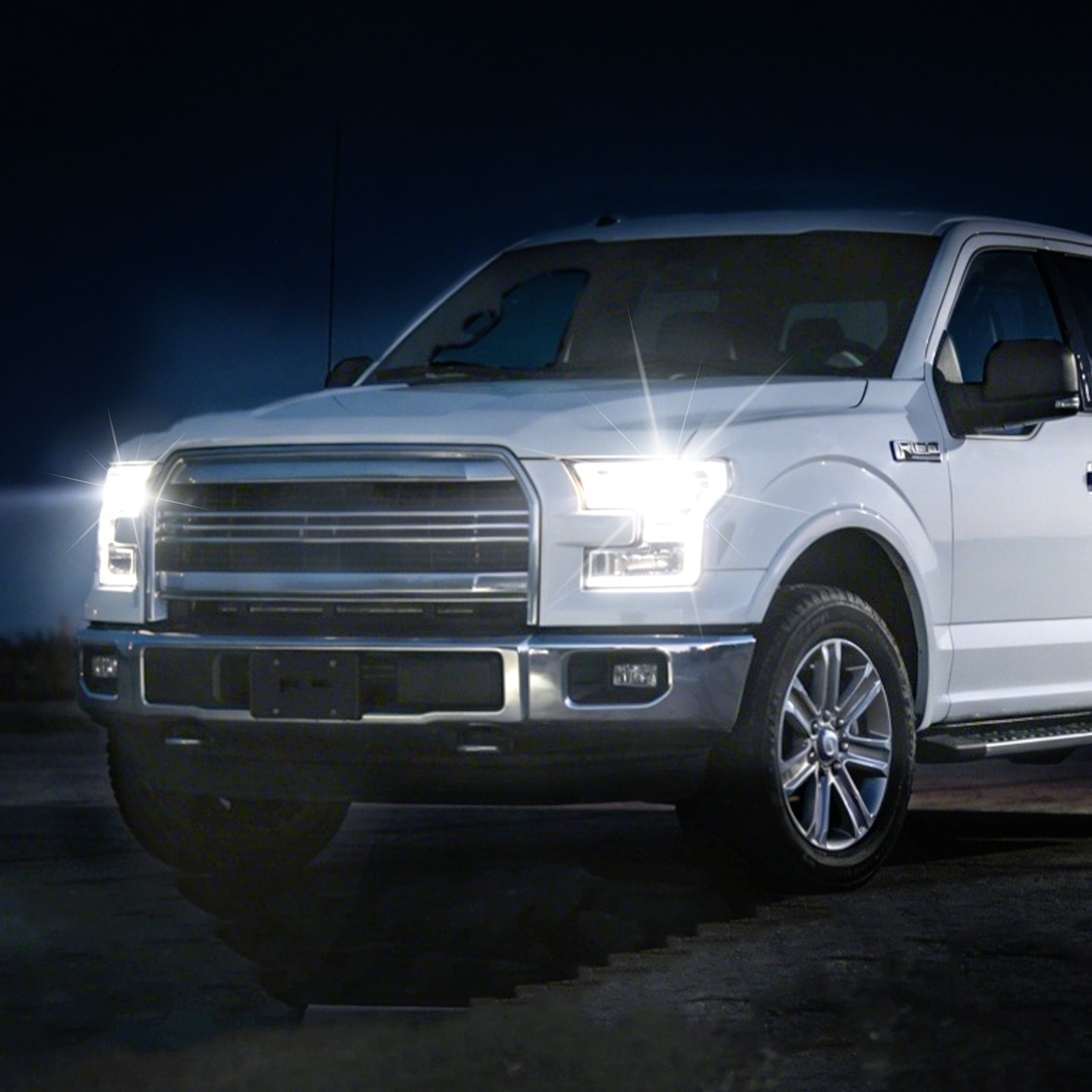
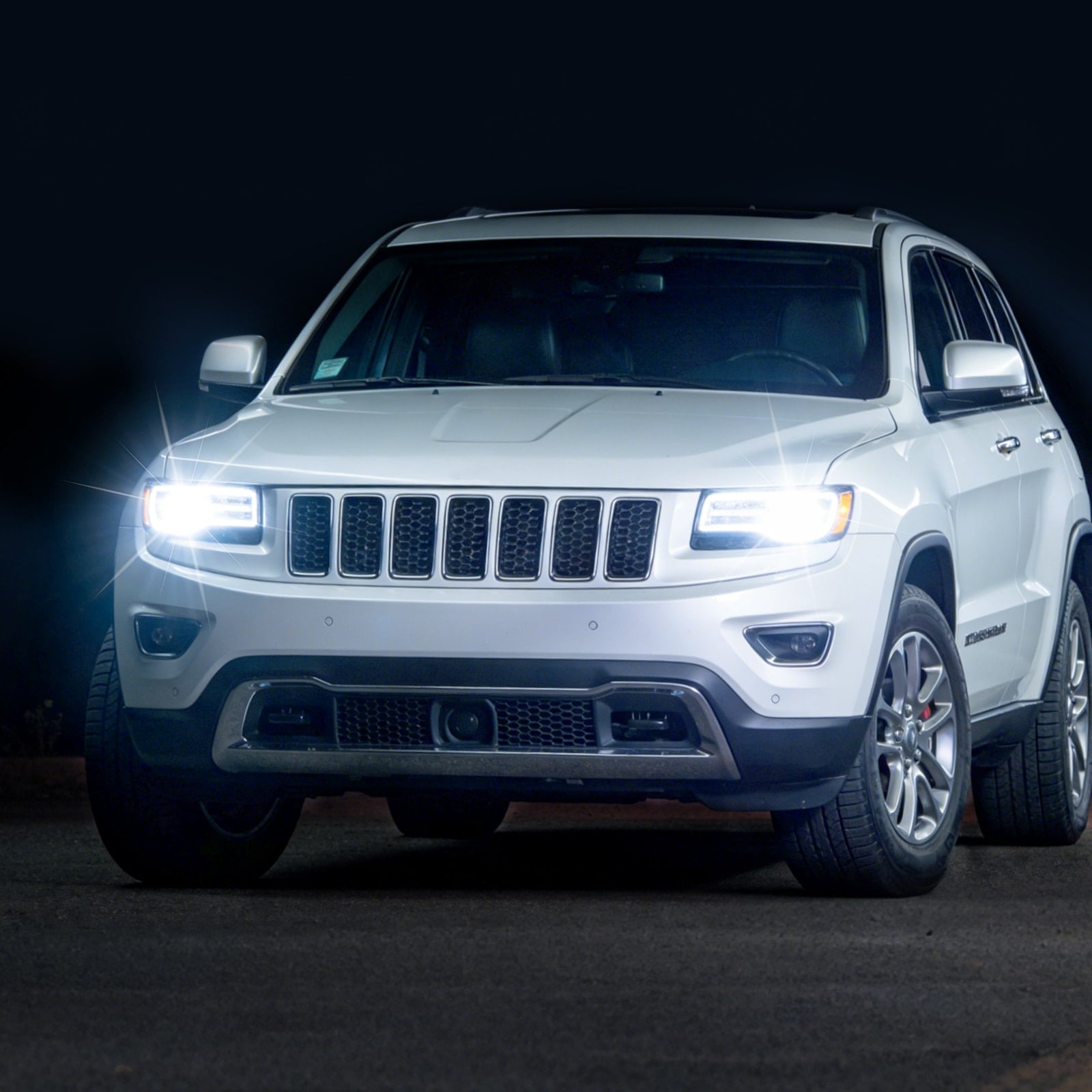
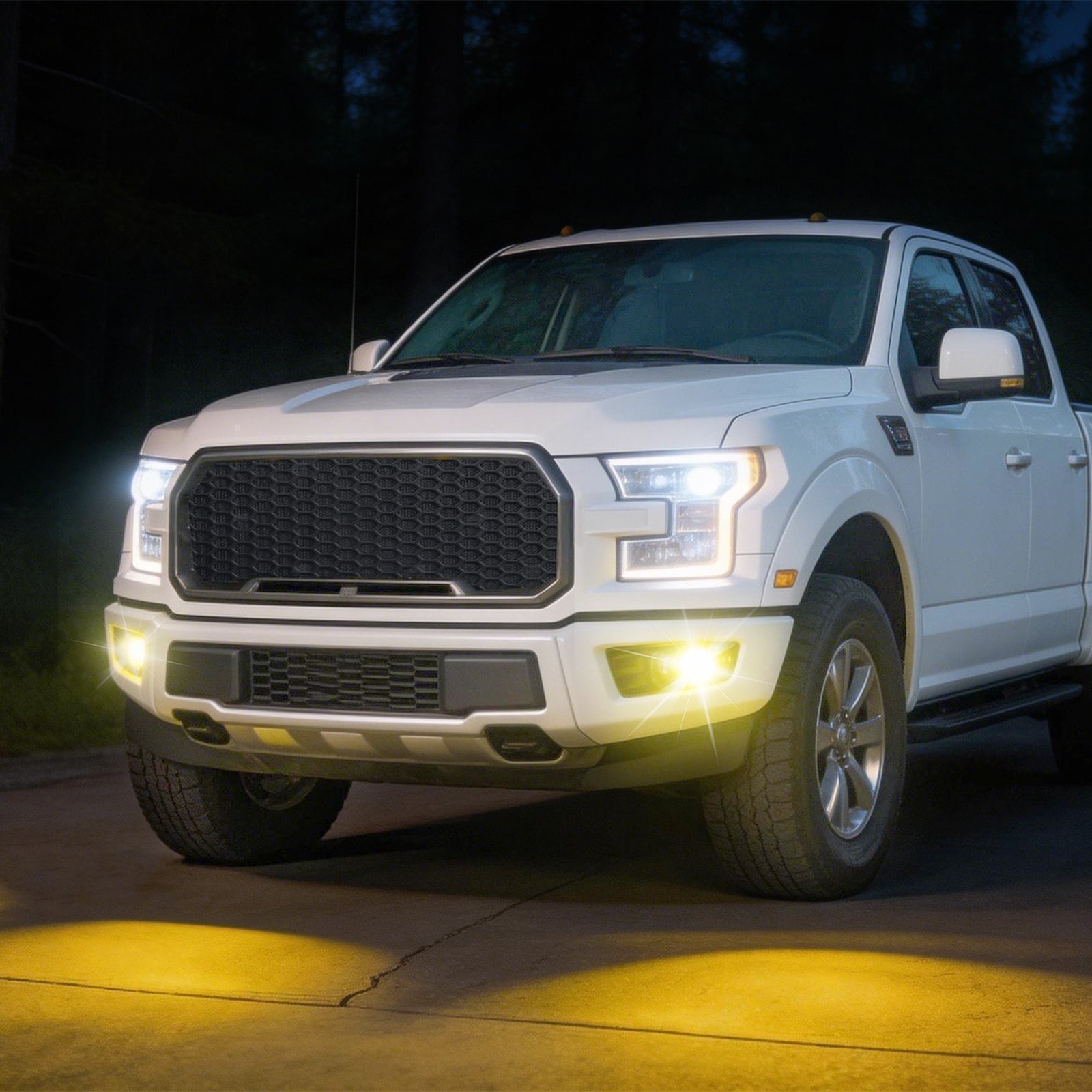
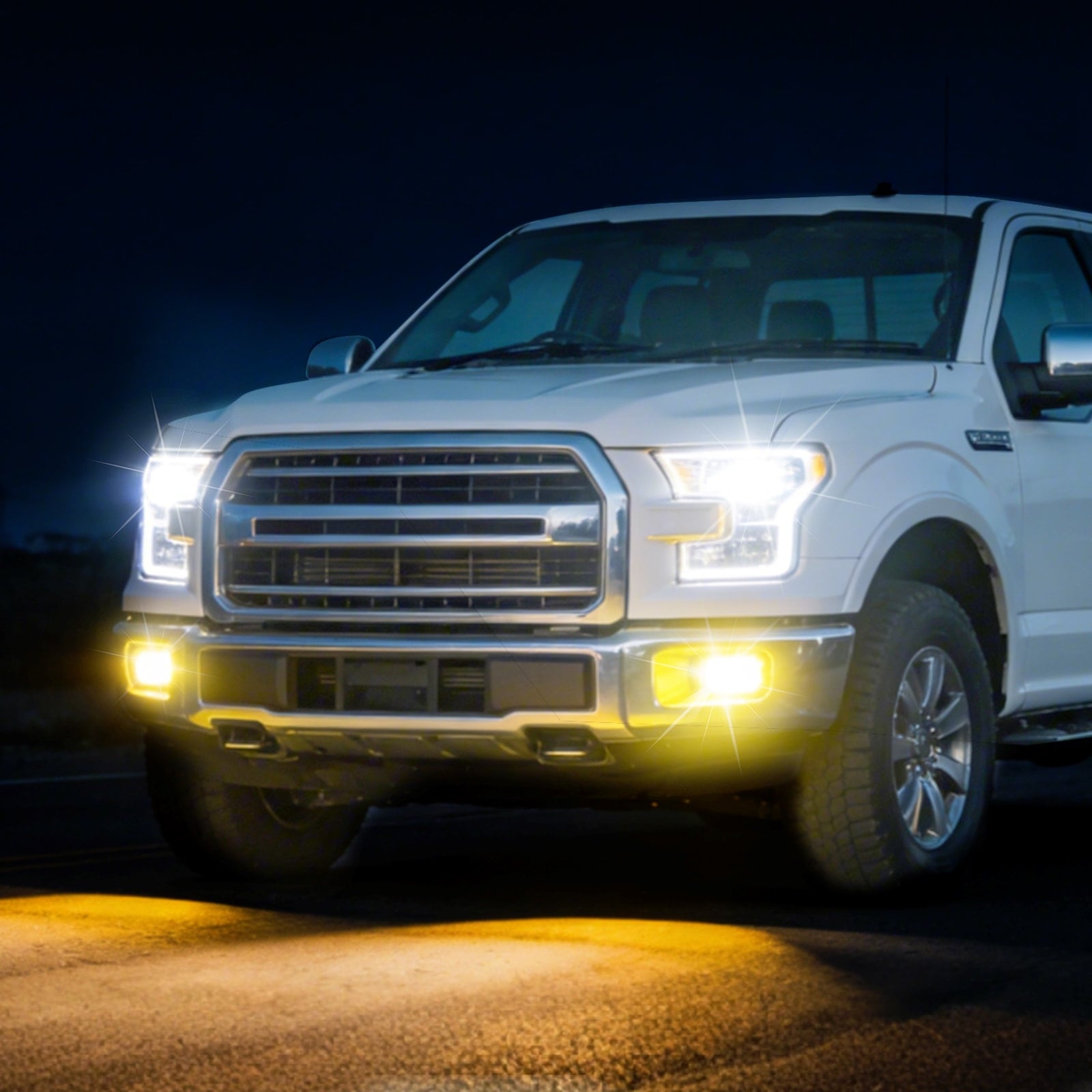
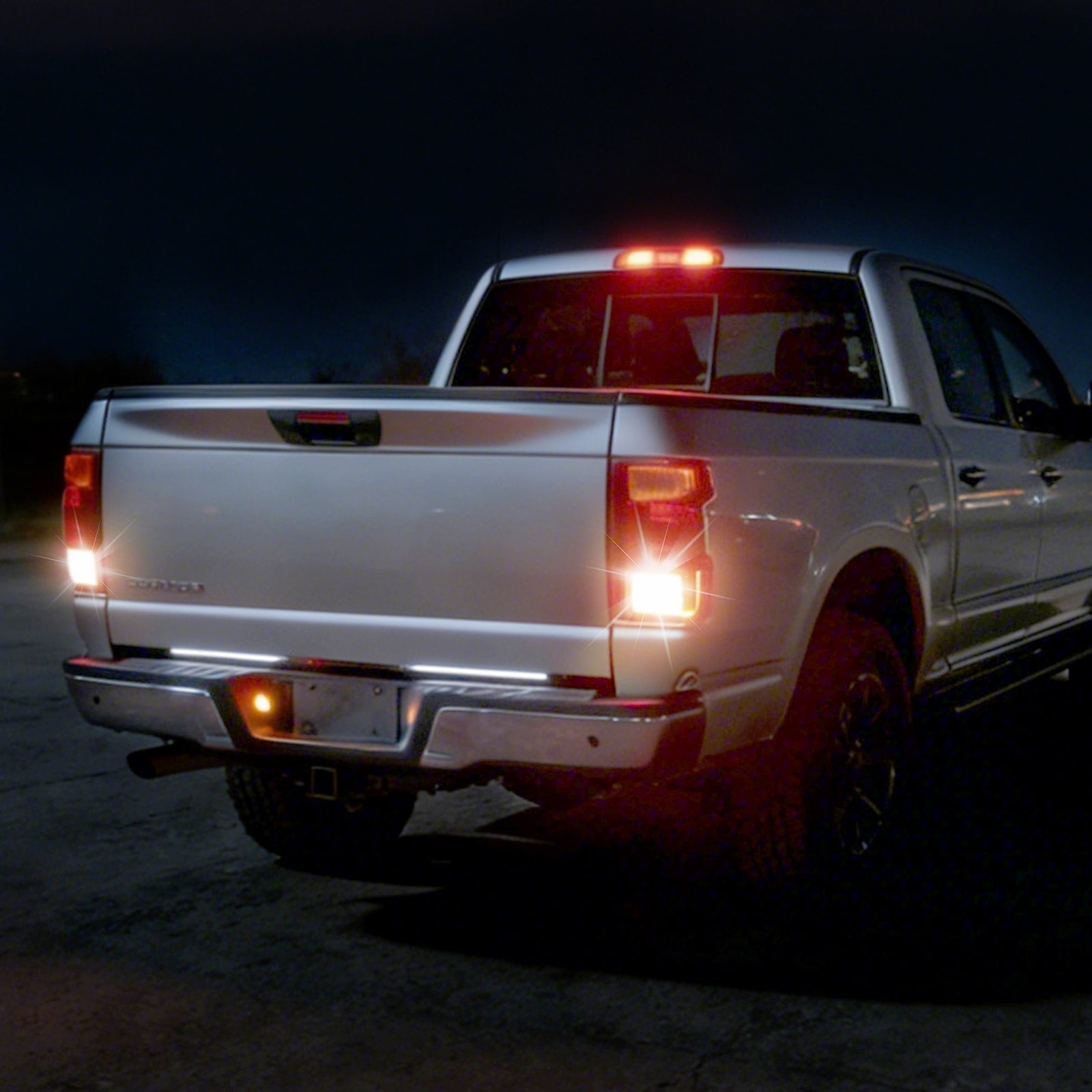
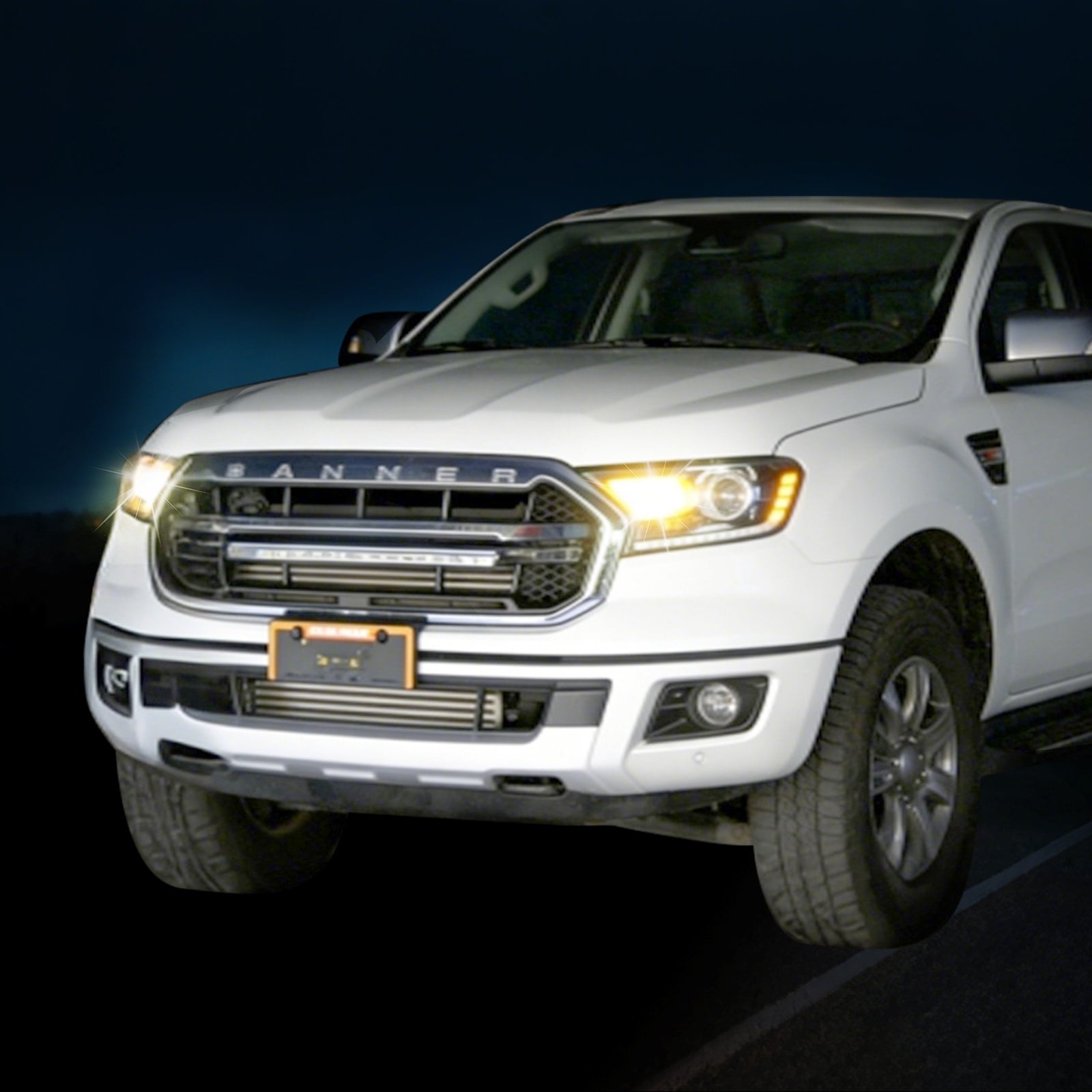
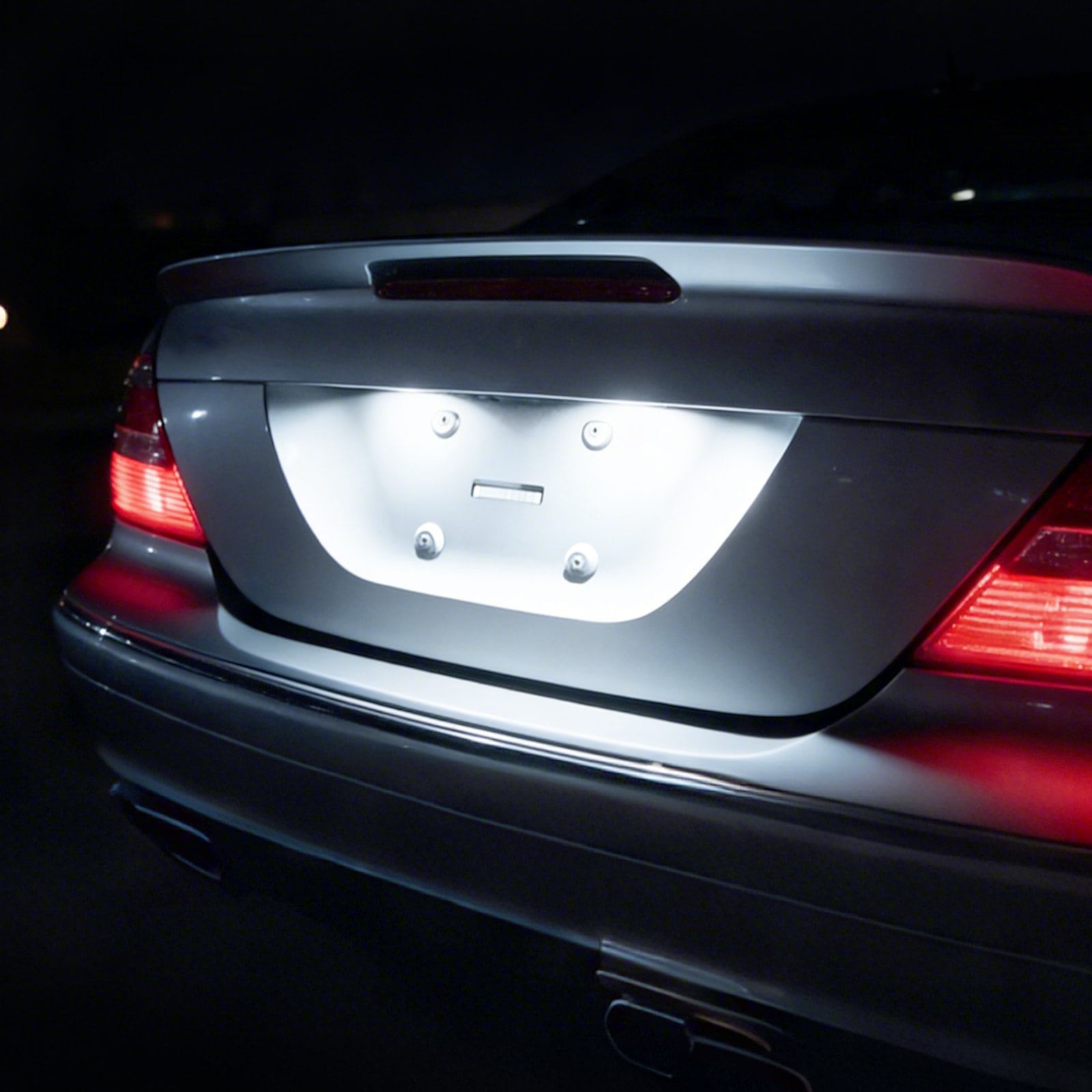
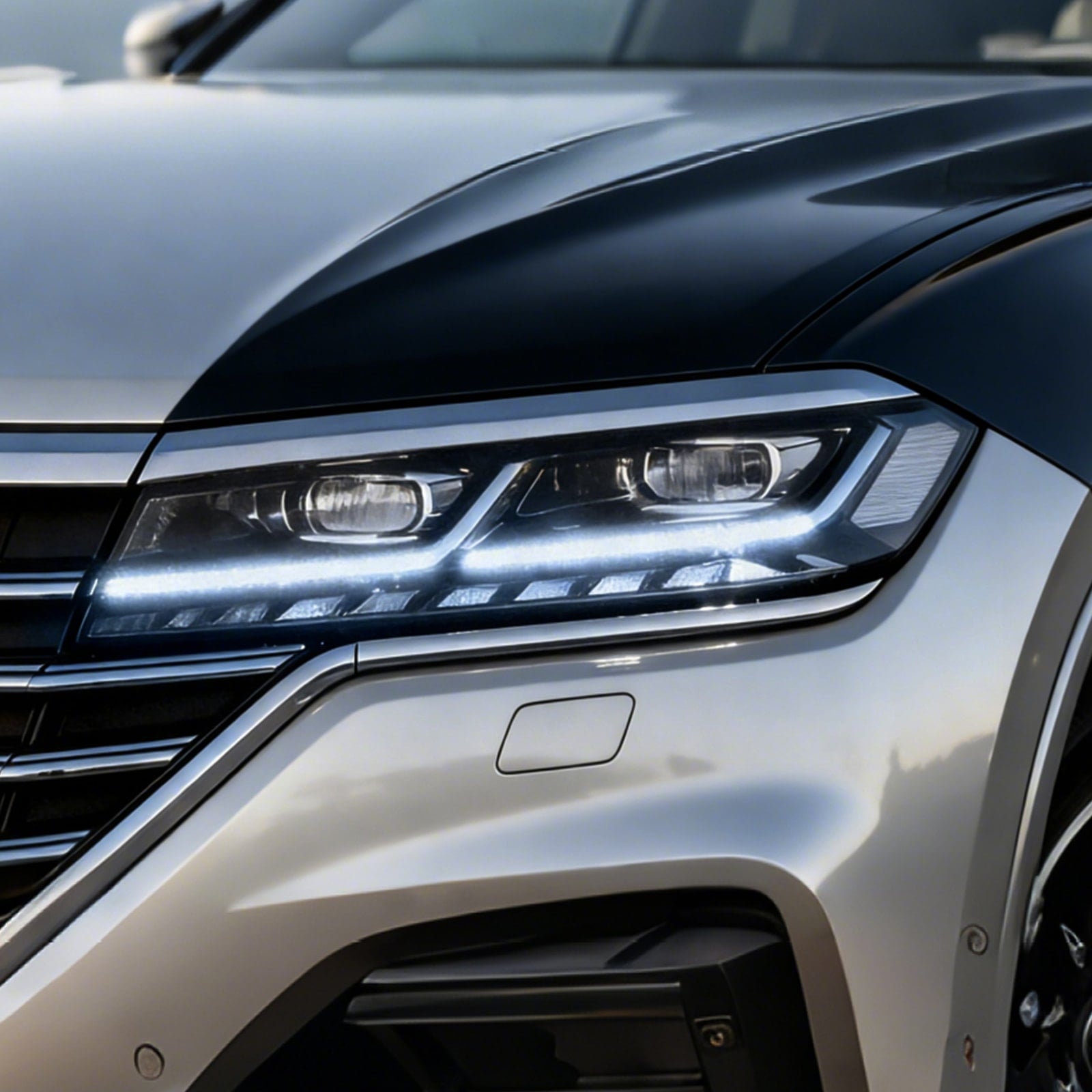
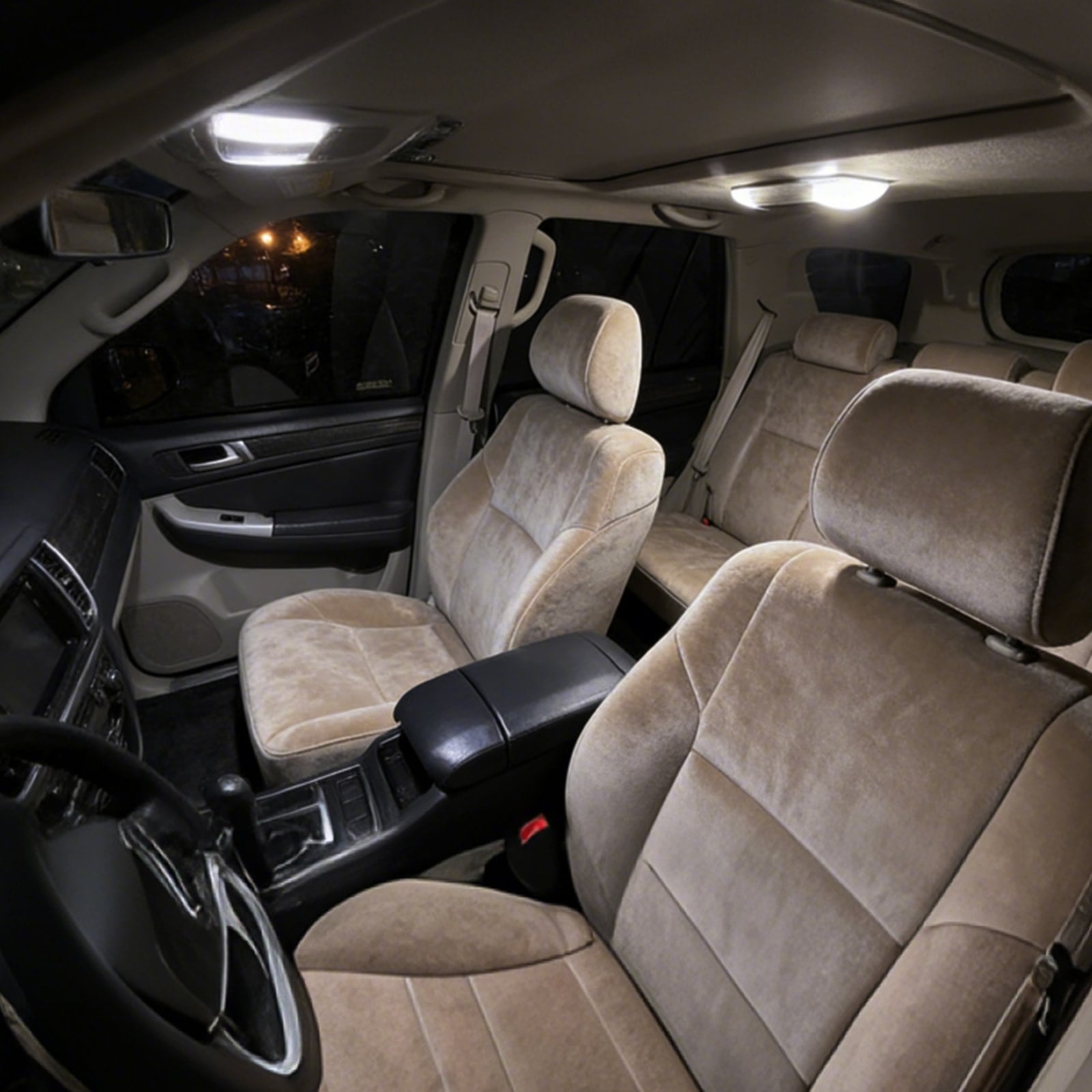
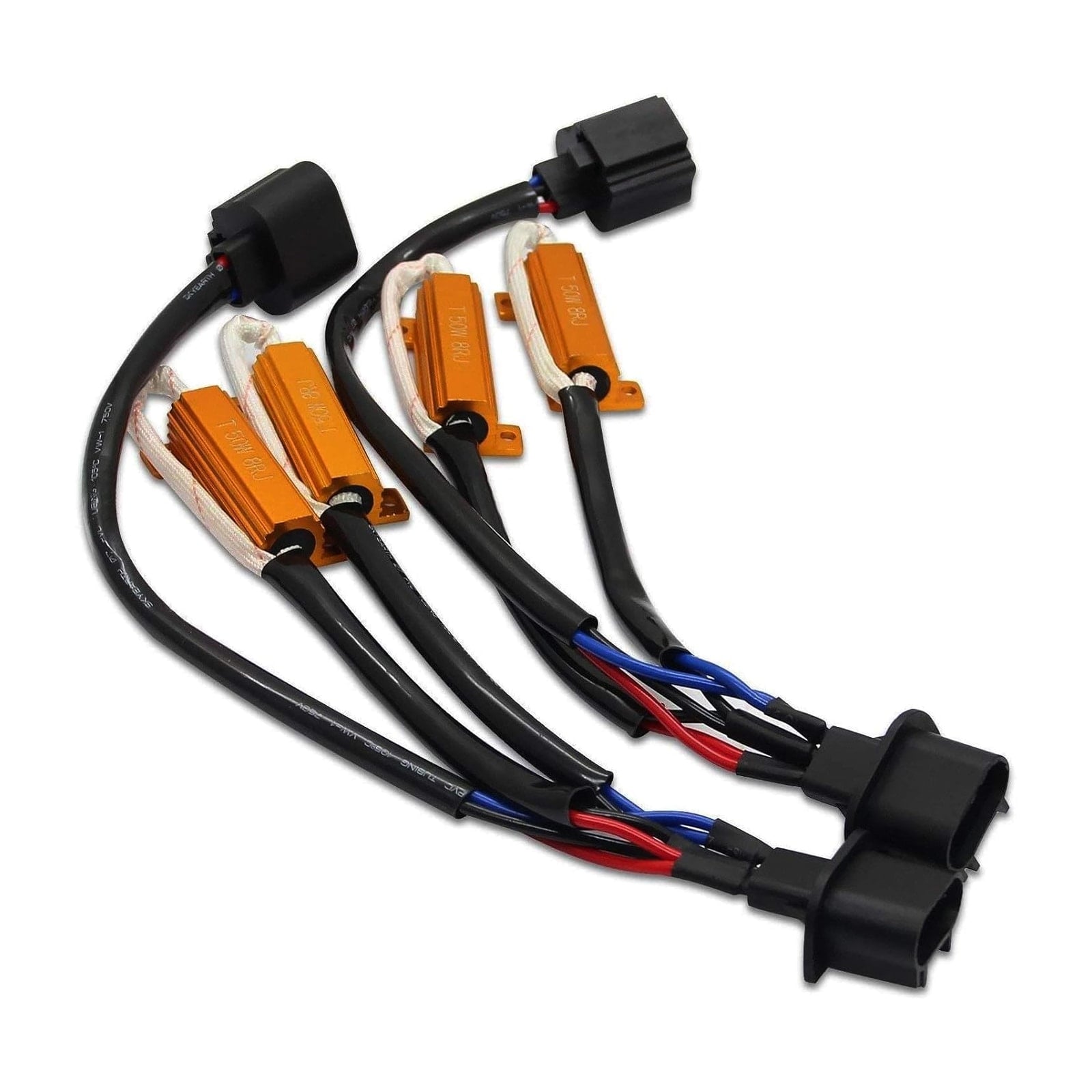
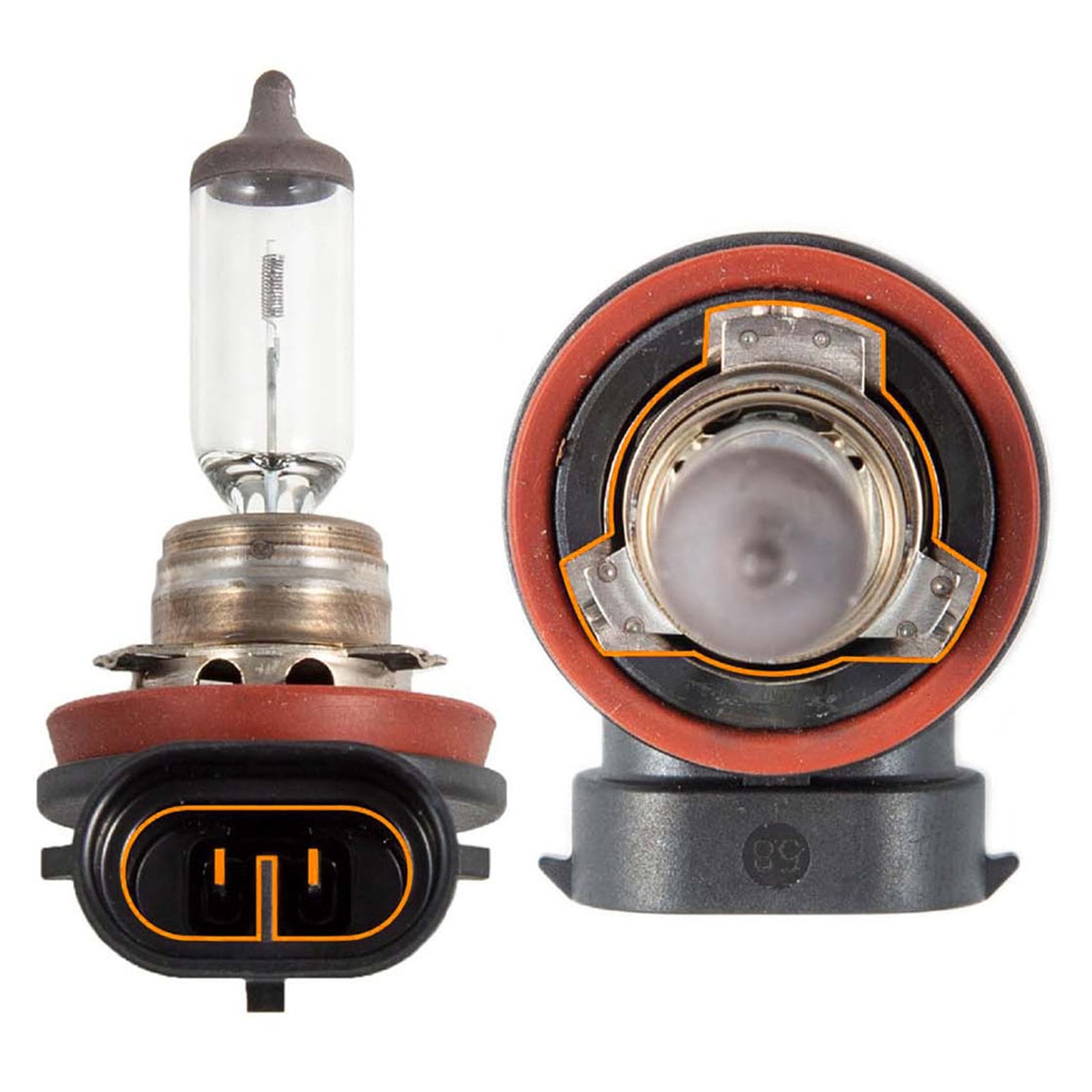
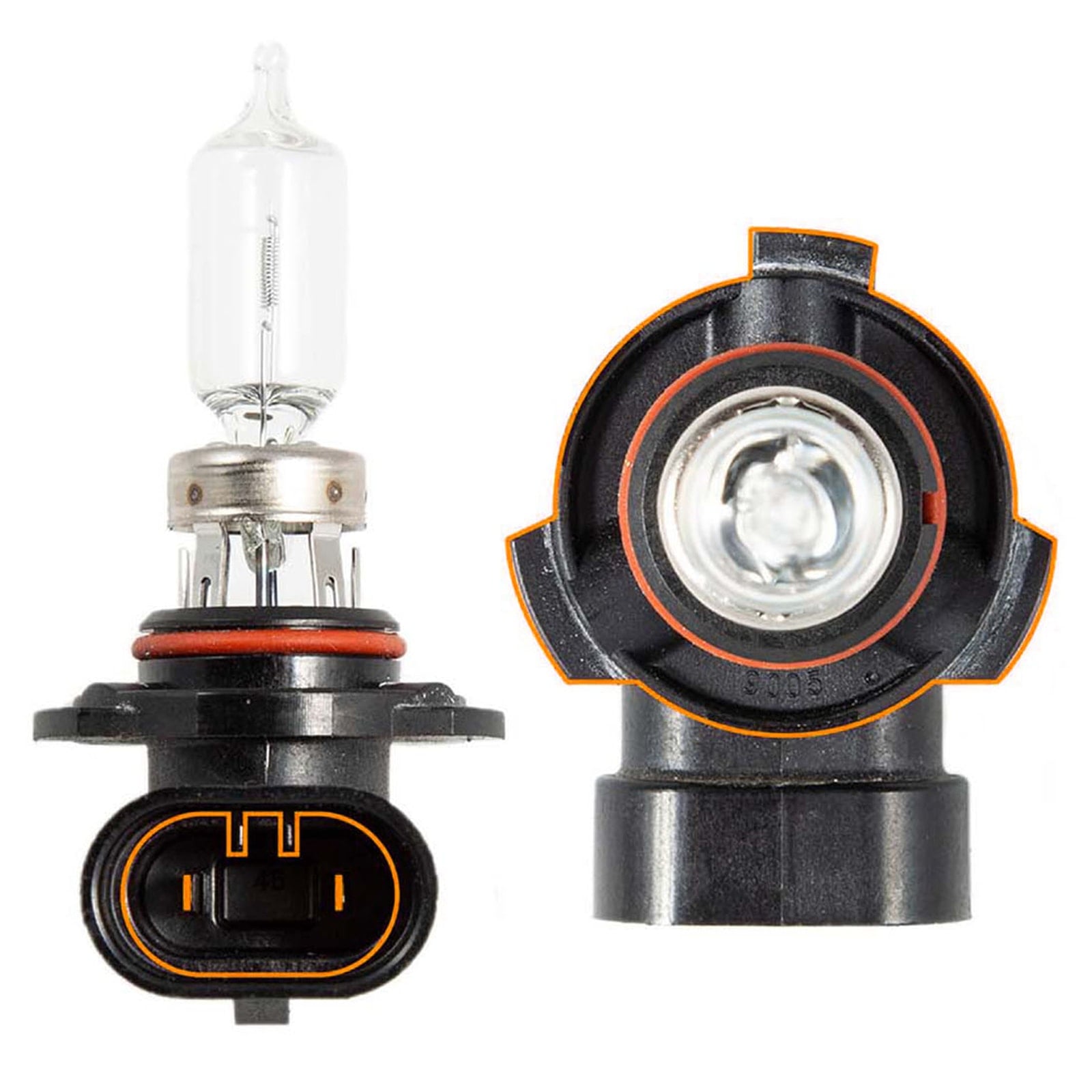

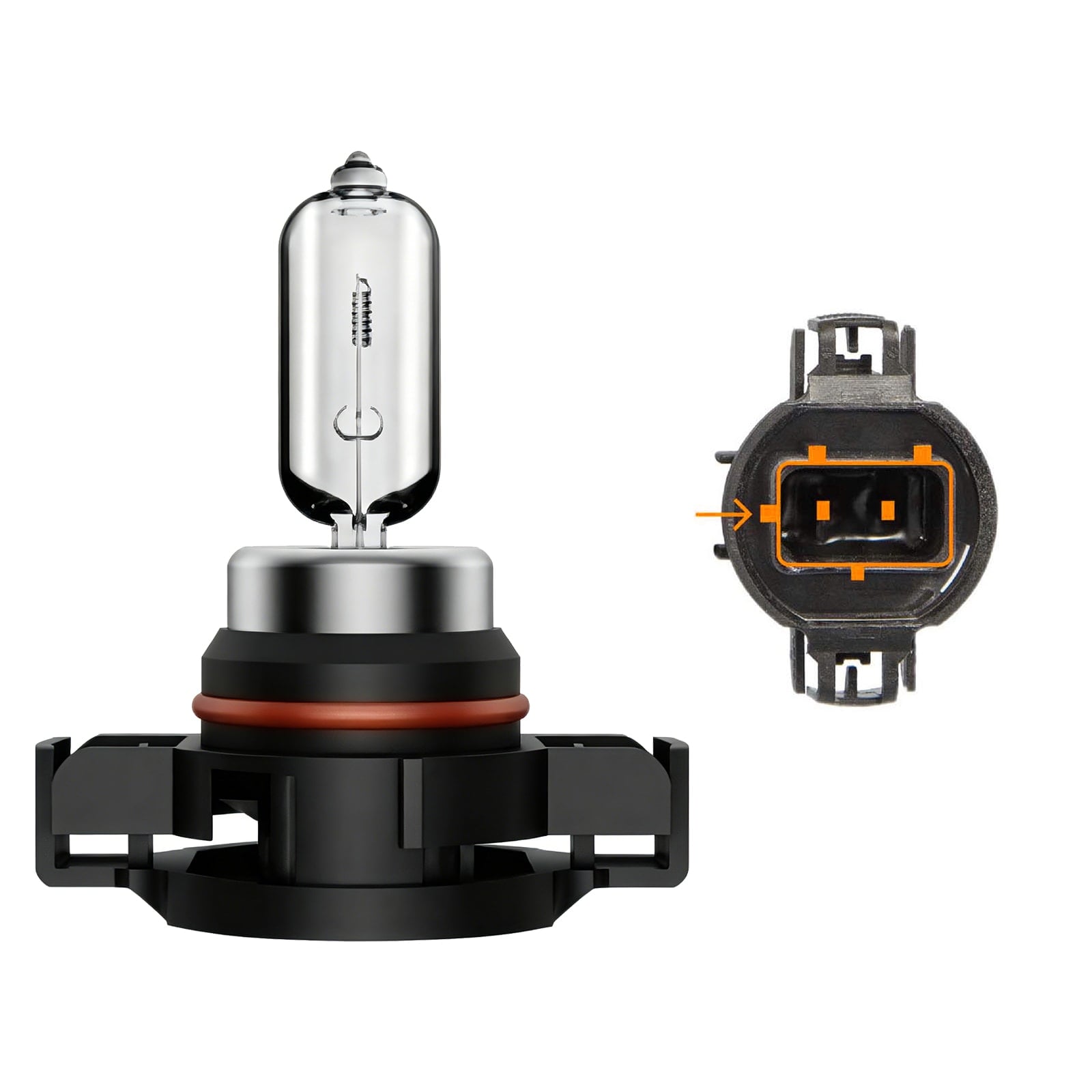
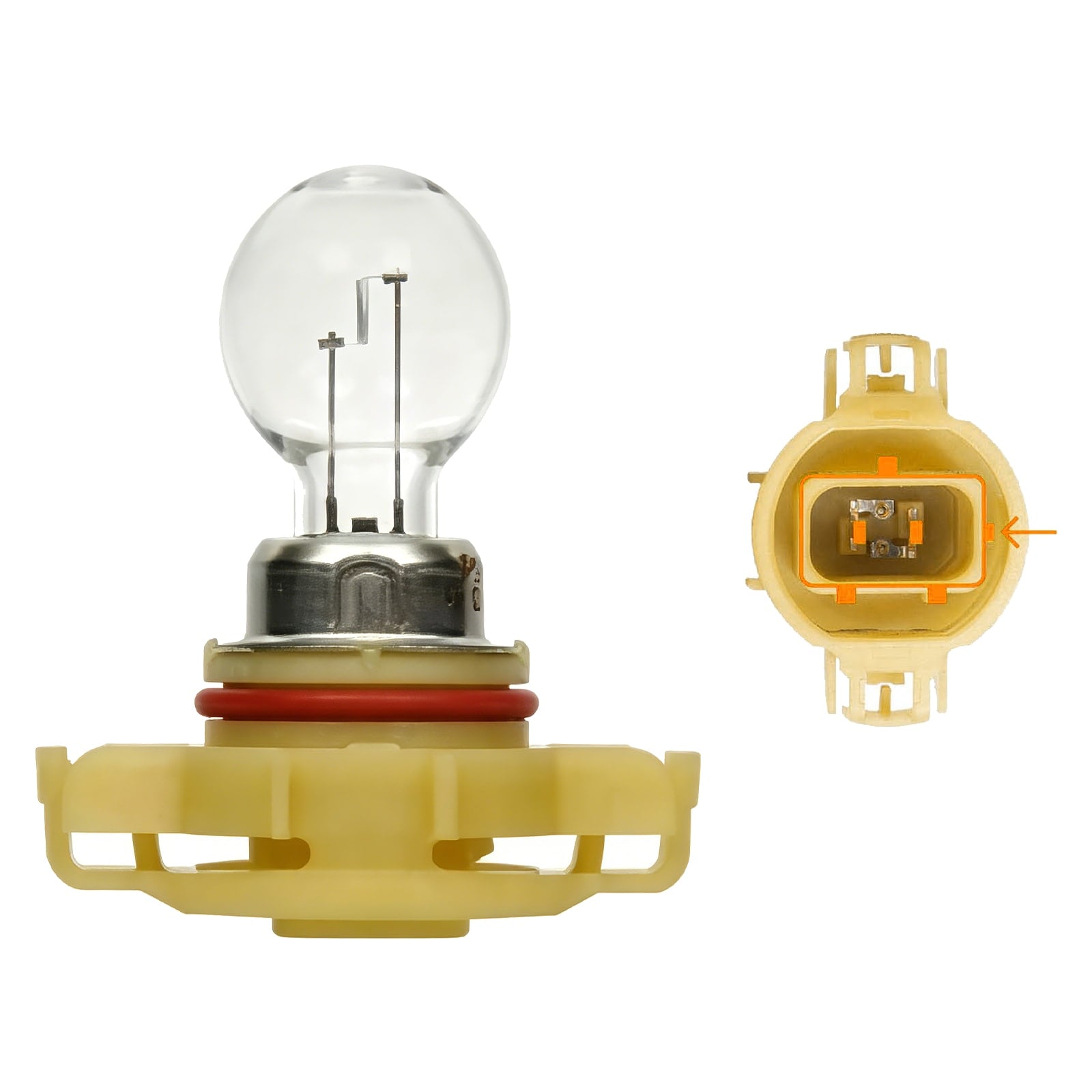
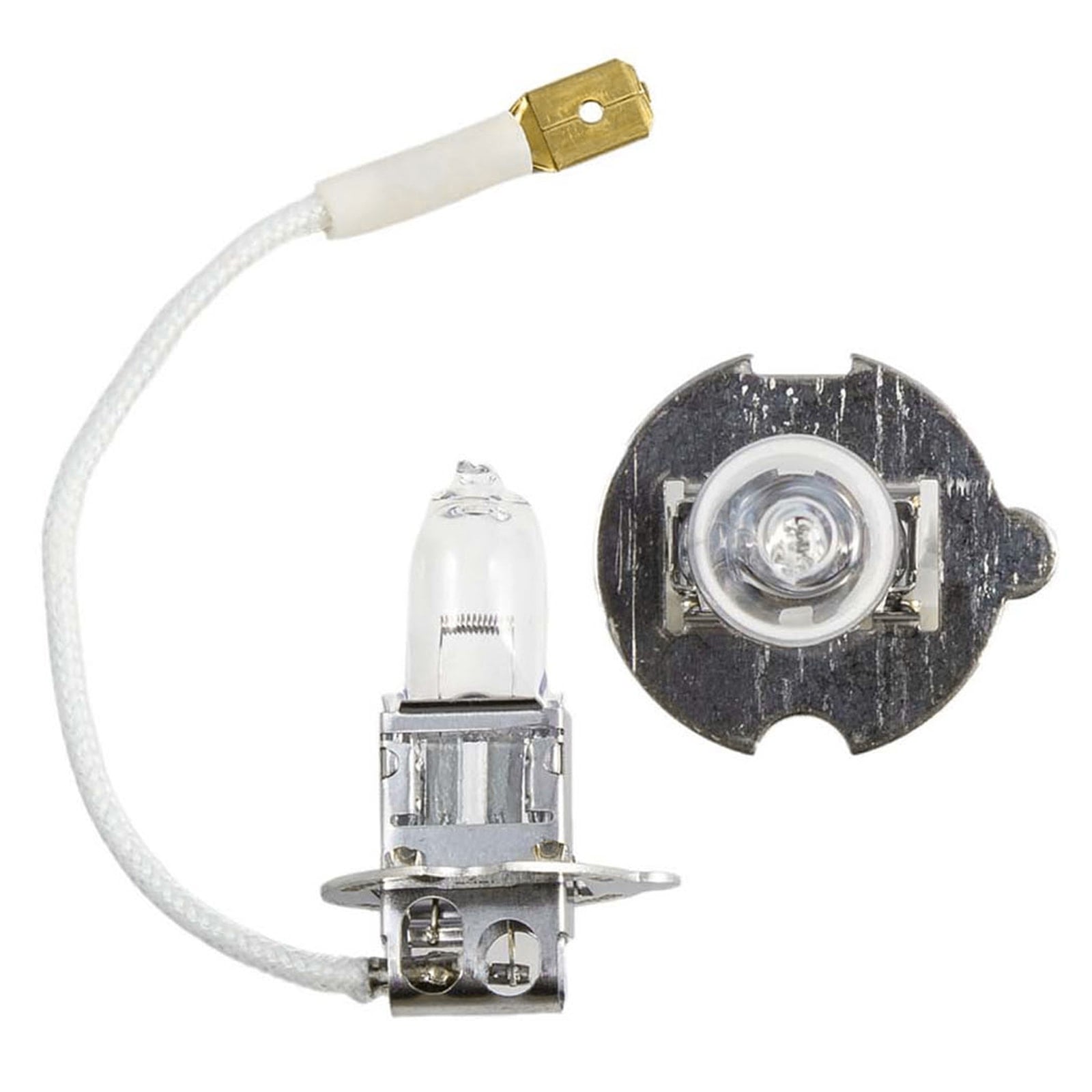
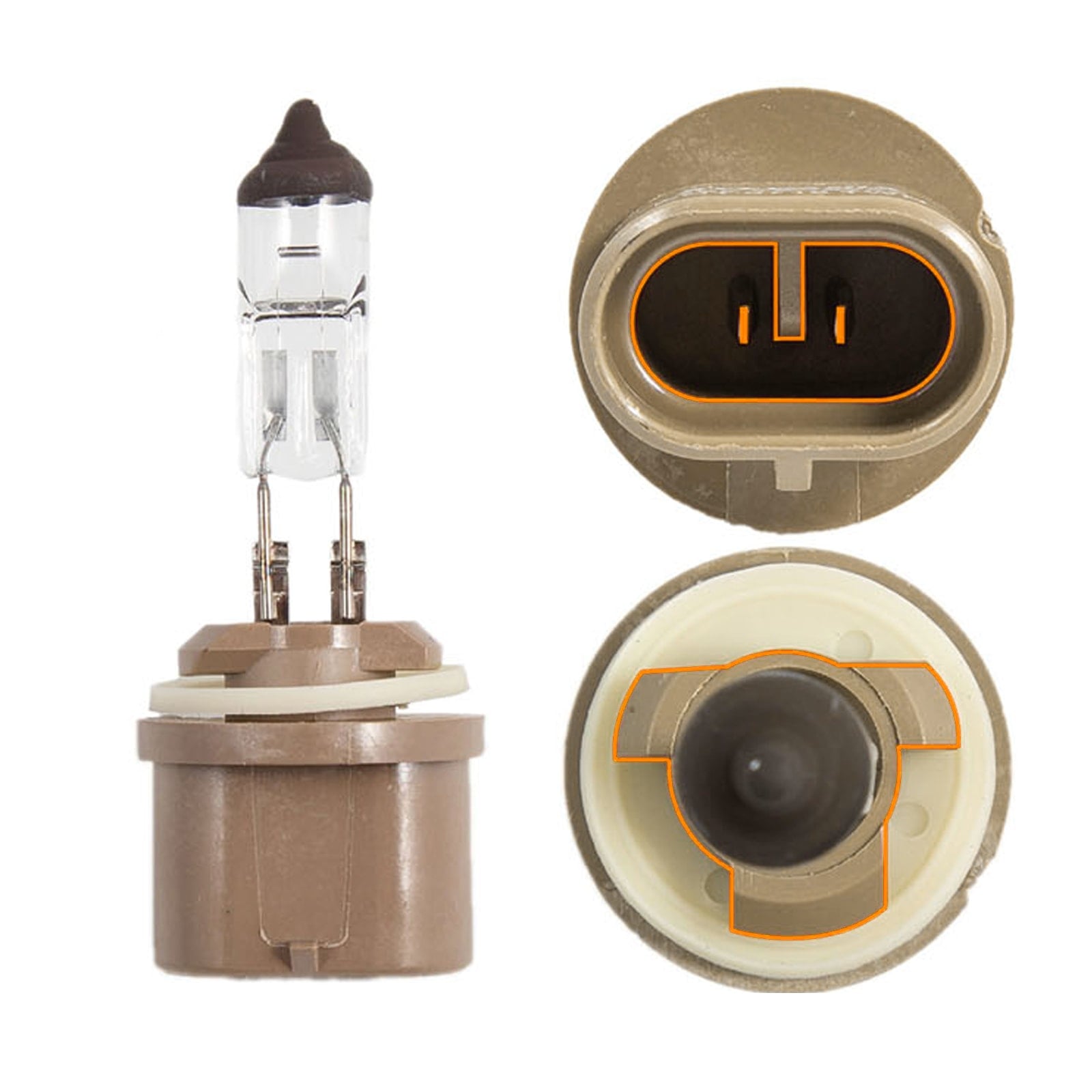
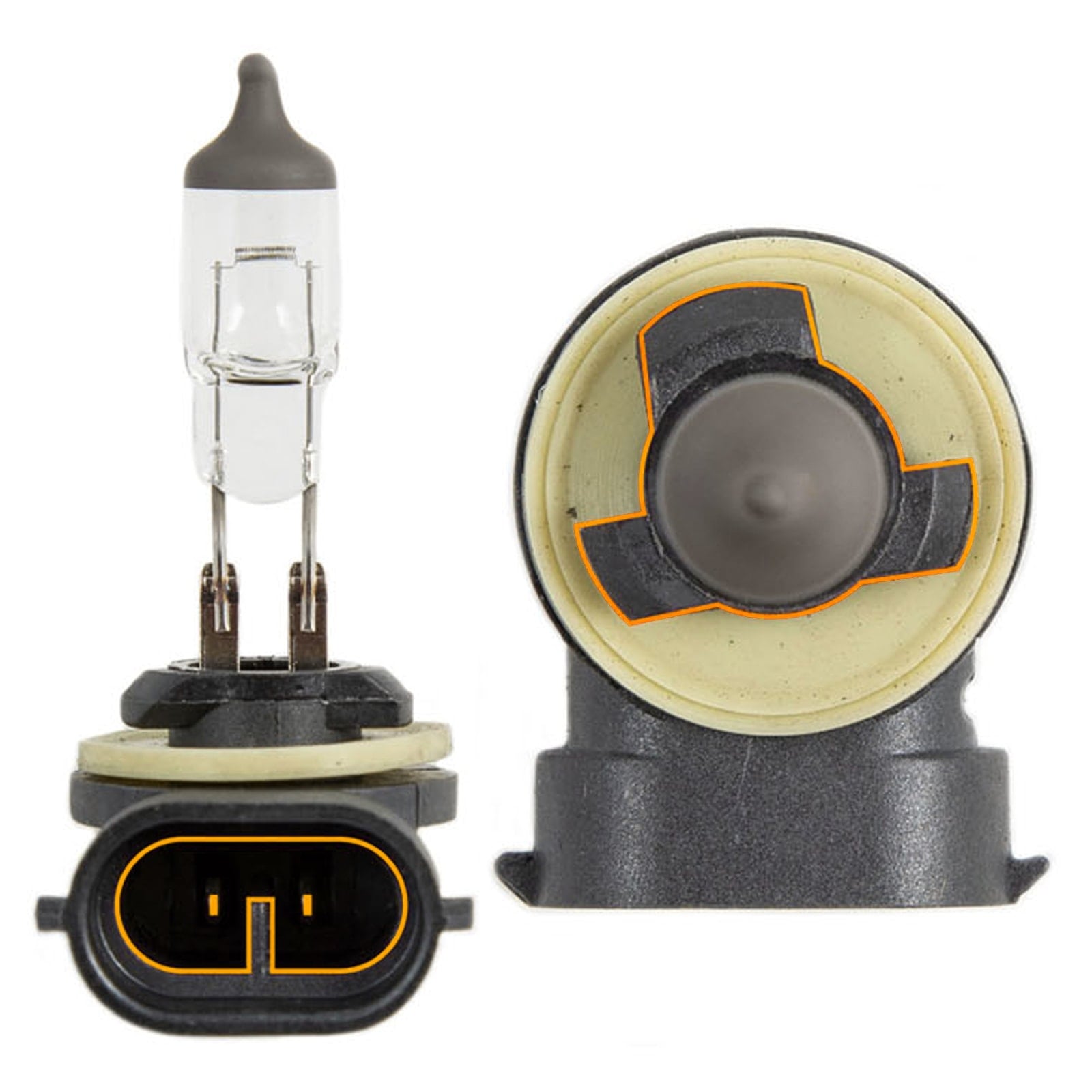
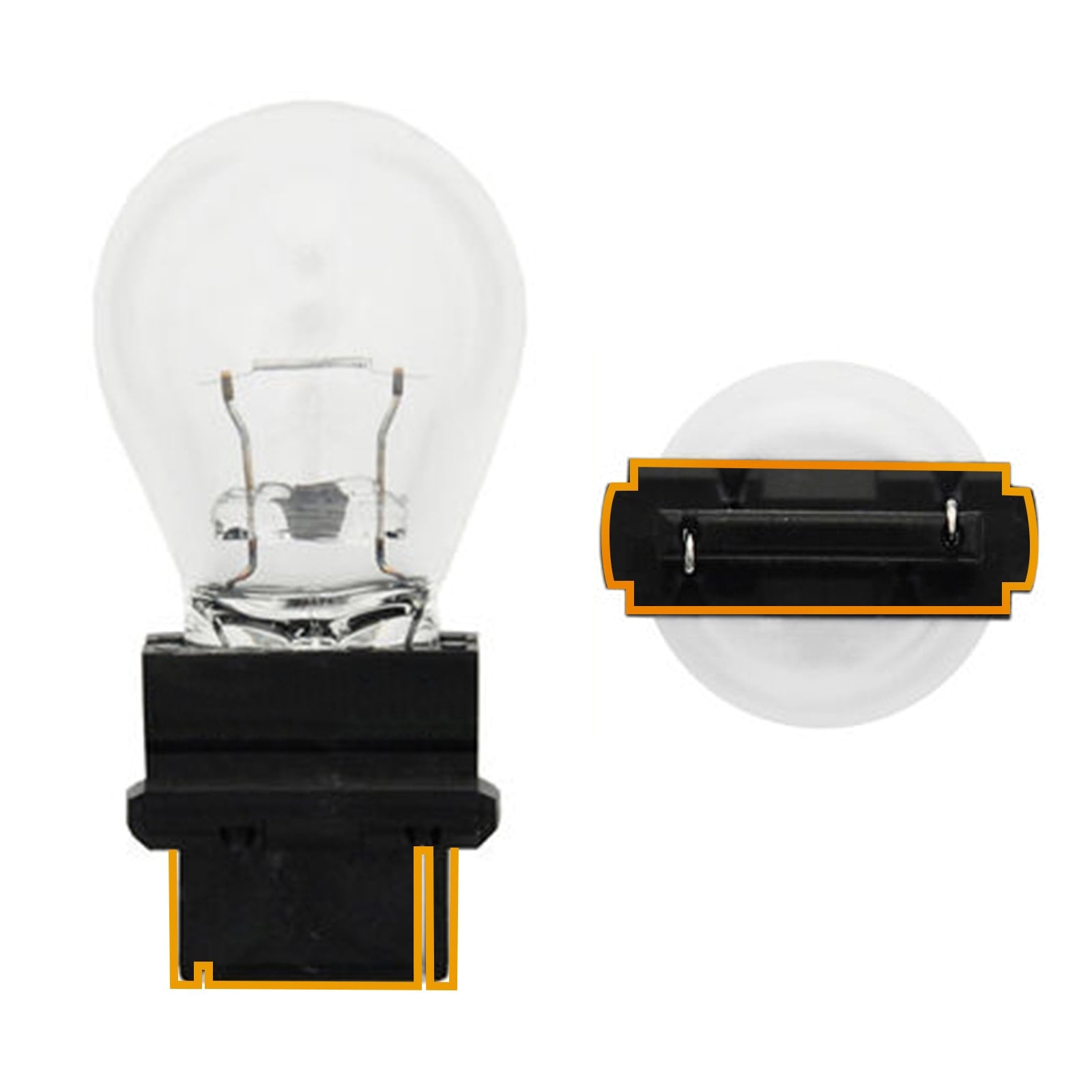
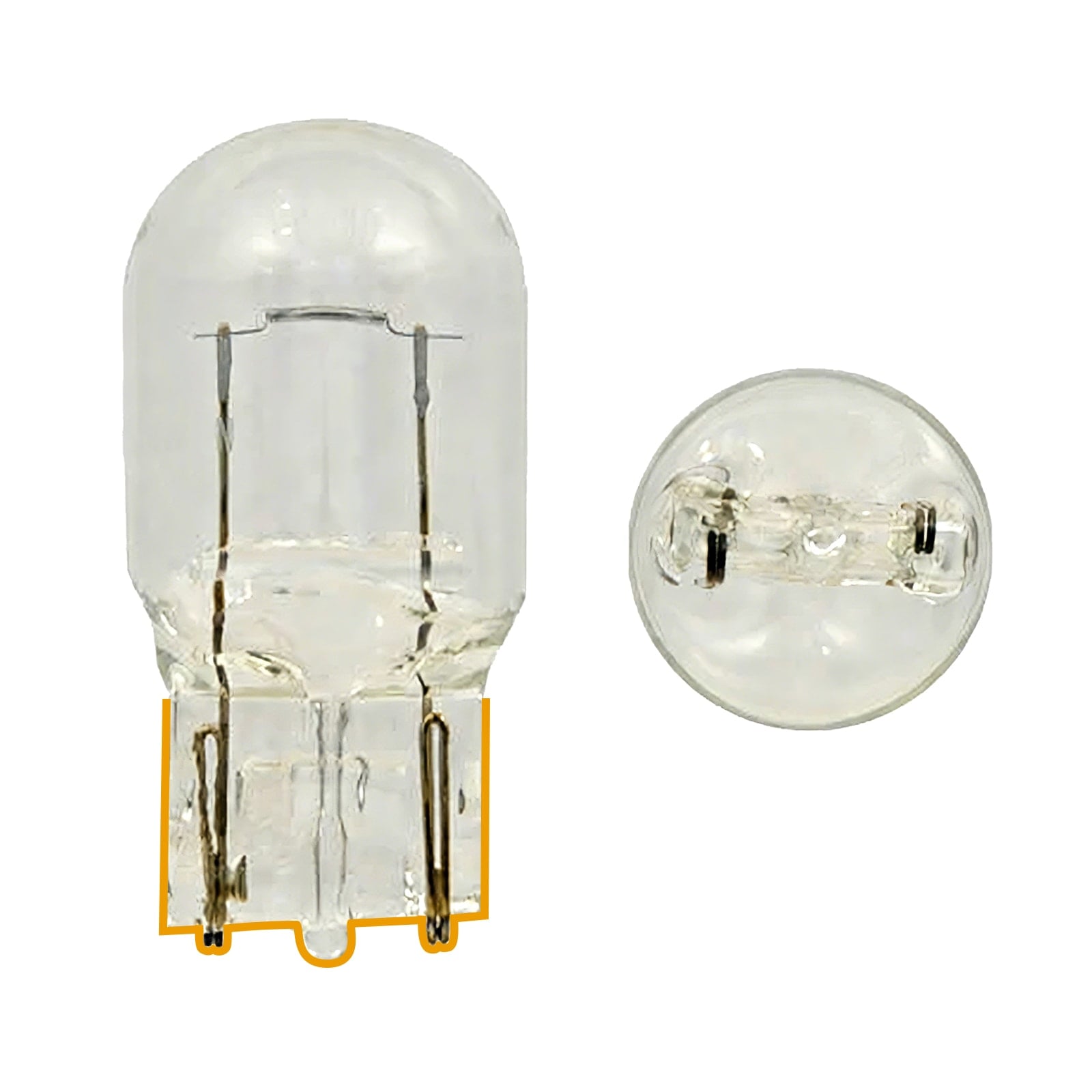
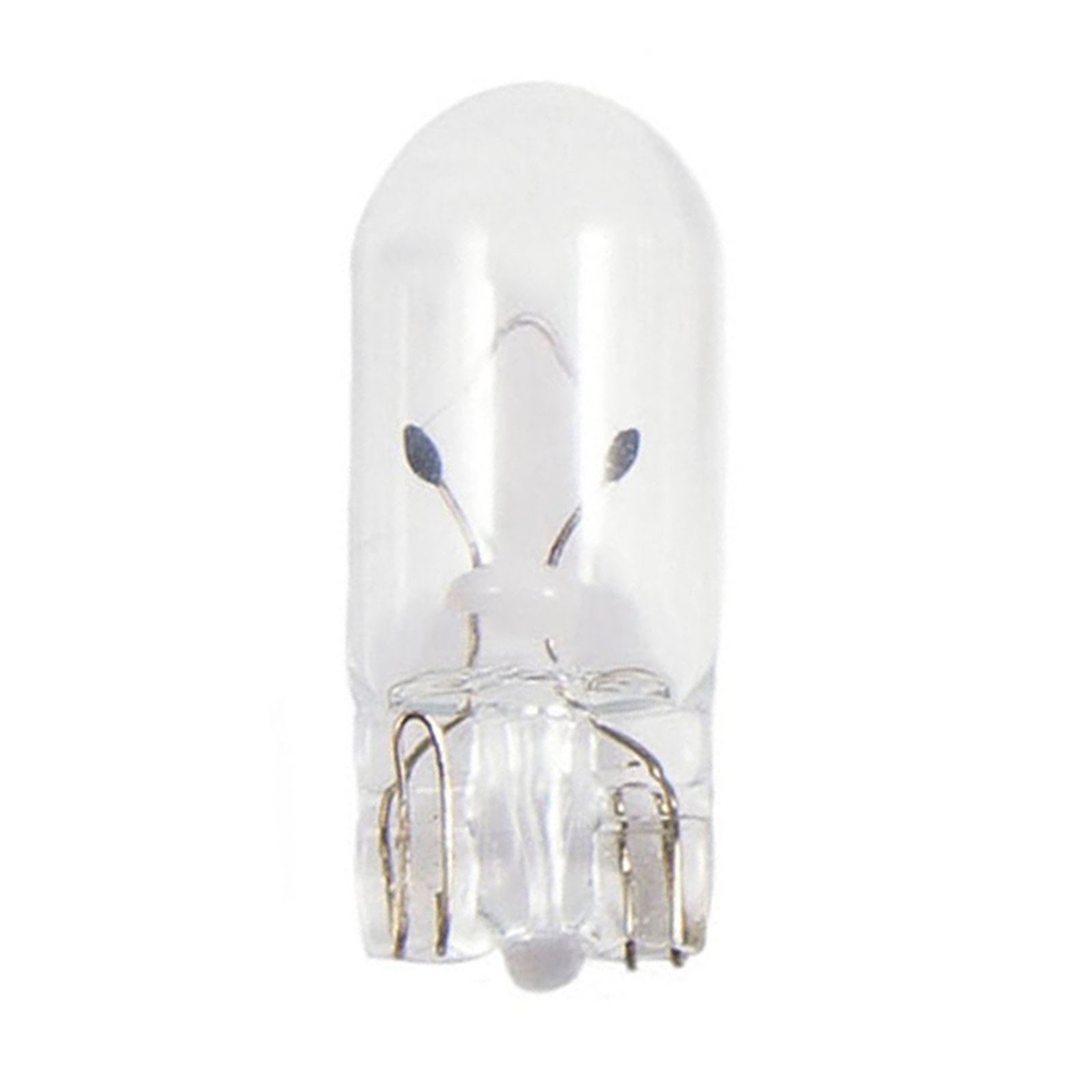
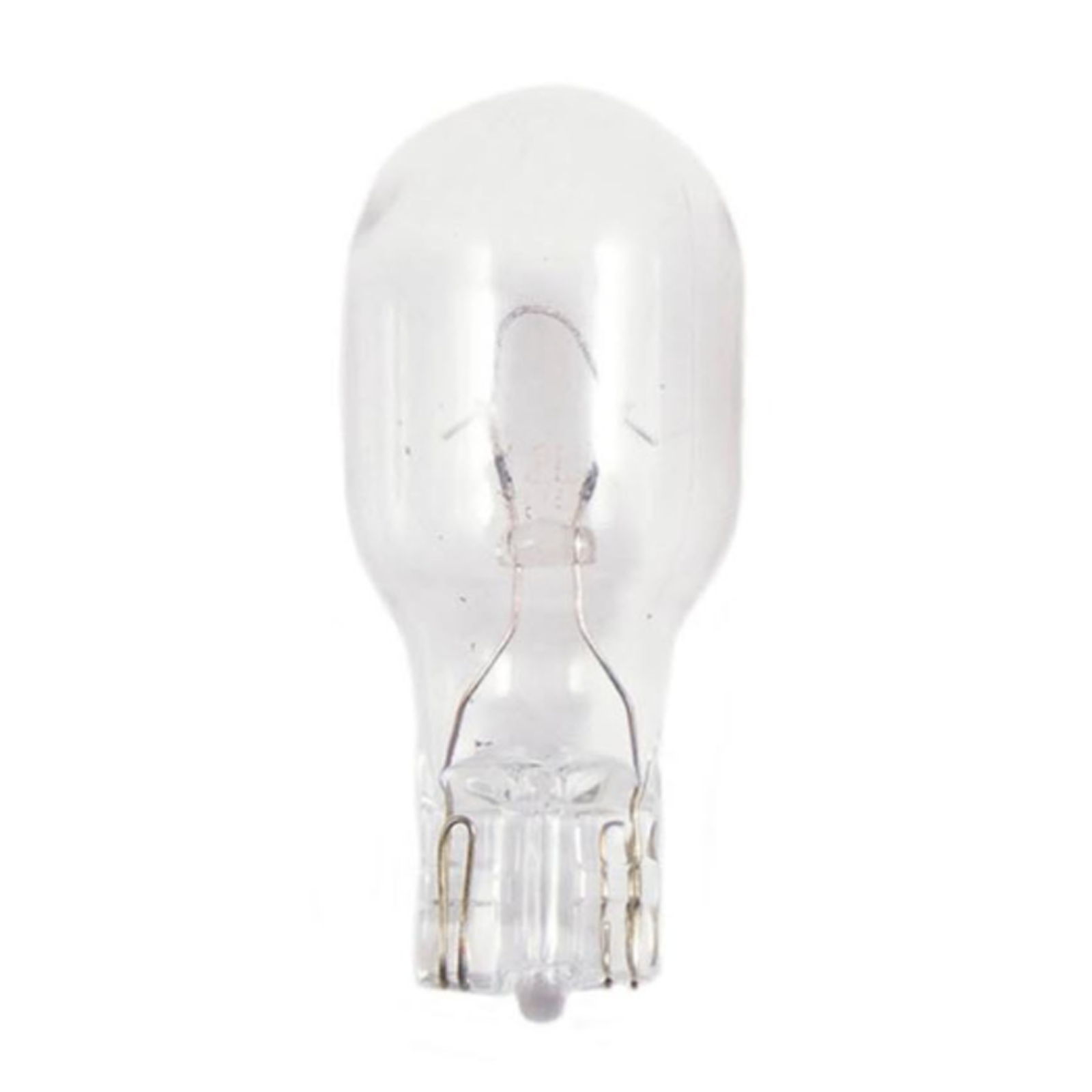
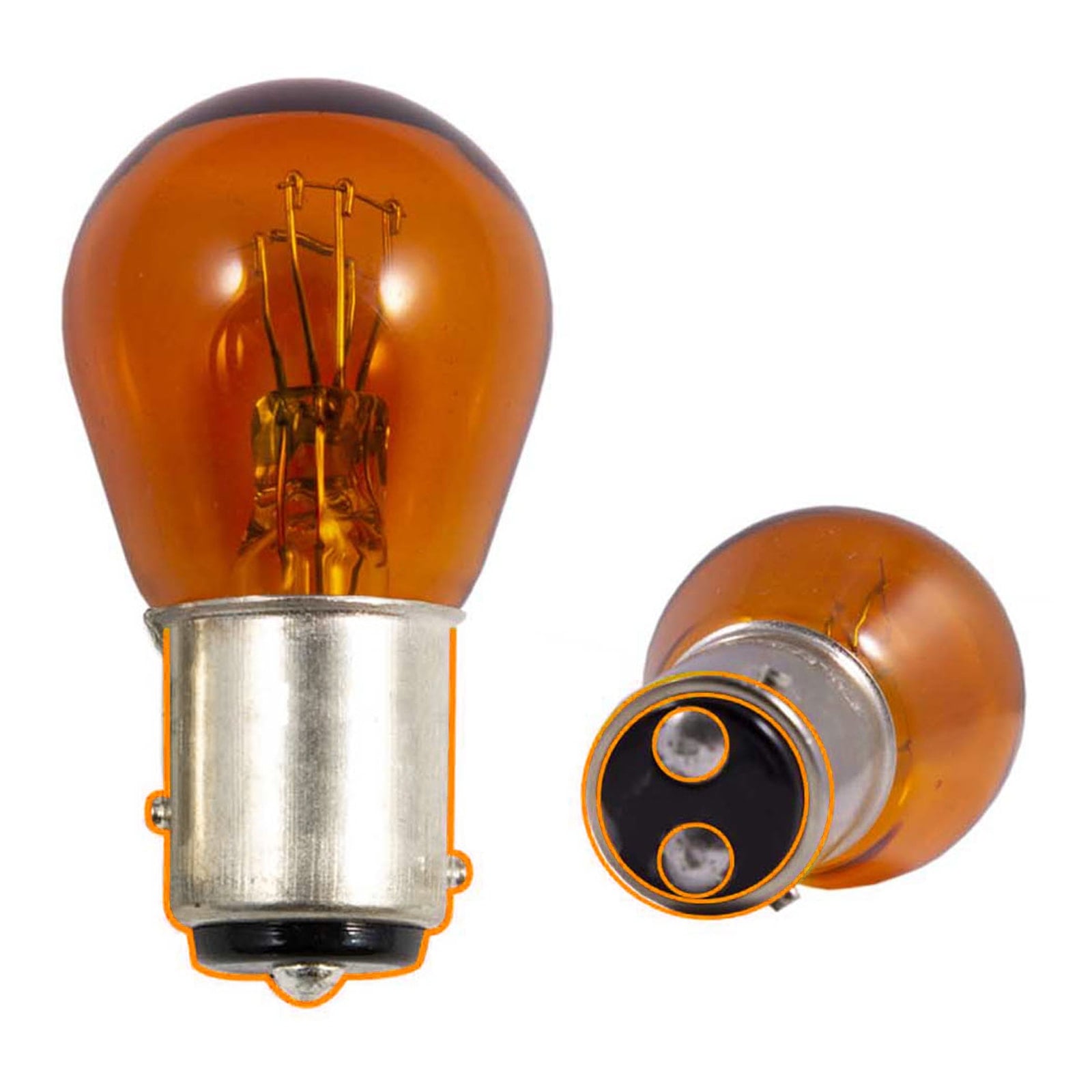
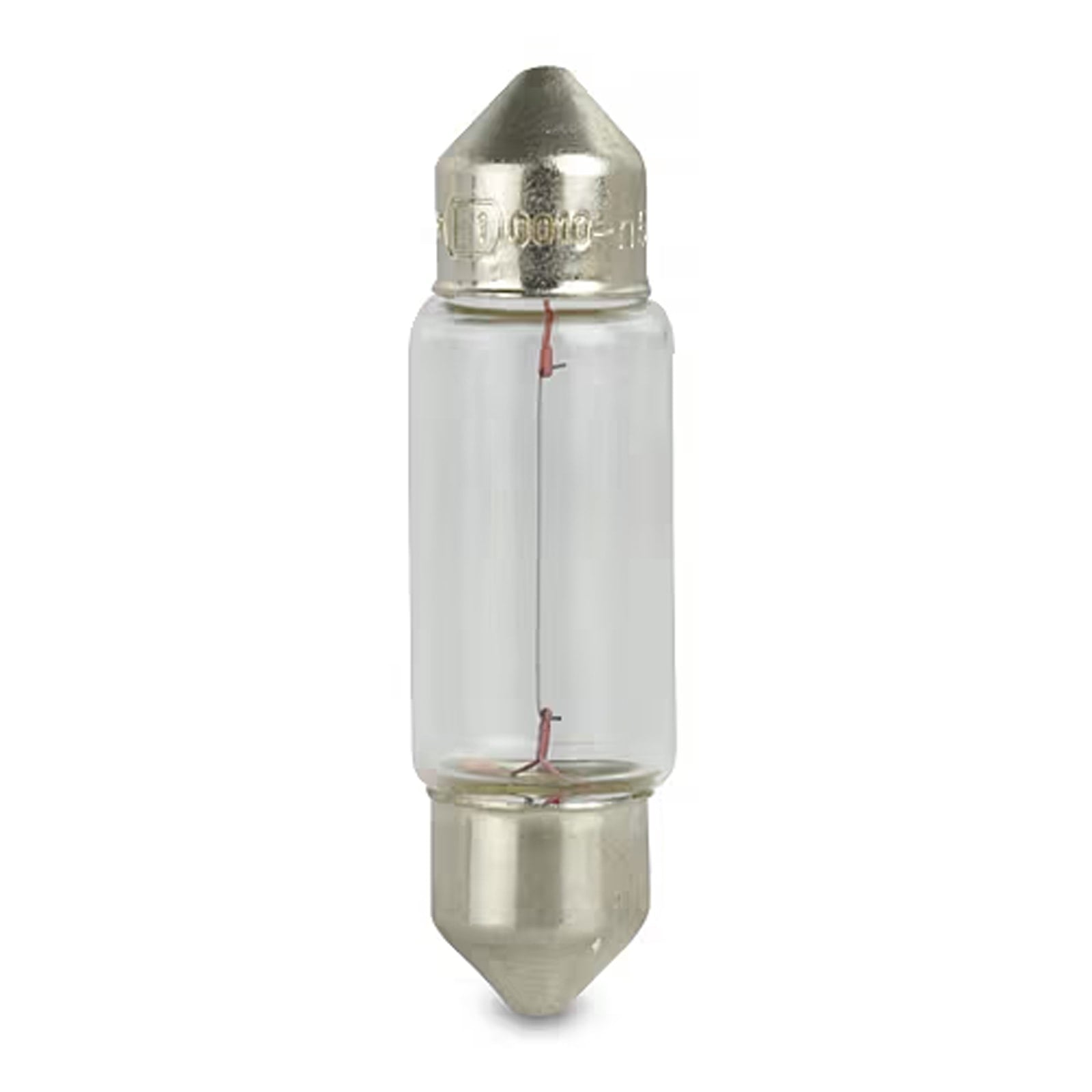
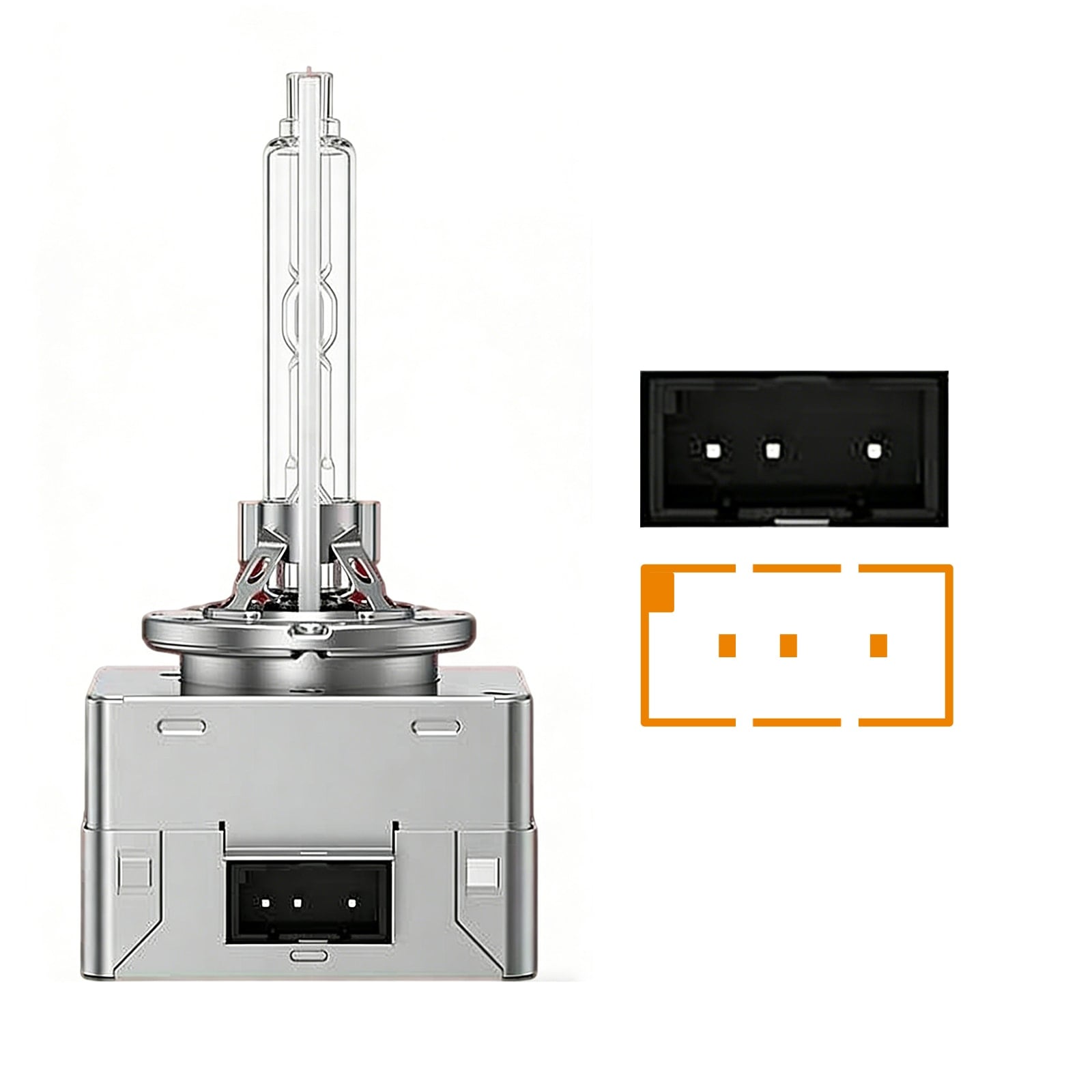
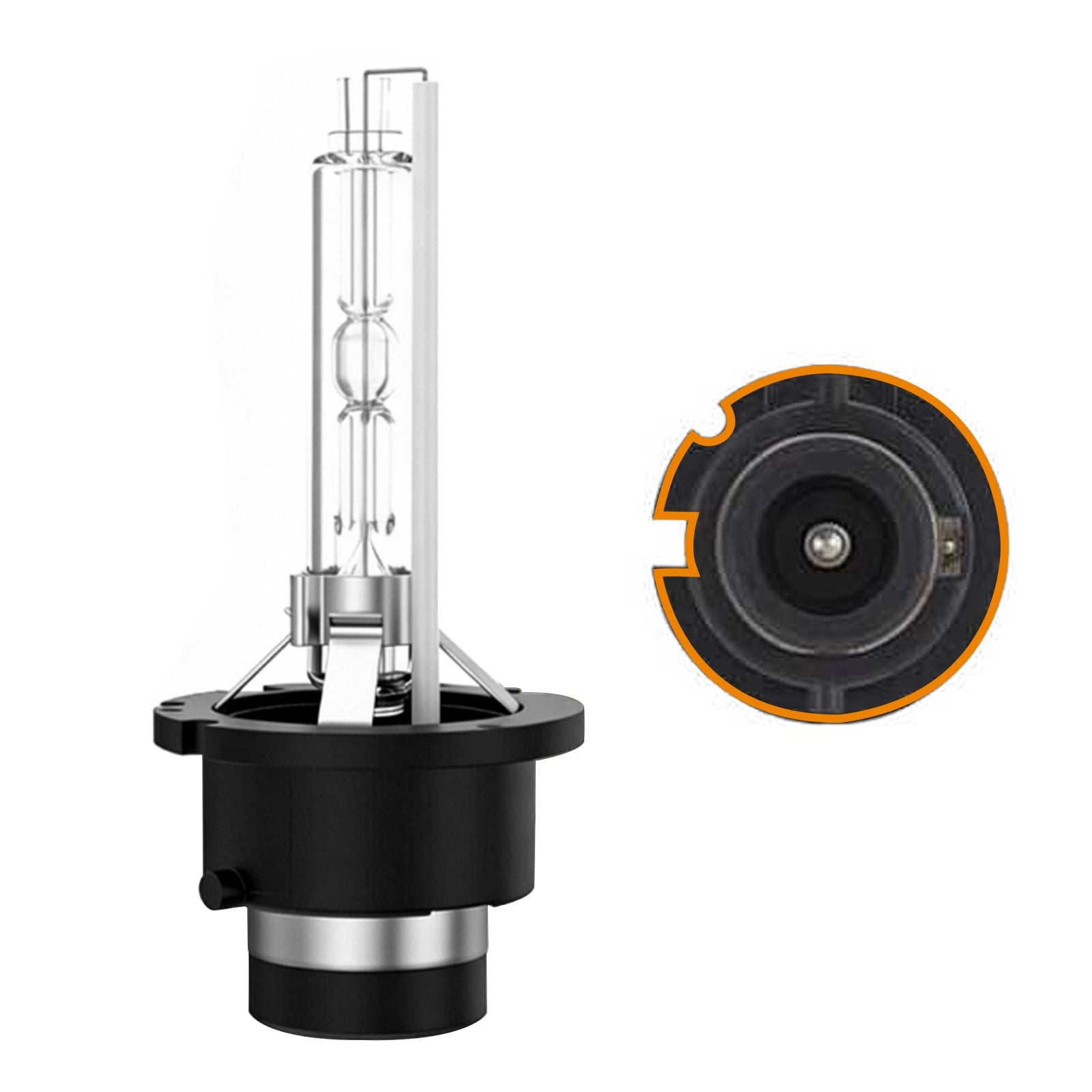
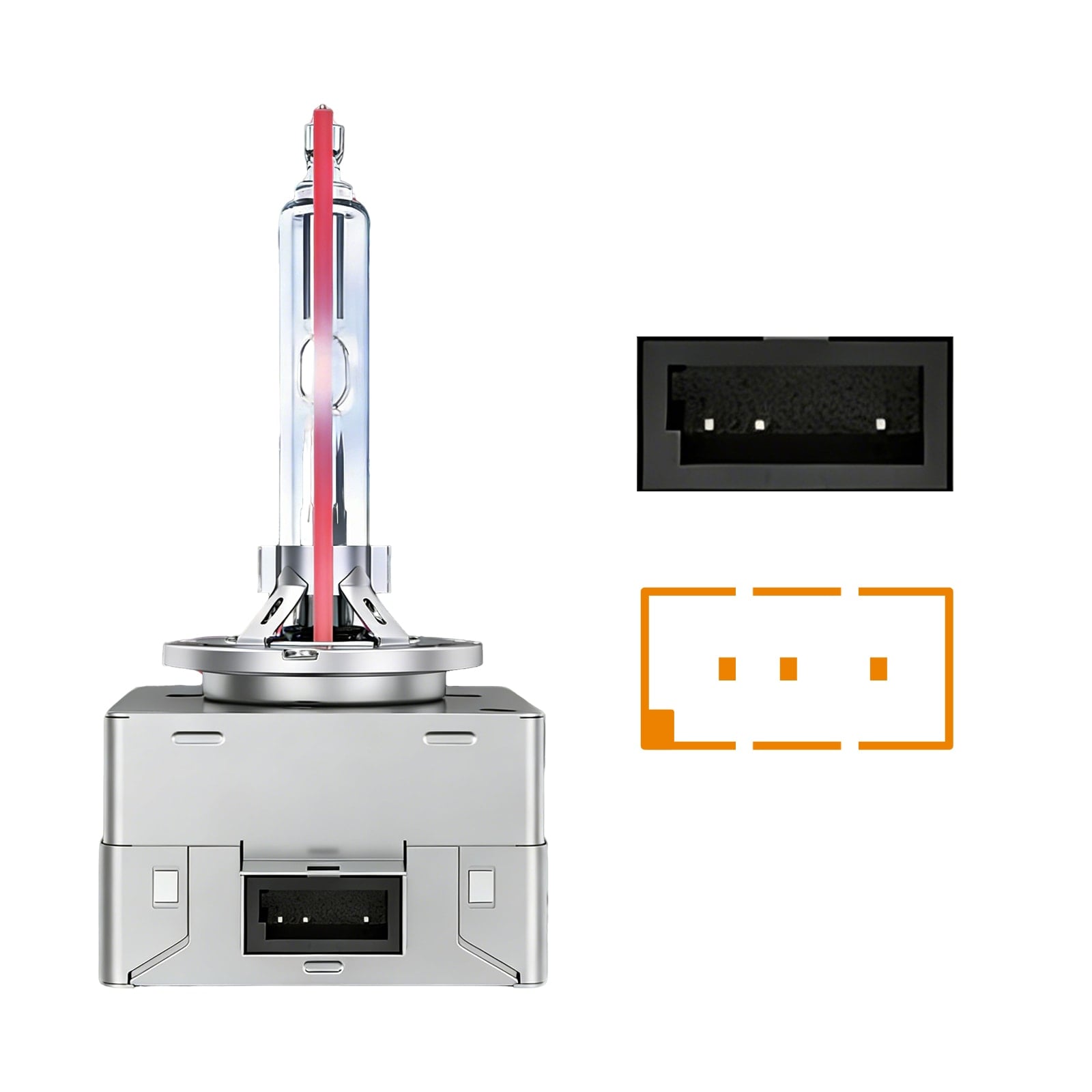
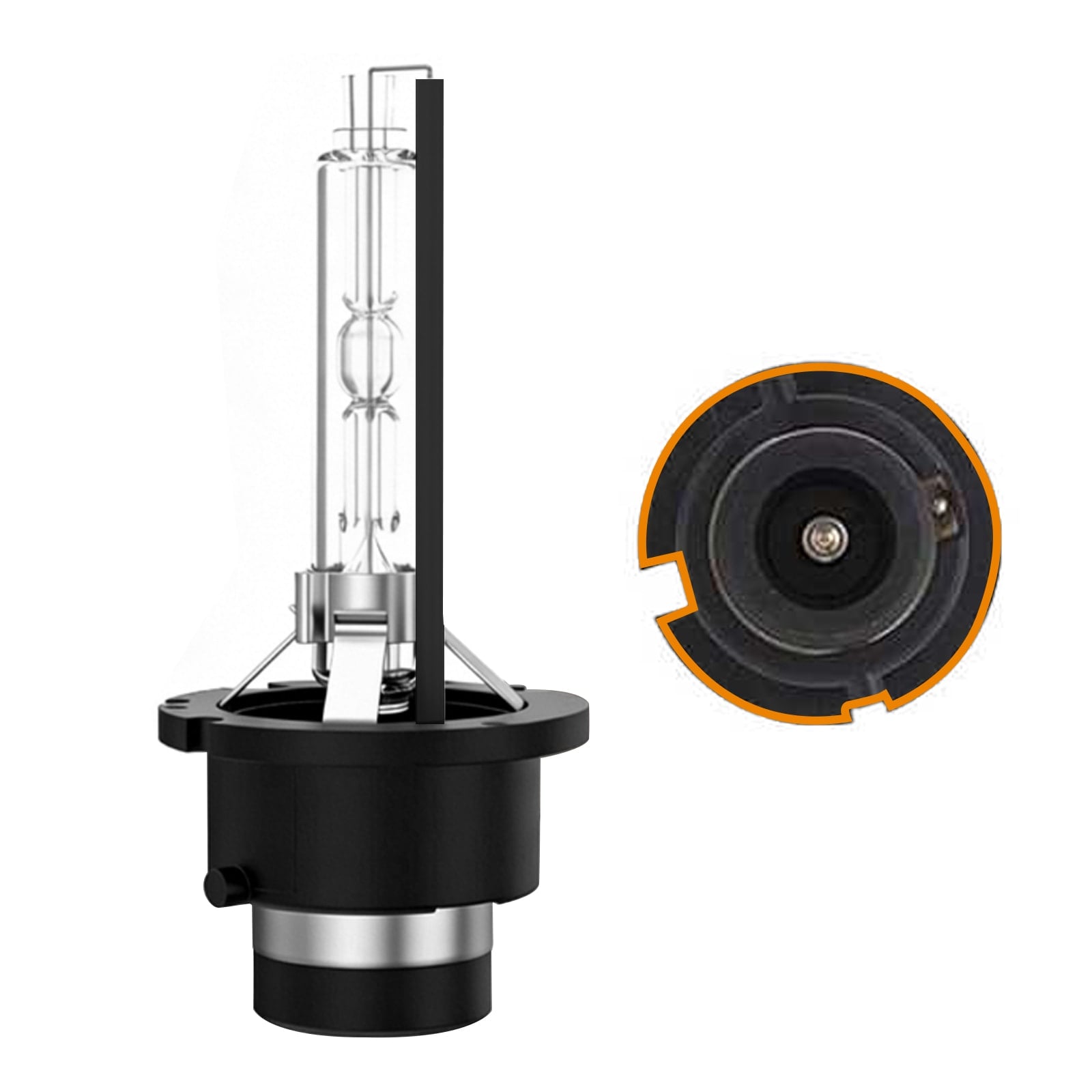
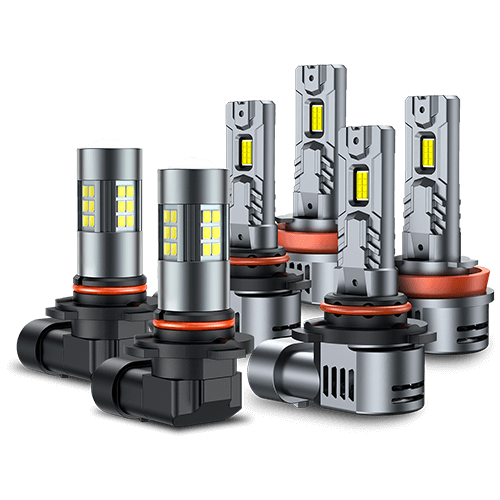


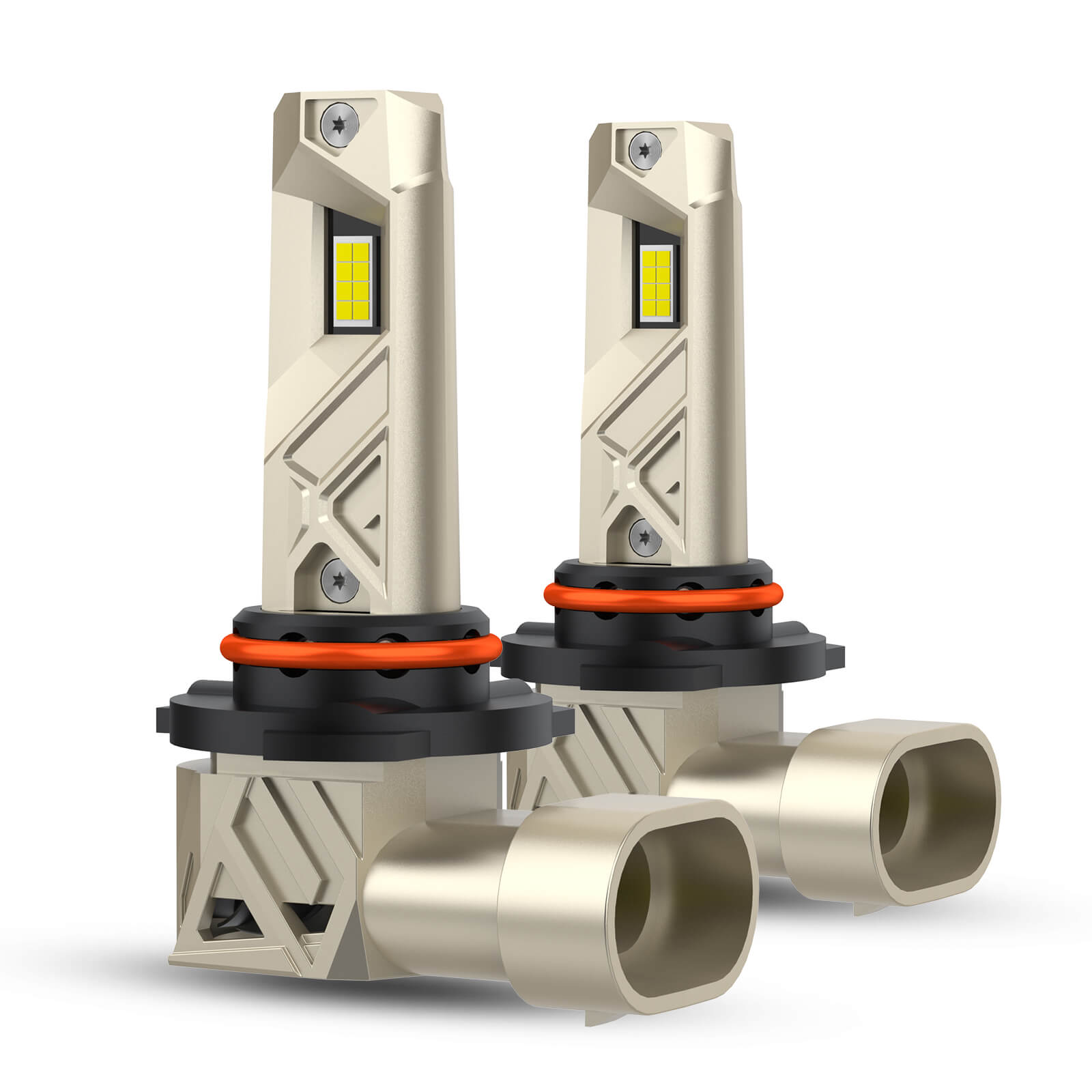


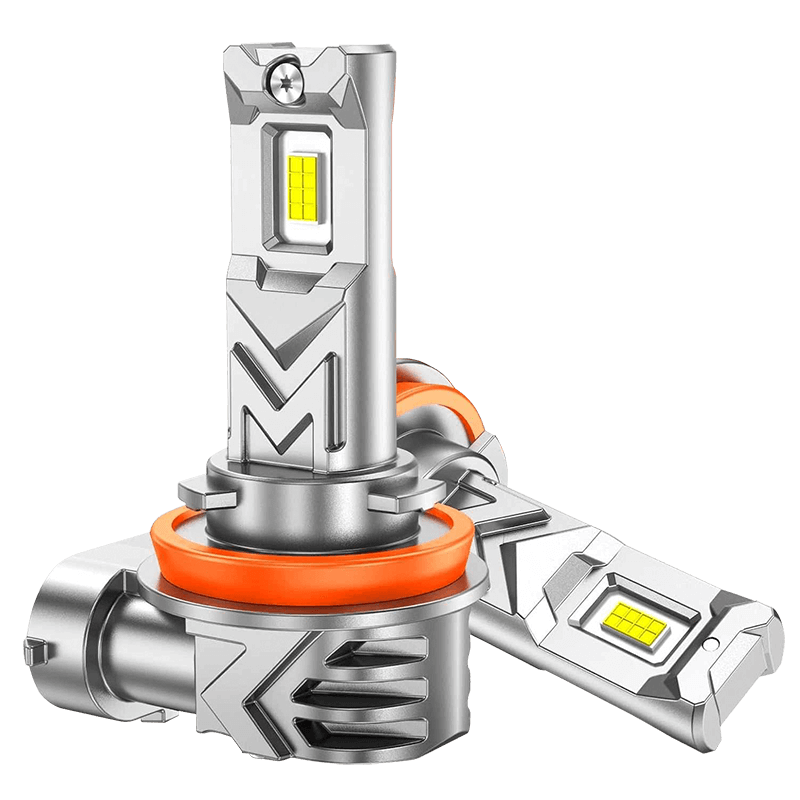
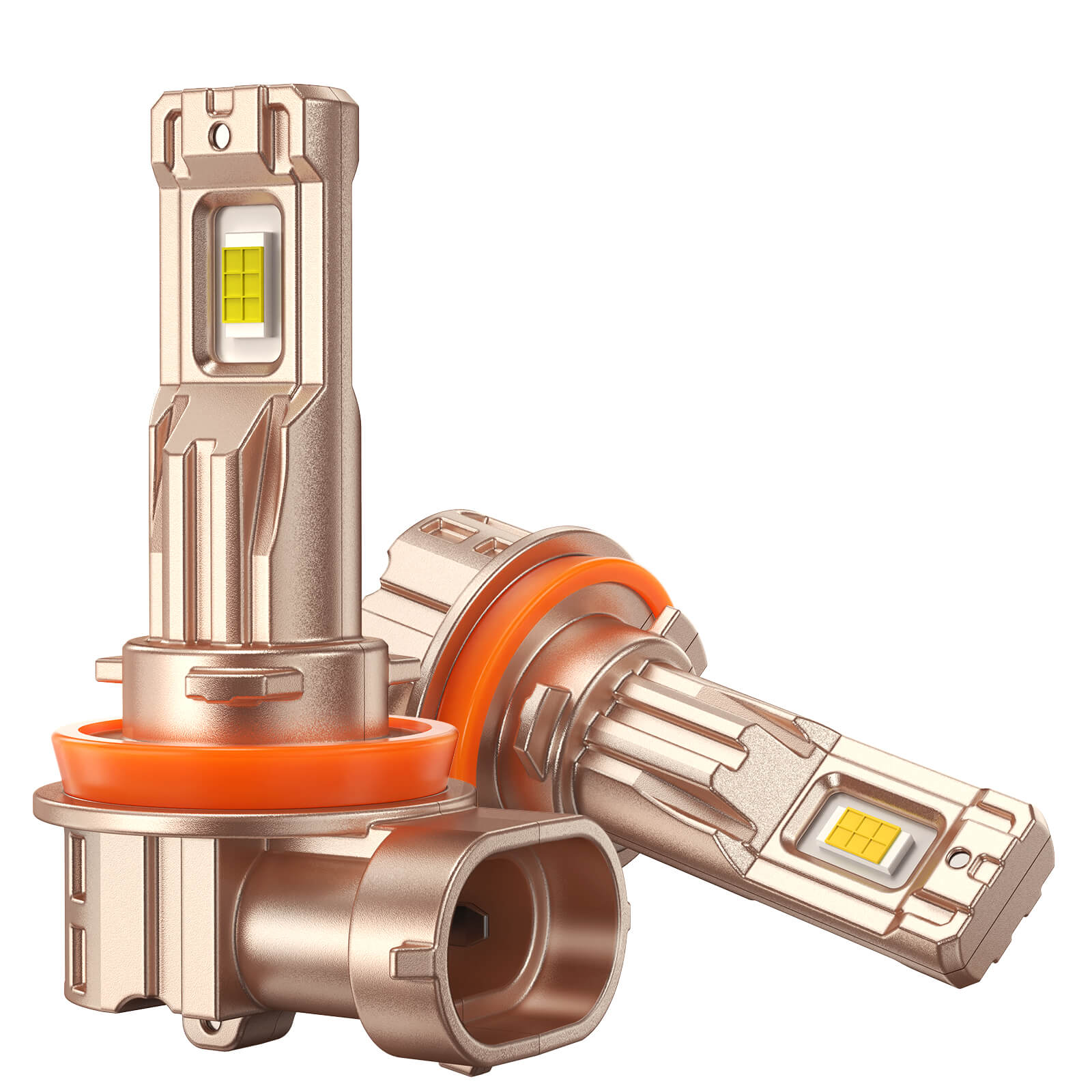


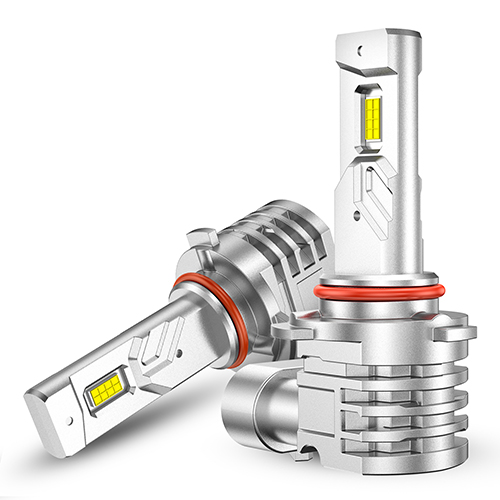
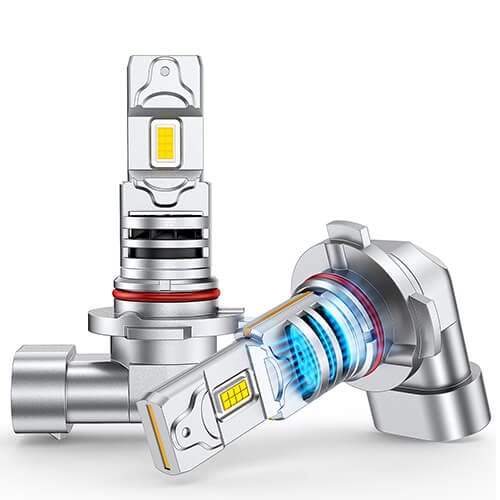



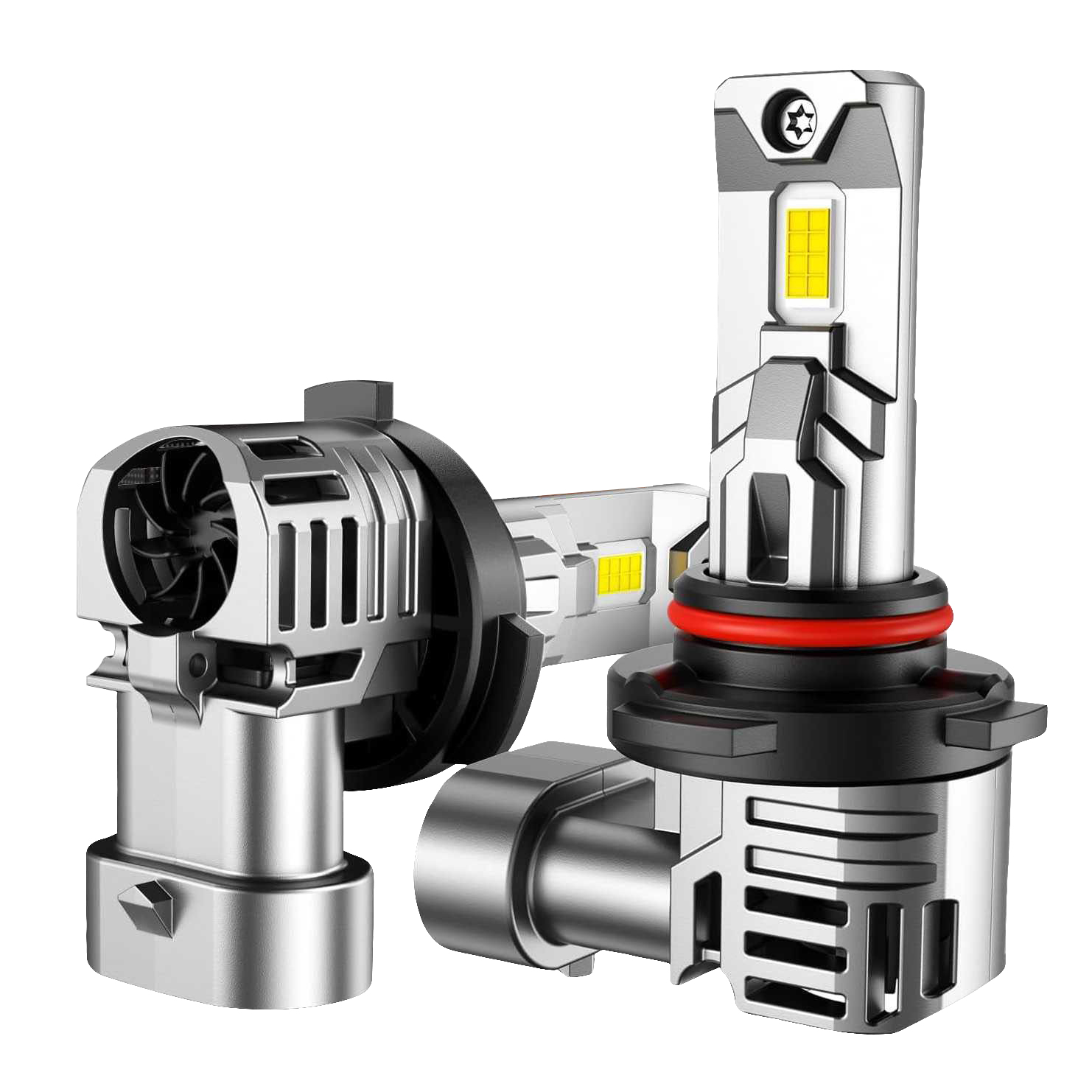


The best LED headlight bulbs should do more than look brighter when you switch them on. They must fit your car, focus light where you need it, maintain stable output, and work with the vehicle’s electrical system.
This LED headlight bulb guide explains how to confirm the correct bulb size, compare beam pattern and brightness, choose between cooling systems, install the bulbs, and solve common problems. It also helps you match different SEALIGHT series to your budget and driving needs.
What Are LED Headlight Bulbs and How Do They Work?
How Do LED Headlight Bulbs Work?
LED headlight bulbs use light-emitting diodes instead of the heated filament found in halogen bulbs. An electronic driver controls the power supplied to the LED chips, while a fan or passive heat sink carries heat away from the bulb.
The size and position of the LED chips affect how the headlight reflector or projector focuses light onto the road.
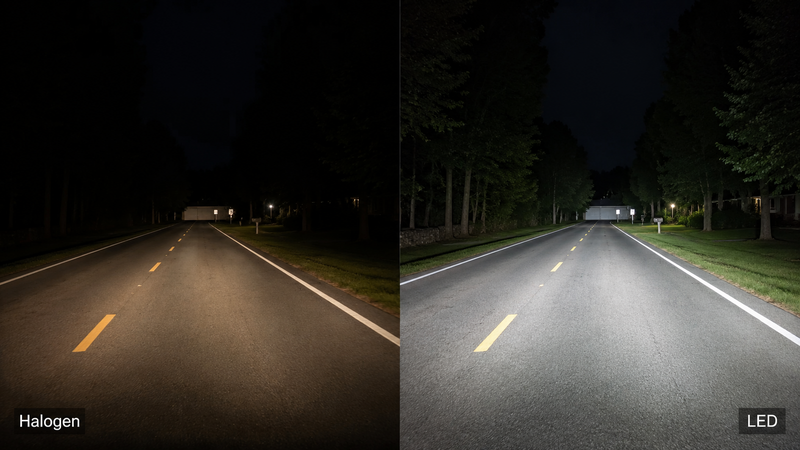
LED vs. Halogen Headlight Bulbs
Halogen bulbs produce light by heating a tungsten filament. They are affordable and widely used, but they normally produce warmer light, consume more power, and have a shorter service life.
LED bulbs can produce whiter light with lower power consumption and a longer potential lifespan. They also require more attention to cooling, physical fit, electrical compatibility, and beam pattern to ensure compliance with FMVSS 108 safety standards.
| Feature | LED headlight bulbs | Halogen headlight bulbs |
|---|---|---|
| Light source | LED chips | Tungsten filament |
| Light color | Usually 5000K–6500K white | Usually warm white |
| Power use | Lower for comparable output | Higher |
| Cooling | Fan or passive heat sink | Not normally required |
| Potential lifespan | Longer | Shorter |
| Fitment concerns | Space, beam pattern, driver, CANbus | Mainly size and mounting |
Replacement LED Bulbs vs. Factory LED Headlights
A replacement LED bulb fits into a serviceable bulb socket and can be removed without replacing the complete headlight assembly.
A factory LED headlight usually integrates the LEDs, driver, and optical components into one assembly. Many factory LED systems do not use standard replaceable bulbs.
Standard LED replacement bulbs are mainly intended for compatible serviceable bulb applications. They should not be confused with HID/Xenon bulbs, sealed headlights, or integrated factory LED systems.
What LED Headlight Bulb Size Do I Need for My Car?
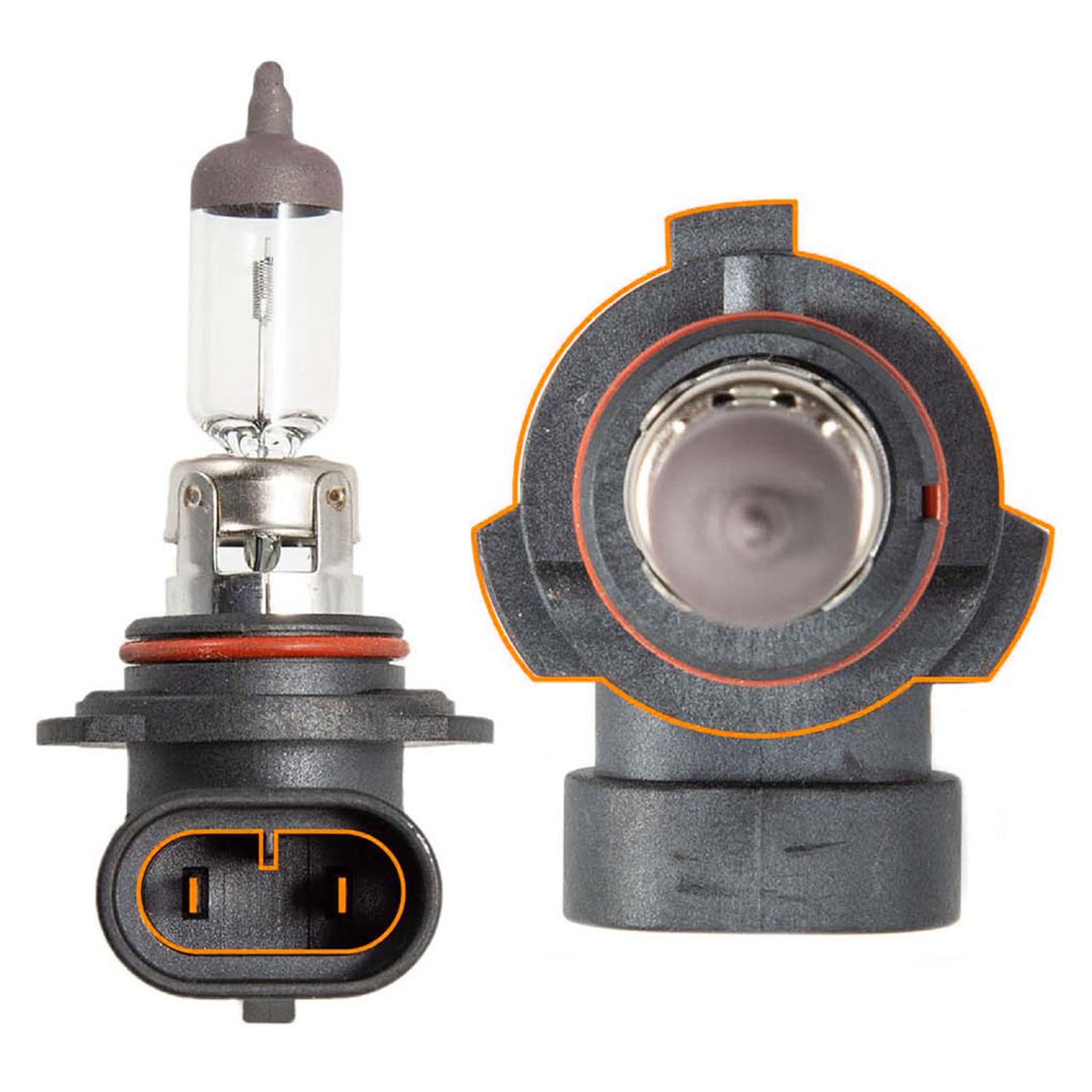
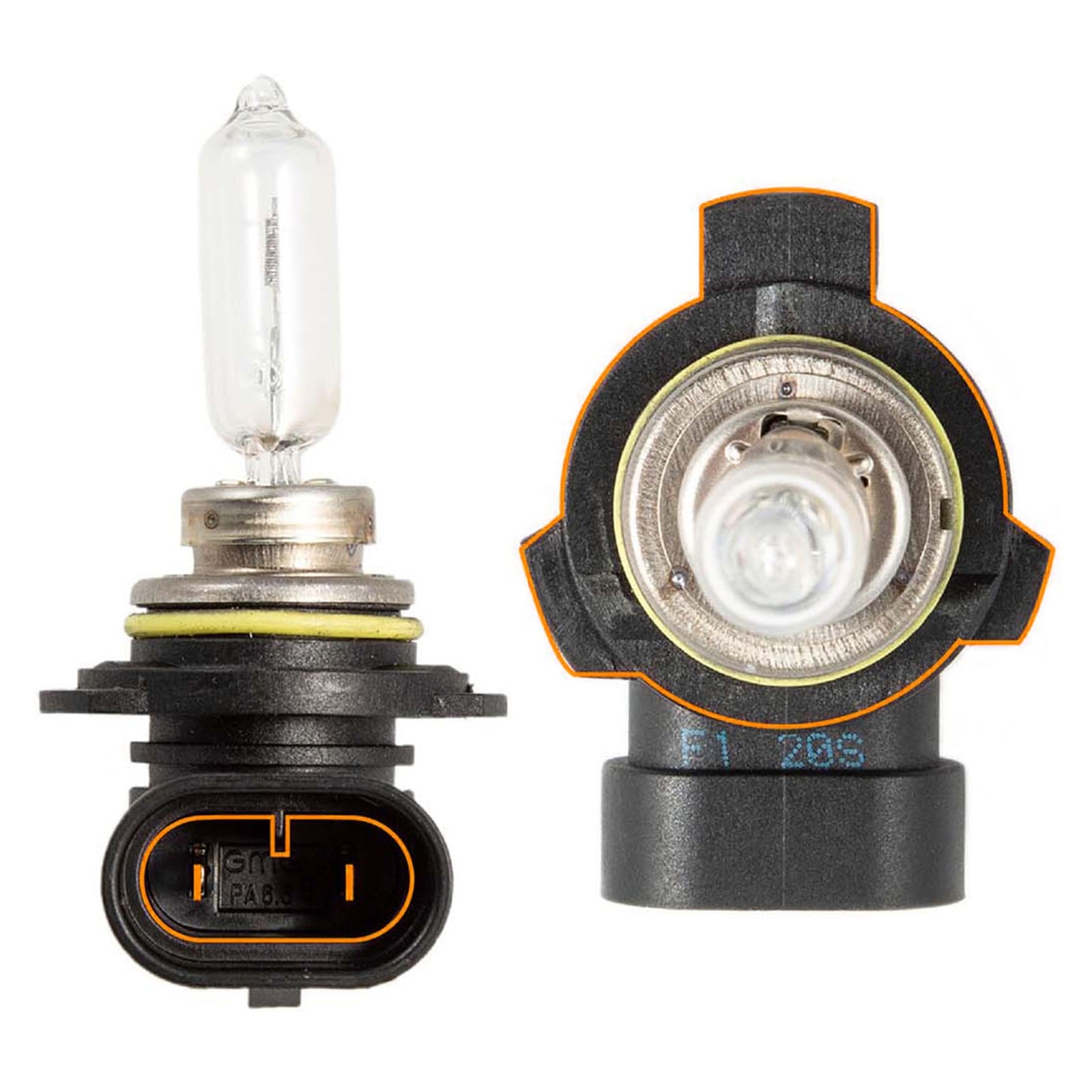
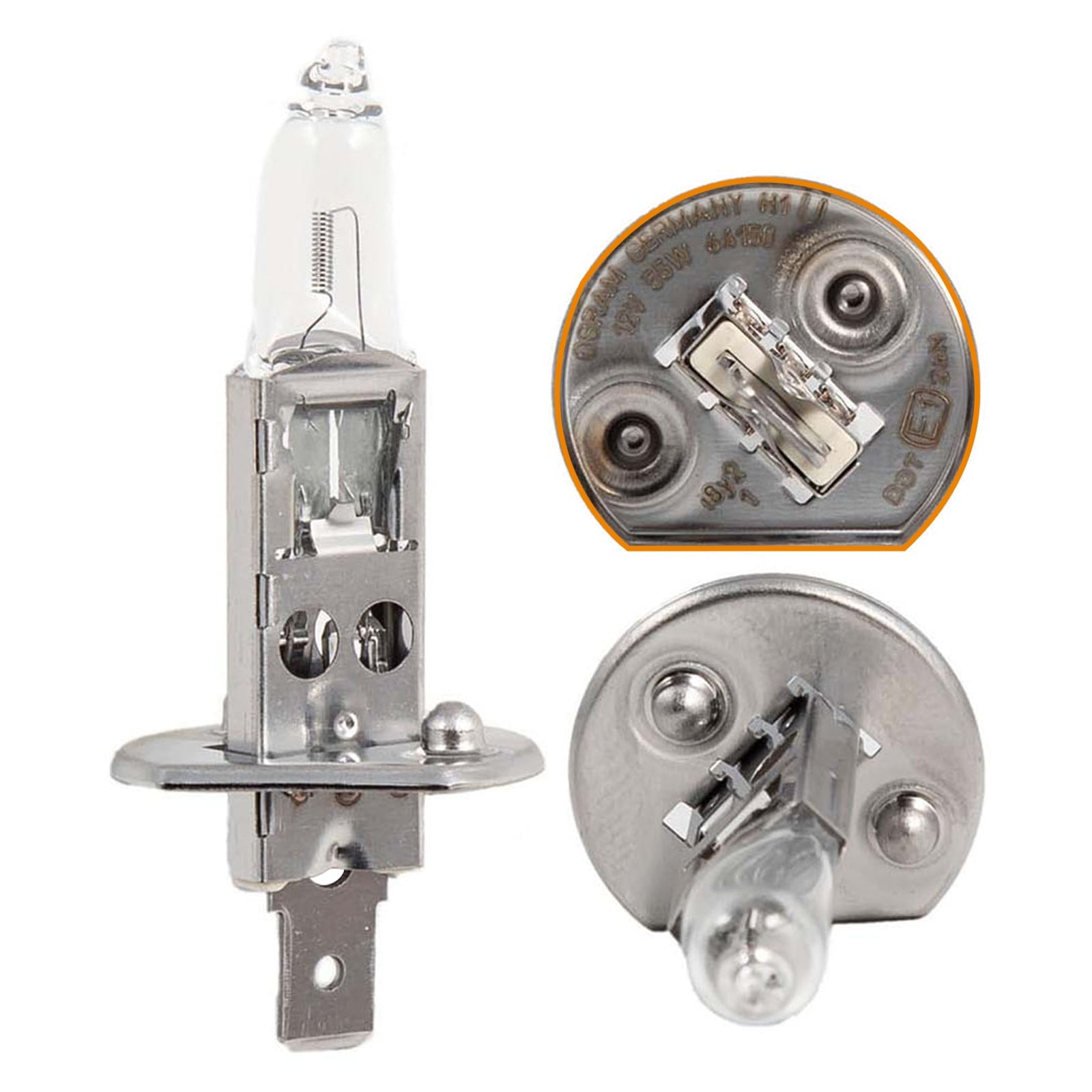
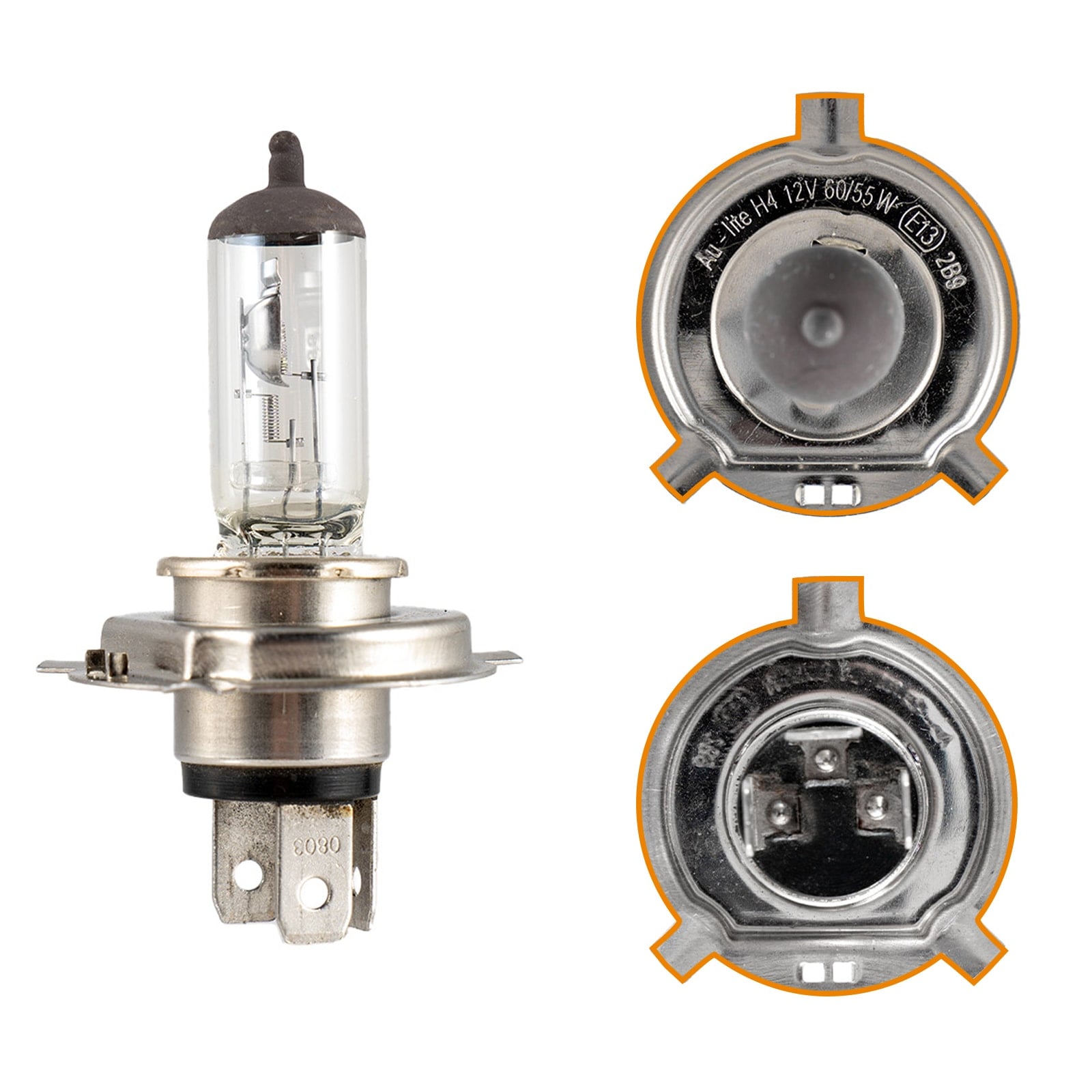
The correct LED headlight bulb size is the original bulb number specified for your vehicle’s exact lighting position. Confirm the year, make, model, trim, original headlight type, and whether the bulb serves as the low or high beam.
How to Find Your Headlight Bulb Size
Use one or more of these methods:
- Read the number printed on the original bulb.
- Check the lighting section of the owner’s manual.
- Use the SEALIGHT Automotive Bulb Finder.
- Confirm whether you are replacing the low beam, high beam, or a dual-beam bulb.
The original bulb number is the best starting point because different trims or headlight packages may use different bulbs.
Low Beam, High Beam, and Dual-Beam Bulbs
Some vehicles use separate bulbs for the low and high beams. Others use one dual-beam bulb for both functions.
- Low beam: Controlled lighting for normal driving.
- High beam: Longer-distance lighting when no nearby traffic is present.
- Dual beam: One bulb provides both low- and high-beam functions.
LED Headlight Beam Pattern: Projector vs. Reflector Headlights
Reflector headlights require the LED chips to sit close to the position of the original halogen filament. Incorrect chip position can create scattered light, dark spots, and glare.
Projector headlights require the LED chips to align with the projector’s focal point. After installation, check the cutoff, central hotspot, beam width, and stray light above the cutoff.
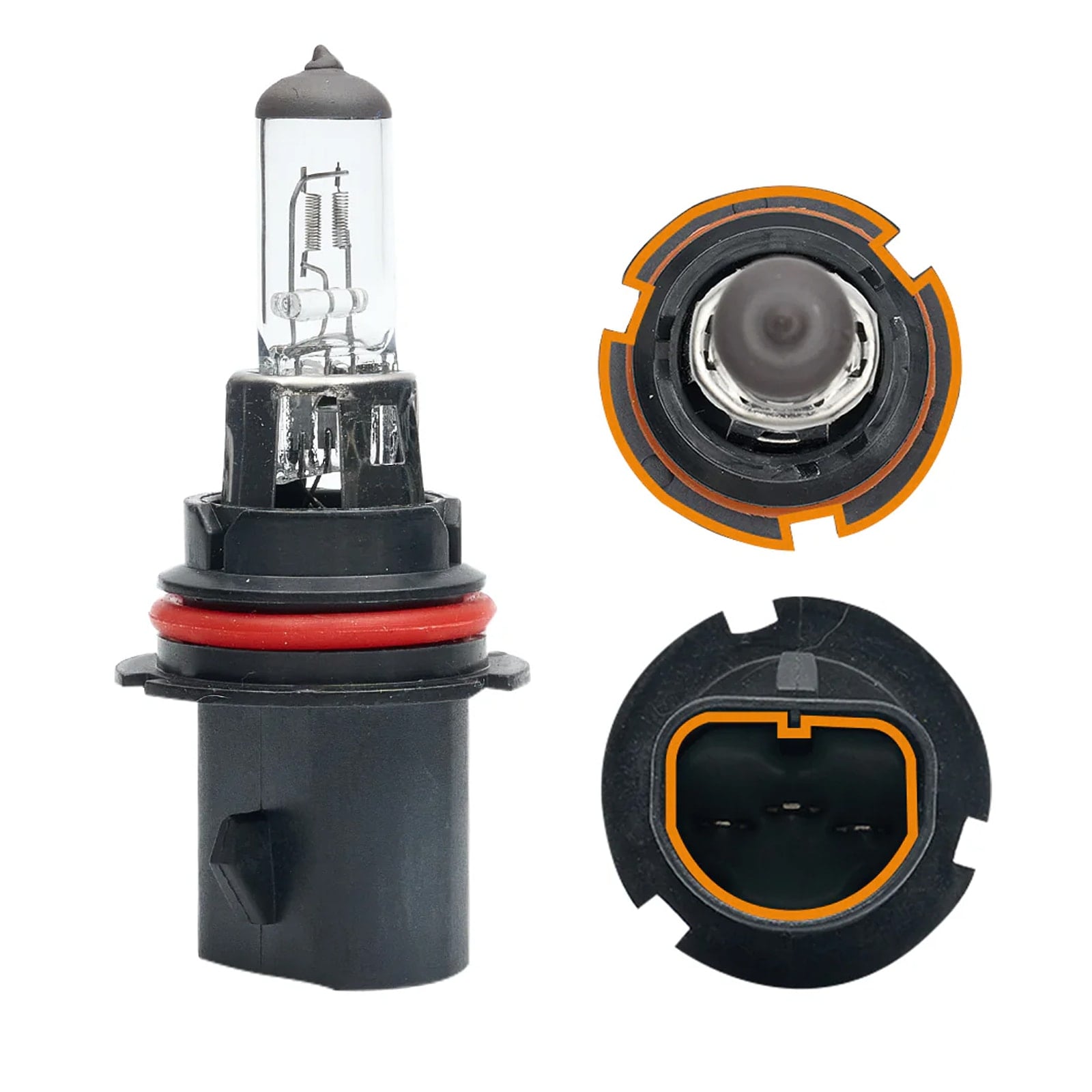
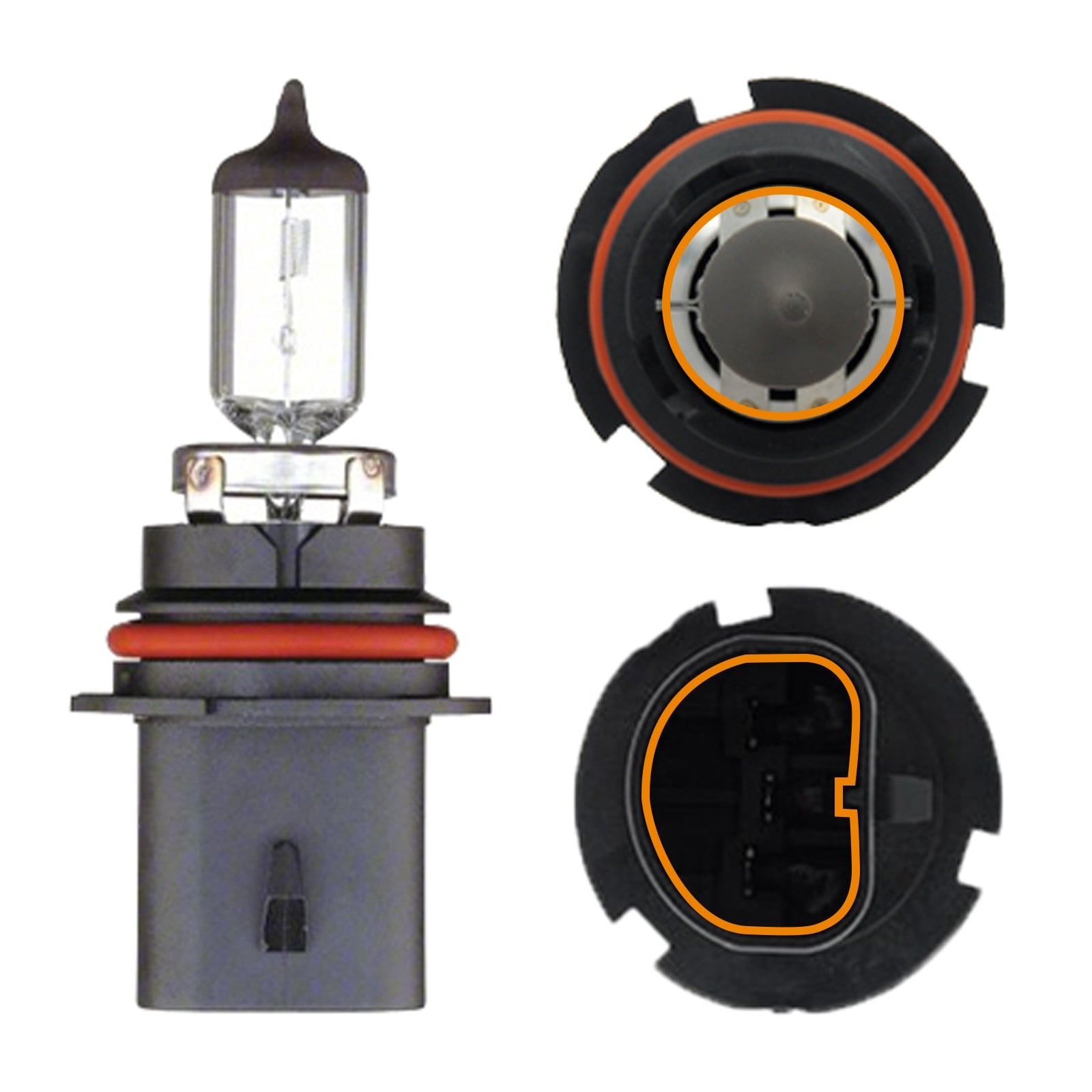
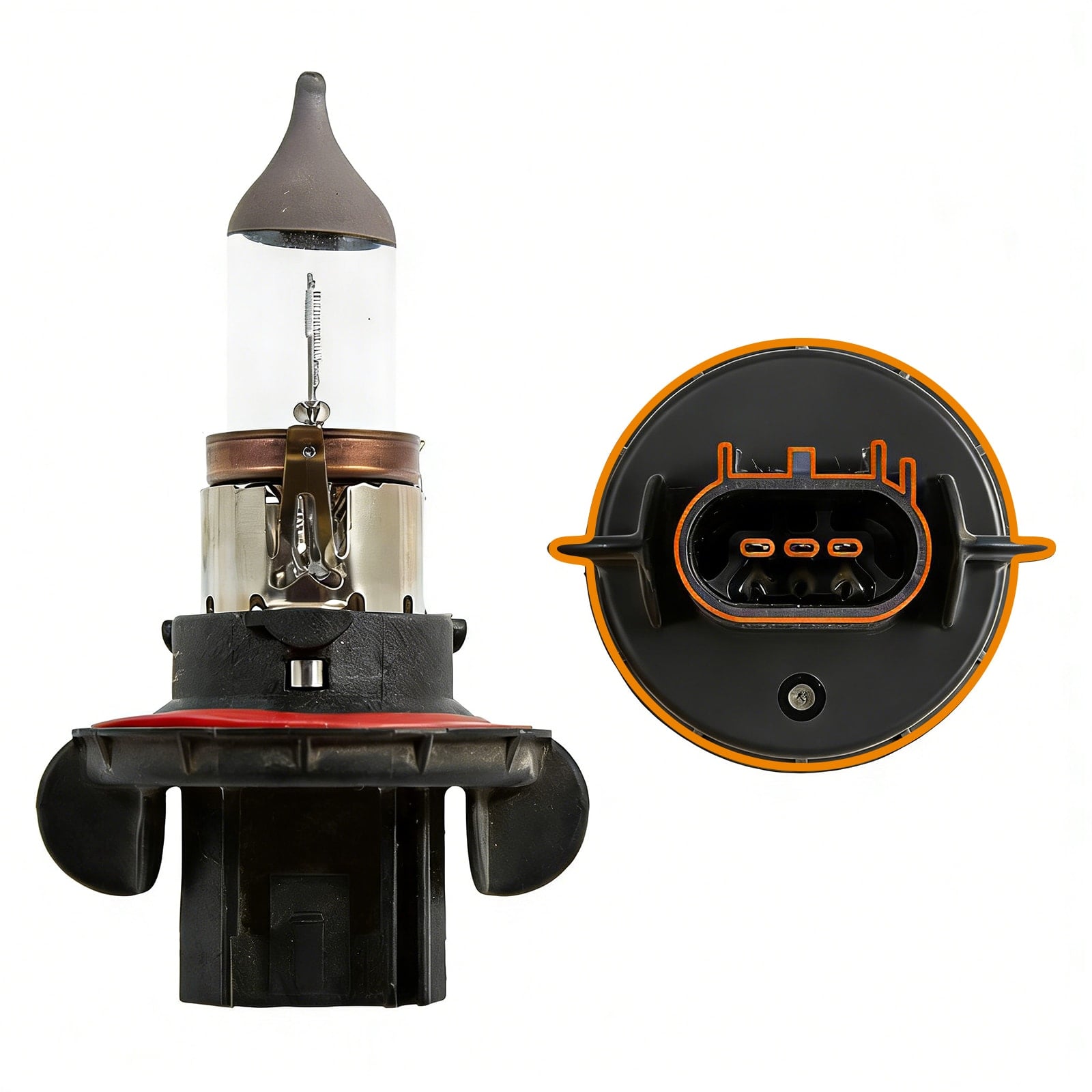
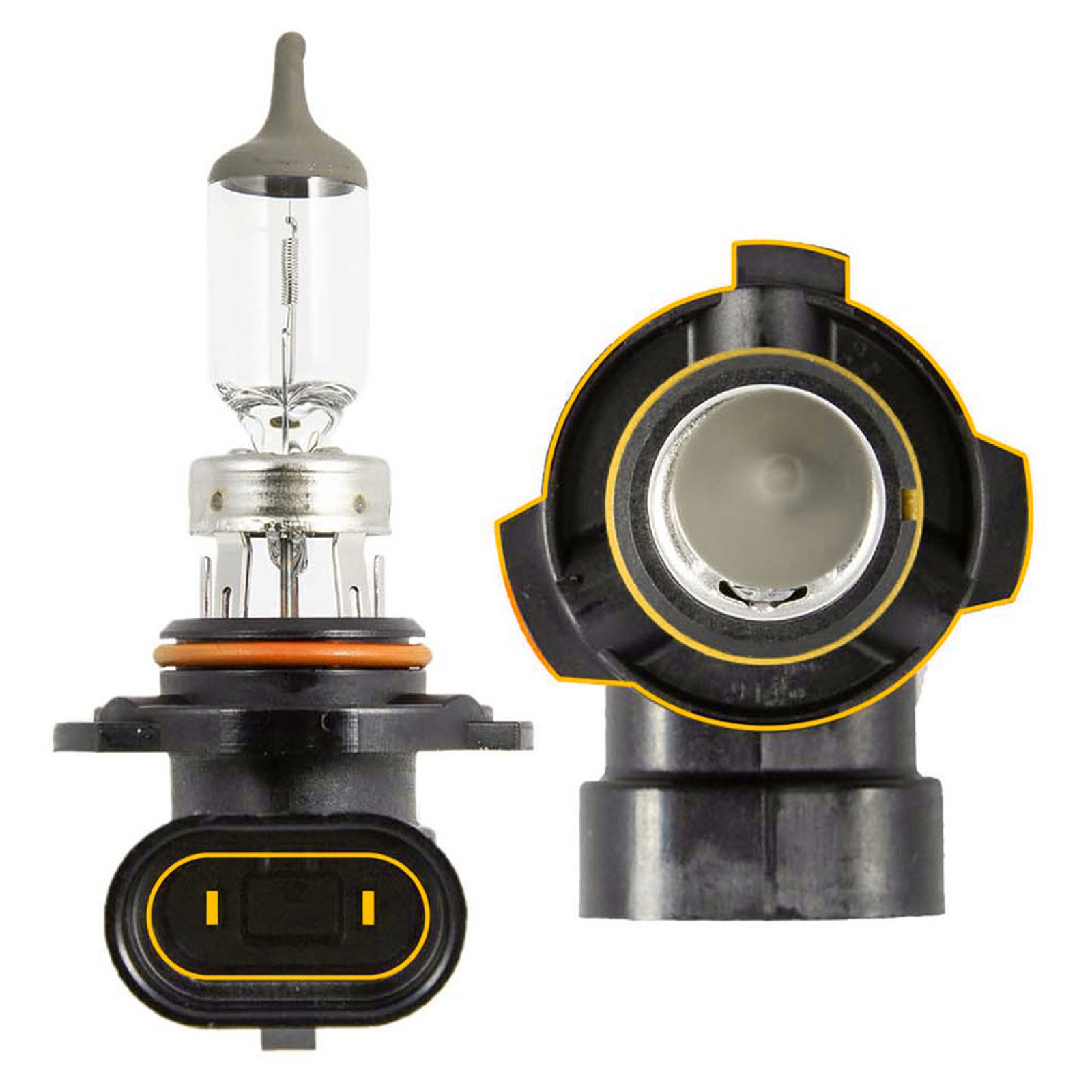
Common LED Headlight Bulb Sizes
| Bulb type | Common sizes | Typical function |
|---|---|---|
| Single beam | H11/H8/H9, H7, 9005/HB3, 9006/HB4, 9012/HIR2 | Separate low- or high-beam applications |
| Dual beam | H4/9003, 9007/HB5, H13/9008 | Low and high beams from one bulb |
Related bulb numbers are not always interchangeable. For complete bulb families and interchange limits, see the Car Light Bulb Size & Cross-Reference Guide.
How to Choose the Best LED Headlight Bulbs for Your Car
Choose LED headlight bulbs by checking the bulb size, housing type, beam pattern, physical fit, cooling system, and electrical compatibility. Do not select a bulb by advertising lumens alone.
|
|
|---|---|
|
|
|
|
|
|
|
|
|
|
|
|
- A bulb with high output can still perform poorly if it does not fit securely or focus light correctly. For deeper guidance, see the brightest LED headlight bulbs, LED headlight cooling guide, and plug-and-play LED bulb guide.
- Once these basic requirements are confirmed, choose the SEALIGHT series that best matches your driving needs and budget.
Best LED Headlight Bulbs for Cars - SEALIGHT Top Picks
SEALIGHT offers different LED headlight bulb series for different driving needs. Among the current lineup, S7S is the best choice for maximum brightness, S2S for balanced performance, S1 Pro for a budget replacement, and L2S for adjustable bulb alignment.
| SEALIGHT series | Best choice for | Main advantage |
|---|---|---|
| S7S | Maximum brightness | High output and longer-range visibility |
| S2S | Balanced performance | Everyday brightness, compact fit, and value |
| S1 Pro | Budget replacement | Affordable upgrade and broad size coverage |
| L2S | Adjustable alignment | More control over LED chip orientation |
Brightest LED Headlight Bulbs: SEALIGHT S7S
The SEALIGHT S7S LED headlight bulbs are our best choice for maximum brightness. Their fan and copper heat-transfer design supports stronger, longer-range illumination for frequent highway and dark-road driving.

Best-Value LED Headlight Bulbs: SEALIGHT S2S
The SEALIGHT S2S LED headlight bulbs are our best balanced option for everyday driving. They combine useful brightness, effective cooling, compact installation, and a more accessible price than the flagship S7S.
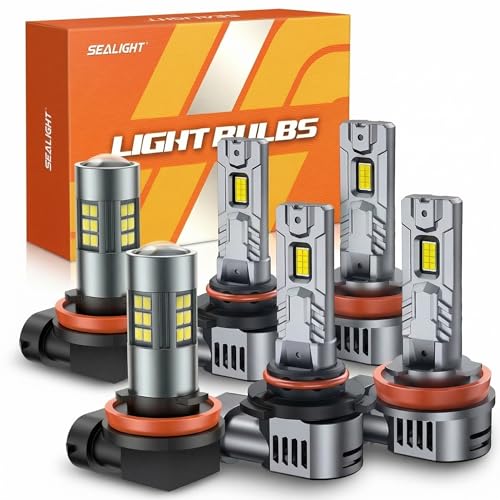
Best Budget LED Headlight Bulbs: SEALIGHT S1 Pro
The SEALIGHT S1 Pro LED headlight bulbs are our best budget choice for replacing aging or failed halogen bulbs. Their affordable price, straightforward design, and broad size coverage suit daily-driven vehicles.
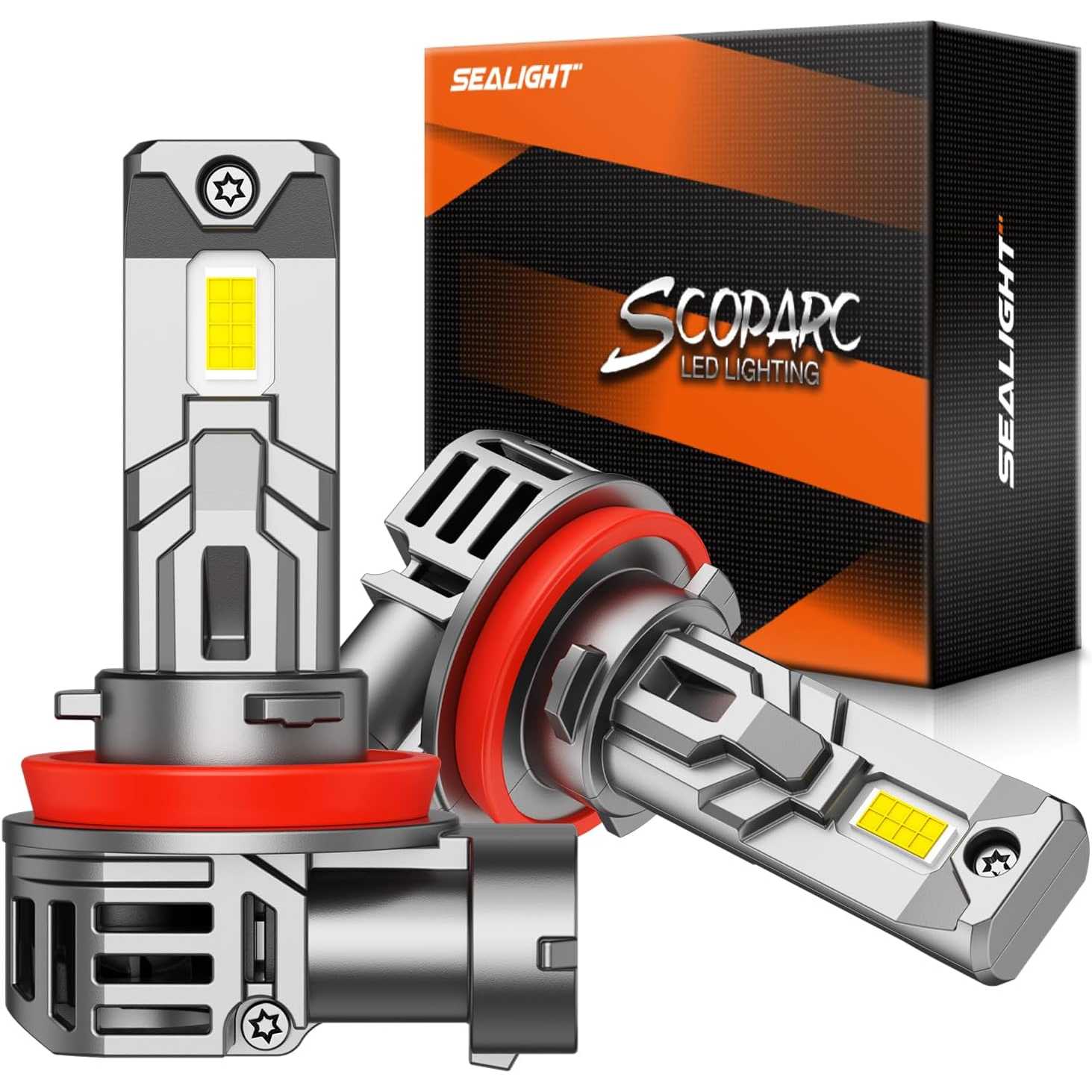
Best Adjustable LED Headlight Bulbs: SEALIGHT L2S
The SEALIGHT L2S LED headlight bulbs are our best adjustable option. Their adjustable mounting collar provides more control over LED chip orientation when the housing requires finer beam alignment.

How to Install LED Headlight Bulbs
Most plug-and-play LED headlight bulbs can be installed without modifying the factory wiring, but access varies by vehicle. Park on level ground, turn off the engine and lights, and allow the original bulbs to cool before starting. Check the owner’s manual if other components must be removed.
LED Headlight Bulb Installation Steps
- Access the rear of the headlight housing and remove the dust cover.
- Disconnect and release the original bulb.
- Install the LED mounting collar or vehicle-specific adapter when required.
- Insert the LED bulb and lock it securely.
- Set the LED chips to the recommended orientation.
- Connect and secure the driver, decoder, and wiring.
- Reinstall the dust cover.
- Test the low and high beams.
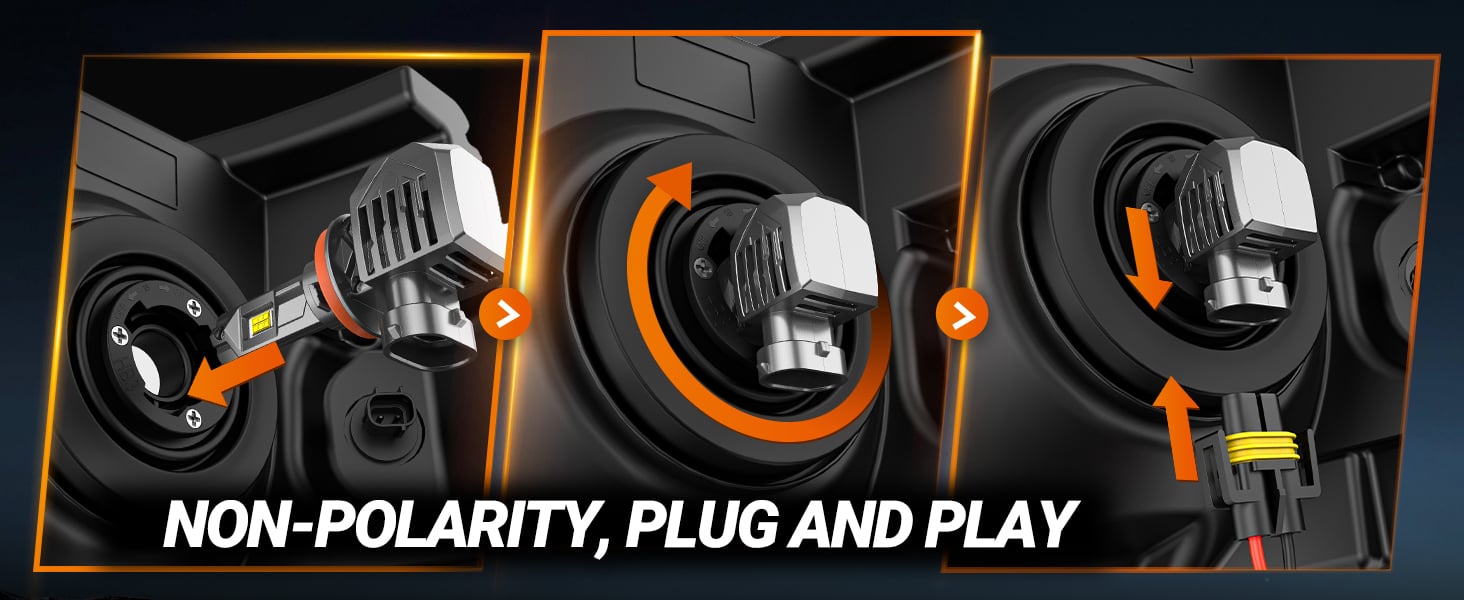
Do not force a bulb that will not lock into place. A loose or tilted bulb can produce an uneven beam and damage the mounting system.
What to Check After LED Headlight Installation
Face the vehicle toward a flat wall and confirm that:
- Both bulbs operate correctly.
- The left and right beams look even.
- The beam is controlled without severe dark spots or scattered light.
- The dust covers close completely.
- The headlights are not aimed too high.
If the beam position changes noticeably, follow the vehicle manufacturer’s headlight aiming procedure.
Common LED Headlight Bulb Problems and Fixes
Most LED headlight bulb problems are caused by installation, beam alignment, heat, or electrical compatibility. Use this table to identify the likely cause before replacing the bulb or adding a decoder.
| LED headlight problem | Likely cause | First fix to try |
|---|---|---|
| LED headlight bulb not working | Loose connection, reversed polarity, or incompatible bulb | Reconnect the plug and confirm the correct bulb size |
| LED headlights flickering | PWM signal, unstable voltage, or electrical incompatibility | Inspect the connector and check whether a decoder is required |
| LED headlight dashboard warning | Vehicle bulb-monitoring or CANbus system | Confirm CANbus compatibility |
| Scattered LED headlight beam pattern | Bulb is loose, tilted, or incorrectly oriented | Reinstall the bulb and verify its mounting position |
| LED headlight bulb looks dim | Poor focus, cloudy lens, low voltage, or unsuitable housing | Check bulb seating, lens condition, and vehicle voltage |
| LED headlight bulb fails early | Excessive heat, restricted airflow, or connector problems | Inspect the cooling system and electrical connector |
A decoder will not fix every case of LED headlights flickering or dashboard warnings. Loose terminals, damaged connectors, poor grounds, and unstable voltage can cause similar symptoms. See the SEALIGHT LED product troubleshooting guide for additional checks.
If the problem remains, inspect the fuse, relay, wiring, and ground connection. Damaged wiring or overheated connectors should be checked by a qualified technician.
LED Headlight Bulb Lifespan: How Long Do LED Headlights Last?
LED headlight bulbs typically have a rated lifespan of 30,000–50,000 hours, compared with 500–1,000 hours for halogen bulbs and 2,000–3,000 hours for HID bulbs. The U.S. Department of Energy’s LED guide explains that LED useful life is commonly measured until output falls to 70% of its initial level, rather than only when the light stops working.
LED bulbs have no filament to burn out. Their service life is more often limited by four components:
- LED chips: High junction temperature accelerates lumen depreciation.
- Electronic driver: Voltage spikes and heat can damage capacitors and control components.
- Cooling fan: A blocked or worn fan reduces airflow and raises operating temperature.
- Electrical connector: Loose or corroded terminals increase resistance and generate heat.
Keep wiring clear of the cooling fan and leave enough space between the heat sink and dust cover. Inspect the bulb if it becomes dimmer, changes color, flickers, or develops fan noise.
See How Long Do Headlight Bulbs Last? for a detailed LED, halogen, and HID lifespan comparison.
How Much Does LED Headlight Bulb Replacement Cost?
Aftermarket LED headlight bulbs generally cost $20–$120 per pair. A professional bulb replacement typically costs $100–$500 in total, while DIY installation eliminates the labor charge.
| Replacement type | Typical cost |
|---|---|
| Aftermarket LED bulb pair | $20–$120 |
| DIY bulb installation | $0 labor |
| Professional bulb replacement | $100–$500 total |
| Factory LED headlight assembly | $1,000 or more per side on some vehicles |
The large price difference comes from the headlight design. A replaceable LED bulb can be removed separately, while some factory LED headlights integrate the light source, driver, lens, and housing into one assembly.
Explore the LED Headlight Bulb Guide Series
This guide is the hub of our complete LED headlight bulb series. Explore the guides below for more information about choosing a bulb, comparing technologies, finding the correct size, installation, and troubleshooting.
Buying Guides
- What Headlight Bulb Do I Need?
- What Are the Brightest LED Headlight Bulbs?
- How to Choose Plug-and-Play LED Headlight Bulbs
- Why Do LED Headlights Have Fans?
- Best LED Headlight Bulbs for Night Driving
Types & Comparisons
- LED vs. Halogen Headlights: What Is the Difference?
- HID vs. LED Headlights: Which Is Better?
- Projector vs. Reflector Headlights: Beam, Glare and Brightness
- LED Headlight Bulb Beam Pattern Explained
- 5000K vs. 6000K vs. 6500K LED Headlights
Bulb Size Guides
- Car Light Bulb Size and Cross-Reference Guide
- H11 Headlight Bulb Guide
- H7 Headlight Bulb Guide
- 9005 Headlight Bulb Guide
- 9006 Bulb Guide and Best LED Options
- H4/9003 Headlight Bulb Guide
- 9007 Headlight Bulb Guide
- H13/9008 Headlight Bulb Guide
- 9012/HIR2 Headlight Bulb Guide
Installation Guides
- How to Replace a Headlight Bulb
- How to Install H11 LED Headlight Bulbs
- How to Install 9005 LED Headlight Bulbs
- How to Install H4/9003 LED Headlight Bulbs
- How to Install 9007 LED Headlight Bulbs
- How to Adjust Headlights After Installation
Troubleshooting, Lifespan & Cost
- Why Are My Headlights So Dim?
- Why Are My Headlights Flickering?
- Why Won’t My Headlights Turn On?
- Why Is One Low-Beam Headlight Not Working?
- Why Does My Headlight Keep Going Out?
- How Long Do Headlight Bulbs Last?
- How Much Does Headlight Bulb Replacement Cost?
Frequently Asked Questions
Can You Put LED Bulbs in Halogen Headlights?
Yes, if the LED bulb matches the original socket, connector, mounting system, and available housing space. The installed bulb must also produce a controlled beam pattern in the original halogen housing.
Should I Replace Both LED Headlight Bulbs at the Same Time?
Yes, especially if both bulbs were installed at the same time. Replacing the pair keeps the brightness, color, and beam appearance consistent.
Do LED Headlights Need a Fan?
Not all LED headlight bulbs need a fan. Higher-output bulbs commonly use active fan cooling, while fanless bulbs use a larger passive heat sink to transfer heat away from the LED chips.
Where Can I Buy Reliable LED Headlight Bulbs Online?
You can buy SEALIGHT LED headlight bulbs from the official SEALIGHT website. Use the vehicle finder or original bulb number to select the correct size.
Final Thoughts
A reliable LED headlight bulb guide should help you choose in the right order: confirm the original light source and bulb size, check physical fit, evaluate the beam pattern, compare usable brightness, and verify cooling and electrical compatibility.
SEALIGHT offers high-output, balanced, budget, and adjustable LED options, but the correct series still depends on your vehicle and headlight housing. Use the Automotive Bulb Finder first, then compare the available LED headlight bulbs for the exact position you need.