
 Headlight Bulbs


 Track Order
 My Vehicles
 Contact Us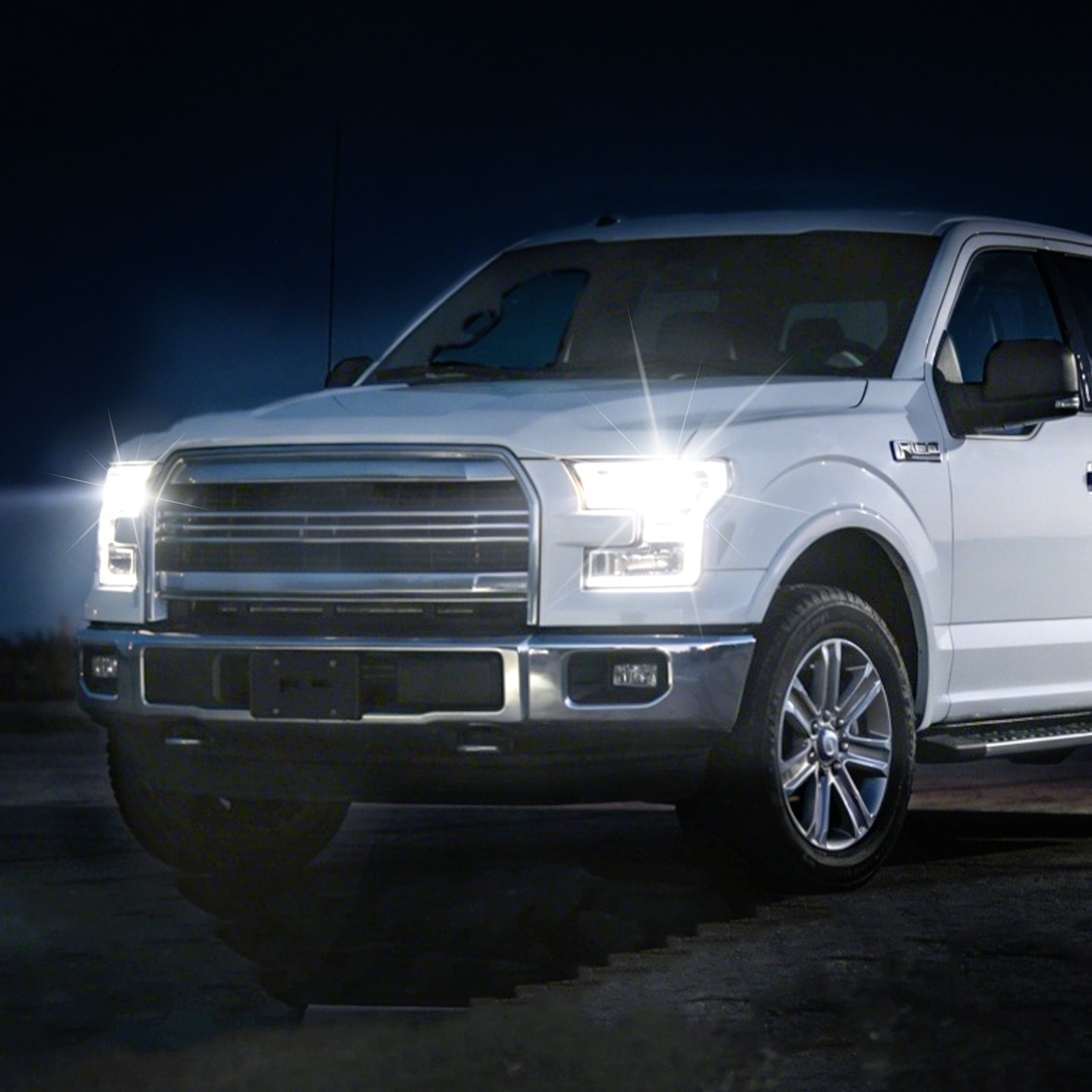
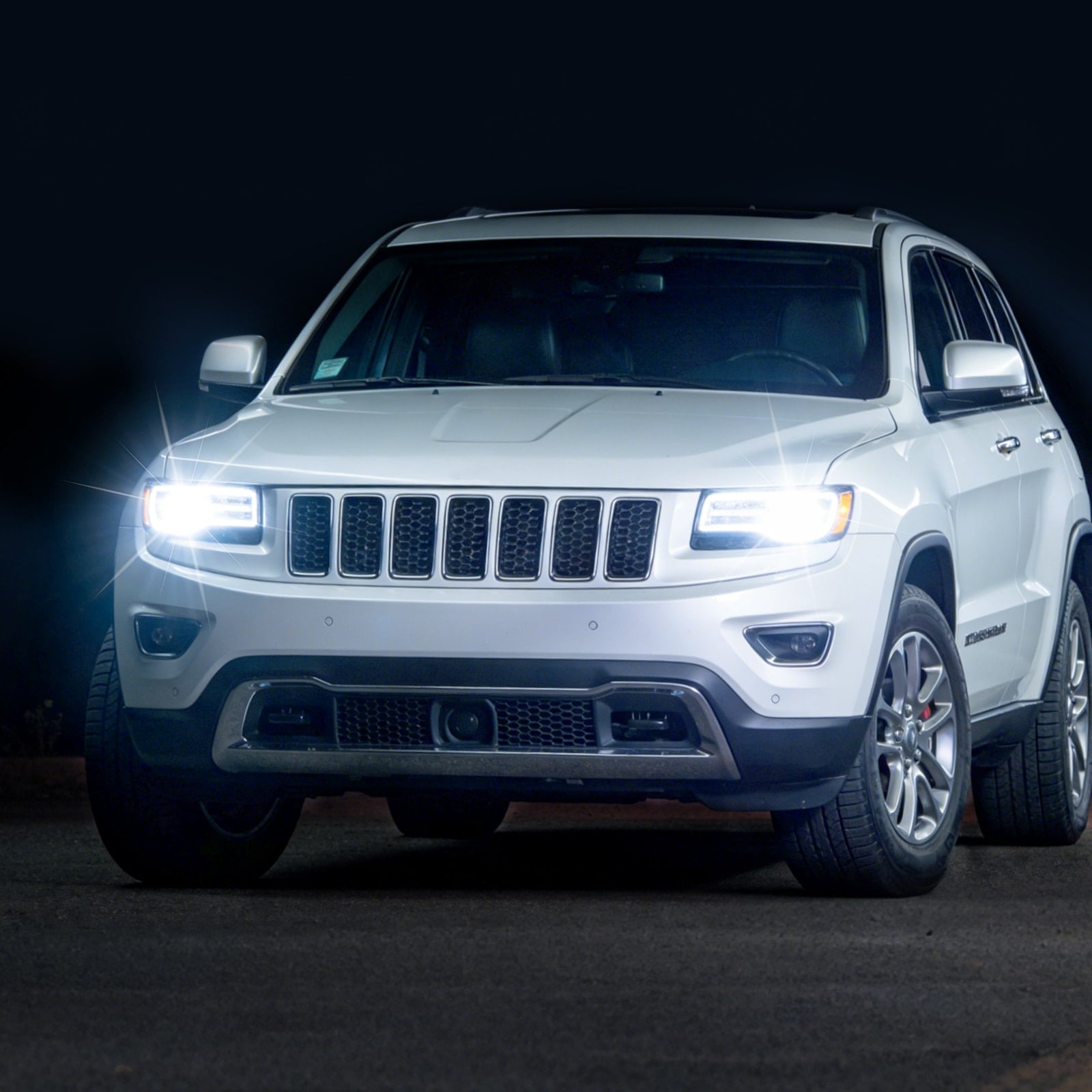
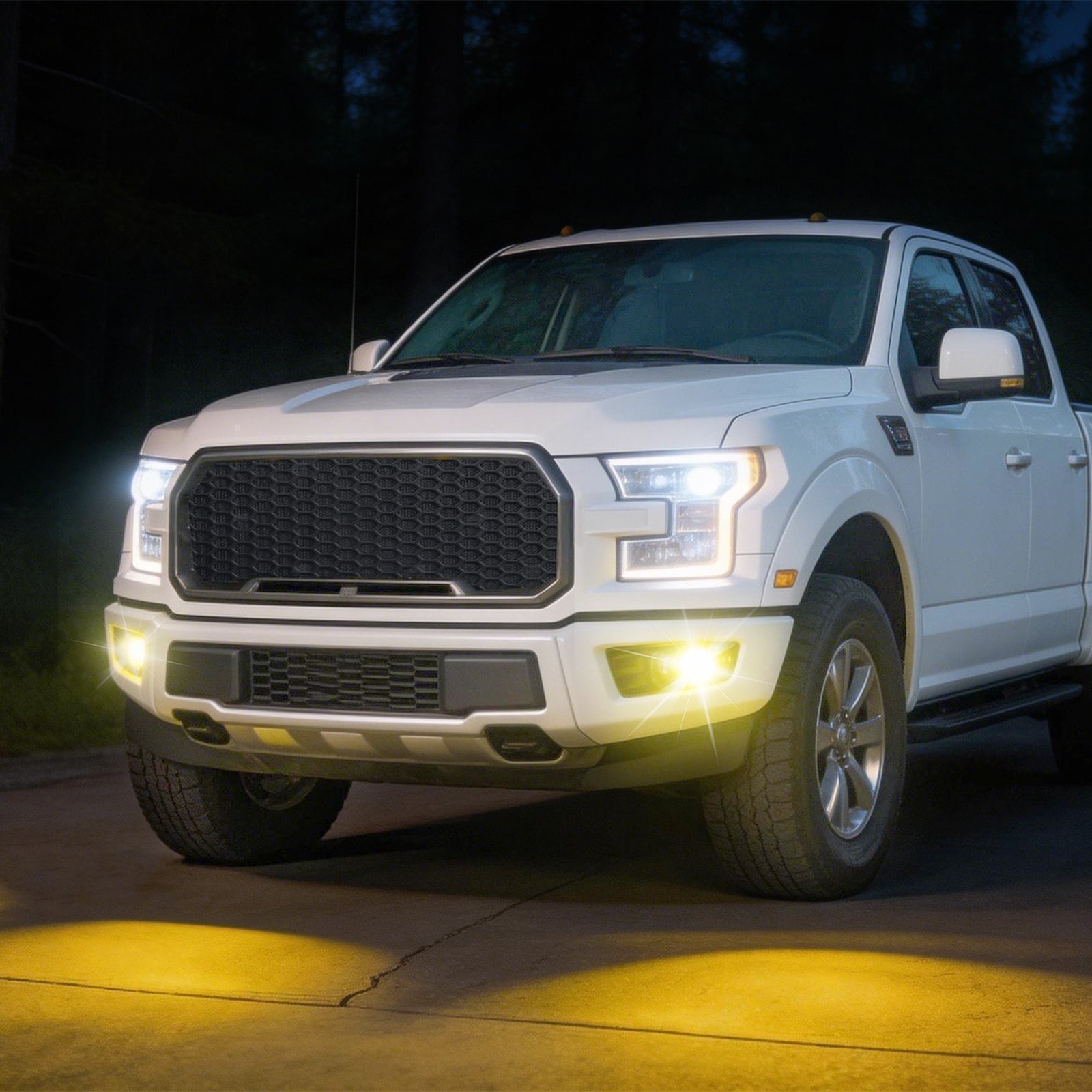
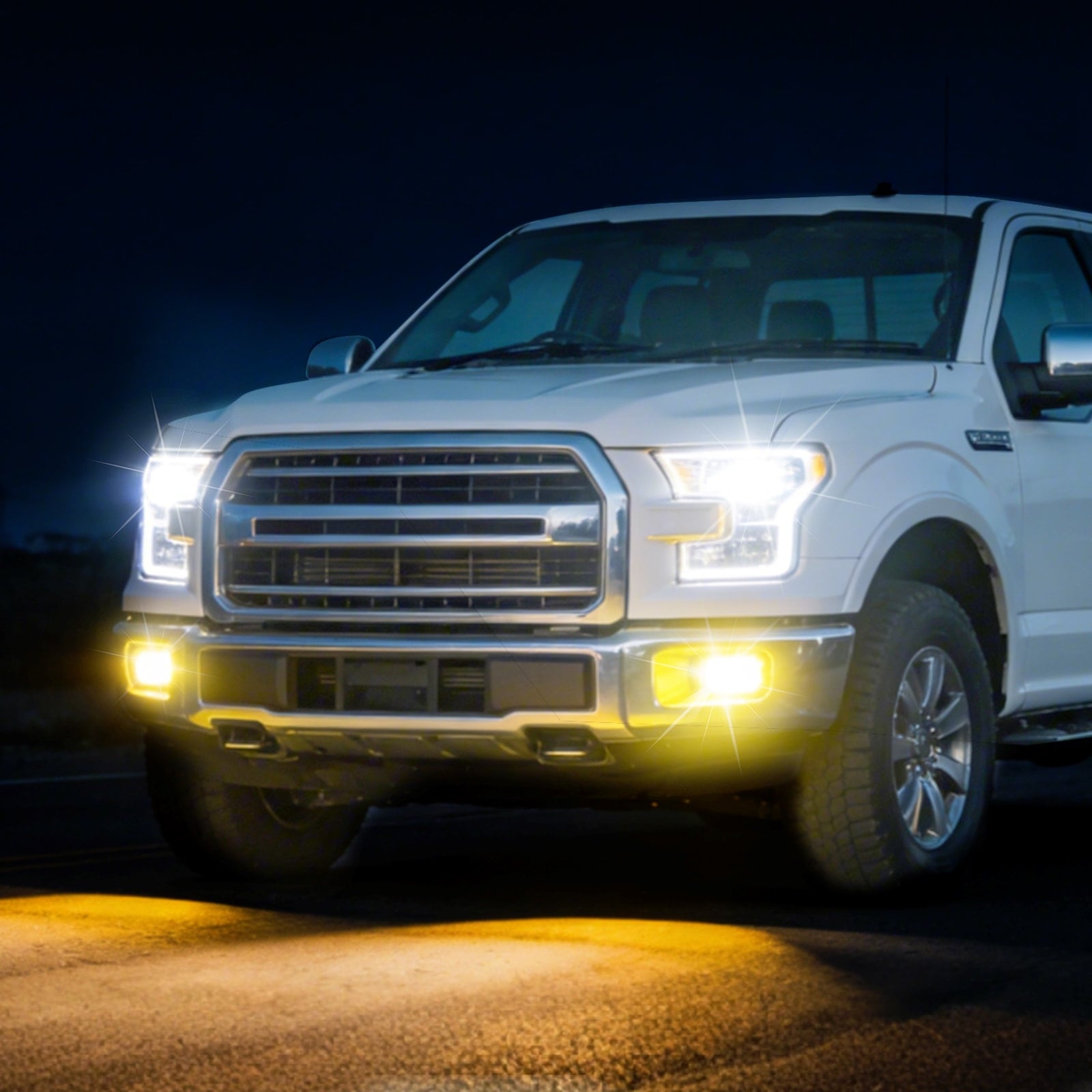
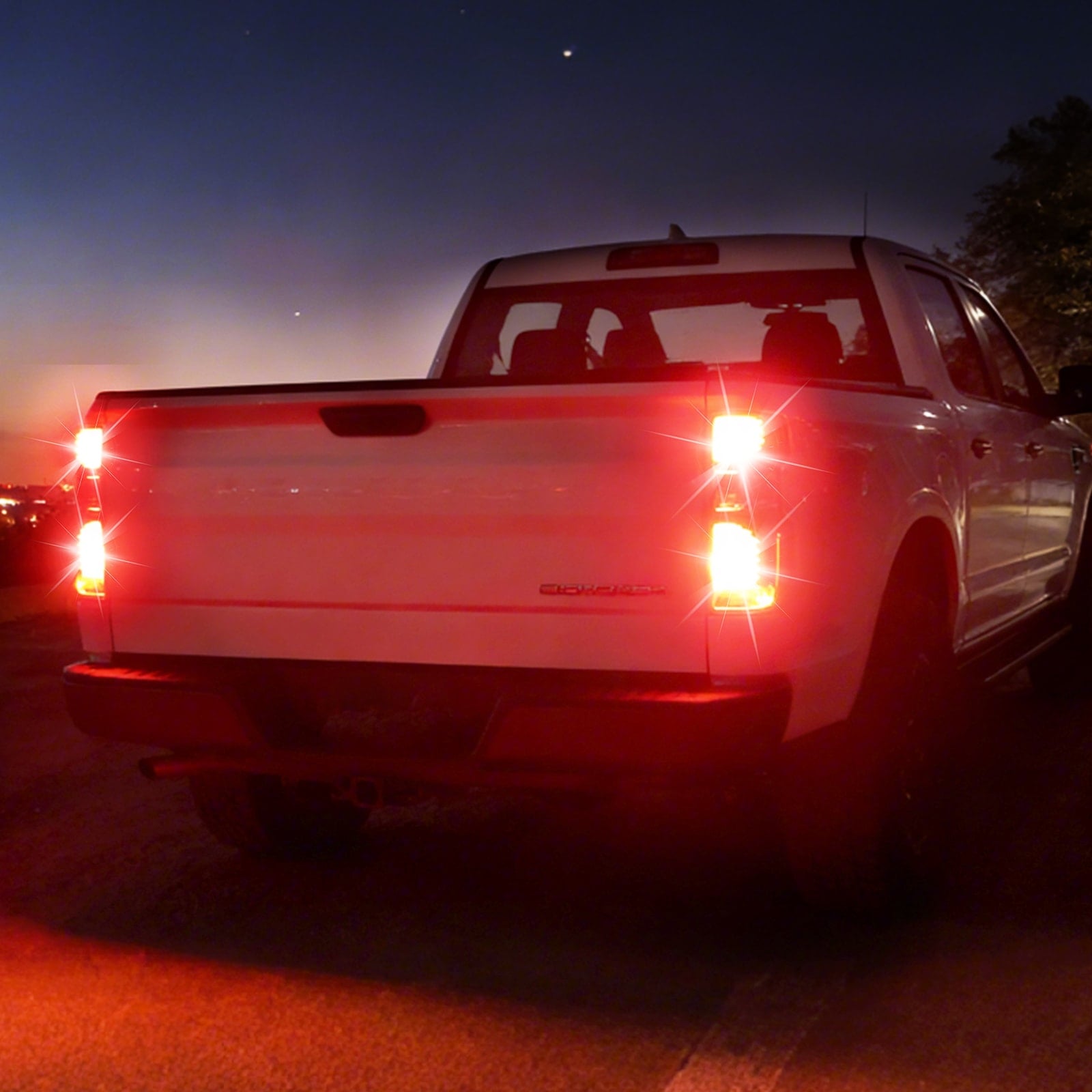
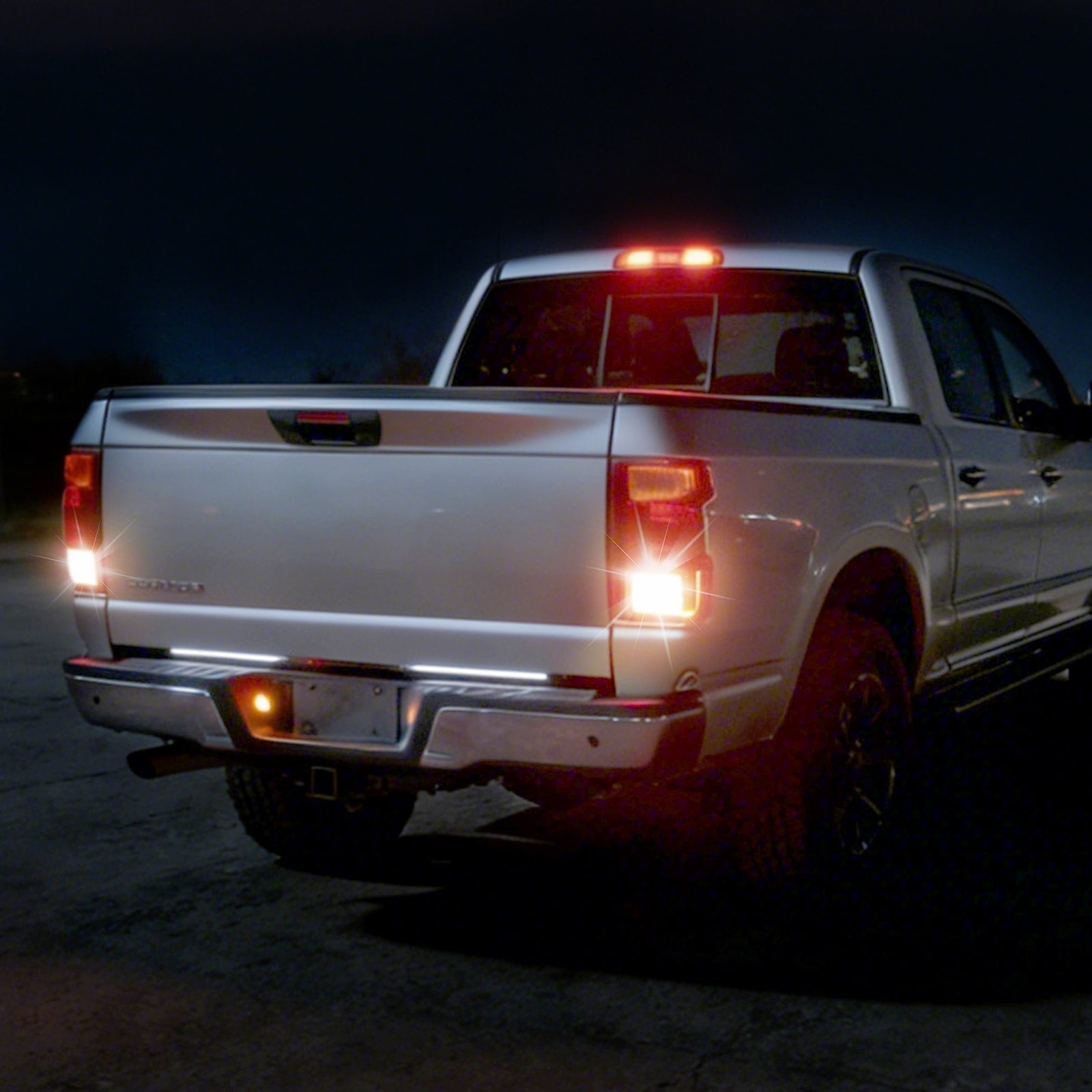
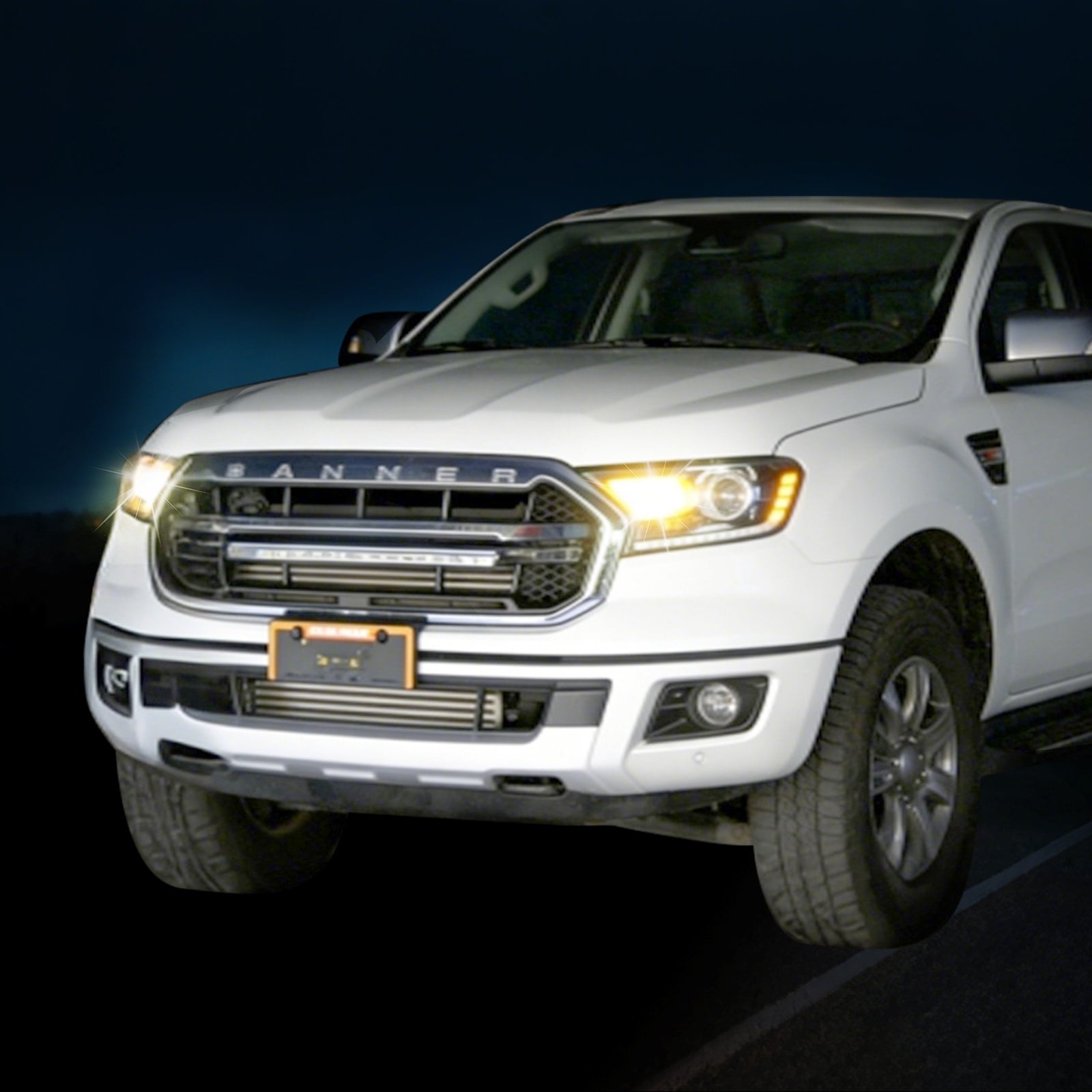
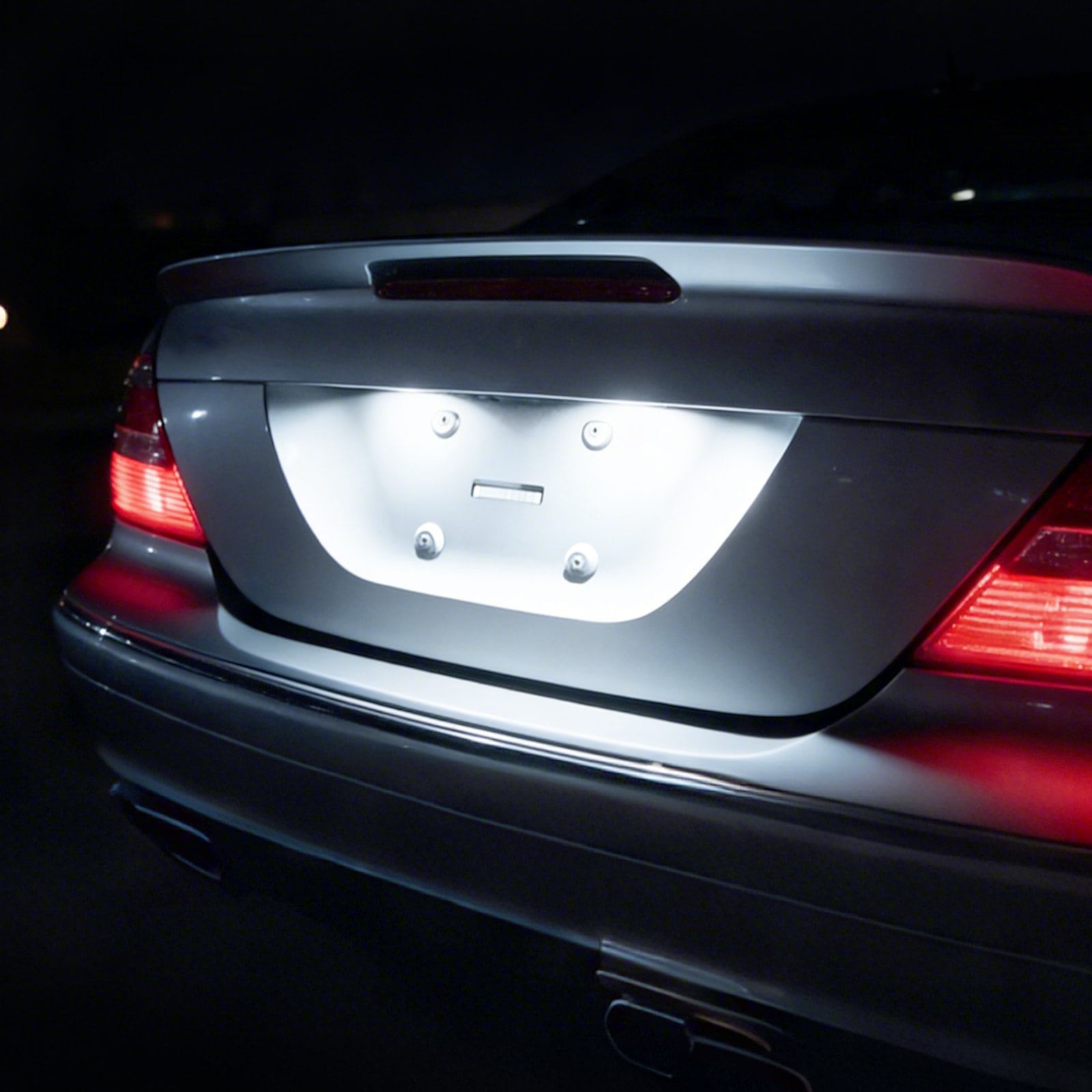
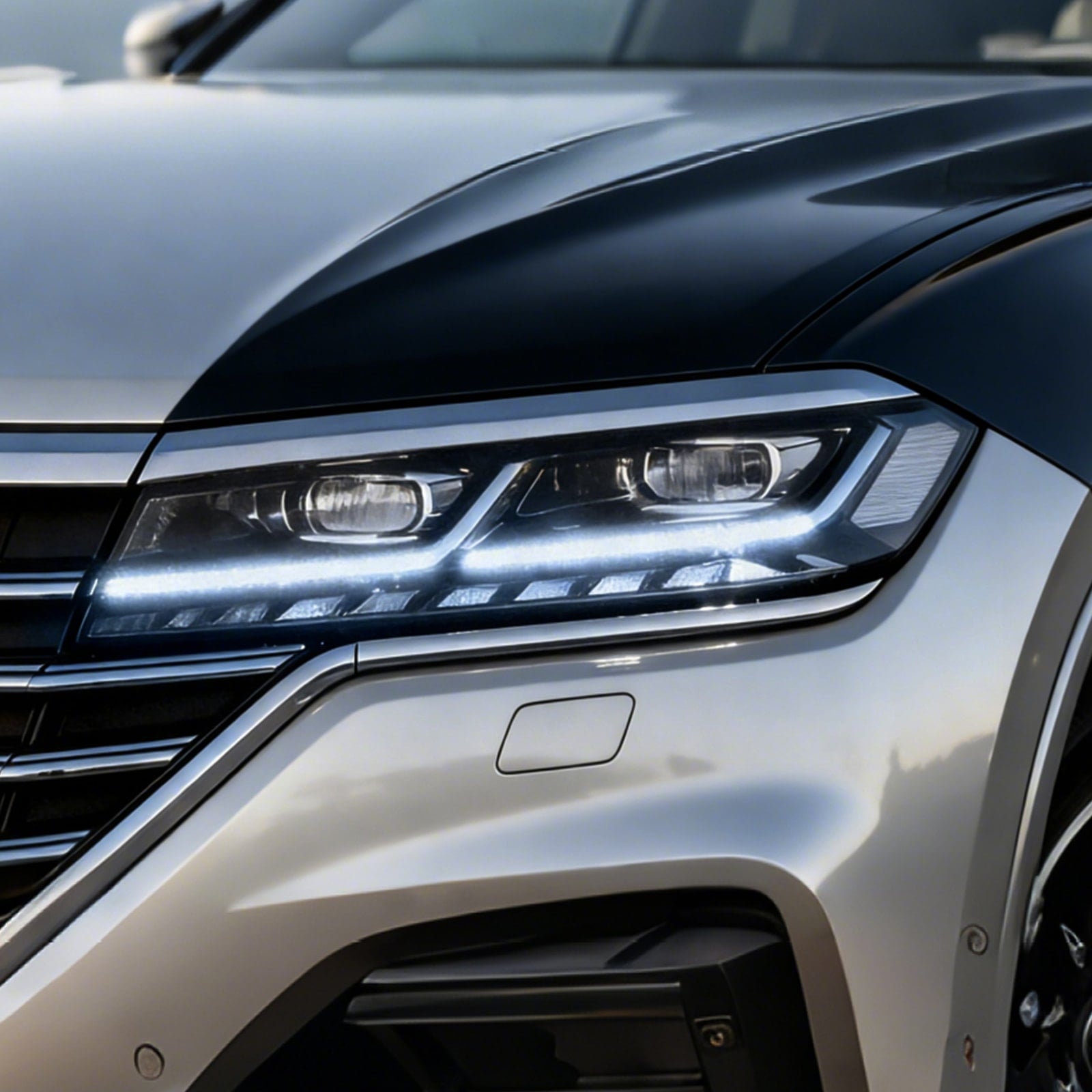
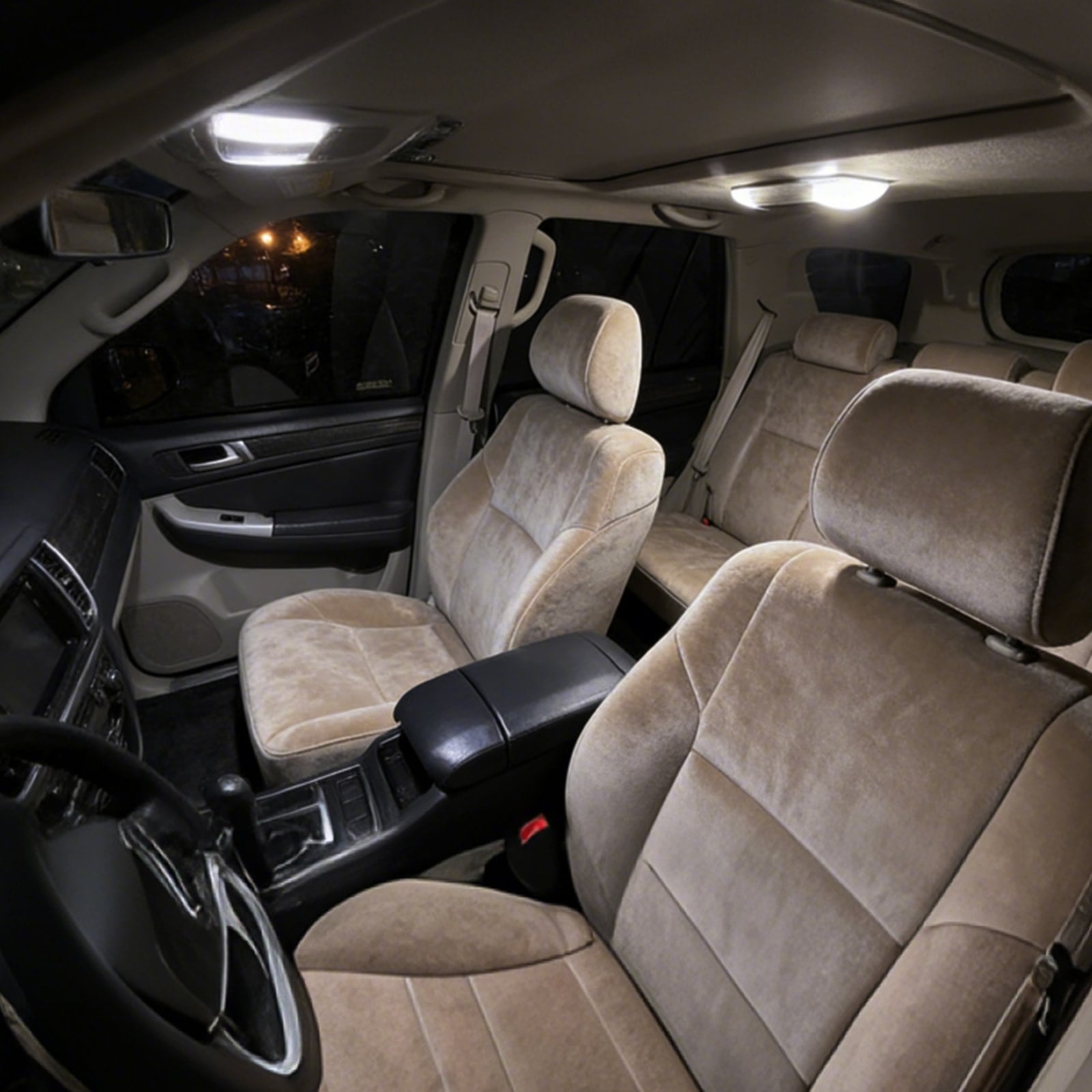
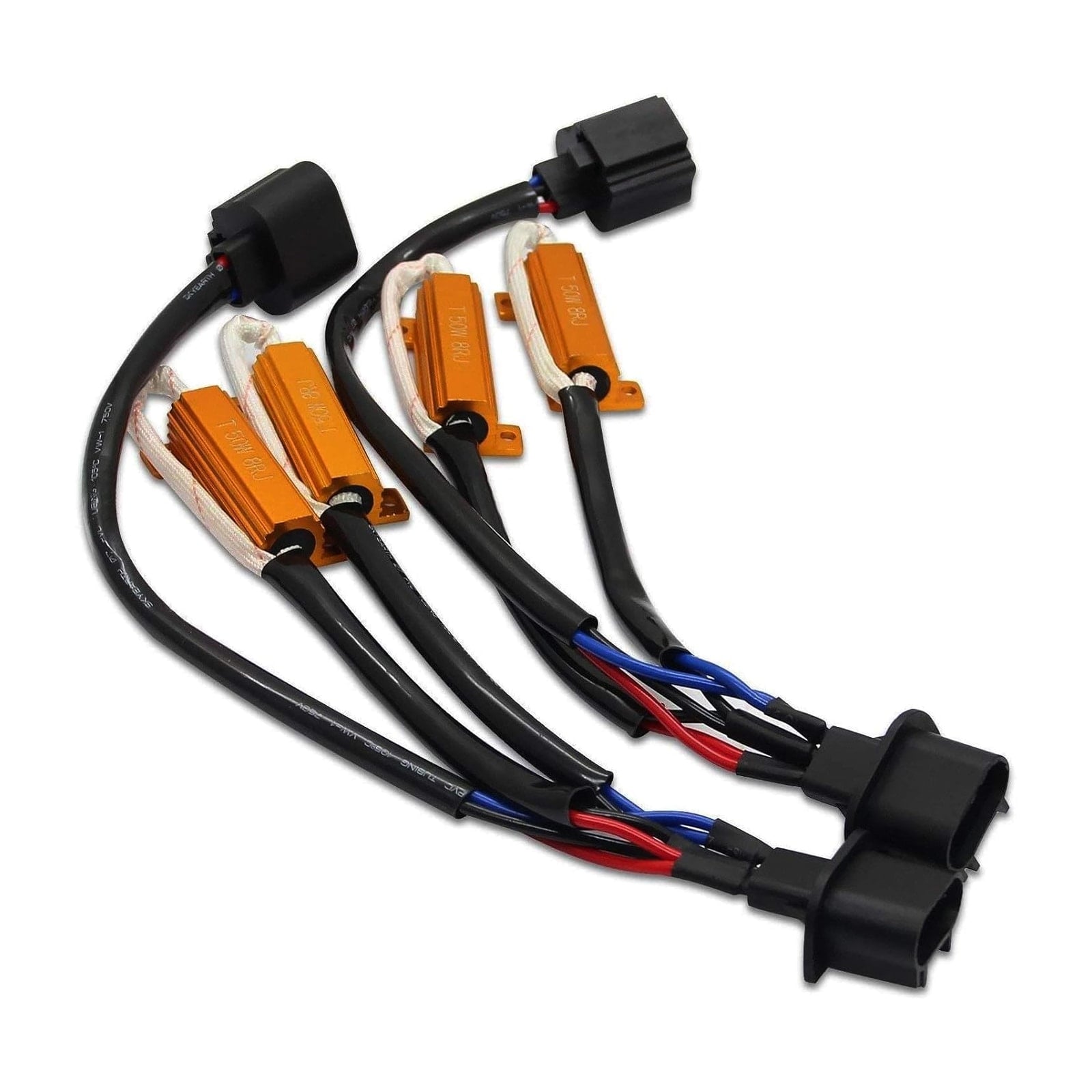
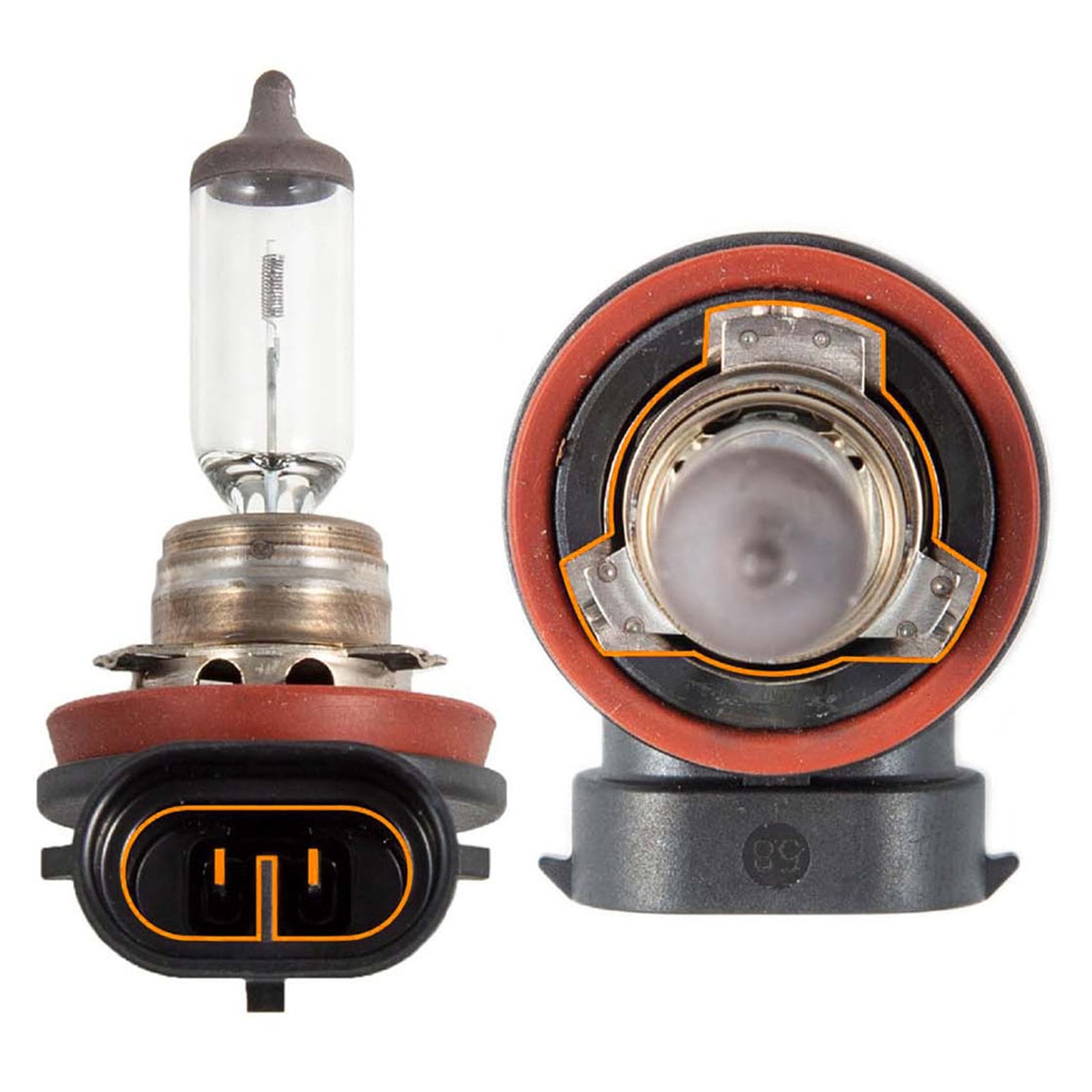
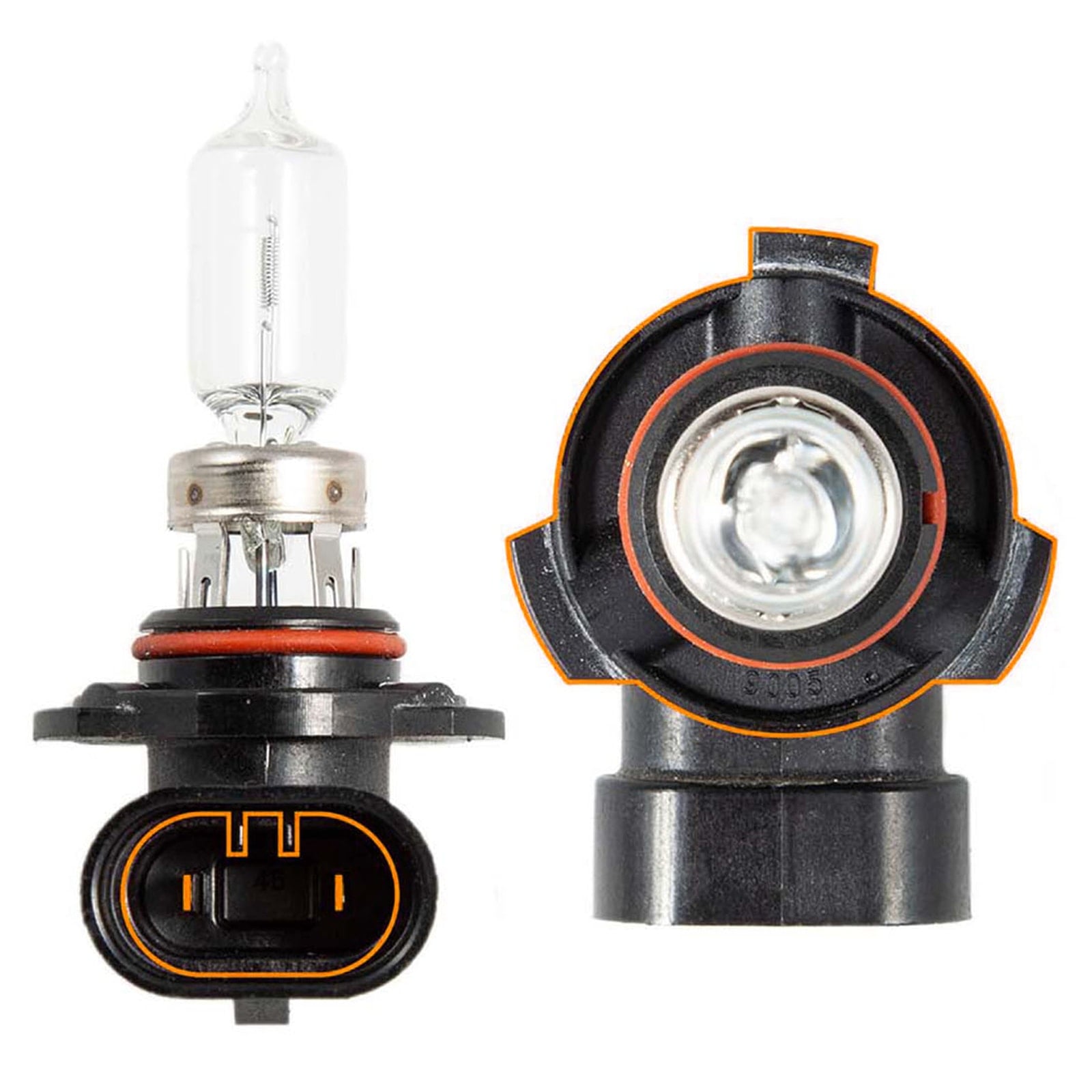
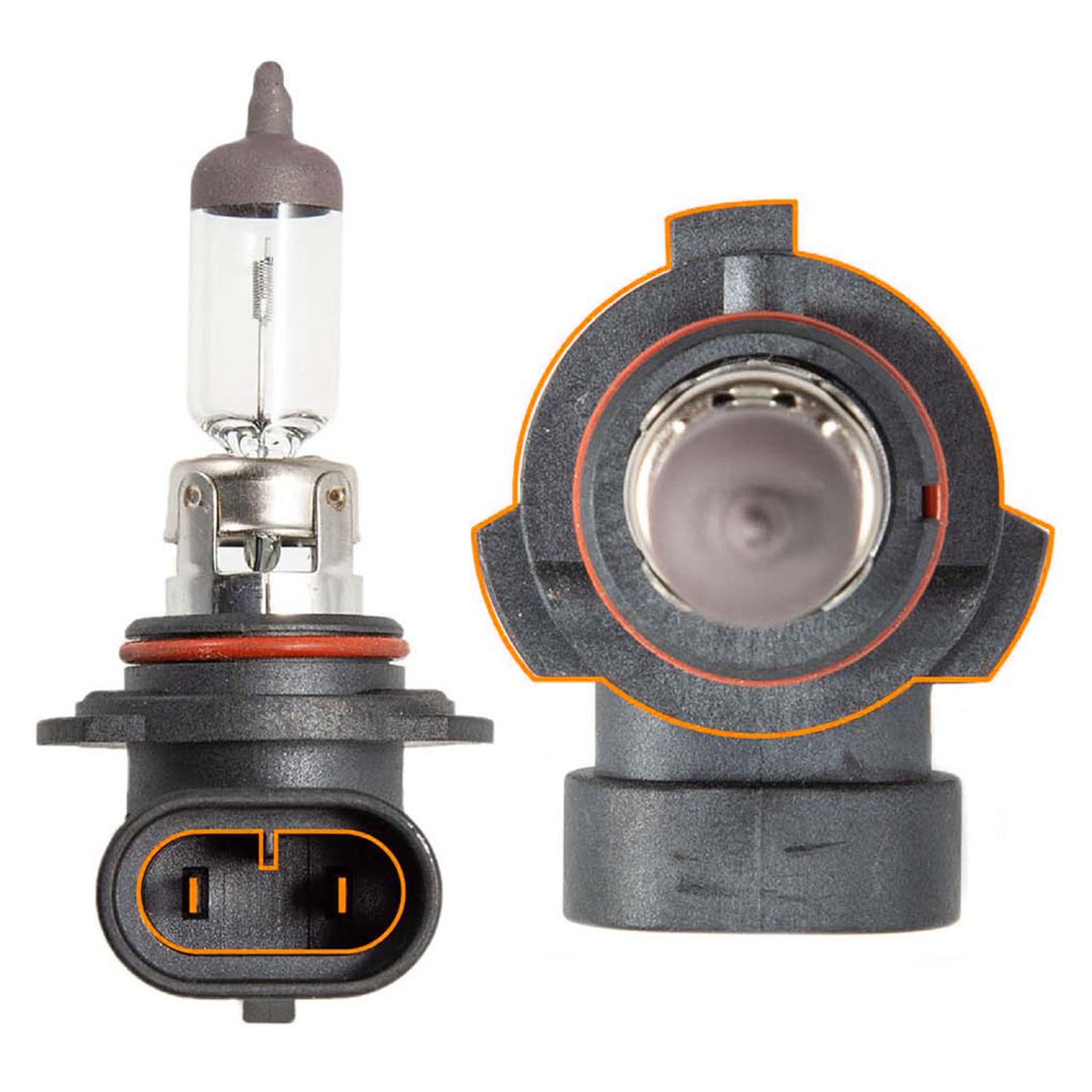
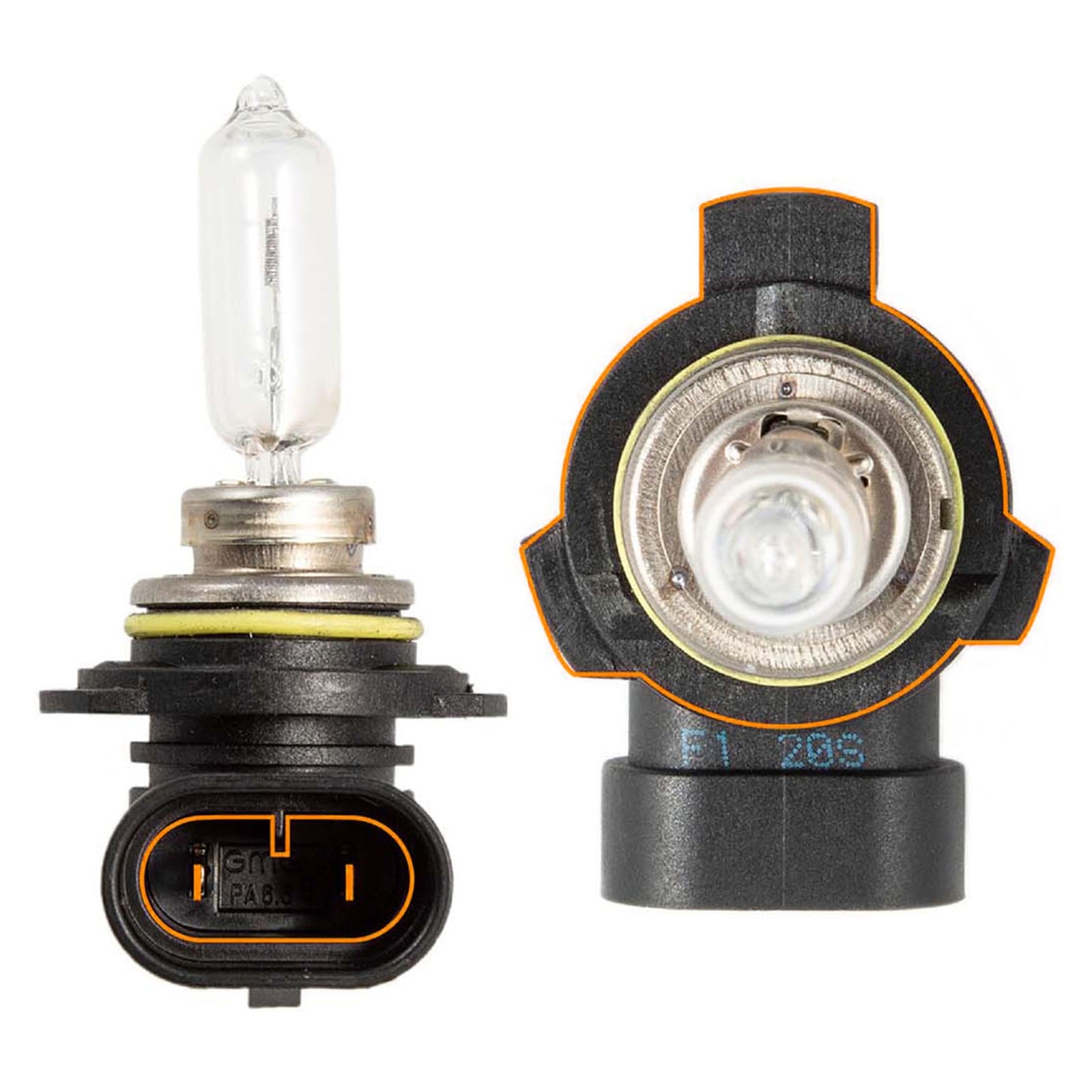
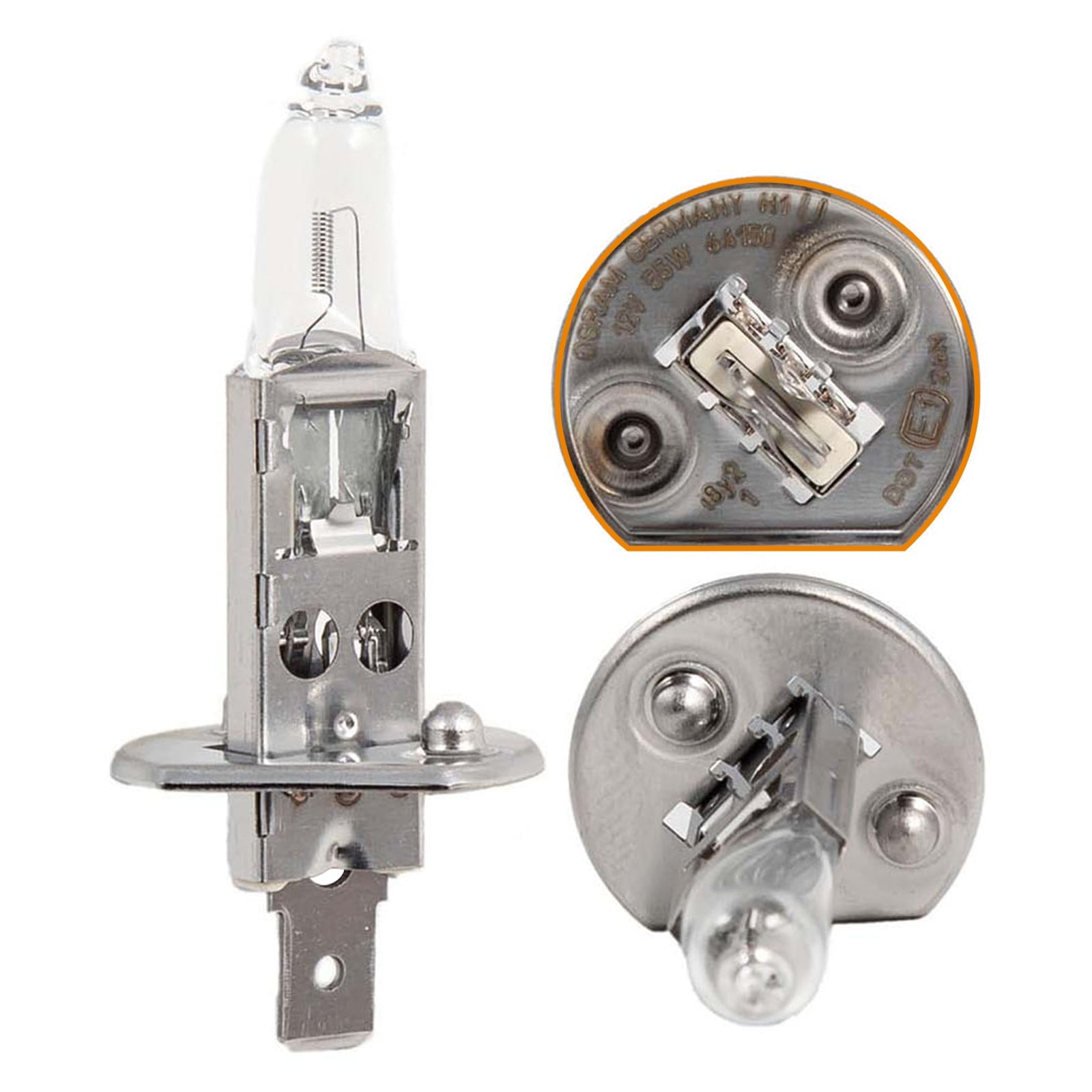

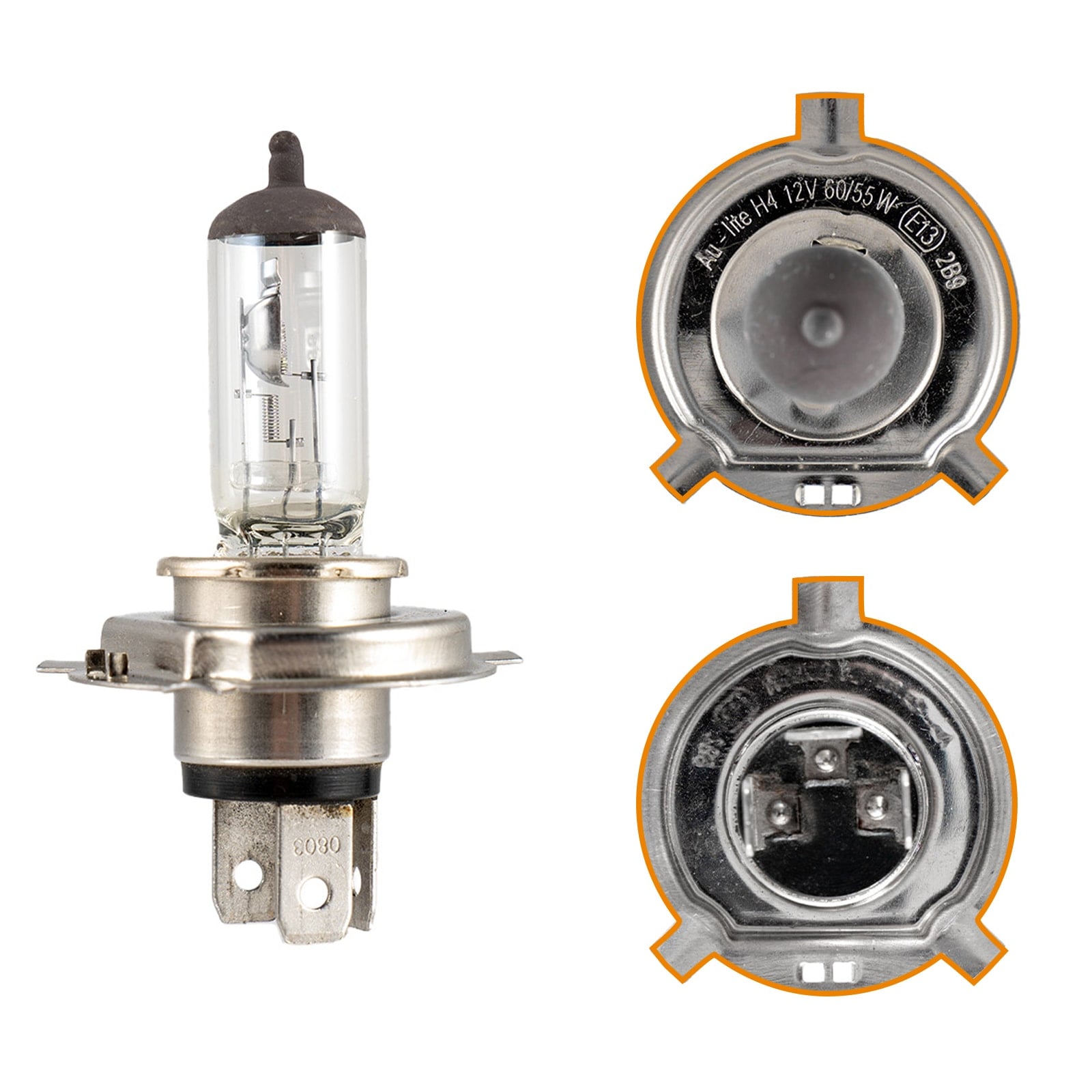
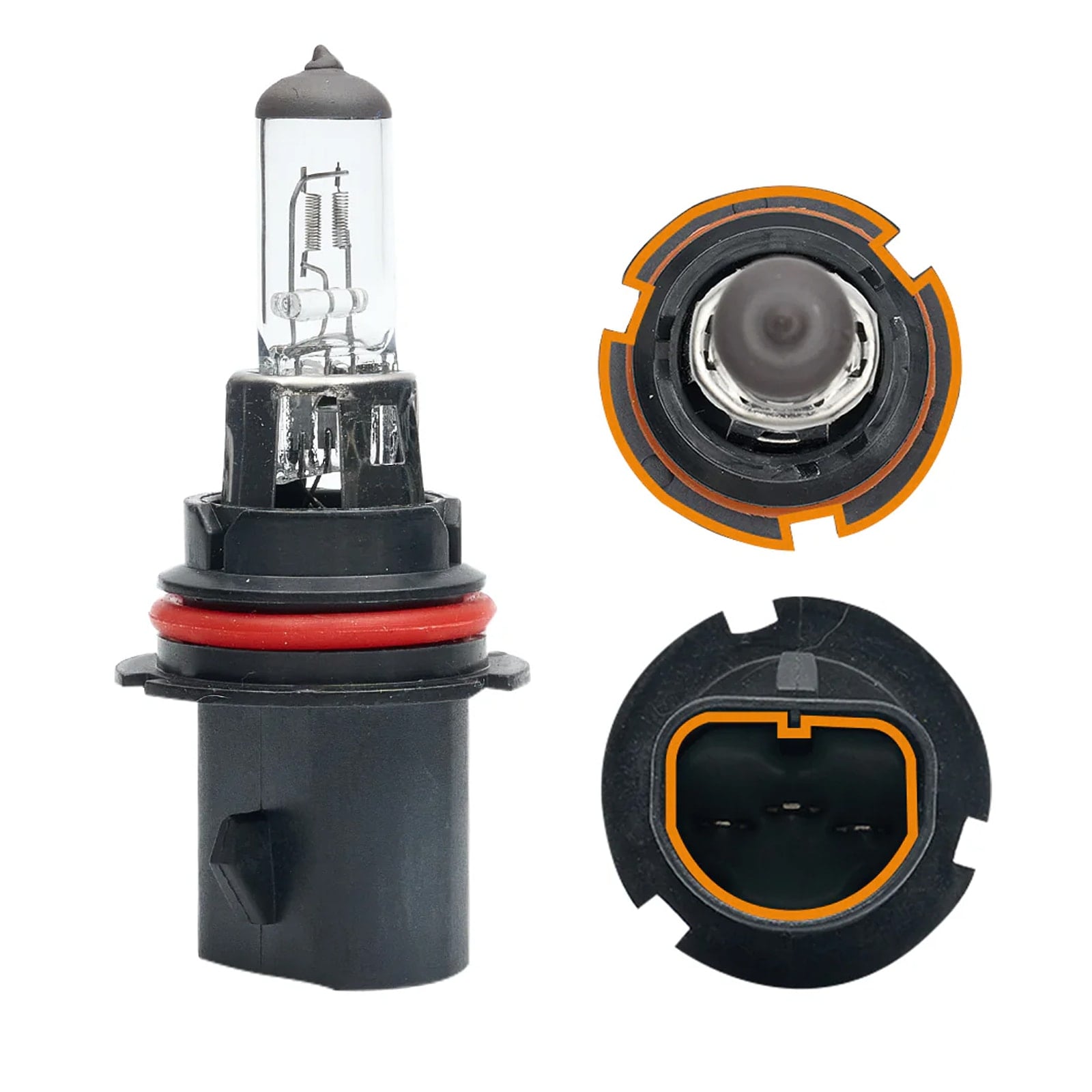
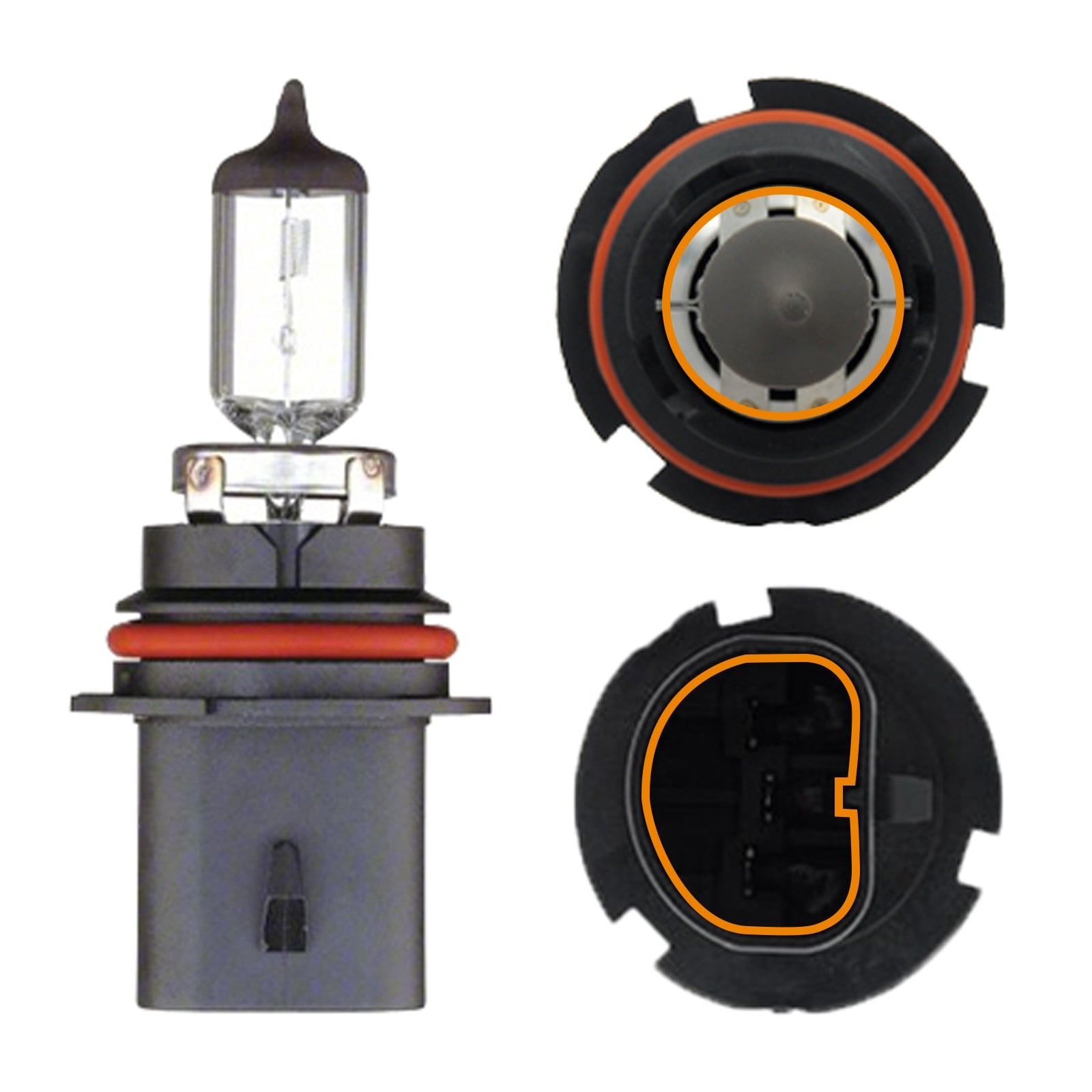
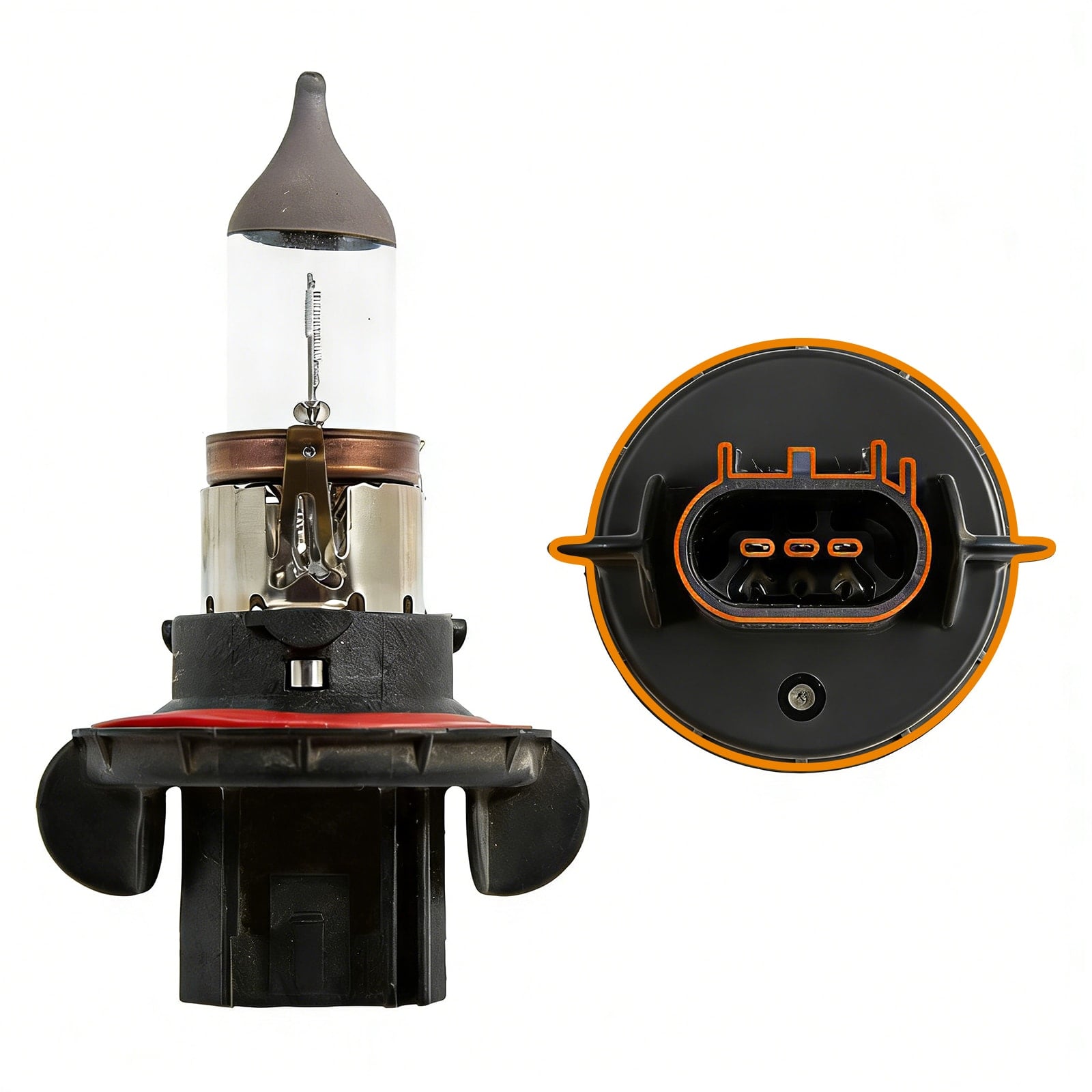
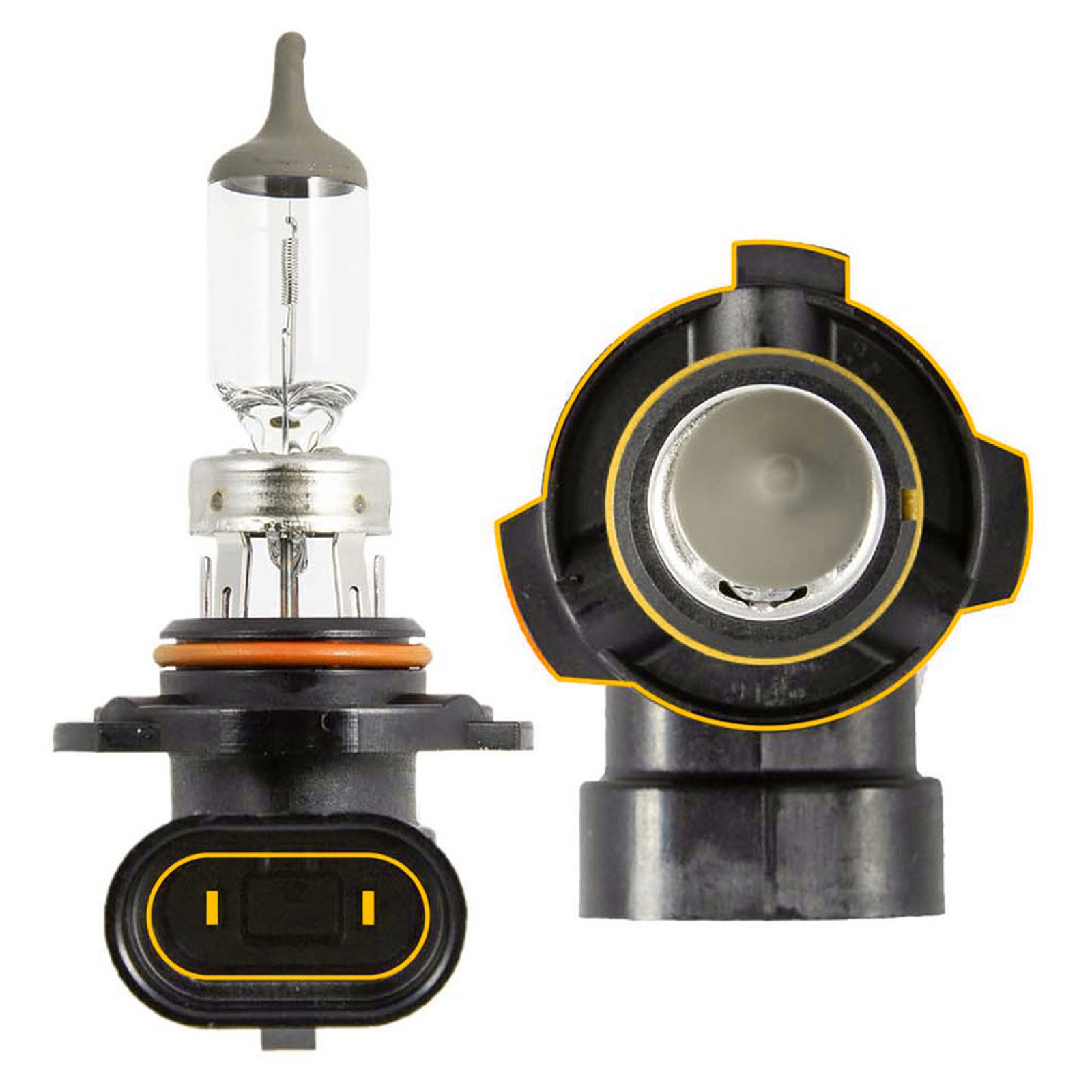
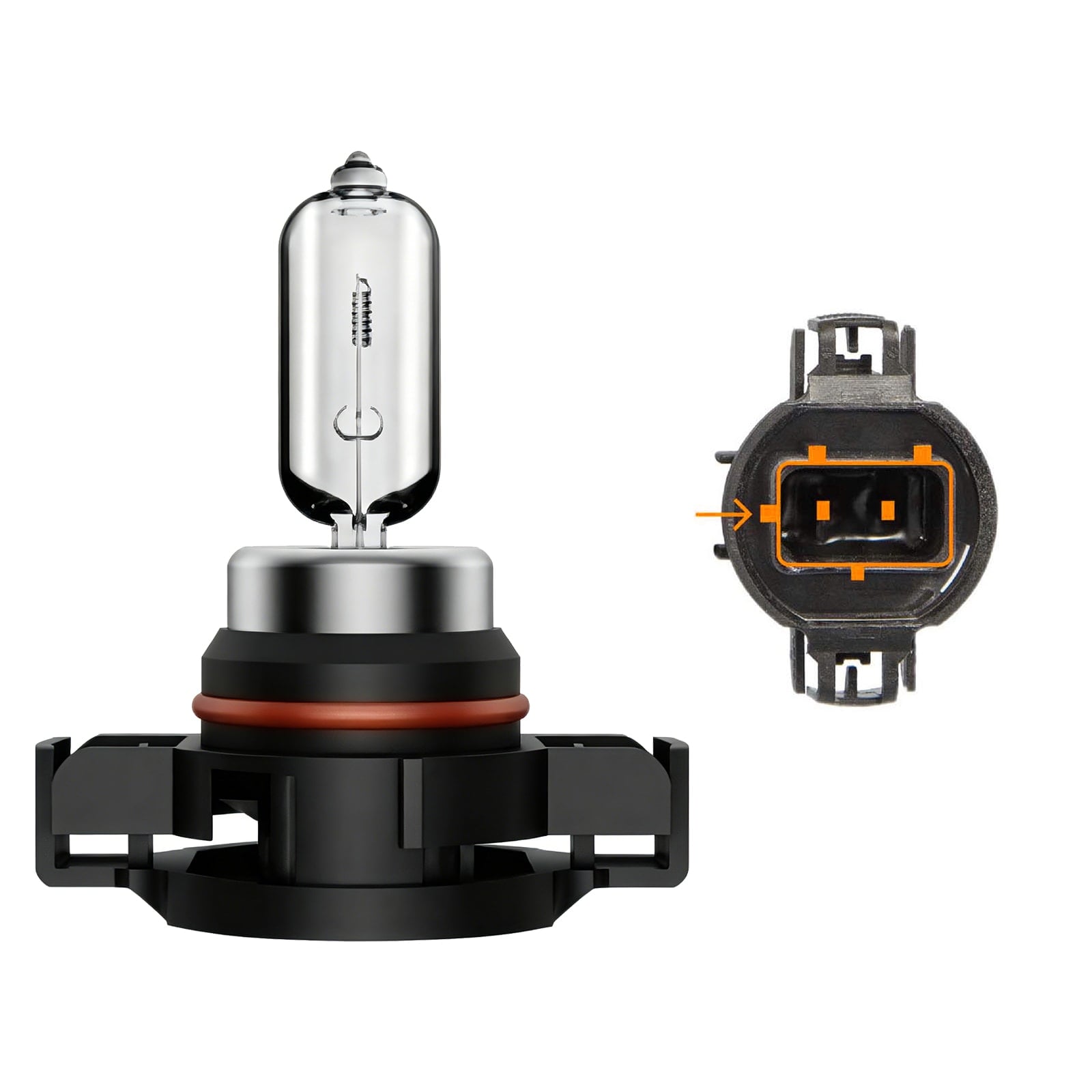
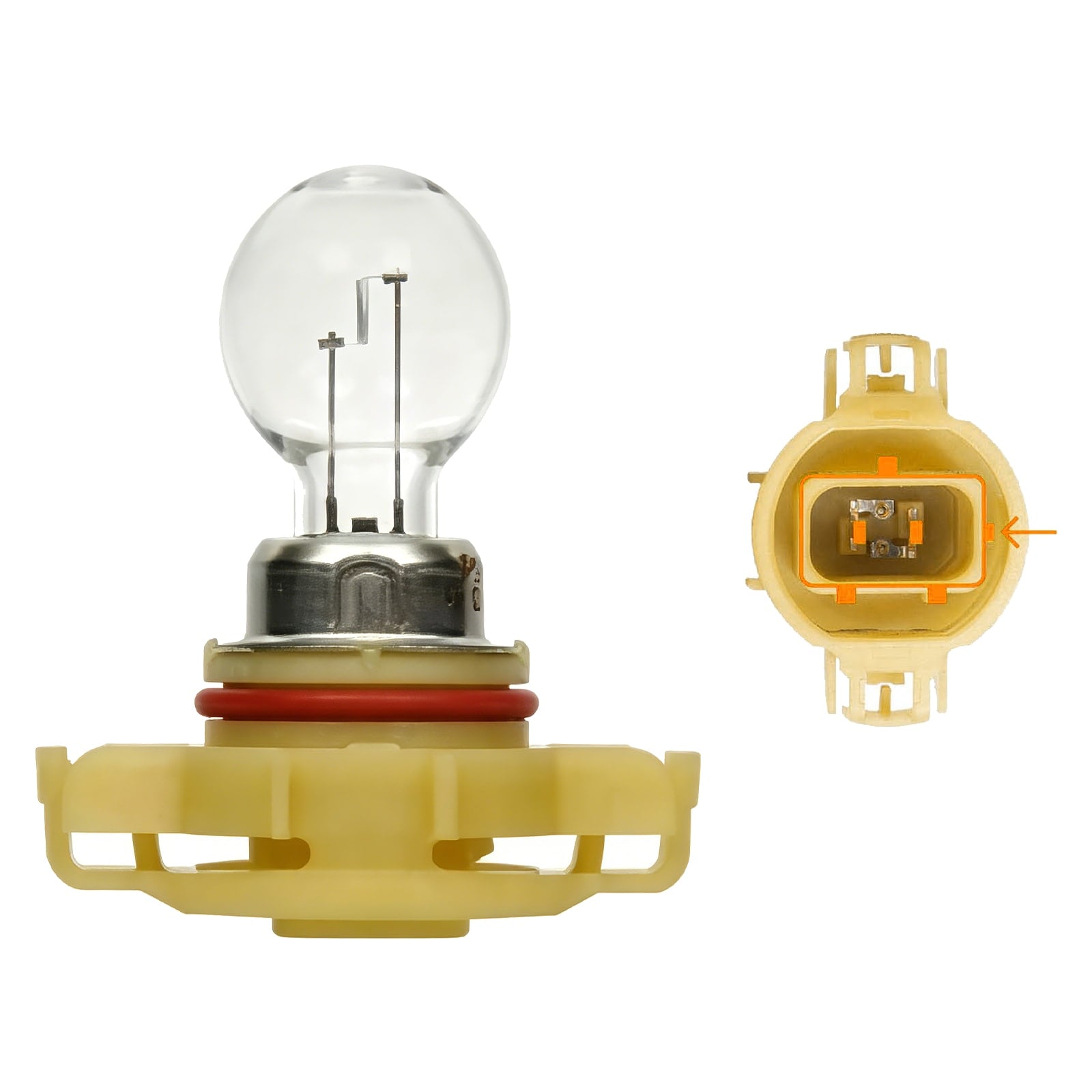
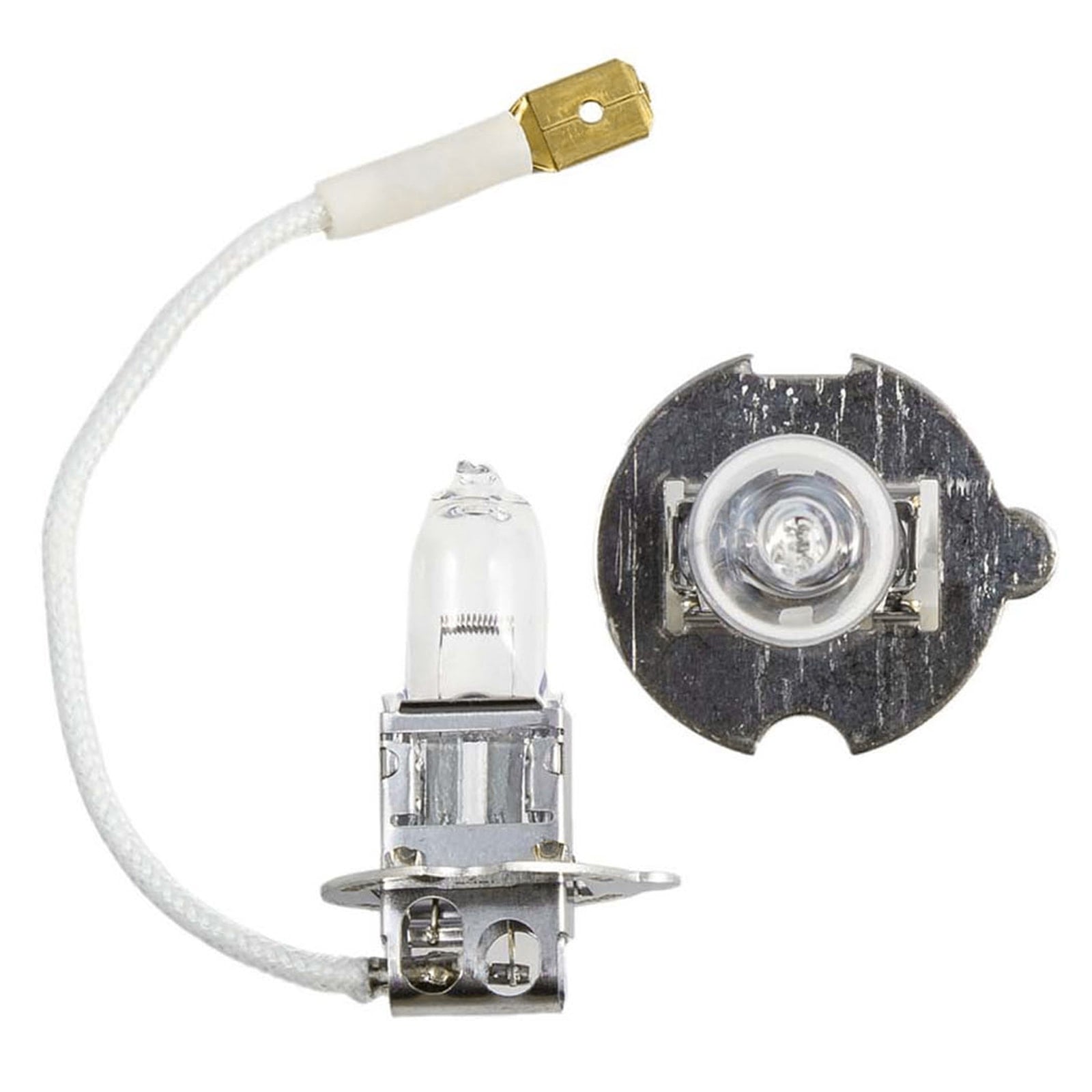
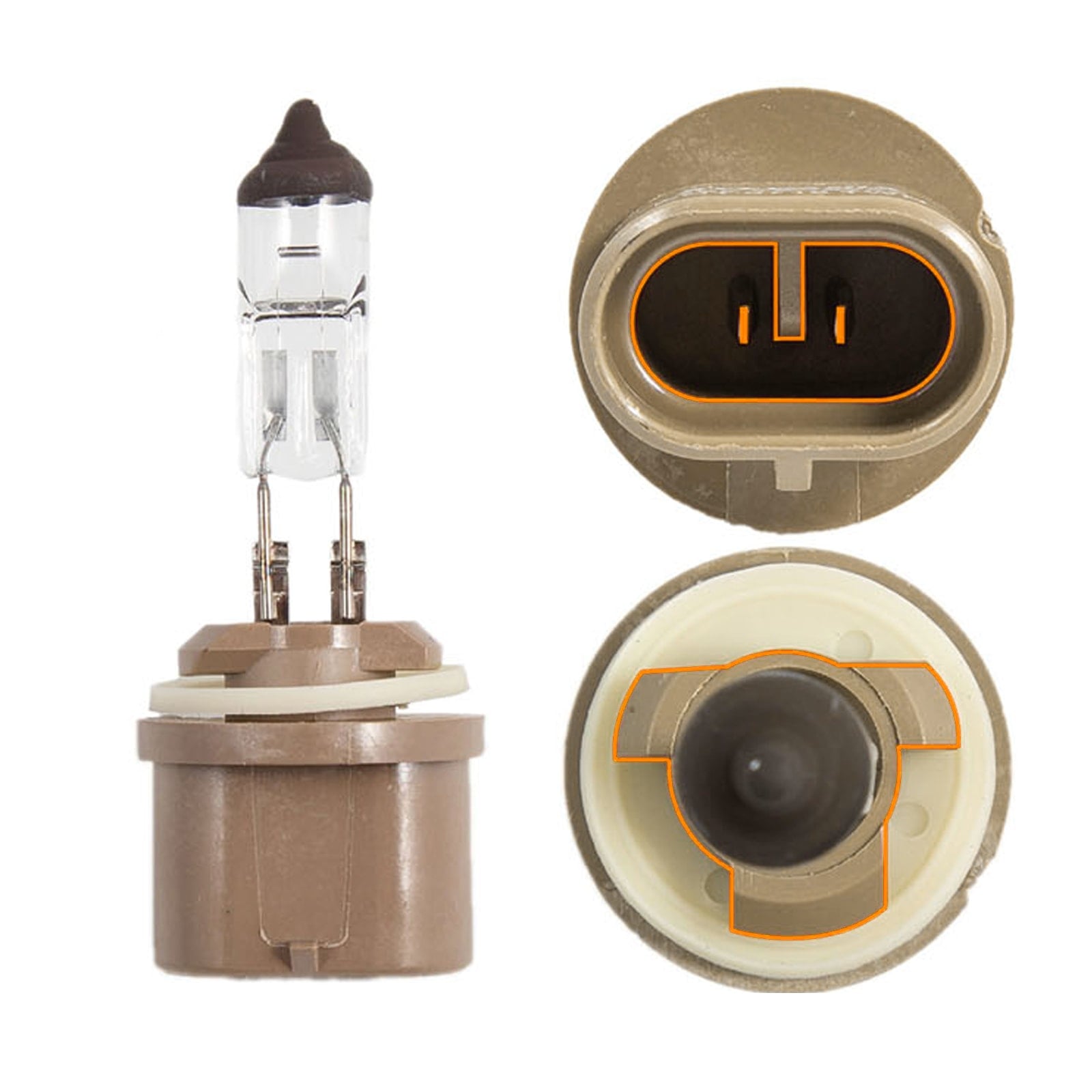
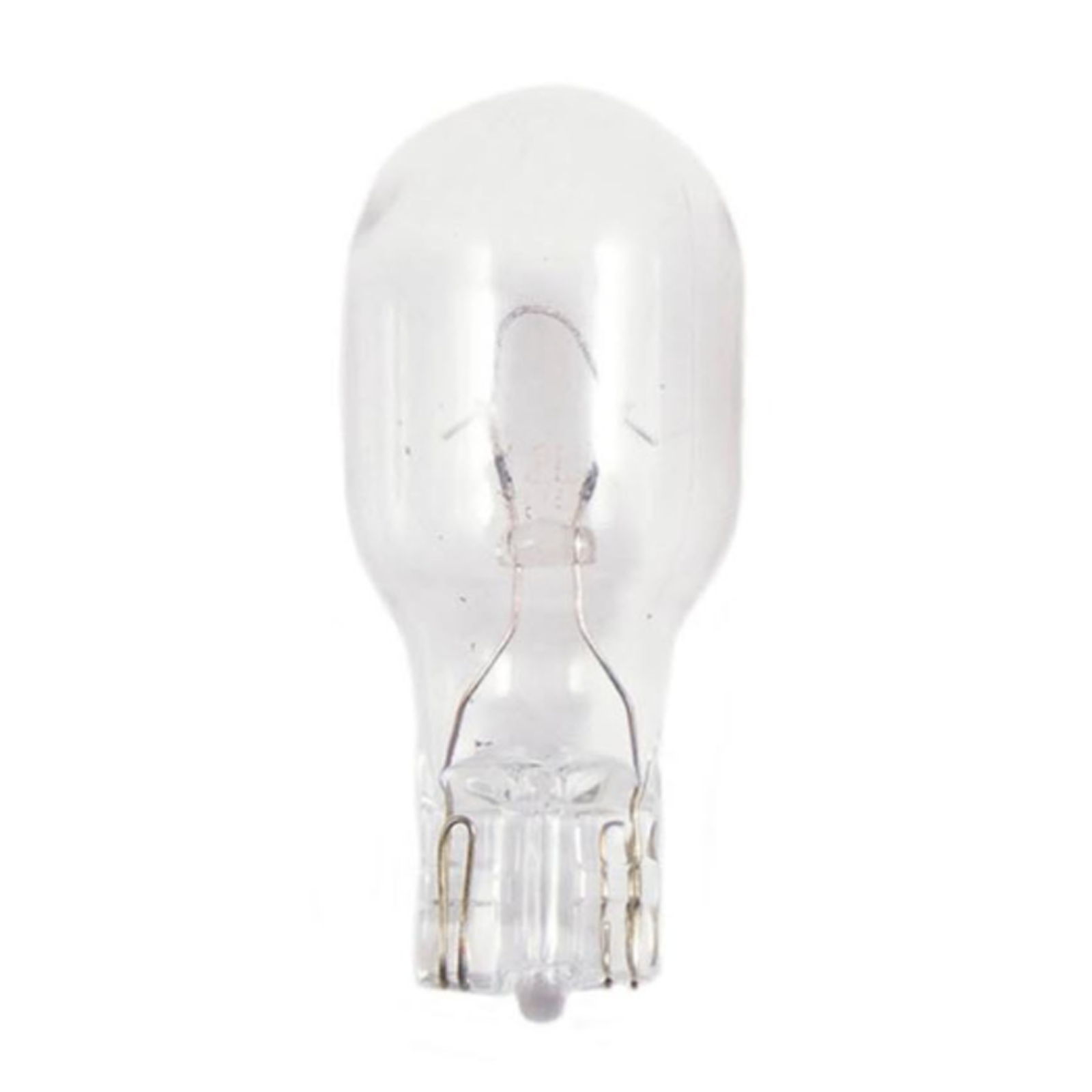
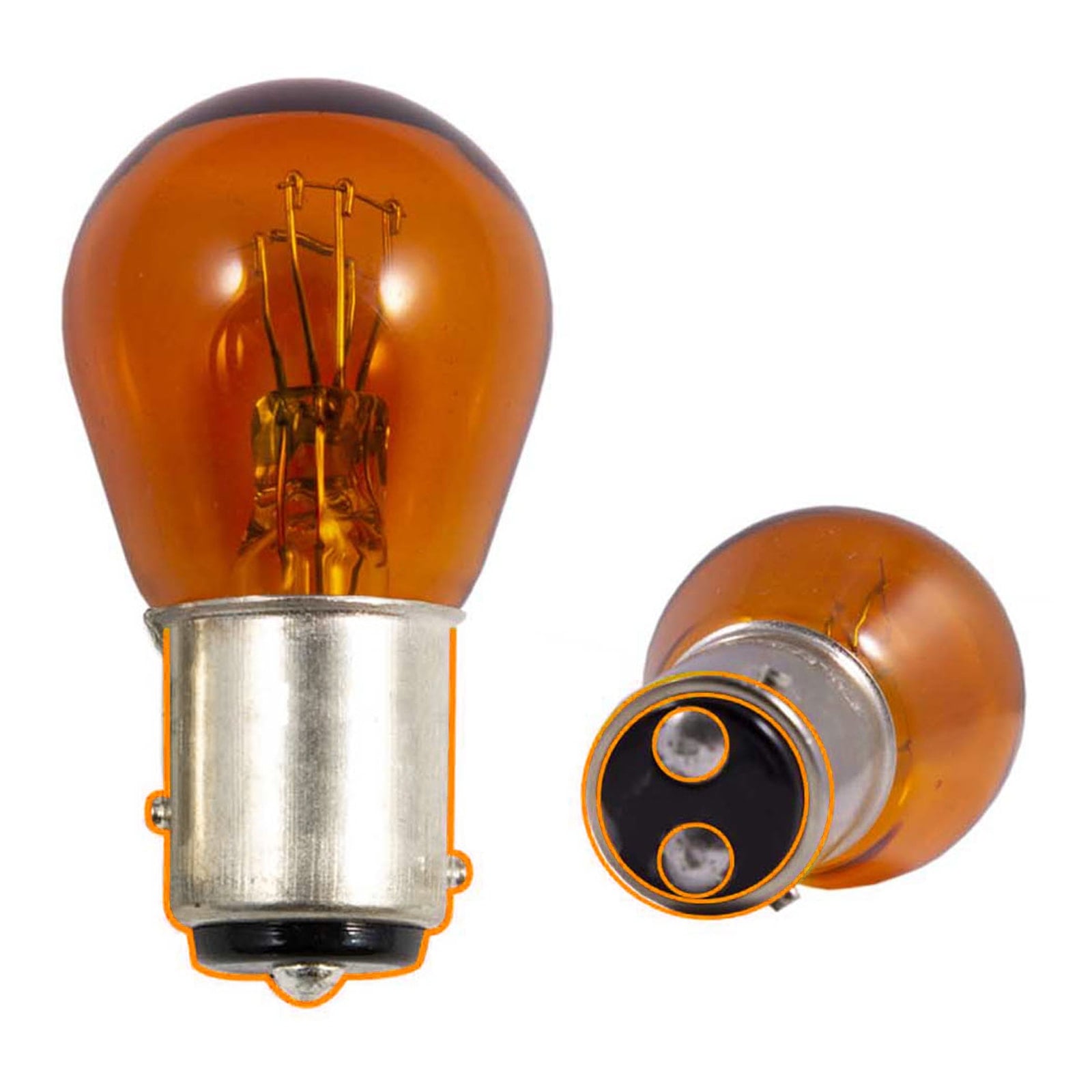
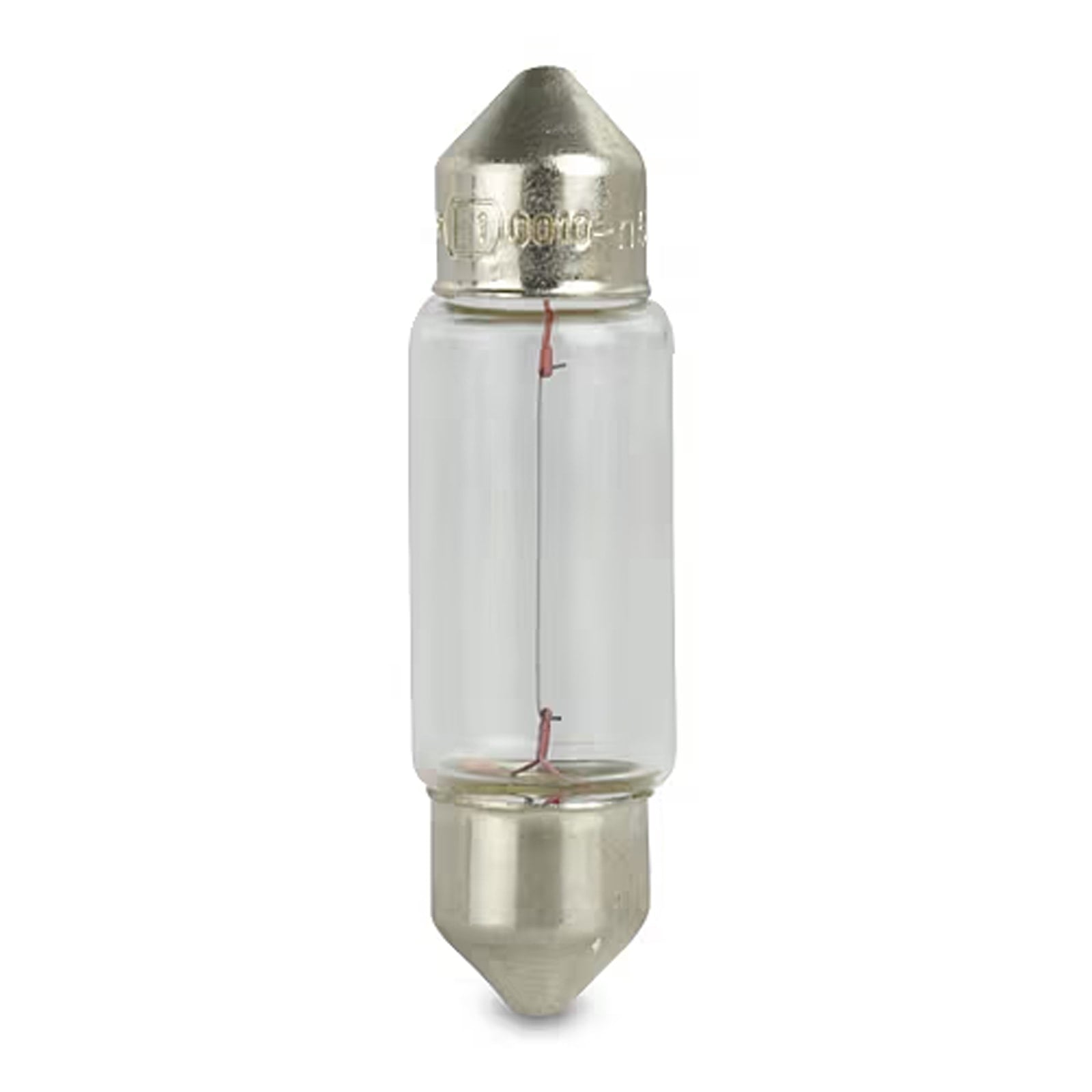
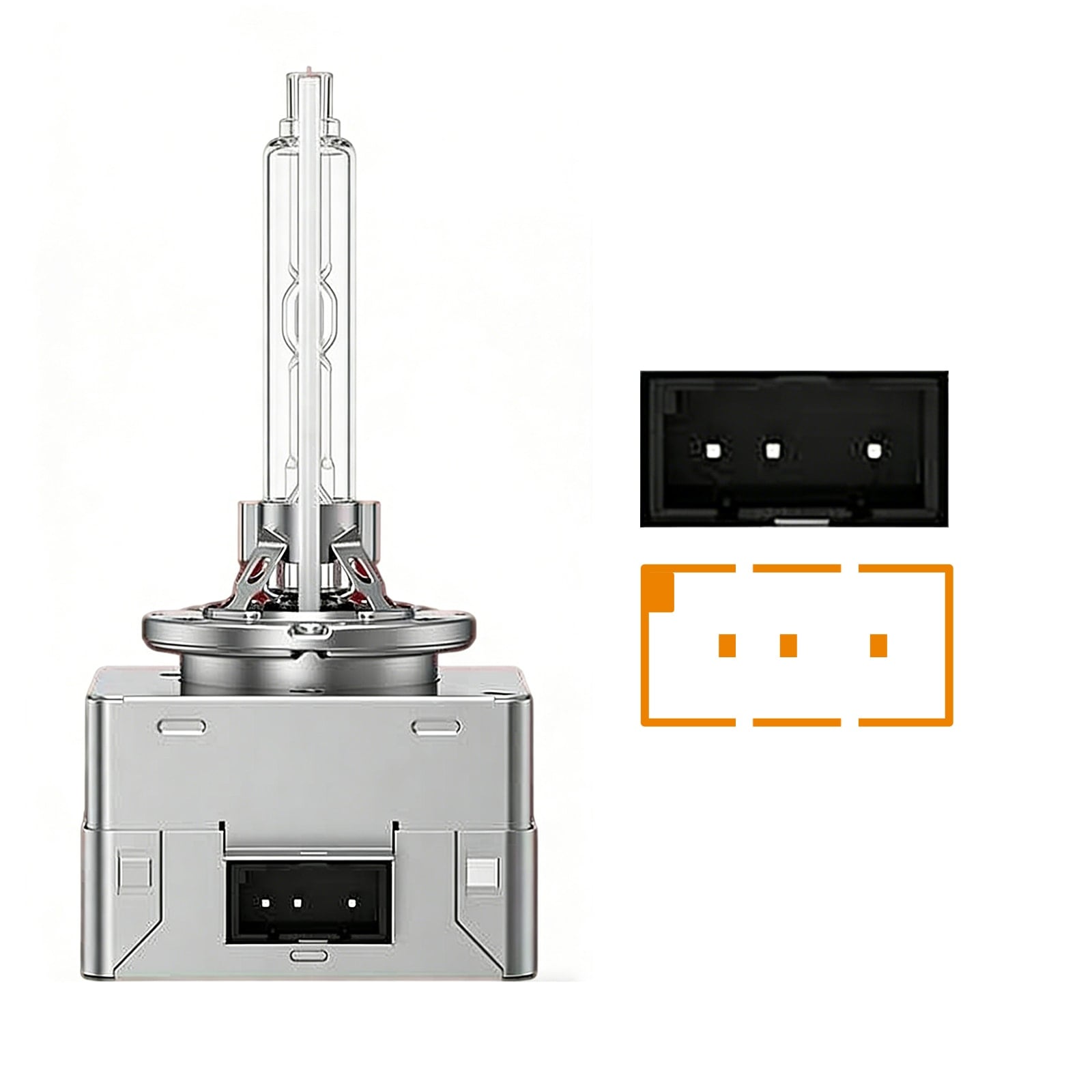
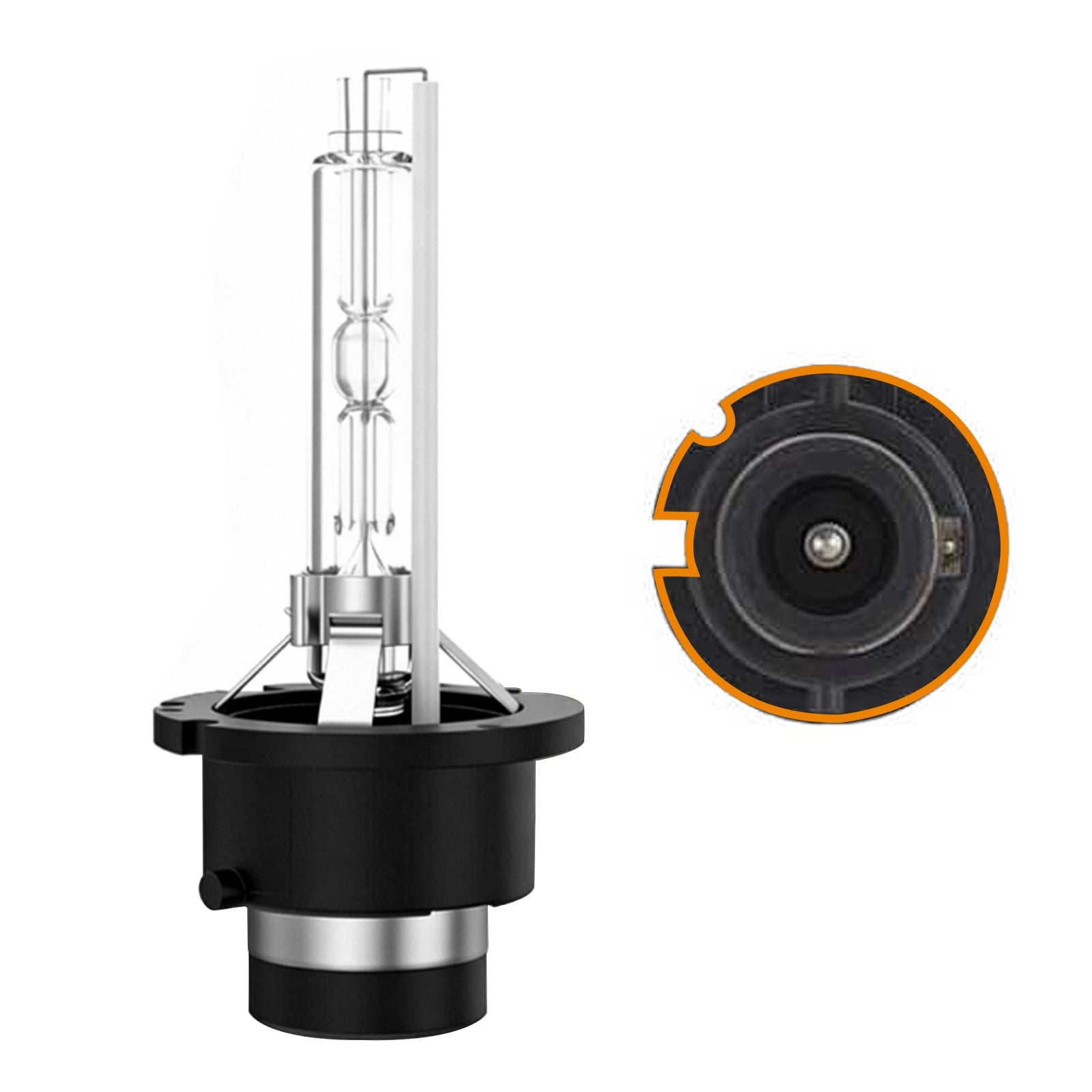
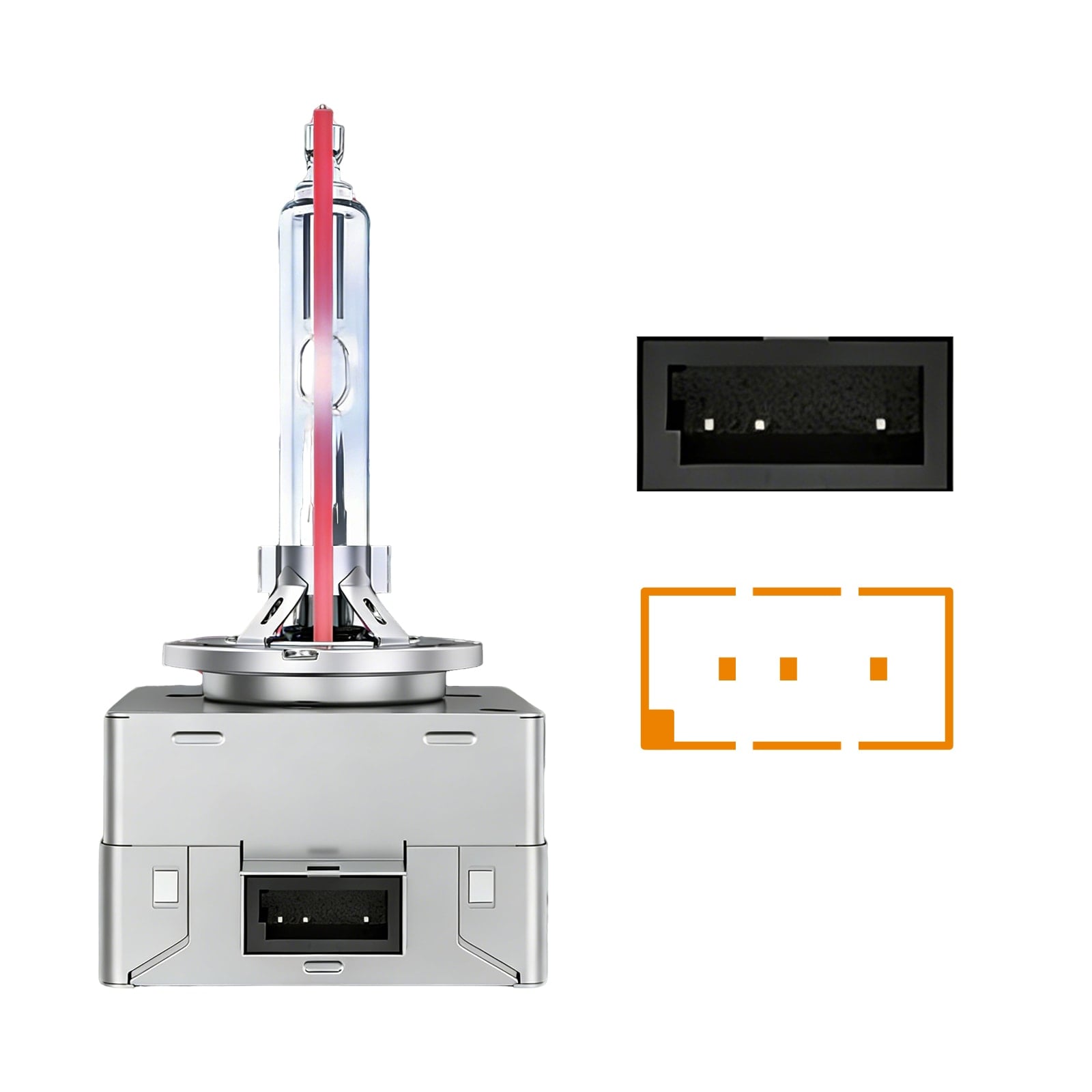
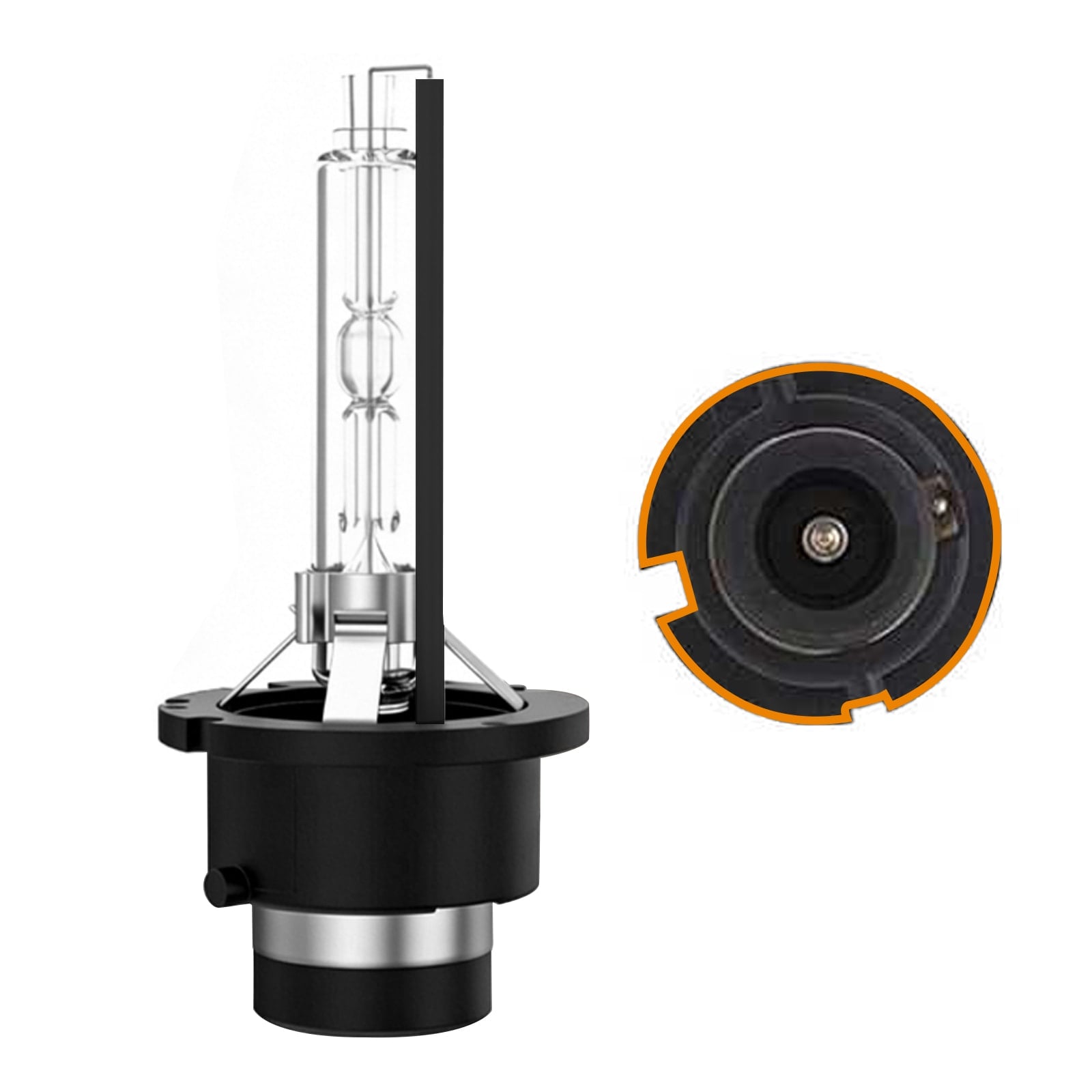
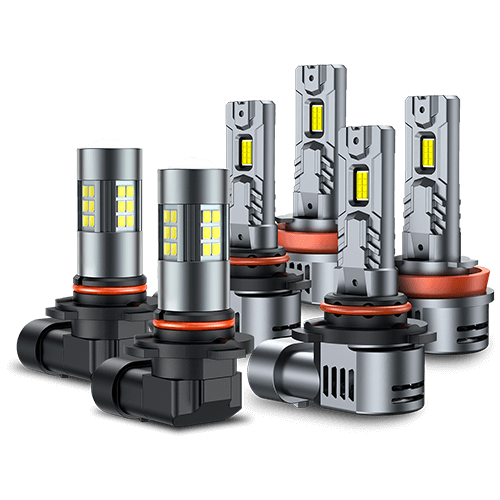
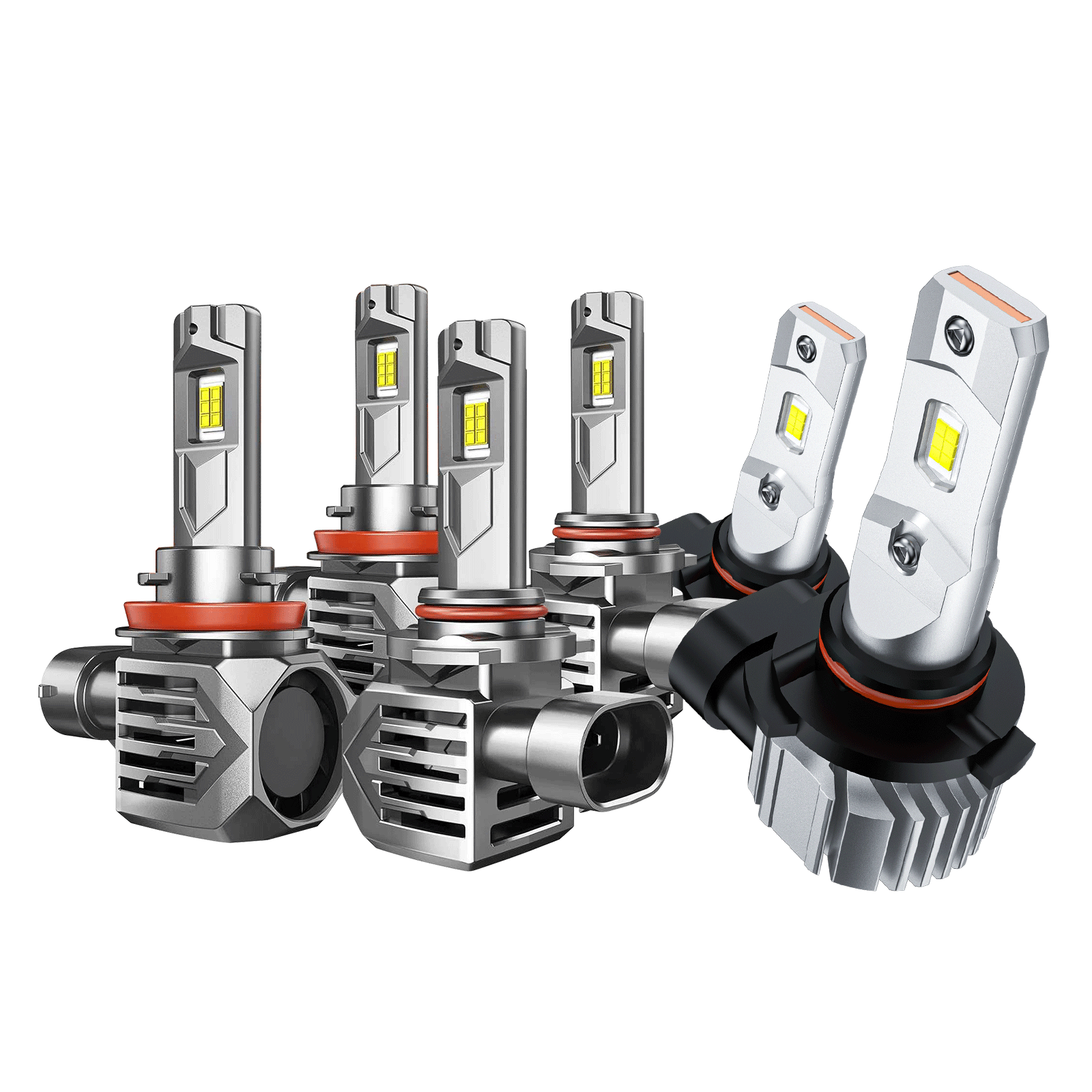


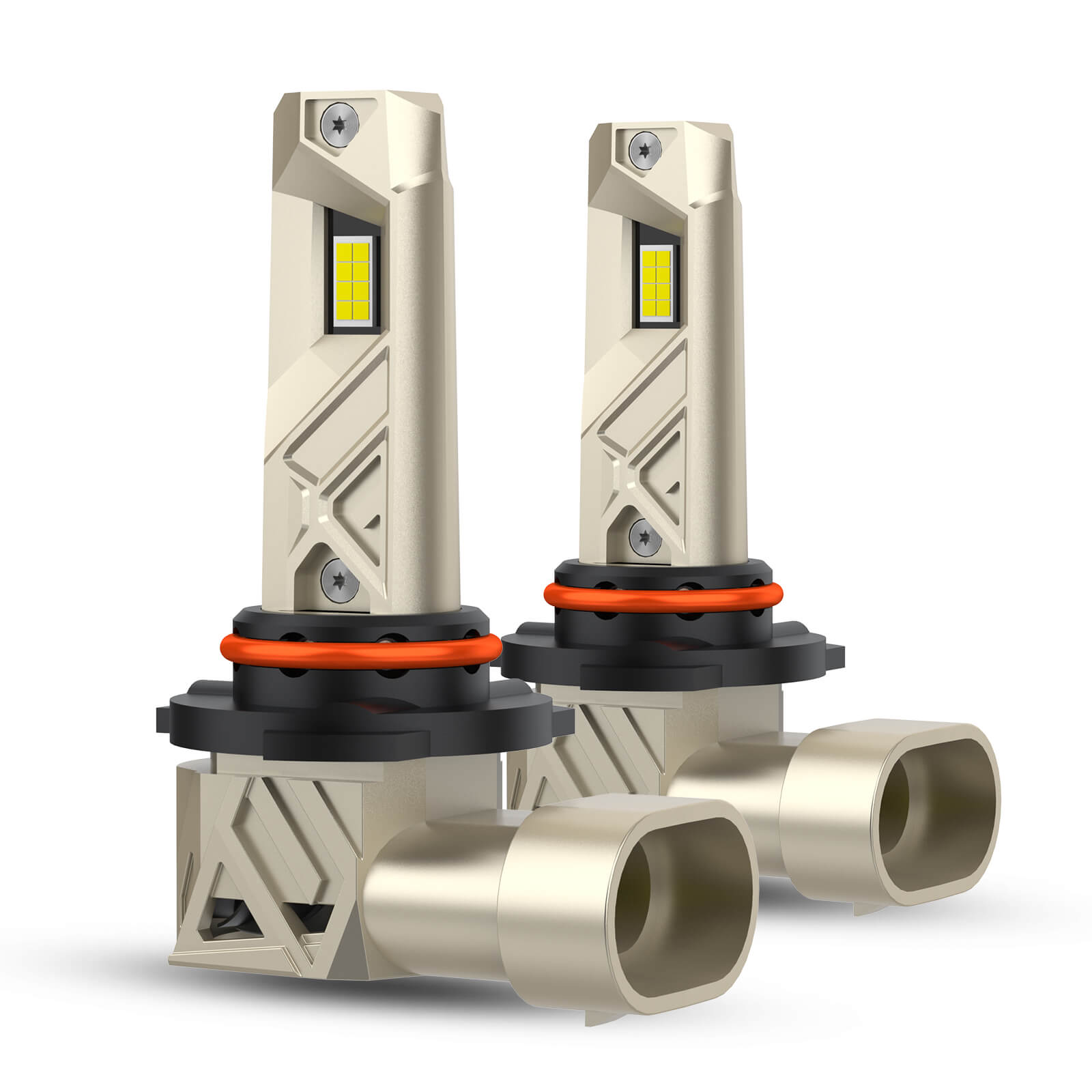


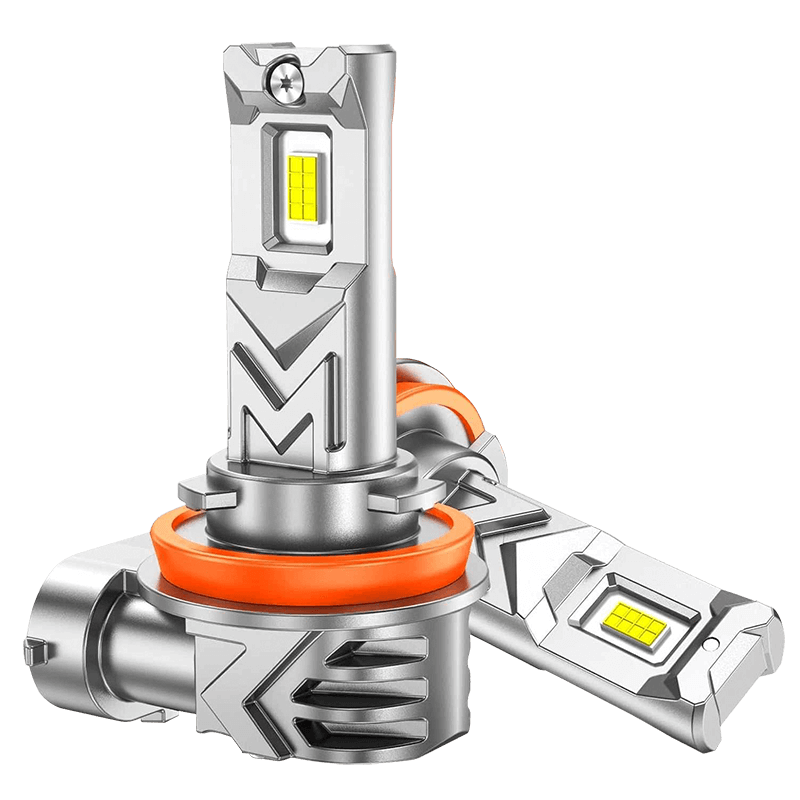
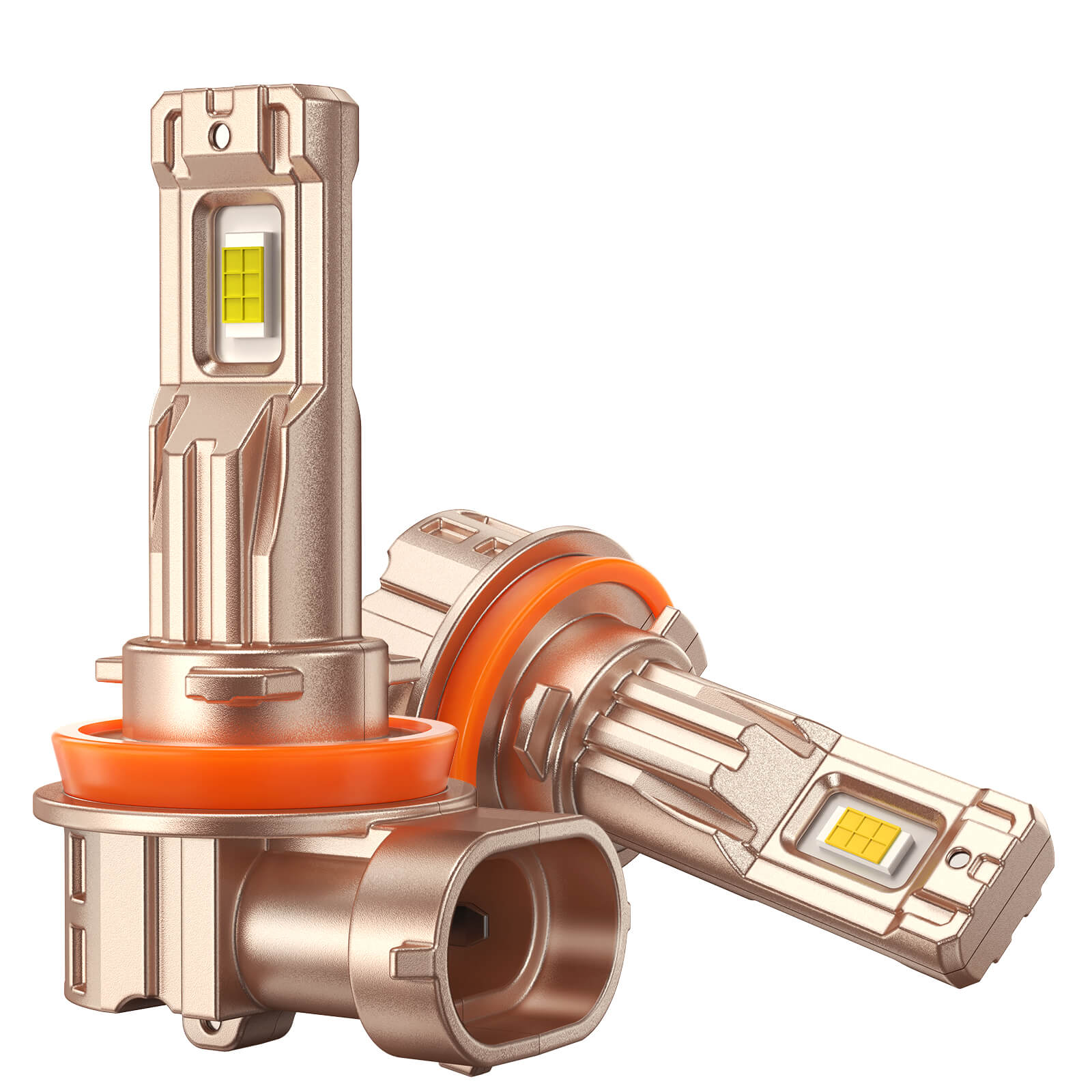


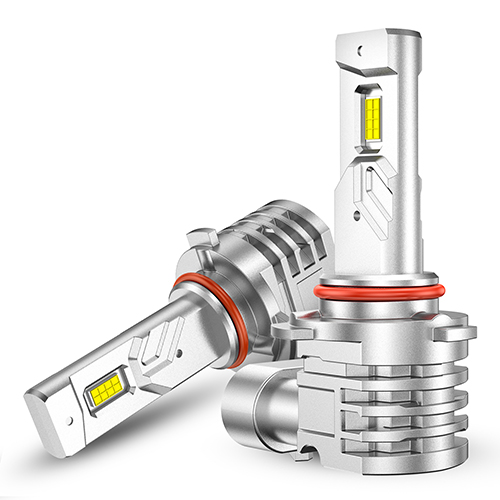
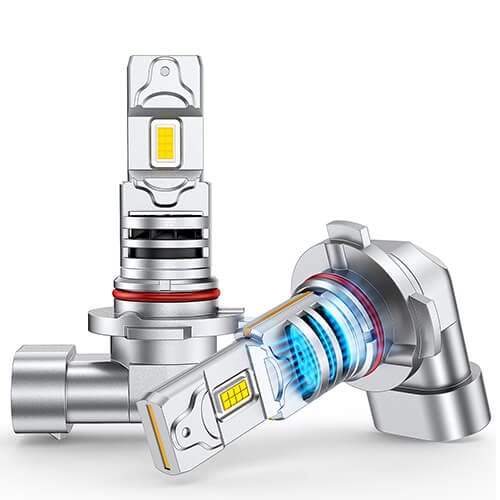



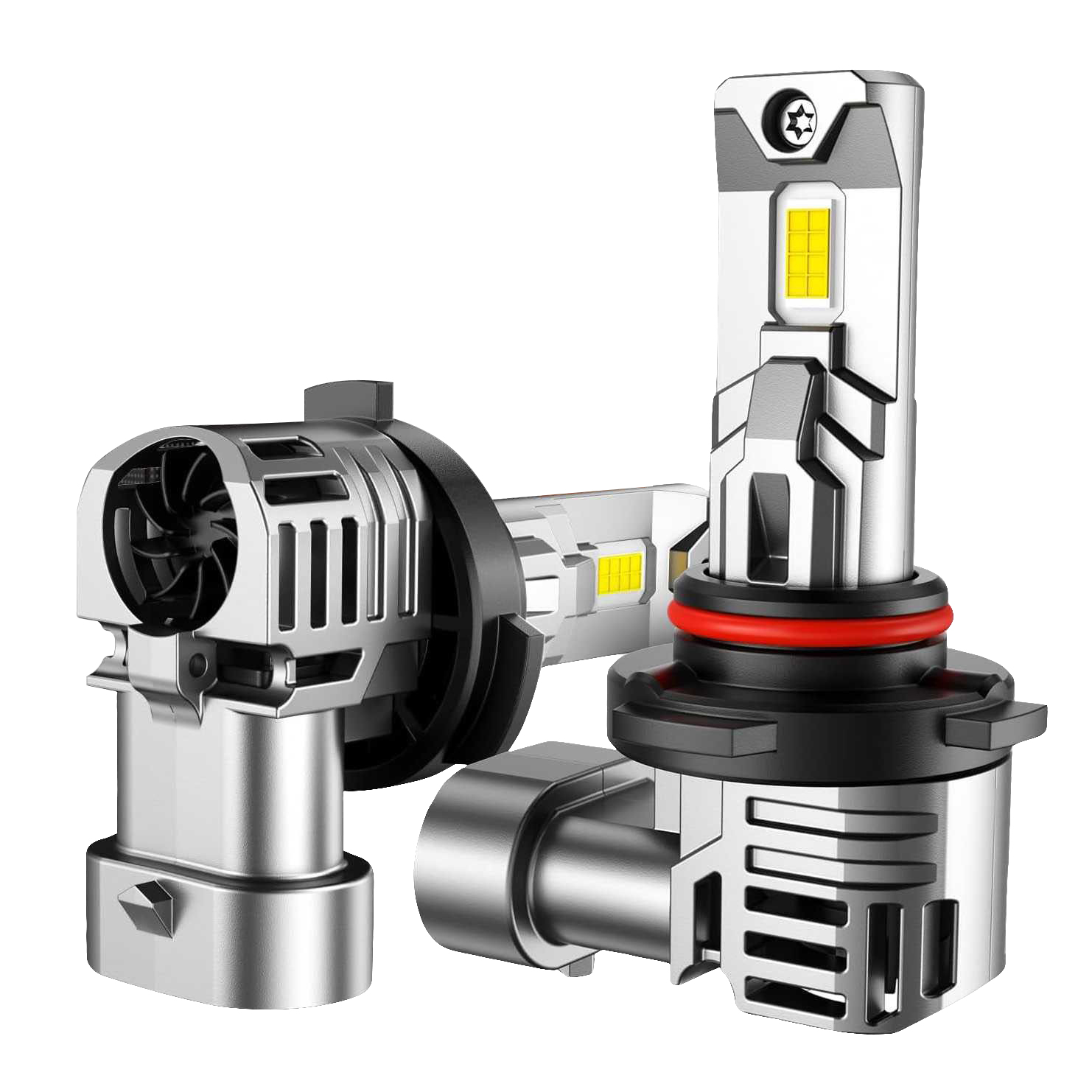


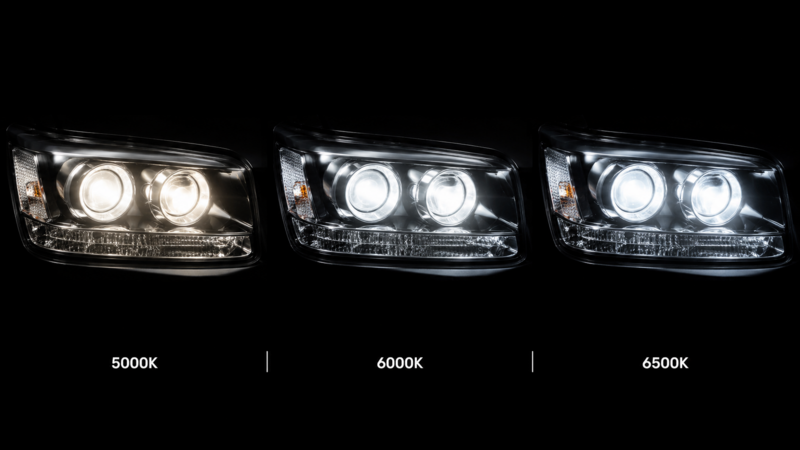
When comparing 5000K vs 6000K vs 6500K LED headlights, the biggest difference is color—not guaranteed brightness. A 5000K bulb produces a neutral white tone, 6000K looks crisper and cooler, and 6500K adds a more noticeable blue-white tint. For most drivers, 5000K or 6000K offers the most practical balance, while 6500K is mainly a style preference.
The right choice also depends on where you drive, how the bulb works with your headlight optics, and whether the beam is properly aimed. This guide separates color temperature from usable road light so you can choose without relying on the highest Kelvin number.
5000K vs 6000K vs 6500K LED Headlights at a Glance
All three options fall within the white-light range commonly seen in automotive lighting. The difference becomes easier to see when the bulbs are compared side by side.
| Comparison | 5000K | 6000K | 6500K |
| Light color | Neutral white | Crisp cool white | Cooler blue-white |
| Blue tint | Minimal | Slight | More noticeable |
| Perceived brightness | Balanced and natural | Bright-looking | Sharp and intense-looking |
| Actual road brightness | Depends on the bulb and beam | Depends on the bulb and beam | Depends on the bulb and beam |
| Wet-road comfort | Often the most natural-looking | A practical balance | May feel harsher to some drivers |
| Best use | Daily driving and mixed weather | City, highway, and modern styling | Drivers who prefer a cooler appearance |
The difference between 5000K vs 6000K headlights is mainly neutral white versus cool white. With 5000K vs 6500K headlights, the change toward blue-white is more noticeable. The difference between 6000K vs 6500K headlights is smaller and usually matters more for appearance than road performance. If you're looking for a sharp, modern upgrade, explore SEALIGHT's 6000K and 6500K LED headlight bulbs to see available fitments for your vehicle.
5000K vs 6000K vs 6500K Headlights: Key Differences
Color and Appearance
Color temperature describes how warm or cool a white light appears. The U.S. Department of Energy's guide to lighting principles and terms explains that correlated color temperature, or CCT, characterizes light appearance on the Kelvin scale. A higher Kelvin number looks cooler or bluer; it does not mean the bulb runs hotter.
- 5000K LED headlights: Neutral white with little visible blue. This tone can look close to clean daylight and usually blends well with factory white lighting.
- 6000K LED headlights: Cool white with a slight blue tint. It gives the vehicle a modern LED appearance without moving too far into obvious blue.
- 6500K LED headlights: Cooler blue-white. The difference from 6000K may be subtle when viewed separately, but it is easier to notice when the lights are installed next to each other.
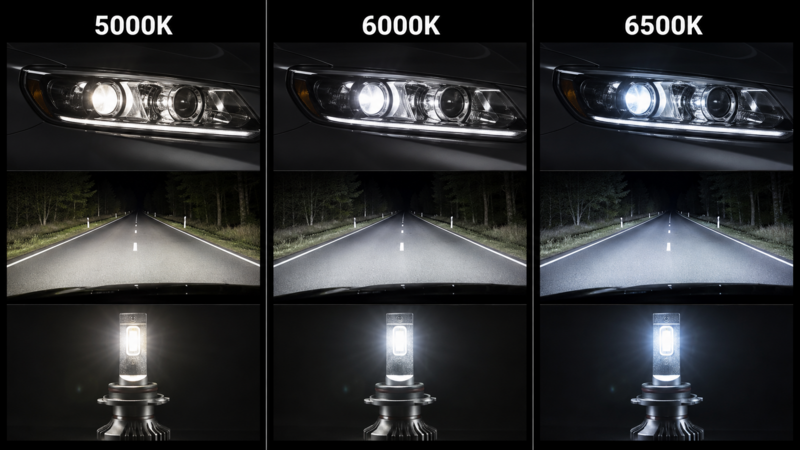
Product labels are not a perfect color guarantee. Two bulbs marked 6000K can look different because of LED-chip variation, optics, drive current, lens condition, and manufacturing tolerance. Edited product photos can also exaggerate or hide the difference.
The 6000K vs 6500K LED color difference is therefore best treated as a visual preference. It is not a reliable shortcut for judging usable brightness or beam distance.
Which Is Brighter: 5000K, 6000K, or 6500K?
None is automatically brighter. Kelvin measures color appearance, while lumens, candela, and lux describe different parts of light output and delivery. The Department of Energy lists brightness in lumens and light appearance in Kelvin as separate specifications. NIST also treats luminous flux, luminous intensity, and illuminance as distinct photometric quantities.
| Measurement | What It Tells You |
| Kelvin (K) | Whether the light looks warmer, neutral, or cooler |
| Lumens | Total light emitted by the source |
| Candela | Light intensity in a particular direction |
| Lux | Light reaching a measured road surface or point |
| Beam pattern | Where the headlight places the light |
| Cutoff and aim | Whether the low beam is positioned and controlled correctly |
A 6500K bulb may look sharper because cool light creates strong reflections from white signs and lane markings. That visual effect does not prove that it produces more lumens or illuminates farther than a 5000K or 6000K bulb.
When comparing bulbs, use results from the same voltage, headlight housing, test distance, and measurement method. A high lumen claim by itself cannot show whether the light reaches the useful parts of the road.
Which LED Headlight Color Temperature Is Best for Driving?
There is no single best color for every road. Start with your normal driving environment, then check the complete bulb and beam performance.
| Driving Need / Scenario | Recommended Color Temp | Key Advantages | Recommended Product Series |
| Daily Commuting / Balanced Night Driving | 6000K | Classic pure white light, comfortable and gentle on the eyes, enhances nighttime visibility. | SEALIGHT S1 (Top budget choice for daily replacement) |
| Significant Visibility Upgrade / Compact Direct Plug-in | 6500K | High-intensity cool white light with dual heat dissipation, improving visibility on suburban roads and unlit streets. | SEALIGHT S2 (Enhanced safety & visibility series) |
| Complex Road Conditions / Extreme Brightness | 6500K | Ultra-long road illumination distance, cutting through darkness to reveal far-off hazards. | SEALIGHT S7S (Ultra-bright flagship series) |
Drivers considering the S1 can compare its brightness, cooling system, available bulb sizes, and other key differences with the S6 in the SEALIGHT Scoparc S1 vs. S6 comparison
Daily, City, and Highway Driving
For general commuting, 5000K gives a clean white appearance without a strong blue tint. It is a good starting point for drivers who want a natural road view and less visual harshness.
6000K is the middle choice for drivers who want a crisp modern look. It works well as an appearance match for many white DRLs and is widely used in aftermarket LED headlight bulbs. For mixed city and highway driving, it offers a practical balance between neutral white and cooler styling.
Choose 6500K when you specifically prefer a cooler blue-white tone. Do not choose it only because the number is higher. Beam control, road lux, and correct aim matter more than the 500K difference between 6000K and 6500K.
Dark and Rural Roads
On roads without streetlights, useful distance and beam placement matter more than appearance. A controlled 5000K or 6000K beam can be a practical choice because it keeps the light white without pushing too far toward blue.
Look for a concentrated hotspot, adequate beam width, and enough distance to identify curves, animals, pedestrians, and roadside hazards. Excessive foreground light can make the area directly in front of the vehicle look bright while reducing how well your eyes adapt to darker areas farther ahead.
Rain, Fog, and Snow
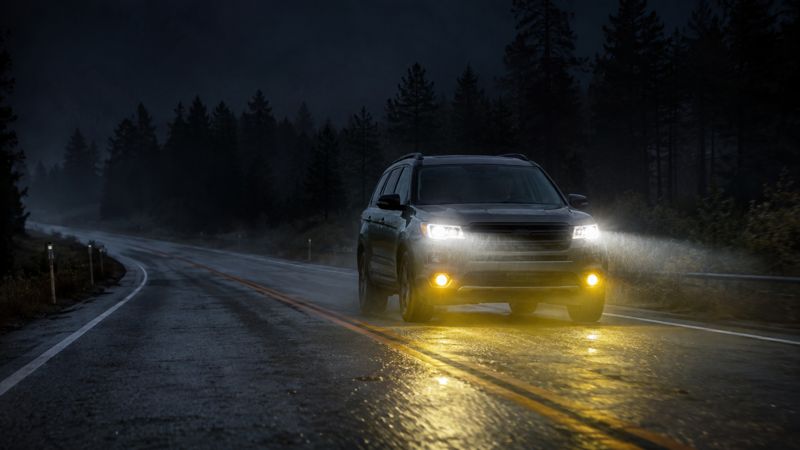
Cool white light can look harsher when it reflects from wet pavement, fog, falling snow, or bright roadside surfaces. Some drivers find 5000K more comfortable in these conditions, but Kelvin alone does not guarantee better bad-weather visibility.
For fog, beam placement is especially important. A low, controlled fog-light beam can reduce reflected glare compared with a high or scattered beam. If poor weather is a regular concern, choose compatible LED fog light bulbs by bulb size, beam pattern, color, and electrical compatibility—not color temperature alone.
Eye Comfort and Glare
Some drivers find the stronger blue-white appearance of 6500K more tiring during long drives. Others prefer the crisp contrast. Personal comfort varies, so a higher Kelvin rating should not be presented as a universal visibility upgrade.
Glare is more often caused by light above the low-beam cutoff, incorrect bulb orientation, poor housing compatibility, wrong vertical aim, damaged lenses, or excessive output in the foreground. A properly aimed 6500K bulb can create less glare than a badly installed 5000K bulb. Color is only one part of the result.
How to Choose the Right LED Headlight Bulbs for Your Car
Once you know your preferred color temperature, explore SEALIGHT LED headlight bulbs by bulb size and vehicle fitment. Selected series are available in 6000K and 6500K. Use the vehicle selector and product page to confirm compatibility before ordering.
1. Choose the Right Color Temperature
- 5000K: Neutral white with less blue, suitable for daily driving and frequent wet roads.
- 6000K: Crisp cool white for mixed city and highway driving.
- 6500K: Cooler blue-white for drivers who prefer a more modern look.
If you are considering 5000K LED headlight bulbs for your car, first confirm that this color is available in the correct bulb size. To maintain a consistent look, choose headlights, DRL Lights, and LED fog light bulbs with similar color temperatures.
2. Confirm Bulb Size and Vehicle Fitment
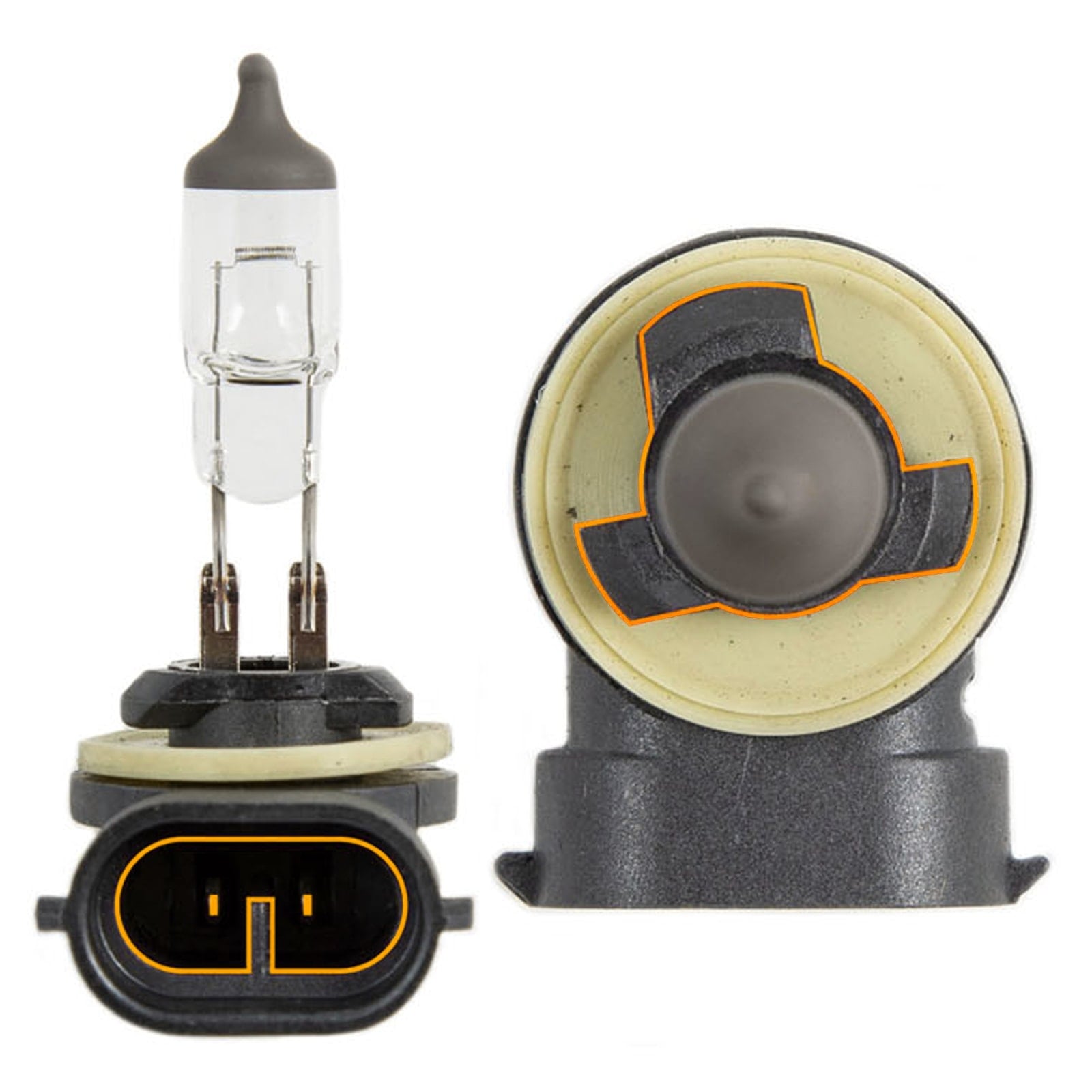
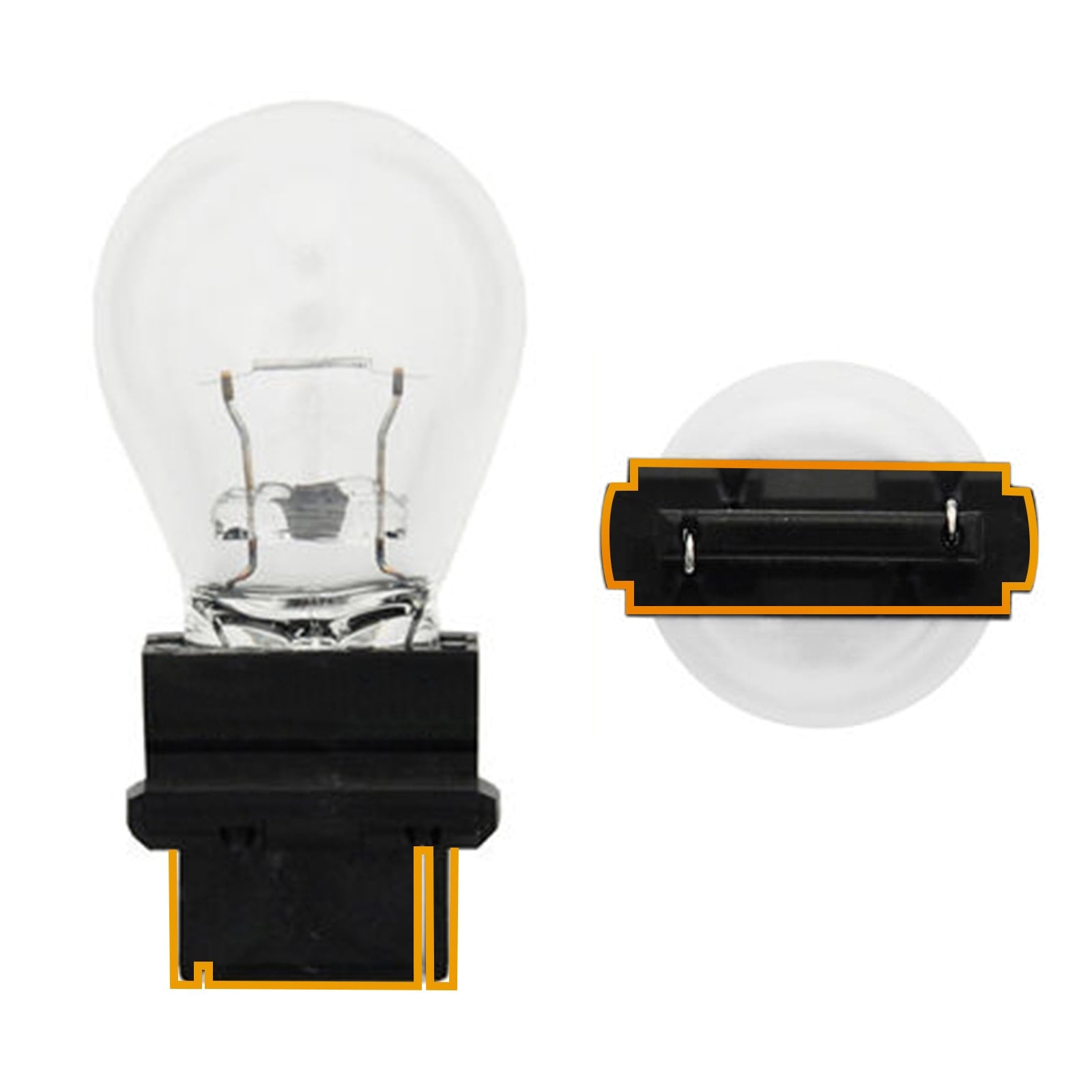
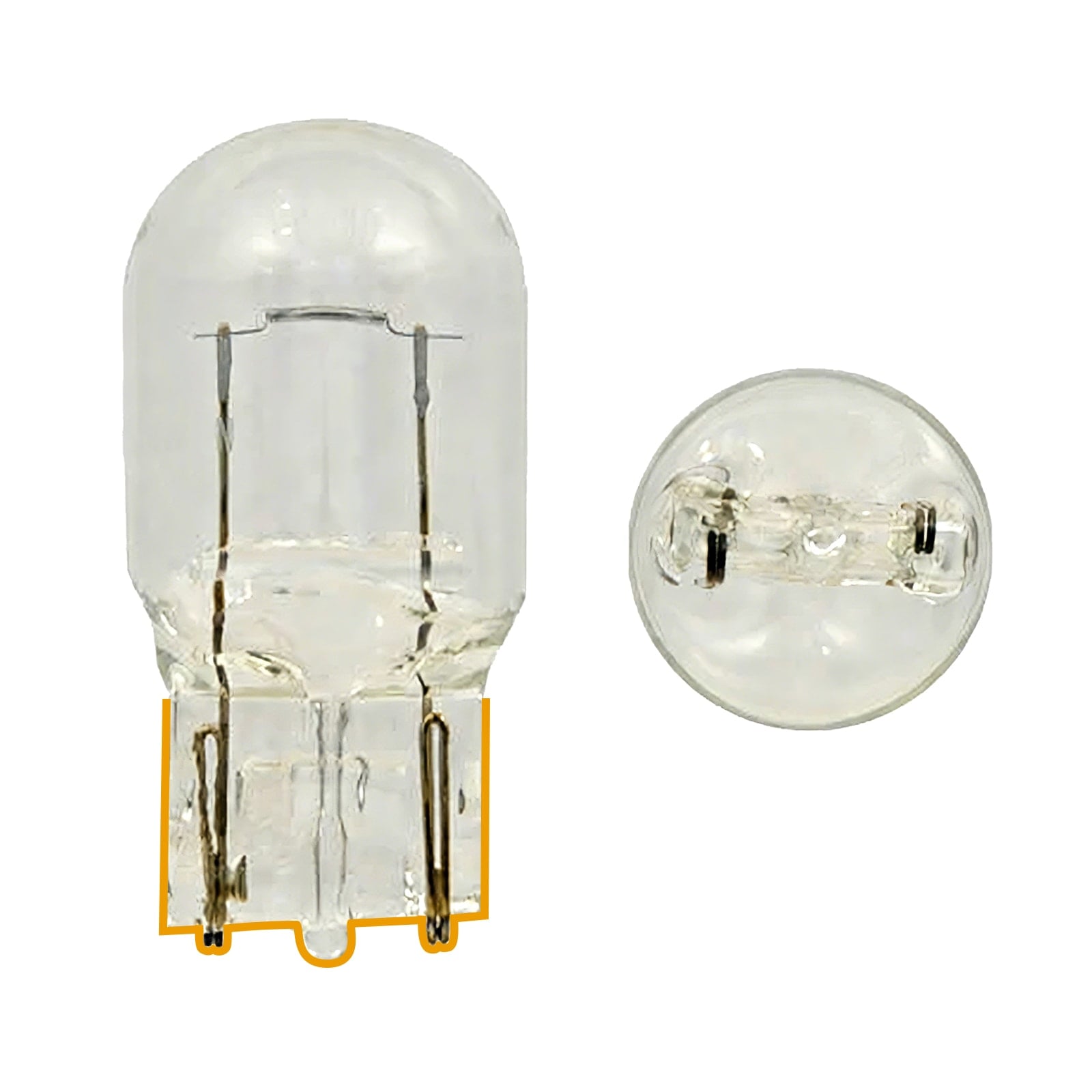
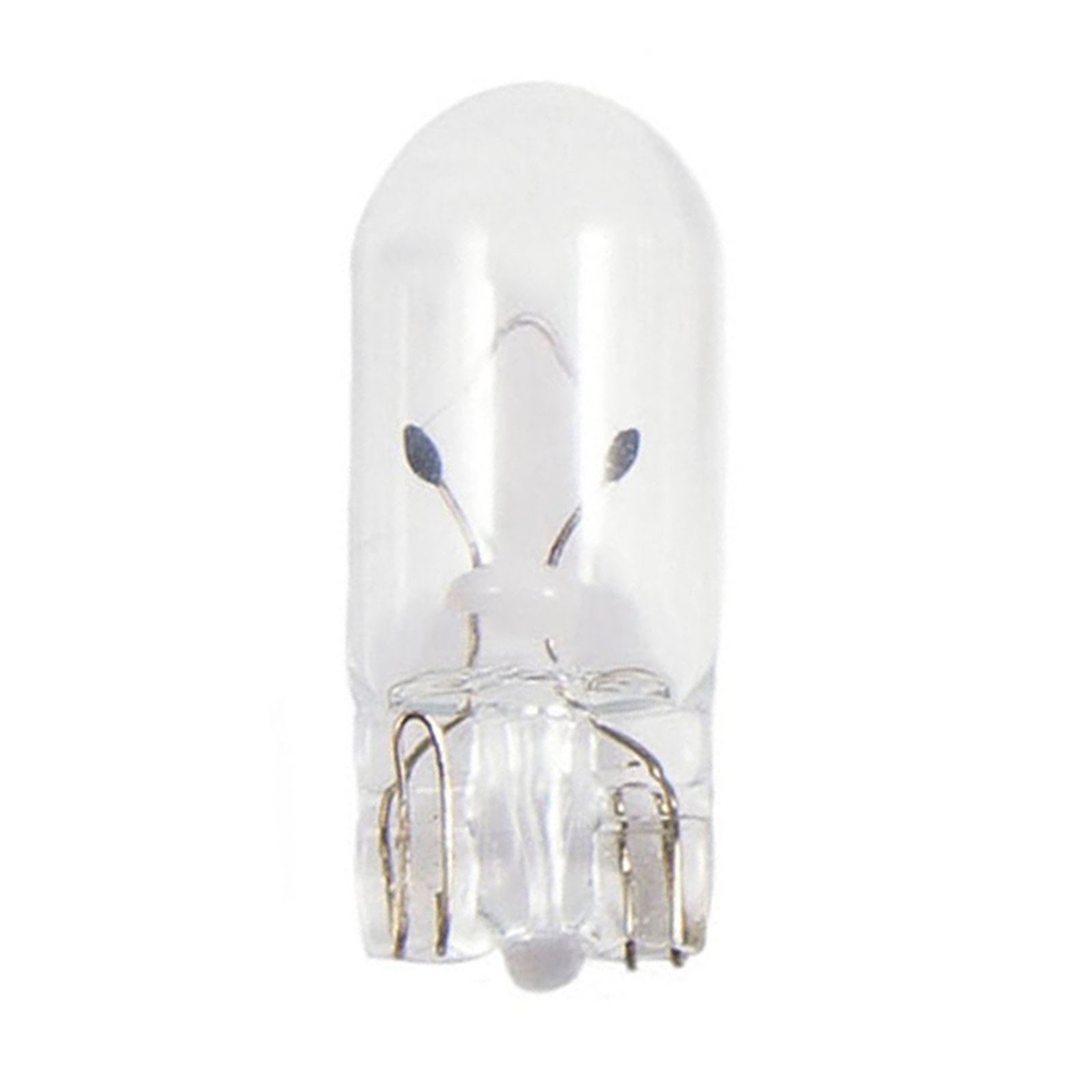
Check the original bulb number and whether you are replacing a low beam, high beam, or fog light. Vehicle year, make, model, trim, and factory lighting type can affect the required bulb. Also check the connector and available space for the fan, heat sink, driver, and wiring.
3. Check the Beam Pattern
Make sure each bulb is fully seated and correctly oriented. After installation, park on level ground facing a wall. Both beams should look even, with a controlled low-beam cutoff that does not create excessive glare.
4. Look Beyond Kelvin and Lumens
Compare the features that affect daily performance:
- Focused beam pattern
- Effective cooling
- Connector and CANBUS compatibility
- Weather resistance
- Flicker and dashboard-warning support
If a SEALIGHT bulb flickers or triggers a dashboard warning after installation, contact SEALIGHT support, and we will send you a compatible decoder free of charge.
Frequently Asked Questions
Is 6500K Too Bright for Headlights?
Not automatically. A 6500K headlight may look more intense because of its cooler blue-white color, but Kelvin does not measure brightness. Actual output and glare depend on lumens, candela, beam pattern, cutoff, housing compatibility, and aim.
Is 5000K or 6500K Light Better?
Choose 5000K for neutral white light, a less blue appearance, and comfortable mixed-weather driving. Choose 6500K if you prefer a cooler modern look. Neither is inherently brighter; compare the complete bulb and its beam performance.
Is 6000K Better Than 6500K for Headlights?
For most daily drivers, 6000K is the more balanced option because it provides a crisp white appearance with less blue than 6500K. Choose 6500K only if the cooler color is important to you and the bulb produces a properly controlled beam.
Is 5000K or 6000K Better for Headlights?
5000K is better for drivers who prefer neutral white light and a natural road view. 6000K is better for drivers who want a cooler, more modern appearance. The better-performing bulb is the one that delivers the stronger usable beam in your specific housing.
Are 6500K LED Headlights Legal?
A Kelvin label alone cannot prove legality. In the United States, FMVSS No. 108 requires headlamps to emit white light. NHTSA notes that the permitted white boundary can include light perceived as white with a yellow or blue tint. However, compliance also depends on the complete lamp or light source meeting applicable color, photometric, marking, installation, and performance requirements.
Final Verdict
In the 5000K vs 6000K vs 6500K LED headlights comparison, choose 5000K for neutral white light and everyday comfort, 6000K for the best overall balance of crisp color and practical use, or 6500K for a distinctly cooler blue-white appearance. No Kelvin rating can guarantee more brightness, longer beam distance, or less glare.
Before upgrading, confirm the original bulb size, lighting position, available housing space, beam pattern, and electrical compatibility. SEALIGHT offers 6000K and 6500K bulbs in selected sizes—check vehicle fitment before upgrading.