
 Headlight Bulbs


 Track Order
 My Vehicles
 Contact Us



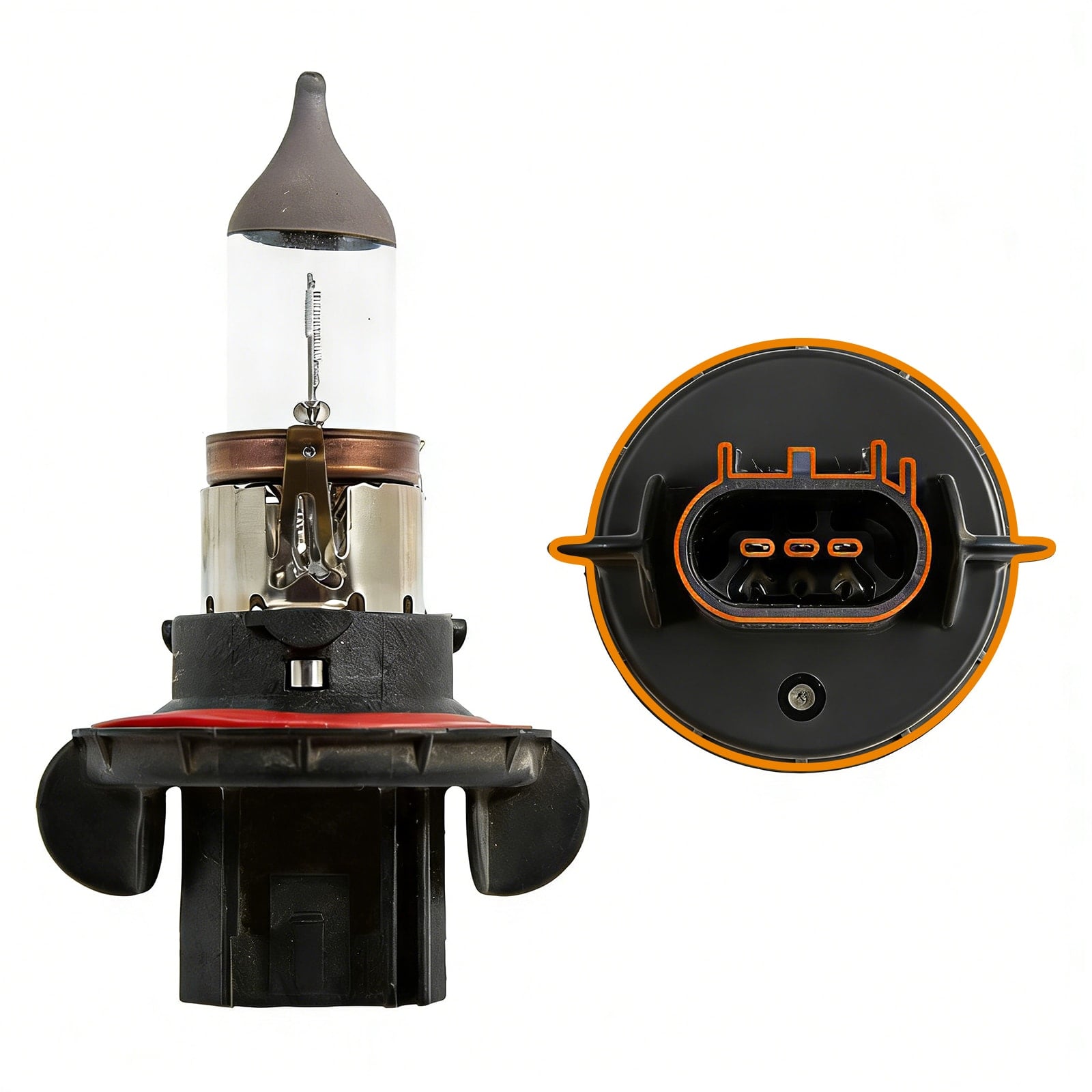
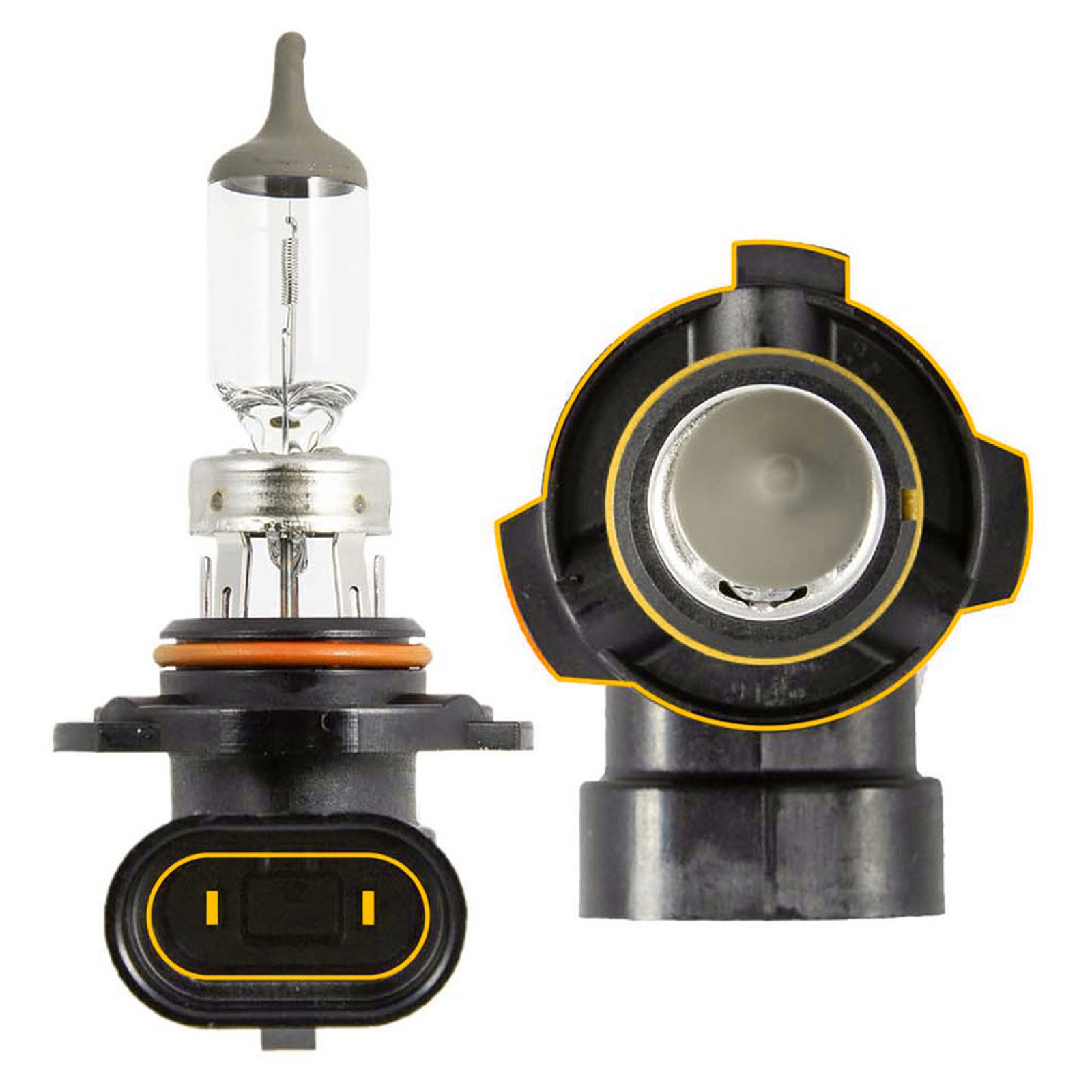
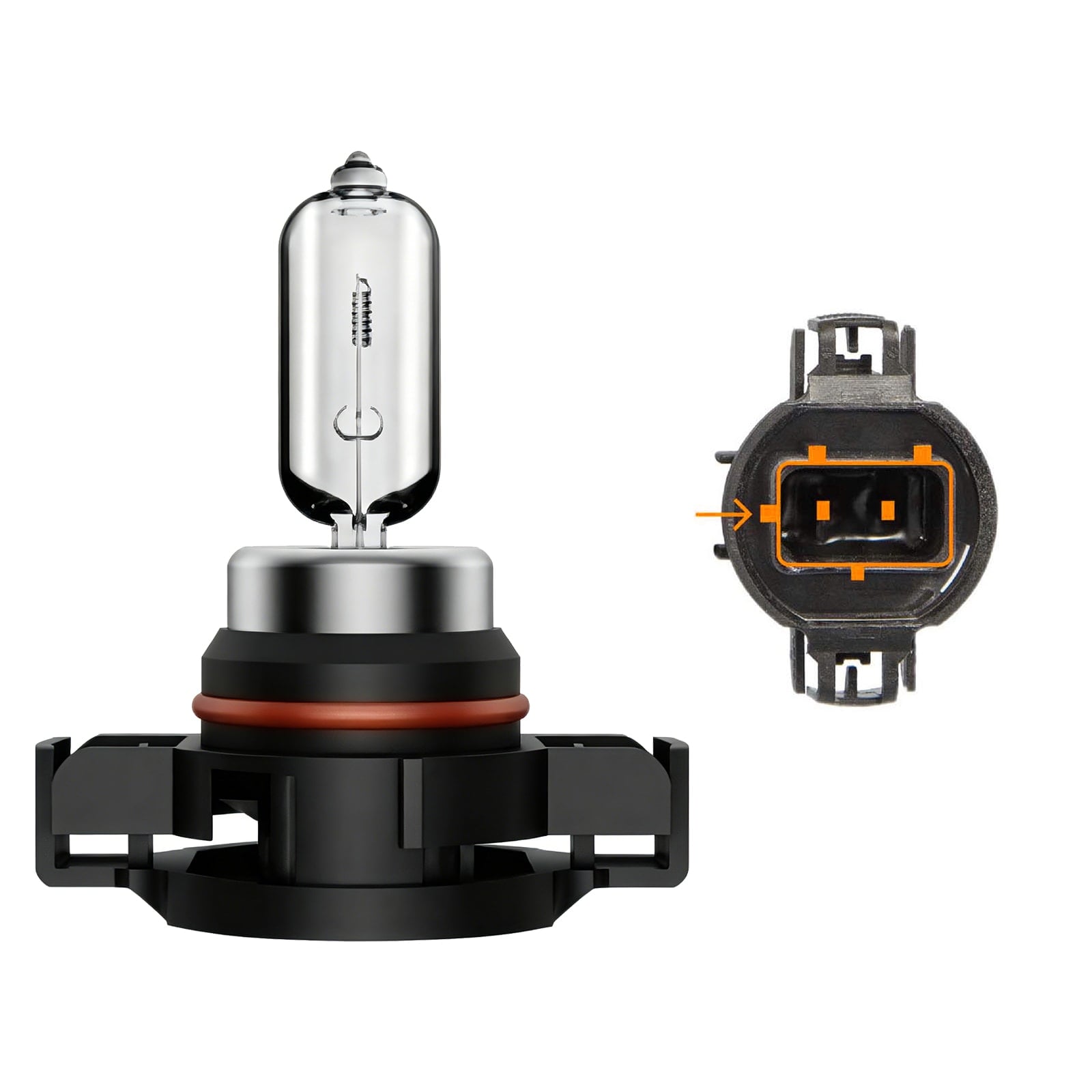
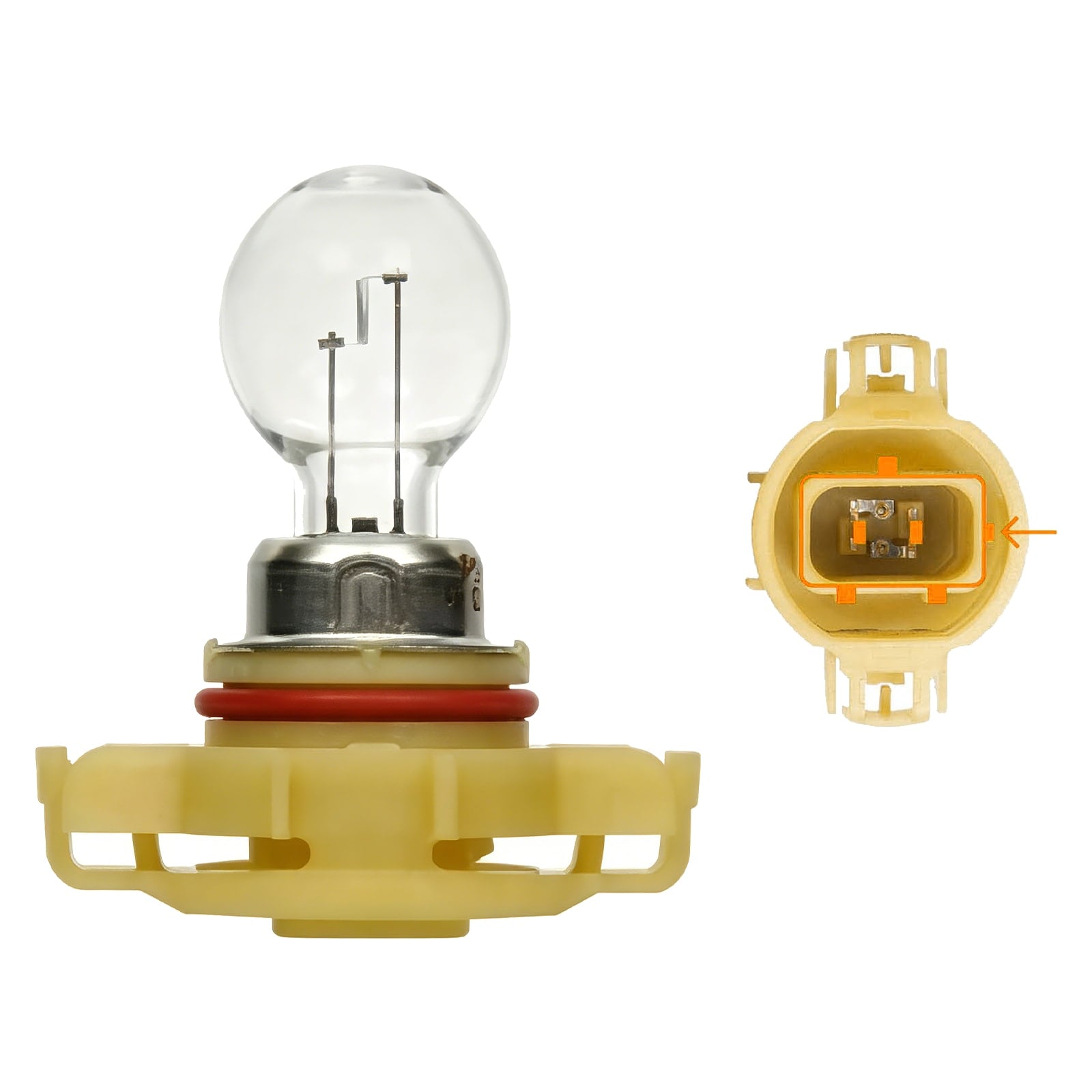







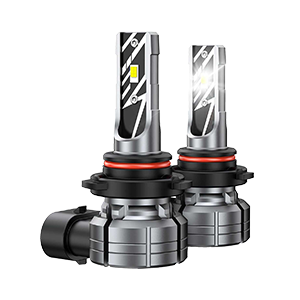


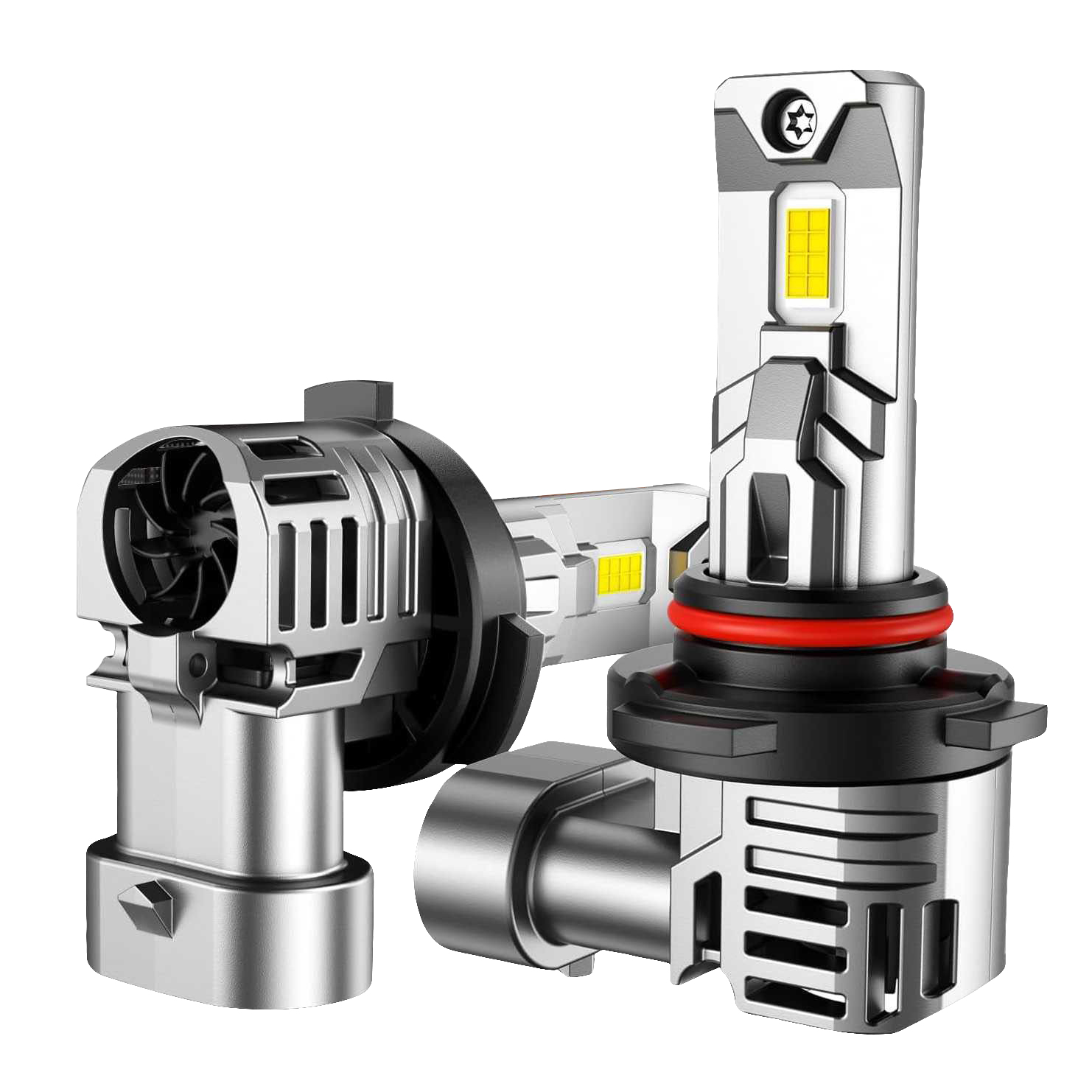


Key Takeaways
- Headlights usually flicker because of unstable power, poor electrical connections, failing components, or compatibility issues after an LED upgrade.
- LED headlight flickering after installation is often related to vehicle electronics, bulb drivers, or load differences rather than a simple bulb failure.
- A weak battery, failing alternator, damaged wiring, or loose ground connection can cause flickering in both factory and aftermarket headlights.
- The fastest way to diagnose flickering is to identify when it happens: during startup, at idle, while driving, or only after replacing bulbs.
- Replacing parts without diagnosis can waste money, because the bulb, vehicle wiring, and charging system can all create similar symptoms.
Quick Answer: How Do I Stop My Headlights From Flickering?
Start by checking the simplest causes: make sure the bulb is installed correctly, inspect connectors and wiring, and test the battery and alternator if the problem affects both headlights. If flickering started immediately after switching to LED bulbs, the issue may be related to LED compatibility, electrical load differences, or the vehicle’s control system.
The correct fix depends on when the flickering happens and what type of headlight system your vehicle uses. A bulb that flickers by itself may have a different cause than two headlights that pulse together while the engine is running.
| Flickering Symptom | Most Likely Causes | First Check |
| Both headlights flicker while driving | Charging system, voltage fluctuation, wiring | Battery and alternator |
| One headlight flickers | Bulb, socket, connector, local wiring | Swap bulbs left to right |
| Flickering starts after LED upgrade | LED driver or vehicle compatibility issue | Bulb connection and compatibility |
| Flickering at idle | Alternator output or unstable voltage | Charging system test |
| Headlights flash when the car is off | Battery drain, relay, switch issue | Battery and electrical inspection |
Why Are My Headlights Flickering?
Headlights flicker when the light source is not receiving a stable electrical supply or when the lighting system cannot properly communicate with the vehicle’s electronics. Common causes include failing bulbs, loose connections, battery or alternator problems, damaged wiring, and LED compatibility issues.
The first step is not replacing the headlights immediately. Instead, determine whether the flickering affects one bulb or both, whether it happens only after an upgrade, and whether it changes with engine speed.
A consistent flicker should not be ignored. Headlights are part of your vehicle’s safety system, and unstable lighting can reduce visibility or indicate a larger electrical problem.
What Causes Headlights to Flicker?
1. A Failing Headlight Bulb Can Cause Flickering
A worn-out bulb is one of the simplest explanations for flickering headlights. Halogen bulbs, HID bulbs, and LED bulbs can all develop failures that cause unstable light output.
If only one headlight flickers, the bulb itself is often the first component to test. A practical diagnostic method is swapping the left and right bulbs if the design allows it. If the problem moves with the bulb, the bulb is likely the cause. If the problem stays on the same side, the issue may be related to the socket, wiring, or vehicle electronics.
For LED bulbs, the failure point may not always be the LED chips themselves. Many automotive LED bulbs use an internal driver that regulates power between the vehicle and the LEDs. A failing driver can create intermittent flickering even when the LED emitters are still functional.
2. LED Headlight Upgrades May Flicker Because of Compatibility Issues
LED headlight conversions can sometimes flicker when installed in vehicles originally designed for halogen bulbs. The reason is that LED bulbs use different electrical characteristics and require electronic drivers to manage power.
Some vehicles monitor bulb current draw and may interpret the lower power consumption of LEDs as a bulb failure. Other vehicles use pulse-width modulation (PWM), where the vehicle rapidly adjusts electrical output instead of providing a constant current. This can appear as visible flickering with some LED replacements.
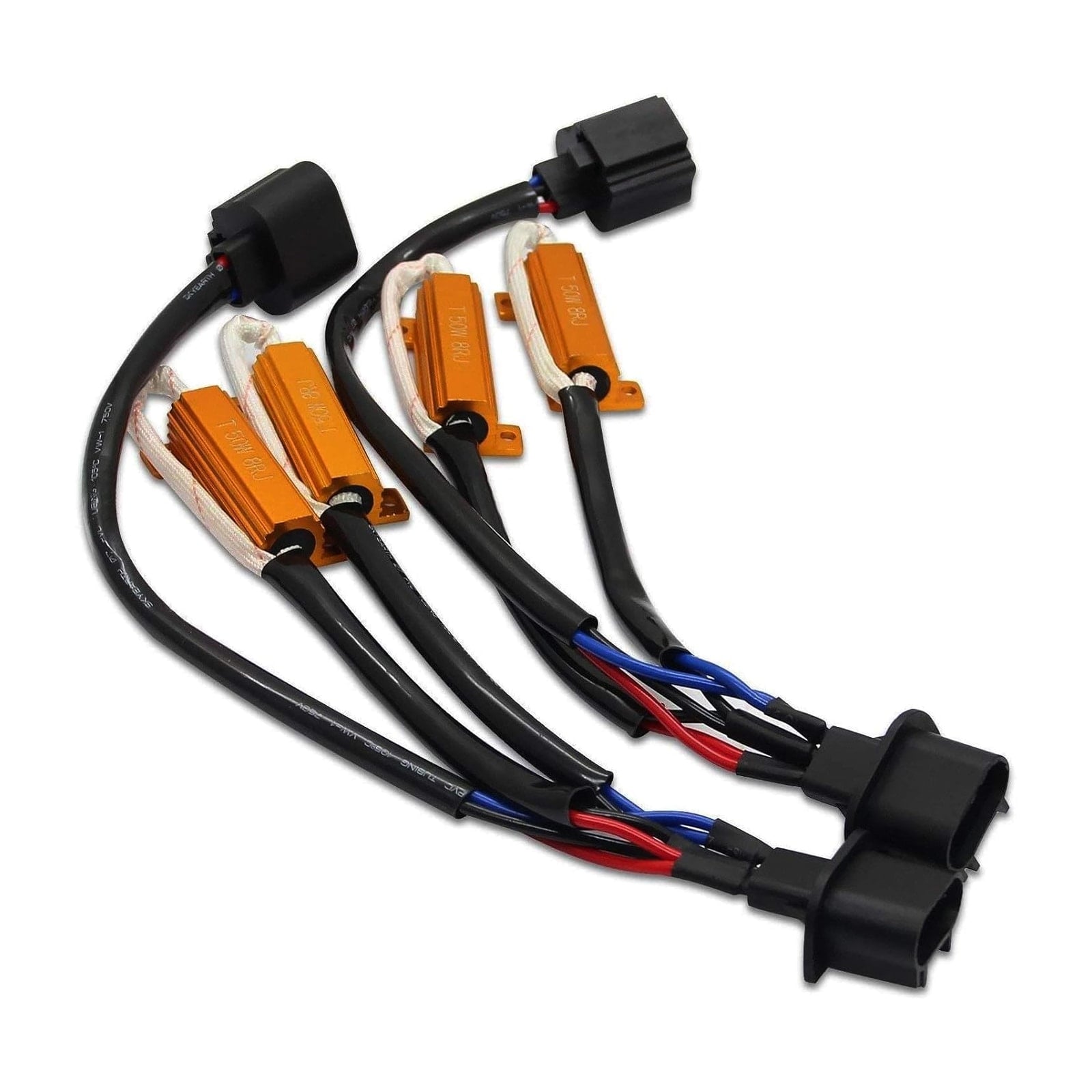
A CAN bus-compatible LED headlight bulb or decoder may help in specific vehicles.
If flickering begins immediately after installing LED bulbs, check:
- Whether the bulb matches the correct size and connector type
- Whether the bulb driver is functioning correctly
- Whether the vehicle requires an anti-flicker module or decoder
- Whether the installation follows the manufacturer’s instructions
How Do I Fix Flickering LED Headlights After Installation?
If your headlights started flickering after an LED upgrade, follow a structured troubleshooting process.
Step 1: Check the Installation
Turn off the vehicle and inspect the bulb connection.
Look for:
- Loose connectors
- Incorrect bulb seating
- Damaged wiring plugs
- Poor contact between terminals
A bulb that is not fully seated can lose electrical contact and create intermittent flickering.
Step 2: Test Whether the Problem Follows the Bulb
If possible, switch the left and right LED bulbs.
- If the flickering moves to the other side, the bulb or driver may be the problem.
- If the same side continues flickering, investigate the vehicle wiring or socket.
Step 3: Check Vehicle Compatibility
Some vehicles require additional components because of their factory electrical design.
Possible solutions may include:
- A compatible LED bulb with an integrated driver
- An anti-flicker adapter
- A vehicle-specific decoder
Avoid installing extra electrical components without understanding the problem first. Incorrect wiring modifications can create additional issues.
Can a Bad Battery or Alternator Make Headlights Flicker?
Yes. A weak battery or failing alternator can cause headlights to flicker because the vehicle may not maintain stable electrical voltage.
The alternator supplies power while the engine is running and keeps the battery charged. If the alternator output becomes inconsistent, headlights may pulse, dim, or flicker, especially at idle or when other electrical accessories are running.
Common signs of a charging system problem include:
- Headlights becoming brighter when accelerating
- Flickering that changes with engine RPM
- Dashboard warning lights
- Slow engine cranking
- Electrical accessories behaving unusually
A battery problem can also contribute. A battery that cannot hold a charge may place additional demand on the charging system and create unstable electrical conditions.
Could Loose Wiring or Bad Connections Cause Flickering?
Yes. Electrical connections are one of the most common causes of intermittent headlight problems.
Headlight circuits depend on stable connections between the bulb, socket, wiring harness, ground points, relays, and switches. Corrosion, loose terminals, or damaged wires can interrupt power flow and create flickering.
Inspect:
- Bulb sockets
- Ground connections
- Wiring harnesses
- Relays
- Battery terminals
A poor ground connection is especially important because headlights need a complete electrical path to operate correctly. Cleaning and securing connections may solve the problem if corrosion or looseness is present.
Why Do My Headlights Flicker Only at Idle?
Headlights that flicker at idle often point to a charging system issue, although other causes are possible.
When the engine runs at low speed, the alternator may produce less electrical output than it does while driving. If the alternator, battery, or voltage regulation system is not working correctly, the lighting system may show noticeable changes.
Before replacing bulbs, check whether the flickering changes when:
- The engine speed increases
- Air conditioning turns on
- Other electrical accessories are used
If the flickering changes significantly with electrical load, the charging system deserves attention.
Why Is Only One Headlight Flickering?
A single flickering headlight usually indicates a problem localized to that side of the lighting system.
Common causes include:
- A failing bulb
- Loose bulb connection
- Damaged socket
- Corroded wiring
- Faulty relay or switch connection
Because the other headlight works normally, a complete vehicle charging problem is less likely.
Start with the easiest test: inspect the bulb and connection, then swap bulbs if possible. This helps separate a bulb problem from a vehicle-side electrical problem.
Why Do Headlights Flicker When the Car Is Off?
Headlights that flash or flicker when the vehicle is turned off may be caused by electrical system issues rather than the headlight bulb itself.
Possible causes include:
- A weak or failing battery
- A faulty relay
- An ignition switch problem
- Electrical drain from another system
A vehicle that repeatedly shows electrical activity after shutdown should be inspected because battery drain can eventually prevent normal starting.
Related guides for common headlight problems:
Why Won't My Headlights Turn On? Troubleshooting Guide
One Low Beam/High Beam Headlight Not Working? Causes & Fixes
Dim Headlights 101: Causes, Solutions, and Prevention
Frequently Asked Questions
Why are my headlights flickering but the battery is fine?
A good battery does not completely rule out electrical problems. Flickering can still come from a failing alternator, loose ground connection, damaged wiring, faulty bulb socket, or LED compatibility issue.
Why do my LED headlights flicker but my old bulbs did not?
LED bulbs use different electronics and usually require a driver to regulate power. Some vehicles provide electrical signals designed for halogen bulbs, which can cause visible flickering after an LED conversion.
Can a bad alternator make headlights flicker?
Yes. A failing alternator can create unstable voltage while the engine is running, causing headlights and other electrical systems to behave inconsistently.
How can I tell if my headlight bulb or wiring is the problem?
Swap the bulb with the opposite side if possible. If the flickering moves with the bulb, the bulb is likely faulty. If the issue stays in the same location, inspect the socket, wiring, and electrical connections.
Looking for a Reliable, Flicker-Free Upgrade?
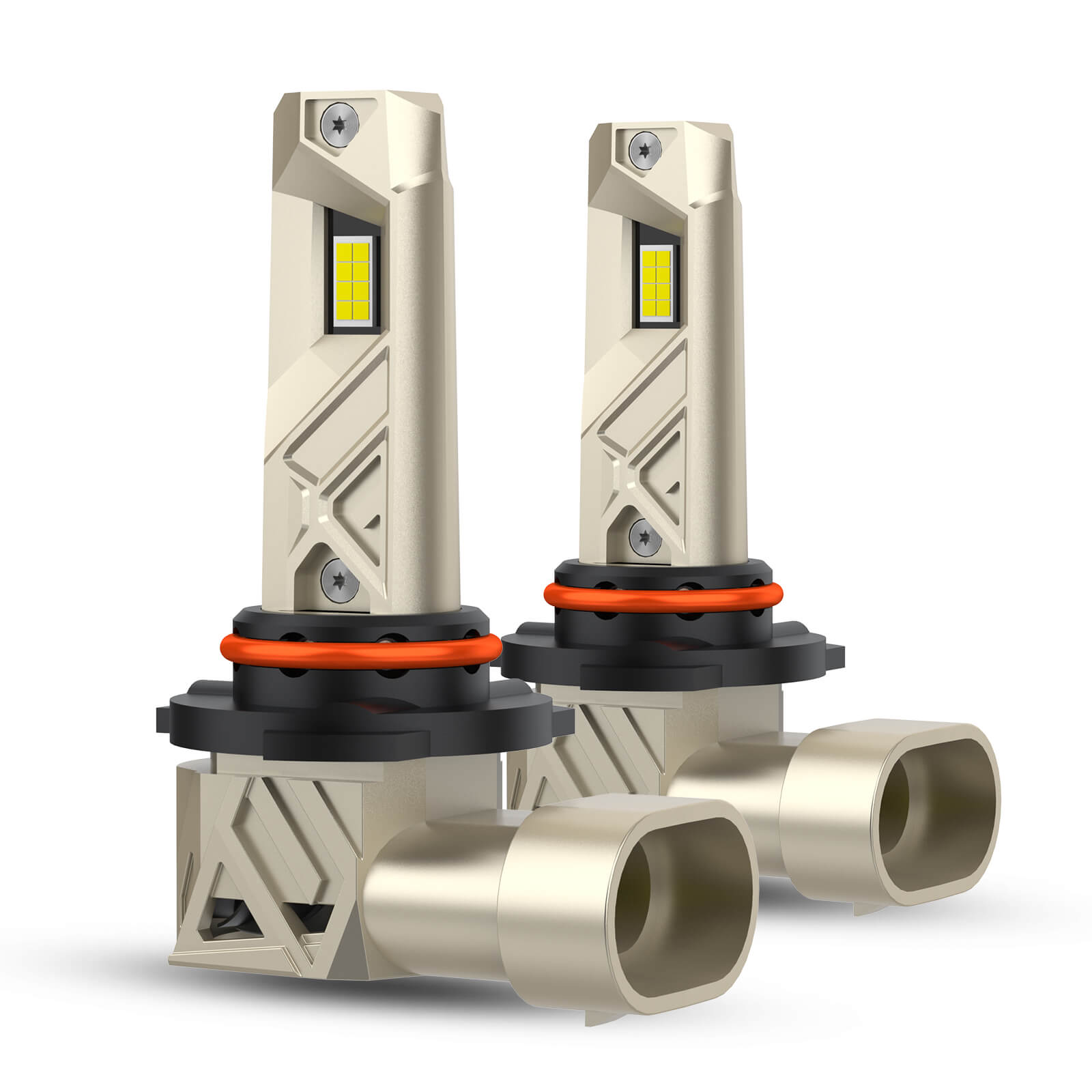
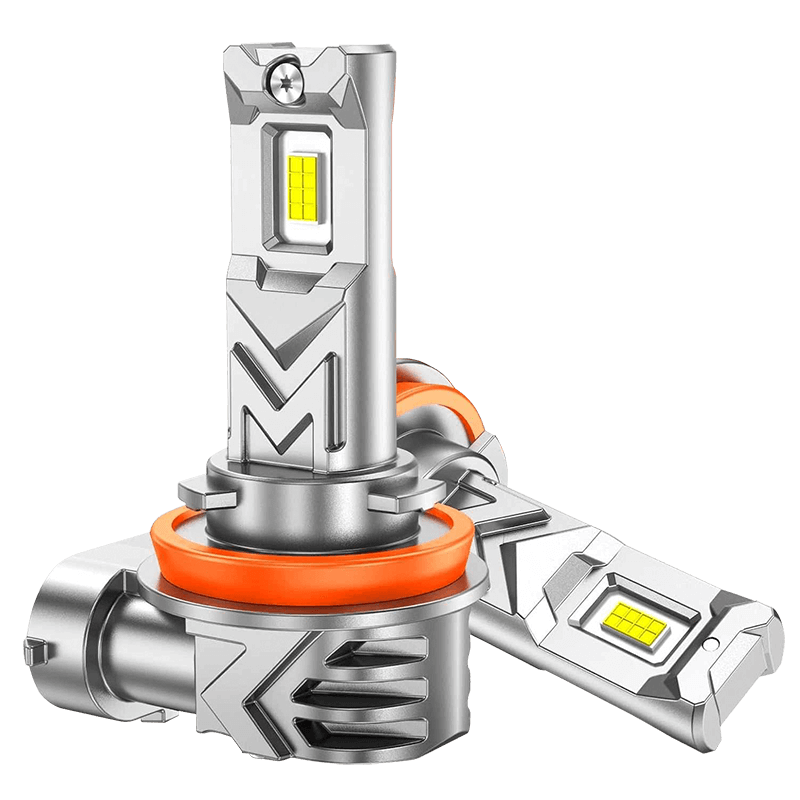
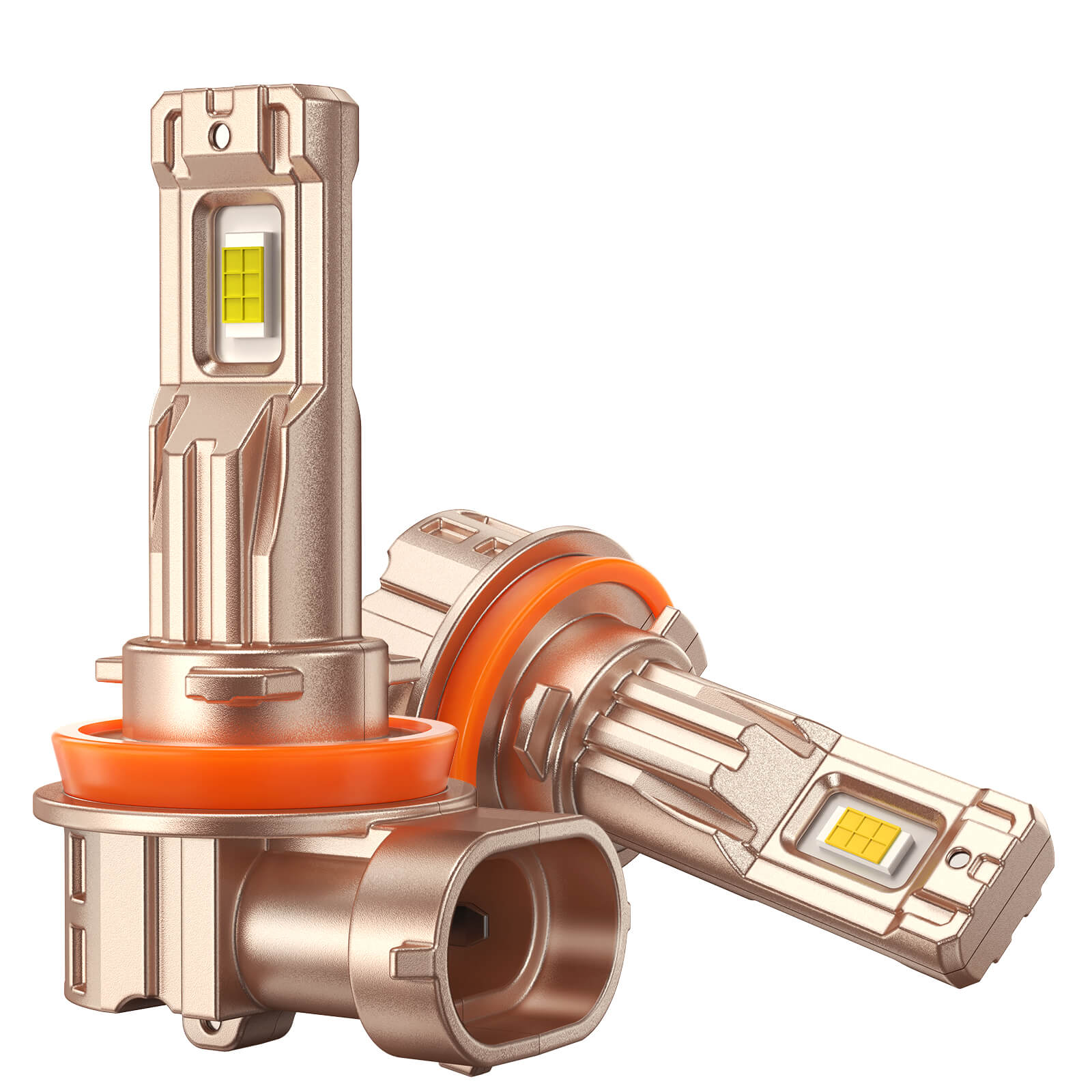
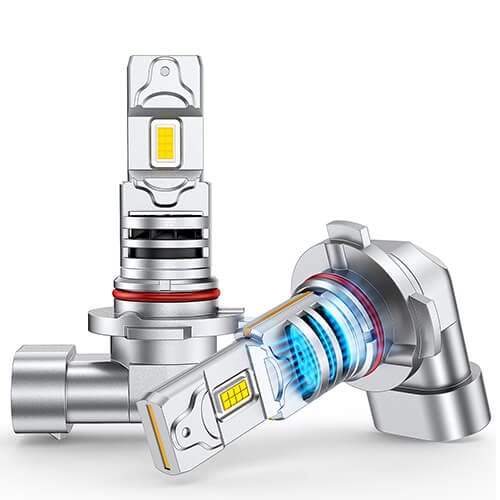
If you are experiencing flickering issues or error warnings after upgrading your lights, get Canbus Ready LED headlight bulbs at SEALIGHT. Designed specifically to solve power load differences and electronic system incompatibilities, SEALIGHT’s Canbus Ready bulbs feature integrated decoders for stable, flicker-free performance and a brighter, safer drive.