
 Headlight Bulbs


 Track Order
 My Vehicles
 Contact Us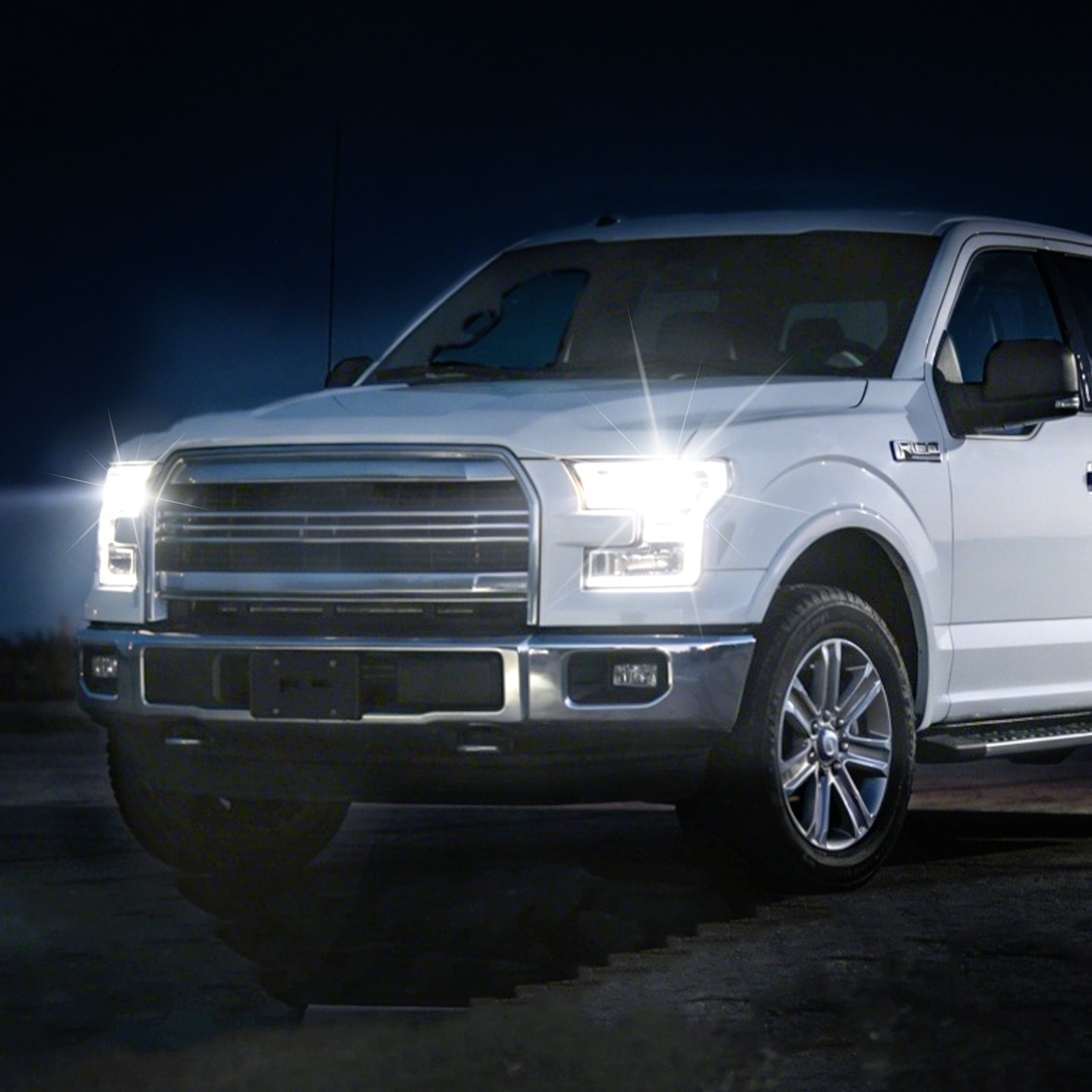
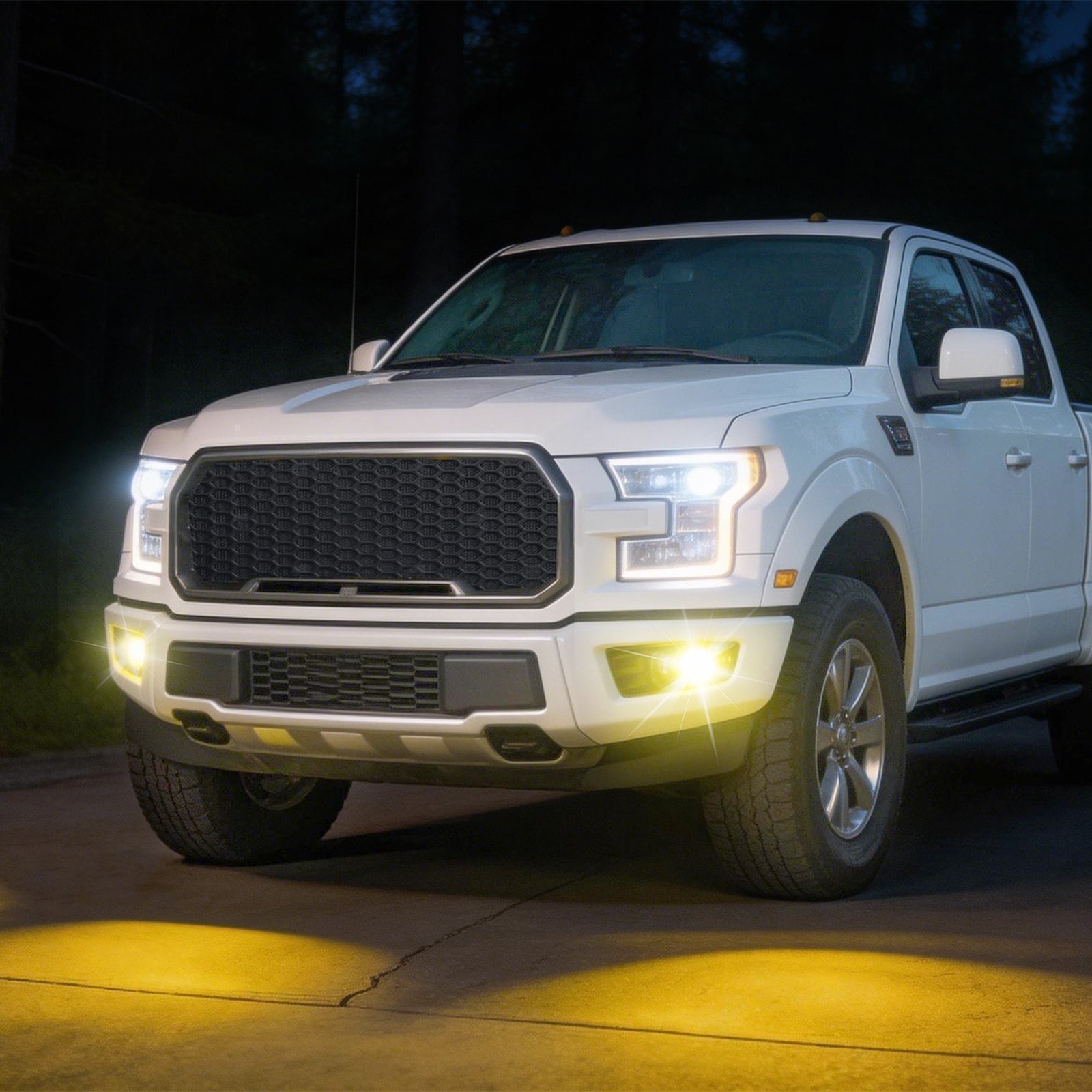
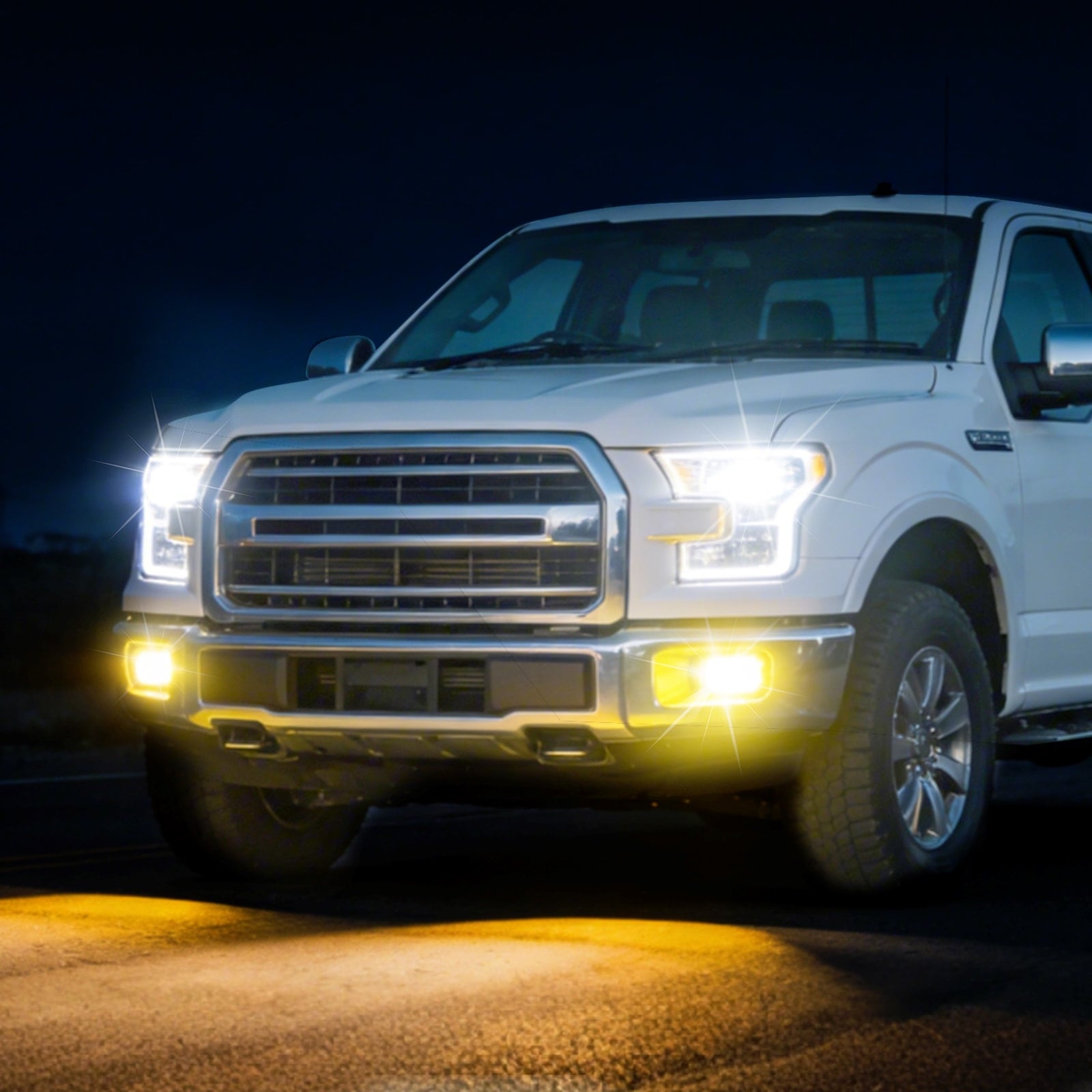
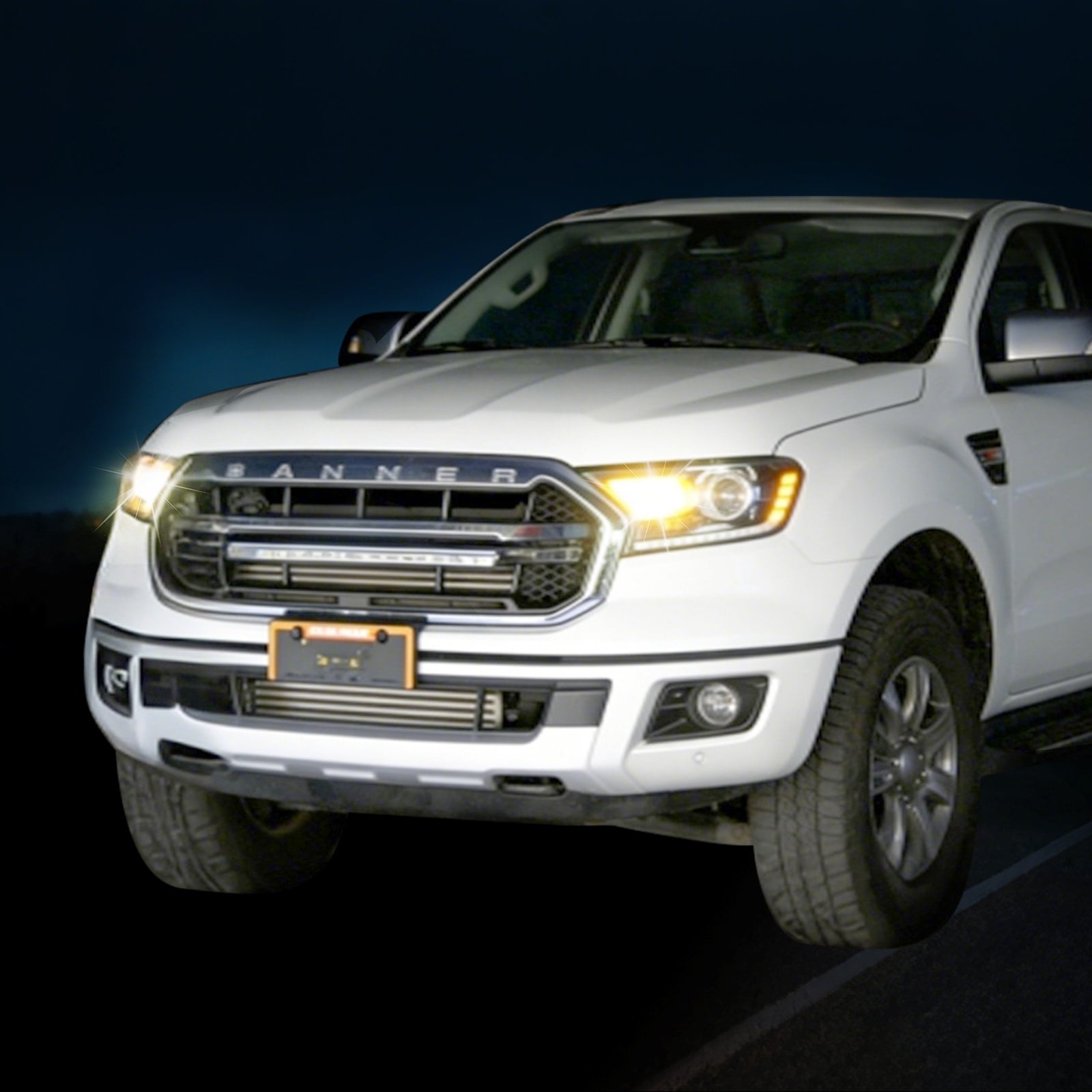
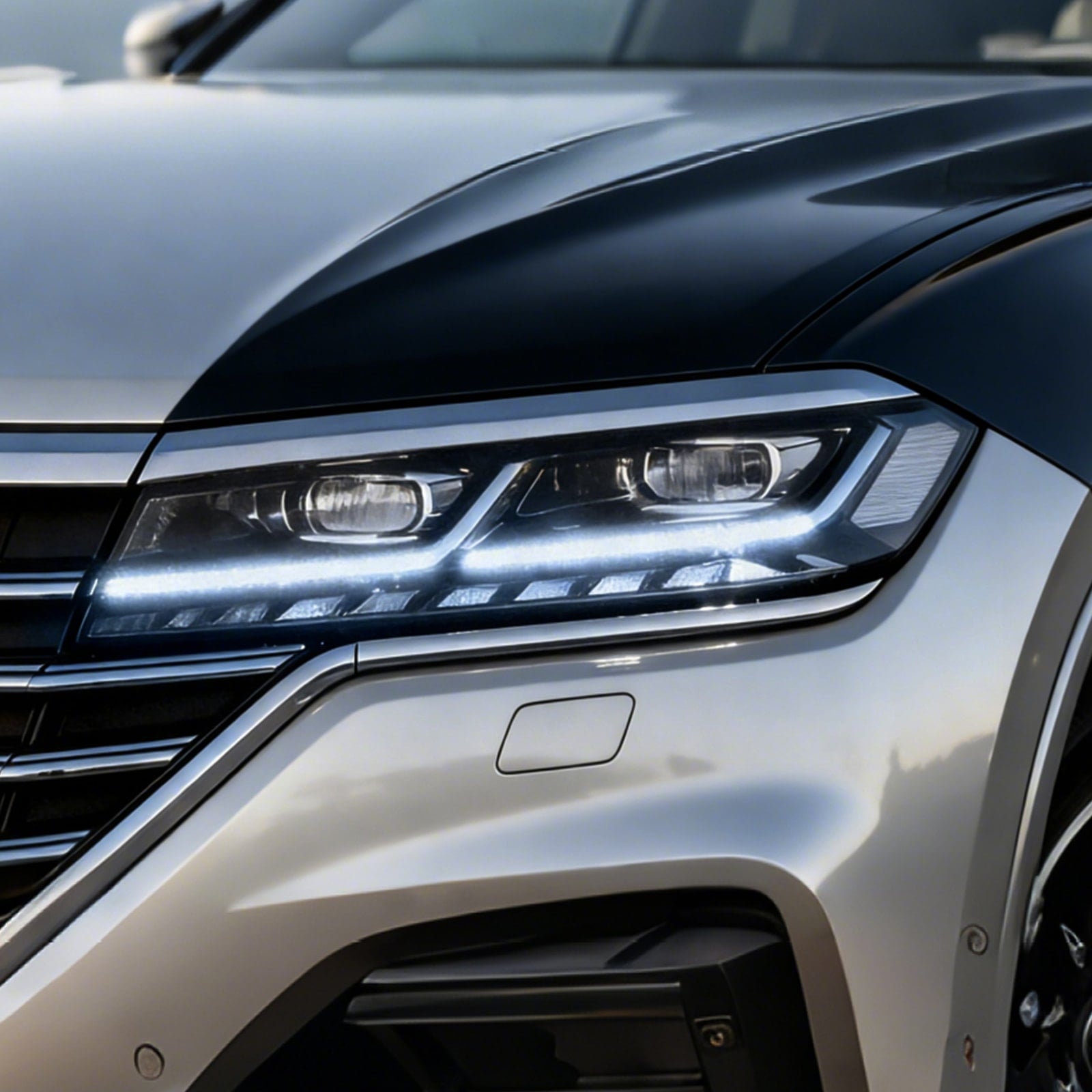
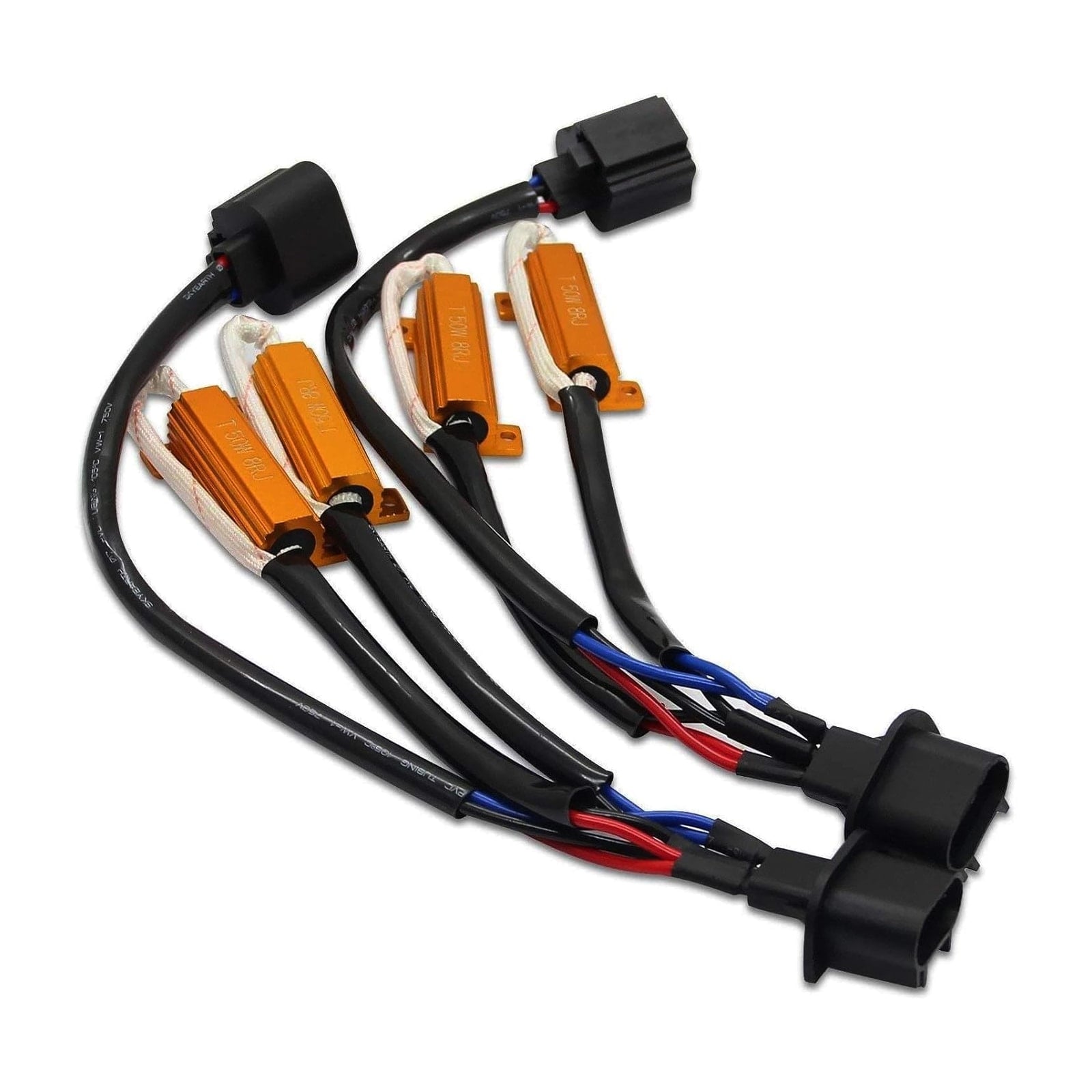
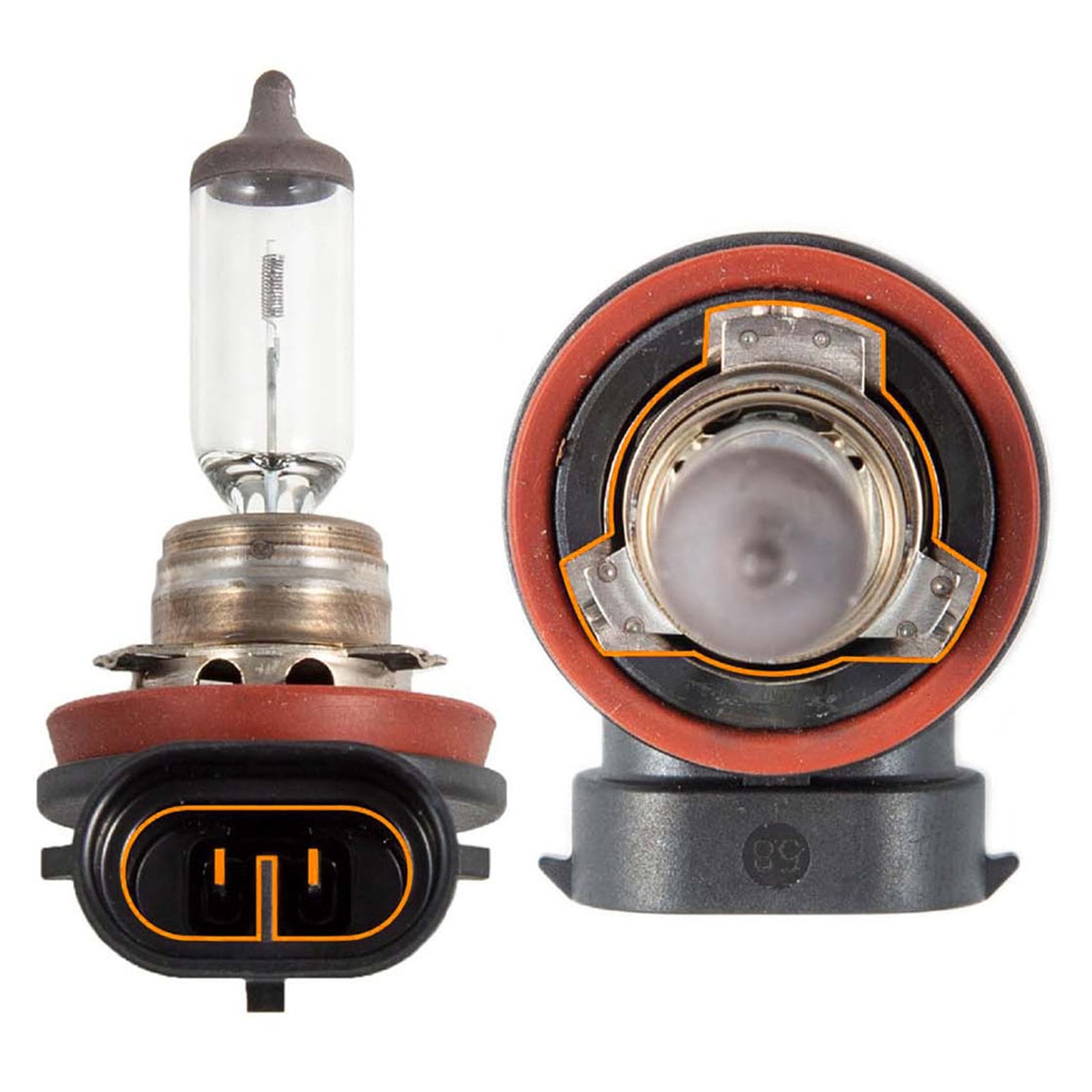
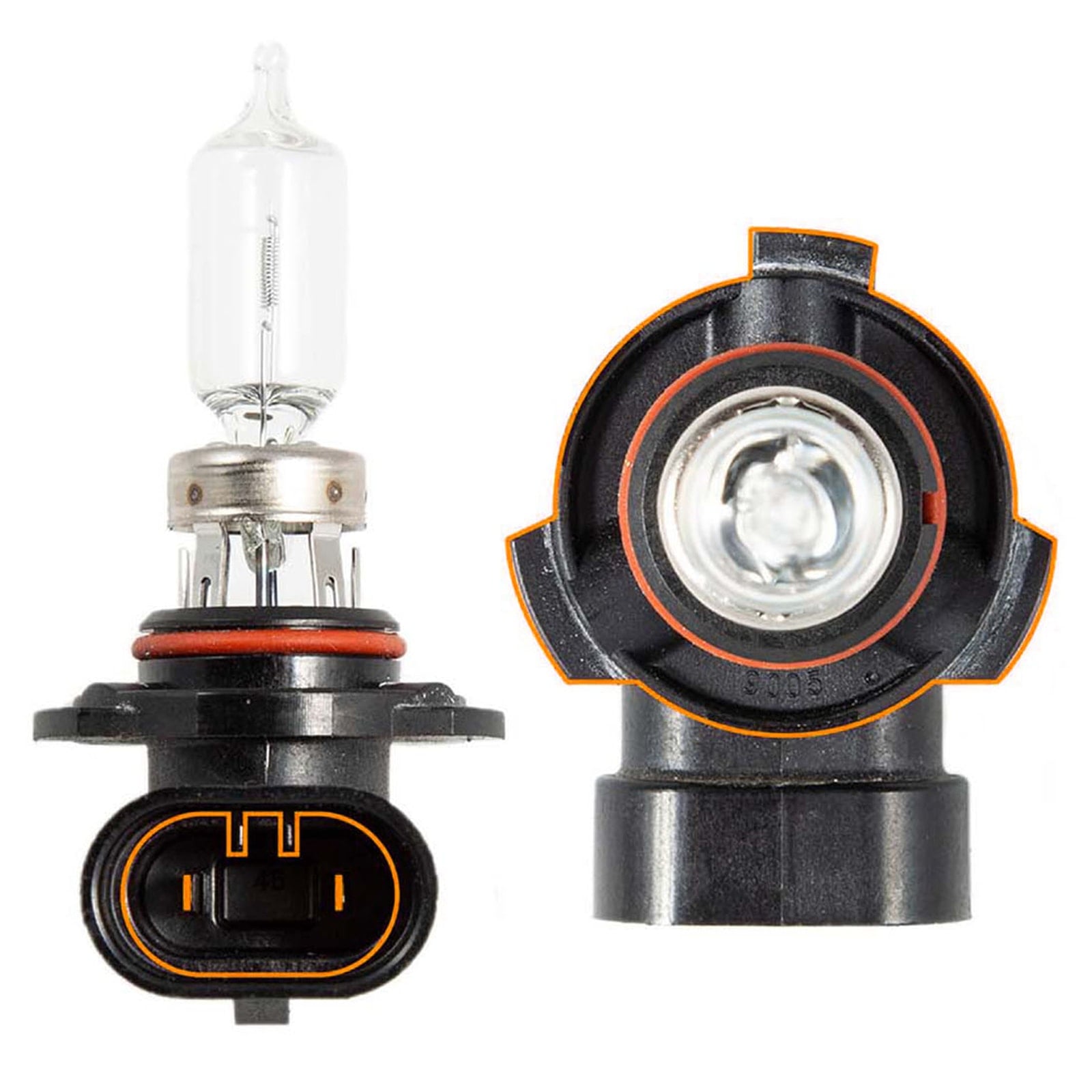
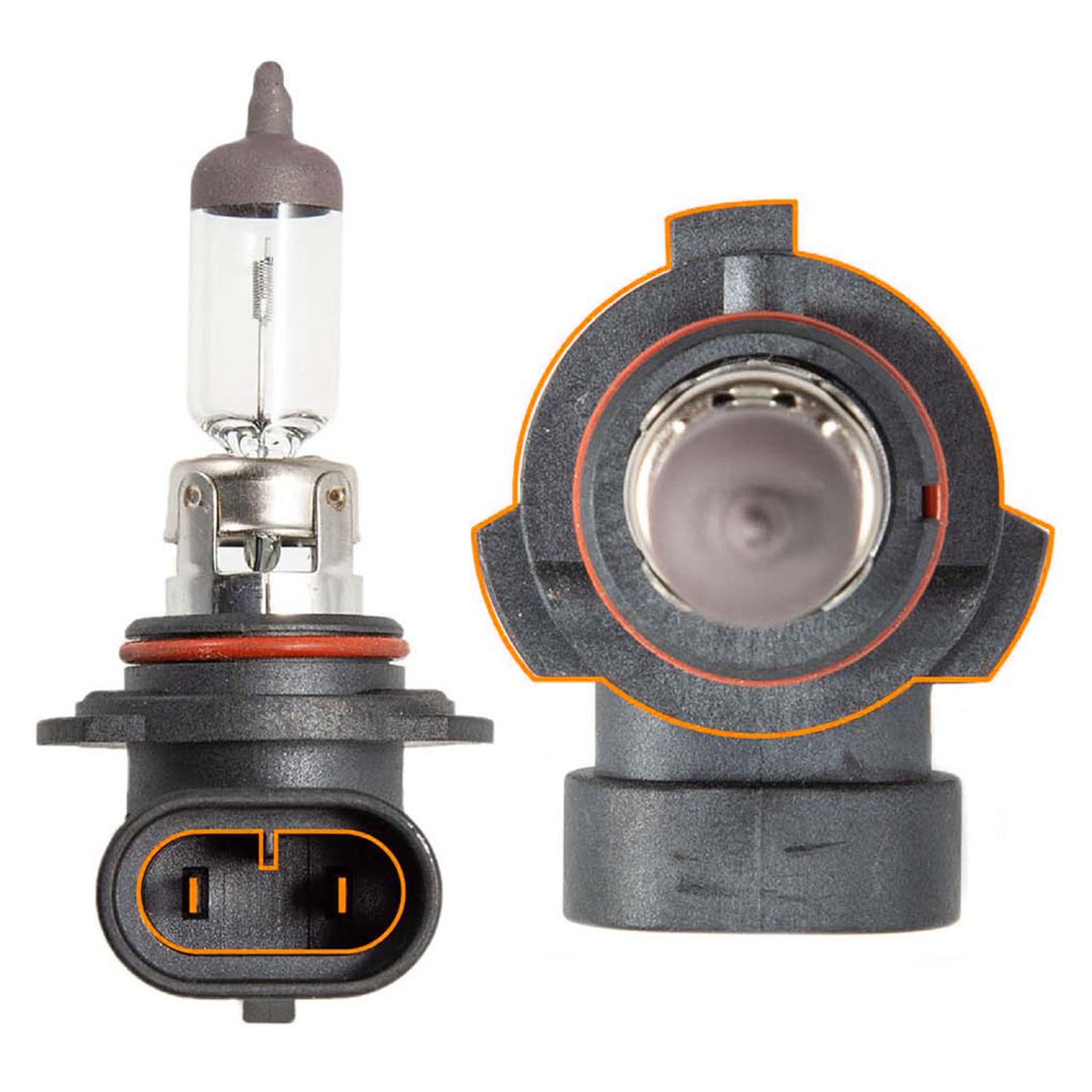
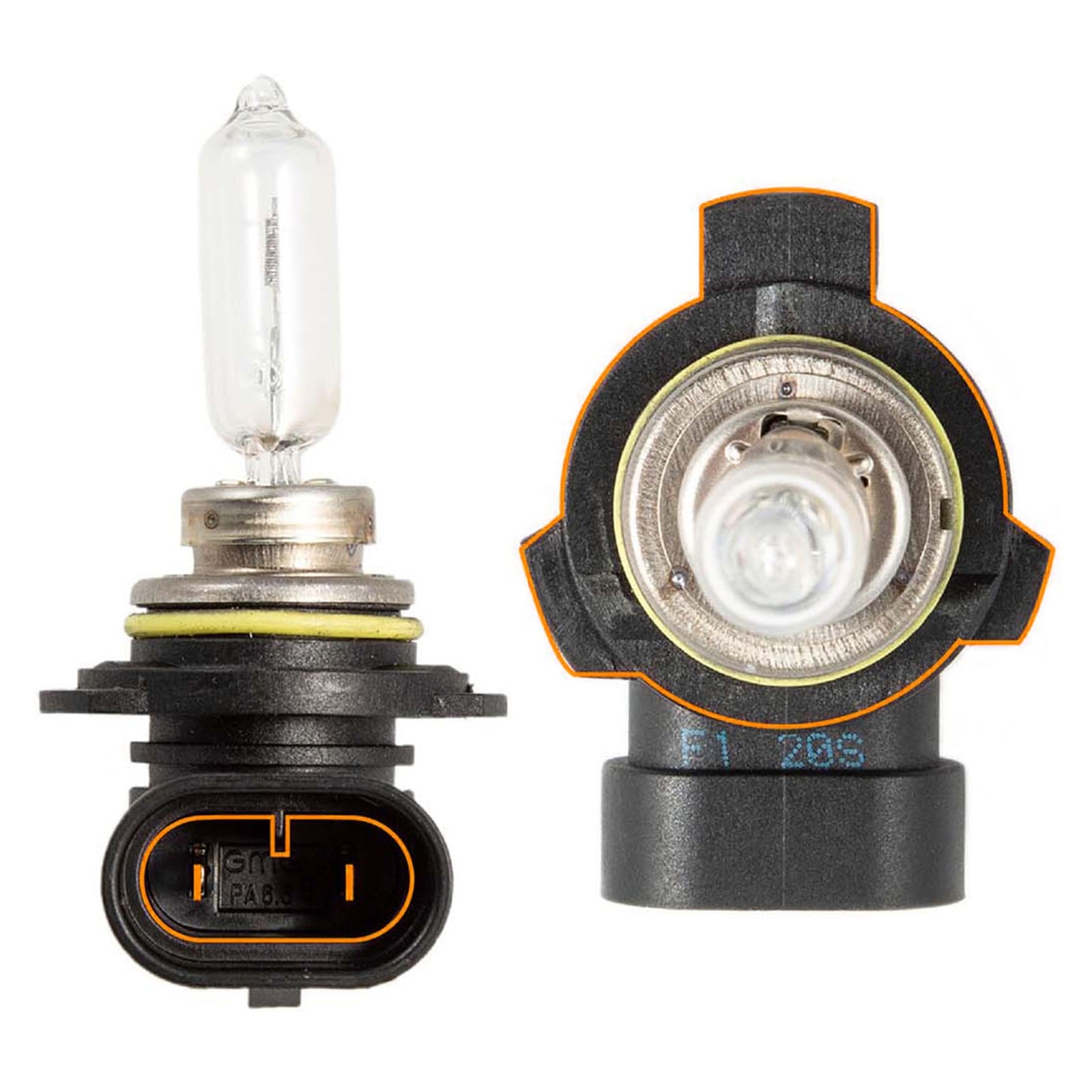
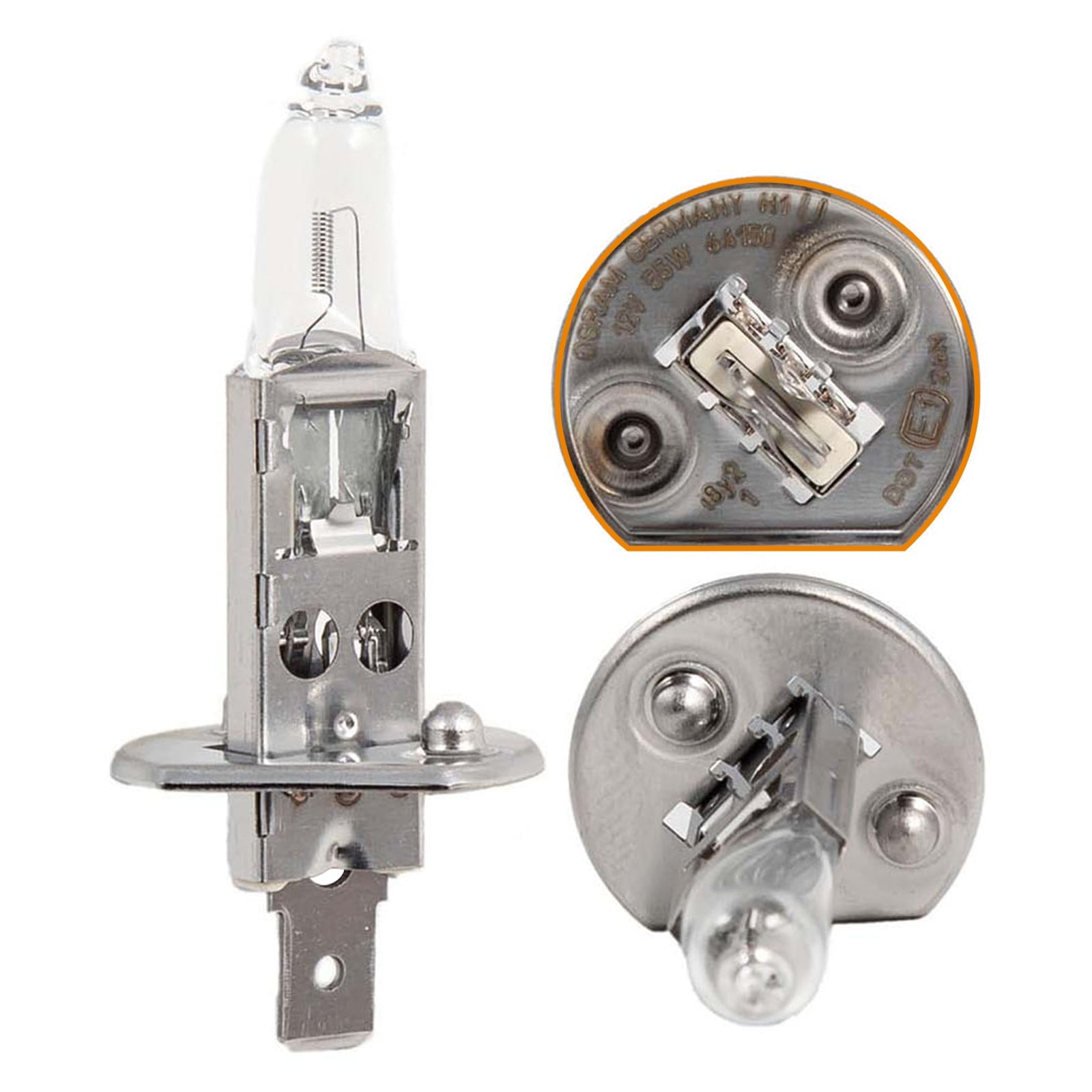

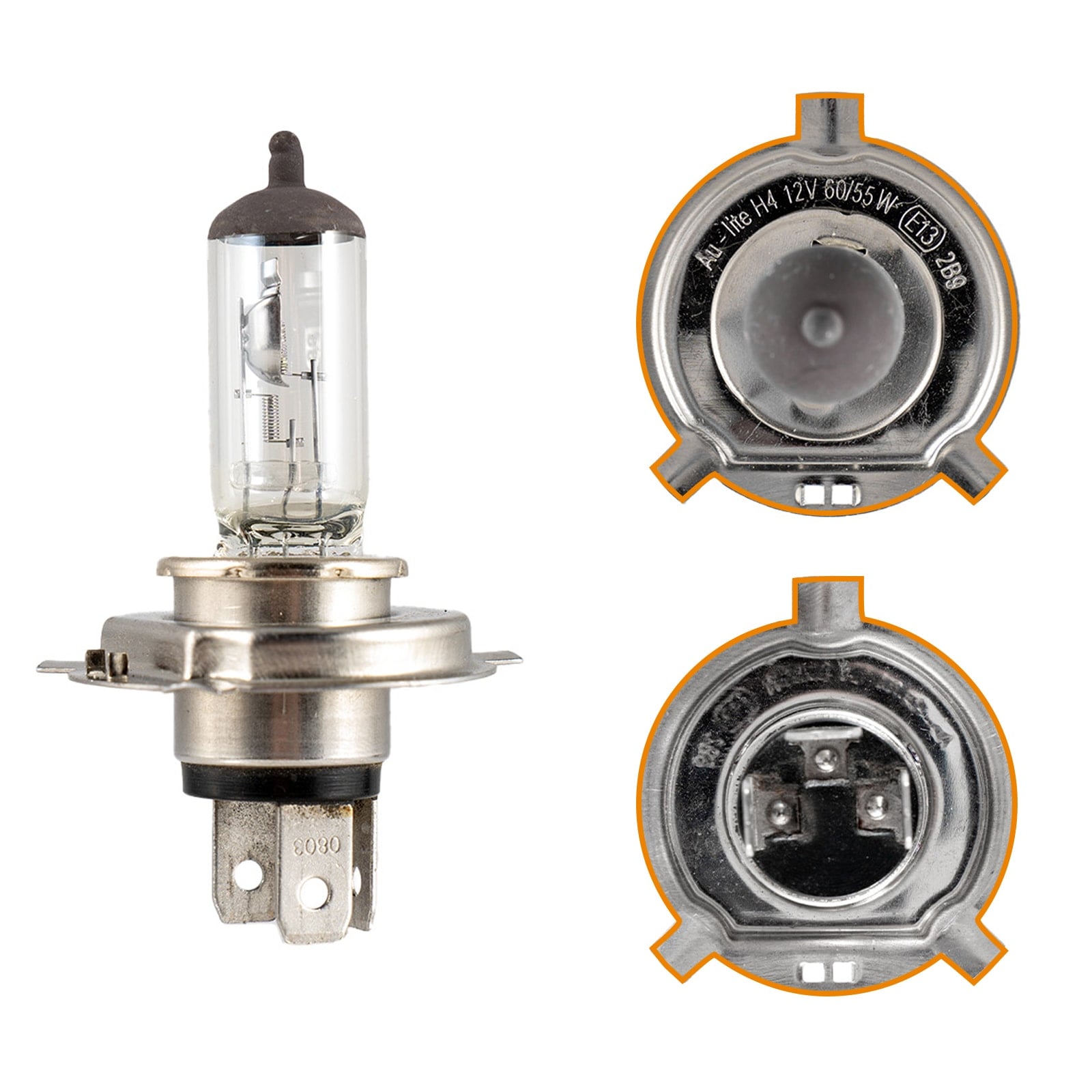
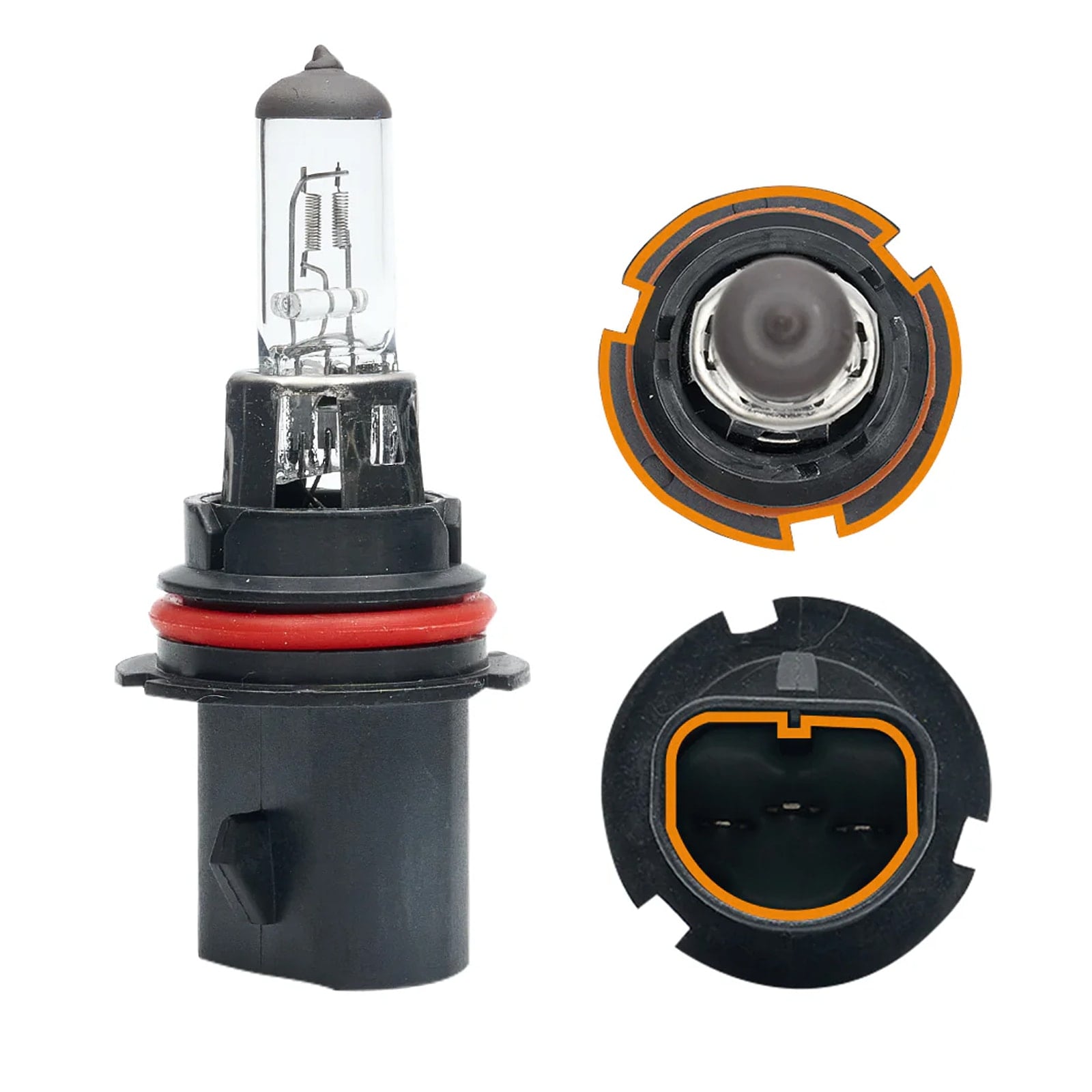
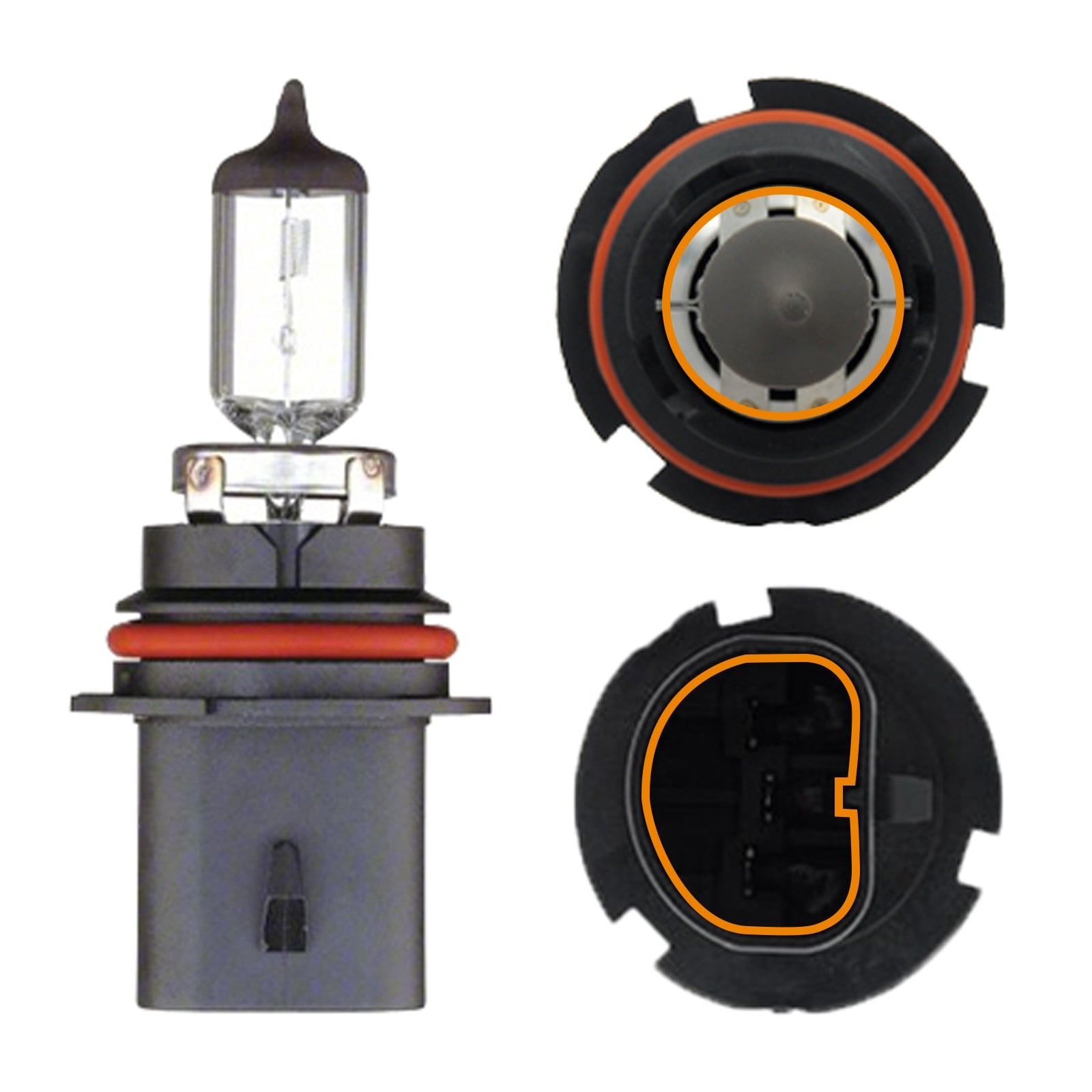
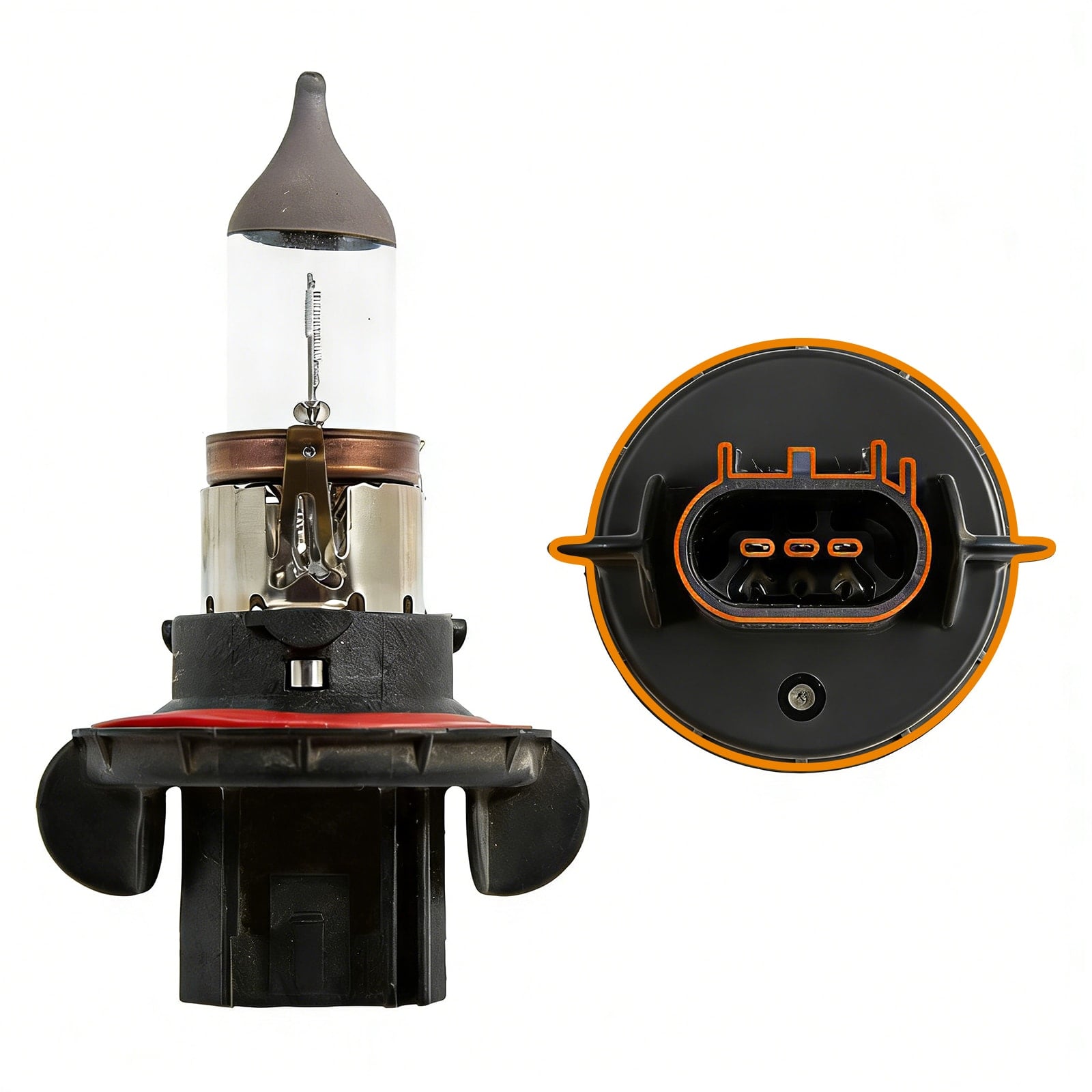
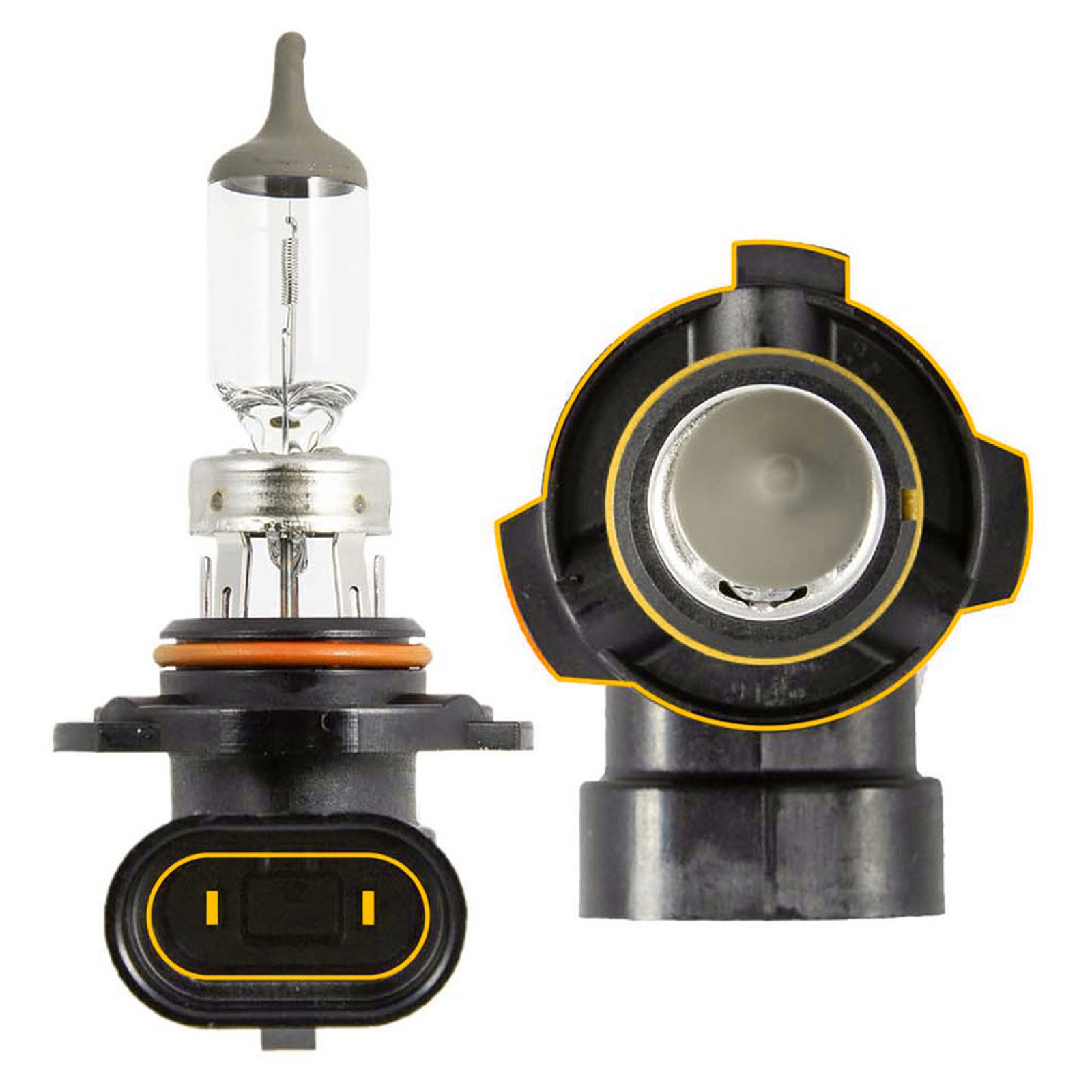
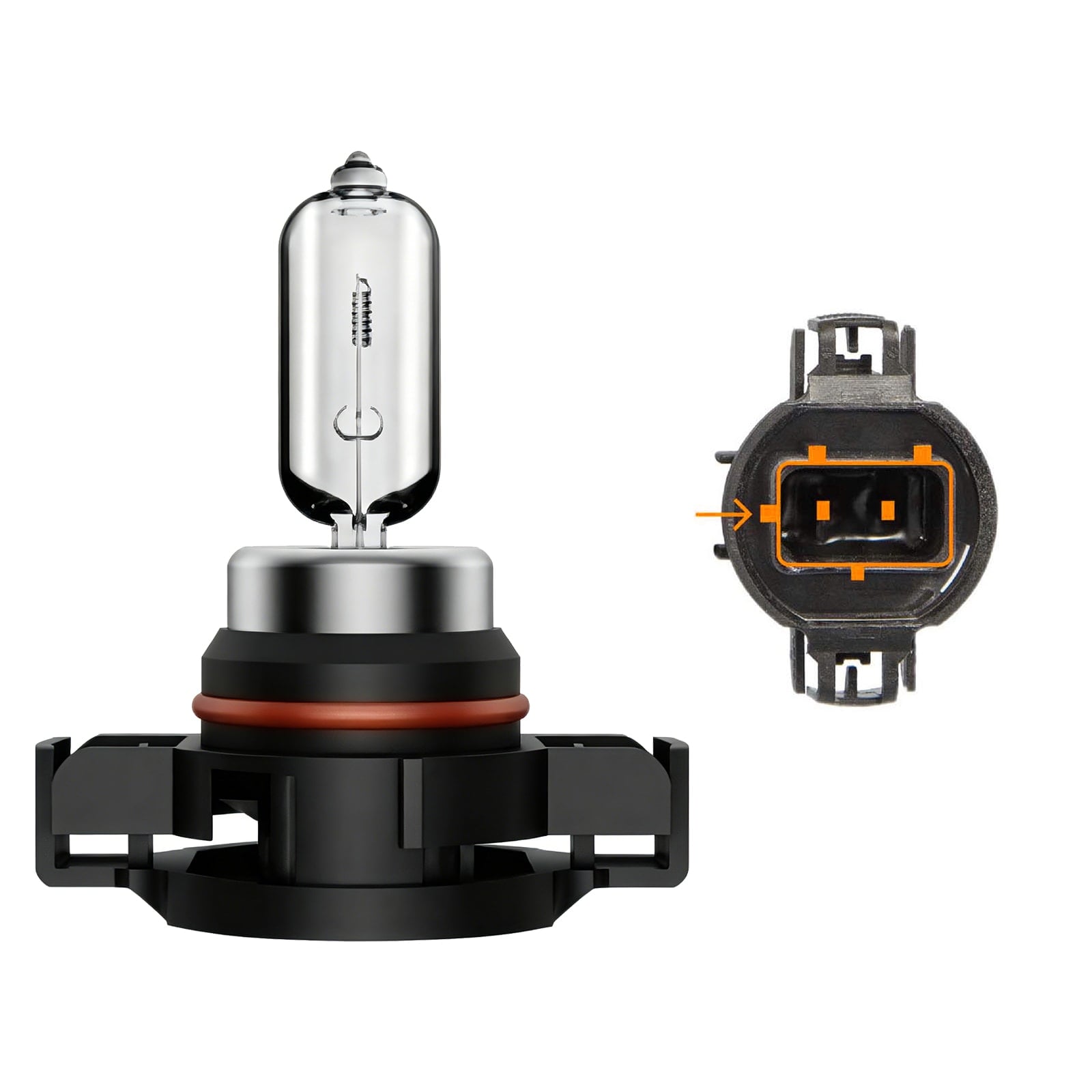
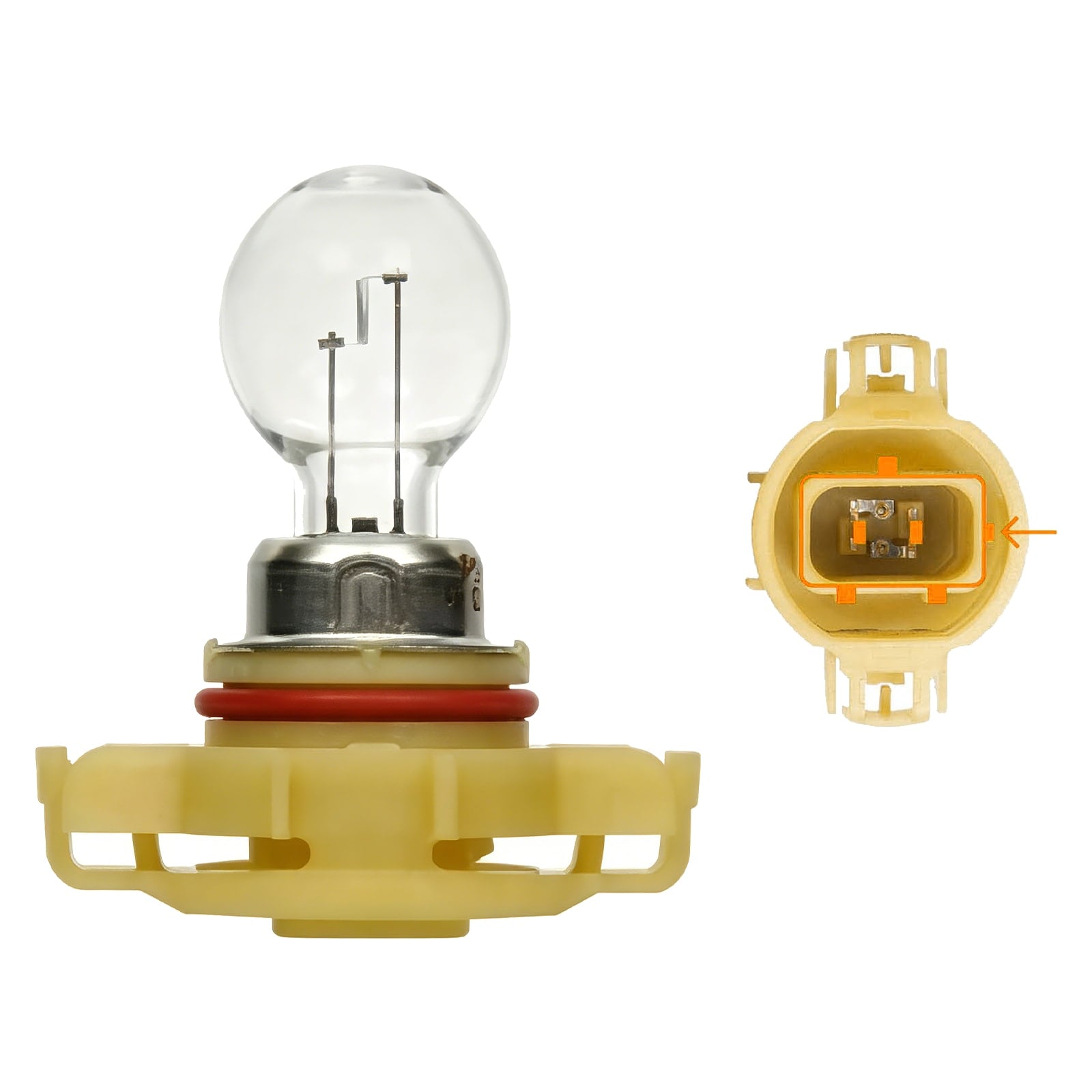
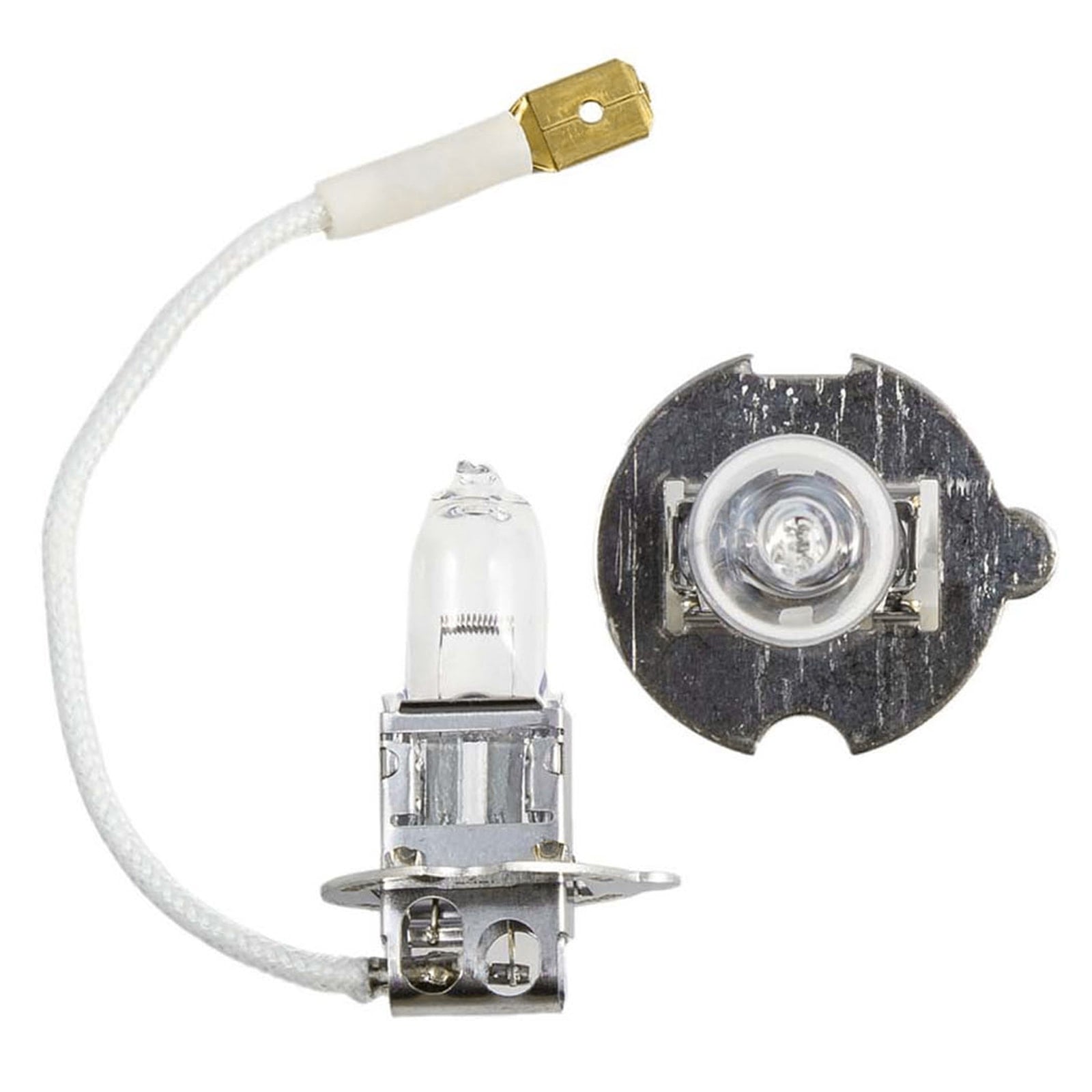
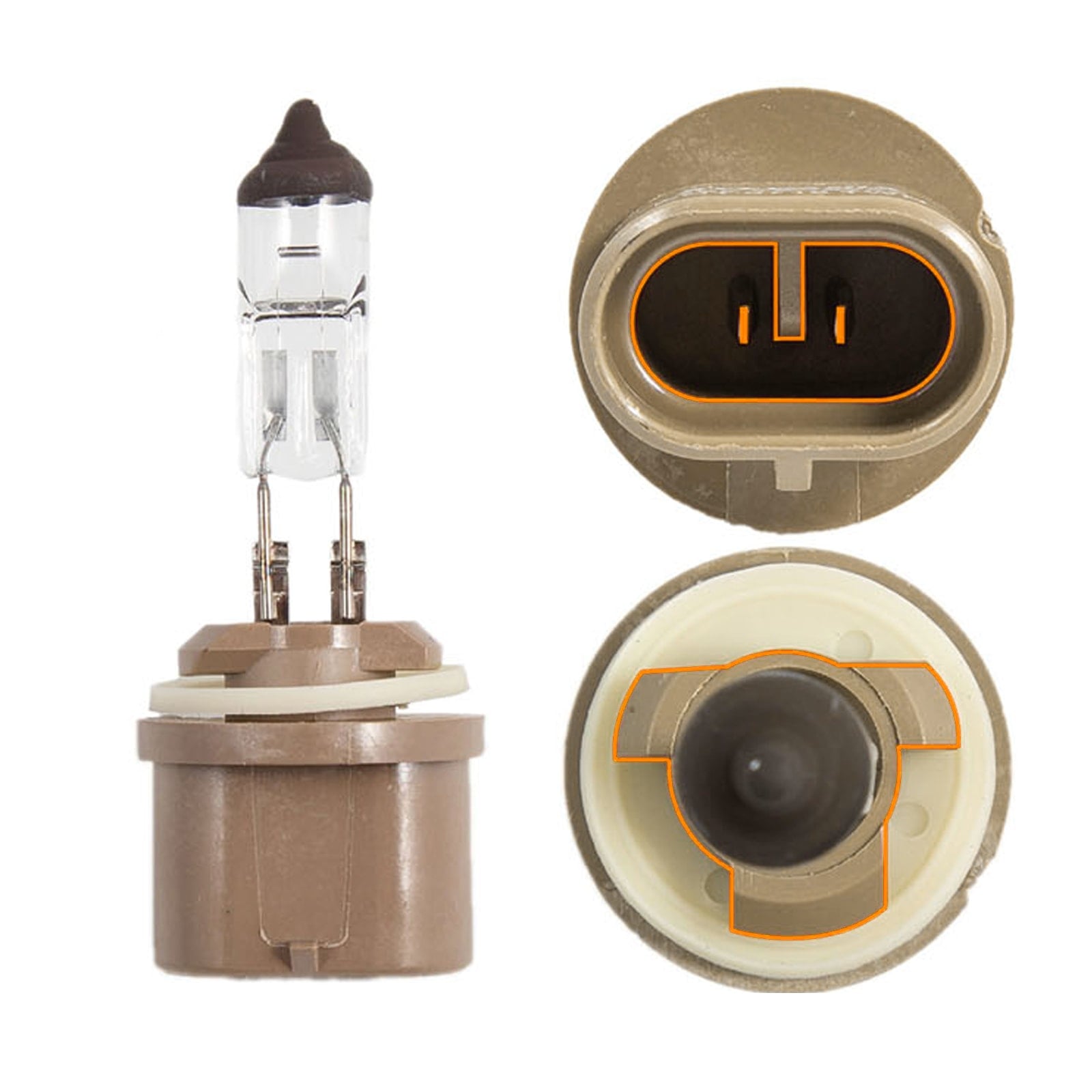
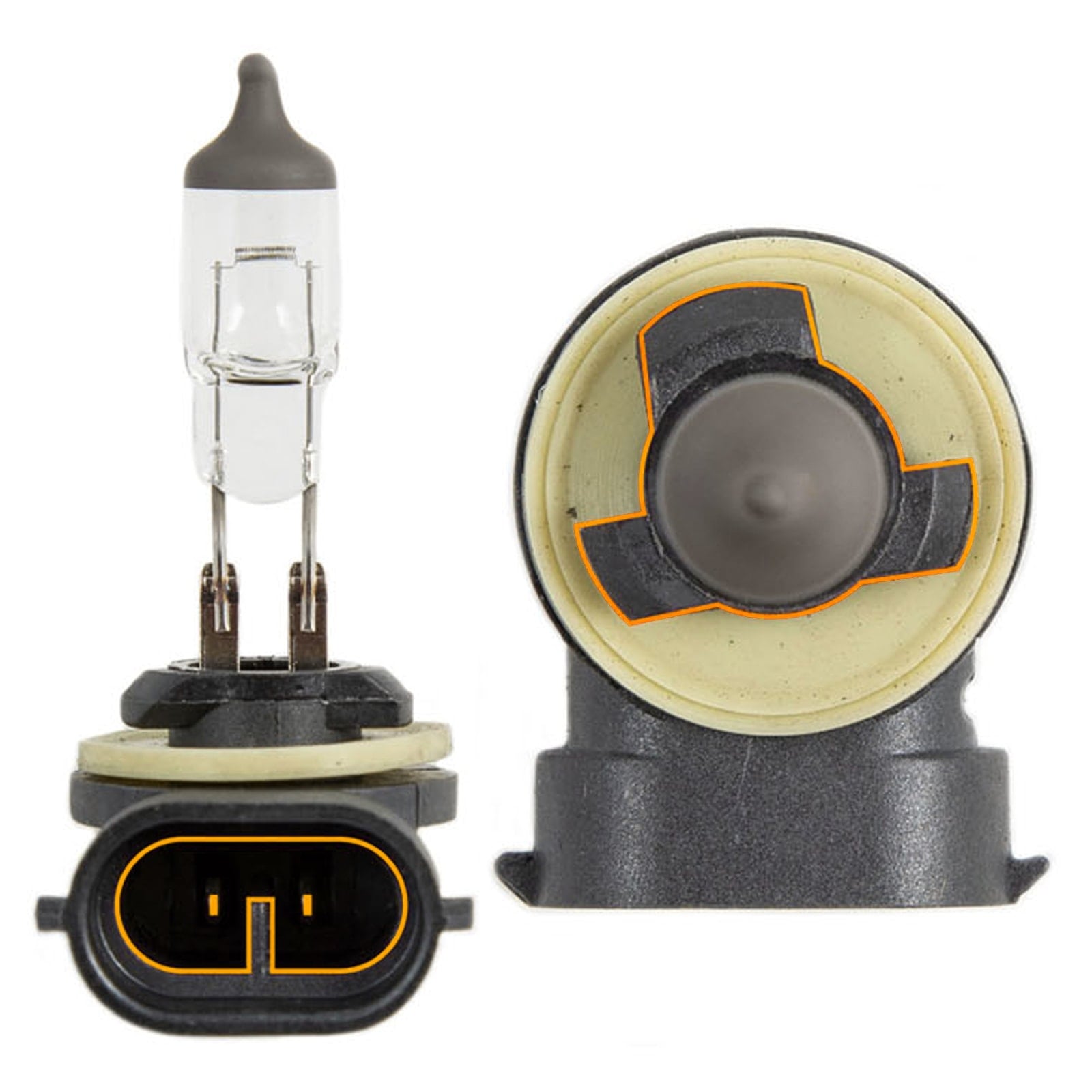
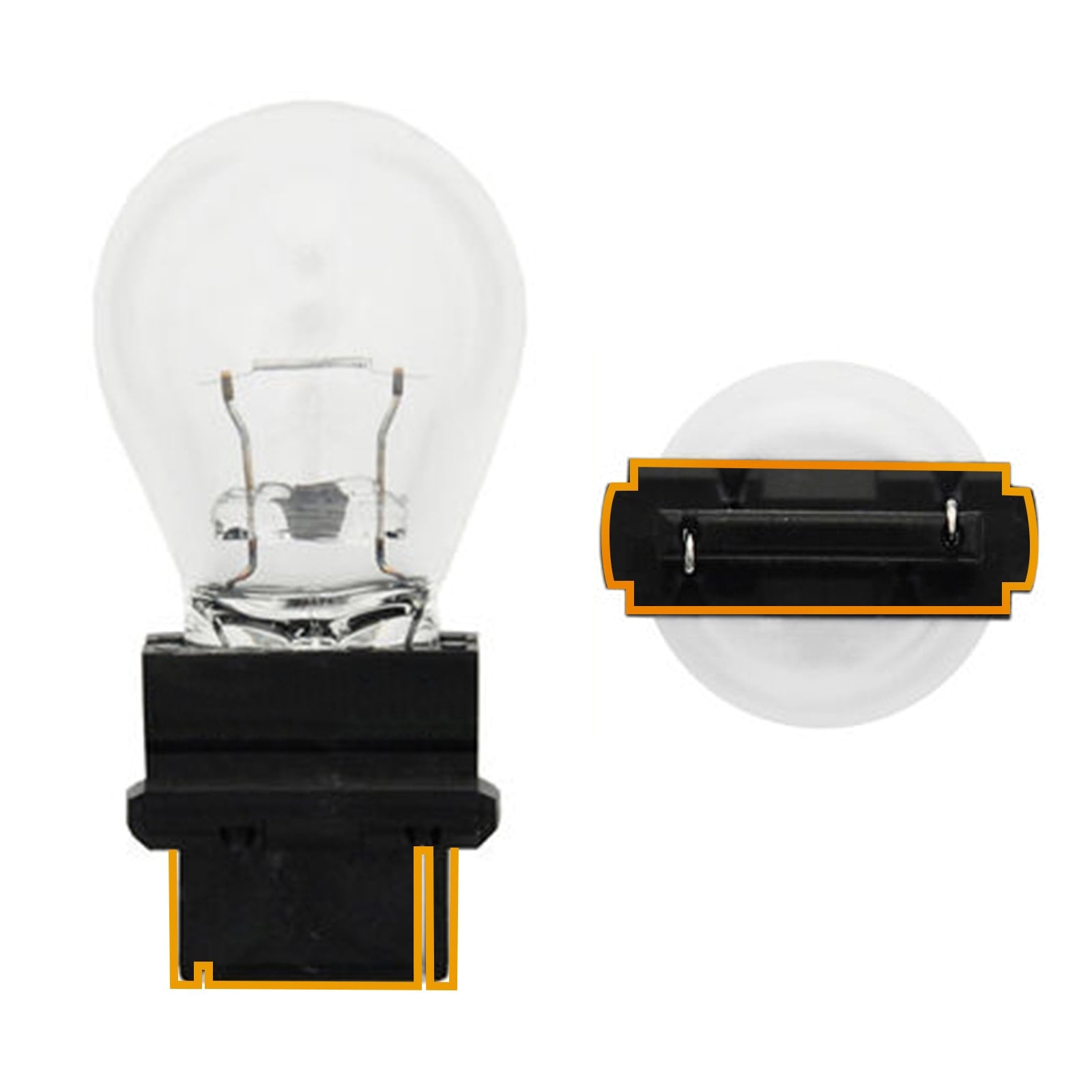
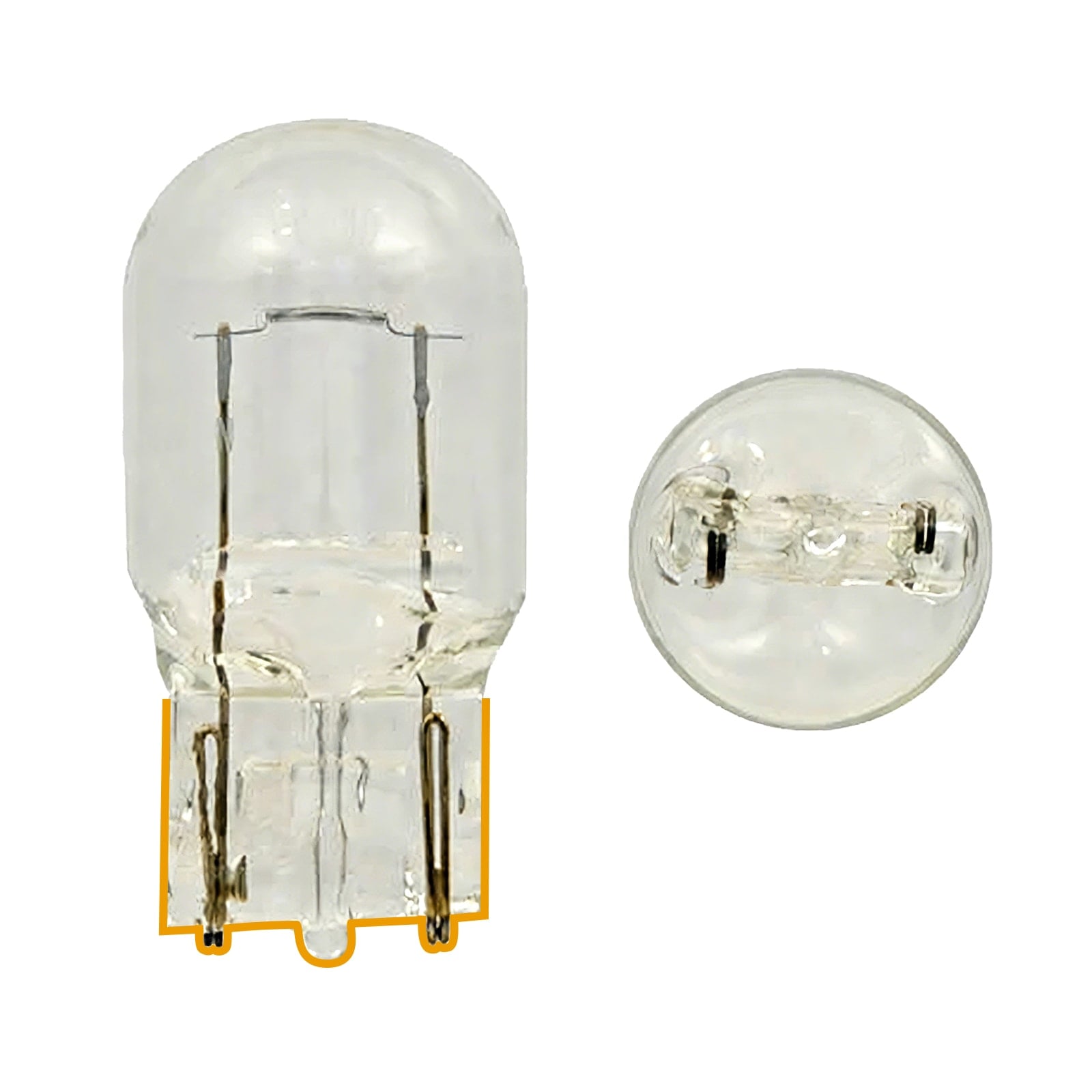
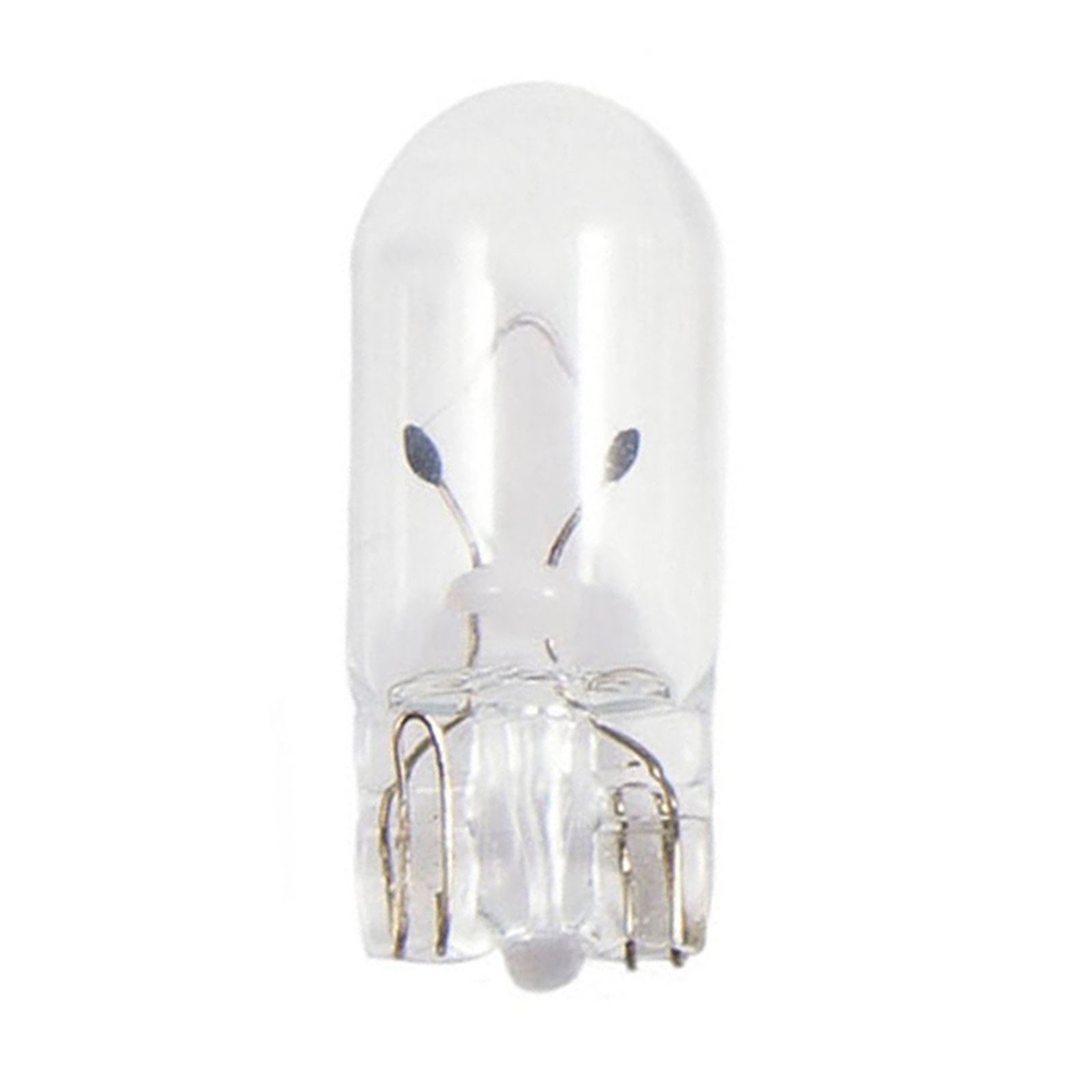
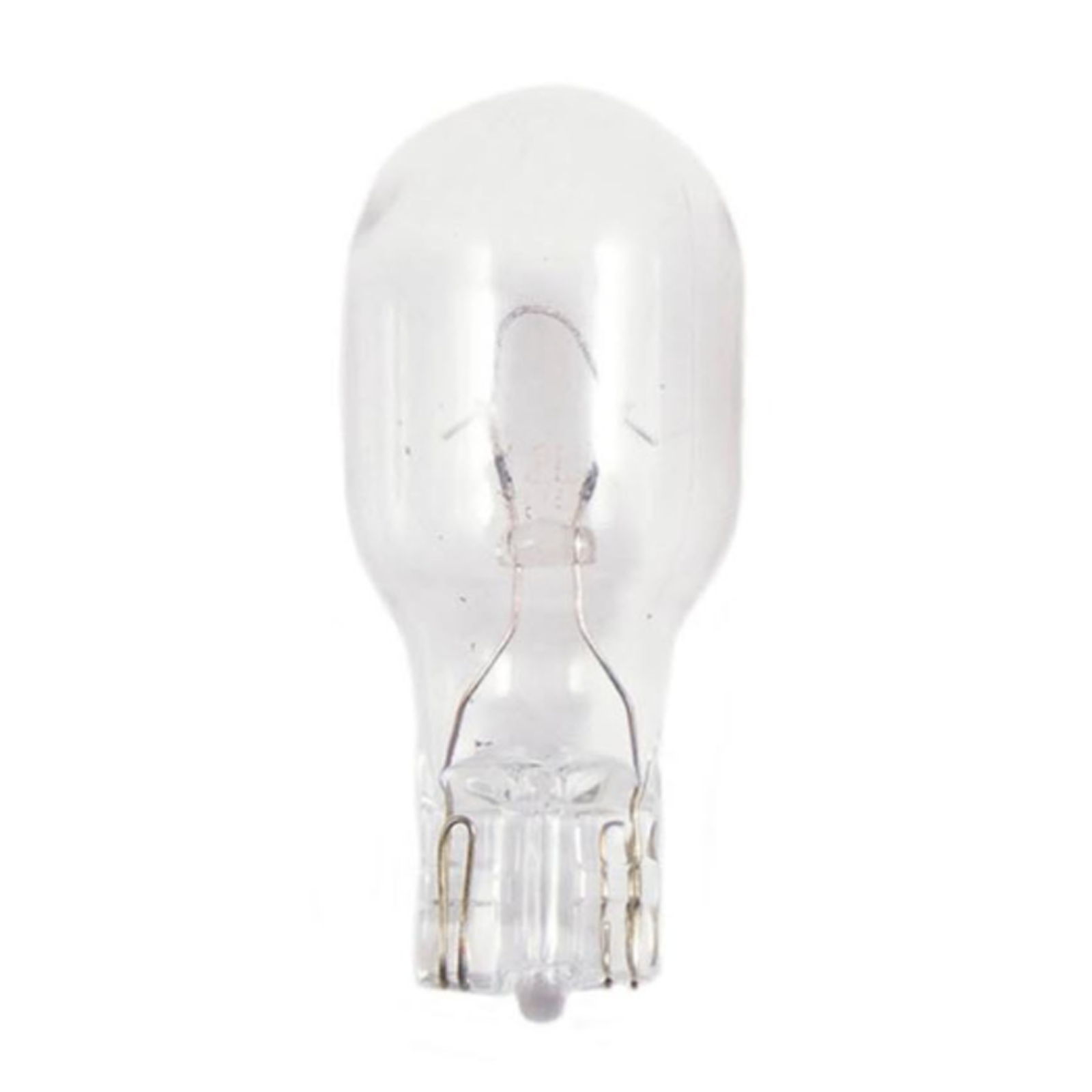
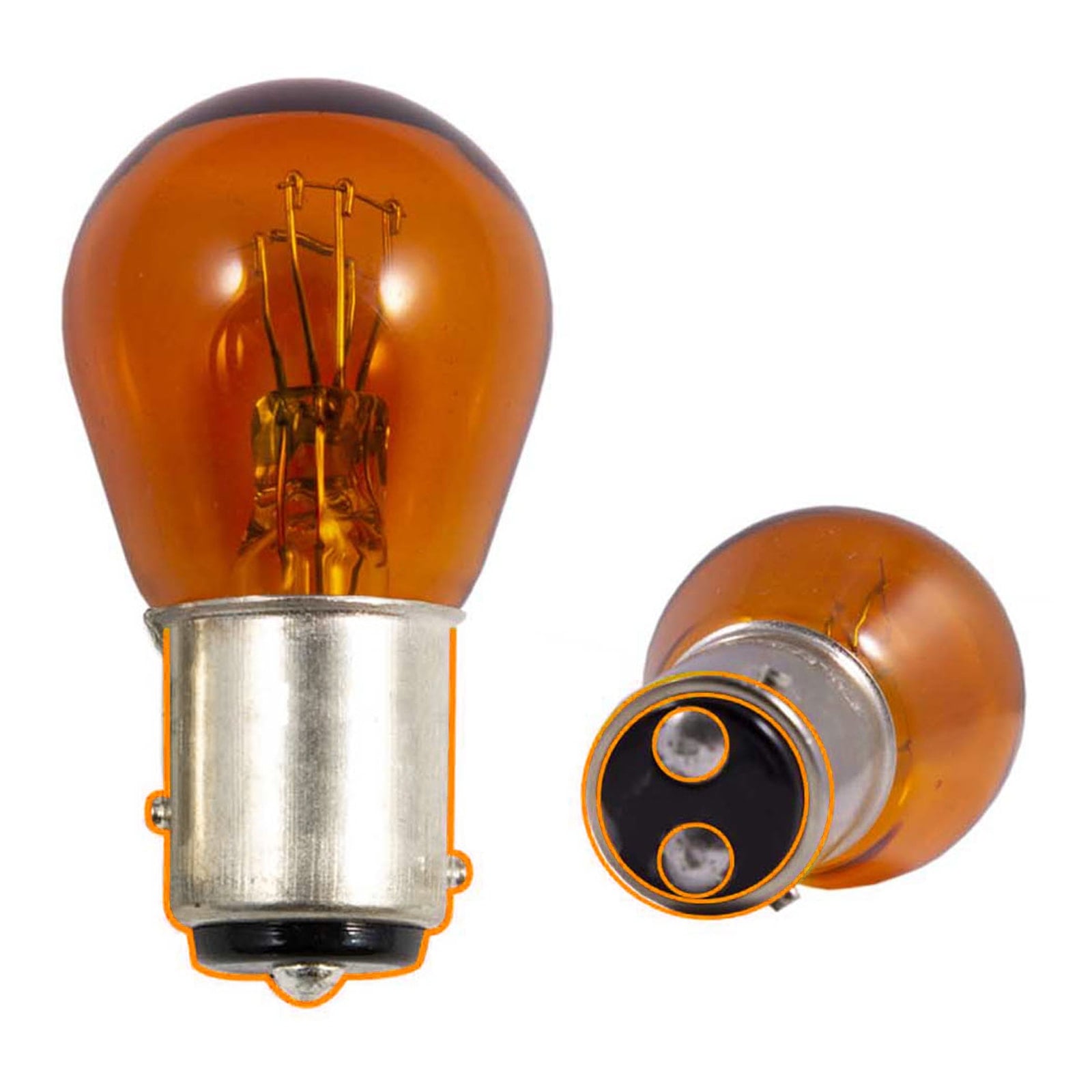
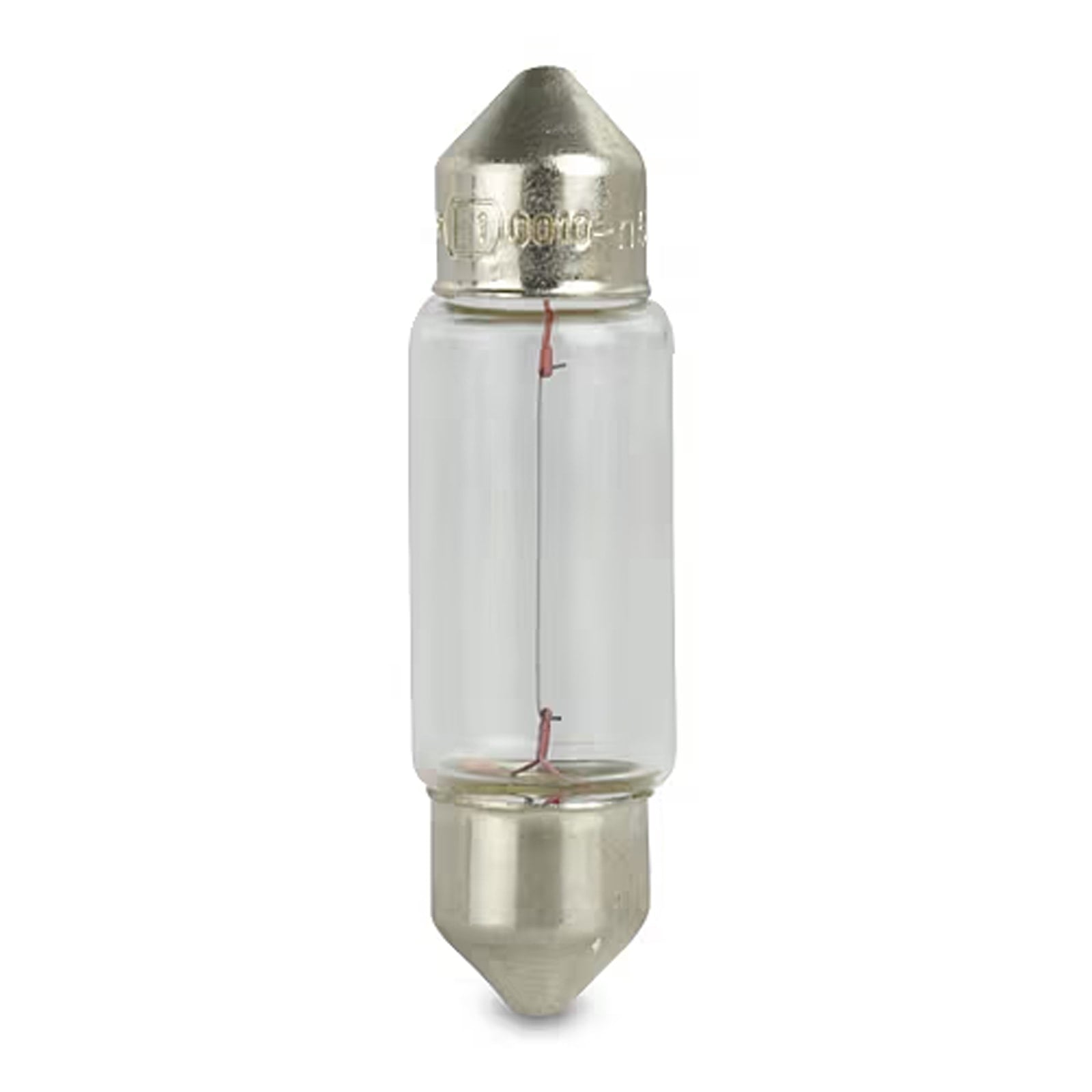
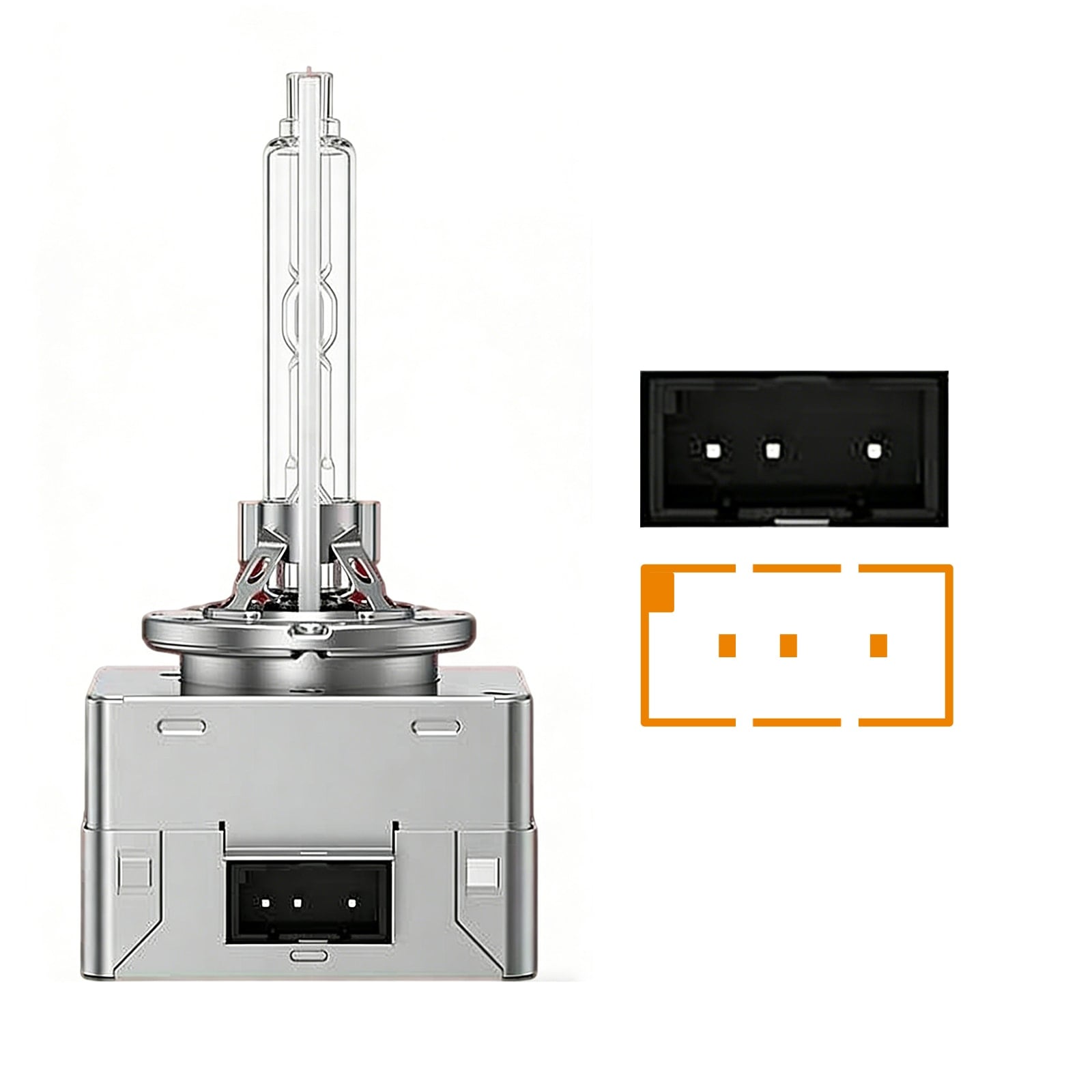
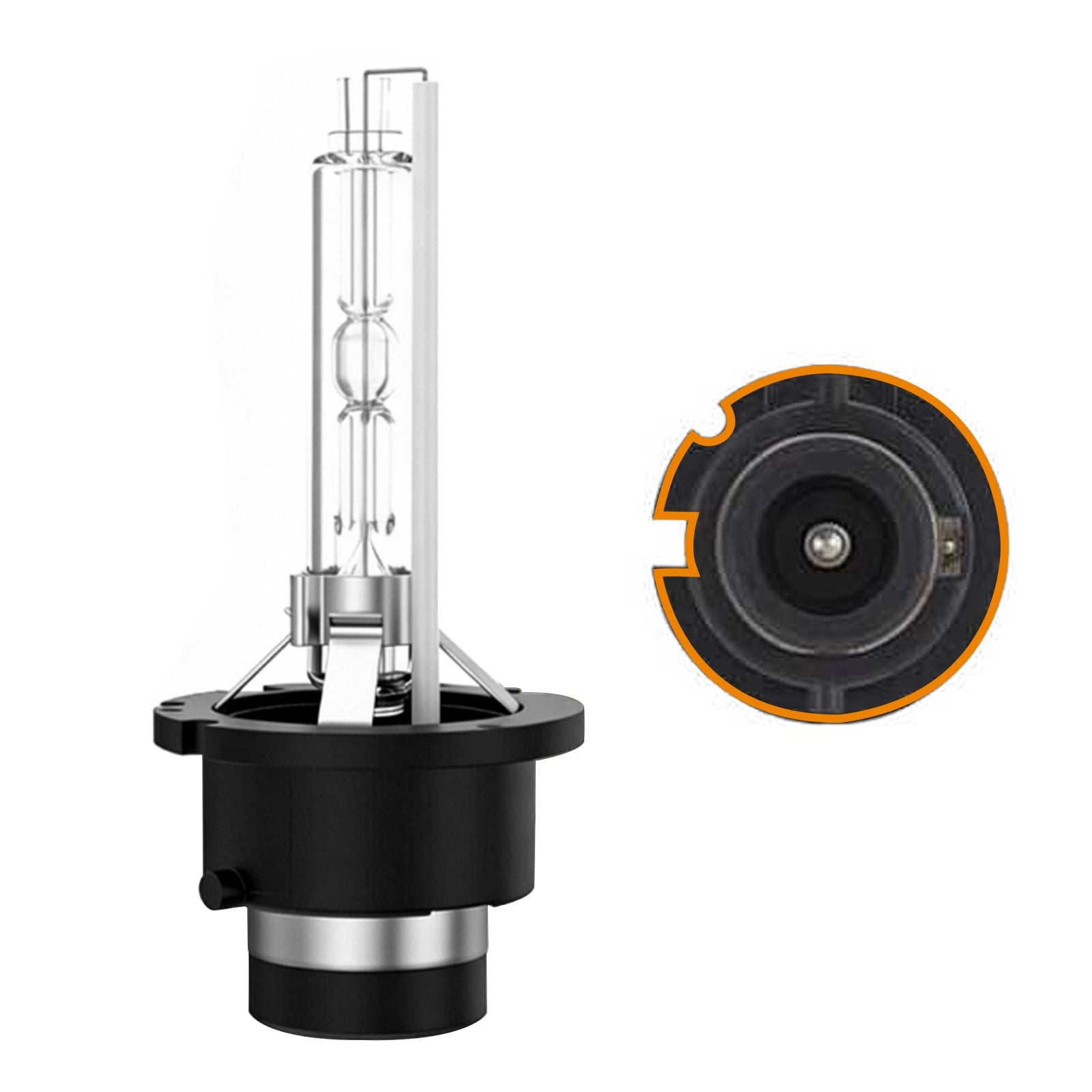
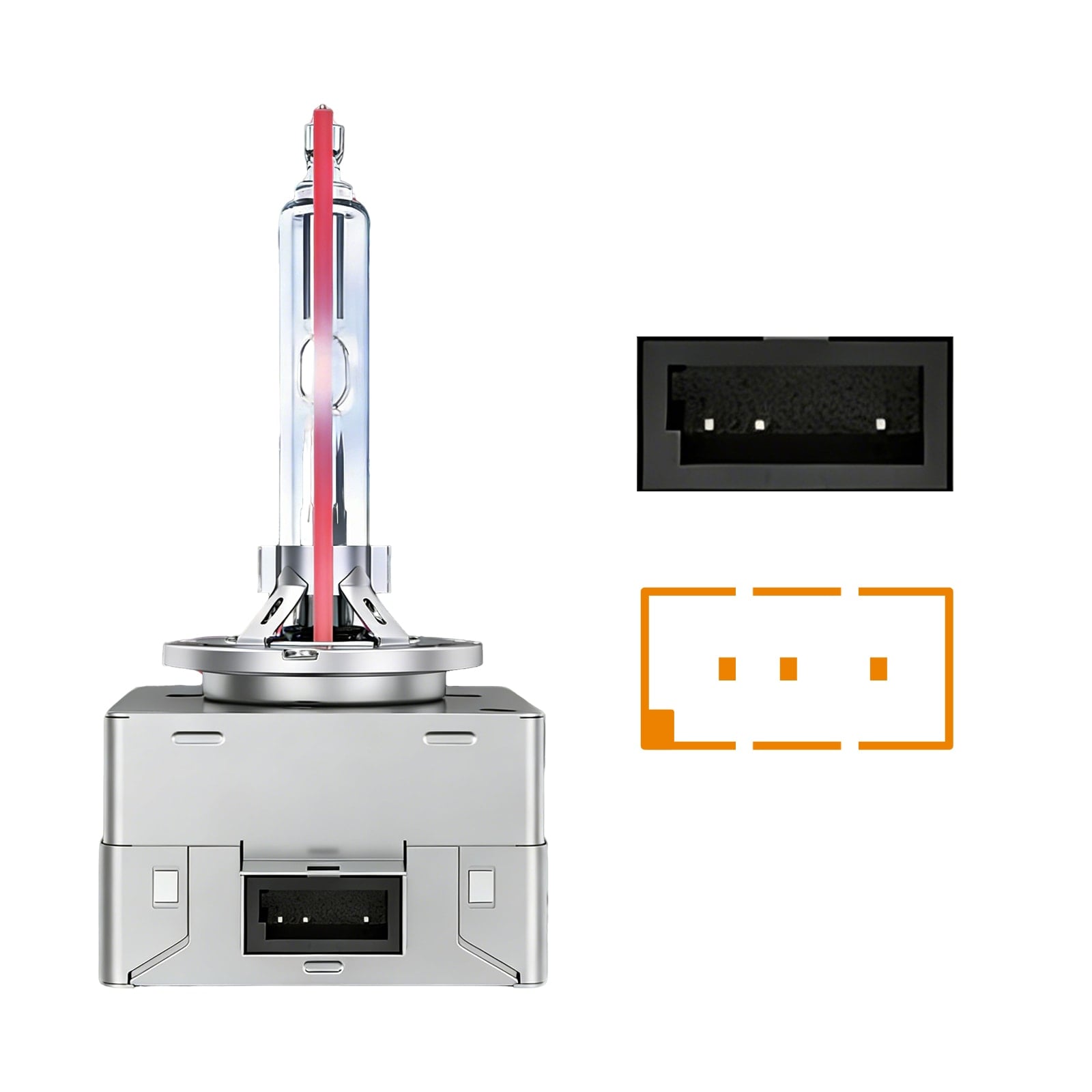
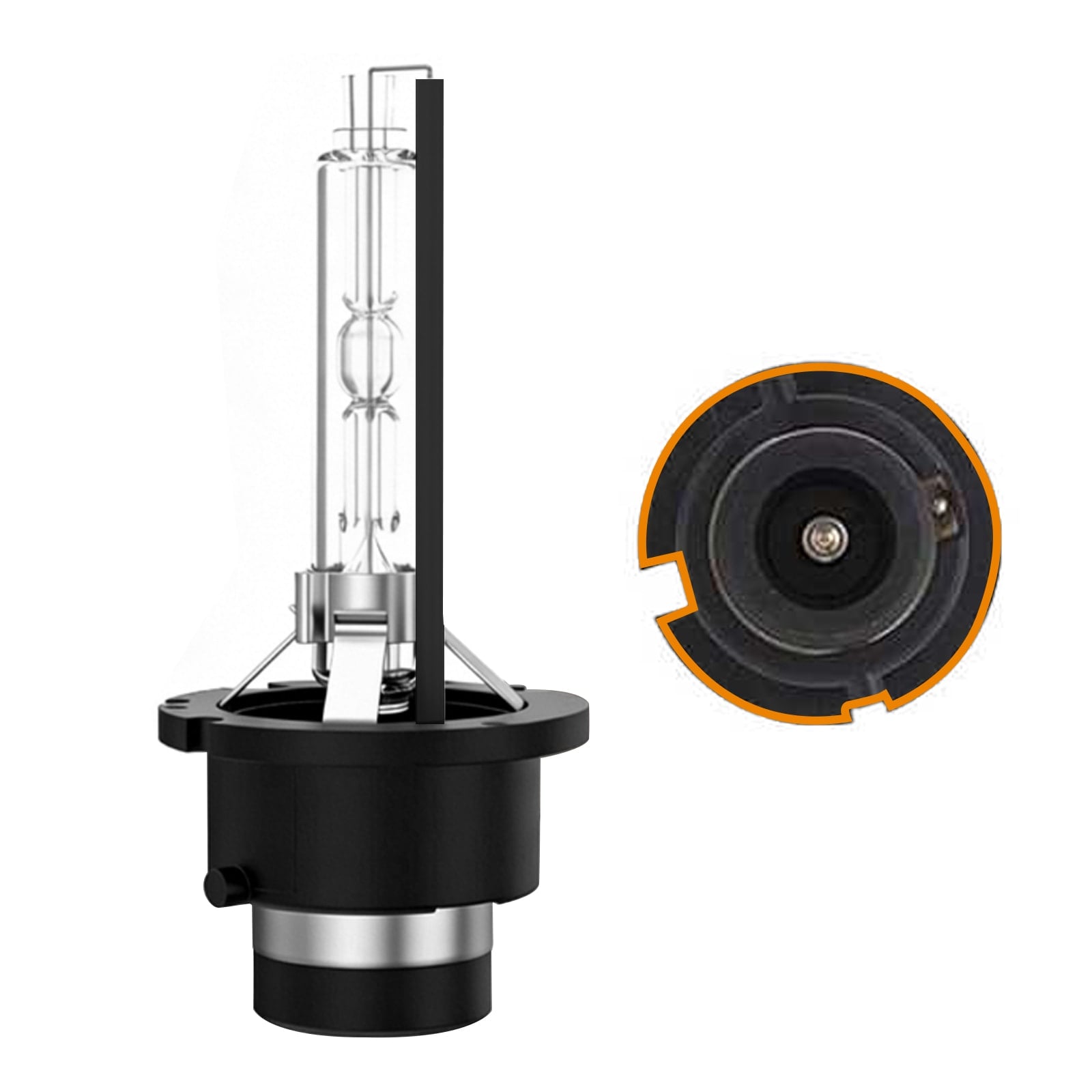
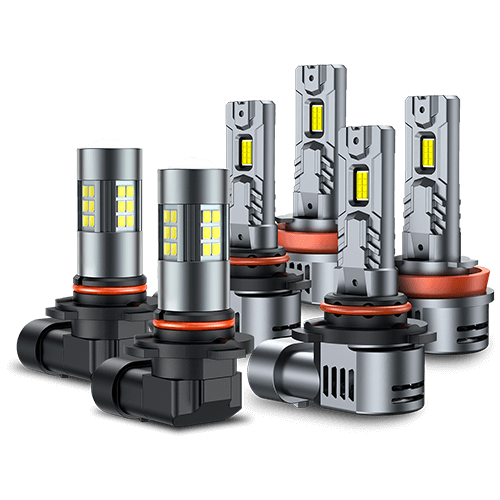
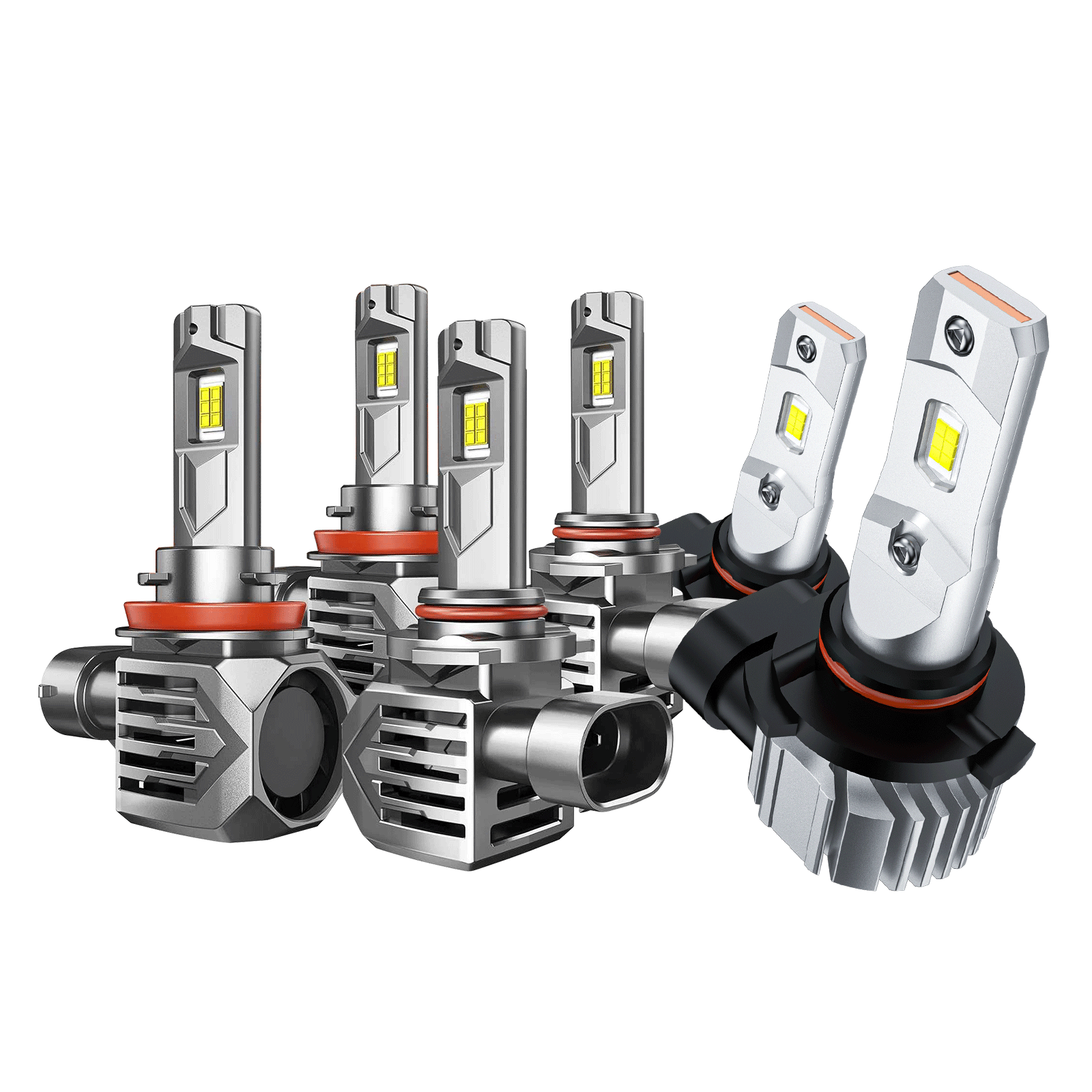


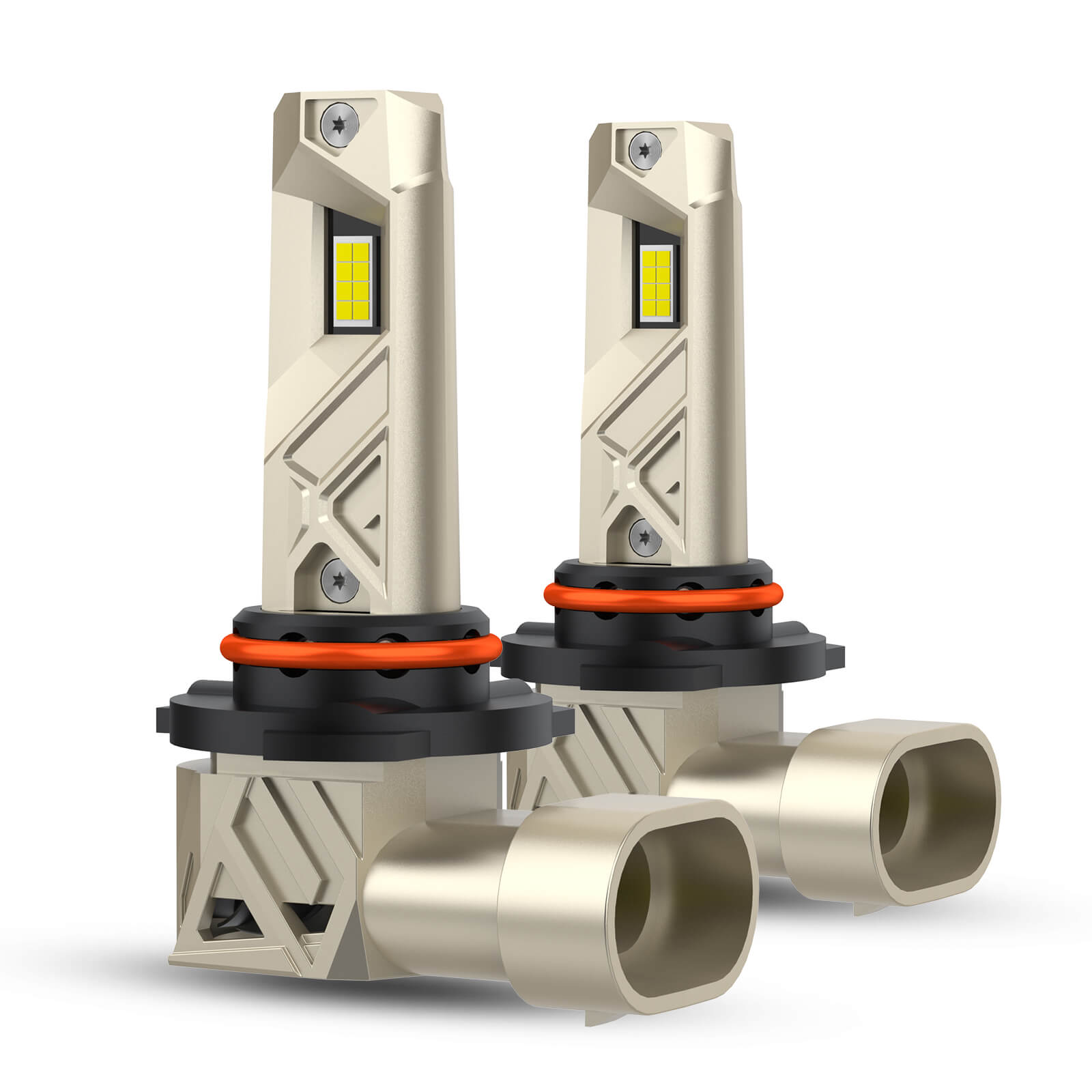


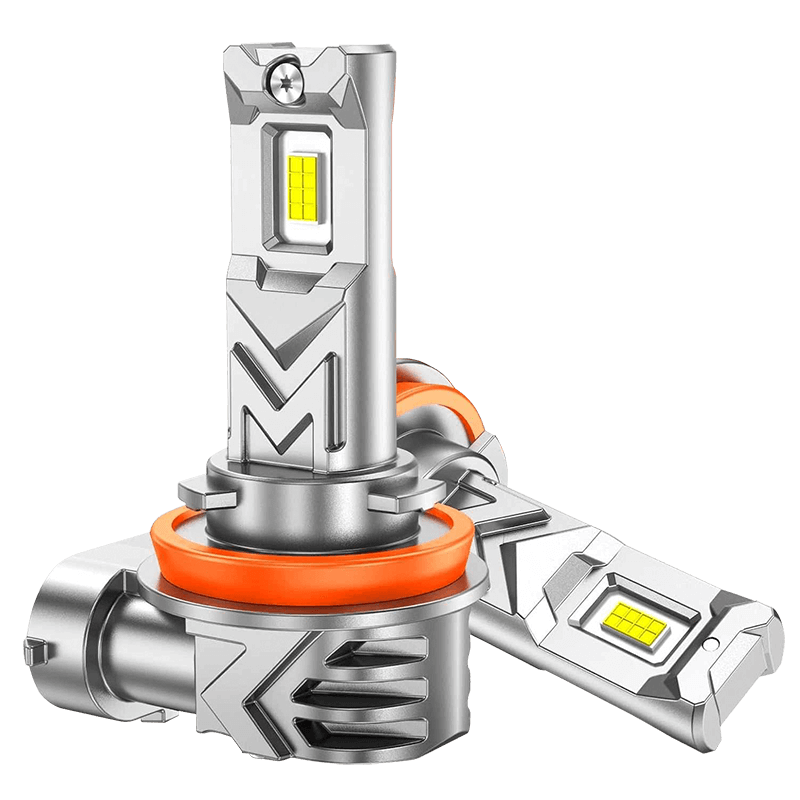
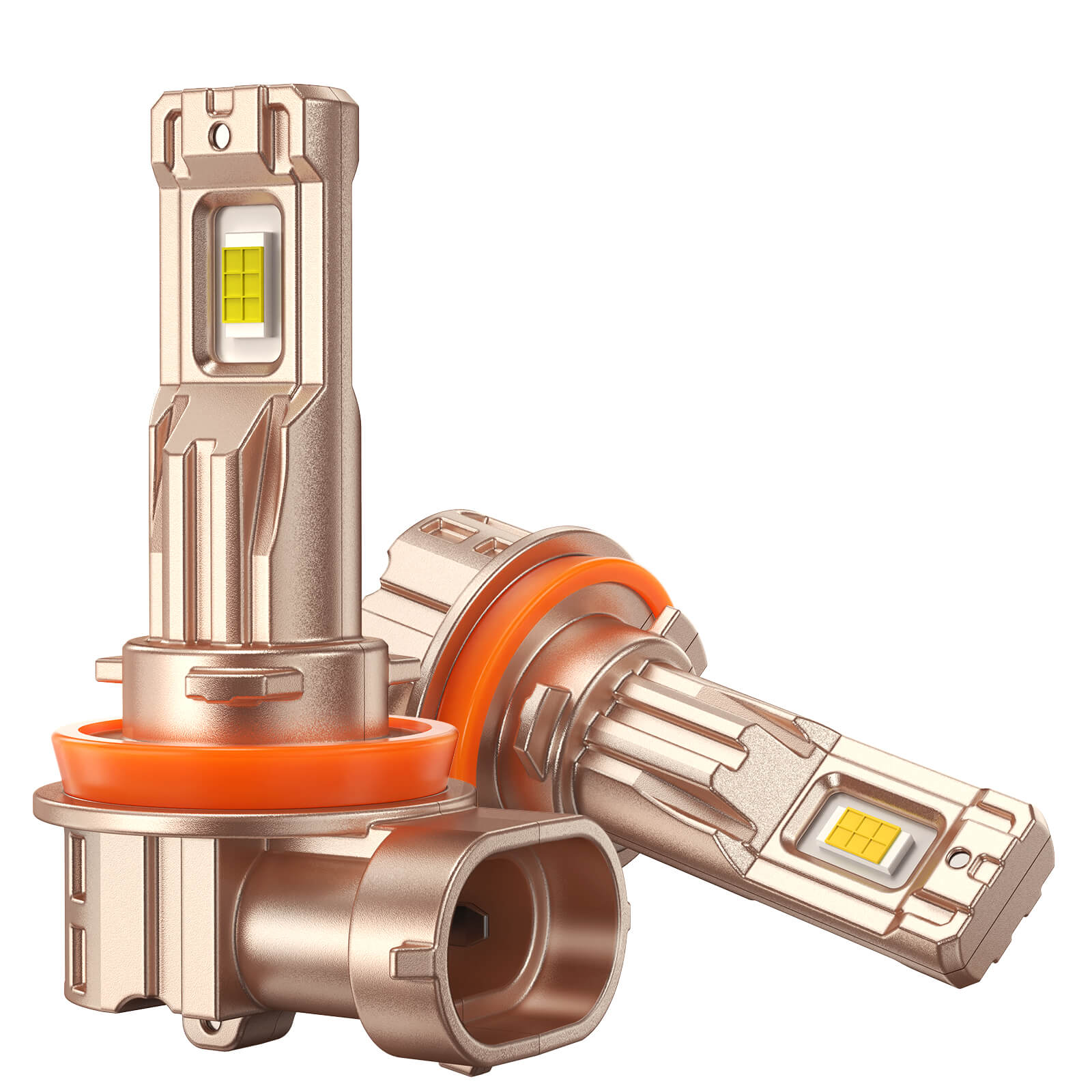


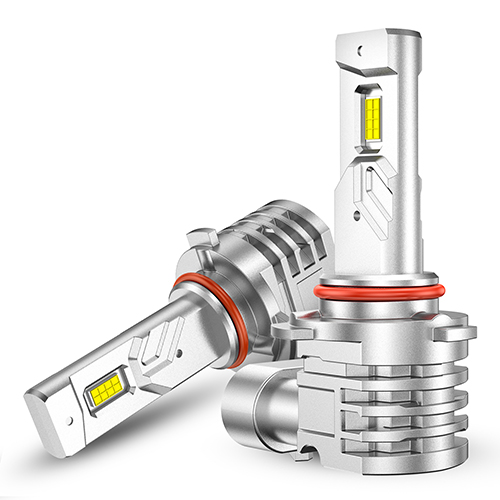
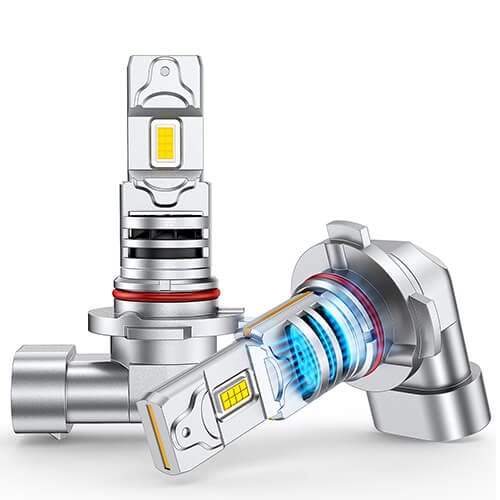



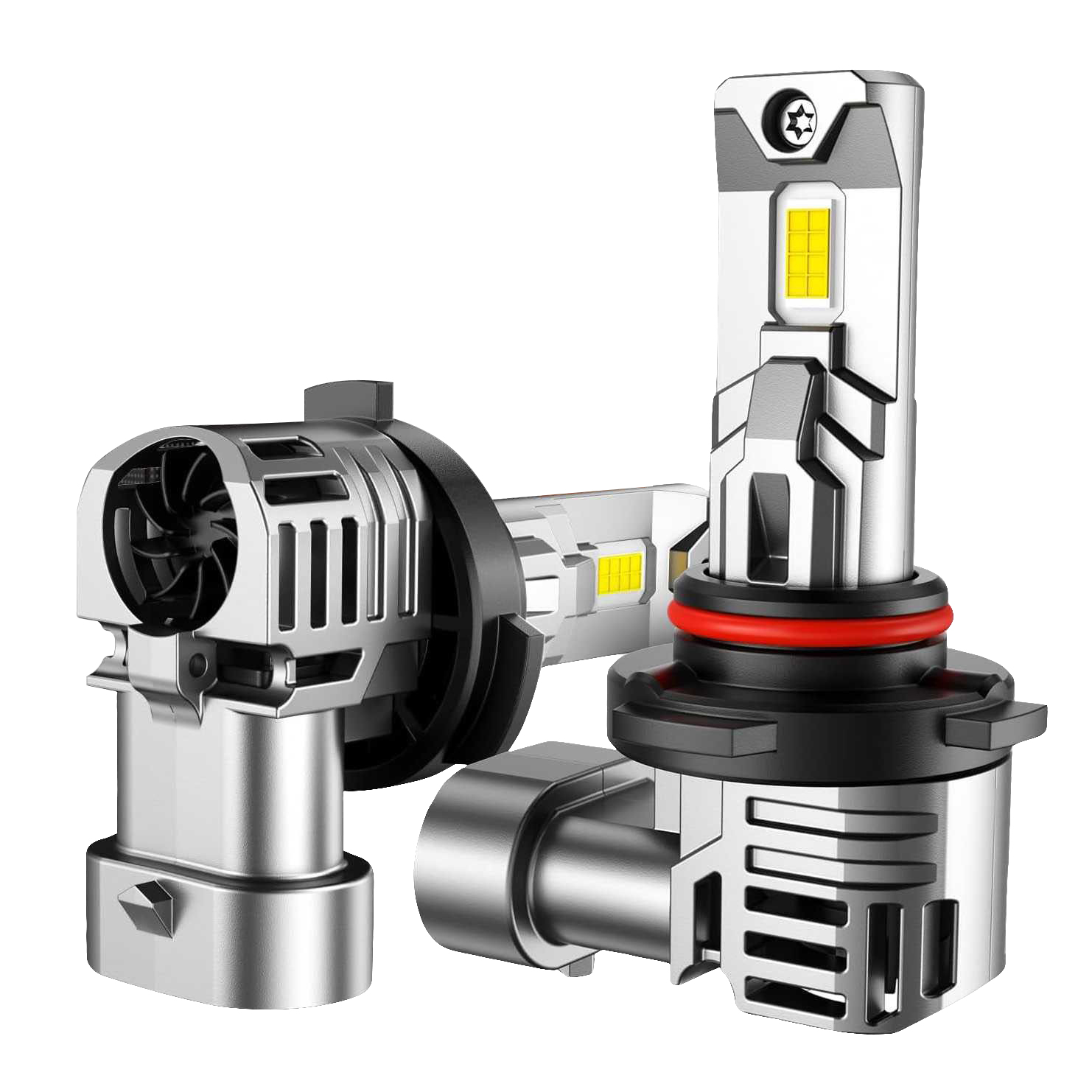


Two vehicles can use the same bulb size but produce very different light on the road. When comparing projector vs reflector headlights, the housing design affects the beam shape, cutoff, width, and glare as much as the bulb itself. A high lumen number does not guarantee better visibility if the light is sent to the wrong areas.
Drivers comparing projector and reflector headlights often want to know which design is brighter and which works better with LED bulbs. This guide explains how both systems control light, how to identify the housing in your vehicle, and what to check before replacing a factory halogen bulb.
What Is the Difference Between Projector and Reflector Headlights
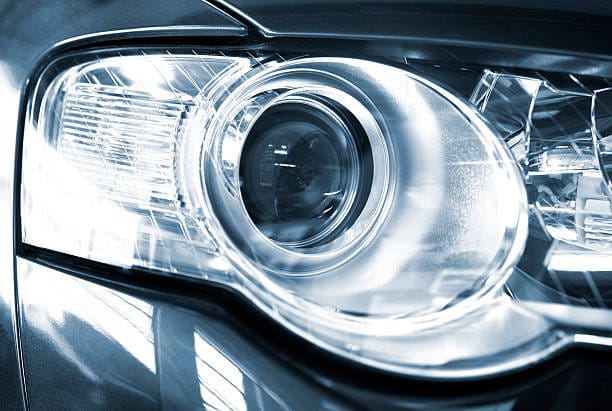
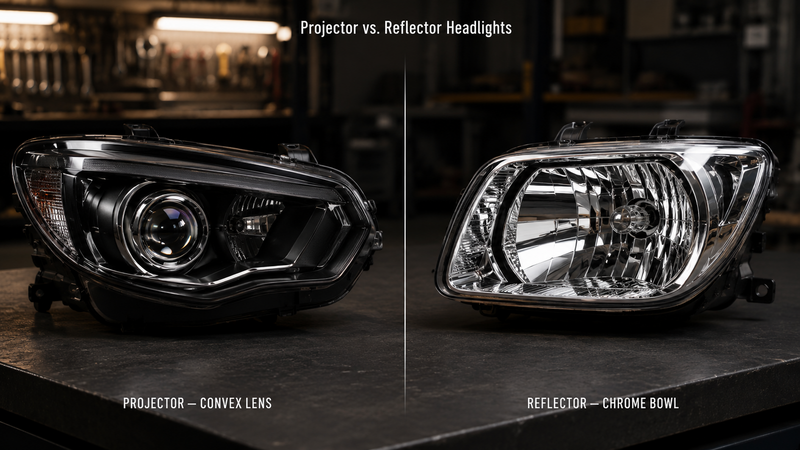
The main difference between projector and reflector headlights is how each system controls light. A reflector headlight uses a shaped mirrored bowl to direct light forward. A projector headlight adds a cutoff shield and convex lens to produce a more concentrated beam with a clearer upper edge.
| Key difference | Projector headlights | Reflector headlights |
| Light control | Reflector bowl, cutoff shield, and lens | Shaped mirrored reflector bowl |
| Beam pattern | Concentrated with a defined cutoff | Broader with a softer upper edge |
| Hot spot | Often stronger and more focused | Usually spread across a wider area |
| Glare control | Limits upward light when properly aimed | May produce stray light with poor aim or an incompatible bulb |
| Road coverage | Often favors focused down-road light | Often provides wider nearby coverage |
| Design | Round lens with more internal parts | Open chrome bowl with a simpler structure |
| Cost | Usually higher | Usually lower and common on base trims |
How Does a Reflector Headlight Work
A reflector headlight places the bulb near the focal point of a mirrored bowl. Different sections of the reflector redirect light toward selected areas of the road. Modern multi-faceted reflectors can provide controlled, wide coverage when the correct bulb is installed and the headlights are properly aimed.
How Does a Projector Headlight Work
A projector headlight gathers light inside a compact reflector bowl, passes it across a cutoff shield, and sends it through a convex lens. The shield limits upward light, while the lens focuses the beam onto the road. Some vehicles use projector low beams with reflector high beams, while bi-projectors use a movable shield for both.
Projectors usually create a more concentrated beam with a clearer cutoff, while reflectors often provide broader coverage. Neither design is automatically brighter because bulb position, optical quality, lens condition, and headlight aim still affect the result.
Are Projector Headlights Better Than Reflector Headlights
Projector headlights are generally the better choice when a focused low-beam pattern and glare control are the priorities. Reflector headlights remain practical for wider nearby coverage, simpler construction, and lower cost. However, a well-designed reflector can outperform a damaged, weak, or poorly aimed projector.
The IIHS headlight evaluation measures usable illumination on straight roads and curves, as well as glare for oncoming drivers. This approach shows why headlight performance should be judged by where the light lands, not by the housing name or advertised lumens alone.
Projector vs Reflector Headlight Brightness: Which Is Brighter
Neither design is always brighter. A projector usually concentrates light into a smaller area, which can create a stronger hot spot and clearer down-road focus. A reflector often spreads the available light across a wider area, which may improve nearby and side coverage.
Lumens measure total visible light, but they do not show beam width, illumination distance, dark spots, or stray light above the cutoff. Two bulbs with the same lumen rating can produce different headlight beam patterns when installed in different optical systems.
A reliable brightness comparison should use:
- The same bulb type and operating voltage
- Correct bulb installation and orientation
- Equal test distance
- Proper headlight aim
- Clean lenses and reflector surfaces
- Measurements at the hot spot, road edges, and glare points
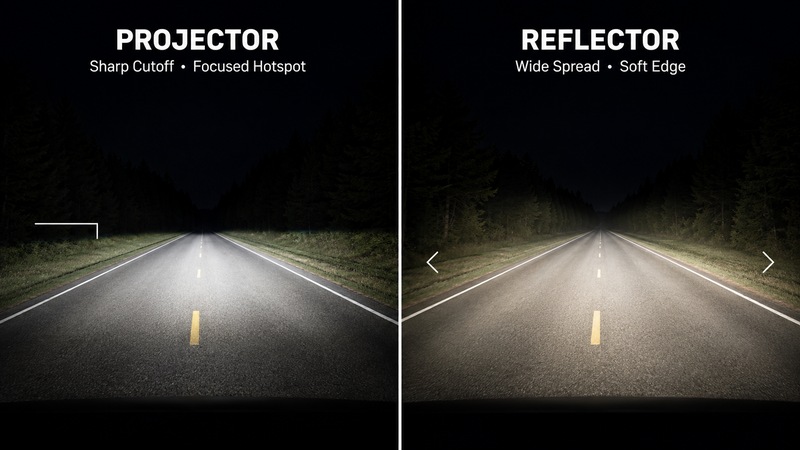
Without equal test conditions, there is no reliable basis for claiming that one design produces a specific percentage more usable light.
| Driving need | Design that often has an advantage | Important limitation |
| Clear low-beam cutoff | Projector | Poor aim can still cause glare |
| Concentrated highway beam | Projector | Not every projector provides strong reach |
| Wide nearby coverage | Reflector | Beam quality varies by housing design |
| Lower replacement cost | Reflector | Pricing still depends on the vehicle |
| Simple bulb access | Often reflector | Access varies by headlight assembly |
| LED bulb upgrade | Either | Bulb and optical compatibility matter more |
Choose a projector for tighter beam control and a reflector for simpler, wider illumination. In both cases, the correct bulb, healthy optics, and proper headlight aim matter more than the housing label alone.
How to Know If You Have Projector or Reflector Headlights
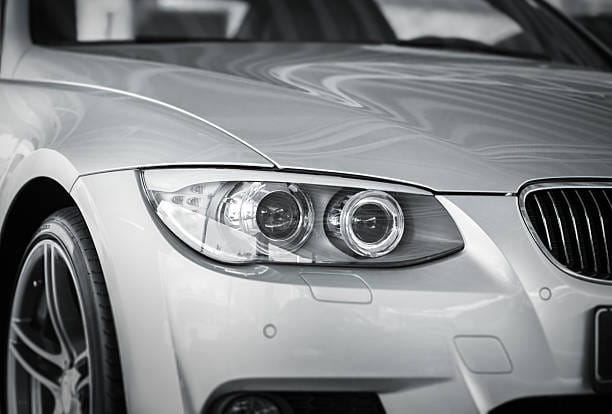
A projector headlight usually has a visible round lens that looks like a glass eye inside the assembly. A reflector headlight usually has an open design that exposes a larger chrome or mirrored bowl around the bulb.
Check both the high- and low-beam positions. One headlight assembly can contain a projector low beam and a reflector high beam. Do not assume that both positions use the same optical design or bulb number.
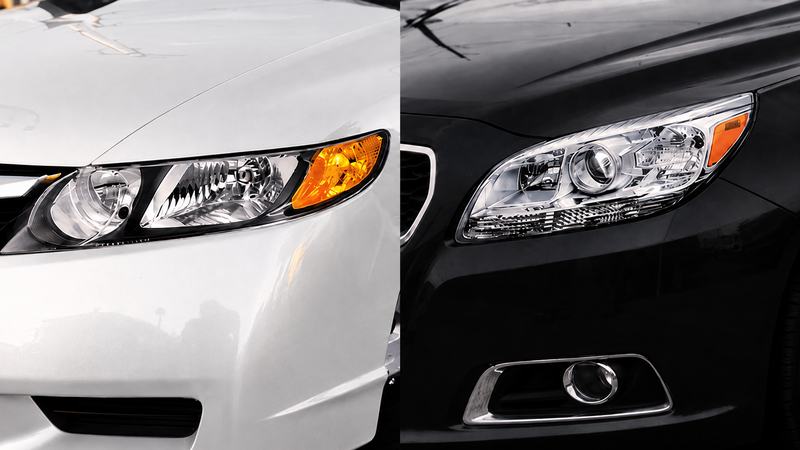
You can identify the housing by:
- Looking through the clear outer headlight cover.
- Finding a round convex lens for a projector.
- Looking for an exposed mirrored bowl in a reflector.
- Checking whether the high and low beams use separate sections.
- Confirming the bulb and lighting position in the owner’s manual.
Vehicle year and trim also matter. A base trim may use reflector headlights while a higher trim of the same model uses projectors or factory LED modules.
Projector Headlights vs LED Headlights: Are They the Same
No. Projector headlights and LED headlights describe different parts of a lighting system. A projector is an optical design that shapes the beam, while LED refers to the light source. A vehicle can therefore use LED headlight bulbs in compatible projector or reflector housings.
| Term | What it describes | Common options |
| Headlight design | How the light is controlled | Projector or reflector |
| Light source | How the light is produced | LED, HID, or halogen |
Common combinations include halogen reflector headlights, halogen projectors, HID projectors, LED projectors, and LED reflectors. Projector headlights do not automatically use HID bulbs, and reflector headlights are not limited to halogen bulbs.
An LED projector sends light through a reflector bowl, cutoff shield, and lens. An LED reflector uses shaped mirrored surfaces to direct light forward. Neither setup is always better. Performance depends on whether the light source matches the housing’s focal point and produces the intended beam pattern.
Do LED Bulbs Work Better in Projector or Reflector Headlights?
LED bulbs can work well in compatible projector or reflector headlights. Neither design is always better. The best result comes from an LED bulb that matches the original bulb size, focal point, and beam pattern.
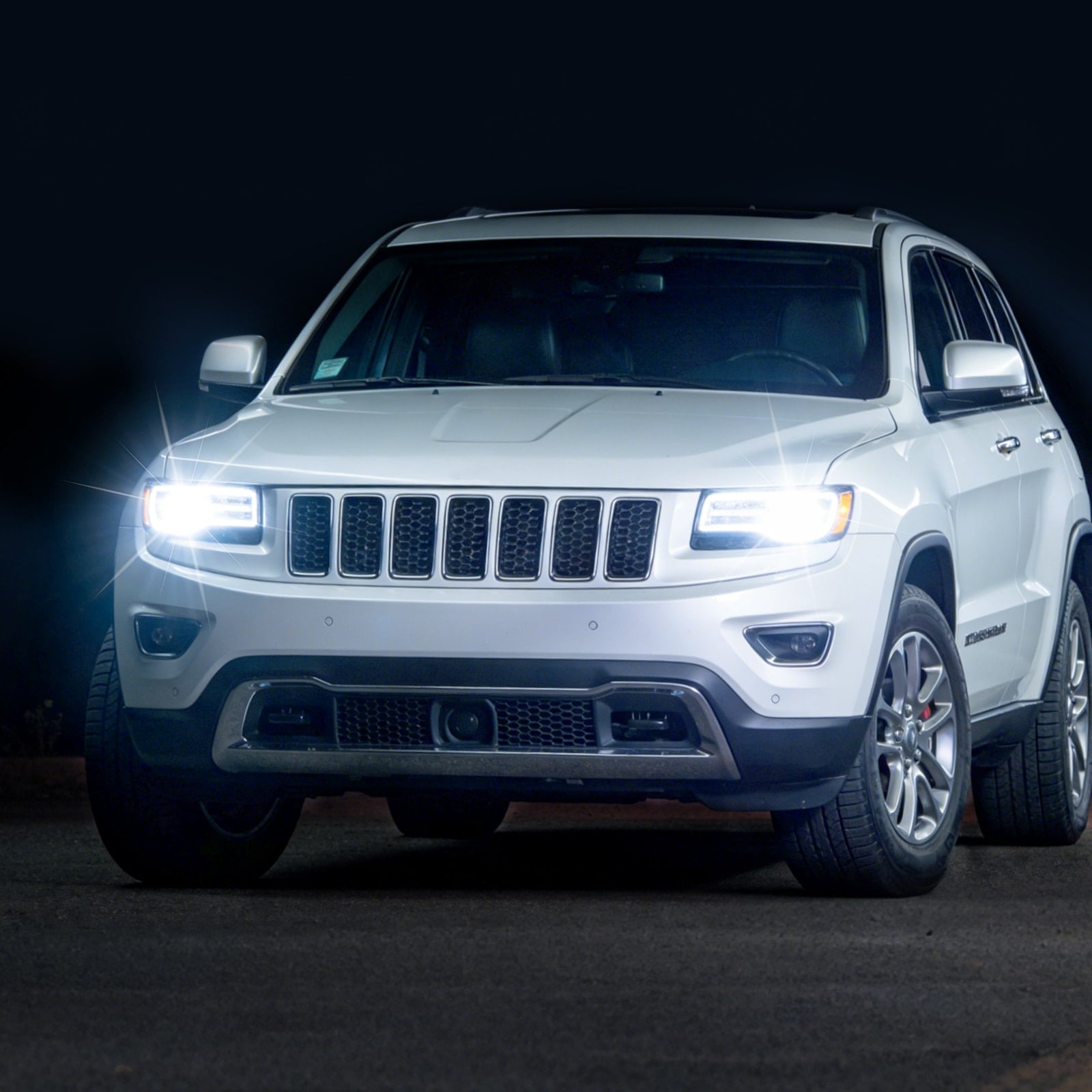
When replacing factory halogen bulbs, choose SEALIGHT LED headlight bulbs by bulb size and vehicle application. Confirm the original bulb number before comparing brightness, wattage, or color temperature.
Check these factors before installation:
- Bulb size and position: High and low beams may use different sizes, such as H11 LED bulbs and 9005 LED headlight bulbs.
- LED chip position: The emitters should align closely with the original halogen filament.
- Bulb orientation: Incorrect positioning can create dark spots or stray light.
- Housing clearance: Check space for the heat sink, fan, wiring, and dust cover.
- Electrical compatibility: Watch for flicker, warning messages, or other errors.
After installation, park on level ground facing a wall. Check the cutoff, beam height, hot spot, and light above the intended pattern. If reseating or rotating the bulb does not correct a poor beam, use a more compatible replacement rather than keeping a brighter bulb that reduces useful road coverage.
FAQs
What Are the Disadvantages of Projector Headlights?
Projector headlights usually cost more and contain more internal parts than reflector headlights. Their output may also weaken when the lens becomes cloudy, the reflector surface wears, or the bulb sits outside the correct focal point.
Which Headlights Are Best for Night Driving?
Projector headlights often suit night driving because they provide a focused beam and defined low-beam cutoff. However, a well-designed reflector can also perform well. Illumination distance, beam width, glare, and headlight aim matter more than the housing name.
Can You Use LED Bulbs in Reflector Headlights?
LED bulbs can work in compatible reflector headlights when the bulb size, chip position, and orientation match the original optical design. After installation, check for dark spots, weak road coverage, and stray light above the intended beam.
Are Projector Headlights Brighter Than LED Headlights?
Projector and LED headlights cannot be compared directly. A projector describes the optical system, while LED describes the light source. Both projector and reflector headlights can use LEDs, and actual brightness depends on the complete bulb-and-housing combination.
Which Should You Choose
Choose projector headlights for a more focused beam and defined cutoff, or reflector headlights for simpler construction and wider nearby coverage. Neither design is always brighter. The better system is the one that provides a controlled beam, useful road coverage, and proper aim for your vehicle.
If the factory housing is still in good condition, upgrading the bulb may be more practical than changing the entire headlight design. For compatible applications, a SEALIGHT LED headlight bulb can replace a dim halogen bulb while retaining the original housing. Confirm the bulb size and check the beam pattern after installation.