
 Headlight Bulbs


 Track Order
 My Vehicles
 Contact Us
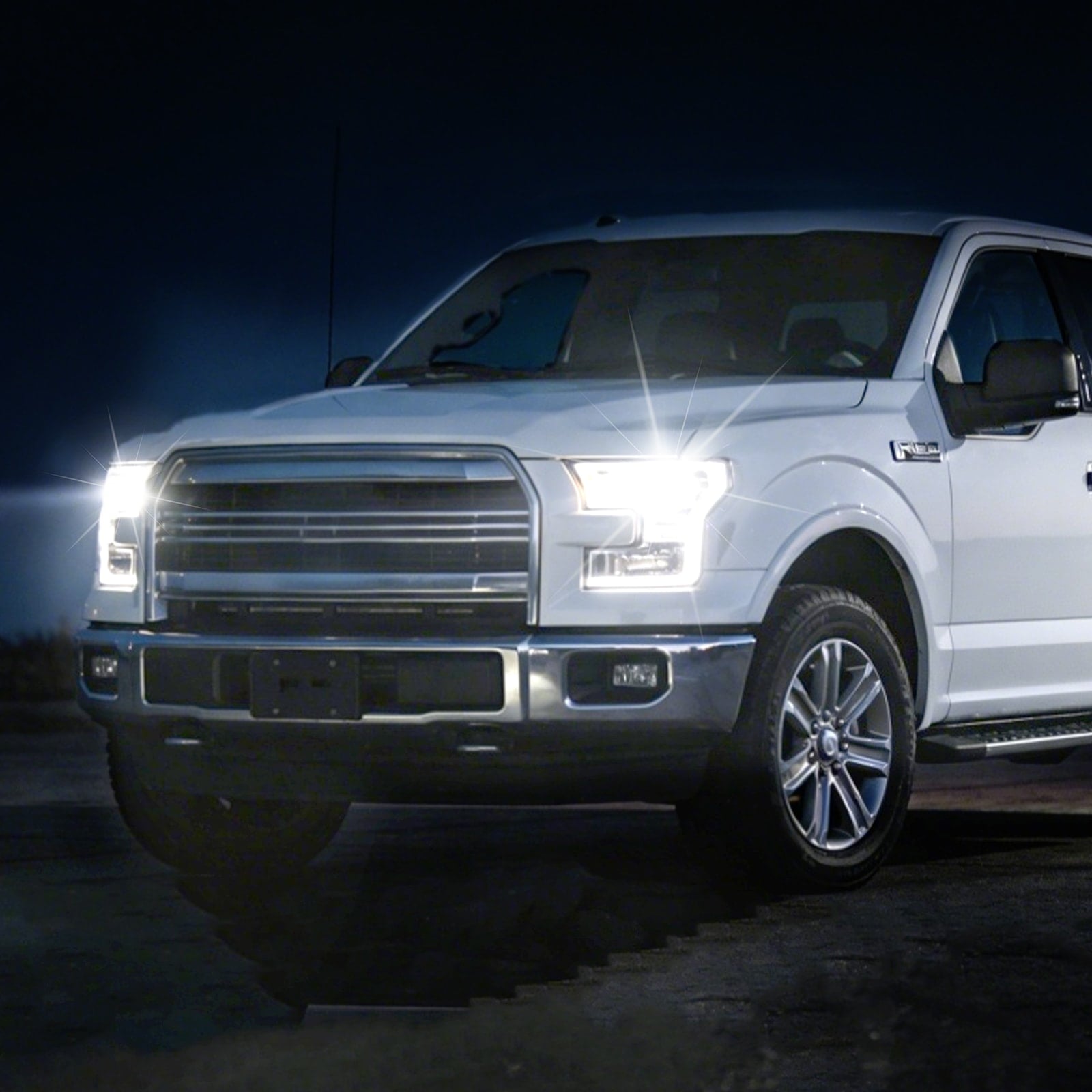
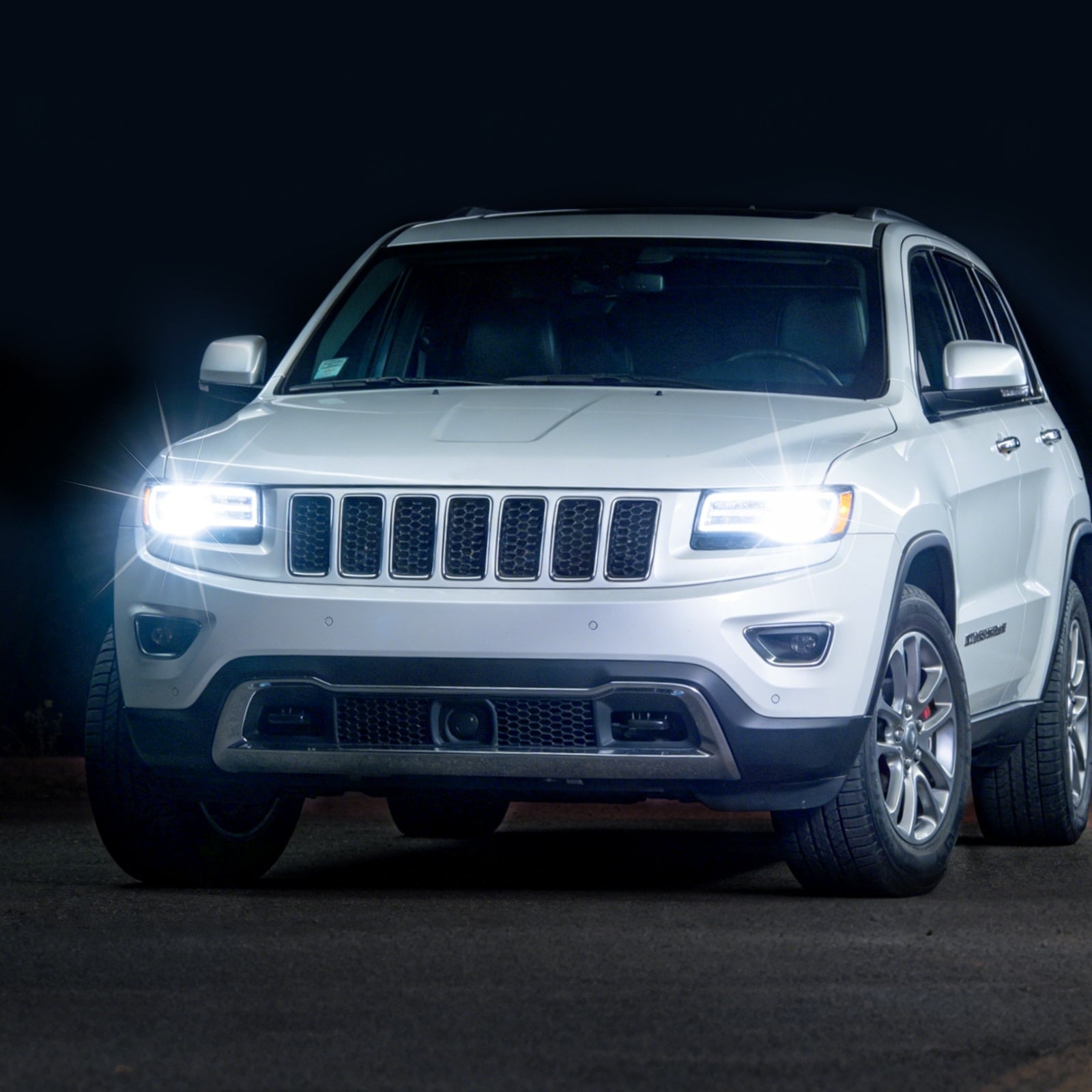
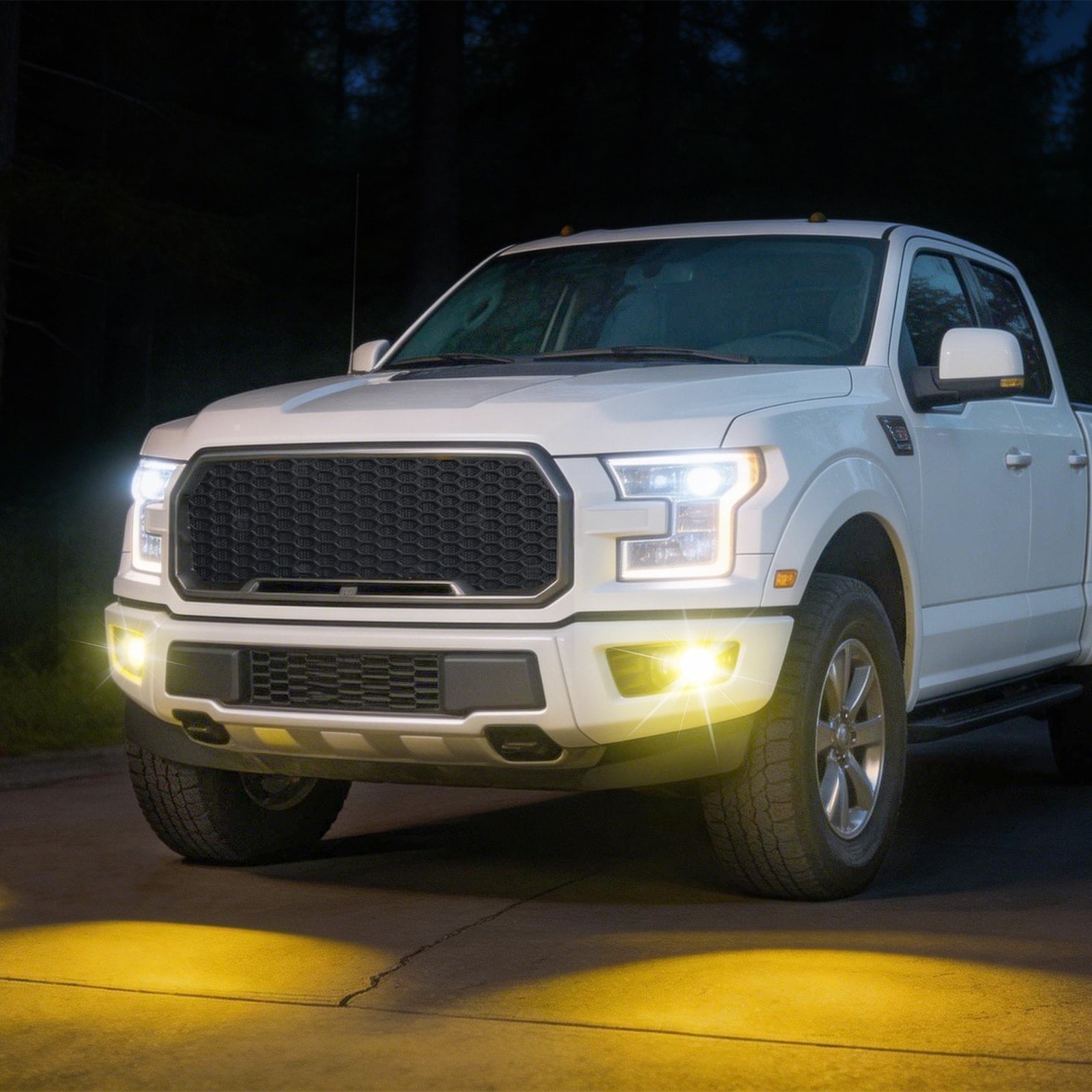
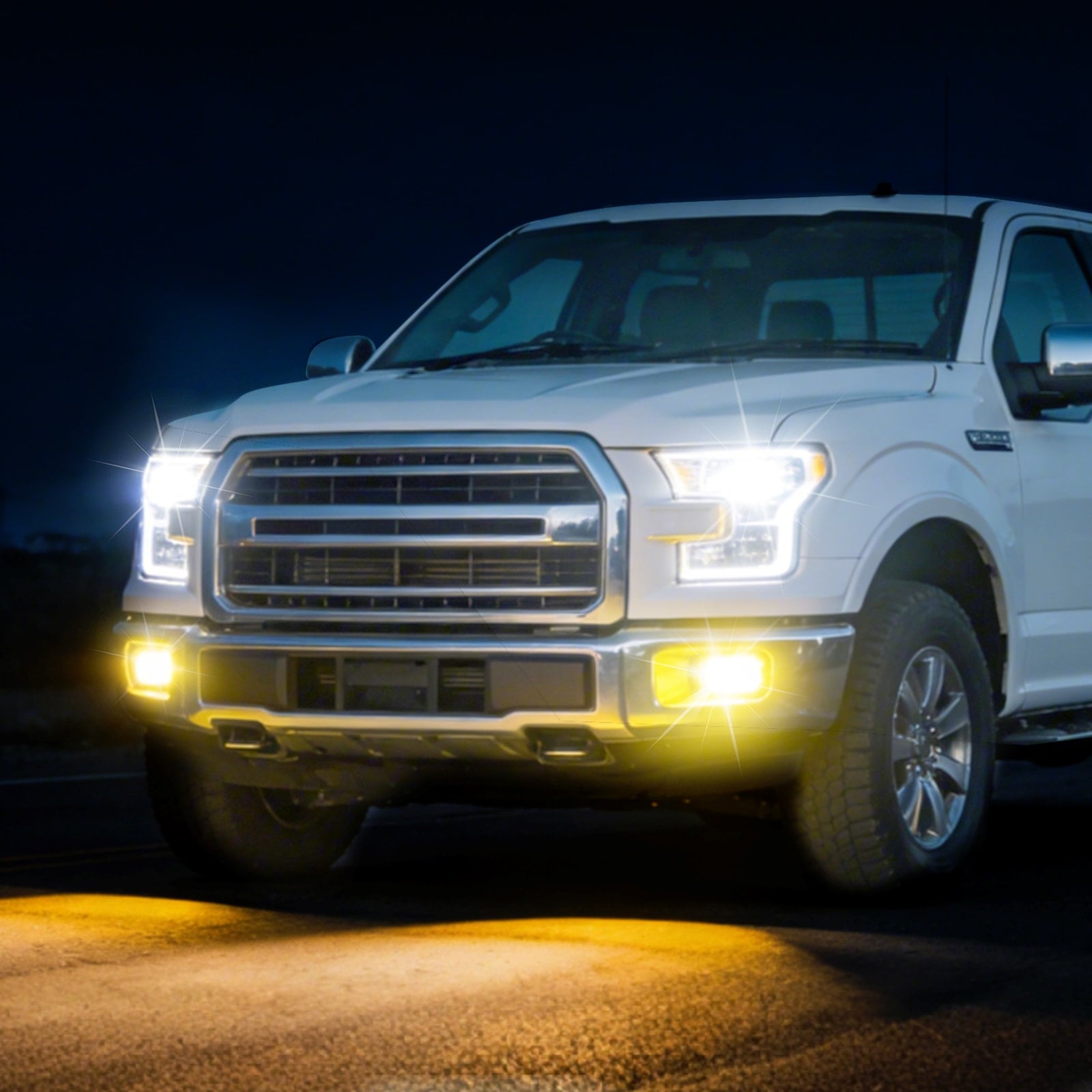
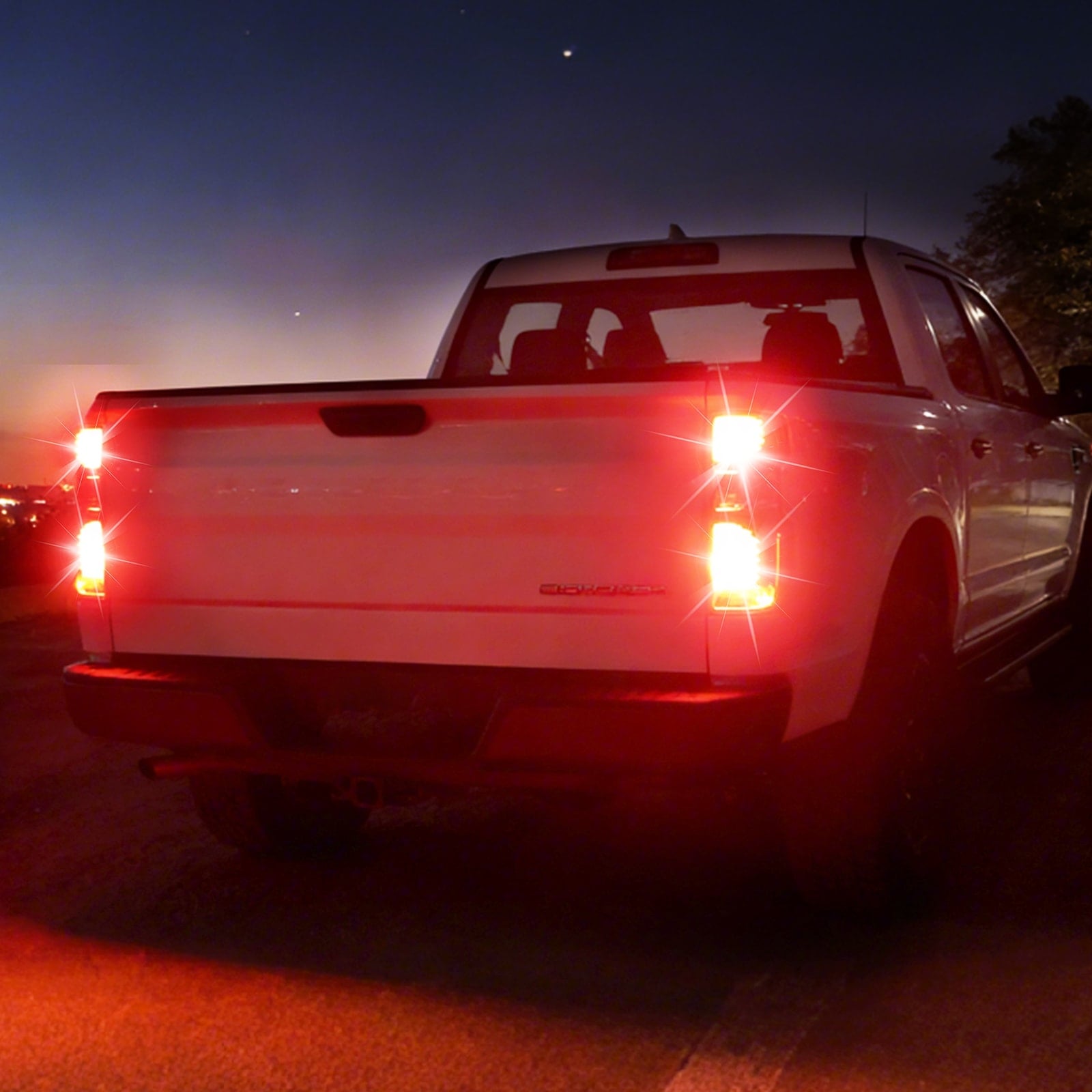
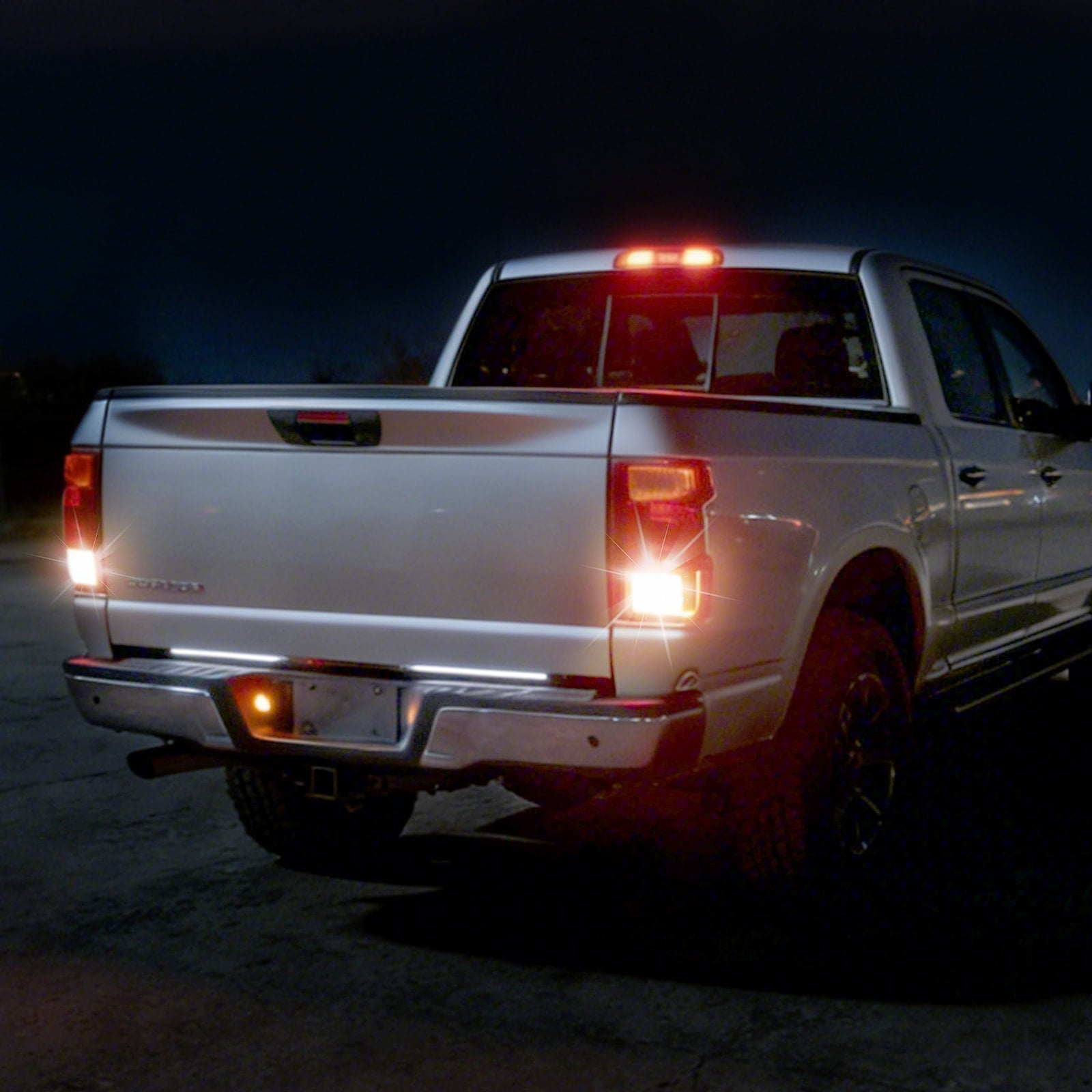
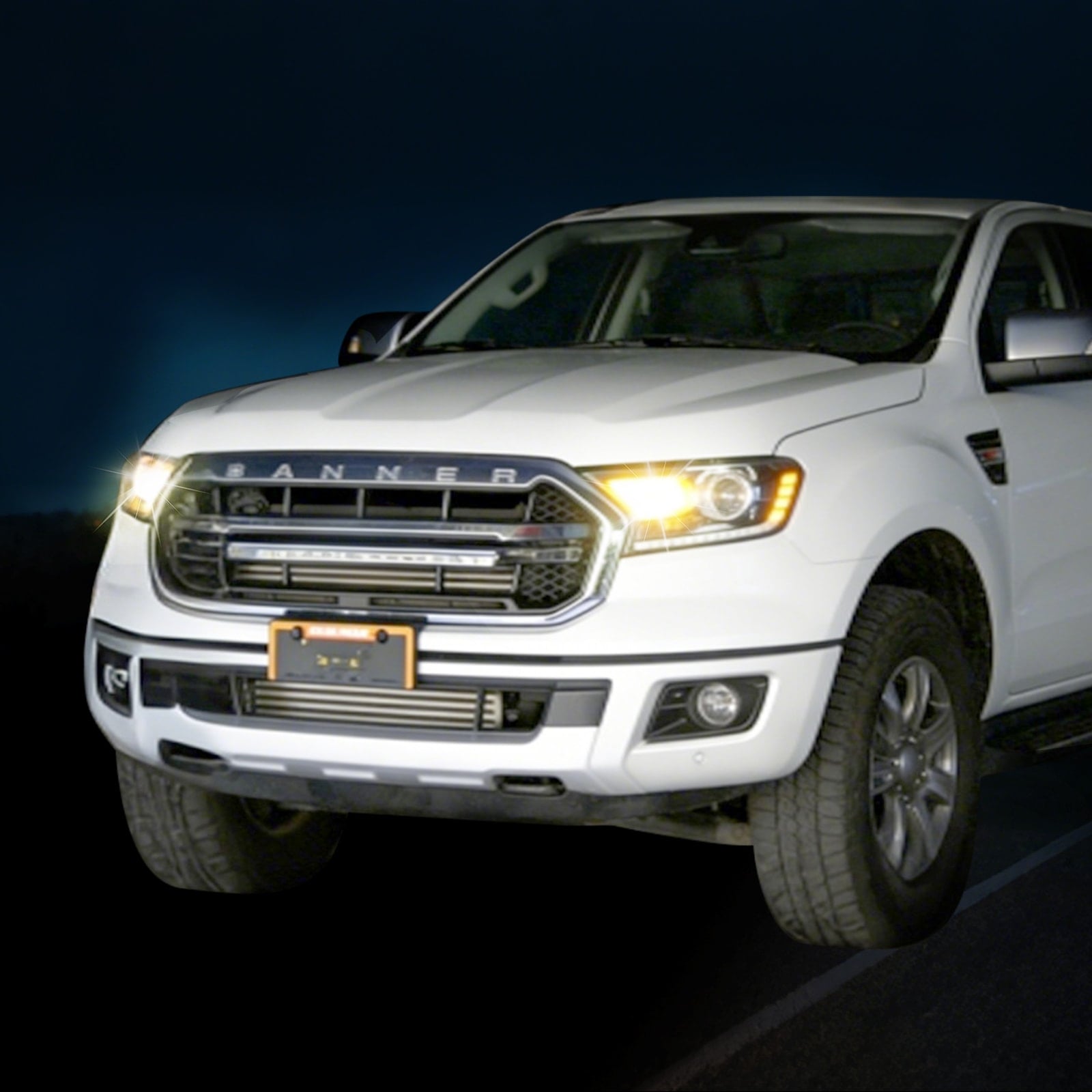
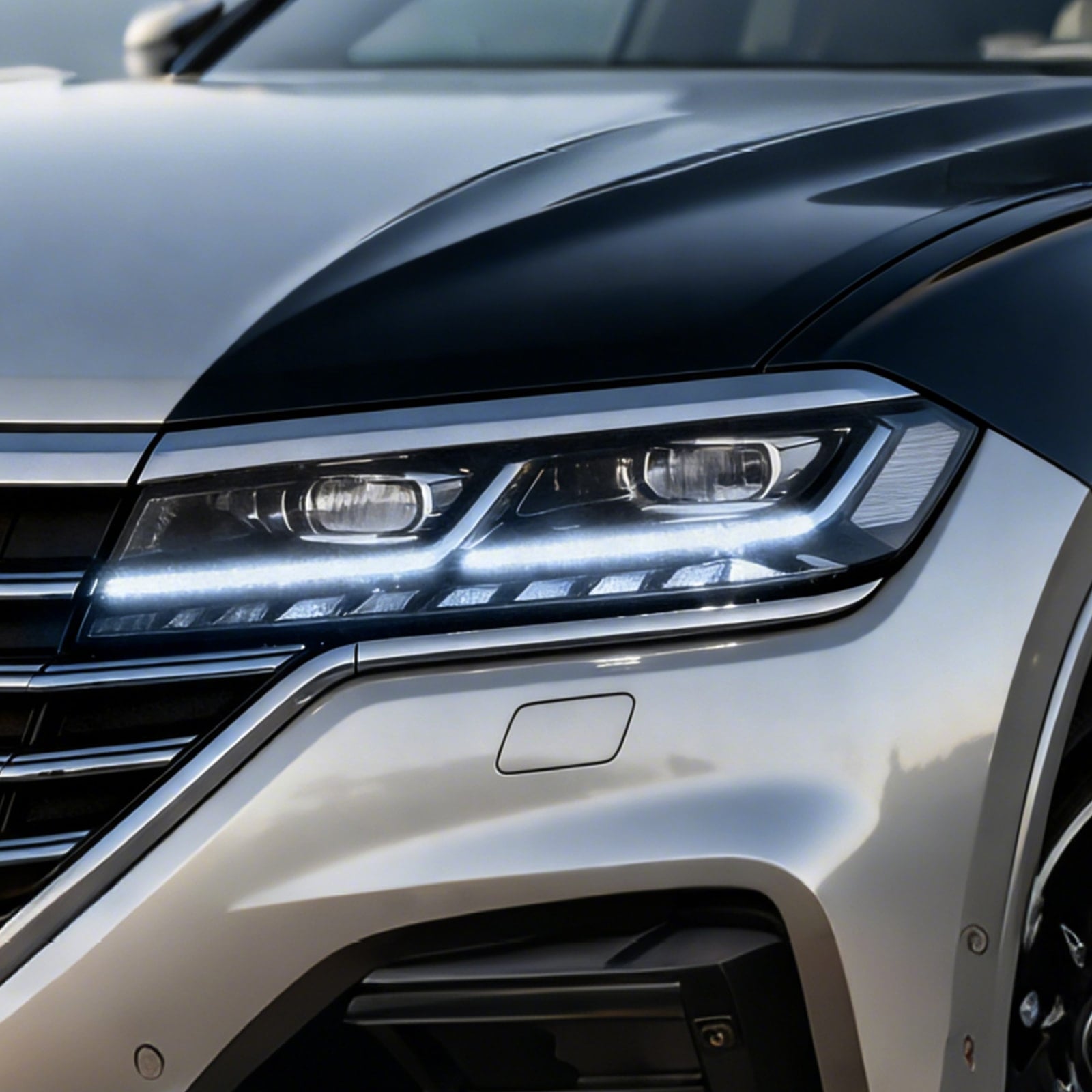
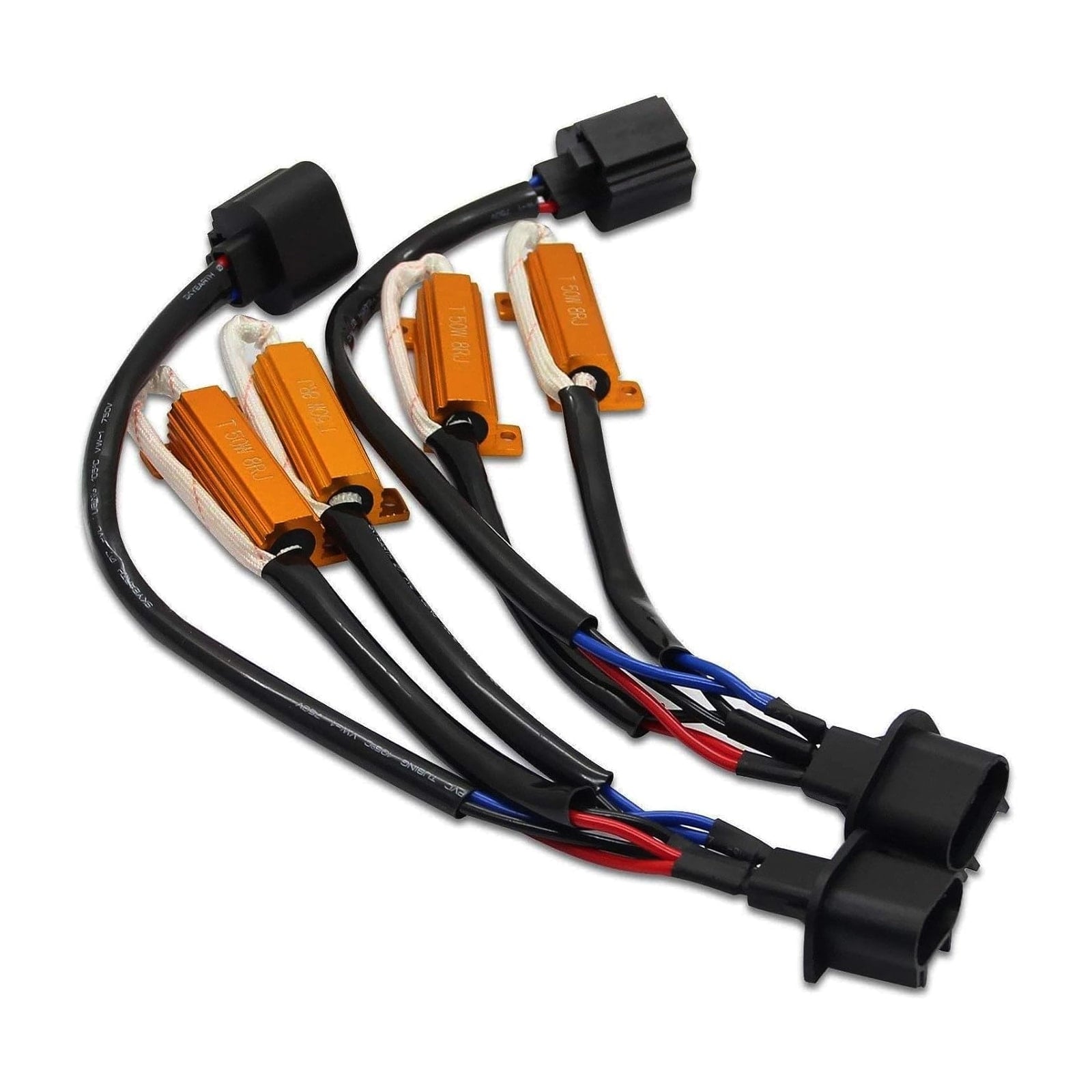
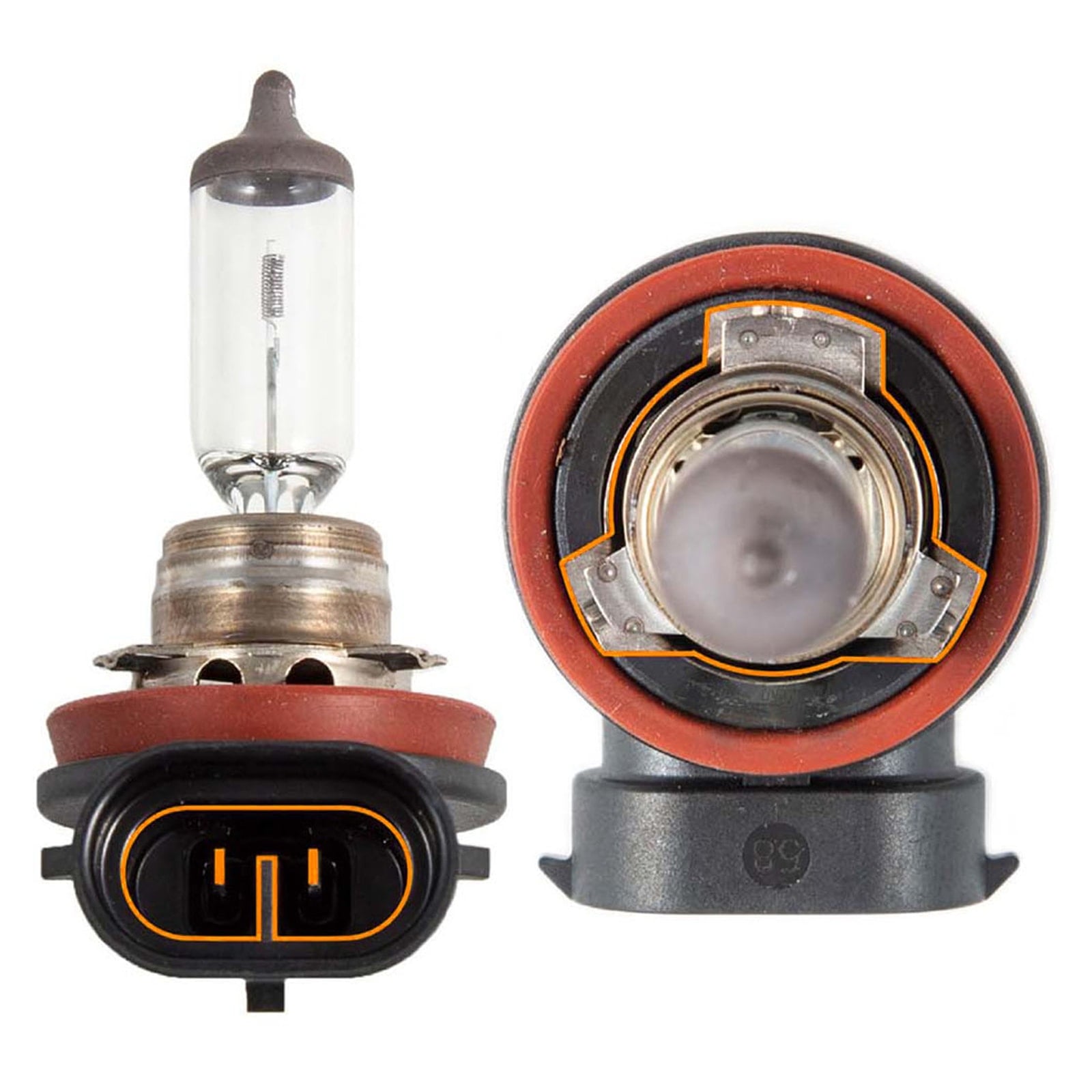
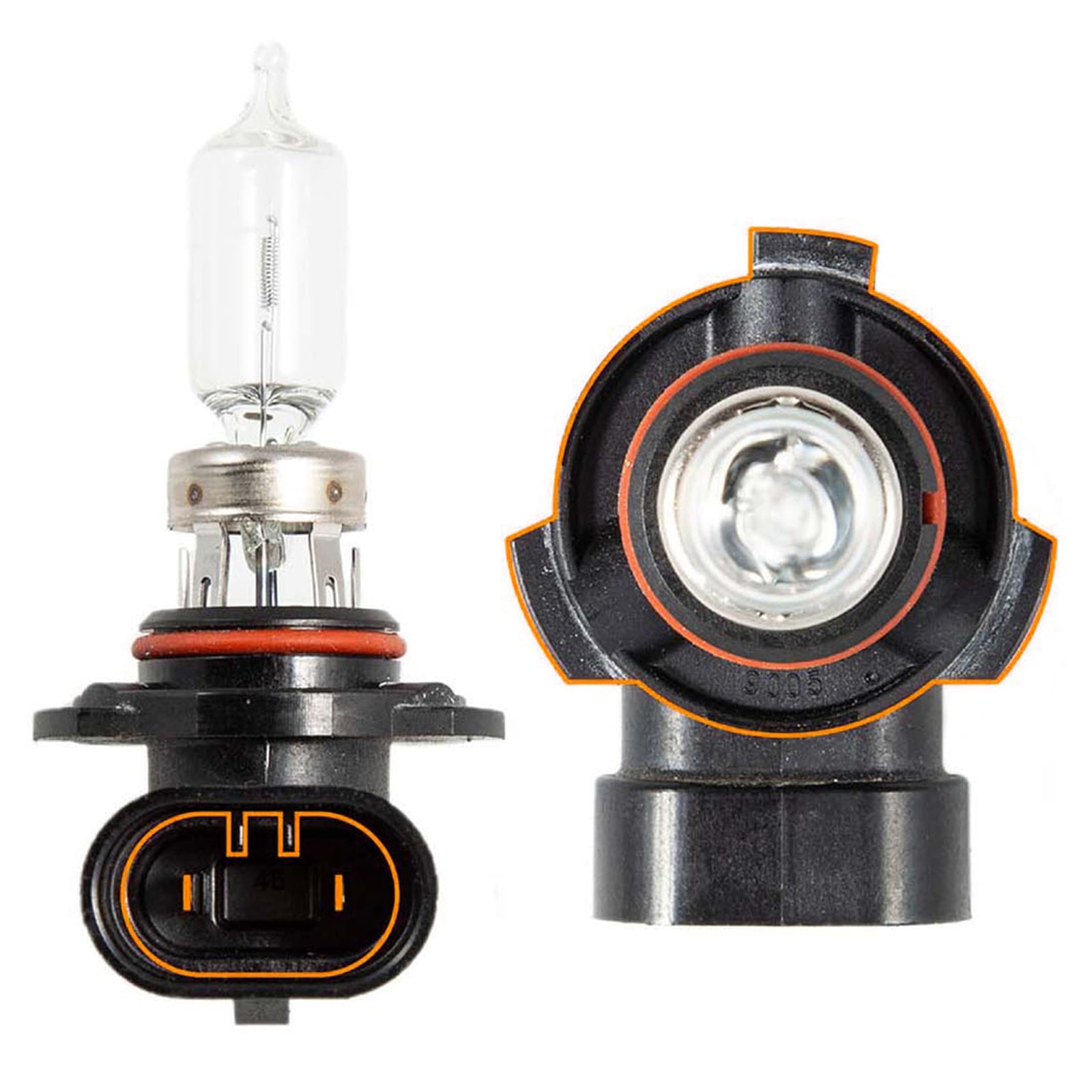
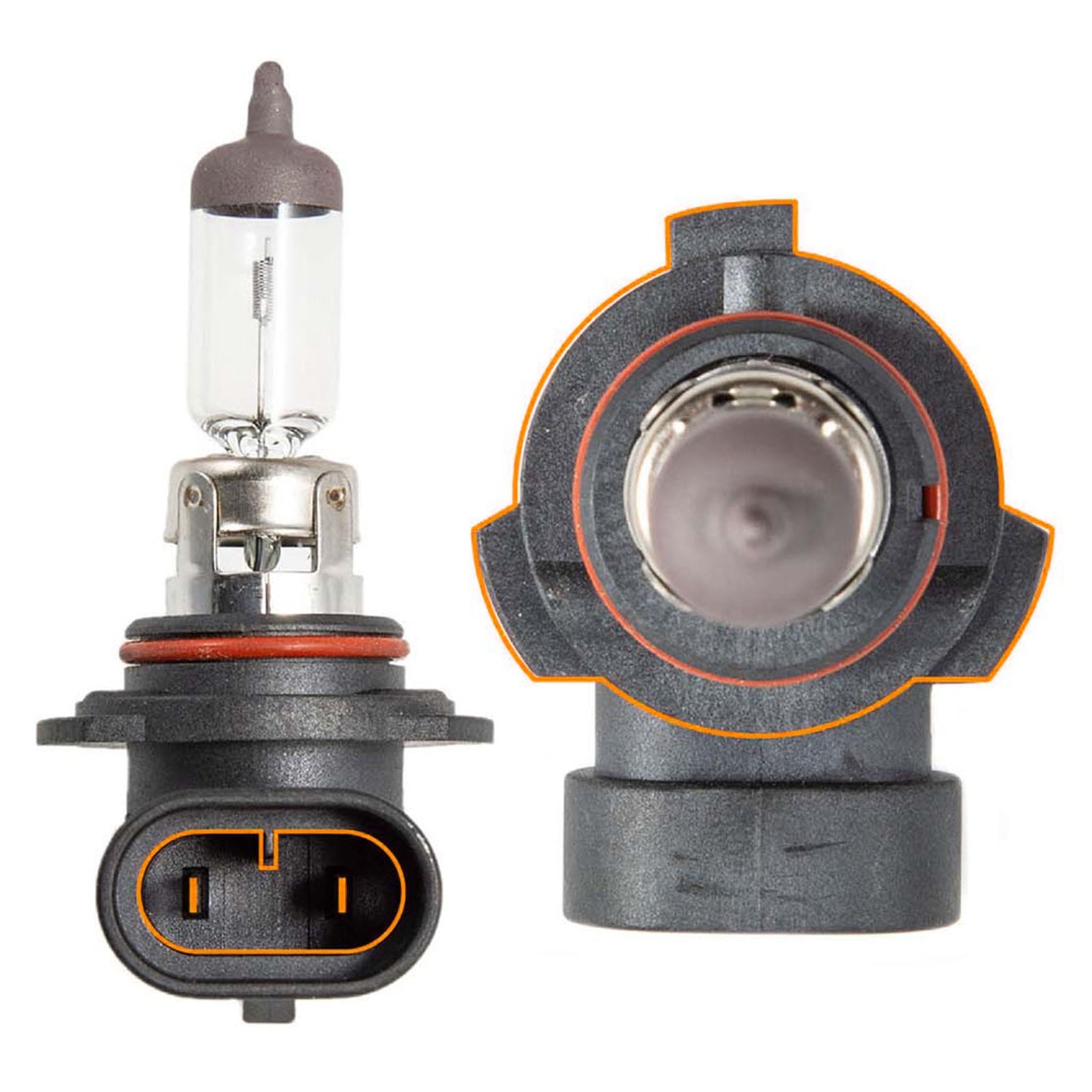
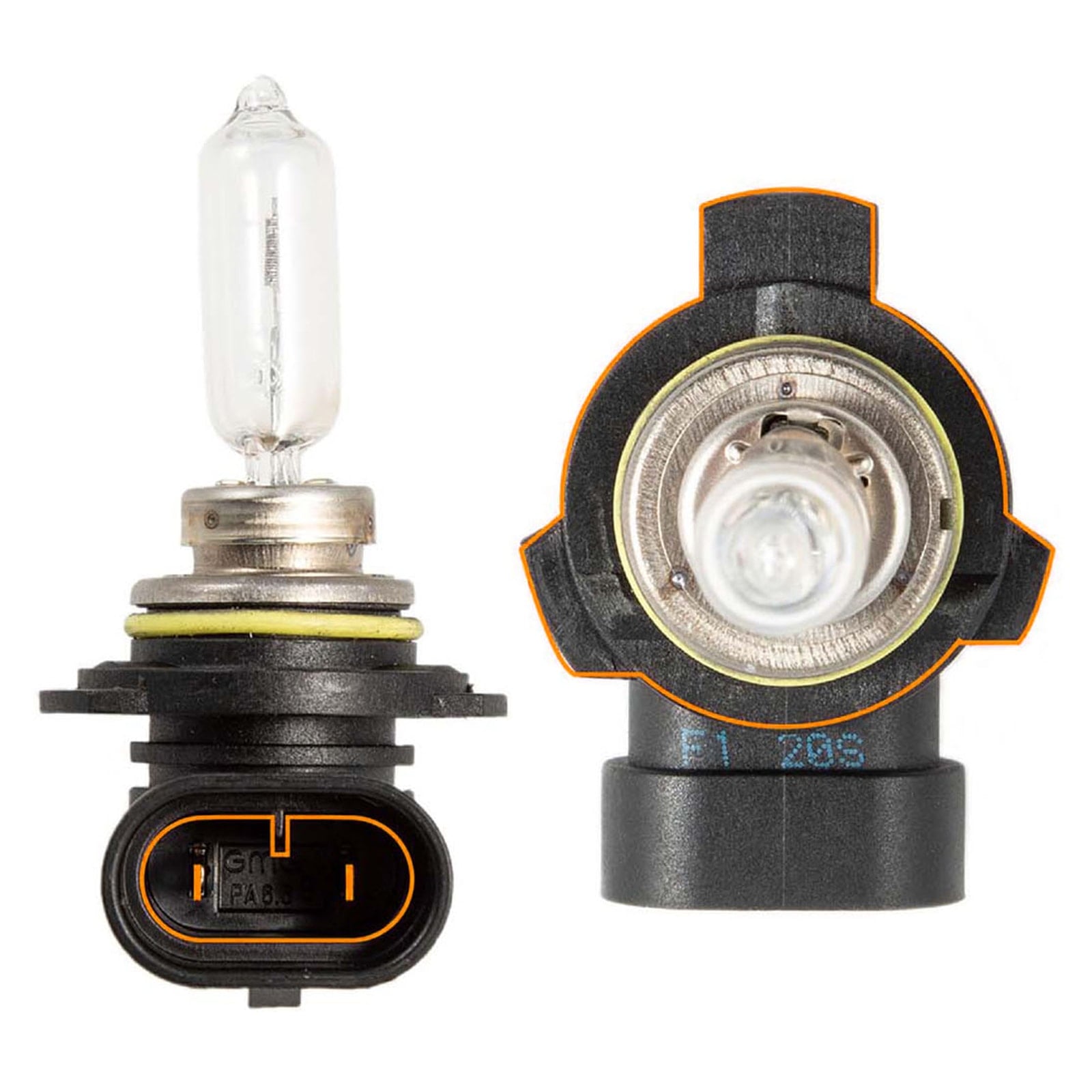
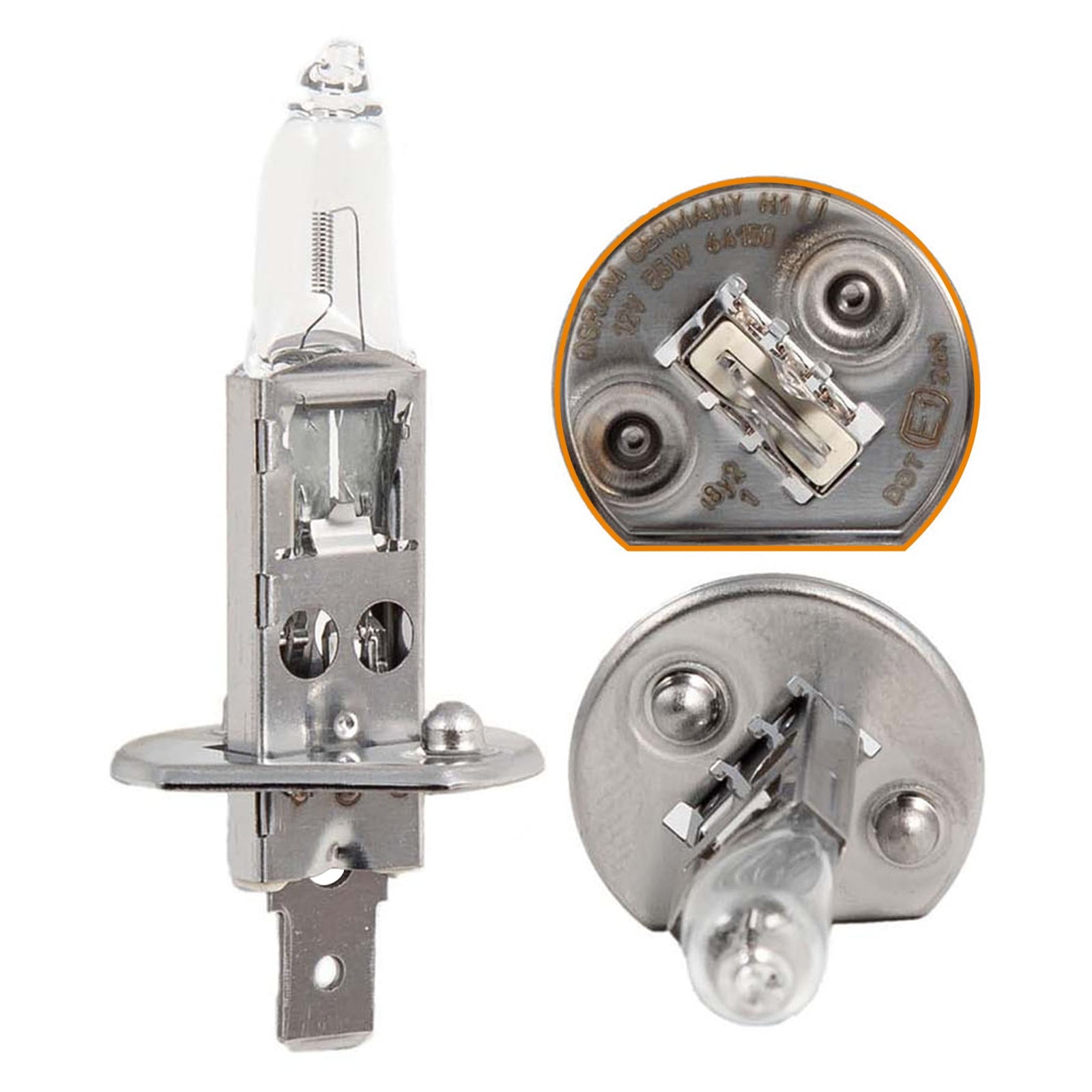

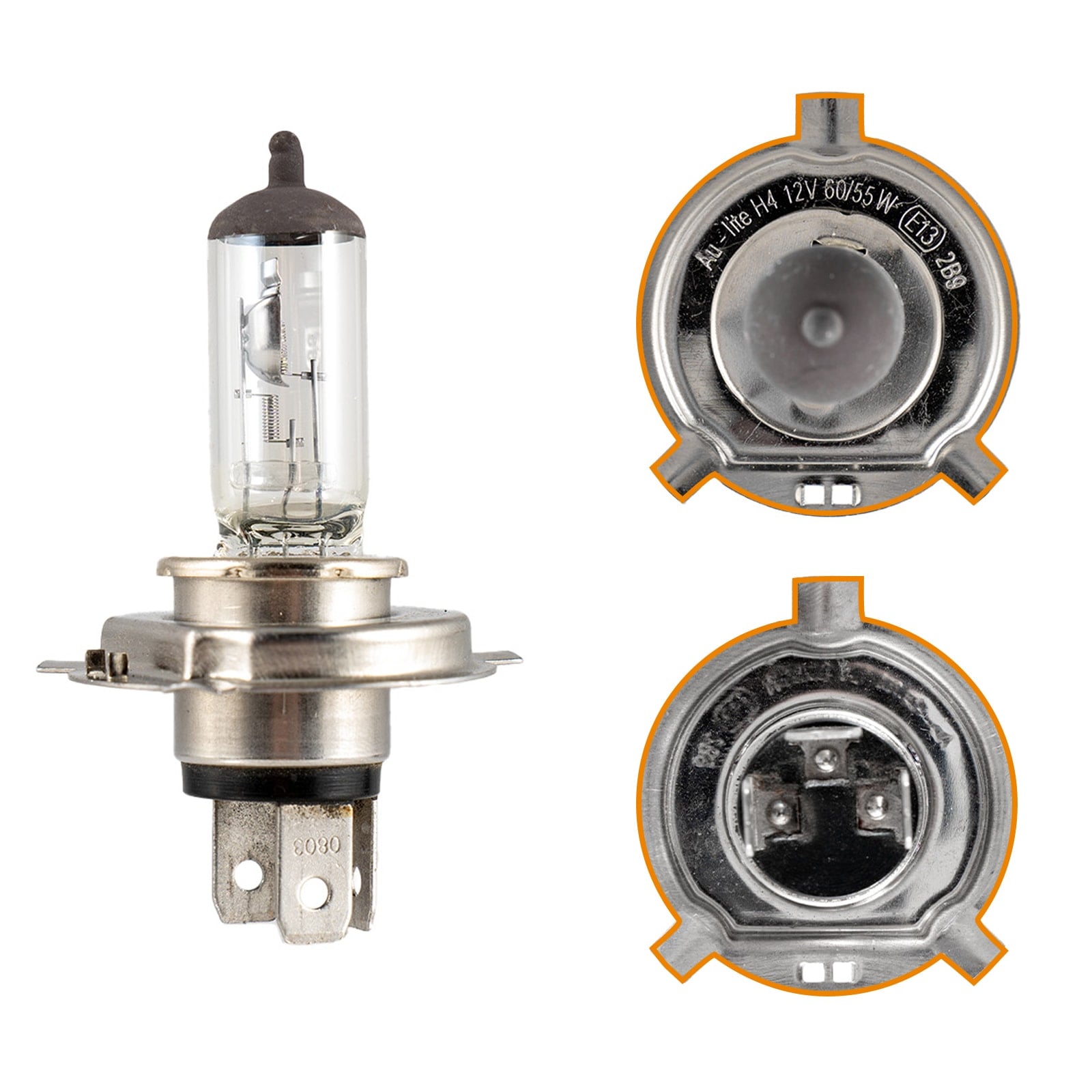
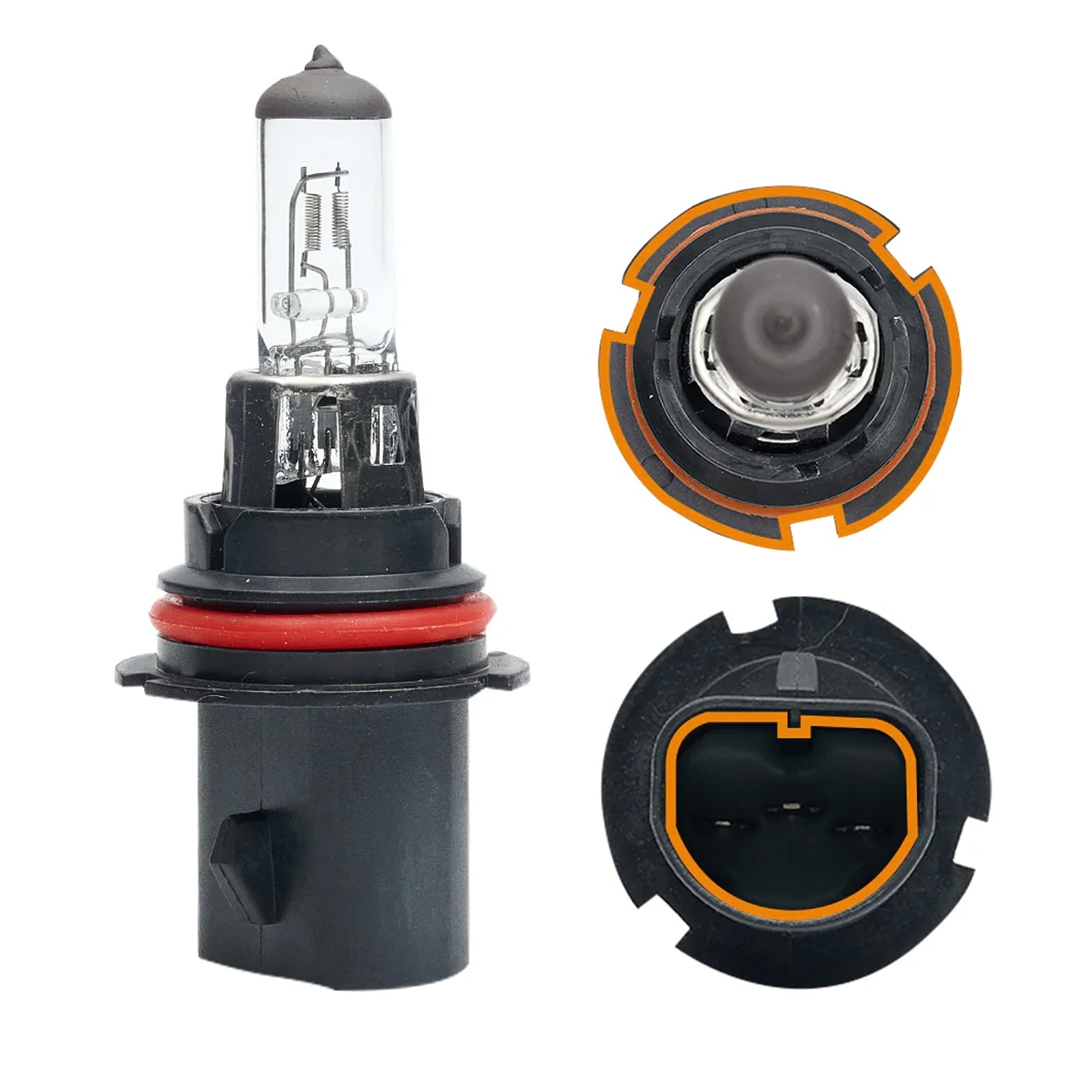
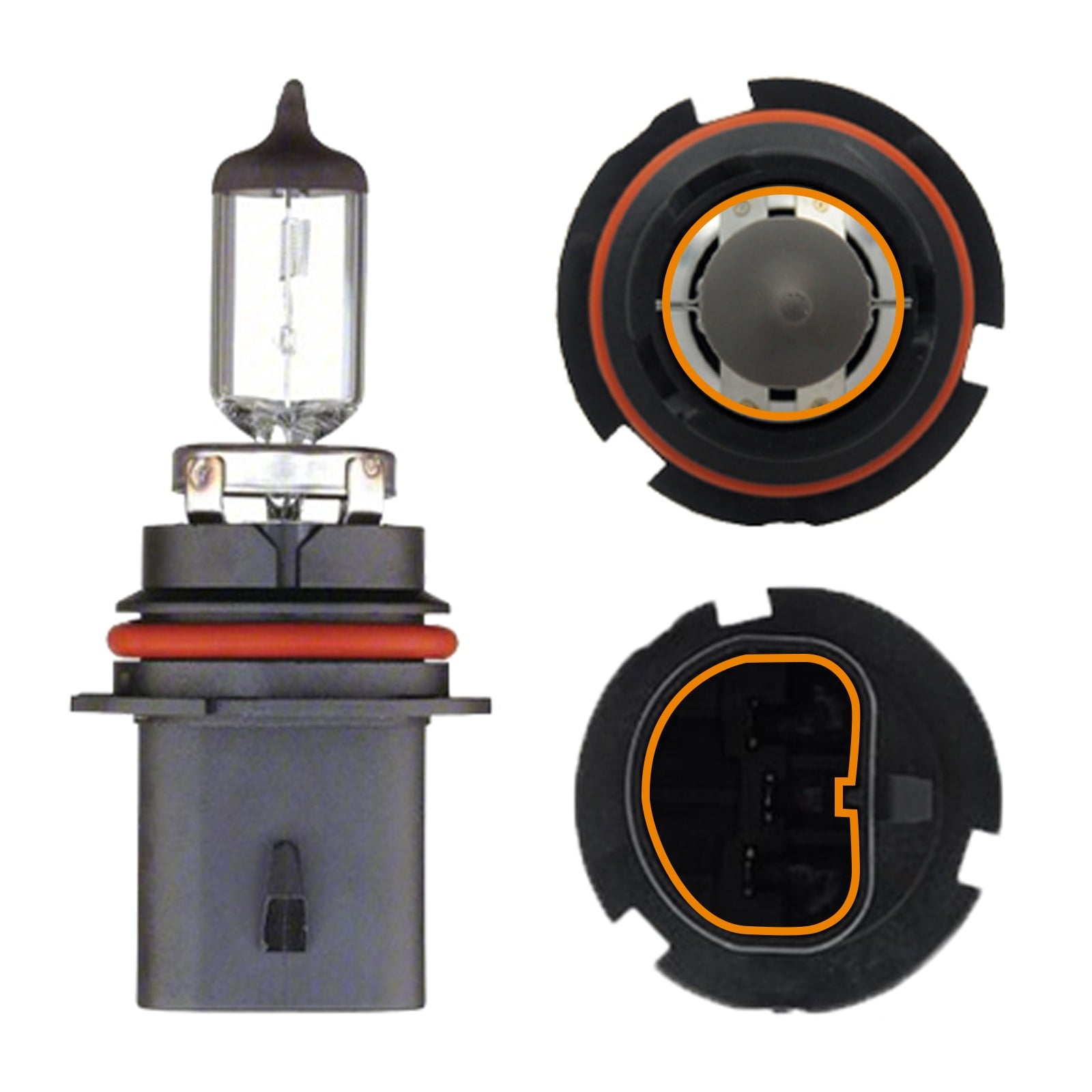
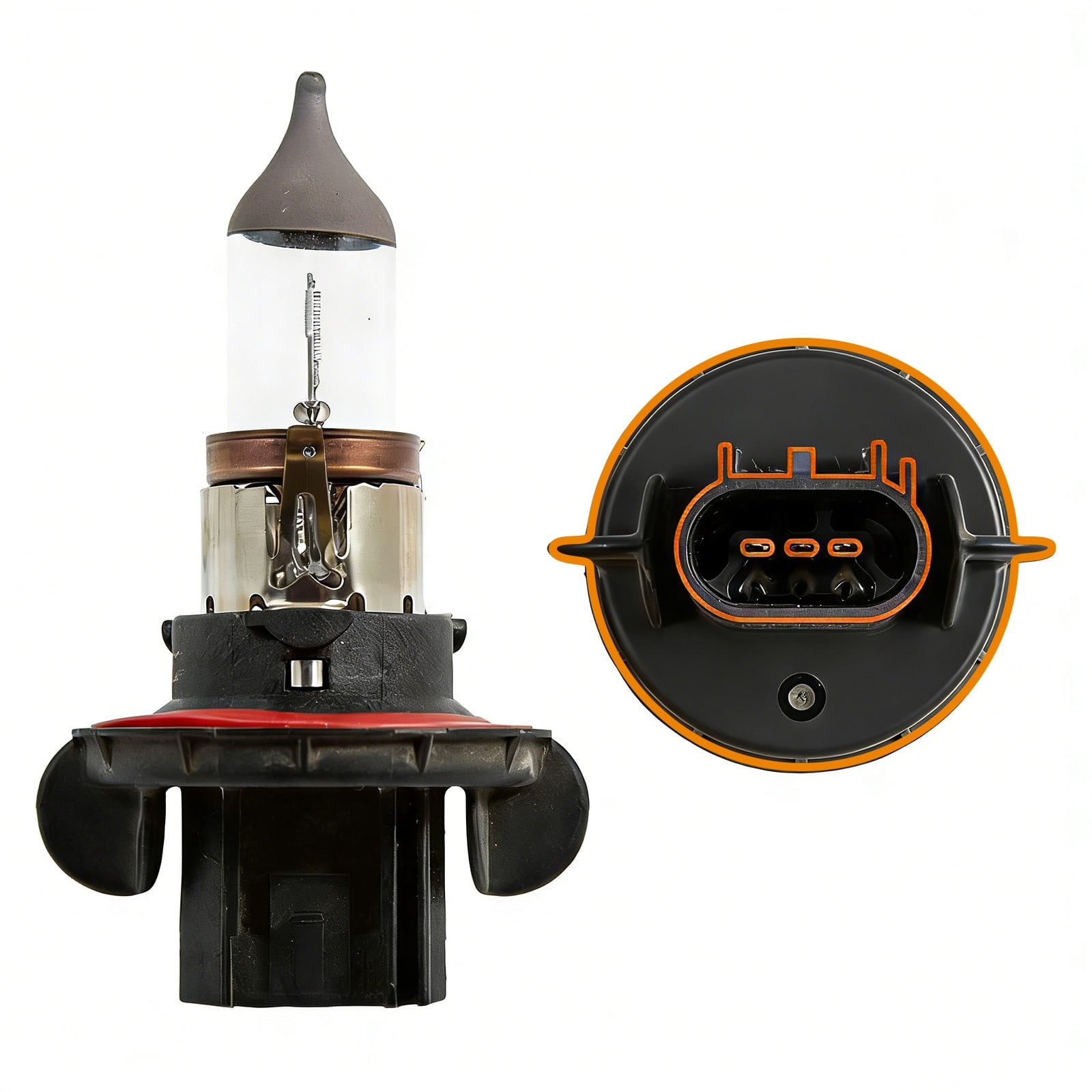
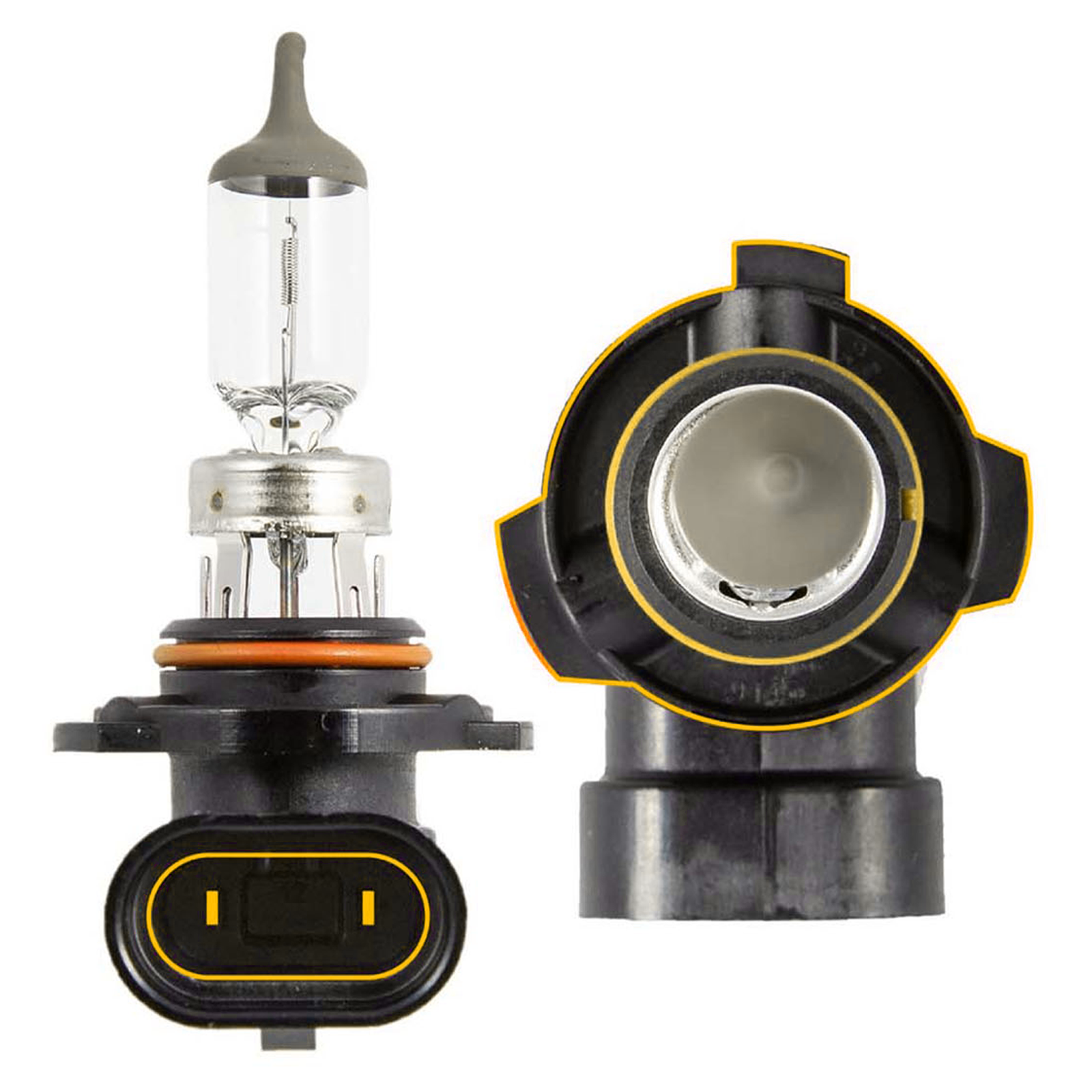
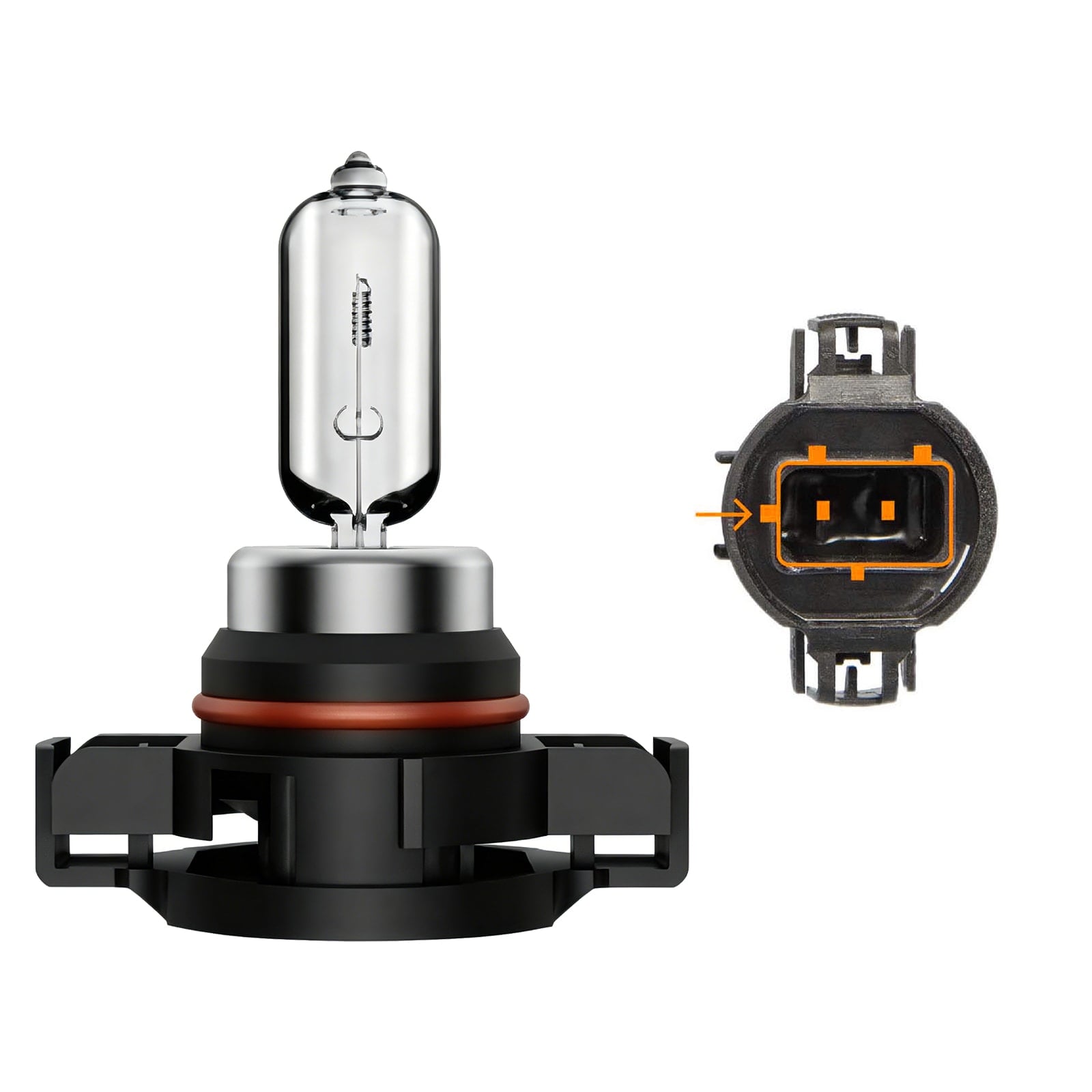
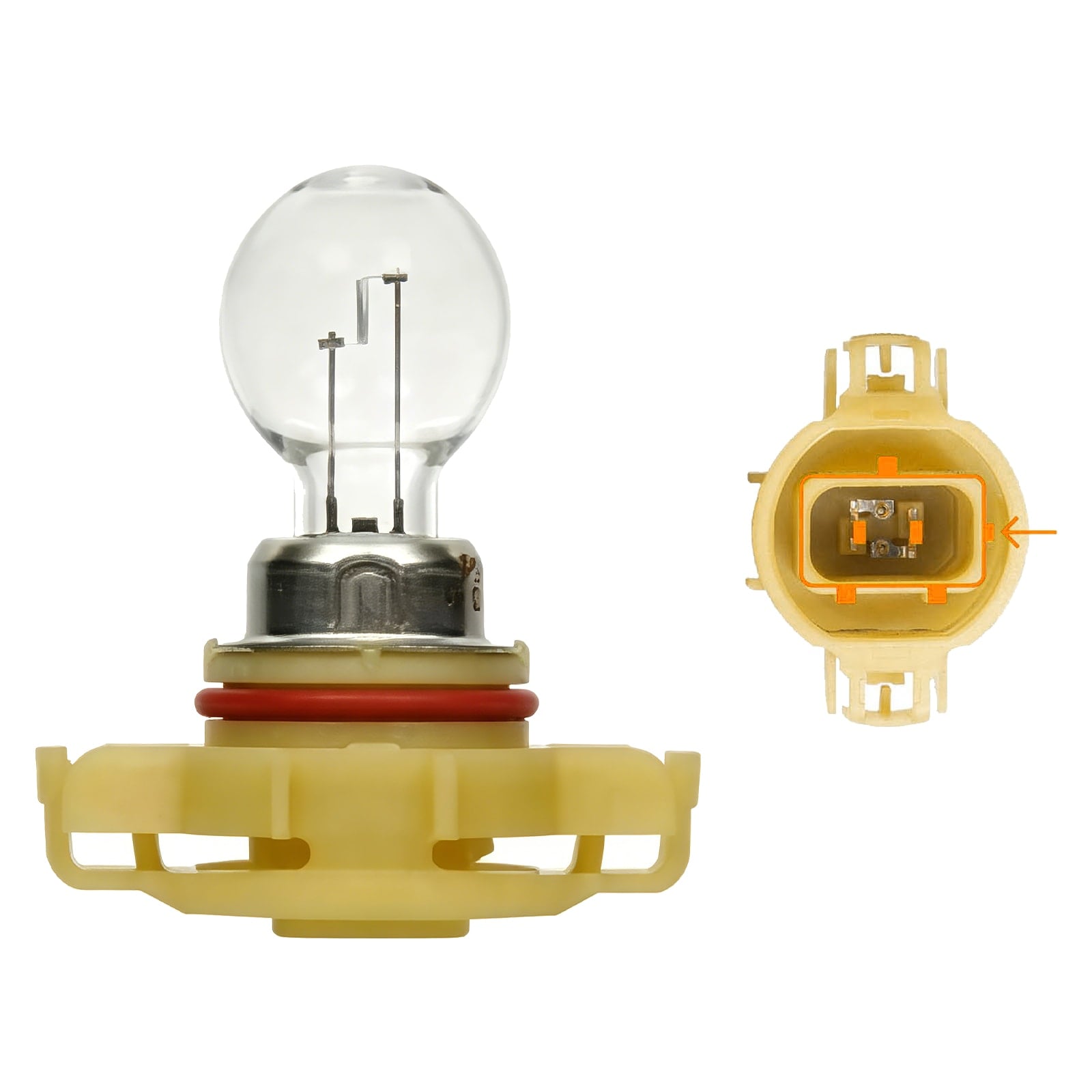
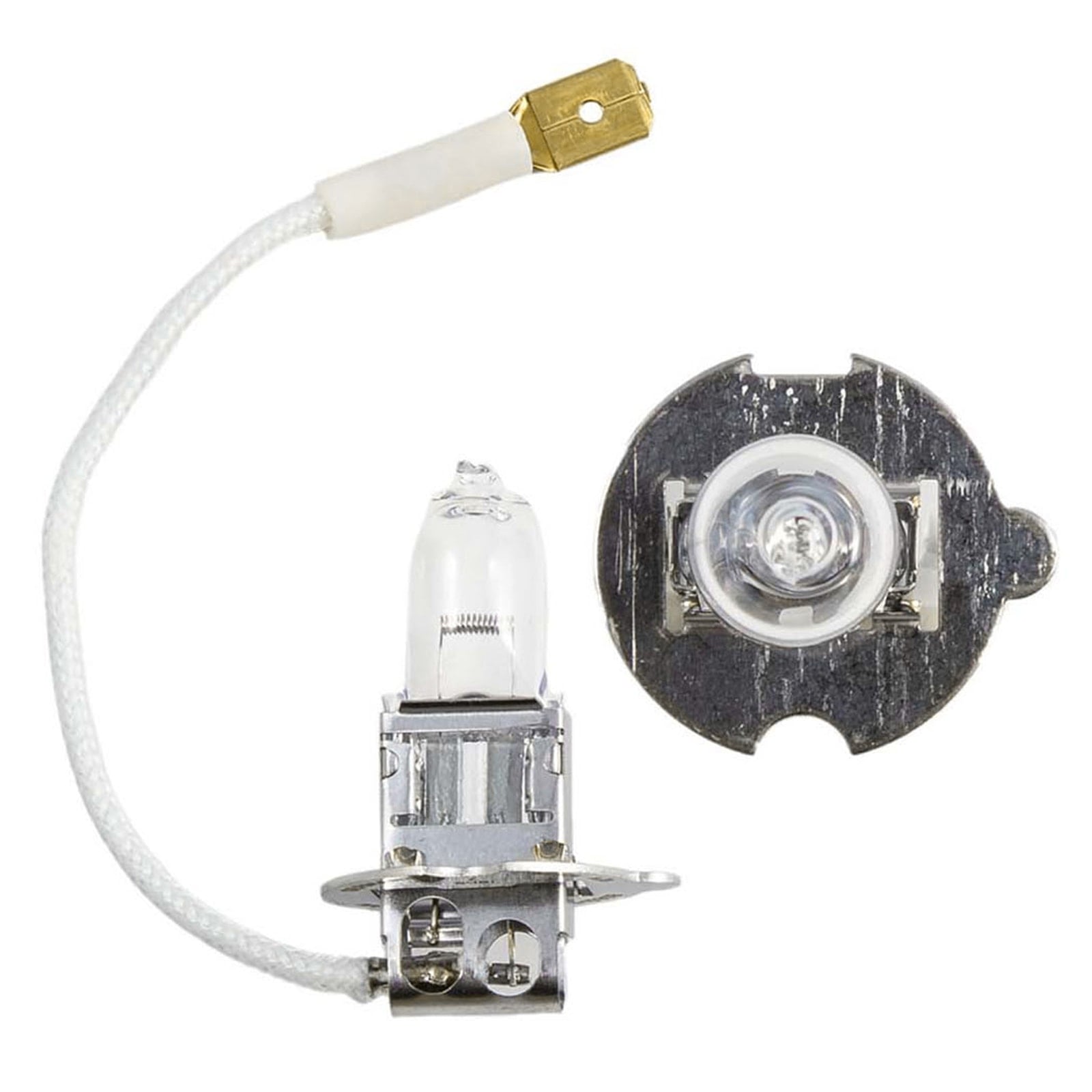
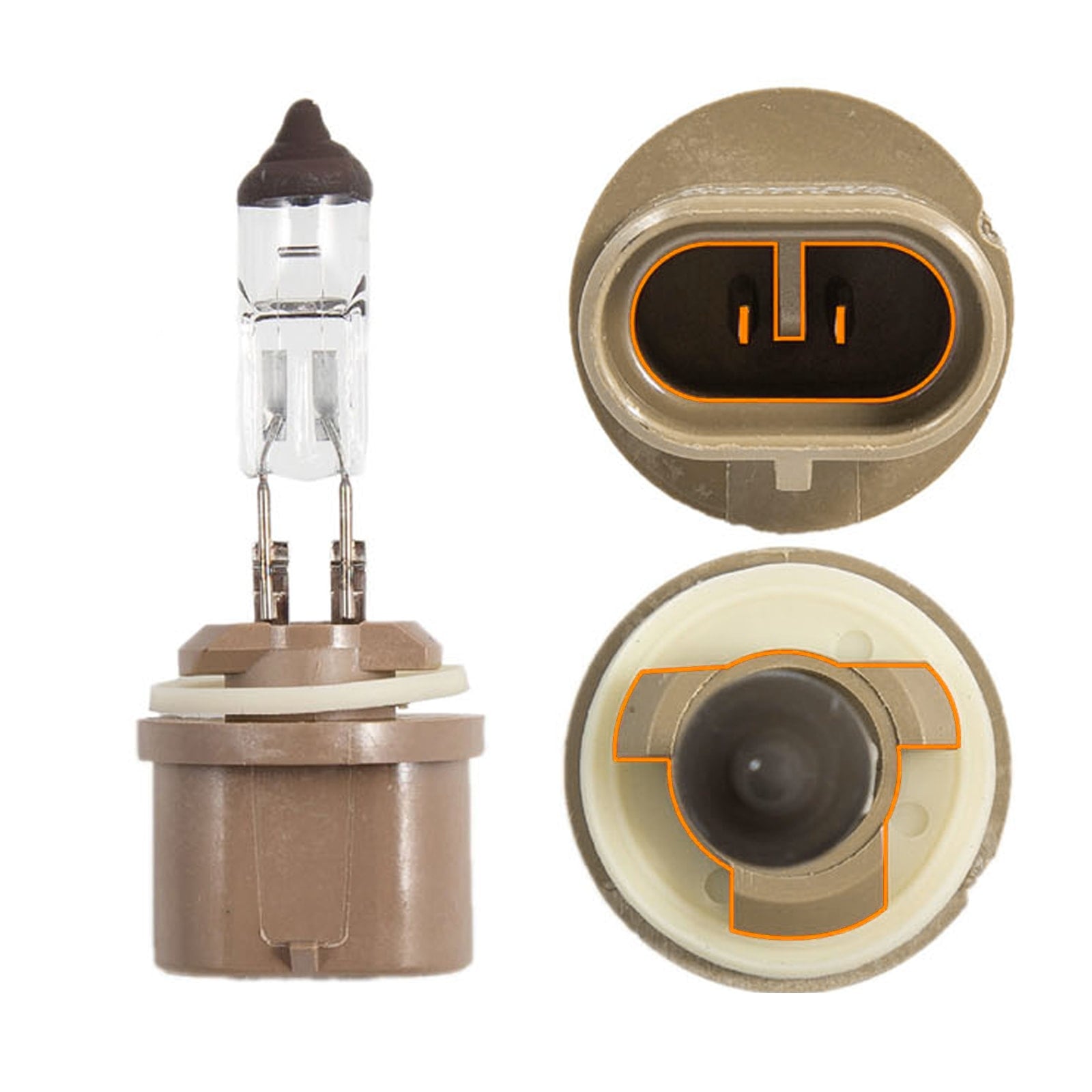
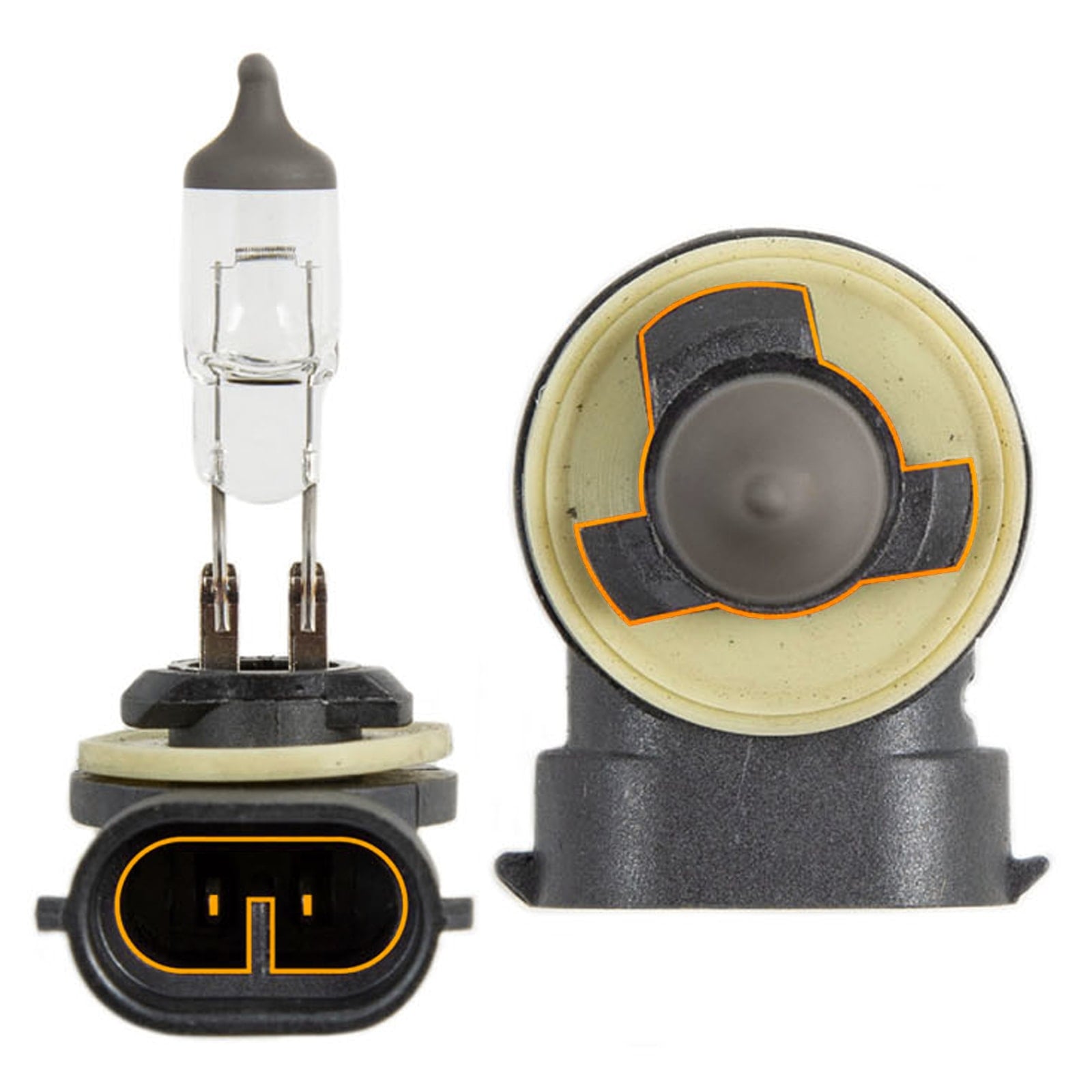
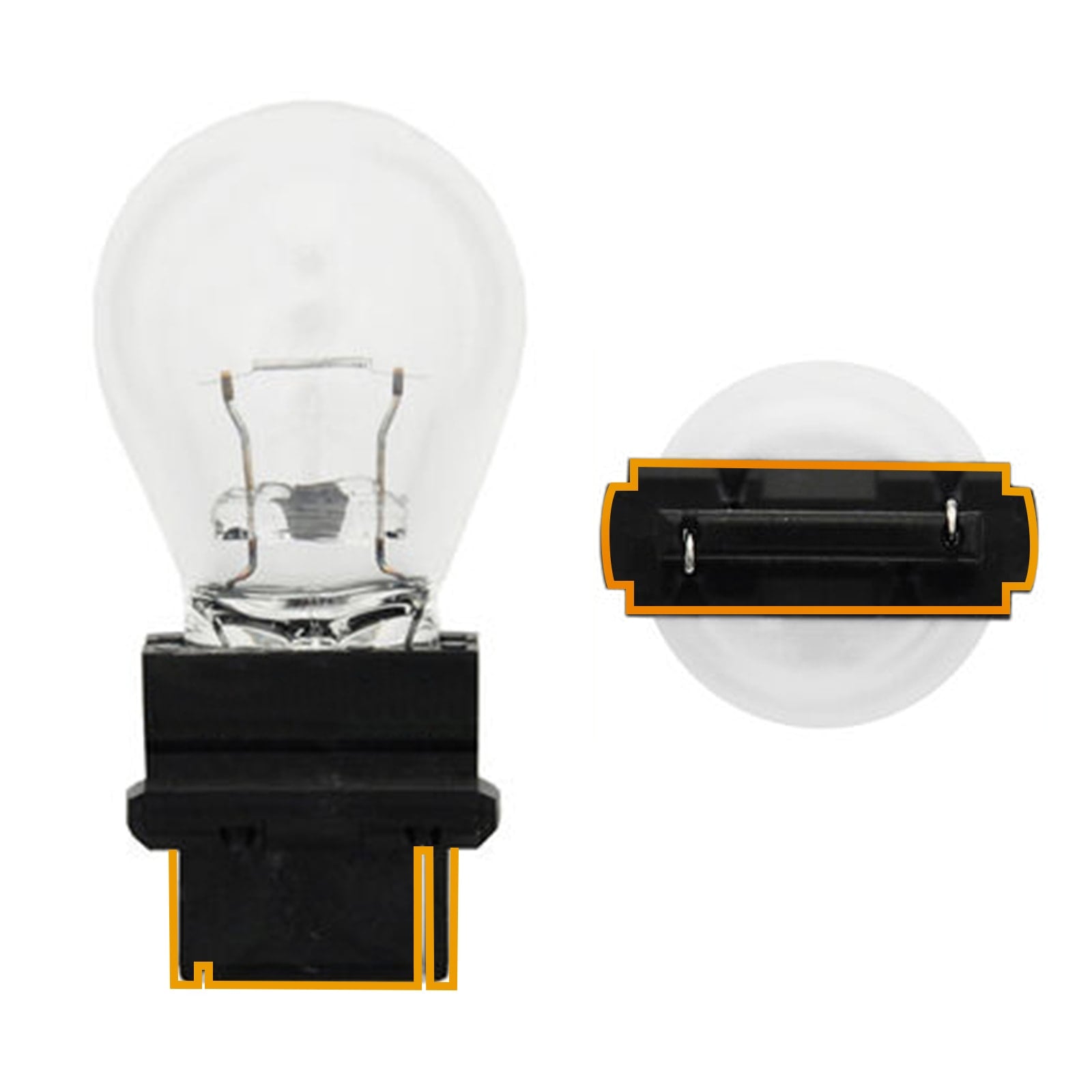
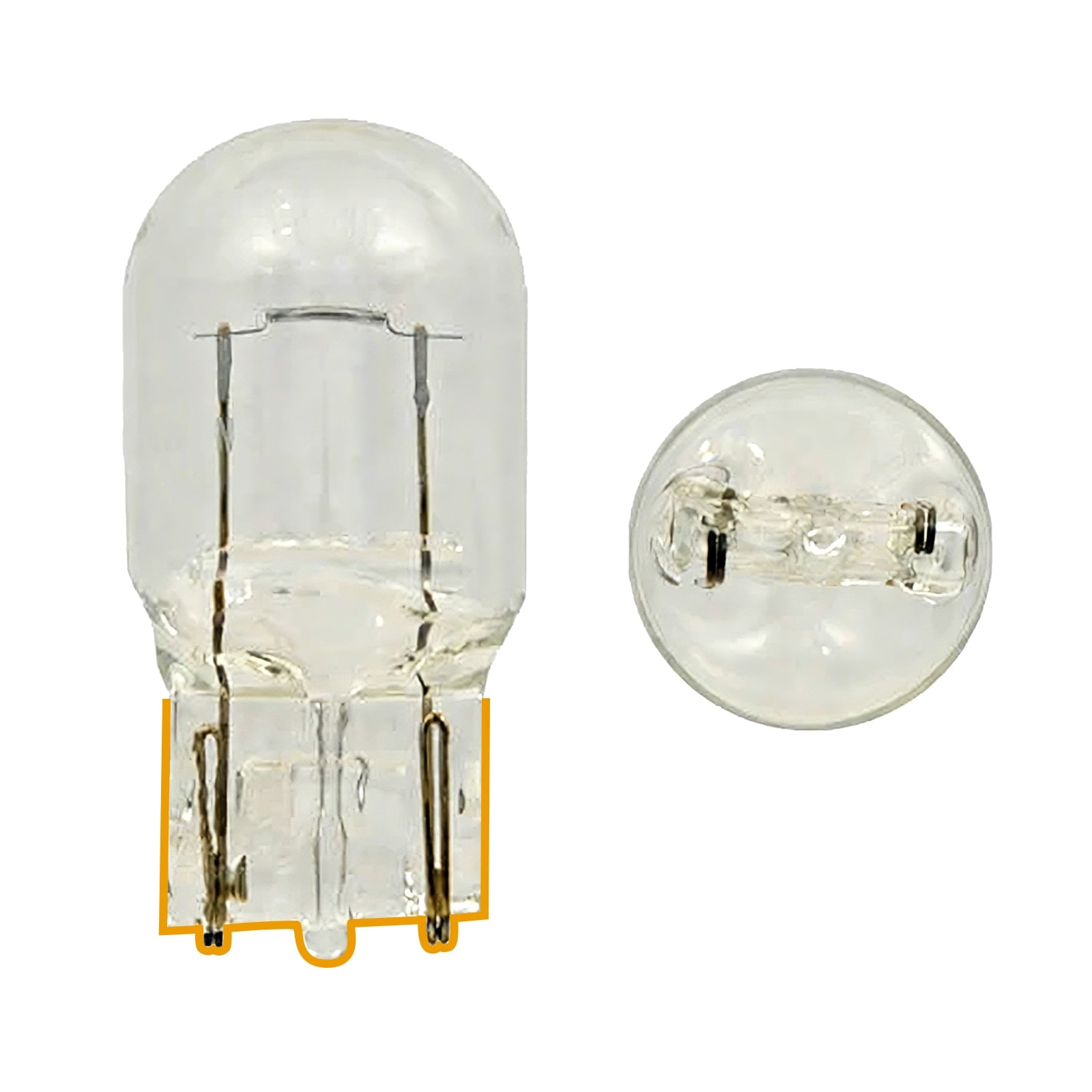
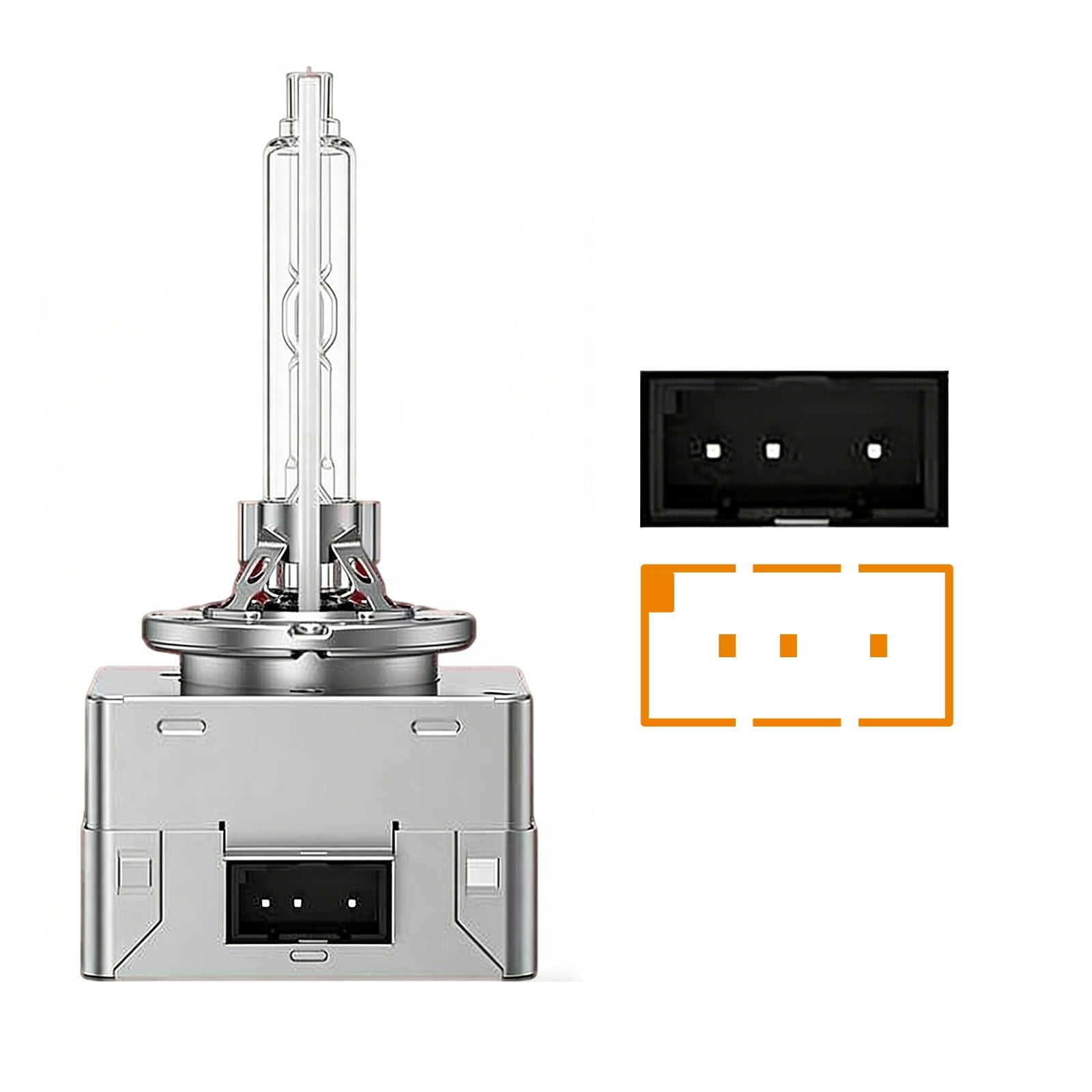
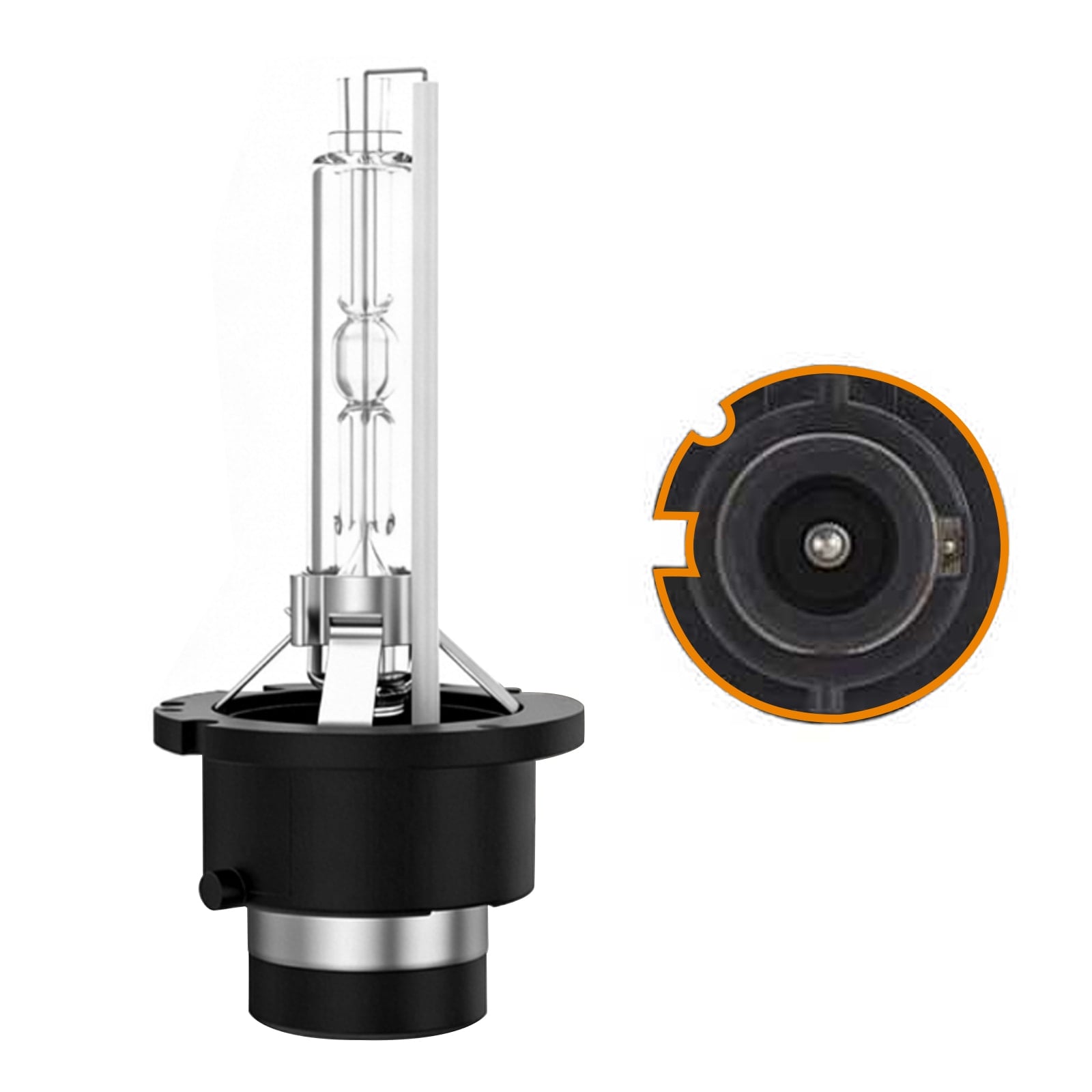
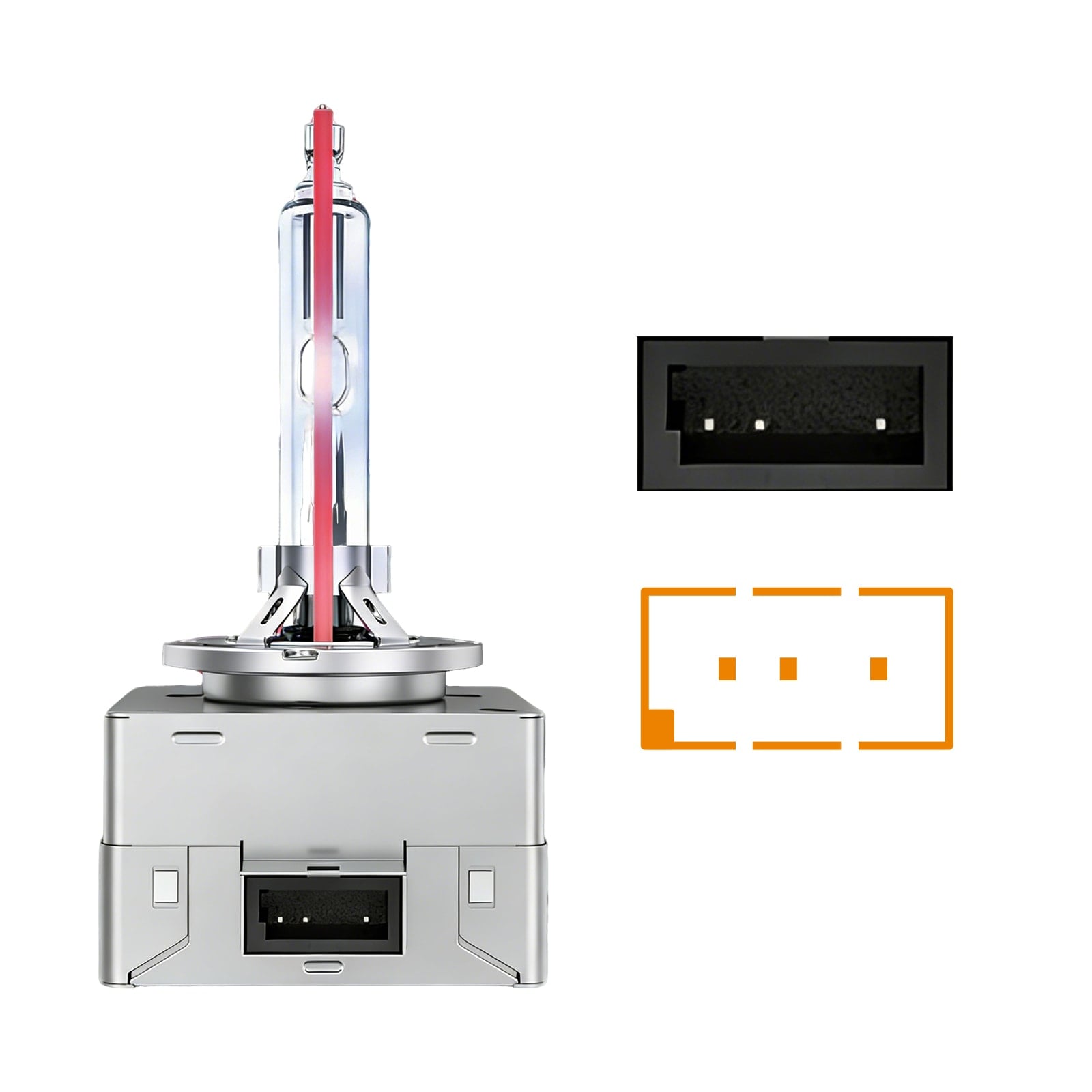
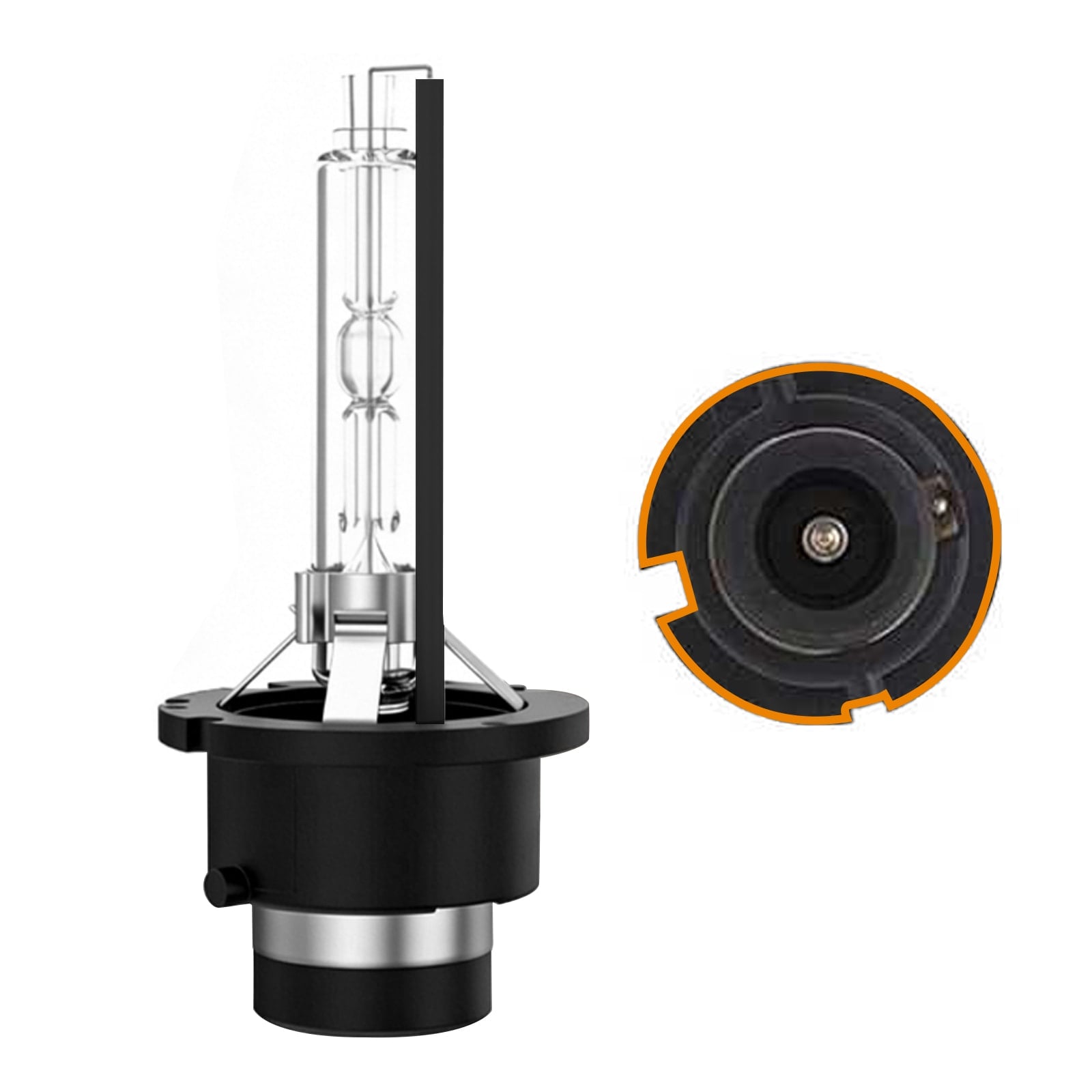




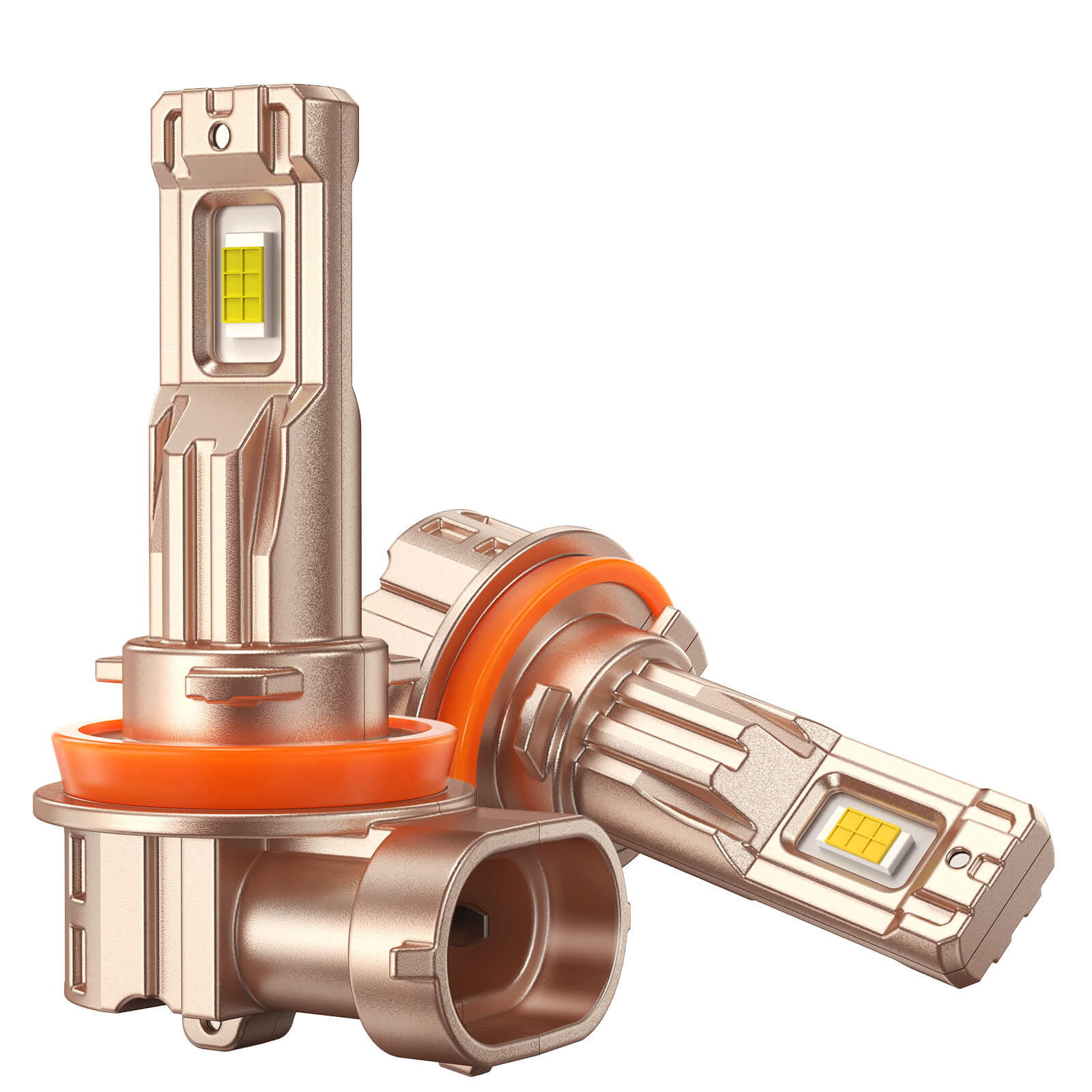


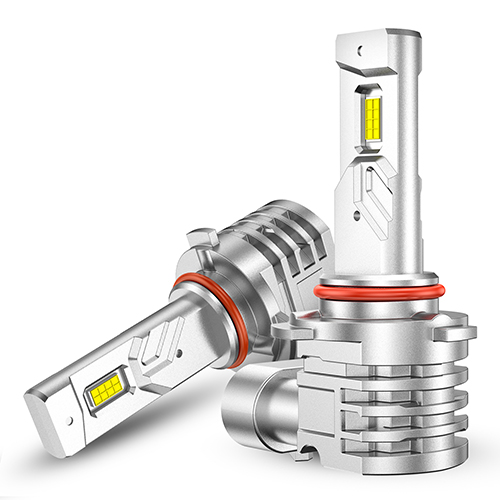
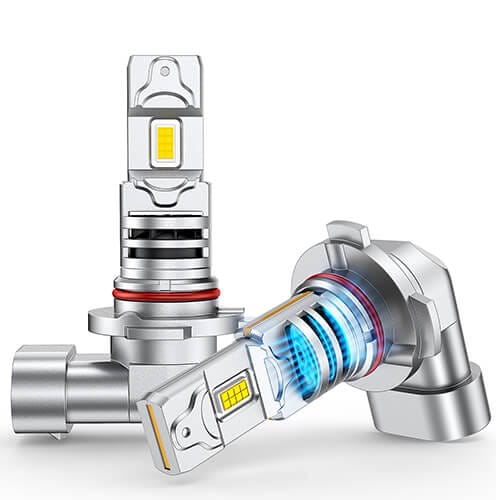



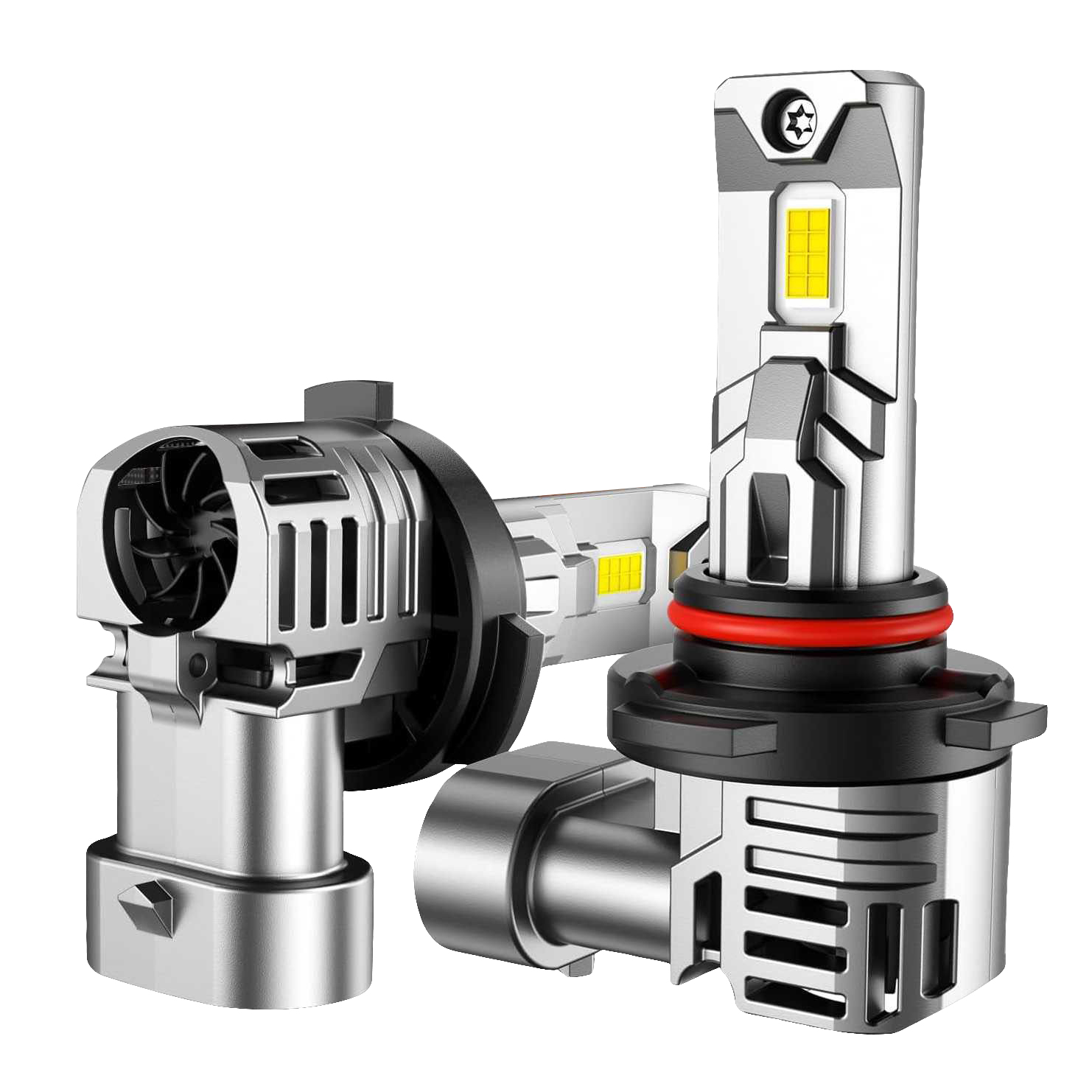


Driving through a well-lit city is different from traveling down a dark rural highway, and choosing the right headlight setting can make a big difference in visibility. Yet many drivers aren't sure when to switch between low beams and high beams, what the dashboard symbols mean, or whether both settings use the same bulb.
This guide explains low beam vs high beam headlights, including their key differences, when to use each, how to identify the symbols, and how to choose the right replacement bulbs for your vehicle.
Low Beam vs High Beam: What's the Difference?
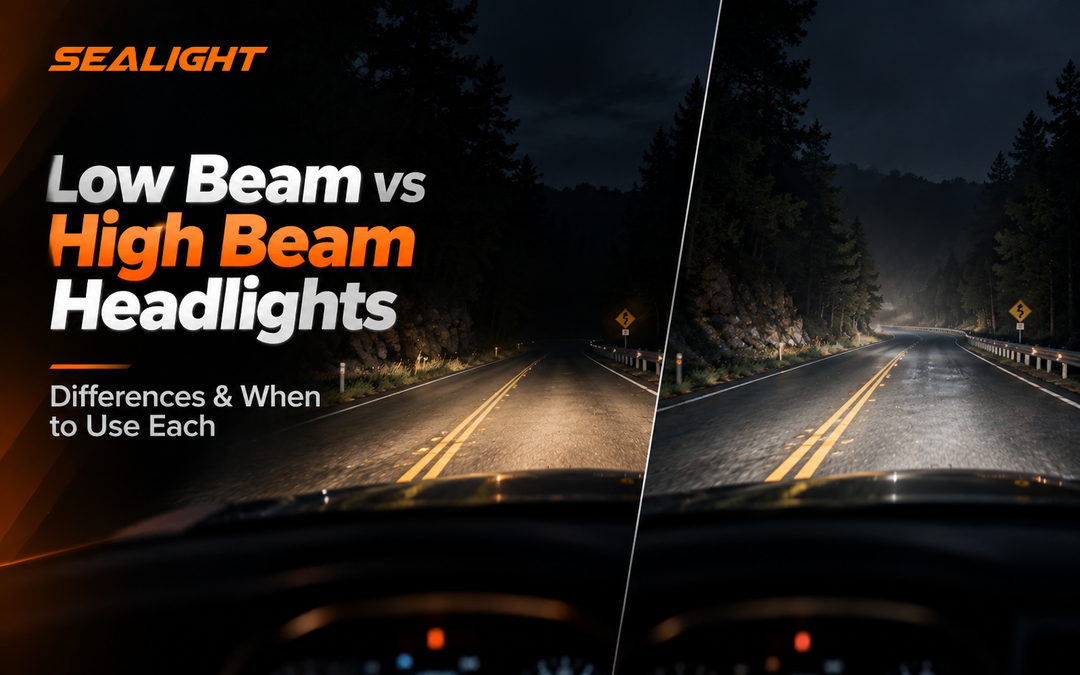
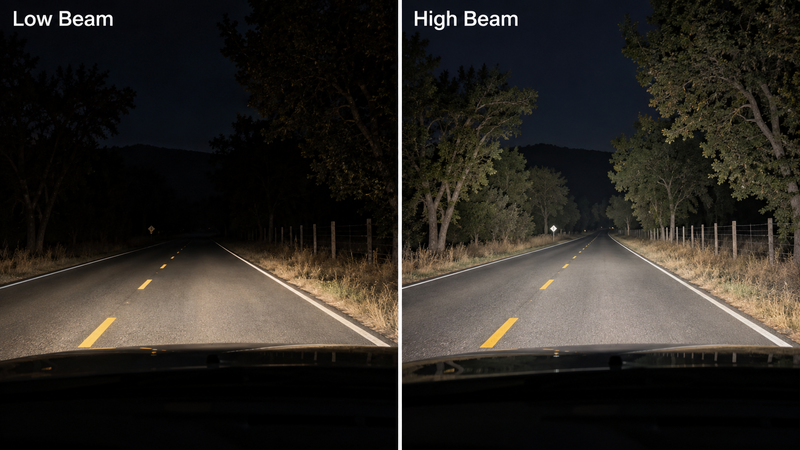
Low beams provide controlled illumination for everyday driving, while high beams extend visibility farther down the road when no other vehicles are nearby. The main difference is how each beam distributes light, not simply how bright it is.
| Feature | Low Beams | High Beams |
|---|---|---|
| Main purpose | Everyday road illumination | Long-distance visibility |
| Beam pattern | Controlled beam with limited upward glare | Higher-reaching, longer-distance beam |
| Visibility range | Shorter, focused on the nearby road | Farther down the road |
| Glare | Designed to minimize glare | Can dazzle other drivers |
| Best use | City streets, traffic, normal nighttime driving | Dark, open roads without nearby traffic |
| Other names | Dipped beams, passing beams | Main beams, full beams |
What Are Low Beam Headlights?
Low beams are the standard headlights used for most nighttime driving. Their controlled beam pattern illuminates the road ahead while limiting light directed toward oncoming drivers. They're ideal for city streets, highways with traffic, and everyday driving after dark.
What Are High Beam Headlights?
High beams project more light into distant areas, helping drivers spot road curves, animals, and obstacles earlier on poorly lit roads. However, their higher-reaching light can create significant glare for approaching vehicles or drivers ahead.
A properly designed headlight beam pattern is essential for both settings. More brightness alone doesn't guarantee better visibility if the light isn't directed where drivers need it.
When to Use Low Beam and High Beam Headlights
Low beams are the default choice for most driving conditions. High beams are useful when additional distance visibility is needed and there's no risk of dazzling other road users.
| Driving Situation | Recommended Setting | Reason |
|---|---|---|
| City streets and illuminated roads | Low beams | Adequate visibility with reduced glare |
| Approaching or following vehicles | Low beams | Prevents dazzling other drivers |
| Dark rural roads without traffic | High beams | Helps reveal distant hazards |
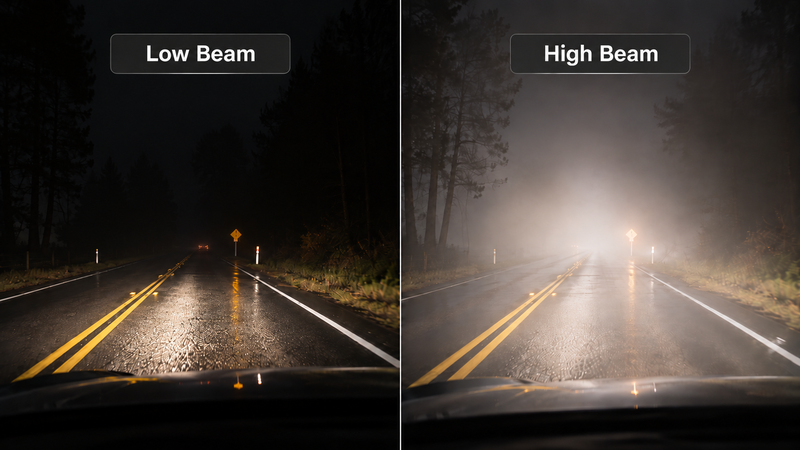
| Heavy rain, fog, or snow | Low beams | Reduces reflected glare |
| Dusk, dawn, or reduced visibility | Low beams | Improves vehicle visibility to others |
When Should You Switch from High Beams to Low Beams?
Switch to low beams whenever another vehicle approaches or you're following someone closely enough that your high beams could cause glare.
For example, the California DMV Driver Handbook requires drivers to dim their high beams within 500 feet of an approaching vehicle or 300 feet of a vehicle they're following. Specific requirements vary by state.
Low Beams vs High Beams in Bad Weather
Low beams are generally better in fog, heavy rain, and snow because high beams can reflect off airborne moisture, making the road harder to see.
Fog lights, when equipped, provide additional low-mounted illumination near the road surface. Drivers with replaceable fog light bulbs can also explore LED fog light bulbs for their vehicle's auxiliary lighting.
Parking lights and daytime running lights (DRLs) serve different purposes. Parking lights primarily indicate a vehicle's presence, while DRLs improve daytime conspicuity and may not illuminate the rear lights. Neither should replace normal headlights during nighttime driving.
High Beam vs Low Beam Symbols and Controls
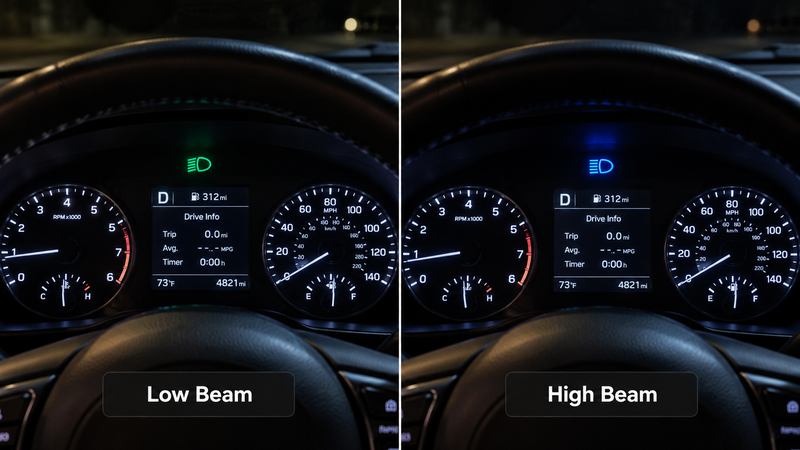
The easiest way to distinguish high beams from low beams is by their dashboard symbols.
| Headlight Symbol | Appearance | Meaning |
|---|---|---|
| Low beam | Usually green, with downward-slanting light lines | Low beams are activated |
| High beam | Blue, with straight horizontal light lines | High beams are activated |
Not every vehicle has a separate low-beam indicator. Some display only a general headlight symbol, while the blue high-beam indicator appears when high beams are on.
How to Turn On Low Beams and High Beams
In most vehicles, low beams are activated using the headlight switch, often by selecting the headlight symbol or AUTO mode. High beams are typically controlled by the steering-column lever:
- Turn on low beams: Select the headlight setting or activate automatic headlights.
- Switch to high beams: Push the lever away from you on many vehicles.
- Return to low beams: Pull the lever back to its normal position.
- Flash high beams: Pull the lever toward you briefly and release it.
Control layouts vary, and vehicles equipped with automatic high-beam assistance may switch settings based on detected traffic.
Are Low Beam and High Beam the Same Bulb?
They can be, but not always. Some vehicles use separate bulbs for low and high beams, while others use one dual-beam bulb or an integrated headlight system that performs both functions.
Single-Beam vs Dual-Beam Headlight Bulbs
Single-beam bulbs provide one designated beam function in a vehicle's headlight assembly. For example, many vehicles use H11 bulbs for low beams and 9005/HB3 bulbs for high beams. These sizes have different bases and electrical specifications, as explained in our H11 vs 9005 bulb comparison.
Dual-beam bulbs, such as H4/9003 and H13/9008, provide both functions through a single bulb. Some projector systems use a movable shutter to change the beam pattern, while integrated LED headlights may use dedicated modules rather than conventional replacement bulbs.
| Headlight System | Common Bulb Types | How It Works |
|---|---|---|
| Separate single-beam bulbs | H11 low beam + 9005 high beam | Different bulbs for each function |
| Dual-beam bulb | H4/9003, H13/9008 | One bulb provides both beam settings |
| Integrated LED or shutter-based system | Vehicle-specific | Beam functions are controlled within the assembly |
How Do I Know Which Headlight Bulb I Need?
Start by switching between low and high beams to identify which function needs replacement. Then check your owner's manual or the original bulb's part number. For example, some vehicles use H11 bulbs for low beams and 9005/HB3 for high beams, while others use a single H4/9003 bulb for both functions.
Bulb compatibility also depends on the vehicle's year, model, trim, and factory headlight type. Halogen, HID, and integrated LED systems may require different replacements, even on the same model. Once you've confirmed your bulb size and headlight configuration, explore our best LED headlight bulbs guide to compare brightness, beam patterns, and options for different driving needs.
Low Beam vs High Beam LED Bulbs: What Should You Choose?
When comparing low beam and high beam LED headlights, the key is choosing a bulb that provides the right beam pattern for your driving needs. Low beams require controlled illumination with minimal glare, while high beams prioritize longer-distance visibility.
According to the Insurance Institute for Highway Safety (IIHS), effective headlight performance depends on both road illumination and glare control, not brightness alone.
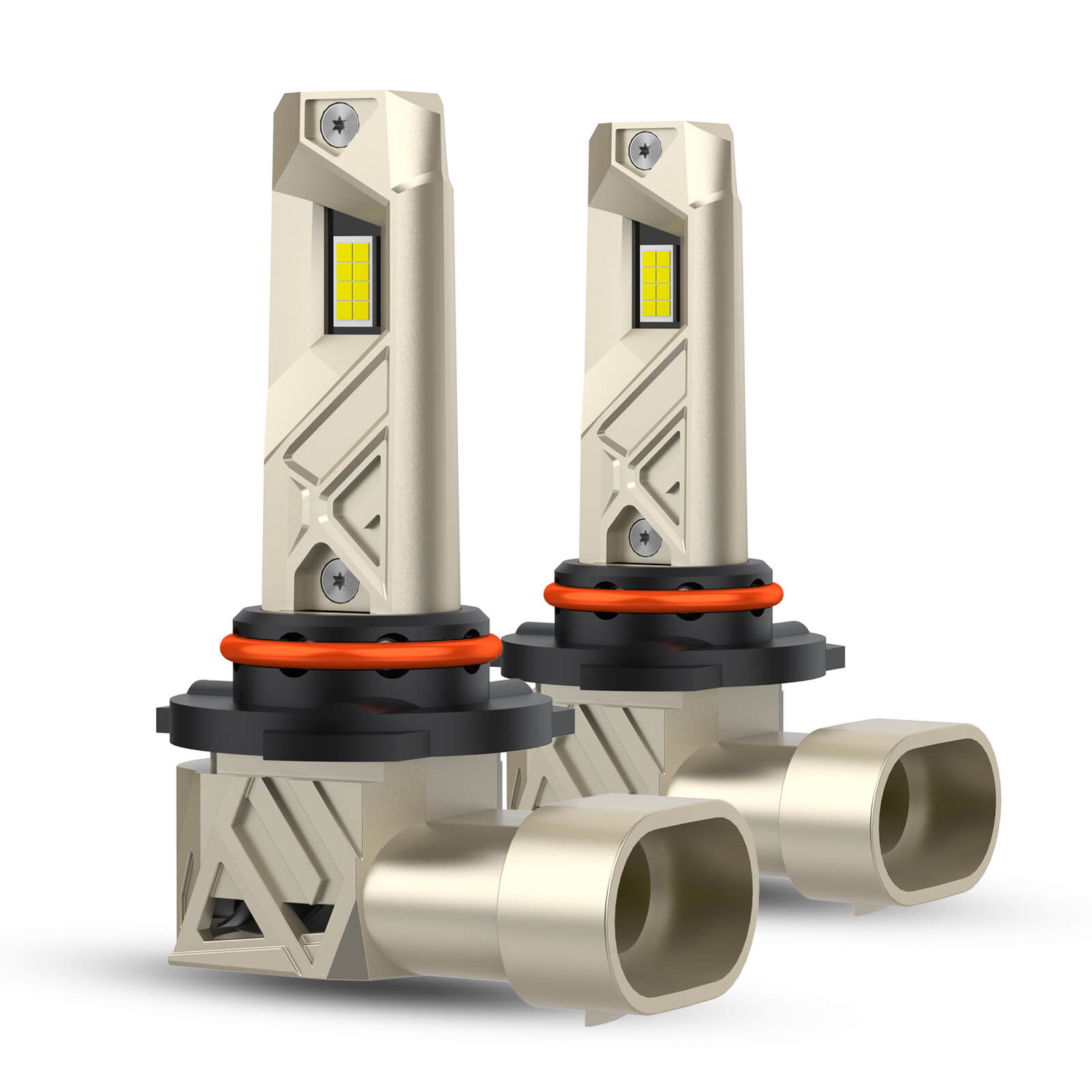
For drivers who frequently travel on dark highways or rural roads, the SEALIGHT S7S is a high-output option among SEALIGHT LED headlight bulbs. It features a focused beam design and active cooling for sustained performance, with multiple bulb sizes available for different headlight configurations.

Planning to upgrade your headlights? Get 10% OFF your SEALIGHT LED headlight bulbs with code 10SE at checkout.
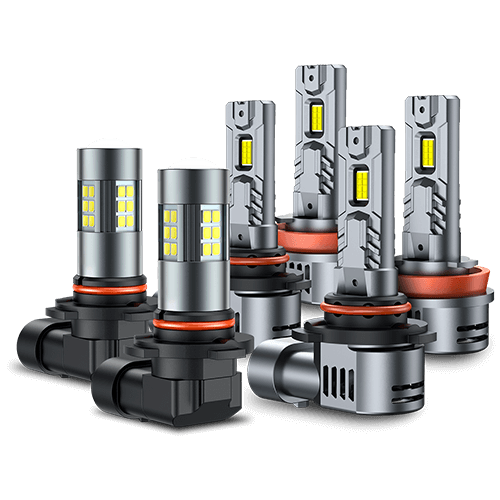
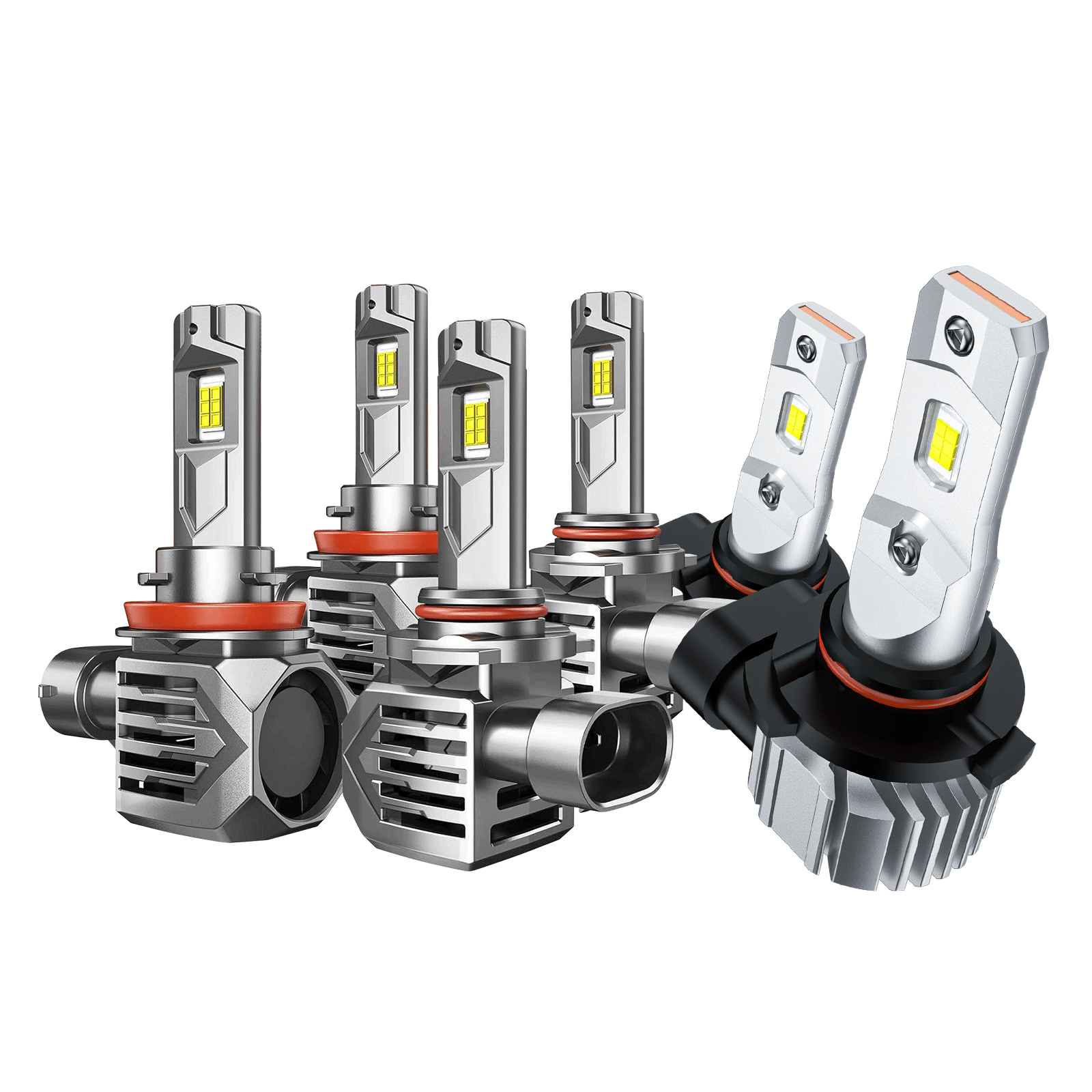
For drivers replacing multiple front lighting positions, SEALIGHT also offers headlight and fog light combo kits with bulb combinations for separate high and low beams or dual-beam headlight systems. These bundles make it easier to refresh several lighting positions together.

For everyday commuting, balanced illumination and a well-defined low-beam pattern may be more important than maximum brightness. Choose the correct bulb configuration for your vehicle and follow applicable local lighting requirements.
Frequently Asked Questions
Are Low Beams the Same as Daytime Running Lights?
No. Low beams illuminate the road at night, while daytime running lights (DRLs) make vehicles more visible during daylight. DRLs may operate at reduced brightness and often don't activate the taillights.
Does AUTO Headlight Mode Turn On High Beams?
Not necessarily. AUTO mode typically switches headlights on or off based on ambient light. Automatic high beams require a separate feature that adjusts the beam according to surrounding traffic.
Can Low Beams and High Beams Be On at the Same Time?
Yes, some vehicles keep low beams illuminated when high beams activate. Others switch between the two settings, depending on the headlight design and electrical system.
Why Do My High Beams Work but My Low Beams Don't?
A burned-out low-beam bulb, faulty fuse, relay, or wiring connection may be responsible. High beams can still work because the two settings may use separate bulbs or electrical circuits.
Should I Replace Both Headlight Bulbs at the Same Time?
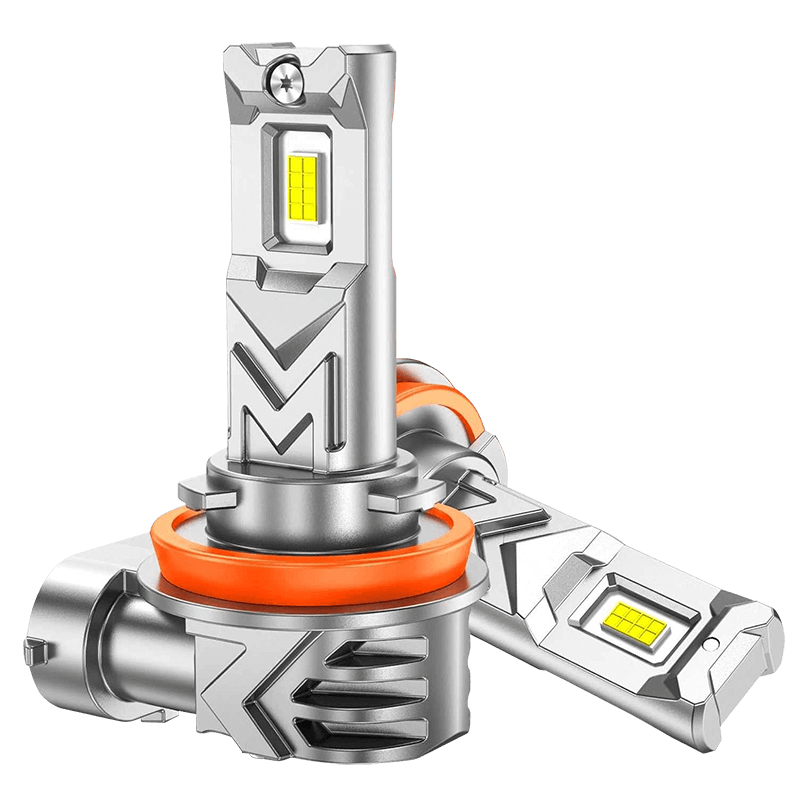
Replacing both is recommended when the bulbs are similarly aged, as this helps maintain consistent illumination. For compatible vehicles, SEALIGHT offers matching LED bulb pairs for different headlight sizes and driving needs.
Why Are My Headlights Still Dim After Replacing the Bulbs?
Cloudy headlight lenses, poor alignment, or electrical issues may be responsible. Even new bulbs can provide inadequate road illumination when the headlight housing is oxidized or the beam is incorrectly aimed.
Final Thoughts
Choosing between low beams and high beams comes down to driving conditions and visibility. Low beams are essential for everyday nighttime driving, while high beams help you see farther on dark, open roads. Understanding these differences makes it easier to drive confidently and recognize when your headlights need attention.
Whether you're replacing worn bulbs or improving nighttime illumination, SEALIGHT offers LED headlight options for different driving needs, helping you get more out of your vehicle's lighting system.