
 Headlight Bulbs


 Track Order
 My Vehicles
 Contact Us
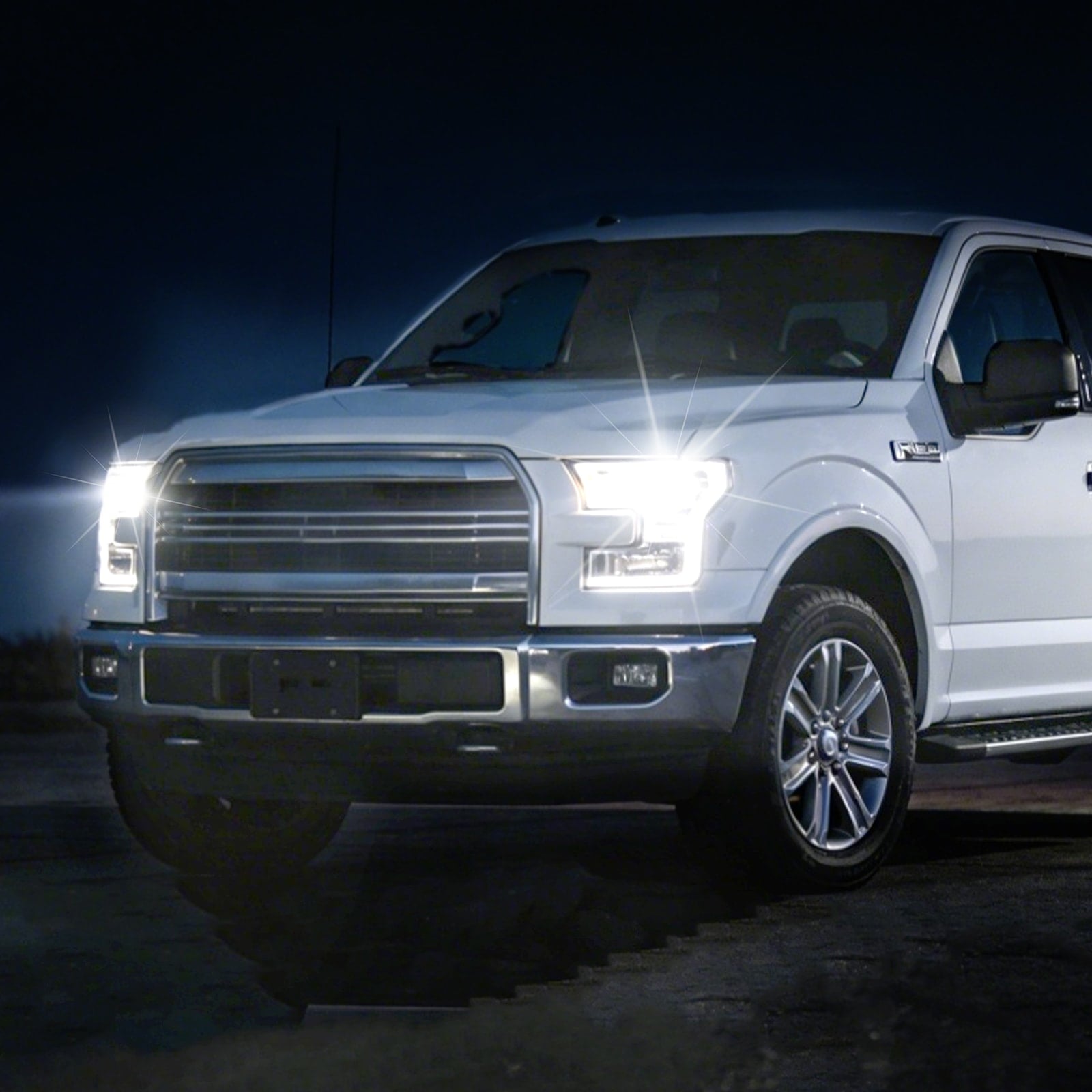
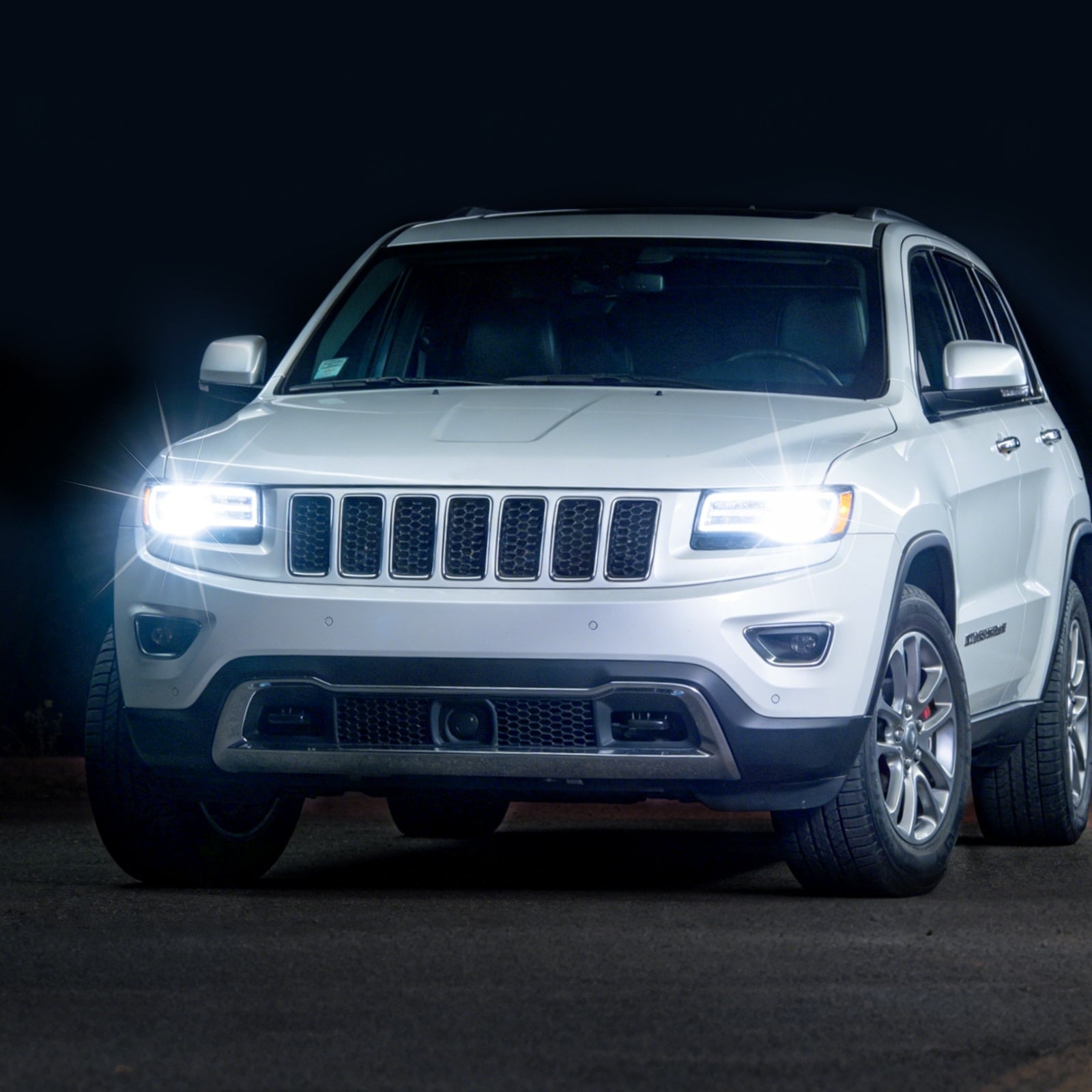
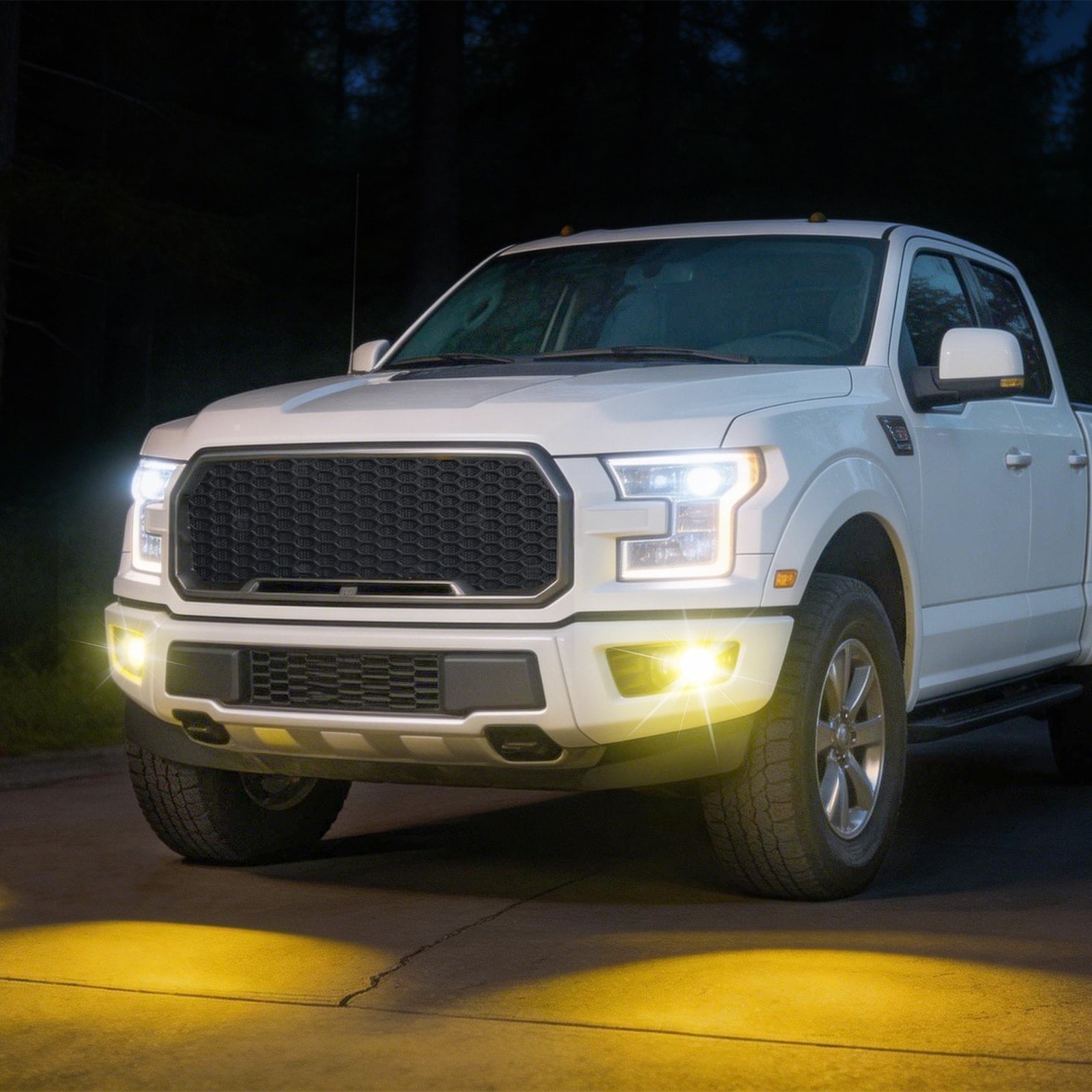
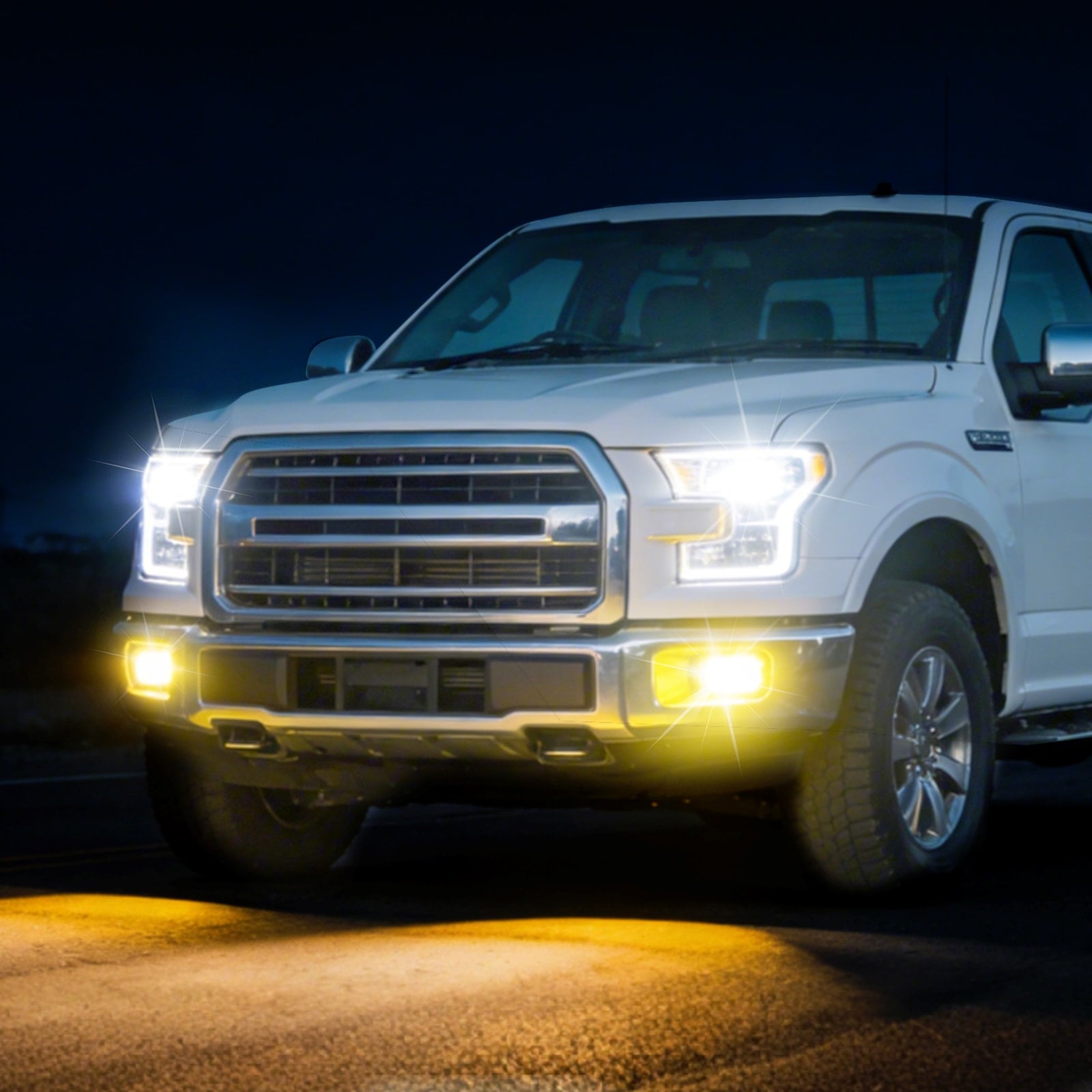
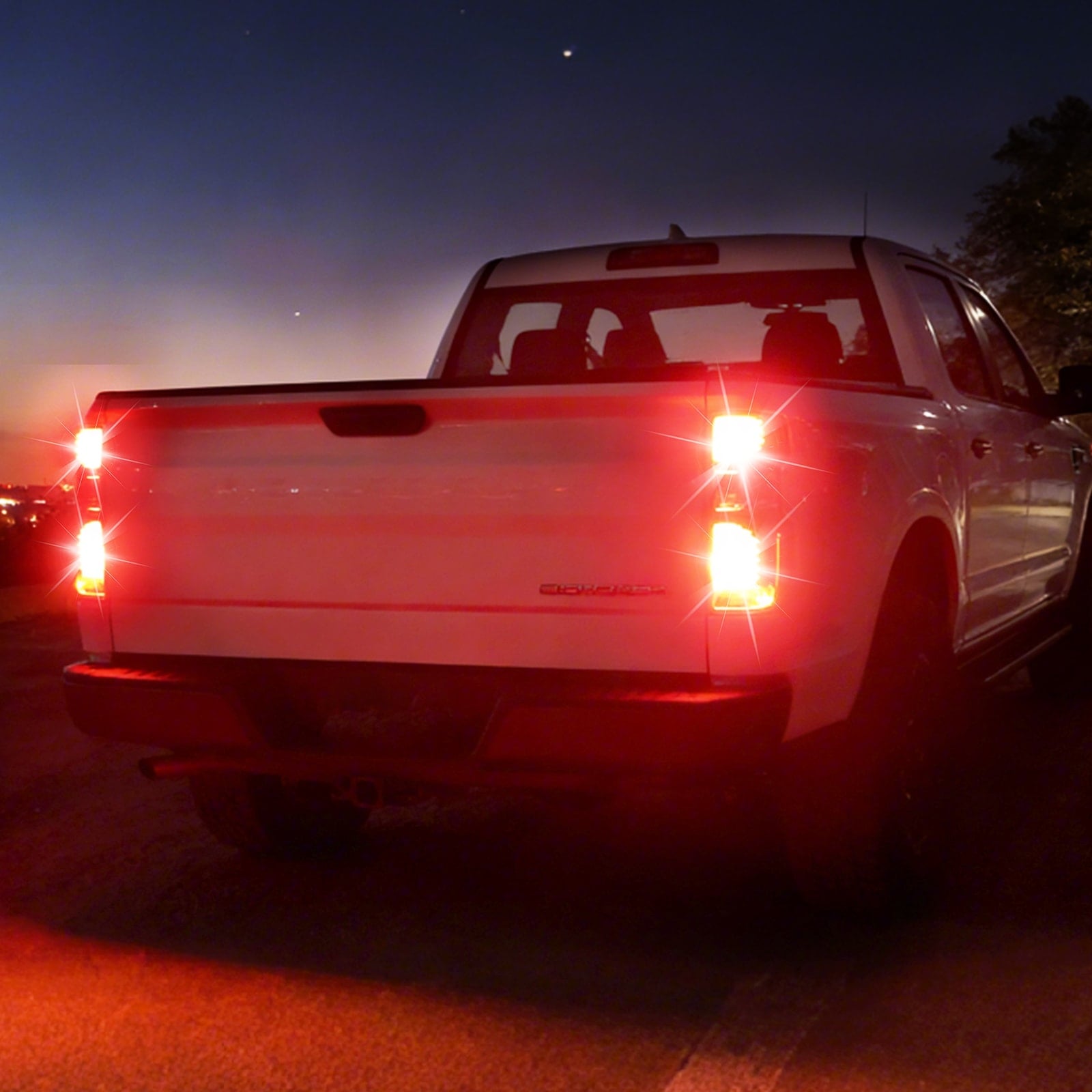
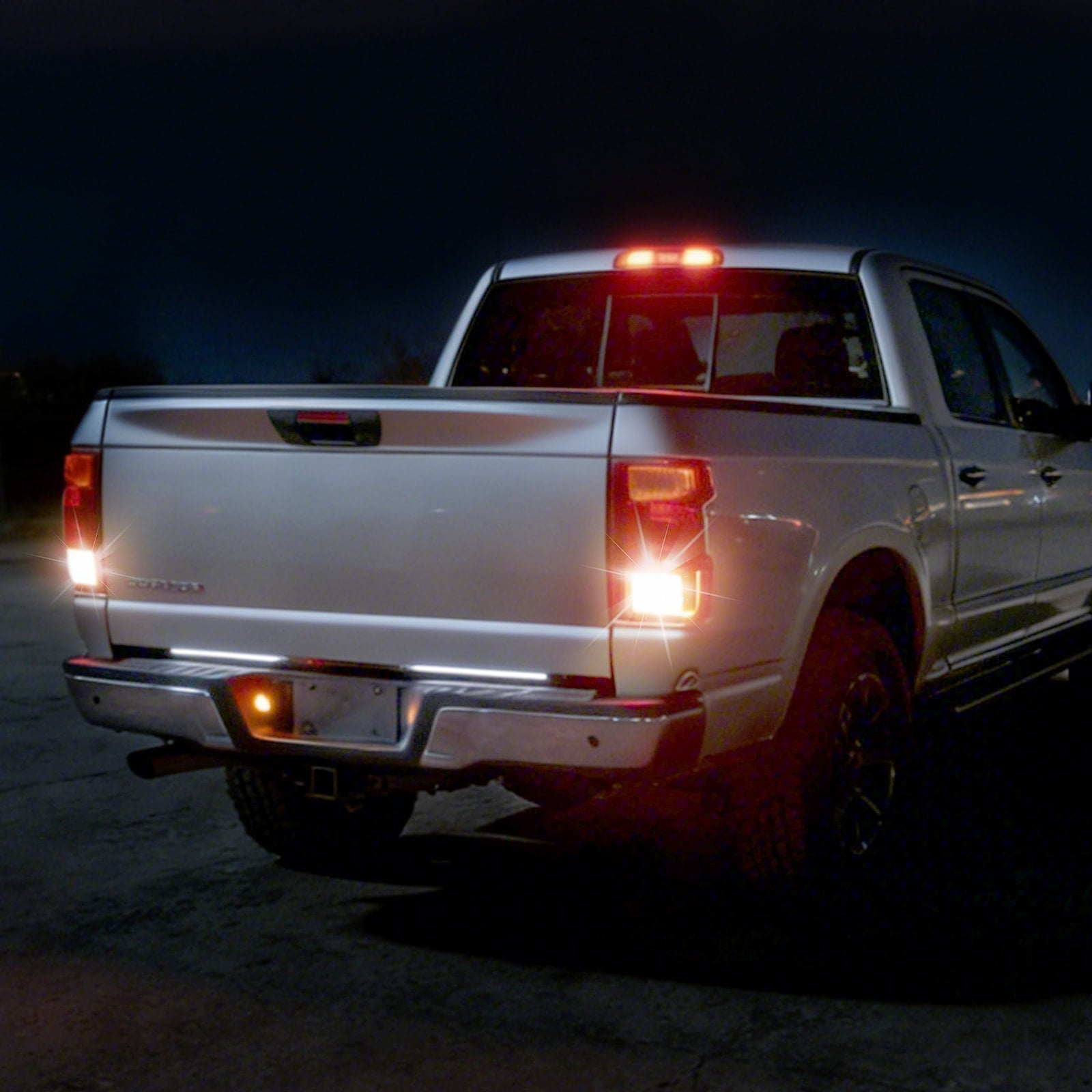
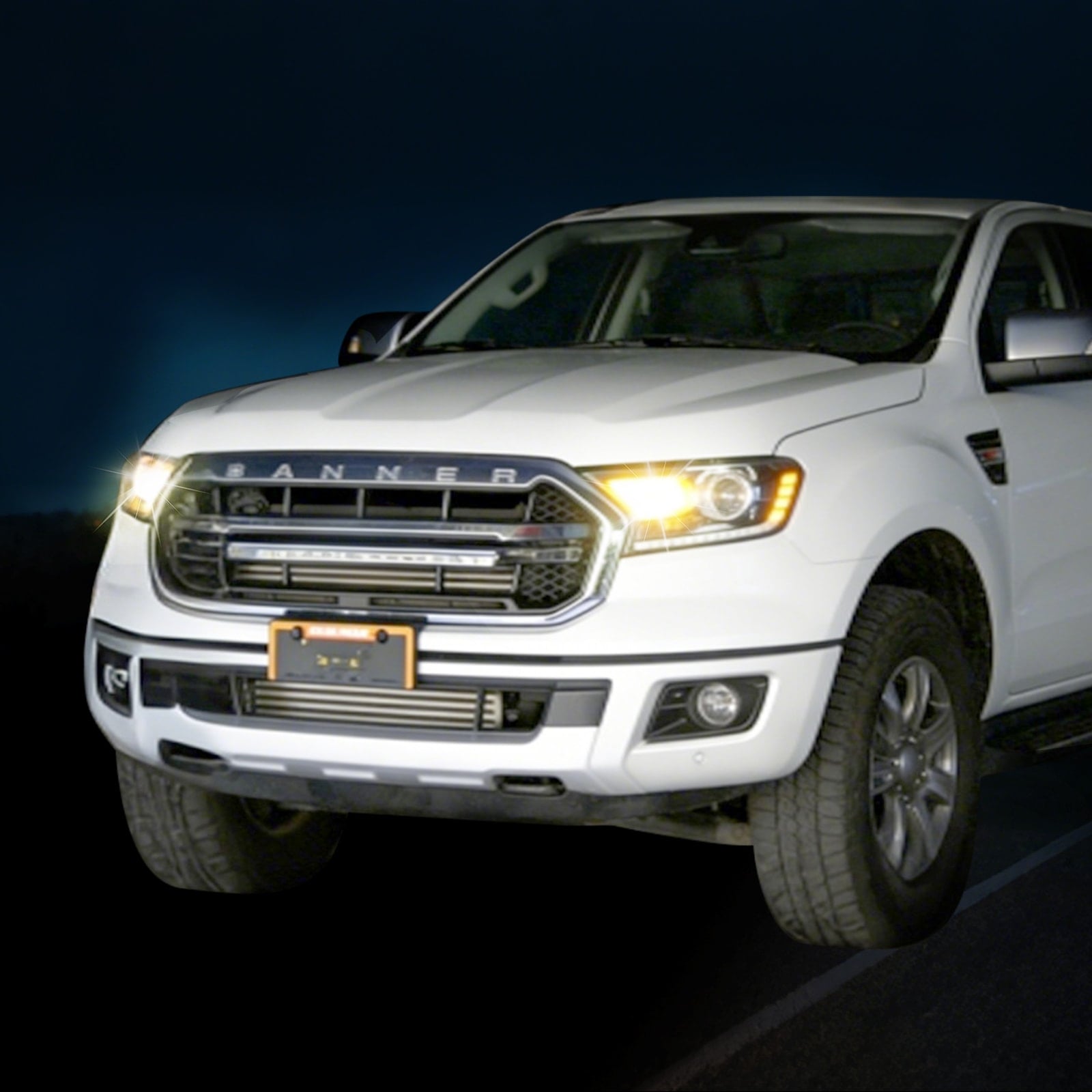
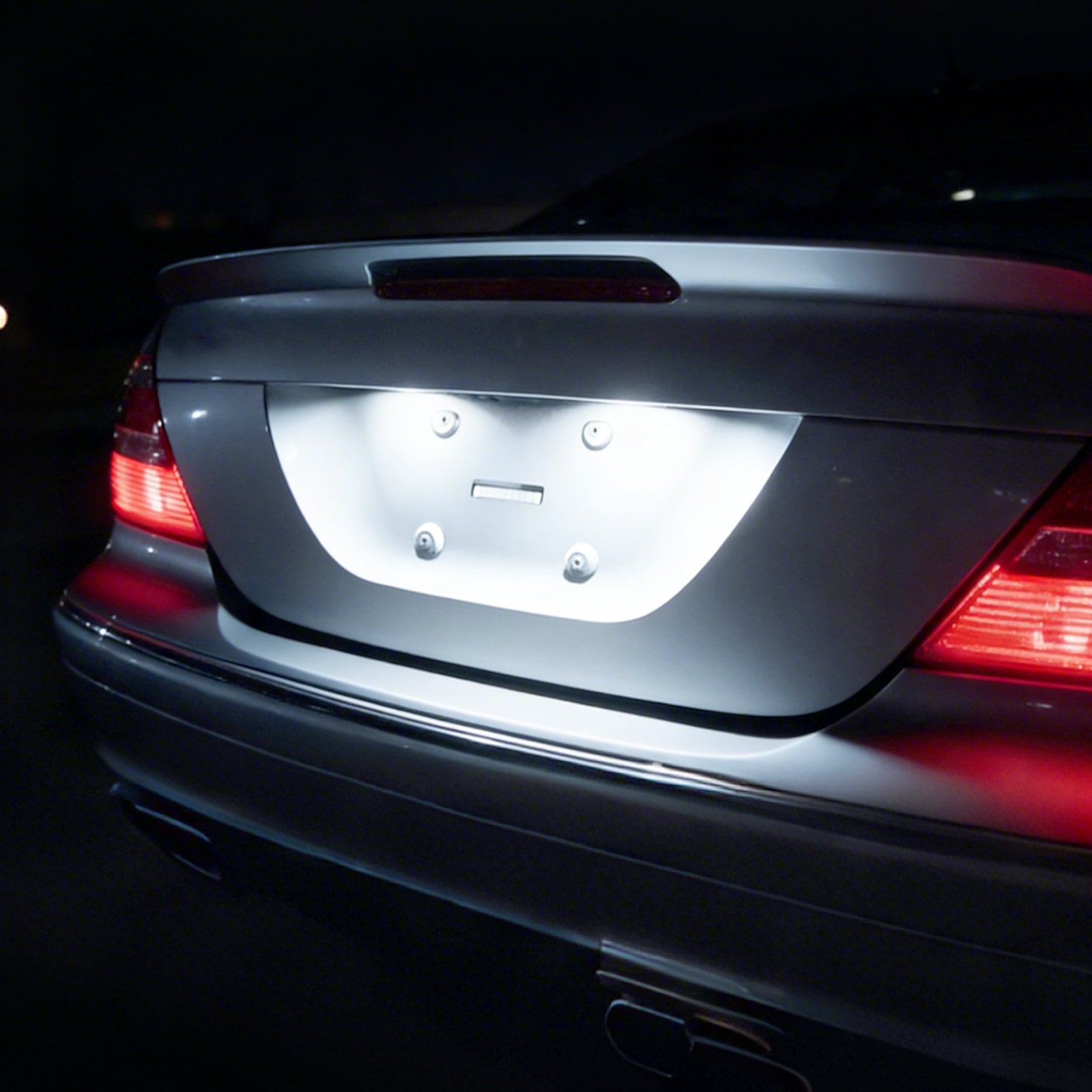
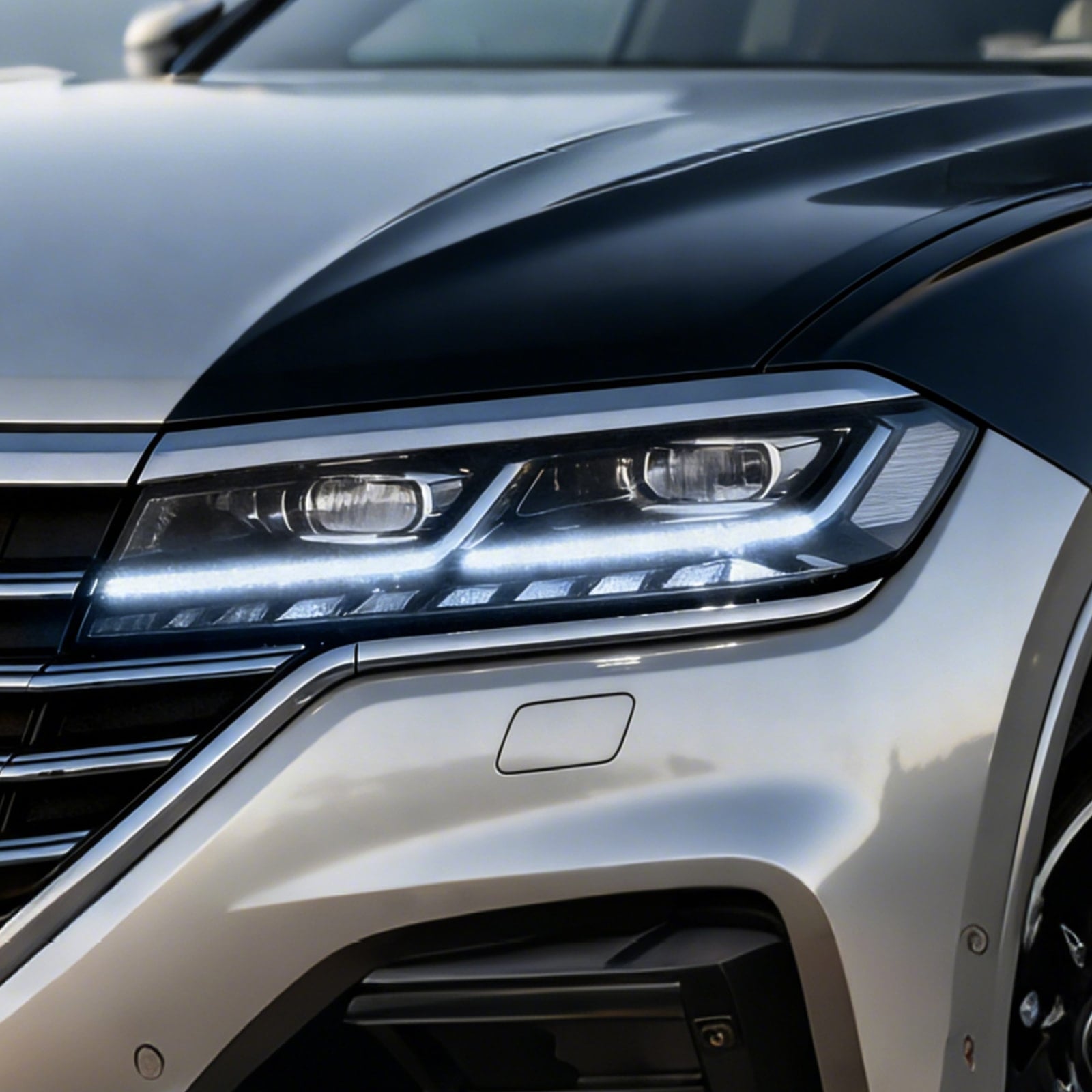
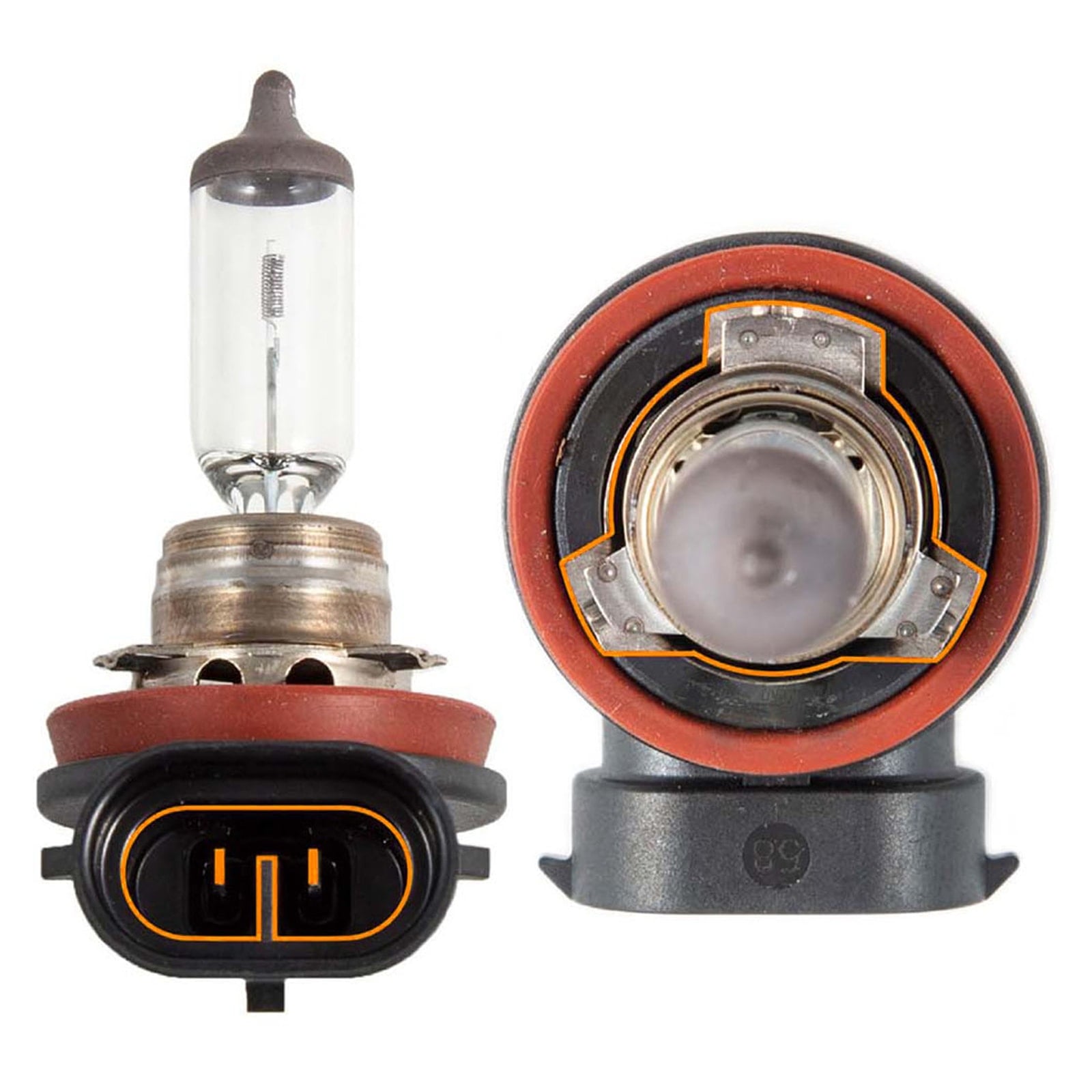
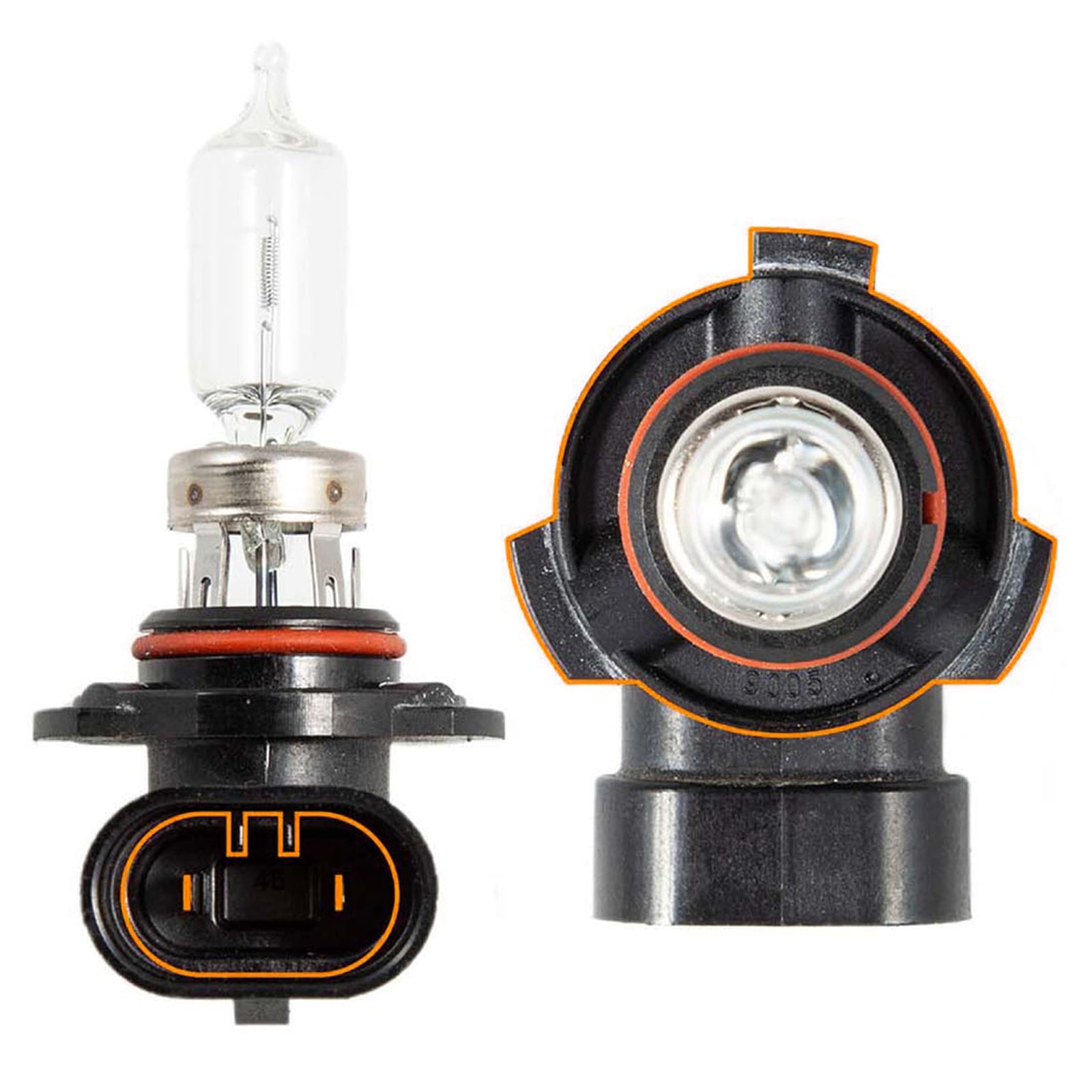
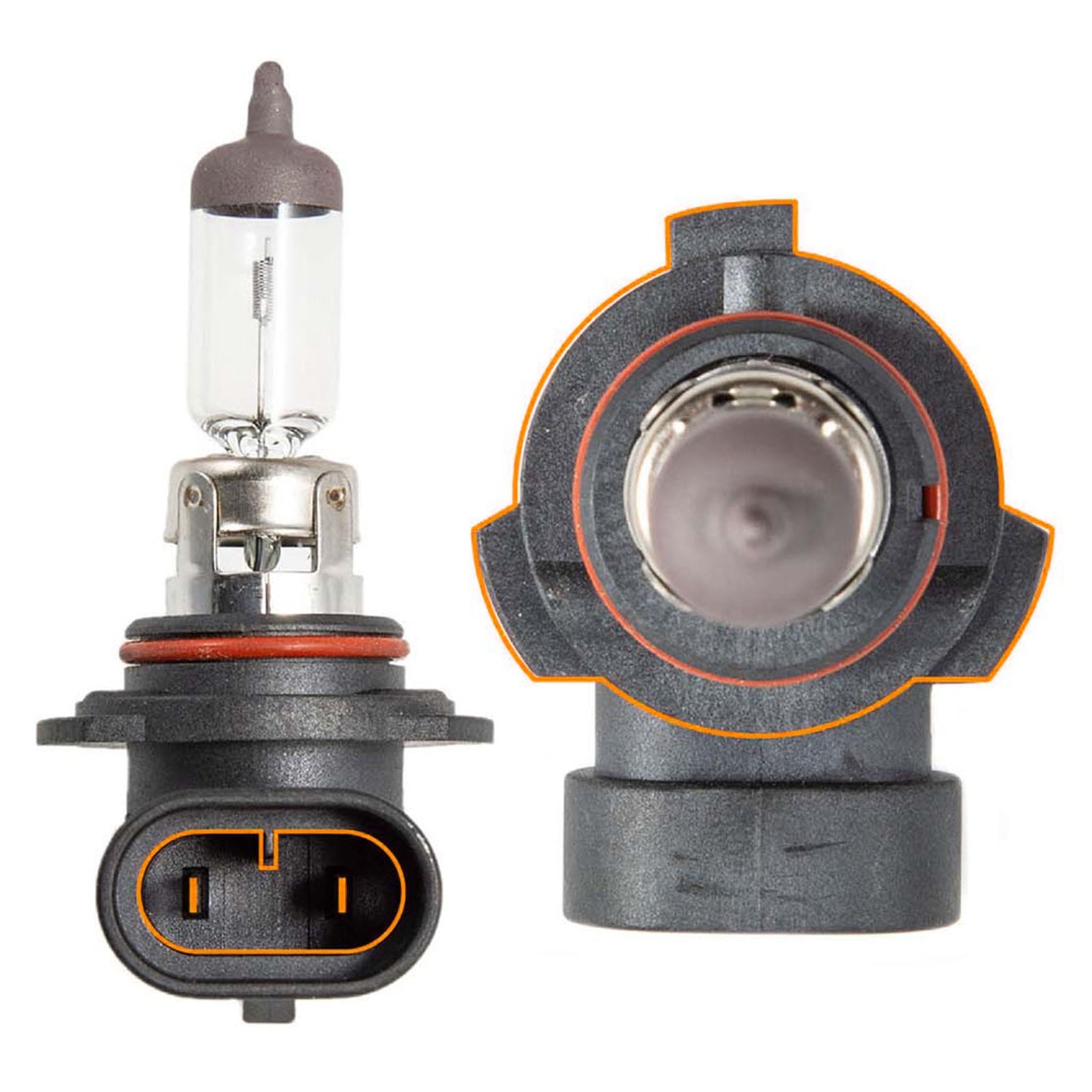
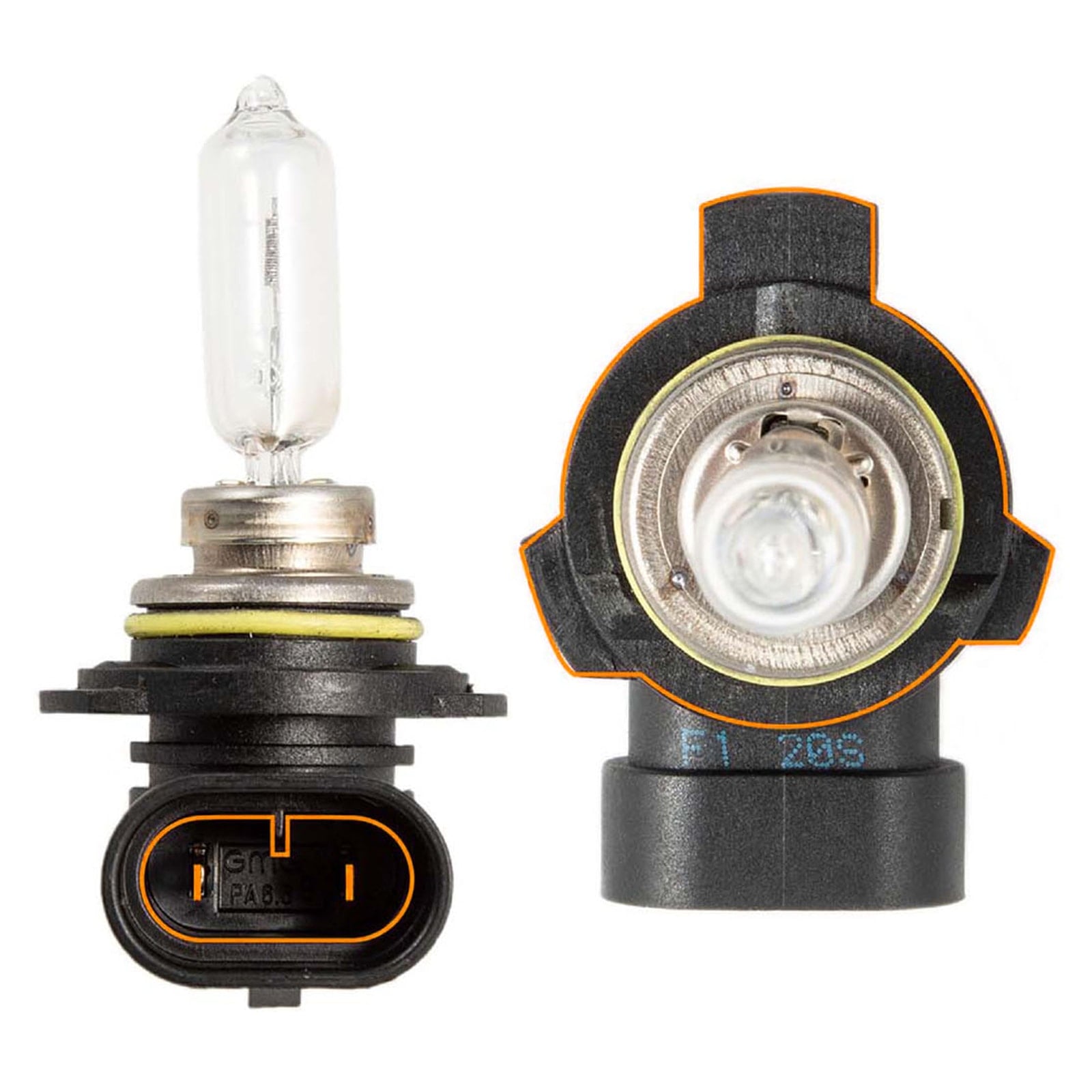
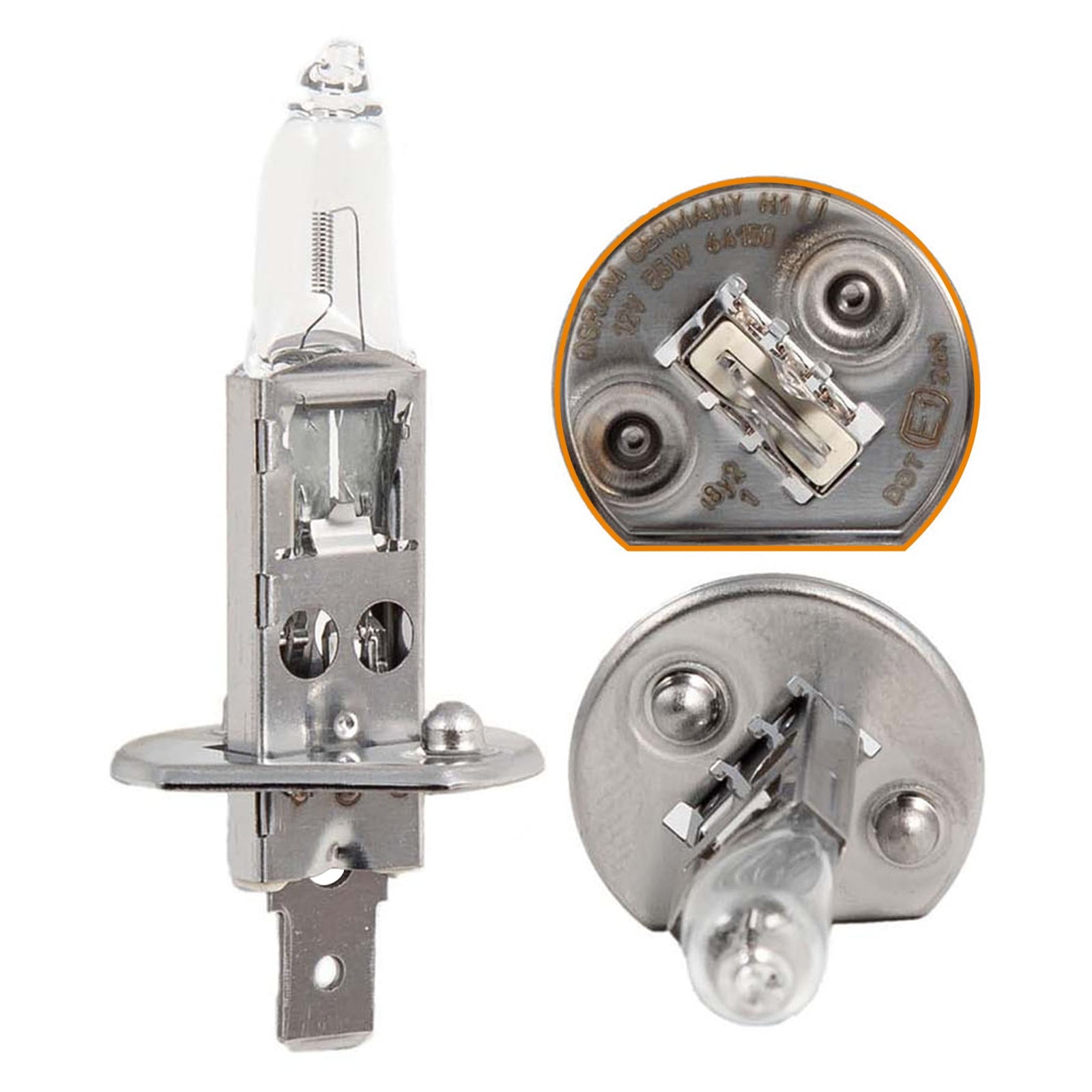

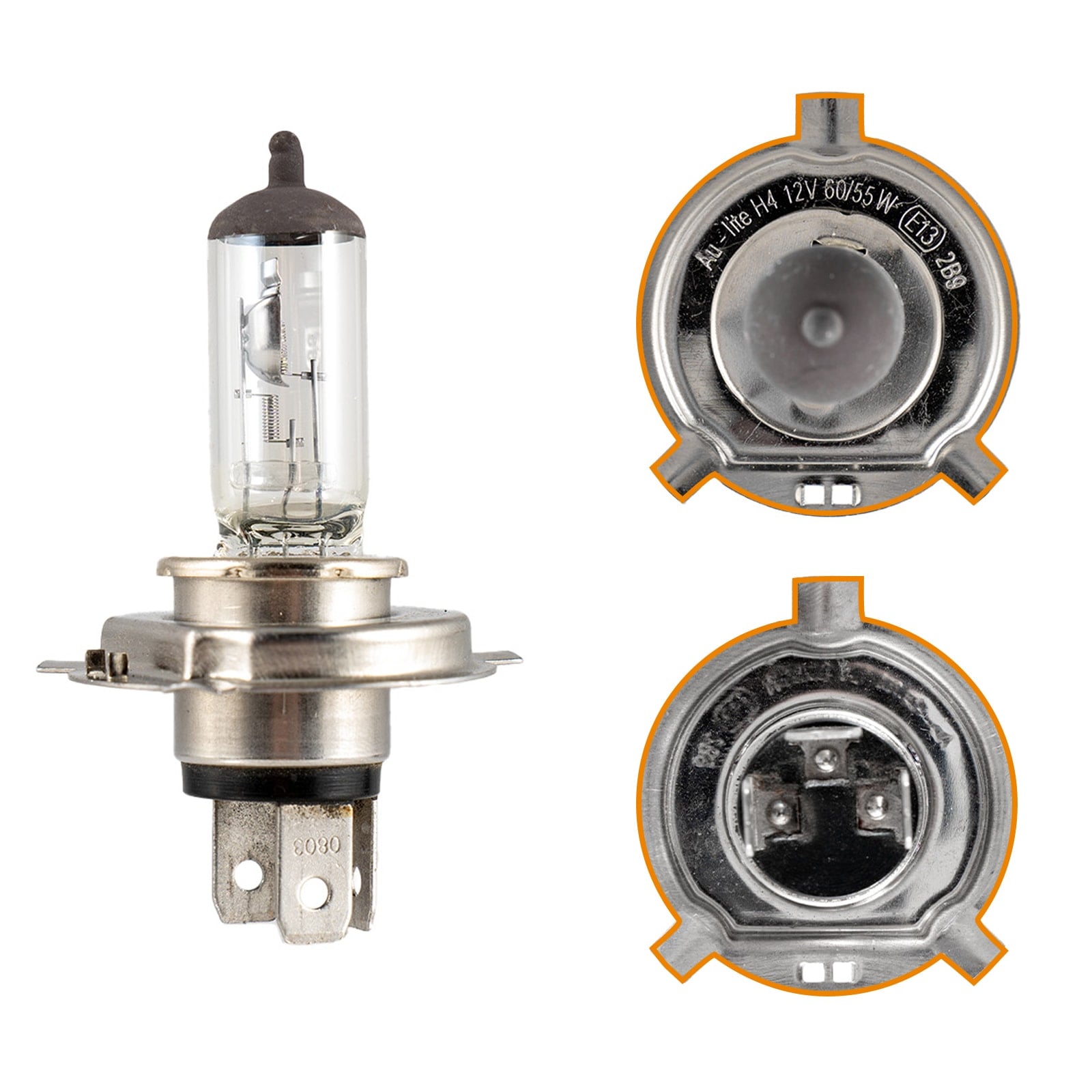
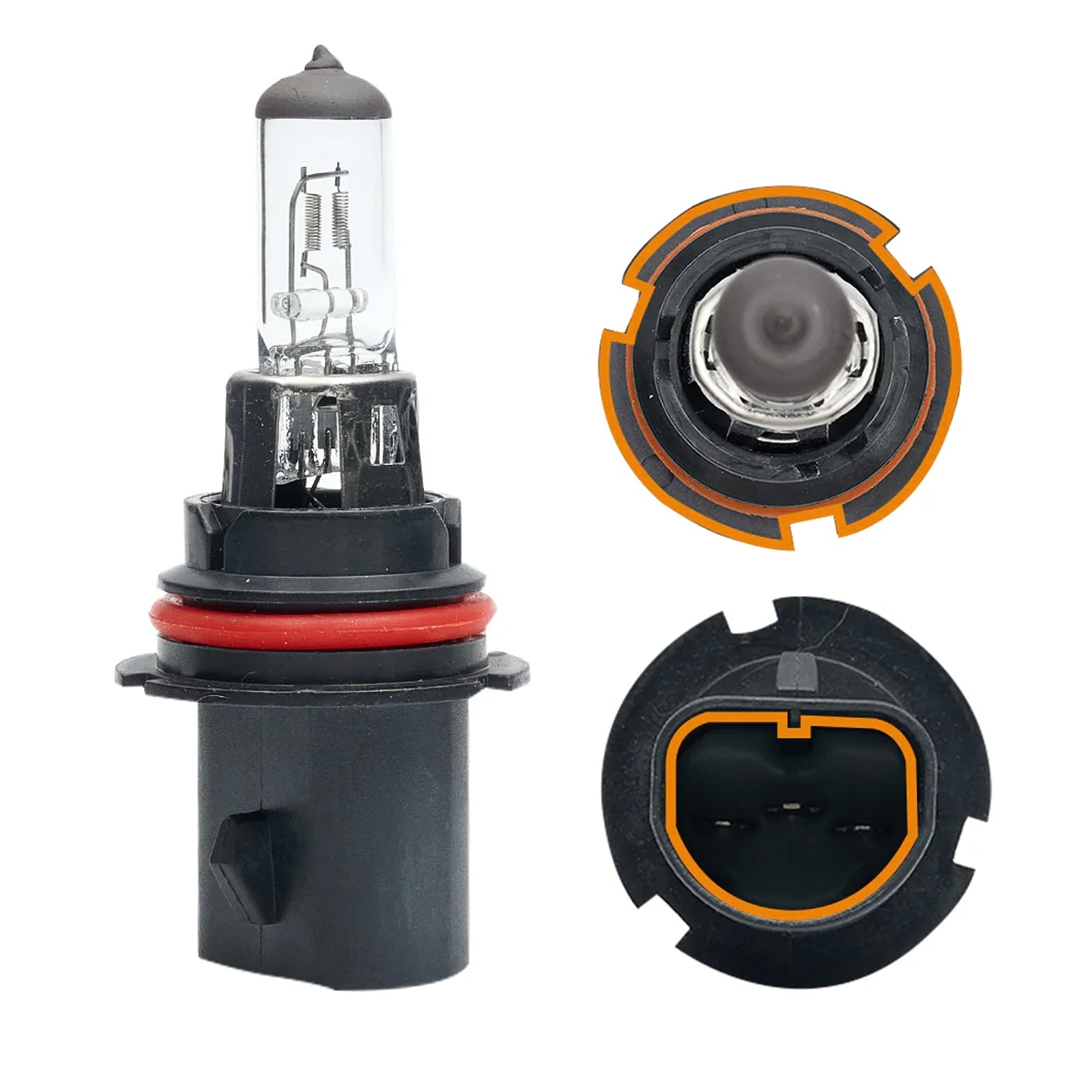
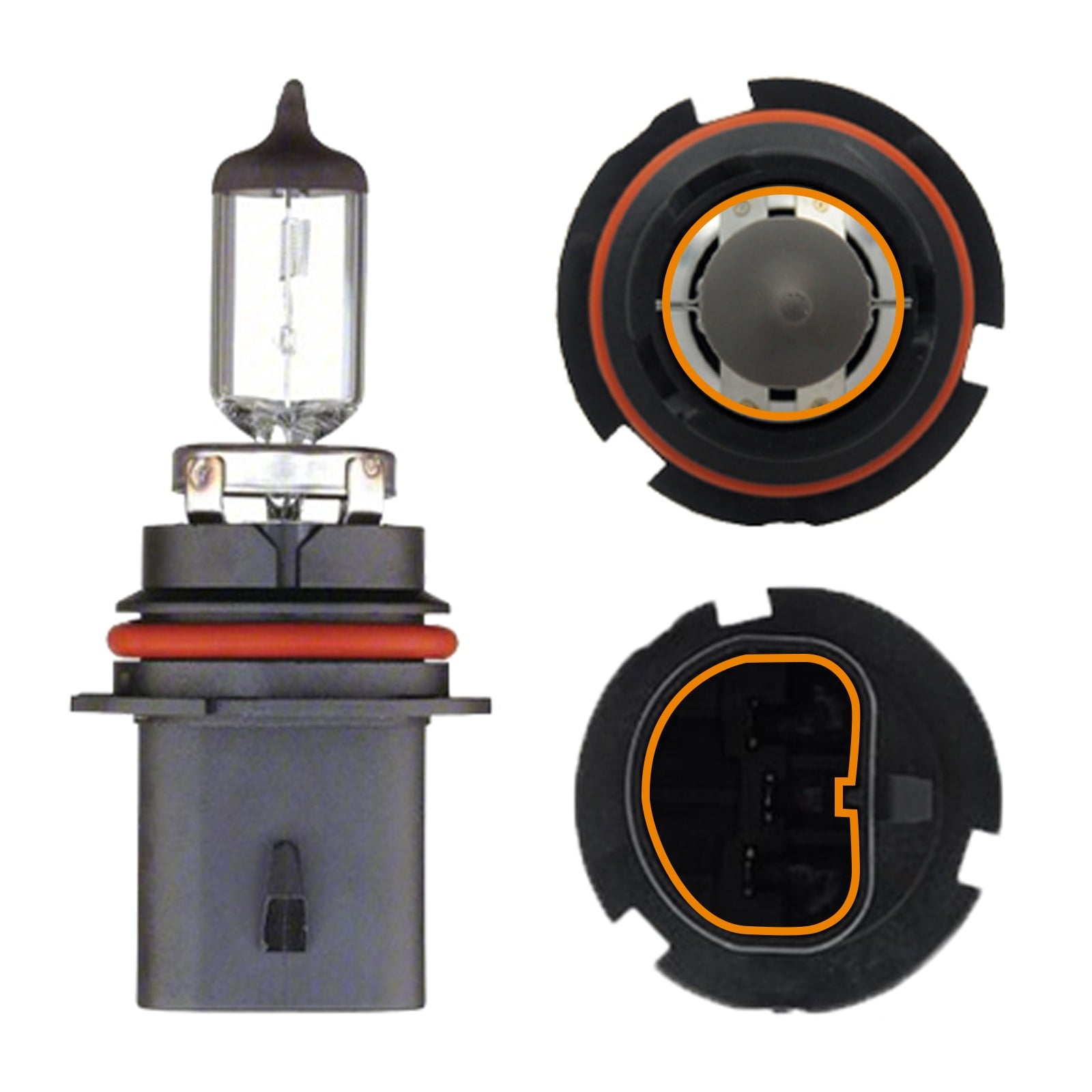
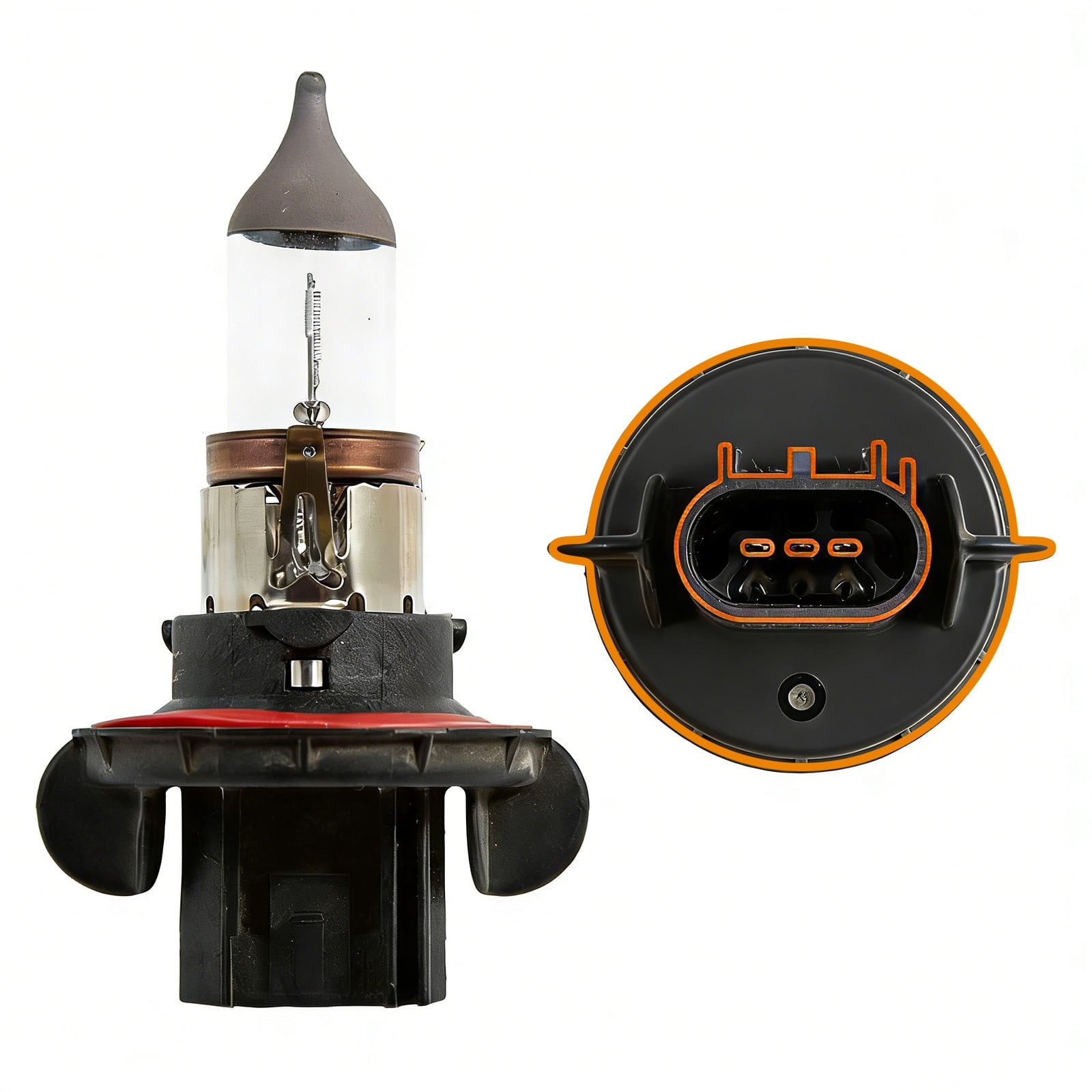
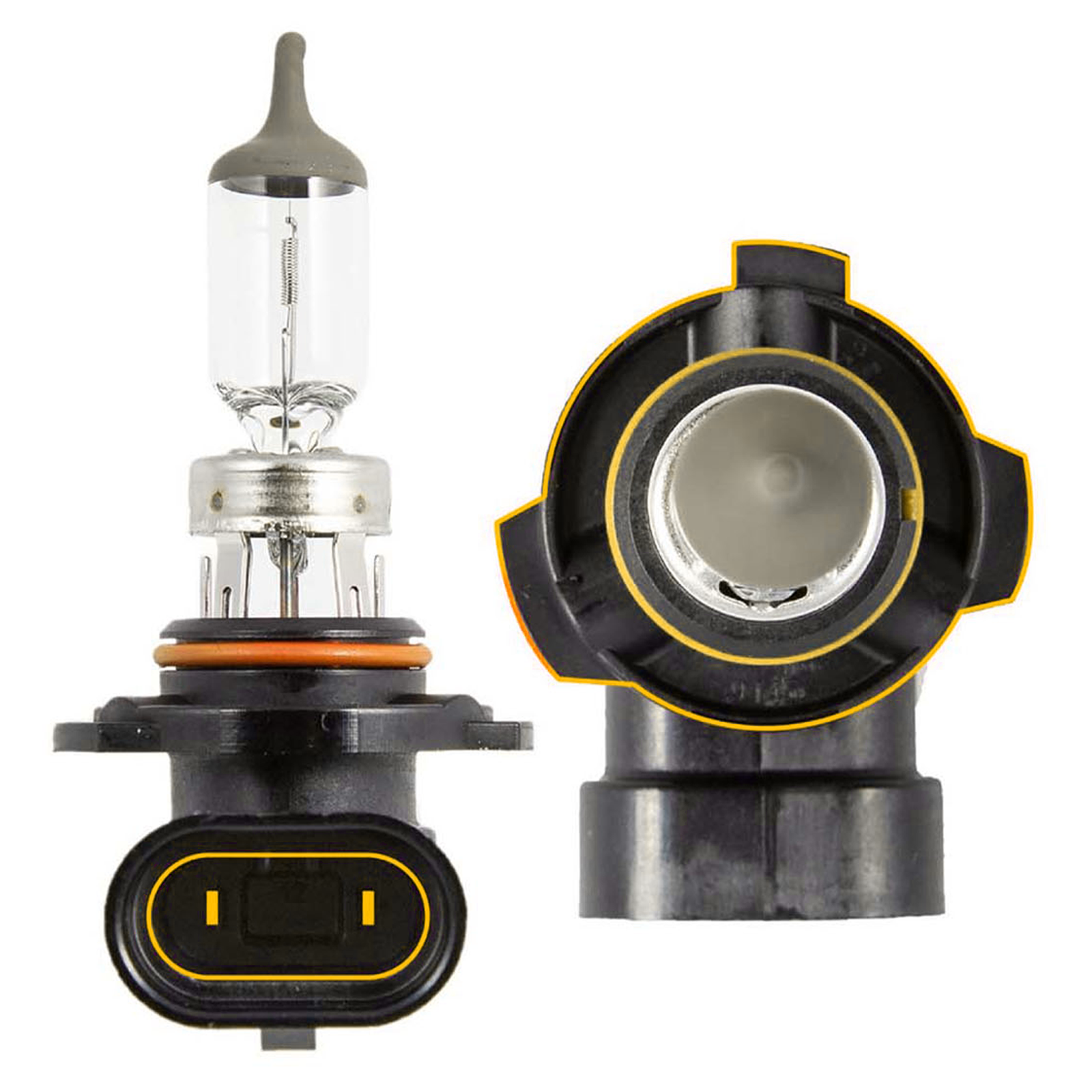
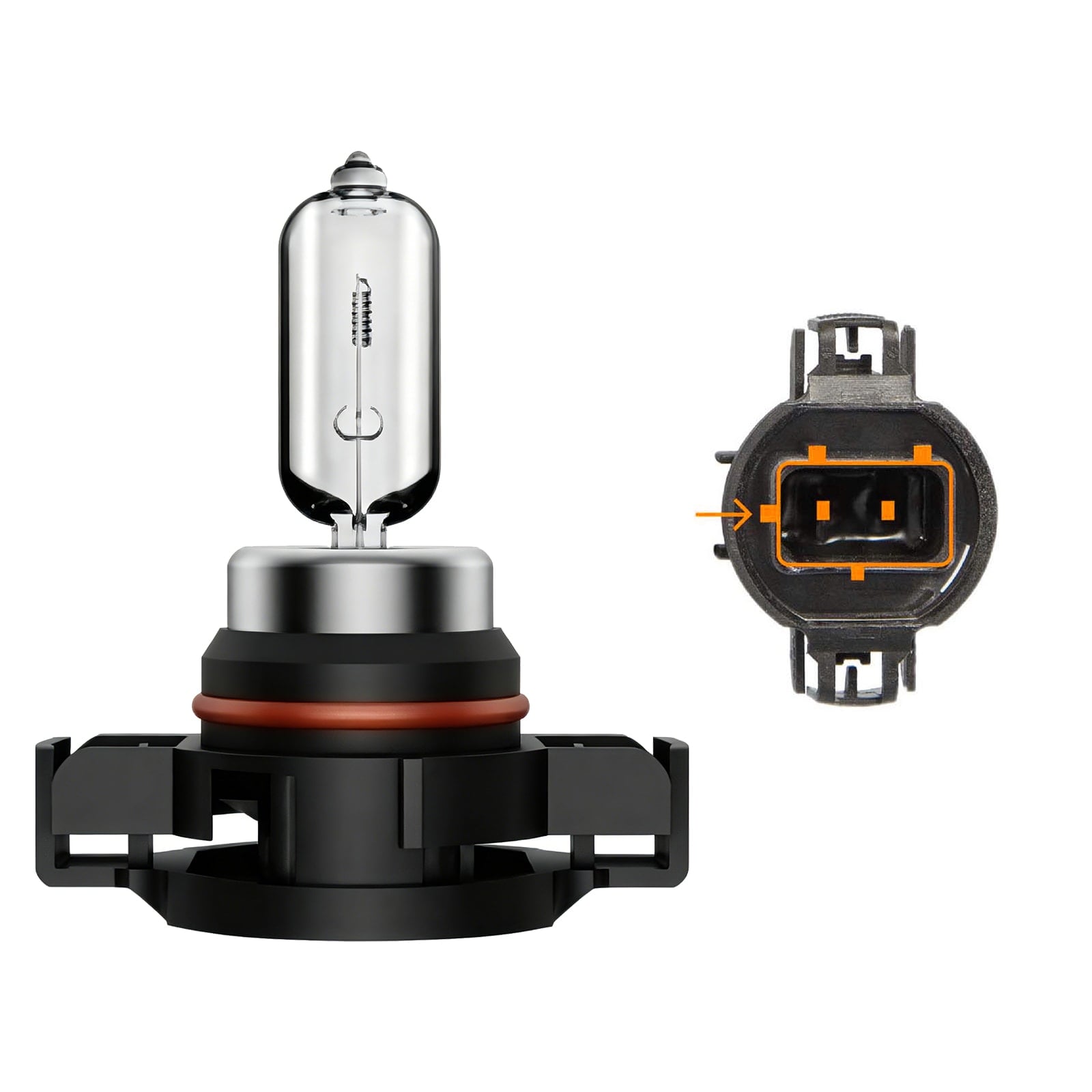
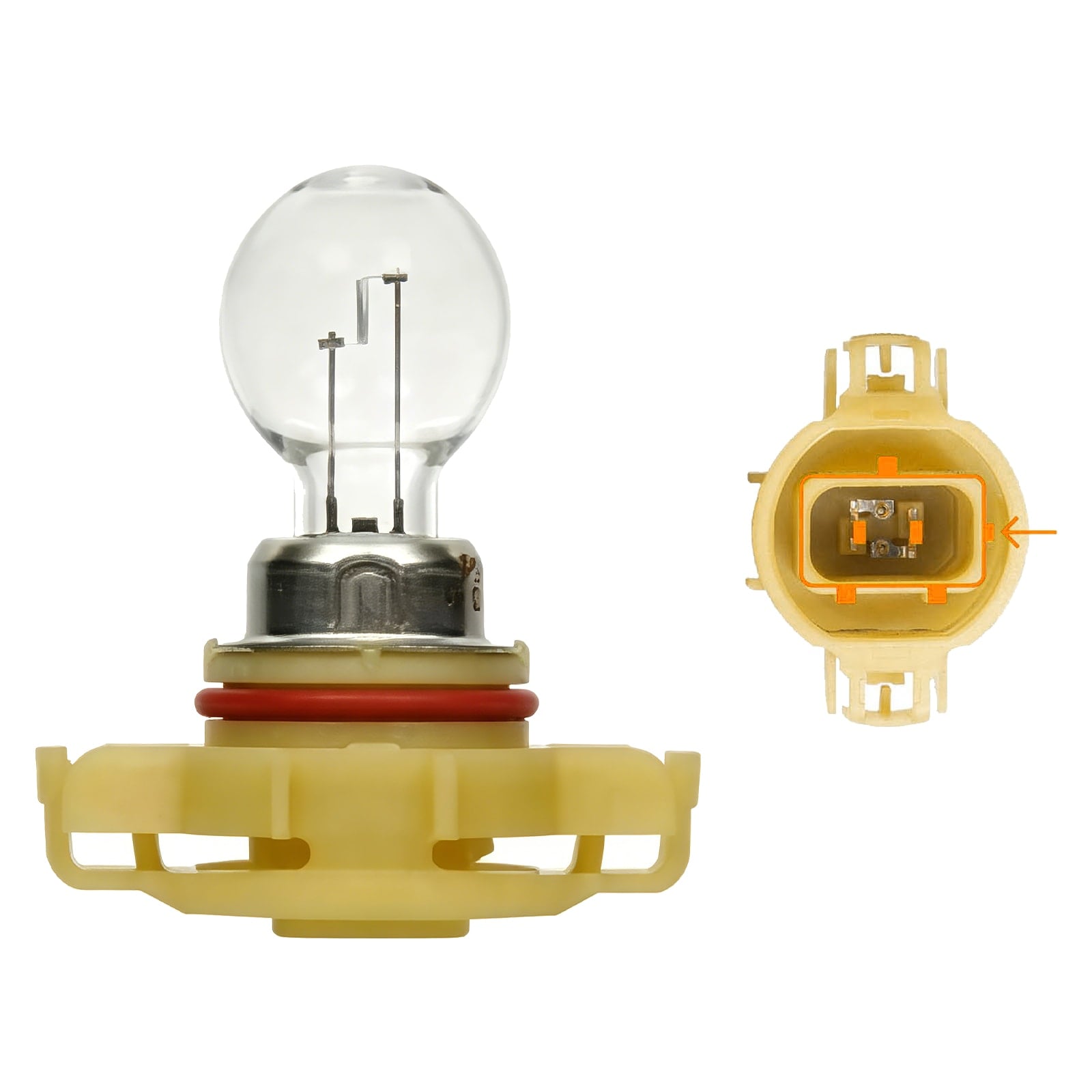
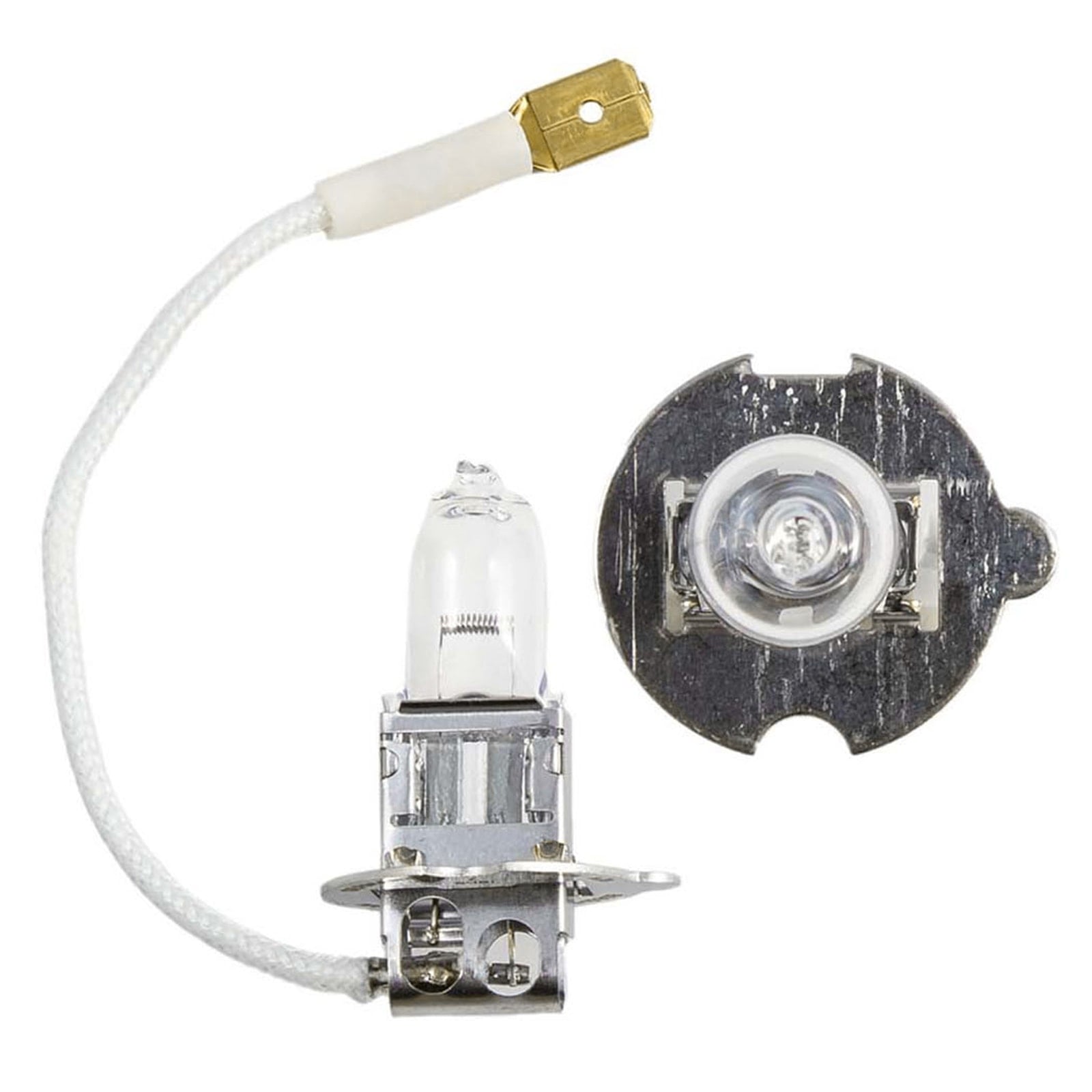
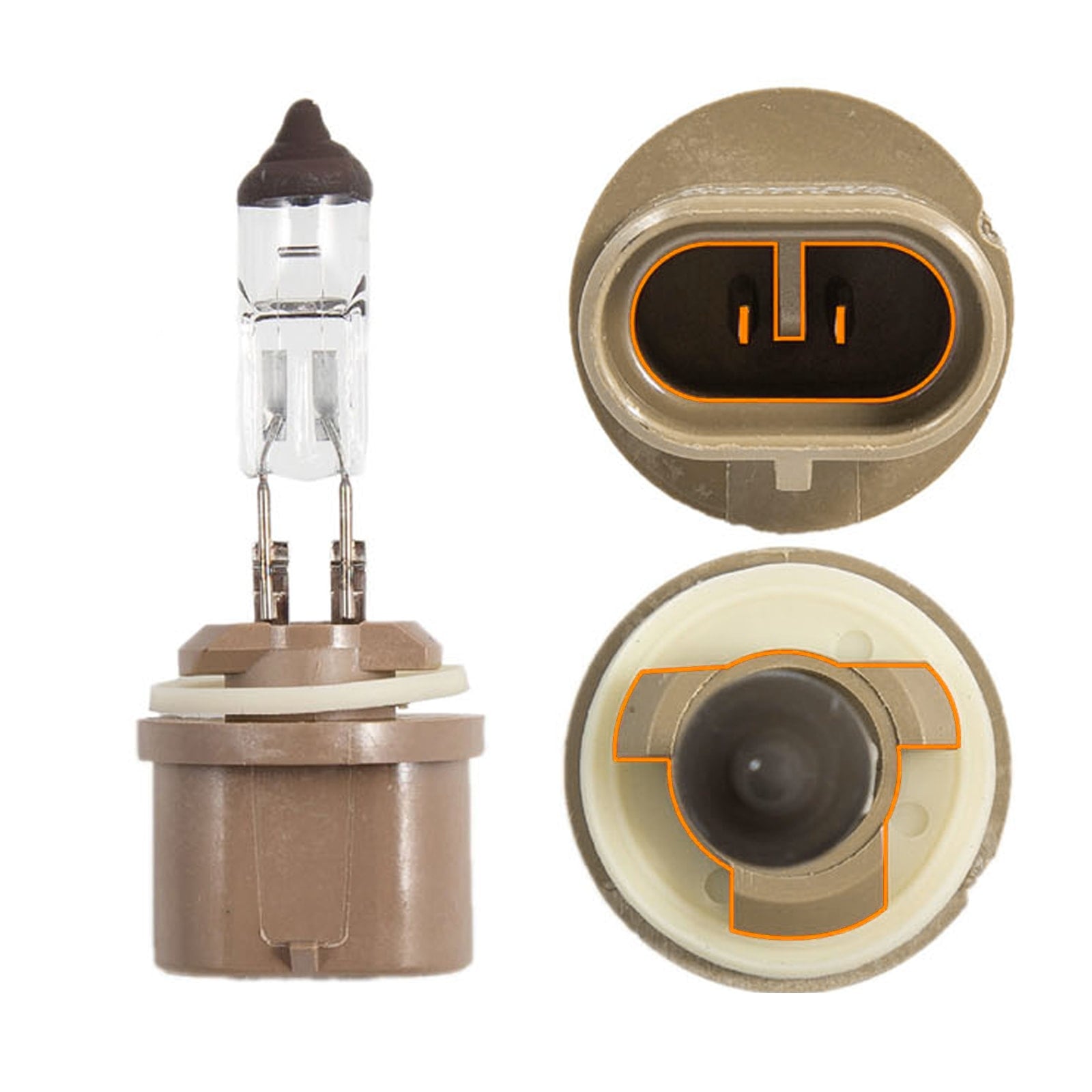
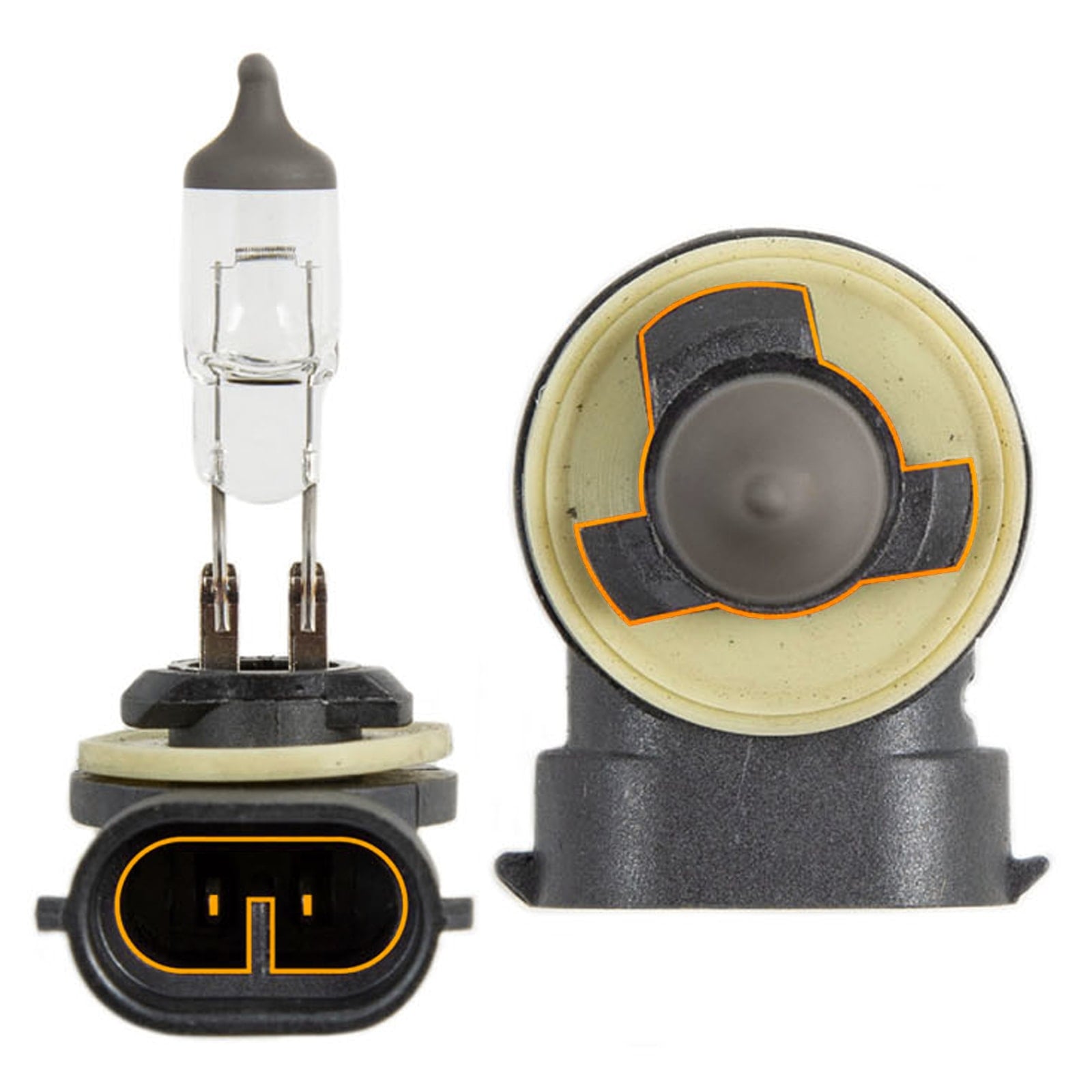
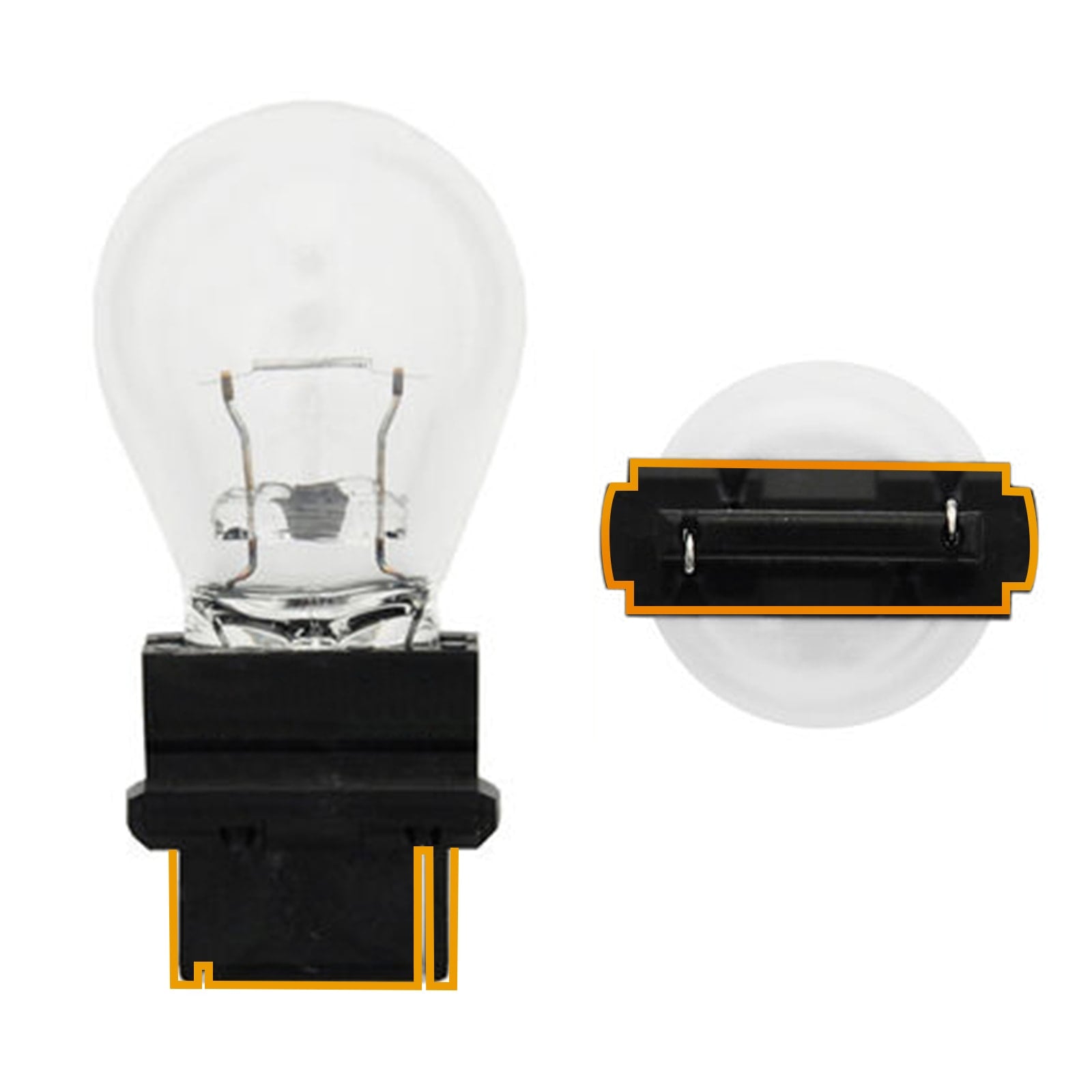
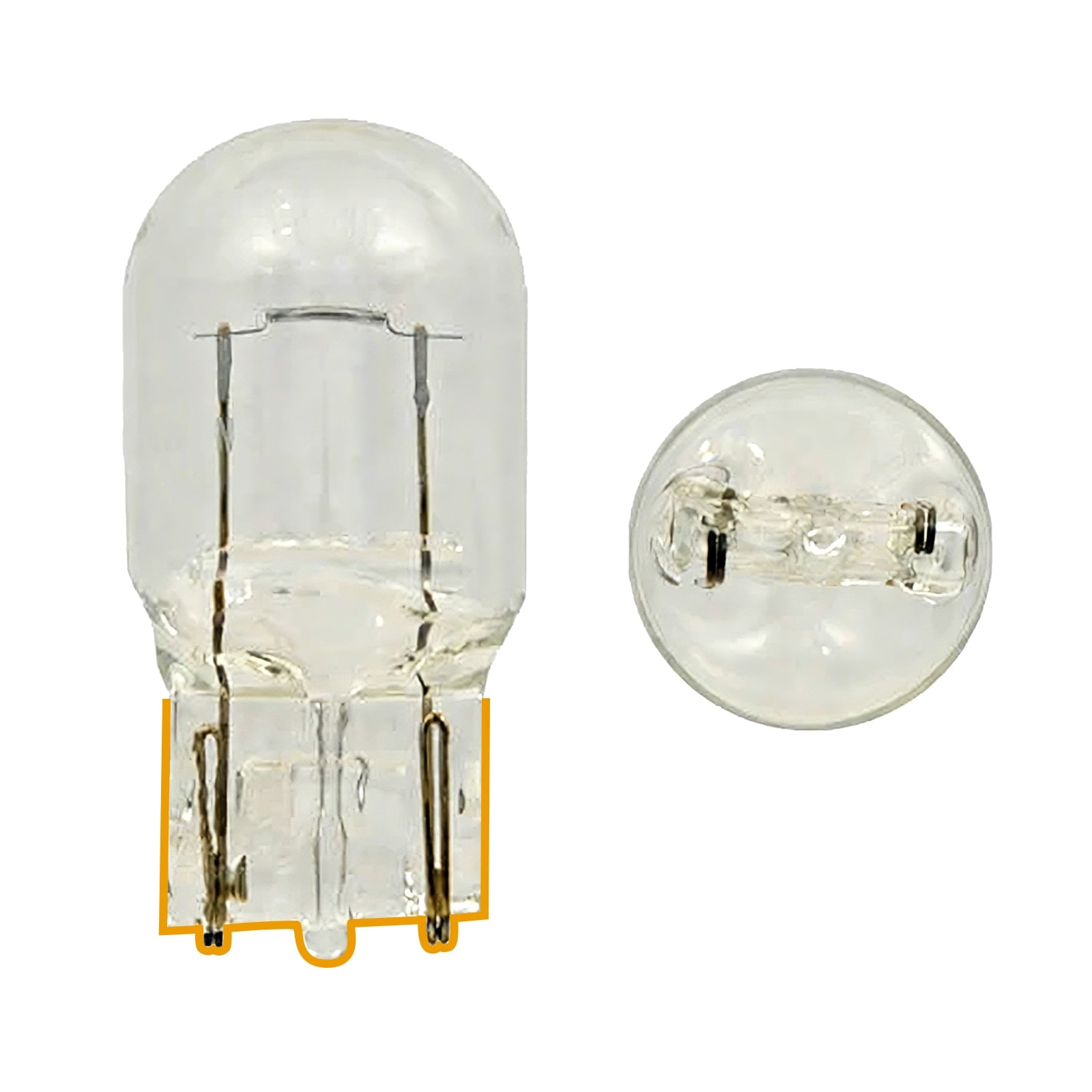
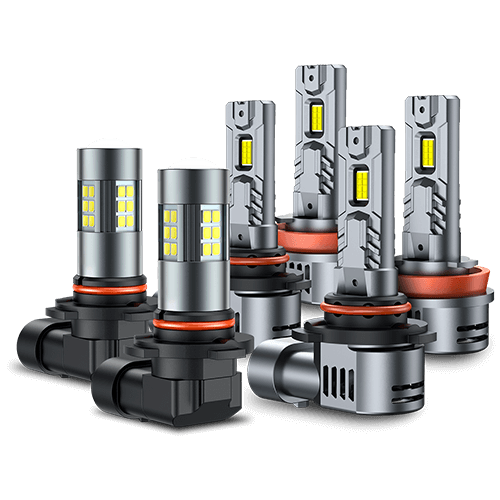
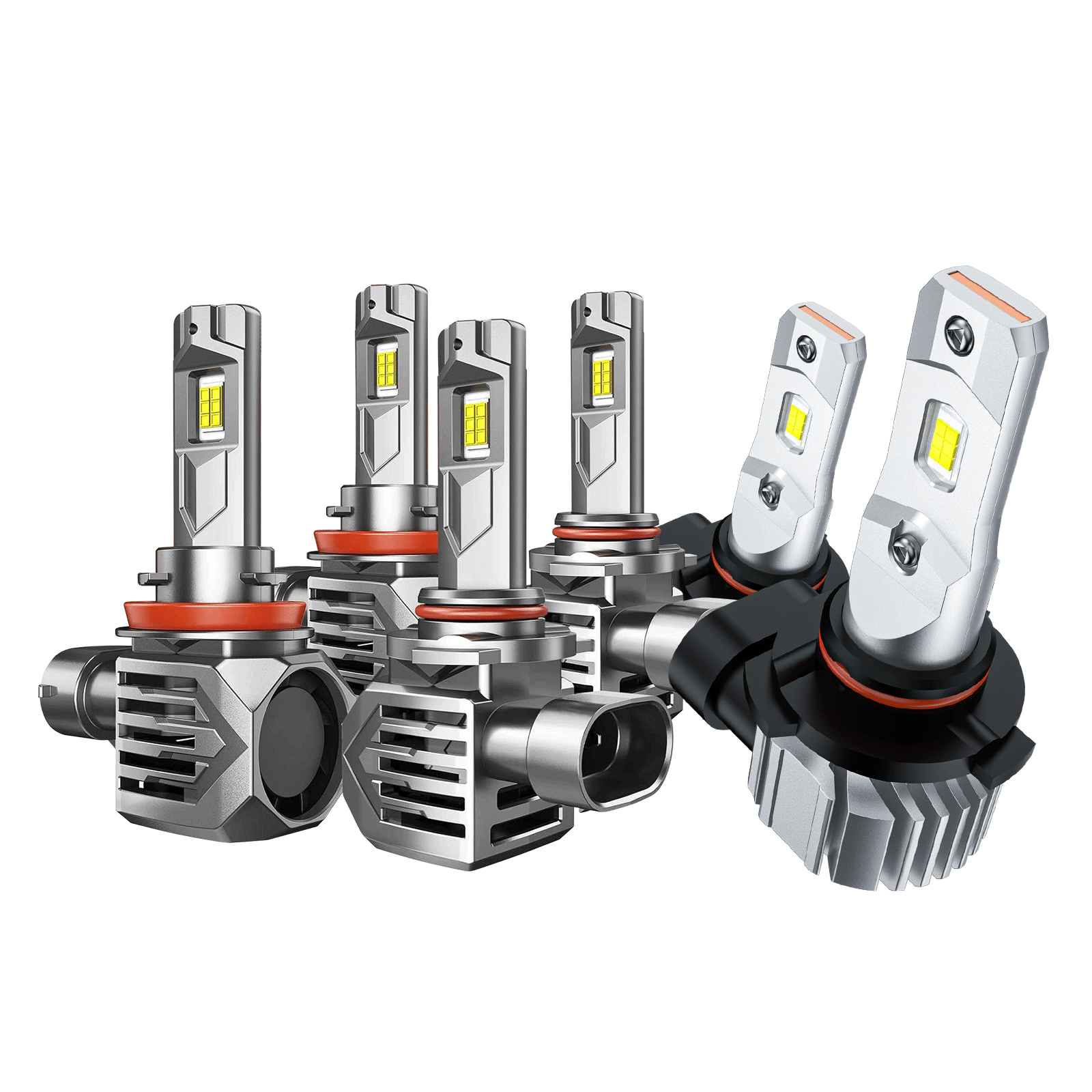
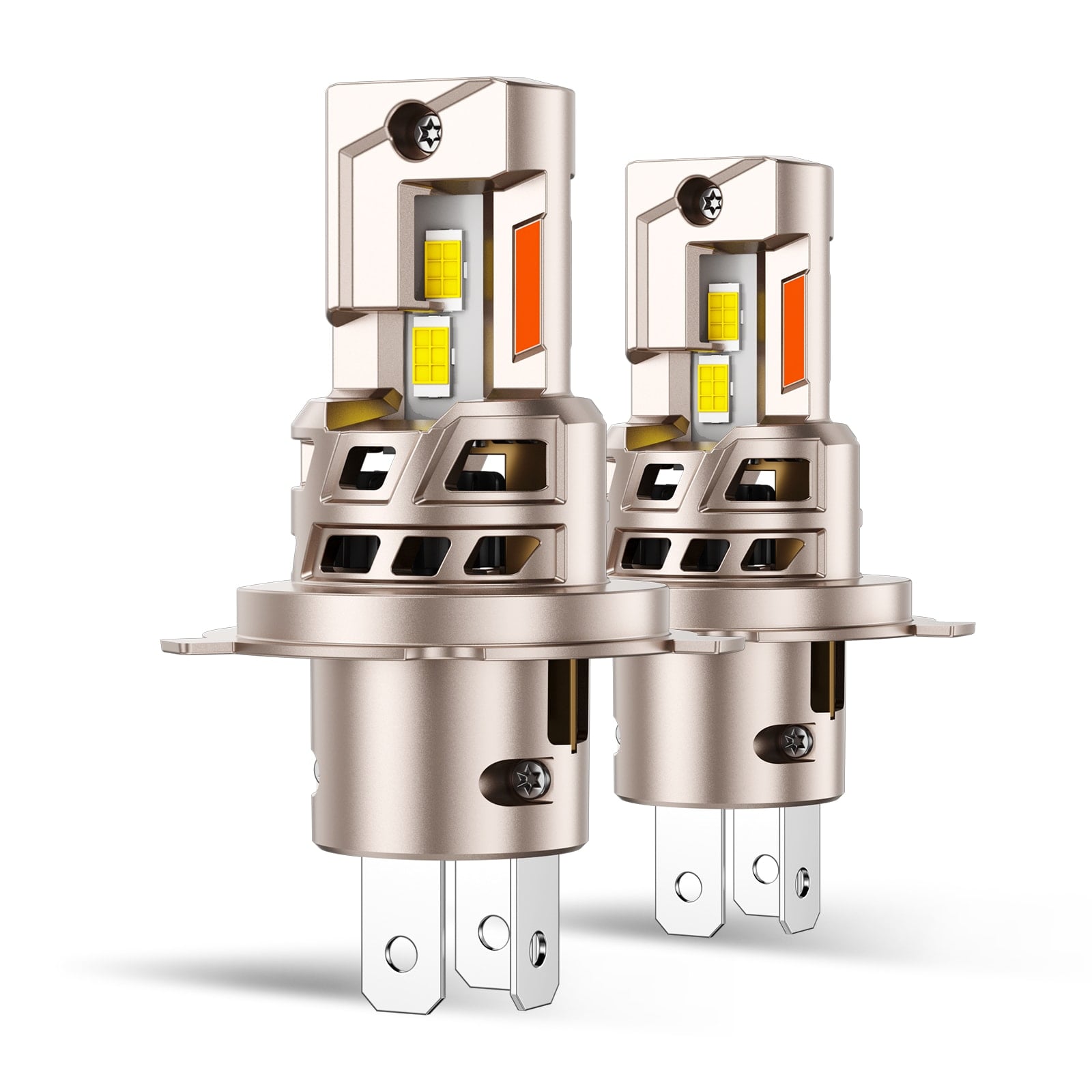


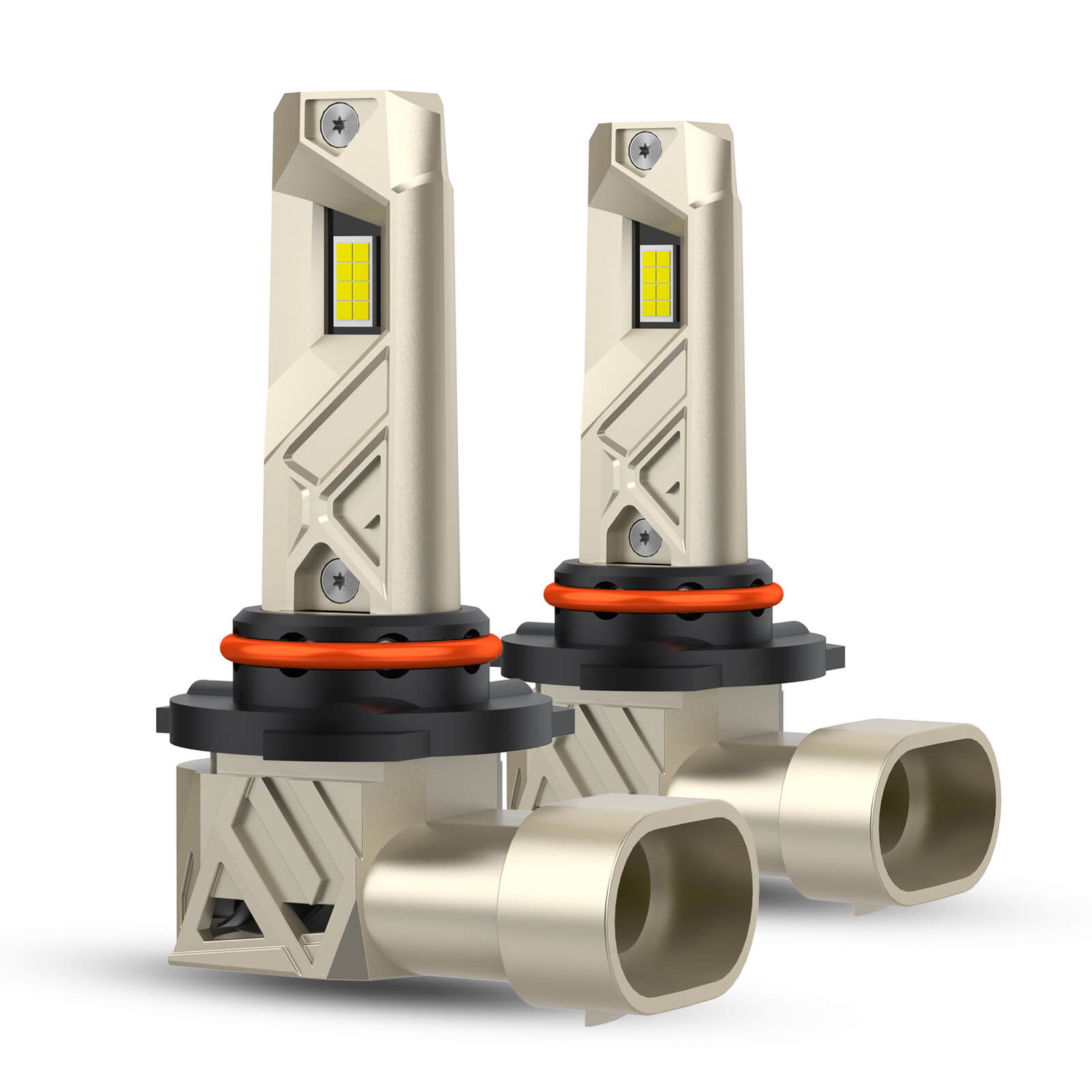


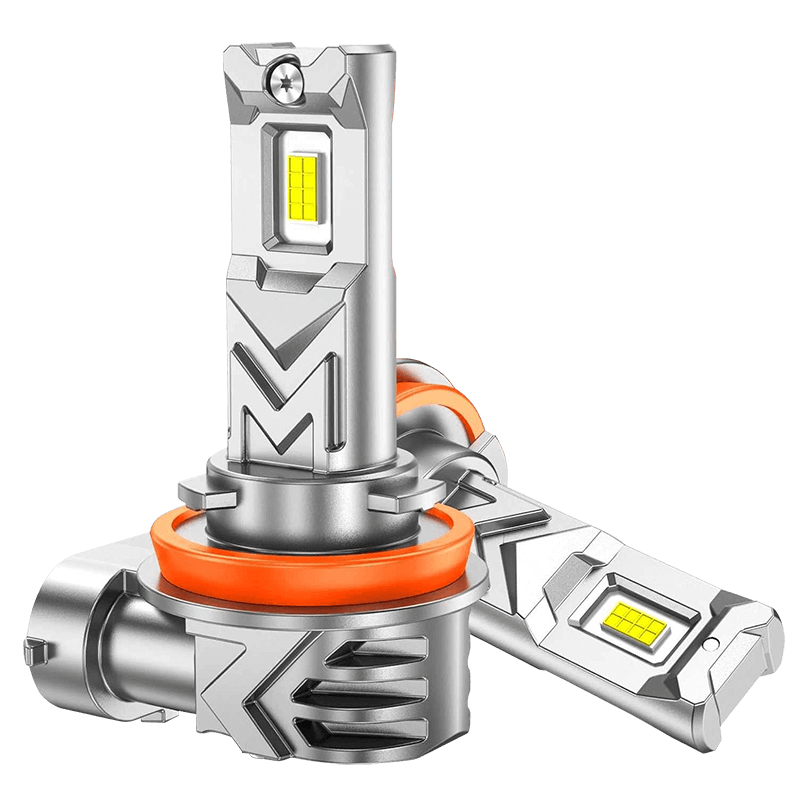
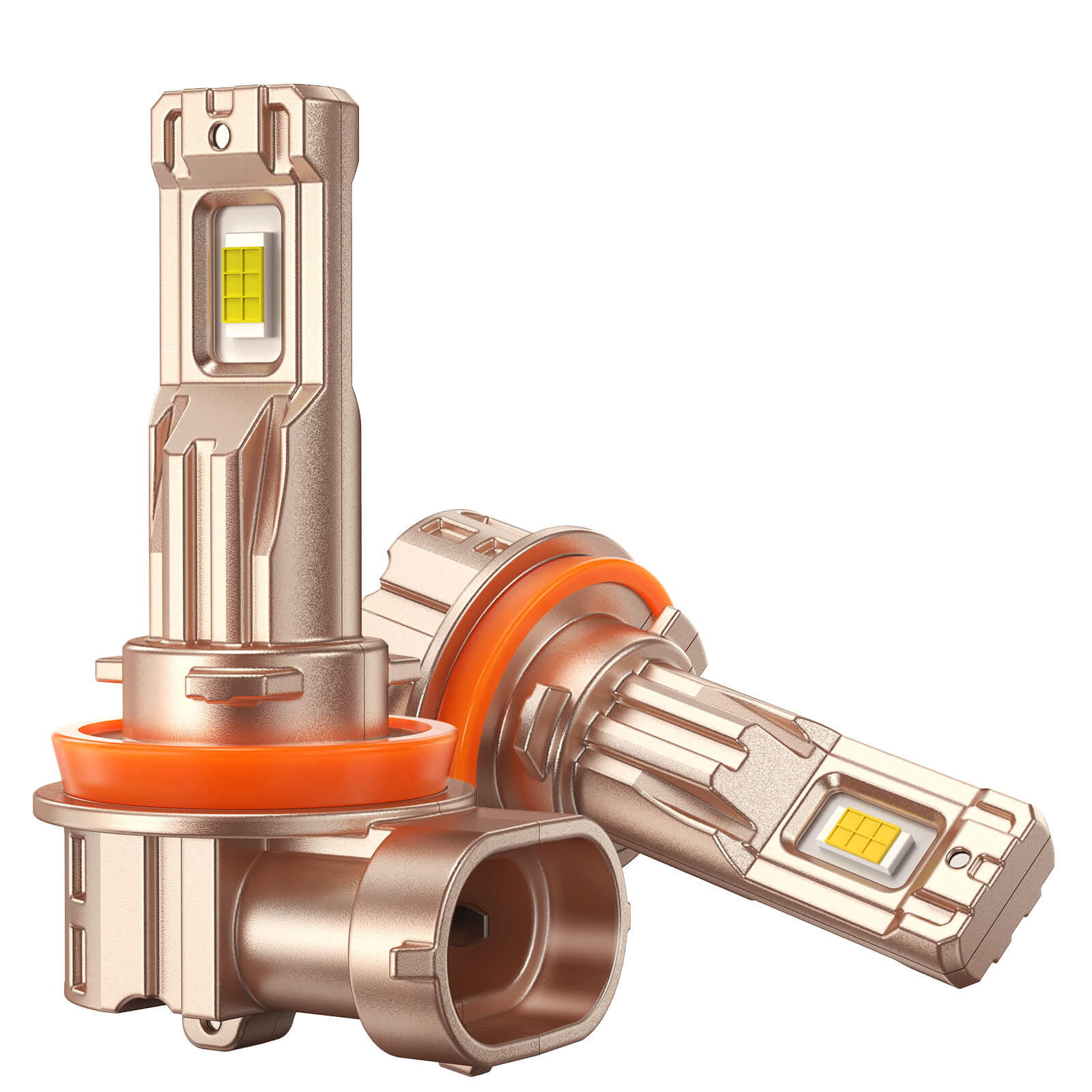


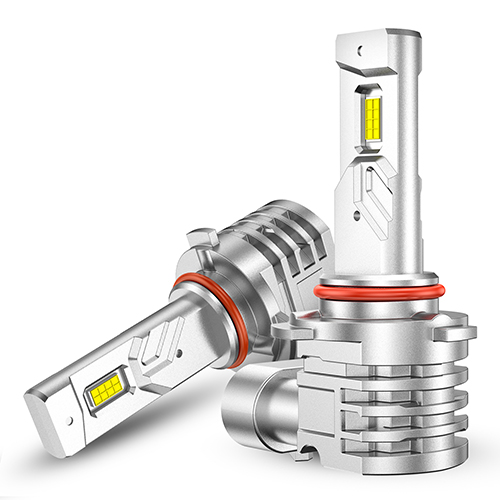
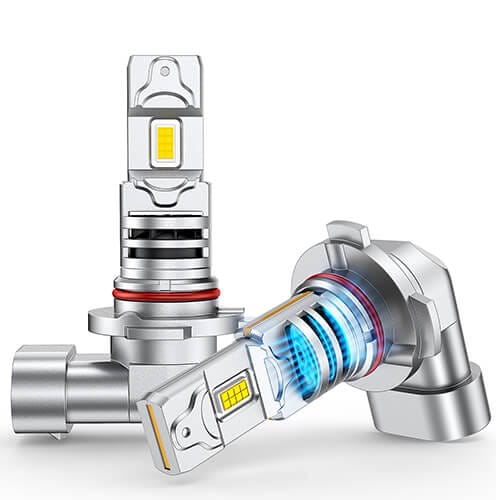

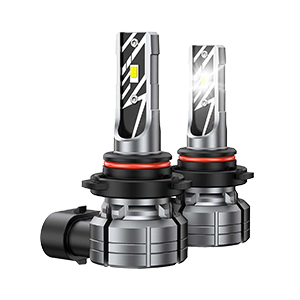


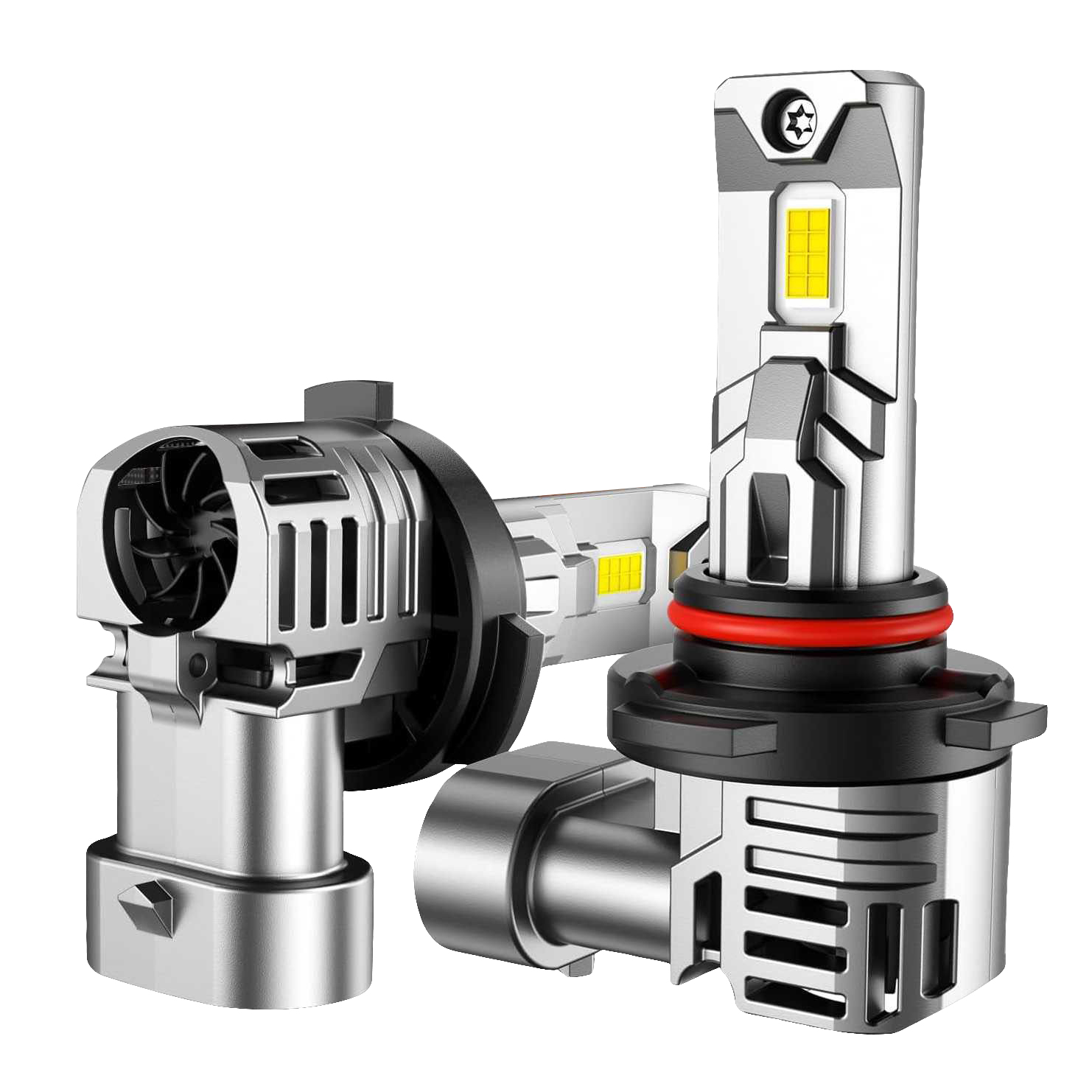


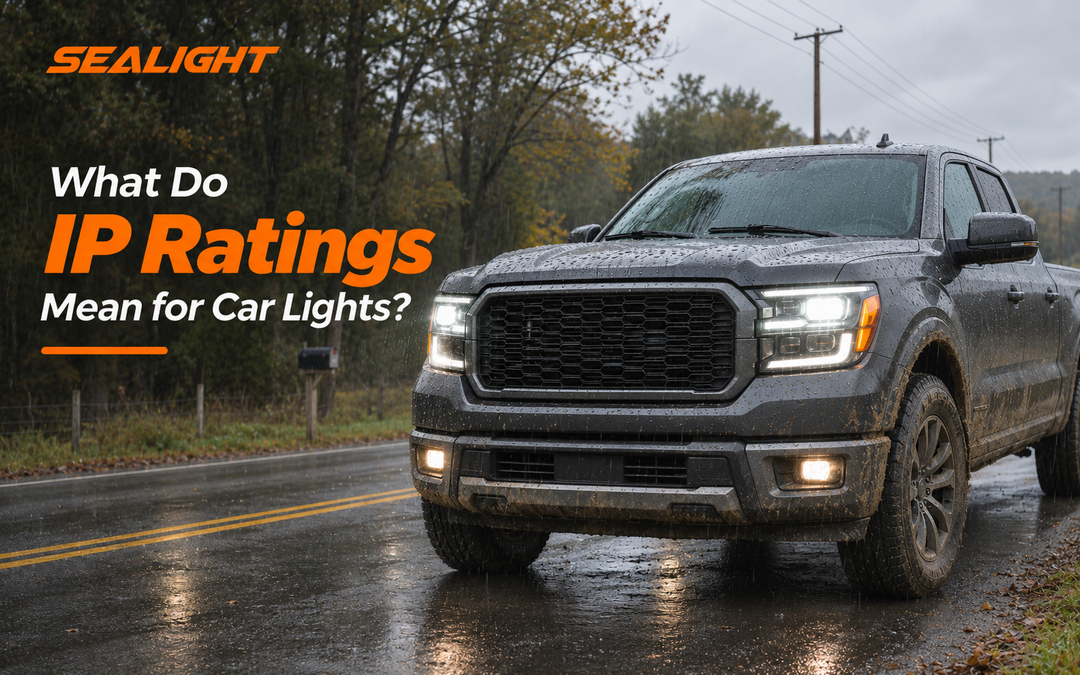
When shopping for automotive lights, you may notice codes such as IP65, IP67, IP68, or IP69K in the product specifications. These IP ratings describe how an enclosure protects against the entry of solid objects, dust, and water under defined test conditions.
Understanding these ratings can help you compare headlights, fog lights, tail lights, auxiliary lights, and other automotive lighting products. But the numbers alone do not tell you everything. It also matters which part was tested, which standard was used, and how the light is installed.
This guide explains how to read an IP rating, what the numbers mean, and how to apply that information when choosing and maintaining automotive lights.
Quick Answer
- An IP rating shows how well a product’s enclosure protects against dust and water under defined test conditions.
- The two digits describe separate types of protection: the first covers solid objects, and the second covers water.
- IP65, IP67, and IP68 use different water tests, so the best choice depends on how and where the light will be used.
- SEALIGHT offers automotive lights with IP-rated dust and water protection for different lighting applications.
What Is an IP Rating?
An IP rating is a code used to describe the degree of protection provided by an enclosure. IP is commonly explained as “Ingress Protection”, referring to protection against the entry of foreign objects and water.
For automotive lighting, the enclosure being rated might be a complete light assembly or a particular component. The rating helps describe how that tested enclosure performs against dust and water under the conditions specified by the applicable standard.
How to Read an IP Rating
An IP code typically has two digits after the letters “IP.” Each digit has a different meaning.
For example, in IP67:
| Part | Meaning |
|---|---|
| IP | Ingress Protection |
| 6 | First digit: protection against solid objects and dust |
| 7 | Second digit: protection against water |
The first digit, 6, indicates a dust-tight enclosure under the specified test conditions. The second digit, 7, indicates protection against the effects of temporary immersion under specified conditions.
You may also see an “X” in place of one digit. For example:
- IPX7: A water protection rating is provided, but no first-digit rating is specified.
- IP6X: A dust protection rating is provided, but no second-digit rating is specified.
The “X” does not mean zero protection. It means that a rating for that position has not been stated.
Which Standards Define IP Ratings?
IEC 60529 is the widely used international standard for IP protection provided by electrical equipment enclosures.
For road vehicles, ISO 20653 addresses the protection provided by electrical equipment enclosures against foreign objects, water, and access to hazardous parts. It also includes codes with a “K” for certain requirements specific to road vehicles.
When comparing automotive lighting products, check the standard and version referenced in the product specifications or test documentation.
IP Rating Chart: What Do the Numbers Mean?
The two digits in an IP rating describe different types of protection. The following charts summarize the common IEC 60529 meanings. Actual testing and acceptance requirements depend on the applicable standard.
First Digit: Protection Against Solid Objects and Dust
| First digit | Protection |
|---|---|
| 0 | No protection specified against solid objects |
| 1 | Protection against solid objects 50 mm or larger |
| 2 | Protection against solid objects 12.5 mm or larger |
| 3 | Protection against solid objects 2.5 mm or larger |
| 4 | Protection against solid objects 1.0 mm or larger |
| 5 | Dust-protected: some dust may enter, but not in a quantity that interferes with satisfactory operation |
| 6 | Dust-tight: no dust enters under the specified test conditions |
For example, IP65, IP66, IP67, and IP68 all start with 6. That means they share the same first-digit dust protection classification.
Second Digit: Protection Against Water
| Second digit | Protection |
|---|---|
| 0 | No protection specified against water |
| 1 | Vertically falling water drops |
| 2 | Vertically falling water drops when the enclosure is tilted up to the specified angle |
| 3 | Spraying water within a specified angle |
| 4 | Water splashing from any direction |
| 5 | Water jets |
| 6 | Powerful water jets |
| 7 | Temporary immersion under specified conditions |
| 8 | Continuous immersion under specified conditions |
| 9 | High-pressure, high-temperature water jets |
The second digit describes a particular water test. It does not mean a product is protected against every possible type of water exposure or every liquid.
IP65 vs IP67 vs IP68: Which IP Rating Is Best for Automotive Lights?
IP65, IP67, and IP68 all indicate dust-tight protection under specified test conditions. Their main difference is the water test: IP65 addresses water jets, while IP67 and IP68 address immersion. IP66 and IP69K are also relevant when comparing protection against water jets.
| Rating | Water protection | Test conditions | What it means for automotive lights |
|---|---|---|---|
| IP65 | Water jets | Tested with a 6.3 mm nozzle at 12.5 L/min for at least 3 minutes | Indicates protection against water jets, but not an immersion rating |
| IP66 | Powerful water jets | Tested with a 12.5 mm nozzle at 100 L/min for at least 3 minutes | Addresses a more powerful water jet than IP65 |
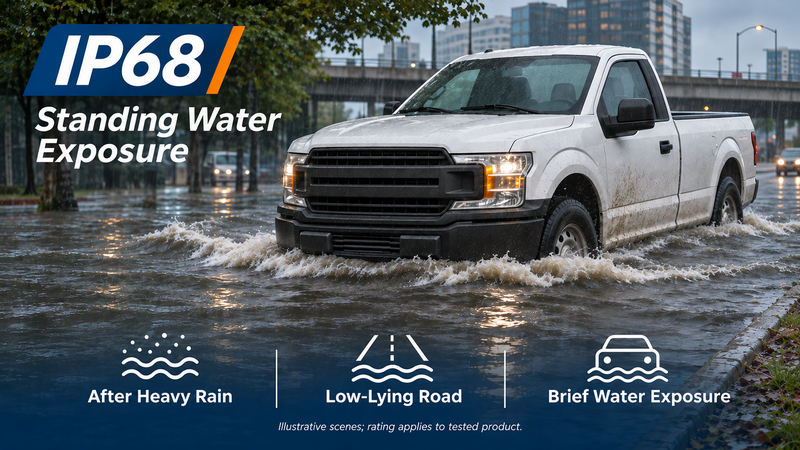
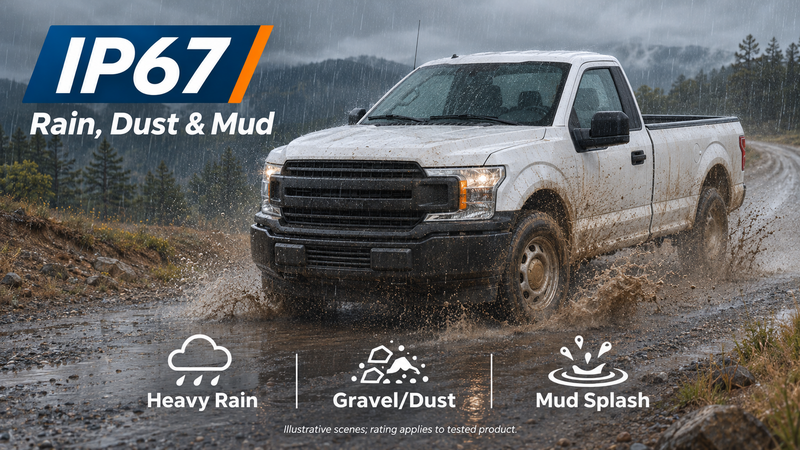
| IP67 | Temporary immersion | Tested for 30 minutes under specified depth conditions | Indicates temporary immersion protection, but does not automatically include a water-jet rating |
| IP68 | Continuous immersion | Tested under conditions specified for the product | Check the stated depth, duration, and other conditions |
| IP69K | High-pressure, high-temperature water jets | Tested under the applicable automotive standard | Addresses high-pressure, high-temperature jets, but does not automatically include an immersion rating |
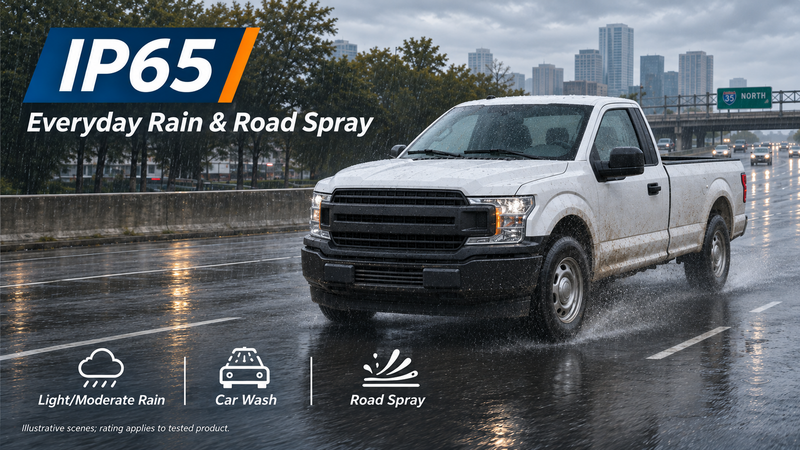
The best IP rating for automotive lights depends on the exposure the light may encounter. For rain, road spray, or washing, consider the relevant water-jet protection and cleaning instructions. If immersion is a concern, look at the stated immersion rating and its test conditions.
A higher number does not automatically mean a product has passed every lower-numbered water test. For example, IP67 alone does not confirm IP65 water-jet protection. A product tested for both may be marked IP65/IP67.
What Do IP Ratings Mean for Different Automotive Lights?
IP ratings have the same basic meaning across automotive lights, but the type of exposure varies by location. Headlights and fog lights may face road spray from the front, rear bulbs encounter rain and washing water, and exposed LED light bars can receive water directly on their exterior.
Headlights and Fog Lights
LED headlight bulbs and LED fog light bulbs may encounter moisture and dirt during everyday driving. Fog lights are often mounted lower on the vehicle, where road spray and mud can reach them more easily.
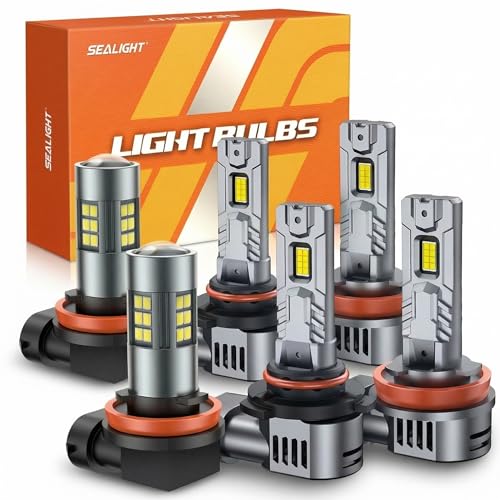
For drivers who want a high-output headlight upgrade, the SEALIGHT S7S 9005 H11 is a Brightest option with a listed IP68 rating. For fog lights, the Xenower XF3 H10/9145/9140 also carries an IP68 rating and features an adjustable ring for positioning the beam.

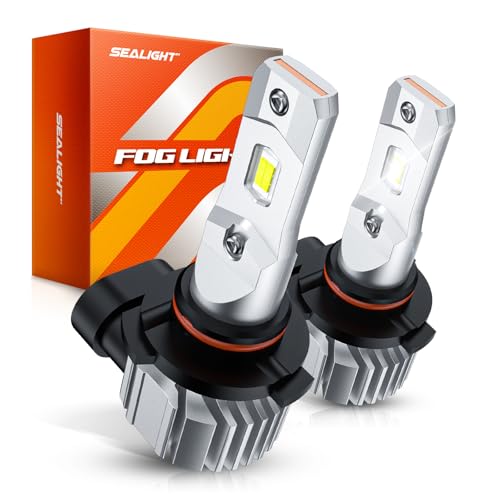
For drivers replacing both positions, the G2 Headlights & Fog Lights Combo includes vehicle-specific configurations. The G2 9005/H11 headlight and H11 fog light combination, for example, is listed as IP68.
Tail Lights and Signal Lights
LED turn signal bulbs, brake light bulbs, and reverse light bulbs also encounter moisture during rain and washing. An IP rating describes the tested bulb’s resistance to dust and water; the lighting position itself does not determine the bulb’s rating.
For example, the SEALIGHT SLJ7 3157 reverse and turn signal bulb combo is listed as IP67. Its rating indicates dust-tight protection and temporary immersion protection under specified test conditions.
Auxiliary Lights and Light Bars
LED auxiliary lights and light bars may be mounted directly in the path of rain, dust, mud, and cleaning water. Some carry multiple ratings because different tests address different exposures.
For example, an IP67/IP69K-rated light has ratings for both temporary immersion and high-pressure, high-temperature water jets. The two ratings provide different information; neither test should be assumed from the other alone.
Why Is There Moisture Inside an IP-Rated Light?
Moisture inside a light can result from condensation or water entering through a damaged or improperly fitted part. An IP rating does not mean the inside of a lamp can never appear misty.
Condensation vs Water Ingress
A light film of condensation can form when humid air inside a lamp meets a cooler lens. This may occur after rain, a car wash, or a temperature change. Depending on the lamp design and conditions, it may clear as the vehicle is used.
More persistent moisture, large droplets, or water collecting inside the housing deserves further inspection. These signs can indicate a leak, damaged component, or ventilation problem.
Common Causes and What to Check
| Possible issue | What to inspect |
|---|---|
| Rear cover is loose or incorrectly fitted | Check that the cover is seated as intended |
| Seal is damaged or displaced | Look for worn, torn, or misplaced sealing material |
| Lens or housing is damaged | Check for visible cracks or other damage |
| Ventilation is blocked or damaged | Check the vent according to the vehicle or lamp instructions |
| Connector or wiring entry has a problem | Inspect connections and seals for damage |
| Water has collected or the light is malfunctioning | Have the lamp inspected by a qualified technician |
Do not permanently block a lamp vent to stop condensation unless the manufacturer’s repair instructions specifically call for it. The vent may be part of the lamp’s moisture and pressure management system.
How to Choose Automotive Lights With the Right IP Rating
Start with the light’s installation position and the type of exposure it is likely to encounter. Then compare the product’s stated protection and installation requirements.
- Consider the location. A light mounted low on a bumper may face different spray and dirt from an interior light.
- Identify the exposure. Water jets, temporary immersion, and high-temperature cleaning are different tests.
- Check the rated component. Find out whether the rating applies to the bulb, complete lamp, driver, or connector.
- Read the stated test conditions. For IP68, look for the specified immersion conditions. For cleaning, check the relevant water-jet information.
- Check fitment and installation. The correct bulb size, properly fitted covers, and suitable connectors matter alongside the IP rating.
- Compare other lighting features. Beam pattern, cooling, brightness, and vehicle compatibility are separate considerations.
An IP rating describes ingress protection under defined conditions. It does not by itself establish brightness, beam pattern, impact resistance, corrosion resistance, or vehicle fitment.
If you are replacing automotive bulbs, use the SEALIGHT Automotive Bulb Finder to begin checking bulb sizes for your vehicle. SEALIGHT offers lighting products for different applications; check each product’s specifications for its stated IP rating and installation requirements.
FAQs About IP Ratings for Automotive Lights
Is IP65 Waterproof?
IP65 provides protection against water jets, but it does not indicate protection against immersion. The rating means the product is dust-tight and has passed a specified water-jet test.
Can IP67 or IP68 Lights Be Pressure Washed?
An IP67 or IP68 rating alone does not establish that a light can withstand pressure washing. These ratings cover immersion tests; high-pressure water jets are a separate type of exposure. A light may carry an additional rating, such as IP69K, if it has passed the corresponding high-pressure, high-temperature water-jet test.
Does an IP Rating Protect Against Salt Water and Road Salt?
An IP rating alone does not establish protection against corrosion from salt water or road salt. IP water tests address water entering the enclosure, while corrosion resistance is assessed separately.
Can an IP Rating Change Over Time?
An IP rating reflects a product’s performance under the specified test conditions. Over time, worn seals, cracks, damage, or incorrect installation can reduce its actual protection against dust and water.
Does an IP Rating Tell Me How Bright a Light Is?
No. An IP rating describes protection against dust and water; it does not measure light output. Brightness and beam pattern are separate lighting characteristics.
Conclusion
The right IP rating for automotive lights depends on the type of water exposure. IP65 and IP66 address water jets, while IP67 and IP68 address immersion. An immersion rating alone does not establish protection against pressure washing.
If you’re upgrading lights that regularly face rain, road spray, and dust, SEALIGHT offers IP-rated LED options for headlights, fog lights, and other vehicle positions.