
 Headlight Bulbs


 Track Order
 My Vehicles
 Contact Us


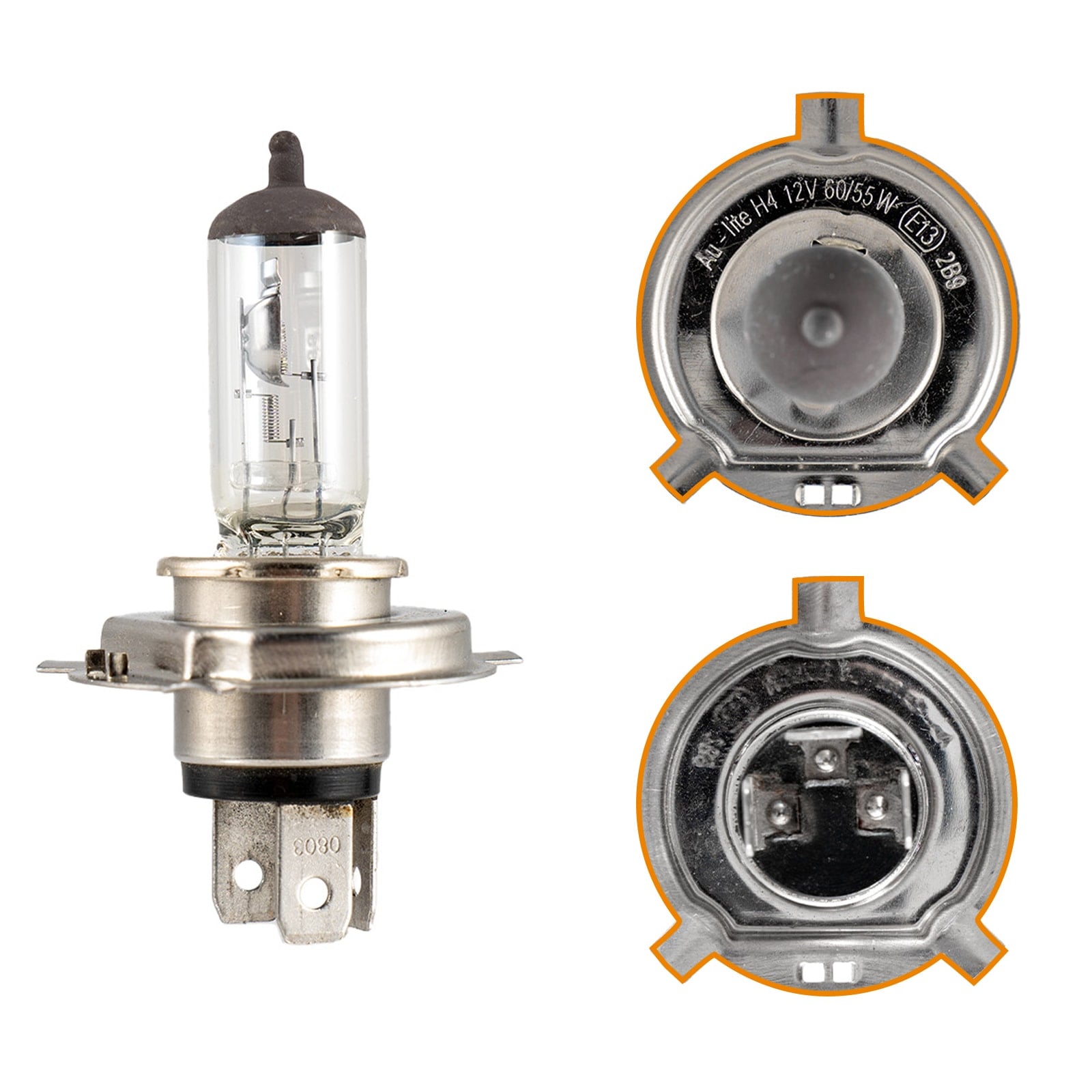
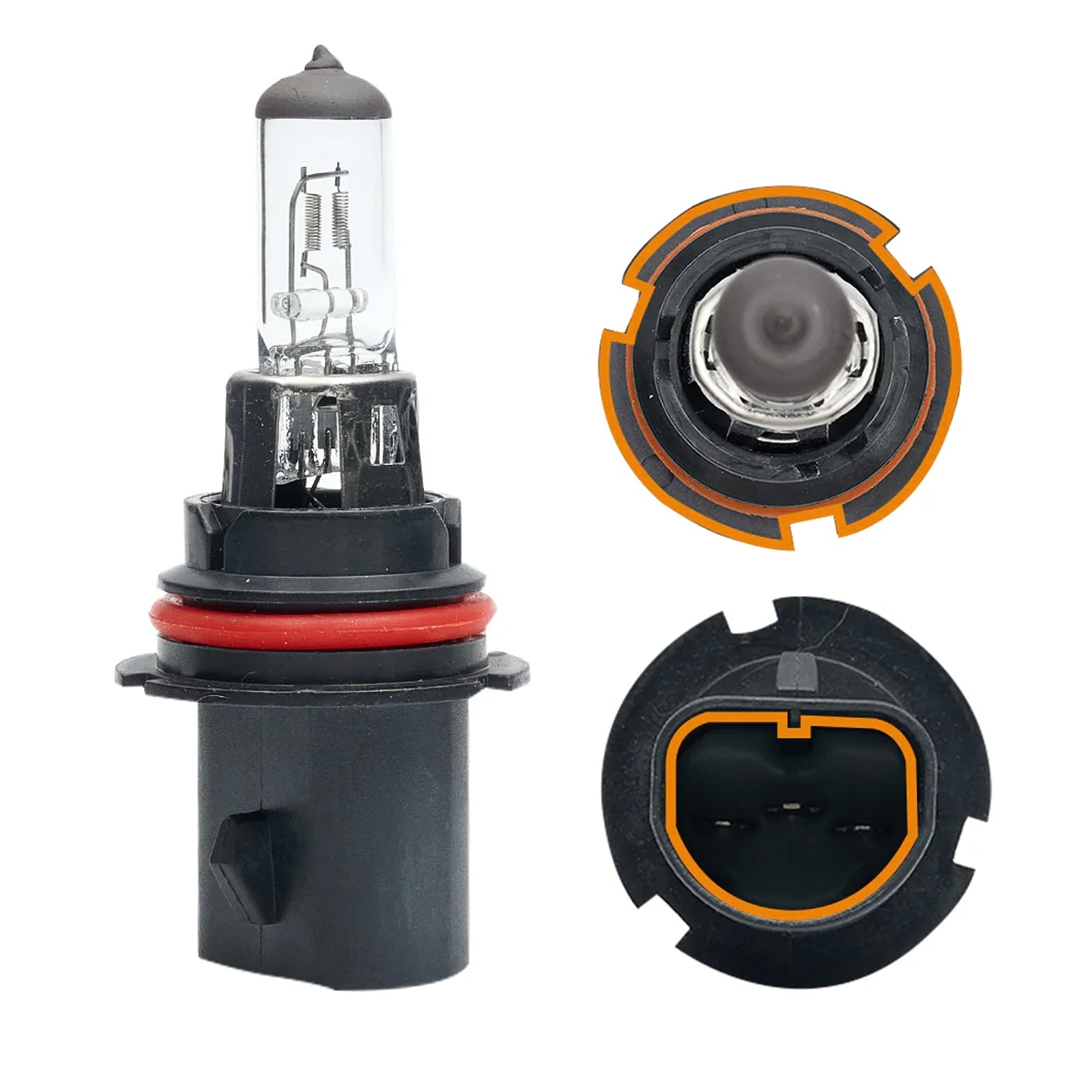
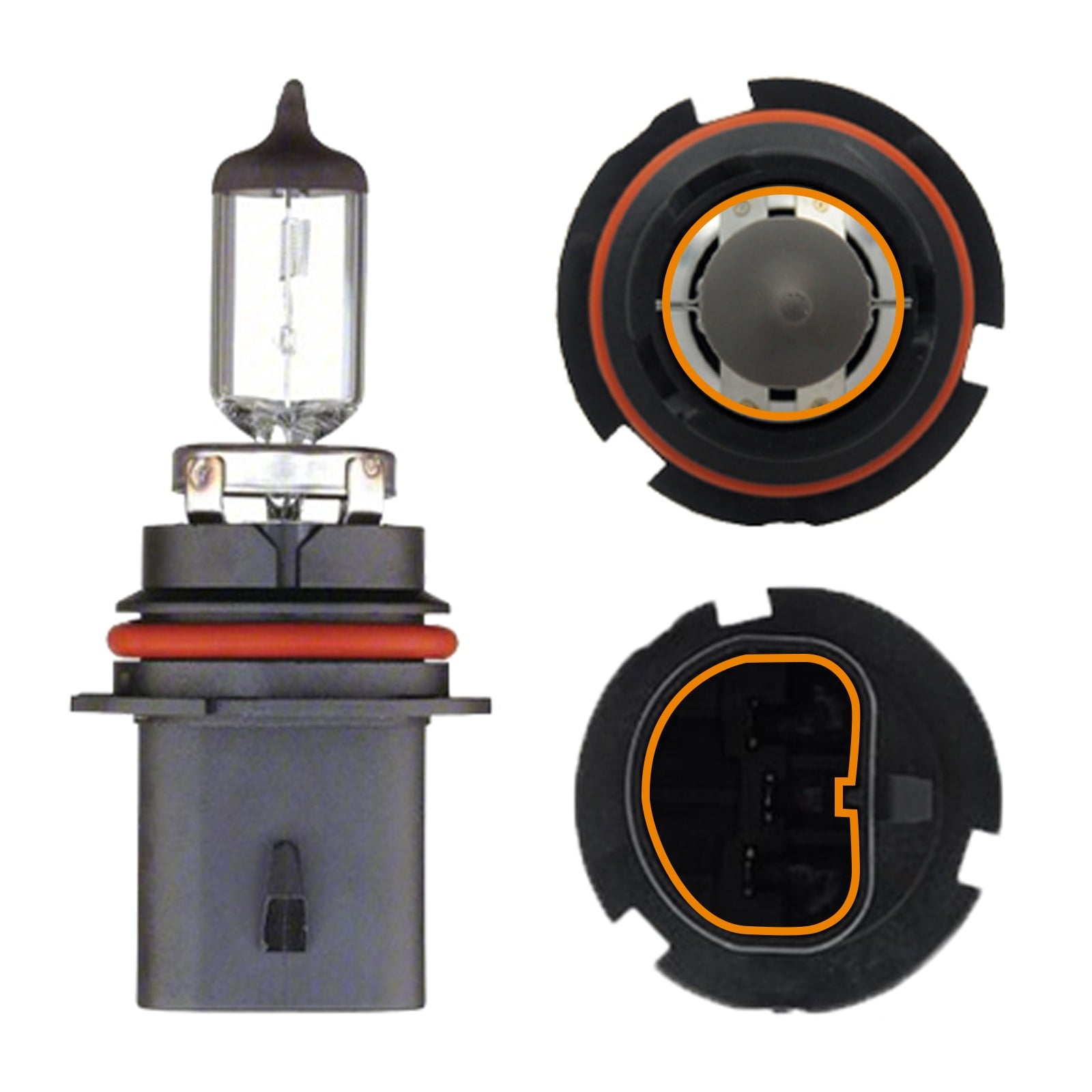
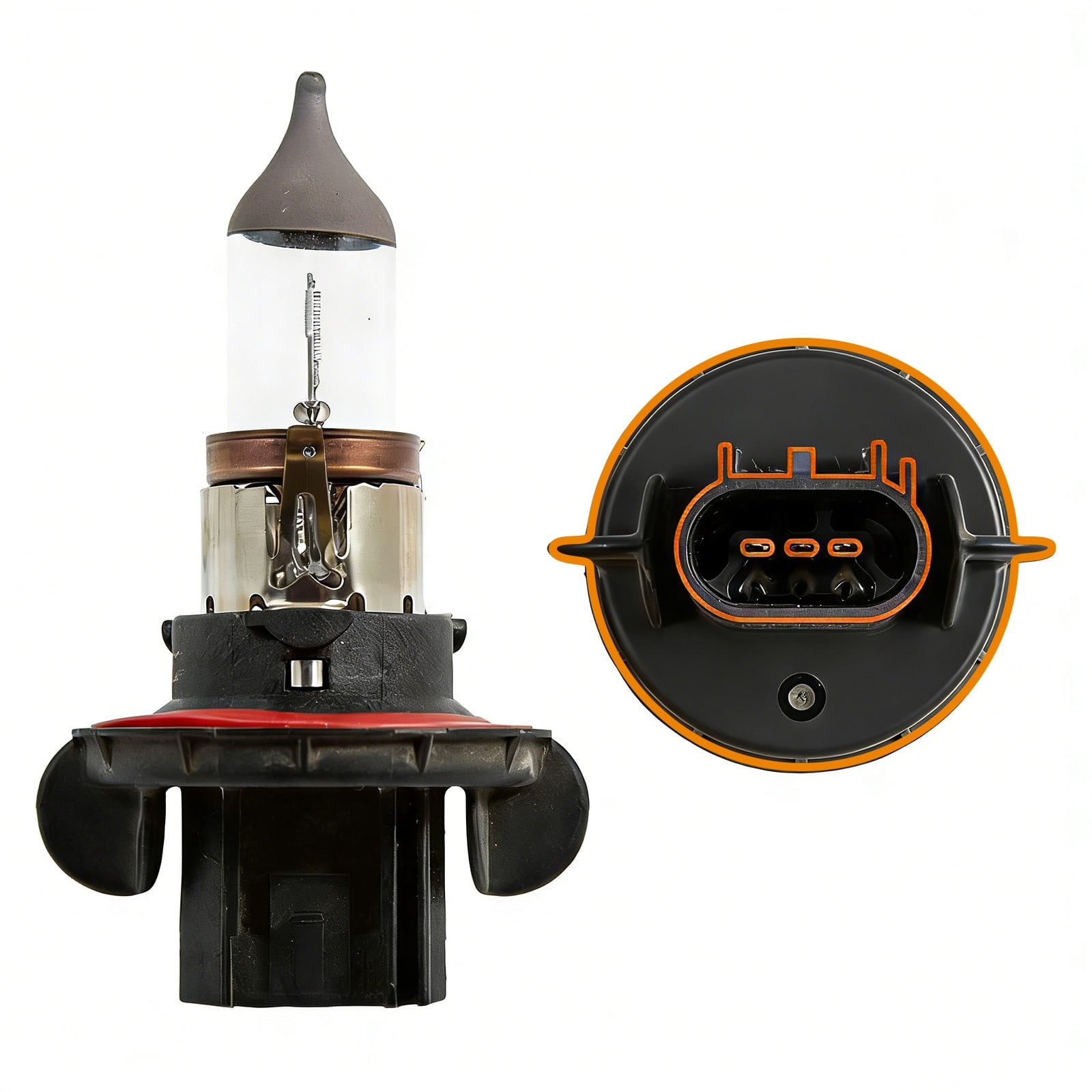











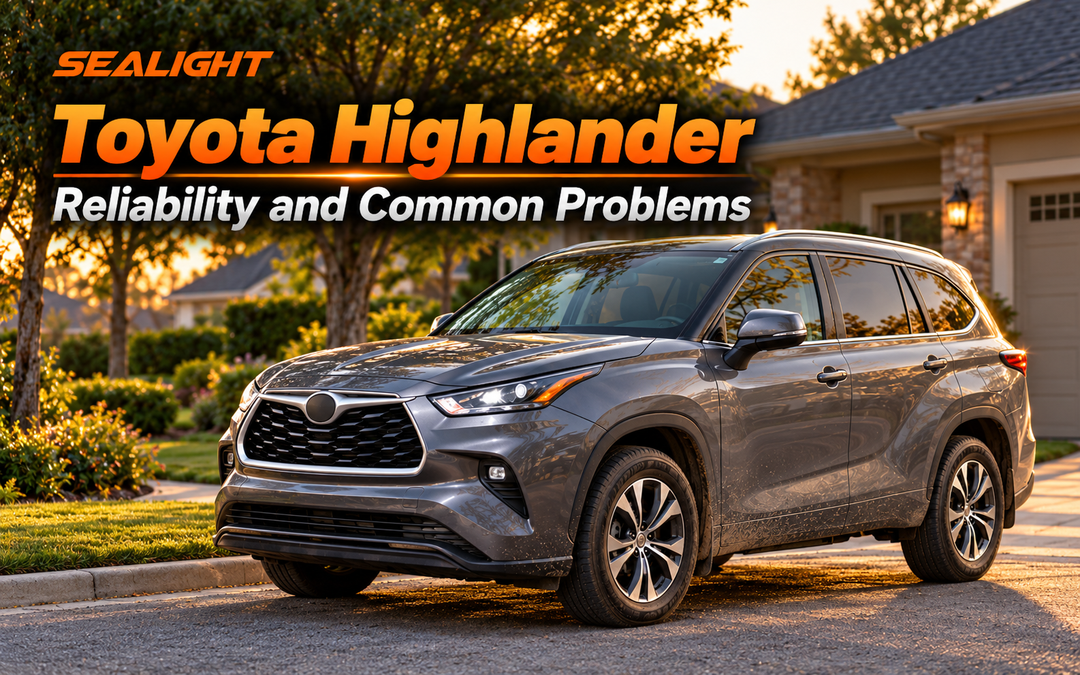
Toyota Highlander Reliability and Common Problems: Best & Worst Years
The Toyota Highlander is known for its comfortable ride, practical three-row seating, and dependable performance. But while many Highlanders remain on the road well past 200,000 miles, certain model years have developed expensive engine, transmission, and electrical problems.
So, how reliable is the Toyota Highlander, and which years should you avoid? This guide covers seven common Toyota Highlander problems, the best and worst model years, and what owners can do to keep their SUVs running reliably. We'll also cover common exterior lighting issues, from aging headlights and fog lights to worn brake and tail lights, along with compatible Toyota Highlander LED bulbs.
Is the Toyota Highlander Reliable?
Yes. The Toyota Highlander is generally considered a reliable midsize SUV. RepairPal rates it 4.0 out of 5.0, ranking it 7th among 26 midsize SUVs. Its average annual repair and maintenance cost is $489, below the segment average of $573.
However, reliability differs by generation and powertrain. Certain early four-cylinder engines developed costly head-bolt problems, while some 2017–2018 V6 models experienced eight-speed transmission failures. Highlander Hybrid models use a different transmission system and have their own maintenance considerations.
Toyota Highlander Reliability by Generation
| Generation | Years | Reliability Overview |
|---|---|---|
| First | 2001–2007 | Durable overall, but early 2.4L engines and certain Hybrids have notable risks |
| Second | 2008–2013 | Generally dependable, especially later years; watch for V6 oil line leaks |
| Third | 2014–2019 | Strong family SUV; some liftgate and eight-speed transmission concerns |
| Fourth | 2020–2026 | Modern and efficient, though newer powertrains have less long-term history |
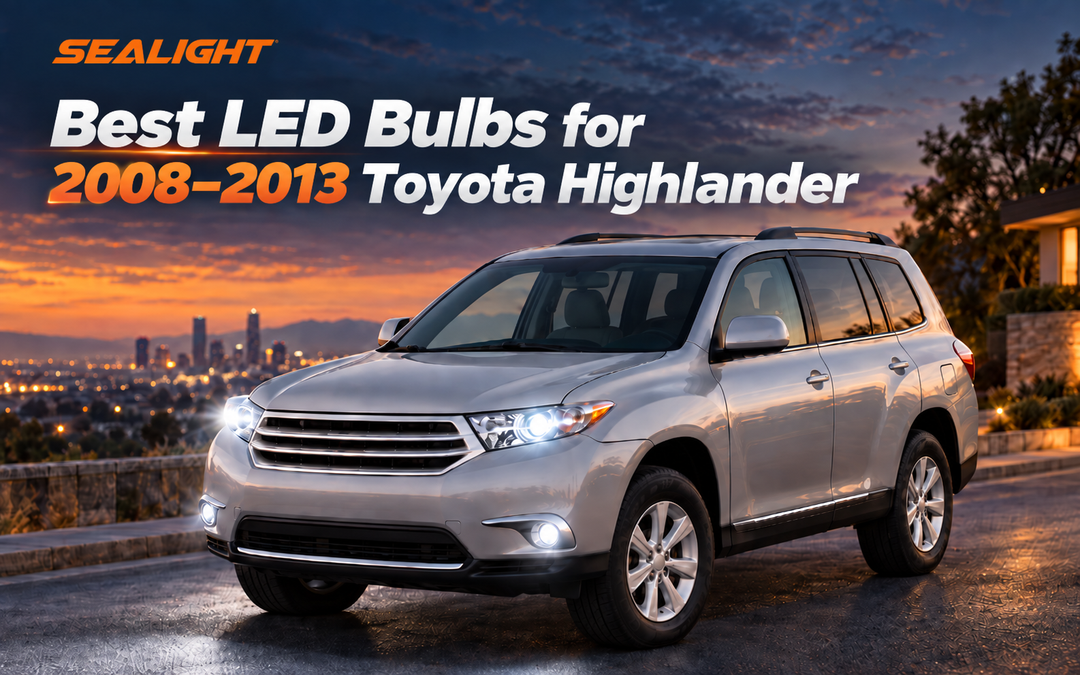
For an older Highlander, maintenance history often matters more than mileage alone. Cooling systems, suspension components, and aging electrical equipment deserve attention. Headlights also vary across generations, as covered in the 2008–2013 Highlander bulb guide.
7 Common Toyota Highlander Problems
Despite its strong reliability reputation, some Toyota Highlander model years have recurring engine, transmission, and electrical issues. Here are seven common Toyota Highlander problems, including affected years, symptoms, and repair solutions.
1. Eight-Speed Transmission Whining and Harsh Shifting
Affected years: Certain 2017–2018 V6 models and specific 2021 gasoline models.
The eight-speed automatic transmission is one of the most expensive potential Toyota Highlander problems. Owners may notice whining or grinding noises, harsh shifts, delayed acceleration, or reduced power. Toyota documented these symptoms in its 2017–2018 transmission service bulletin, which covers specific transmission production ranges.
If your Highlander shifts roughly or makes a whining noise that increases with speed, have the transmission codes and serial number checked against Toyota's bulletin. A confirmed internal failure may require a replacement transmission costing several thousand dollars. If the vehicle slips, grinds heavily, or loses drive, stop driving rather than risk further damage. Not every eight-speed Highlander is affected.
2. Stripped Head Bolts and Coolant Leaks in 2.4L Engines
Affected years: Primarily 2003 Highlander models with the 2.4L four-cylinder engine.
Some early 2.4L Highlander engines developed stripped cylinder-head bolt threads in the aluminum block. This can prevent the cylinder head from sealing properly, causing coolant leaks, repeated overheating, or head-gasket problems.
If a 2003 Highlander repeatedly loses coolant, a mechanic should pressure-test the cooling system and inspect the head-to-block joint before replacing parts. Damaged threads may require a specialized repair or engine replacement, potentially costing thousands of dollars. Avoid driving an overheating engine, and be cautious about buying a vehicle with unresolved coolant loss.
3. Engine Oil Cooler Pipe Leaks
Affected years: Certain 2008–2011 V6 Highlanders with applicable oil cooler pipe assemblies.
Some second-generation Highlanders developed oil leaks from the engine oil cooler pipes. Toyota addressed this issue through T-SB-0201-11, which identifies affected configurations and replacement parts.
Symptoms include oil spots beneath the SUV, oil residue around the cooler pipes, and a falling oil level. Replacing a leaking pipe assembly is usually much less expensive than repairing an engine damaged by oil starvation. If the oil-pressure warning light appears or oil is leaking rapidly, shut off the engine immediately. For a used Highlander, confirm whether the original pipe assembly has been replaced or inspected.
4. Power Liftgate Stops Working
Affected years: Certain 2014–2015 Highlander and Highlander Hybrid models.
Some third-generation Highlanders experience power liftgates that stop midway, refuse to open, or fail to close. Toyota's power back door service bulletin documents this issue, sometimes associated with cold weather.
Before replacing expensive components, check the liftgate settings, latch, visible wiring, and obstructions. If those are normal, the power unit or related control components may need professional diagnosis. Repair costs depend on the failed part and can reach several hundred dollars or more. Never drive with an unsecured liftgate.
5. Hybrid Inverter Failure
Affected years: Certain 2006–2007 Highlander Hybrid models.
Early Highlander Hybrids had a documented inverter problem involving the Intelligent Power Module (IPM). Affected vehicles could experience hybrid warning lights, reduced propulsion power, or an unexpected shutdown of the hybrid system.
Toyota issued a safety recall for the inverter issue. Owners should check the vehicle's VIN to confirm whether the recall repair was completed. If a Highlander Hybrid loses propulsion or displays serious hybrid-system warnings, stop safely and arrange professional service. High-voltage inverter repairs should not be attempted as a DIY project.
6. Ignition Coil and Oxygen Sensor Problems
Affected years: Various generations, particularly older, high-mileage Highlanders.
Worn ignition coils can cause rough idling, hesitation, misfires, and a Check Engine Light. Oxygen sensor or related emissions-system faults may also trigger warning lights and reduced fuel economy.
Start with an OBD-II scan rather than replacing components based on symptoms alone. Codes such as P0300–P0306 can help identify misfires, while oxygen-sensor codes require checking wiring, exhaust leaks, and sensor readings. A flashing Check Engine Light or severe misfire requires immediate attention because continued driving can damage the catalytic converter.
7. Airbag Warning Lights and Passenger Sensor Faults
Affected years: Various models; certain 2020–2022 Highlanders were included in an occupant classification sensor recall.
Airbag warning lights may indicate defective sensors, wiring, or restraint-system control components. On certain newer Highlanders, Toyota identified a passenger-seat occupant classification sensor issue that could prevent proper airbag operation.
Use the Toyota recall lookup to check for outstanding safety repairs. If an airbag warning remains illuminated, have the SRS system professionally scanned. Do not ignore the warning or attempt to repair high-risk airbag components without proper training.
Toyota Highlander Best and Worst Years: Which Should You Buy or Avoid?
The best Toyota Highlander years offer proven powertrains and fewer major mechanical concerns, while certain older models require extra attention to engine and transmission problems.
| Model Year | Main Advantage or Concern | Verdict |
|---|---|---|
| 2003 2.4L | Stripped head-bolt failures | Avoid if repair history is unclear |
| 2008 V6 | Potential oil cooler pipe leaks | Inspect carefully |
| 2012–2013 | Mature second-generation design | Best budget choice |
| 2015–2016 V6 | Proven V6 and six-speed automatic | Best overall choice |
| 2017–2018 V6 | Eight-speed transmission issues | Inspect carefully |
| 2019–2021 | Configuration-specific transmission and other concerns | Evaluate individually |
| 2022–2026 | Newer powertrains with varying long-term records | Consider with proper checks |
For the best balance of reliability and value, the 2016 Highlander V6 is a top pick, followed by the 2012–2013 models for budget-conscious buyers. Be more cautious with the 2003 2.4L engine and certain 2017–2018 V6 models, where major repairs can outweigh the savings on a used vehicle.
Toyota Highlander Lighting Problems and LED Upgrades
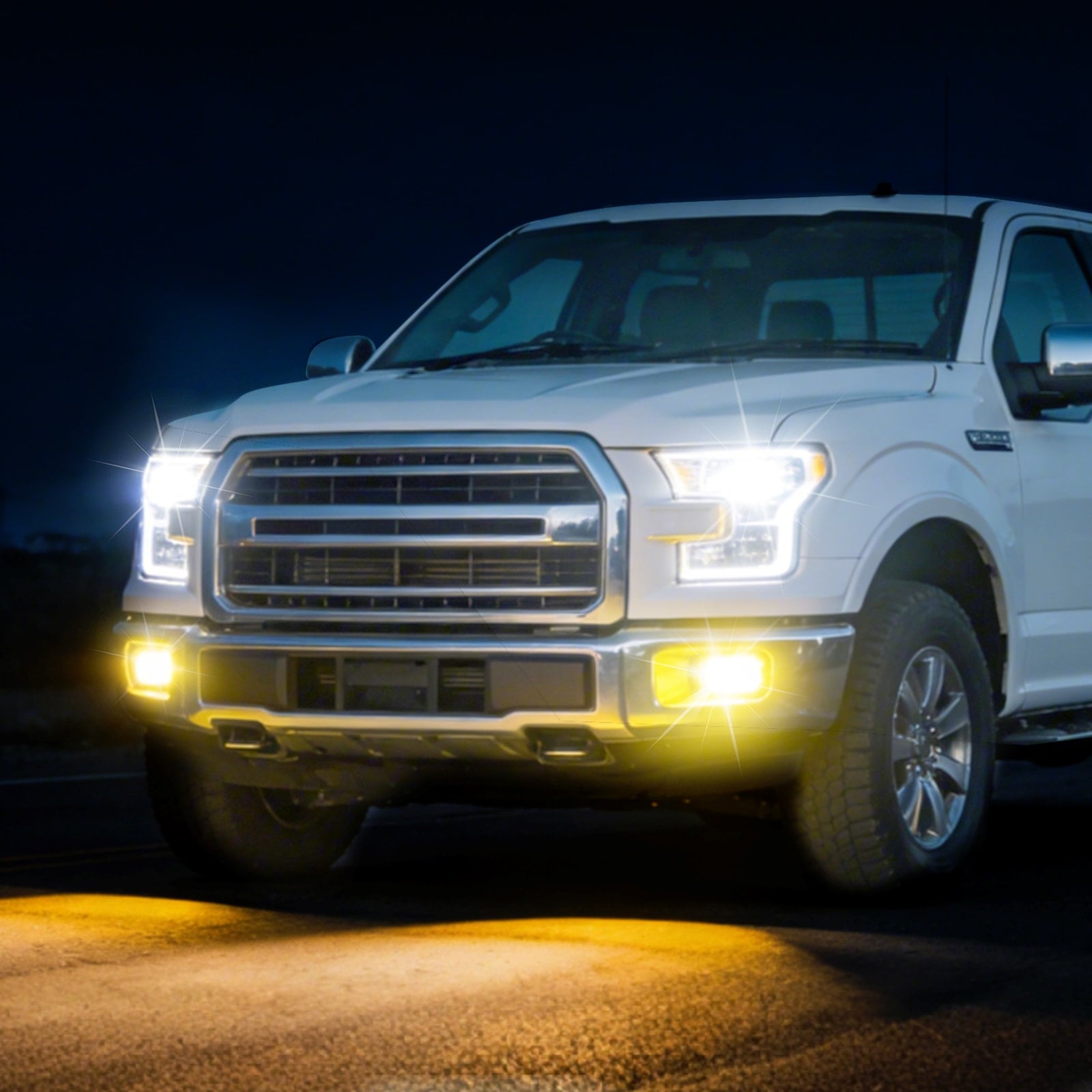
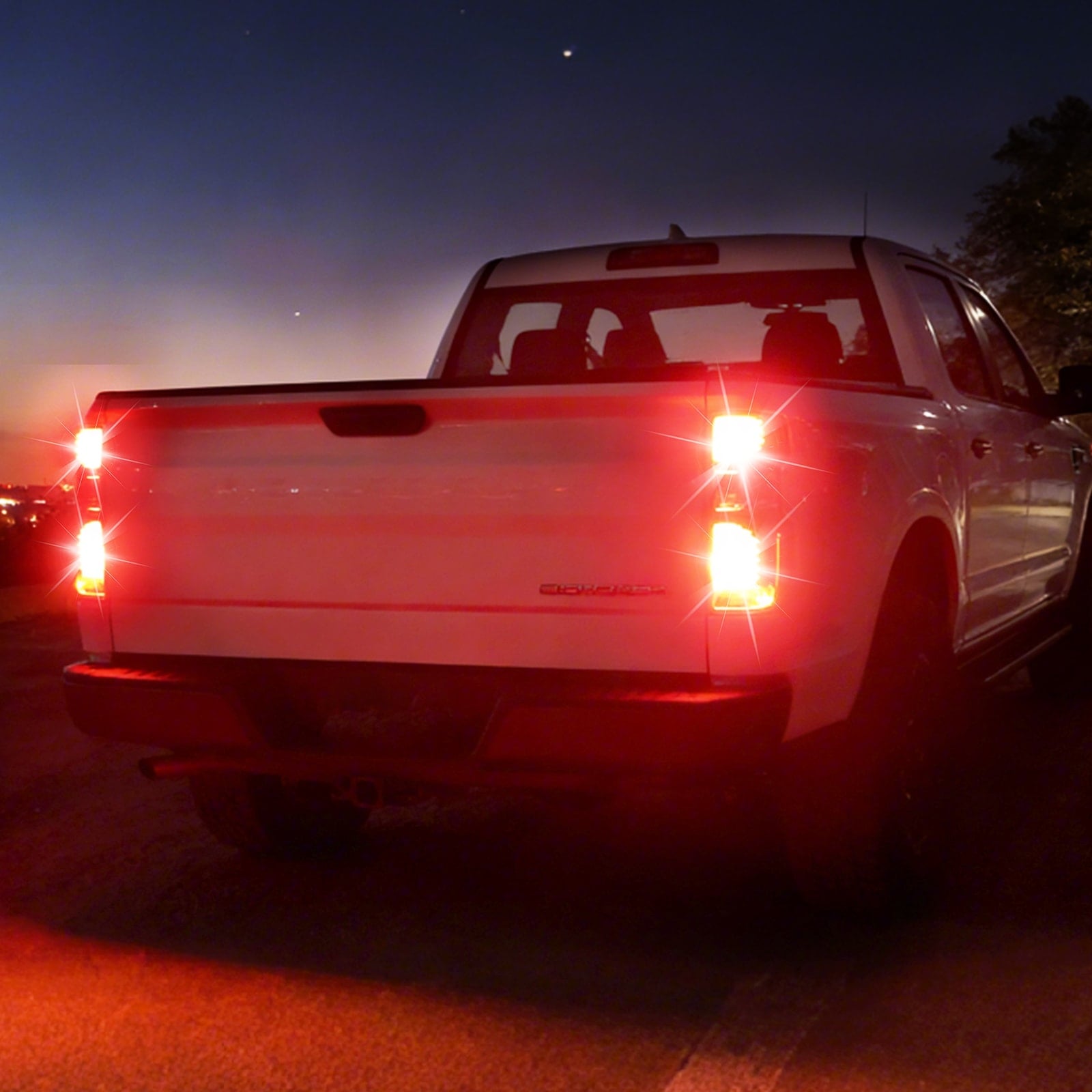
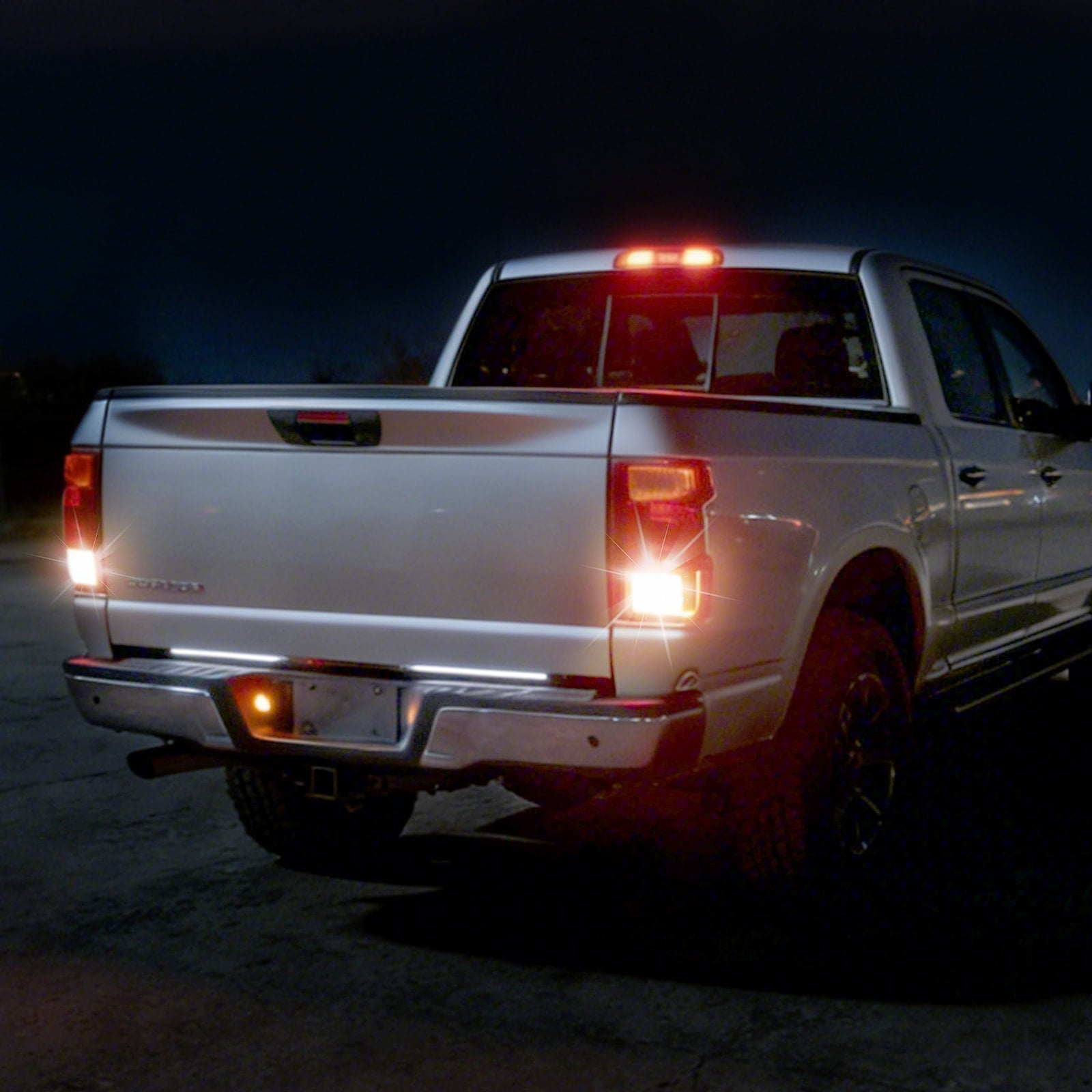
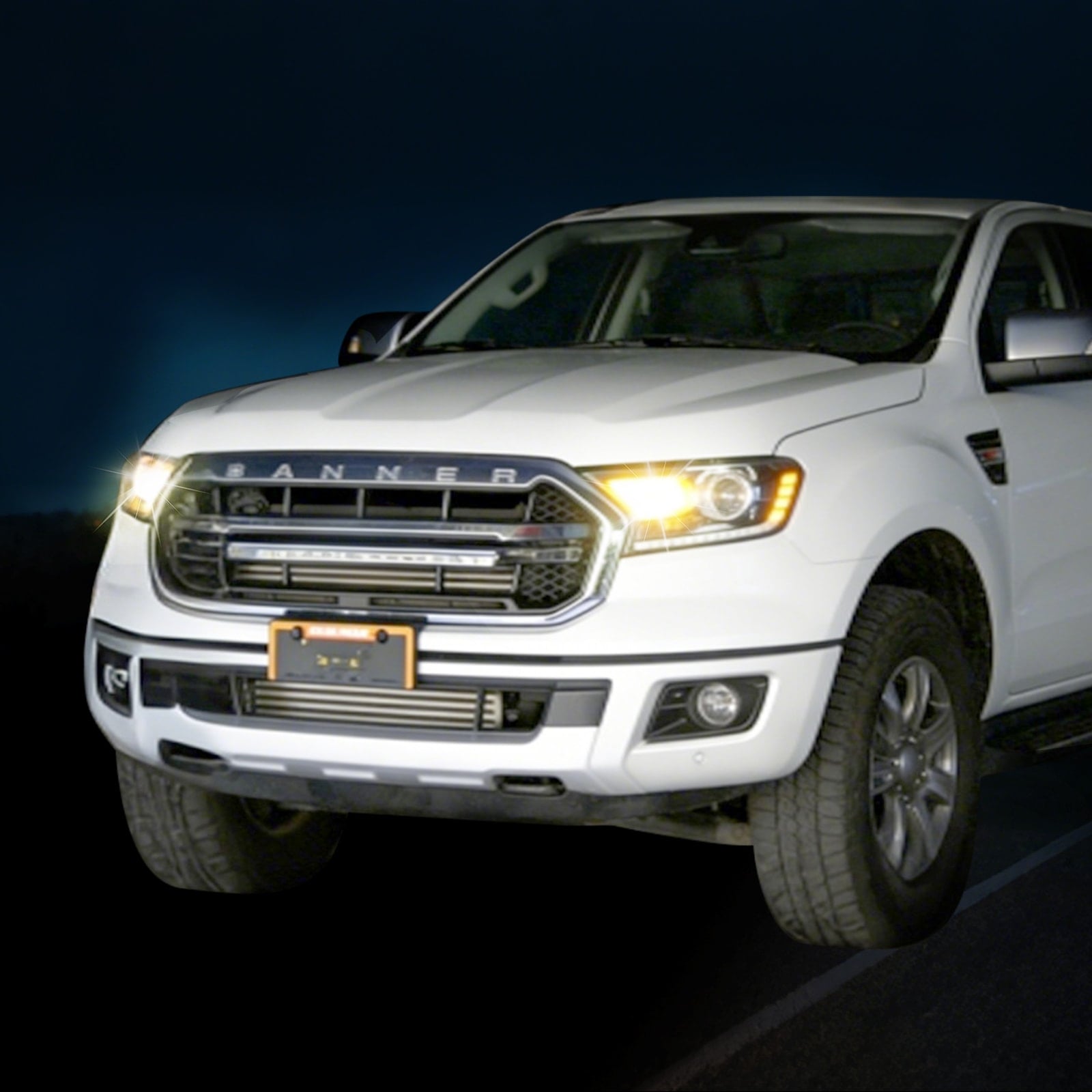
As a Toyota Highlander ages, lighting issues can extend beyond dim headlights. Worn fog lights, failing turn signals, and weak brake, tail, or reverse lights can affect nighttime visibility and everyday driving.
Headlight Problems and LED Upgrades
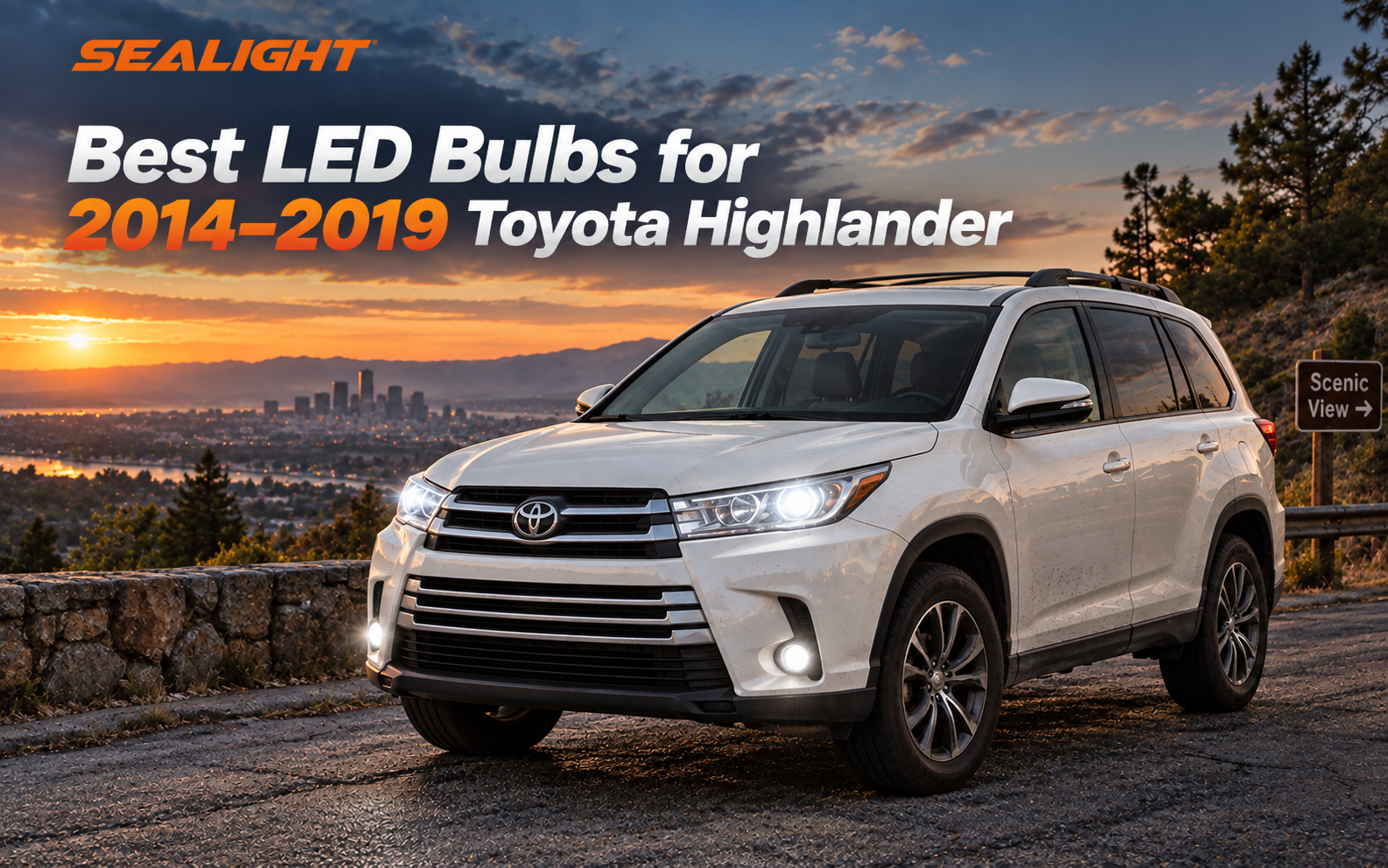
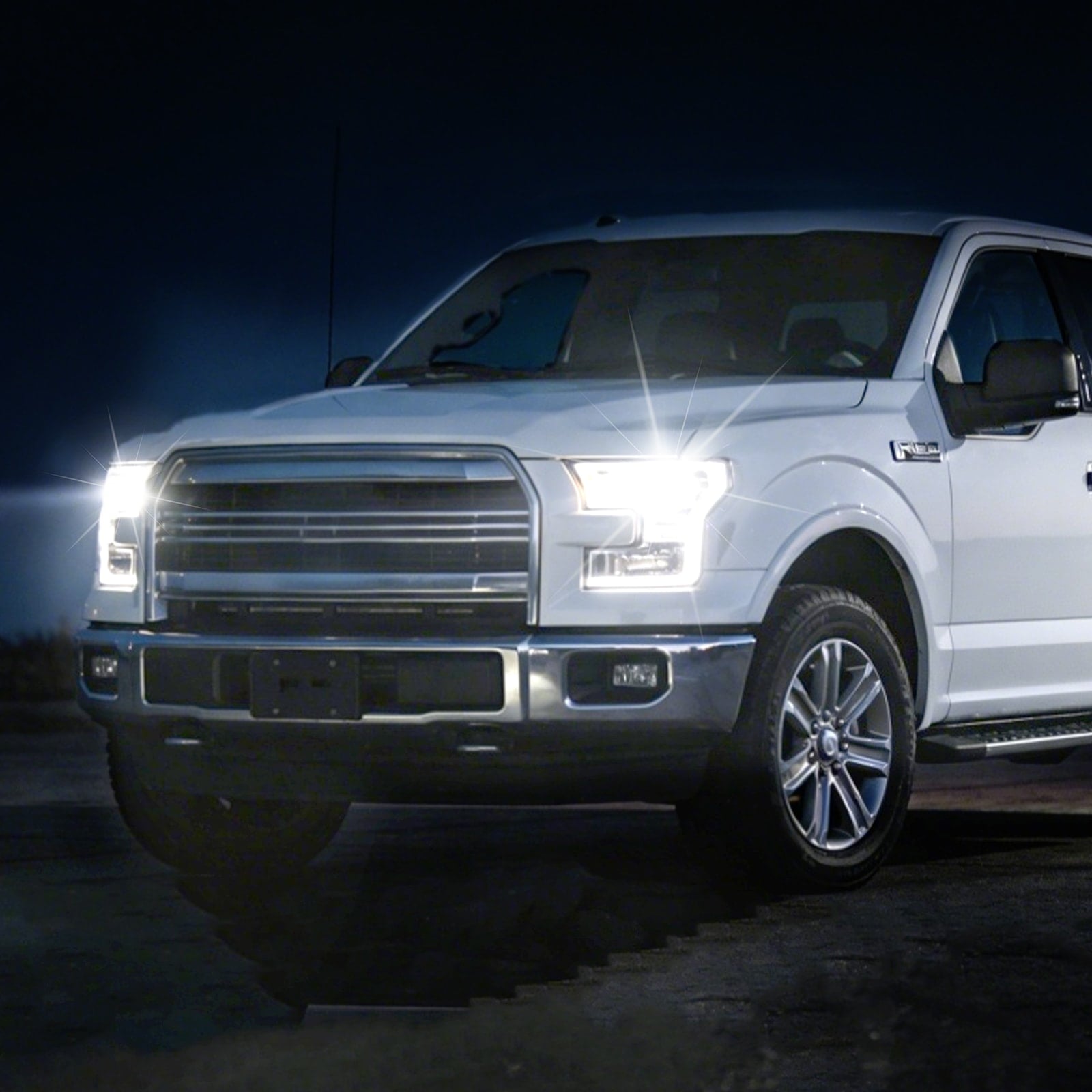
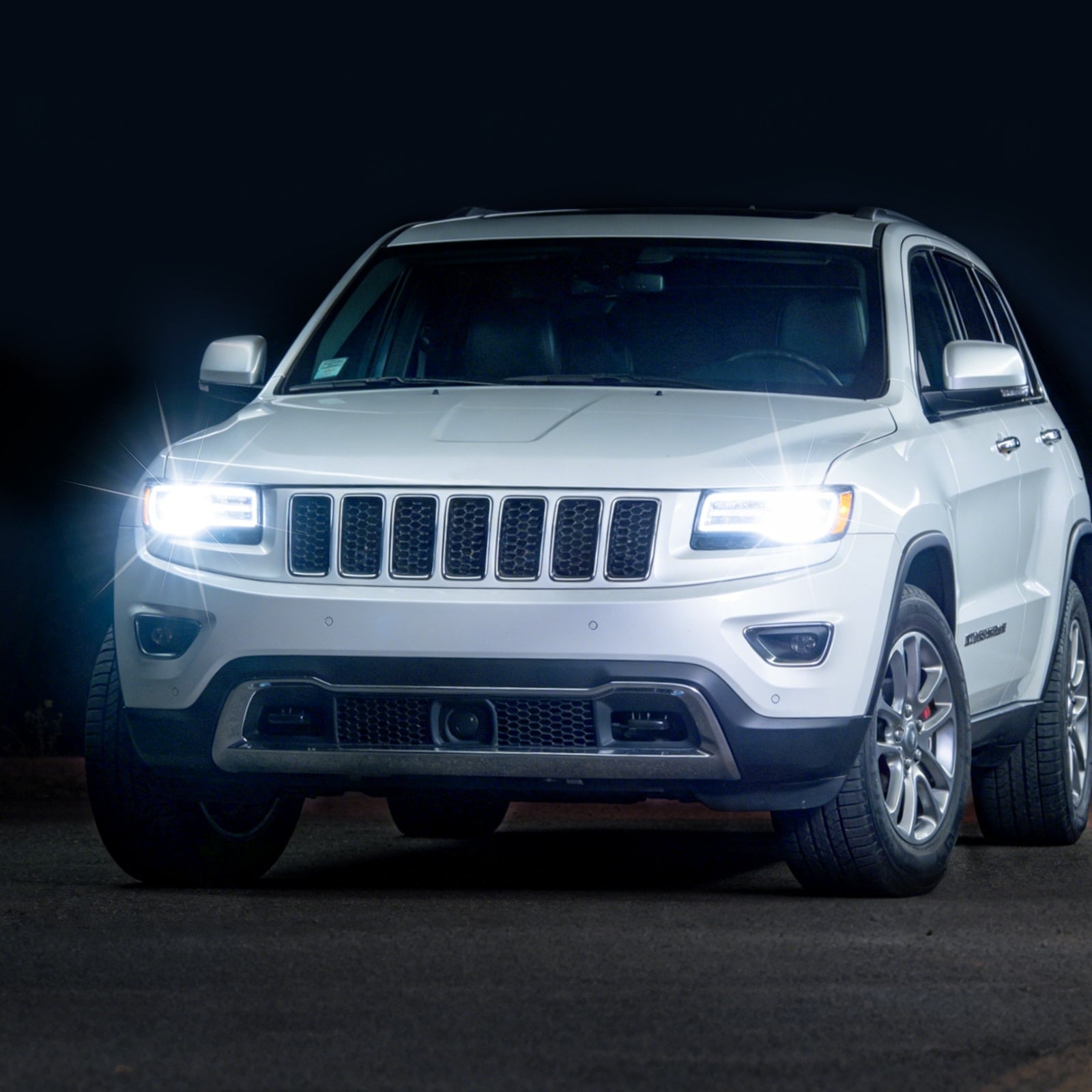
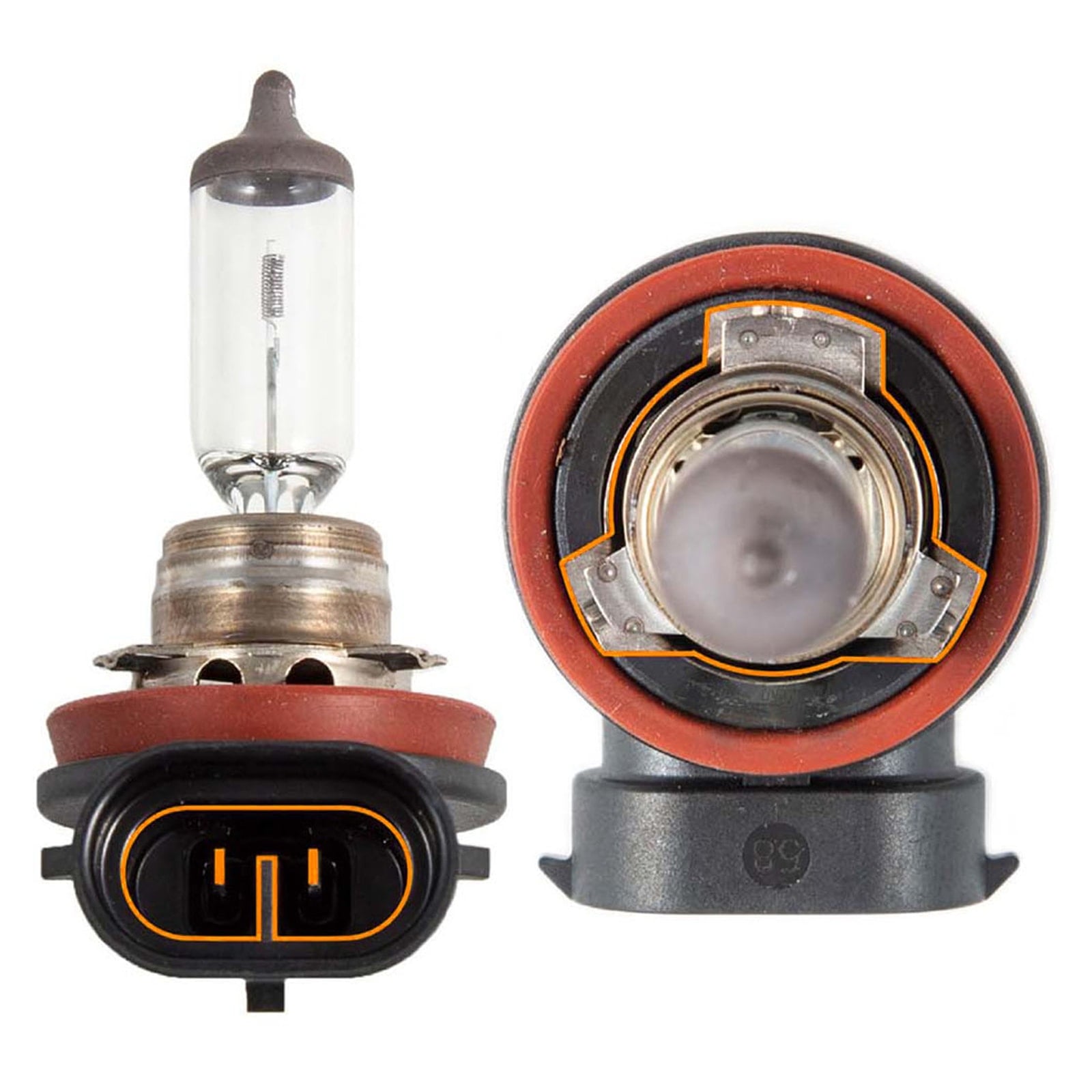
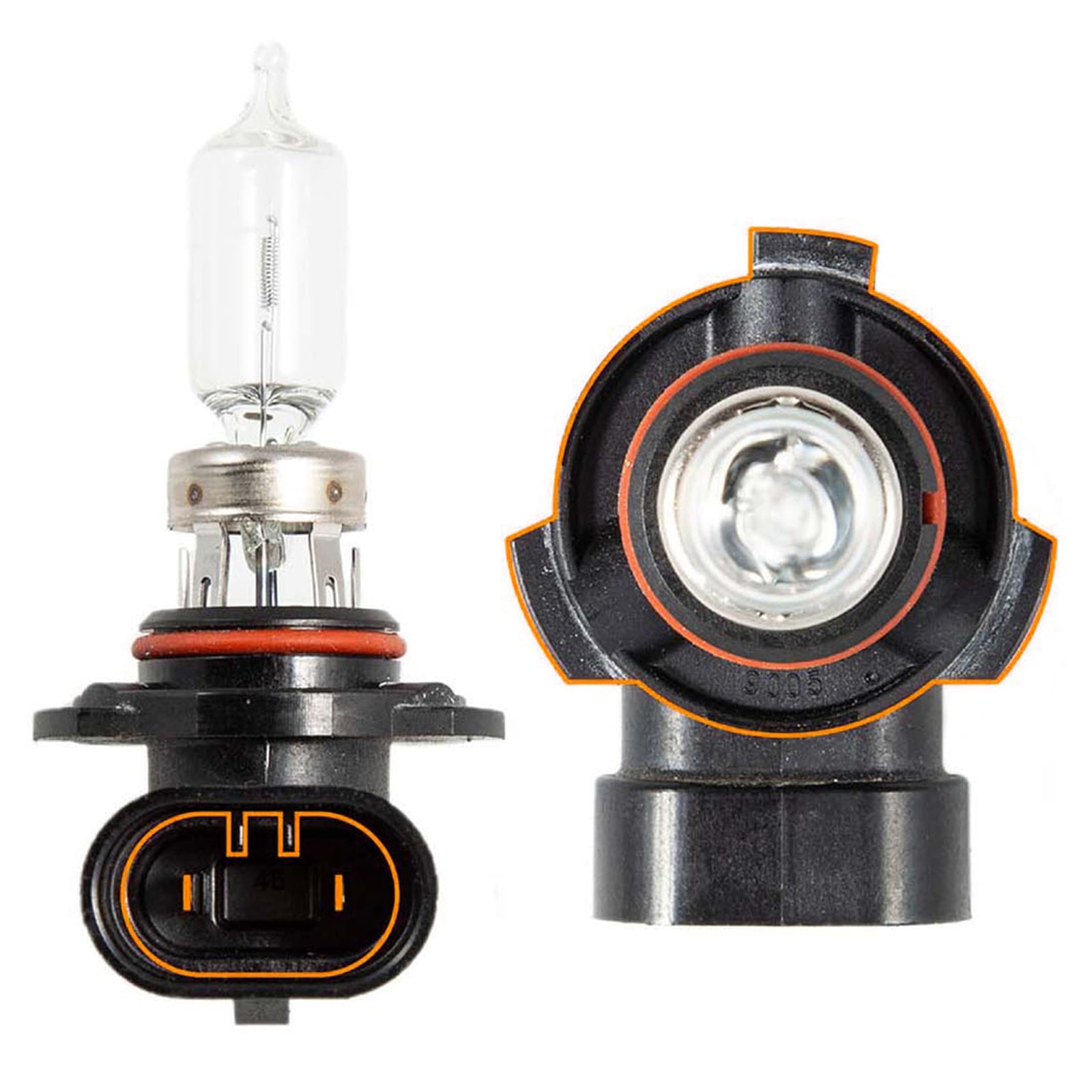
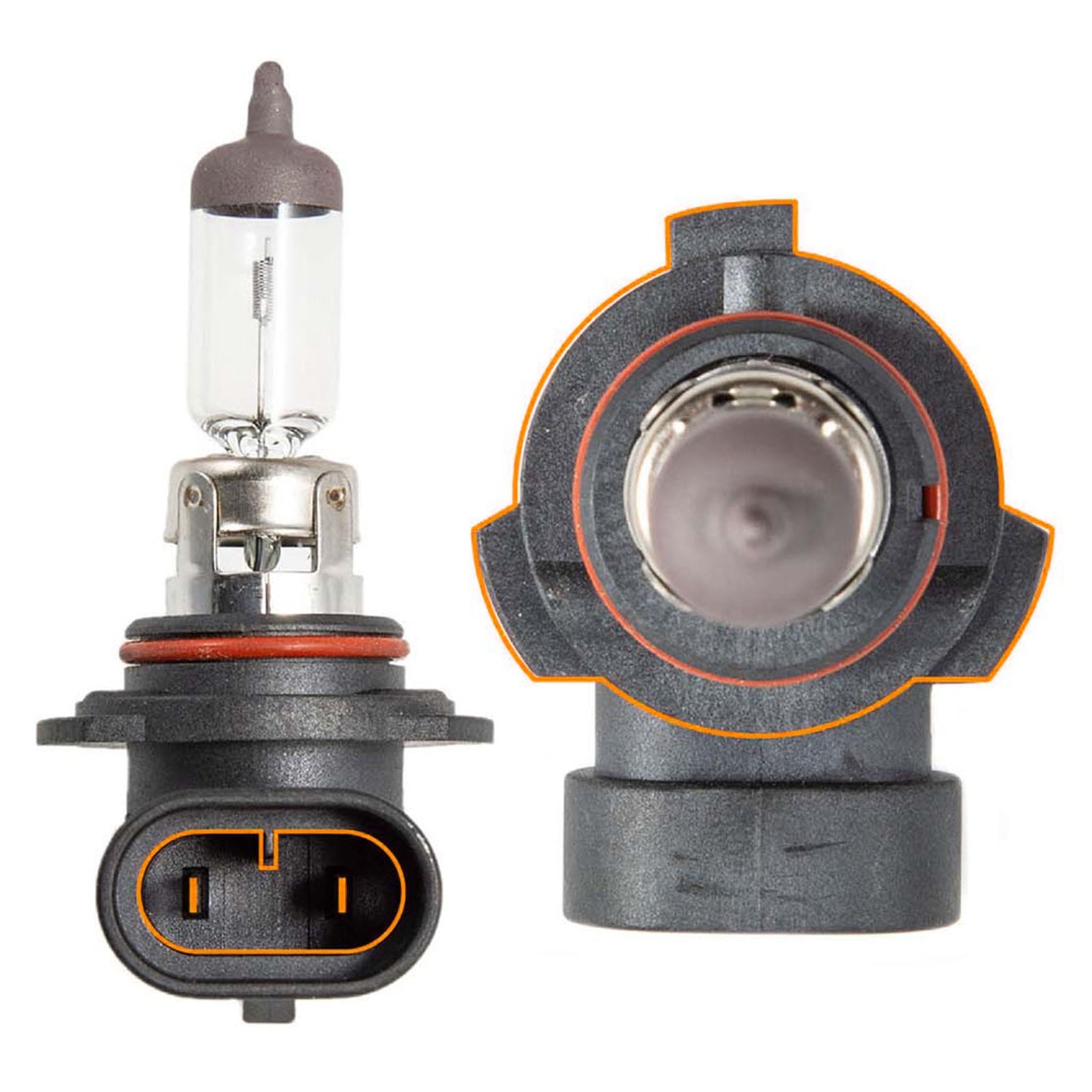
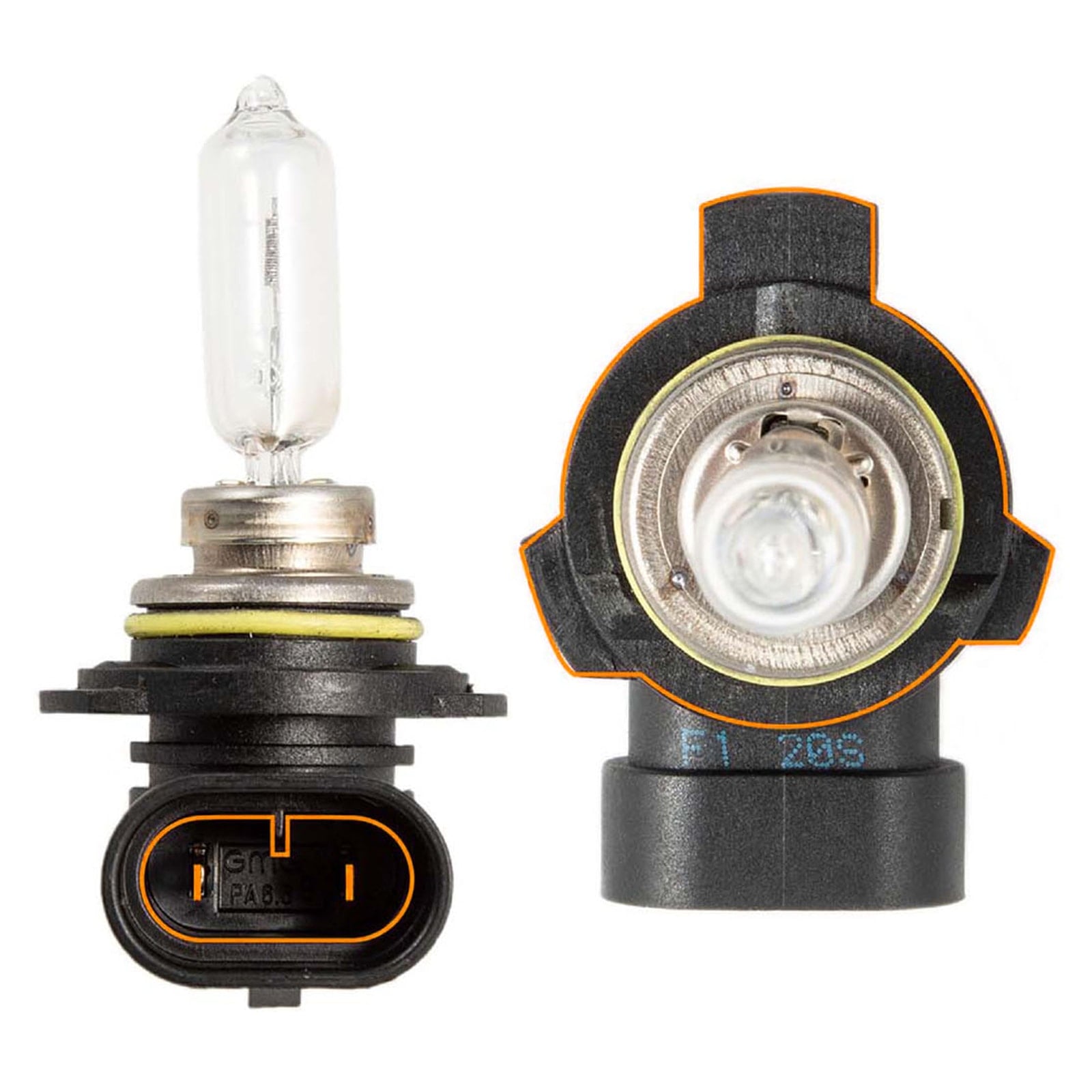
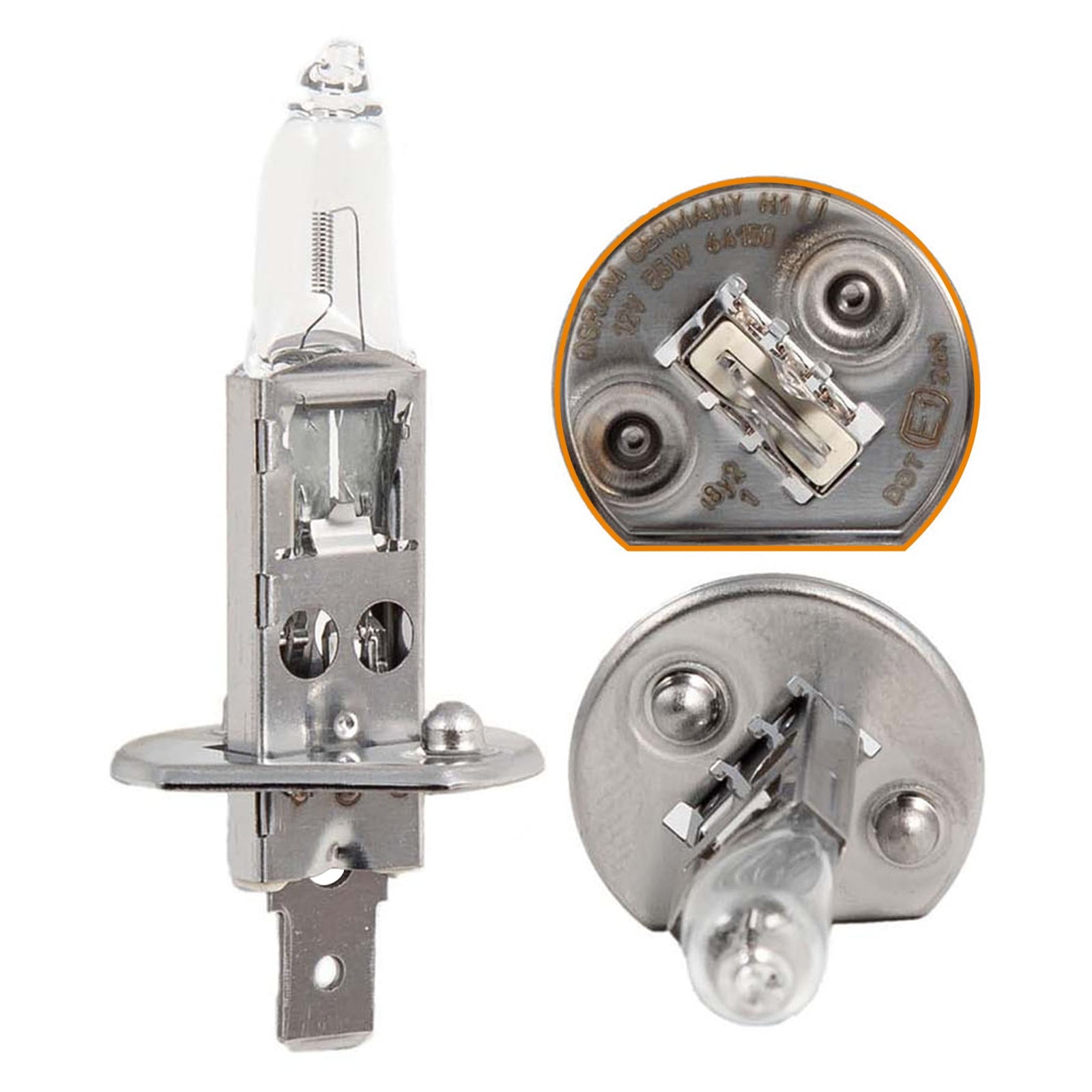
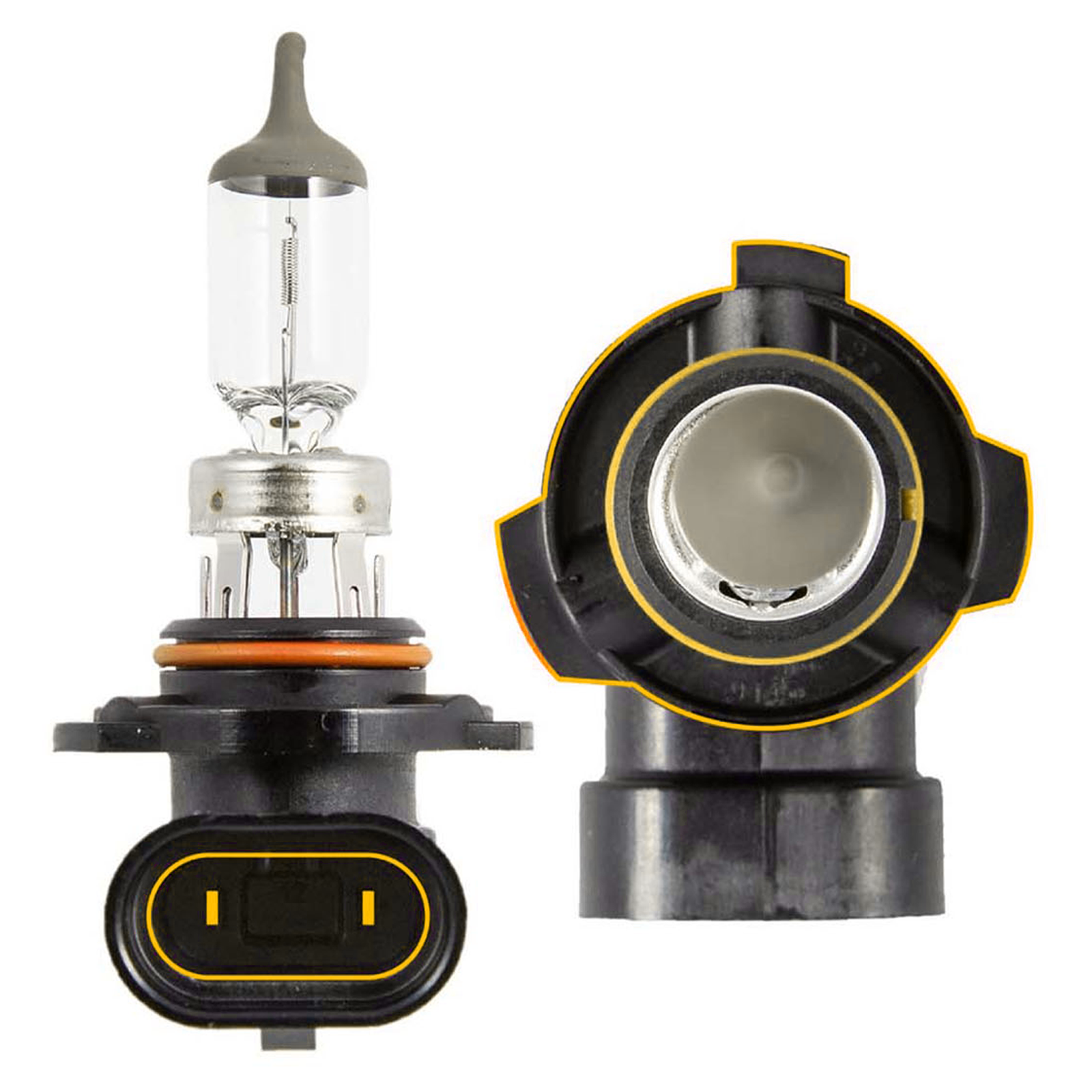
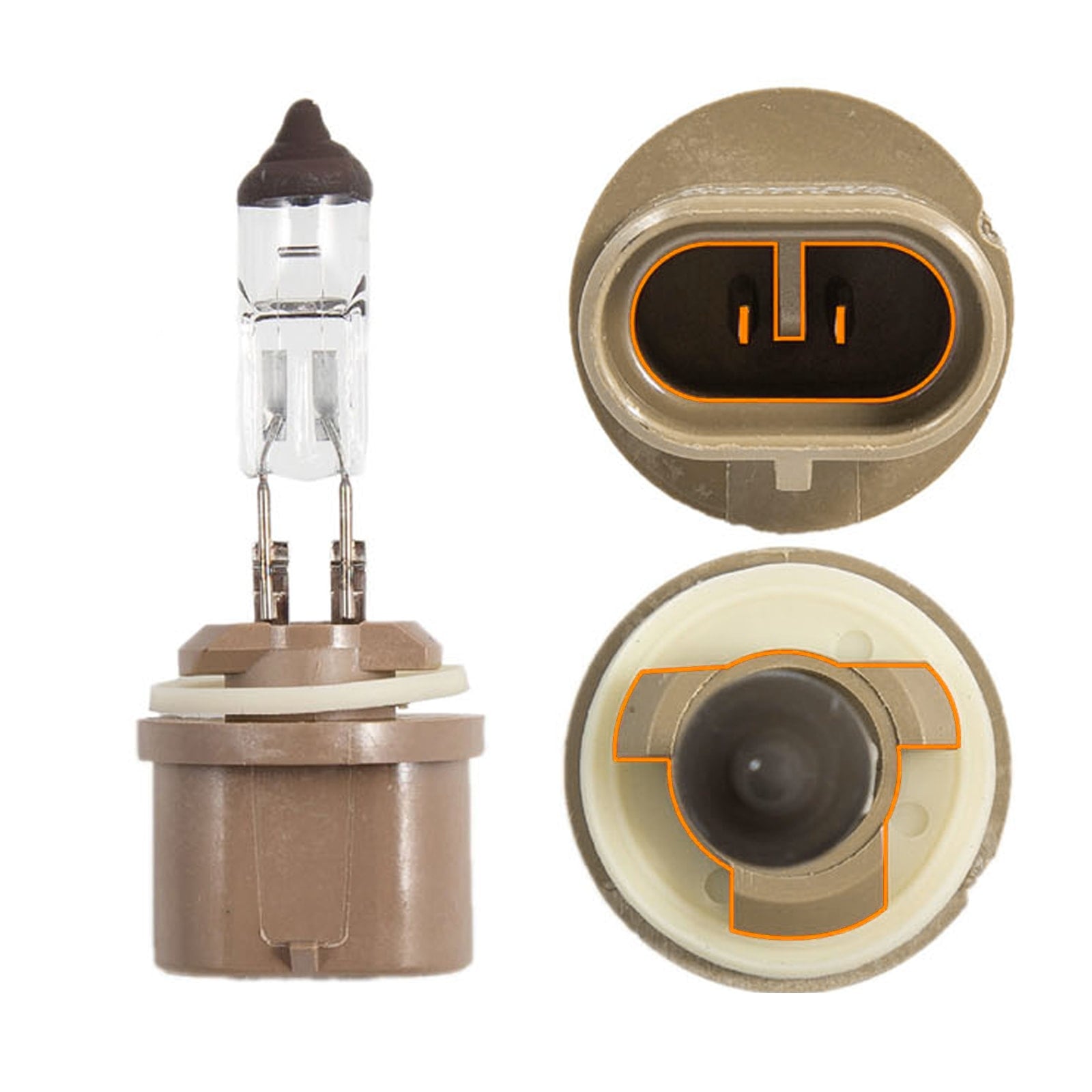
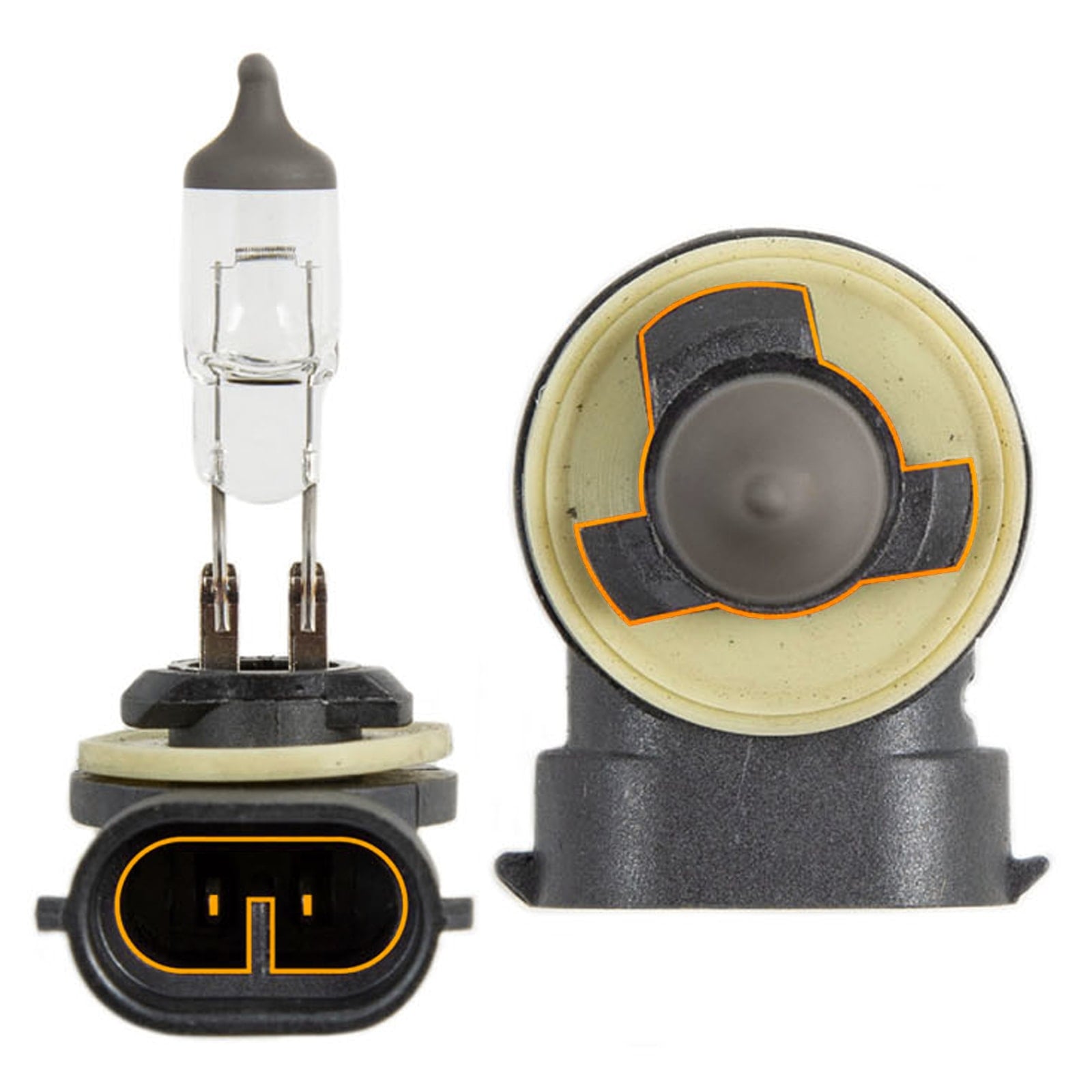
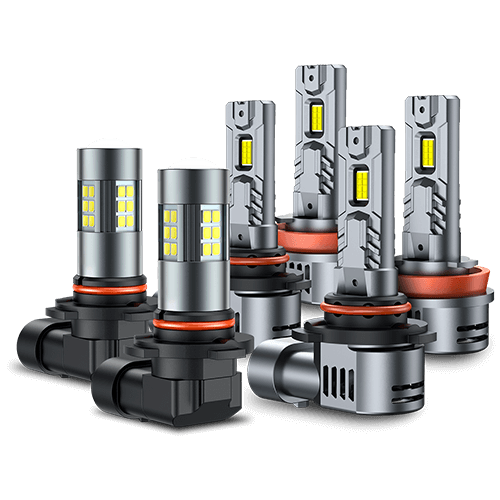
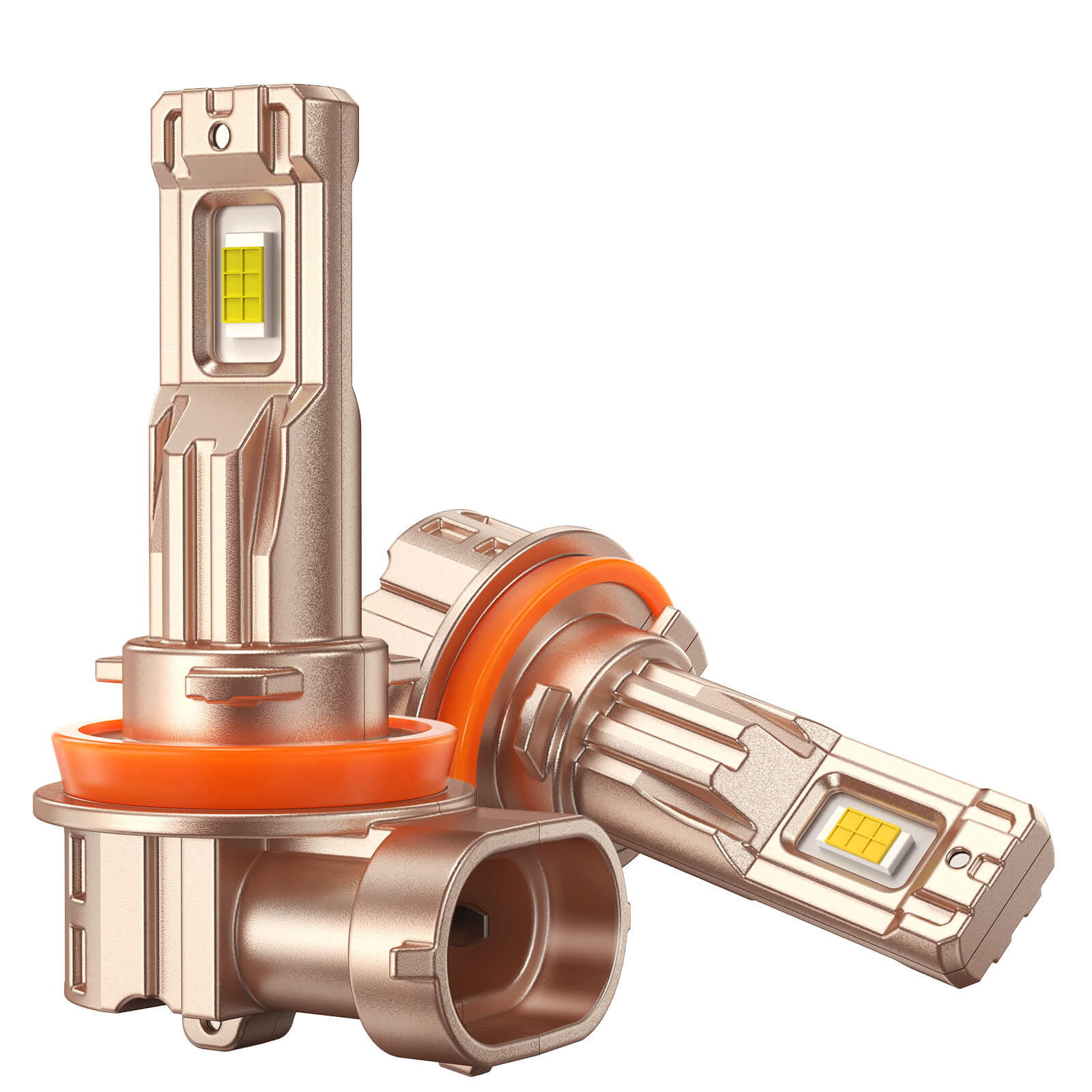
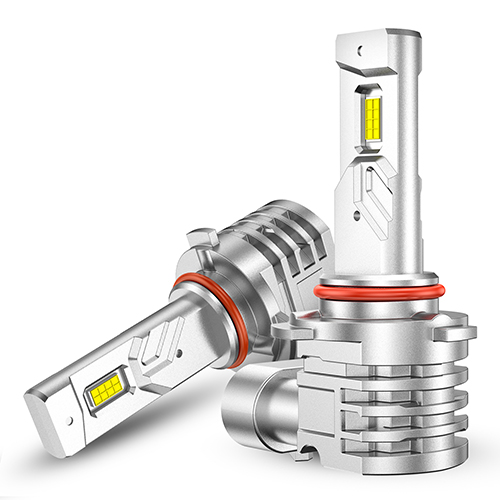
Older Highlanders may develop dim halogen headlights or cloudy lenses that reduce nighttime visibility. Many 2014–2019 halogen-equipped models use H11 low beams and 9005/HB3 high beams.
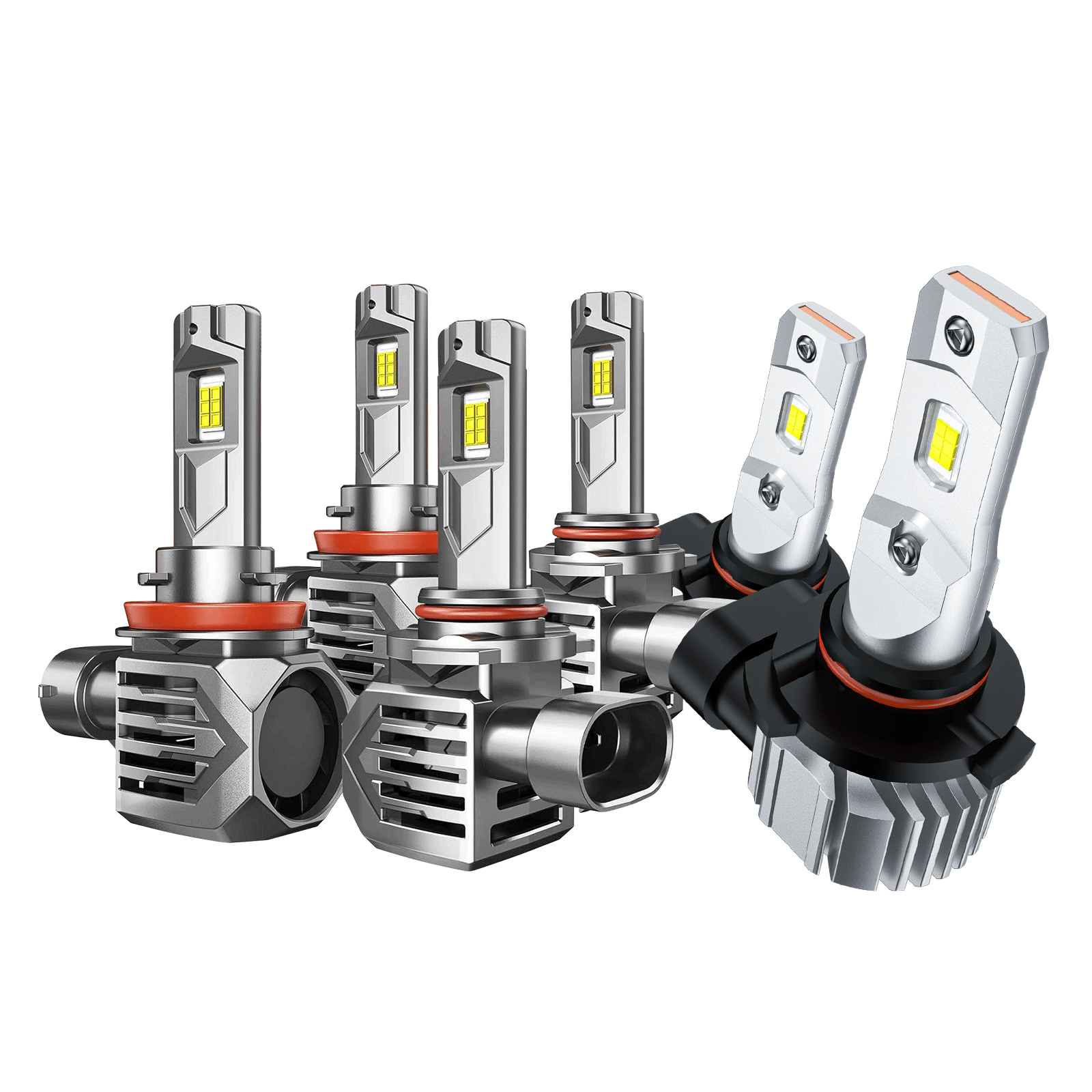
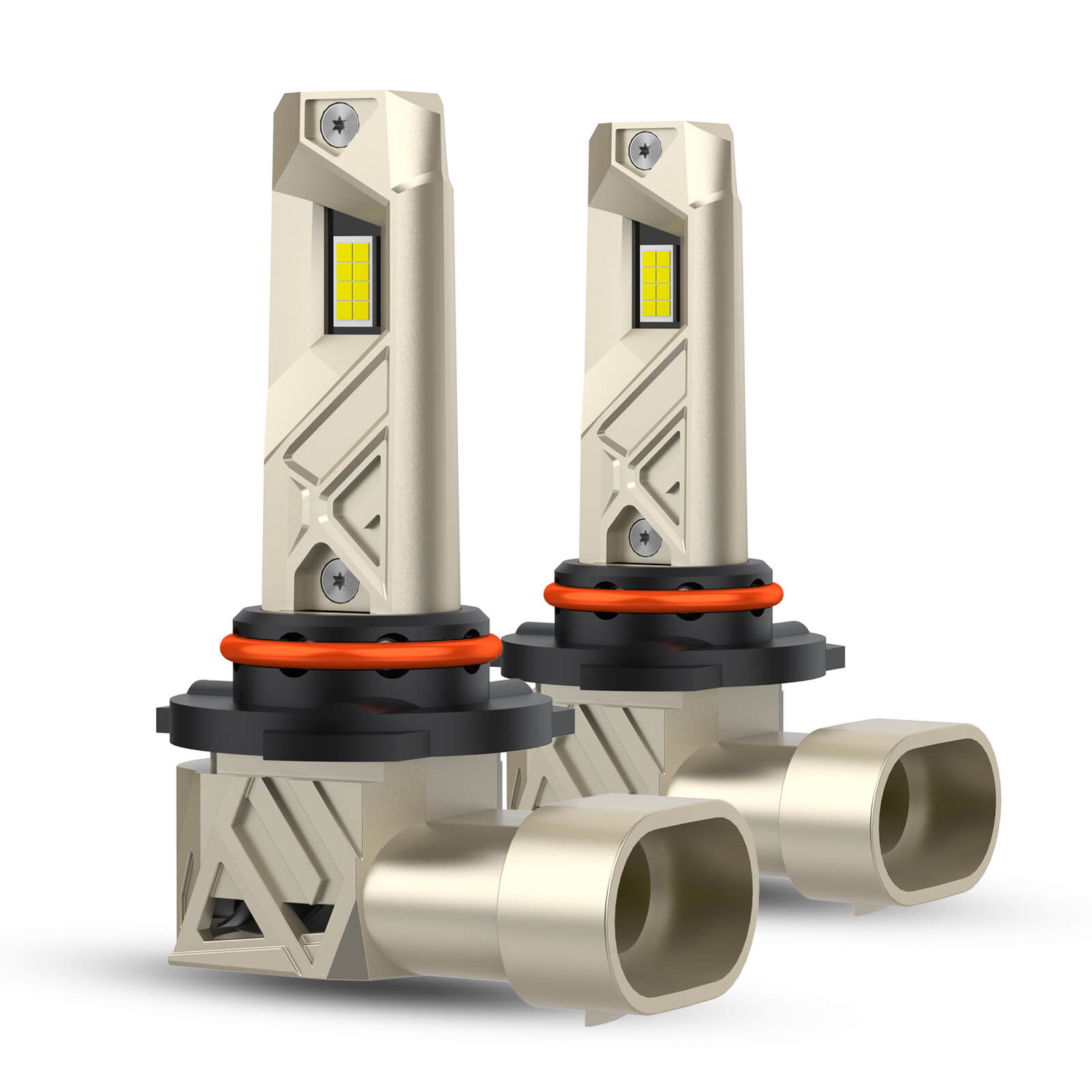
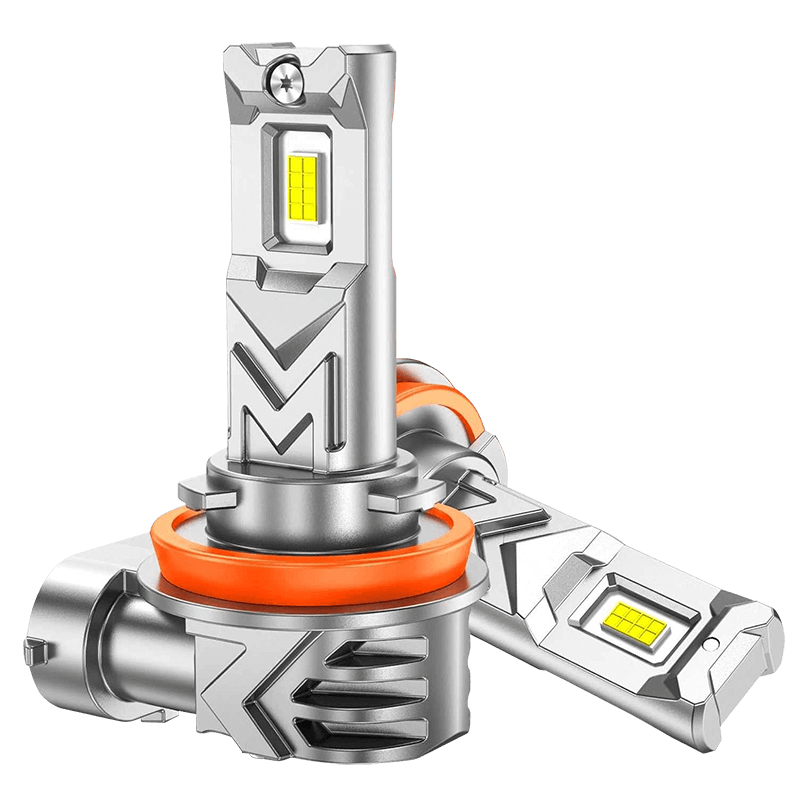
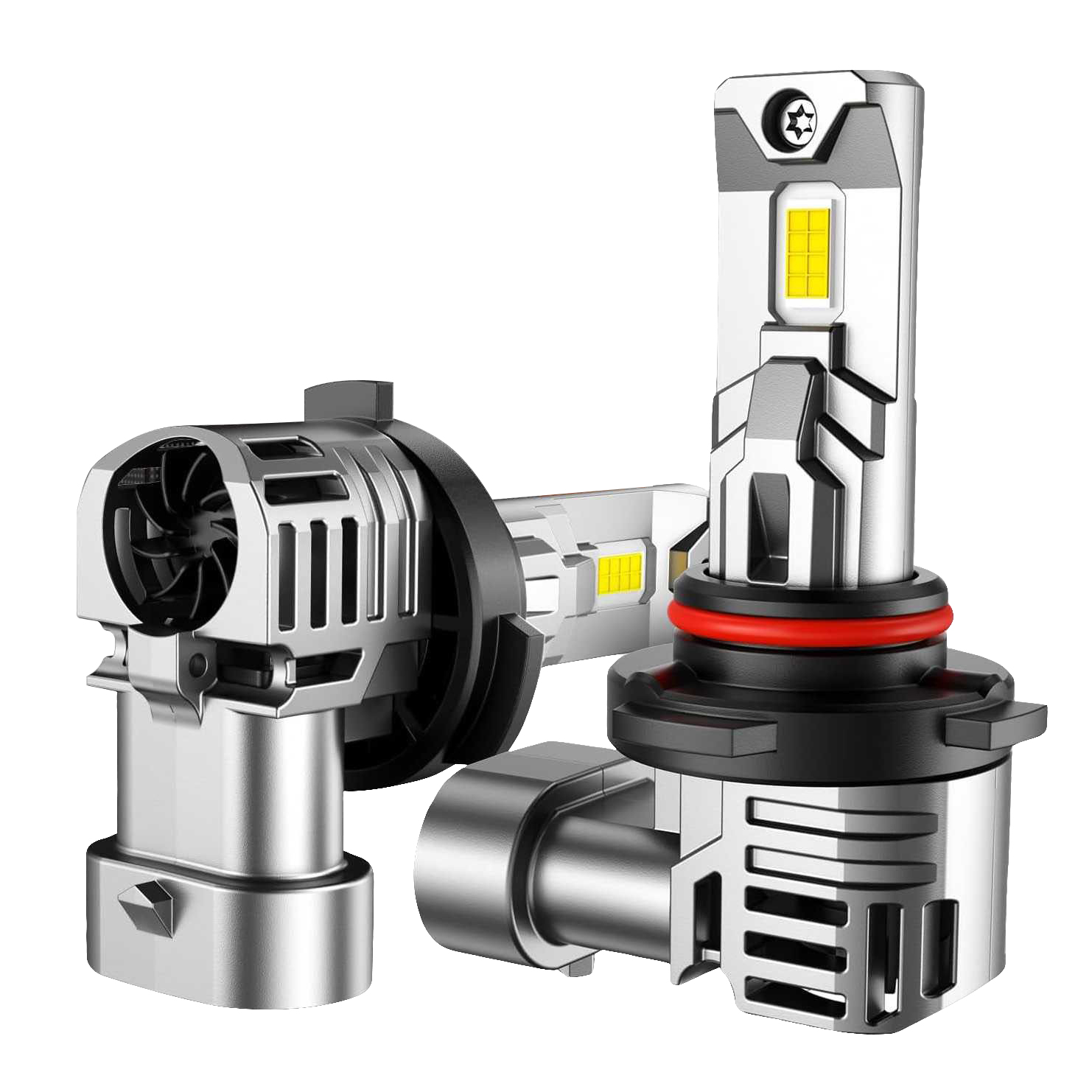
For drivers who frequently travel on dark highways or rural roads, the SEALIGHT S7S stands out among LED headlight bulbs. As SEALIGHT's brightest series, it delivers high-output illumination with a focused beam pattern and active cooling for sustained performance.
Fog Lights, Turn Signals, and Rear Lighting
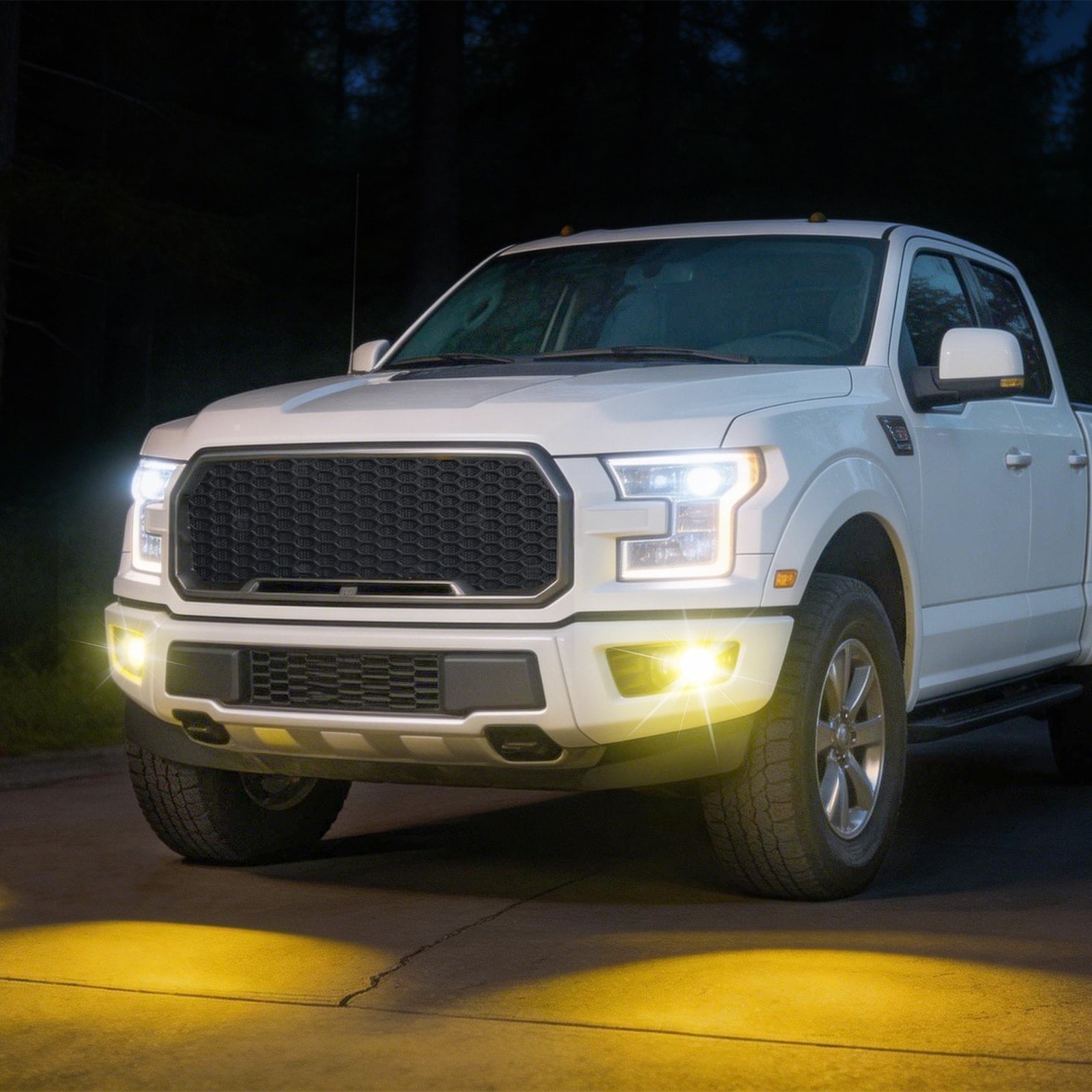
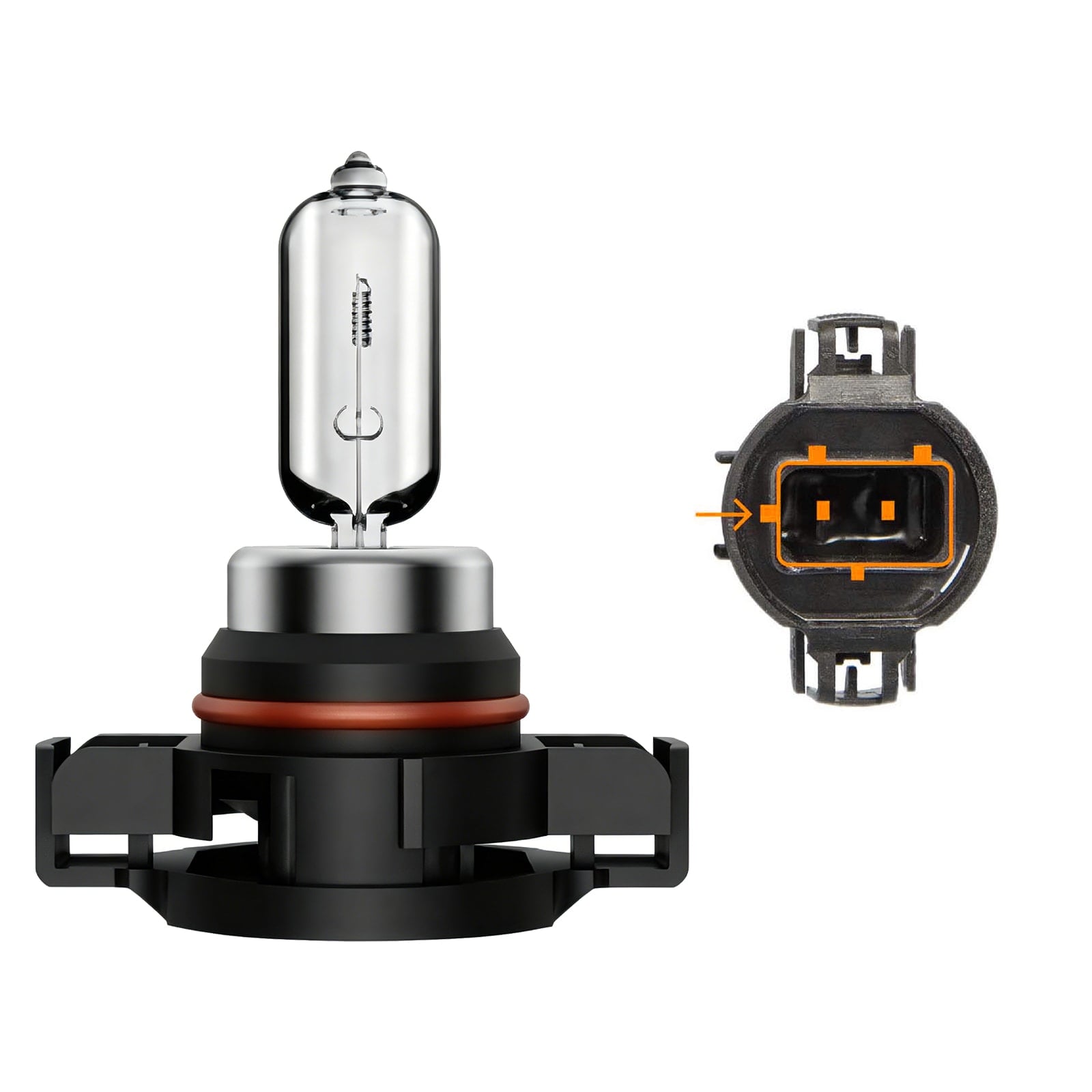
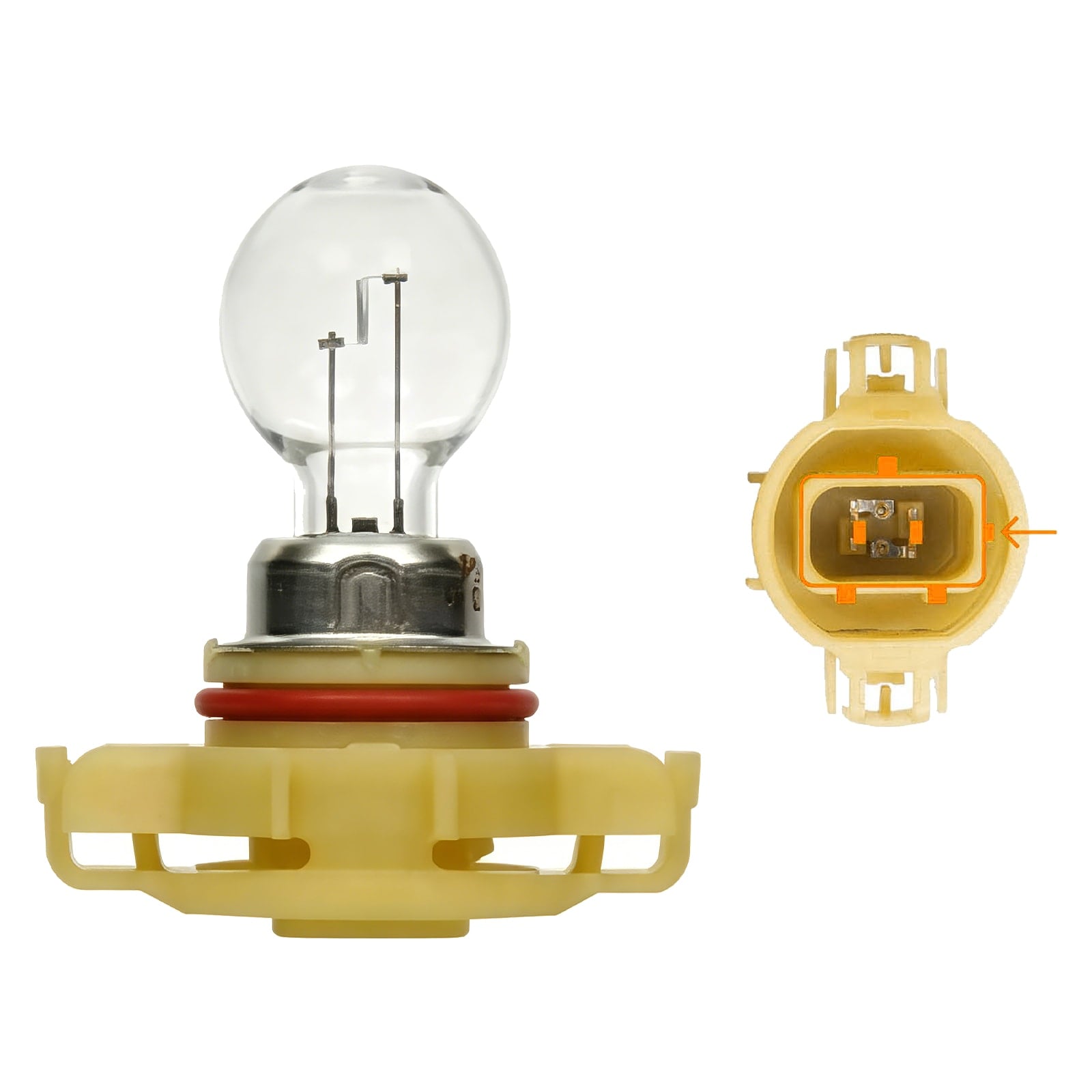
Aging fog light bulbs can reduce illumination near the road surface in poor weather. Upgrading to LED fog light bulbs offers a practical option for Highlanders with replaceable fog light bulbs.
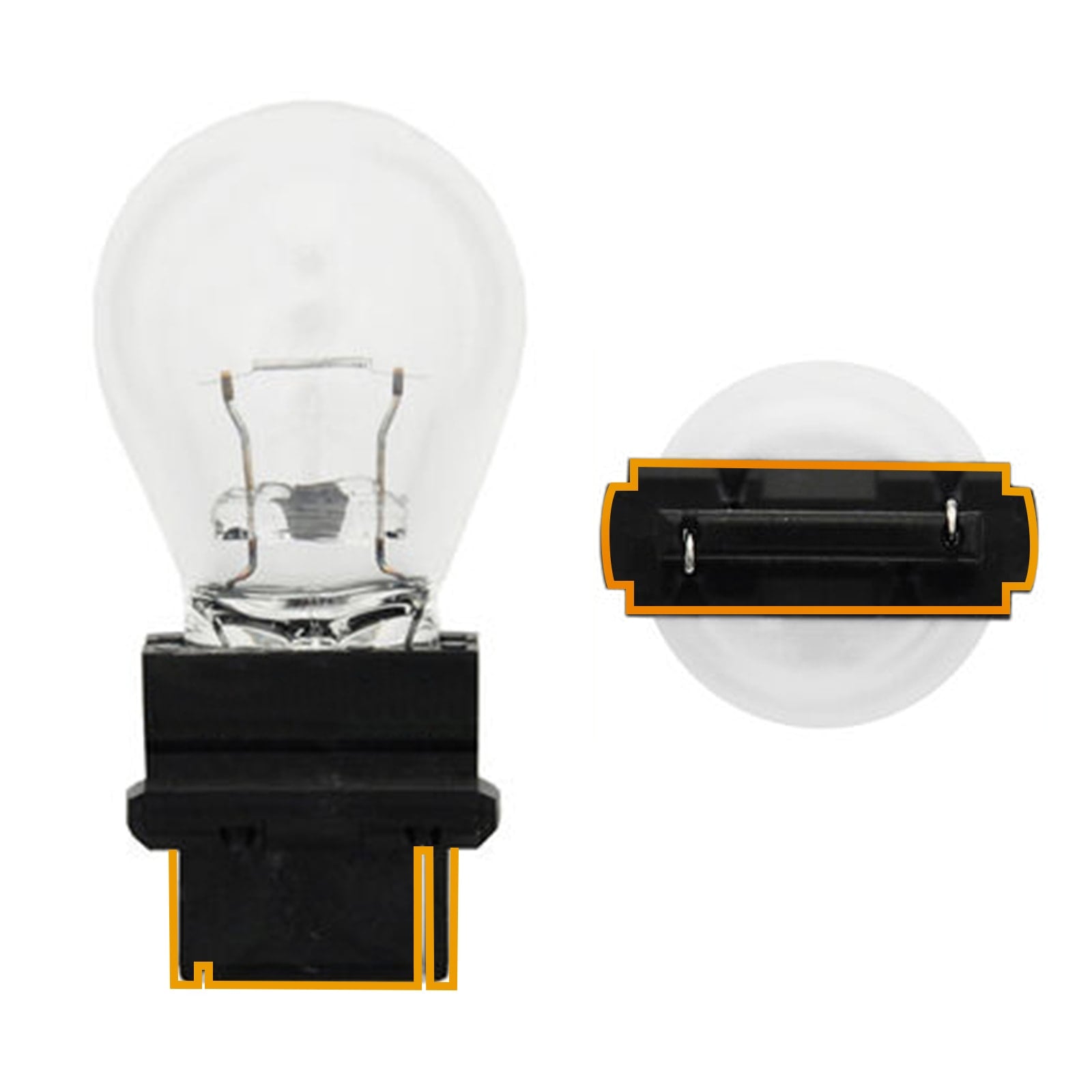
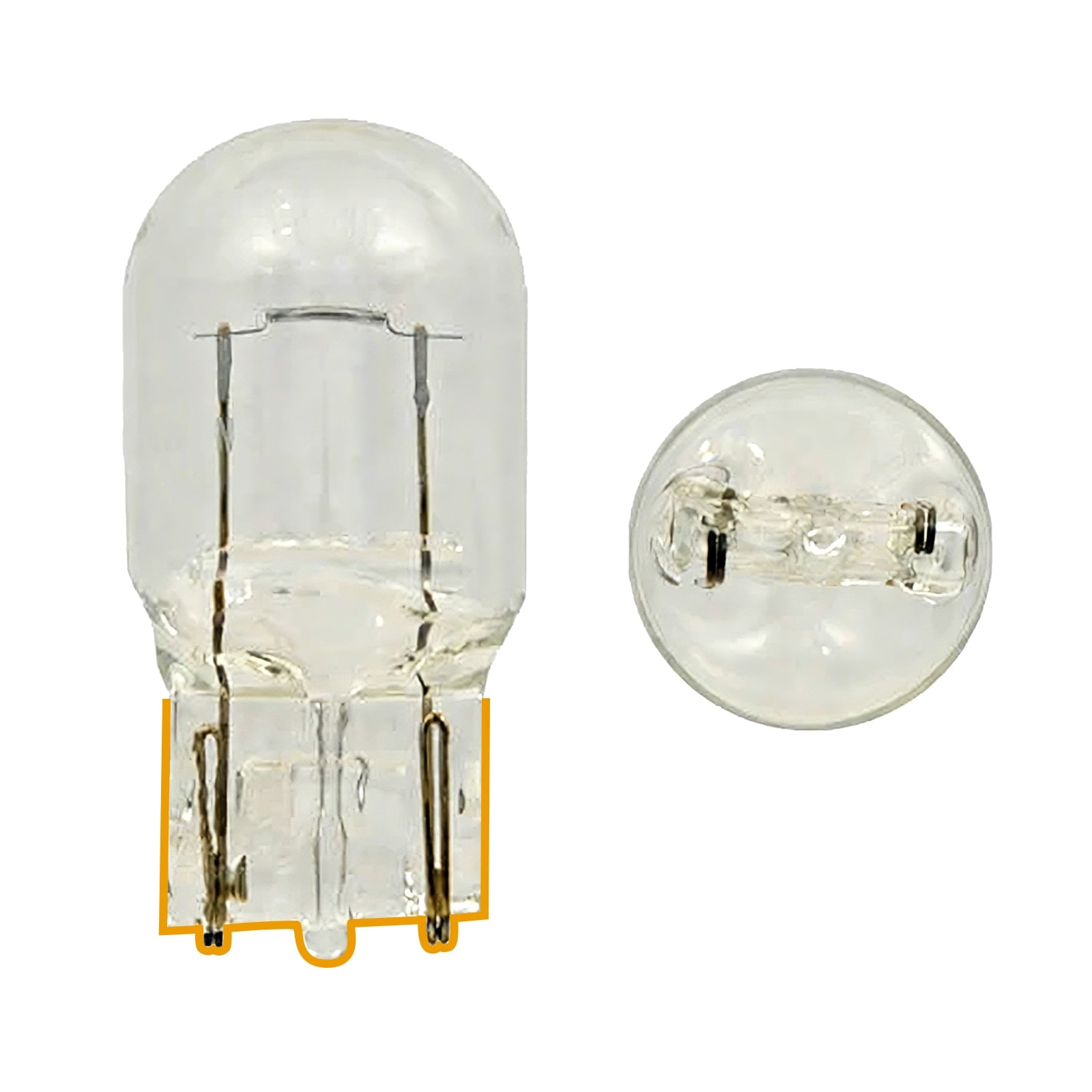
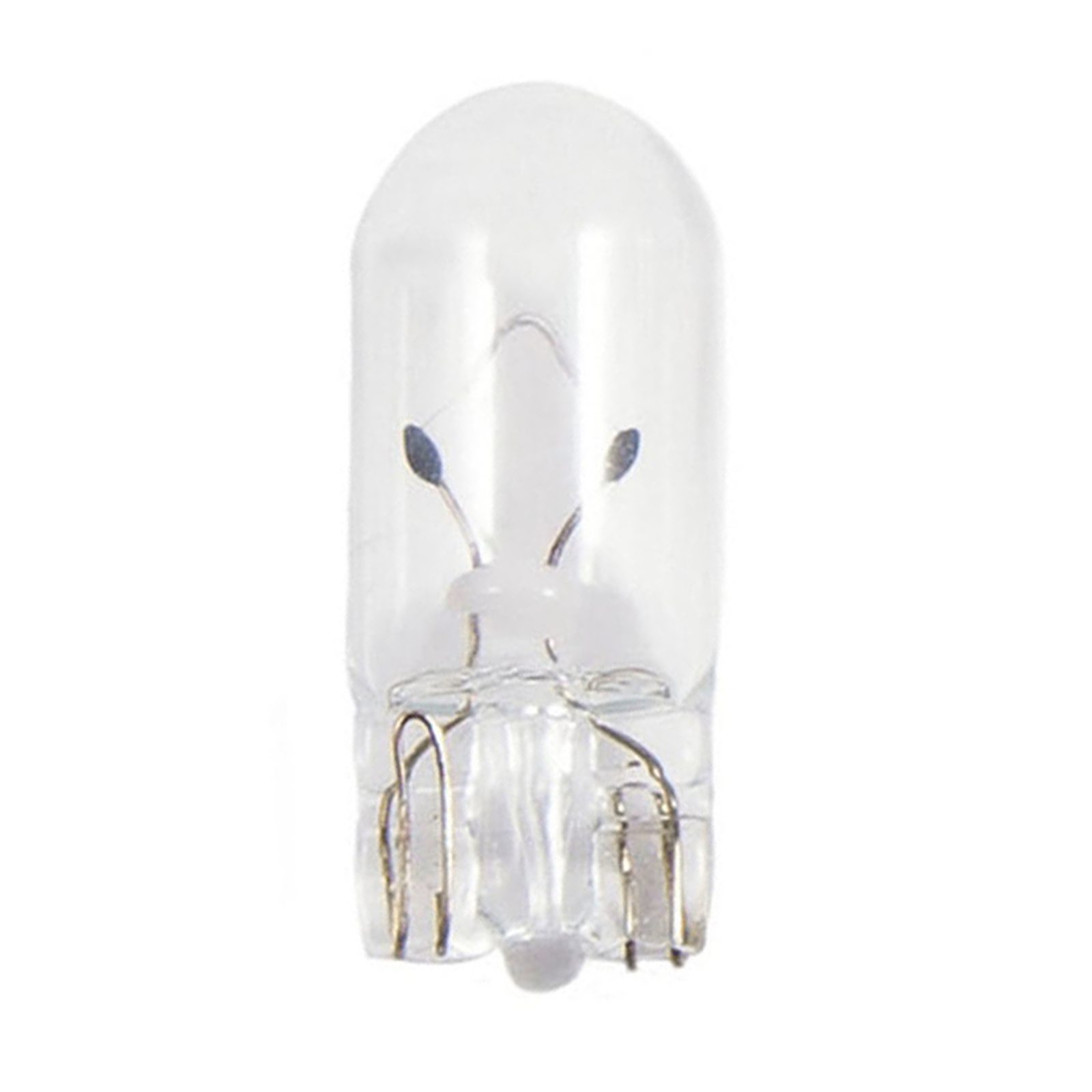
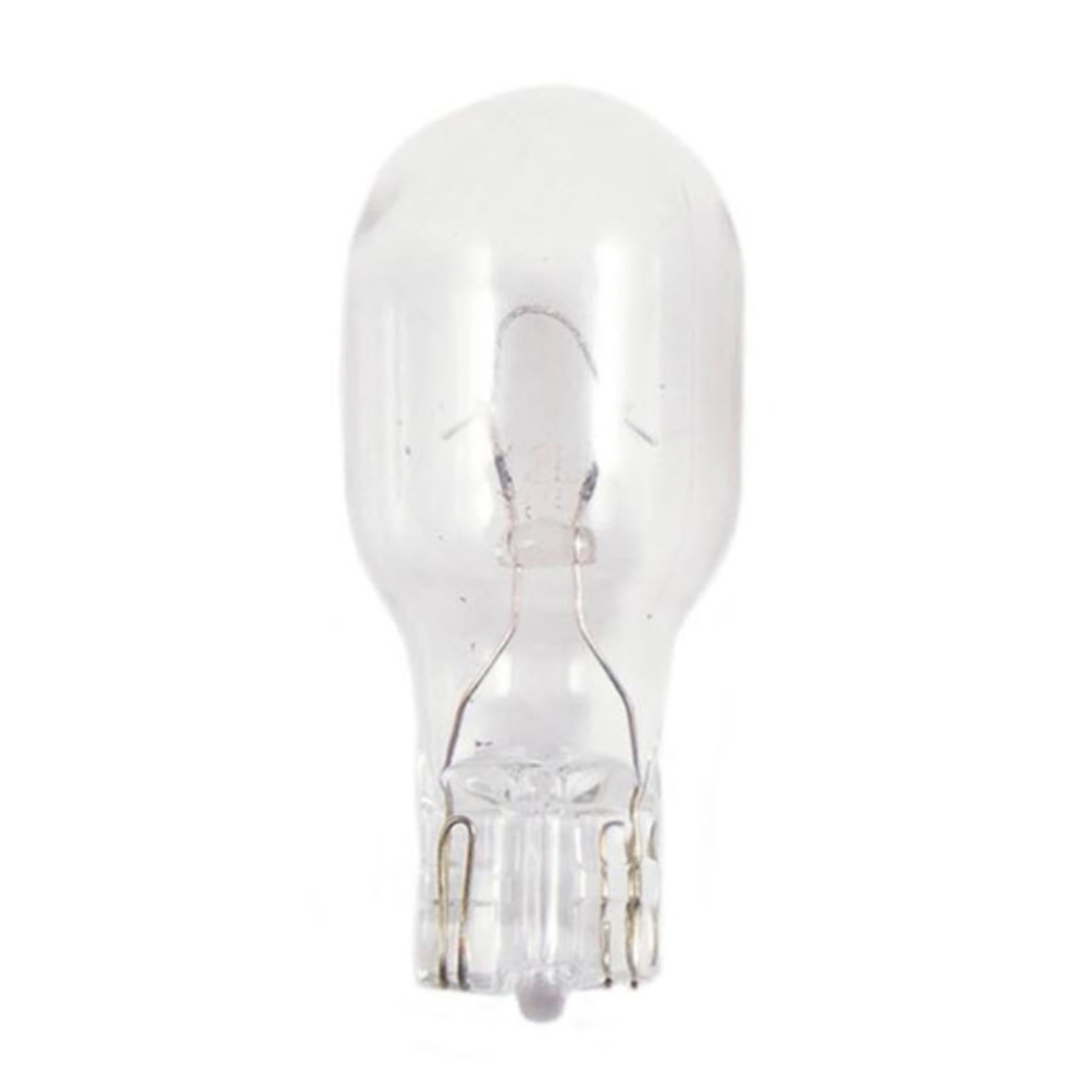
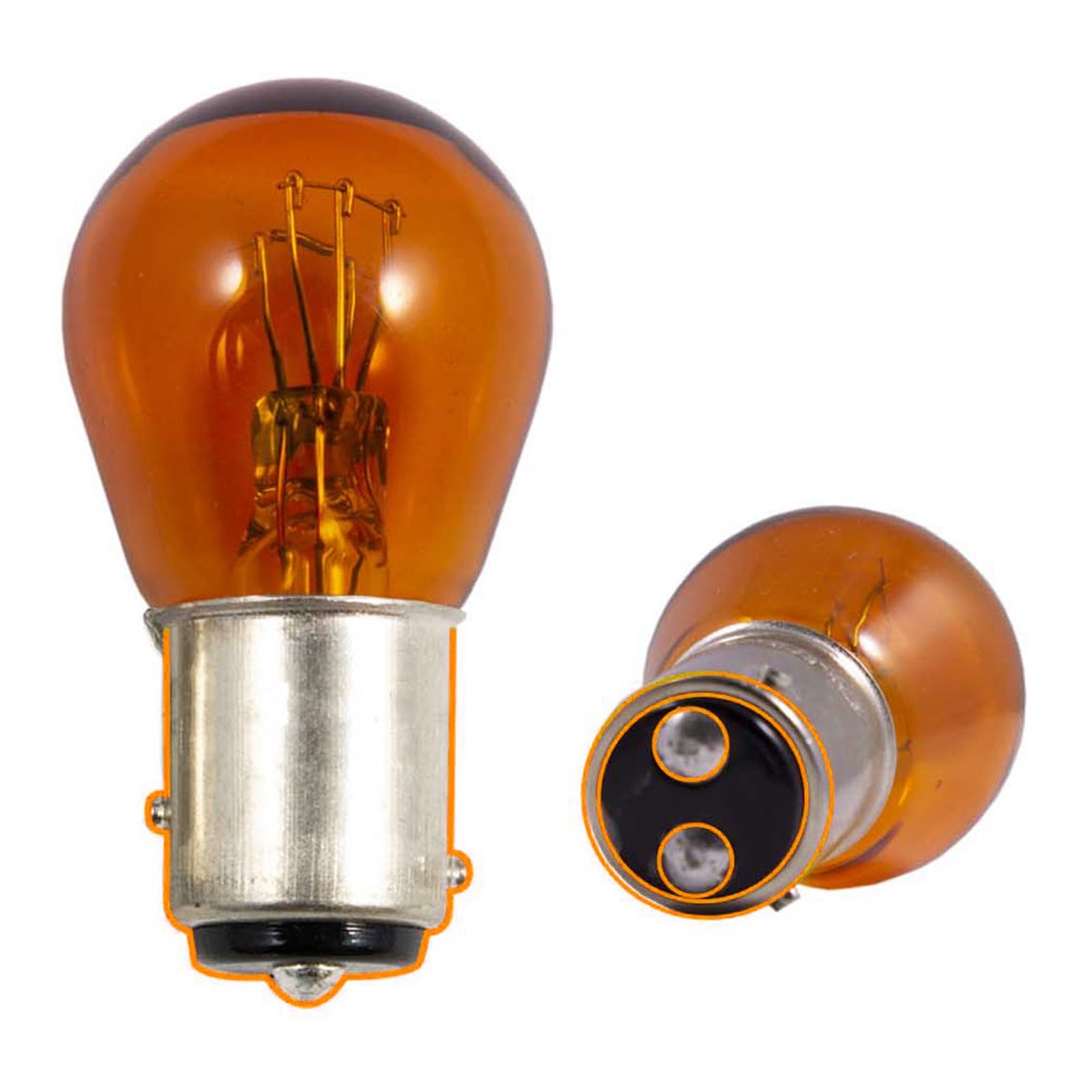
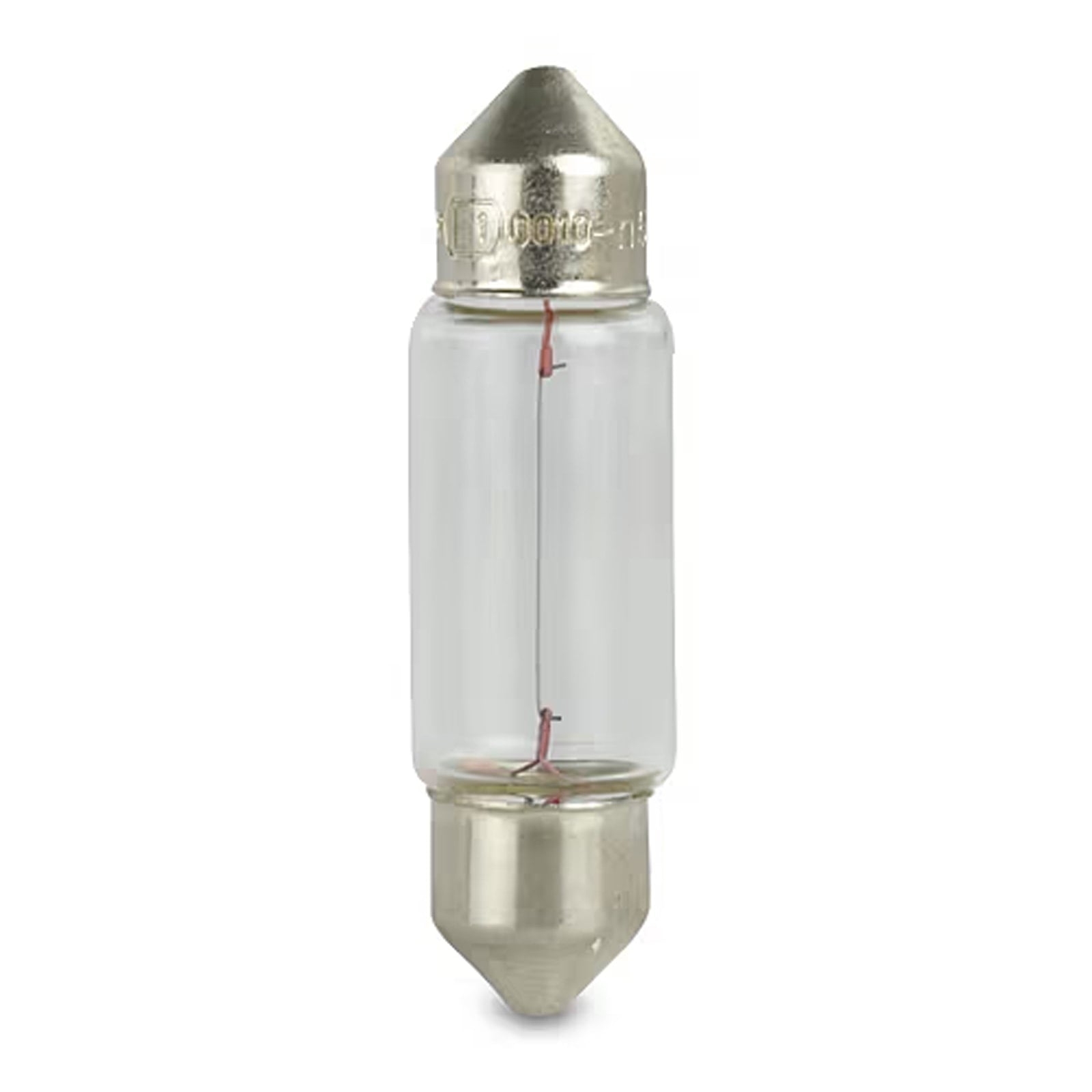
Brake lights, tail lights, and turn signals are equally important for communicating with other drivers, while brighter reverse lights can improve visibility when backing up at night. SEALIGHT offers LED brake and tail light bulbs for supported Highlander applications.
Find the Right Toyota Highlander LED Bulbs
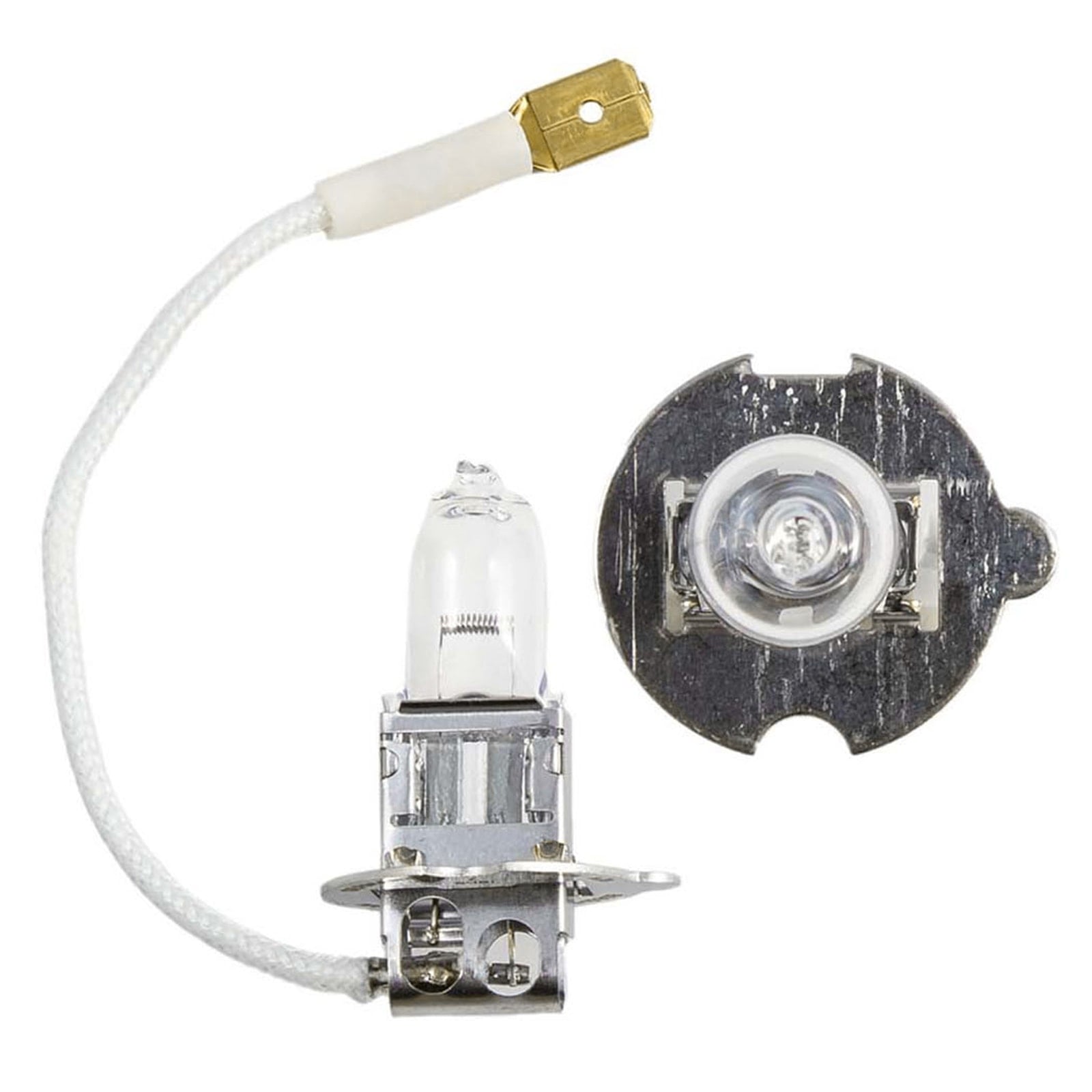
Highlander bulb sizes differ by model year and lighting position, while newer models often use integrated LED headlights. The Toyota Highlander Bulb Finder provides replacement options for headlights, fog lights, and other exterior lighting positions.
Frequently Asked Questions
How Long Does a Toyota Highlander Last?
A well-maintained Toyota Highlander can last 200,000–300,000 miles. Actual lifespan depends on maintenance history, engine and transmission condition, and driving habits.
Is 150,000 Miles Too Much for a Toyota Highlander?
No. A Highlander with 150,000 miles can still be reliable if properly maintained. Transmission problems, coolant leaks, and rust matter more than mileage alone.
How Long Does a Toyota Highlander Hybrid Battery Last?
A Highlander Hybrid battery can last over 150,000 miles. Toyota covers hybrid batteries for 10 years or 150,000 miles on 2020 and newer models, whichever comes first.
Does a Toyota Highlander Have a Timing Belt or Chain?
It depends on the engine. Older 3.0L and 3.3L V6 engines use timing belts, while most four-cylinder engines and later 3.5L V6 engines use timing chains.
What Maintenance Does a Toyota Highlander Need After 100,000 Miles?
Check spark plugs, coolant, transmission fluid, brakes, and suspension components. Follow the model-specific maintenance schedule and replace timing belts when required.
Final Verdict
Overall, Toyota Highlander reliability is strong, but common problems vary by model year and powertrain. The 2016 V6 and 2012–2013 models are among the more dependable choices, while early engine and eight-speed transmission issues deserve attention. Regular maintenance and compatible SEALIGHT LED lighting upgrades can help keep older Highlanders reliable and practical.