
 Headlight Bulbs


 Track Order
 My Vehicles
 Contact Us
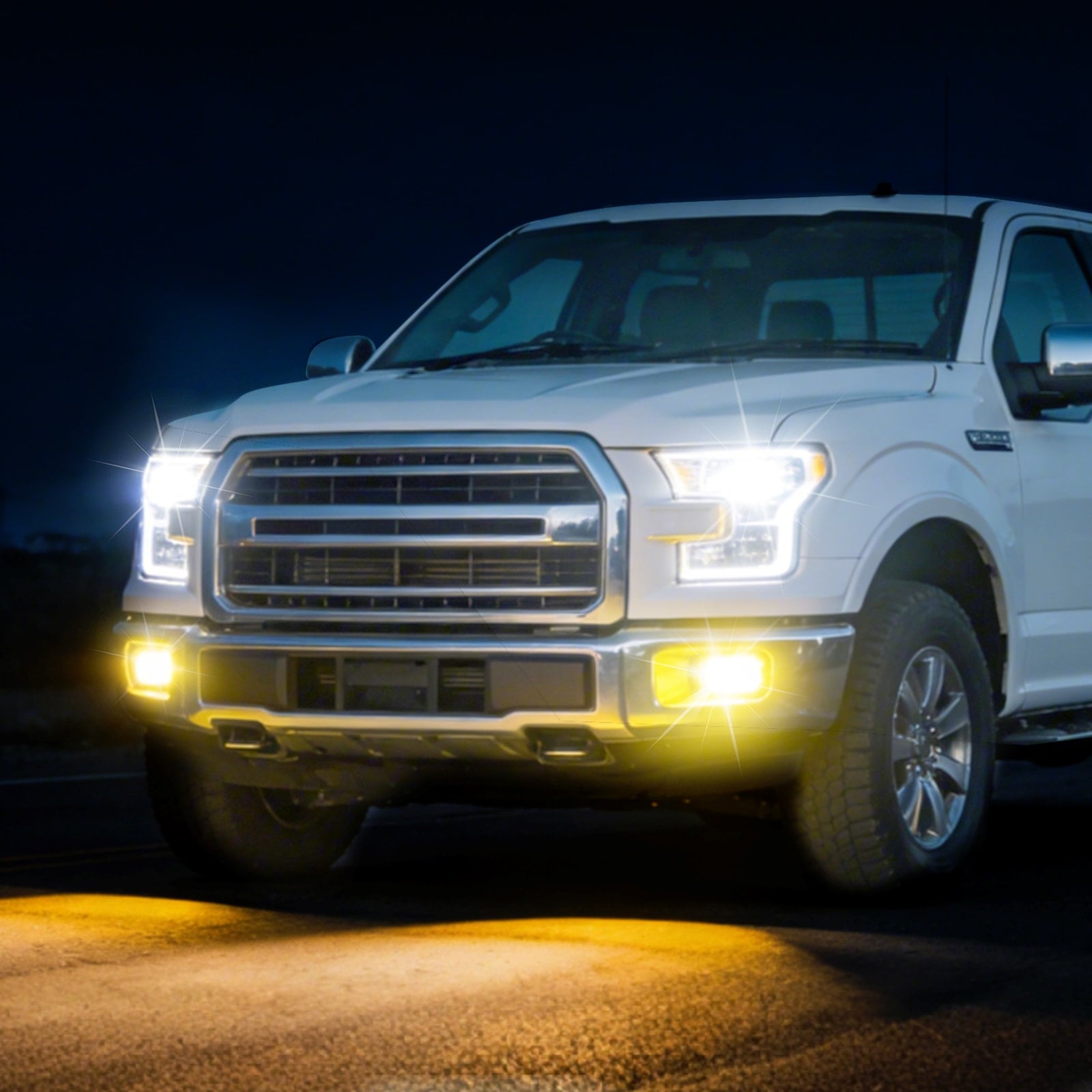
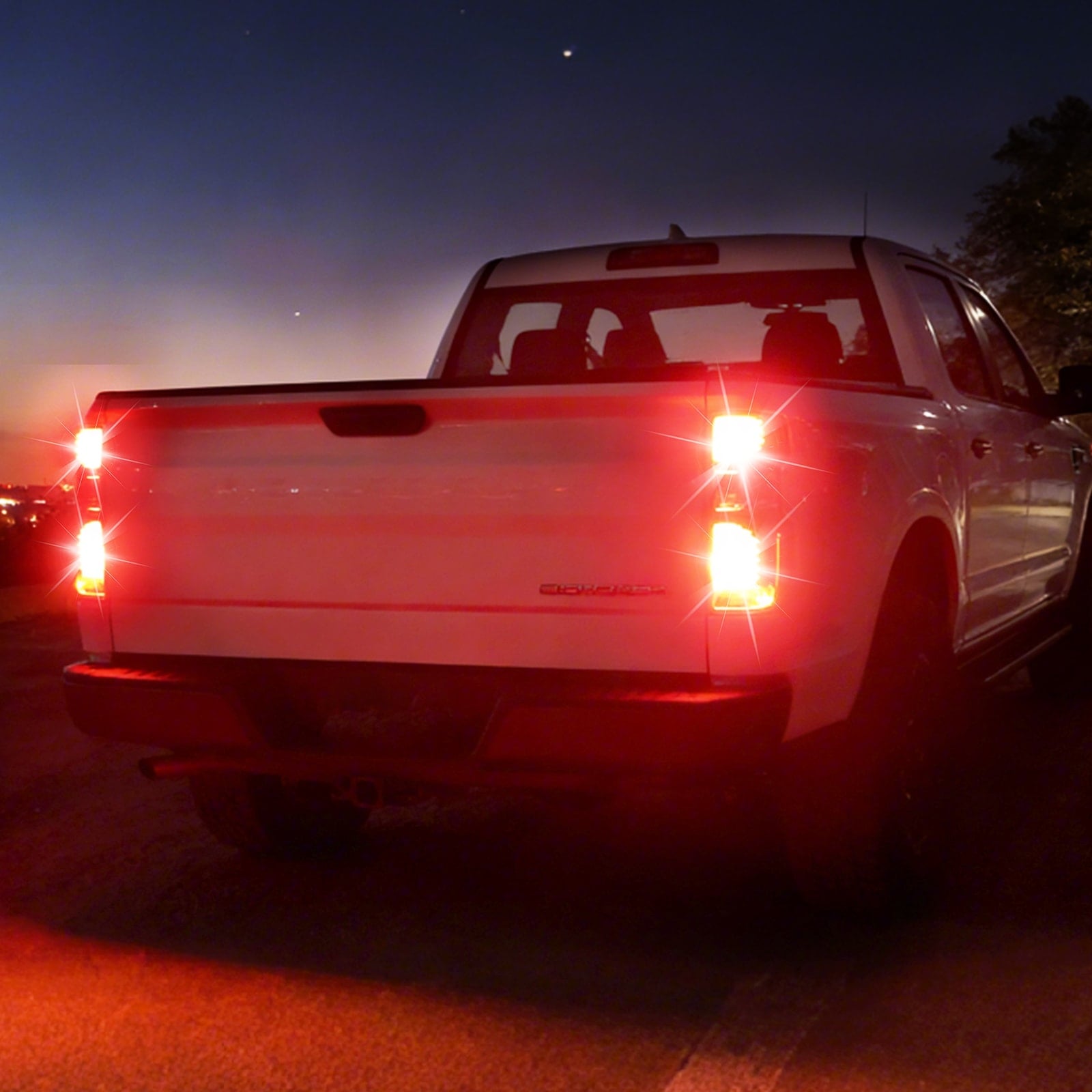
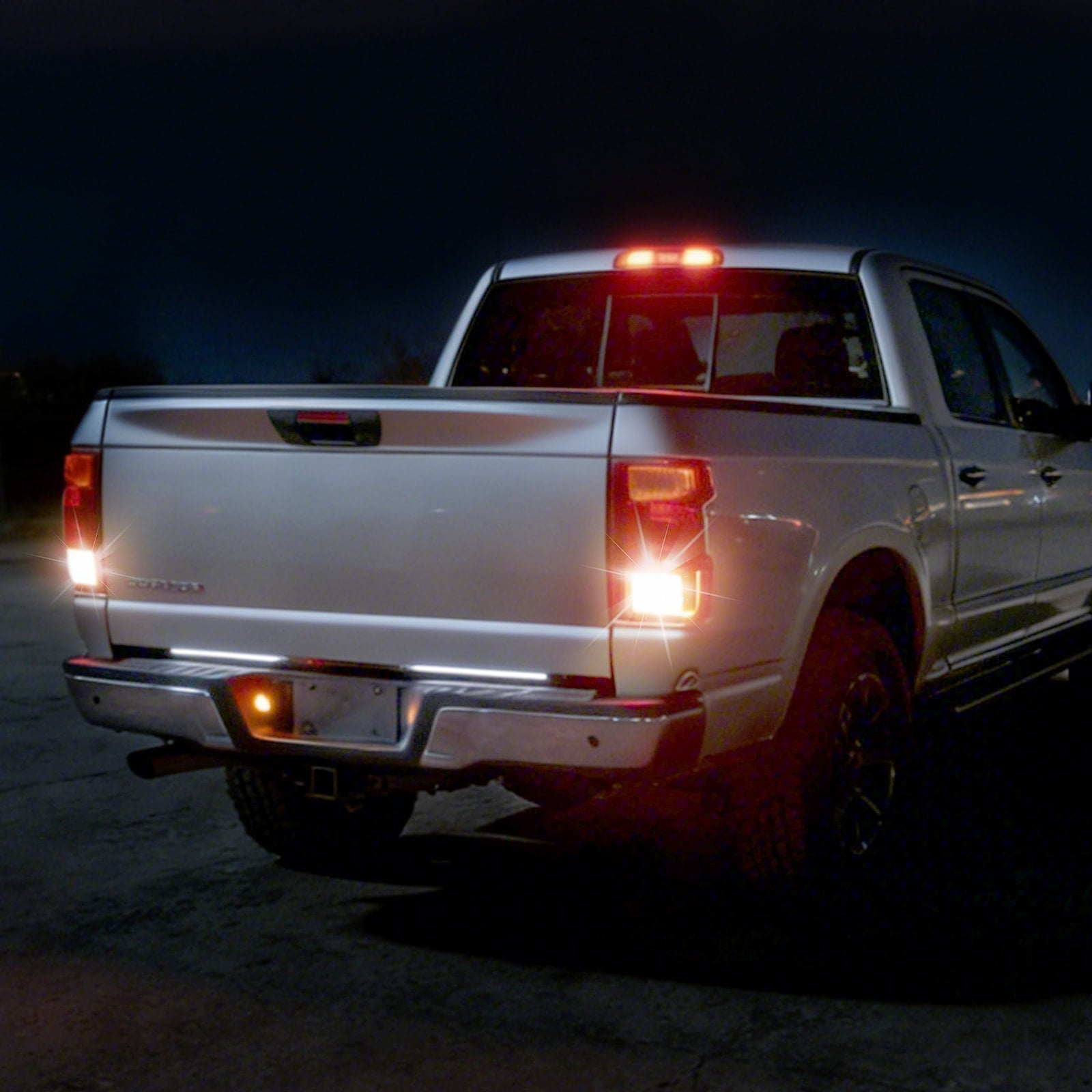
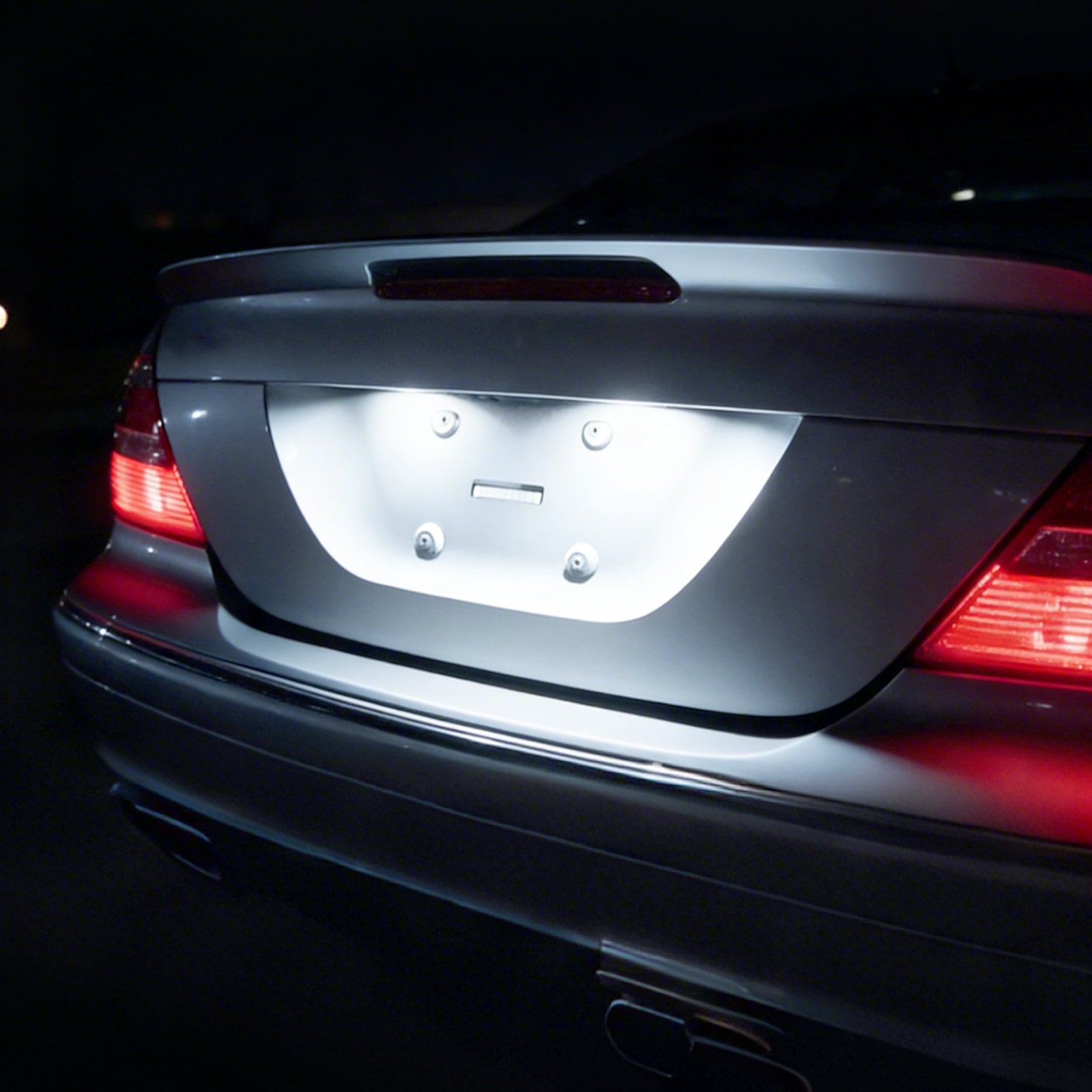
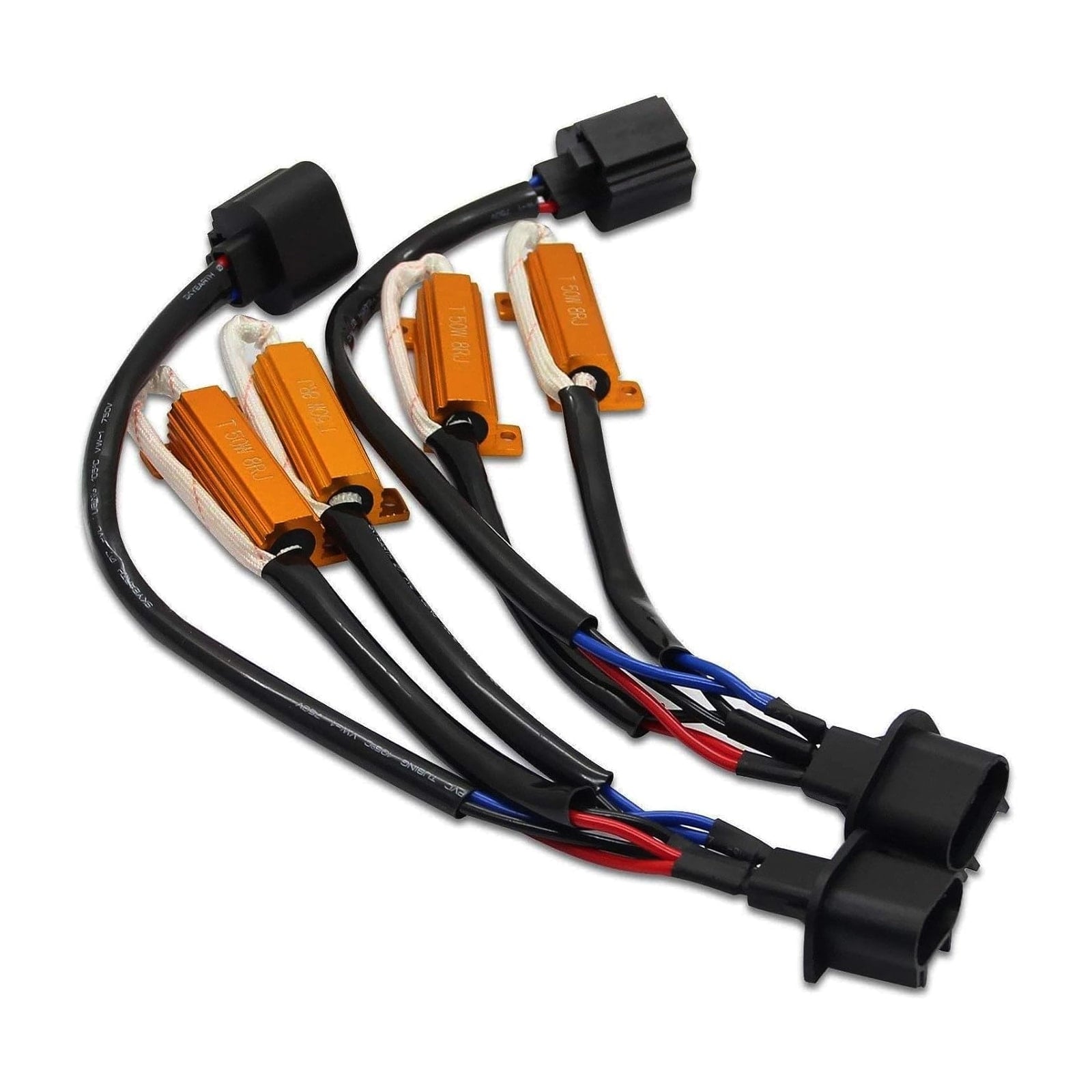
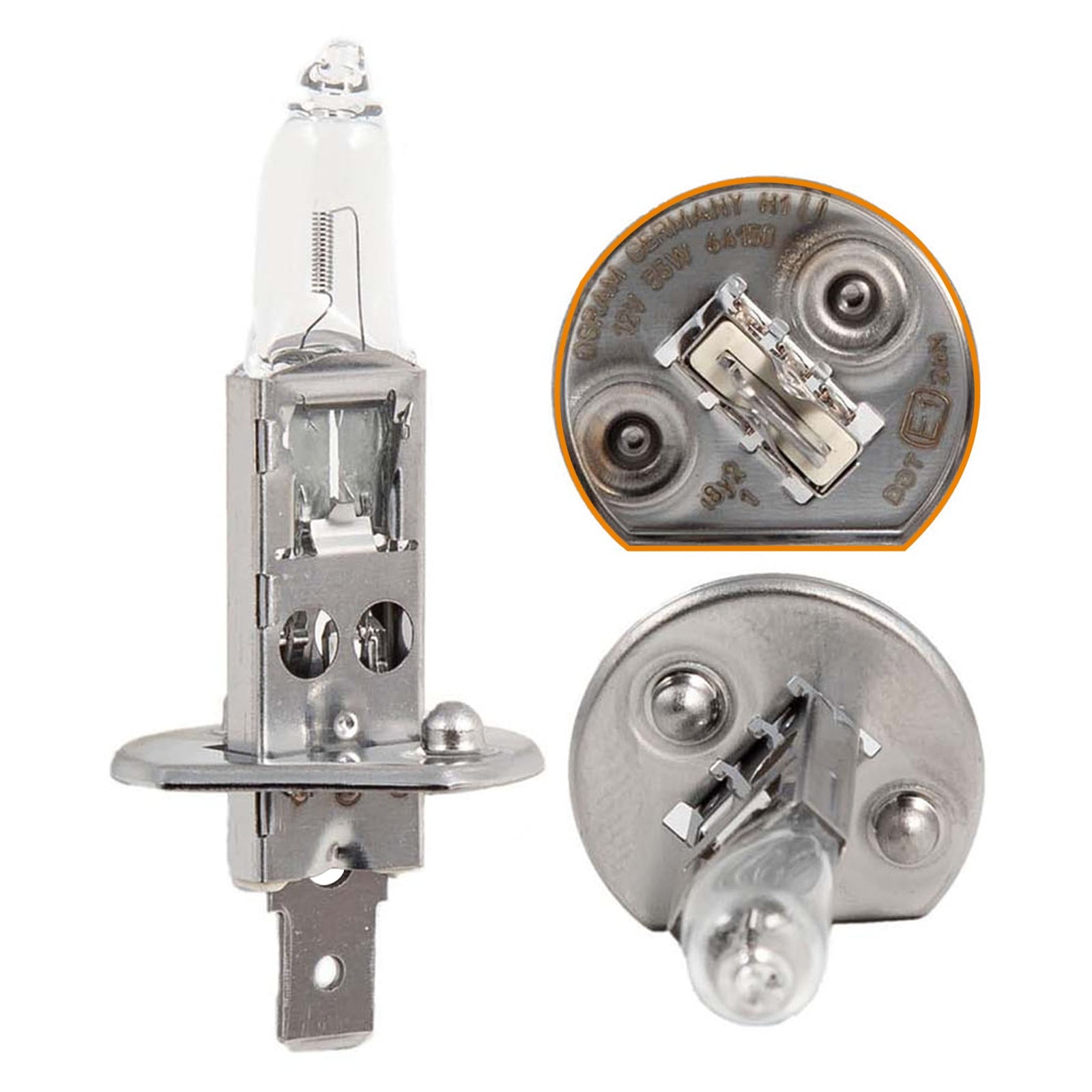

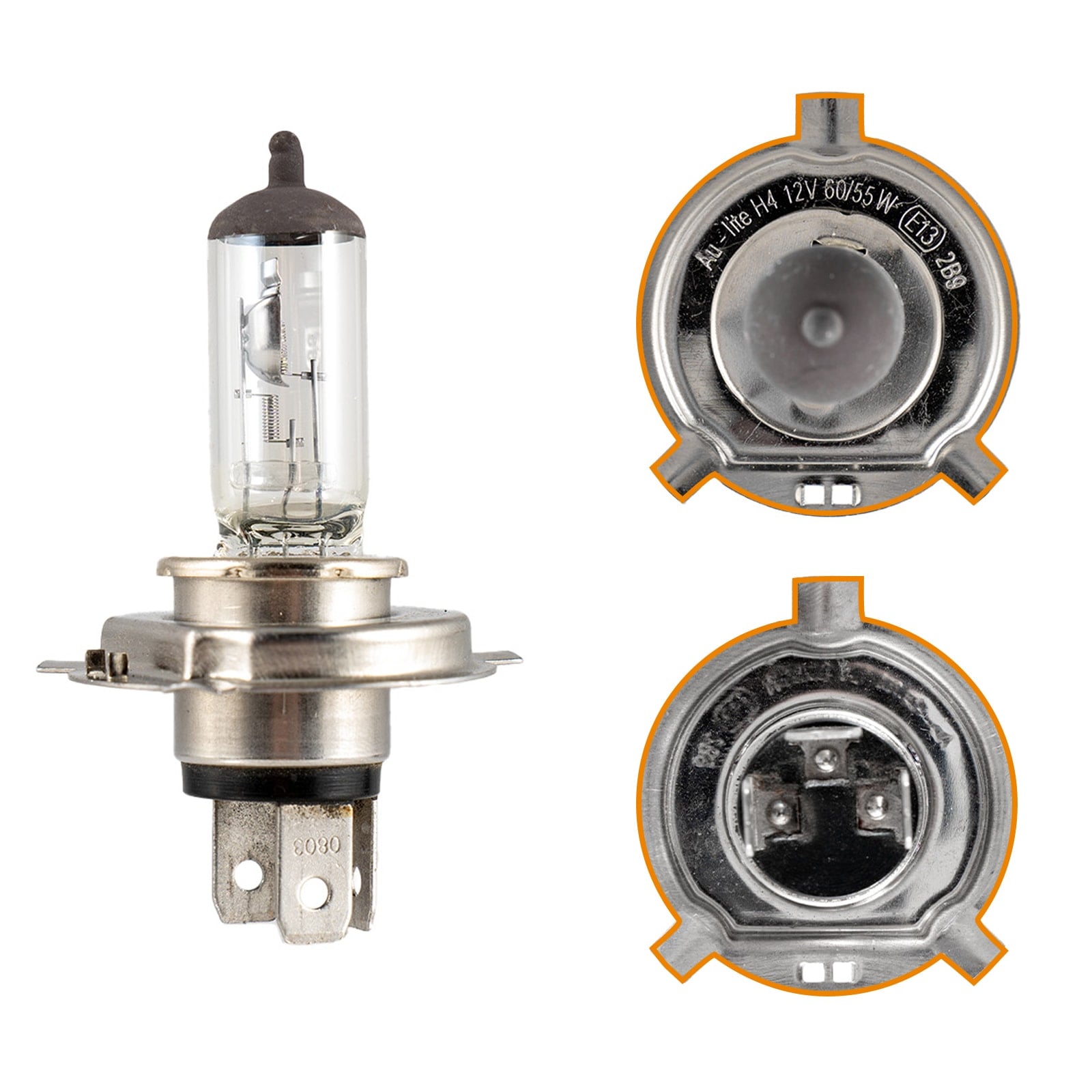
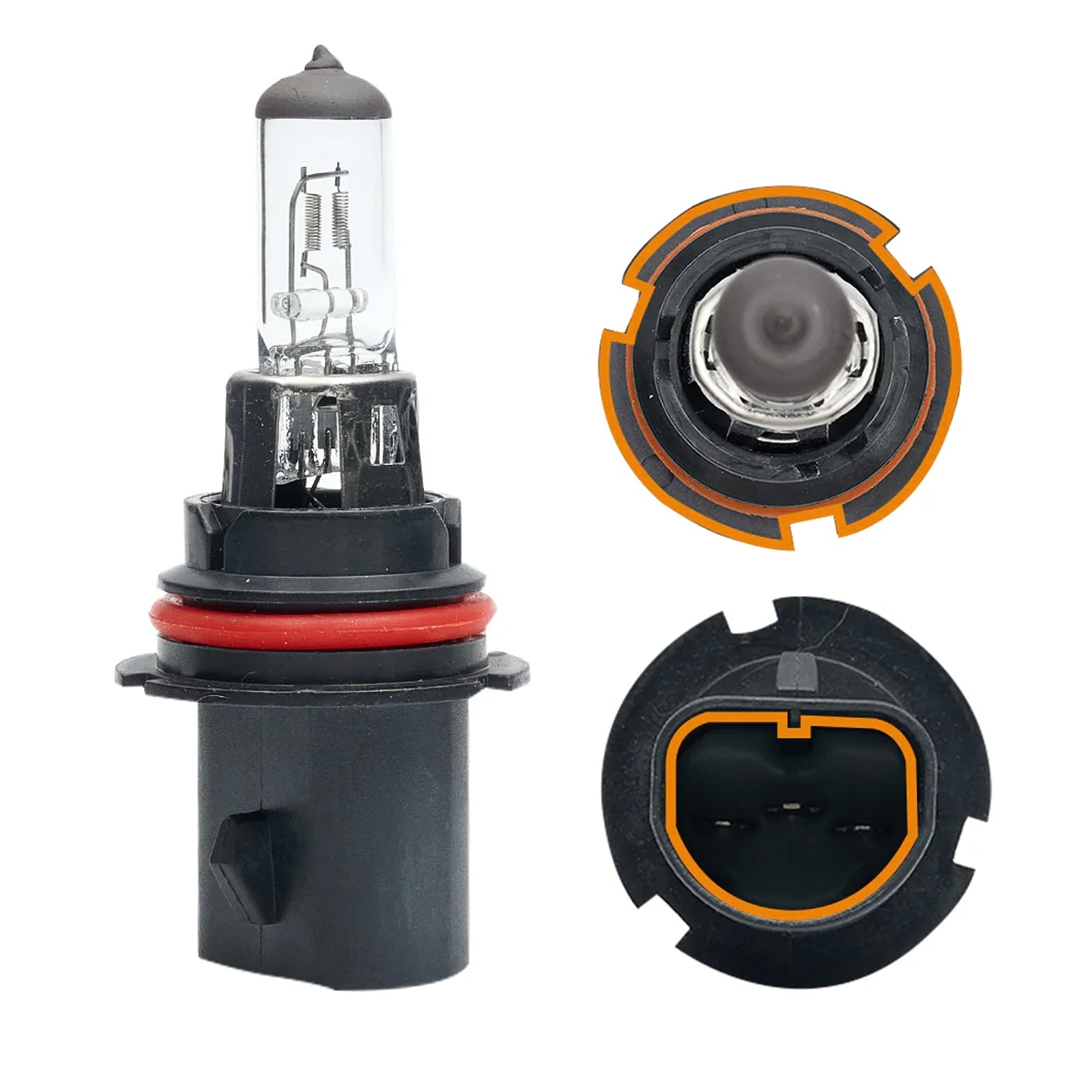
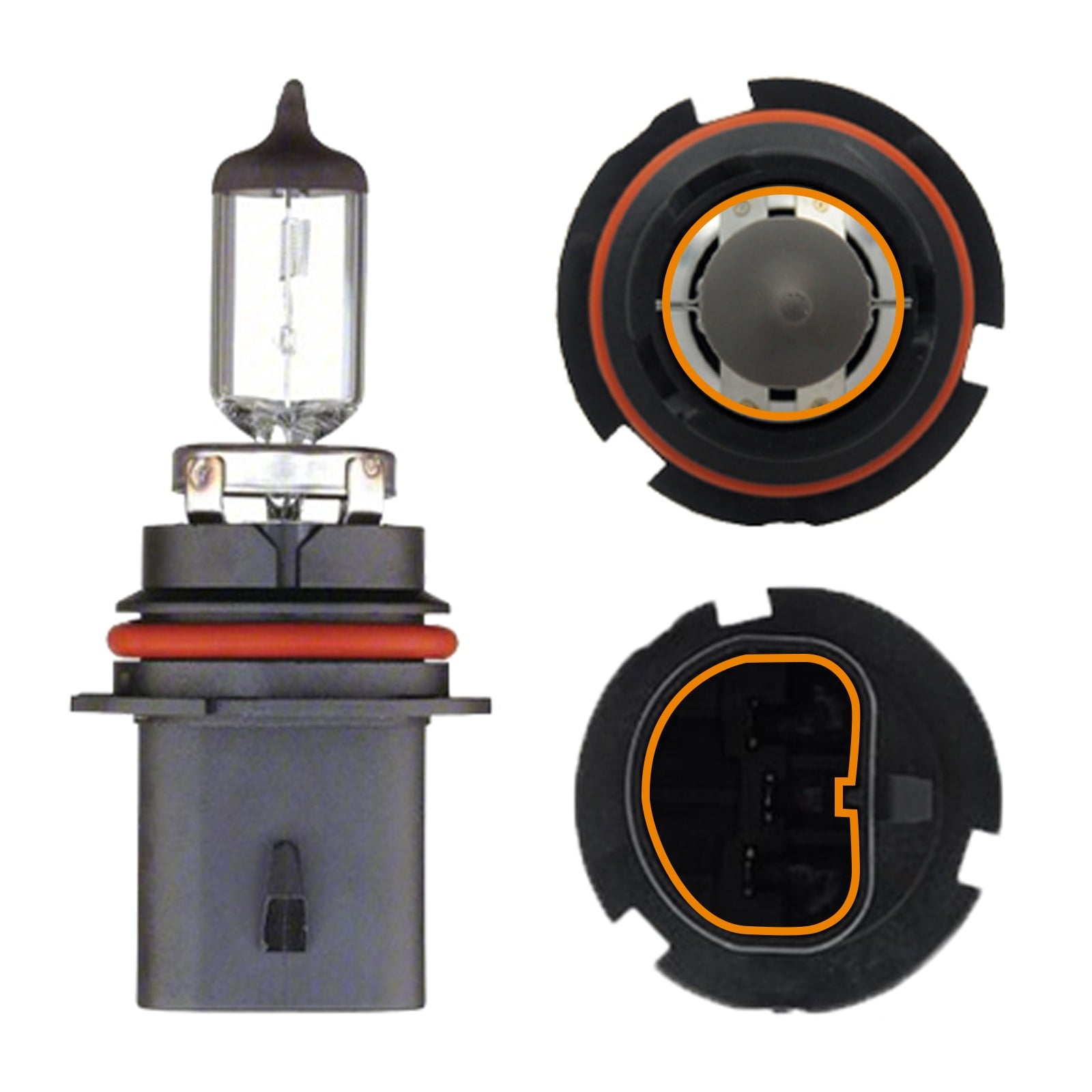
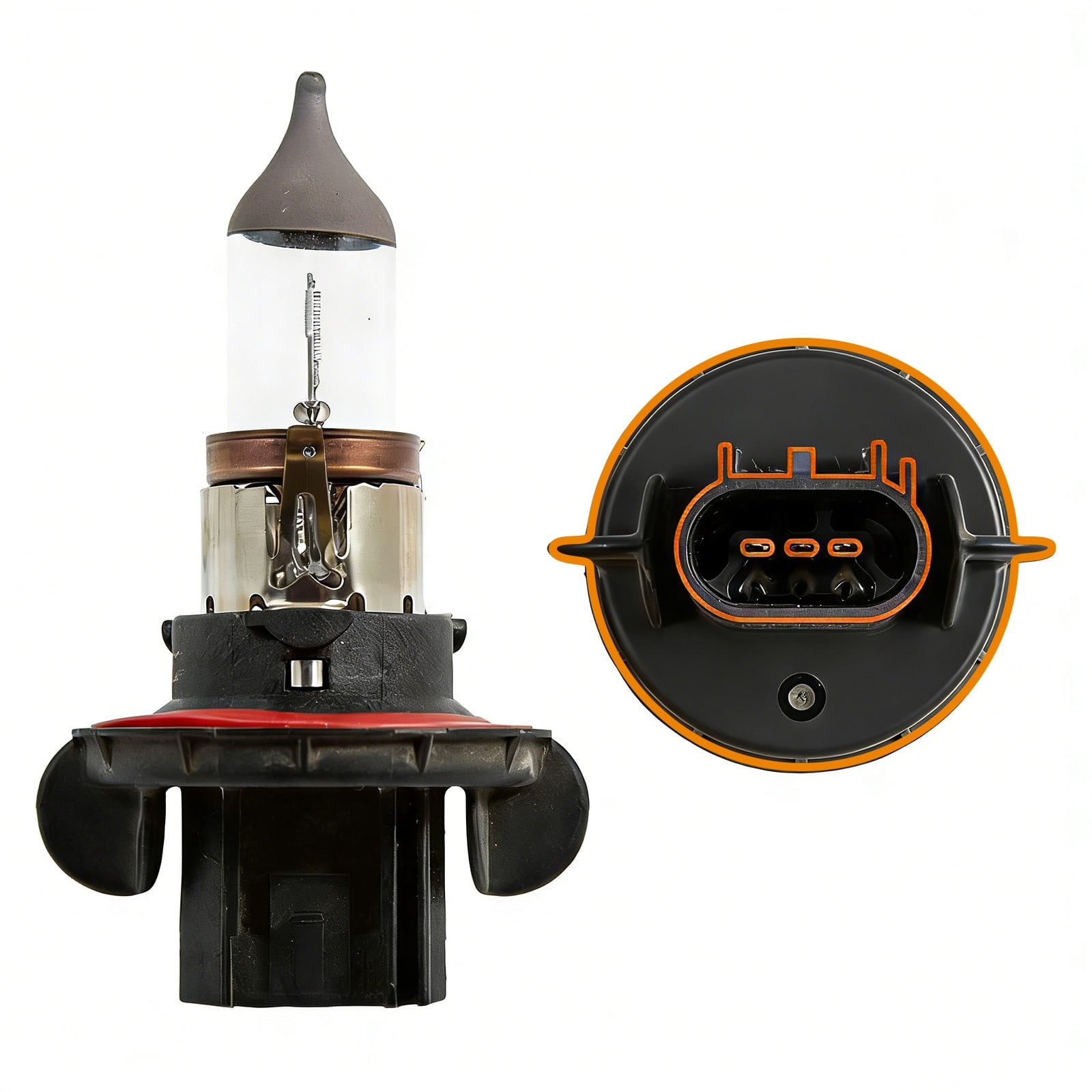
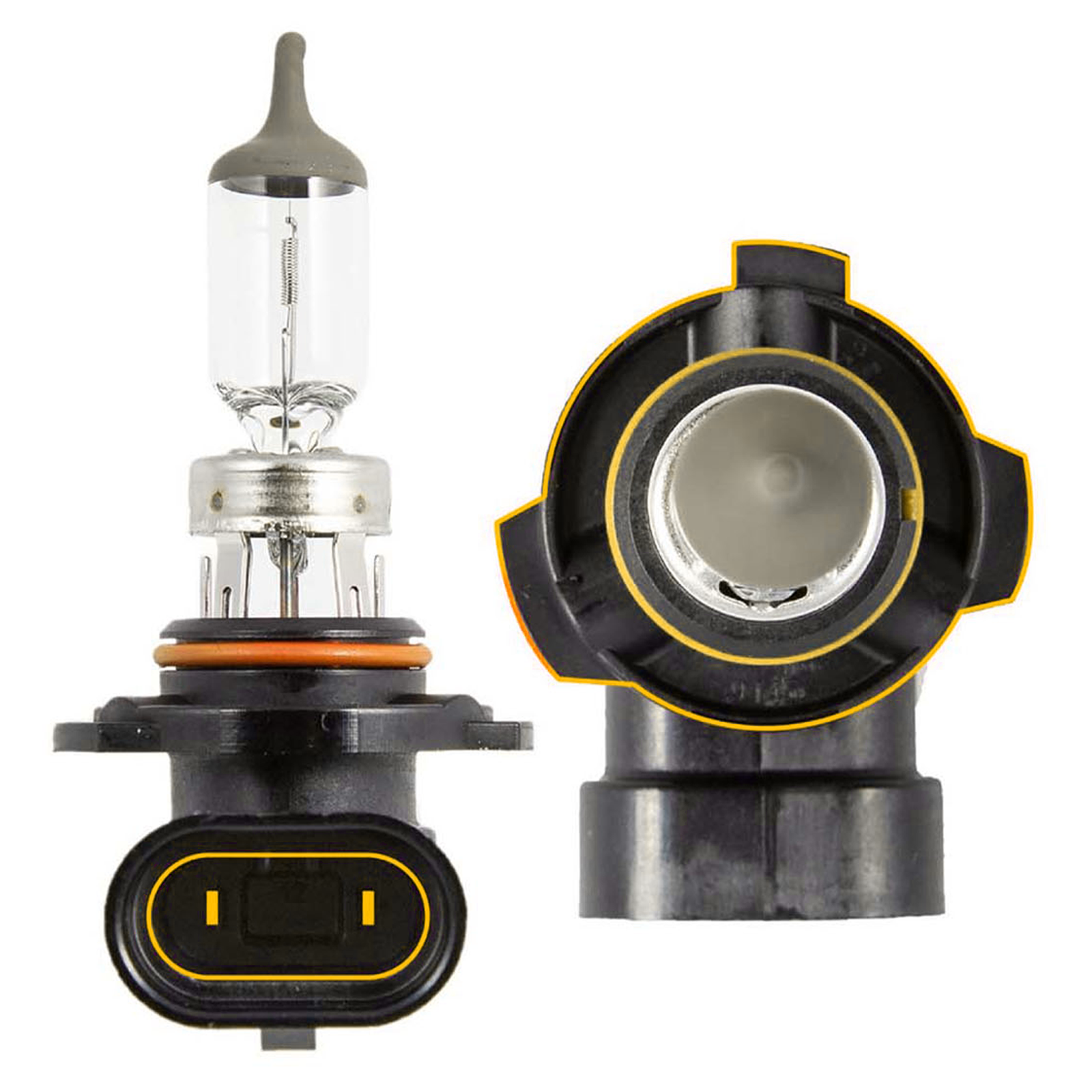
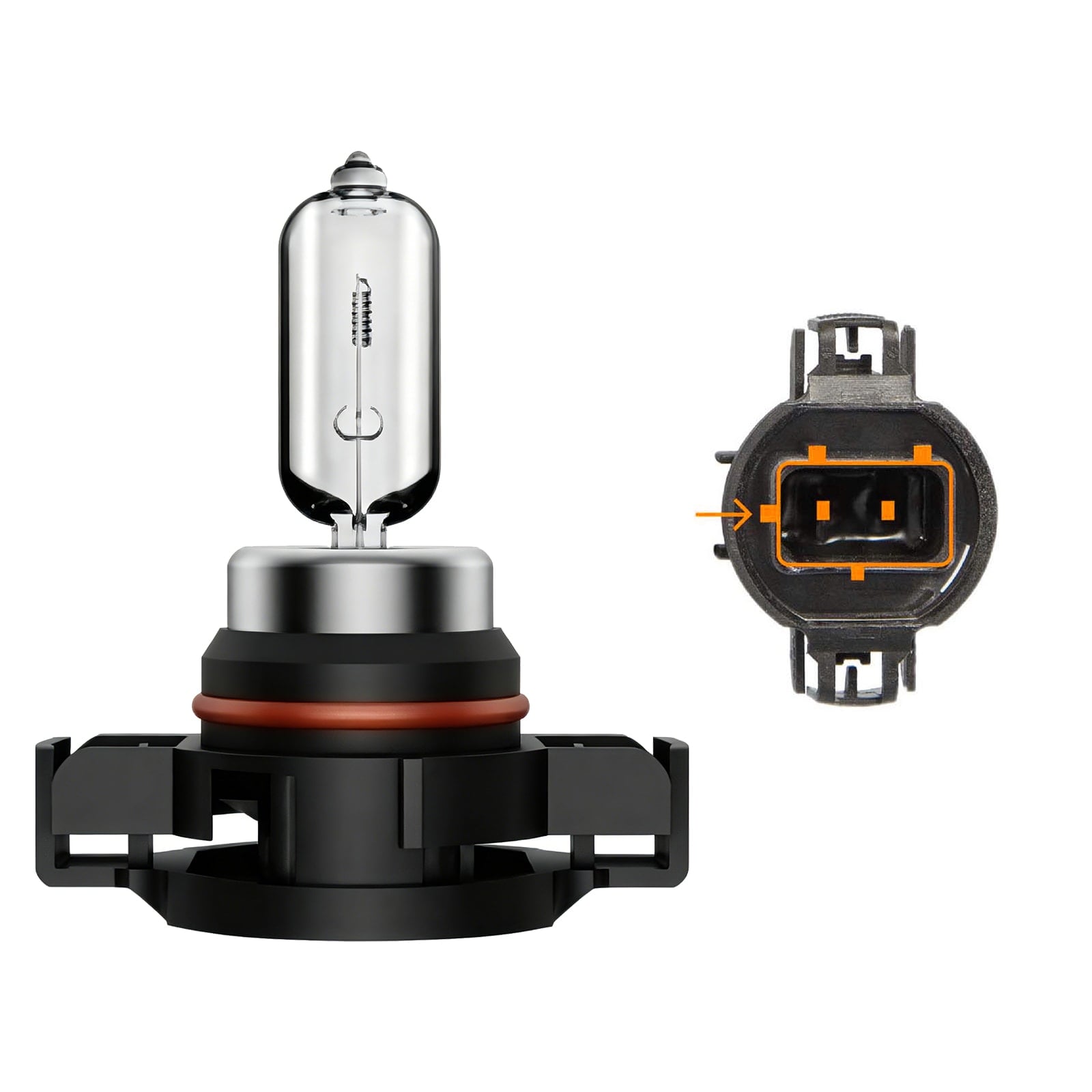
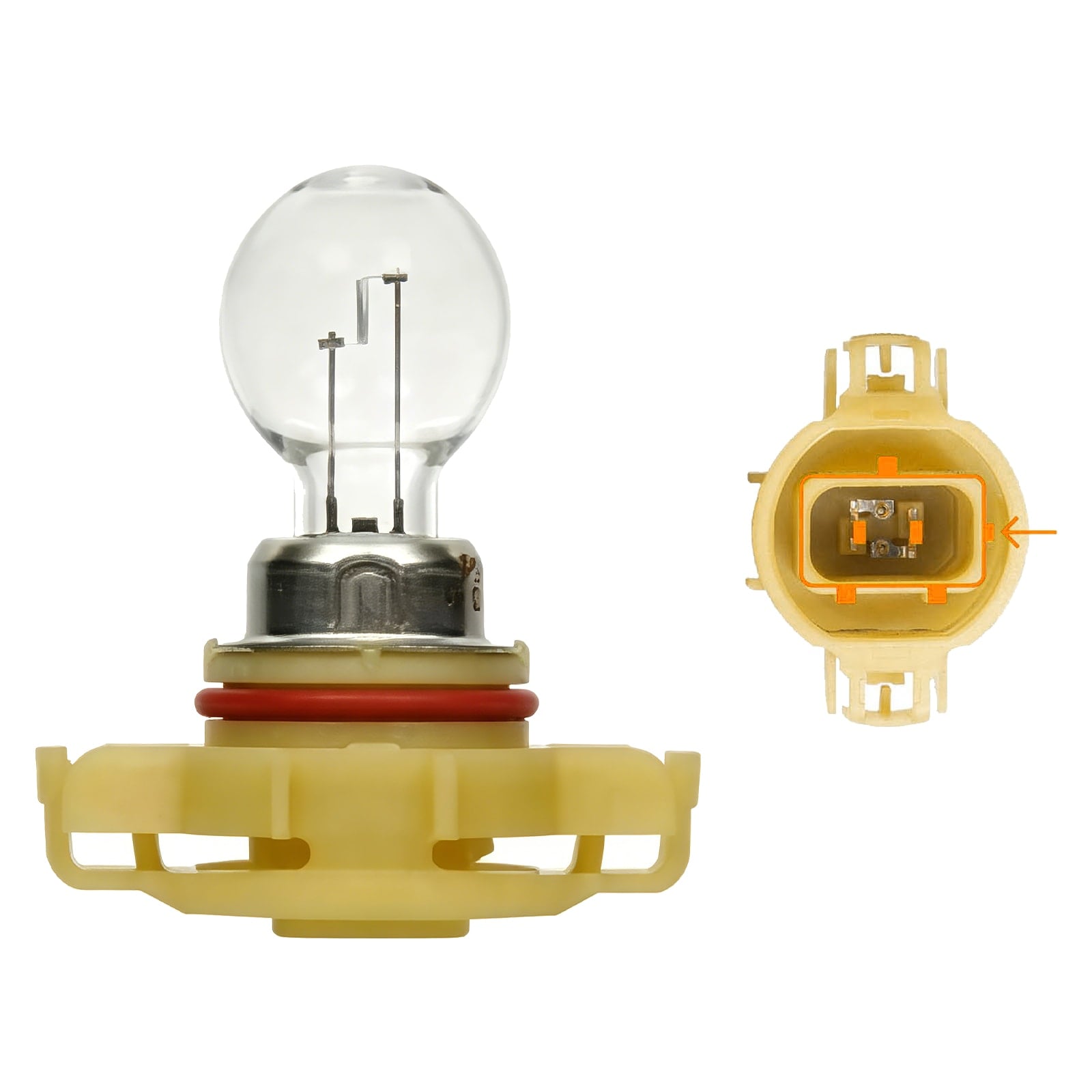
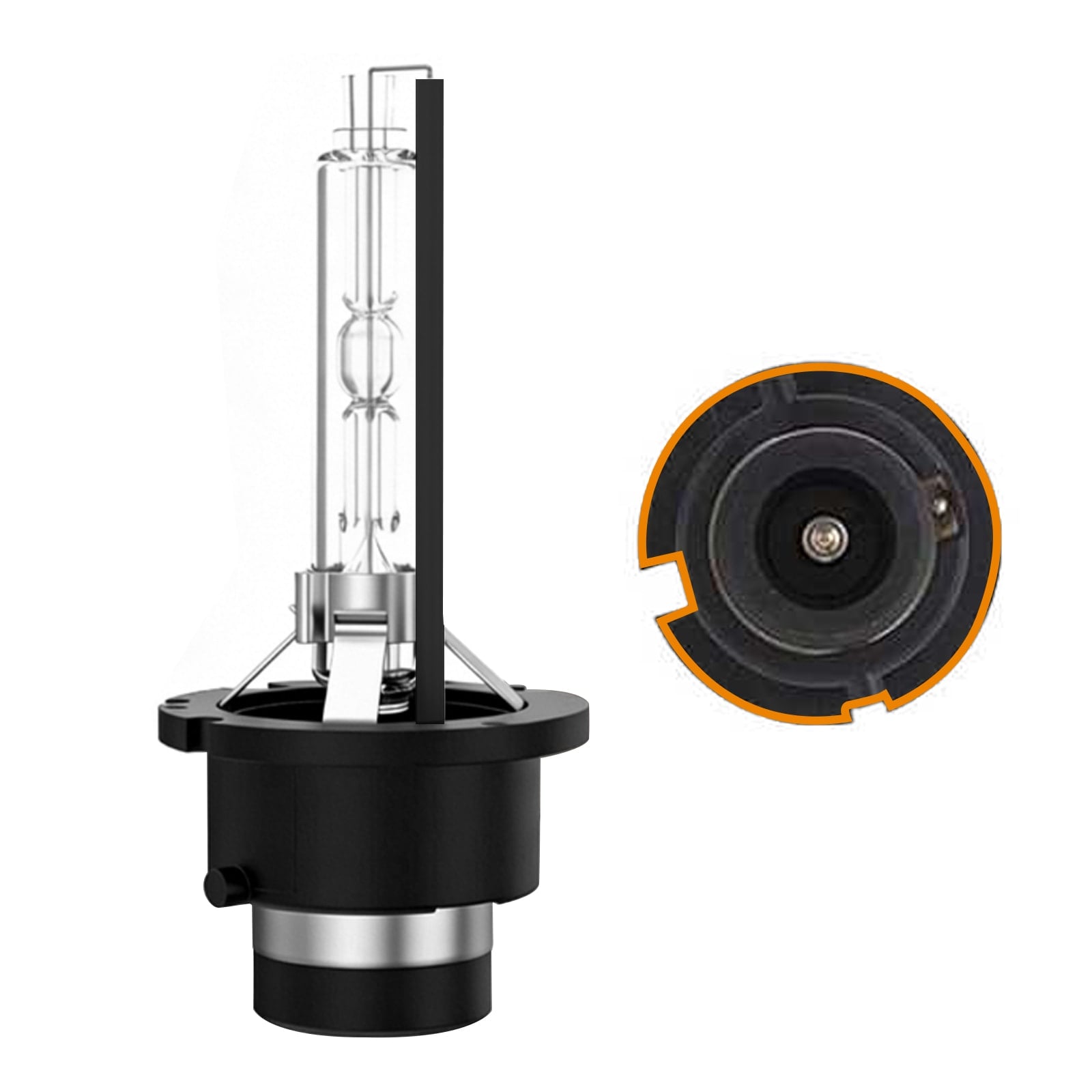
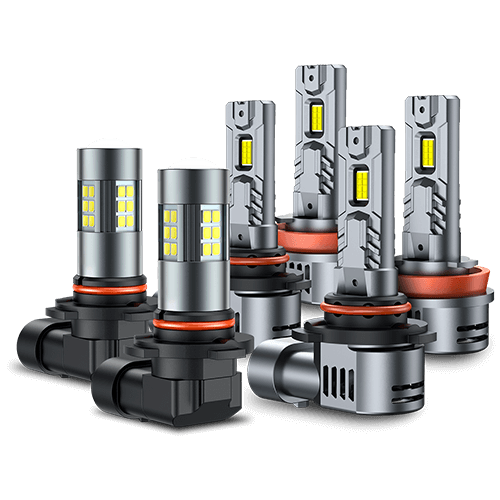
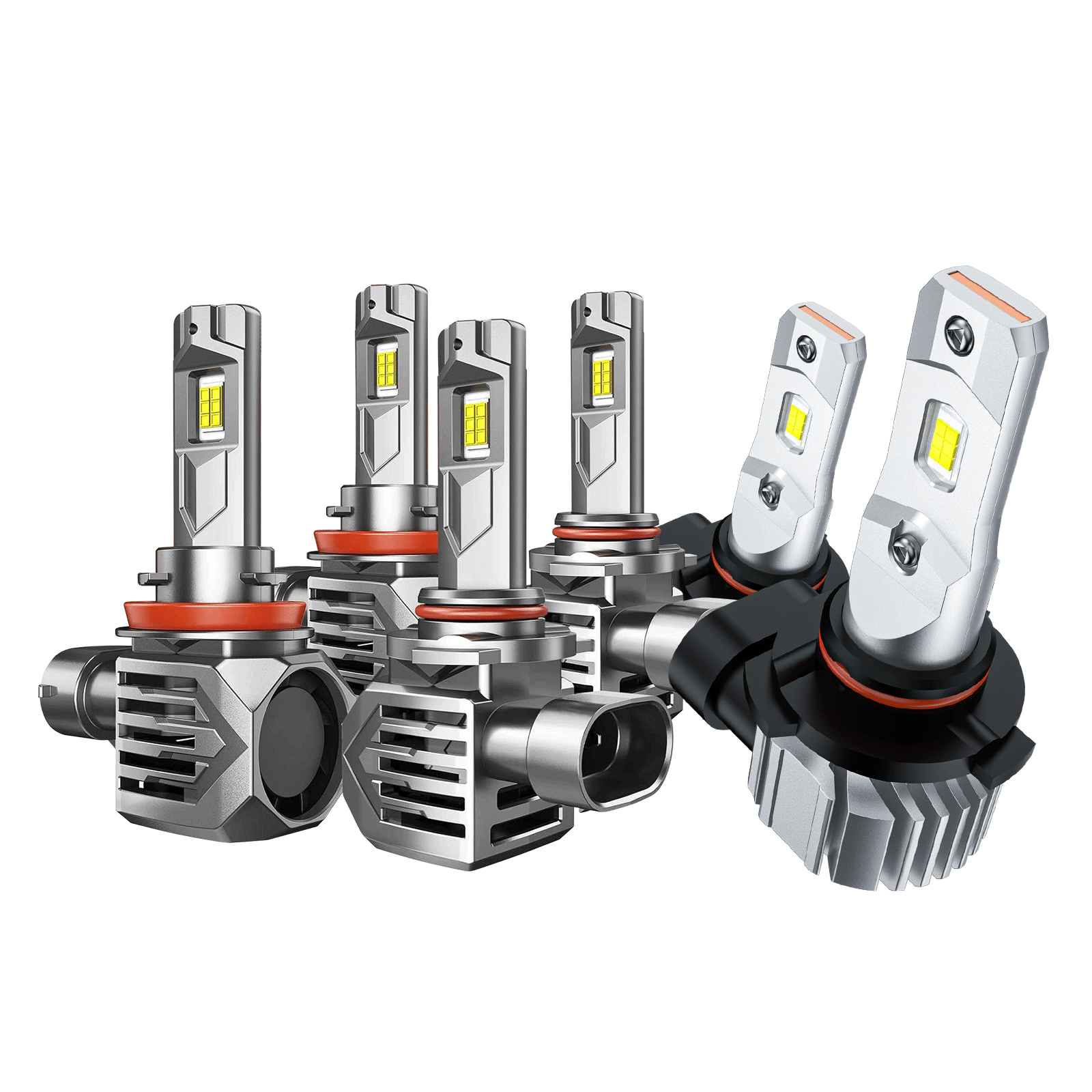


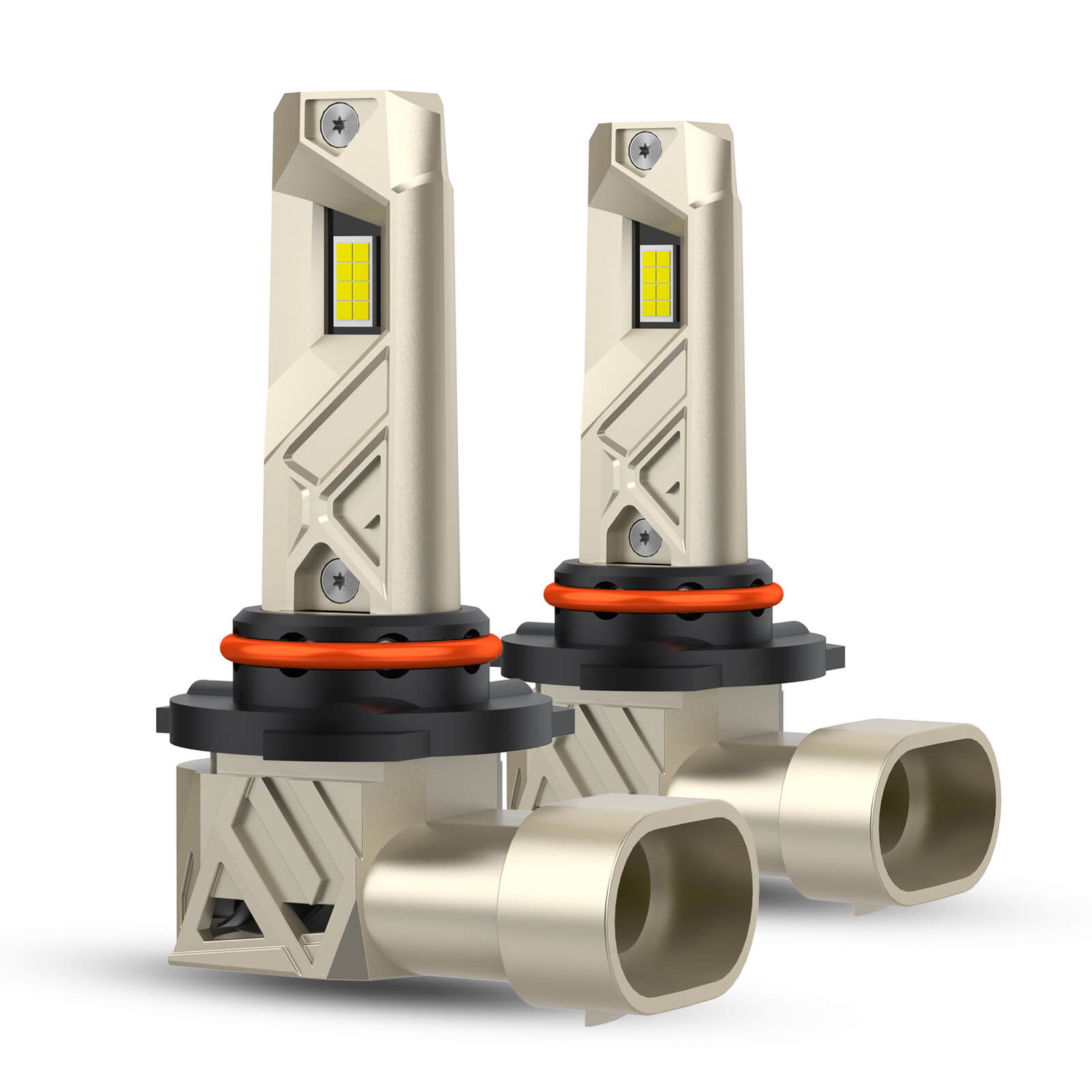









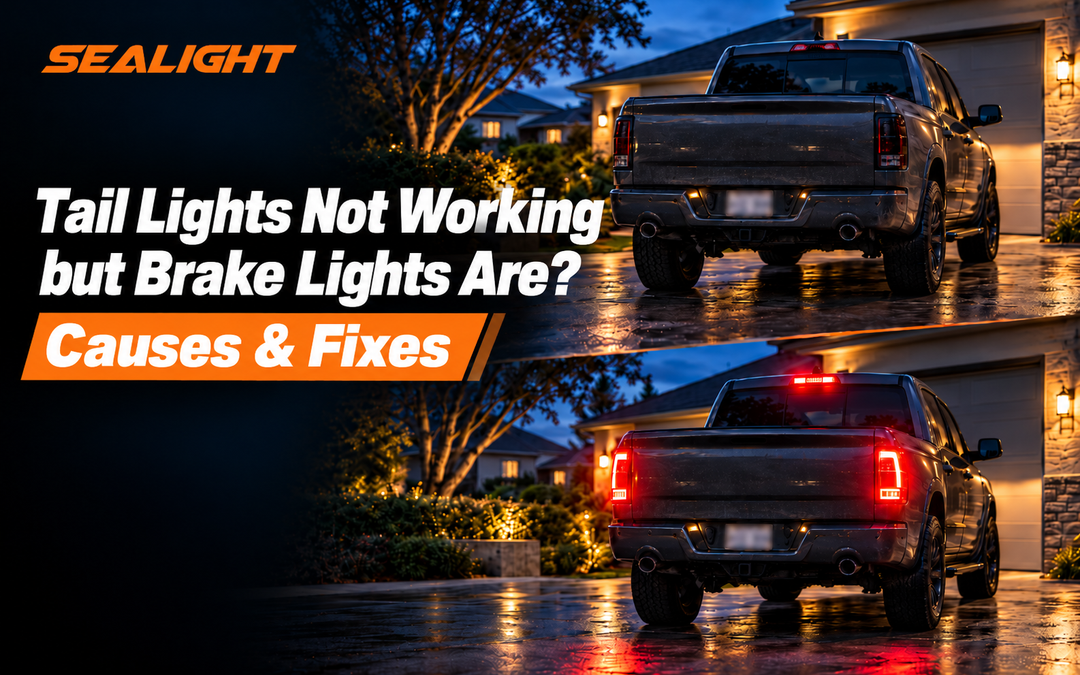
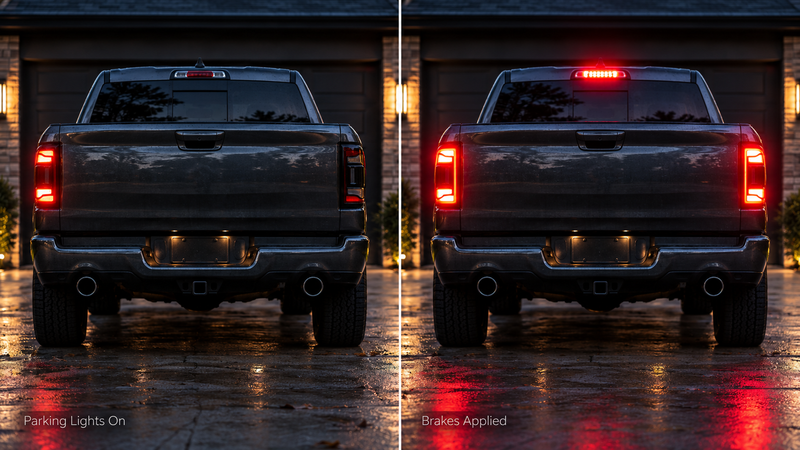
Tail lights not working but brake lights are? Seeing a rear lamp light up when you press the brake pedal can make it seem as though nothing is wrong—until you notice it stays dark with the headlights on. The tail and brake functions can fail separately, so a working brake light does not rule out a faulty bulb or electrical connection.
This guide explains the common causes and how to check the bulbs, fuses, sockets, and wiring. Whether one tail light is out, both have stopped working, or replacing the bulb has made no difference, the checks below will help you narrow down the problem.
Quick Answer: Tail Lights Not Working but Brake Lights Are
Possible causes include a burned-out or incorrect tail light bulb, a blown fuse, corroded socket contacts, or damaged wiring. On vehicles with dual-filament bulbs, the tail-light filament can fail while the brake-light filament still works. Start with the bulb and socket if only one side is out. If both tail lights are out, also check the relevant fuses and whether other parking lights have stopped working.
Single Tail Light vs. Both Tail Lights Not Working
Whether one tail light is out or both have stopped working helps determine where to start looking. With the parking lights or headlights switched on, compare the two sides with the brake pedal released.
| What you observe | Possible causes and first checks |
|---|---|
| One tail light is out, but its brake light works | Check the bulb’s tail-light function and socket contacts first, followed by the connector and wiring on that side. |
| Both tail lights are out, but the brake lights work | Check the bulbs and relevant fuses. If both stopped working together, investigate any shared supply or lighting-control circuit. |
| Tail lights and other parking or license plate lights are out | Check the fuses and supply connections serving those lights; the vehicle’s wiring diagram shows which components they share. |
| One tail light is dim, flickers, or changes when another light operates | Inspect the socket, connector, and ground for a loose or high-resistance connection. |
Common Causes of Tail Lights Not Working but Brake Lights Are
Once you know which lights are affected, the next step is understanding what could interrupt the tail-light function. The causes below range from a failed bulb to problems with the connections, power supply, or lighting controls.
Burned-Out or Incorrect Tail Light Bulb
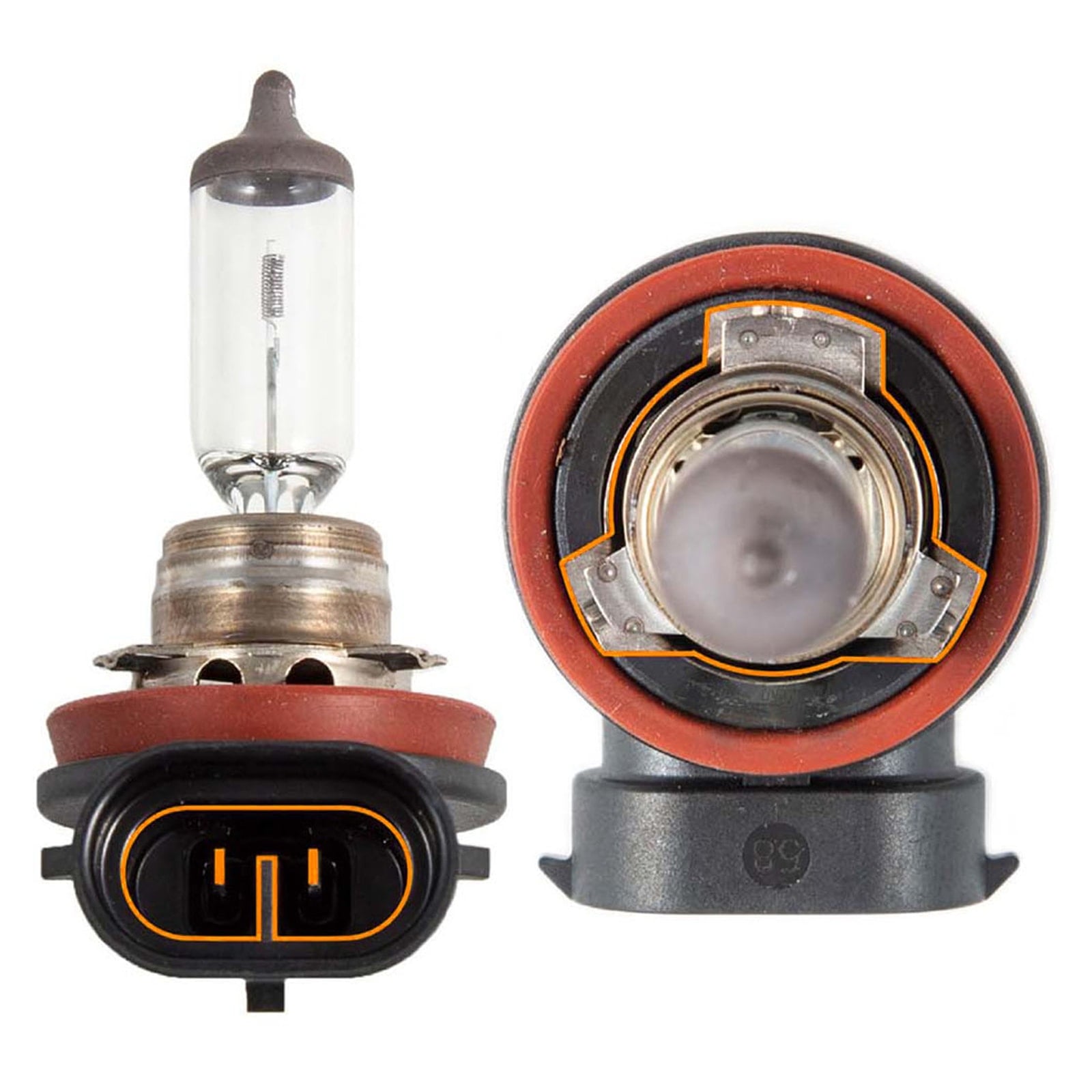
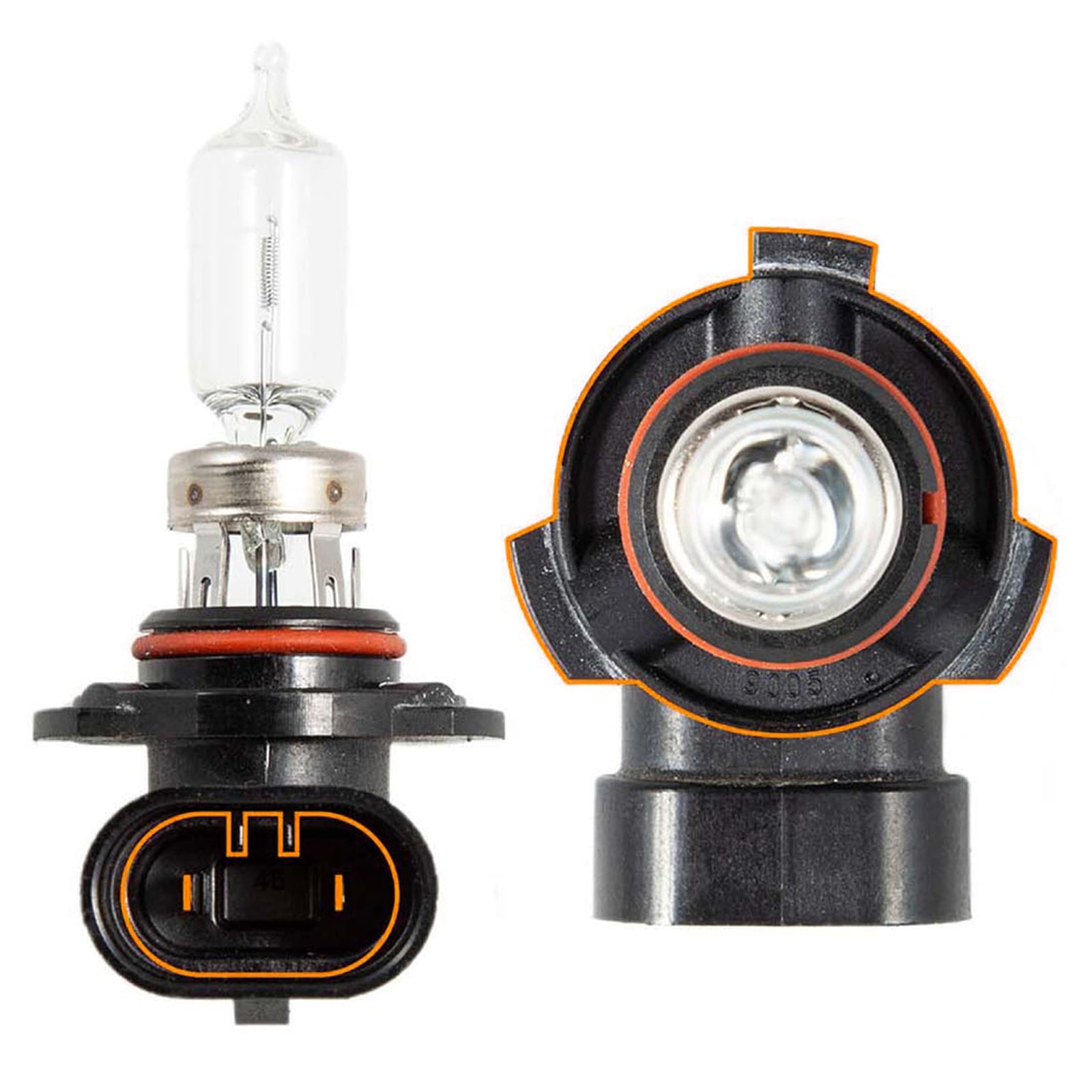
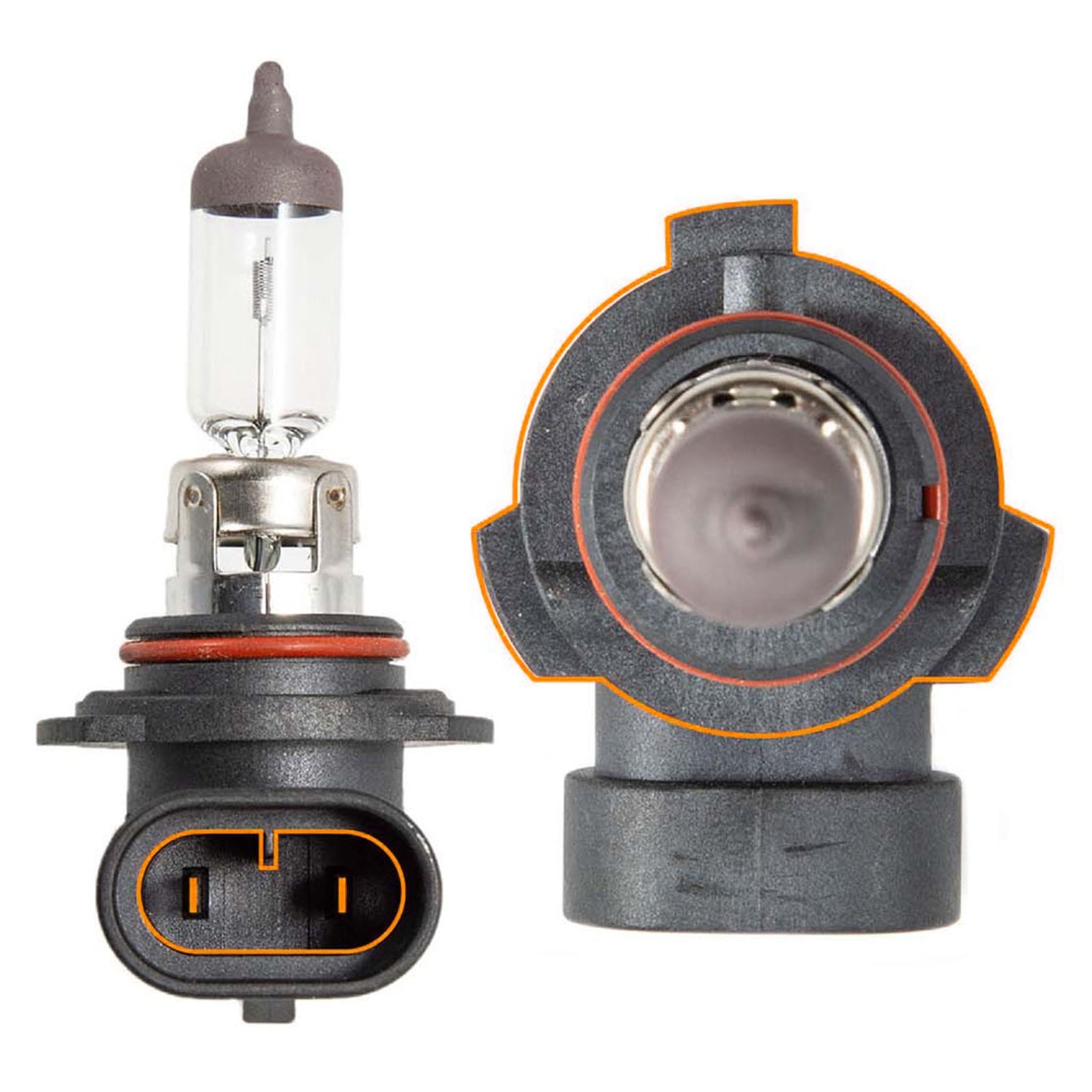
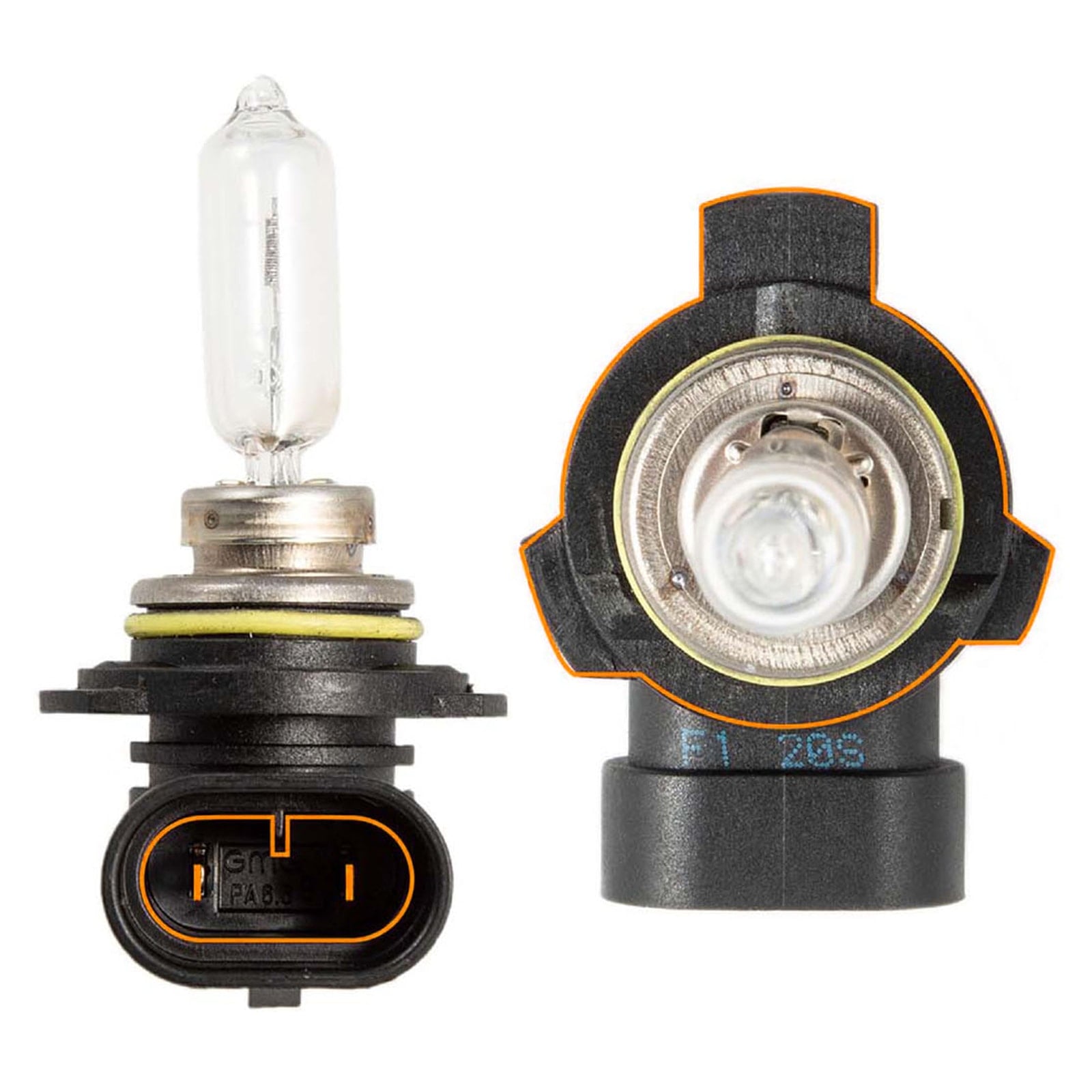
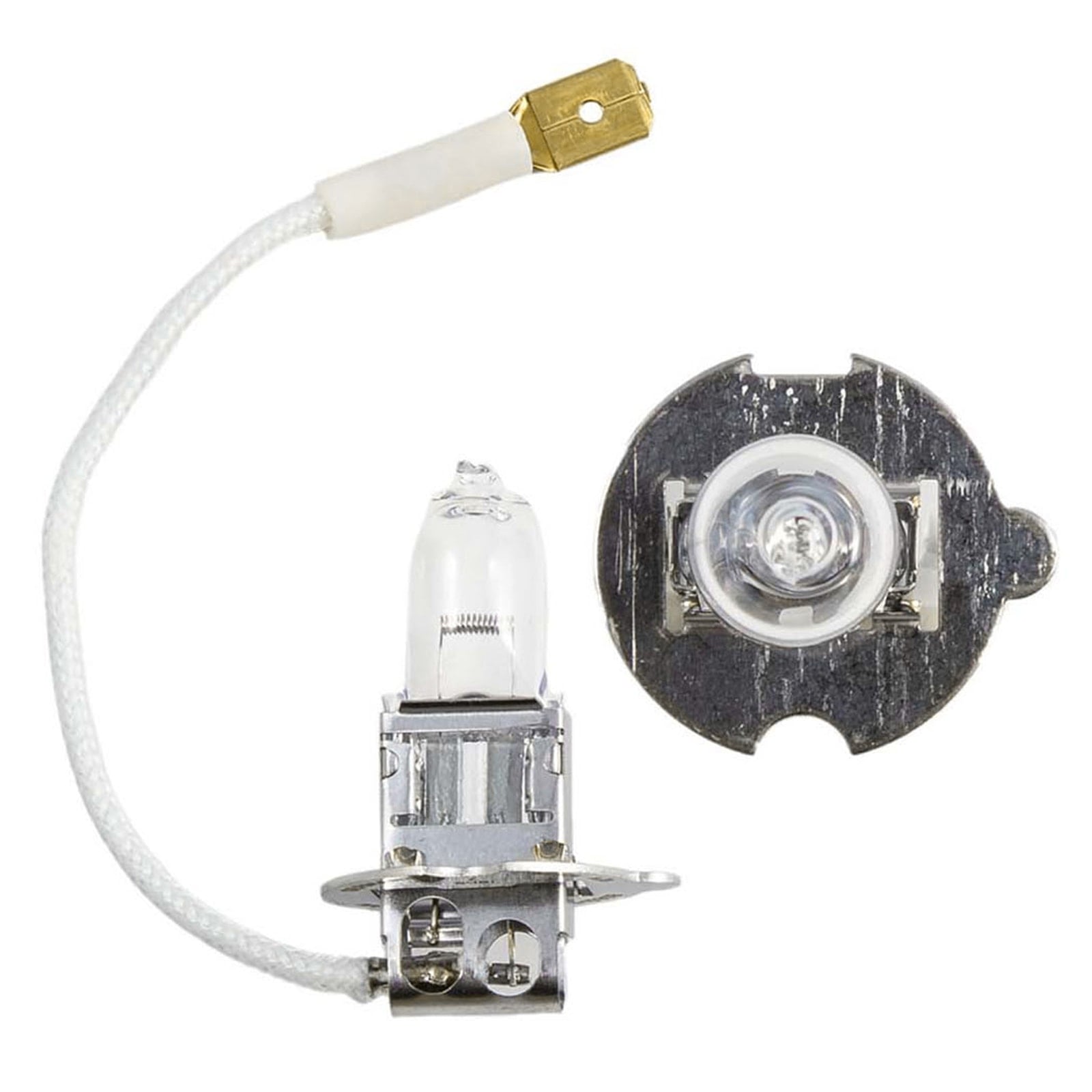
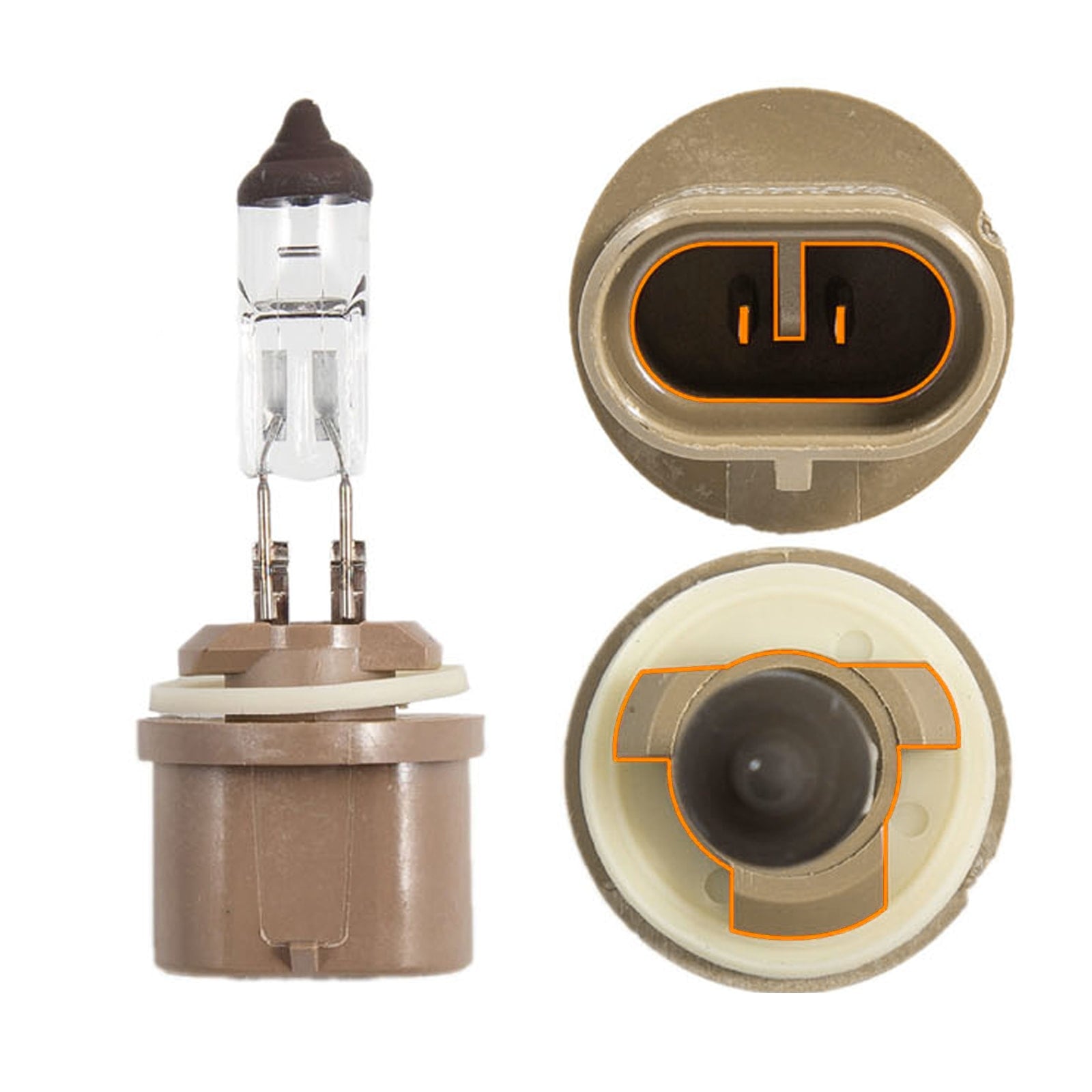
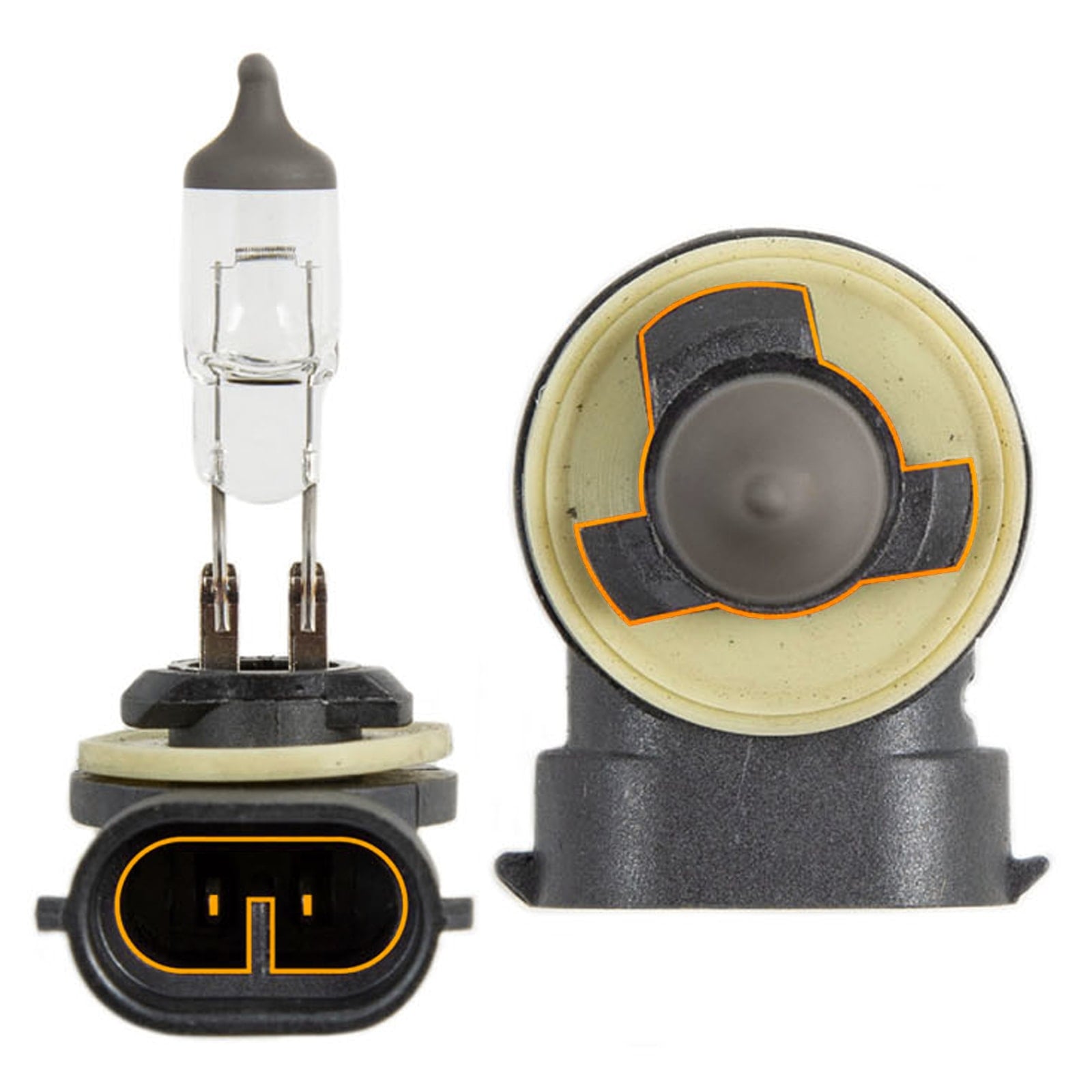
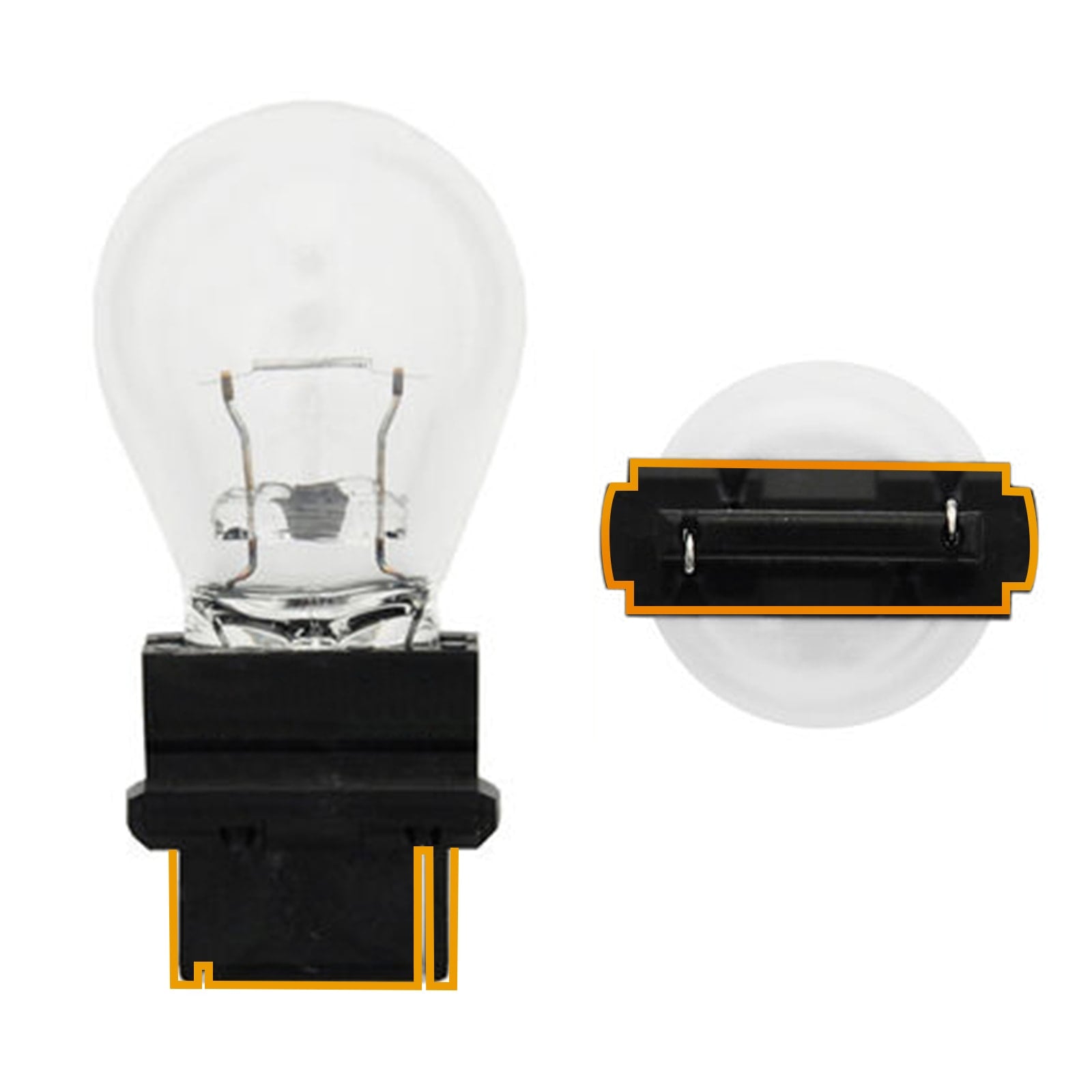
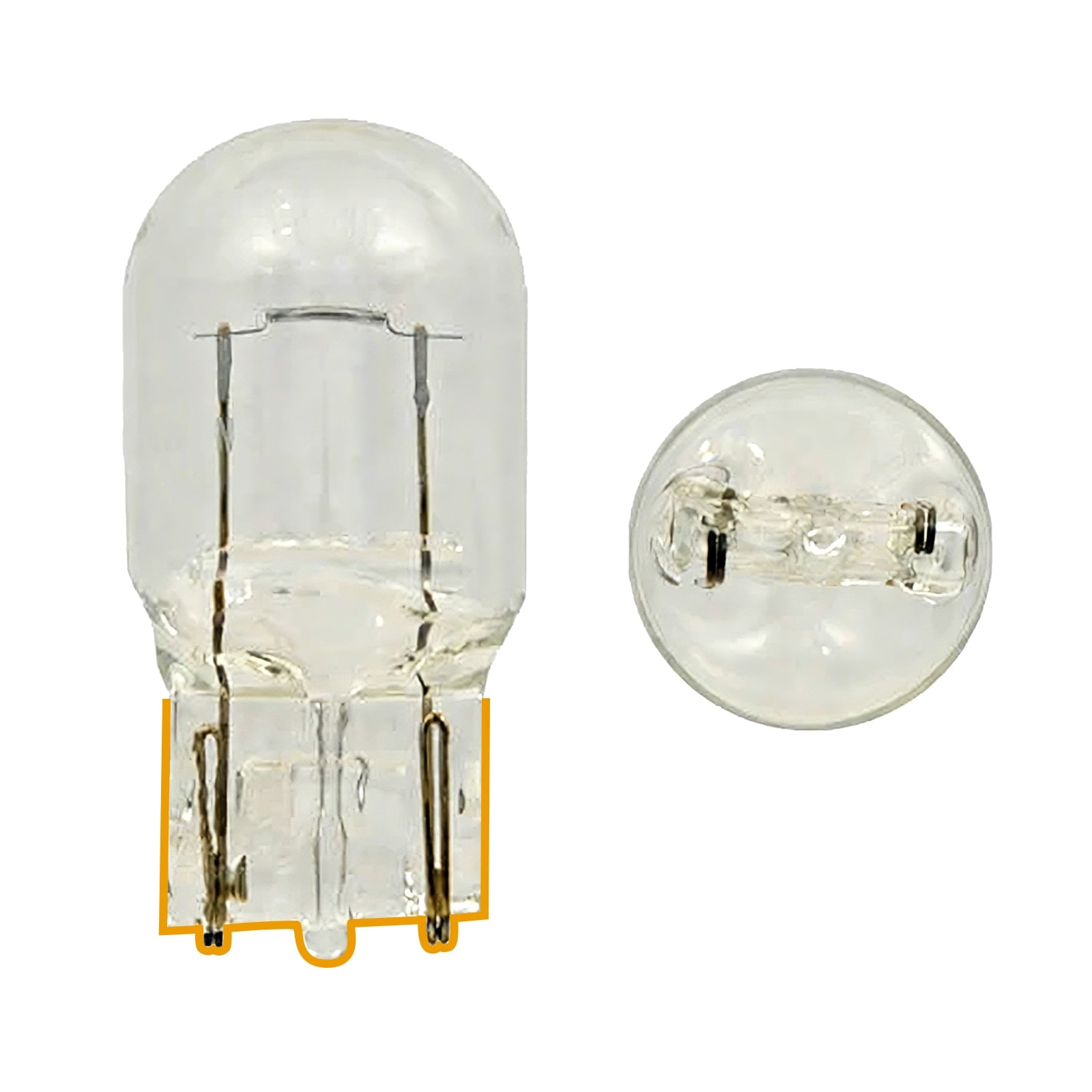
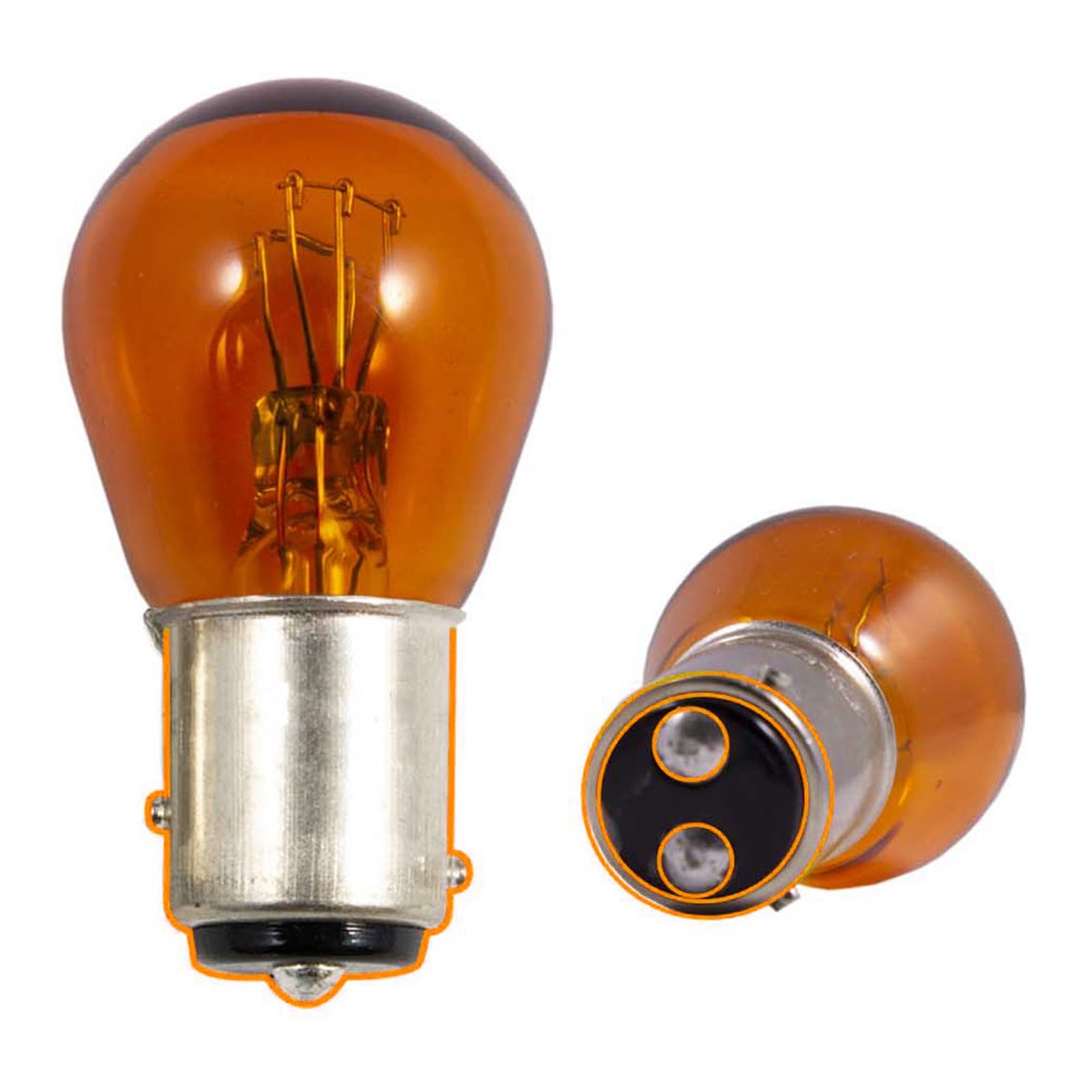
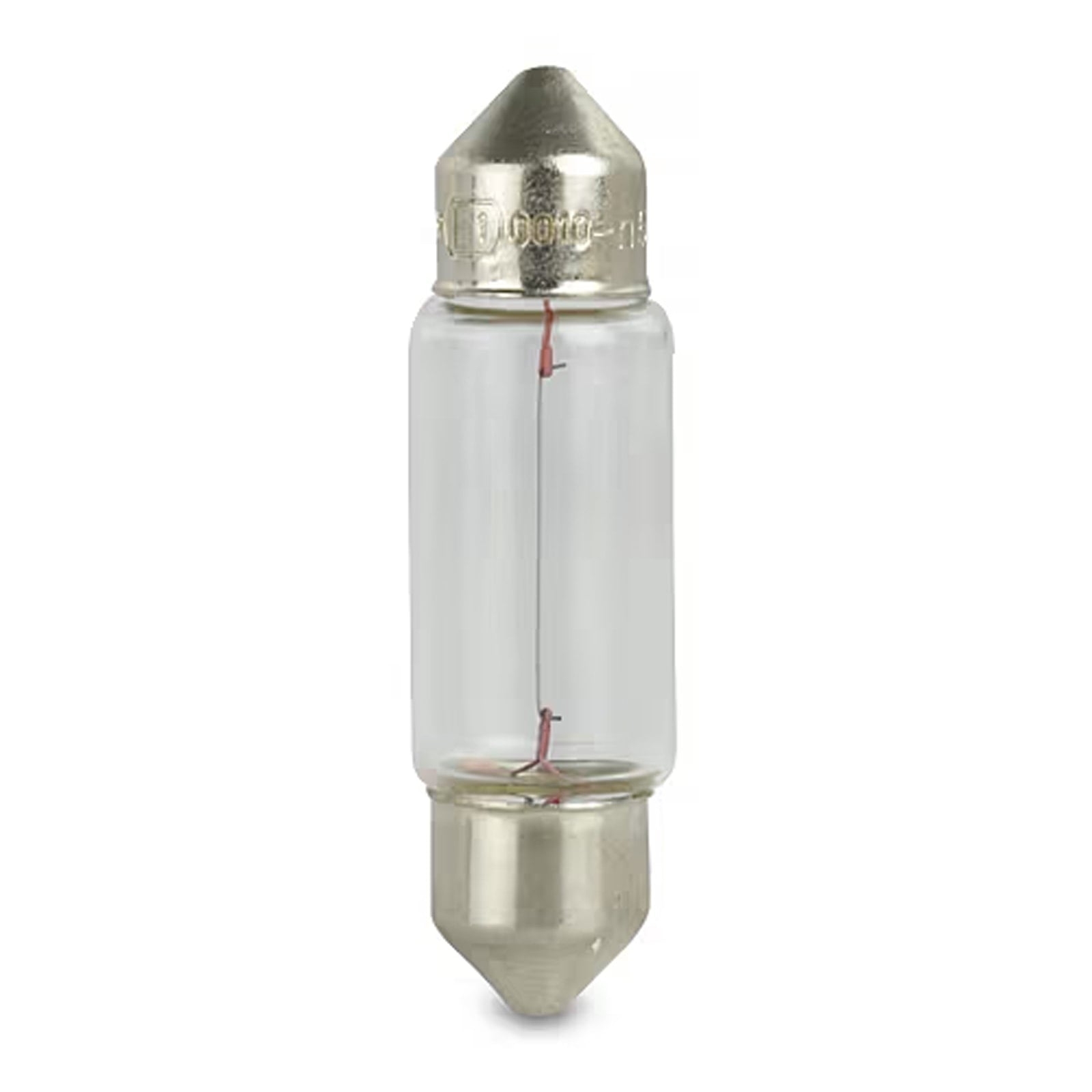
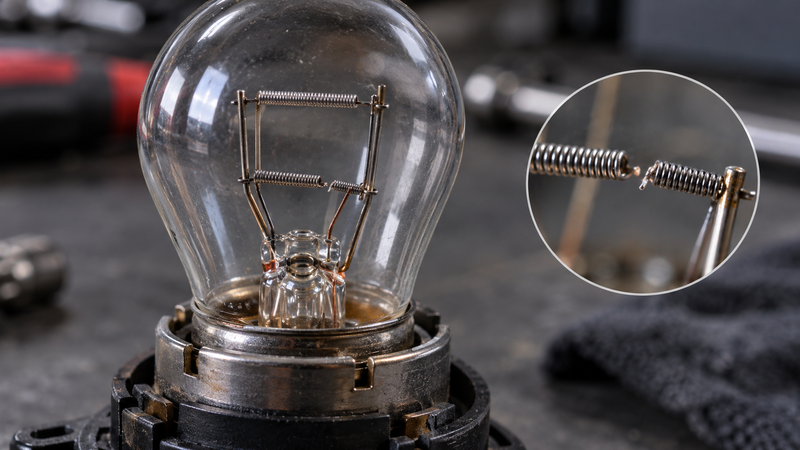
In a dual-filament bulb, the tail-light filament can burn out while the brake-light filament keeps working. An incorrect replacement bulb can also prevent normal operation, even if it fits the socket. If the bulb needs replacing, match the original specification before choosing from SEALIGHT LED brake and tail light bulbs .
Blown Tail Light Fuse
A blown fuse can cut power to the tail-light or parking-light circuit while leaving the brake lights working. Check the relevant fuse in the vehicle’s manual. If a replacement blows again, the circuit has an unresolved fault that needs investigation.
Corroded Socket, Loose Connector, or Bad Ground
Corrosion, loose contacts, or heat damage can interrupt the connection at the bulb. Poor grounding may also cause dim, intermittent lights or unusual behavior when other lights operate. Look for damaged terminals, discoloration, and moisture around the socket and connector.
Damaged Wiring or a Faulty Lighting Switch
A broken wire or damaged connection can interrupt the tail-light supply. If the problem began after rear-body repairs or a hitch installation, check that area first. A faulty lighting switch or its signal circuit can also prevent the parking and tail lights from switching on.
Relay or Body Control Module Problems
On vehicles that use a relay or body control module to operate the lights, a fault in the component or its circuit can prevent tail-light operation. Check these controls after inspecting the bulbs, fuses, and connections; a good bulb alone is not evidence that the module needs replacing.
How to Fix Tail Lights When the Brake Lights Still Work
Start with the bulb and its connections, then check the fuse and power supply. If several parking lights have failed together, check the relevant fuse early rather than replacing every bulb.
1. Confirm Which Lights Are Not Working
Manually switch on the parking lights or headlights and check both tail lights with the brake pedal released. Then compare the brake lights, turn signals, front parking lights, and license plate lights.
If the tail lights work when switched on manually, check the automatic-lighting operation. Front daytime running lights alone do not confirm that the tail lights are on.
2. Check the Bulb and Install the Correct Replacement
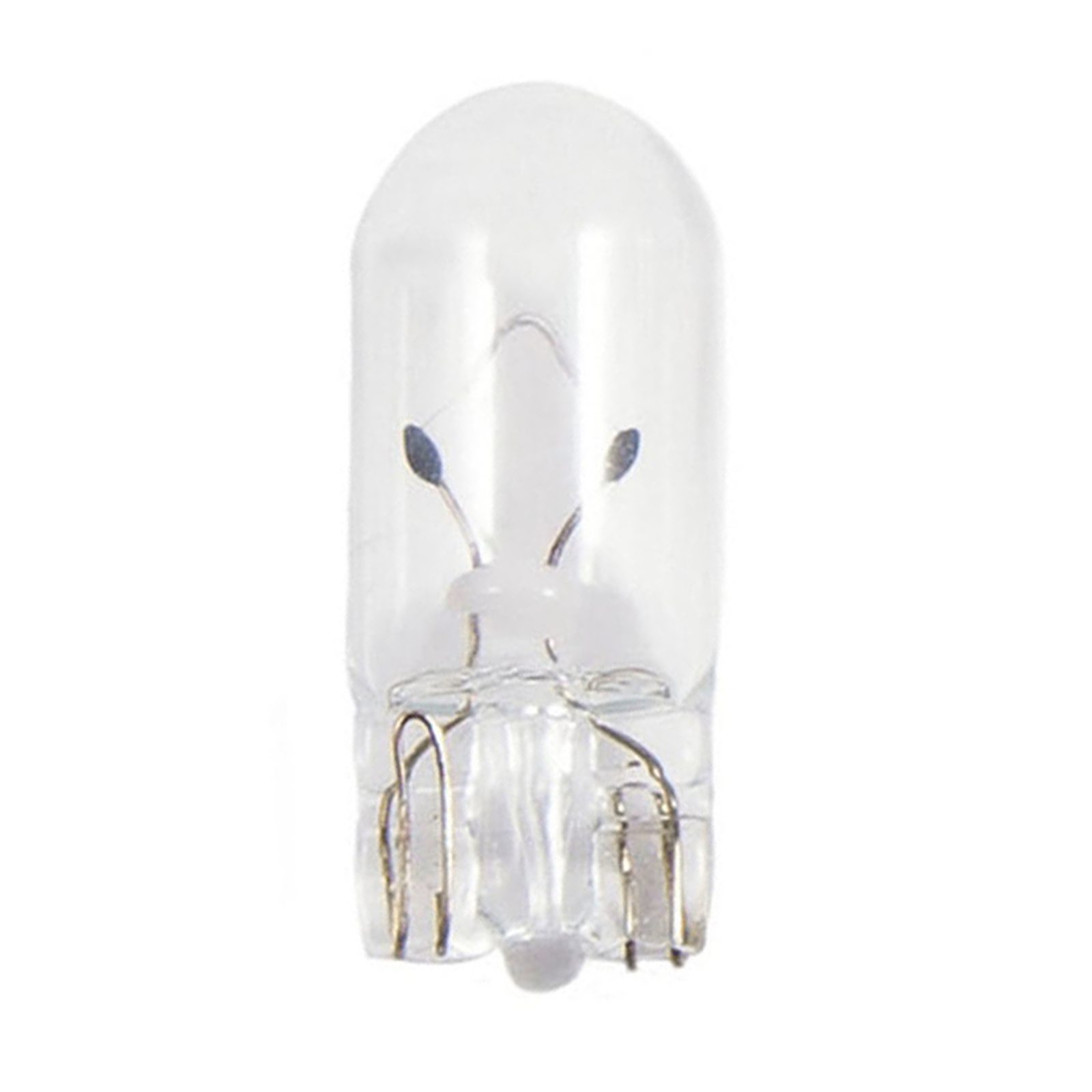
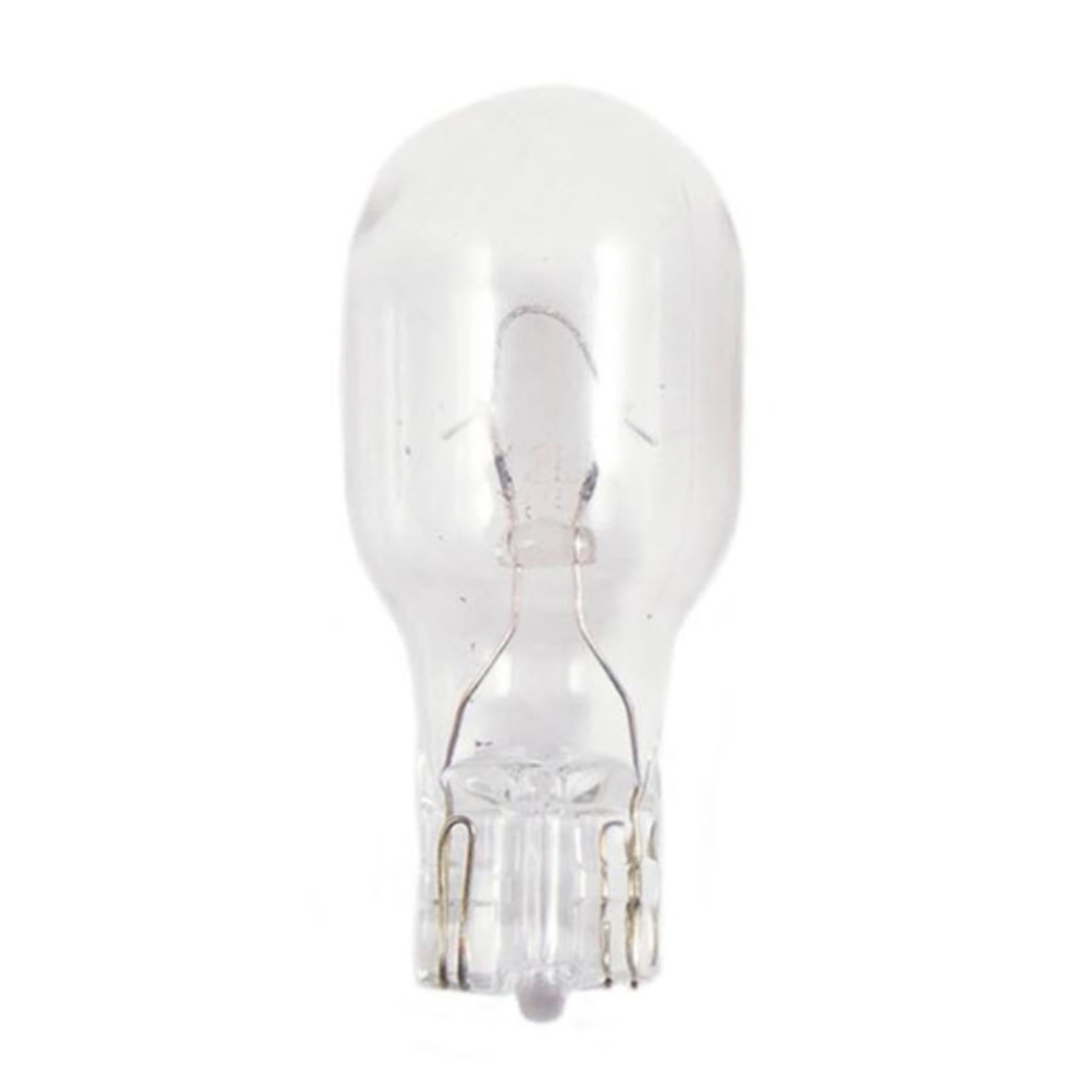
Turn the lights off, let the bulb cool, and remove it. Check for a broken filament or damaged base, then compare its number with the vehicle’s specified replacement.
If both sides use identical bulbs, try a known-working bulb in the failed socket:
- If the fault follows the bulb, replace the bulb.
- If the fault stays on the same side, continue checking the socket and circuit.
If the bulb has failed, SEALIGHT LED brake and tail light bulbs offer replacement options in common sizes, including dual-function bulbs for tail and brake lighting. Match the original bulb specification and socket before ordering.
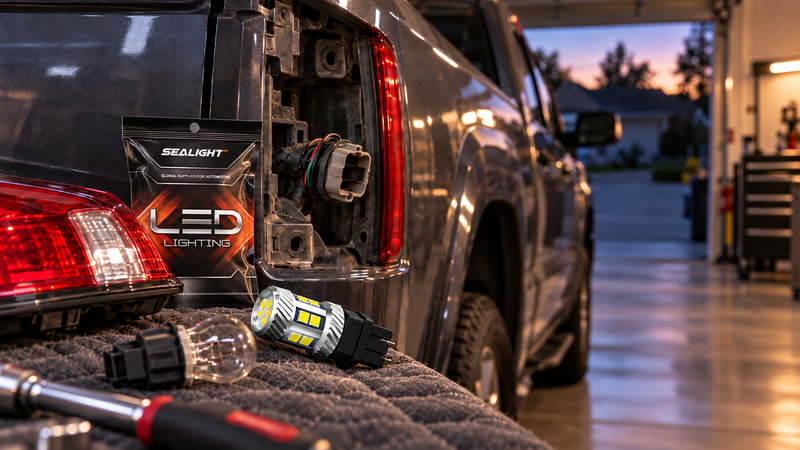
After installation, check both functions. If the tail light remains out, inspect the fuse and connections before purchasing another bulb. If you are switching to LED, the comparison of red vs. white tail light bulbs explains why bulb color also matters behind a red lens.
3. Find and Test the Tail Light Fuse
Check the owner’s manual and fuse-box diagram for the tail-light or parking-light circuit. The fuse location and label vary by vehicle.
Switch the circuit off before removing the fuse. A broken internal metal strip indicates that it has blown. If its condition is unclear, follow Fluke’s method for testing a fuse with a multimeter : remove the fuse, select continuity mode, confirm the meter responds when its probes touch, and test across the fuse terminals. Continuity indicates an intact link; an open reading indicates a broken link when probe contact is sound.
Replace a failed fuse with the specified type and amperage. If it blows again, investigate the circuit before installing another.
4. Repair Damaged Socket or Connector Contacts
Inspect the bulb socket and plug for corrosion, loose terminals, burn marks, or melted plastic. Make sure the bulb seats firmly and the connector locks into place.
Clean minor surface contamination with an appropriate electrical-contact cleaner. Replace or repair burned, loose, or mechanically damaged contacts. If water has entered, address the leak so the connection does not deteriorate again.
5. Test the Power Supply, Ground, and Wiring
If a correct, working bulb still will not illuminate, identify the supply and ground terminals using the vehicle’s wiring diagram.
On a conventional bulb circuit, check the supply against a known-good ground. A missing expected supply directs the investigation upstream toward the wiring, fuse, or lighting controls. If the supply is present, verify the lamp’s ground and socket contacts.
A voltage reading with the bulb disconnected does not prove that the connection can carry operating current. Fluke’s automotive voltage-drop testing guidance explains how testing under load can reveal resistance in wiring and ground connections. Compare results with the vehicle’s specified procedure before replacing a switch, relay, or control module.
After the repair, test the tail lights, brake lights, and turn signals before securing the housing.
Tail Light Still Not Working After Replacing the Bulb?
If replacing the bulb has not restored the tail light, first confirm that the replacement matches the specified bulb number and sits securely in the socket. A new bulb can still be incorrect or faulty.
The next check depends on whether the tail light worked before the replacement:
- The original tail light worked, but the replacement does not: reinstall the original bulb. If it works again, check the replacement’s specification, contacts, and compatibility. For problems following an LED bulb change, the SEALIGHT LED product troubleshooting guide explains connector checks and bulb-swap tests that help isolate the problem.
- The tail light was already out before replacement: test with a known-working bulb of the correct type. If it also fails in that socket, continue with the power and ground checks described above.
A confirmed working bulb that remains dark in one socket directs the investigation toward that socket and its circuit. Check for damaged contacts, missing power, or poor ground before buying another bulb.
Frequently Asked Questions
Is It Safe to Drive With Tail Lights Not Working but Brake Lights Are?
No—working brake lights do not provide continuous rear visibility. They illuminate when you brake, while tail lights help other drivers see your vehicle between braking events. Repair the fault before driving at night or in poor visibility.
How Do I Reset My Tail Lights?
There is no universal tail-light reset. A failed bulb, blown fuse, or damaged connection needs repair. If your vehicle requires a specific fault-clearing procedure after the repair, follow its service instructions rather than disconnecting the battery or pulling random fuses.
Why Are My Front Lights On but My Tail Lights Are Off?
You may be seeing daytime running lights rather than the full headlight system. Some vehicles operate their front daytime lights without illuminating the tail lights. Manually select the parking lights or headlights; if the tail lights remain dark, continue checking for a fault.
Why Does My Tail Light Fuse Keep Blowing?
Repeated fuse failure indicates an unresolved overcurrent problem, such as a short circuit or faulty connected component. Have the affected circuit checked, particularly any damaged wiring or recent electrical modifications. Always use the specified fuse rating; a higher-rated fuse can allow wiring to overheat.
Conclusion
If your tail lights are not working but the brake lights are, start with the bulb, fuse, and connections. If a correct, working bulb still stays dark, continue checking the circuit rather than replacing more parts. Restore normal tail-light operation before driving at night.
When a bulb replacement is needed, SEALIGHT LED brake and tail light bulbs offer steady red tail-light output and a distinct, brighter brake signal, with plug-and-play options for compatible sockets. Choose the correct bulb for your vehicle, then test both functions after installation.