
 Headlight Bulbs


 Track Order
 My Vehicles
 Contact Us
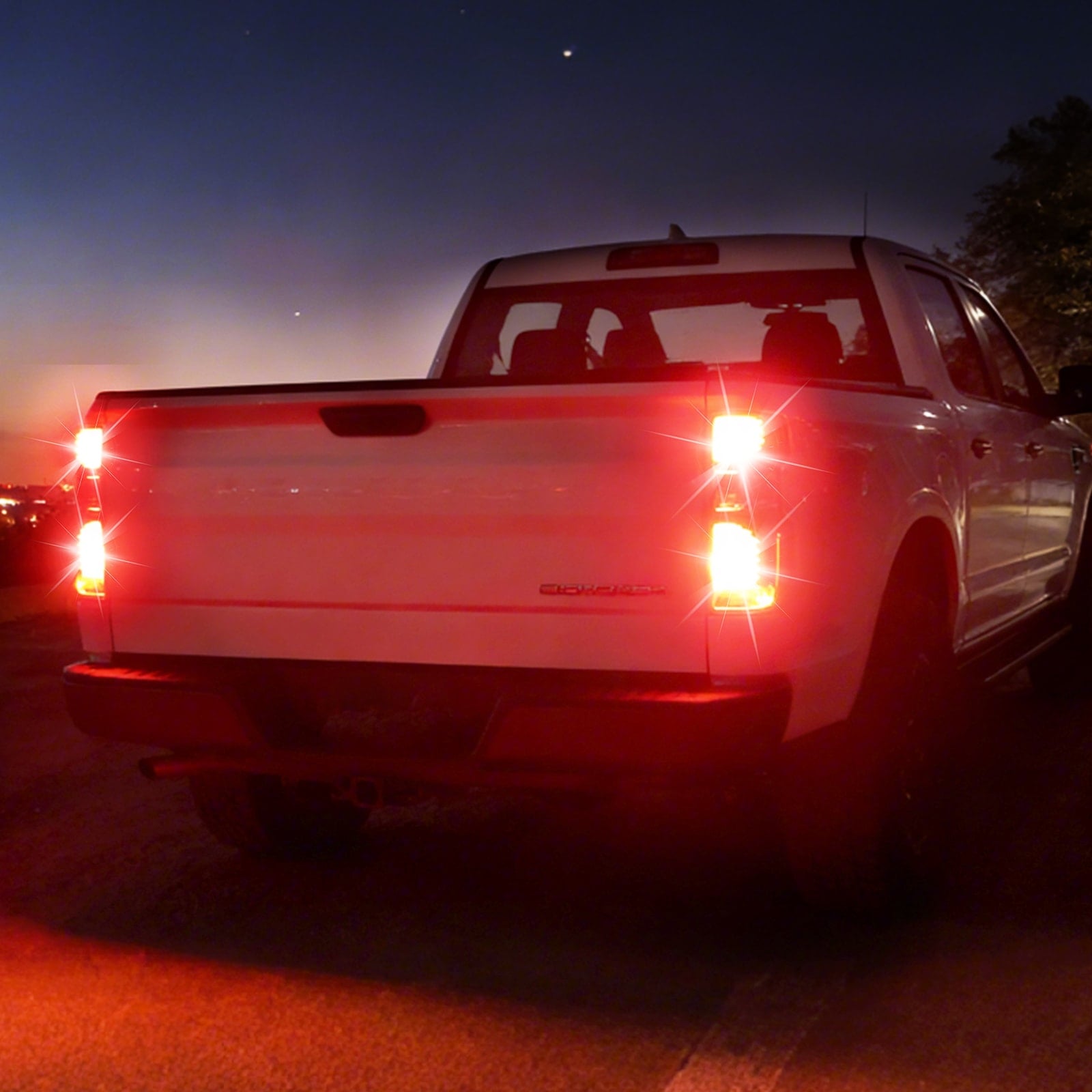
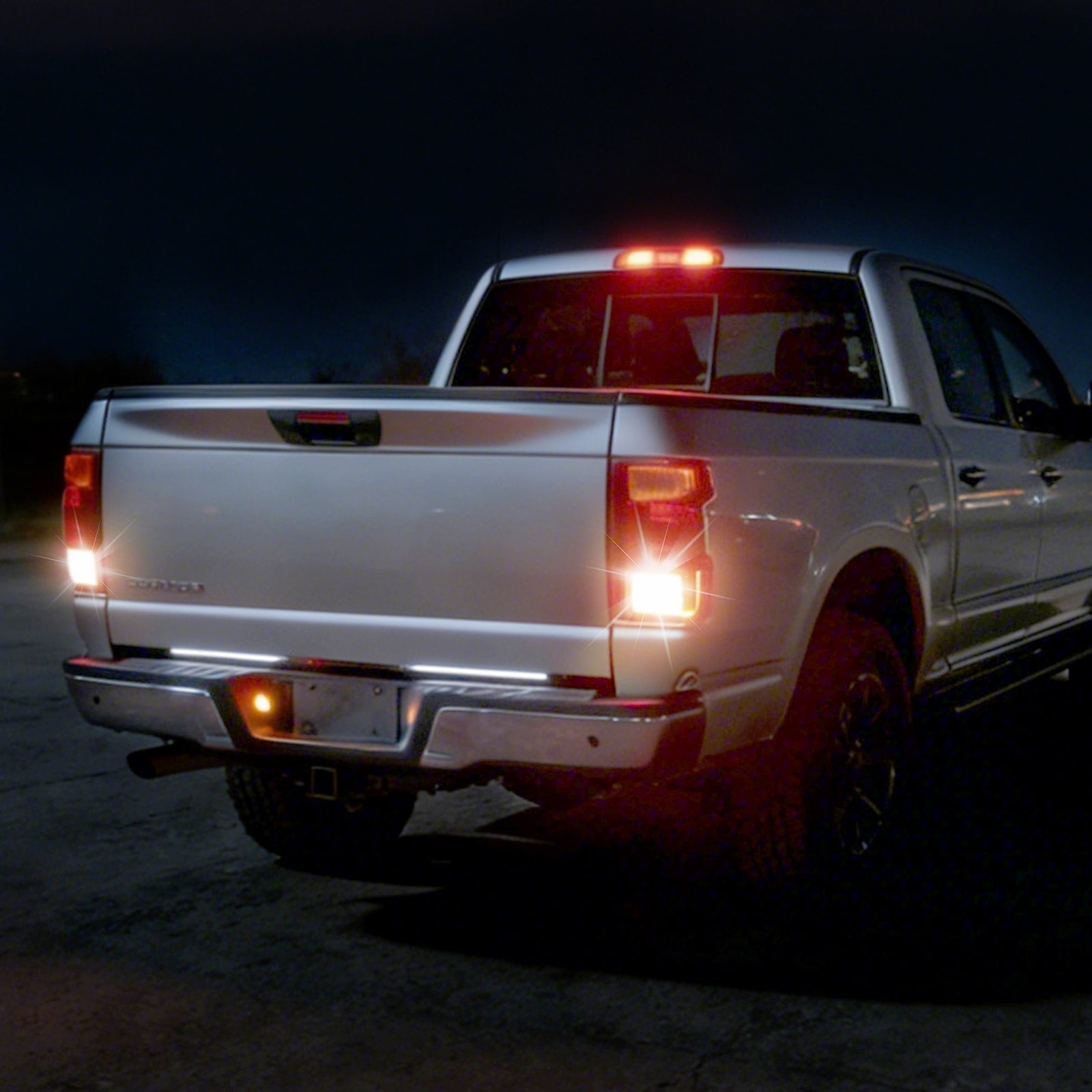
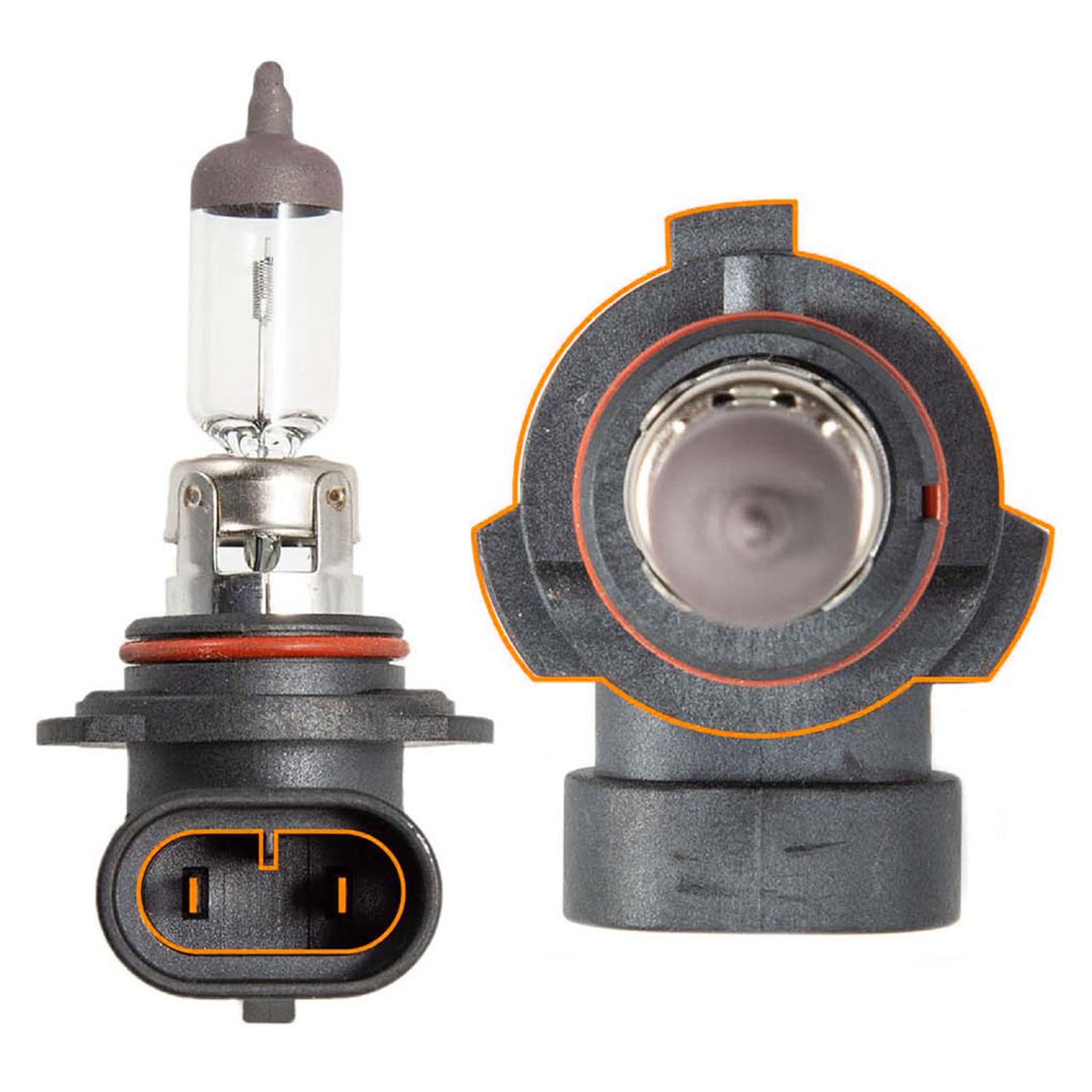
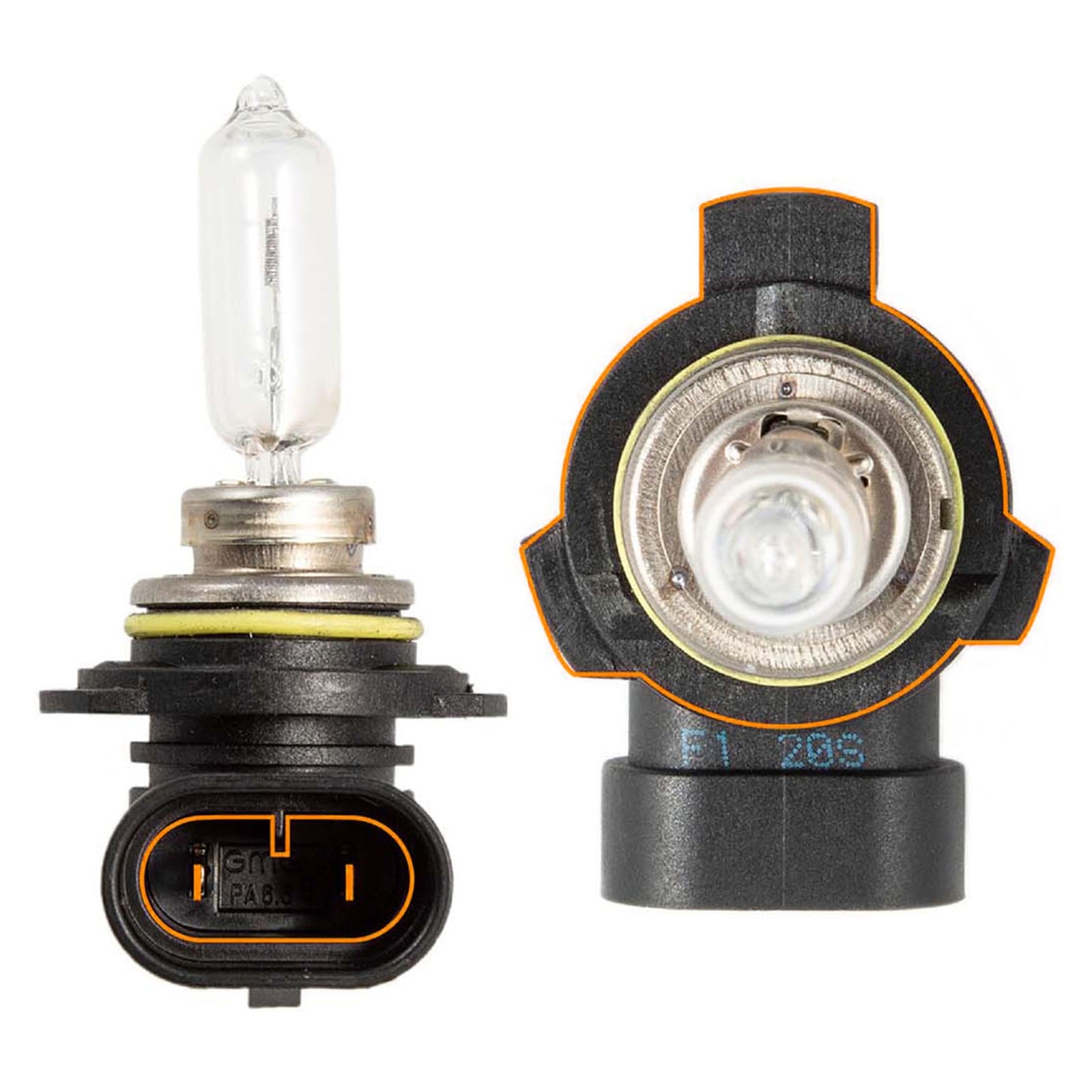
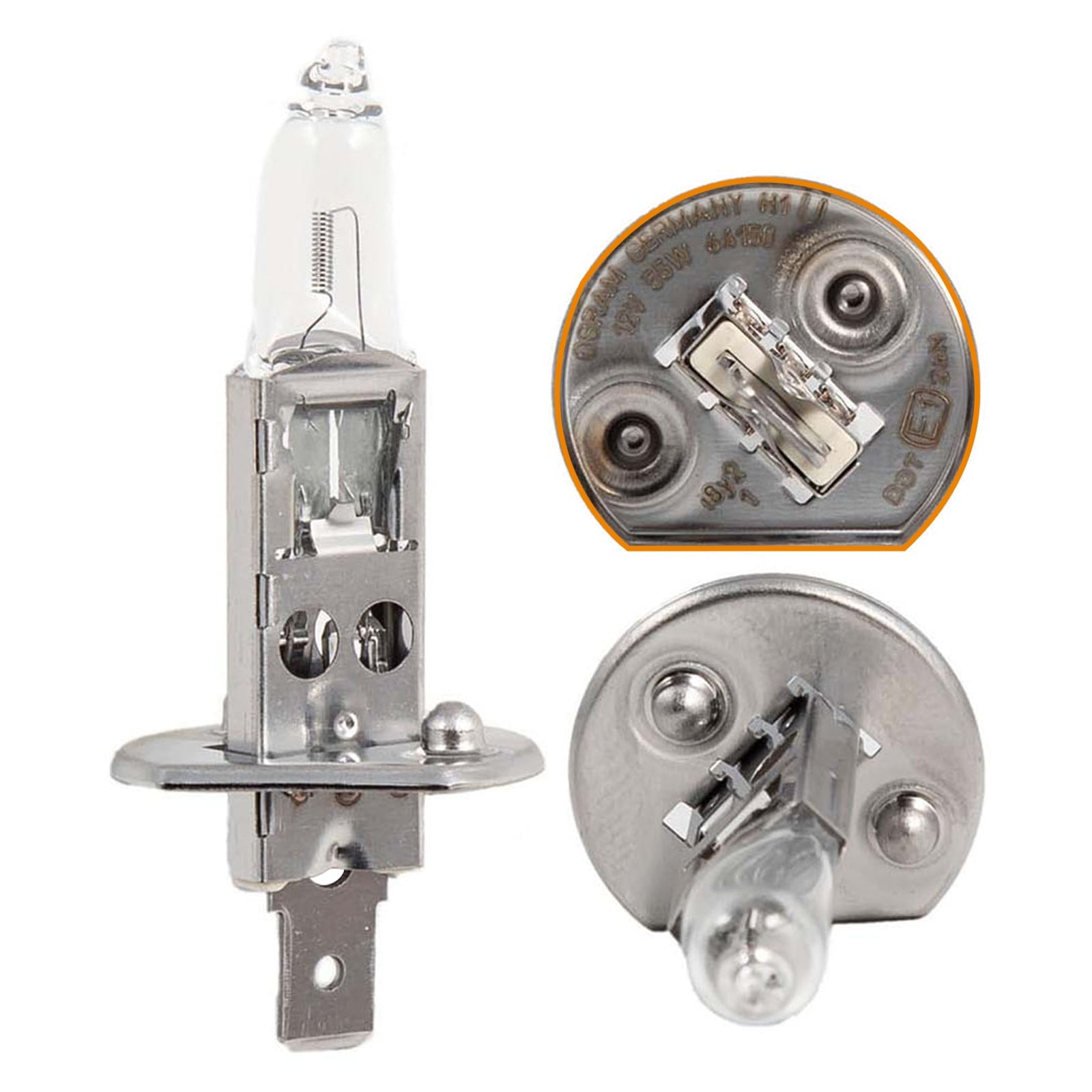

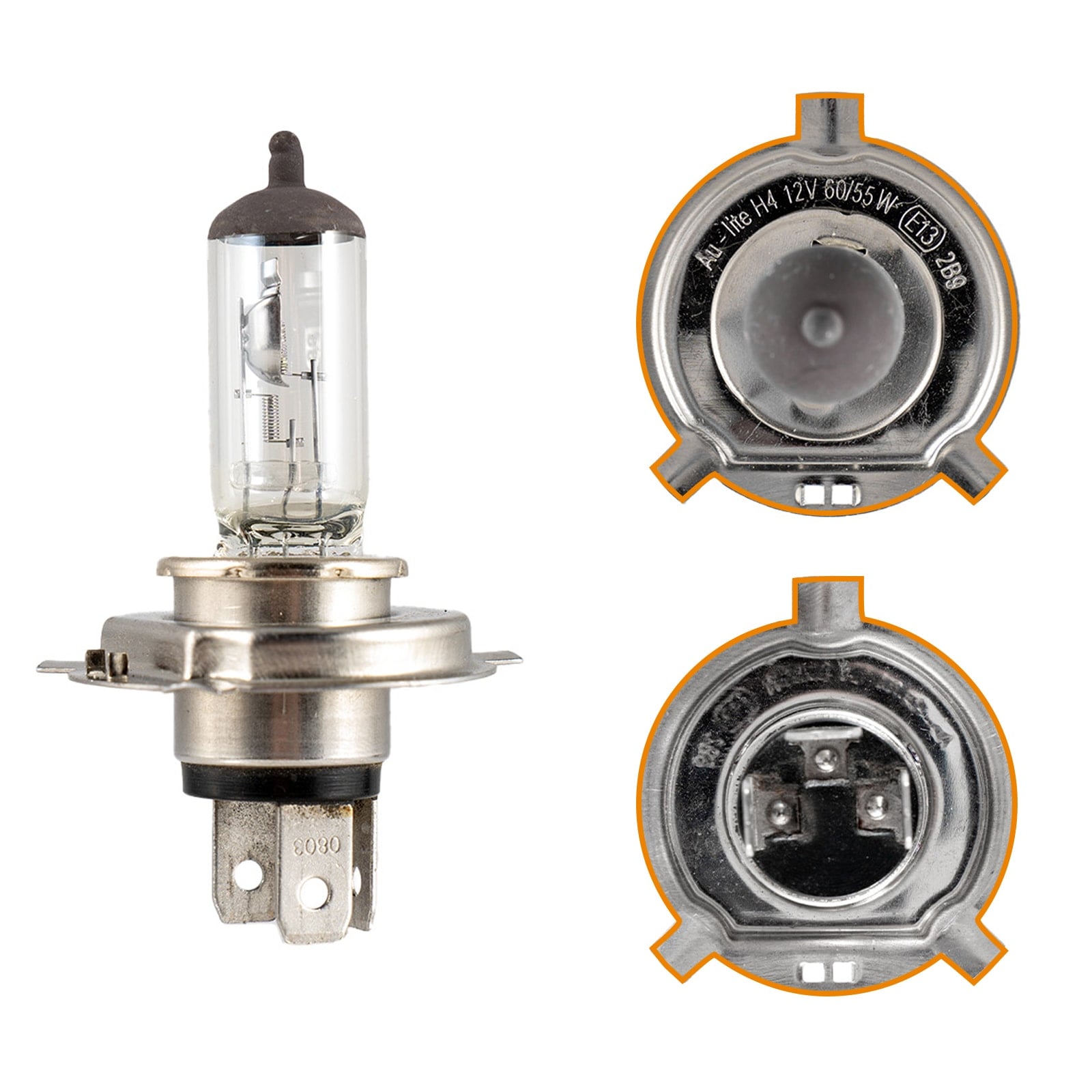
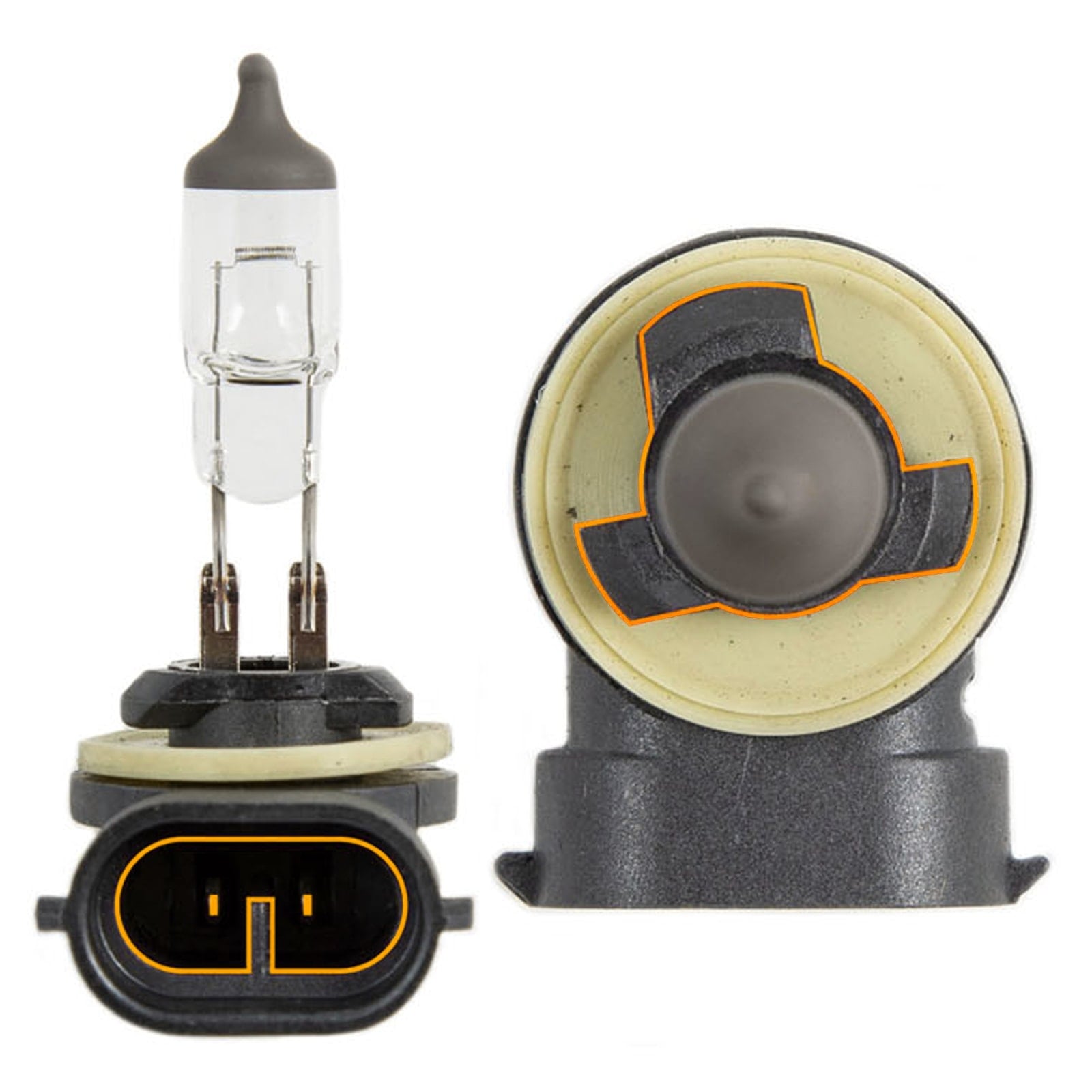
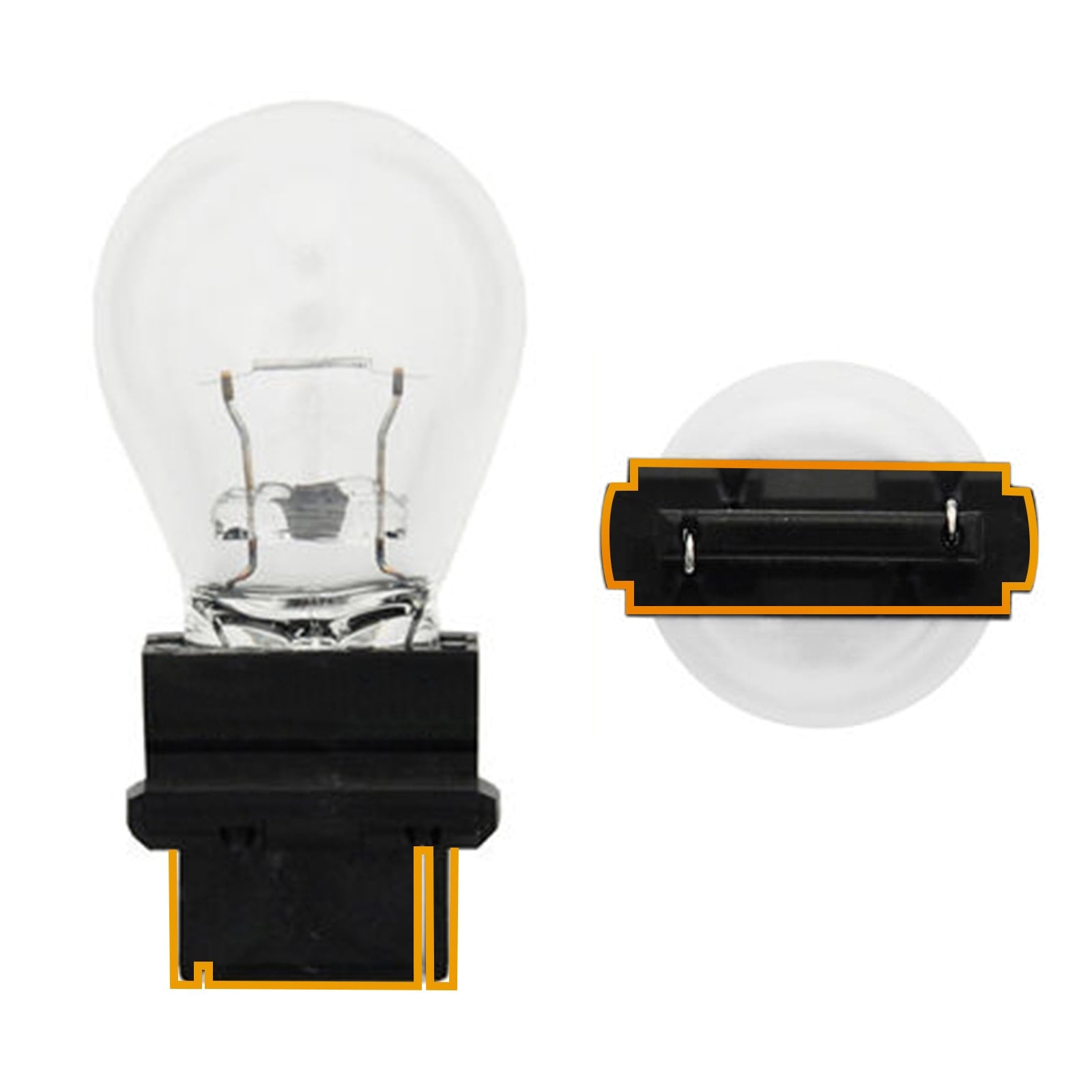
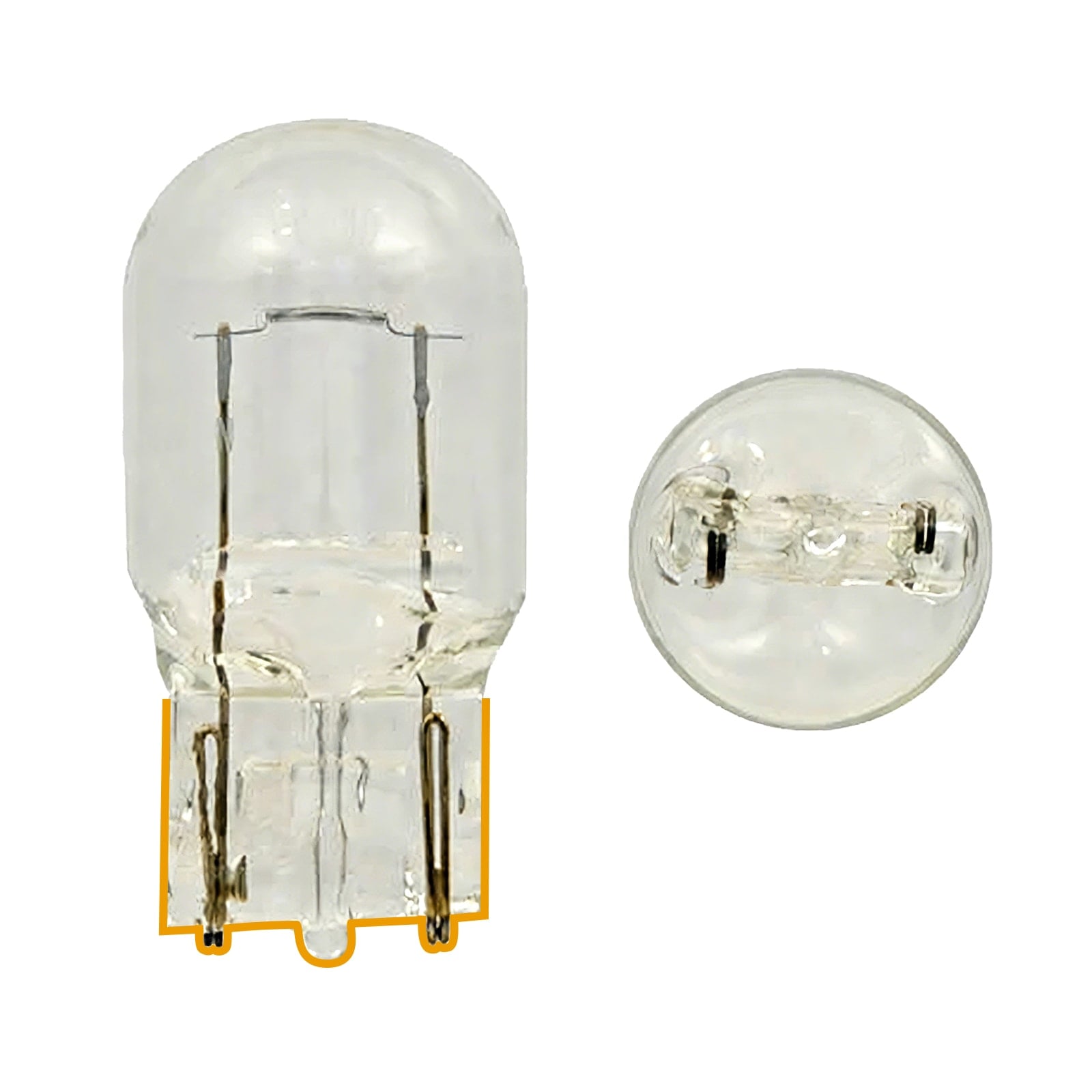
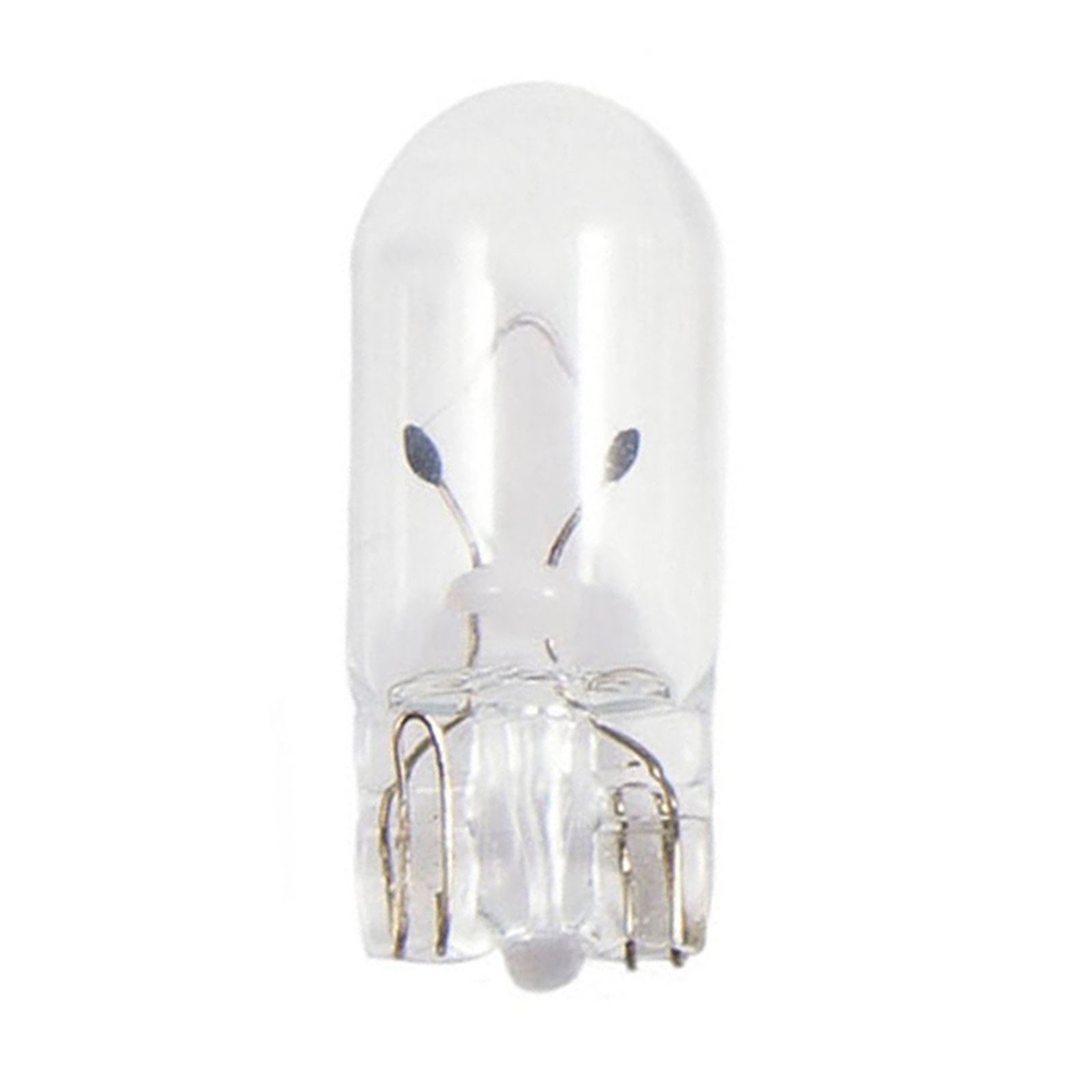
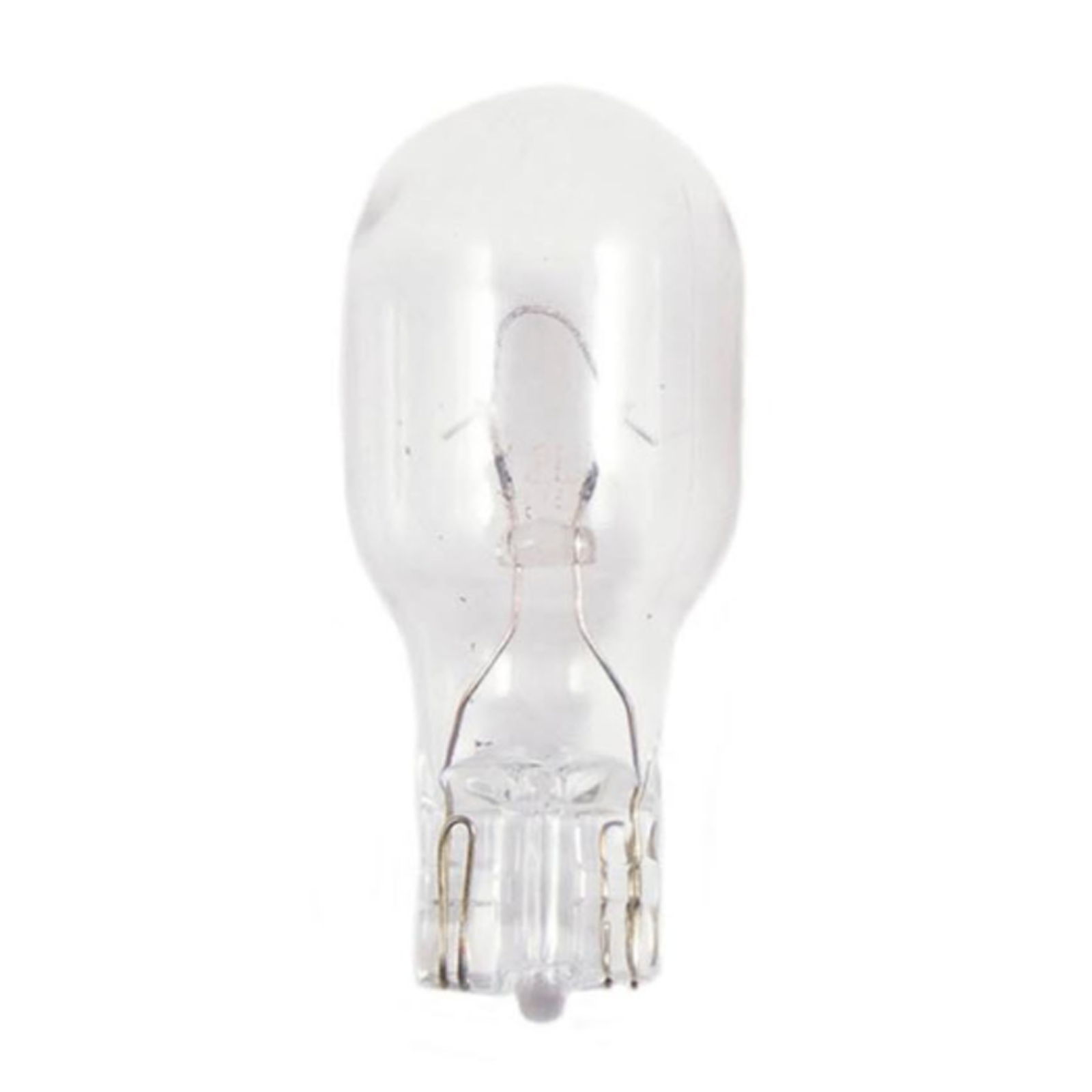
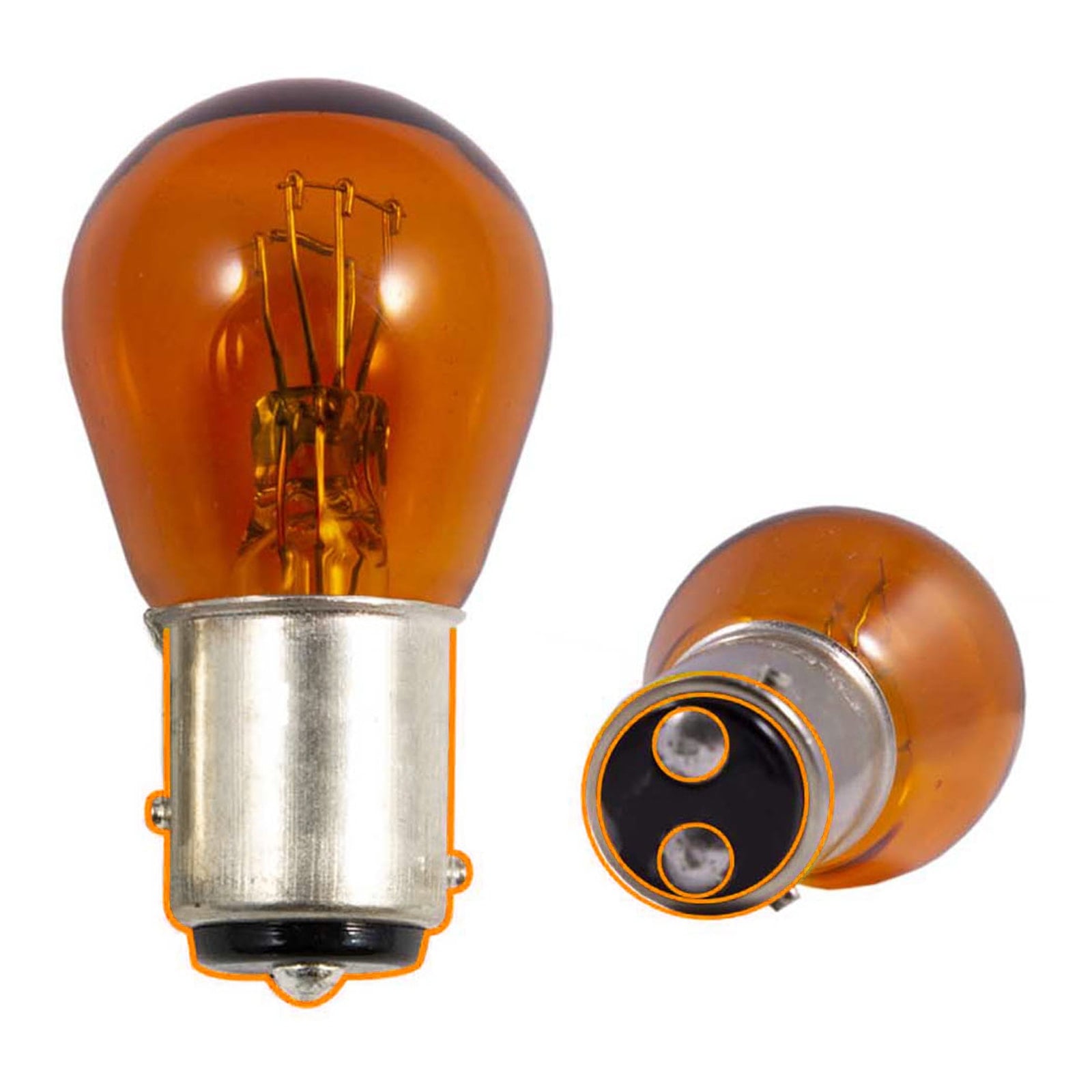
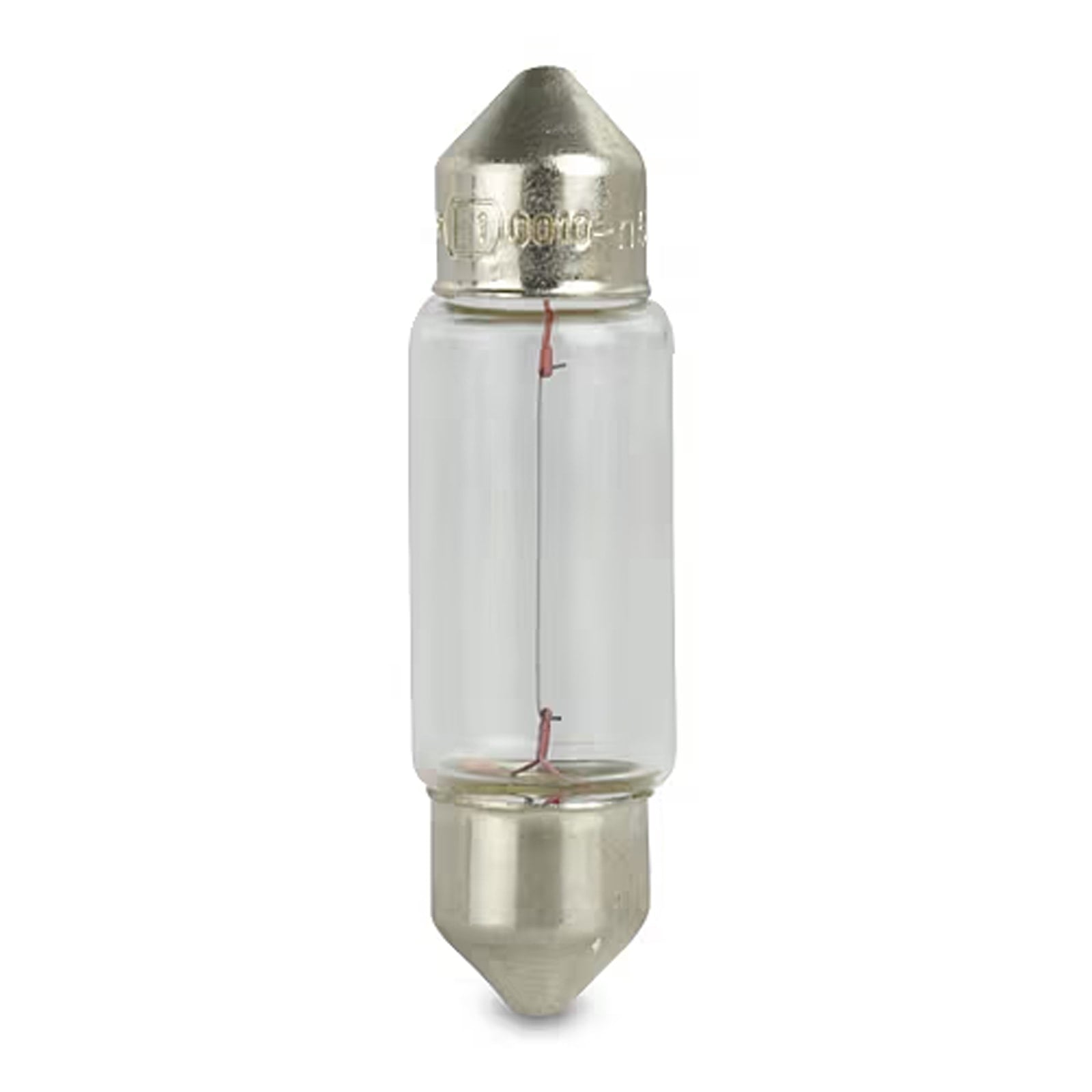











Many drivers search for tail light vs brake light after checking their rear lights at night. Brake lights and tail lights can sit in the same housing, and they may even use the same bulb. But they do not do the same job.
The difference between tail light and brake light matters when a rear light looks dim, stops working, or needs a new bulb. This guide will help you understand what each light does, why they can look so similar, and how to choose the right fix before replacing anything.
What Are Tail Lights and Brake Lights?
Before comparing tail light vs brake light, it helps to know what each rear light is meant to do. Not every red light on the back of your vehicle sends the same message. Some lights help other drivers see your car. Others warn them that you are slowing down.
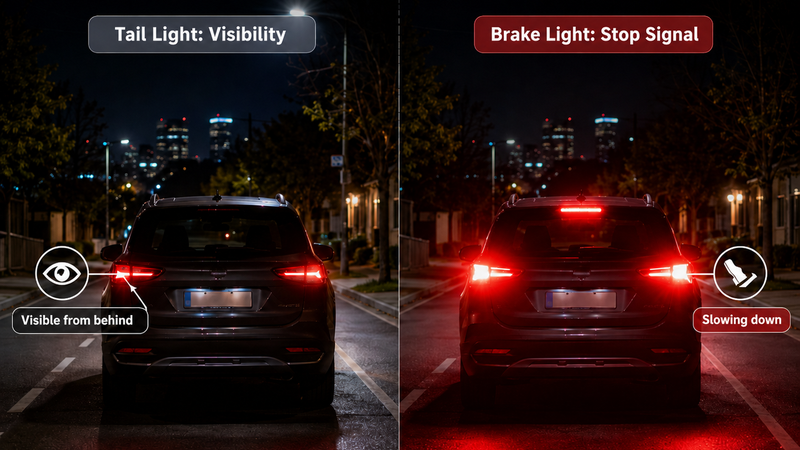
What Are Tail Lights?
Tail lights are the red lights at the rear of your vehicle that turn on with the headlights or parking lights. Their main job is to make your vehicle visible from behind.
You use tail lights most often at night, in heavy rain, in fog, or during low-light driving. They help other drivers see your car’s position on the road. They also show the width and shape of your vehicle from the rear.
Tail lights usually stay on as a steady red light. They are not as bright as brake lights because they are designed to run for a longer time.
When Do Tail Lights Turn On?
Tail lights usually turn on when you:
- Switch on the headlights
- Use the parking lights
- Drive with automatic headlights in low light
- Turn on exterior lights during rain, fog, or dusk
A tail light does not mean the driver is braking. It only shows that the vehicle is visible from the rear.
What Are Brake Lights?
Brake lights are the red lights that turn on when you press the brake pedal. Their job is to warn drivers behind you that your vehicle is slowing down or stopping.
This is why brake lights are brighter than tail lights. They need to get attention fast, especially in traffic or during a sudden stop. Most vehicles have left and right brake lights. Many also have a third brake light mounted higher on the rear window, trunk, tailgate, or roofline.
When Do Brake Lights Turn On?
Brake lights turn on when the brake pedal is pressed. In most vehicles, a brake light switch detects pedal movement and sends power to the stop lamp circuit. Brake lights should work during the day and at night. They do not need the headlights to be on.
Is Tail Light and Brake Light the Same Bulb?
Sometimes, yes. Some vehicles use one dual-function bulb for both the tail light and brake light. In that case, one bulb can create a dim tail light and a brighter brake light.
But not every vehicle works this way. Some cars use separate bulbs or separate LED circuits. Always check the old bulb number, owner’s manual, or vehicle fitment tool before buying a replacement.
Are Tail Lights and Brake Lights on the Same Fuse?
Not always. Tail lights and brake lights often use different circuits, so they may also use different fuses. If your brake lights work but your tail lights do not, check the tail light or parking light fuse. If your tail lights work but your brake lights do not, check the stop lamp or brake light fuse. Your fuse box cover or owner’s manual can show the exact label.
Tail Light vs Brake Light: Key Differences
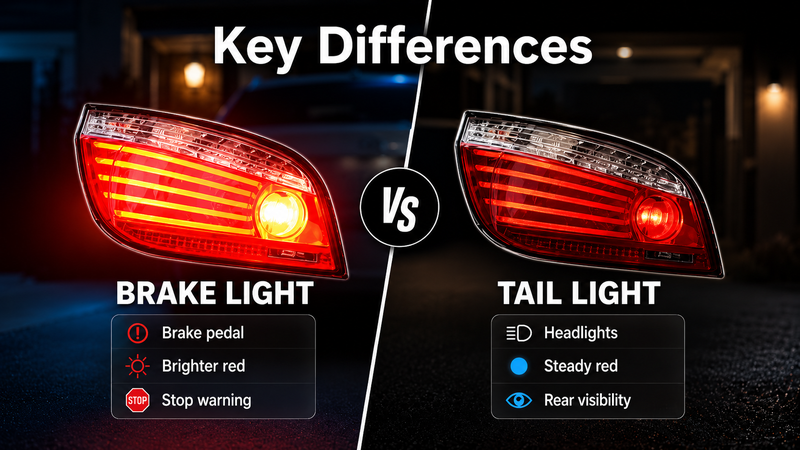
The main difference between a tail light and a brake light is simple. A tail light helps other drivers see your vehicle. A brake light warns them that you are slowing down or stopping.
Both lights are red. They are also often built into the same rear housing. But they do not work the same way. The table below gives you a quick look at brake lights vs tail lights.
| Feature | Tail Light | Brake Light |
|---|---|---|
| Main job | Makes your vehicle visible from behind | Warns drivers that you are slowing or stopping |
| When it turns on | With headlights or parking lights | When you press the brake pedal |
| Brightness | Dimmer, steady red light | Brighter red light |
| Control | Headlight or parking light circuit | Brake switch or stop lamp circuit |
| Common location | Rear light assembly | Rear light assembly |
| Same bulb? | Sometimes | Sometimes |
Purpose: Visibility vs Warning Signal
A tail light is a visibility light. It helps drivers behind you see your vehicle at night, in rain, or in low-light conditions. A brake light is a warning light. It tells drivers behind you that your vehicle is slowing down. This gives them more time to react.
This is the biggest difference between tail light and brake light. One shows where your car is. The other shows what your car is doing.
Activation: Headlights vs Brake Pedal
Tail lights turn on when you switch on your headlights or parking lights. In many vehicles, they may also turn on when automatic headlights activate. Brake lights turn on when you press the brake pedal. They should work even when your headlights are off.
This is why one function can fail while the other still works. Your brake lights may work, but your tail lights may stay off. Or your tail lights may work, but your brake lights may not get brighter when you press the pedal.
Brightness: Steady Red vs Brighter Red
Tail lights are usually dimmer because they stay on for longer periods. They need to be visible without distracting other drivers. Brake lights are brighter because they need to catch attention fast. When you hit the brake, drivers behind you need a clear signal right away.
A quick way to see the difference is to turn on your headlights first. Then press the brake pedal. The rear light should glow brighter when the brake light function turns on.
Same Housing Does Not Mean Same Function
Many vehicles place the tail light and brake light inside the same rear light assembly. Some also use one dual-function bulb for both jobs. That is why many drivers ask, “Are brake light and tail light the same?” The answer is no in function. They may share a bulb or housing, but they send different signals.
For replacement, this detail matters. A dual-function brake/tail light bulb must support both the dim tail light mode and the brighter brake light mode. A single-function bulb may not work correctly in that socket. If you are replacing a dim or burned-out bulb, SEALIGHT LED brake tail light bulbs can be a practical option once you confirm the correct bulb size and function for your vehicle.
How to Replace Tail and Brake Light Bulbs
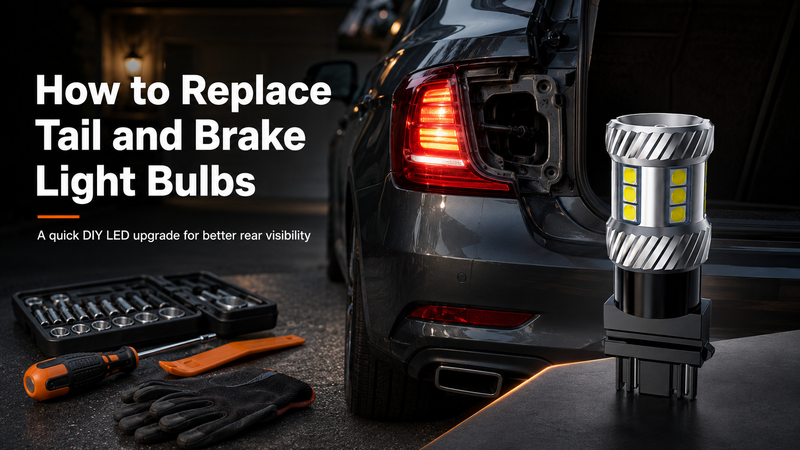
Once you know which light is out, the next step is choosing the right replacement bulb. Do not buy a bulb only because it looks similar. A tail light bulb, brake light bulb, and brake/tail light bulb may use different contacts or functions.
Step 1: Confirm the Bulb Size and Function
First, check whether your vehicle uses a single-function bulb or a dual-function bulb.
A single-function bulb handles one job, such as a tail light or brake light. A dual-function bulb can handle both the dim tail light mode and the brighter brake light mode. Common brake and tail light bulb sizes include:
- 1156 / 1157
- 3156 / 3157
- 7440 / 7443
Always confirm the old bulb number, owner’s manual, or vehicle fitment tool before buying. This helps you avoid a bulb that fits the socket but does not work correctly.
Step 2: Remove the Old Tail or Brake Light Bulb
Park safely and turn the vehicle off. Open the trunk, liftgate, or rear access panel. In many vehicles, the bulb socket sits behind the tail light assembly.
Turn the socket gently and pull it out. Then remove the old bulb. Check the bulb and socket for dark glass, a broken filament, melted plastic, corrosion, or a loose base.
Step 3: Install the New Brake/Tail Light Bulb
Place the new bulb into the socket and make sure it sits firmly. Before closing the housing, check that it matches your socket, bulb size, and rear light function.
If you are upgrading from a dim or burned-out factory bulb, this is a good time to choose a reliable LED replacement. SEALIGHT LED brake/tail light bulbs are a practical option for drivers who want brighter brake lights, clearer tail lights, and better rear visibility without replacing the whole tail light assembly.
Some LED bulbs may be polarity-sensitive. If the bulb does not light up, remove it and rotate it 180 degrees if the socket design allows. Then test it again. For red rear lenses, red LED bulbs are often a better choice. They help keep the rear light color clear, correct, and easy to see.
Step 4: Test Both Tail Light and Brake Light Functions
Before putting everything back together, test both functions.
| Test | What Should Happen |
|---|---|
| Turn on headlights or parking lights | Tail lights should glow a steady red |
| Press the brake pedal | Brake lights should get brighter |
| Compare both sides | Left and right lights should look even |
A helper, garage door, or window reflection can make this easier.
Common Problems of Tail Light and Brake Light
Tail light and brake light problems usually come from a few common faults: a burned-out bulb, blown fuse, bad brake light switch, loose socket, or wiring issue. The key is to check the symptoms first. That helps you avoid replacing the wrong part.
| Problem | Likely Cause | Check First |
|---|---|---|
| Tail light and brake light not working on one side | Bad bulb, loose socket, poor contact | Bulb and socket |
| Brake lights work but tail lights don’t | Bad tail light filament, fuse, or parking light circuit | Tail light bulb and fuse |
| Tail lights work but brake lights don’t | Bad brake light filament, STOP fuse, or brake light switch | Brake bulb, fuse, and switch |
| Both sides are out | Blown fuse, switch issue, or wiring fault | Fuse box and owner’s manual |
| Lights look dim or flicker | Corrosion, loose socket, or weak bulb | Socket and connector |
Burned-Out Bulbs
A burned-out bulb is the easiest place to start. Many vehicles use a dual-function brake/tail light bulb. One part handles the dim tail light mode. The other handles the brighter brake light mode.
If one part fails, your brake lights may work but your tail lights stay off. The opposite can also happen. Remove the bulb and check for a broken filament, dark glass, or a damaged base.
If the bulb is the problem, replace the brake light and tail light with the correct size and function. SEALIGHT brake and tail lights can be a practical option when you want a brighter replacement without changing the whole tail light assembly.
Blown Fuses
Are tail lights and brake lights on the same fuse? Not always. Many vehicles use separate fuses for the tail light circuit and brake light circuit.
If both tail lights are out, check the tail light or parking light fuse. If all brake lights are out, check the STOP or brake light fuse. If a new fuse blows again, there may be a short circuit that needs further inspection.
Faulty Brake Light Switch
If your tail lights work but brake lights don’t, the brake light switch may be the issue. This switch is usually near the brake pedal. It tells the brake lights to turn on when you press the pedal.
A worn, dirty, or misaligned switch can stop the brake lights from working. If none of the brake lights turn on, check this switch along with the STOP fuse.
Corroded or Loose Sockets
Moisture can get inside the tail light assembly and cause corrosion. You may see rust, green buildup, or white powder on the socket or connector.
This can block the electrical connection and make the light dim, flicker, or stop working. Clean the socket if the buildup is light. Replace it if it looks melted, loose, or badly damaged.
Wiring or Ground Issues
If the bulb, fuse, and socket all look fine, the problem may be wiring or ground related. Broken wires, poor grounds, or damaged connectors can stop power from reaching the light.
This type of issue is harder to find at home. If both sides are out, a fuse keeps blowing, or the wiring looks burned or frayed, have the lighting system checked by a trusted repair facility before driving at night.
Final Thoughts
Tail light vs brake light is a simple difference, but it matters for safety. Tail lights help other drivers see your vehicle from behind. Brake lights warn them when you slow down or stop. If one rear light is out, test both functions before buying a replacement. This helps you know whether the problem is the bulb, fuse, socket, switch, or wiring.
If the issue is a dim or burned-out bulb, choose the correct size and function for your vehicle. SEALIGHT LED brake tail lights can be a practical upgrade if you want better rear visibility and a simple replacement without changing the entire tail light assembly.