
 Headlight Bulbs


 Track Order
 My Vehicles
 Contact Us












My brake light on dash just came on. The parking brake is off, and the car still seems to stop fine. Should I keep driving, or is something wrong?
A brake light on dash can feel confusing because the car may still stop like usual. In some cases, it is a simple warning that the parking brake is not fully released. In other cases, it can point to low brake fluid, worn brake pads, an ABS issue, a bad sensor, or another brake system problem.
A red brake light on dash deserves quick attention, especially if it appears while driving. This guide explains what the warning means, why it may stay on or come and go, and what you should check before you keep driving.
What Does the Brake Light on Dash Mean?
The brake light on dash is usually a brake system warning light. It means something in the braking system needs attention. It does not always mean the brakes have failed, but it should not be ignored.
In many vehicles, the brake light on dashboard may turn on when the parking brake is not fully released, brake fluid is low, brake pads are worn, or a sensor detects a brake-related problem. If the light comes on while driving, treat it as a warning and check the basics before you keep going.
Red BRAKE Light, Exclamation Point, P Light, and ABS Light
Not every brake-related dash light means the same thing. The exact symbol can vary by vehicle, but these are the common meanings:
| Dash Symbol | What It Usually Means | What to Check First |
|---|---|---|
| BRAKE | General brake system warning | Parking brake and brake fluid |
| Red BRAKE light | Brake system needs quick attention | Pull over safely if it appears while driving |
| Circle with exclamation point | Brake warning, low fluid, or parking brake issue | Owner’s manual and brake fluid level |
| P light | Parking brake or electronic parking brake issue | Make sure the parking brake is fully released |
| ABS light | Anti-lock braking system issue | Scan ABS codes if it stays on |
| ABS + BRAKE | Critical braking system or EBD (Electronic Brakeforce Distribution) fault | Stop driving safely; rear wheels may lock prematurely |
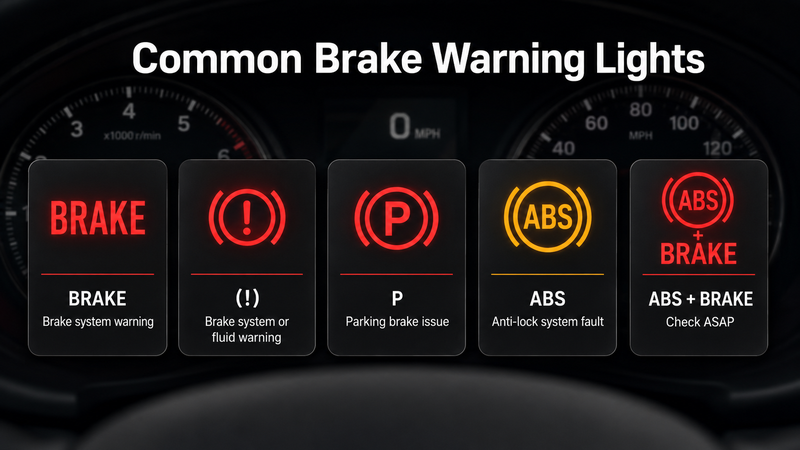
As a rule of thumb, red cluster symbols dictate immediate safety hazards, whereas yellow or amber icons generally signal a system fault that requires diagnostic attention soon. If you notice a red icon paired with an exclamation mark, prioritize checking your mechanical and hydraulic components before assuming it is a minor electrical glitch.
If the ABS and brake light on dash are both on, normal braking may still work, but the anti-lock braking system may not work as it should. That means the vehicle may need a scan tool to read the brake or ABS codes.
Is the Brake Light on Dash the Same as a Rear Brake Light?
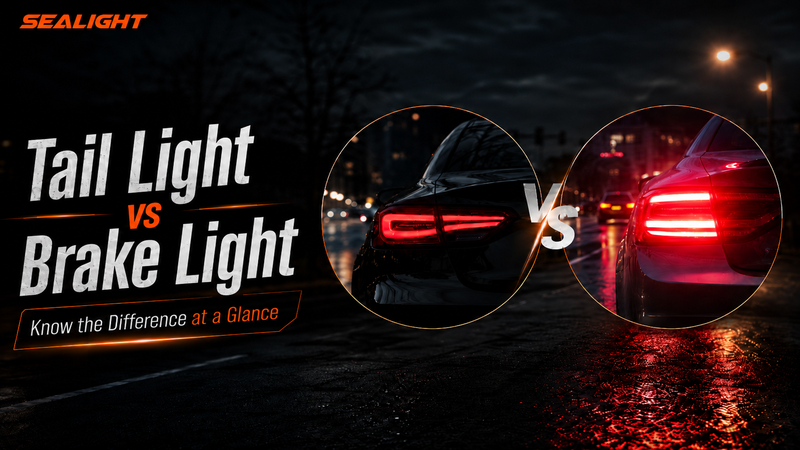
No. The brake light on dash is an instrument panel warning light. The rear brake lights are the lights on the back of your vehicle that turn on when you press the brake pedal. If you are comparing rear lighting functions, this guide on tail light vs brake light explains the difference in more detail.
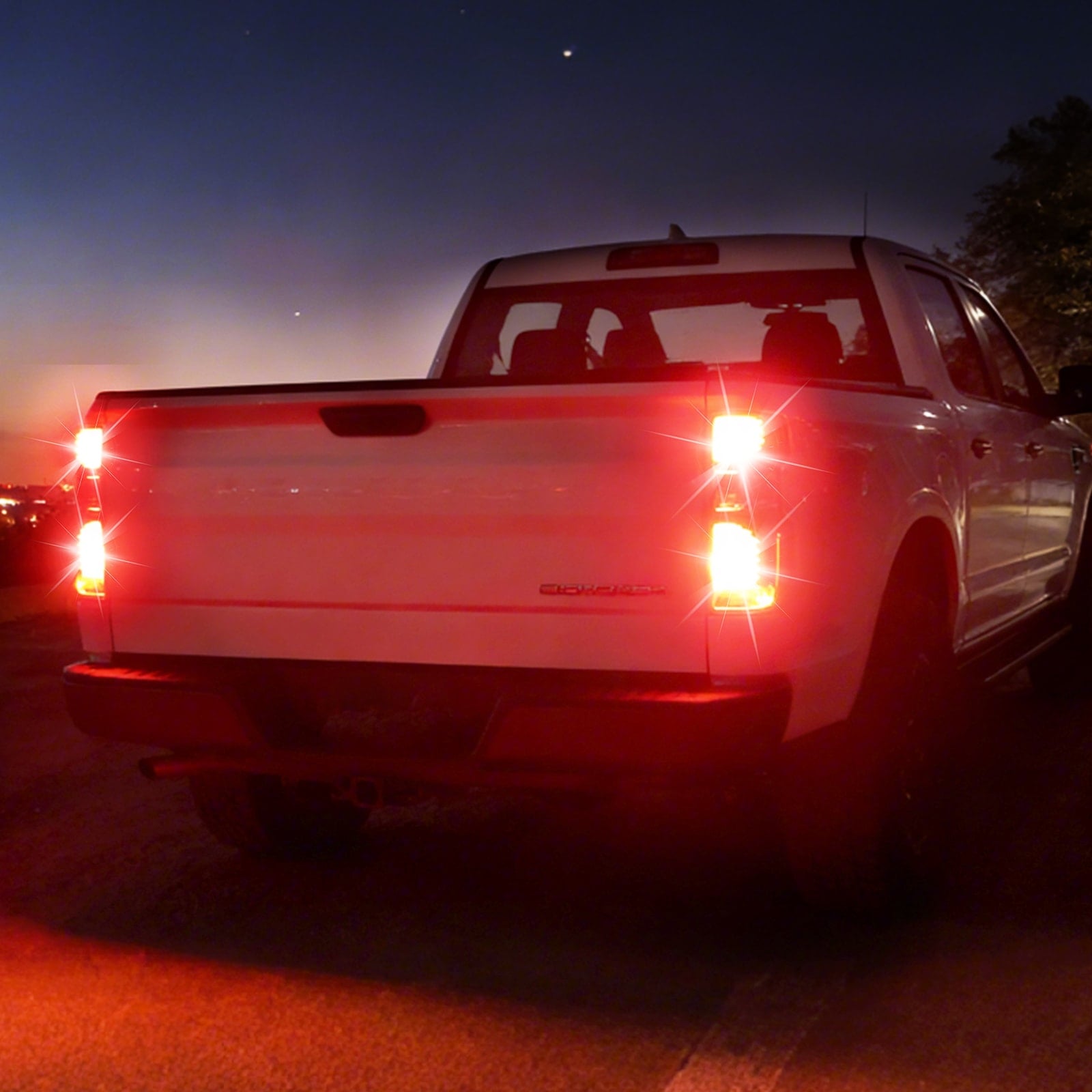
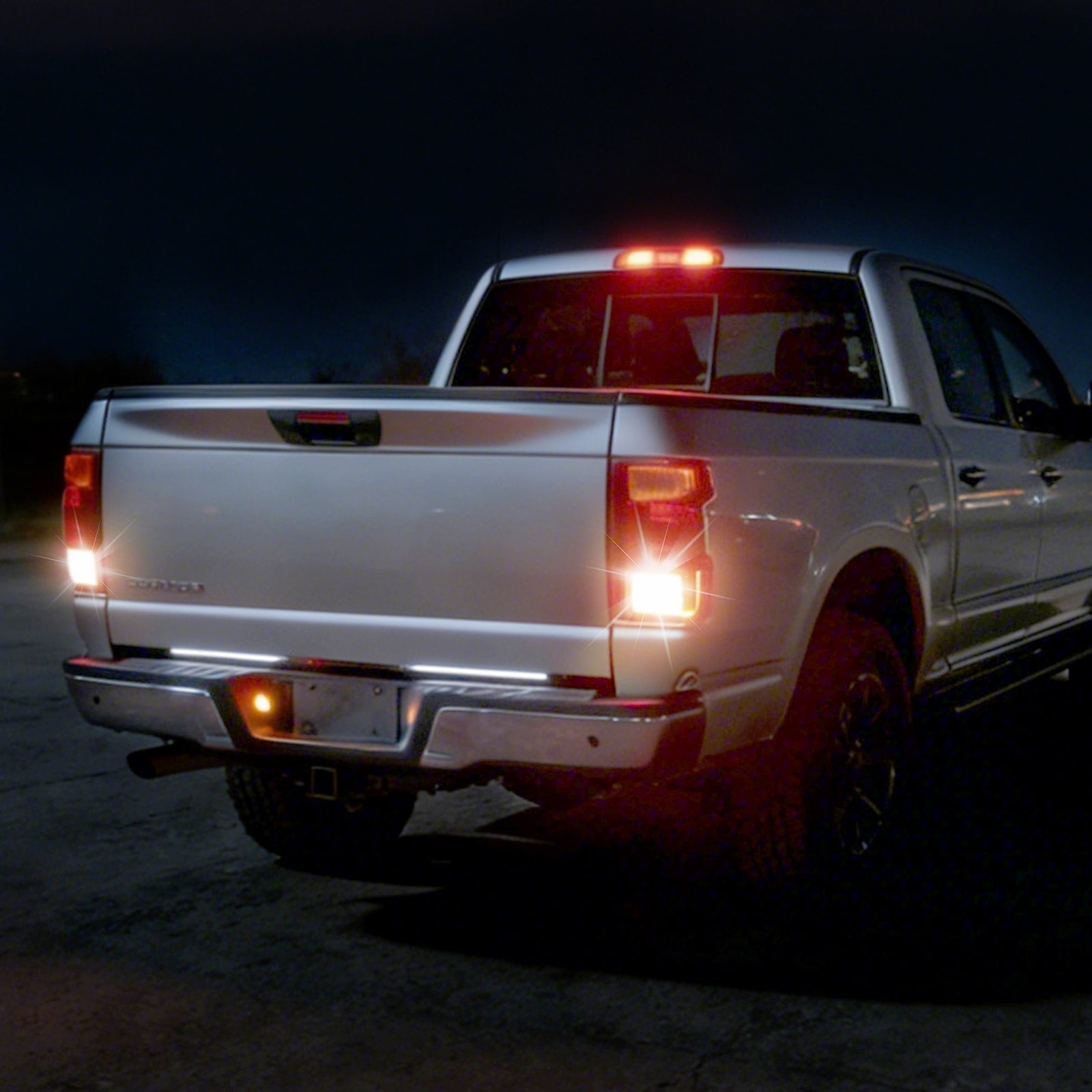
They are related to different systems, but they can overlap in some vehicles. For example, some cars monitor exterior bulbs. If a rear brake light bulb burns out, the socket is loose, or the wrong replacement bulb is installed, the vehicle may show a bulb warning or brake-related message. When replacement is needed, a correct-fit option such as SEALIGHT LED brake tail lights can help restore rear visibility without guessing the bulb type.
Still, do not assume the problem is only a bulb. A dash brake warning light can also point to low brake fluid, worn brake pads, a parking brake issue, ABS fault, or a brake system problem. The next section explains the most common causes in the right order.
What Causes the Brake Light on Dash to Stay On
If you are wondering what causes brake light on dash to stay on, the reason is usually tied to the parking brake, brake fluid, brake pads, ABS system, sensors, wiring, or in some vehicles, exterior bulb monitoring. Some causes are simple. Others can affect braking safety and should be checked soon.
Below are the most common reasons a brake light on dashboard may stay on or come and go.
1. Parking Brake Is Not Fully Released
A parking brake that is still partly engaged can keep the parking brake light on dash on. This can happen with a hand brake, foot brake, or electronic parking brake. If the parking brake is already released, the switch may be stuck or not reading the correct position.
2. Low Brake Fluid Level
Low brake fluid level is a common reason for a red brake light on dash. Brake fluid helps transfer pedal force to the brake system, so a low level can trigger a warning.
Low fluid may also point to worn brake pads, a leak, or another hydraulic issue. If the fluid level is near the minimum mark, the brake light on dashboard goes on and off during turns, braking, or hill driving.
3. Worn Brake Pads
As brake pads wear thin, the caliper pistons must extend farther to clamp the rotors. This displacement draws more fluid down into the brake lines, which lowers the fluid level in the master cylinder reservoir and indirectly triggers the low-fluid sensor. Additionally, some premium vehicles feature dedicated electronic wear sensors that trigger a separate pad-wear warning light when the friction material gets too thin.
4. Brake Fluid Leak or Hydraulic Pressure Issue
A brake fluid leak or hydraulic pressure issue is more serious. The brake system depends on sealed pressure to work correctly. Warning signs may include a soft brake pedal, a pedal that sinks, fluid spots near the wheels, or longer stopping distance. This is one reason a red brake warning light should not be ignored.
5. ABS System Fault
If the ABS and brake light on dash come on together, the issue may involve the anti-lock braking system or the main brake system. Possible causes include a bad wheel speed sensor, ABS wiring issue, low brake fluid, or ABS module fault. Normal braking may still work, but ABS may not work as it should.
6. Faulty Sensor, Switch, or Wiring
Sometimes, the brake light on dash is on but the brakes feel fine. This can happen when a brake fluid level sensor, parking brake switch, ABS sensor, connector, or wiring circuit sends a false or unstable signal.
This is also a common reason the warning light flickers, comes on over bumps, or disappears after restarting the car.
7. Rear Brake Light Bulb Failure or Bulb-Out Warning
A burned-out rear brake light bulb usually does not trigger the main red BRAKE warning light. On most vehicles, it is more likely to trigger a bulb-out icon, a brake lamp message, or a warning such as “Check Left Rear Brake Light”.
Some vehicles monitor exterior lights, so a failed bulb, loose socket, bad brake light switch, wiring issue, wrong replacement bulb, or incompatible LED bulb may cause a lighting-related warning. This is different from a low brake fluid, hydraulic pressure, or ABS problem.
How to Fix Brake Light on Dash Step by Step
Once you know the likely causes, the next step is to check them in a safe order. Here is how to fix brake light on dash in a safe order. Start with the simple checks first. Then move to the parts that may need a scan tool or a mechanic.
Before you continue, pay attention to how the vehicle feels. If the brake pedal feels soft, the car does not stop normally, or brake fluid is very low, do not keep driving.
| Step | What to Check | Why It Matters |
|---|---|---|
| 1 | Parking brake | It is the simplest cause and often triggers the warning |
| 2 | Brake fluid, leaks, and pedal feel | Low fluid or pressure loss can affect braking safety |
| 3 | Brake pads and rotors | Worn pads can lower fluid level and trigger the dash light |
| 4 | ABS and brake warning lights | ABS faults may need a scan tool |
| 5 | Rear brake lights and bulbs | Some vehicles monitor exterior brake lights |
| 6 | Reset only after fixing the cause | Resetting does not repair the brake system |
Step 1: Make Sure the Parking Brake Is Fully Released
Start with the parking brake. Make sure the hand brake, foot brake, or electronic parking brake is fully released. If your vehicle has an electronic parking brake, also check the dash message.
If the warning light turns off after this, the issue may have been simple. If the light stays on, move to the brake fluid and brake system checks.
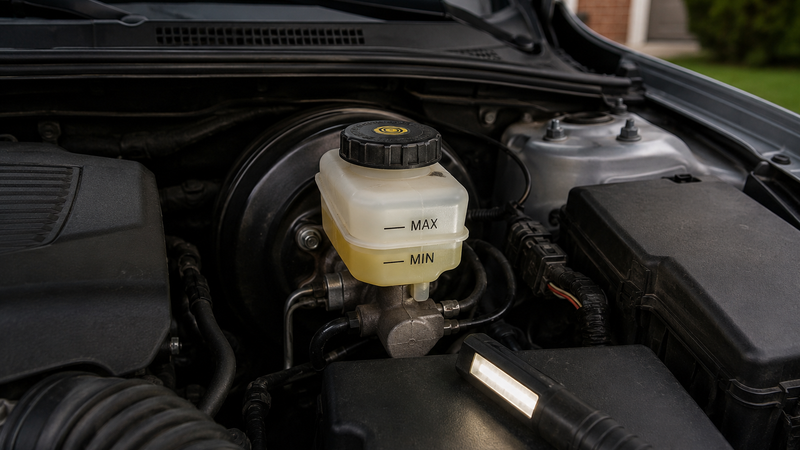
Step 2: Check Brake Fluid, Leaks, and Pedal Feel
Open the hood and find the brake fluid reservoir. The fluid level should be between the MIN and MAX marks.
Low brake fluid can be a sign of worn brake pads, a leak, or another hydraulic issue. Also check how the brake pedal feels.
Watch for these warning signs:
- Soft or spongy brake pedal
- Pedal sinking toward the floor
- Longer stopping distance
- Fluid spots near the wheels
- Brake warning light staying on while driving
If you notice any of these signs, the issue may be more serious than a simple dashboard warning.
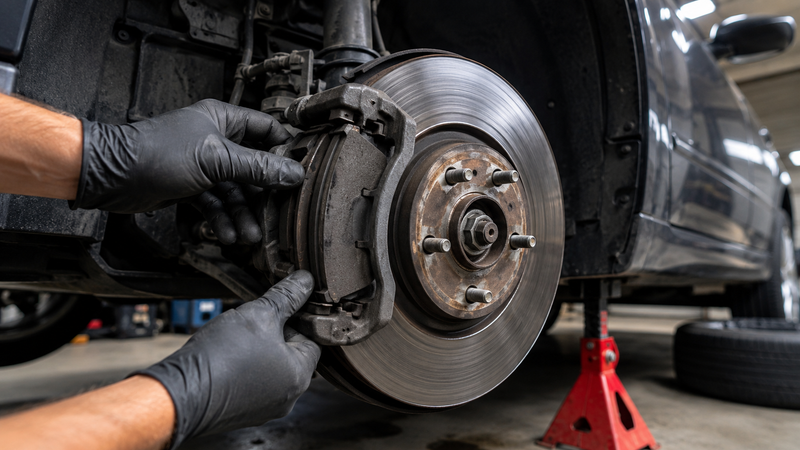
Step 3: Inspect the Brake Pads and Rotors
Worn brake pads can lower the brake fluid level and trigger the brake warning light. Damaged rotors can also make braking feel rough, noisy, or uneven.
Common signs include:
- Grinding or squeaking
- Pulsing through the brake pedal
- Pulling to one side
- Longer stopping distance
- Uneven pad wear
If you are not comfortable checking these parts, have a mechanic inspect them.
Step 4: Check if the ABS and Brake Lights Are Co-Illuminated
When both indicators light up simultaneously, the issue goes beyond a standard anti-lock system glitch. This combination typically signals a failure in the EBD (Electronic Brakeforce Distribution) system. Without EBD, your vehicle's braking balance is compromised, and the rear wheels could lock up prematurely during braking, potentially causing a dangerous spin.
Safety Warning: If you see both lights on while driving, pull over safely and stop driving immediately. Do not attempt to drive to a shop to read trouble codes; have the vehicle towed to a professional mechanic.
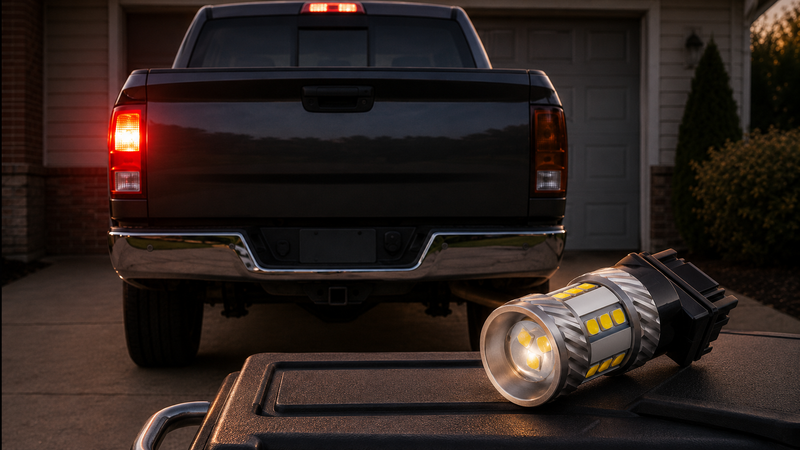
Step 5: Verify Exterior Brake Light Functionality
Have someone press the pedal while you inspect the rear of the vehicle, or back up against a garage door to observe the reflection. Check the left, right, and high-mount third brake lights.
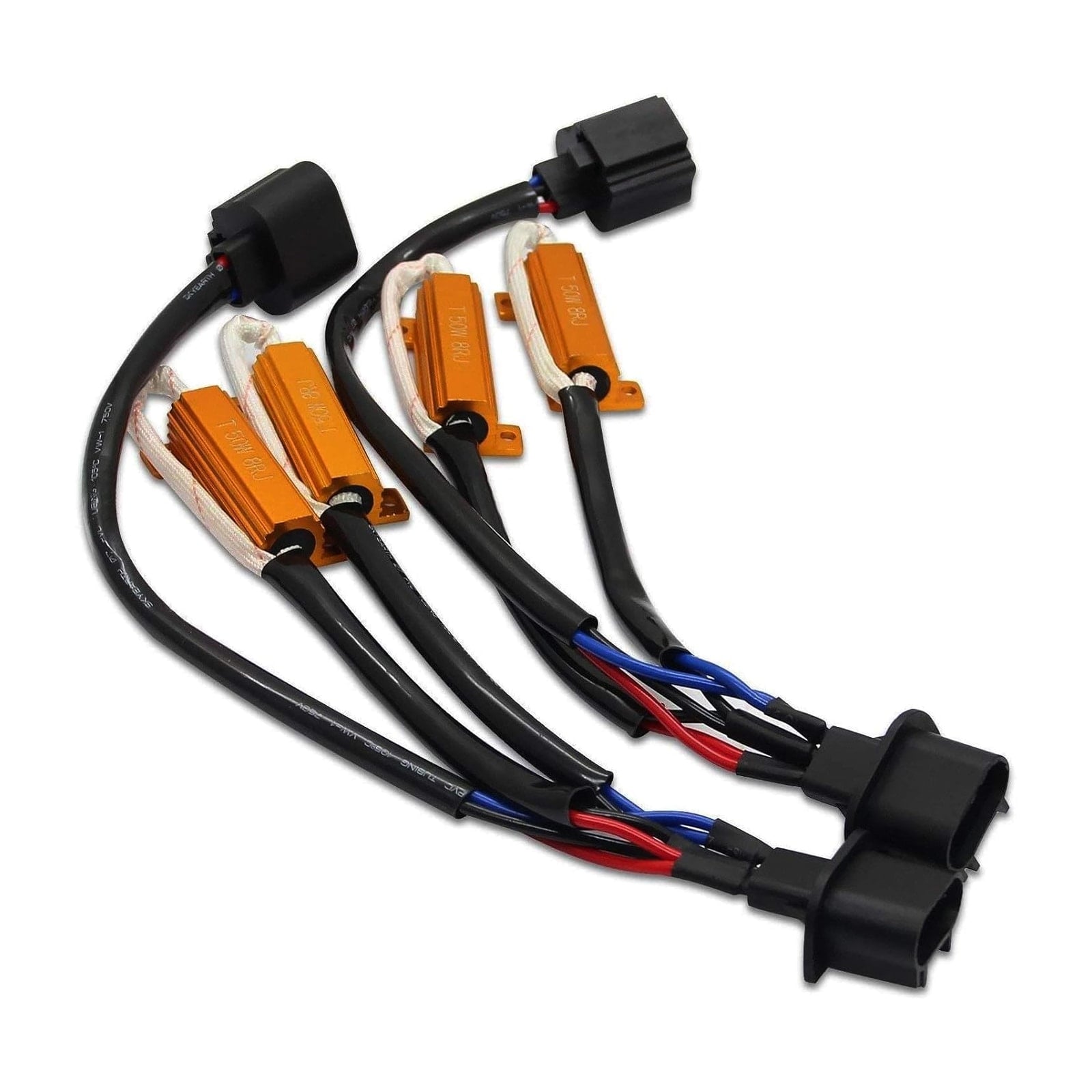
If a burnt-out factory halogen bulb is triggering a "bulb-out" message or lighting alert on your dashboard, upgrading to a high-quality replacement can resolve the issue. SEALIGHT LED brake lights feature integrated intelligent resistors designed to match your vehicle's factory electrical parameters, significantly reducing the risk of dashboard error codes without any wiring modifications.
While these bulbs are CANBUS-ready and fully compatible with most modern vehicles, a few extremely sensitive models may still require an additional plug-and-play resistor/decoder to eliminate residual flickering or error codes.
Step 6: Fix the Cause Before Resetting the Dashboard Light
Do not reset the warning before fixing the cause. A reset only clears the light. It does not repair the brake system.
If the real problem is low brake fluid, worn pads, a leak, ABS fault, sensor issue, or bad rear brake light bulb, the warning may come back. Fix the cause first, then reset the light if needed.
How to Reset Brake Light on Dashboard
Once the cause has been checked and fixed, the brake warning light may turn off by itself. If the light stays on, the next step is to find out whether the system needs a reset or if the vehicle is still detecting a brake problem.
This matters because resetting the light does not fix the brake system. It only clears the warning after the real issue has been repaired.
| Situation | What It May Mean | What to Do Next |
|---|---|---|
| Light turns off after the parking brake is released | The parking brake was not fully released | Keep an eye on the light while driving |
| Light turns off after brake fluid is corrected | Low brake fluid triggered the warning | Watch for leaks or a returning warning |
| Light turns off after a connector or bulb issue is fixed | The warning may have come from an electrical or bulb monitoring issue | Make sure the warning does not come back |
| Light returns after restart | The issue may still be active | Scan for brake or ABS codes |
| ABS light is also on | The ABS system may have a stored fault | Use a scan tool that can read ABS modules |
When the Brake Light May Turn Off by Itself
The brake light may turn off after a simple issue is corrected. This can happen after the parking brake is fully released, the brake fluid level is corrected, a loose connector is fixed, or a faulty rear brake light issue is repaired.
If the light turns off and stays off, monitor it for the next few drives. If it comes back, the vehicle is still detecting a brake-related problem.
When You May Need a Scan Tool
A scan tool may be needed if the ABS light is also on, the brake light returns after restart, or the vehicle shows an electronic parking brake warning.
You may also need a scan tool if:
- A sensor code is stored
- The warning stays on after a part has been replaced
- The vehicle shows a brake system message on the dash
- The issue involves ABS, electronic parking brake, or brake pressure sensors
A basic OBD2 scanner may not read every brake or ABS code. Some vehicles need a scan tool that can access the ABS, brake system, or electronic parking brake module.
Why Resetting Is Not the Same as Fixing
Resetting the brake light is not a repair. It only clears the warning from the dashboard.
If the warning came from low brake fluid, worn brake pads, a brake fluid leak, ABS fault, bad sensor, wiring issue, or another brake system problem, the cause still needs to be fixed. Only reset the light after the problem has been checked and repaired.
When to Replace Brake Light Bulbs and Best Replacement
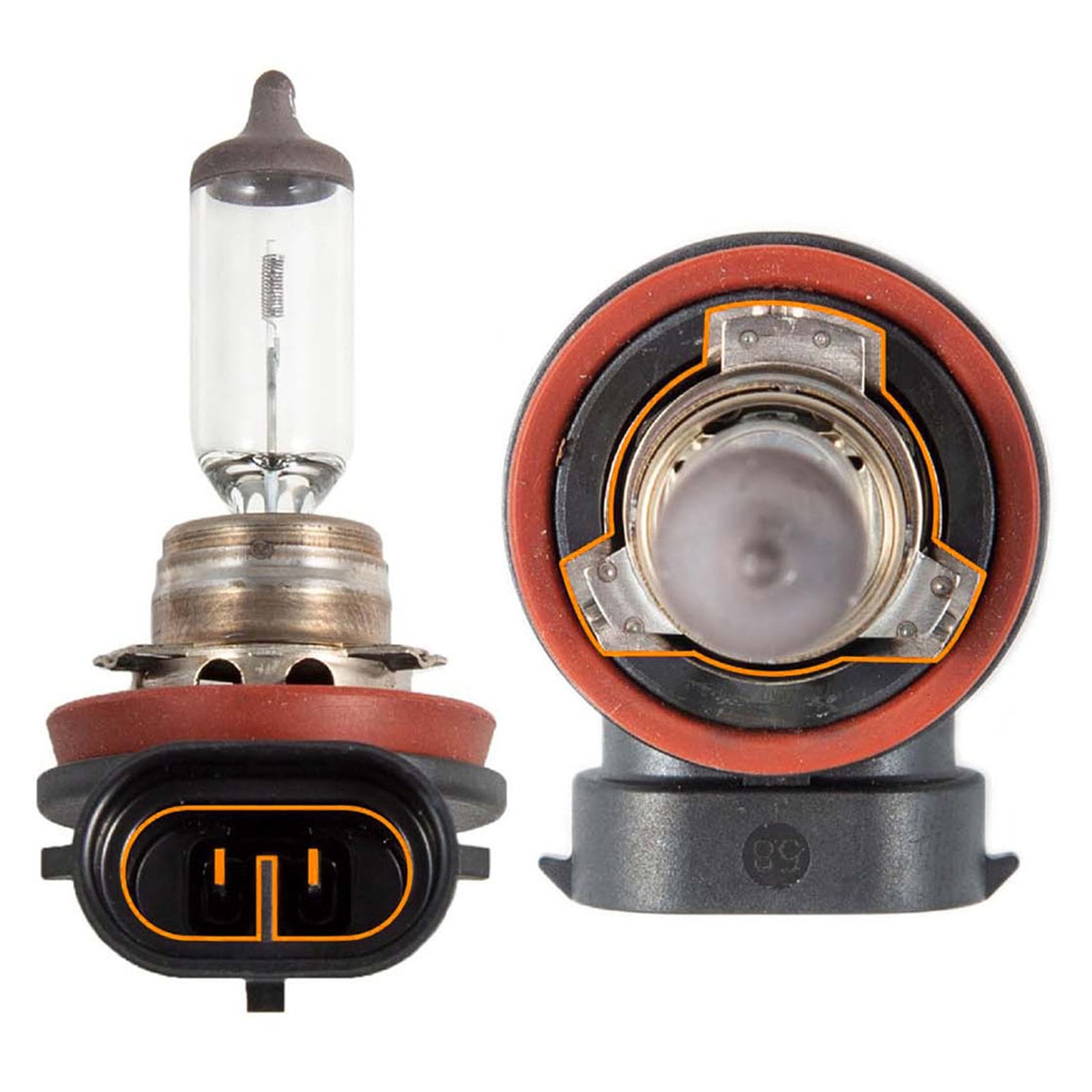
If your rear brake lights are part of the issue, look closely at how they behave when the brake pedal is pressed. Replace the brake light bulbs if one side is out, the light looks dim, flickers, responds slowly, or does not get brighter when braking. You should also check the bulbs if the tail lights work but the brake lights do not, or if the vehicle shows a bulb warning after a light failure.
SEALIGHT LED brake tail lights can be a practical replacement for dim or burned-out factory bulbs, especially if you want brighter rear visibility and quicker stop-light response for daily driving. The key is choosing the correct fitment, not just the brightest bulb.
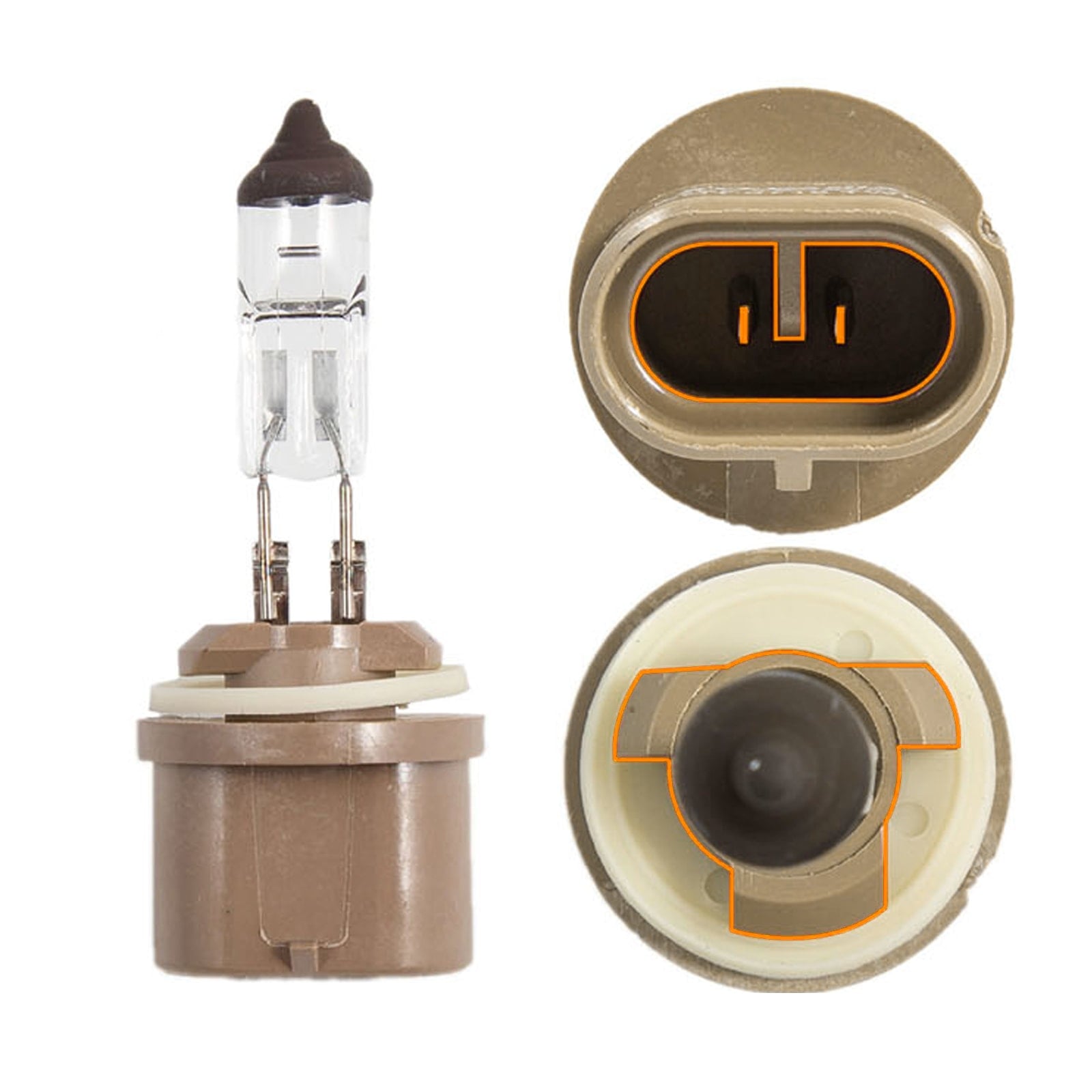
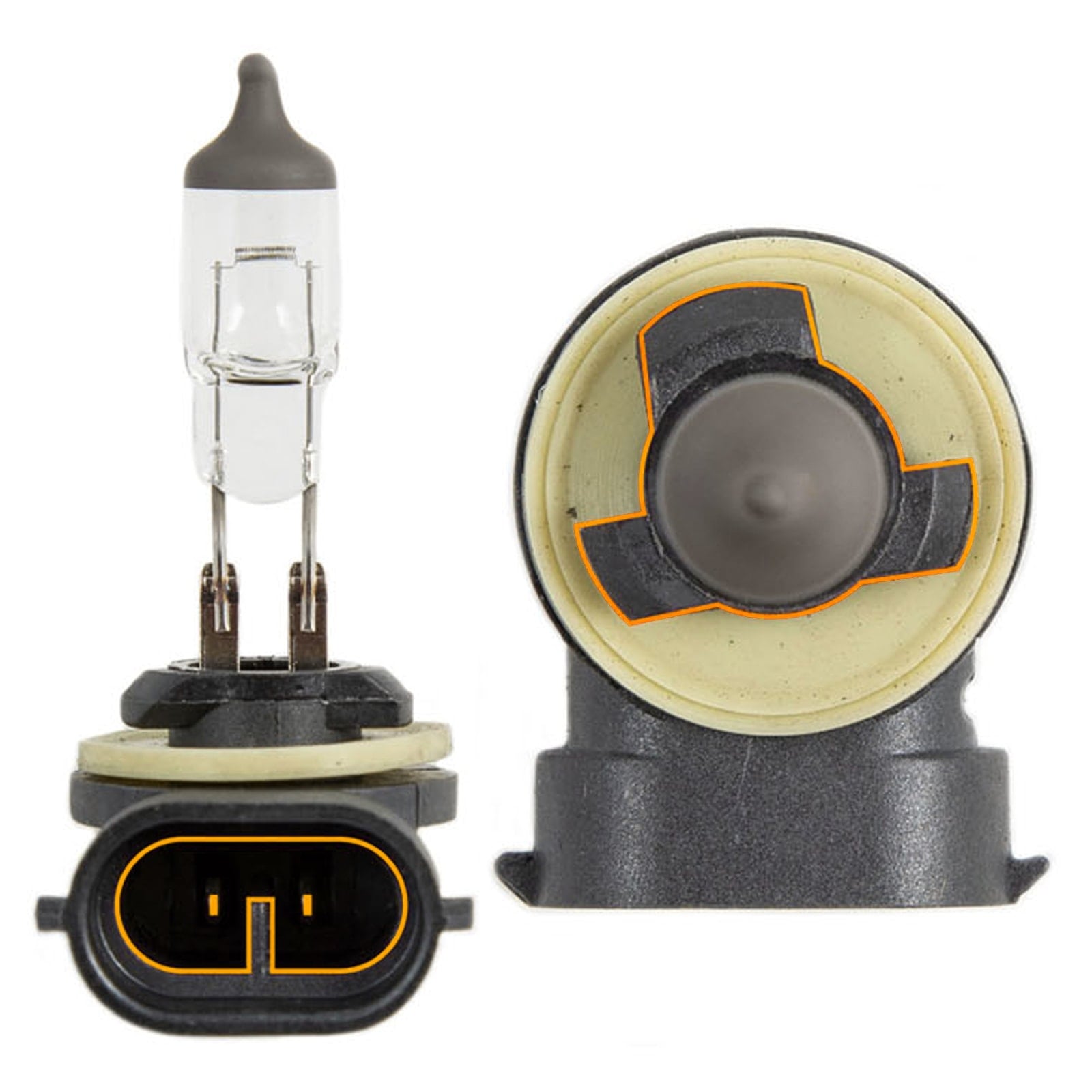
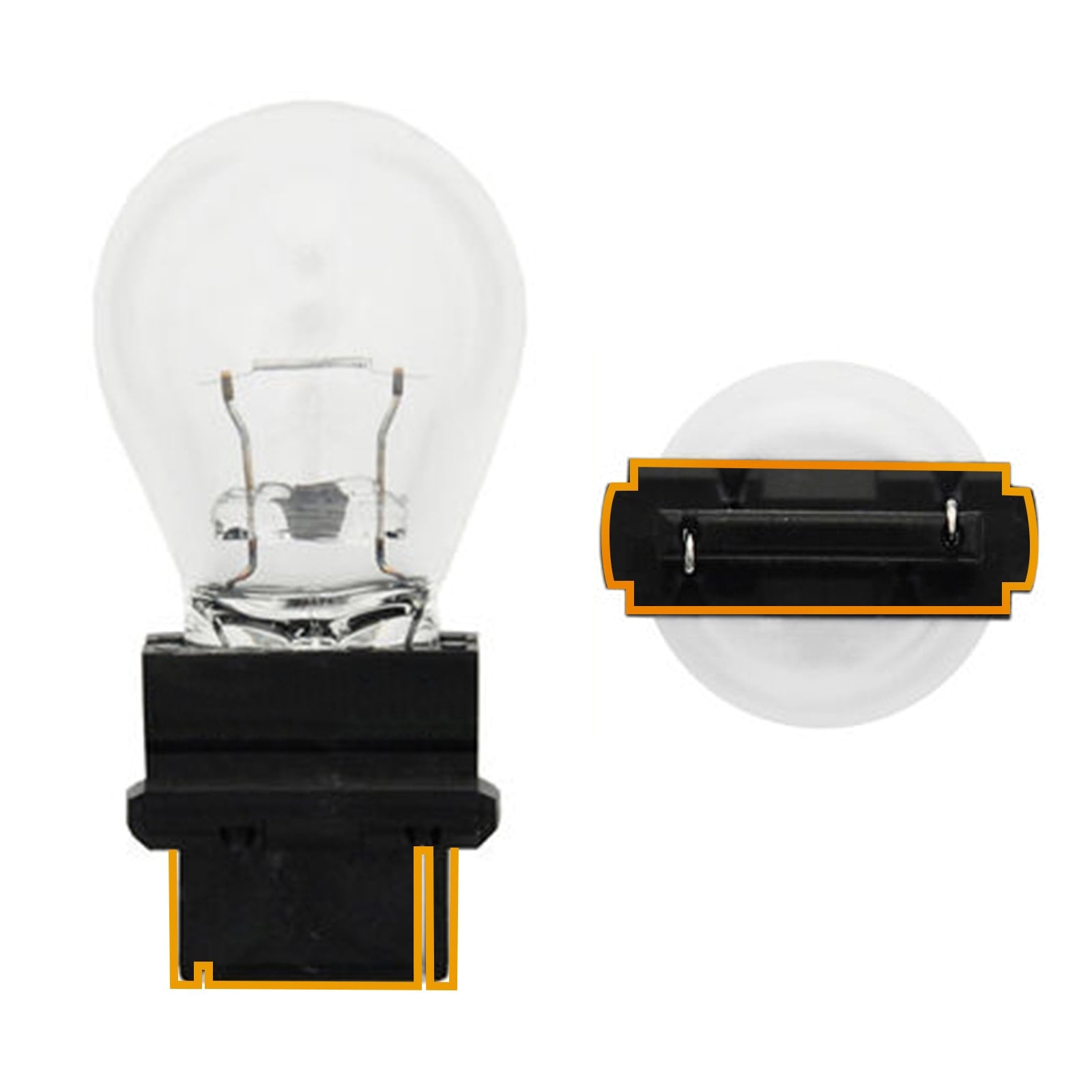
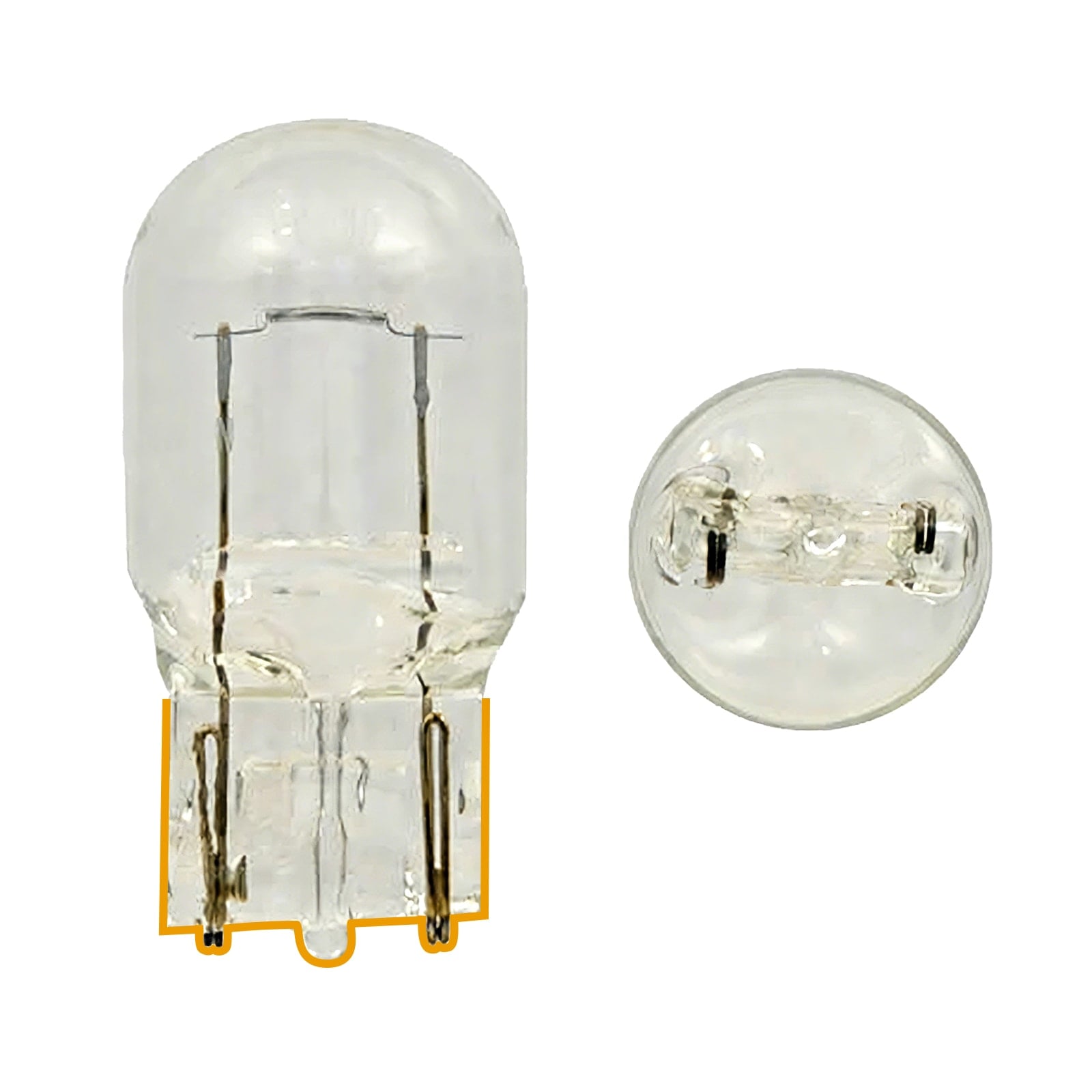
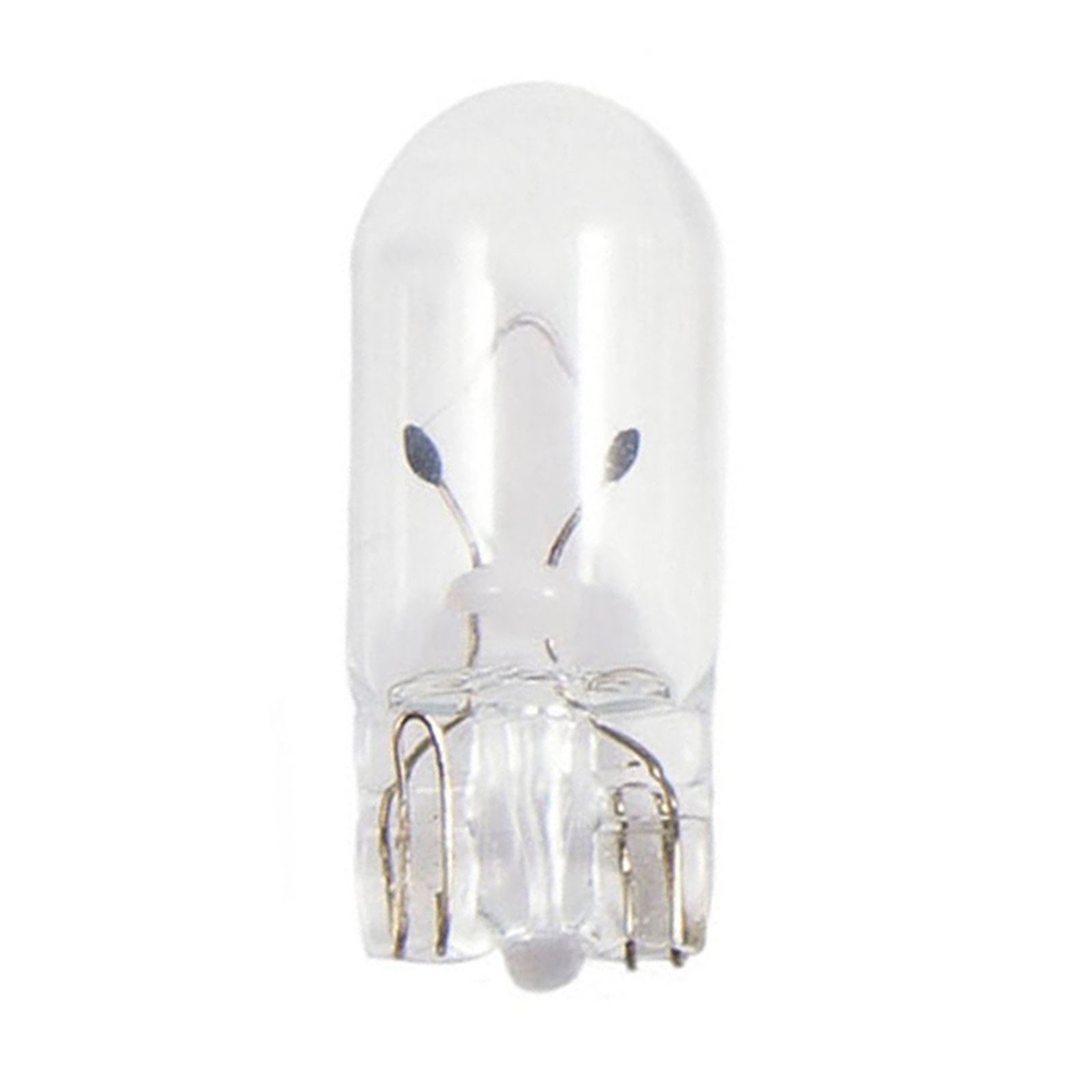
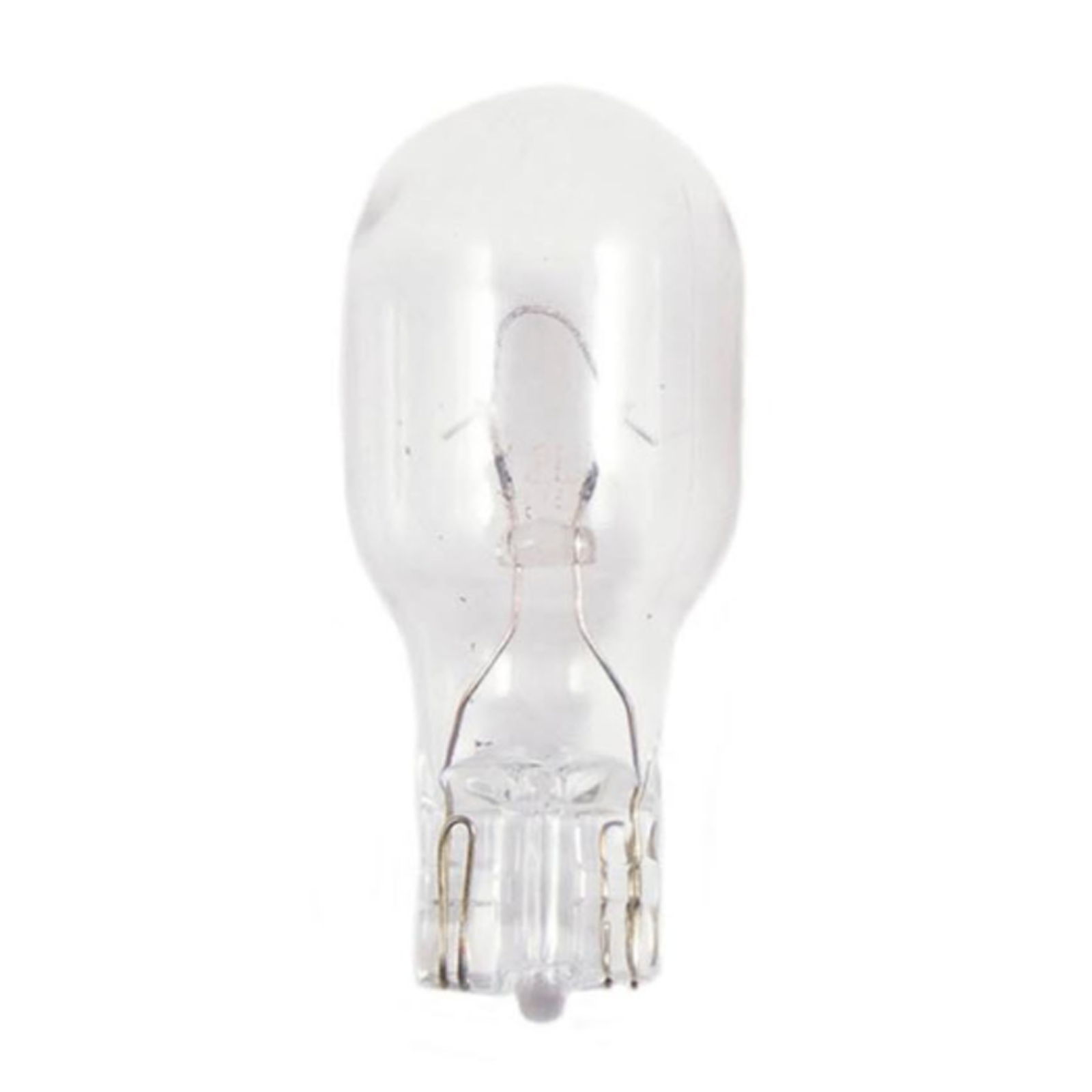
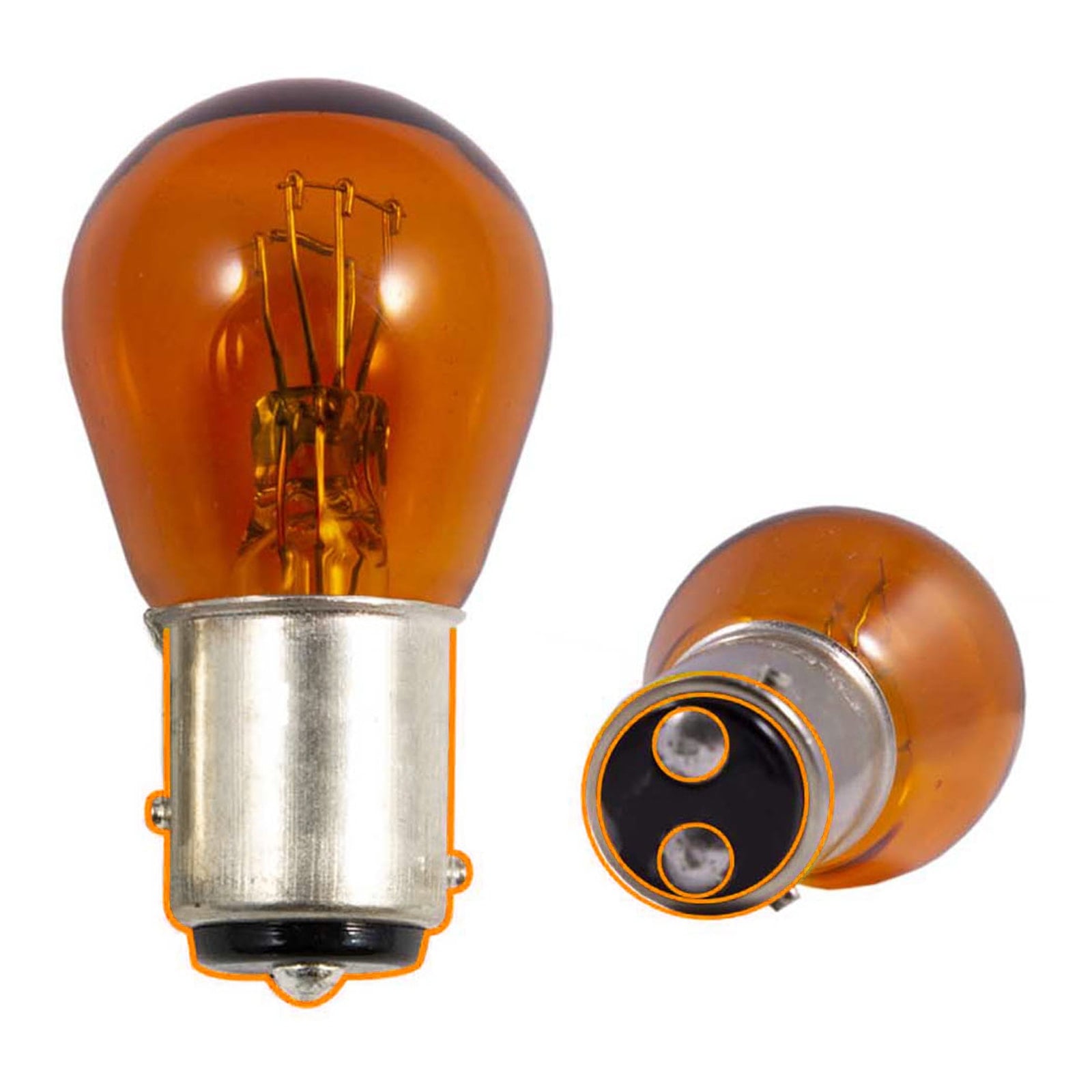
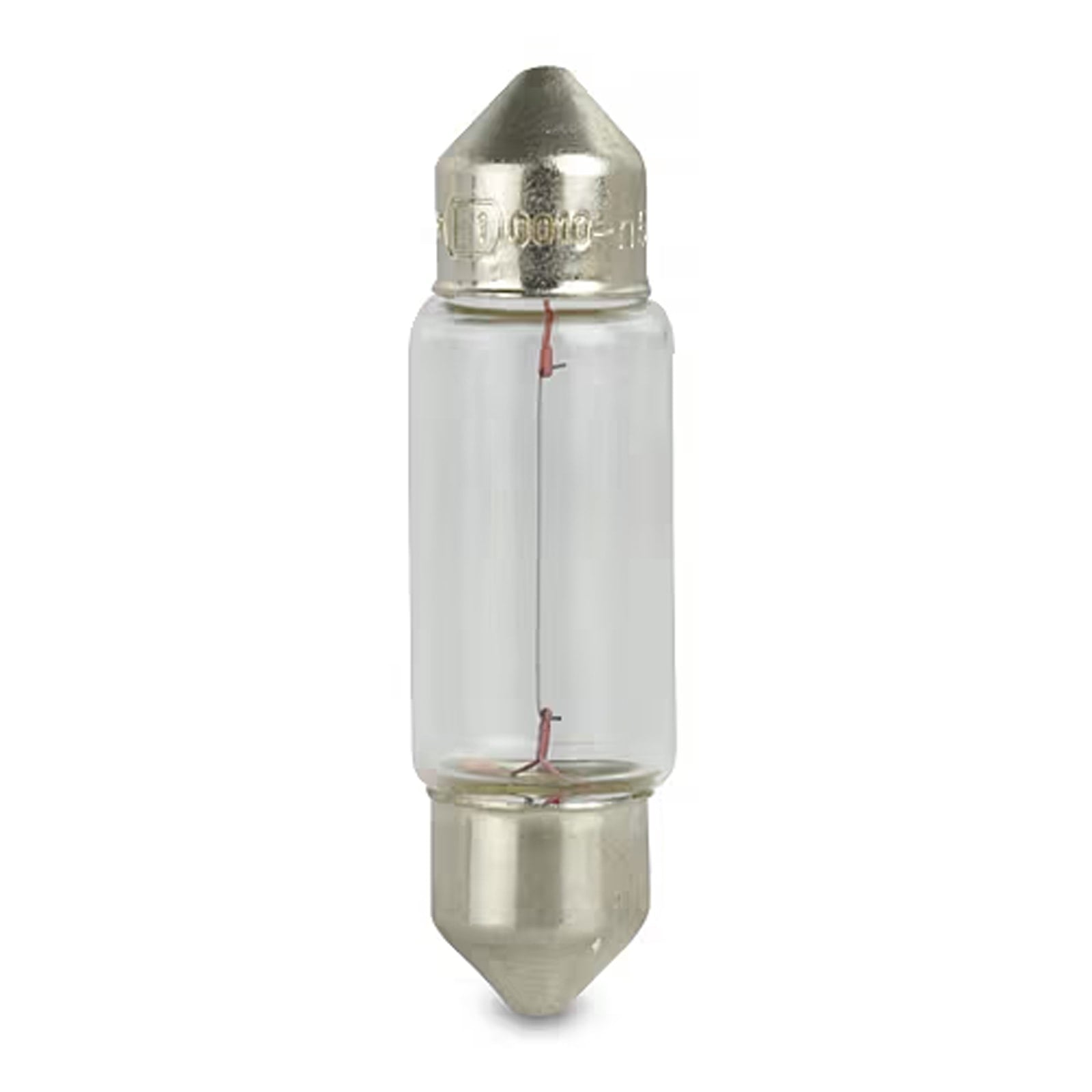
Many vehicles use dual-function bulbs for both brake and tail light operation, so confirm the right size before buying. Common brake and tail light bulb sizes include 1156, 1157, 3156, 3157, 7440, and 7443. Always check fitment first, especially if your vehicle has bulb monitoring or dash warning alerts.
FAQs About Brake Light on Dash
Why is my brake light on dash but brakes are fine?
The computer sensors are designed to detect safety risks before you experience a physical drop in braking performance. The warning can still be real even if the brakes feel normal. It may point to early low fluid, a parking brake switch, an ABS-related fault, a brake pad wear sensor, a loose connector, or wiring issue. Do not ignore it just because the pedal feels firm.
Why does my brake light on dashboard go on and off?
It often points to low brake fluid, a loose switch, a bad sensor, or wiring issue. If it happens during turns, braking, or hills, brake fluid level is one of the first things to check.
What does brake light on dash with exclamation point mean?
It usually means a brake system warning. The cause may be the parking brake, low brake fluid, brake pressure issue, worn brake pads, ABS, or a sensor problem.
Why are ABS and brake light on dash both on?
It usually means the ABS system, main brake system, or both need attention. Possible causes include low brake fluid, a bad wheel speed sensor, ABS wiring issue, brake pressure fault, or ABS module problem.
Can a bad rear brake light bulb cause a brake light on dash?
Usually, a bad rear brake light bulb triggers a bulb-out icon or brake lamp message, not the main red BRAKE warning light. Some vehicles monitor exterior lights, so the exact warning can vary by model.
Is brake light on dash the same on Toyota or Honda Accord?
The basic meaning is similar across many vehicles. On Toyota, Honda Accord, Ford, Chevy, and other models, it usually relates to the brake system, parking brake, fluid level, ABS, or sensors, but the exact symbol can vary.
Final Thoughts
A brake light on dash can be caused by something simple, but it can also point to a brake system issue that affects safety. Start with the parking brake, brake fluid, pedal feel, ABS light, and rear brake lights, but do not keep driving if the pedal feels soft, the vehicle stops poorly, or the warning keeps coming back.
If the issue turns out to be a dim or burned-out rear brake light bulb, replacing it with the correct fitment can restore proper rear visibility. SEALIGHT LED brake tail lights can be a practical option for everyday drivers, but the main priority is always to diagnose the warning correctly before replacing parts.