
 Headlight Bulbs


 Track Order
 My Vehicles
 Contact Us
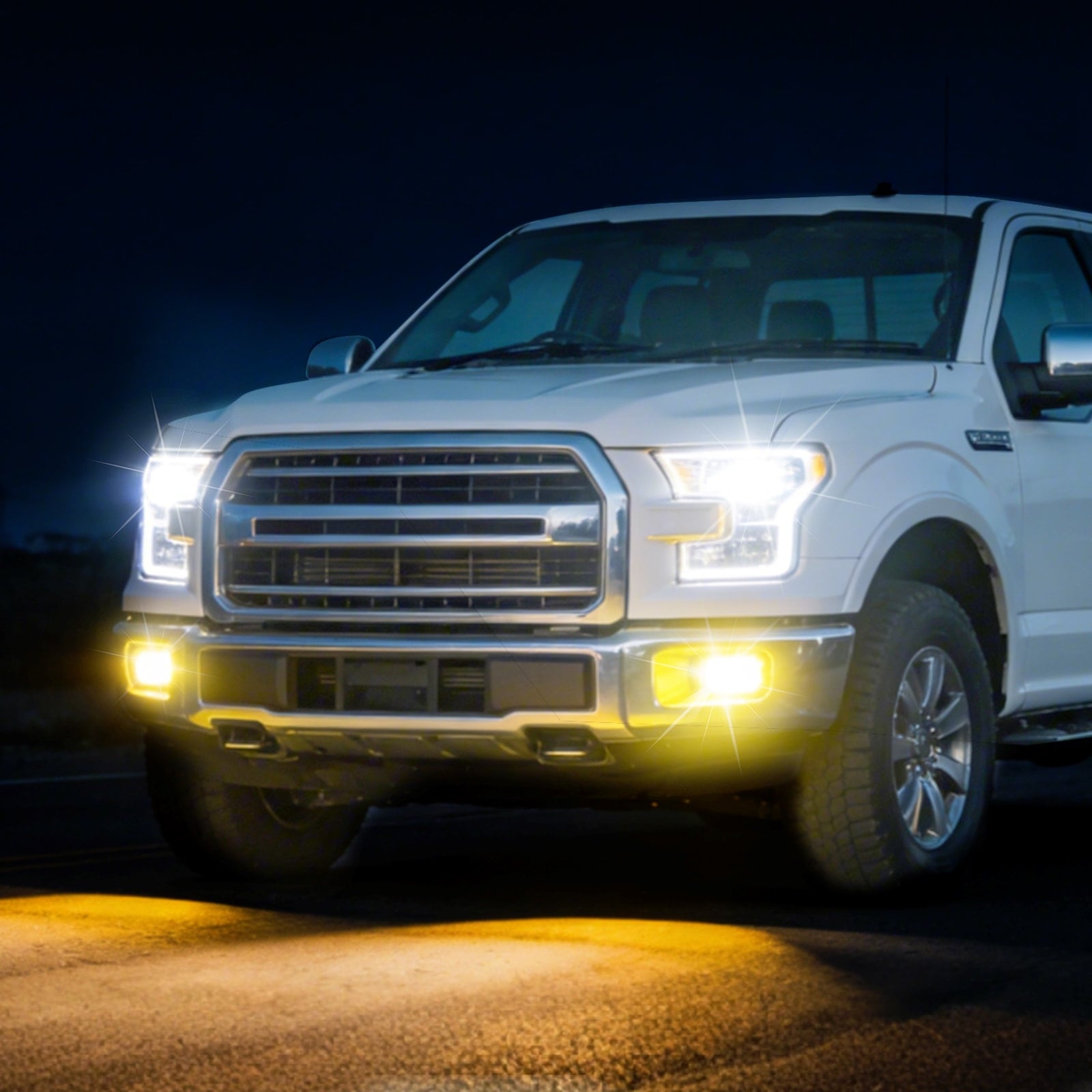


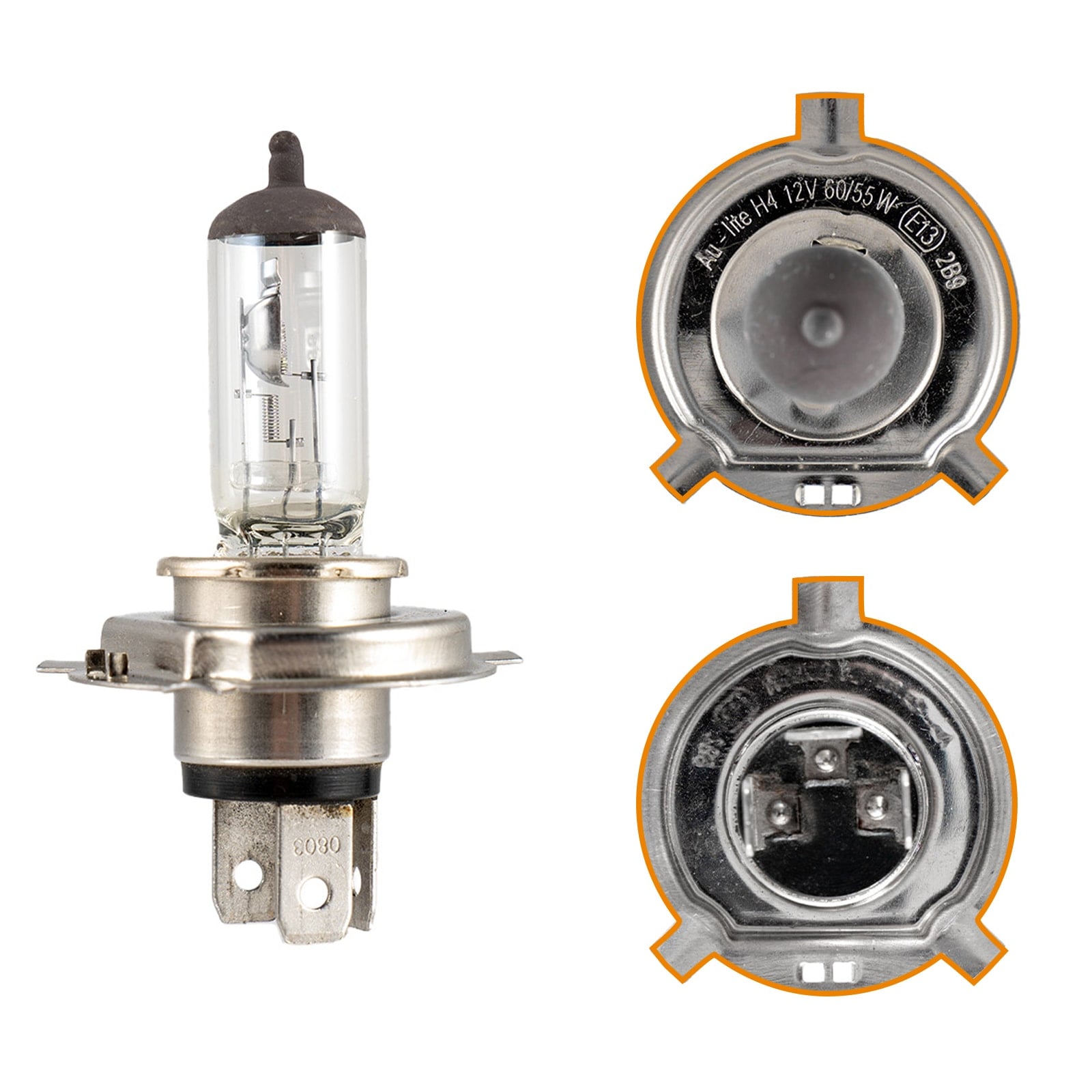
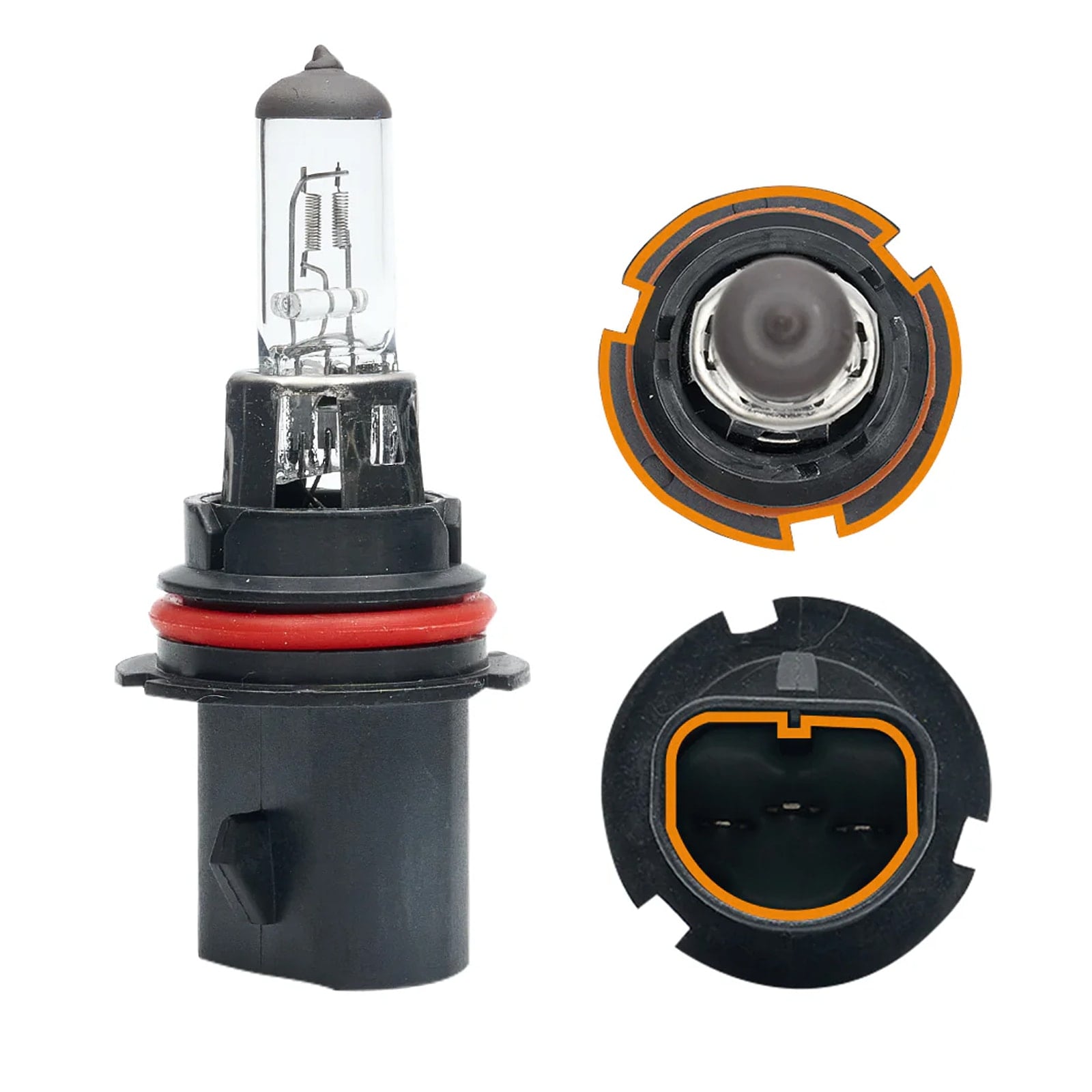
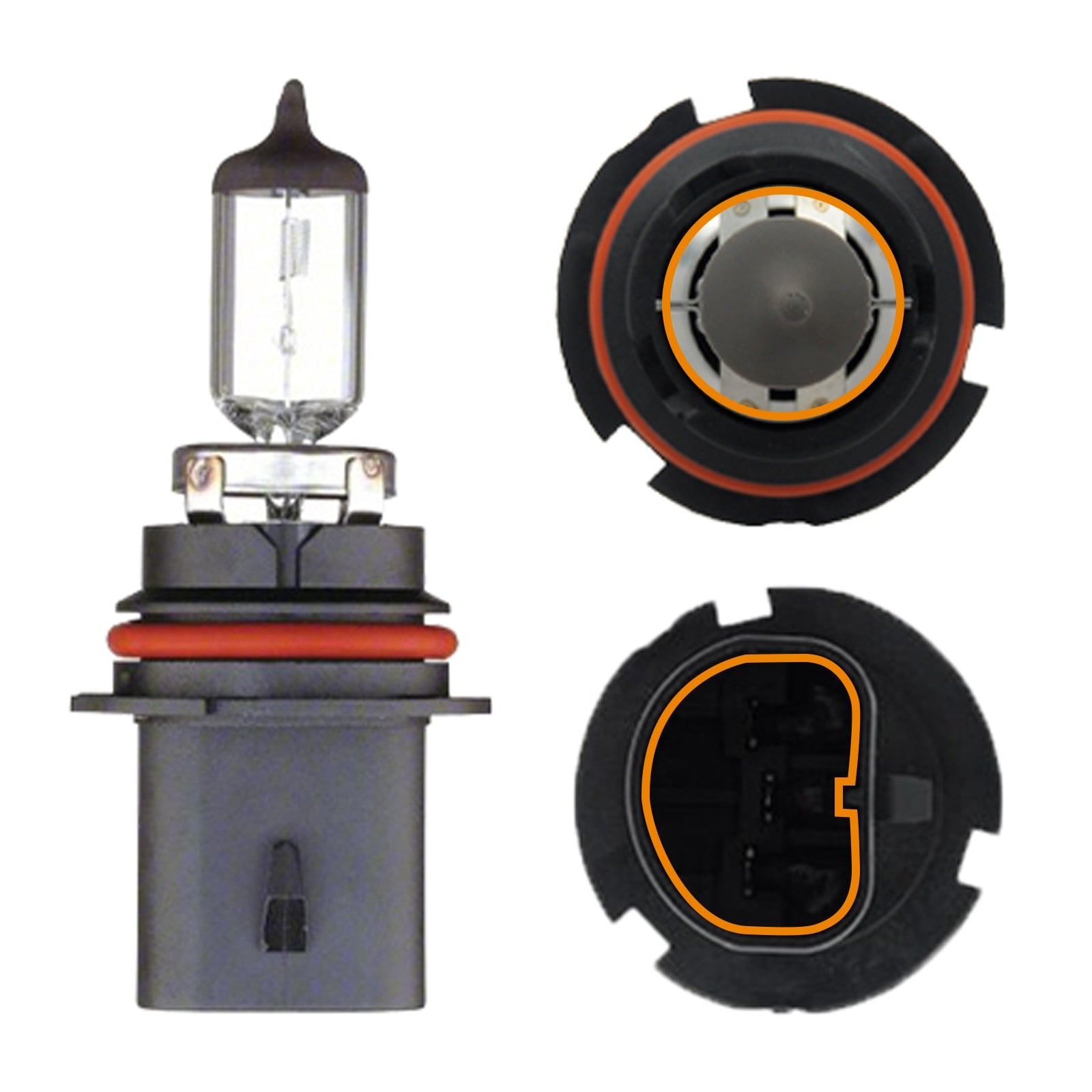
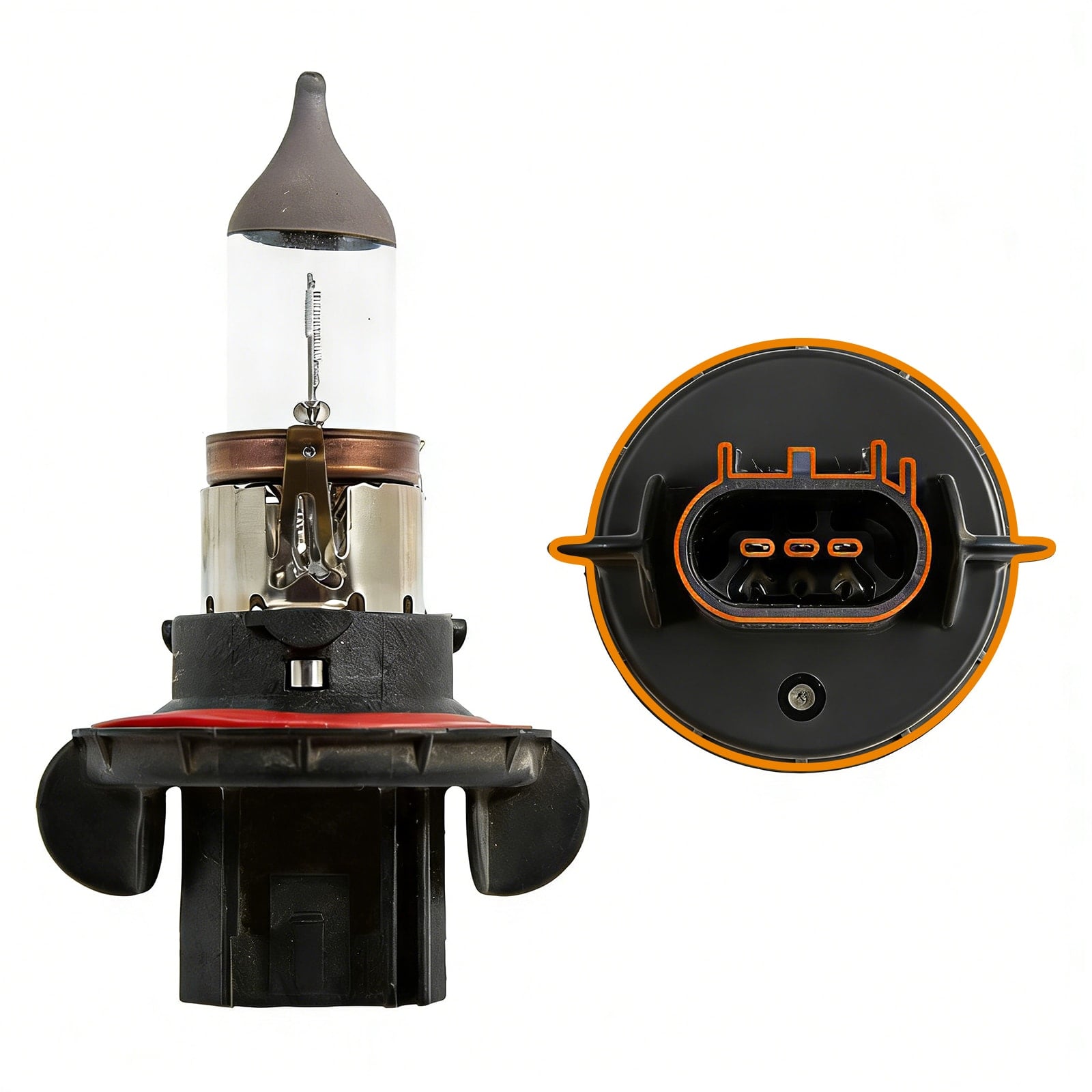











For decades, the Toyota RAV4 has held its ground as one of America’s favorite compact SUVs, loved for its practical sizing, excellent fuel economy, and daily versatility. Whether you are using it to navigate tight city streets or packing it up for a weekend camping trip, it has built a massive reputation as a dependable family hauler. However, no vehicle is completely flawless, and even a legendary commuter vehicle has its share of quirks. If you are in the market for one, understanding Toyota RAV4 reliability and knowing the Common Toyota RAV4 problems can save you thousands of dollars down the road.
Is the Toyota RAV4 Reliable?
When shopping for a compact SUV, the big question on everyone's mind is simple: is Toyota RAV4 reliable? The short answer is yes, but it highly depends on the generation and the specific model year you choose.
To get an objective look, we can check out the official Toyota RAV4 ratings from major automotive authority sites. RepairPal gives the RAV4 an impressive reliability rating of 4.0 out of 5.0, which ranks it a solid 3rd out of 26 compact SUVs. Its average annual repair cost sits right around $429, which is exceptionally low and comfortably below the average for its class.
J.D. Power scores vary by model year, so use the rating for the exact vehicle you are considering rather than treating one score as representative of every RAV4.
Overall, the RAV4 has a strong reliability record, but its risk profile still varies by generation, powertrain, maintenance history, and individual vehicle condition.
Common Problems with the Toyota RAV4
Transmission Hesitation and Jerky Shifting
The best-documented low-speed hesitation issue applies to some 2019 RAV4 models with the 8-speed automatic. Toyota service bulletin T-SB-0107-19 describes hesitation from a slow roll or rolling stop under specific conditions and provides an ECM calibration update. A test drive should still include repeated low-speed acceleration and stop-and-go driving, because not every hesitation complaint has the same cause.
Excessive Oil Consumption (Older 2.4L Engines)
Some RAV4s equipped with the 2.4L 2AZ-FE engine can develop excessive oil consumption. Toyota service information covered certain 2006–2011 vehicles with that engine, so buyers should check the oil level, review service records, and ask whether an oil-consumption test or piston repair was completed. The issue does not affect every vehicle, but neglected low oil can cause serious engine damage.
Roof Rail Water Leaks
Toyota’s Customer Support Program 22TE05 covers verified roof-rail water leaks on certain 2019–2021 RAV4 and RAV4 Hybrid vehicles and certain 2021 RAV4 Prime vehicles. The leak can originate at deteriorated seals around the roof-rail mounting clips, allowing water into the headliner and nearby trim. Check the VIN, inspect for water stains or musty odors, and confirm whether the repair has already been performed.
Coolant Bypass Valve Failures
Some newer RAV4s may display the warning “Engine Maintenance Required, Visit Your Dealer.” That message indicates an engine or engine-component fault and should be diagnosed by scanning for trouble codes. A failed coolant flow-shutoff or bypass valve is one known cause on affected vehicles, but the warning is not proof that the valve itself has failed.
What to Look For When Buying a Used Toyota RAV4
When you are inspecting a used Toyota RAV4, your primary goal should be checking the service history for consistent fluid changes. Make sure to look closely at the interior headliner around the pillars for any signs of water staining or moisture from roof leaks. Additionally, take it on a thorough test drive to see how the transmission behaves during low-speed acceleration and stop-and-go driving scenarios.
| Problem Area | Common Issues |
| Transmission | Low-speed hesitation on some 2019 8-speed models; an ECM update may apply |
| Engine | Oil consumption on some 2.4L 2AZ-FE engines; coolant-valve faults on some newer models |
| Interior | Roof-rail water leaks on certain 2019–2021 vehicles |
| Electrical | Model-year-specific software or 12-volt battery complaints; check recalls and service history |
| Lighting | Bulb type and serviceability vary by year, trim, and headlamp package |
Lighting System Problems & LED Upgrades
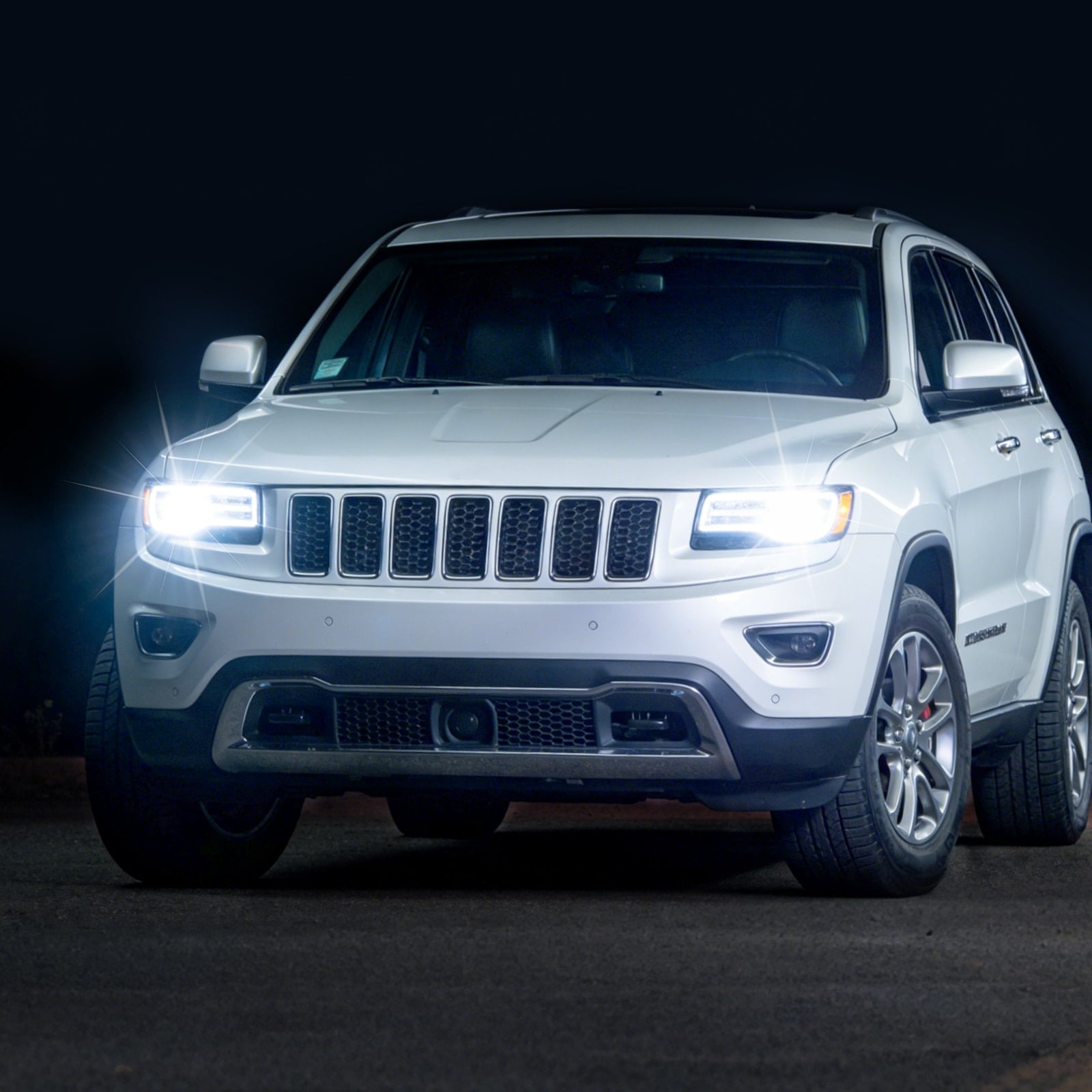
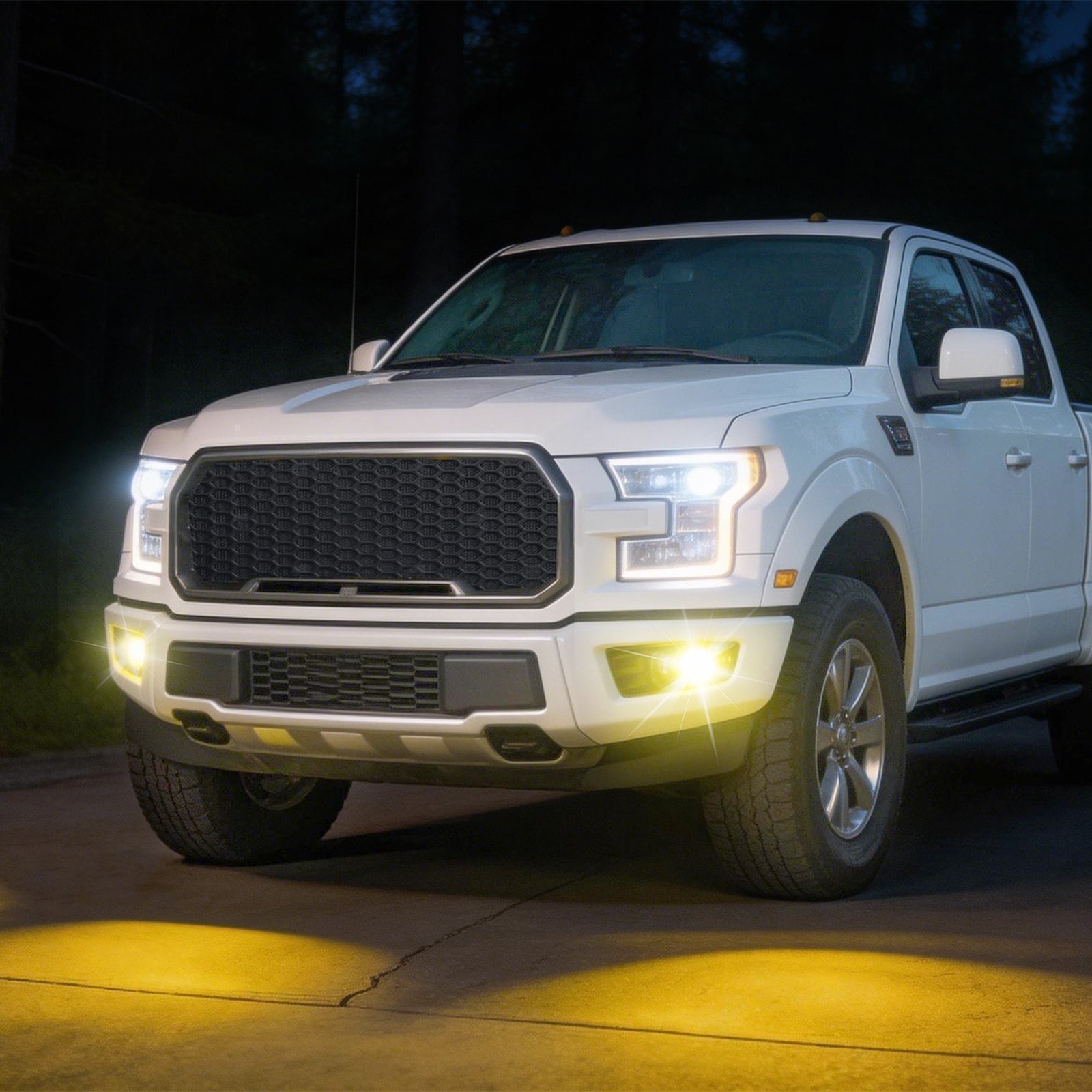
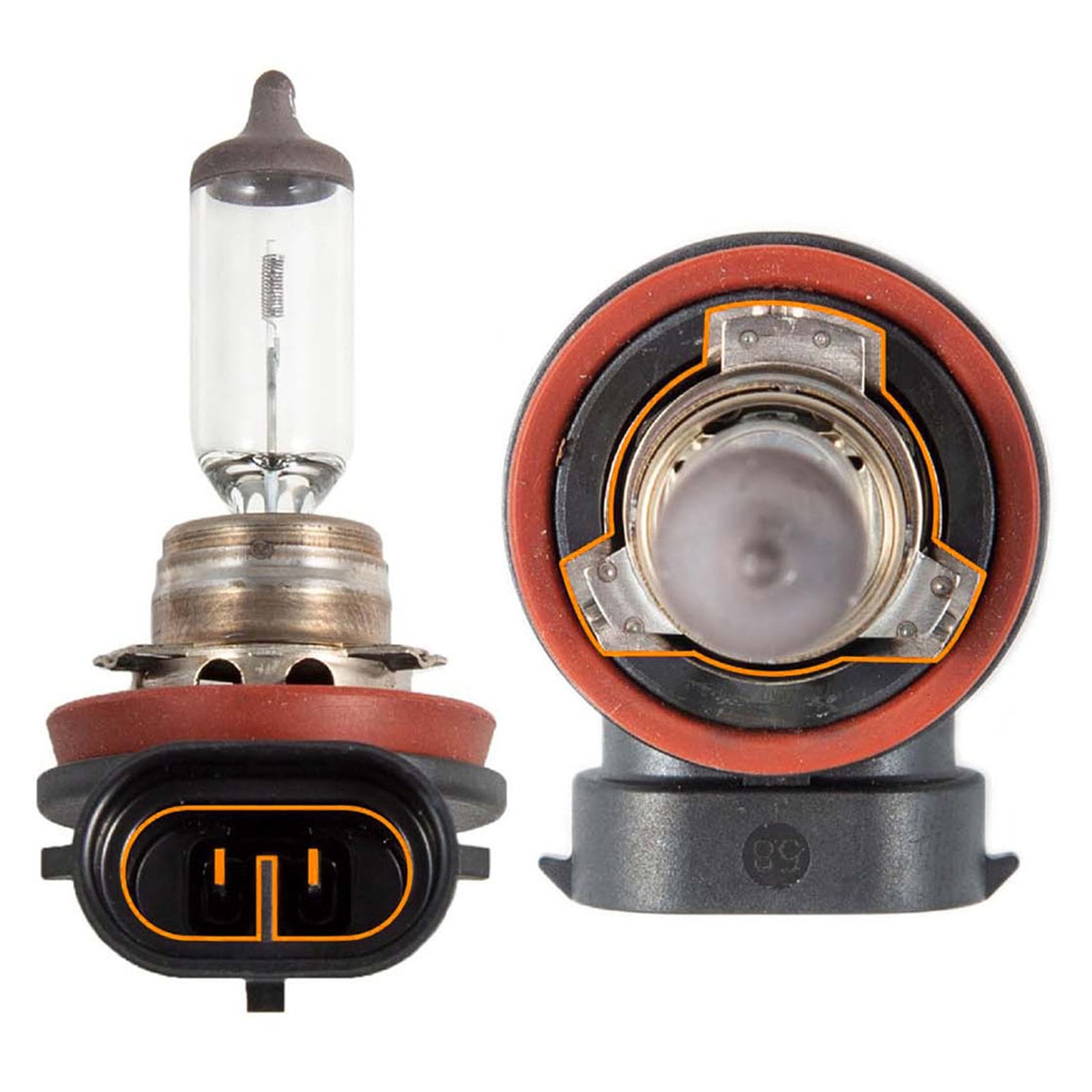
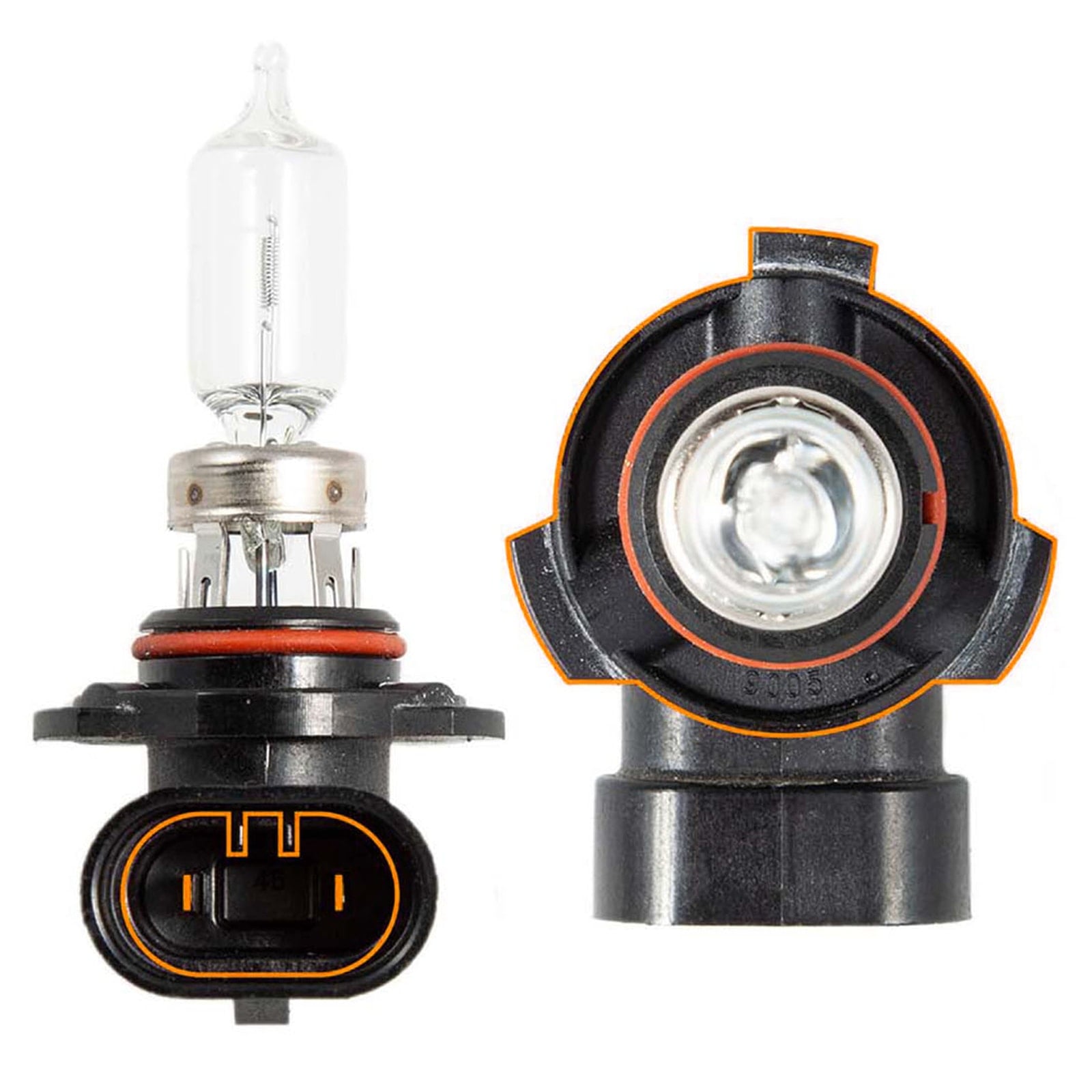
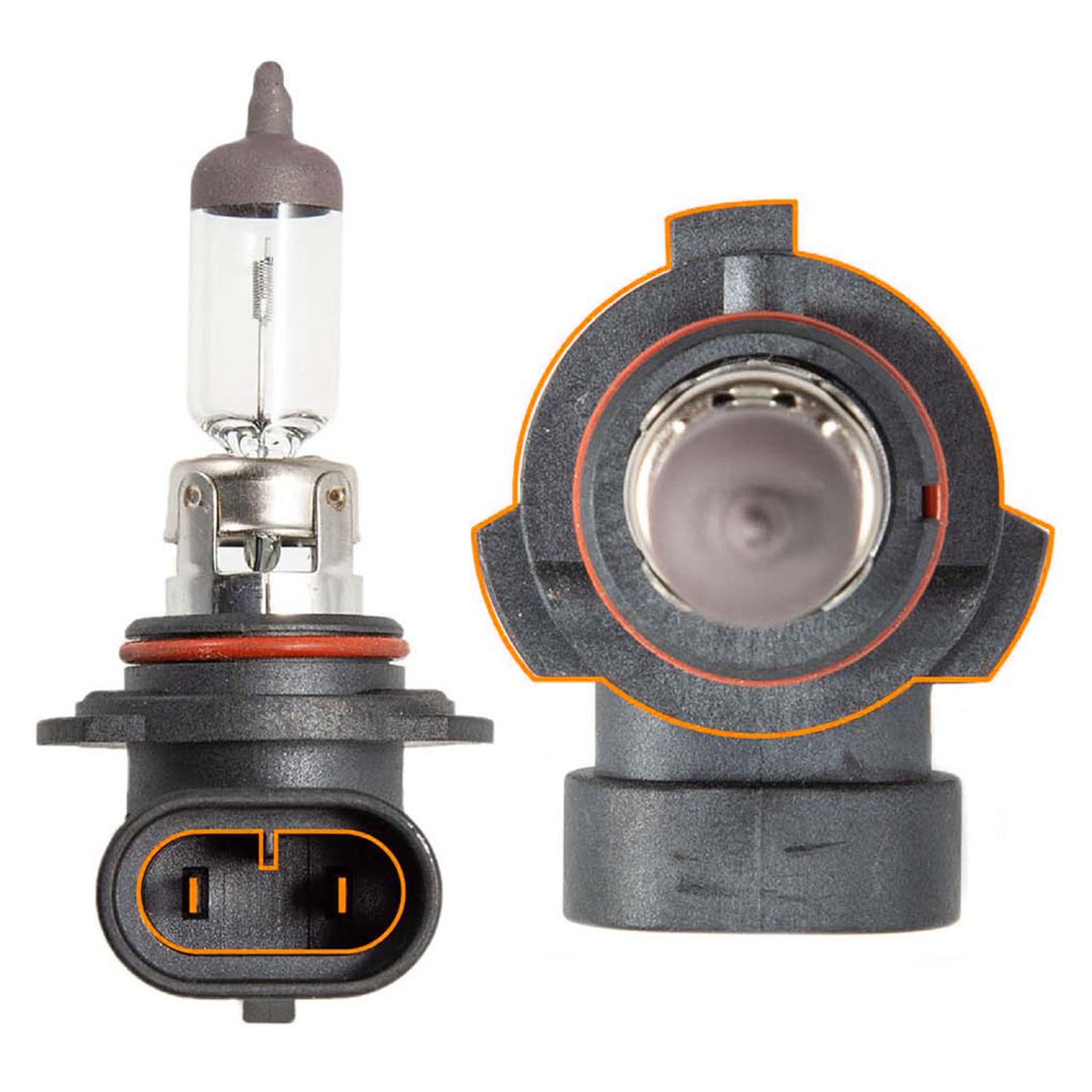
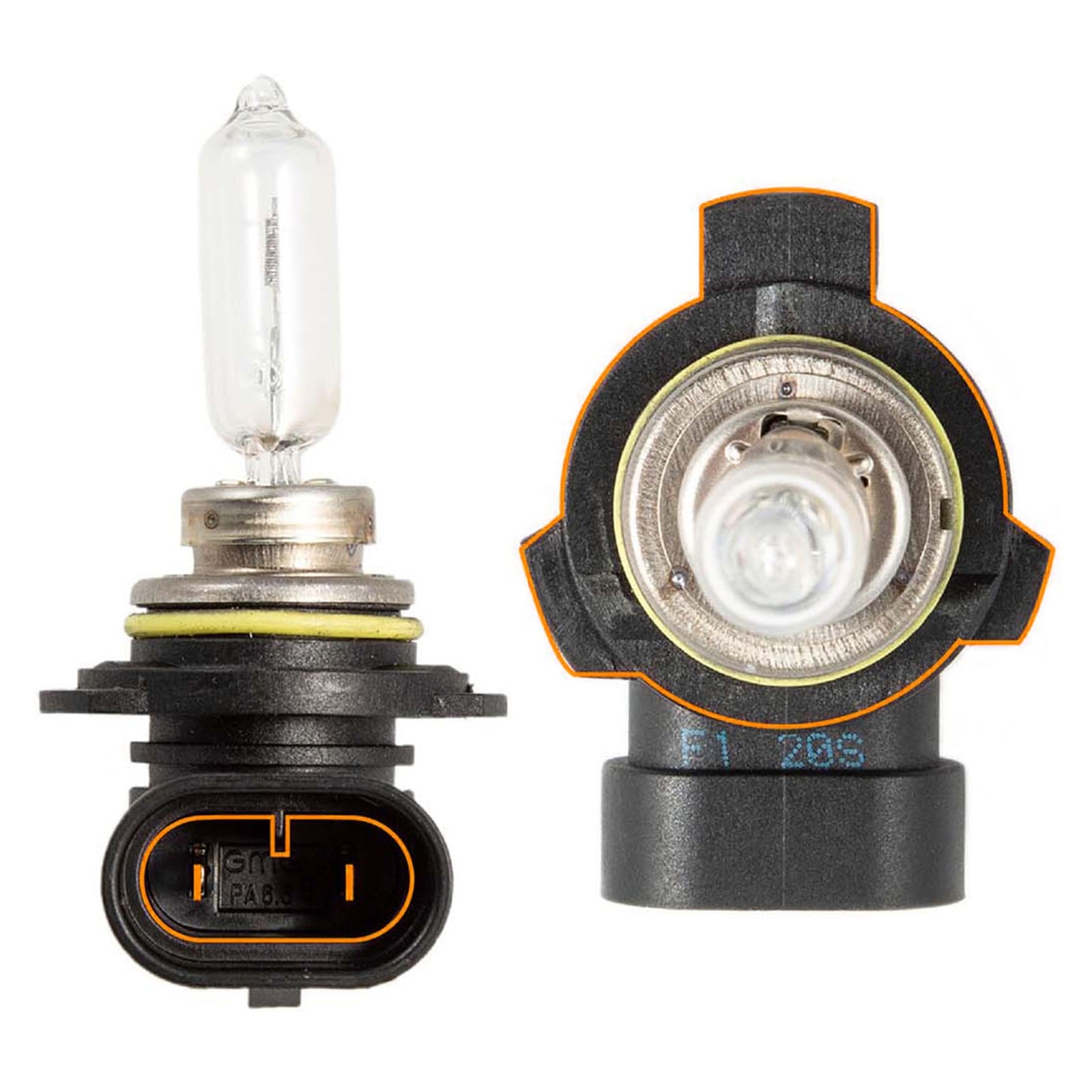
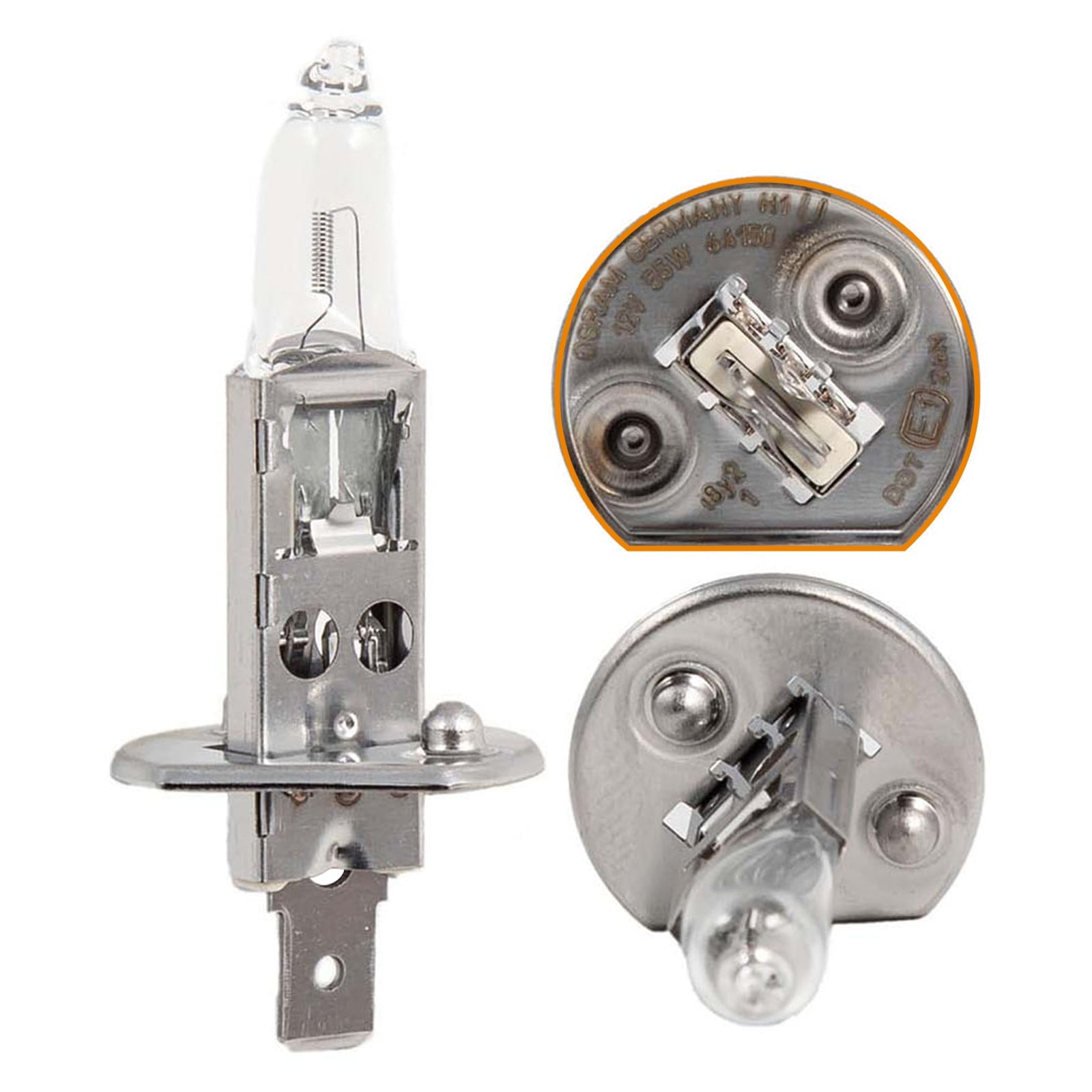
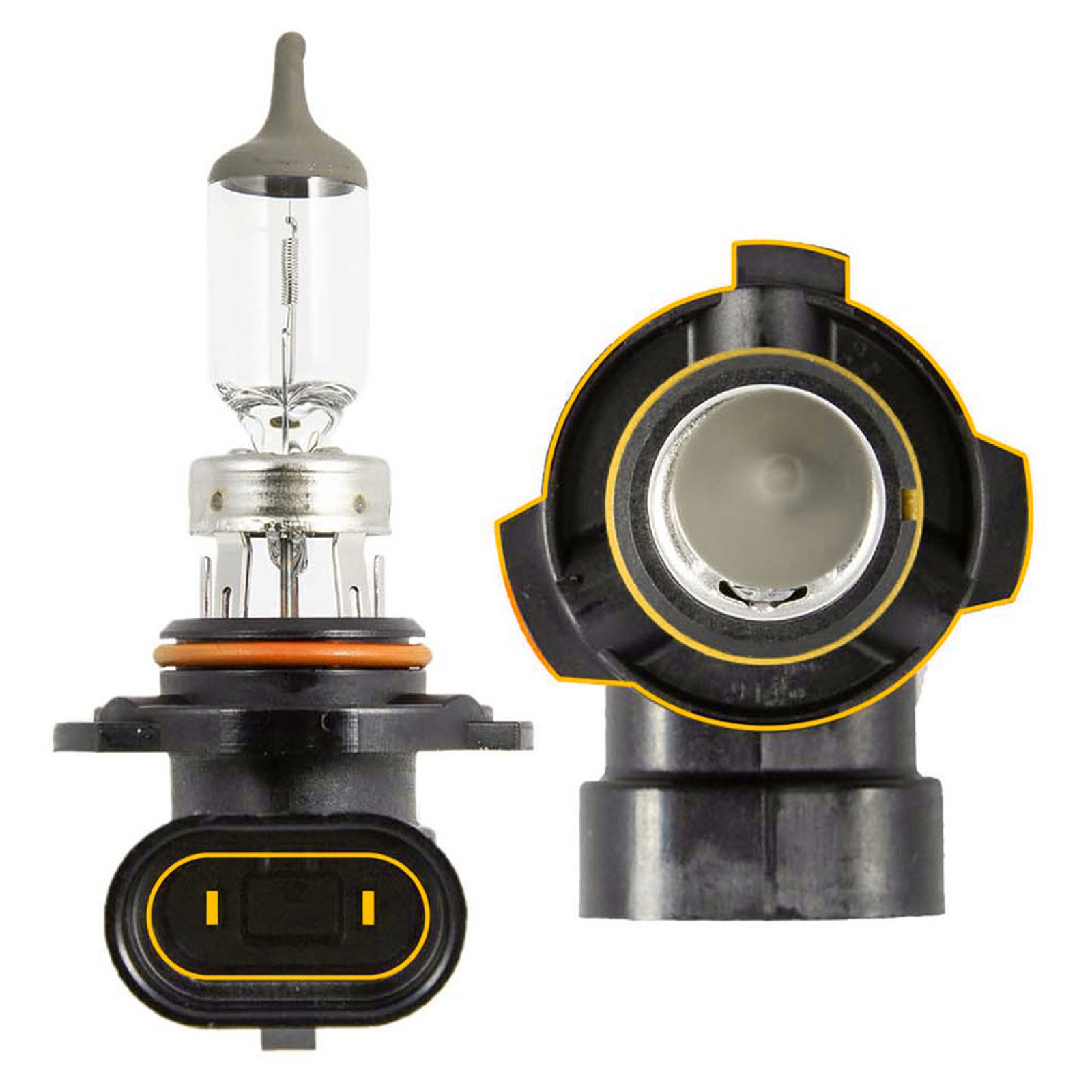
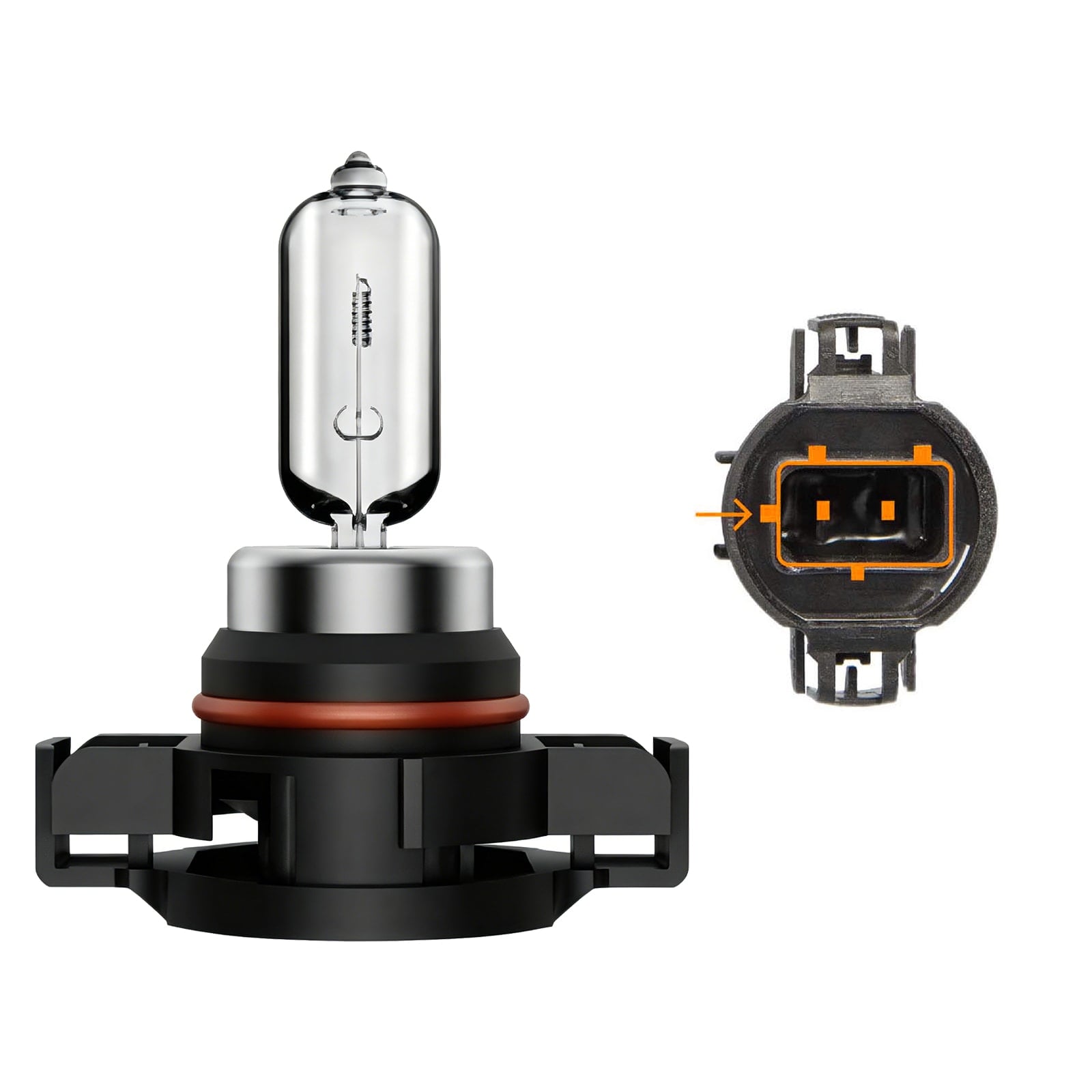
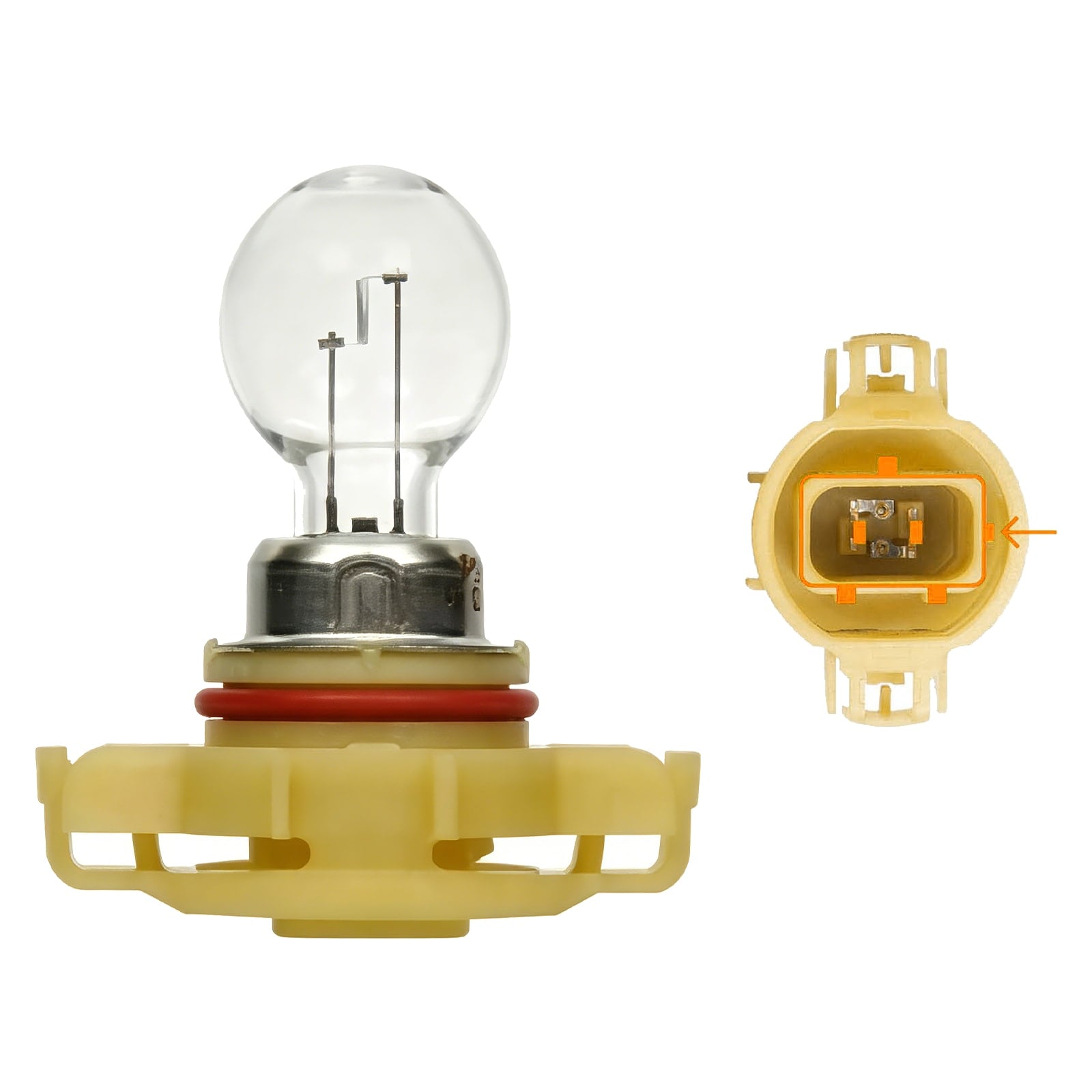
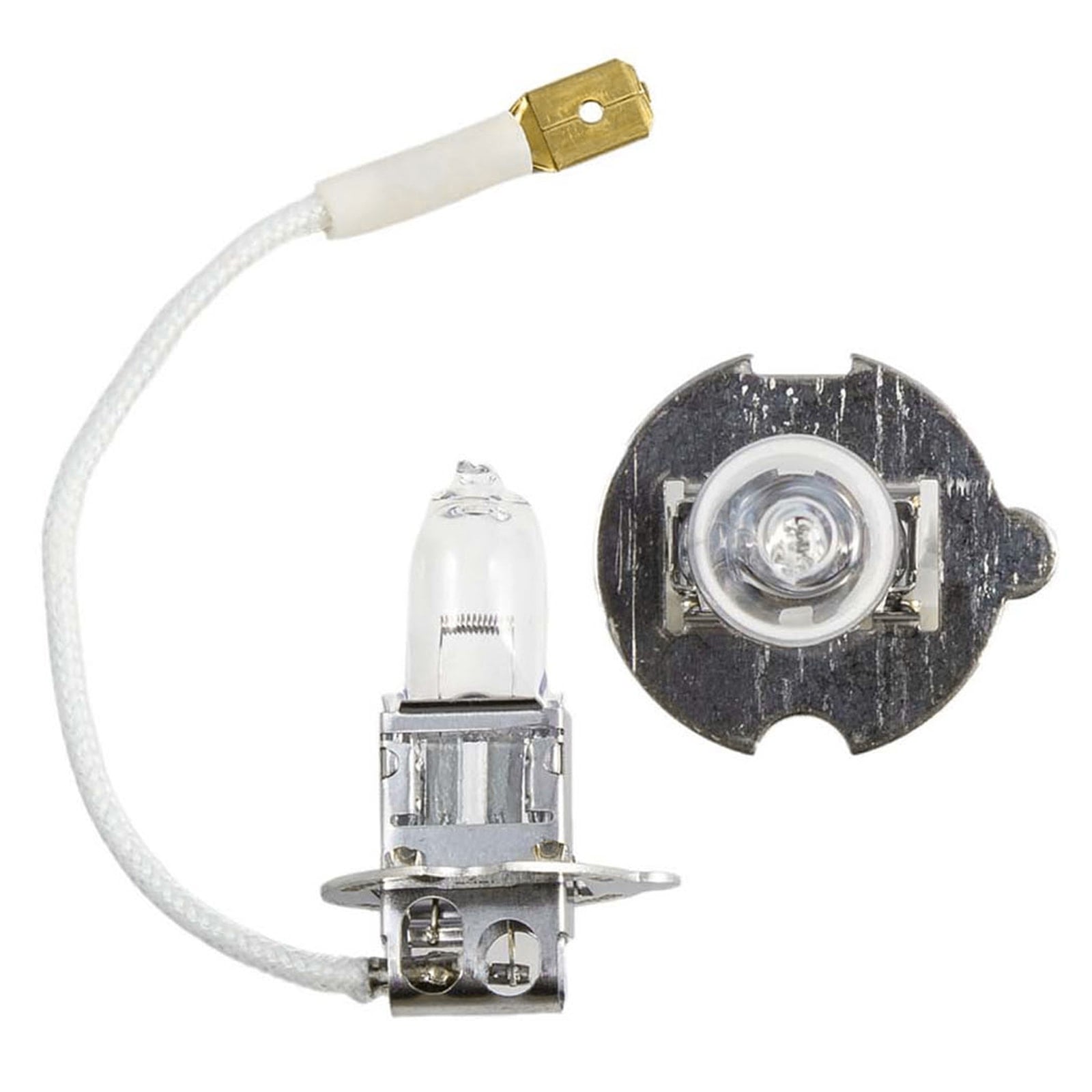
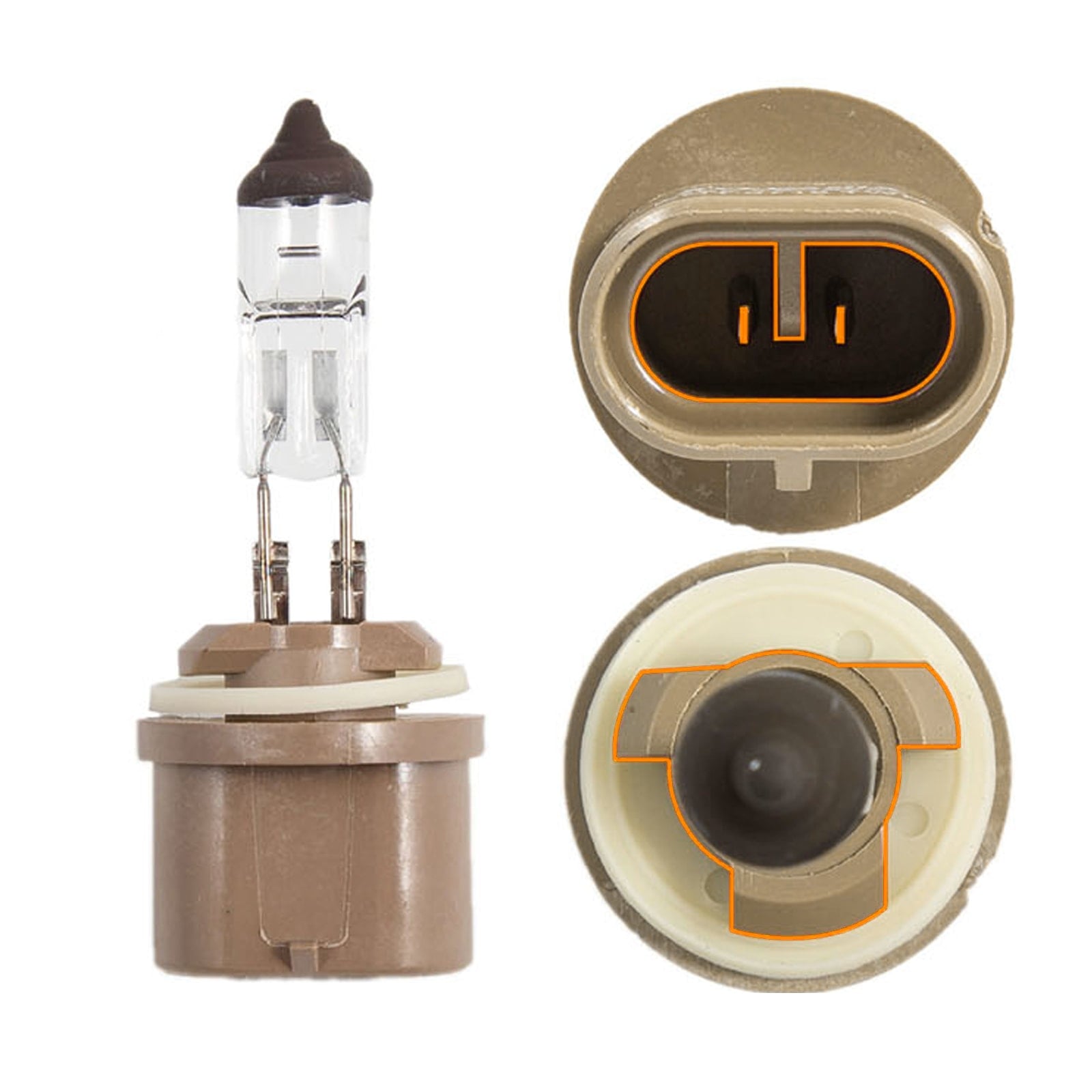
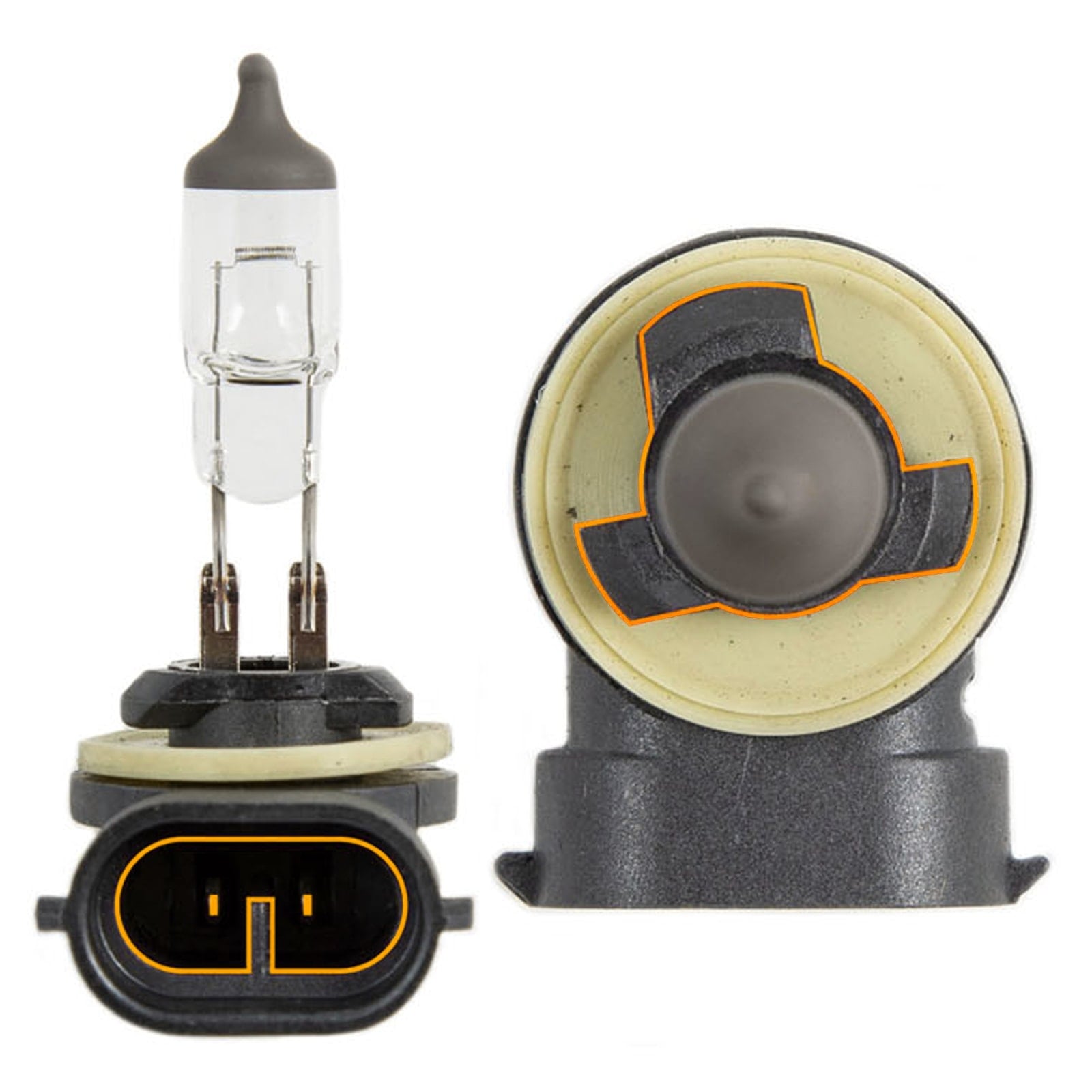
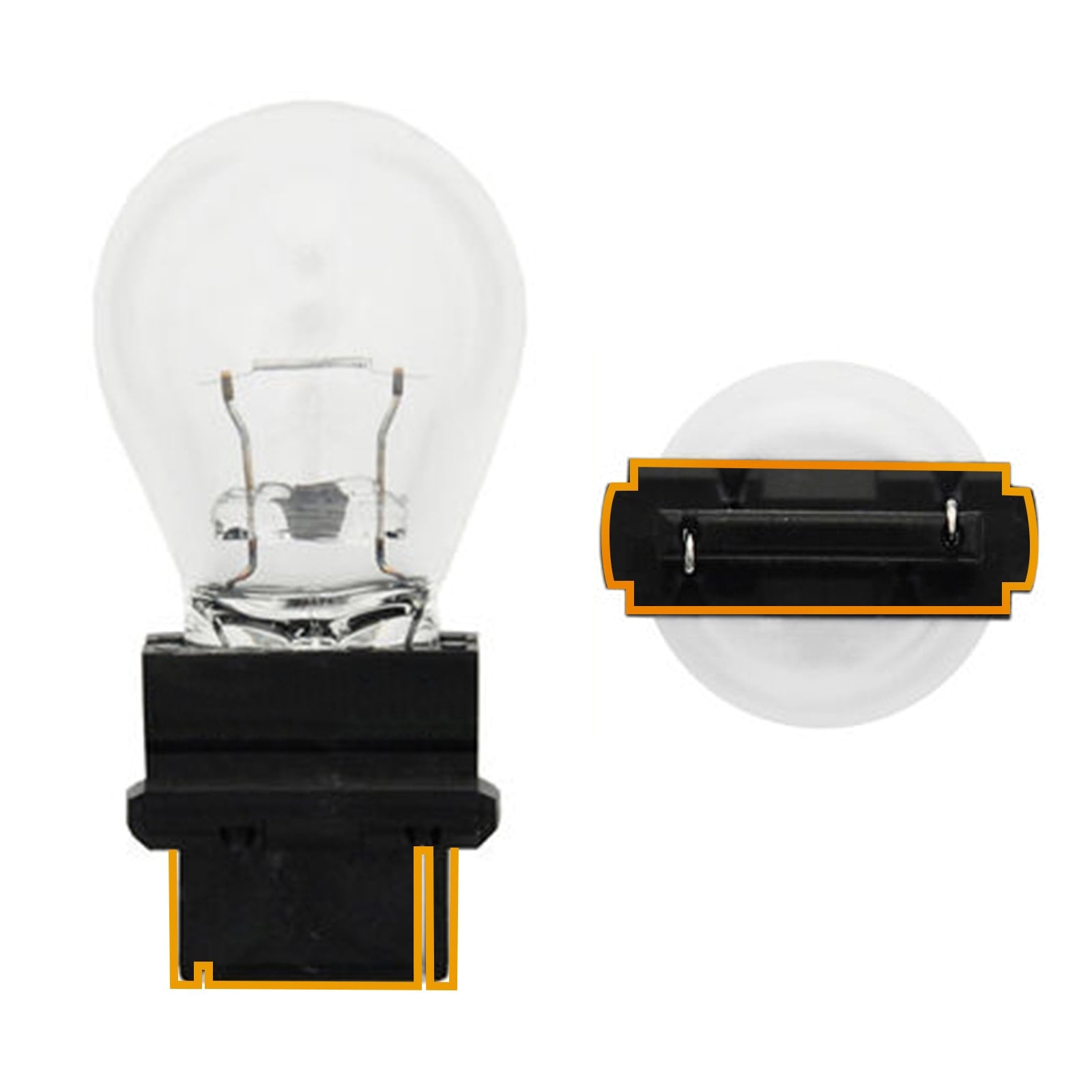
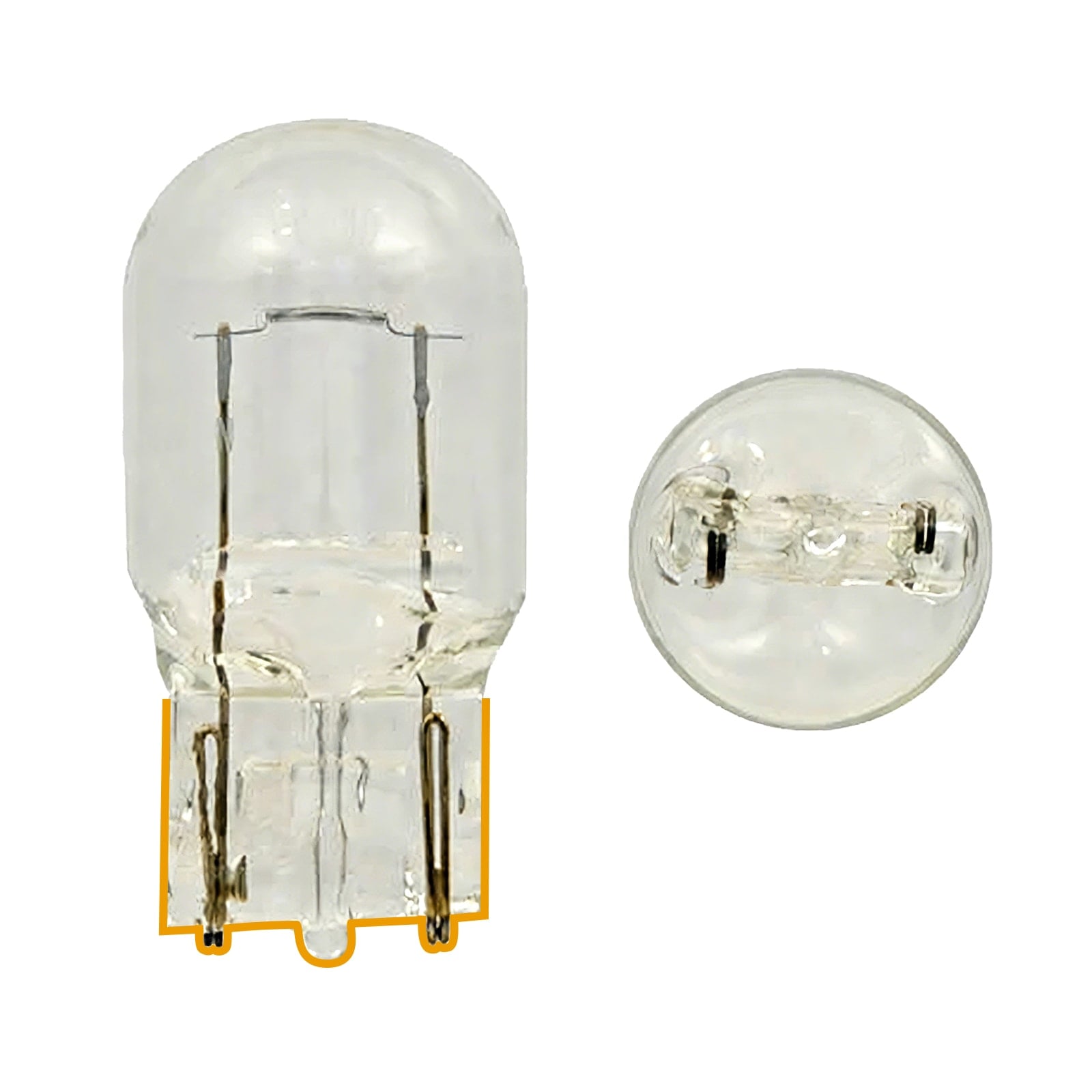
RAV4 headlight hardware varies substantially by model year and trim. Earlier halogen-equipped models use several different bulb families, while some later trims use factory LED assemblies with no conventional replaceable headlight bulb. Because fitment is not uniform, confirm the year, trim, headlamp type, and existing bulb number before ordering.
Lighting performance can also decline because of aging bulbs, cloudy lenses, moisture, poor headlamp aim, or damaged housings. On vehicles with sealed factory LED assemblies, a failed light source may require diagnosis or replacement of the complete assembly rather than a simple bulb swap.
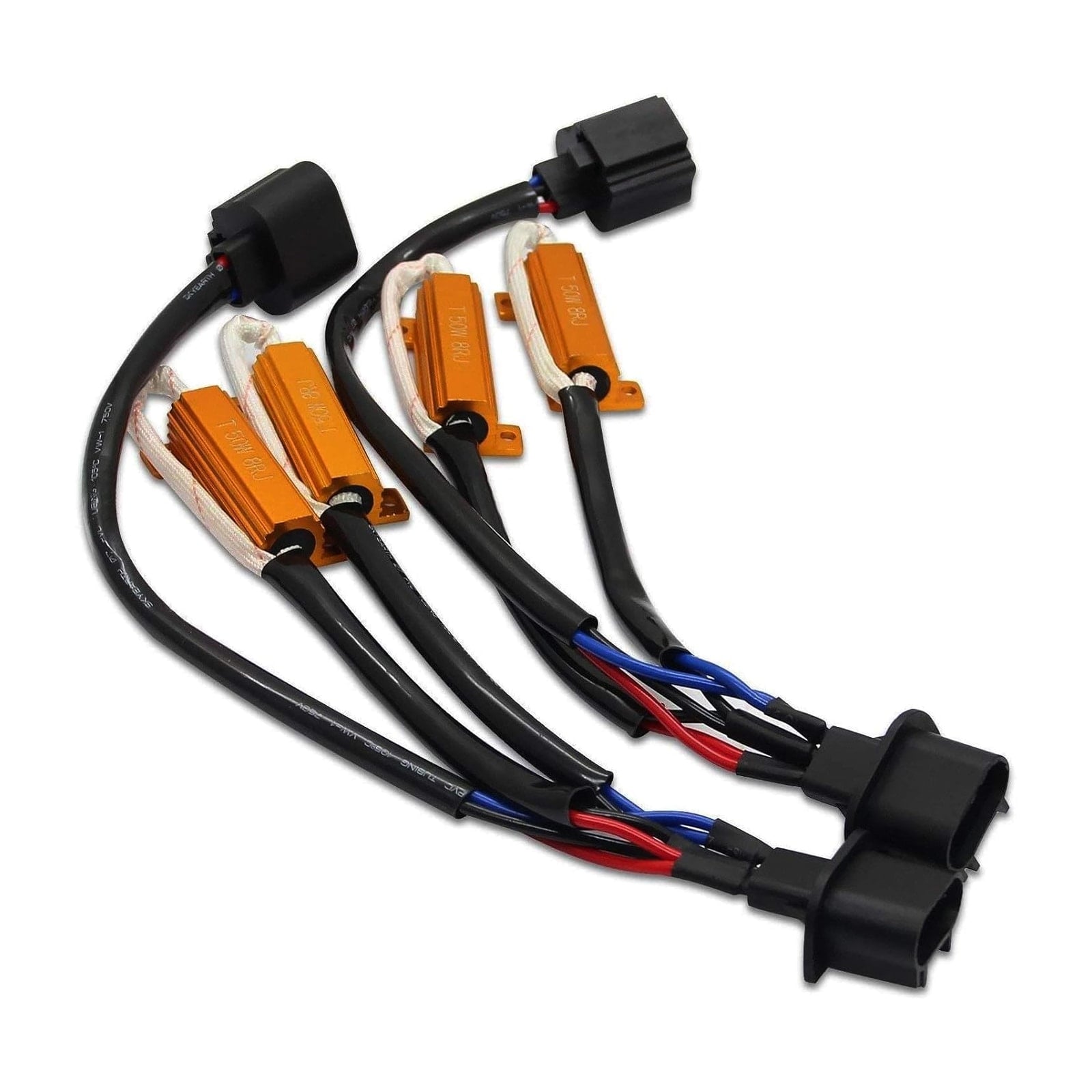
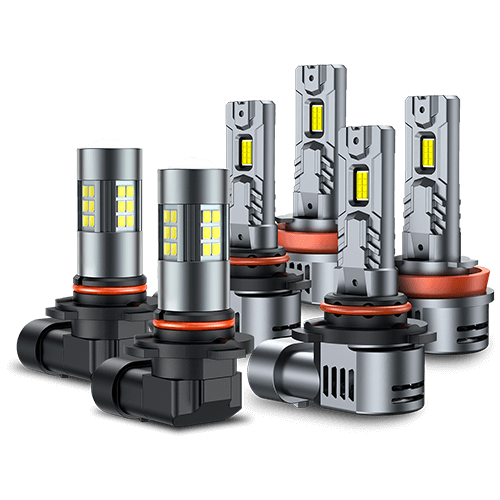
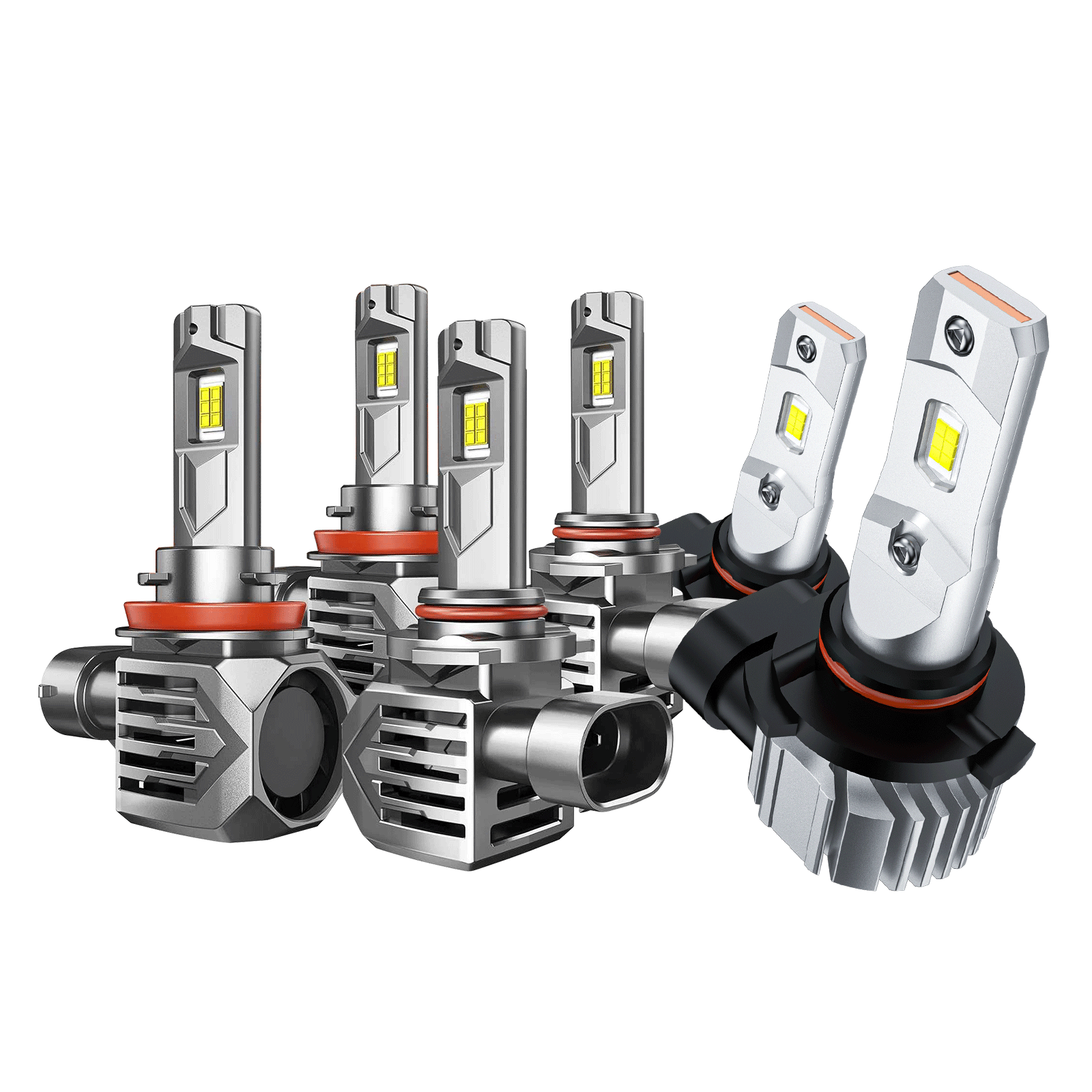
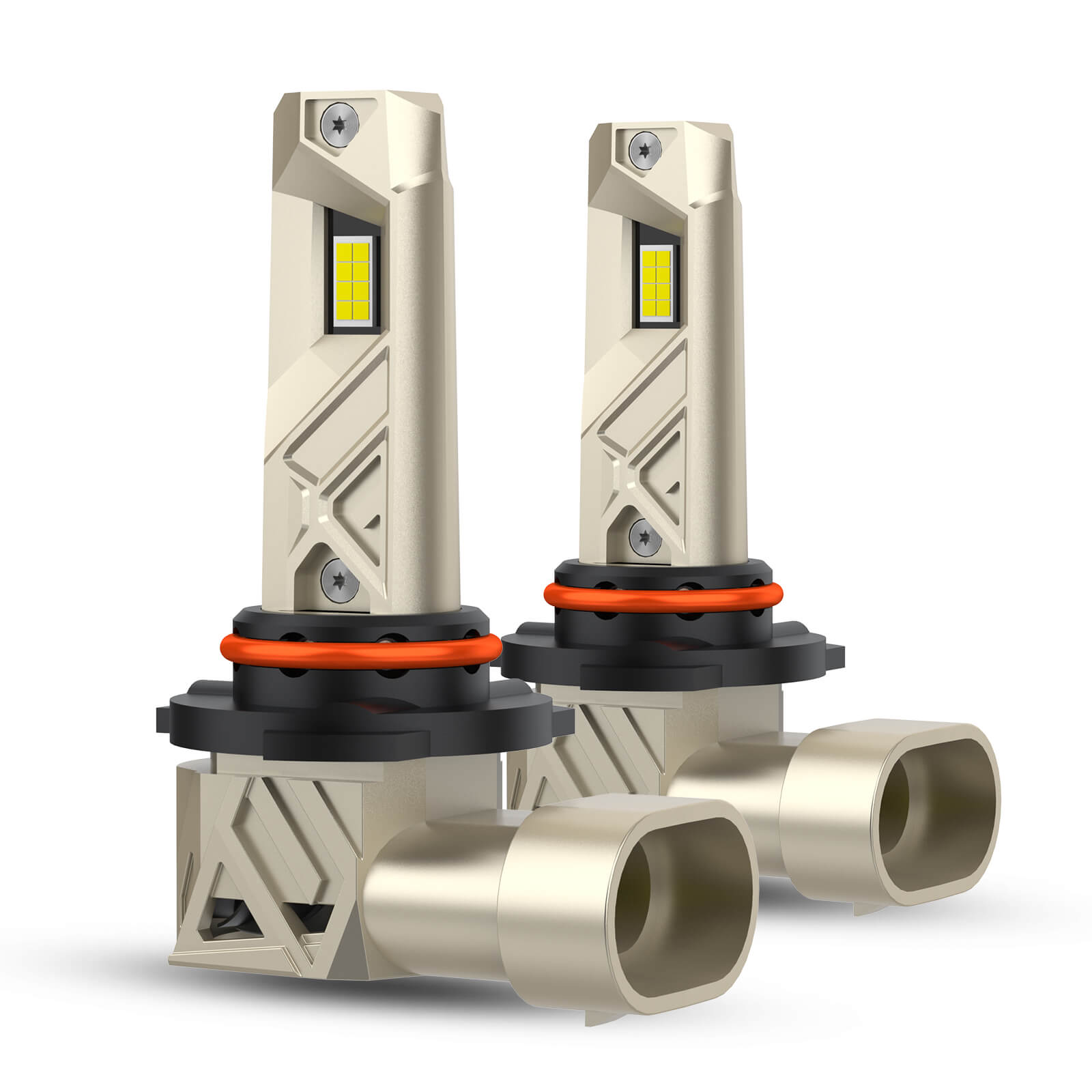
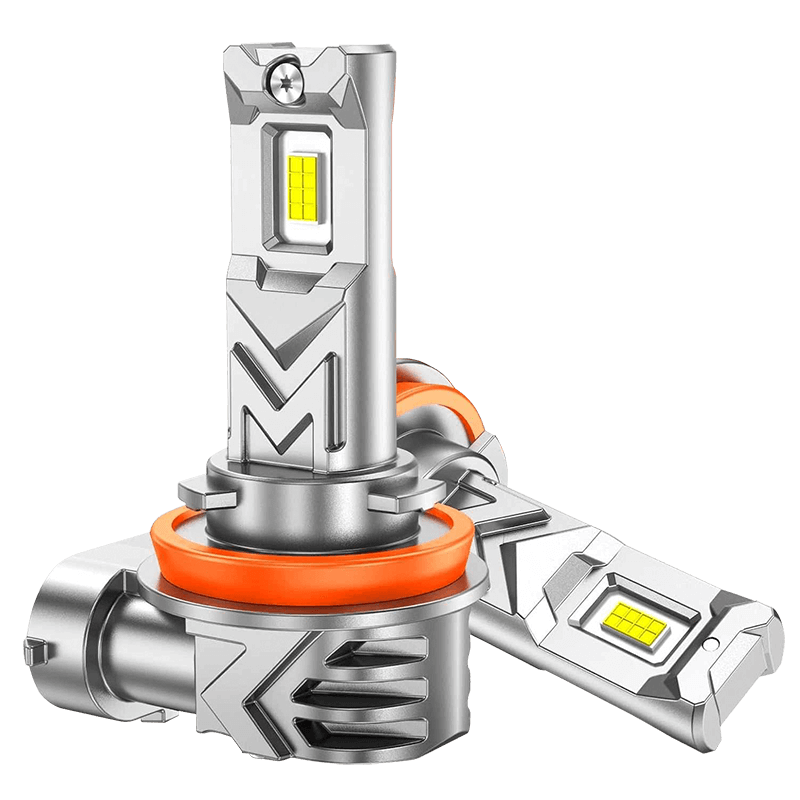
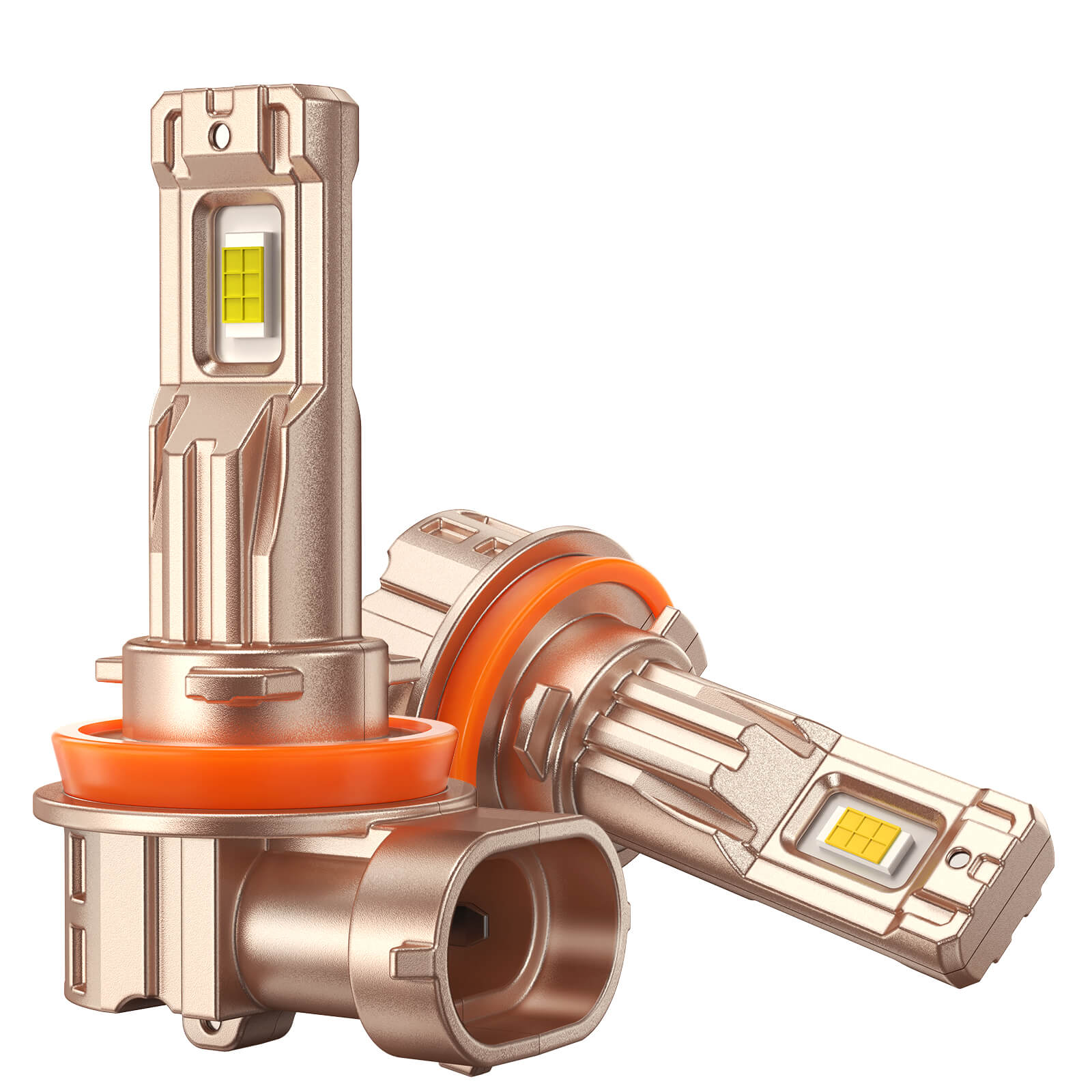
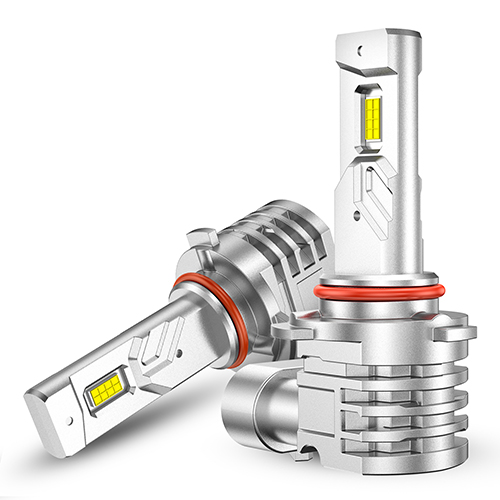
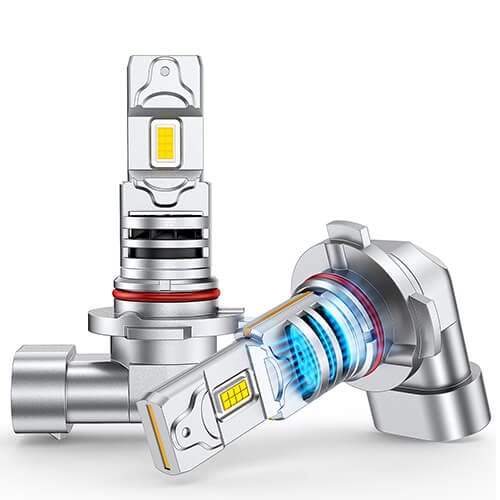
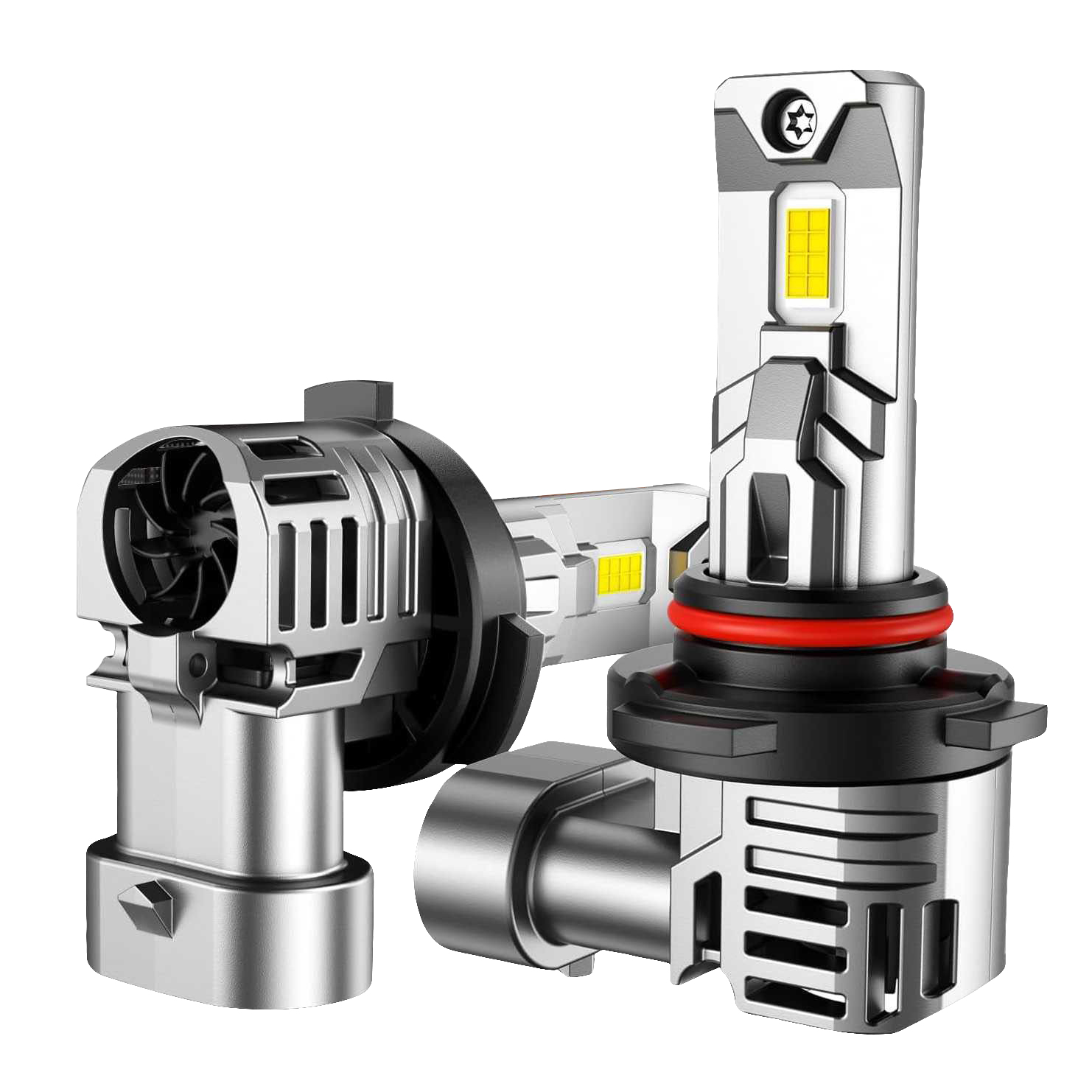
For halogen-equipped RAV4s, a compatible LED replacement may improve usable light when the bulb position, beam pattern, housing condition, and headlamp aim are all correct. Brightness claims alone do not guarantee a safe cutoff or glare-free performance, and road-use rules vary by location. Start with the Toyota RAV4 LED bulb collection, verify fitment, and re-aim the headlights after installation when needed.
For model-specific headlight and fog-light upgrade options, see the best LED bulbs for Toyota RAV4.
Not sure which bulb fits your specific RAV4 model year? Use the SEALIGHT Bulb Finder Tool to match the vehicle year, trim, lighting position, and factory bulb type before choosing an upgrade.
Toyota RAV4 Years to Research Carefully
There is no universally “best” RAV4 year, because condition, maintenance history, mileage, powertrain, and trim matter as much as the model year. The 2016–2018 models are mature fourth-generation vehicles and can be sensible used choices when they pass a pre-purchase inspection. Later fifth-generation models may also be strong options, but buyers should still check the VIN for open recalls, service campaigns, and model-year-specific bulletins.
Certain years deserve extra scrutiny rather than an automatic pass. On 2006–2008 RAV4s with the 2.4L 2AZ-FE engine, verify oil consumption and repair history. For 2019 models, test carefully for low-speed hesitation and inspect for roof-rail water intrusion; some issues were addressed through software updates or later support programs. A well-documented, properly repaired vehicle can be a better purchase than a newer one with poor maintenance records.
Toyota RAV4 vs. Honda CR-V
Powertrain differences depend on model year and trim. For 2019–2025 non-hybrid RAV4s, Toyota paired a naturally aspirated 2.5L four-cylinder with an 8-speed automatic. Many same-era non-hybrid CR-V trims use a 1.5L turbocharged engine with a CVT, while hybrid versions of both vehicles use different systems. Compare vehicles from the same model year and configuration rather than applying one powertrain description to every generation.
In practice, the RAV4 often appeals to shoppers who prefer a more conventional stepped automatic and a rugged design, while the CR-V is frequently chosen for a smoother, more car-like feel and generous rear-seat space. Neither is automatically the better choice; a same-year test drive, cargo-space check, insurance quote, and pre-purchase inspection are more useful than a brand-level generalization.
Upgrade Your Toyota RAV4 with SEALIGHT
At the end of the day, long-term Toyota RAV4 reliability depends on maintenance, repair history, and choosing a vehicle whose known issues have been addressed. Stay current on fluid service, investigate warning messages promptly, and inspect common trouble areas before they become expensive repairs. For halogen-equipped vehicles, a correctly fitted lighting upgrade can improve nighttime visibility, but compatibility and beam aim matter more than headline brightness. By understanding common Toyota RAV4 problems and selecting parts for the exact year and trim, you can make a safer, better-informed ownership decision.