
 Headlight Bulbs


 Track Order
 My Vehicles
 Contact Us

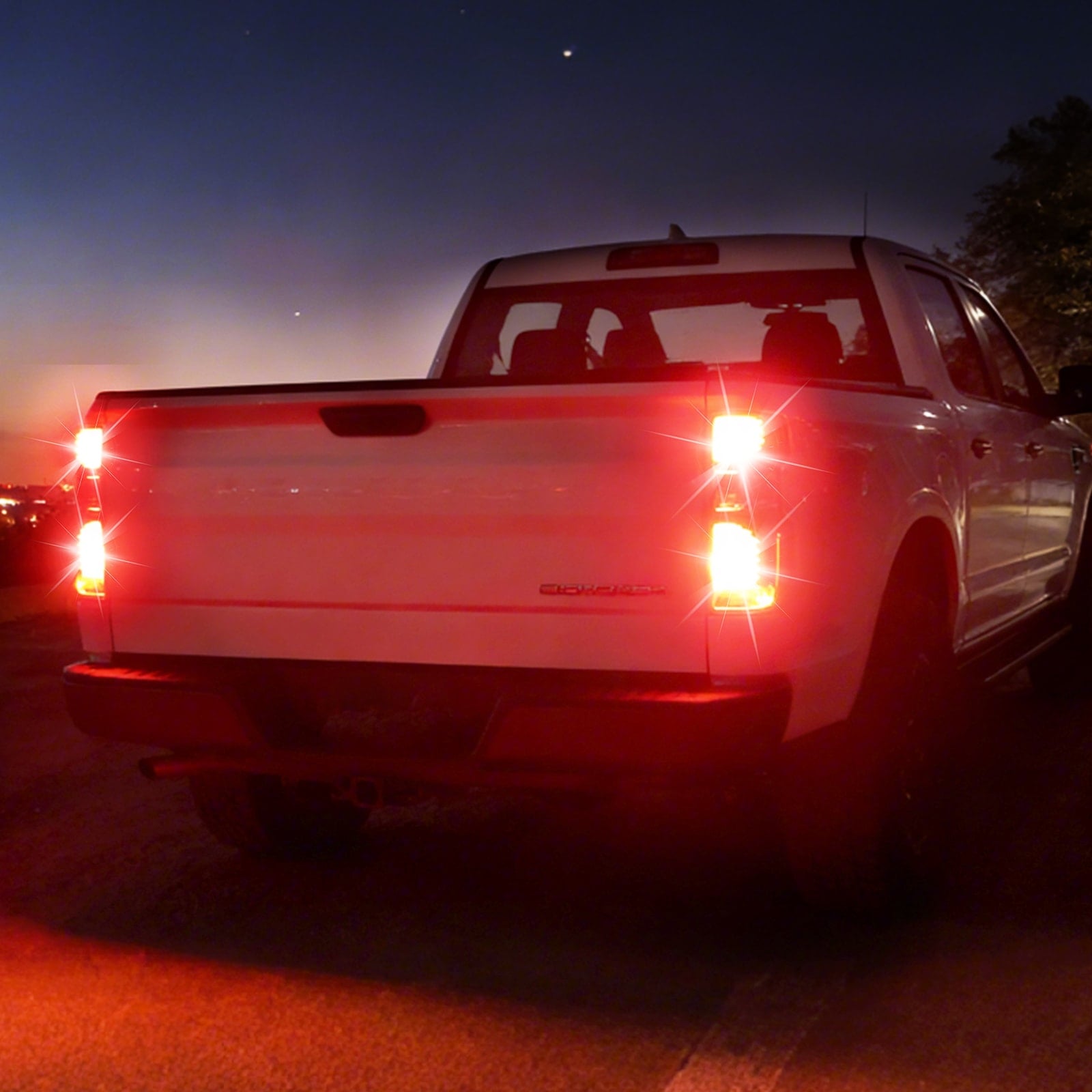
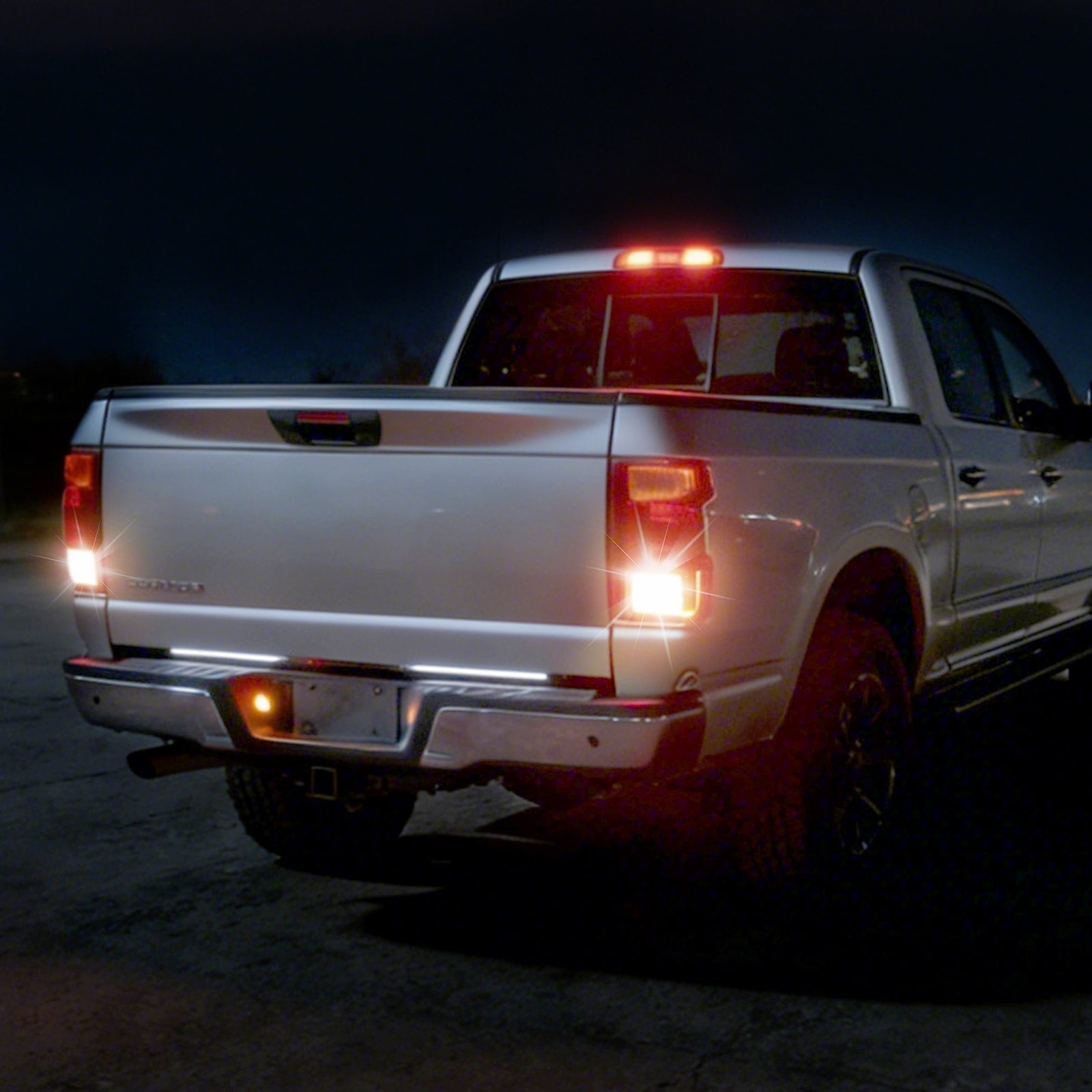
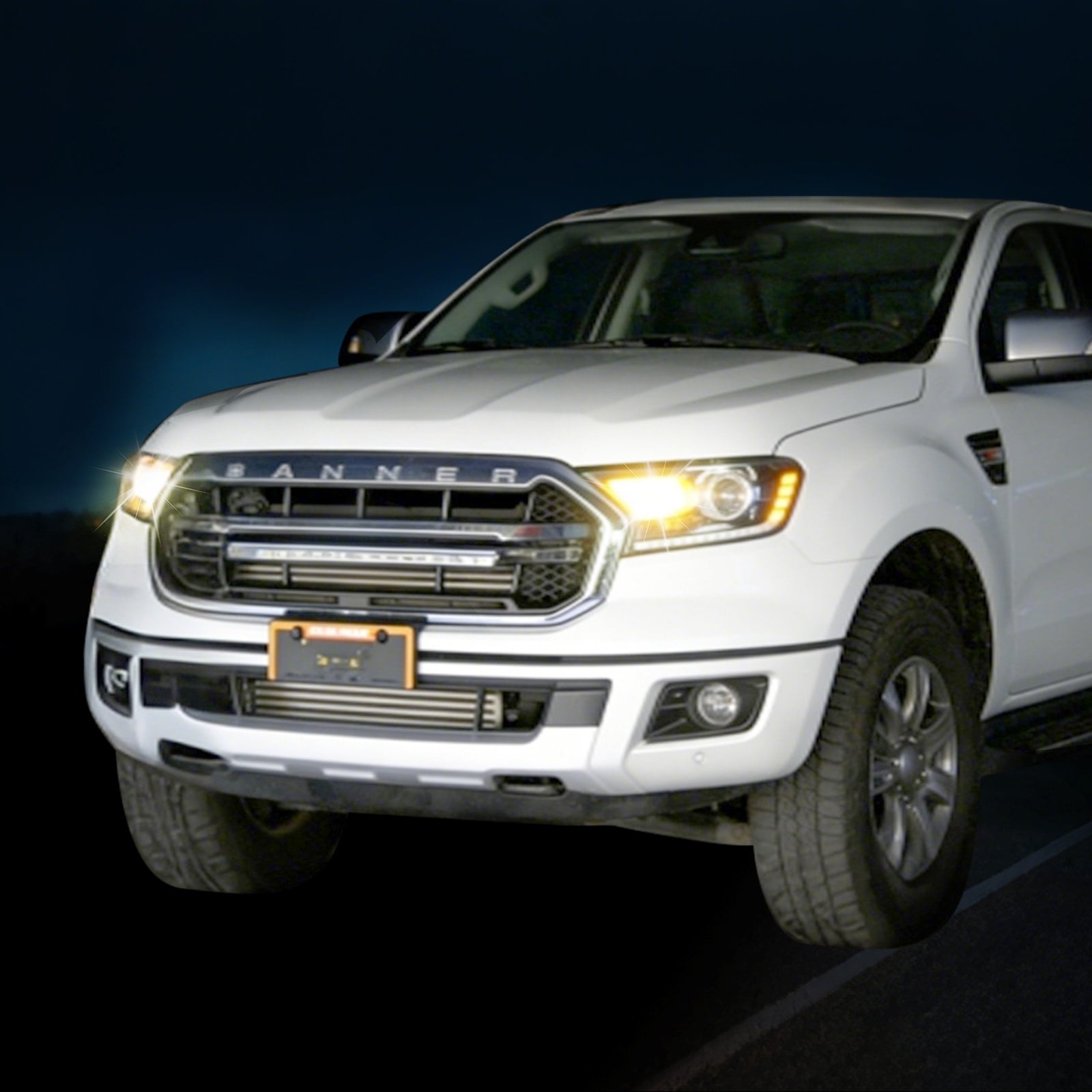
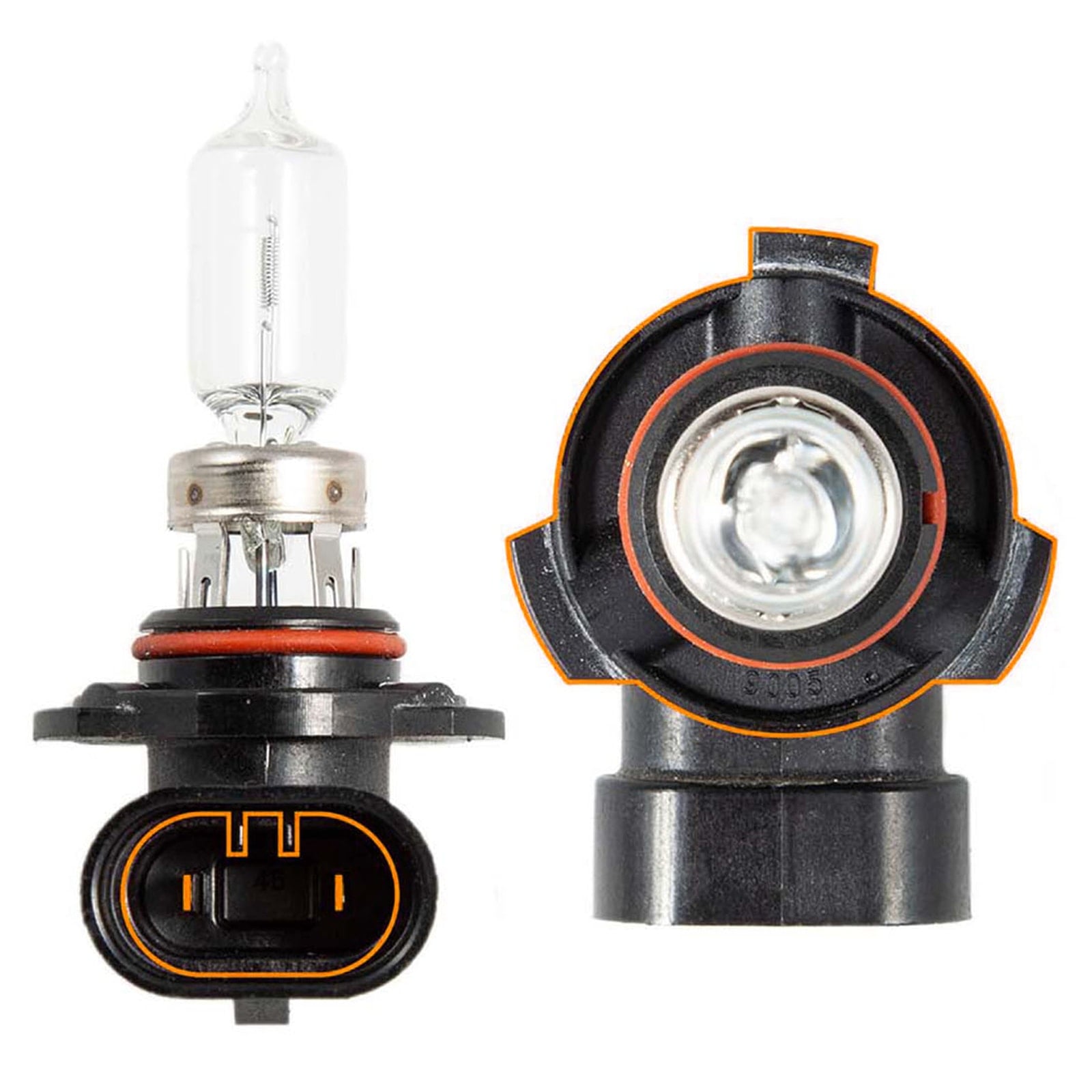
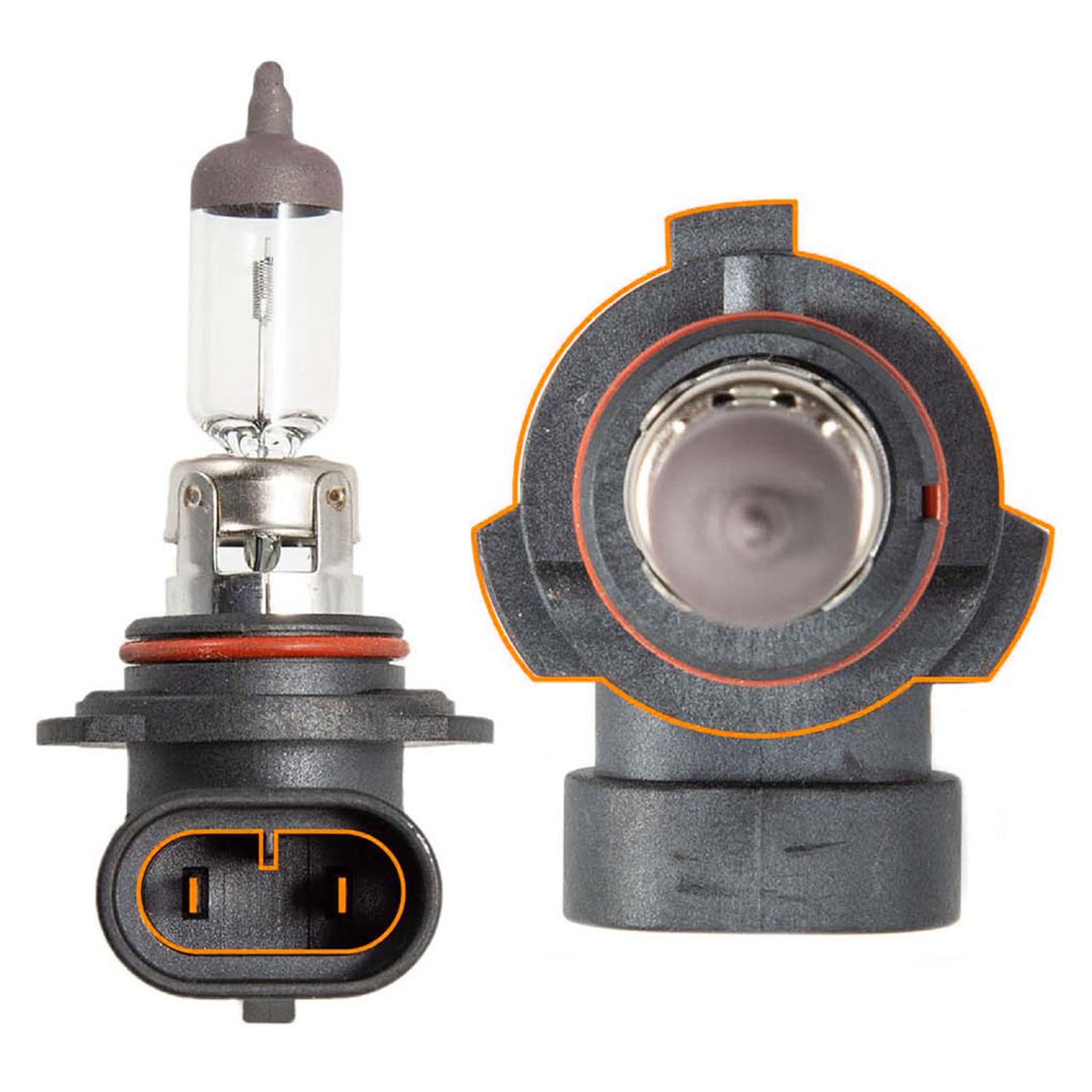
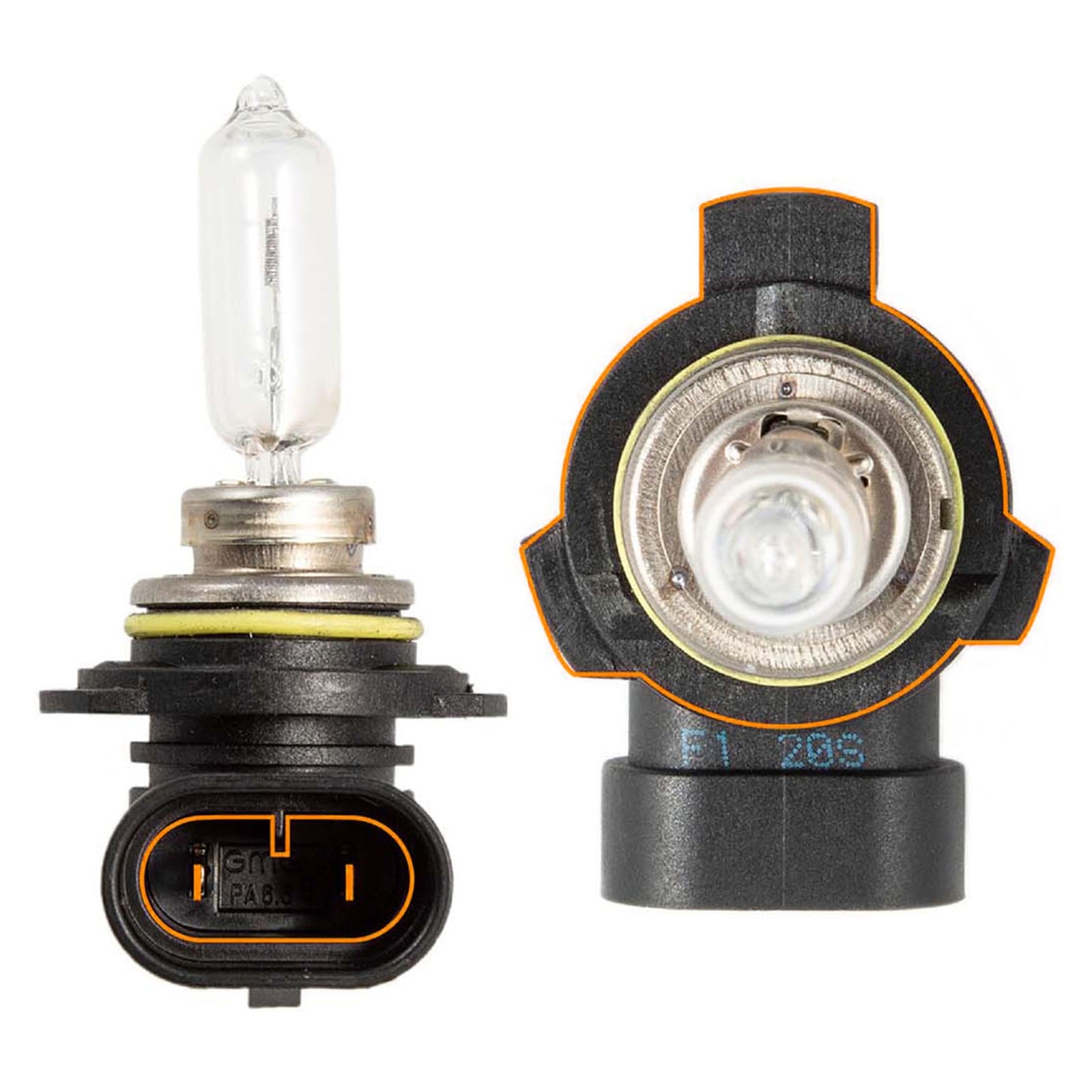
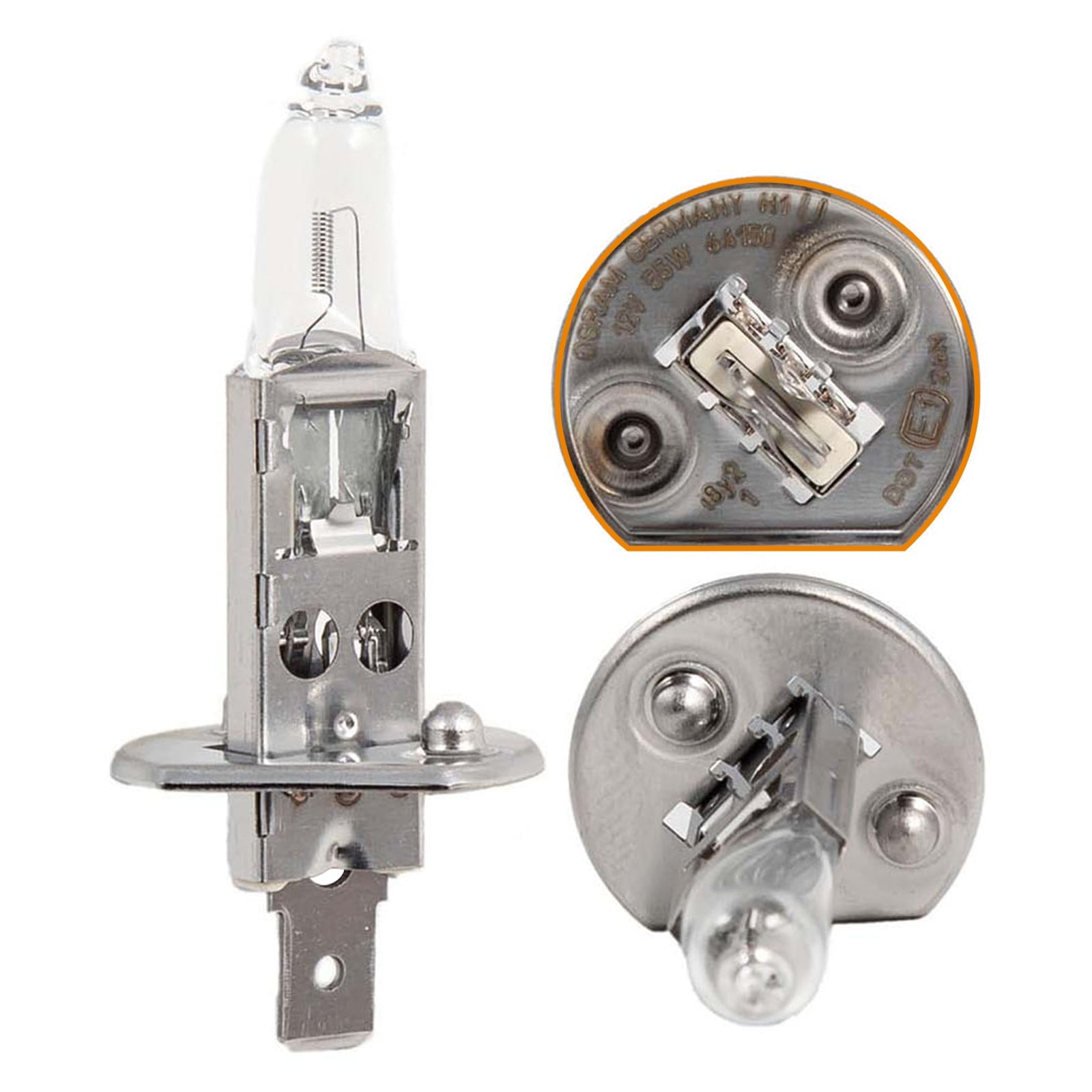

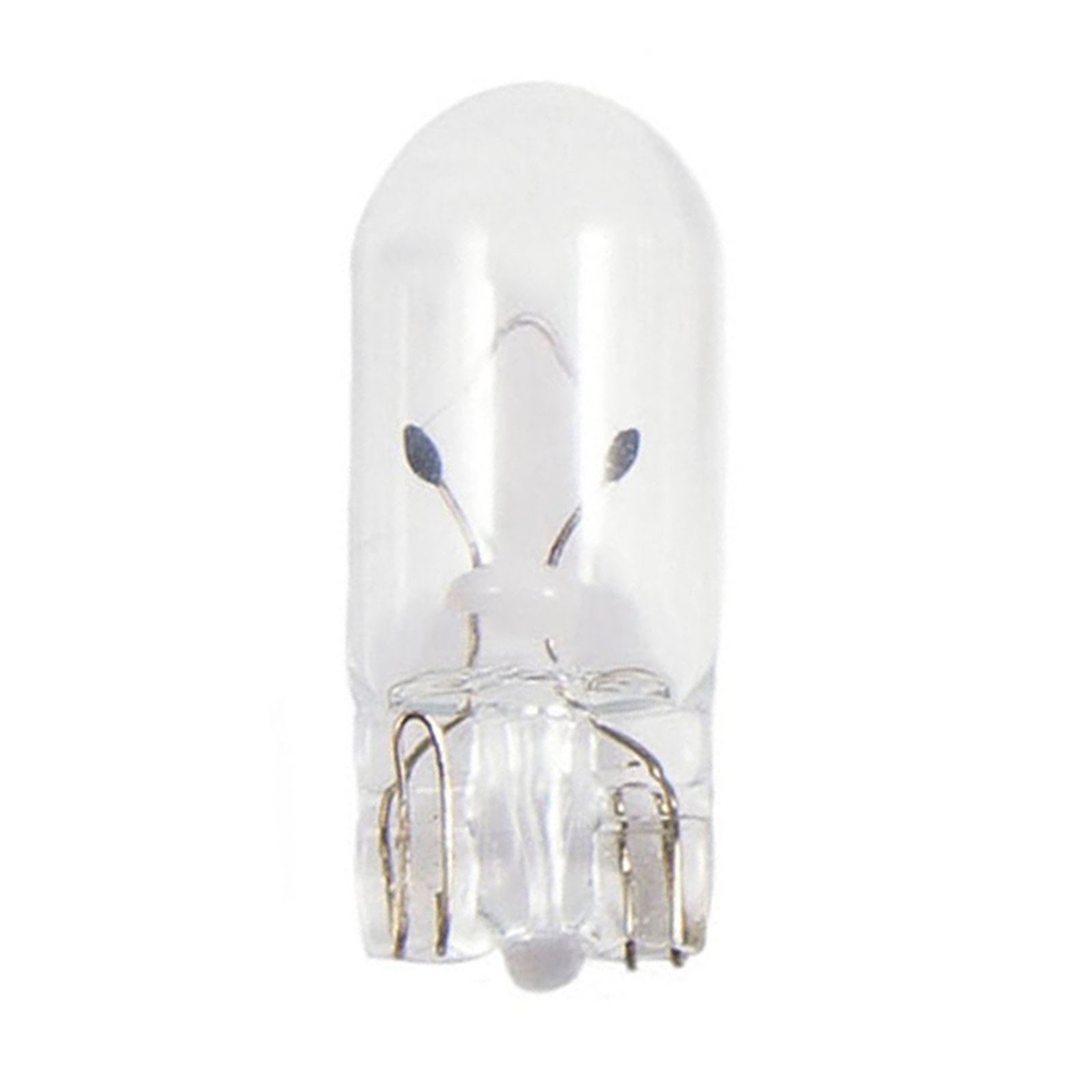
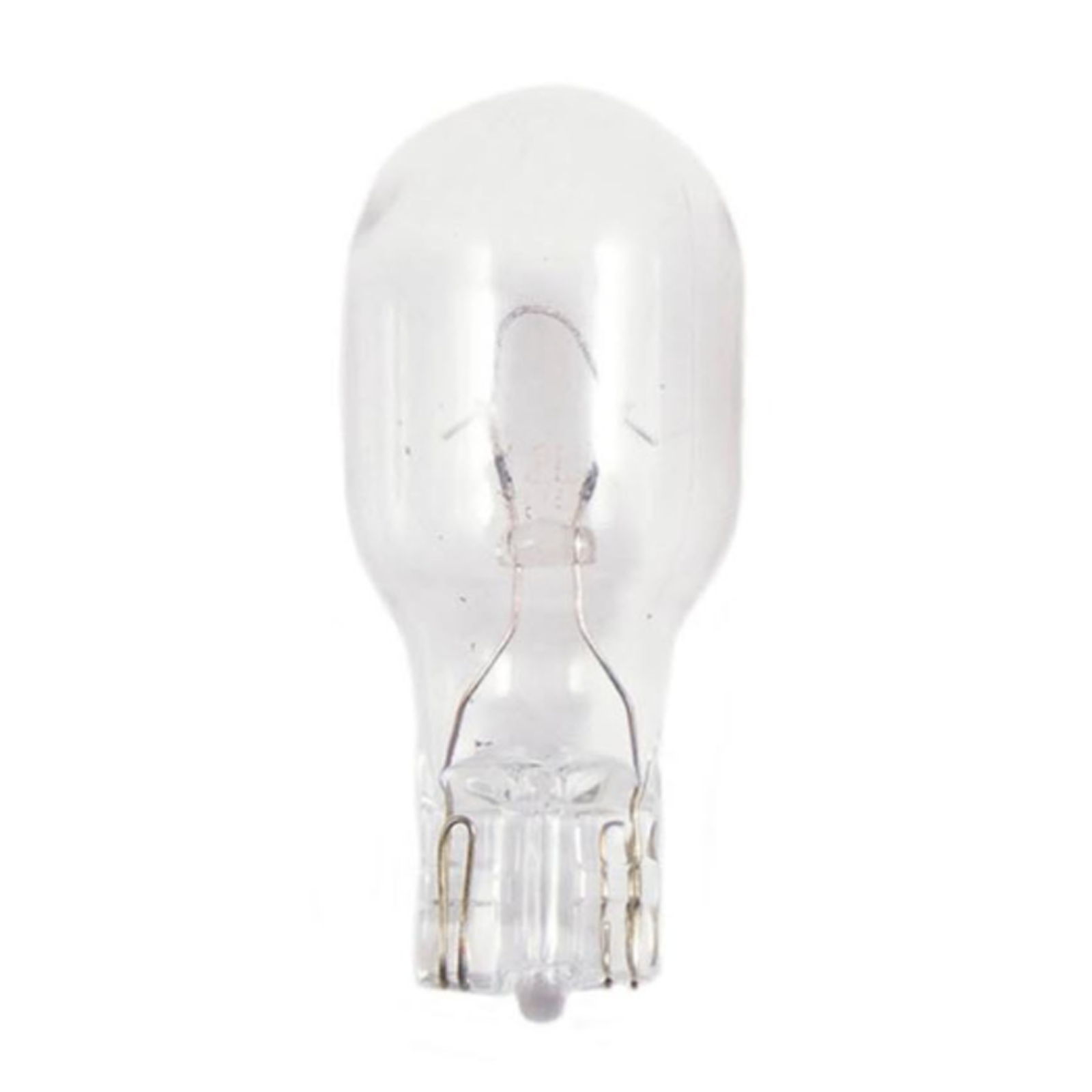
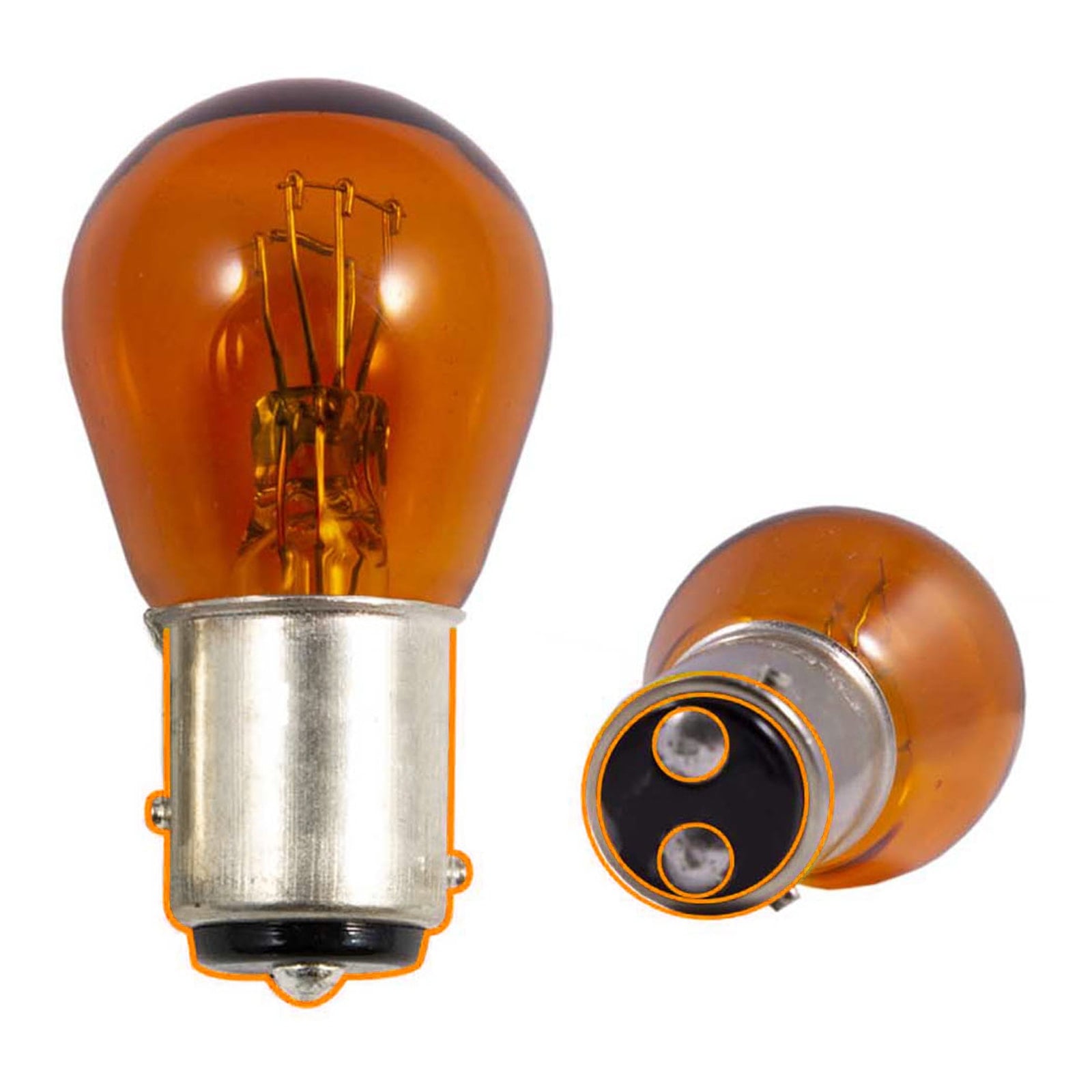
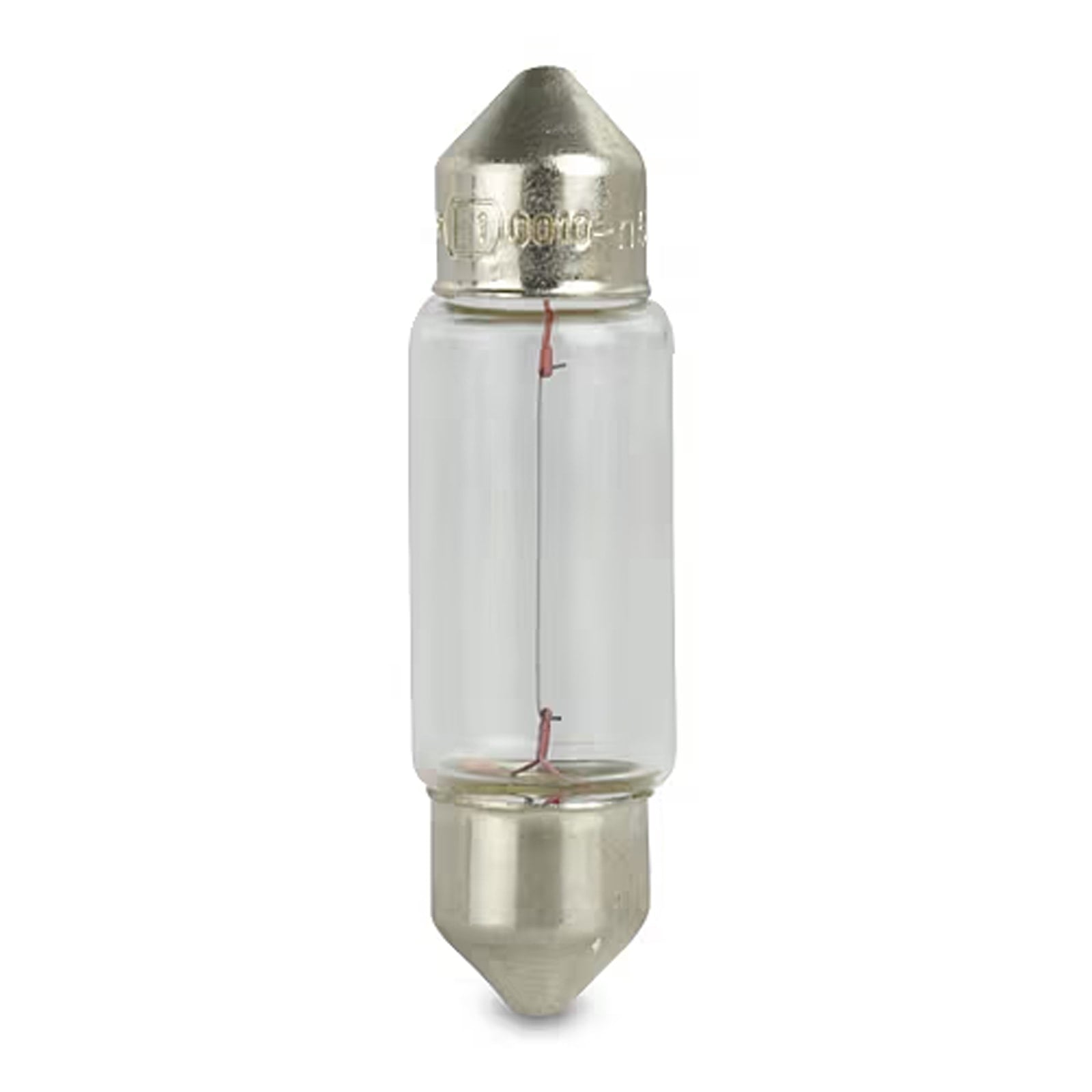
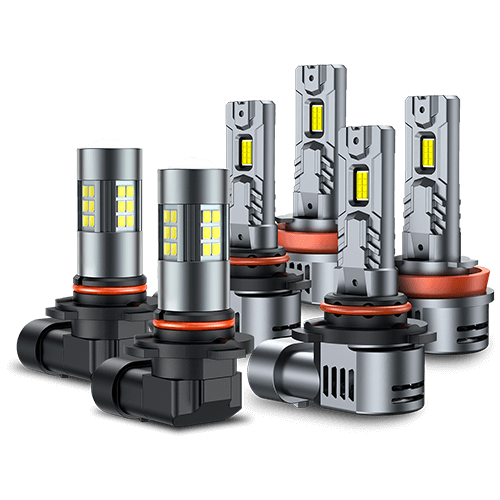
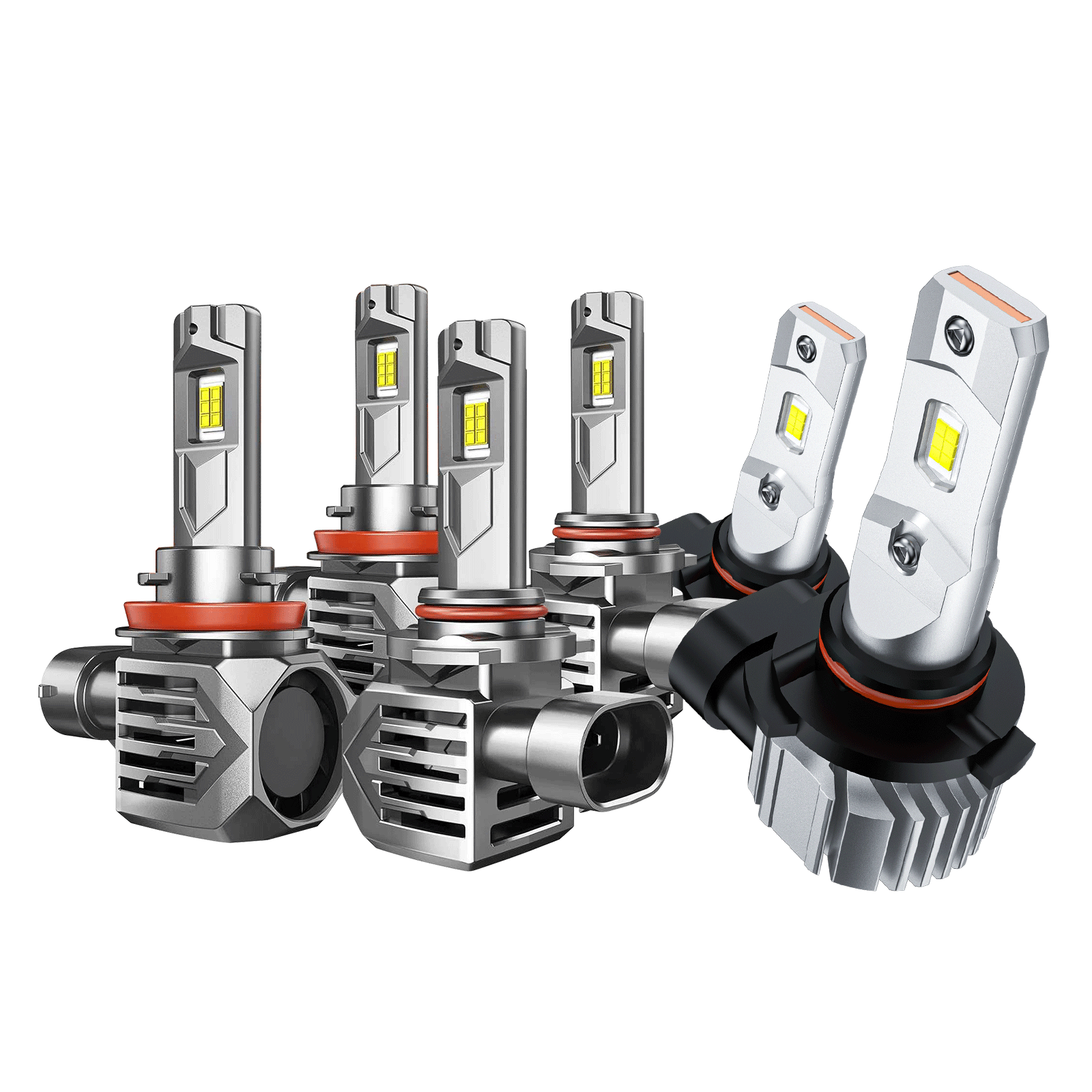


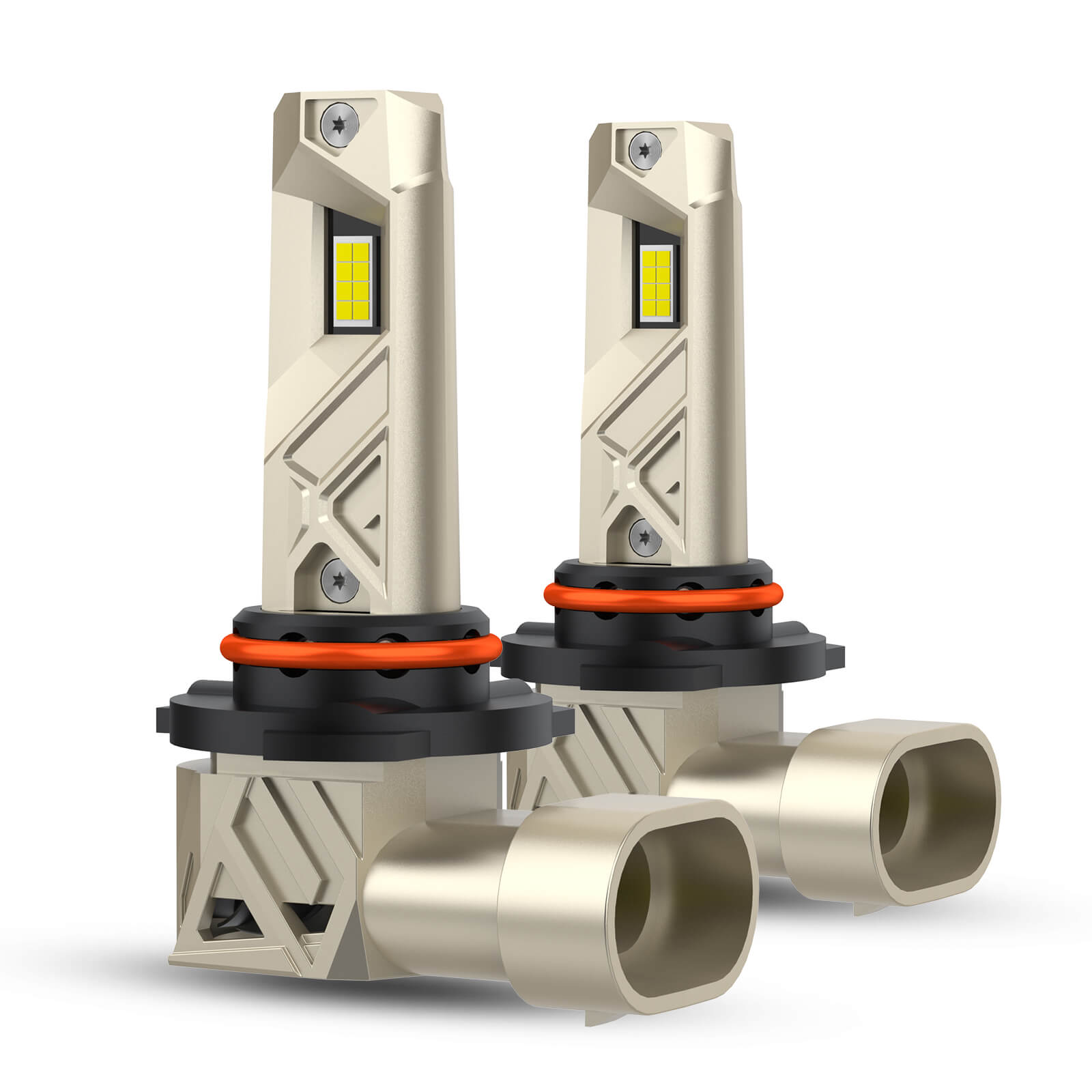


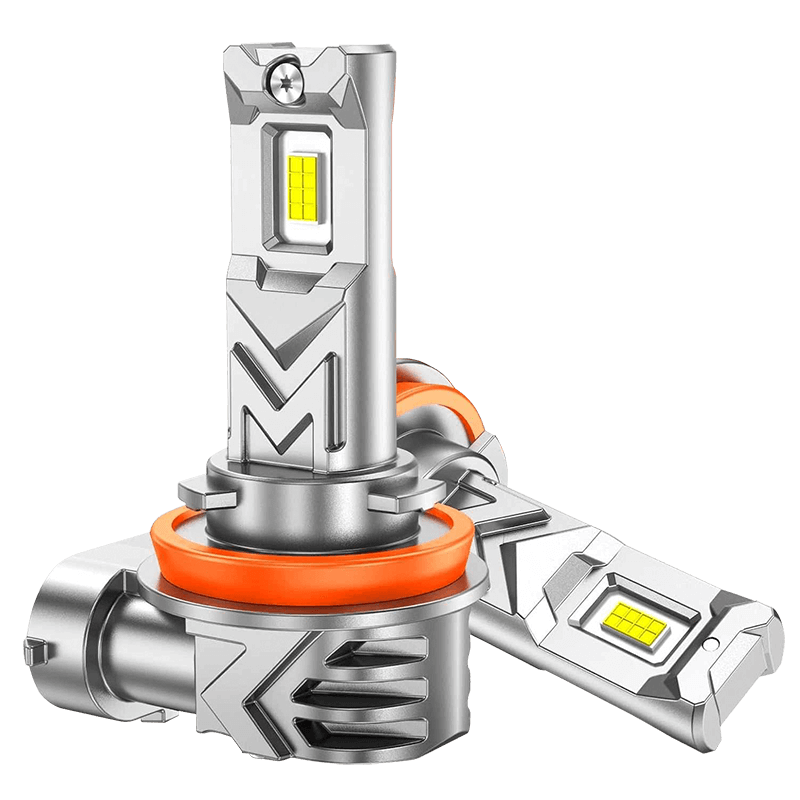





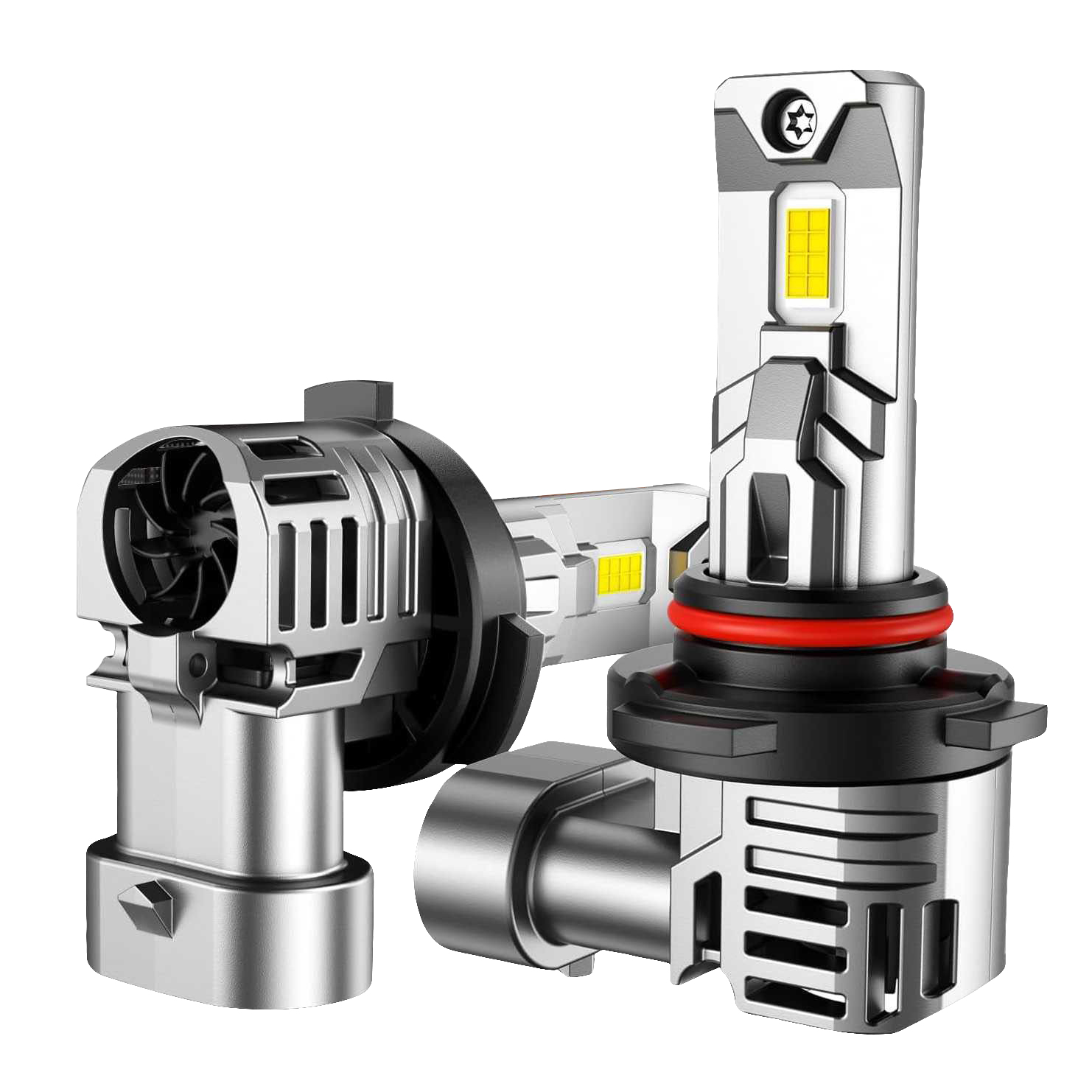


My turn signal is blinking fast, but the bulb still lights up—what’s going on?
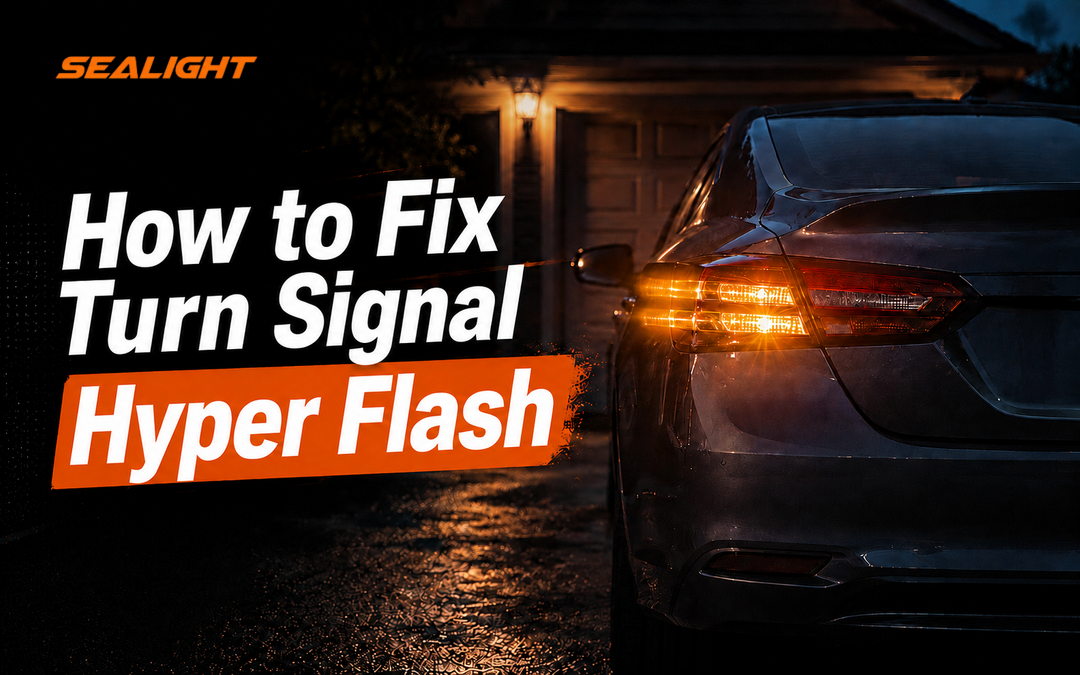
A turn signal blinking fast usually means your vehicle has noticed something unusual in the signal circuit. It may be a weak bulb, loose contact, the wrong replacement bulb, or an electrical load issue. The important thing is to check it early, because other drivers rely on your signals to know when you are turning or changing lanes.
In many cases, a fast flashing blinker is simple to trace once you know where to look. This guide focuses on how to understand the warning, narrow down the cause, and decide whether the fix is a basic bulb replacement, a socket check, or an LED compatibility issue.
Why Is My Turn Signal Blinking Fast?
Most vehicles speed up the blink rate when the turn signal circuit no longer matches the expected electrical load. Federal lighting test procedures also recognize a significant change in the flashing rate as one way a turn signal lamp failure may be indicated. In simple terms, the car thinks something in the signal system is missing, loose, or not drawing power the way it should.
That change usually comes from one of a few places: the bulb itself, the socket connection, the replacement bulb type, or the way an LED bulb works with the vehicle’s factory system. Here are the common causes to check first.
1. Burned-Out or Loose Turn Signal Bulb
A burned-out bulb is the most common cause of a fast blinking turn signal. If one front or rear bulb stops working, the vehicle may make the remaining signal flash faster as a warning.
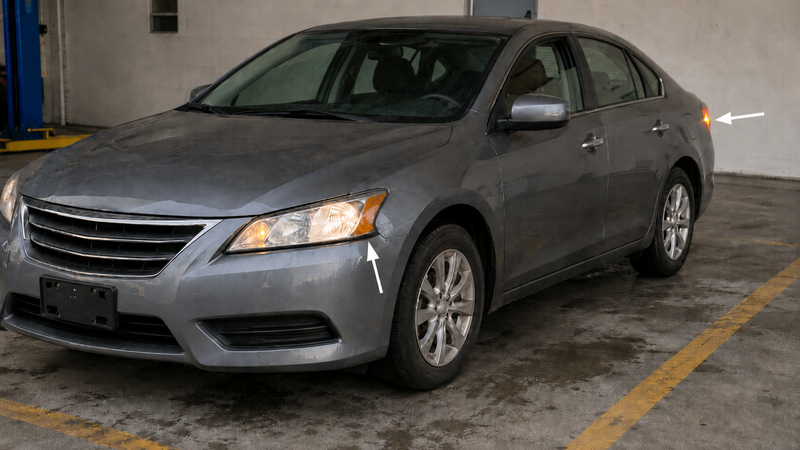
This often happens on one side. If the left indicator blinks fast, check the left-front and left-rear bulbs. If the right indicator blinks fast, check the right-front and right-rear bulbs. A loose or failing bulb can also cause fast blinking, even if it still works sometimes.
2. Wrong Bulb Type, Wattage, or Filament Design
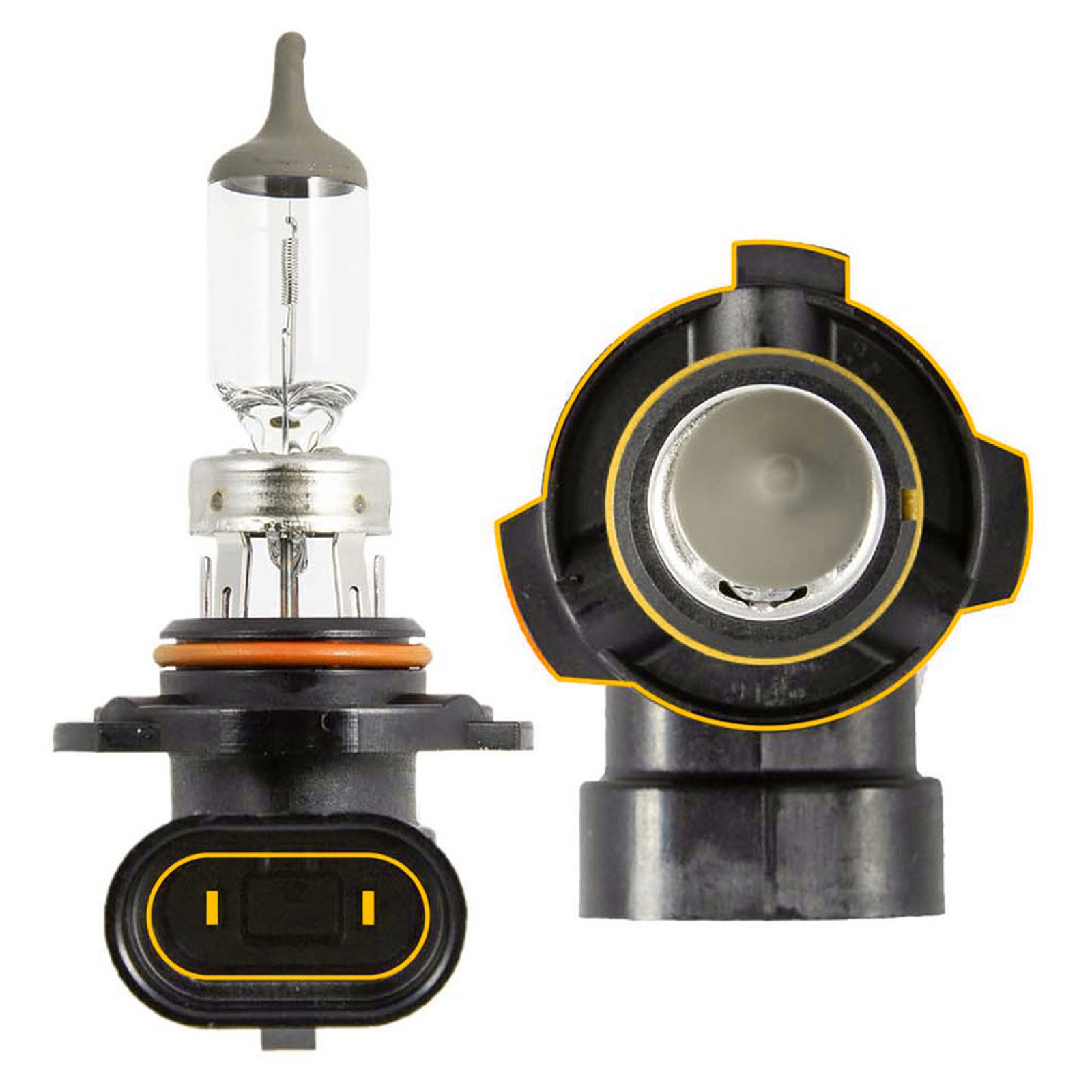
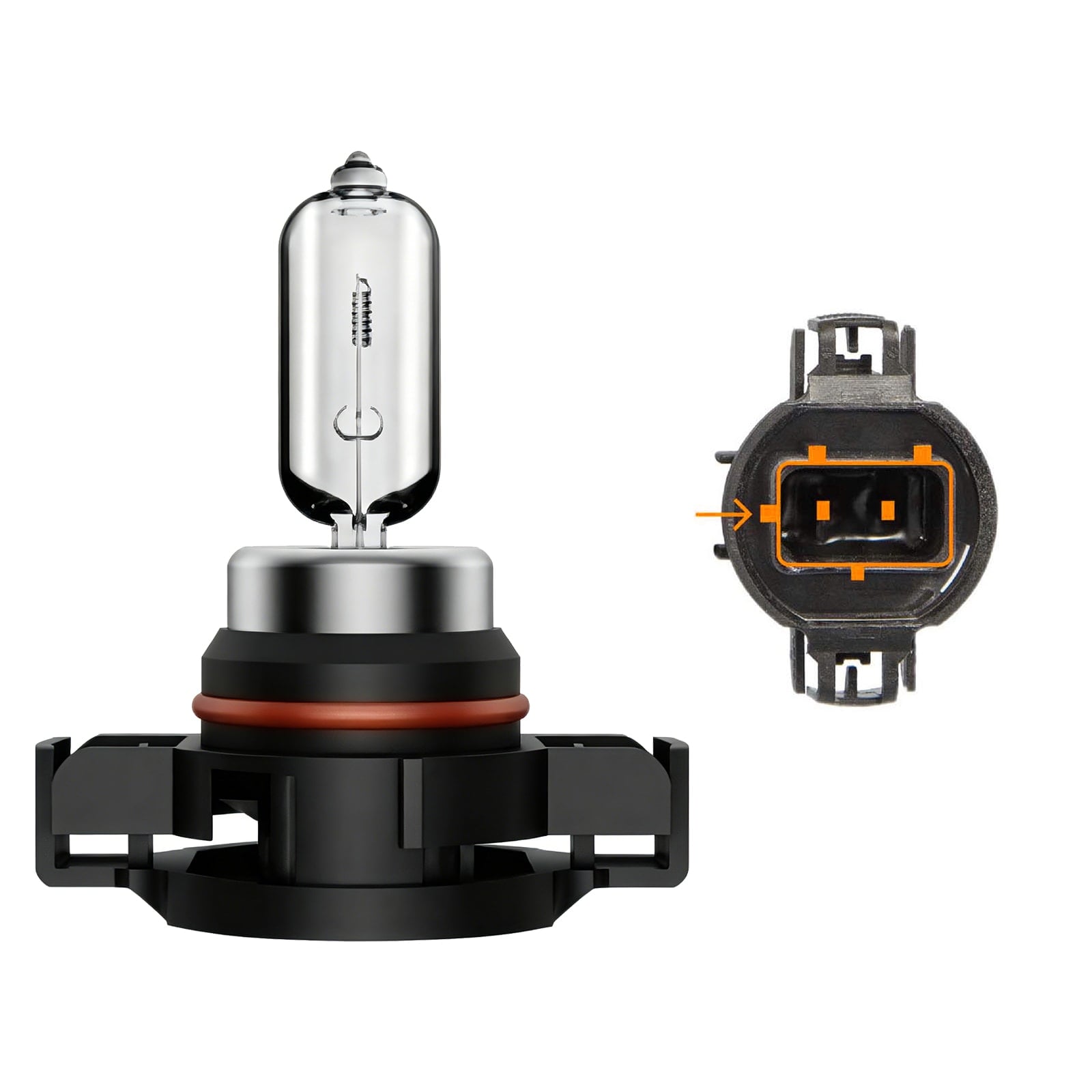
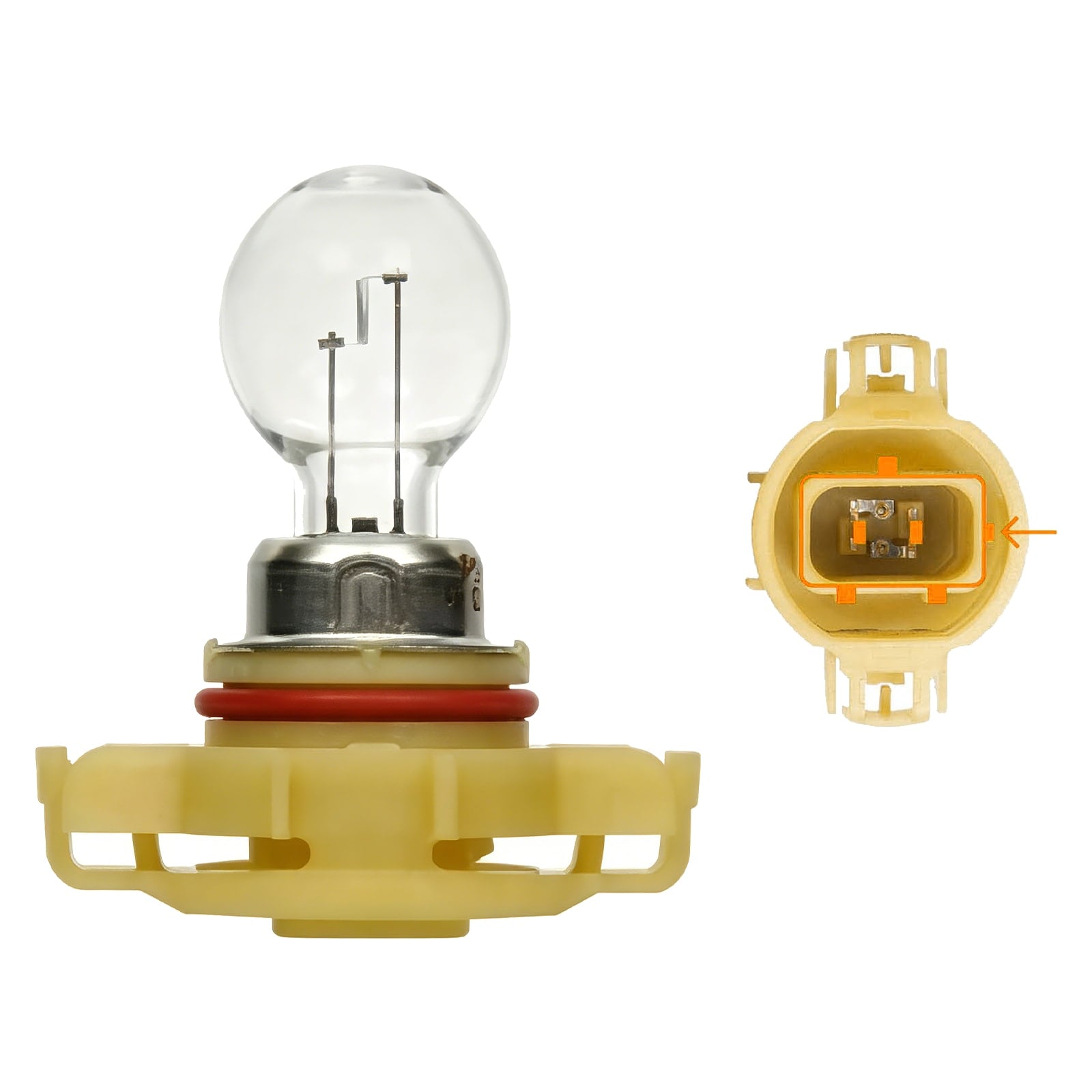
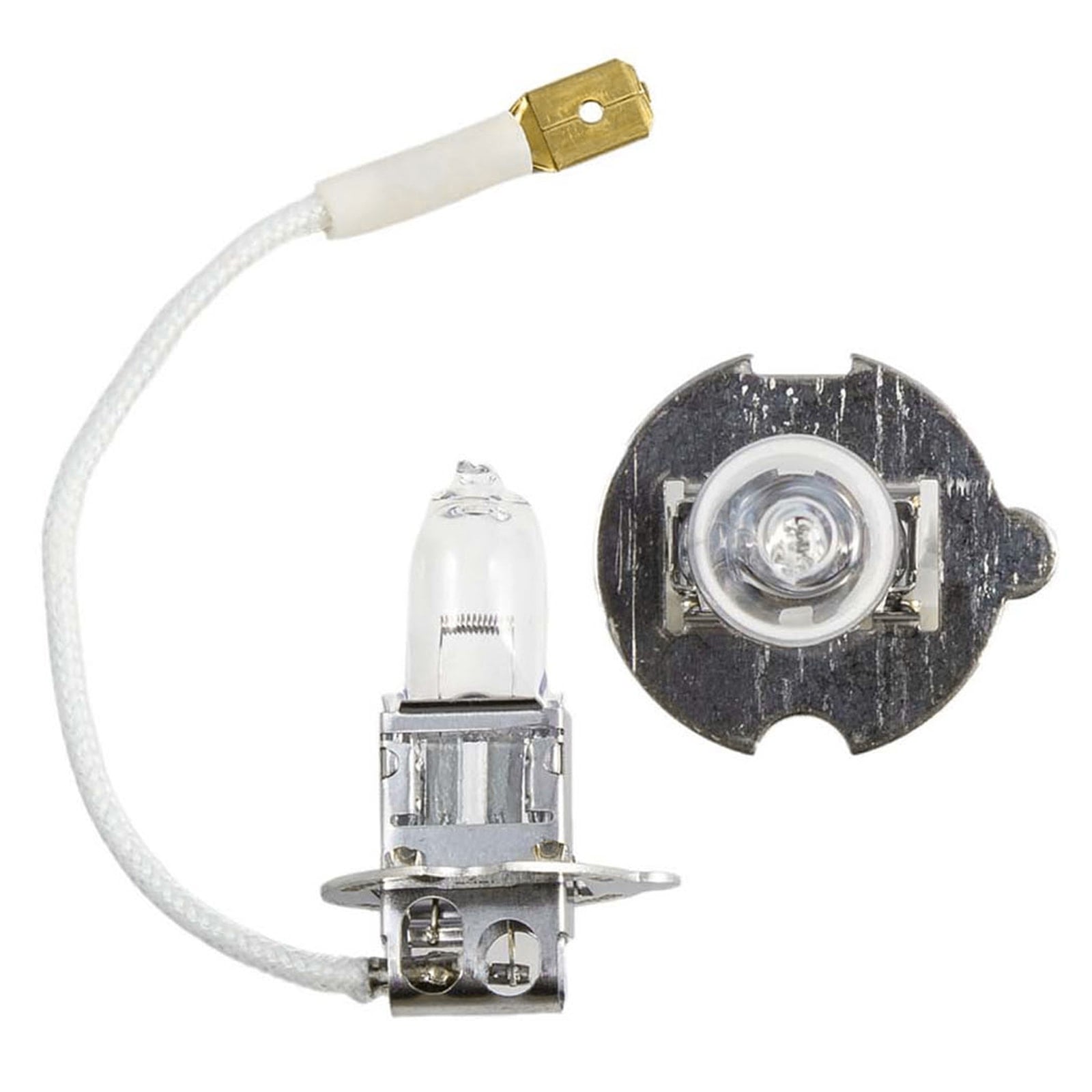
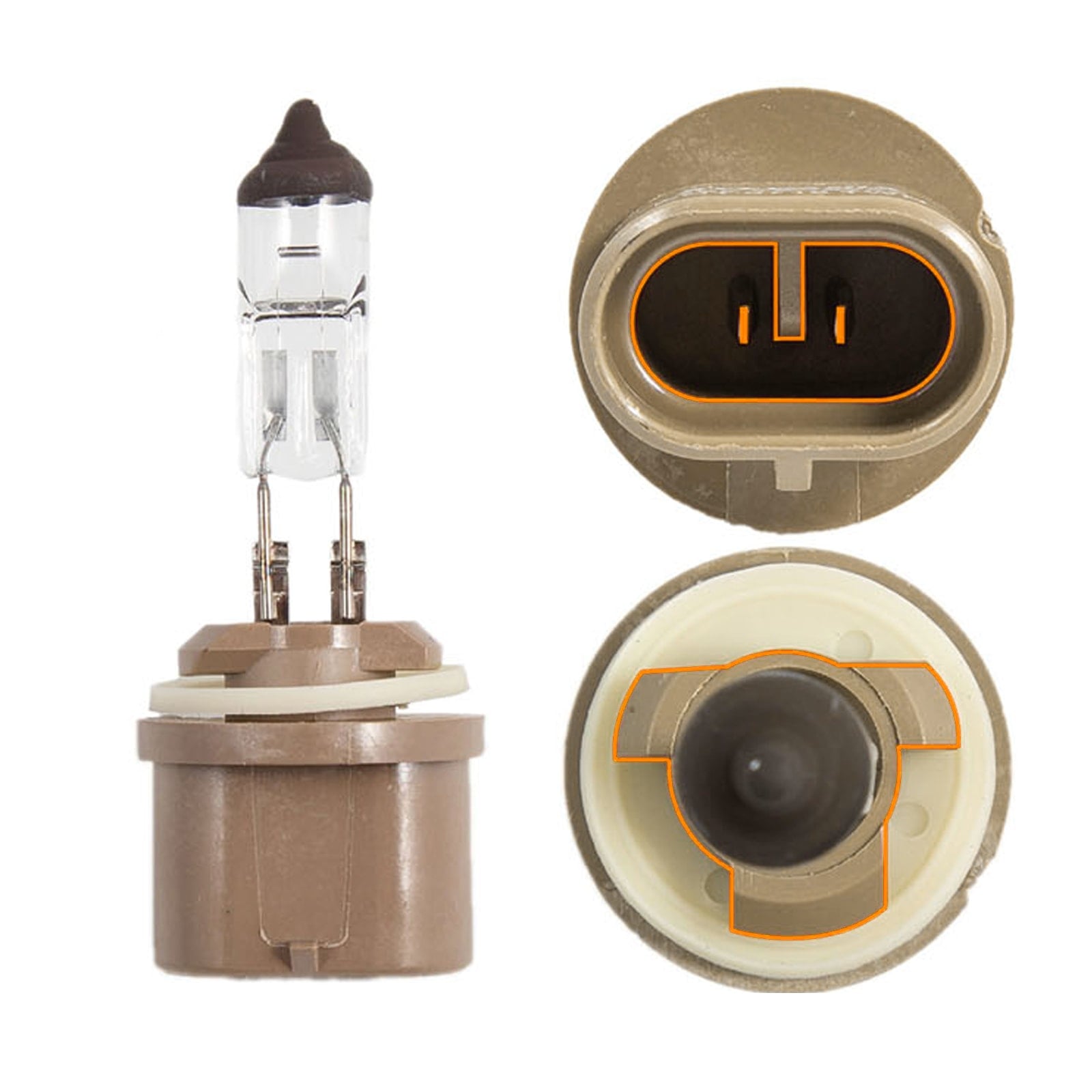
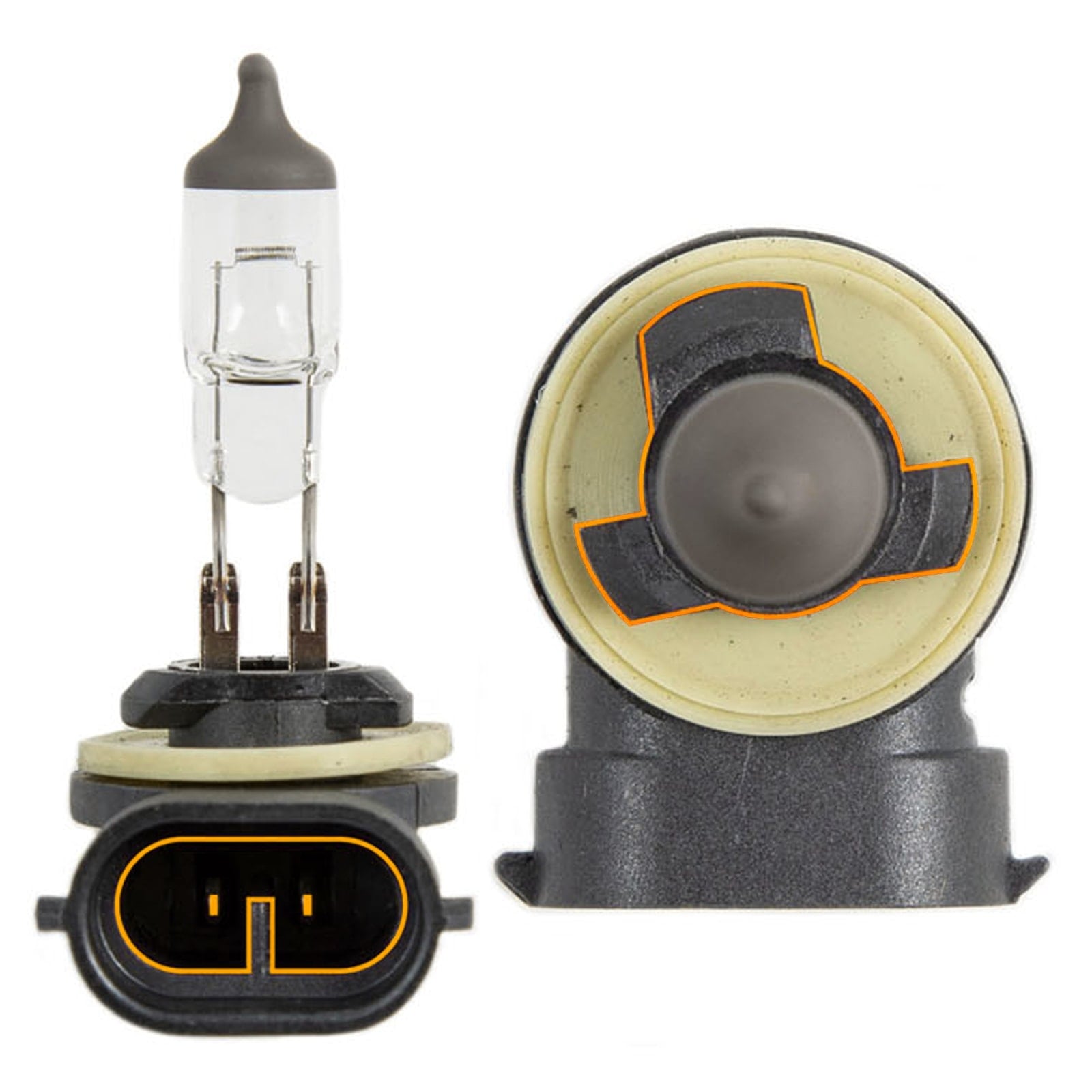
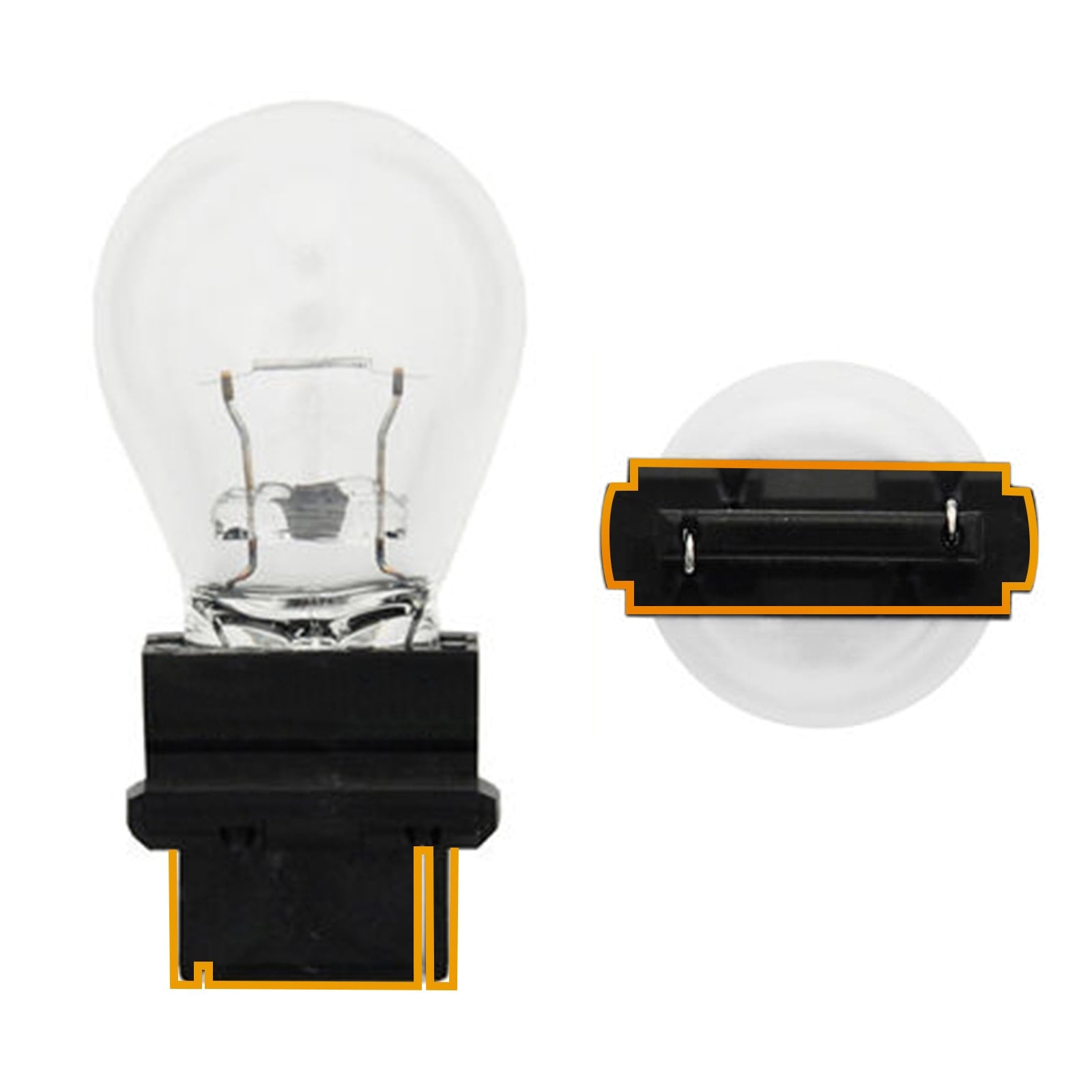
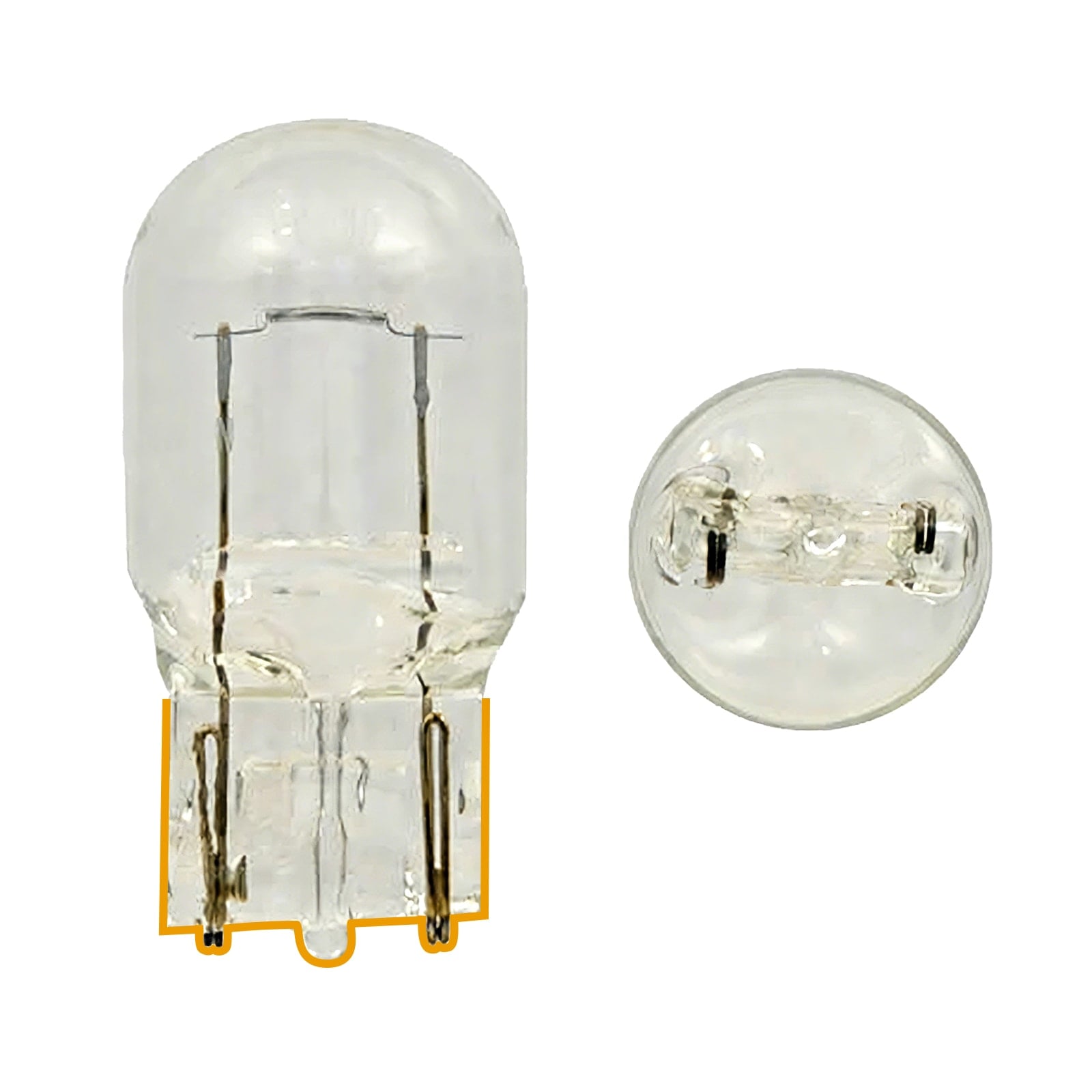
When replacing a turn signal bulb, the electrical spec matters as much as the physical fit. A bulb may fit into the socket but still have the wrong wattage, contact design, filament layout, or function.
This can happen when a single-filament bulb is used where a dual-filament bulb is required, or when the replacement bulb draws a different amount of current than the factory bulb. The vehicle may read that mismatch as a failed bulb and make the turn signal flash faster.
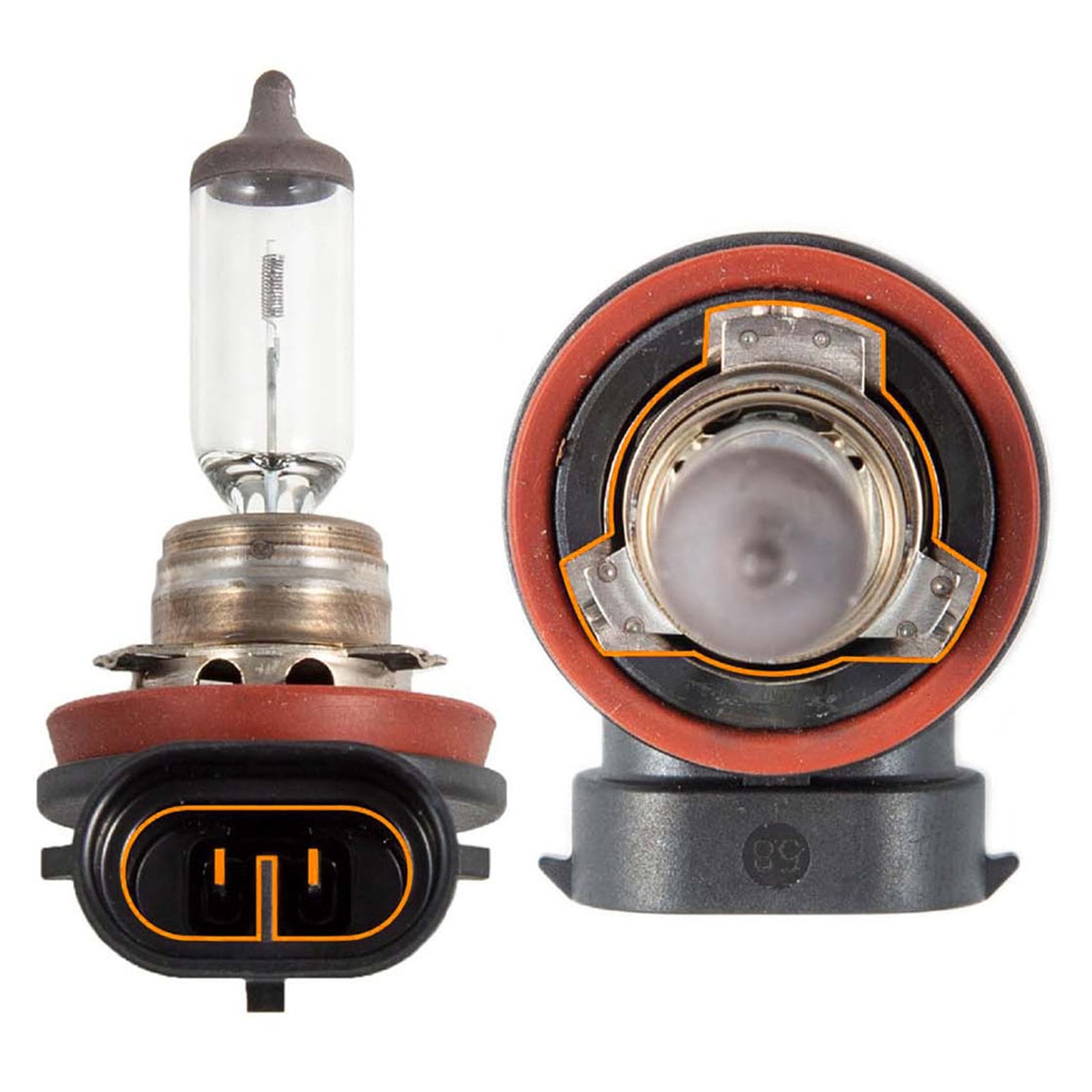
Always check the correct bulb number, socket type, front or rear location, signal color, and filament design before replacing the bulb. Do not rely on visual size alone.
For vehicles that use 3156 or 3157-style signal bulbs, you can check 3156/3157 LED turn signal bulbs after confirming the exact bulb number and socket type. For common T20/W21W applications, check 7440/7443 LED turn signal bulbs only after confirming your original bulb number.
3. Corroded Socket, Bad Ground, or Wiring Issue
Sometimes the bulb looks fine, but the turn signal still blinks fast. A bulb can light up and still have weak contact in the circuit.
If your turn signal is blinking fast but the bulb is good, check for:
- Corrosion inside the bulb socket
- Moisture in the light housing
- Loose socket contacts
- A weak ground connection
- Damaged wiring near the lamp
- A hidden side marker or mirror signal that is out
If all lights appear to work but the blinker is still blinking fast, remove the bulb and inspect the socket. Look for corrosion, bent contacts, melted plastic, or moisture.
4. LED Turn Signal Hyperflash
If your turn signal is blinking fast with LED bulbs, the issue is likely LED hyperflash. LED bulbs use less power than halogen or incandescent bulbs, and some vehicles read that lower draw as a failed bulb.
That is why LED turn signals blink fast right after installation on some vehicles. The bulb may work, but the vehicle may not recognize the lower electrical load correctly. This does not always mean the LED bulb is defective. It usually means the vehicle needs the right LED setup for its turn signal circuit.
If you are upgrading to SEALIGHT turn signal bulbs, check whether your vehicle needs CANbus support, a resistor, decoder, or LED-compatible relay before assuming the bulb itself is bad.
5. Relay, Wiring, Ground, or Control Module Issues
On older vehicles, the turn signal flash rate may be controlled by a replaceable flasher relay. If that relay fails, the signal may blink too fast, too slowly, or stop flashing normally.
On many newer vehicles, turn signal timing may be handled by a body control module or an integrated lighting module instead of a simple plug-in relay. That does not mean the module is always the problem. Fast blinking can still come from the wrong bulb load, LED hyperflash, poor socket contact, a weak ground, damaged wiring, or a hidden signal bulb that is not working.
Check this area if the bulbs and sockets look good, both sides act strangely, several lights behave oddly, or the fast blinking comes and goes.
How to Diagnose a Fast Blinking Turn Signal
Before replacing parts, narrow down the symptom first. A fast blinking turn signal often points to one side of the vehicle, one bulb location, or a recent change such as a new bulb or LED upgrade.
| Symptom | Likely Cause | What to Check First |
|---|---|---|
| Turn signal blinking fast on one side | Bad bulb or poor contact on that side | Front and rear bulbs on the fast-blinking side |
| Left turn signal blinking fast | Left-side bulb, socket, side marker, or mirror signal issue | Left-front and left-rear turn signals |
| Right turn signal blinking fast | Right-side bulb, socket, side marker, or mirror signal issue | Right-front and right-rear turn signals |
| Blinker blinking fast but lights work | Weak socket contact, hidden bulb issue, wrong bulb, or LED load issue | Socket, side marker, mirror signal, and bulb type |
| Turn signal blinking fast after changing bulb | Wrong bulb type, loose fit, or LED hyperflash | Bulb number, filament type, electrical load, socket fit, and LED compatibility |
| LED turn signals blink fast | Vehicle detects low LED power draw | CANbus support, resistor, relay, or decoder |
| Both sides blink fast or act strange | Relay, fuse, ground, wiring, or module issue | Fuse, relay, ground, and wiring |
Once you find the symptom that matches your vehicle, start with the easiest checks first. If you are not sure which bulb number your car uses, use an automotive bulb finder before buying a replacement. Inspect the bulb and socket, then move to LED compatibility, wiring, relay, or fuse issues if the fast blinking does not go away.
How to Fix a Fast Blinking Turn Signal
Once you know which symptom matches your vehicle, start with the easiest fix first. A fast blinking turn signal is often solved by checking the bulb, socket, or recent LED upgrade before moving into wiring or relay issues.
1. Check the Fast-Blinking Side First
Use the diagnosis table above to confirm which side is acting up. Then turn on the signal and check the outside lamps, not just the dashboard arrow. If one side blinks fast, focus on the front, rear, side marker, or mirror signal on that same side.
2. Replace the Bad or Wrong Bulb
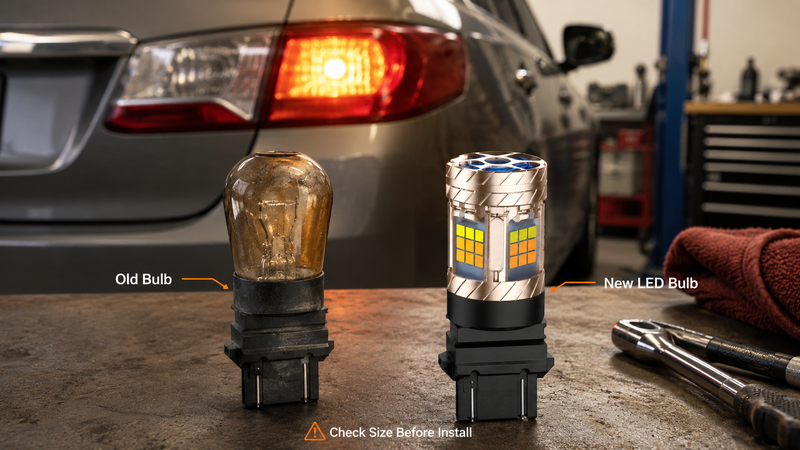
If one bulb is out, dim, blackened, cracked, loose, or flickering, replace it with the correct bulb size. This is often the easiest fix for a fast flashing blinker.
Do not choose a replacement bulb by appearance alone. Many bulbs look similar but have different bases or functions. Before buying a new turn signal bulb, confirm:
- Vehicle year, make, and model
- Front or rear turn signal location
- Correct bulb number and socket type
- Single-filament or dual-filament design
- Amber or red signal color
- Standard bulb, CANbus-ready LED, or resistor/decoder needs
If your old bulbs are dim, slow to respond, or failing often, this is a good time to consider a better replacement. SEALIGHT LED turn signal bulbs can help make your signal brighter and quicker to notice, but the bulb size, socket type, and vehicle compatibility should be confirmed before installation.
3. Clean the Socket and Check Connections
If the bulb looks good, or if the fast blinking continues after replacement, inspect the socket and nearby wiring. Turn off the vehicle, remove the bulb, and look for corrosion, moisture, loose contacts, or melted plastic. Clean light corrosion with electrical contact cleaner and let the socket dry before reinstalling the bulb.
If the socket is burned, cracked, loose, or badly corroded, it may need to be replaced. Also check nearby wiring for loose plugs, broken insulation, or water damage.
4. Fix LED Hyperflash if Needed
If the fast blinking started after installing LED turn signal bulbs, the issue may be LED hyperflash. The bulb may work, but the vehicle may not read the lower LED power draw correctly. Depending on the vehicle, possible fixes include:
- CANbus-ready LED turn signal bulbs
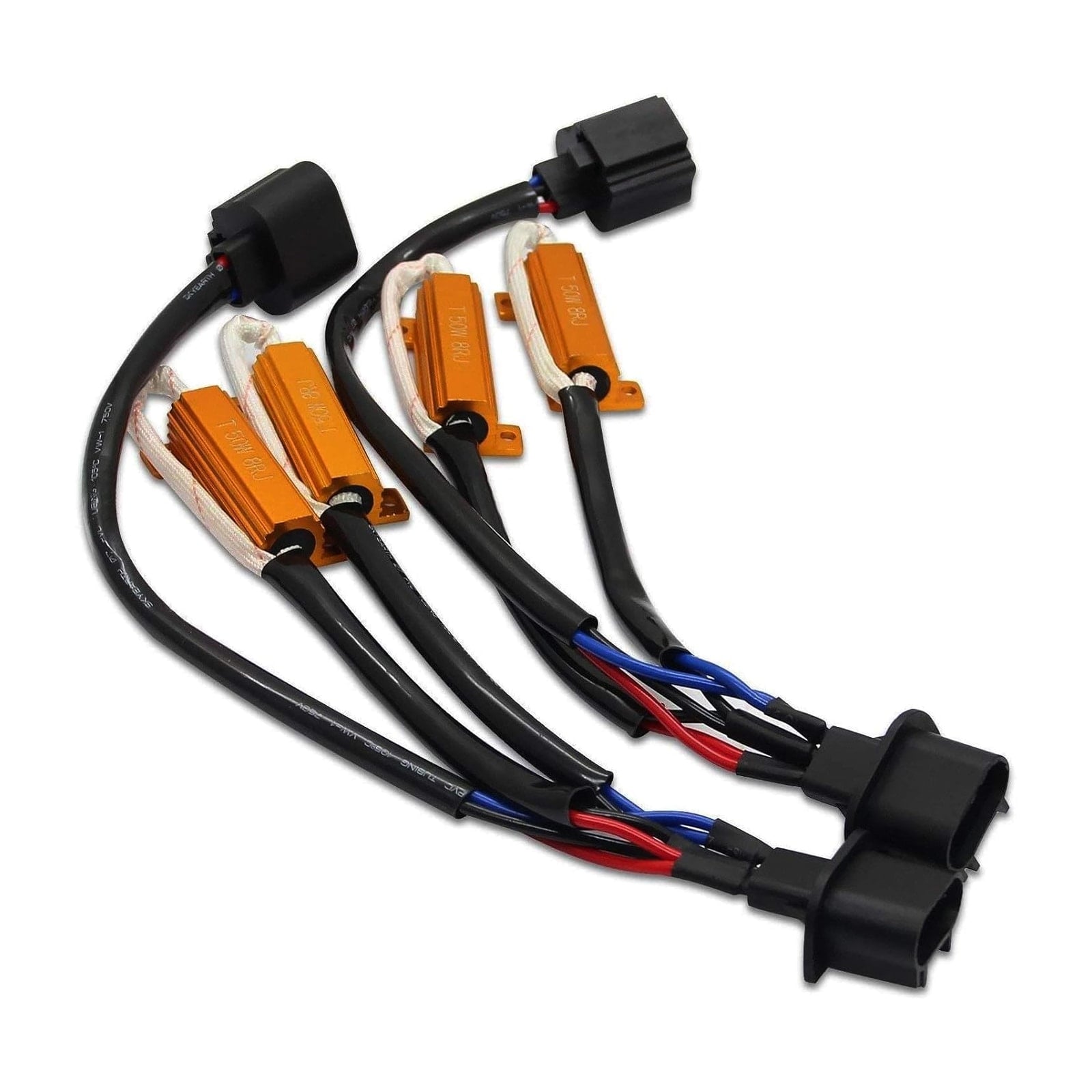
- Load resistors
- LED decoders
- An LED-compatible flasher relay, if your vehicle uses a replaceable relay
- The correct LED bulb size and socket type
Load resistors can get hot, so they must be mounted carefully. If you are not comfortable with wiring, have a mechanic or experienced installer handle it.
5. Do You Need to Reset the Turn Signal?
No. In most vehicles, a fast blinking turn signal does not need a manual reset.
Unlike an oil change reminder, fast blinking is usually a live response to a bulb, load, or connection problem. Once the failed bulb, wrong bulb type, poor socket contact, bad ground, or LED hyperflash issue is fixed, the blink rate usually returns to normal on its own.
If the turn signal still blinks fast after repair, the issue has not been fully solved. Recheck the bulb number, filament type, socket fit, ground connection, and LED compatibility.
When to Replace or Upgrade Turn Signal Bulbs
Replace your turn signal bulbs if they are burned out, flickering, dimmer than the opposite side, slow to respond, or only work when tapped or moved. A weak signal may still light up, but it may not be clear enough for other drivers during turns, lane changes, or roadside stops.
If your factory bulbs are dim or hard to see in traffic, SEALIGHT turn signal bulb can be a practical upgrade. They provide brighter, quicker LED signaling, helping other drivers notice your turn signal sooner in daylight, rain, traffic, or hazard situations.
Why choose SEALIGHT LED turn signal bulbs:
- Brighter signal visibility than old or weak factory bulbs
- Faster LED response for clearer turn and lane-change signals
- Factory-socket fit when the correct bulb size is selected
- No need to replace the whole light assembly
- Cleaner, more noticeable signaling for daily driving
Before installing LED turn signal bulbs, confirm the bulb size, socket type, signal color, and vehicle compatibility. If your vehicle is sensitive to LED power draw, you may still need CANbus support, a resistor, decoder, or LED-compatible relay to prevent hyperflash.
If the fast blinking comes from a bad socket, weak ground, relay, or wiring issue, fix that problem first. A new bulb can improve visibility and response, but it cannot solve every electrical problem in the turn signal circuit.
FAQs About Fast Blinking Turn Signals
Why are my indicators blinking fast but bulbs OK?
The bulb may light up, but the circuit may still have poor contact, corrosion, a weak ground, or the wrong bulb type. If you recently installed LED bulbs, it may also be an LED load issue.
Why is my turn signal blinking fast but all lights work?
The light may turn on, but the circuit may still have the wrong load or weak contact. Common causes include a loose bulb, minor socket corrosion, the wrong bulb type, a hidden side marker or mirror signal issue, or LED load mismatch. If the fast blinking started after a bulb change, check the bulb number, filament design, wattage, and LED compatibility.
Is it illegal for a turn signal to blink too fast?
Rules vary by location, but U.S. lighting references commonly use a normal flash-rate range of 60 to 120 flashes per minute. A turn signal that blinks too fast may not meet normal lighting requirements and can confuse other drivers, so it should be fixed as soon as possible.
How much does it cost to fix a fast blinking turn signal?
If it is only a bulb, the repair is usually inexpensive. If the issue involves a socket, relay, wiring, or control module, the cost can be higher.
Does a Chevy or Toyota fast blinking turn signal mean something different?
Usually, no. The common causes are similar across most vehicles, but the correct bulb size, socket design, relay setup, and LED compatibility can vary by model and year.
Final Thoughts
A turn signal blinking fast is not something to ignore, even if the light still works. It usually means the signal is no longer as stable or reliable as it should be, which can make your turns, lane changes, and hazard signals less clear to other drivers.
The best approach is to fix the real cause instead of guessing. If your bulbs are old, dim, or slow to respond, SEALIGHT LED turn signal bulbs can be a practical upgrade for brighter and quicker signaling, as long as you choose the correct fit for your vehicle.