
 Headlight Bulbs


 Track Order
 My Vehicles
 Contact Us
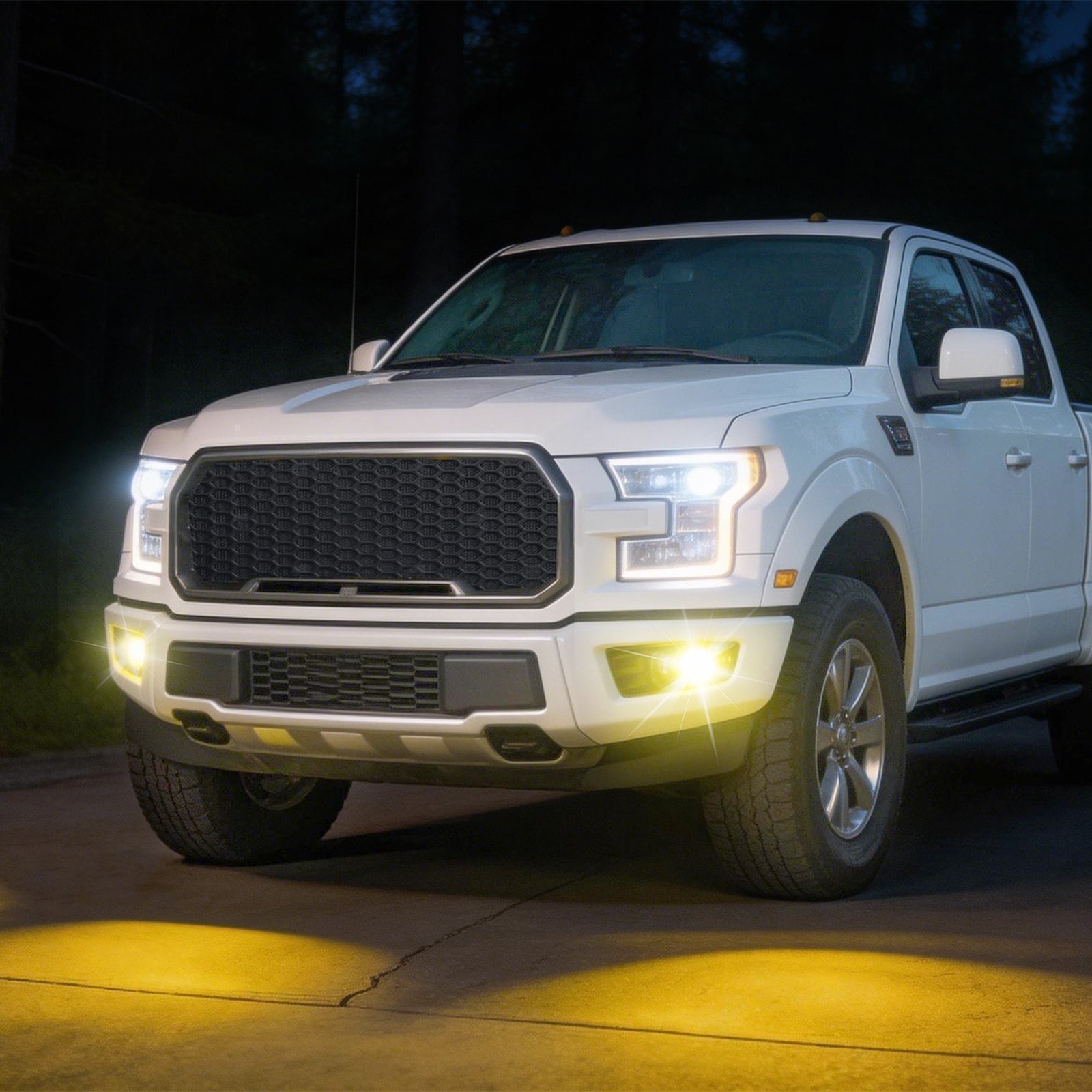
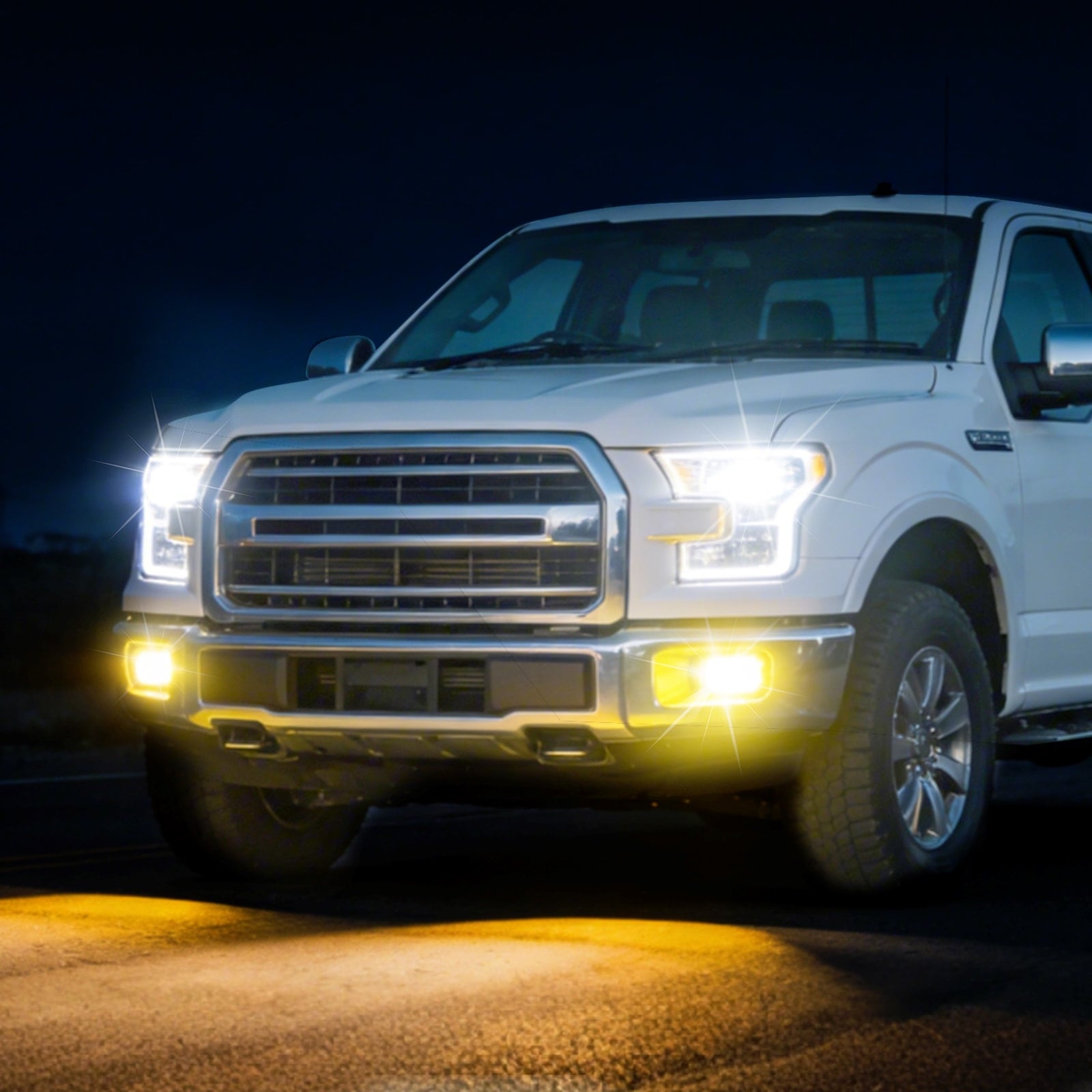
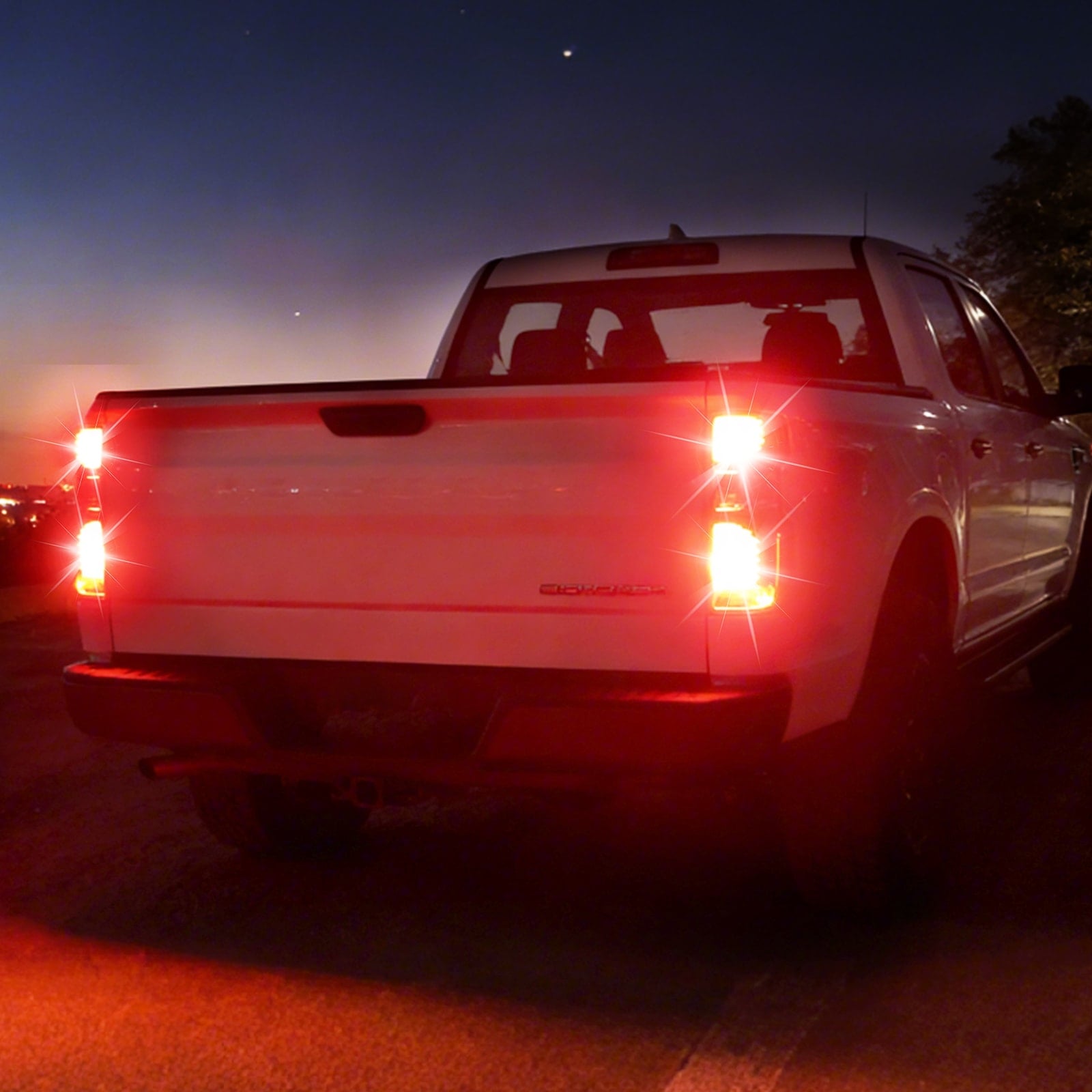
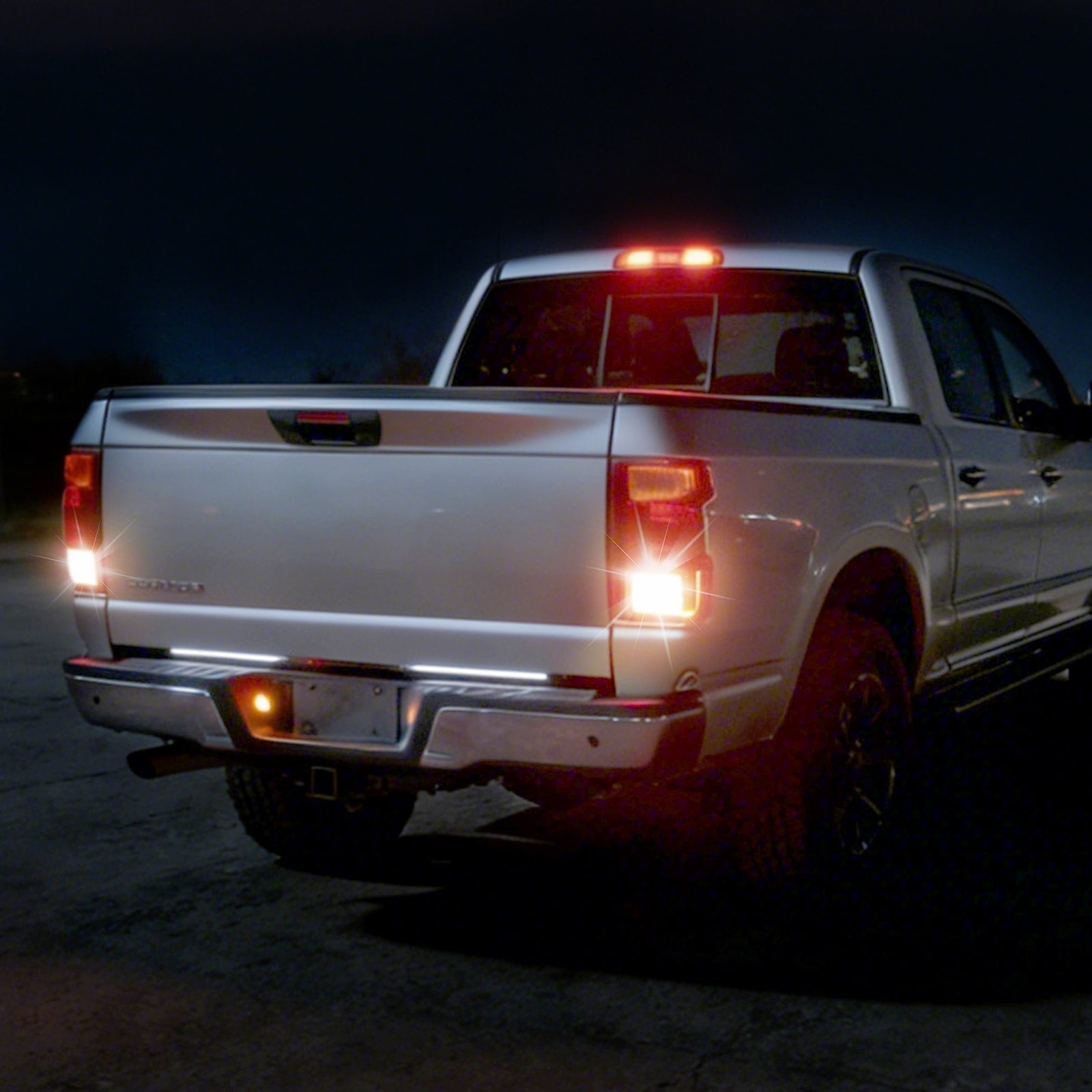
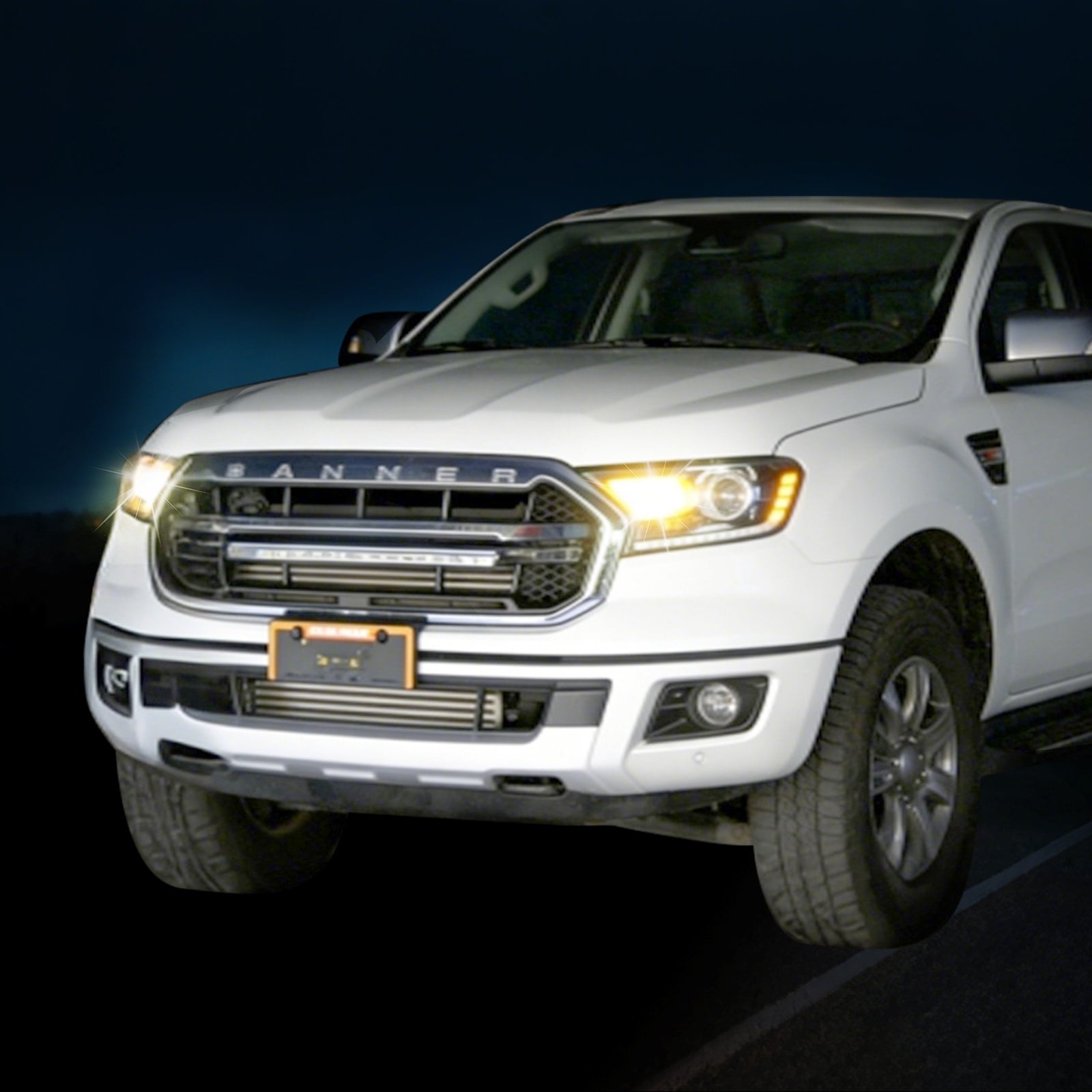
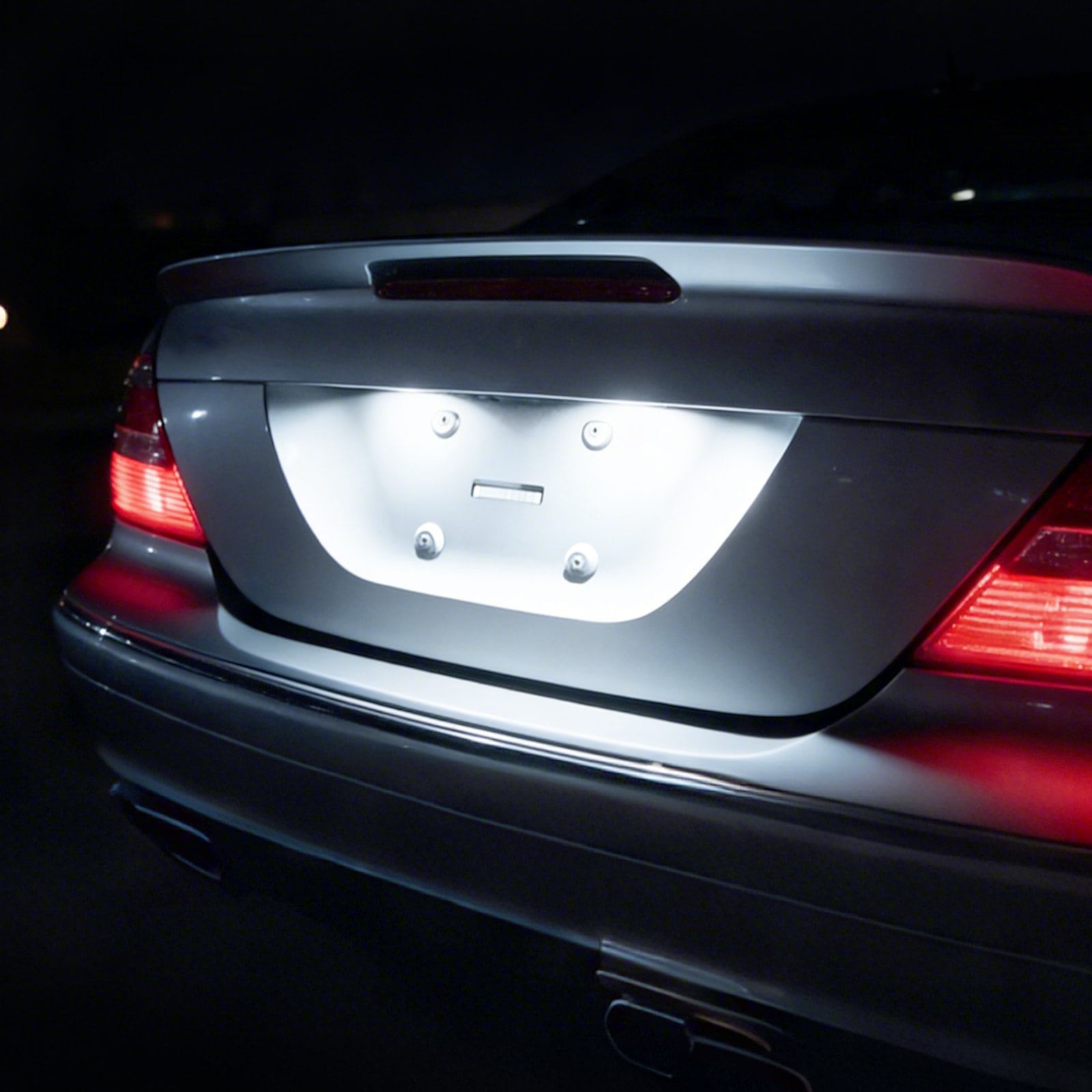
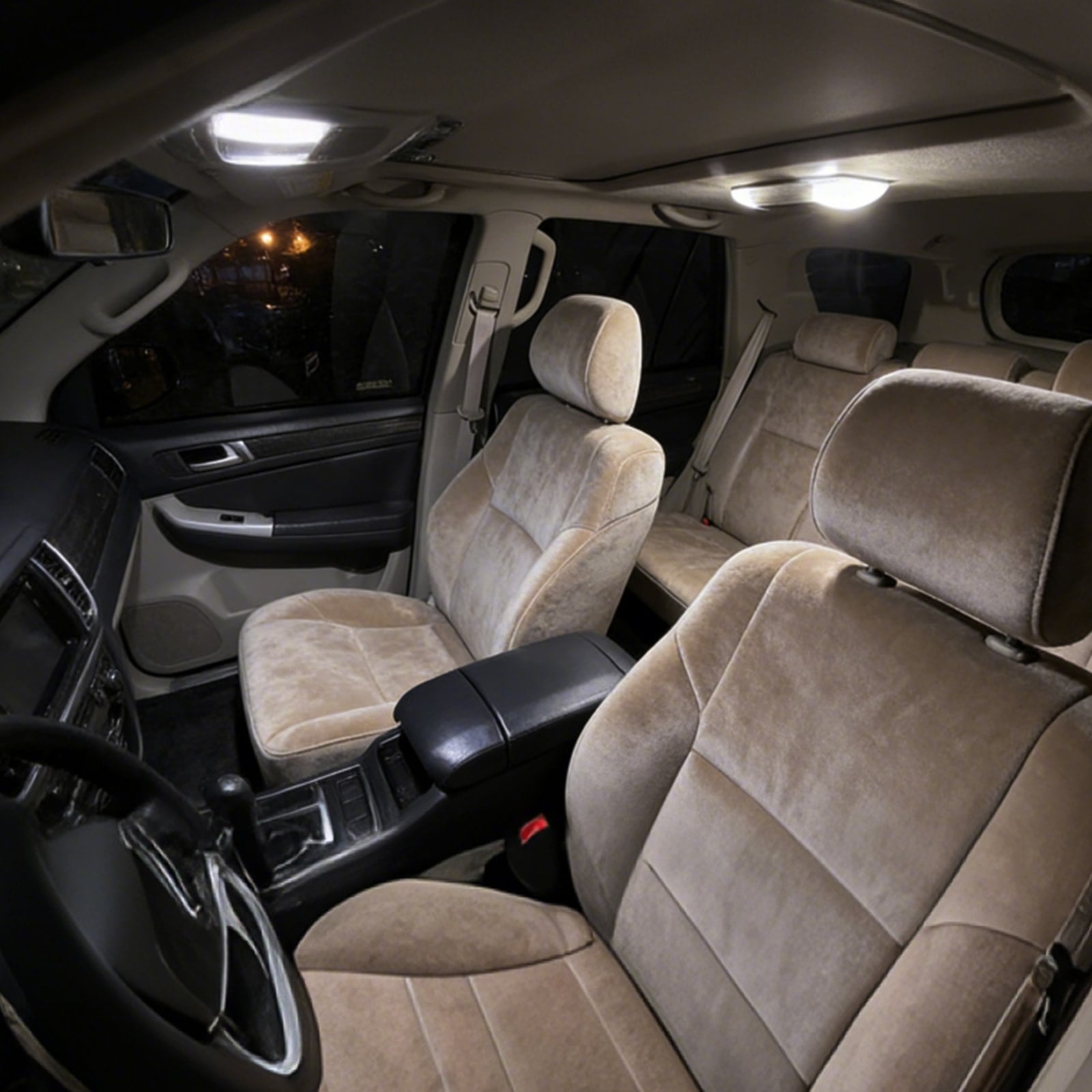
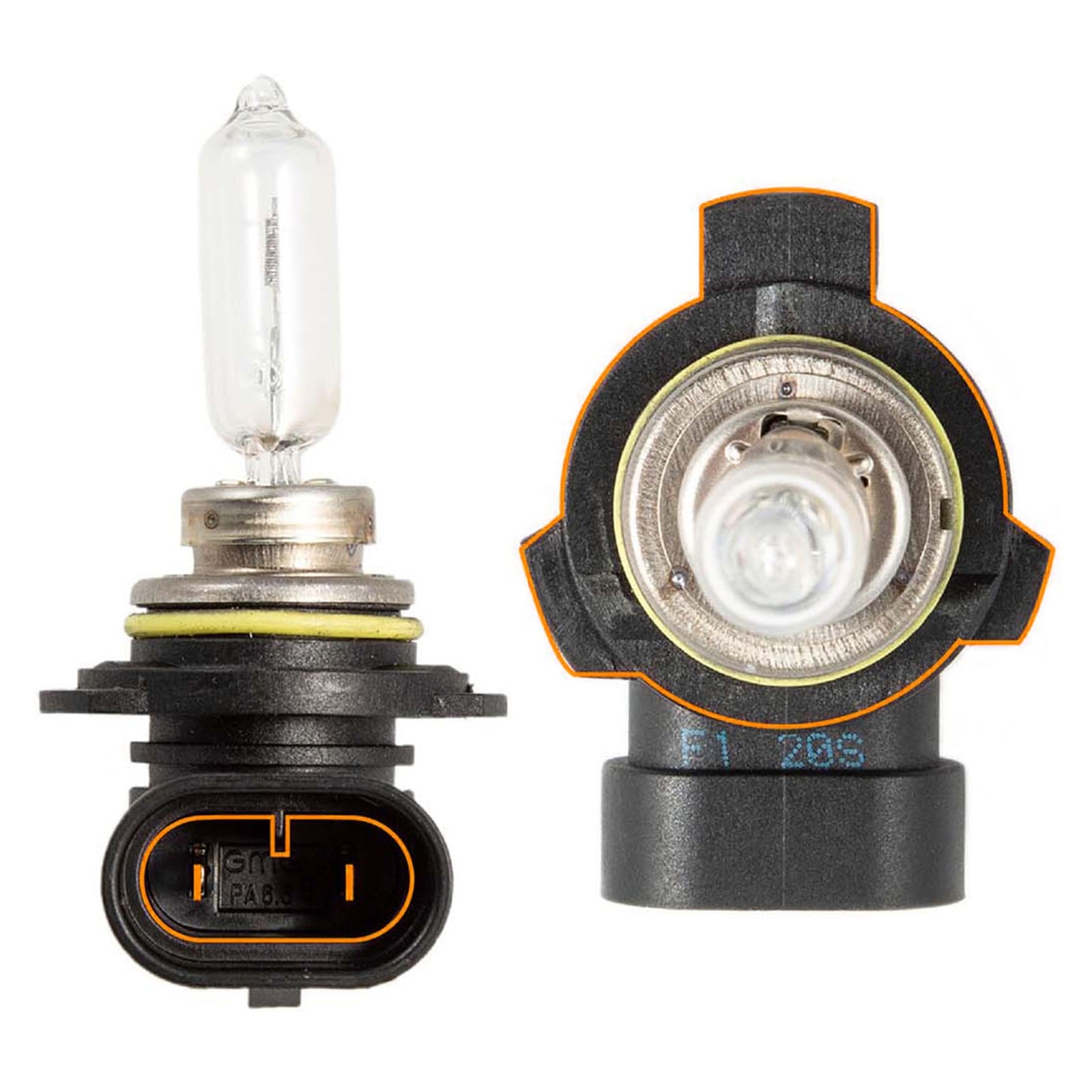
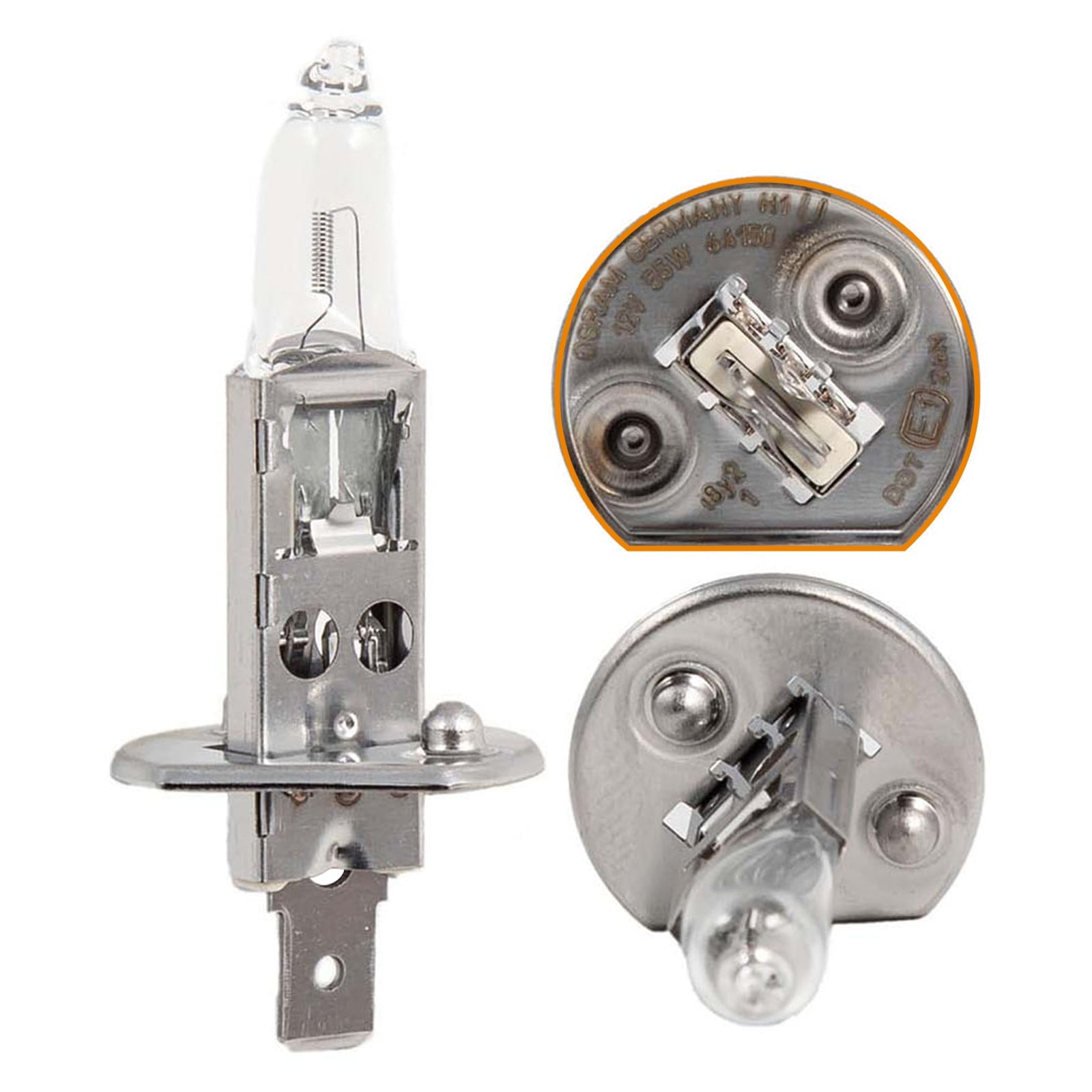

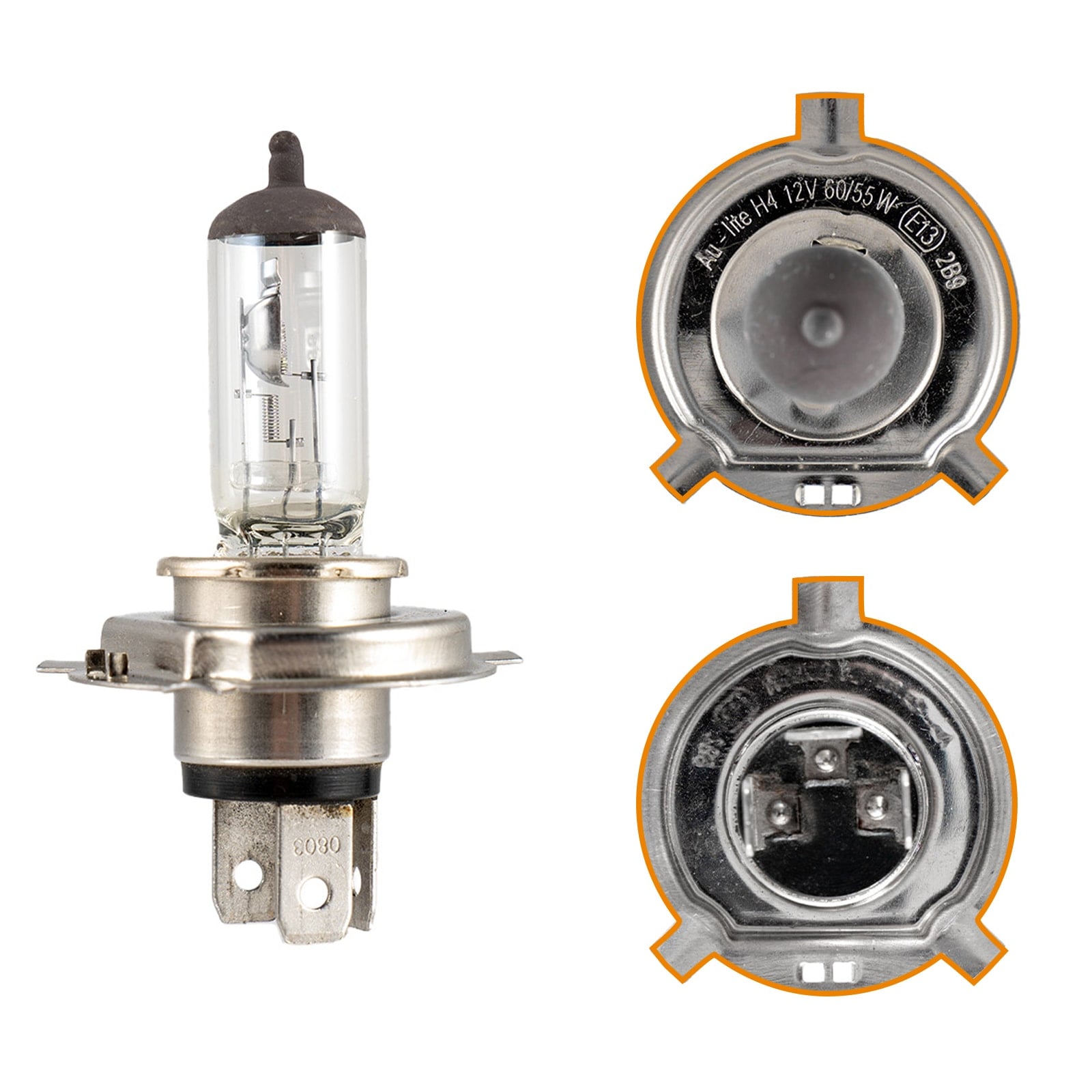
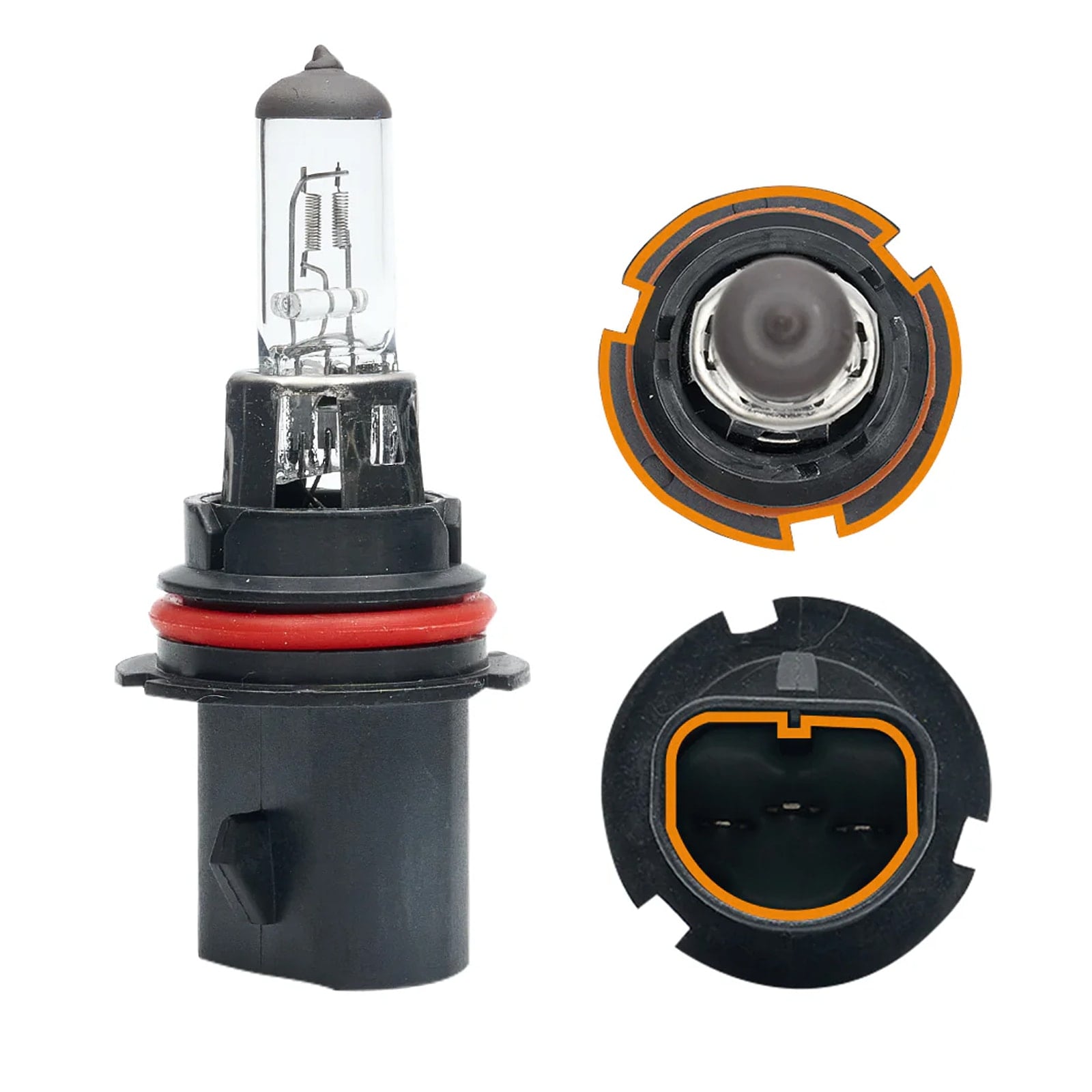
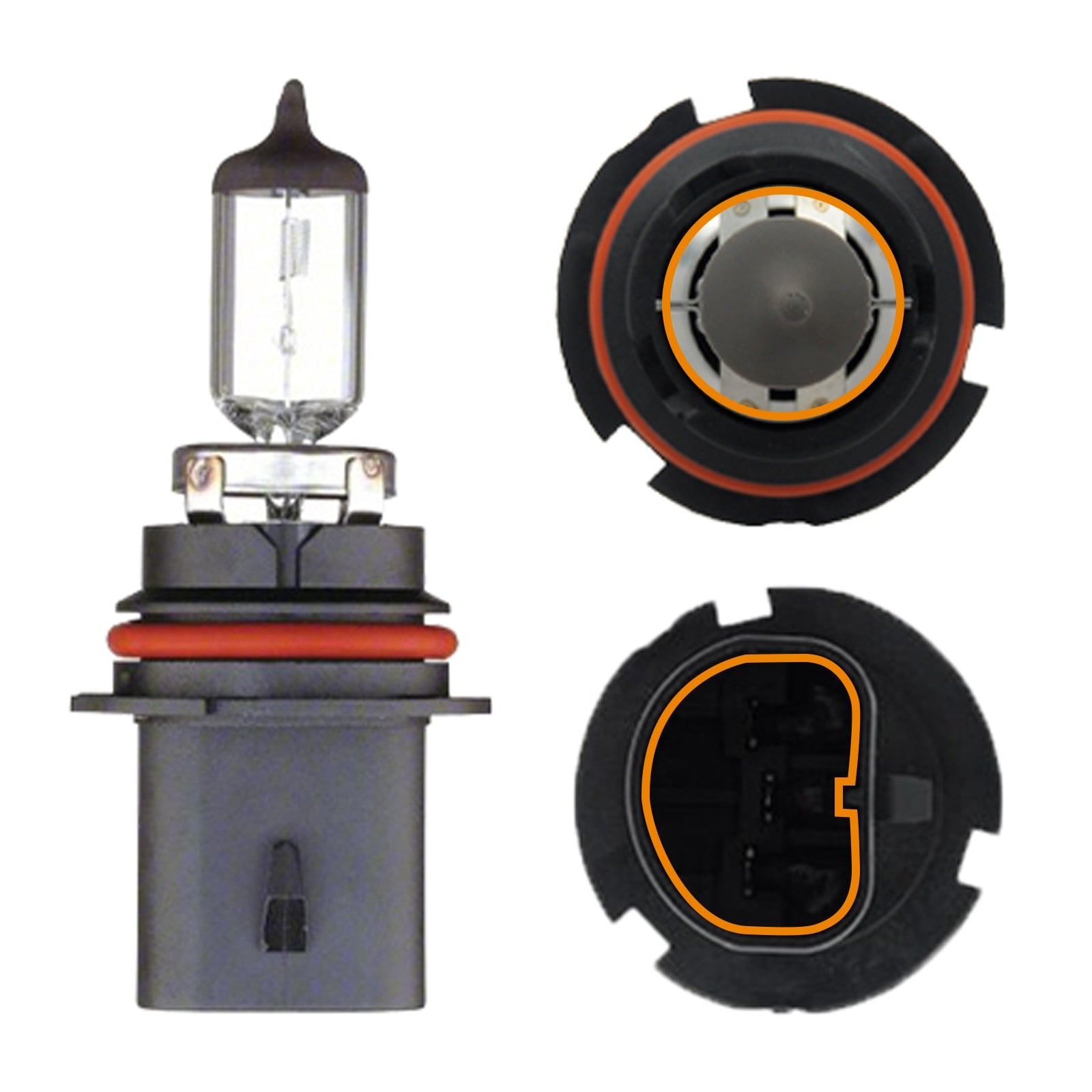
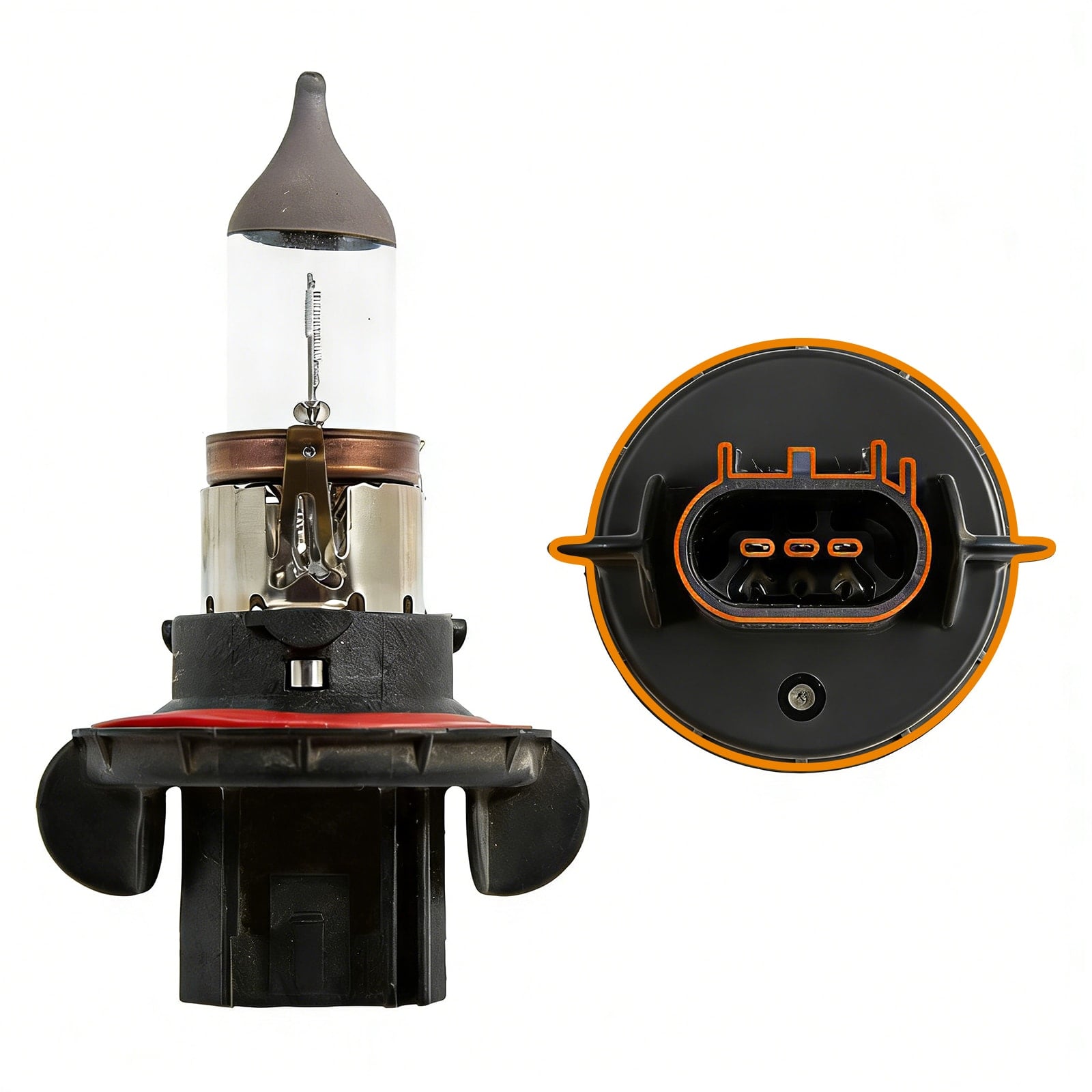
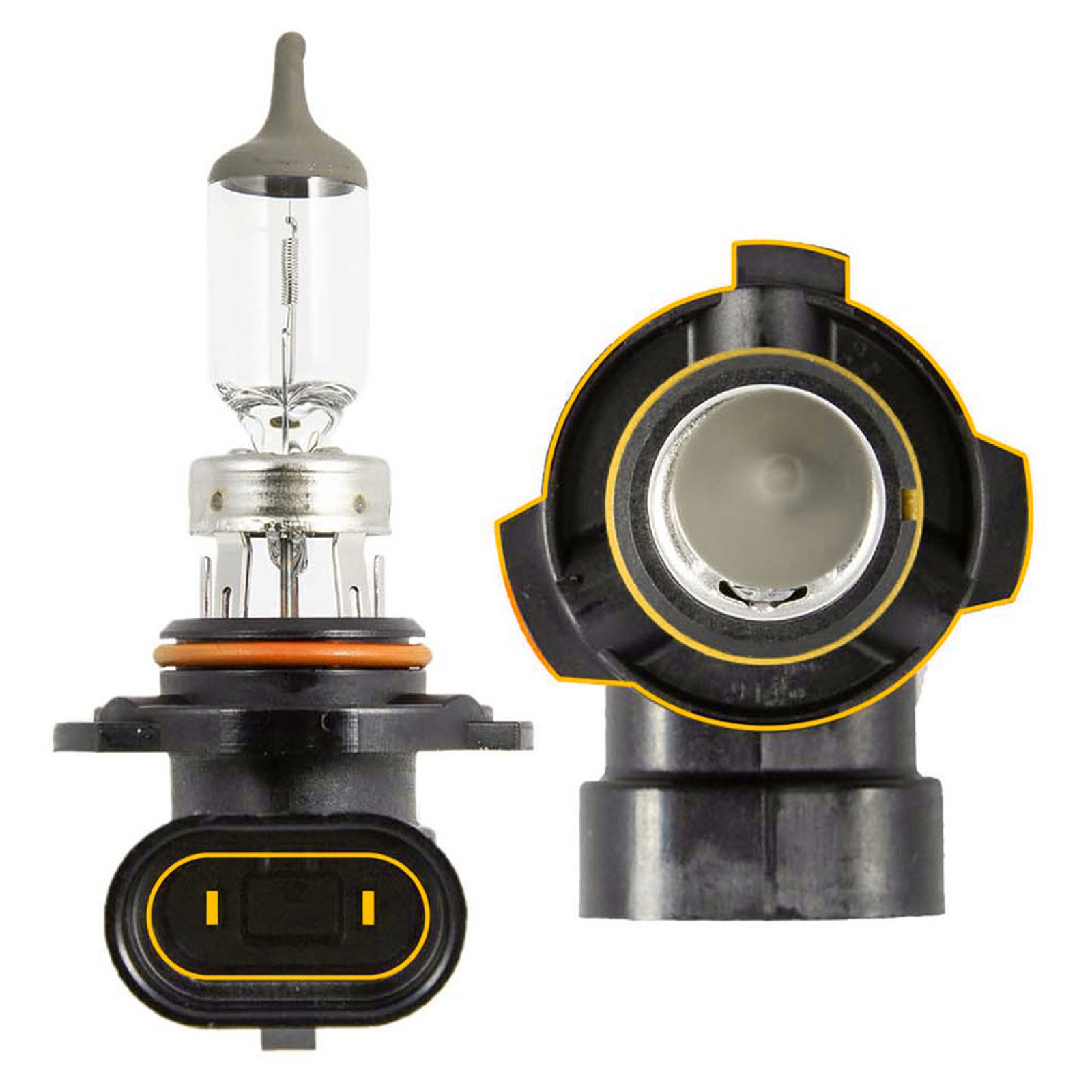
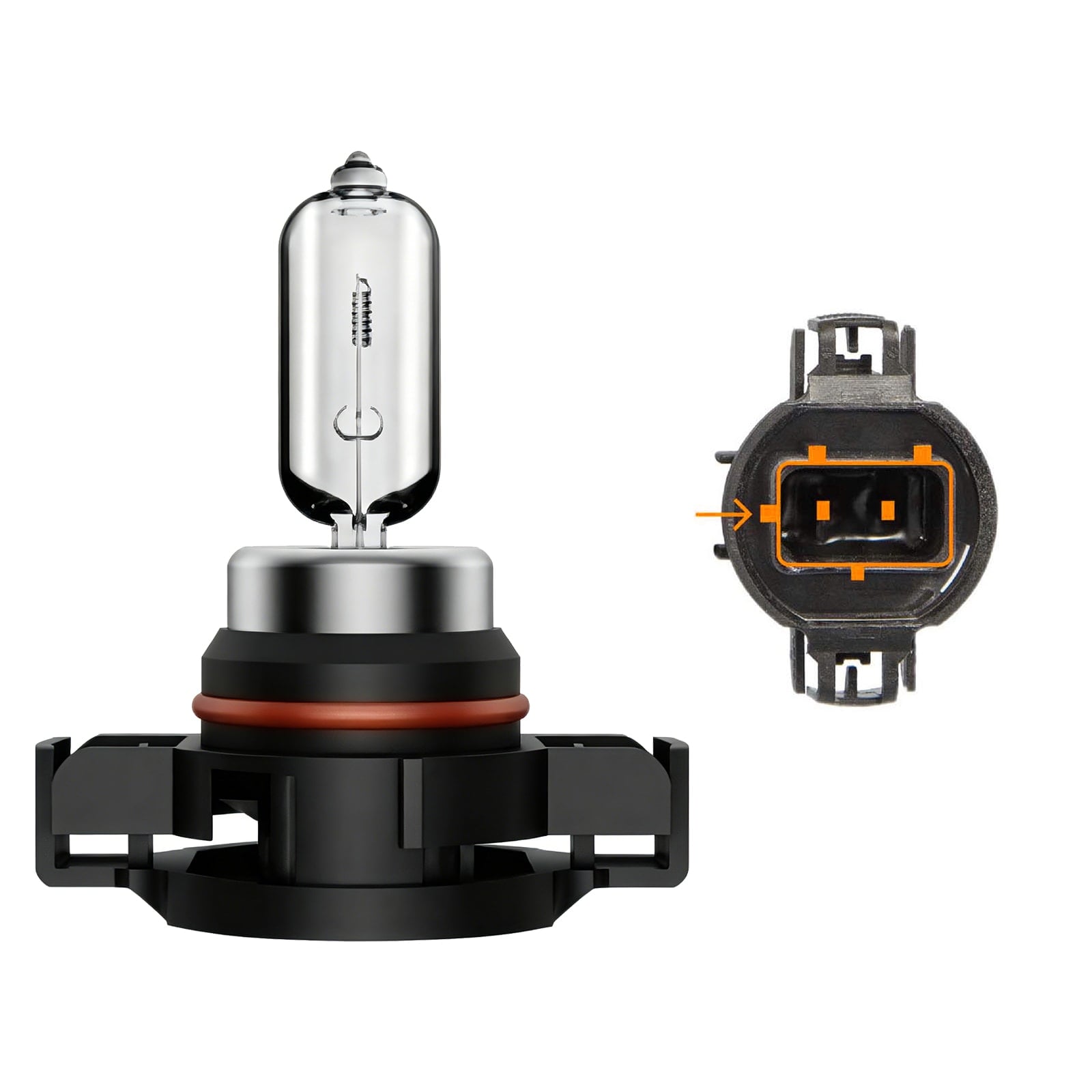
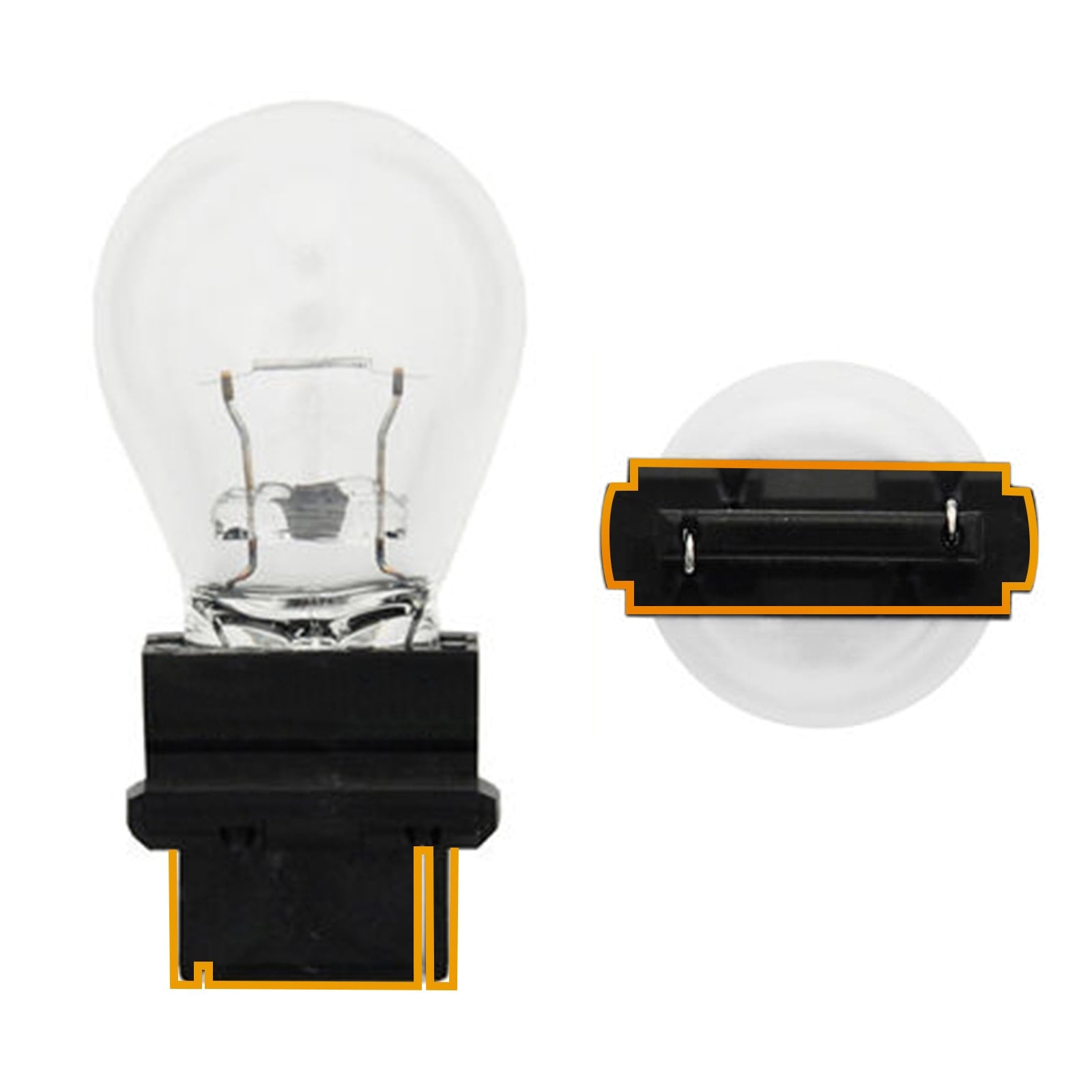
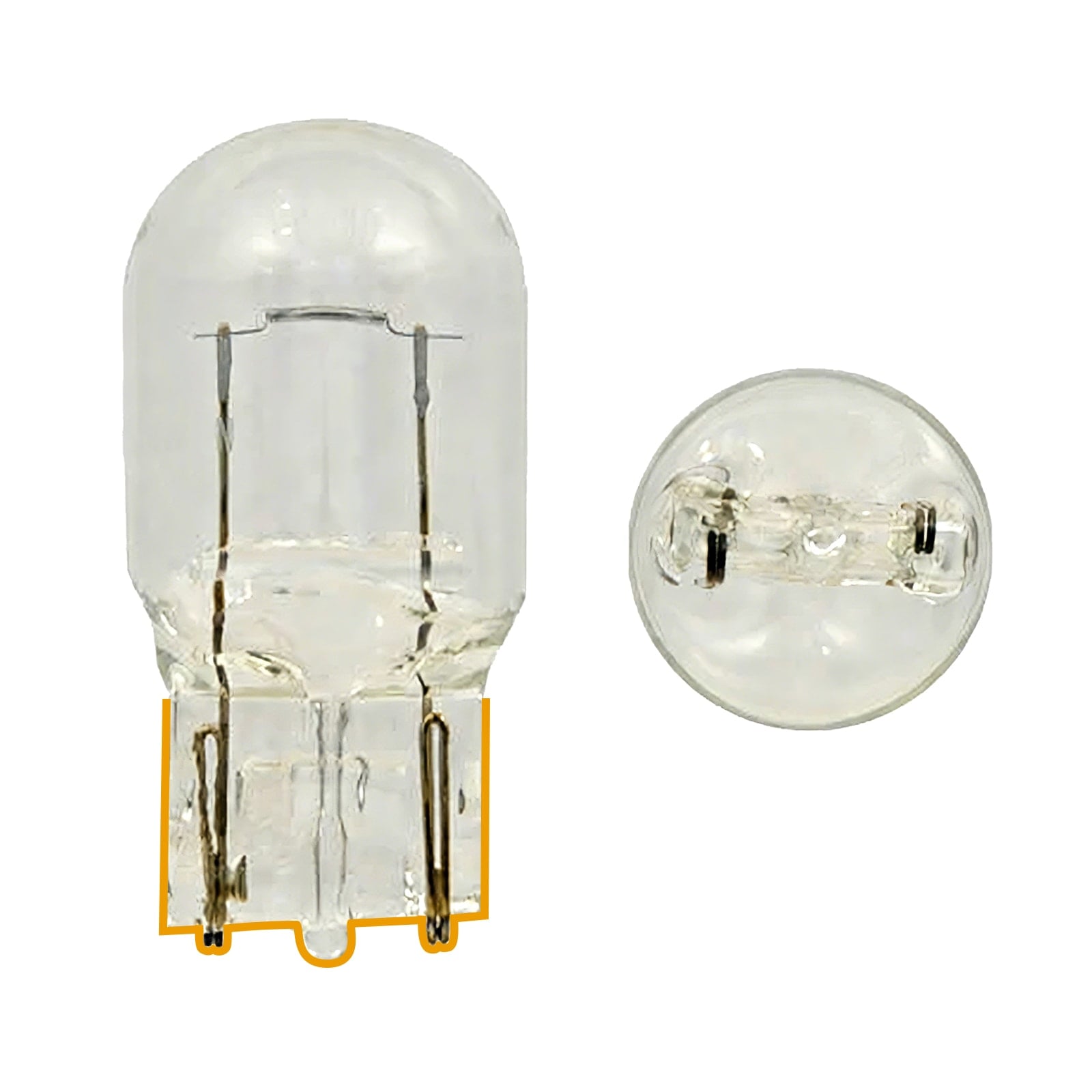
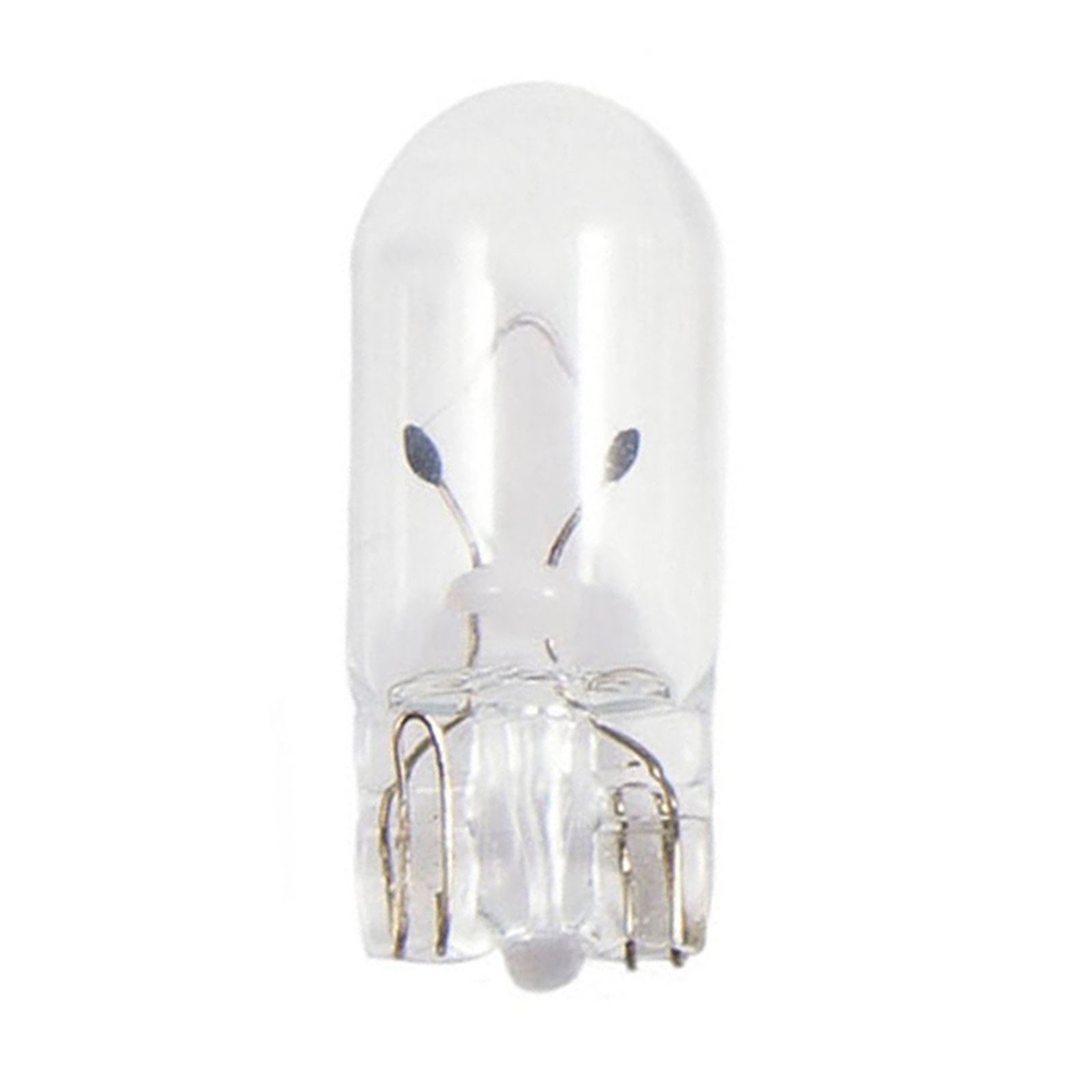
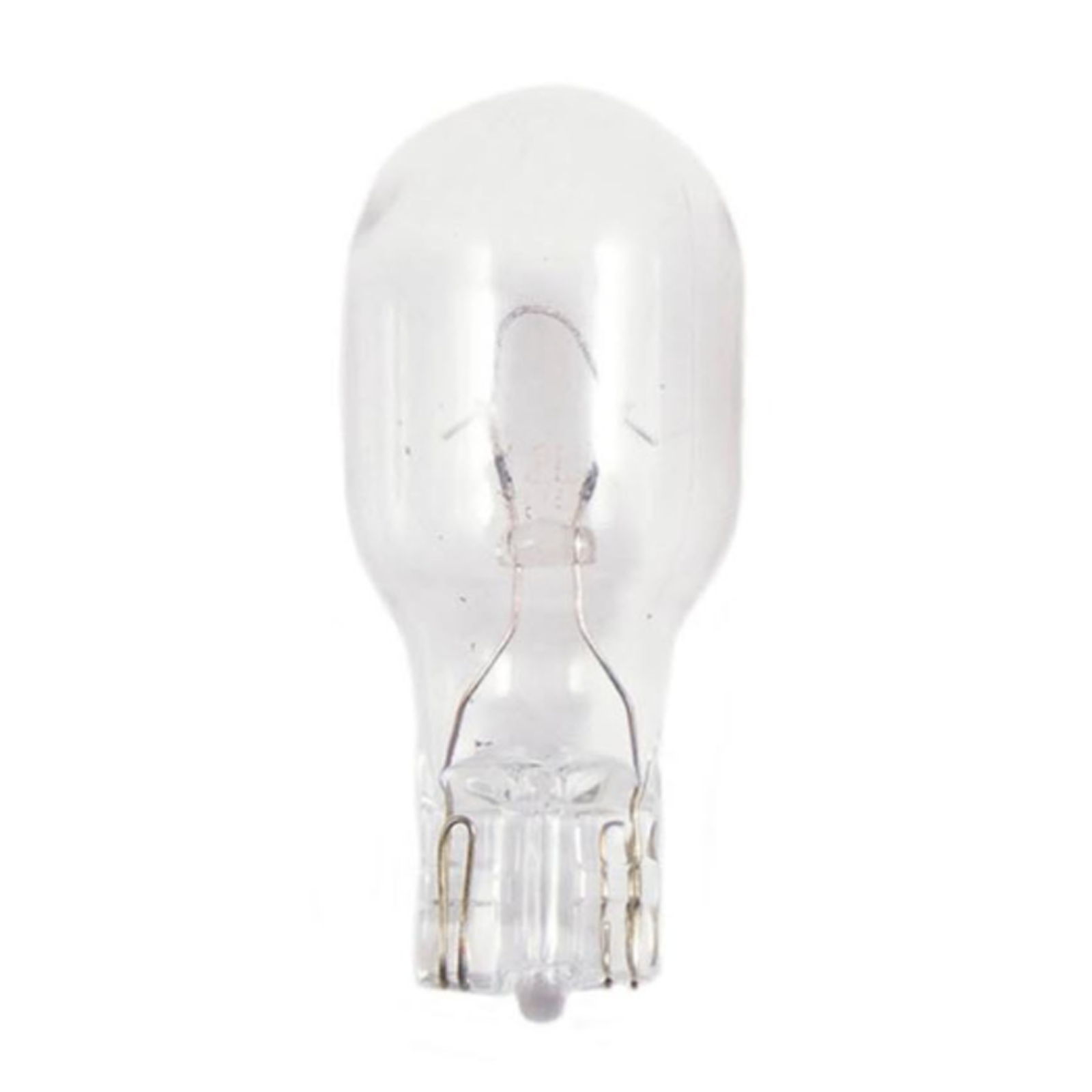
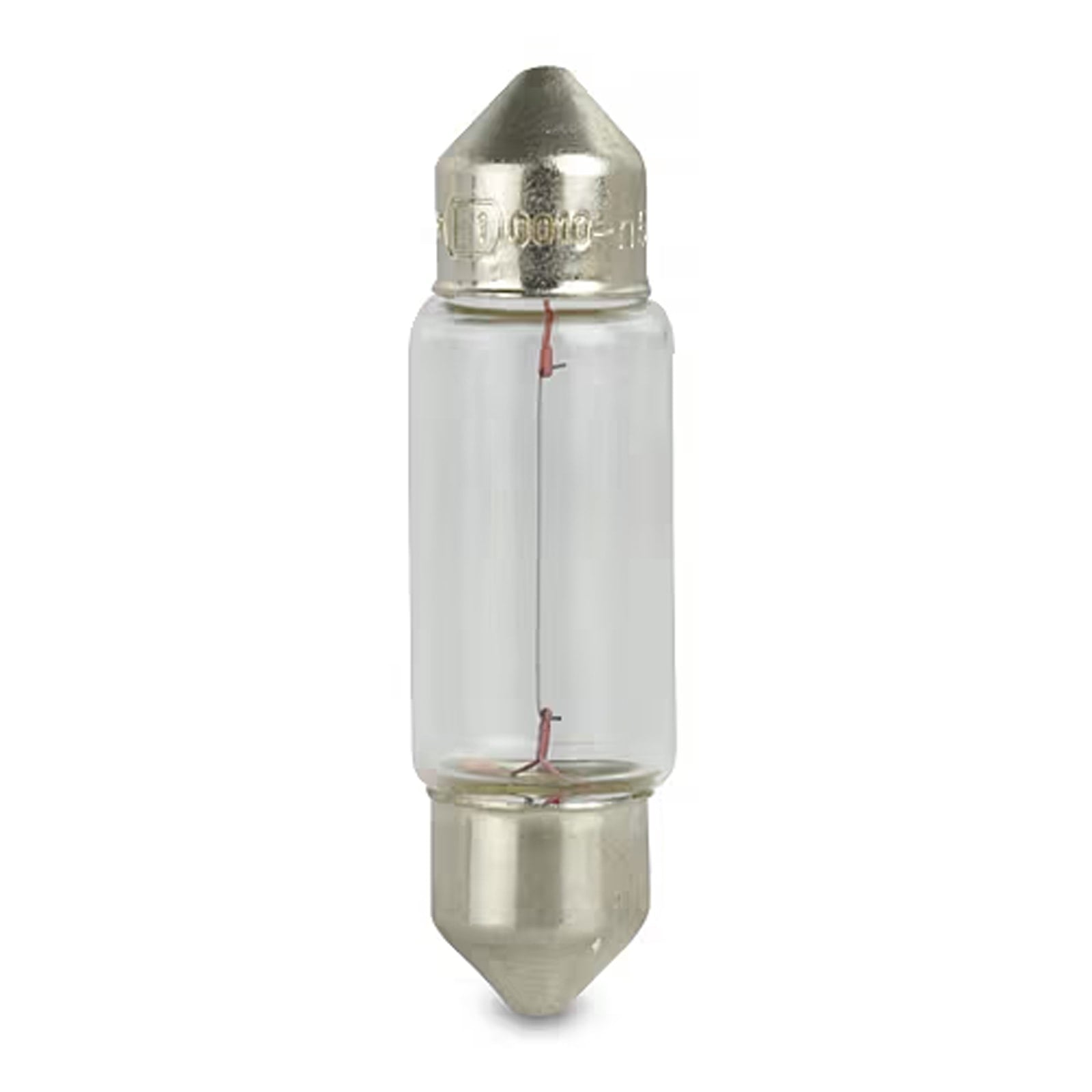


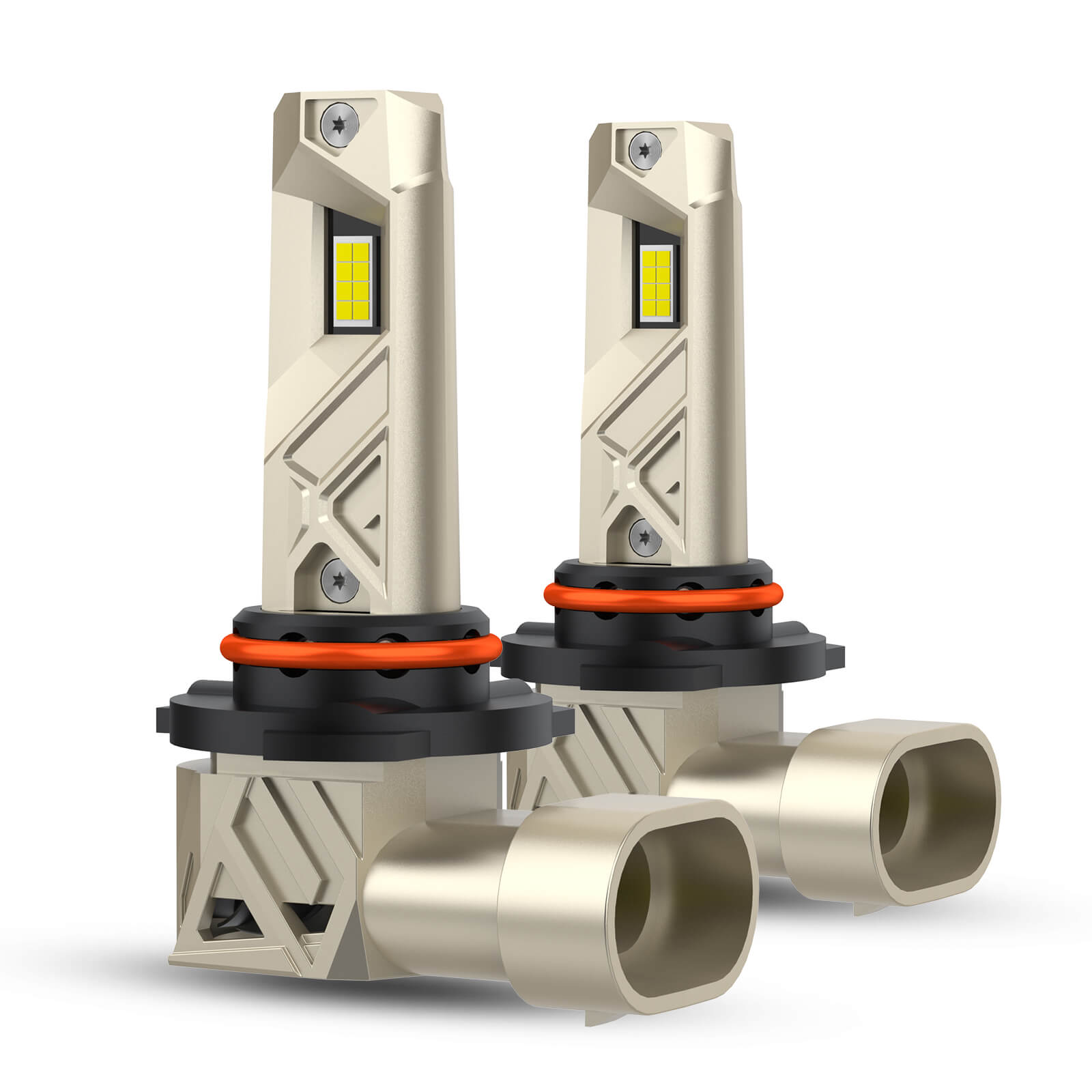


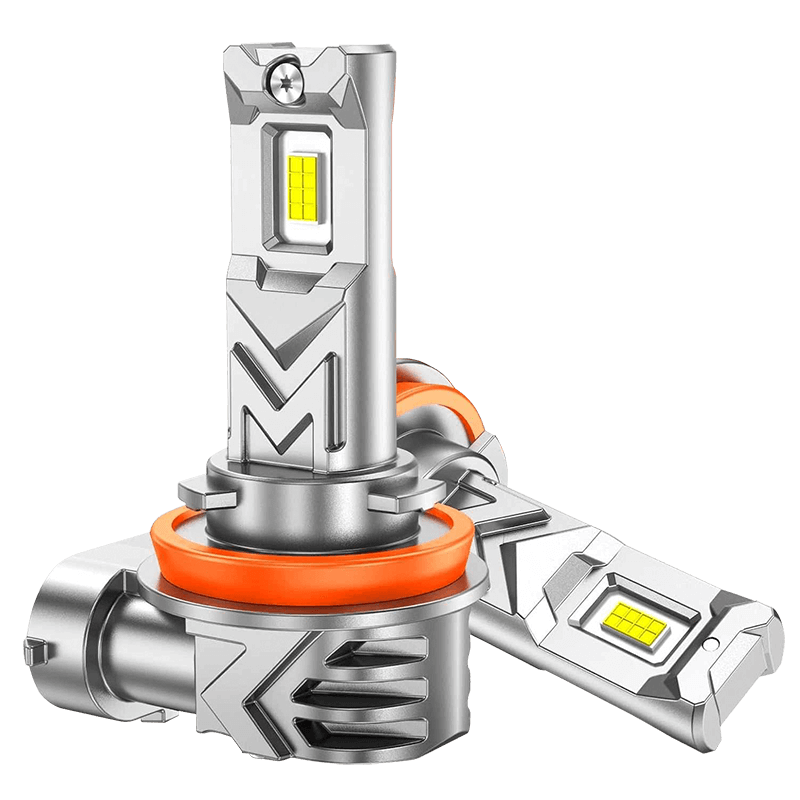
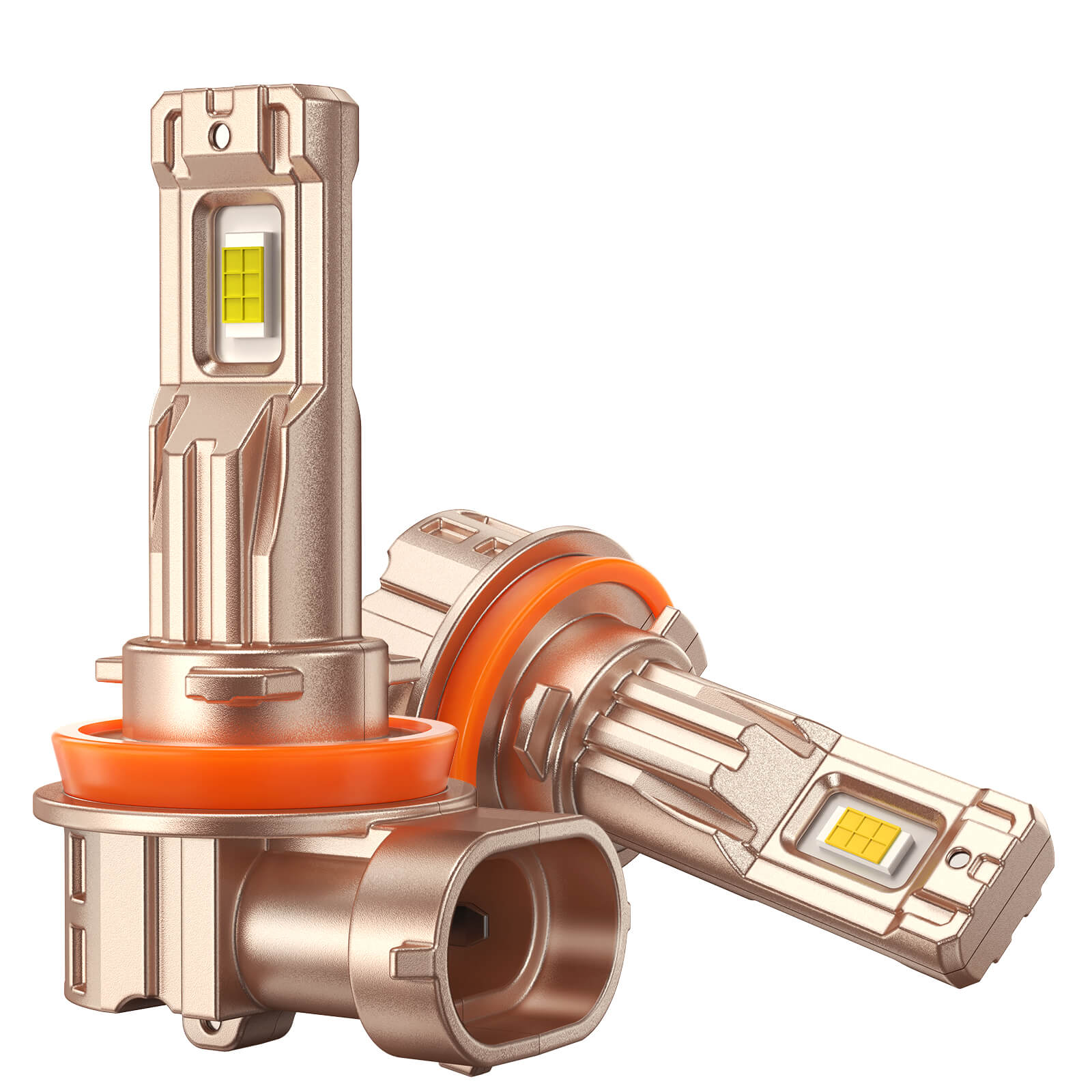


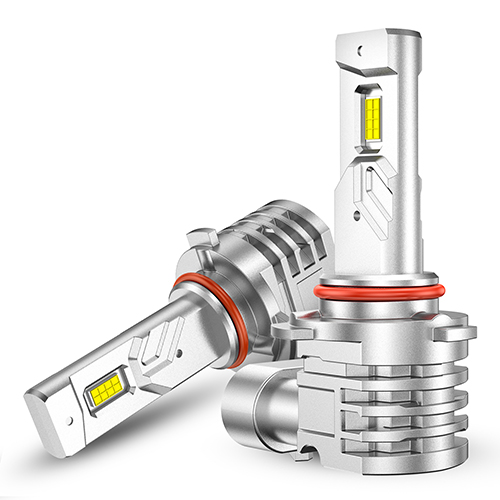
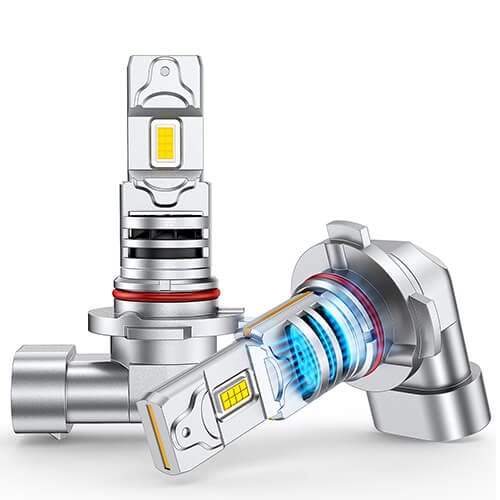

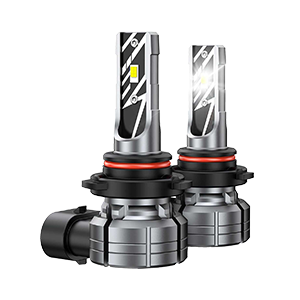


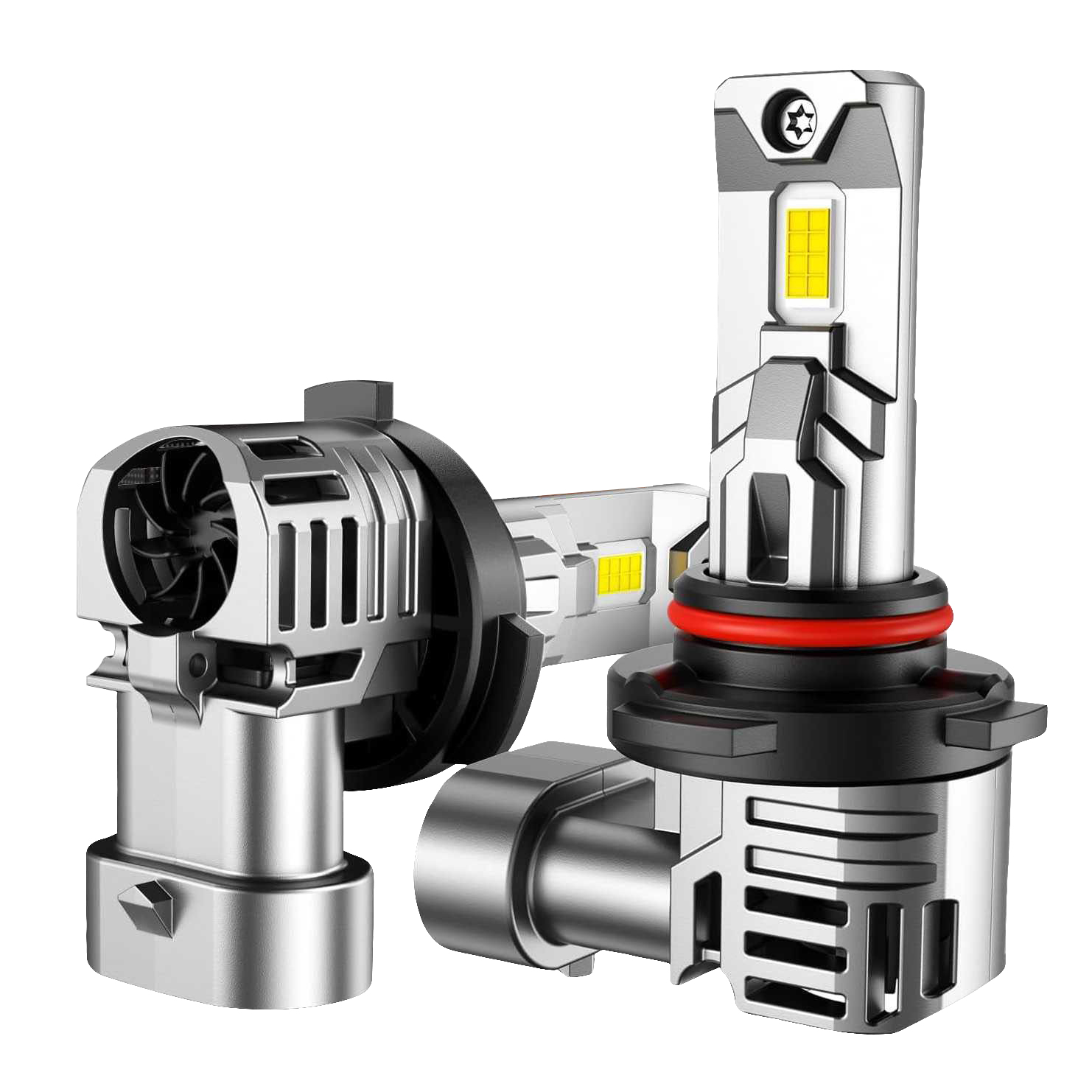


T10 and T15 bulbs look similar and often use the same general wedge-base design, but they serve different lighting needs. A T10 bulb is usually smaller and used in interior, license plate and marker lights. A T15 bulb is typically larger and designed for higher-output positions such as reverse and cargo lights.
However, a matching socket does not guarantee a correct replacement. Bulb dimensions, housing clearance, light output and the original application must also be considered. This T10 vs T15 guide explains these differences and helps you choose the correct LED bulb for your vehicle.
What Are T10 and T15 Bulbs?
T10 and T15 are informal automotive bulb-size families for small wedge-base lamps, but T10 bulbs usually serve lower-output positions while T15 bulbs usually serve higher-output positions. Each family contains several bulb numbers, so drivers must match the original code and lighting position rather than relying on the T-name alone.
For larger wedge bulbs used in reverse and cargo positions, the T15 vs 921 vs 912 explained clarifies where T15, 921, and 912 overlap—and where they do not.
A wedge bulb uses contact wires positioned along the sides of its base instead of a separate metal bayonet or threaded connector. The bulb pushes directly into a compatible wedge socket, which explains why some T10 and T15 bulbs can look interchangeable even when their complete dimensions and output requirements differ.
What Is a T10 Bulb?
A T10 bulb is a compact automotive wedge bulb commonly used in map, dome, glove-box, license-plate and side-marker lights. The term T10 often covers 194, 168, W5W and 2825 bulbs, although the original wattage, length and assigned vehicle position can differ among those bulb numbers.
A representative Philips W5W specification lists a 12-volt, 5-watt lamp with a W2.1×9.5d wedge base and a rated output of 50 lumens. That specification illustrates a conventional T10-family bulb, but it should not be treated as a universal specification for every 194, 168 or 2825 bulb.
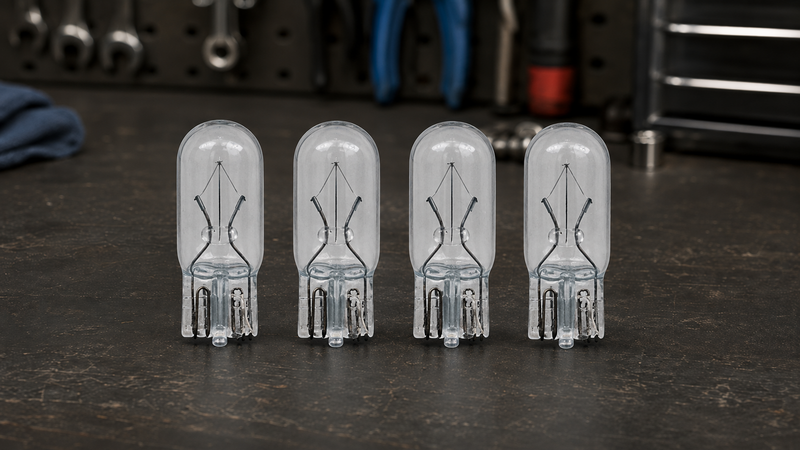
Common T10 bulb applications include:
- Map lights
- Dome lights
- Glove-box lights
- Door courtesy lights
- License-plate lights
- Side-marker lights
- Trunk lights
The compact T10 bulb body is useful in shallow housings and behind small lenses. If the original bulb is marked 194, 168, W5W or 2825, browse SEALIGHT T10 LED bulbs for compatible interior, license-plate and marker-light applications.
If the original marking is unclear, the 194, T10, and 168 bulb guide explains how these T10-family numbers relate.
What Is a T15 Bulb?
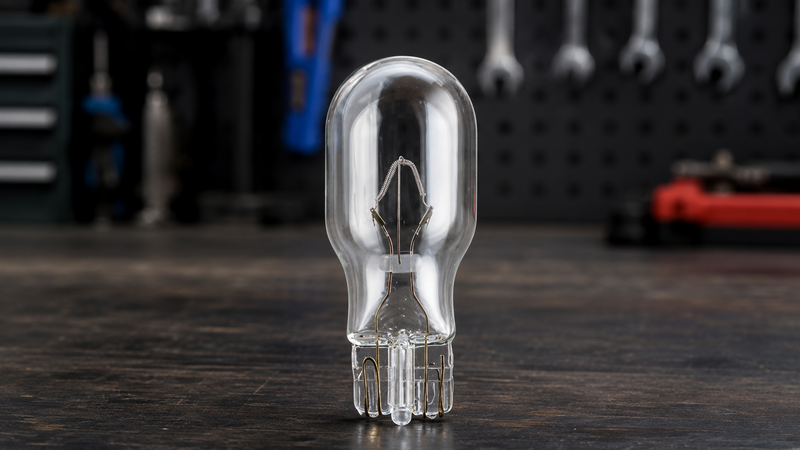
A T15 bulb is a larger wedge-style lamp commonly assigned to reverse, cargo, utility and selected third-brake-light positions. The T15 family often includes 921, 912 and W16W numbers, which generally require more output and housing clearance than common T10 applications.
An OSRAM W16W/921 data sheet lists a nominal 16-watt output, 38-millimeter length and 16-millimeter diameter. The same data sheet identifies a W2.1×9.5d base, demonstrating how a T15 bulb can use a familiar wedge connection while retaining a substantially larger body.
Common T15 bulb applications include:
- Reverse lights
- Cargo-area lights
- Utility lights
- Trunk lights
- Selected third brake lights
- Higher-output interior positions
If the original vehicle specification calls for 921, 912 or W16W, explore SEALIGHT T15 LED bulbs for compatible reverse, cargo and other higher-output applications.
What Are the Key Differences Between T10 and T15 Bulbs?
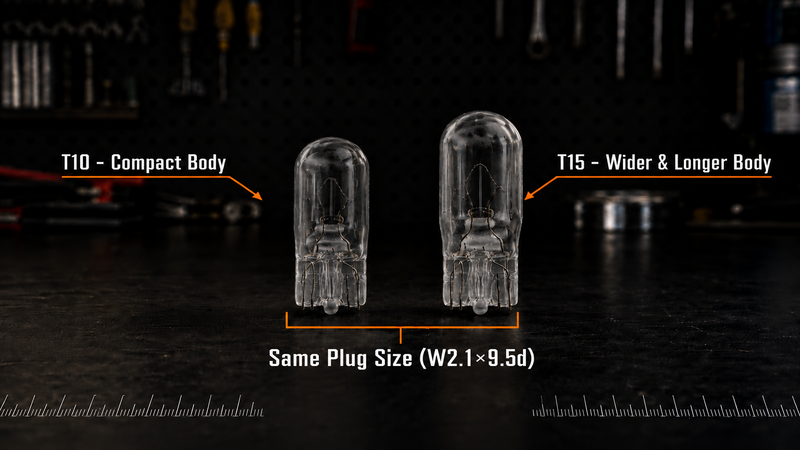
The practical difference between T10 and T15 bulbs is not the socket alone: T15 bulbs are generally larger, use more power in halogen form and serve higher-output positions, whereas T10 bulbs fit compact housings and lower-output applications. Actual measurements still depend on the specific bulb number and replacement design.
| Feature | T10 Bulb | T15 Bulb |
|---|---|---|
| Common bulb numbers | 194, 168, W5W, 2825 | 921, 912, W16W |
| Typical bulb body | Shorter and narrower | Longer and wider |
| Typical halogen power | Approximately 3–5W | Approximately 12–16W |
| Output requirement | Low to moderate | Moderate to high |
| Common applications | Interior, license plate and marker lights | Reverse, cargo and selected third brake lights |
| Socket design | Small wedge base | Often a similar wedge base |
| Main fitment risk | Insufficient output in a T15 application | Insufficient housing clearance in a T10 application |
These figures describe general bulb families rather than every product. LED bulb dimensions, wattage and output can vary considerably because manufacturers use different circuit boards, lenses, drivers and thermal-control designs.
How Do T10 and T15 Bulb Size and Socket Design Differ?
A T10 bulb is generally shorter and narrower than a T15 bulb, even when both products use similar wedge contacts. The larger T15 body can prevent installation in compact map-light or license-plate housings, while the smaller T10 body may fit a T15 socket without producing enough usable light.
Complete bulb size matters more than base width alone. An LED replacement may include:
- A forward-facing projector lens
- A wide printed circuit board
- Side-mounted LED chips
- An integrated electrical driver
- A metal heat-dissipation structure
A compatible wedge base confirms only that the contacts may enter the socket. It does not confirm that the complete LED bulb will clear the reflector, lens, housing opening or removable cover.
Compare the replacement bulb’s published length and width with the available housing space. Never force a T15 bulb into a compact T10 housing or modify a lamp assembly solely to accommodate an incorrectly sized bulb. If the fixture uses a double-ended tube bulb, the Complete festoon bulb guide shows how to identify the base and measure the correct festoon length.
How Do T10 and T15 Wattage and Brightness Compare?
A conventional T15 halogen bulb generally consumes more power and produces more light than a conventional T10 bulb because reverse and cargo applications require greater illumination. LED wattage, however, does not directly predict usable brightness because LED efficiency, thermal control, chip position and reflector interaction also affect performance.
Lumens measure luminous flux, meaning the total quantity of visible light emitted by a source. Illuminance describes the light reaching a surface and is measured in lux, as explained in the NIST photometry definitions.
For reverse lights, broad and useful illumination behind the vehicle matters more than a concentrated bright spot inside the lamp. For interior lights, excessive output can create glare without improving practical visibility.
When comparing T10 vs T15 LED bulbs, evaluate:
- Light distribution inside the original reflector
- Forward-facing, side-facing or 360-degree chip placement
- Stable output after the LED warms up
- Complete bulb dimensions
- Electrical compatibility
- Color appropriate for the lighting position
Advertised lumens should be treated as one specification, not as proof that a bulb will perform well in every housing.
Are T10 and T15 Bulbs Interchangeable?
T10 and T15 bulbs are not automatically interchangeable, even when both products enter the same wedge-style socket. A correct replacement must fit the electrical contacts, clear the complete lamp housing and provide suitable light output for the original position without creating warnings, flicker, excessive glare or insufficient illumination.
A replacement should meet all three requirements:
- The base and electrical contacts fit the socket securely.
- The complete bulb fits inside the housing without modification.
- The bulb provides suitable output and distribution for the lighting function.
Physical connection addresses only the first requirement. Vehicle fitment and lighting performance must still be confirmed separately.
Can a T10 Bulb Fit a T15 Socket?
A T10 bulb can physically fit some T15 sockets because several T10 and T15 bulb numbers use similar wedge-base dimensions. However, a smaller T10 bulb may produce insufficient illumination in a reverse-light or cargo-light application designed around the greater output and larger light-emitting area of a T15 bulb.
A T10 light bulb may illuminate when installed in a 921 socket, but electrical operation does not prove correct performance. Weak reverse-light coverage can make obstacles, pavement edges and pedestrians harder to see when backing up at night.
If the original reverse light uses a 921, 912 or W16W bulb, select a compatible T15 replacement. The SEALIGHT backup and reverse light bulb collection can be filtered according to the required bulb number and vehicle application.
Can a T15 Bulb Fit a T10 Socket?
A T15 bulb may connect to some T10 sockets, but the longer and wider T15 body frequently creates a clearance problem in compact housings. Even when installation is physically possible, the greater output may be unnecessary or uncomfortable in a small interior lamp designed for a lower-output T10 bulb.
Clearance problems are especially likely in:
- License-plate lights
- Map lights
- Dome lights
- Glove-box lights
- Side-marker lights
- Small door courtesy lights
A T15 bulb should not be forced through a narrow opening or pressed against a lens. Excessive bulb length can also interfere with reflector surfaces or prevent a housing cover from closing correctly.
How Should You Choose the Right T10 or T15 LED Bulb?
Choose a T10 or T15 LED bulb by confirming the original bulb number first, then checking the lighting position, complete bulb dimensions, light distribution and electrical compatibility. Brightness claims should be considered only after fitment because an incorrectly sized or poorly positioned LED cannot deliver reliable performance in the original housing.
How Can You Confirm T10 or T15 LED Bulb Fitment?
Confirm fitment by checking the number printed on the original bulb, reviewing the owner’s manual and verifying the vehicle’s year, make, model, trim and lighting position. A single vehicle can use T10 bulbs for interior lights and a T15 bulb for reverse lights, so vehicle compatibility alone is not sufficiently specific.
Common cross-reference groups include:
- T10: 194, 168, W5W and 2825
- T15: 921, 912 and W16W
Use the SEALIGHT Automotive Bulb Finder to identify the specified bulb size for the relevant vehicle position. Because trim levels and previous modifications can affect fitment, compare the search result with the original bulb before ordering.
After confirming the bulb number, compare the replacement’s complete length and width with the housing. LED projector lenses, circuit boards and thermal-control components can make an LED replacement larger than the original halogen bulb.
How Should You Match LED Output, Chip Direction and Color?
Match the LED design to the way the original lamp housing directs light because chip position can affect coverage more than chip count. Forward-facing LEDs suit lamps that send light directly toward the outer lens, while side-facing or 360-degree designs can provide better reflector coverage in dome, map and selected reverse-light housings.
The main LED layouts are:
- Forward-facing LEDs: Direct light toward the outer lens and suit housings that depend on forward projection.
- Side-facing LEDs: Direct light toward surrounding reflector surfaces and often suit dome or map lights.
- 360-degree LEDs: Distribute light around the bulb body for housings that collect light from multiple directions.
More LED chips do not automatically create better illumination. Chip efficiency, placement, thermal control and reflector alignment determine how much advertised output becomes usable light.
Bulb color should also match the original lighting function:
- White for compatible reverse, license-plate and interior lights
- Amber for compatible marker or turn-signal positions
- Red for compatible brake or tail-light positions
A white LED installed behind a colored lens may not reproduce the intended color or intensity. For exterior road-use applications in the United States, confirm the required function and color under Federal Motor Vehicle Safety Standard No. 108 and applicable state regulations.
How Do Polarity and CANbus Compatibility Affect T10 and T15 LEDs?
Some T10 and T15 LED bulbs are polarity-sensitive, meaning electrical current must pass through the LED in the correct direction. Vehicle bulb-monitoring systems can also detect the lower power consumption of an LED as a failed halogen bulb, causing dashboard warnings, flicker or a faint glow after shutdown.
If a newly installed wedge LED does not illuminate, turn off the power, remove the bulb and rotate the LED 180 degrees before testing again. A non-polarized LED will operate in either orientation, while a polarity-sensitive LED requires the positive and negative contacts to align correctly.
CAN bus means Controller Area Network, the communication system used by vehicle control modules. In monitored lighting circuits, the control unit can compare electrical load with an expected value. HELLA explains that lower LED power consumption can be interpreted as a bulb failure, producing warning messages or flickering.
A compatible LED or CANbus decoder may be required when the vehicle monitors the relevant lighting circuit. Loose contacts, corrosion, damaged sockets and mixed bulb types should also be checked before assuming that the CANbus system is the only cause.
For vehicles that use both bulb families, the SEALIGHT T10 and T15 LED bulb combo provides separate T10 and T15 bulbs for their corresponding lighting positions.
How Do You Install T10 and T15 LED Bulbs?
Most T10 and T15 LED bulbs use a direct plug-in wedge connection, but safe installation still requires the vehicle to be switched off and the correct lamp housing to be accessed without damaging clips or lenses. Test the LED before closing the housing so polarity, contact and warning issues can be corrected immediately.
Follow these basic steps:
- Turn off the vehicle and the relevant lighting circuit.
- Access the lamp housing according to the owner’s manual.
- Pull the original wedge bulb straight out of the socket.
- Compare the old bulb number and dimensions with the replacement.
- Insert the LED bulb until the contacts sit securely.
- Test the light before reinstalling the lens or housing cover.
- If the LED does not illuminate, switch off the power and rotate the bulb 180 degrees.
- Check for flicker, dashboard warnings and stable illumination.
- Reinstall the lens or cover after confirming normal operation.
When testing a reverse light, secure the vehicle, apply the parking brake and use a helper when possible. Do not stand directly behind a vehicle that could move unexpectedly.
Frequently Asked Questions
Is a T10 Bulb the Same as a 194, 168 or W5W Bulb?
T10 is a general bulb-size family, while 194, 168 and W5W are specific bulb designations commonly grouped within that family. The bulbs often share a similar wedge base, but wattage, length, output and vehicle application can differ, so the original bulb number should still be confirmed before replacement.
Is a T15 Bulb the Same as a 921, 912 or W16W Bulb?
T15 is commonly used as a family name for 921, 912 and W16W wedge bulbs, particularly in reverse, cargo and utility-light applications. The designations are frequently cross-referenced, but they should not be assumed identical in every specification or vehicle. Confirm the original code, application and available housing space.
Is a T15 Reverse Light Bulb Better Than a T10 Bulb?
A T15 bulb is generally the better reverse-light choice when the vehicle originally specifies a 921, 912 or W16W bulb because the application is designed for greater illumination. A T15 bulb is not universally better, however; T10 bulbs remain more appropriate for many compact interior, license-plate and marker-light housings.
What Is the Difference Between T10, T15 and T20 Bulbs?
T10 is generally the smallest family and commonly serves interior or license-plate lights. T15 is larger and often serves reverse or cargo lights. T20 is a separate, larger family that includes 7440 and 7443 bulbs, so T10, T15 and T20 bulbs should not be interchanged by appearance alone.
Why Does a T10 or T15 LED Bulb Not Work After Installation?
A T10 or T15 LED may fail to illuminate because of reversed polarity, loose contacts, an incorrect bulb size, a damaged socket or an incompatible monitored circuit. Turn off the power, check the contacts and rotate a polarity-sensitive wedge bulb 180 degrees. Persistent flicker or warnings may require a CANbus-compatible solution.
Which Is the Better Choice: T10 or T15?
Choose a T10 bulb for compact, lower-output positions such as map, dome, license-plate and side-marker lights. Choose a T15 bulb when the original application requires greater illumination, particularly for reverse and cargo lights. Similar wedge contacts do not make T10 and T15 bulbs universally interchangeable.
Before upgrading, confirm the original bulb code, lighting position and available housing space with the SEALIGHT Automotive Bulb Finder. Once fitment is verified, select the corresponding SEALIGHT T10 or T15 LED option based on the vehicle’s original application rather than bulb appearance or advertised brightness alone.