
 Headlight Bulbs


 Track Order
 My Vehicles
 Contact Us
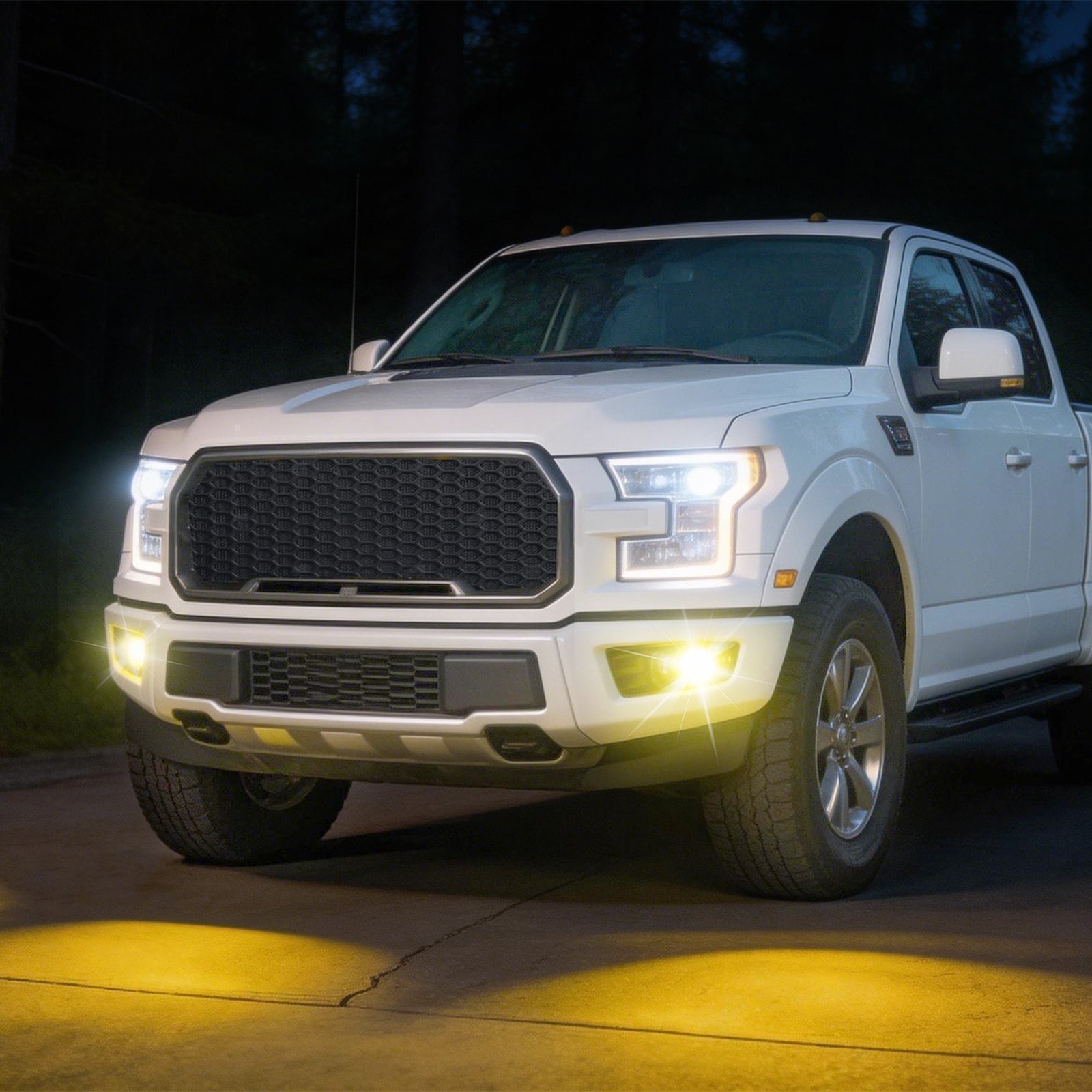
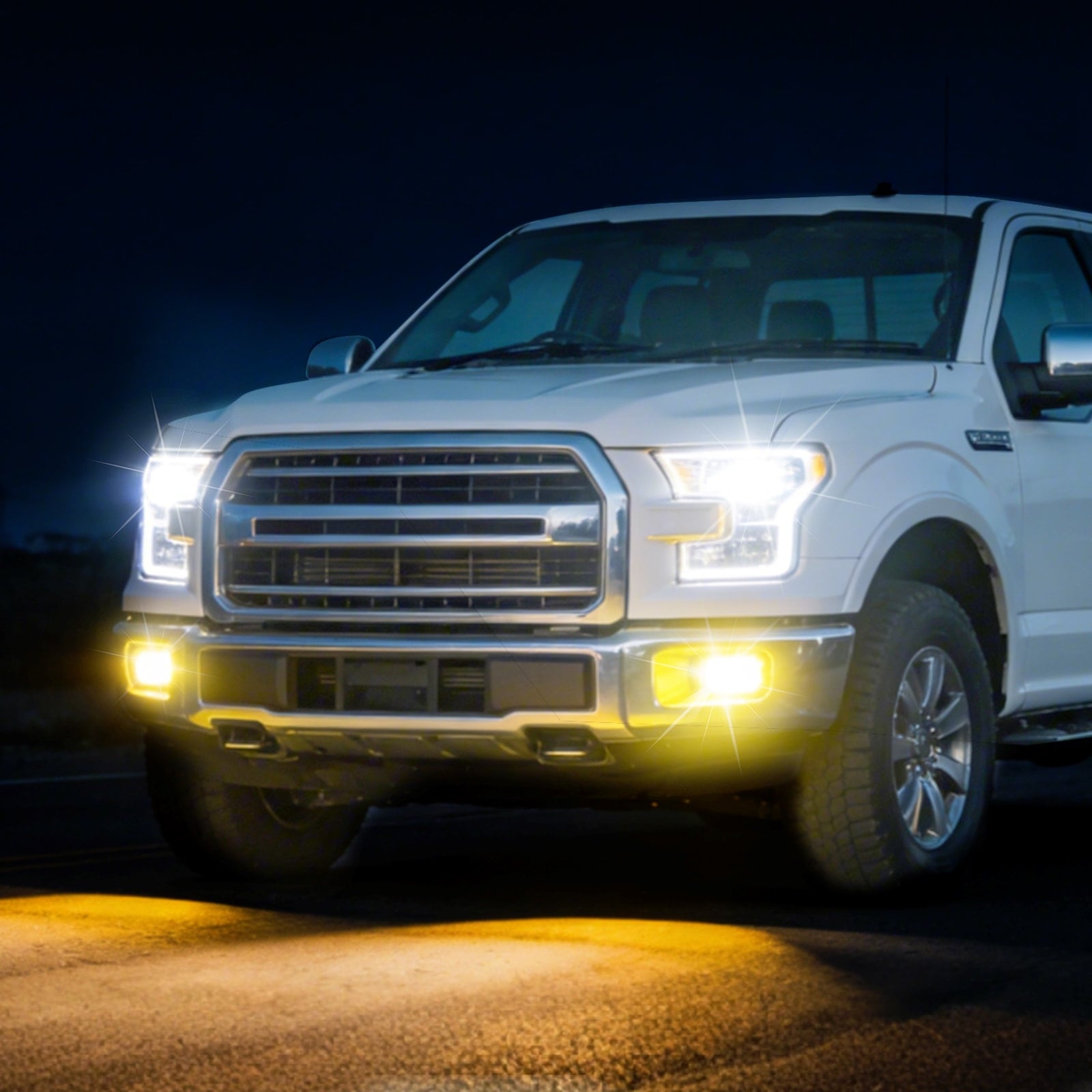
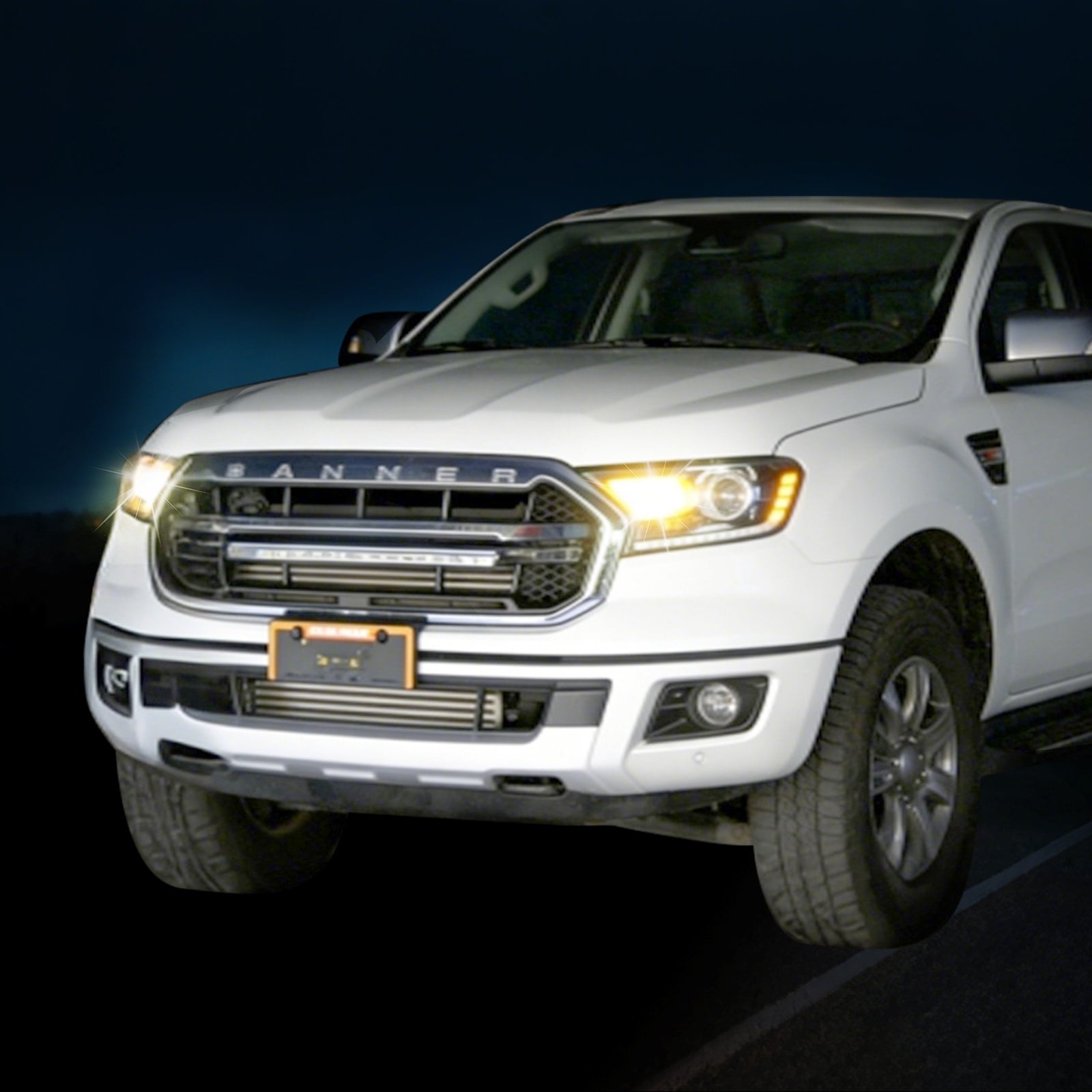

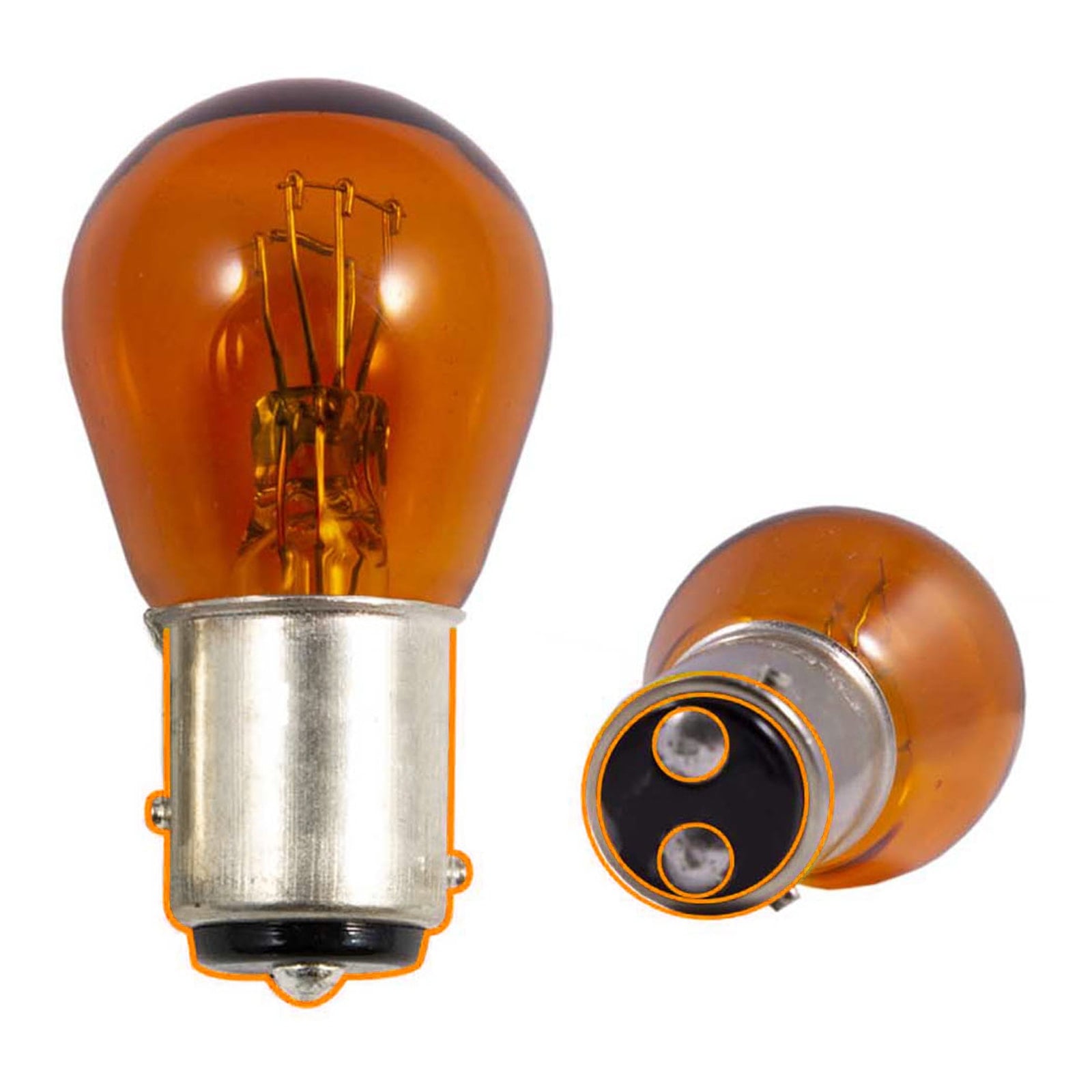
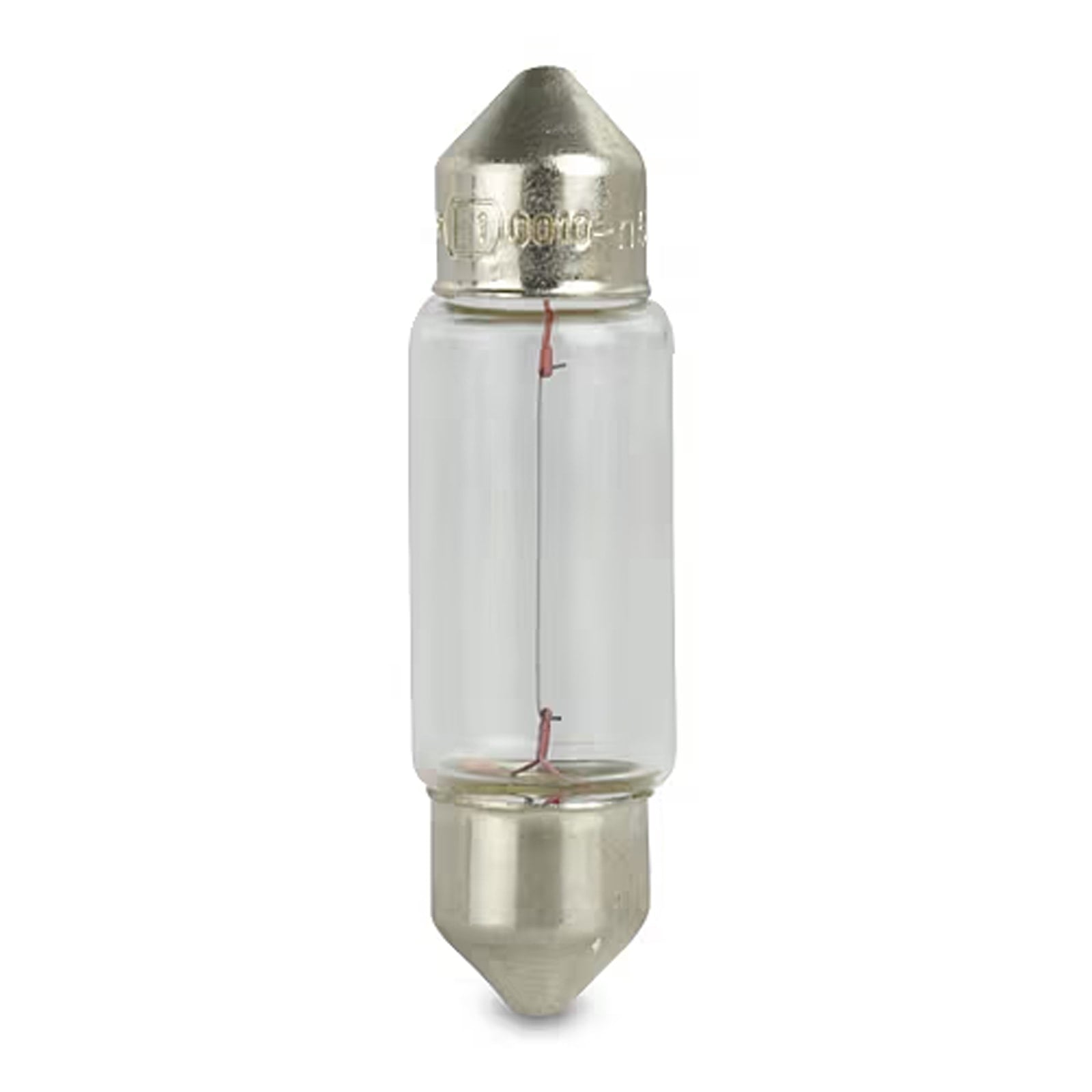
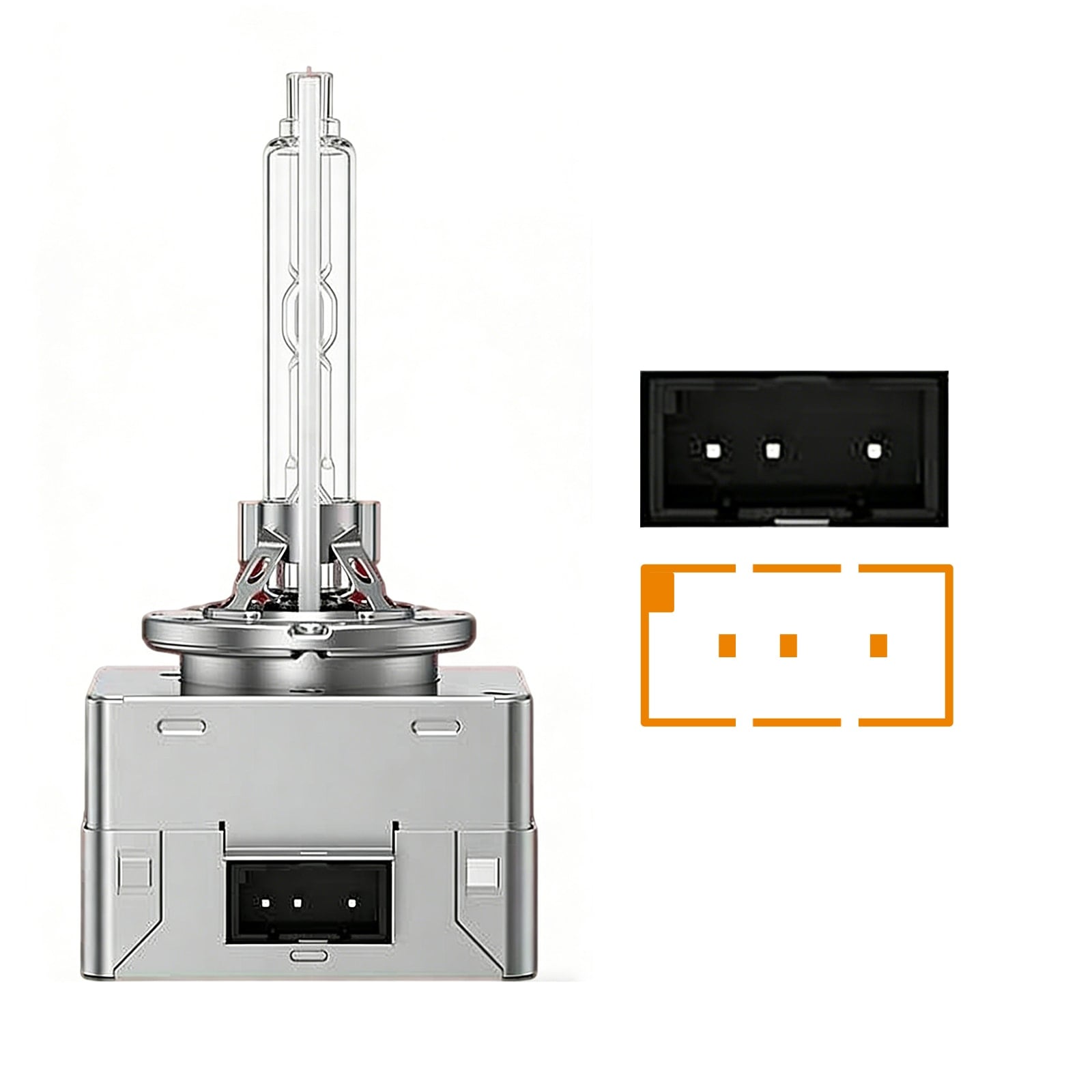
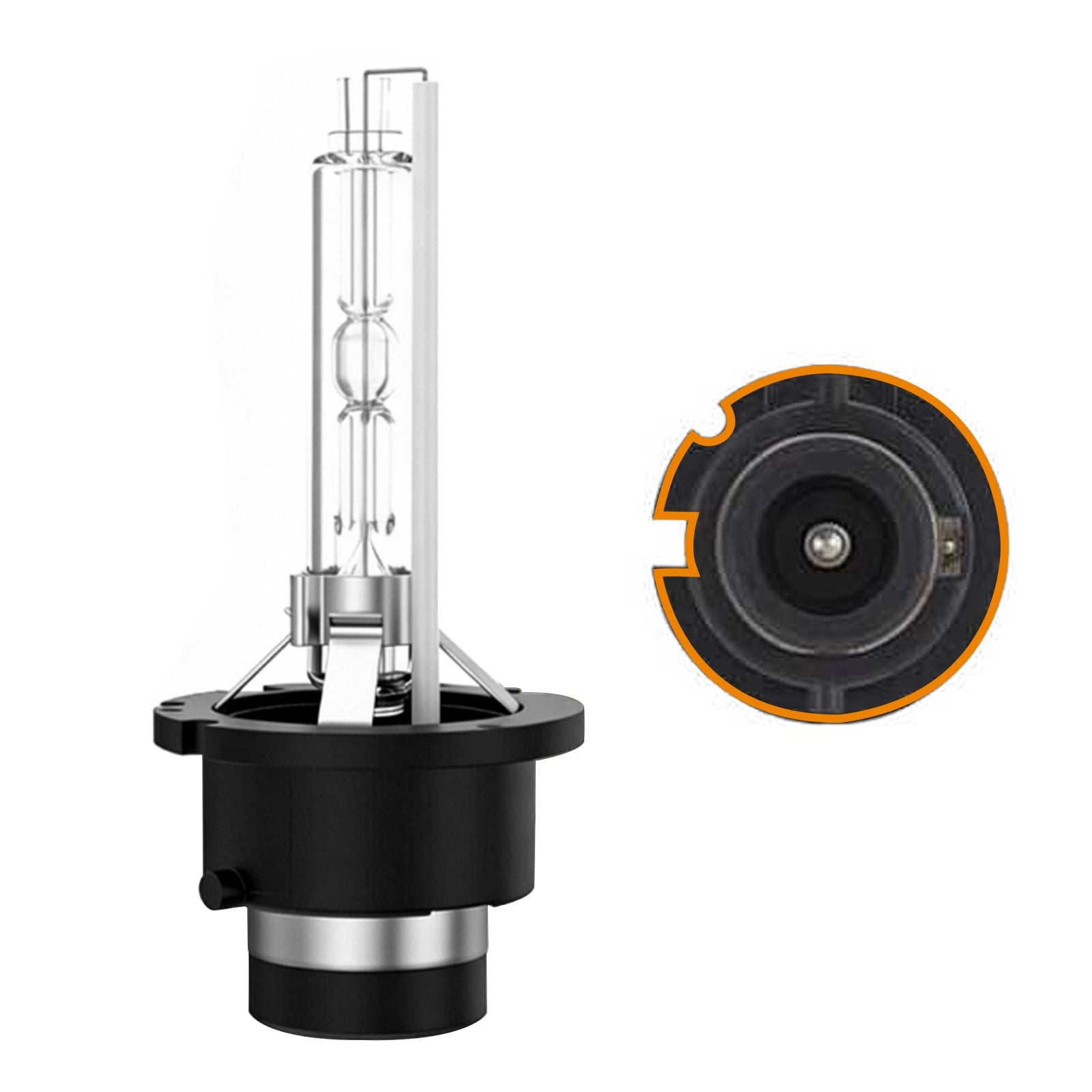


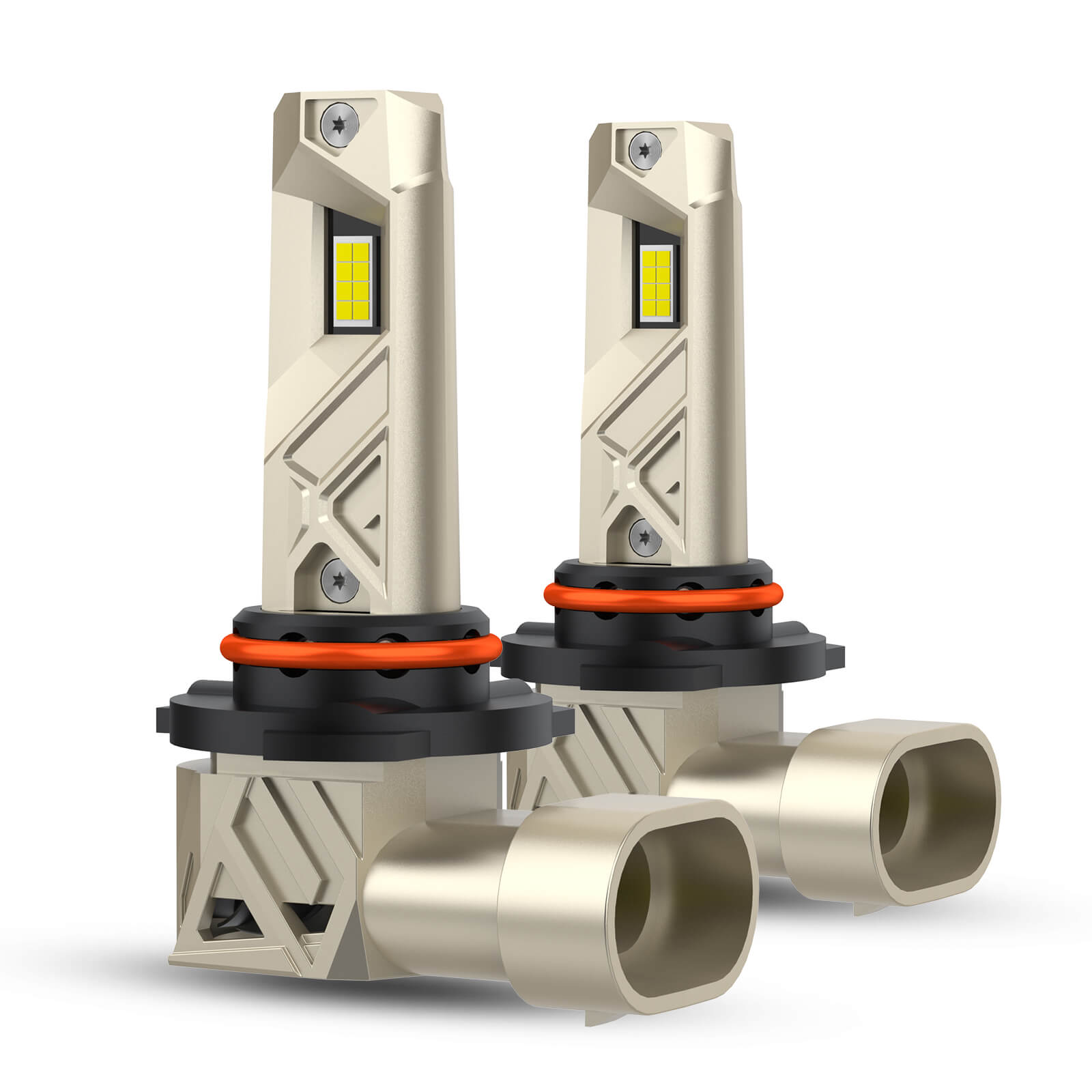


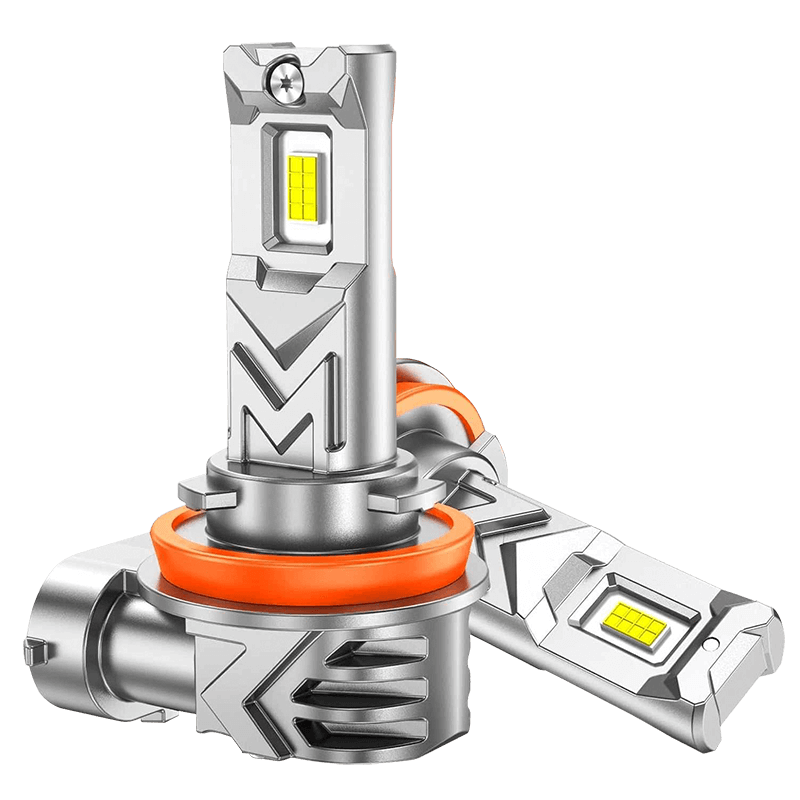
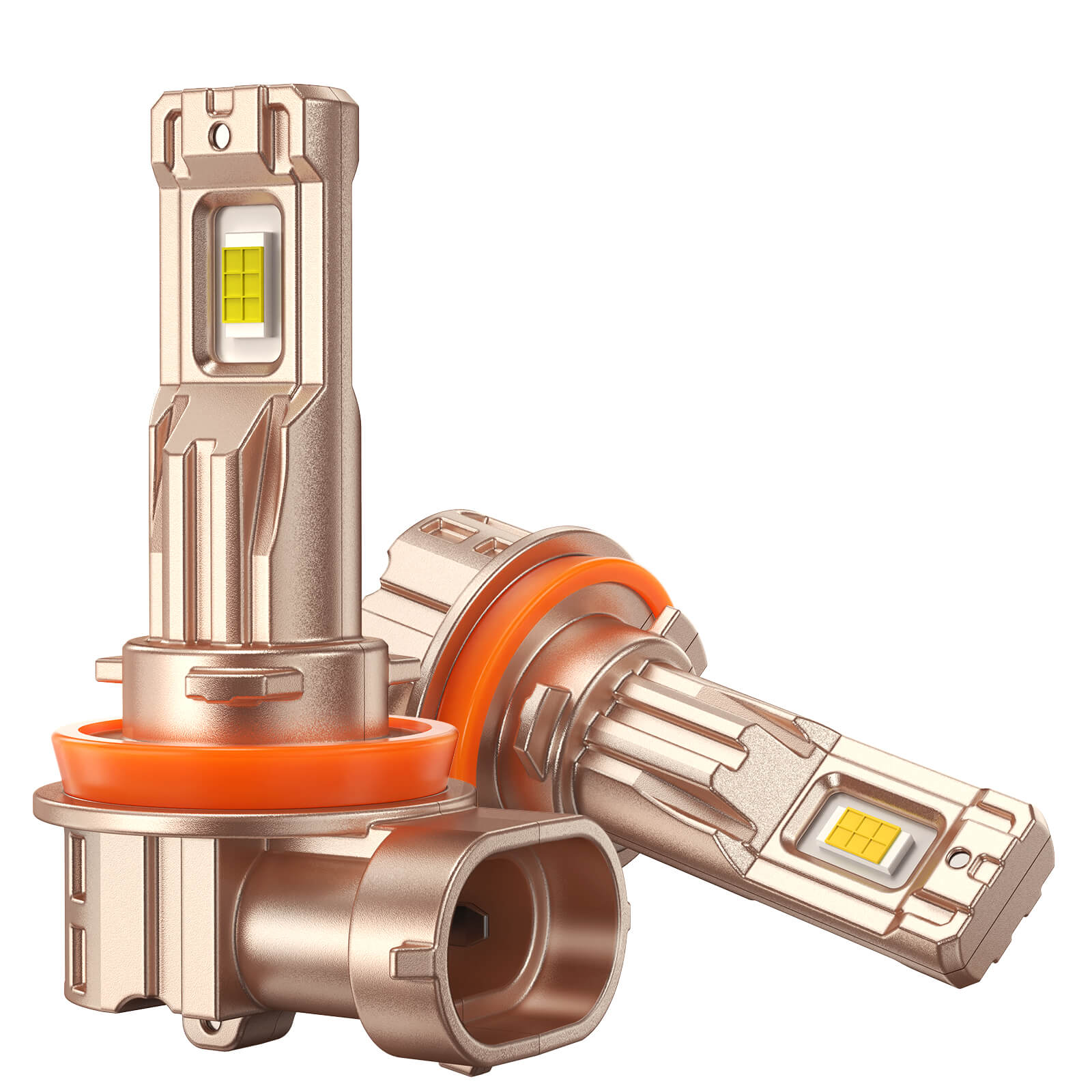


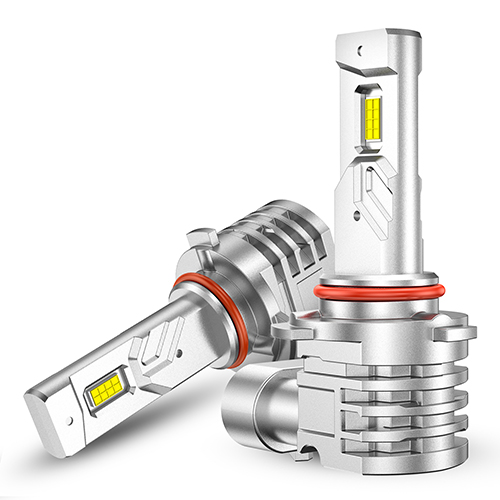
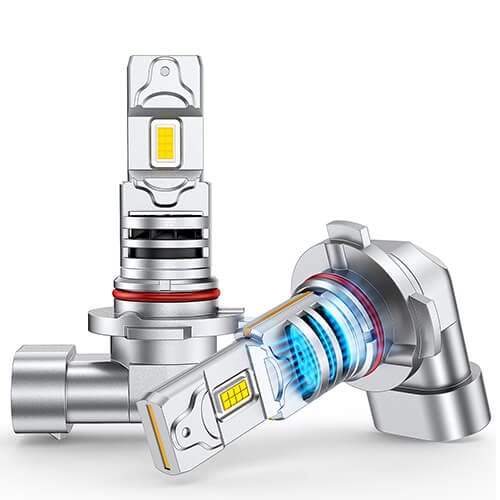

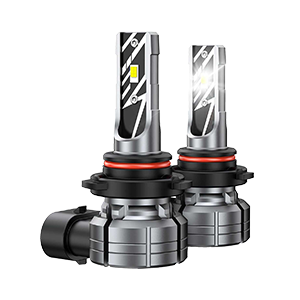


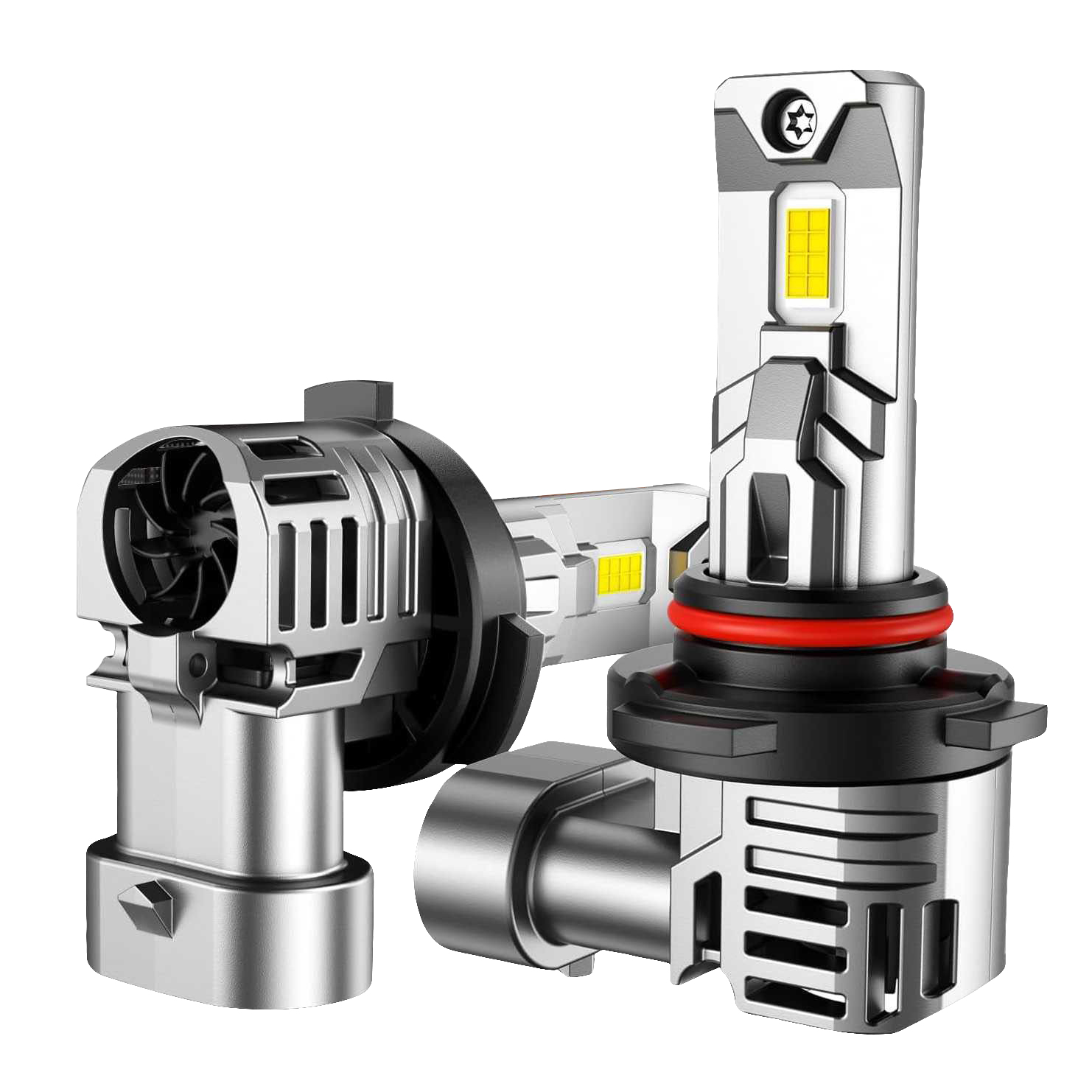


Choosing between amber vs yellow fog lights involves more than comparing two beam colors. Brightness, glare, beam pattern and weather conditions all affect how clearly the driver can see the road in fog, rain, snow or dust.
This guide examines the yellow vs amber fog lights debate through real-world use and lighting science. It explains their color and visibility differences, which option works better in each weather condition, and how fitment, beam control and local regulations affect the final choice.
What Is the Difference Between Amber and Yellow Fog Lights?
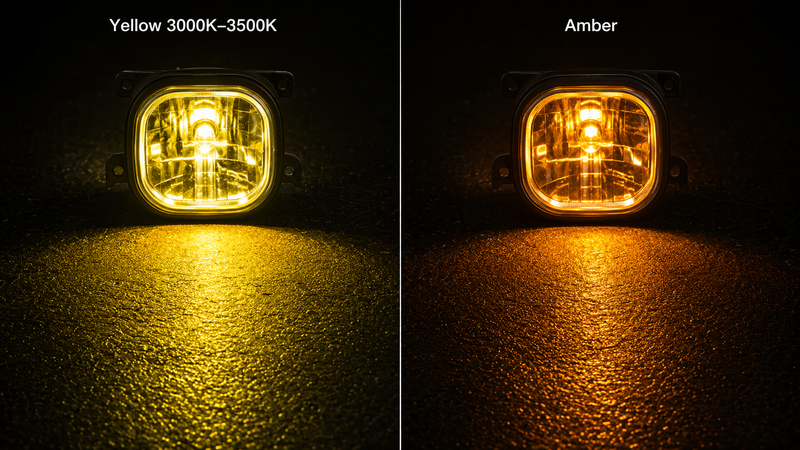
Yellow fog lights produce a golden-yellow beam, while amber fog lights look darker and more orange. Yellow normally keeps more usable light on the road, while amber can reduce harsh reflections but may not look as bright.
| Feature | Yellow Fog Lights | Amber Fog Lights |
|---|---|---|
| Light color | Golden or lemon yellow | Deep yellow-orange |
| Common product names | Yellow, golden yellow, selective yellow | Amber, amber yellow |
| Common color range | Often sold as 3000K–3500K | May be sold without a useful Kelvin rating |
| Brightness | Usually looks brighter | Often looks softer or dimmer |
| Best use | Fog, rain, wet roads, and moderate snow | Heavy snow, dust, and off-road driving |
| Main benefit | Good balance of visibility and comfort | Less distracting in heavy weather |
| Main drawback | Poorly aimed bulbs can still cause glare | Deep amber color may reduce usable light |
The difference is not always clear from the product name. One manufacturer may describe a 3000K bulb as yellow, while another may call a similar color amber yellow.
When comparing yellow vs amber fog lights, use product photos taken in similar conditions and check the actual beam color. Color names alone do not show how bright the road will be or how well the bulb will work in the original fog-light housing.
What Are Selective Yellow Fog Lights?
Selective yellow fog lights remove much of the blue and violet content found in white light while keeping more usable output than a deep amber lamp. The result is a yellow beam rather than an orange beam.
Many automotive products use “selective yellow”, “golden yellow”, and “3000K yellow” to describe similar colors. These terms are not always interchangeable, but most drivers can make the choice based on the beam appearance:
- Selective or lighter yellow provides more visible road light.
- Golden yellow balances brightness and comfort.
- Deep amber is better suited to heavy snow and dust.
Are Yellow or Amber Fog Lights Better?
Yellow fog lights are better for most drivers because they provide a useful balance of brightness, road contrast, and comfort in bad weather. Amber fog lights are a better fit for drivers who regularly face heavy snow, blowing dust, or distracting reflections.
Choose yellow fog lights if:
- You drive in a mixture of fog, rain, and snow.
- You want more visible road light.
- You regularly drive on wet or poorly lit roads.
- You want a warmer alternative to white fog lights.
Choose amber fog lights if:
- Heavy or blowing snow is common.
- You frequently drive in dust or sand.
- Bright reflections cause eye strain.
- You mainly need the lights for off-road driving.
The better color still depends on beam quality. A focused yellow fog light will usually work better than a brighter amber bulb that sends light above the road. A well-designed amber light can also outperform a poorly focused yellow bulb.
Why Are Fog Lights Yellow?
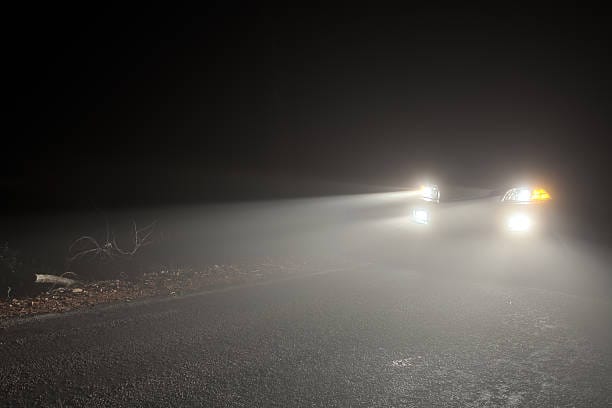
Fog lights are often yellow because yellow light contains less blue light than cool white light and may feel less harsh when reflected by fog, rain or snow. The main benefit is reduced glare and better visual comfort, rather than a major increase in how far the light travels.
The common claim that yellow light cuts through fog is incomplete. Most fog droplets cause Mie scattering, which is less affected by light color than Rayleigh scattering. Research on light scattering in artificial fog found no noticeable difference between the tested light colors.
In real driving, beam pattern usually matters more than color. A low, wide beam with limited upward light illuminates the road and shoulders without creating excessive glare. More lumens will not improve fog visibility if the bulb produces bright spots or sends too much light above the road.
Which Fog-Light Color Works Best in Fog, Rain, and Snow?
Yellow fog lights are the most versatile choice for fog, rain, and moderate snow. Amber fog lights become more useful in heavy snow and dust, where the deeper color can make reflections and moving particles less distracting.
| Driving condition | Better choice | Why |
|---|---|---|
| Dense fog | Yellow | Balances useful road light with a warmer, less harsh beam |
| Light fog | Yellow | Provides more visible road and shoulder illumination |
| Heavy rain | Yellow | Usually looks brighter than amber on wet roads |
| Wet pavement | Yellow | Can make road edges and lane markings easier to follow |
| Moderate snow | Yellow | Keeps more usable light on the road |
| Heavy or blowing snow | Amber | Can reduce distraction from illuminated snowflakes |
| Dust or sand | Amber | Creates a clear color contrast in airborne dust |
| Clear nighttime driving | Yellow or white | Amber may look too dim when the weather is clear |
These recommendations assume that the bulbs have similar output and beam control. A low-quality yellow bulb is not automatically better than a well-designed amber fog light.
Are Amber Fog Lights Better in Snow?
Amber fog lights can be better in heavy or blowing snow because the deeper color may reduce the distracting effect of light reflecting from moving snowflakes. Yellow fog lights are usually better in light or moderate snow because they provide more visible road light.
An SAE study on headlamp color in snow-like conditions found that light with less short-wavelength content could reduce the effect of backscattered visual noise under certain low-light conditions.
However, this was a controlled laboratory study rather than a road test of current LED fog-light bulbs. Drivers who only experience occasional snow will usually get more value from yellow lights. Drivers who regularly face heavy snowfall may prefer amber.
Are Yellow Fog Lights Better in Rain?
Yellow fog lights are generally more practical than amber fog lights in rain because yellow provides more visible road light while producing a warmer reflection from wet pavement. This can make lane markings, road edges, and surface changes easier to follow.
Yellow does not eliminate glare from wet roads. A bulb with excessive brightness or a poor beam pattern can still create distracting reflections. Correct bulb placement and fog-light aim remain important.
Amber vs Yellow vs White Fog Lights?
White fog lights usually look brighter and show object colors more naturally, while yellow and amber fog lights can feel more comfortable in fog, rain, and snow. Yellow offers the best balance for bad weather, while amber provides the warmest beam.
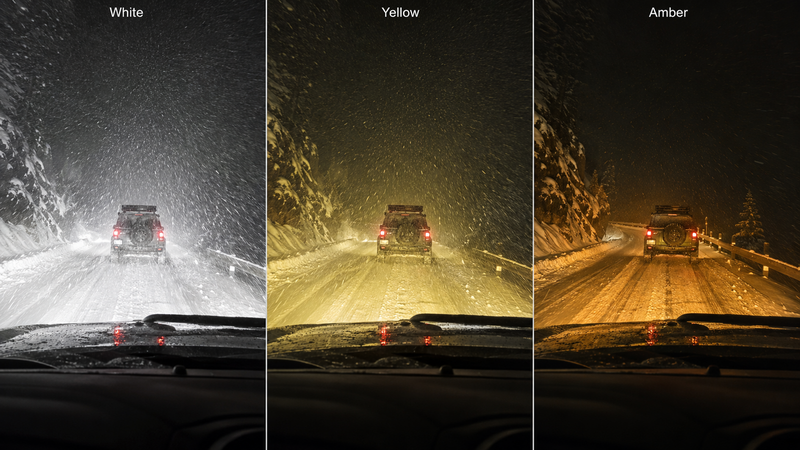
| Fog-light color | Main benefit | Main limitation | Best use |
|---|---|---|---|
| White | Bright appearance and natural colors | Can look harsh in dense fog or snow | Clear nights and light weather |
| Yellow | Balanced brightness and comfort | Does not show colors as naturally as white | Fog, rain, and moderate snow |
| Amber | Less distracting in severe weather | May provide less visible road light | Heavy snow, dust, and off-road use |
For a more detailed comparison of yellow vs white fog lights , see the SEALIGHT guide.
How to Choose Yellow or Amber LED Fog Lights?
Choose yellow or amber LED fog lights by confirming the original bulb size first, then comparing beam pattern, brightness on the road, housing clearance, light color, and vehicle compatibility.
Confirm the Fog-Light Bulb Size
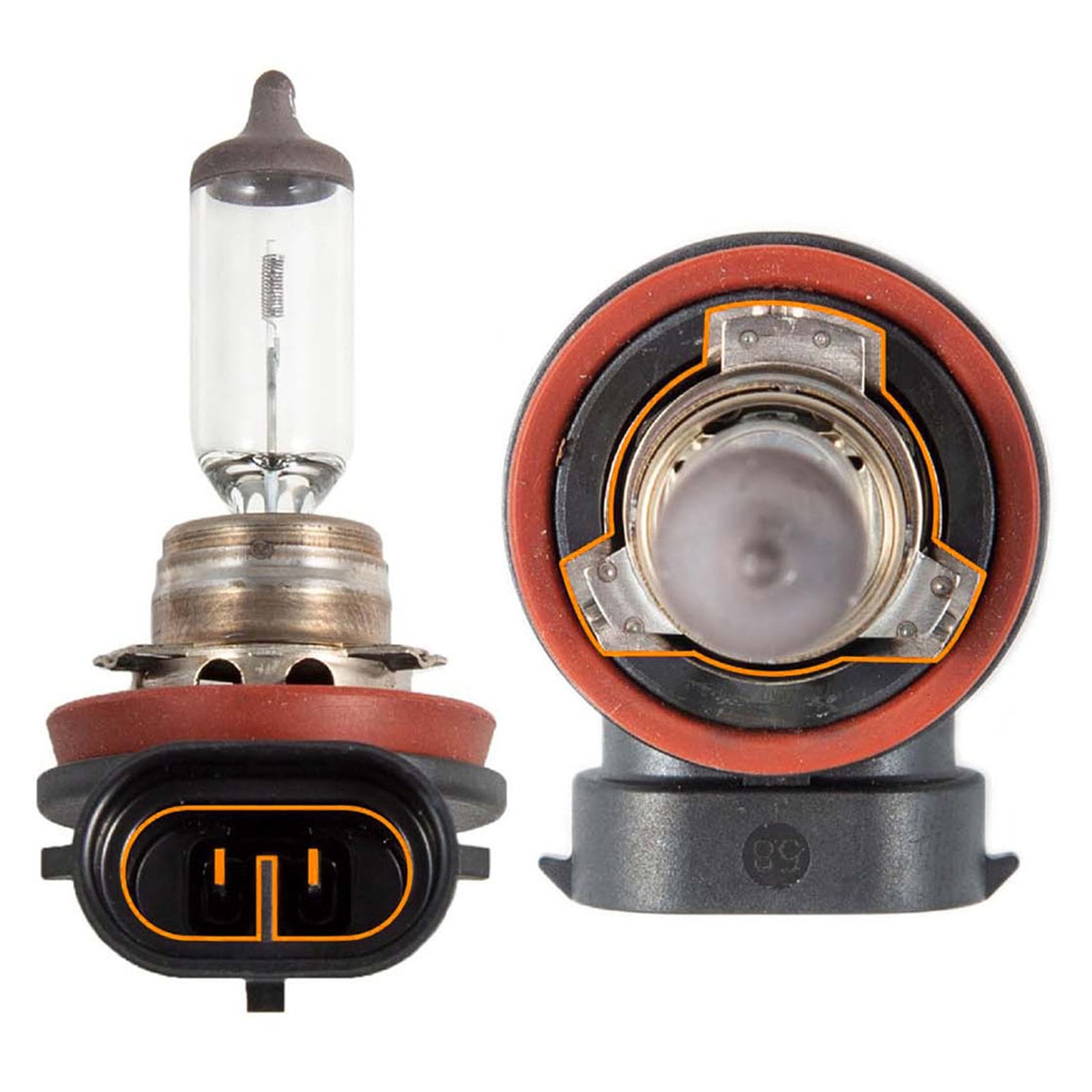
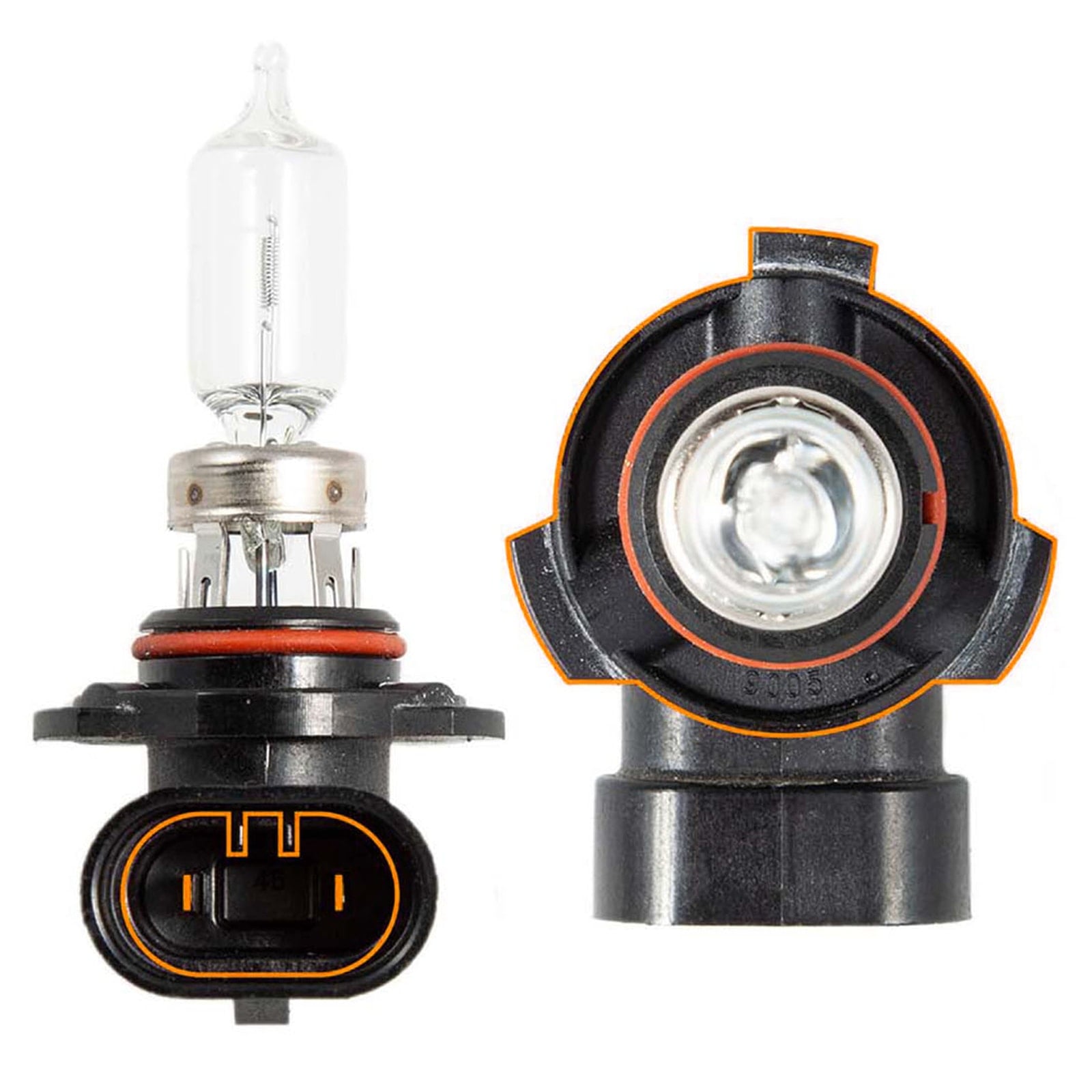
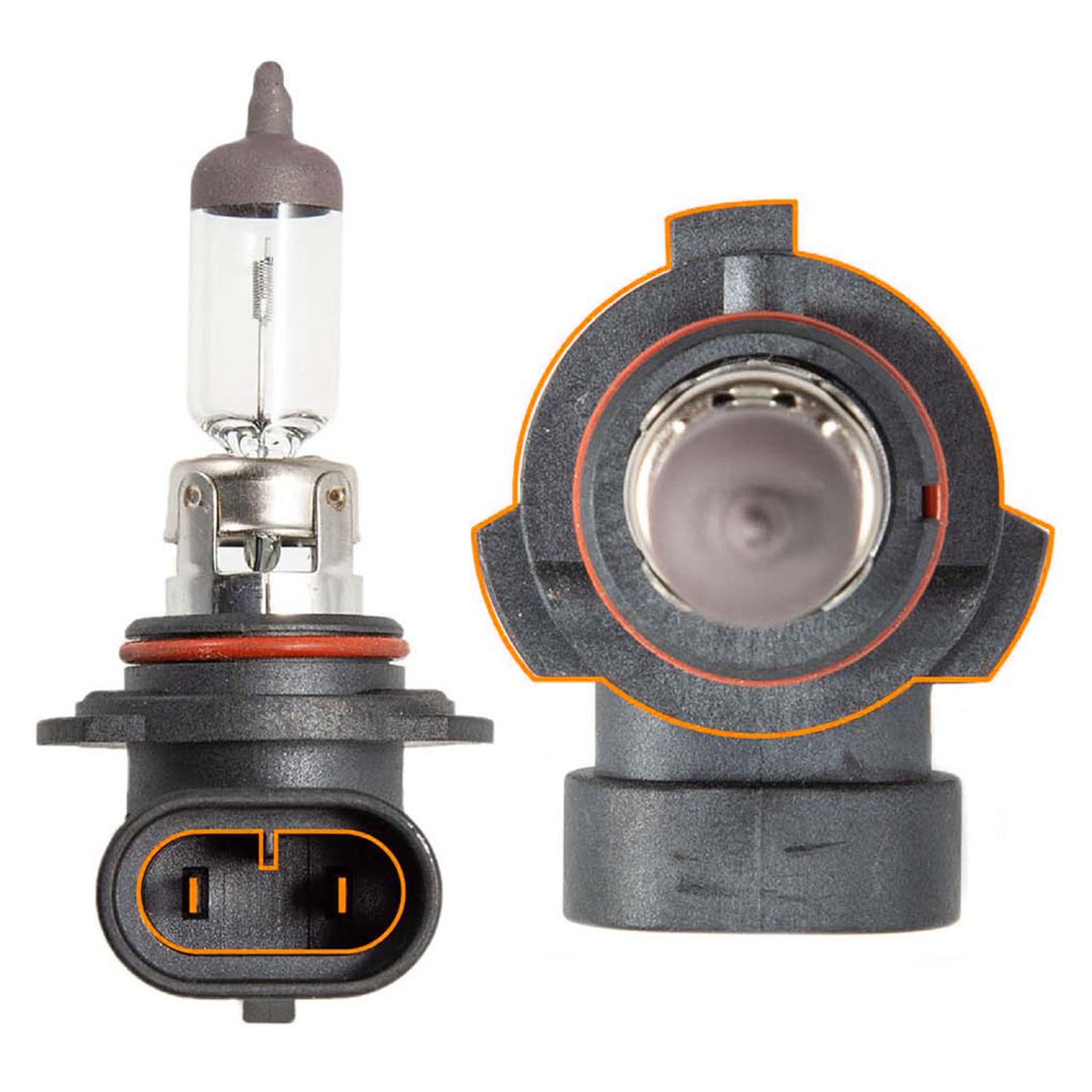
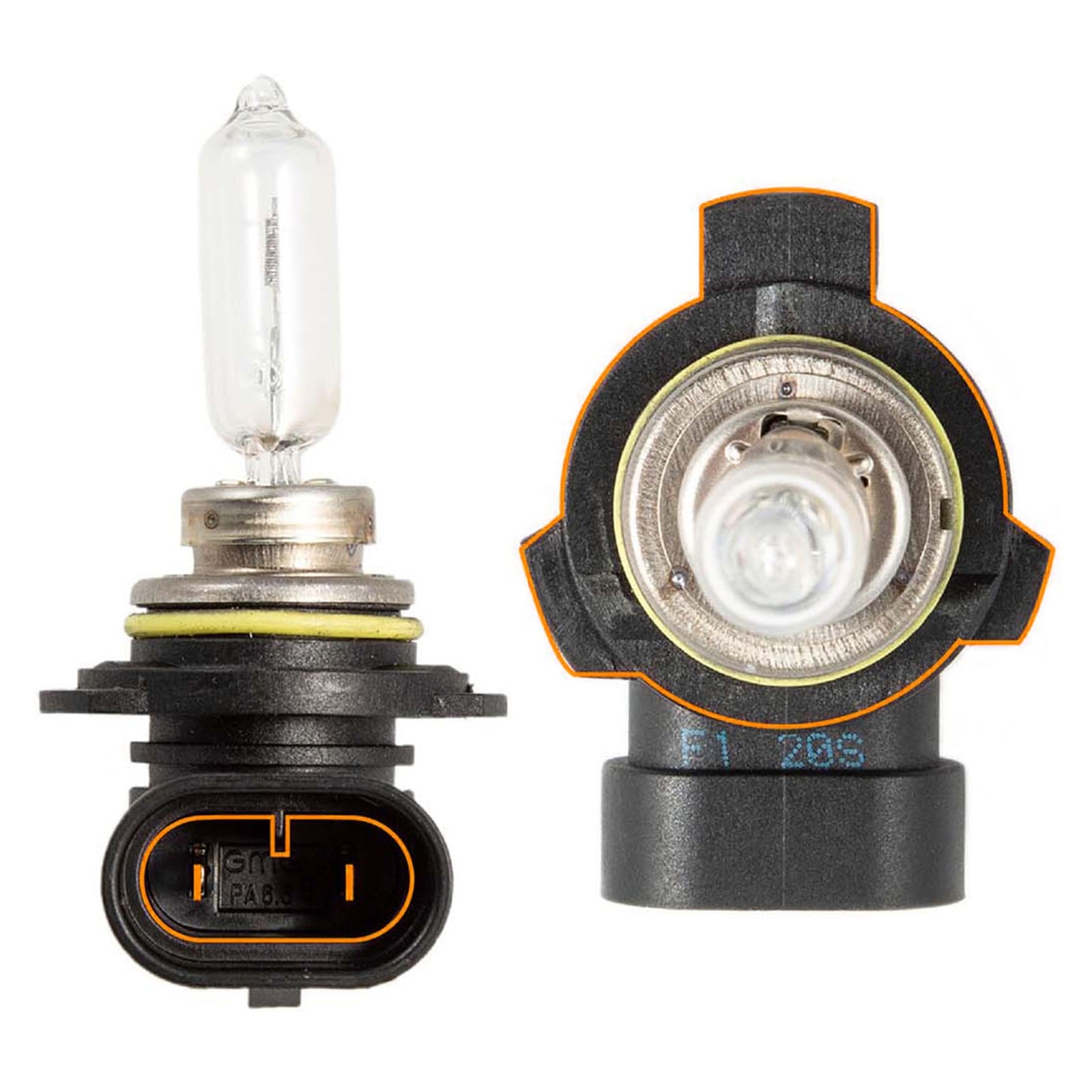
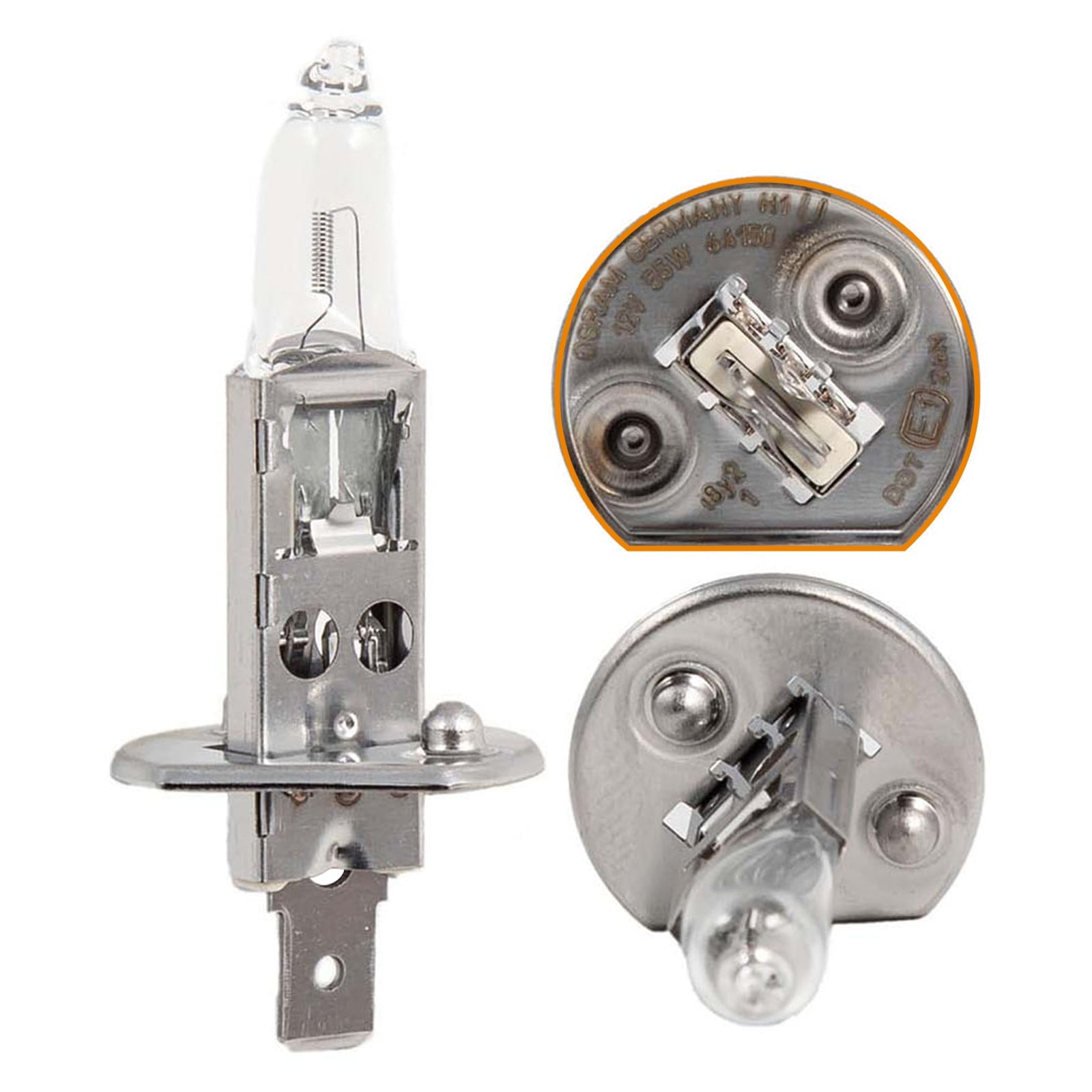
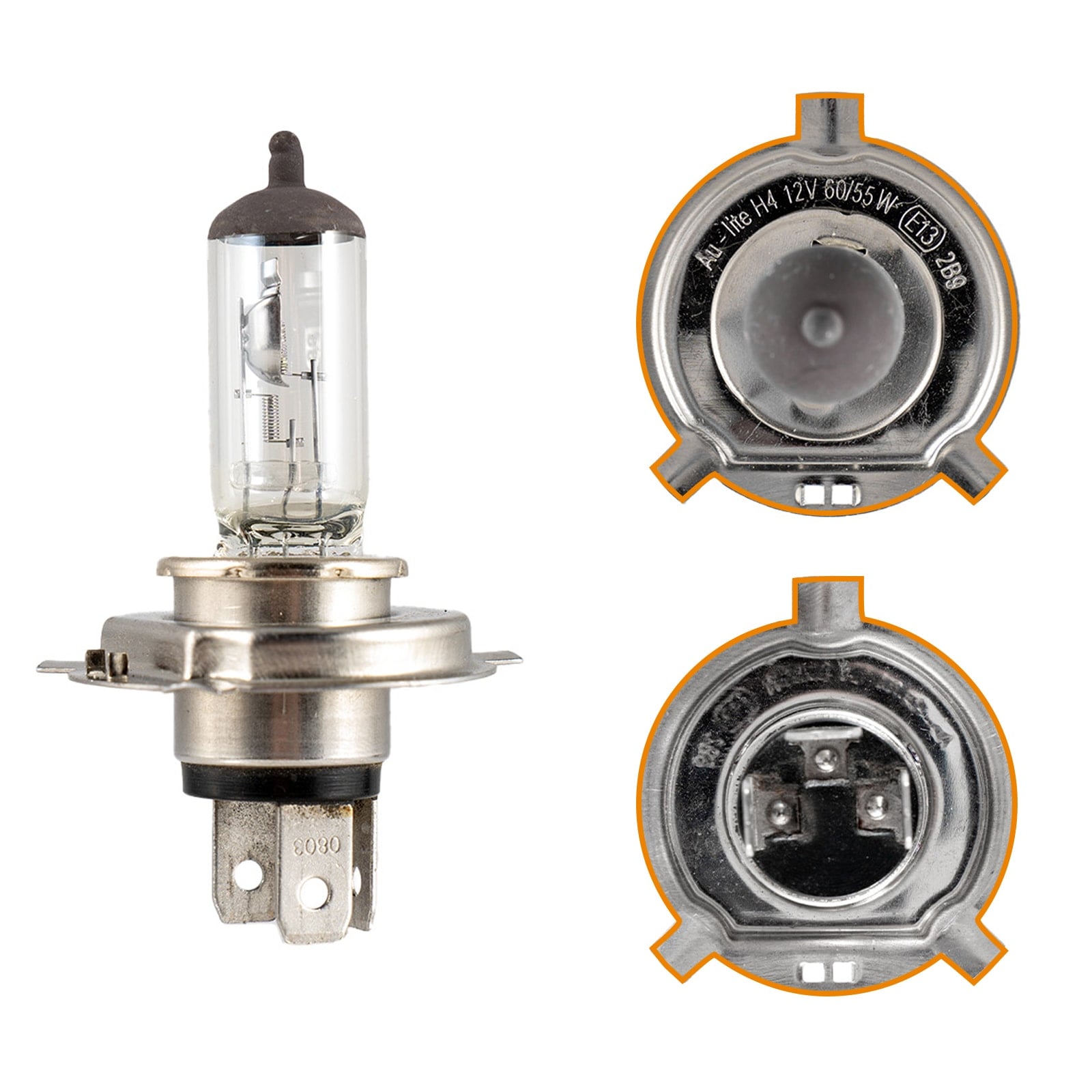
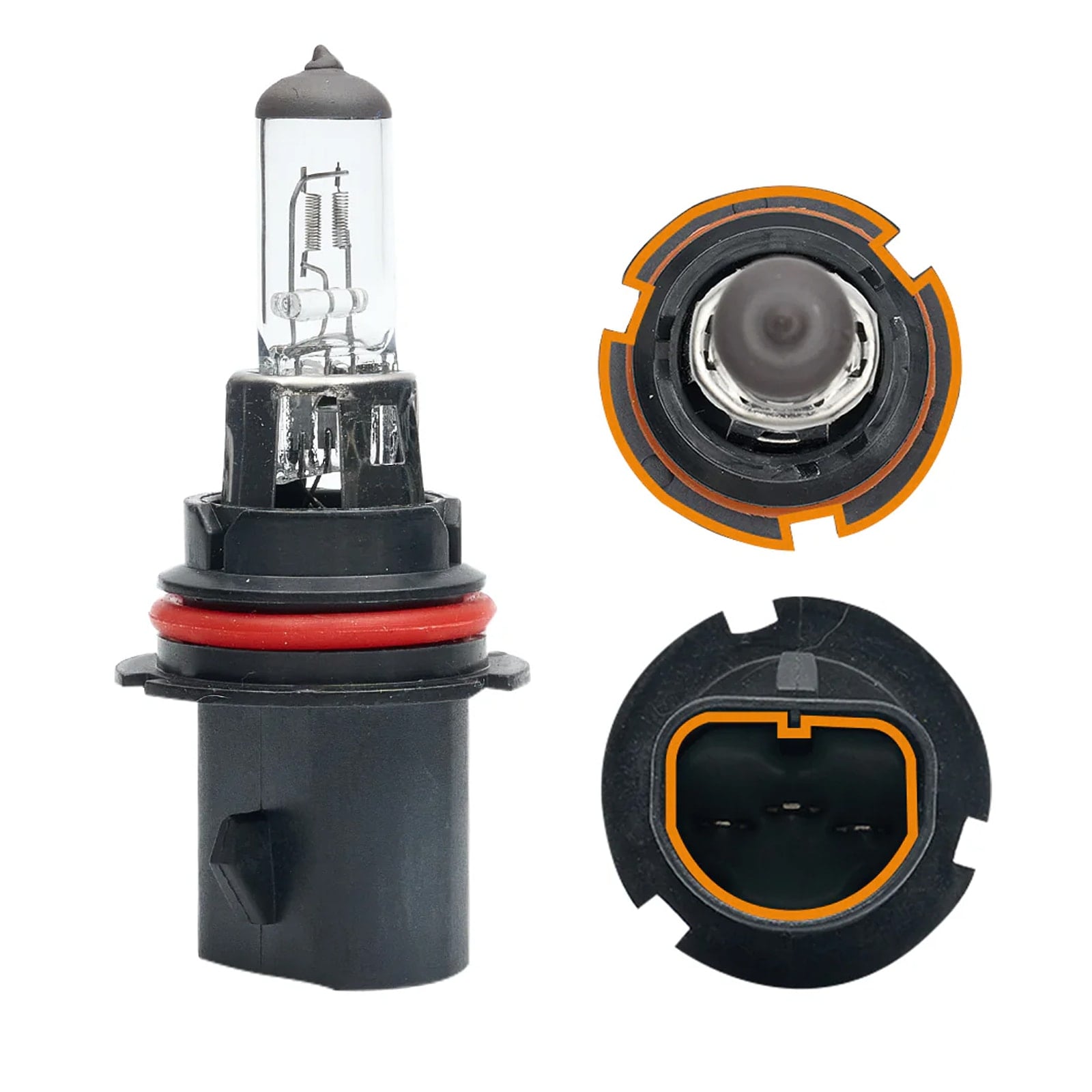
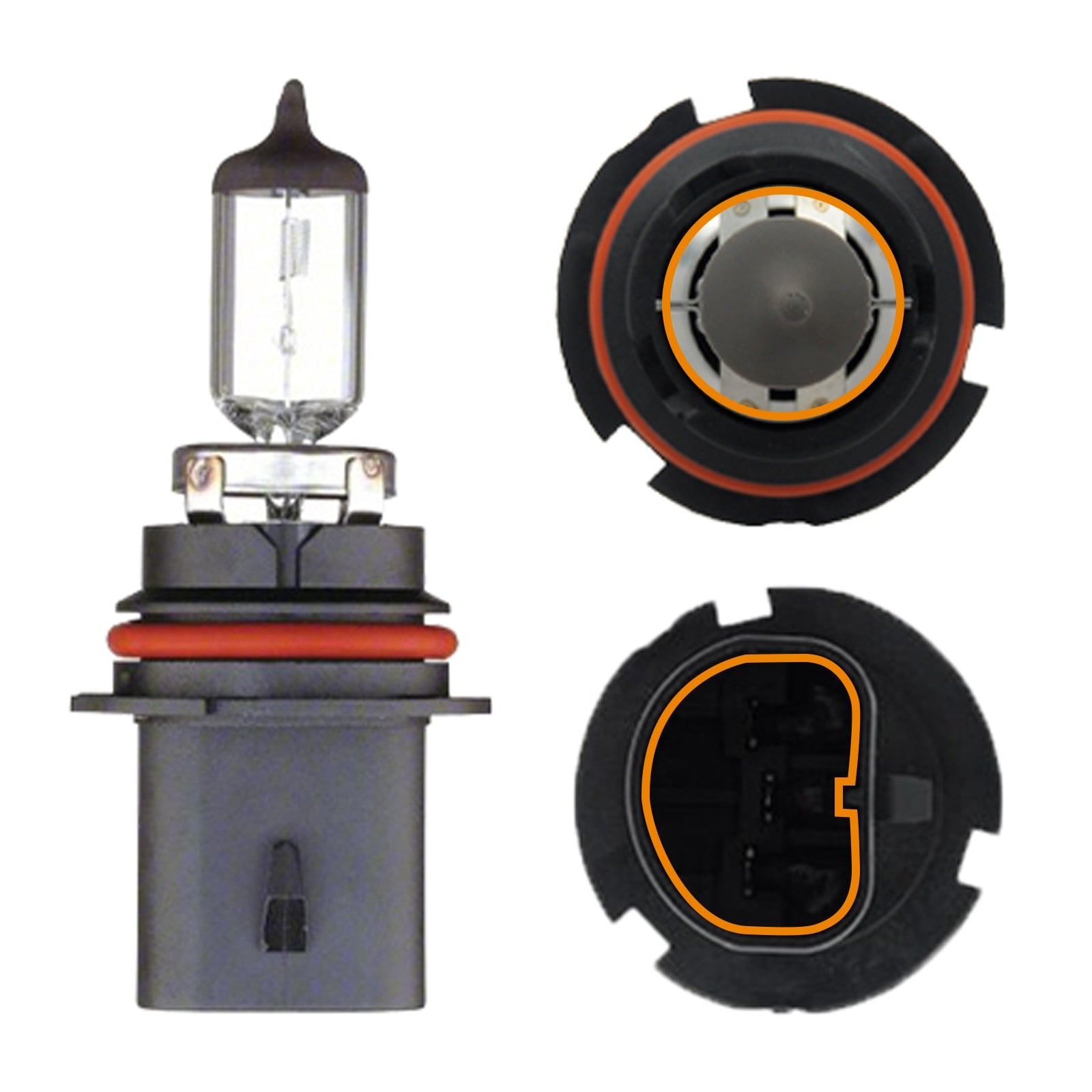
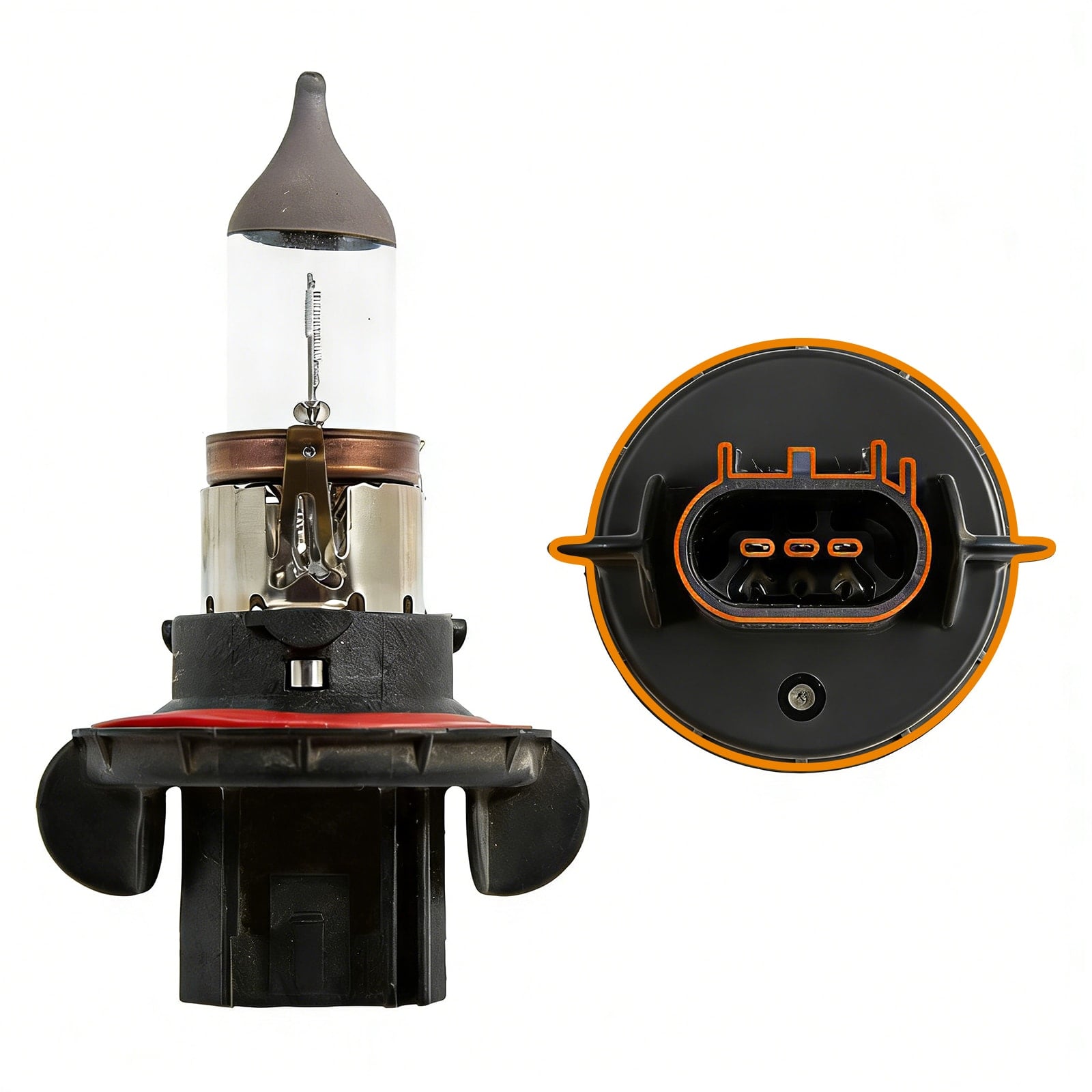
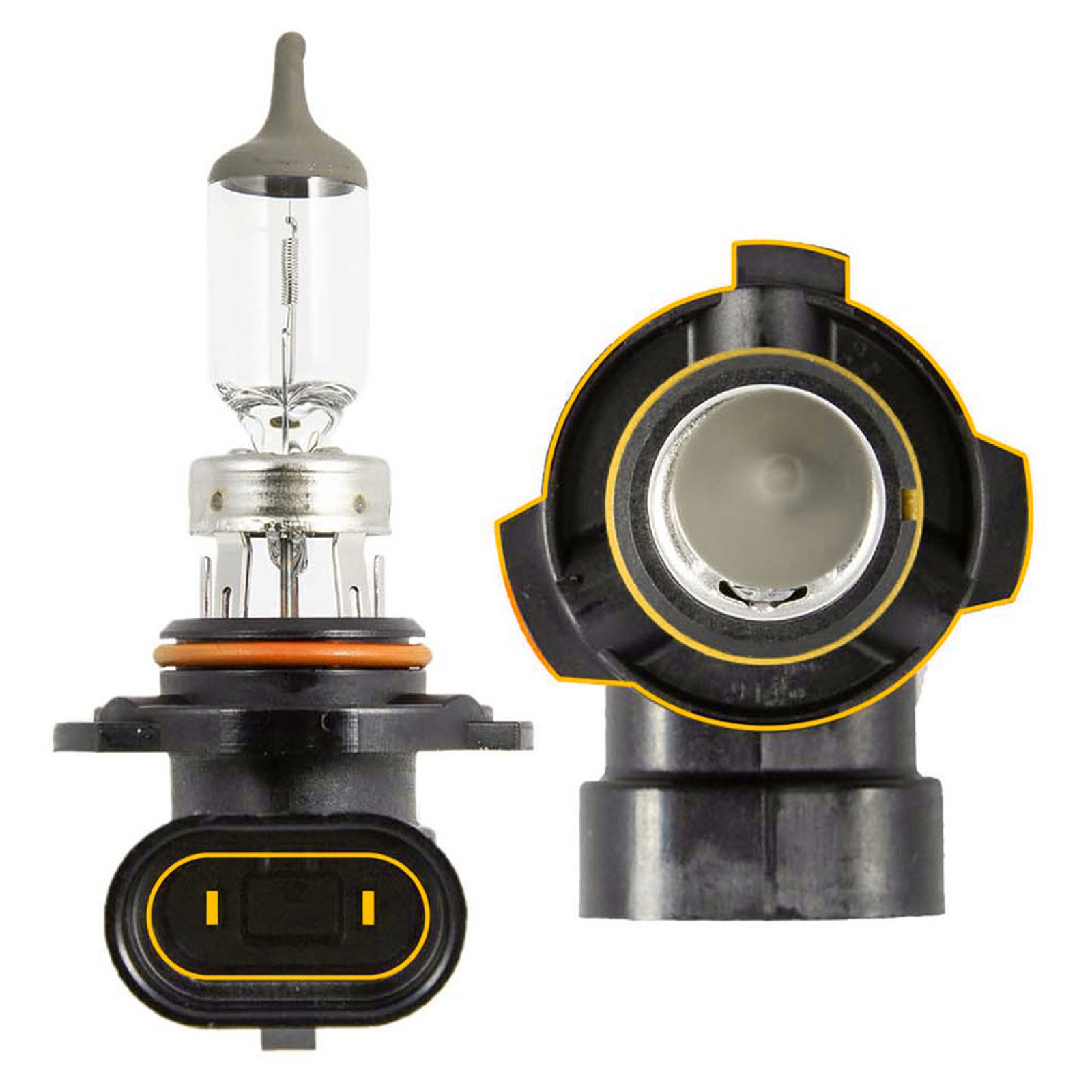
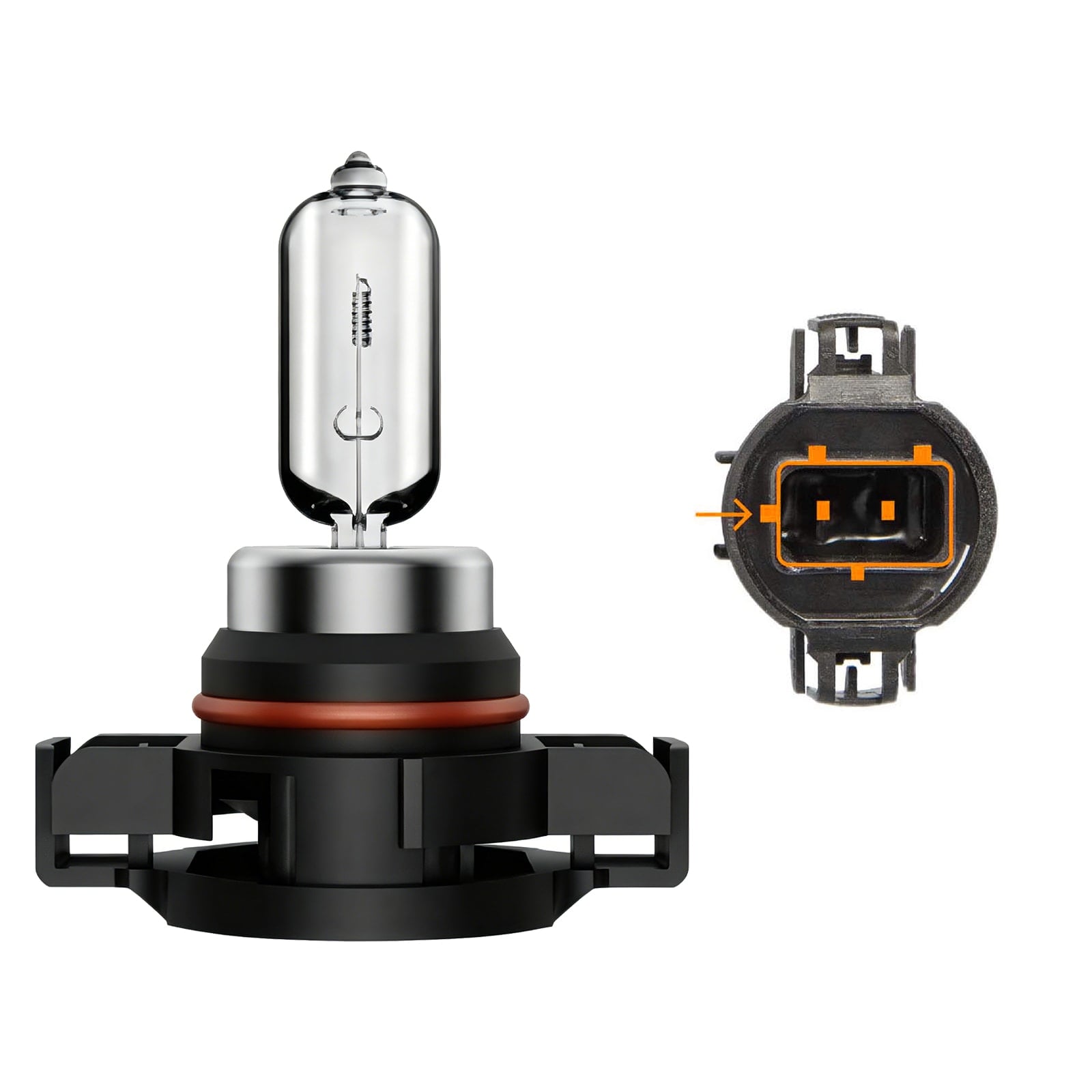
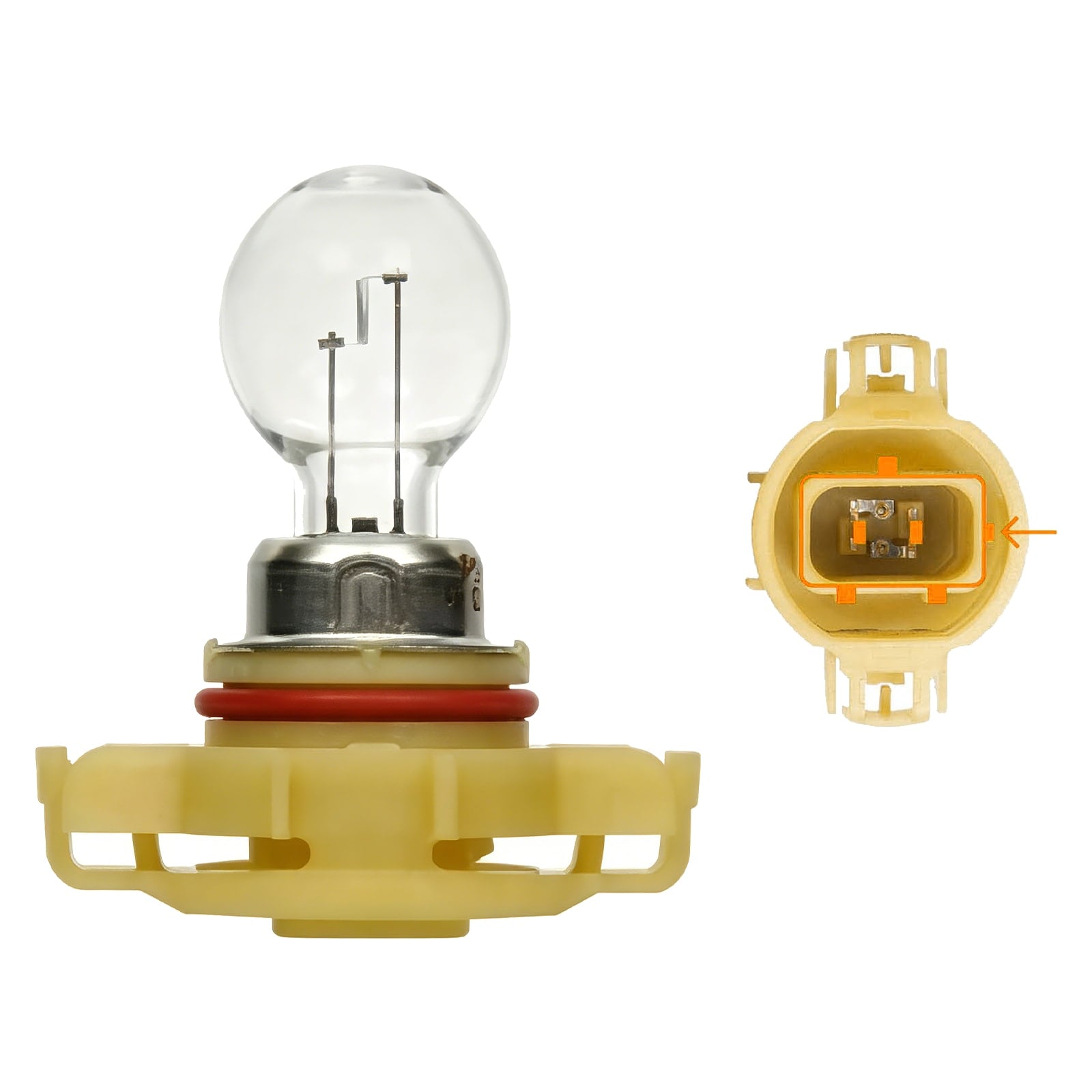
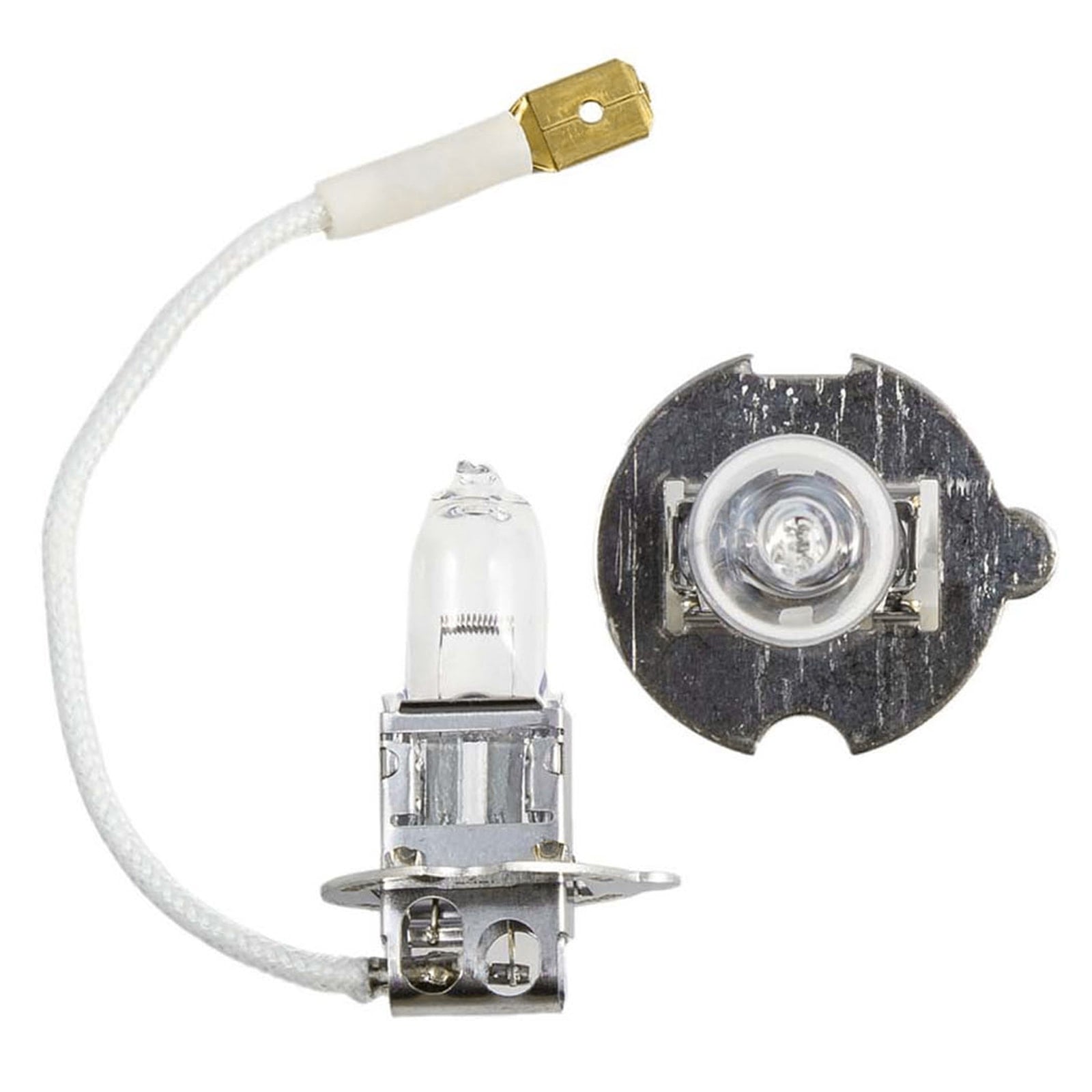
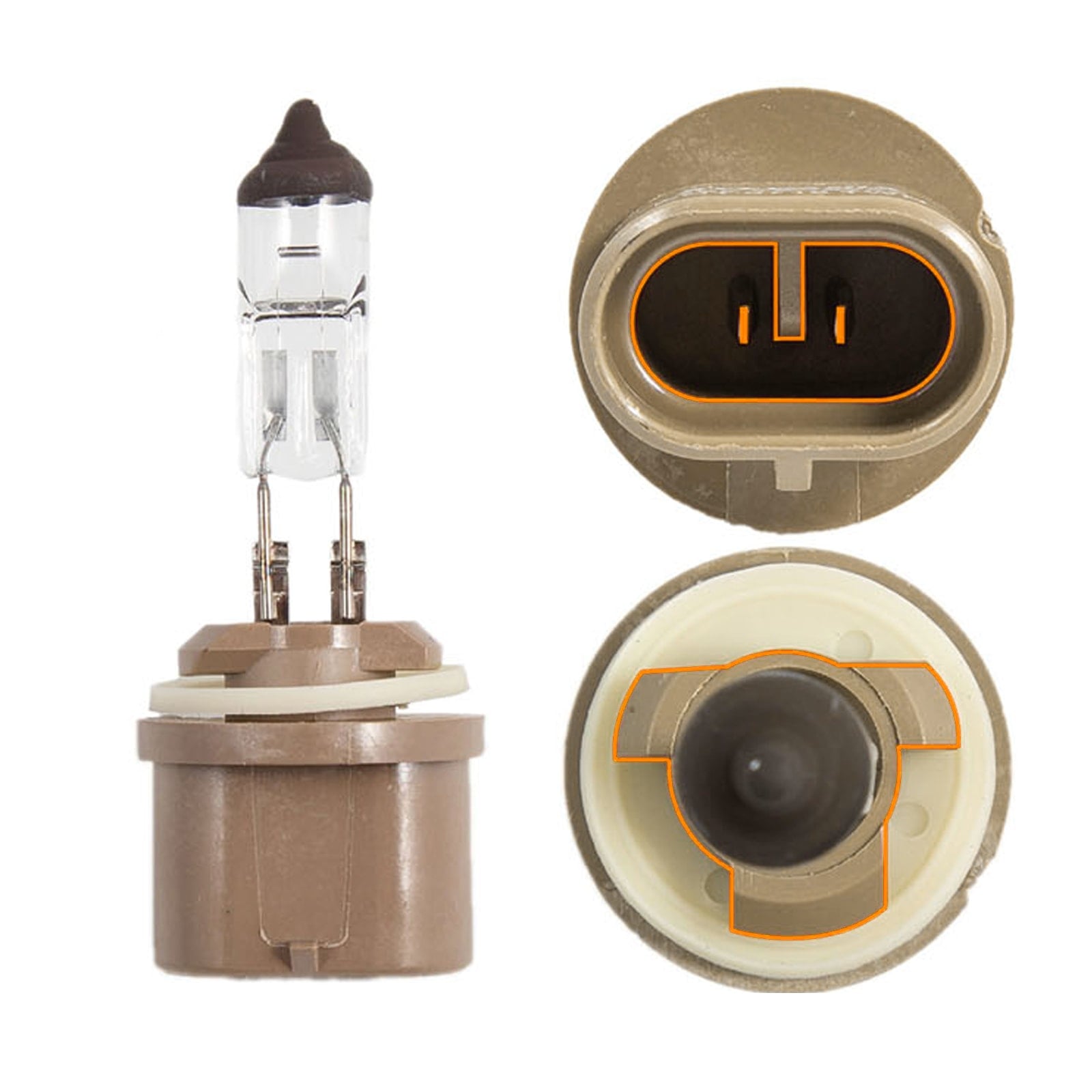
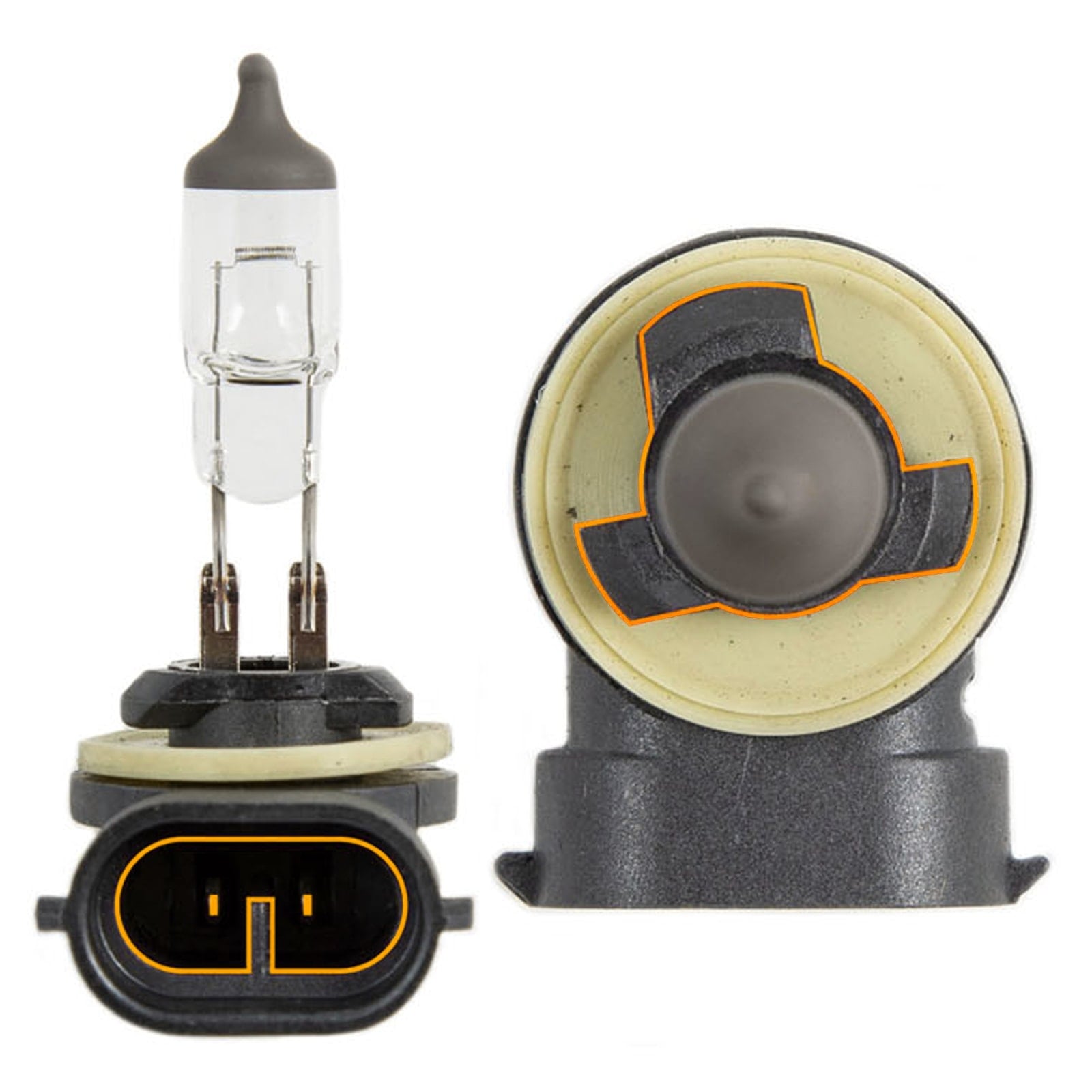
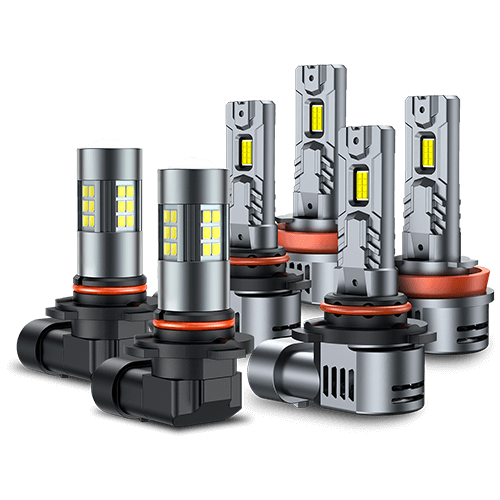
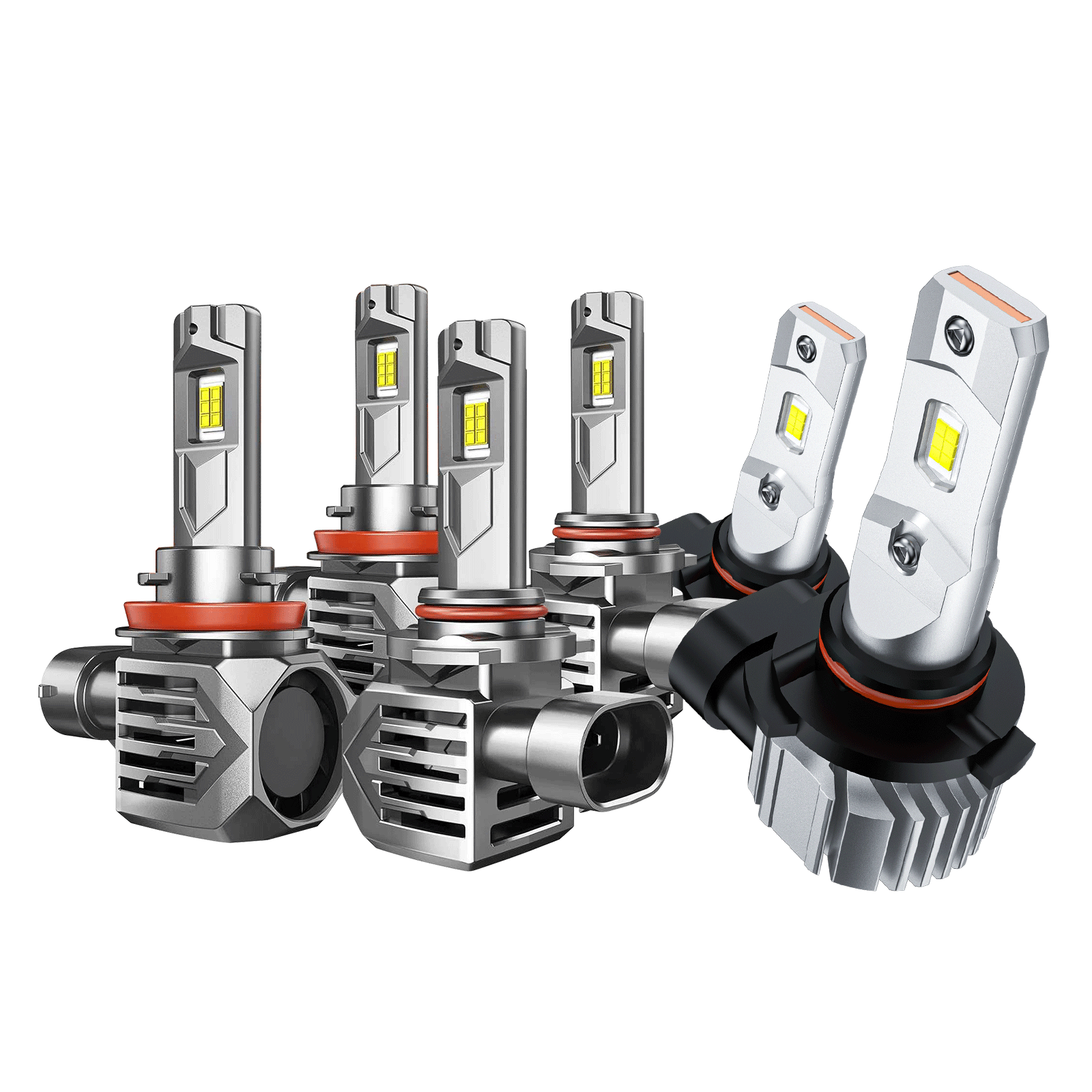
Check the bulb number printed on the original bulb, consult the owner’s manual, or use reliable vehicle fitment information. Common fog-light sizes include H11, H8, H9, H16, H10, 9145, 9140, 9006, HB4, 5202, and 5201.
The correct bulb can vary by vehicle year, model, trim, and factory lighting package. Use the SEALIGHT Automotive Bulb Finder to check the original size before comparing compatible SEALIGHT LED fog light bulbs .
The connector is not the only fitment point. Also check the bulb length, heat-sink size, connector position, housing space, and whether the factory dust cover can close normally.
Compare the Beam Pattern, Not Just Lumens
Lumens measure the total light produced by a bulb, but they do not show where the light goes. Lux readings and beam photos taken in the same fog-light housing are more useful for comparing how much light reaches the road.
Look for:
- Output clearly listed per bulb or per pair
- Beam images taken with the same housing and camera settings
- Wide and even road coverage
- Limited light above the intended beam area
- LED chips positioned close to the original halogen filament
- Stable brightness after the bulb warms up
For drivers who prefer a high-output white fog light, the SEALIGHT XF3 H11 LED fog light bulbs fit compatible H11, H16, H8, and H9 applications. SEALIGHT lists 6500K white light, 12,000 lumens and 60 watts per pair, plus an IP68 rating and an adjustable mounting ring for beam alignment. For warmer output, the SEALIGHT XF4 H11 LED fog light bulbs offer 3000K yellow light, 16,000 lumens and 40 watts per pair for compatible H11, H16, H8, and H9 applications.
These published figures should be considered together with vehicle fitment and beam performance. A higher lumen number alone does not guarantee better fog visibility.
Check for Flicker or Dashboard Warnings
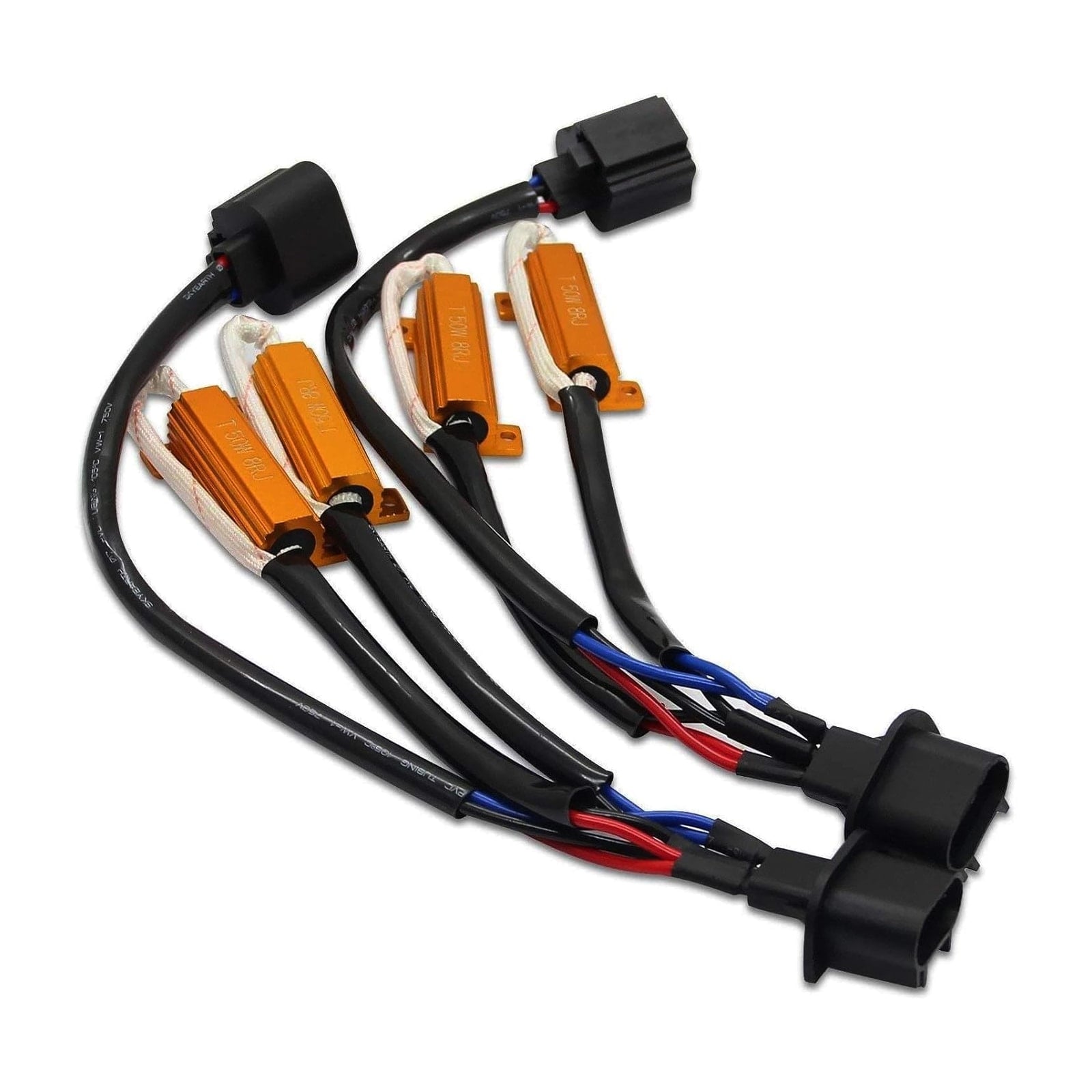
Some vehicles monitor the power used by the original fog-light bulbs. An LED replacement may draw less power, causing flicker or a dashboard warning.
A CANbus-compatible bulb or decoder may solve the problem, but compatibility varies by vehicle. Check vehicle-specific fitment information instead of assuming that every CANbus bulb will work with every model.
Are Yellow and Amber Fog Lights Legal?
Yellow fog lights are legal in many U.S. states, but the rules for color, lamp quantity, mounting height, aim, and road use vary. Deep amber bulbs may be treated differently depending on the actual color they produce.
The National Highway Traffic Safety Administration states that Federal Motor Vehicle Safety Standard No. 108 does not set requirements for fog lamps. State vehicle codes therefore determine whether a particular installation is allowed.
In California, Vehicle Code Section 25950 allows fog-light colors from white to yellow. Section 24403 also sets requirements for the number, mounting height, aim, and use of fog lights.
Check current local regulations before installing deep amber bulbs, colored film, or modified fog-light housings.
Amber vs Yellow Fog Lights: Which Should You Choose?
Choose yellow fog lights if you want the best balance of brightness, road contrast, and performance in fog, rain, and moderate snow. Choose amber fog lights if heavy snow, dust, or reflected glare is the main problem.
For most daily-driven vehicles, yellow is the more practical choice. Confirm the original bulb size with the SEALIGHT Bulb Finder, then choose a compatible bulb that produces a wide, controlled beam without excessive upward light.
Frequently Asked Questions
Is amber or yellow better for fog lights?
Yellow is better for most drivers because it provides more visible road light in fog, rain, and moderate snow. Amber is better suited to heavy snow, dust, and drivers who find reflected light distracting.
Do yellow fog lights work better in fog?
Yellow fog lights can feel less harsh than cool-white lights and may make road edges easier to follow. Yellow light does not travel dramatically farther through fog, so beam pattern, mounting height, and aim remain more important.
Why do people use yellow fog lights?
Drivers use yellow fog lights because the warmer beam can reduce glare and make wet roads, lane markings, and road edges easier to see. Yellow also provides more usable light than a deeper amber color.
What lights should you use in fog?
Use low-beam headlights with properly aimed fog lights when local laws and conditions allow. Avoid high beams because their elevated light reflects from the fog and can make the road more difficult to see.
Are yellow fog lights better than white fog lights?
Yellow fog lights can feel more comfortable in dense fog, rain, and snow, while white lights usually look brighter in clear weather. Yellow is the more versatile choice for drivers who regularly encounter bad weather.