
 Headlight Bulbs


 Track Order
 My Vehicles
 Contact Us
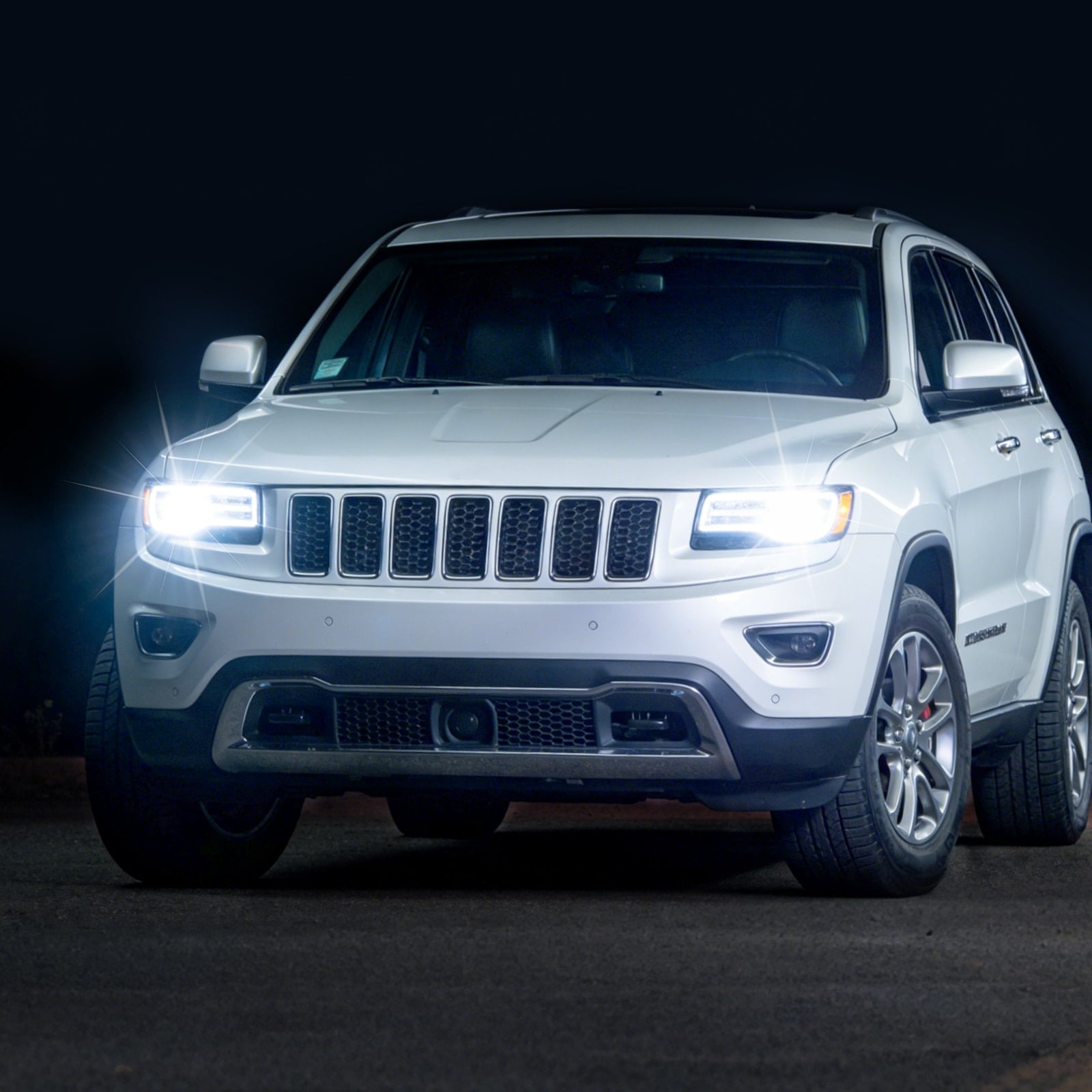
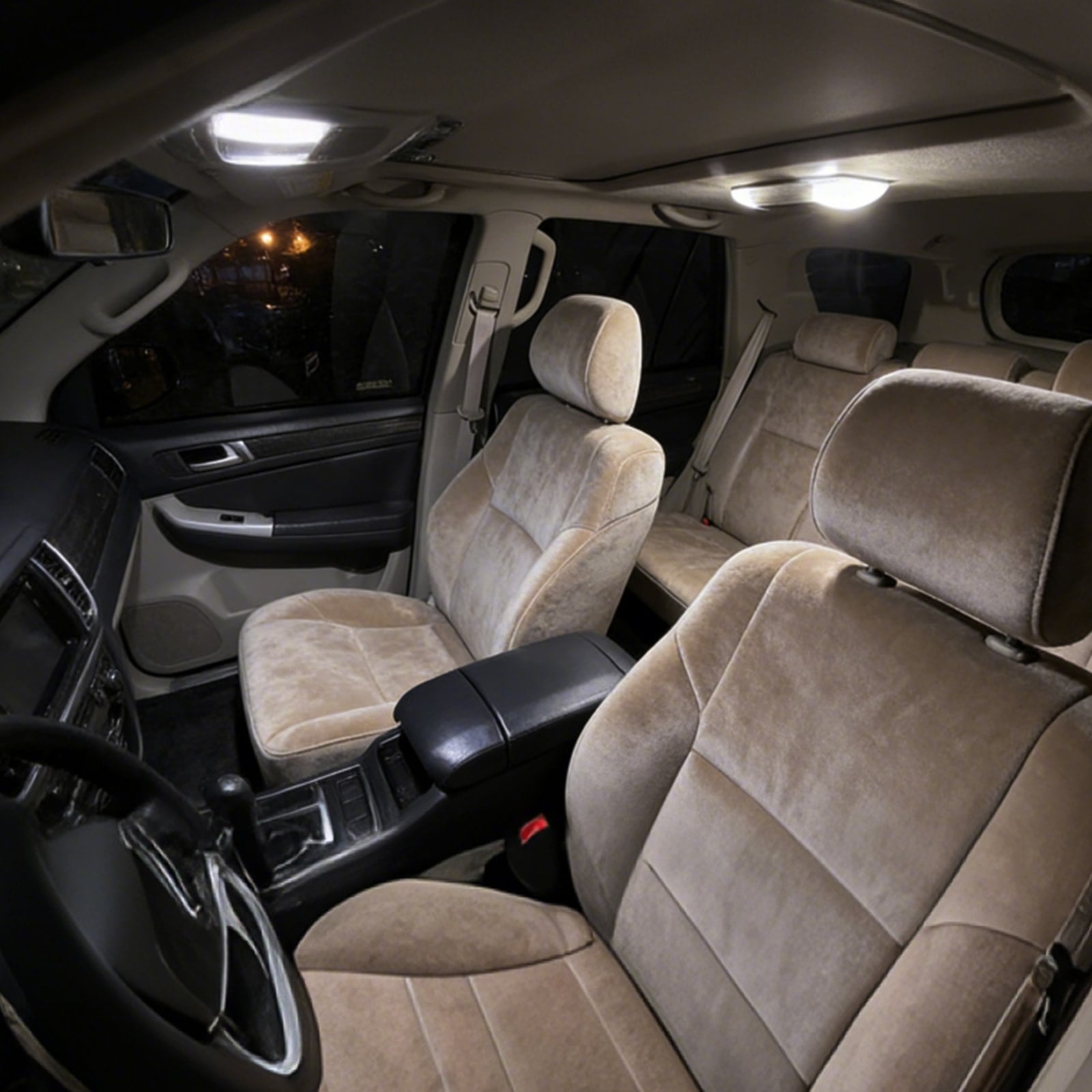

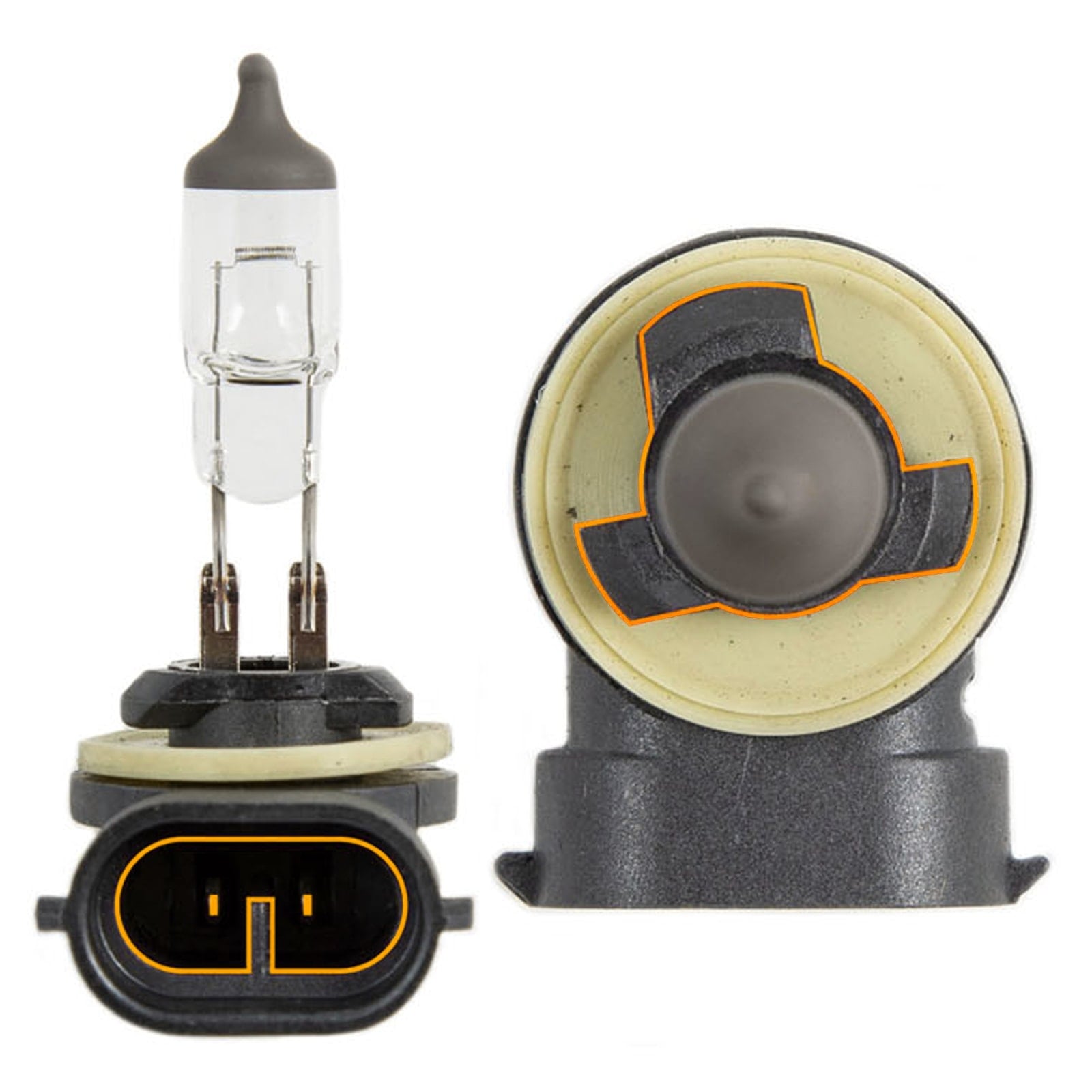
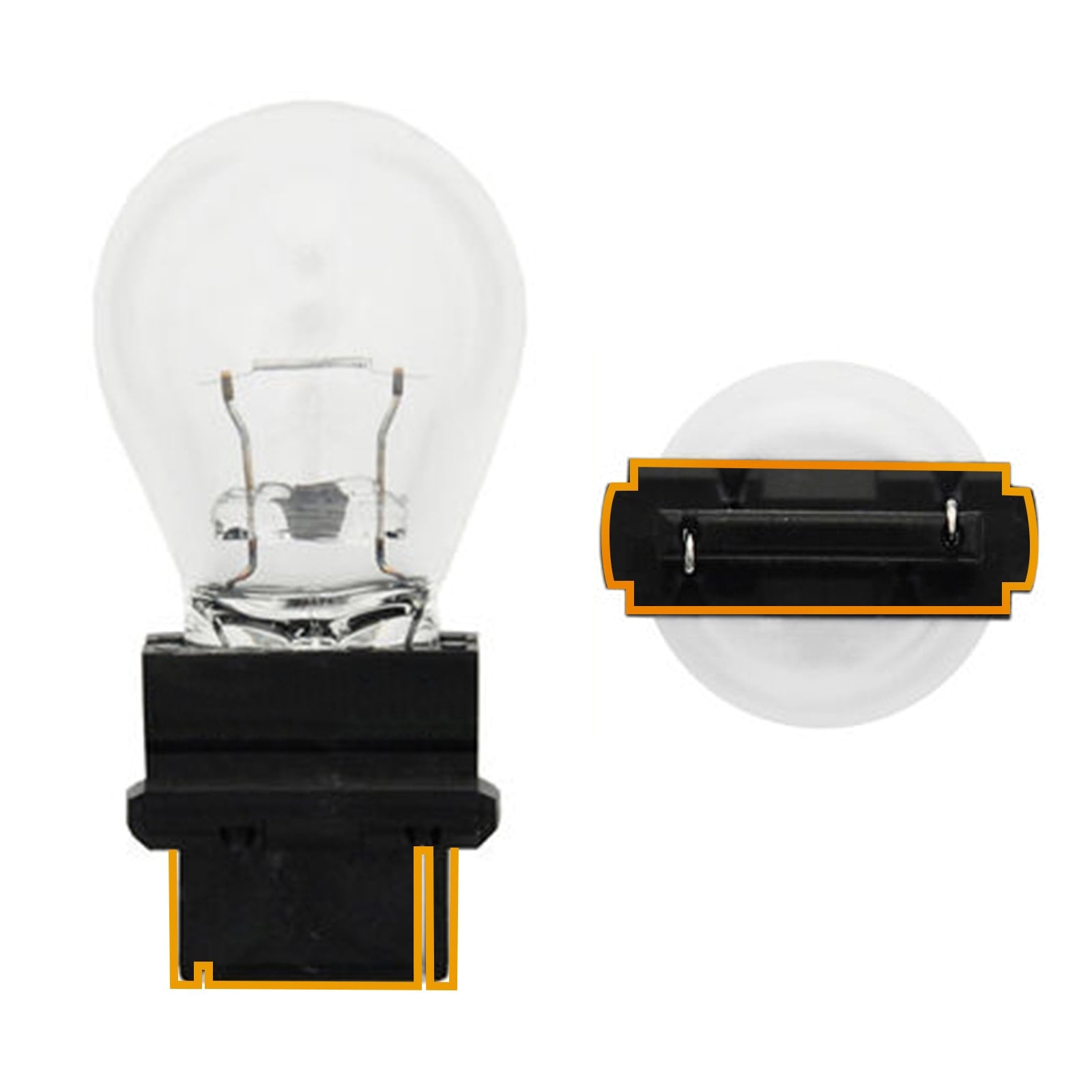
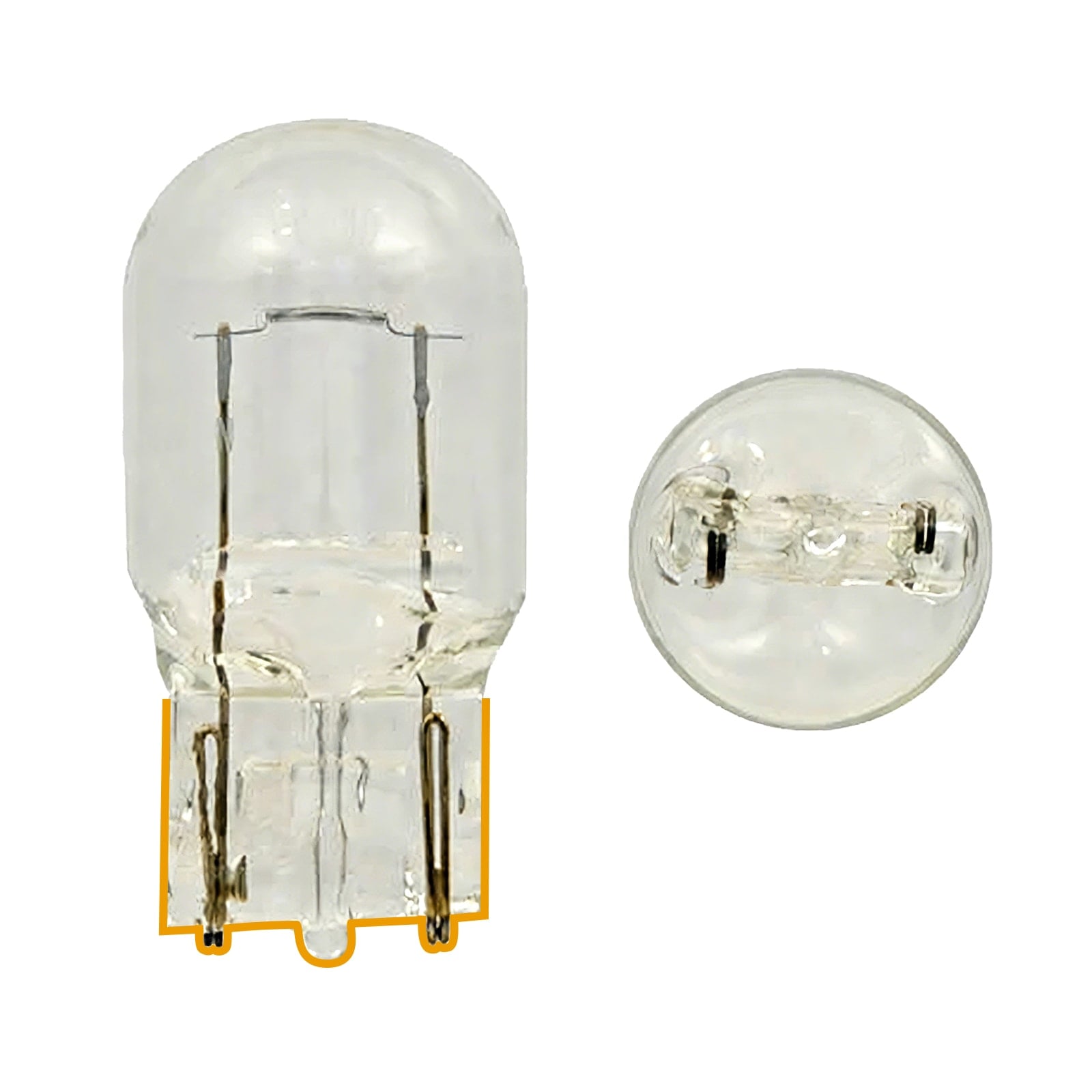
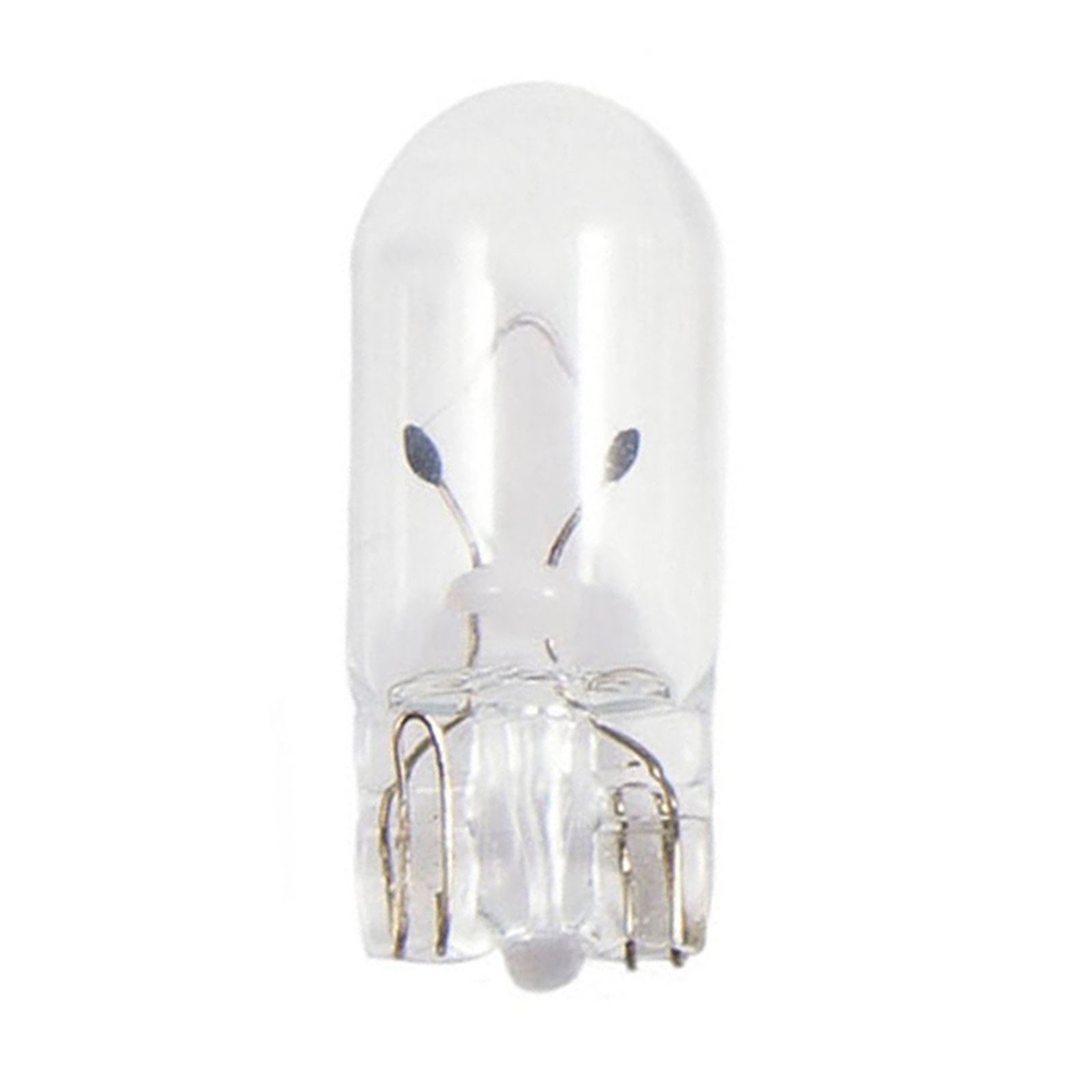
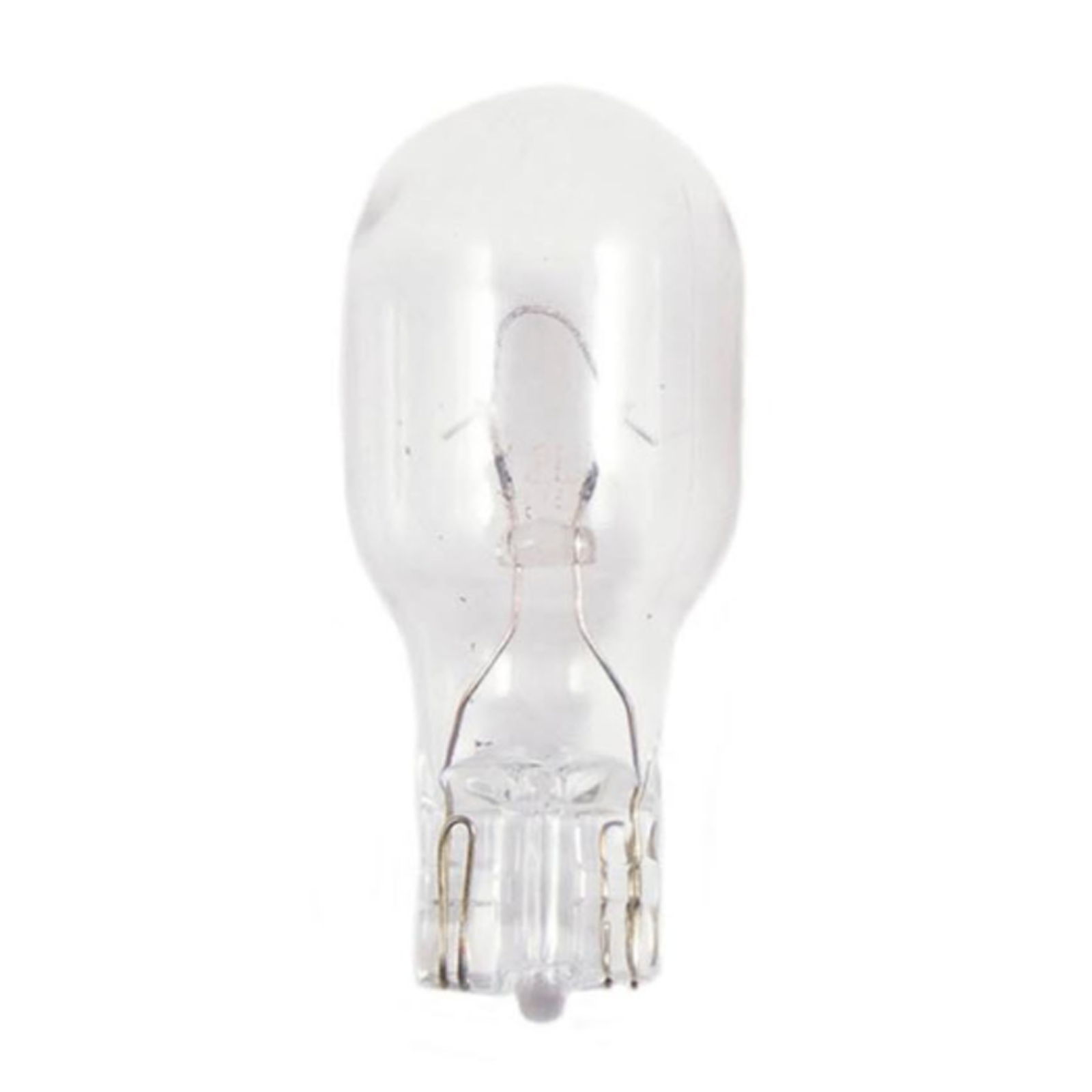
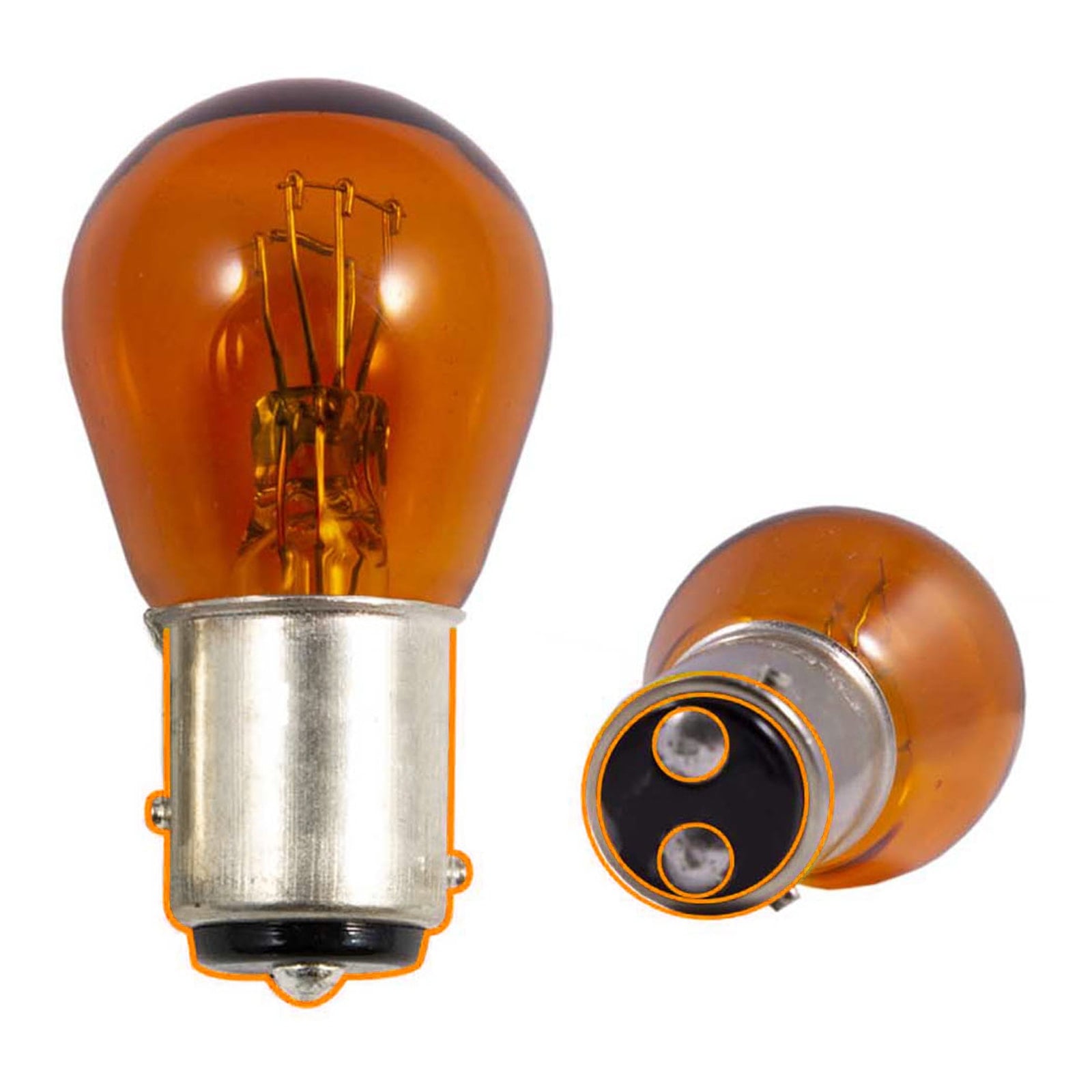
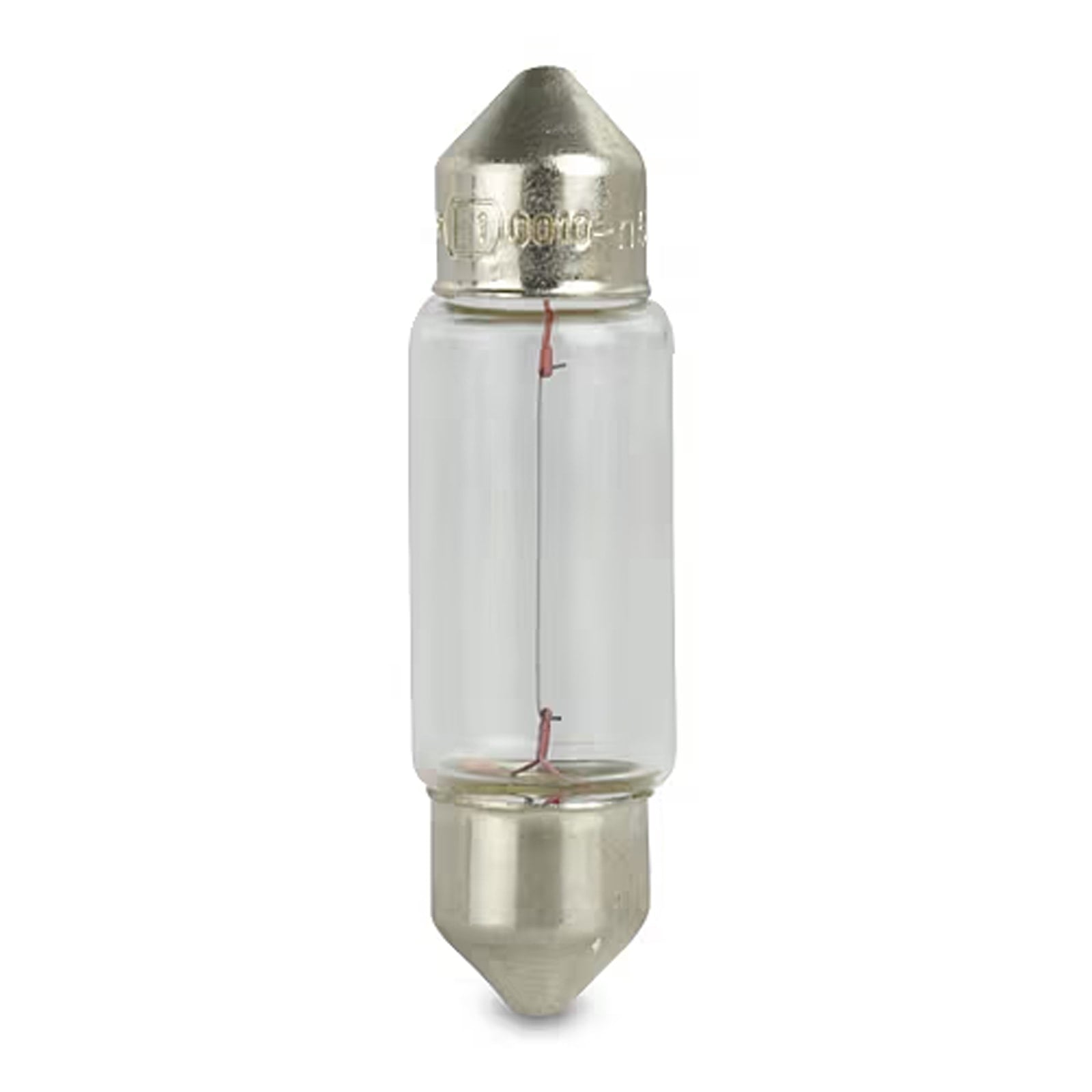
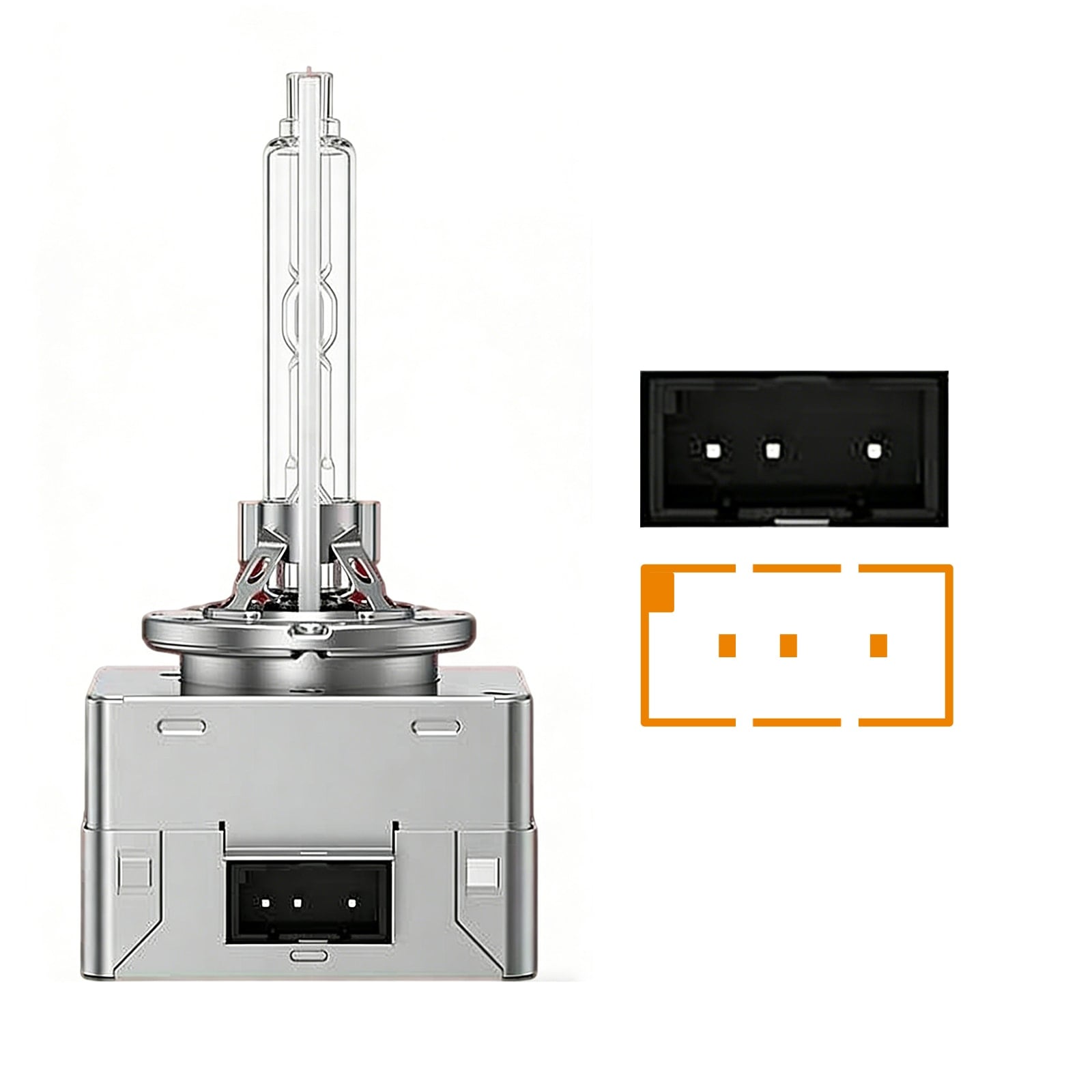











The Chevrolet Traverse is a midsize crossover SUV known for its roomy interior, family-friendly design, and solid Chevrolet Traverse reliability. Positioned between the Equinox and Tahoe, it offers up to eight seats and everyday practicality that appeals to drivers who need space and comfort.
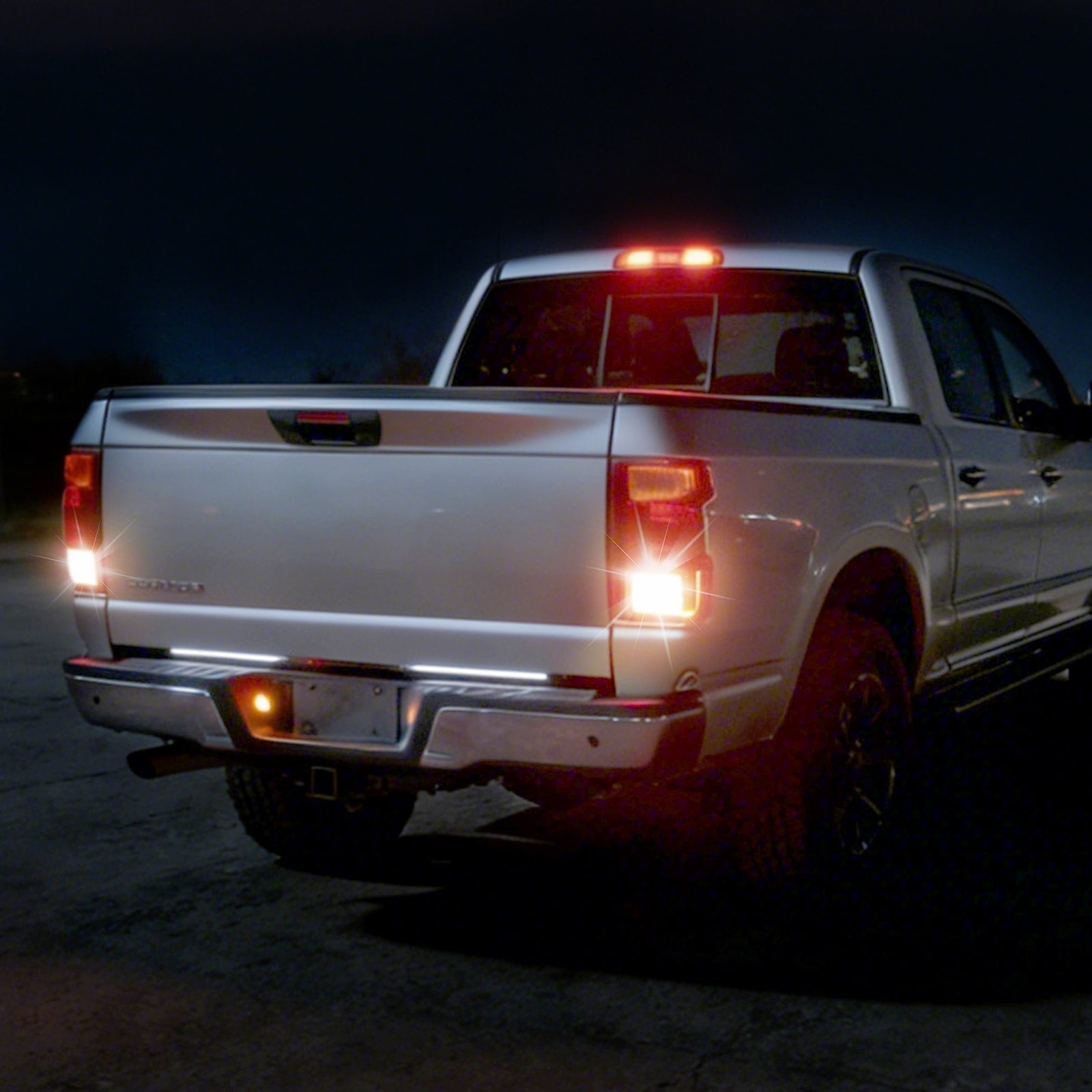
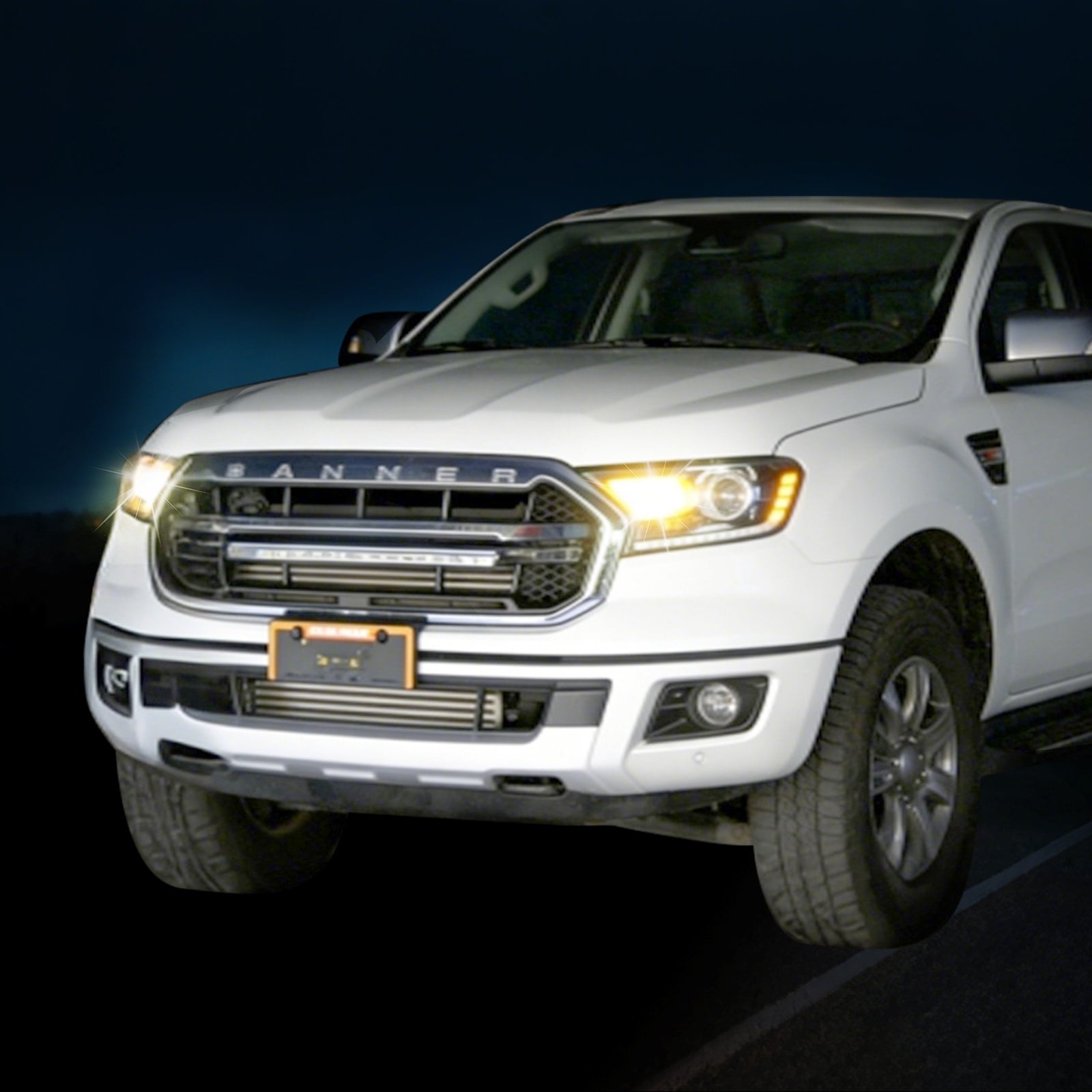
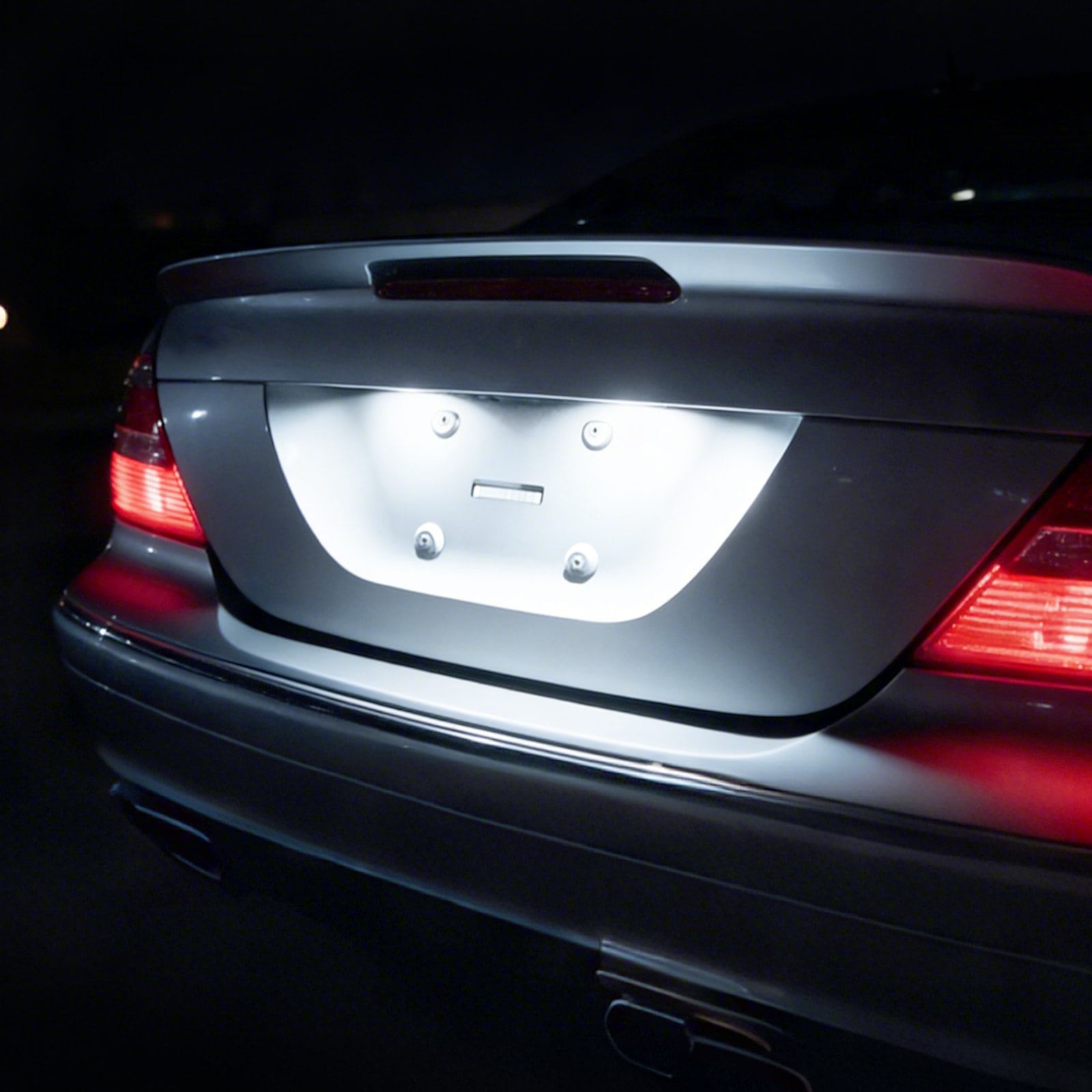
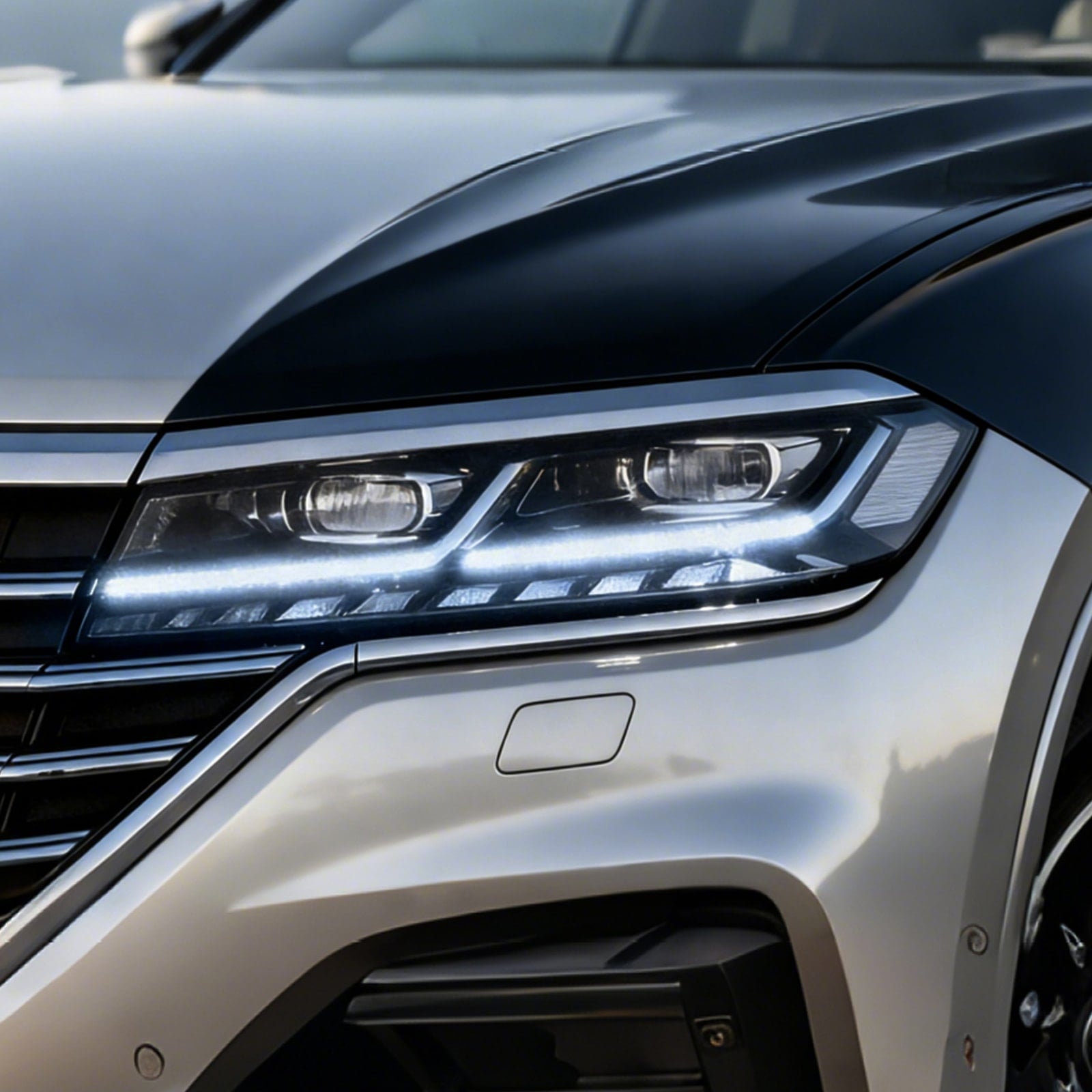
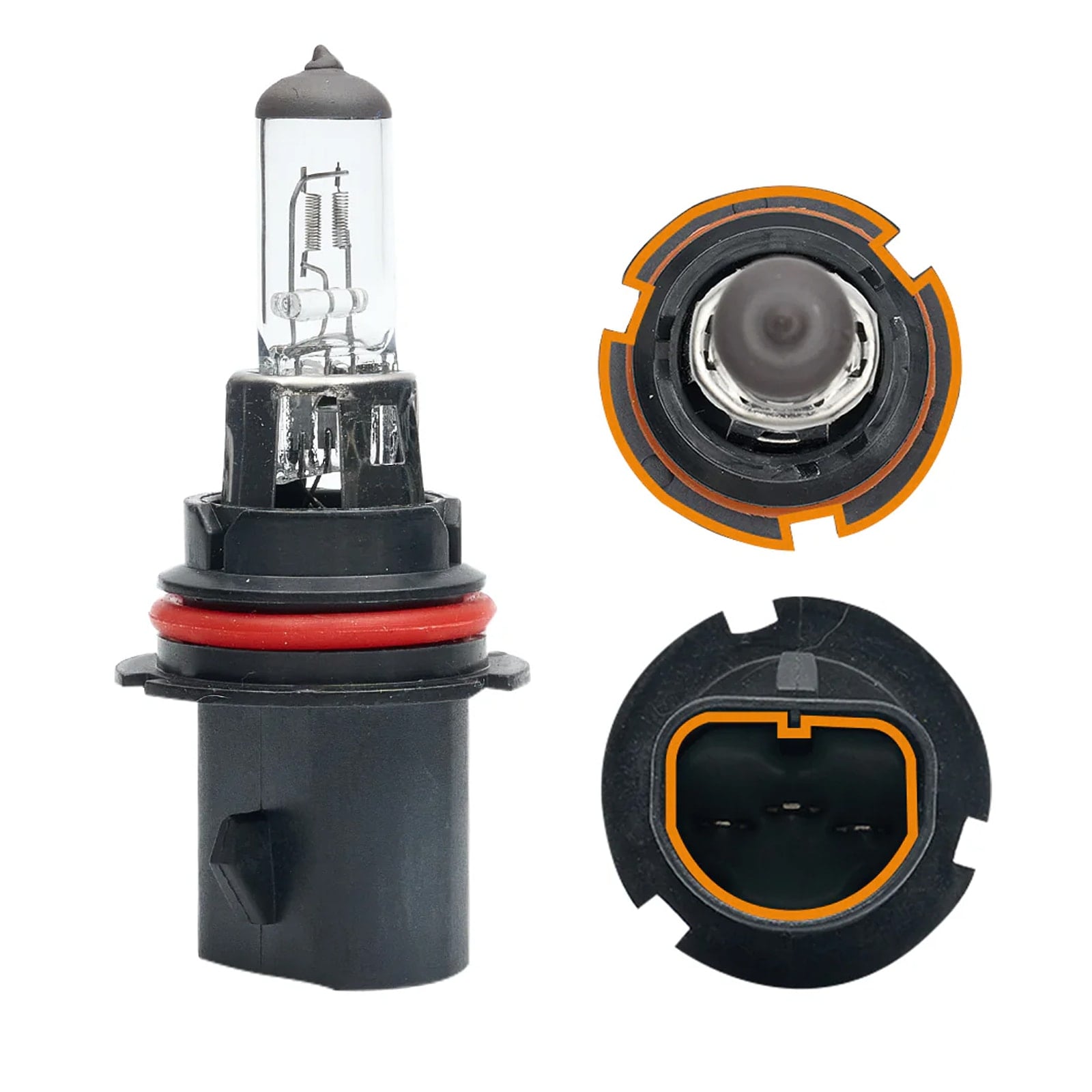
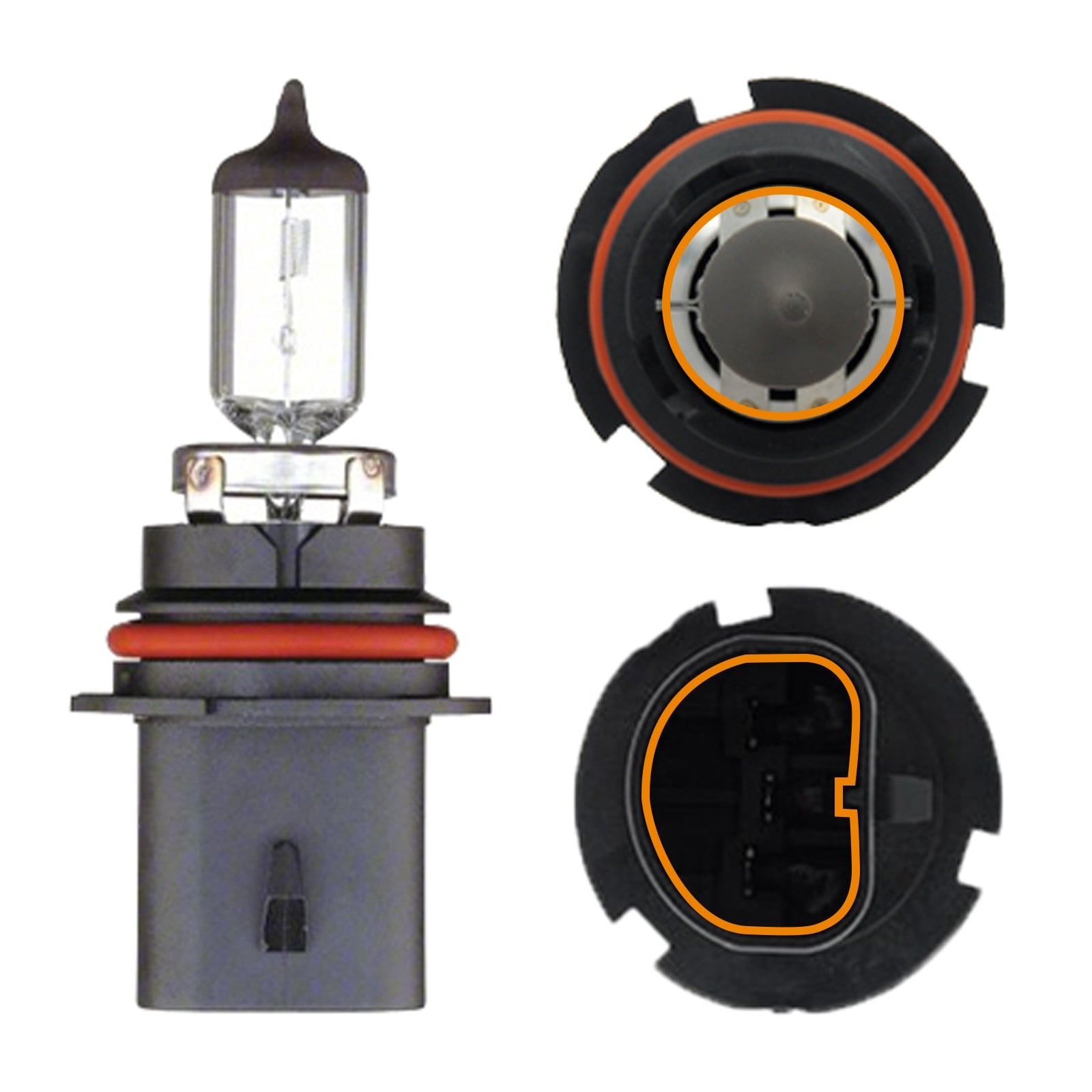
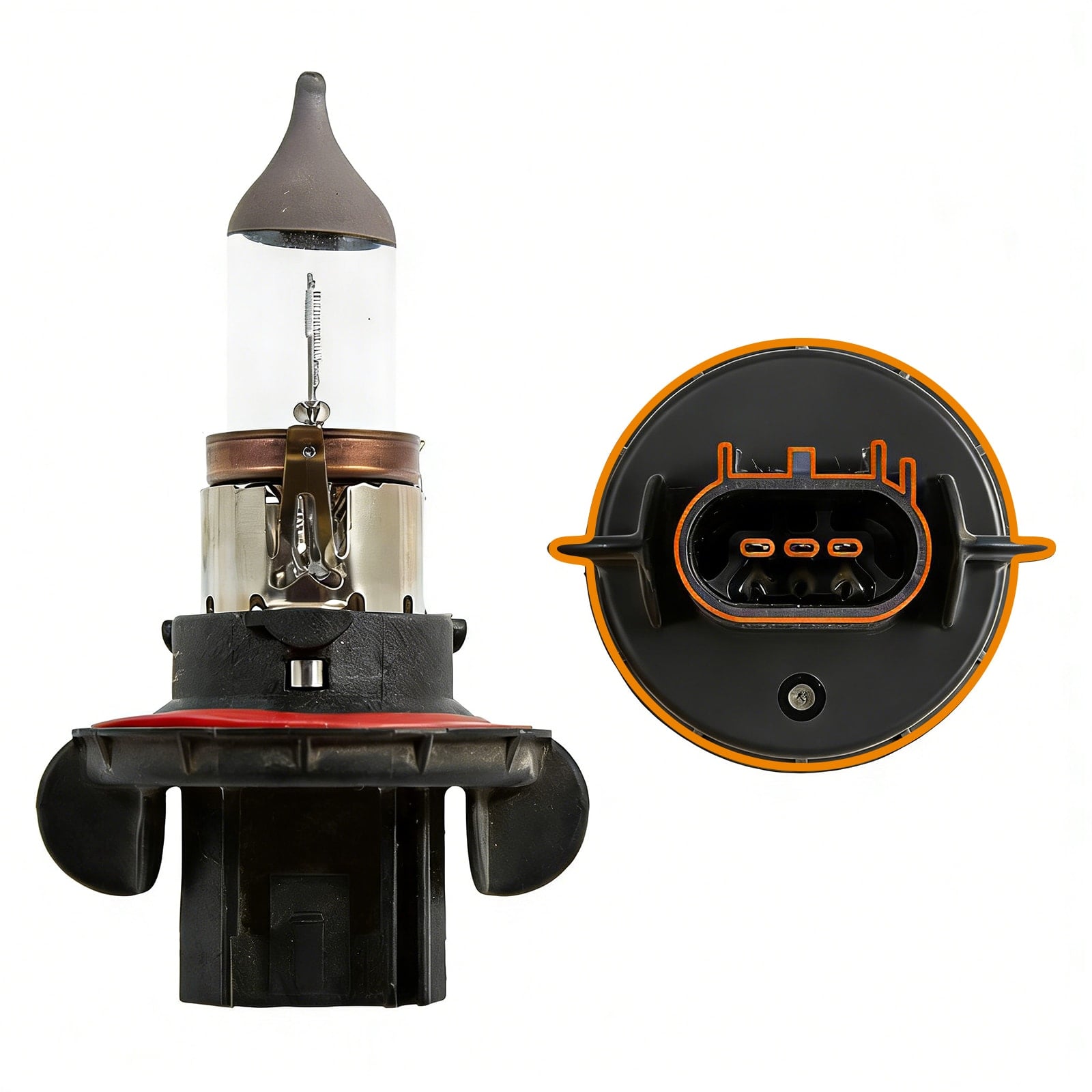
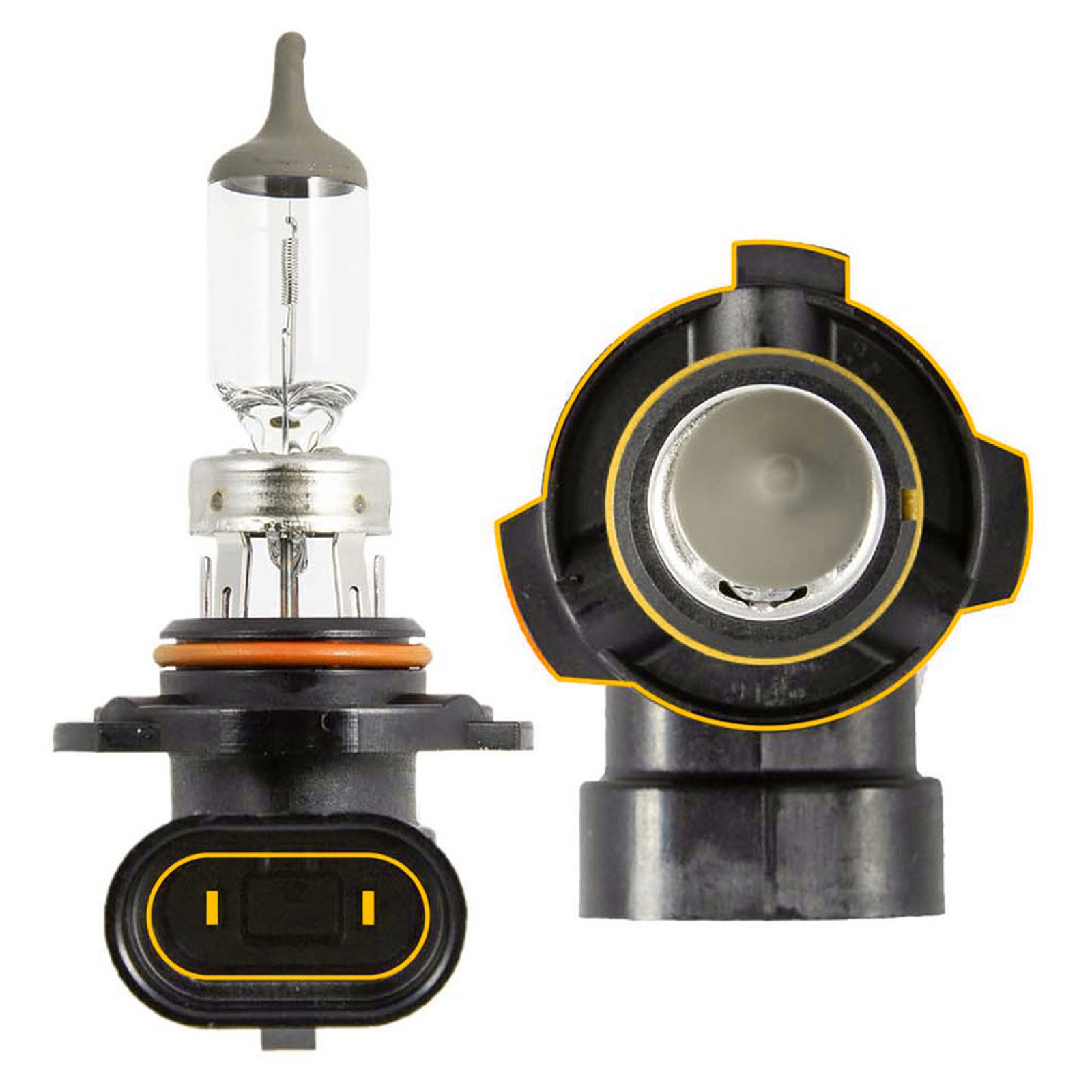
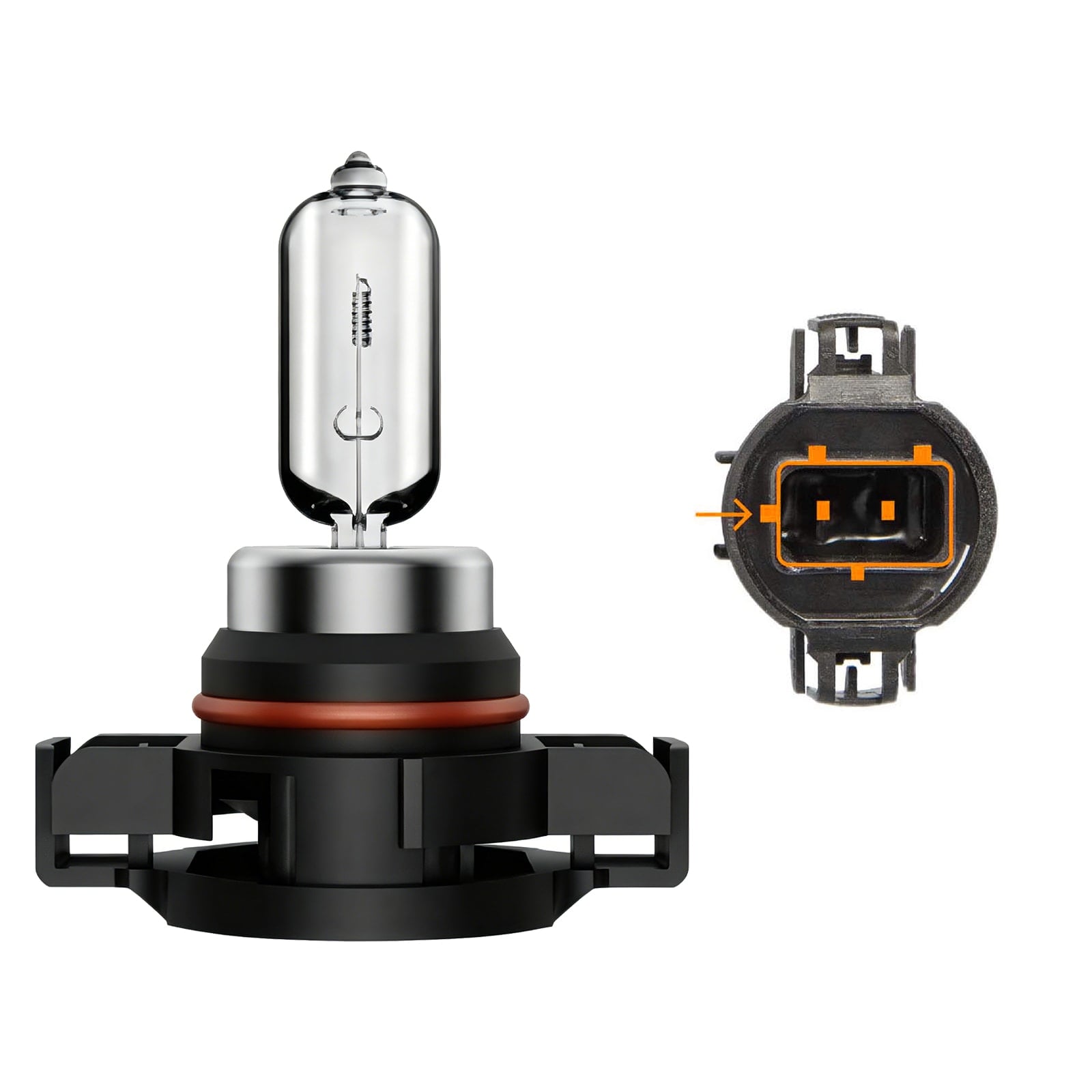
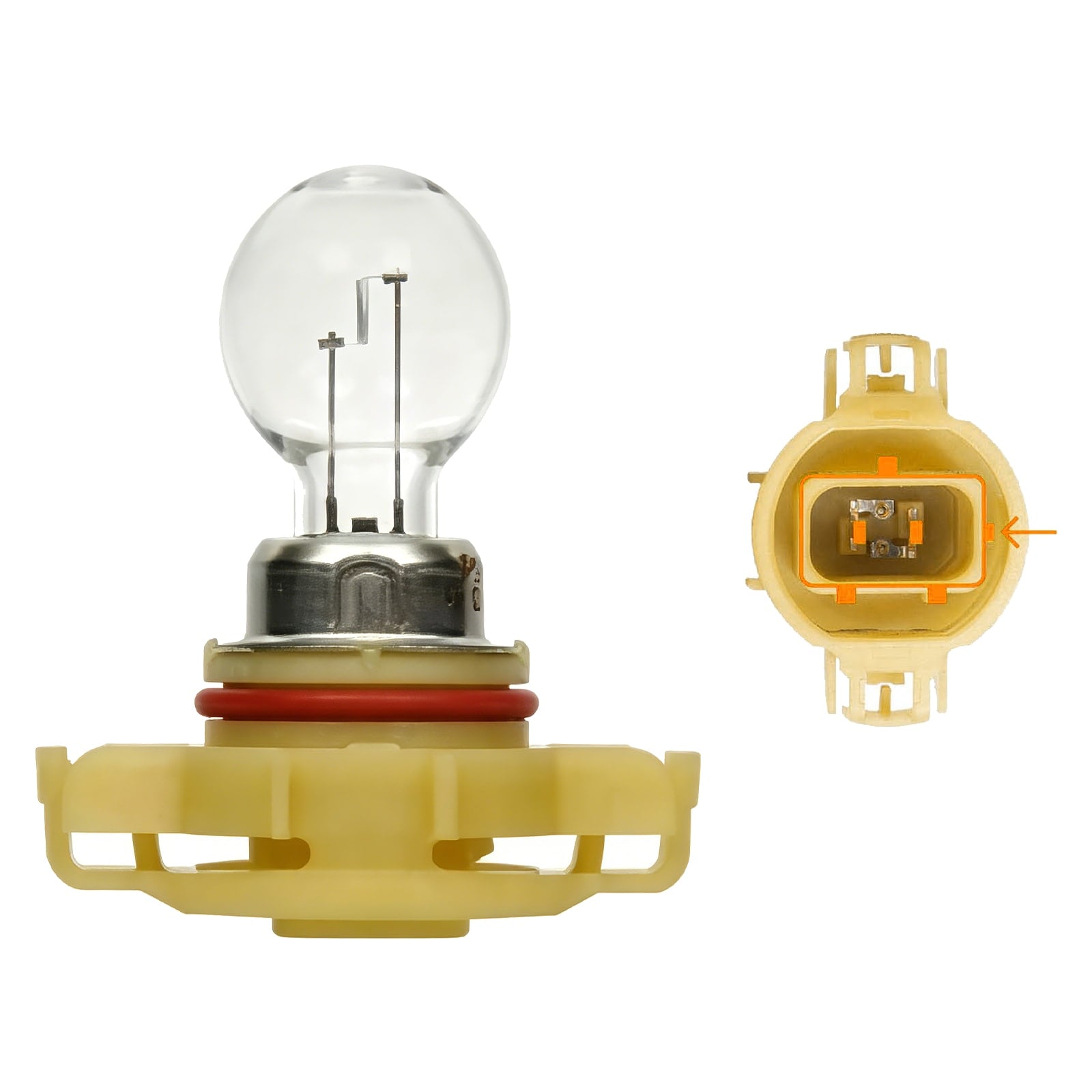
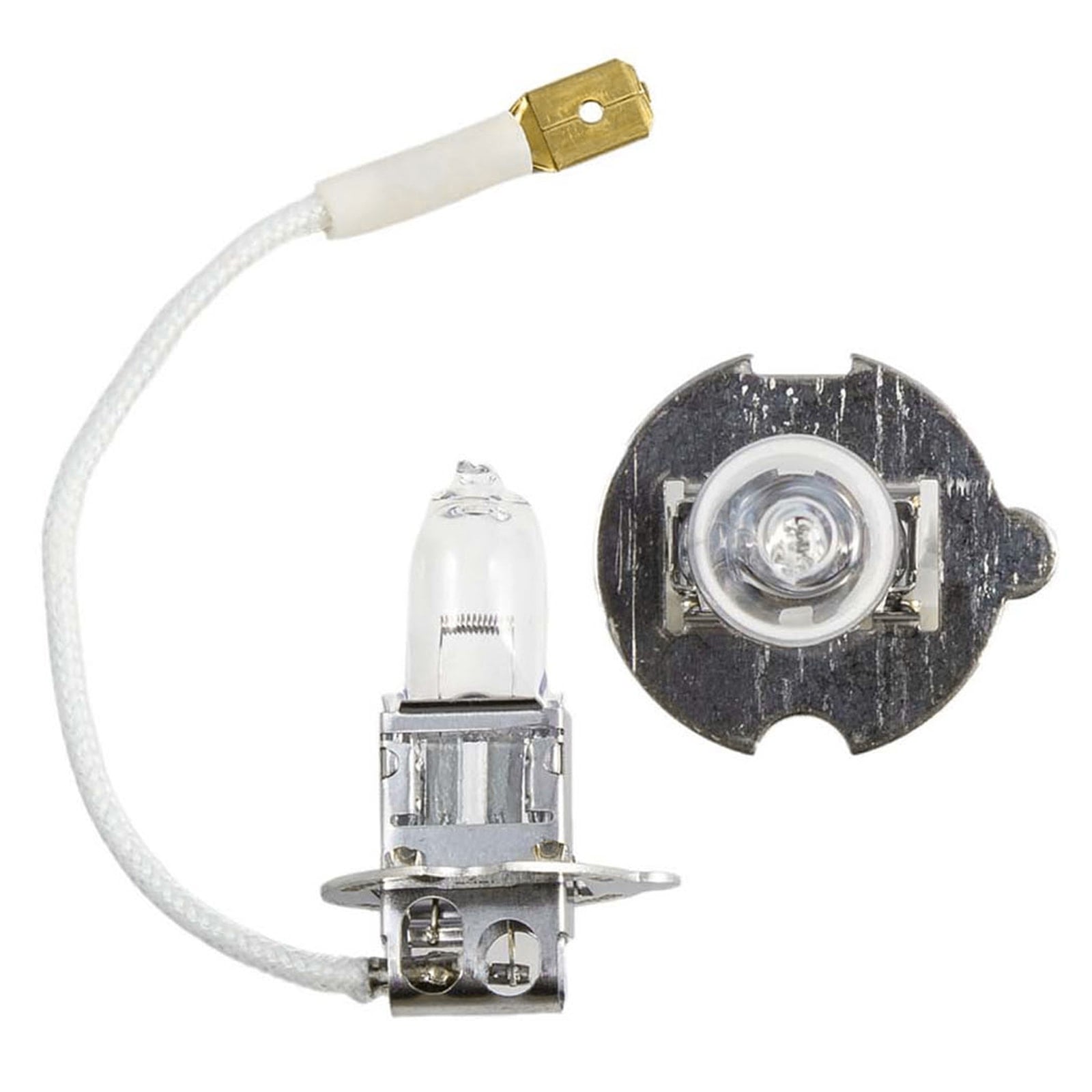
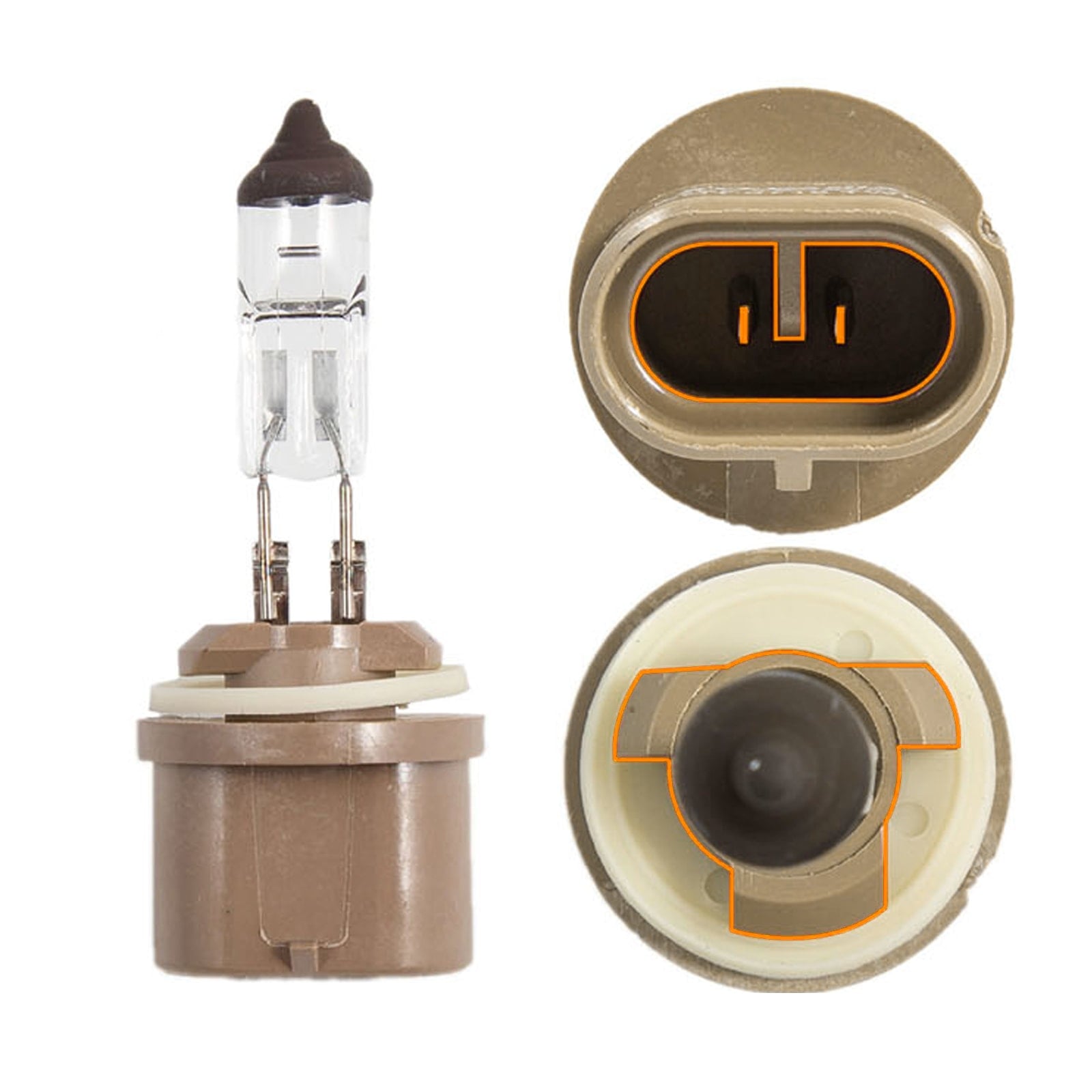
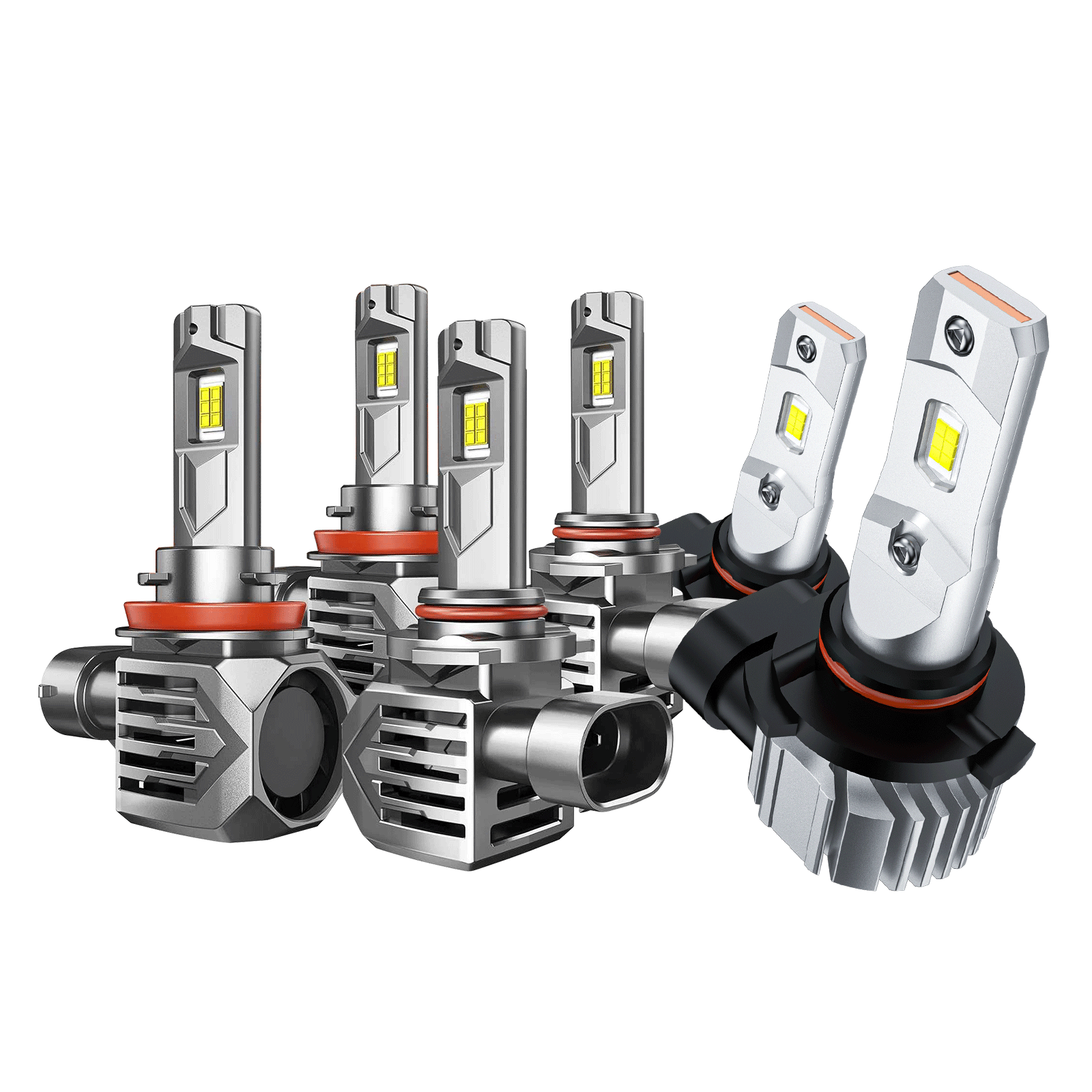
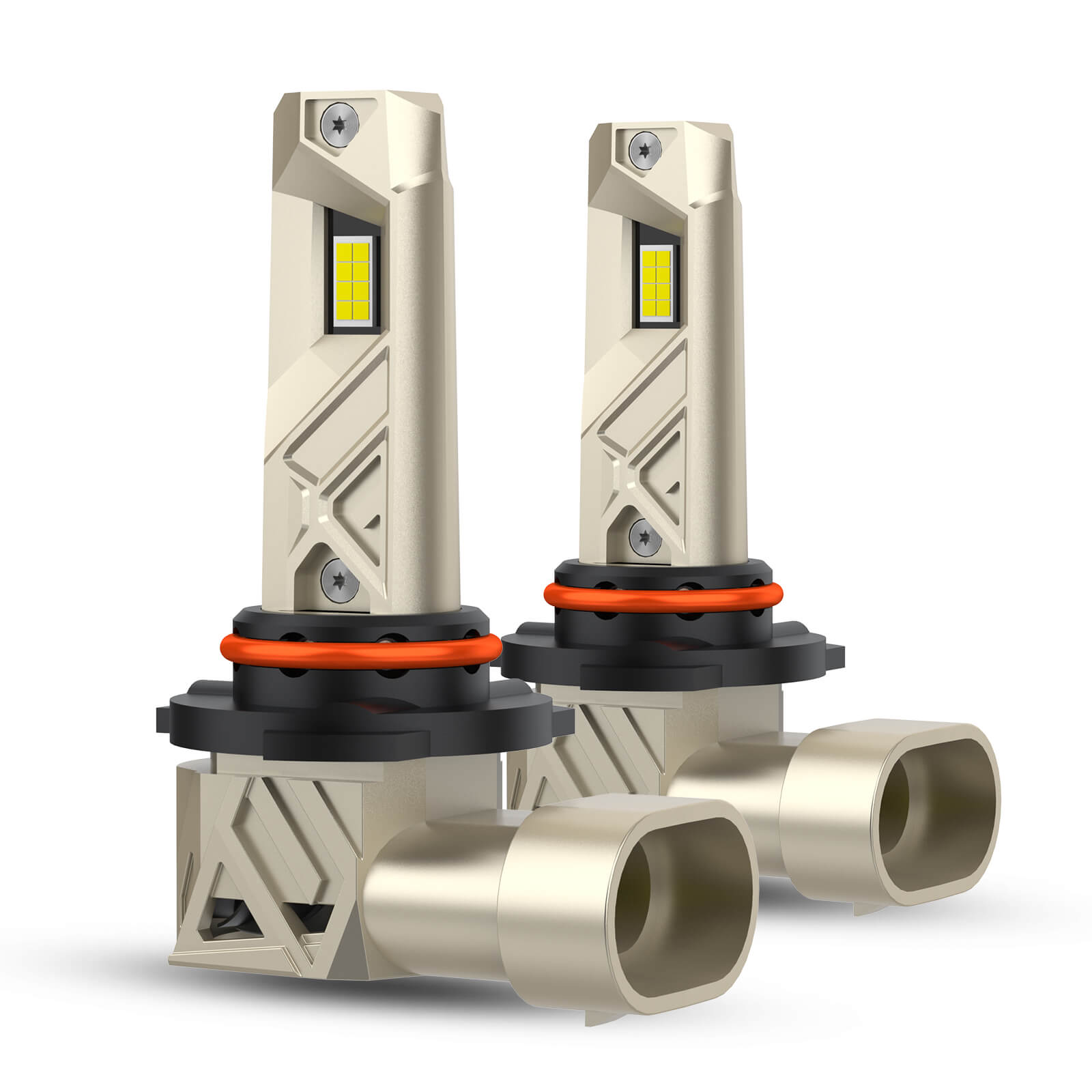
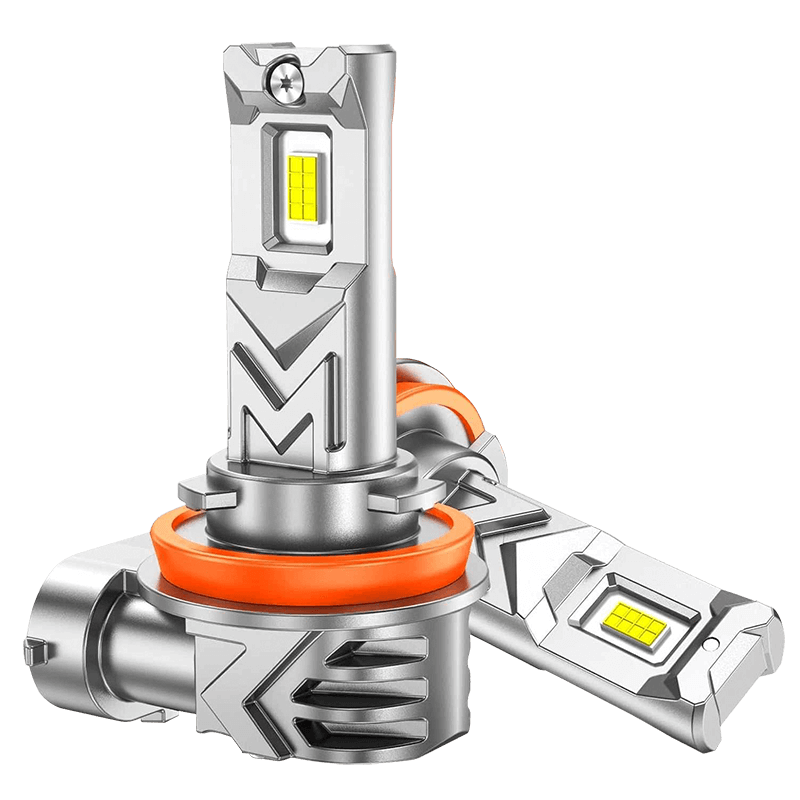
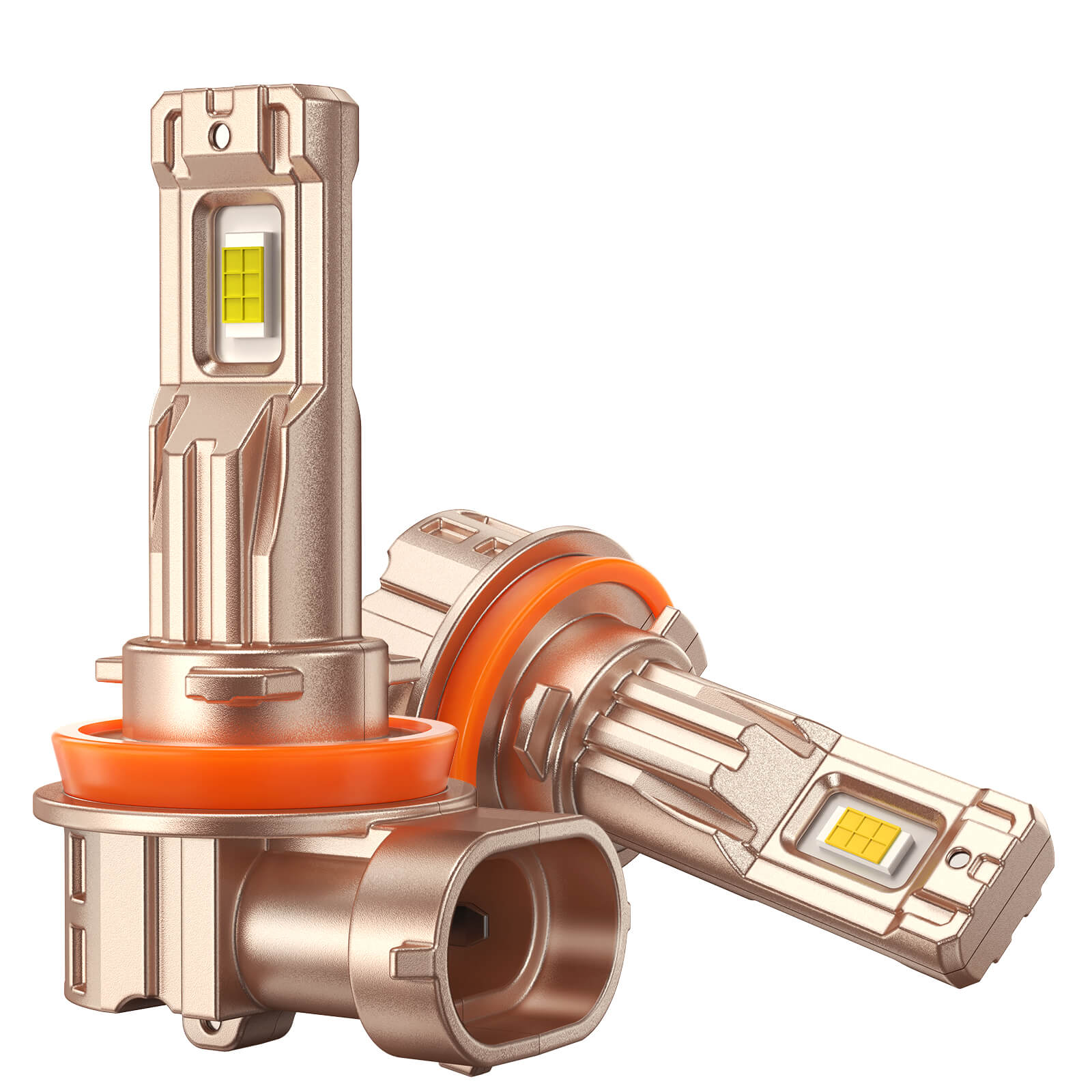
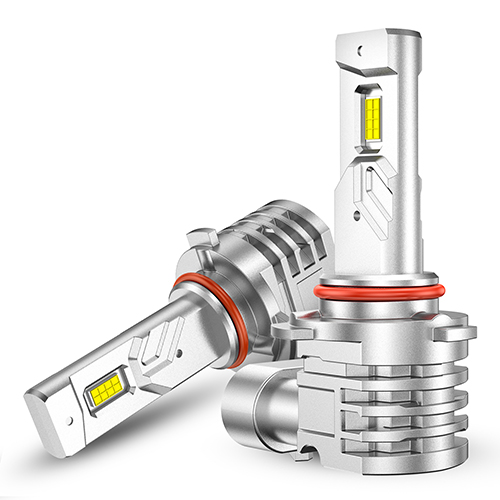
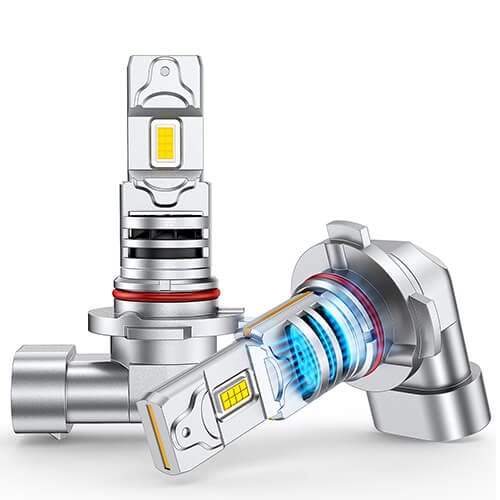
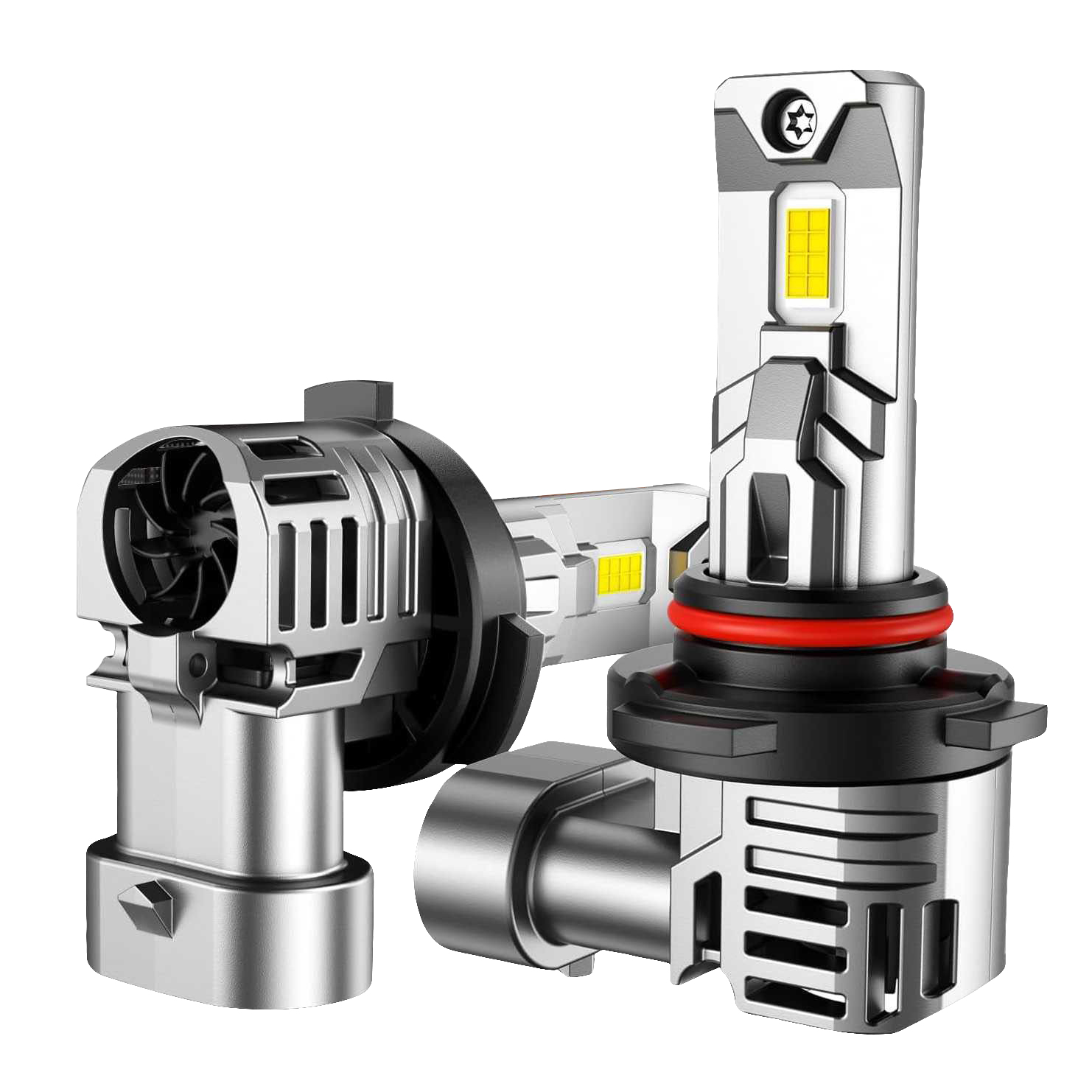
In this guide, we combine consumer reviews and expert insights to examine common Chevrolet Traverse problems, highlight its best features, and evaluate how reliability varies across different model years. For owners wanting better nighttime visibility, upgrading to SEALIGHT LED lights for Chevrolet Traverse is an easy way to replace factory halogen bulbs with brighter, more efficient LED lighting.
Is the Chevrolet Traverse Reliable?
When it comes to a family-size SUV, the Chevrolet Traverse has a special place in the segment.
According to RepairPal, the Chevrolet Traverse receives a reliability rating of around 3.5 out of 5.0, ranking it toward the lower end of the midsize SUV category. While its interior space rivals some full-size SUVs, it is officially classified as a midsize crossover.
While the vehicle has received many positive reviews, there are still a few negative reports regarding Chevrolet Traverse reliability.
The aggregated data from RepairPal indicate average repair frequency and maintenance costs. The SUV carries Chevrolet’s standard warranty with 3 years/36,000 miles limited and 5 years/60,000 miles powertrain coverage.
We found online user feedback showing that many owners experience trouble-free driving for the first 10,000 to 15,000 miles. However, one significant issue surfaced regarding newer 2024–2025 models: documented transmission fluid leaks related to a factory torque bolt issue that has been addressed through service bulletins and warranty repairs.
Some production runs have also experienced electronics issues with driver-assistance features. While these concerns are frustrating, they are typically resolved under warranty or through dealer software updates.
Maintenance and repair costs fall within typical midsize SUV ranges, with moderate expenses related to transmission servicing, software updates, and scheduled oil changes.
When it comes to depreciation, Traverse models retain roughly 46%–48% of their value after 5 years, meaning they depreciate about 52%–54% over that period. This is in line with many competitors in the midsize SUV segment and reflects average long-term ownership costs when proper maintenance is followed.
Common Problems in Chevrolet Traverse
Like every other vehicle, the Traverse faces some online criticism, and there are several Chevrolet Traverse common problems that may appear with regular use.
Here are the 7 most common issues to look out for:
Transmission Fluid Leaks and Transmission Issues
In newer Traverse models, several owners have faced issues related to transmission fluid leaks. Many of these cases are tied to a known factory torque bolt concern that can cause shifting hesitation if not addressed.
Typical Fix: Regularly monitor for transmission fluid leaks during early ownership. If fluid levels appear to drop or shifting becomes inconsistent, have the vehicle inspected promptly. Dealer repairs under warranty typically resolve the issue.
Brake System Issues
Another reported concern involves brake noise and premature wear. These complaints are not especially widespread in newer models but can appear in higher-mileage vehicles.
Typical Fix: Routine brake inspections and timely replacement of pads and rotors help prevent long-term braking issues.
Electronic System (& Driver Assistance) Malfunctions
Some complaints include malfunctioning sensors, driver-assist alerts, and freezing infotainment screens. These issues are often linked to software glitches.
Typical Fix: Dealer software updates and recalibration generally resolve these problems.
Engine Concerns with the New Turbocharged 2.5L Four-Cylinder
The redesigned 2024+ Traverse replaced the long-running 3.6L V6 with a turbocharged 2.5L four-cylinder engine. While the new engine produces more torque and improves efficiency on paper, some owners report throttle lag and a less refined engine feel compared to the outgoing V6.
Earlier 2021–2023 V6 models are often viewed by owners as the most balanced in terms of performance and proven reliability.
Typical Fix: Routine maintenance and software updates help maintain optimal engine performance. Long-term durability data for the turbo engine is still developing.
Suspension Wear and Noises
At higher mileage, some owners report noises from worn suspension components, especially after frequent rough-road driving.
Typical Fix: Inspection and replacement of worn bushings, shocks, or struts restore ride quality.
Interior Quality and Seat Mechanism Problems
Some owners report rear seat folding mechanisms that occasionally stick or rattle due to plastic components.
Typical Fix: Warranty repairs or minor seat realignments typically correct the issue.
Oil Consumption and Cooling System Issues (Earlier Models)
Some earlier first-generation Traverse models showed oil consumption and cooling system concerns. These issues are far less common in recent model years but remain a historical note.
Typical Fix: Regular oil level checks and cooling system inspections help prevent long-term engine damage.
Real-World Chevrolet Traverse Bulb Problems & LED Upgrade Tips
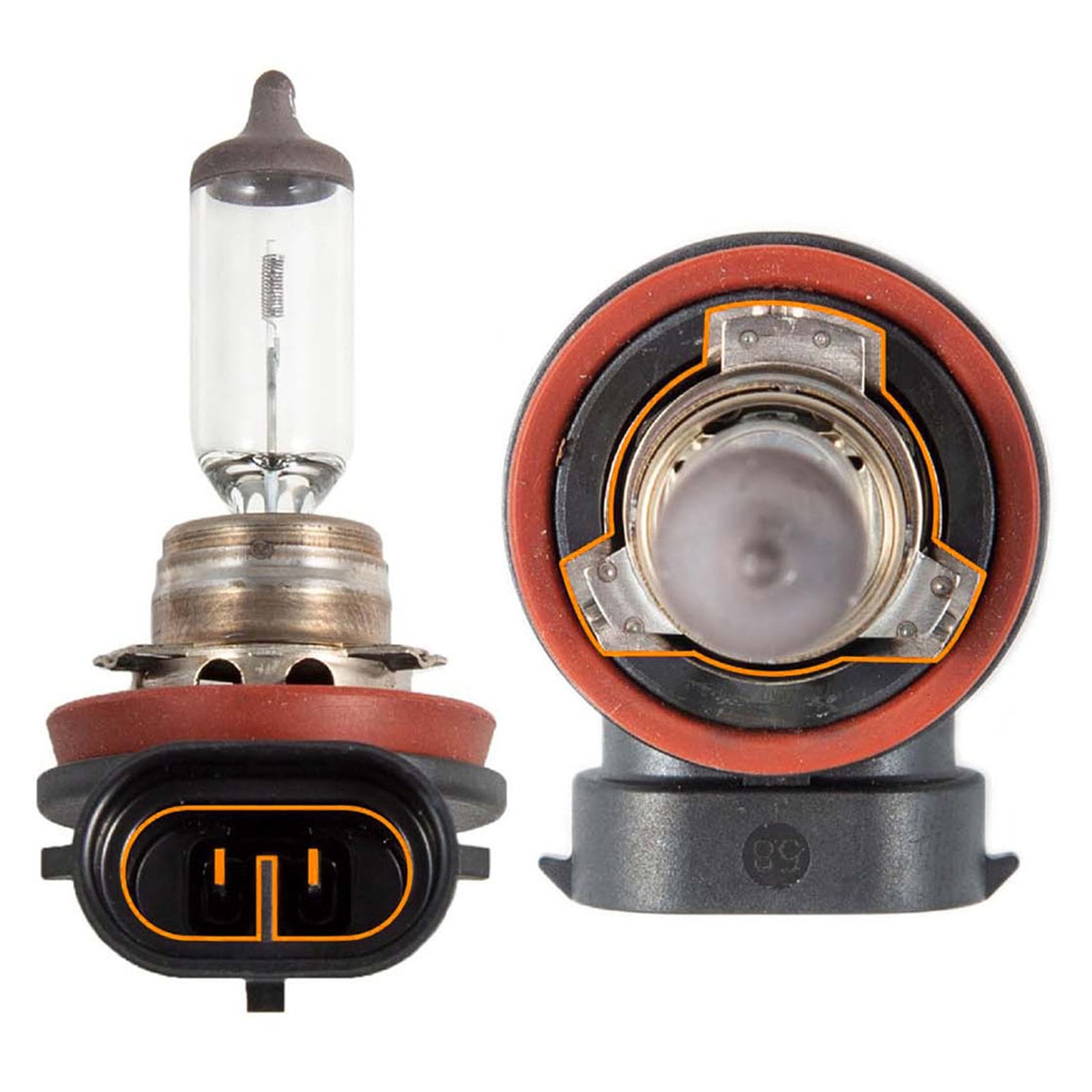
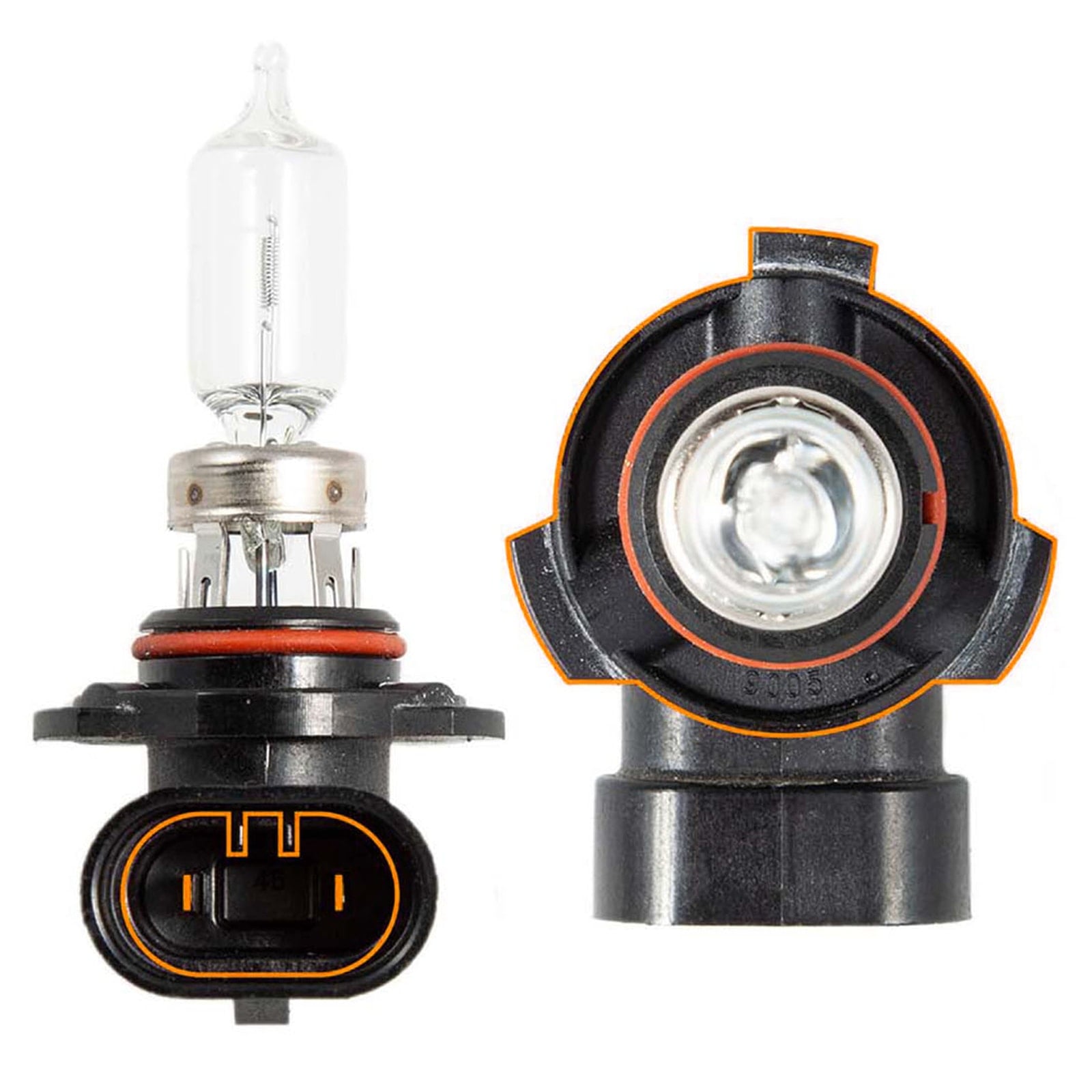
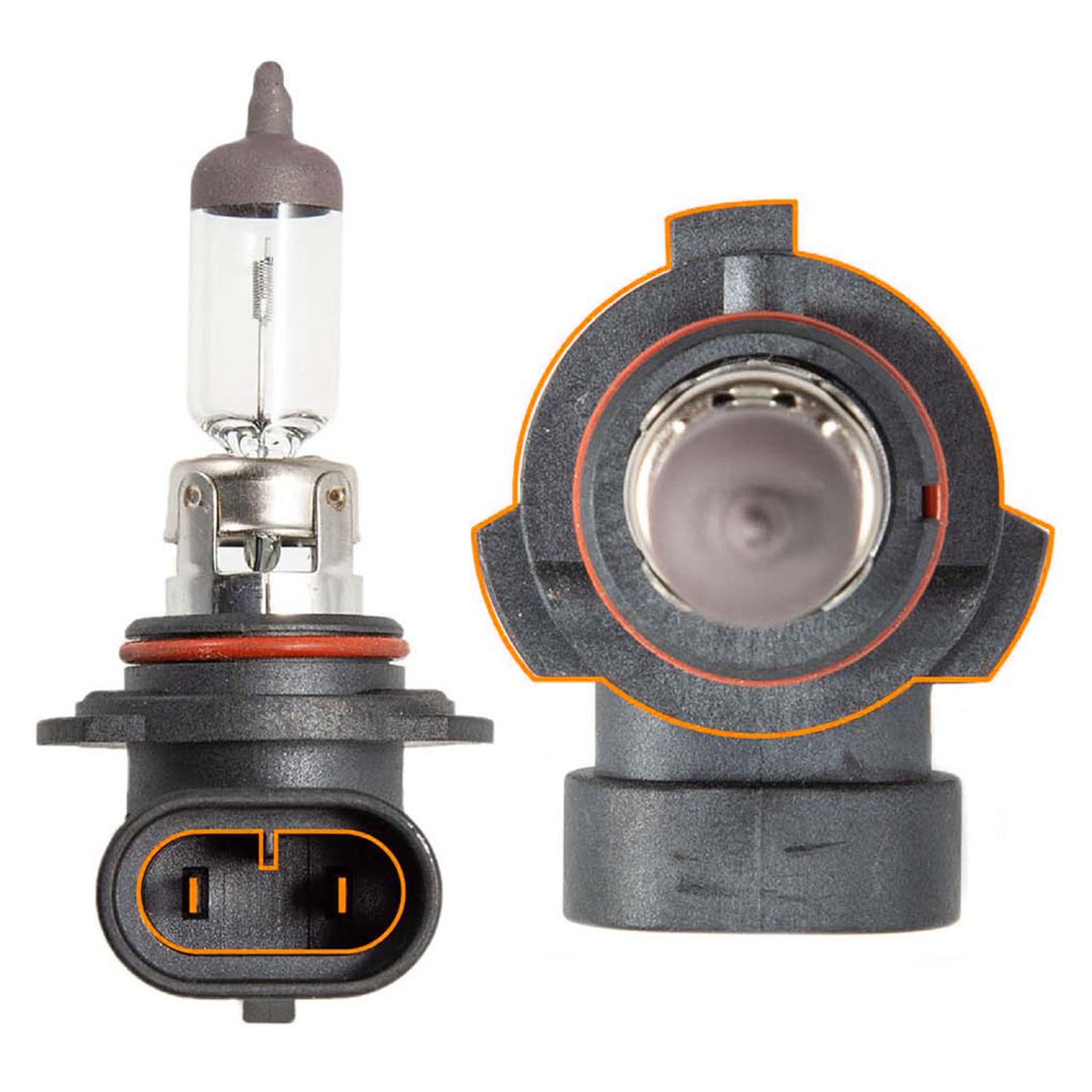
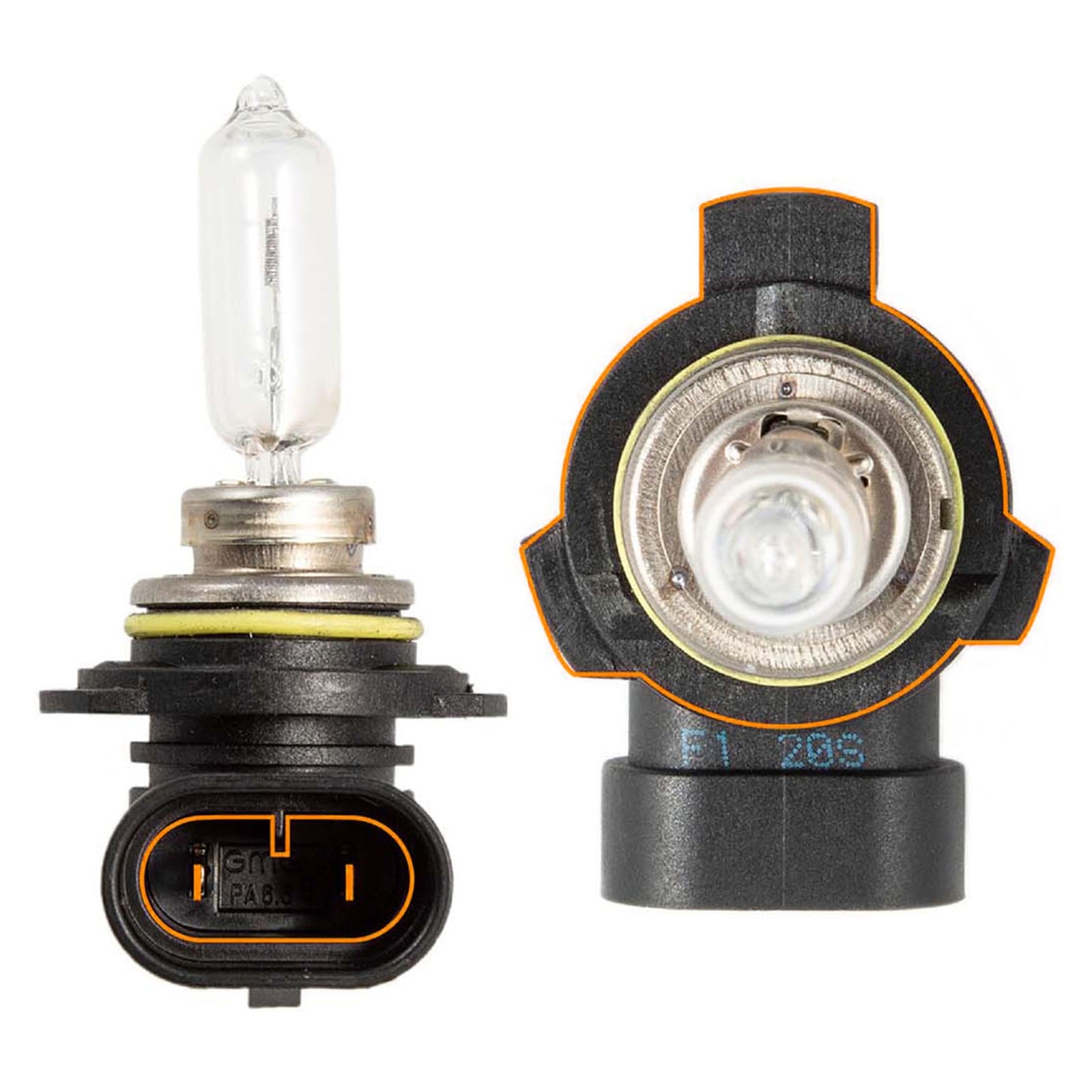
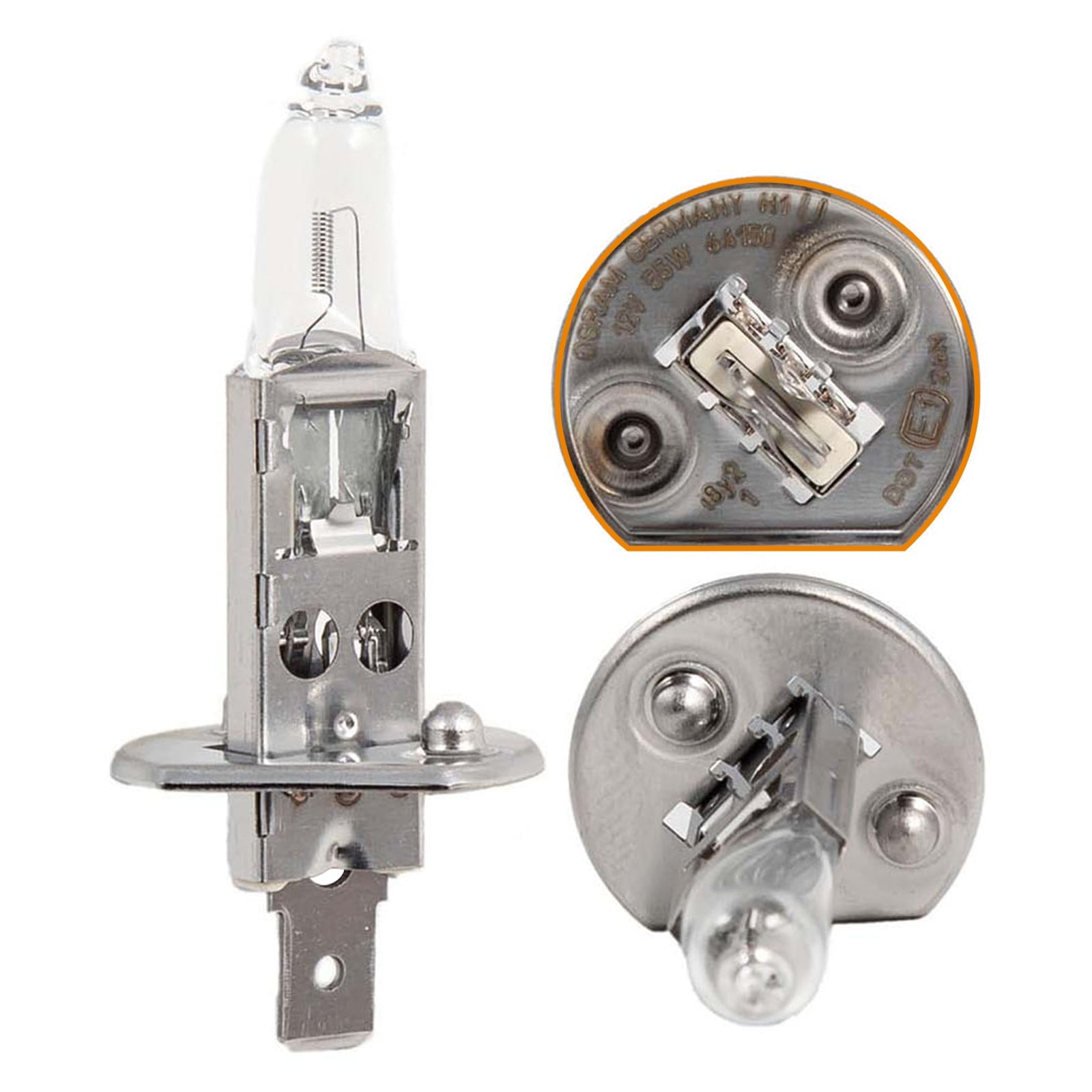
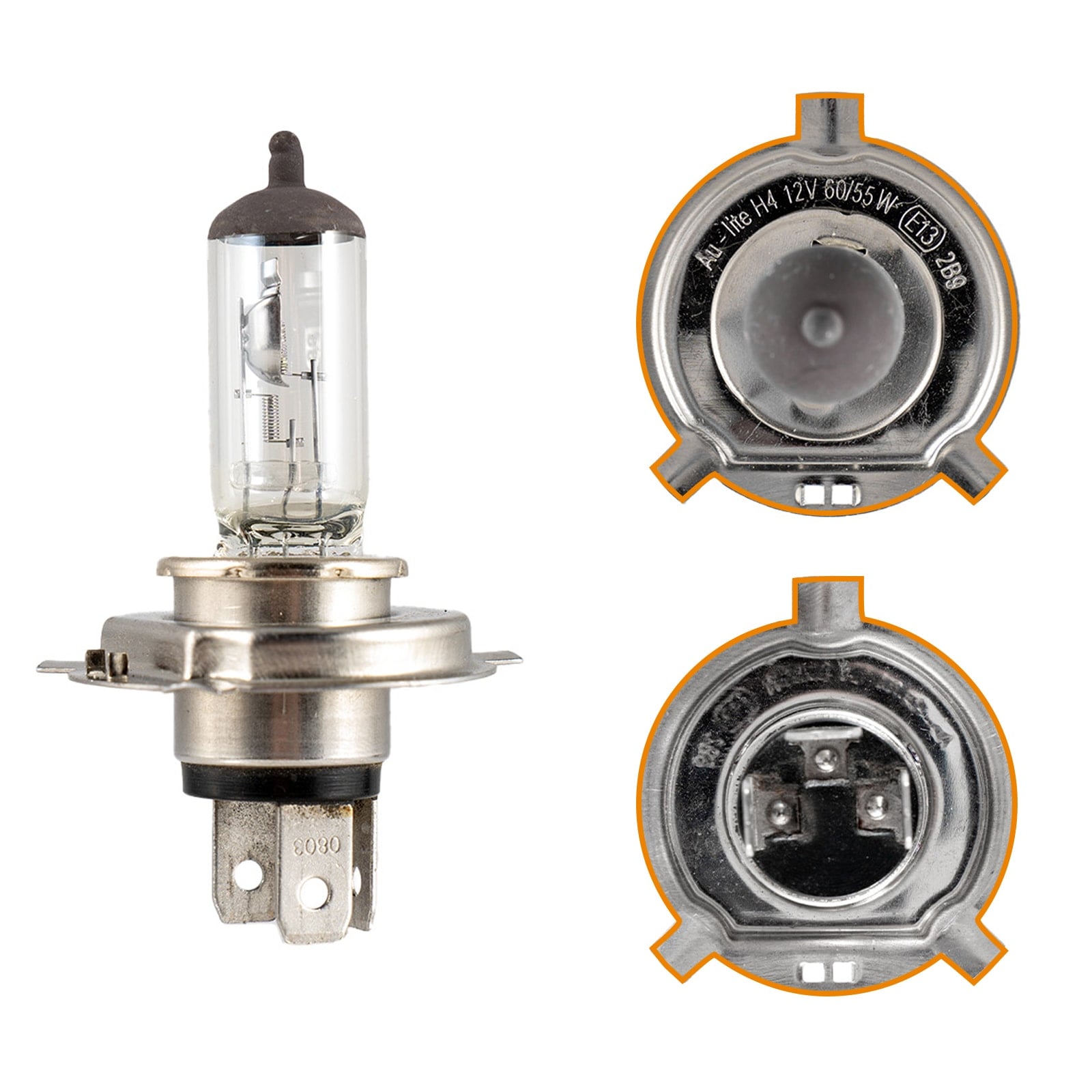
Some long-time Traverse owners report headlight flickering or inconsistent lighting. In many cases, flickering is linked to battery or alternator issues, wiring faults, or compatibility problems within the vehicle’s electrical system.
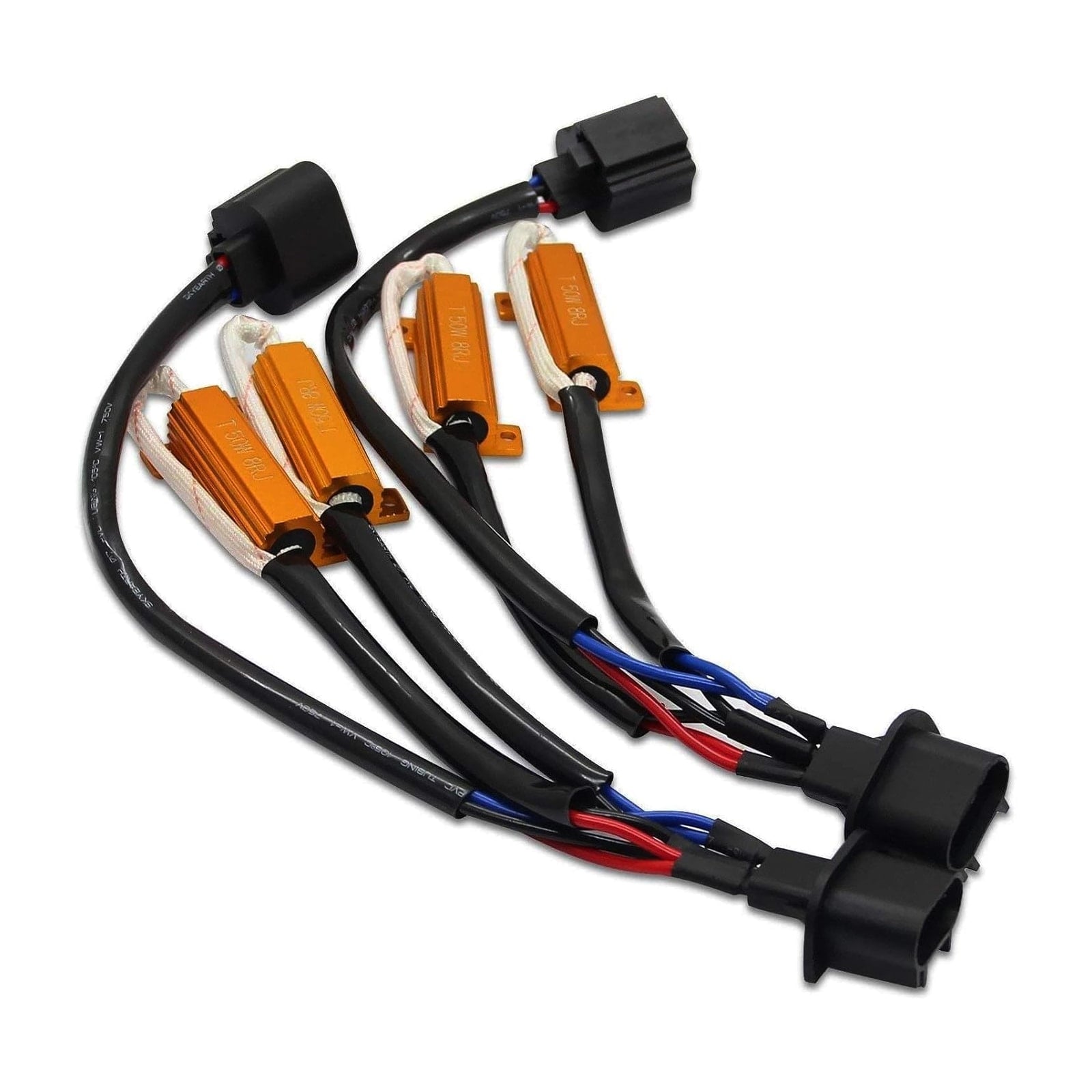
Upgrading to high-quality, CANbus-compatible LED bulbs can improve brightness and efficiency. However, LED bulbs must be properly matched to the vehicle’s electrical system. Installing incompatible LEDs without proper decoding can sometimes cause warning messages or flickering.
Modern automotive LEDs are more energy-efficient and produce brighter white light than traditional halogens. They also tend to last longer and offer improved nighttime visibility.
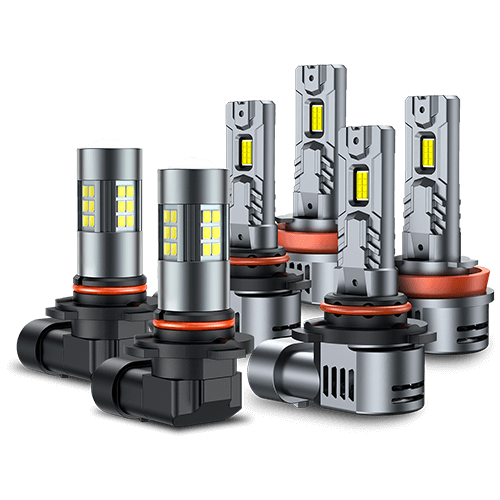
For Traverse owners seeking a lighting upgrade, exploring Chevrolet Traverse-compatible LED bulbs designed for proper electrical compatibility can provide better performance and durability.
Worst Chevrolet Traverse Model Years to Avoid
The 2018–2019 model years received a higher number of complaints related to electrical glitches (including the well-known “Shift to Park” issue) and early transmission concerns.
More recently, the 2024 model year has drawn attention due to documented transmission fluid leak issues in certain production runs. Although many of these problems are addressed under warranty, buyers should stay informed and verify service history.
Proper research and a thorough inspection are recommended when considering any used Traverse.
Best Chevrolet Traverse Model Years to Buy
The 2021–2023 model years are widely considered the sweet spot of the Traverse lineup. These years benefit from refinements to the V6 powertrain, improved software stability, and fewer widespread defect reports.
These models strike a balance between modern features and proven mechanical reliability, making them attractive choices for used buyers.
Conclusion
Overall, Chevrolet Traverse reliability makes it a solid choice for families who want space and versatility, especially when choosing a well-maintained used Chevrolet Traverse from the more proven model years. While some Chevrolet Traverse problems have appeared in newer models, most are manageable with proper maintenance and warranty service. For better nighttime visibility, you can upgrade your lighting with options from SEALIGHT’s Chevrolet Traverse LED collection. If you've owned a Traverse, share your experience and any issues you’ve faced to help other drivers make informed decisions.