
 Headlight Bulbs


 Track Order
 My Vehicles
 Contact Us
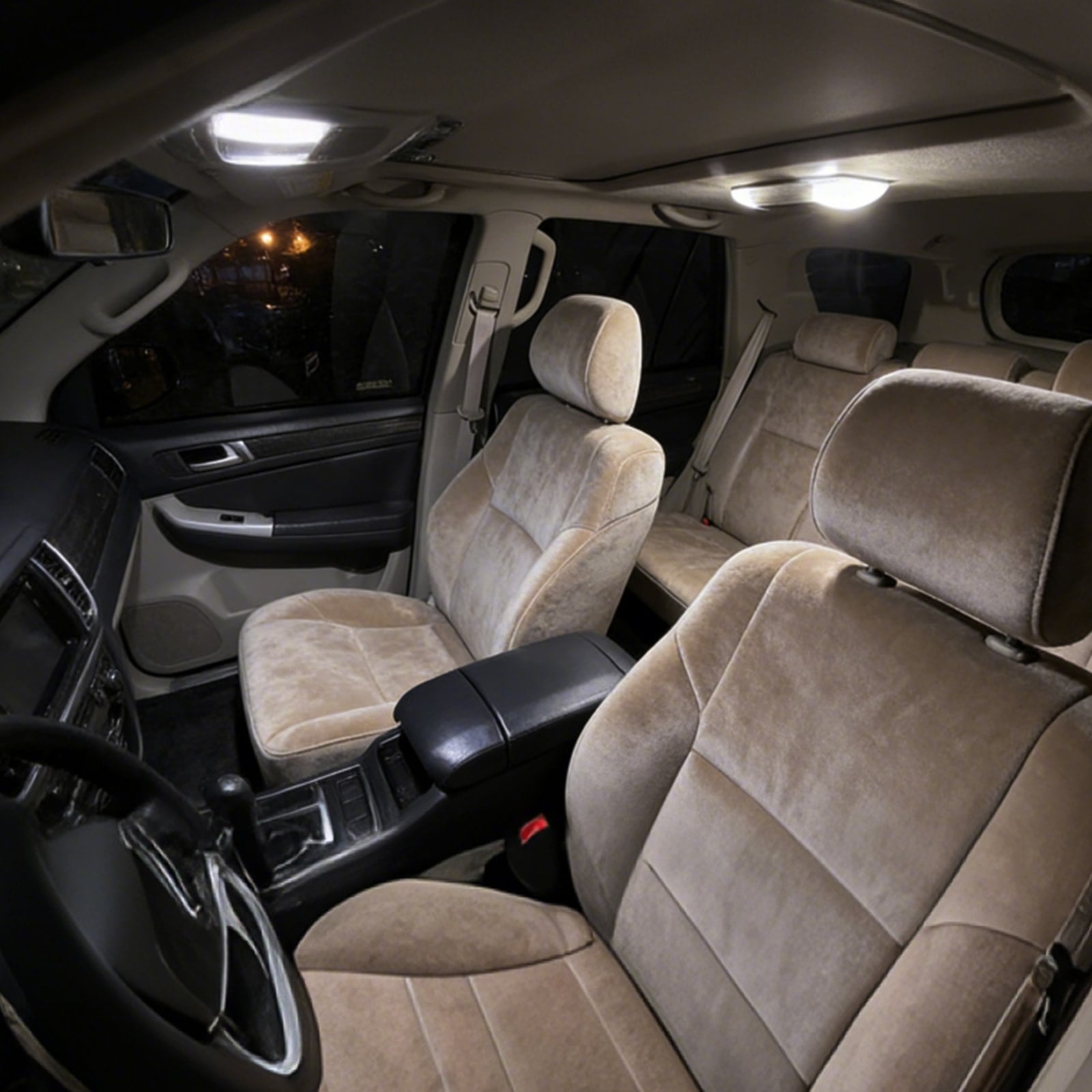

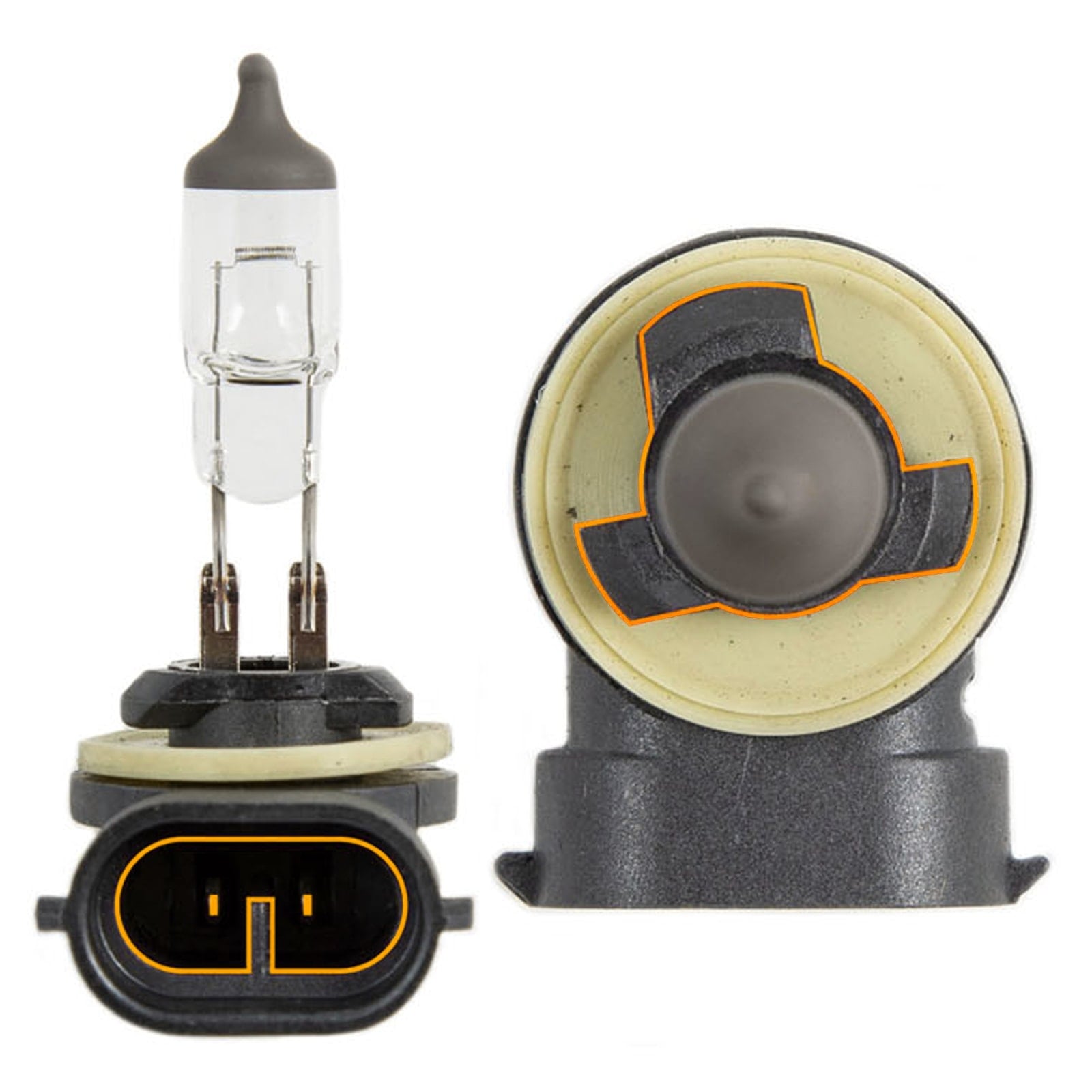
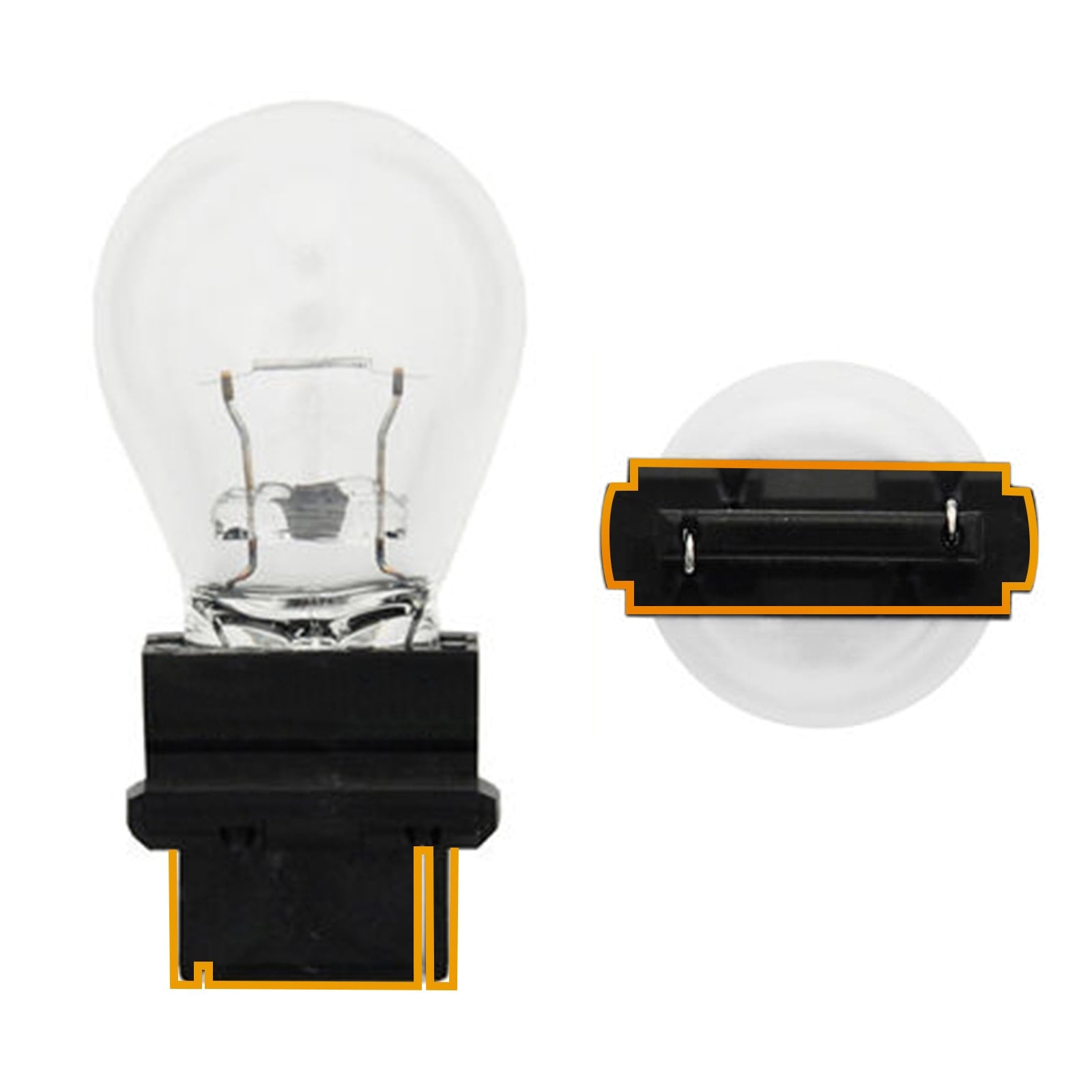
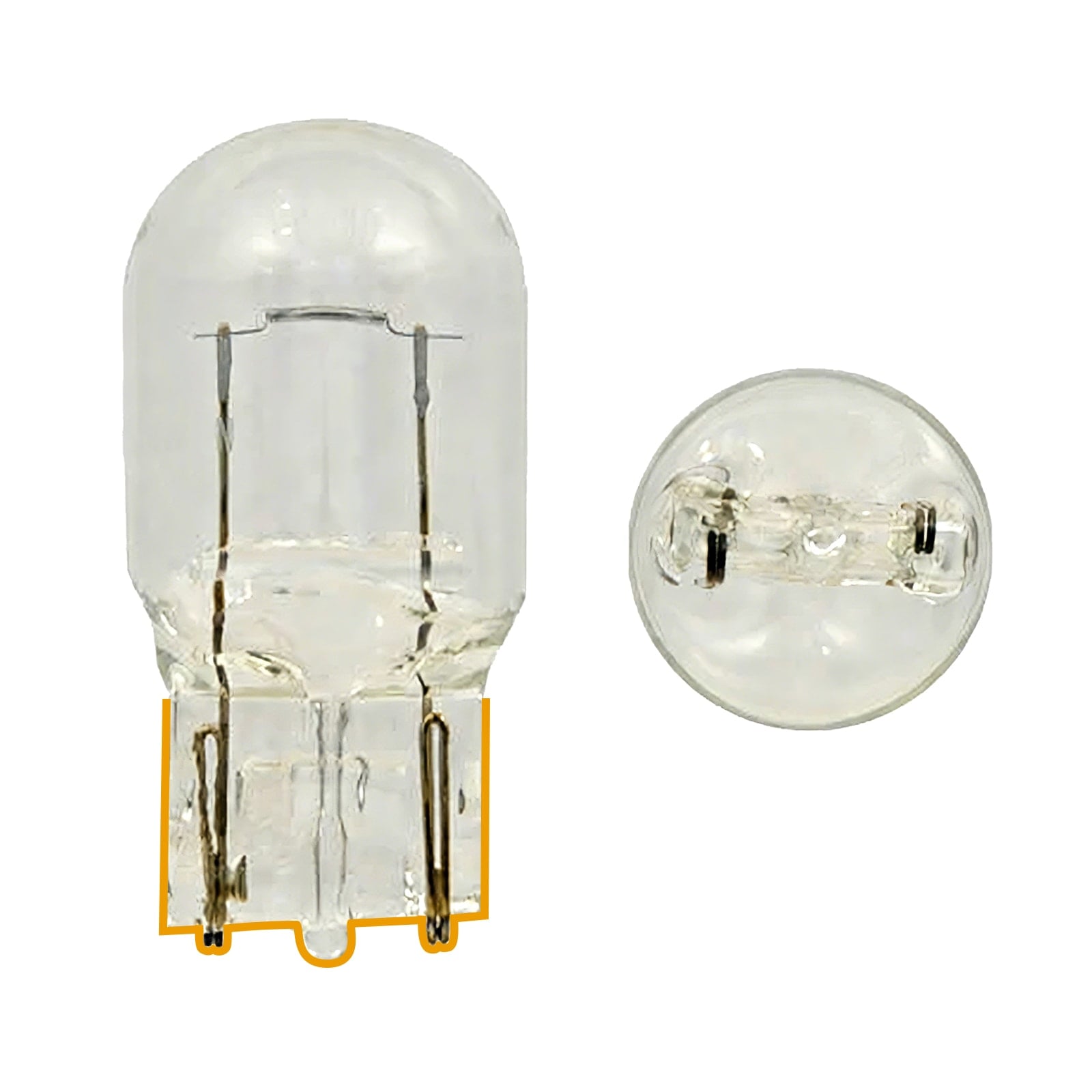
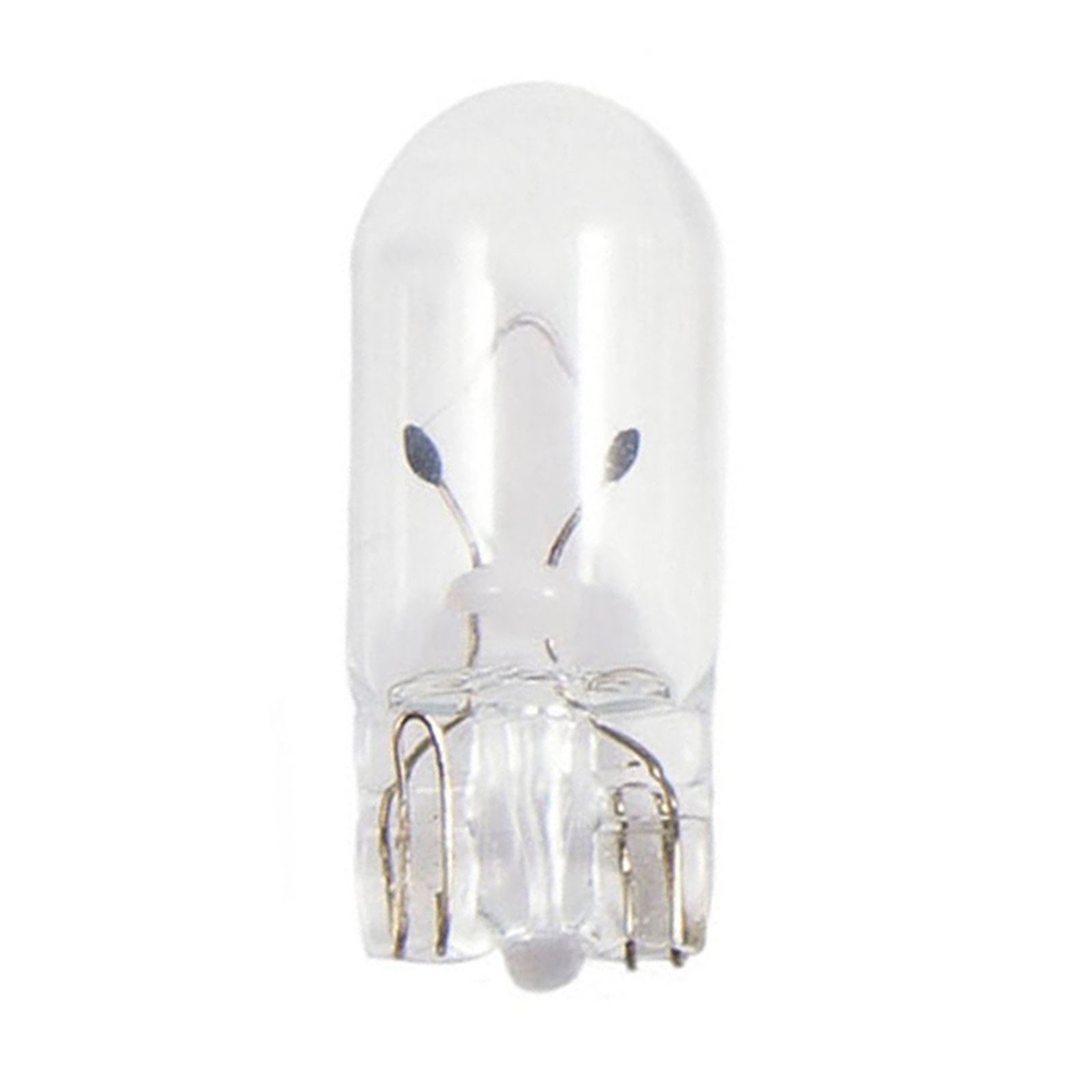











Many drivers search for terms like “what is the inside light in a car,” “what is a dome light,” or “what is a map light.” The mix-up makes sense because modern vehicles use several interior lights, and the names can overlap depending on the car brand and the location of the light.
If the dome light vs. map light question comes up when you try to understand the interior light in their car, this guide is here to help. We will walk you through these two interior light types, how they function, and the differences between them.
Dome Light vs. Map Light: Are They the Same? What’s the Difference?
Although both dome lights and map lights are part of a vehicle’s interior lighting system, they serve different purposes. These two lights vary in function, beam pattern, brightness, and control method.
In simple terms, a dome light illuminates the entire cabin, while a map light provides focused lighting for specific tasks, such as reading or locating items.
The table below provides a quick comparison to help you understand how they differ.
Comparison Table between Map Light VS Dome Light
| Category | Map Light (Reading Light) | Dome Light (Cabin Light) |
| Primary purpose | Focused illumination for a specific seat (typically driver or front passenger) for tasks like reading | Broad illumination for the entire cabin, mainly for general visibility when entering/exiting or locating items |
| Why it exists (origin) | Named from the era of paper maps, so a passenger could read directions without lighting up the whole car | Designed as the main interior light to illuminate the cabin area |
| Typical location | Usually near the rearview mirror, in the overhead console, or integrated with sunroof controls/mic panels | Typically centered in the headliner (front/middle/rear depending on vehicle) to spread light across the cabin |
| Beam pattern | Narrow, focused beam | Wide, diffused beam |
| Driver comfort at night | Designed to reduce distraction: often angled toward passenger area to help prevent glare | Can be more distracting if left on while driving due to broad cabin illumination |
| Control style | Usually individually controlled | Often tied to door switches |
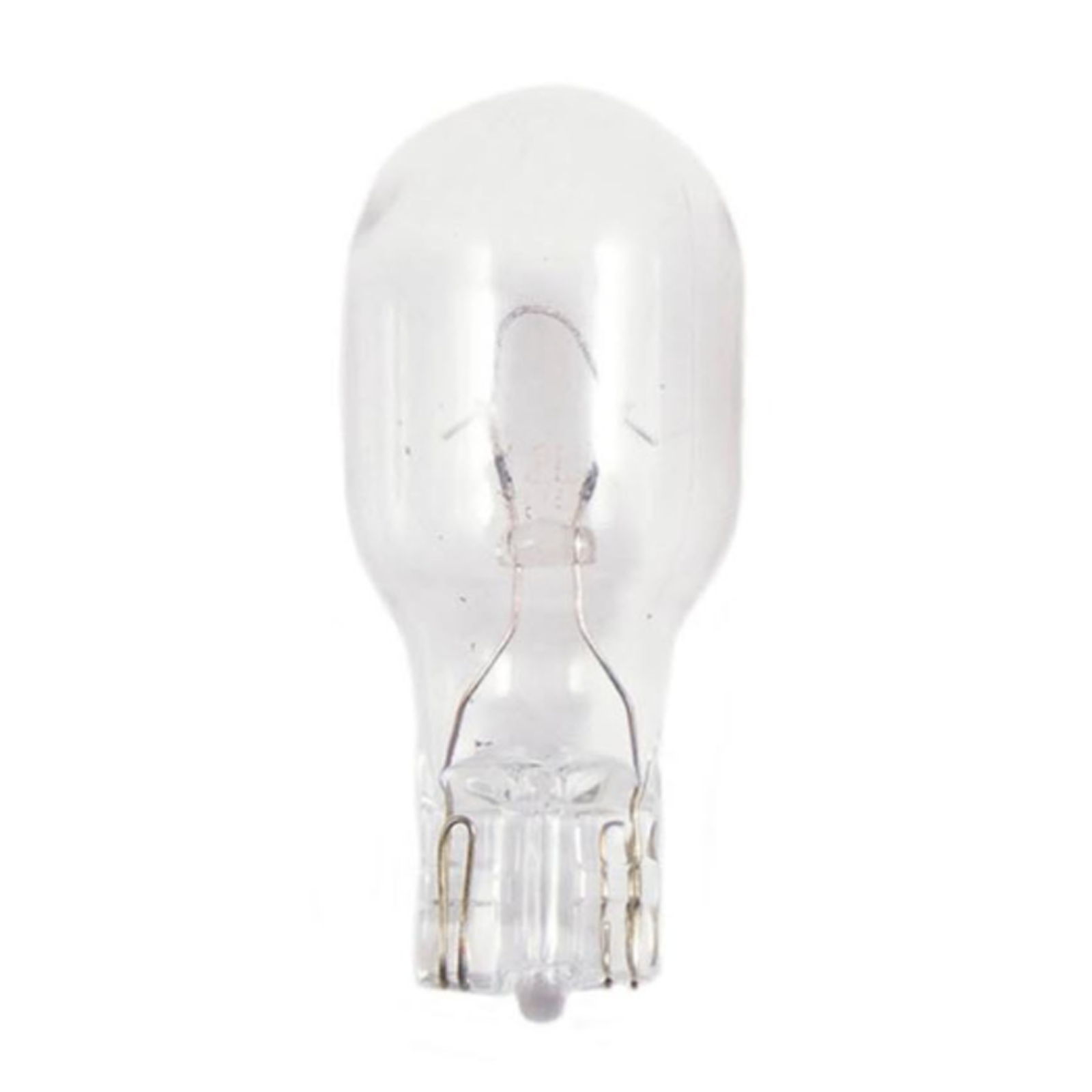
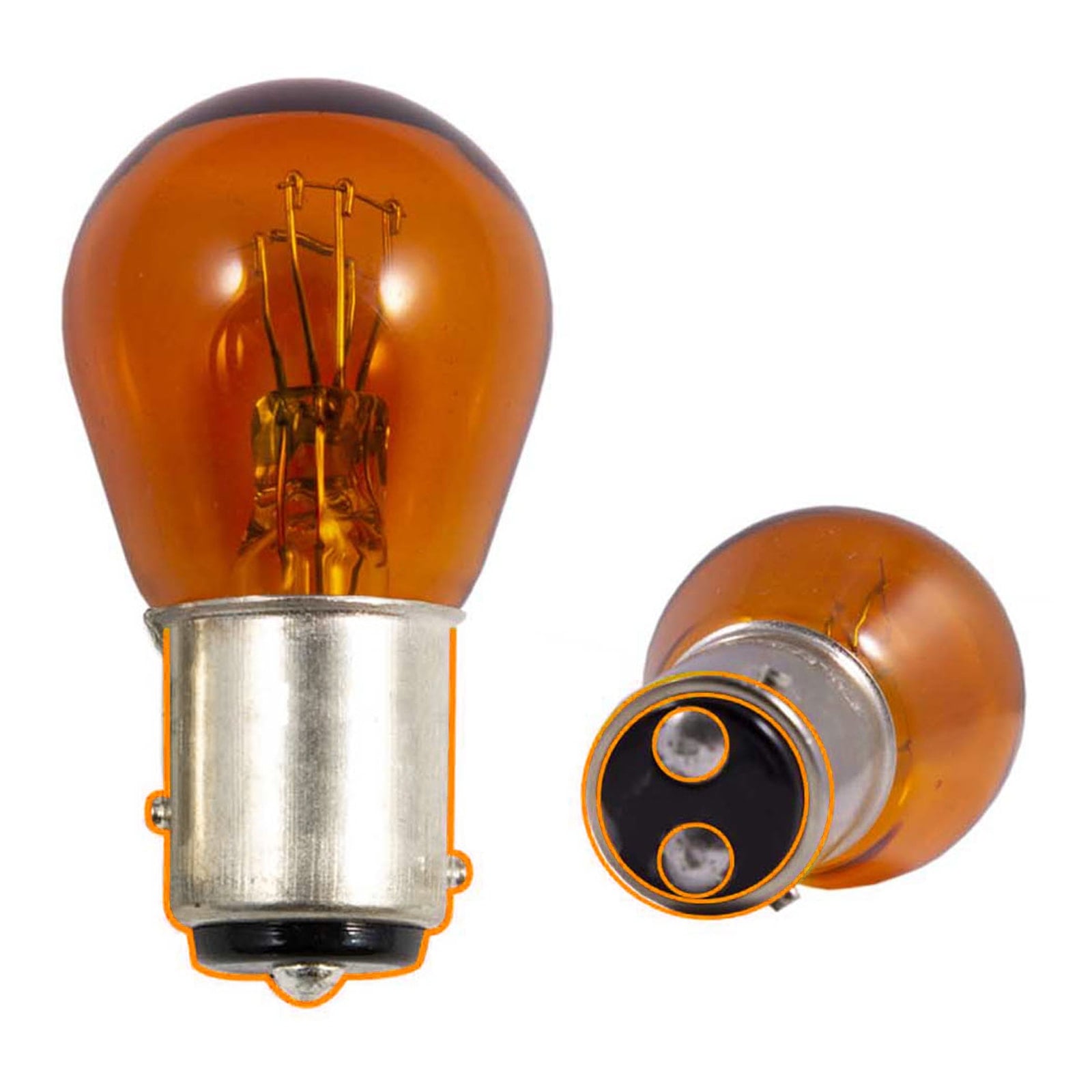
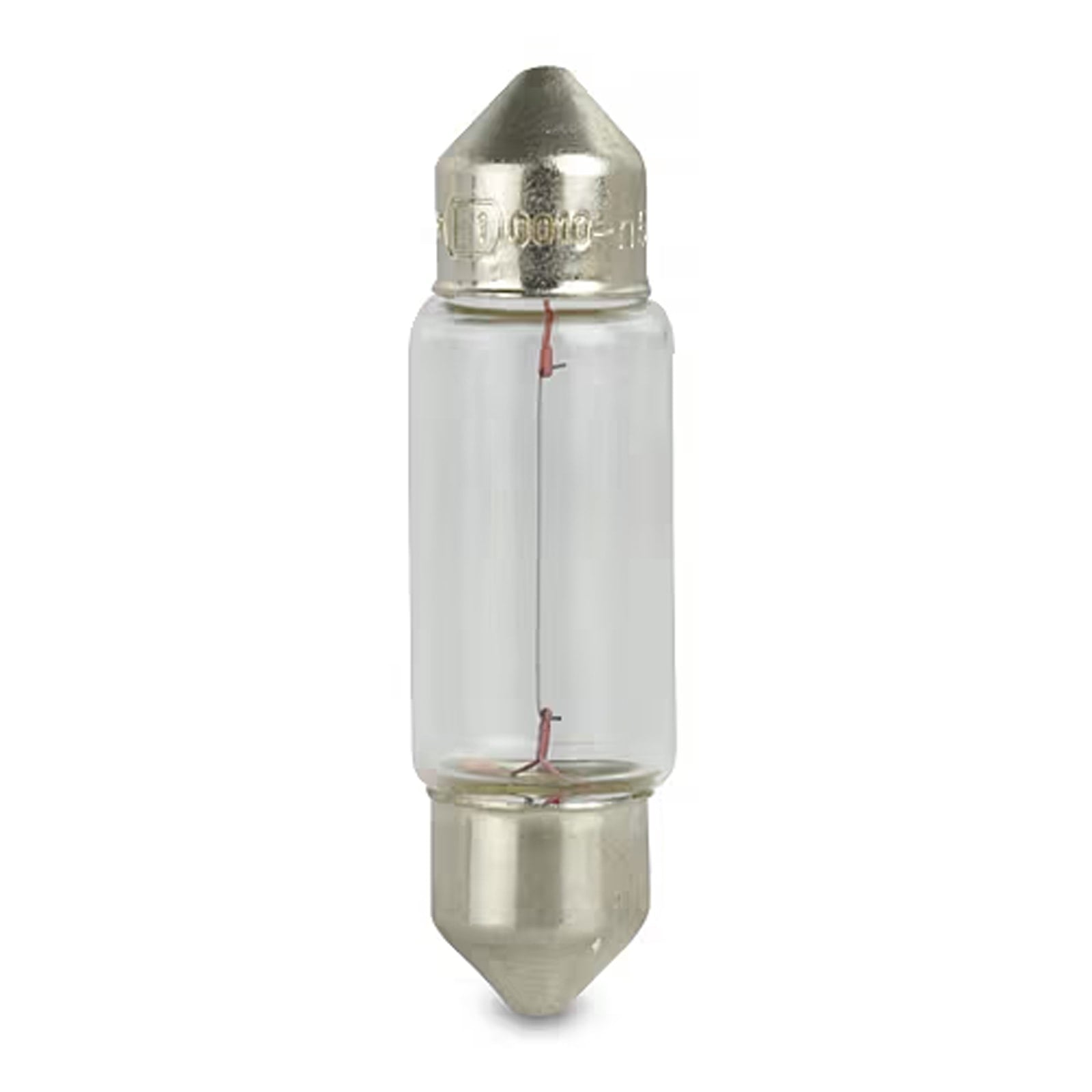
| Common bulb/base types | Often small wedge bulbs: 194/T10 wedge, 168, or small LED boards in modern vehicles | Often festoon bulbs or larger LED modules: DE3175, 6418, 31mm/36mm/42mm festoon |
Key Differences Between Dome Lights and Map Lights
While both lights contribute to interior visibility, their design priorities are very different. Understanding these differences can help you choose the right lighting upgrade for your vehicle.
1. Purpose
The dome light serves as the vehicle’s primary interior light. It is designed to illuminate the entire cabin when the doors open or when passengers need general visibility inside the vehicle.
A map light, on the other hand, is designed for task lighting. It provides a focused beam that allows a passenger to read, check directions, or find small items without lighting up the entire interior.
2. Beam Pattern and Brightness
Another major difference lies in the way the light is distributed.
Dome lights produce wide, diffused illumination. Their goal is to spread light evenly across the cabin so passengers can easily see seats, floor areas, and belongings.
Map lights use narrow, directional beams. This focused lighting helps illuminate a specific area—usually the front passenger seat—while minimizing glare and distraction for the driver.
3. Controls
The control systems for these lights are also designed with different use cases in mind.
Dome lights are usually integrated with the vehicle’s door and interior lighting system. They may automatically turn on when a door opens and can typically be controlled by a master switch near the light.
Map lights are usually individually controlled with dedicated buttons. This allows passengers to turn them on or off independently without affecting the rest of the cabin lighting. They are commonly integrated into the overhead console near the rearview mirror.
What Is a Dome Light in a Car?
Now that we’ve compared the two lighting types, let’s take a closer look at each one individually.
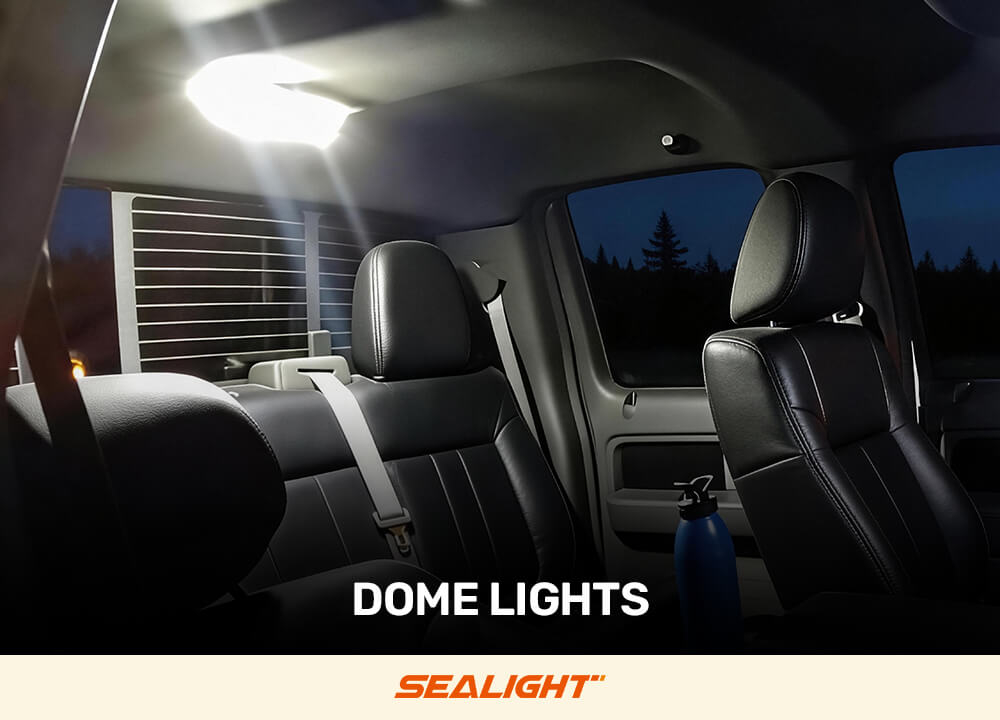
A dome light is the primary interior light in most vehicles. It is typically mounted in the center of the roof and designed to illuminate the entire cabin when the doors open or when the driver activates the interior lighting system.
You may also hear it referred to as an overhead light or dome lamp. In most cases, these terms describe the same main cabin light assembly.
Location and Function
In most vehicles, the dome light is placed in a central location so that its light can spread evenly throughout the interior. Depending on the size of the vehicle, it may appear in several configurations:
- In the center of the headliner
- Above the second row in larger SUVs
- Split into front and rear dome lights in larger cabins
Because of this central placement, dome lights provide broad interior illumination. Consequently, they are especially useful when entering or exiting the vehicle or when searching for items inside the cabin.
How Dome Lights Work
Dome lights are integrated into the vehicle’s electrical system and typically activate automatically in several situations:
- When a door opens
- When the vehicle is unlocked
- When the manual light switch is activated
- When the vehicle is turned off
In addition, many modern vehicles include a fade-in and fade-out feature. Instead of turning off immediately, the dome light gradually dims after the doors close.
This function is usually managed by the vehicle’s electronic control system, commonly called the body control module (BCM).
What Is a Map Light in a Car?
While dome lights provide general illumination, map lights serve a more specialized purpose.
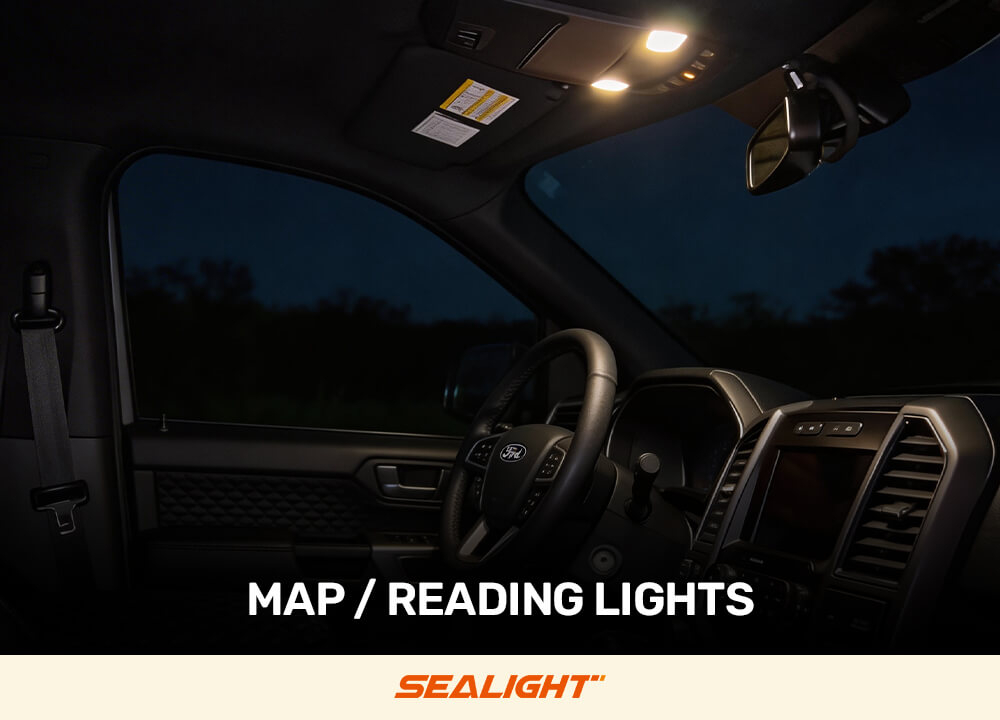
A map light is a smaller interior light designed to provide focused illumination for a specific seating area, usually the driver or front passenger.
The name originated when drivers relied on paper maps for navigation. At the time, passengers needed a way to read directions without lighting up the entire cabin.
Today, even though GPS navigation is common, map lights remain useful for reading, checking phones, or locating small items inside the vehicle.
Location in the Vehicle
Map lights are usually installed near the front of the cabin where focused lighting is most useful. Most commonly, they are located:
- Near the rearview mirror
- Inside the overhead console
- Integrated with sunroof controls or microphone panels
In larger vehicles, additional reading lights may also be installed above rear passenger seats.
How Map Lights Work
Unlike dome lights, map lights are typically controlled individually. Each light usually has its own button or touch control.
As a result, passengers can turn on a map light without activating the rest of the interior lighting system.
Beam Pattern and Driver Comfort
Another key difference lies in the beam pattern.
Map lights use a narrow, directional beam that illuminates a small area rather than the entire cabin.
This design is intentional, as it helps reduce glare and prevents the driver from being distracted by excessive interior lighting at night.
How to Find the Right Bulbs for Dome Lights and Map Lights
Step 1: Check the owner’s manual
Look for the bulb chart. It usually lists dome, map, glove box, cargo, and license plate bulbs. You will see codes such as 194, 168, DE3175, or 211-2. Those codes are your match.
Step 2: If there is no manual, check the old bulb
Remove the lens, pull the bulb, and read the number on the bulb itself. Then buy the same number.
Step 3: Know the two common interior bulb styles
Wedge bulbs (push-in):
- T10 / 194 / 168
- T15 / 921 / 912
Festoon bulbs (tube with caps):
- 31 mm (often DE3175)
- 36 mm
- 41 mm (often 211-2 or 578)
Step 4: Use an online bulb finder
Enter year, make, model, trim. It will list the bulb for each interior location. This is helpful when ordering LEDs.
Shop Map Light Bulbs or Dome Light Bulbs at SEALIGHT
If you're looking for reliable replacement bulbs, you can explore the SEALIGHT interior lighting collection here.
SEALIGHT offers LED bulbs designed for common interior applications, including:
- Map lights (reading lights)
- Dome lights
- Trunk and cargo lights
- Door courtesy lights
- License plate lights
Most interior LED bulbs are plug-and-play replacements for standard bulb sizes such as T10/194 wedge bulbs and festoon bulbs, making installation quick and straightforward for most vehicles.
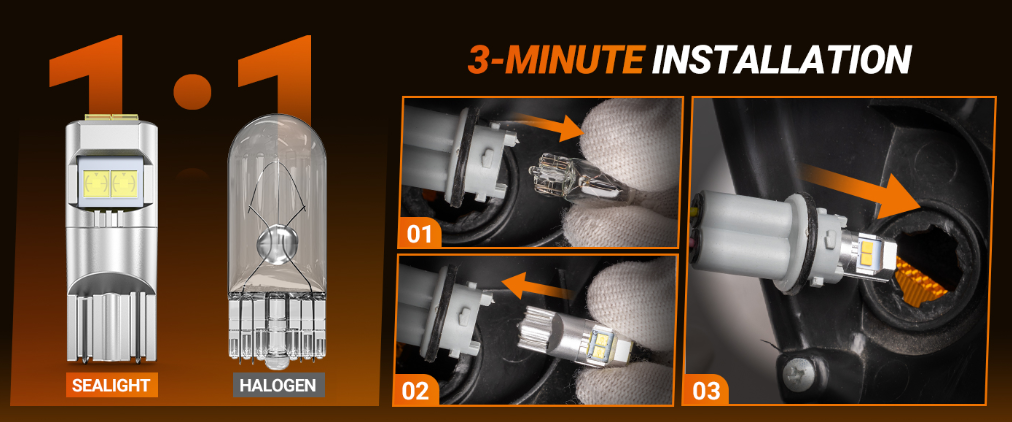
Upgrading both map lights and dome lights at the same time can also create a more consistent lighting color throughout your vehicle’s interior while improving visibility when entering, exiting, or searching for items inside the cabin.
Before purchasing, remember to confirm your vehicle’s bulb size and fitment, since interior light specifications can vary depending on the make, model, and trim level.
FAQs
Q: Is it illegal to drive with the interior dome light on?
A: In most U.S. states, it is not explicitly illegal to drive with the dome light on. However, if the light interferes with the driver’s visibility or contributes to unsafe driving, a driver could potentially receive a citation. It is best to use interior lighting sparingly while driving at night.
Q: Will a dome light drain my car battery if left on?
A: Yes. A dome light can drain a battery if left on for long periods. Traditional incandescent bulbs can deplete a battery overnight. Many modern vehicles automatically turn off interior lights after a set time, but you should not rely on this feature.
Q: How do I find the correct bulb size for my dome or map light?
A: You can find the correct bulb size by: Checking the owner’s manual, Looking at fitment charts from reputable parts retailers, Reading the part number printed on the existing bulb.