
 Headlight Bulbs


 Track Order
 My Vehicles
 Contact Us
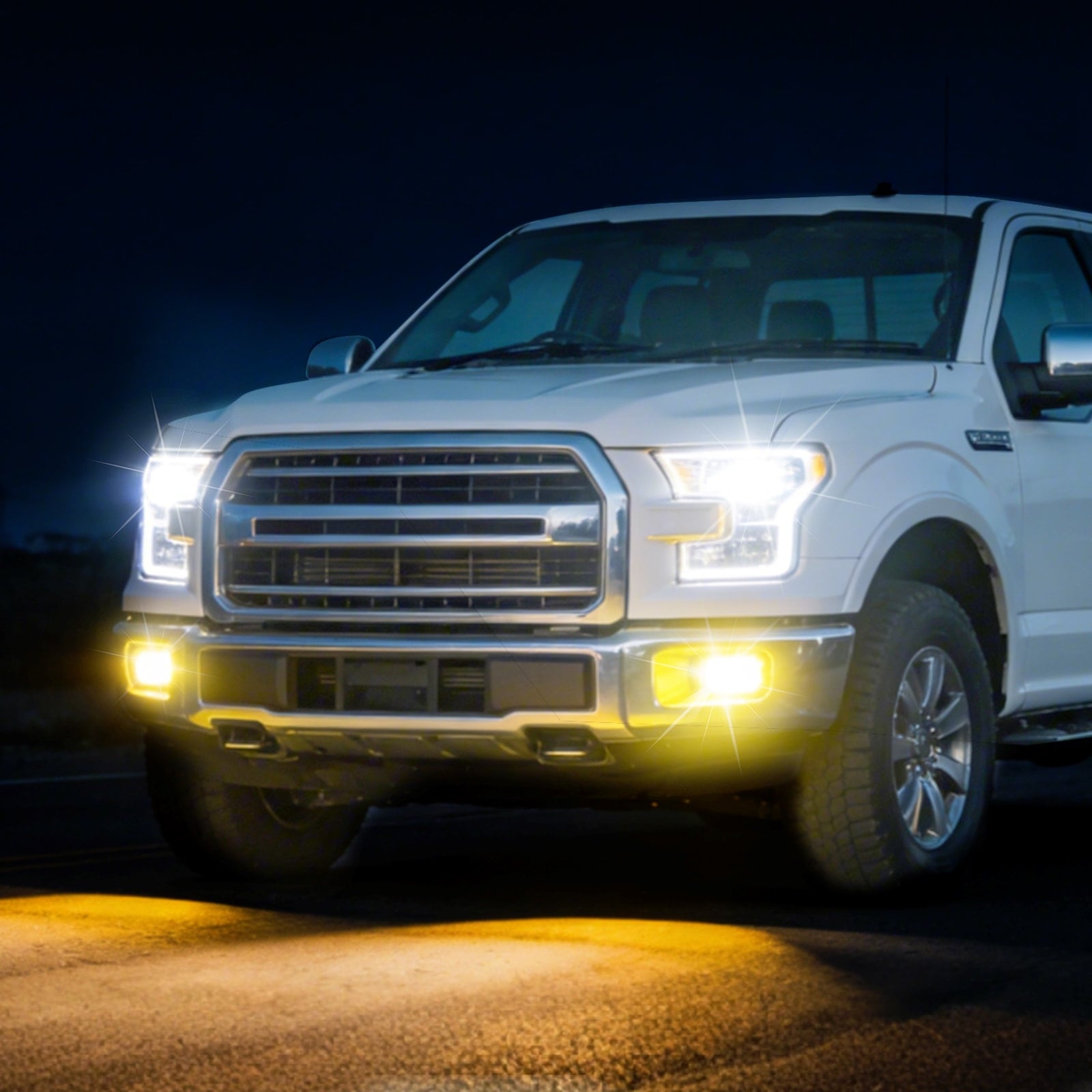
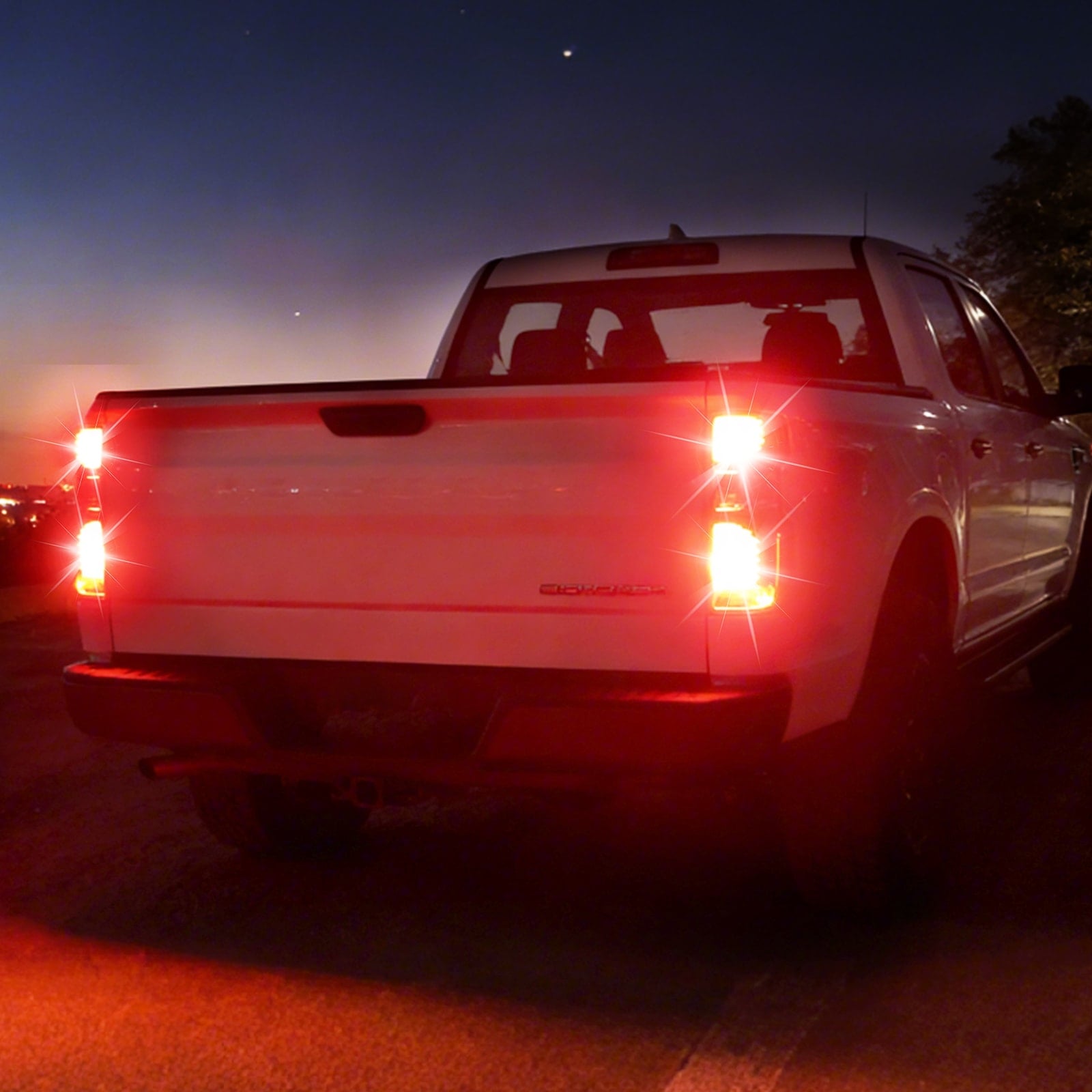
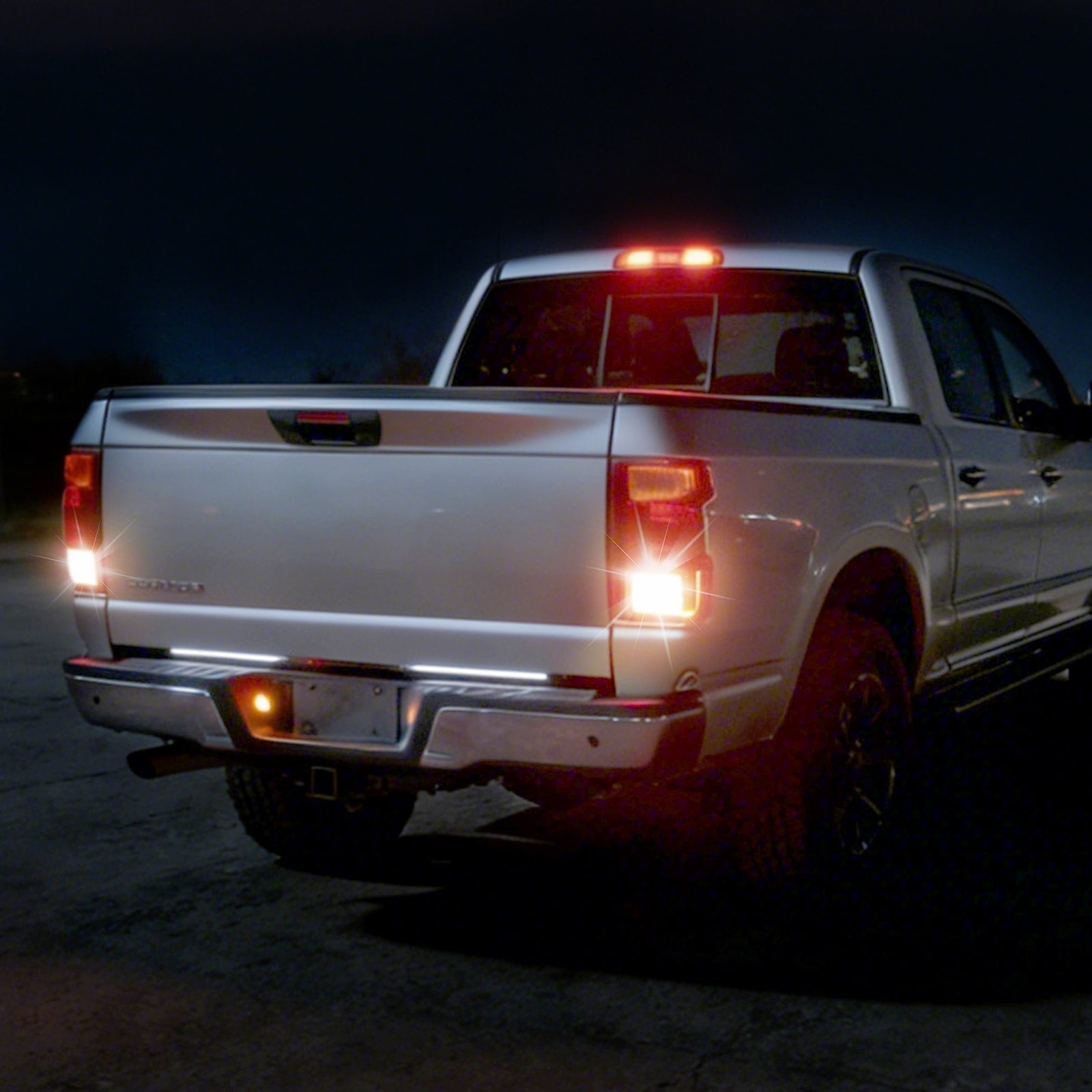
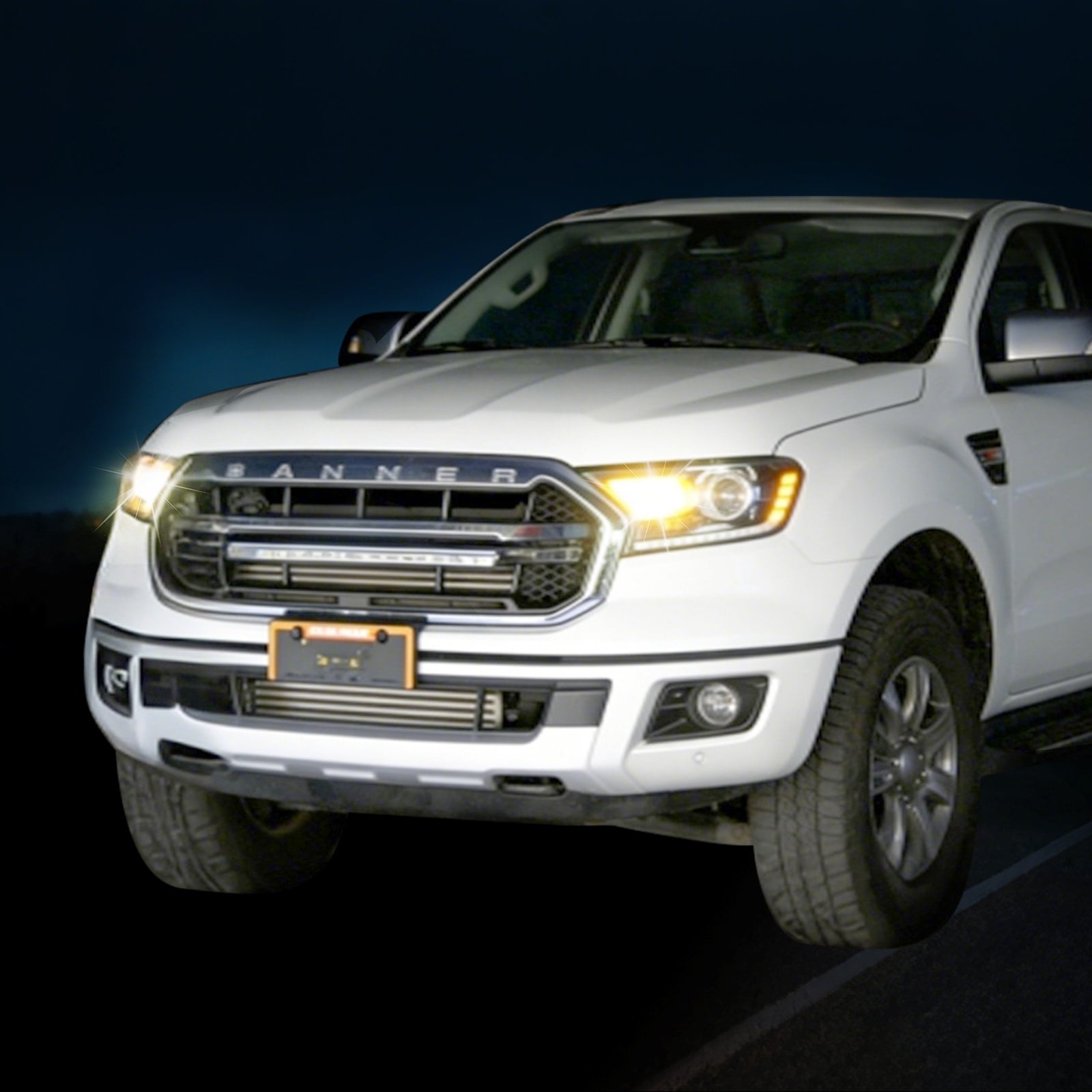
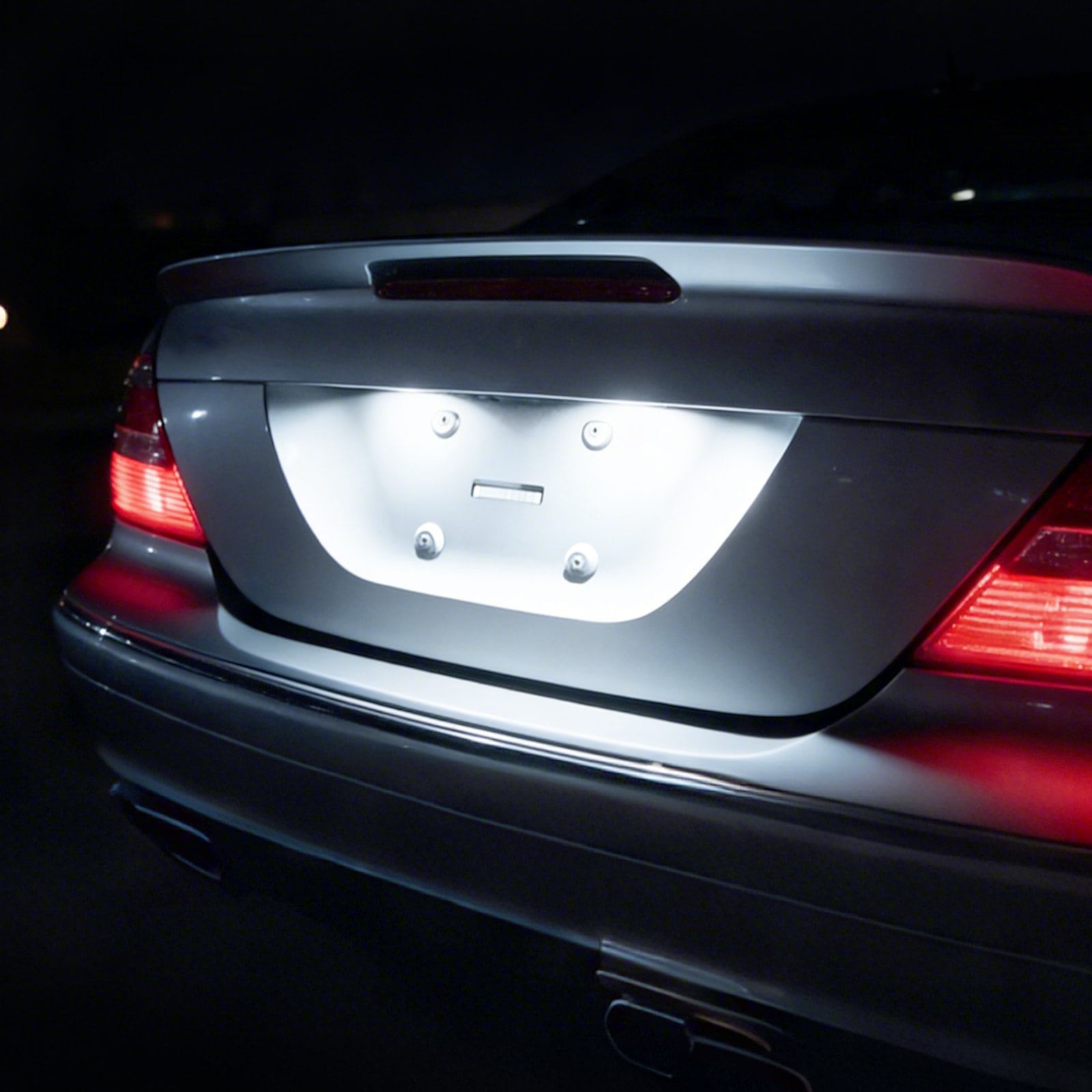
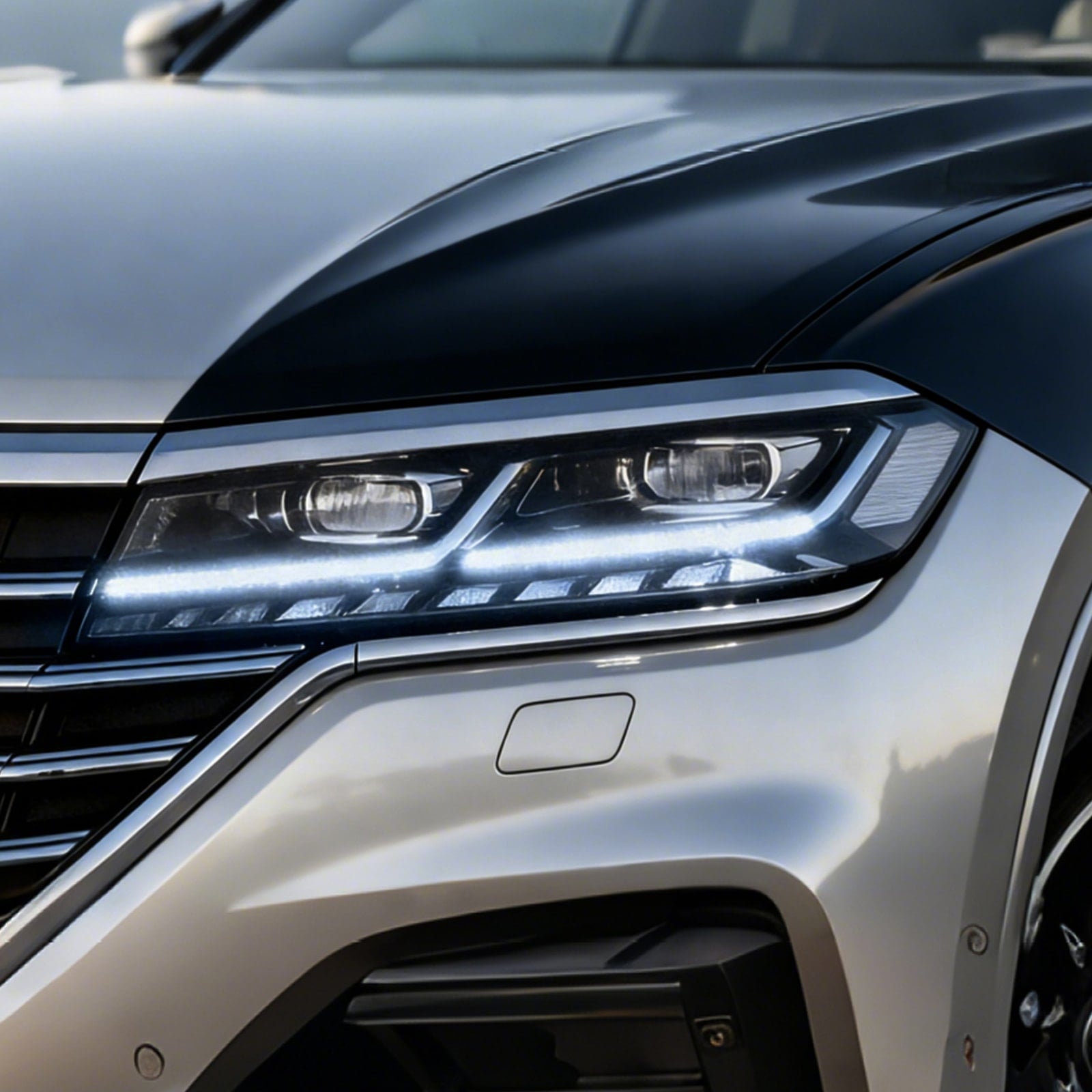
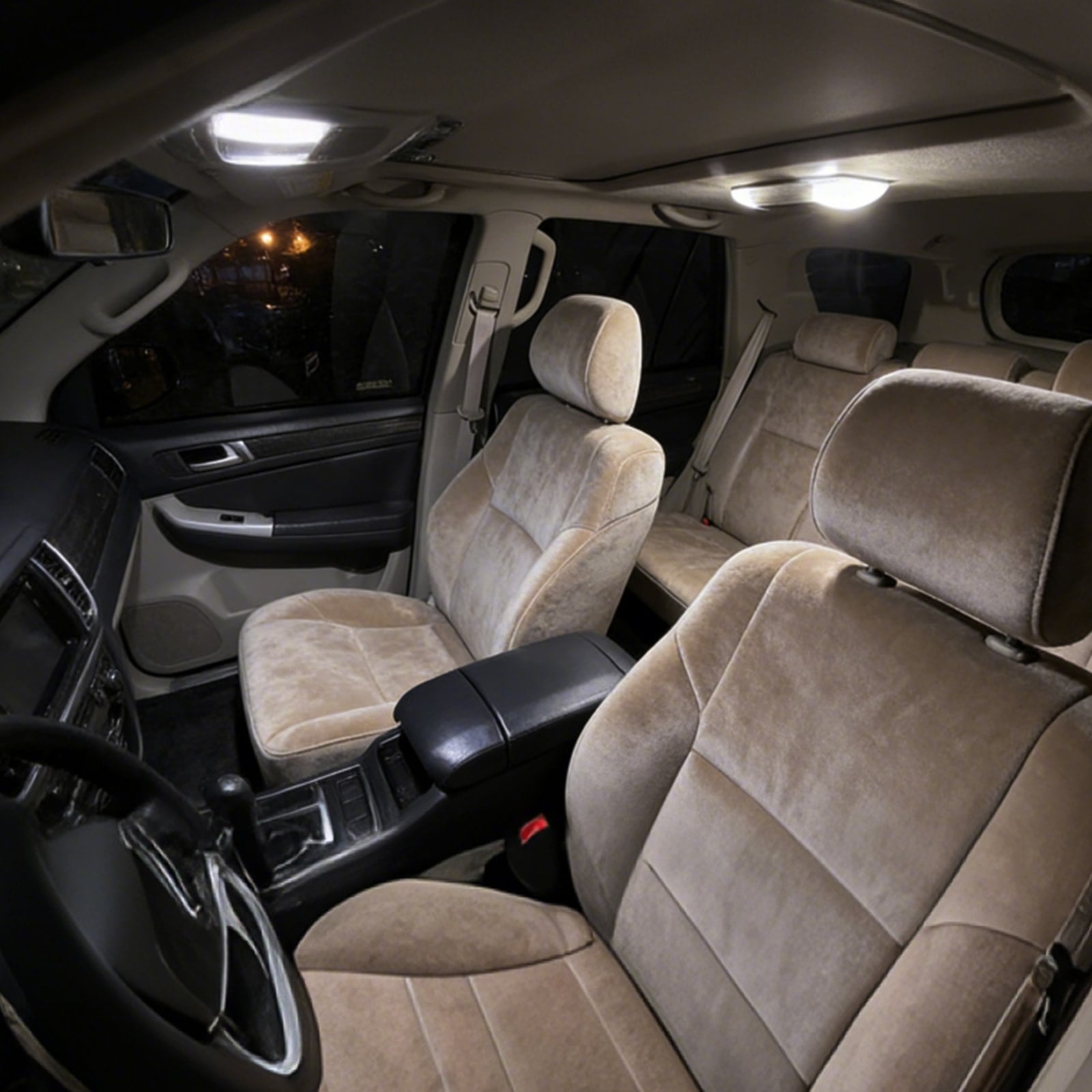
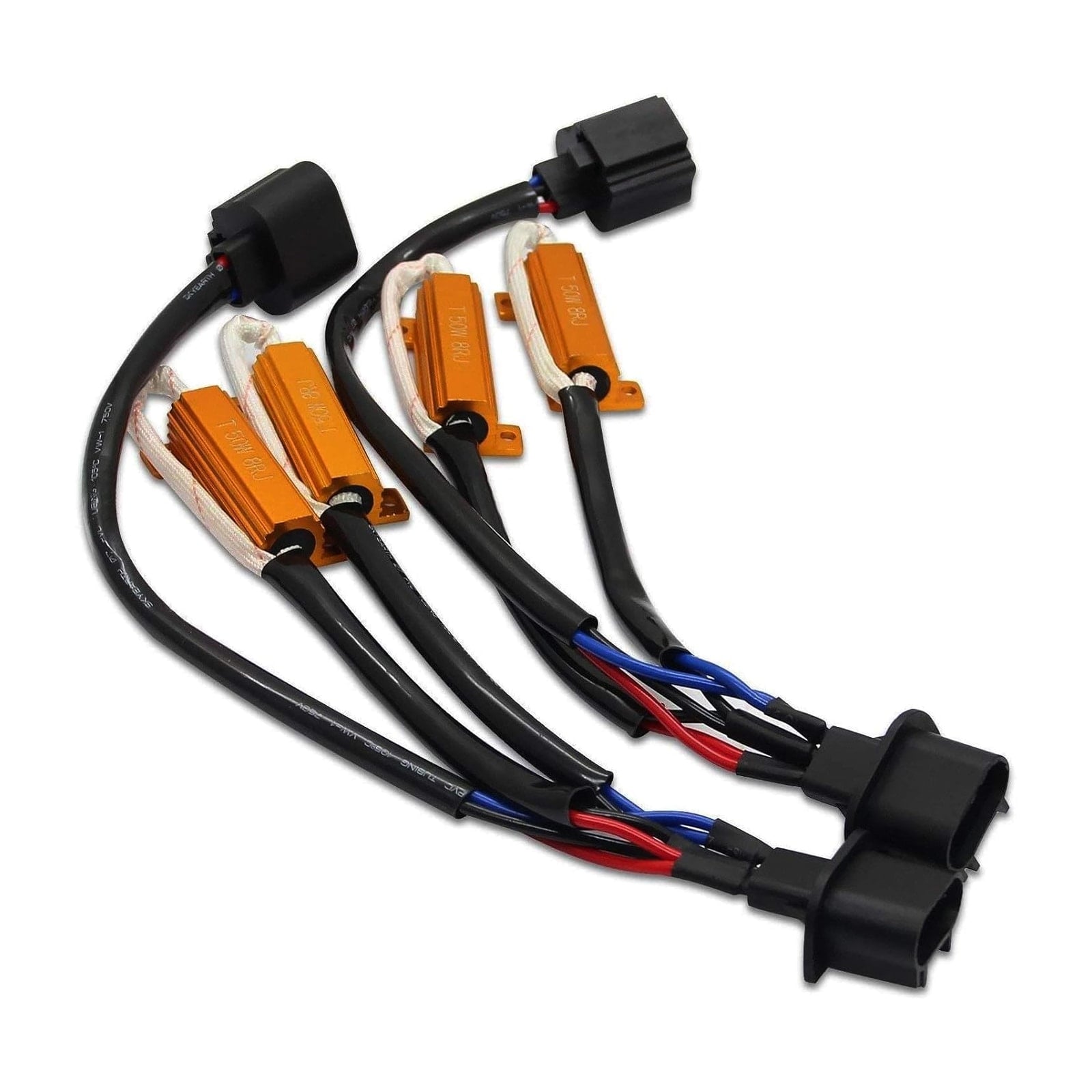
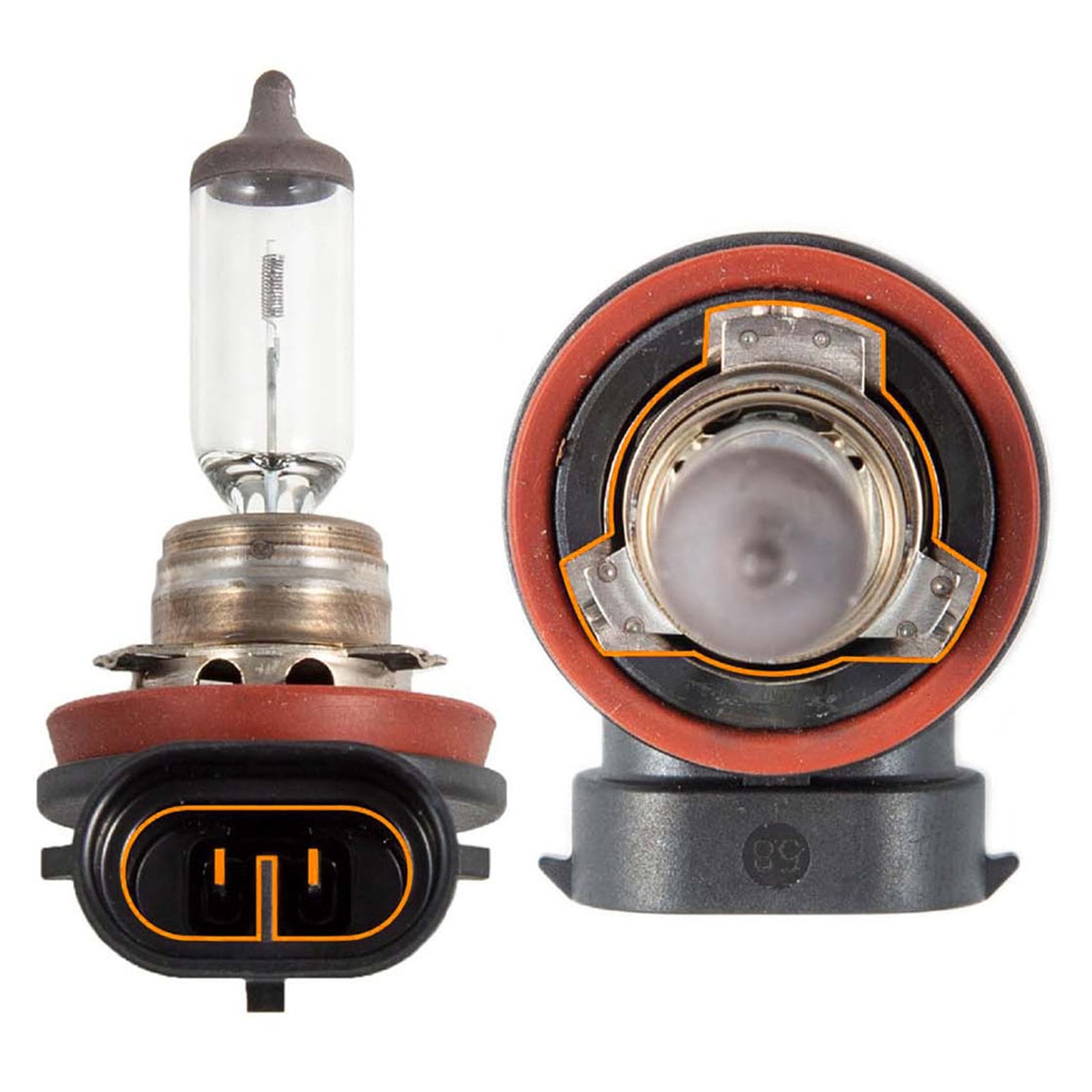
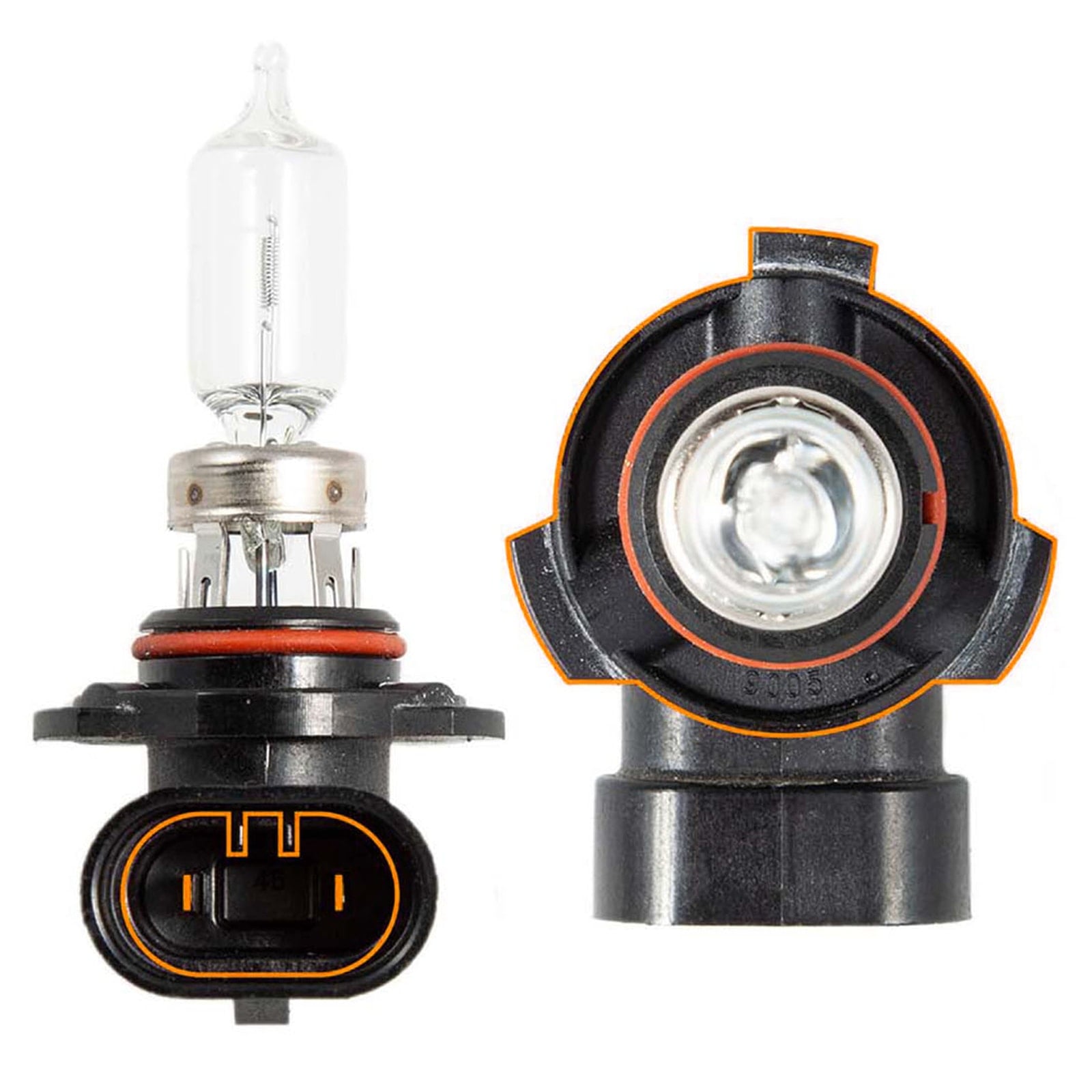
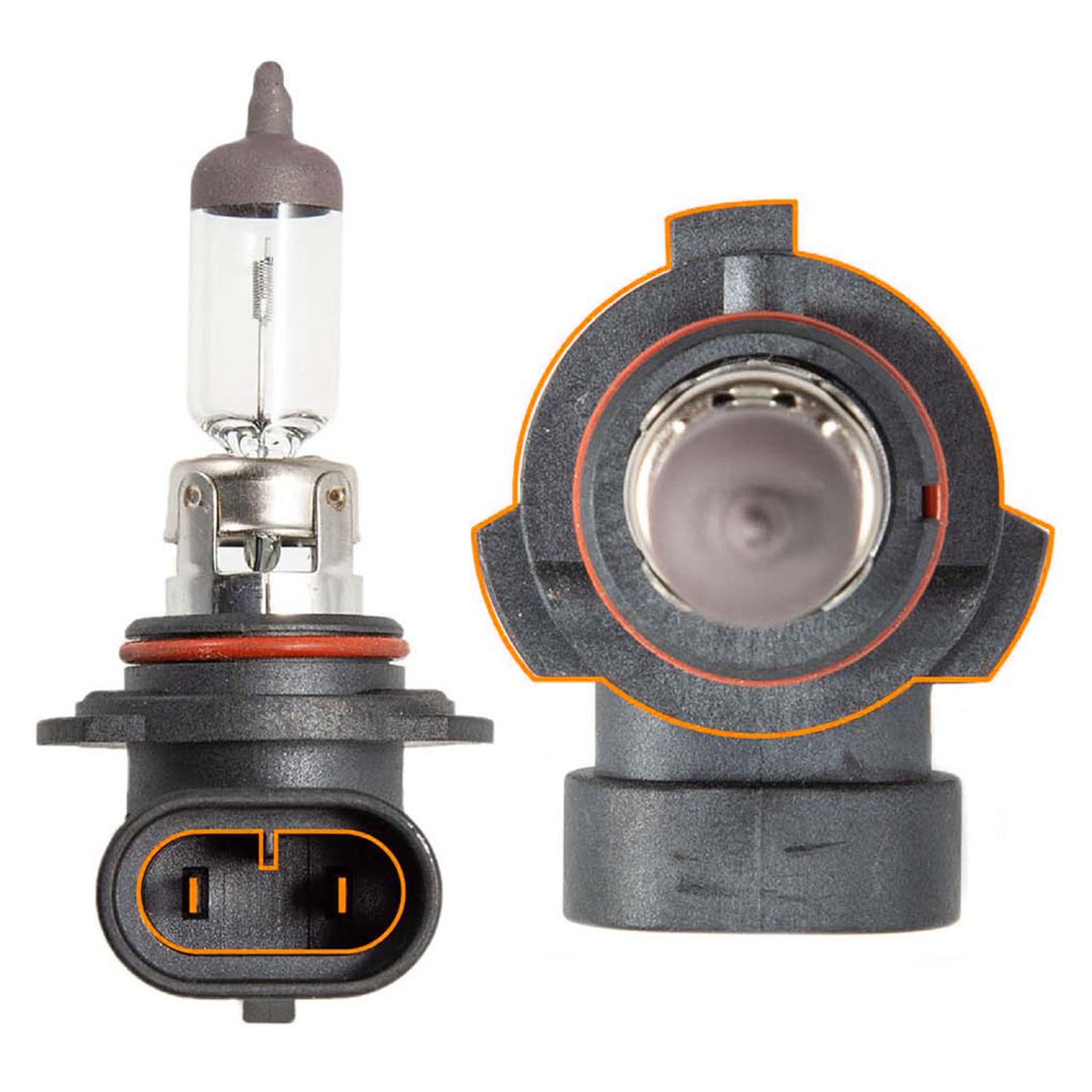
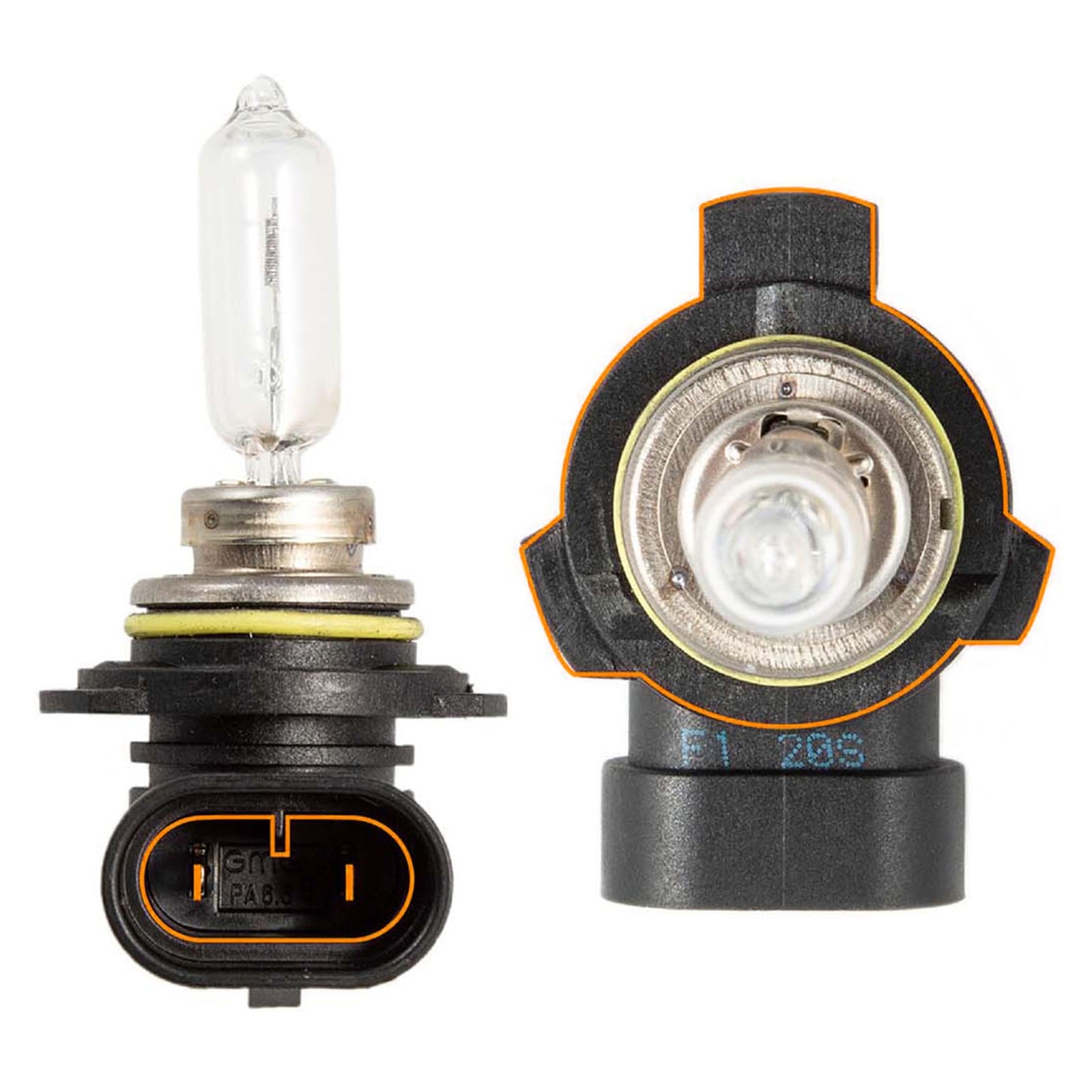
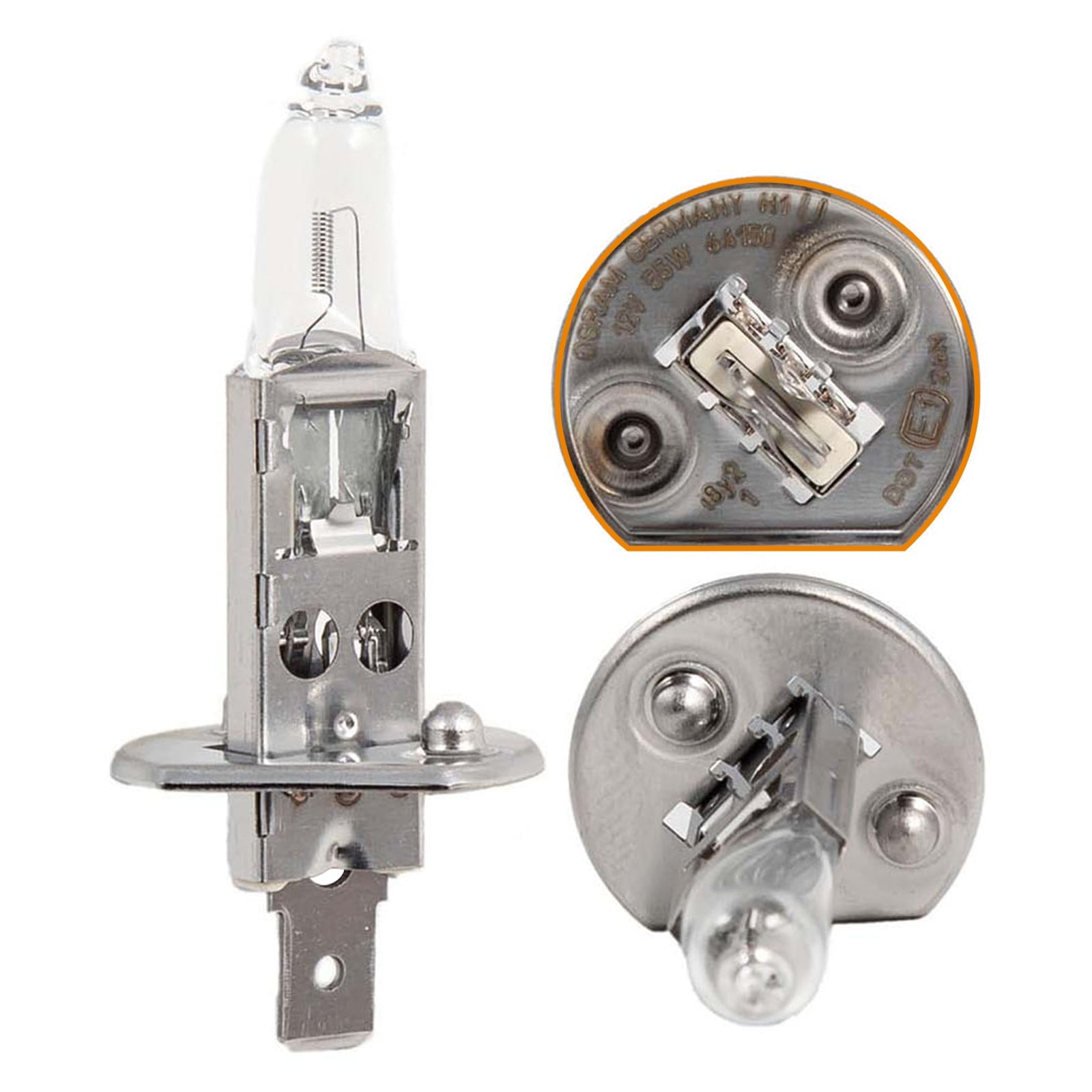

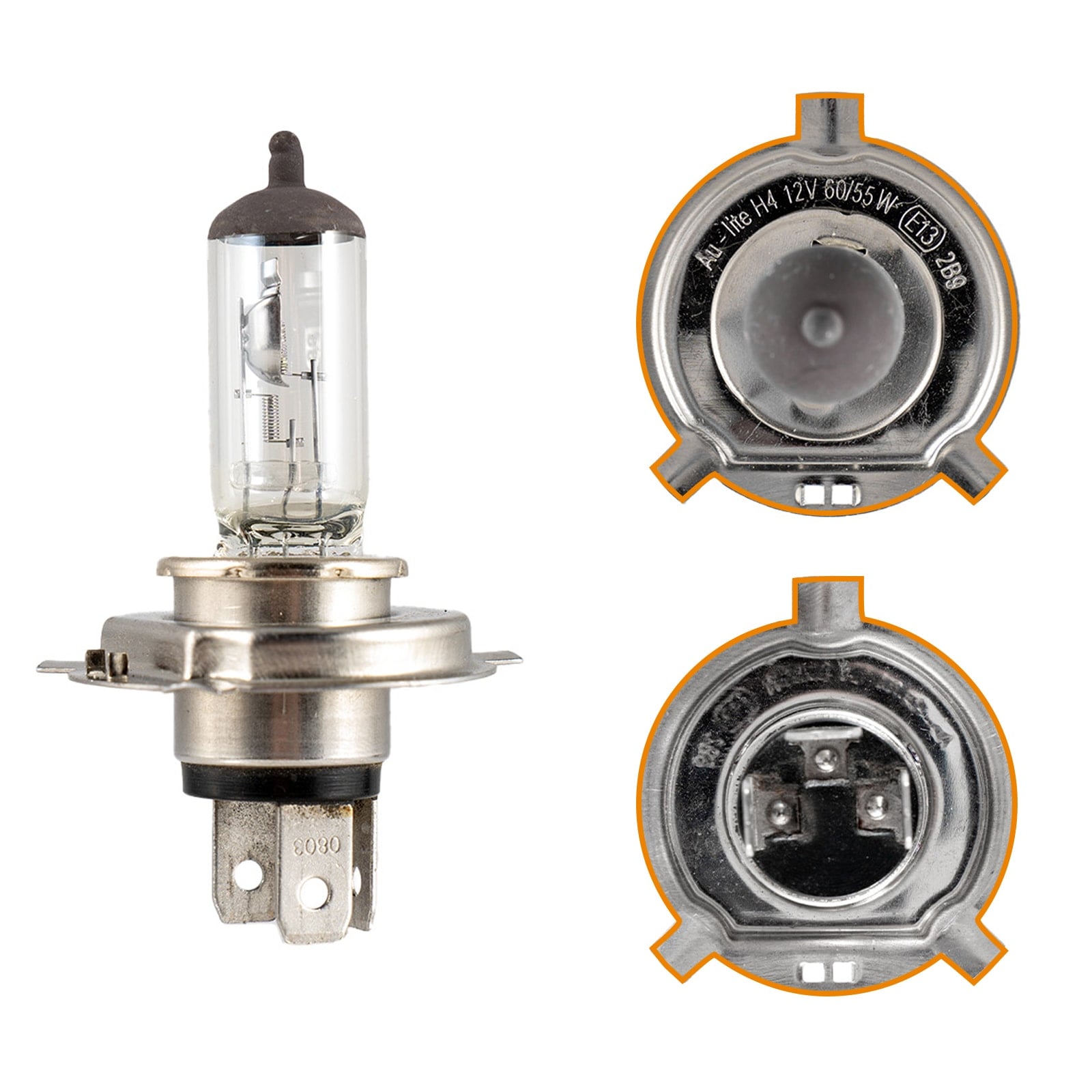
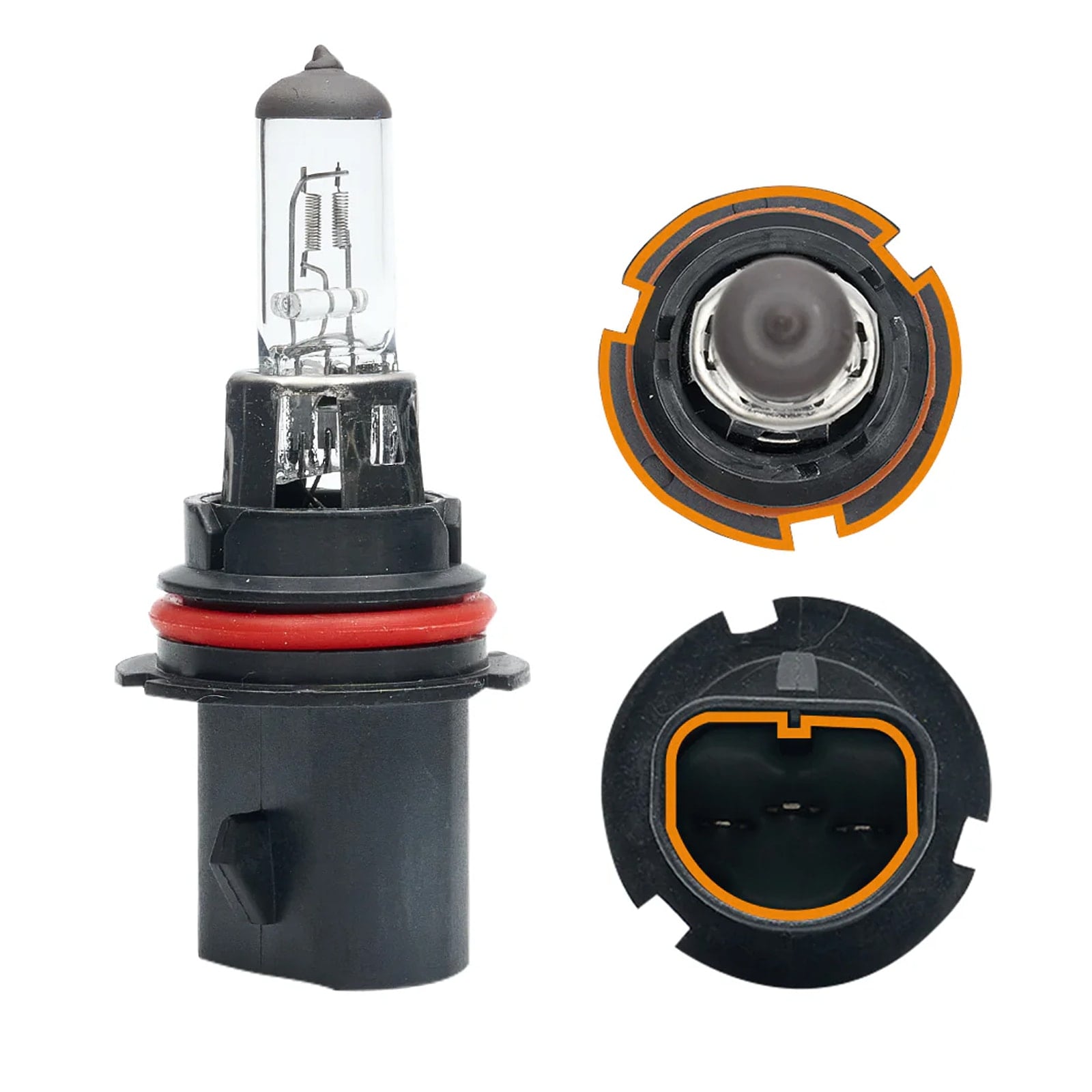
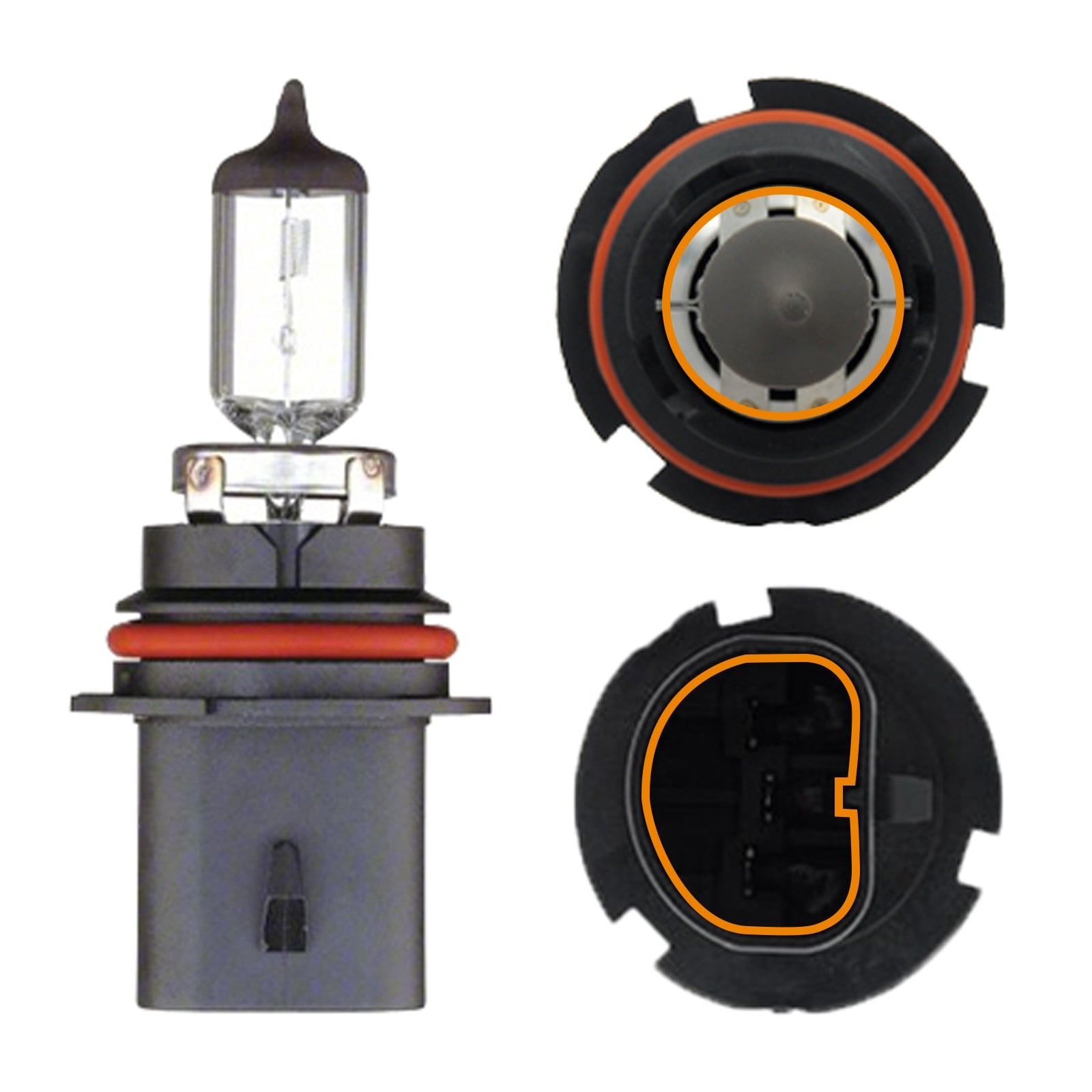
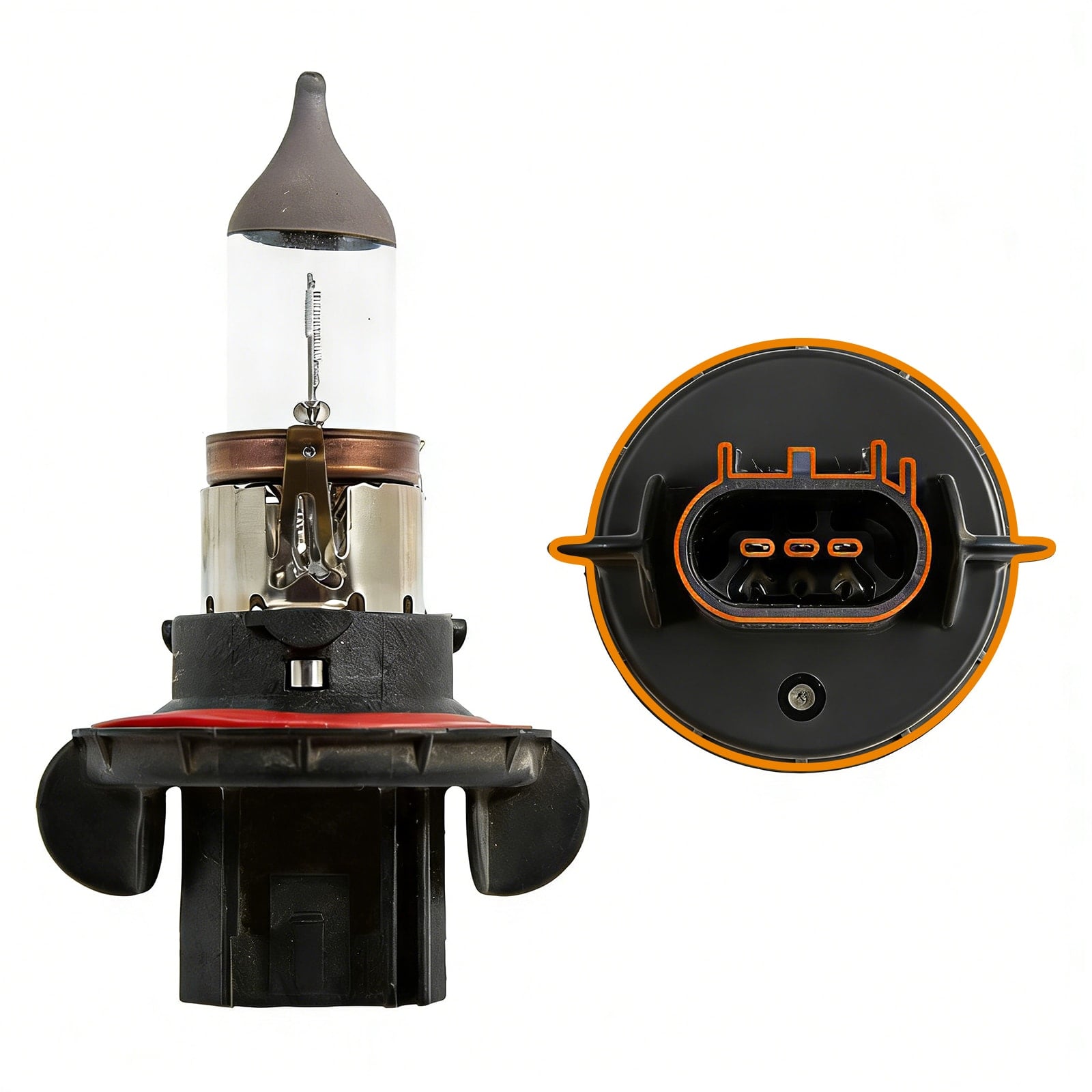
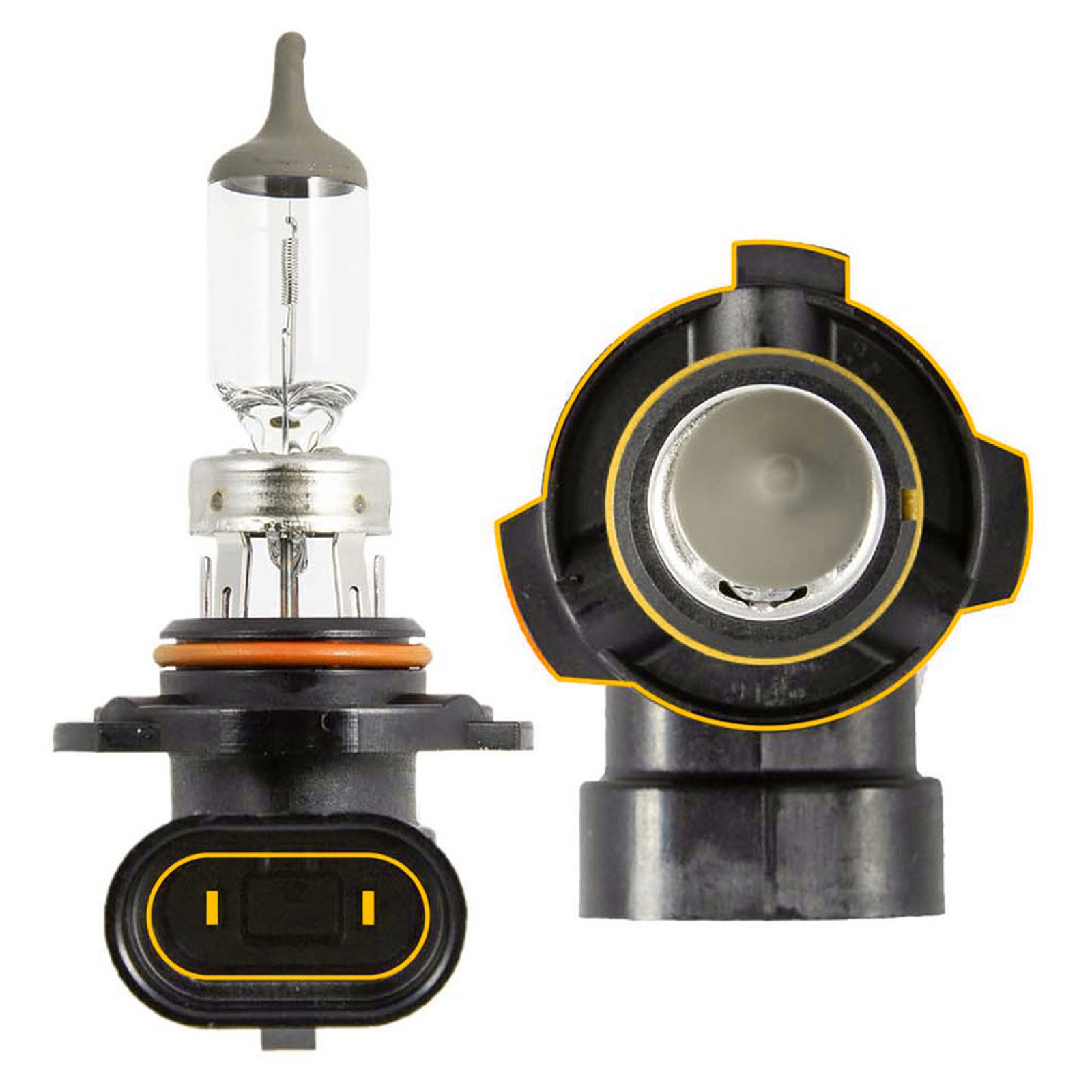
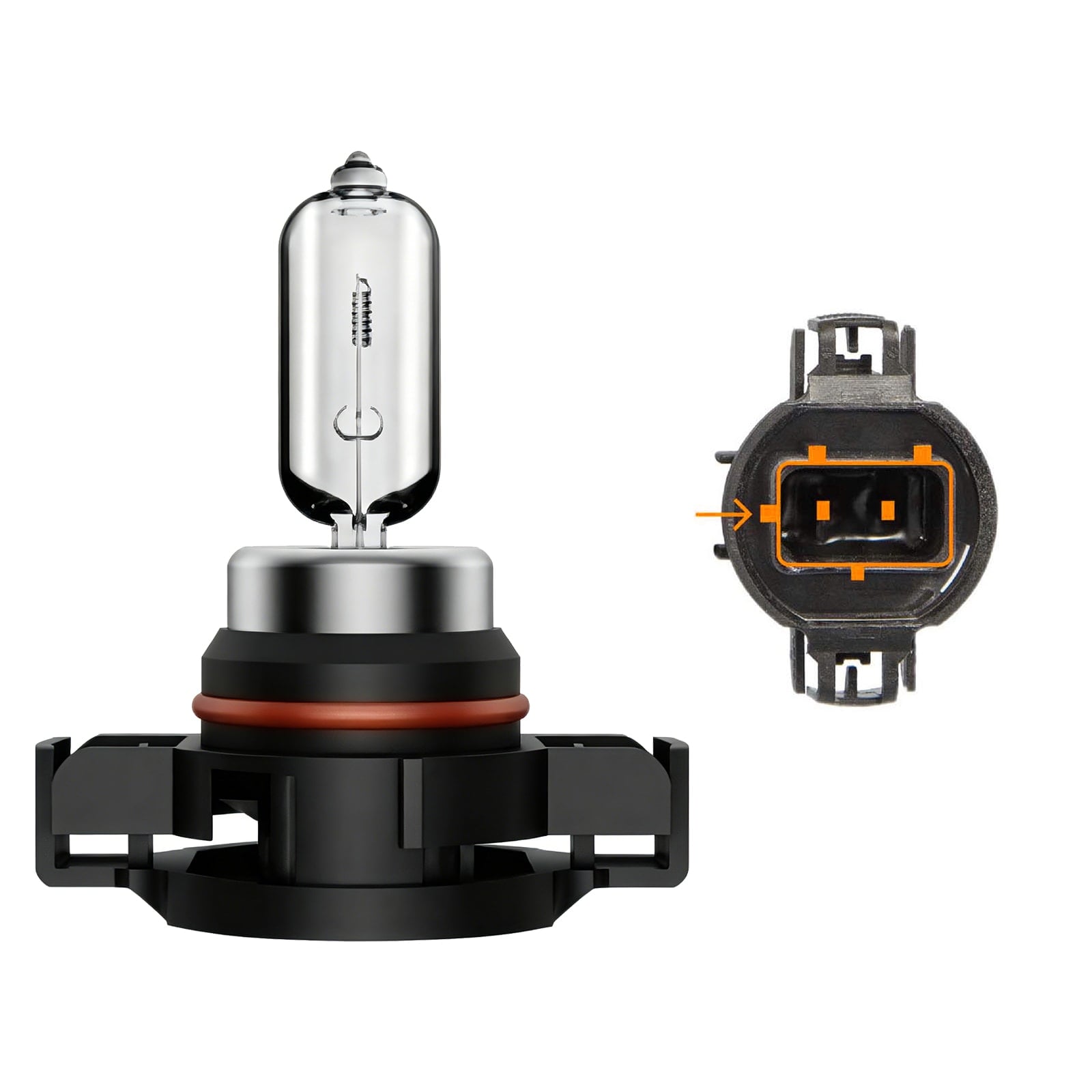
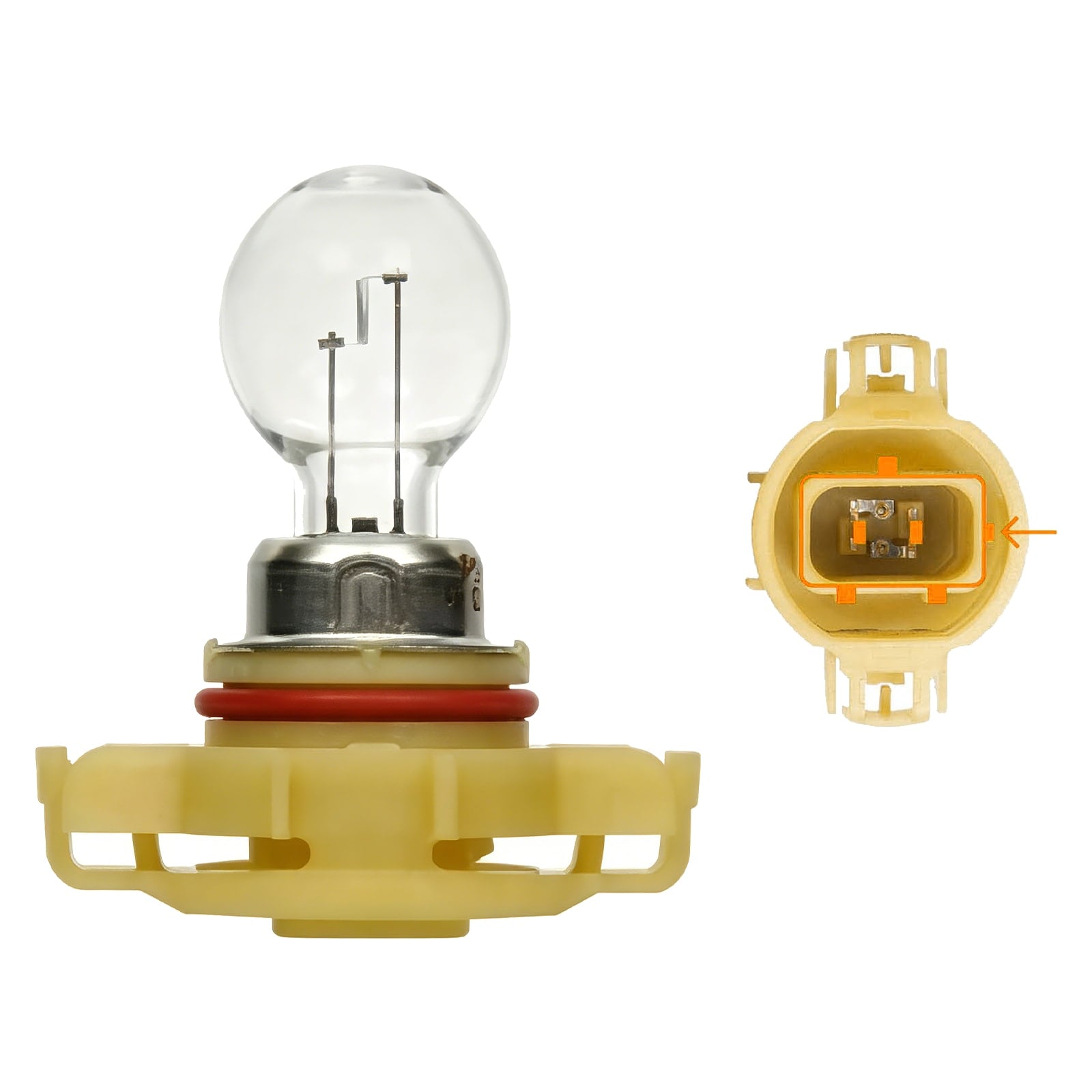
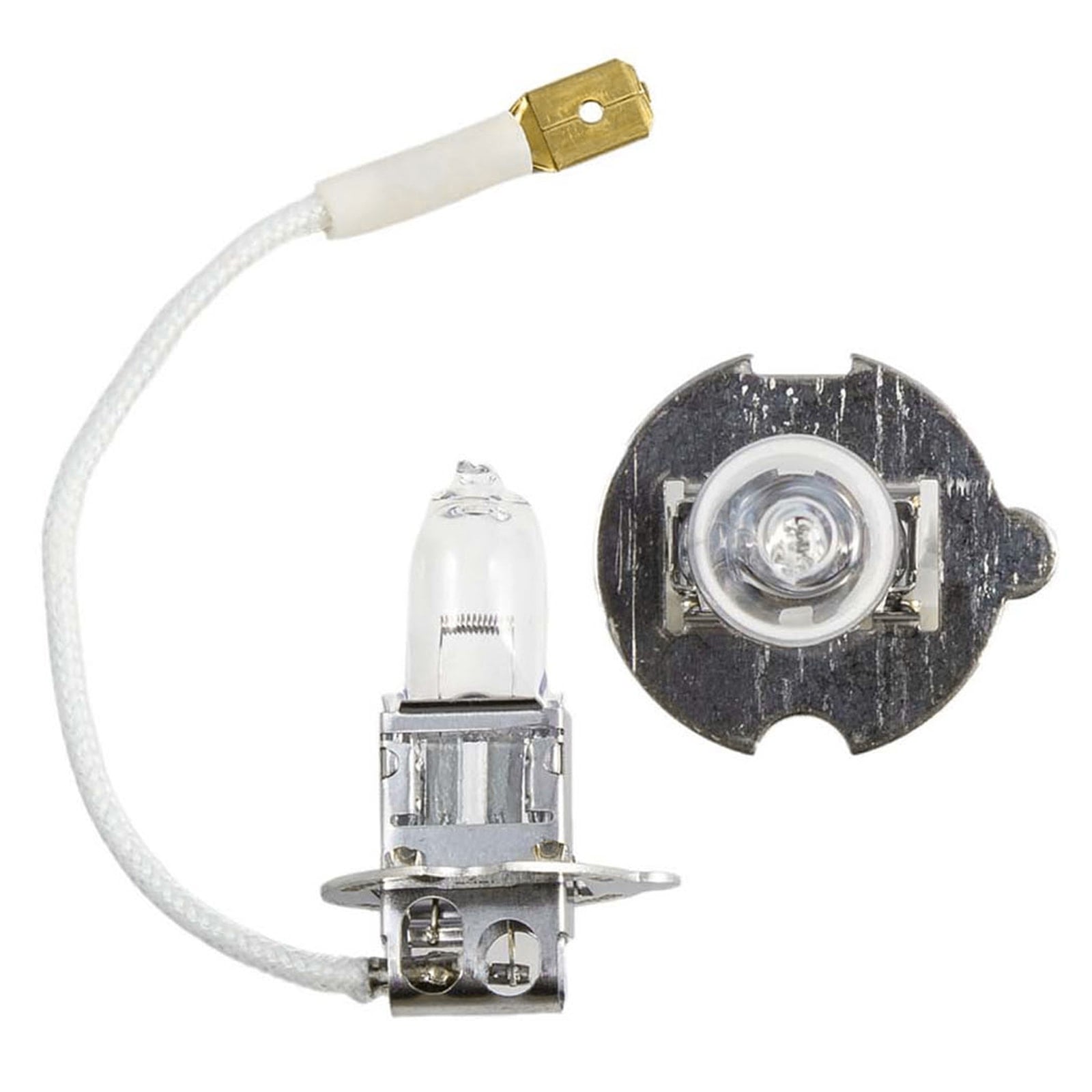
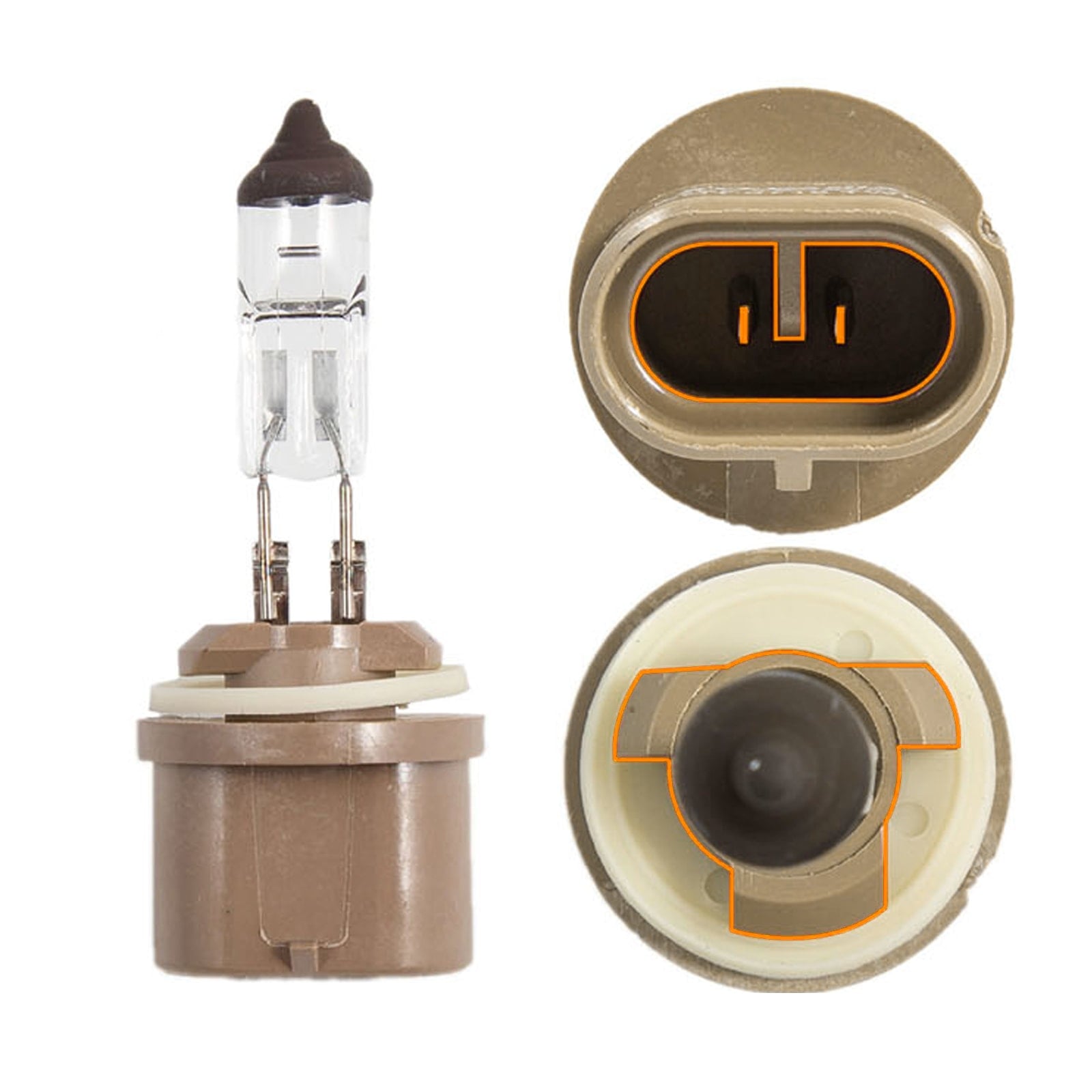
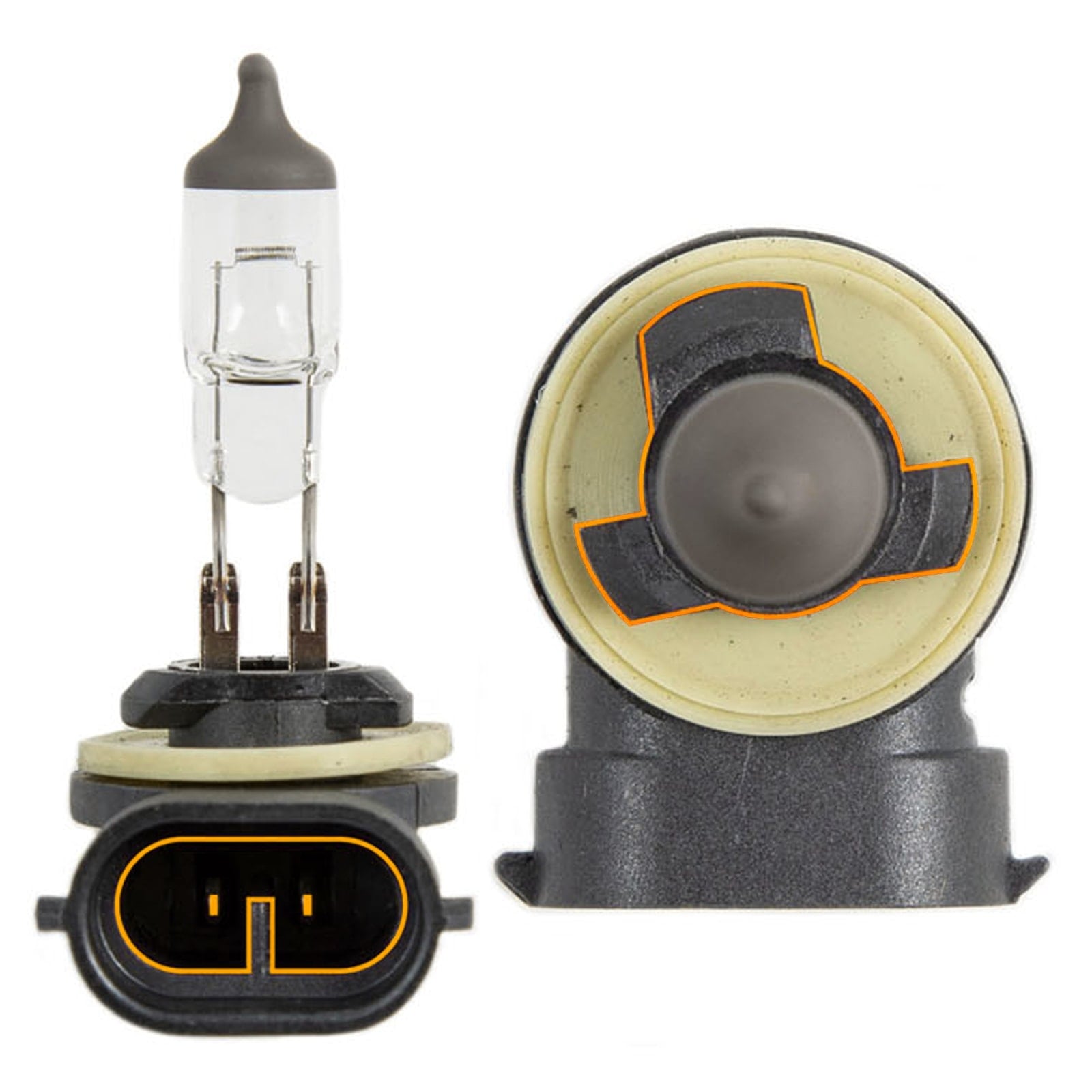
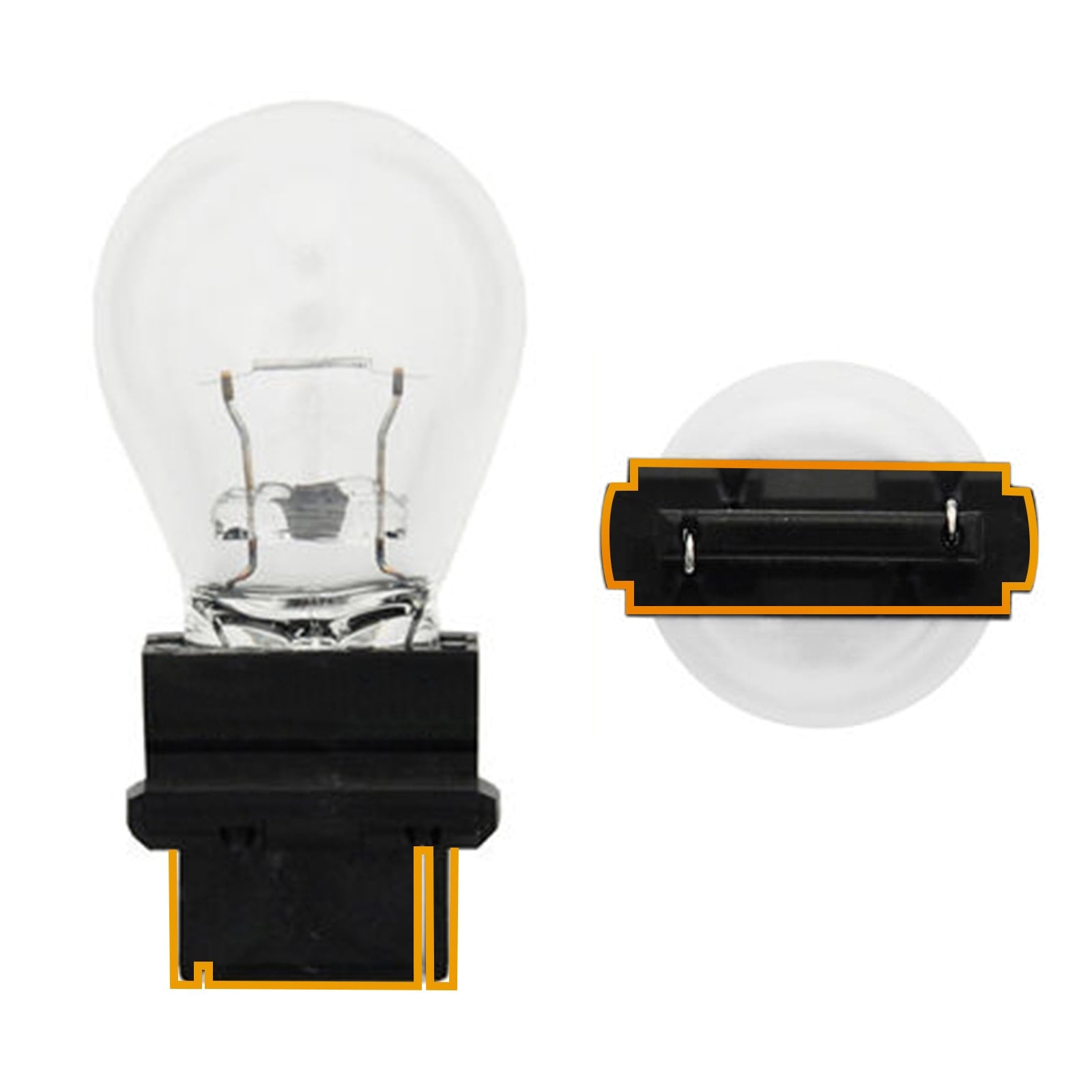
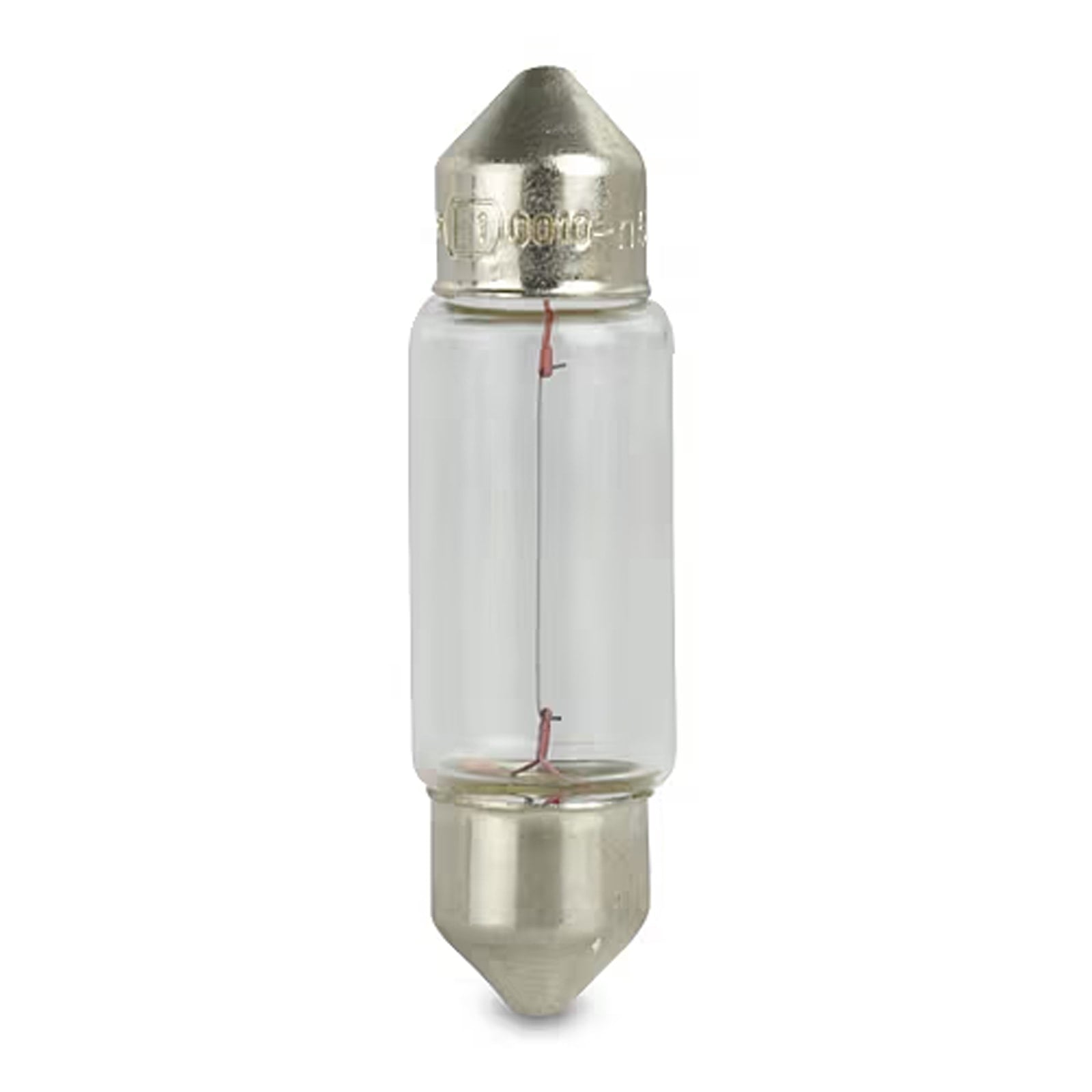
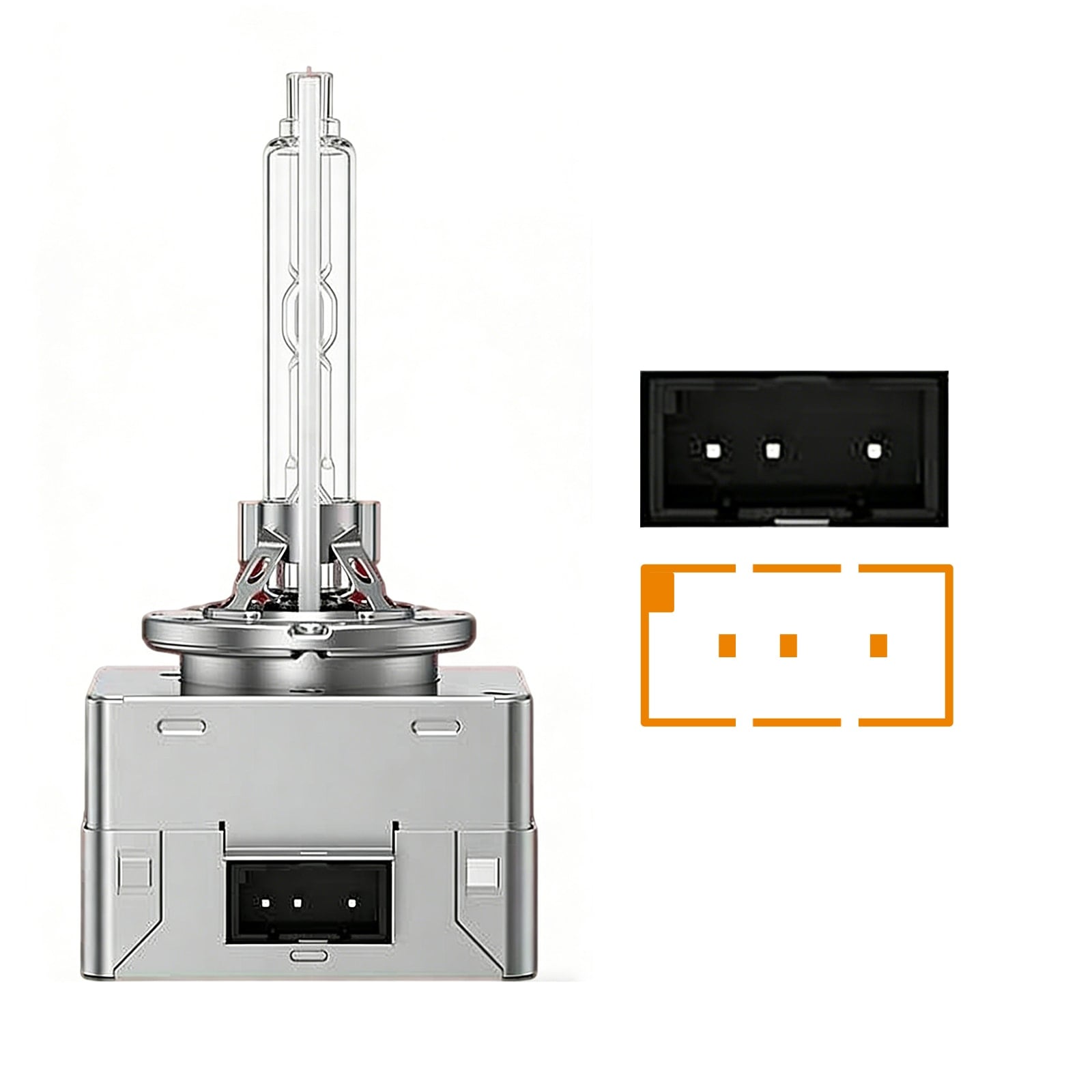
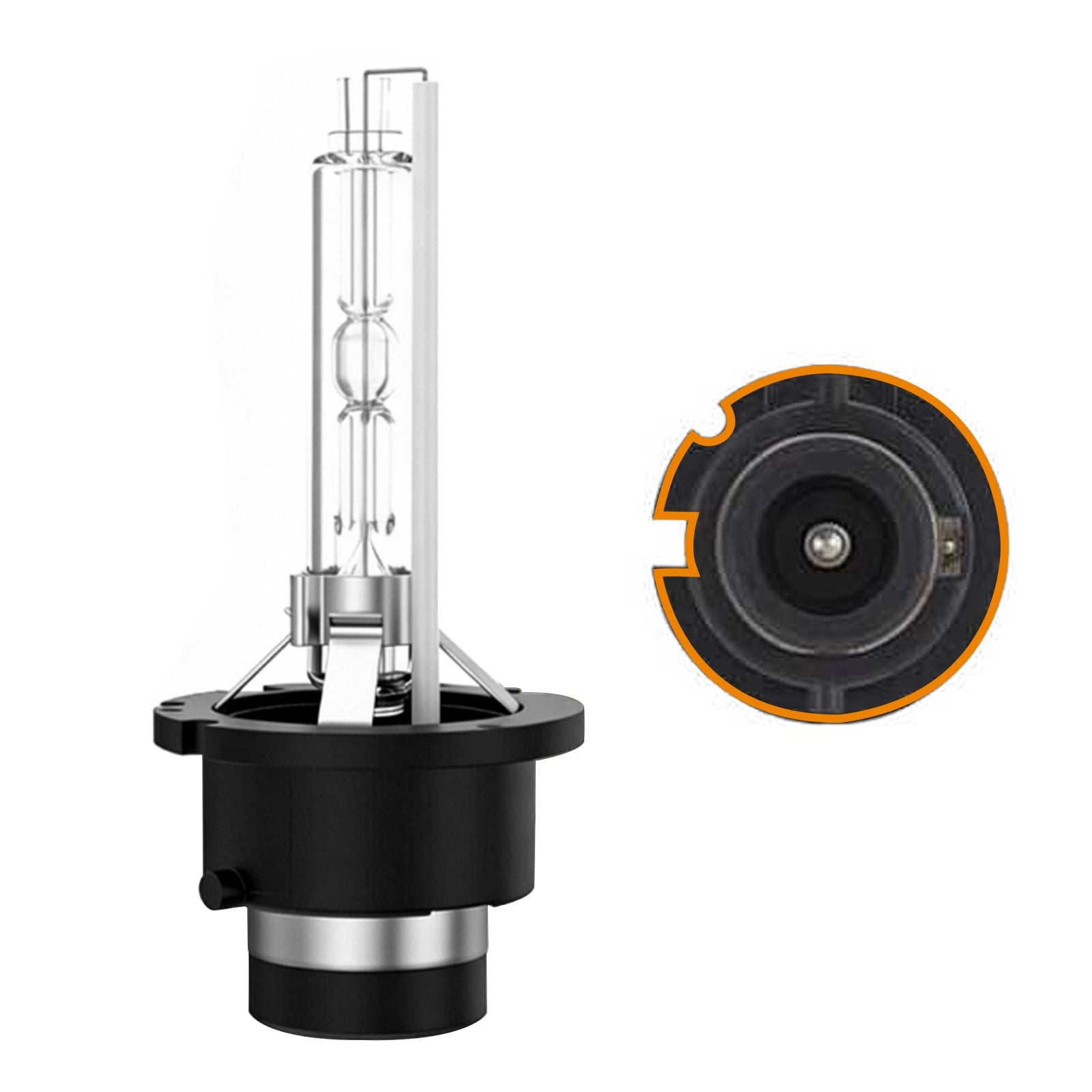
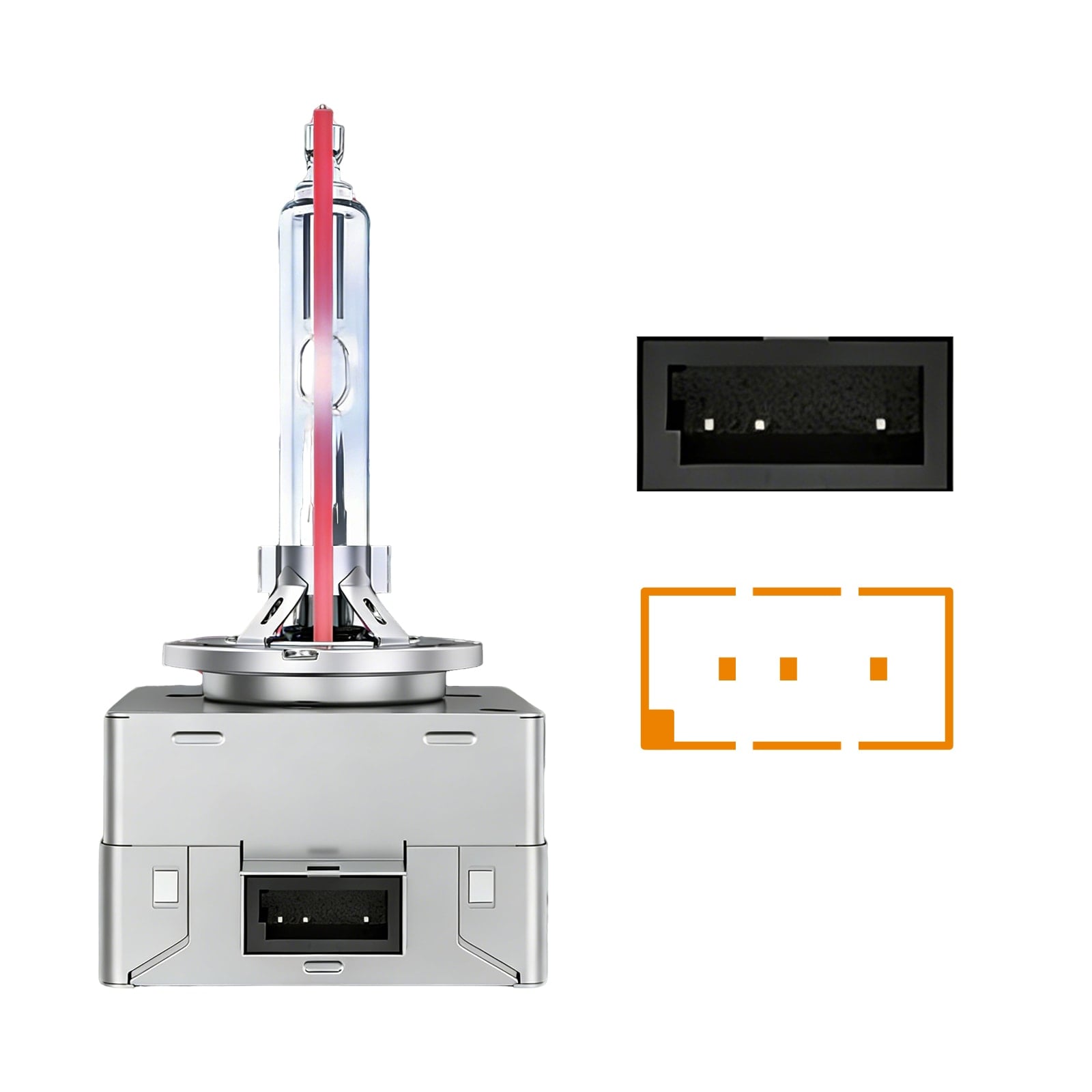











Few midsize pickups showcase toughness and everyday practicality like the Chevrolet Colorado. Known for solid Chevrolet’s Colorado reliability, it remains a popular choice among truck owners. Still, like any vehicle with thousands of components, it can develop wear over time, and some Chevrolet’s Colorado problems are inevitable.
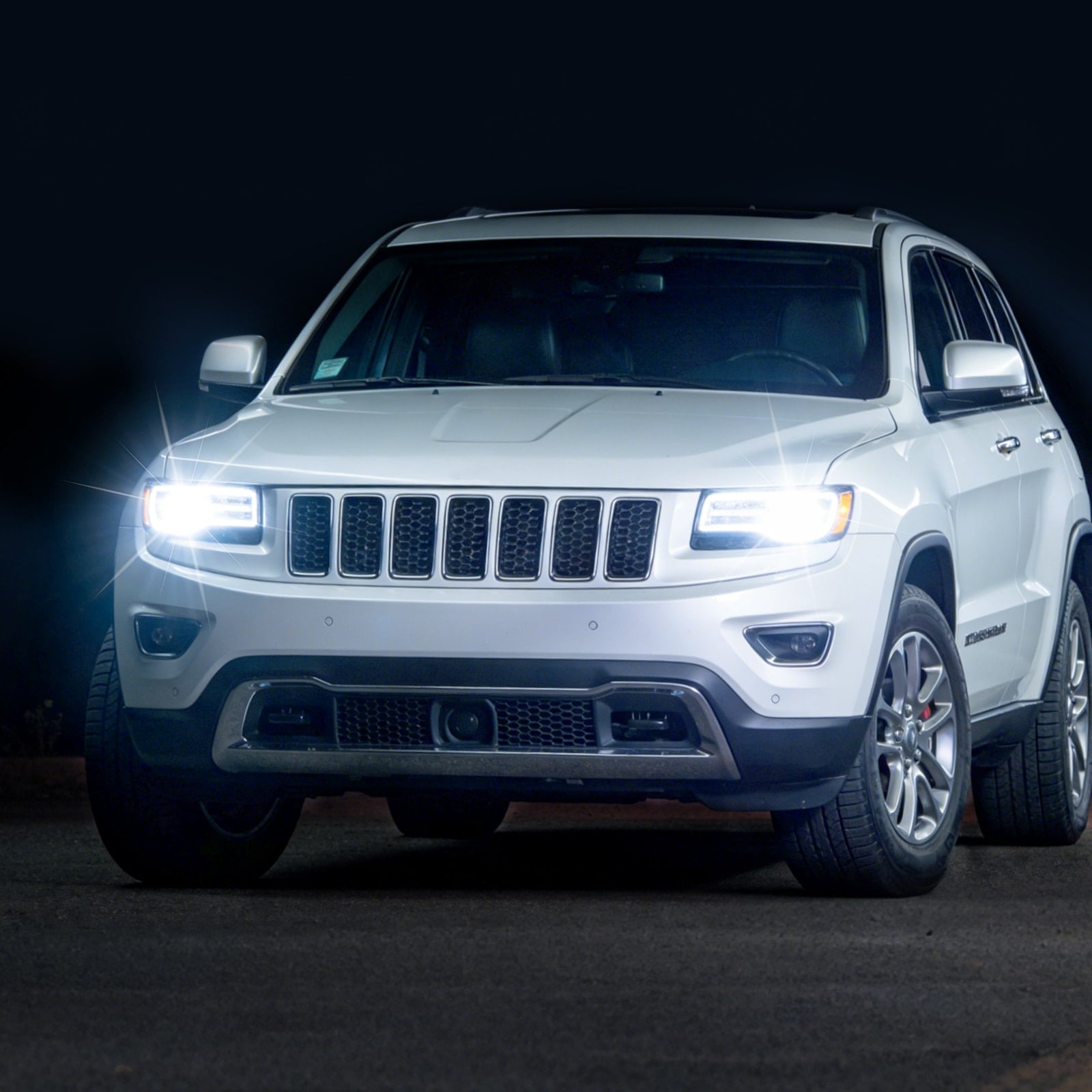
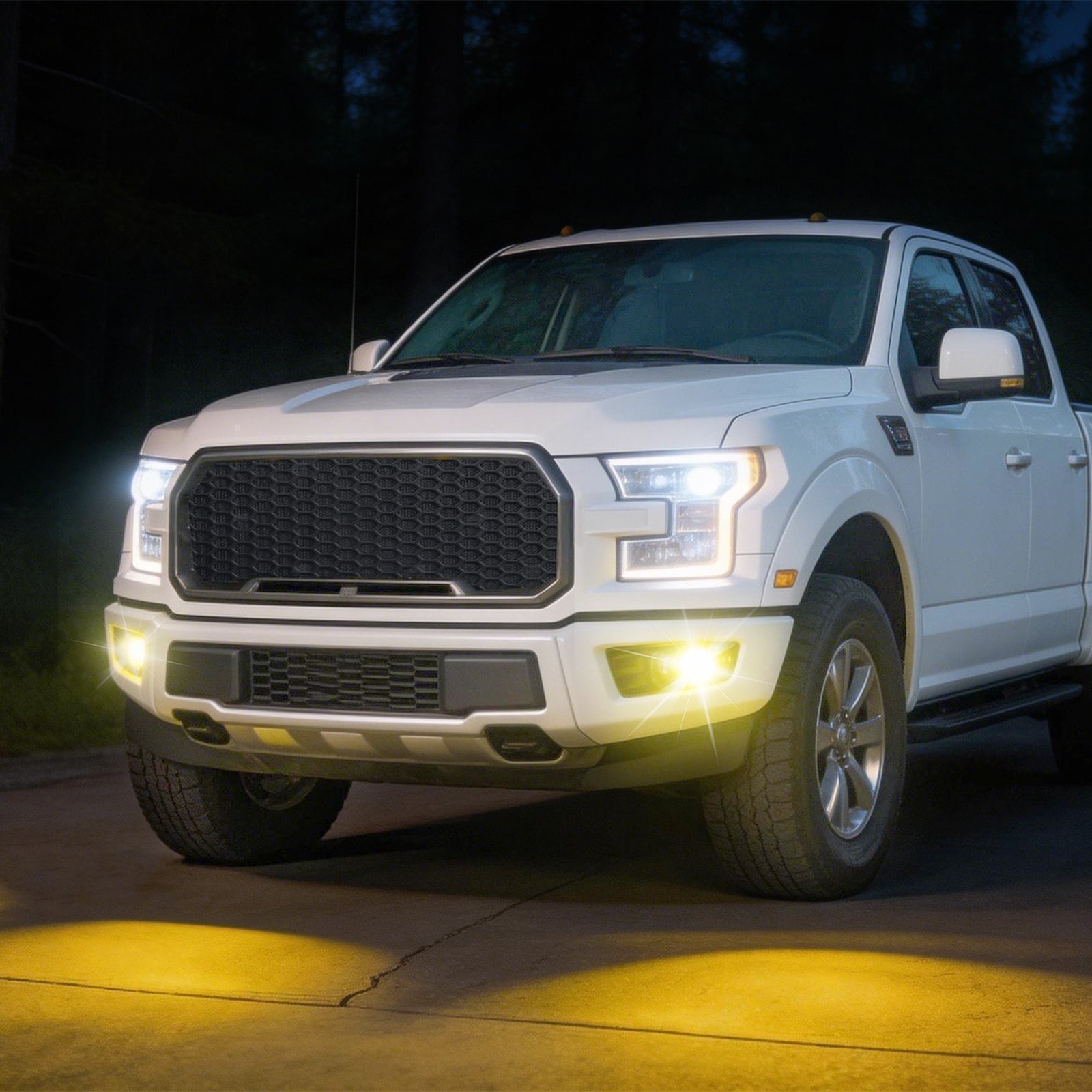
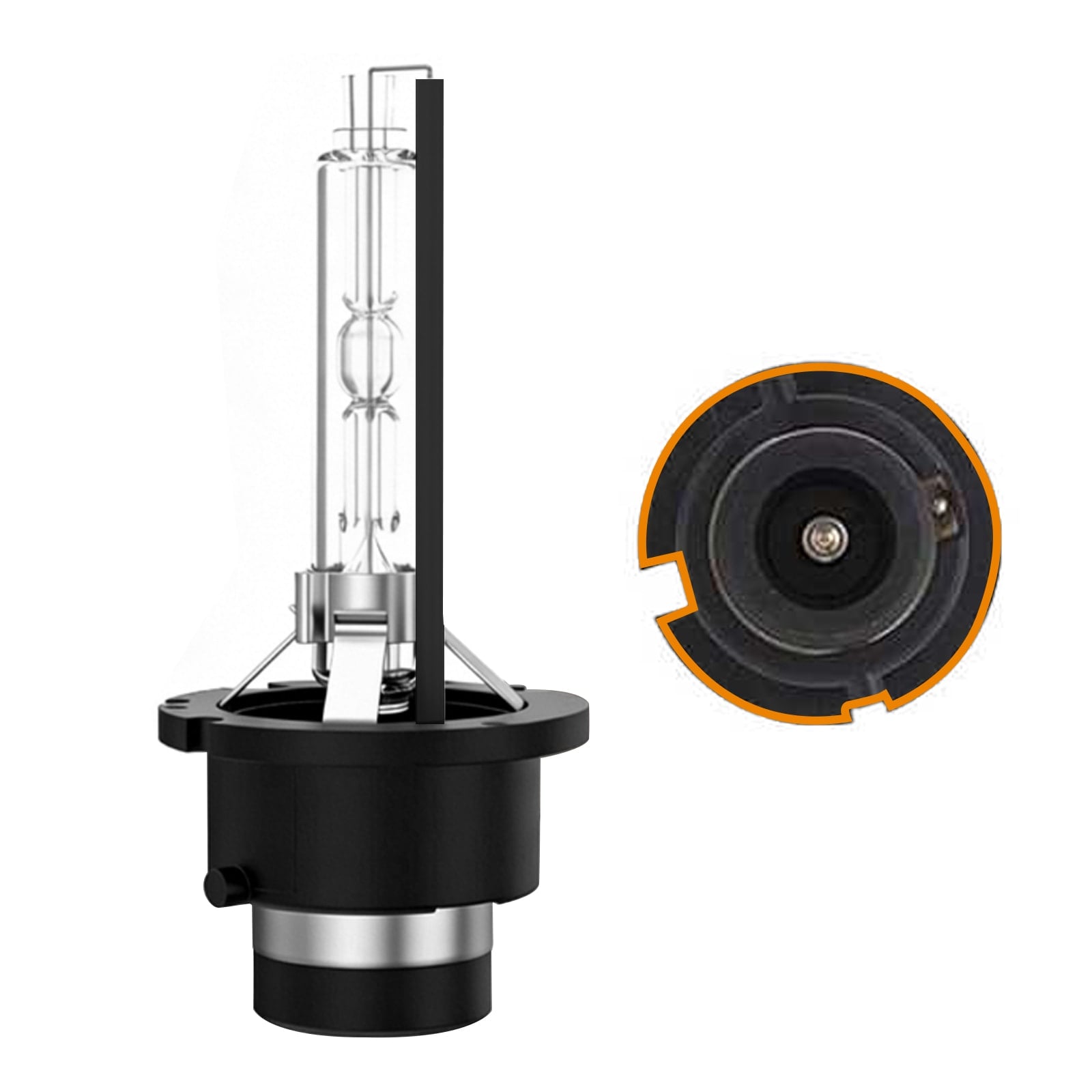
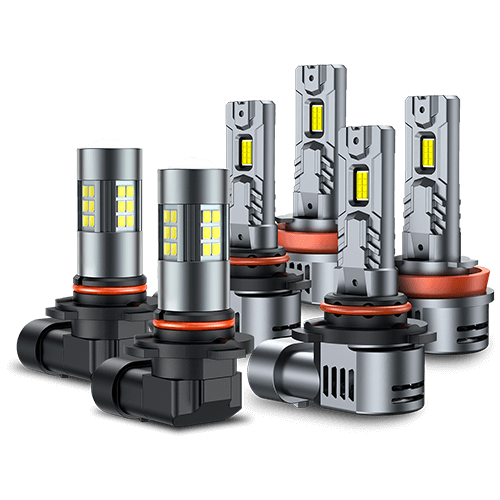
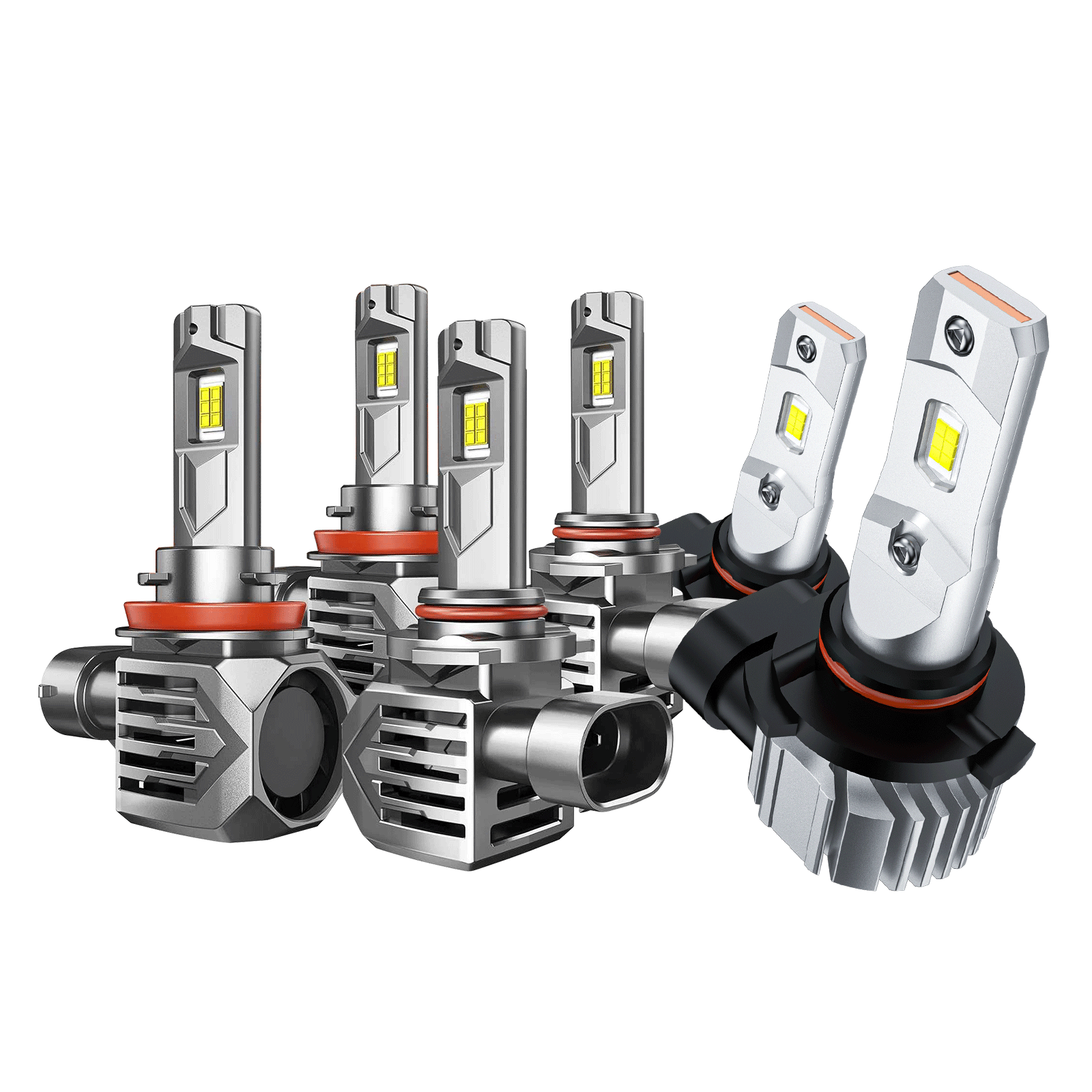
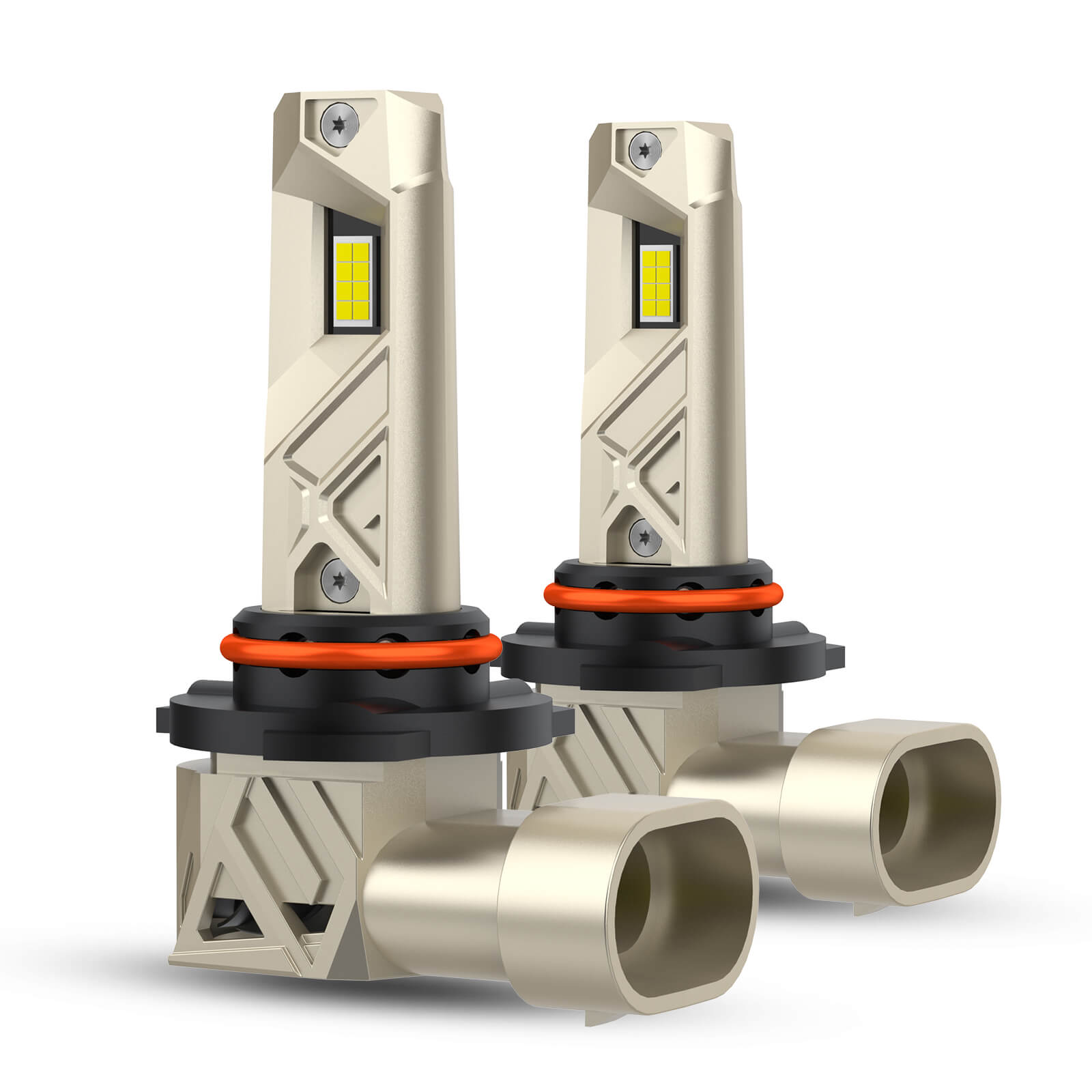
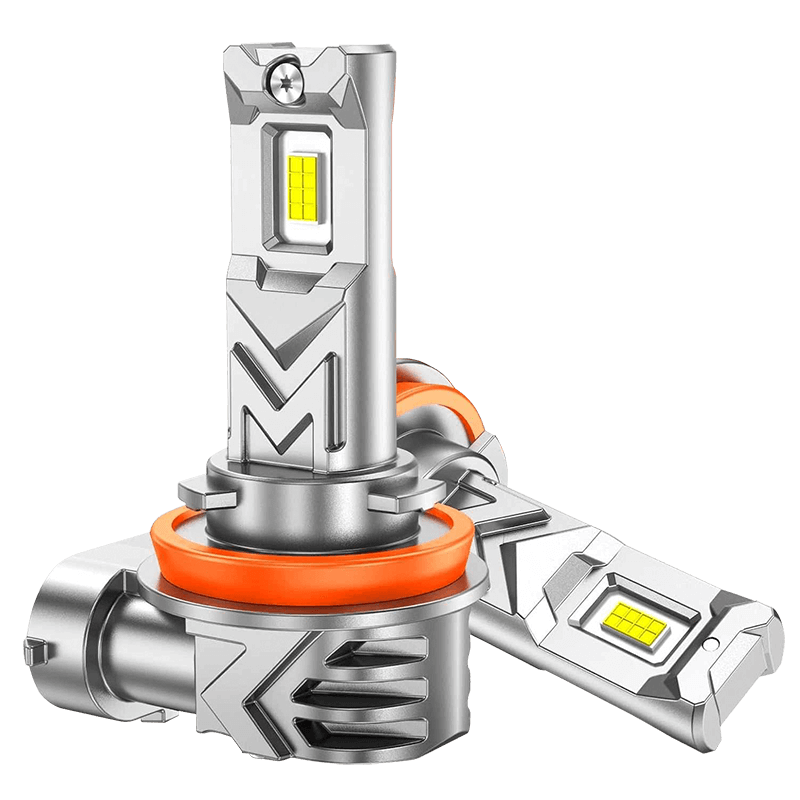
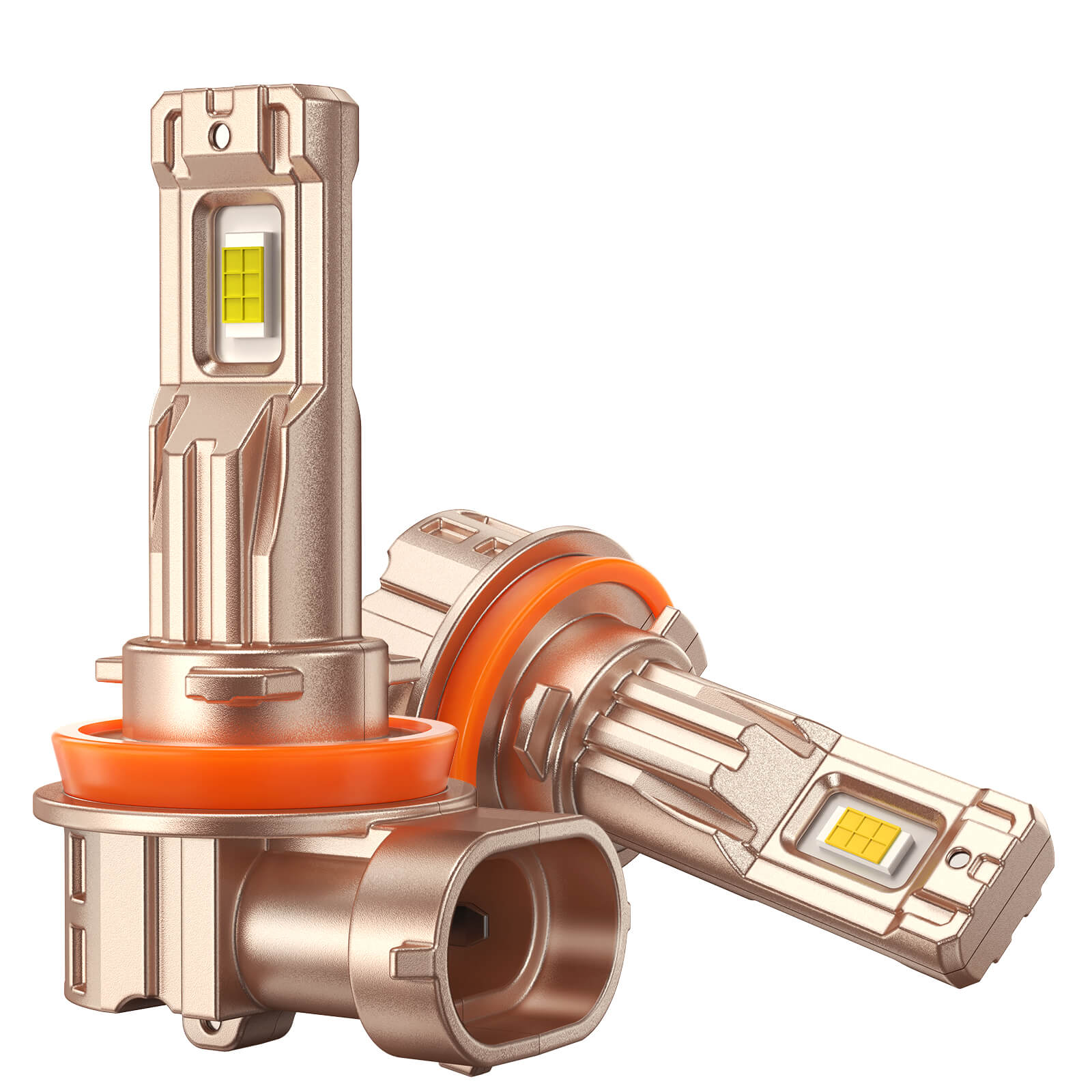
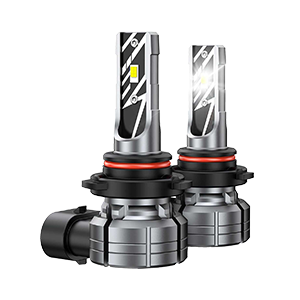
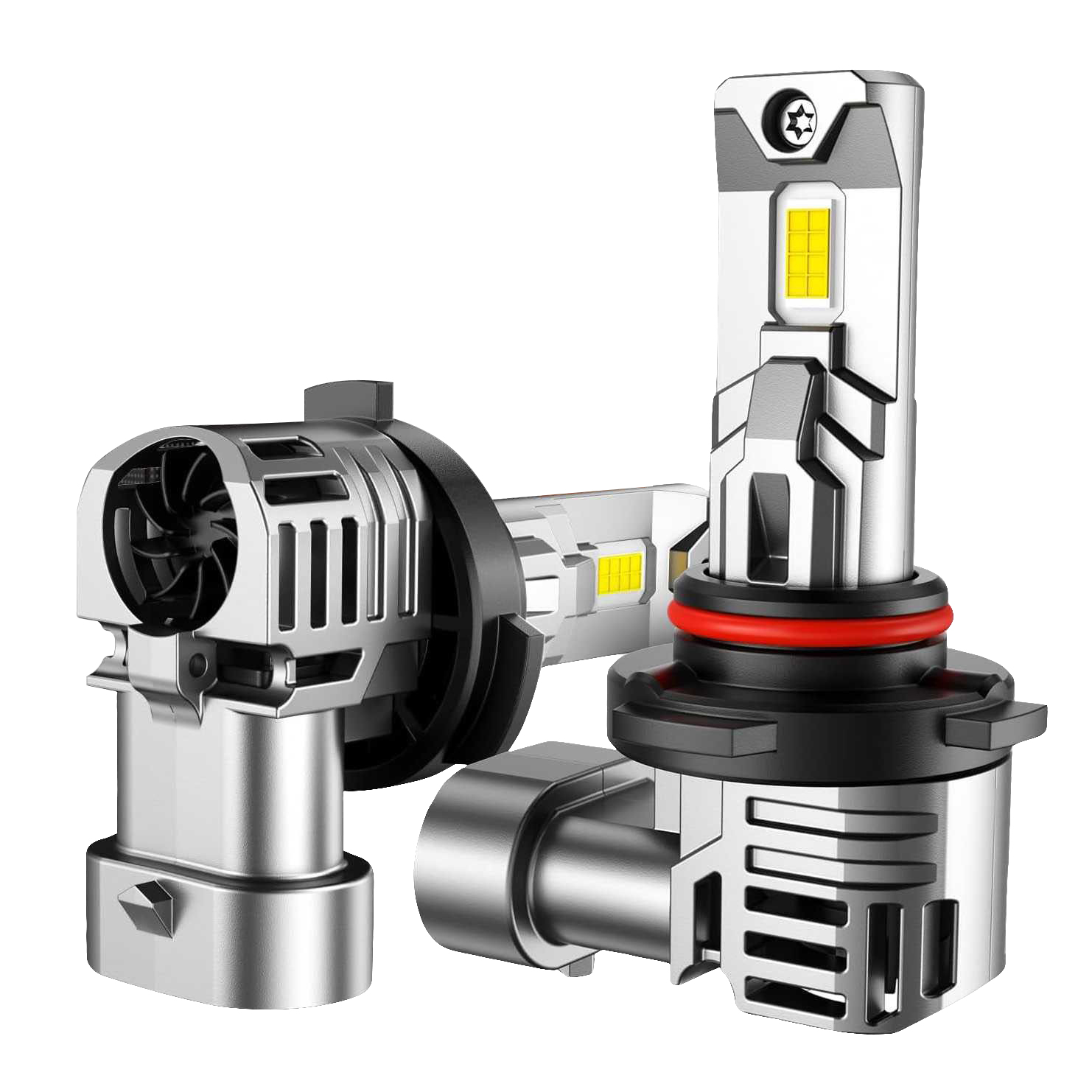
While lighting failures aren’t the most frequent issue, dim or aging factory bulbs can impact nighttime visibility. Many drivers upgrade to modern Chevrolet’s Colorado LED bulbs for brighter, longer-lasting performance. High-quality options from SEALIGHT’s dedicated Colorado collection help reduce headlight and fog light issues while improving safety on the road.
How Reliable Is The Chevrolet Colorado?
The Chevrolet Colorado is generally considered a reliable truck. RepairPal gives it a solid 4 out of 5 stars, noting that the average annual repair cost is about $565–$600, not exactly $599.
J.D. Power also rates the Colorado favorably, with most model years scoring 80/100 for overall reliability. The 2008 model scores slightly lower at 74/100.
Resale value is decent for a midsize pickup. The Colorado retains roughly 50–55% of its value after five years, depending on trim and condition.
8 Common Problems in Chevrolet Colorado Models
Shifting Issues
The Colorado’s automatic transmission can experience shifting problems, especially in the 2015–2016 2.5L and 3.6L V6 models. Owners report harsh or delayed shifts.
Typical Fix:
- Transmission service or replacement: $3,000–$4,500 plus labor
Excessive Vibration
Vibration or shuddering at low speeds, particularly when accelerating or going downhill, is often linked to the 6-speed automatic transmission. Solutions include a transmission fluid flush or torque converter replacement.
Fix:
- Replace torque converter: ~$1,000 plus labor
- Flush transmission: $125–$500 plus labor
Power Steering Failure
Some 2015–2016 models experienced power steering issues due to worn steering gear or rack. Symptoms include intermittent or stiff steering.
Repair Cost: $800–$2,000
A/C Blower Unresponsive
Blower motor resistor failure affects 2004–2012 Colorado models, causing the A/C blower to stop working at certain speeds.
Quick Fix: Replace resistor: $85–$130 plus labor
Engine Misfiring
Engine misfires are occasionally reported in older 2004–2007 Colorado models, often due to worn valve seats or ignition components. Cylinder head replacement is sometimes necessary but less common than other causes like spark plugs or ignition coils.
Typical Fix:
- Diagnosis: $120–$180
- Cylinder head replacement: $1,000–$3,000
Fuel Level Sensor Failure
Fuel sending unit or sensor failures are seen in 2004–2012 models, typically from age or poor fuel quality.
Fix: Replace fuel pump module assembly: $980–$1,400
Restricted Power
Throttle position sensor (TPS) failures can occur after 70,000+ miles, causing restricted power and triggering the Check Engine Light (OBD code P2135). Causes may include wiring, connections, or the sensor itself.
Fix: Replace TPS sensor or repair wiring: $300–$1,000
Gas Cap Issue
Loose or damaged gas caps can trigger the Check Engine Light. This is not serious and is easily fixed.
Repair Cost: Replace gas cap: $20–$50 (much lower than $100–$500)
Official Safety Recalls
- 2011: Transmission shift cable clip issue; GM replaced clip.
- 2011: Windshield wiper motor malfunction in 2010–2012 models; GM replaced motor.
- 2016: Driver airbag may not deploy; GM replaced module.
- 2018: High-pressure fuel pump and fuel line issue causing potential fire hazard; GM replaced affected components.
- 2021: Seatbelt bolt and steering sensor torque cover issue; GM replaced parts.
Real-World Chevrolet Colorado Headlight & Fog Light Problems
Common Chevrolet Colorado Lighting Issues and Smart Upgrade Solutions
The Chevrolet Colorado is known for its durability, but owners often report certain lighting problems that affect both safety and visibility. Paying attention to these early signs and knowing how to fix or upgrade wisely can help prevent more serious issues down the road.
Flickering Headlights or Dim Output
One of the most frequent complaints from owners is flickering headlights or lights that suddenly dim, especially during night driving. This is often caused not by the bulbs themselves, but by unstable voltage. A weak battery, a failing alternator, or a loose ground wire can all disrupt the steady flow of power your lights need.
Before replacing any parts, first check the battery's charge status and make sure the alternator is working as it should. Inspect the wiring and ground connections for any corrosion or looseness. Once the electrical system is stable, you can safely upgrade your headlights.
Many drivers see a noticeable improvement after switching to quality LED bulbs. Options like SEALIGHT LED bulbs for Chevrolet Colorado provide stable brightness, clearer visibility, and a longer lifespan compared to worn-out halogens.
Tail Light or Running Light Failure
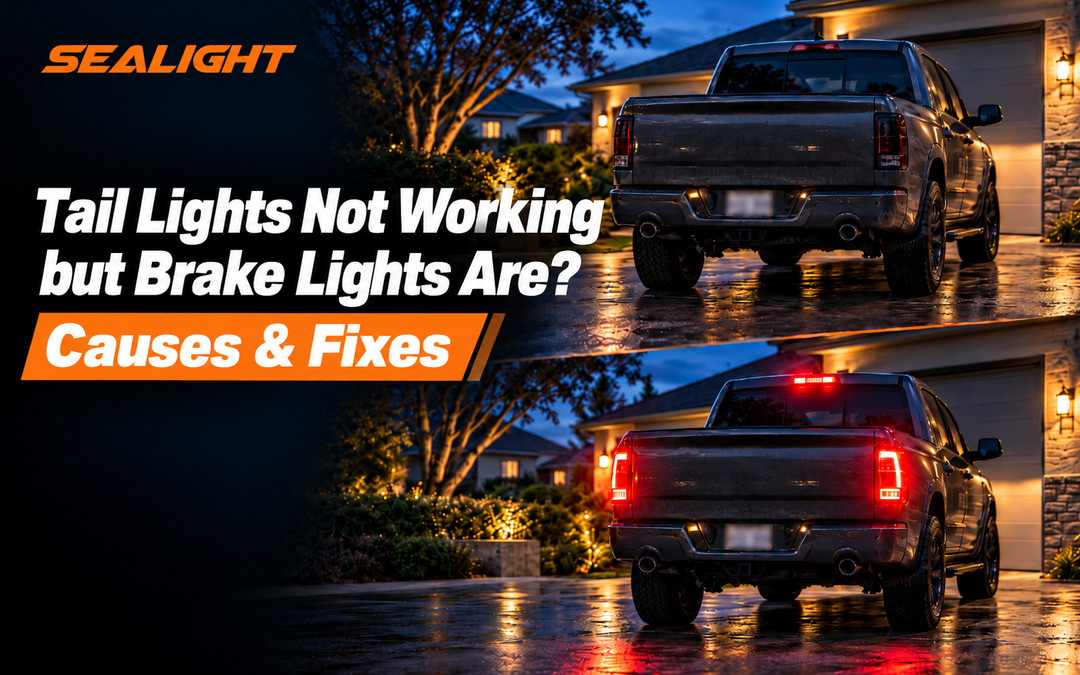
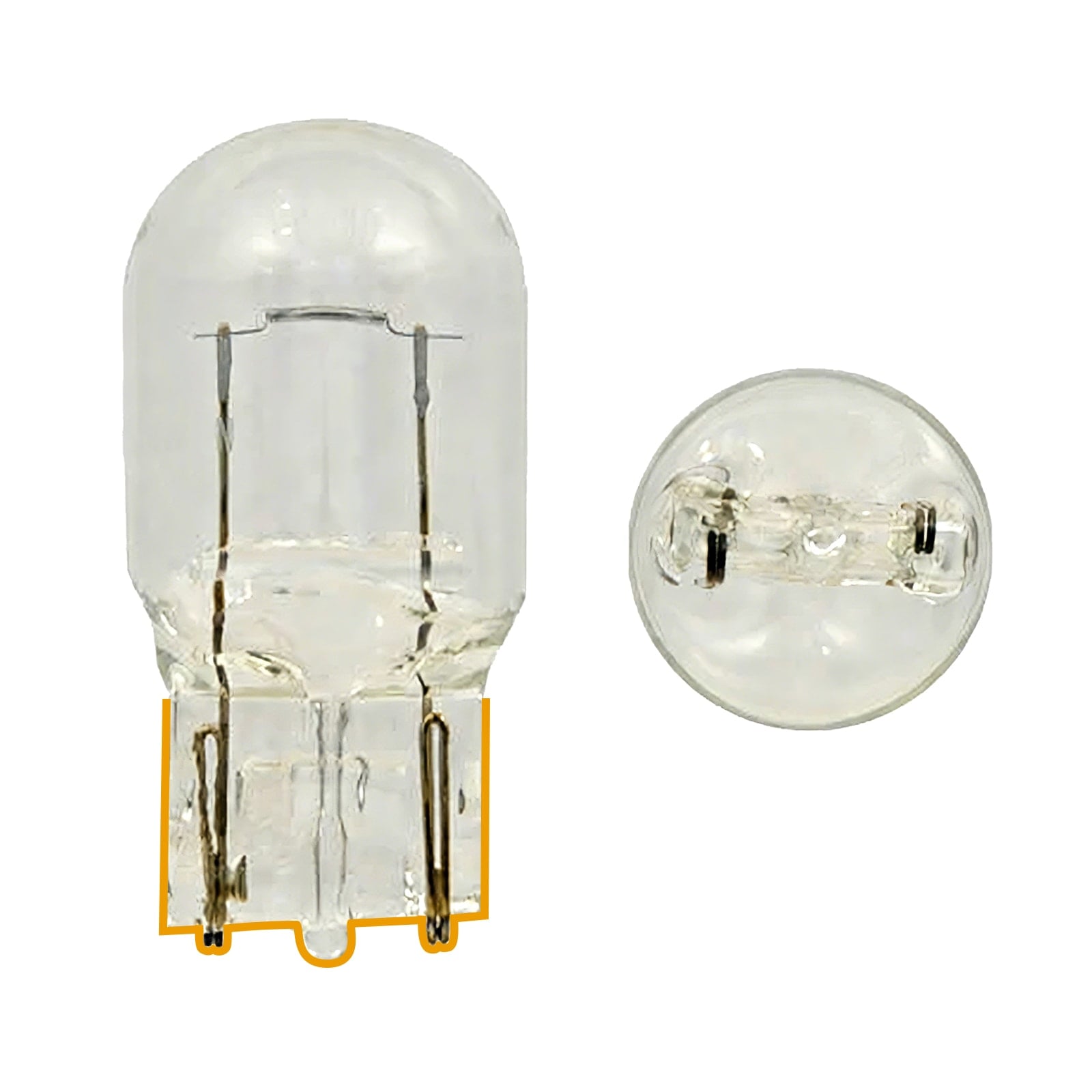
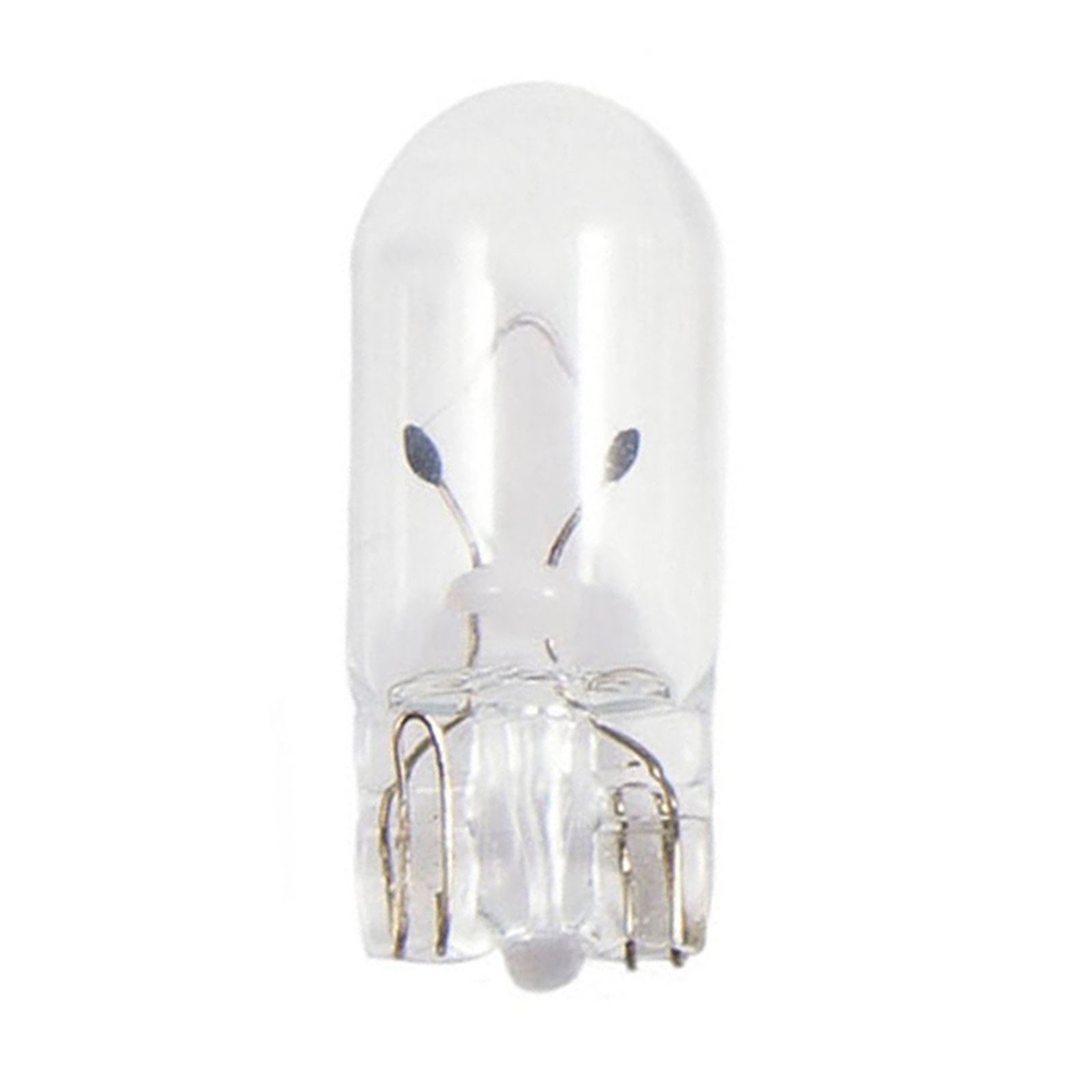
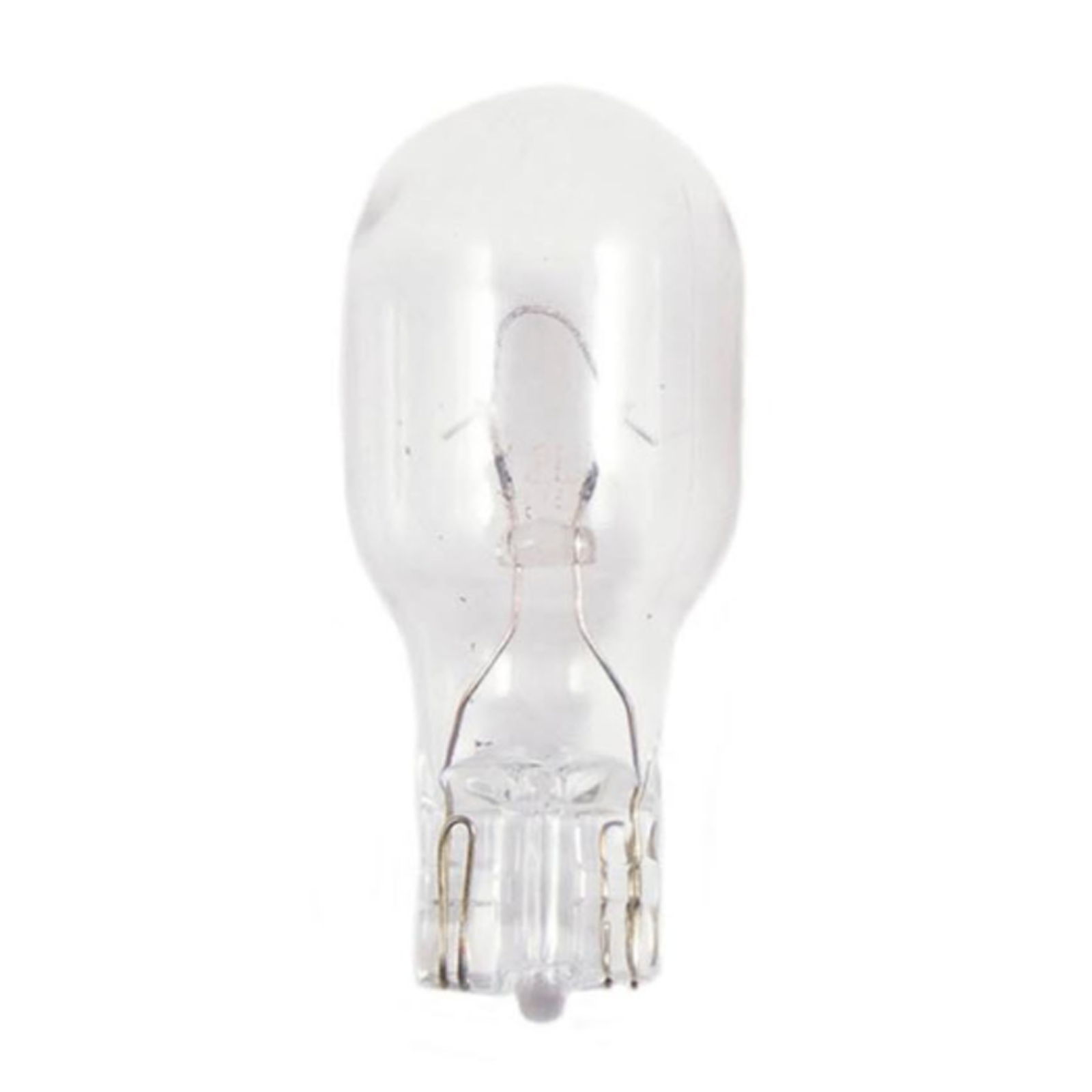
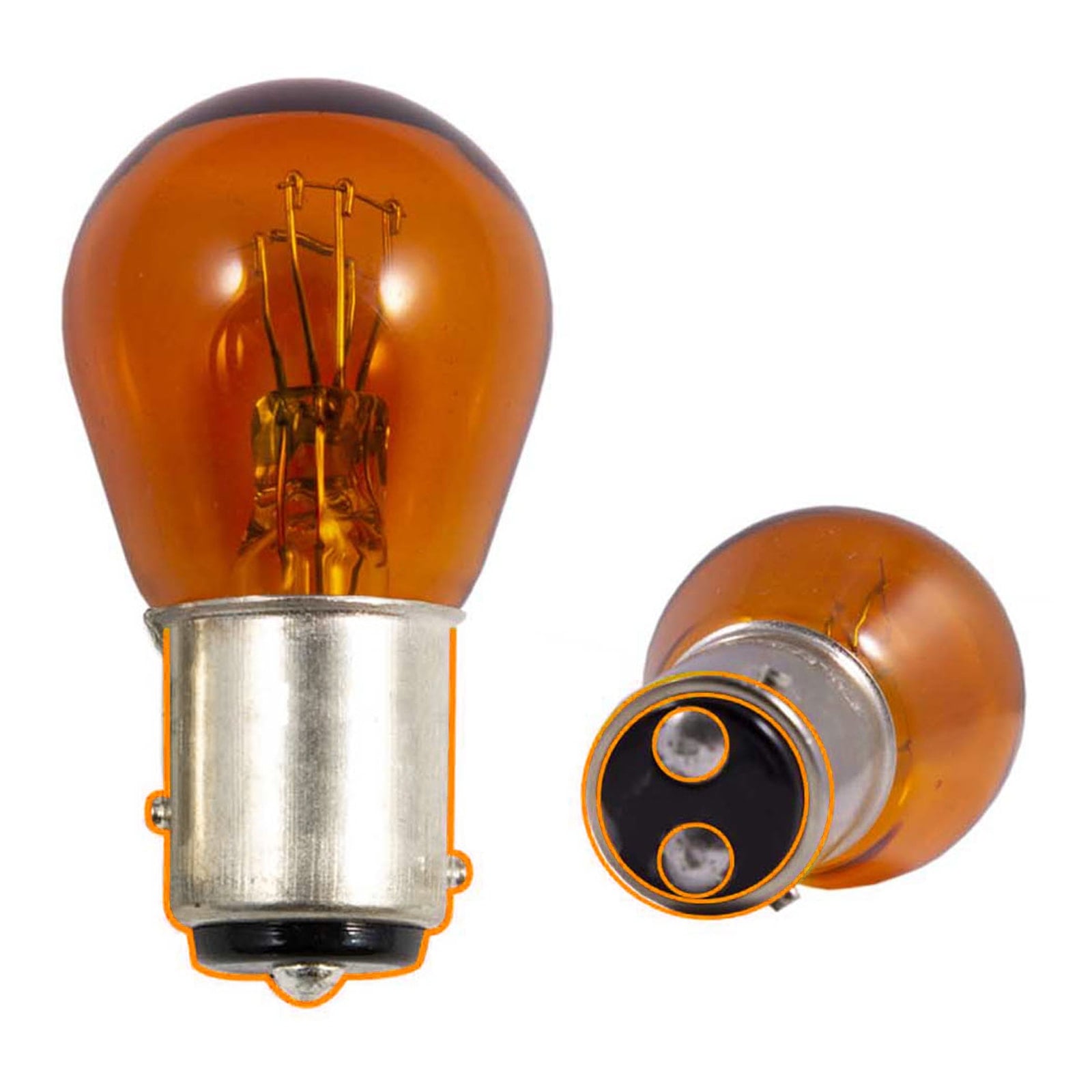
Another common issue involves the tail lights not working, even though the brake lights still do. This usually points to a specific type of bulb failure—dual-filament bulbs that only partially burn out. Other causes include moisture buildup in the housing or corrosion on the bulb sockets, which interferes with proper contact.
To prevent this, inspect the light housings regularly for any sign of moisture or rust, and clean contacts when needed. Many Colorado owners upgrade to LED tail and running lights, which are more resistant to vibration, heat, and weather damage. Unlike halogen bulbs, LEDs are sealed units and less likely to fail due to water or corrosion.
Tips for Better Lighting and Fewer Issues
The best long-term results come from pairing basic electrical maintenance with smart lighting upgrades. Here’s what to focus on:
- Keep the battery and alternator in good shape
- Check all ground connections and protect them from corrosion
- Seal light housings properly to keep moisture out
- Upgrade to modern, vehicle-specific LED bulbs for better performance and longevity
For Chevrolet Colorado drivers looking to improve nighttime driving, reduce maintenance, and boost safety, switching to premium LED lighting is a practical and worthwhile step. Brands like SEALIGHT offer well-tested LED options that fit directly into existing housings. A few simple upgrades today can make a big difference every time you hit the road at night.
Worst Chevrolet Colorado Model Years to Avoid
- 2015: Severe transmission issues and occasional power steering failure.
- 2016: Similar transmission and vibration problems as 2015.
- 2018: Some reports of transmission shudder and power loss.
- 2004–2005: Electrical issues, A/C heater problems, and fuel gauge failures.
Best Chevrolet Colorado Model Years to Buy
- 2017–2018: Resolved previous generation issues.
- 2019–2021: Reliable with fewer issues.
- 2022: Improved tech and overall reliability.
Final Words
Overall, the truck has built a solid reputation for Chevrolet’s Colorado reliability, making it a dependable midsize pickup for both work and everyday driving. Although some model years are associated with specific Chevrolet’s Colorado problems, staying informed and addressing issues early helps owners maintain long-term performance. Upgrading to high-quality Chevrolet’s Colorado LED bulbs can further improve visibility and driving confidence.
If you own a Chevrolet Colorado, we’d love to hear about your real-world experience — including any problems you’ve faced or upgrades that worked well for you. Sharing your insights can help other drivers make smarter decisions when maintaining and improving their trucks.