
 Headlight Bulbs


 Track Order
 My Vehicles
 Contact Us
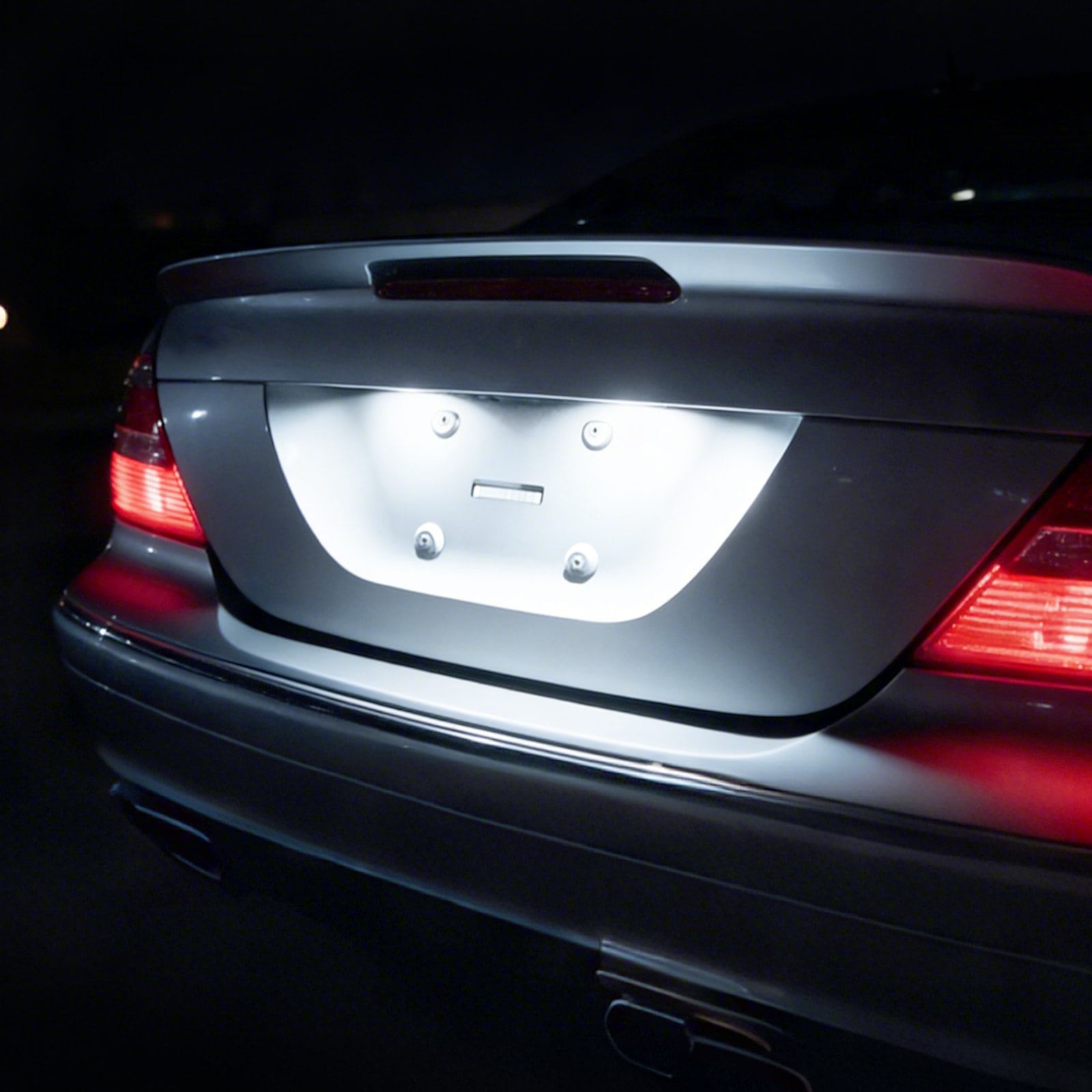
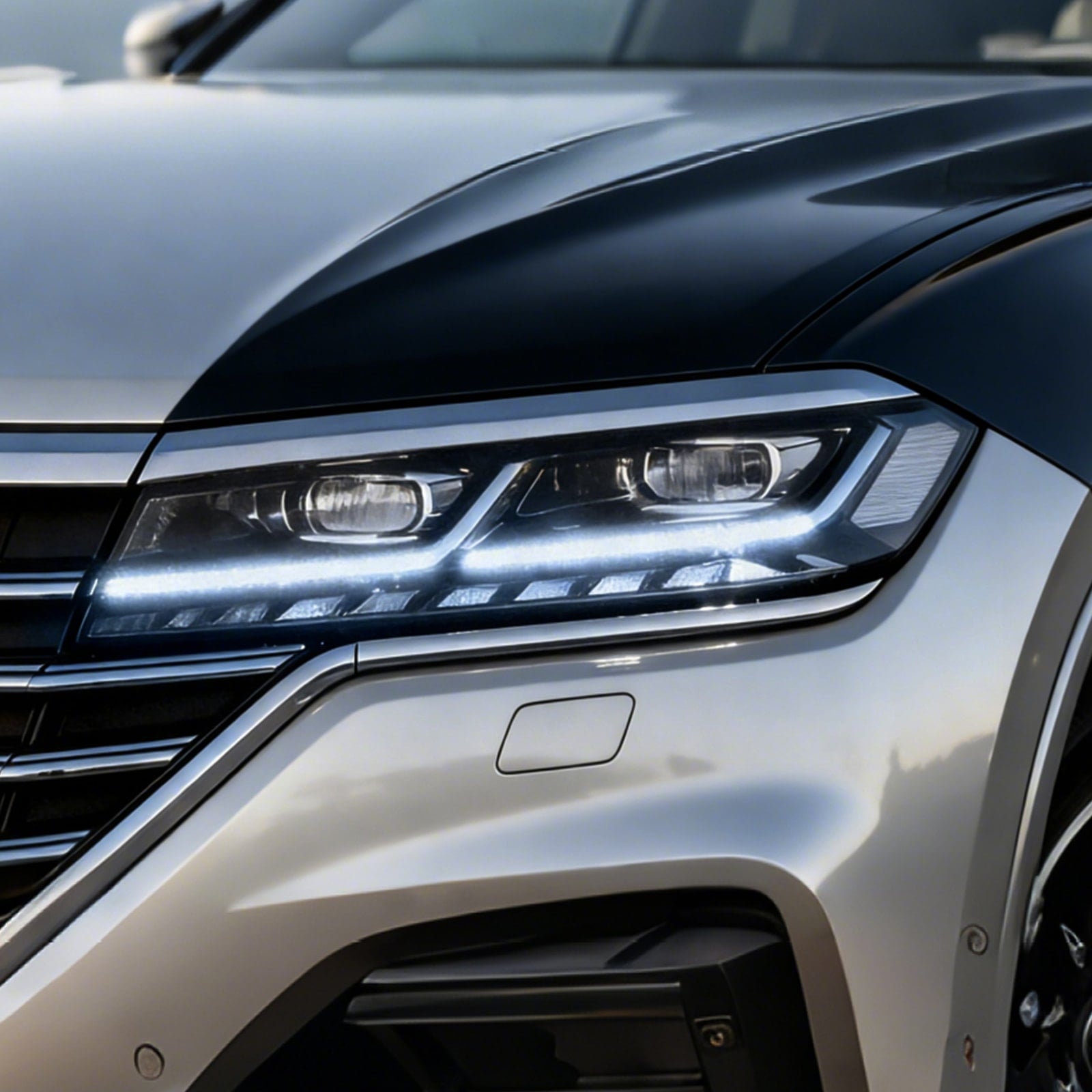
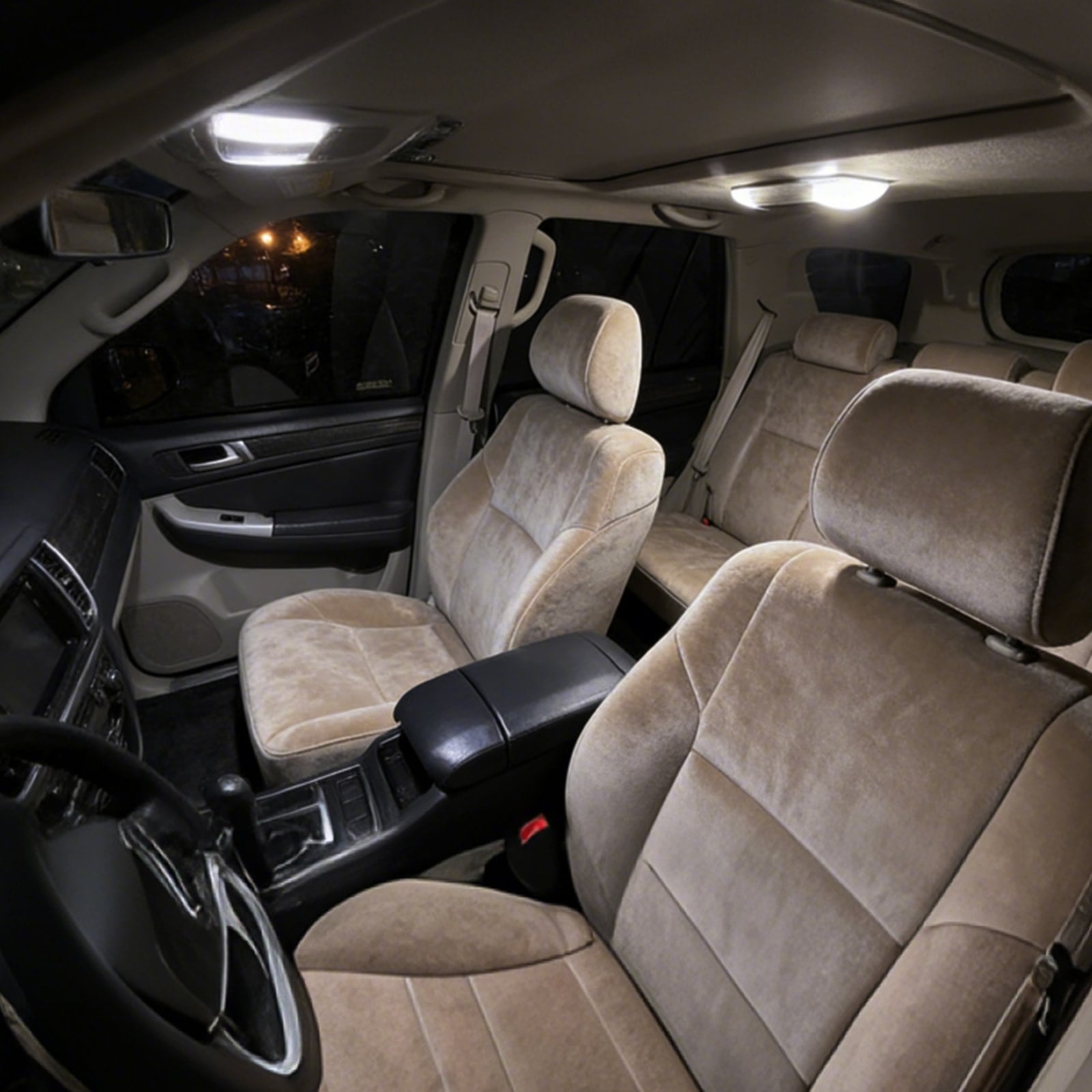
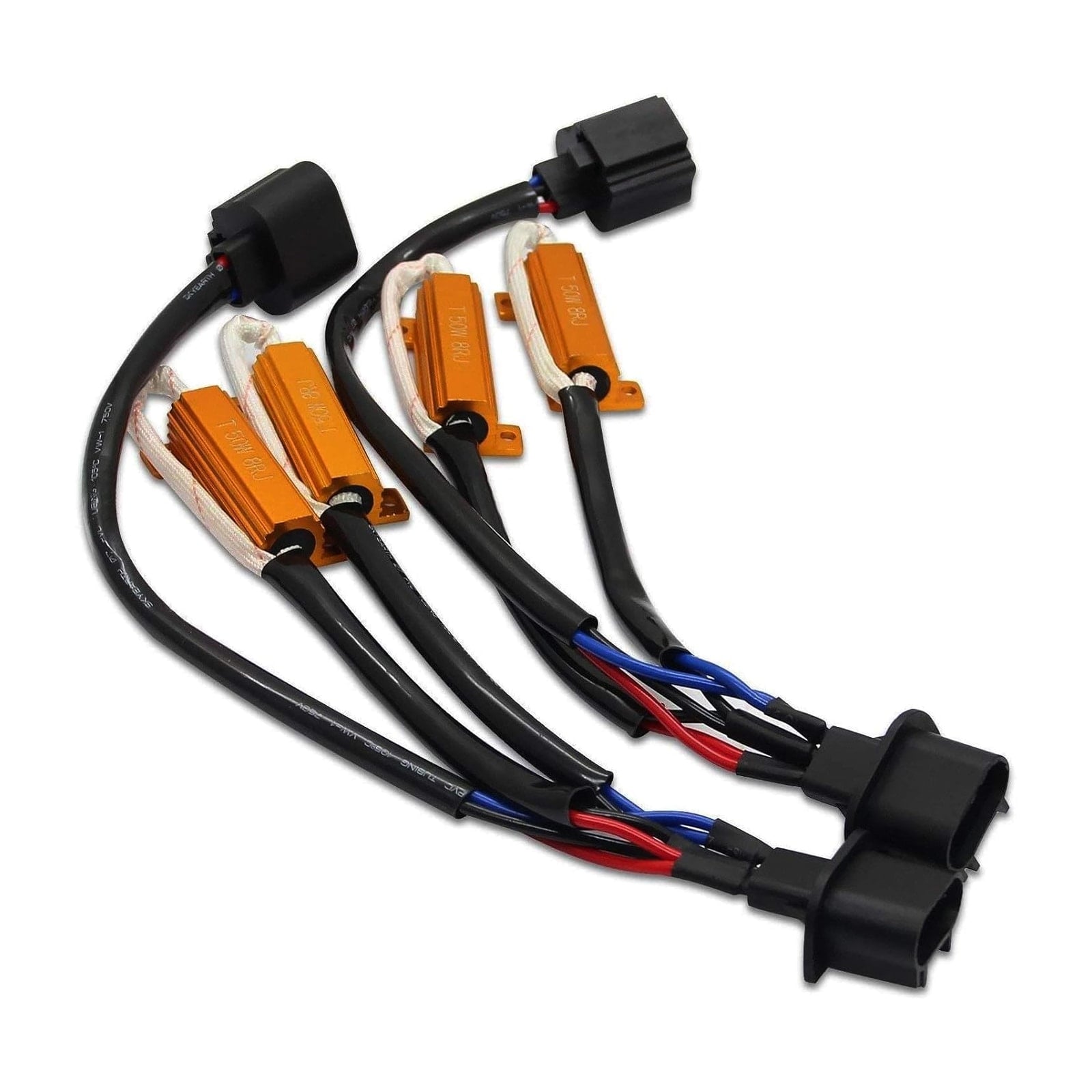

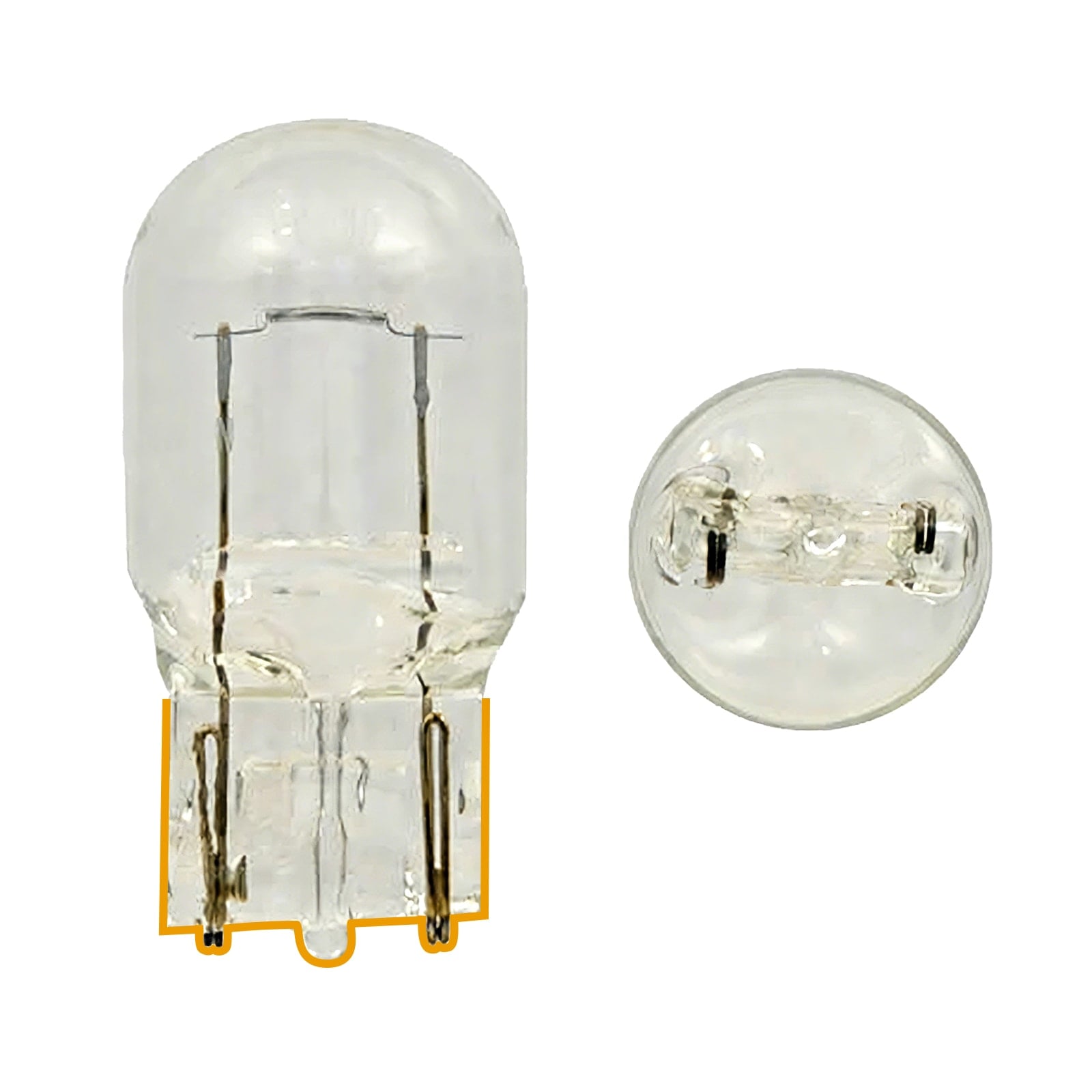
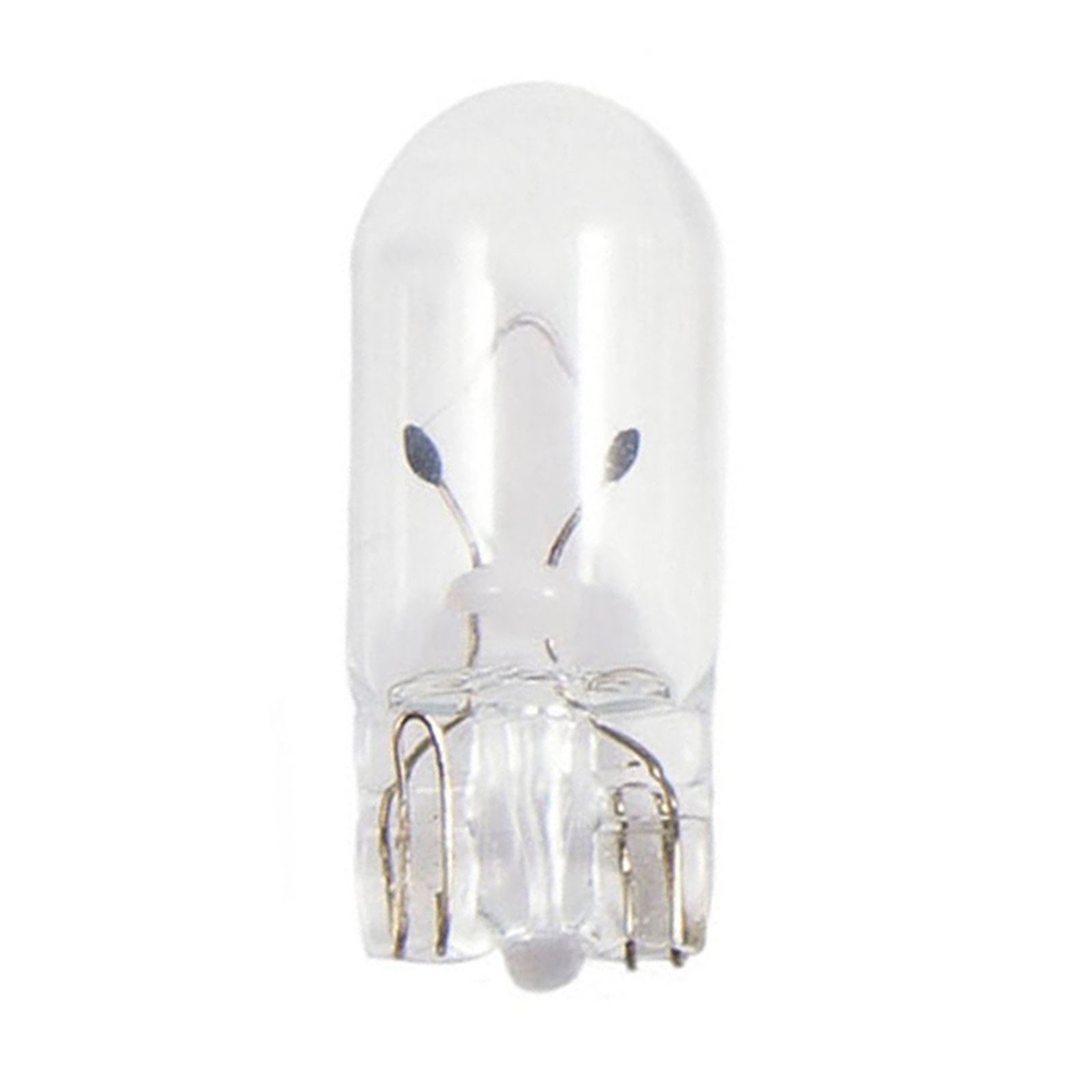
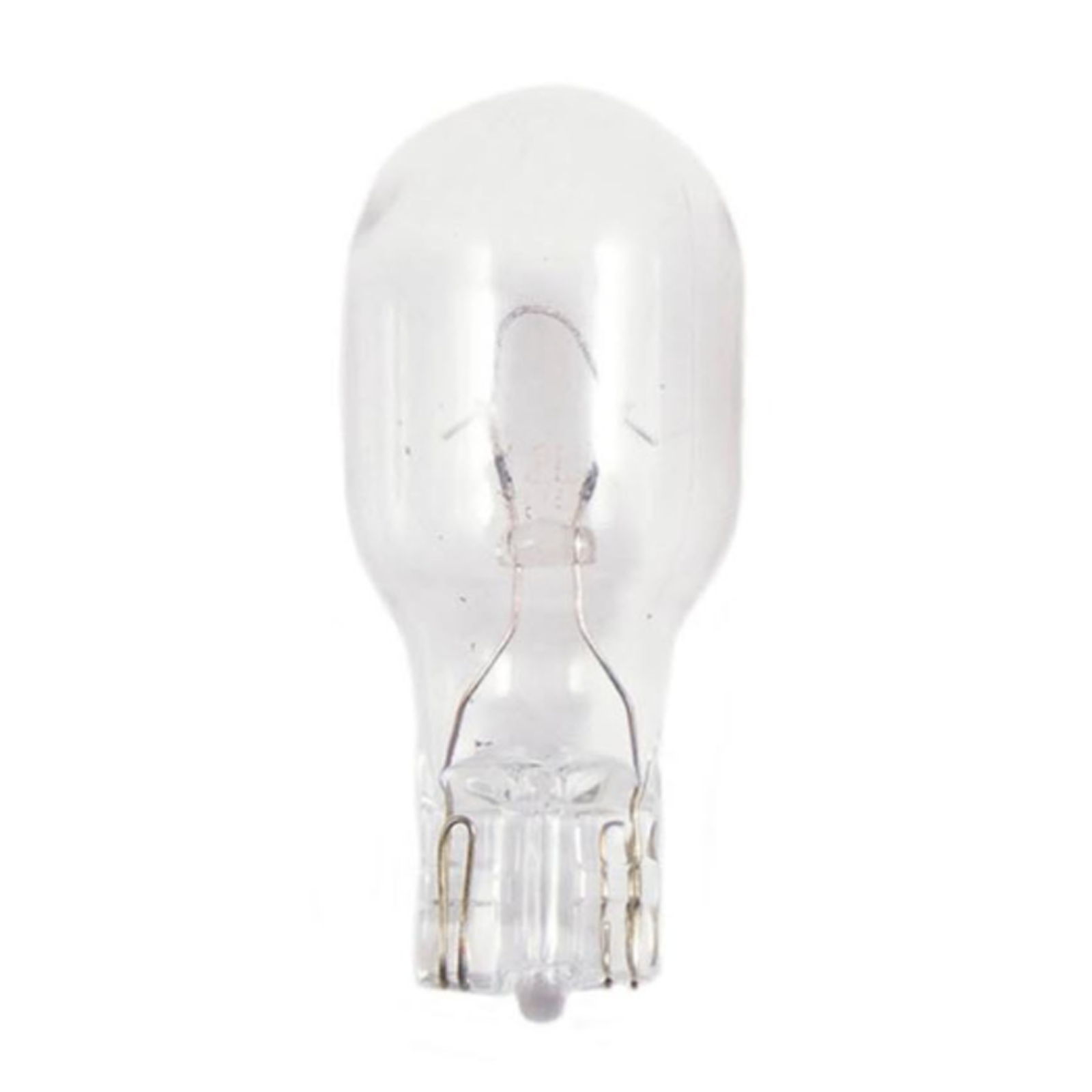
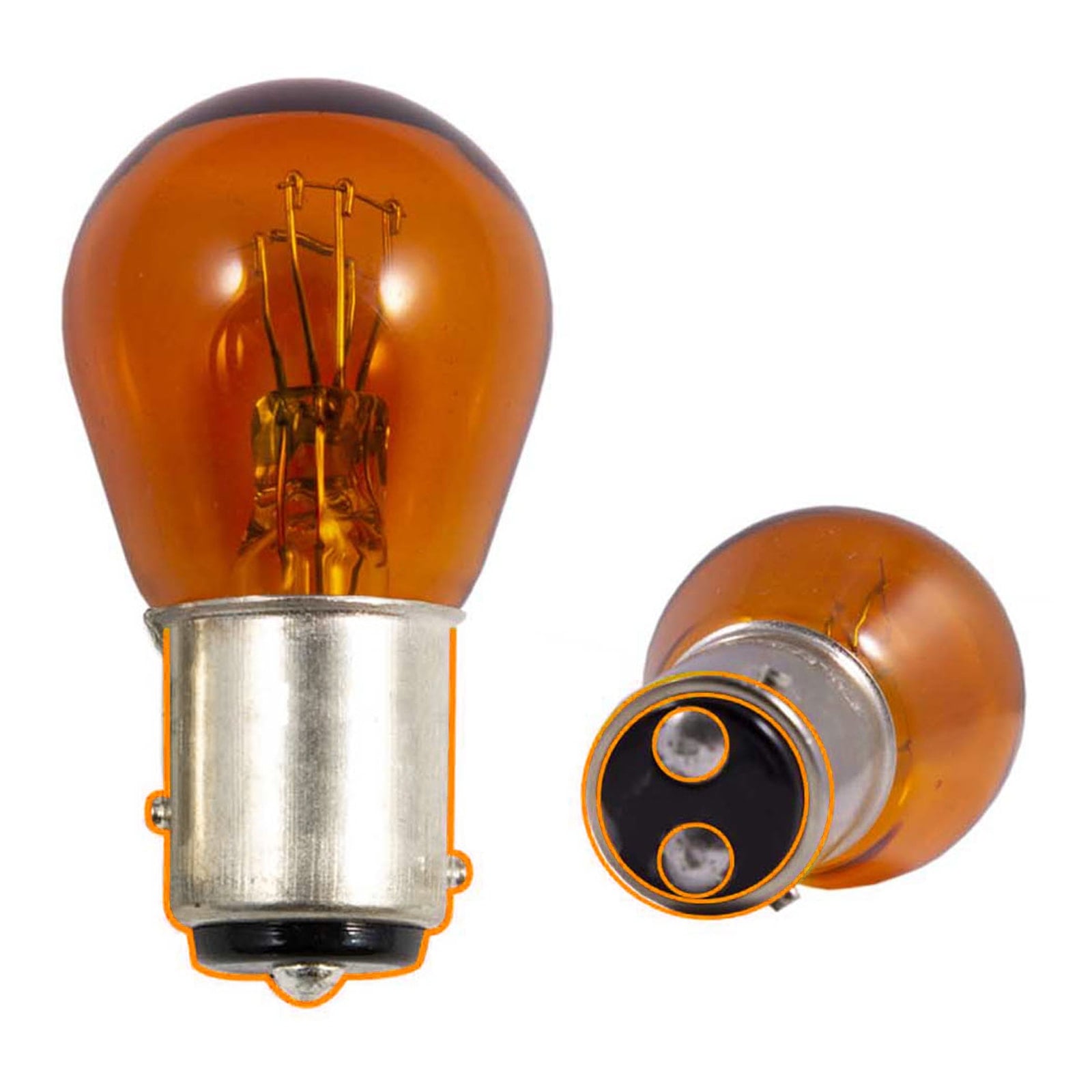











The Chevrolet Impala has been a familiar choice among full-size sedan buyers for decades. Known for its spacious interior, smooth ride, and simple maintenance, it appeals to drivers who value comfort, practicality, and predictable ownership over flashy styling.
While generally reliable, the Impala’s dependability varies depending on generation and model year. Knowing the most common problems can help you make smarter buying decisions—whether shopping for a new or used car—and prepare for long-term ownership.
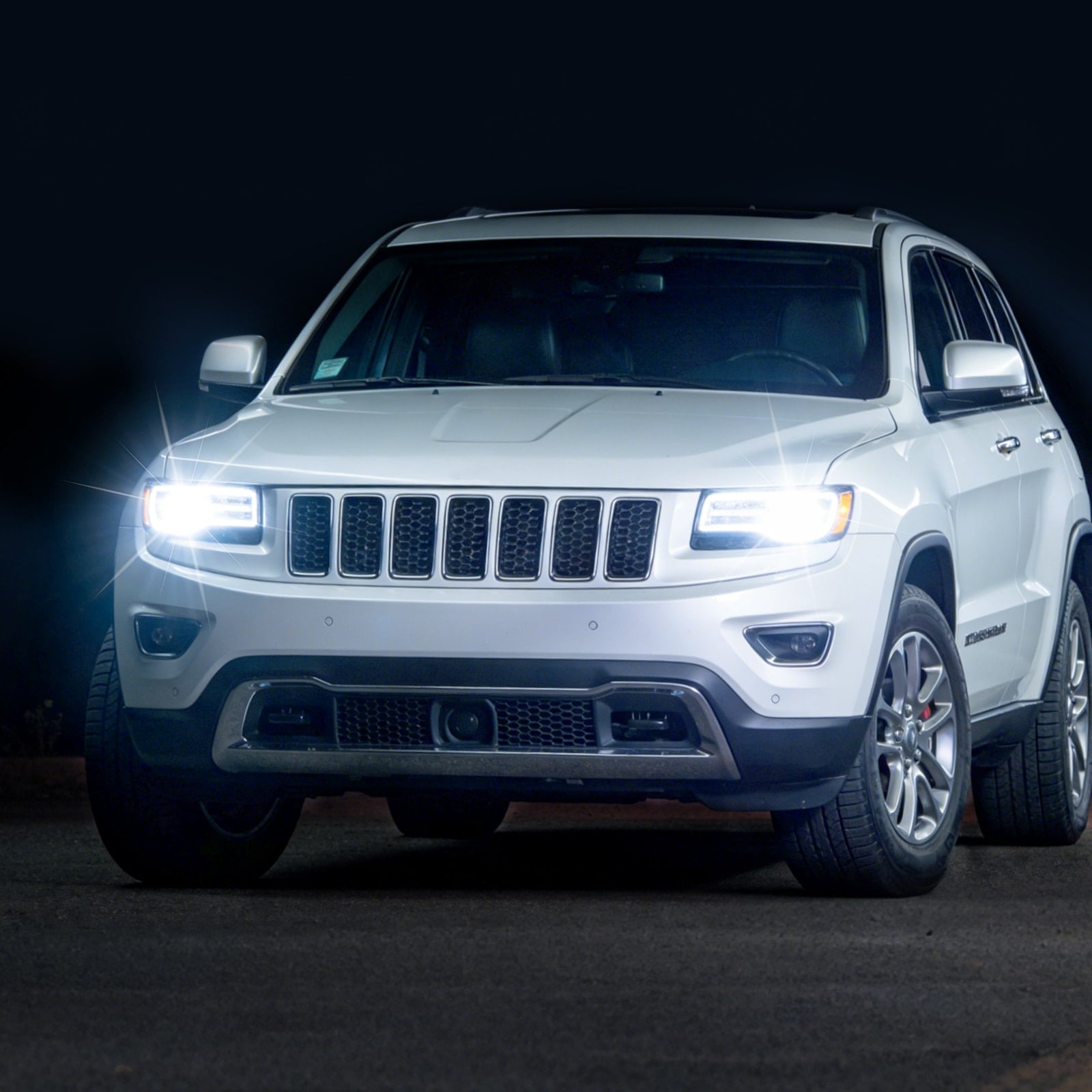
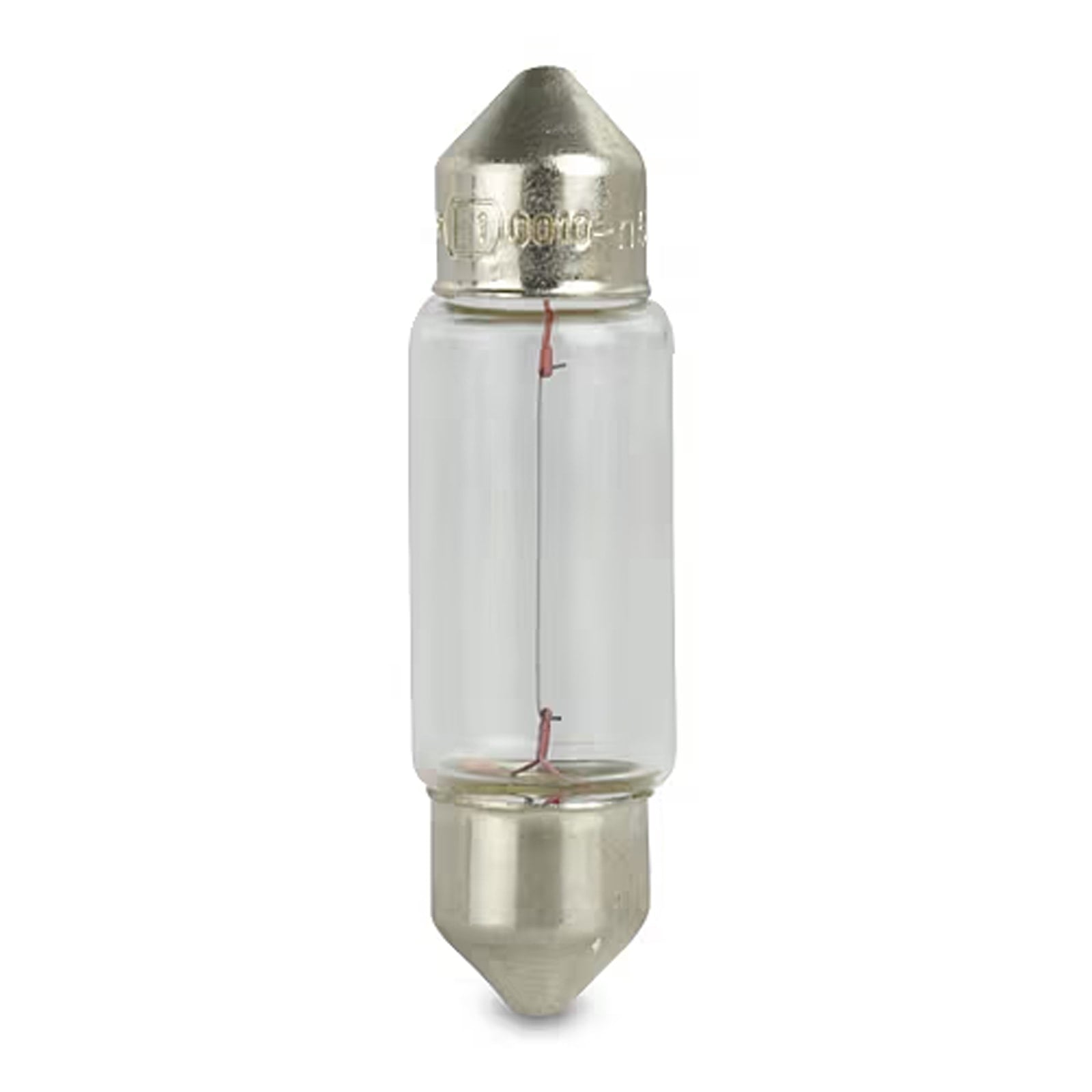
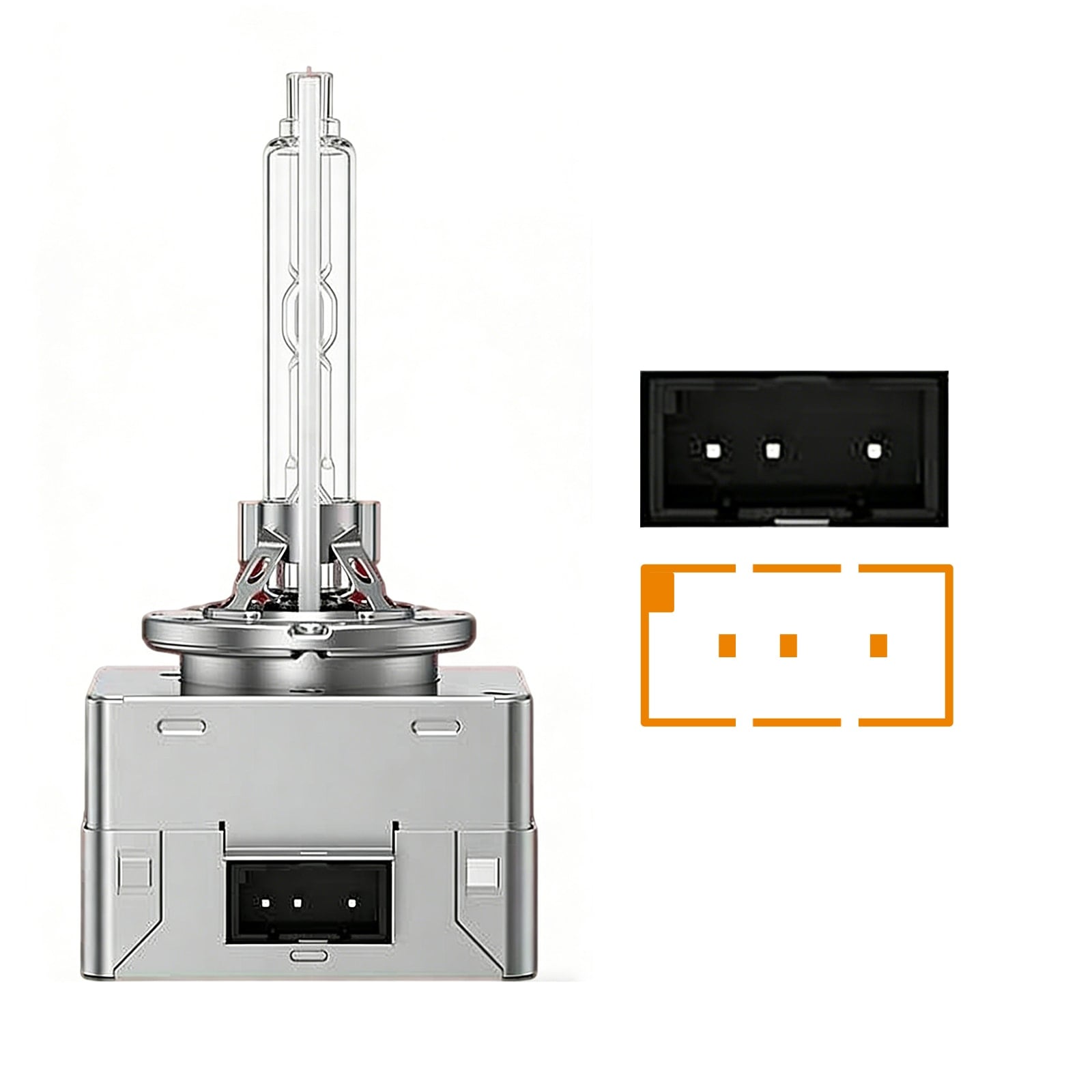
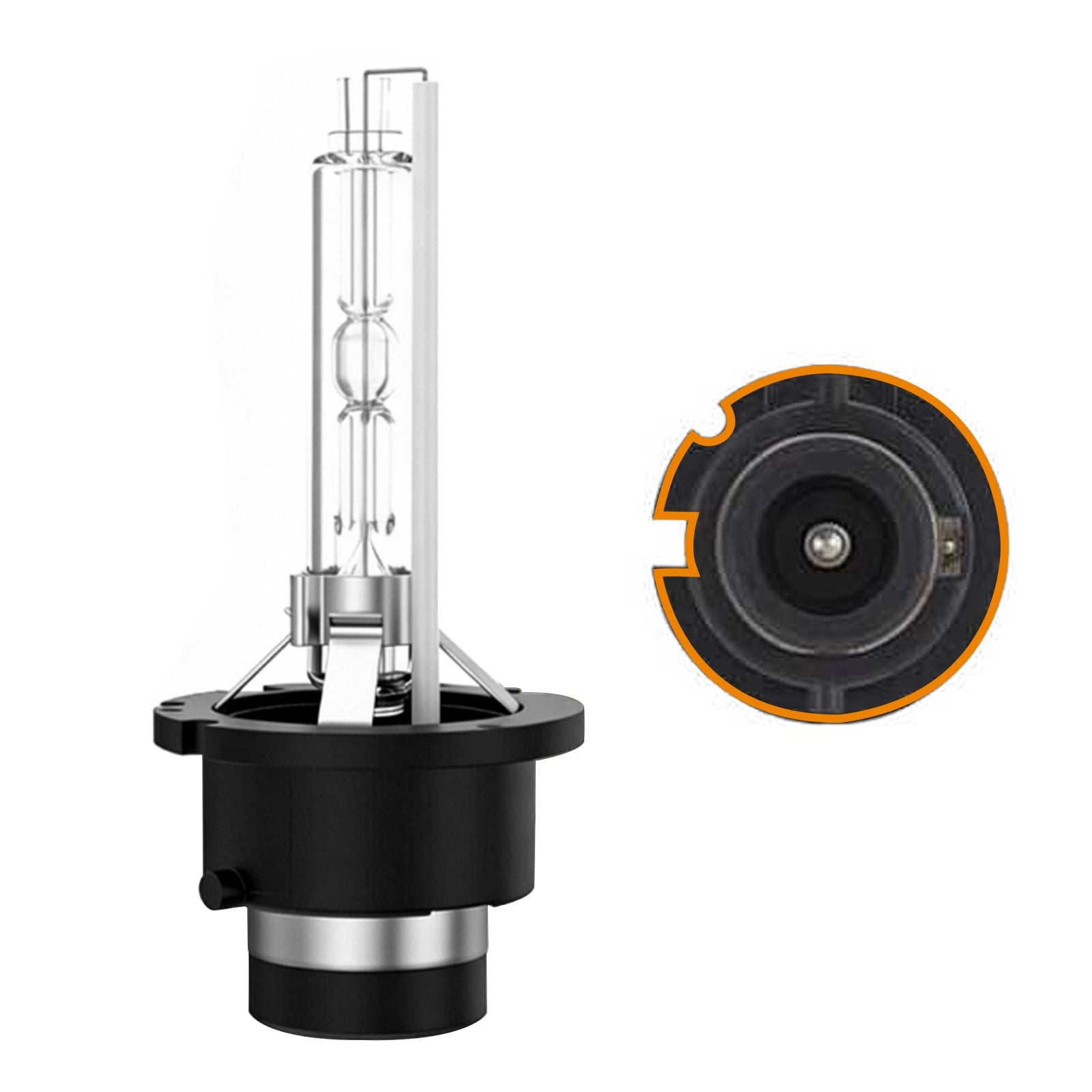
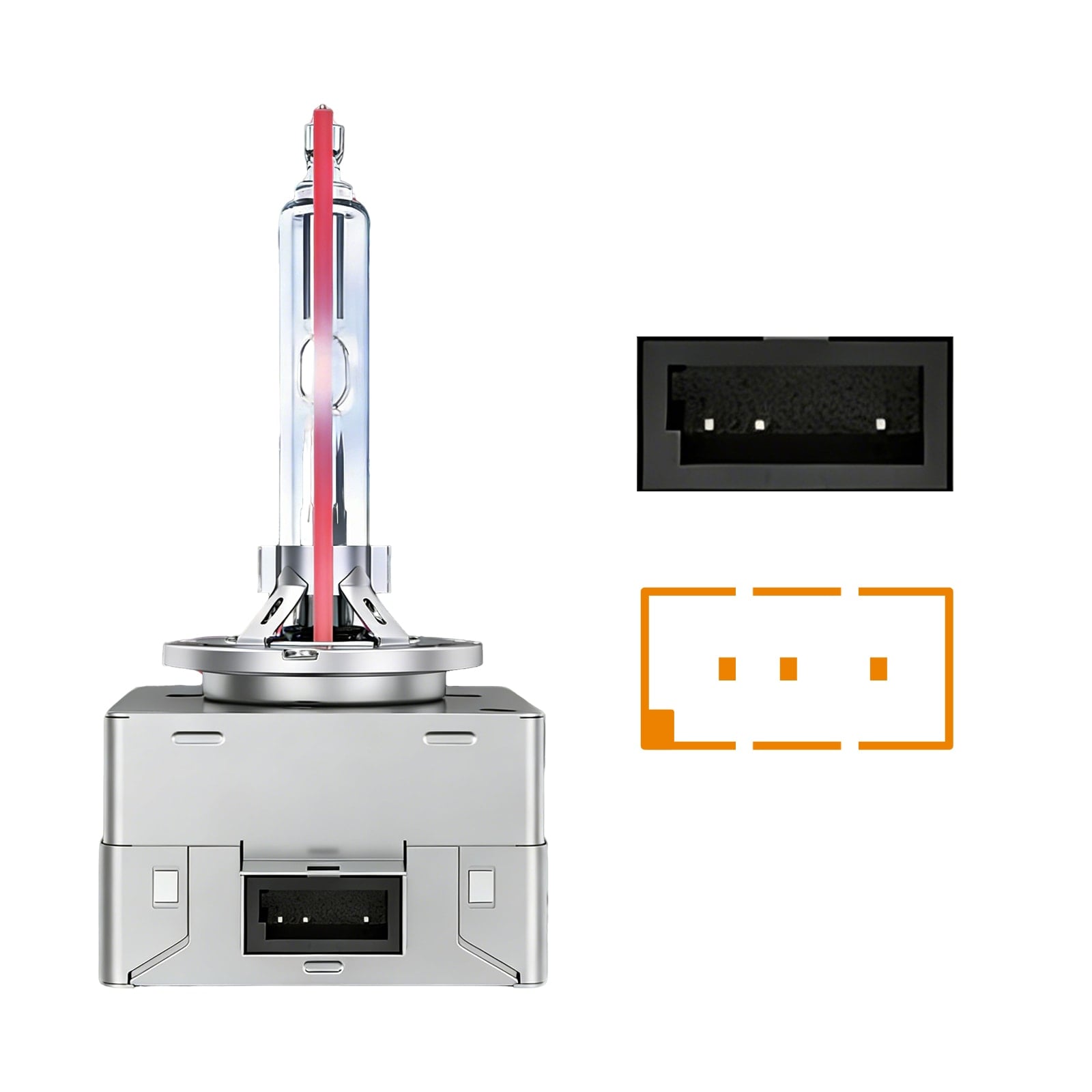
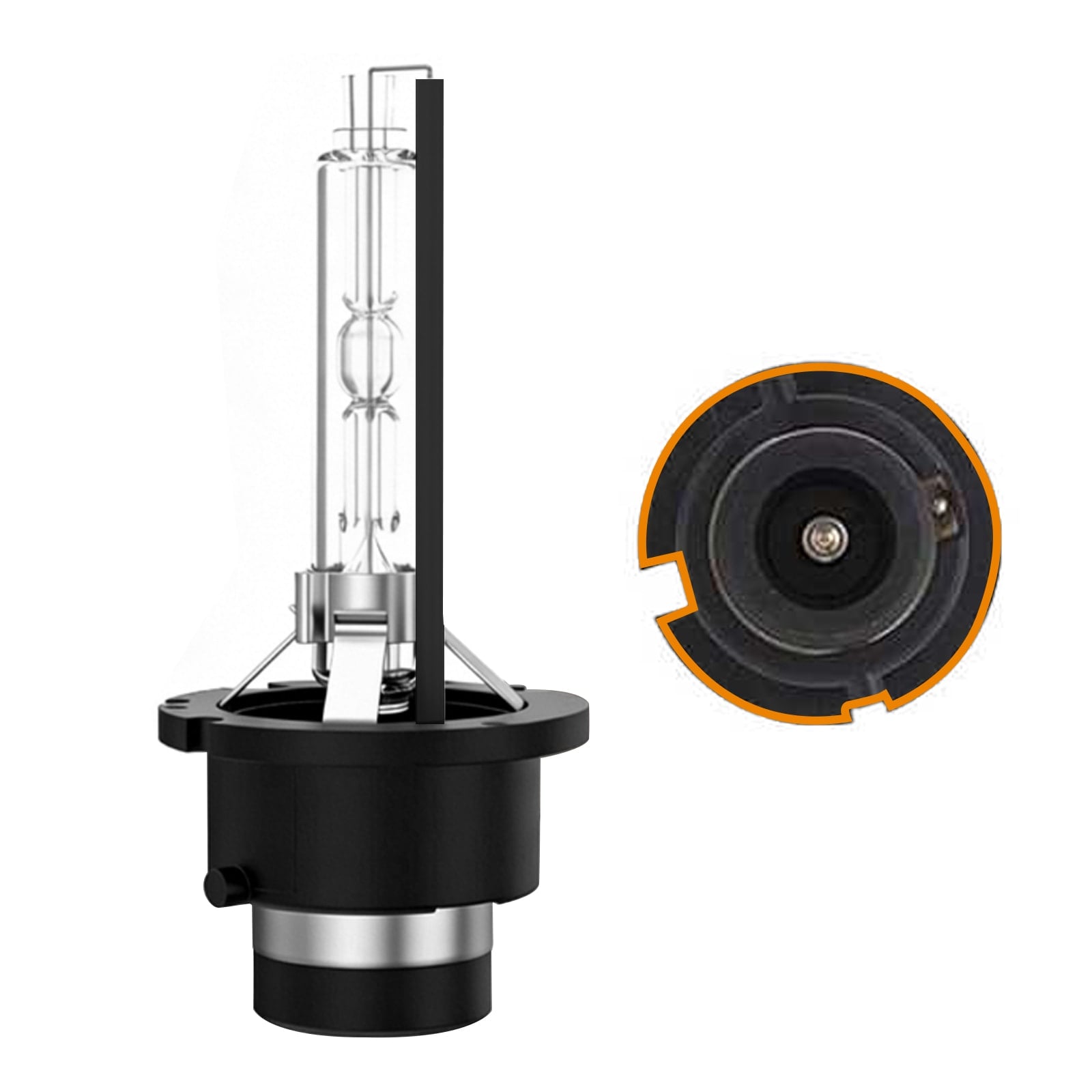
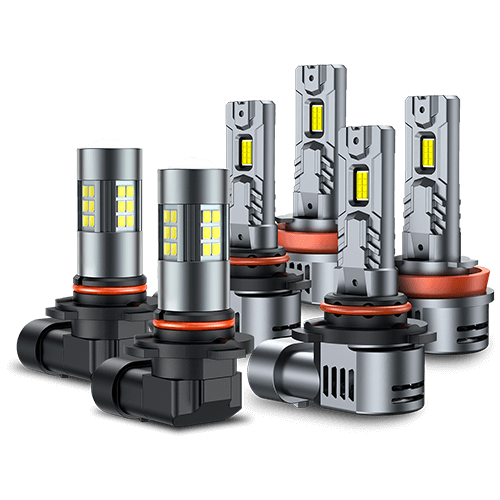
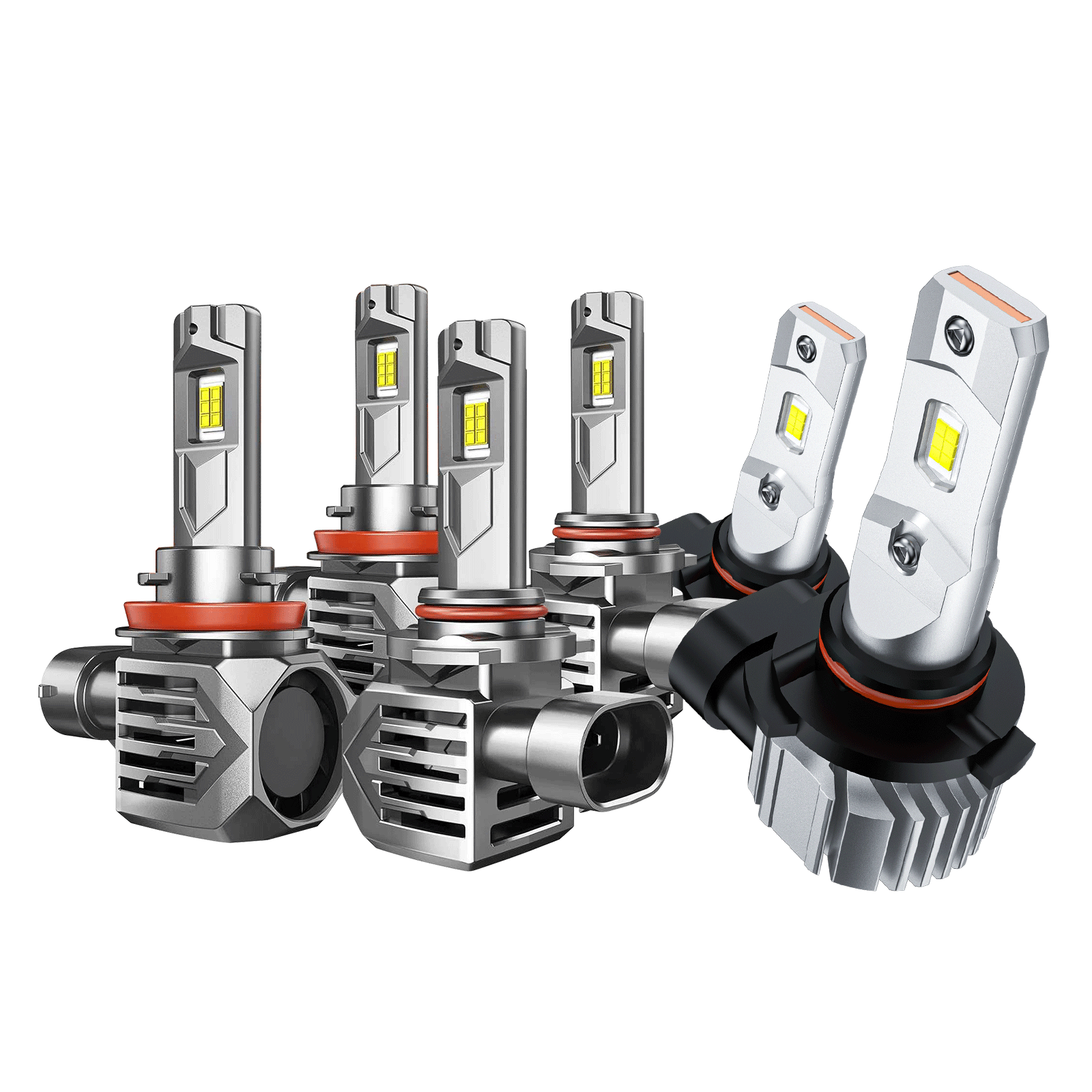
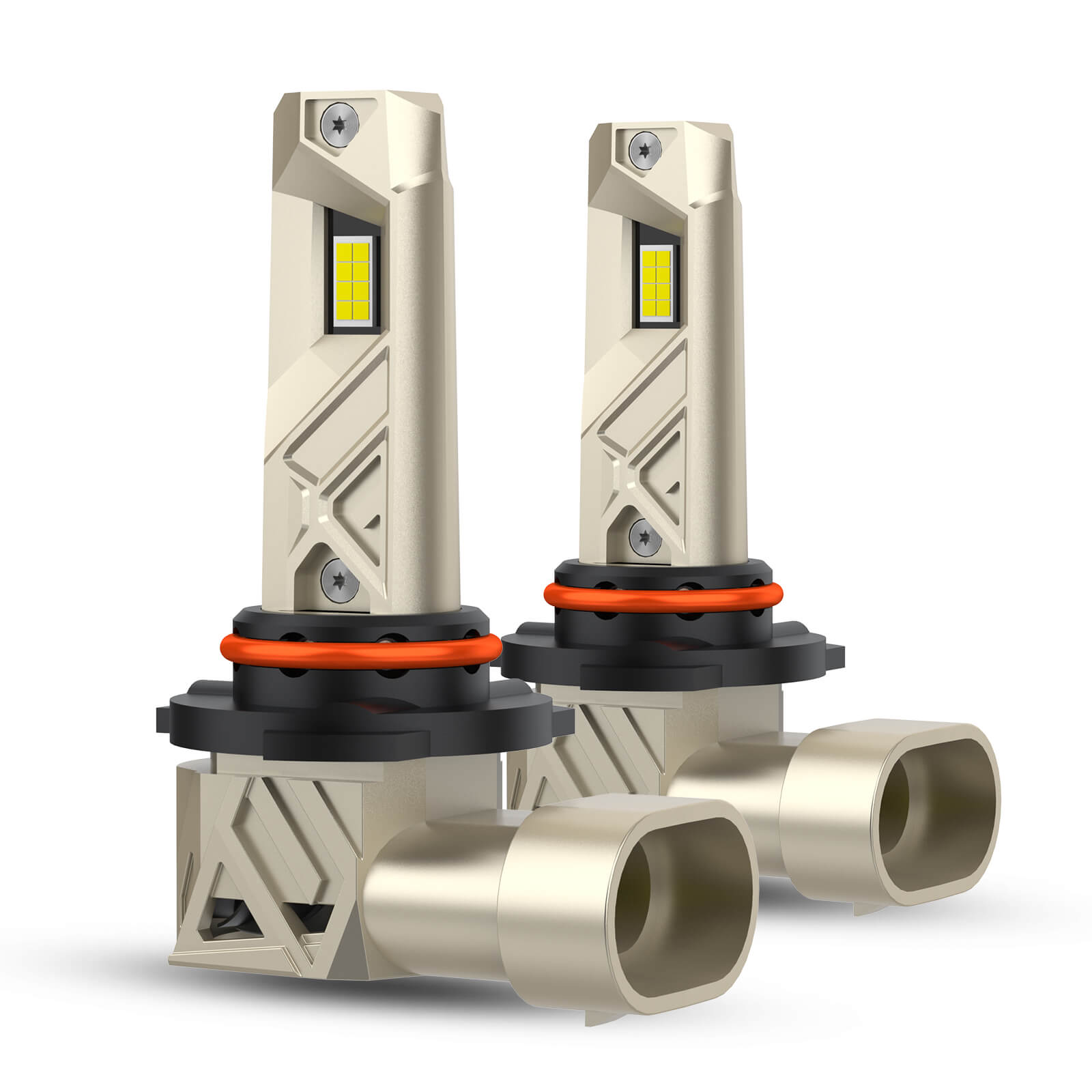
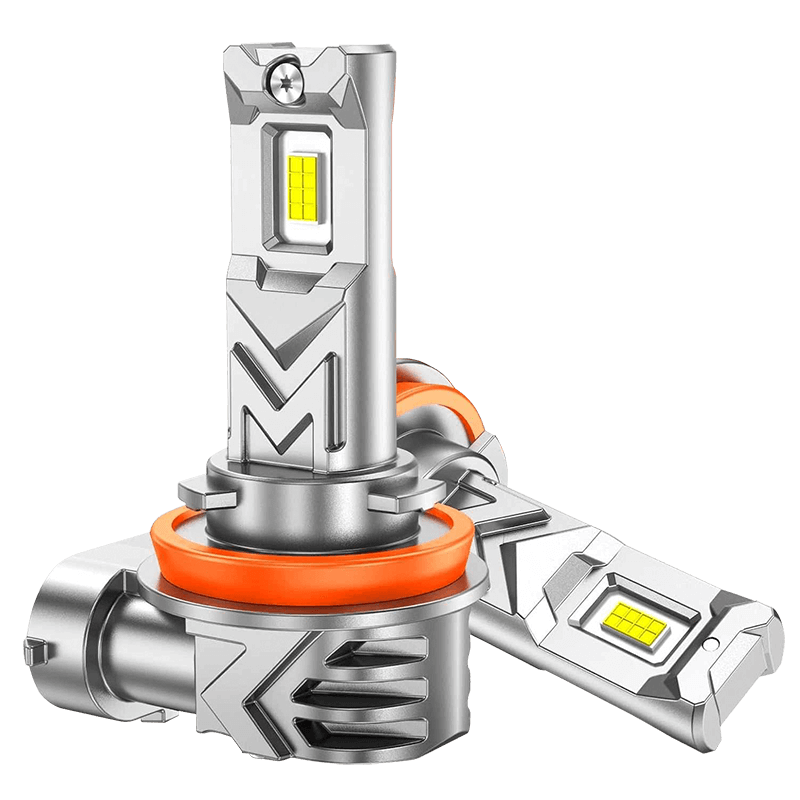
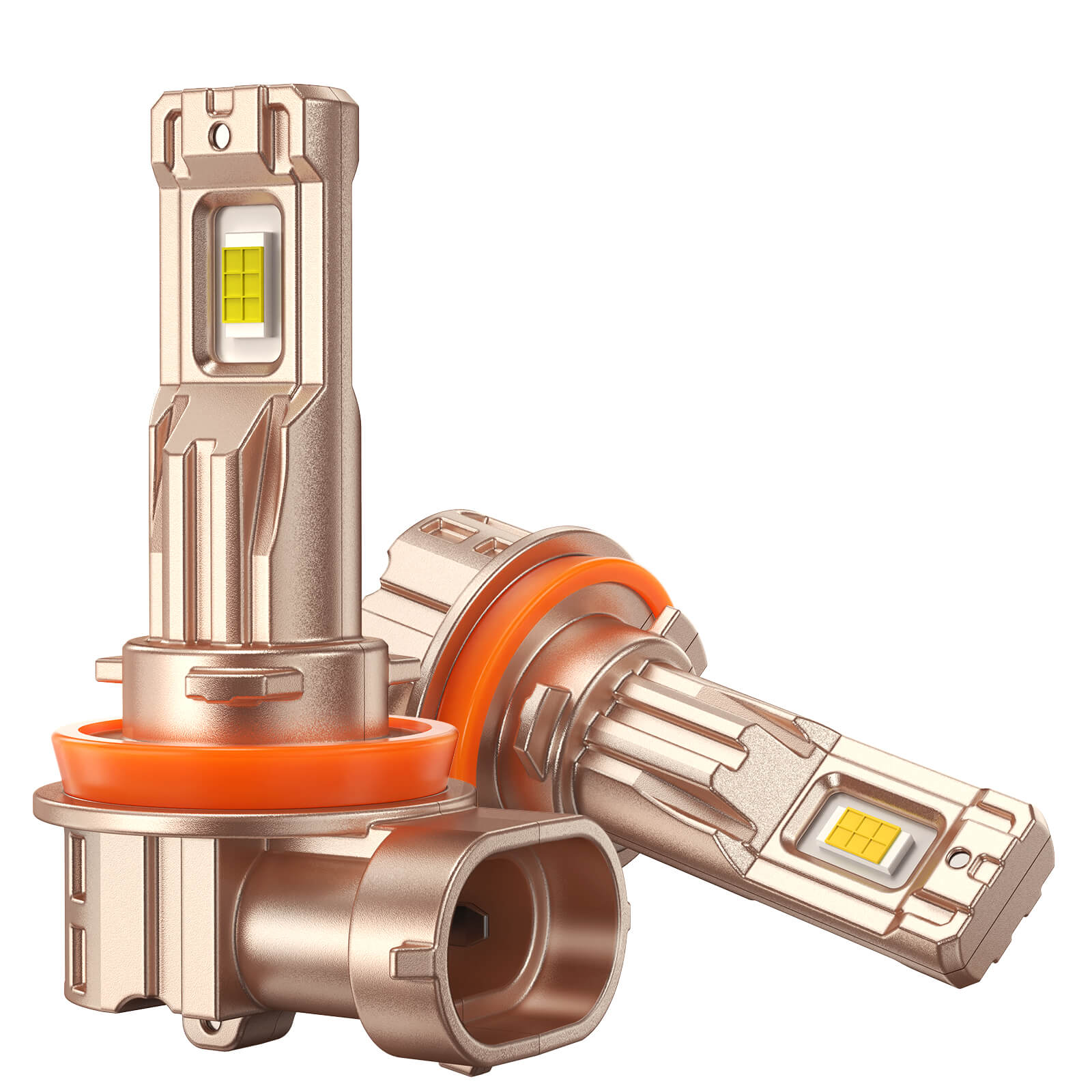
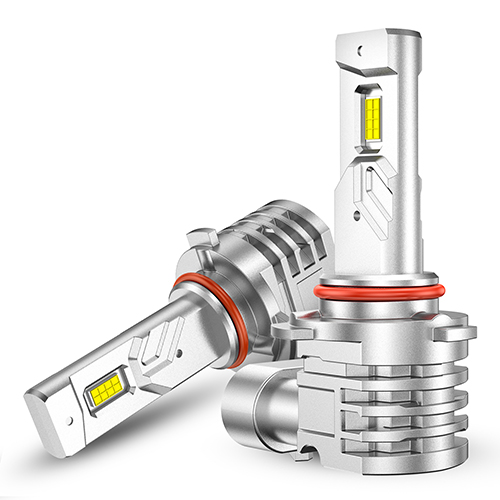
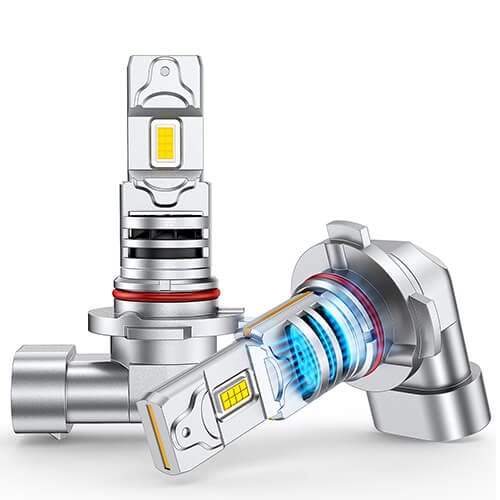
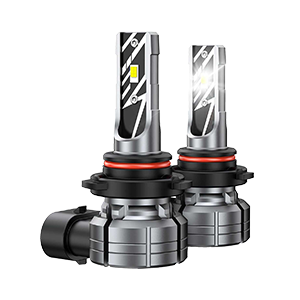
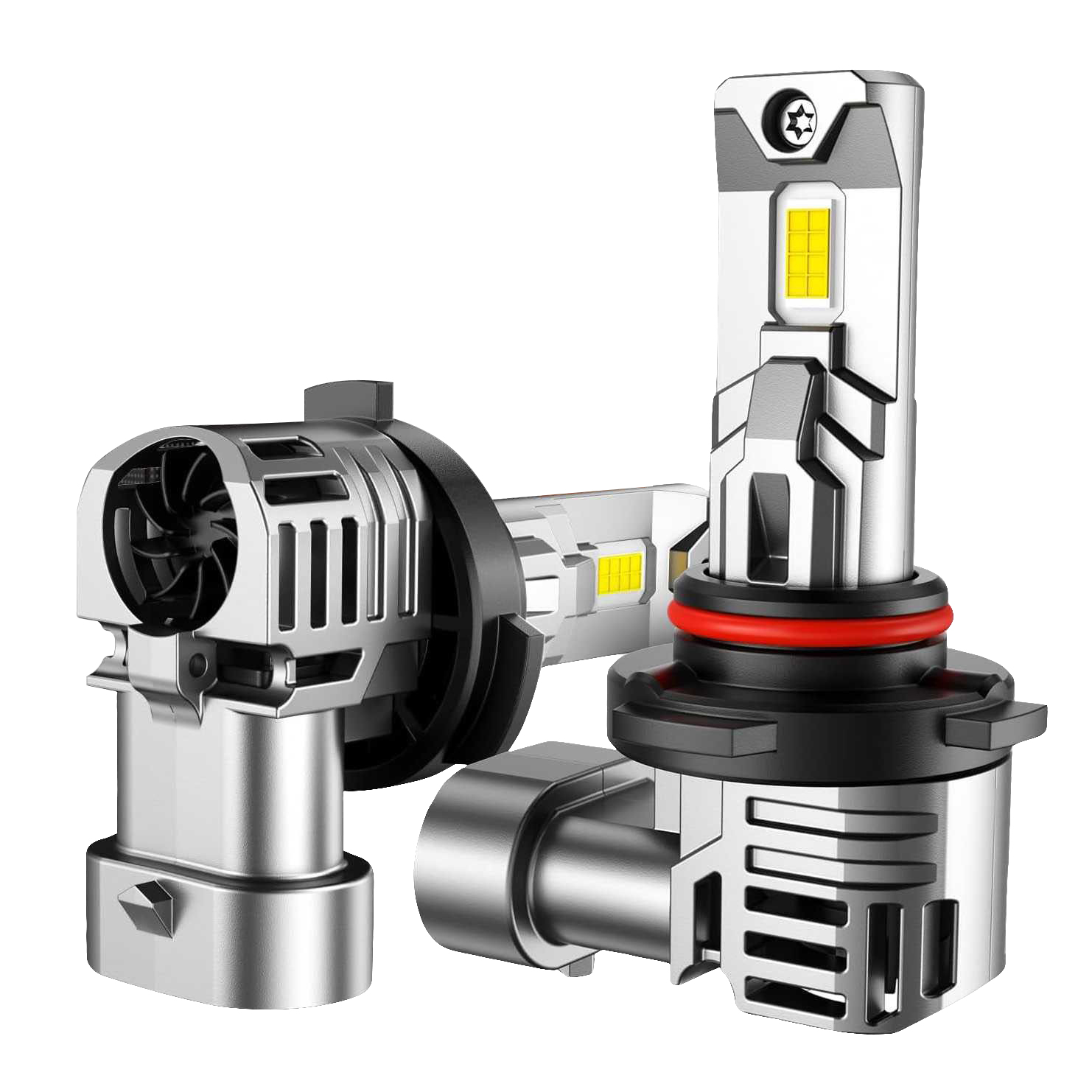
If your Impala’s headlights are dim or uneven, upgrading to modern LED bulbs can make a noticeable difference in visibility and confidence behind the wheel. SEALIGHT LED bulbs for Chevrolet Impala provide brighter, longer-lasting illumination compared to traditional halogen bulbs.

Is the Chevrolet Impala Reliable?
Overall, the Impala is considered above average for reliability among full-size sedans. RepairPal gives it a 4.0 out of 5, based on repair frequency, severity, and ownership costs.
Its appeal comes from simple engineering, especially in non-turbo V6 models. Despite its affordable price, it competes well with more expensive sedans in ride comfort, cabin space, and everyday usability.
Average annual maintenance is estimated at $568, though actual costs depend on model year, mileage, and care. Older models require more frequent repairs, while 2015 and newer vehicles benefit from better build quality and fewer mechanical complaints.
In short, owners often praise the Impala for its smooth ride, predictable handling, and reasonable maintenance costs. Yet, like all cars, some issues appear more frequently in certain years.
Common Chevrolet Impala Problems
Even well-regarded vehicles can develop recurring issues over time, and the Chevrolet Impala is no exception. Based on long-term owner reports, professional repair data, and documented recall trends, several problem areas appear more frequently than others. Below are the most commonly reported Chevrolet Impala problems, along with realistic repair considerations to help owners and buyers understand what to expect.
Transmission Issues (Primarily Older Models)
Transmission problems are among the most frequently reported issues for the Chevrolet Impala, especially in mid-2000s models built roughly between 2005 and 2011. Owners commonly report symptoms such as rough or jerky shifting, delayed engagement when shifting into gear, slipping gears, and in more severe cases, complete transmission failure.
In early stages, issues may be mitigated with a transmission fluid service, solenoid replacement, or software updates. However, once internal components are worn, a transmission rebuild or full replacement is often required. Later-generation Impalas show fewer complaints in this area, suggesting improvements in transmission design over time.
Power Door Lock and Electrical Malfunctions
Some Impala owners—particularly those with higher-mileage or older vehicles—report issues with power door locks failing to respond or operating inconsistently. While not as widespread as transmission problems, these electrical faults are usually traced to failing door lock actuators or aging wiring inside the door panels.
In most cases, replacing the faulty actuator resolves the issue. If problems persist, inspecting the wiring harness for broken or frayed connections is often necessary.
HVAC and Heater Problems
Heating and air conditioning complaints appear across multiple Impala generations. Common HVAC issues include:
- Blower motor failure
- Malfunctioning blend door actuators
- Inconsistent cabin heating or airflow
While not tied to a single problematic model year, these issues occur frequently enough to warrant attention—especially during a used-car inspection. In many cases, replacing the blower motor or blend door actuator restores proper operation. Heater core failures are less common but can be significantly more labor-intensive and costly to repair.
Excessive Oil Consumption
Some Chevrolet Impala engines—particularly certain V6 variants—have been reported to consume oil at a higher-than-normal rate without visible external leaks. This behavior typically indicates internal oil burning, often caused by worn piston rings or valve seals.
Owners are advised to monitor oil levels closely and follow strict oil-change intervals. A qualified technician can determine whether the issue can be managed through maintenance or if more extensive internal engine repairs are required.
Passlock Security System Issues (Early-2000s Models)
Early-2000s Chevrolet Impalas are well known for issues related to GM’s Passlock anti-theft system. Common symptoms include intermittent no-start conditions, a persistent security warning light, or the vehicle temporarily disabling the ignition system.
In many cases, replacing the ignition switch resolves the problem. While some owners opt to bypass the system, a proper repair is generally the most reliable long-term solution, especially for daily-driven vehicles.
Intake Manifold Gasket Leaks
Certain older Impala models have experienced coolant leaks caused by failing intake manifold gaskets. When left unaddressed, these leaks can lead to engine overheating, coolant contamination, and potential internal engine damage.
Replacing the intake manifold gasket and inspecting related cooling system components typically prevents repeat failures and restores normal operating temperatures.
General Electrical Issues
General electrical problems—including flickering dashboard lights, faulty sensors, instrument cluster malfunctions, and intermittent warning messages have been reported across various Impala model years. These issues are often the result of aging electrical components rather than a single widespread design defect.
Proper diagnosis is key, as symptoms can overlap across multiple systems. Addressing failing sensors or worn electrical connections early can help prevent cascading electrical problems.
| Problem Area | Common Issues |
| Transmission (Older Models) | Rough/jerky shifting, slipping gears, delayed engagement; may need fluid service, solenoid/software update, or full rebuild |
| Power Door Locks & Electrical | Locks fail or act inconsistently; faulty actuators or wiring issues |
| HVAC & Heater | Blower motor failure, faulty blend doors, uneven cabin heating; heater core failures less common |
| Excessive Oil Consumption | High oil use from worn piston rings/valve seals; may require engine repair |
| Passlock Security (Early 2000s) | No-starts, security light, ignition disabled; often fixed by replacing ignition switch |
| Intake Manifold Gasket | Coolant leaks causing overheating; gasket replacement needed |
| General Electrical | Flickering lights, faulty sensors, cluster malfunctions; aging components |
Common Chevrolet Impala Light Bulb Issues and Smart LED Upgrade Advice
Many Chevrolet Impala owners have shared honest feedback about the limitations of factory headlights. Most point to poor visibility with halogen bulbs and turn to LED upgrades in search of better performance. These real-world stories highlight recurring problems and offer valuable tips for anyone considering an upgrade.
Frequent Problems with Factory Halogen Bulbs
Owners across various Impala models often face the same frustrating issues:
- Low brightness
Standard halogen bulbs tend to provide weak light output, especially noticeable on dark country roads or during bad weather. - Unfocused beam pattern
Many factory housings rely on a single-bulb design paired with a shutter, which often leads to uneven, scattered light. - Short lifespan
Even premium halogen options like SilverStar often burn out too quickly, leading to repeated replacements. - Limited improvement with halogen upgrades
Swapping in brighter halogens rarely solves the root issues. Many drivers eventually move on to LED solutions for a more lasting fix.
Smart Tips for a Successful LED Upgrade
From online forums and community feedback, Impala owners have identified a few key lessons when upgrading to LEDs:
- Choose bulbs with proper alignment
Look for LEDs designed to mimic the position of halogen filaments. This helps maintain a sharp beam pattern and reduces glare. - Prioritize beam precision, not just brightness
High-lumen output sounds impressive but can be counterproductive if the light scatters. A well-directed beam improves visibility without blinding other drivers. - Ensure electrical compatibility
Some Impala models are sensitive to changes in bulb load. Using LEDs with built-in CANbus decoders can help eliminate flickering or warning lights on the dashboard. - Match the correct size and fit
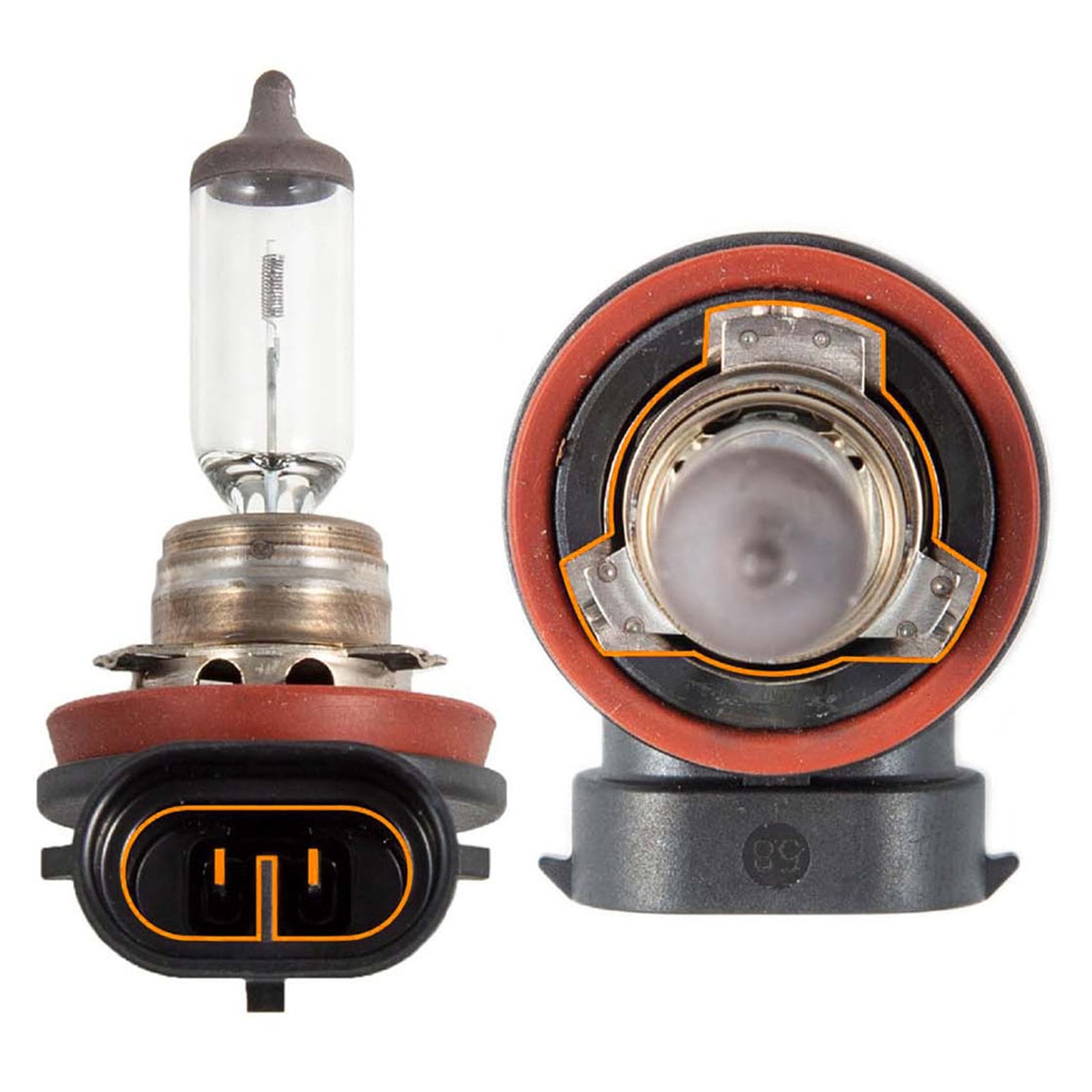
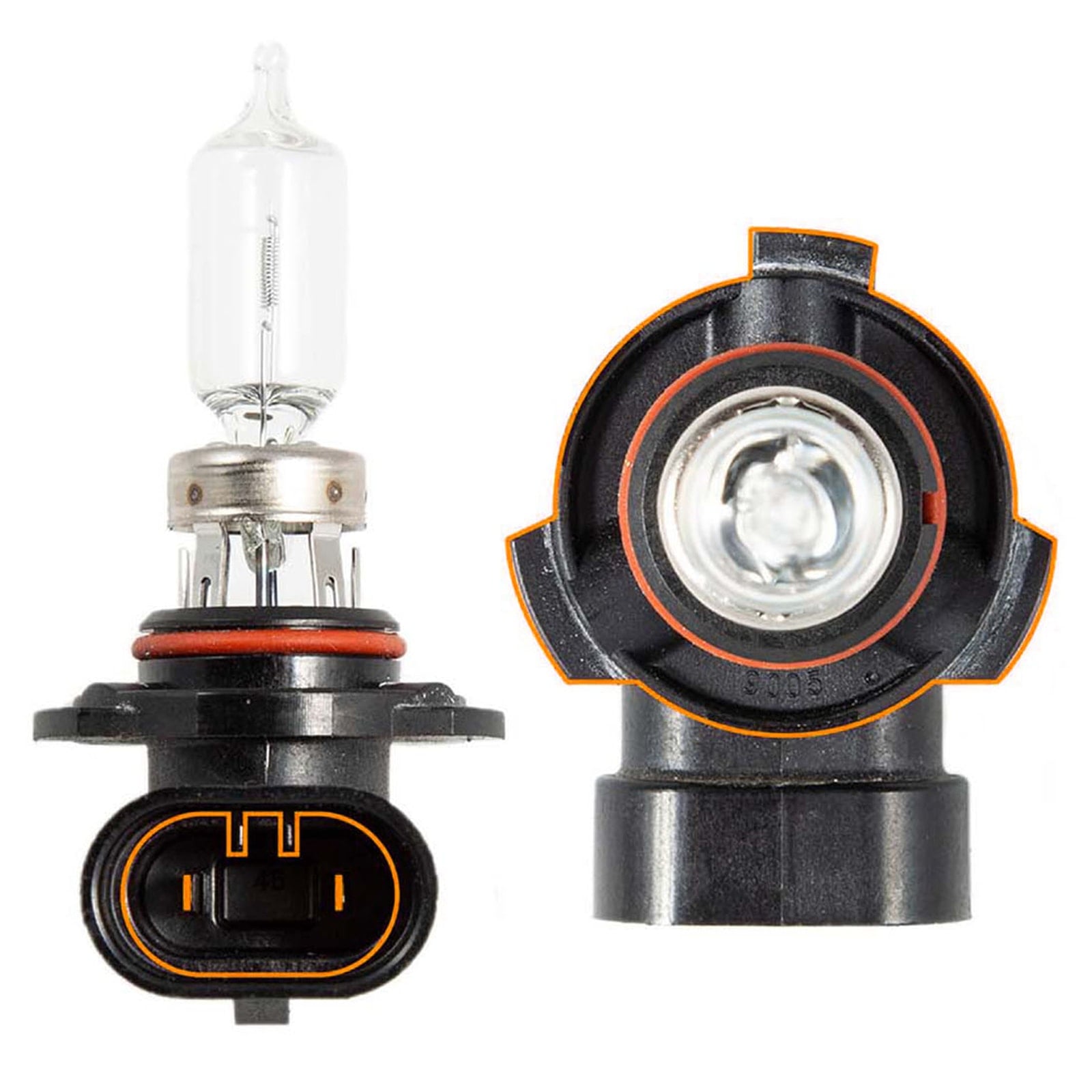
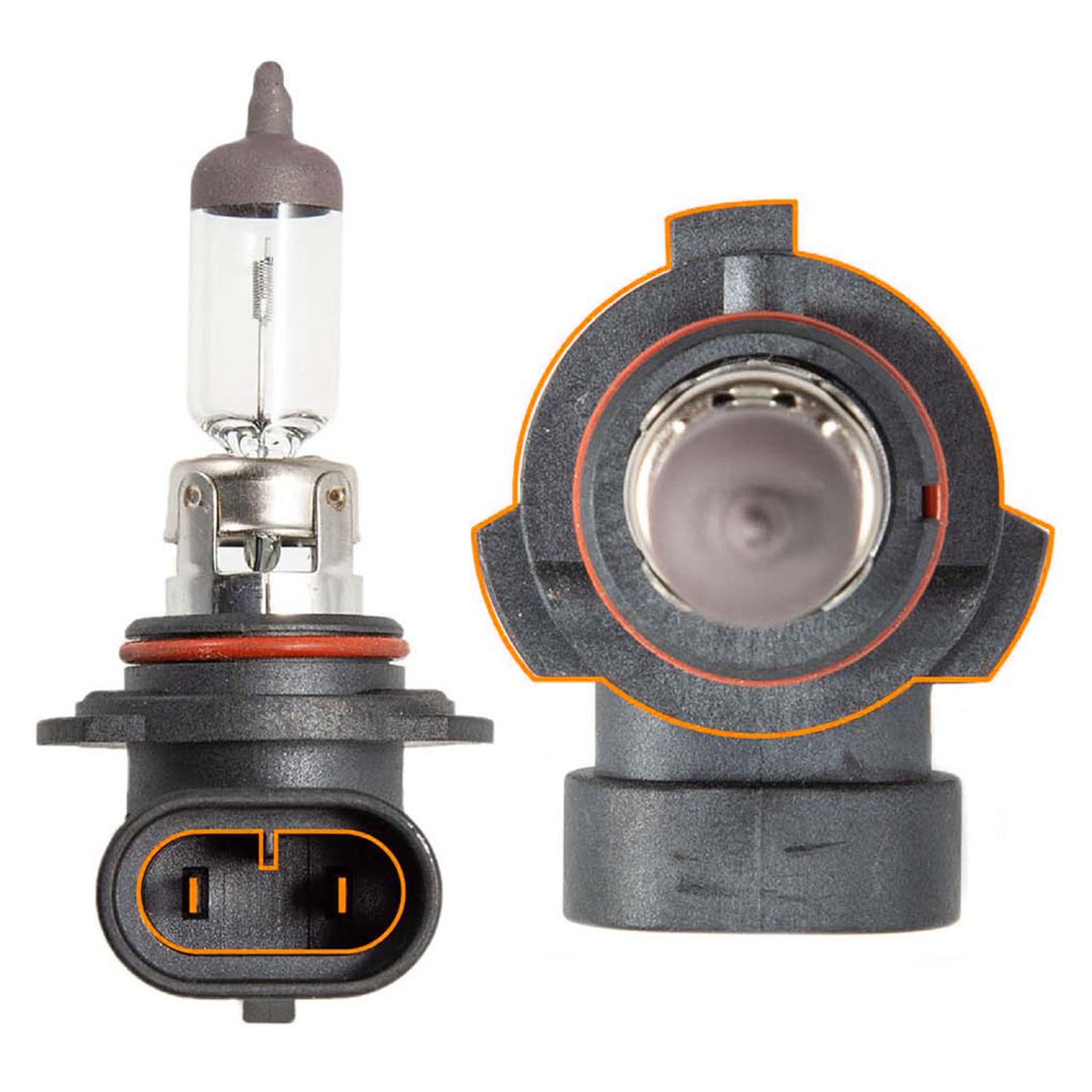
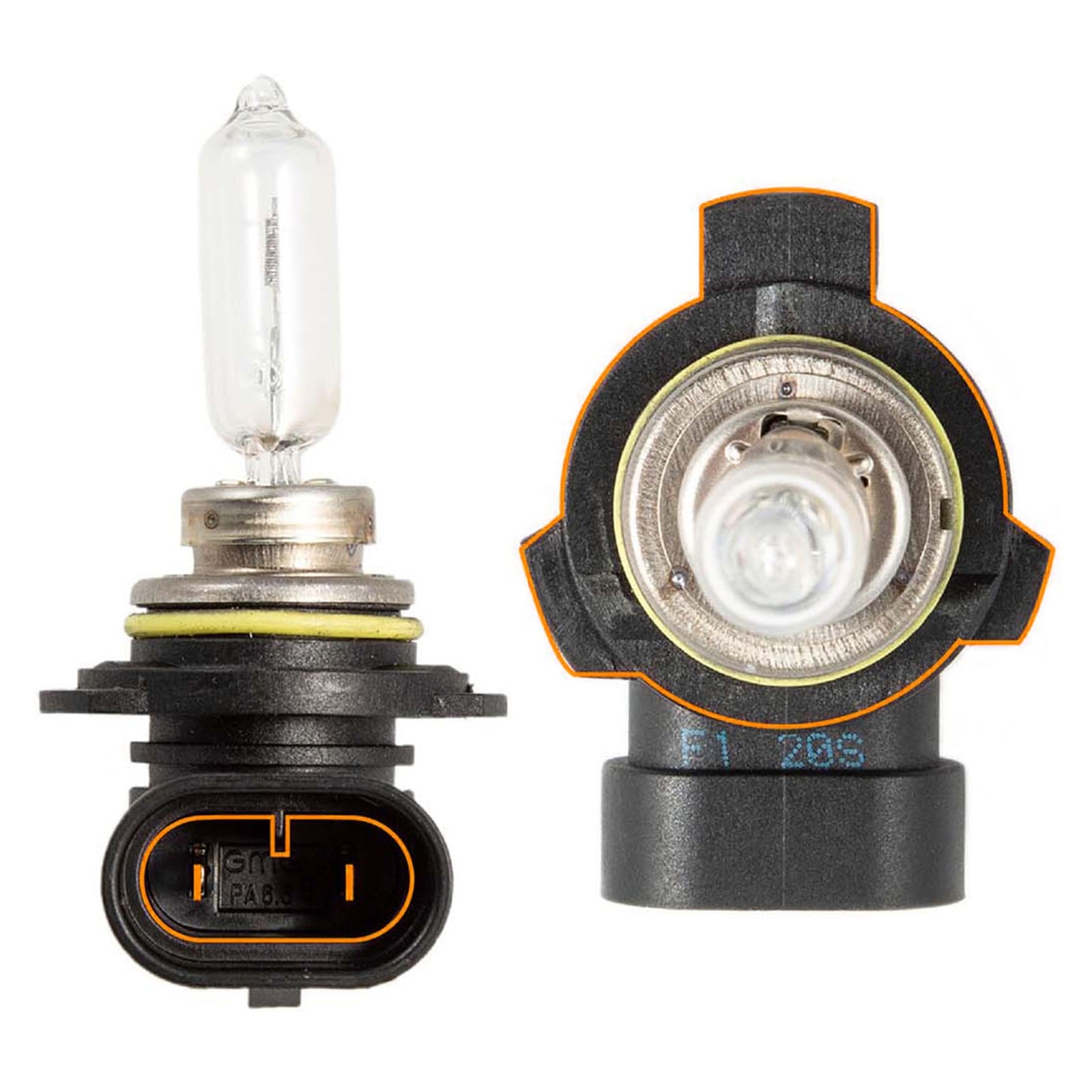
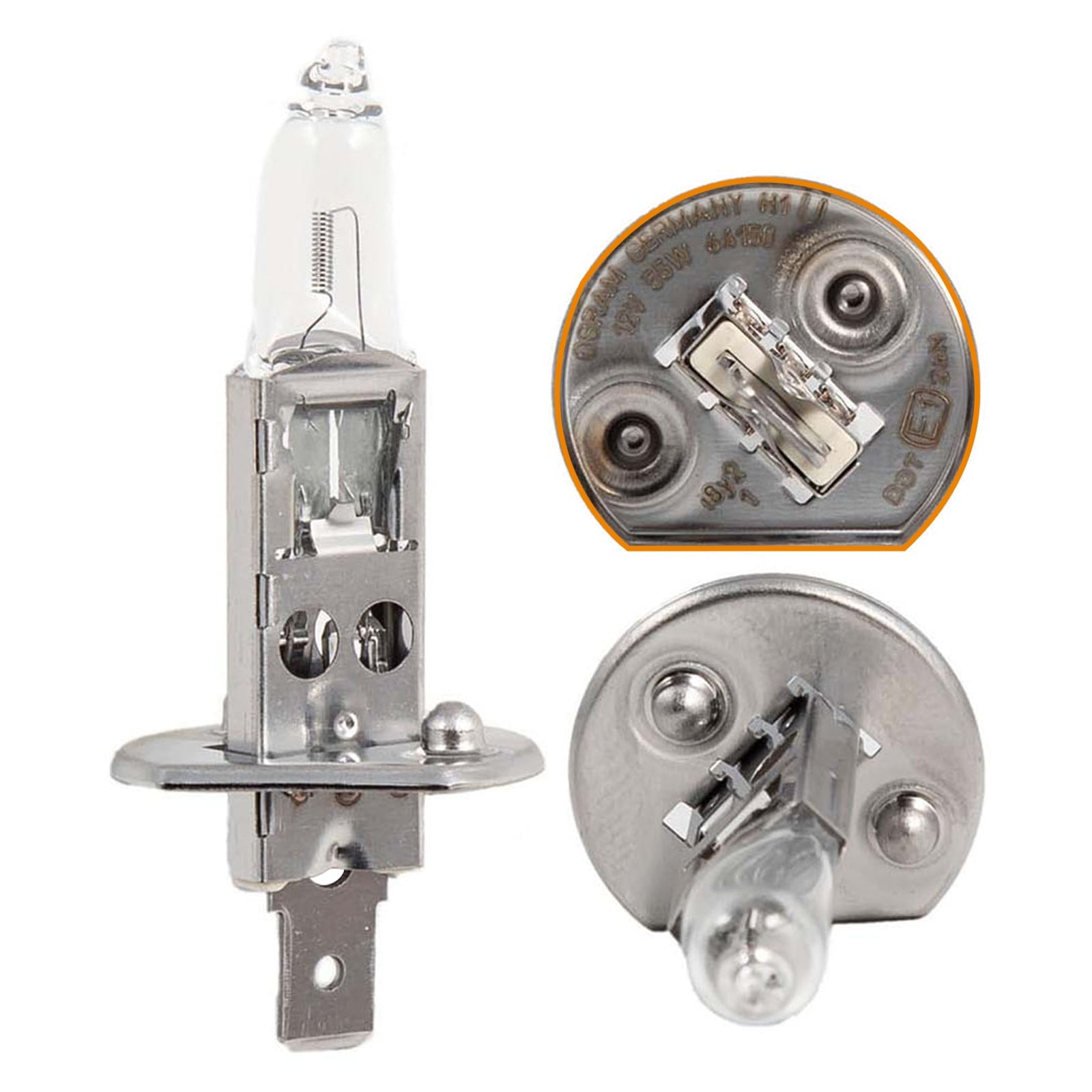
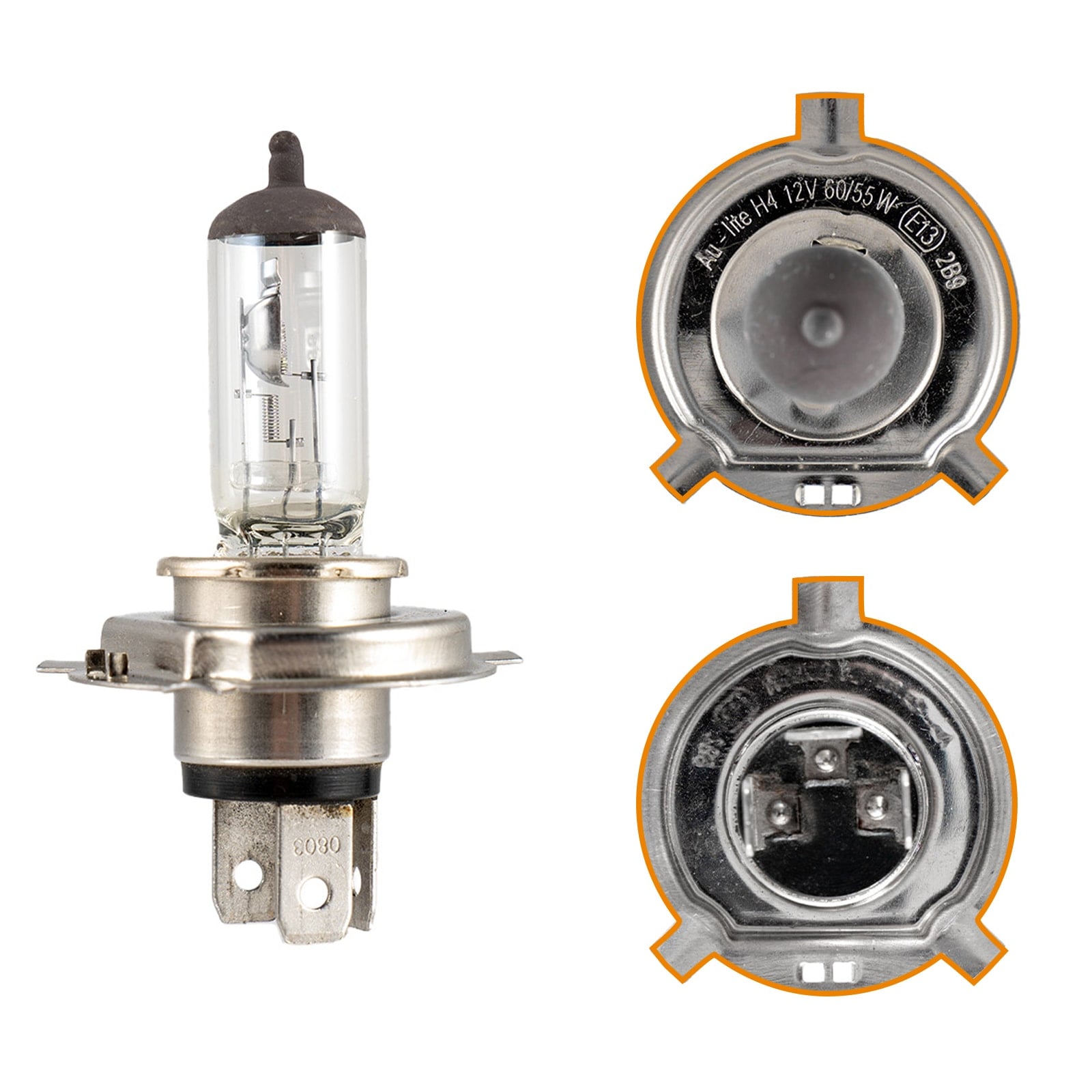
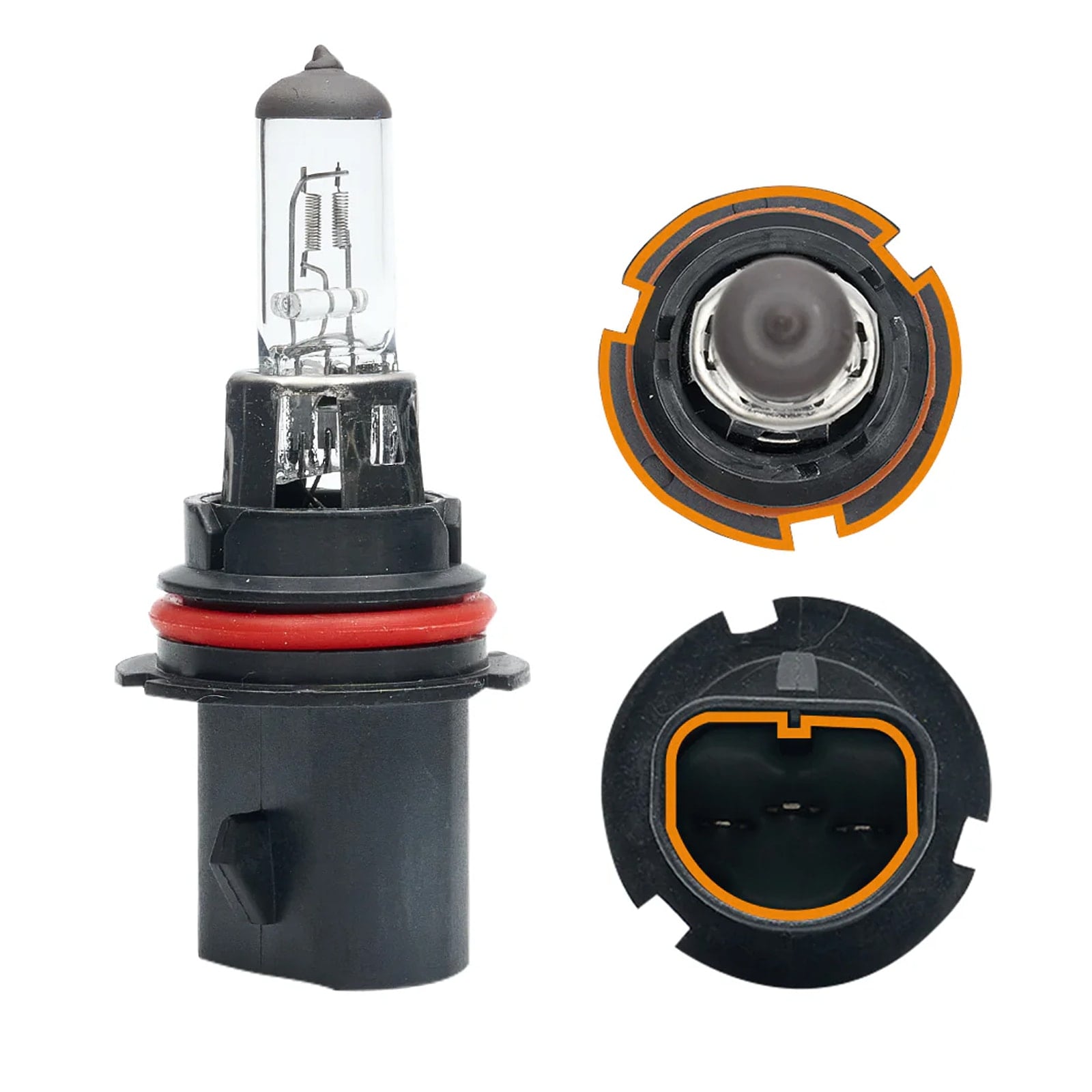
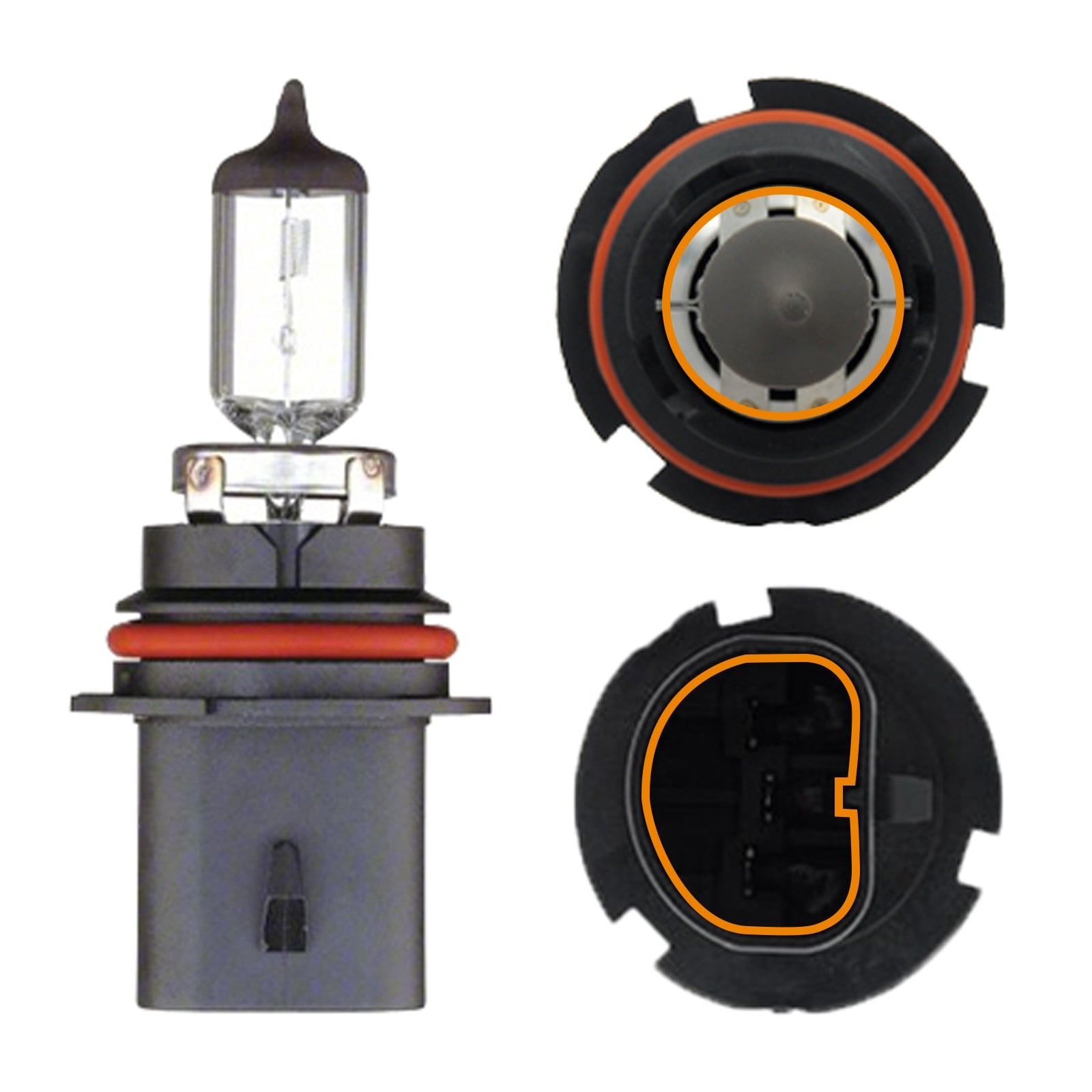
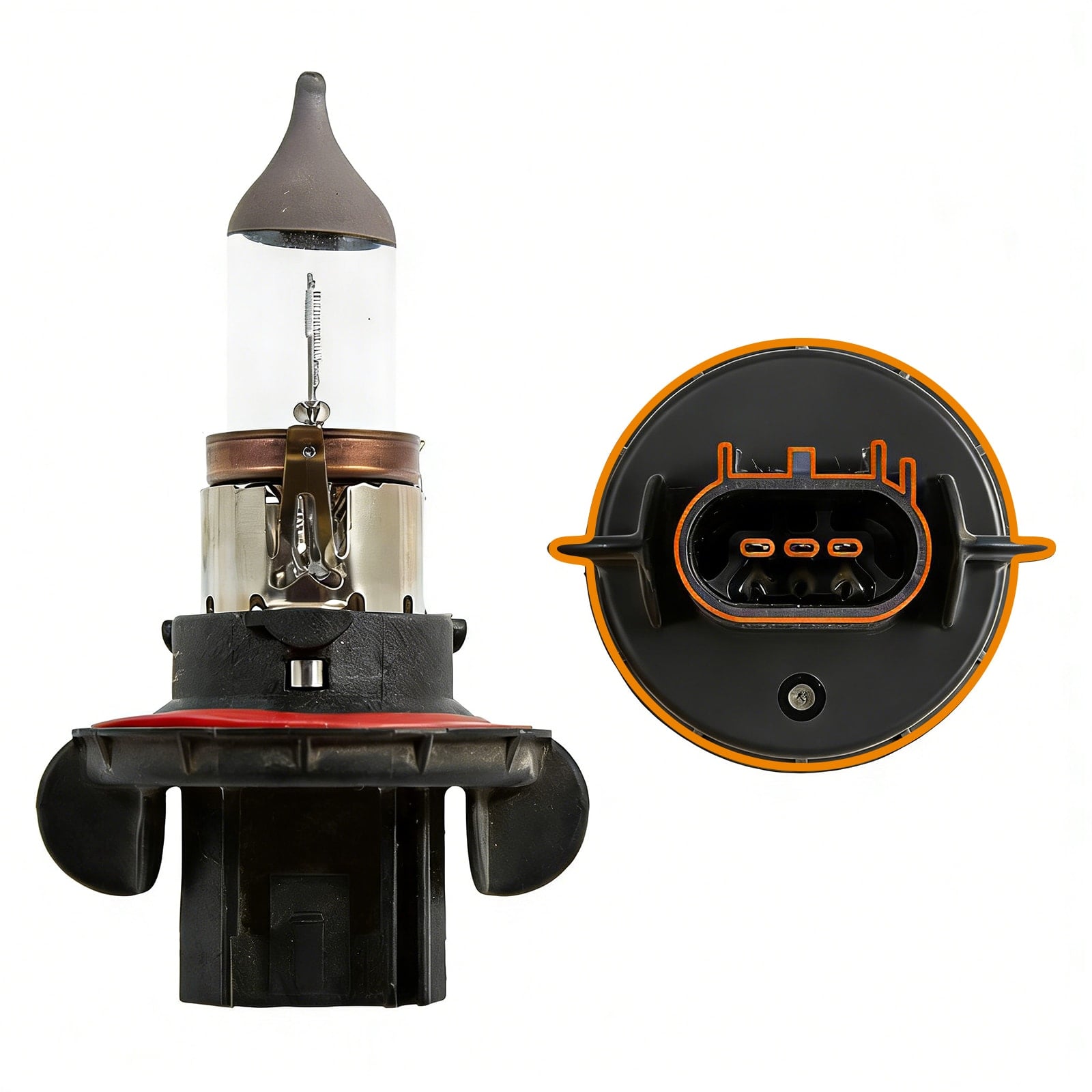
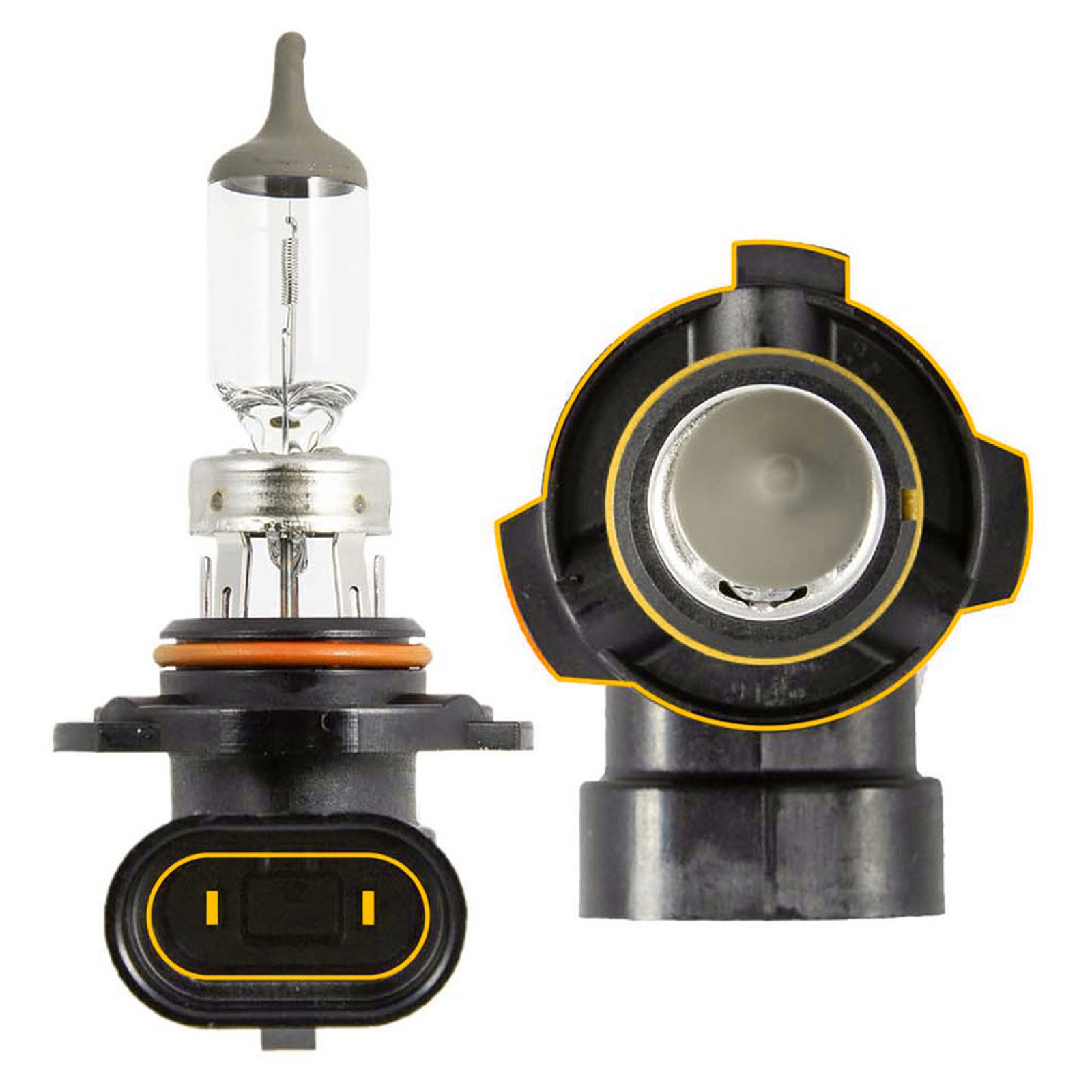
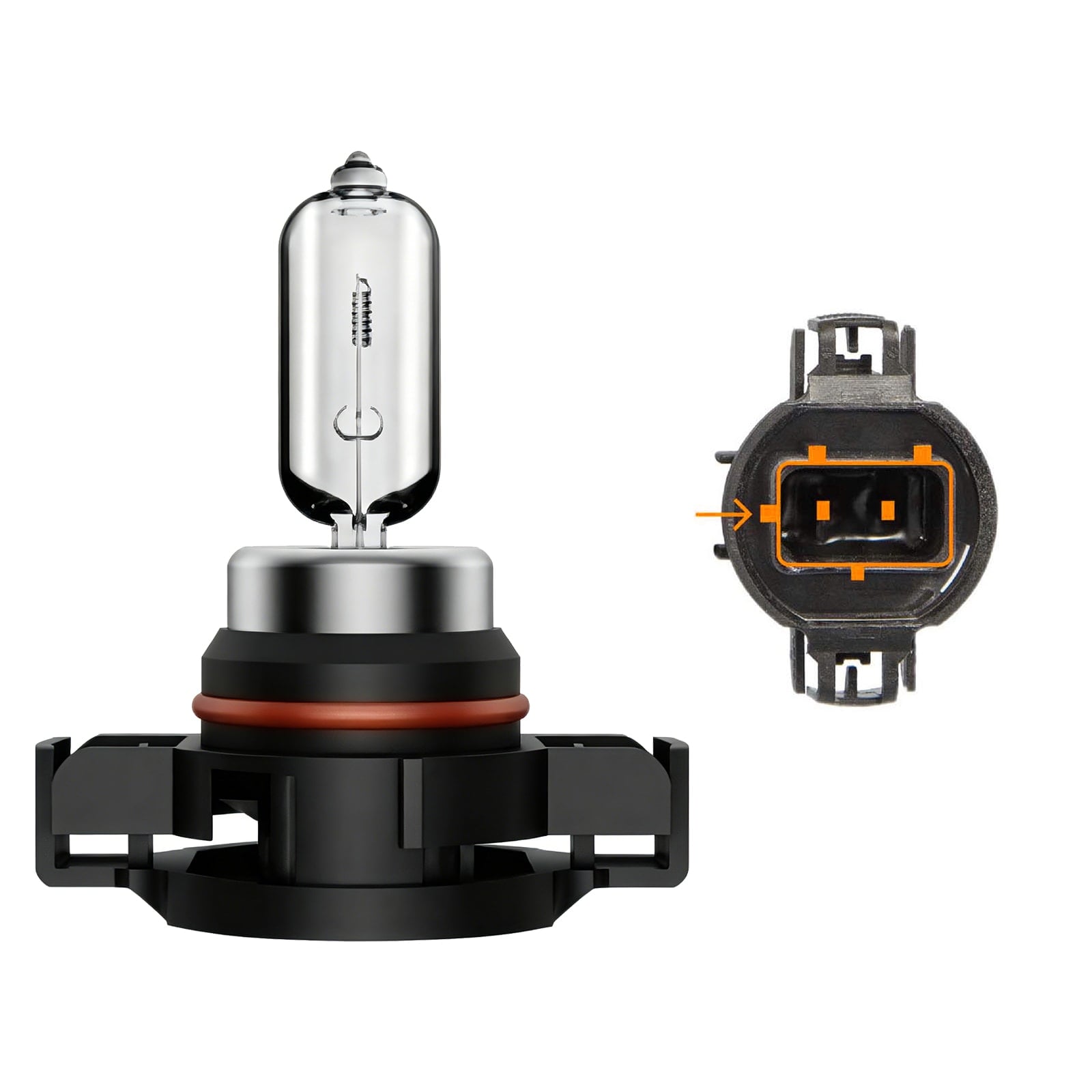
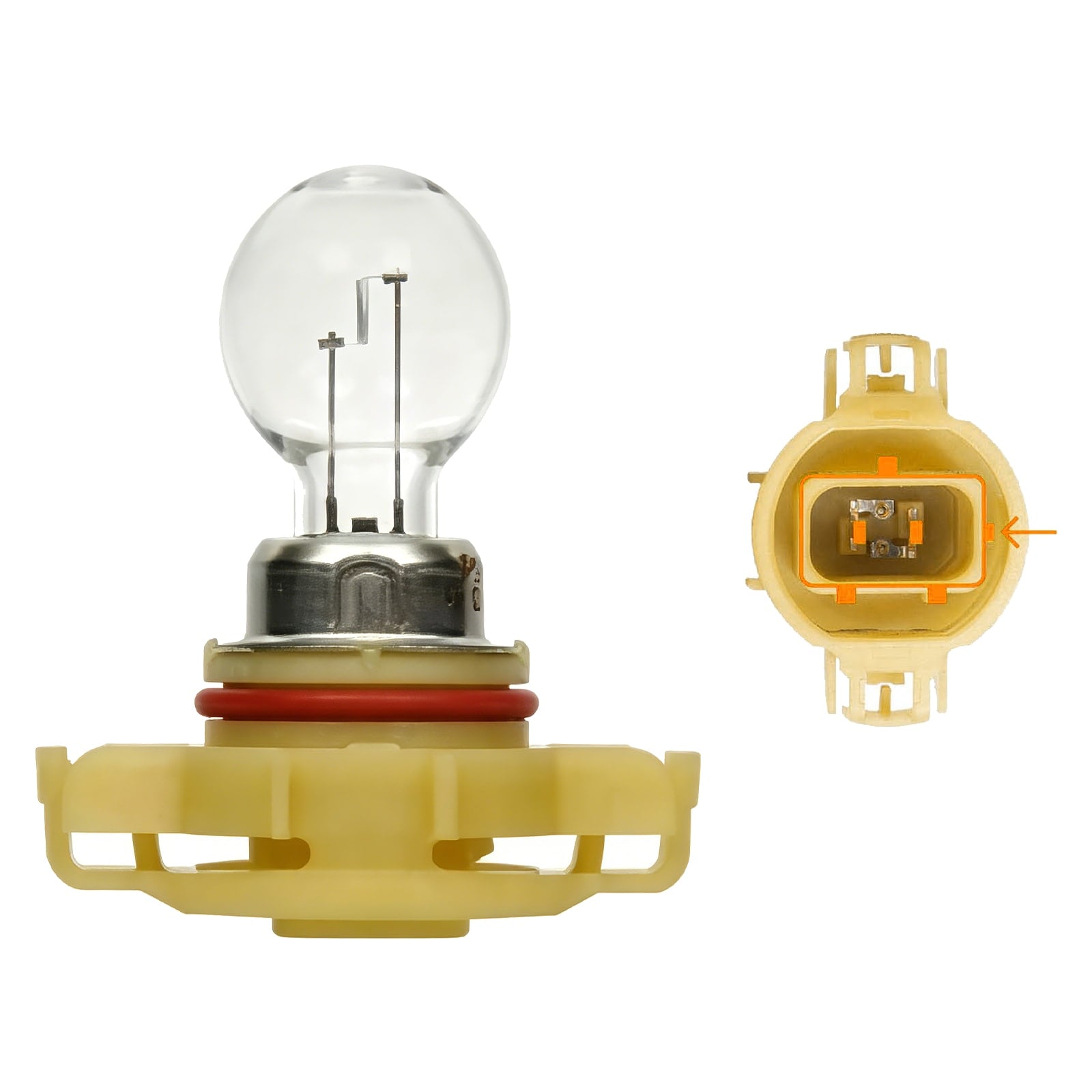
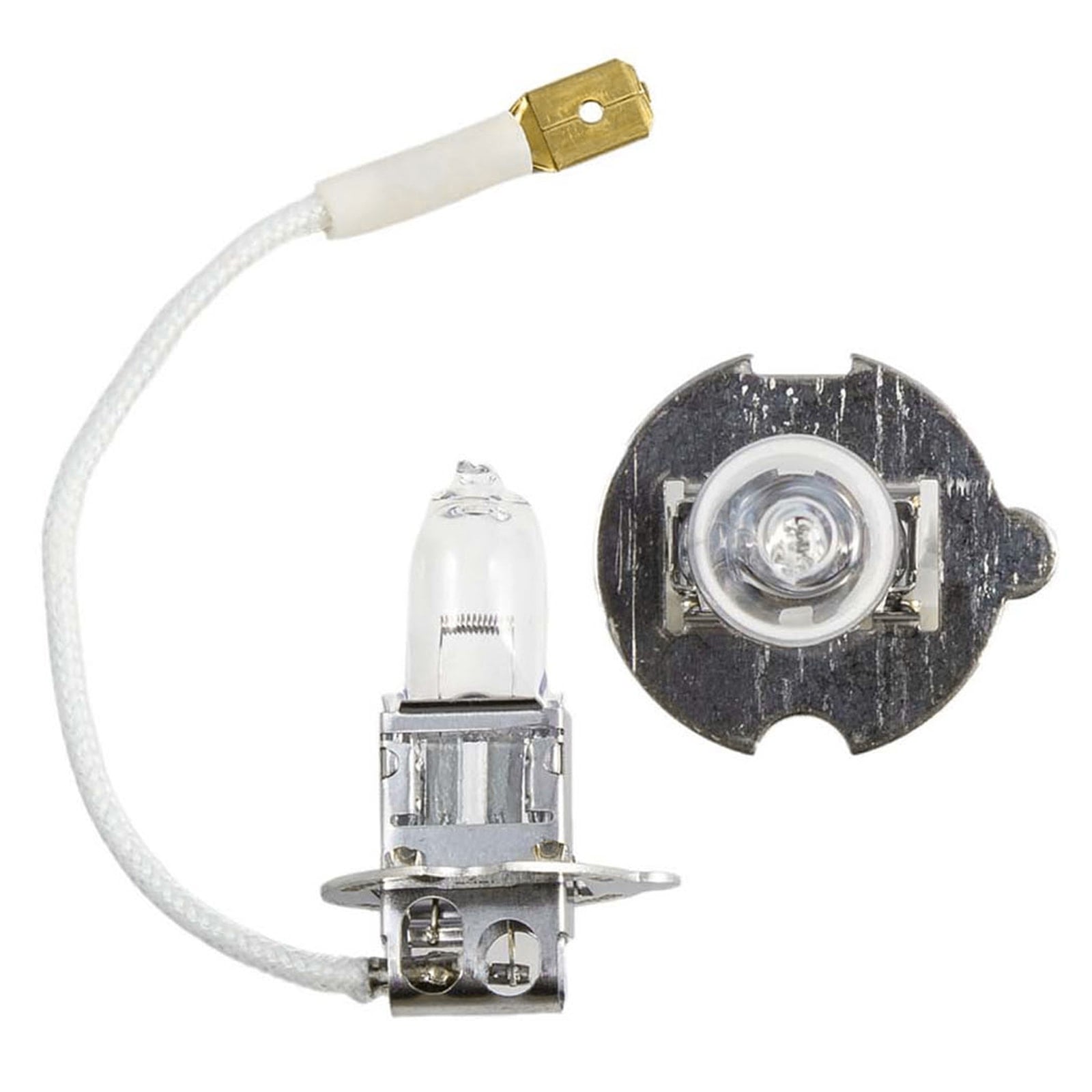
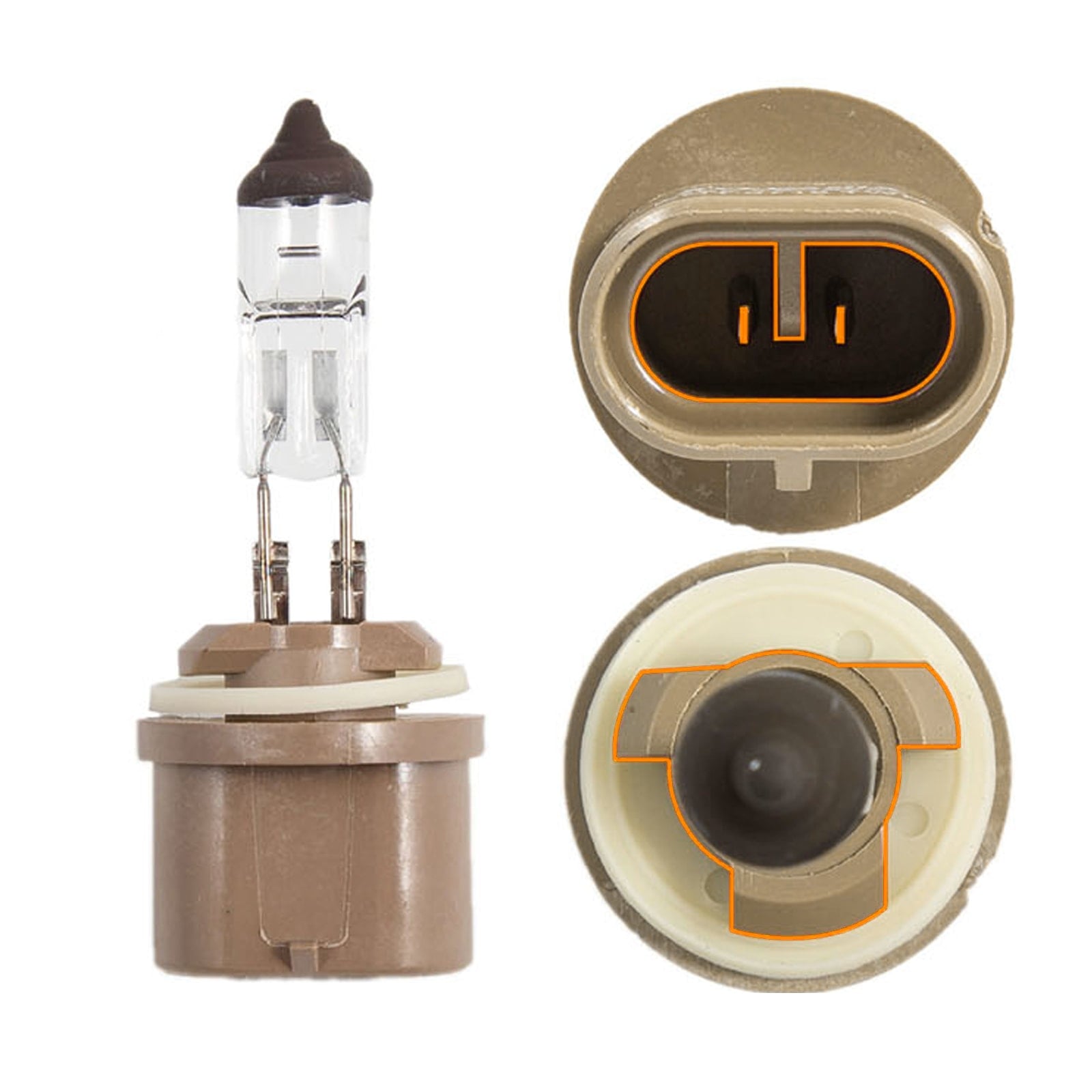
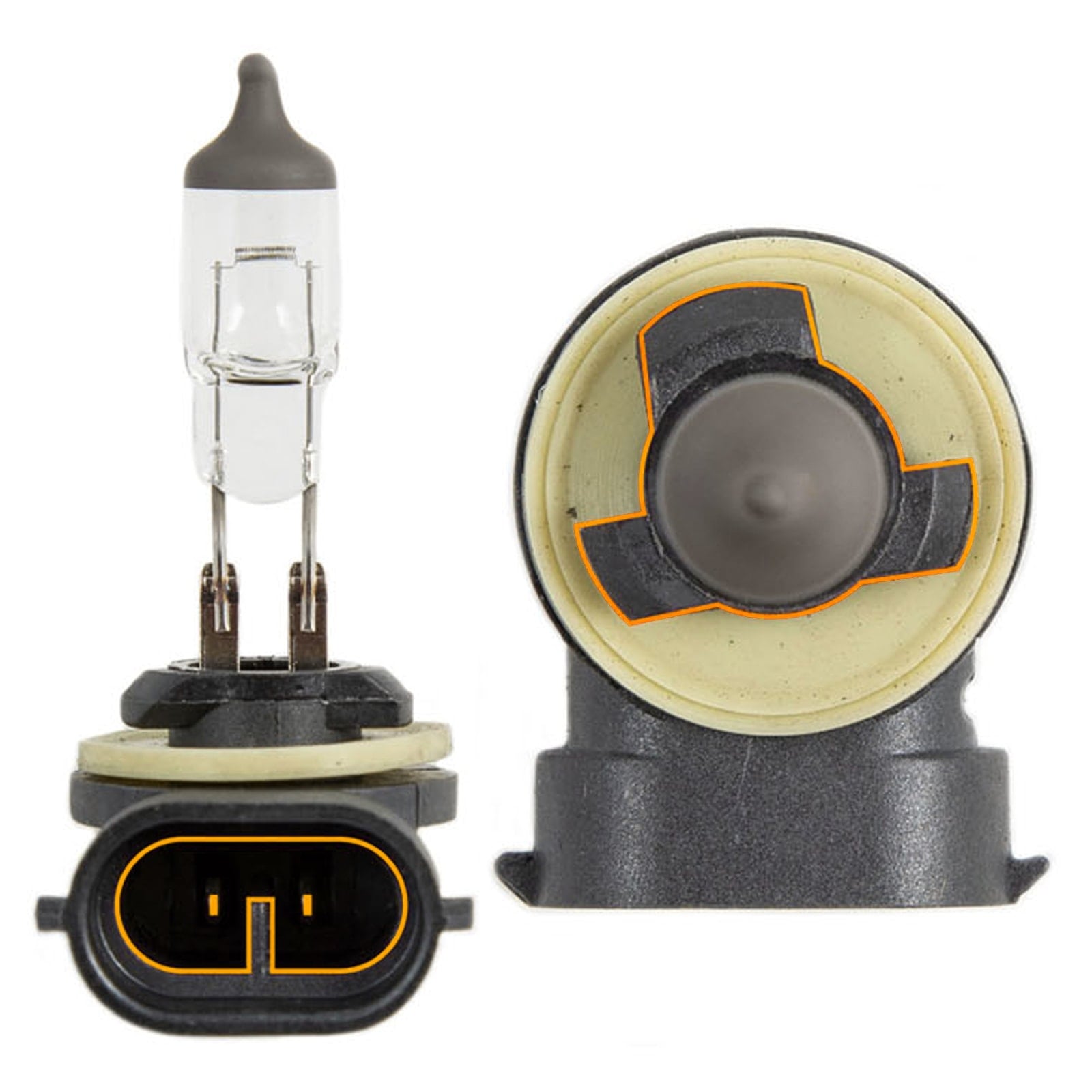
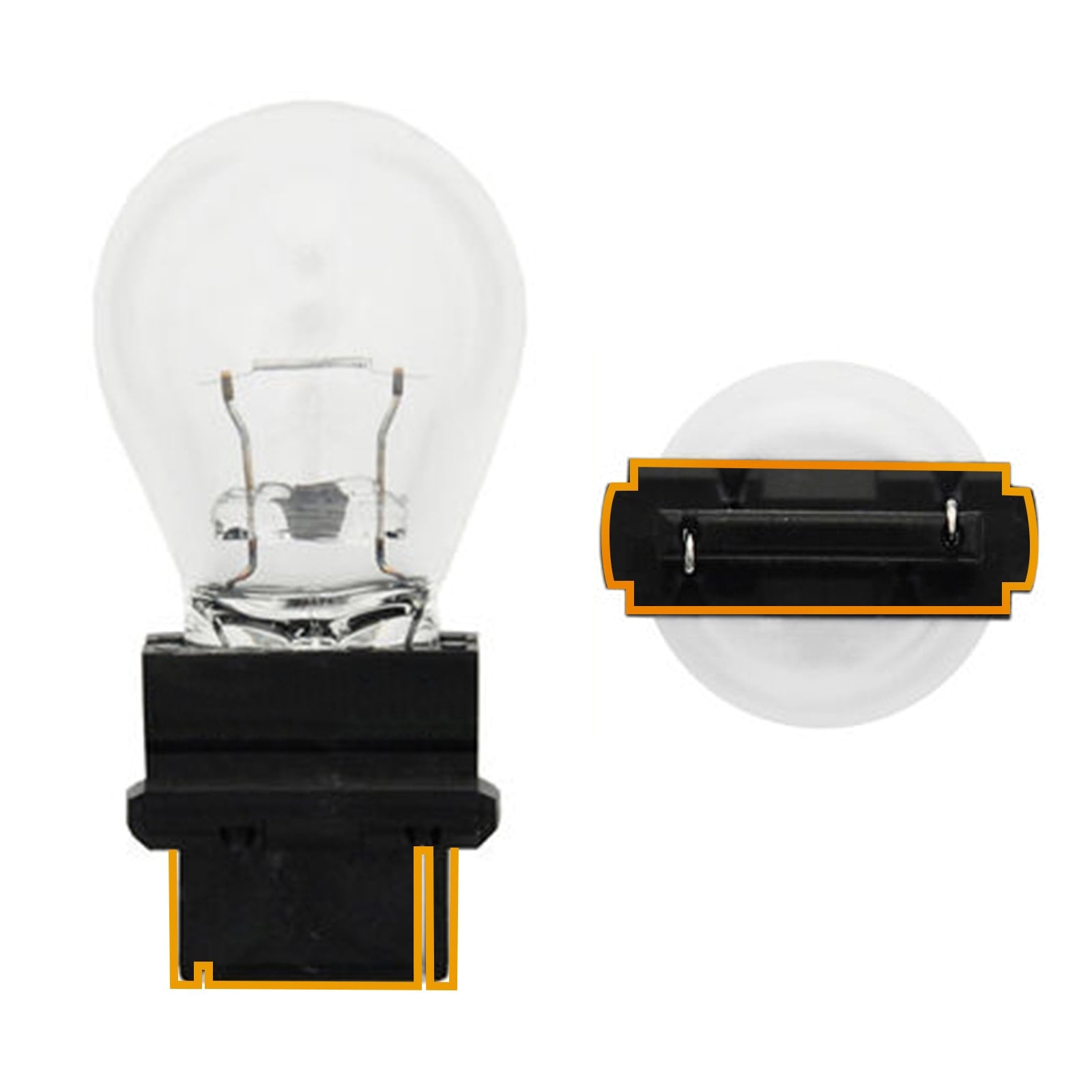
Always confirm the bulb type that fits your model year, such as 9005, 9012, or H11. An exact match ensures a hassle-free installation.
Why LED Makes Sense for Impala Drivers
Most Impala owners don’t upgrade just for appearance. Their focus is on safer and more reliable night driving. LEDs offer stronger road illumination, hold up longer than halogens, and deliver a steadier output over time.
SEALIGHT is built with these needs in mind. Our LED bulbs feature plug-and-play convenience, precise filament positioning for clean beam patterns, and a durable design that stands up to daily use. For Impala drivers frustrated with stock headlights, LED upgrades provide a clear and practical improvement.
Check out the most popular LED upgrades for Chevy Impala below:
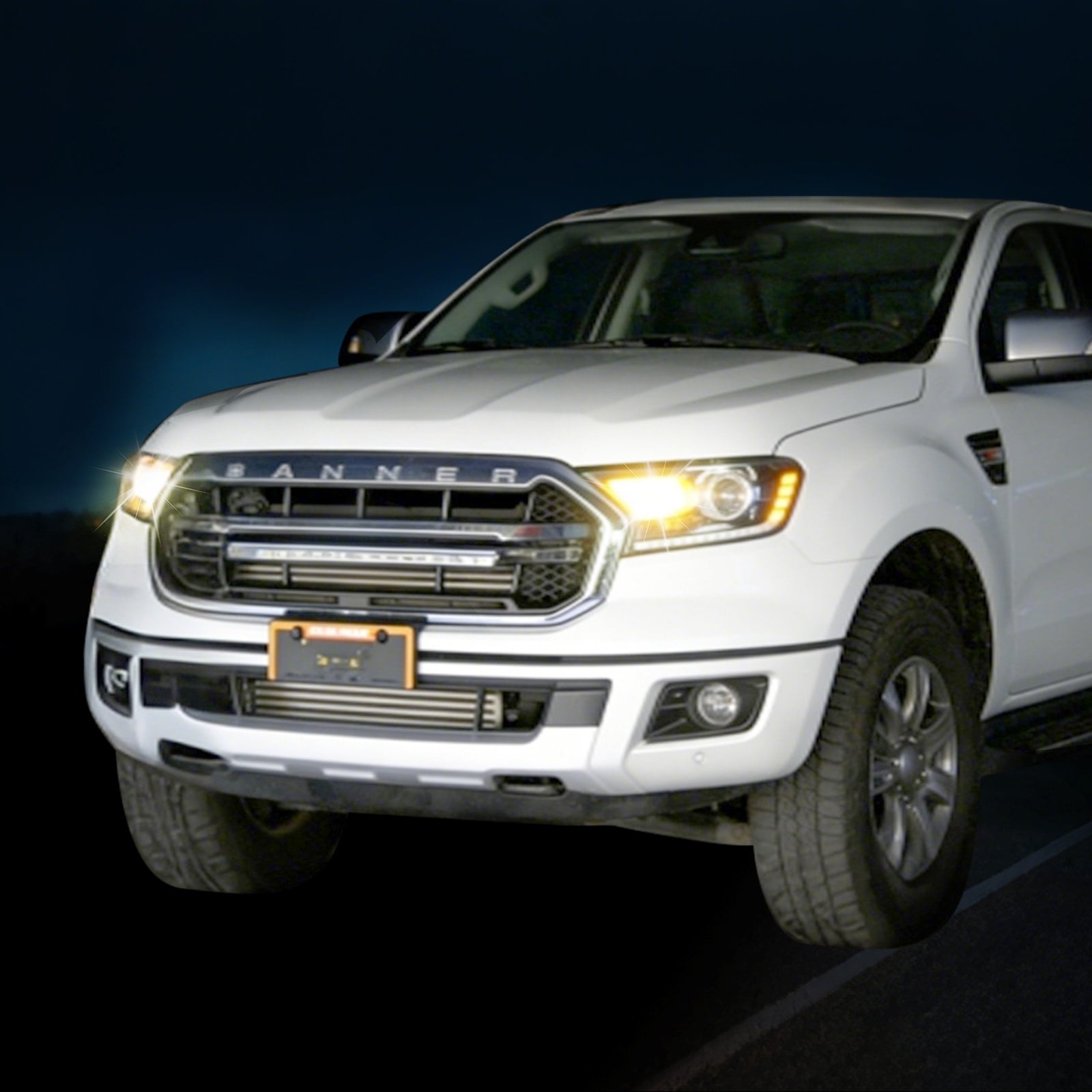
Chevrolet Impala LED Headlight Bulbs
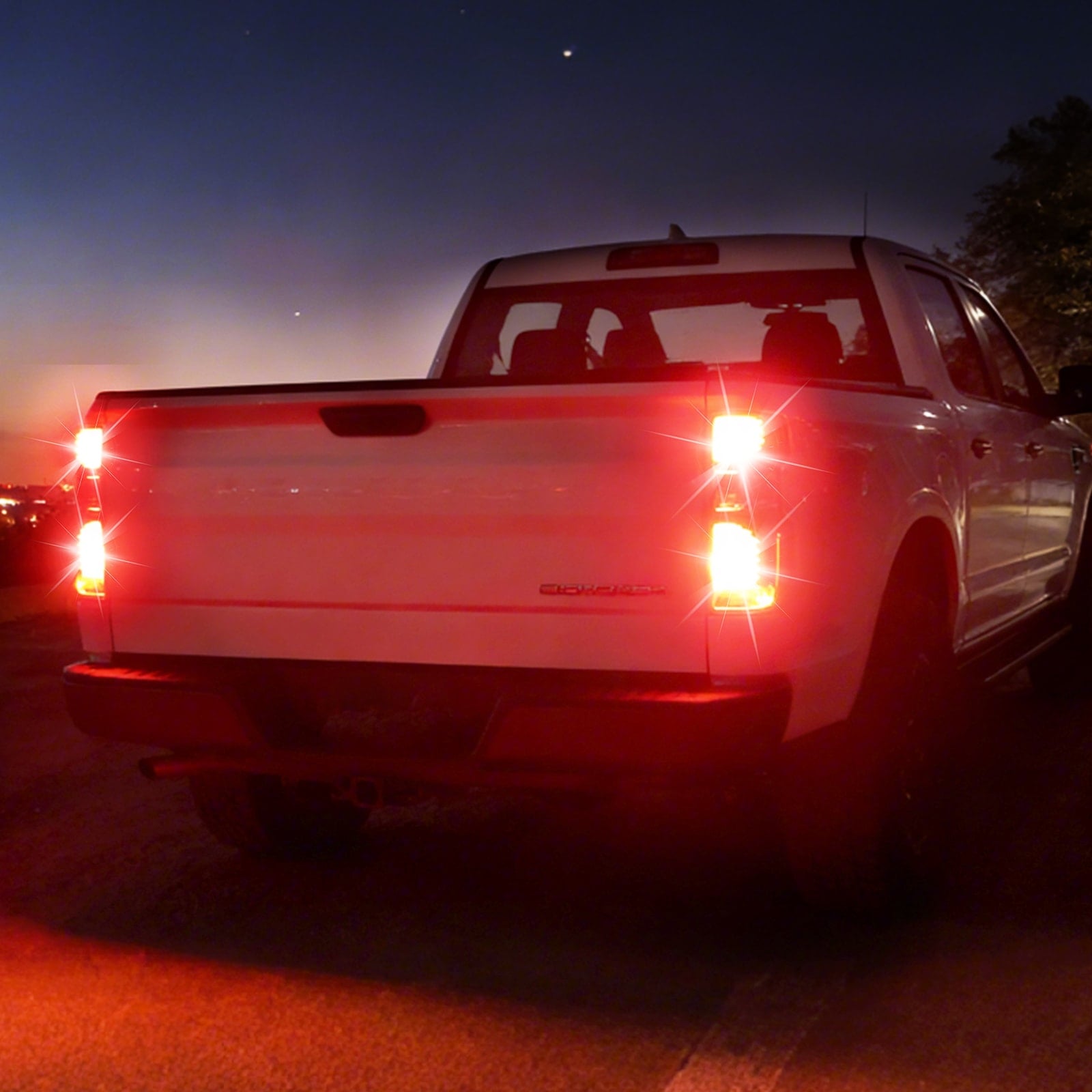
Chevrolet Impala Brake / Tail Lights
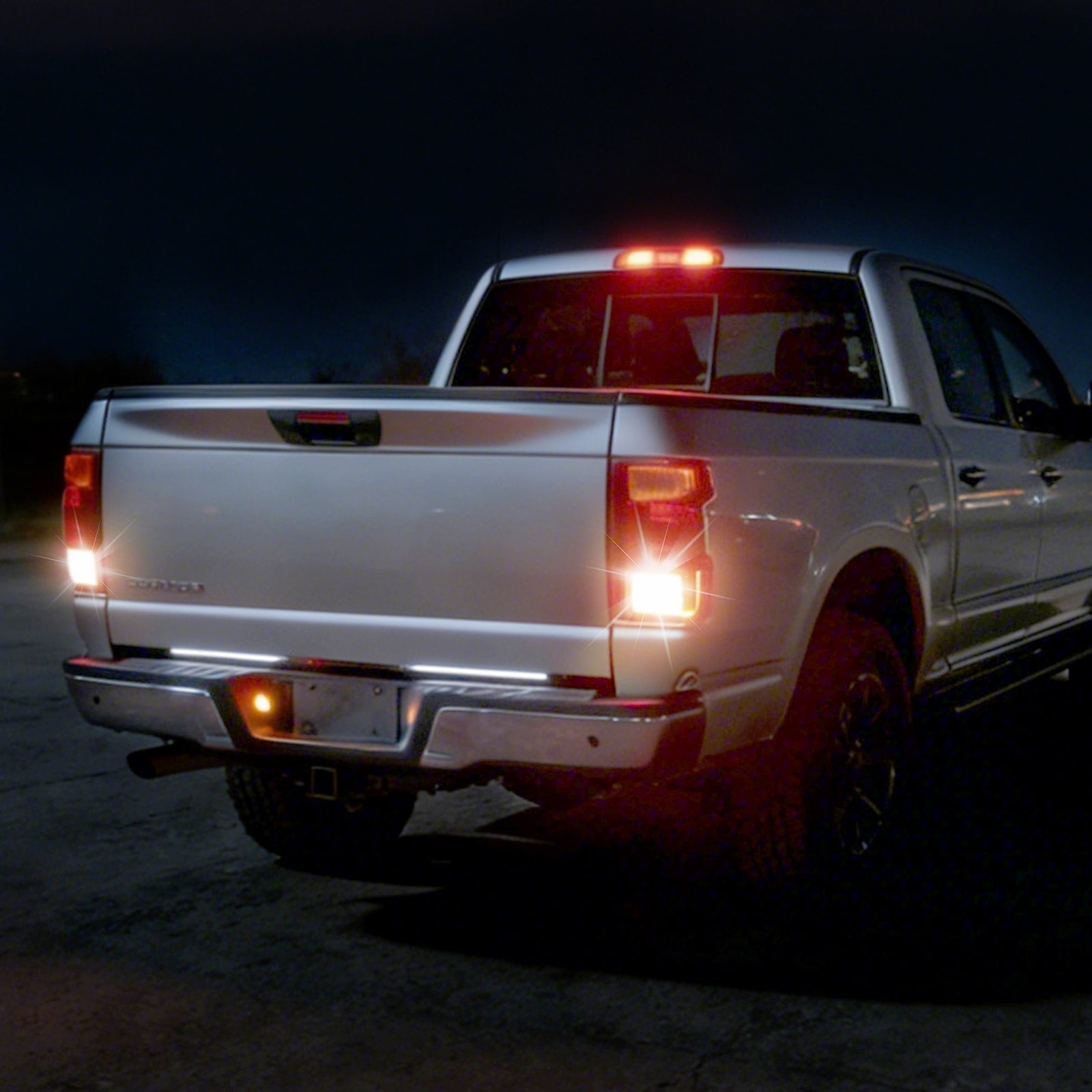
Chevrolet Impala Backup / Reverse Lights
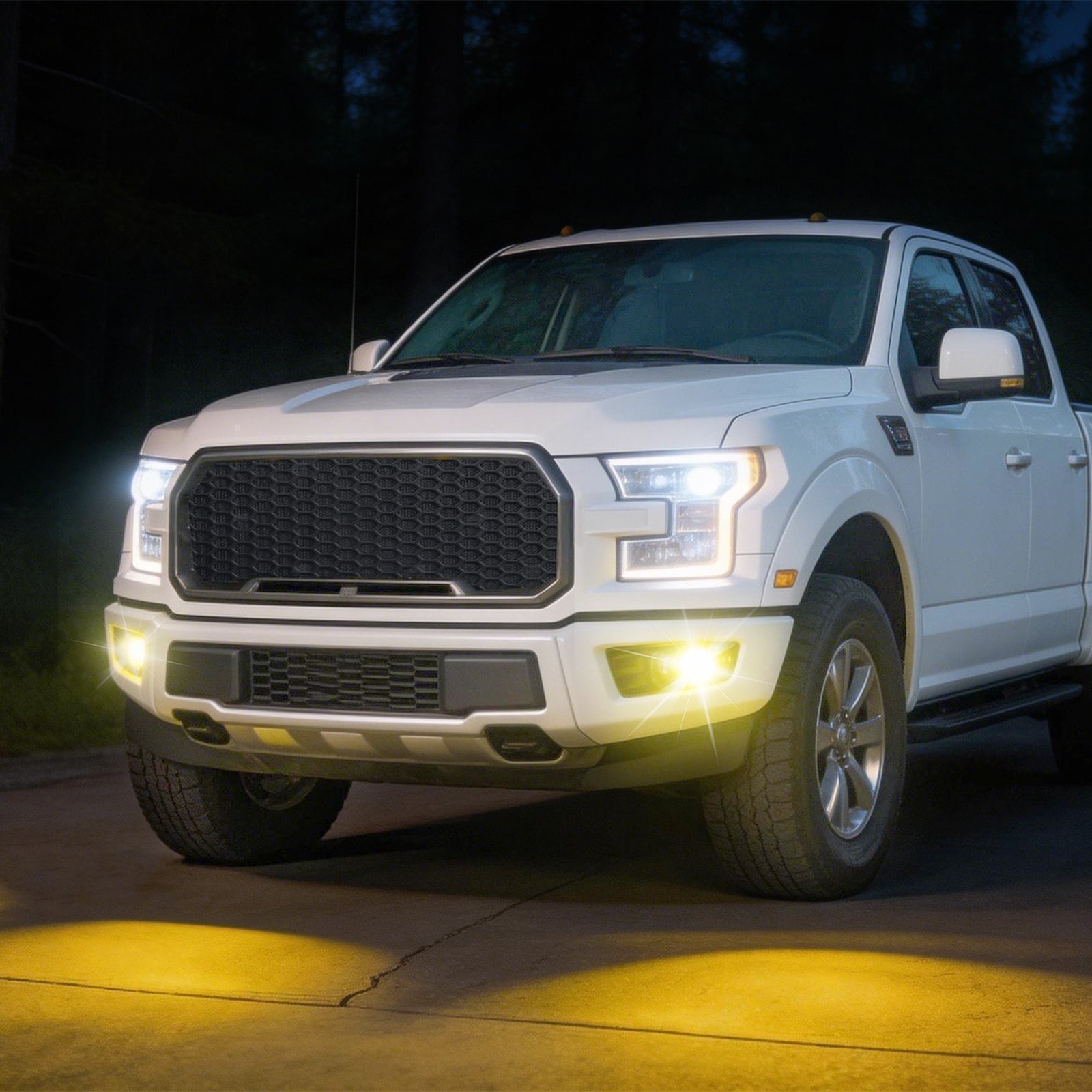
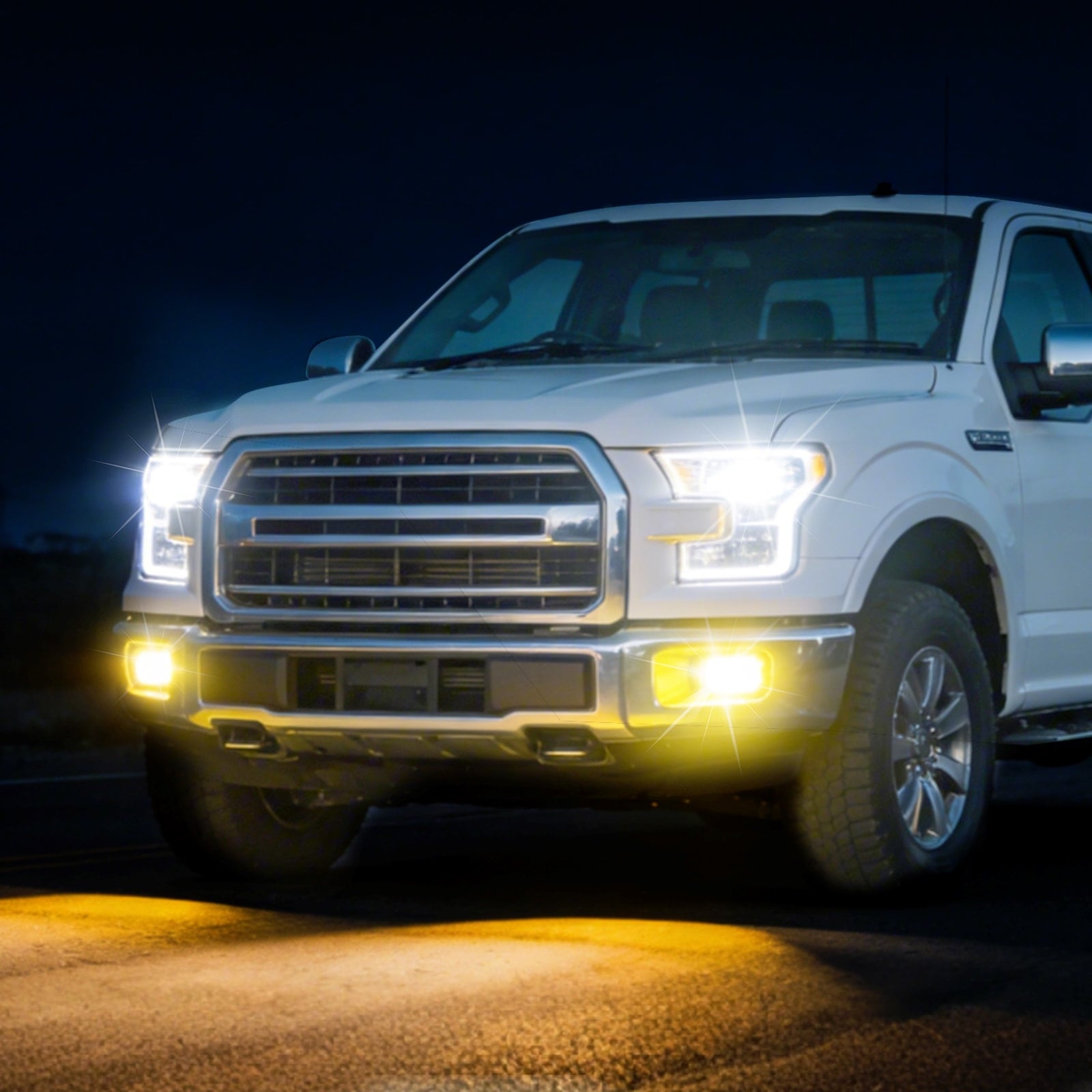
Chevrolet Impala LED Fog Lights
Best and Worst Years to Buy a Chevrolet Impala
When shopping for a used Chevrolet Impala, knowing which model years are most reliable—and which to avoid—can save you from costly repairs and headaches. Based on long-term owner reports, reliability surveys, and professional repair data, some years stand out as safer bets, while others carry higher risks.
Best Years to Buy
If you want a dependable Impala, consider models from 2015 to 2020. These tenth-generation vehicles show strong reliability, fewer recalls, and improved performance compared to earlier versions.
Other solid options include 2012–2013, which represent the later years of the ninth generation, and 2009–2010, which also perform reasonably well for their age. These years generally experience fewer major mechanical issues and provide better long-term value.
Worst Years to Avoid
Certain model years are more prone to serious problems. Early 2000s Impalas, particularly 2000–2005, are notorious for engine and transmission issues, while 2006–2009 models often face transmission failures and other reliability complaints.
The 2014 Impala, as the first year of the redesigned tenth generation, has been reported to experience electrical and brake system glitches. If you’re considering one of these years, careful inspection and a documented maintenance history are essential.
Quick Buying Tips
- Safe Picks: 2015–2020 for modern reliability and features; 2012–2013 if budget is tighter.
- Years to Inspect Closely or Avoid: 2000–2009 and 2014, unless the car has a full service history and verified repairs.
Last Words
Have you owned a used Chevrolet Impala or experienced any of the most common Chevrolet Impala problems? We’d love to hear your thoughts. Sharing your experiences, maintenance tips, or advice in the comments can help other drivers make smarter decisions and better understand Chevrolet Impala reliability.
For those dealing with dim or flickering headlights, upgrading to modern Chevrolet Impala LED bulbs from SEALIGHT can improve visibility and driving confidence. With proper care and a well-chosen model year, the Chevrolet Impala remains a practical, reliable, and comfortable full-size sedan.