
 Headlight Bulbs


 Track Order
 My Vehicles
 Contact Us
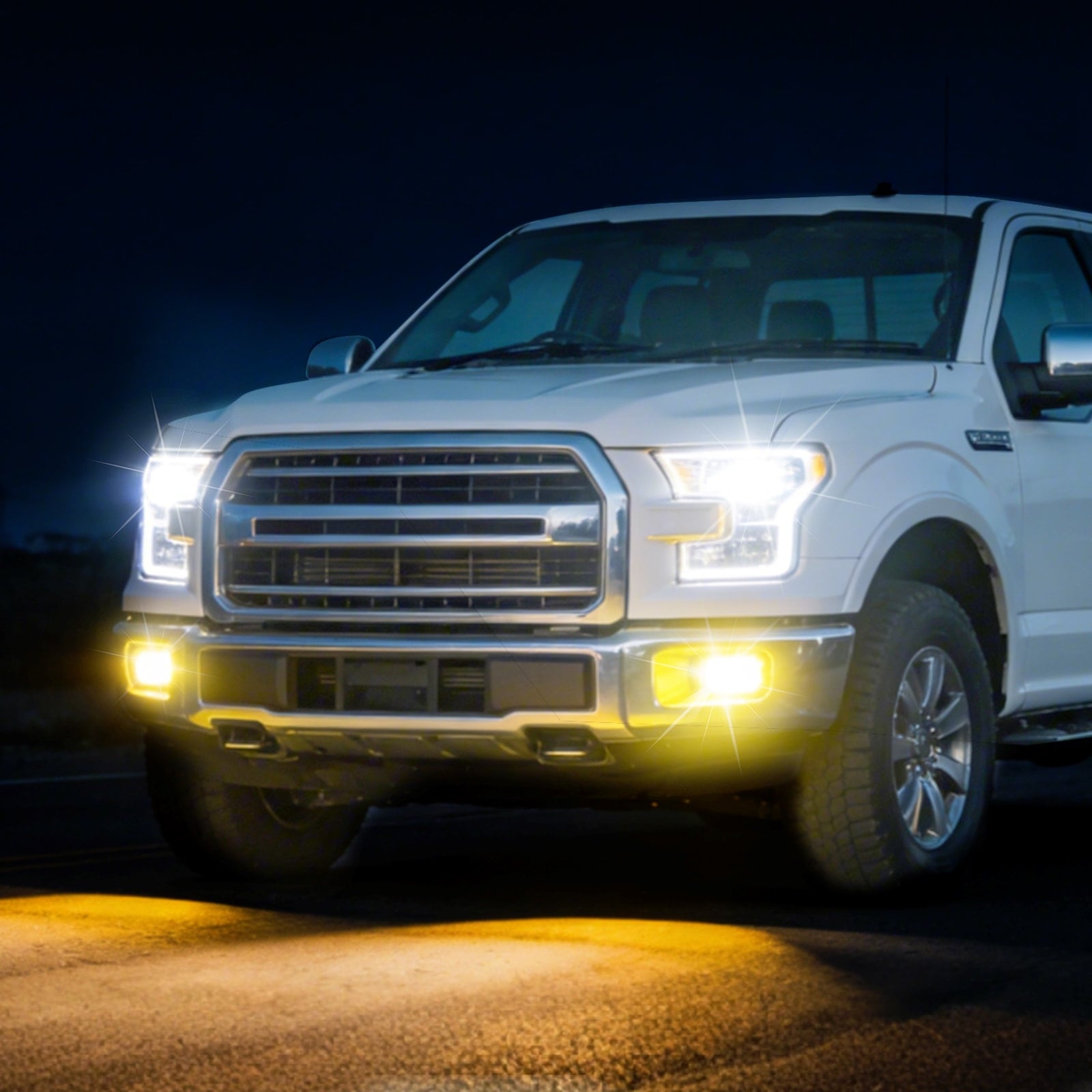
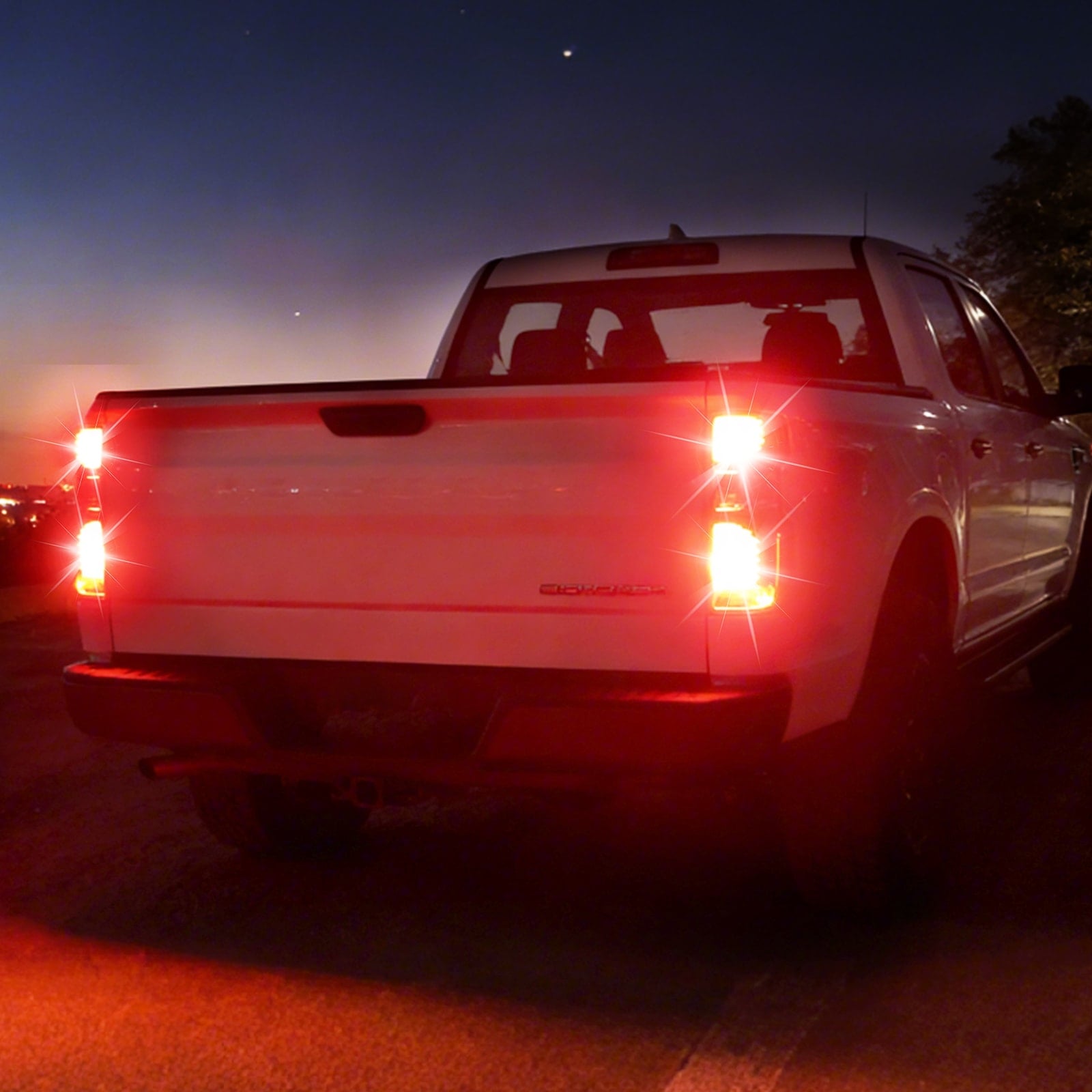
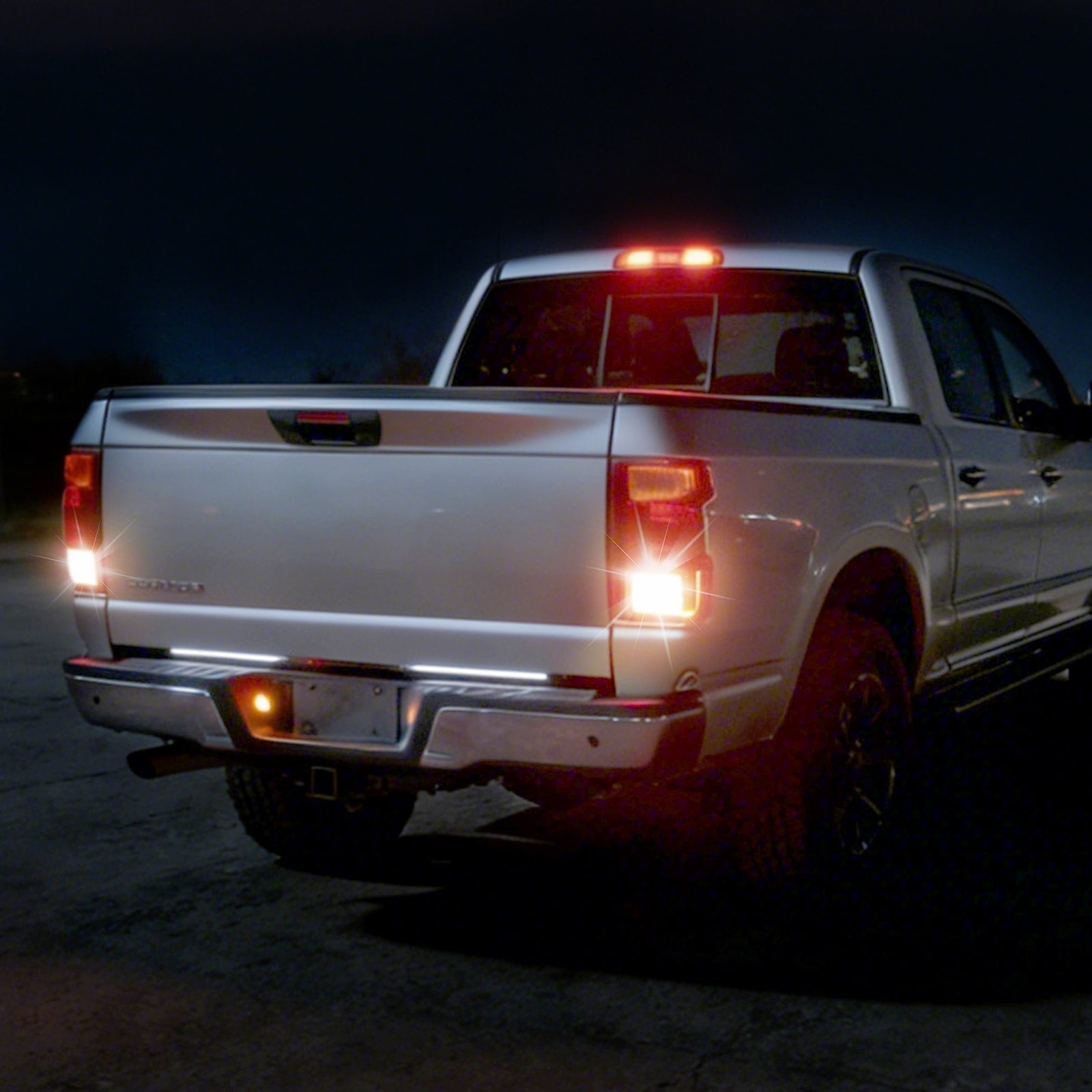
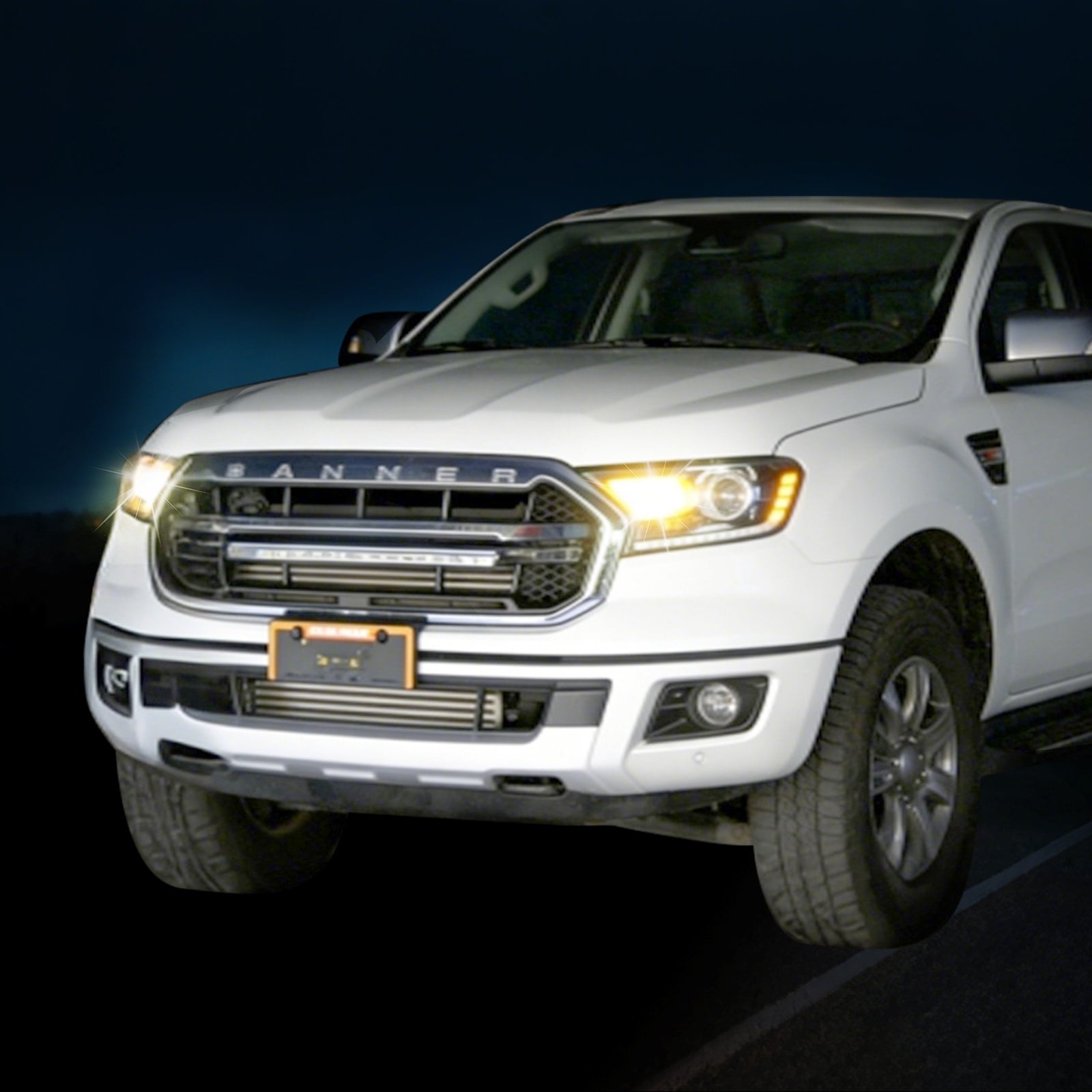
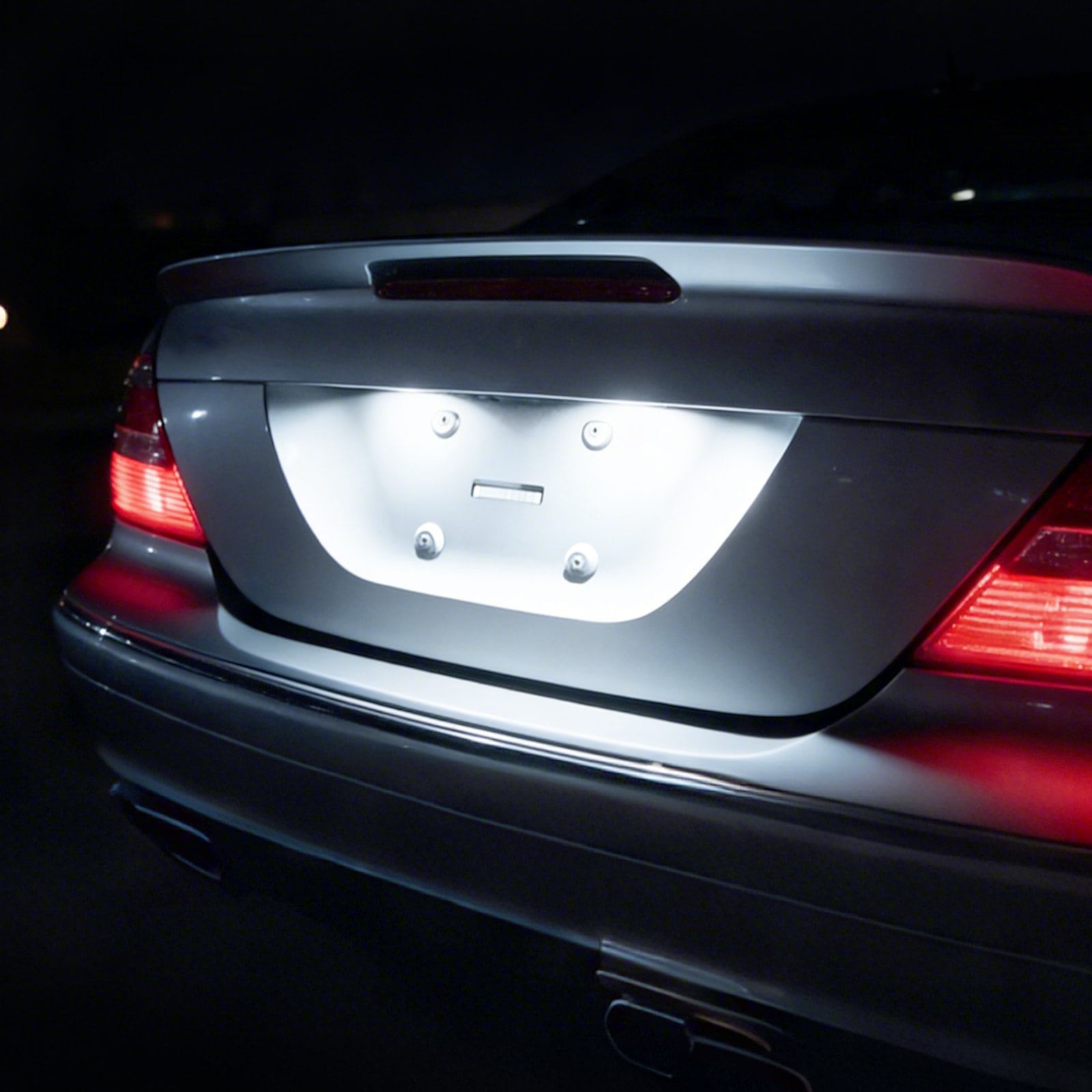
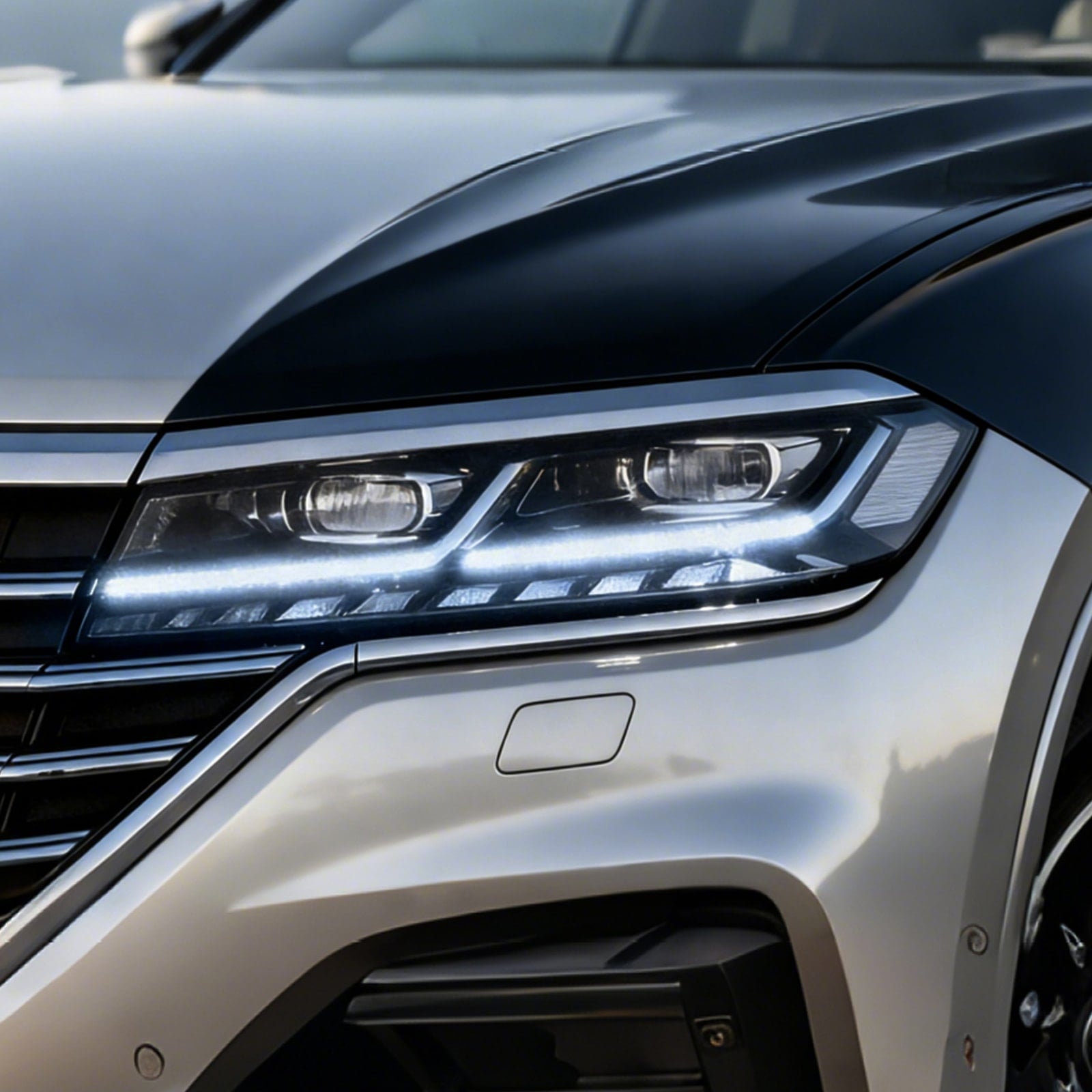
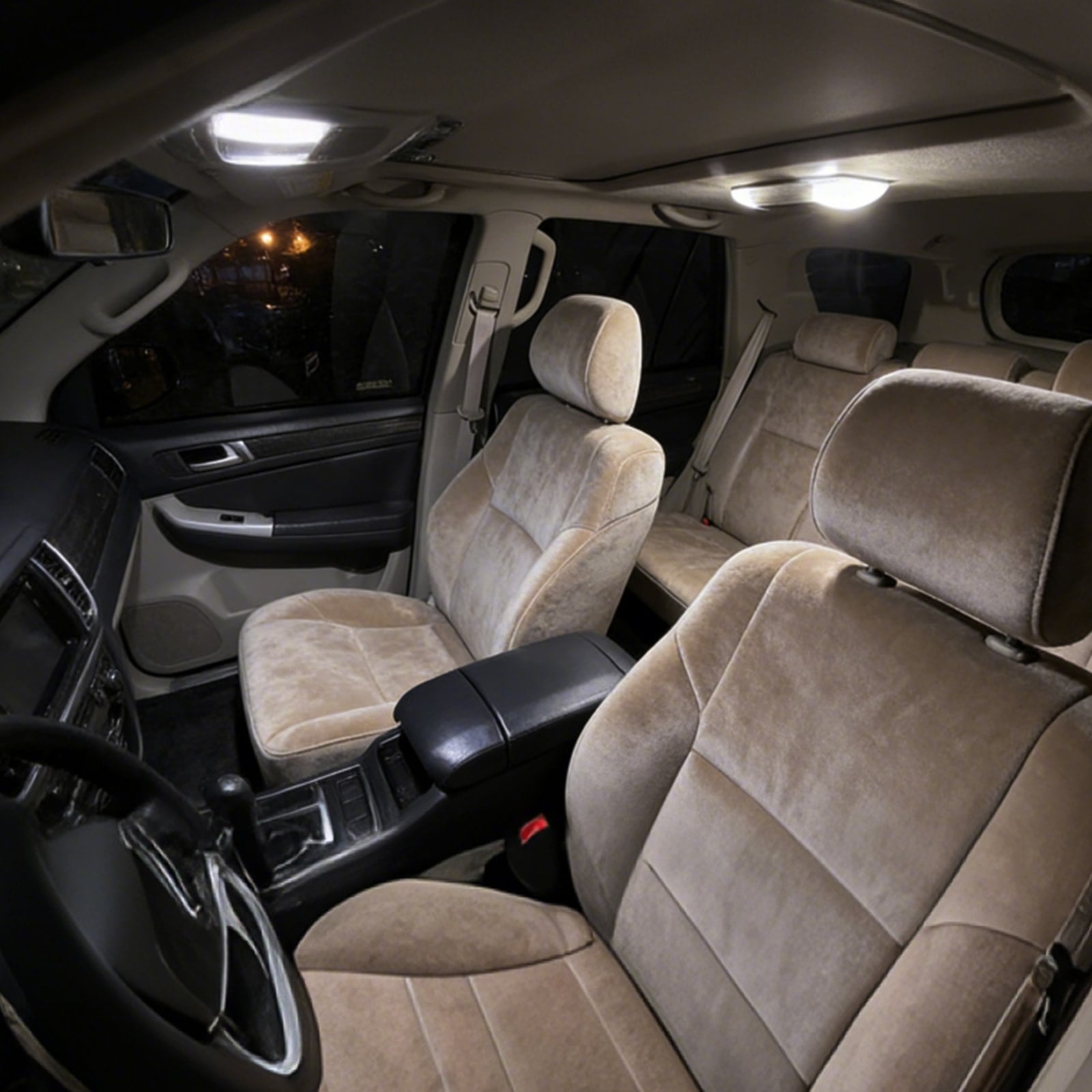
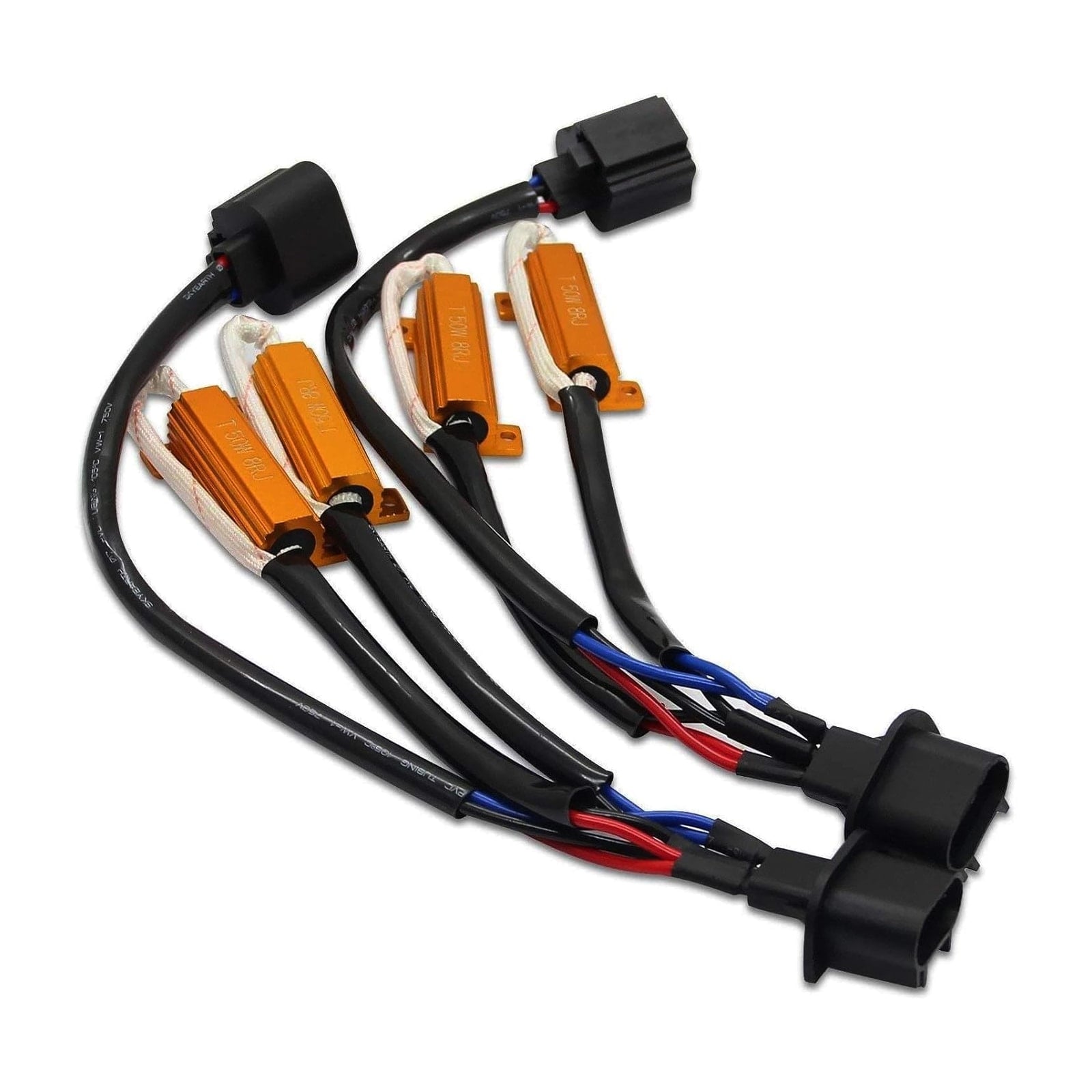

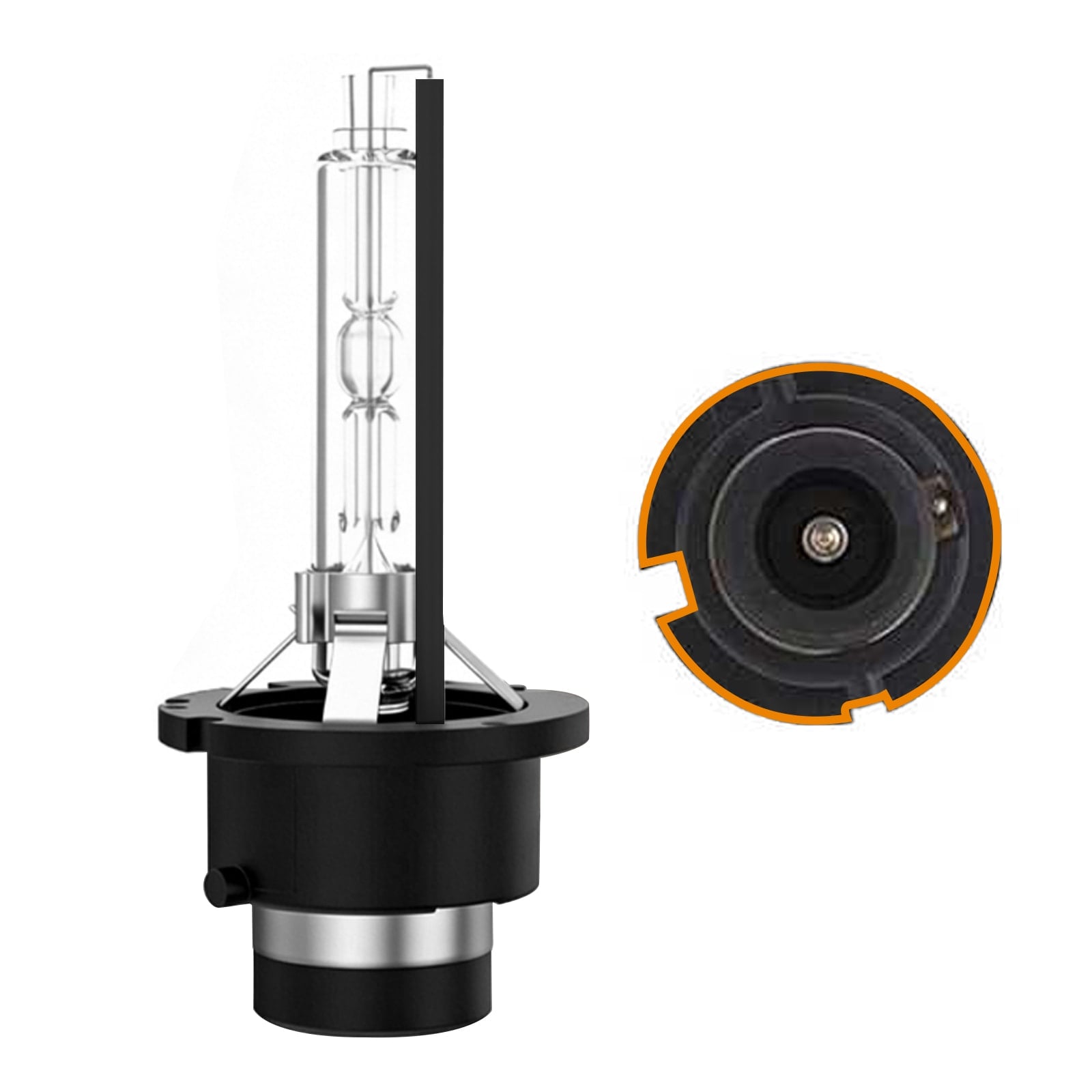
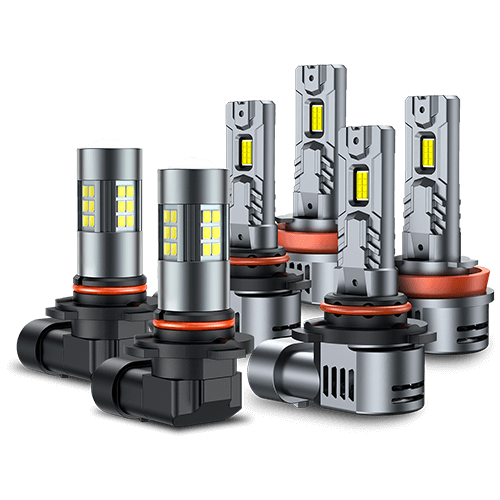
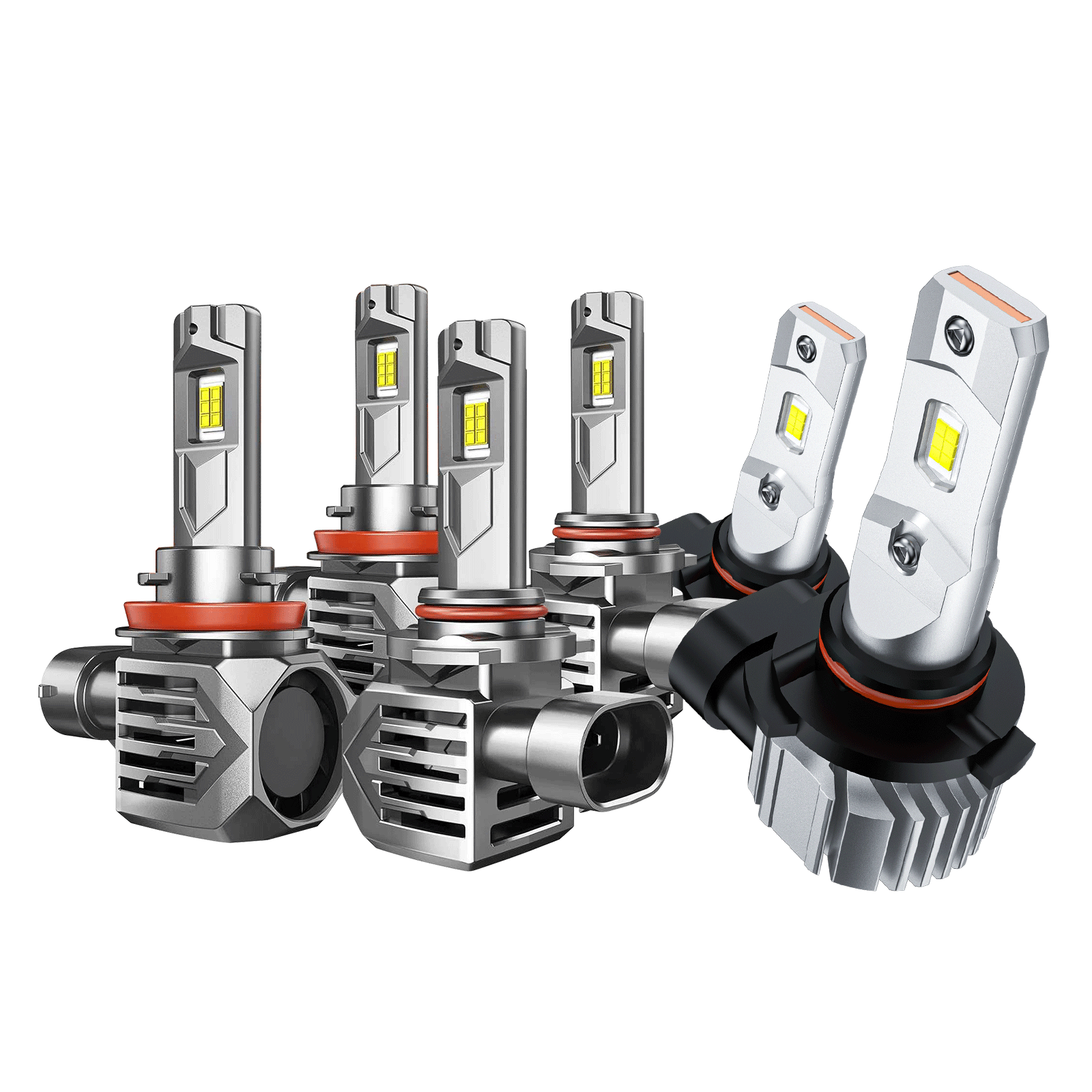


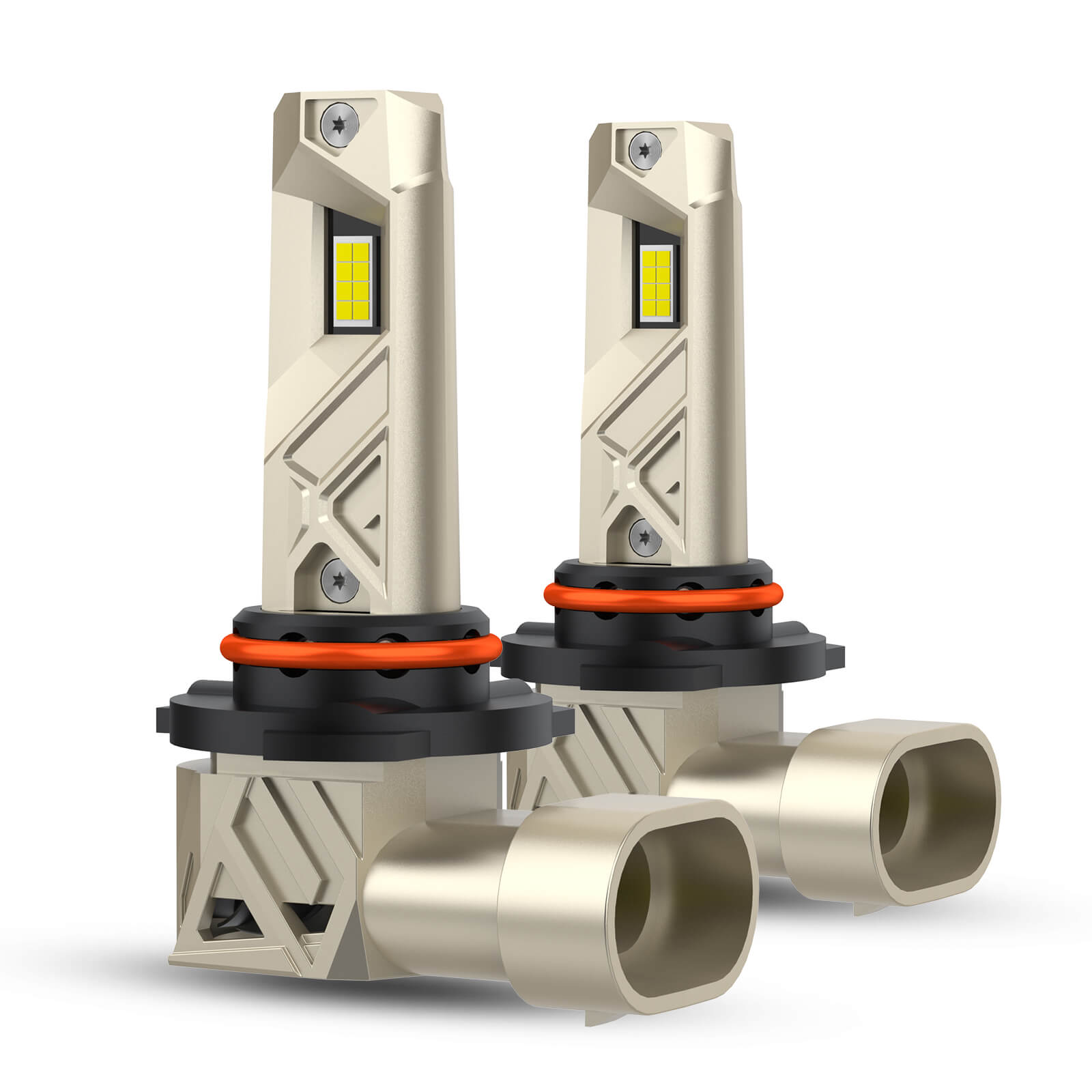









Winterizing your car means preparing it for cold weather, icy roads, and snow before winter begins. The goal is to prevent problems rather than deal with breakdowns or safety risks later. A properly winterized vehicle starts more reliably, handles better in poor conditions, and keeps you safer on winter roads.
This guide covers the essential steps on how to winterize a car, focusing on protecting cold-sensitive components, improving safety and visibility, and preparing for emergencies. If you live in a region with harsh or unpredictable winters, this is a checklist you should follow every year.
The Basics of Winter Driving to Keep in Mind
Safe winter driving requires both preparation and the right mindset. Here are key points to keep in mind:
- Share Your Route: Let someone know where you are going and which route you plan to take. This is crucial in case of emergencies.
- Clear Your Vehicle: Remove all snow and ice from windows, mirrors, lights, and the roof before driving. This ensures maximum visibility and prevents snow from flying onto other vehicles.
- Slow Down: Snow and ice drastically increase stopping distances, even if your tires are in good condition. Reducing your speed gives you more time to react and avoid accidents. In 2023, there were an estimated 101,390 police-reported crashes in snowy or sleet conditions (source: NHTSA).
- Maintain Safe Distance from Snow Plows: Large vehicles like snow plows need extra space to operate safely. Avoid crowding or driving directly beside them to reduce the risk of collisions.
- Pull Over if Visibility is Poor: If heavy snow, fog, or other conditions make it difficult to see, safely pull off the road. Turn off your lights and set your parking brake to prevent other drivers from mistakenly following your lights.
Inspect Your Tires
Cold weather affects tire pressure, often without warning. As temperatures drop, so does the air pressure in your tires. This can lead to underinflation, which causes uneven wear, reduces grip on slick roads, and can even lead to overheating.
What to Check and What to Do
1. Check your tire pressure regularly throughout the winter months.
Use a good-quality tire gauge and check the pressure when the tires are cold, such as after the car has been parked for about half an hour.
Inflate the tires to the pressure recommended by the manufacturer. You’ll find this information inside the driver’s door or in the owner’s manual (not the number listed on the tire itself).
2. Take a close look at your tread depth.
An easy way to check is with the penny test: insert a penny into the tread with Lincoln’s head down. If you can see the top of his head, the tread is too worn for safe winter driving. While 2/32 inch is the legal minimum, replacing tires at 4/32 inch or more gives noticeably better traction in snow and slush, according to kbb.com tips on winterizing the vehicle.
3. Consider how old your tires are.
Even if the tread looks fine, rubber can harden and lose effectiveness over time. Most tire makers suggest replacing them every six years, regardless of mileage. While you’re at it, inspect for cracks, cuts, bulges, or any damage that could get worse in cold conditions.
Additional Tire Considerations
1. Do not forget to inspect your spare tire, as it is often overlooked but just as vulnerable to pressure loss and aging.
2. If you live in an area with heavy snowfall or persistent ice, dedicated winter tires can dramatically improve traction and control compared to all-season tires.
Test the Battery
Cold weather can drain your car battery’s power while making it harder for the engine to start. Most batteries last between three and five years, but even one that seems fine in warm weather might fail without warning on a cold morning.
It's smart to have your battery and charging system tested by a mechanic before winter begins. If the battery shows signs of weakness or already struggles during warmer months, replacing it early can save you from getting stuck in freezing conditions.
Inspect Your Car Lights for Visibility and Safety
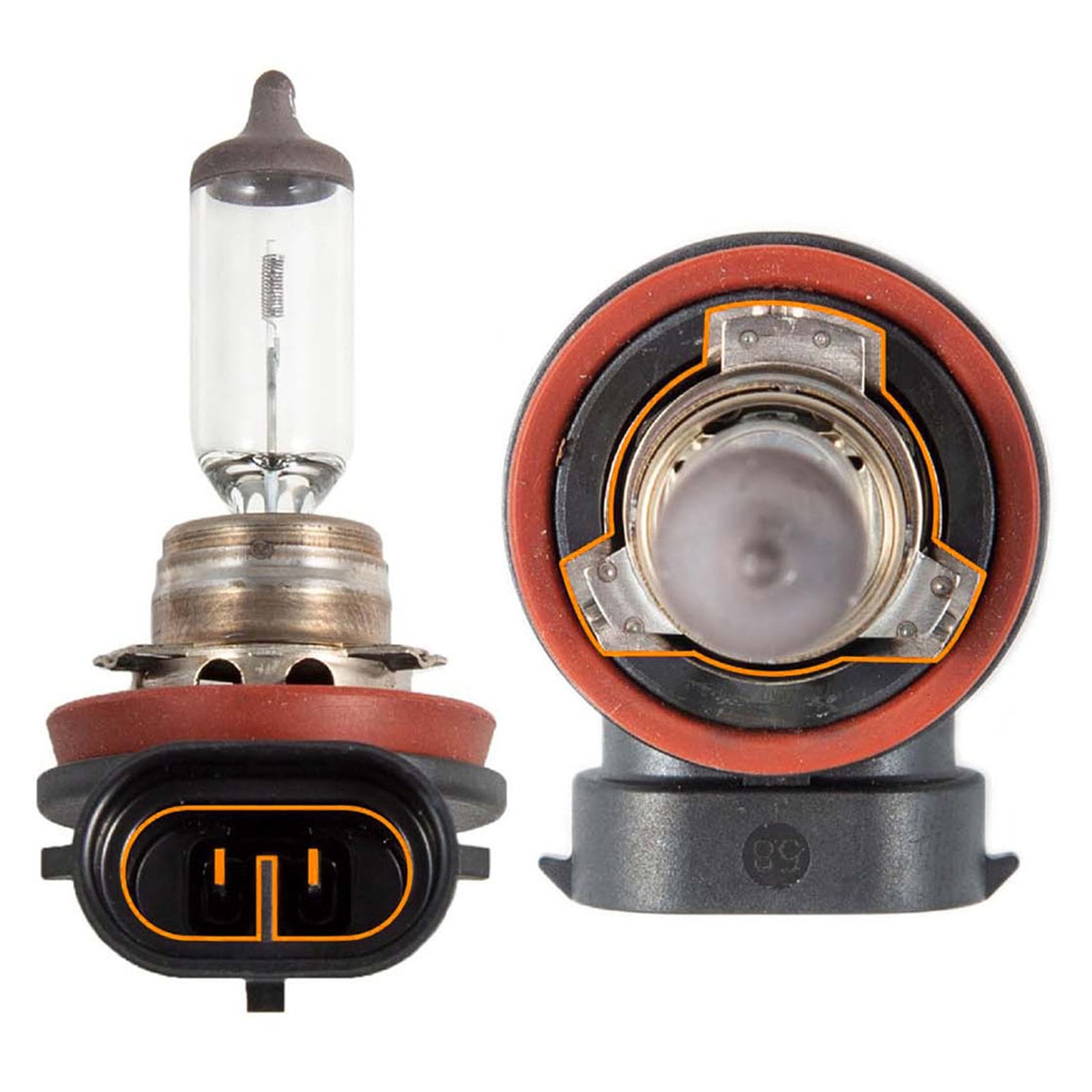
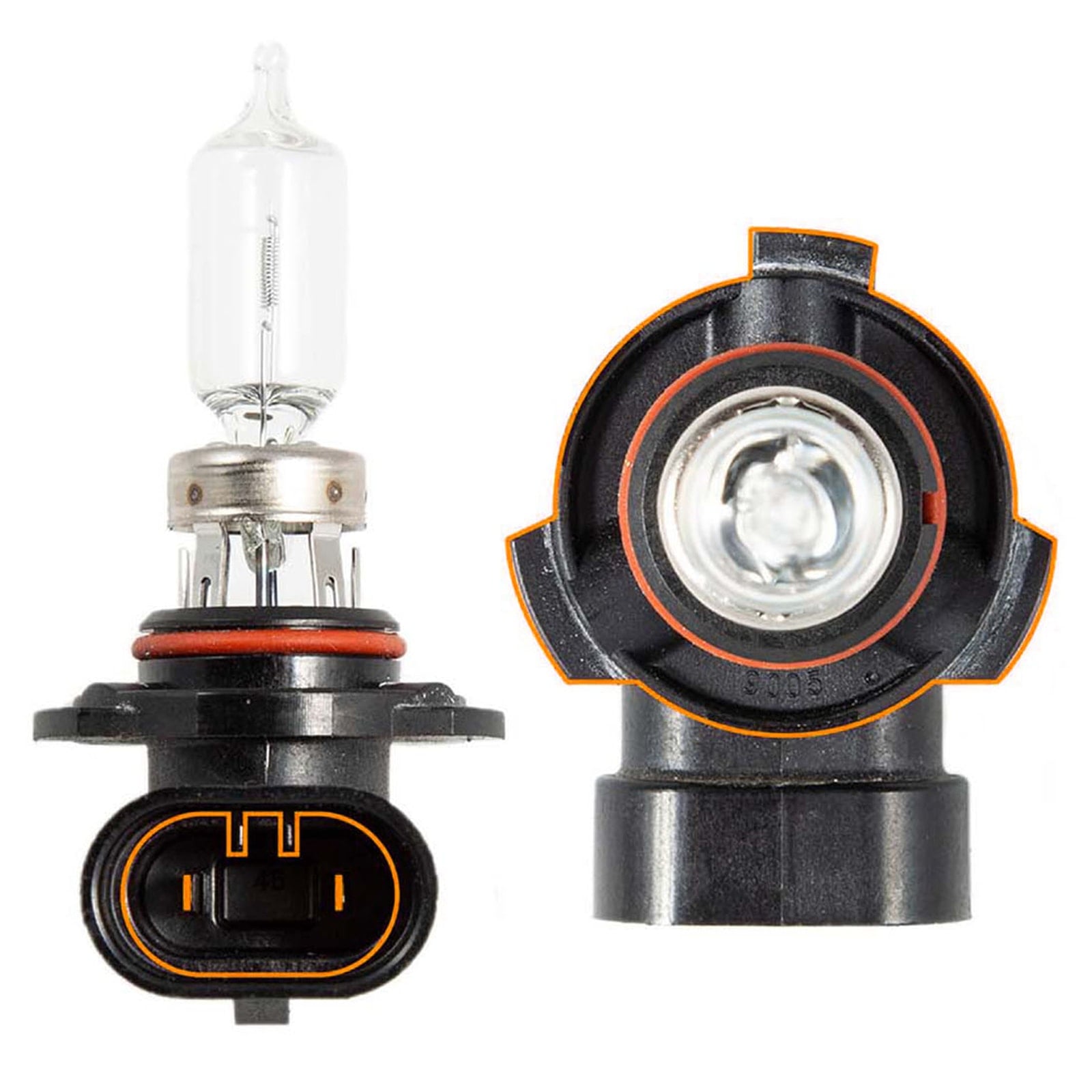
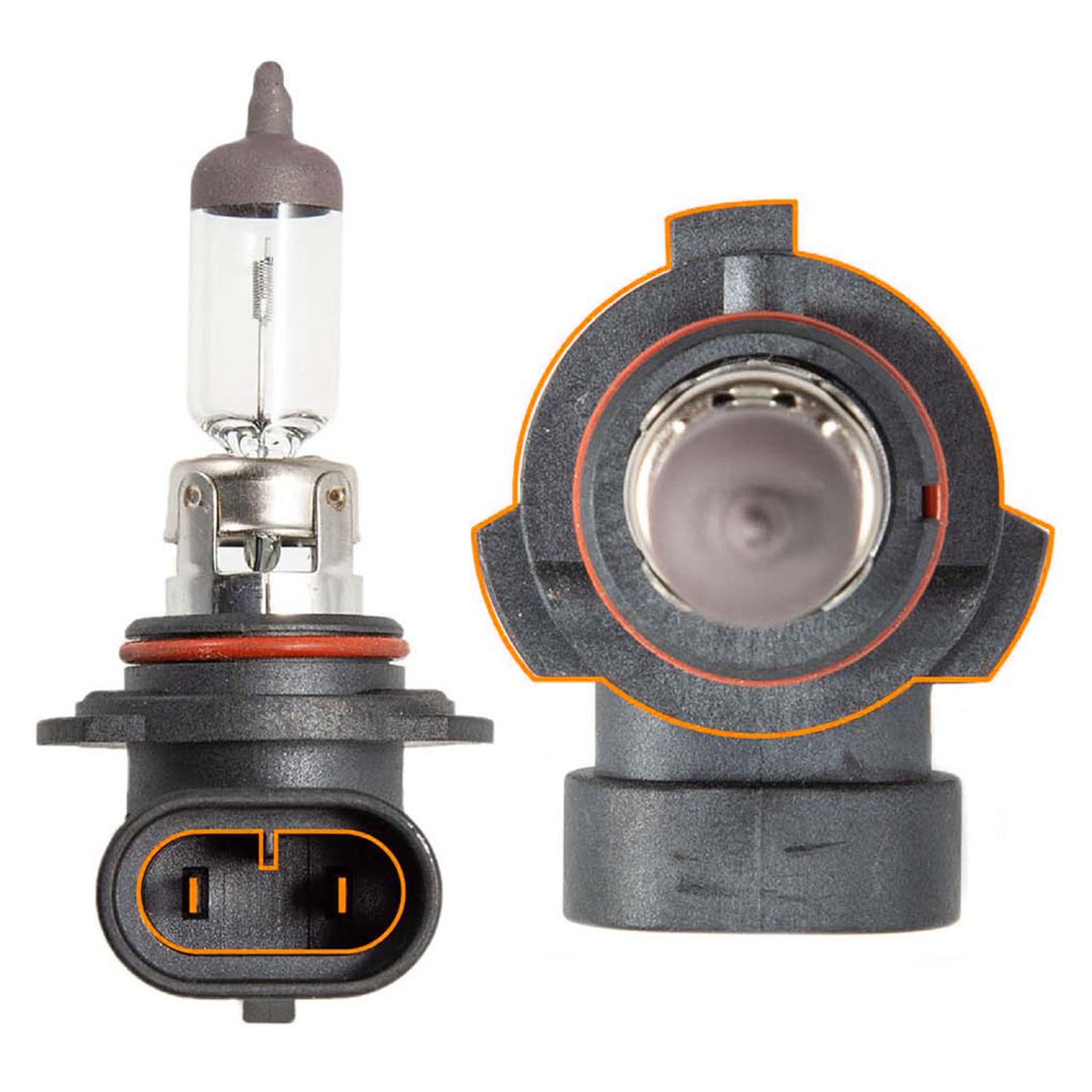
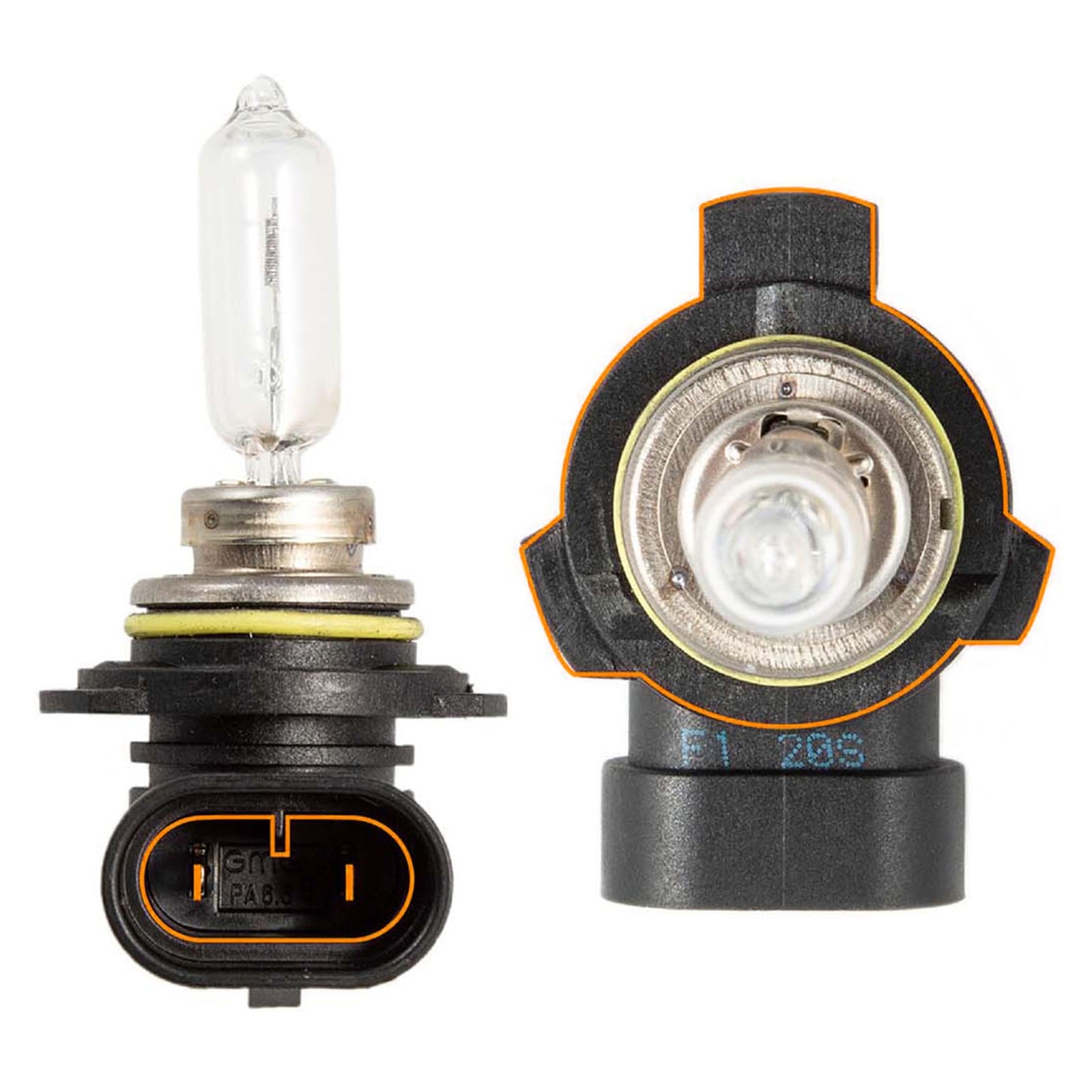
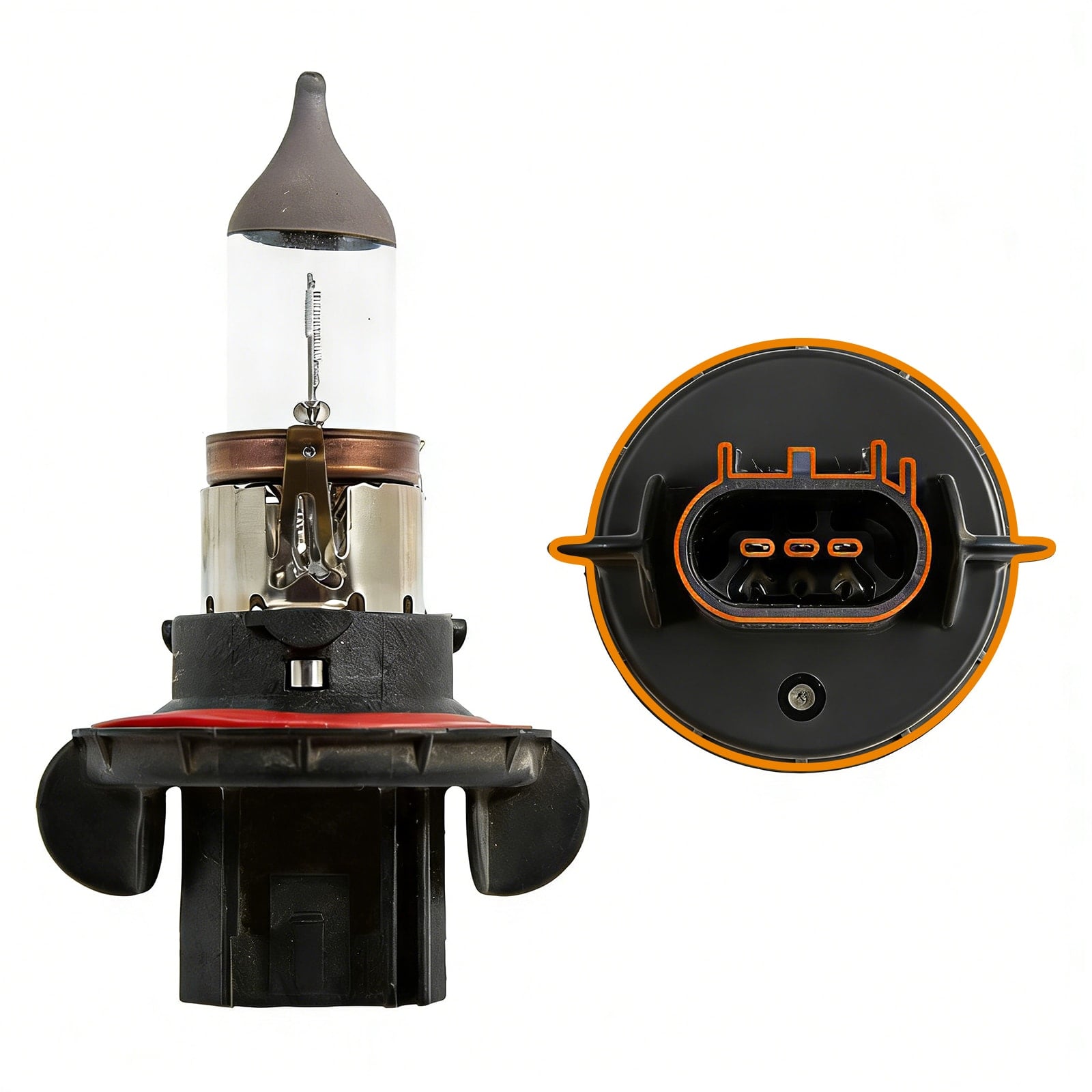
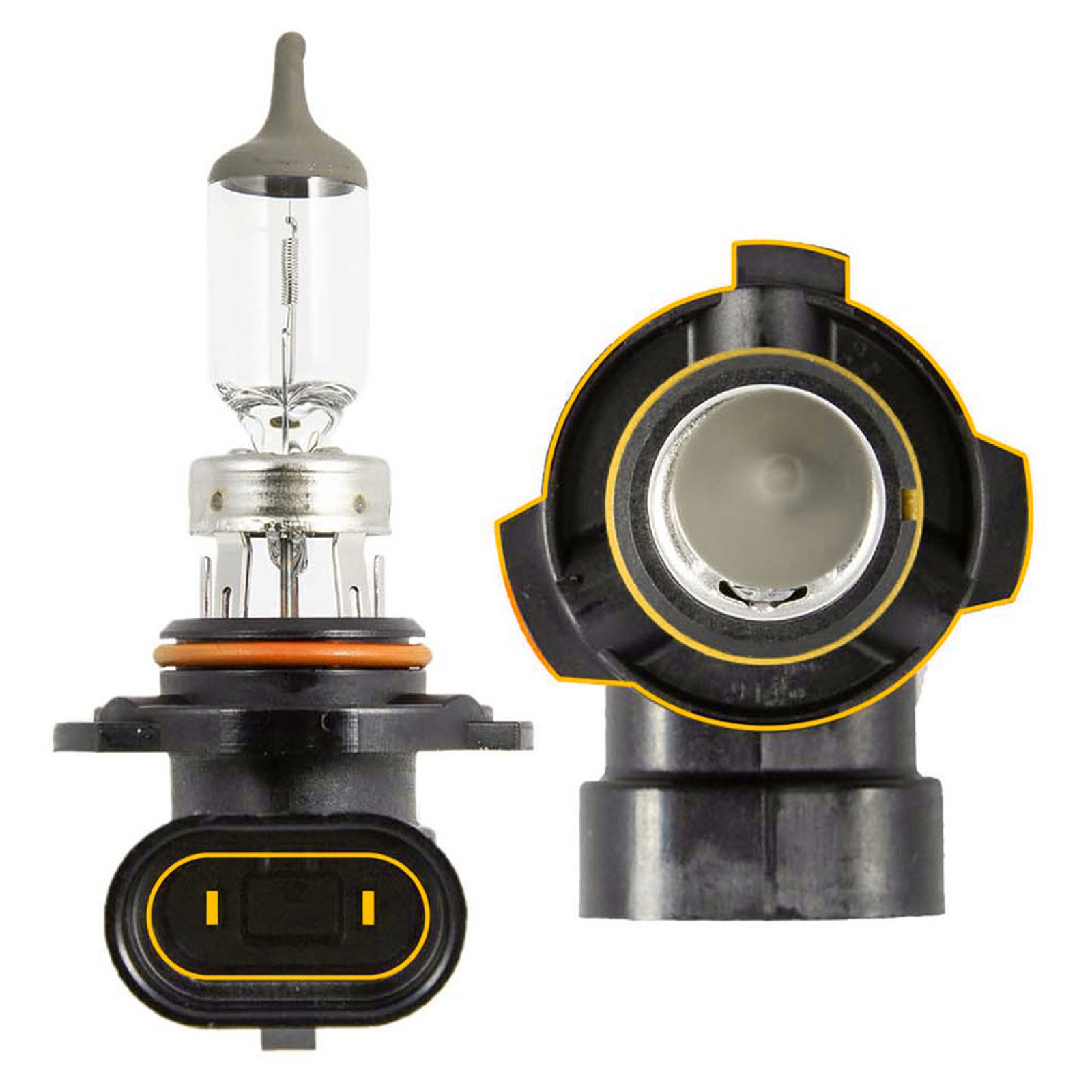
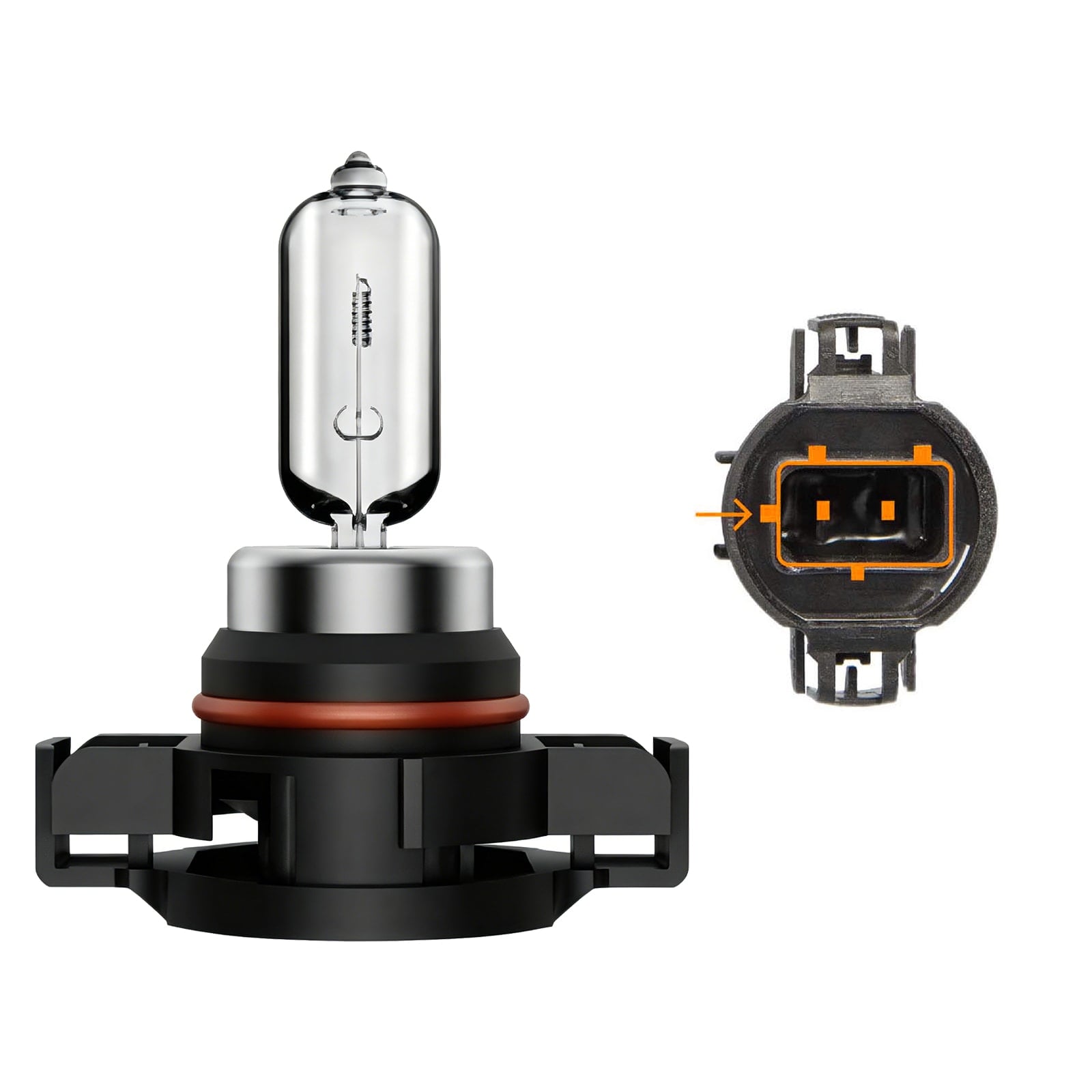
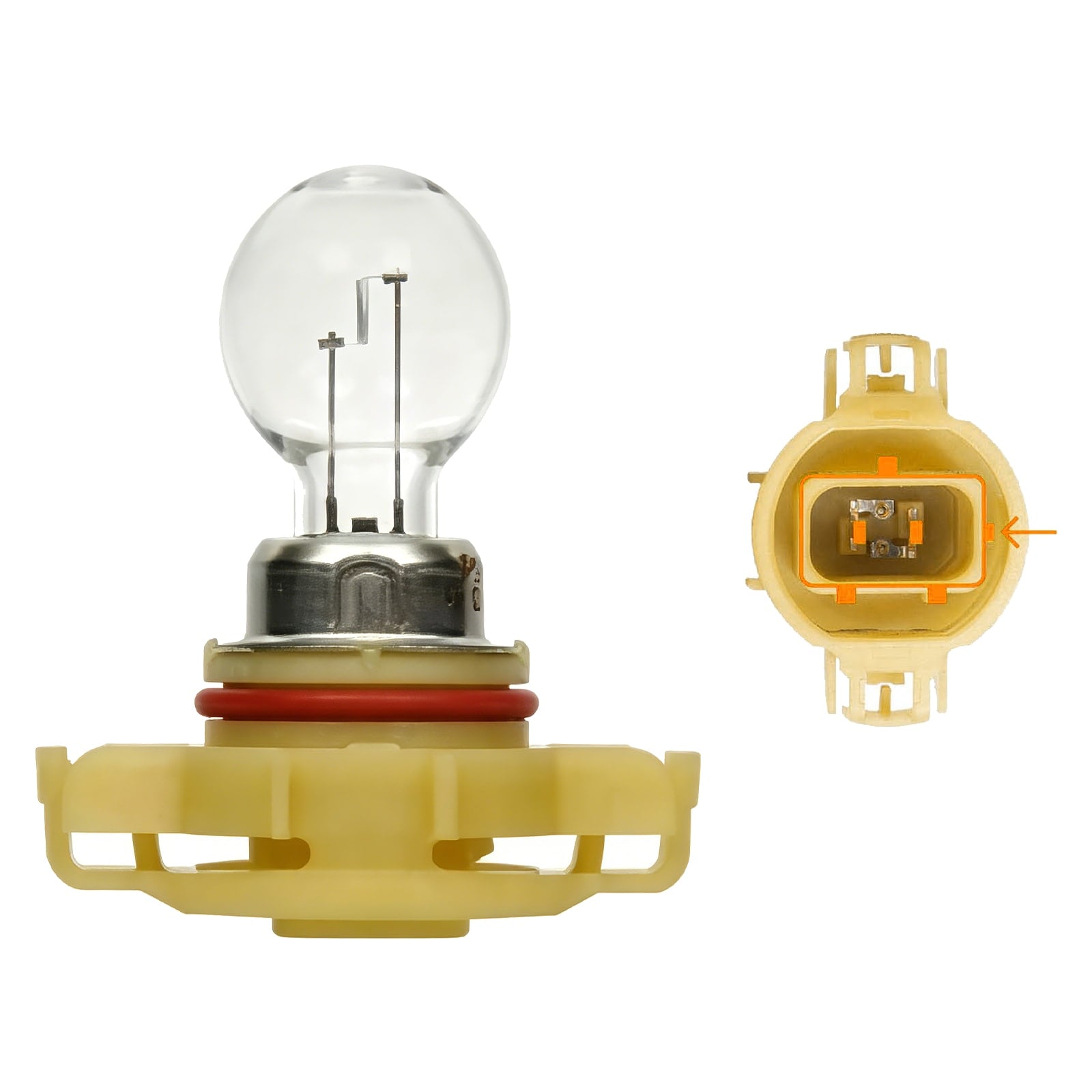
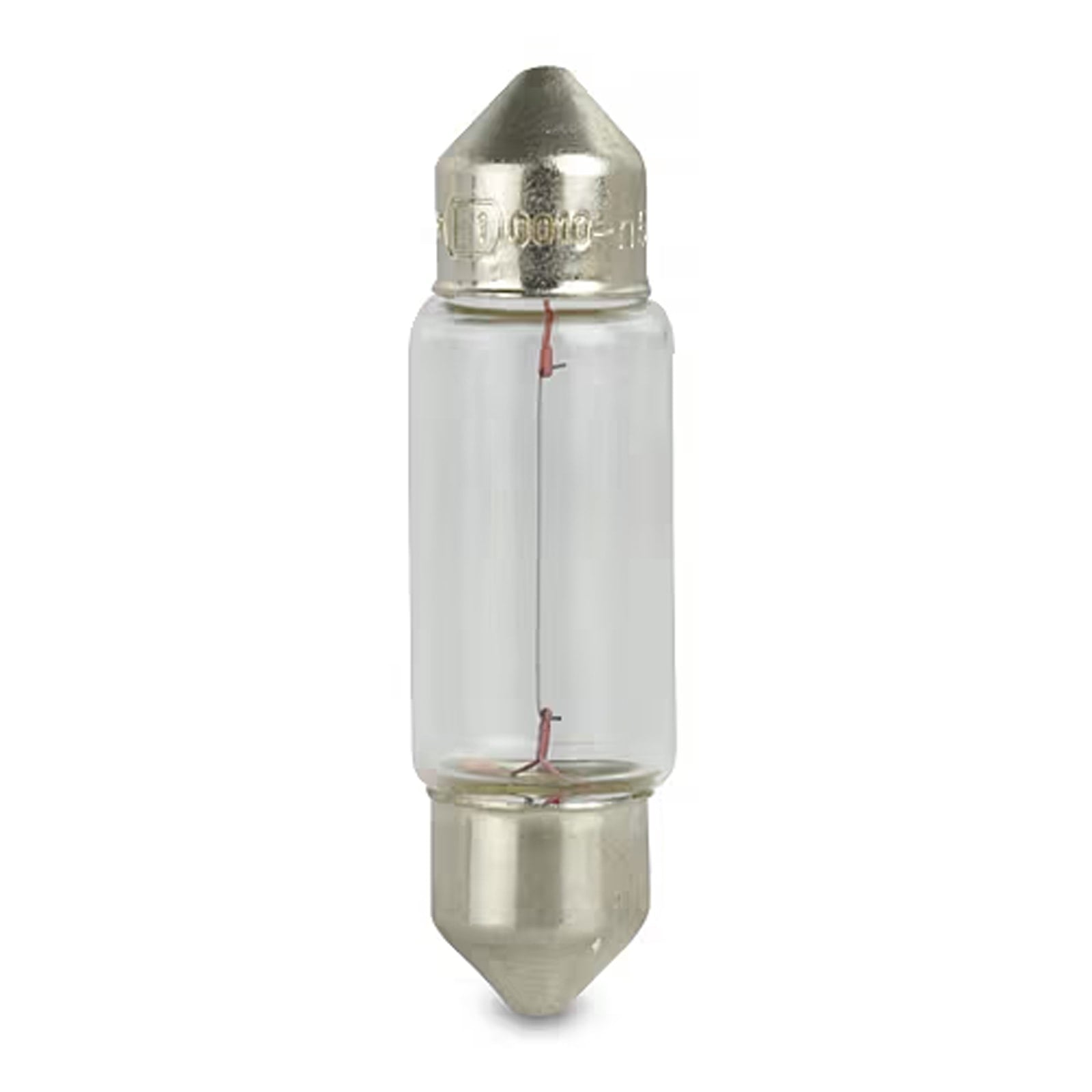
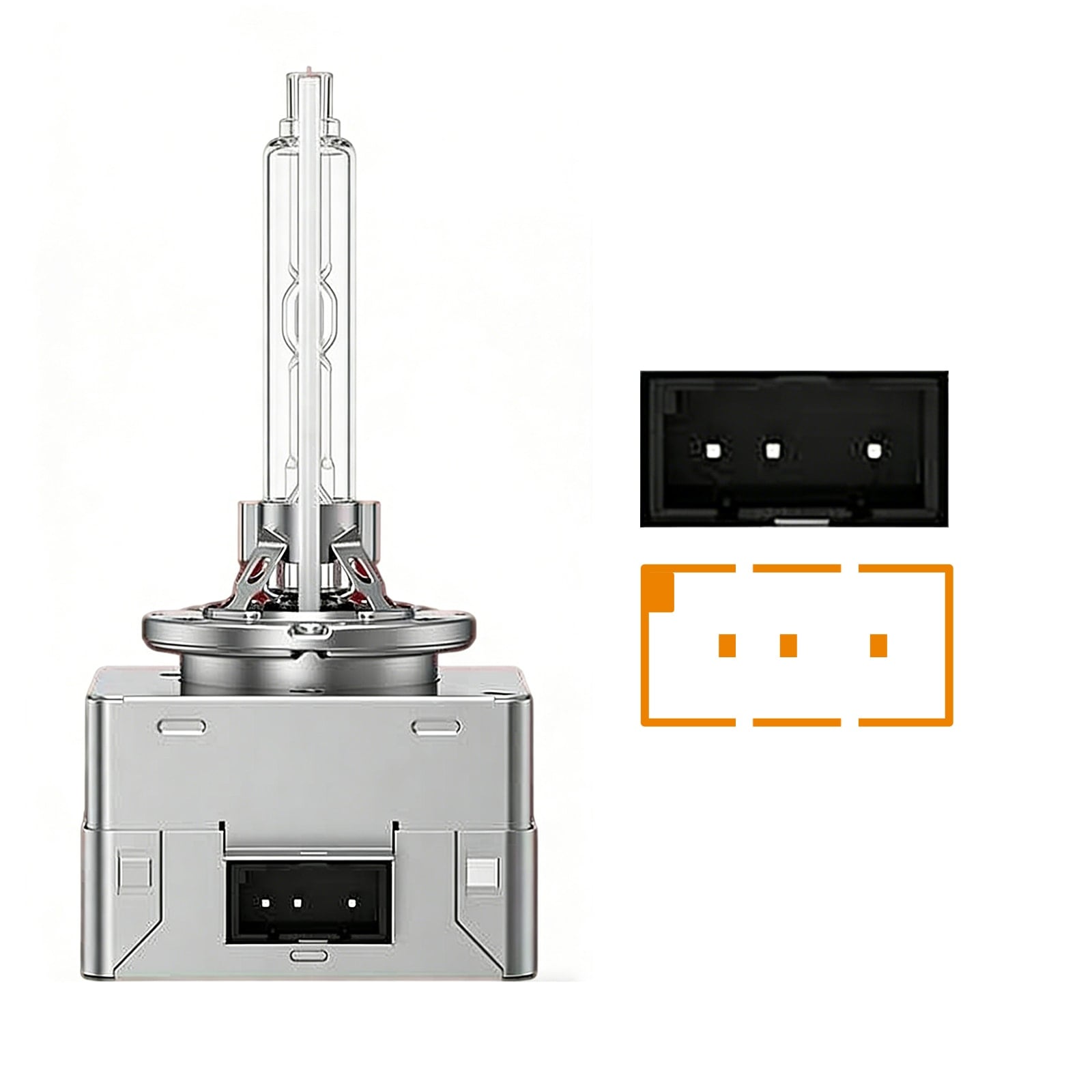
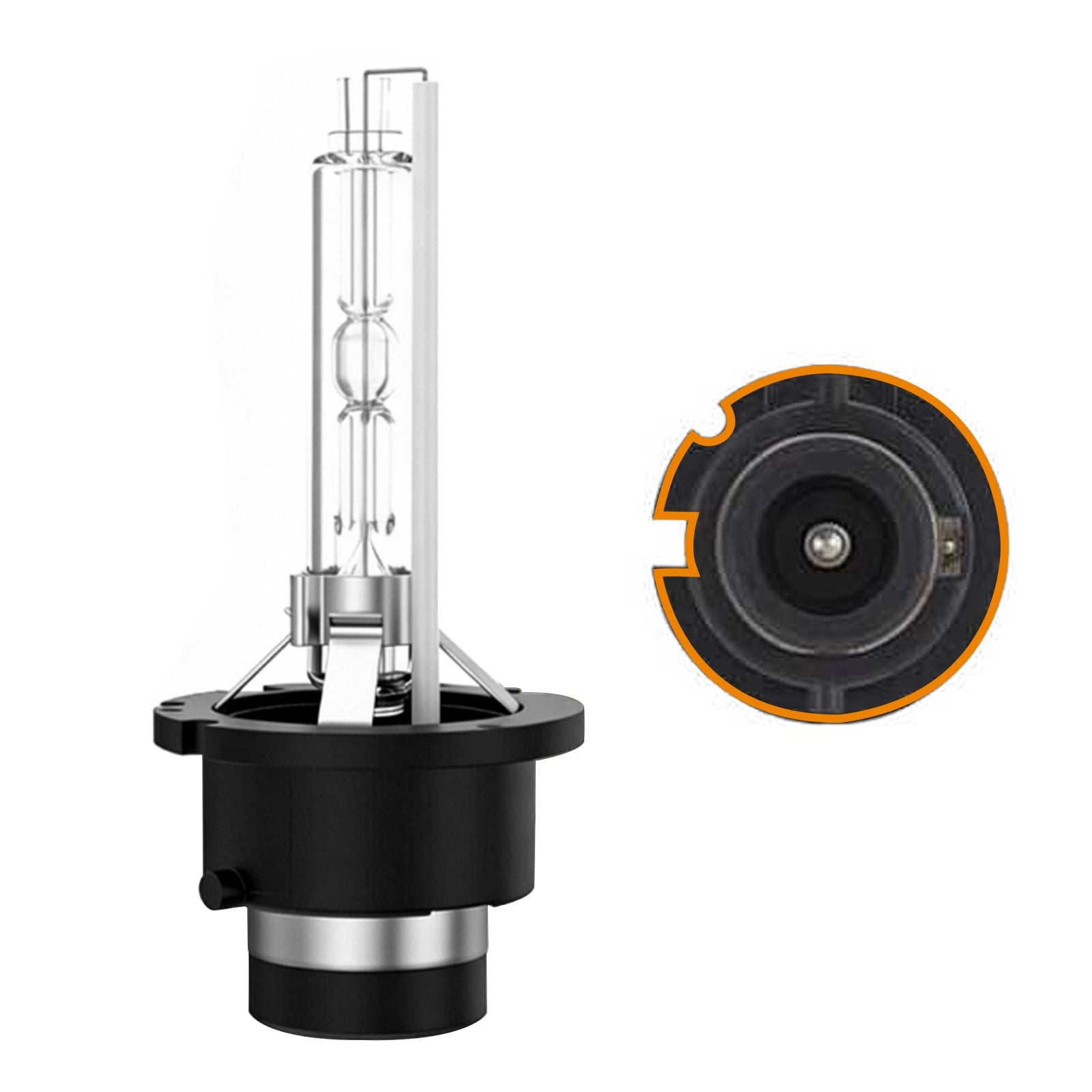
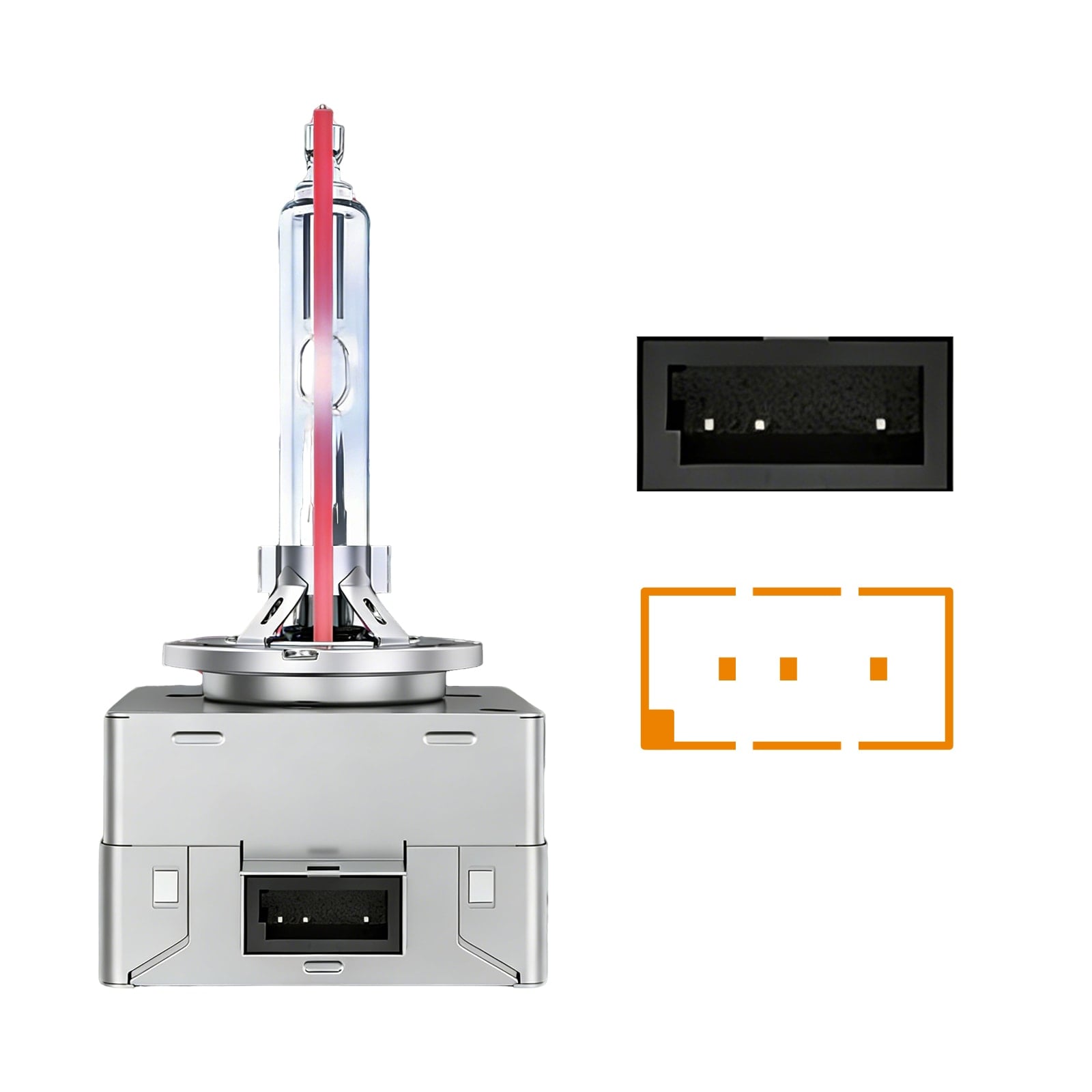
According to the NHTSA, inspecting your vehicle’s lights is an essential part of winter preparation. During this season, we spend more time driving in the dark, and your headlights work harder than usual. Snow, fog, and shorter days reduce visibility, making it even more important that your lights are working properly.
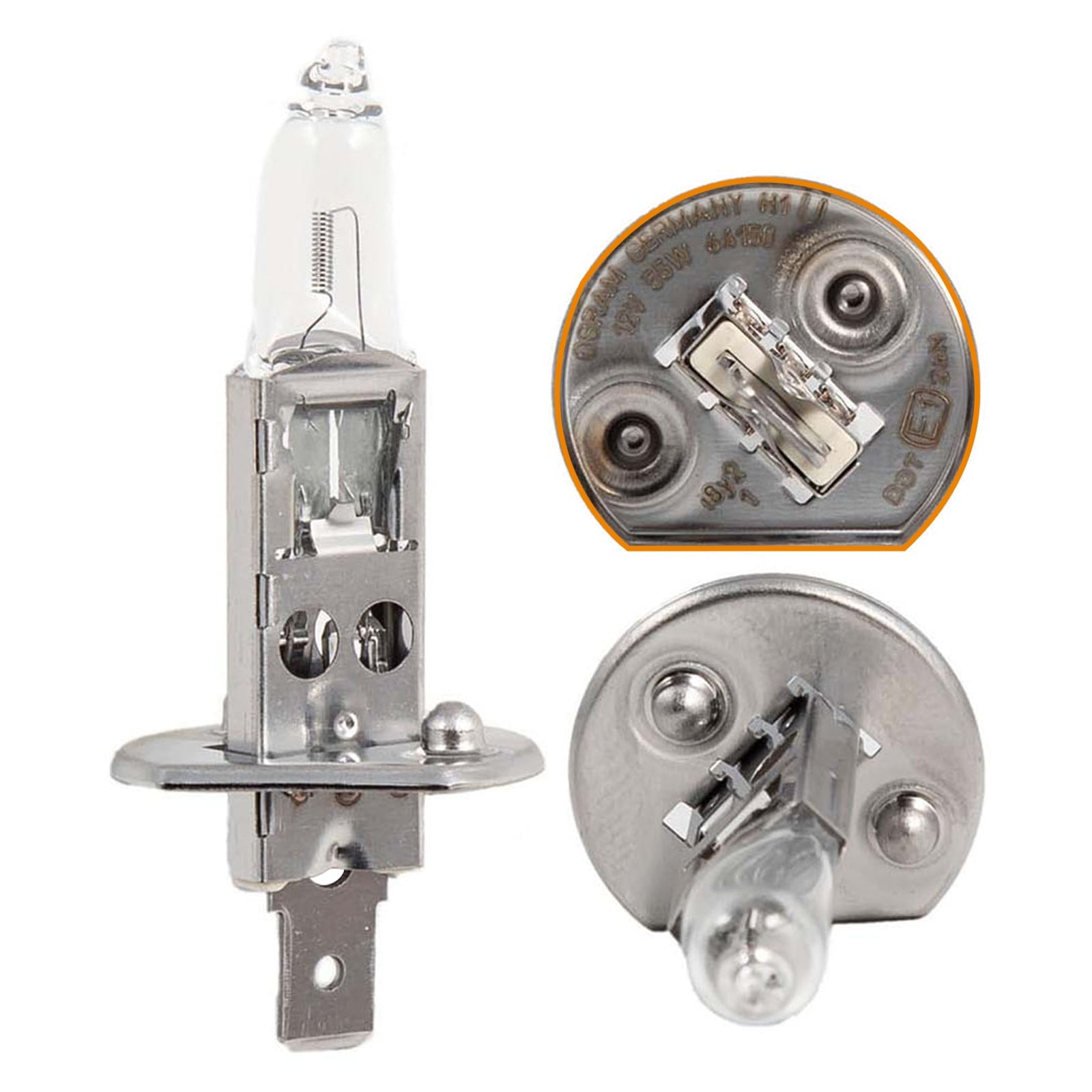
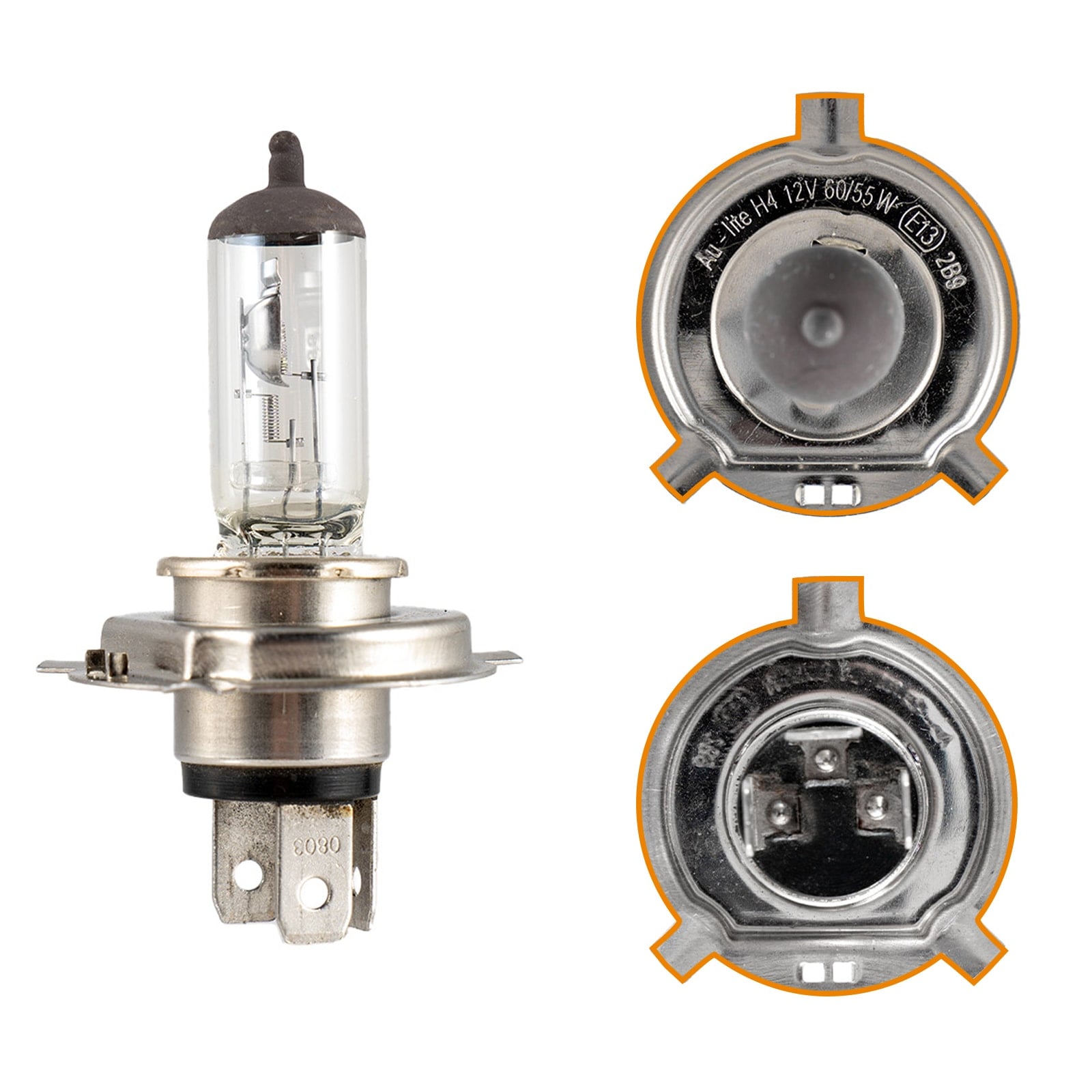
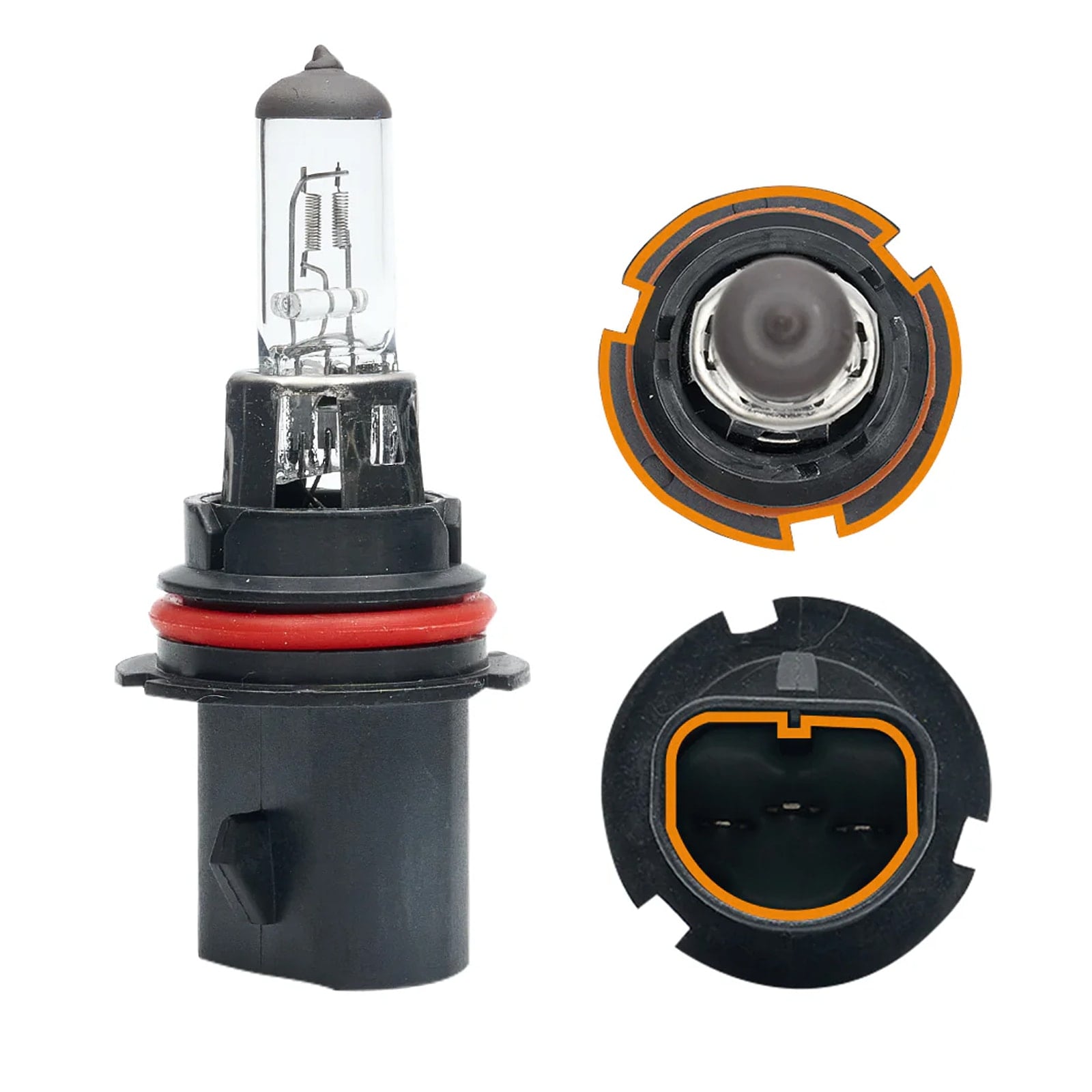
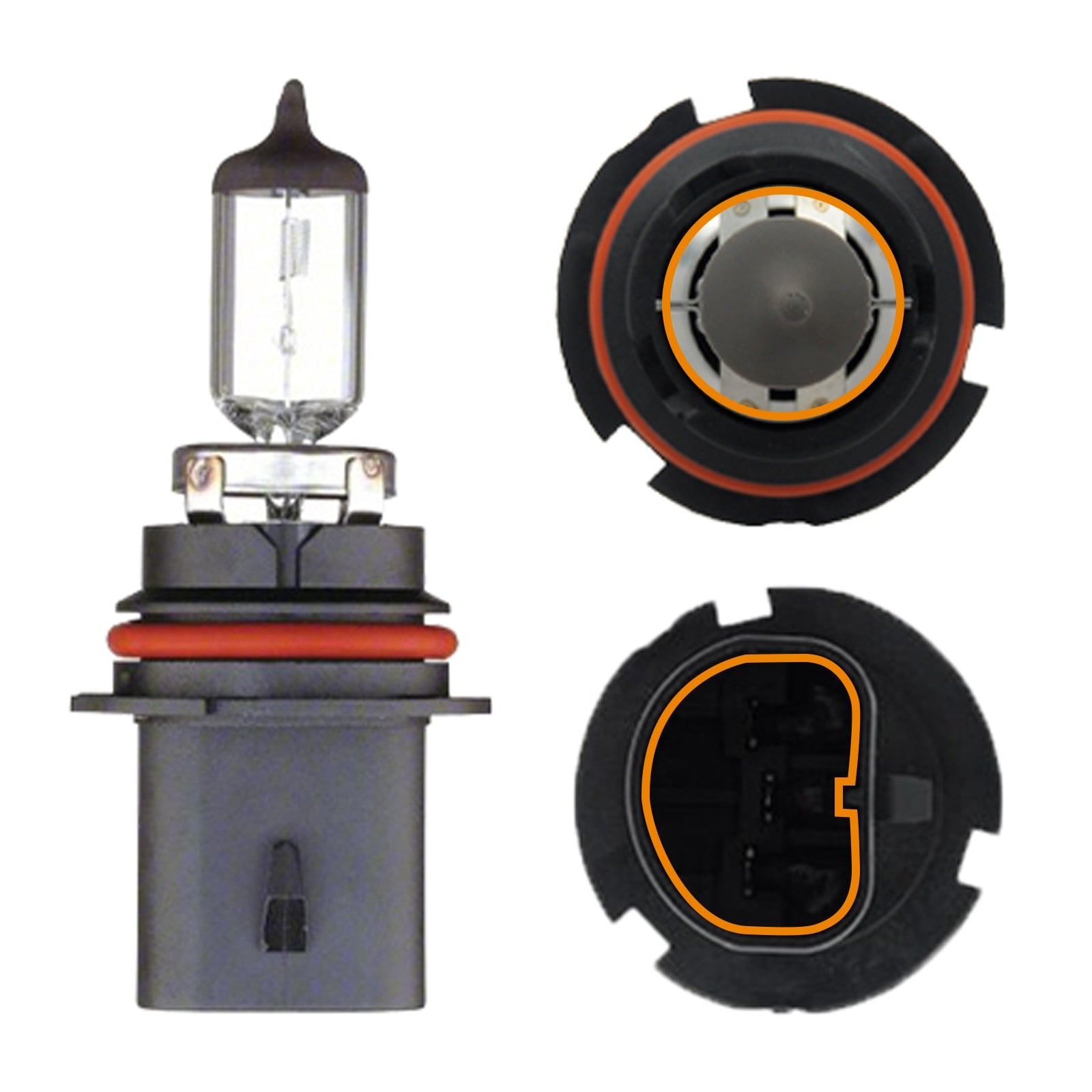
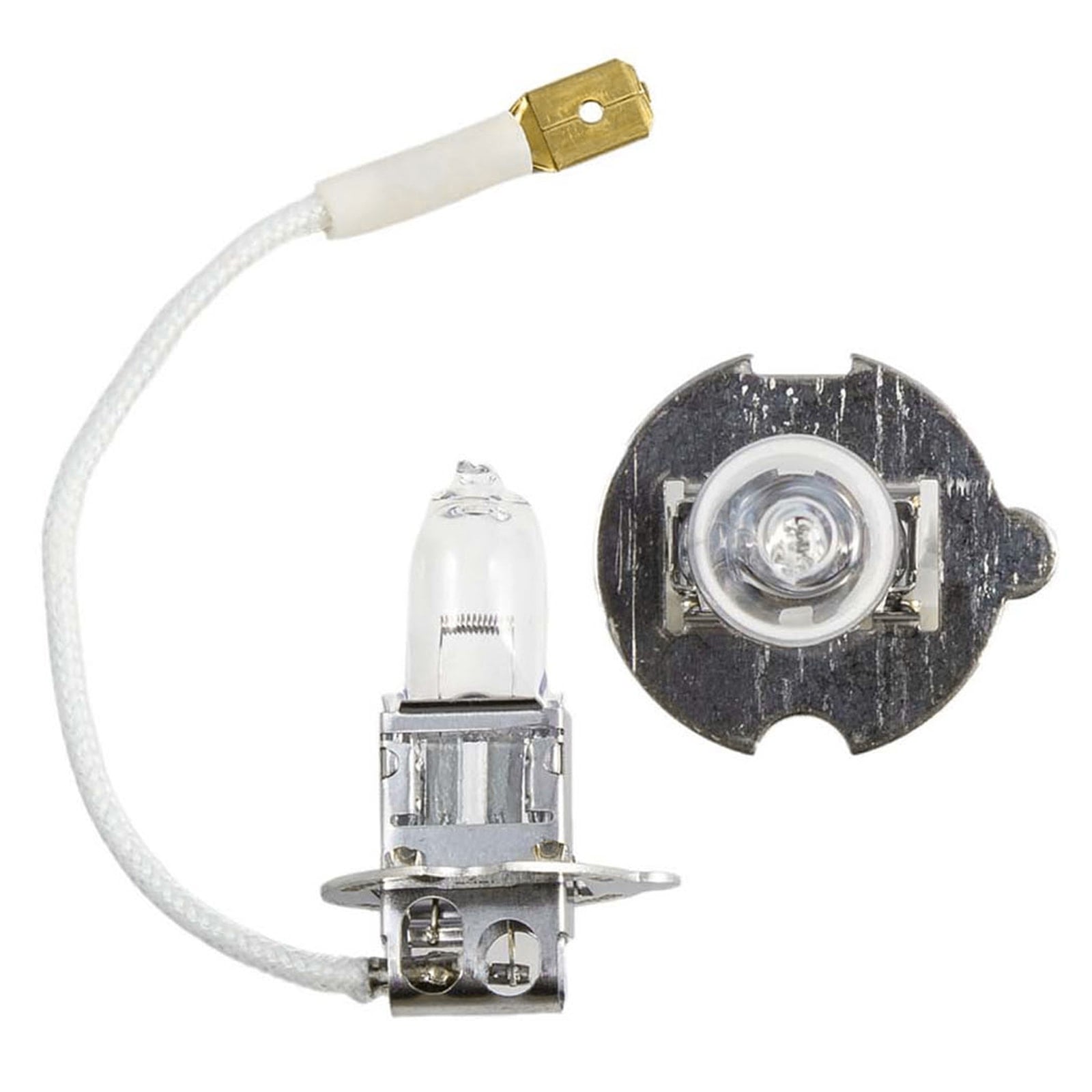
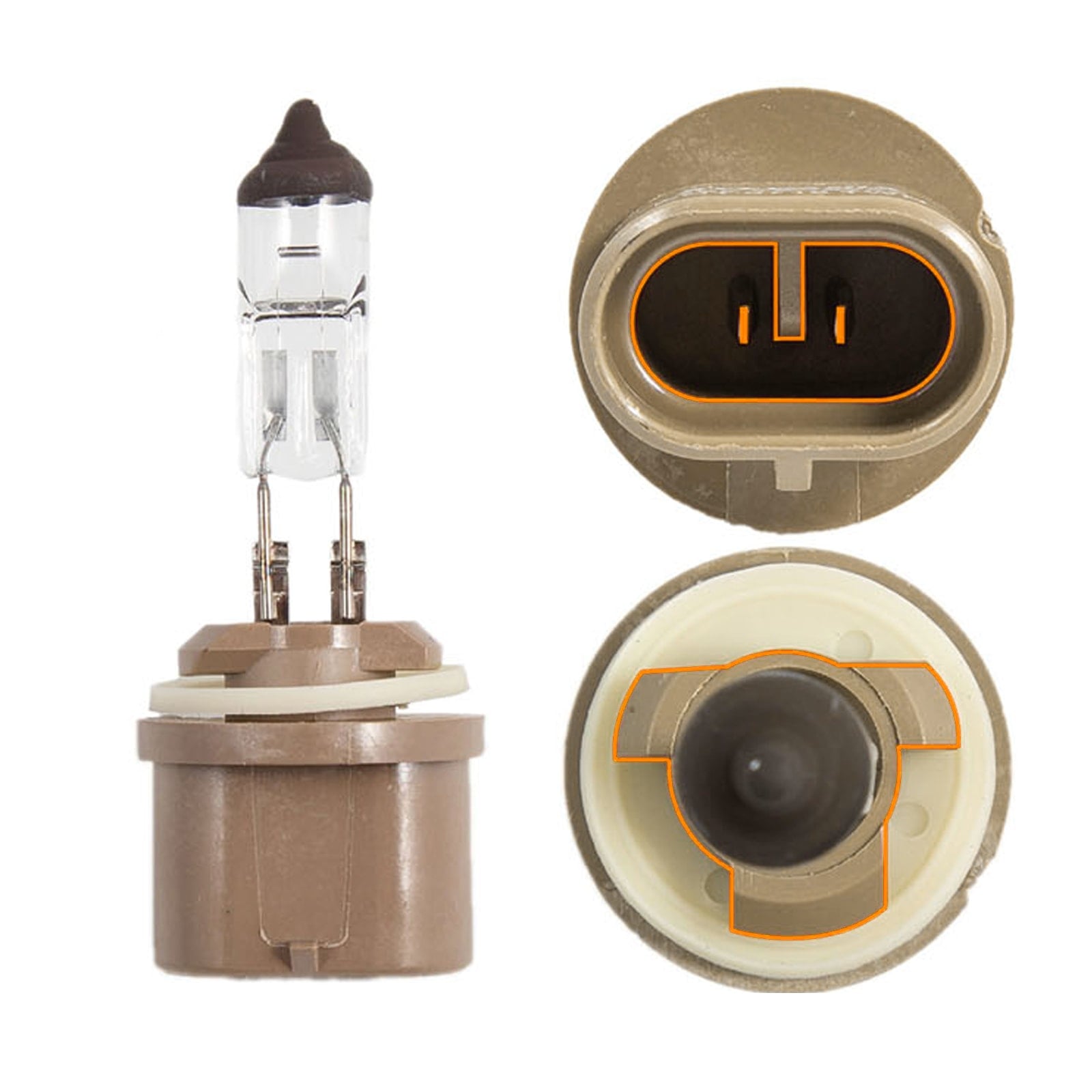
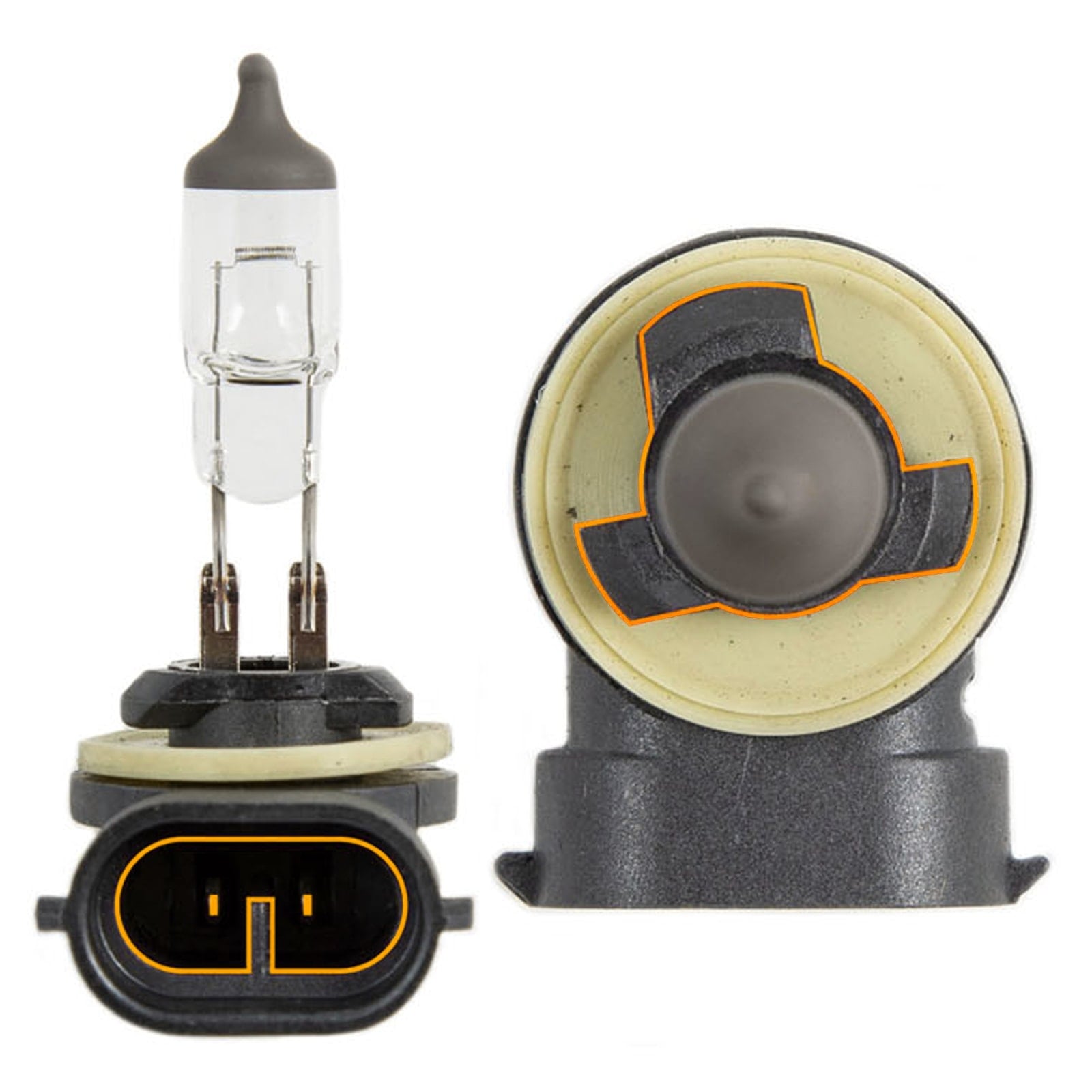
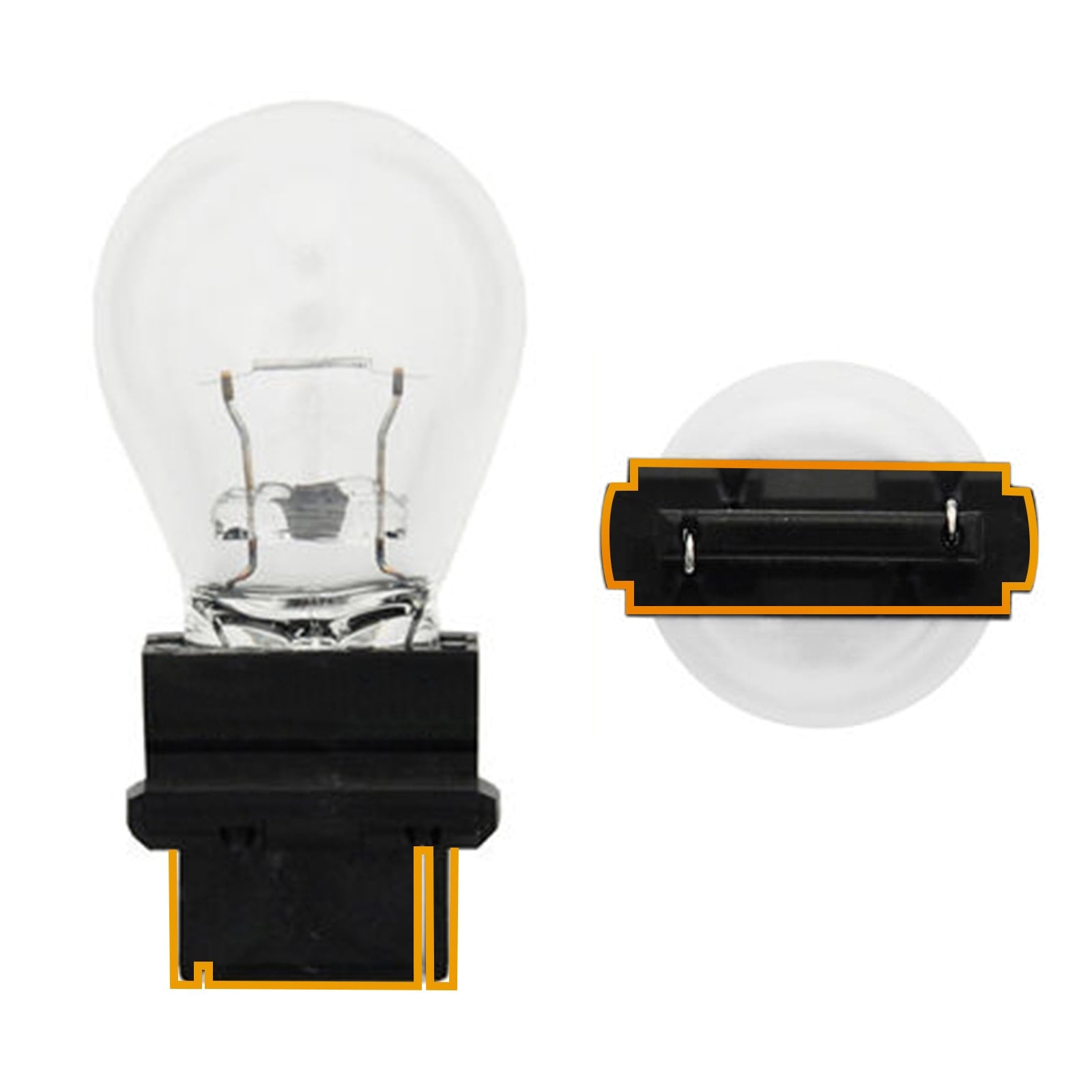
Many cars use halogen headlights, which can dim in cold temperatures. The tungsten filament inside the bulb contracts in freezing weather. This change affects how the bulb heats up and may cause the light to appear dimmer until it warms.
Here’s what you should check:
- Test all lights
Check that your headlights work on both high and low beams and that they shine brightly. Headlights can lose up to 20 percent of their brightness each year. Also test your hazard lights, turn signals, brake lights, and reverse lights. Ask someone to help you verify that the rear lights are working. - Replace or upgrade bulbs
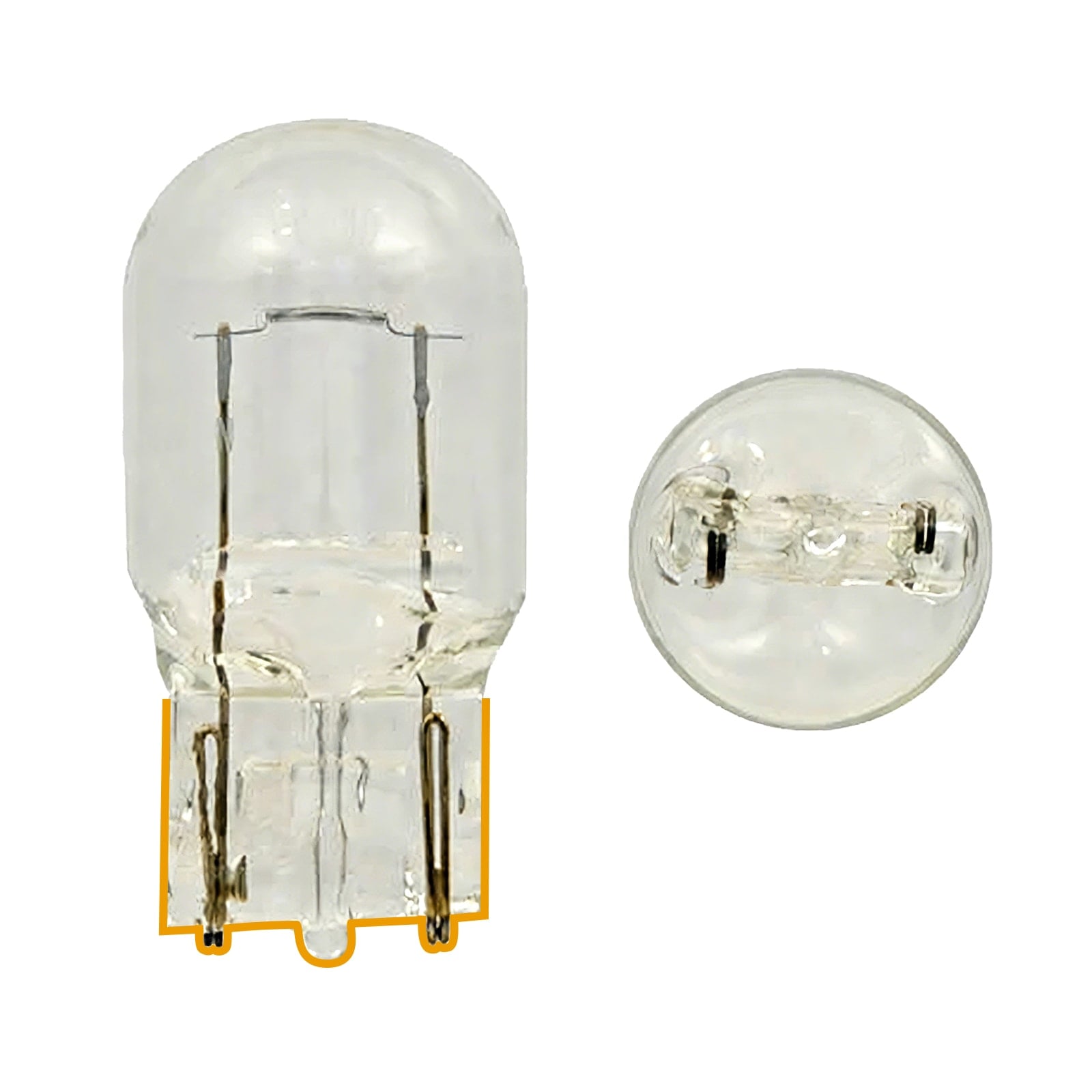
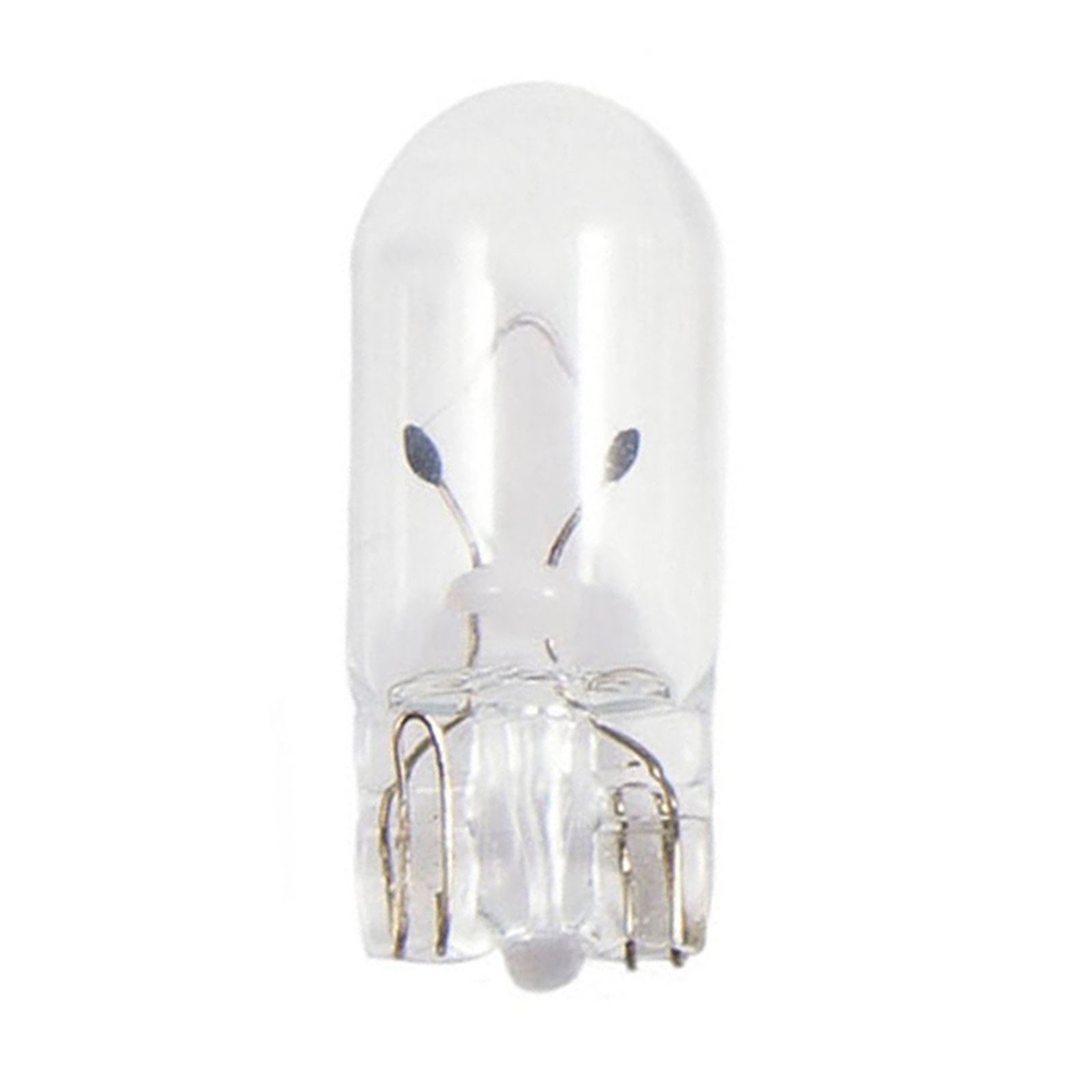
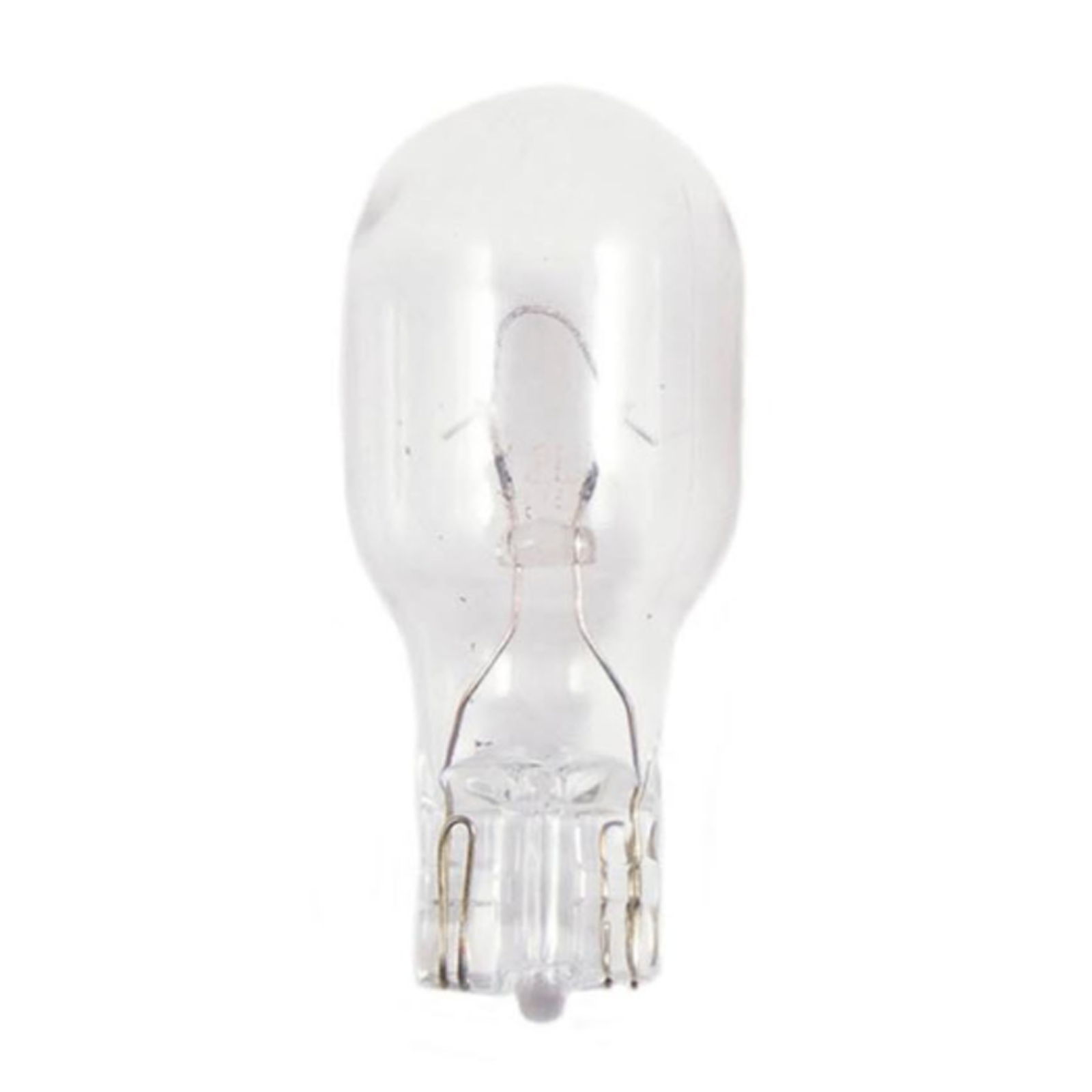
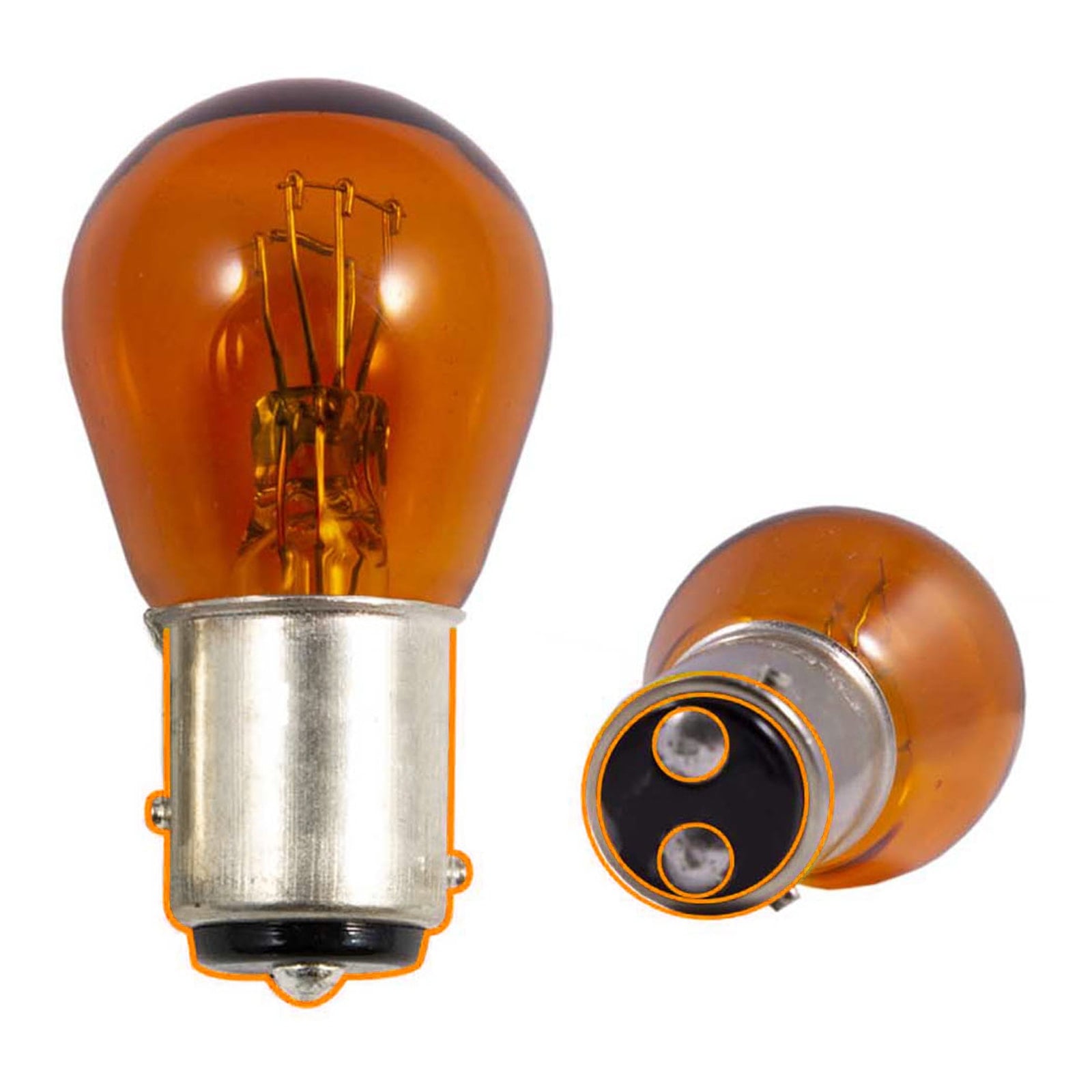
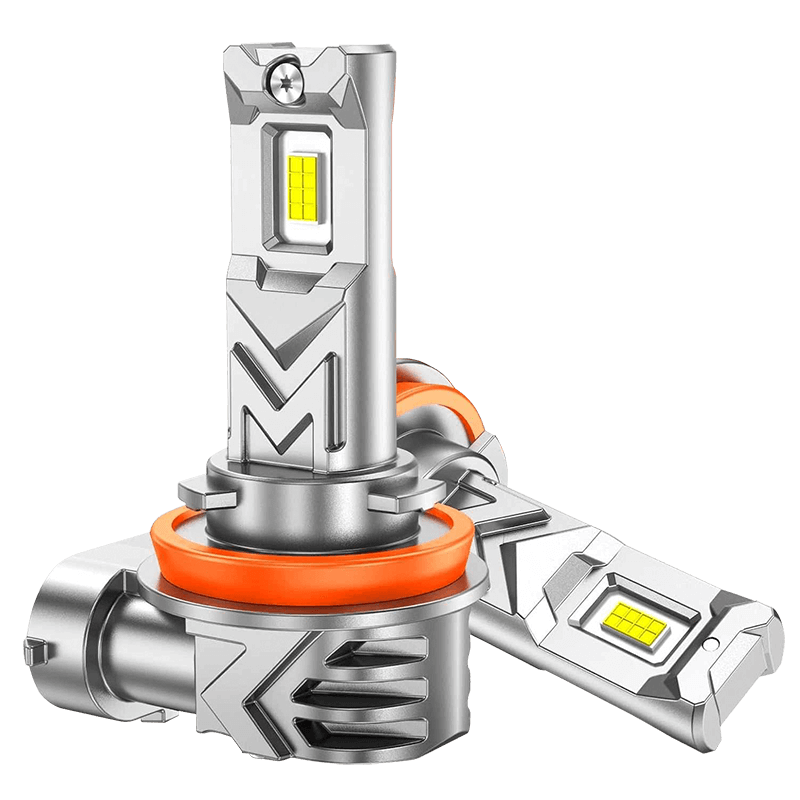
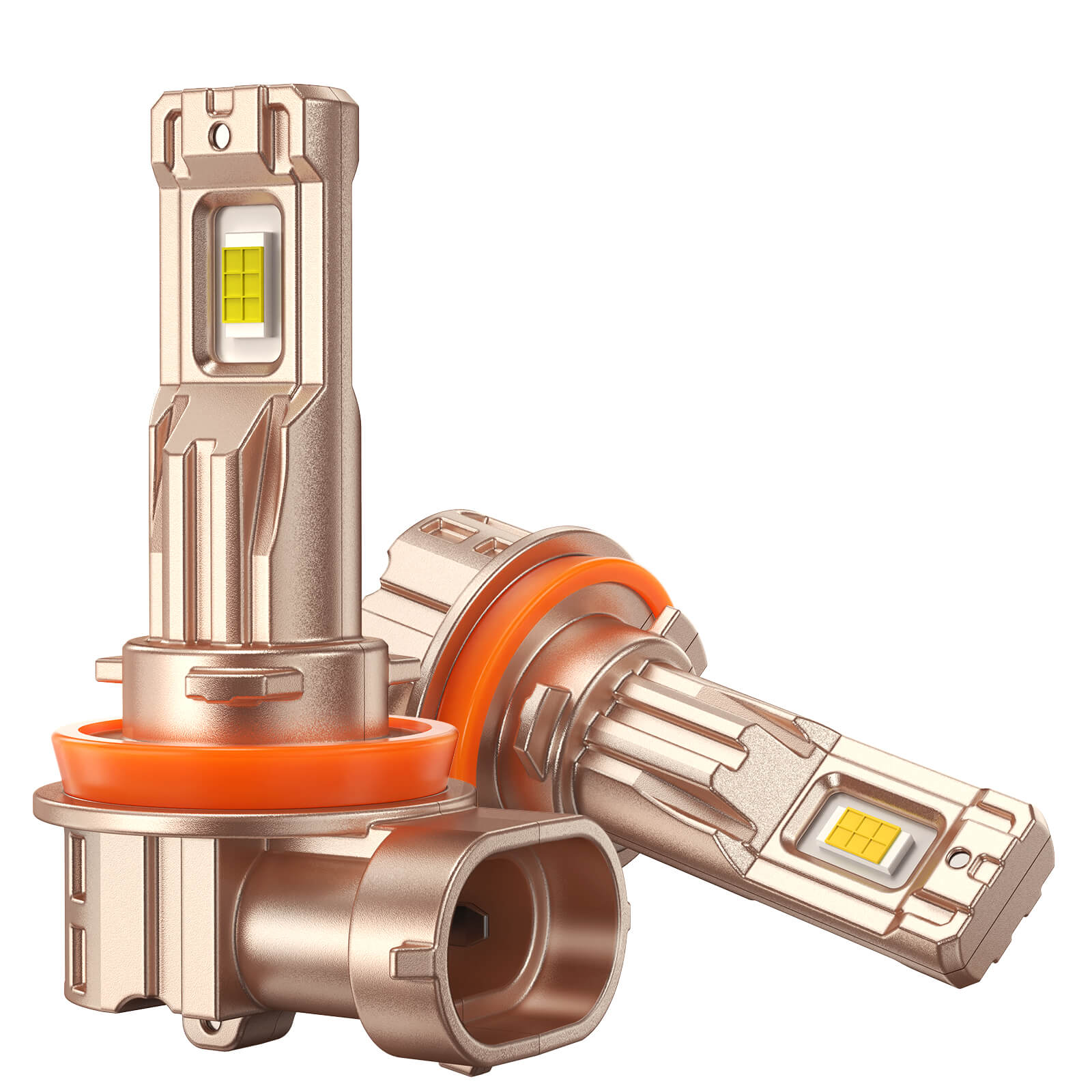
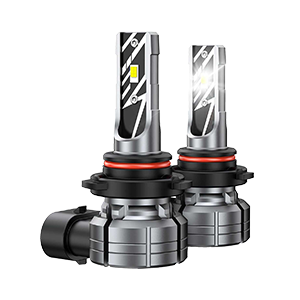
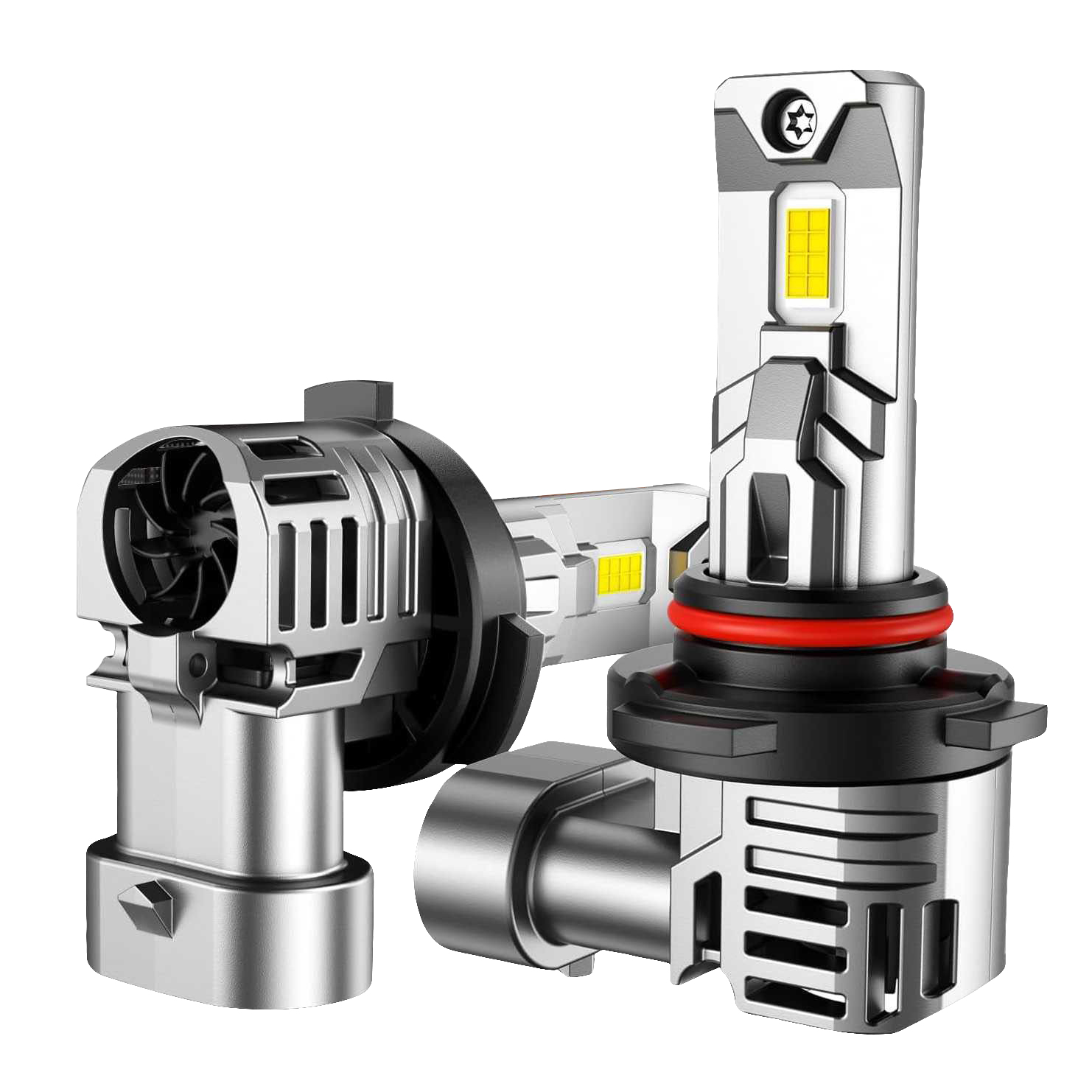
If your halogen bulbs are getting old, it might be time to replace them. Choose bulbs that are rated for cold weather. You may also want to consider "cooler-color" bulbs with higher Kelvin ratings, as they perform better in low temperatures. LED bulbs are also a good choice, offering brighter light and longer life. SEALIGHT’s winter LED bulb collection is a good choice. They offer brighter light and longer life. They can handle snow, fog, and icy weather. Click here to explore. - Keep lights clean
Snow, ice, and road salt can cover your headlights and reduce their effectiveness. Wipe them clean regularly for the best visibility.
For a lighting-specific winter checklist, see the best car lights for safer winter driving.
Windshield Wipers and Washer System
Winter driving can turn your windshield into a mess in seconds. Snow, slush, and salt reduce visibility fast, and if you don’t have working wipers and enough washer fluid, you’re in trouble. A single snowstorm can empty your washer tank before you know it.
What to do:
Use washer fluid made for winter. Look for one with a de-icing formula and a freezing point of 0°F or lower. Fill the reservoir before the season starts, and never mix it with water—doing so can cause the fluid to freeze and damage the system.
Some other tips:
- Test your wipers and defrosters regularly.
- Replace blades if they leave streaks or chatter across the glass.
- For areas with heavy snow, winter-grade wiper blades are a smart upgrade.
- Heated wipers are ideal for extreme conditions—they prevent ice from building up during your drive.
- While you're at it, check other key fluids like brake, transmission, and power steering. Cold weather can affect them too.
Change the Oil Before Temperatures Drop
Fresh oil flows more easily in cold weather and reduces strain on the battery and starter during cold starts.
An oil change before winter ensures the engine is well protected and lubricated when temperatures plunge. Always follow the oil weight recommendations in the owner’s manual, as thinner winter grades improve cold-start performance.
Check the Cooling System Thoroughly
Your cooling system plays a key role all year, but it becomes even more important in winter. Coolant protects your engine from both overheating and freezing, which can lead to serious damage like a cracked engine block.
Here’s what to do:
- Check the coolant level in the reservoir, which is the clear plastic tank near the radiator. Avoid opening the radiator cap, especially if the engine is still hot.
- Make sure the coolant meets your vehicle manufacturer’s specifications. Most cars use a 50/50 mix of coolant and water, but your owner’s manual will tell you exactly what your engine needs.
- If the coolant is old, dirty, or past its service life, it should be drained and replaced.
If you're not sure about the condition of your cooling system, a visit to your mechanic can help.
Inspect Belts and Hoses
Rubber components become less flexible in cold weather, making worn belts and hoses more likely to crack or fail.
Inspect belts for fraying, glazing, or visible cracks, and examine hoses for leaks, bulges, or soft spots. Replacing questionable parts before winter helps avoid breakdowns in unsafe or uncomfortable conditions.
Fuel or Charge
Most electric vehicle batteries lose efficiency in the cold. They rely on internal heating systems that use battery power. This means your range can drop even before you begin driving.
Therefore, during cold weather, keeping your gas tank nearly full is a smart habit. For electric and hybrid vehicles, keeping the battery charged and warm is just as important.
To reduce power loss, plug in your vehicle overnight during winter. This helps the battery stay warm and ready, making sure your vehicle performs better when you need it most.
Ensure Brakes Are in Top Shape
Cold temperatures don’t directly harm your brakes, but winter driving conditions demand that they work their best. If you notice grinding sounds, pulling to one side, or the brake pedal vibrating when stopping, these are warning signs that shouldn't be ignored. Replace worn brake pads or other components early to ensure your car can stop safely on icy or snowy roads.
Floor Mats and Interior Safety
Snow, ice, and slush can quickly turn your car’s interior into a mess. Installing heavy-duty, properly sized floor mats is a smart move for winter. Always secure them with the correct clips and make sure they don’t slide under the pedals. Poorly fitted mats can interfere with braking or accelerating, putting everyone at risk.
Build a Winter Emergency Kit and Learn Your Safety Technologies
As winter approaches, it’s smart to make sure both you and your car are ready for whatever the season brings. Start by learning how your vehicle’s safety systems behave in cold and slippery conditions.
If your car has antilock brakes (ABS), you don’t need to pump them in a skid. Just press down firmly and steadily. The system prevents the wheels from locking, which helps you stay in control. If your vehicle doesn’t have ABS, you’ll need to apply brakes with short pumps if the wheels begin to slide.
Next, put together a winter emergency kit. Here’s what to include:
Basic Essentials:
- Warm blanket, hat, gloves, and hand warmers
- Bottled water and non-perishable snacks
- Phone charger and backup power bank
Recovery Tools:
- Snow shovel and ice scraper
- Broom to clear snow off your car
- Sand, cat litter, or traction mats for stuck tires
- Tow strap and portable air compressor
Safety Equipment:
- First-aid kit with a tourniquet
- Reflective triangle, flares, or emergency markers
- Flashlight or headlamp with extra batteries
- Glass breaker and seatbelt cutter
Winterize Automobile Checklist: Key Takeaways
| Check Area | What to Do |
| Tires | Check pressure (cold tires), inspect tread and damage |
| Spare Tire | Check pressure and condition |
| Battery | Test battery and charging system |
| Lights | Test all exterior lights; replace dim bulbs |
| Windshield & Wipers | Use winter washer fluid; replace worn blades |
| Oil | Change oil; use winter-recommended viscosity |
| Coolant | Check level and correct coolant mix |
| Belts & Hoses | Inspect for cracks, leaks, or wear |
| Fuel / EV Charge | Keep tank full or battery well charged |
| Brakes | Inspect if noise, vibration, or pulling occurs |
| Floor Mats | Secure properly; avoid pedal interference |
| Emergency Kit | Carry winter essentials and safety tools |
Final Thoughts
Winterizing your car is about combining regular inspections, proper maintenance, and smart driving habits to stay safe in cold weather. Preparing tires, fluids, lights, brakes, heating systems, and emergency supplies ahead of winter helps reduce breakdowns and improves confidence on snow- and ice-covered roads.
Because visibility is critical during darker winter months, reliable headlights play an important role in overall safety. Upgrading to high-quality LED headlight bulbs can provide brighter, more consistent illumination in cold conditions. Explore SEALIGHT’s handpicked LED bulbs designed for reliable performance in snow and cold weather here.