
 Headlight Bulbs


 Track Order
 My Vehicles
 Contact Us
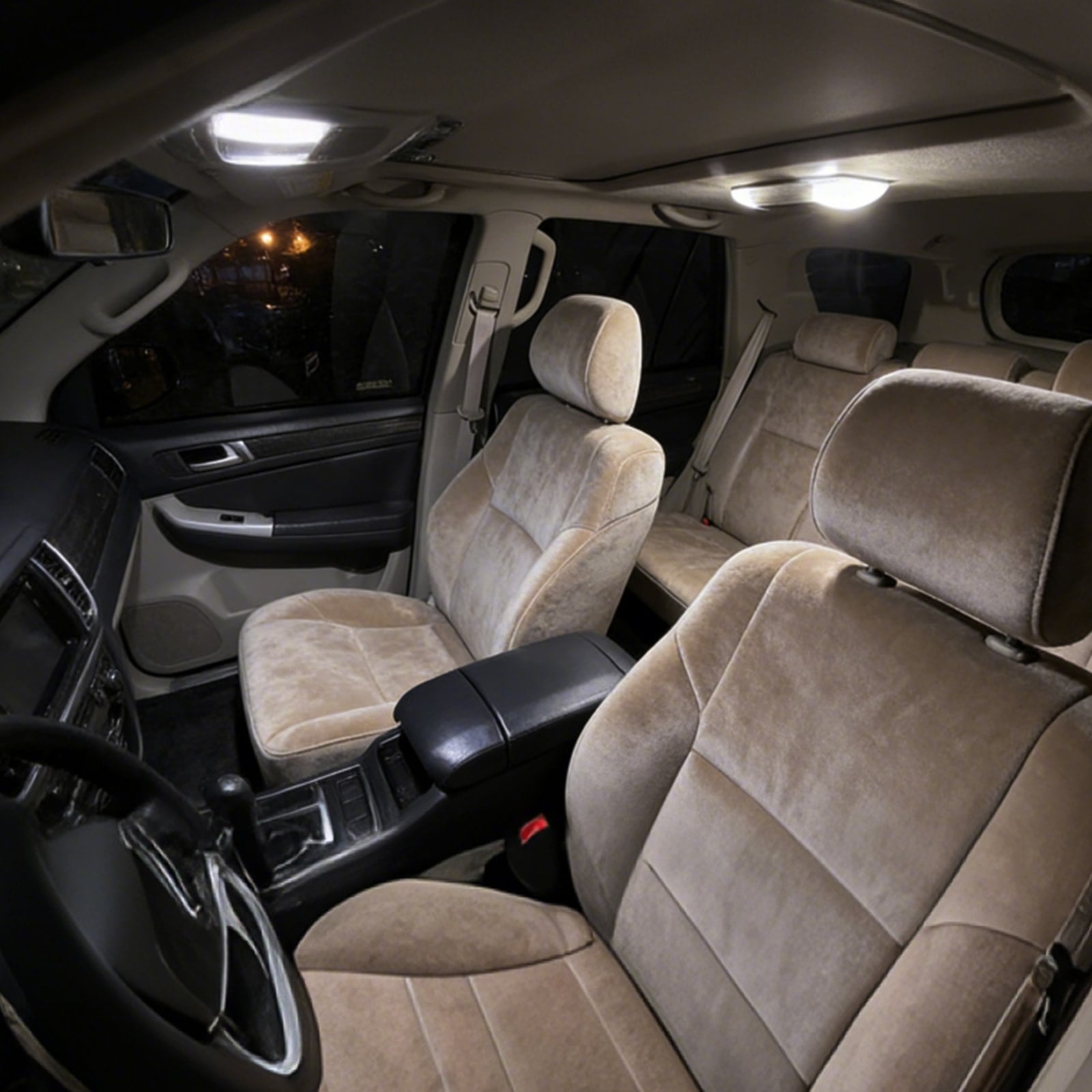
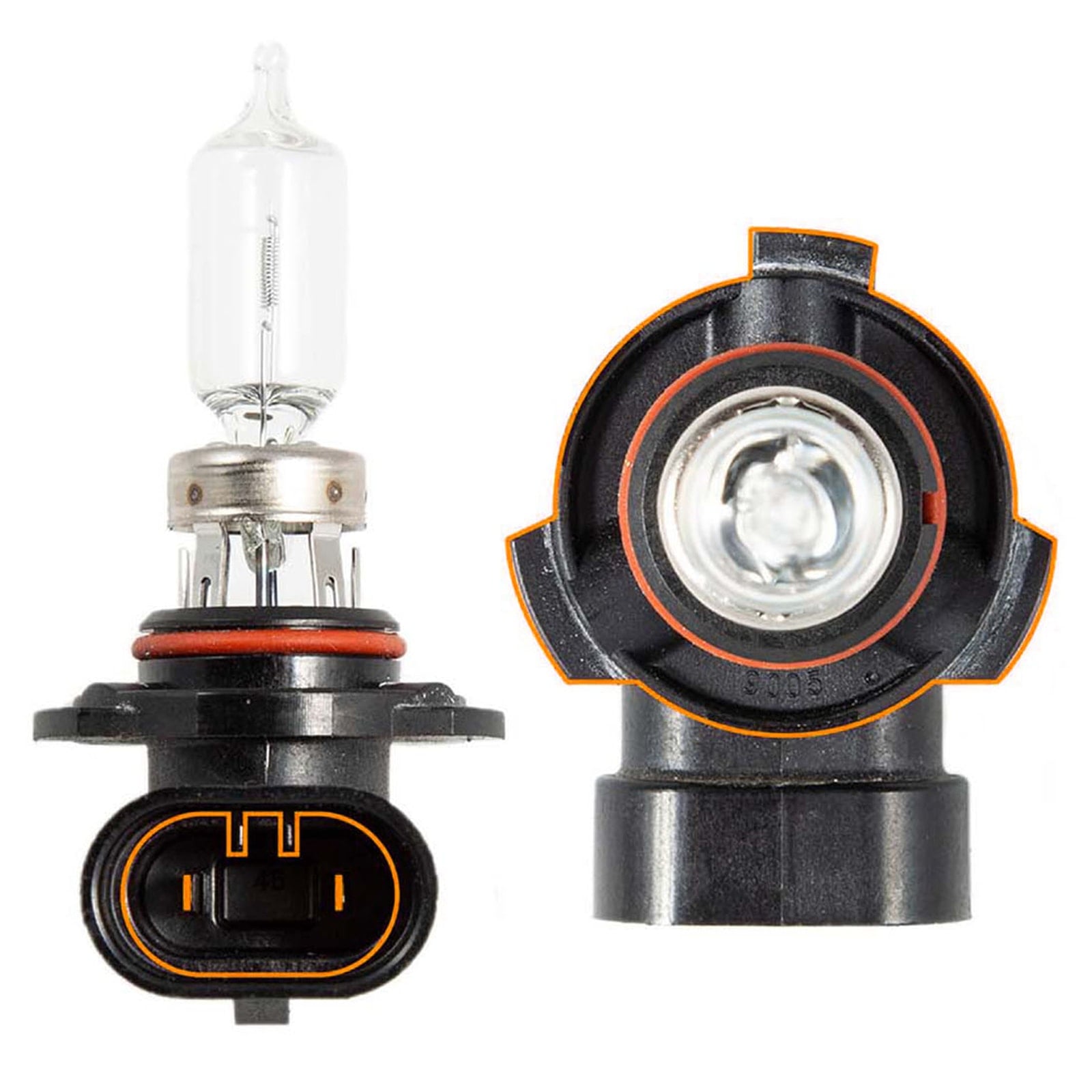
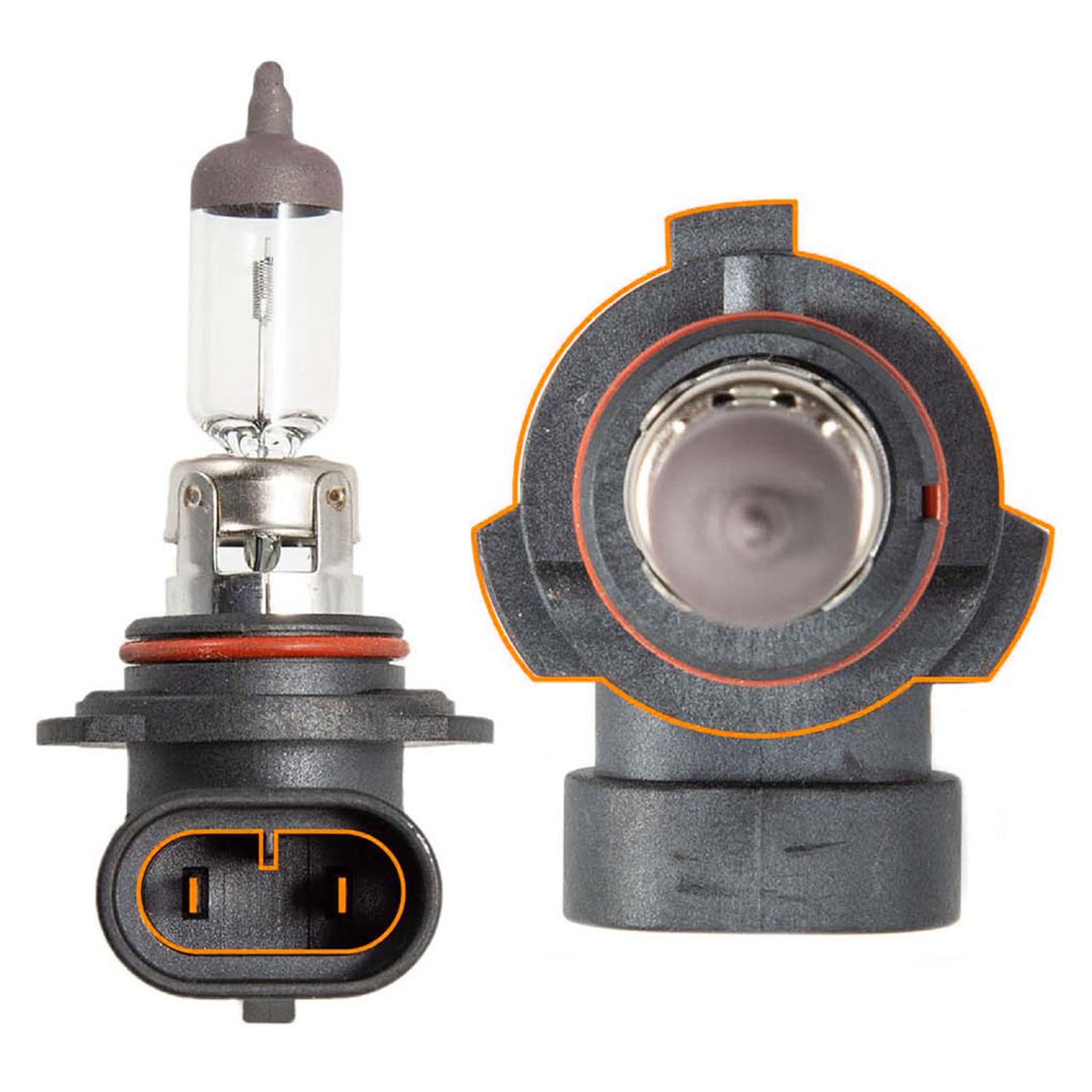
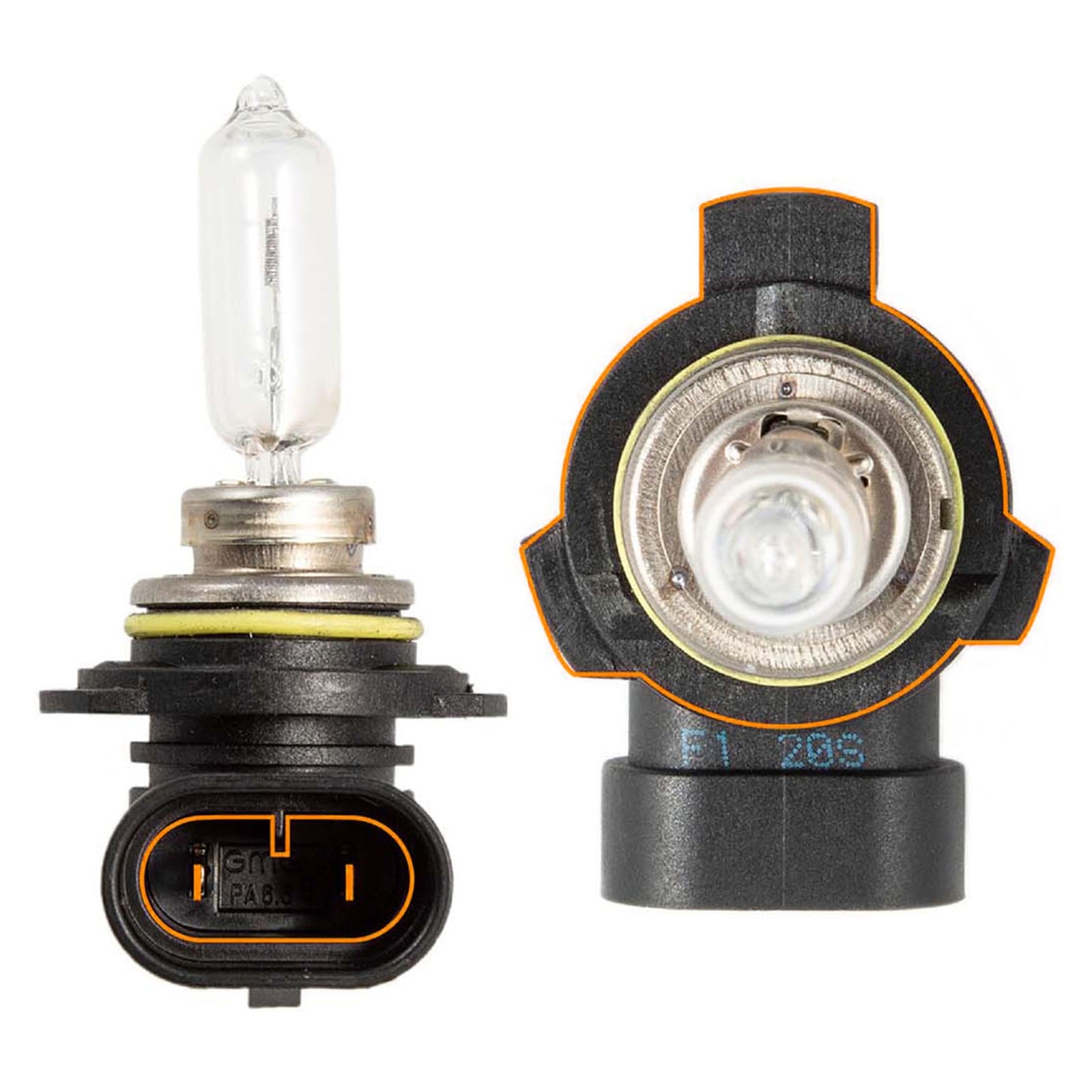
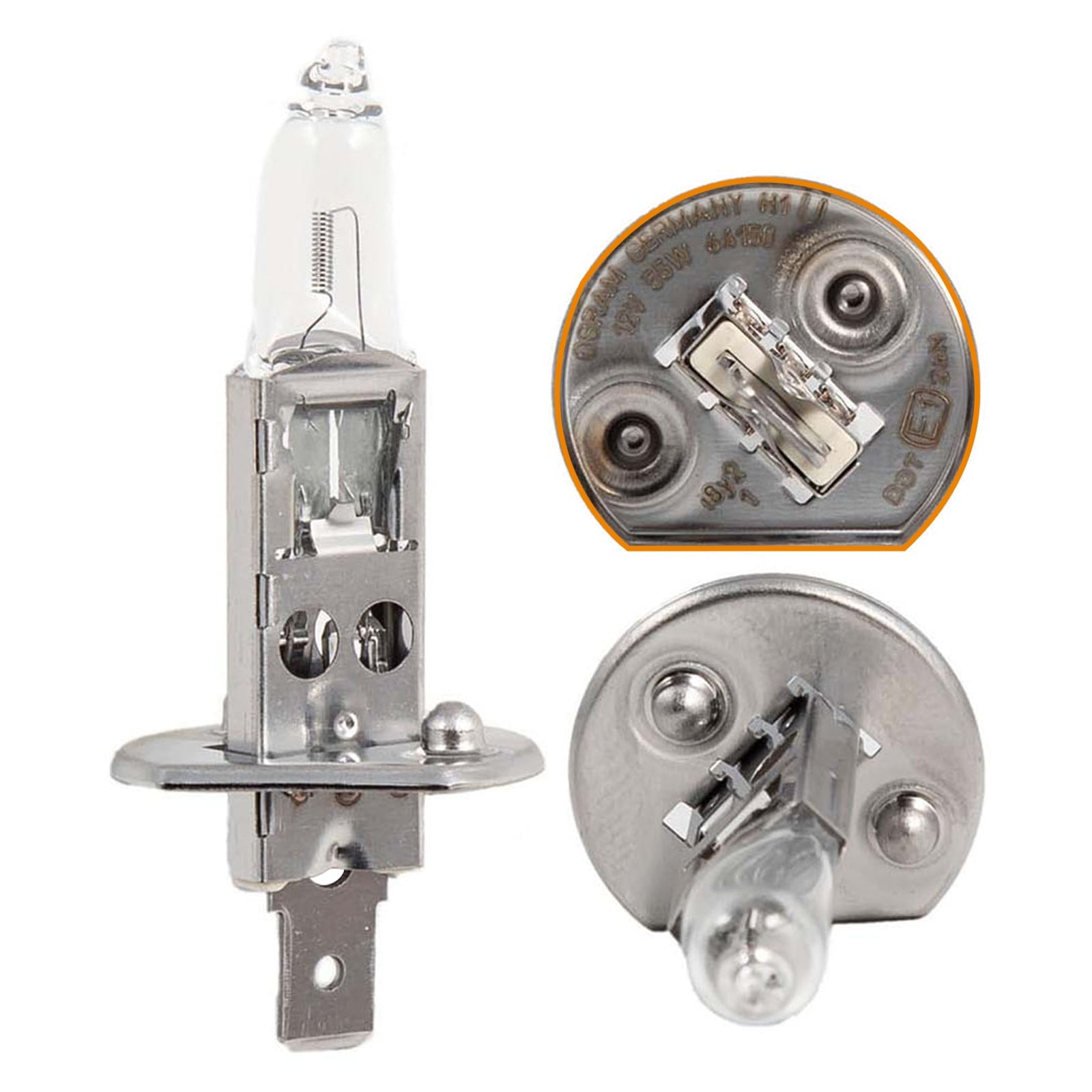

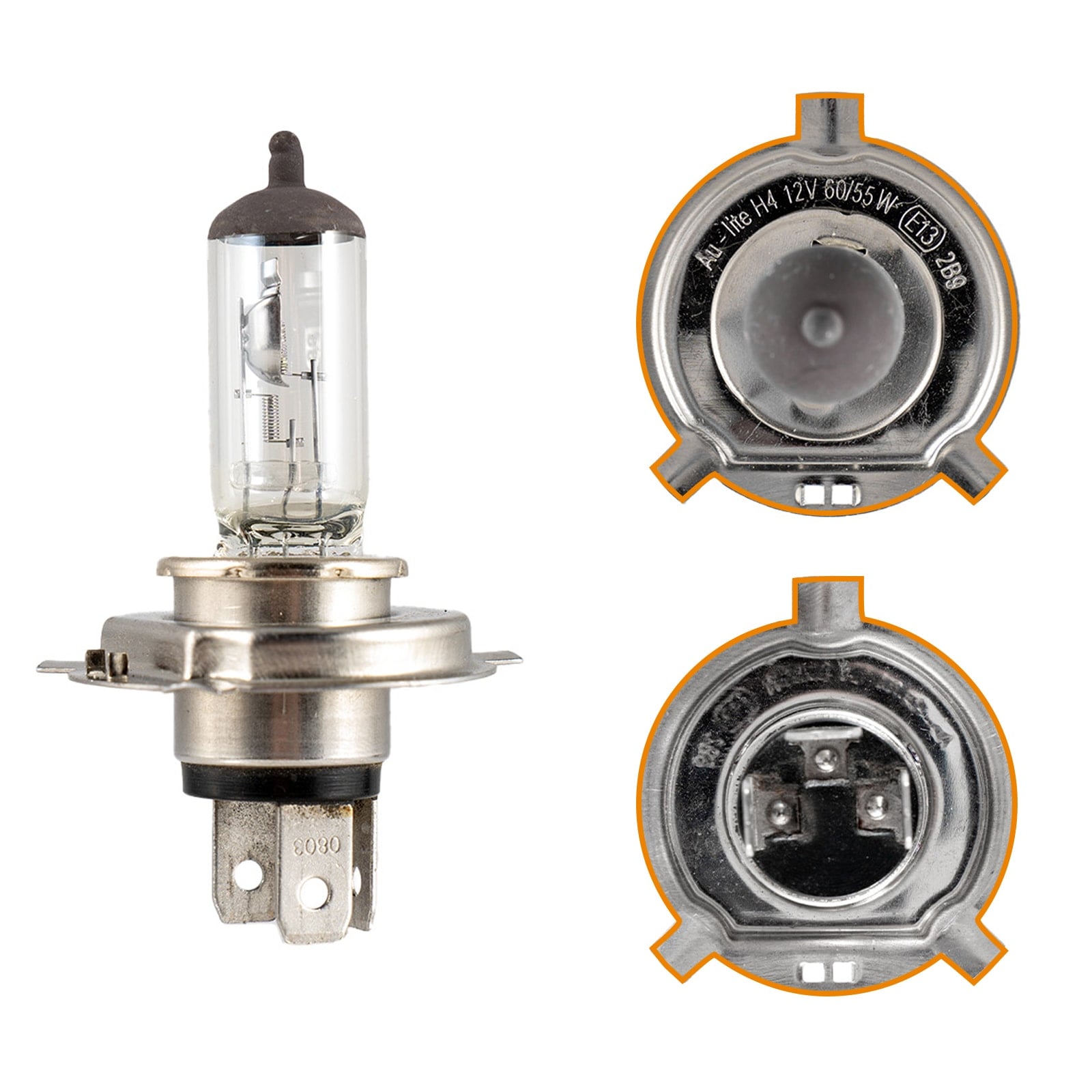
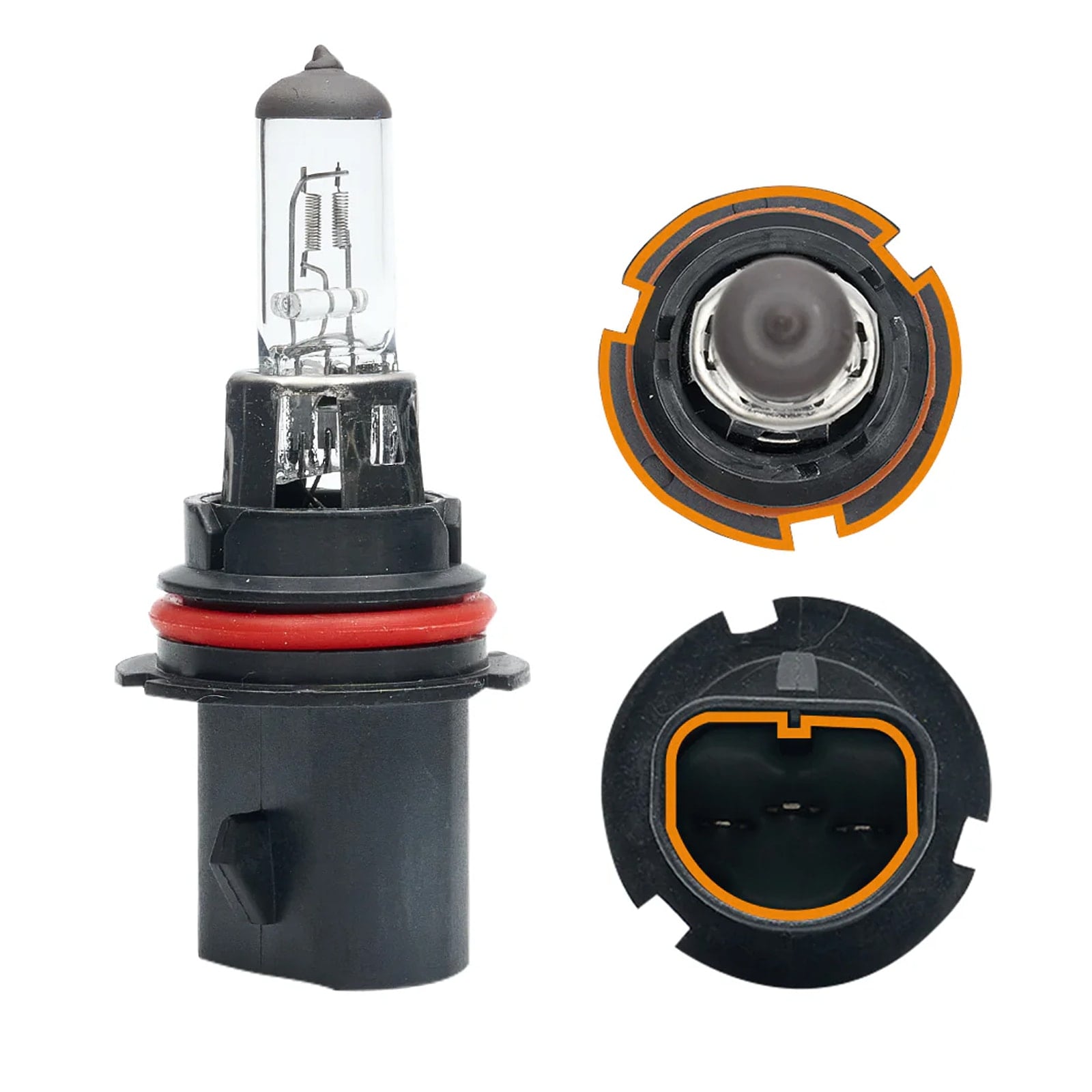
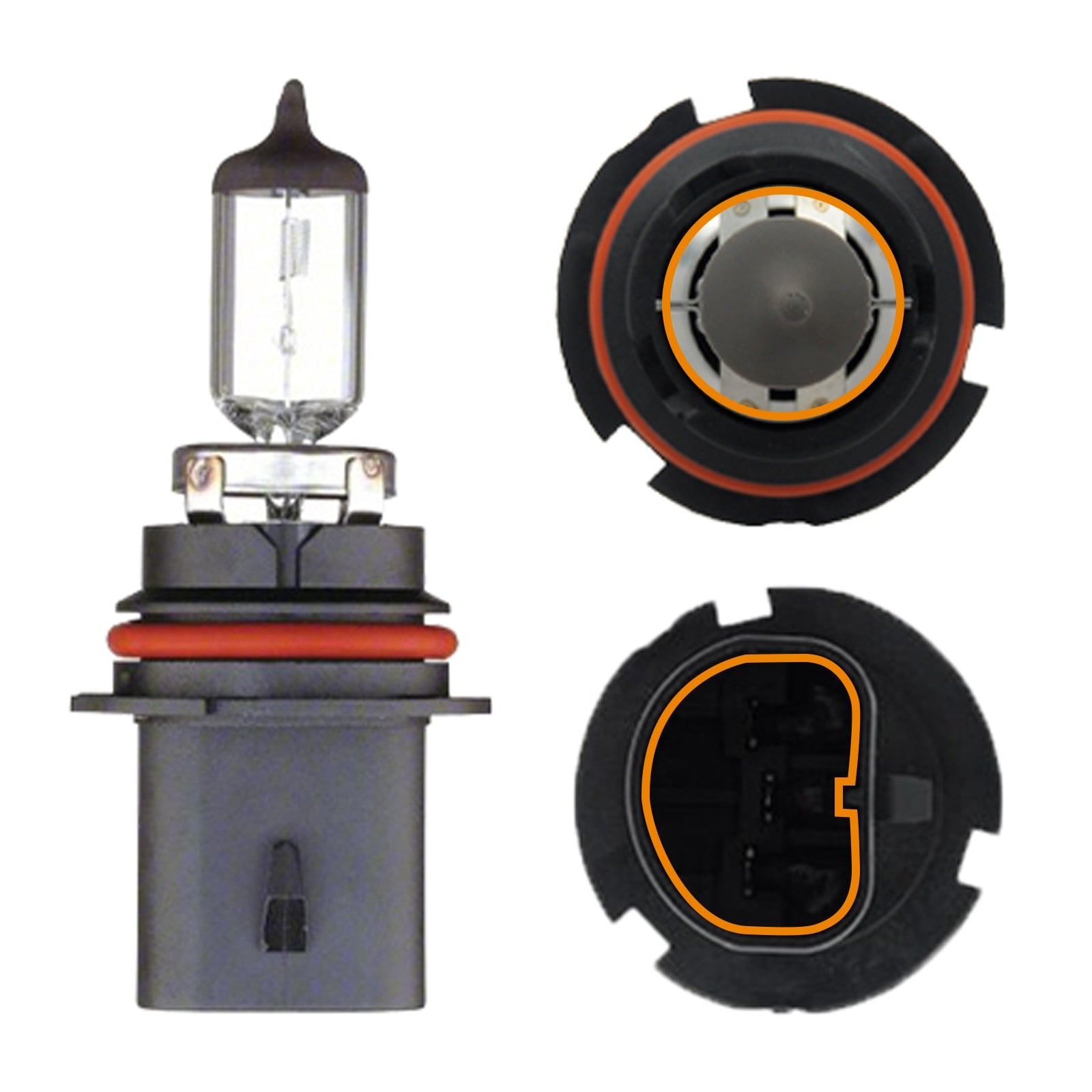
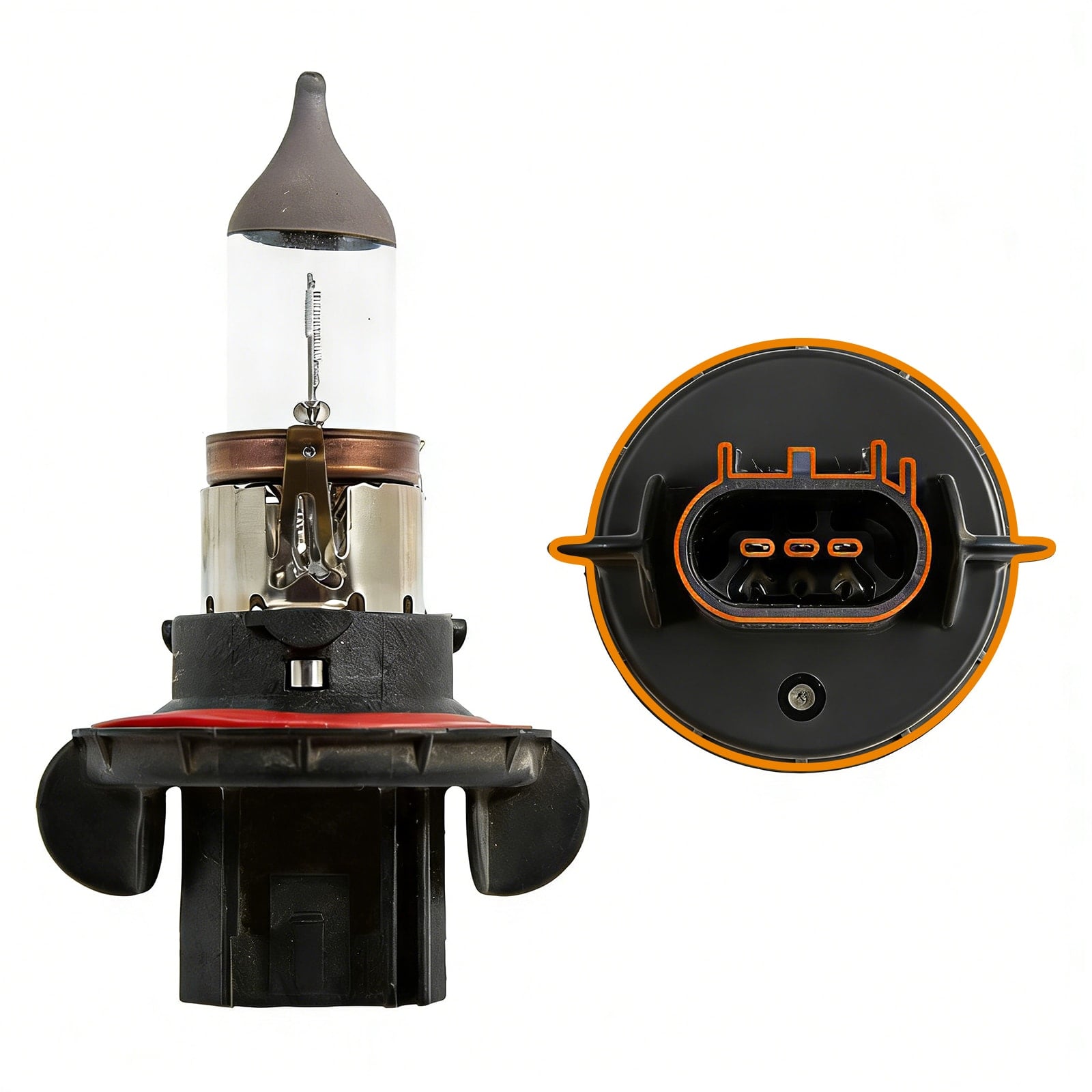
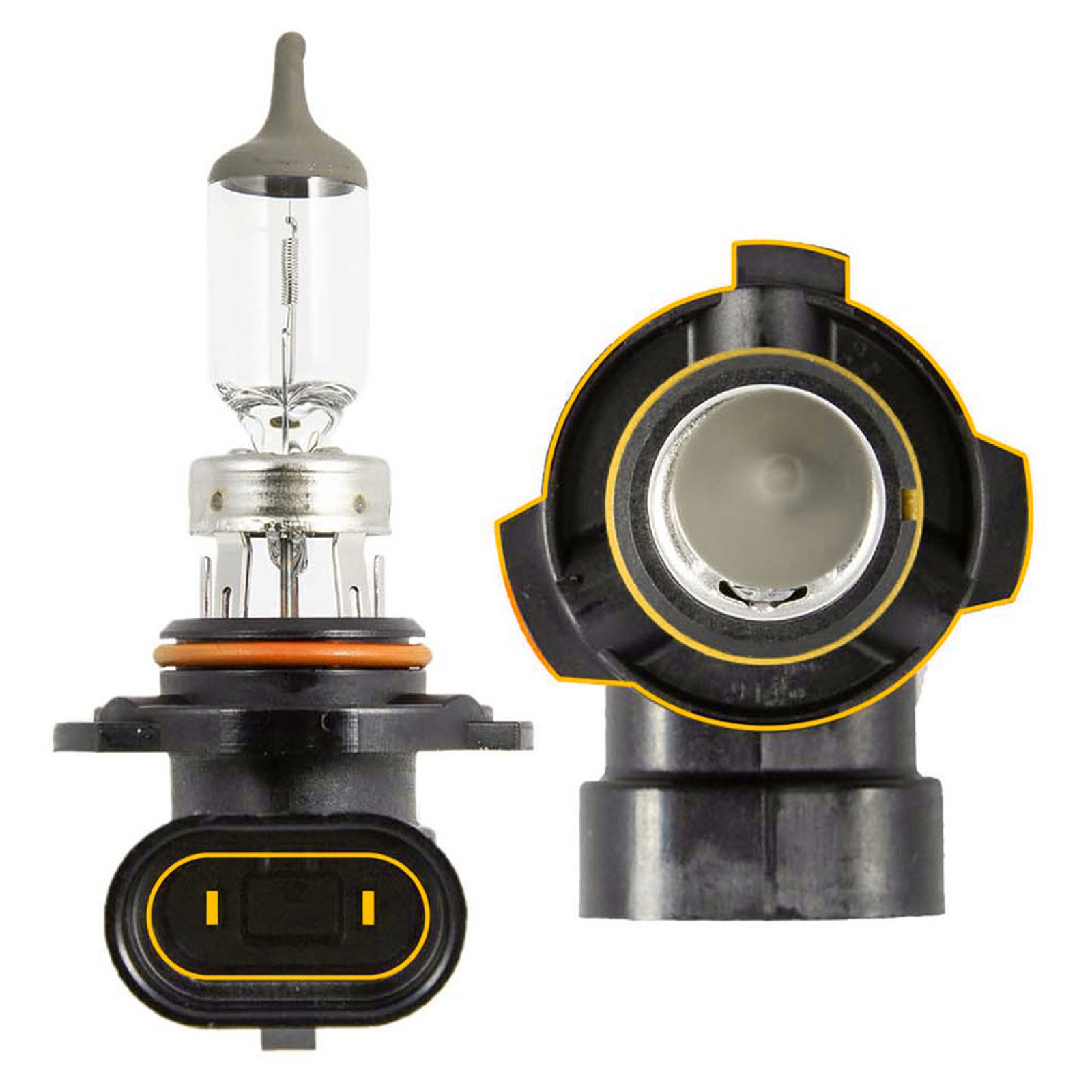
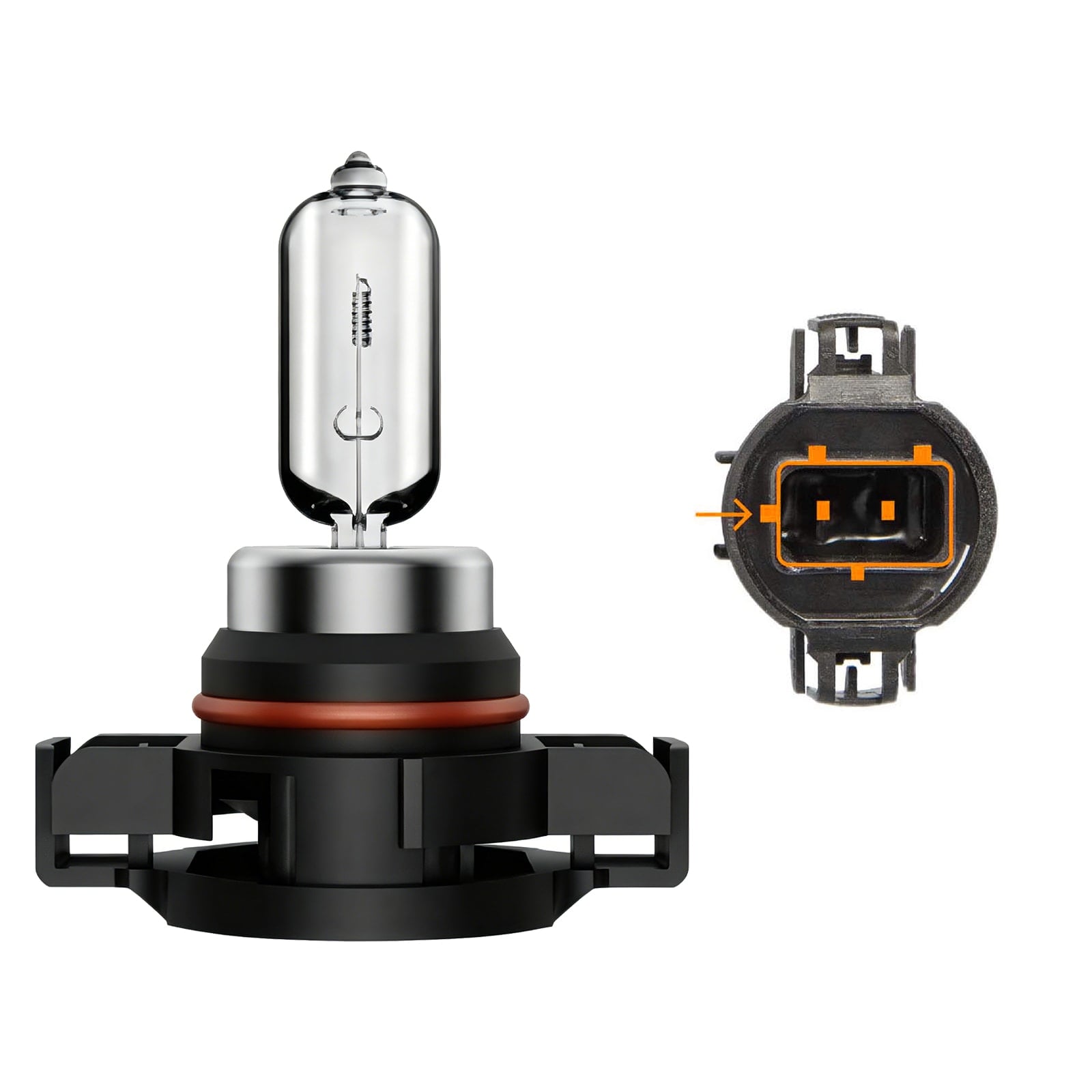
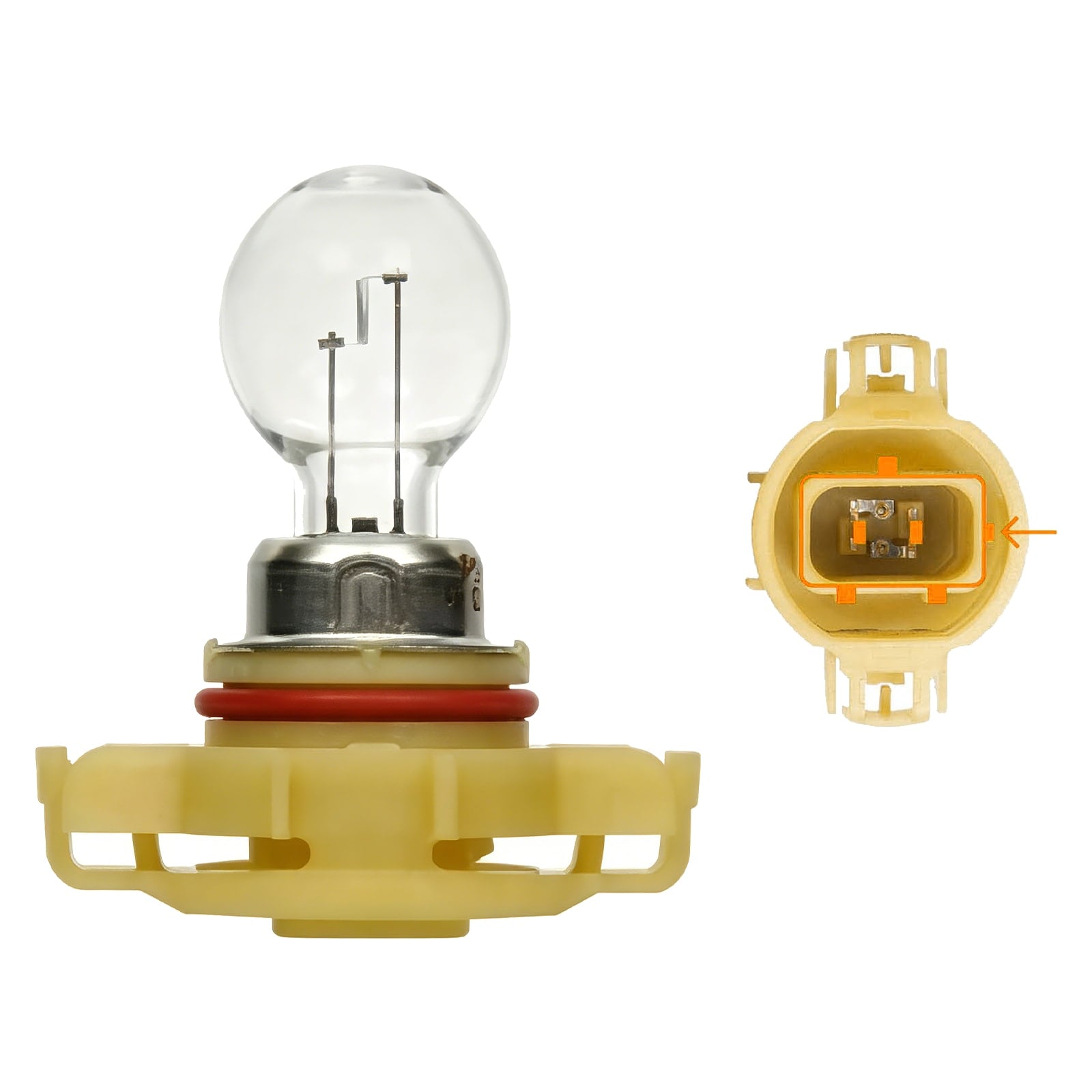
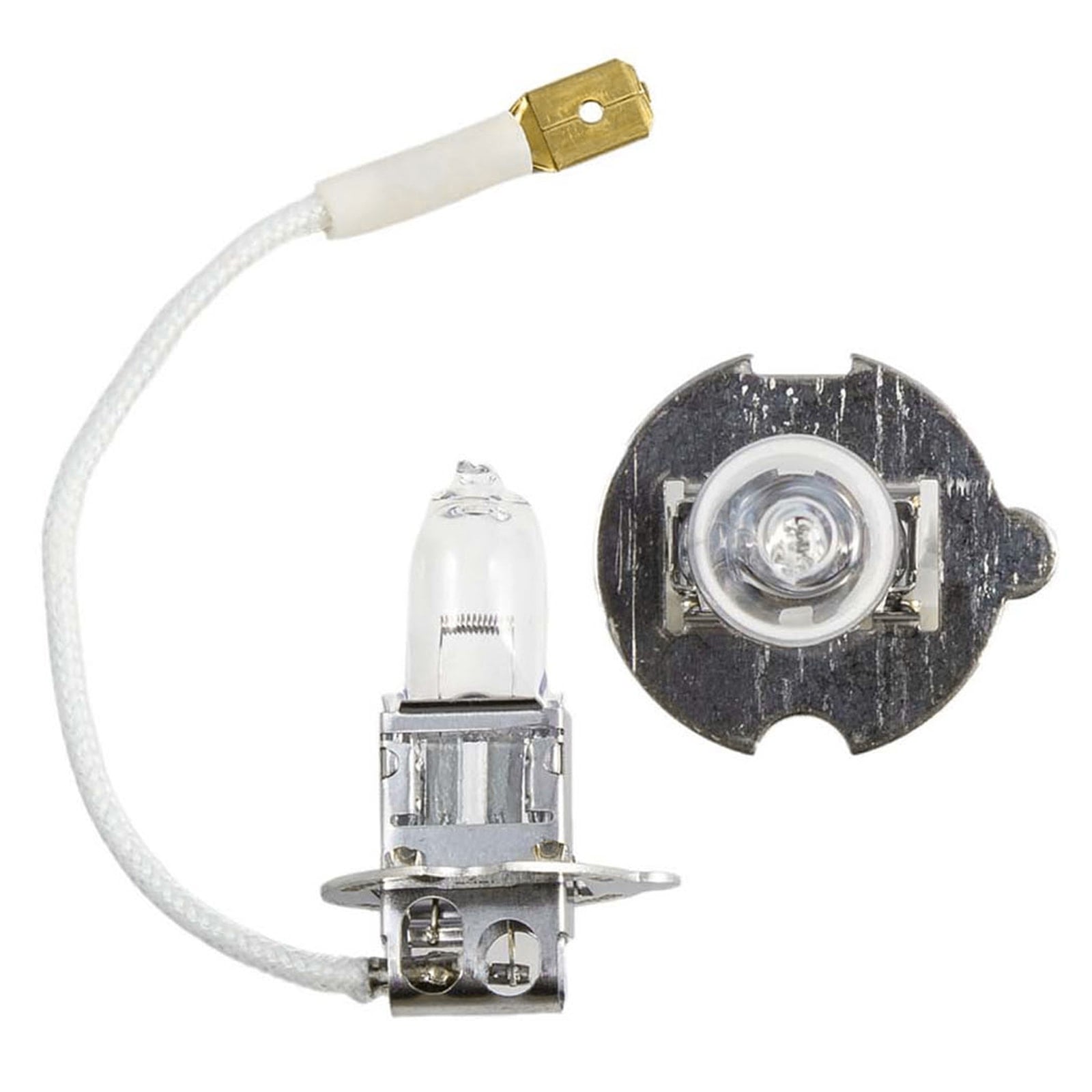
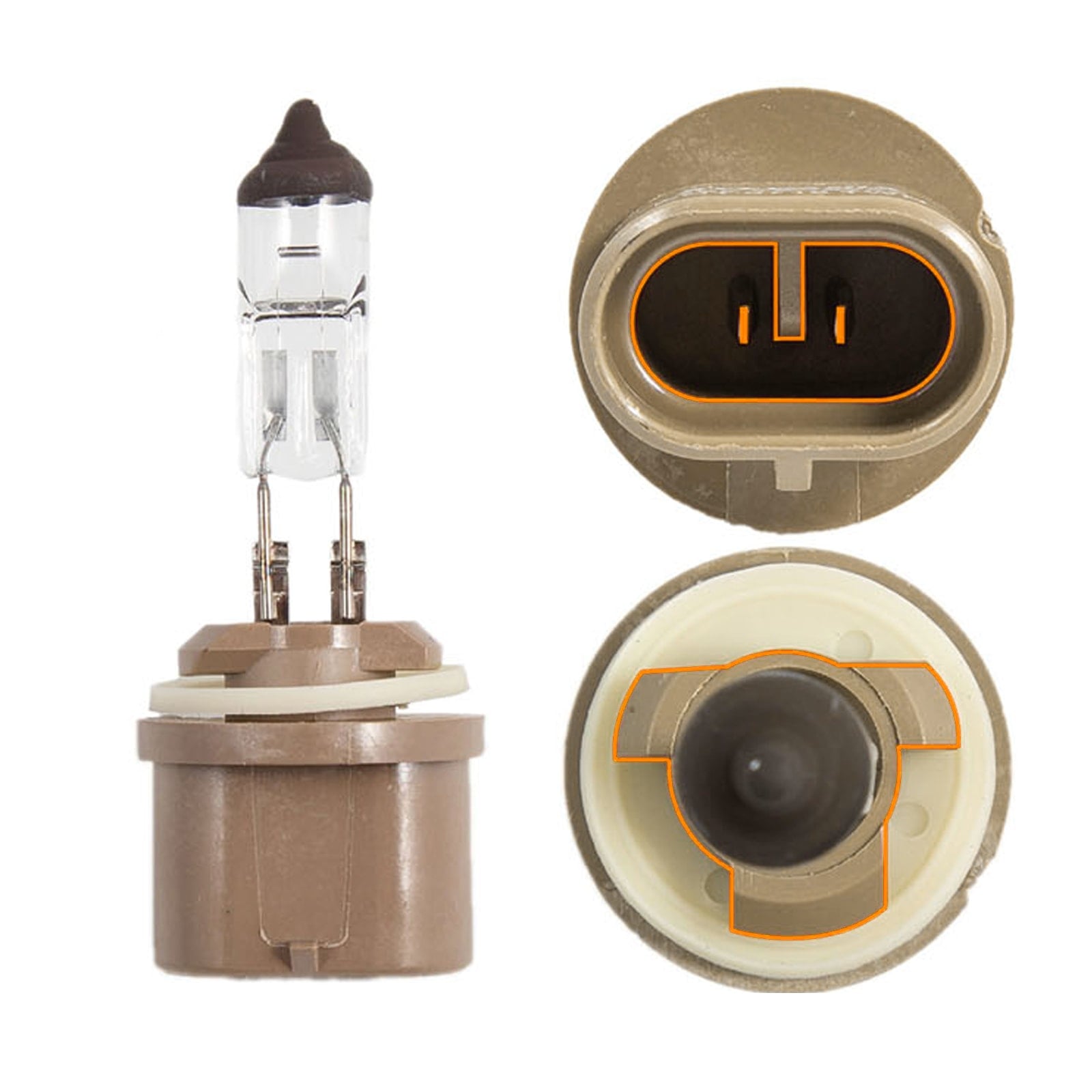
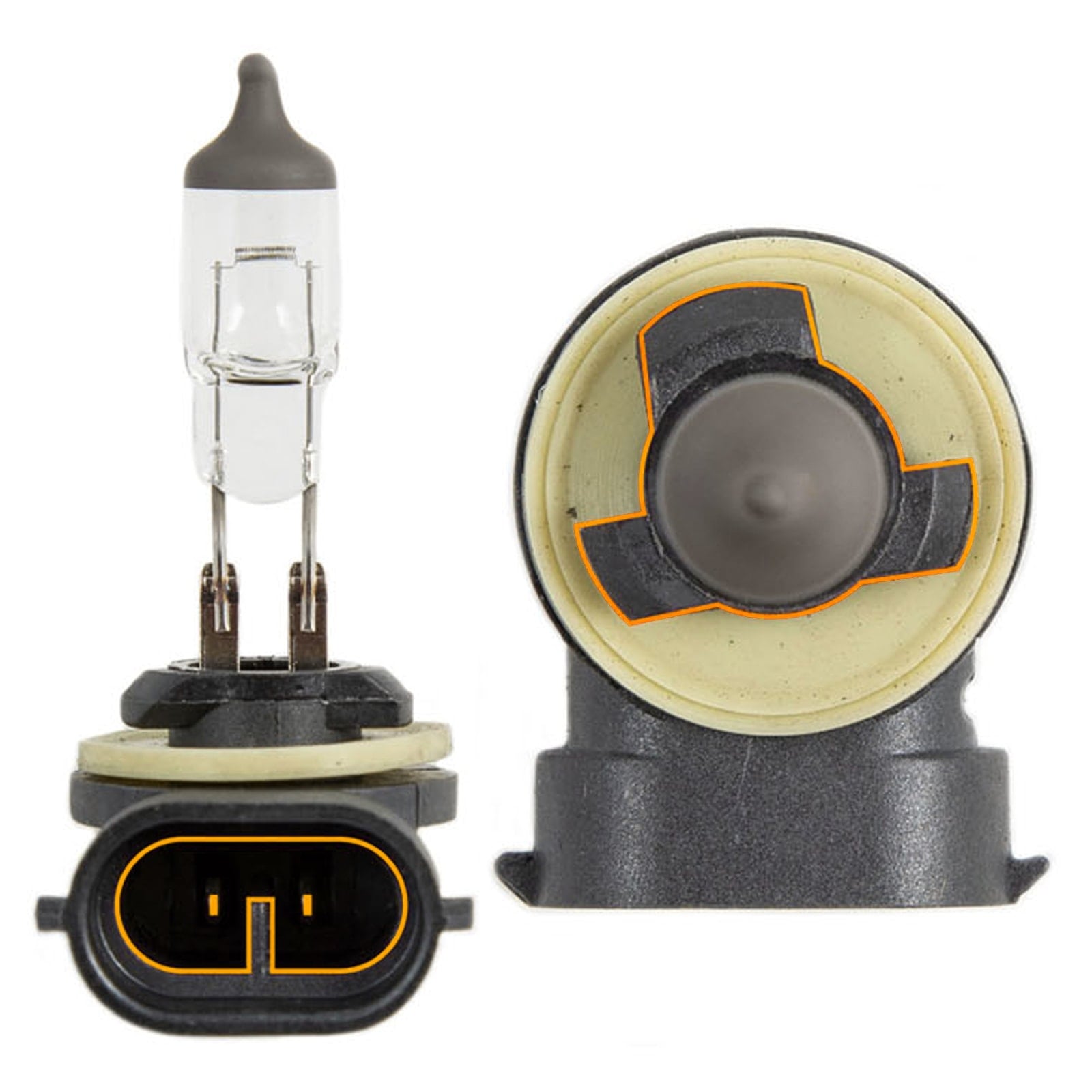
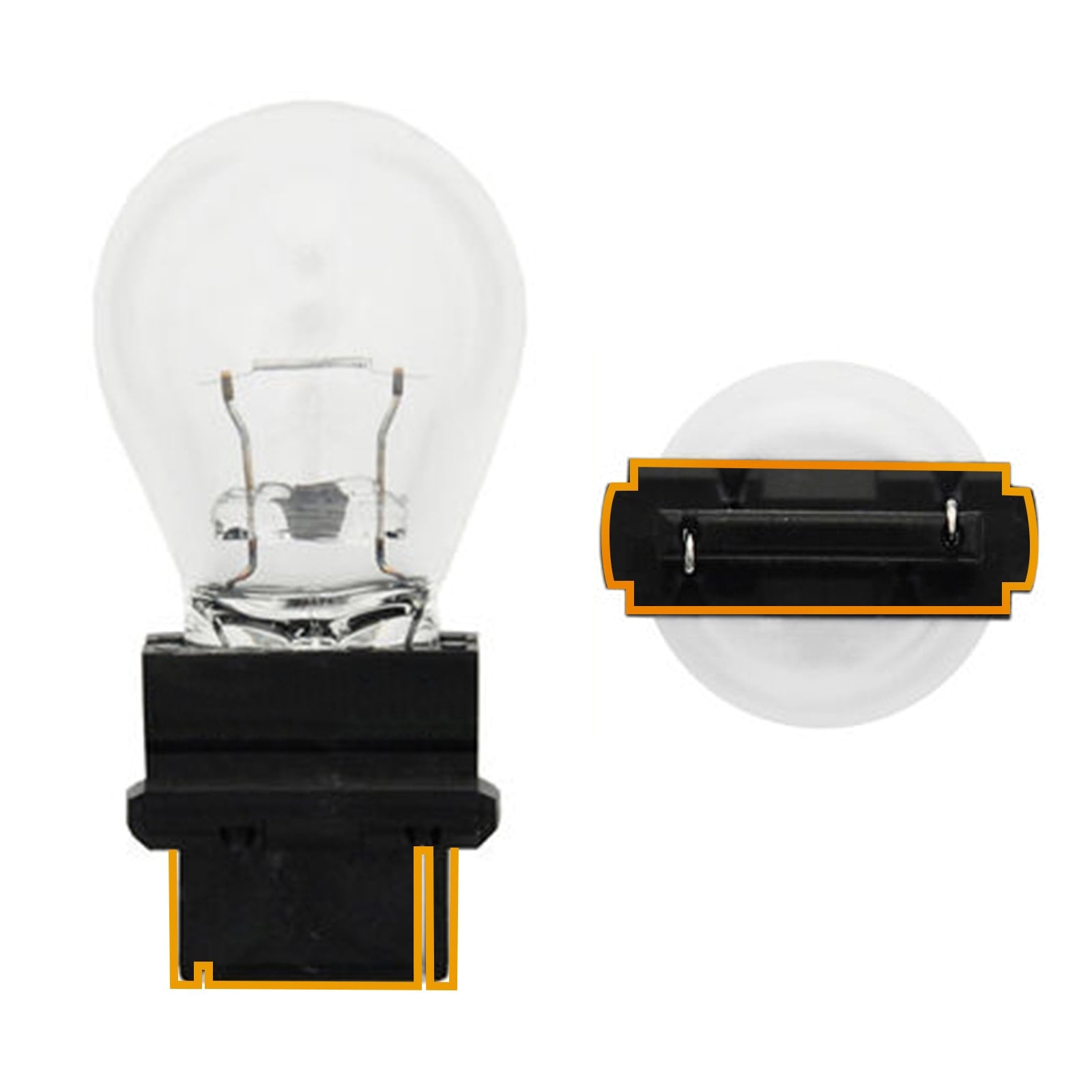
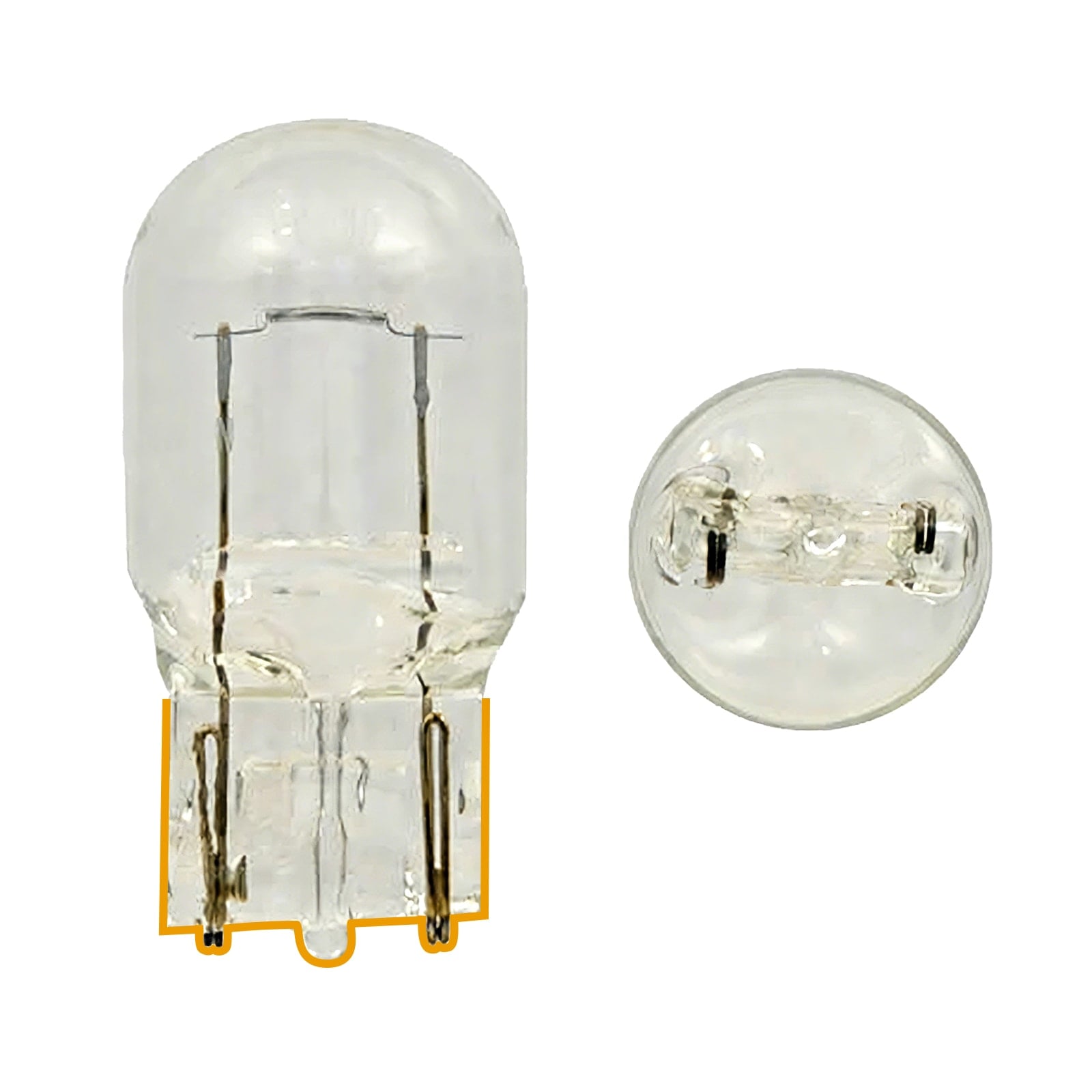
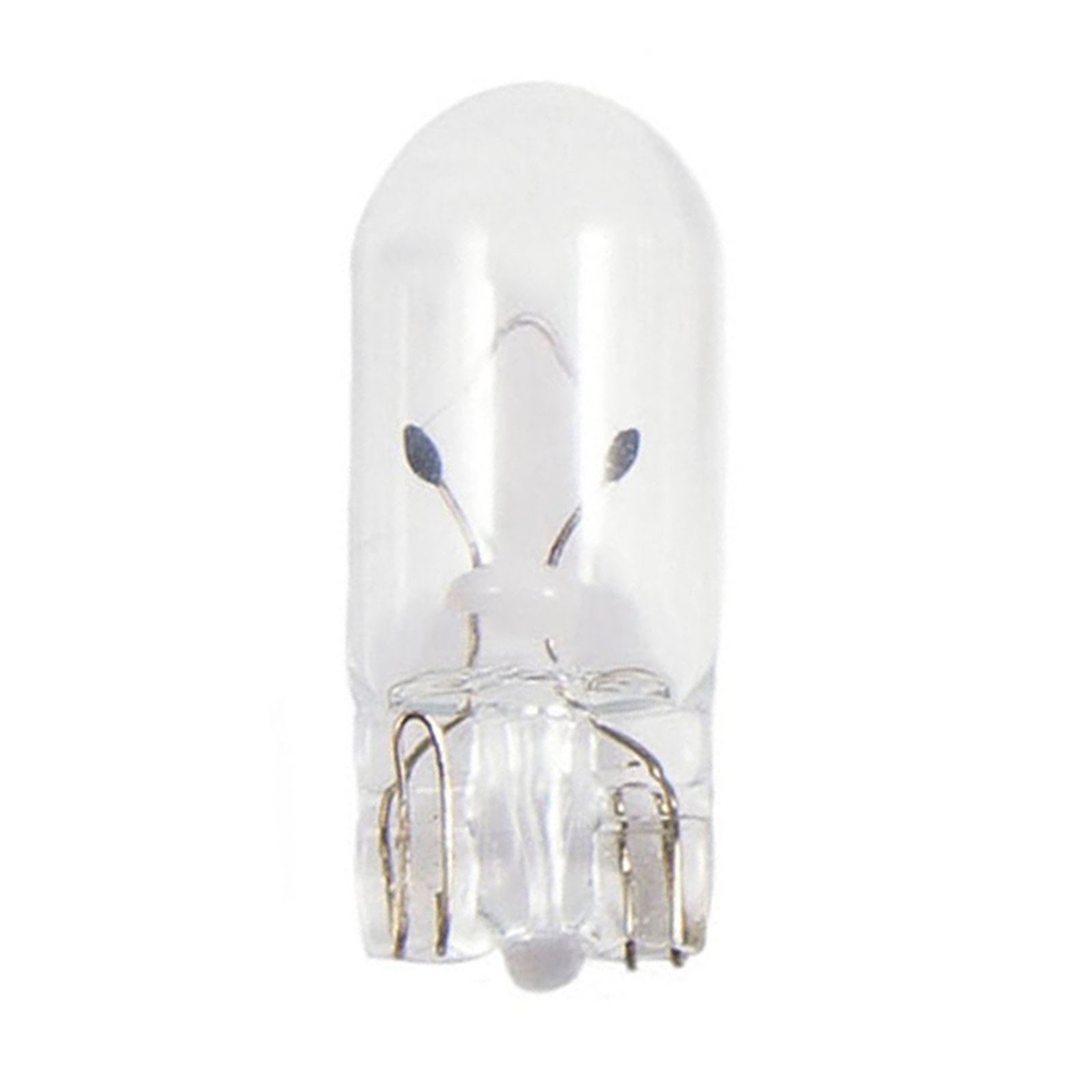
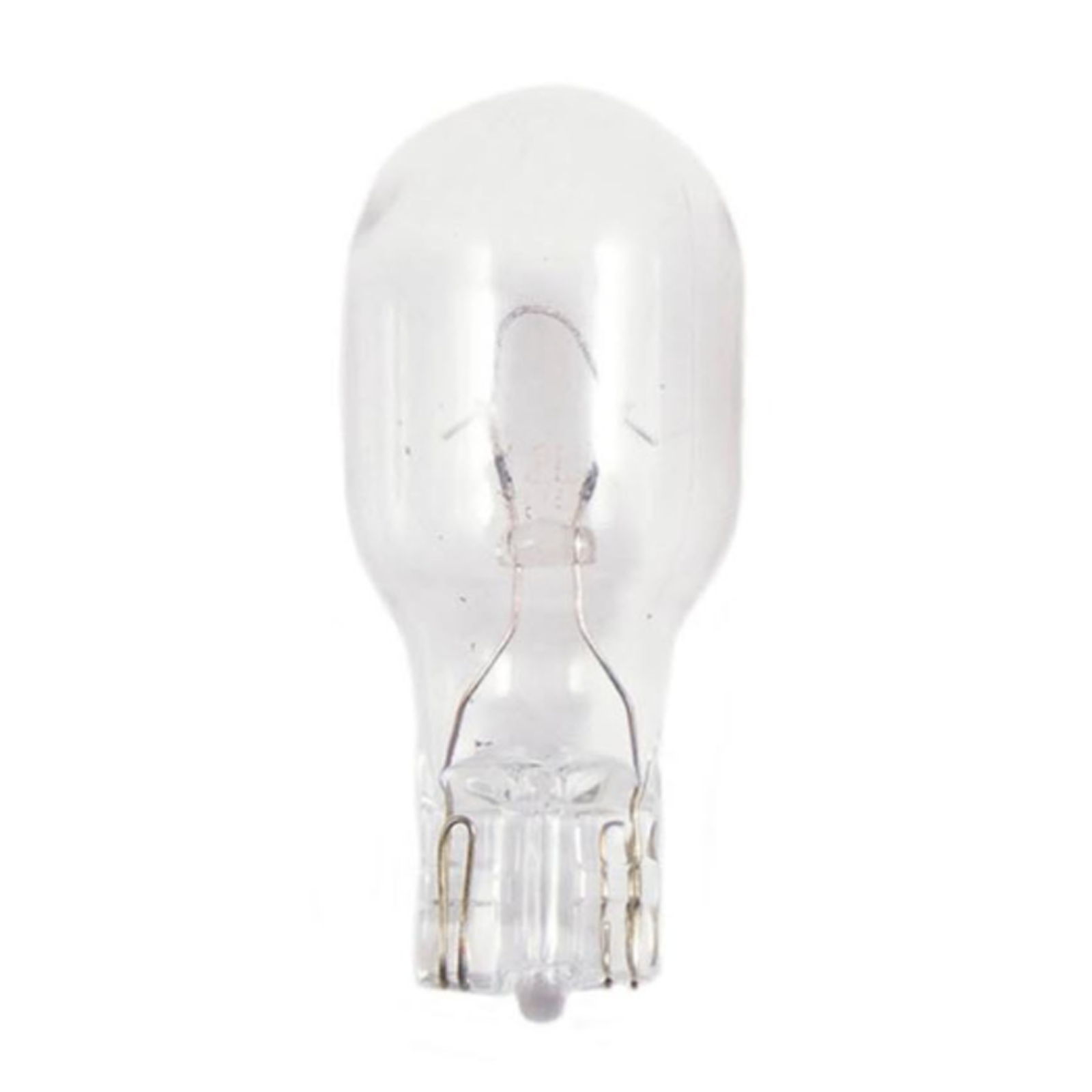
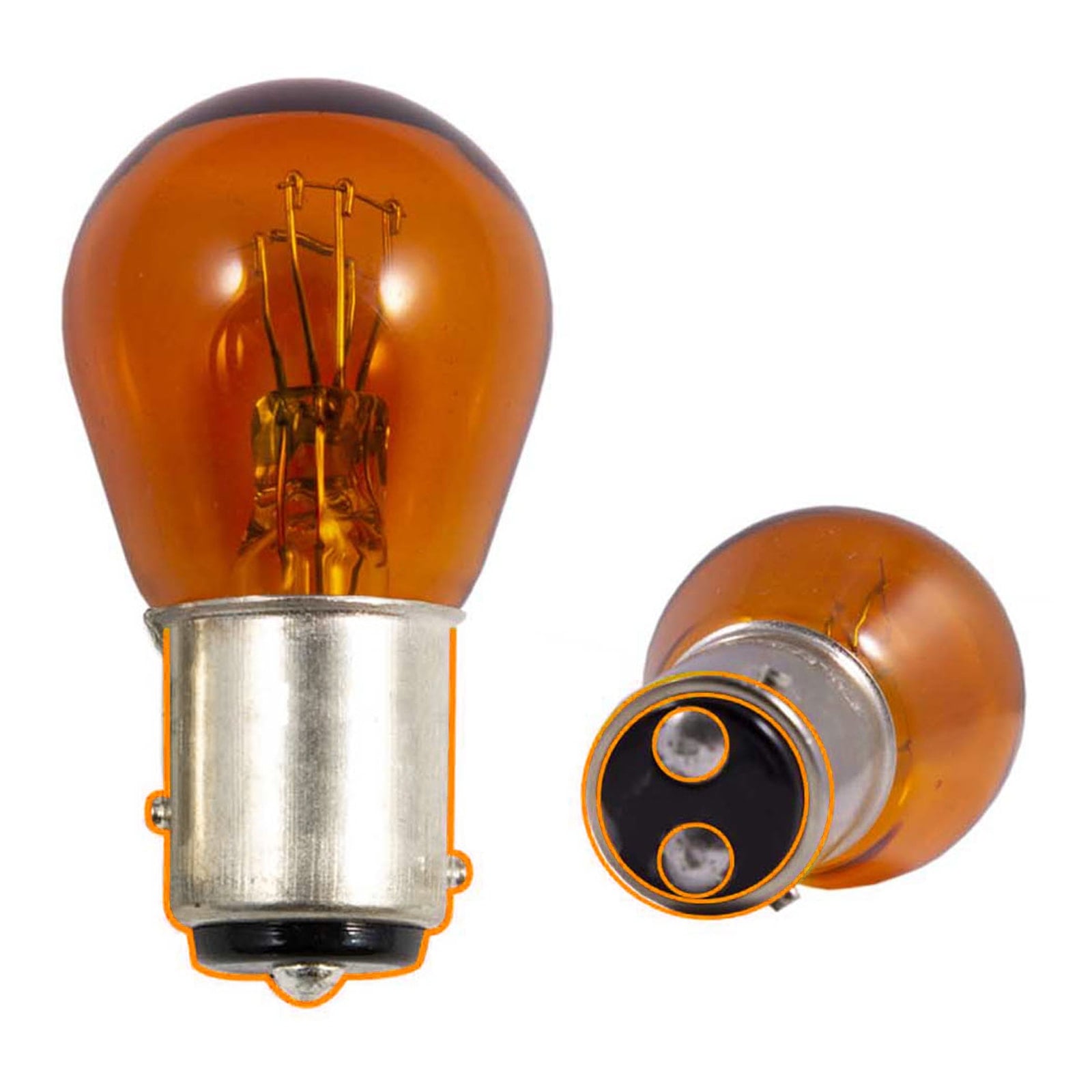
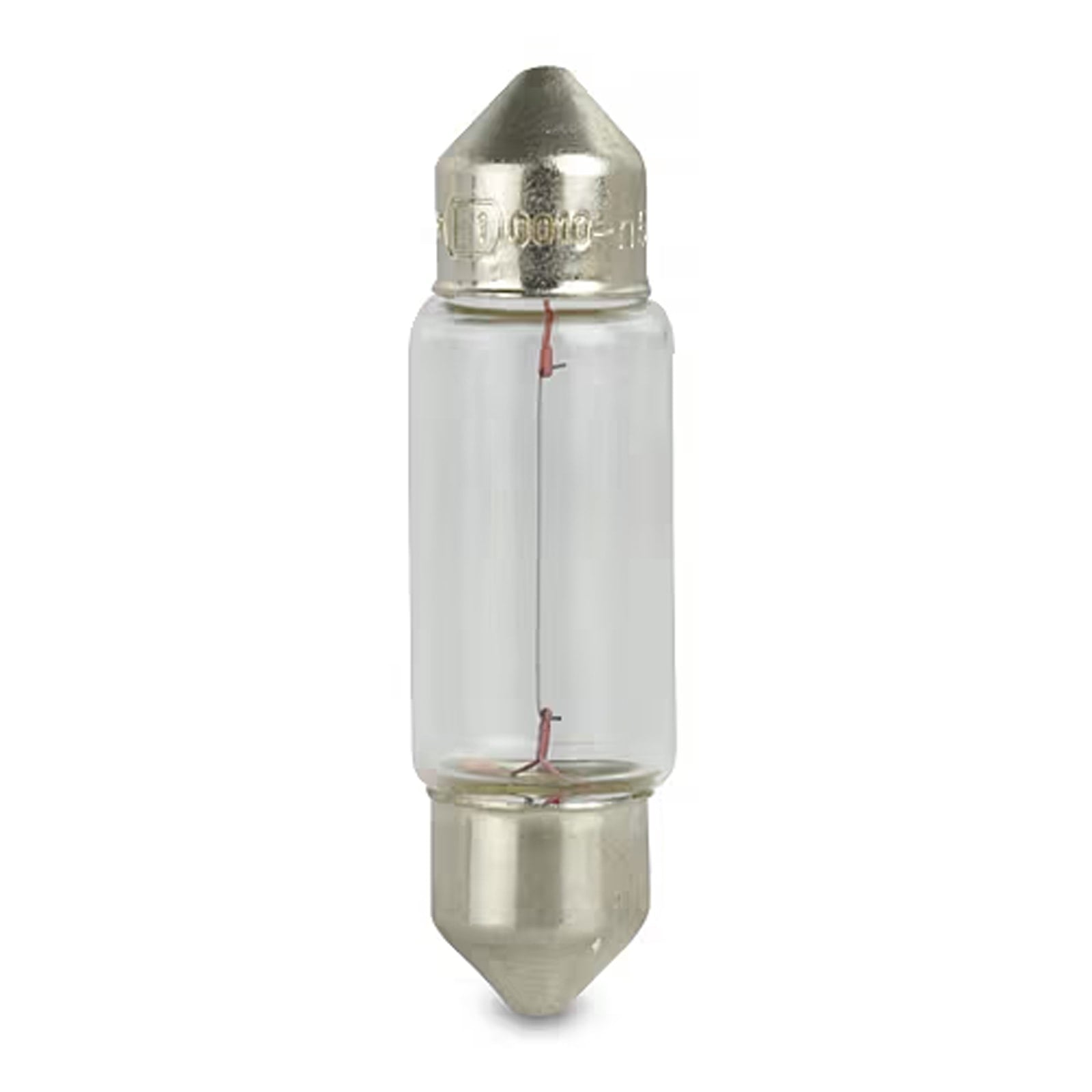









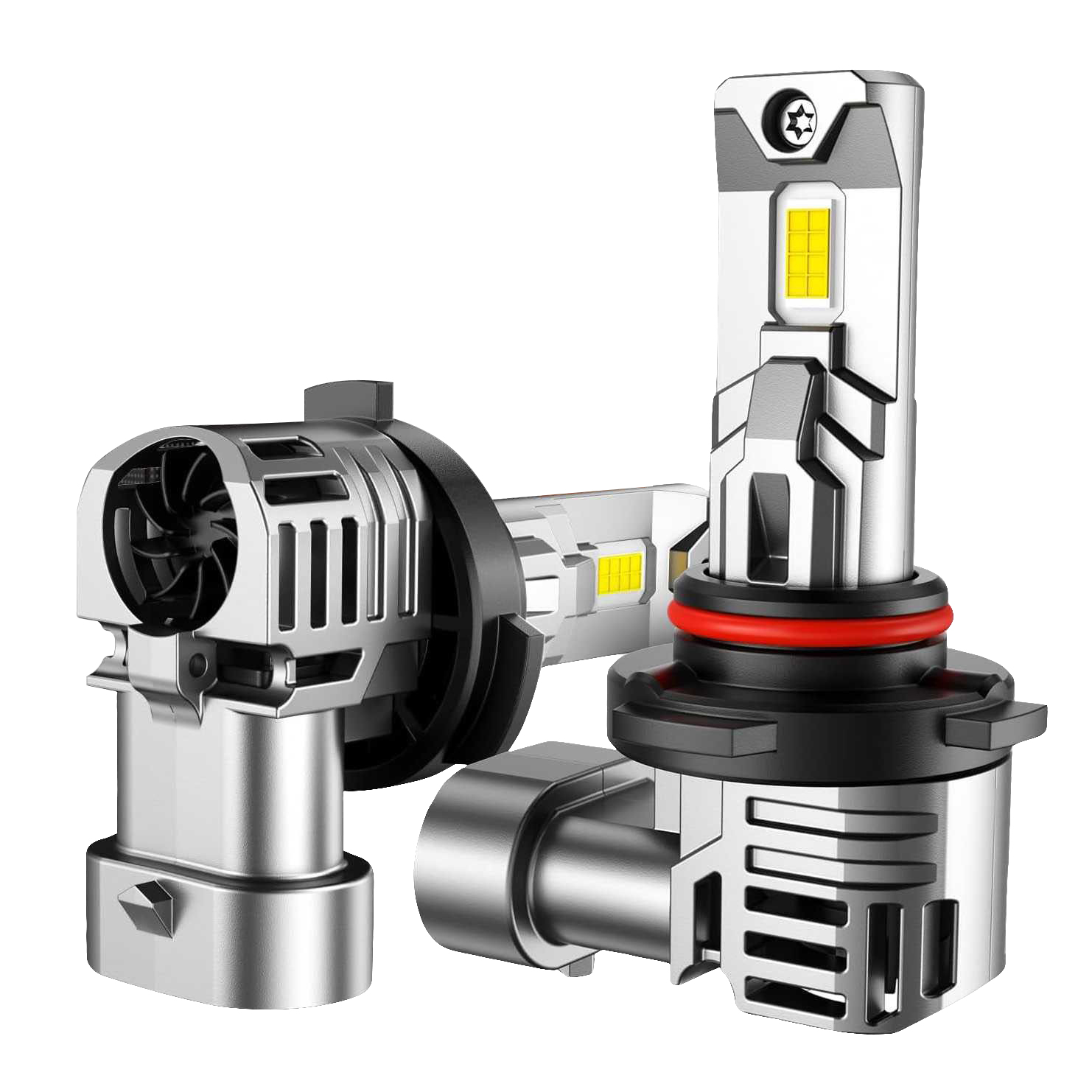


Interior car lighting refers to the lights inside your vehicle’s cabin and cargo areas, everything from the main ceiling light to the small lamps tucked into doors, footwells, and the trunk. These lights aren’t only there “to look nice.” They affect how comfortably and safely you can operate and use your vehicle after dark.
These lights are usually easy to ignore, until you can’t find your keys under the seat or you open the door onto a dark curb. In this guide to interior lights in a car, you’ll learn what each light does, where it’s located, and how to troubleshoot and upgrade your cabin lighting intelligently.
Main Categories of Interior Lights and Their Functions
Below are the most common interior light types you’ll find in passenger vehicles, plus what they’re for and when they usually activate.
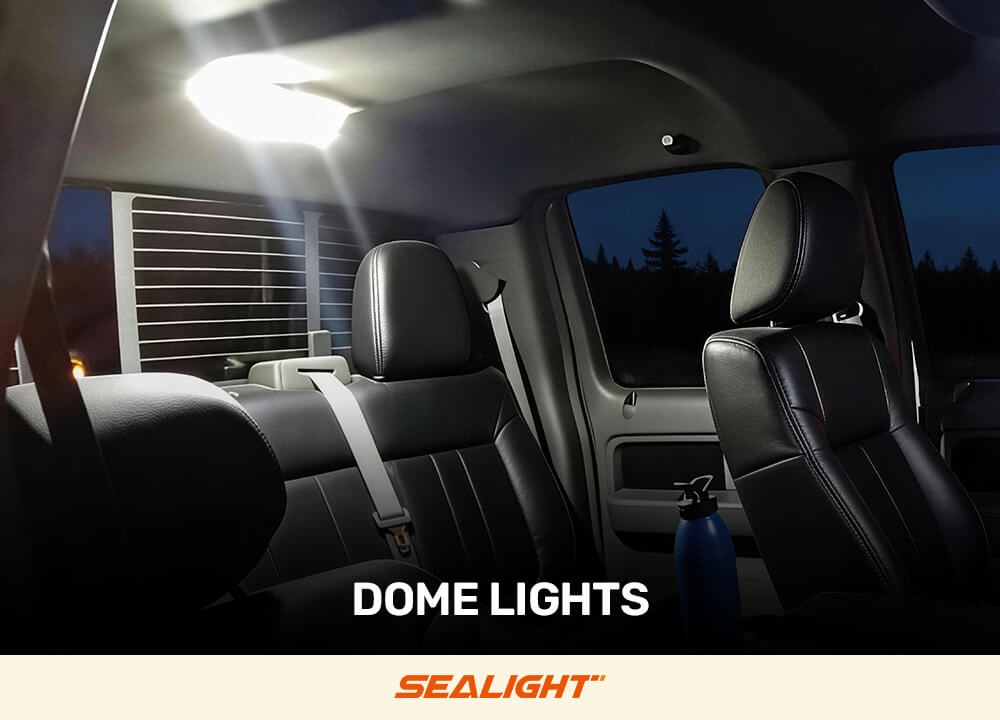
Dome Lights
The dome light is the central interior light typically mounted on your car’s ceiling (headliner), usually near the middle of the cabin. It is typically the largest light inside your car and provides general illumination for the whole cabin.
Dome lights often turn on automatically when the doors open and may stay on for a short period after the doors close (also called the “fade-out” feature). You can also manually switch them on to activate the dome light.
Dome lights are best for overall visibility when you’re entering, exiting, buckling in, or searching for something larger (like a bag) inside the cabin.
Notes About Dome Lights:
Dome lights are commonly integrated with the door-ajar switch (or latch sensor), the vehicle’s interior light dimmer control, or the body control module (BCM) in many modern cars.
For example, if your dome light doesn’t come on when you open the driver’s door but works manually, it often points to a faulty door switch or latch sensor rather than a burned-out bulb.
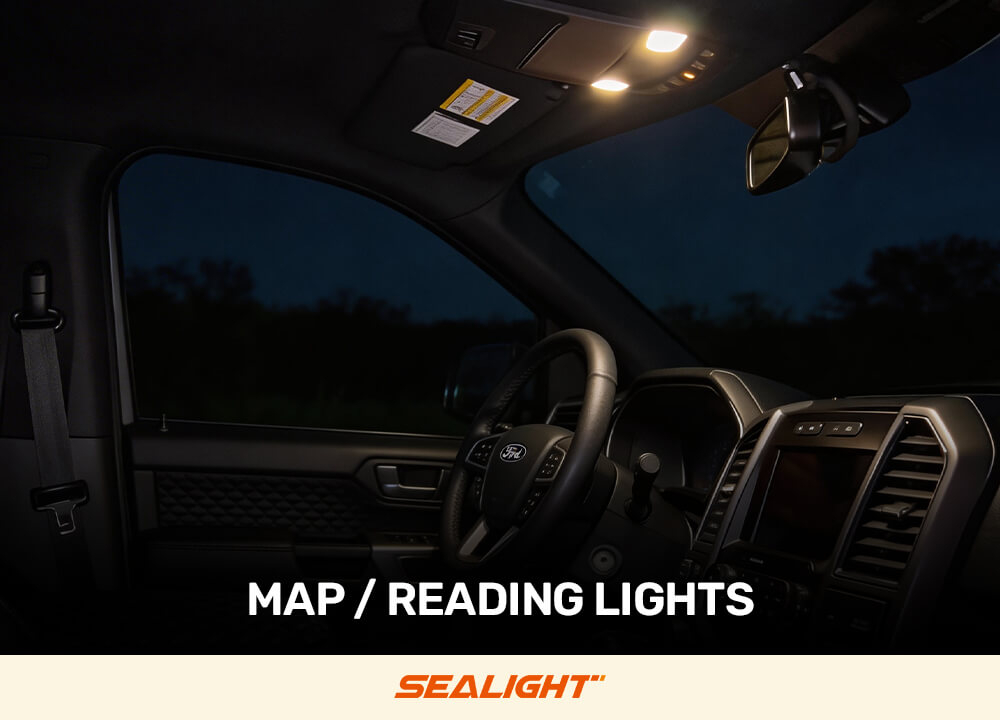
Map Lights (Reading Lights)
Map lights, also called reading lights, are smaller and more focused. They’re commonly found in the front roof console near the rearview mirror, and sometimes in the rear seating area as well.
Map lights aim to provide directional task lighting for a specific seat position. For example, when you read a map or find a small item.
Driver and passenger can operate the map lights independently because they usually come with an individual switch.
Many people may get confused about map lights and dome lights, here are the main differences:
- Dome lights flood the cabin with general light.
- Map/reading lights give precise illumination exactly where needed, which can reduce distraction.
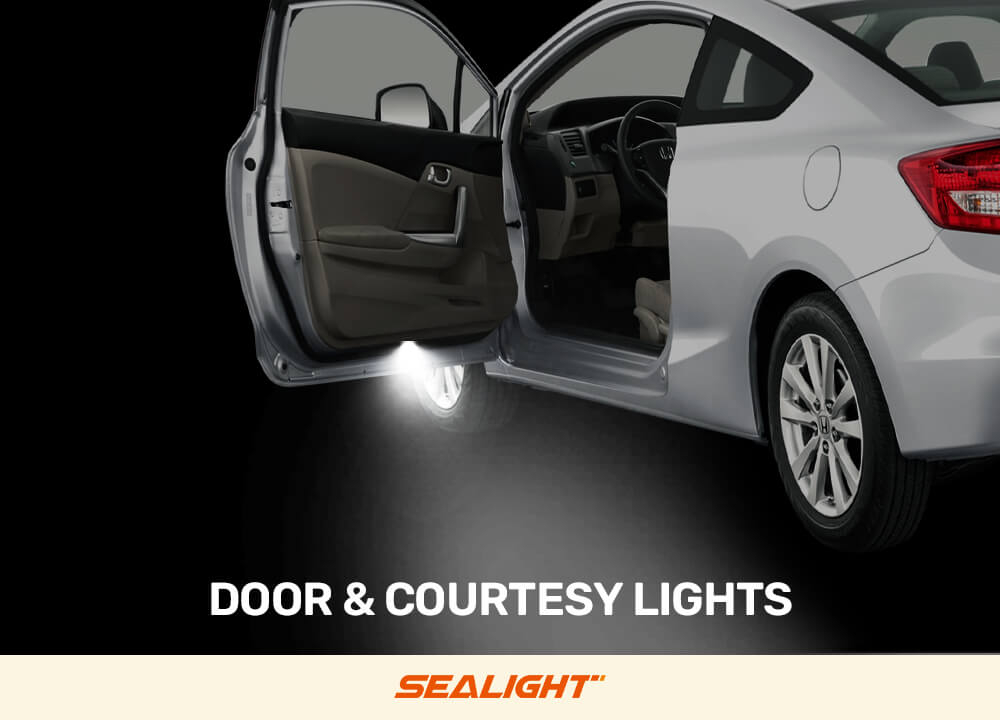
Door & Courtesy Lights
Door lights (also called courtesy lights), are installed in door panels, door edges, footwells, and lower dash areas. Their function is to illuminate the door opening and the ground/step area when a door opens.
They typically turn on automatically when the door opens. With door lights on, passengers see where they’re stepping when entering or exiting the vehicle.
Real-world note: Door/courtesy lights are especially valuable if you park on unlit streets. They’re not just comfort features—they’re “situational awareness” features.
Trunk / Cargo Area Lights
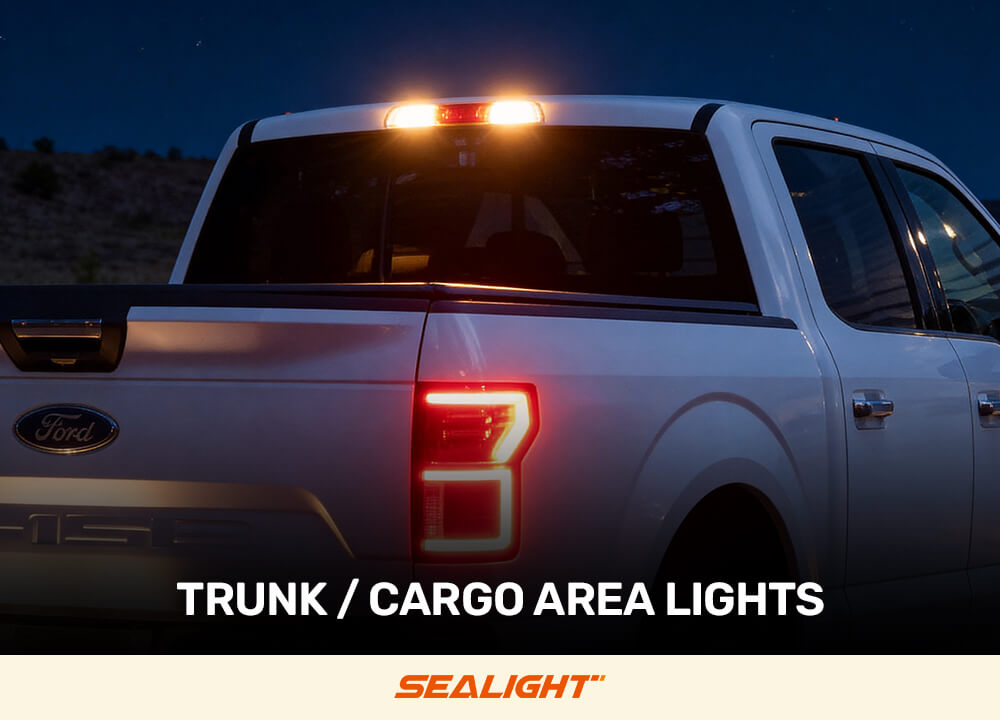
Trunk lights (or cargo lights in hatchbacks/SUVs) are dedicated lights installed in the trunk, liftgate area, or cargo side panels. They Lights up the cargo space when the trunk/hatch is opened.
Trunk lights makes it easier to load groceries at night, find tools or emergency gear, or organize luggage in a dim garage
They are designed to remain off unless the trunk is opened, which helps preserve bulb life and reduces battery drain risk.
Ambient / Accent Lighting
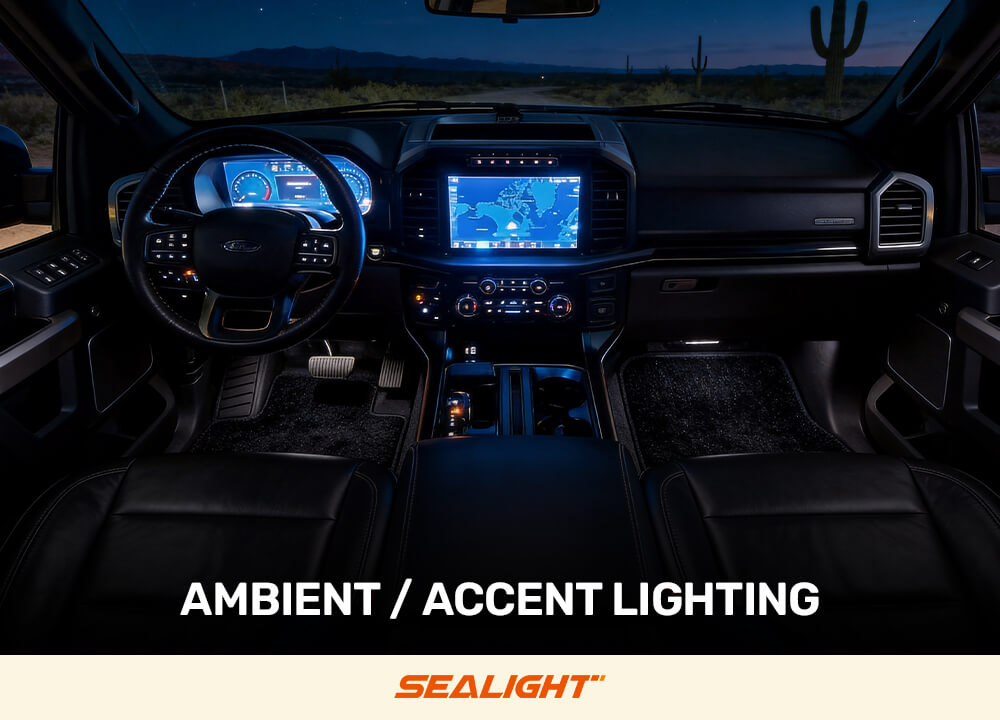
Ambient lighting is more about comfort, mood, and perceived quality than raw visibility. It’s usually soft, indirect light tucked behind trim pieces.
It adds subtle, low-glare illumination in areas such as door trims, dash contours, center console edges, and footwells.
This type of interior lighting often offers customization options. Many newer vehicles allow brightness adjustment, multi-color selection, and theme effects tied to drive modes.
Ambient lighting isn’t essential, but it can make the cabin feel calmer and more upscale.
Glove Box Light
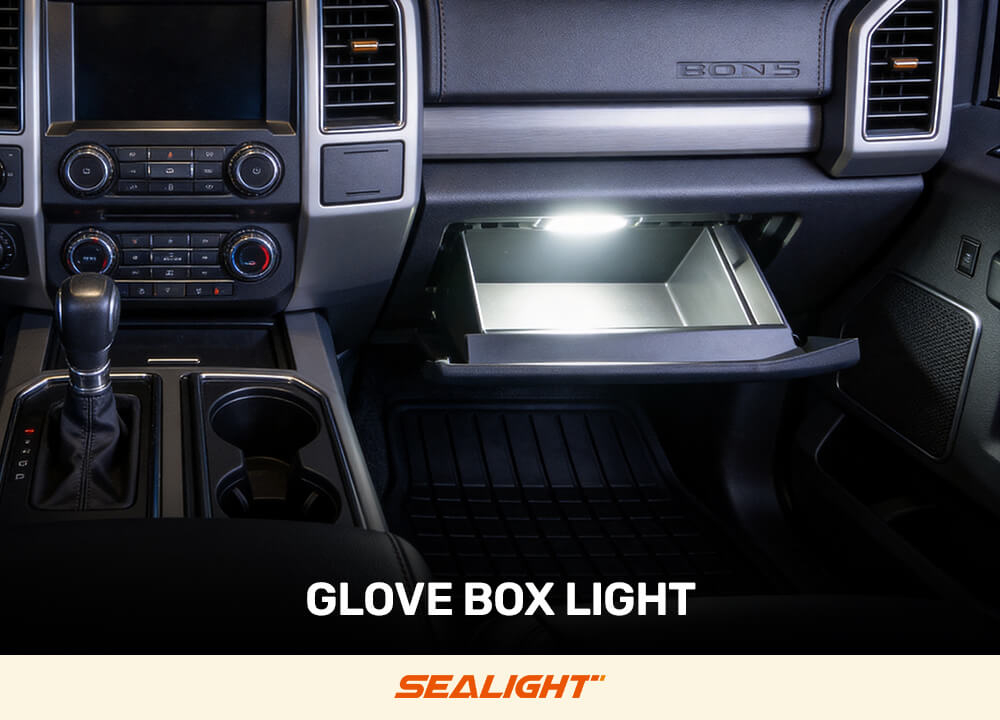
The glove box light is a small, focused light installed inside the glove compartment. Its primary purpose is simple: to illuminate the storage area when the glove box is opened.
Unlike dome or map lights, glove box lights are highly localized. They are activated by a small switch—often a plunger-style or latch-integrated switch—that turns the light on when the glove box door opens and off when it closes.
How it works in most vehicles:
- The light is wired to a dedicated glove box switch or integrated into the latch mechanism
- It operates independently from the main cabin lighting system
- It typically uses a low-wattage bulb or small LED to minimize power consumption
Quick Summary Table
| Interior Light Type | Where It’s Located | Primary Purpose |
| Dome Lights | Ceiling/cabin center | General interior illumination |
| Map / Reading Lights | Front overhead console (and sometimes rear) | Focused task lighting |
| Door / Courtesy Lights | Door panels / sills / footwells | Entry/exit safety lighting |
| Trunk / Cargo Lights | Inside trunk/cargo area | Cargo visibility when open |
| Ambient / Accent Lights | Trim, footwells, dashboard edges | Mood and gentle nighttime visibility |
| Glove Box Light | Inside glove compartment | Illuminates stored documents and small items |
Why Car Interior Lighting Matters
Improves visibility inside the cabin
Your eyes adjust to dark conditions slowly. A well-timed dome or courtesy light helps you orient yourself immediately—seatbelts, door handles, child seat buckles, and center console items become visible without guesswork.
Helps finding items, reading, or entering/exiting in low light
If you’ve ever dropped something between the seats at night, you already understand the value of targeted lighting. Map/reading lights and footwell lights aren’t gimmicks—they’re convenience features that reduce distraction and frustration.
Enhances safety and user experience
Lights that come on automatically when doors open or unlock can prevent awkward, unsafe moments—like stepping into a puddle or missing a curb. Many vehicles tie interior lighting to door sensors and body control modules, so the car “anticipates” what you need. The brighter wedge options are easy to confuse by appearance, so the T15 vs 921 vs 912 explained maps T15, 921, and 912 to their usual functions.
Cabin location matters as much as bulb size: the Dome light vs map light explains why a central dome light and a directional map light are not the same job.
Adds style and personality to the interior
Ambient lighting has become a signature feature in many modern vehicles, especially premium trims. Soft lighting along door panels or dashboard edges makes the cabin feel more refined, and customizable colors can match your preferences without being harsh.
Industry context: organizations like the Society of Automotive Engineers (SAE) publish recommended practices for vehicle lighting performance and human factors. While much of SAE lighting guidance focuses on exterior lighting, the same human-vision principles apply inside the cabin: glare control, adaptation, and appropriate illumination levels all matter.
Two Light Bulb Types Used in Interior Lighting
Most interior lights fall into two bulb categories: incandescent and LED. Some vehicles mix both depending on trim and model year.
Incandescent bulbs: standard but less efficient
Incandescent bulbs have been used for decades. They’re usually inexpensive and produce warm light, but they:
- Draw more power
- Run hotter
- Have a shorter lifespan
- Are typically dimmer compared to modern LEDs
LED bulbs: brighter, more efficient, longer life
LED interior bulbs are now common as OEM equipment and are a popular upgrade because they:
- Use less power (helpful if doors are open for long periods)
- Run cooler
- Last much longer
- Often provide a cleaner, brighter output
- Can be chosen in different color temperatures (warm white vs cool white)
Common Issues & Troubleshooting
Interior lighting problems are usually simple—but not always. Here are the most common symptoms and what they often mean.
Dim lights
Possible causes:
- Weak vehicle battery or charging issues (alternator not charging properly)
- Aging incandescent bulbs
- Dirty or oxidized bulb contacts
- Voltage drop from corroded connectors
What you can do:
- Check battery health if multiple interior lights seem weak.
- Clean bulb contacts carefully.
- Replace old incandescent bulbs (or upgrade to LEDs).
Flickering lights
Possible causes:
- Loose bulb fitment
- Corrosion at the socket
- Worn switch contacts (map light buttons can wear over time)
- Wiring issues in door jambs (flex points that move constantly)
What you can do:
- Reseat the bulb and inspect the socket.
- Look for greenish corrosion or heat discoloration.
- If flicker happens when a door moves, suspect wiring in the door harness.
Lights staying on
Possible causes:
- Faulty door-ajar sensor or latch switch
- Stuck interior light switch in the “ON” position
- BCM logic issues (less common, but possible)
- Misaligned trunk latch (for cargo lights)
What you can do:
- Check your dome light switch position first (simple but often overlooked).
- Confirm whether the car “thinks” a door is open via the dash indicator.
- Inspect door latches for dirt/debris that prevents full closure.
Burned-out bulbs or fuse issues
Possible causes:
- Bulb simply reached end of life
- Incorrect bulb type installed
- Blown fuse due to short circuit
What you can do:
- Replace the bulb with the correct size/type (your owner’s manual usually lists it).
- If the fuse blows again immediately, stop and inspect for wiring shorts—don’t keep replacing fuses.
Safety note: If you’re troubleshooting fuses and electrical issues frequently, consider using a repair manual or having a technician diagnose it—repeated electrical faults can become bigger problems.
Upgrading to LED Interior Lights
Upgrading interior lighting is one of the easiest ways to modernize your vehicle. The change is immediate: brighter cabin, cleaner light, better usability at night.
Benefits of LEDs
- Brightness: You’ll see more clearly in footwells, cupholders, and cargo areas.
- Energy efficiency: Less battery draw when doors are open during loading or cleaning.
- Long lifespan: Fewer replacements over time.
- Color options: You can choose warm white (more classic) or cool white (more modern and crisp).
Tips for choosing the right LED interior lights
- Confirm bulb sizes before ordering (e.g., 194, 168, festoon, etc.). Your manual or existing bulb markings help. If the fixture holds a tube-shaped bulb between two end contacts, use the Complete festoon bulb guide to match the correct festoon length.
- Choose the right color temperature: warm white or cool white
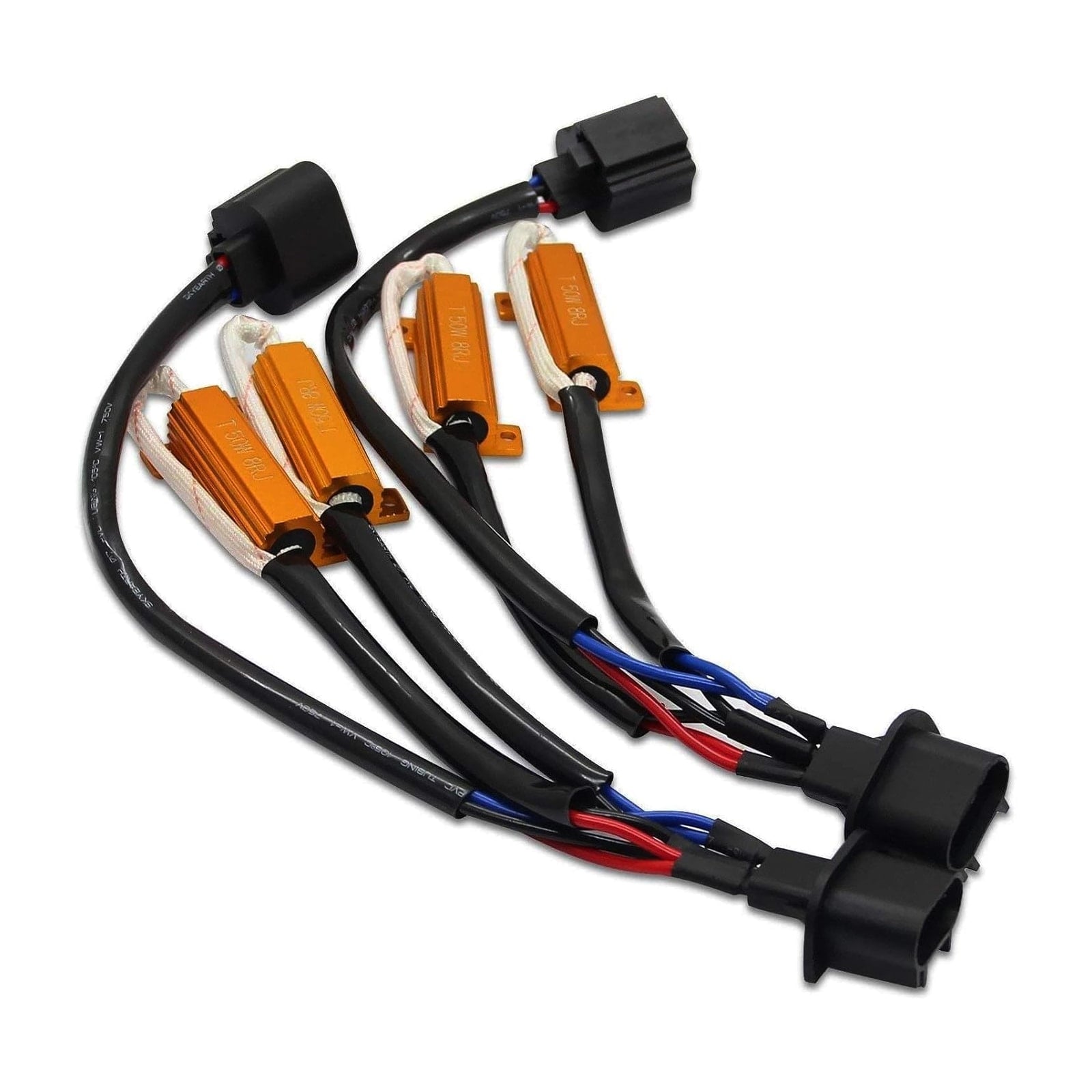
- Check for CAN bus compatibility if your vehicle is sensitive to bulb resistance (some cars may show bulb-out warnings).
- Avoid overly powerful bulbs in small housings—excessive brightness can cause glare.
- Buy a matched kit if you want consistent color across the cabin.
If you’re ready to upgrade, you can shop the SEALIGHT LED interior bulbs collection here (choose the set that matches your vehicle’s bulb sizes and locations for the cleanest results).
Further Reading: Is It Illegal to Drive With Interior Lights On?
In most places, there is no direct law that says you cannot drive with the dome light on. That said, the interior light can interfere with your vision at night. It can make the windshield reflect light back at you and reduce how well you can see what is ahead, especially on dark roads.
This often happens for practical reasons. A passenger turns on the light to look for a phone charger, find something that fell between the seats, or read directions during a trip. Since the passenger is not driving, they may not realize how much that extra light can disrupt the driver’s focus.
Could you be pulled over? Yes, in some cases. Not because the light itself is illegal, but because an officer may suspect distracted driving or notice the car drifting, braking oddly, or otherwise being driven unsafely. Even legal actions can lead to a stop if they appear to affect safe driving.
Wrap Up
Interior lights in a car do more than illuminate a cabin. They make nighttime driving and riding safer, reduce hassle, and improve comfort. Once you understand the main categories (dome, reading/map, door/courtesy, trunk/cargo, and ambient lighting), it’s much easier to diagnose problems and choose smart upgrades.
Take a quick walk around your vehicle tonight: open each door, test the map lights, check the trunk lamp, and notice what feels dim or inconsistent. If you’re still running old incandescent bulbs, an LED upgrade can be one of the simplest, most noticeable improvements you can make—both for function and for how your interior feels every day.