
 Headlight Bulbs


 Track Order
 My Vehicles
 Contact Us
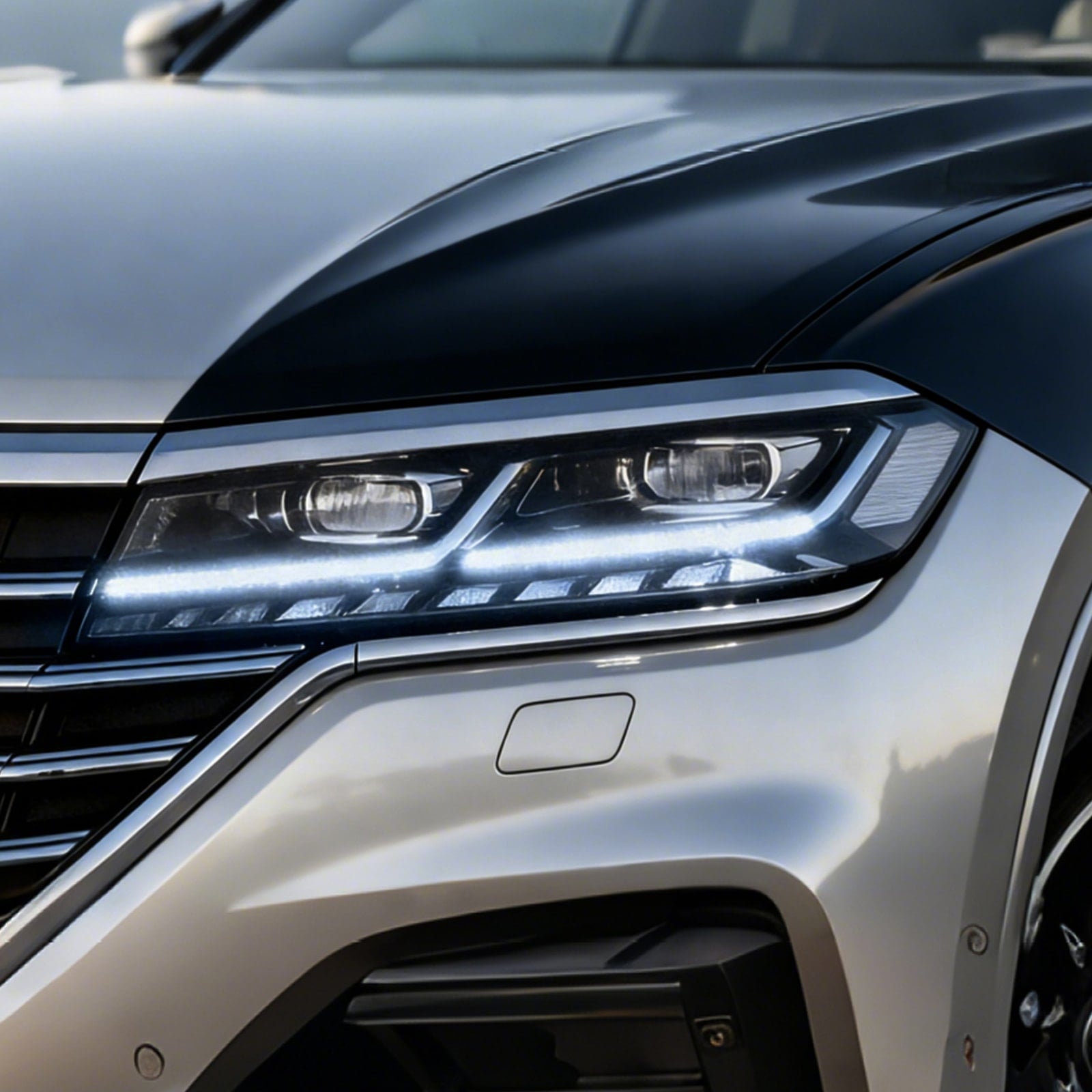
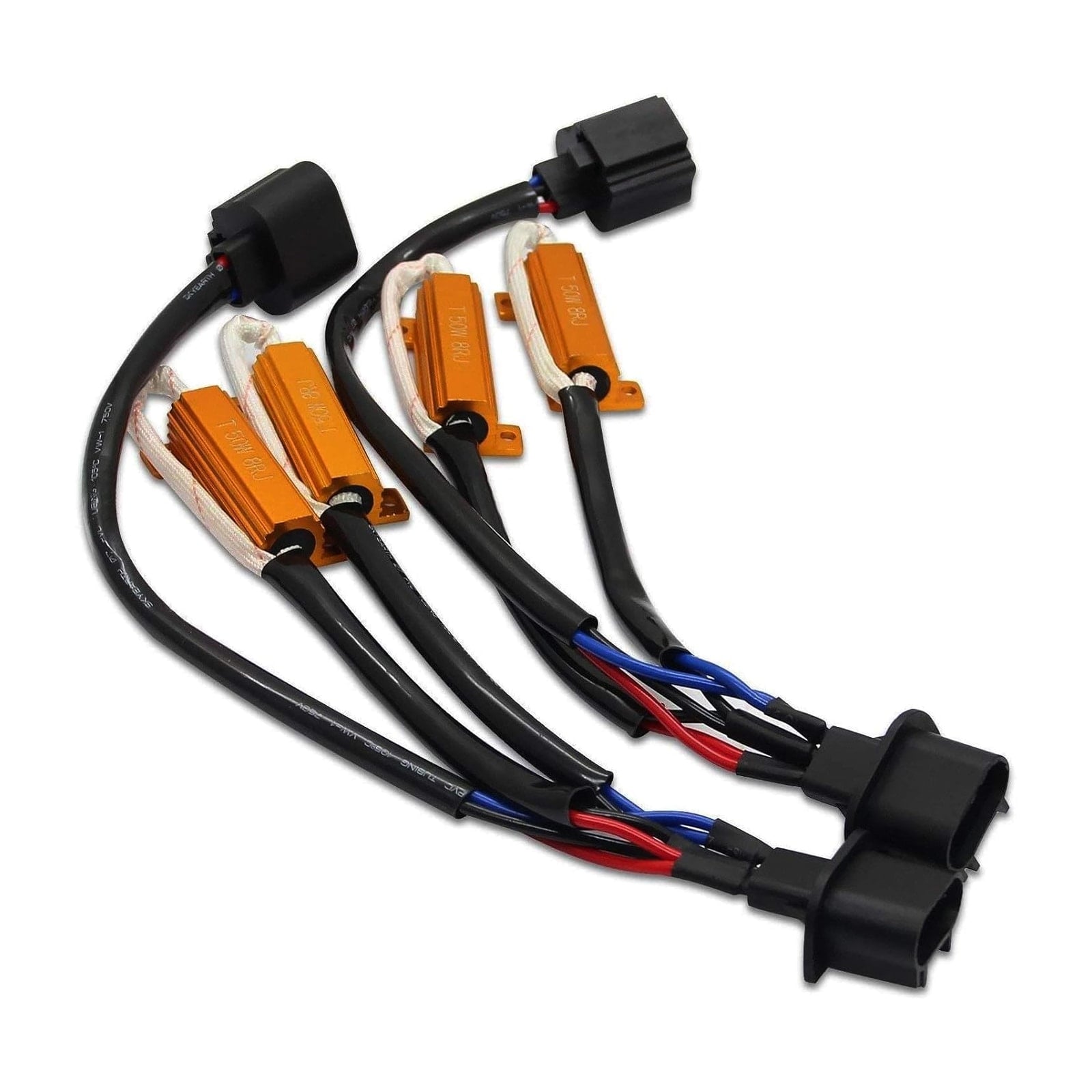

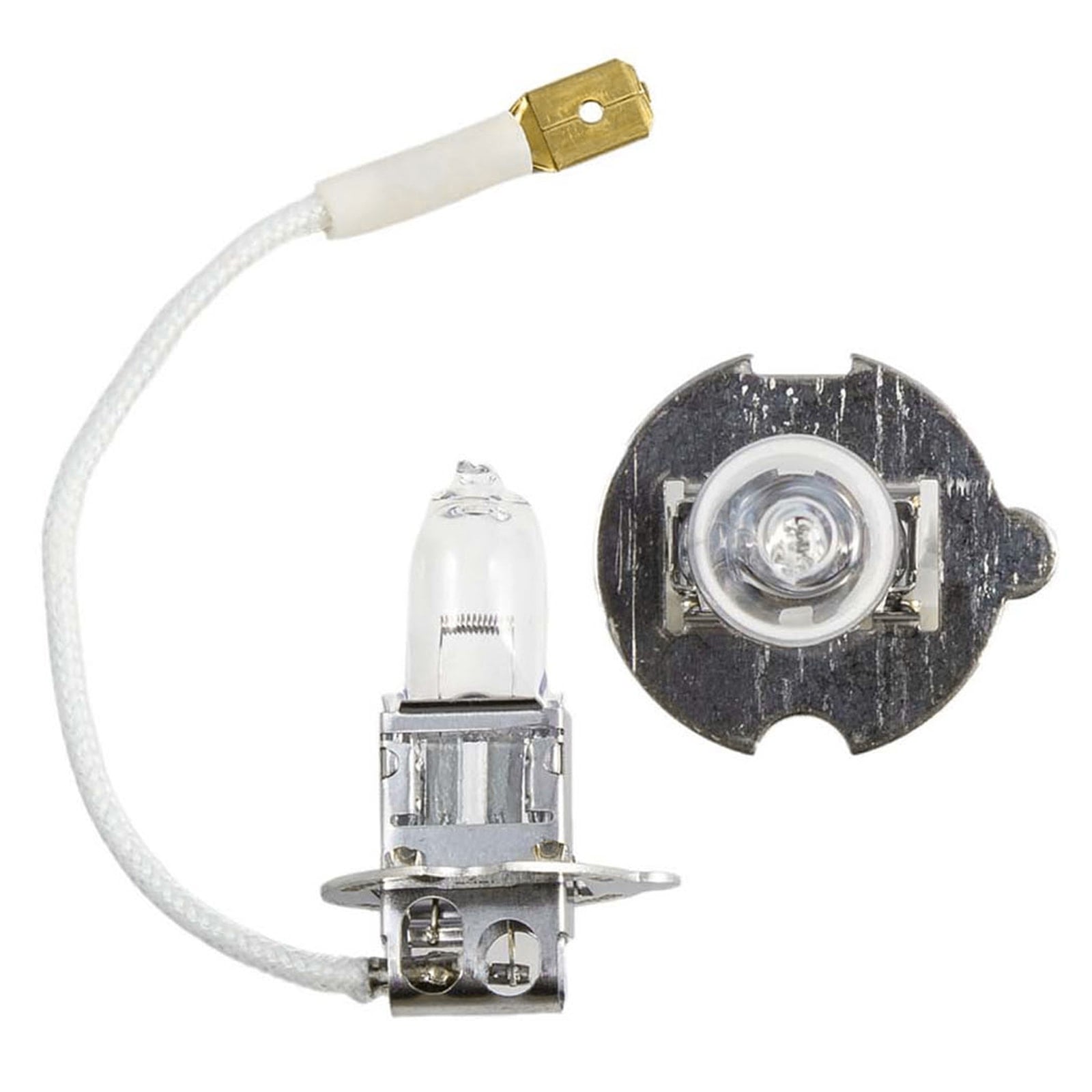
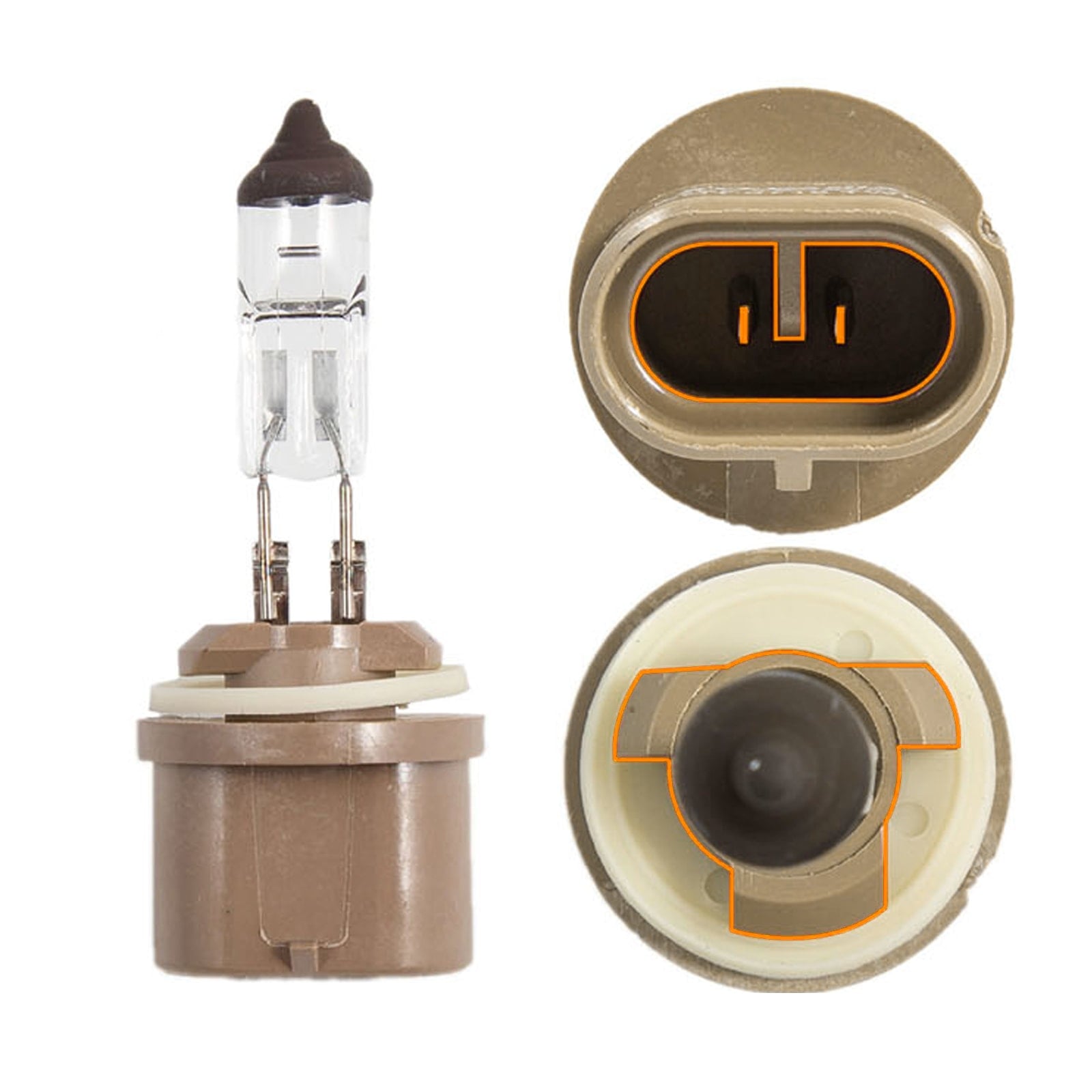
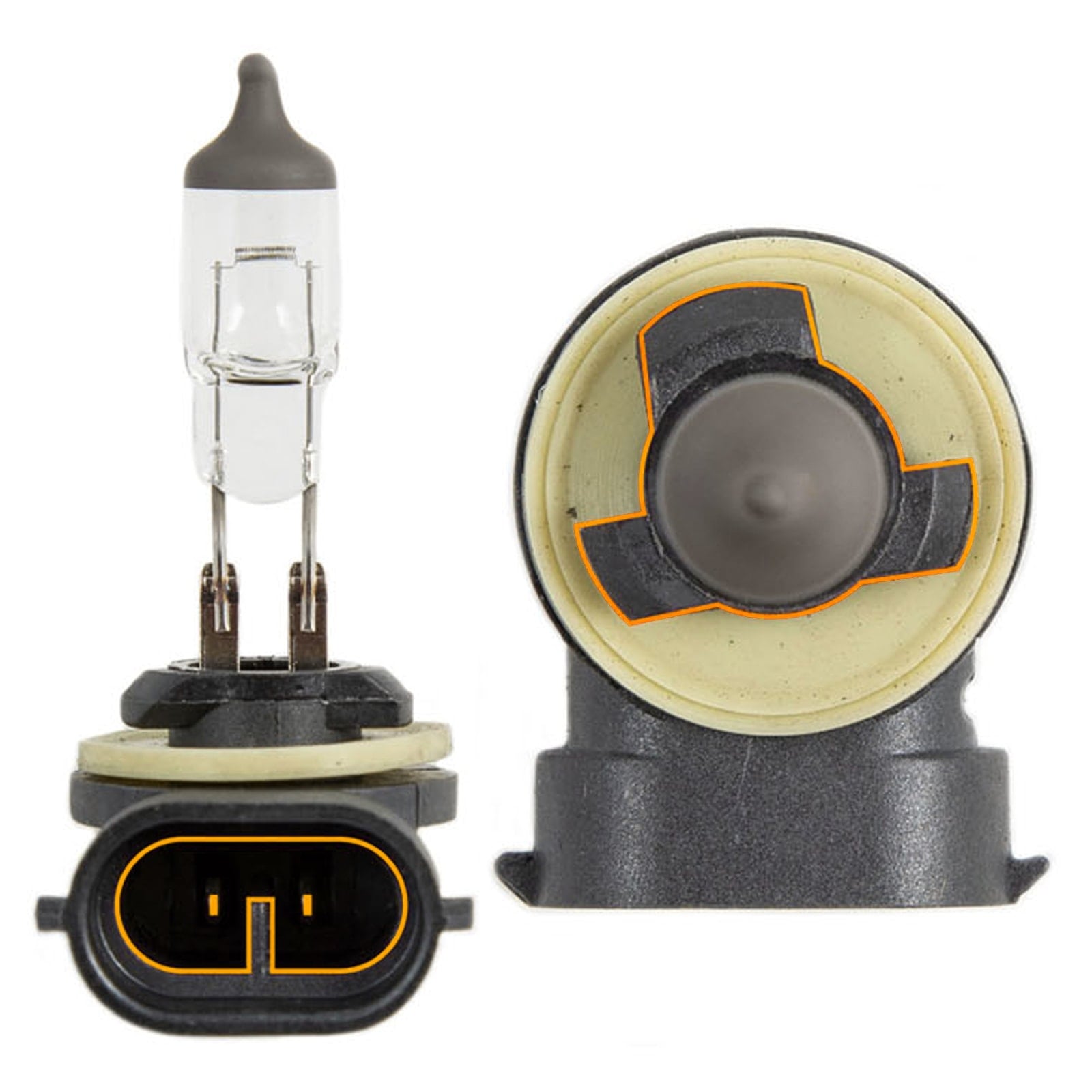
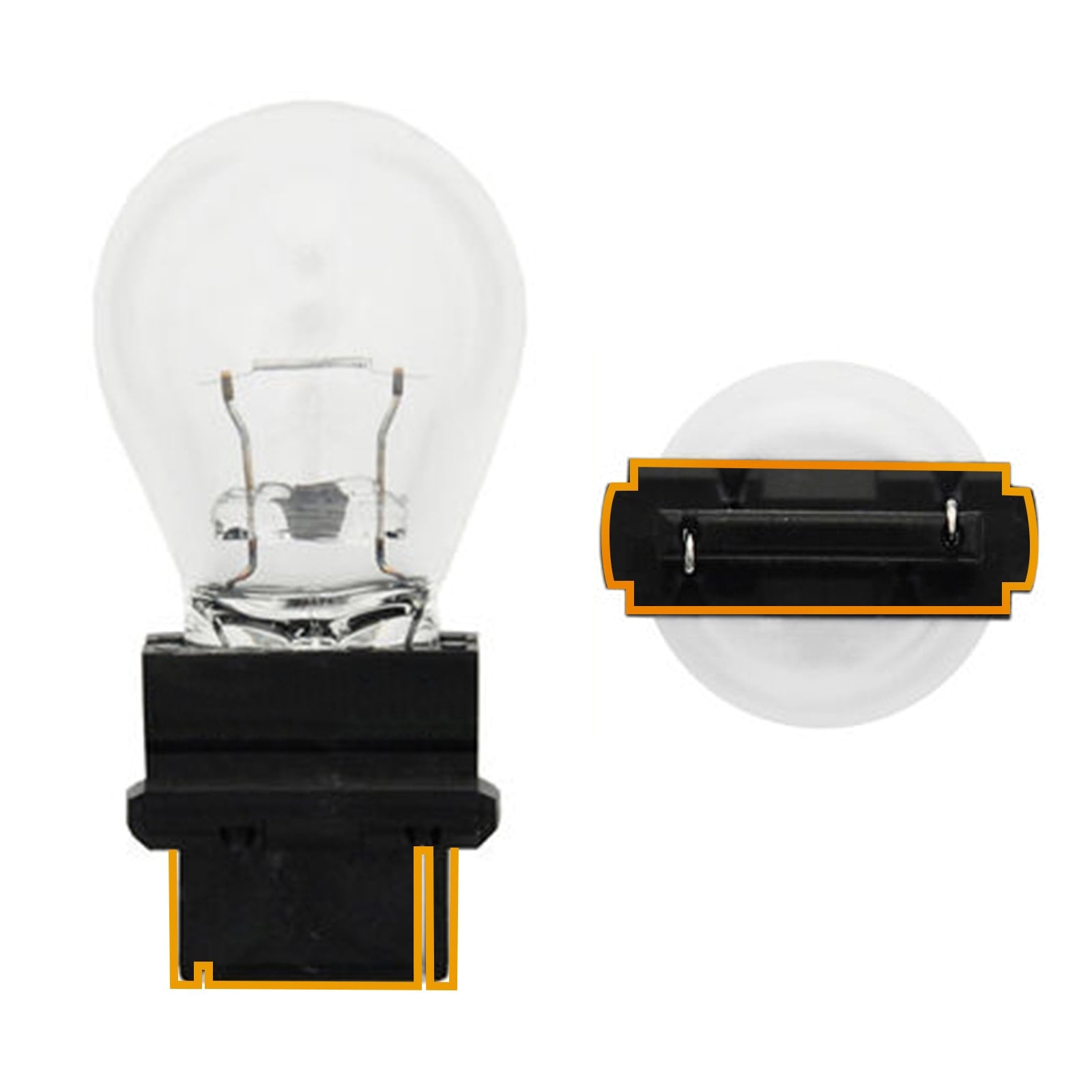
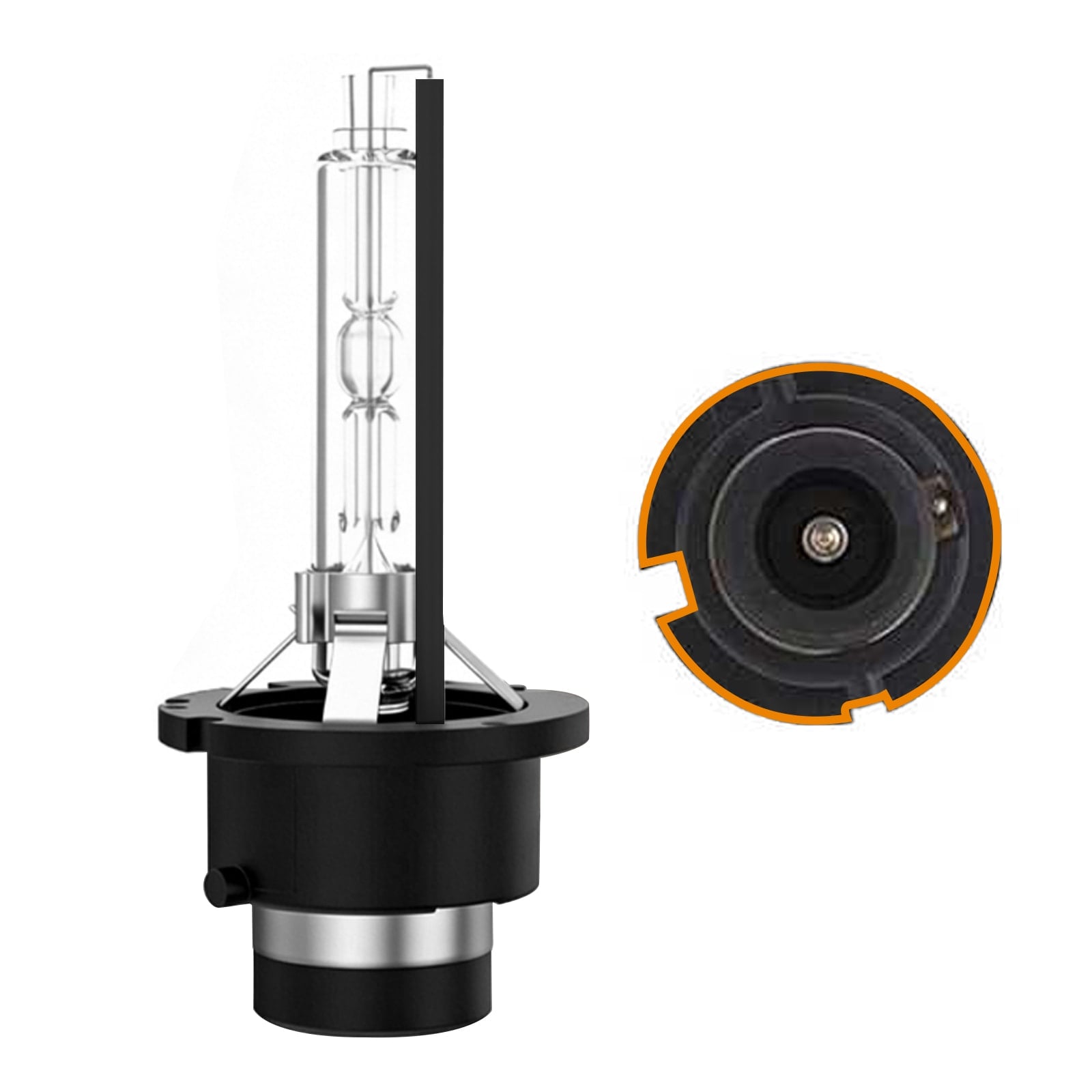
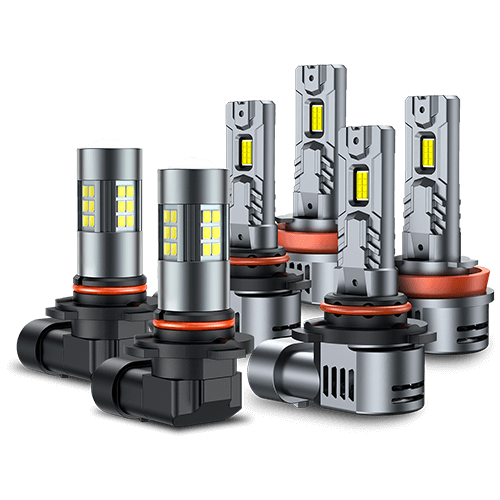
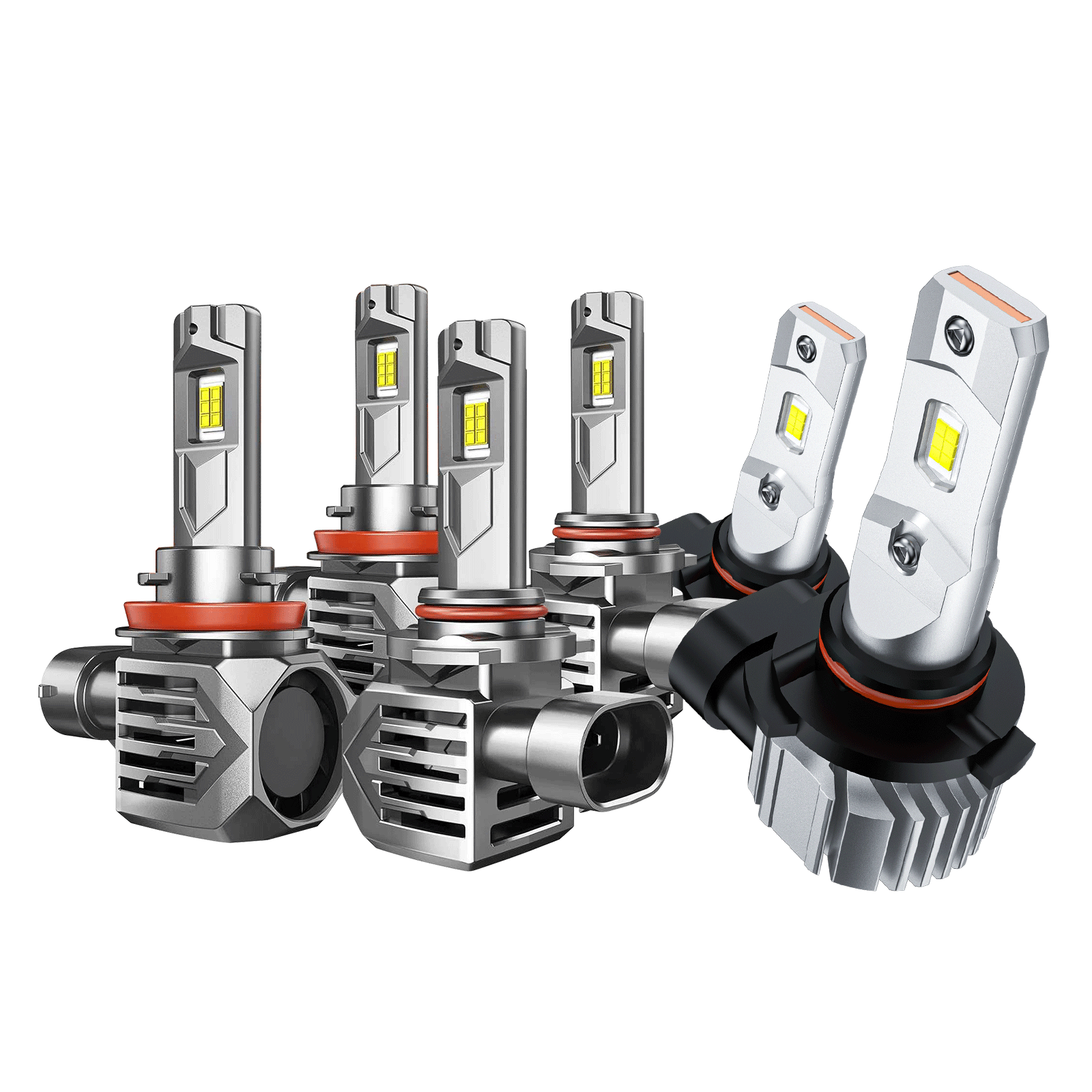


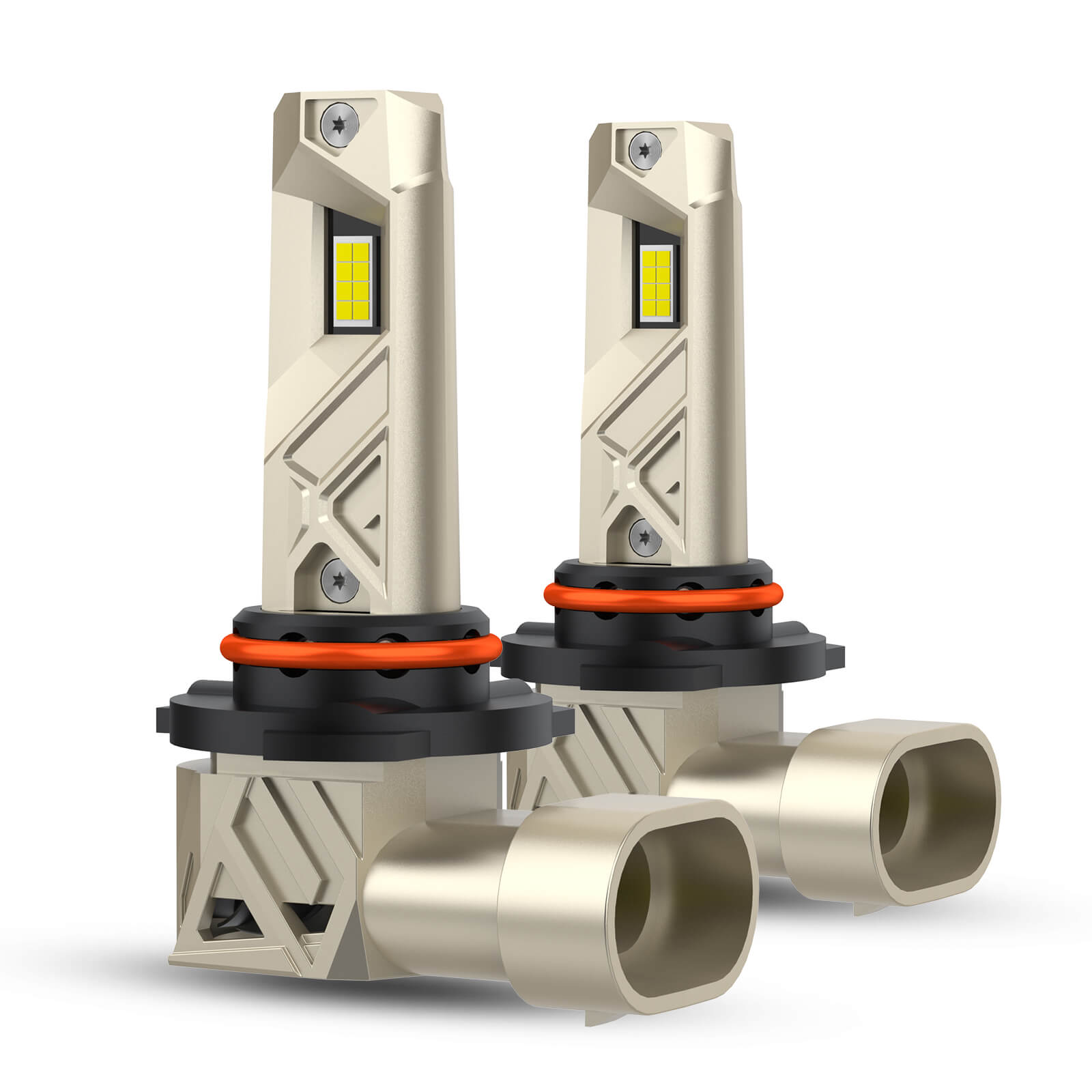









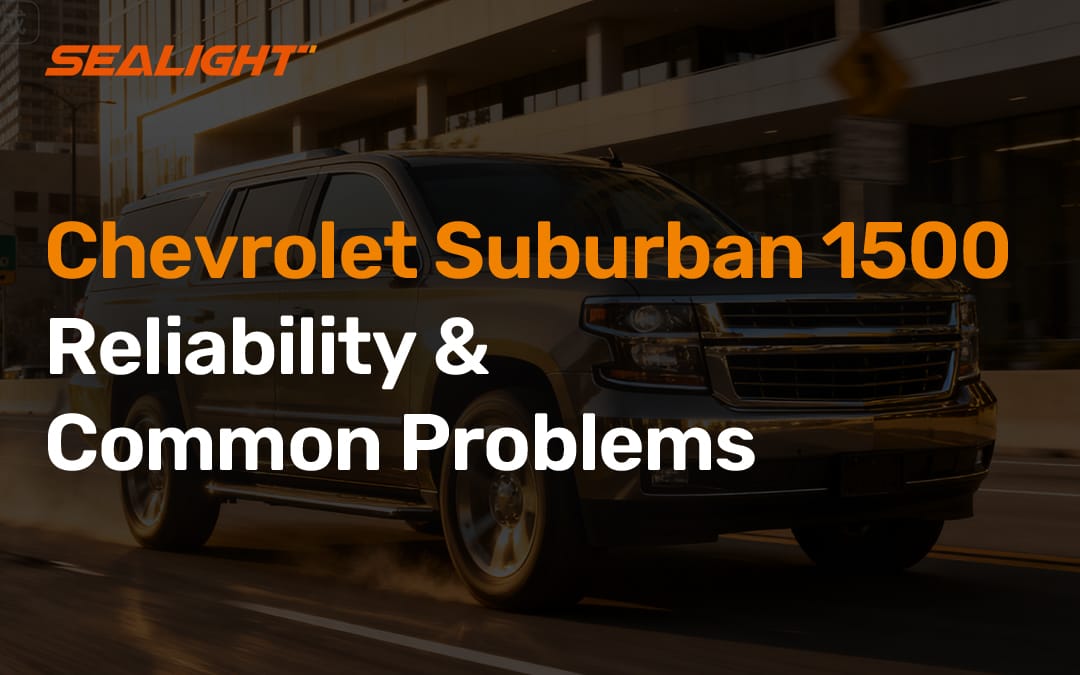
If you're researching Chevrolet Suburban 1500 reliability, wondering about Chevrolet Suburban 1500 common problems, or deciding whether a used Chevrolet Suburban 1500 is worth the investment — you're in the right place. This guide answers the core question buyers ask: is the Chevrolet Suburban 1500 reliable? We cover real owner data, documented problems, safety recalls, Chevrolet Suburban 1500 lighting upgrades, and which model years to target or avoid.
Is the Chevrolet Suburban 1500 Reliable?
Overall, the Chevrolet Suburban 1500 sits in the middle of the pack for reliability among full-size SUVs.
According to RepairPal, the Suburban has a reliability rating of 3.0 out of 5.0, placing it slightly below the segment average.
Typical ownership statistics include:
- Average annual repair cost: about $821–$944, depending on dataset
- Full-size SUV average: roughly $784 per year
- Average across all vehicles: about $652 per year
- Chance of severe repair: about 18%
In practical terms, the Suburban tends to be durable but occasionally expensive to fix, largely because repairs on large trucks and SUVs naturally cost more than on smaller vehicles.
However, averages do not always tell the full story. Much of the Suburban's repair cost reputation comes from a few well-known issues affecting specific model years, rather than constant minor problems across every generation.
For example:
- Some 2007–2014 models with the 5.3L V8 experienced oil consumption and Active Fuel Management issues.
- Early versions of newer generations occasionally had electronic glitches.
Outside of these known problem areas, many Suburbans regularly exceed 200,000 miles with routine maintenance, especially when properly maintained.
One reason for this longevity is that the Suburban shares its platform with GM's full-size truck lineup, which has been refined over decades. The 5.3L and 6.2L V8 engines, along with body-on-frame construction, are widely regarded as durable and easy to service.
Owner surveys from J.D. Power also show strong satisfaction with towing capability, interior space, and long-term usability.
Bottom line:
The Suburban 1500 can be a long-lasting and dependable SUV — but reliability varies significantly depending on the model year and engine configuration.
Where Impala is concerned, the “Is the Chevrolet Suburban 1500 Reliable?” section leads into the Chevrolet Impala reliability and common problems, which shows why the Impala needs a different pre-purchase and repair checklist.
Chevrolet Suburban 1500 Common Problems
Understanding the most documented Chevrolet Suburban common problems is one of the best ways to avoid expensive surprises when buying used. Use Chevrolet Traverse reliability to review the recurring faults reported for this specific model.
The table below summarizes the most widely reported problems, affected model years, and typical repair costs.
| Problem | Affected Model Years | Typical Symptoms | Estimated Repair Cost |
| 5.3L V8 Oil Consumption | 2007–2014 | Rapid oil loss, spark plug fouling, engine misfires, blue exhaust smoke | $3,000–$5,000 |
| AFM Lifter Failure | 2007–2014 | Loud ticking noise, rough engine operation, misfires | $2,000–$4,000 |
| A/C Condenser Leaks | 2014–2016 | Weak cooling, refrigerant loss, A/C not blowing cold air | $800–$1,500 |
| Transmission Shudder (6L80) | 2015–2019 | Highway vibration, rough shifting, torque converter shudder | $300–$3,500 |
| Dashboard Cracking | 2007–2014 | Cracks forming in dashboard panels | $700–$2,000 |
| Infotainment & Electrical Issues | 2021–2022 | Apple CarPlay disconnects, blank screens, warning lights | Usually fixed with software updates |
Here are the most widely reported issues across different generations in detail:
5.3L V8 Oil Consumption (2007–2014)
One of the most discussed Suburban issues involves excessive oil consumption in 5.3L V8 engines equipped with Active Fuel Management (AFM).
In some engines, low-tension piston rings combined with the AFM system allowed oil to enter the combustion chamber. Owners sometimes reported oil consumption of one quart every 1,000 miles.
Potential symptoms include:
- oil level dropping quickly
- spark plug fouling
- engine misfires
- blue exhaust smoke
In severe cases, repairs could require piston replacement or engine rebuilding, with costs often reaching $3,000–$5,000.
AFM Lifter Failure
The Active Fuel Management (AFM) system deactivates cylinders during light driving to improve fuel economy. While effective for efficiency, it has occasionally led to mechanical issues at higher mileage.
The most common failure involves collapsed lifters, which may produce:
- loud ticking noises
- rough engine operation
- misfires
Repair costs typically range between $2,000 and $4,000 depending on the damage.
Some owners choose to install AFM delete kits when performing major engine repairs to prevent future failures.
A/C Condenser Leaks (2014–2016)
Many GM full-size trucks and SUVs built between 2014 and 2016 experienced air-conditioning condenser failures.
Affected vehicles may develop small leaks that cause refrigerant loss and reduced cooling performance.
Typical repair cost:
$800–$1,500, depending on labor rates.
Transmission Shudder (2015–2019)
Some Suburban models equipped with GM’s 6L80 six-speed automatic transmission developed a phenomenon commonly called torque-converter shudder.
Drivers reported:
- vibration during highway cruising
- rough or delayed shifts
- shuddering under light throttle
In many cases, a fluid flush using updated transmission fluid resolves the issue, though some vehicles require torque-converter replacement.
Dashboard Cracking (2007–2014)
Owners of the 10th-generation Suburban frequently report cracking dashboards.
The problem is mostly cosmetic but can be frustrating because dashboard replacement is expensive once the vehicle is out of warranty.
Infotainment & Electrical Issues (2021–2022)
The first model years of the newest generation introduced more advanced electronics but also a wave of early software complaints.
Common reports included:
- intermittent Apple CarPlay disconnects
- blank instrument cluster screens
- warning lights triggered by software glitches
Most of these issues were addressed through software updates and revised hardware in later model years.
Chevrolet Suburban 1500 Safety Recalls
Before purchasing any used Suburban, always verify its VIN through the official recall database maintained by National Highway Traffic Safety Administration.
Some recent notable recall campaigns include:
6.2L Engine Manufacturing Defect (2021–2024)
A small number of engines may contain defects in internal components such as connecting rods or crankshafts. Dealers inspect and replace affected engines at no cost.
Also researching long-term ownership? See Chevrolet Cruze reliability and common problems for recurring problems and maintenance considerations.
Brake Control Module Software (2023–2024)
A software issue may prevent the low brake fluid warning light from illuminating. The fix involves a dealer or over-the-air software update.
Rear Suspension Control Arm Bolt (2023)
Improperly heat-treated bolts could break and cause rear alignment issues. Dealers replace the hardware free of charge.
Chevrolet Suburban Headlight Issues & Upgrading Tips
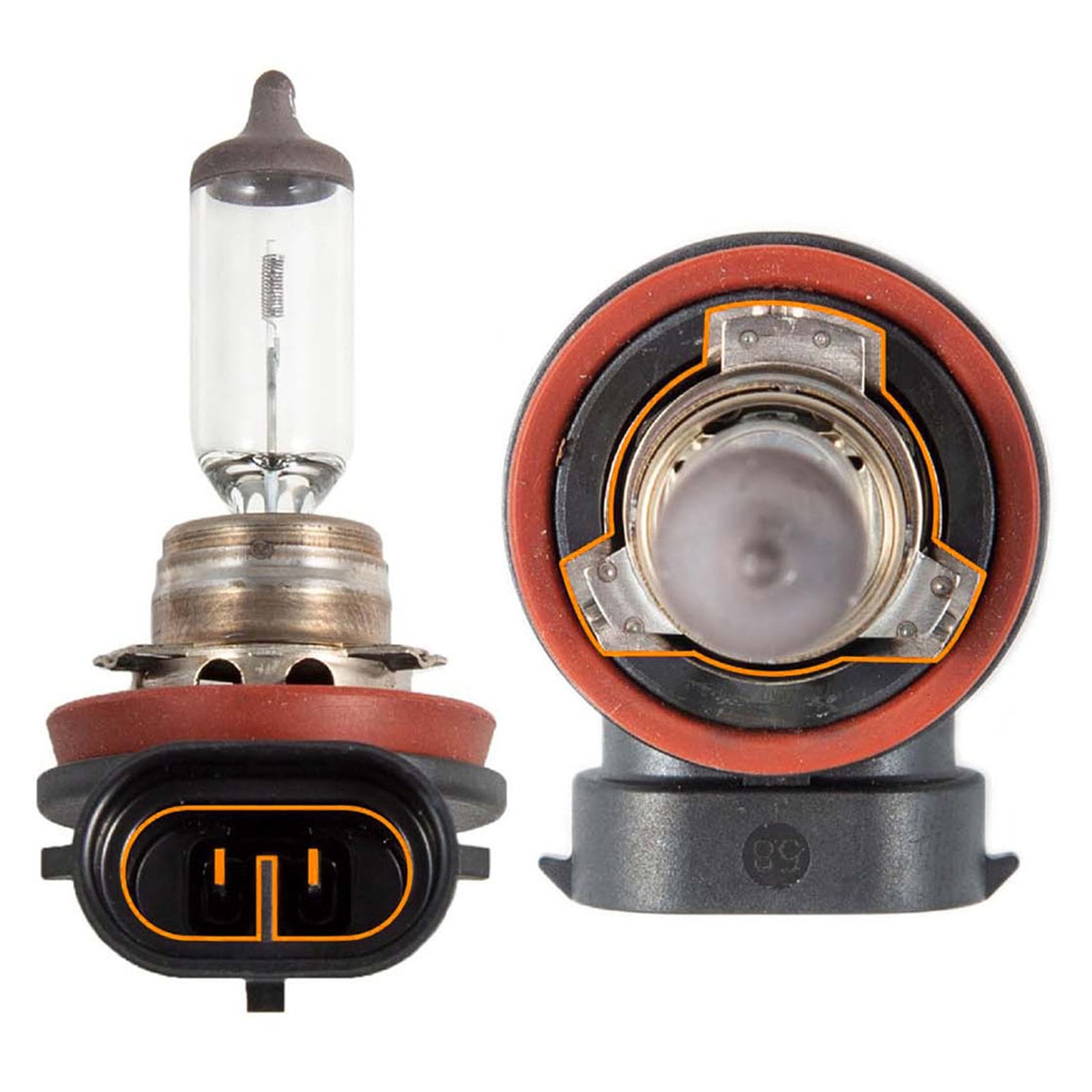
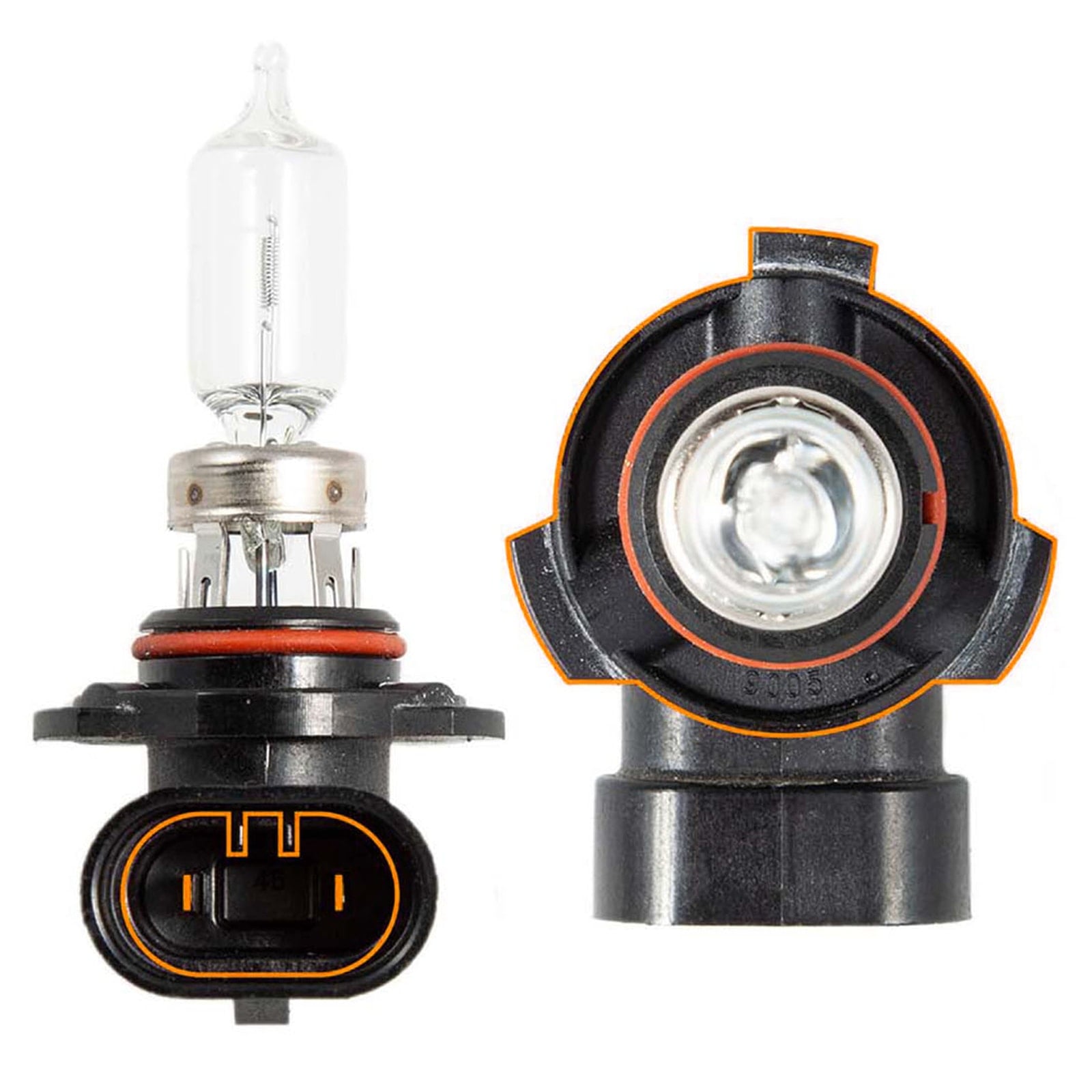
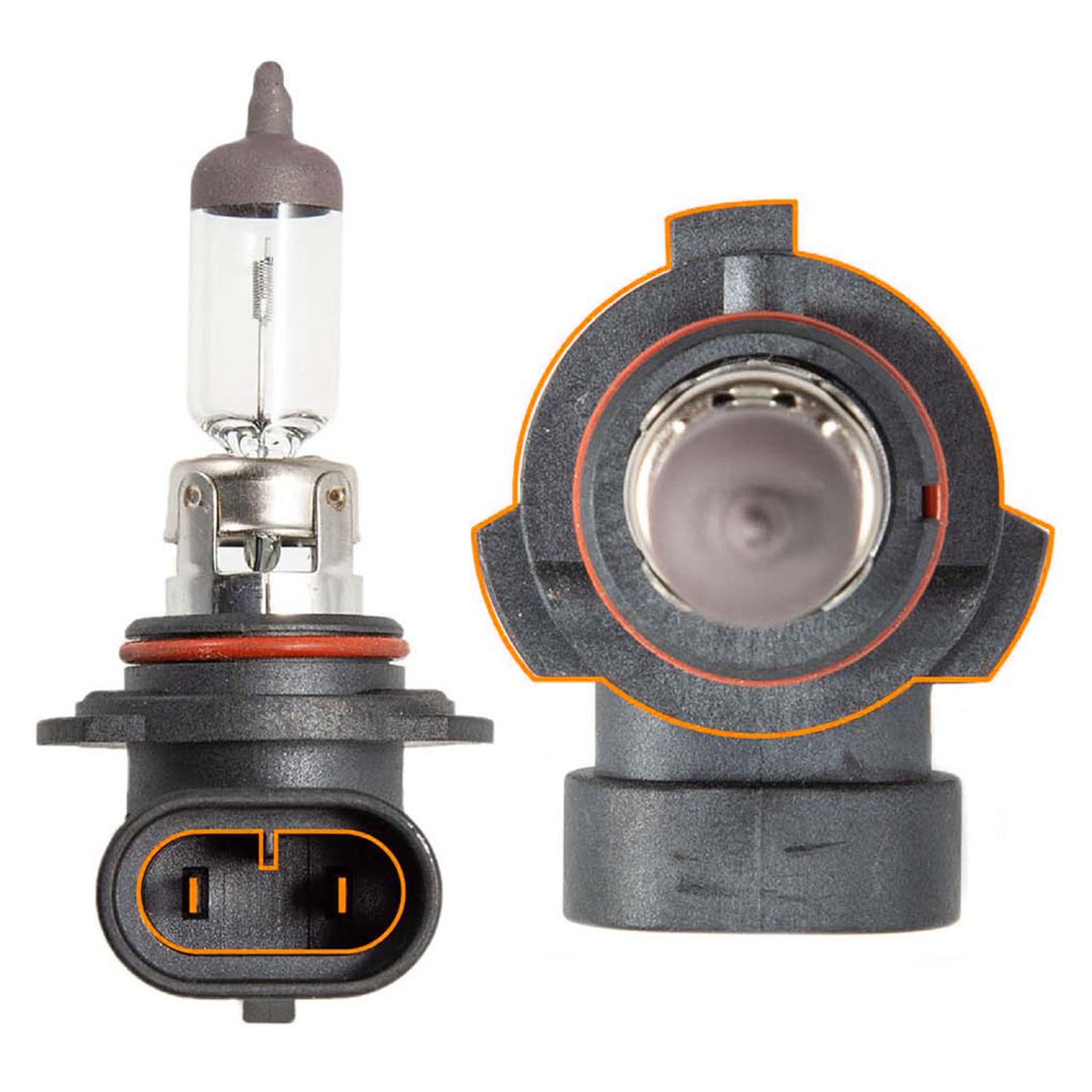
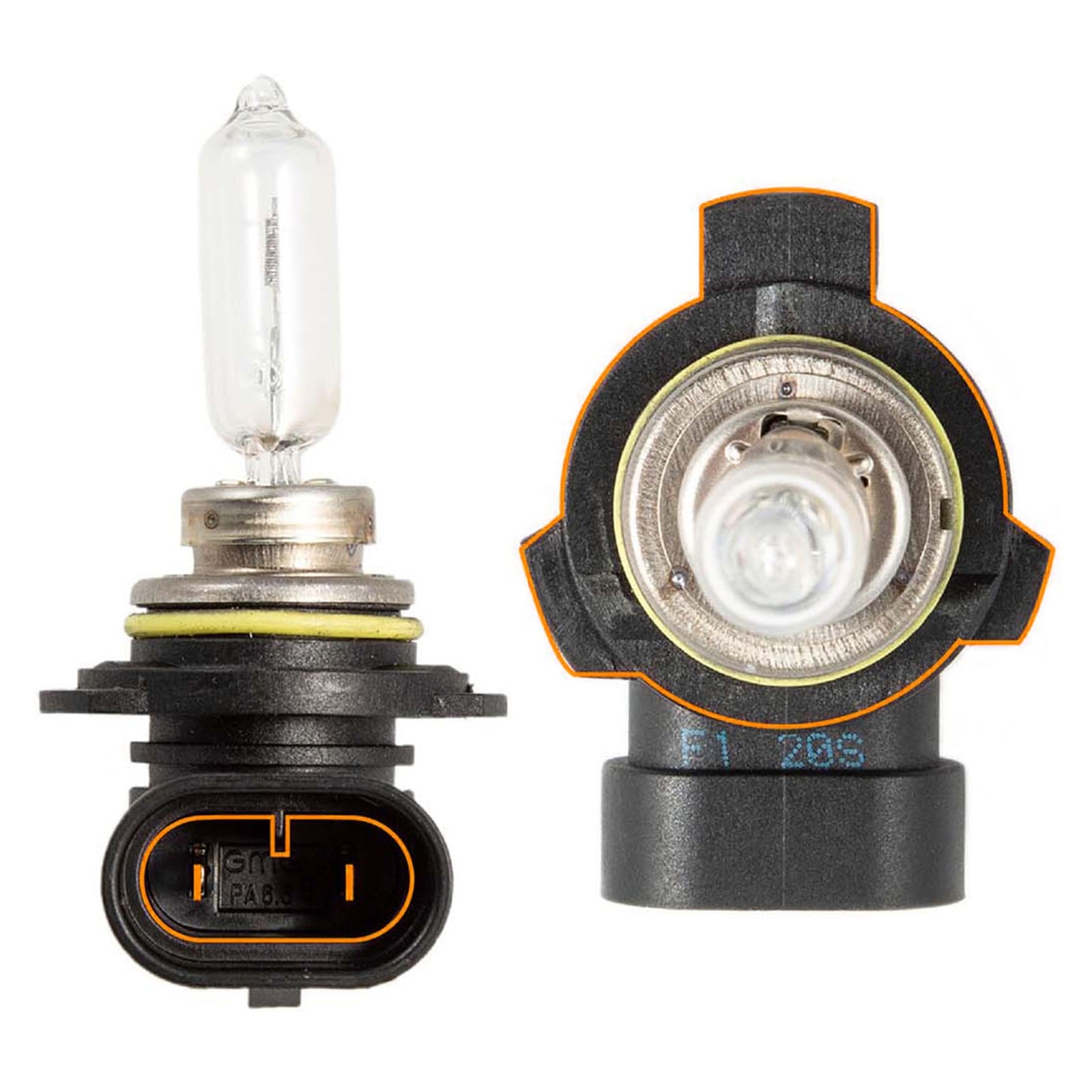
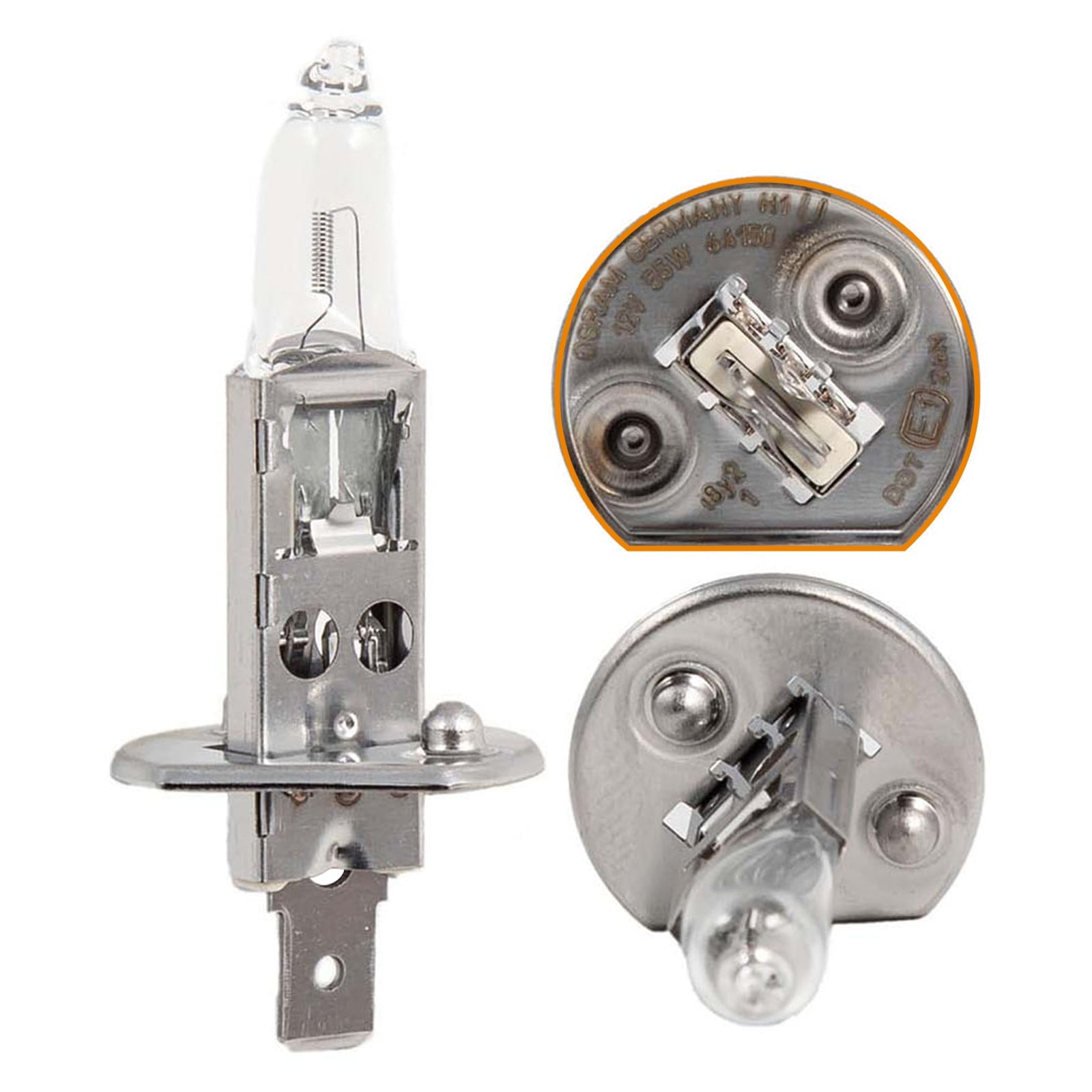
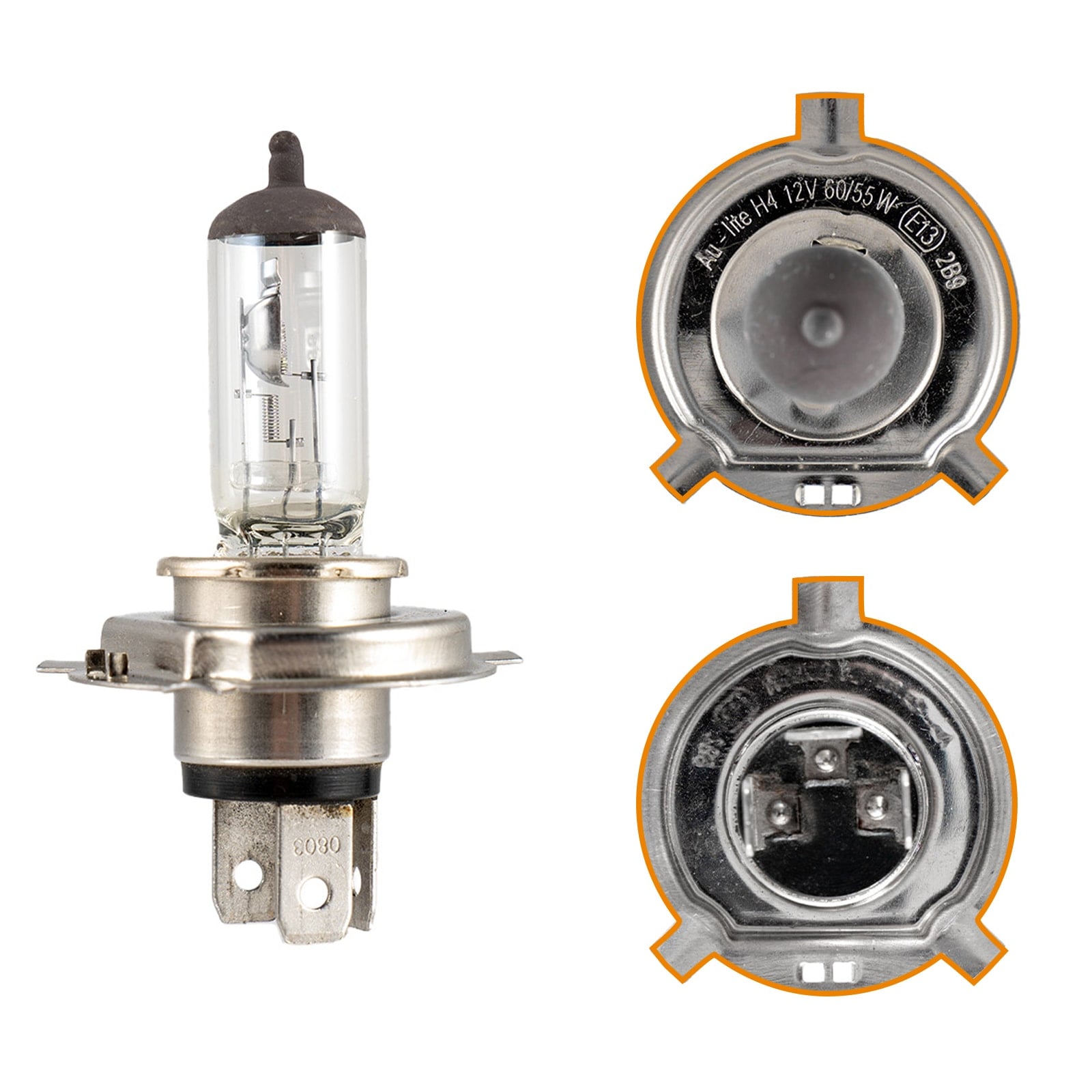
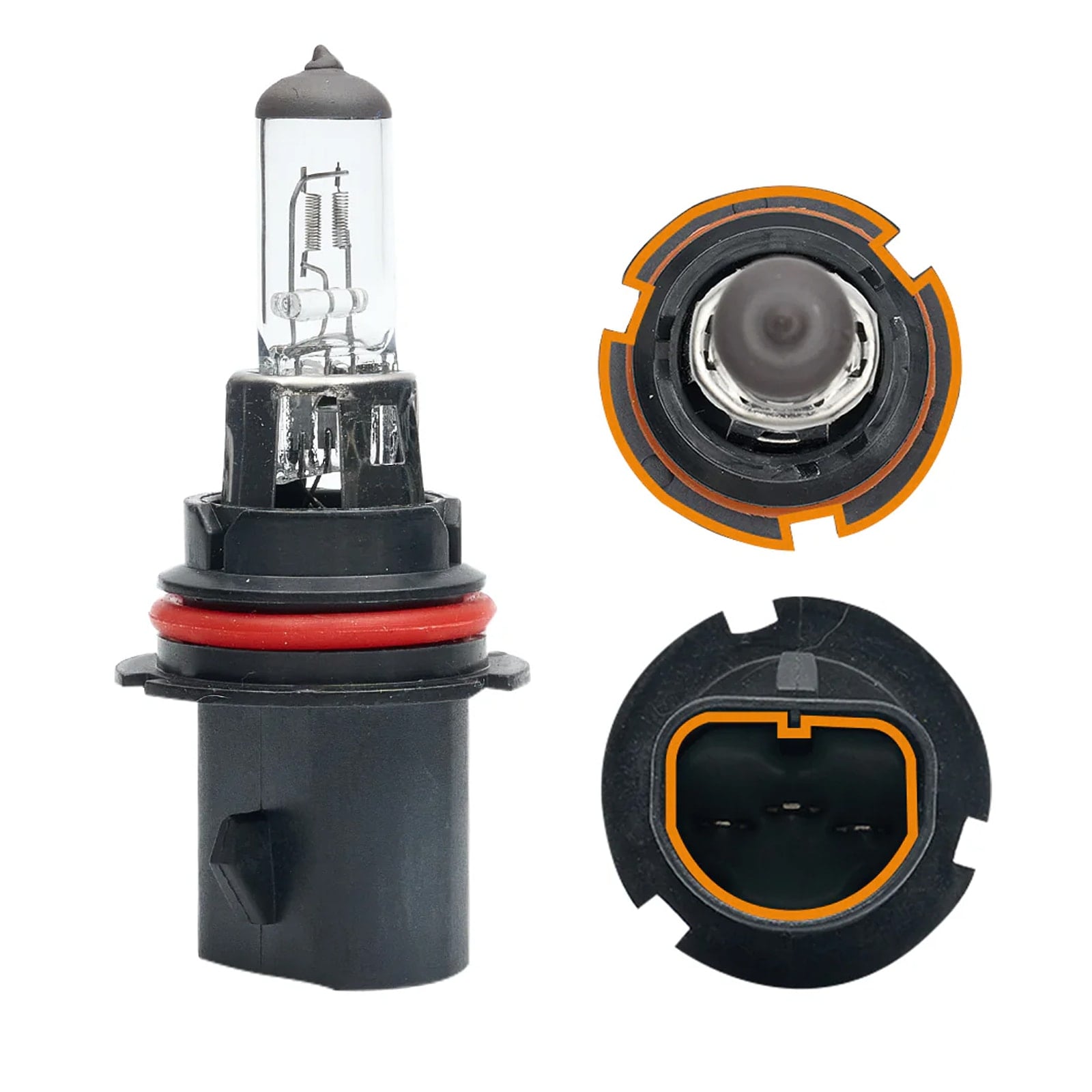
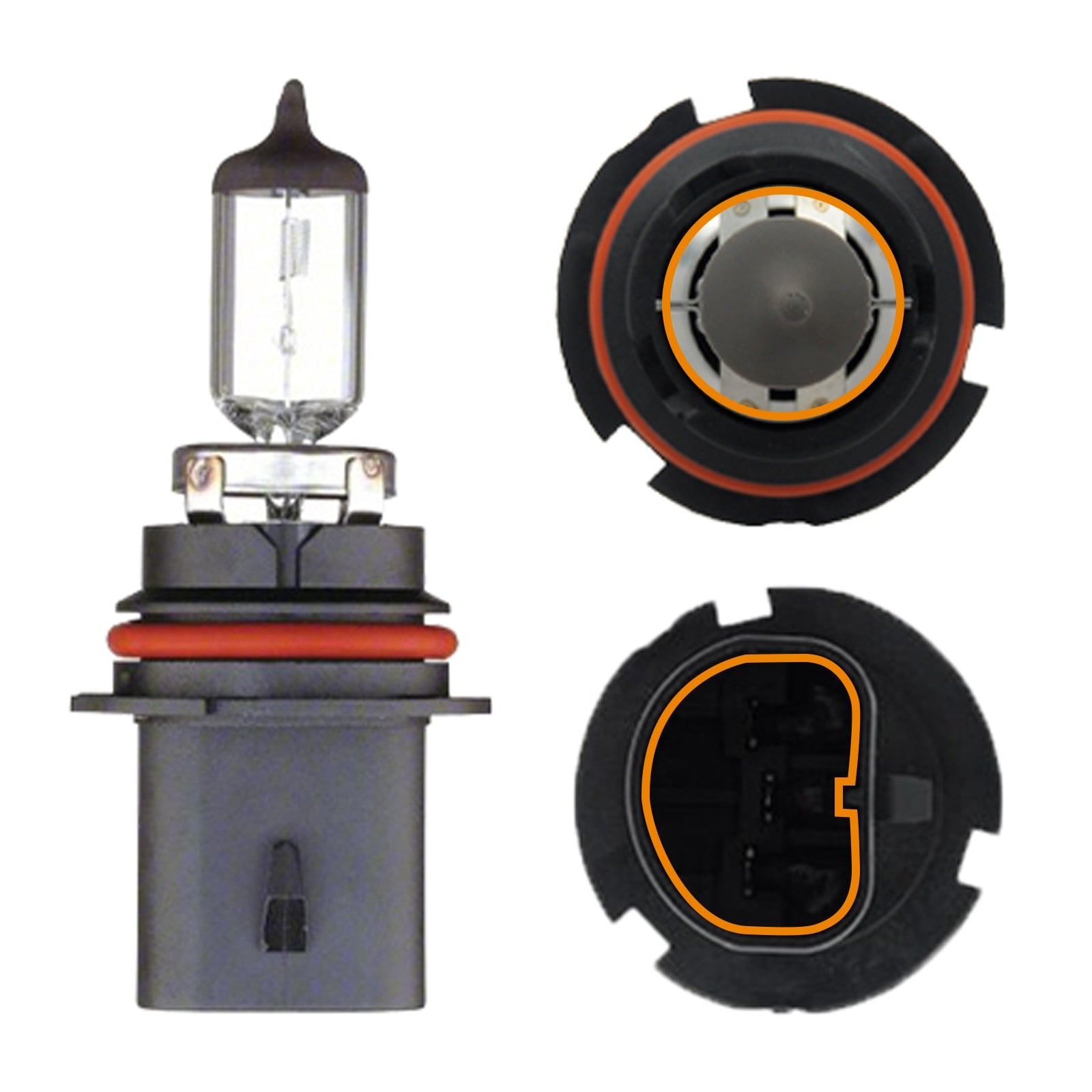
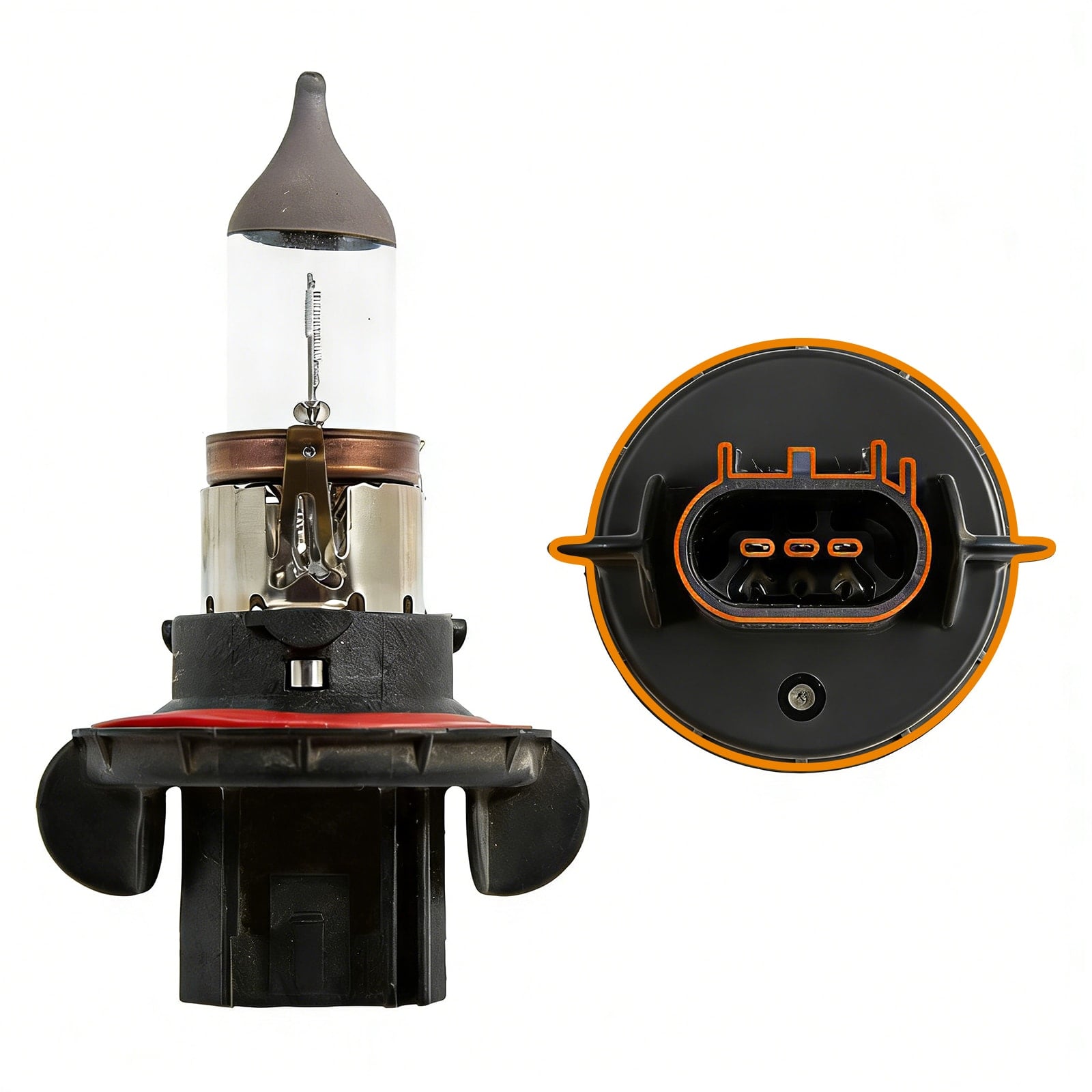
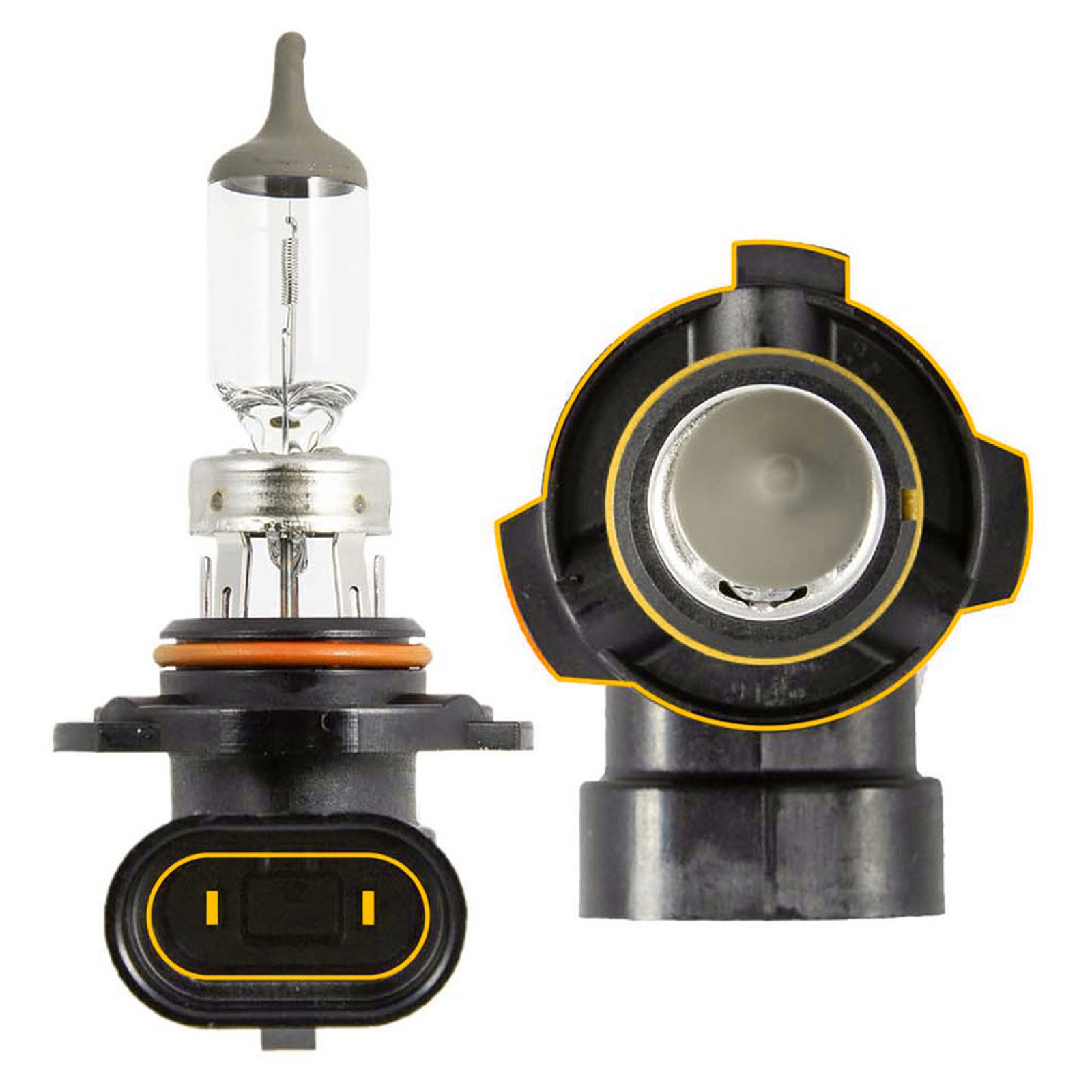
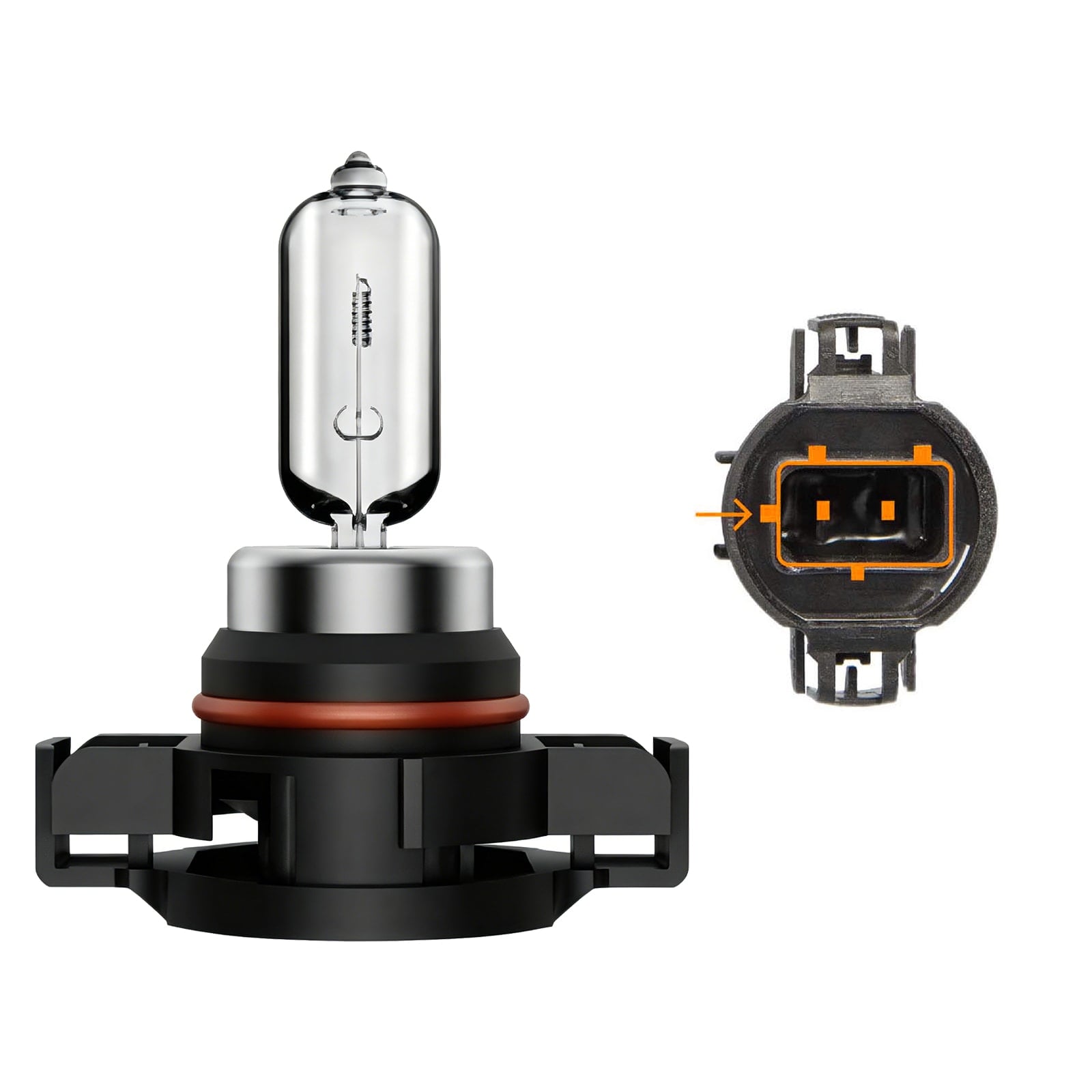
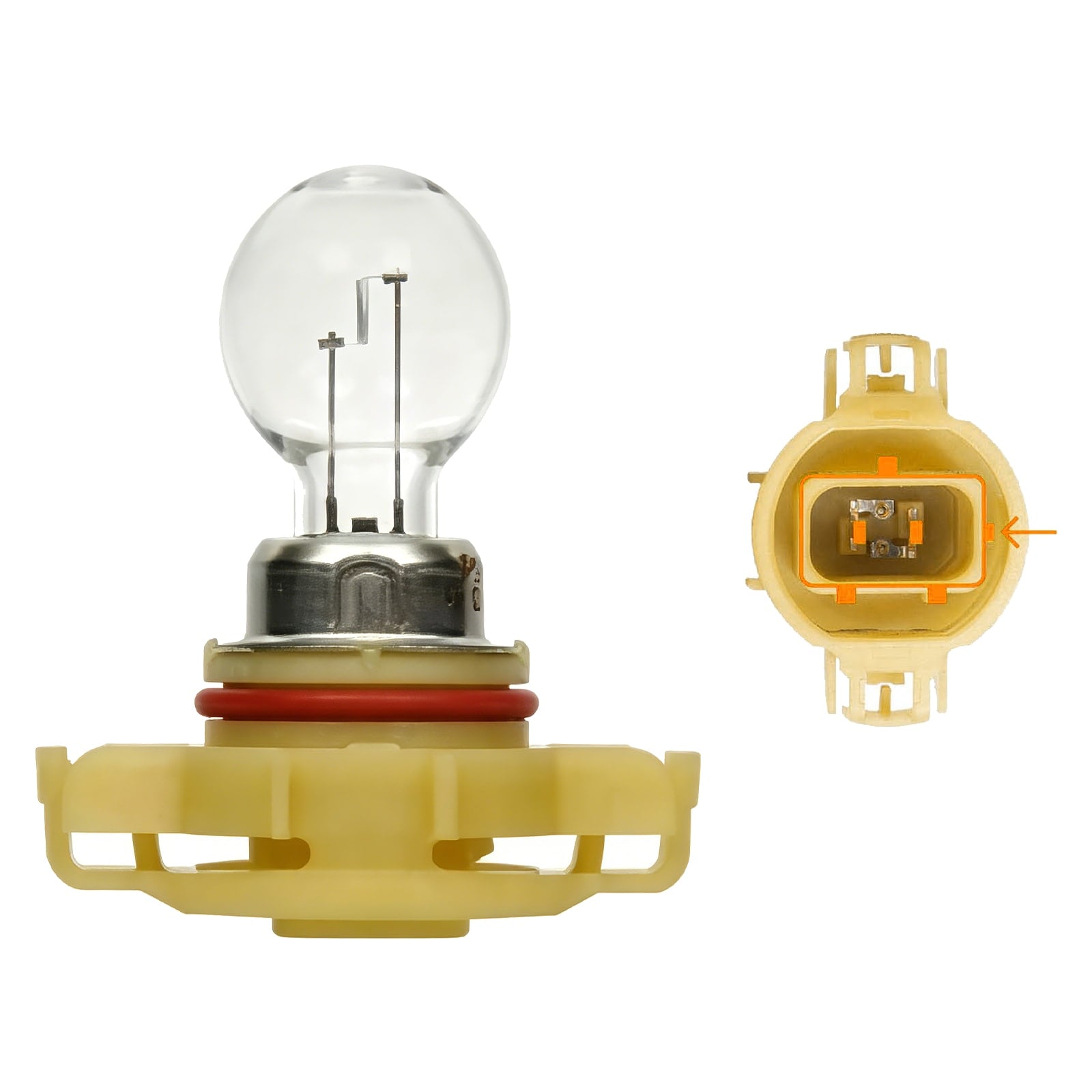
Dim headlights are a frequent complaint among Suburban owners, particularly on models equipped with factory halogen projector headlights.
Owners of 2014–2015 GM full-size SUVs and trucks, including the Suburban, often report that the factory headlights provide limited illumination on dark roads. Drivers sometimes describe the low beams as producing weak peripheral visibility, making it easy to “overdrive” the headlights at highway speeds.
While no recall was issued, General Motors refined the lighting setup in later model years, and many drivers report improved nighttime visibility after the 2016 model refresh.
The issue is largely related to the characteristics of halogen bulbs, which produce a warmer light color around 3200K and less output than modern LED lighting.
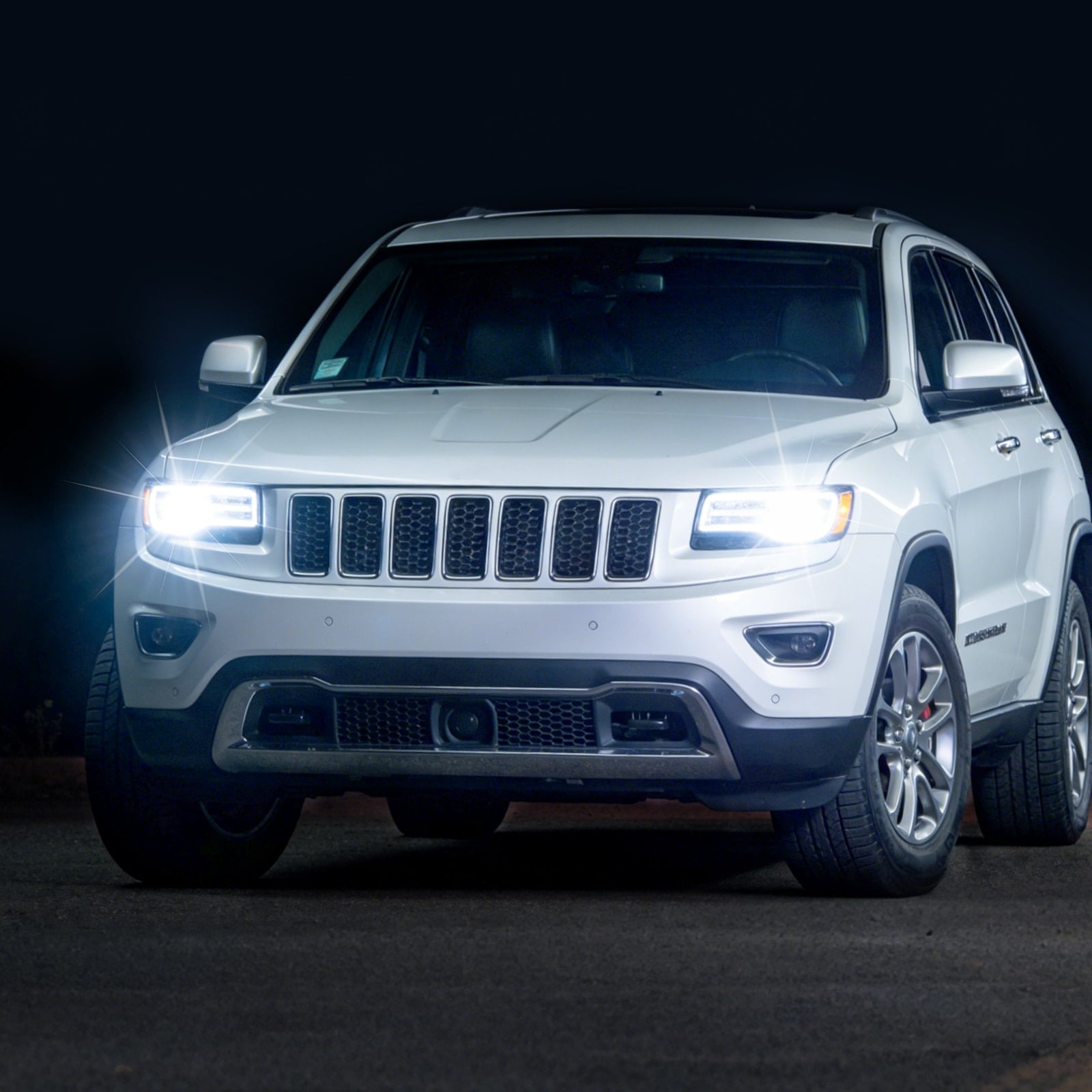
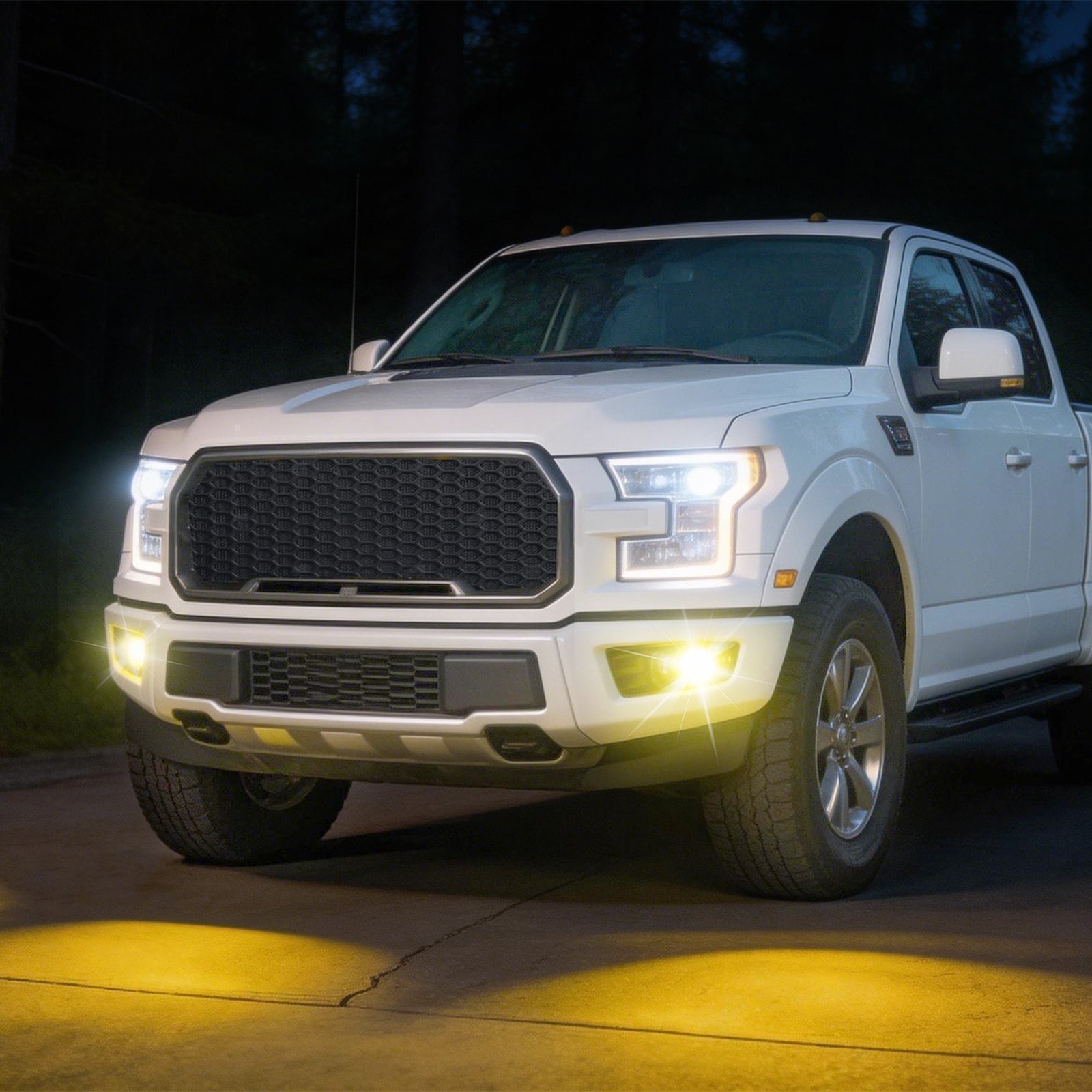
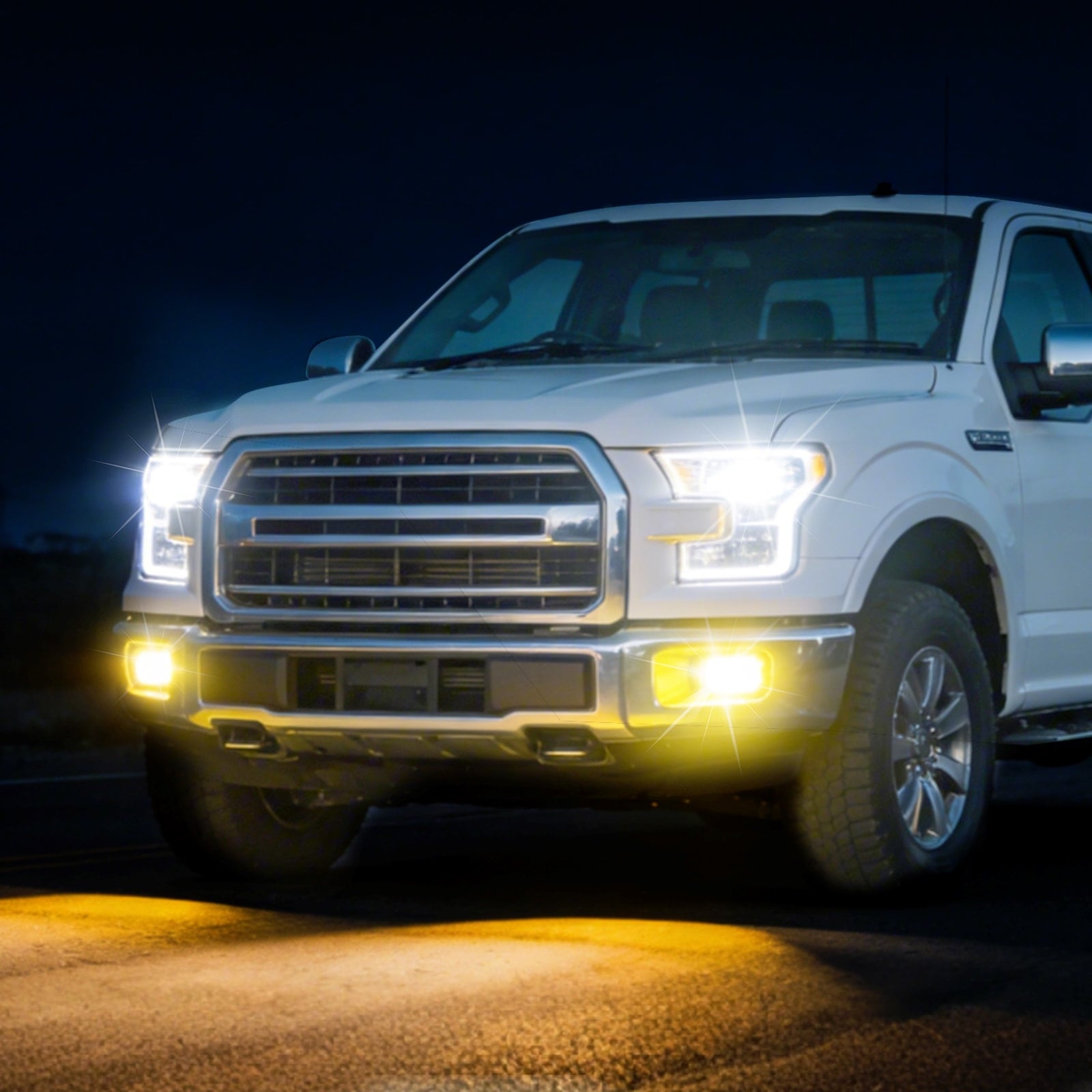
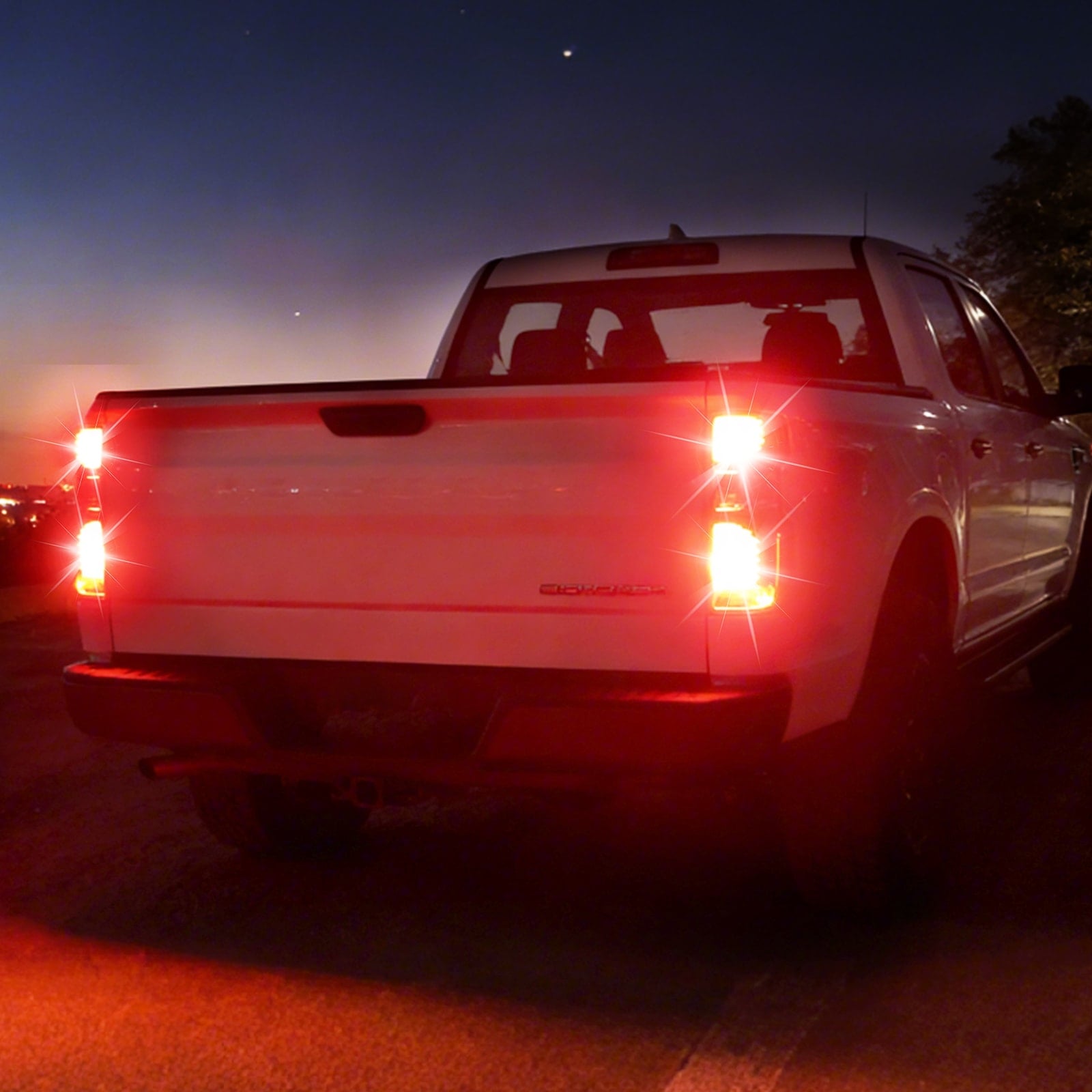
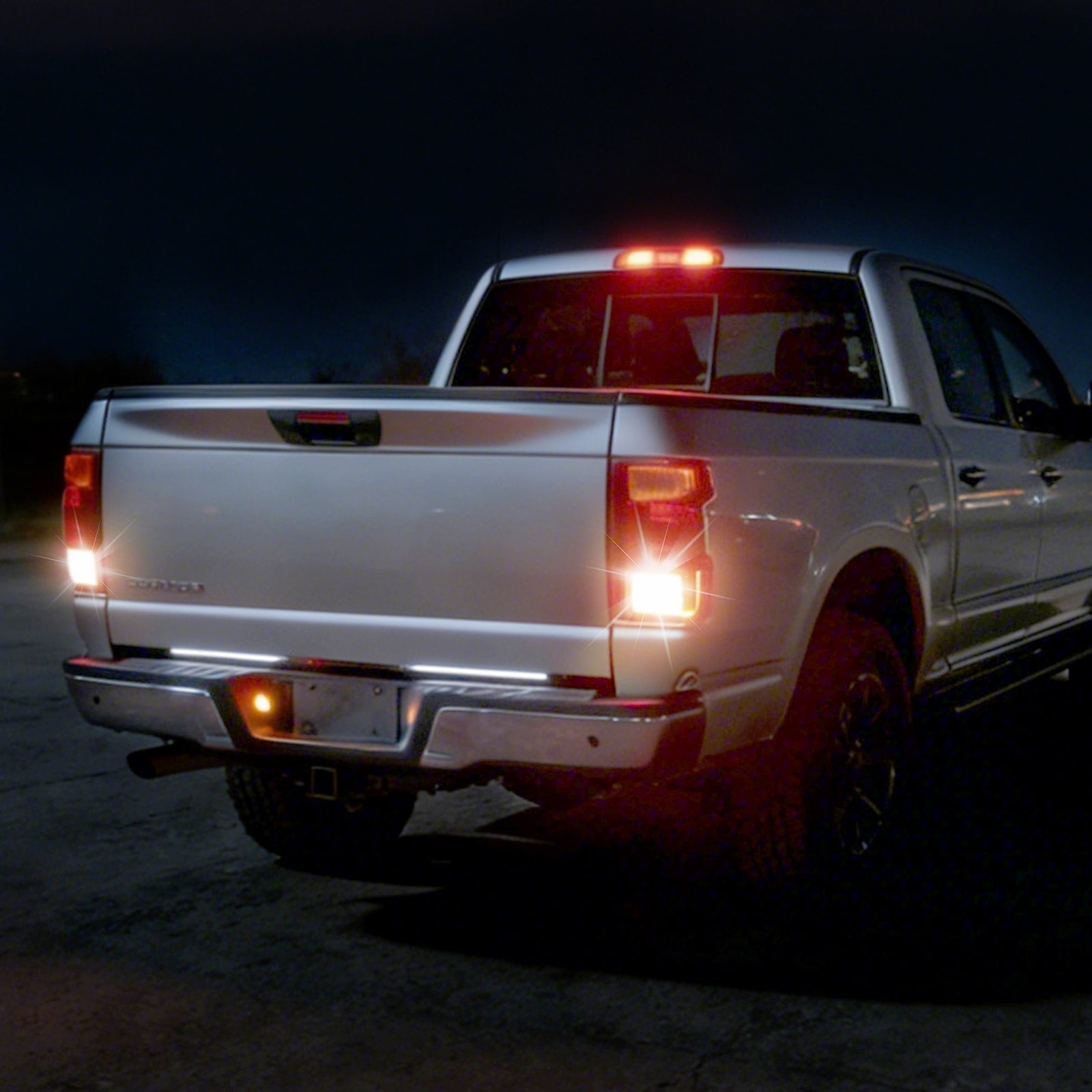
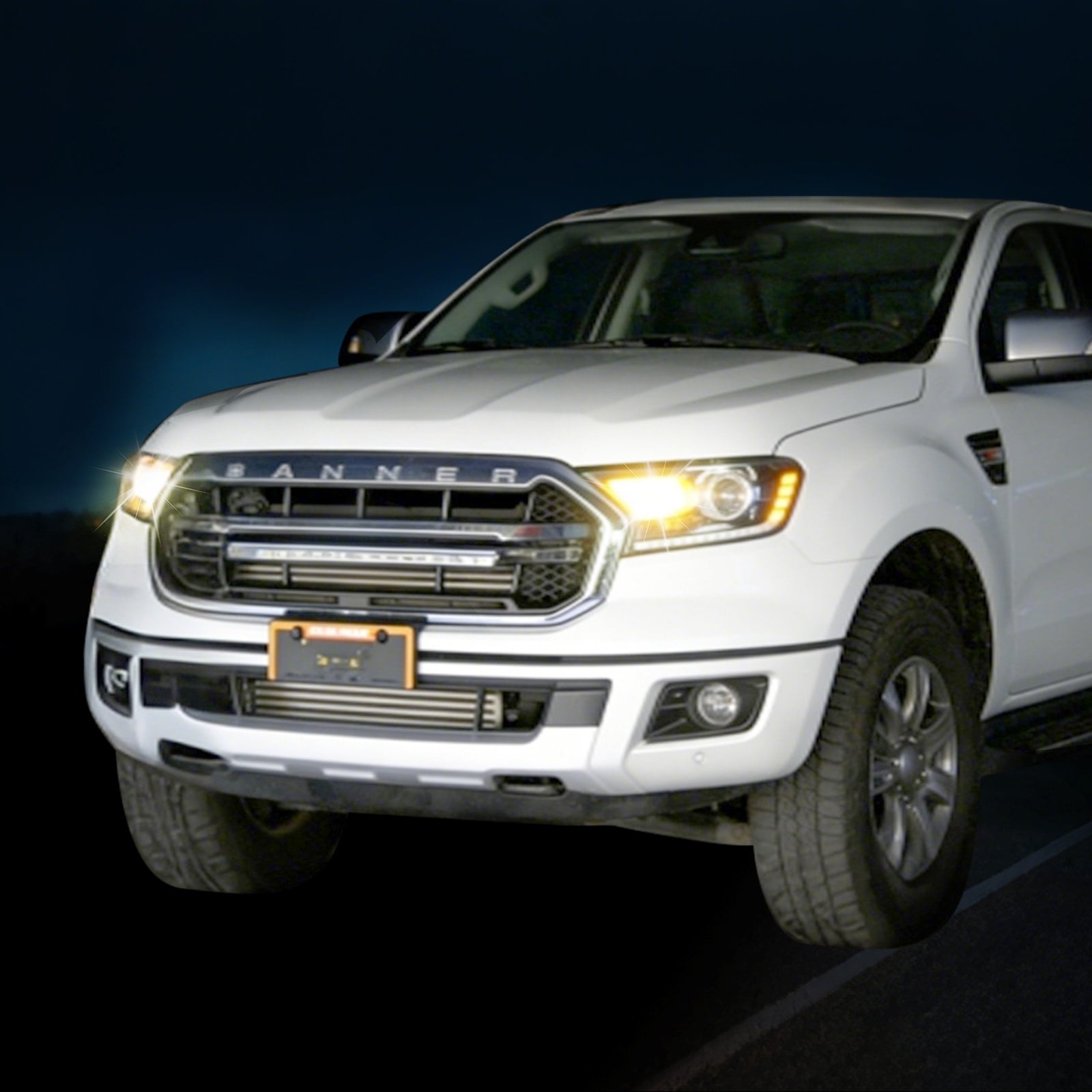
For owners seeking better visibility, upgrading the factory halogen bulbs is a common solution. LED replacements produce a brighter, cooler white beam that improves contrast on road signs, lane markings, and the roadside.
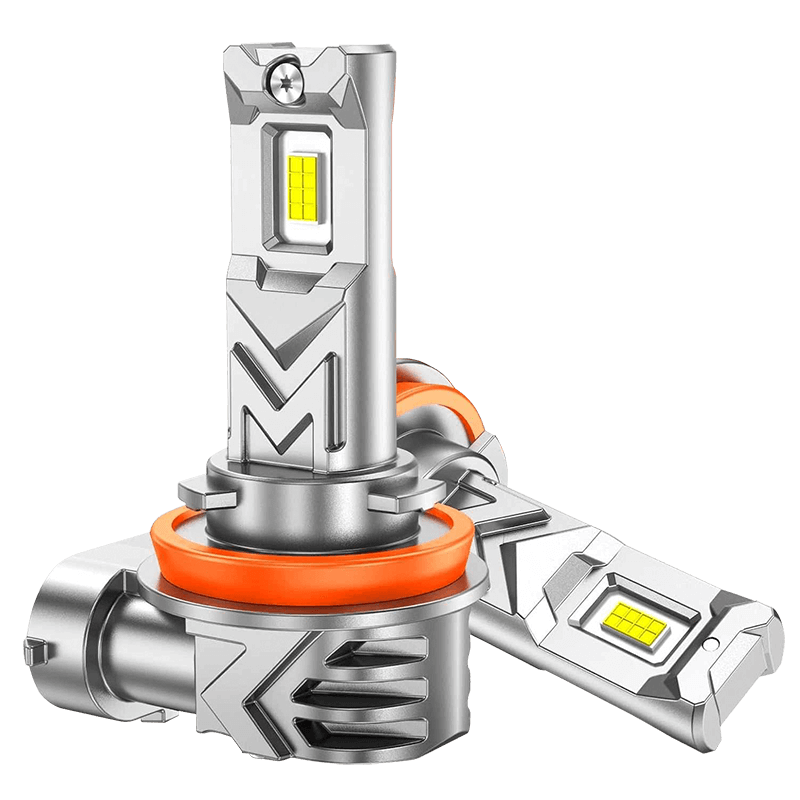
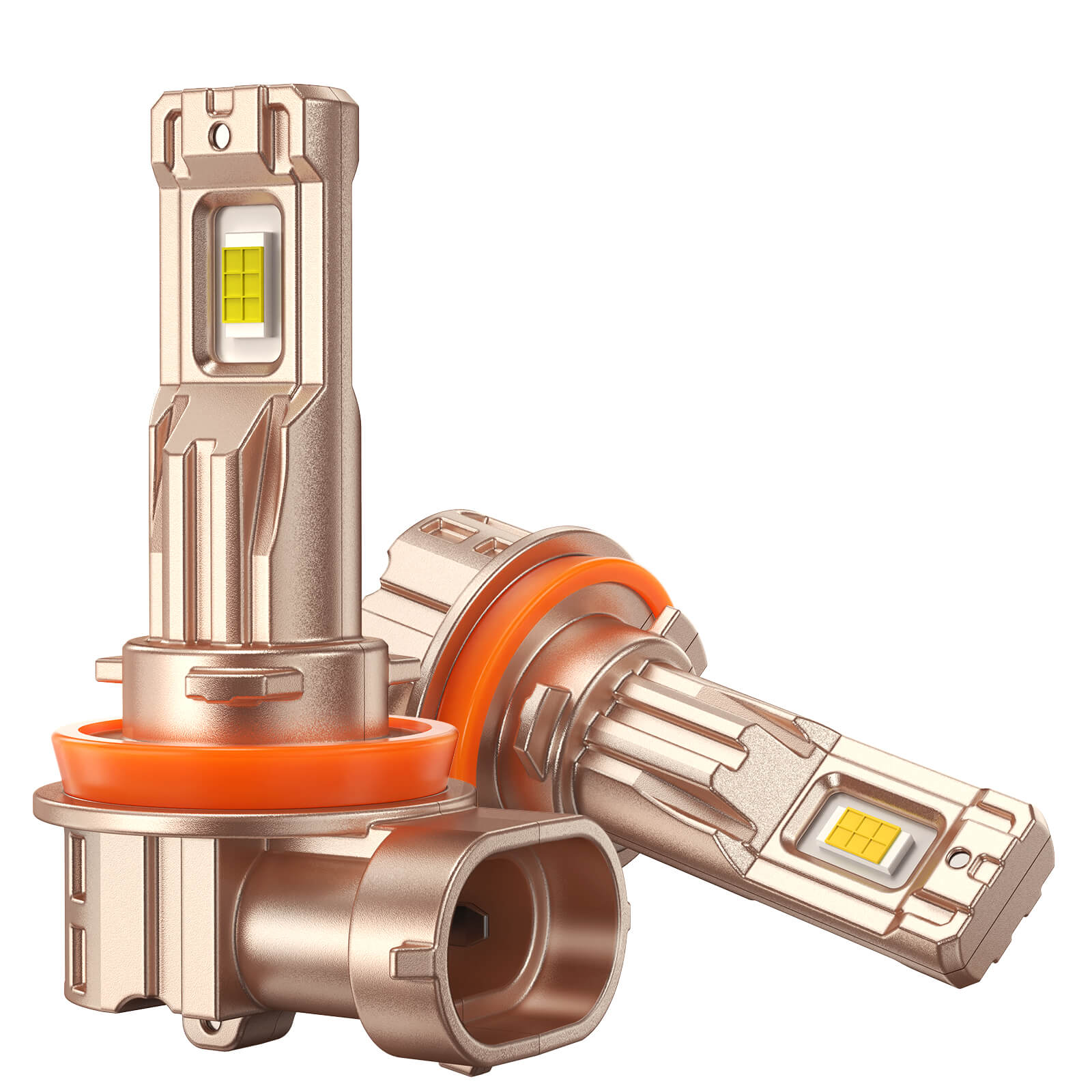
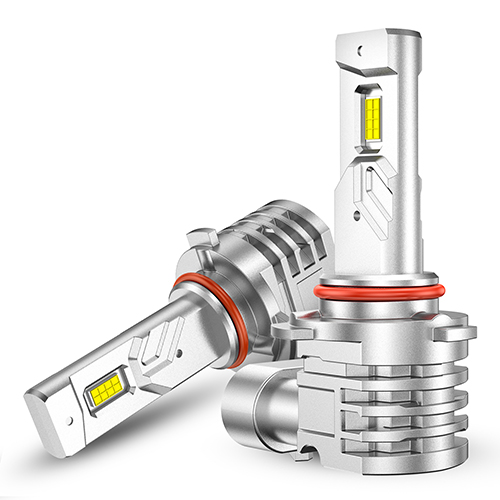
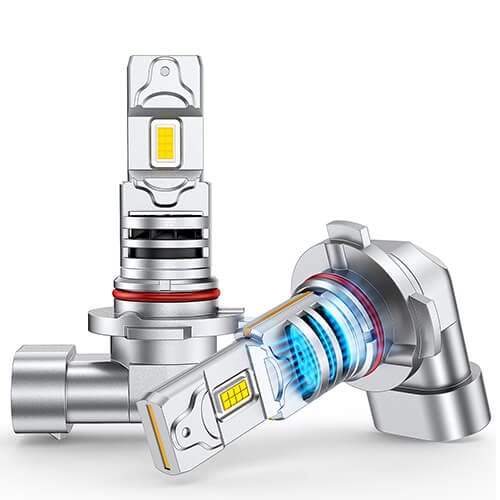
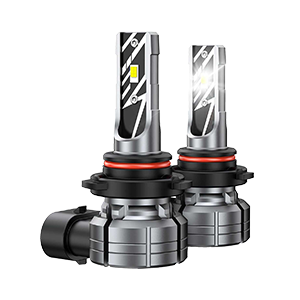
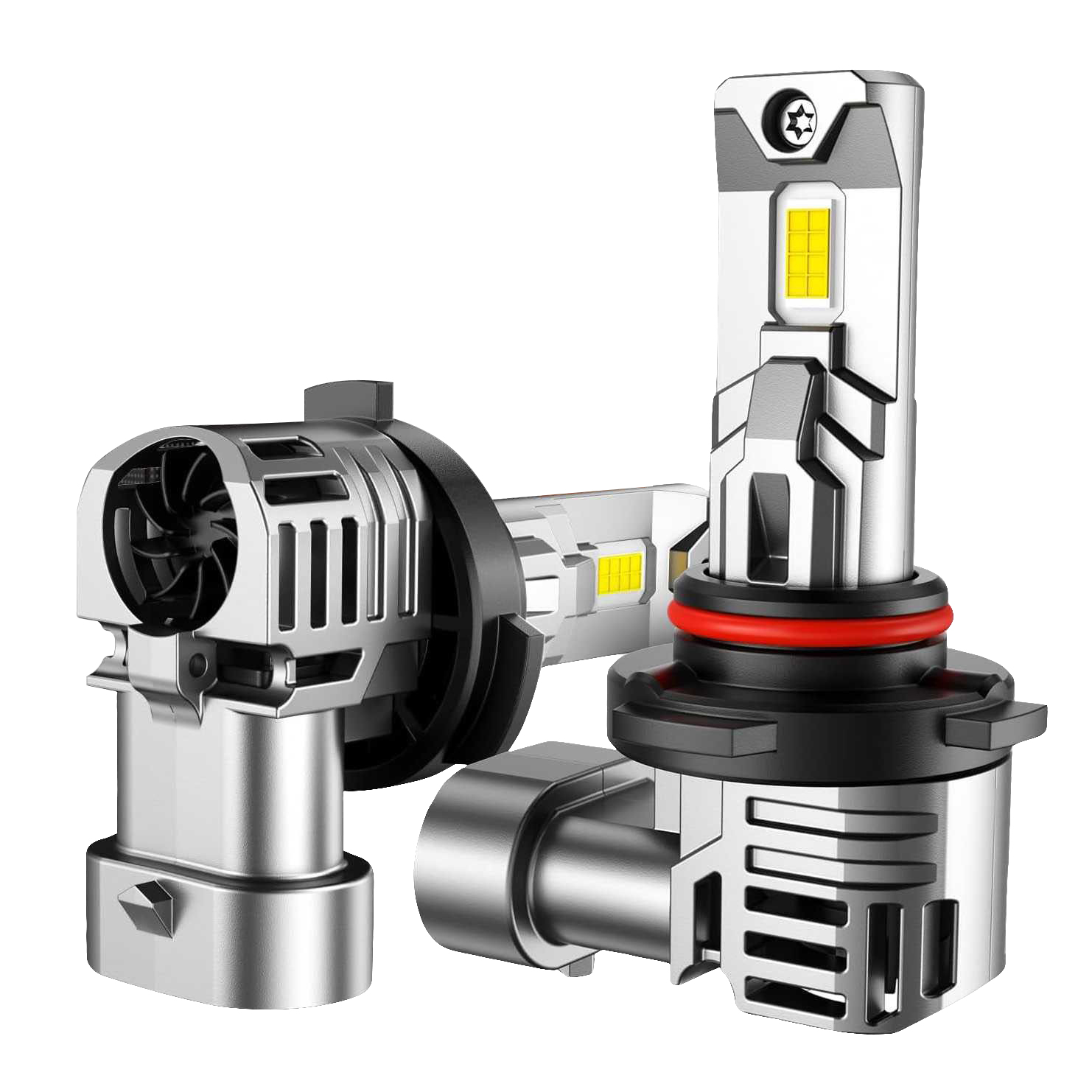
High-quality LED options such as SEALIGHT LED headlight bulbs are designed to replicate the original halogen filament position. This helps maintain a proper beam pattern while delivering significantly stronger illumination. On many halogen-equipped Suburban models, installation is plug-and-play and can typically be completed in minutes.
Chevrolet Suburban Model Years to Avoid
While every generation has strong examples, several model years tend to receive higher complaint rates or more expensive repair reports.
Years that buyers often approach cautiously include:
2007–2008
Early models of the GMT900 generation experienced higher complaint rates, including engine and electrical problems.
2015
The first year of a new generation often brings early production issues, including transmission and electronic glitches.
Early 2021 production models
As the first year of the latest generation, some vehicles experienced infotainment and electronic issues that were later improved.
Chevrolet Suburban Model Years to Buy
Several Suburban years stand out for having lower complaint rates and stronger long-term reliability.
Recommended model years often include:
2006
One of the most reliable years of the previous generation with relatively few major complaints.
2017
By this point, the generation introduced in 2015 had matured, and most early issues were resolved.
2018–2020
These years combine improved reliability, modern technology, and relatively low reported problems, making them some of the safest used purchases.
Conclusion
The Chevrolet Suburban 1500 can be a reliable and long-lasting SUV when you choose the right model year and stay aware of common Chevrolet Suburban problems. If your Suburban still uses halogen headlights, upgrading to SEALIGHT LED bulbs for your Chevrolet Suburban 1500 can also improve nighttime visibility.
Do you own a Chevrolet Suburban? Which Suburban year has been the most reliable for you? Share your experience in the comments and help other buyers decide which Suburban model years to buy or avoid.