
 Headlight Bulbs


 Track Order
 My Vehicles
 Contact Us
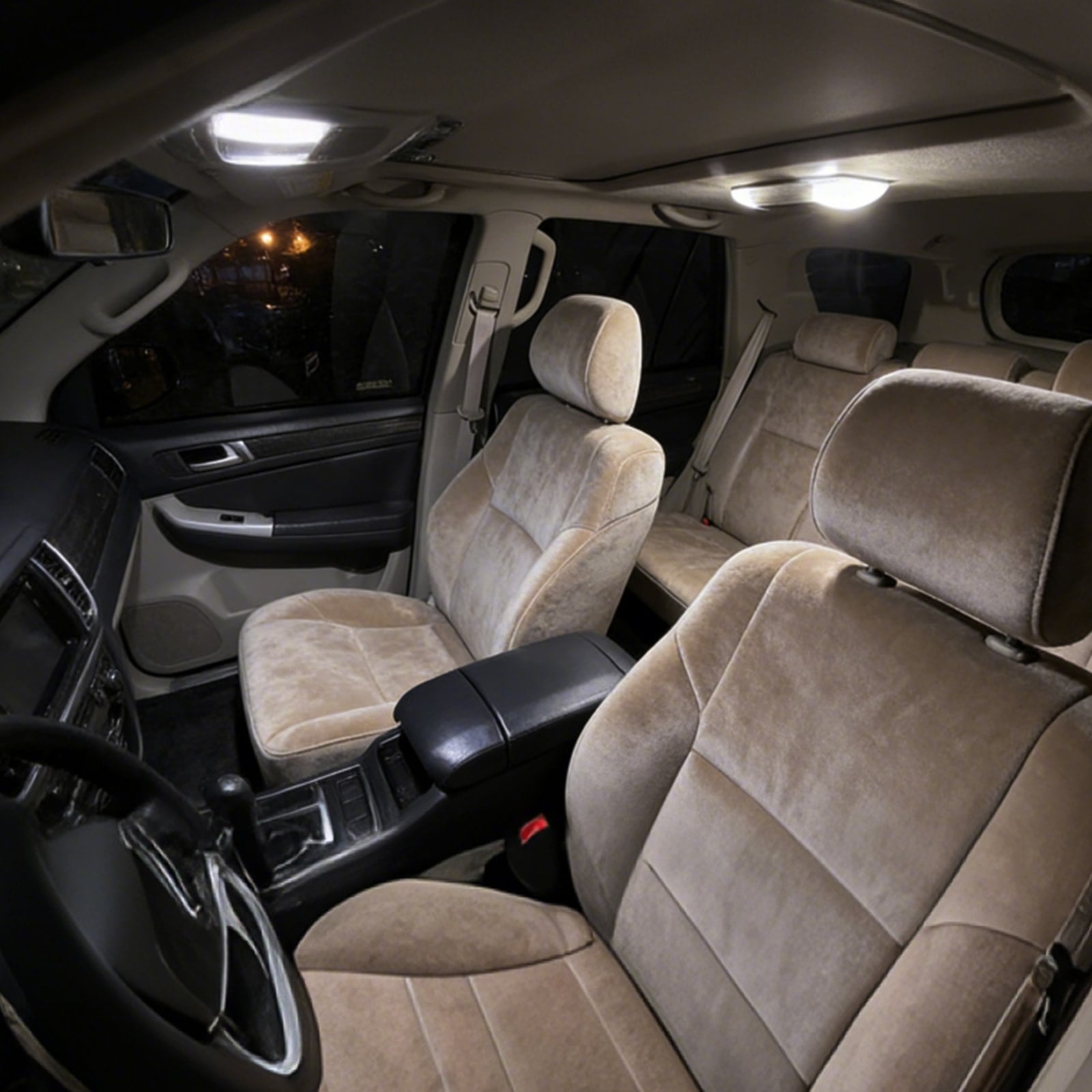
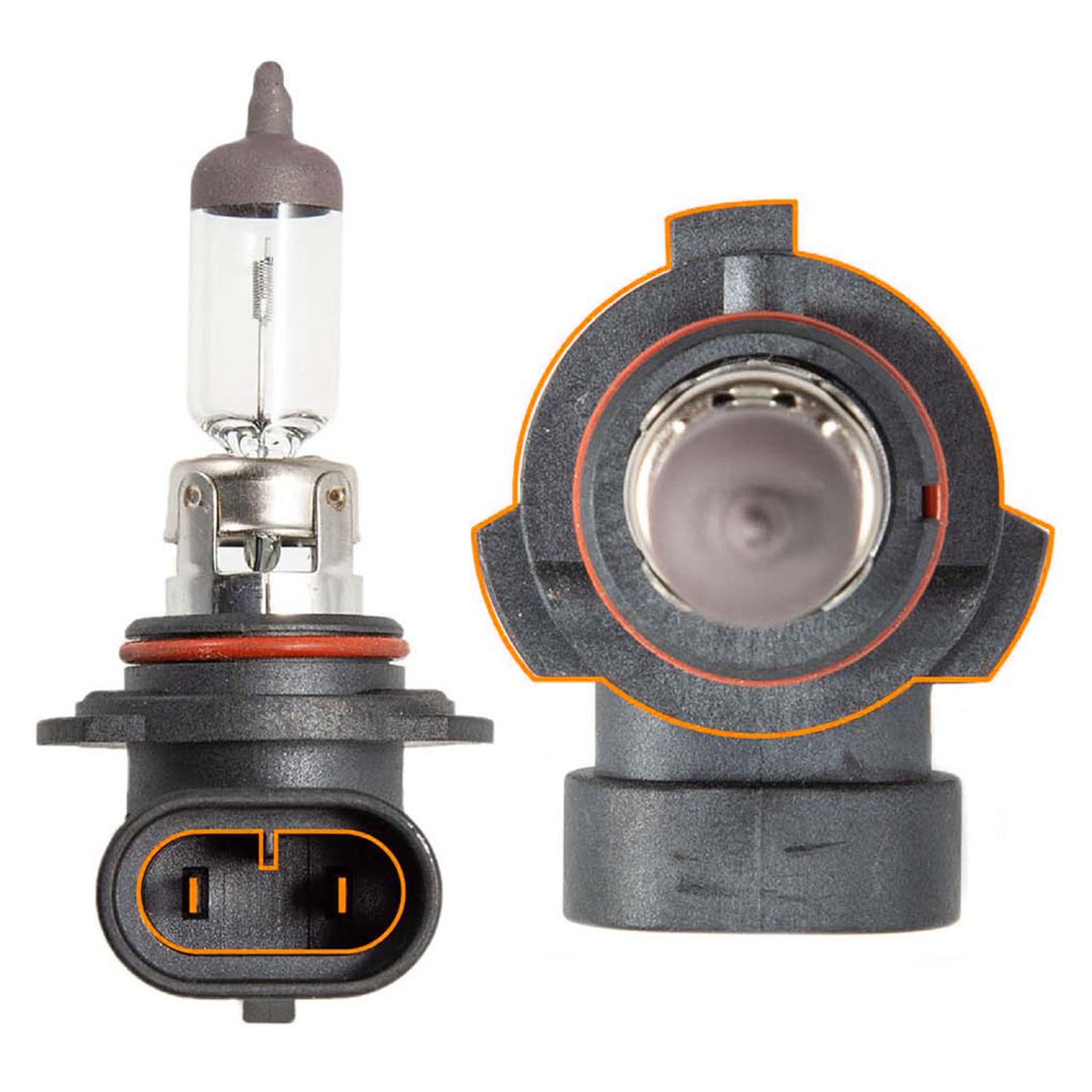
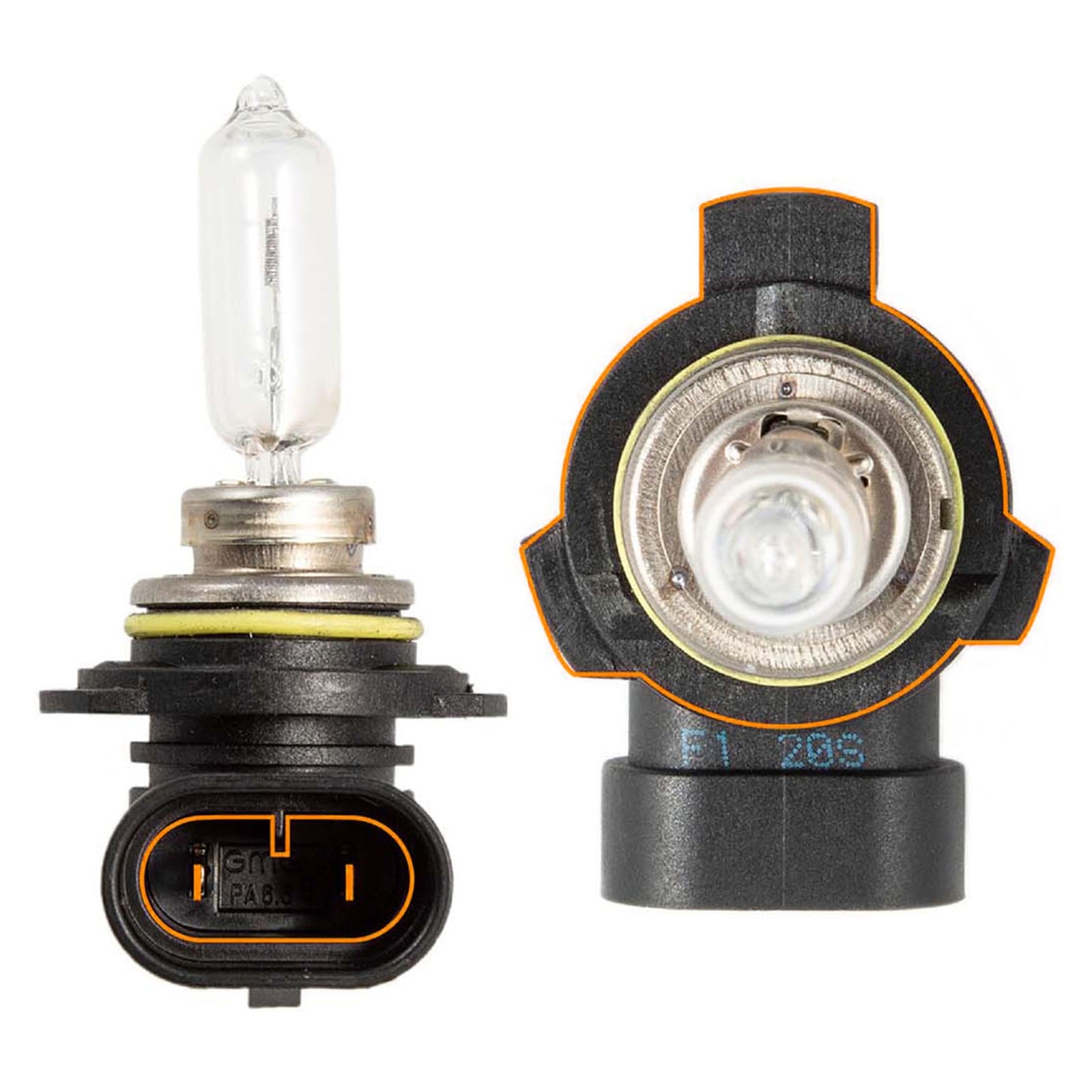
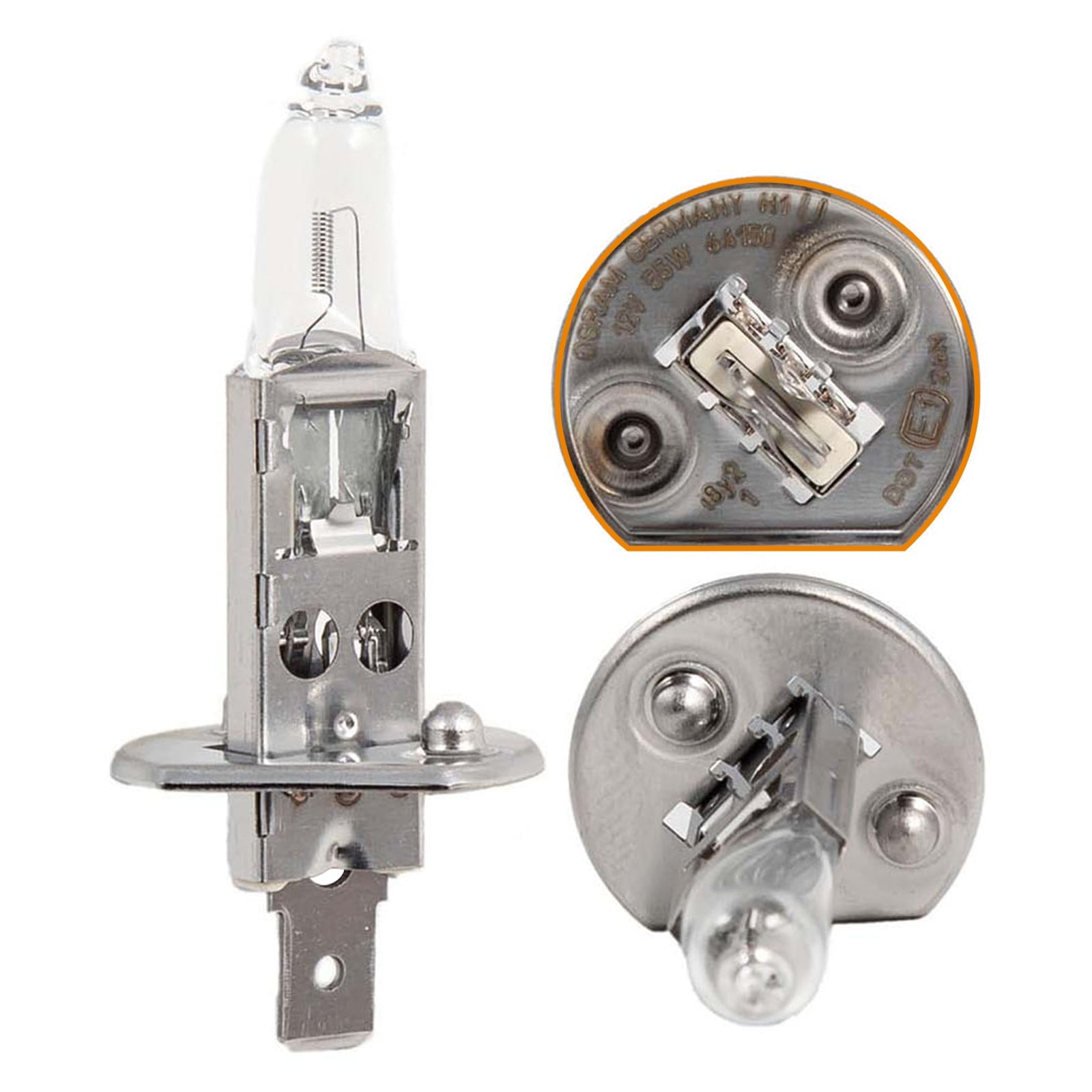

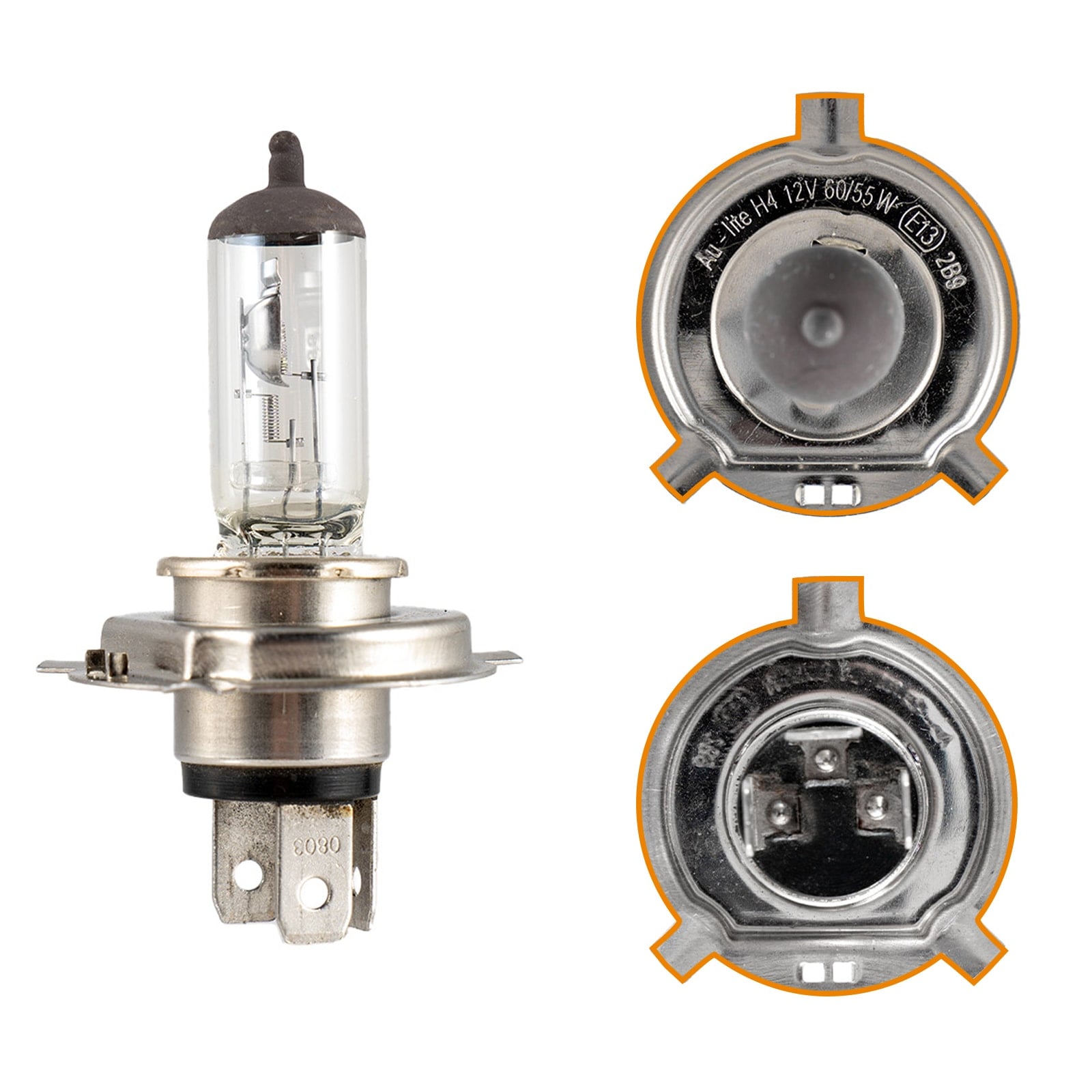
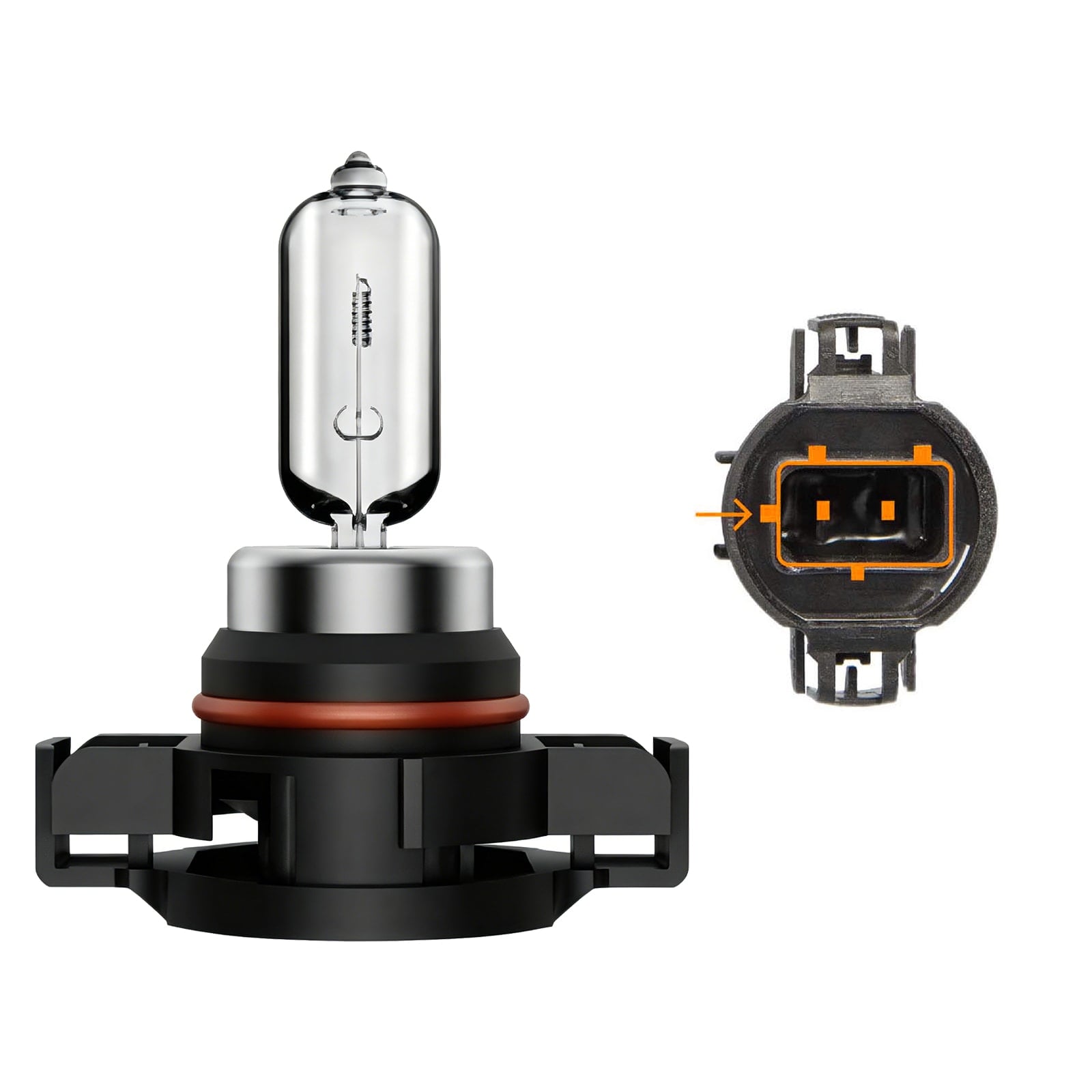
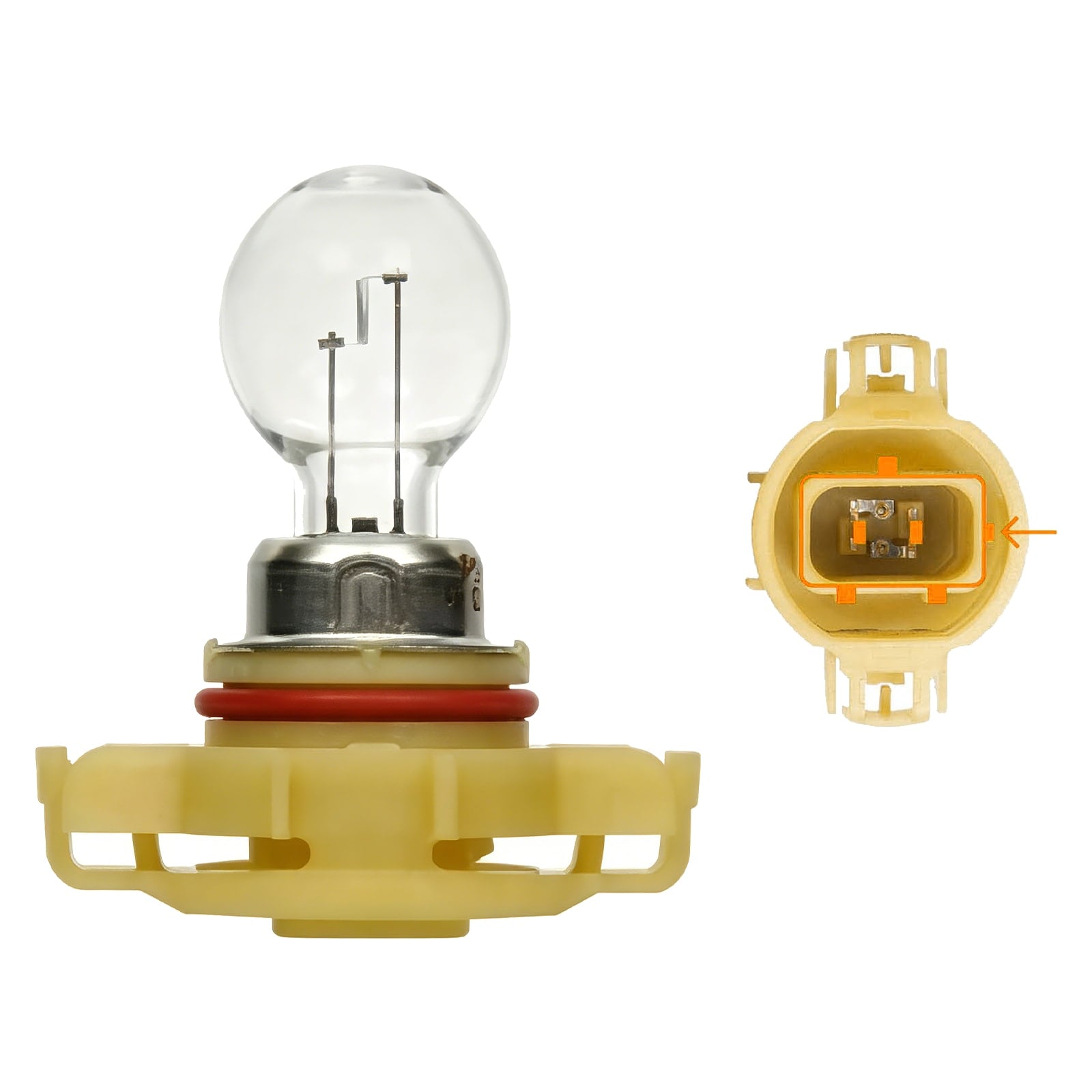
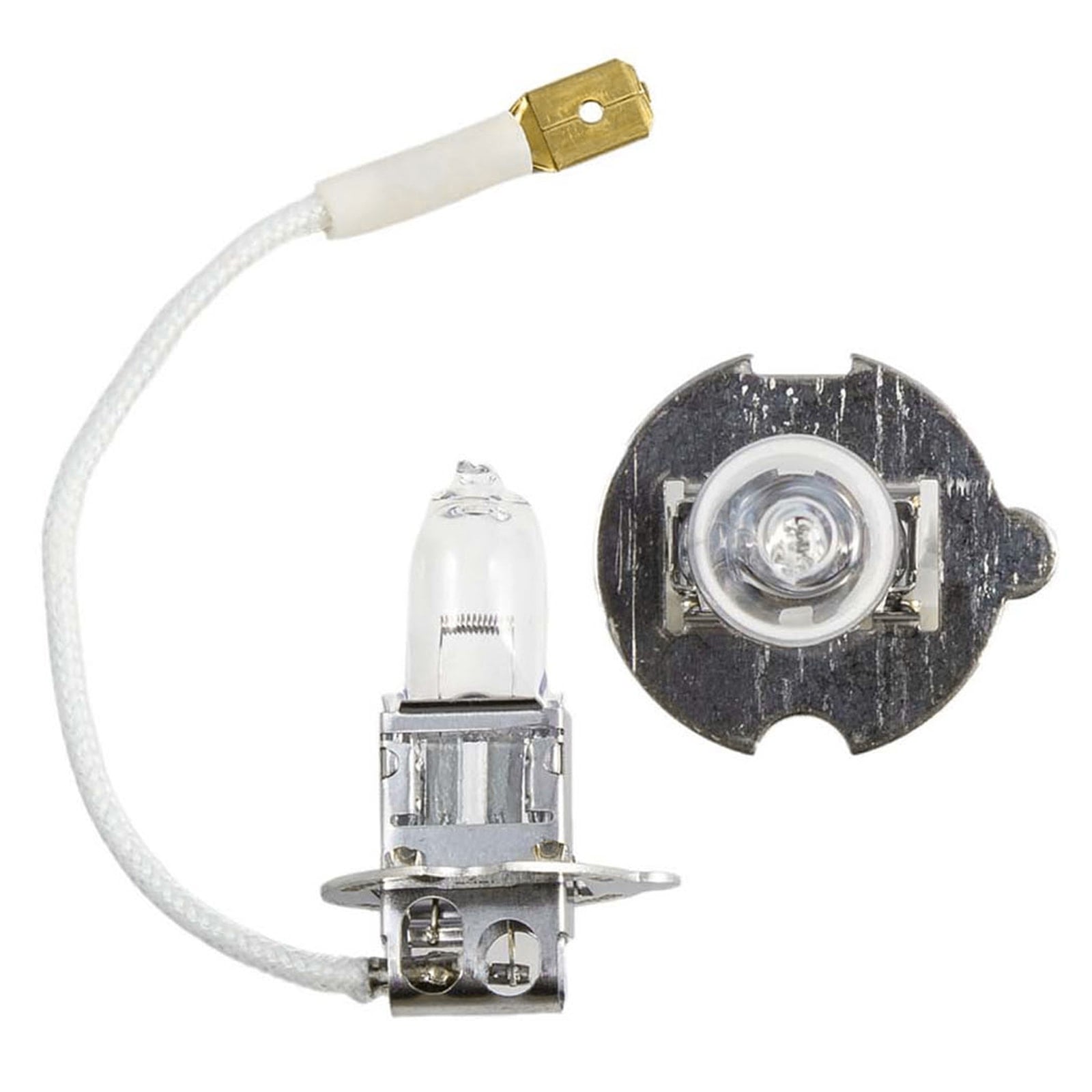
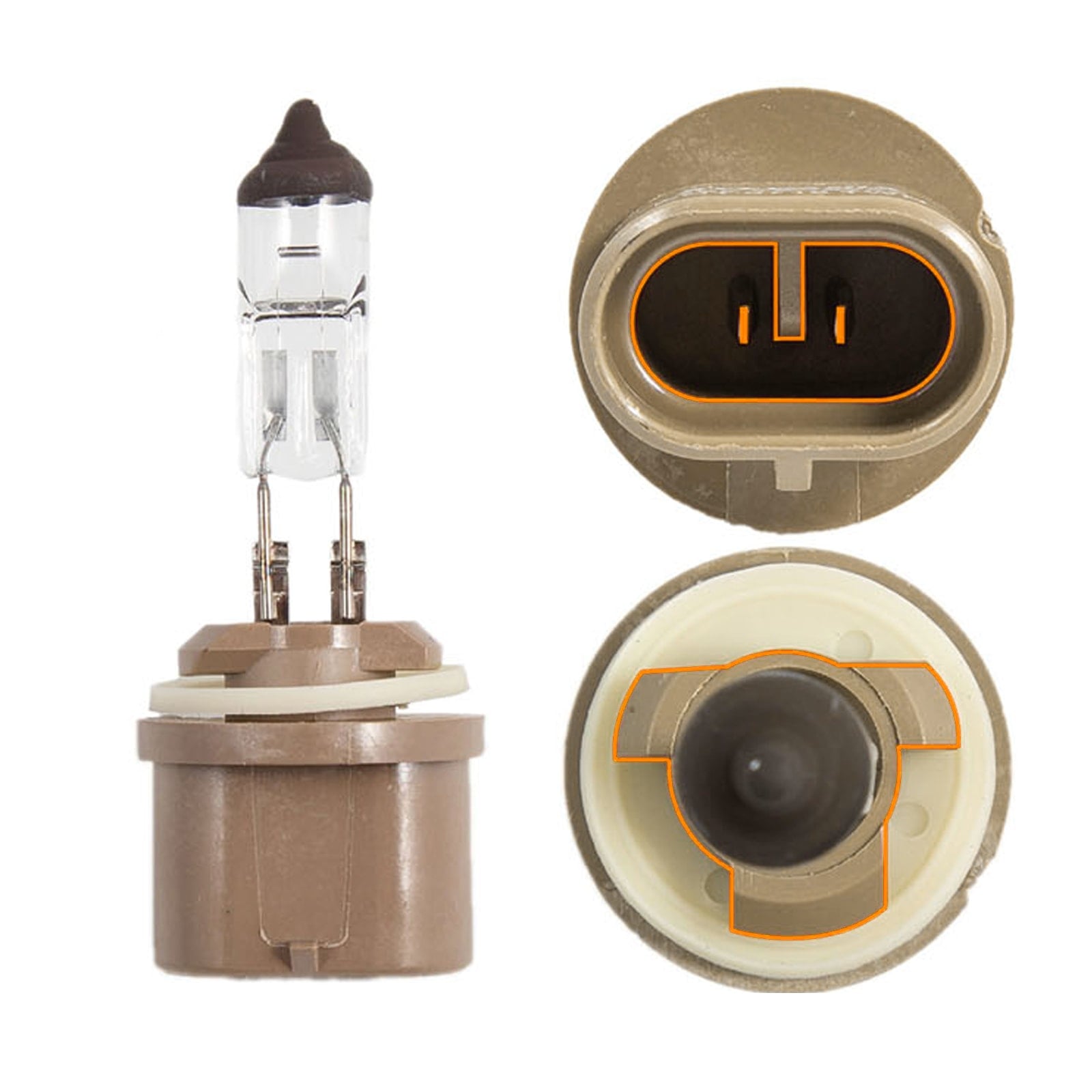
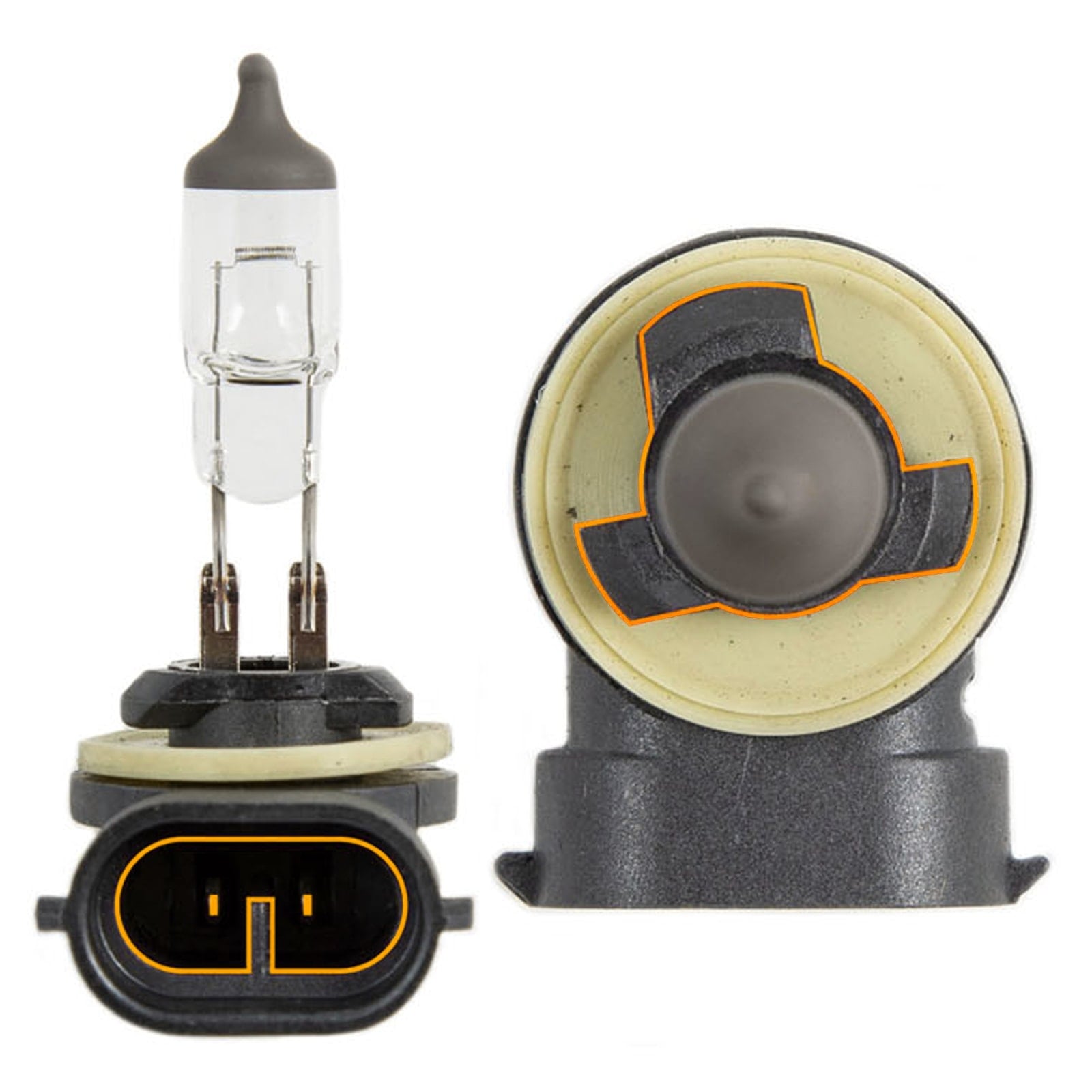
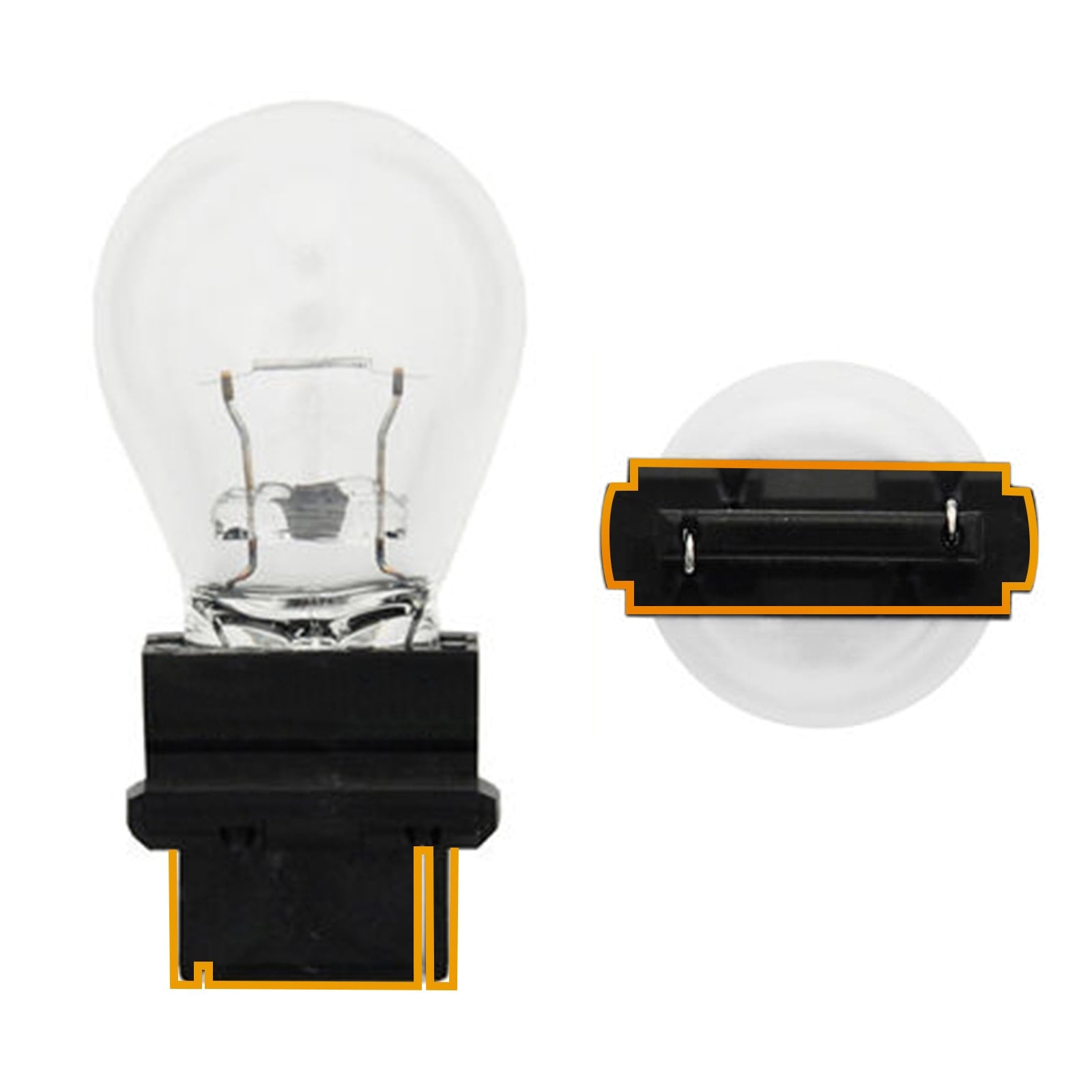
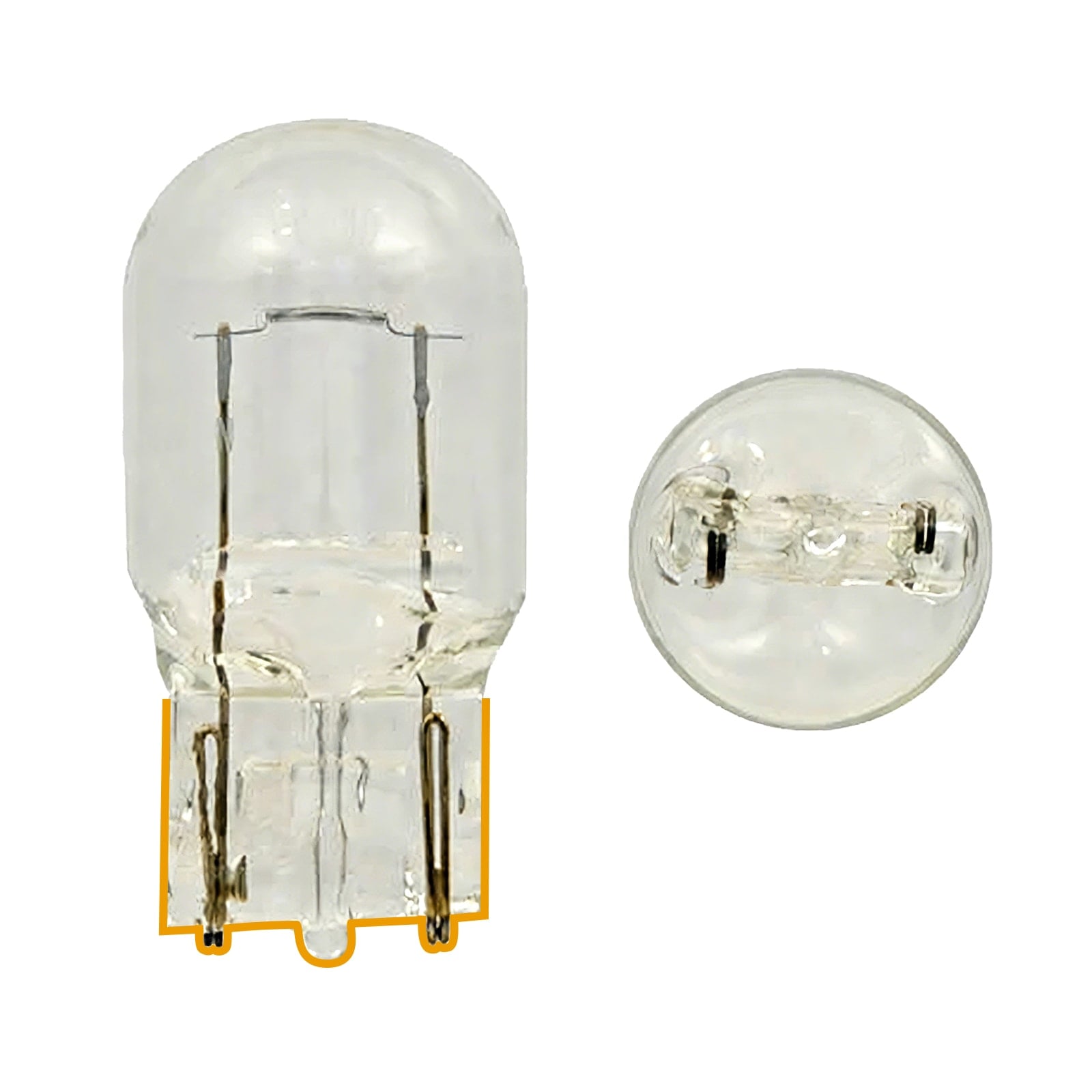
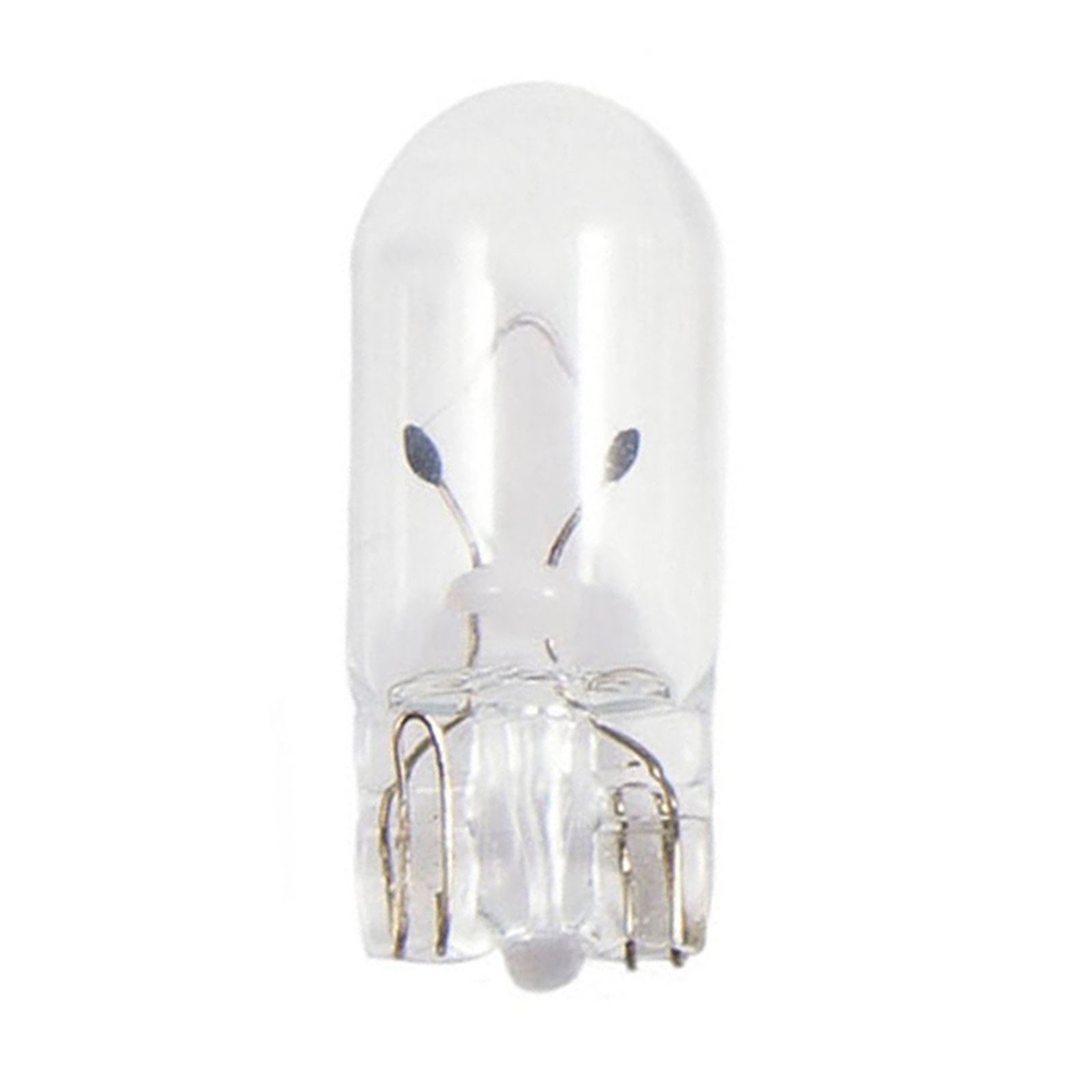
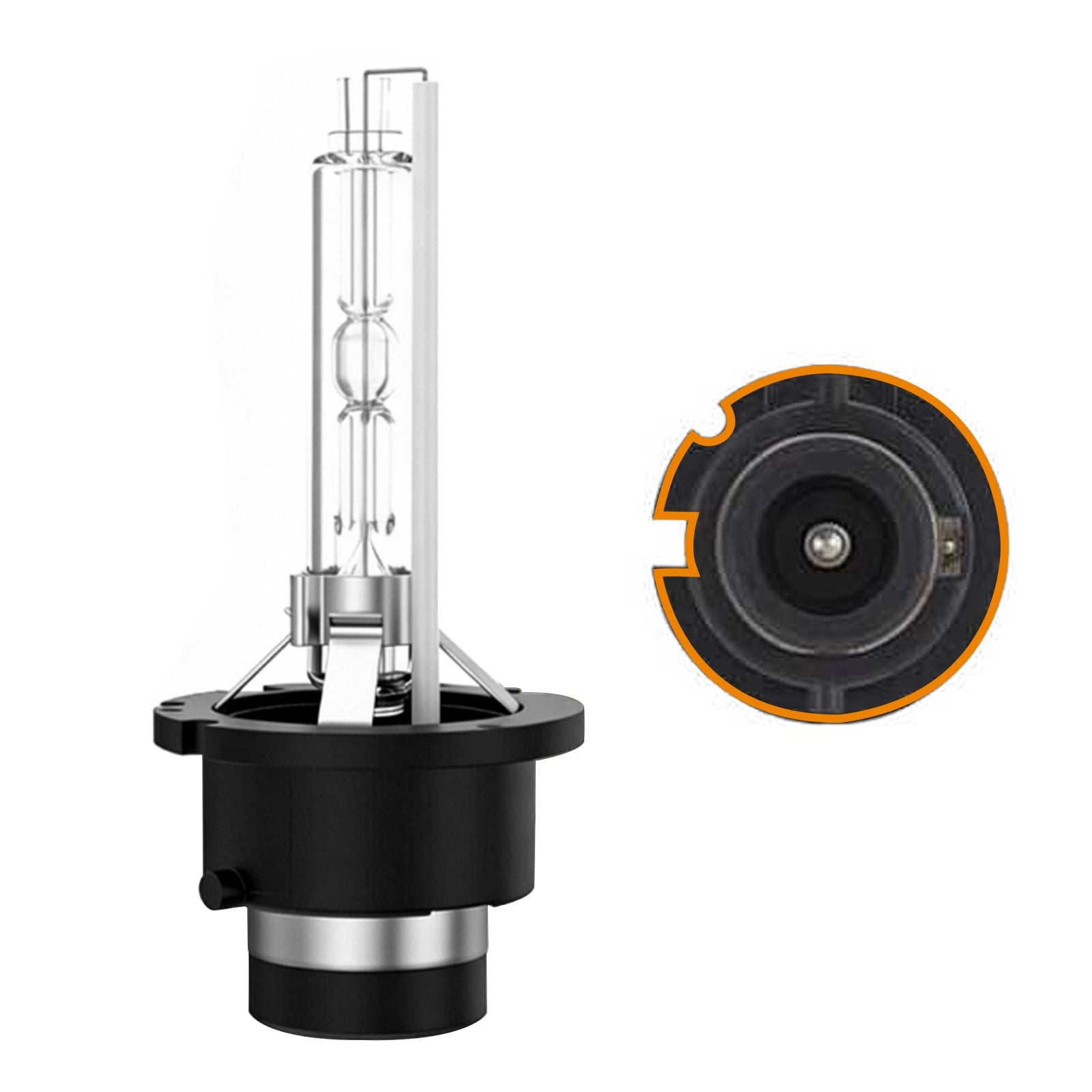
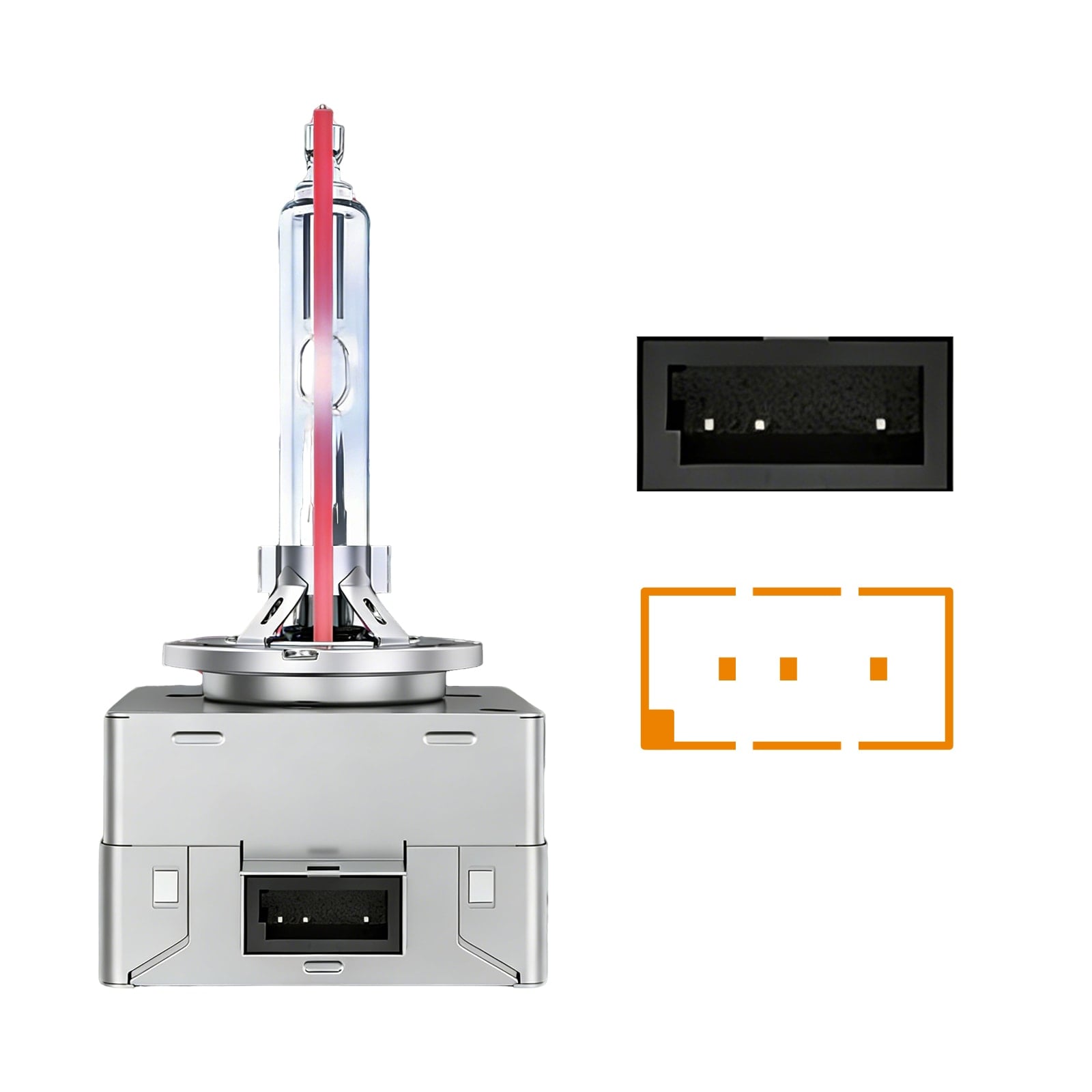
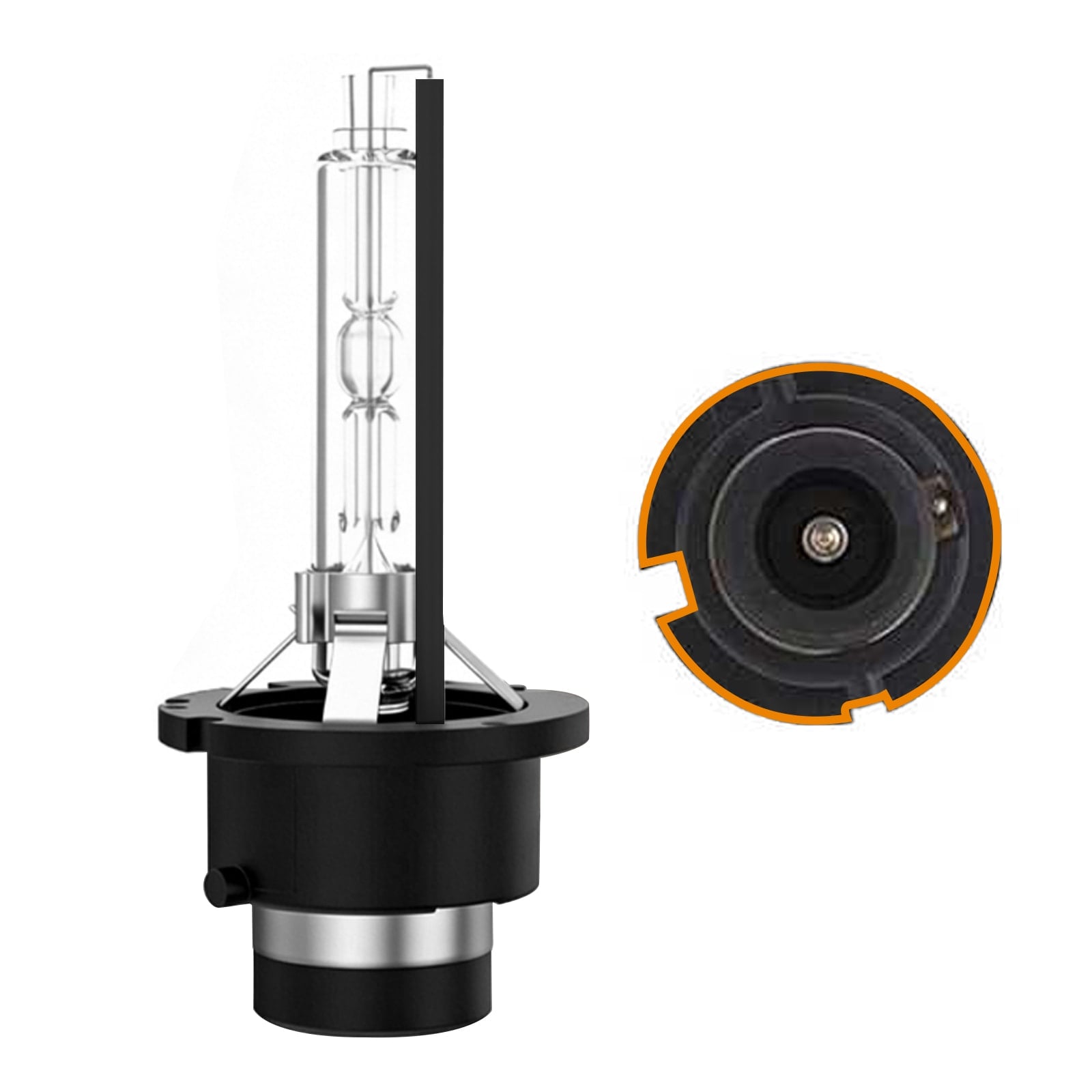
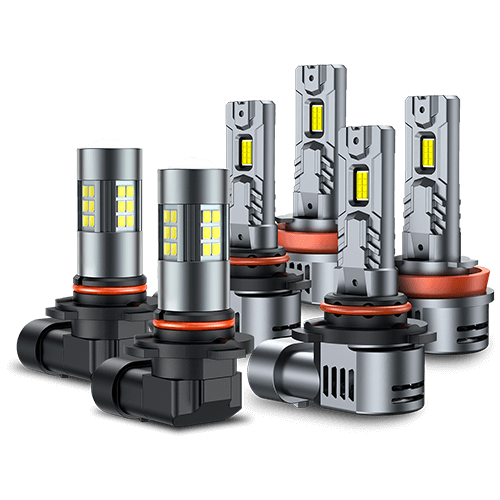











When shopping for a compact sedan, many people start with one simple question: is it reliable? That’s where the Chevrolet Cruze (2011–2019) often stands out. It combines low running costs with everyday practicality, making it a solid choice for budget-conscious drivers.
Though production stopped in North America after 2019, the Cruze is still easy to find on the used market. However, owning one comes with a few things to keep in mind. Different model years have their well-known trouble spots, so understanding those can save you headaches down the road.
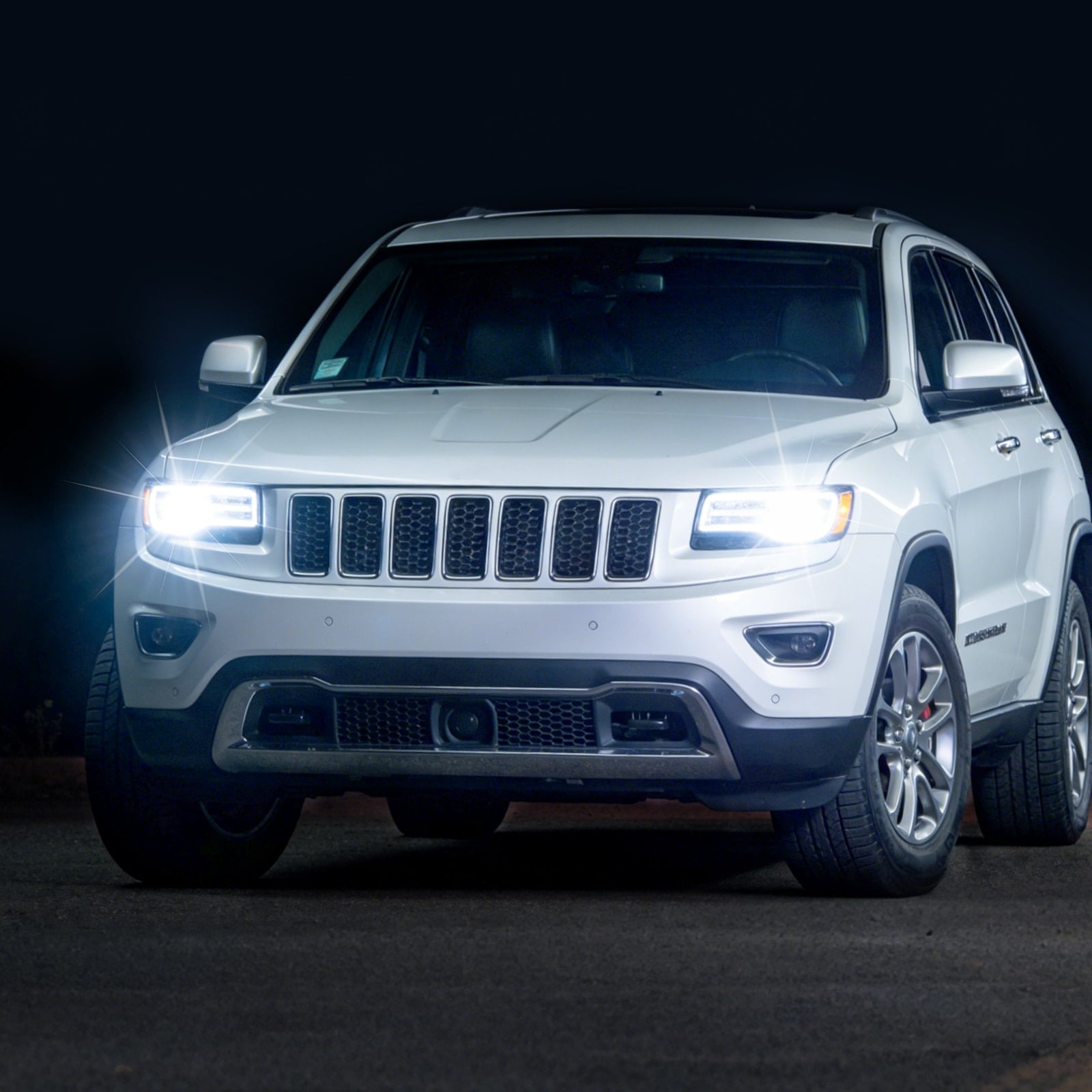
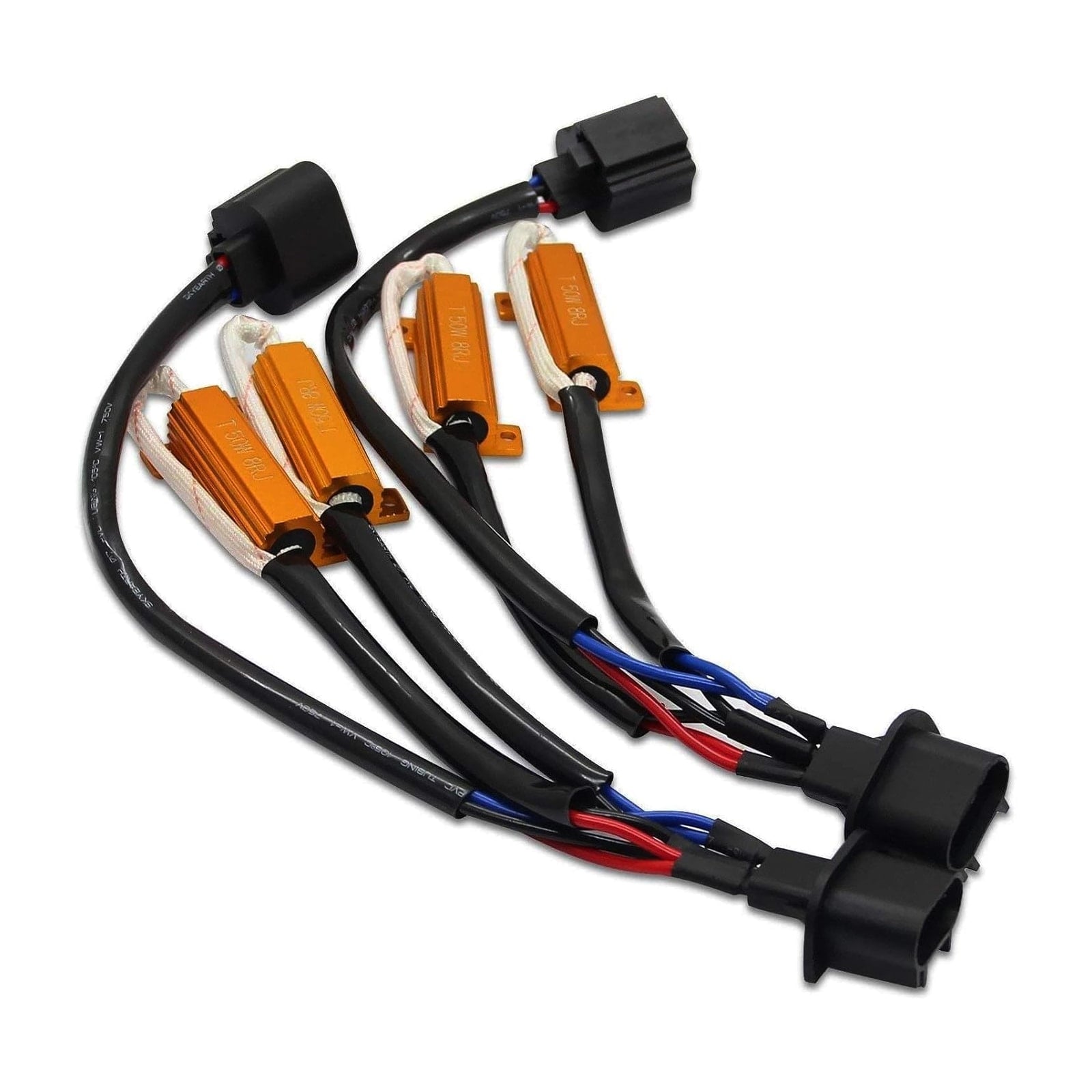
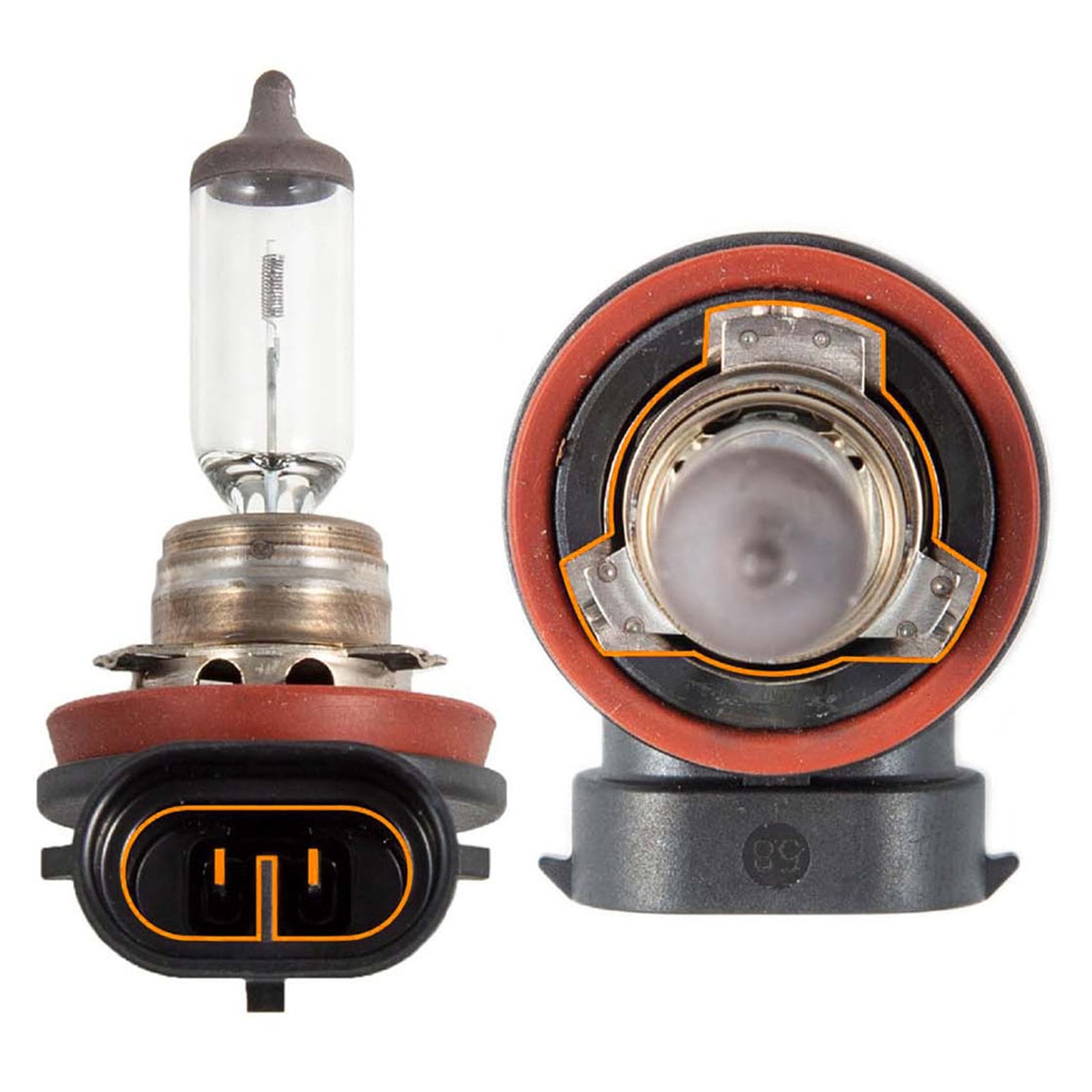
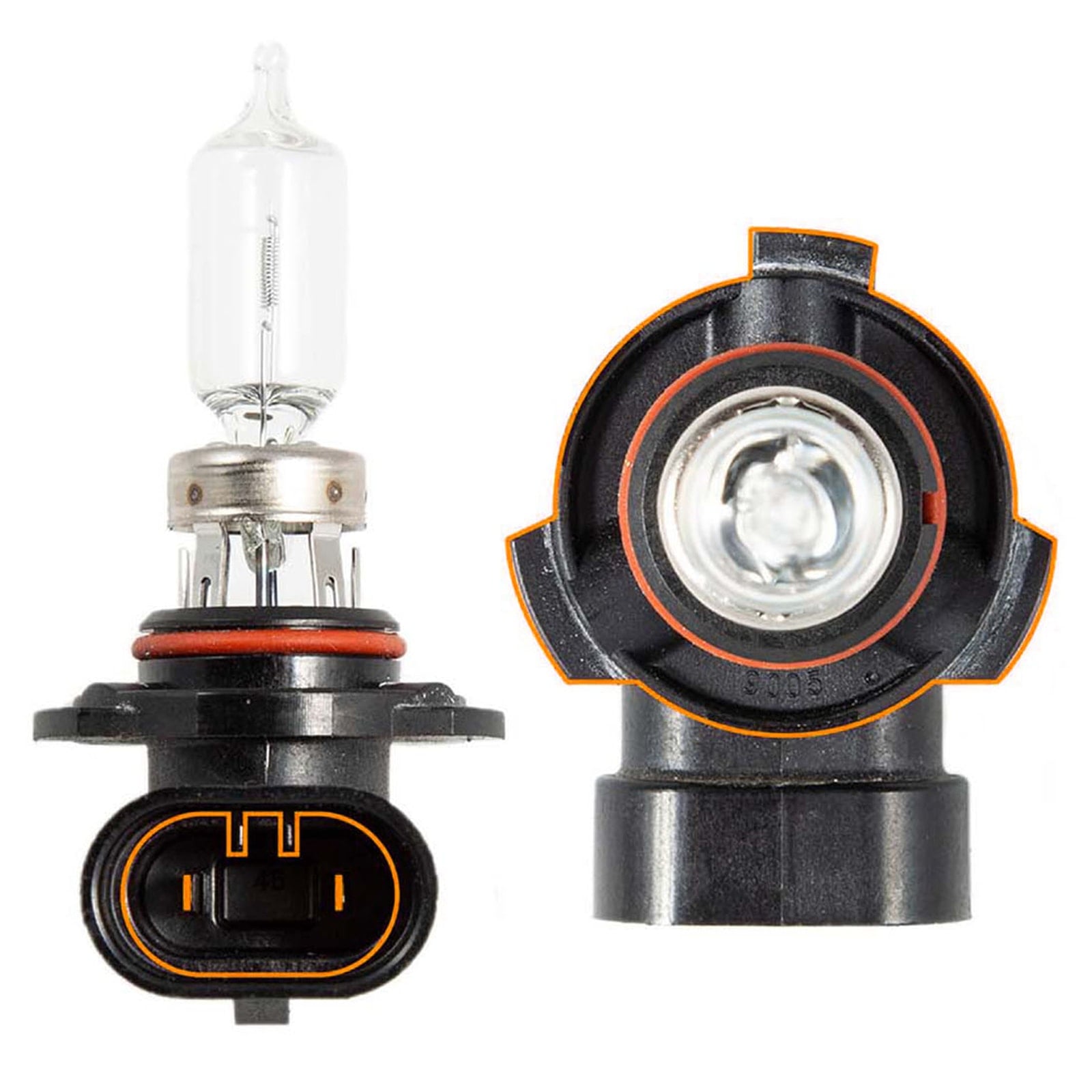
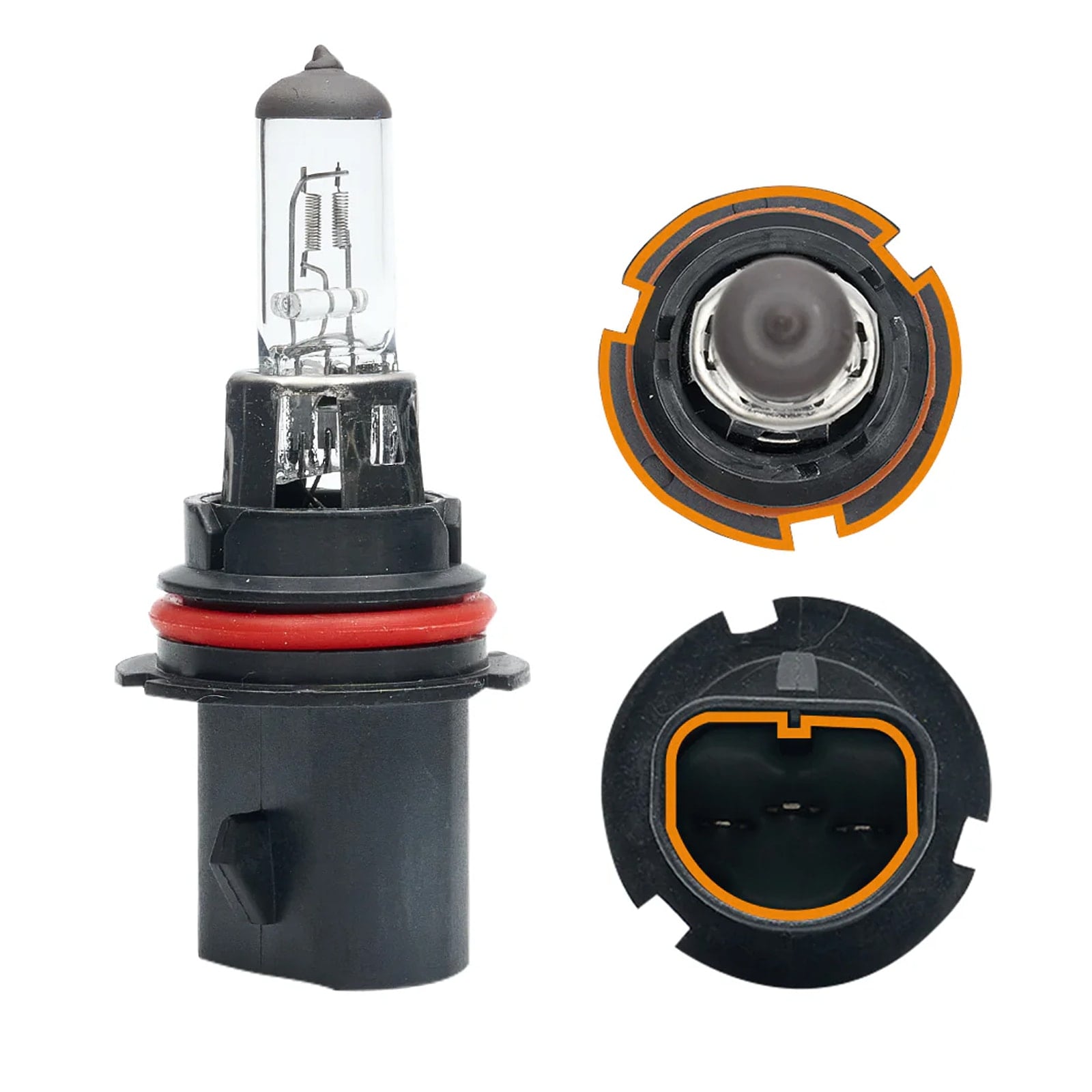
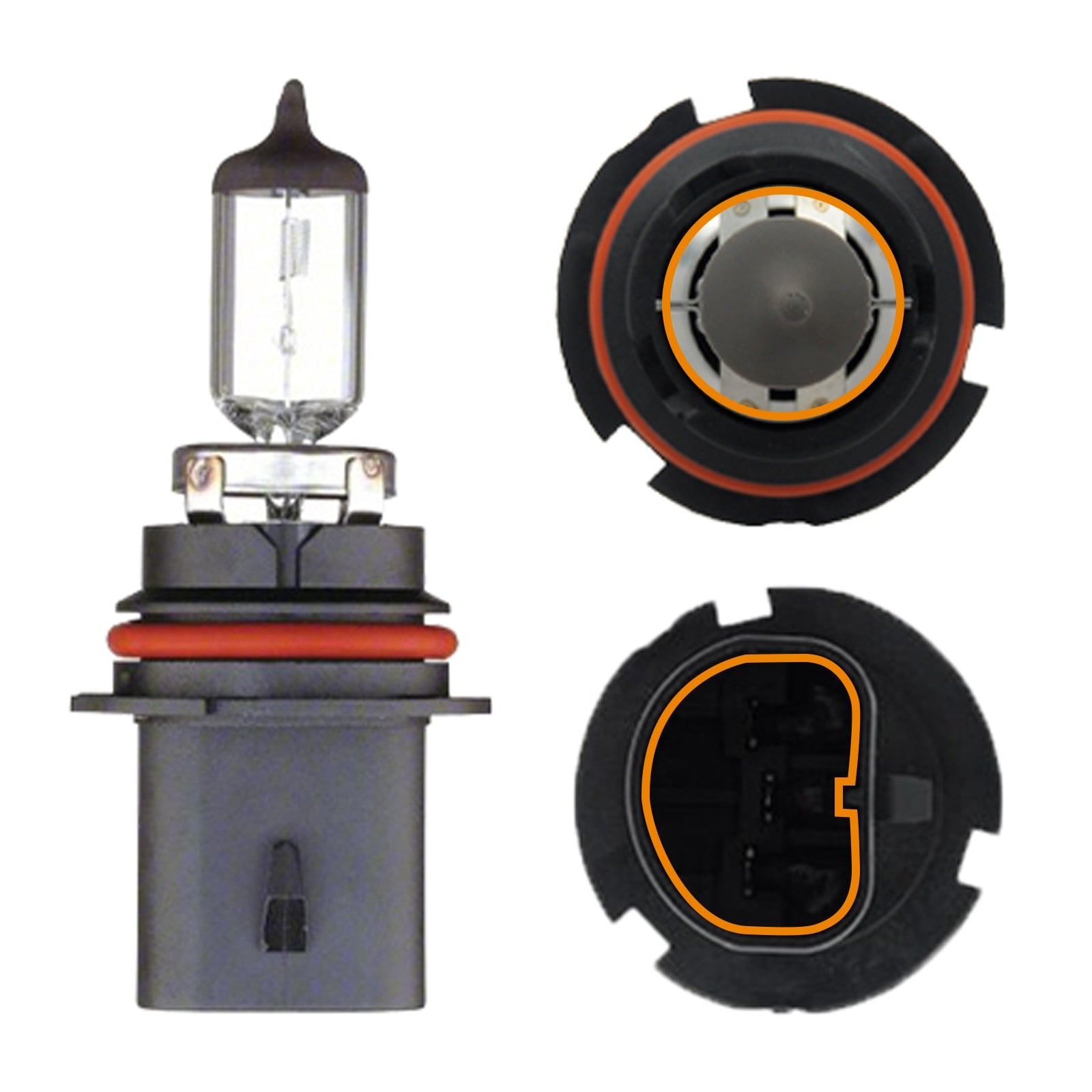
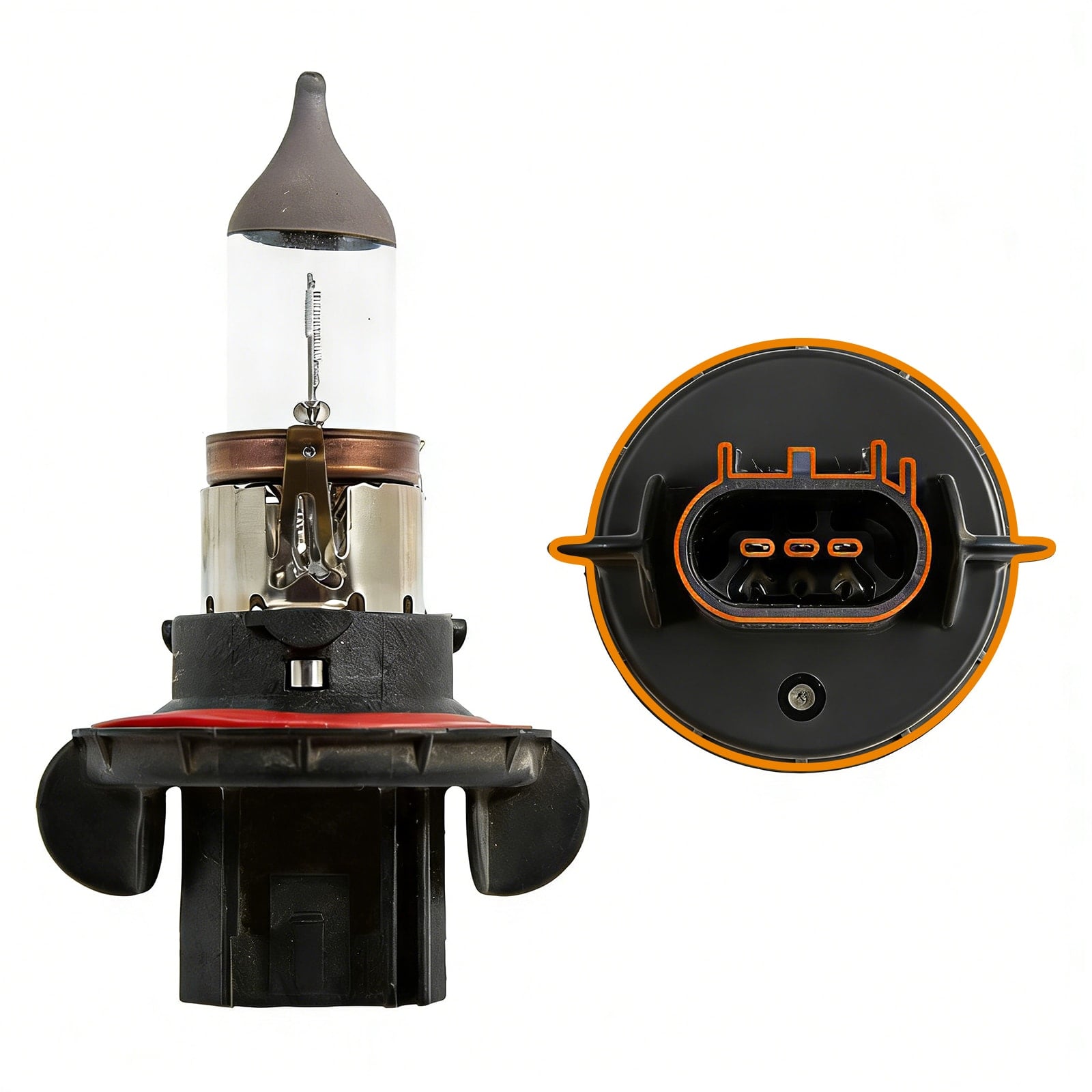
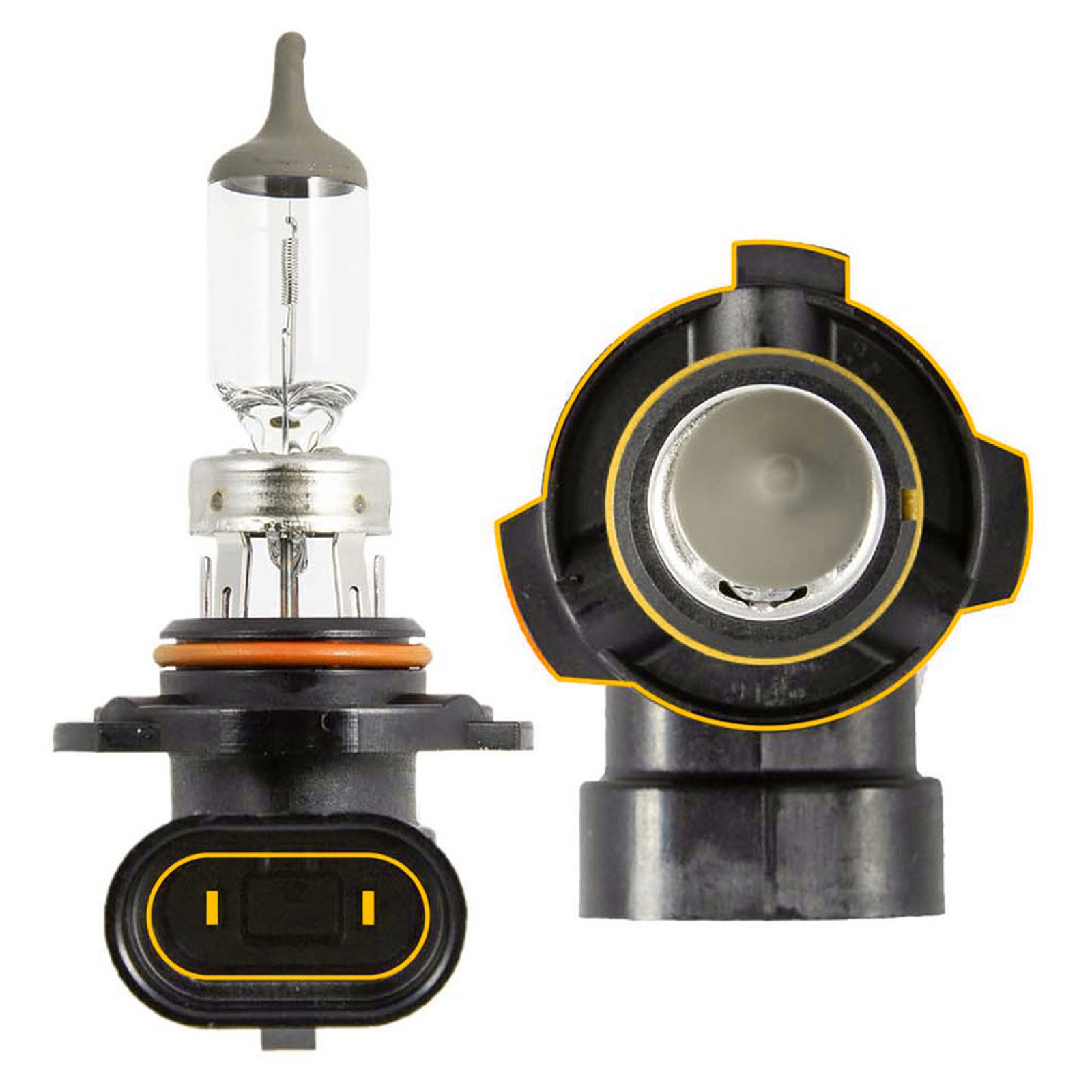
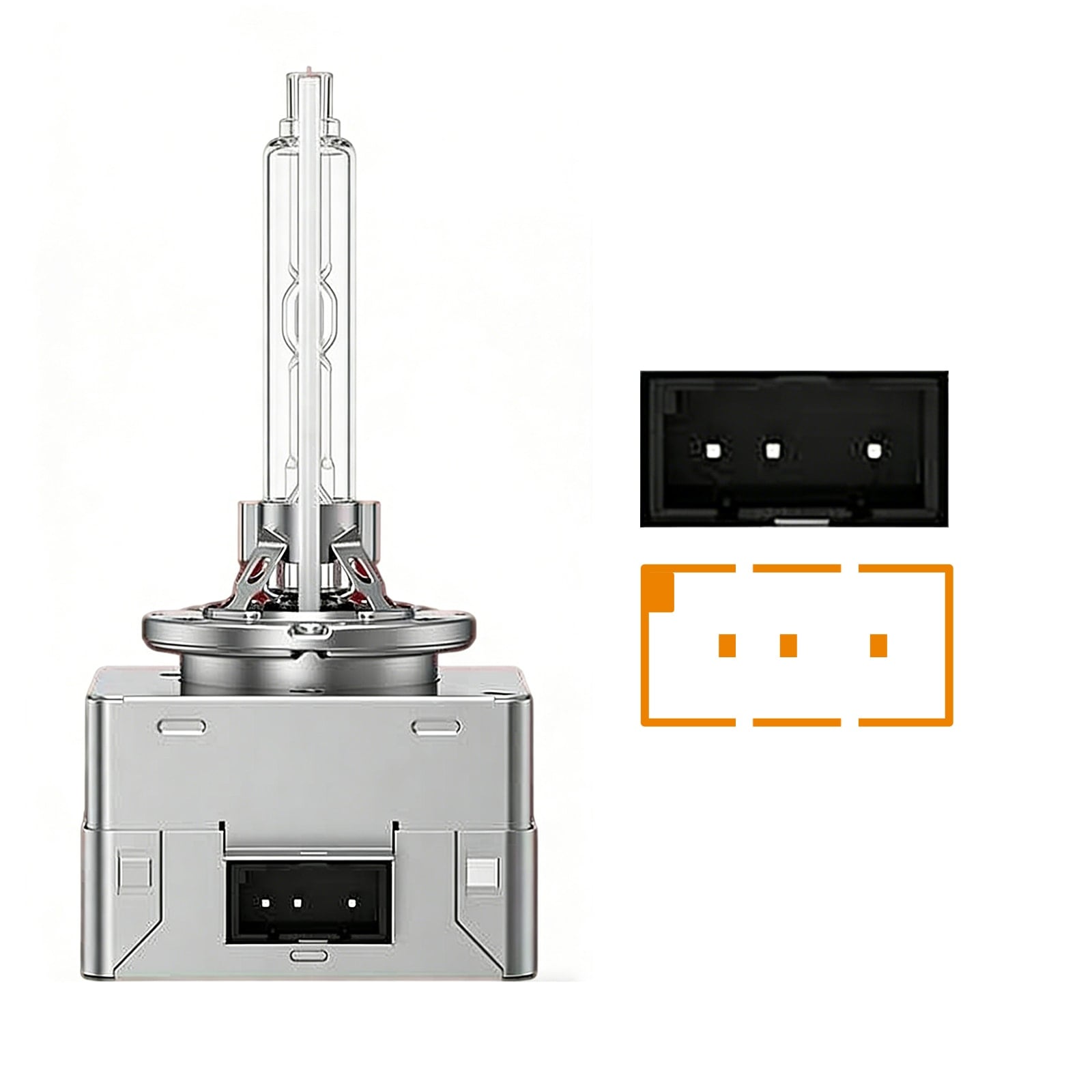
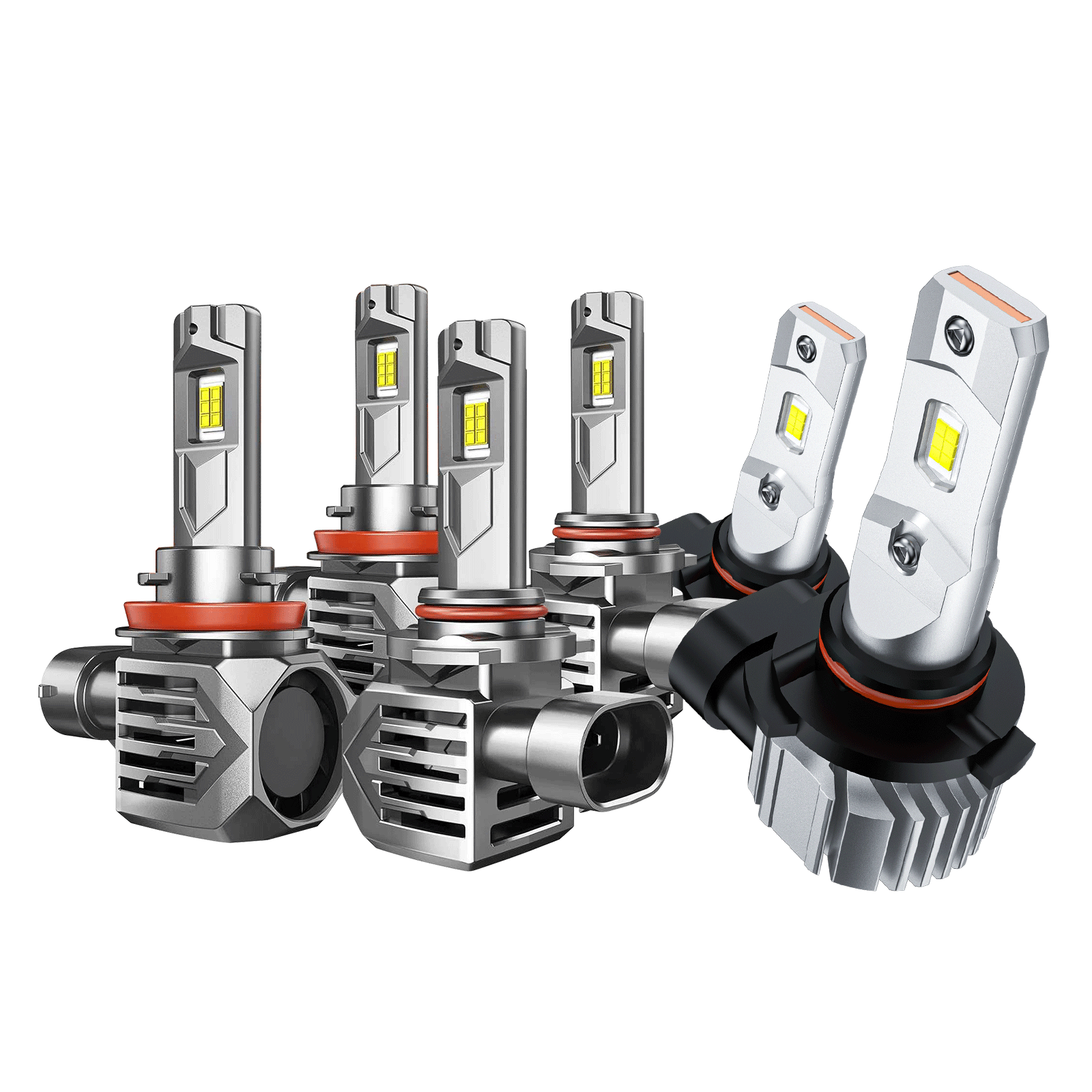
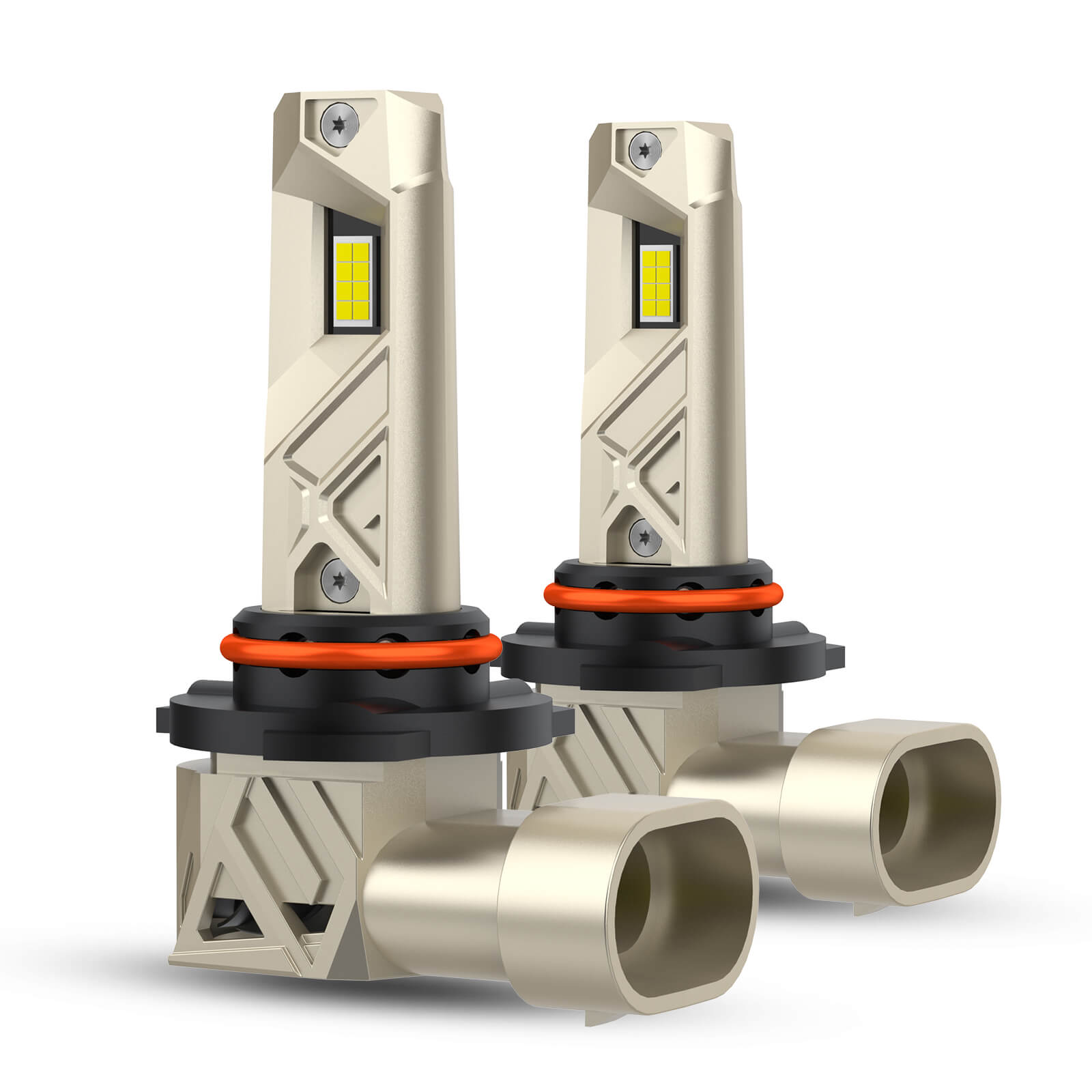
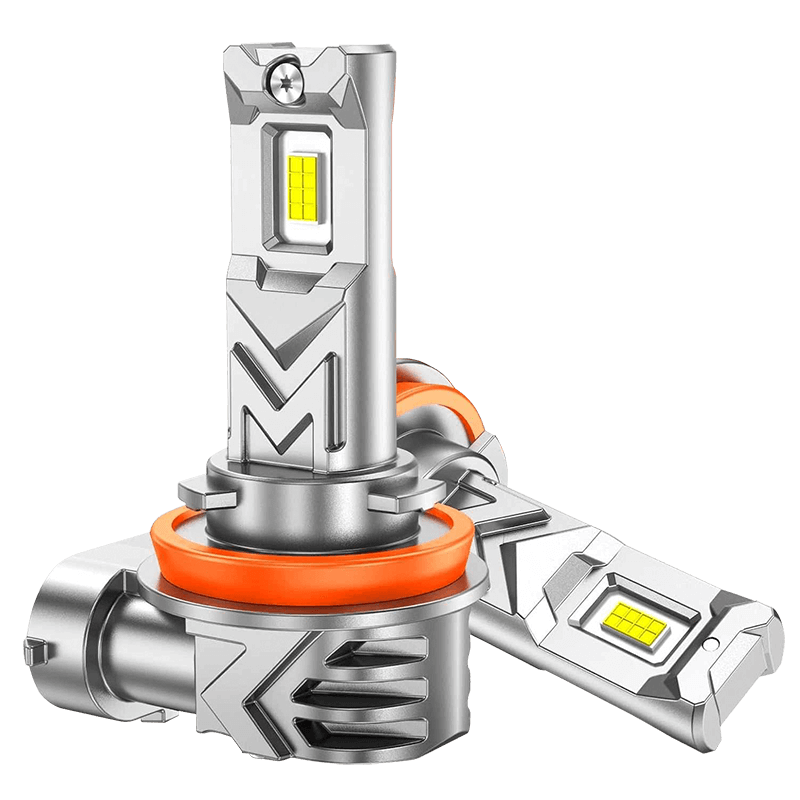
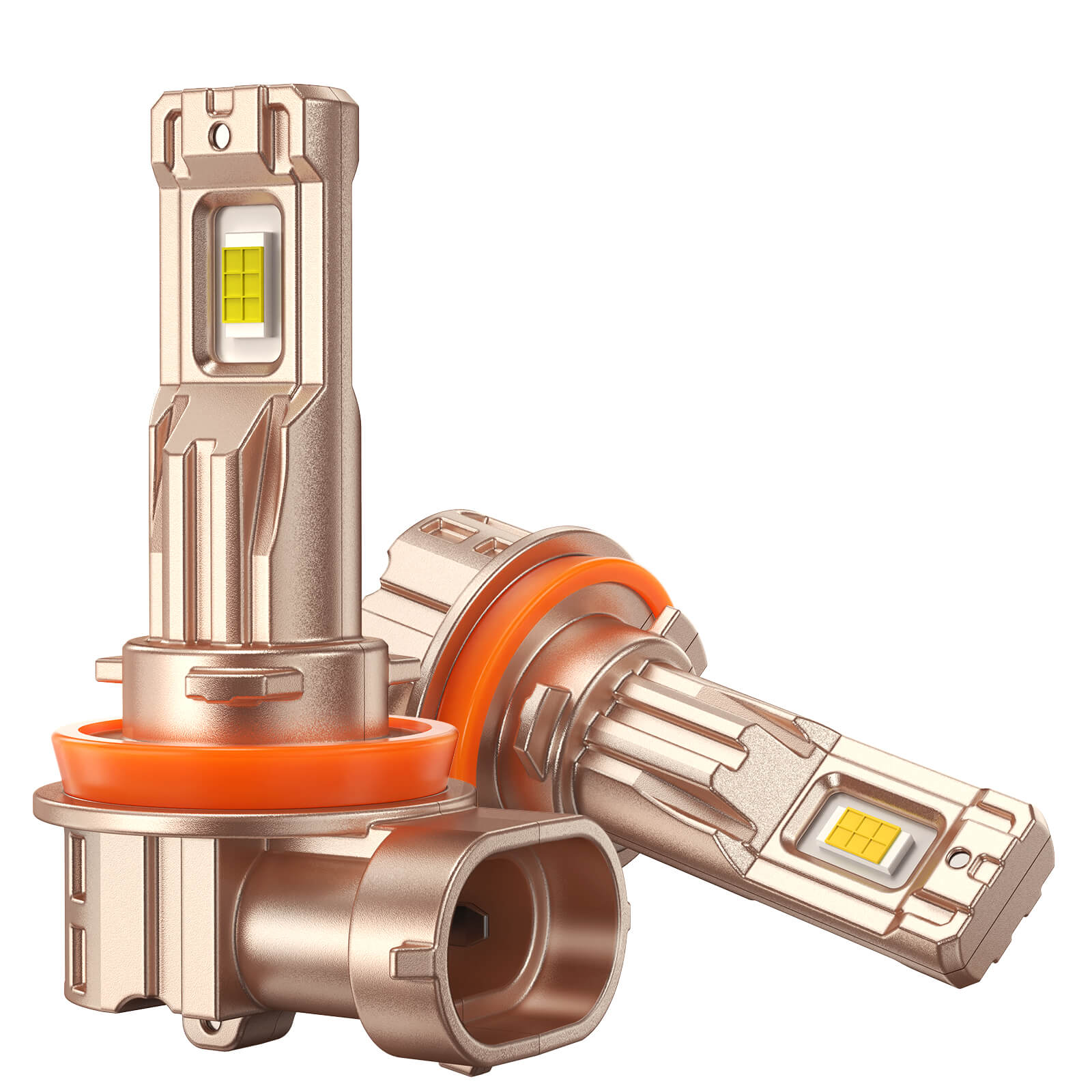
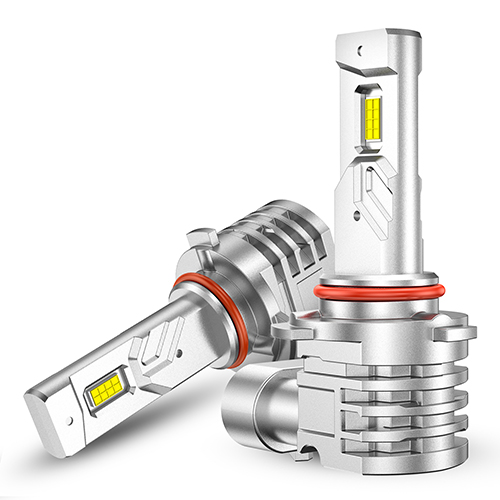
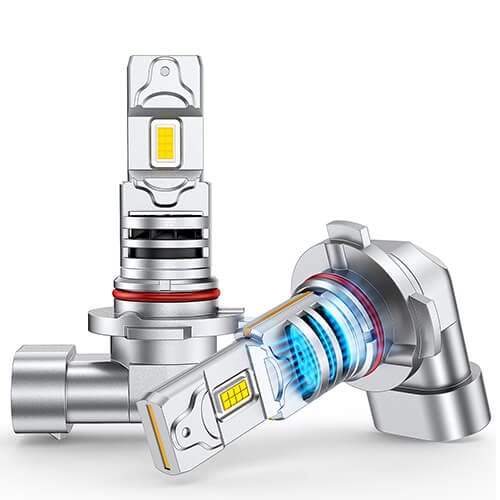
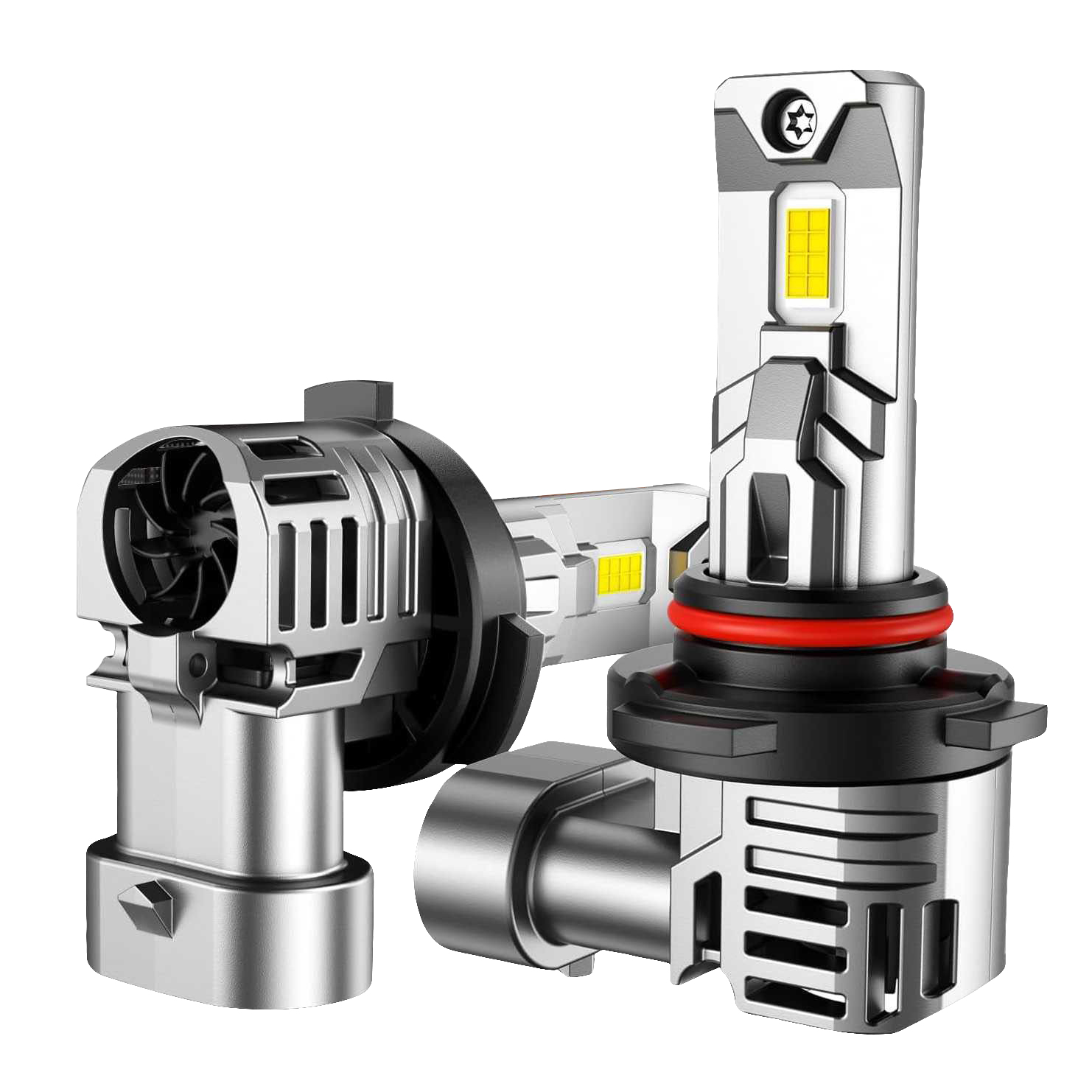
Wondering what to expect from Cruze ownership? Curious about typical problems these cars face? And if you're driving an older model, or thinking about buying one, there's one upgrade that can make a big difference—LED bulbs for Chevrolet Cruze. Swapping out the factory headlights not only gives your Cruze a cleaner, modern look but can also improve night driving visibility.
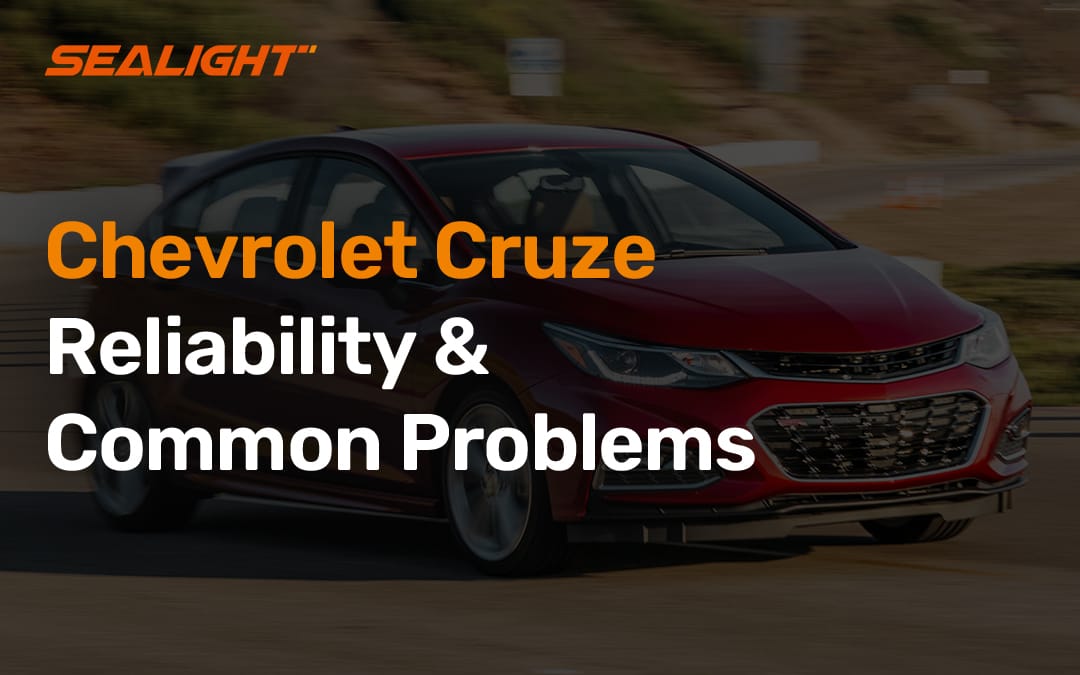
Chevrolet Cruze Reliability Overview
The Chevrolet Cruze earns a 4 out of 5 stars from RepairPal, ranking it slightly above average for compact cars. While the average annual repair cost is $545, ownership satisfaction depends heavily on which generation you choose:
First Generation (2011–2015): Frequent issues with cooling systems, oil leaks, and the PCV system.
Second Generation (2016–2019): Significantly improved build quality, though early 1.4L turbo engines (2016–2017) faced specific internal hardware challenges.
Top 5 Common Chevrolet Cruze Problems
1. PCV Valve & Valve Cover Failure (Gen 1)
The most common issue for the 1.4L turbo engine (2011–2015) isn't just a leak—it’s a design flaw. The PCV (Positive Crankcase Ventilation) valve is integrated into the intake manifold. When it fails, it causes high pressure that ruptures the valve cover diaphragm.
- Symptoms: Whistling noise from the engine, rough idle, and multiple oil leaks.
- The Fix: Often requires replacing both the intake manifold and the valve cover (~$600–$1,000).
2. Cracked Pistons (LSPI Issues)
While your original research noted engine issues in early models, the 2016 and 2017 models are actually most prone to cracked pistons. This is often caused by Low-Speed Pre-Ignition (LSPI) in the newer LE2 turbo engines.
- Symptoms: Misfiring, "Service Stabilitrak" warnings, and loss of power.
- Prevention: Use high-quality full synthetic oil (Dexos 1 Gen 2 or 3) and top-tier 91+ octane fuel to reduce engine knock.
3. Chronic Coolant Leaks
The Cruze is notorious for "disappearing" coolant. This is rarely a head gasket issue and usually a plastic component failure.
- Common Culprits: The plastic water outlet (thermostat housing) and the water pump.
- Note: GM issued an extended warranty for water pumps on 2011–2014 models due to high failure rates.
4. Negative Battery Cable Defect
A widely documented electrical "ghost" in 2011–2015 models is a faulty negative battery cable.
- The Issue: The internal wire breaks, causing a loss of ground connection.
- Symptoms: Radio display flickering, power steering cutting out momentarily, or the car refusing to start.
- The Fix: A simple cable replacement ($80–$150). This was covered under a GM Special Coverage adjustment (SB 14311B).
5. Transmission Wave Plate Failure (Early Models)
2011–2012 models equipped with the 6T40 automatic transmission often suffered from a broken 3-5-R wave plate.
- Symptoms: Harsh shifting or total loss of Reverse gear.
- Repair Cost: Often requires a total transmission teardown ($2,500+).
Safety Recall Data
| Year | Issue | Resolution |
| 2018–2019 | Missing transmission accumulator bolts | Hardware replaced by dealer |
| 2016–2018 | Fuel leak risk in rollover (1.4L Turbo) | Installation of protective shield/lock-ring |
| 2011–2015 | Engine Shield (Fire Risk) | Modification of the shield to prevent oil trapping |
Pro Tip: Always check your VIN on the NHTSA website to ensure all safety recalls were performed by the previous owner.
Common Headlight and Fog Light Issues in the Chevrolet Cruze: What You Should Know
Although lighting problems may not top the list of severe issues in the Chevrolet Cruze, many owners find them persistent and frustrating. Over time, these faults can affect both driving visibility and overall safety.
After researching some Chevrolet and repair forums, here are some of the most frequent lighting-related complaints, along with practical solutions.
1. Moisture Inside the Headlight Housing
A foggy headlight lens or water pooling inside the housing is one of the most reported problems, especially in wet or humid climates. It usually occurs after heavy rain or sudden temperature drops. Not only does this cloud visibility at night, but it can also shorten the lifespan of your bulbs.
The root cause is often a weak seal or poor ventilation inside the headlight assembly. Minor fogging may clear on its own, but recurring moisture usually calls for a long-term fix.
Replacing worn seals is one option, but switching to sealed, moisture-resistant bulbs can also help. Chevrolet Cruze LED bulbs from SEALIGHT, for instance, tend to stay cooler than traditional halogens, resisting condensation while maintaining steady performance.
2. Flickering or Inconsistent Headlight Output
If your headlights flicker while driving or shut off unexpectedly, the problem likely isn’t the bulb itself. Faulty relays, weak ground connections, or a failing headlight switch can all cause intermittent lighting.
3. Headlights Dimming
Some Cruze owners notice that headlights dim when the car is idling and brighten again once the engine picks up speed. This behavior usually signals an issue with the alternator, the battery, or grounding points.
Although addressing the electrical system directly is best, using energy-efficient LED bulbs can help. LEDs require less power than factory halogens, which means they put less load on the electrical system. This can minimize dimming and improve brightness during nighttime driving.
4. Underlying Electrical Issues
While the lighting system in the Cruze isn’t overly complicated, older models may suffer from corroded connectors, deteriorating wiring, or failing switches. In areas with harsh winters, road salt can speed up this kind of wear.
It’s a common mistake to assume a non-working headlight means a burnt-out bulb. Often, the power fails to reach the bulb in the first place. This is where a proper diagnostic check can save time and effort. Once the issue is fixed, switching to long-lasting LED bulbs is a good way to avoid frequent replacements and maintain reliable lighting performance.
A Modern Fix: The LED Upgrade
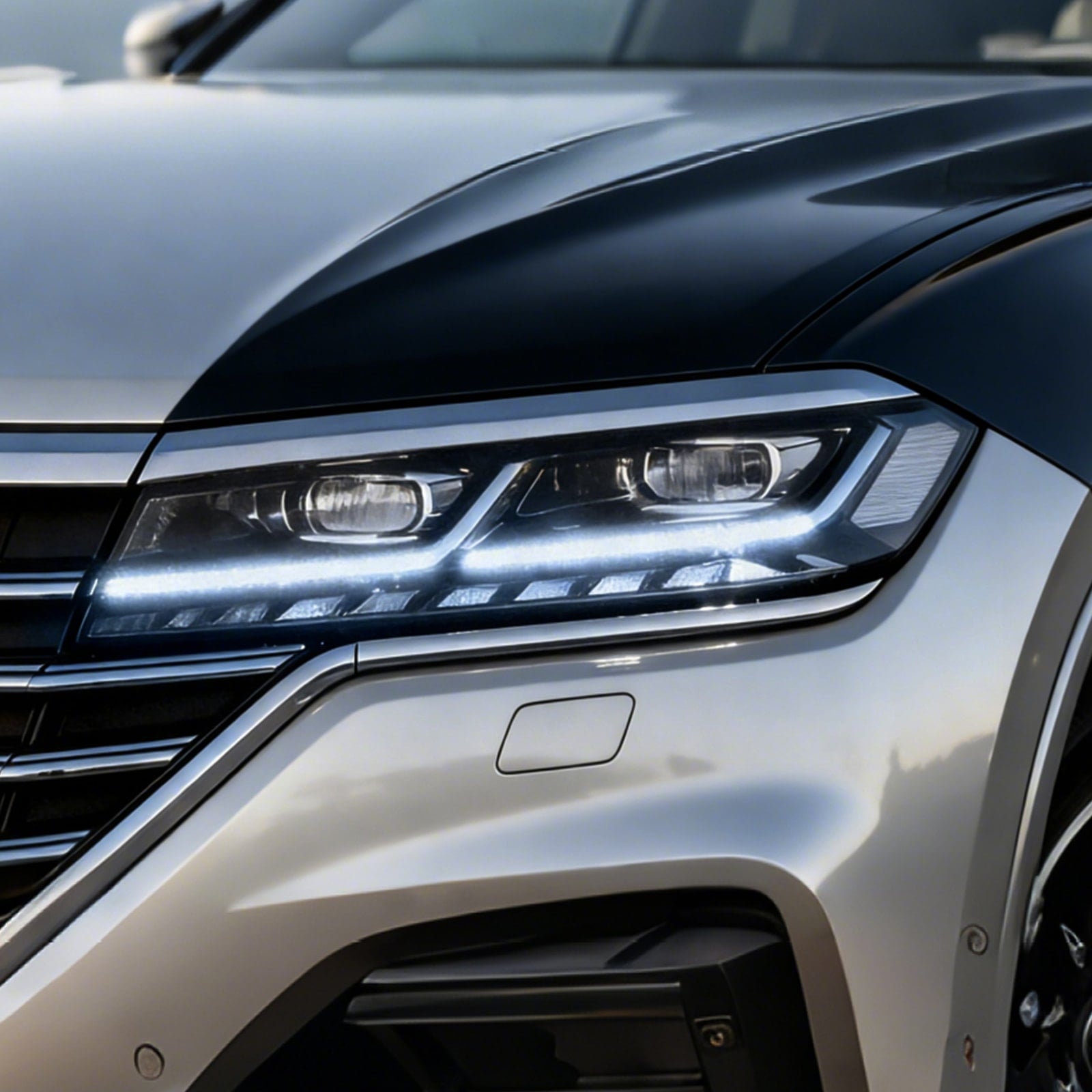
If you're tired of fighting with finicky halogen bulbs, switching to high-quality LED headlights can make a real difference. LED headlight bulbs for Chevrolet Cruze draw power more steadily and are far less sensitive to minor voltage dips, which helps prevent the strobe-like flickering that older systems often suffer from.
More Than Just Headlights: Other Smart Lighting Upgrades
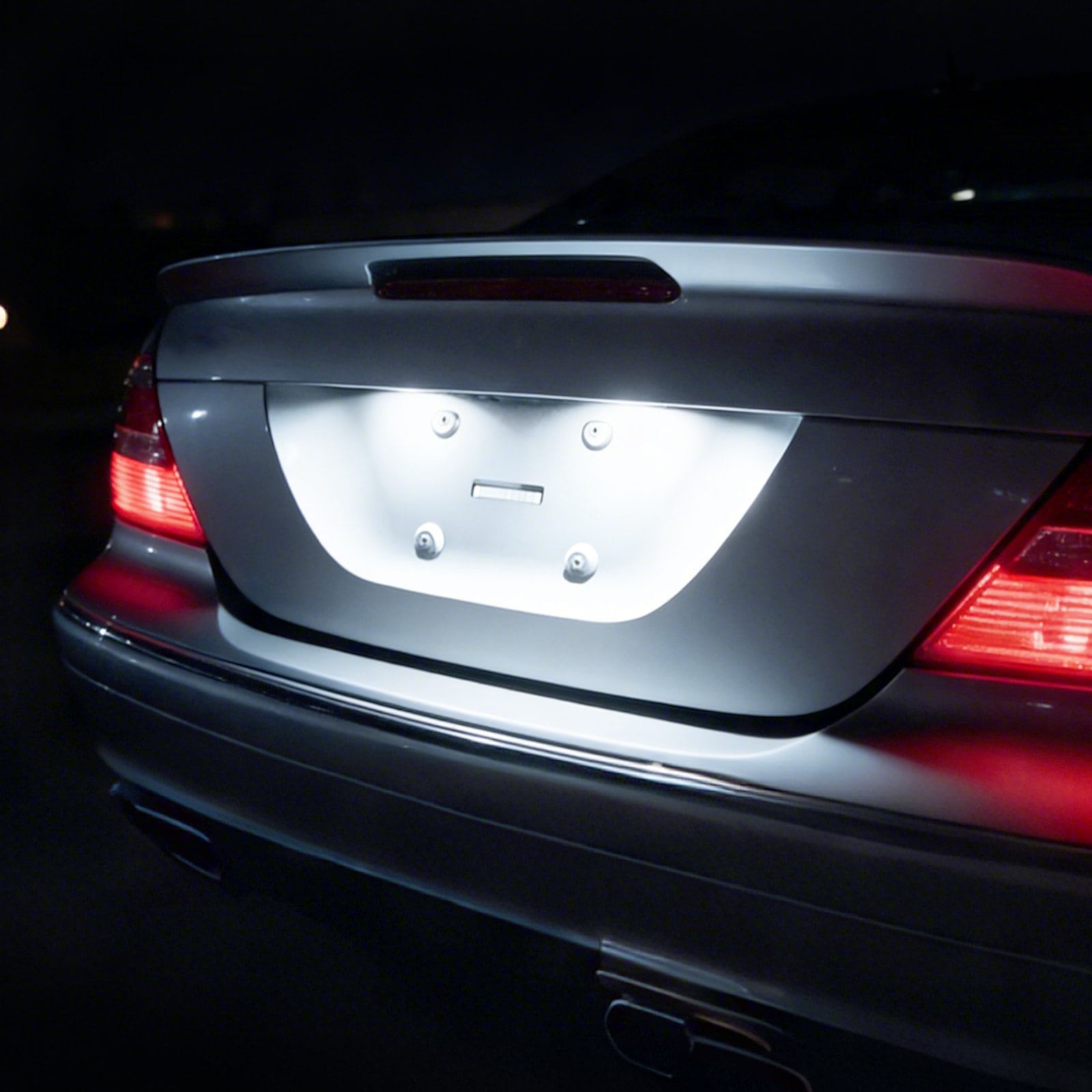
While you're refreshing your Cruze’s lighting system, you might as well take the opportunity to upgrade other key areas. Quality LED lighting doesn't just improve visibility—it sharpens the look of your car and boosts safety too.
| Lighting Area | Why Upgrade to LED |
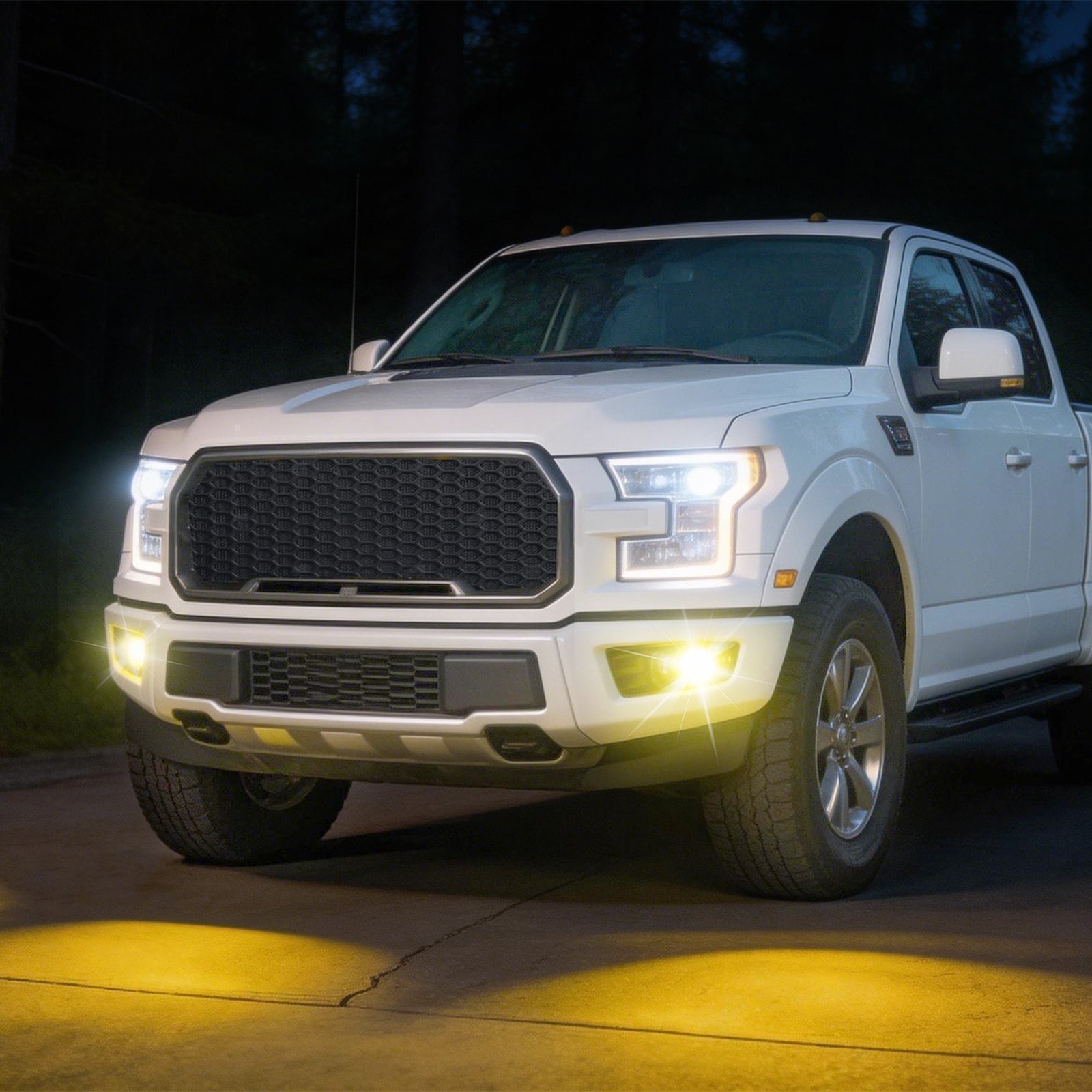
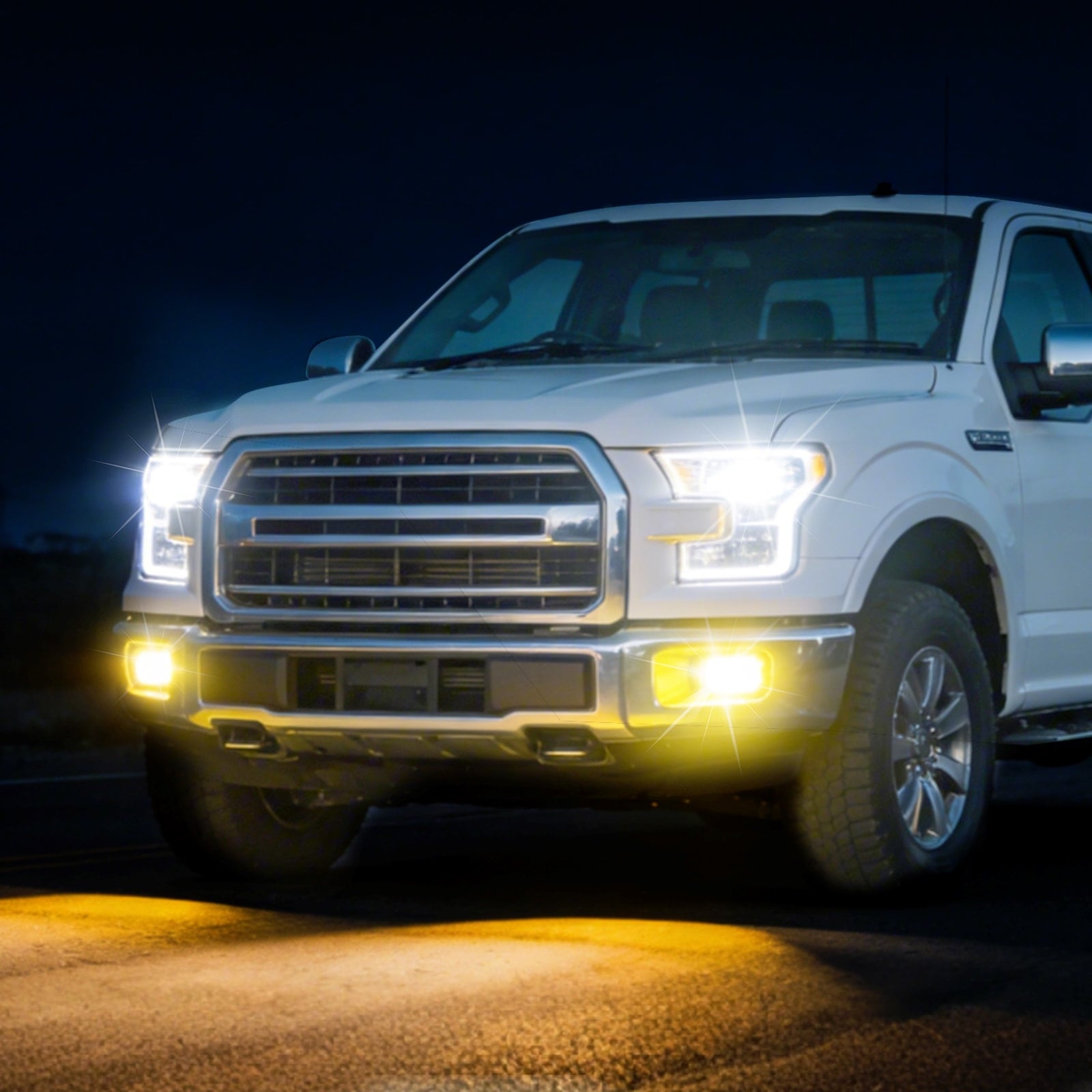
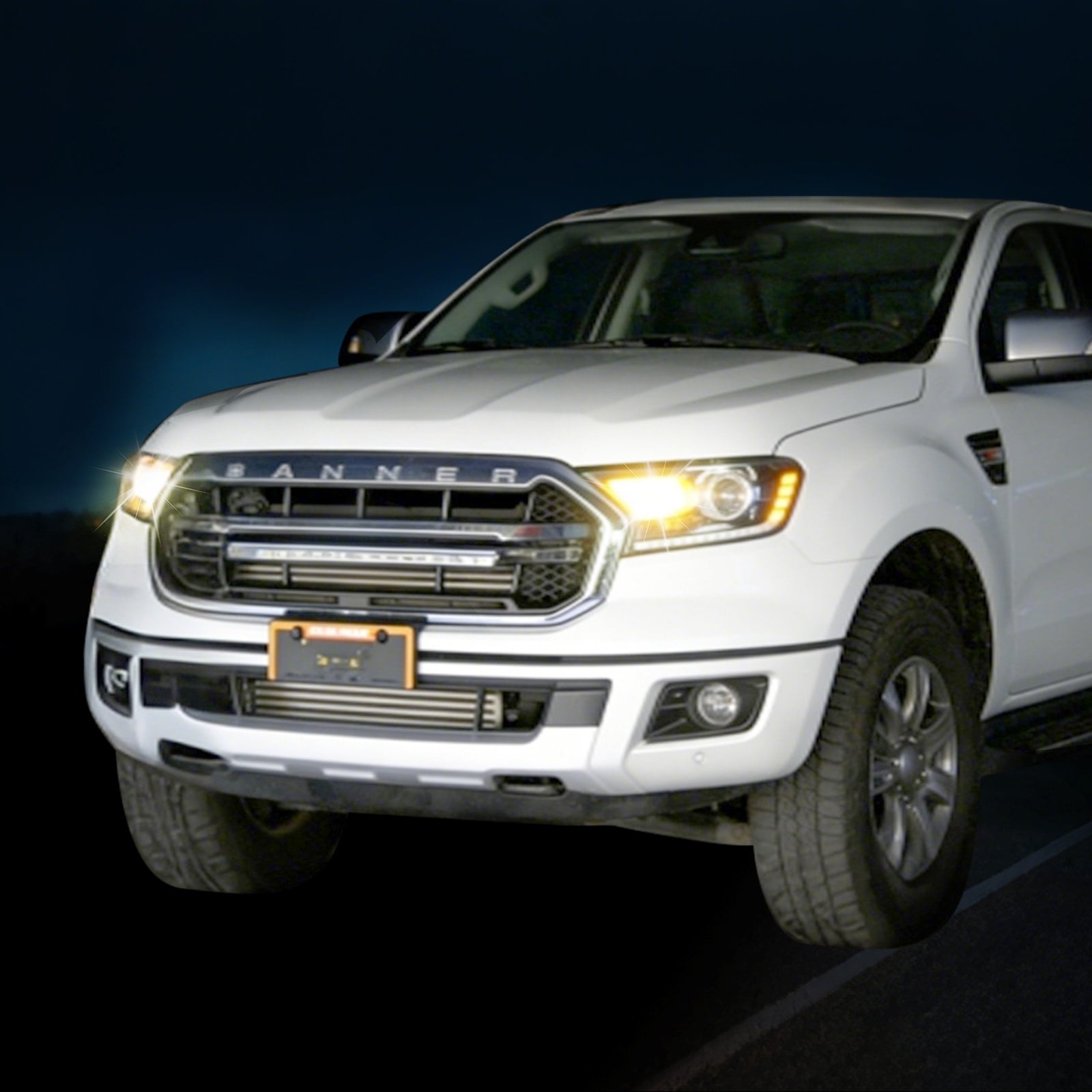
| Fog Lights | Sharper lighting cuts through fog and rain for safer driving. Shop Chevrolet Cruze LED fog light bulbs here. |
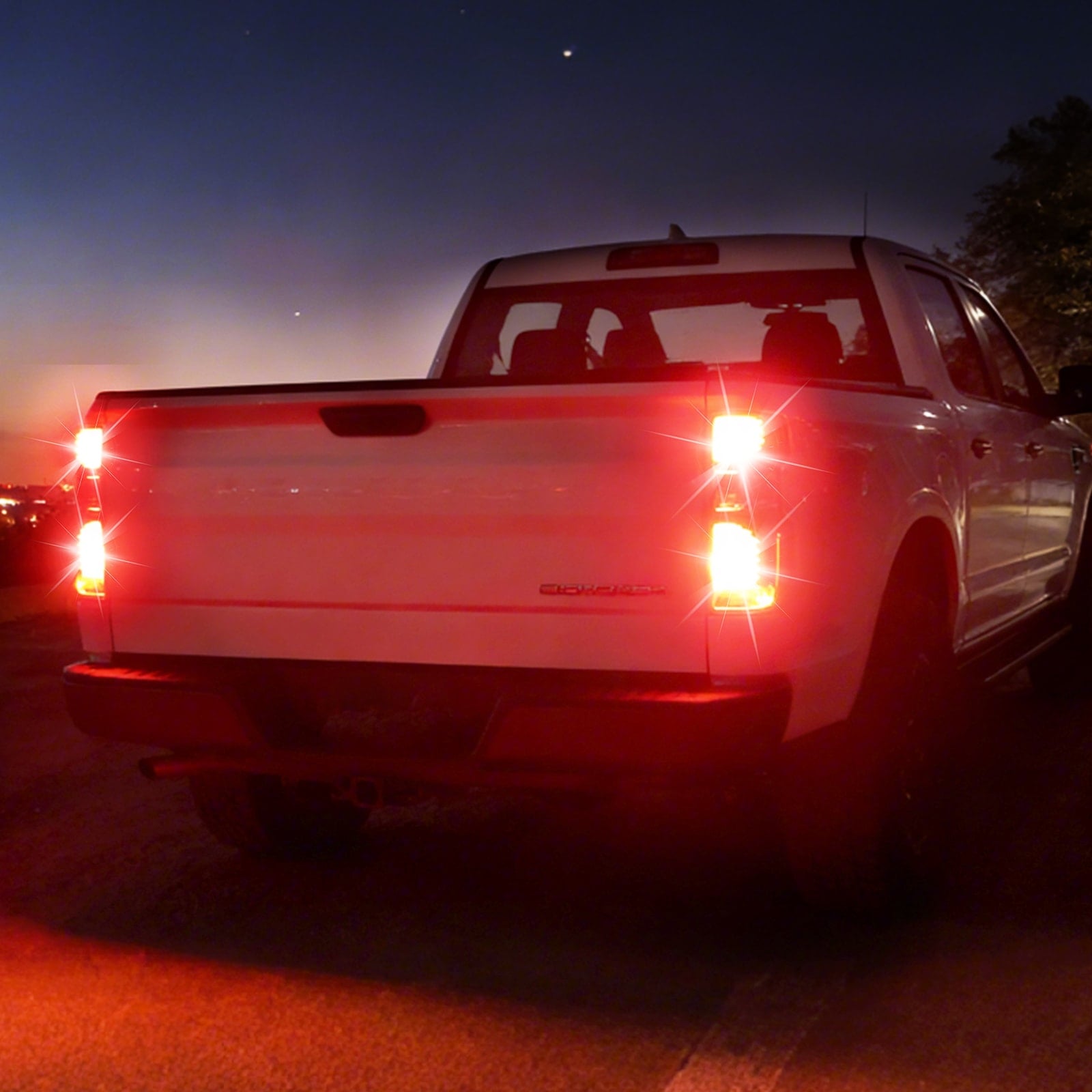
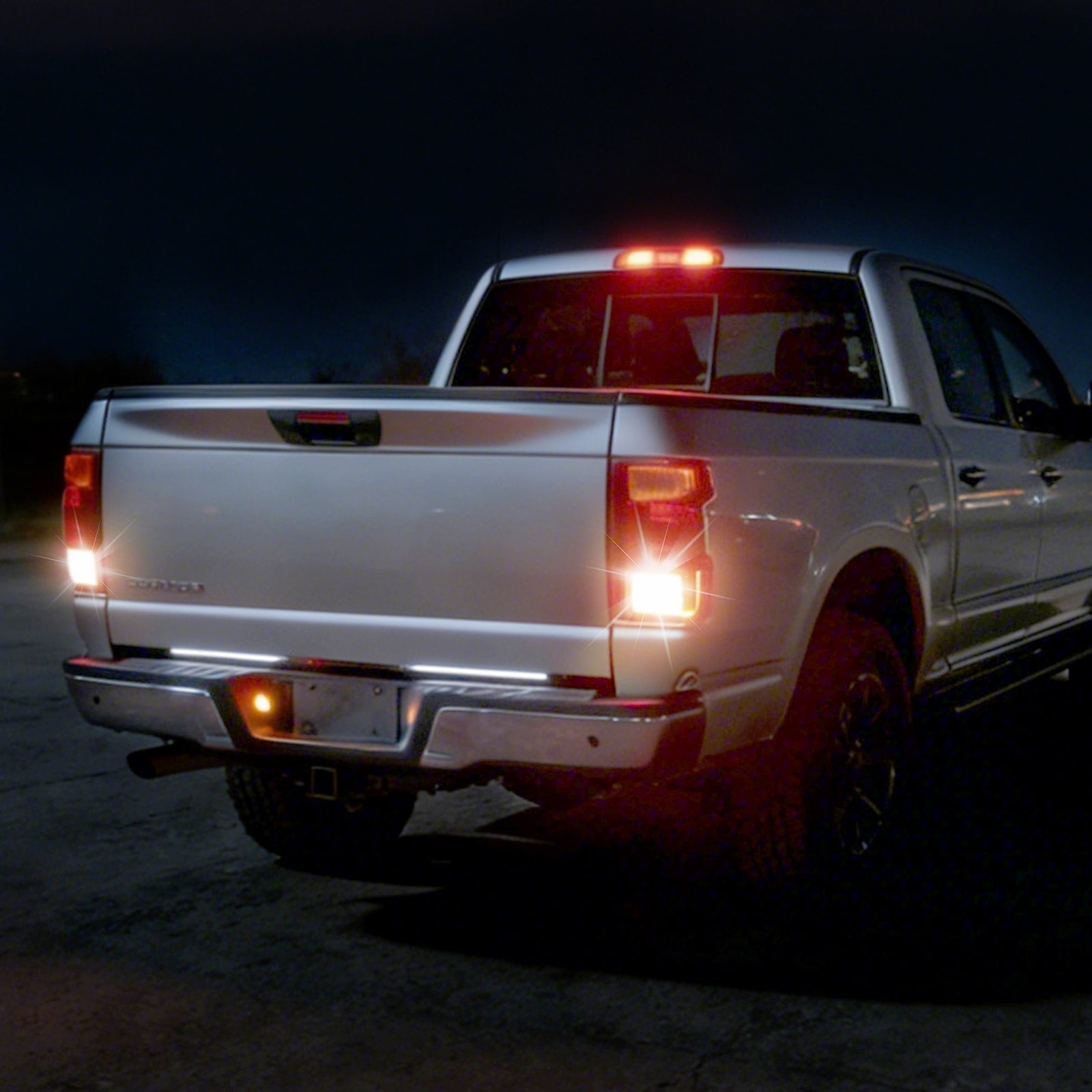
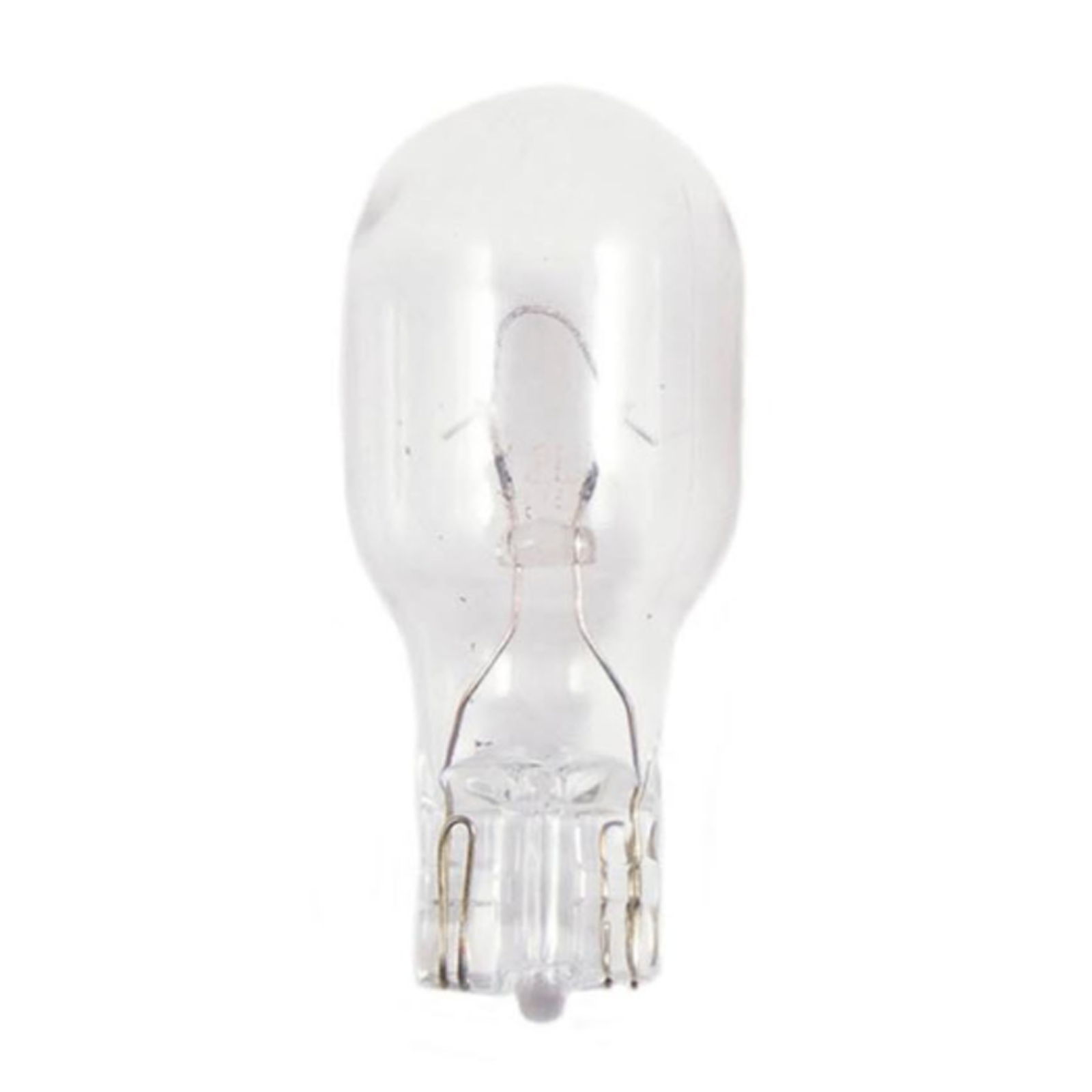
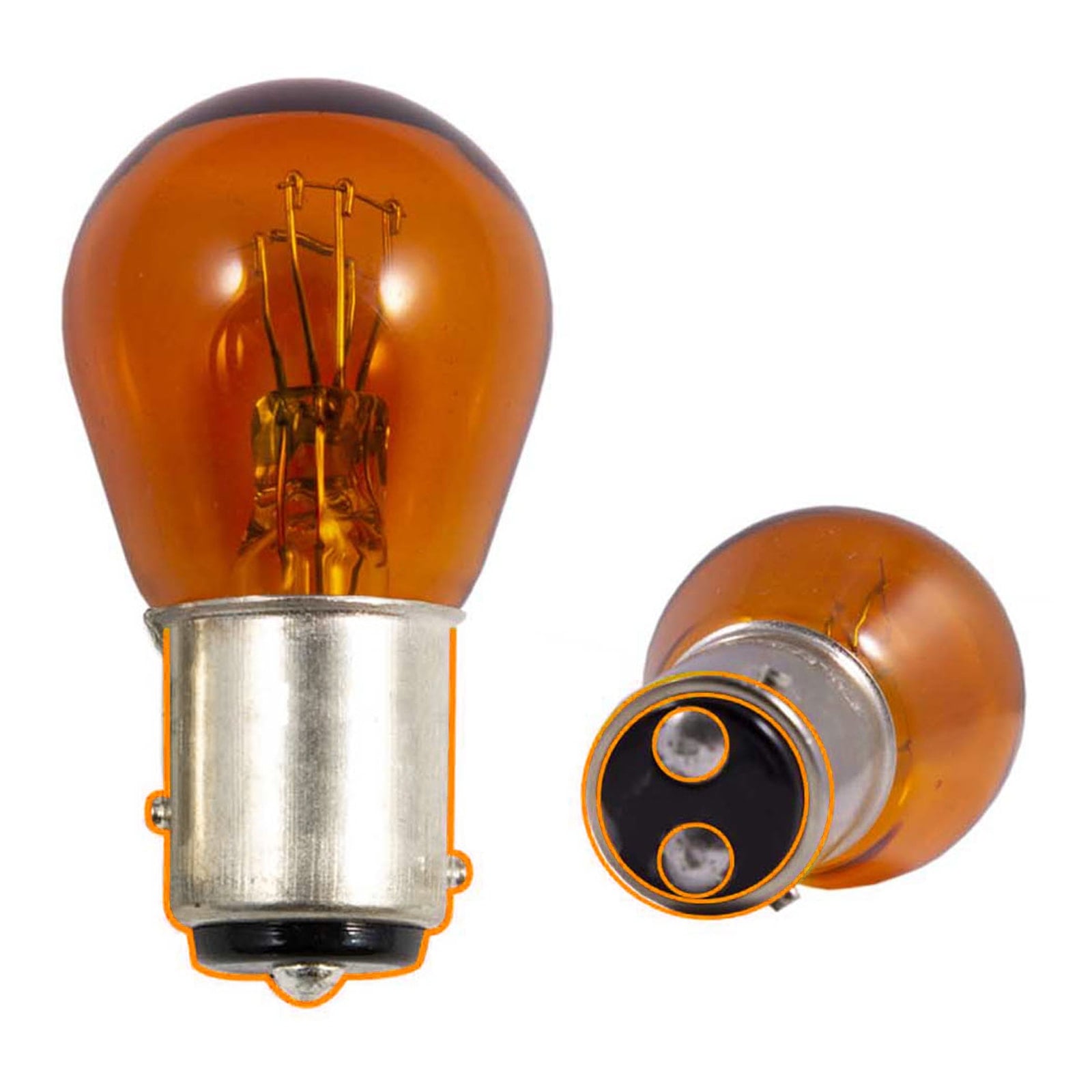
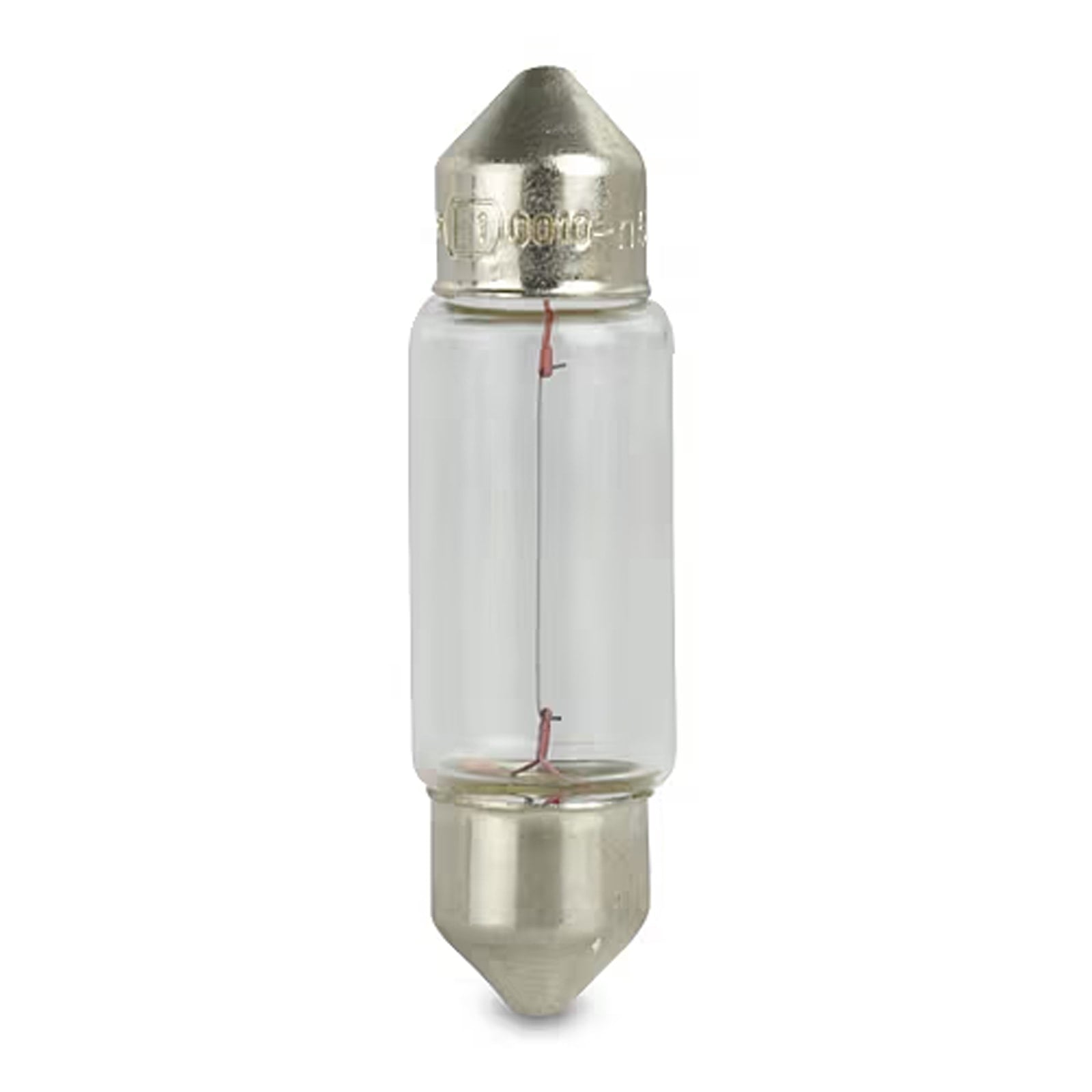
| Brake Lights | LEDs light up faster and brighter, helping drivers behind you react quicker. Shop Chevrolet Cruze LED brake light bulbs here. |
| Reverse Lights | Better illumination makes parking and backing up easier, especially at night. Shop Chevrolet Cruze LED reverse light bulbs here. |
| Turn Signals & More | Cleaner, crisper lighting adds a modern touch and improves visibility all around. Shop Chevrolet Cruze LED turn signal light bulbs here. |
Best and Worst Model Years of Chevrolet Cruze
- The Best: 2019. As the final production year, nearly all mechanical "kinks" were ironed out. 2018 is a close second.
- The "Good": 2015. The final year of the first generation is generally more reliable than the 2011–2012 versions.
- The Worst: 2011–2012. High risk for transmission failure and cooling system meltdowns.
- Avoid: 2016–2017 (1.4L Turbo). Unless the service history shows the pistons have been inspected or the software updated to prevent LSPI.
Final Thoughts
Have you owned a Chevrolet Cruze or experienced any of its common issues? Your insights can help other drivers make smarter decisions. Share your thoughts on Chevrolet Cruze reliability and tell us about any Chevrolet Cruze problems you’ve encountered. If you drive an older or used Cruze, upgrading to Chevrolet Cruze LED bulbs is a simple way to improve night-time visibility and safety. Your experience could be the tip someone else needs before buying or maintaining their Cruze!