
 Headlight Bulbs


 Track Order
 My Vehicles
 Contact Us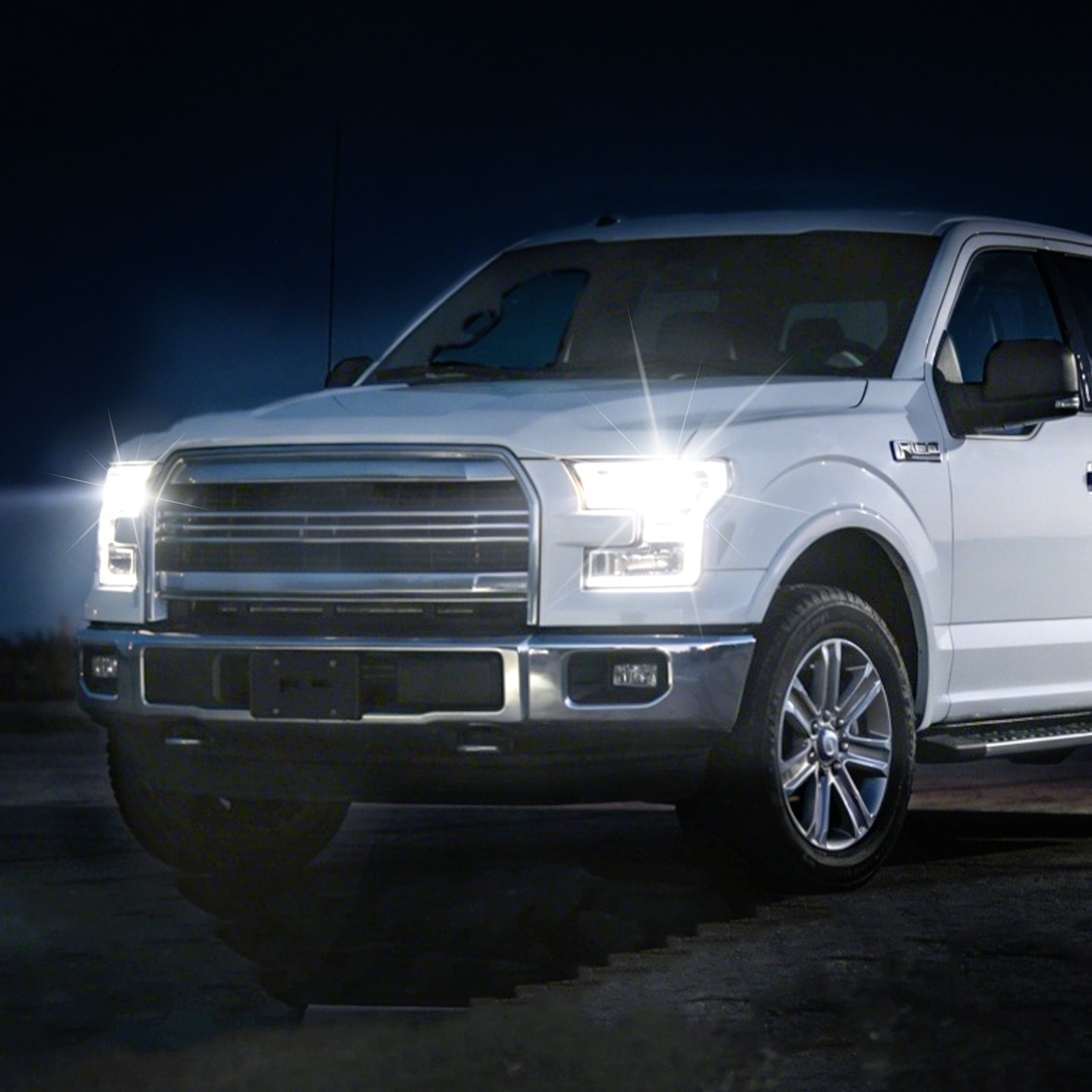
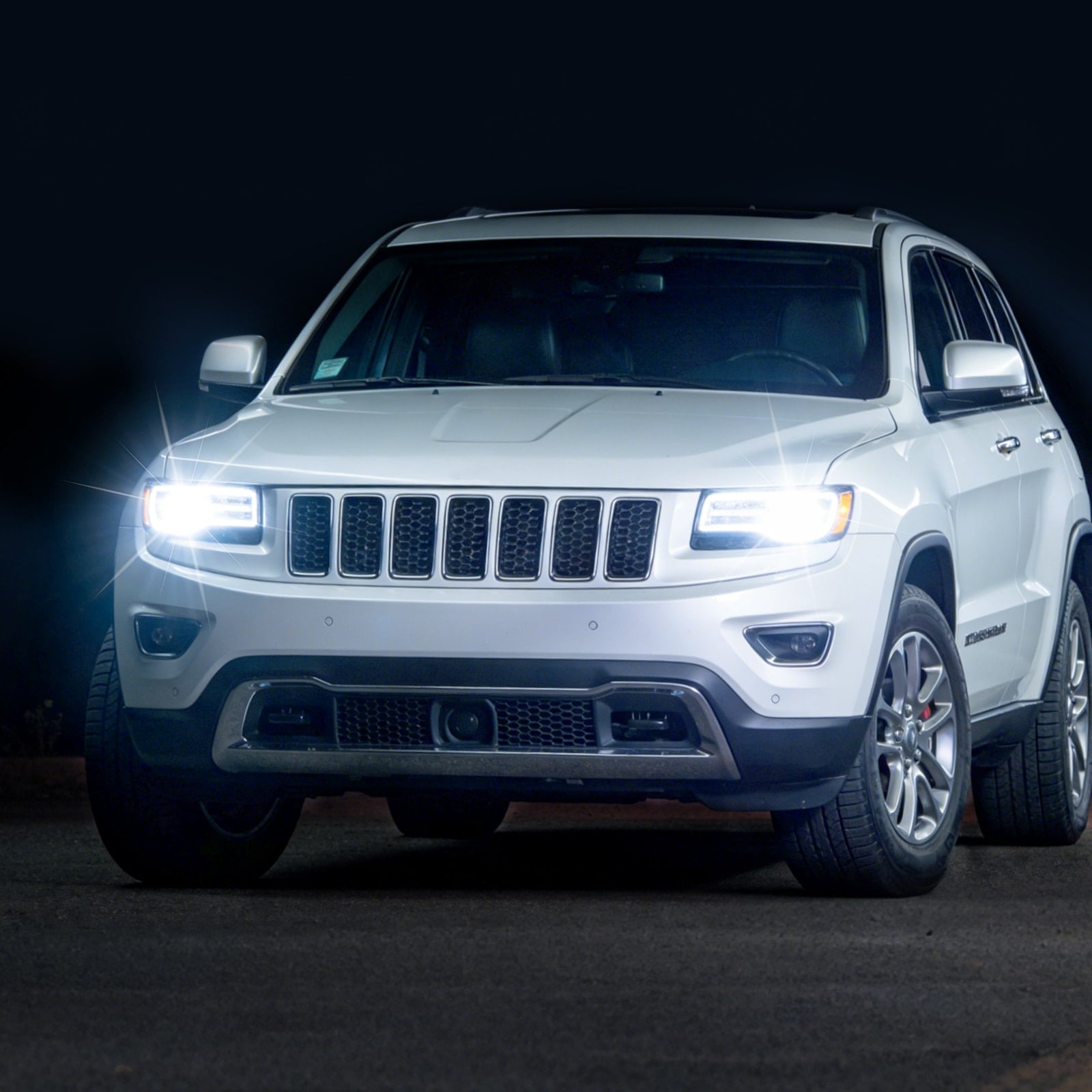
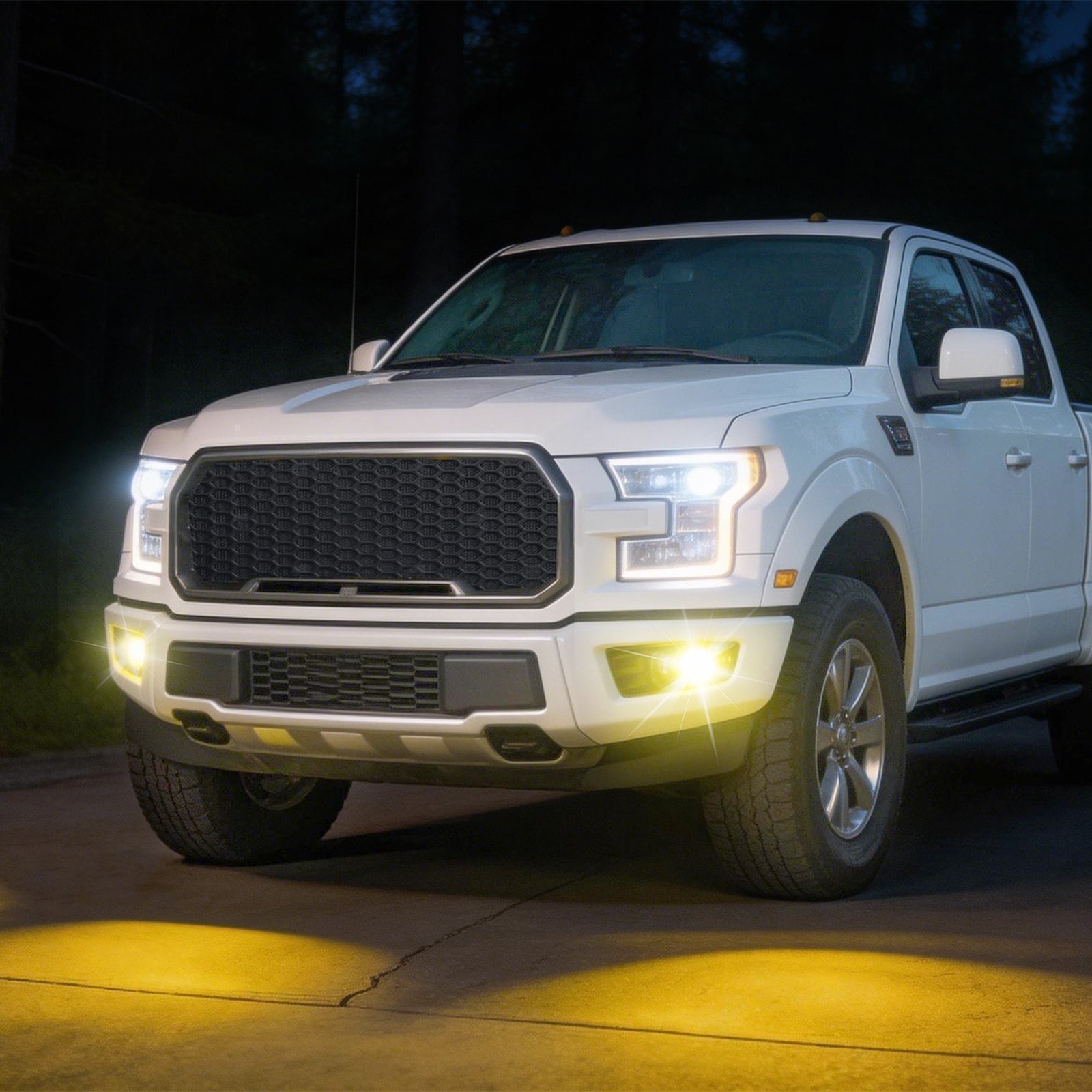
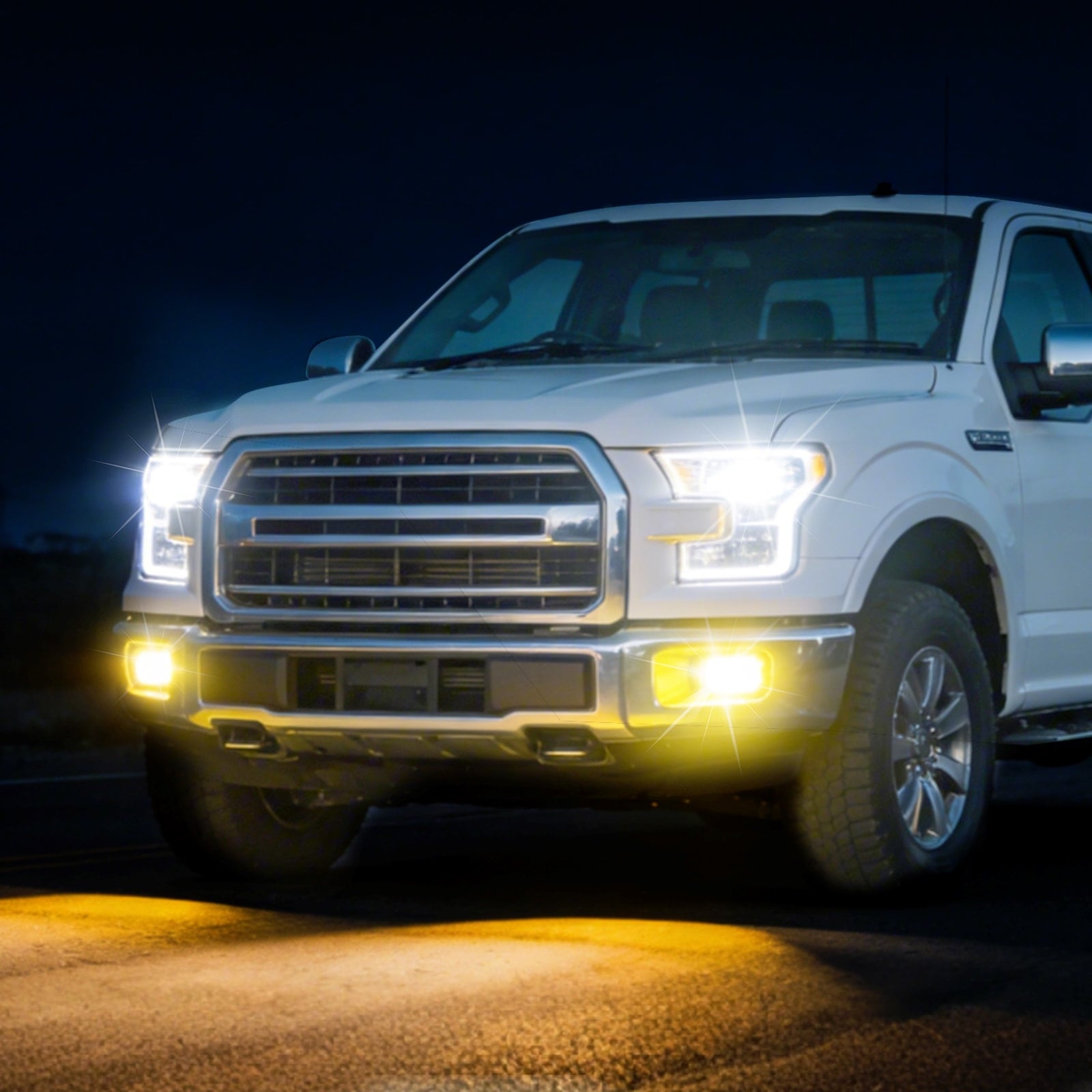
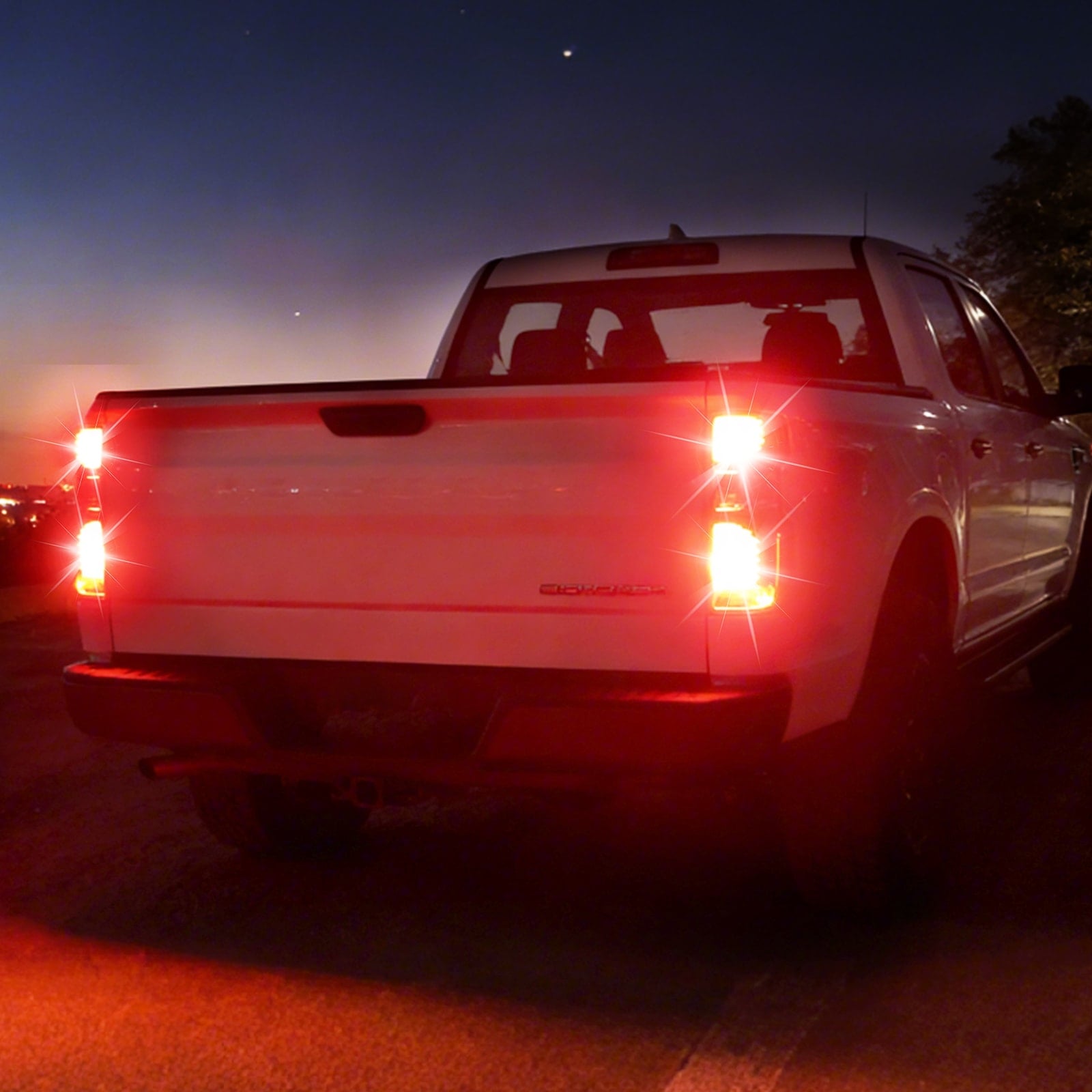
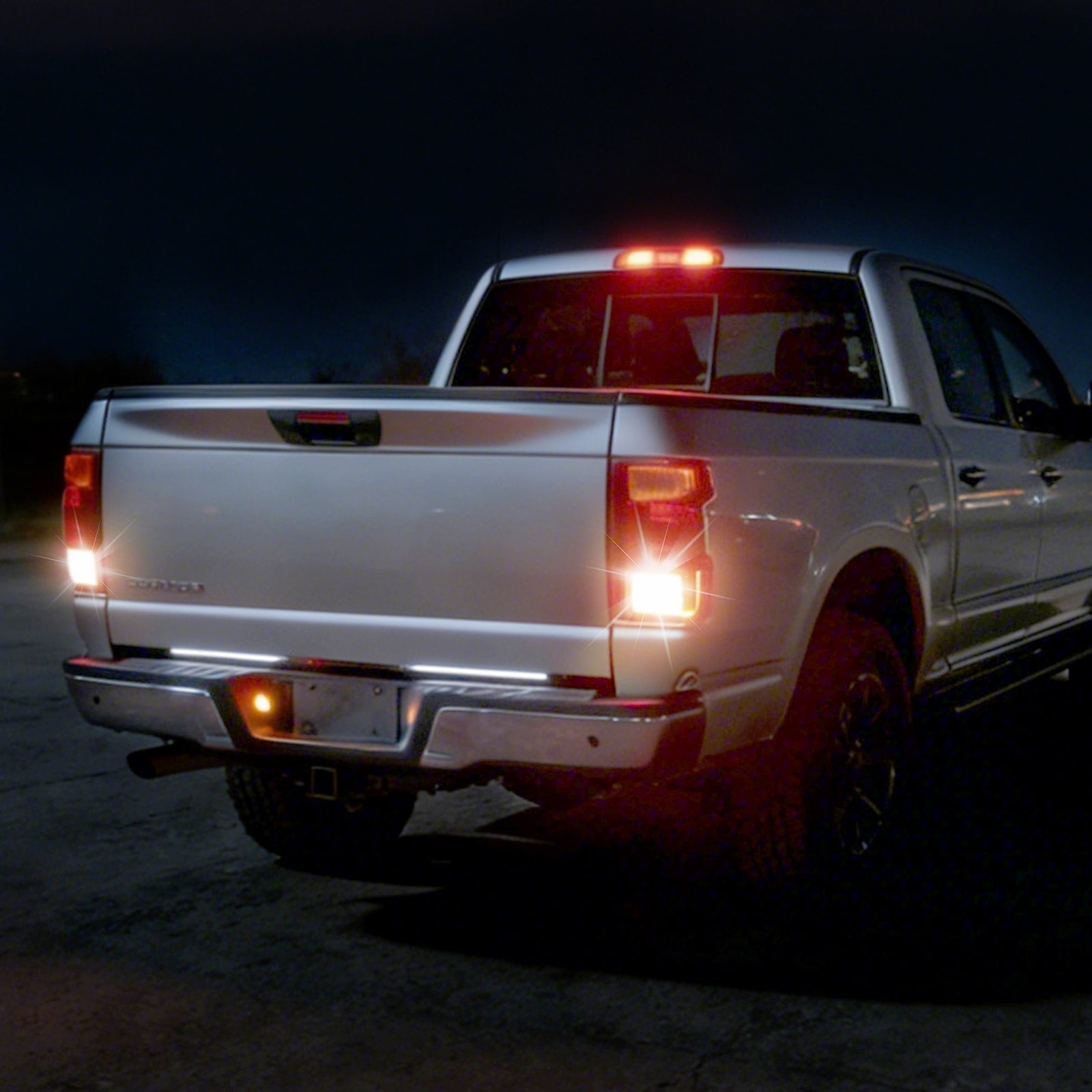
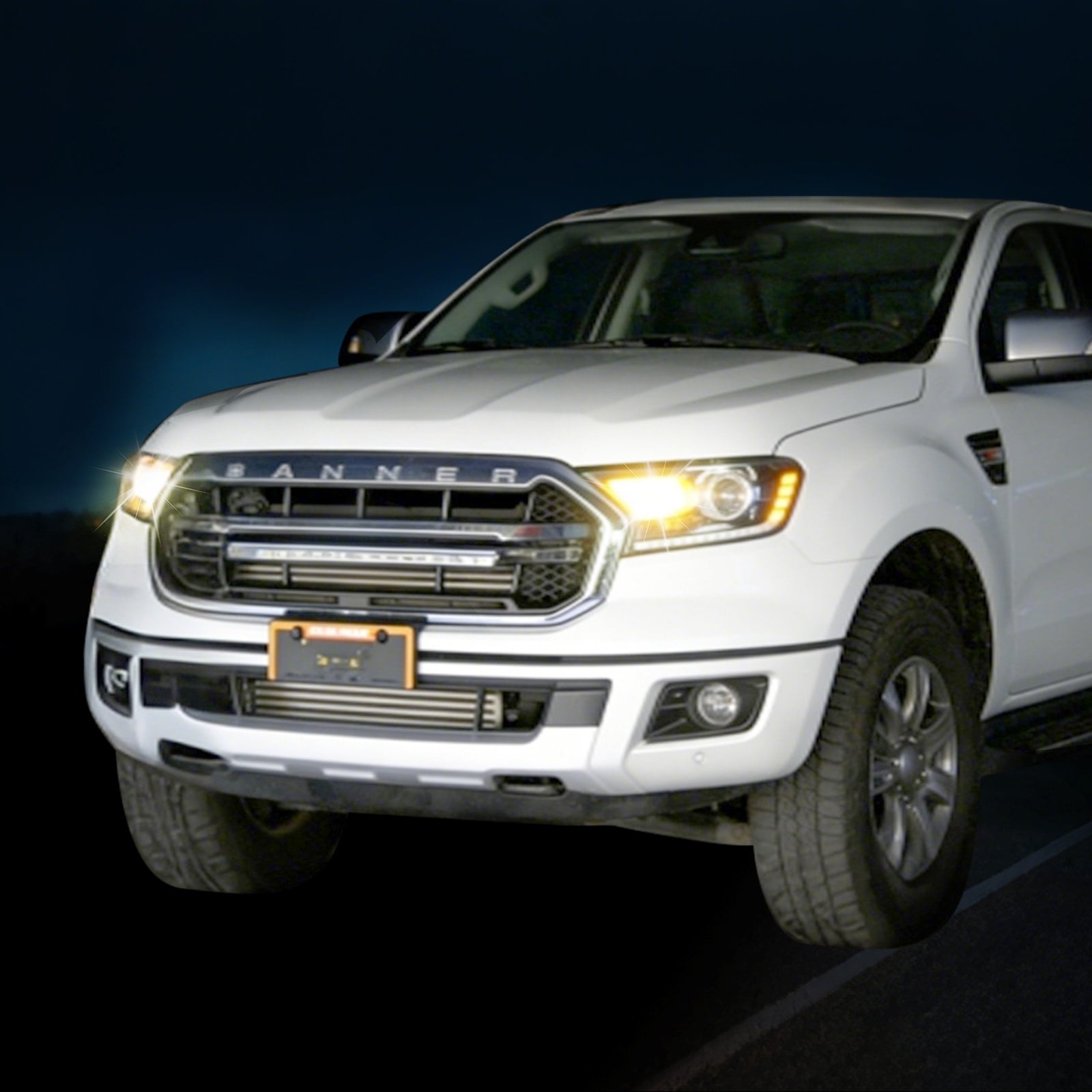
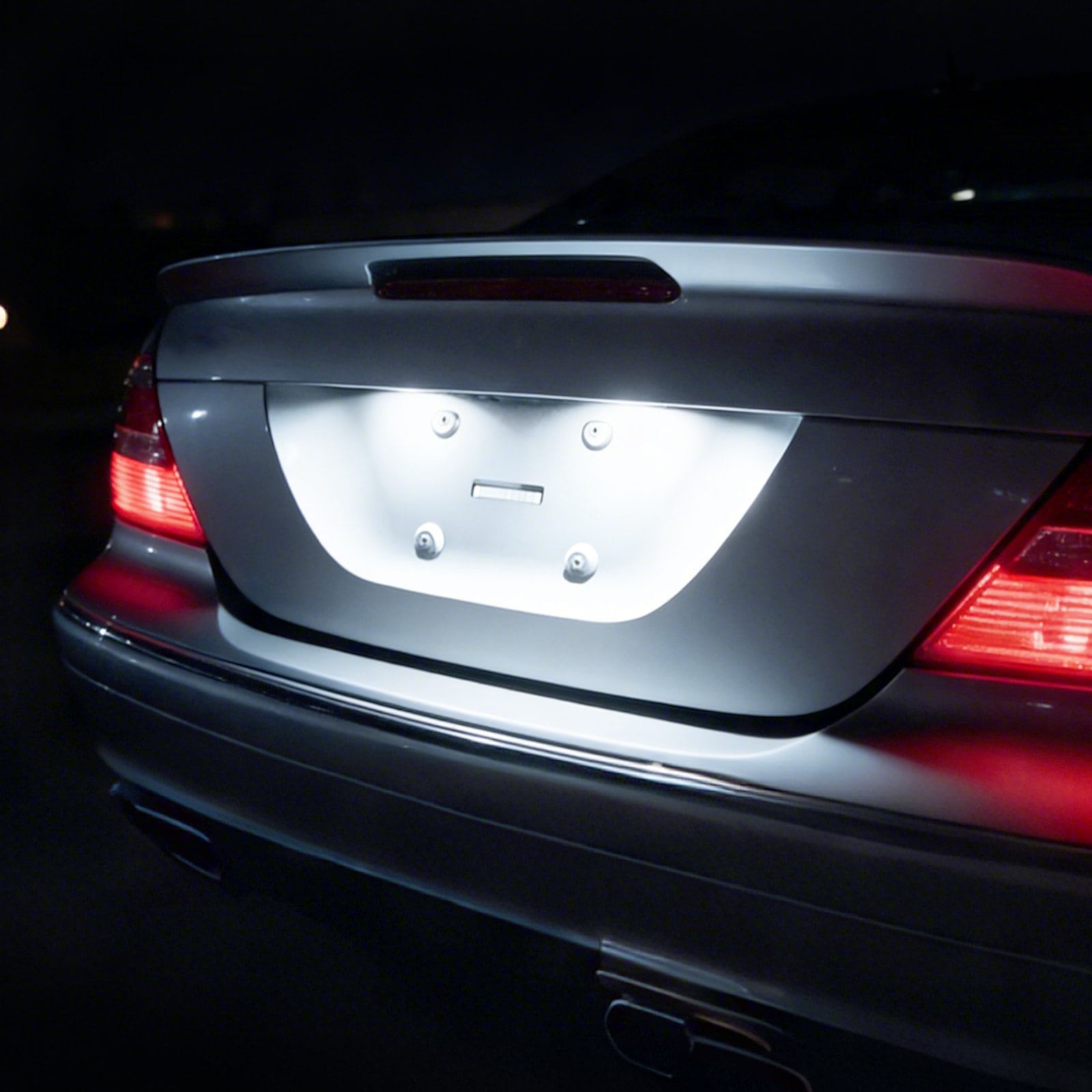
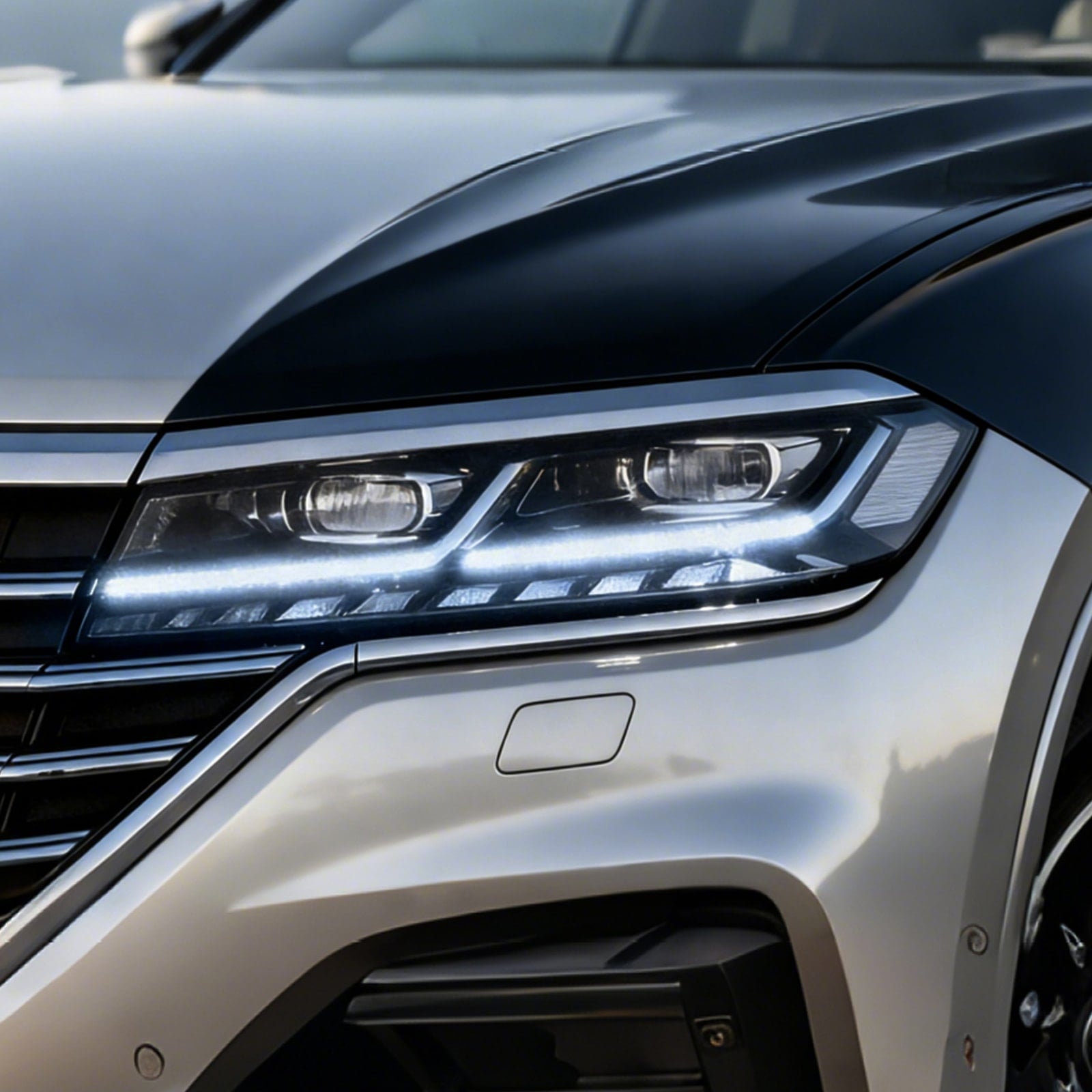
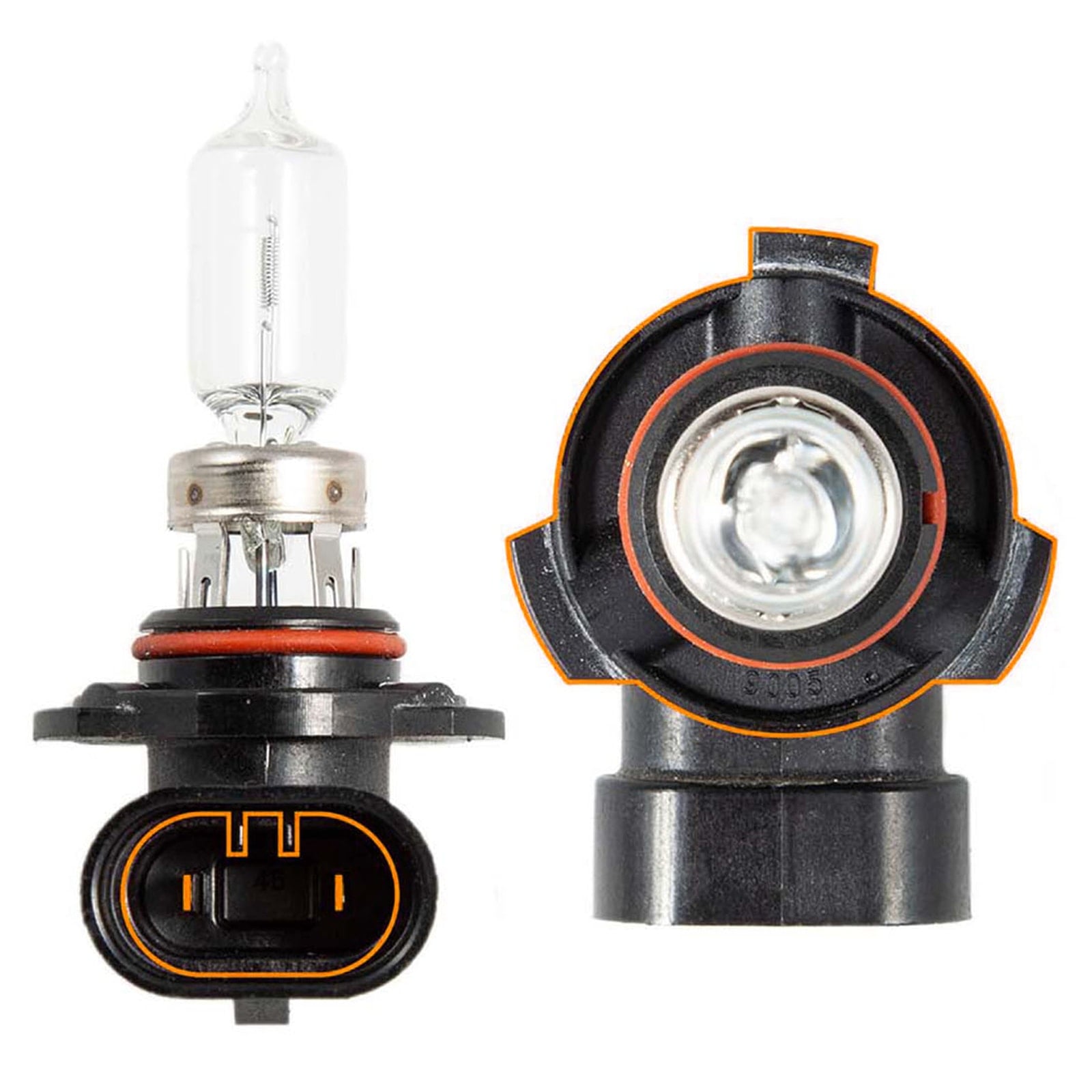
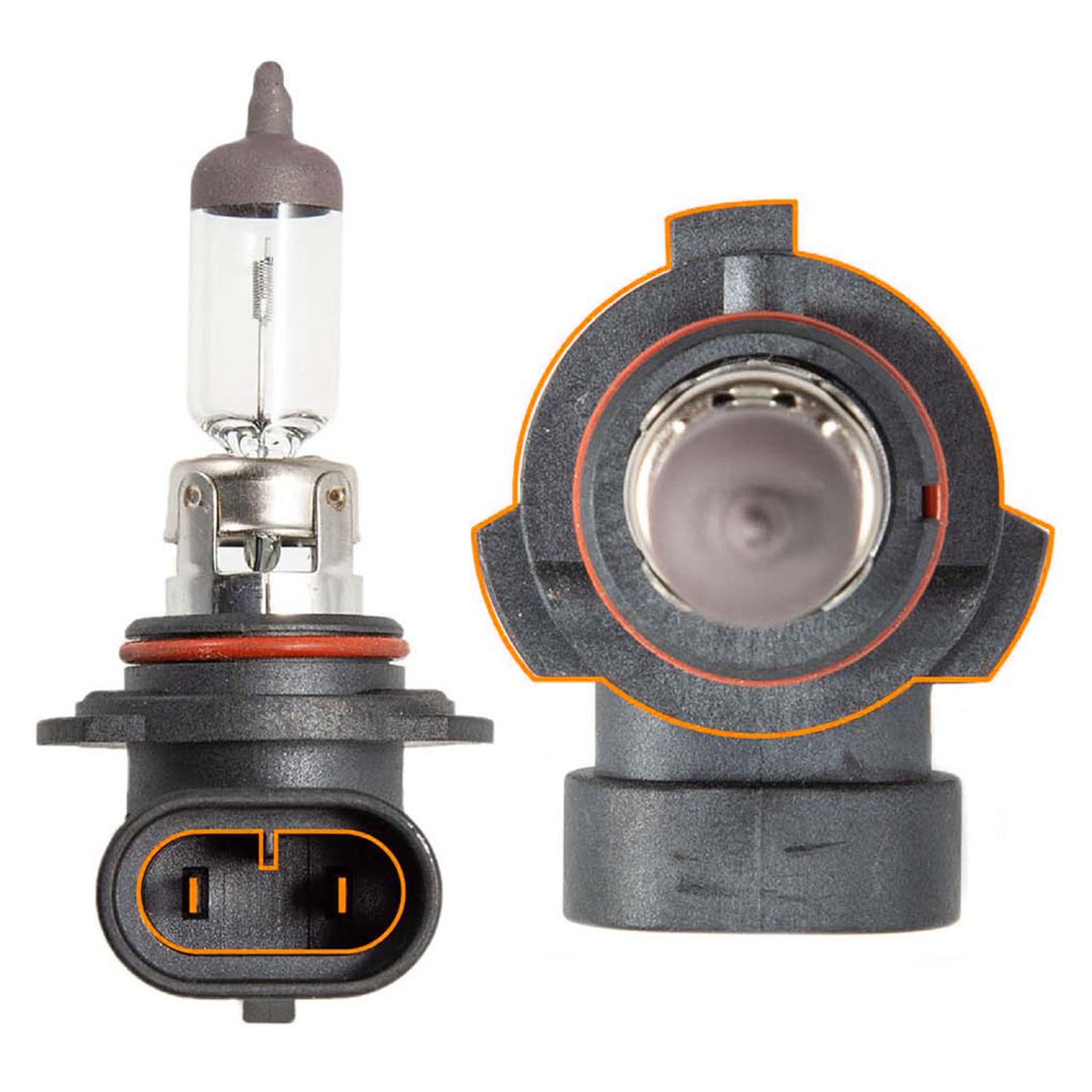
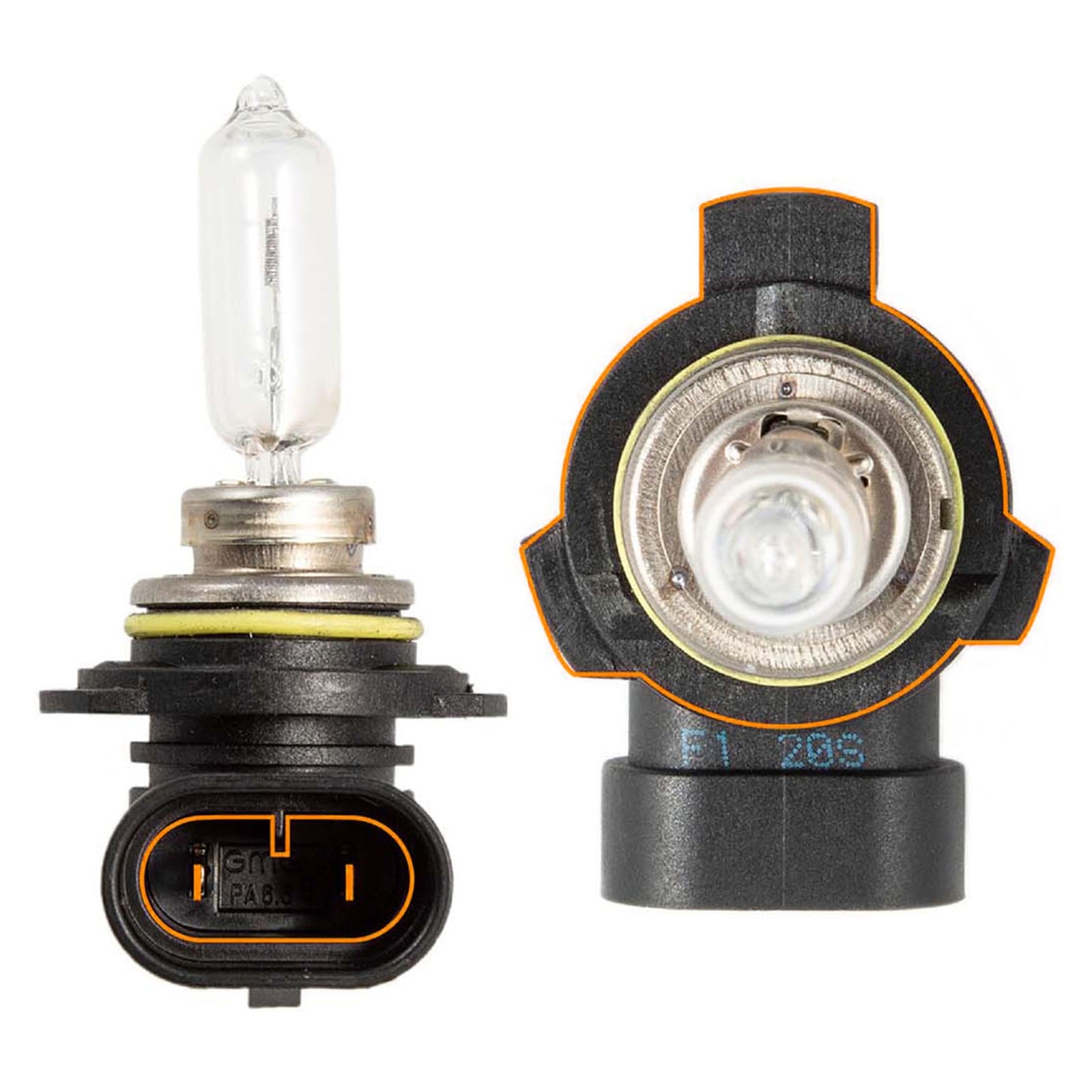
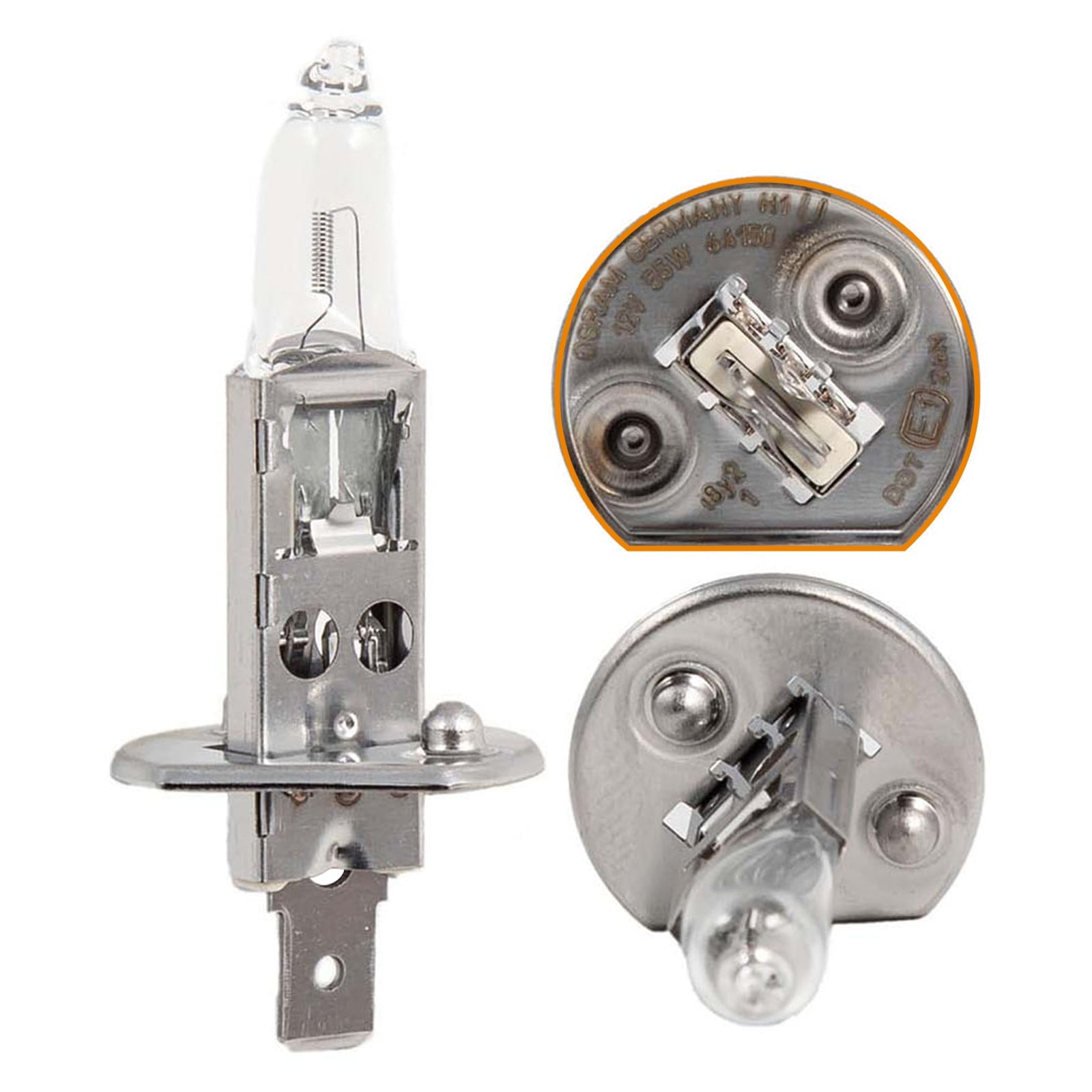

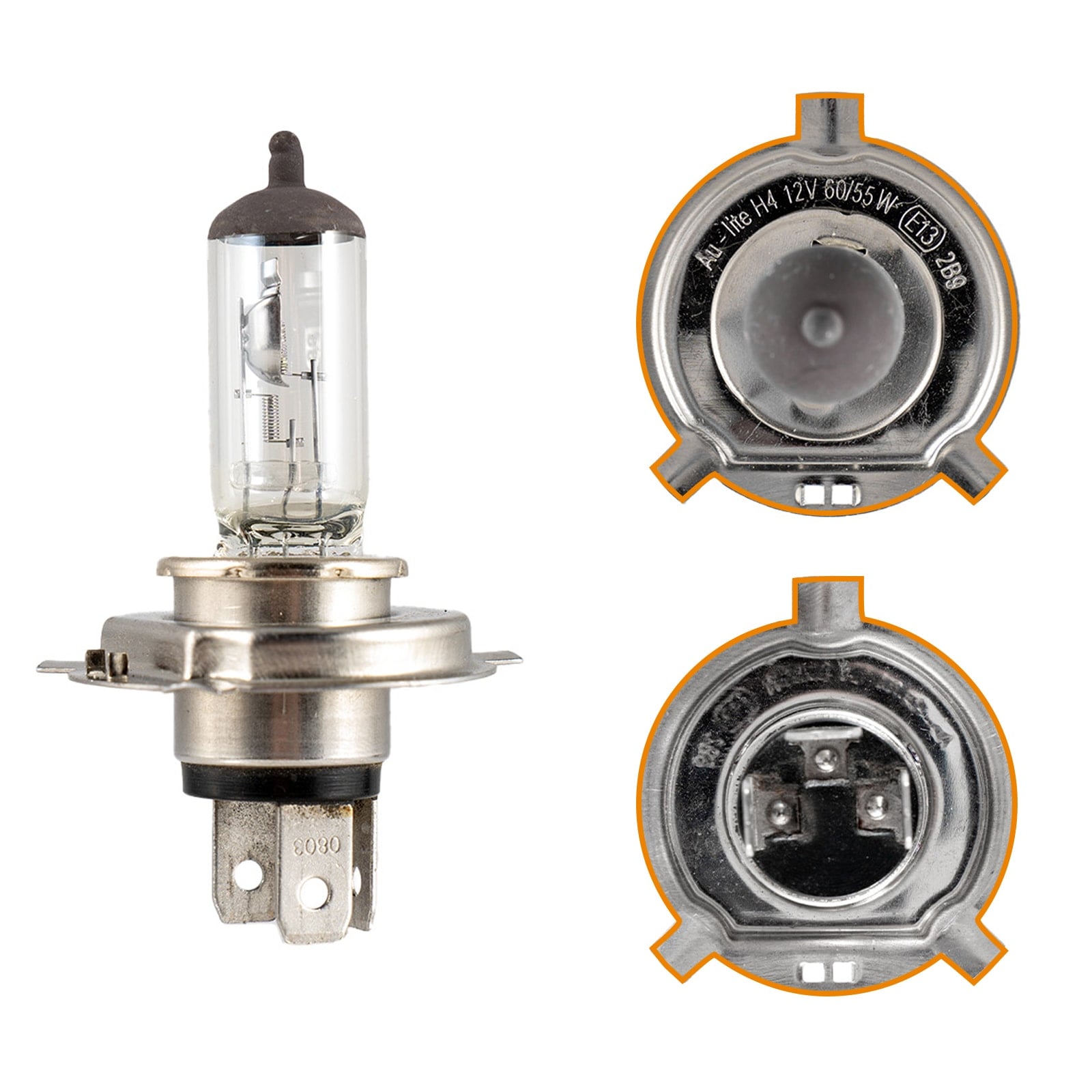
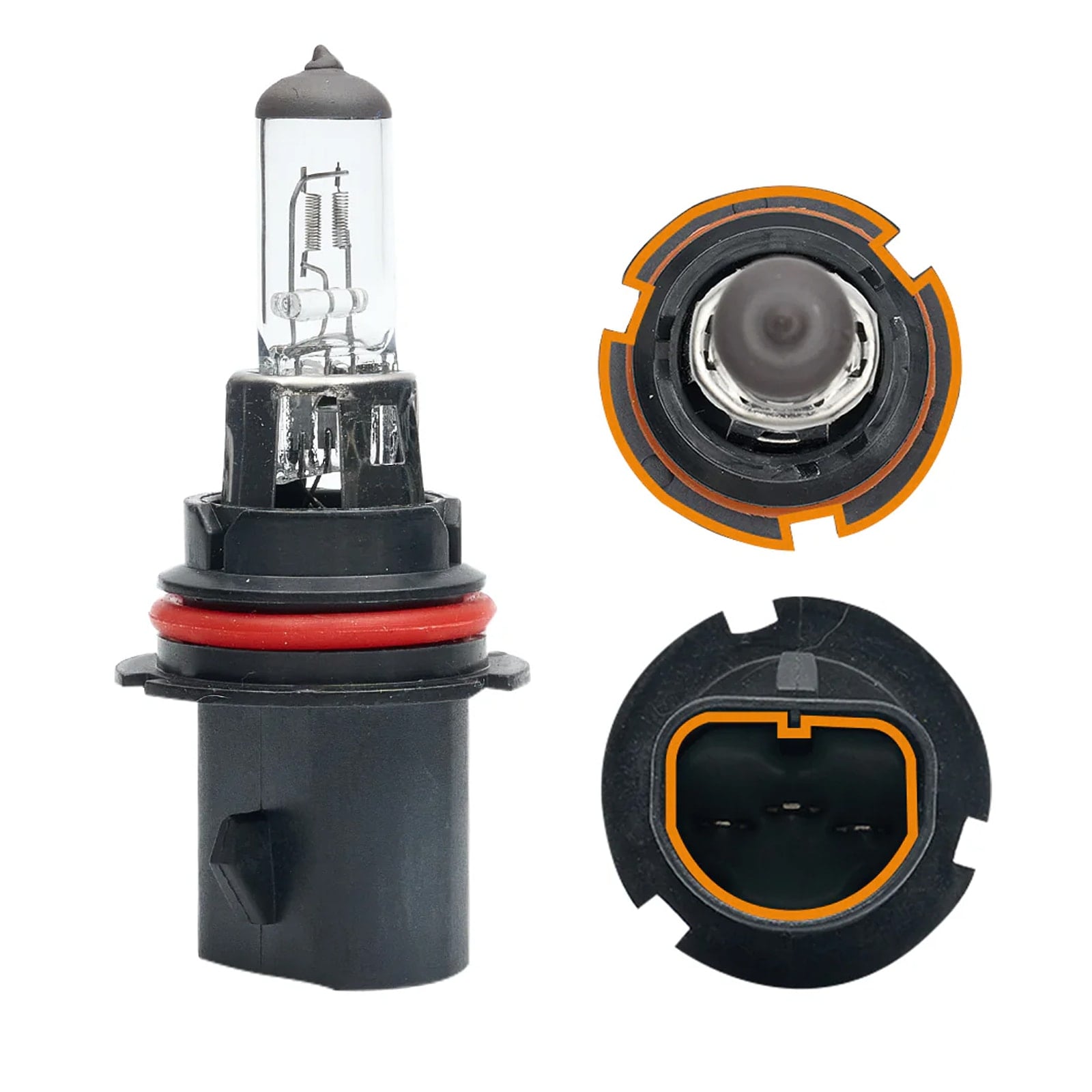
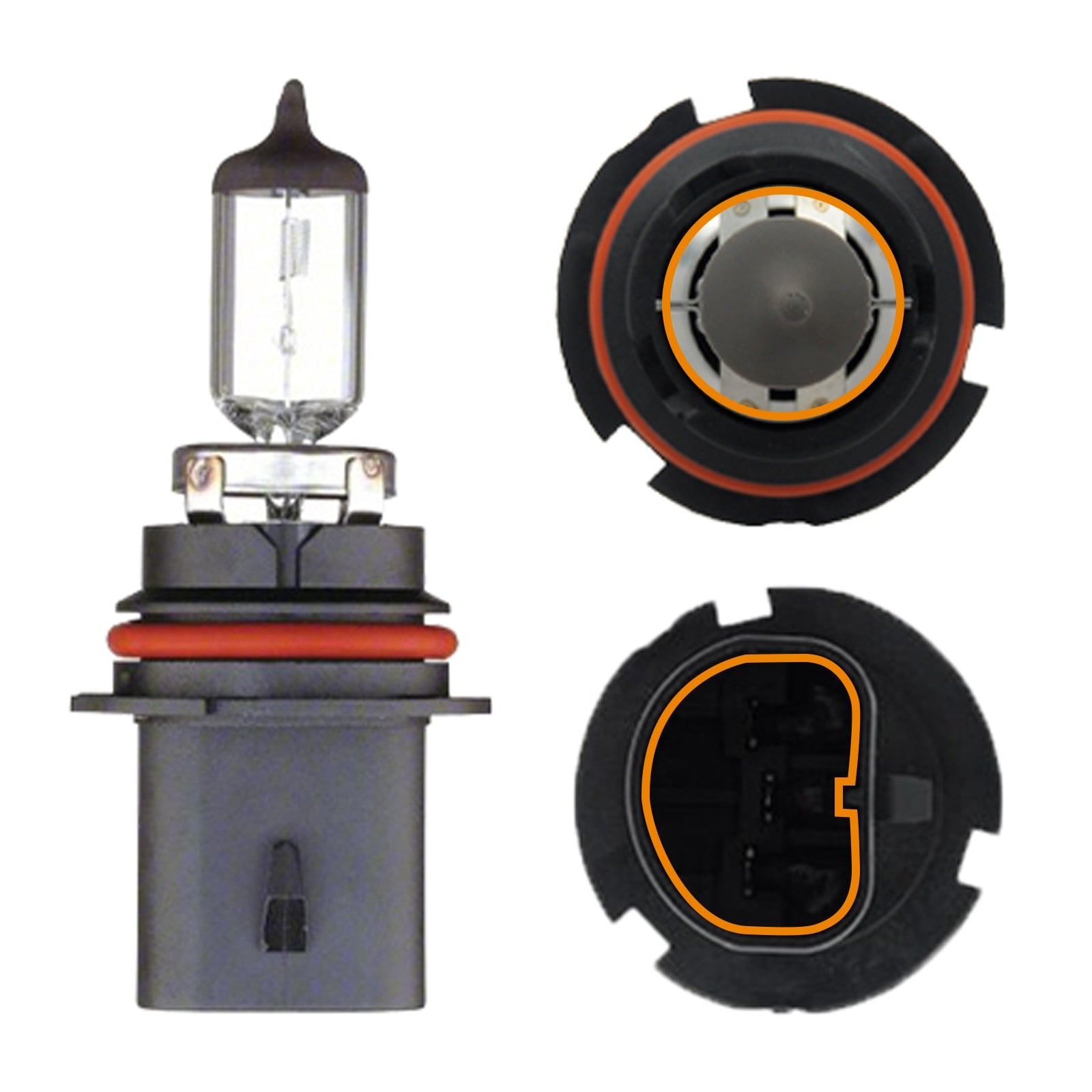
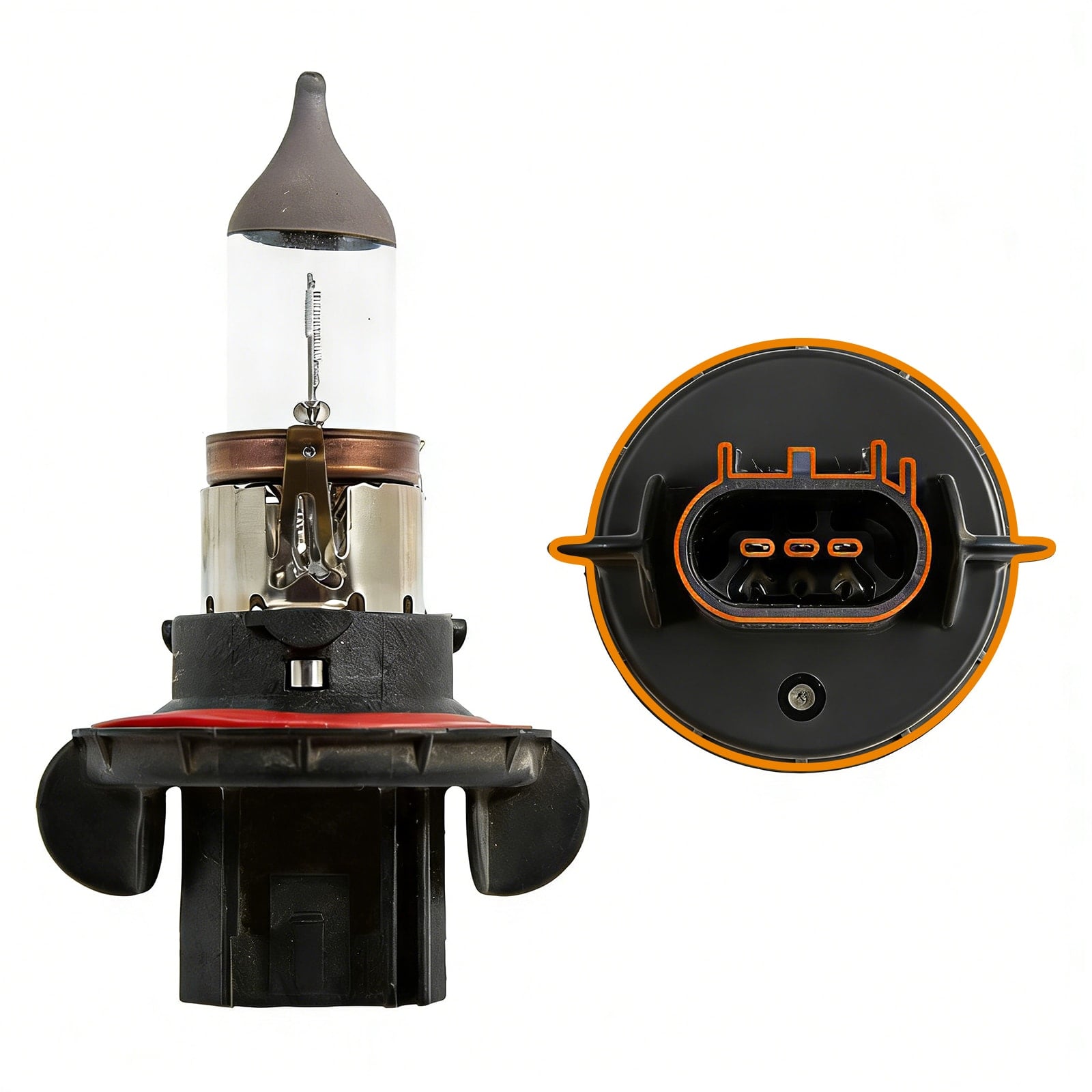
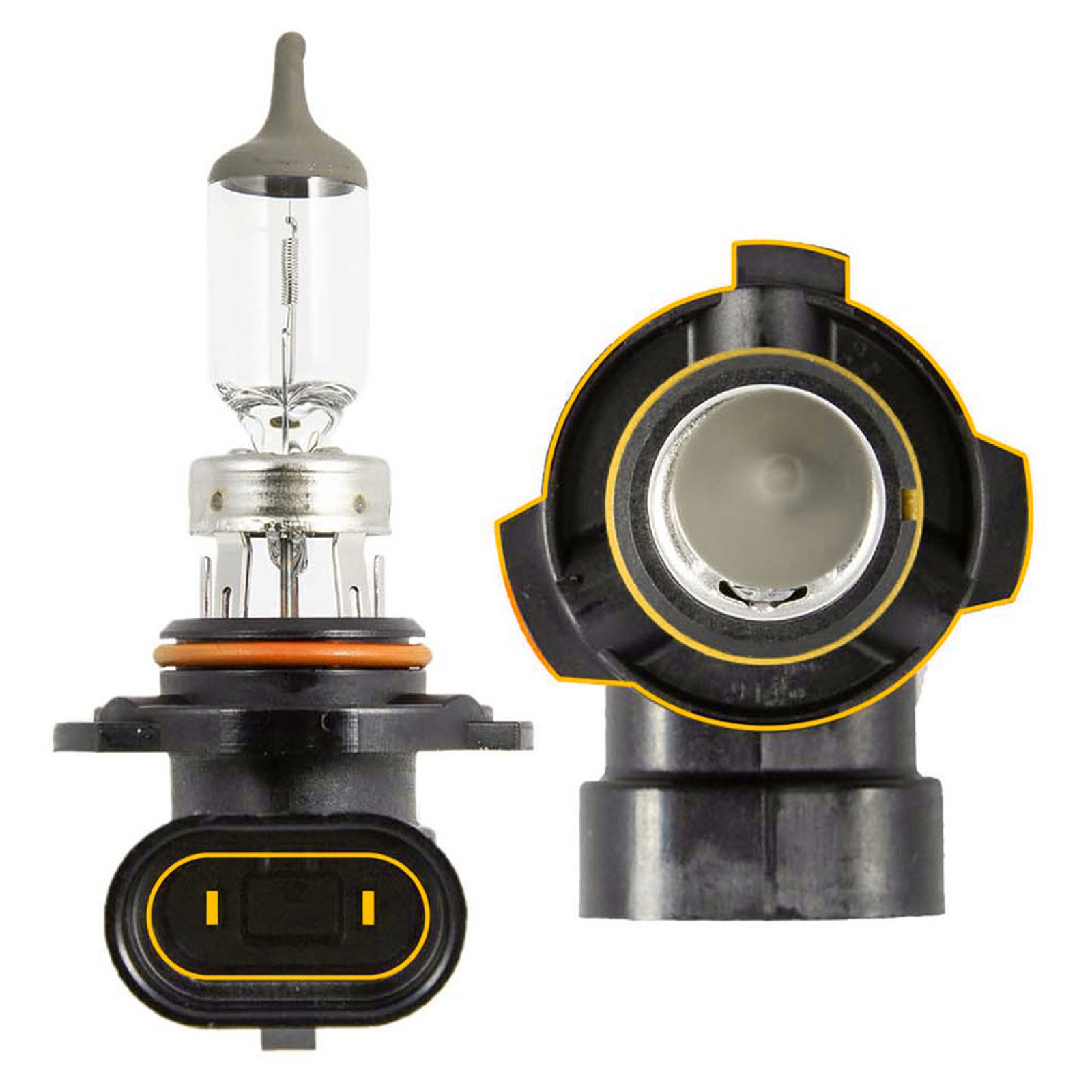
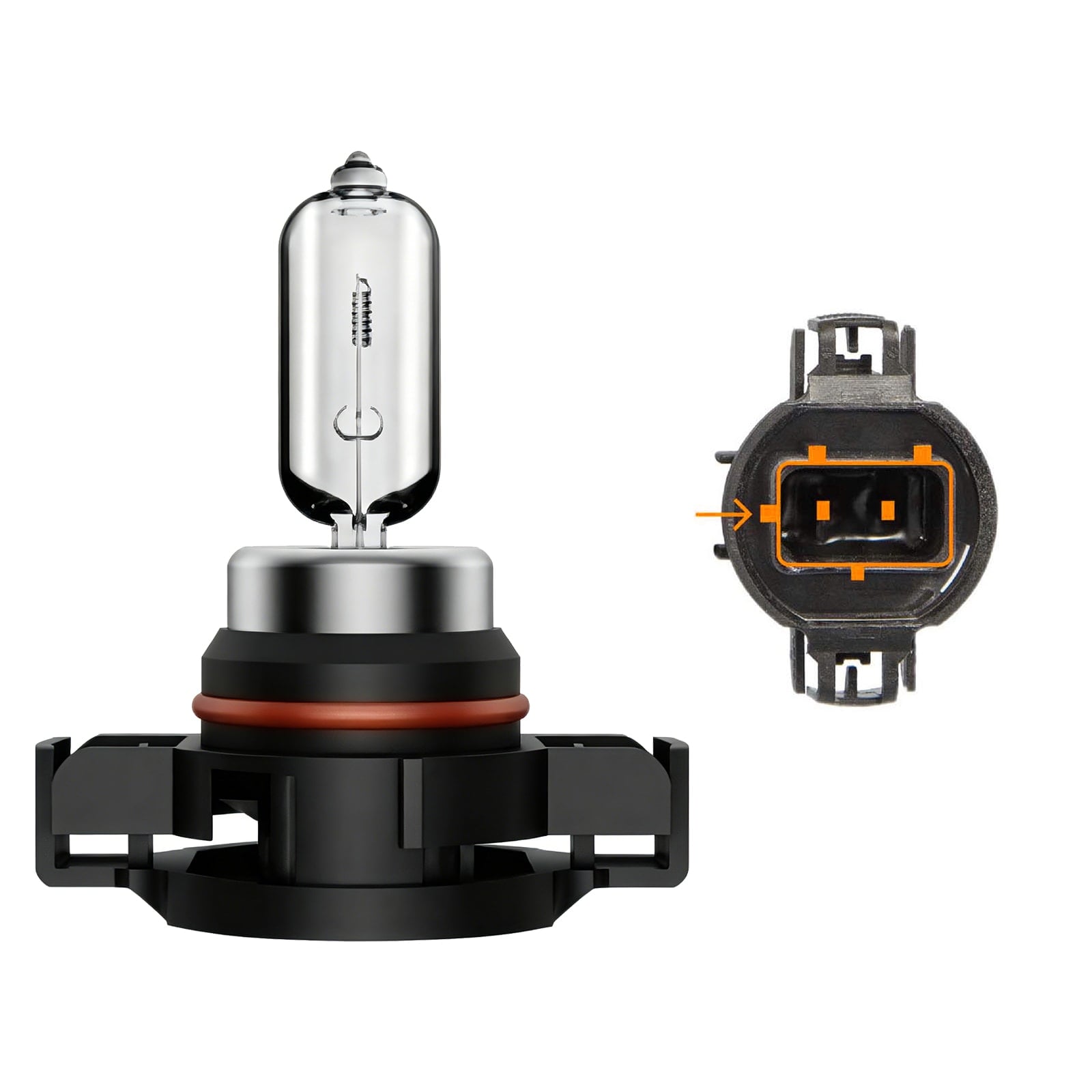
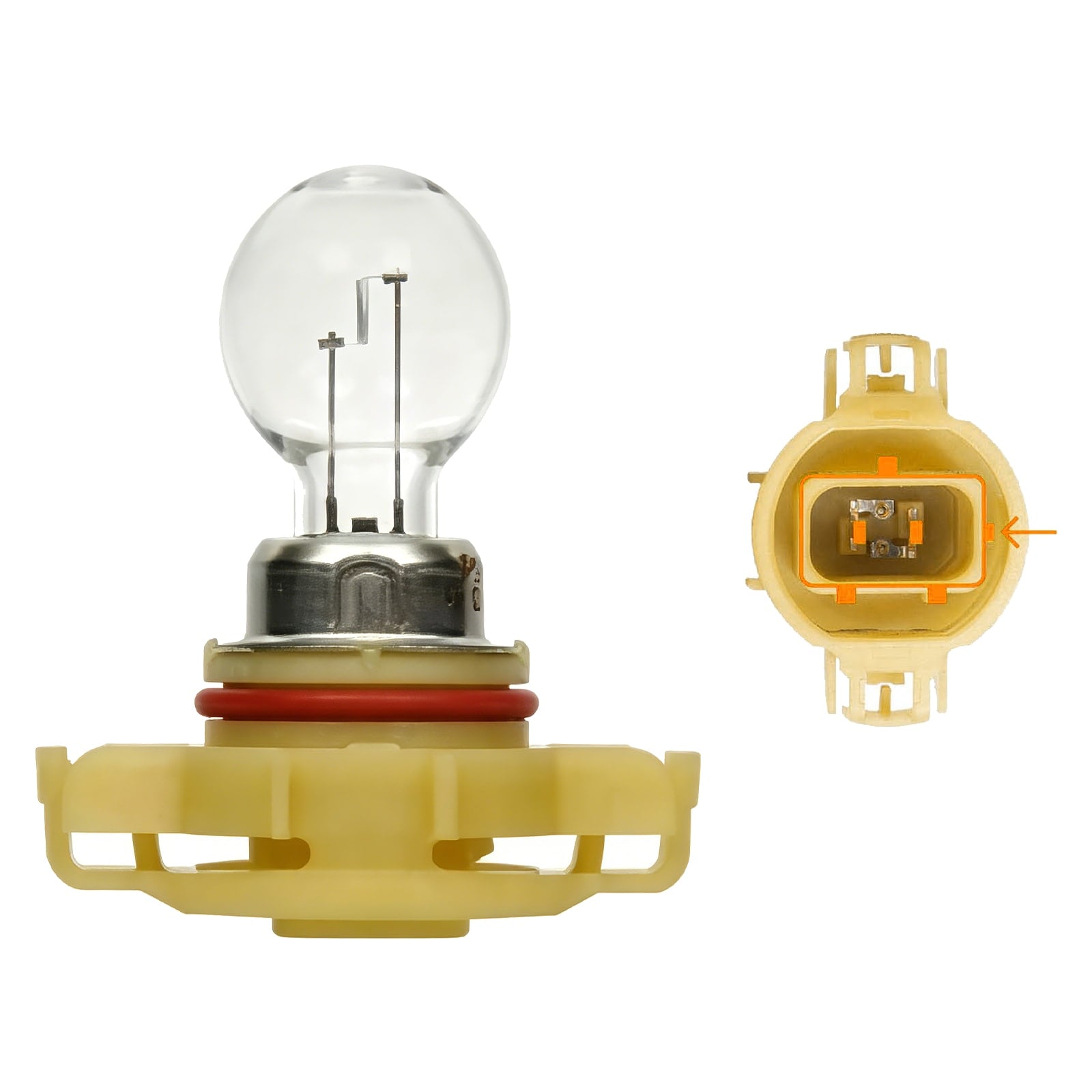
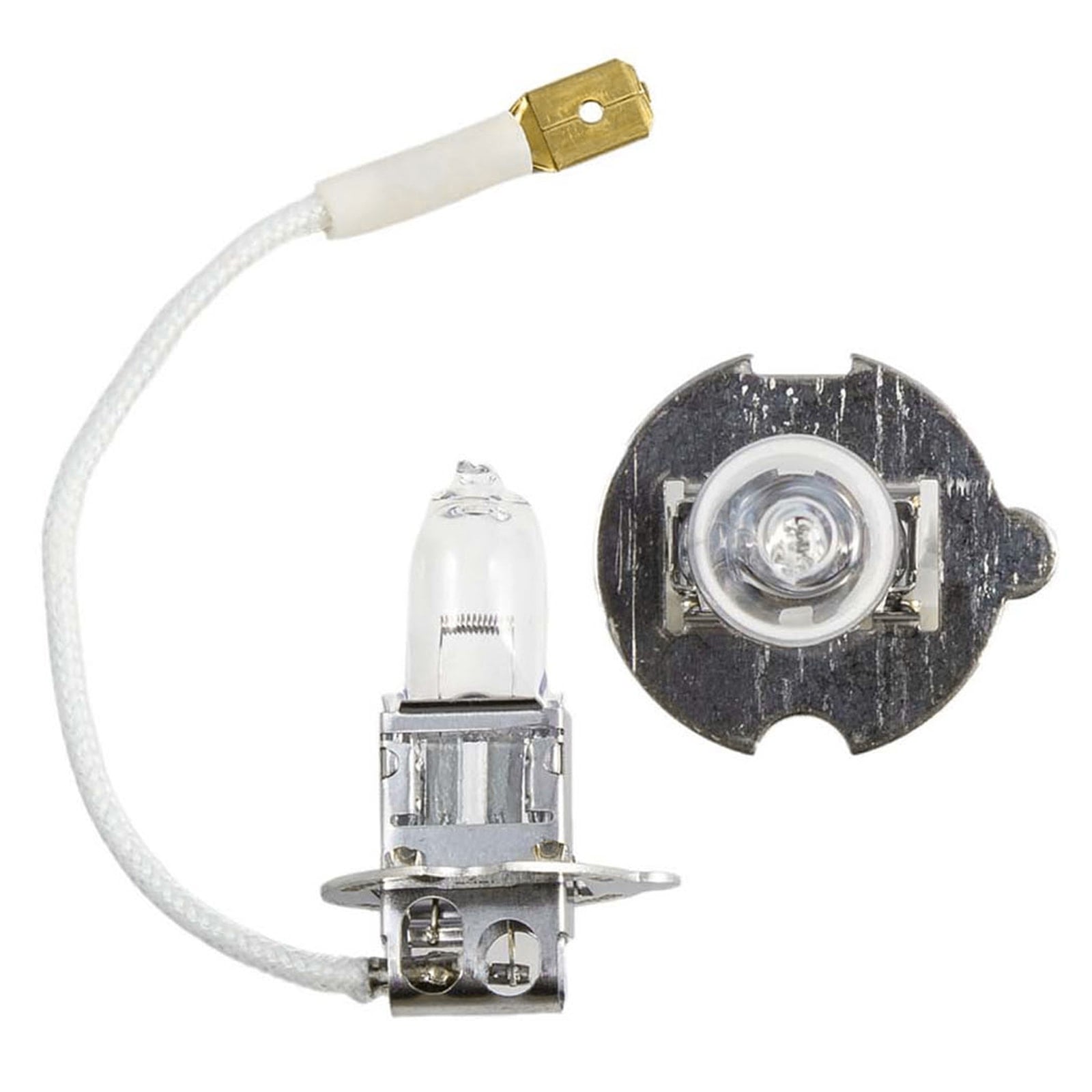
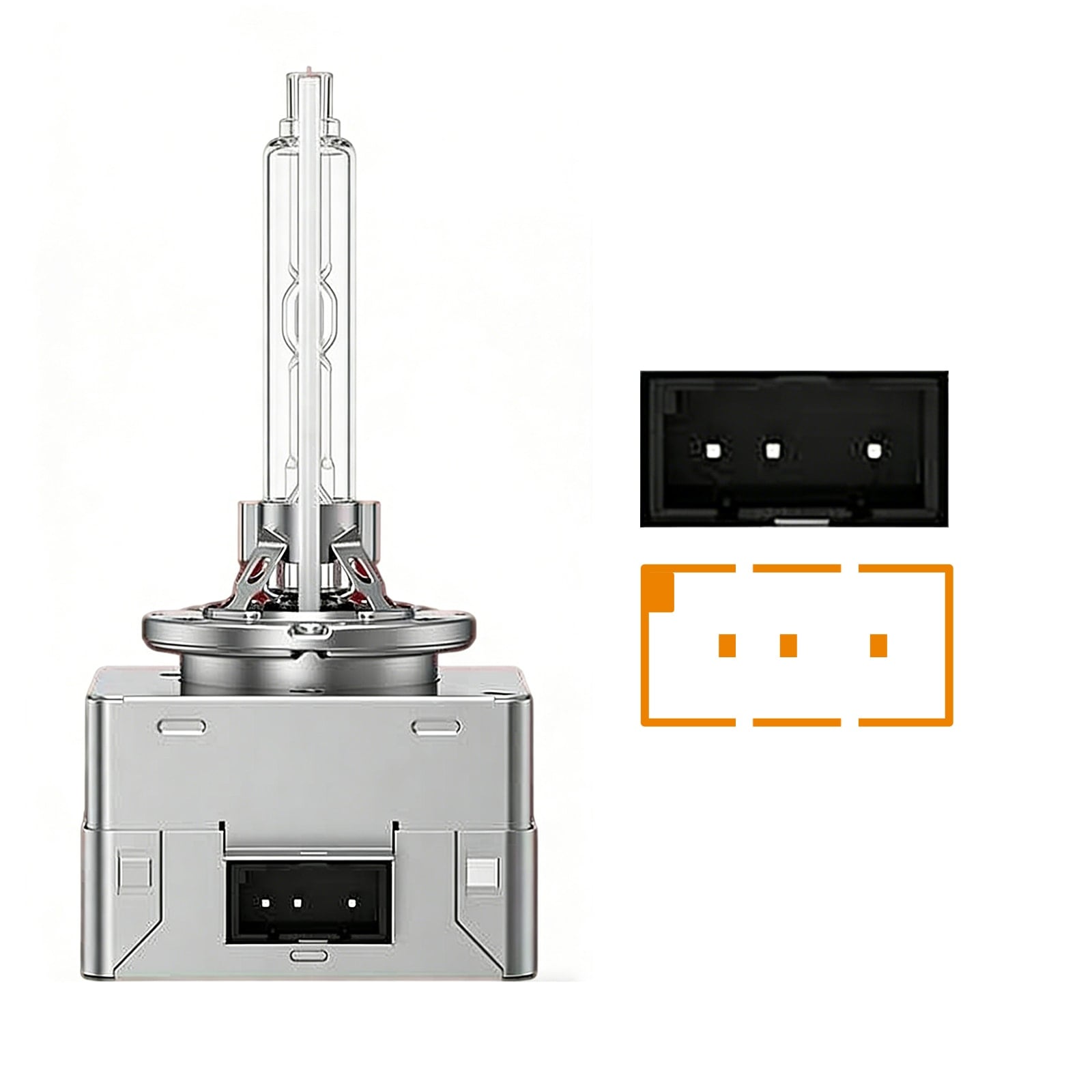
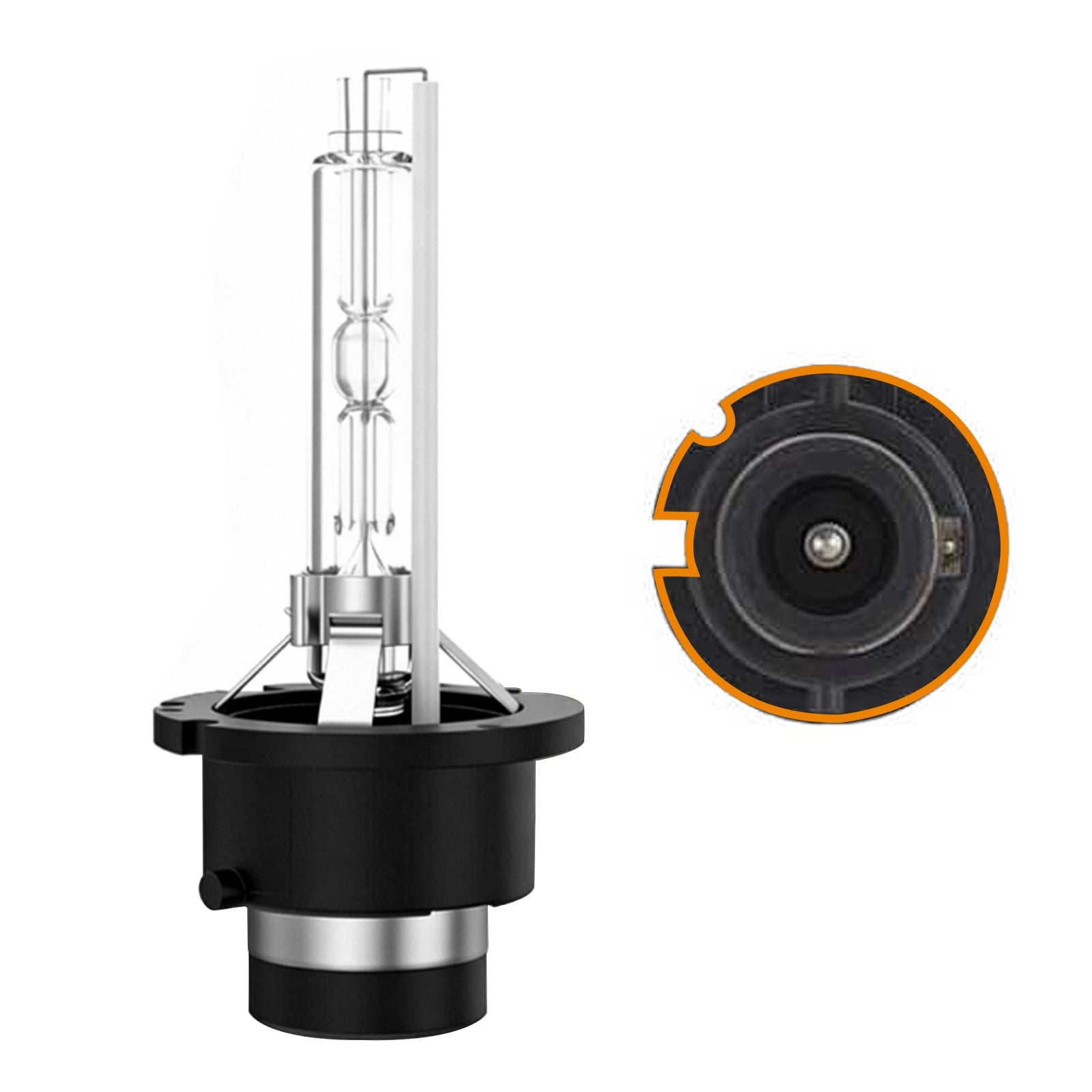
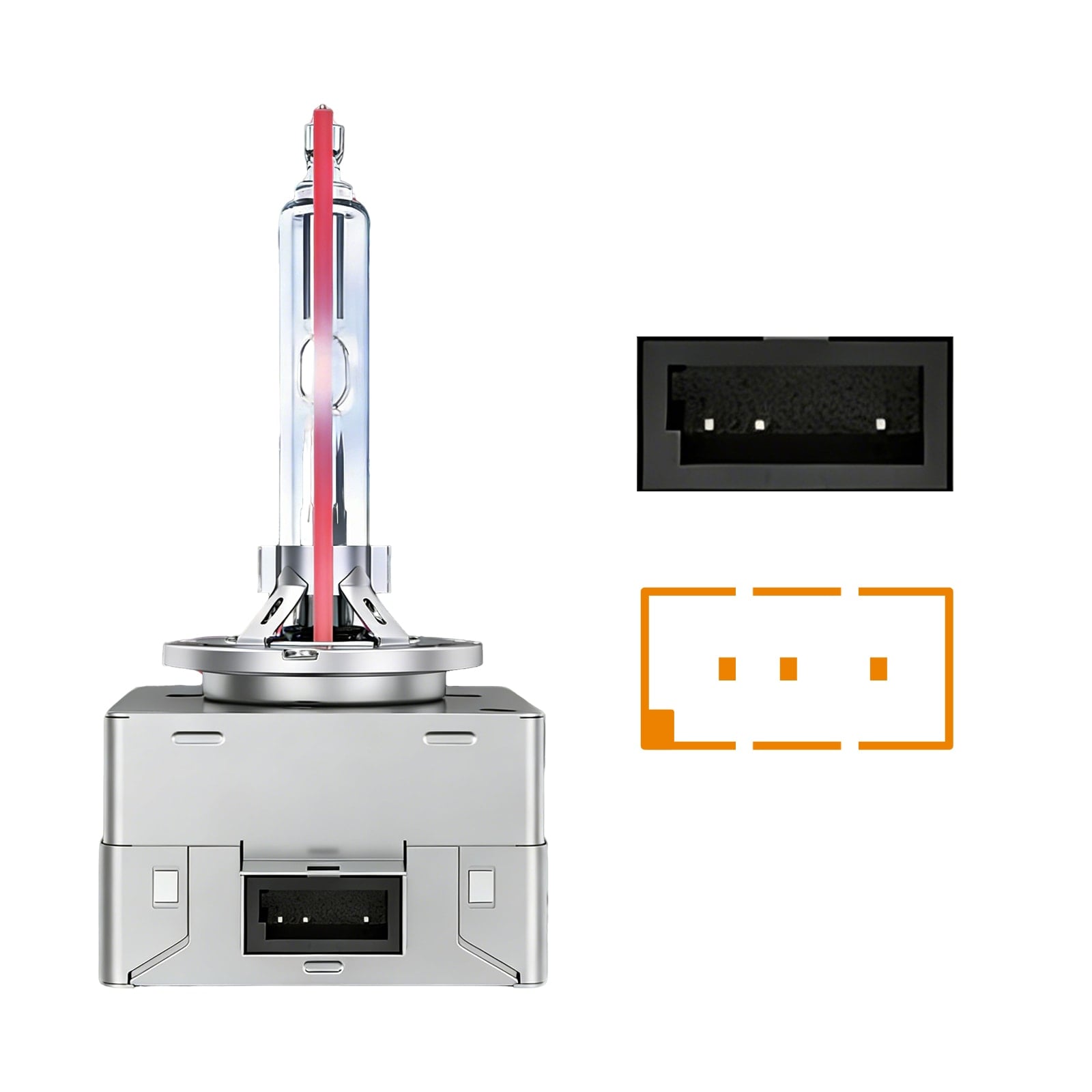
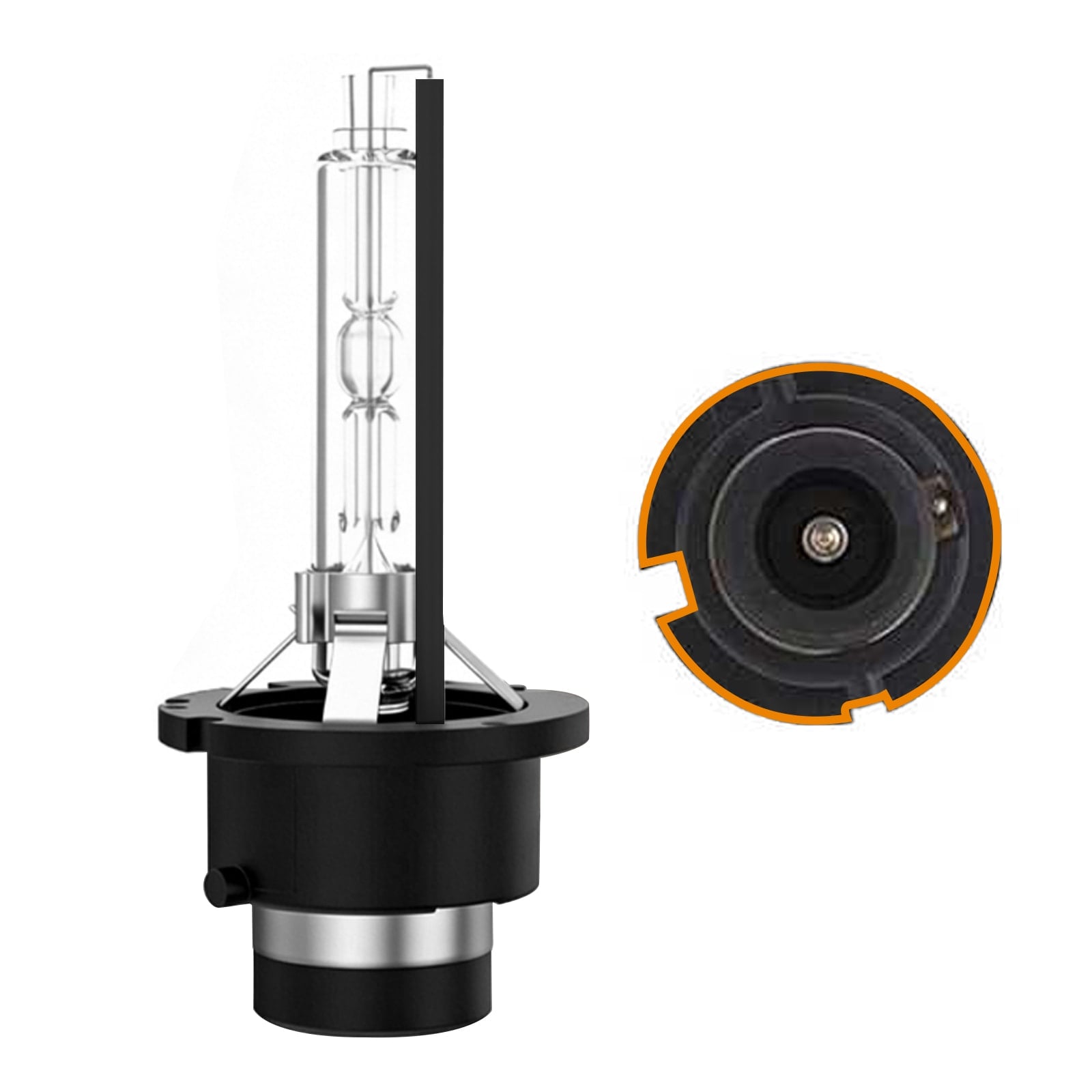
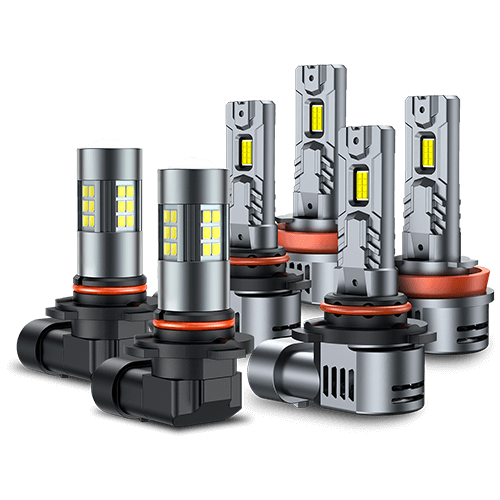
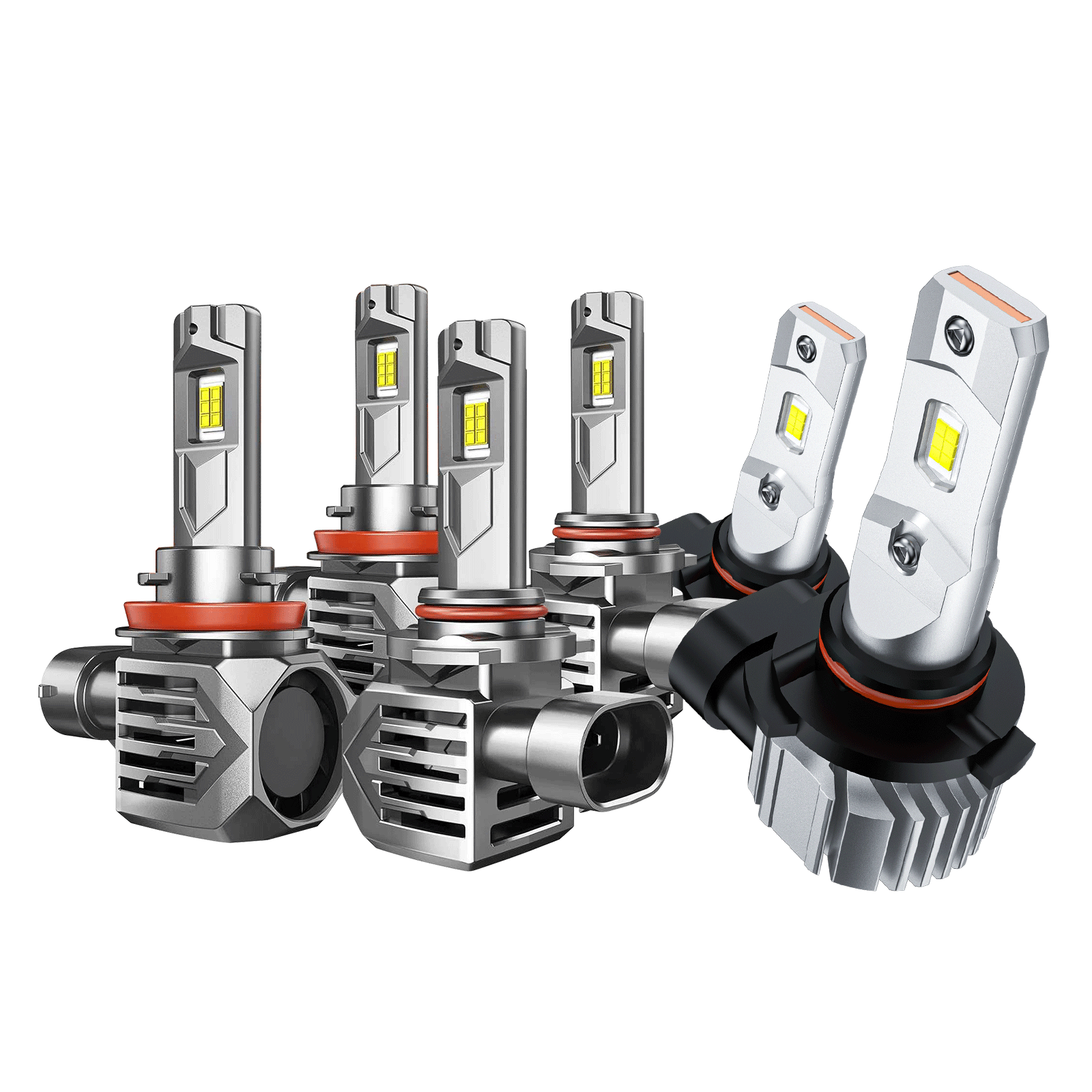


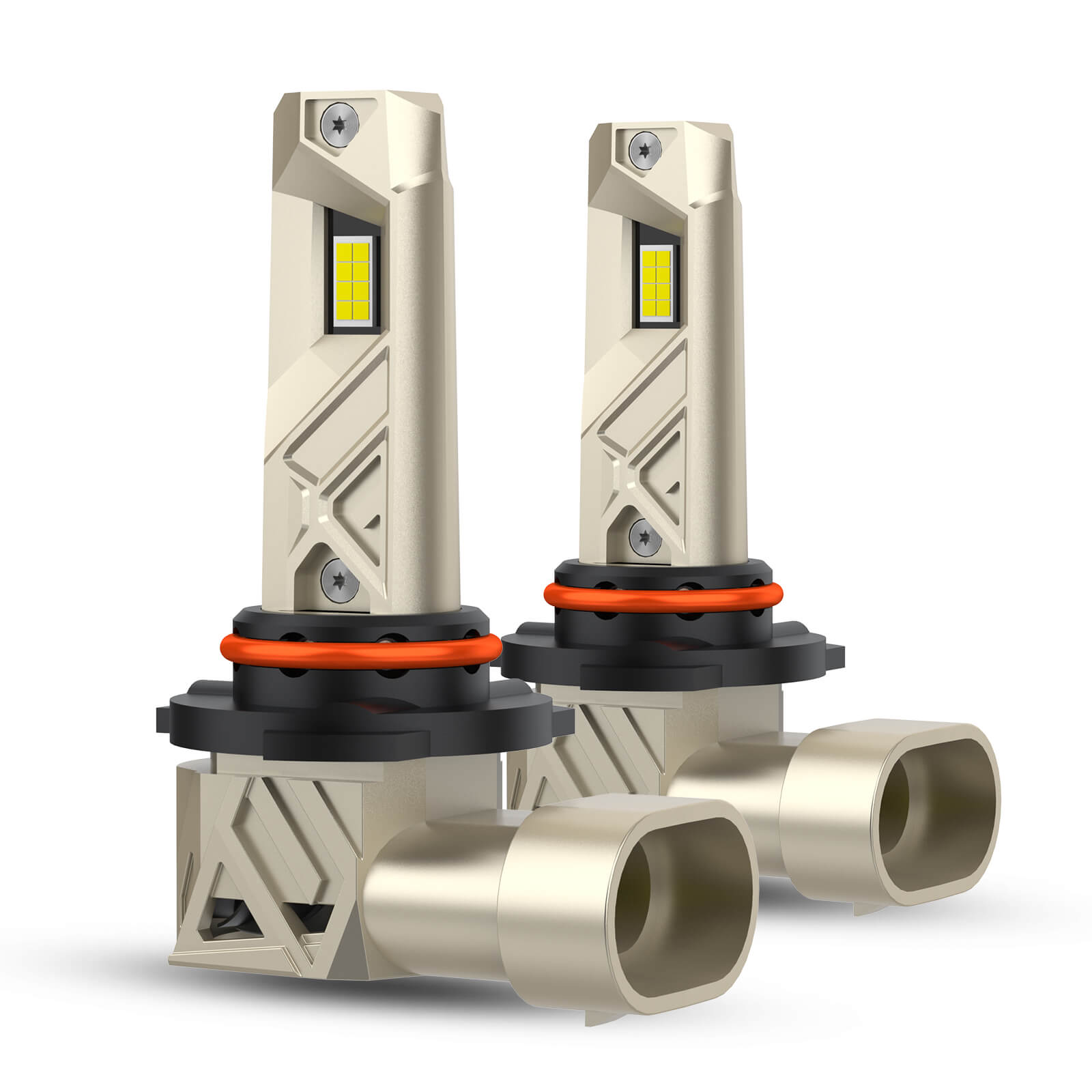


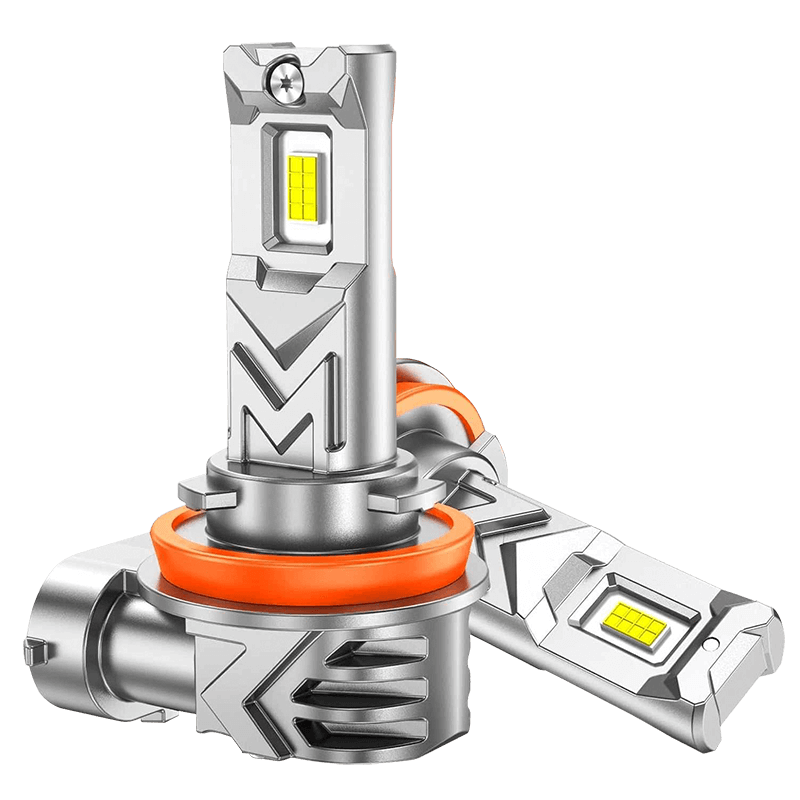
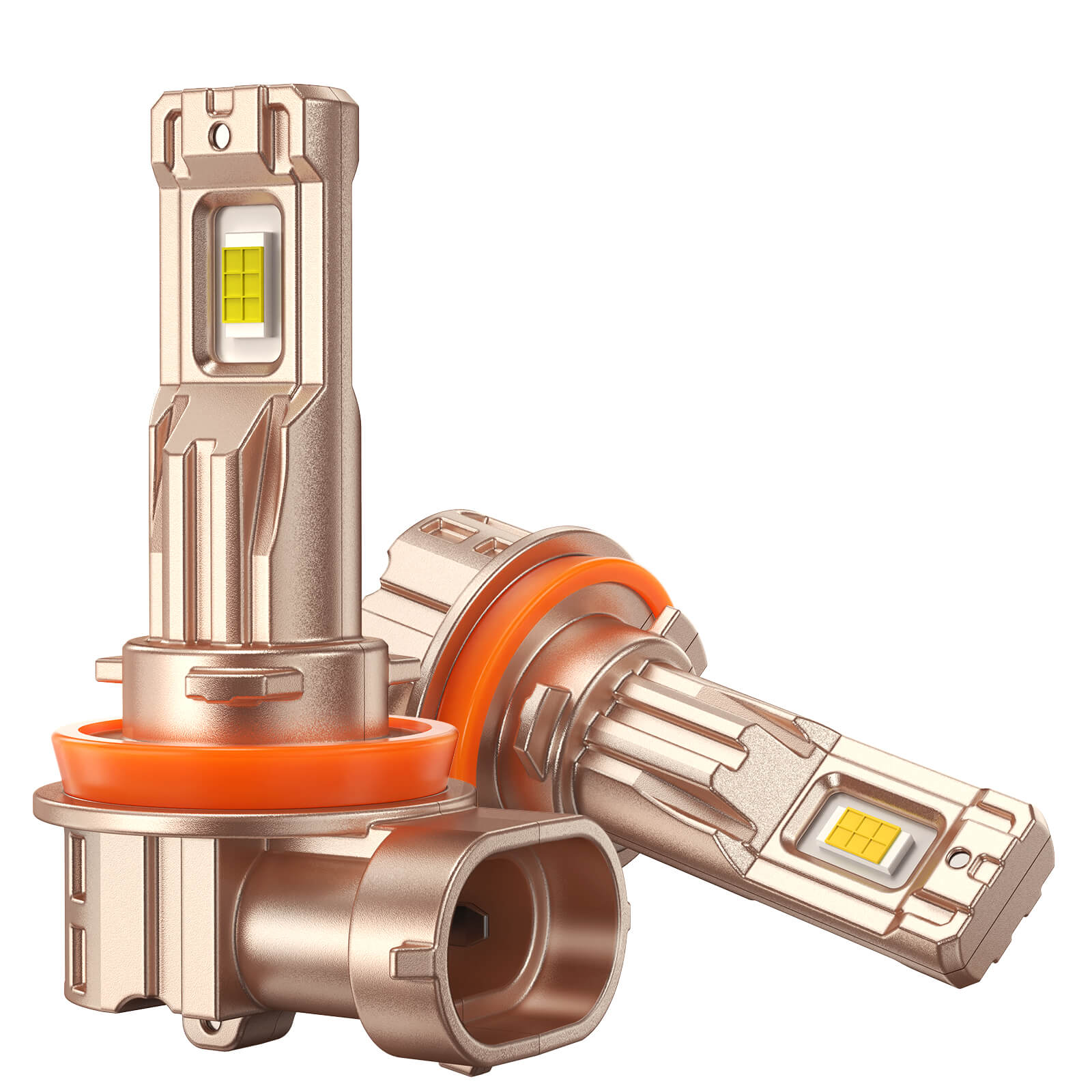


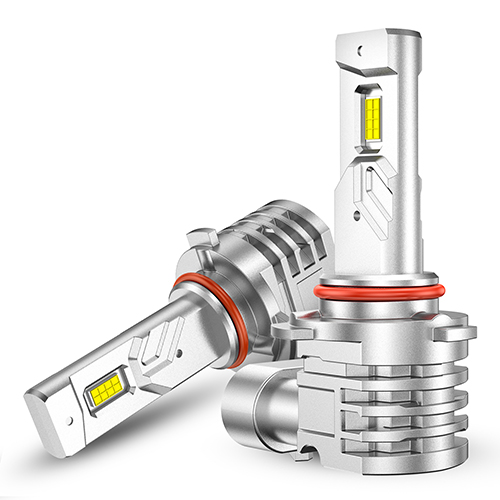
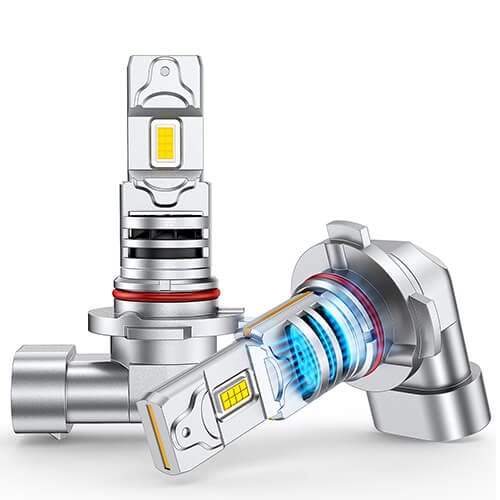



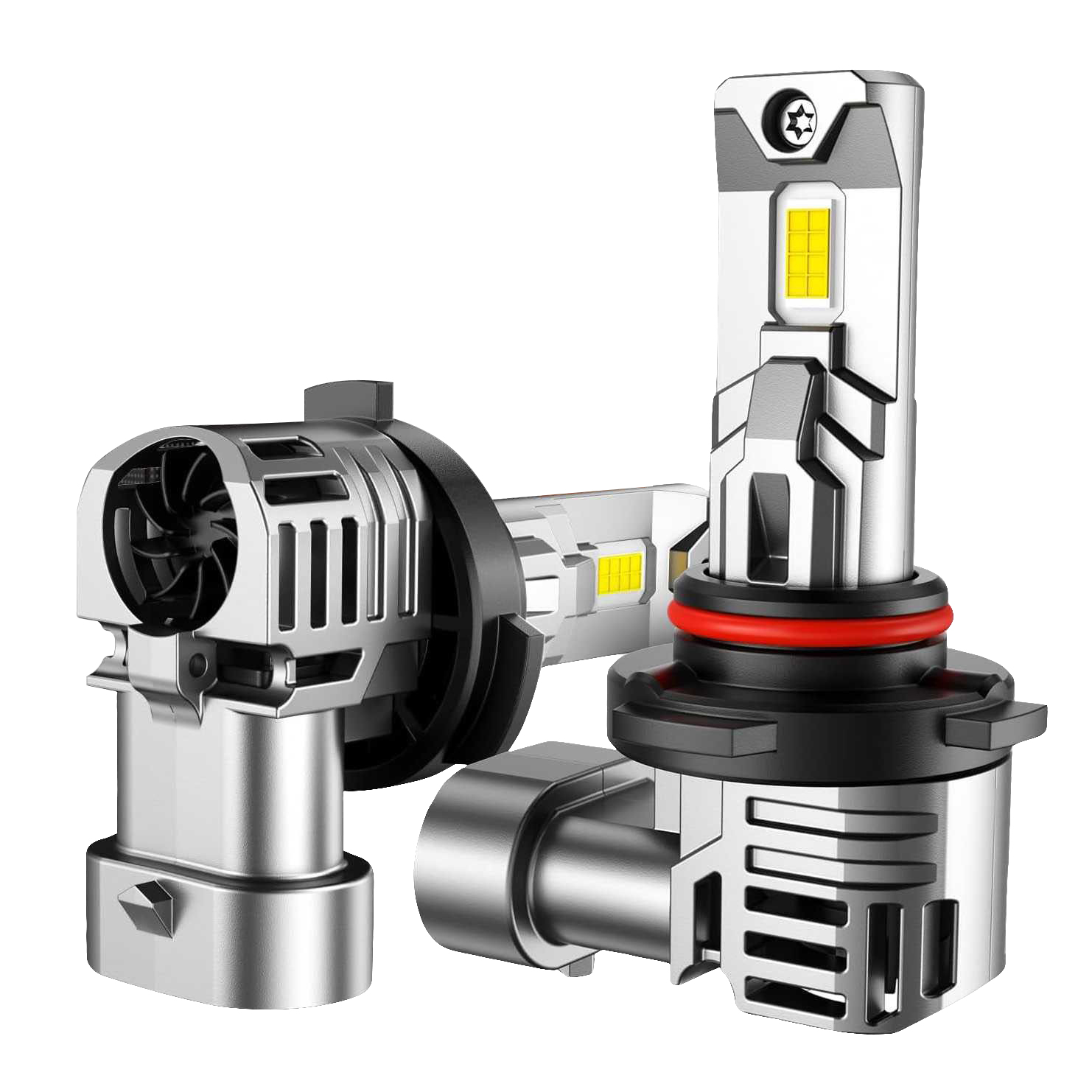


Choosing the right fog light bulbs is a critical decision for drivers looking to enhance safety during low-visibility conditions such as thick fog, heavy rain, or snow. The good news is that once you understand what fog lights are supposed to do, choosing the best fog light bulbs becomes a practical, step-by-step decision.
What Fog Lights Are Actually For
Before choosing a bulb, it helps to understand the purpose of fog lights.
Fog lights aren’t meant to shoot light far down the road like headlights. Their job is to light the road surface and lane edges close to your vehicle, underneath the fog layer, so you can maintain position and avoid hazards.
Here’s the key concept:
- In fog, snow, heavy rain, and dust, light reflects back off particles in the air (this is often called backscatter).
- The more intense and poorly controlled the beam is, the more glare you create for yourself.
If you want a clear, practical breakdown of when headlight and fog light should be used, and why high beams are a bad idea in fog, read this guide on fog lights vs. headlights and when to use each.
White vs Yellow Fog Lights: Choose The Color You Want
A major question people ask is: what lights for fog actually work best? The answer usually comes down to color temperature (Kelvin rating).
Yellow / selective yellow / warm white (about 3000K–4300K) is usually the better choice for frequent fog, rain, or snow. Yellow-tinted light reduces glare and backscatter (that veiling haze that seems to reflect straight back at you). In real driving, that often translates to better contrast on wet pavement, clearer lane markings, and less eye fatigue.
White (about 5000K–6000K) is popular because it looks crisp and modern, and it pairs nicely with many LED headlight upgrades. The tradeoff is that in heavier fog or precipitation, cooler white light can feel less contrast compared to yellow.
How to choose quickly:
If you often drive in fog, heavy rain, or snow, go with 3000K yellow (or 4300K neutral white if you want a less-yellow, still weather-friendly option).
If your goal is mainly to refresh the look of the vehicle, match your lighting color, and pair with white headlights, then 5000K–6000K white fog lights can be a clean, modern choice.
A deeper explanation of how fog scattering works (including why shorter wavelengths can feel harsher) is worth reading in this yellow vs. white fog light color guide.
Choosing Between Halogen, HID, and LED for Fog Lights
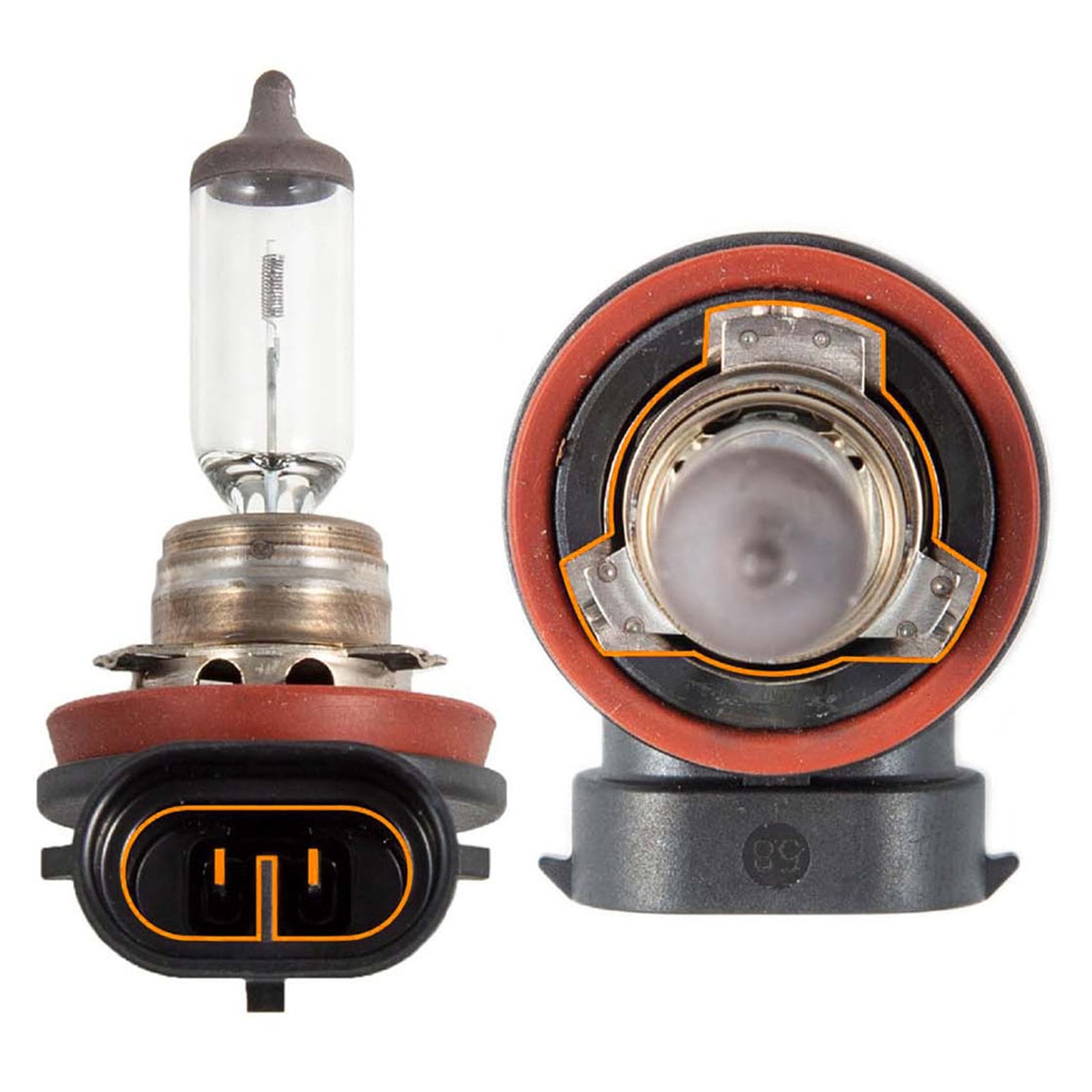
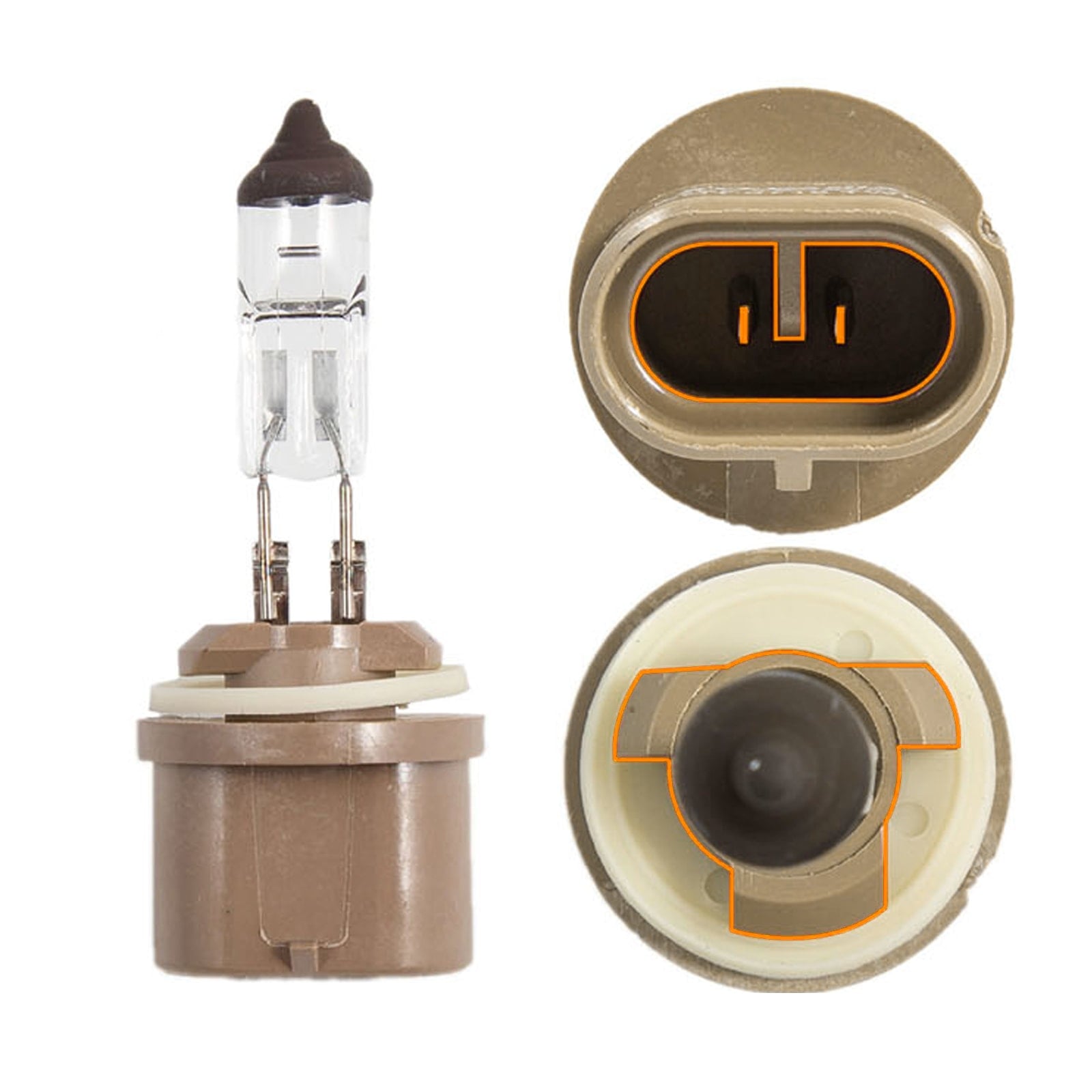
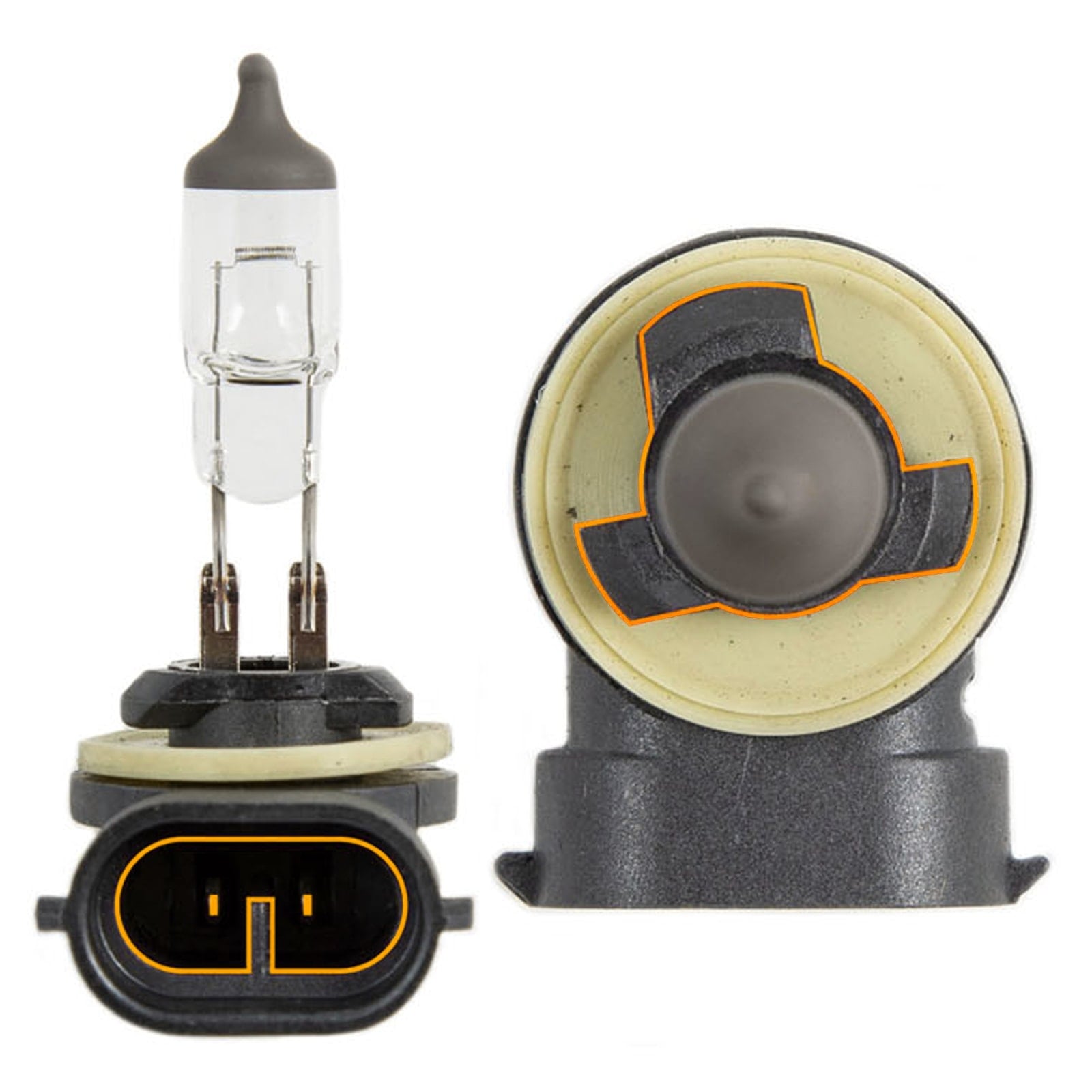
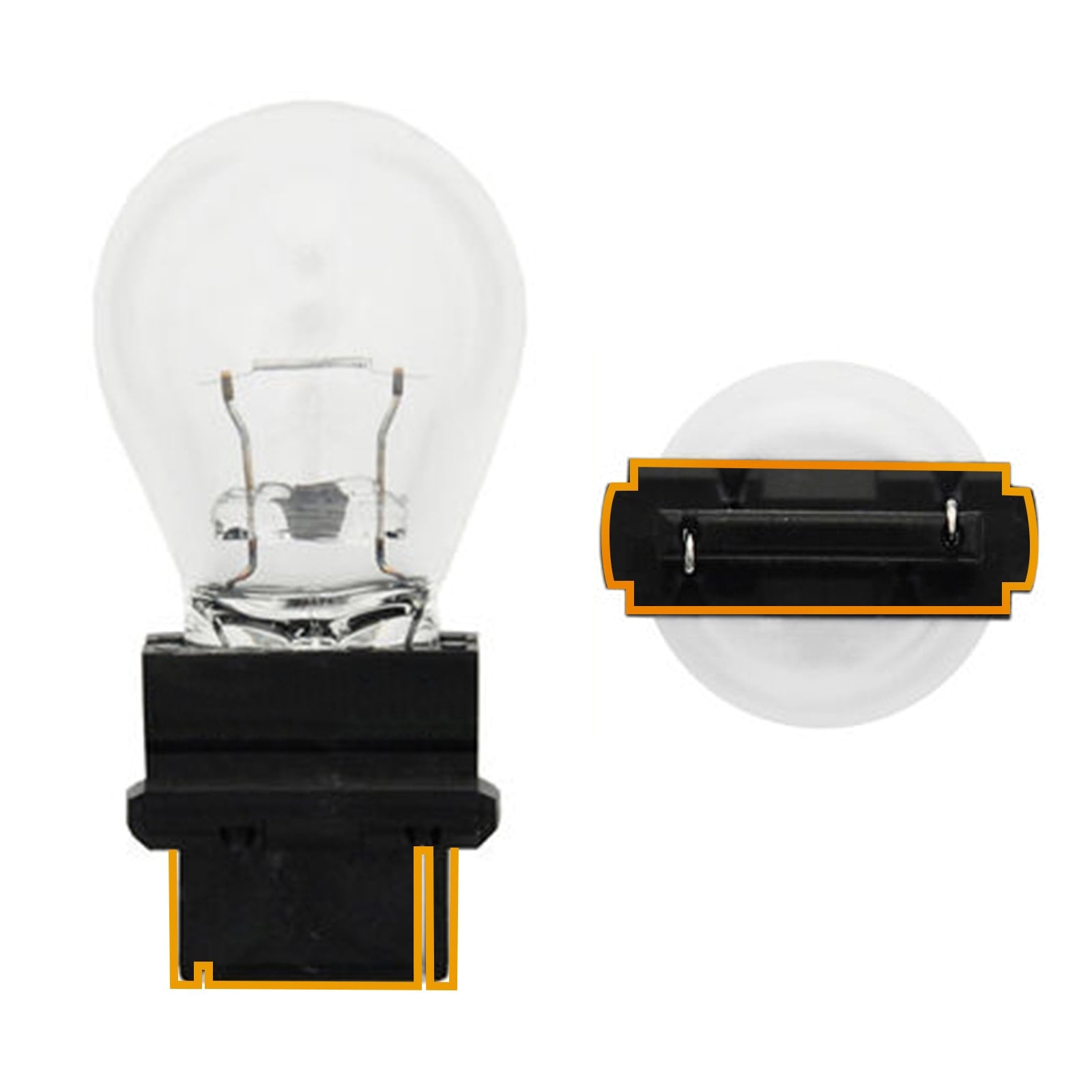
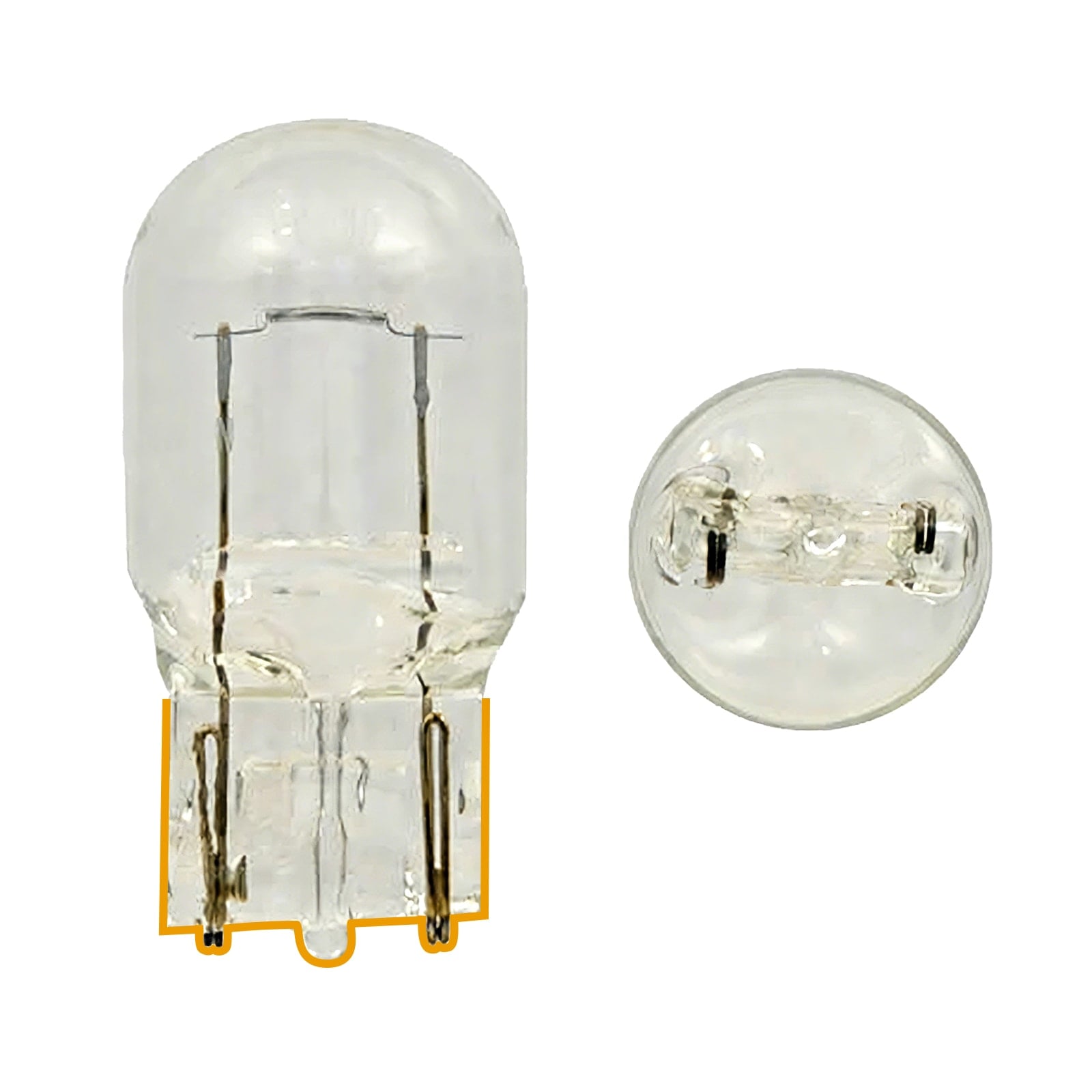
Before diving into bulb types, there's one thing to sort out first: knowing your bulb size and shape. If you're not sure what you have, this guide walks you through how to find out. Once you've got that covered, here's how LED, halogen, and HID options compare.
LED Fog Light Bulbs
LED bulbs are the top choice for most drivers in 2026. They're plug-and-play replacements for your factory fog lights, draw less power, and last significantly longer than halogen. Brightness is excellent — and since most LEDs come in either 6000K cool white or 3000K golden yellow, you'll want to match that color temperature as closely as possible to your headlights for the best nighttime visibility.
Halogen Fog Light Bulbs
Halogens are cheap, widely available, and easy to replace. They get the job done for occasional use, but they fall short on brightness and lifespan compared to LED and HID alternatives. A solid choice if you just need a quick, low-cost fix.
HID Fog Light Bulbs (usually not recommended)
HID bulbs produce a wide, intense beam that's noticeably brighter than stock halogen fog lights. They also come in a broader range of color temperatures, making it easier to match your existing headlight setup. The one watch-out: HIDs run hotter than LEDs, which can occasionally cause heat damage to the fog light housing.
What Makes the Best LED Fog Light Bulbs?
Once you’ve decided to go with LEDs, the next step is knowing what actually matters in real-world performance.
Lumen Output: For fog lights, 3,000–4,000 lumens per bulb is the sweet spot. Too dim and you lose visibility; too bright and the light bounces back off fog and rain, creating glare that works against you. Fog lights are designed to illuminate the road close and low, not flood the distance like headlights.
Beam Pattern: A sharp cut-off line keeps light projected in a wide, flat plane across the road surface — not scattered upward into oncoming traffic. Look for bulbs specifically engineered for fog light housings, not generic LED chips that weren't designed with beam optics in mind.
Heat Dissipation and Build Quality: A bulb that runs cool lasts longer. Look for aluminum housings, copper heat pipes, or an integrated cooling fan. An IP67 or IP68 waterproofing rating is also worth checking — it confirms the bulb can handle moisture and temperature swings without failing early.
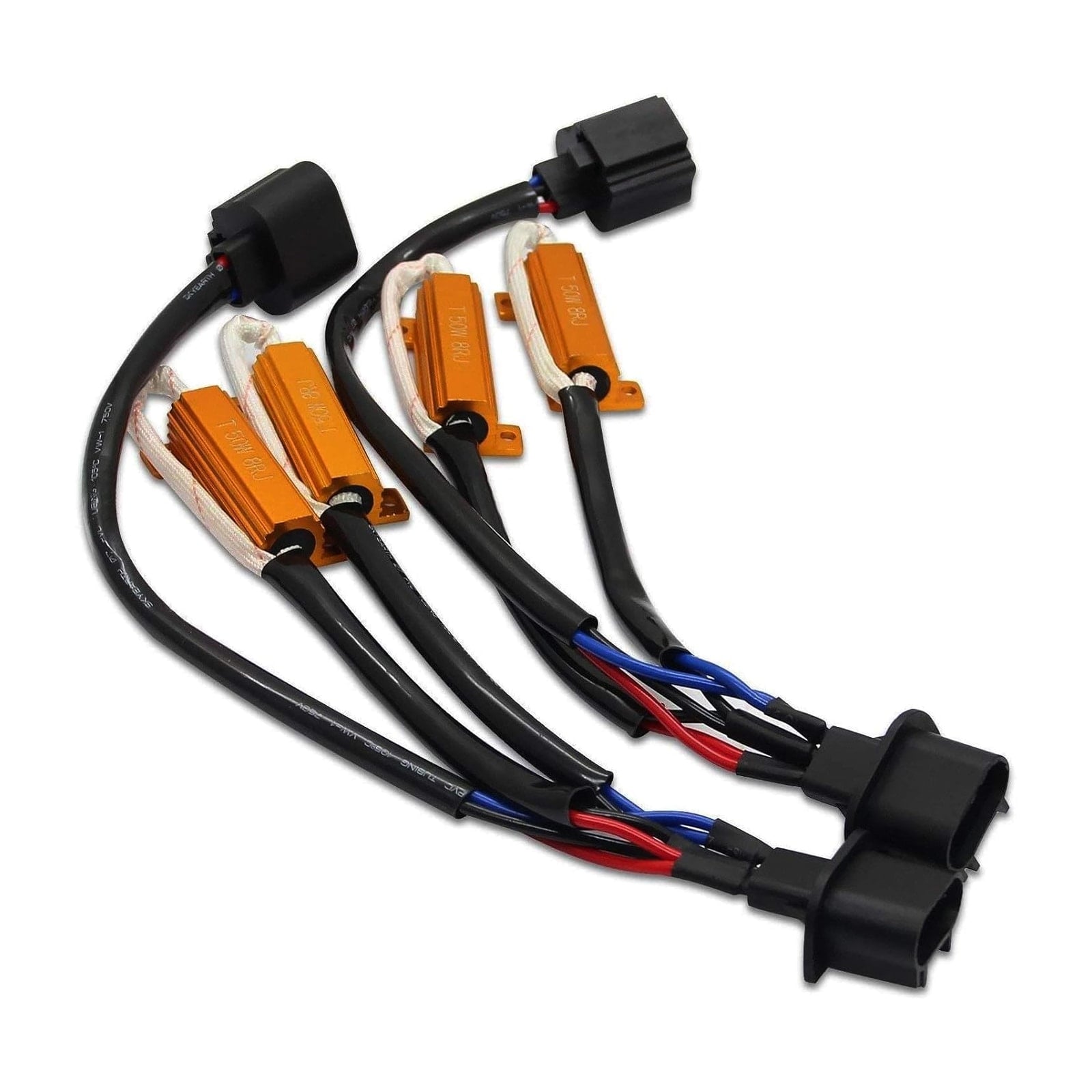
Easy Installation and CANbus Compatibility: Plug-and-play fitment means no splicing, no adapters, and no dashboard error codes. Modern vehicles may require bulbs with built-in decoders to prevent "bulb out" error codes or flickering on the dashboard.
Warranty: As for warranty, a brand worth trusting should make returns painless. SEALIGHT backs every purchase with 90-day free returns and free shipping.
Best Fog Light Bulbs Recommendations
Here are some popular SEALIGHT LED fog light options.
SEALIGHT® XF3 H11/H16/H8/H9 LED Fog Light Bulbs 6500K White 60W 12000LM IP68 2PCS
The XF3 series delivers strong output with efficient heat dissipation. It’s a high-performance option designed for drivers who want maximum brightness and a premium build.
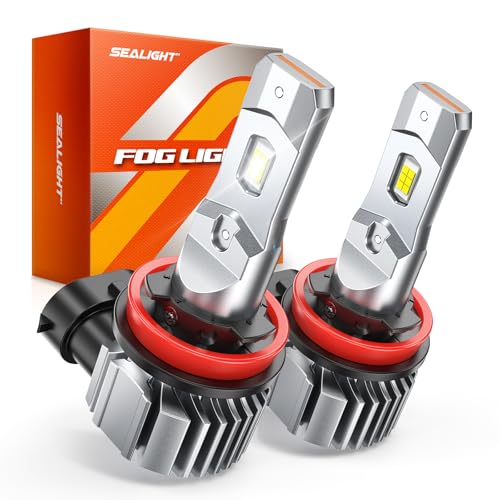
SEALIGHT® F1 H11/H16/H8/H9 LED Fog Light Bulbs 6000K White 20W 6000LM IP67 2PCS
A balanced, budget-friendly upgrade for daily driving. The F1 series provides a noticeable improvement over halogen bulbs without excessive brightness that could cause glare.

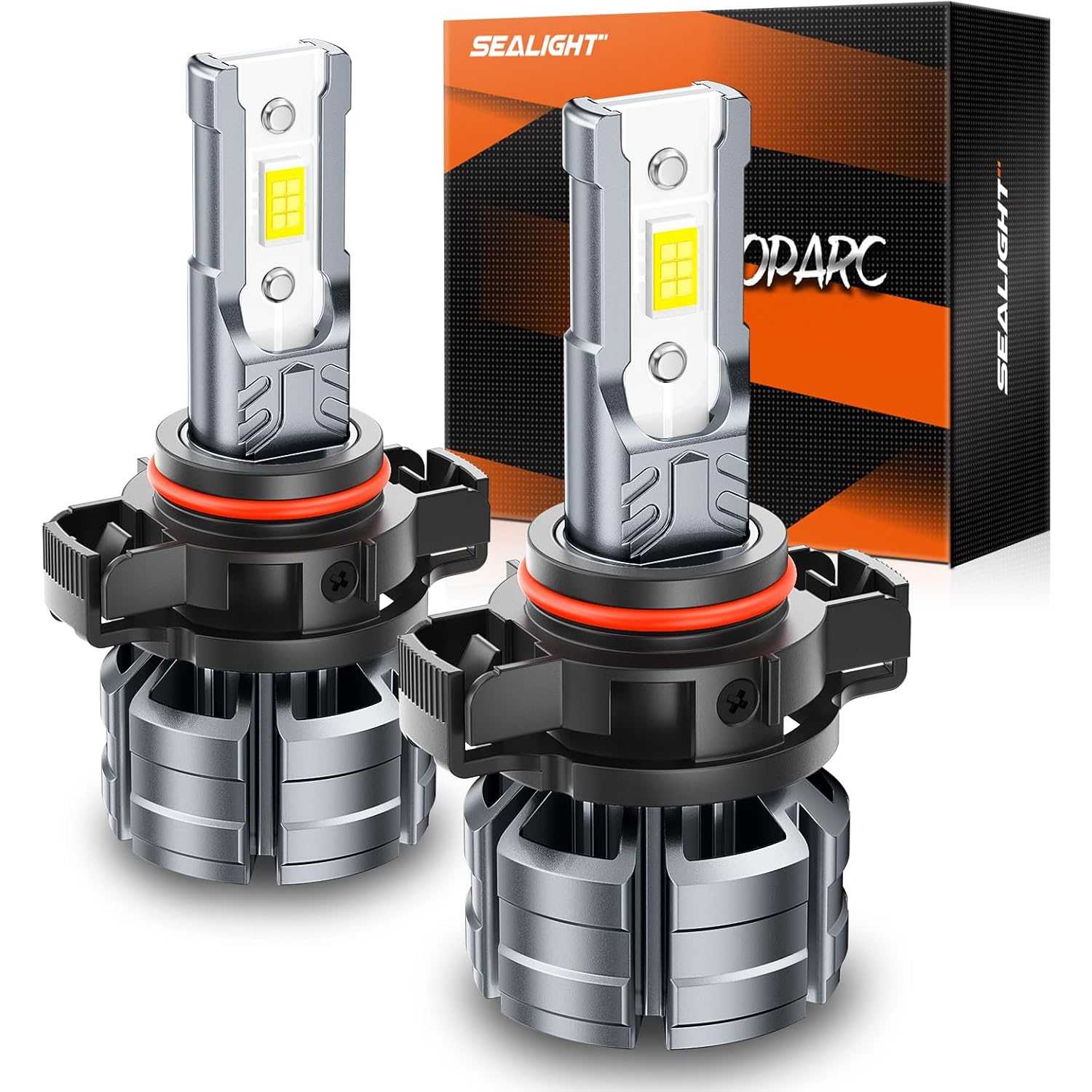
SEALIGHT® S2S 5202/5201 LED Fog Light Bulbs 6500K White 30W 12000LM IP68 2PCS
The S2S series focuses on precise fitment and optimized beam pattern. It offers strong brightness while maintaining a controlled output, helping reduce scatter in poor weather.
Quick Checklist: How to Buy the Best Fog Light Bulbs
Use this before you click “add to cart”:
- Correct bulb size (H11/H8/etc.) verified
- Color temperature chosen for your weather
- Reasonable output
- LED chip placement matches halogen filament position
- Cooling method fits your housing and won’t interfere with dust cover
- CAN bus compatibility considered (if your car needs it)
- You’re prepared to aim the fog lights after installation
Conclusion
Upgrading to high-quality LED fog lights offers a significant return on investment through improved safety, reduced energy consumption, and minimal maintenance. By prioritizing beam precision, thermal efficiency, and proper color temperature, you can ensure your vehicle is equipped for the most challenging driving environments.