
 Headlight Bulbs


 Track Order
 My Vehicles
 Contact Us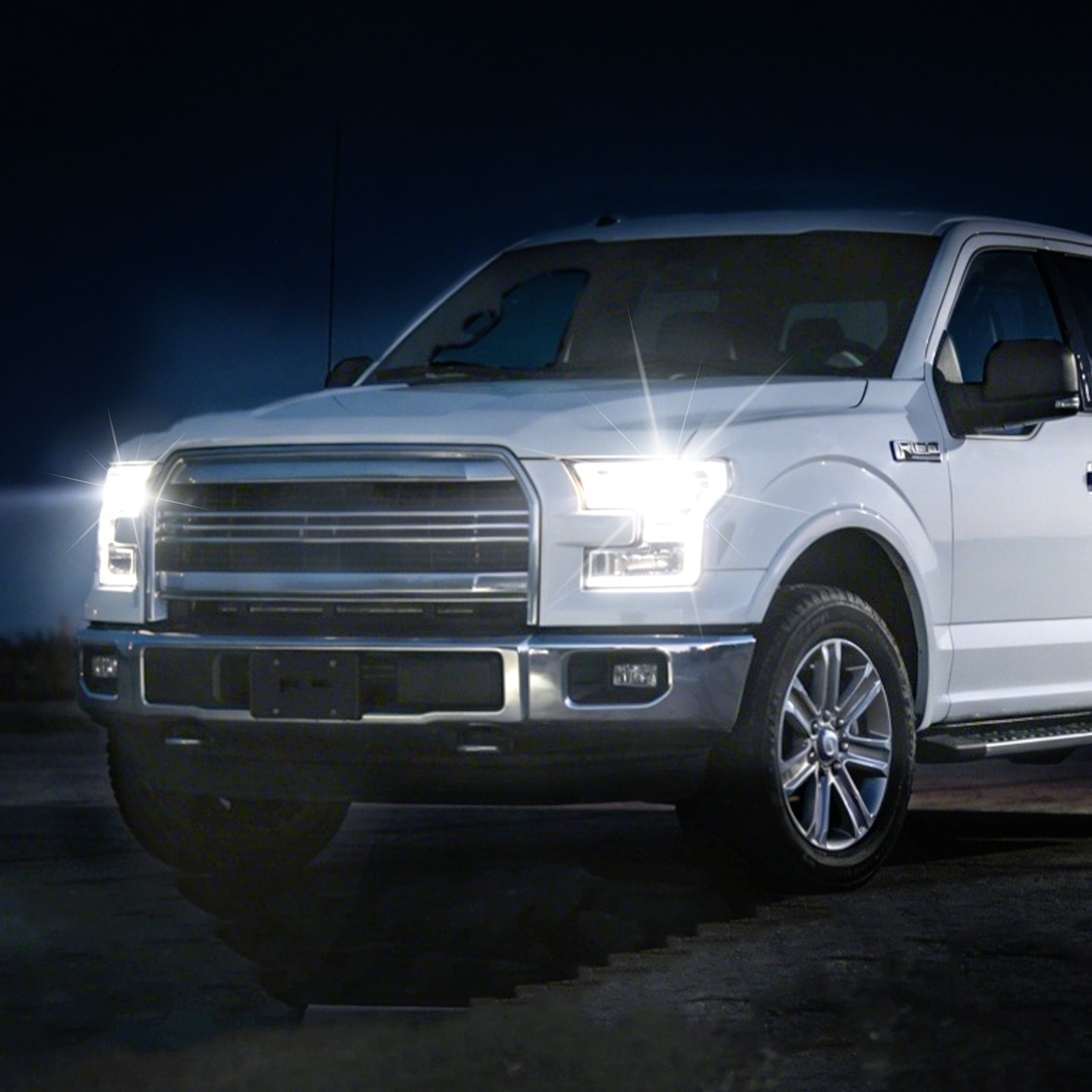
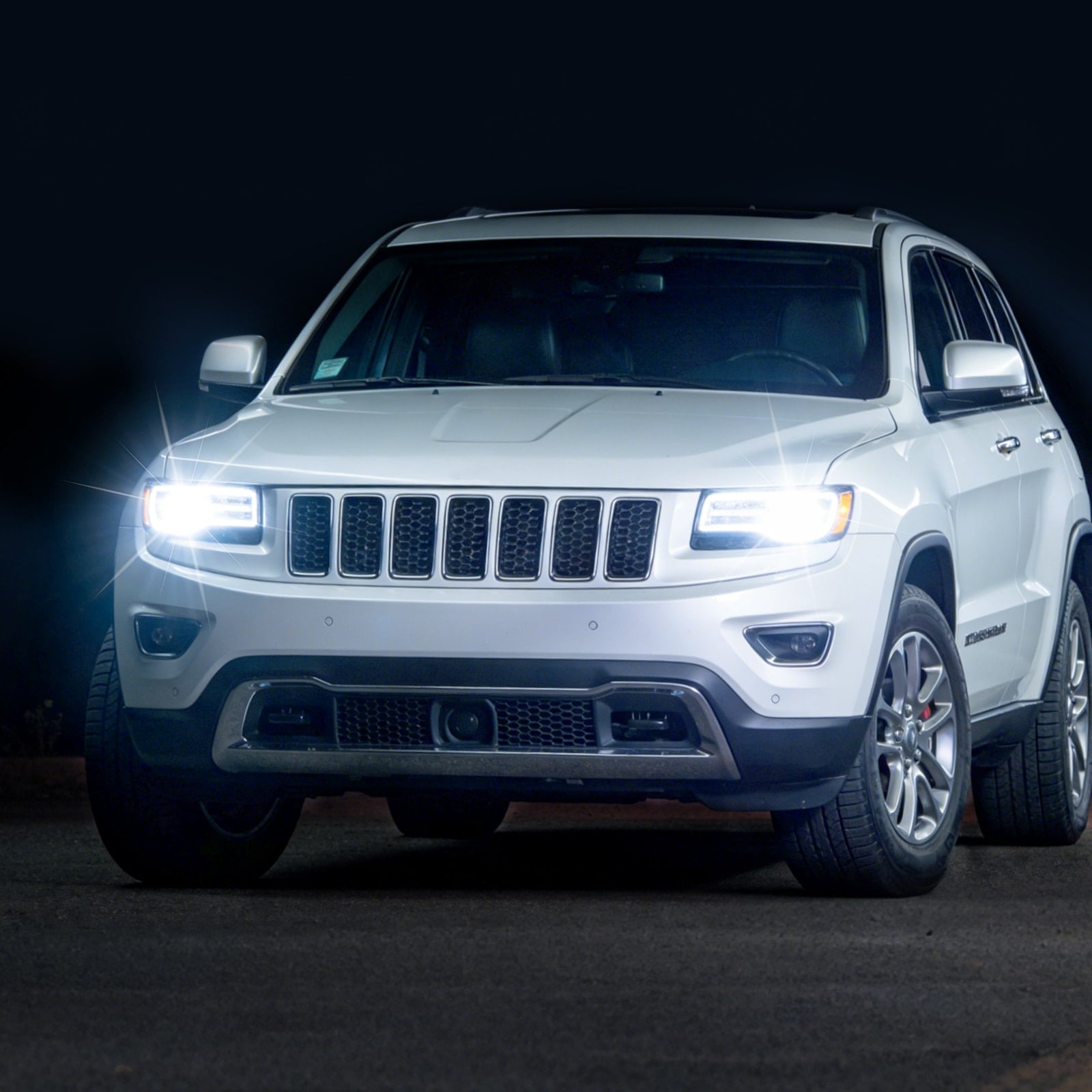
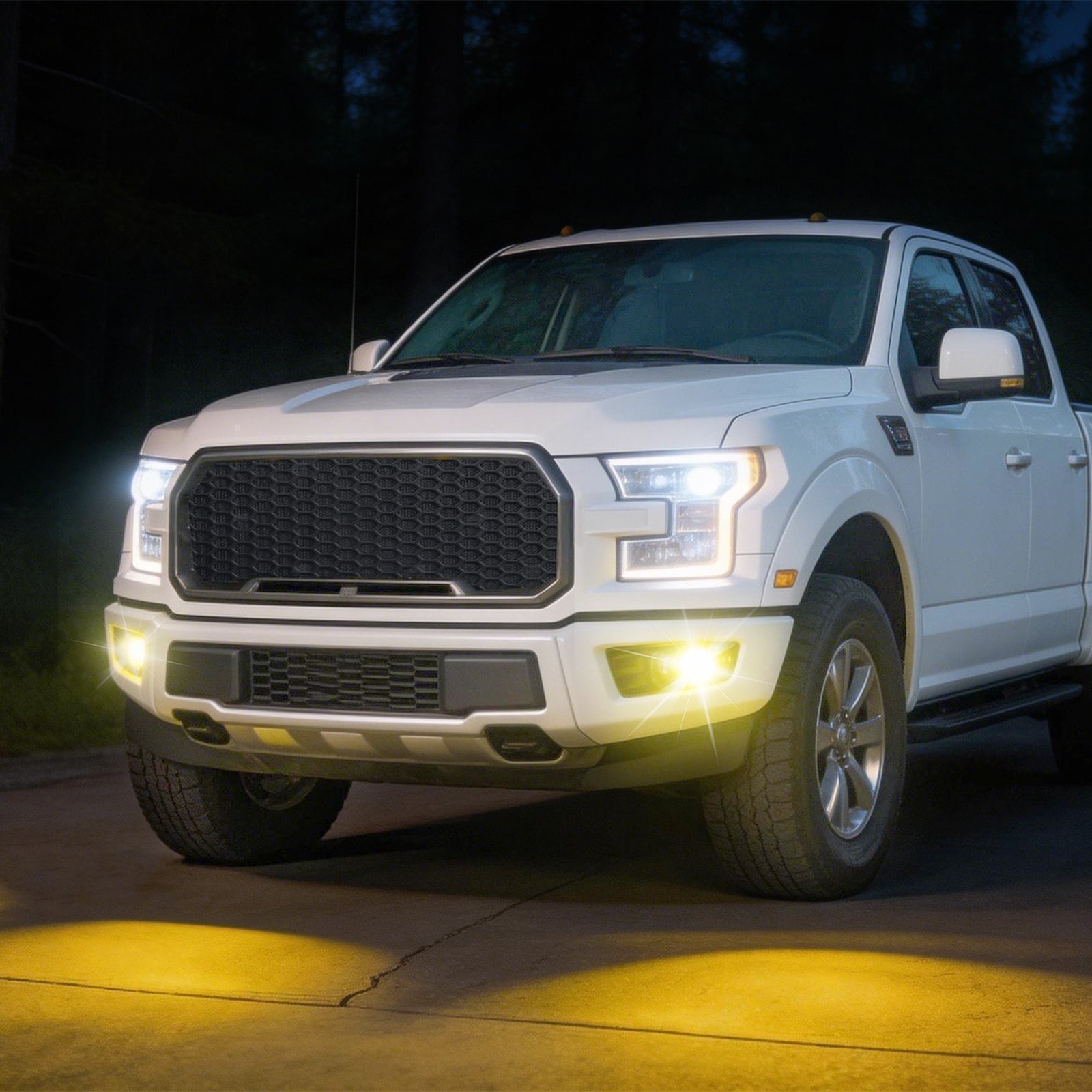
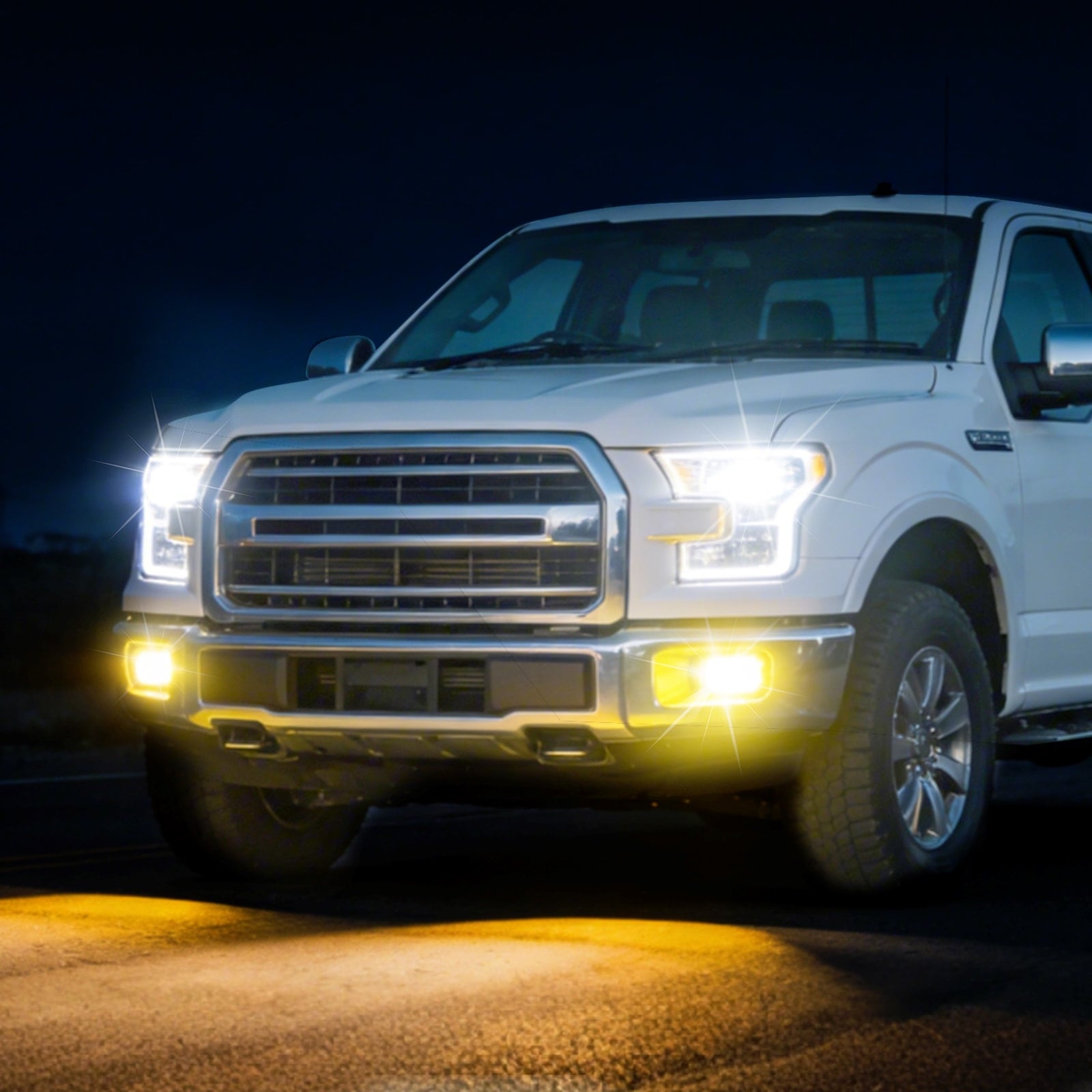
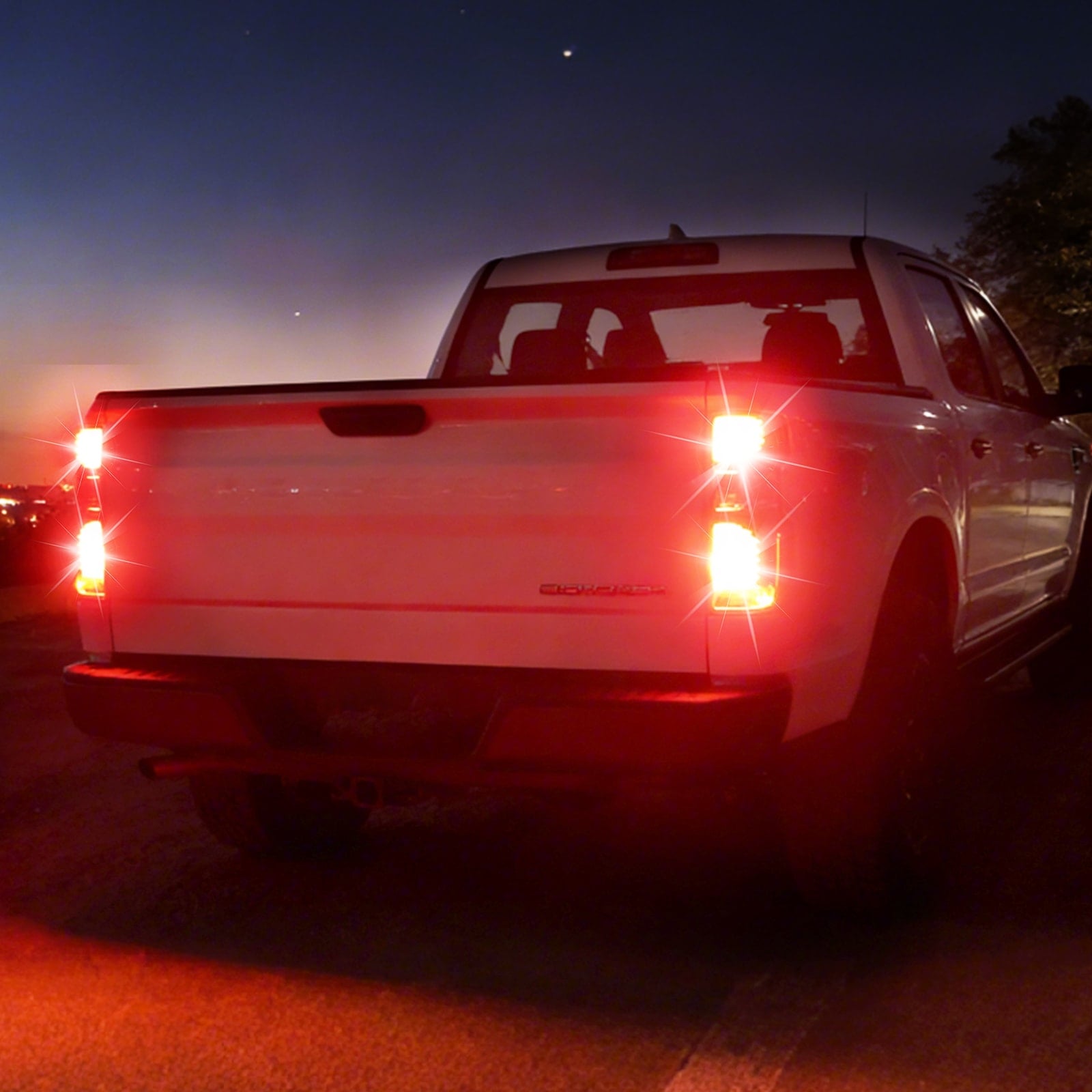
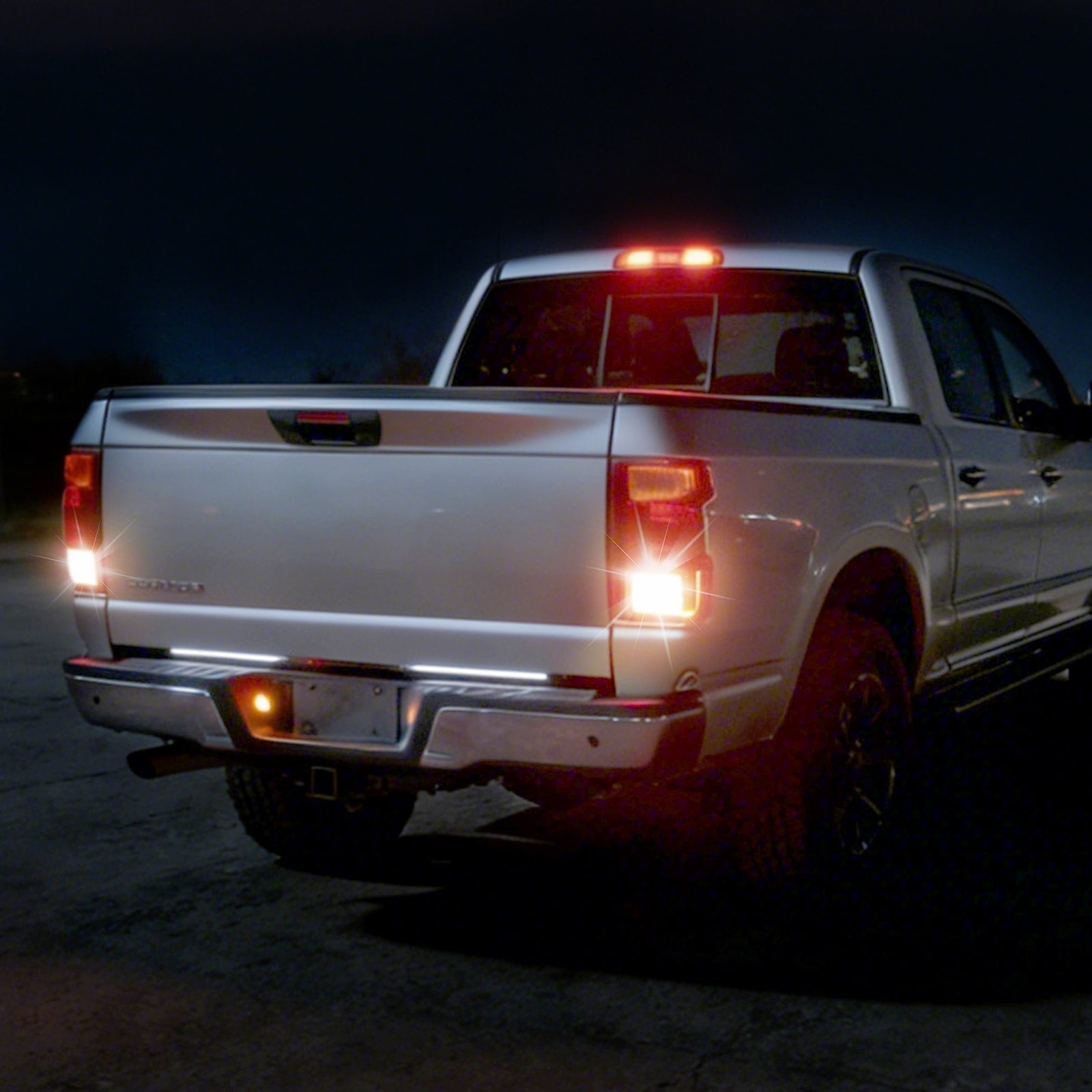
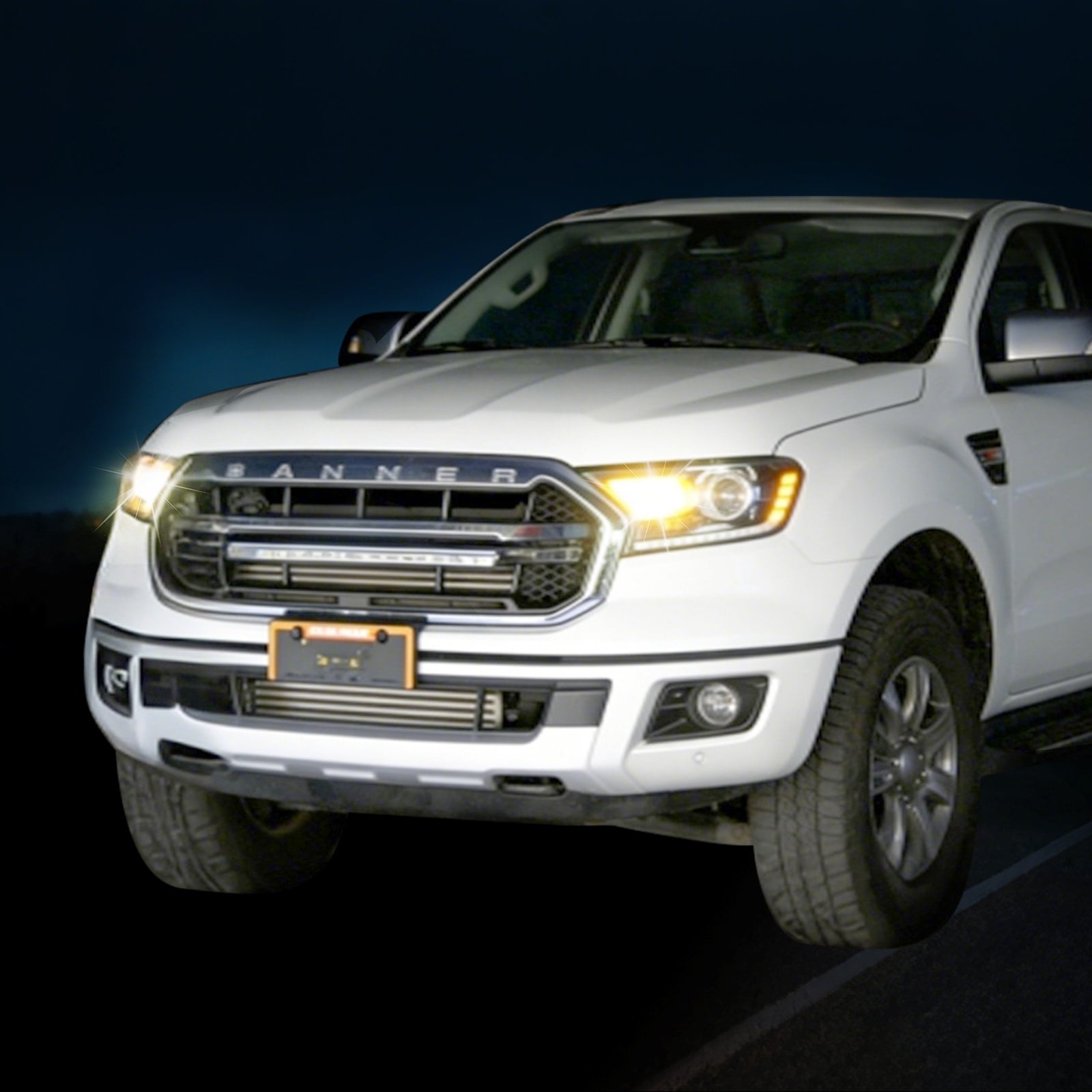
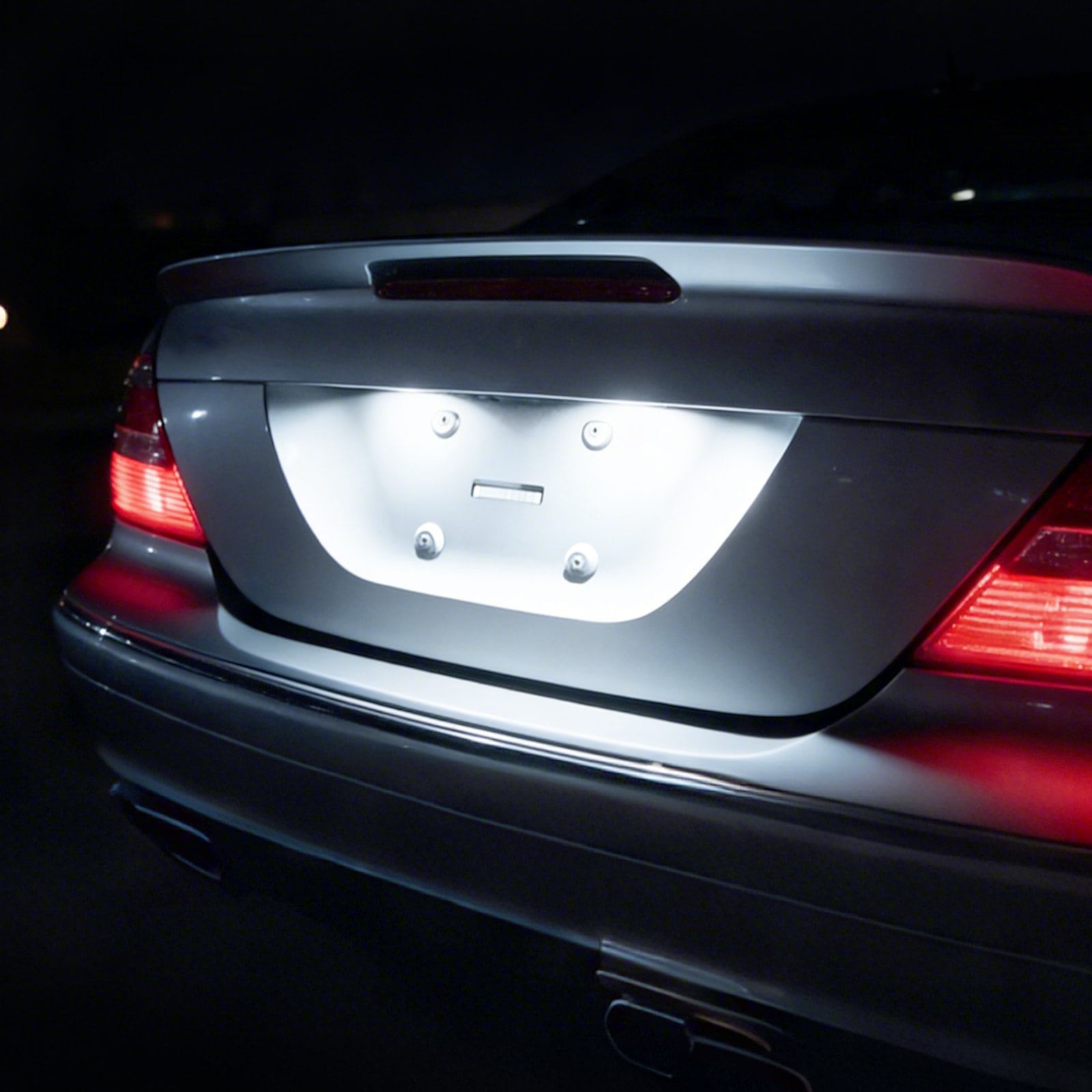
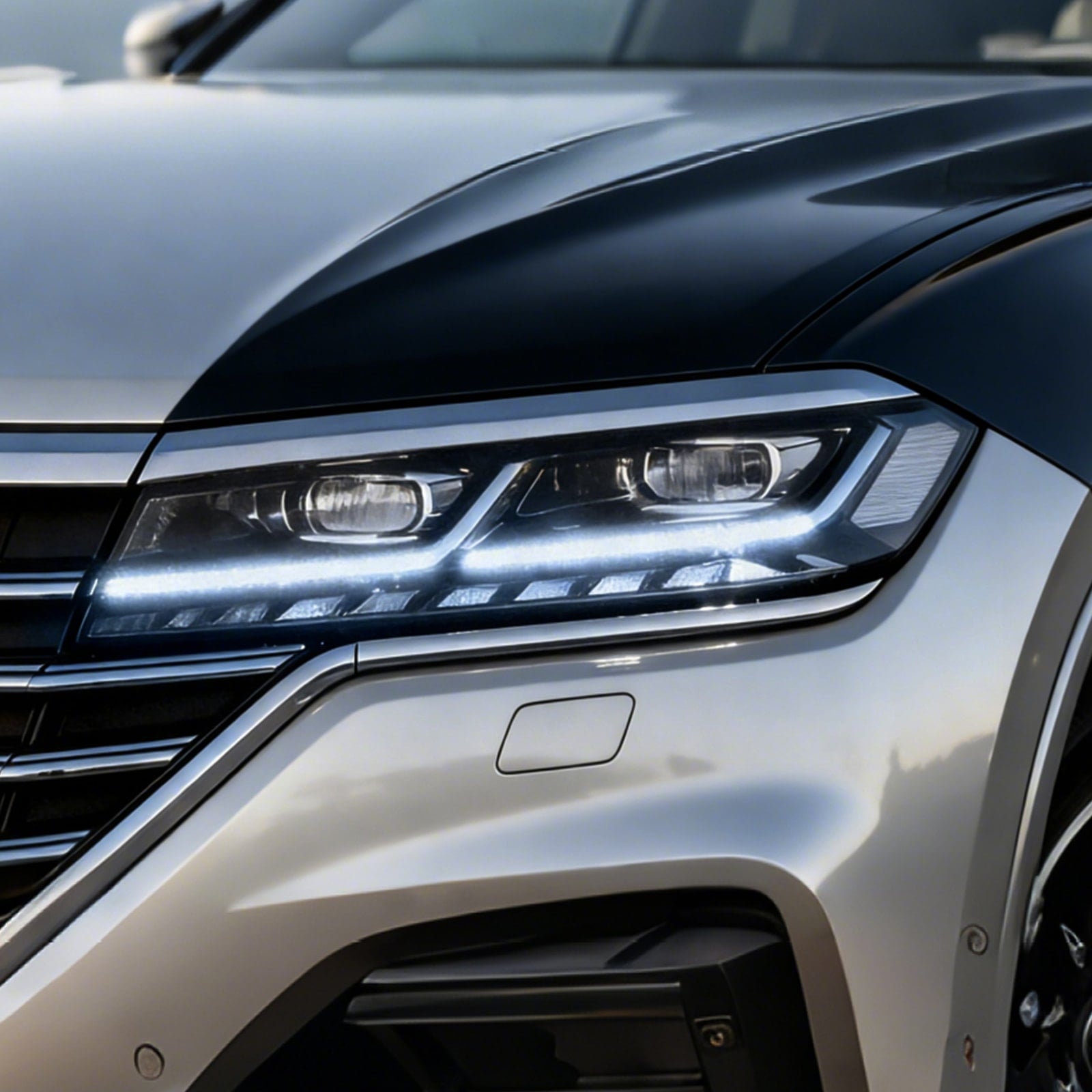
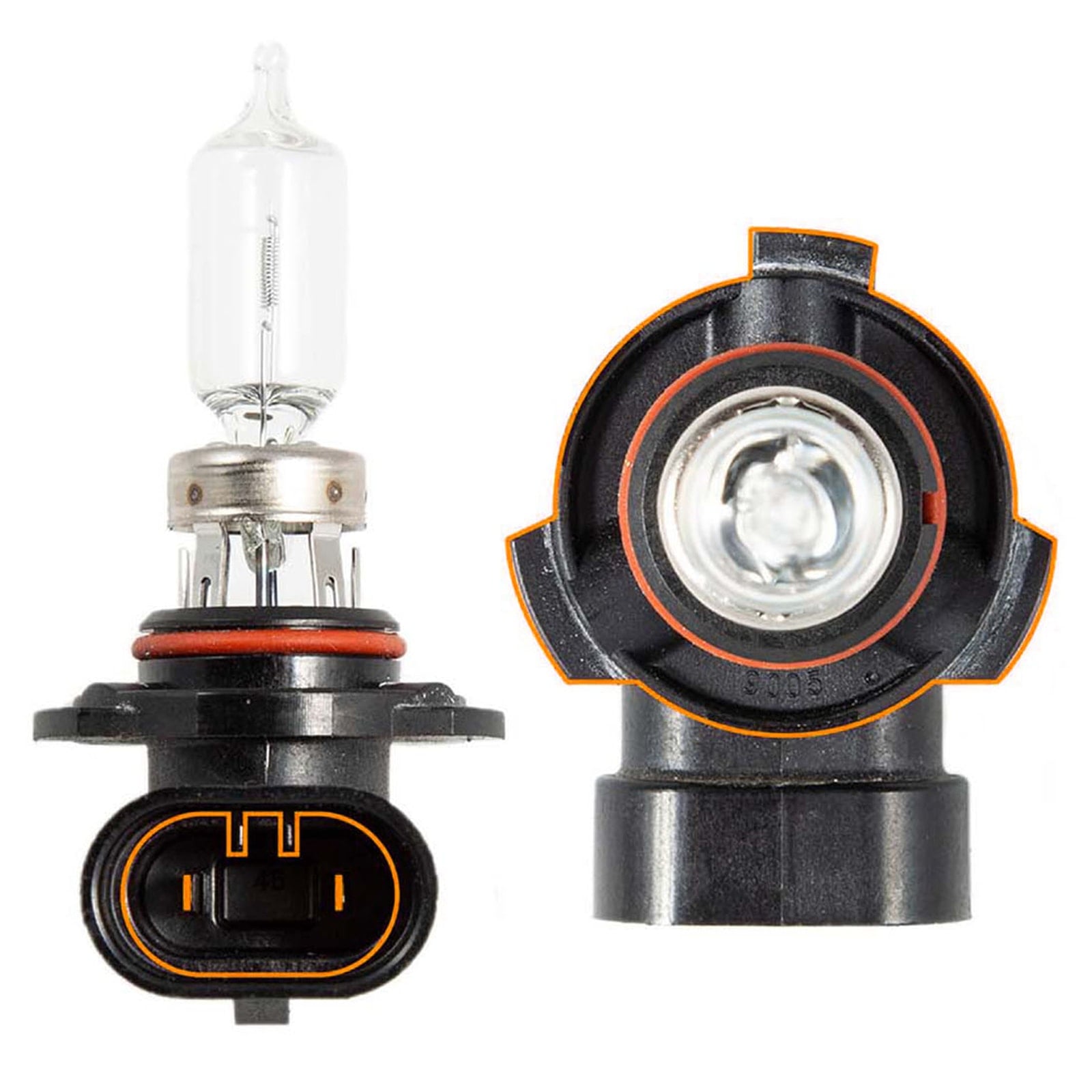
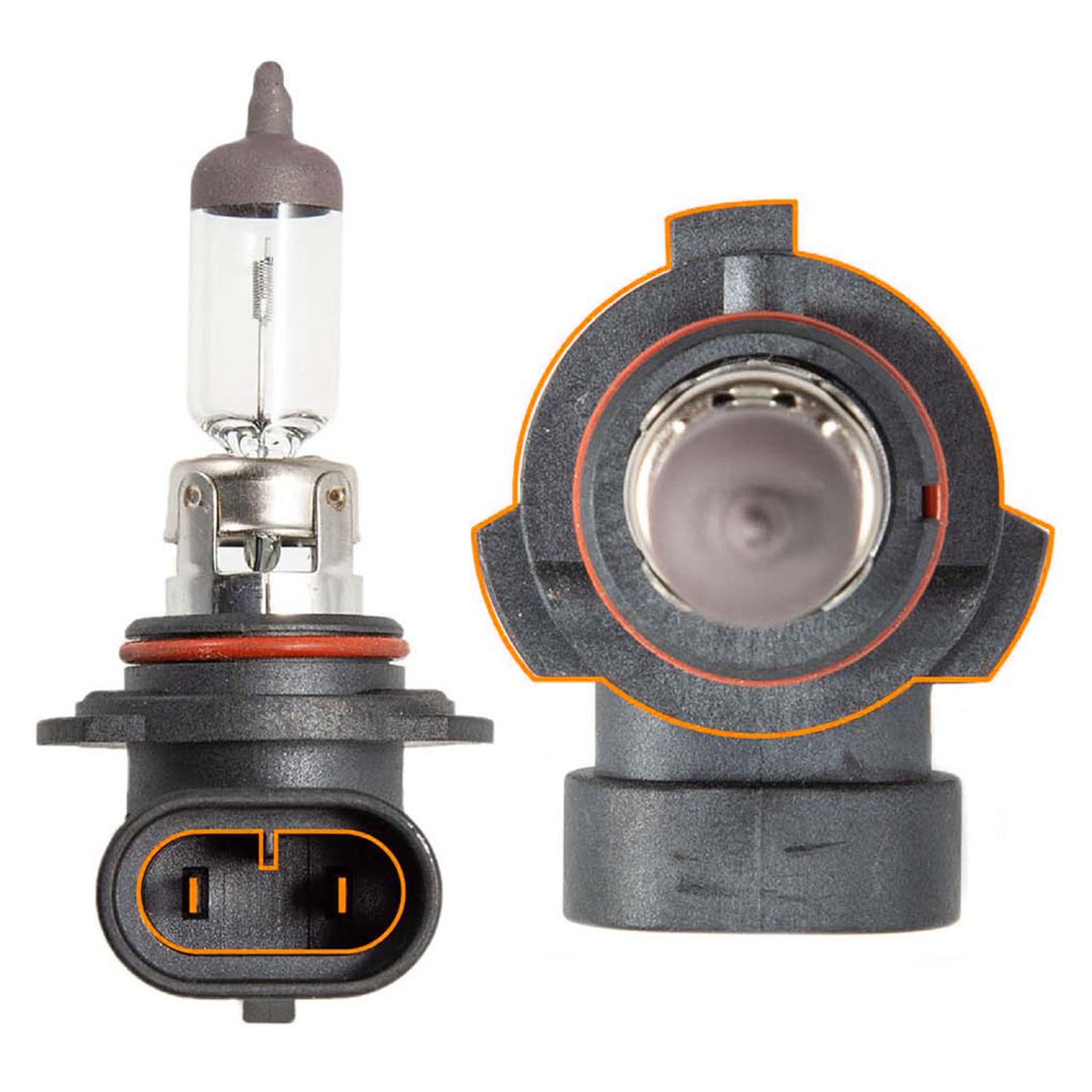
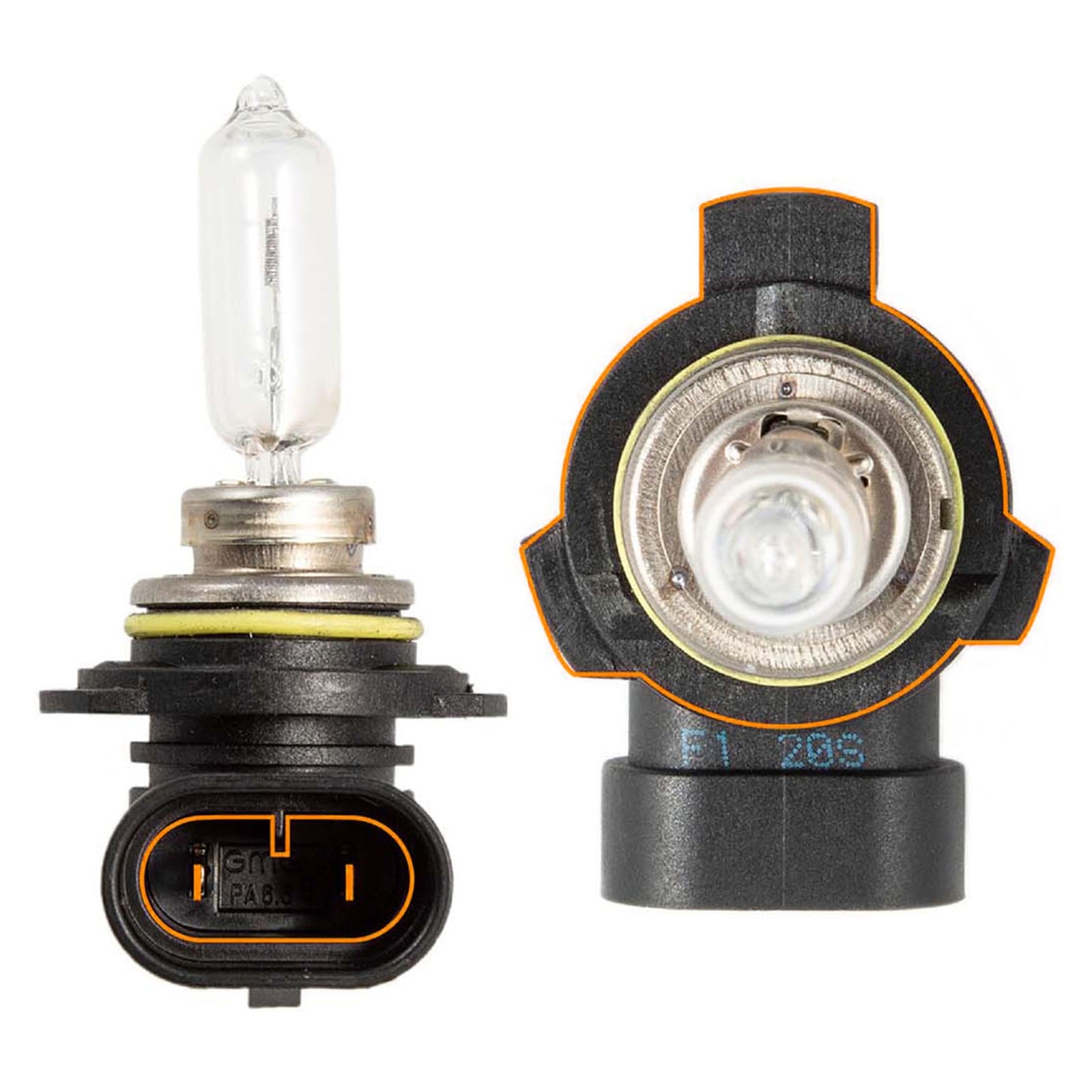
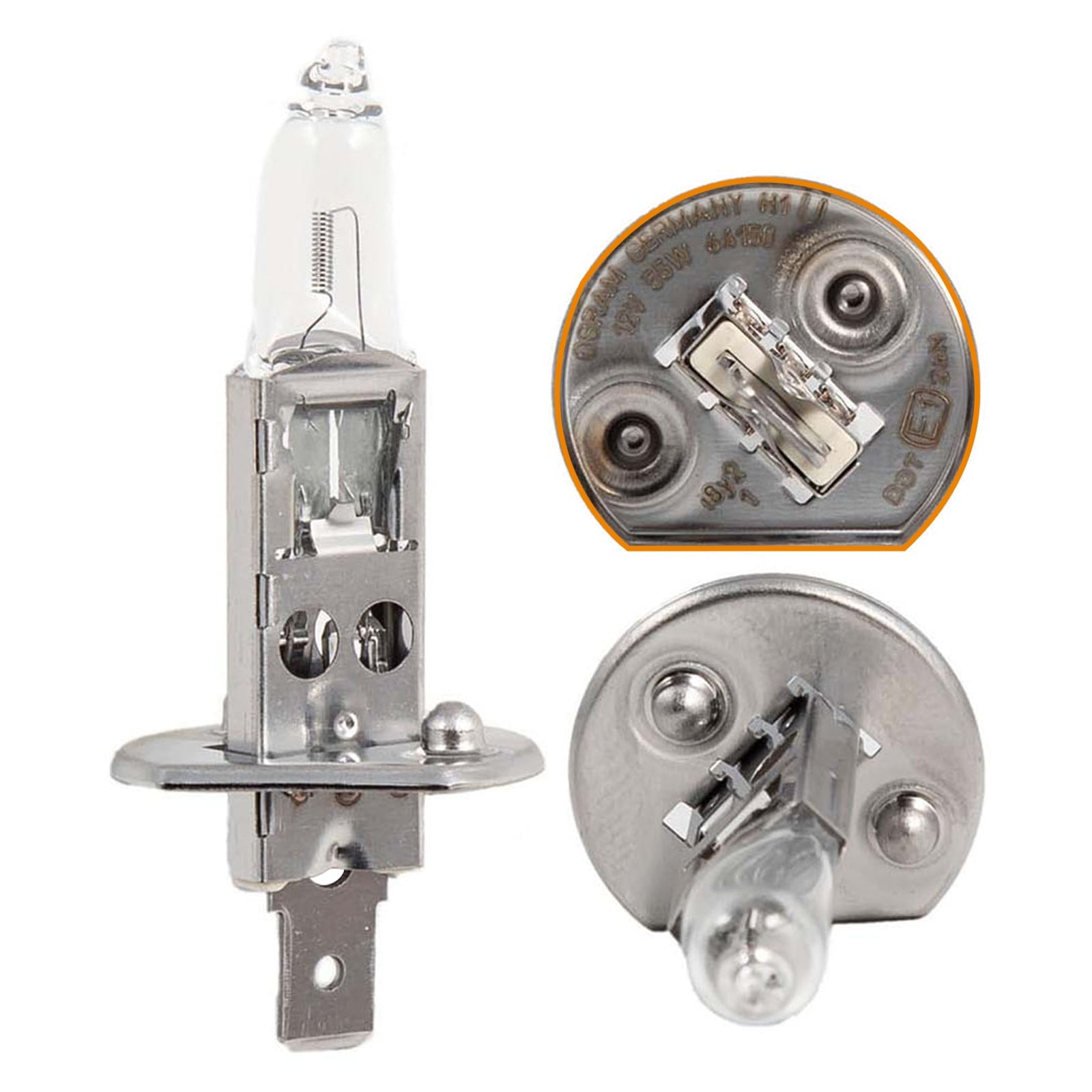

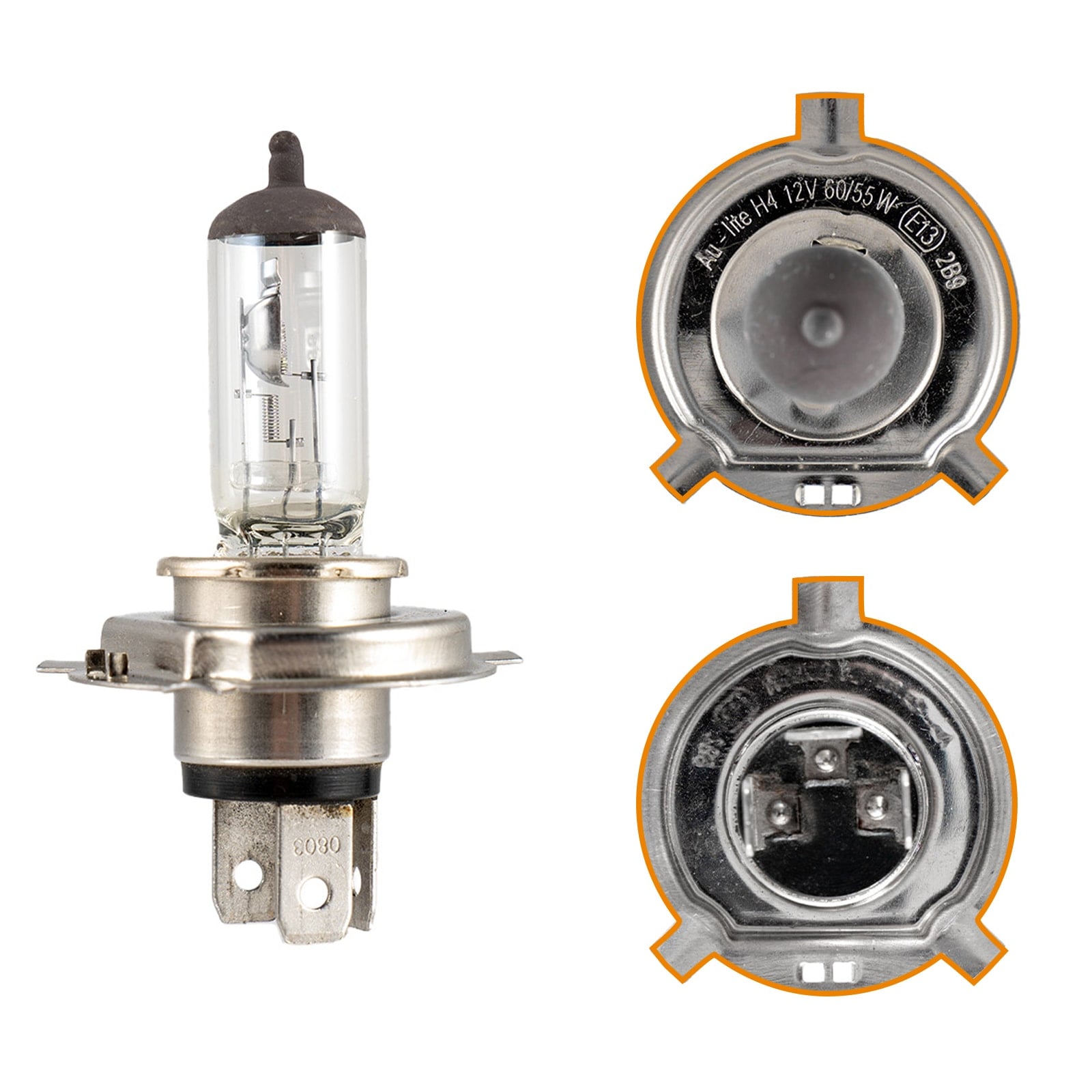
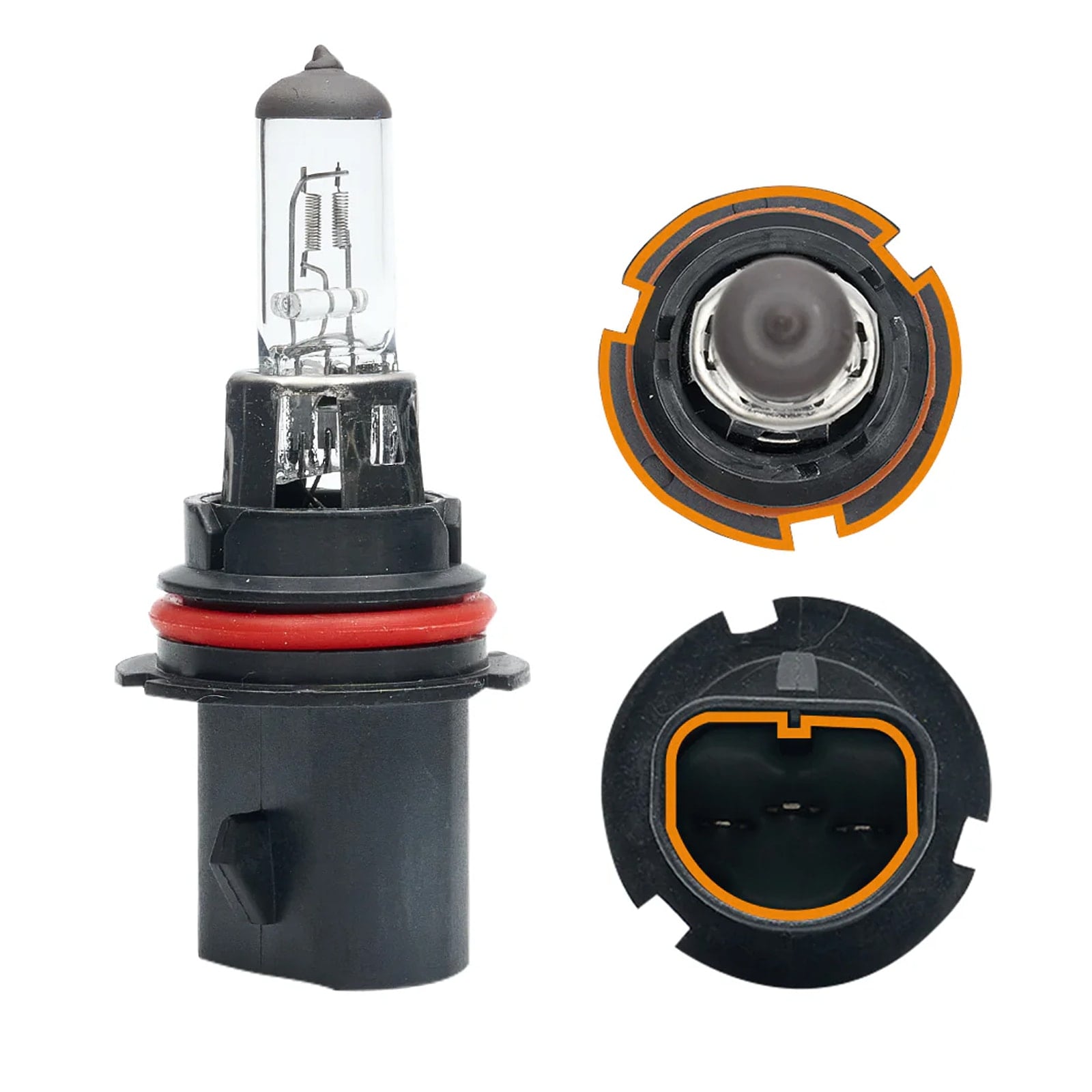
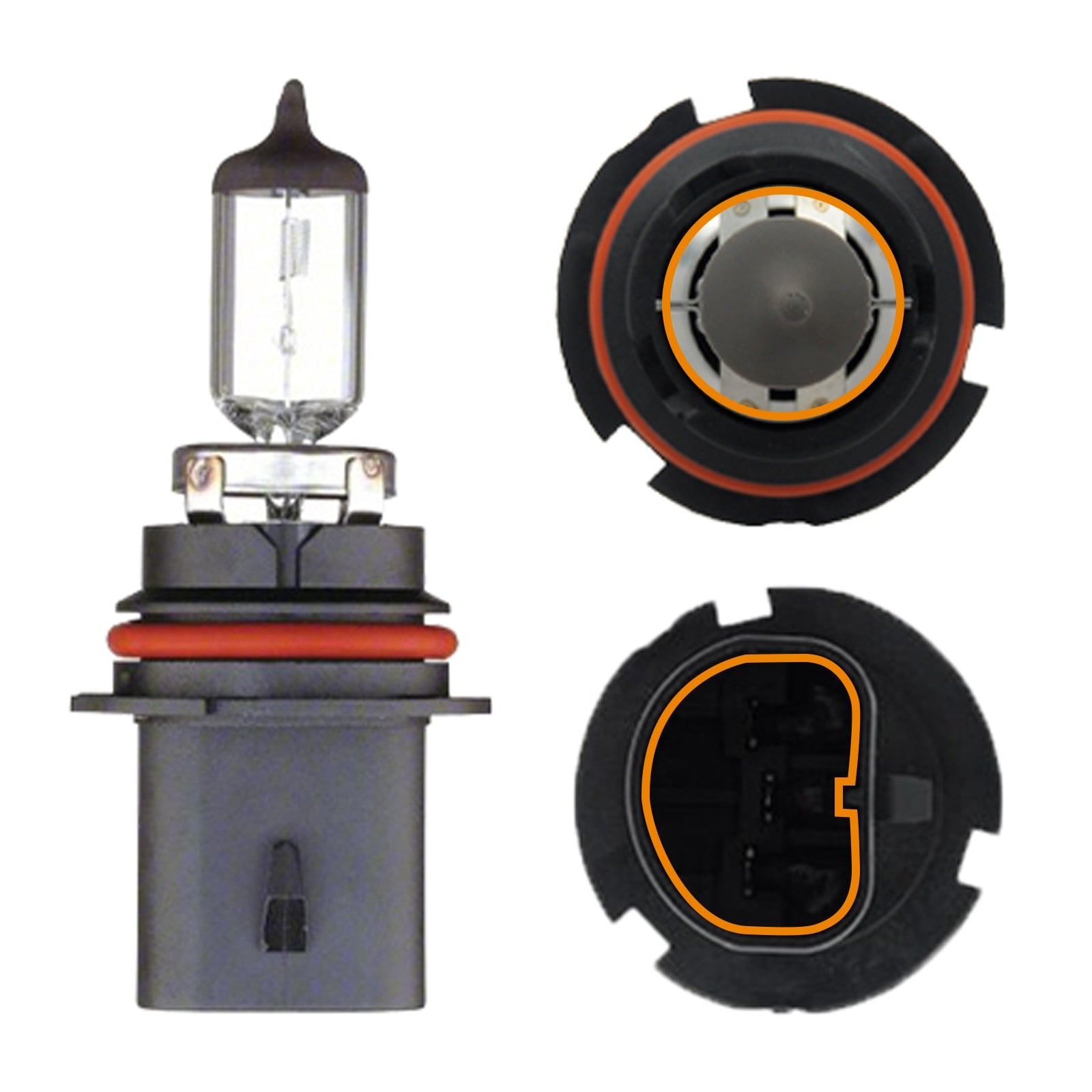
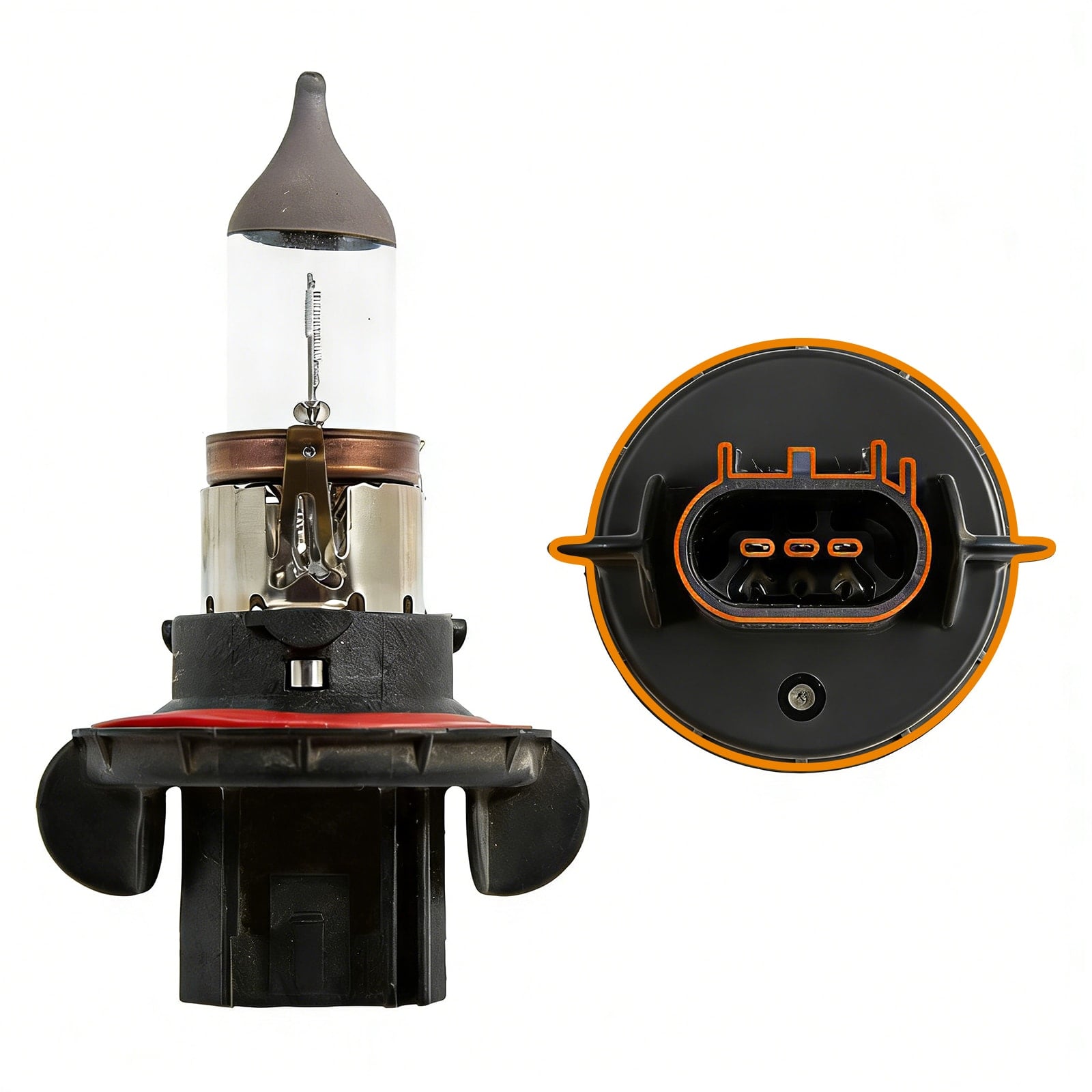
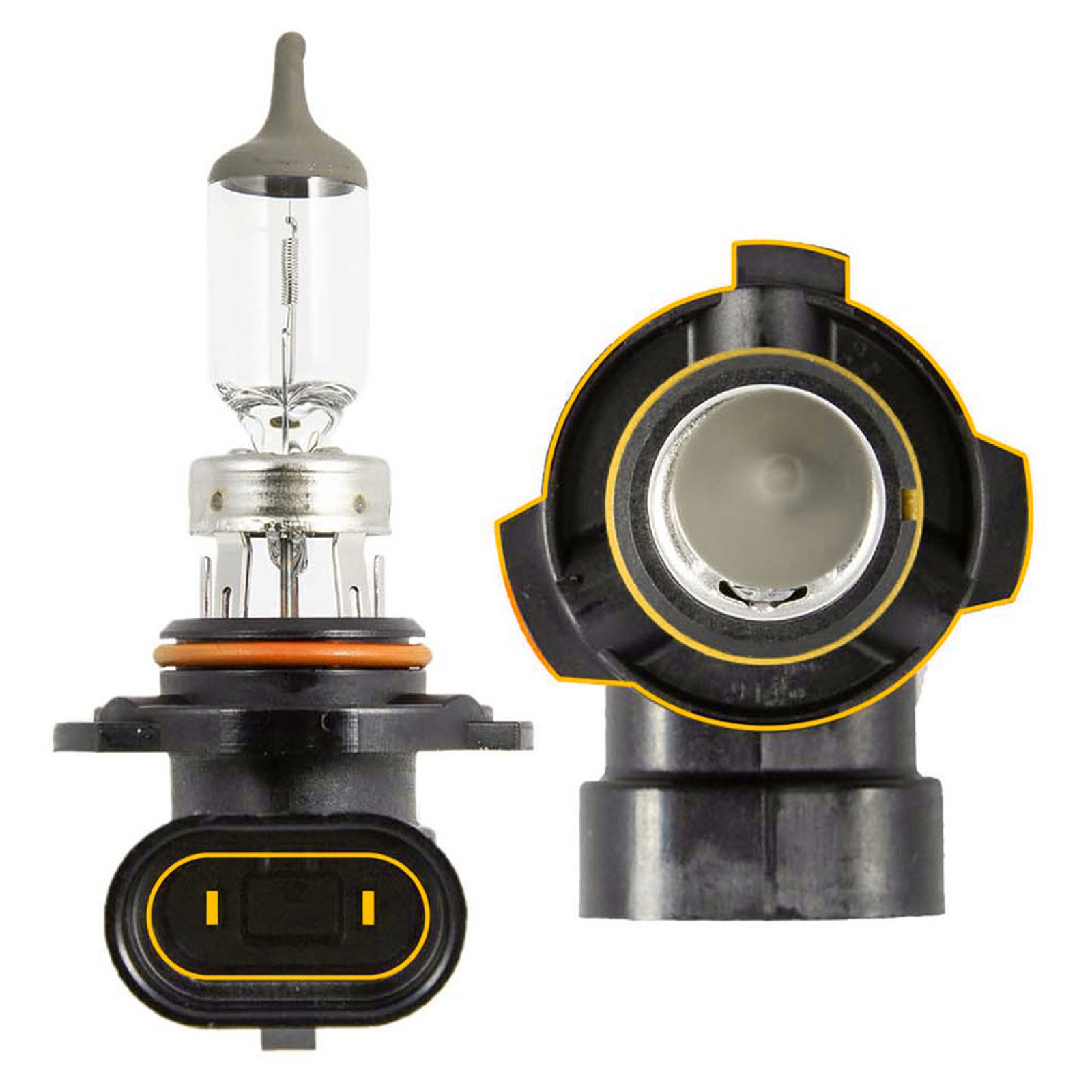
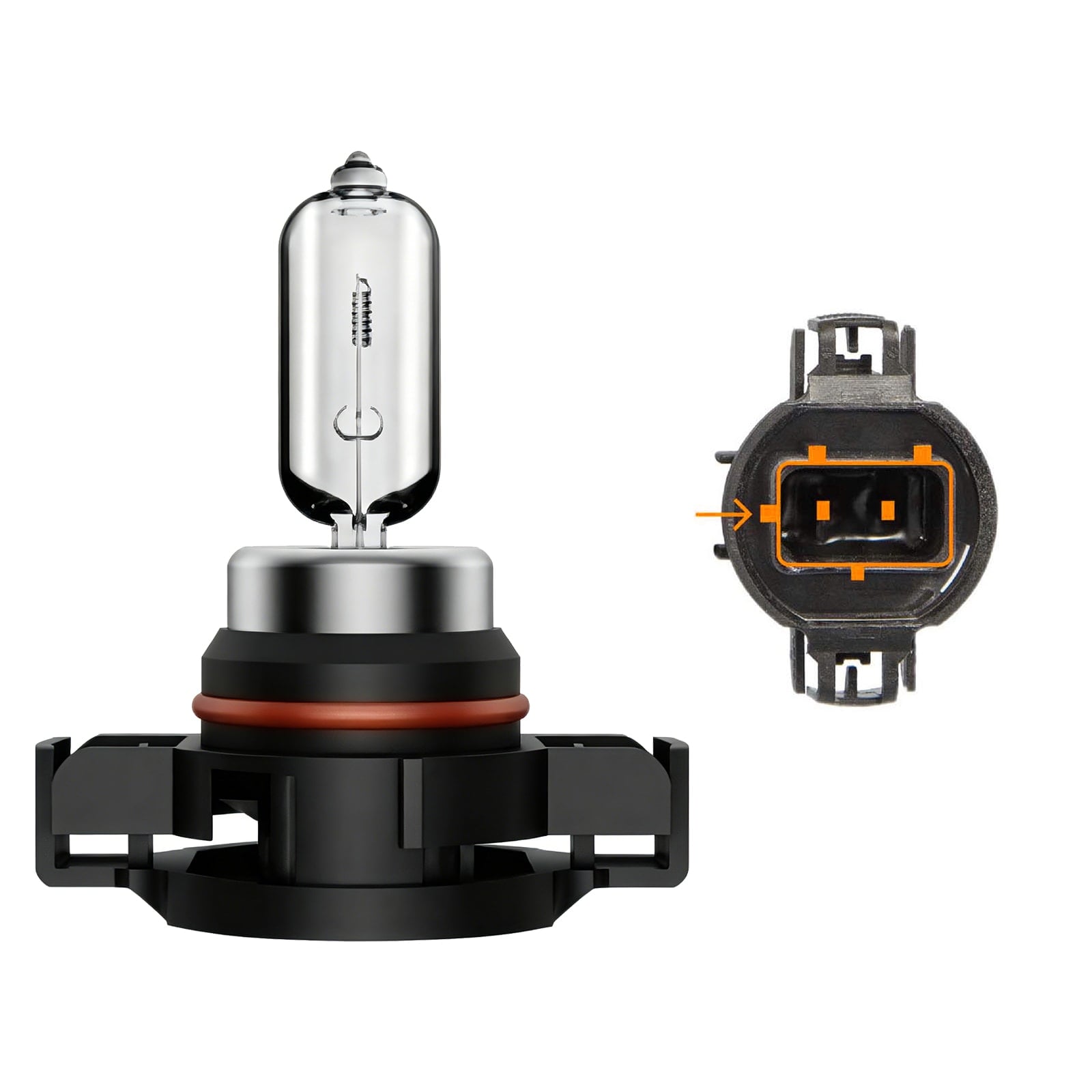
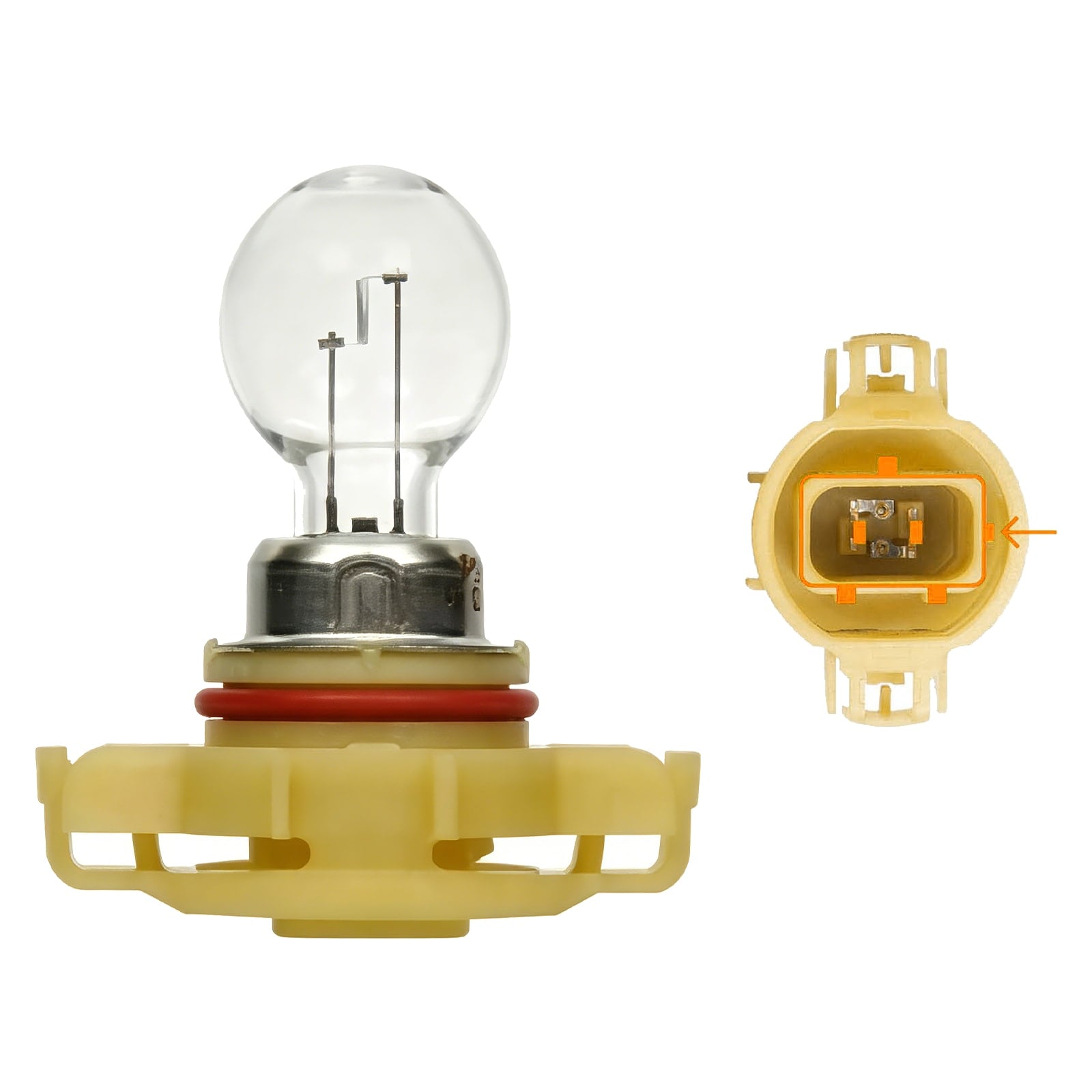
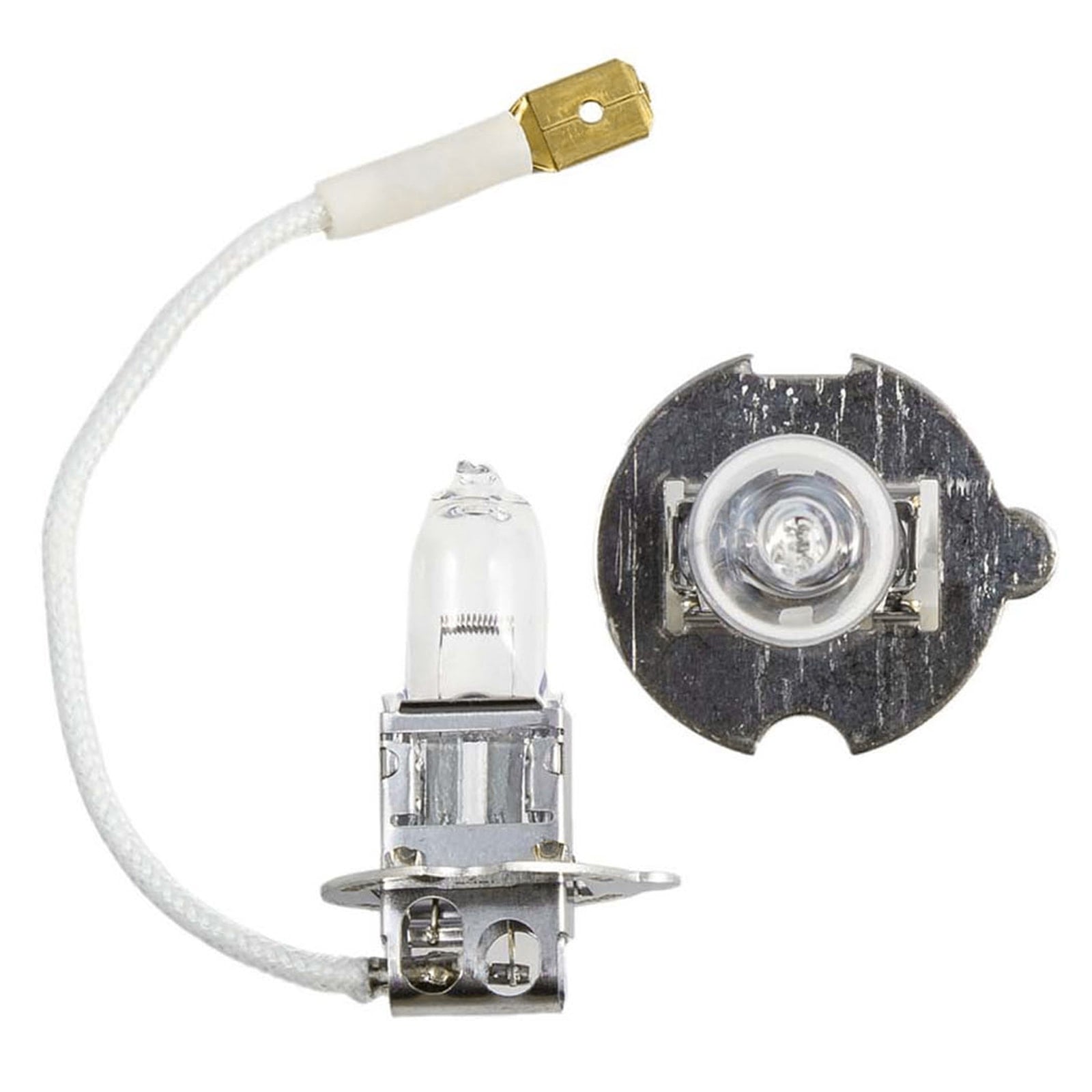
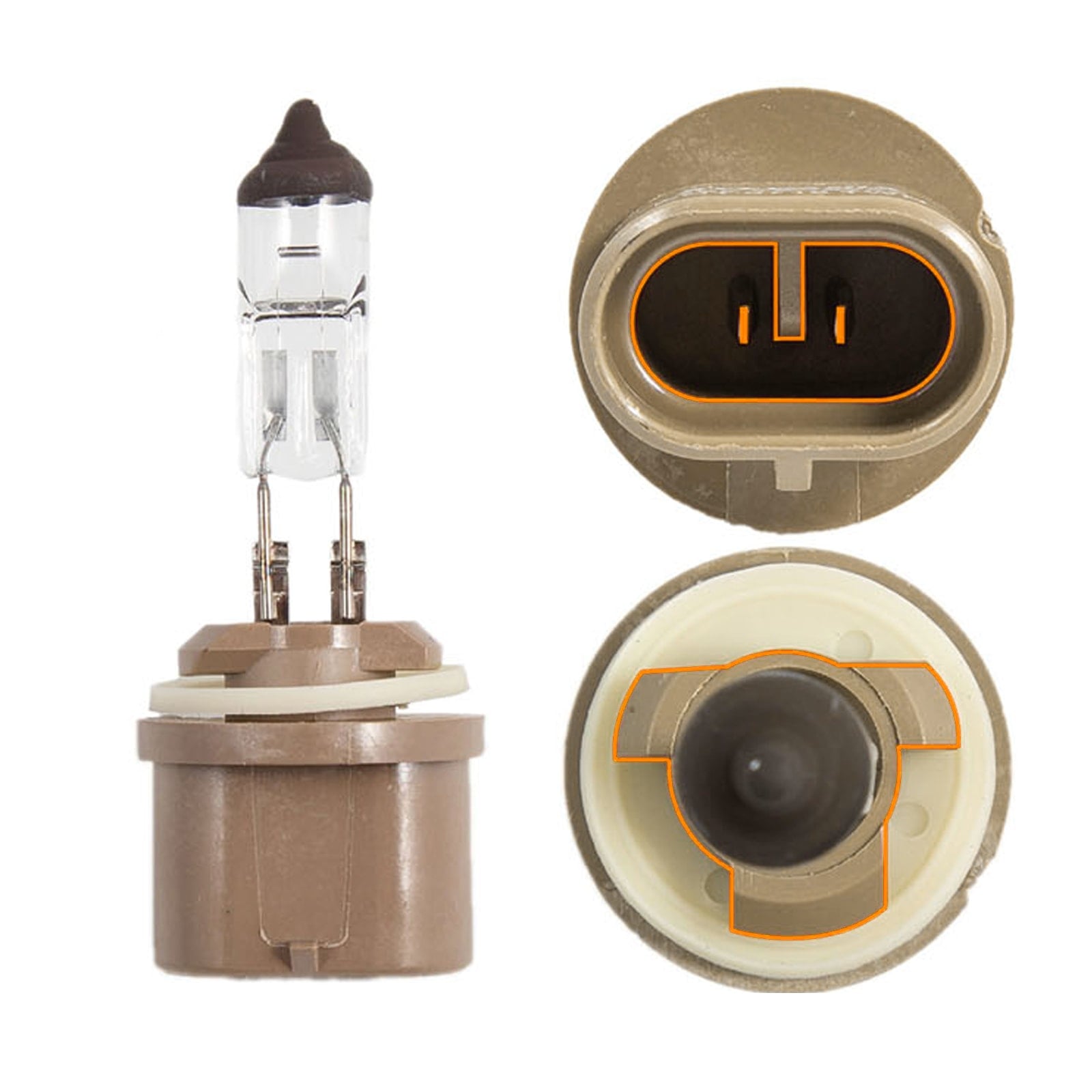
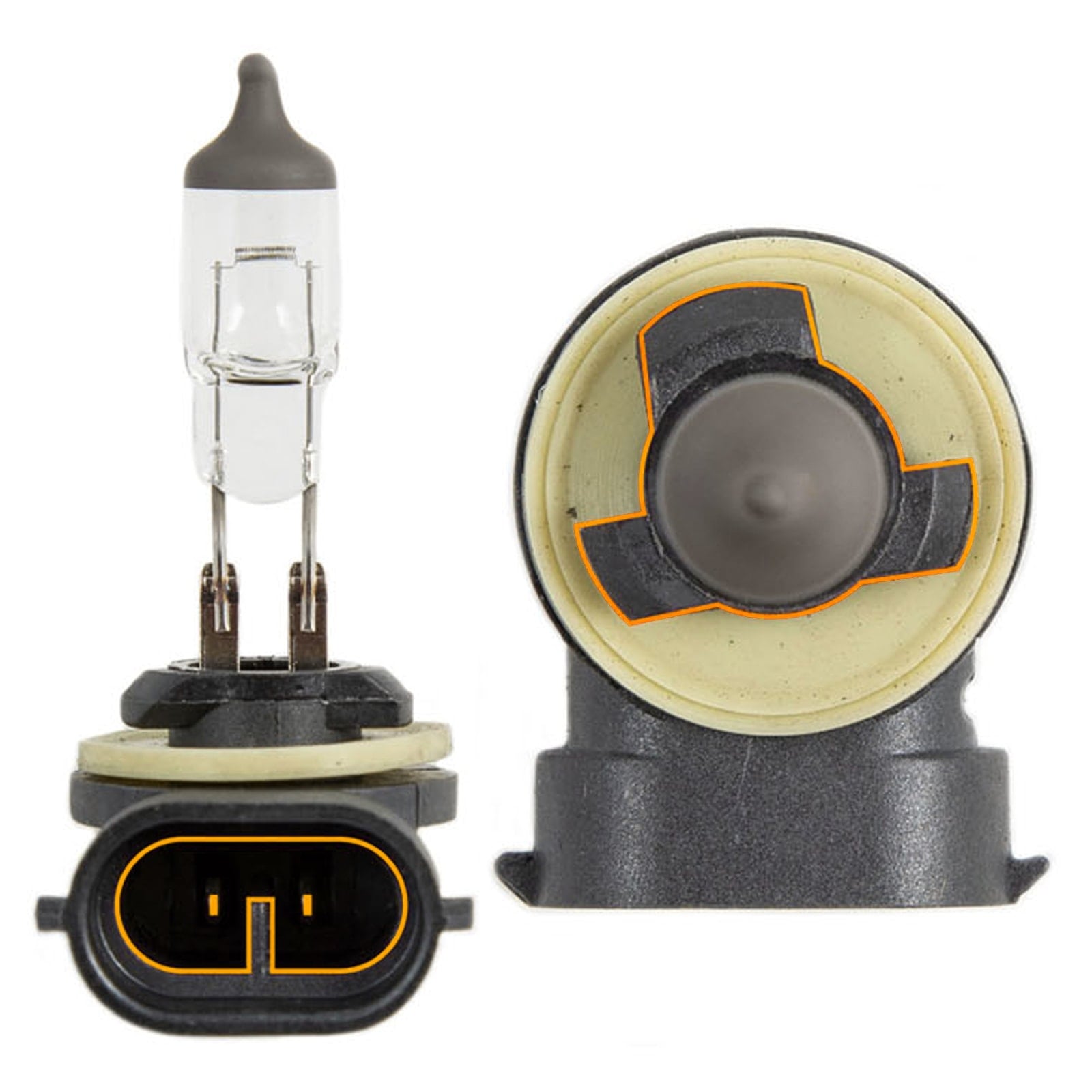
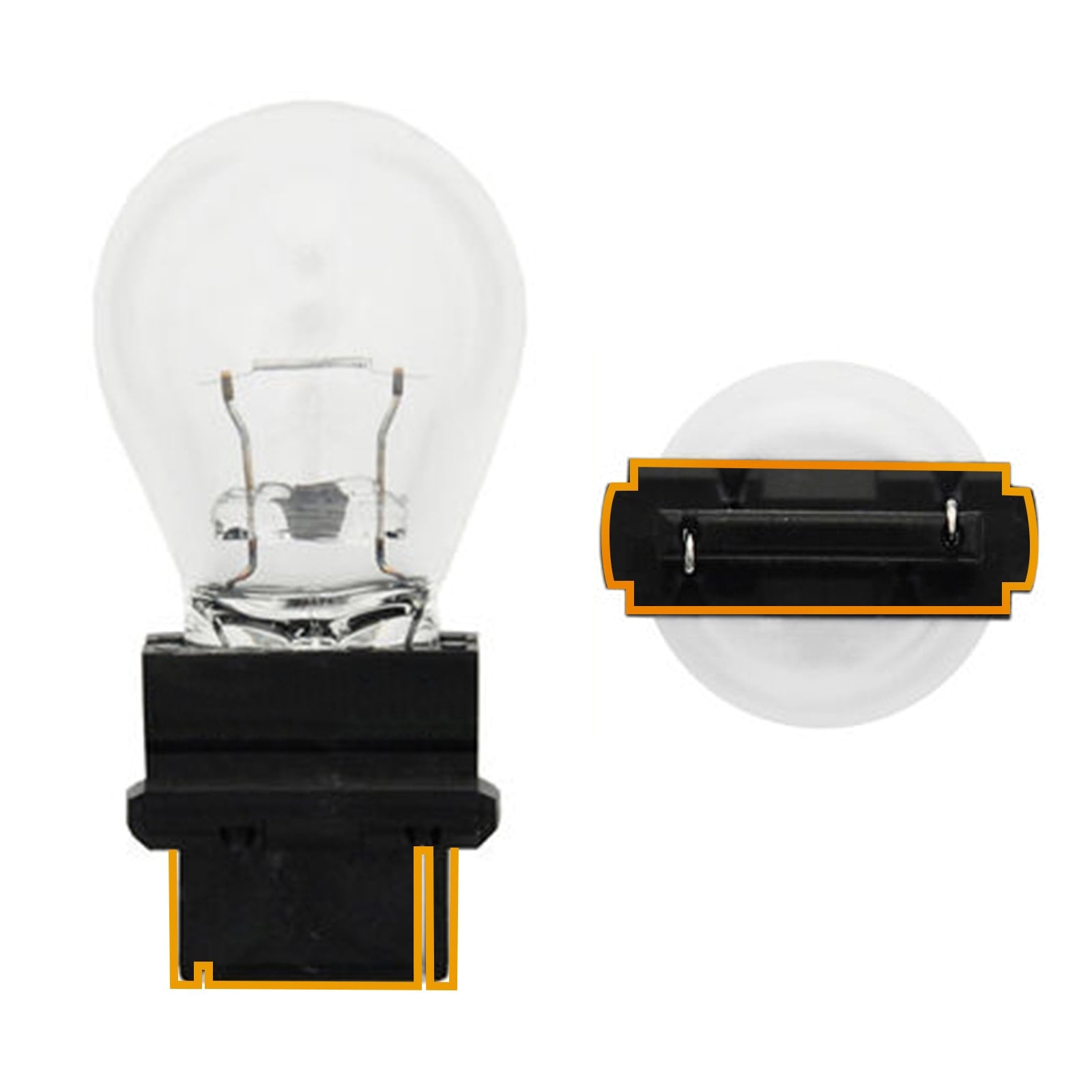
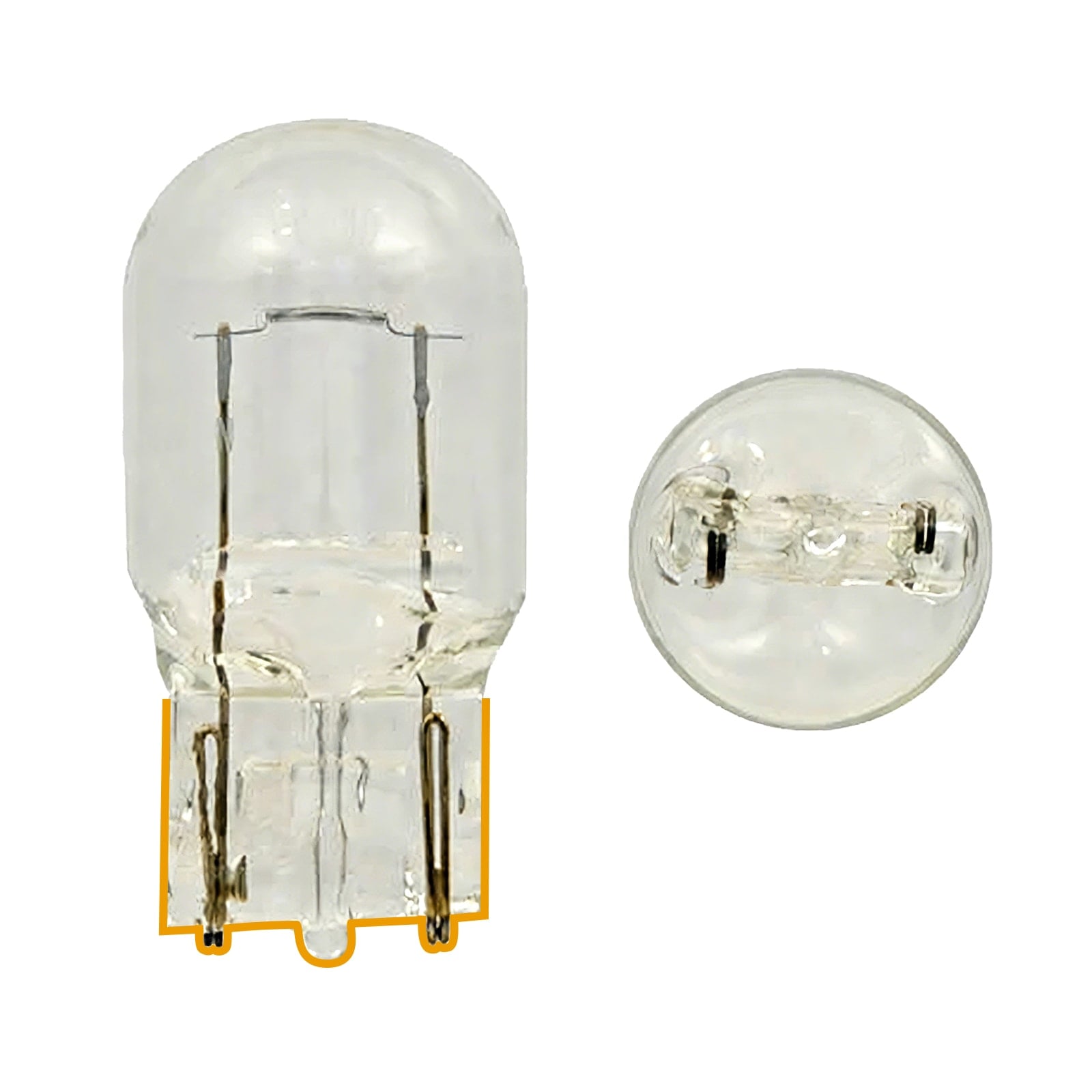
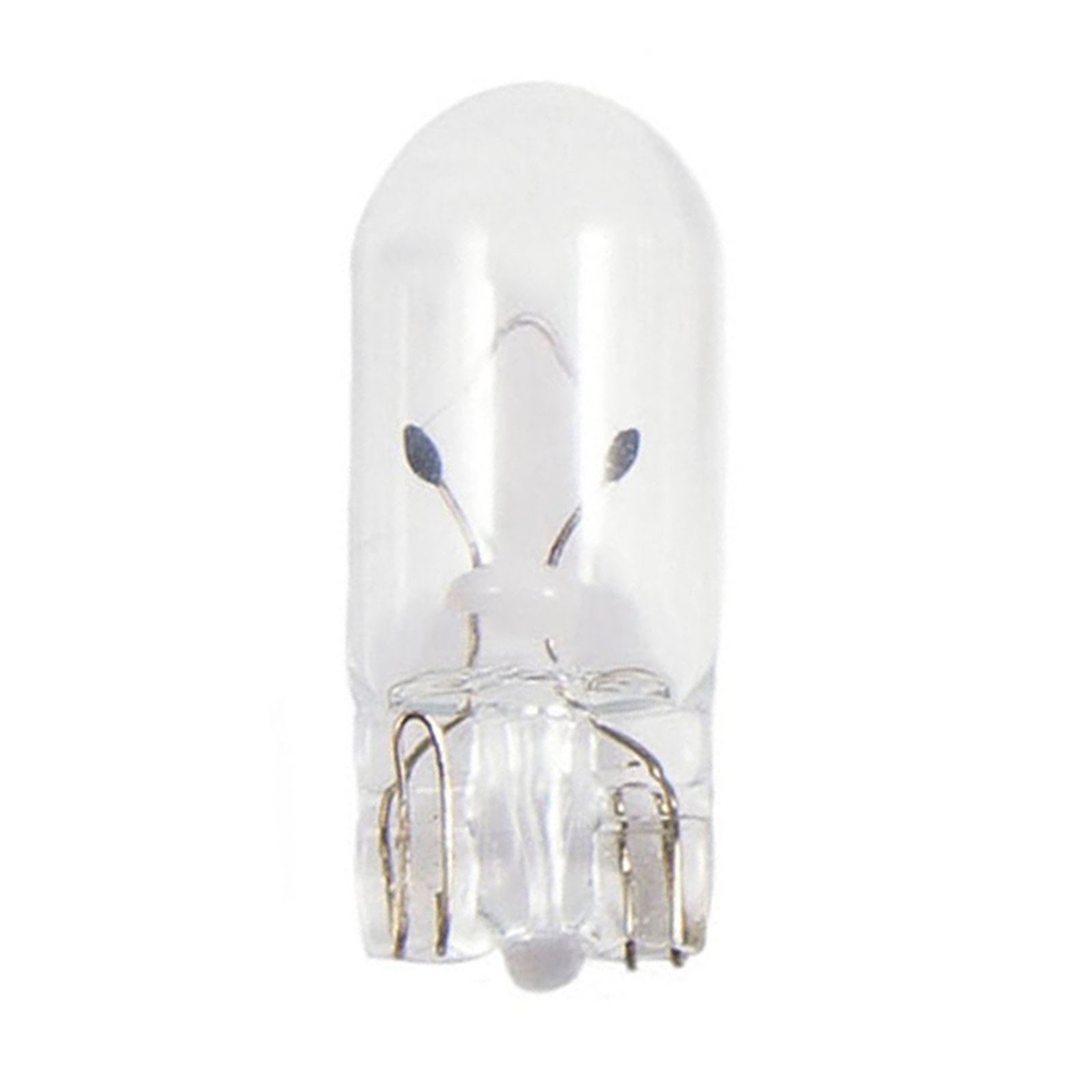
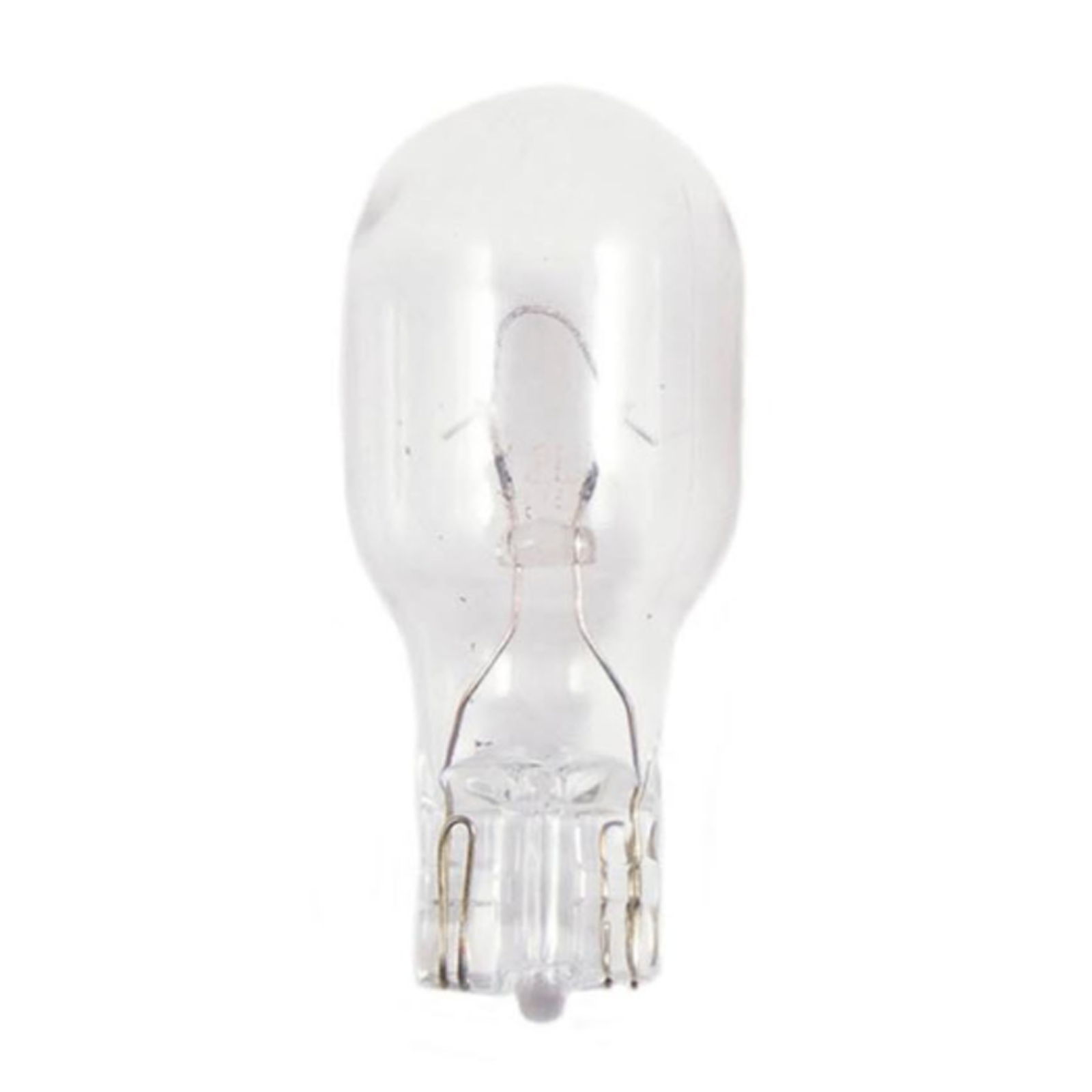
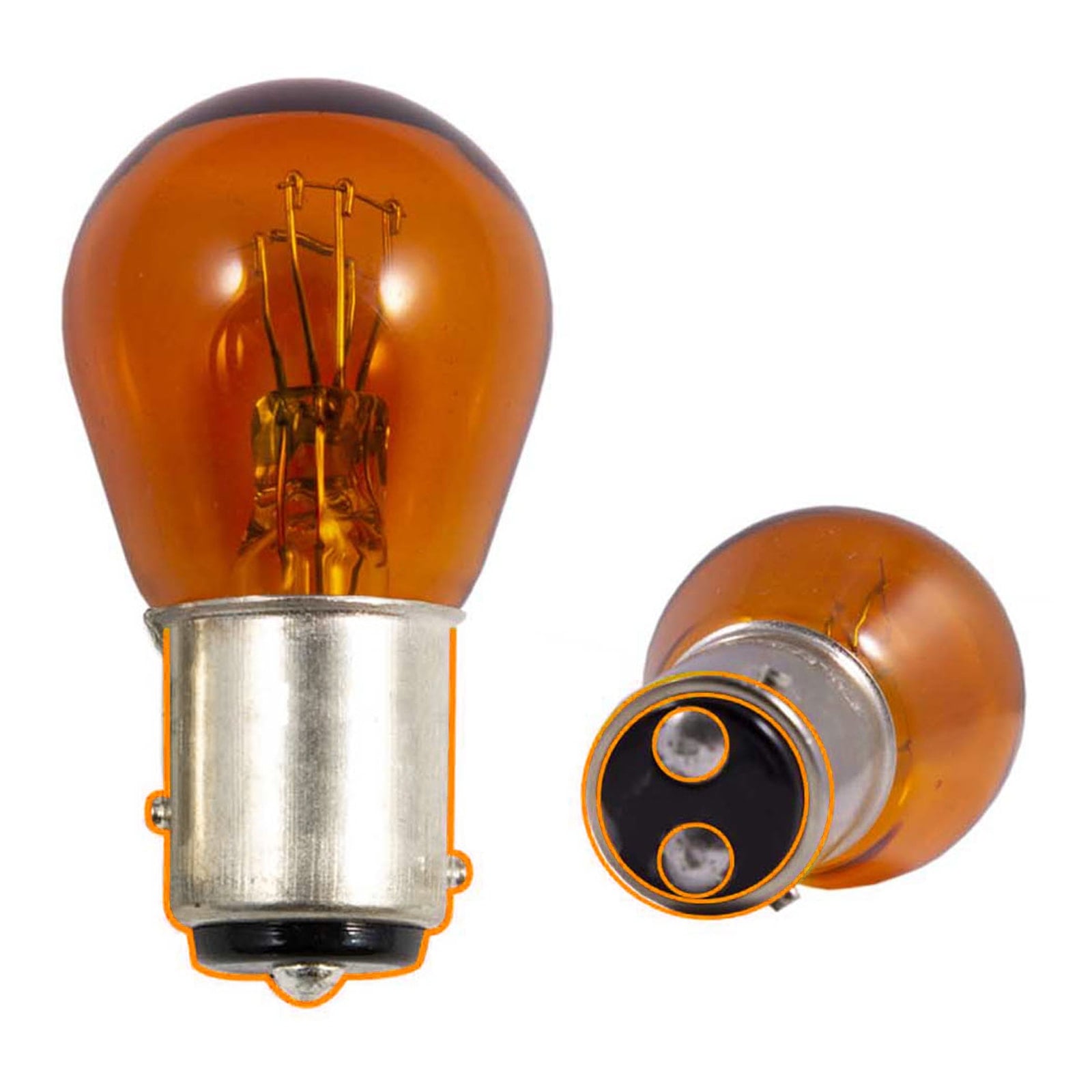
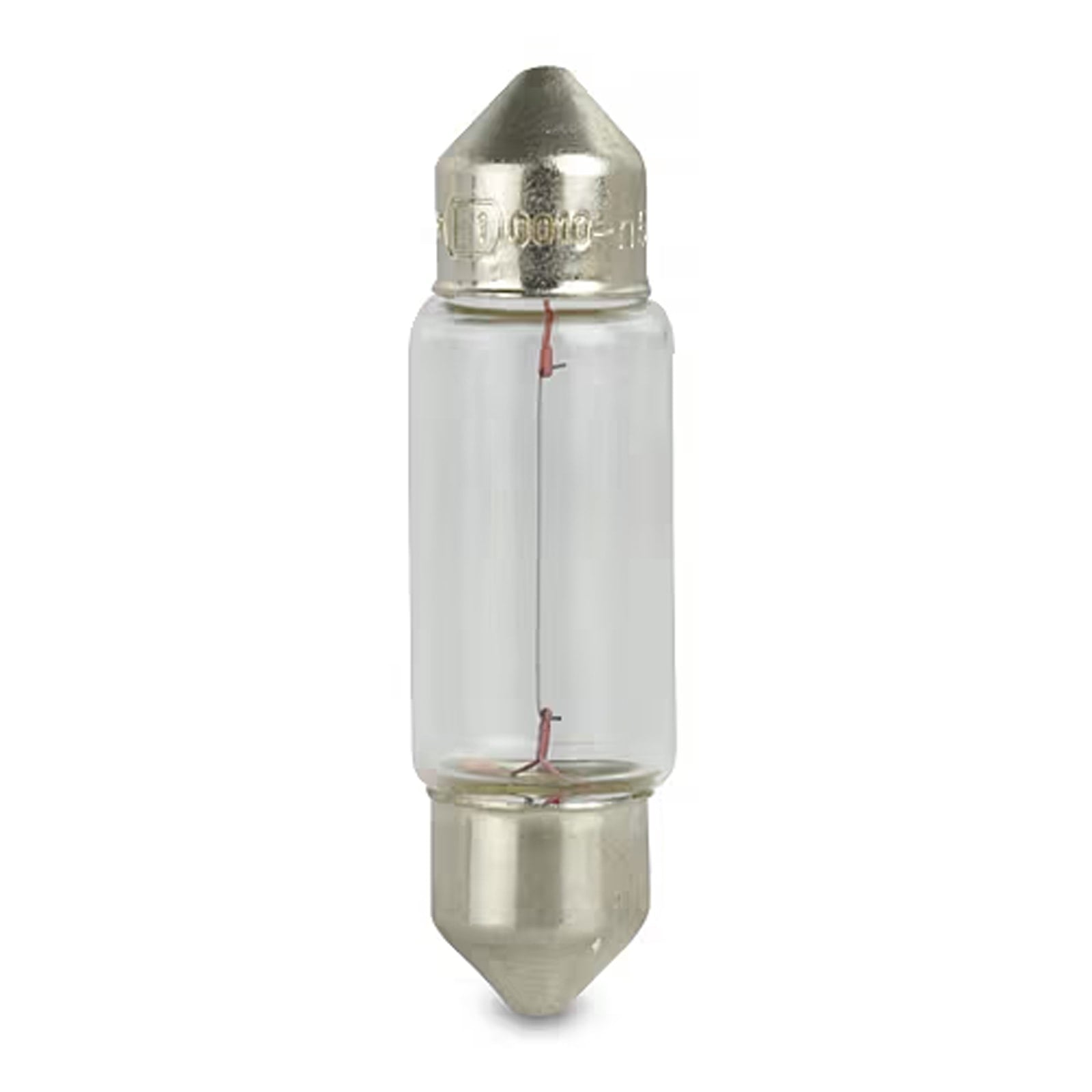
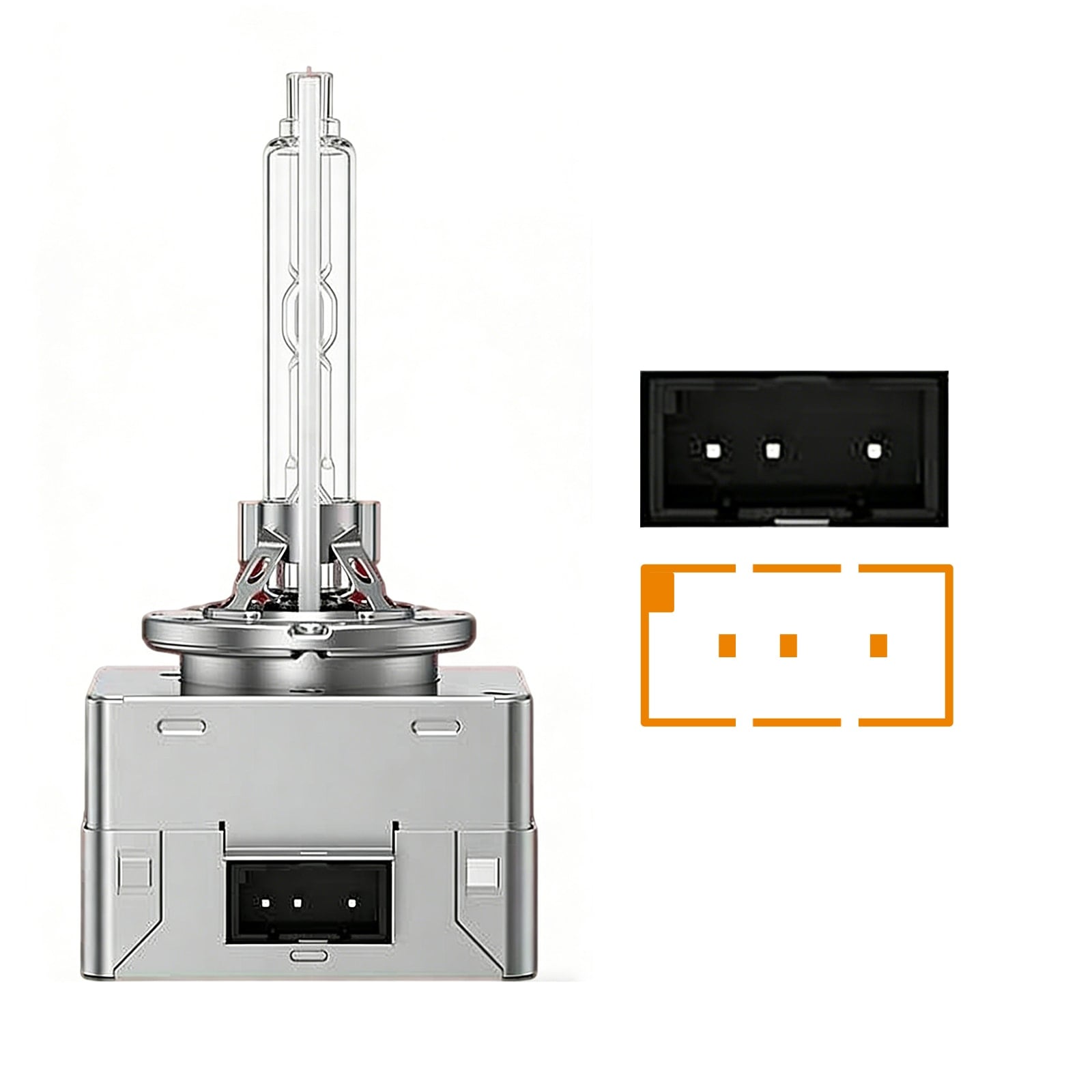
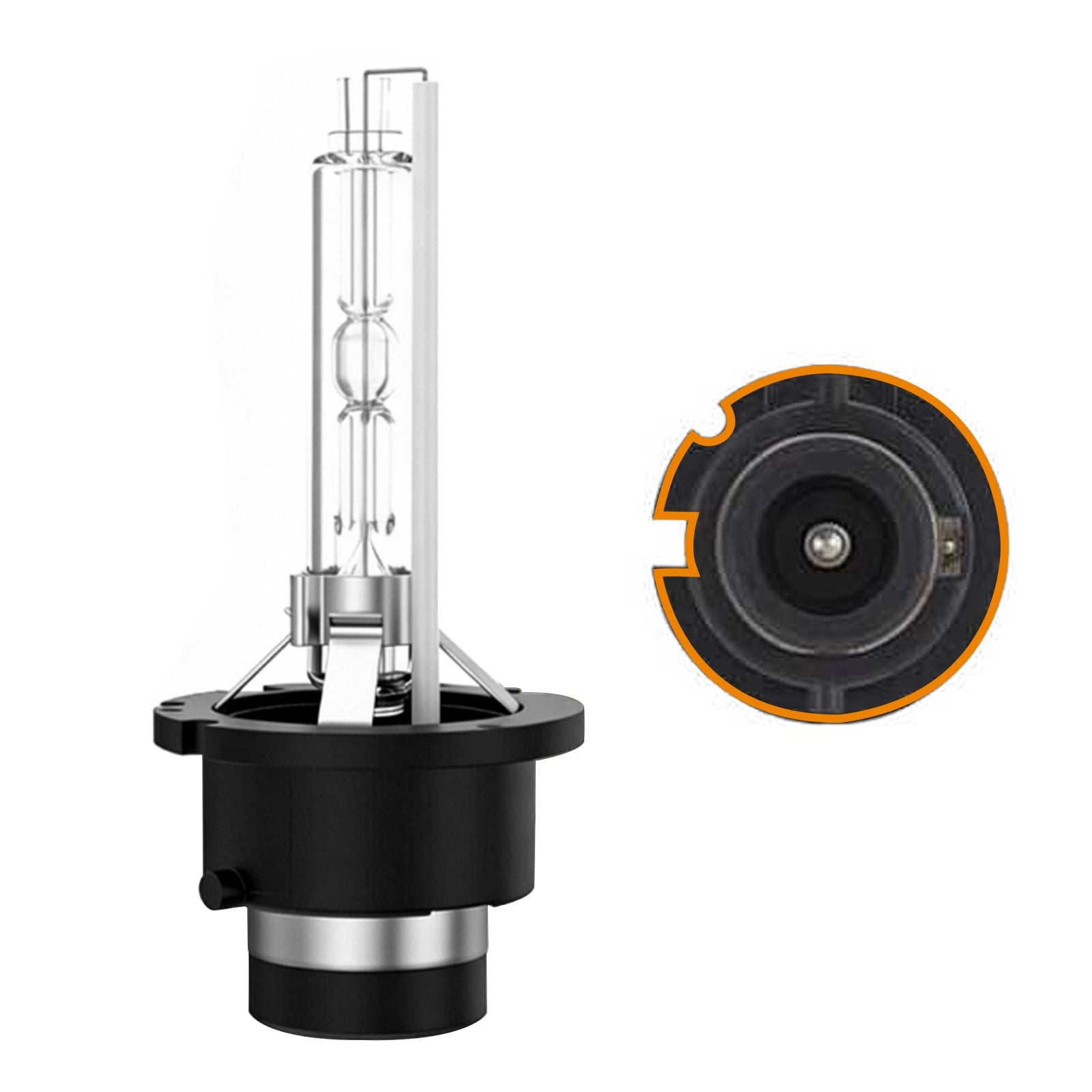
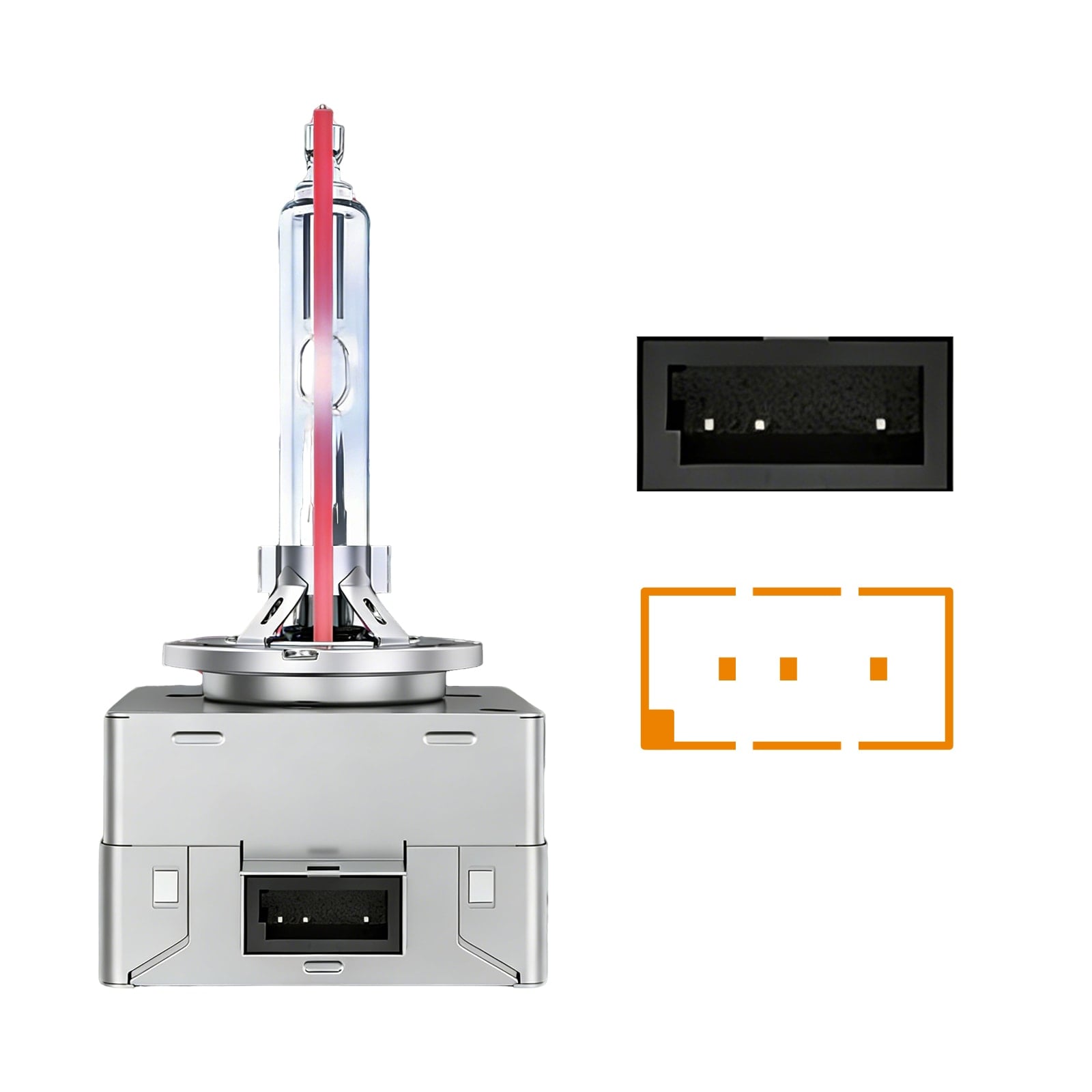
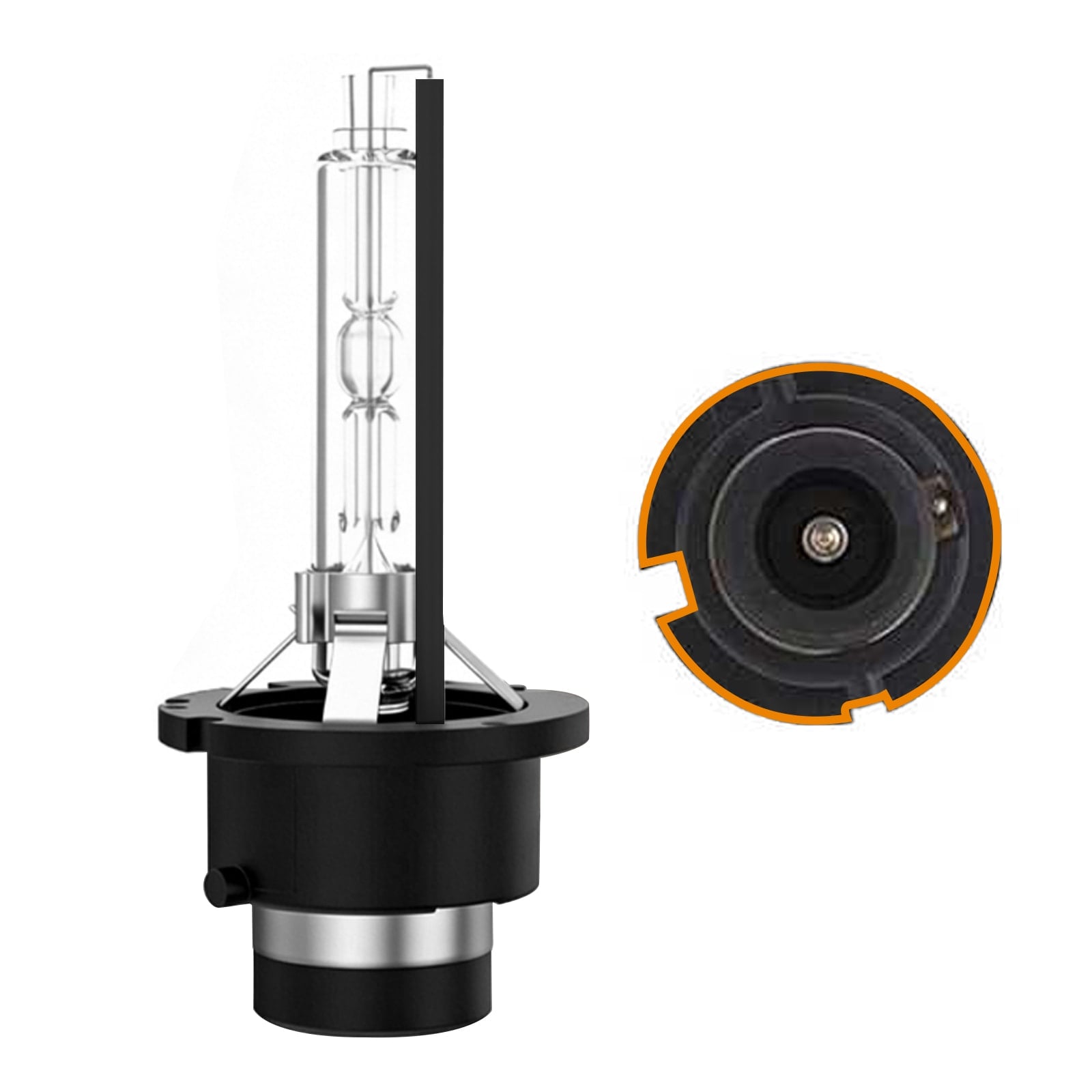
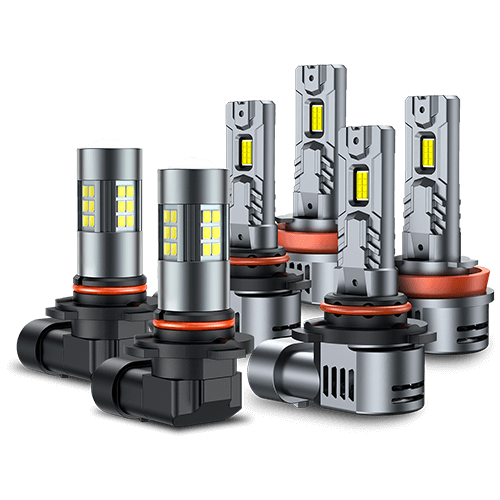
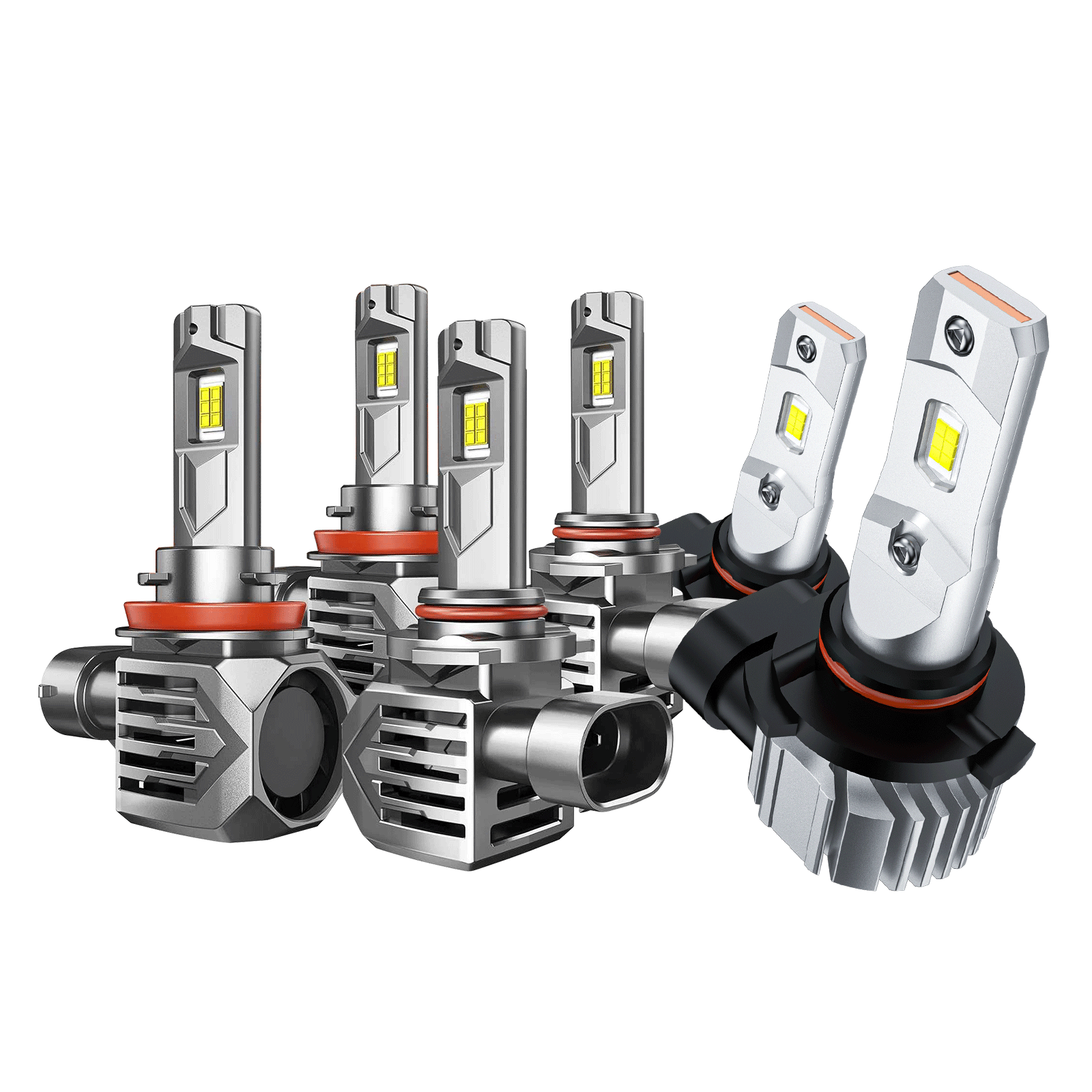


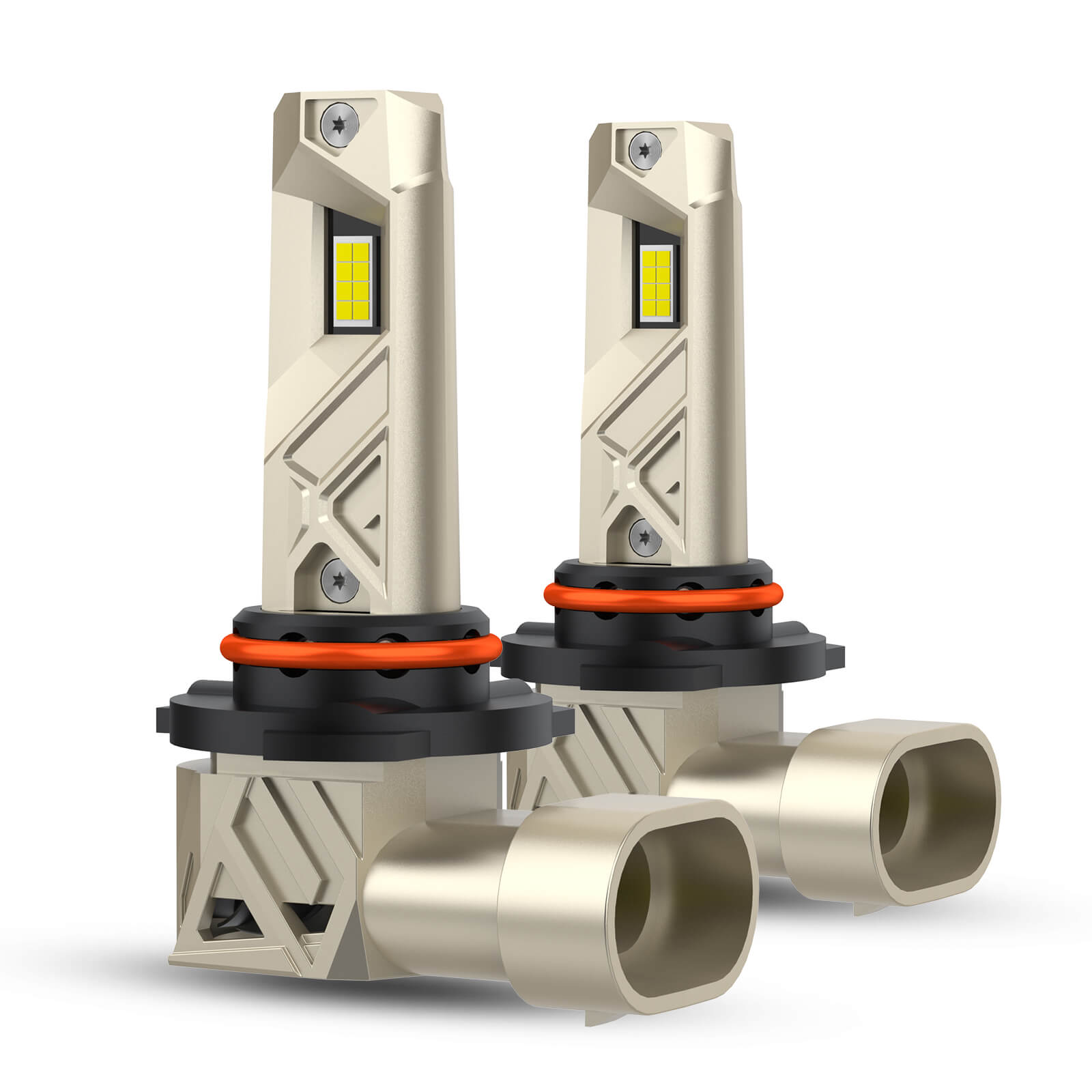


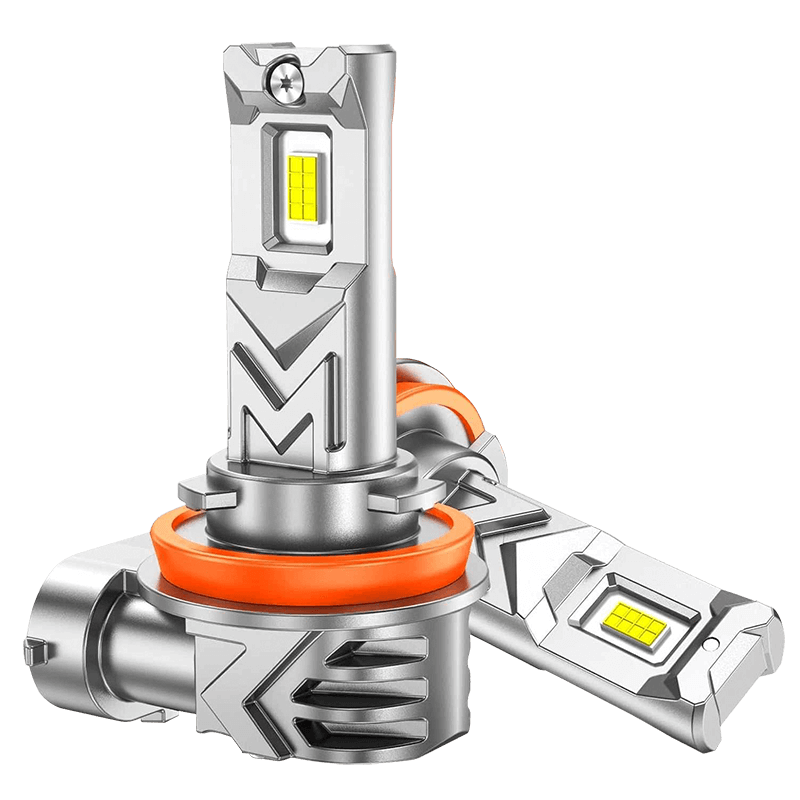
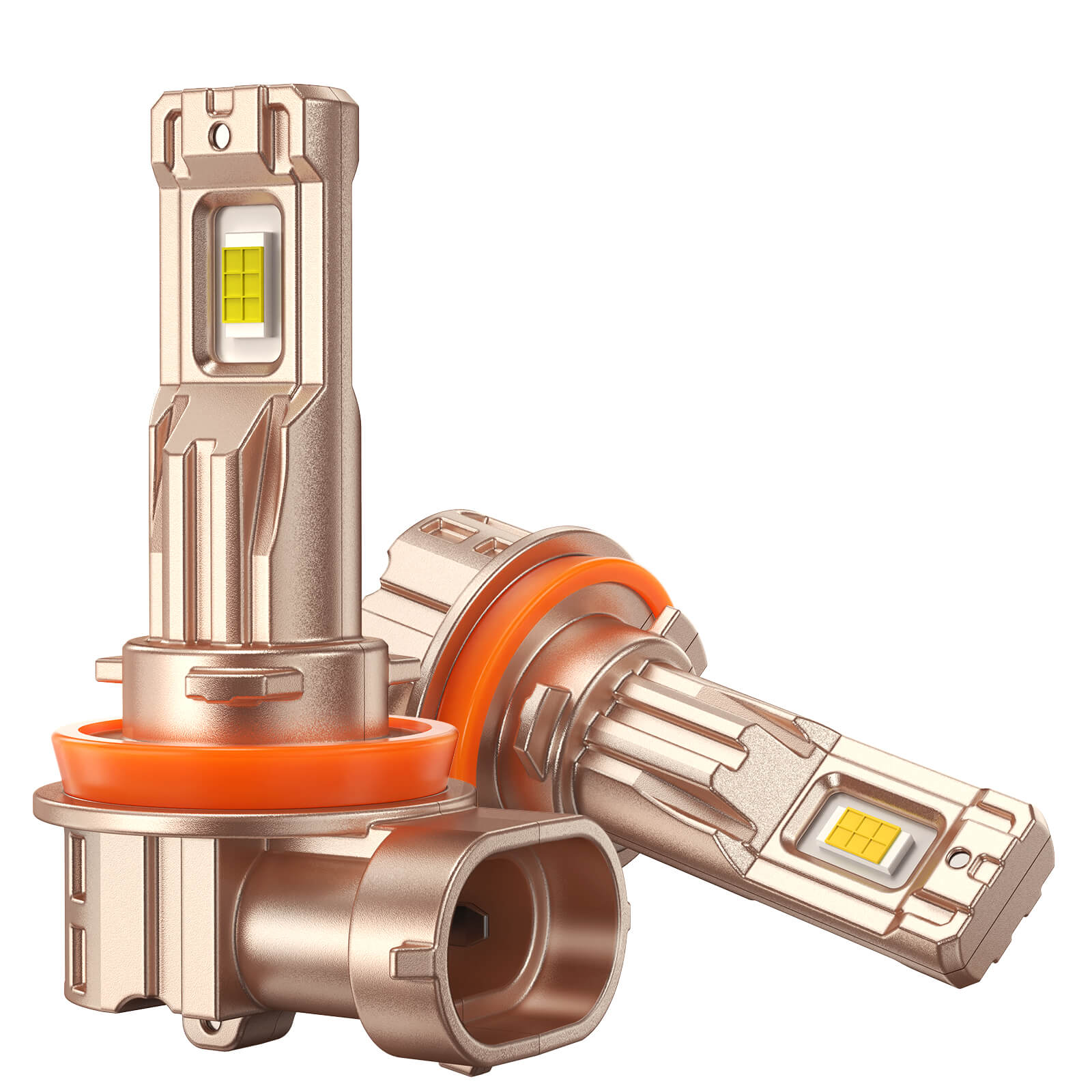


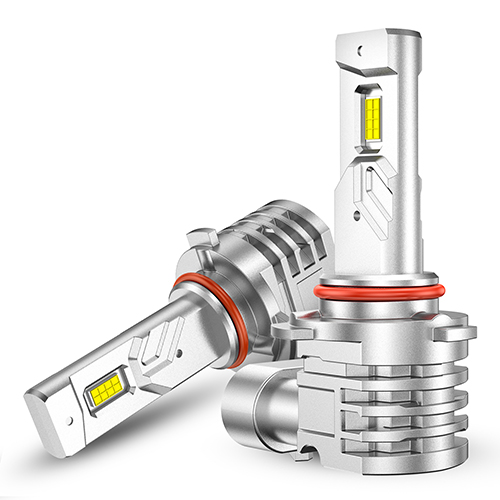
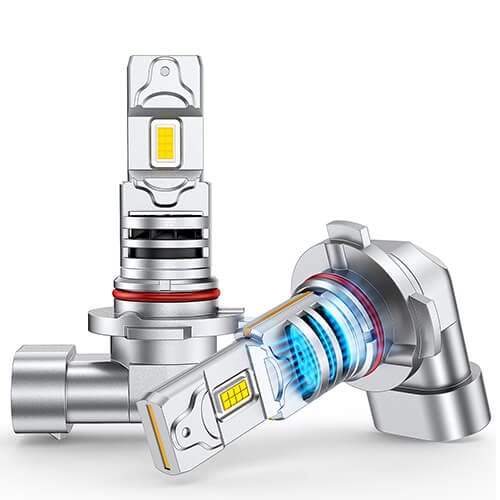



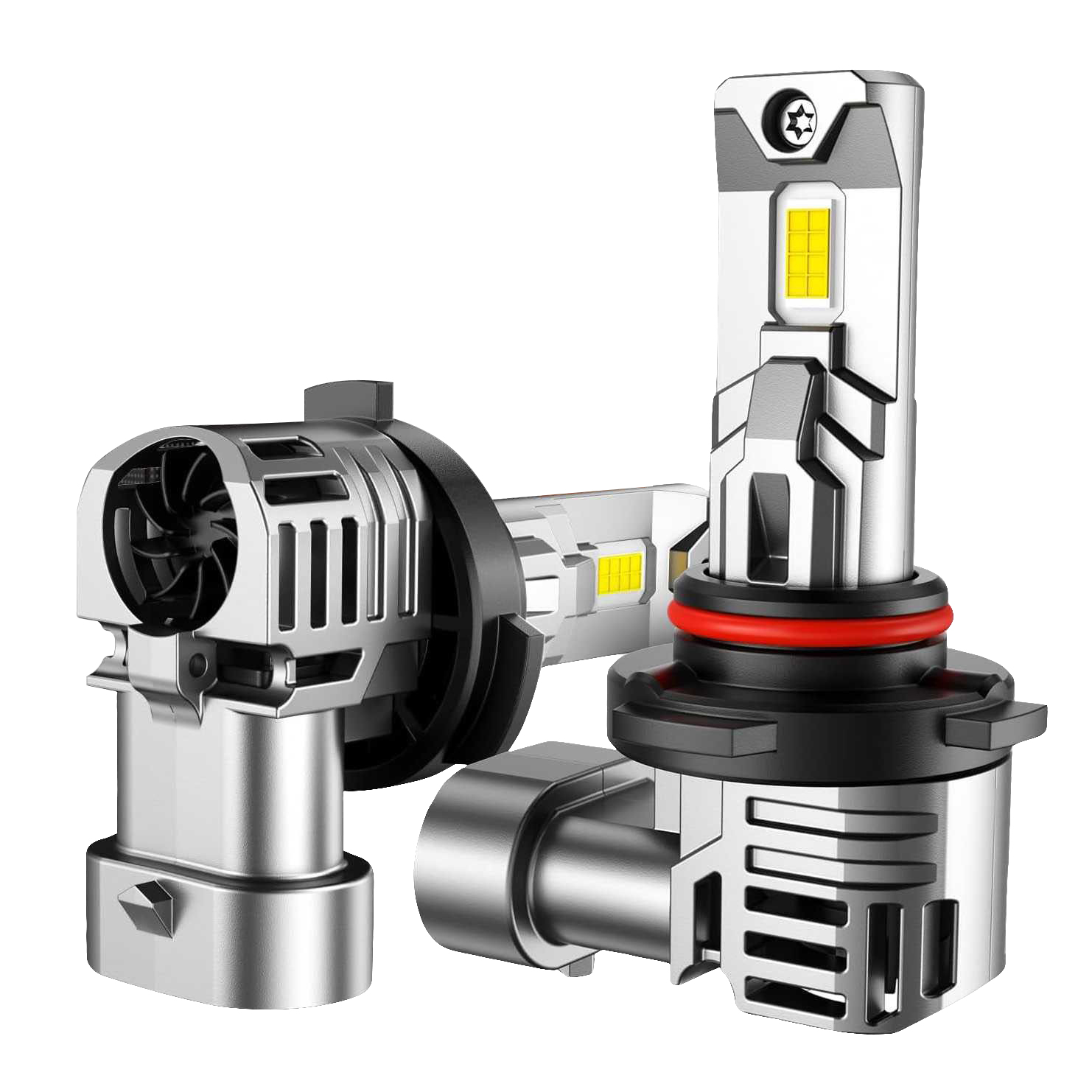


Fog lights don’t get much attention—until you hit heavy rain, road mist, or that low-visibility gray that makes everything blend together. If you’ve been wondering how long do fog light bulbs last, what a normal fog light bulbs lifespan looks like, and how often should you replace fog light bulbs, you’re in the right place. And if you decide it’s time to upgrade rather than keep swapping burned-out bulbs, you can browse modern options like SEALIGHT LED fog light bulbs.
This guide breaks down lifespan by bulb type, the real-world factors that shorten it, and the most common fog light replacement signs so you can make the call before visibility becomes a problem.
How Long Do Fog Light Bulbs Last?
There’s no single “correct” answer because fog light bulb life depends heavily on bulb technology and how your vehicle is used. Still, you can get close with realistic averages.
Average Lifespan by Bulb Type
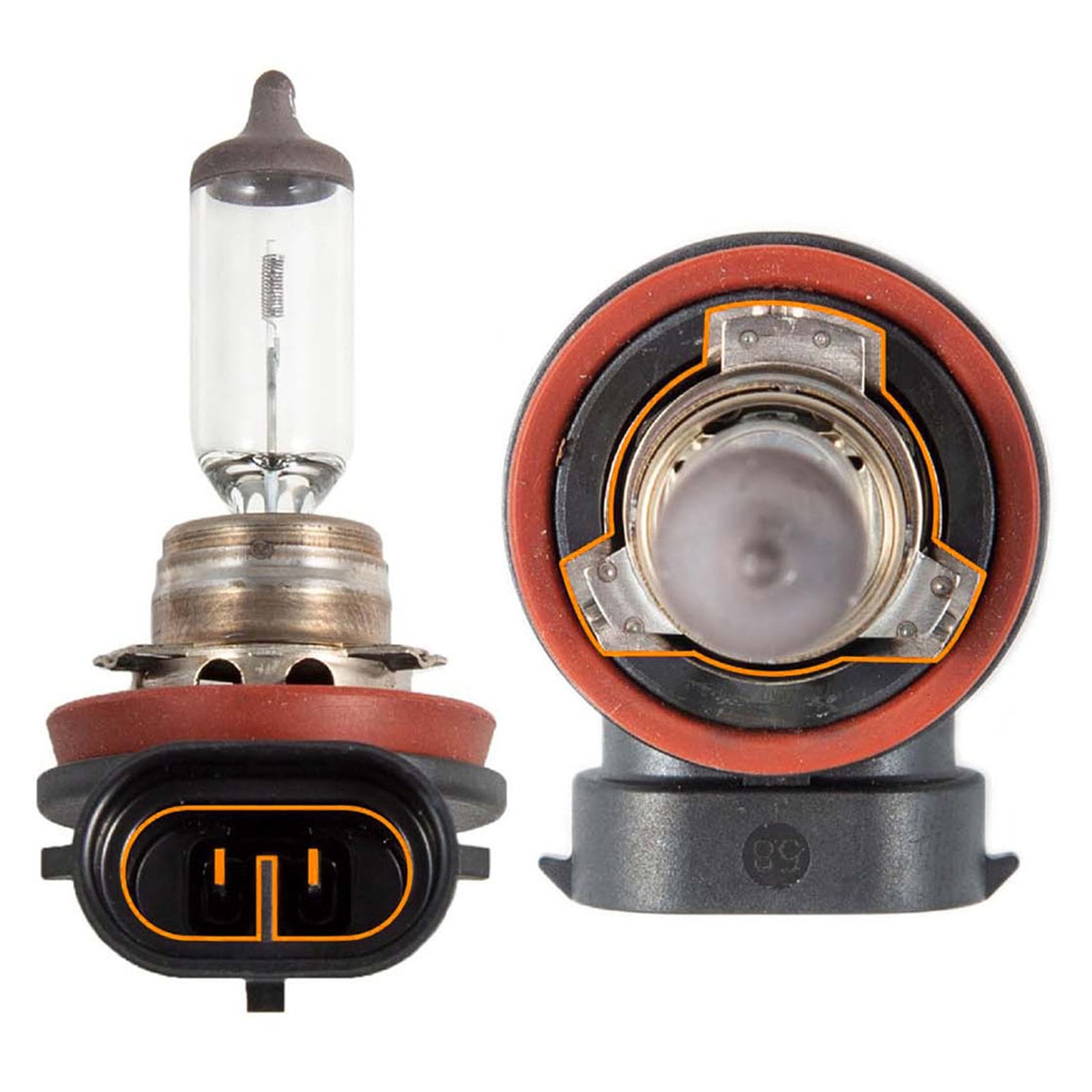
Halogen fog light bulbs: 500–1,000 hours
Halogen is the old standard: affordable, widely available, and simple. The downside is that halogen bulbs run hot and the filament slowly evaporates over time. Many manufacturers and retailers cite this 500–1,000 hour range as typical for halogen fog bulbs.
What it means in practice: if you use fog lights a lot (or your car uses them as DRLs), you may be changing them more often than you expect.
HID fog lights: 2,000–3,000 hours
HID (High-Intensity Discharge) bulbs generally last longer than halogen because they don’t rely on a fragile filament. Instead, they create light via an arc and ballast system. The trade-off: they’re more complex, sometimes slower to reach full brightness, and can be fussier about electrical stability.
LED fog light bulbs: 10,000–30,000+ hours
LEDs are the longevity champ. Many quality automotive LEDs are designed for tens of thousands of hours, and 10,000–30,000+ hours is a common working range depending on heat management, electronics quality, and operating environment.
SEALIGHT’s LED fog light bulbs are a perfect upgrade for stronger output and durability in harsh conditions, with product options built for wet-weather use and varying waterproof ratings (you’ll often see IP67 or IP68 on reputable models). You can explore those options here: SEALIGHT fog light bulbs
Fog Light Bulb Lifespan Explained
Fog lights are designed to throw a wide, low beam to reduce glare reflecting back at you in low-visibility conditions. But their low mounting position also means tougher living conditions than headlights.
What Affects Fog Light Bulb Lifespan?
Vibration and road conditions: Fog lights live near the road. That means more shock loading and vibration. Halogen filaments are especially sensitive; repeated micro-vibrations can weaken the filament until it breaks.
Moisture and sealing issues: A properly sealed fog light housing matters as much as the bulb itself. If you see condensation inside the lens, you’re not just dealing with a visibility issue—you’re dealing with:
- corrosion at connectors
- premature bulb failure
- potential reflector damage
Frequency of use: This one’s obvious but commonly overlooked: if your fog lights are used as “extra lights” every night or as always-on DRLs, you’re consuming their service life constantly. A halogen bulb doesn’t know whether it’s being used in “real fog” or just because you like the look.
How Often Should You Replace Fog Light Bulbs?
You can replace on a schedule, or you can replace when symptoms show up. The best approach is usually a mix: inspect routinely, and replace proactively when it makes sense.
General Replacement Guidelines
These are practical “ownership” guidelines rather than lab values:
- Halogen: every 1–2 years
- HID: every 2–3 years
- LED: 7+ years
Preventive vs Reactive Replacement
Replace in pairs for consistency
Even if only one bulb is out, the other is usually not far behind—especially with halogen. Replacing both:
- keeps brightness consistent left-to-right
- prevents a second repair a week later
- reduces the “one side looks dimmer” effect
Inspect during routine maintenance
A good habit: whenever you rotate tires, change oil, or check brake pads, do a quick lighting inspection:
- fog lights on/off
- check beam color
- look for condensation
- check lens haze
Signs Your Fog Light Bulbs Need Replacement
These are the most common fog light replacement signs you’ll notice from the driver’s seat and during a walk-around.
Also read: Why Did My Fog Lights Stop Working? Troubleshooting & Fixes
Dim or weak output
If the beam looks “tired” or doesn’t light the road edge like it used to, it may be a bulb nearing end-of-life, a clouded lens, or voltage drop. Halogens gradually dim as they age, and some HIDs shift in output over time.
Flickering light
Flicker usually points to:
- a failing bulb (especially HID)
- a loose connection
- moisture/corrosion at the socket
- electrical instability (voltage or ground)
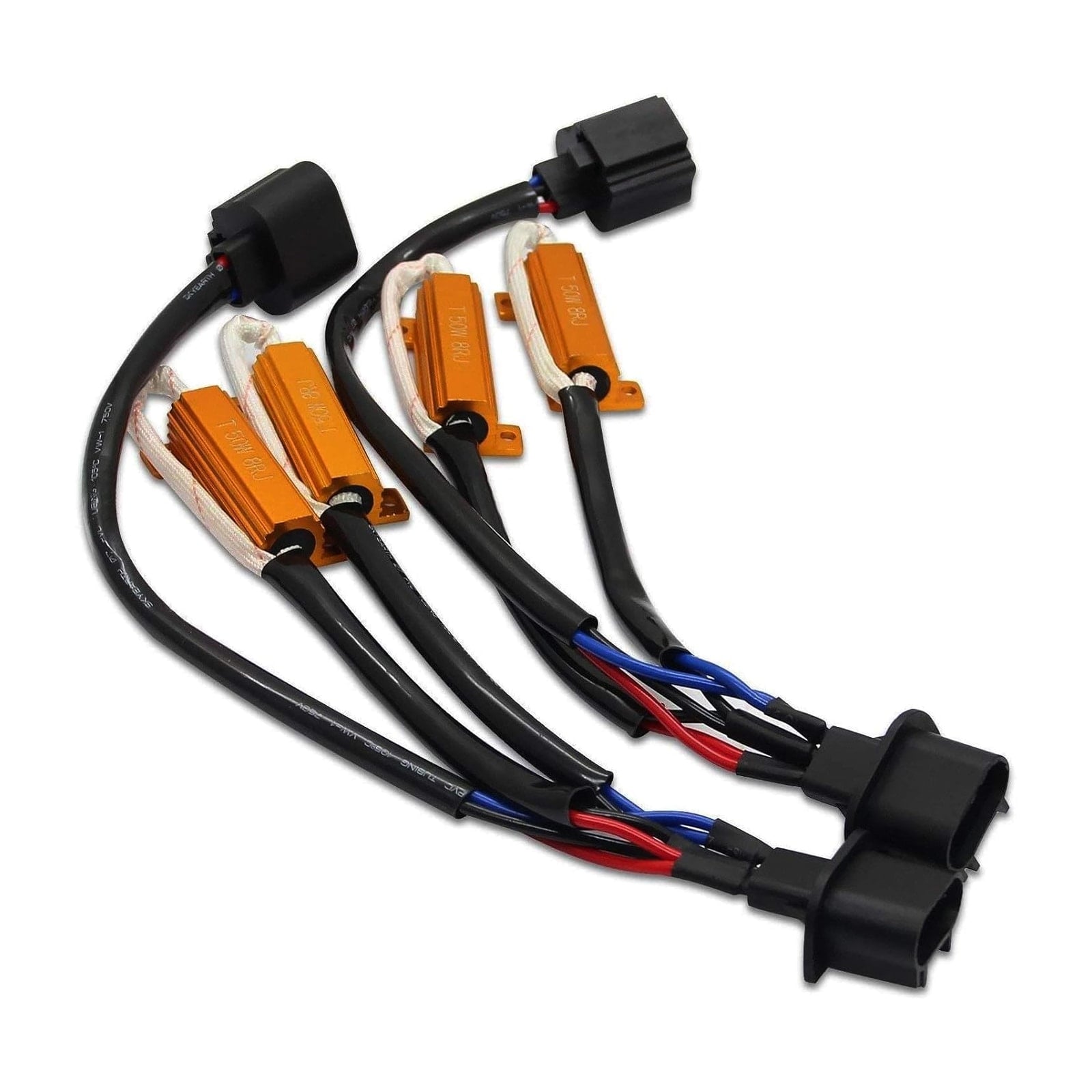
LED flicker can also occur if the vehicle’s system doesn’t like the LED load; some setups need a decoder/resistor to eliminate errors or flicker.
One side not working
If a fog light is completely out:
- swap bulbs side-to-side (if easy) to confirm it’s the bulb
- check the fuse (some cars share lighting circuits)
- inspect the connector for corrosion
Reduced visibility in foggy conditions
This is the practical test that matters most. If fog lights are on and you still feel like you’re “driving into gray,” your system isn’t doing its job—whether from bulb output, lens condition, or the wrong beam pattern.
Halogen vs LED Fog Lights: Which Last Longer?
Here’s the decision most drivers end up making once they’ve replaced halogens a few times.
| Type | Lifespan | Brightness | Maintenance | Cost |
| Halogen | Short | Moderate | Frequent | Low |
| LED | Very long | High | Minimal | Higher upfront |
Key takeaway: LEDs typically offer the best long-term value because you’re buying time—fewer replacements, fewer failures, and more consistent output.
Best Fog Light Upgrade for Longer Lifespan
Why LED Fog Lights Are the Best Choice
LED fog lights have become the default “smart upgrade” because they typically deliver:
- Longer lifespan than halogen and often HID
- Instant-on illumination (no warm-up)
- Efficient power use with less strain on the electrical system
- Stable performance when weather turns ugly
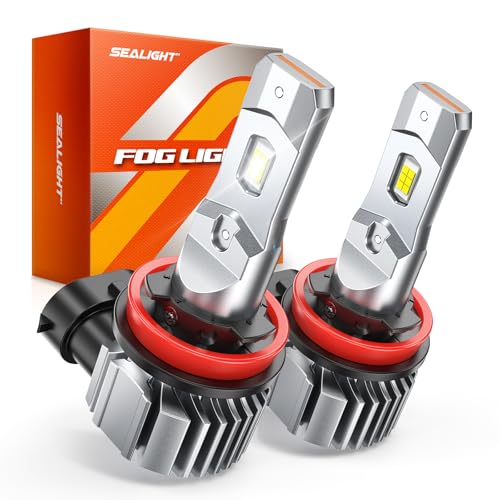
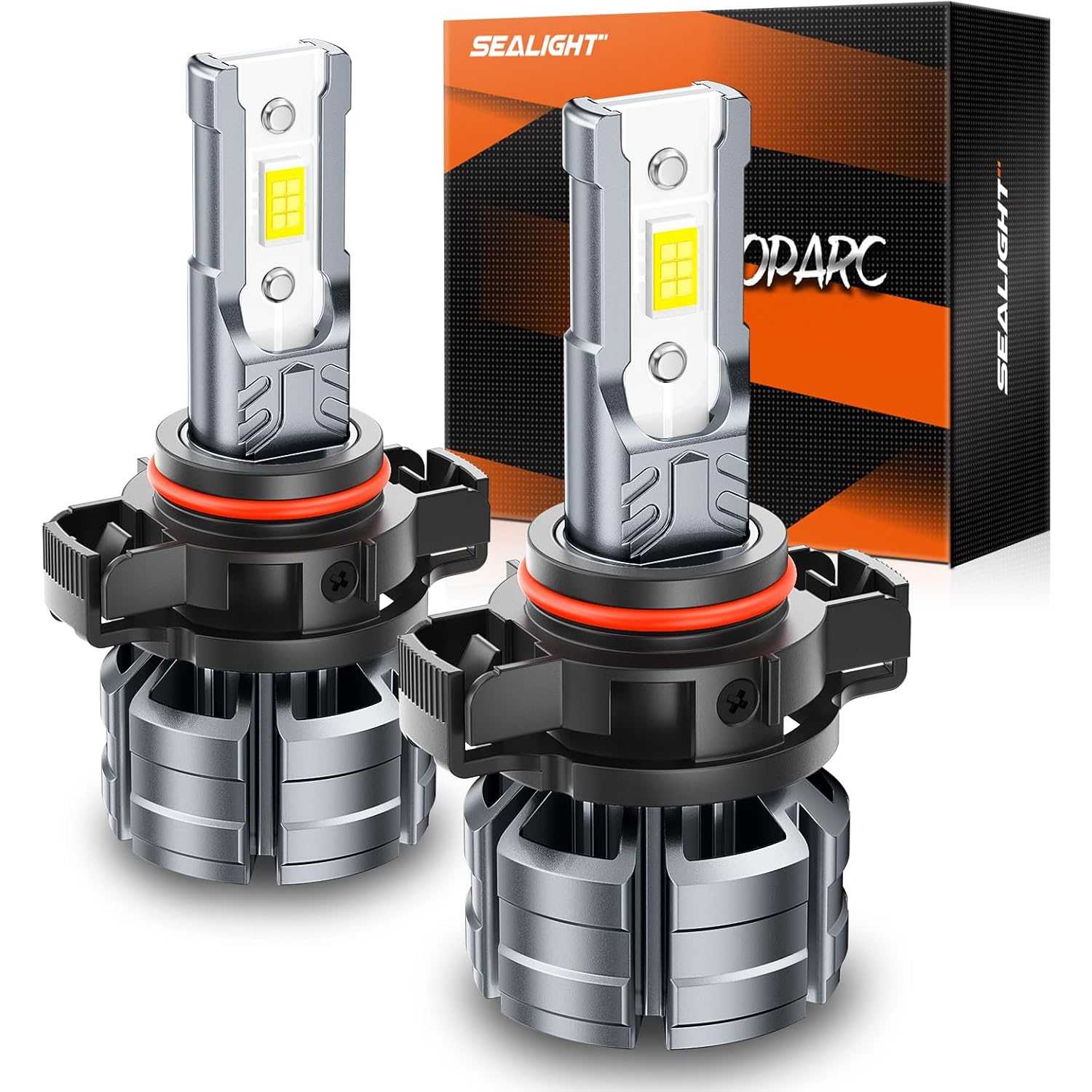
SEALIGHT LED fog light has stronger output, improved consistency, and options in both white (around 6000K–6500K) and yellow led fog light bulbs (around 3000K–3500K)—useful if you want to tune visibility and contrast for your conditions. Check some of our best options below:

FAQs
Q: How long do fog light bulbs last on average?
On average, fog light bulb lifespan varies by technology type. Halogen bulbs typically last around 500–1,000 hours, HID bulbs about 2,000–3,000 hours, while LED fog light bulbs can last anywhere from 10,000 to over 30,000 hours.
Your actual results depend on usage, weather exposure, and housing conditions.
Q: Do fog lights burn out faster than headlights?
Often, yes. Fog lights sit lower, take more vibration and water spray, and may be used more casually. That combination can shorten bulb life compared to headlights.
Q: Should I replace both fog light bulbs at the same time?
Yes. Replacing in pairs keeps brightness and color consistent, and it’s usually more efficient than doing the job twice.
Q: Are LED fog lights worth it?
Yes—especially if you care about long-term cost and reliability. While LED bulbs cost more upfront, they typically last far longer and deliver stronger, more stable output when visibility is poor.
Conclusion
Fog light bulb life isn’t mysterious once you break it down: lifespan depends heavily on bulb type, and real-world factors like heat, vibration, moisture, and electrical stability decide whether you get the “advertised” hours or a frustrating early failure. If you want to stay ahead of the problem, inspect your lights during routine maintenance and watch for classic fog light replacement signs like dim output, flicker, color mismatch, or one side going out.
If you’re ready to reduce replacements and improve visibility at the same time, consider upgrading to a longer-lasting LED setup for better safety—starting with options here.