
 Headlight Bulbs


 Track Order
 My Vehicles
 Contact Us
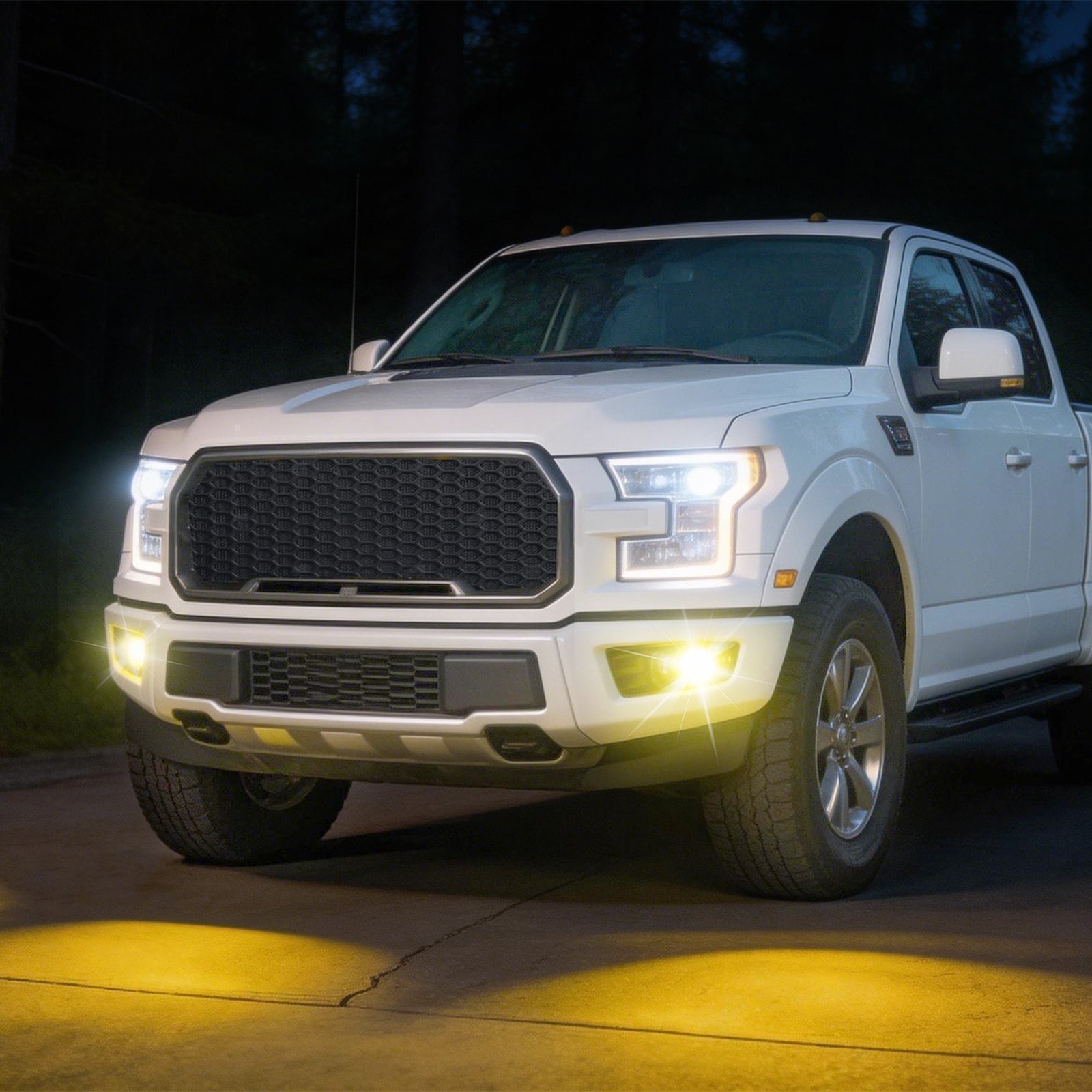
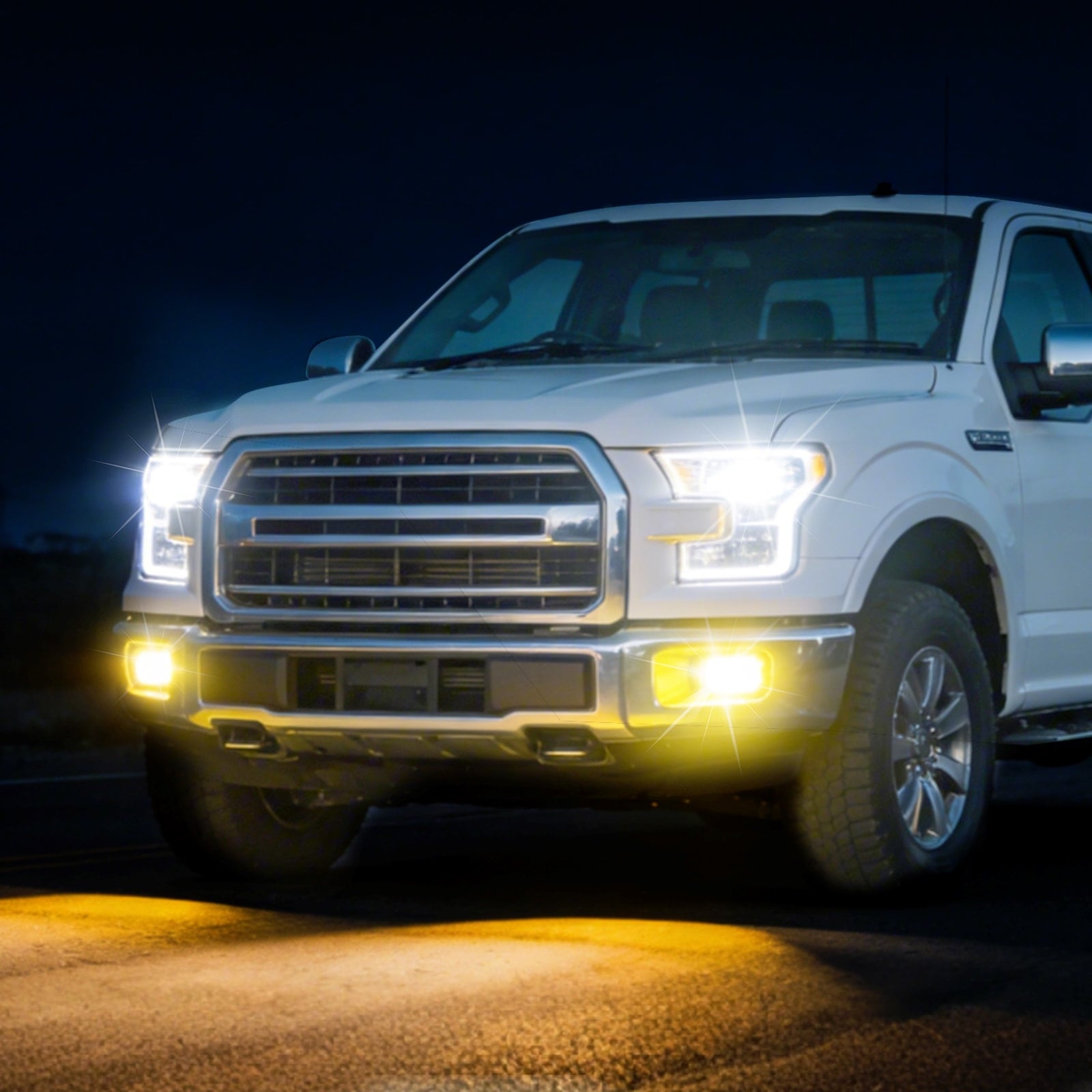
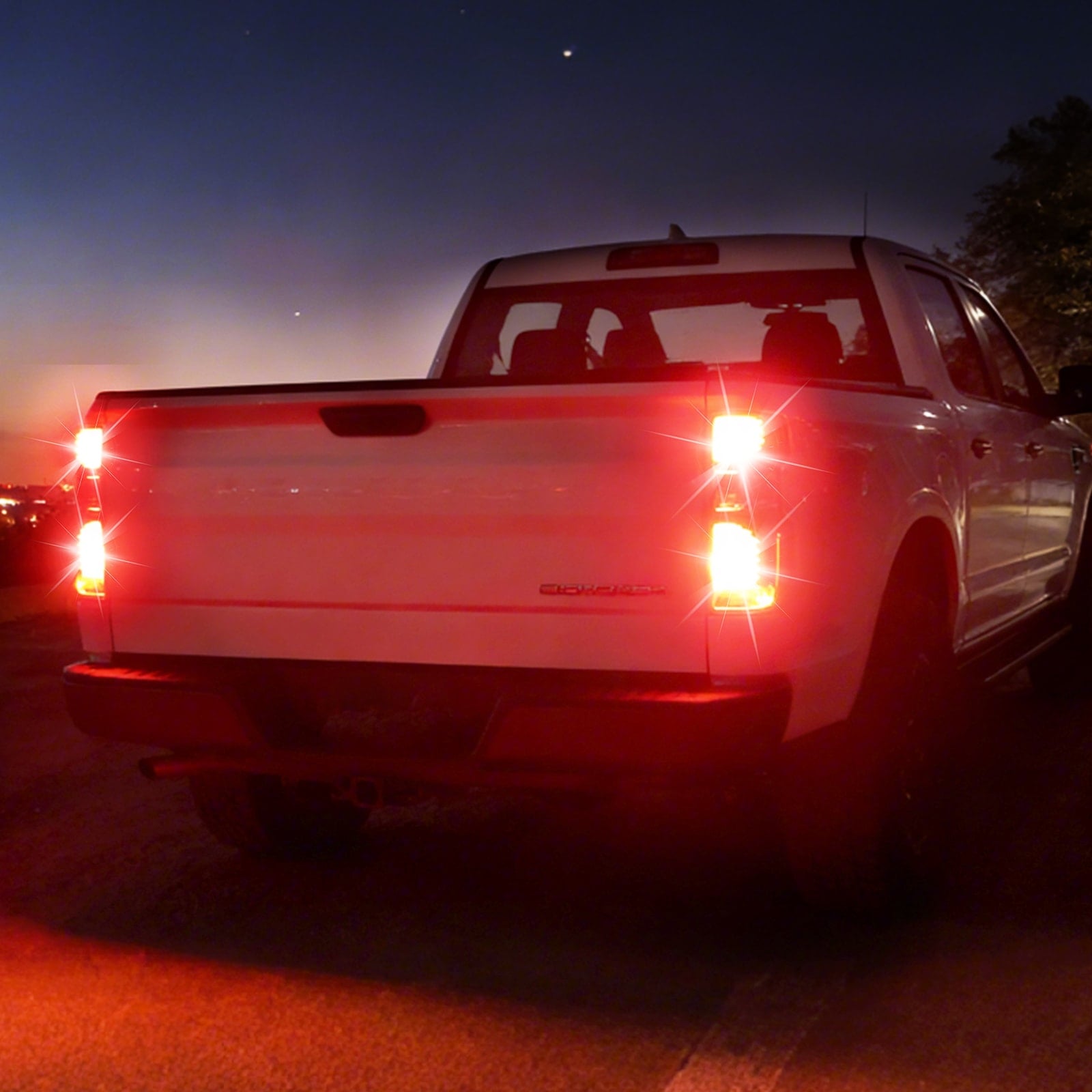
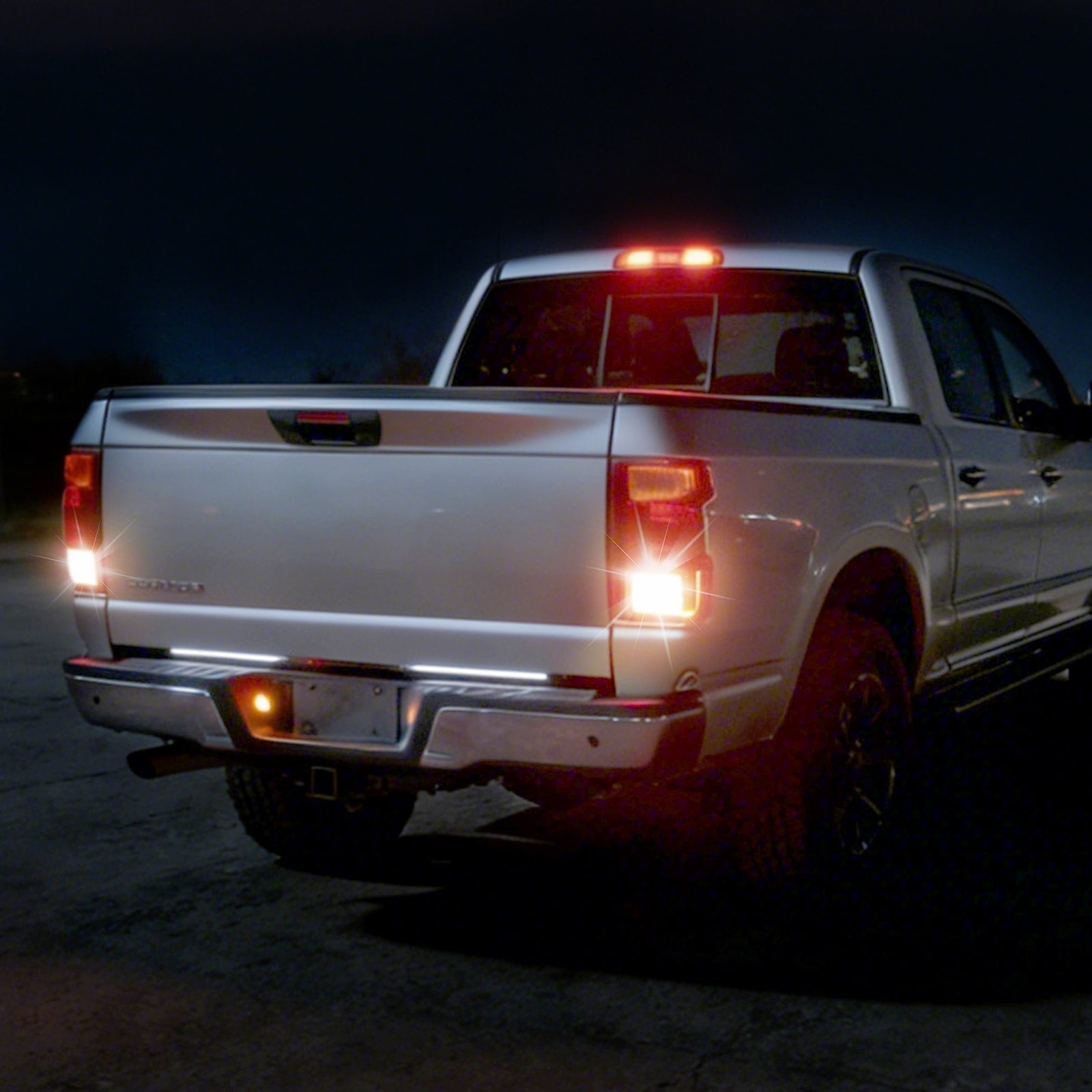
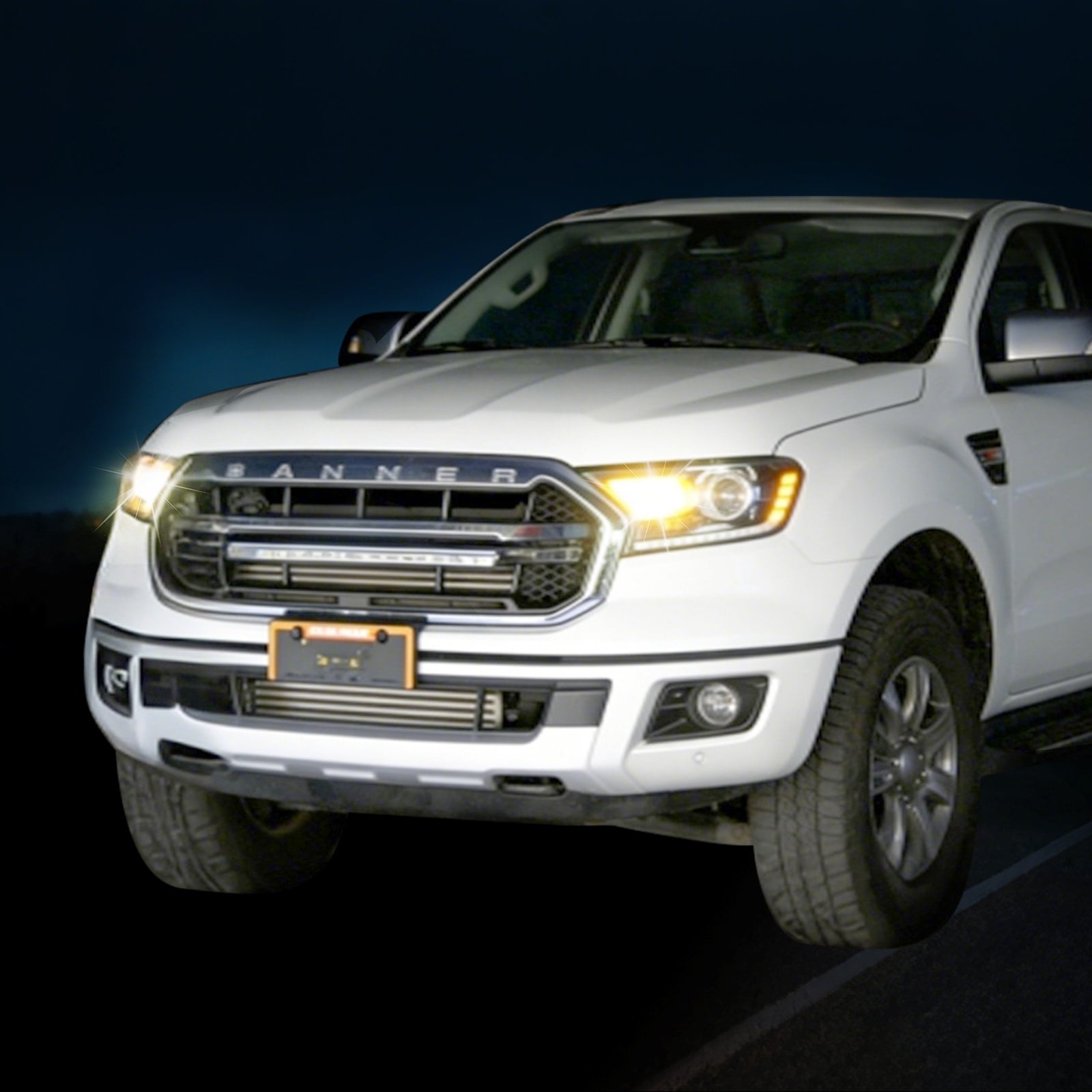
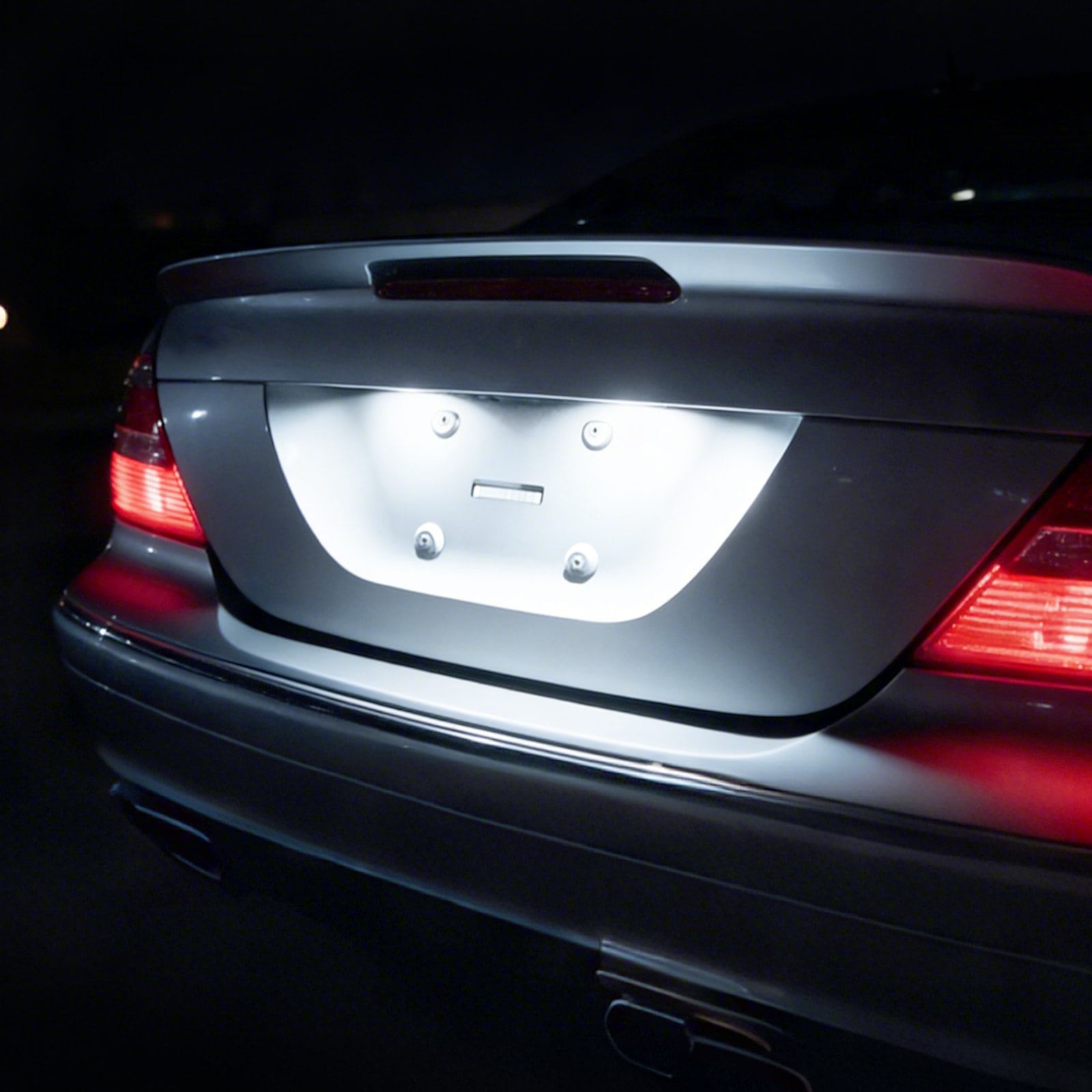
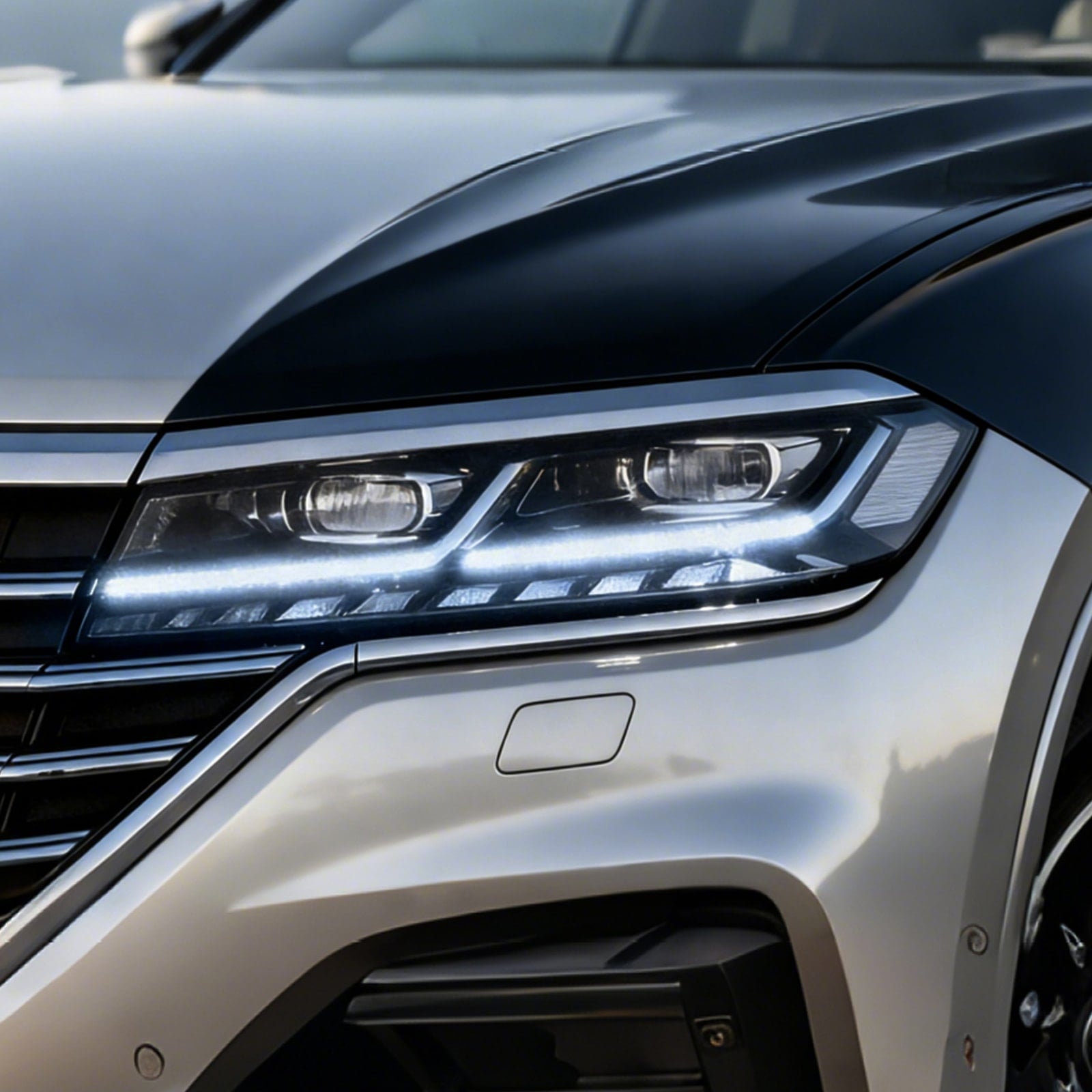
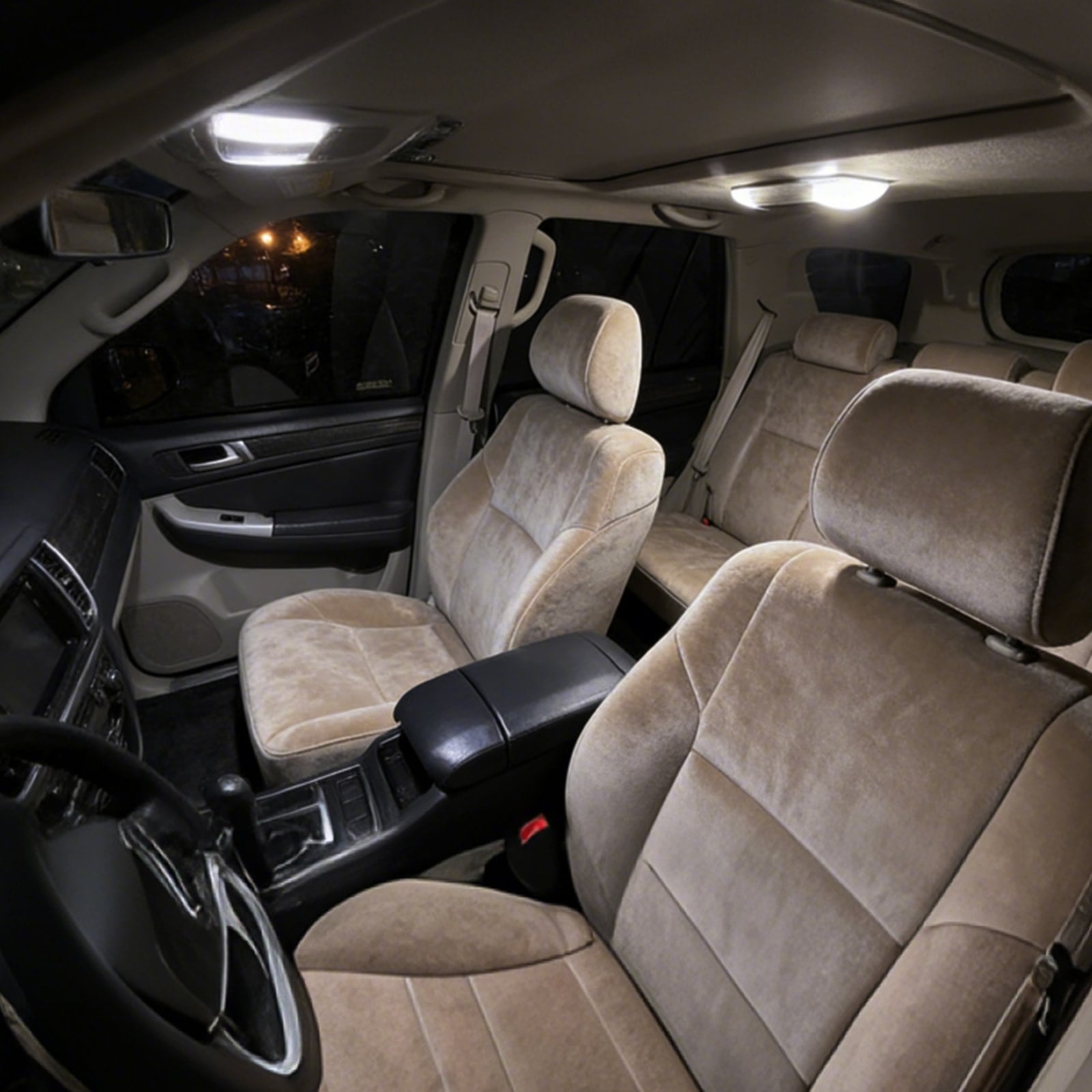
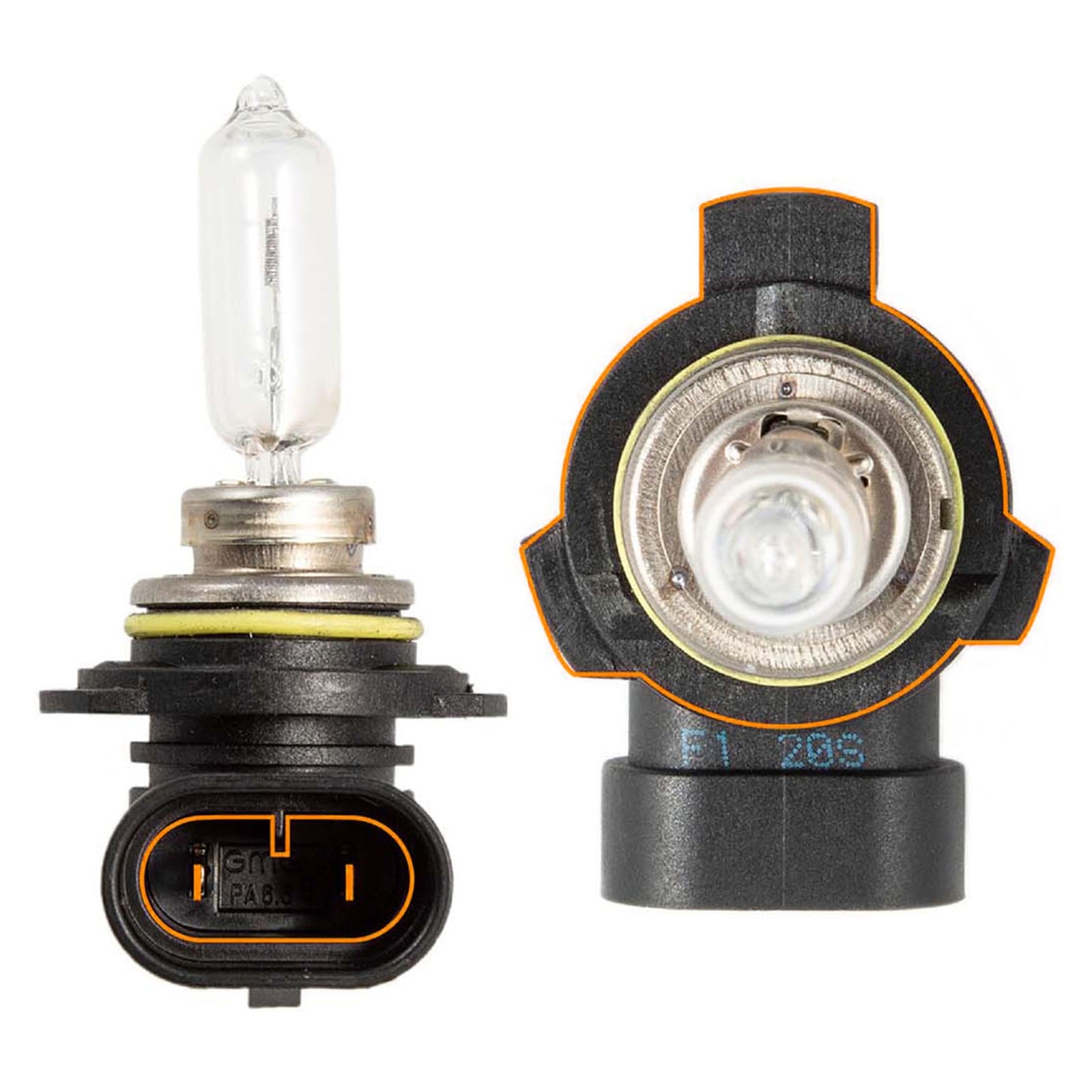
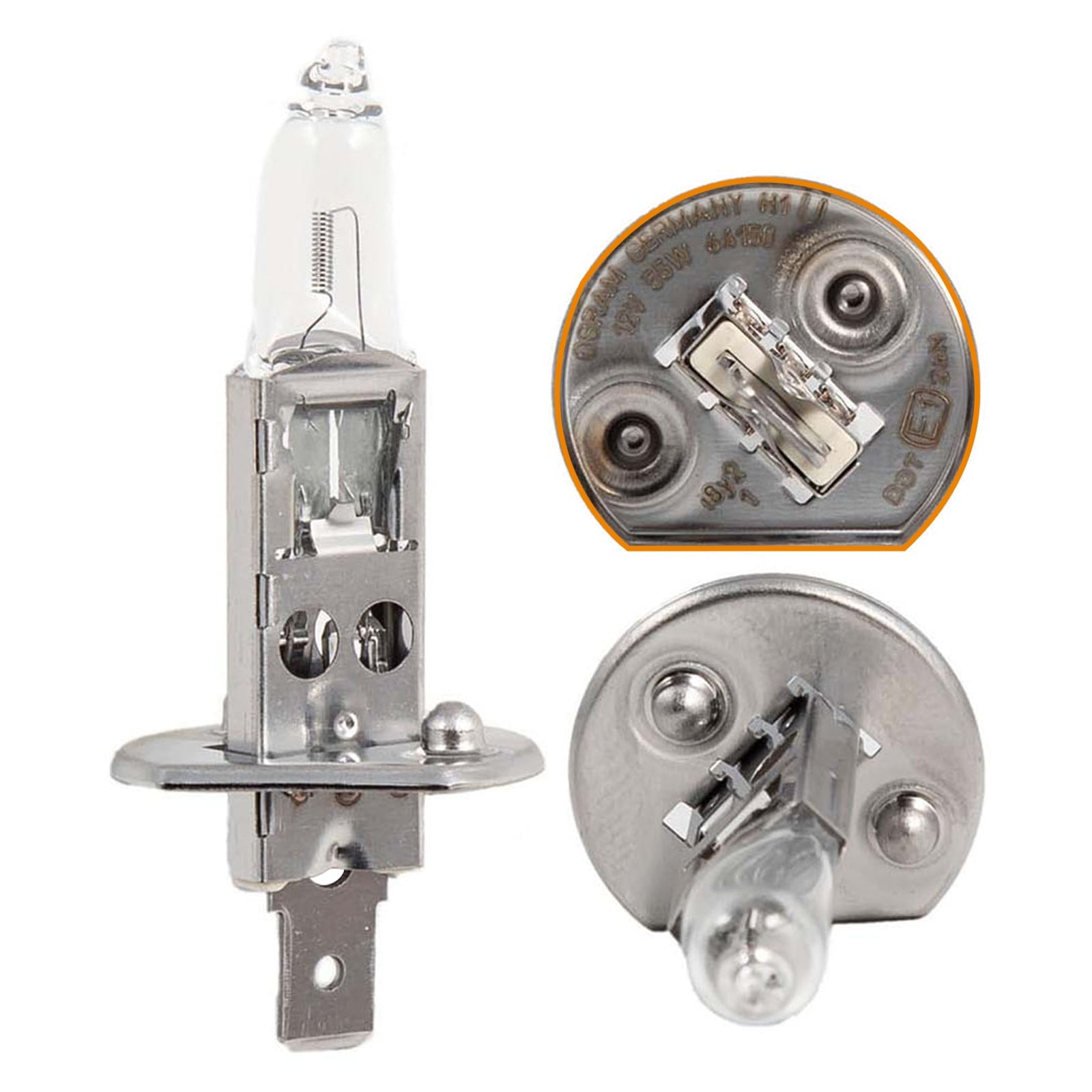

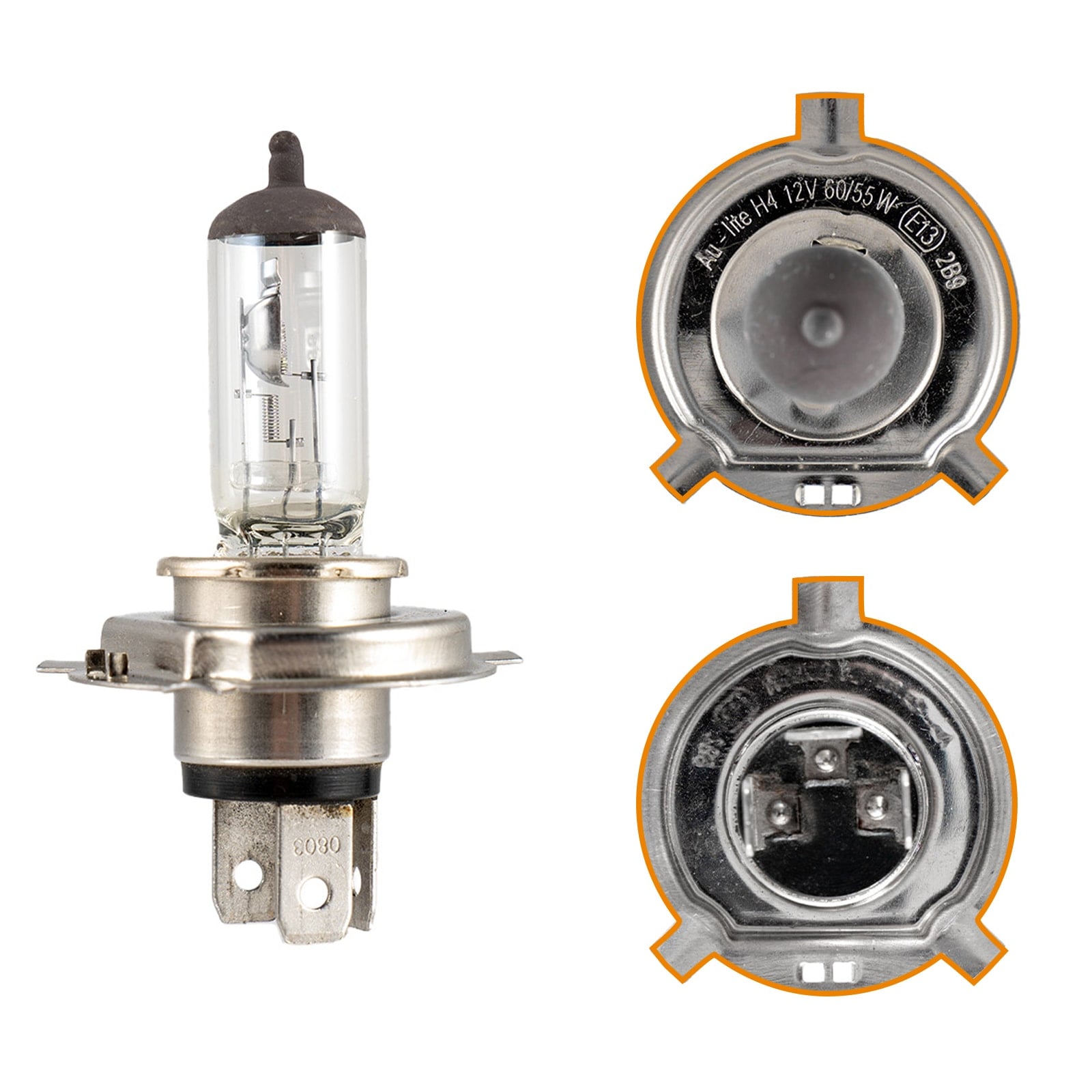
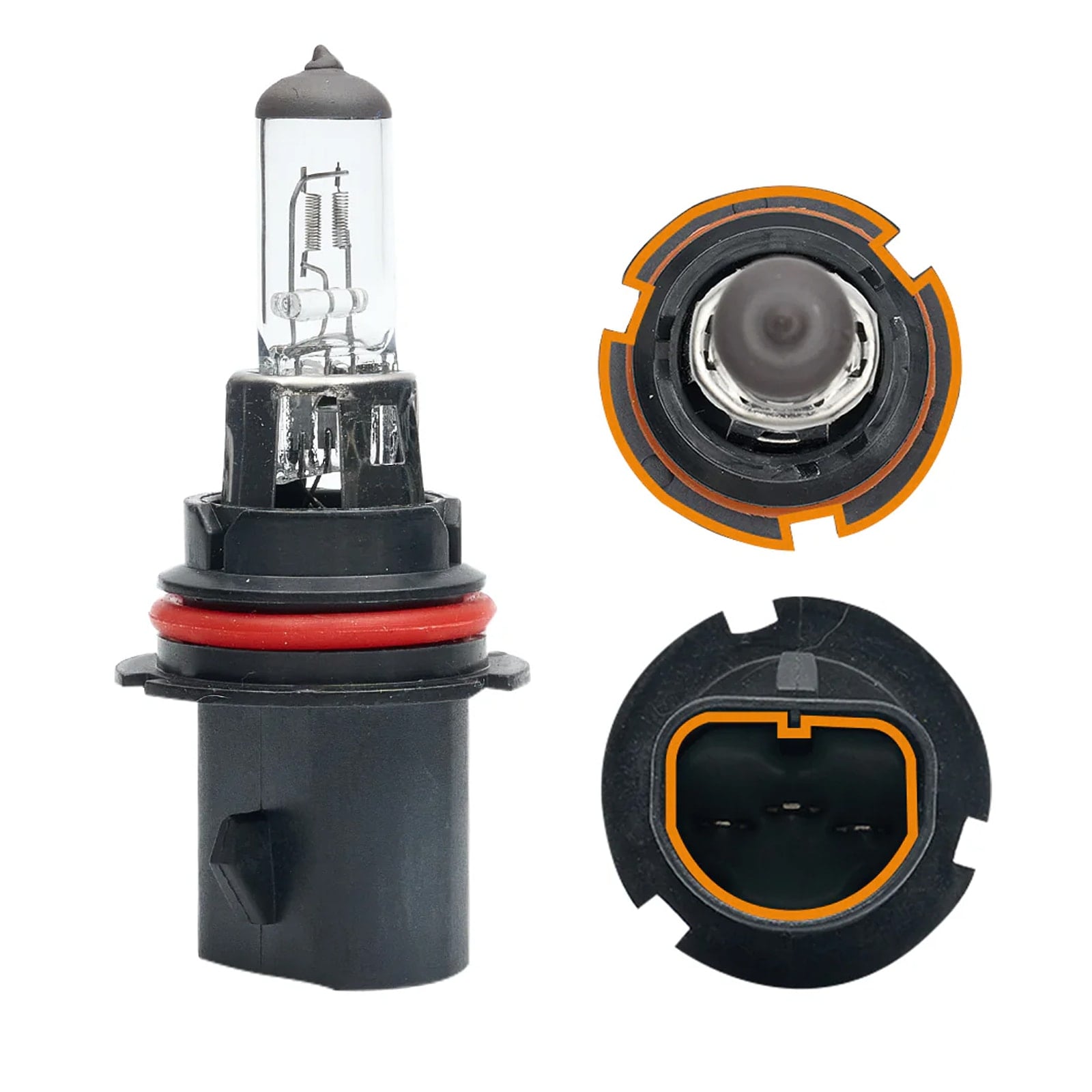
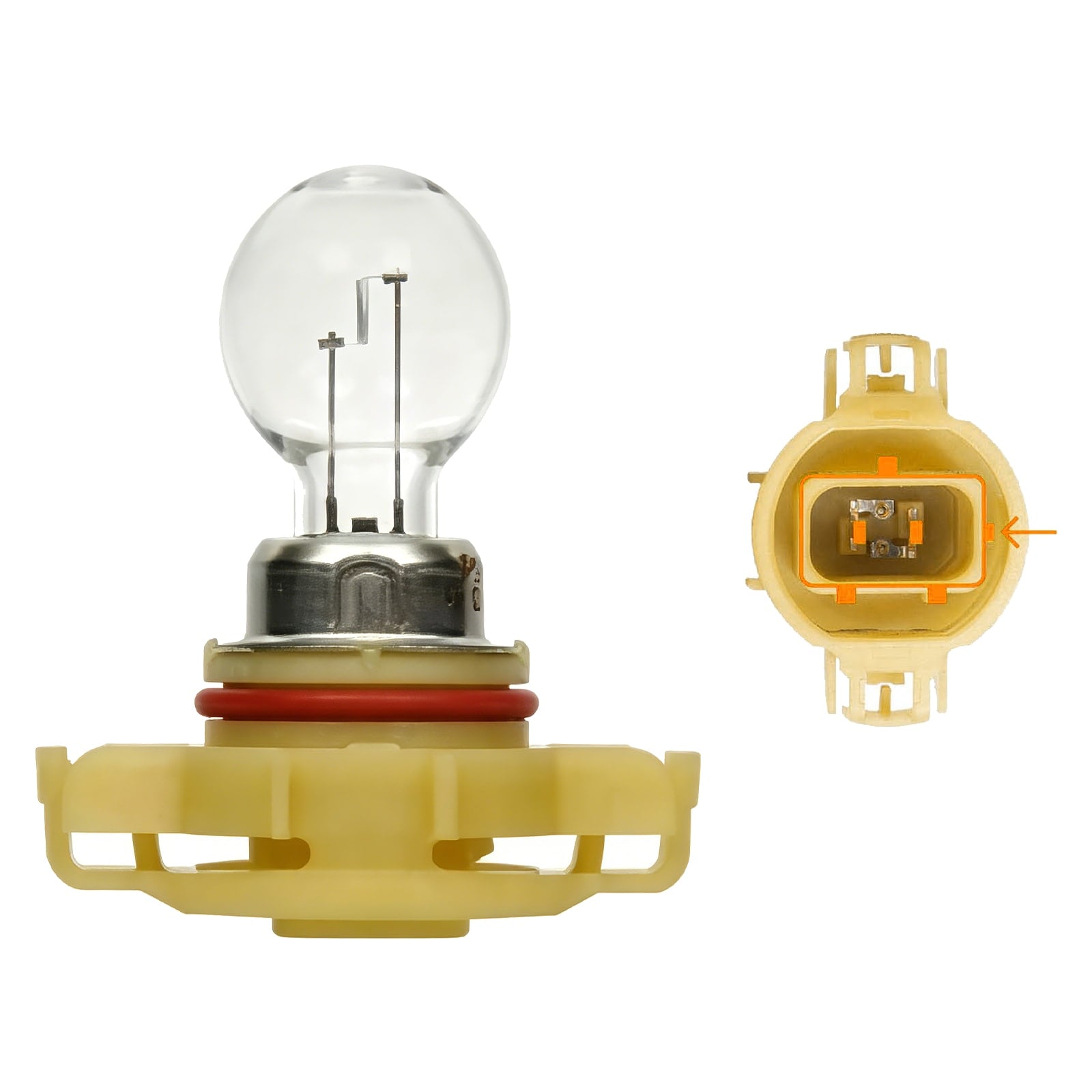
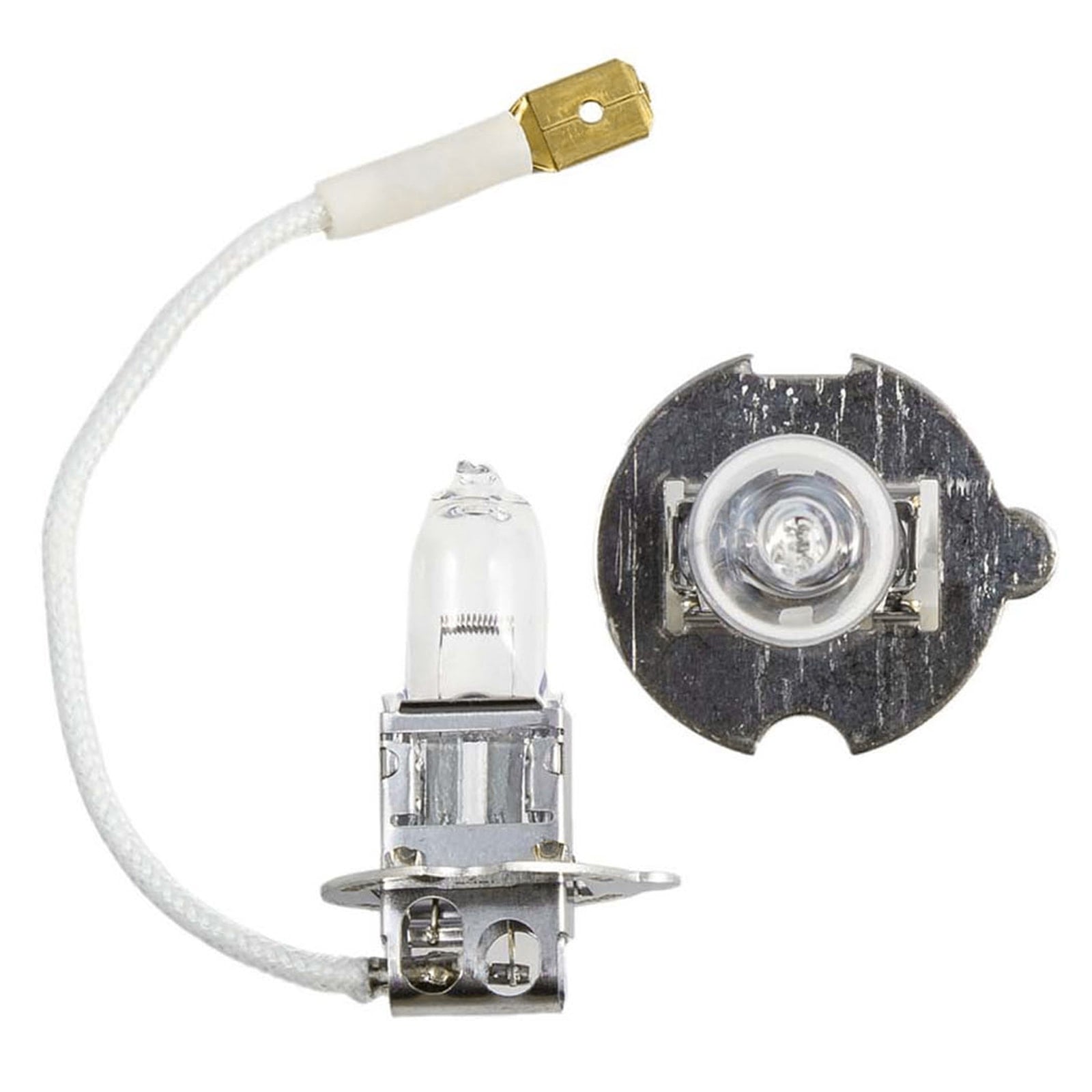
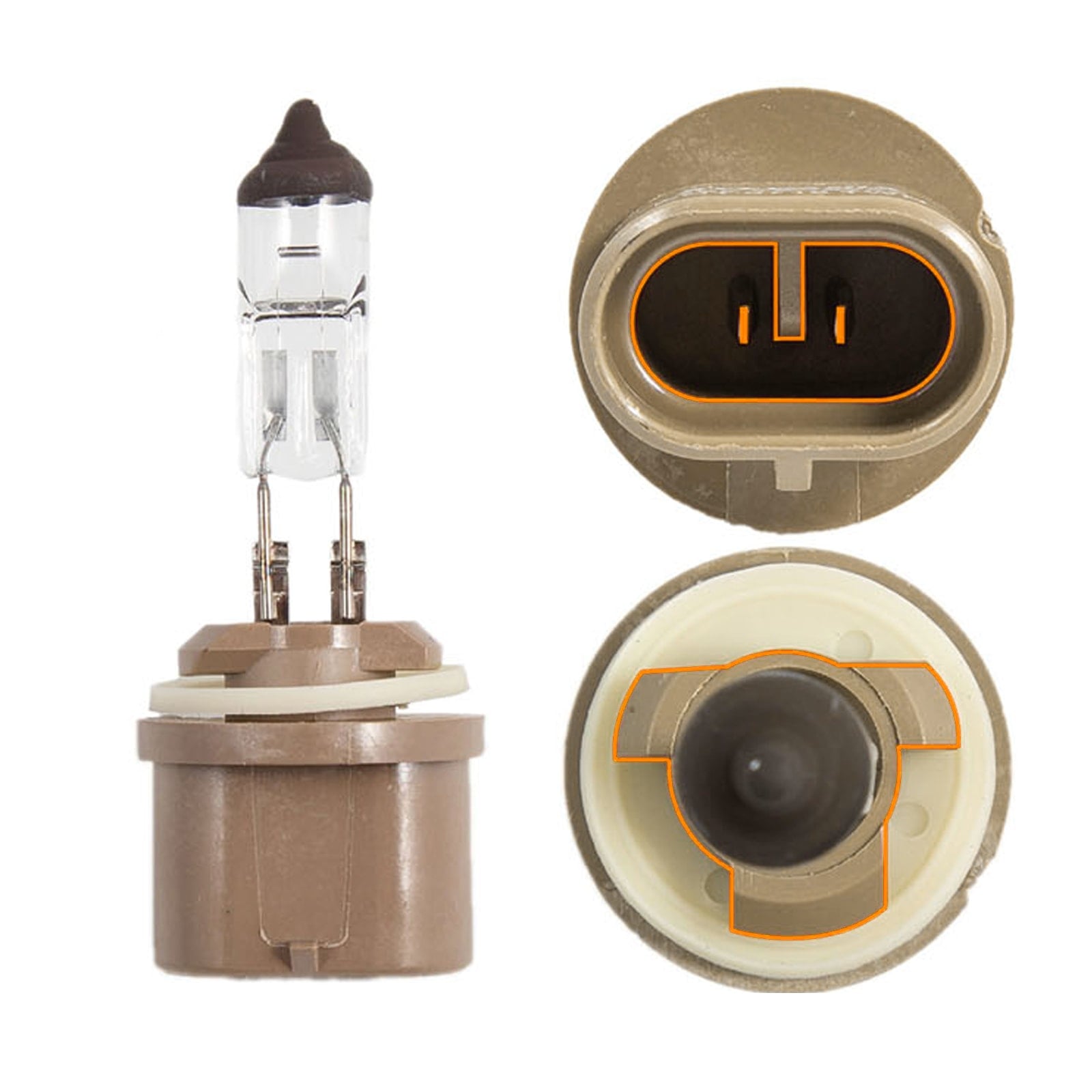
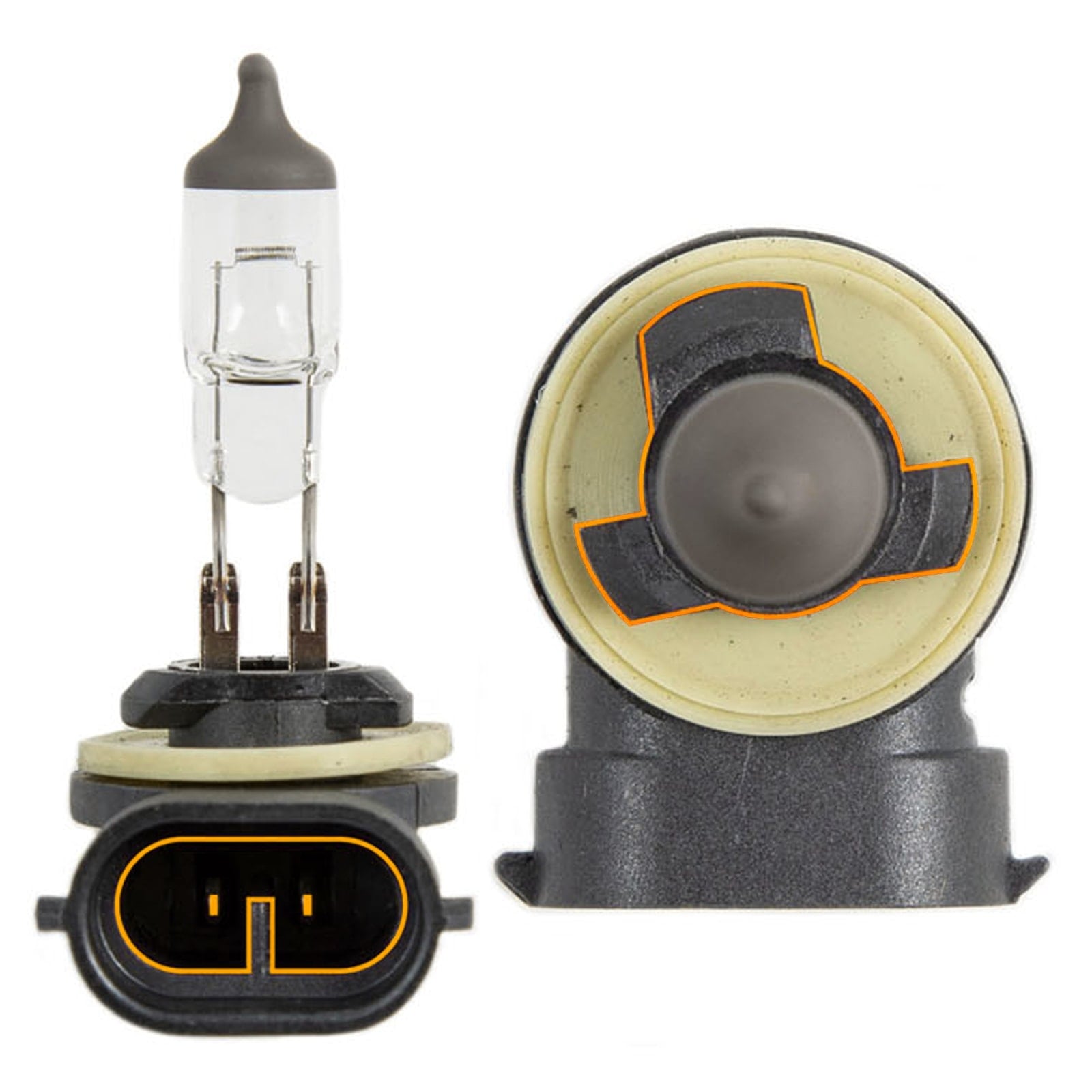
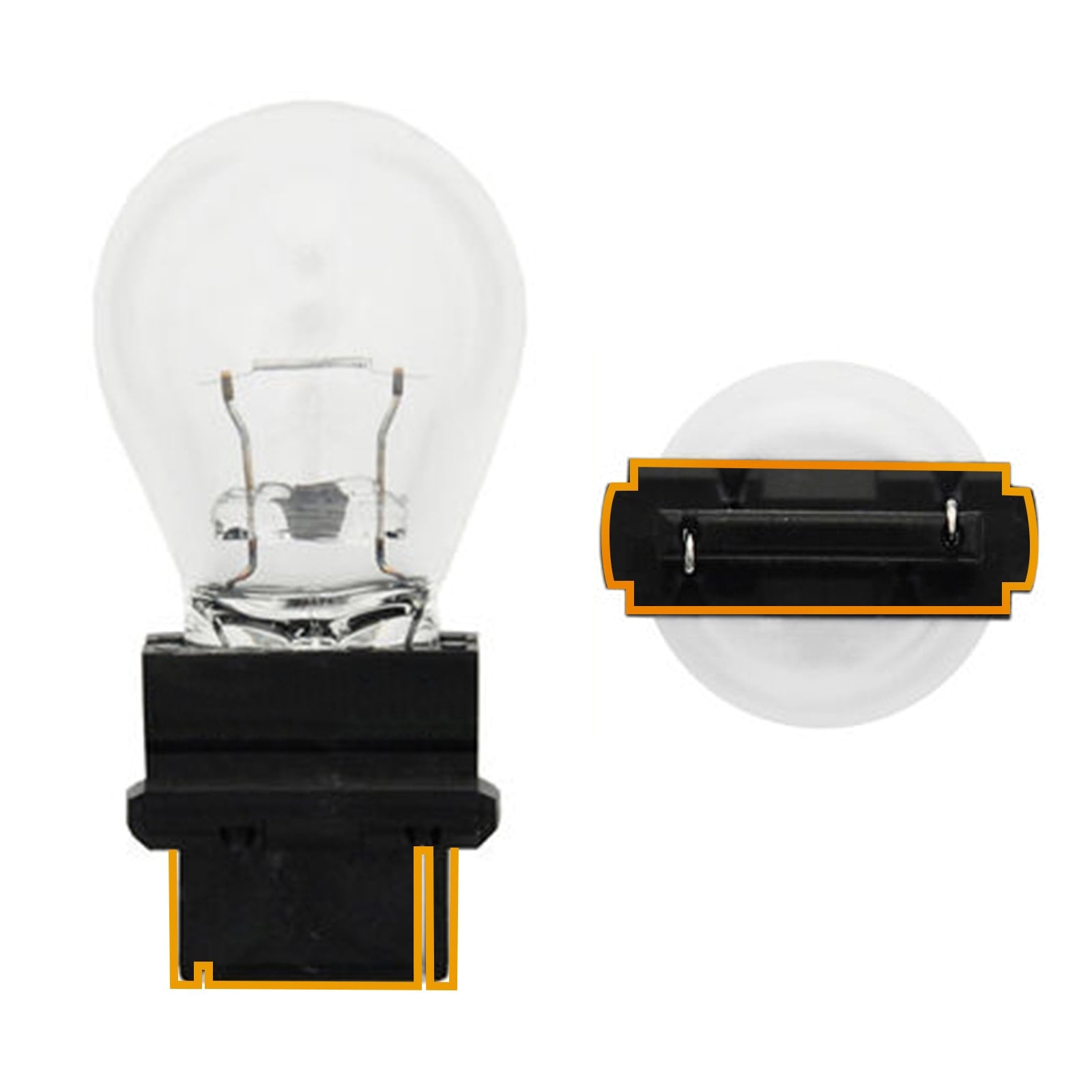
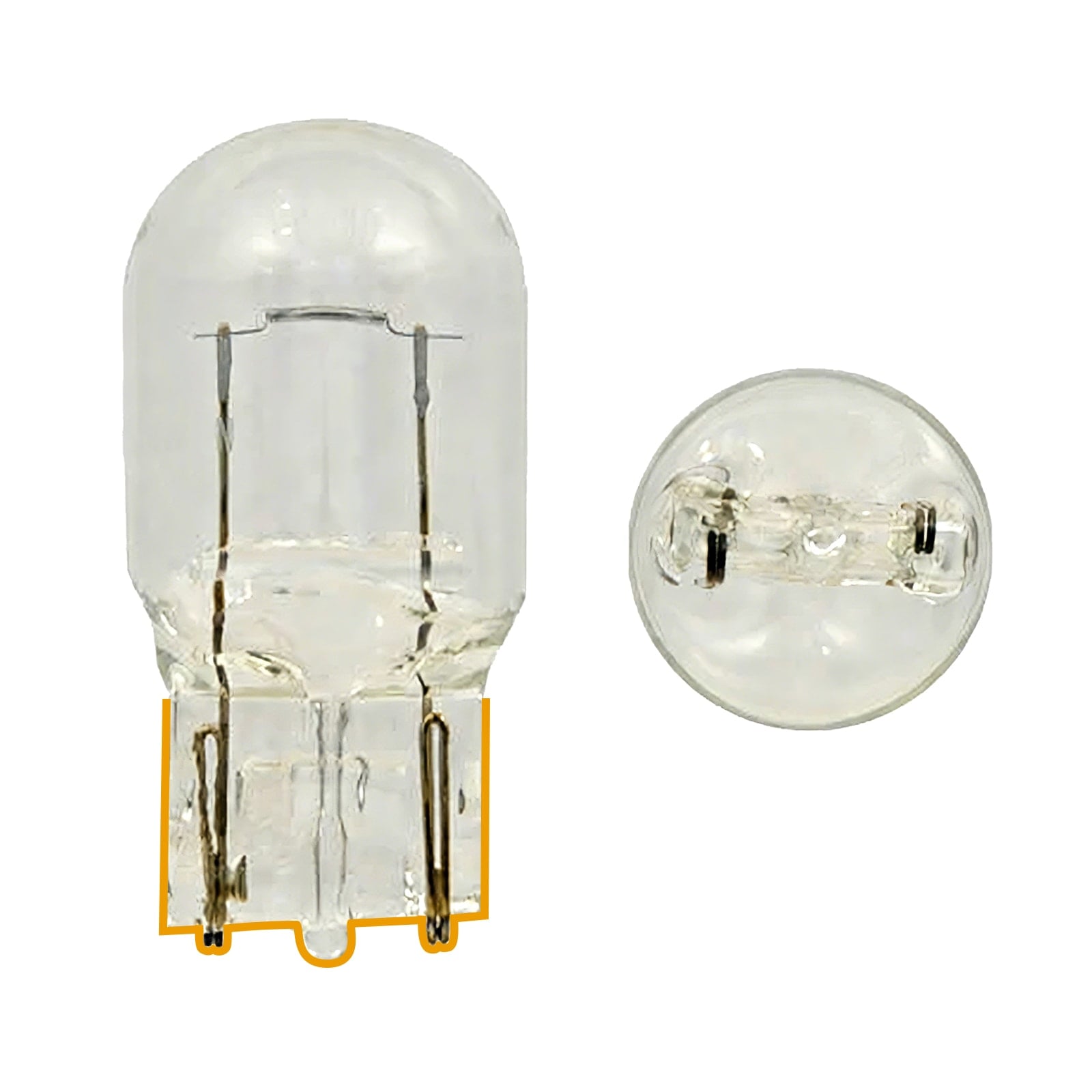
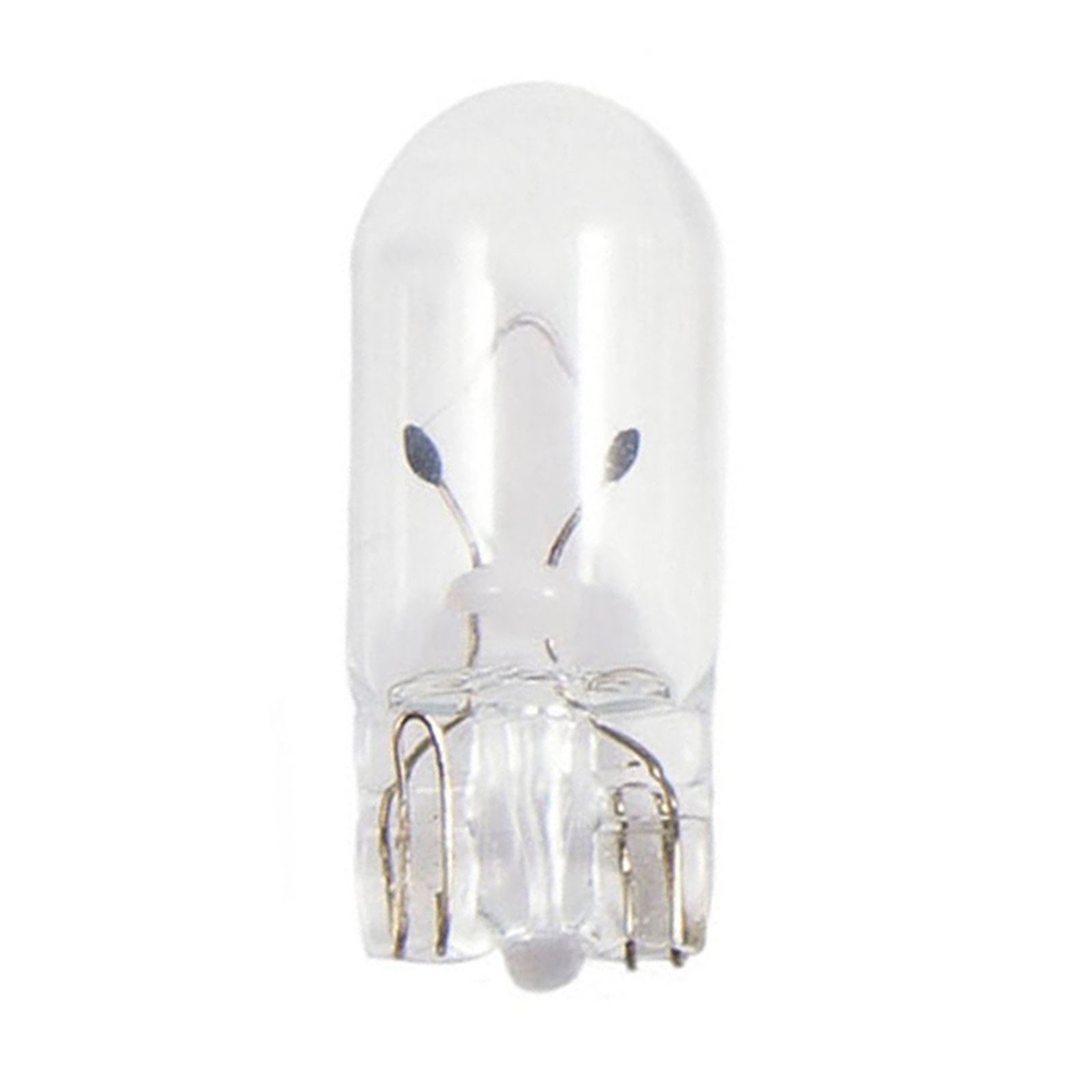
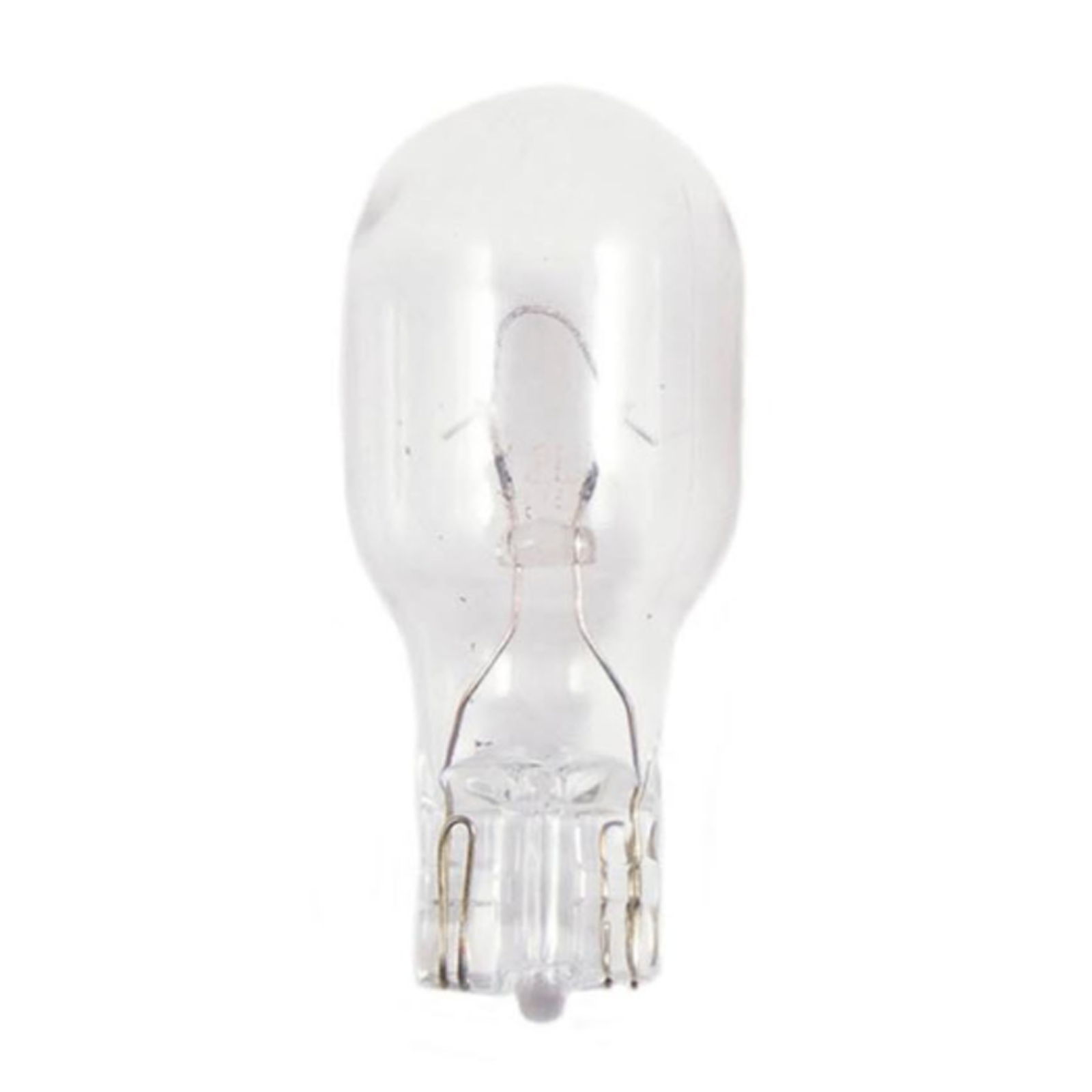
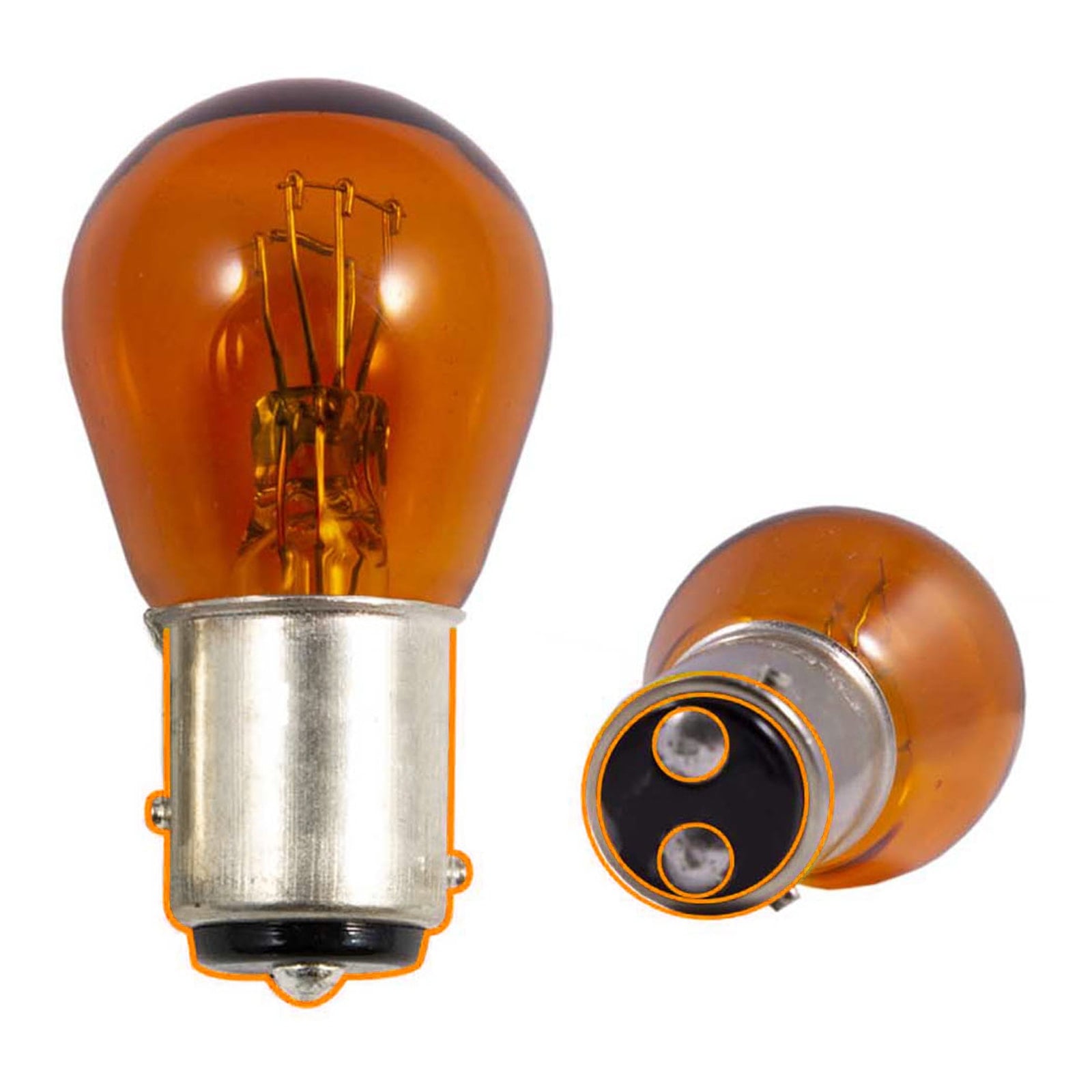
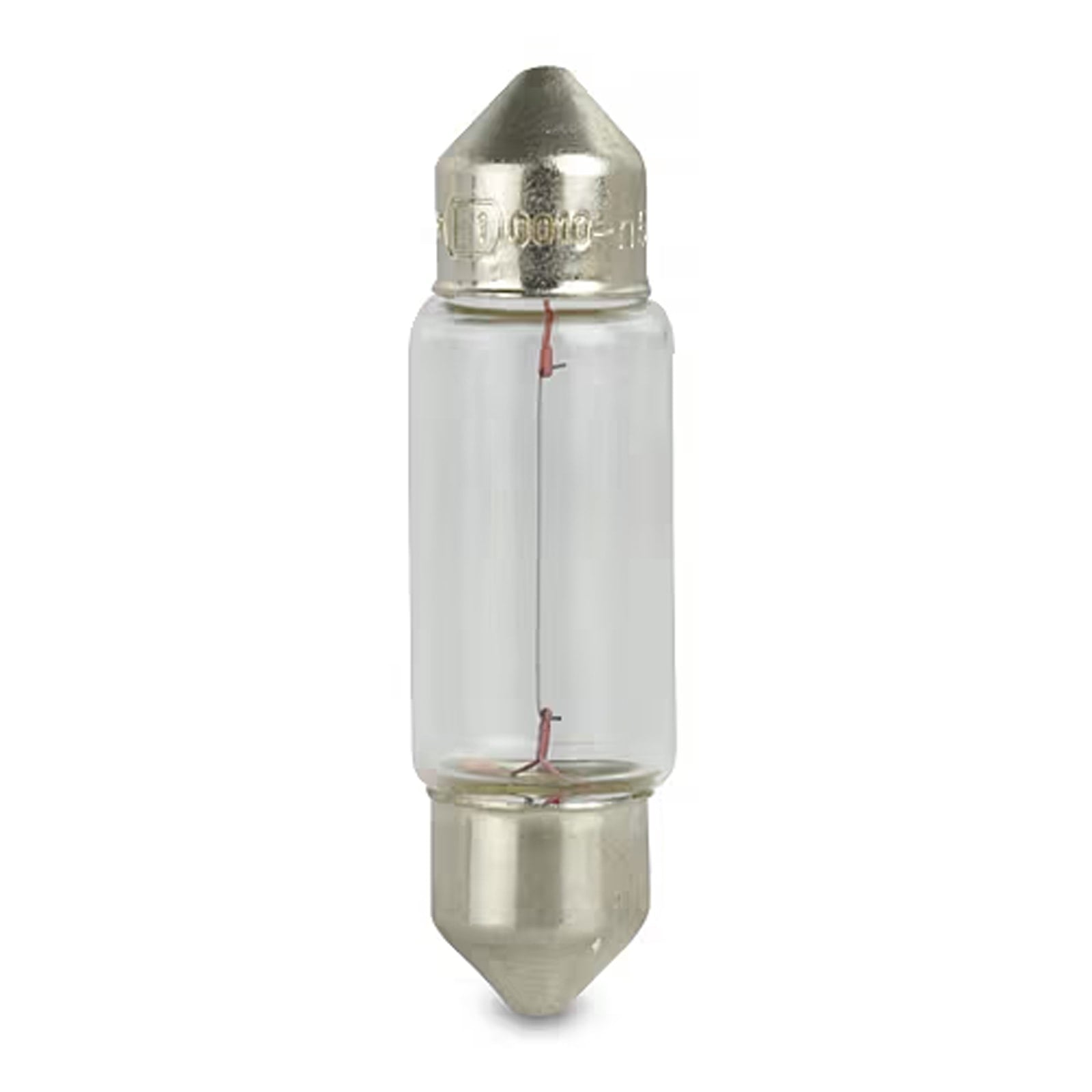
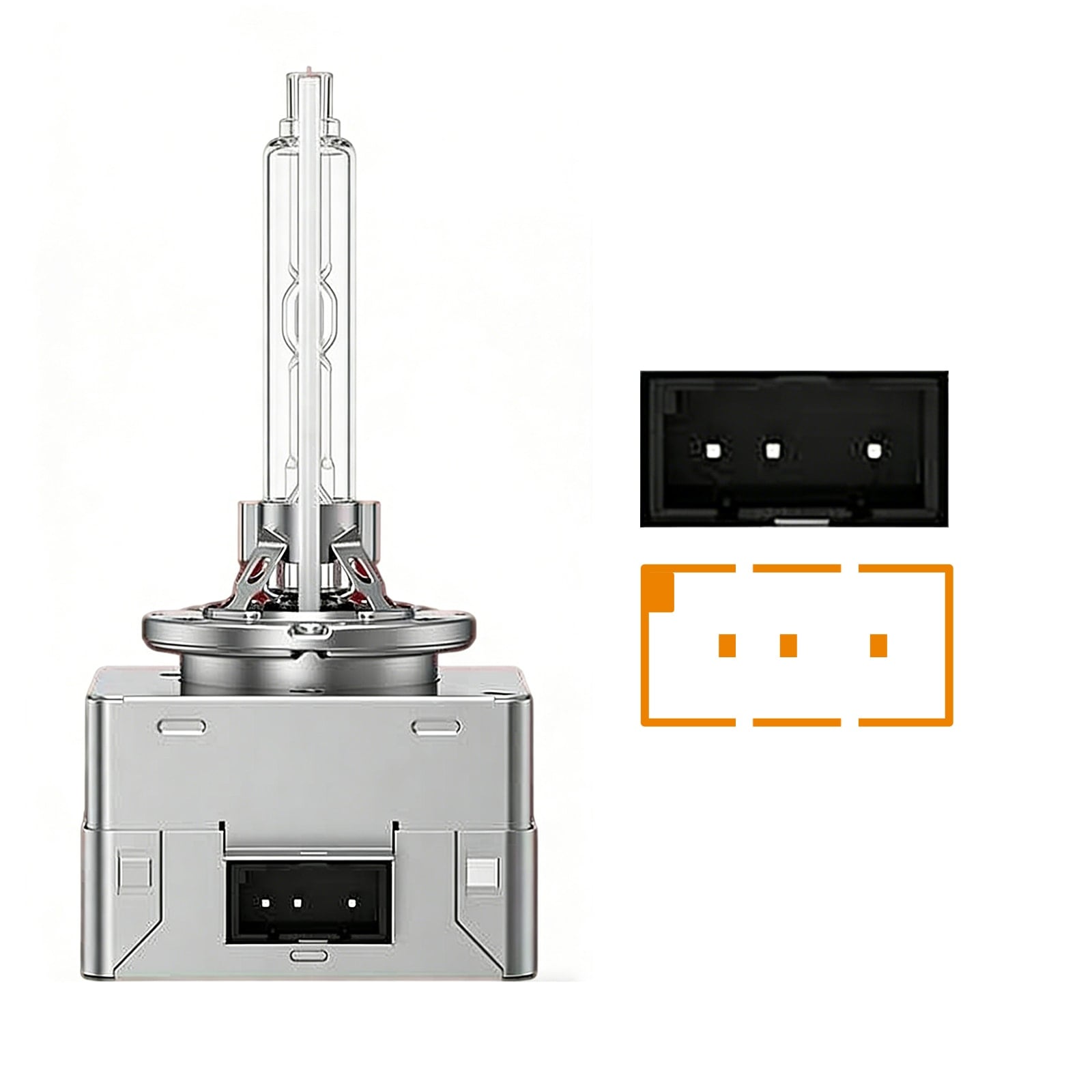
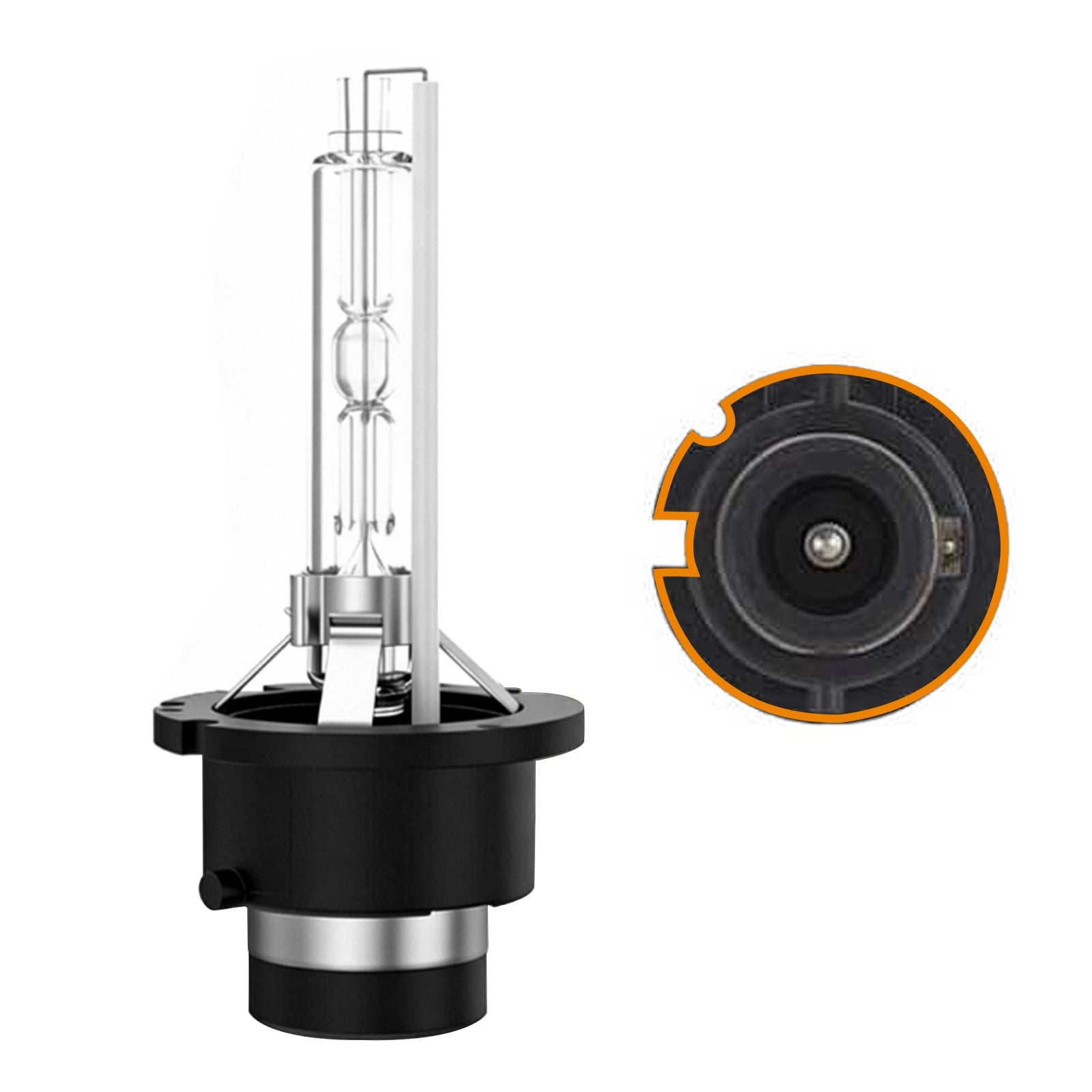
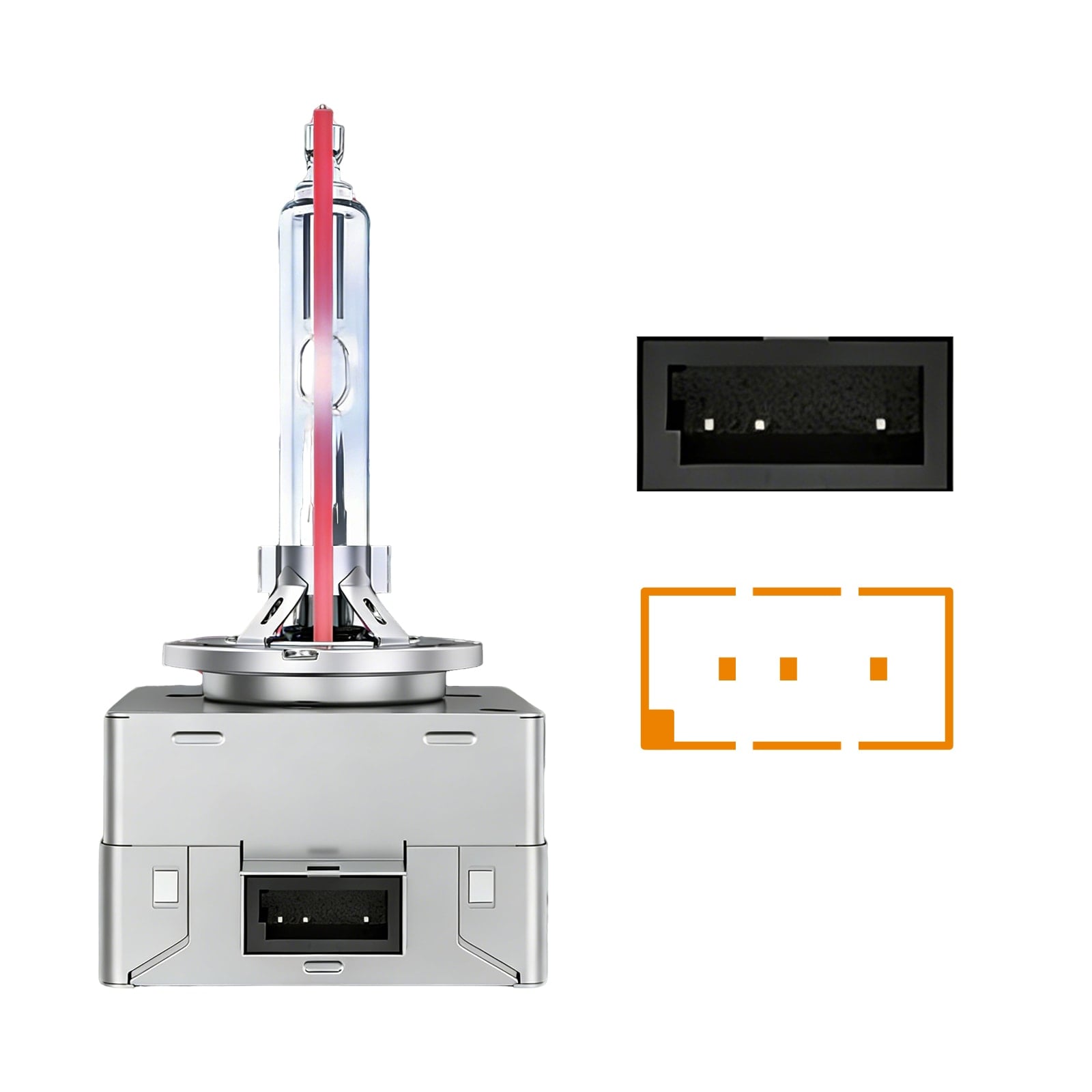
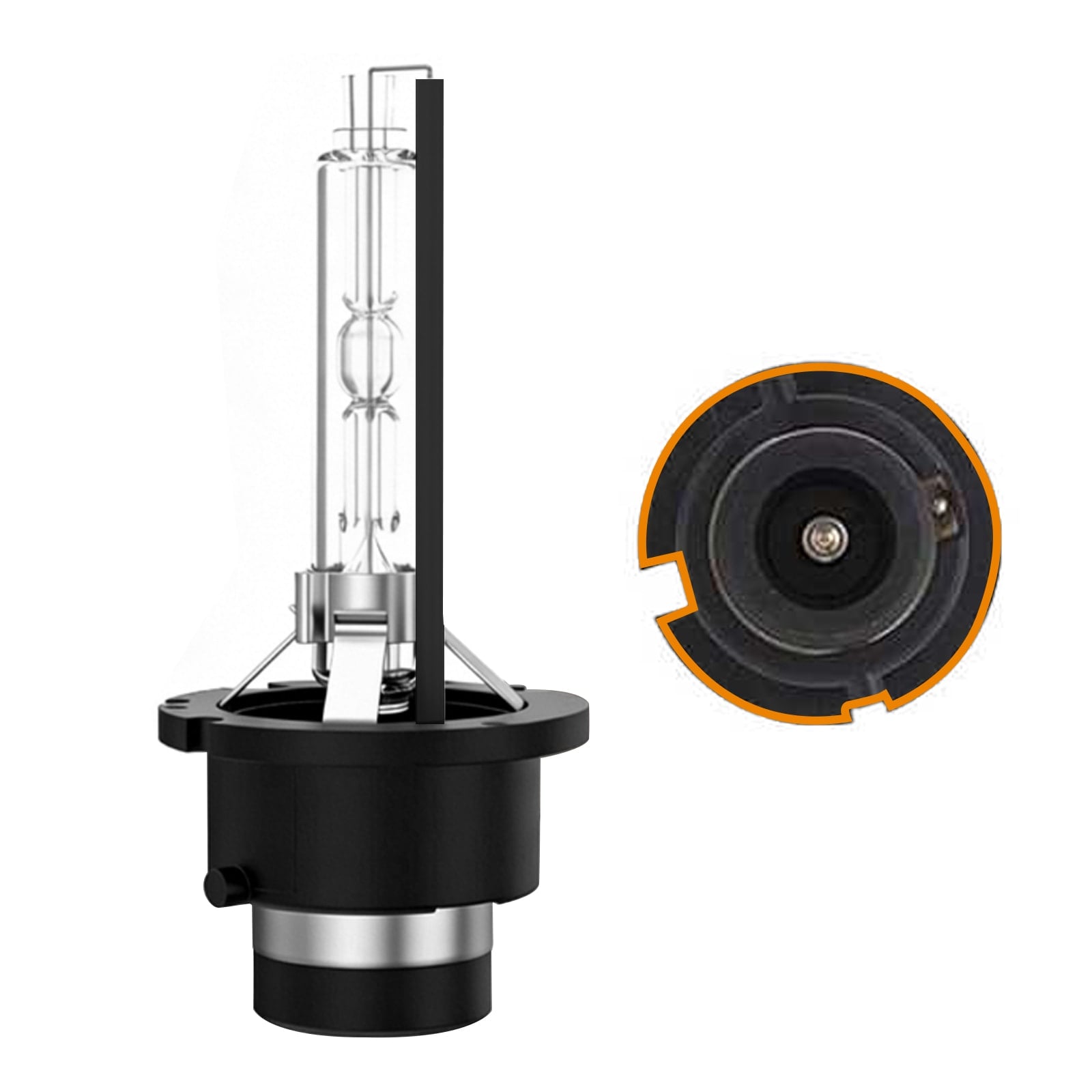
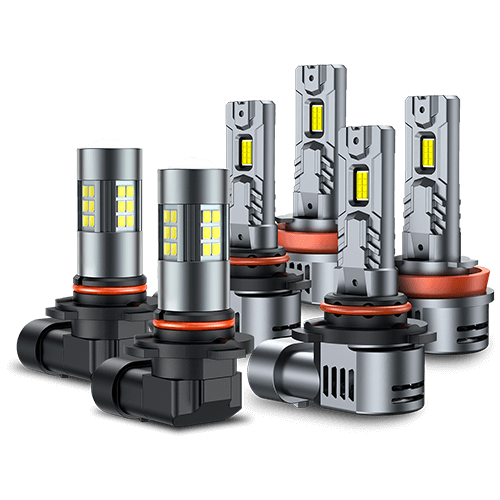
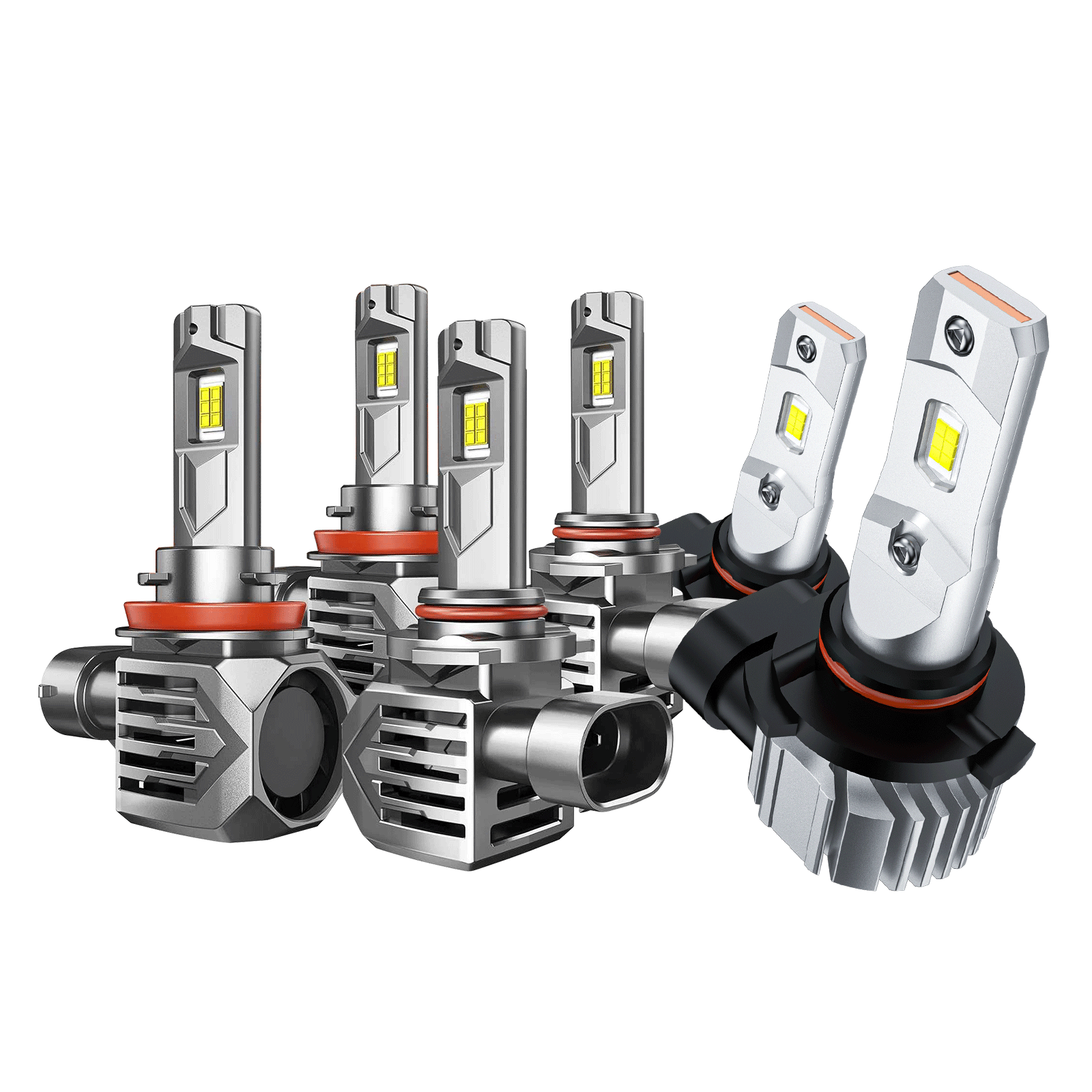











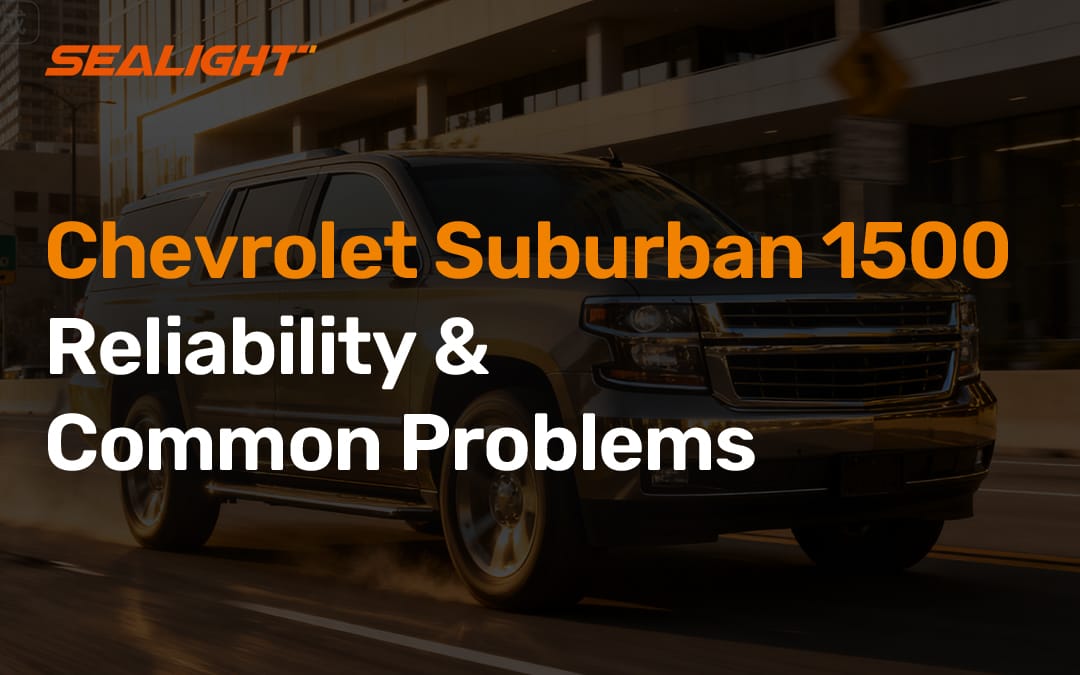
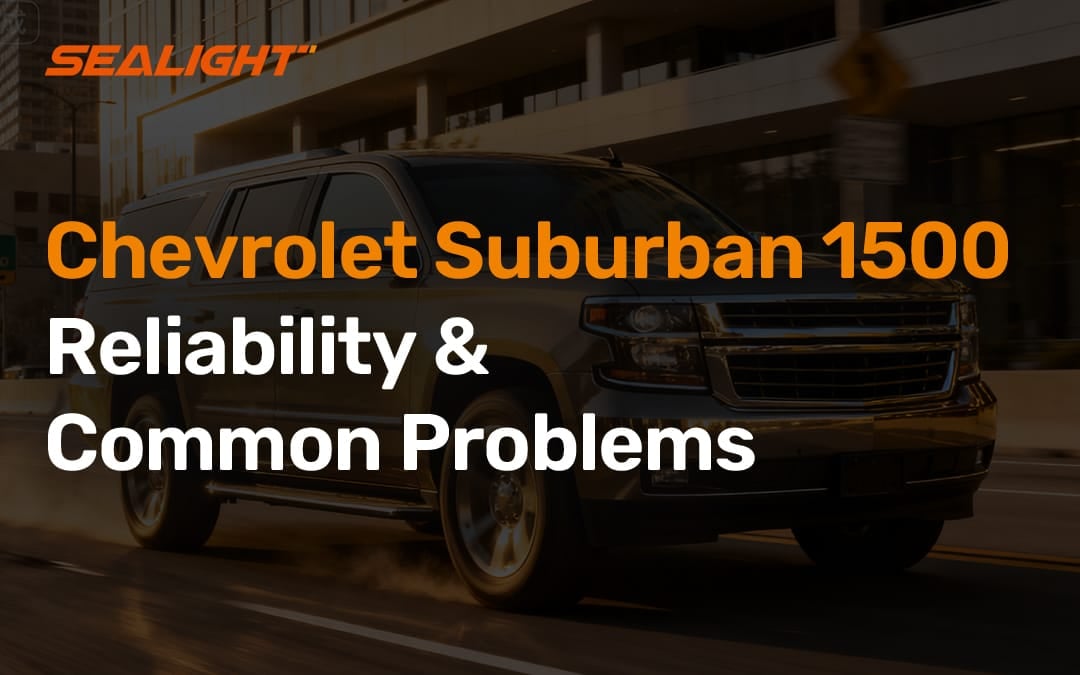
The Chevrolet K1500 has built a strong reputation among truck enthusiasts—and it’s easy to see why. As a full-size 4WD pickup, it’s designed to handle tough jobs, from hauling heavy loads to tackling rough terrain with confidence. That said, Chevrolet K1500 reliability isn’t entirely uniform. Performance and durability can vary depending on the model year and generation, and some common issues range from minor inconveniences to more costly repairs.
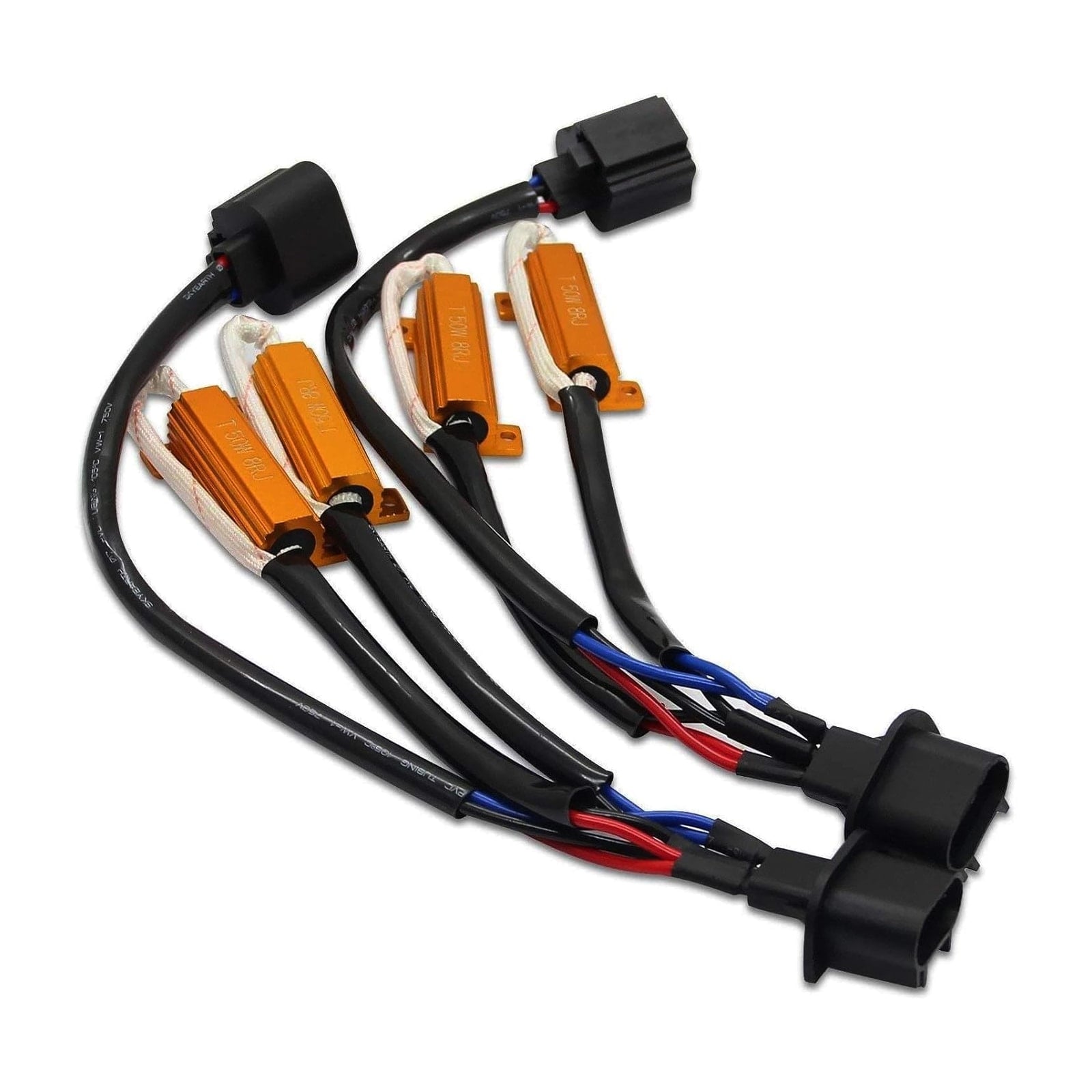
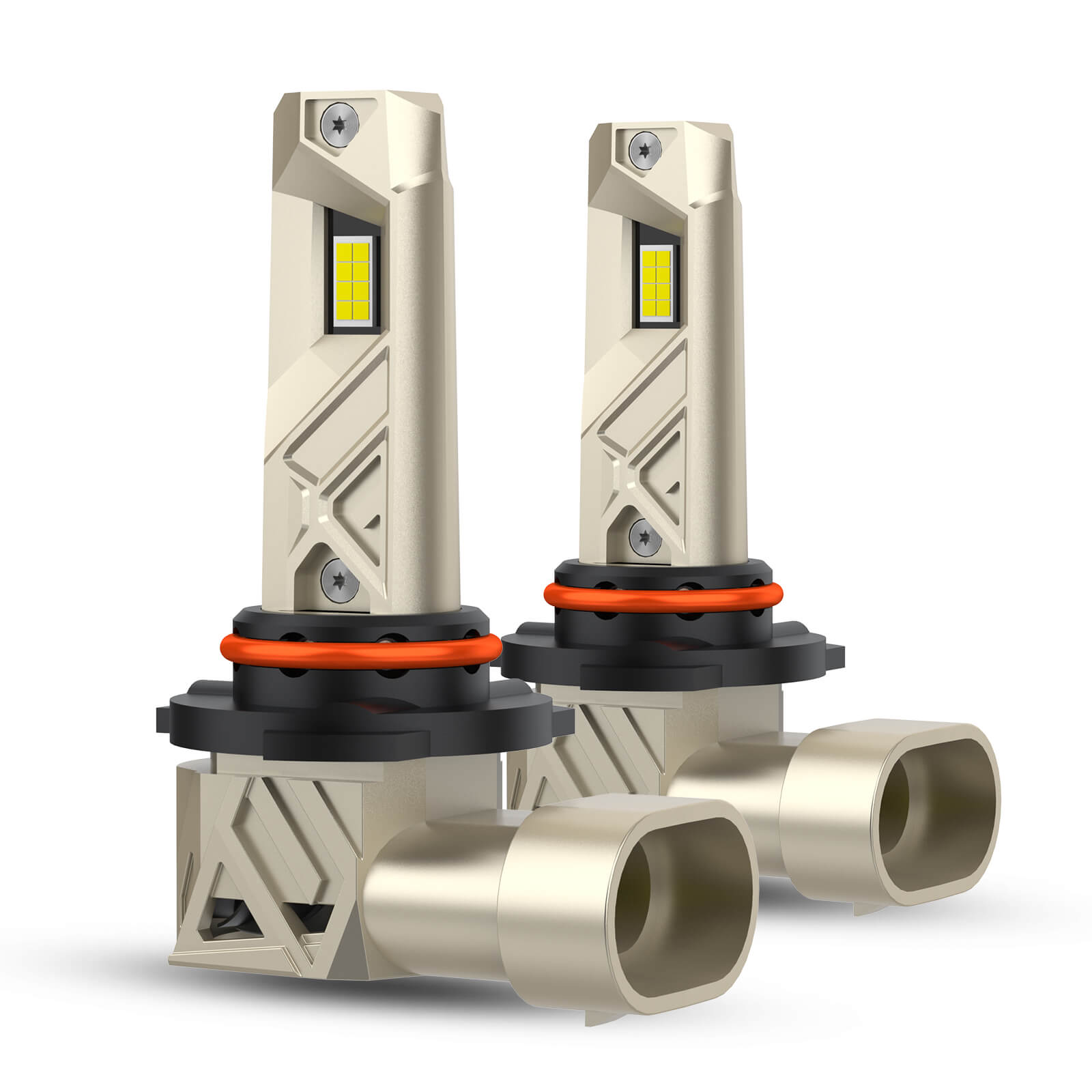
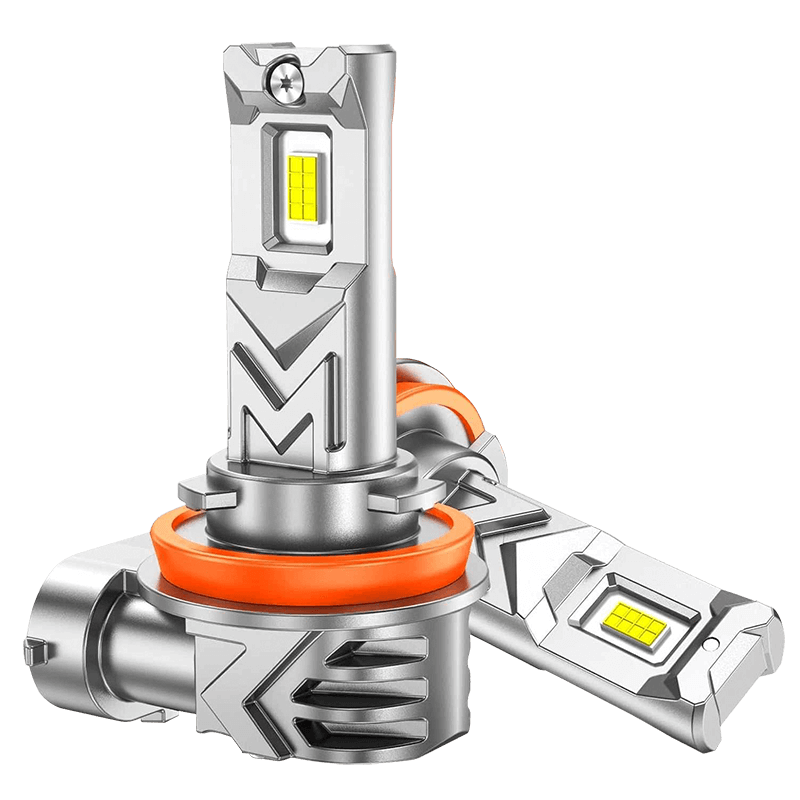
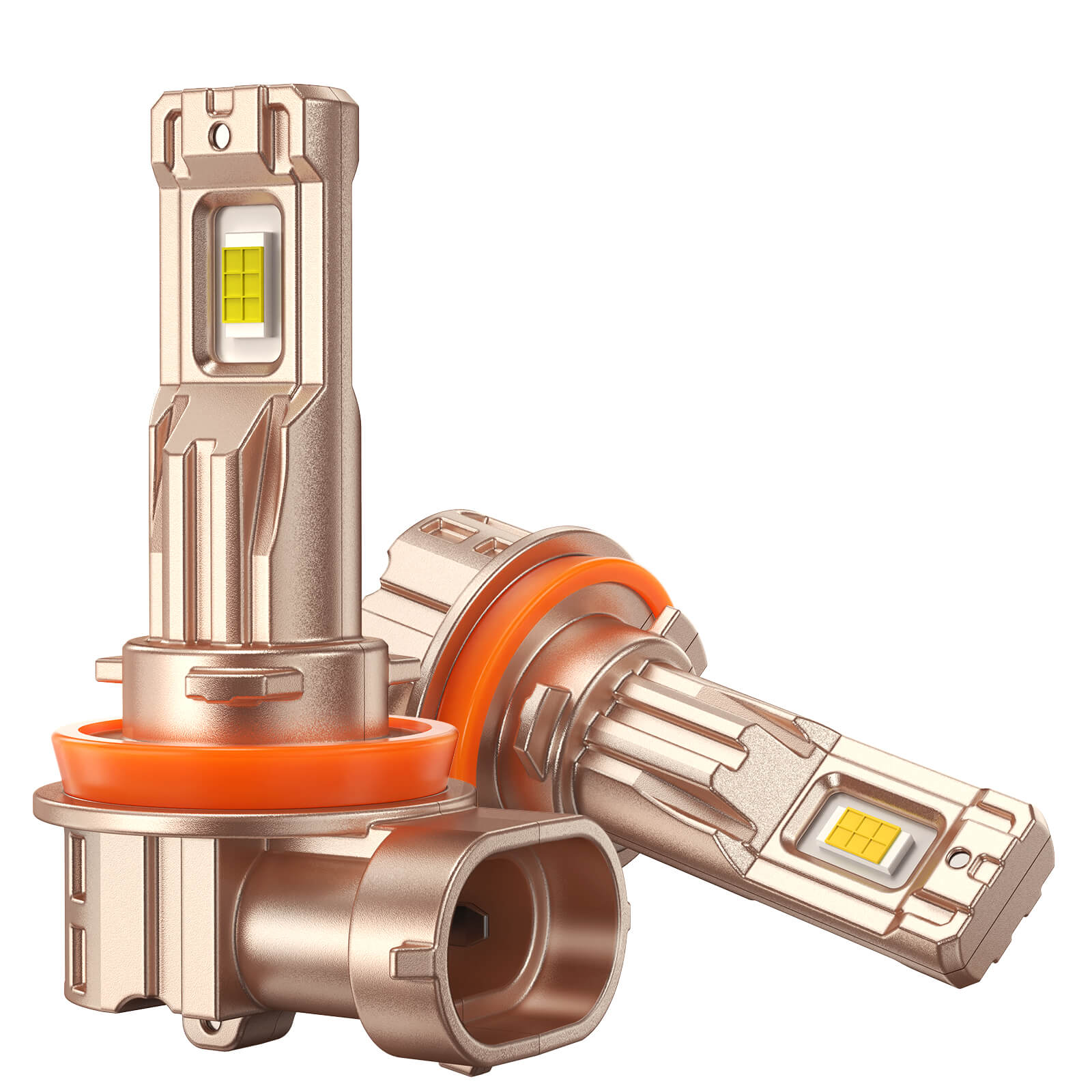
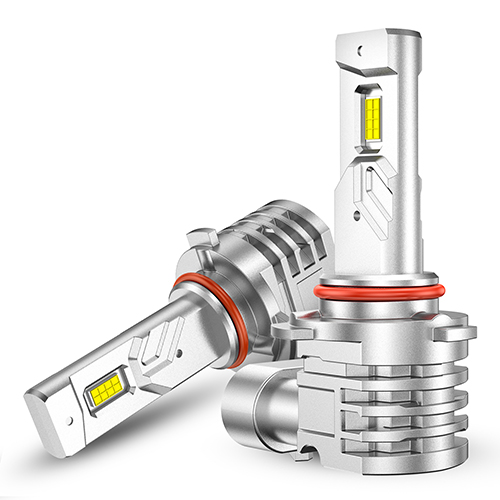
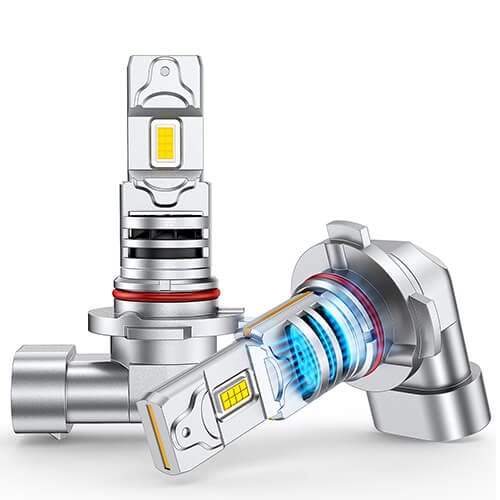
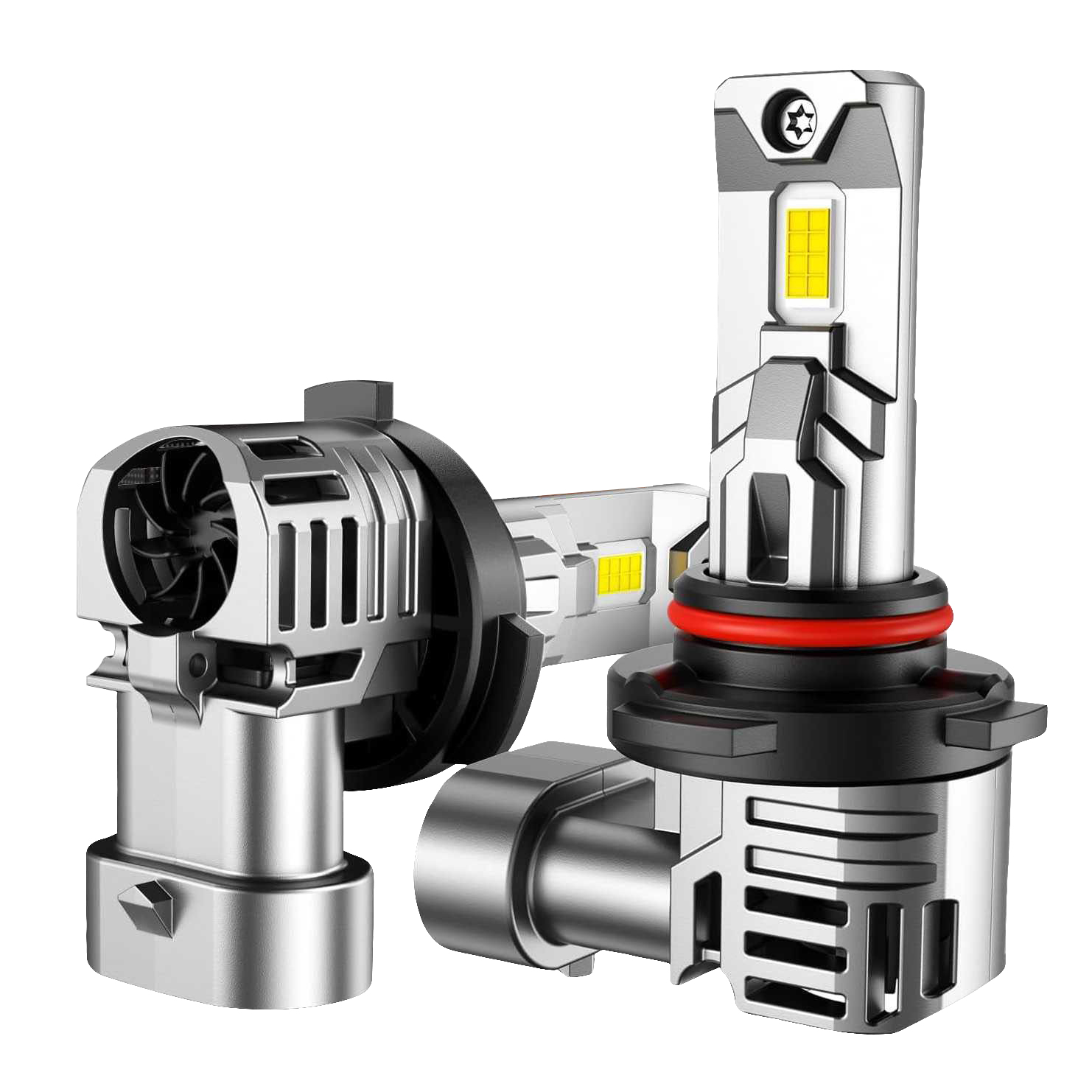
Whether you’re already behind the wheel or considering picking one up, understanding these potential problems is key to making a smart decision. And while mechanical reliability is a major factor, many owners also choose to upgrade visibility and safety with modern lighting solutions—like these LED lighting upgrades for the Chevrolet K1500—to enhance both performance and driving confidence before even turning the key.
Is the Chevrolet K1500 a Reliable Truck — or Just a Rugged One?
So, is the Chevrolet K1500 reliable? The short answer: mostly yes, with some notable asterisks. RepairPal rates the K1500 (under its broader C/K 1500 and Silverado 1500 lineage) with a reliability score of around 3.5 out of 5.0 — classified as "Good" within the full-size truck segment. Annual repair costs average roughly $714, which is slightly above the class average but not out of control for a heavy-use vehicle.
Chevrolet K1500 ratings from J.D. Power's Vehicle Dependability Study have historically placed it in the middle of the pack — competitive but not class-leading. Where the K1500 really earns its stripes is longevity. With proper maintenance, these trucks routinely push past 200,000 miles. That's the reputation, and a lot of real-world owners back it up.
Related ownership guide: Chevrolet Malibu reliability and common problems covers reliability, common faults, and model years that may require closer inspection.
Common Chevrolet K1500 Problems
Here's where things get specific. Common Chevrolet K1500 problems tend to cluster around a few well-documented areas. If you're buying a used Chevrolet K1500, knowing these issues puts you in a much stronger negotiating position — and helps you avoid inheriting someone else's deferred maintenance.
Transmission Wear and Slipping
The 4L60-E automatic transmission (found in most '88–'99 K1500s) is a frequent complaint. It's not a bad transmission when it's healthy, but it's sensitive to heat and fluid neglect. Slipping between gears, delayed engagement, and outright failure at higher mileage are all documented. Budget for a transmission service if you're buying used — or a full rebuild if the fluid looks dark and smells burnt.
Engine Oil Consumption and Intake Manifold Gasket Leaks
The 5.7L Vortec V8 is a solid engine, but it comes with a known weakness: the intake manifold gaskets. On many mid-to-late '90s trucks, those gaskets fail and allow coolant to seep into the oil — or worse, into the combustion chamber. Watch for white smoke at startup, a milky residue under the oil cap, or unexplained coolant loss. This is a manageable fix if caught early, but catastrophic if ignored.
4WD Transfer Case and Front Axle Actuator Issues
The K1500's 4WD system is its biggest selling point — and one of its more finicky areas. The front axle actuator (which engages the front hubs electronically) is a common failure point on the '88–'99 generation. If your 4WD light flashes or the system won't engage properly, start there. Transfer case chain wear is also a concern on high-mileage trucks.
Electrical Gremlins
Older K1500s are prone to corroded grounds, failing gauges (particularly the fuel gauge sender in the tank), and intermittent electrical issues that can be maddening to diagnose. The good news: most of these are fixable with patience and a multimeter, not a dealer invoice.
Rust and Frame Integrity
This one's regional, but important. K1500s from the Rust Belt or coastal areas can suffer significant frame and body rust. Always inspect the cab corners, bed floor, and — critically — the frame rails before buying any used K1500 with serious mileage or age.
Common Chevrolet K1500 Problems at a Glance
| Problem Area | Common Issues |
| Transmission | 4L60-E slipping, delayed engagement, high-mileage failure |
| Engine | Intake manifold gasket leaks, coolant/oil mixing, oil consumption |
| 4WD System | Front axle actuator failure, transfer case chain wear |
| Electrical | Corroded grounds, fuel gauge sender failure, intermittent faults |
| Body & Frame | Rust on cab corners, bed floor, and frame rails |
Factory Lighting on the K1500: Dim, Dated, and Overdue for an Upgrade
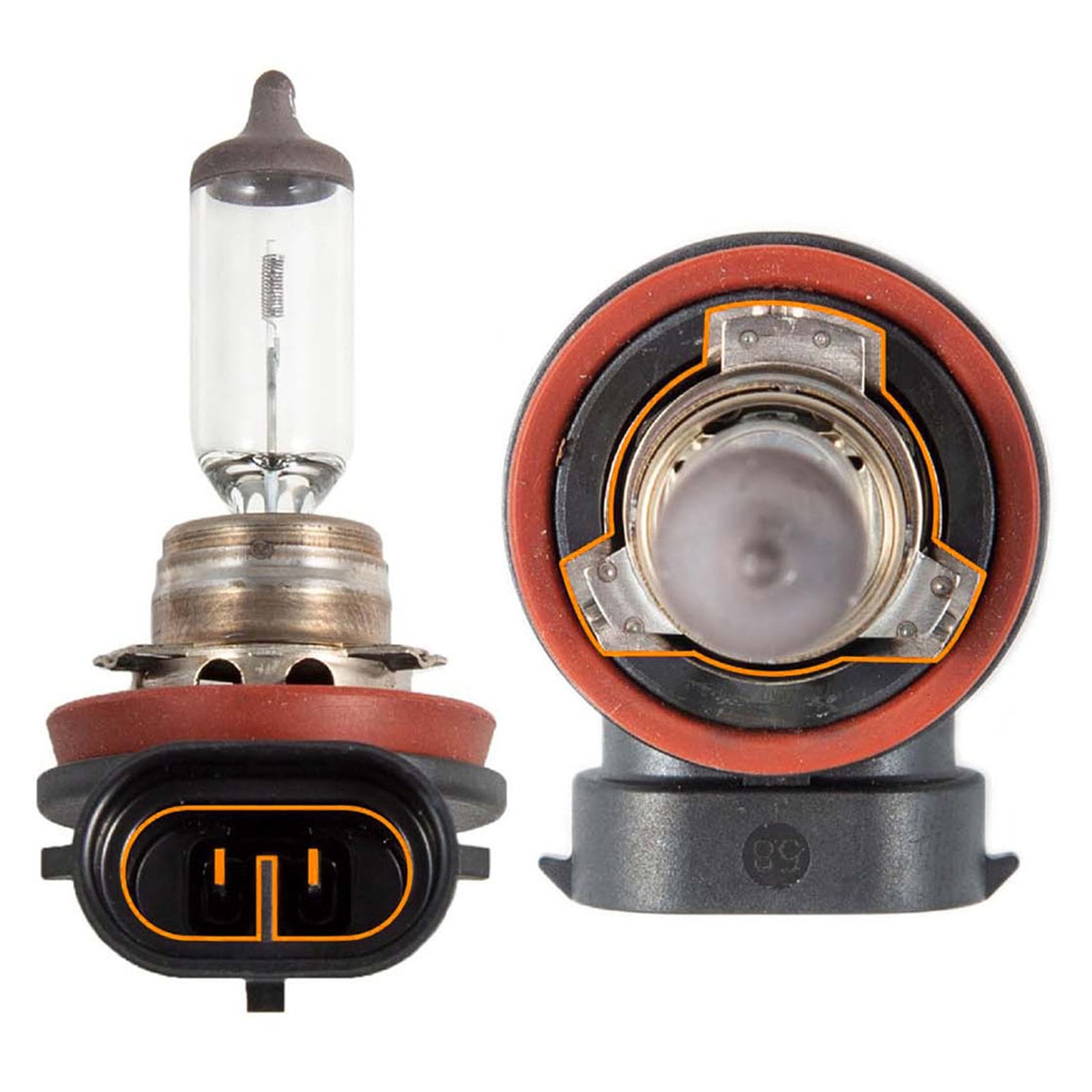
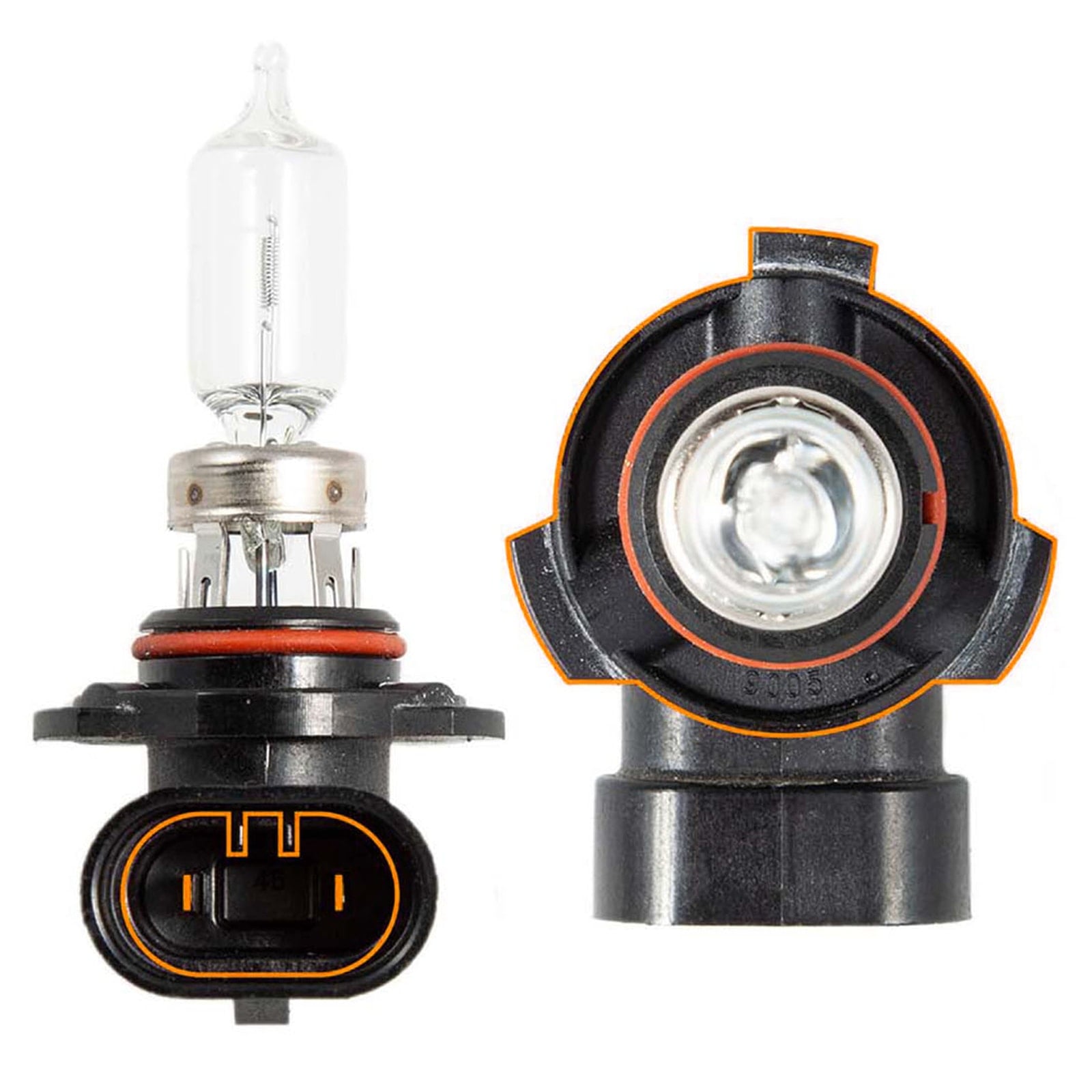
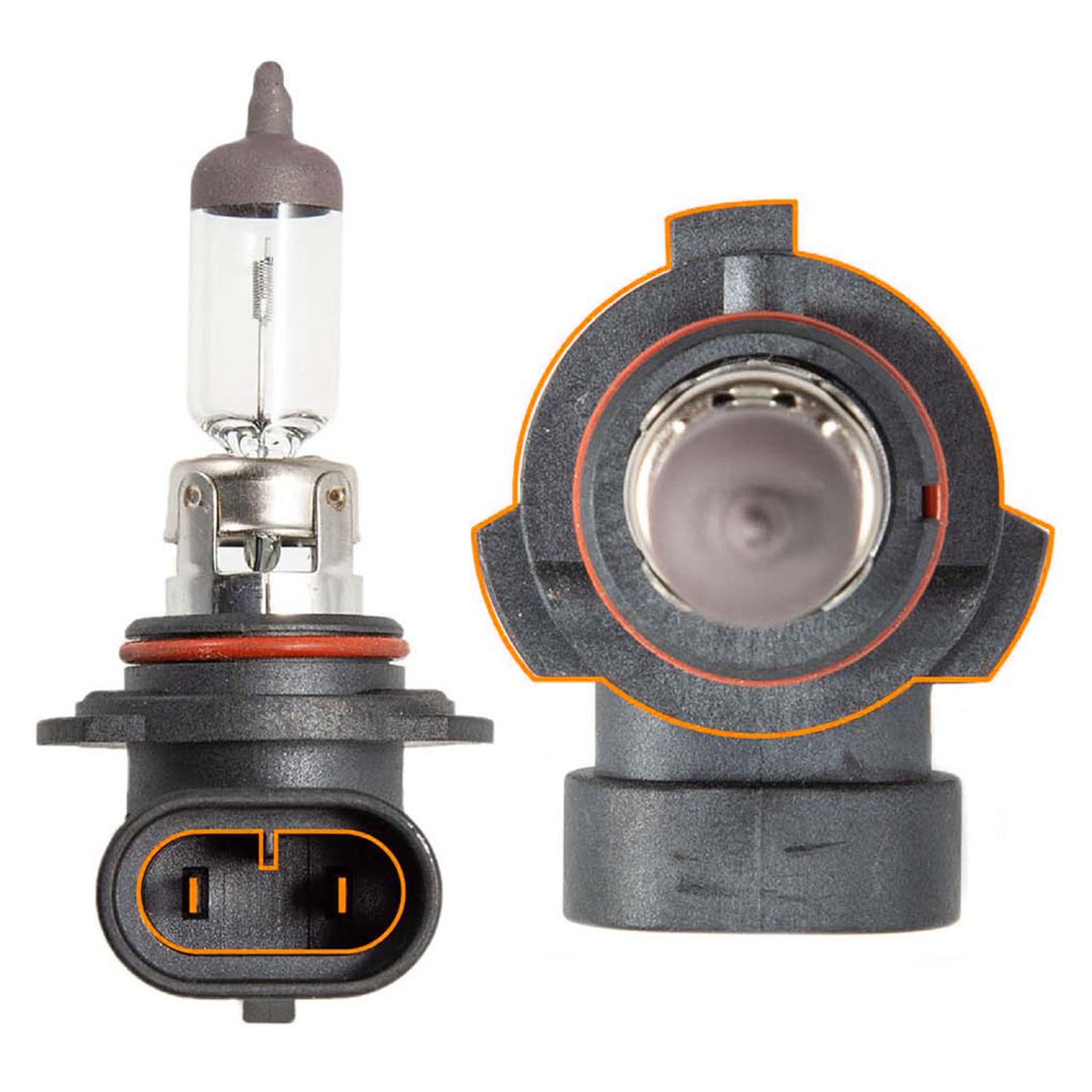
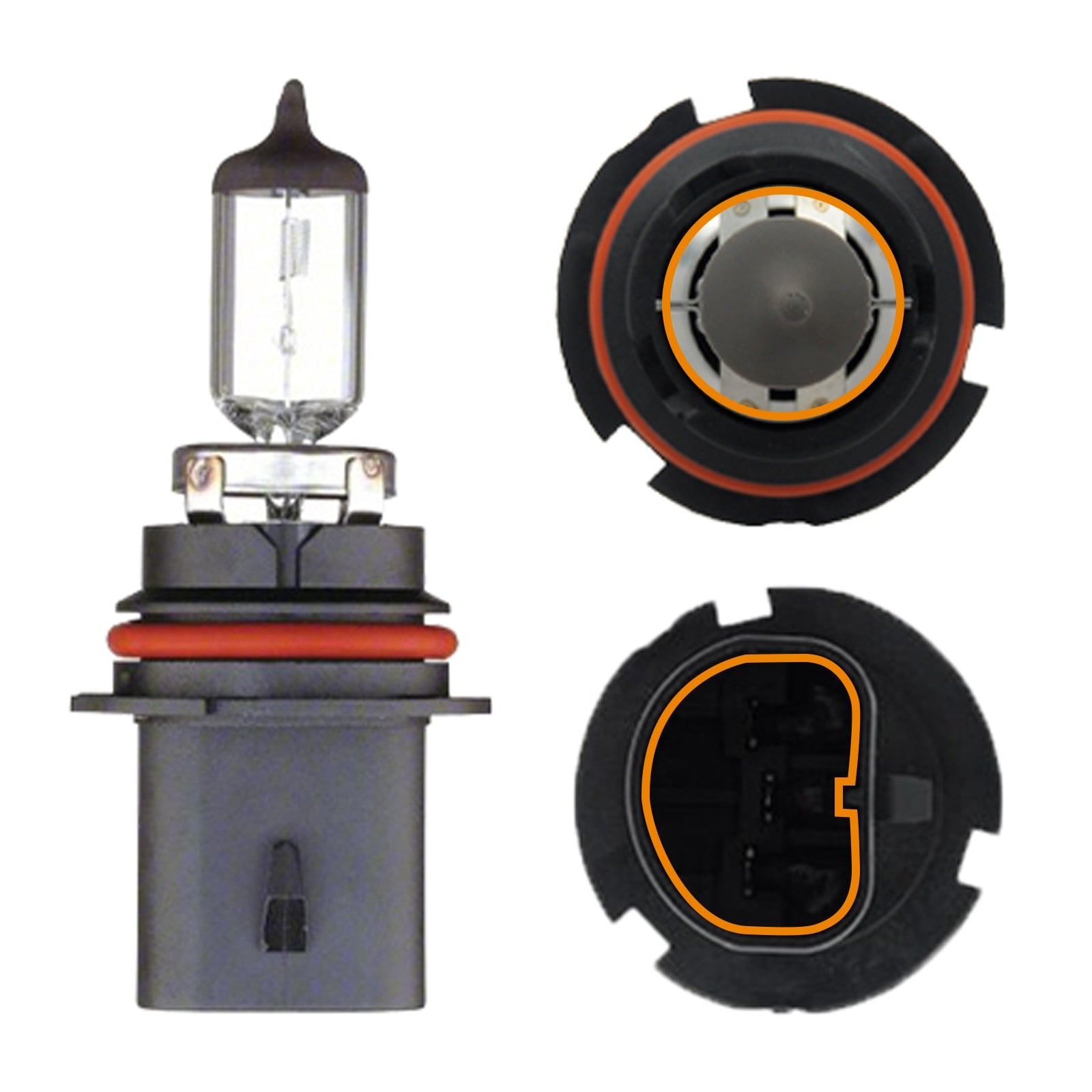
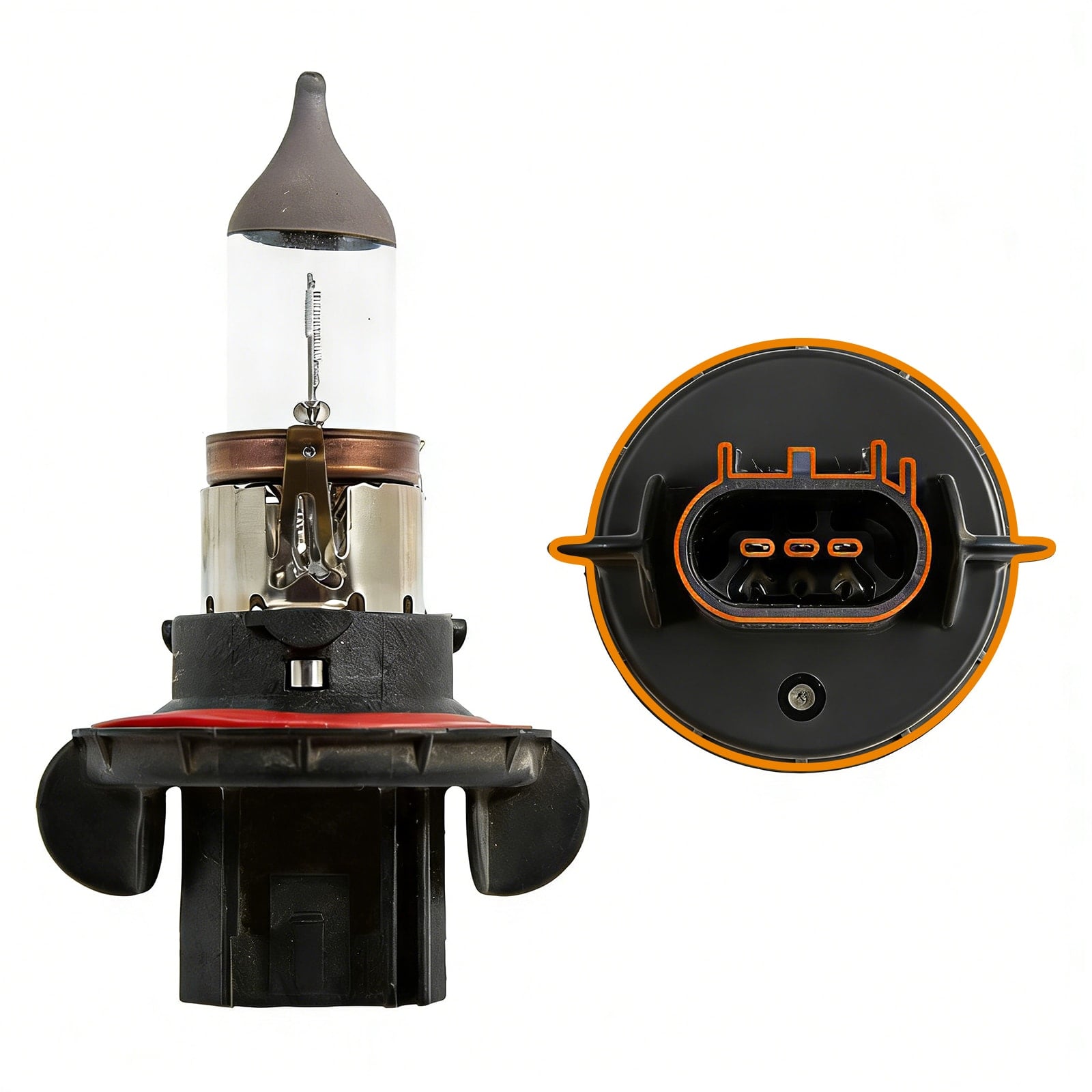
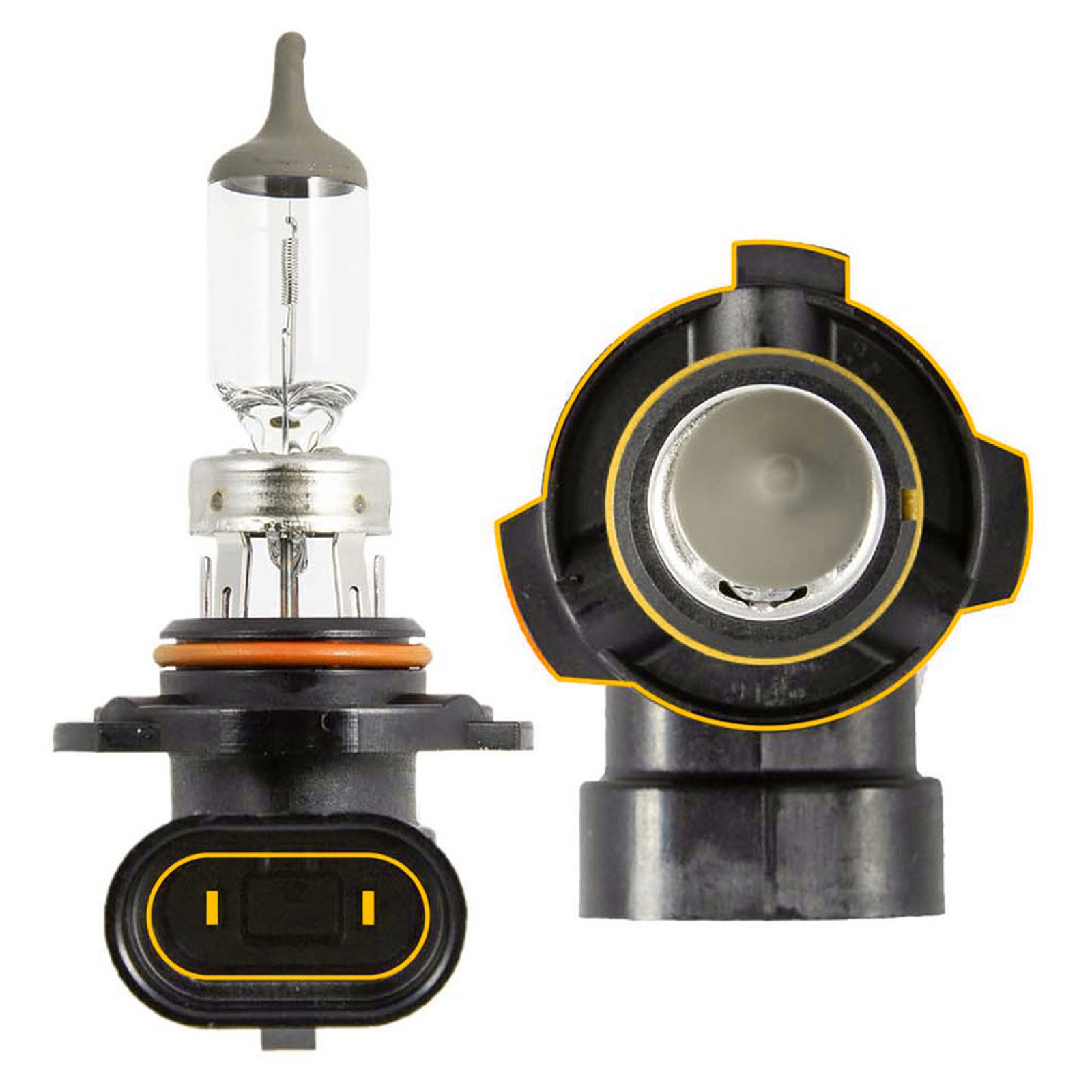
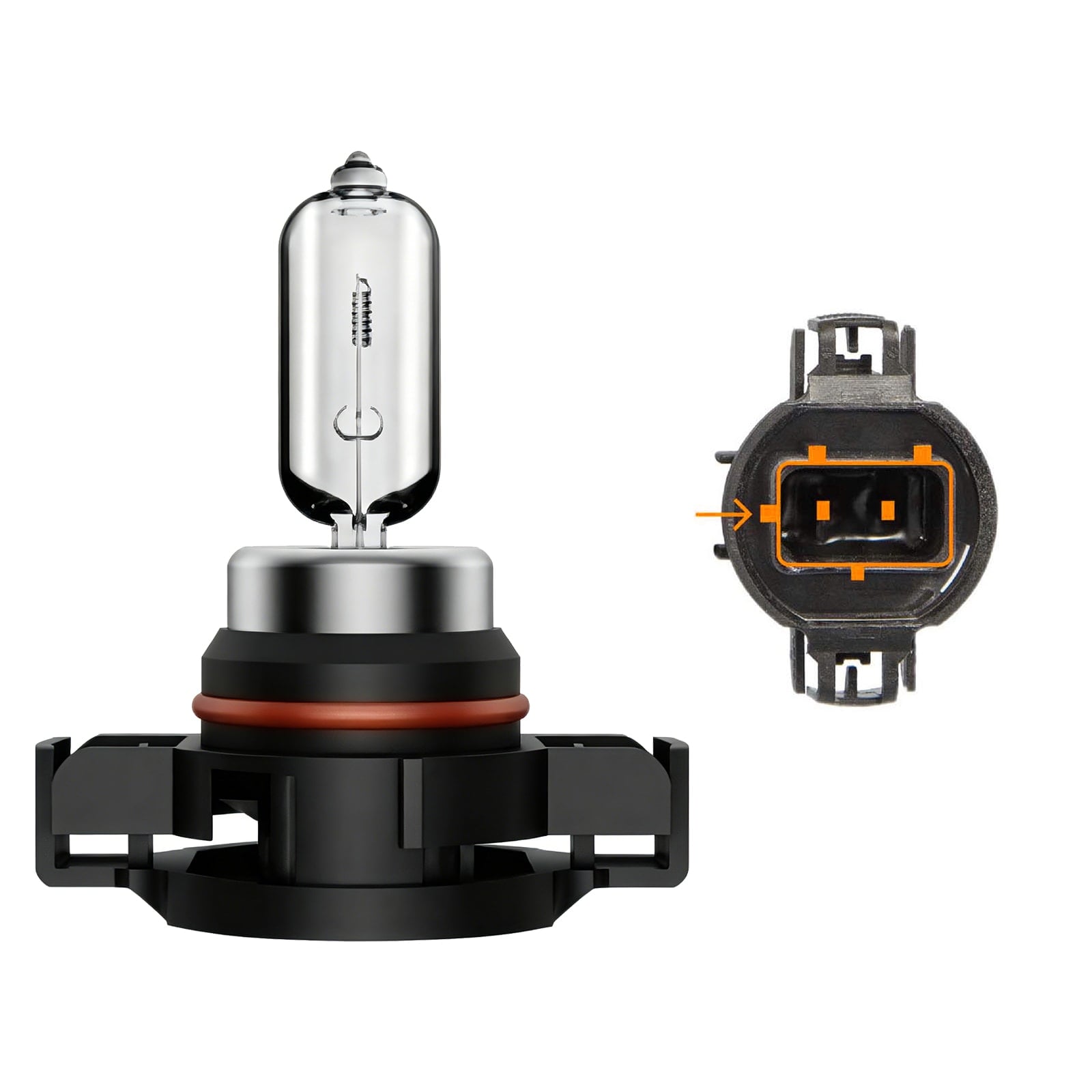
Here’s something many K1500 owners only notice once they’re out on a dark road: the factory halogen headlights simply don’t hold up by modern standards. The older sealed-beam and early composite setups produce a narrow, yellowish beam that may have been acceptable in the ’90s—but today, they fall short when it comes to safe nighttime visibility.
Upgrading to Chevrolet K1500 LED bulbs is one of the most effective improvements you can make. Modern options deliver a wider, brighter beam pattern with a crisp white output, making it easier to spot obstacles, road signs, and hazards at speed. They also run cooler and last significantly longer than traditional halogens, reducing the need for frequent replacements.
If you’re looking for a direct-fit solution, there are LED lighting upgrades designed specifically for the Chevrolet K1500 that make the switch simple. For drivers who want maximum output and a refined beam pattern, performance-focused options like the Scoparc S7S series stand out as some of the brightest upgrades available today. And if you’re still comparing options, browsing a full range of LED headlight bulbs can help you find the right balance of brightness, lifespan, and value.
For anyone who regularly drives at dawn, dusk, or after dark, upgrading the K1500’s lighting isn’t just a cosmetic change—it’s a practical investment in safety and confidence behind the wheel.
Best and Worst Years for the Chevrolet K1500
Best Years to Buy:
- 1995–1997: The 5.7L Vortec was dialed in, fewer early production bugs, good parts availability.
- 1999: Final year of the OBS (Old Body Style) generation — well-sorted by the end of the production run.
- 2001–2003 (New Body Style): Early GMT800 trucks with the improved LS-based engines had strong reliability before the AFM (Active Fuel Management) era introduced new complications.
Years to Approach With Caution:
- 1988–1991: Early years had more transmission and electrical teething issues.
- 1994–1996 (specific to 5.7L Vortec): Intake manifold gasket failures peak during this window — inspect carefully.
- 2007–2009 (if considering later Silverado K1500s): AFM/DoD system-related lifter failures became a significant complaint in this era.
Related ownership guide: Chevrolet Colorado reliability and common problems covers reliability, common faults, and model years that may require closer inspection.
Chevrolet K1500 vs. Ford F-150 4x4: How Do They Stack Up?
The K1500's most direct rival has always been the Ford F-150 4x4, and the comparison is genuinely close. The F-150's pushrod V8s of the same era (particularly the 302 and 351 Windsor) were comparably reliable, though the F-150 has generally earned slightly higher J.D. Power scores for initial quality in certain years.
Where the K1500 pulls ahead is parts cost and DIY repairability. GM's engines and driveline components tend to be slightly cheaper to source, and the K1500's mechanical simplicity makes shade-tree repairs more accessible. The F-150 edges out the K1500 in interior refinement, but if you bought a K1500, refinement probably wasn't your top priority.
Both trucks will serve you well for decades if maintained. The K1500 vs. F-150 debate mostly comes down to brand loyalty and which local mechanic knows them better.
Upgrade Your Chevrolet K1500 with SEALIGHT
The Chevrolet K1500 reliability record is genuinely solid — it's a truck that rewards owners who stay on top of maintenance and address issues before they compound. Common Chevrolet K1500 problems like intake gasket leaks, 4WD actuator failures, and transmission wear are all manageable with early attention and good parts choices.
And while you're bringing your K1500 up to speed mechanically, don't overlook what's staring at the road in front of you. Swapping in SEALIGHT LED bulbs for Chevrolet K1500 is a quick, affordable upgrade that pays dividends every time you drive after dark — better visibility, longer life, and a truck that finally looks as capable at night as it is in the daylight.