

 Headlight Bulbs


 Track Order
 My Vehicles
 Contact Us




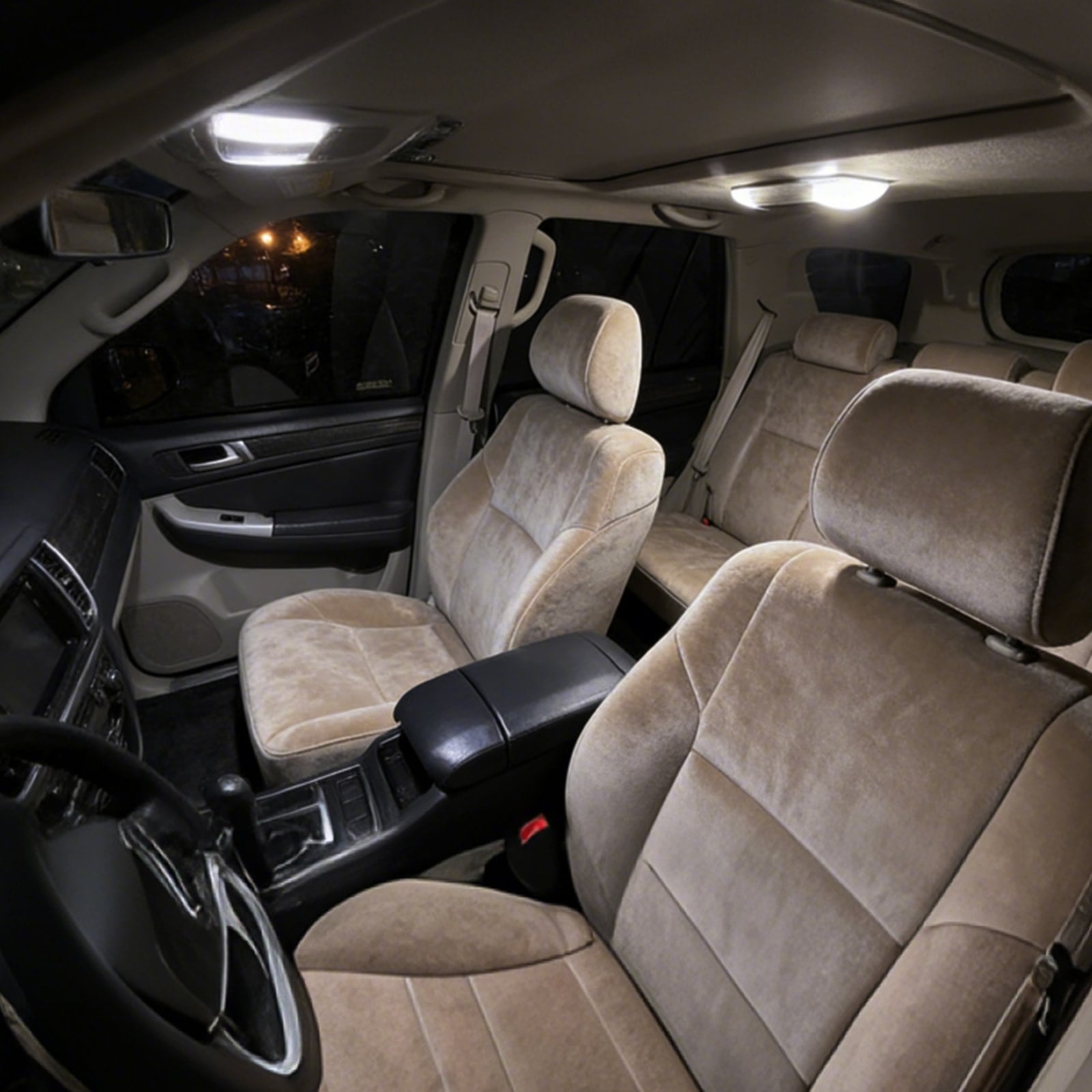
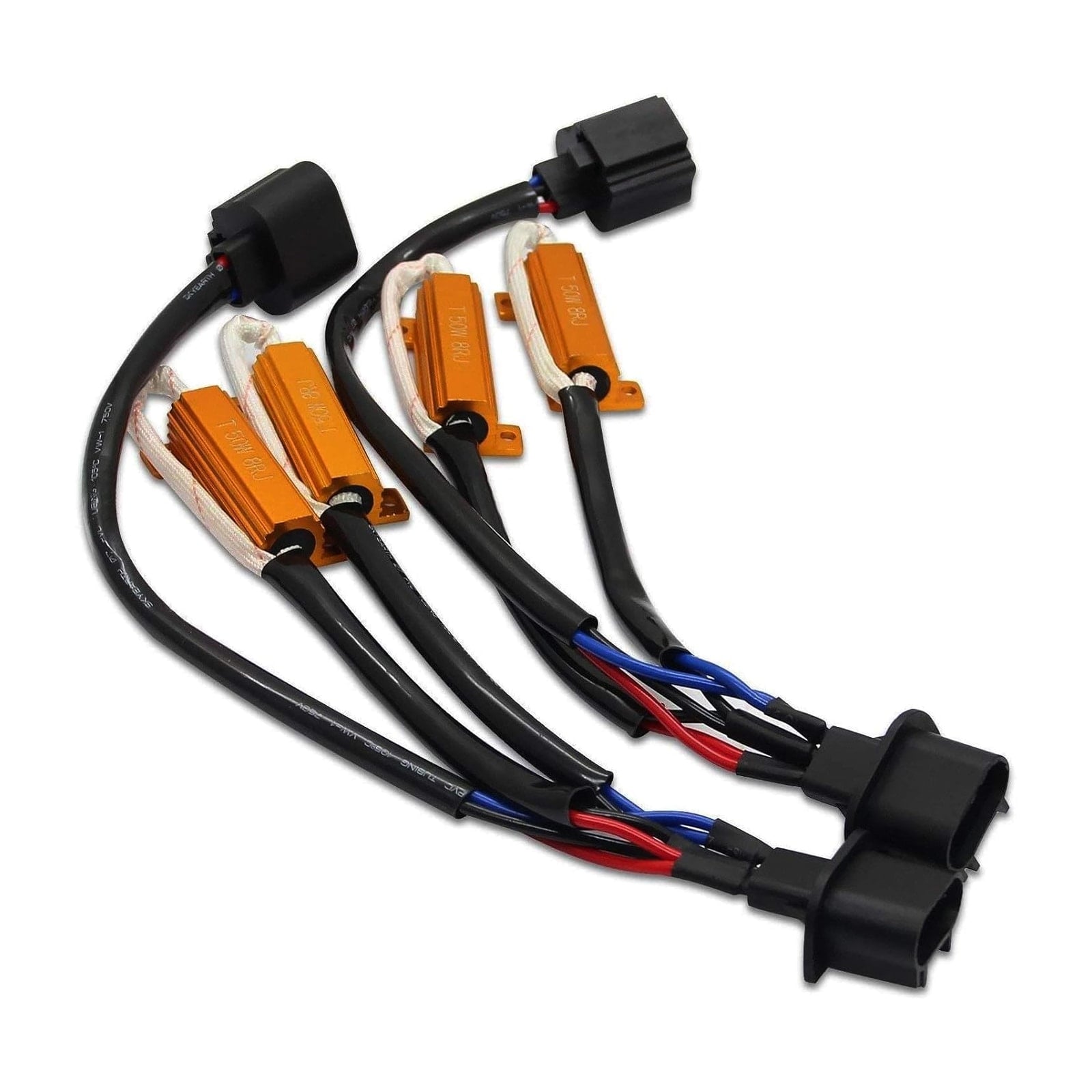
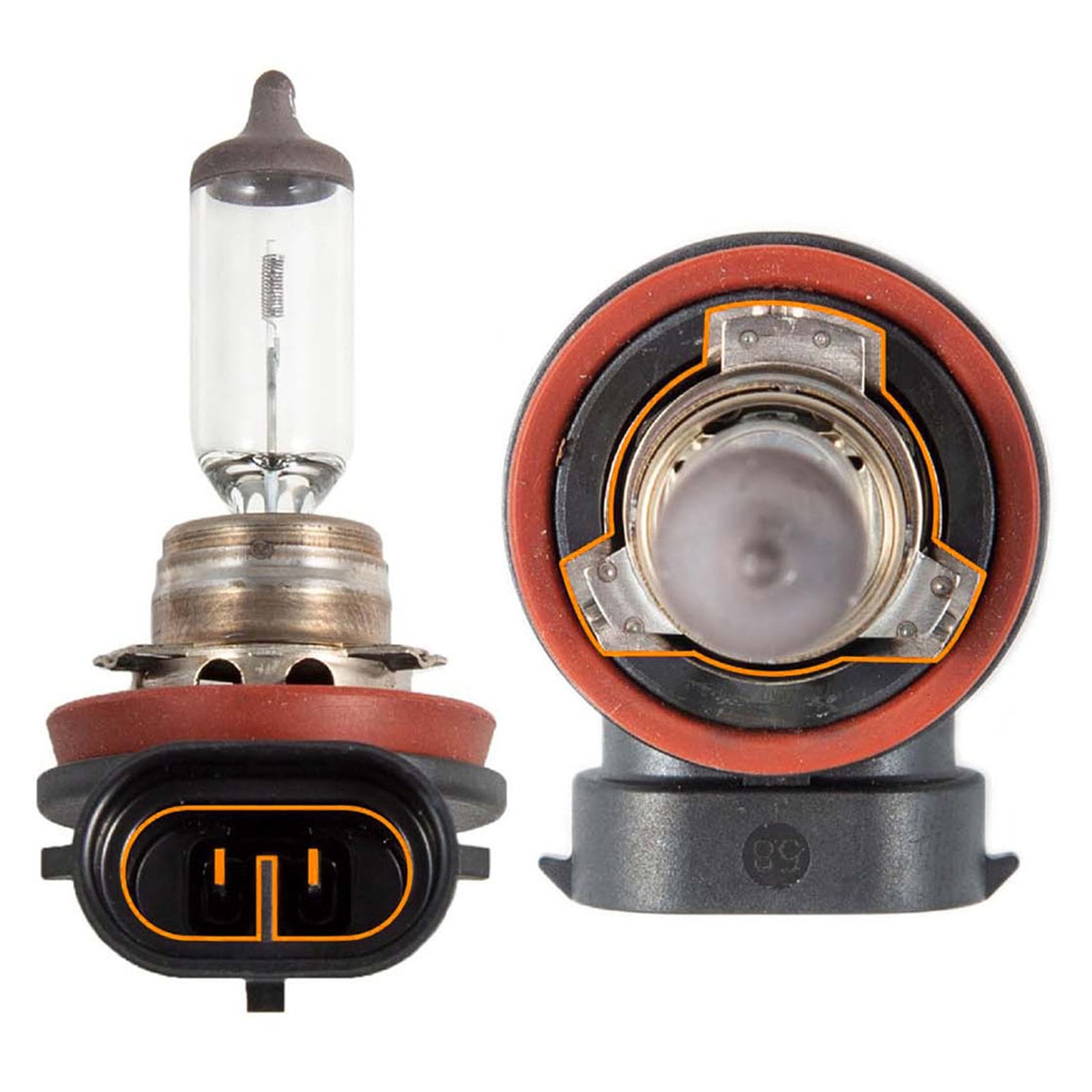
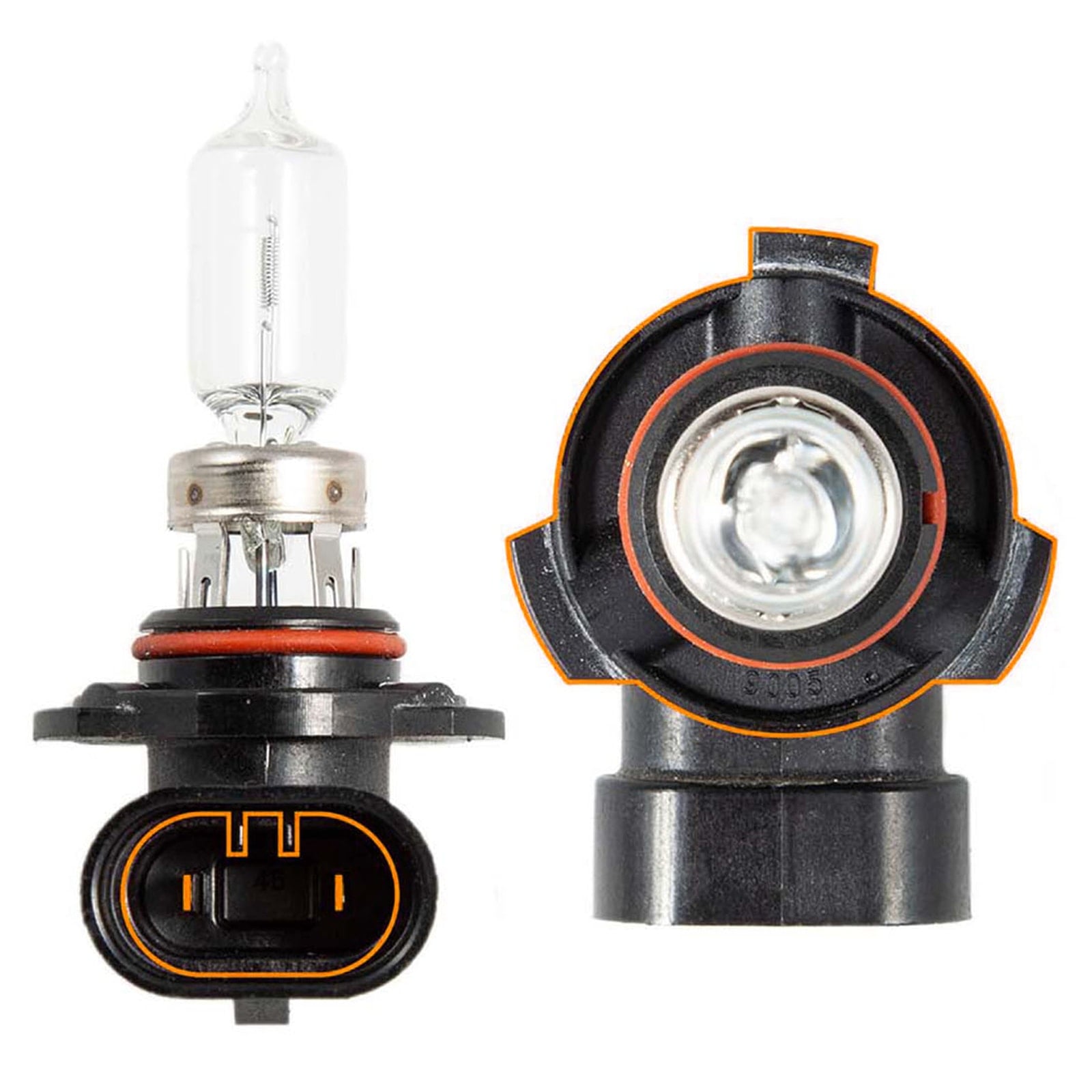
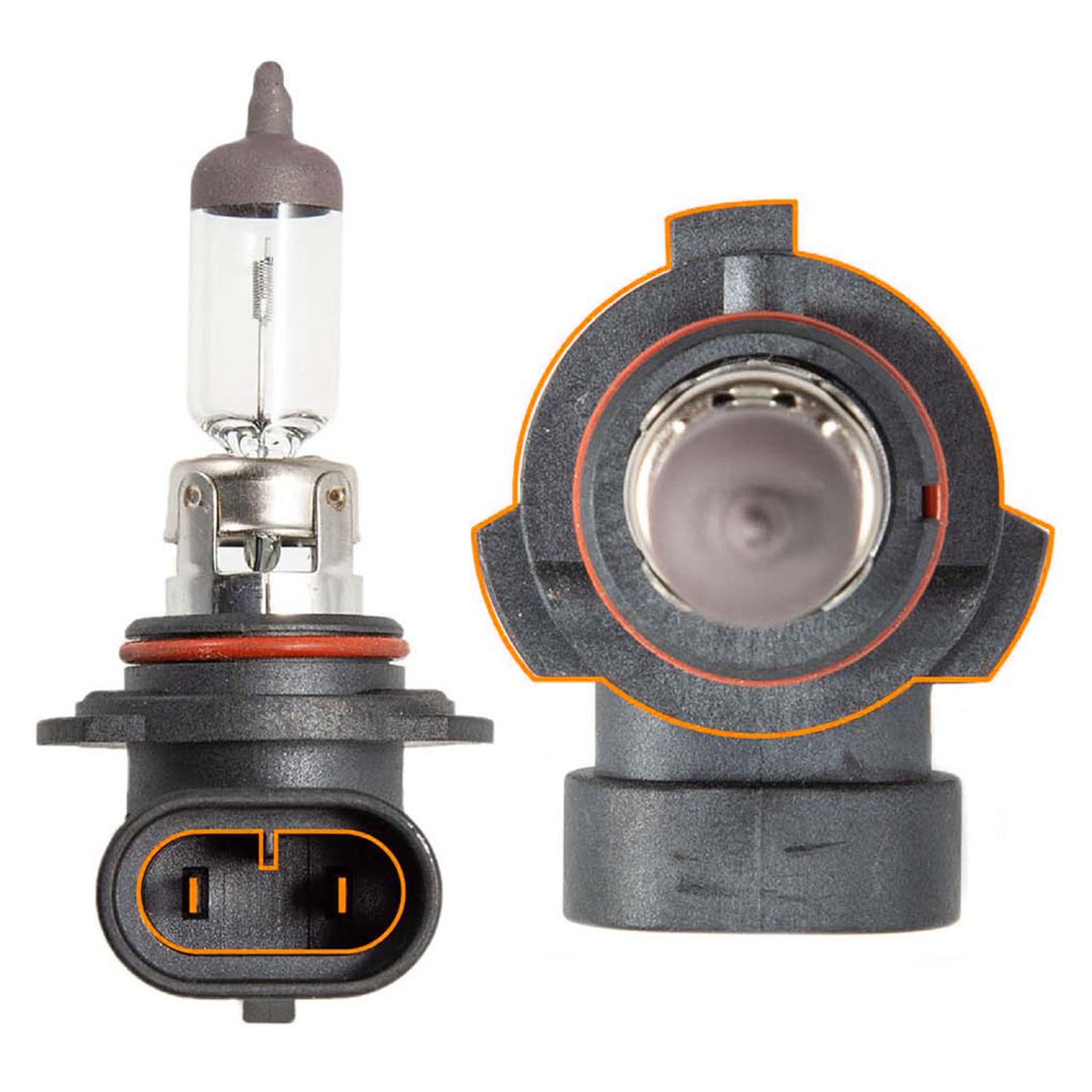
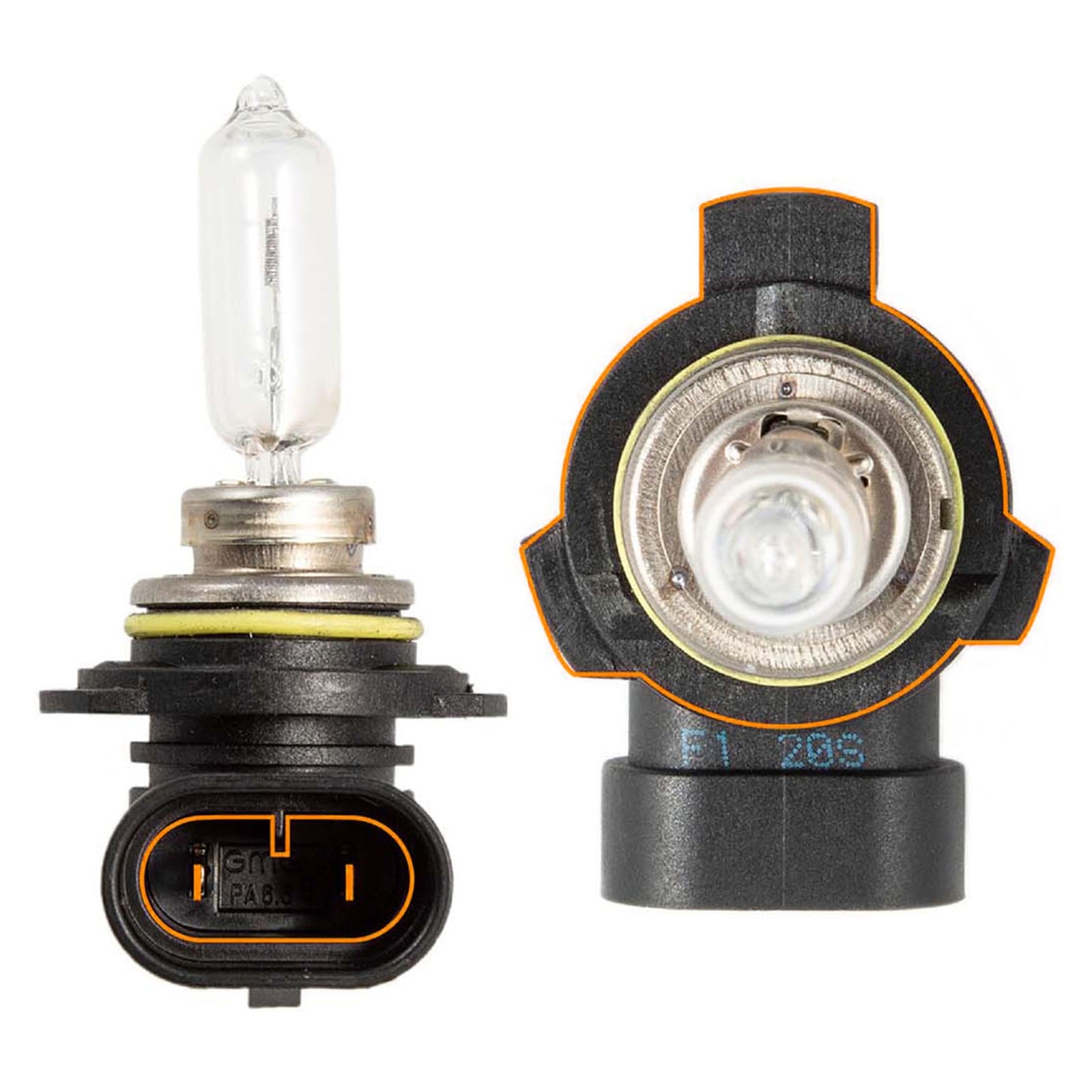
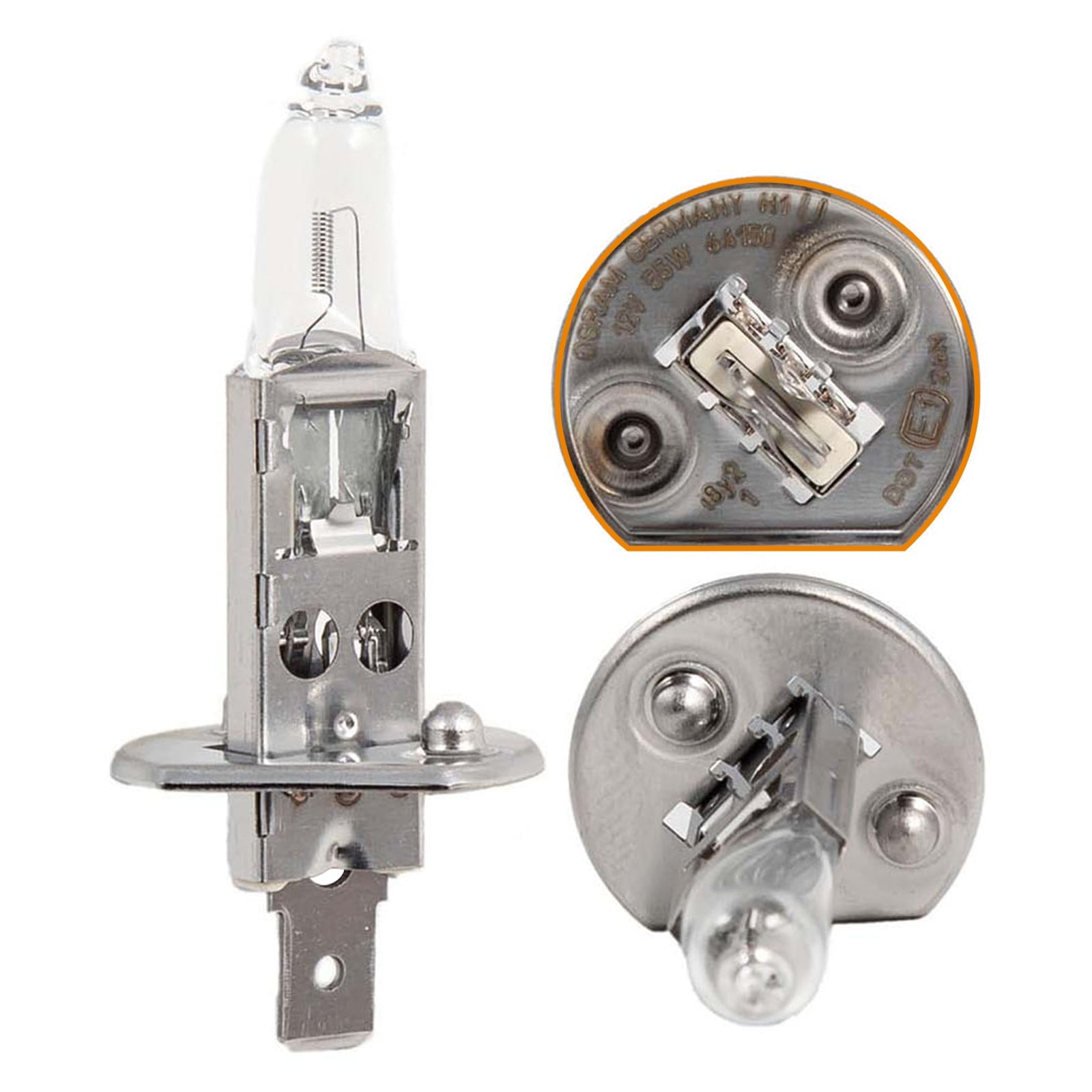

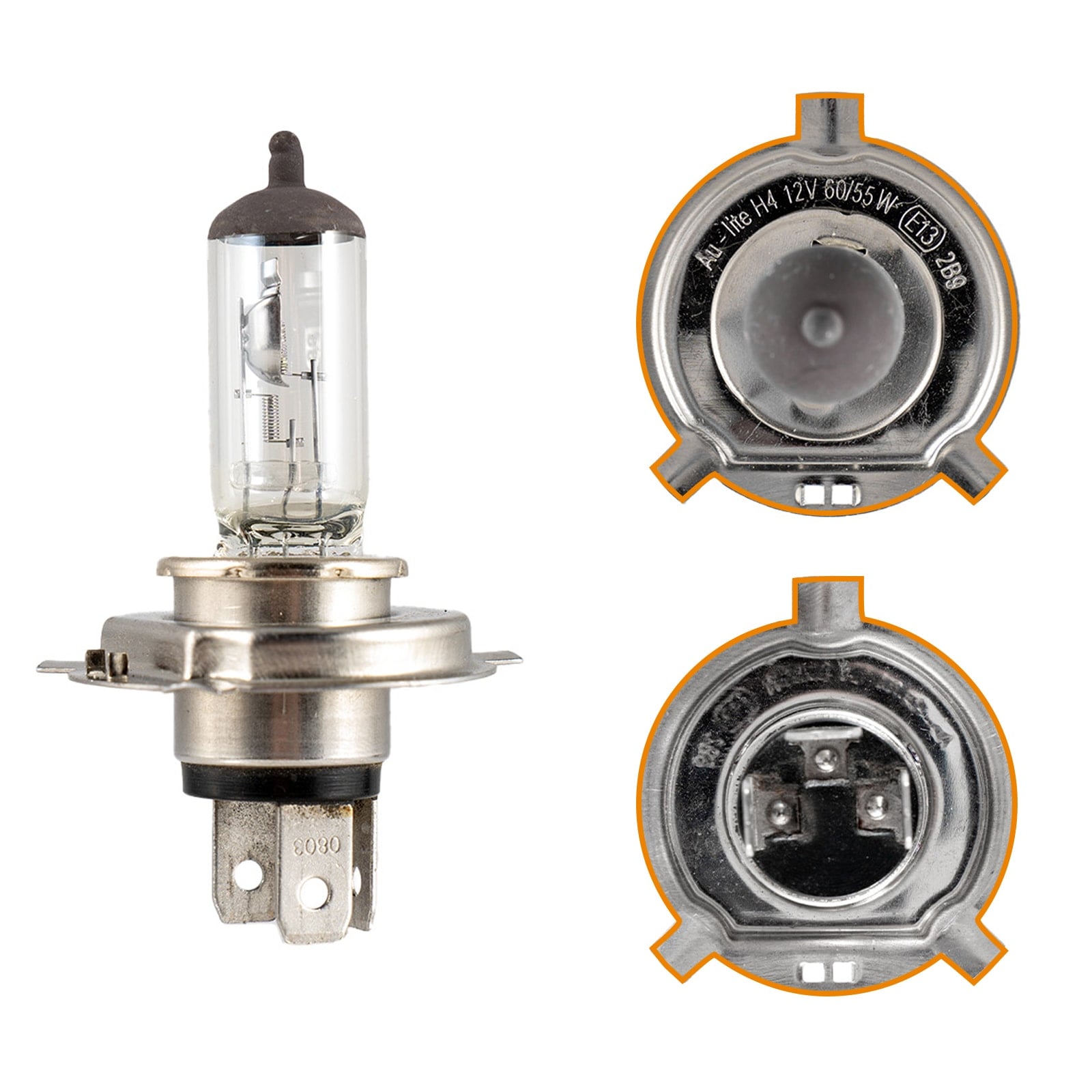
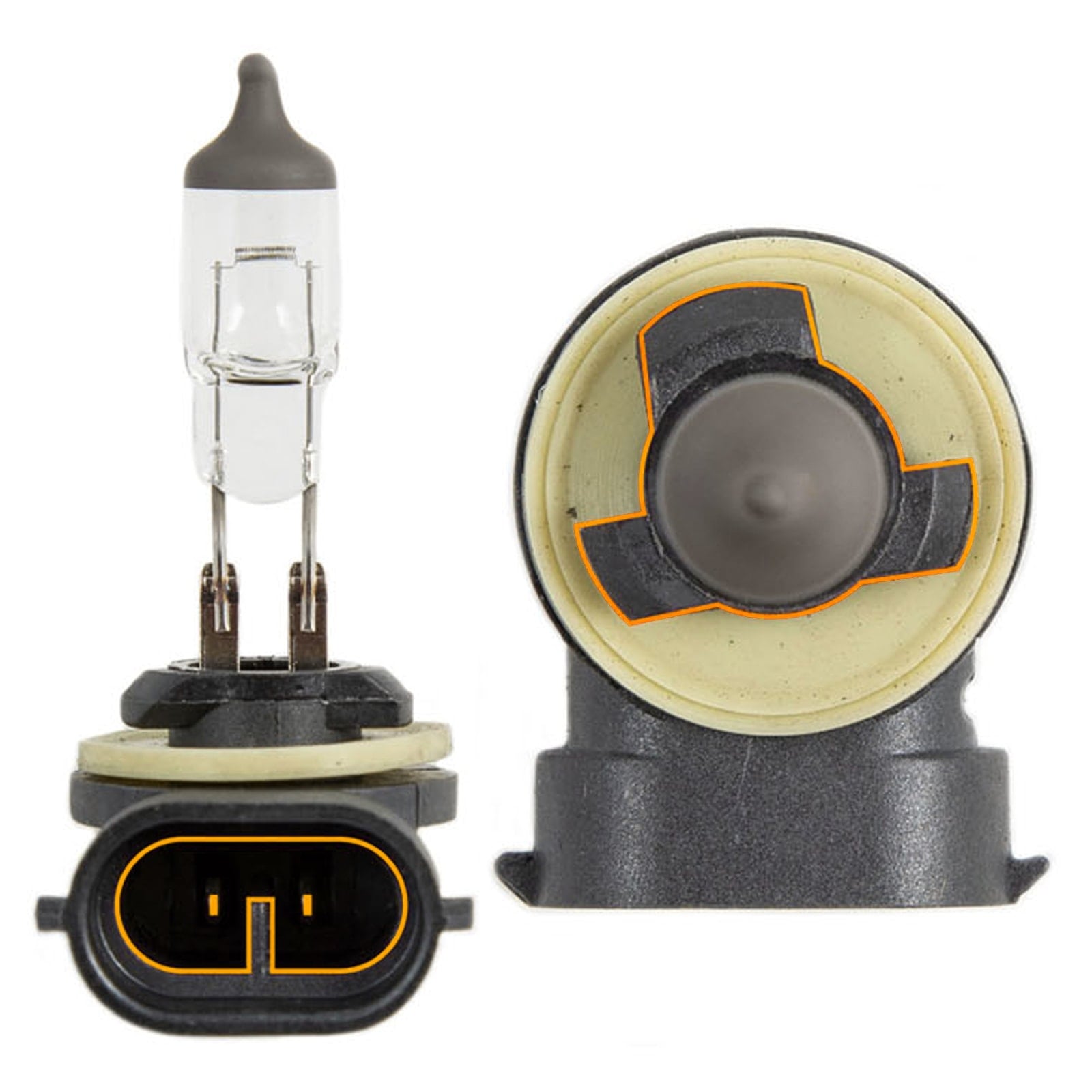
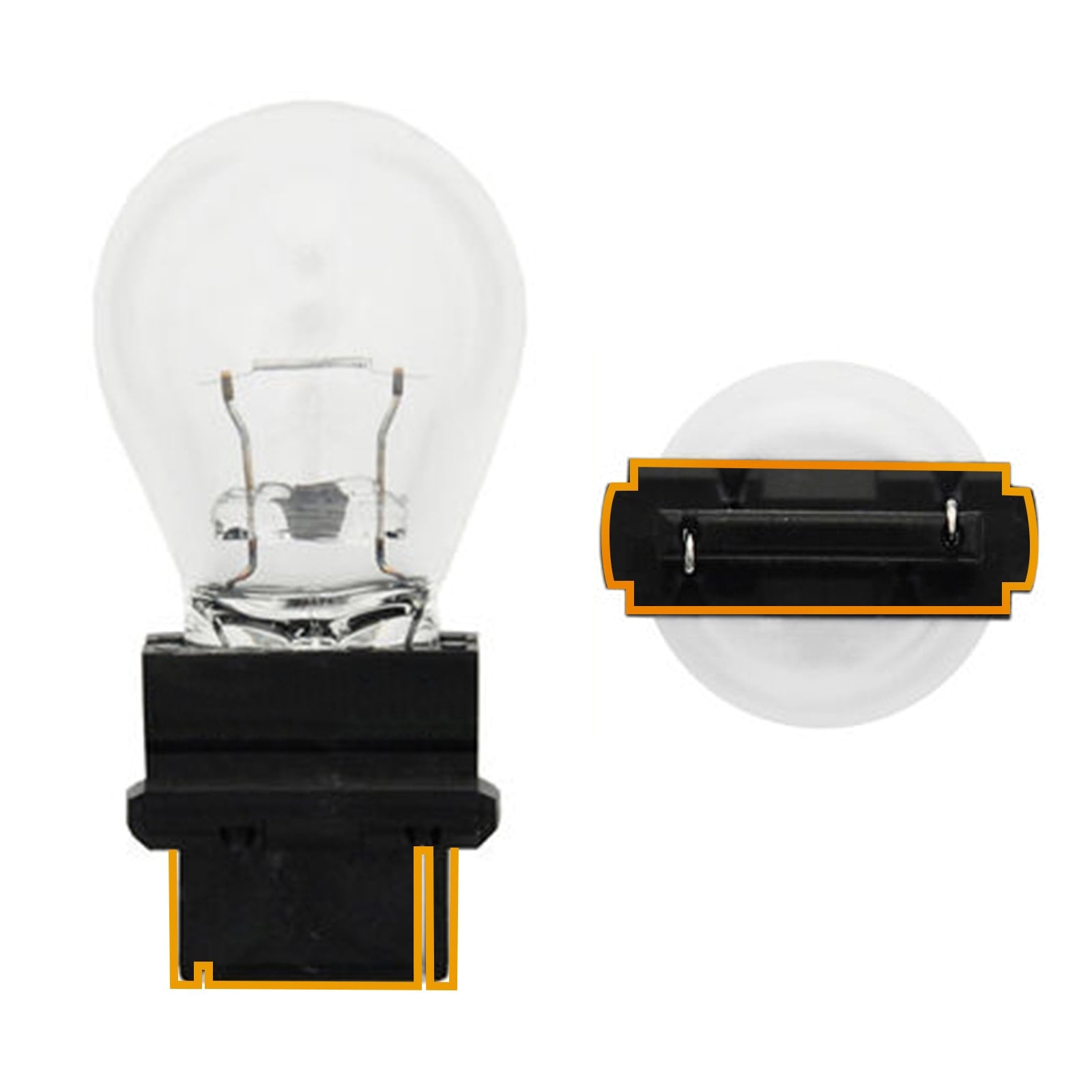
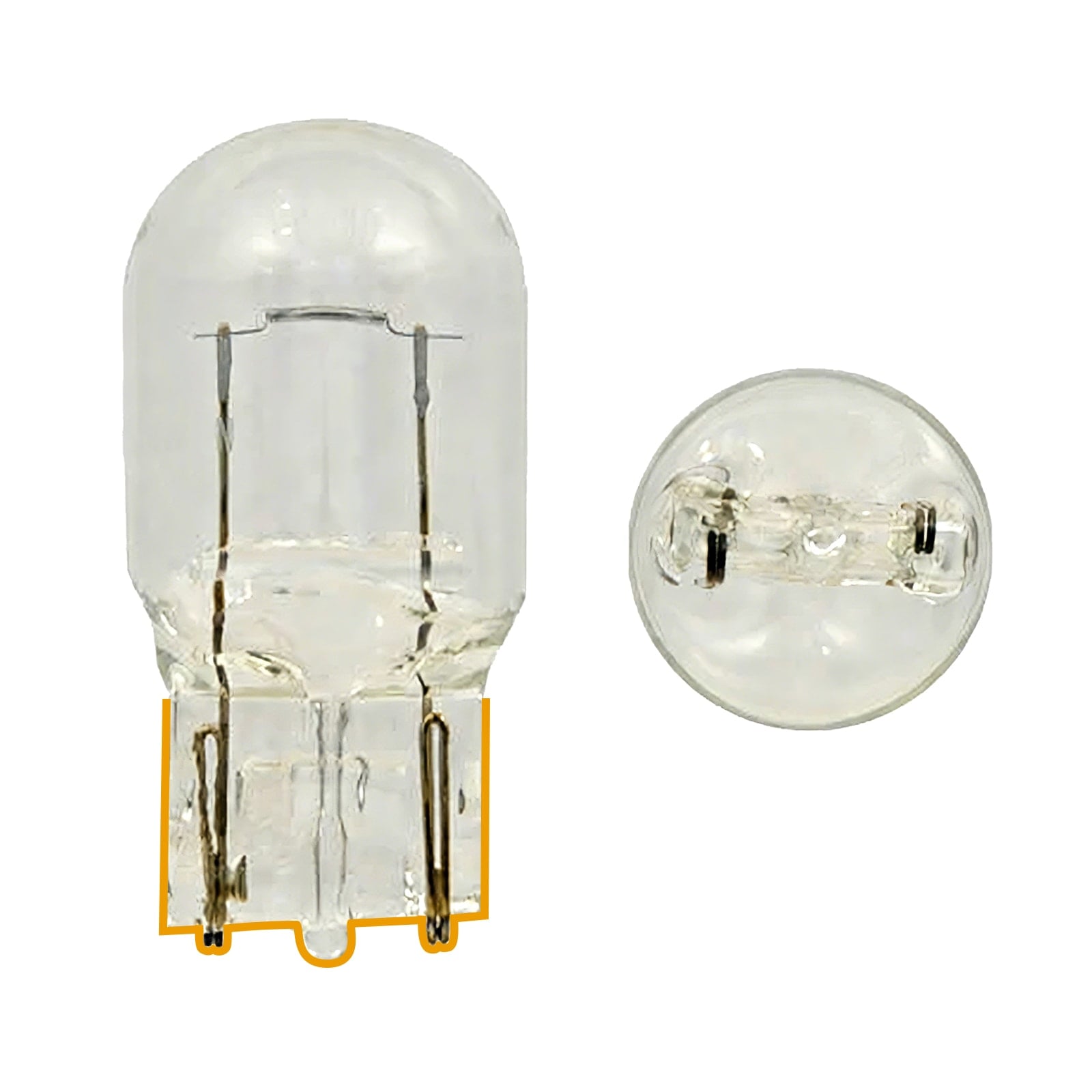
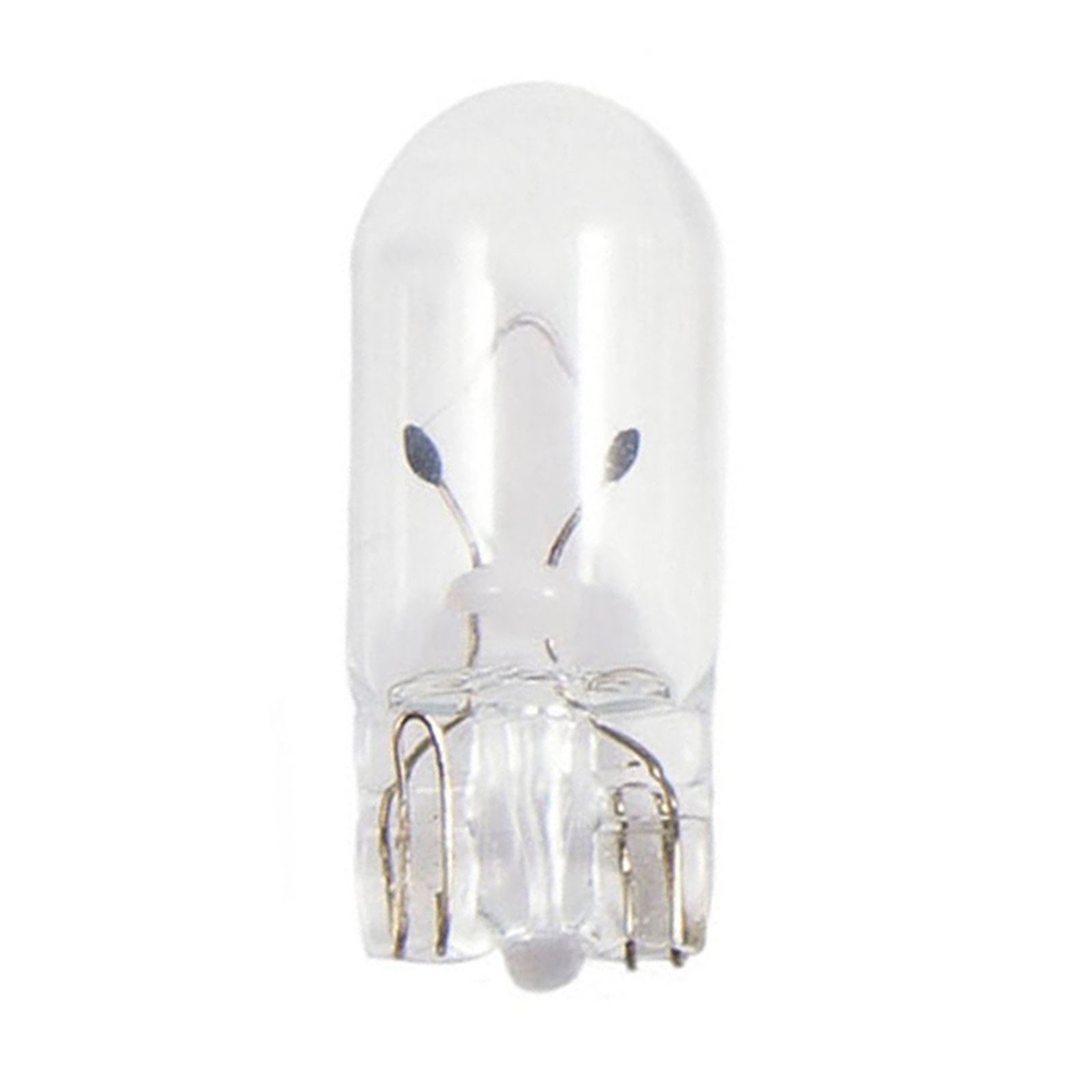
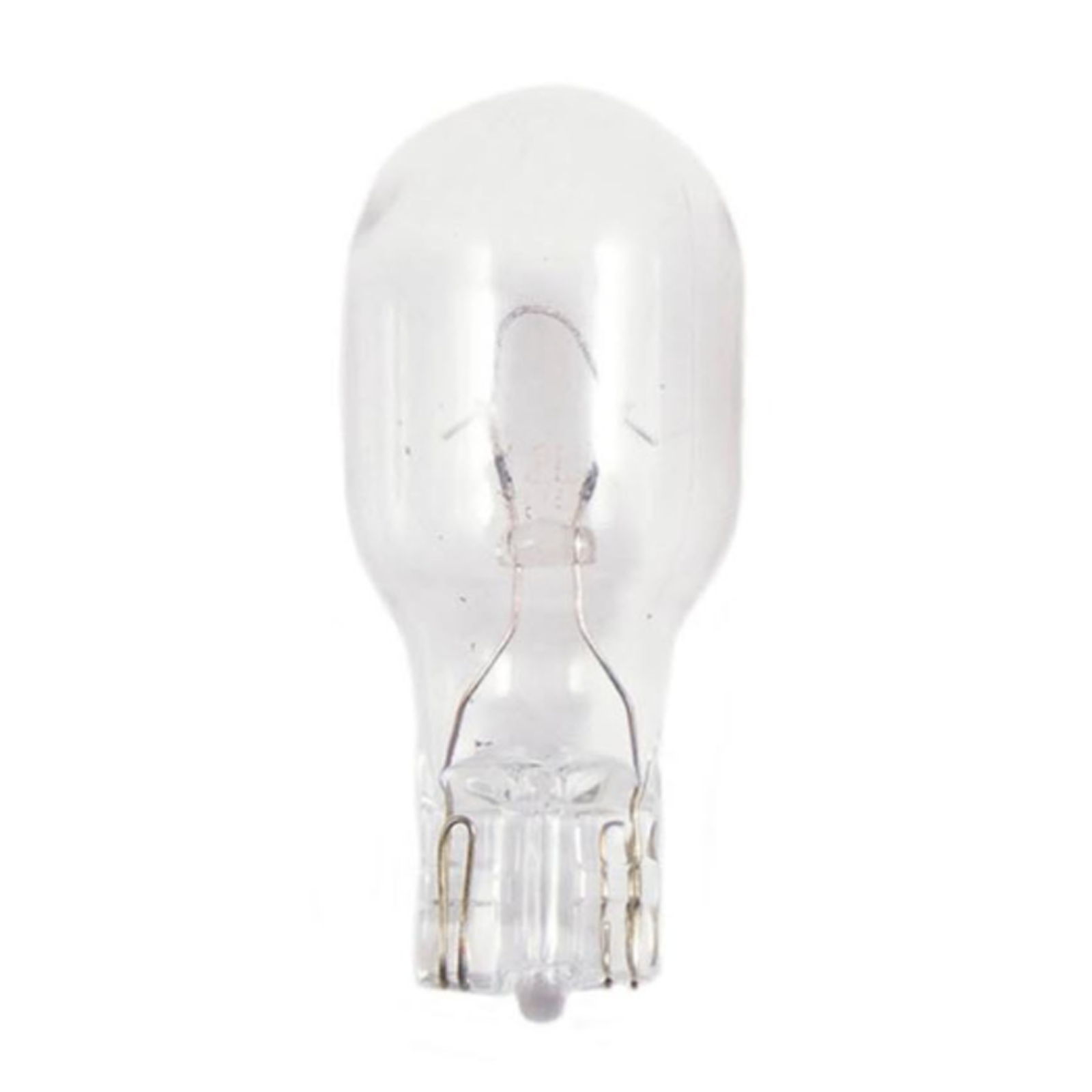
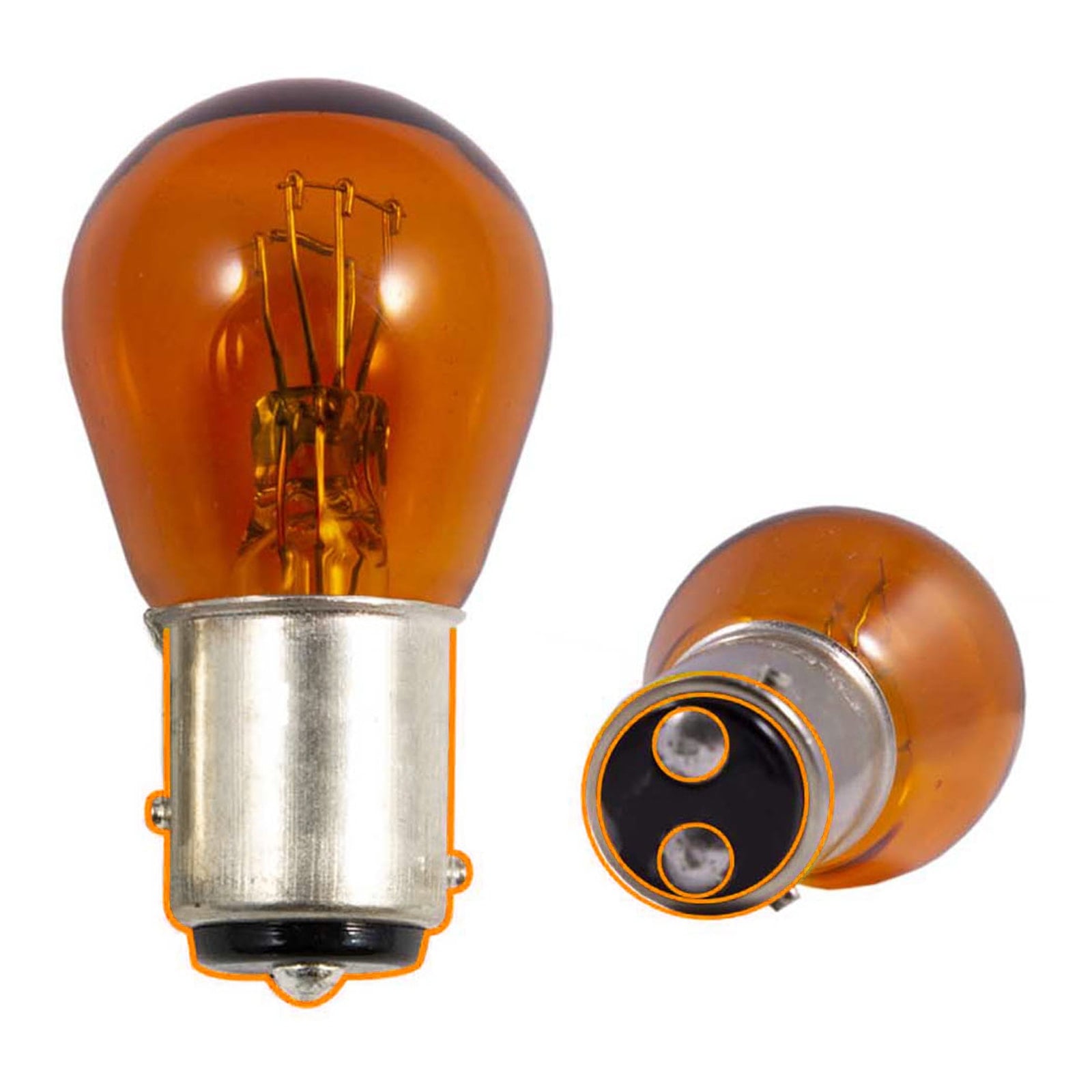
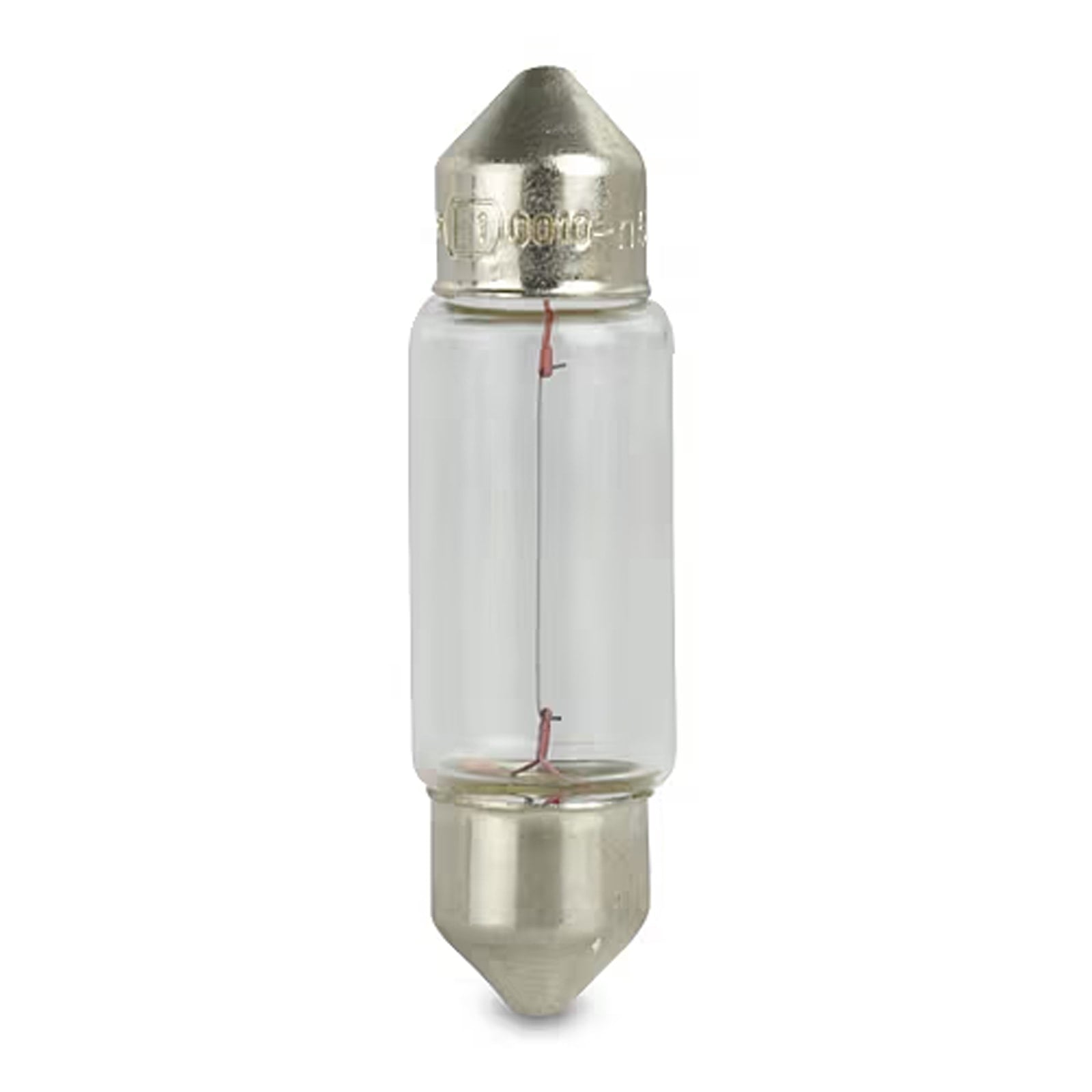
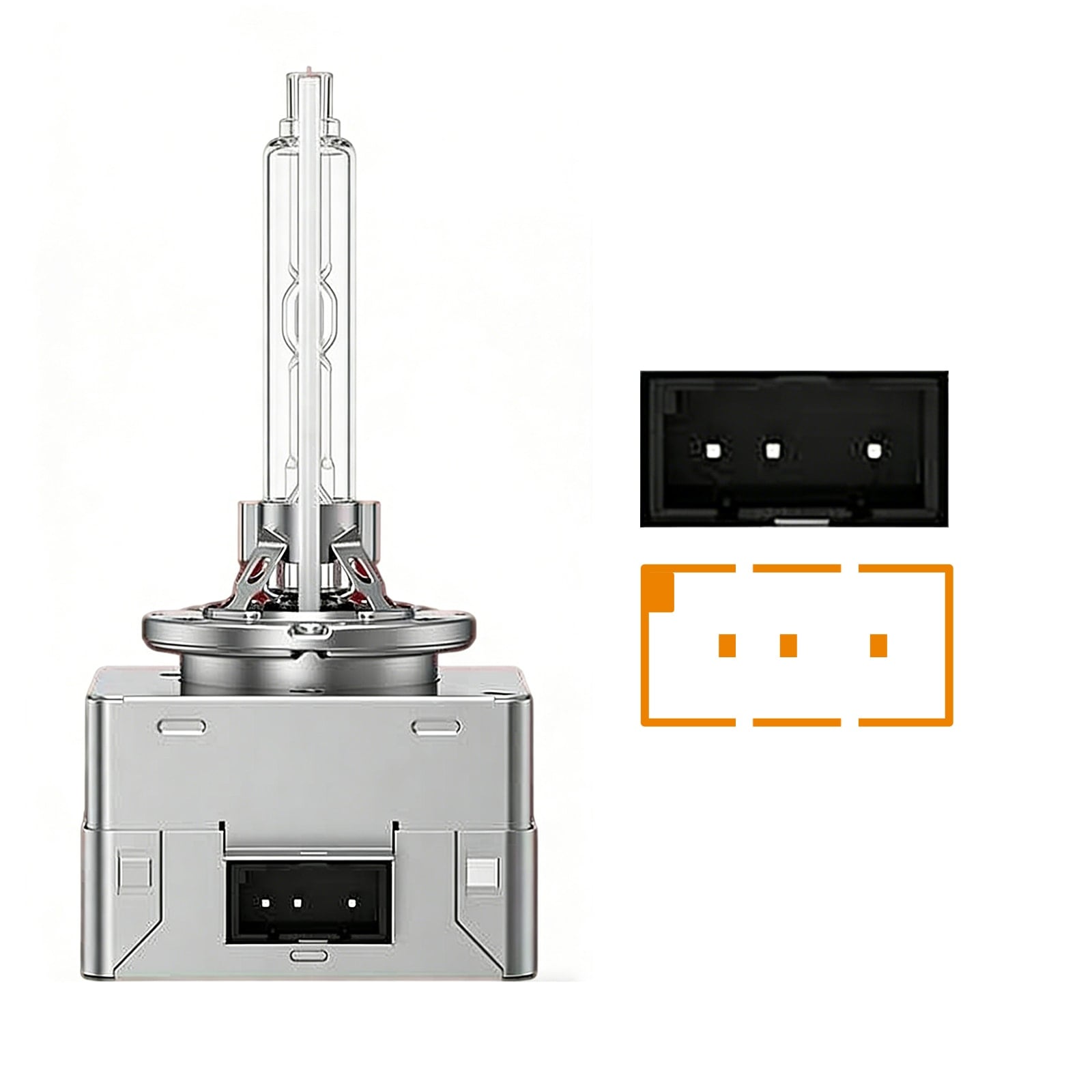











The Toyota Camry is the quintessential American family sedan, known for its bulletproof reputation and "set it and forget it" dependability. For decades, it has served as the benchmark for the midsize segment, offering a blend of comfort and efficiency that keeps millions of drivers loyal to the nameplate. However, even a legendary reputation doesn't mean it's perfect. To keep your sedan running for 200,000 miles or more, you need to understand Toyota Camry reliability and stay ahead of the curve. While it's a solid choice, being aware of common Toyota Camry problems like oil consumption or shifting hesitations is the key to a worry-free ownership experience.
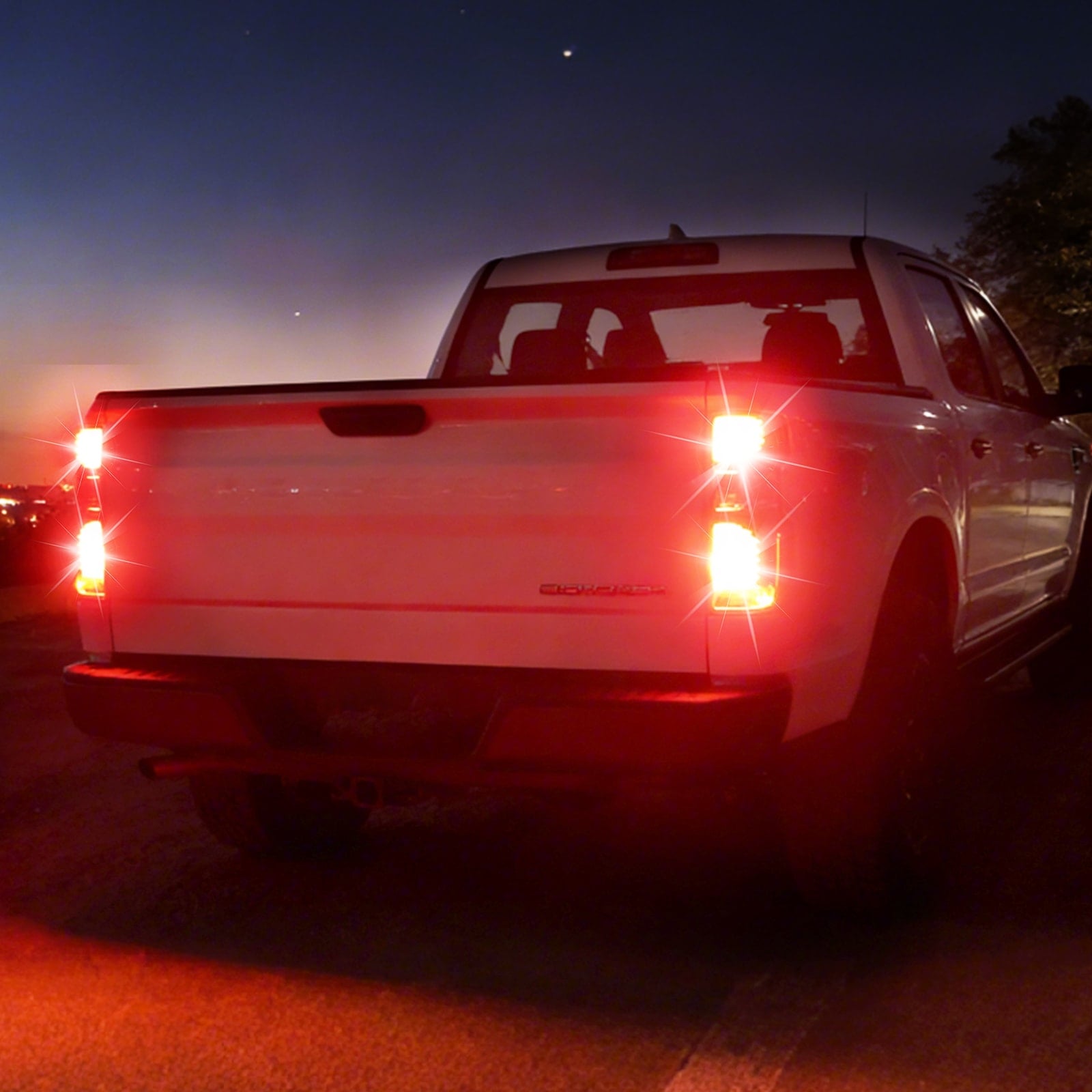
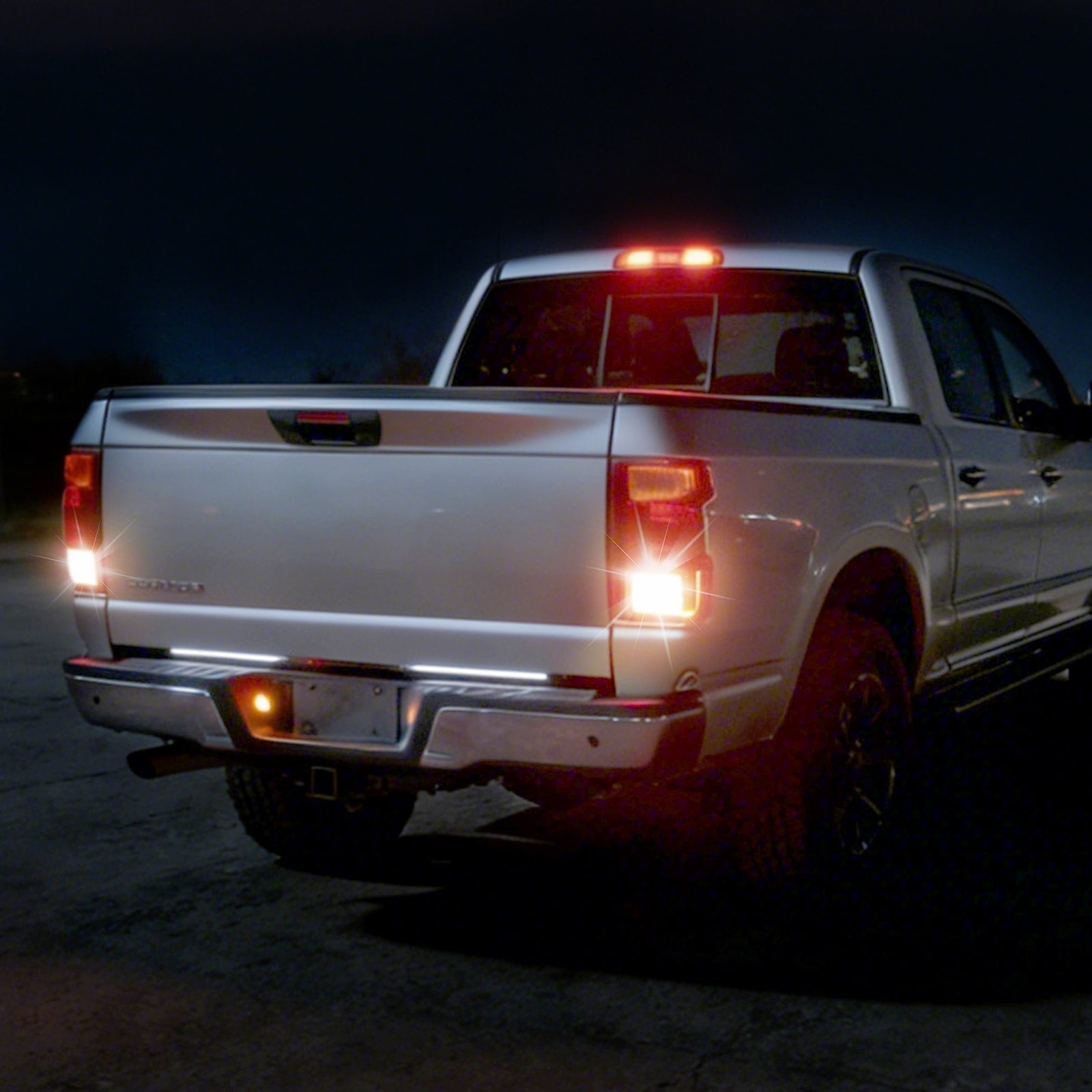
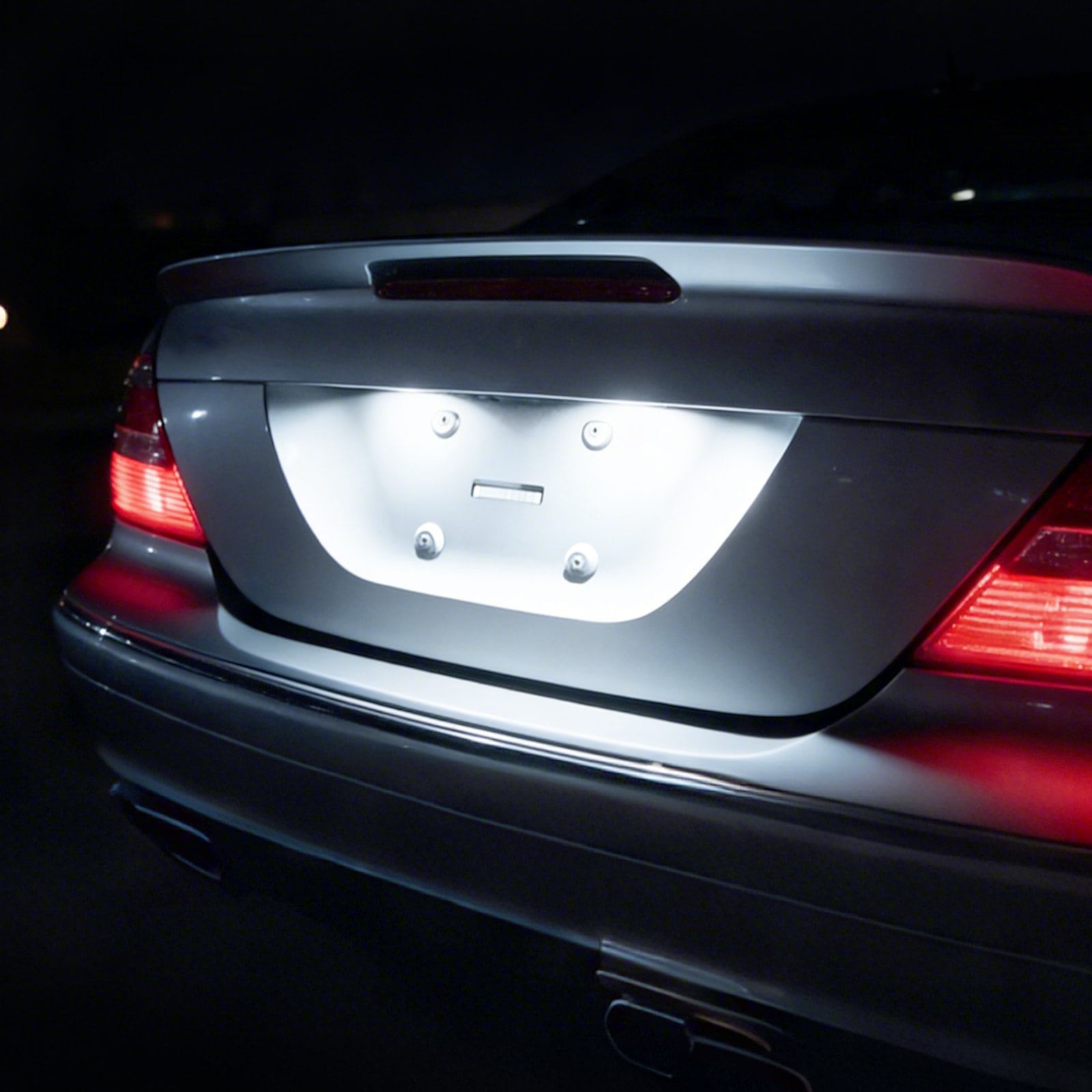
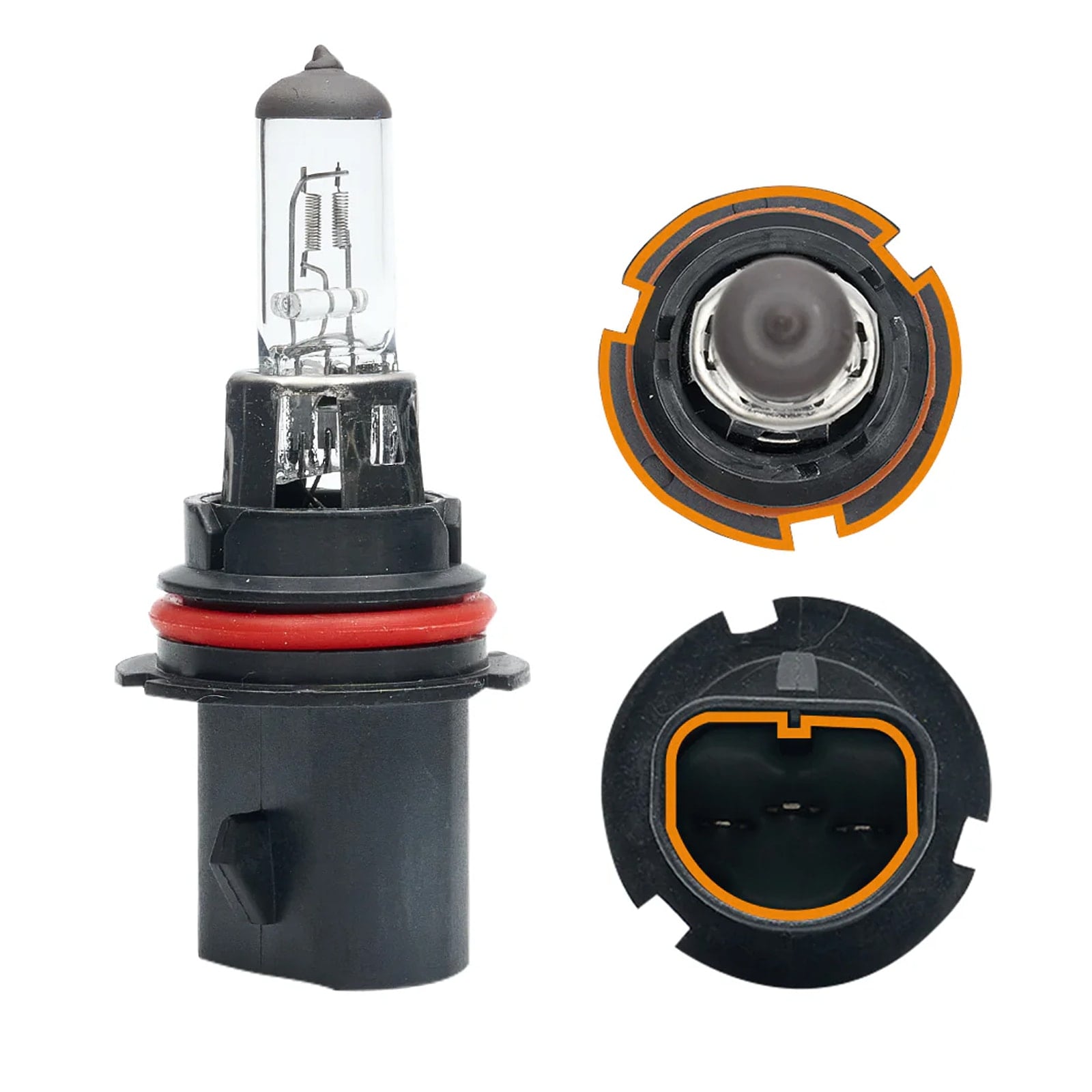
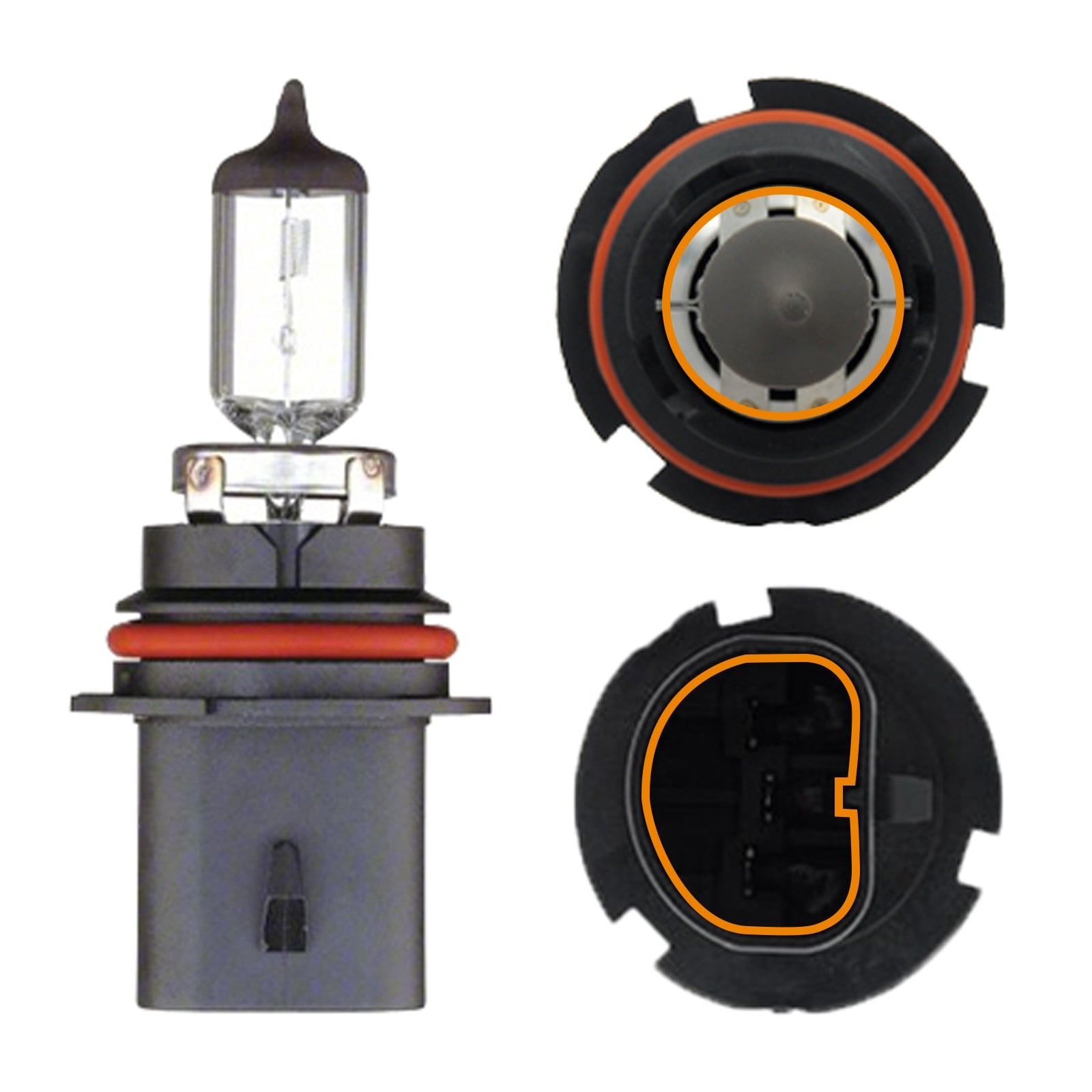
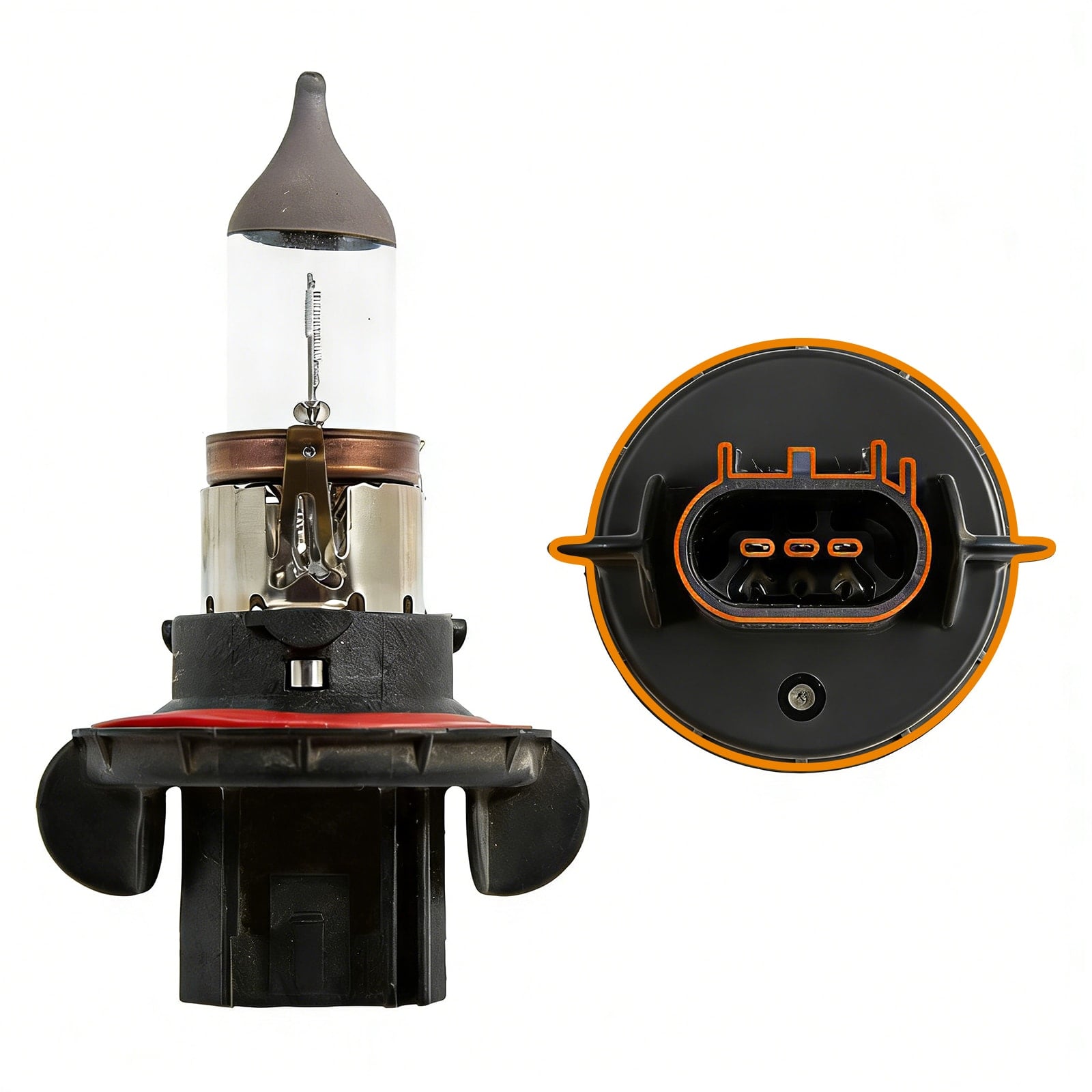
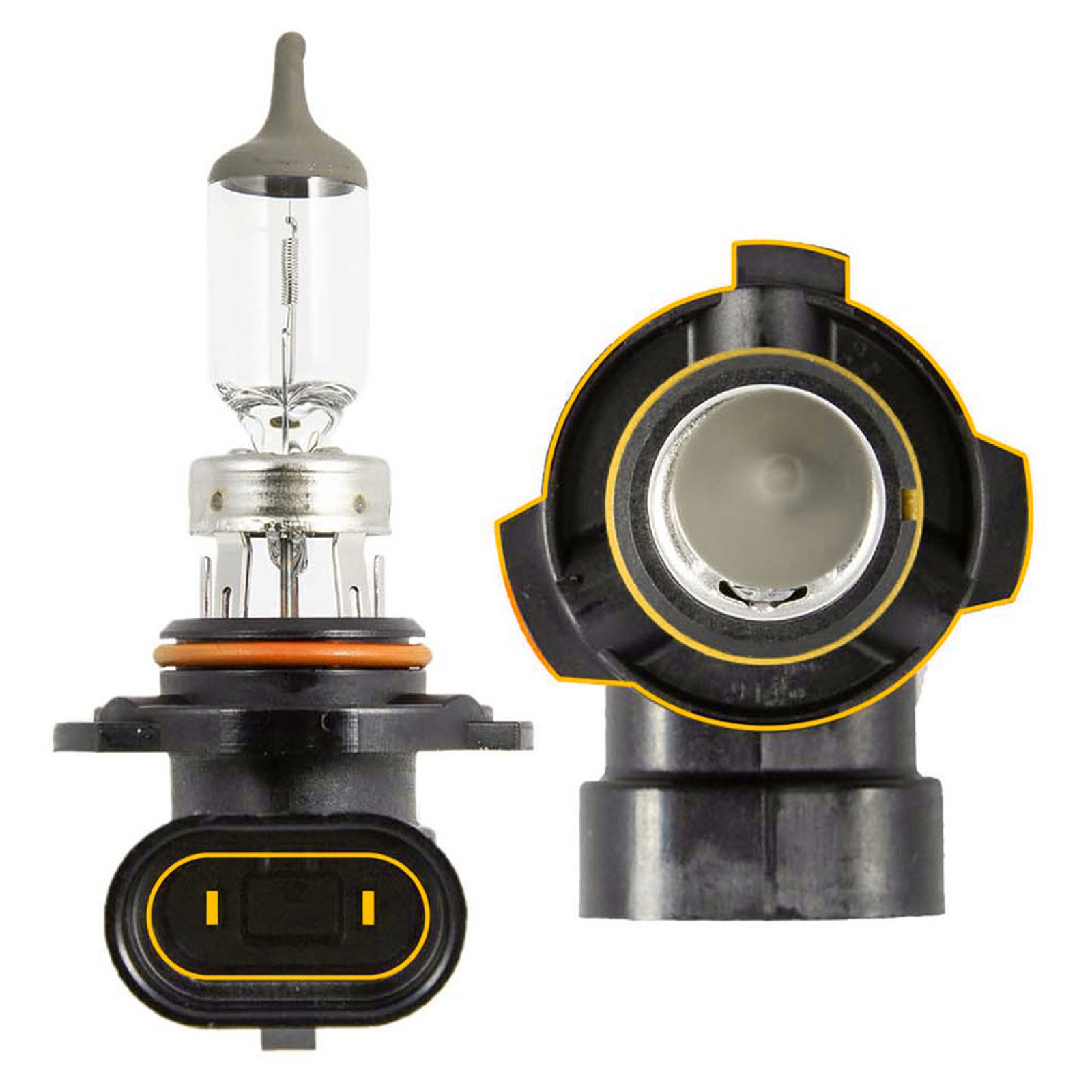
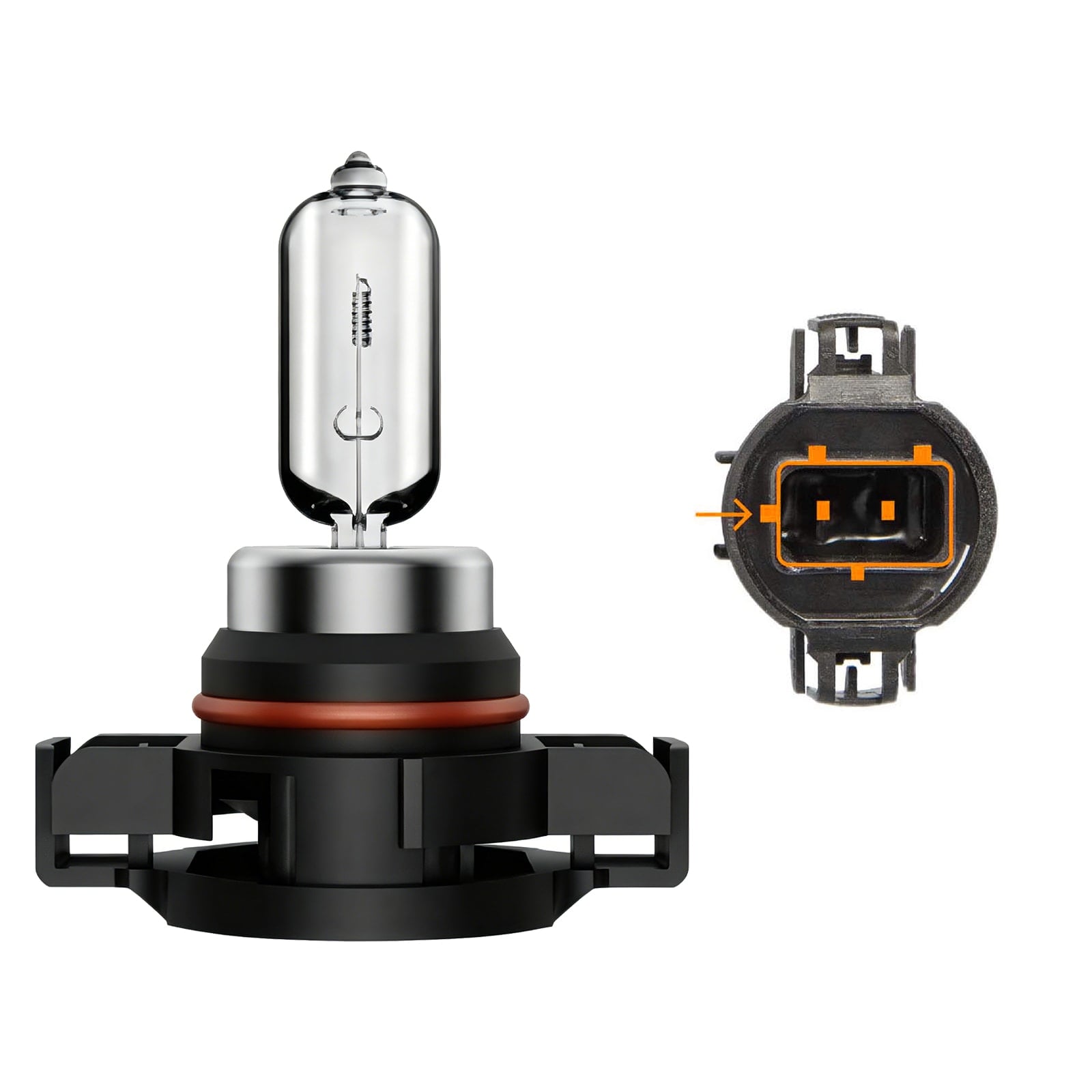
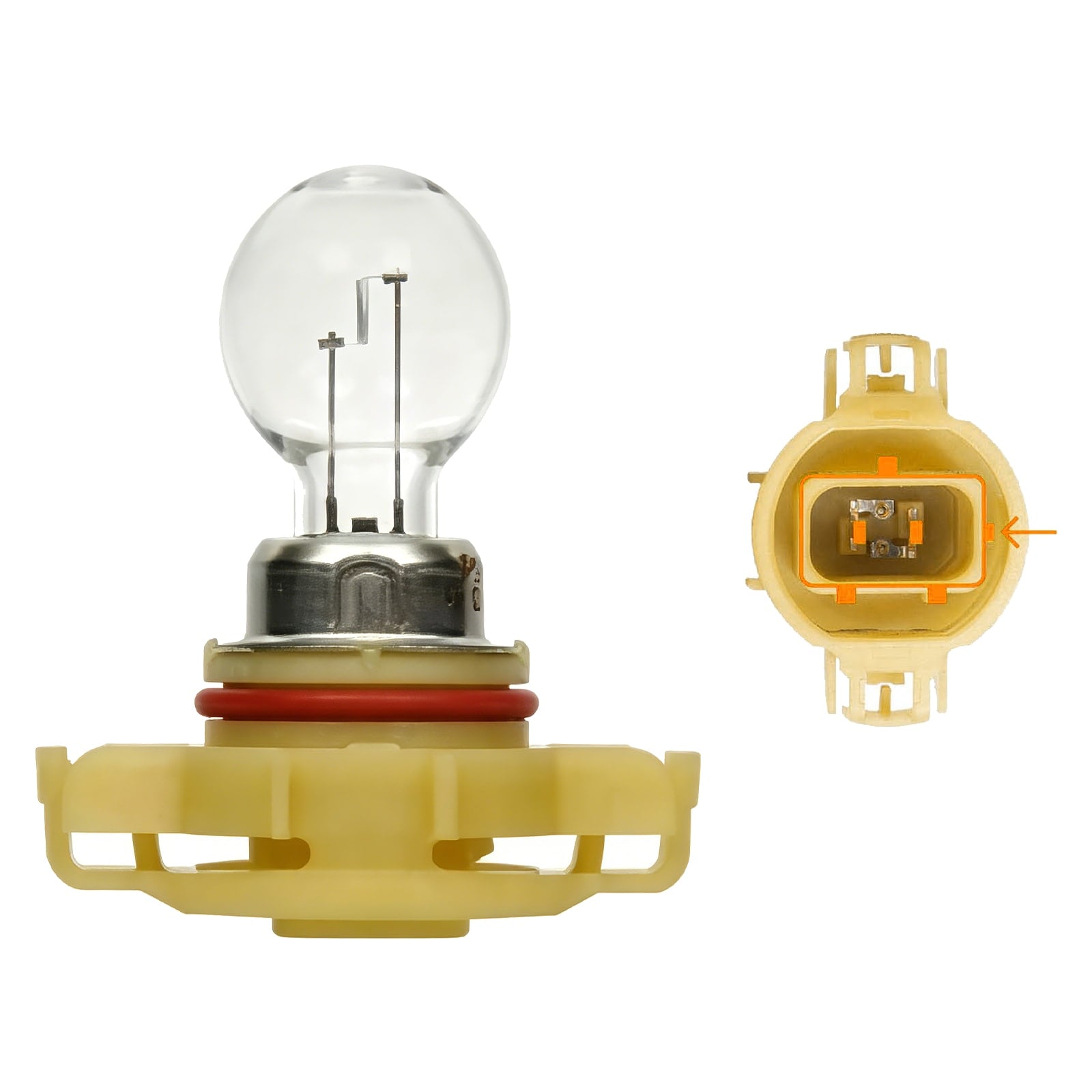
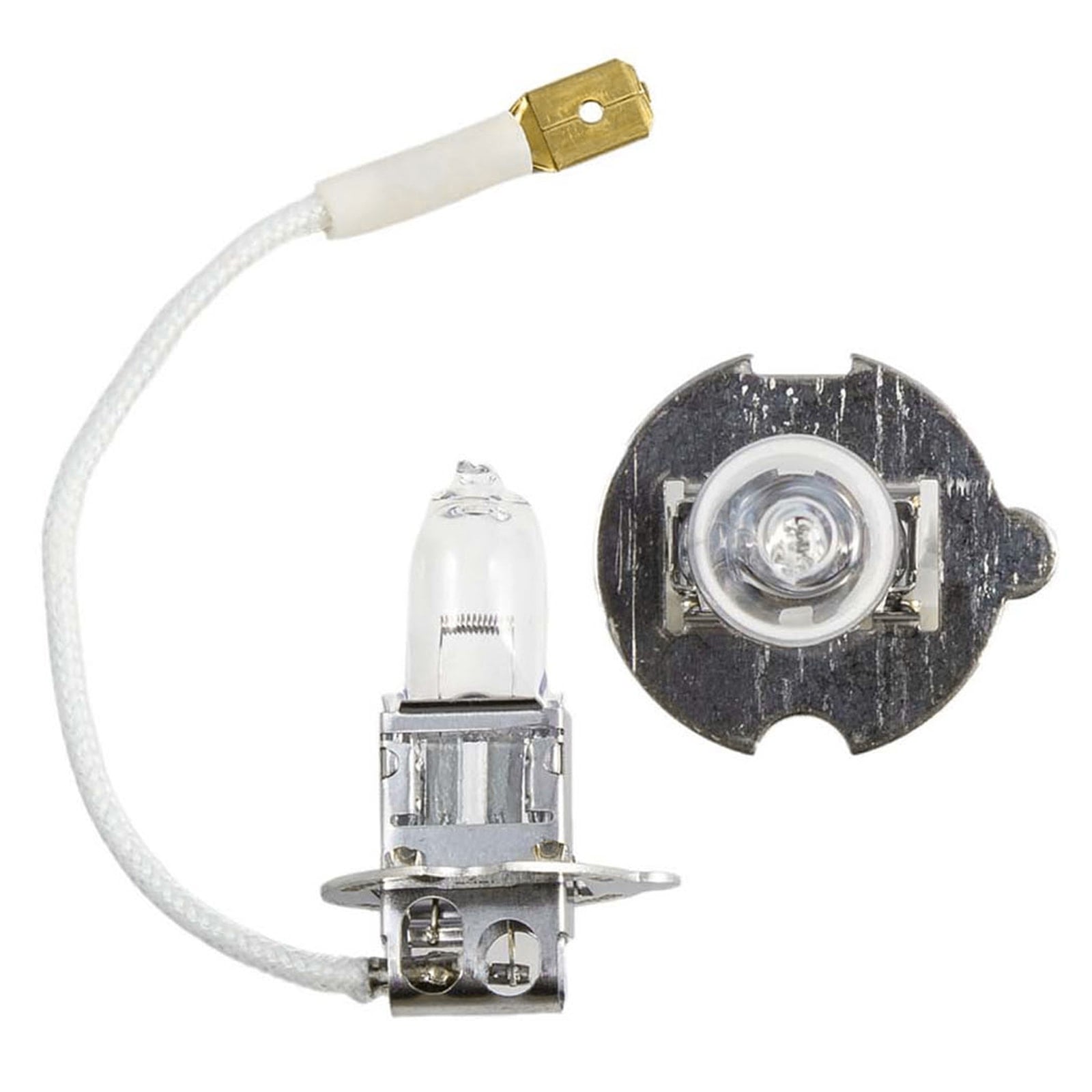
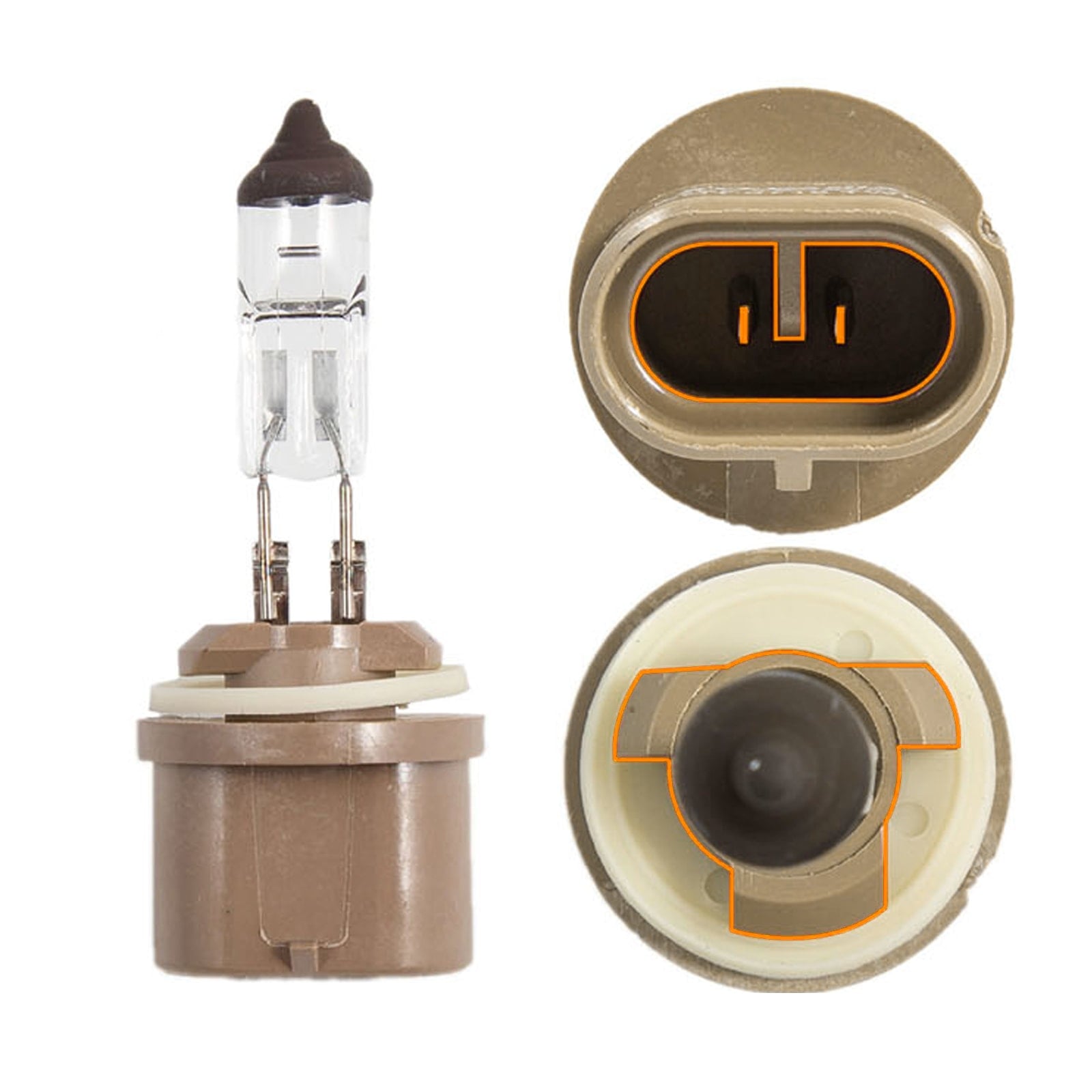
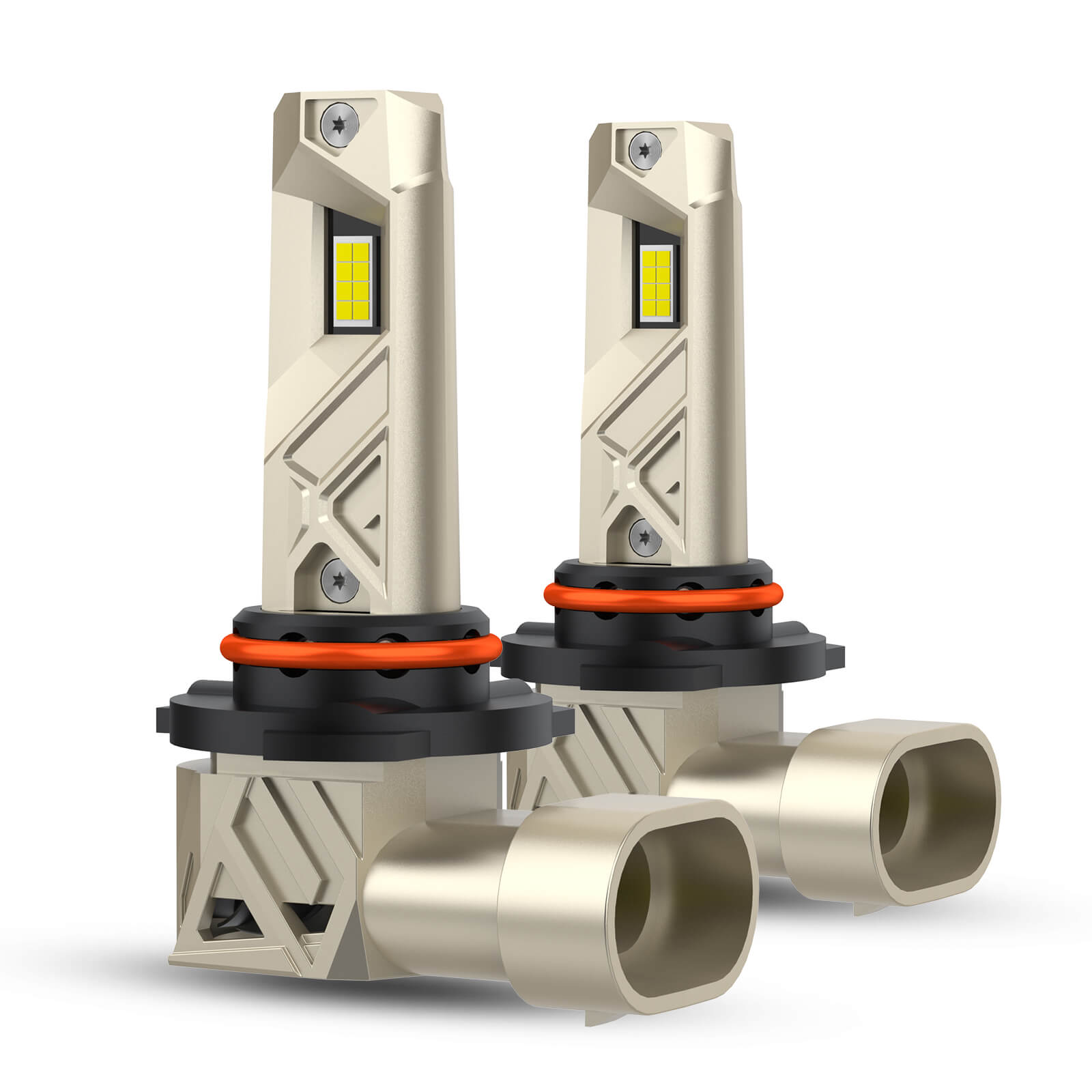
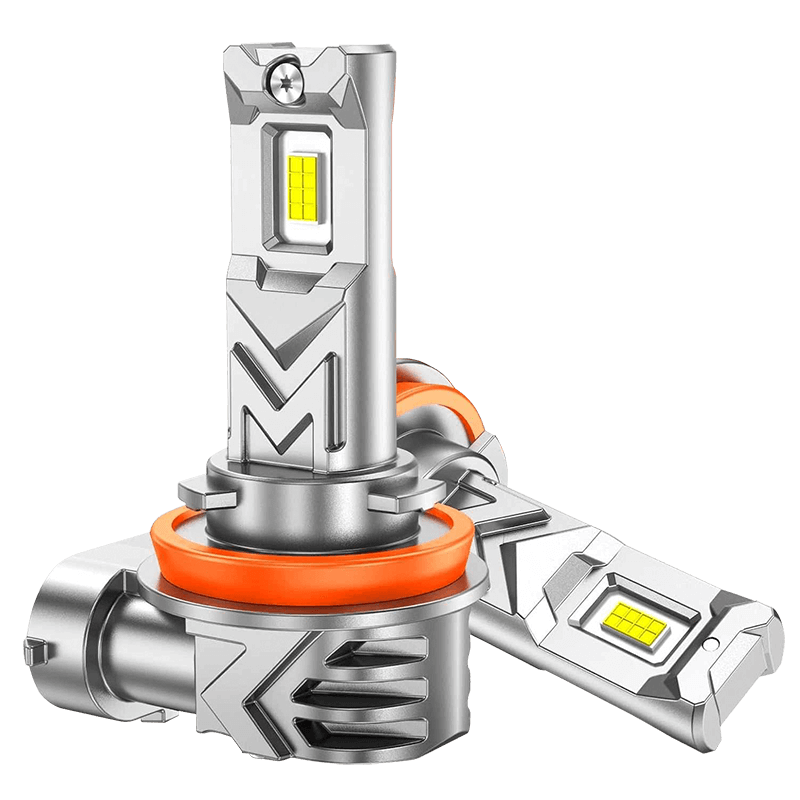
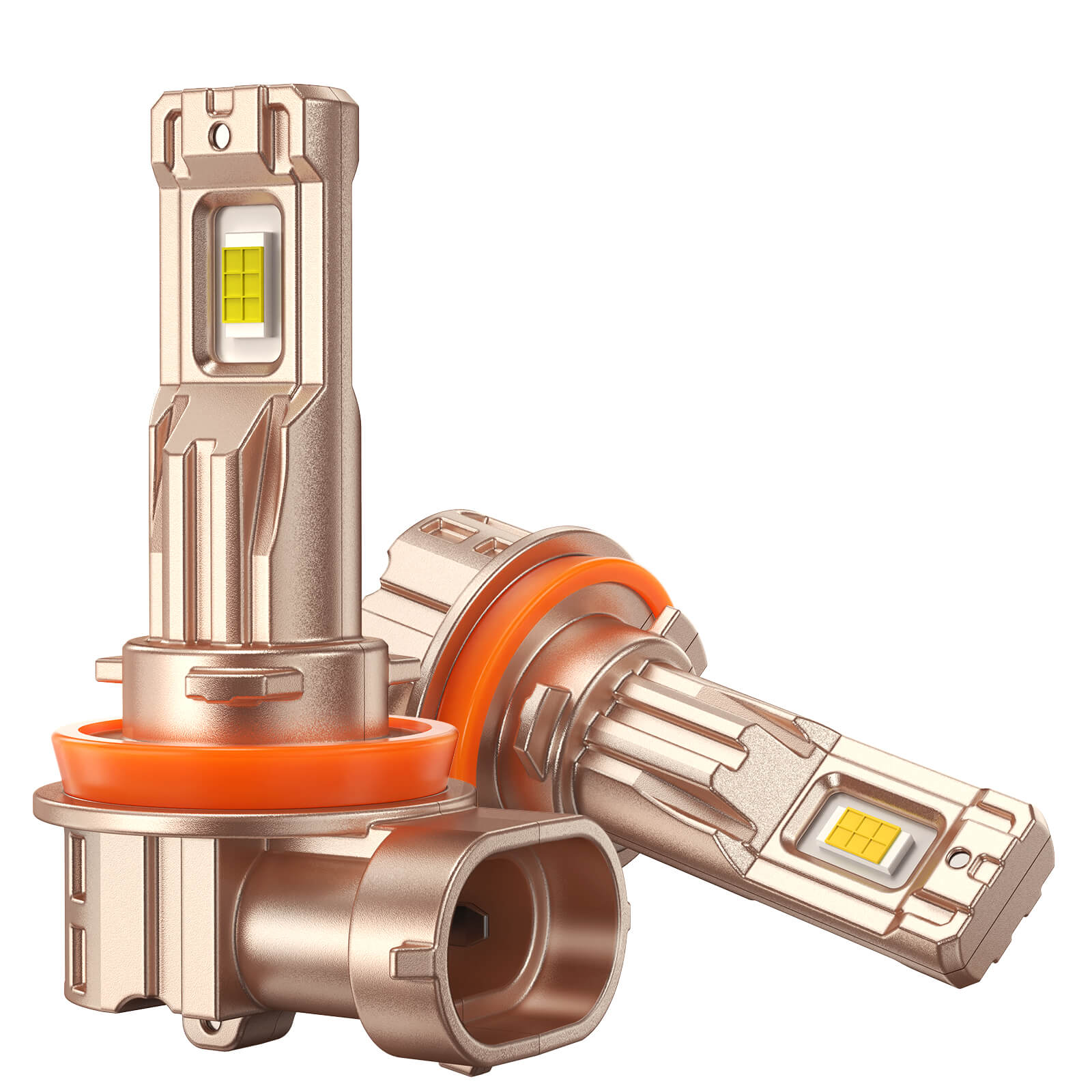
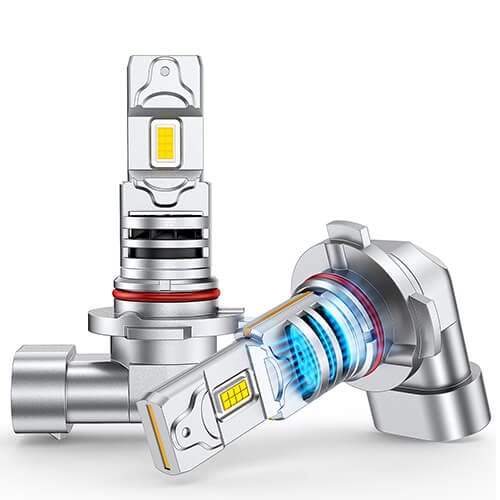
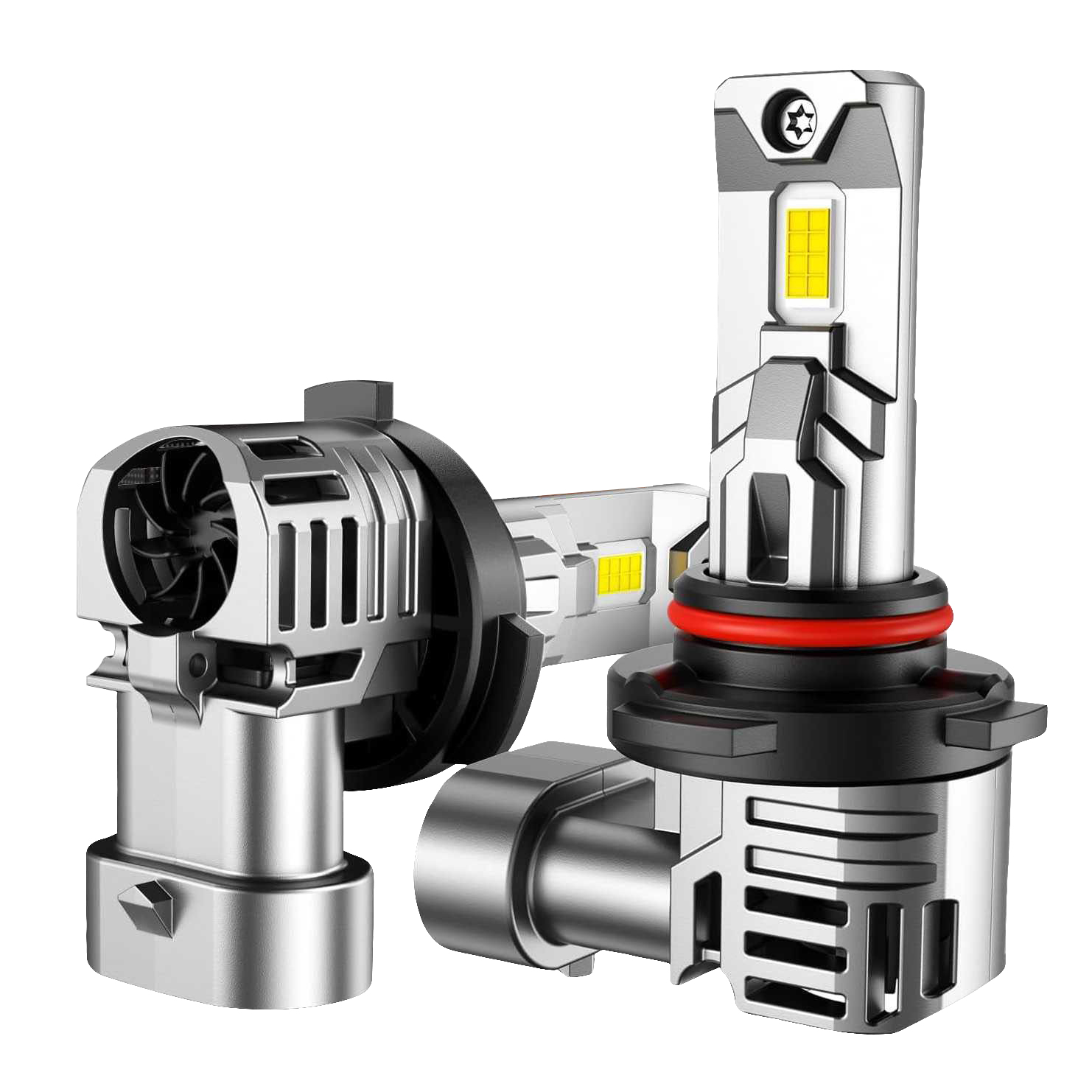
And when it comes to simple upgrades that enhance both safety and style—like swapping out factory halogens for premium lighting—check out the LED lights for Toyota Camry from SEALIGHT to improve nighttime visibility and give your dependable sedan a modern edge.

Is the Toyota Camry Reliable?
When you ask most mechanics, "Is Toyota Camry reliable?" the answer is usually a resounding yes. The data back this up as well.
RepairPal rates the Toyota Camry with a reliability score of around 4.5 out of 5.0, placing it first in its class among midsize sedans. Average annual repair costs run approximately $388, which is well below the $526 industry average for all vehicles. Owners report fewer unscheduled repair visits than most competitors, which is exactly what you want in a daily driver.
J.D. Power consistently gives the Camry strong marks as well. In recent Vehicle Dependability Study (VDS) scores, it hovers well above segment average. For example, the 2025 model earned a strong 82 out of 100 for quality and reliability.
For model-specific upgrade choices after confirming fitment, see best LED bulbs for Toyota Camry.
Common Problems with the Toyota Camry
Every car has its "quirks," and the Camry is no exception. Here’s the thing: most of these issues are well-documented, which makes them easier to spot when shopping for a used Toyota Camry.
1. Excessive Oil Consumption
If you’re looking at a 2007–2011 model with the 2.4L four-cylinder engine (the 2AZ-FE), pay close attention to the dipstick. These engines are notorious for burning oil due to defective piston rings. If ignored, low oil levels can lead to catastrophic engine failure. A lot of owners don't realize their car is thirsty for oil until the warning light pops on, so check your levels every few fill-ups.
2. Transmission Hesitation and Shifting Issues
Some older models, particularly around 2001 and again in the 2012–2017 generation, have been known for erratic shifting or a "shudder" during acceleration. This is often a software issue within the Transmission Control Module (TCM) or a failing torque converter. The good news is that a simple software flash at the dealership can often smooth out those gear changes.
3. Dashboard and Interior Material Degradation
Owners of the 2007–2011 generation frequently complained about "sticky" or melting dashboards. In high-heat climates, the materials used in the dash could break down, becoming shiny and tacky to the touch. Toyota eventually addressed this through a specialized warranty extension, but it's something to look for if you're buying an older model today.
4. Fuel Pump Failures
Recent recalls have targeted the low-pressure fuel pump in 2018–2019 models. A failing pump can cause the engine to stall unexpectedly while driving, which is a major safety concern. If you're looking at a used Camry from these years, ensure the fuel pump recall has been performed.
Problem Summary Table
| Problem Area | Common Issues | Affected Years (Commonly) |
| Engine | Excessive oil consumption (2AZ-FE engine) | 2007–2011 |
| Transmission | Hesitation, hard shifting, torque converter shudder | 2001, 2012–2017 |
| Fuel System | Low-pressure fuel pump failure (Recall) | 2018–2019 |
| Interior | Melting/Sticky dashboard materials | 2007–2011 |
| Electrical | Erratic infotainment, sensor malfunctions | 2018–Present |
Lighting System Problems and LED Upgrades
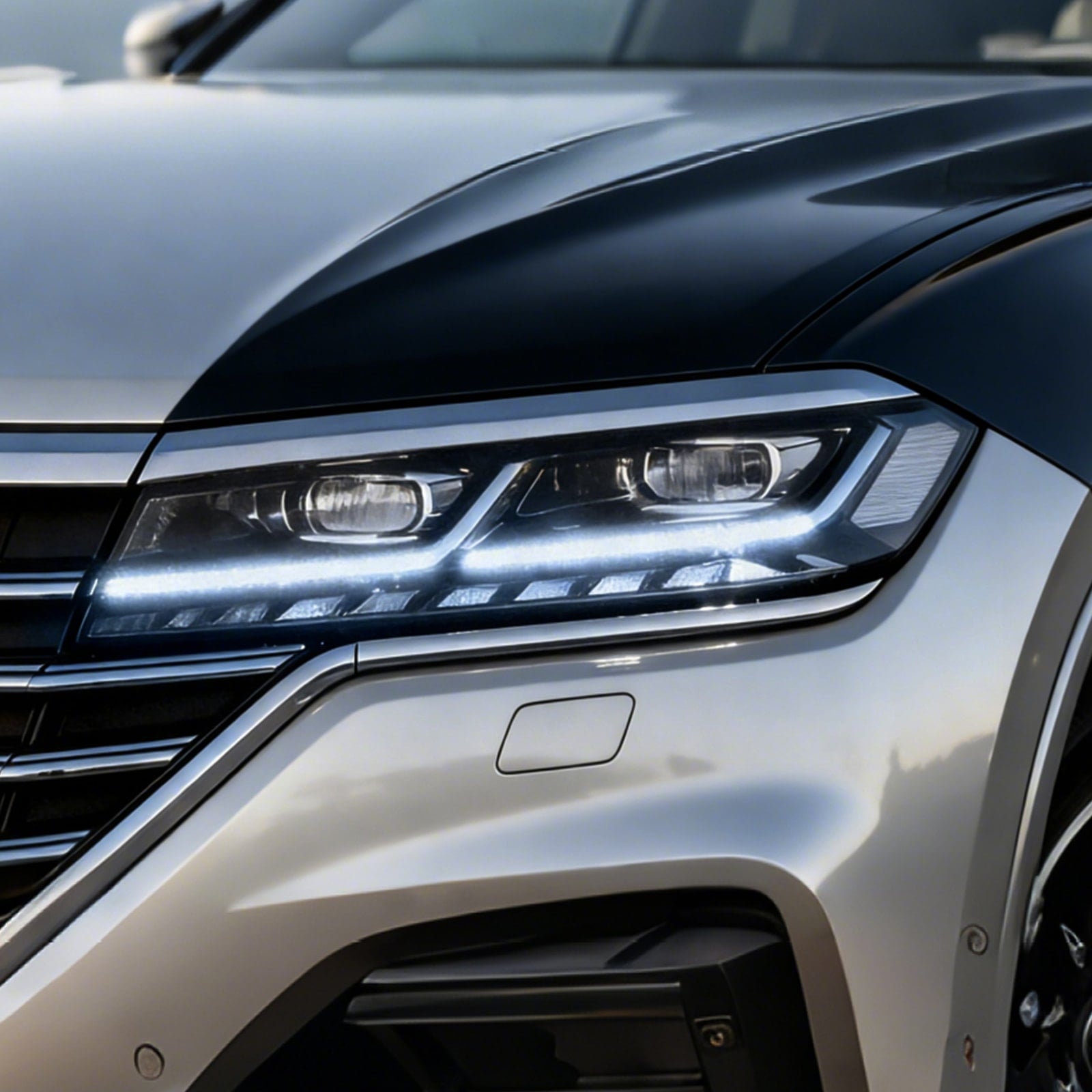
Here's something that rarely makes the reliability discussion but matters every single night: the Camry's factory halogen headlights are, frankly, underwhelming. If you've ever driven your Camry on an unlit road, you know what we mean — the beam is narrow, yellowish, and fades fast with age.
Halogen bulbs typically last around 500–1,000 hours and lose significant output before they actually burn out. That means you could be driving with noticeably dim headlights and not even realize it.
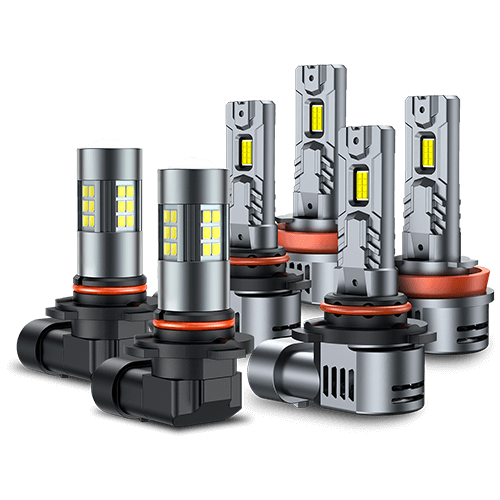
Swapping to Toyota Camry LED bulbs is one of the most practical upgrades you can make — not for aesthetics, but for safety. LED headlights produce a whiter, brighter beam, better illuminate road signs and pedestrians, and last dramatically longer than halogens. Many Camry owners choose SEALIGHT LED bulbs for the plug-and-play fitment, consistent beam pattern, and long service life. For those seeking even more advanced performance, the Scoparc S7S series delivers exceptional brightness and beam focus. And if you'd like to explore other options, check out the full collection of headlight bulbs to find the perfect match for your driving needs. It's a straightforward upgrade that makes a real difference on night drives.
Best & Worst Years
If you're in the market for a used model, timing is everything.
- Years to Avoid (2007–2011): This generation suffered from the most significant engine issues (oil consumption) and interior material failures.
- The Sweet Spot (2012–2017): This generation represents the peak of "traditional" Camry reliability. While the infotainment is basic, the mechanicals are incredibly stout.
- The Modern Choice (2020–Present): While more expensive, these models offer the best safety tech and fuel economy, with the early "teething" issues of the 2018 redesign largely resolved.
Conclusion:
At the end of the day, maintaining Toyota Camry reliability is about staying proactive. Whether it's checking your oil levels or keeping up with transmission fluid changes, a little care goes a long way with these cars. By staying informed about common Toyota Camry problems, you can ensure your sedan remains the dependable partner it was built to be.
One of the easiest proactive steps you can take is improving your visibility. Upgrading your factory lighting with SEALIGHT LED bulbs not only gives your Camry a modern, premium look but also ensures you can see every hazard the road throws at you. Better visibility means a safer drive for you and your family.