
 Headlight Bulbs


 Track Order
 My Vehicles
 Contact Us
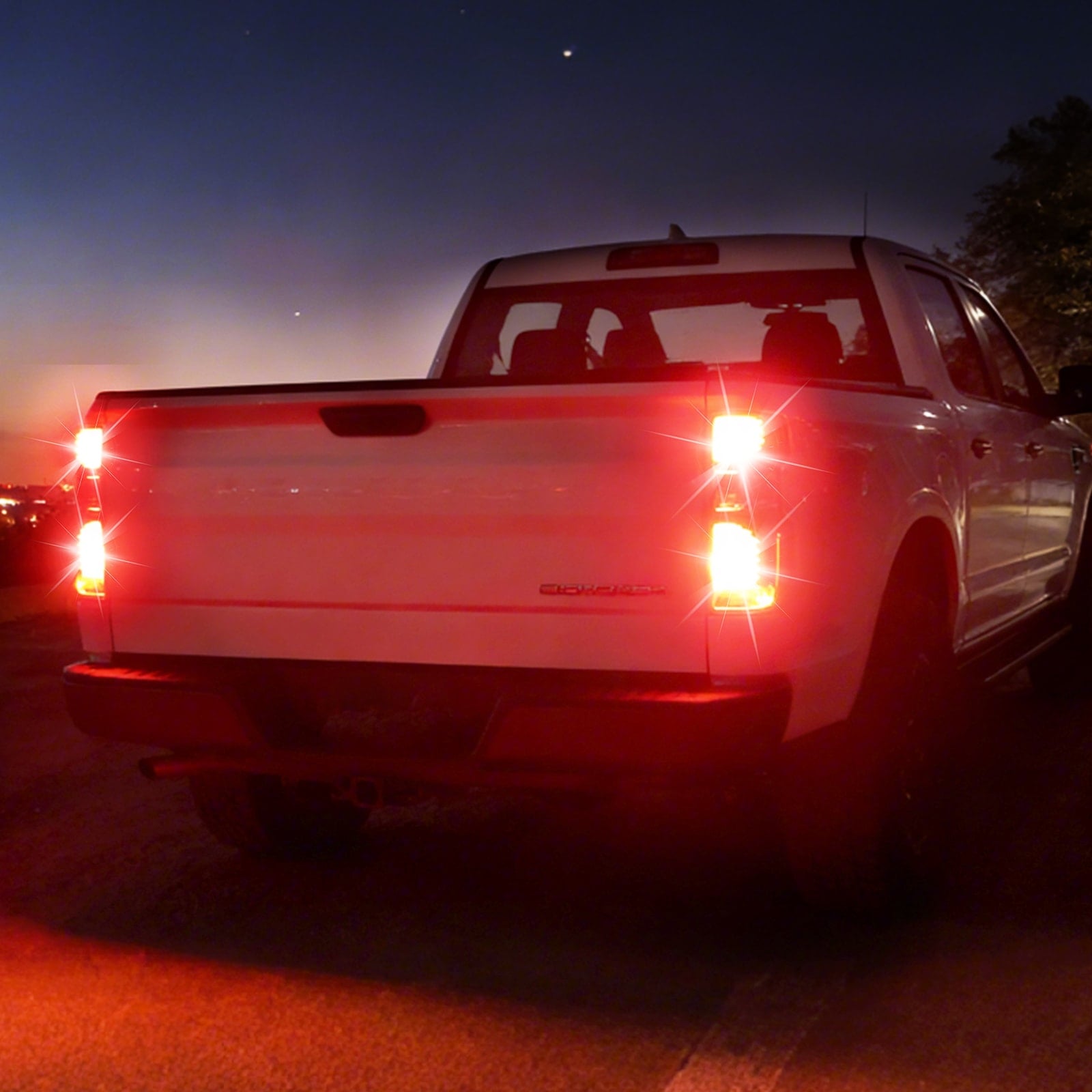
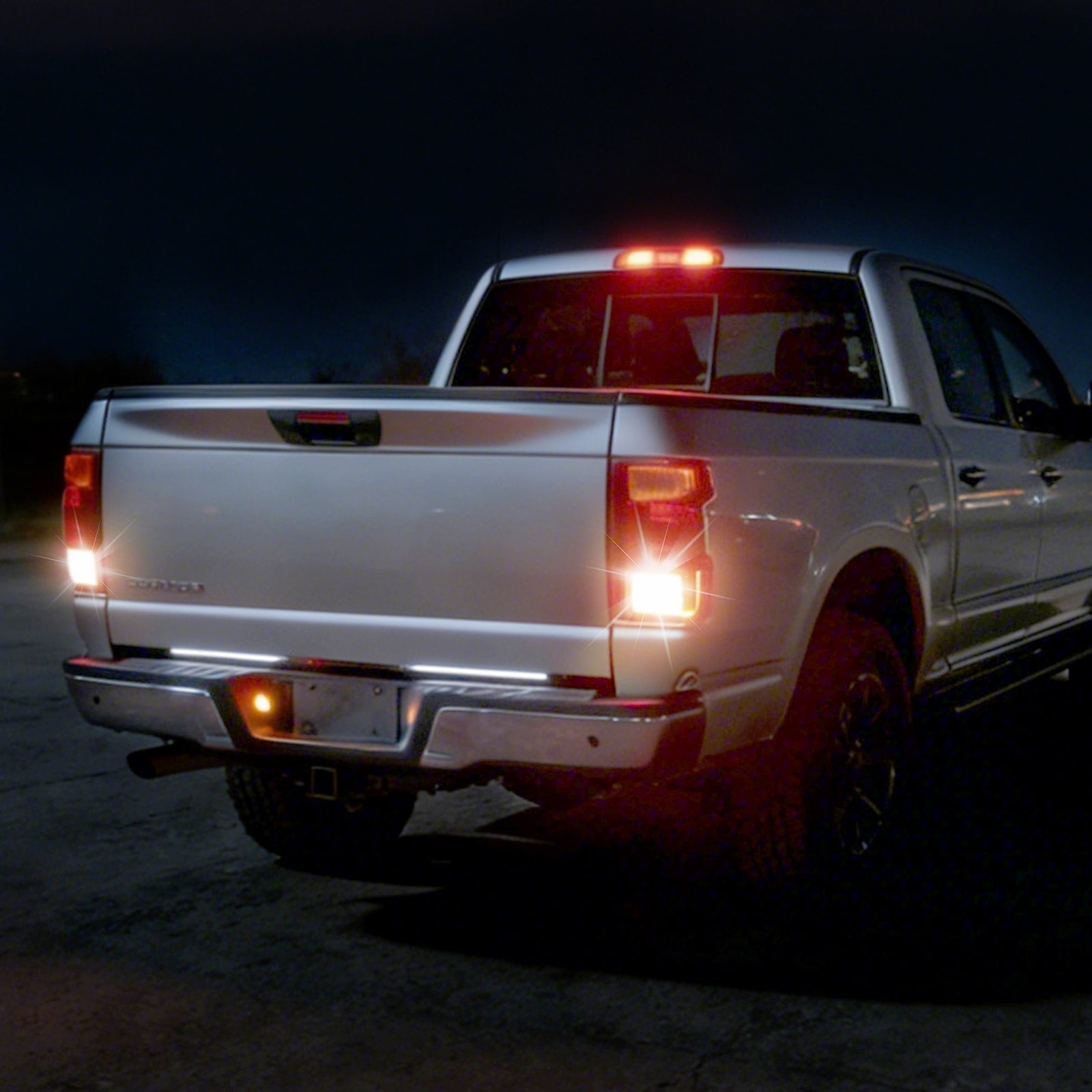
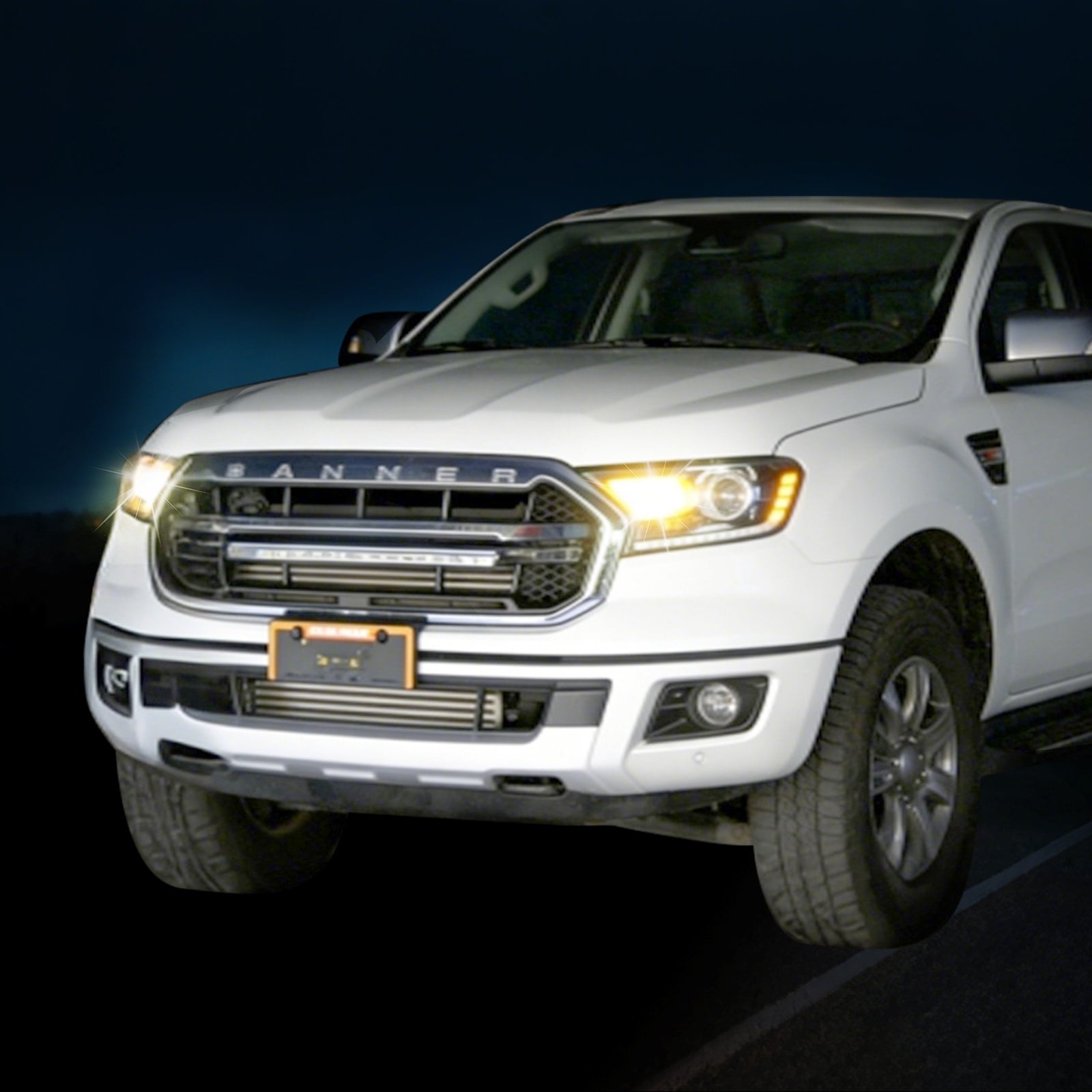
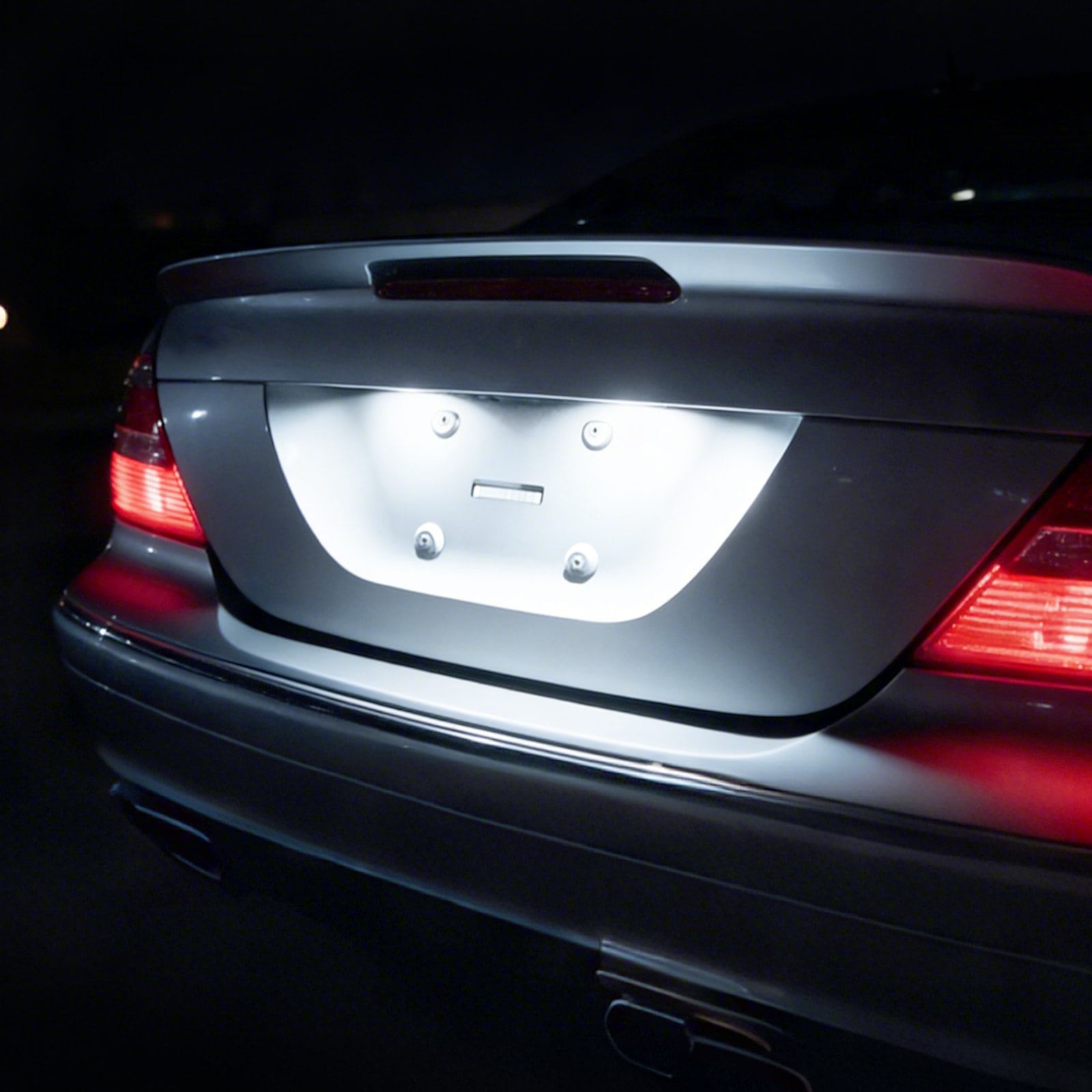
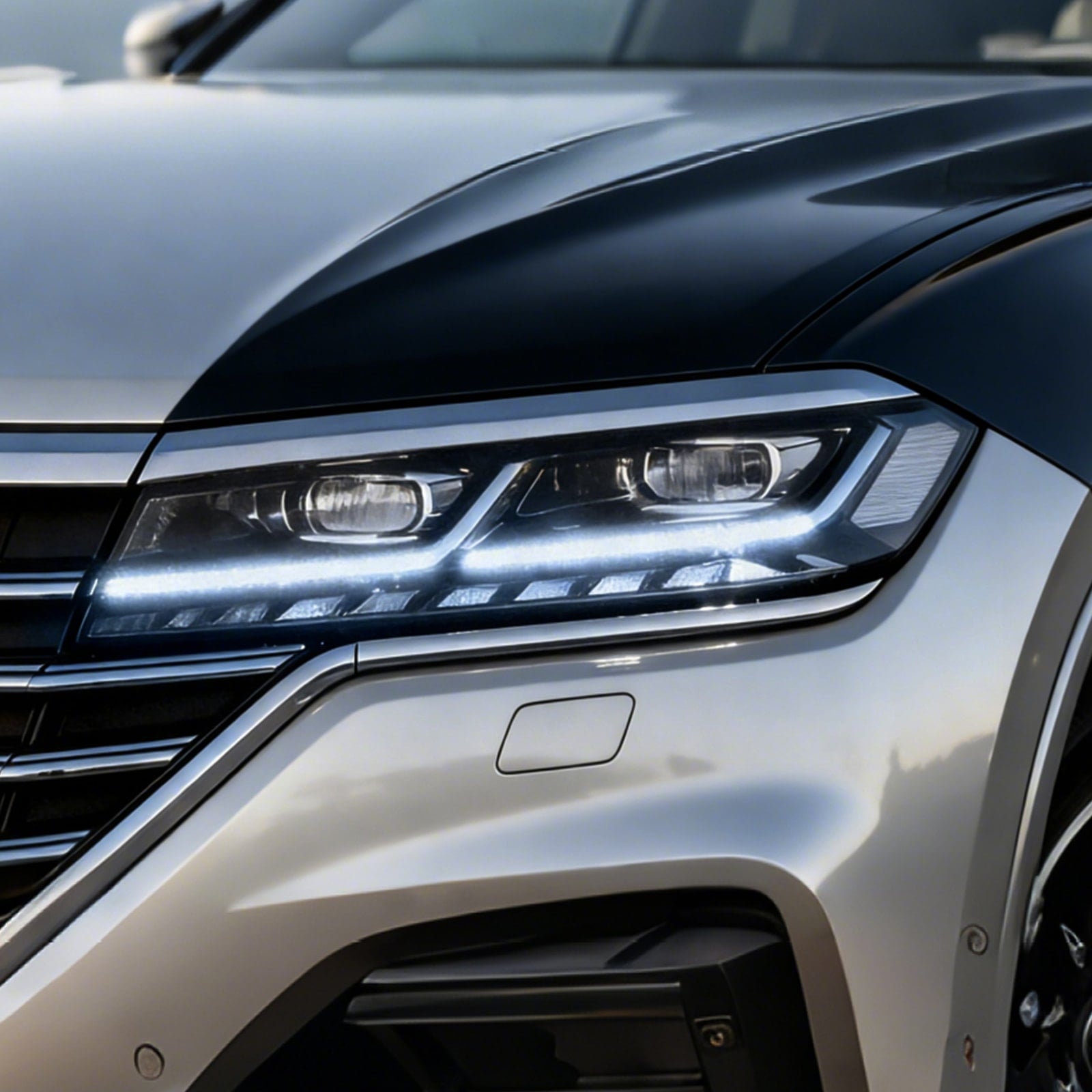
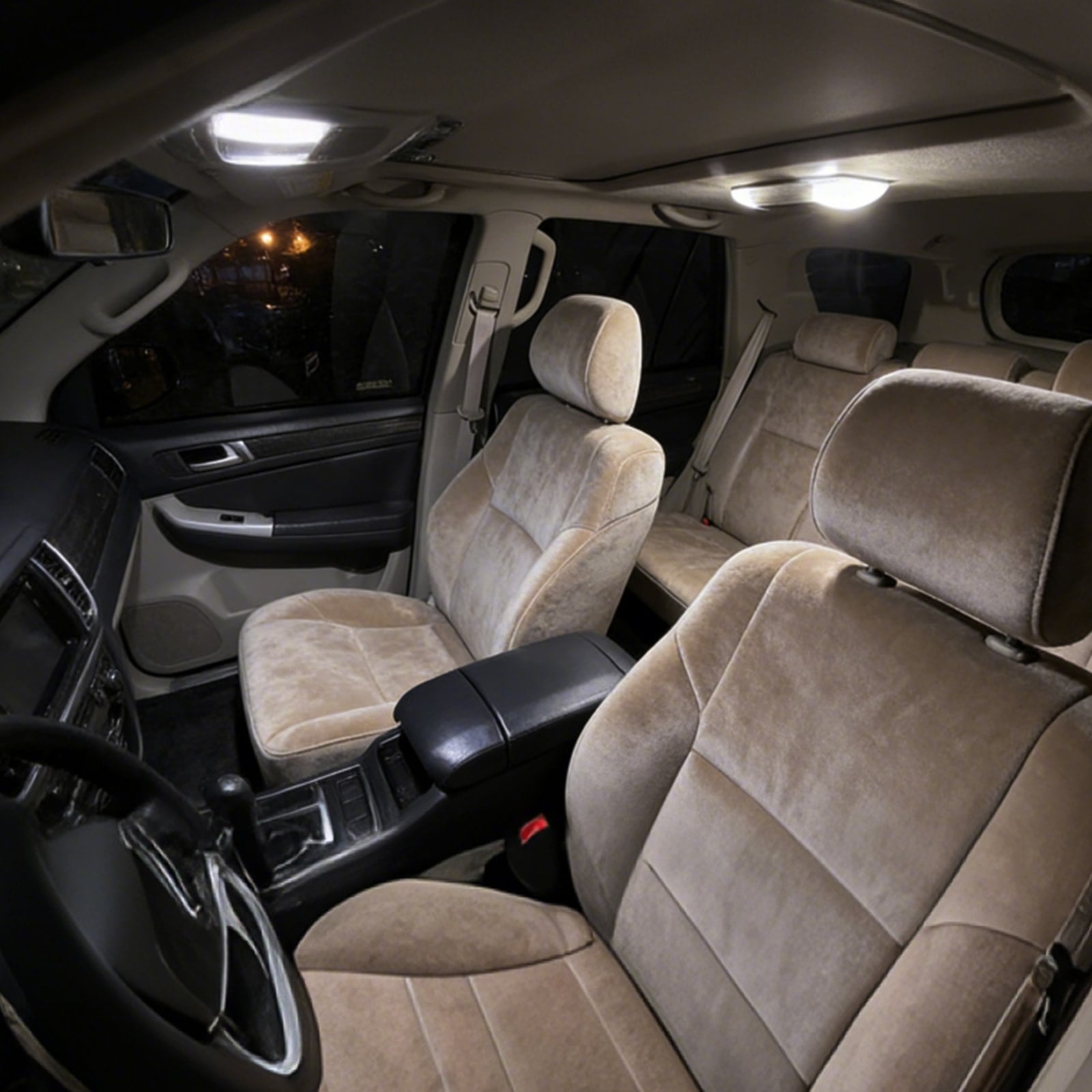
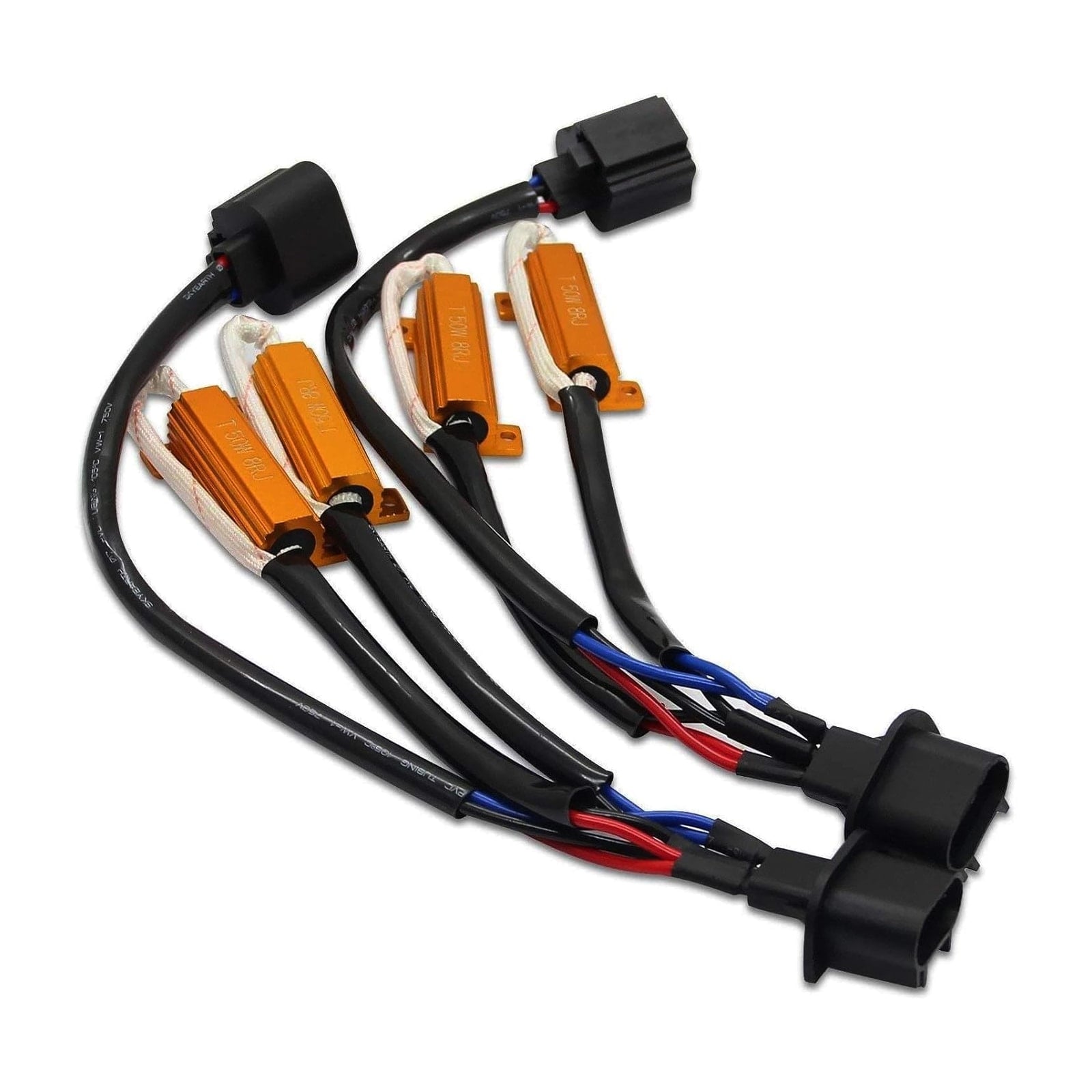
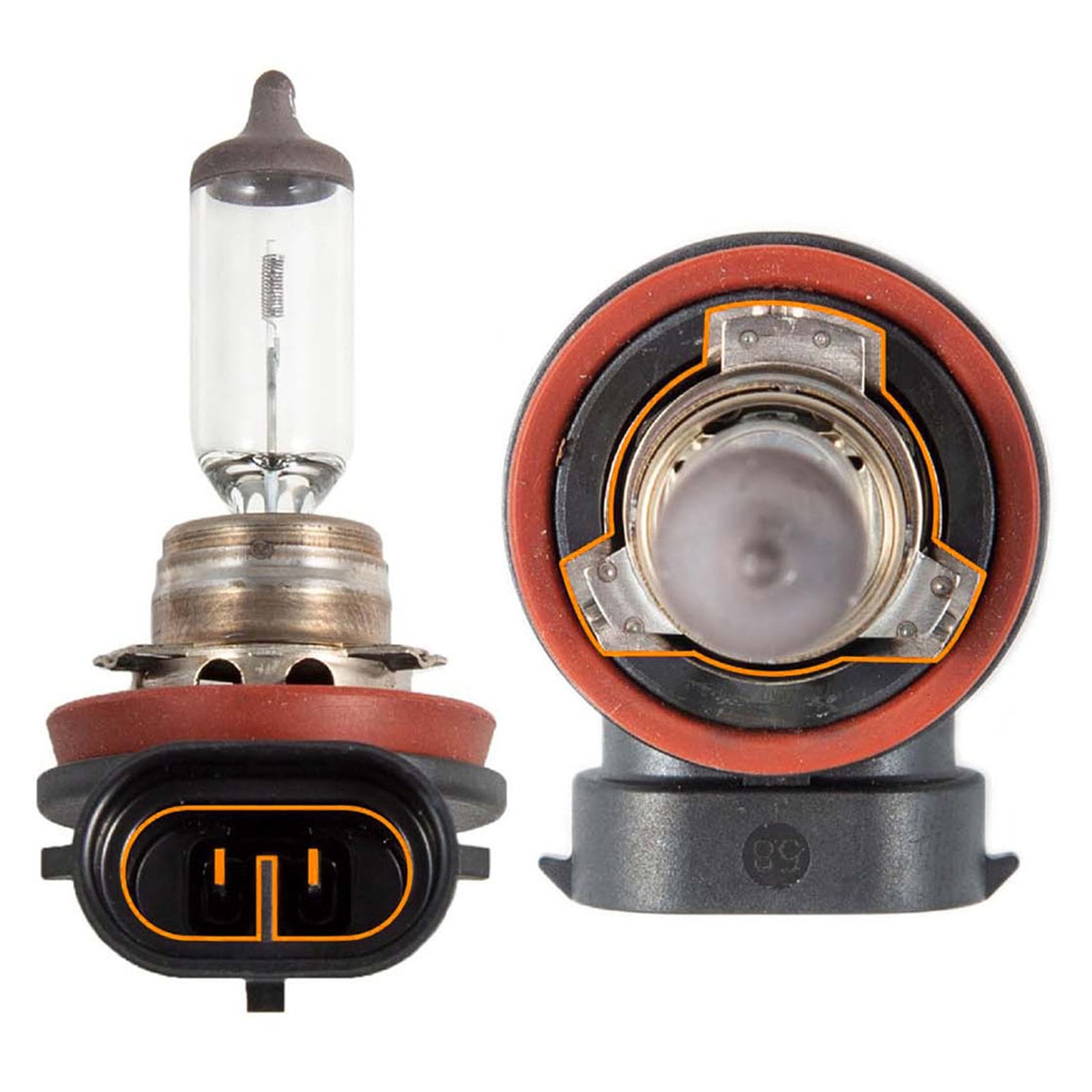

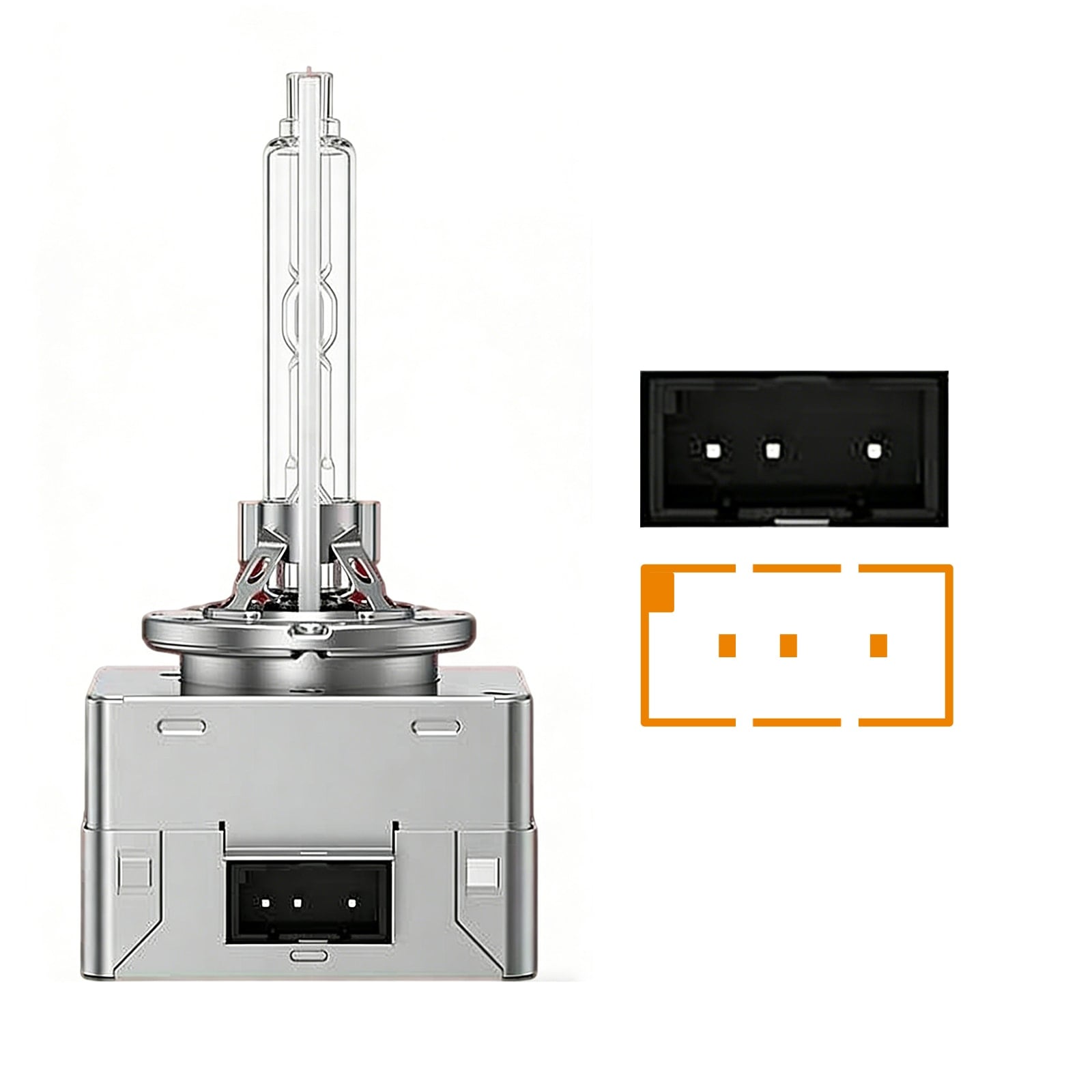
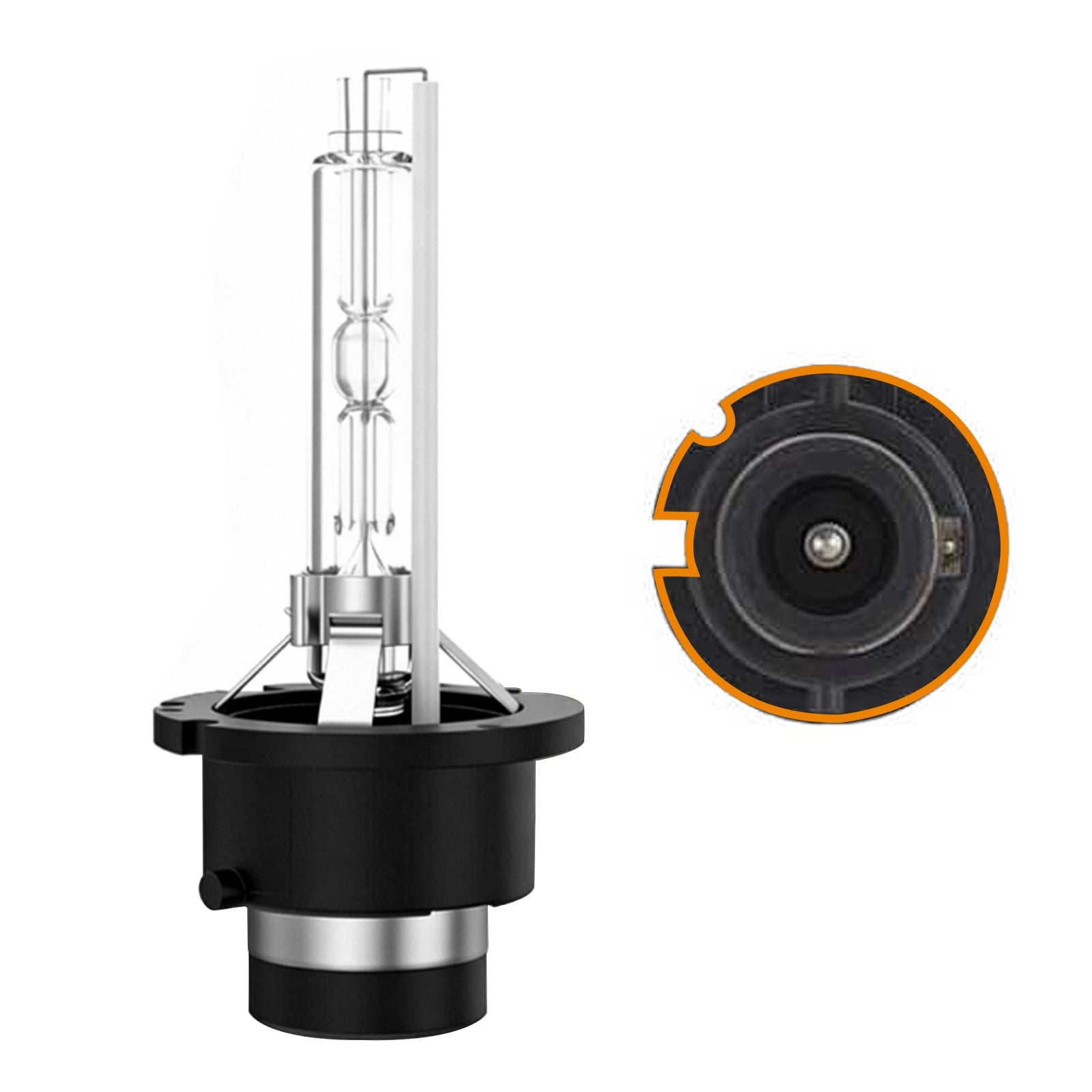
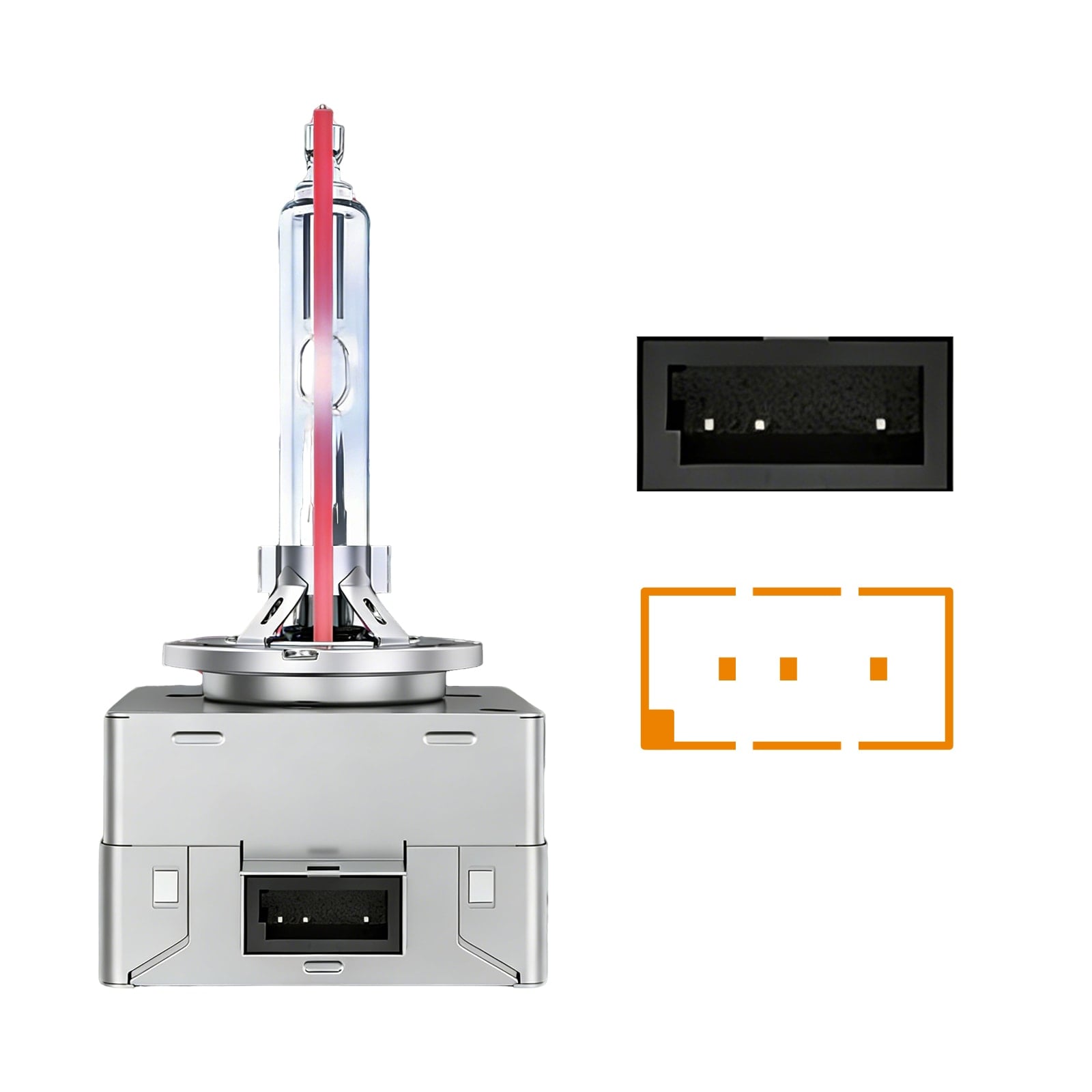
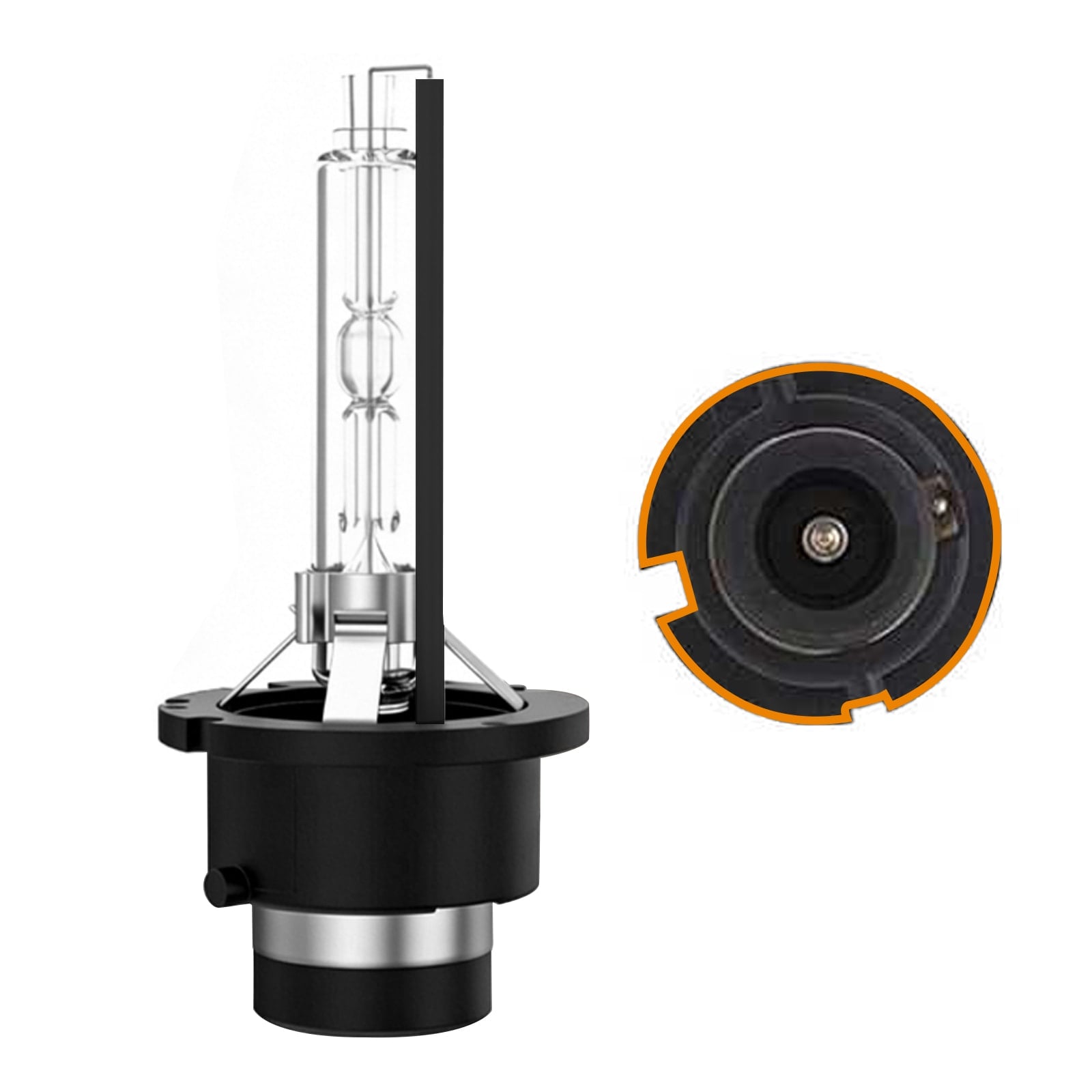











For decades, Toyota Corolla has been the go-to choice for drivers who want simple, dependable transportation without surprises. But even the most reliable vehicles aren’t completely immune to wear, aging, and the occasional design flaw.
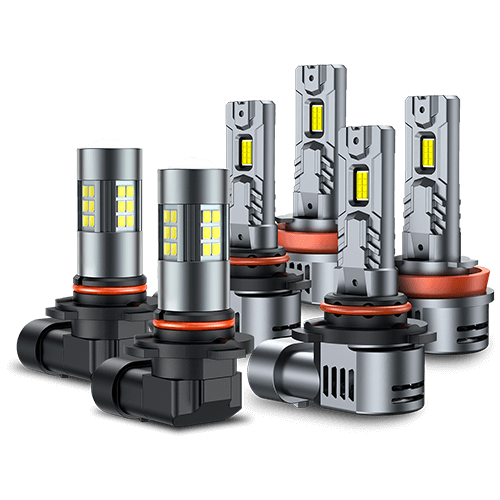
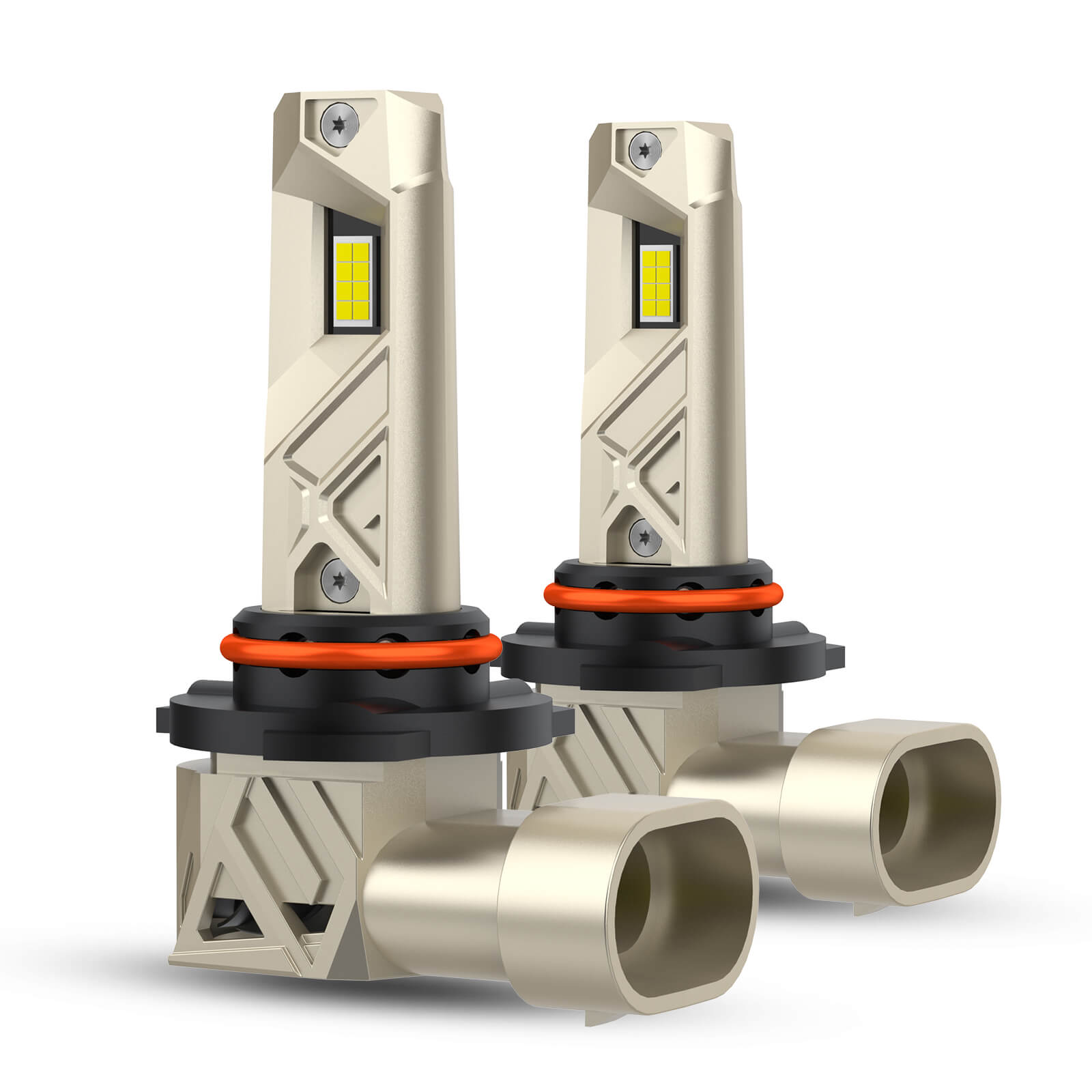
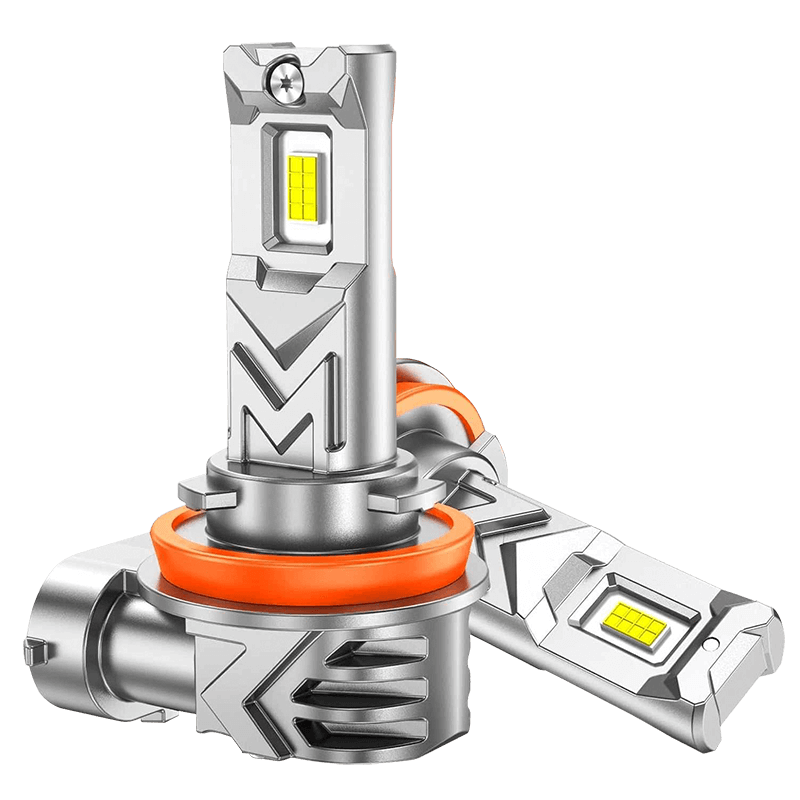
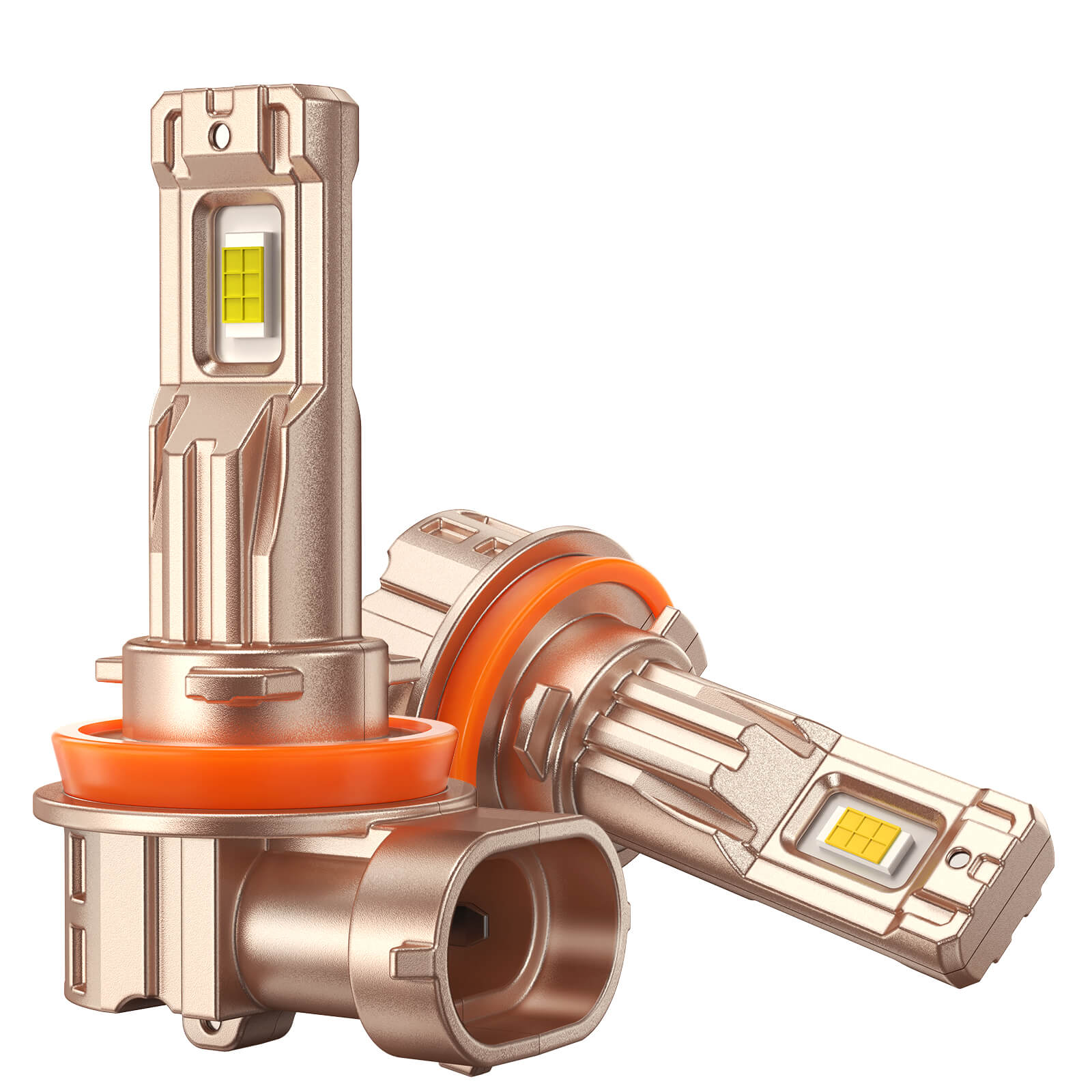
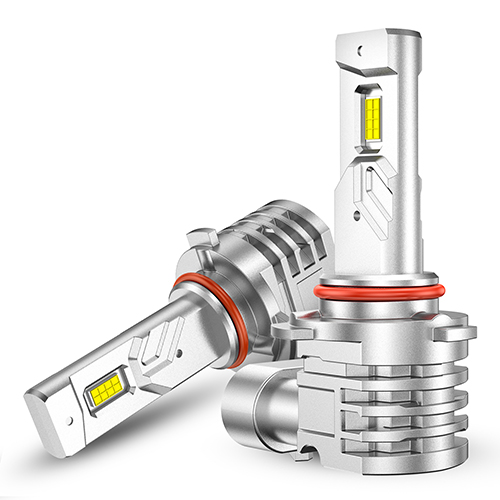
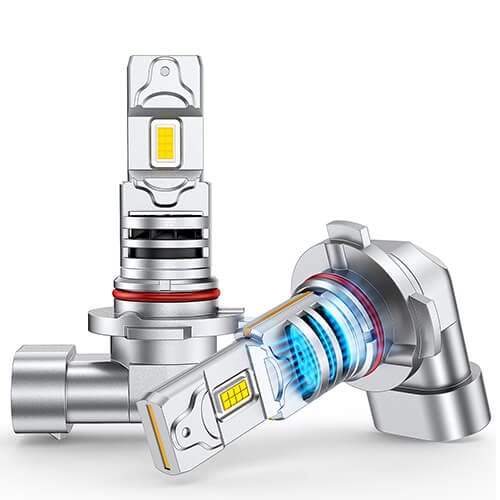
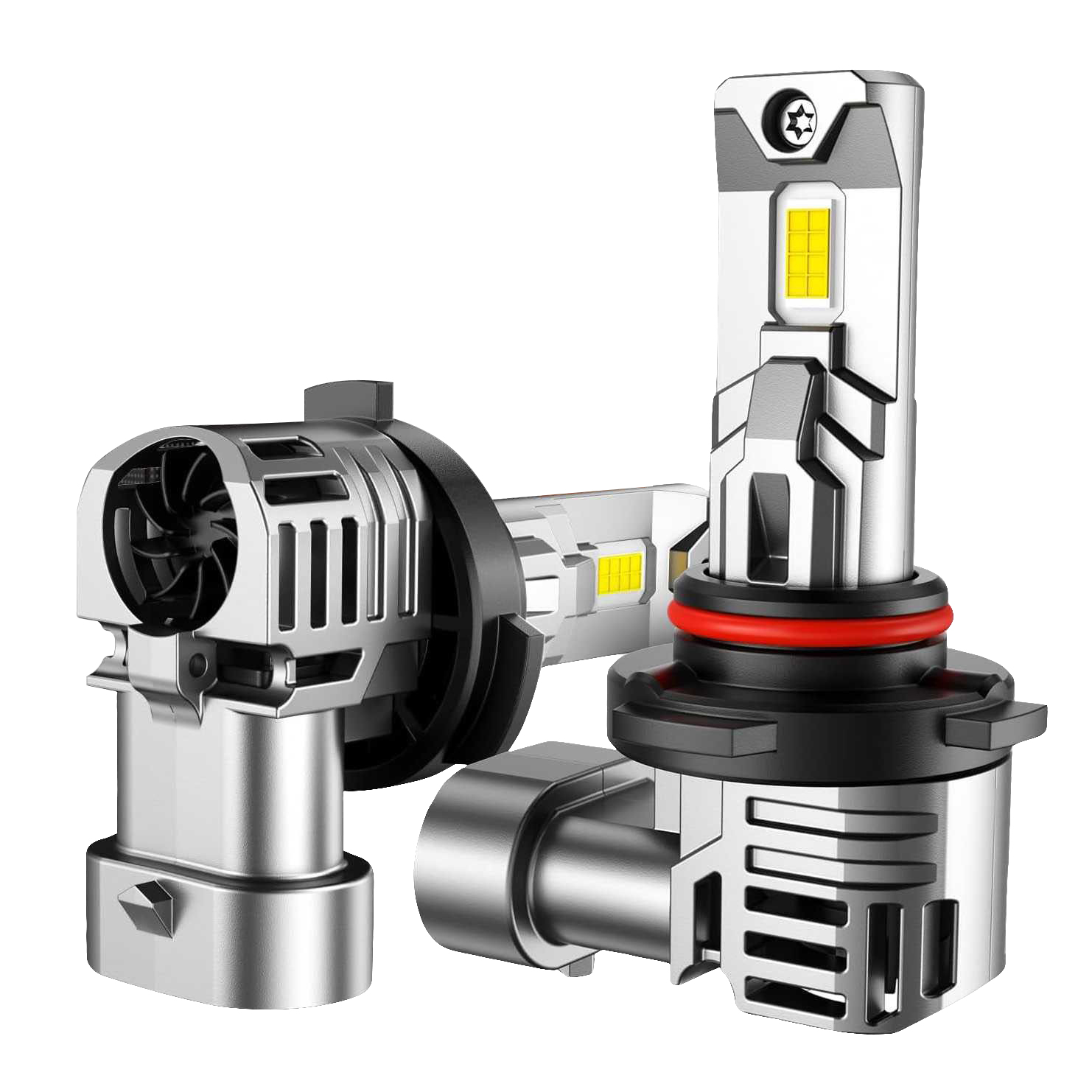
In this guide, we’ll take a closer look at Toyota Corolla reliability and break down some of the most common issues reported over the years. Whether you’re considering buying one or already own one, understanding what tends to go wrong—and when—can help you stay ahead of problems and keep your Corolla running strong well past 300,000 miles. And if you’re looking to upgrade visibility and safety along the way, exploring options like these LED lights for Toyota Corolla is a smart place to start.
Is the Toyota Corolla Reliable?
The short answer is a resounding yes. If you ask any mechanic what they’d recommend for a dependable daily driver, the Corolla is almost always in the top three. But let's look at the hard data to see how it stacks up against the competition.
When looking at the Toyota Corolla ratings from industry experts, the numbers are consistently impressive. RepairPal gives the Corolla a 4.5 out of 5.0 reliability rating, ranking it 1st out of 36 compact cars. The average annual repair cost is just $362, which is significantly lower than the $526 average for compact cars and much lower than the $652 average for all vehicle models.
J.D. Power also consistently places the Corolla in the "Great" category. For instance, the 2019 and 2020 models earned quality and reliability scores in the mid-80s, which is a testament to Toyota’s build quality. In short, is Toyota Corolla reliable? Absolutely. It is one of the safest bets in the used car market, though you still need to keep your eyes open for specific "gremlins" that haunt certain years.
Related buying guide: best LED bulbs for Toyota RAV4 compares suitable lighting options by position and driving need.
Common Toyota Corolla Problems Every Owner Should Know
Transmission Hesitation and Shudder (CVT Models)
Corollas equipped with the continuously variable transmission (CVT) — primarily 2019 and newer — have drawn consistent complaints about hesitation during acceleration and a shuddering sensation at low speeds. Toyota issued a technical service bulletin addressing the issue, but some owners report it persists even after software updates. If you're test-driving a used Toyota Corolla with a CVT, pay close attention to how it behaves pulling away from a stop.
Engine Oil Consumption (2009–2013)
The 2009–2013 model years with the 2ZR-FE 1.8L engine are notorious for burning oil between changes. Some owners reported needing to add a quart every 1,000–2,000 miles. Toyota extended the warranty on affected vehicles, but if you're shopping a used Corolla from this era, ask about oil consumption and check the dipstick yourself. This is the single biggest red flag with these model years.
Brake Wear and Premature Rotor Scoring
Several model years — especially 2014–2017 — have seen elevated complaints about brake rotors warping or scoring prematurely. The brakes themselves aren't dangerous, but rotors tend to wear faster than expected. Budget for earlier-than-usual brake service if you're buying in this range.
Electrical Gremlins and Infotainment Freezing
Newer Corollas (2020+) have seen a handful of complaints about the touchscreen freezing, Bluetooth dropping connections, and the backup camera lagging. None of these are safety-critical failures, but they're annoying on a brand-new car. A dealer reset typically resolves them, though some owners report repeat occurrences.
Suspension Noise and Worn Struts
On higher-mileage Corollas (100,000+ miles), worn struts and clunking from the front suspension are common complaints. It's not unusual for a well-used Corolla — and strut replacement is a relatively affordable repair — but it's worth an inspection if you're buying used with high miles.
Common Toyota Corolla Problems — Summary
| Problem Area | Common Issues |
| Transmission | CVT hesitation and shudder (2019+) |
| Engine | Oil consumption on 2009–2013 2ZR-FE engines |
| Brakes | Premature rotor warping (2014–2017) |
| Electrical | Infotainment freezing, Bluetooth drops (2020+) |
| Suspension | Strut wear and clunking on high-mileage vehicles |
Toyota Corolla Factory Lighting — and Why LED Upgrades Make a Real Difference
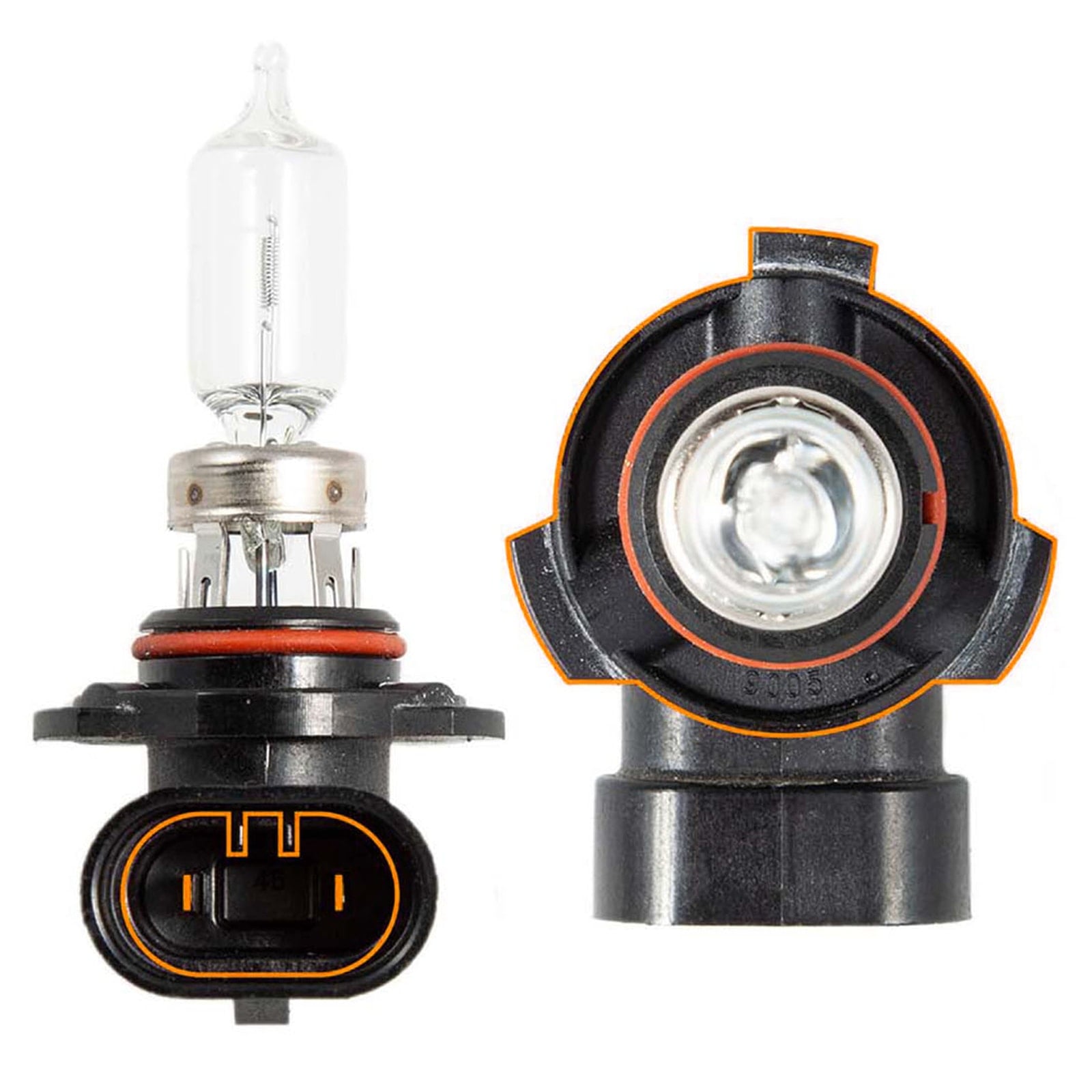
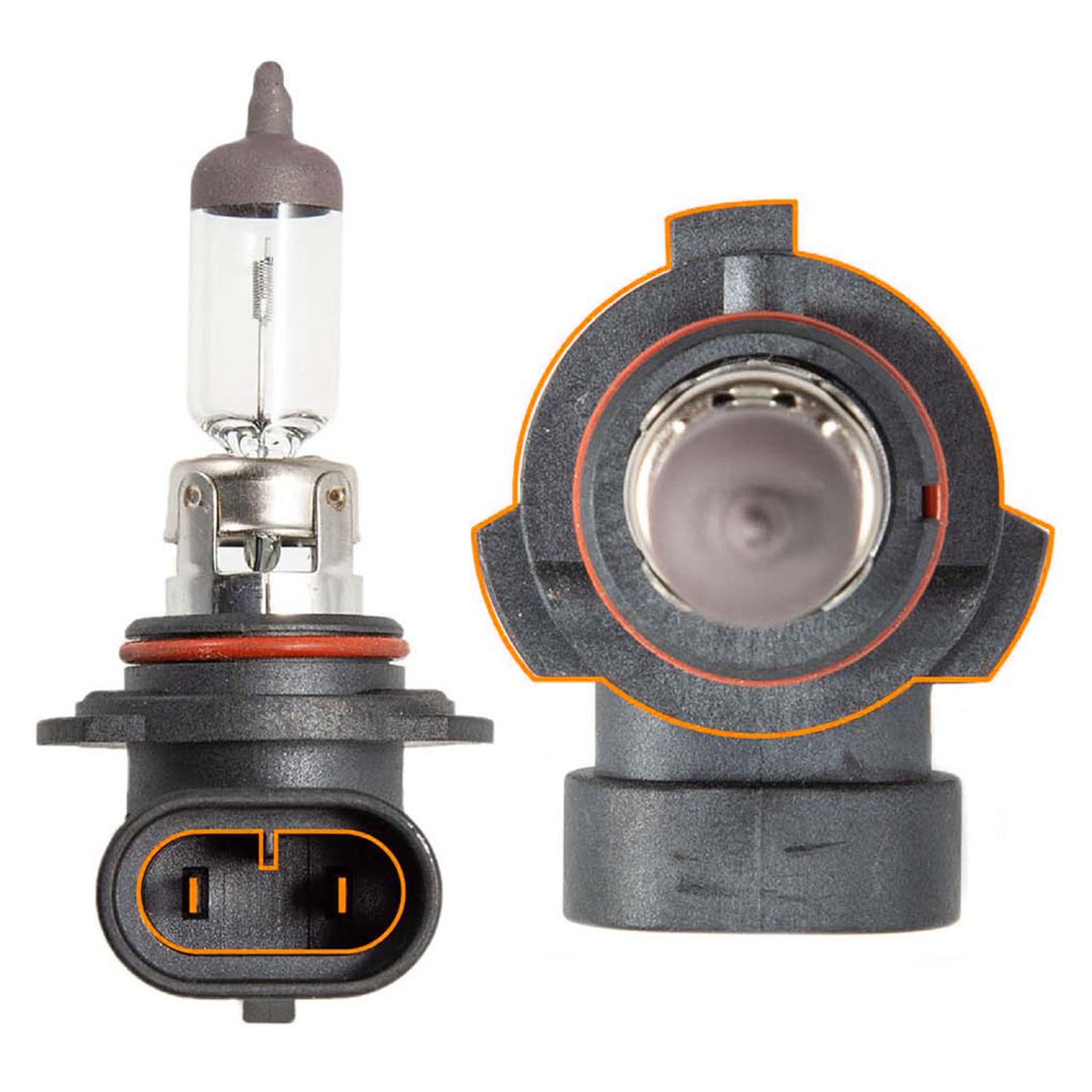
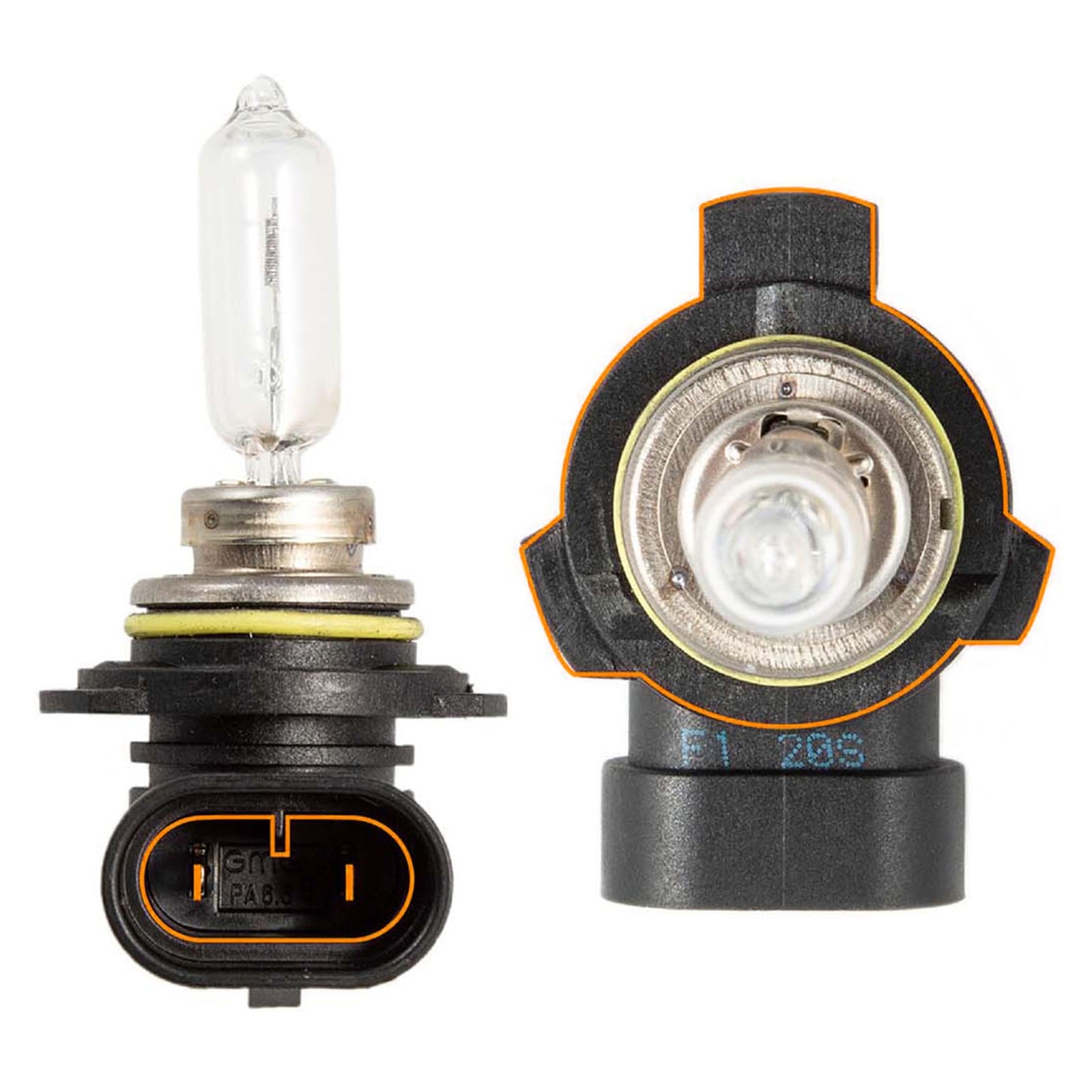
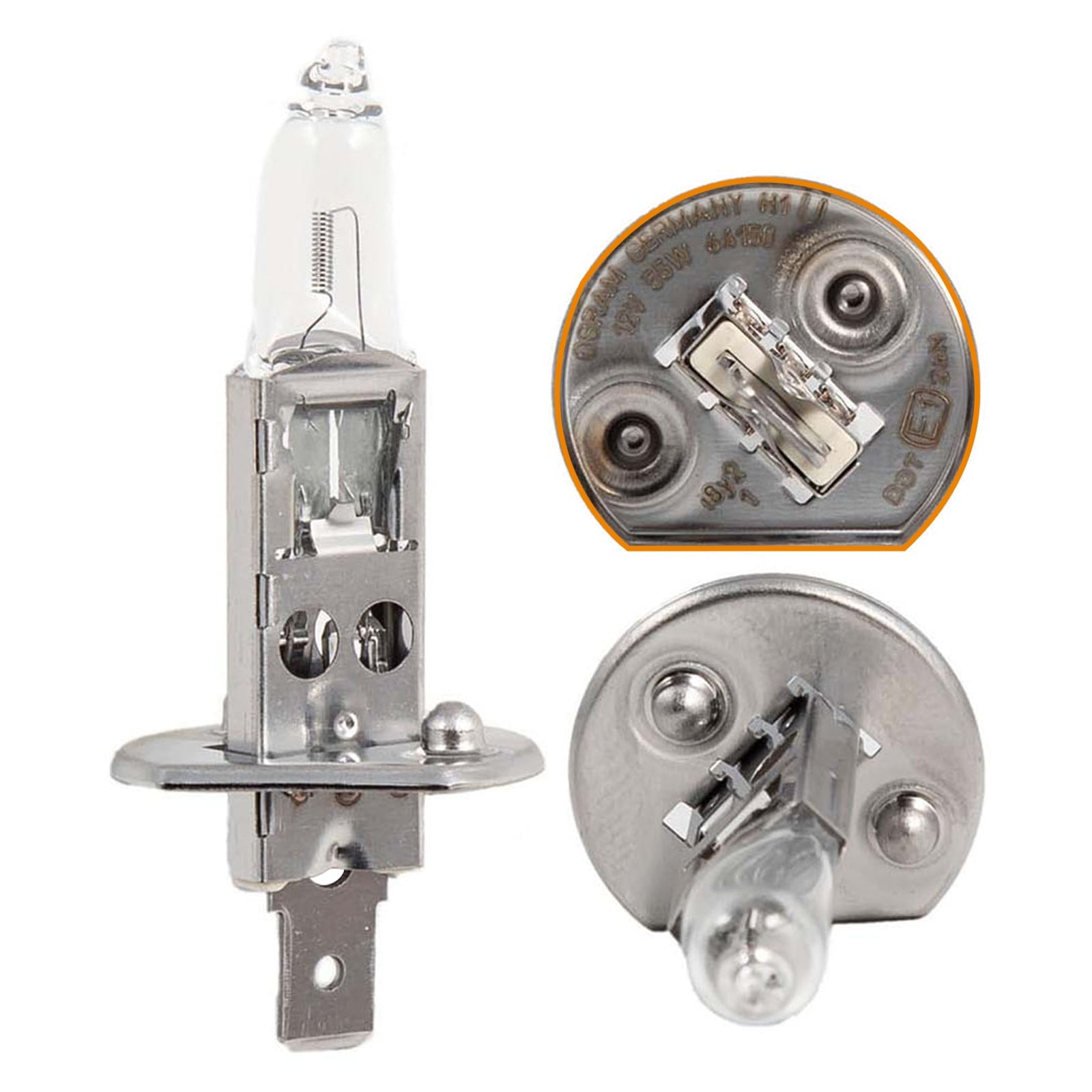
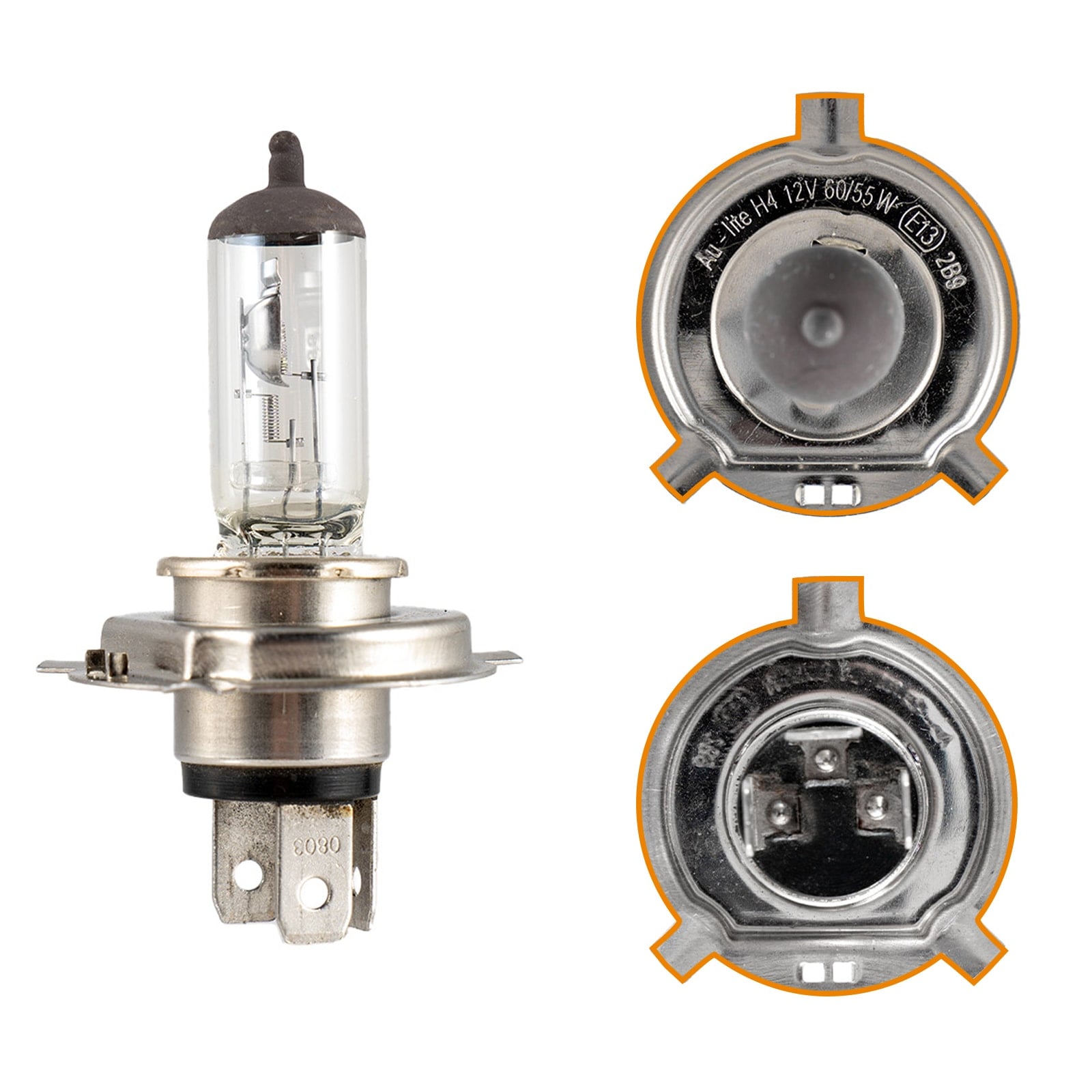
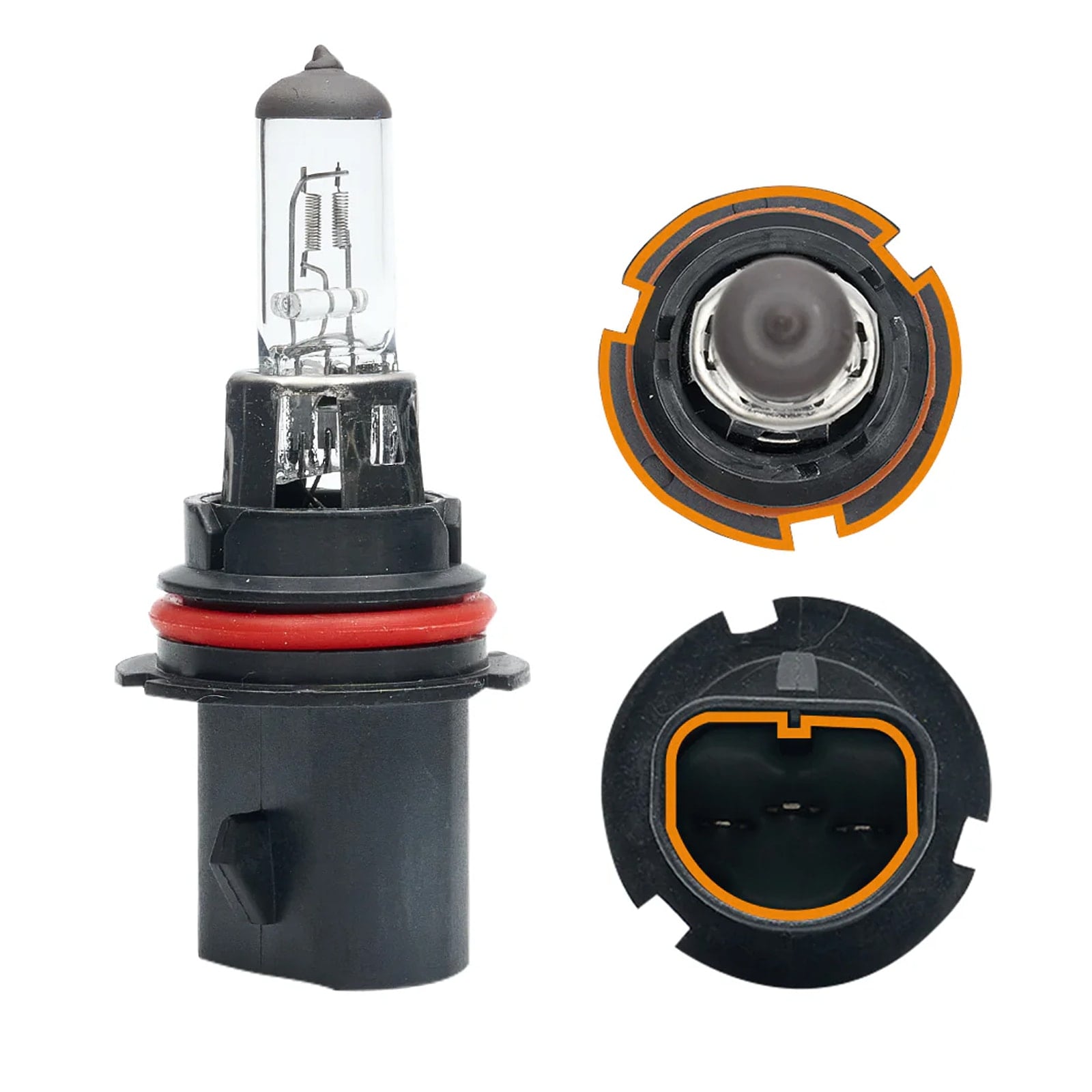
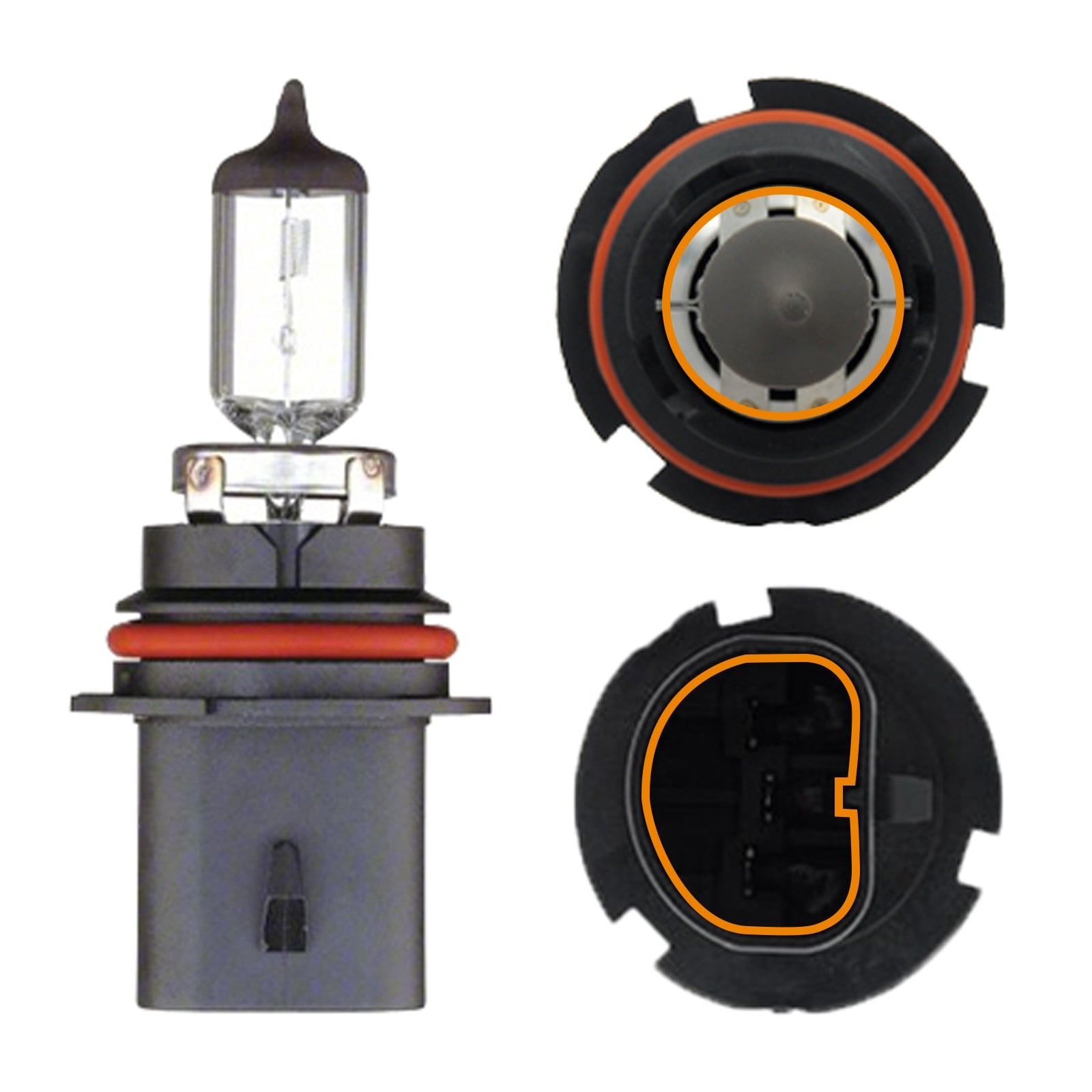
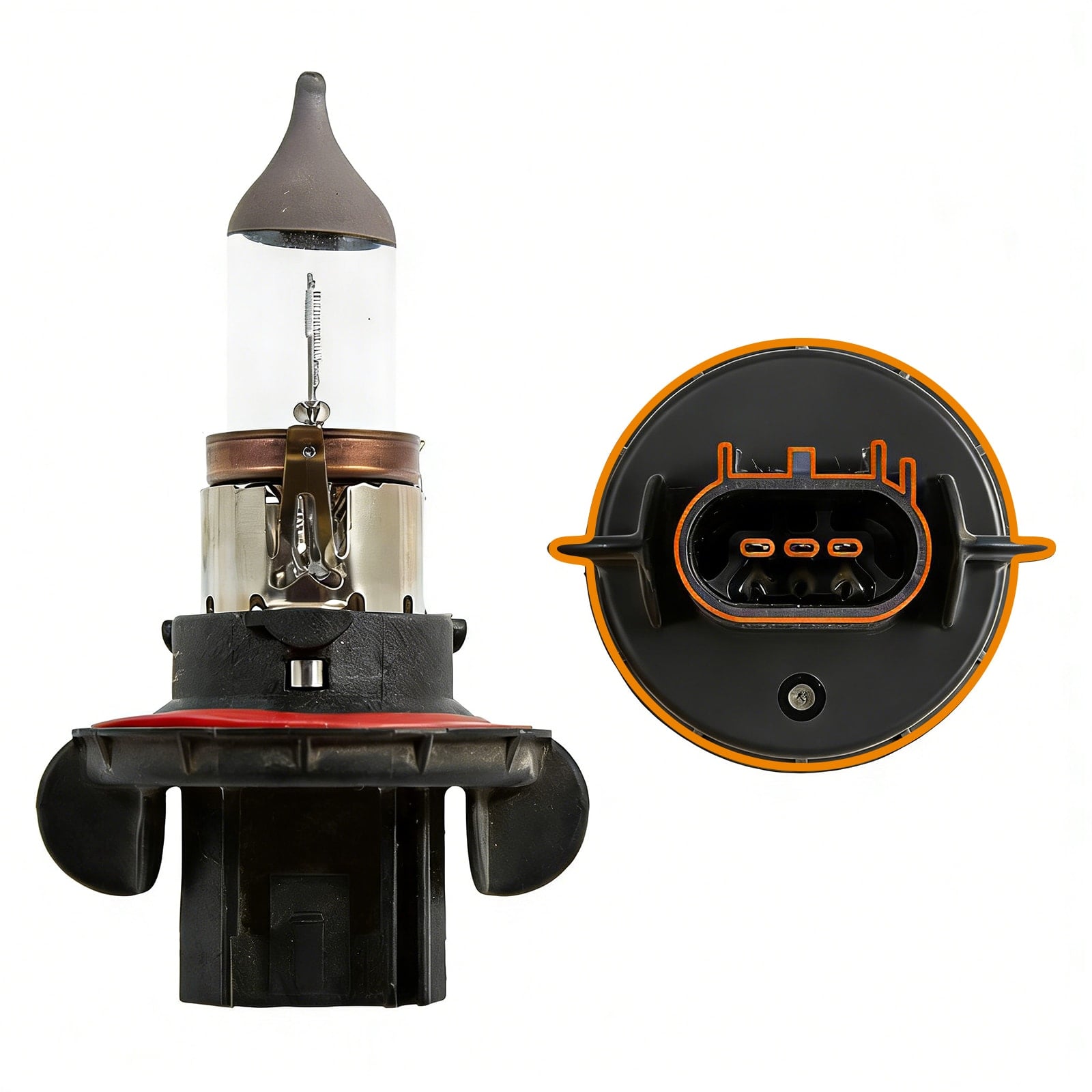
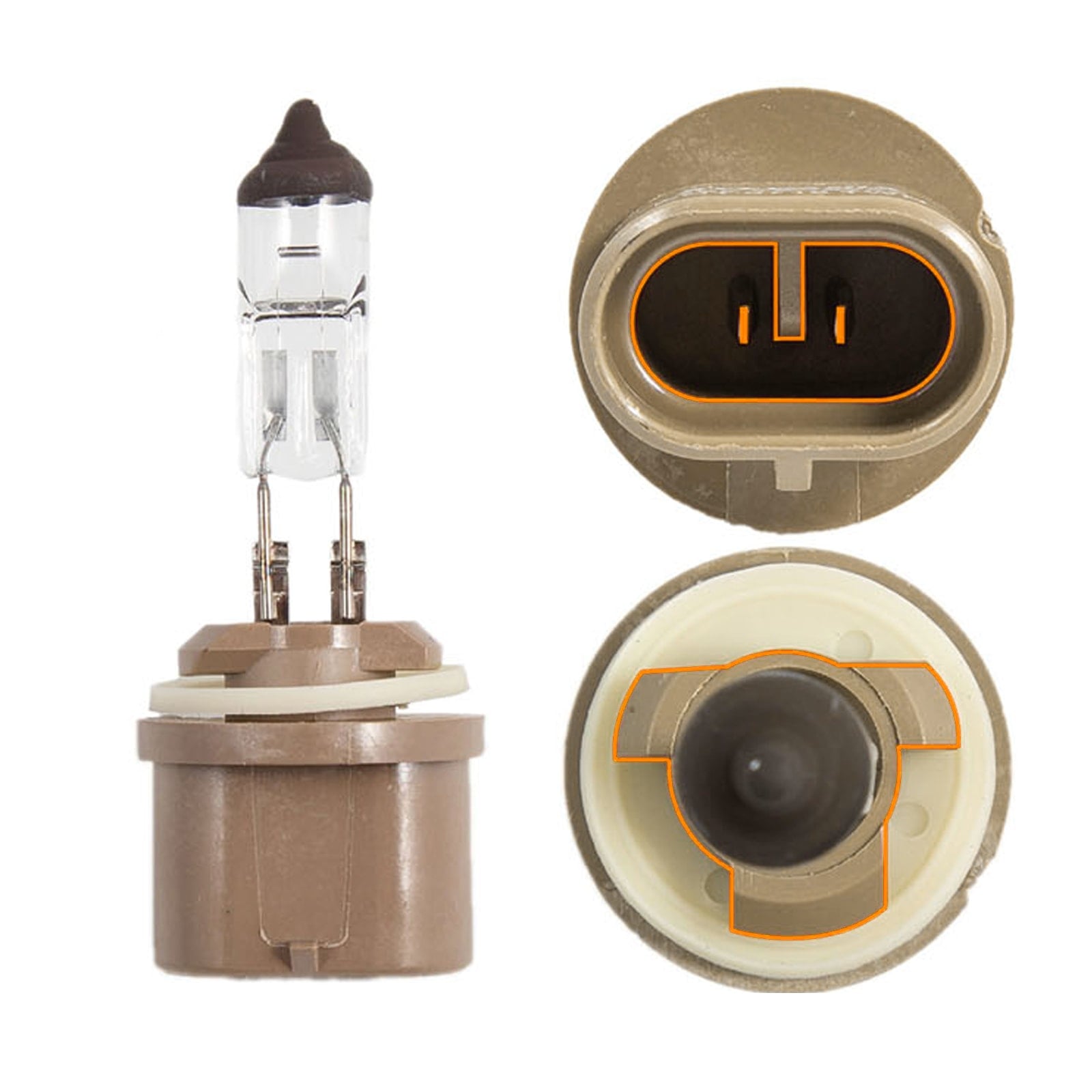
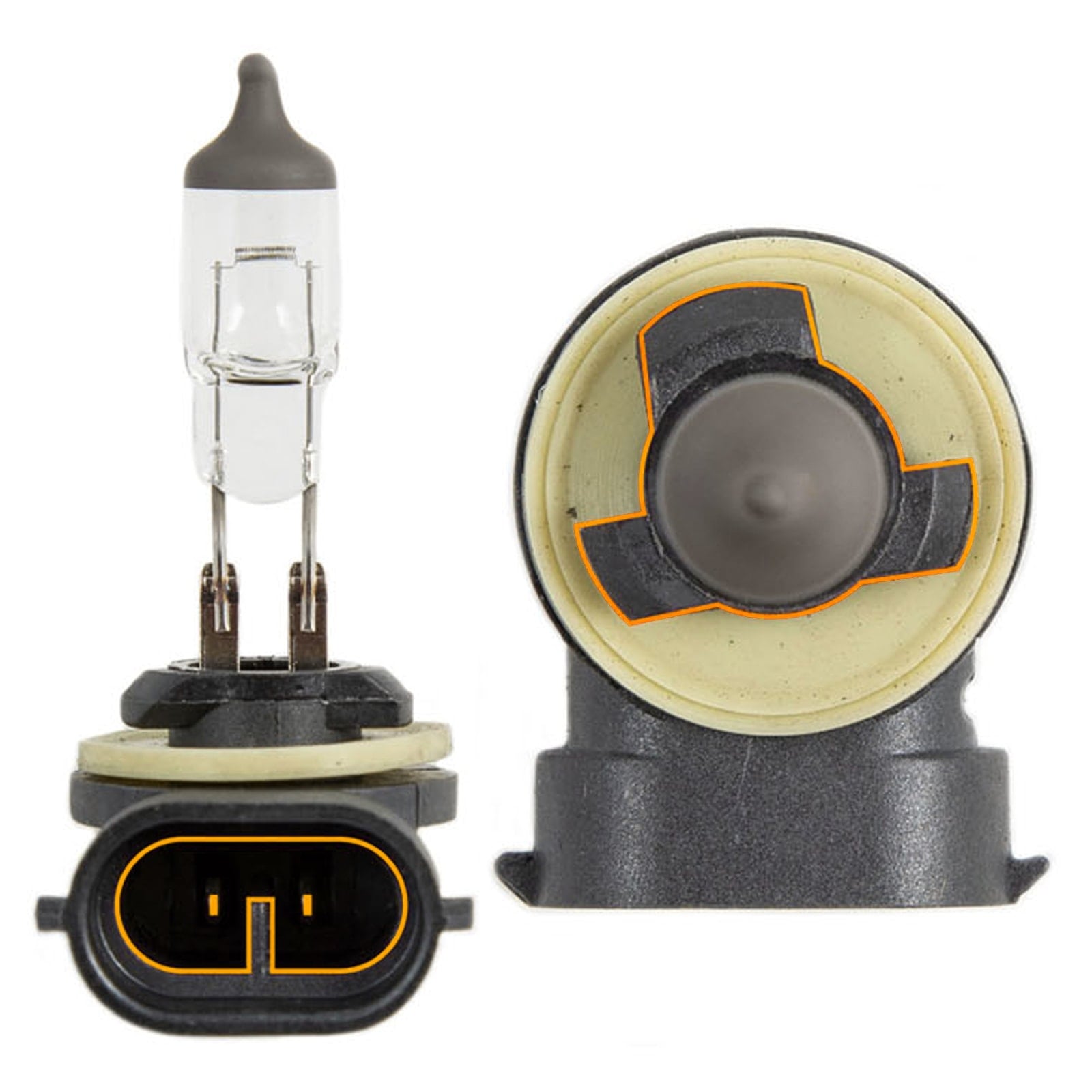
Here's something a lot of Corolla owners don't think about until they're squinting down a dark highway: the factory halogen headlights on most Corolla trims are genuinely underwhelming. The output is dim, the beam pattern tends to be uneven, and halogen bulbs typically last 500–1,000 hours before they need replacing. It's a weak spot on an otherwise well-engineered car.
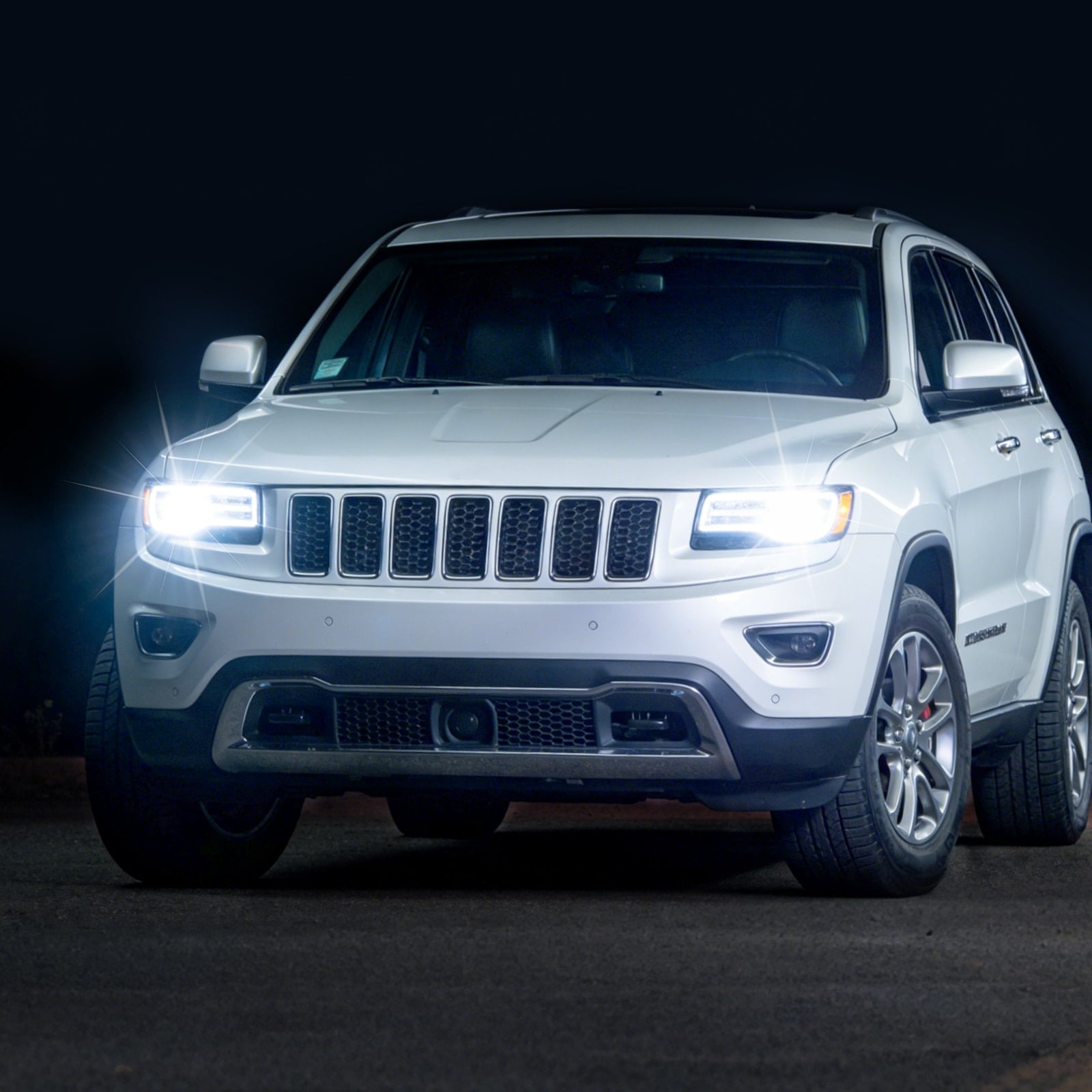
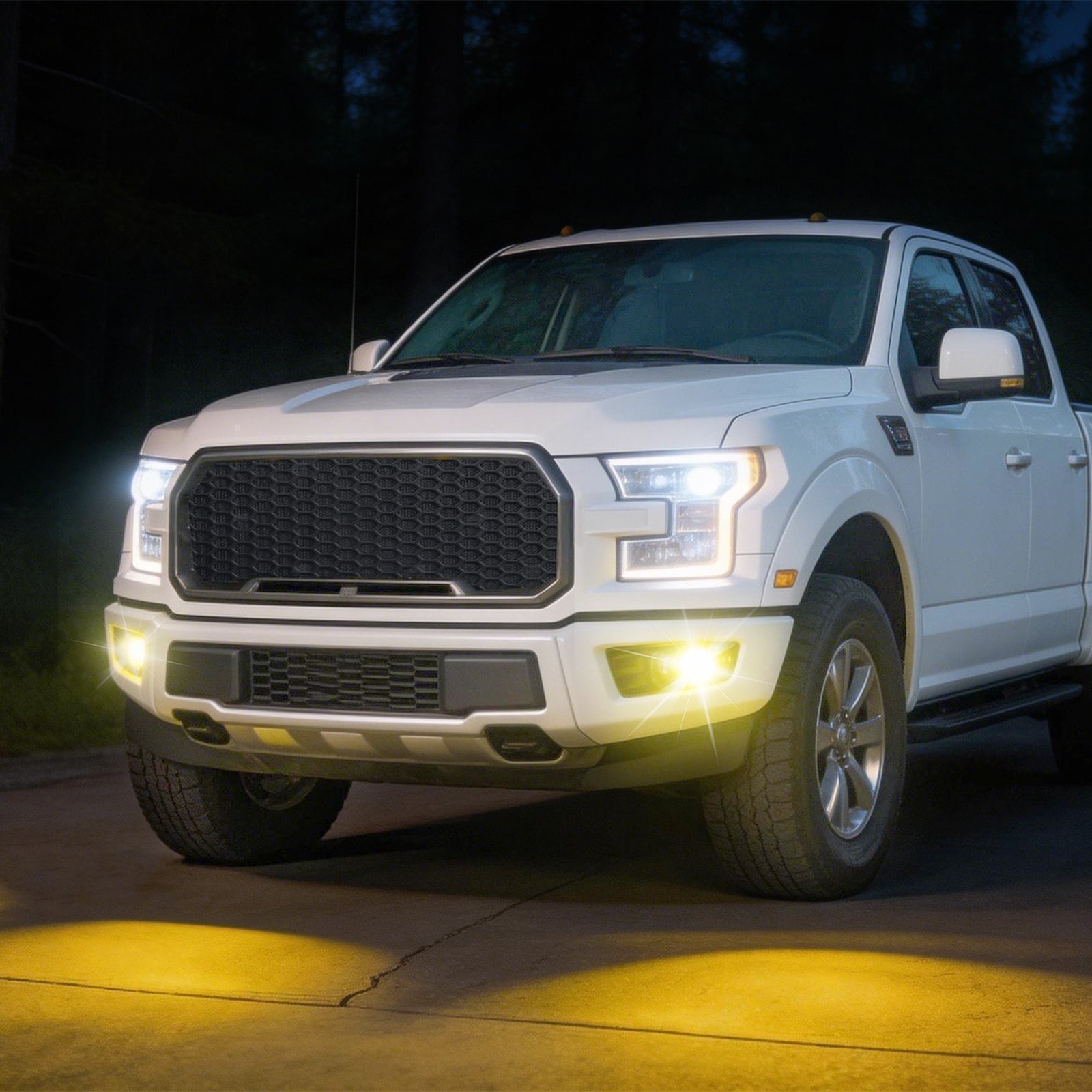
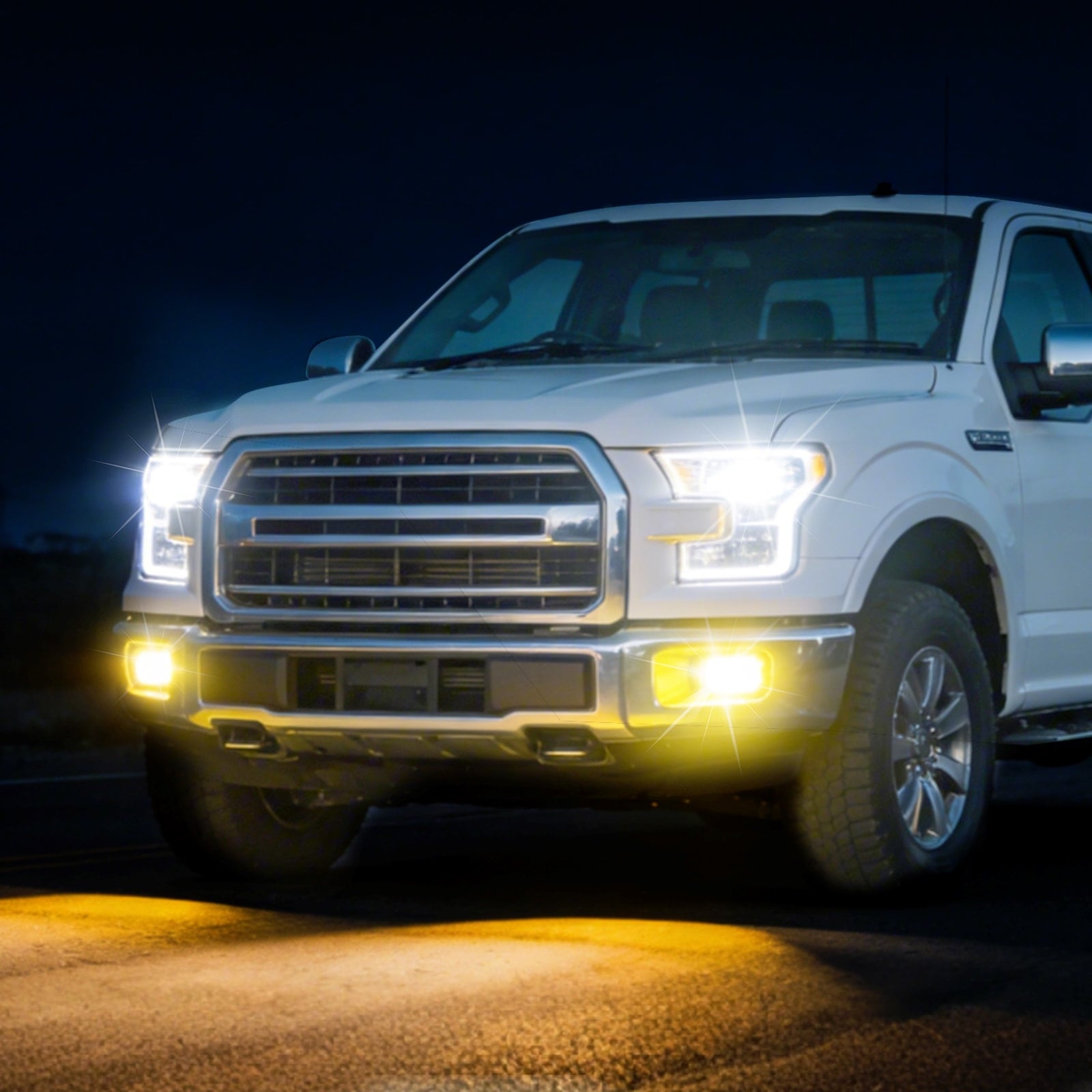
Swapping to Toyota Corolla LED bulbs is one of the most practical upgrades you can make. Better output means a wider, brighter beam — you'll actually see road hazards, lane markings, and animals at the edge of the road sooner. It's not about aesthetics. It's about giving yourself more reaction time at night.
SEALIGHT LED bulbs are a popular choice for Corolla owners specifically because they're designed for plug-and-play fitment with minimal hassle — no major wiring modifications needed. They also run significantly cooler than halogens and last far longer, which means fewer trips to the parts store over the life of the car. If you haven't thought about your lighting lately, it's worth the upgrade.
Toyota Corolla Best and Worst Years
Best Years to Buy
- 2003–2008: Rock-solid reliability, simple mechanicals, minimal electronics to fail. These are some of the most dependable used Corollas on the market.
- 2014–2018 (non-CVT): Good power, updated interior, strong reliability track record — just watch for brake wear.
- 2022–present: The current generation has largely ironed out early infotainment bugs. Strong safety scores and updated tech.
Years to Avoid
- 2009–2013: Oil consumption issues on the 2ZR-FE engine make these years risky without a pre-purchase inspection. The 2010 and 2011 models have the highest complaint volumes from this era.
- 2019–2021 (CVT): The CVT shudder complaints are well-documented. Some owners report improvement after software updates; others don't. Test drive carefully.
Upgrade Your Toyota Corolla with SEALIGHT
The Toyota Corolla’s reputation for reliability is well earned. It remains one of the most affordable compact cars to own, consistently earns high marks from RepairPal, and regularly surpasses 200,000 miles with minimal issues. In short, Toyota Corolla reliability isn’t just a marketing claim—it’s backed by decades of real-world performance.
That said, staying informed about common Toyota Corolla problems—such as oil consumption in older models, occasional CVT hesitation in newer ones, and underwhelming factory lighting—can help you avoid costly surprises and extend the life of your vehicle.
If you’re still running stock halogen headlights, upgrading your lighting is one of the easiest ways to improve both safety and driving comfort. You can explore high-performance options like LED lights for Toyota Corolla . Or browse a selection of LED headlight bulbs, the most popular lighting upgrade designed for better visibility and a modern look. It’s a simple upgrade that makes a noticeable difference every time you hit the road after dark.