
 Headlight Bulbs


 Track Order
 My Vehicles
 Contact Us




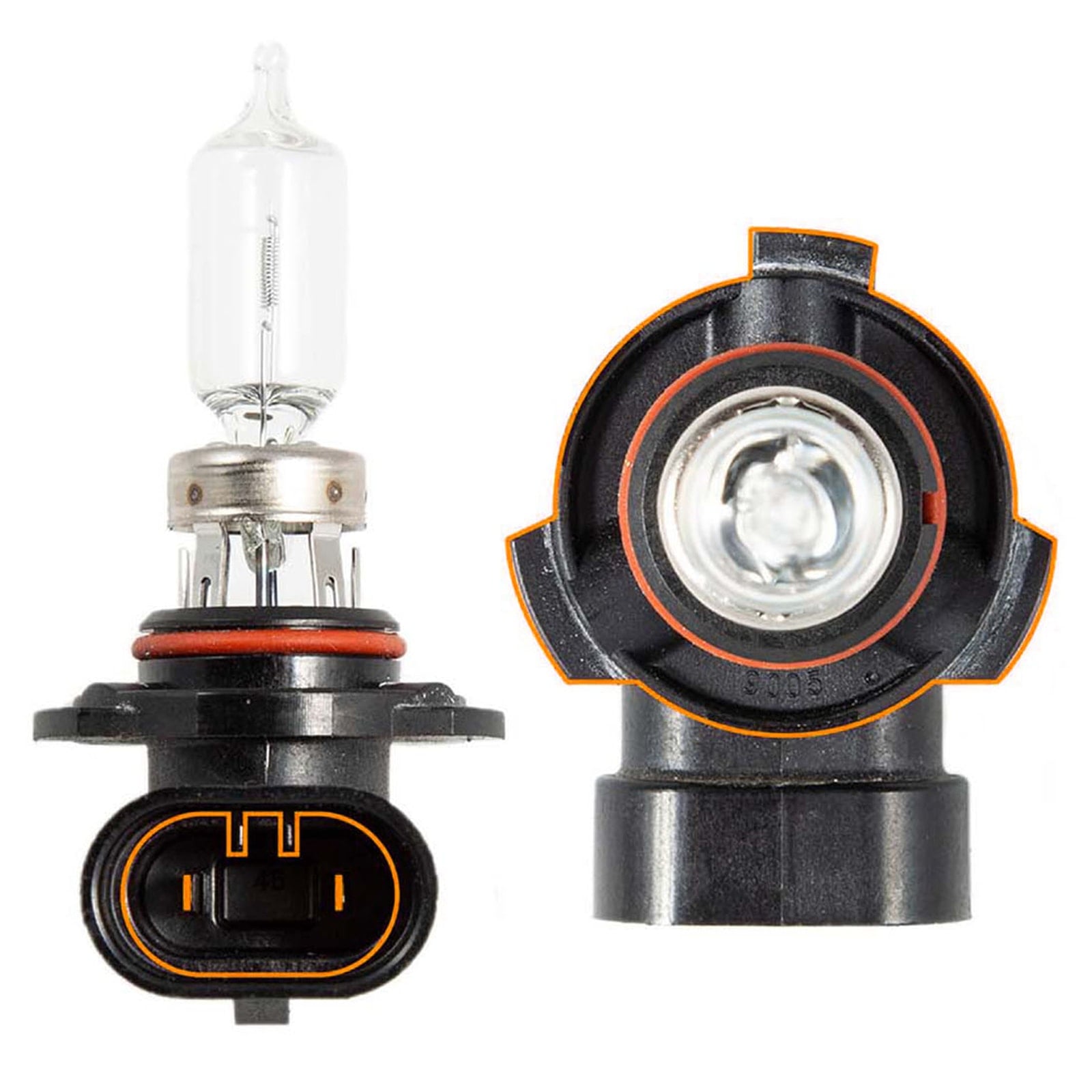
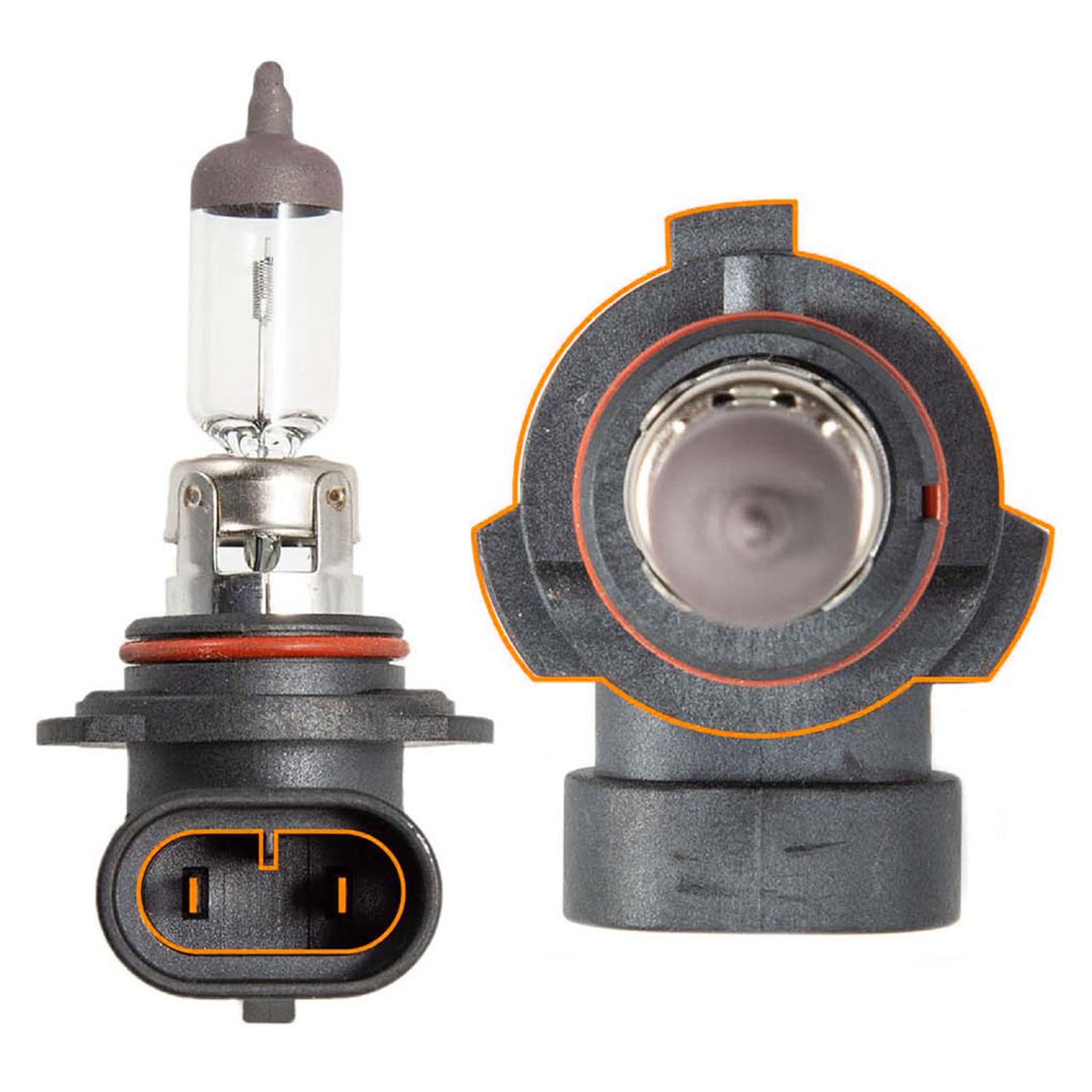
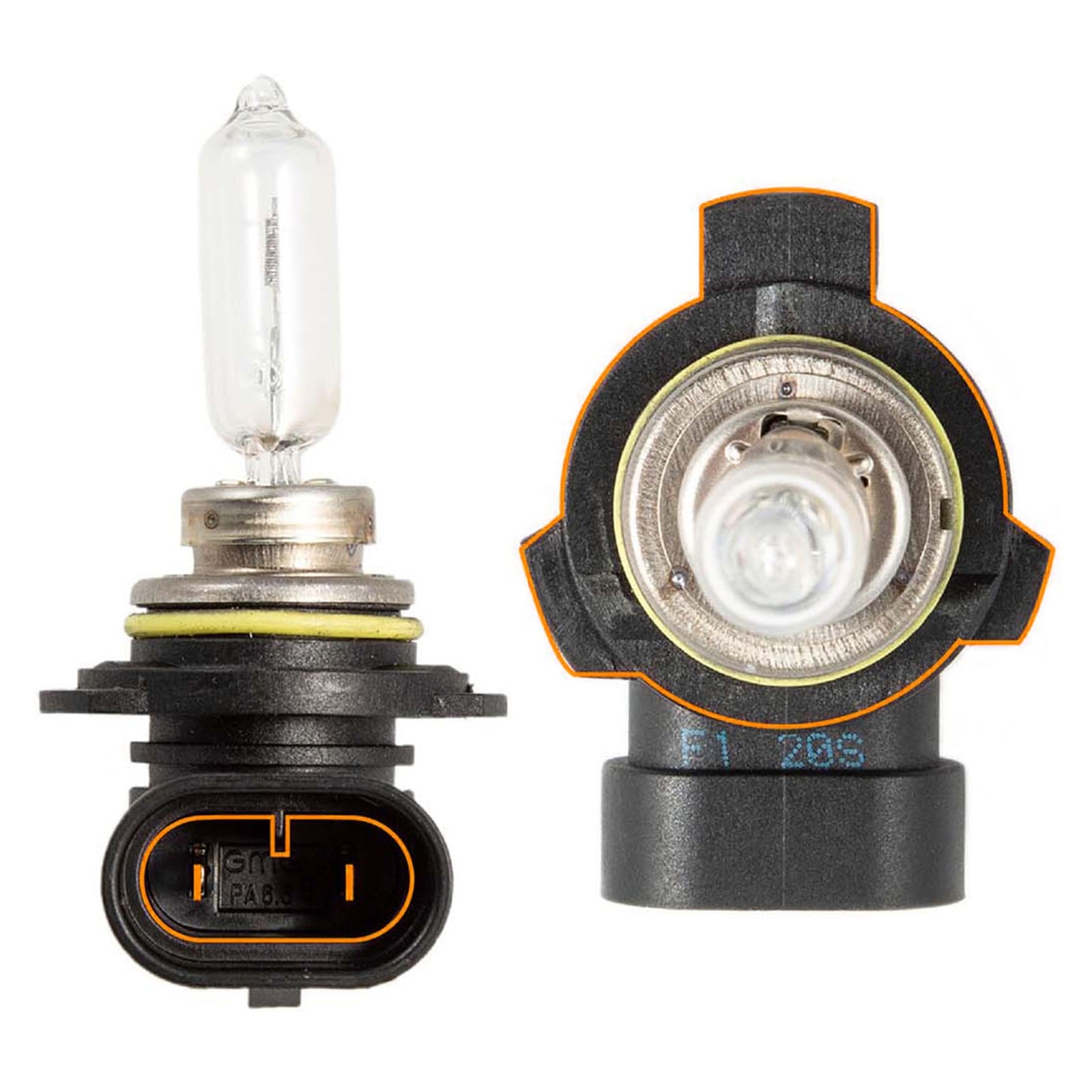
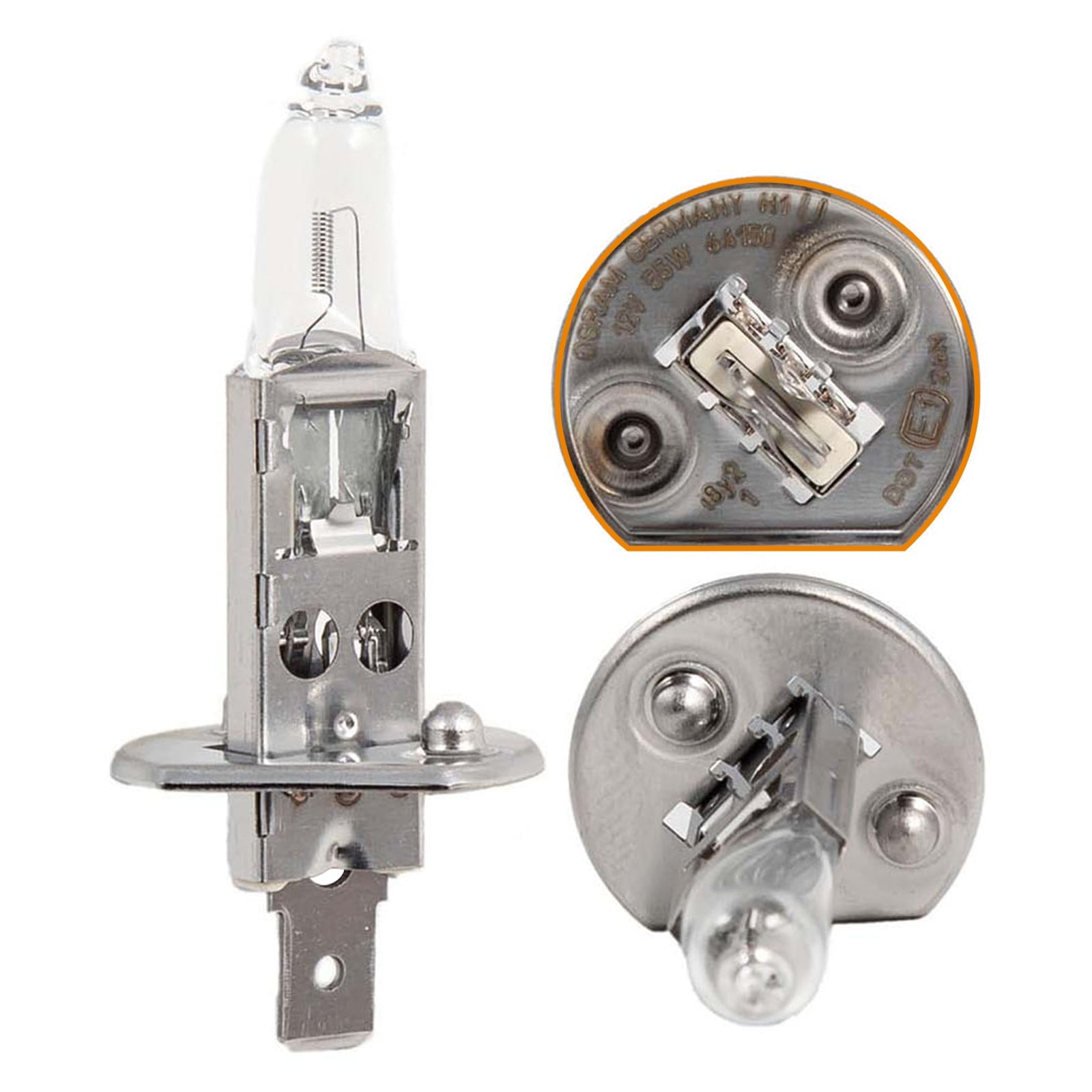

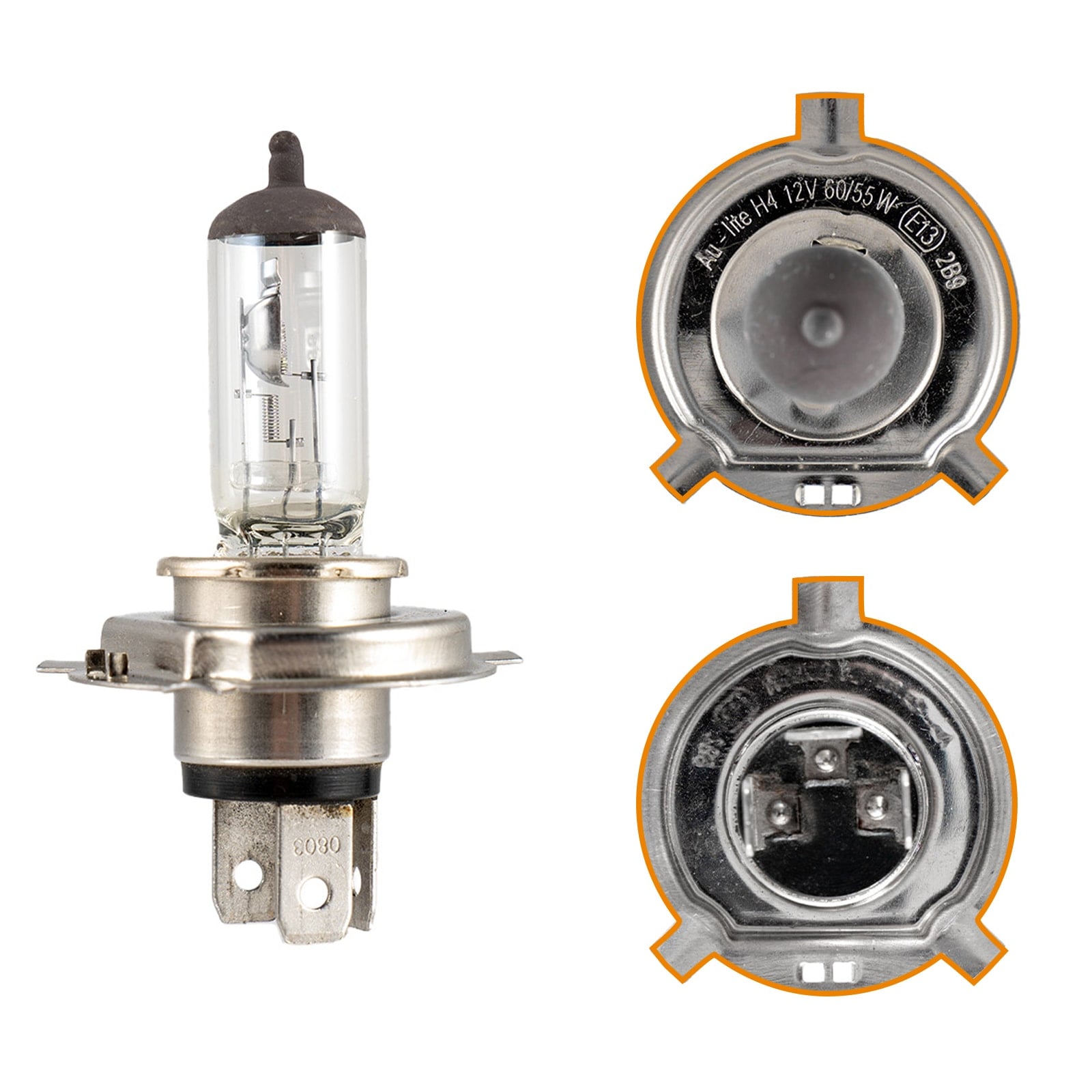
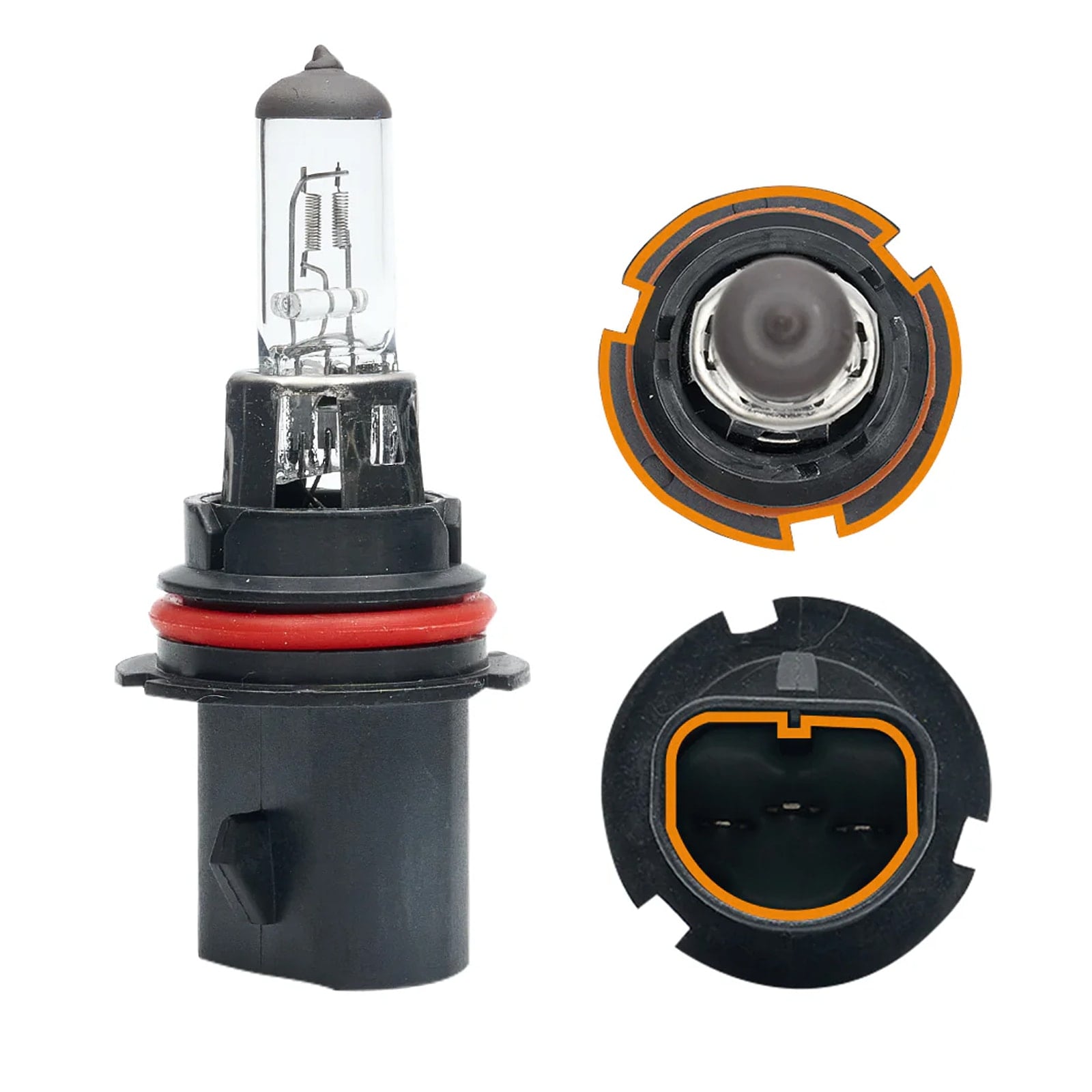
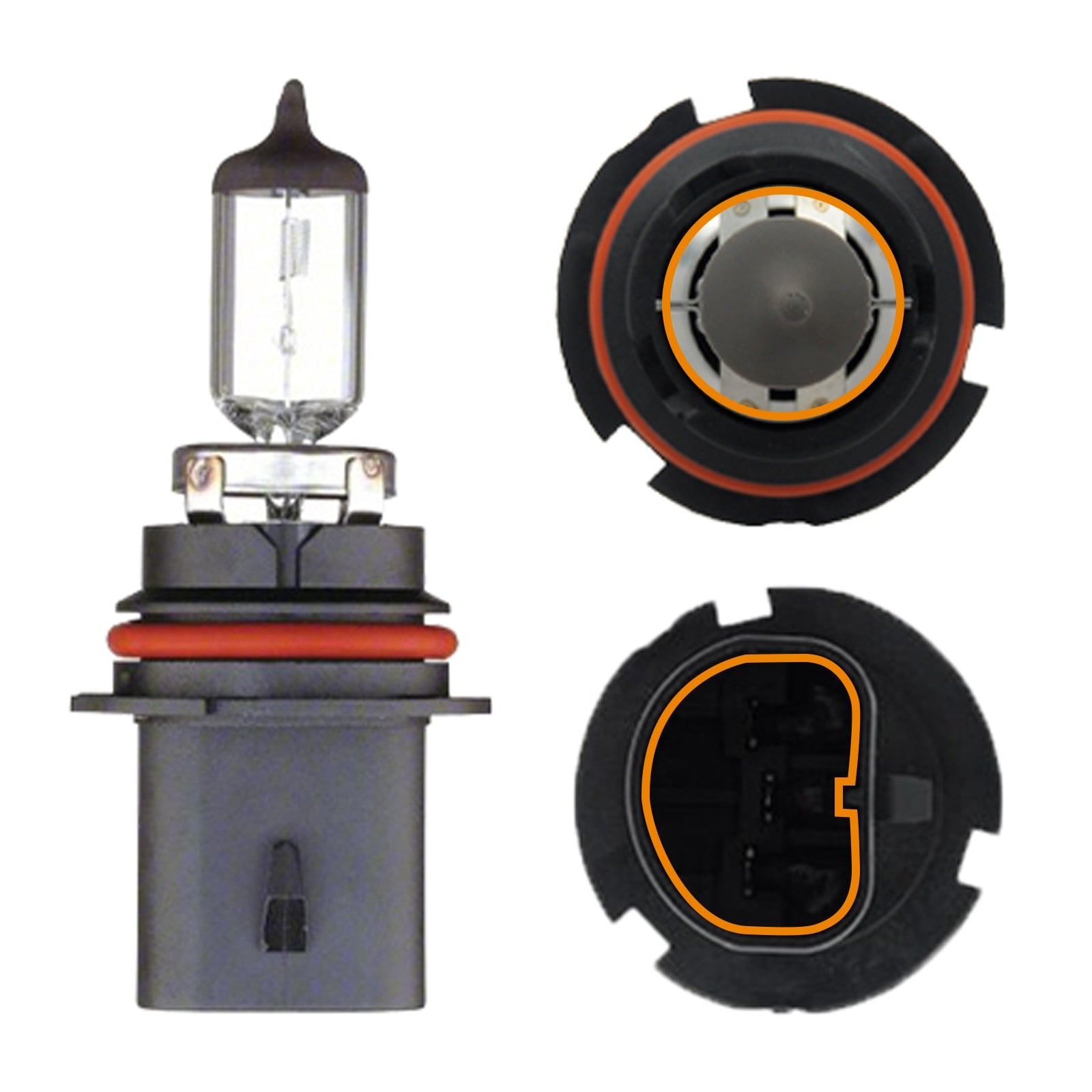
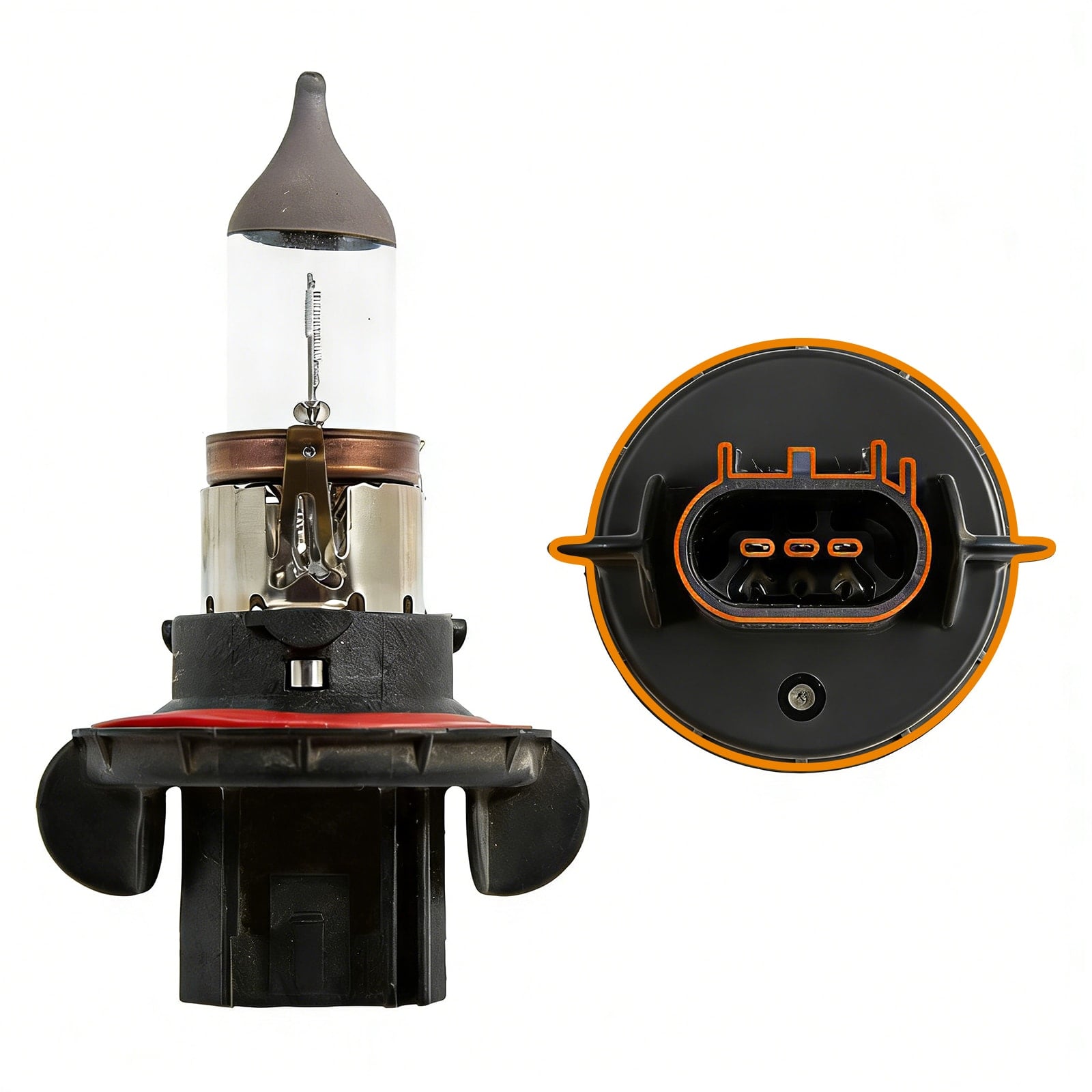
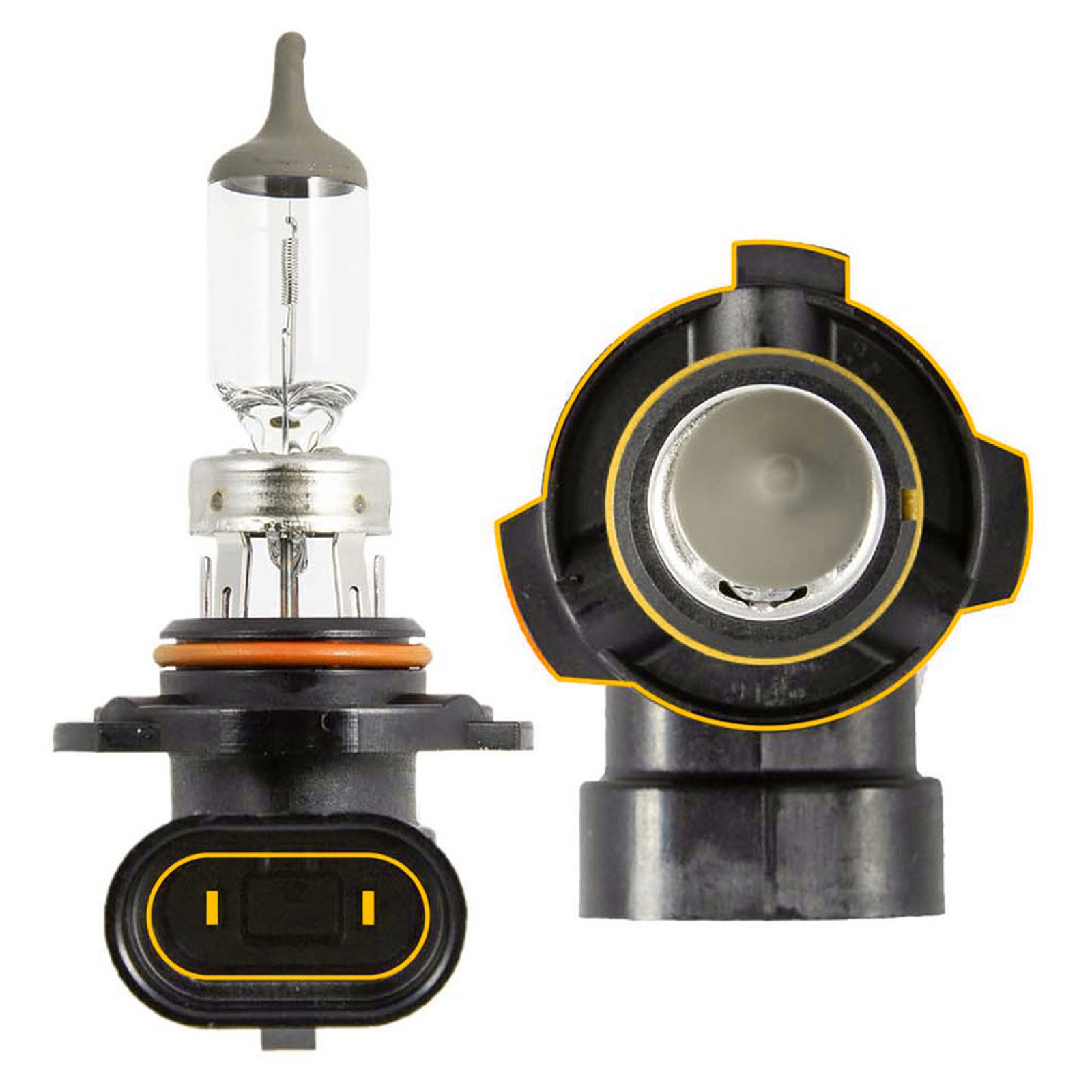
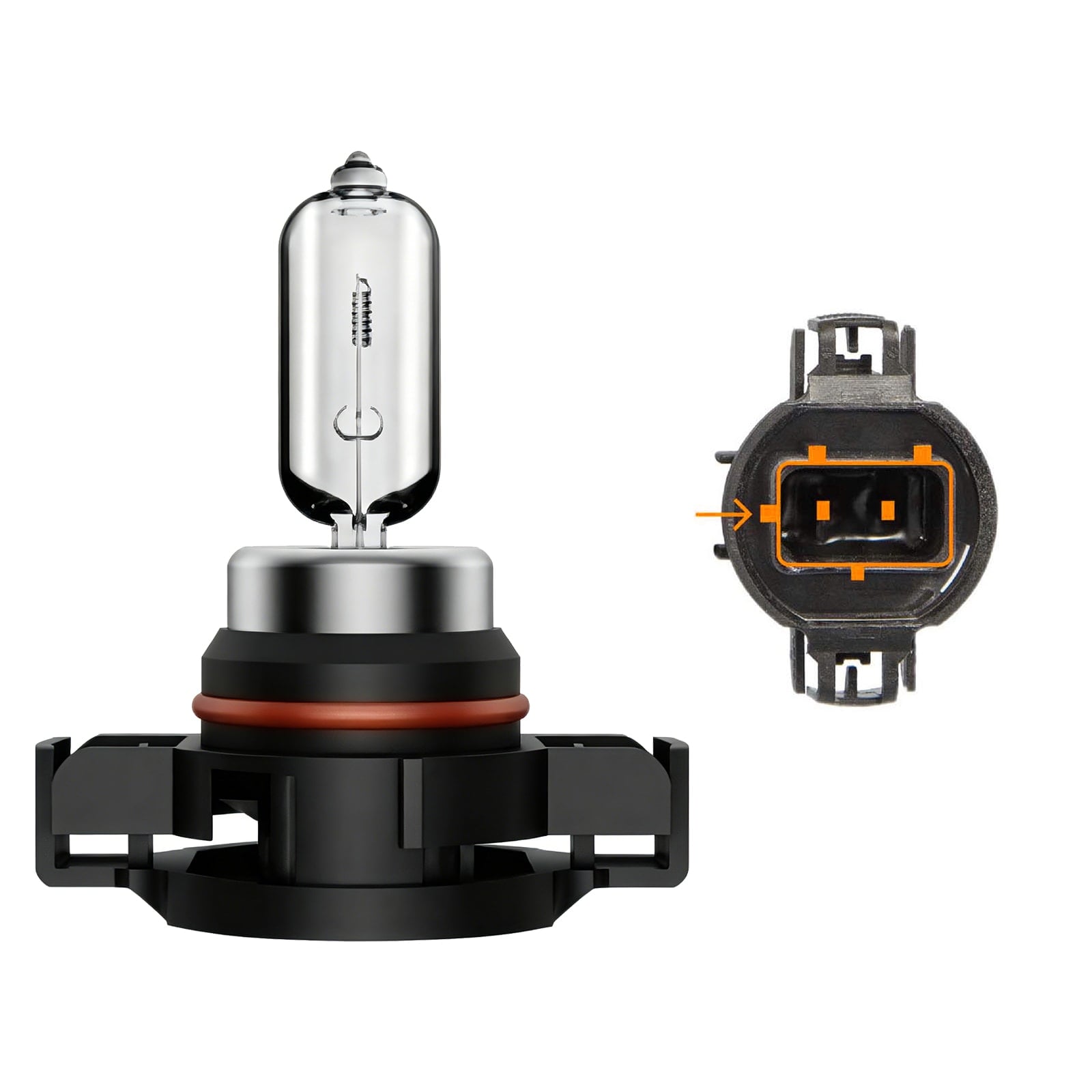
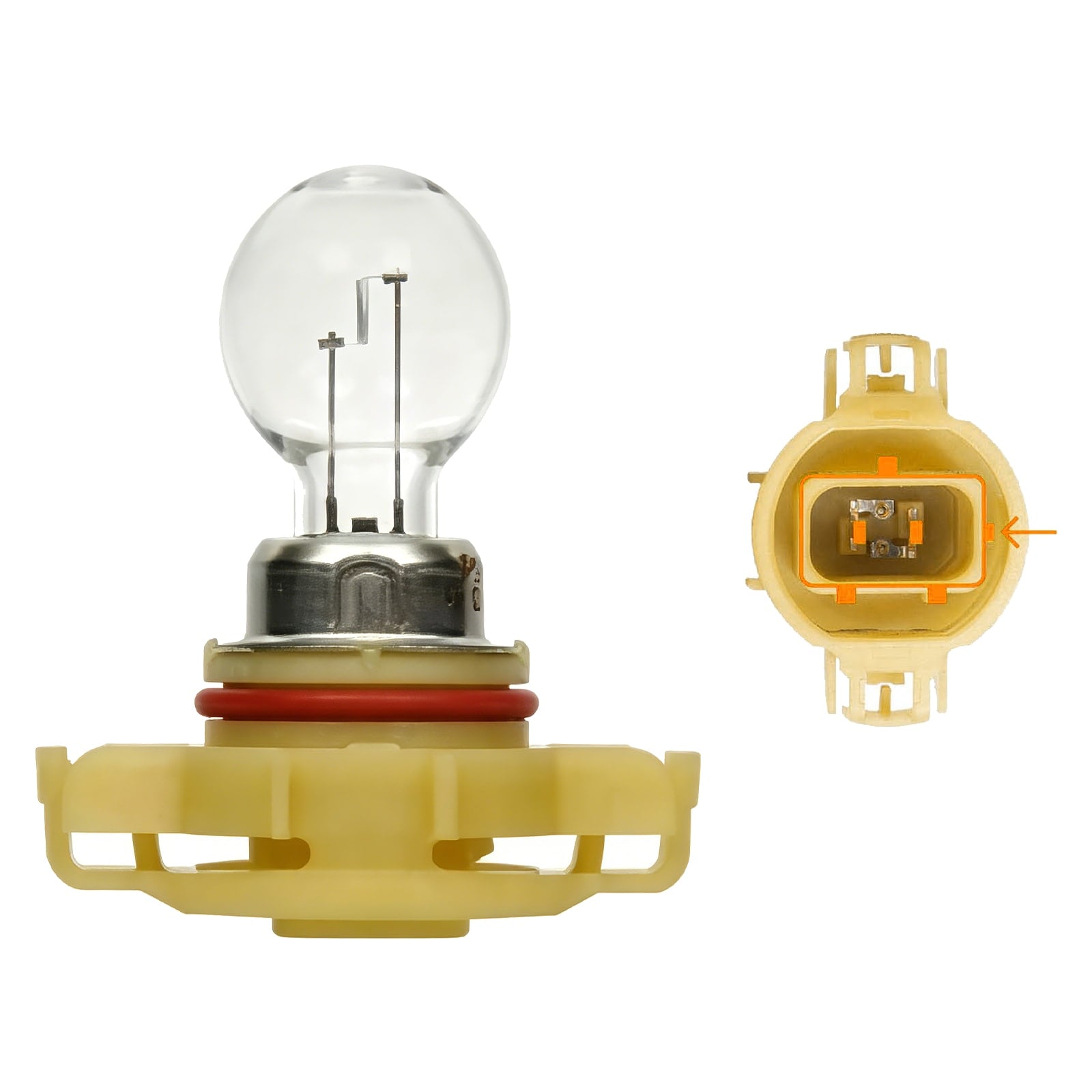
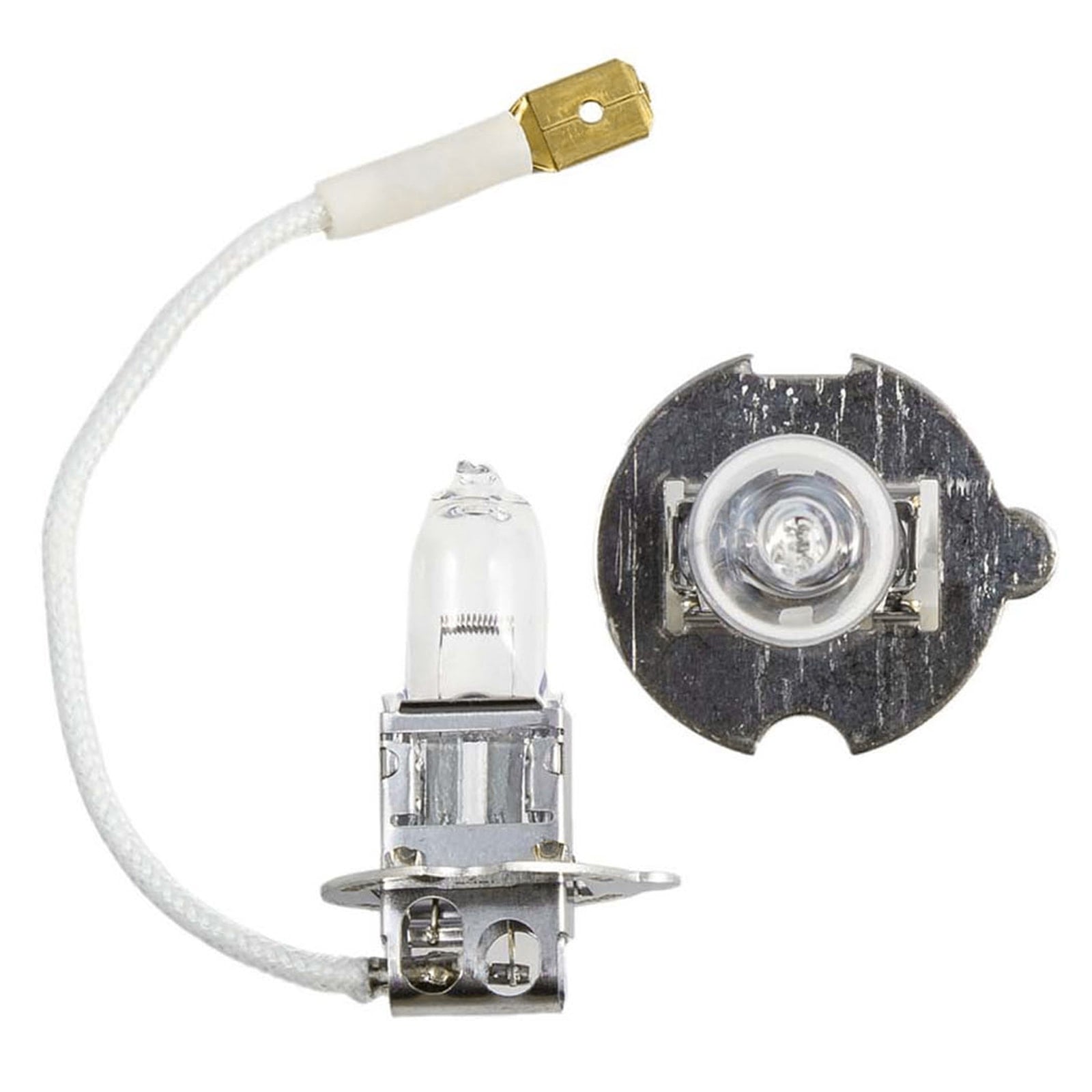
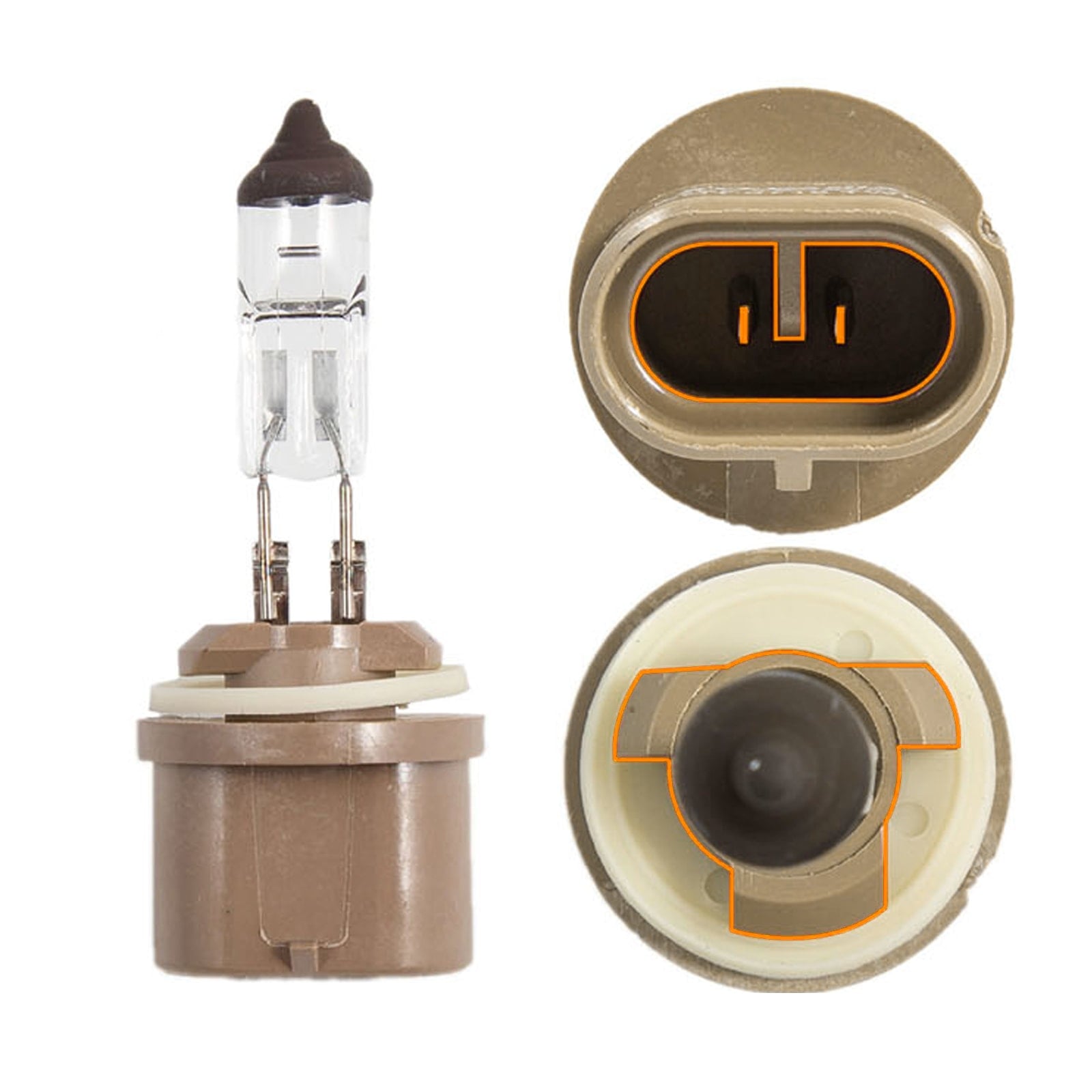
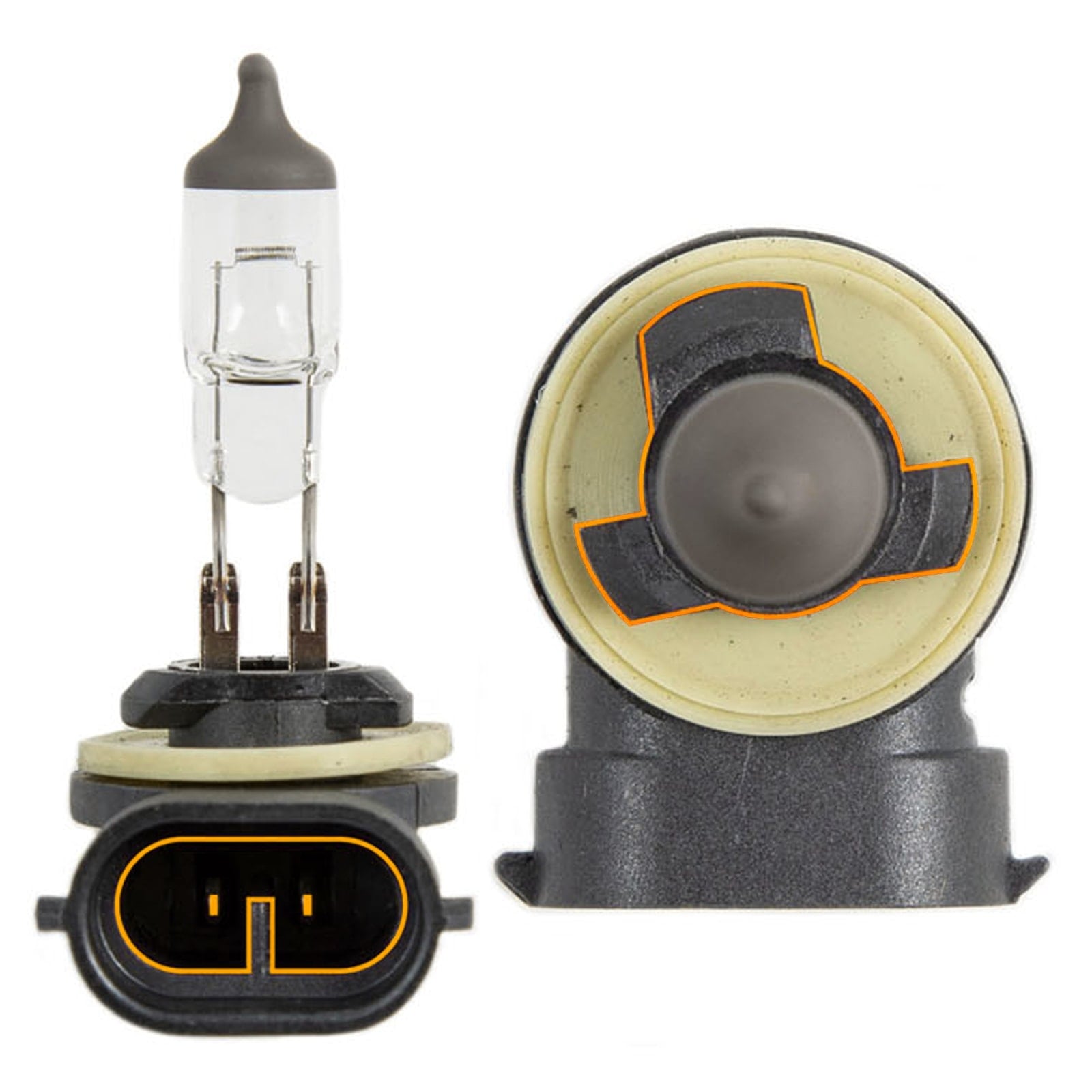
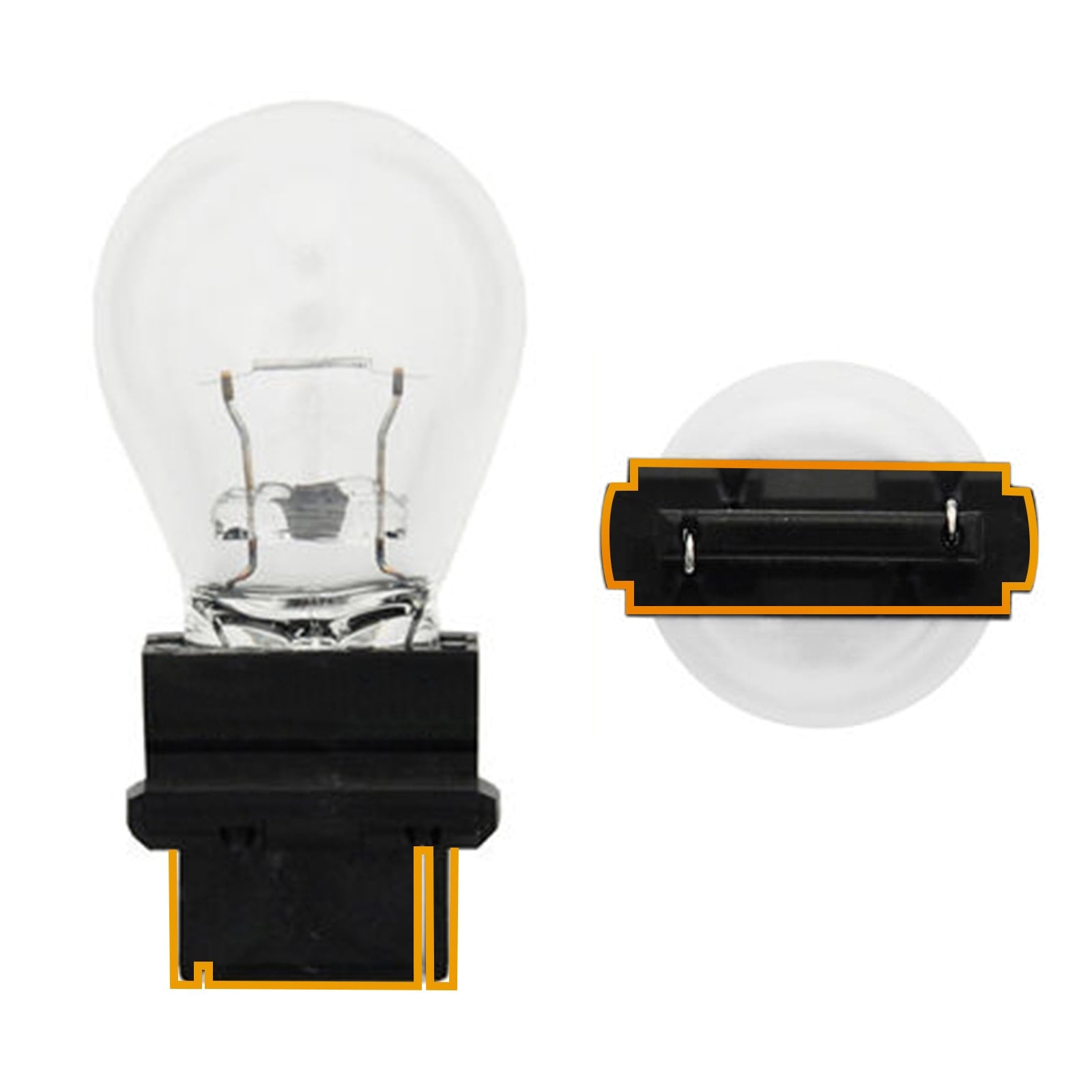
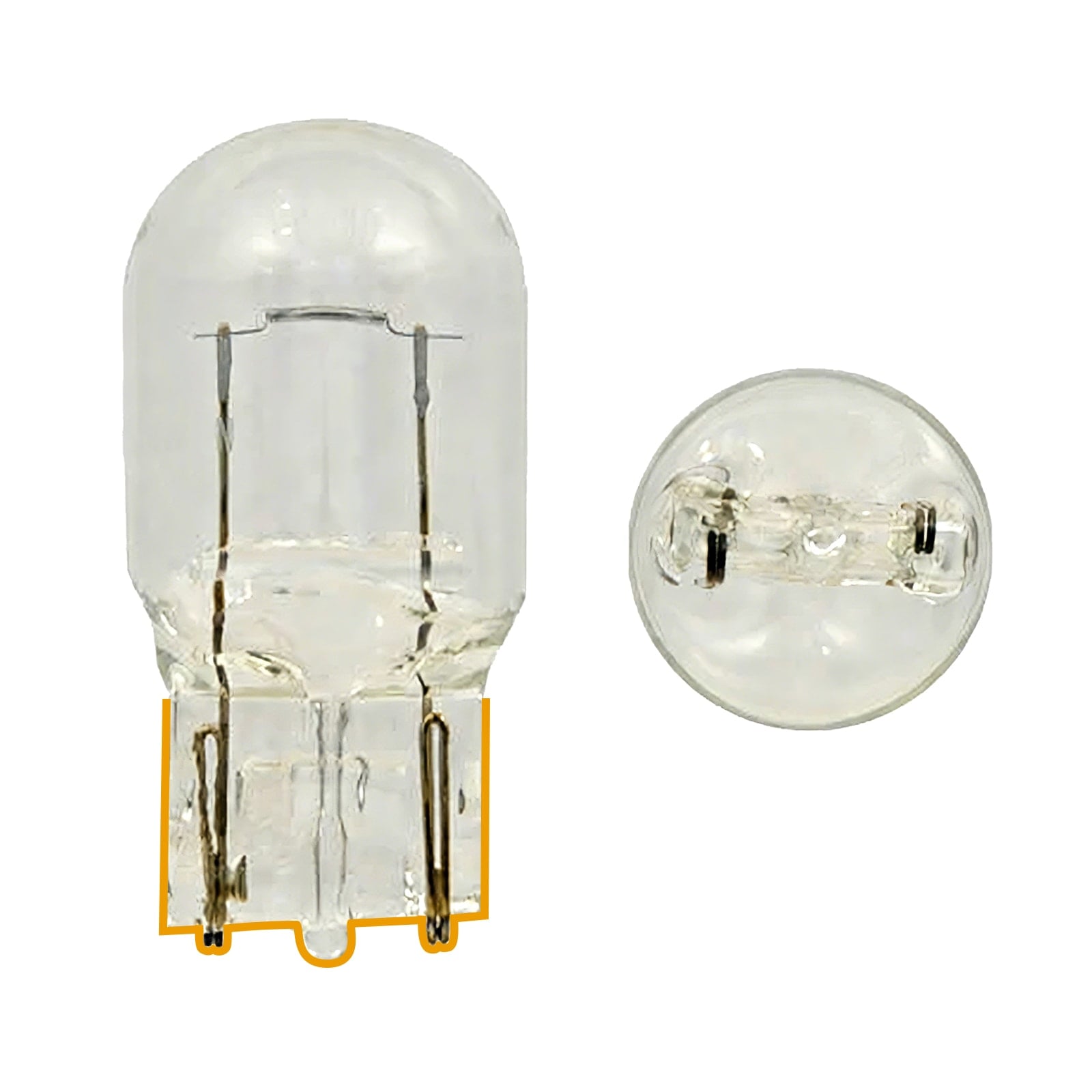
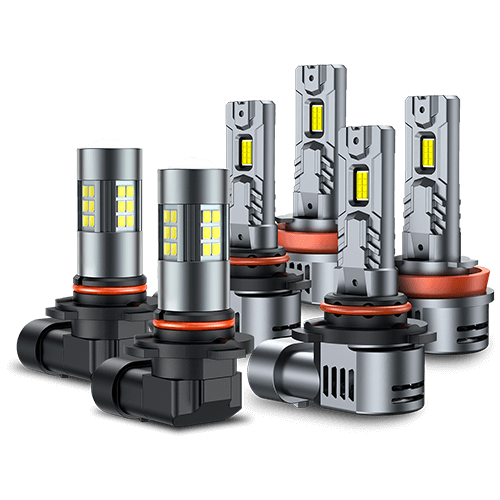
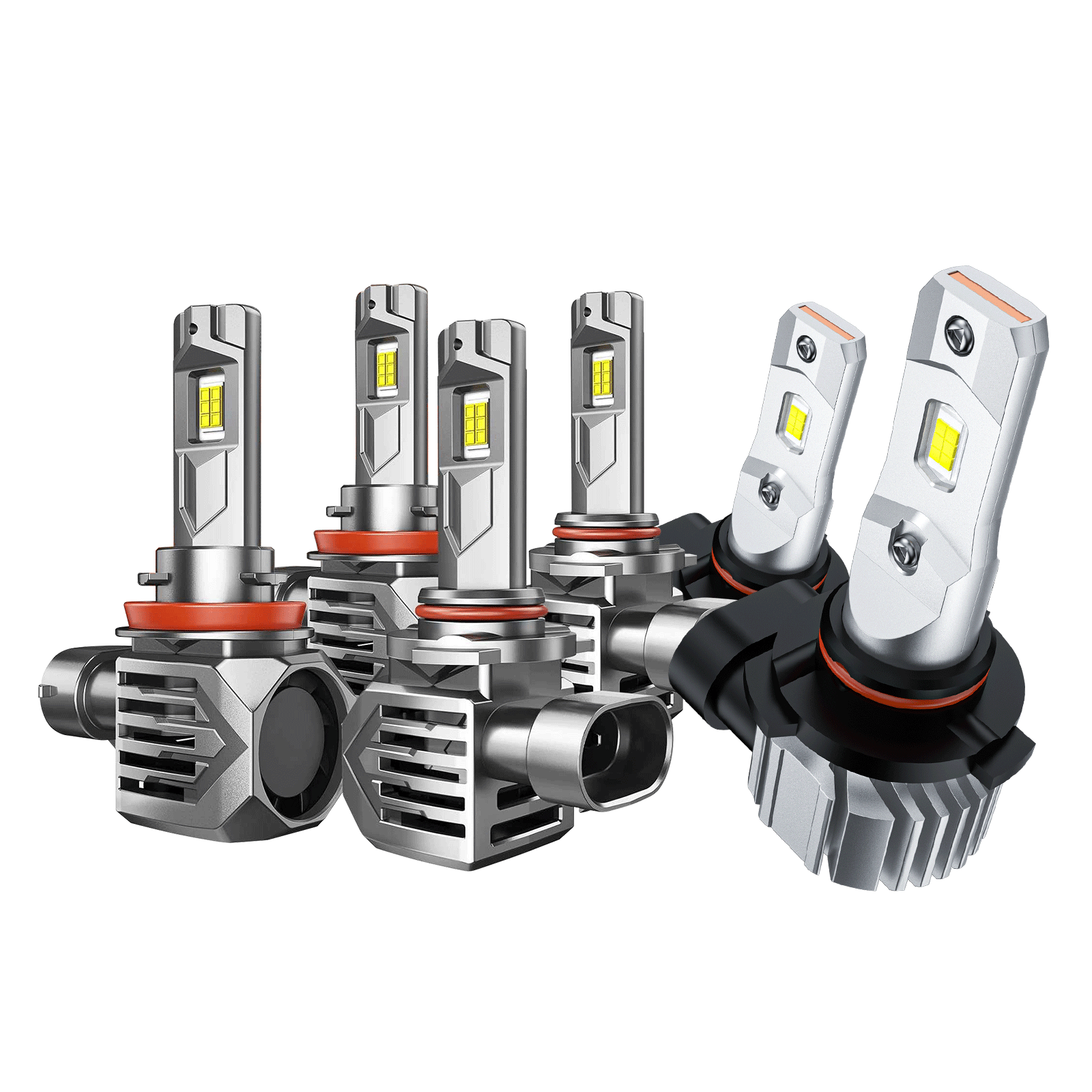


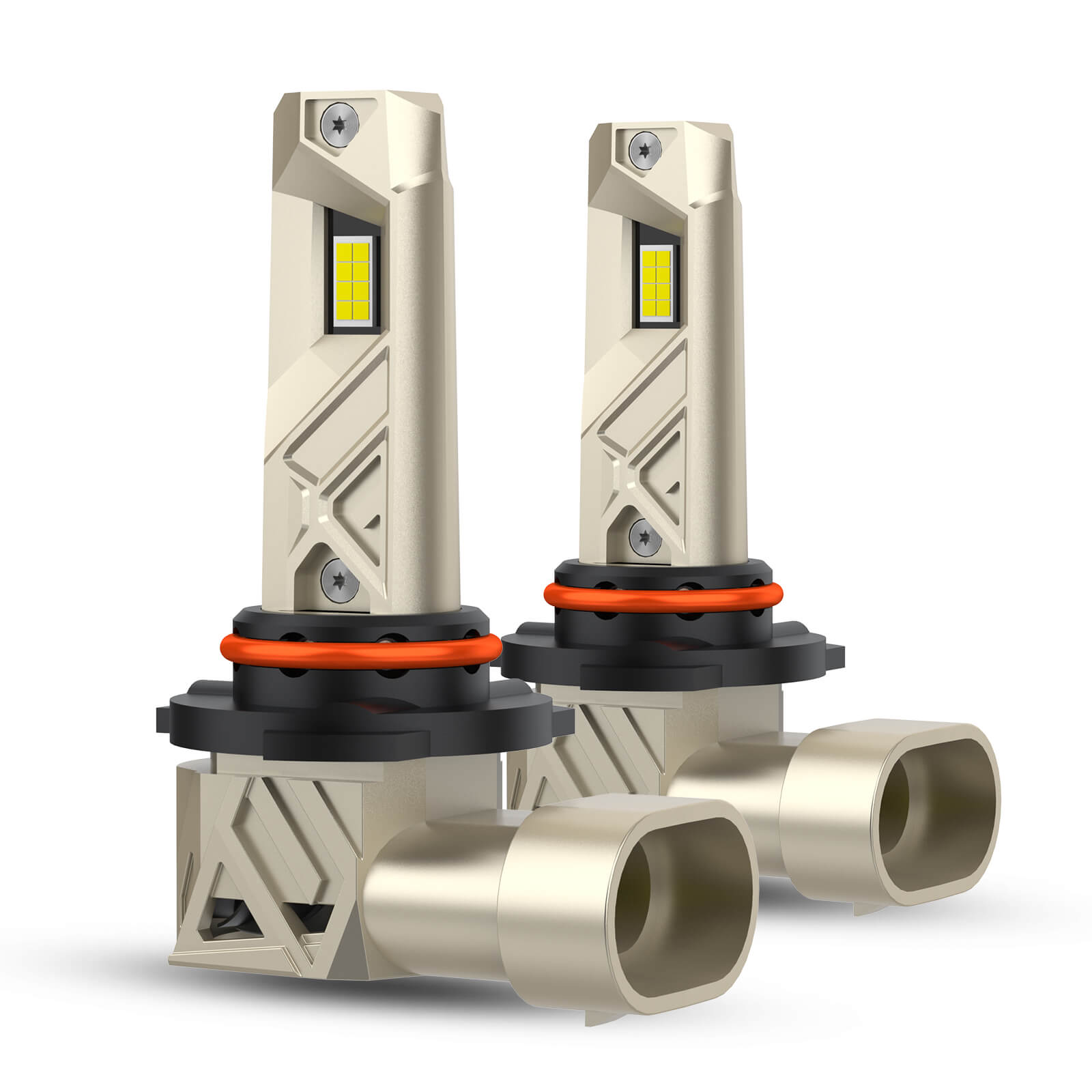


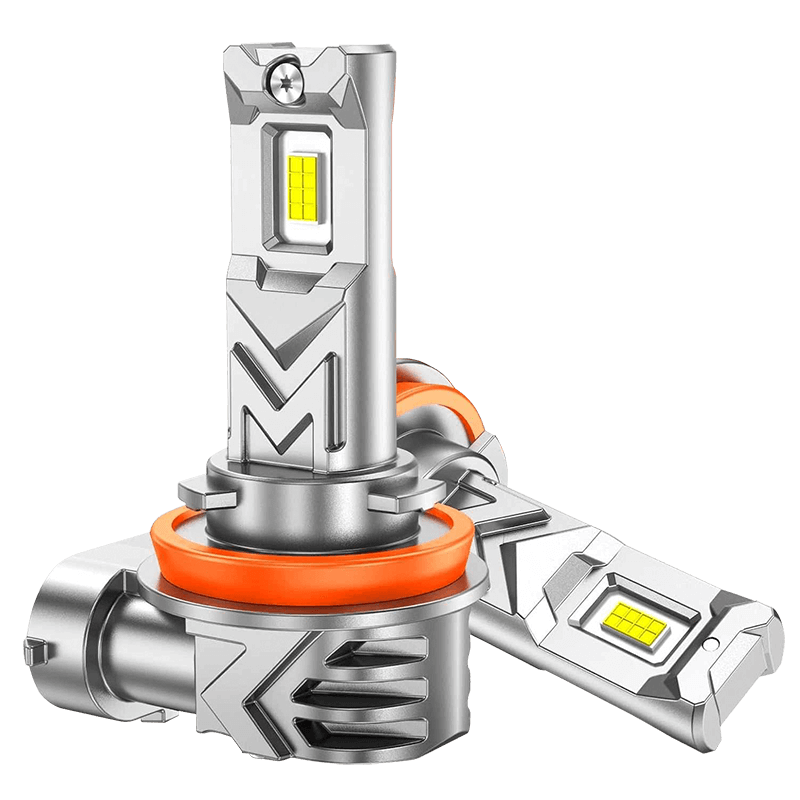







When people talk about Chevrolet Corvette reliability, the discussion usually goes in two directions. On one hand, the Corvette has a long-standing reputation as an American performance icon with serious power and style. On the other hand, like many sports cars, it comes with a few ownership quirks that buyers should understand before diving in. So, while the Corvette can absolutely be a rewarding car to own, there are still some very real Common Chevrolet Corvette problems that show up in complaint data, recall history, and buyer experiences. The good news is that once you know what to watch for, it becomes much easier to separate a solid car from a risky one.

Is the Chevrolet Corvette Reliable?
So, is Chevrolet Corvette reliable? Overall, it’s reasonably reliable for a high-performance car, but it’s not the kind of vehicle you buy expecting economy-car simplicity. In other words, it tends to be more dependable than some people assume, yet it still demands proper care and realistic expectations.
RepairPal gives the Corvette a 3.0 out of 5.0 reliability rating and ranks it 23rd out of 24 midsize cars, with average annual repair costs around $737. At first glance, that may not sound especially impressive. However, numbers like these need a little context. Performance cars often cost more to maintain simply because their parts, tires, brakes, and systems are built for higher stress and higher output.
At the same time, more recent Chevrolet Corvette ratings have been stronger than older stereotypes would suggest. In owner-based dependability studies, newer Corvette models have performed better than many shoppers expect. That tells us something important: Corvette reliability is not one-size-fits-all. Instead, it depends heavily on the generation, how the car was driven, whether it was modified, and how carefully it was maintained. That’s especially true when you’re shopping for a used Chevrolet Corvette, because the difference between a pampered weekend car and a neglected one can be huge.
Common Problems with the Chevrolet Corvette
Now that we’ve covered the big-picture reliability question, let’s talk about the issues that come up most often. Like most long-running performance models, the Corvette has a few problem areas that tend to repeat across certain years and generations.
If the Tahoe is also on your shortlist, the Chevrolet Tahoe reliability and common problems outlines its own trouble spots instead of treating Chevrolet reliability as one broad pattern. Also comparing another vehicle? See Chevrolet Silverado 3500 HD reliability and common problems.
1. Wheel and Rim Problems
To start with, wheel-related complaints are one of the more noticeable trouble spots on some model years. Certain Corvettes, especially around the mid-2010s, have been associated with cracked rims, vibration, and slow air loss. That doesn’t automatically mean every car from those years is defective, but it does mean buyers should pay very close attention during inspection.
More specifically, if a Corvette has a history of repeated balancing, tire pressure warnings, or unexplained vibration at highway speed, the wheels deserve a closer look. In a sports car, even a small wheel issue can affect both ride quality and confidence behind the wheel.
2. Fuel Odor and Fuel System Concerns
Next, fuel odor complaints have shown up often enough that they’re worth taking seriously. In some older Corvettes, owners have reported a strong gasoline smell, especially after driving or parking the car in a garage. Naturally, that’s not something you want to brush off as “just a sports car thing.”
In some cases, the cause may be a leak, a deteriorated seal, or another fuel system fault. In newer years, certain recall-related fuel concerns have also added to buyer caution. So, if you’re looking at a used Corvette, take a moment to check for fuel smell around the rear of the car after a drive. That simple step can tell you a lot.
3. Electrical and Lighting Issues
Just as important, electrical issues are another area where Corvettes can frustrate owners. Depending on the year, these problems may involve switches, modules, intermittent faults, or low-beam headlight failures. While some of these issues are minor, others can directly affect safety and drivability.
This is where older Corvettes especially start to show their age. As wiring, connectors, and control components get older, small electrical glitches can turn into annoying diagnostic headaches. So even if the engine feels strong, you still want to test every switch, light, and accessory before buying.
4. Steering and Aging Electronics
As Corvettes age, steering-column and electronics-related issues can also creep in. These problems are often more common on older generations, where time itself becomes just as important as mileage. That’s why a low-mileage example is not always the safer choice if it has spent years sitting unused without proper upkeep.
In practical terms, this means buyers should pay attention to how the steering feels, whether warning lights appear, and whether interior electronics behave consistently. A car that seems “mostly fine” but has random electrical quirks can become expensive in a hurry.
5. Safety Recall Items
Finally, buyers should never overlook recall history. A lot of people assume newer Corvette years are automatically problem-free, but that’s not always the case. Some newer models have had recall items involving safety equipment and related components.
Because of that, one of the smartest things you can do before buying a used Chevrolet Corvette is run the VIN and confirm whether all recall work has been completed. It’s a quick step, but it can save a lot of trouble later.
Problem Summary Table
| Problem Area | Common Issues |
| Wheels / Hubs | Cracked rims, vibration, air loss, repeated balancing |
| Fuel System | Strong fuel odor, possible leaks, refueling-related concerns |
| Electrical System | Intermittent faults, switch issues, module-related problems |
| Lighting | Low-beam failures, dim output, inconsistent lighting performance |
| Safety / Restraints | Recall-related seatbelt or component concerns on some years |
Taken together, these issues don’t mean the Corvette is a bad car. Rather, they mean buyers need to be selective. That’s why I always recommend shopping based on condition, maintenance history, and inspection results instead of just mileage or appearance. A clean, well-documented Corvette is usually a far better bet than a cheaper one with gaps in its history.
Lighting System Problems & LED Upgrades
Now, let’s talk about a problem area that often gets overlooked until the owner starts driving at night: lighting performance. On older Corvettes especially, factory lighting can feel dated by modern standards. In some cases, owners have also dealt with flickering, low-beam failures, or output that simply isn’t strong enough for confident nighttime driving.
That matters more than a lot of people realize. A sports car may be exciting in daylight, but if visibility is poor after sunset, the whole driving experience changes. Weak halogen output can make back roads, highways, and rainy-night driving more stressful than they need to be.
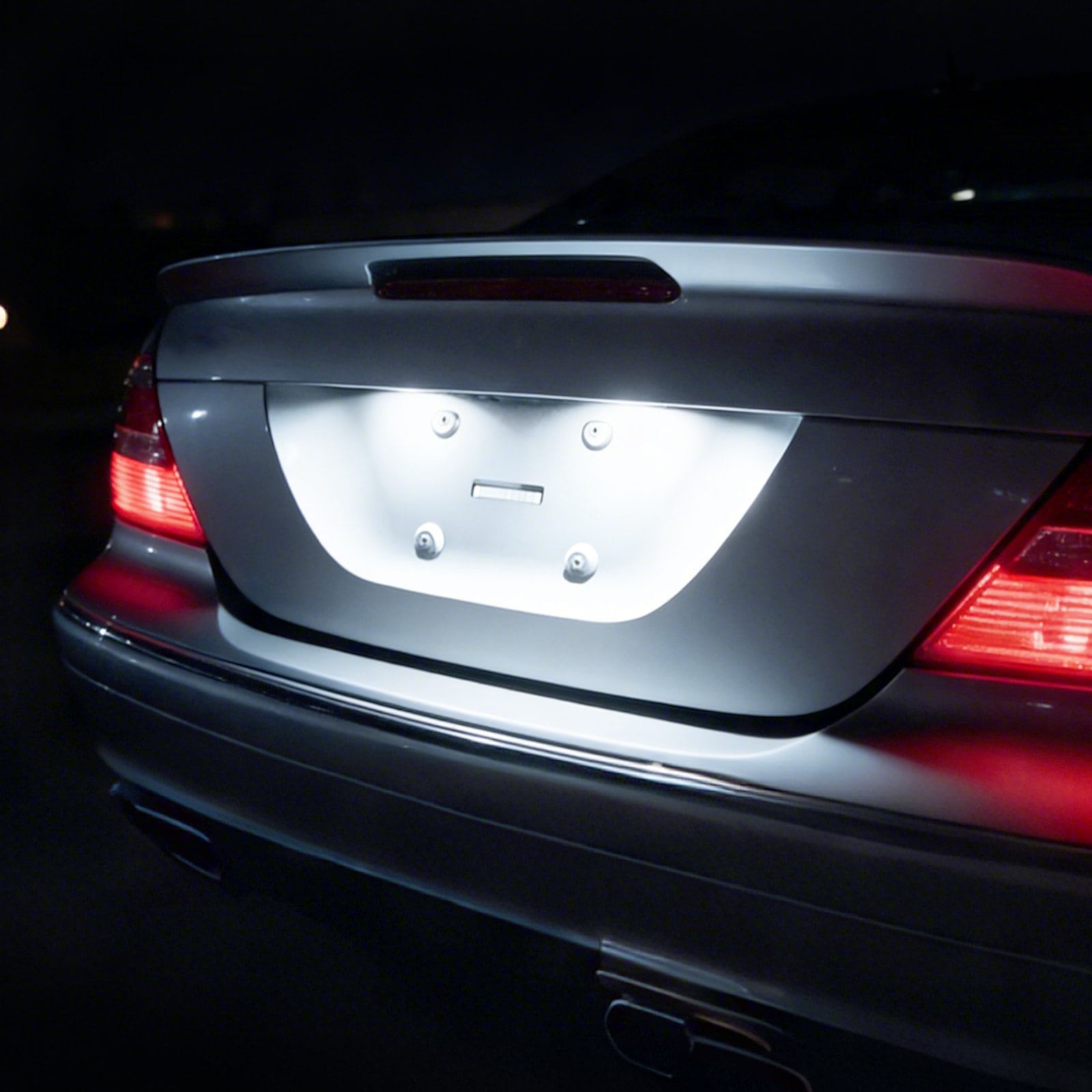
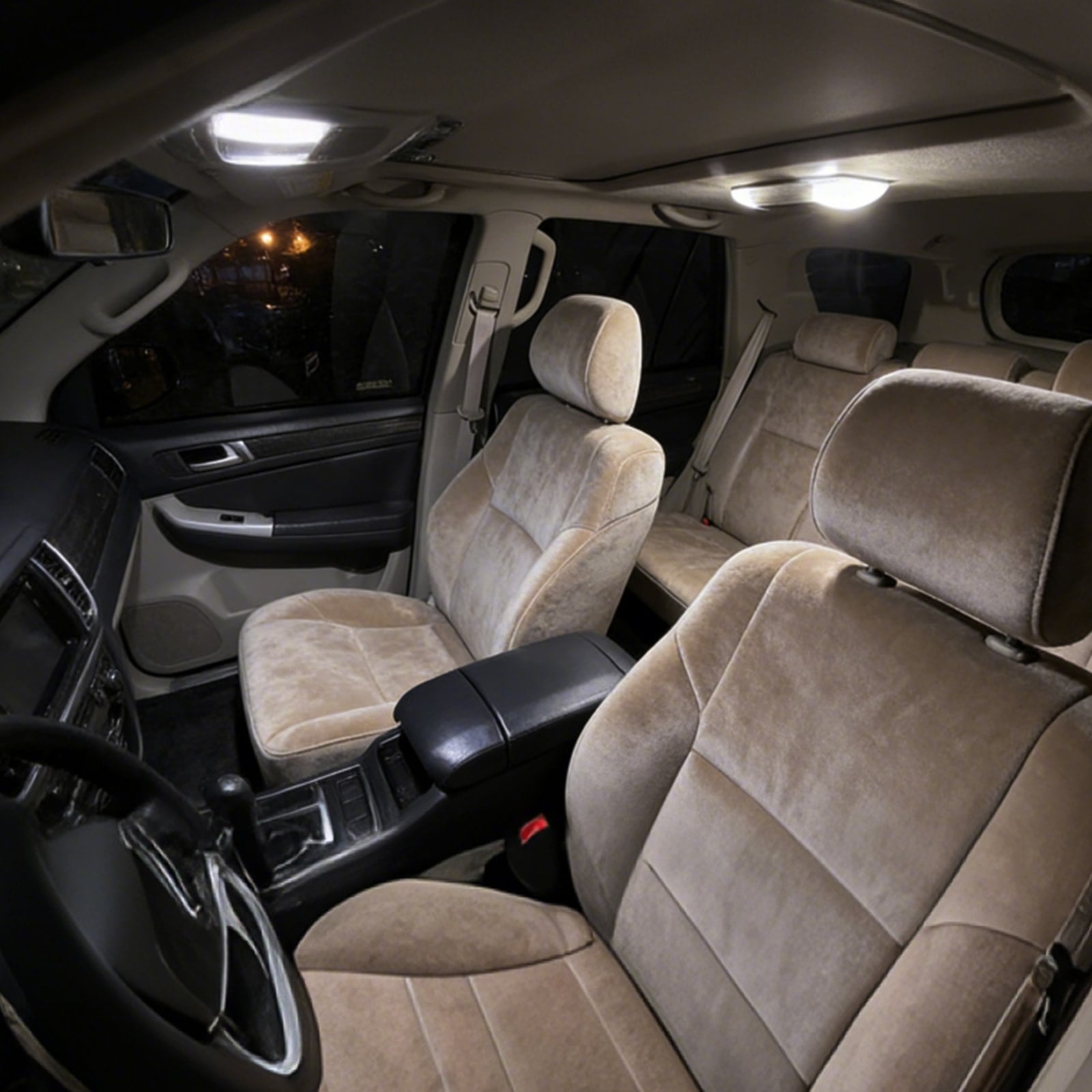
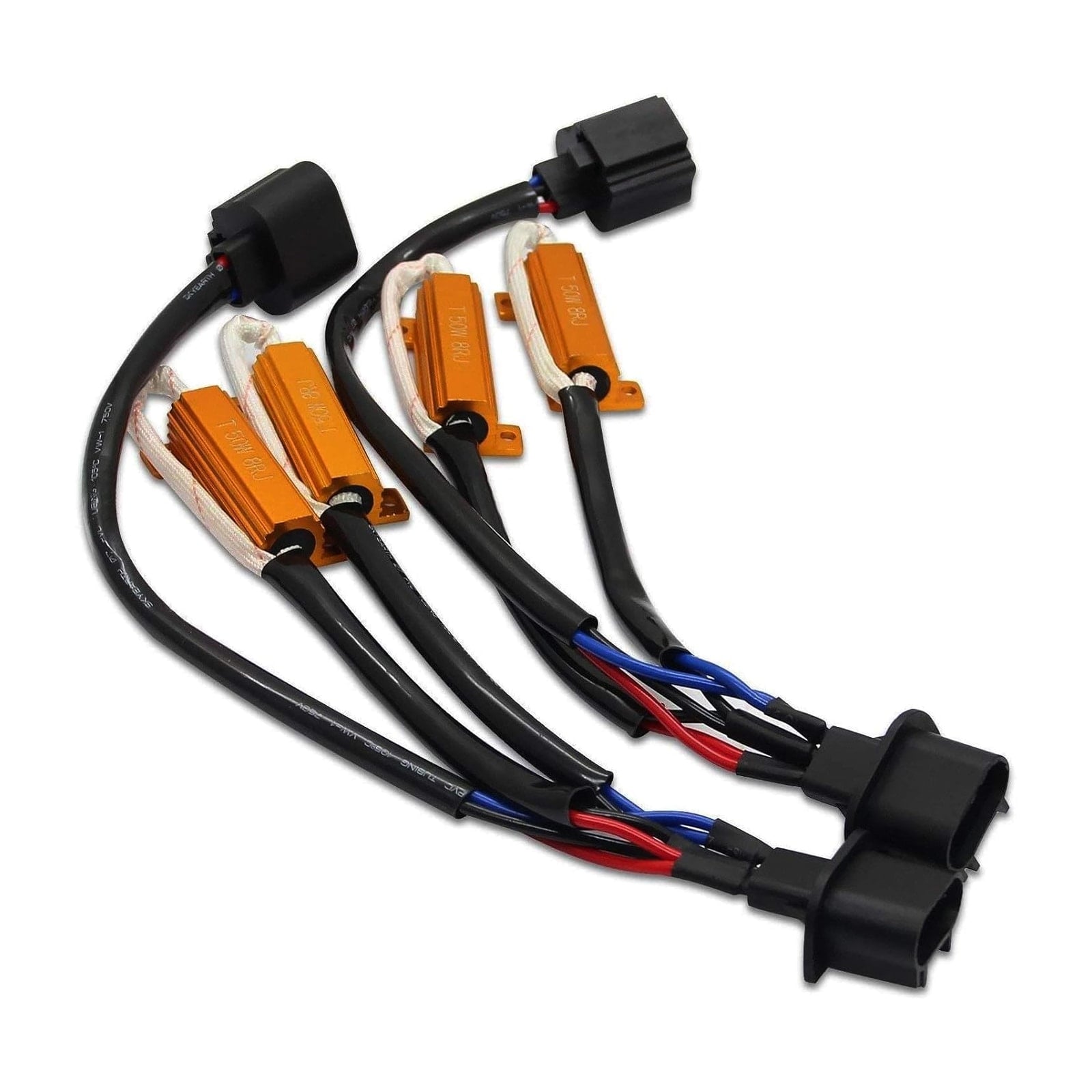
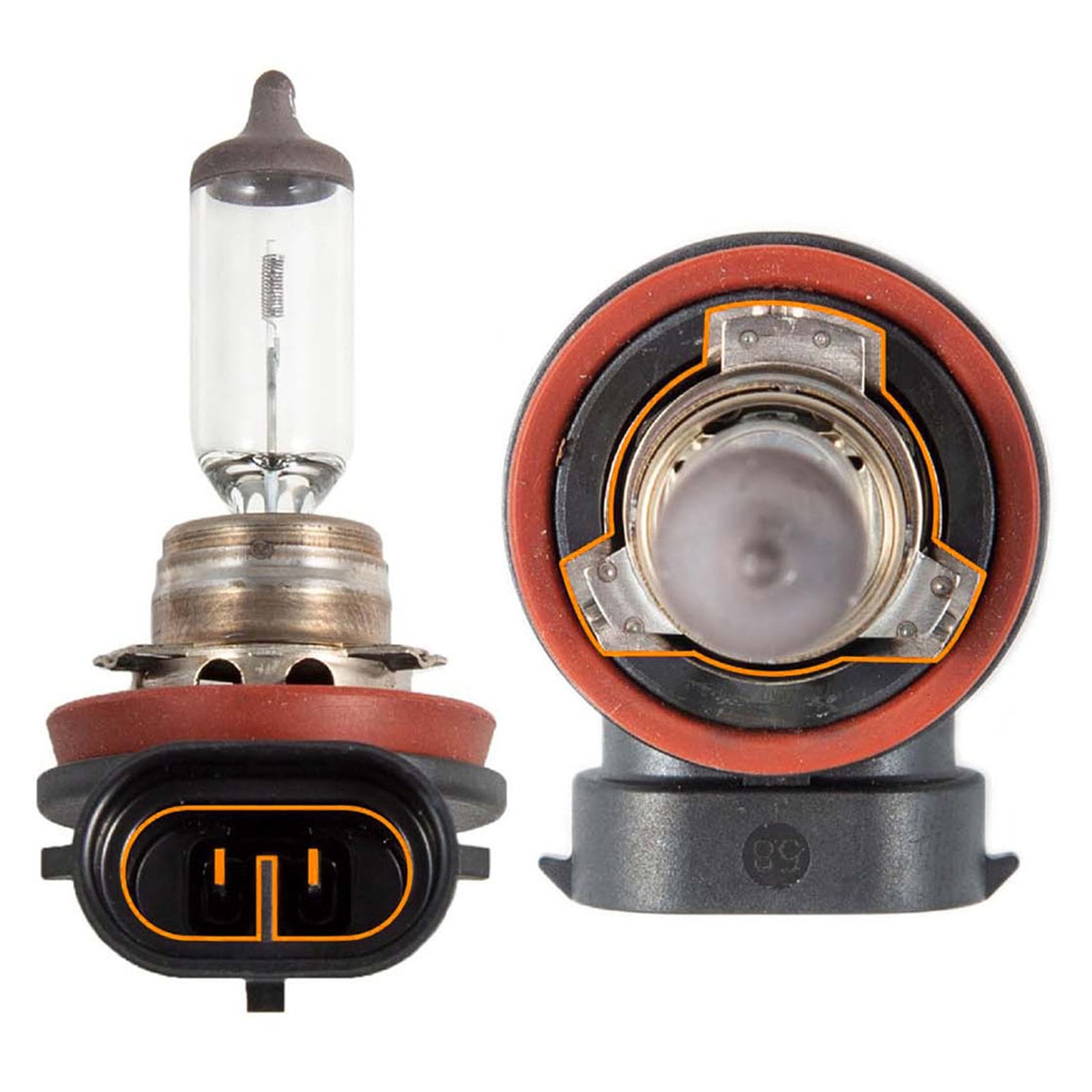
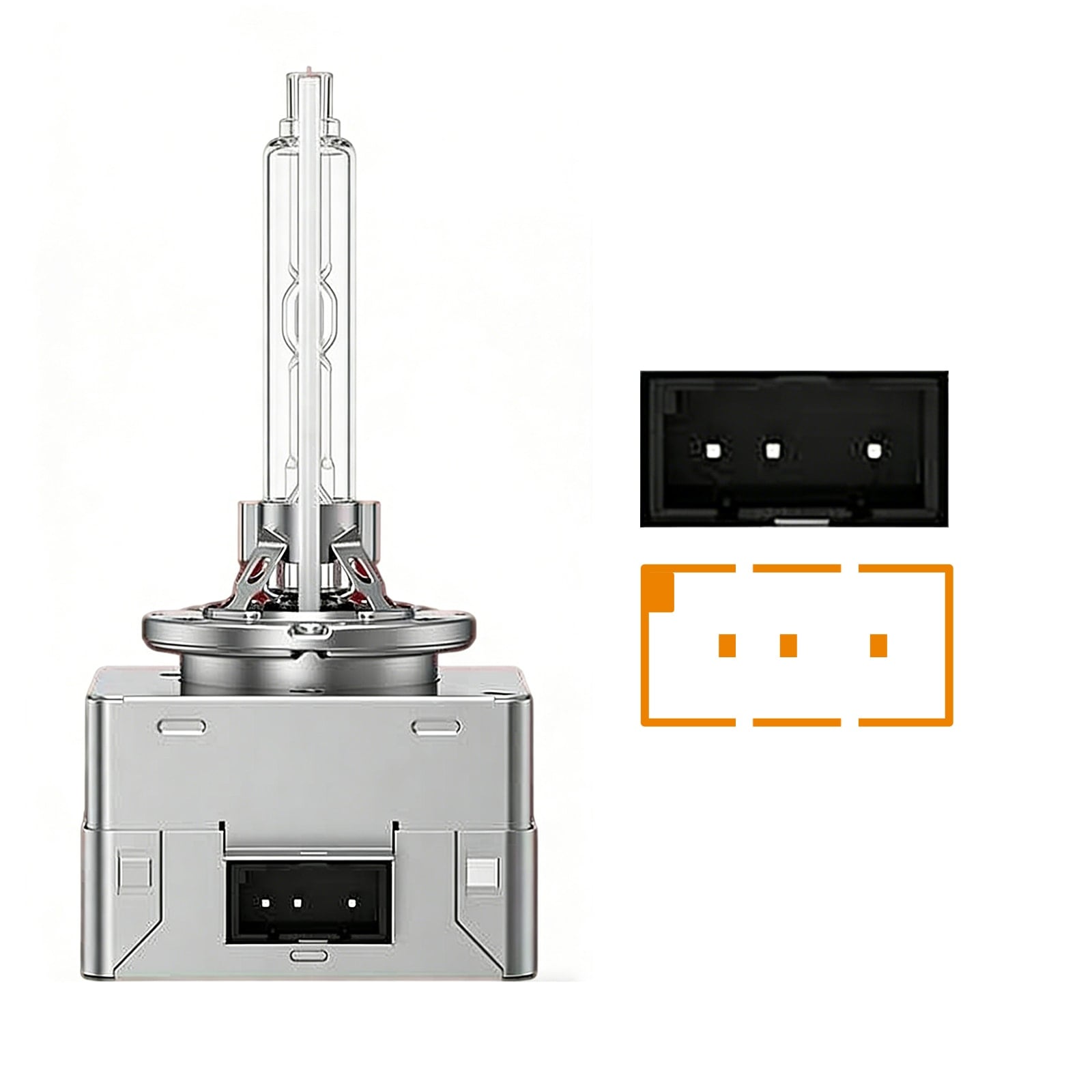
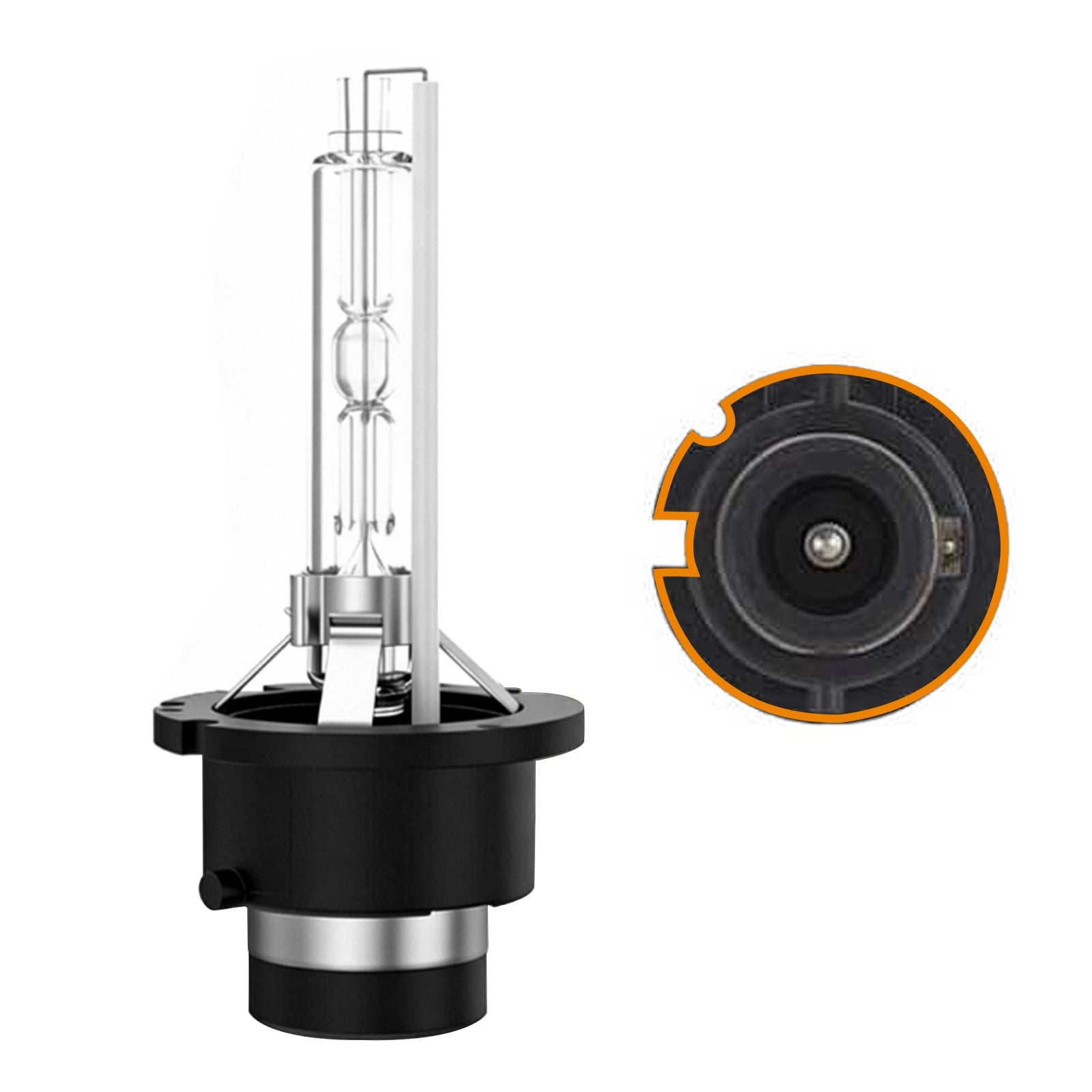
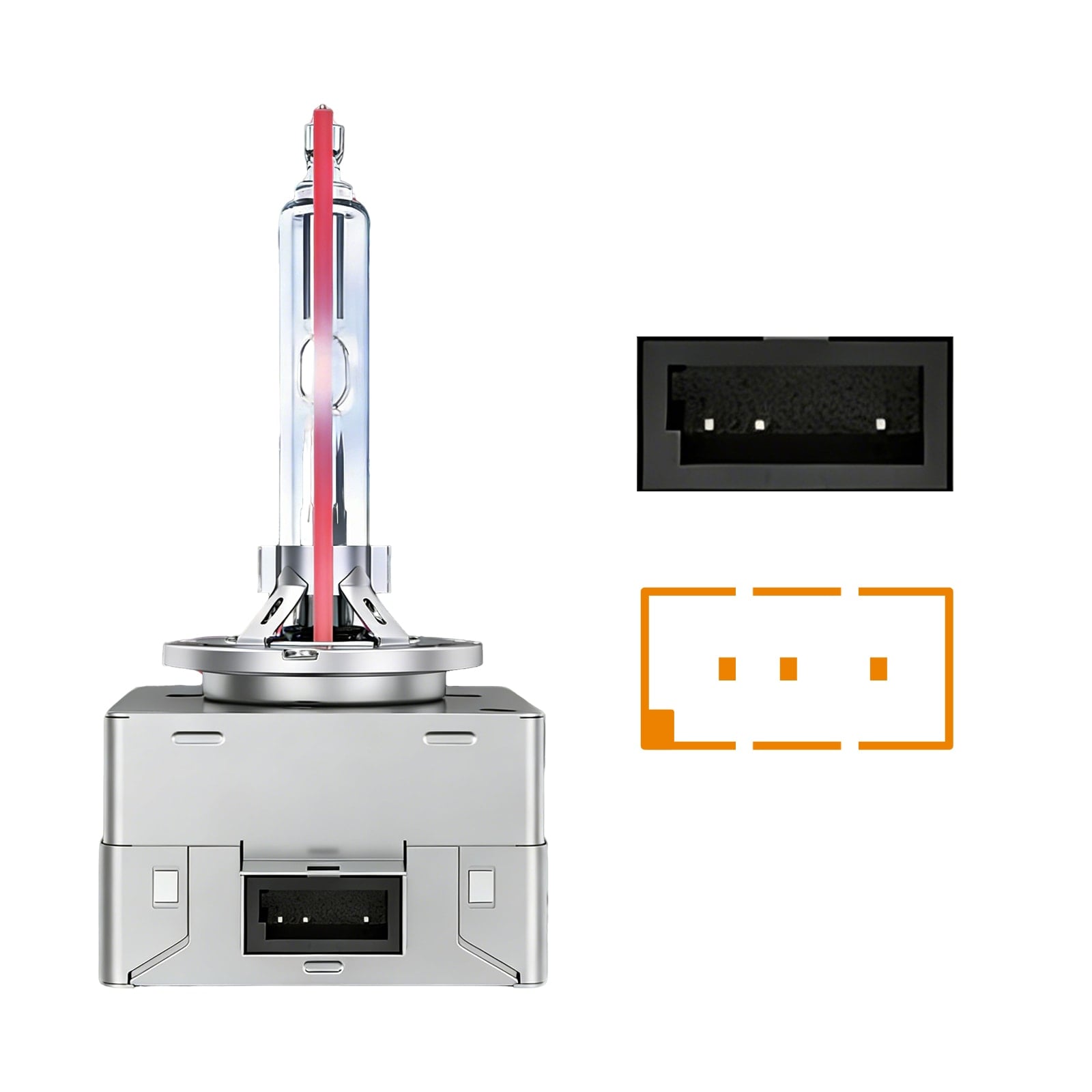
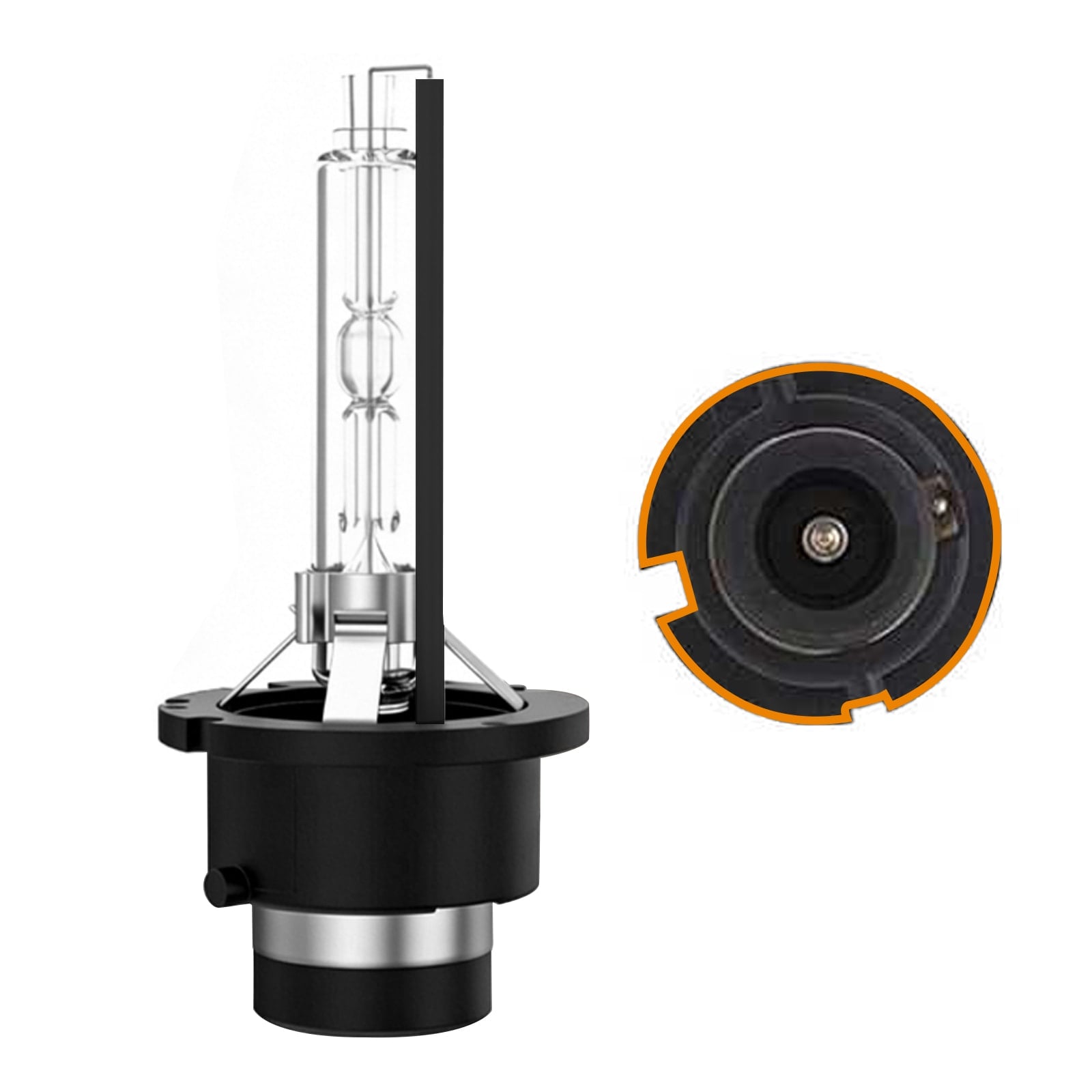
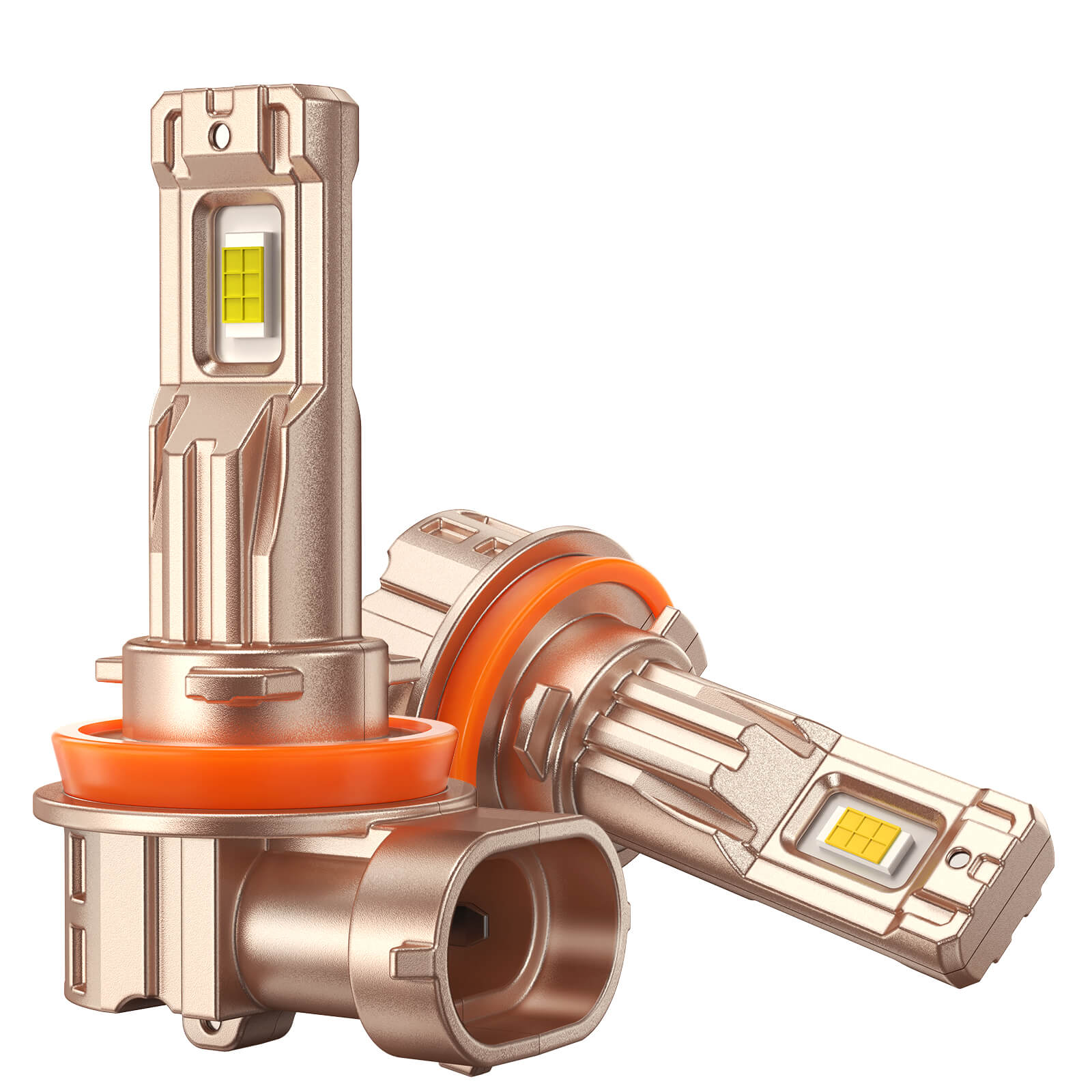
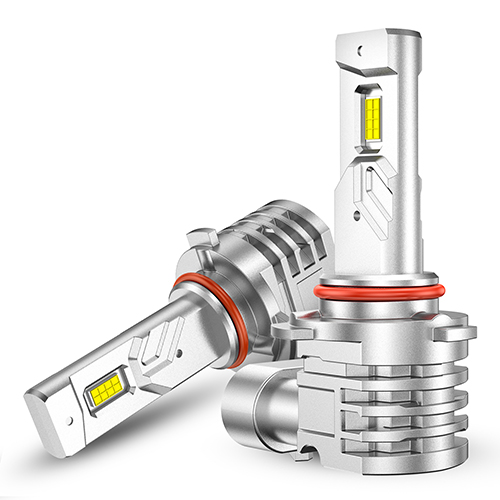
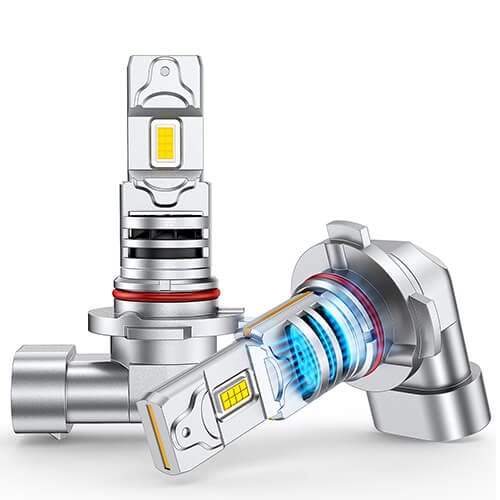
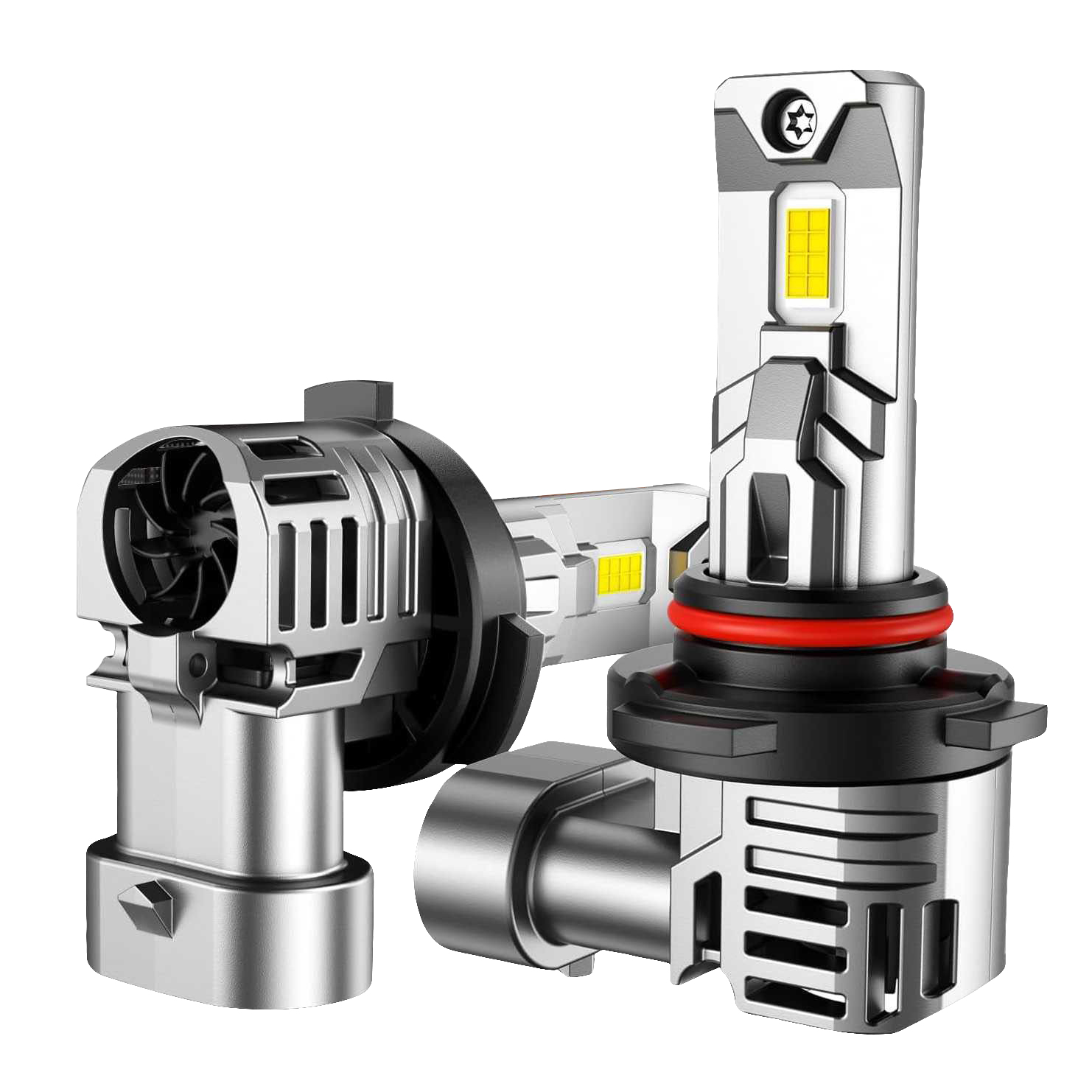
This is exactly where Chevrolet Corvette led bulbs come into the conversation. A quality LED upgrade can provide sharper visibility, faster illumination, and a more modern look without changing the character of the car. More importantly, it can make nighttime driving feel safer and less fatiguing. Of course, the upgrade works best when the rest of the system is healthy. LEDs won’t fix a bad connector, faulty relay, or grounding issue. But once the factory system is in good shape, upgraded bulbs can be one of the most worthwhile improvements you make.
Also researching long-term ownership? See Chevrolet Equinox reliability and common problems for recurring problems and maintenance considerations.
Best & Worst Years of Chevrolet Corvette
With that in mind, let’s look at which Corvette years tend to inspire more confidence.
Best Years: The 2008–2013 C6 with the LS3 engine is widely considered the "sweet spot" for reliability and performance. In the modern era, the 2019 C7 is the pinnacle of front-engine refinement, having ironed out most of the early transmission bugs.
Years to Avoid: Skip the 2005 C6 (first year "growing pains" and a weaker 4-speed auto) and be cautious with 2015–2016 C7s due to the aforementioned transmission shudder issues.
Comparison: Chevrolet Corvette vs. Porsche 911
For many shoppers, the most logical comparison is the Porsche 911. And honestly, this is where the Corvette starts to make a lot of sense. Both cars offer serious performance, sharp styling, and enthusiast appeal, but the Corvette usually delivers more performance per dollar.
That said, the ownership experience is a little different. The 911 tends to feel more refined, more premium inside, and more polished overall. Meanwhile, the Corvette usually wins on affordability, parts access, and familiarity for U.S.-based service shops. So if you want a sports car that feels exotic without carrying full exotic ownership costs, the Corvette often lands in a sweet spot.
In other words, the Corvette is often the smarter value play, while the 911 is the more prestige-focused choice. Which one is “better” depends on what matters more to you: ultimate polish or performance for the money.
Conclusion: Upgrade Your Chevrolet Corvette with SEALIGHT
At the end of the day, Chevrolet Corvette reliability is better than many skeptics think, but it still depends heavily on the year, condition, and maintenance history of the car you choose. Once you understand the common Chevrolet Corvette problems, you’re in a much better position to shop wisely, avoid expensive surprises, and enjoy what makes the Corvette special in the first place.
And if one of your weak points is poor nighttime visibility, upgrading to quality Chevrolet Corvette led bulbs from SEALIGHT is a practical way to improve safety, modernize the driving experience, and make your Corvette feel even better on the road.