
 Headlight Bulbs


 Track Order
 My Vehicles
 Contact Us
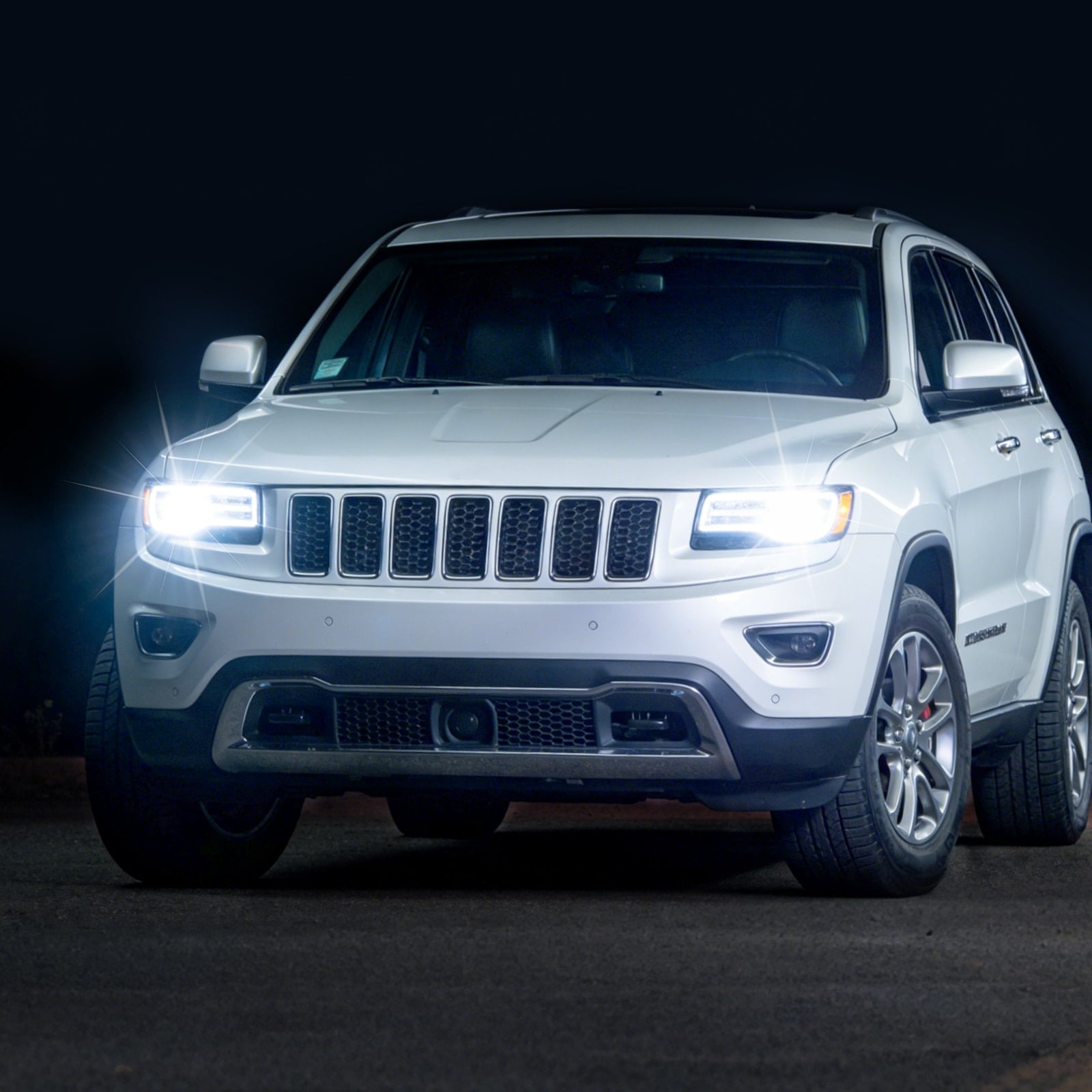
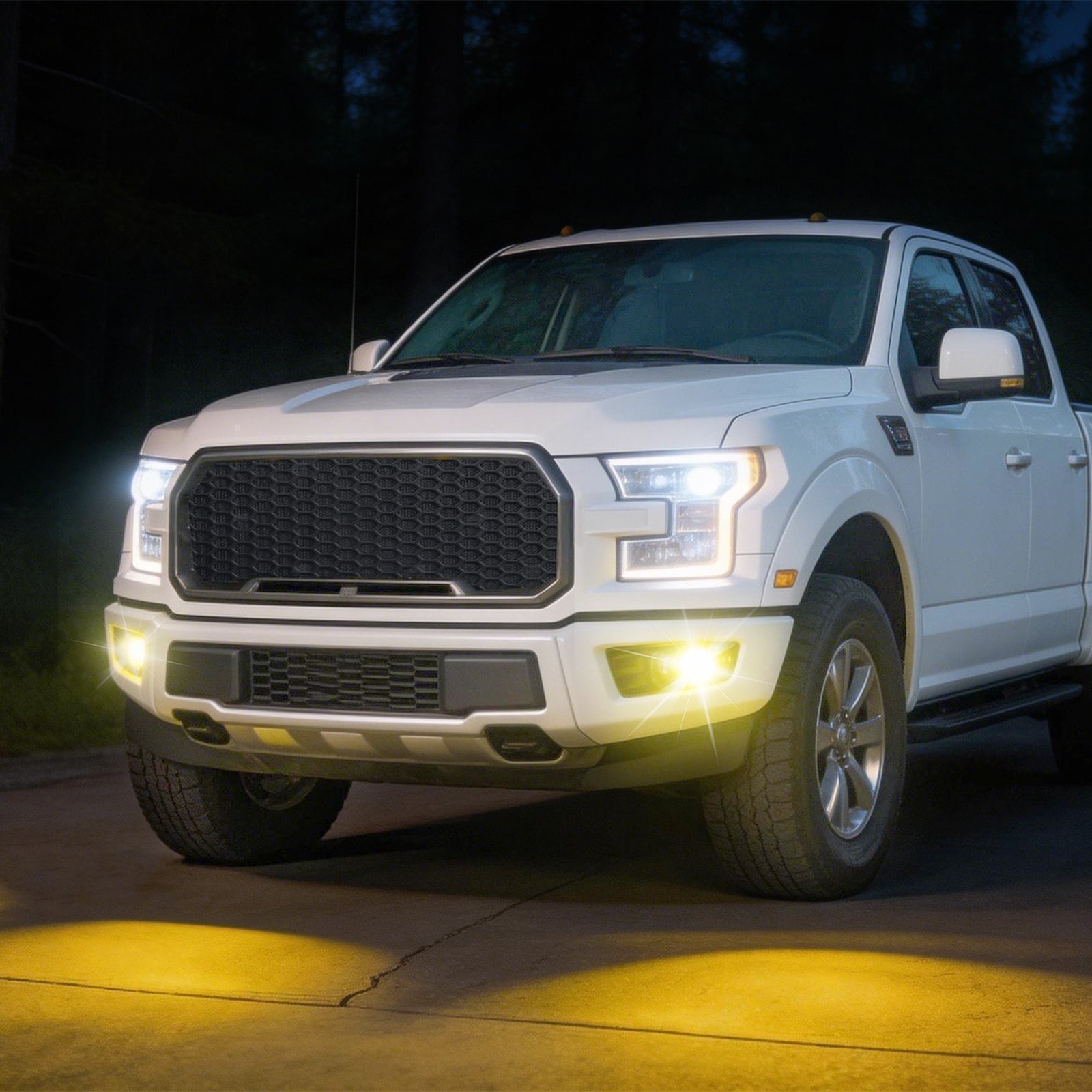

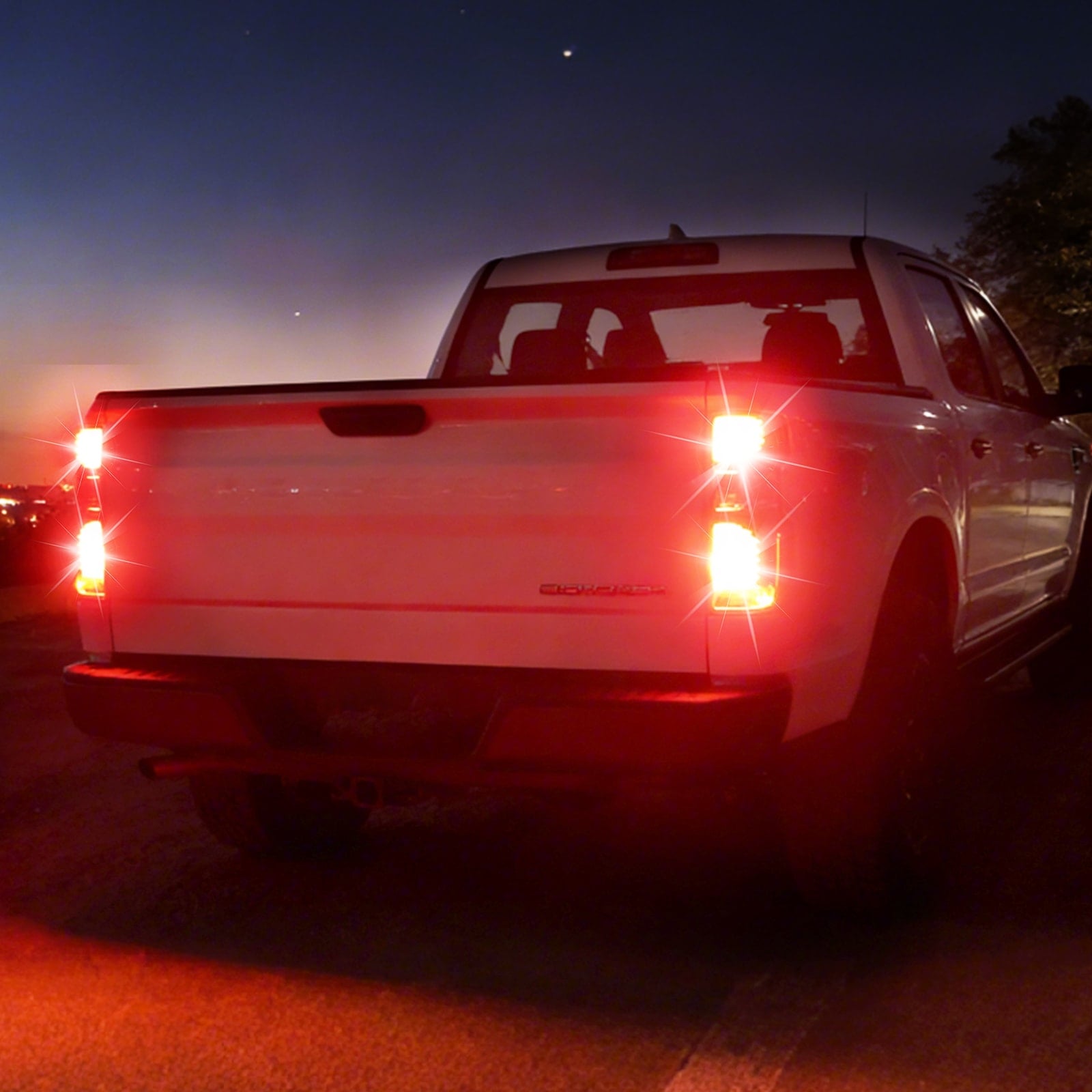
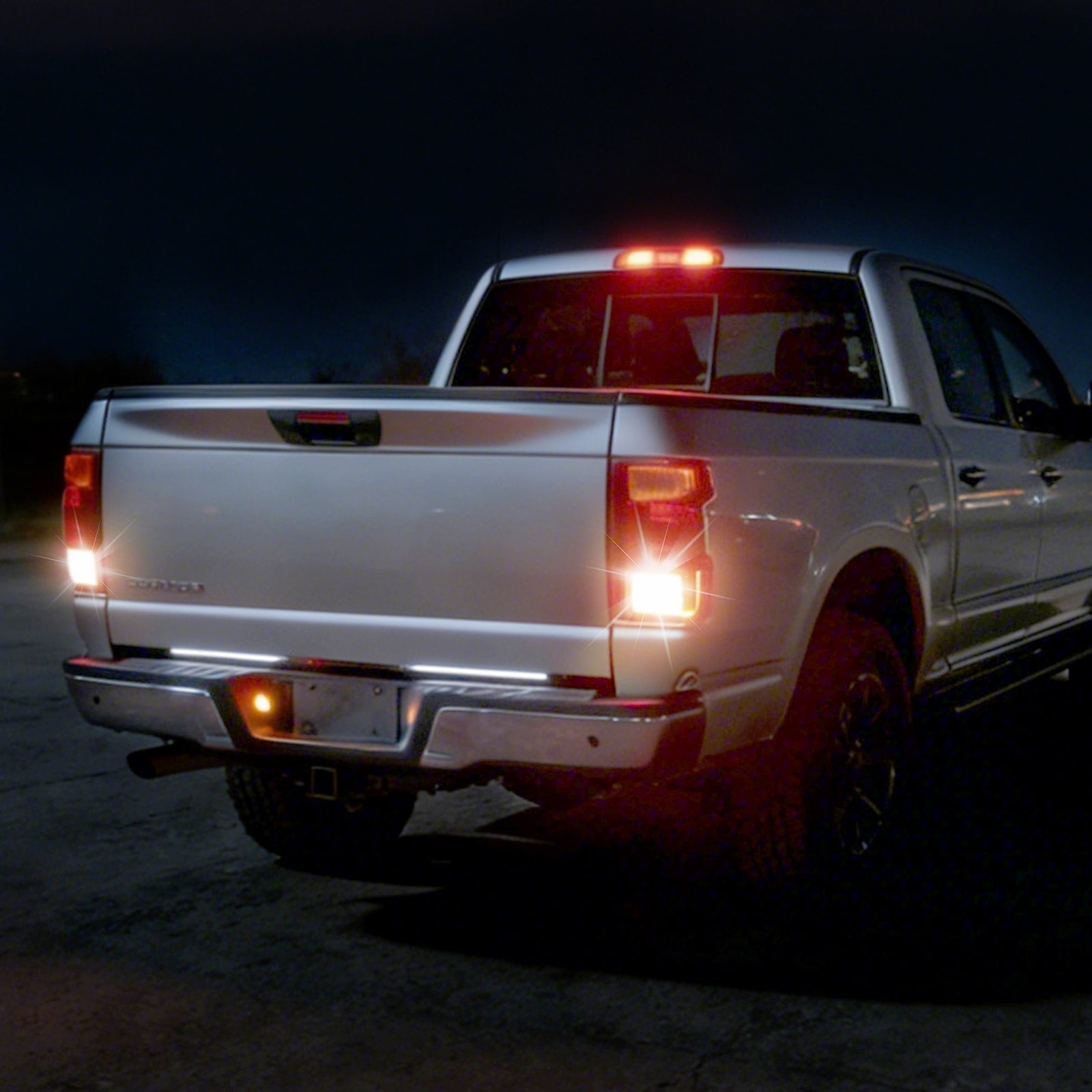

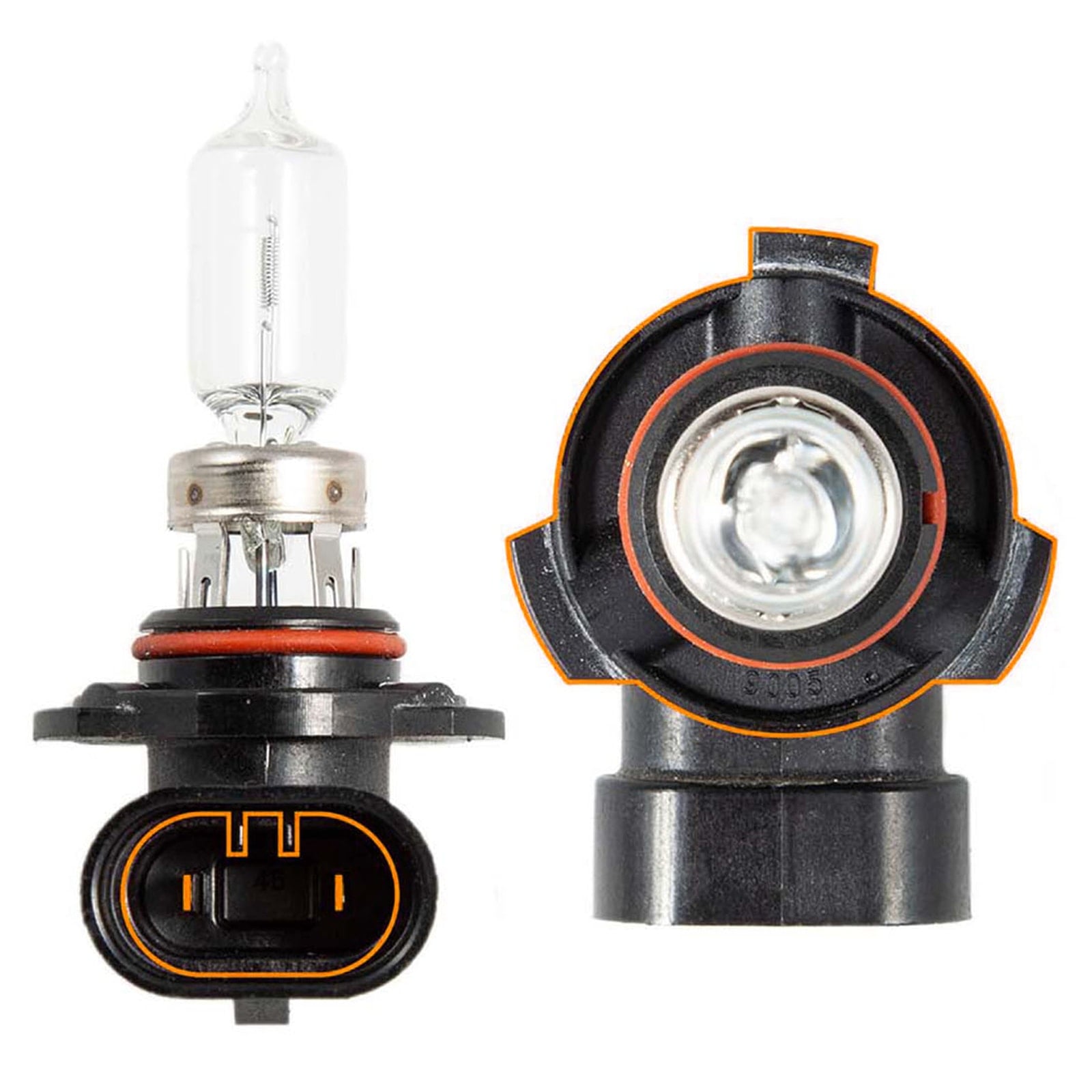
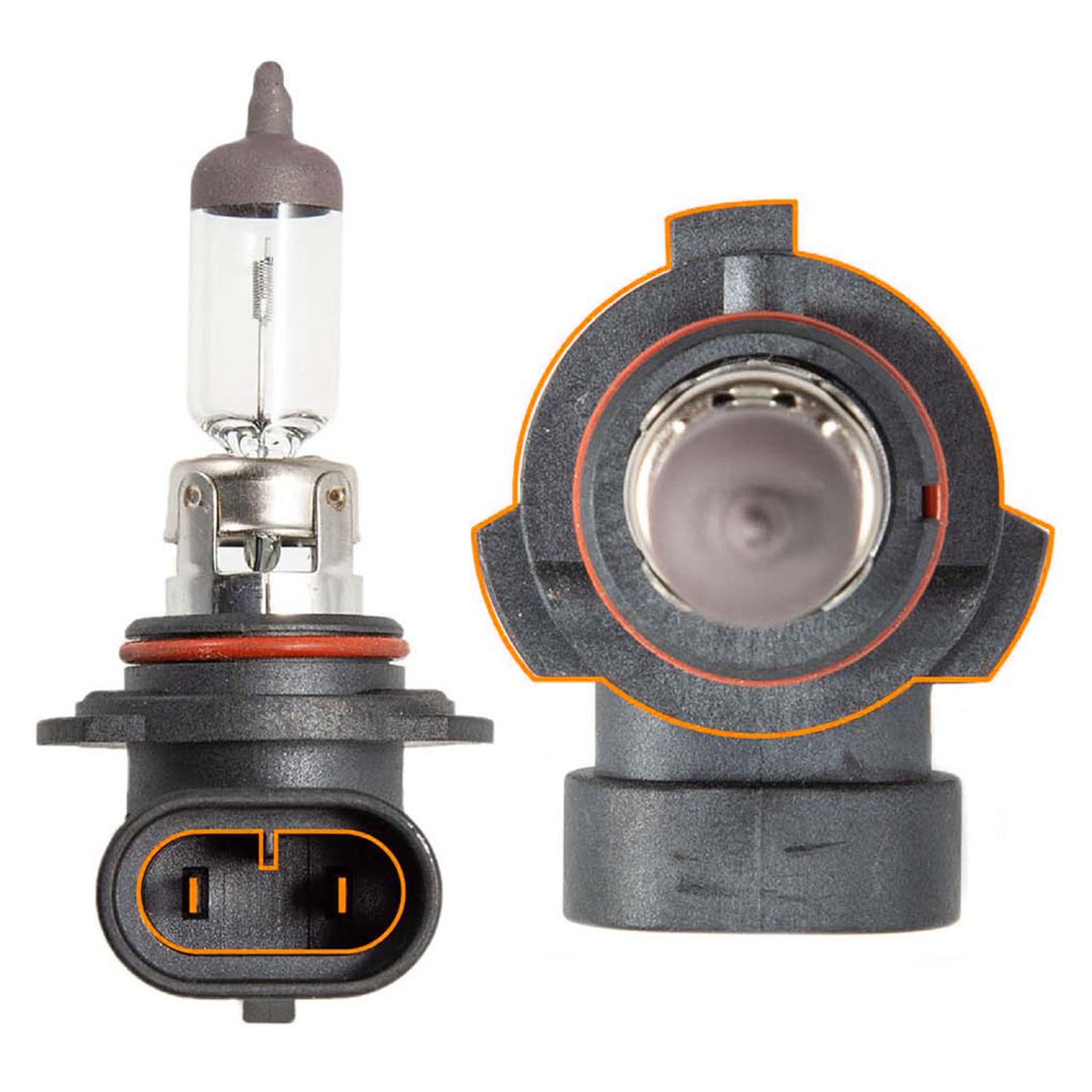
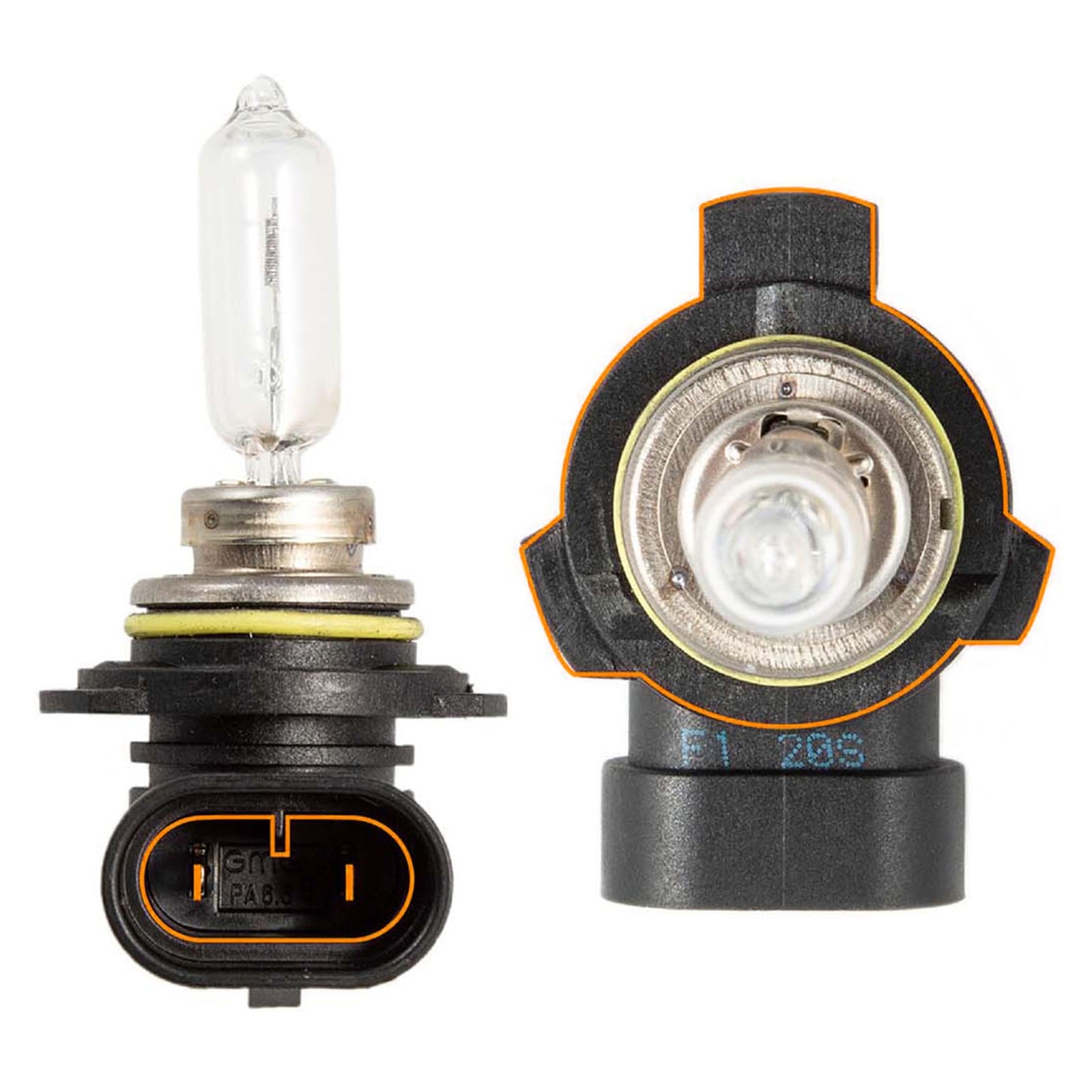
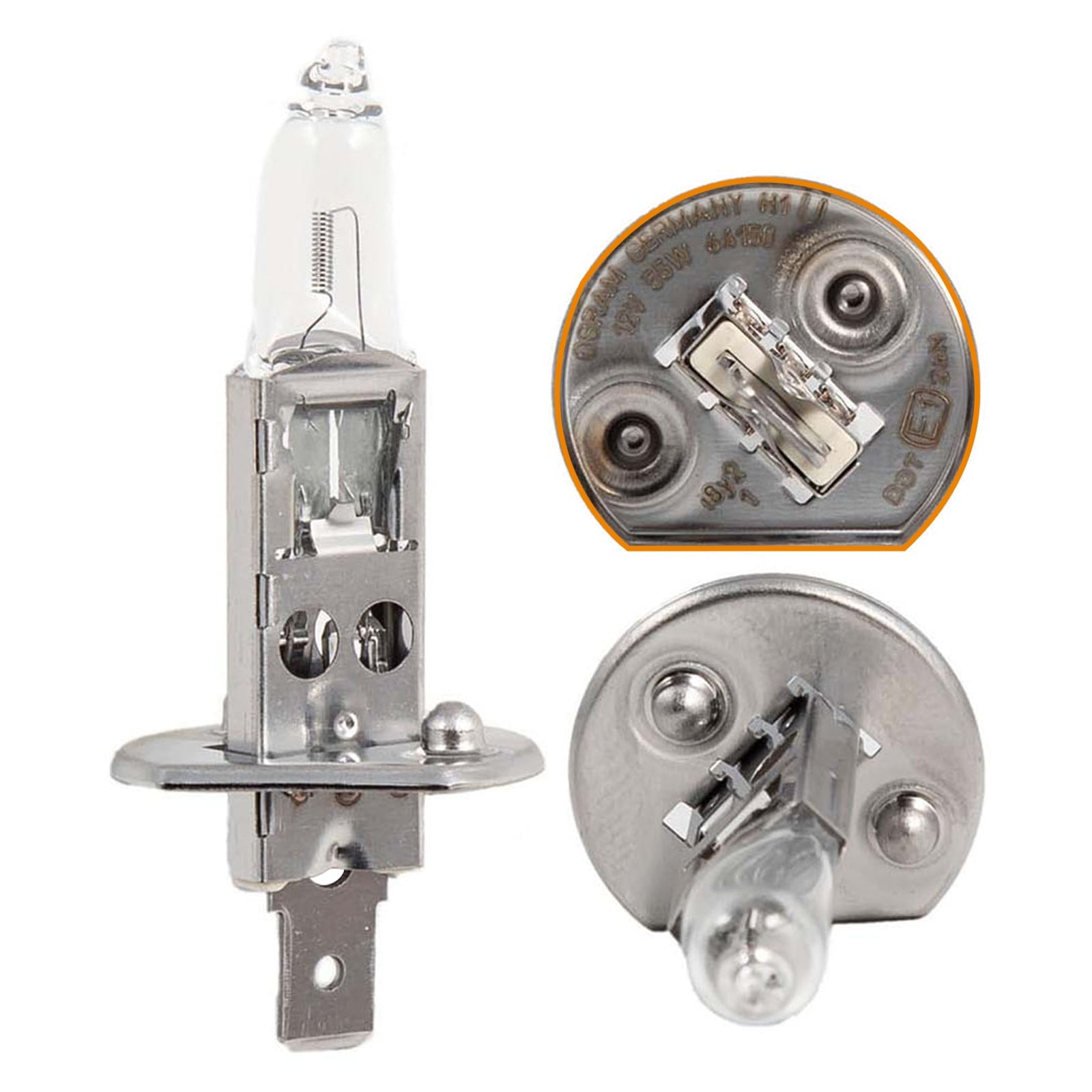

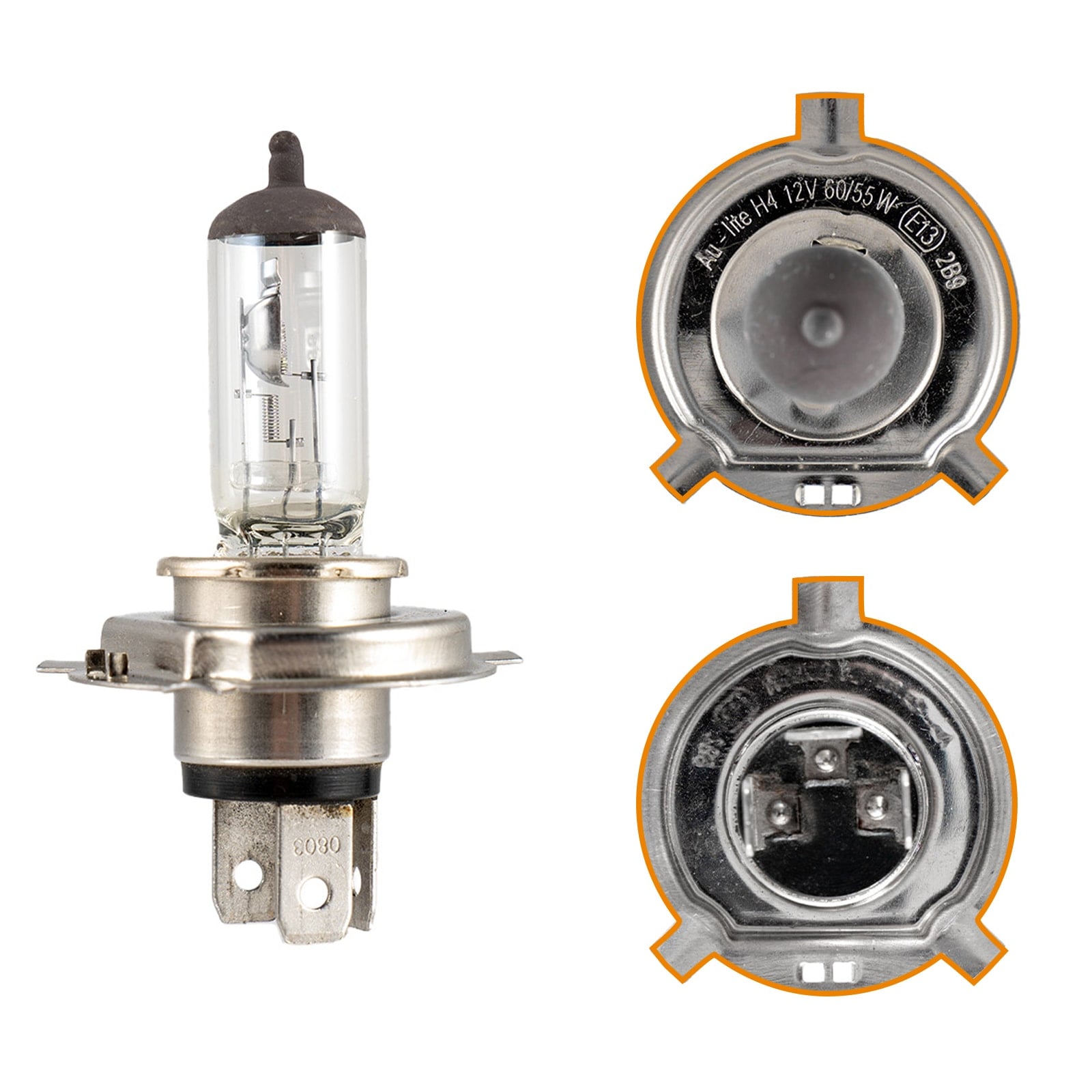
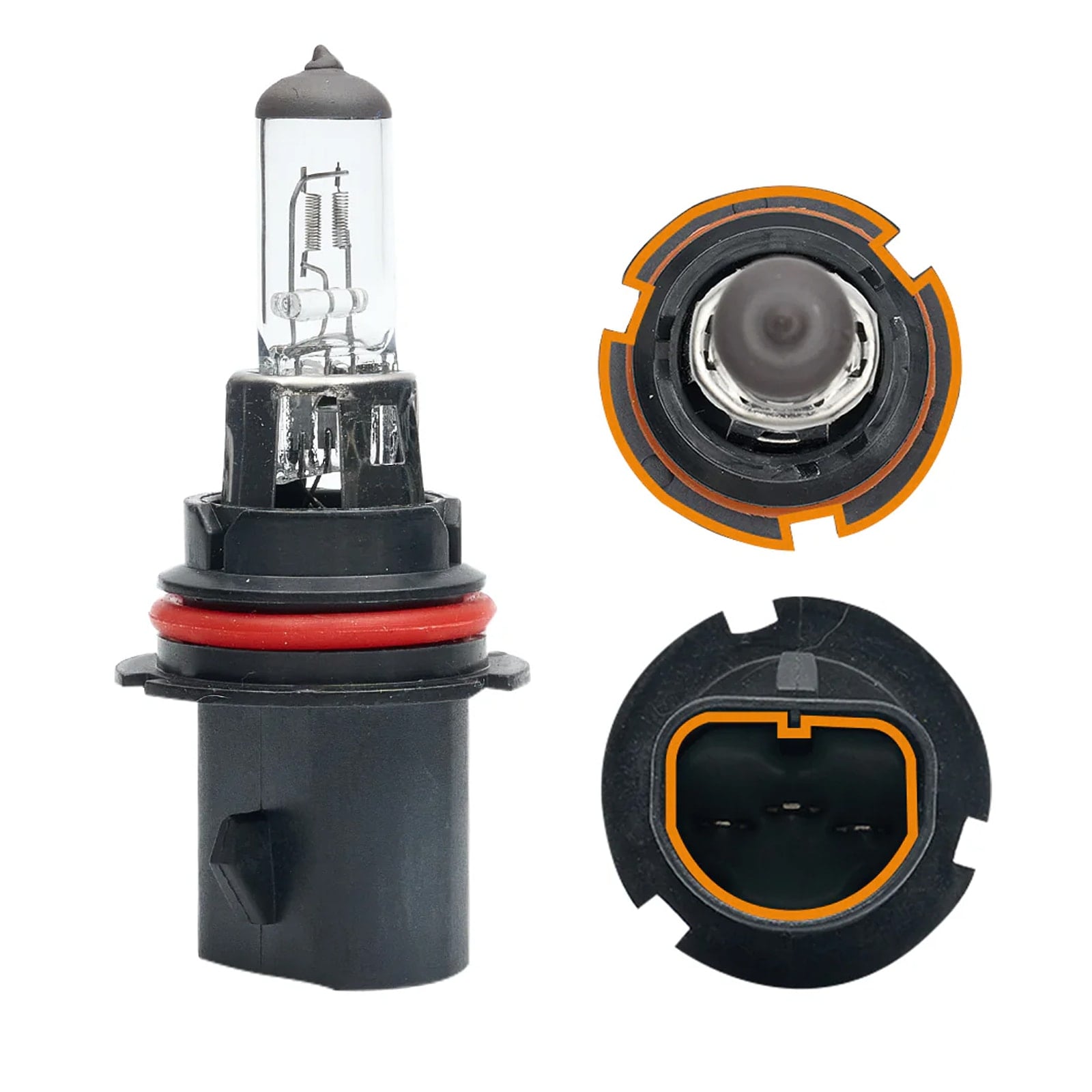
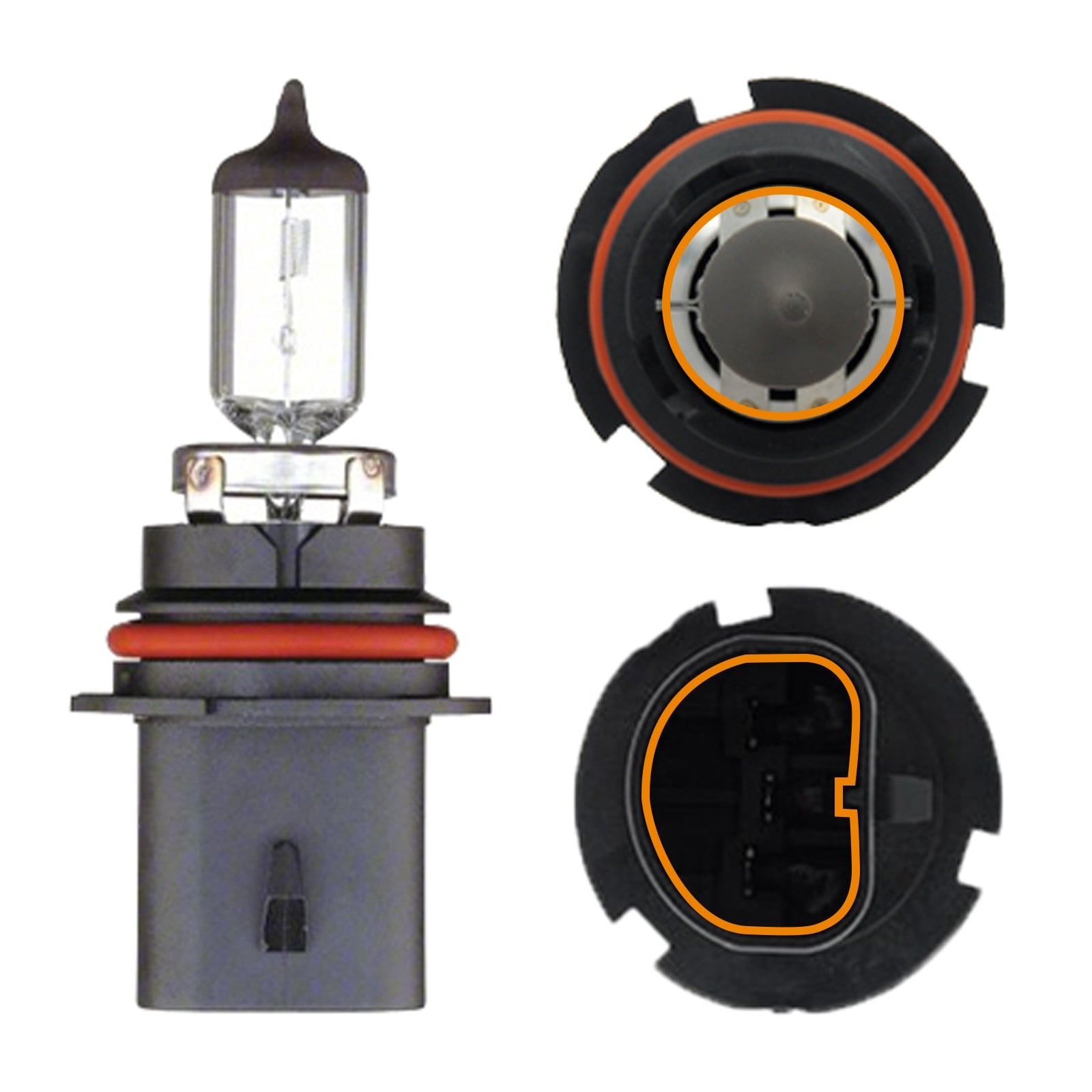
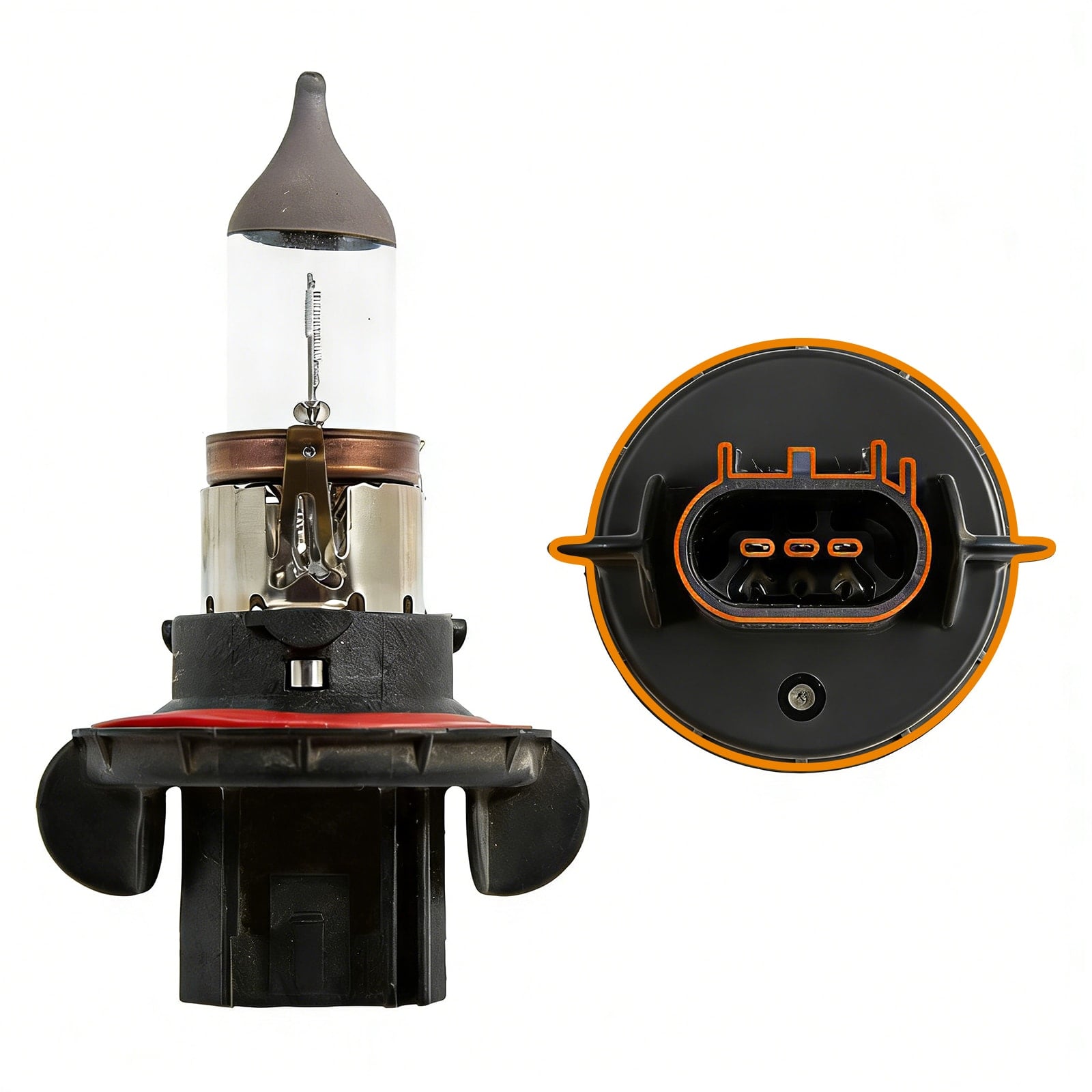
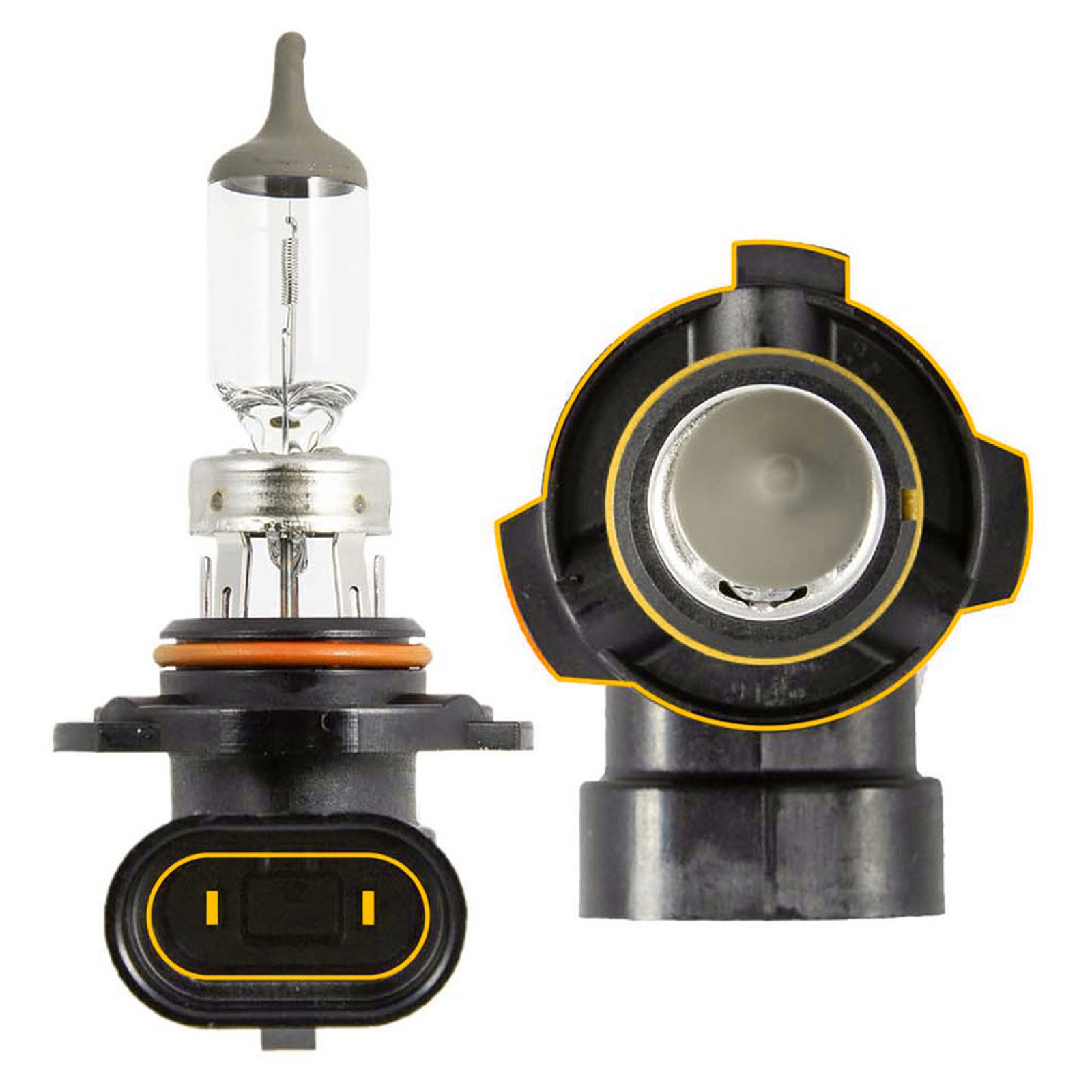
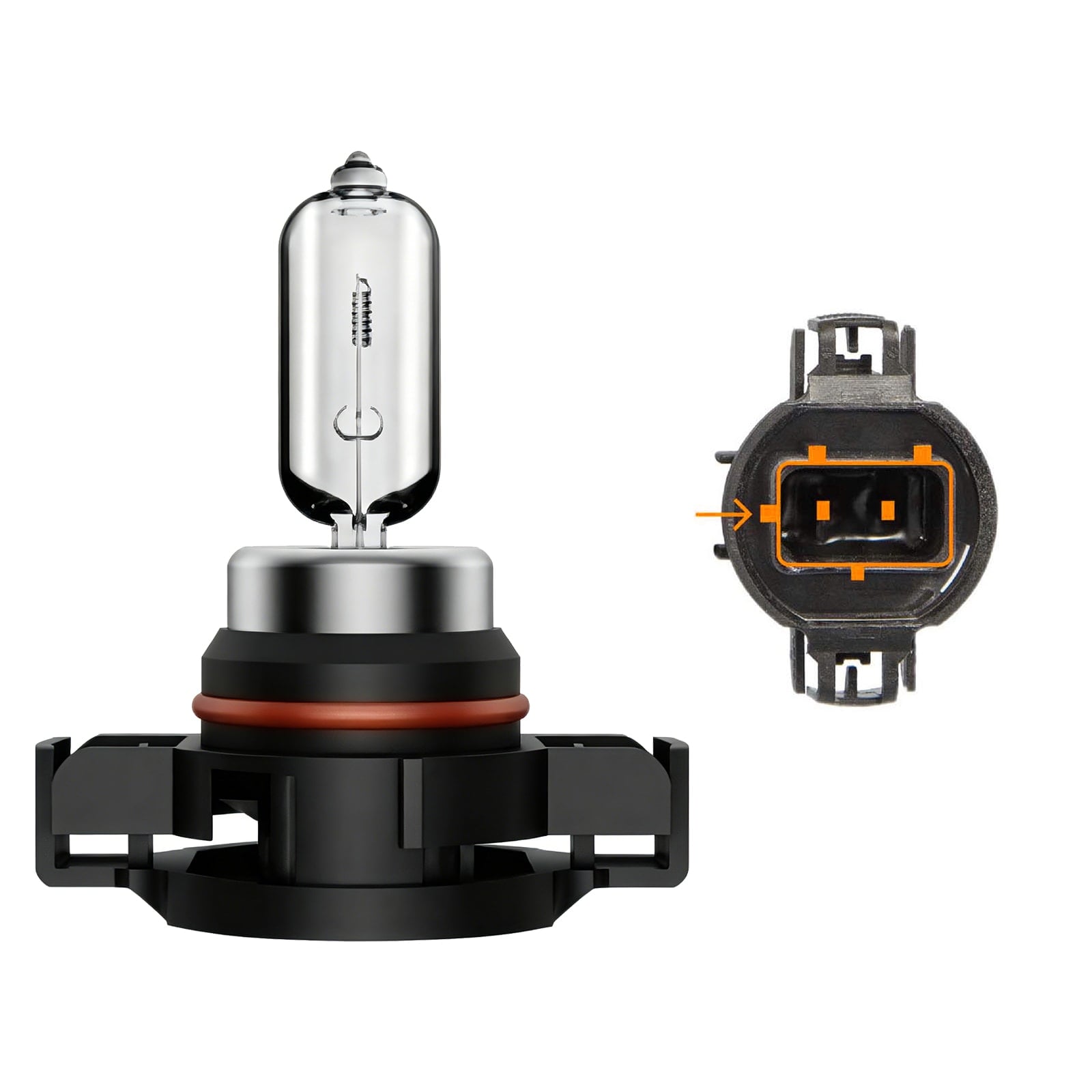
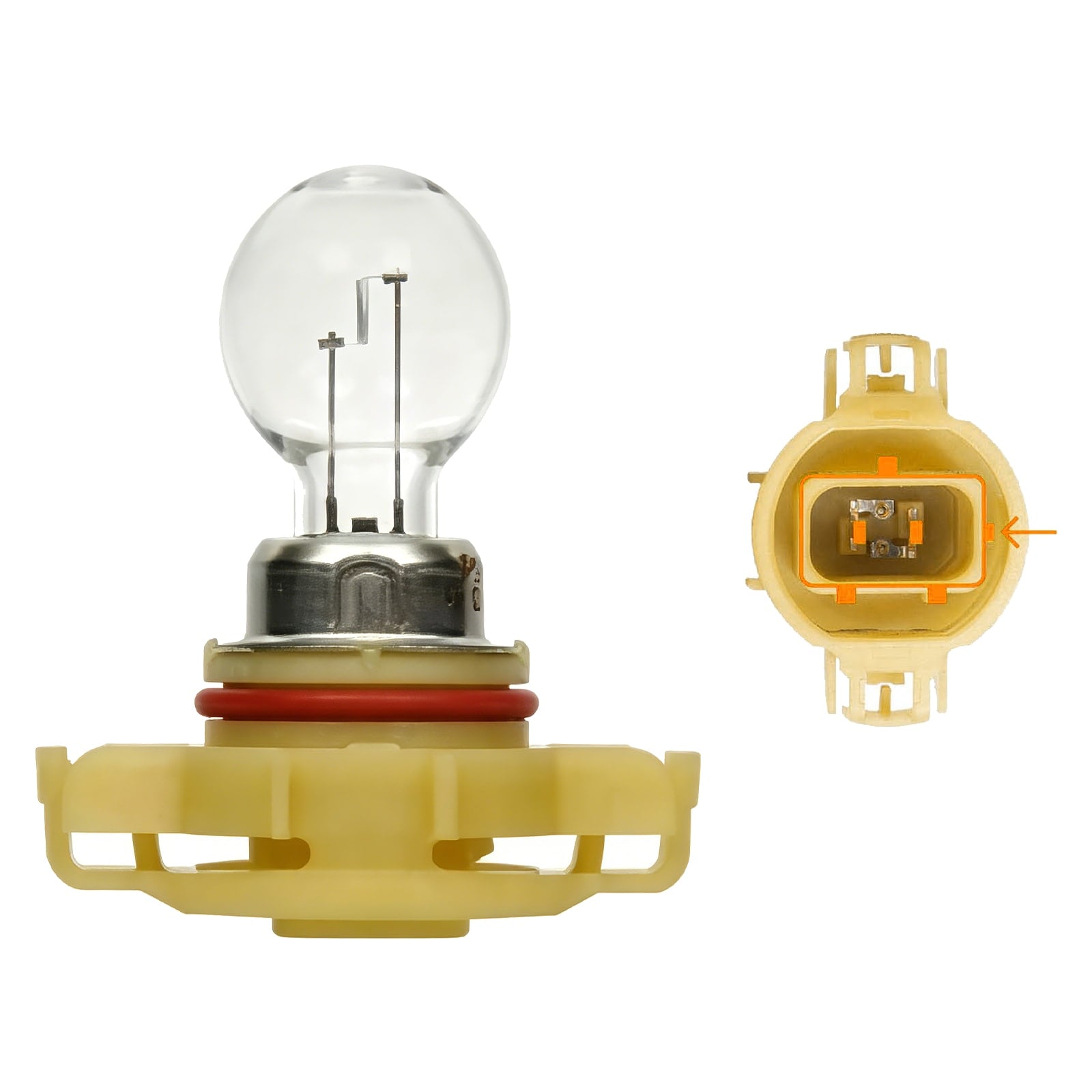
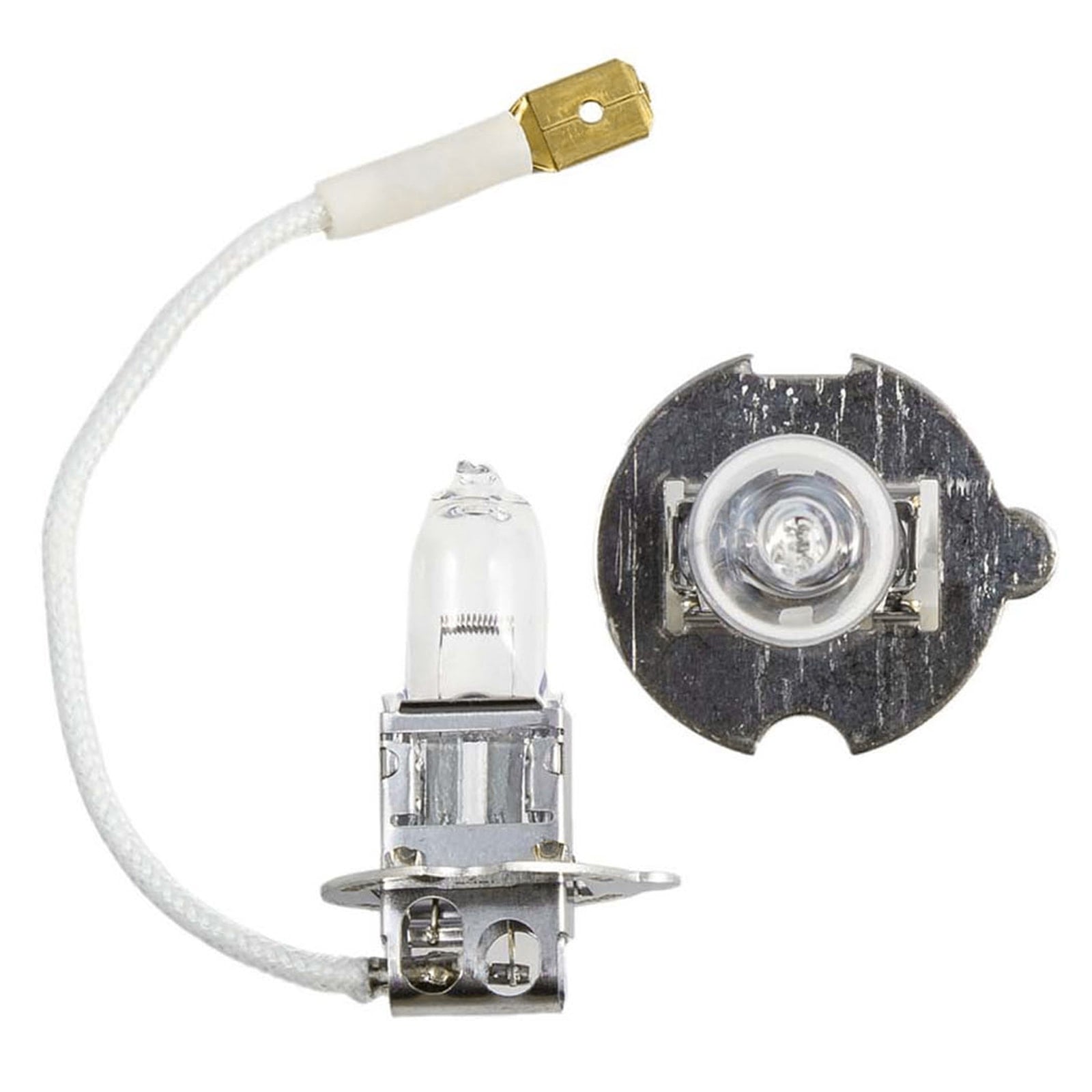
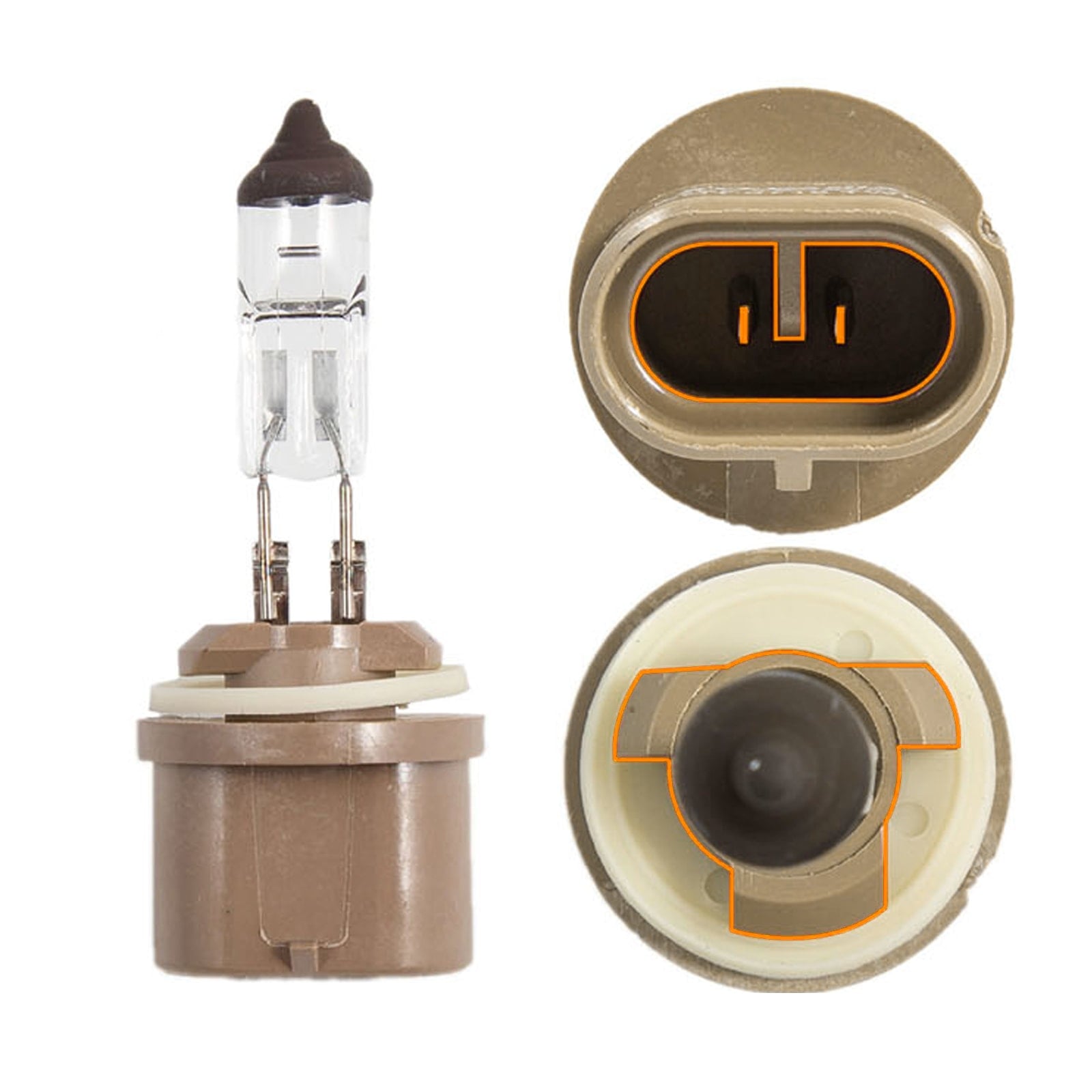
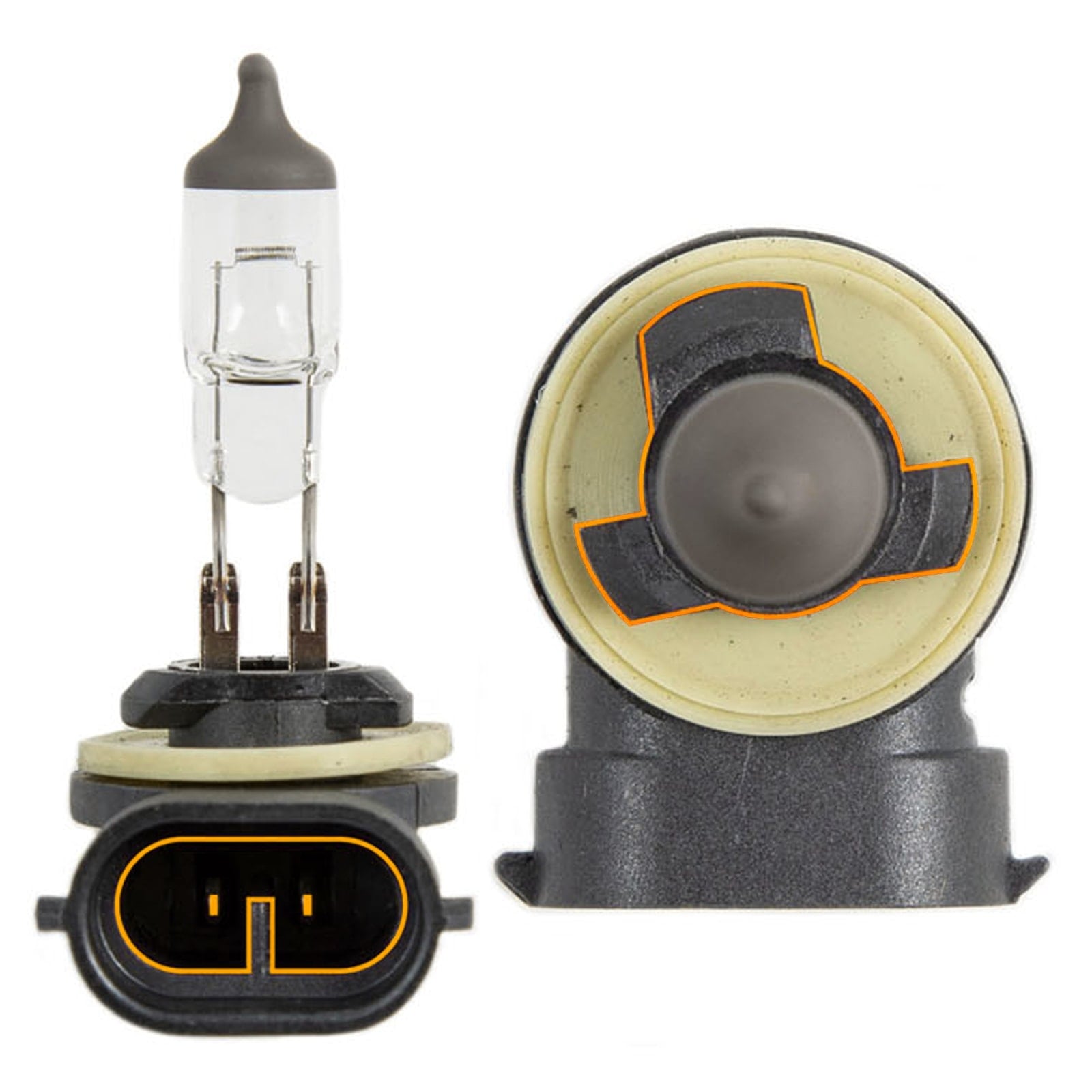
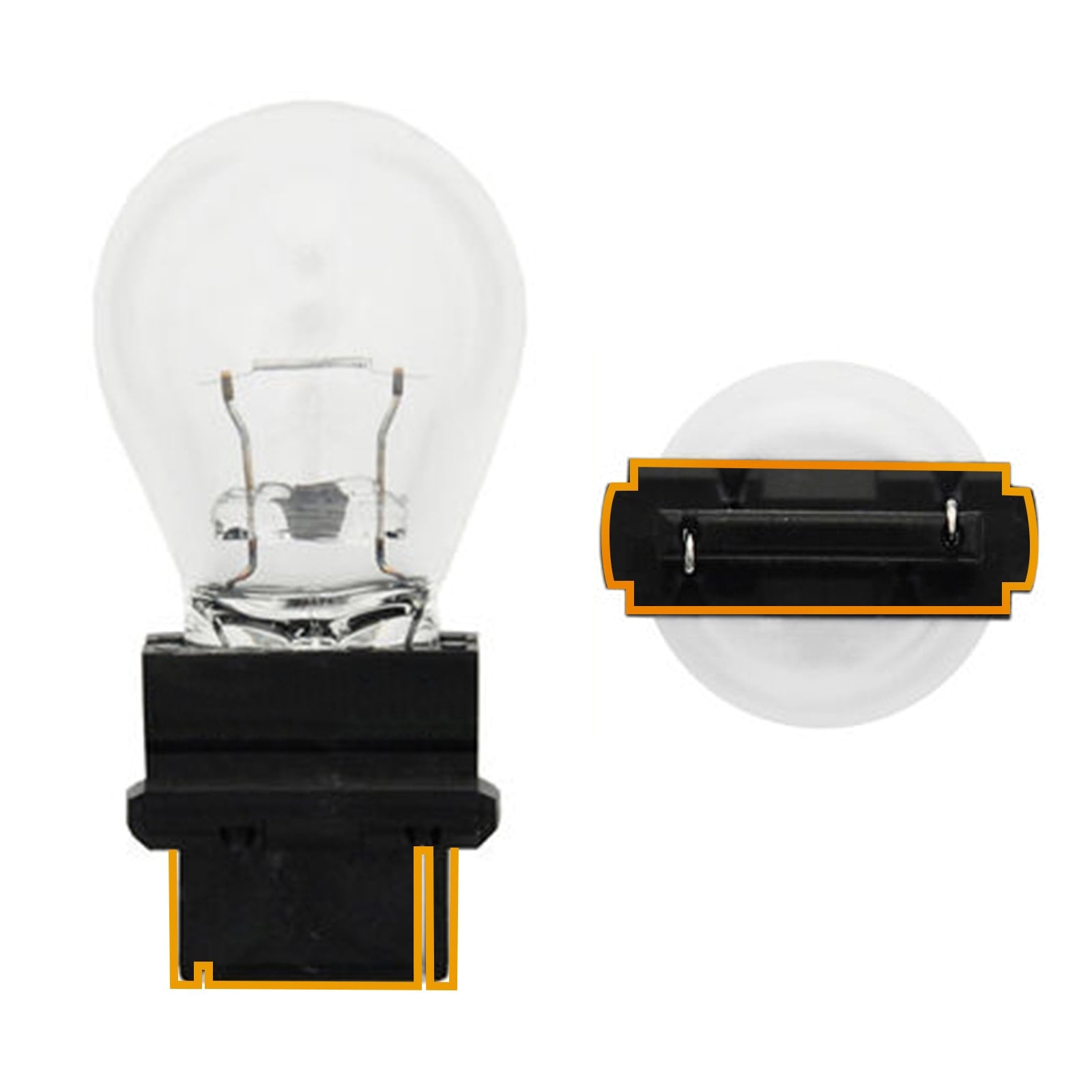
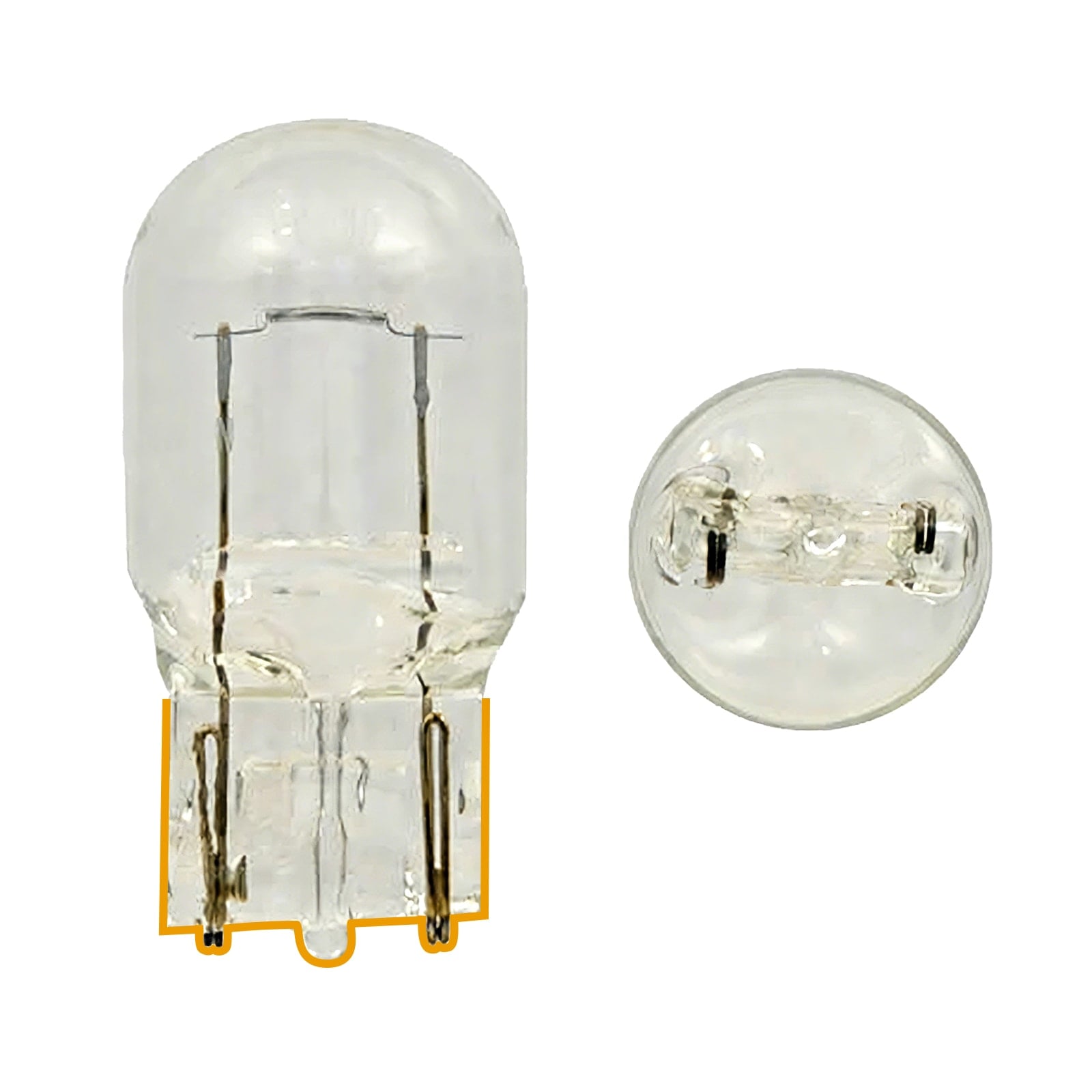
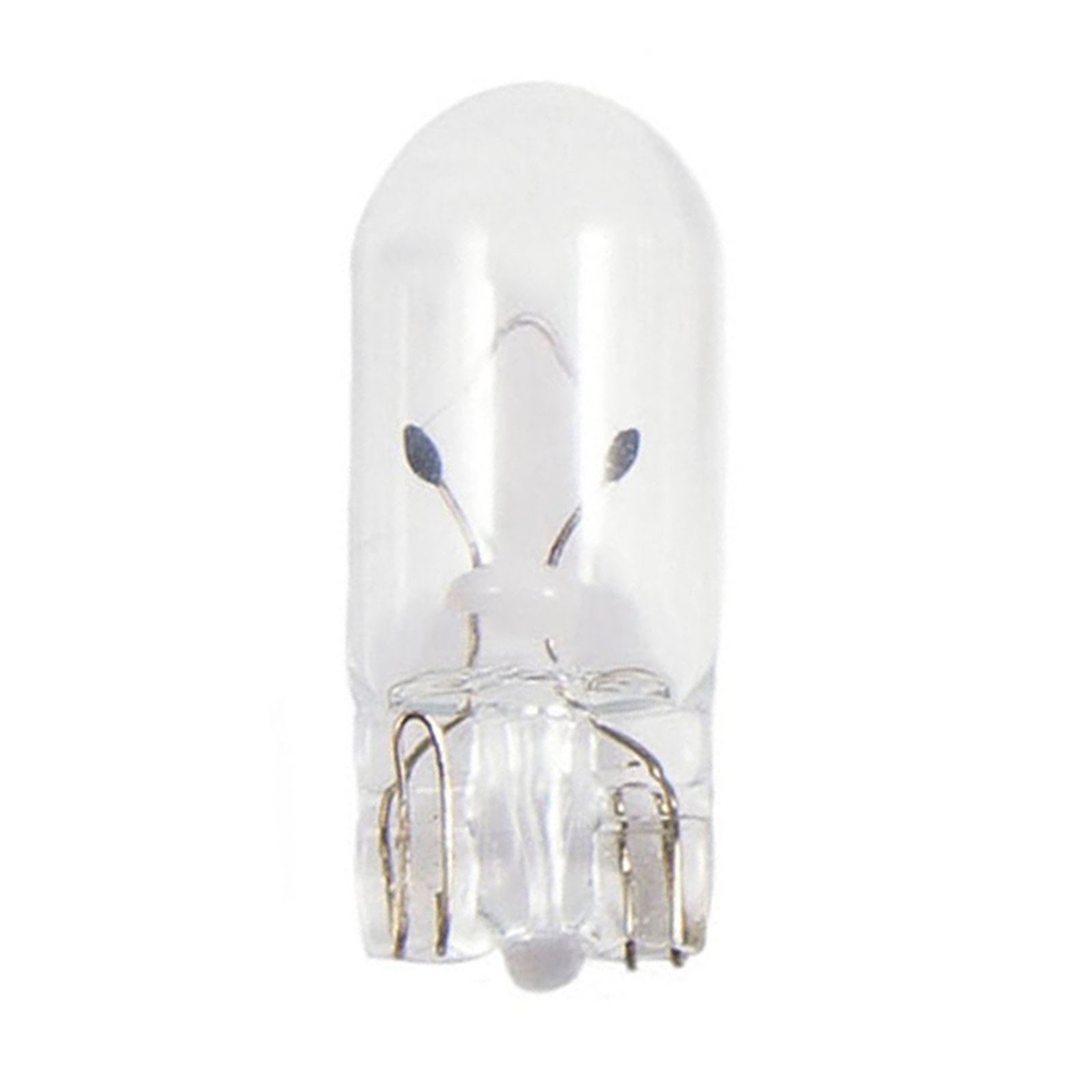
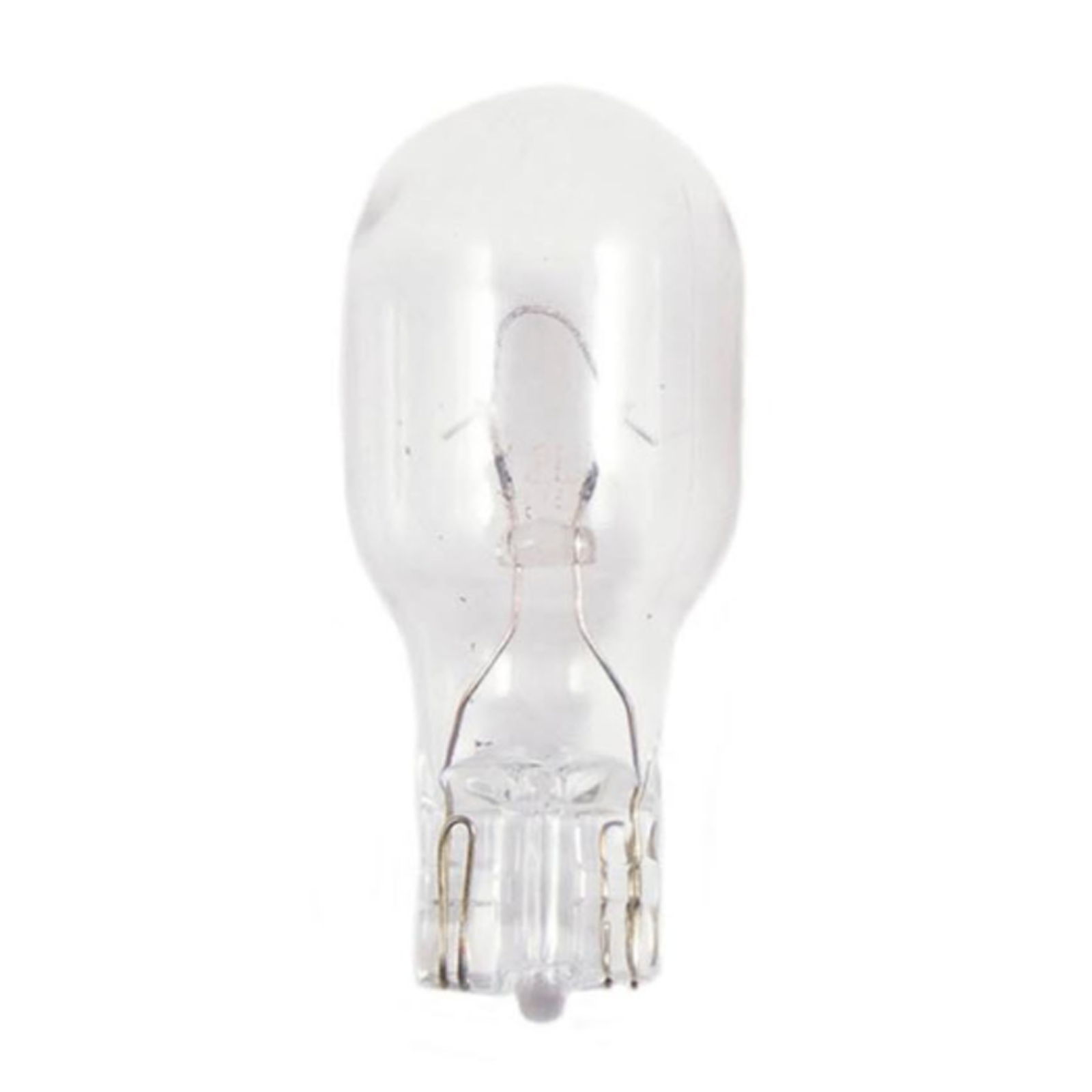
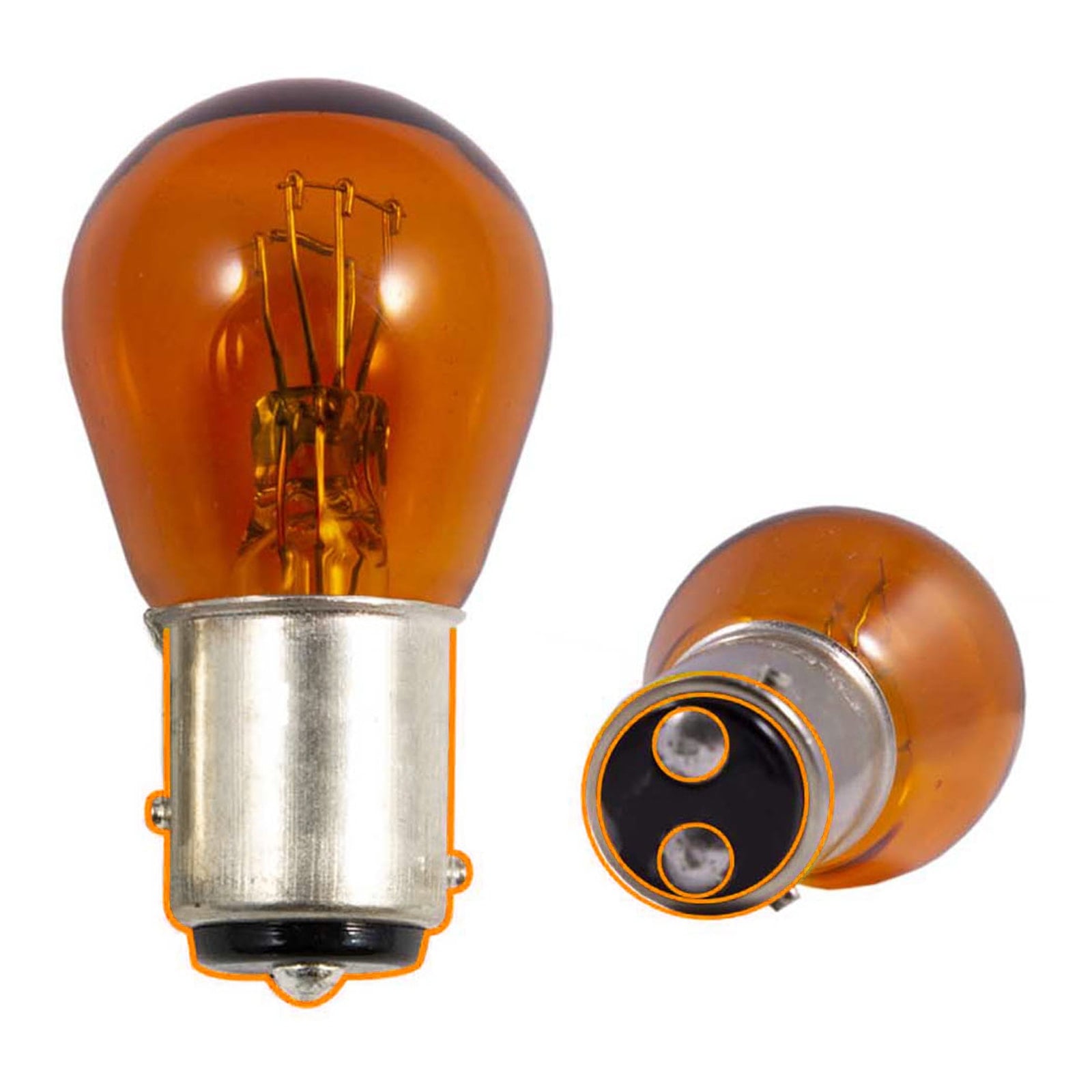
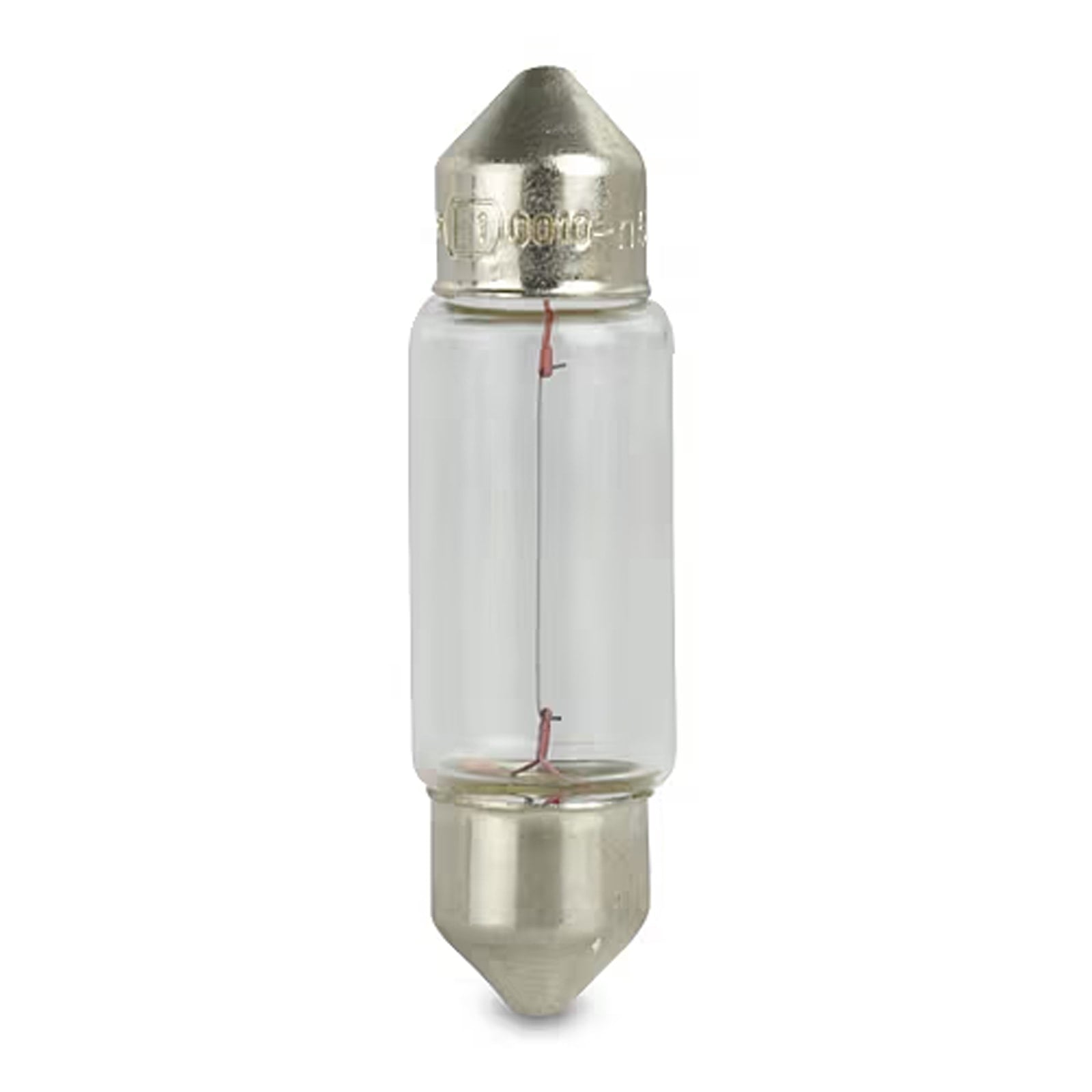
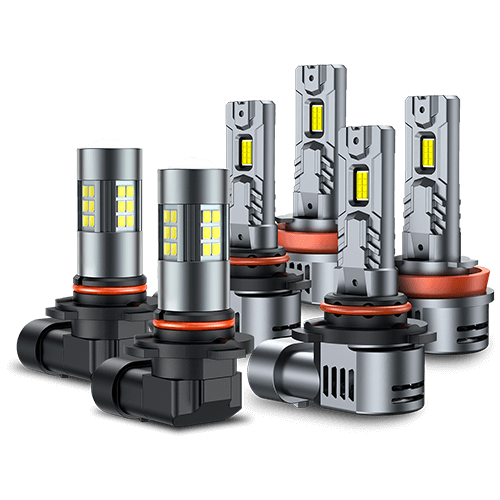
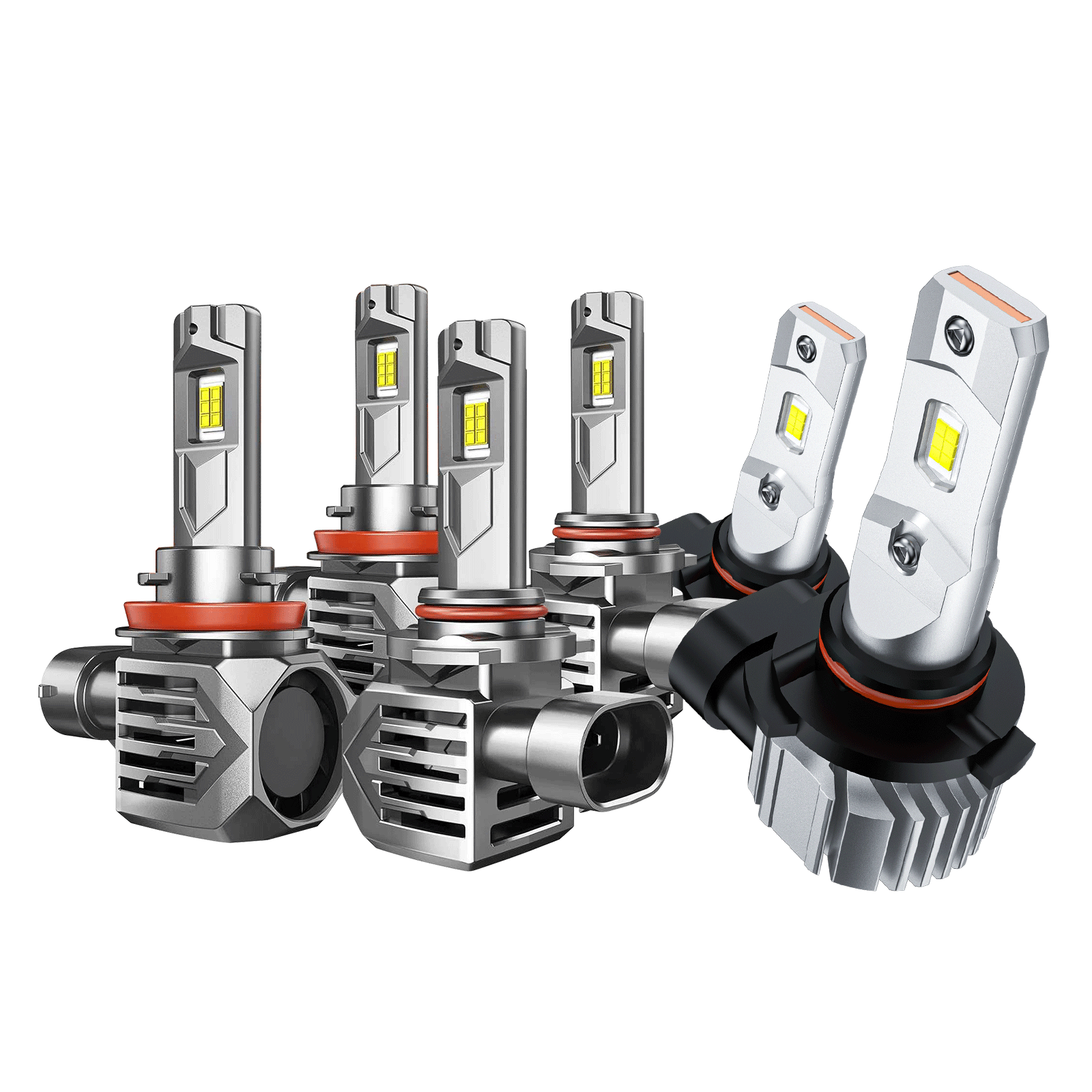


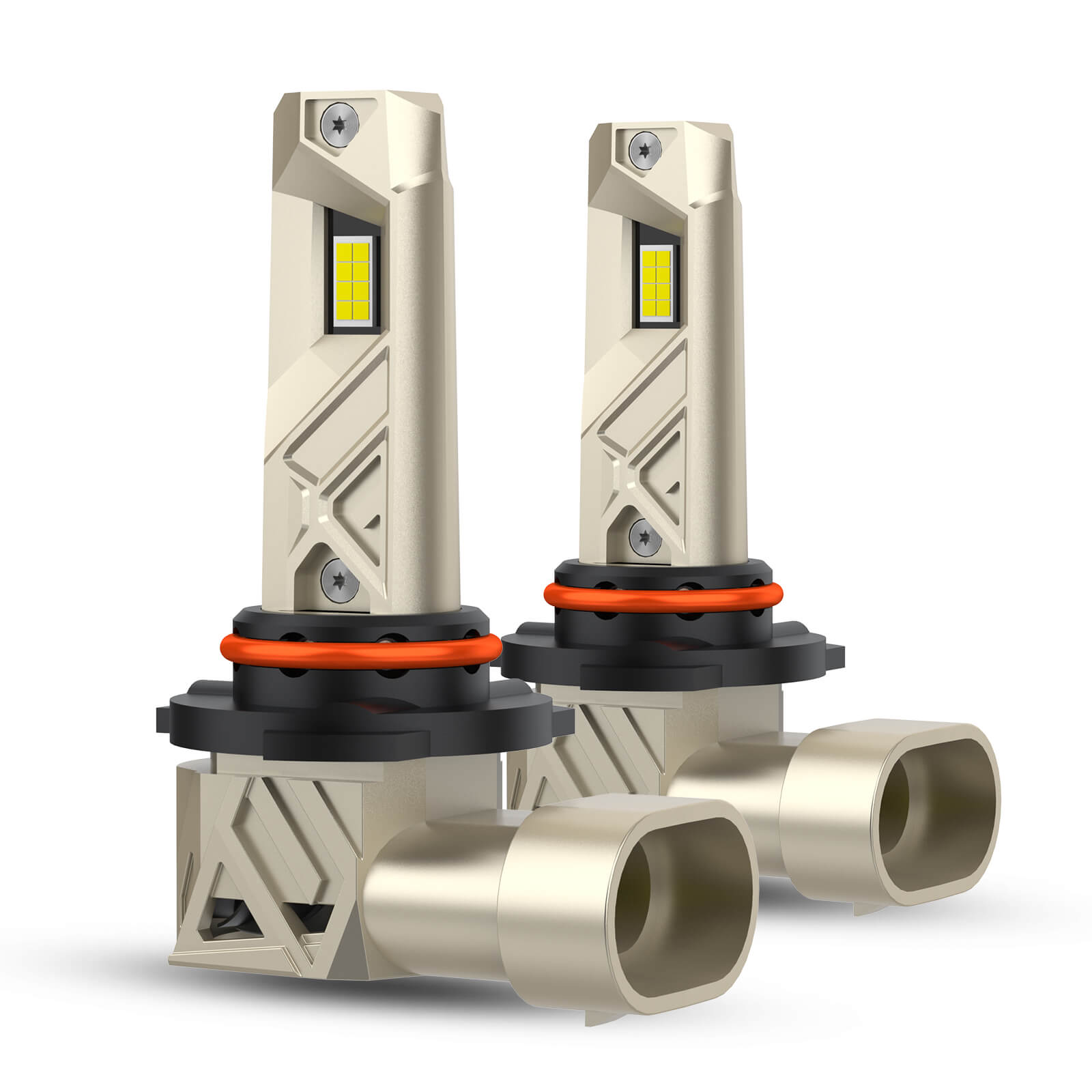


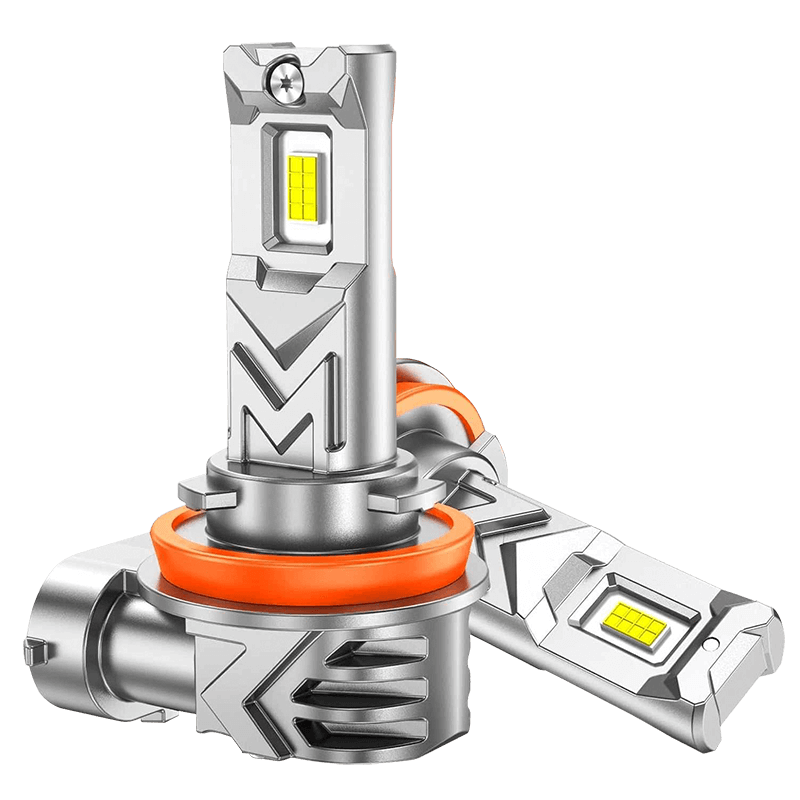
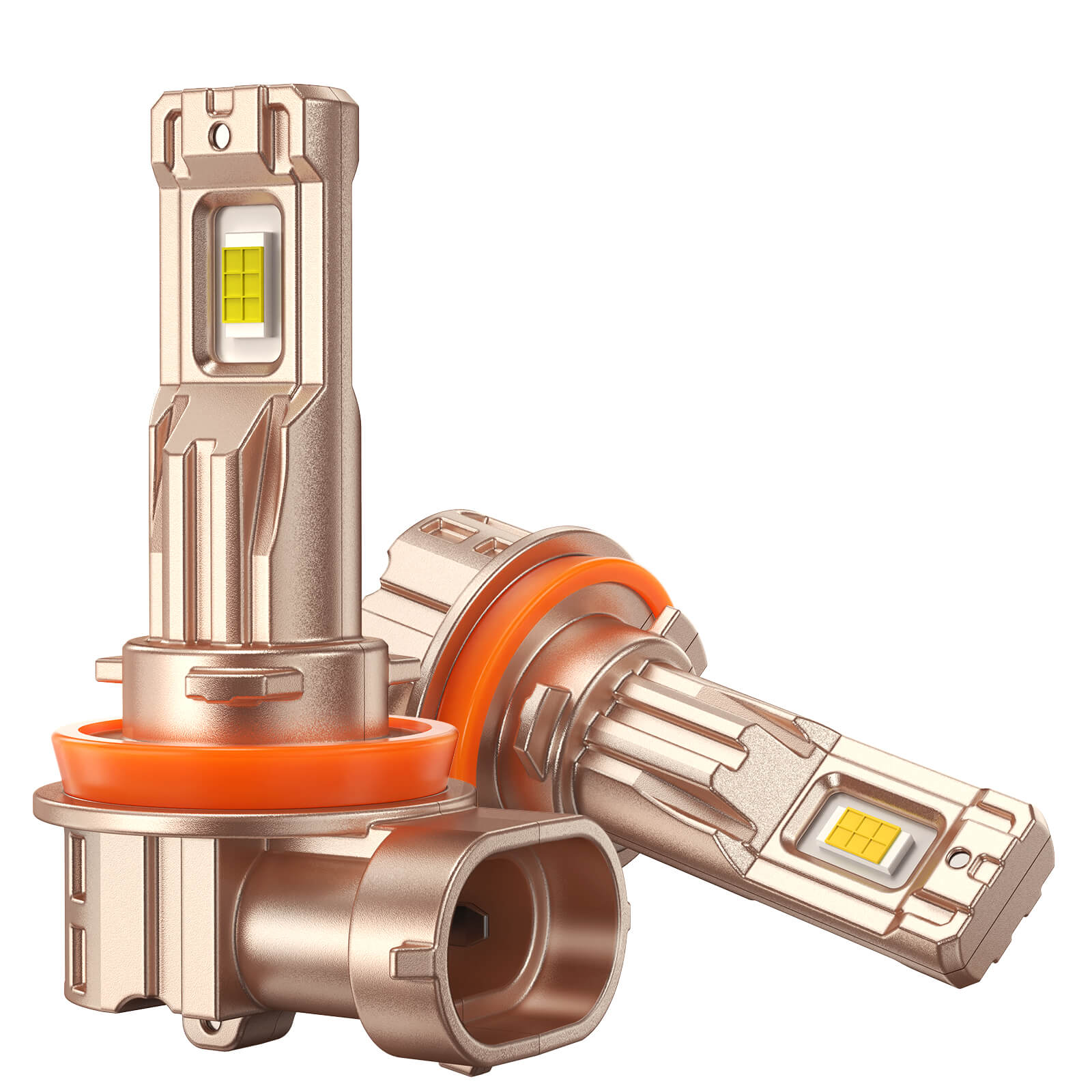


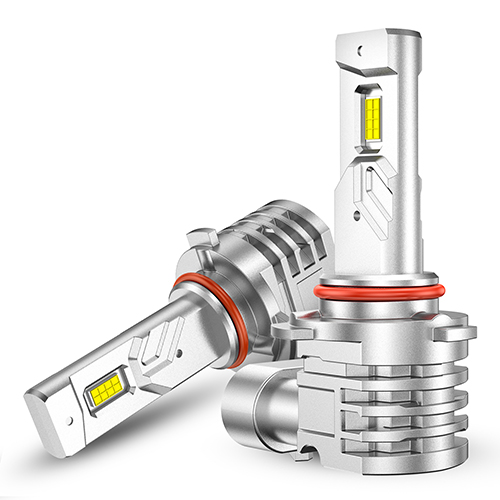
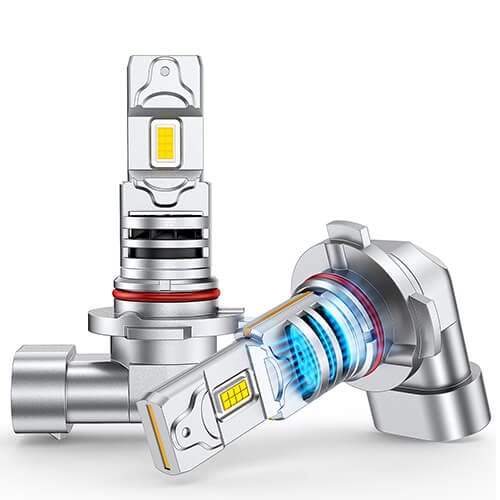



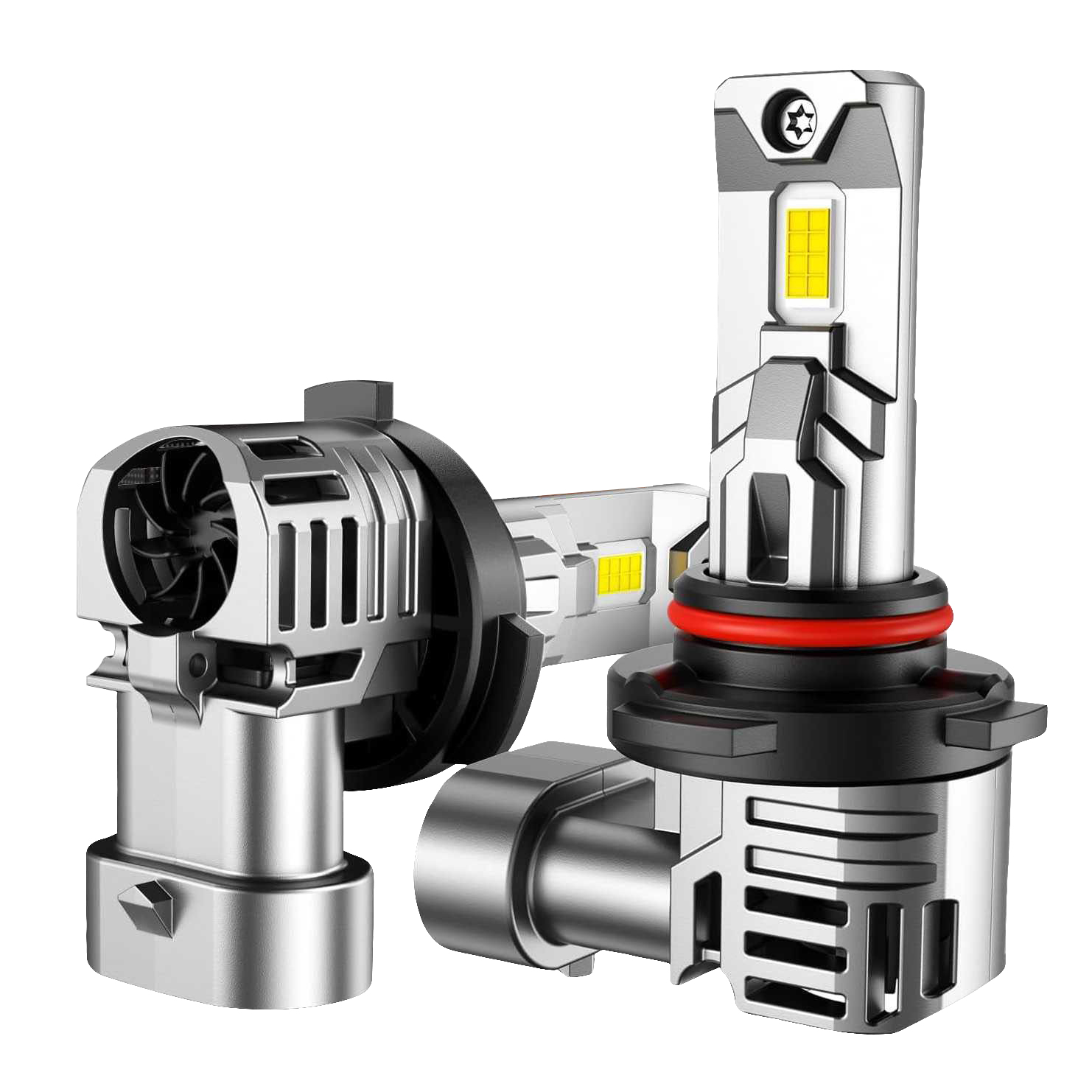


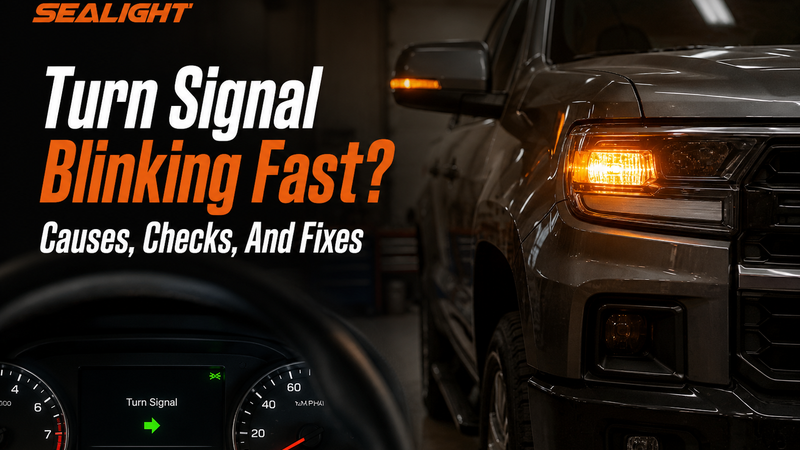
A turn signal hyper flash usually means the vehicle has detected a failed bulb, a poor electrical connection, or a change in circuit load after an LED upgrade. The rapid flashing may appear on the exterior lights, the dashboard indicator, or both.
LED turn signal hyperflash does not always mean the new bulb is defective. The right fix depends on whether the problem comes from a failed light, damaged socket, low LED power draw, flasher relay, or vehicle monitoring system. This guide explains how to identify the cause and choose a safe solution.
What Is Turn Signal Hyperflash?
Turn signal hyperflash is a warning in which the turn signal or dashboard indicator flashes faster than normal. Vehicles commonly use this change in flash rate to alert the driver to a failed bulb or an unexpected electrical load.
Under applicable U.S. vehicle-lighting requirements, turn signals generally operate at 60–120 cycles per minute. A fast-blinking turn signal may fall outside that range or indicate that the lighting system has detected a fault. See the federal FMVSS No. 108 lighting standard.
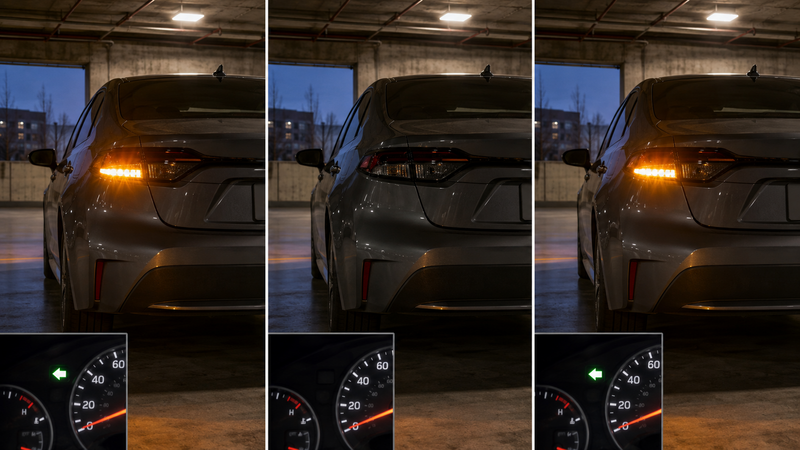
Hyperflash commonly begins in two situations:
- A factory turn signal bulb has burned out or lost its connection.
- An LED replacement draws less current than the original incandescent bulb.
The timing of the problem provides an important clue. Hyperflash that begins immediately after an LED installation usually points to a load mismatch. Hyperflash that starts without a recent bulb change should be treated as a possible bulb, socket, ground, or wiring fault.
Why LED Turn Signal Hyper Flash?
LED turn signals often hyperflash because LEDs draw less current than factory incandescent bulbs. Some vehicles interpret the reduced electrical load as a burned-out bulb and increase the flash rate to warn the driver.
Older vehicles may use a replaceable flasher relay to control the blinking speed. Many newer vehicles use a body control module, or BCM, to monitor the turn signal circuit. The available fix therefore depends on how the vehicle detects and controls its lights.
| When hyperflash begins | Likely cause | First check |
| Immediately after installing LEDs | LED load is lower than expected | Reinstall one original bulb and test |
| One side suddenly flashes fast | Failed bulb or poor connection | Inspect every signal on that side |
| Exterior bulbs work but the dashboard flashes fast | Bulb monitoring detects low load | Check LED decoding compatibility |
| Hyperflash appears intermittently | Loose socket, corrosion or wiring issue | Inspect the contacts, ground and connector |
| Hazards work normally | Hazard operation creates a different load | Test each side separately |
A vehicle may have front, rear, mirror and side-marker turn signals on the same circuit. Check every signal on the affected side rather than inspecting only the bulb that appears to flash quickly.
If an LED load mismatch is causing the hyperflash, choose a compatible SEALIGHT LED turn signal bulb. Most products come with a decoder; if hyperflash or a dashboard warning remains after installation, contact SEALIGHT support for a compatible decoder at no extra cost.
How to Fix Turn Signal Hyper Flash - Common Ways
To fix turn signal hyperflash, first determine whether the vehicle has a failed light or an LED load problem. Installing a resistor before checking the bulbs and sockets may hide the original fault without repairing it.
1. Inspect Every Turn Signal on the Affected Side
Activate the left and right turn signals separately. Walk around the vehicle and check the front, rear, mirror and side signals.
Look for:
- A bulb that does not illuminate
- One signal that appears dimmer than the other side
- An incorrect bulb size or function
- A loose or damaged socket
- Corroded electrical contacts
- Damaged wiring or a poor ground
Replace a failed bulb or repair a damaged connection before adding a decoder, resistor, or relay.
2. Confirm Whether the LED Upgrade Caused the Problem
If the turn signal hyperflash started after installing LEDs, reinstall one original incandescent bulb on the affected side. A normal flash rate after reinstalling the factory bulb strongly suggests that the new LED does not provide the electrical load expected by the vehicle.
This test helps separate an LED compatibility problem from a socket, wiring, or control-module fault.
3. Select the Right Hyperflash Fix
| Solution | Best suited for | Main limitation |
| LED bulb with built-in decoding | Drivers who want a simple plug-in replacement | May not satisfy every vehicle monitoring system |
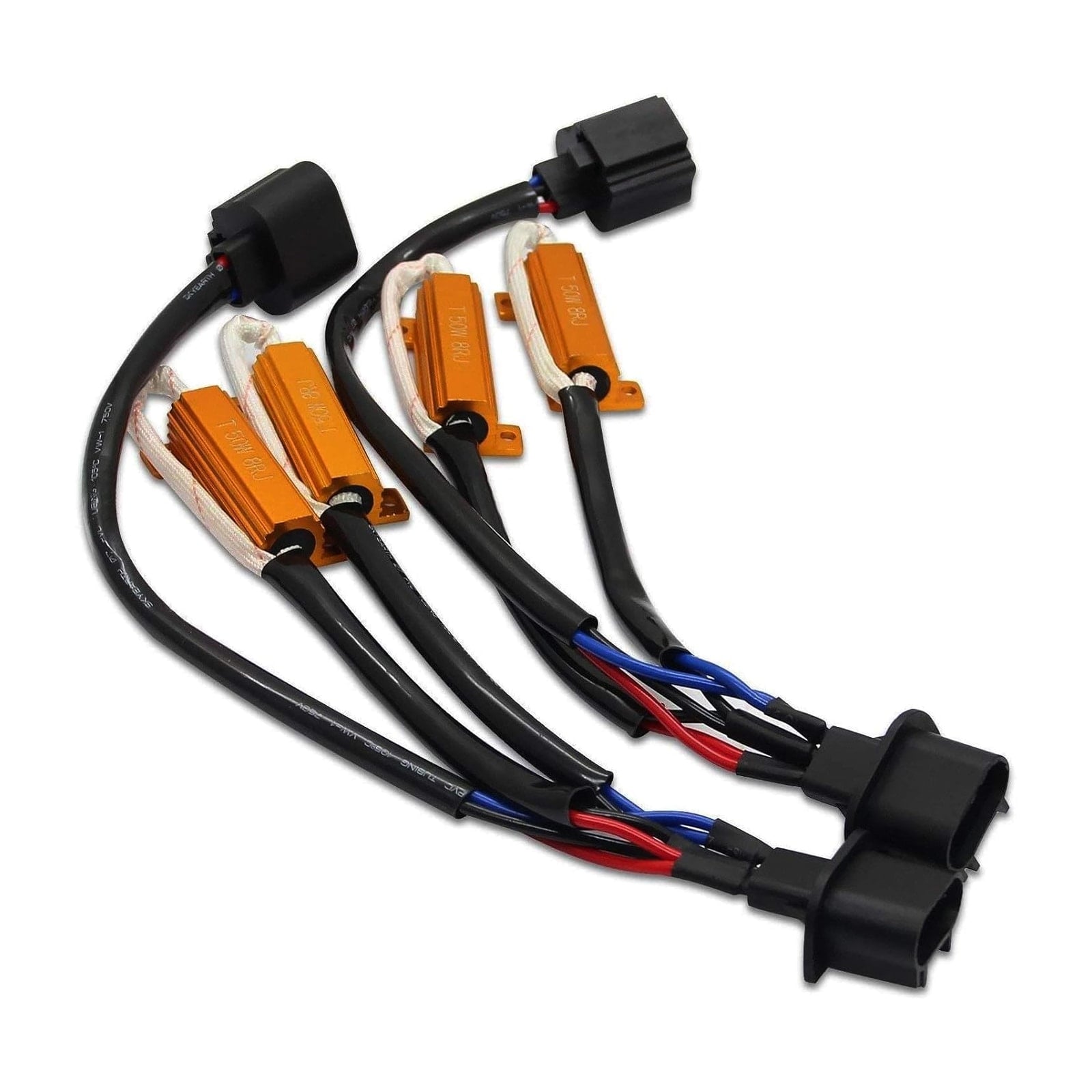
| External load resistor | Vehicles that need additional circuit load | Requires wiring and produces heat |
| LED-compatible flasher relay | Vehicles with a replaceable flasher | Relay type and pin layout must match |
| BCM coding or vehicle setting | Supported vehicles with programmable monitoring | Requires compatible software and knowledge |
| Original incandescent bulb | Diagnosis or a simple fallback | Gives up the benefits of an LED upgrade |
The best solution depends on the vehicle’s electrical system. A method that works on one make or model may not work on another.
4. Install an LED Turn Signal Resistor Safely
An LED turn signal resistor, also called a load resistor, adds electrical load so the vehicle detects a value closer to the original incandescent bulb.
Load resistors for LED turn signals normally connect in parallel across the turn signal power and ground. Always follow the product wiring instructions because incorrect connections can damage wiring or prevent the signal from operating.
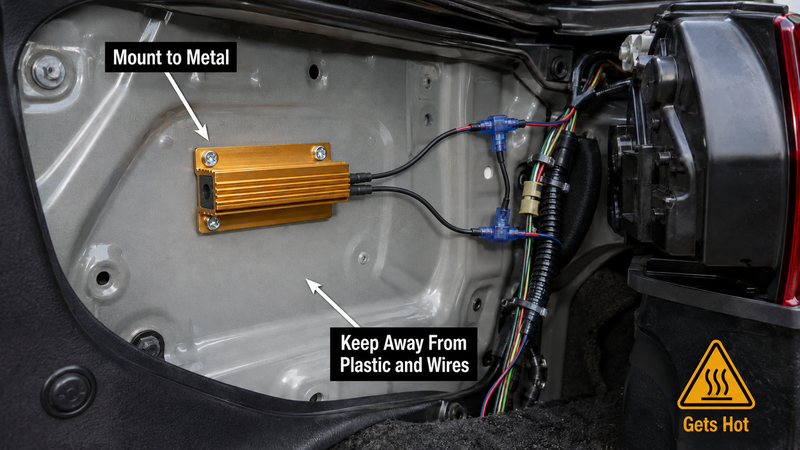
Important installation points include:
- Use the correct resistance and power rating.
- Confirm the signal and ground wires before connecting.
- Keep the resistor away from plastic and other heat-sensitive parts.
- Mount the resistor securely to a suitable metal surface when instructed.
- Do not leave the resistor resting against wiring or trim.
Load resistors become hot because they convert electrical energy into heat. Drivers who need added electrical-load support can check compatible CANbus decoders and load resistors.
Start by checking whether a suitable CANbus-compatible LED bulb is available for your vehicle and bulb size. This may help in selected applications, but some vehicles may still require an external load resistor, LED-compatible flasher relay or vehicle-specific solution.
5. Replace the Flasher Relay Only When Compatible
An LED flasher relay controls the blink rate without depending on the higher power draw of an incandescent bulb. A compatible flasher relay for LED lights can provide a cleaner solution than installing a separate resistor beside each bulb.
However, many newer vehicles do not have a replaceable flasher relay. Before ordering a flasher relay for LED turn signals, check:
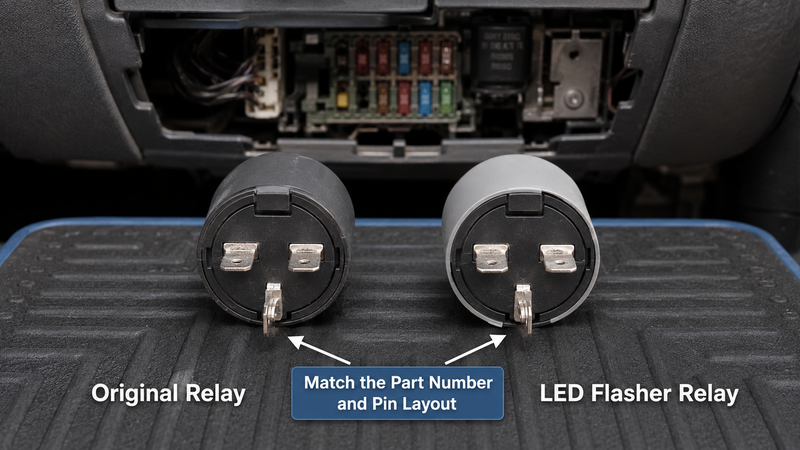
- Whether the vehicle has a removable flasher
- The original relay number
- The number and arrangement of the pins
- Whether the relay also controls the hazard lights
- Compatibility with mixed LED and incandescent bulbs
Do not select a replacement relay by appearance alone.
How to Fix Hyper Flash Without Resistor
You can fix hyperflash without an external resistor by using an LED bulb with built-in decoding, installing a compatible LED flasher relay, changing a supported vehicle setting, or returning to the original incandescent bulb.
The available options are:
- Use a bulb with built-in decoding.
An anti-hyperflash LED bulb contains electronics that help simulate the expected electrical load without adding external wiring. - Install an LED-compatible flasher relay.
This option works only when the vehicle has a replaceable relay with the correct pin arrangement. - Change the vehicle’s bulb setting.
Some vehicles allow the lighting type or bulb monitoring to be adjusted through supported diagnostic software. Coding is vehicle-specific and should only be performed with reliable instructions. - Reinstall the original incandescent bulb.
Returning to the factory bulb is a useful diagnostic step and a practical fallback when no compatible LED solution is available.
The phrase “without a resistor” often means without an externally wired resistor. An LED turn signal bulb with a built-in resistor or decoder may still use internal components to create the load required by the vehicle.
How to Choose LED Turn Signal Bulbs Without Hyperflash
Choose LED turn signal lights by matching the original bulb number, lighting position, electrical function, and vehicle monitoring system. Brightness alone cannot confirm fitment or prevent turn signal hyperflash.
Check the following before ordering:
- Original bulb number: Common turn signal families include 3156/3157, 7440/7443, and 1156/1157.
- Front or rear position: The same bulb number may serve different lighting functions in different vehicles.
- Single or dual function: Some bulbs operate only as turn signals, while others combine turn signal and parking-light functions.
- Required color: Match the bulb color to the lamp position, lens color, and local lighting requirements.
- Installation space: A wider or longer LED bulb may not fit the available space.
- Decoding support: Built-in decoding can reduce hyperflash and dashboard errors, but no universal design works with every vehicle.
Most SEALIGHT turn signal bulbs include decoding support or come with the required decoder. If a compatible bulb still produces hyperflash or a dashboard warning, contact SEALIGHT customer support. SEALIGHT can help identify the issue and provide a suitable decoder free of charge when required.
FAQs About Turn Signal Hyperflash
Is Turn Signal Hyperflash Illegal?
Turn signal hyperflash may operate outside the flash rate expected under applicable vehicle-lighting standards. State laws and enforcement differ, so hyperflash should not be described as automatically illegal everywhere. Inspect and repair the problem promptly to keep the vehicle’s signals clear and predictable for other drivers.
Can You Drive With a Hyperflashing Turn Signal?
The vehicle may still drive normally, but hyperflash can indicate a failed or poorly connected signal bulb. Check whether every exterior turn signal is visible before driving. Repair the cause as soon as possible because other road users rely on the signal to understand your intended direction.
Why Do the Hazards Work Normally but One Turn Signal Hyperflashes?
Hazard lights operate both sides together and may create a different total electrical load. Some vehicles also control the hazard lights differently from individual turn signals. Normal hazard operation does not rule out a low-load LED, failed bulb, or poor connection on one side.
Why Does an LED Turn Signal Still Hyperflash With a Resistor?
A turn signal may still hyperflash when the resistor has the wrong value, is connected incorrectly, or does not add enough load for the vehicle. Another failed bulb, damaged socket, or poor connection on the same circuit can also cause the fast blinking.
Where Can You Buy Reliable LED Turn Signal Bulbs Online?
SEALIGHT offers plug-in LED turn signal bulbs for common front and rear applications, with decoding support available for compatible vehicles. Check the original bulb number, vehicle year, trim, and lighting position before ordering. Contact SEALIGHT support if you need help confirming fitment or resolving a decoding issue.
Conclusion
Turn signal hyperflash usually points to a failed bulb, poor electrical connection, or an LED that draws less current than the vehicle expects. Inspect every signal on the affected side first, then confirm whether the problem started after an LED upgrade.
After confirming the correct fitment, a SEALIGHT LED turn signal bulb provides a straightforward replacement. Selected products include an external decoder, and SEALIGHT support can supply one free of charge if a decoding issue appears after installation.