
 Headlight Bulbs


 Track Order
 My Vehicles
 Contact Us
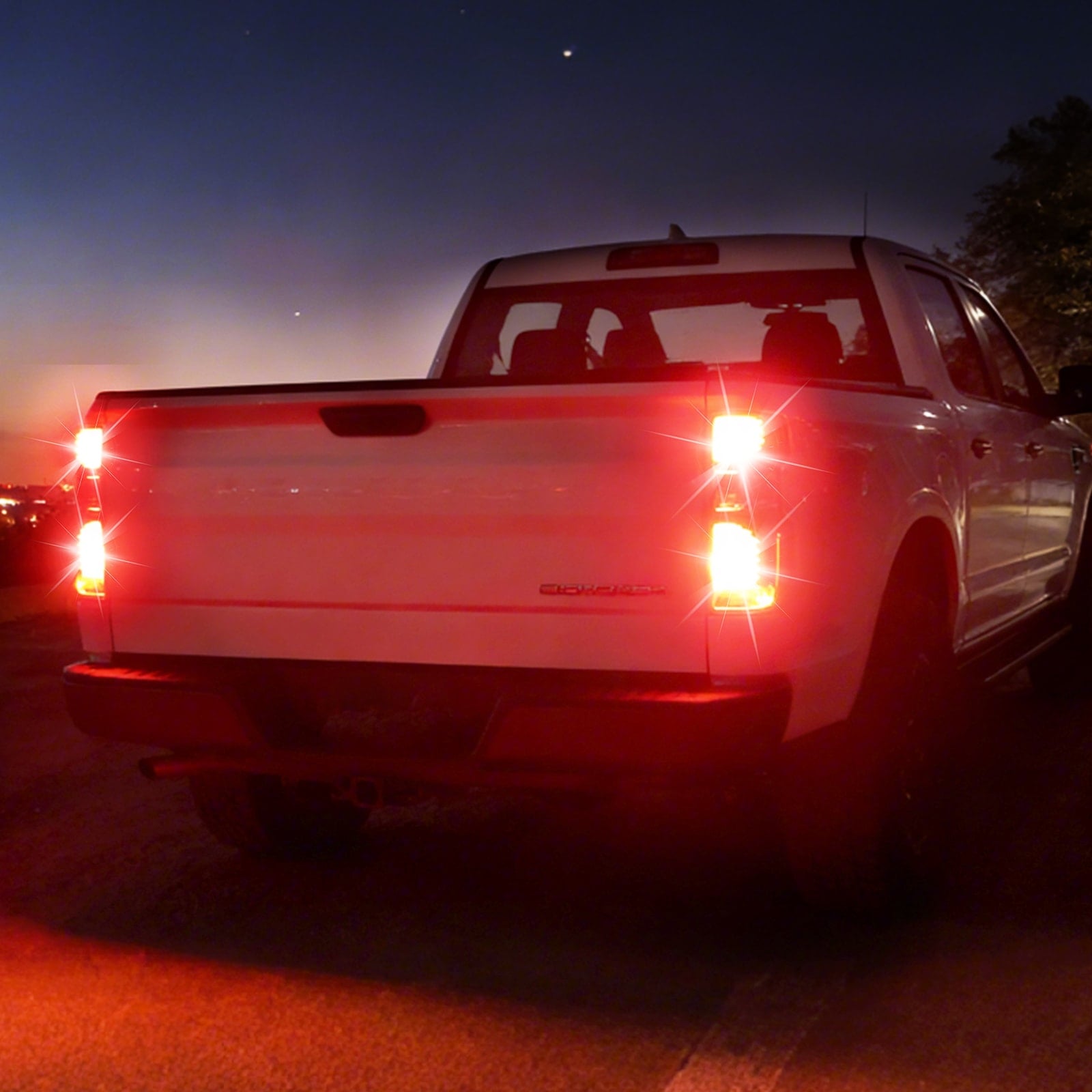
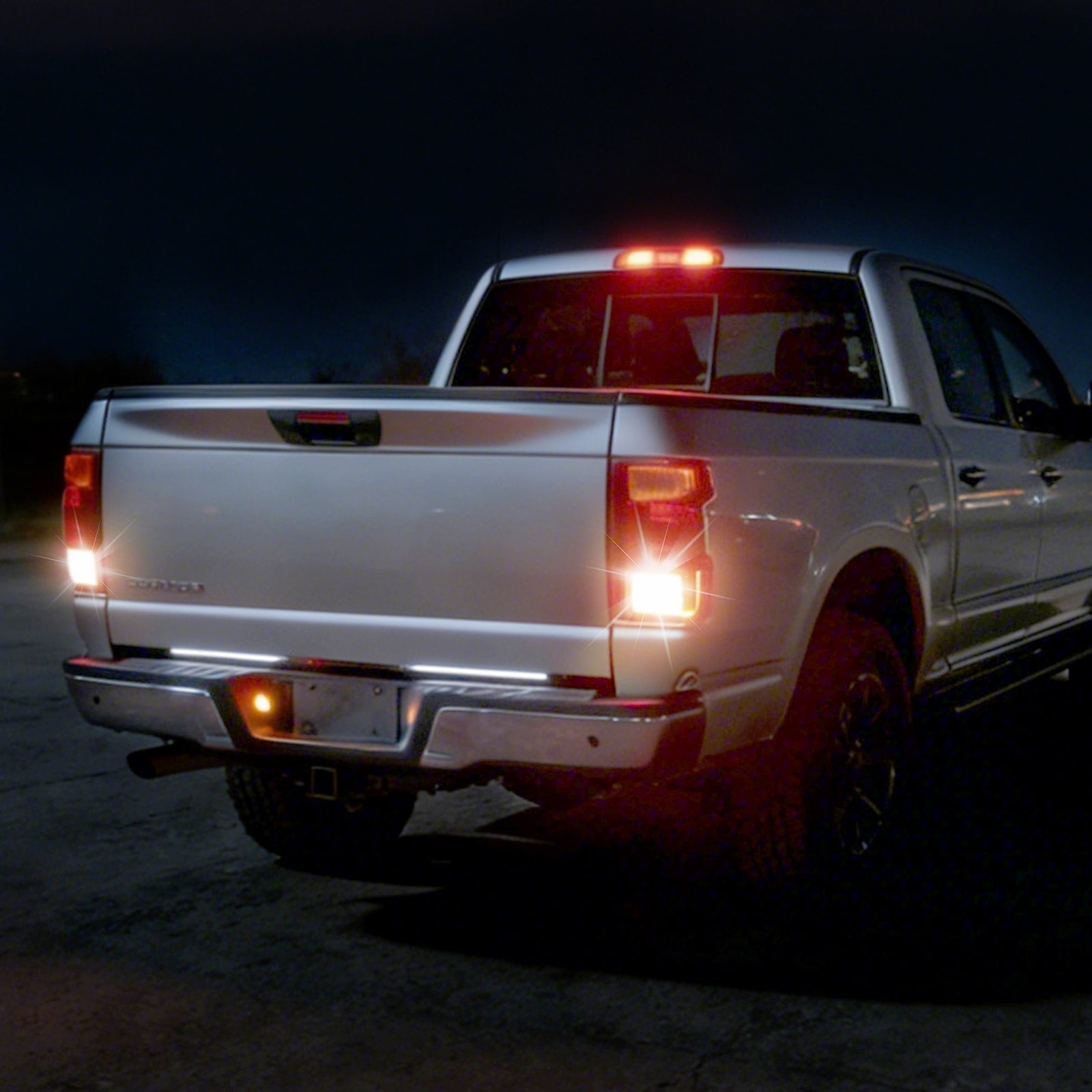
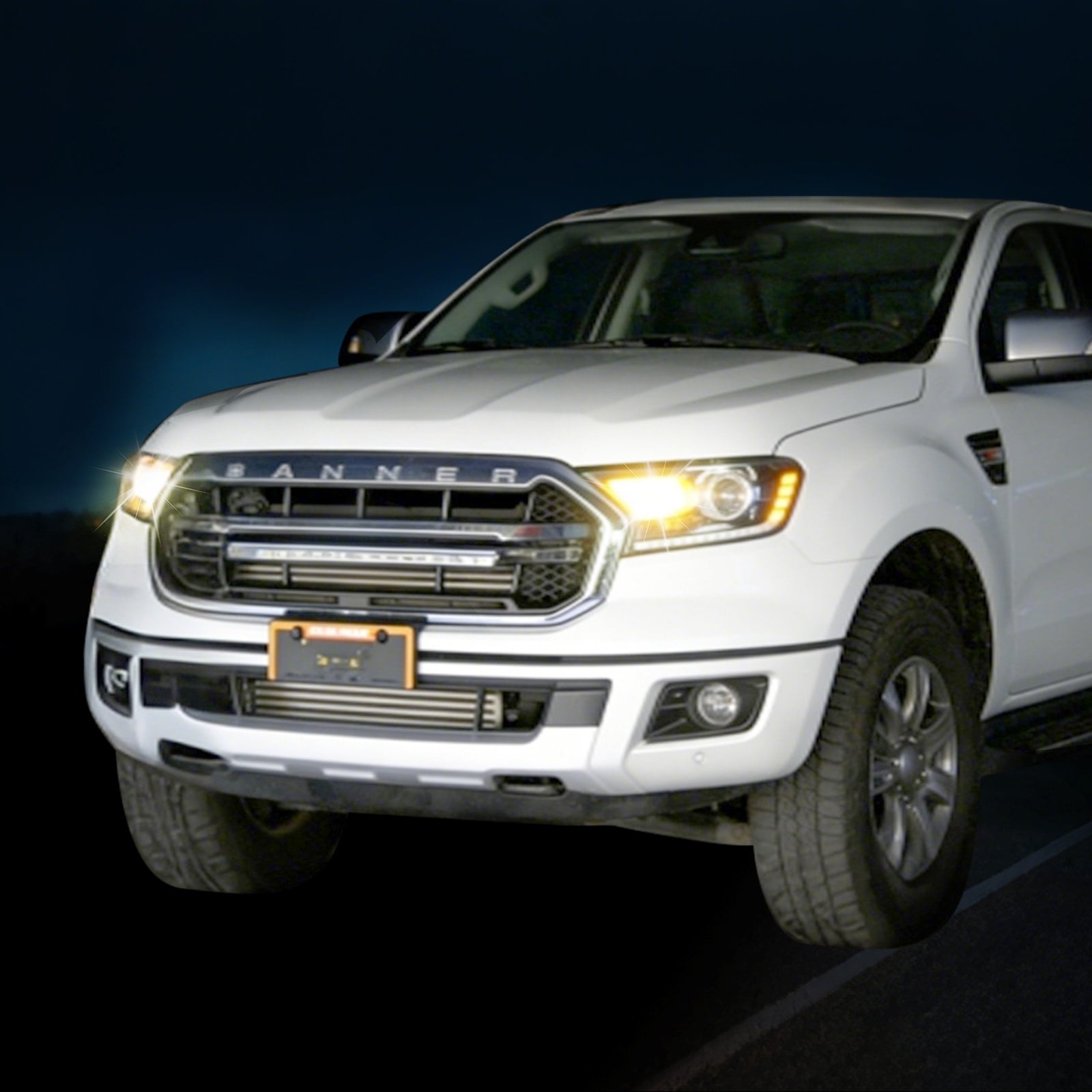
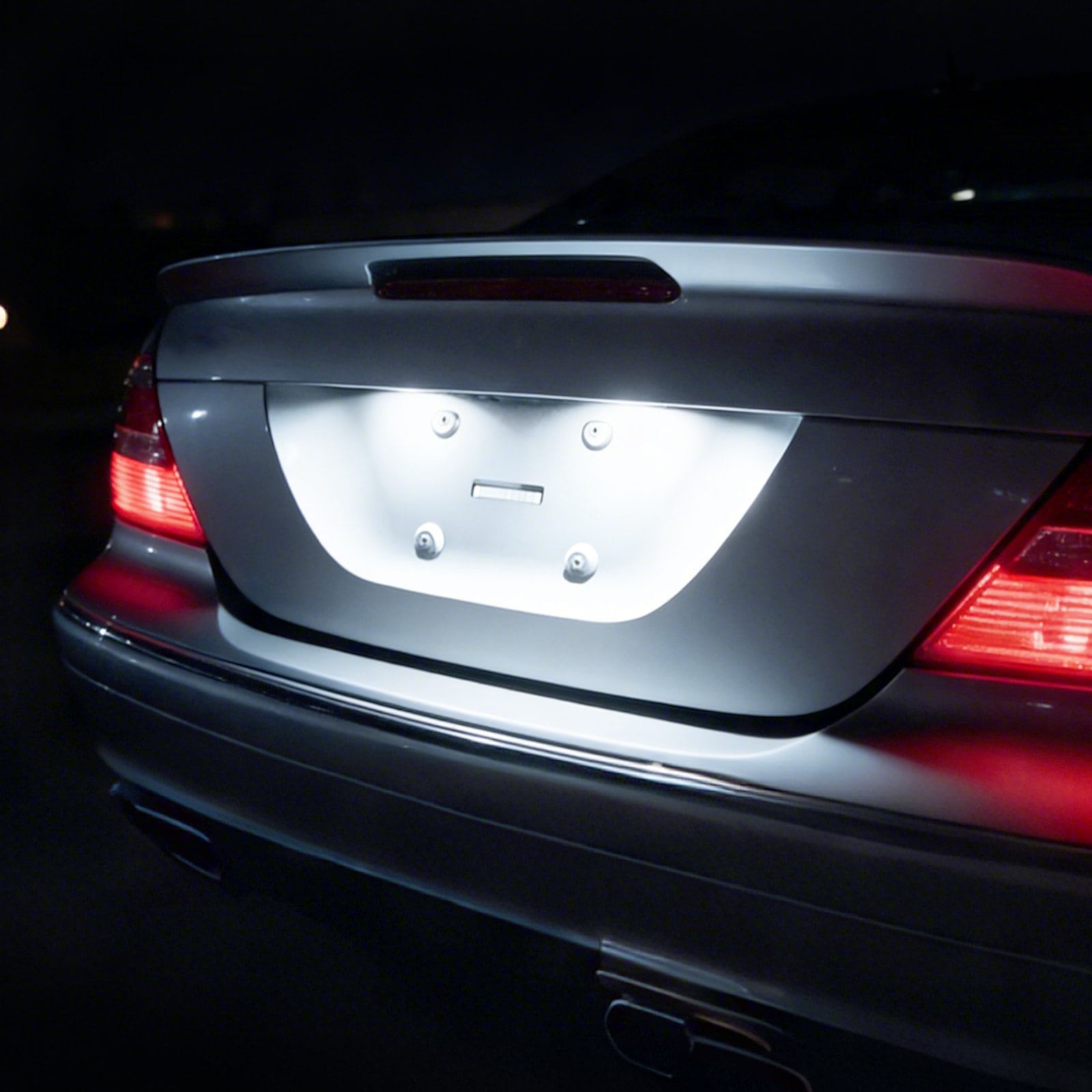
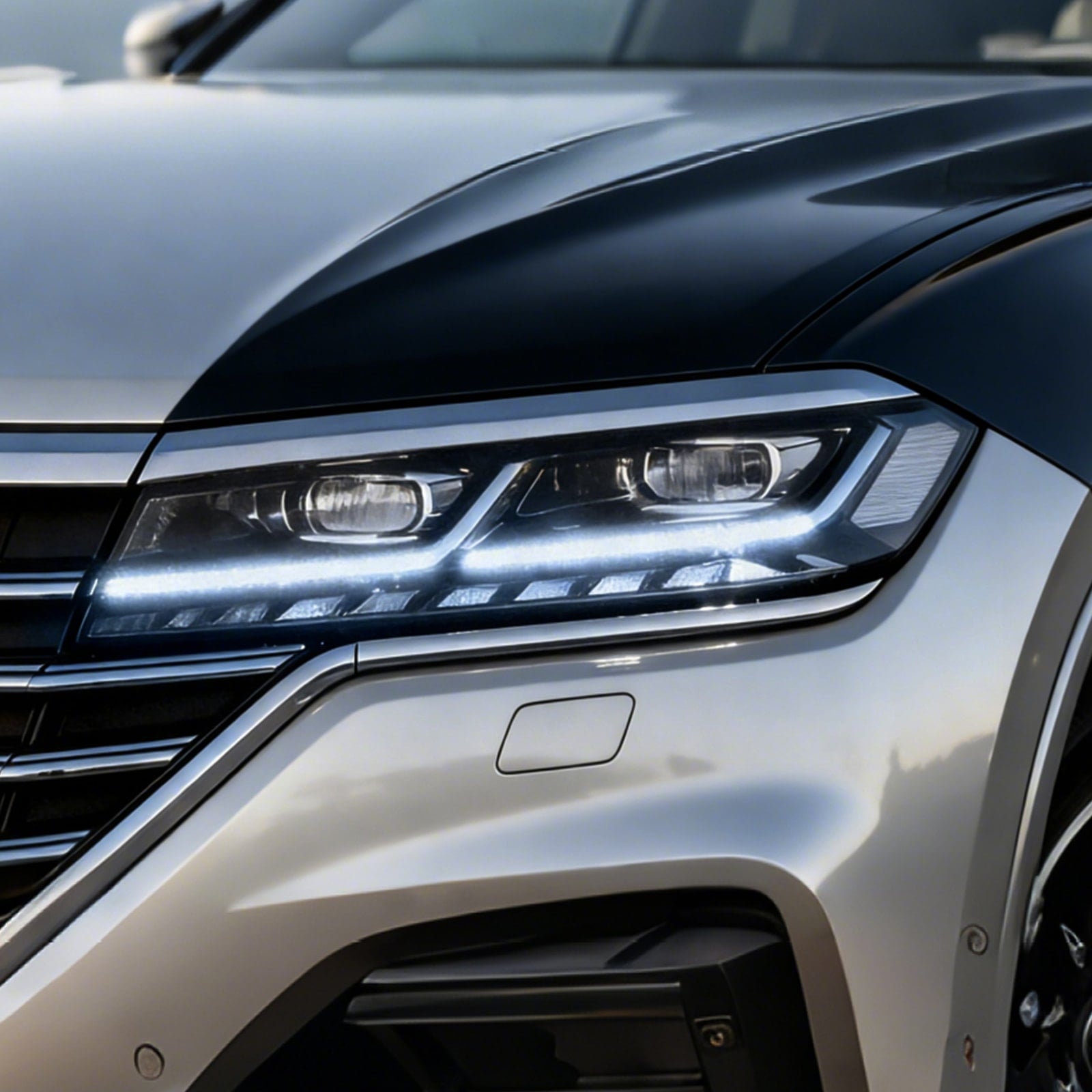
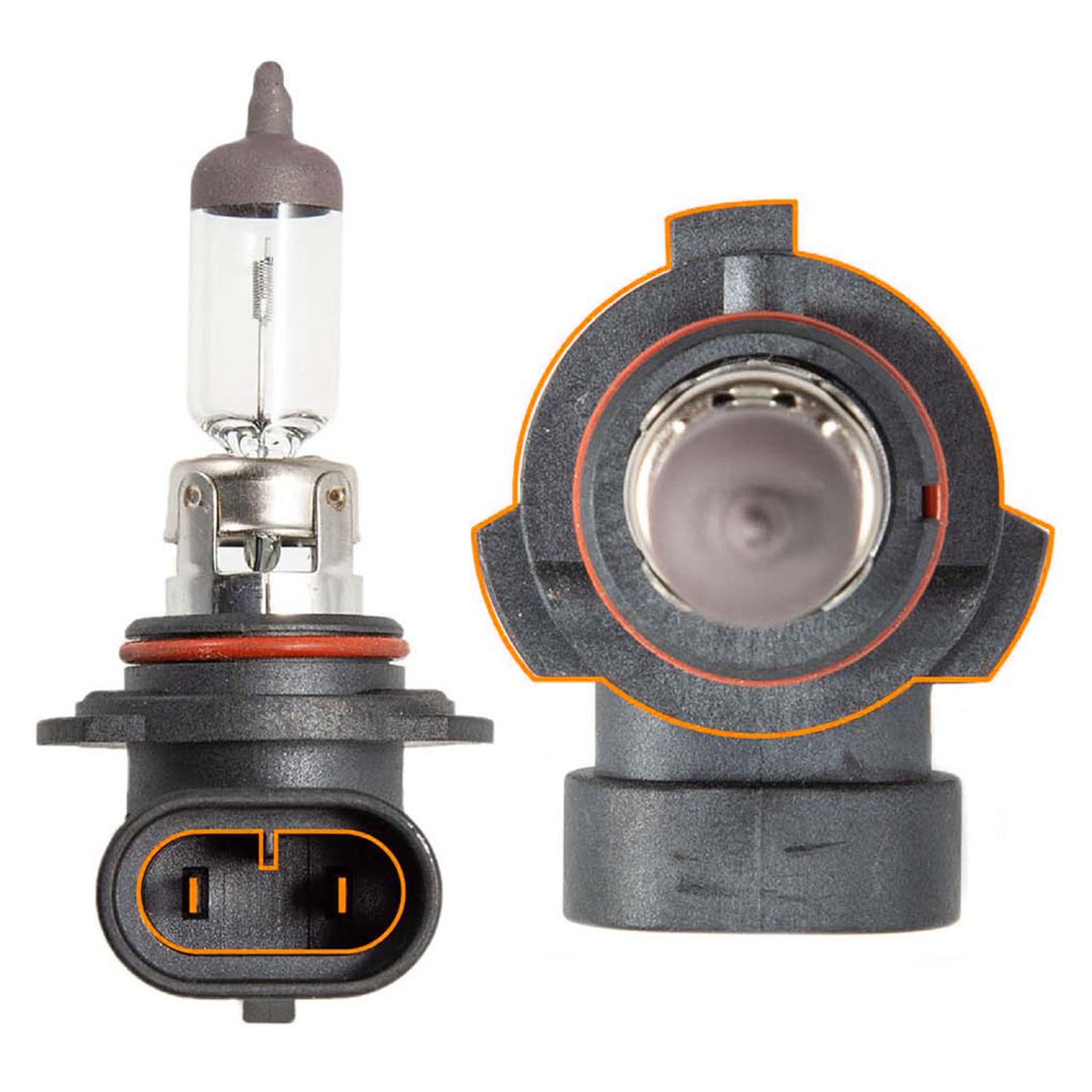
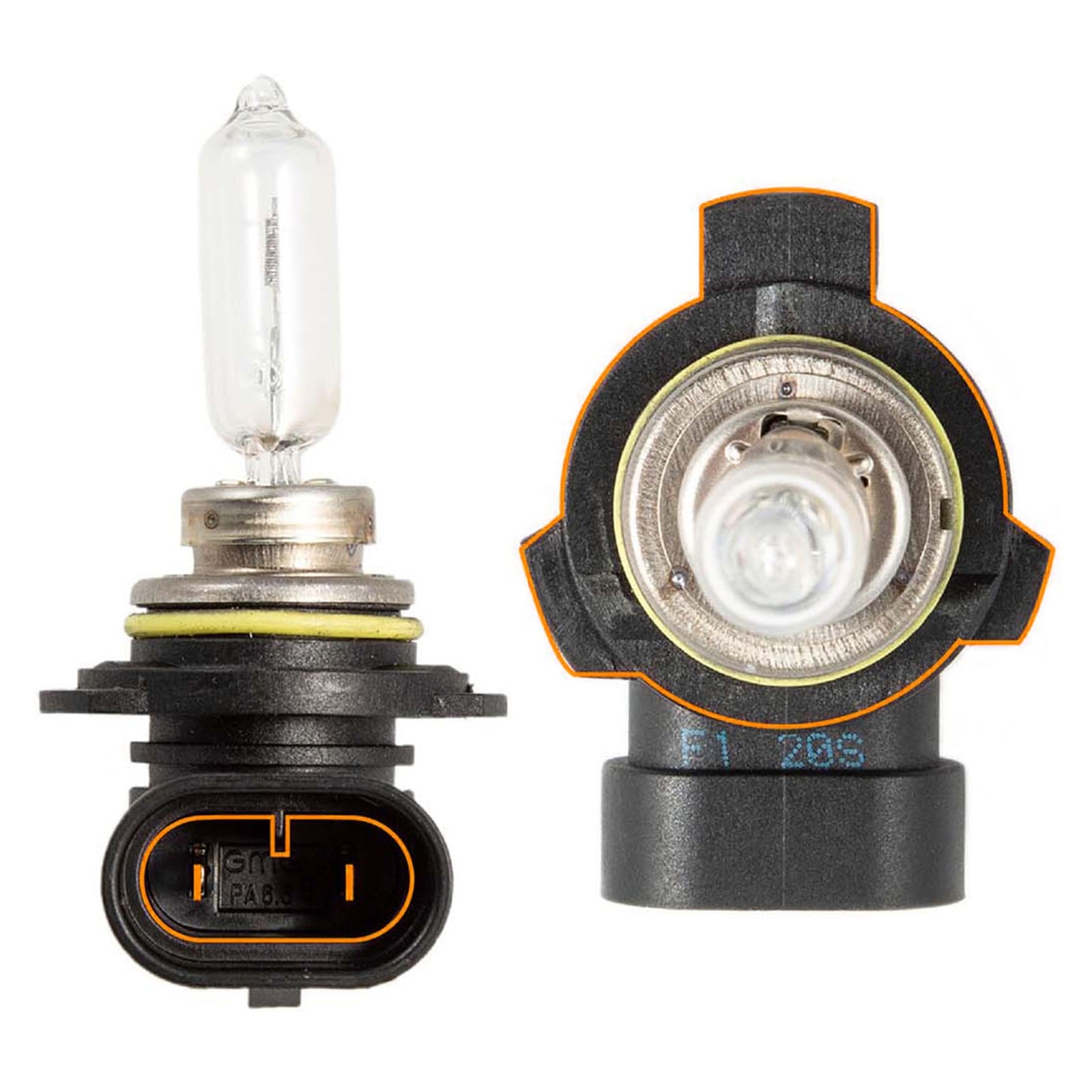
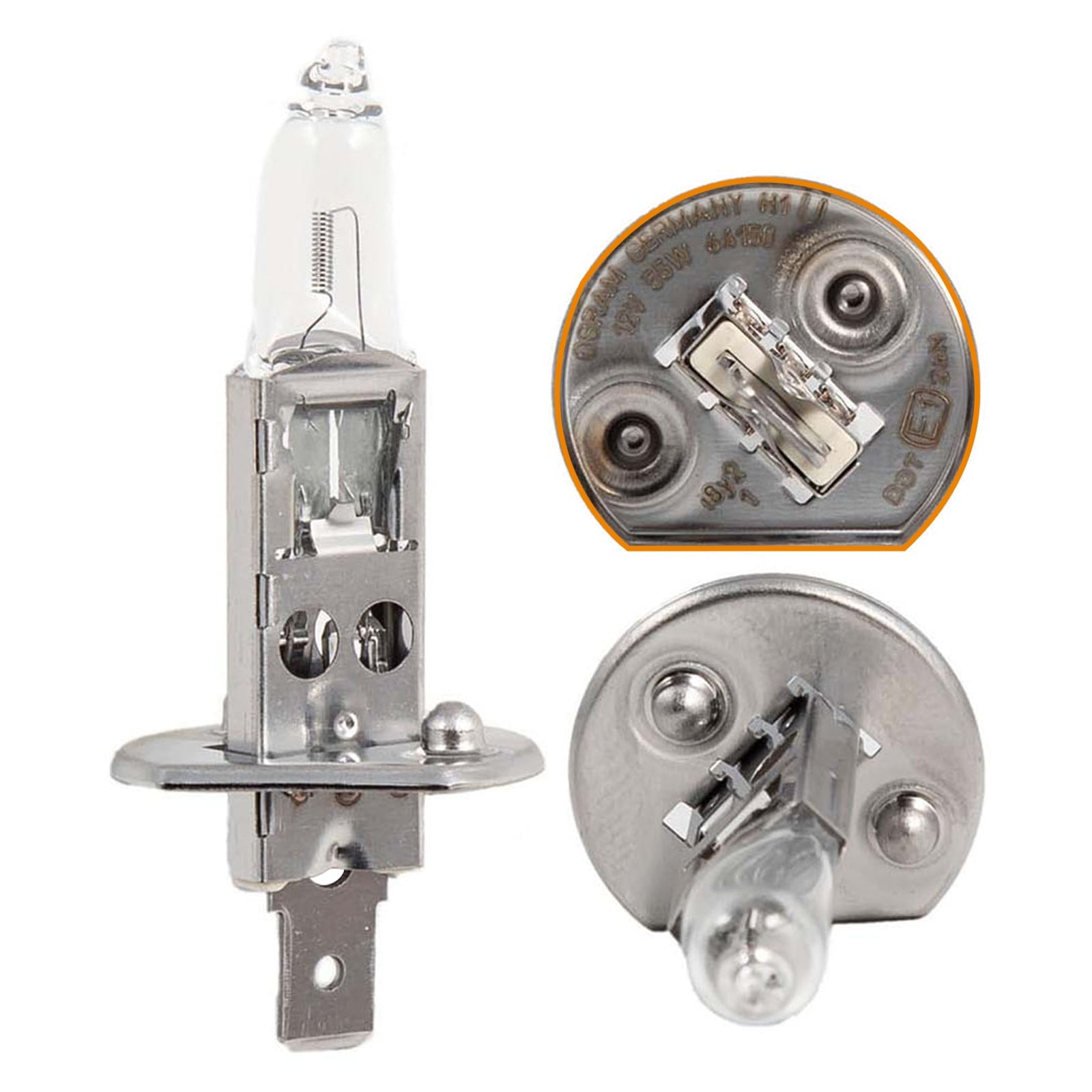

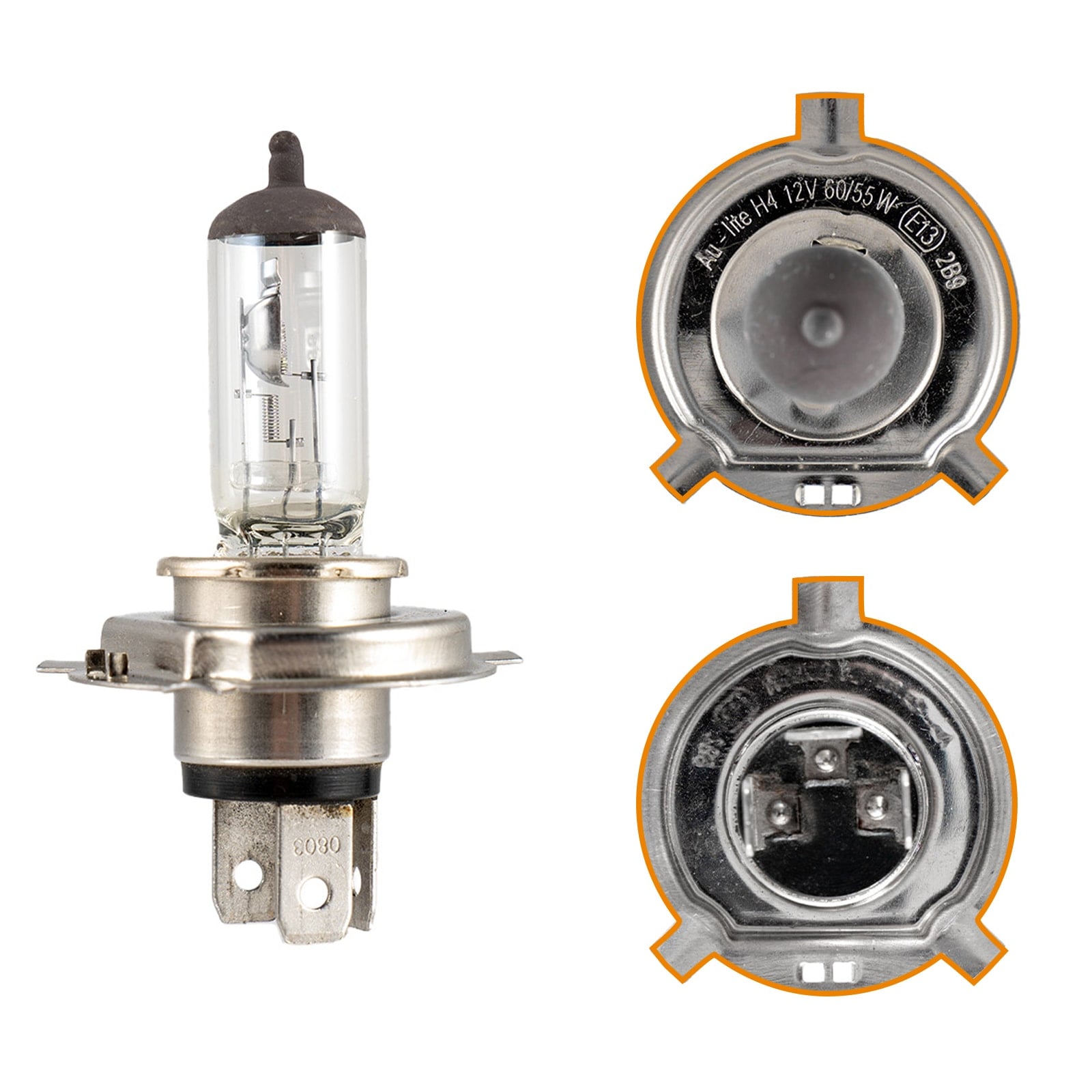
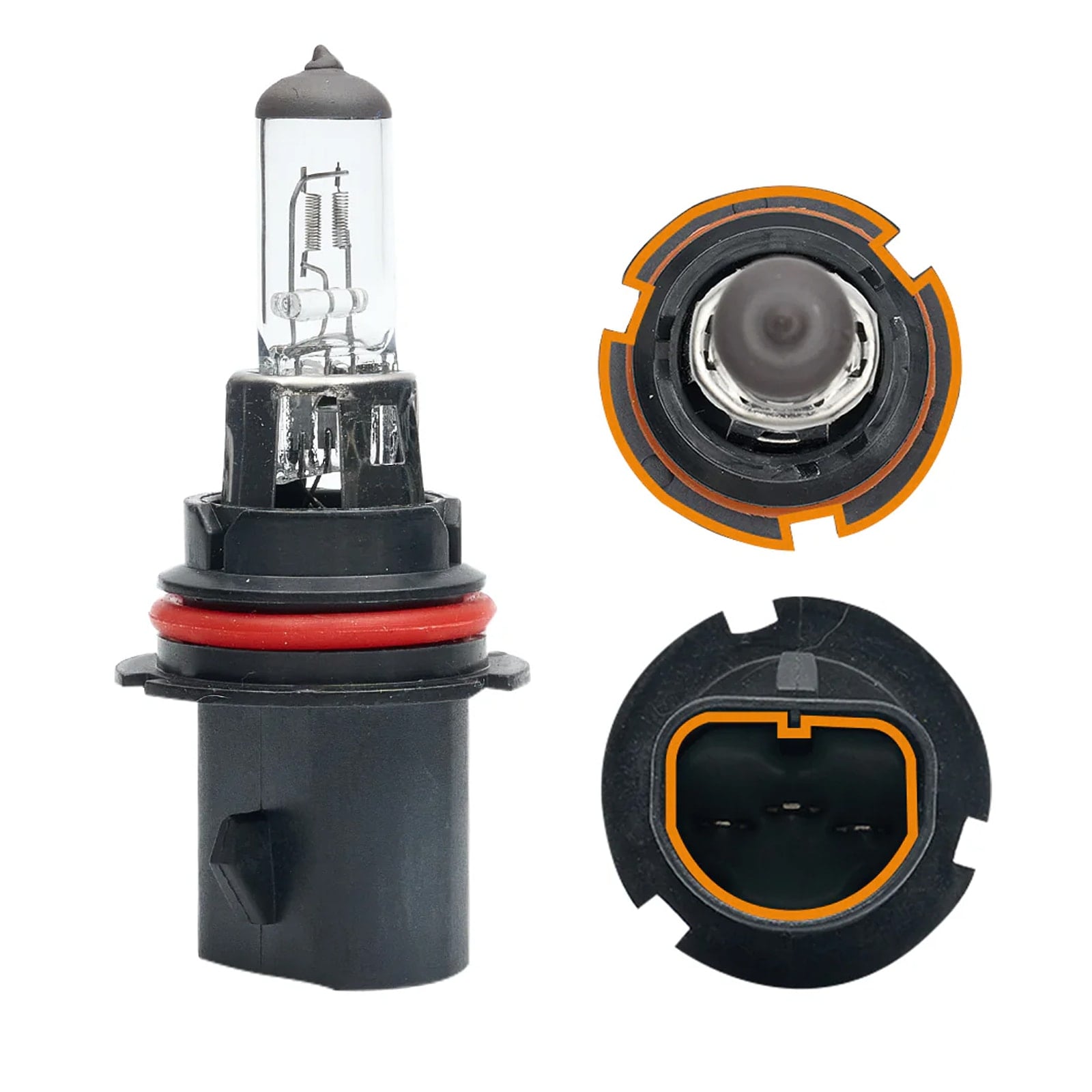
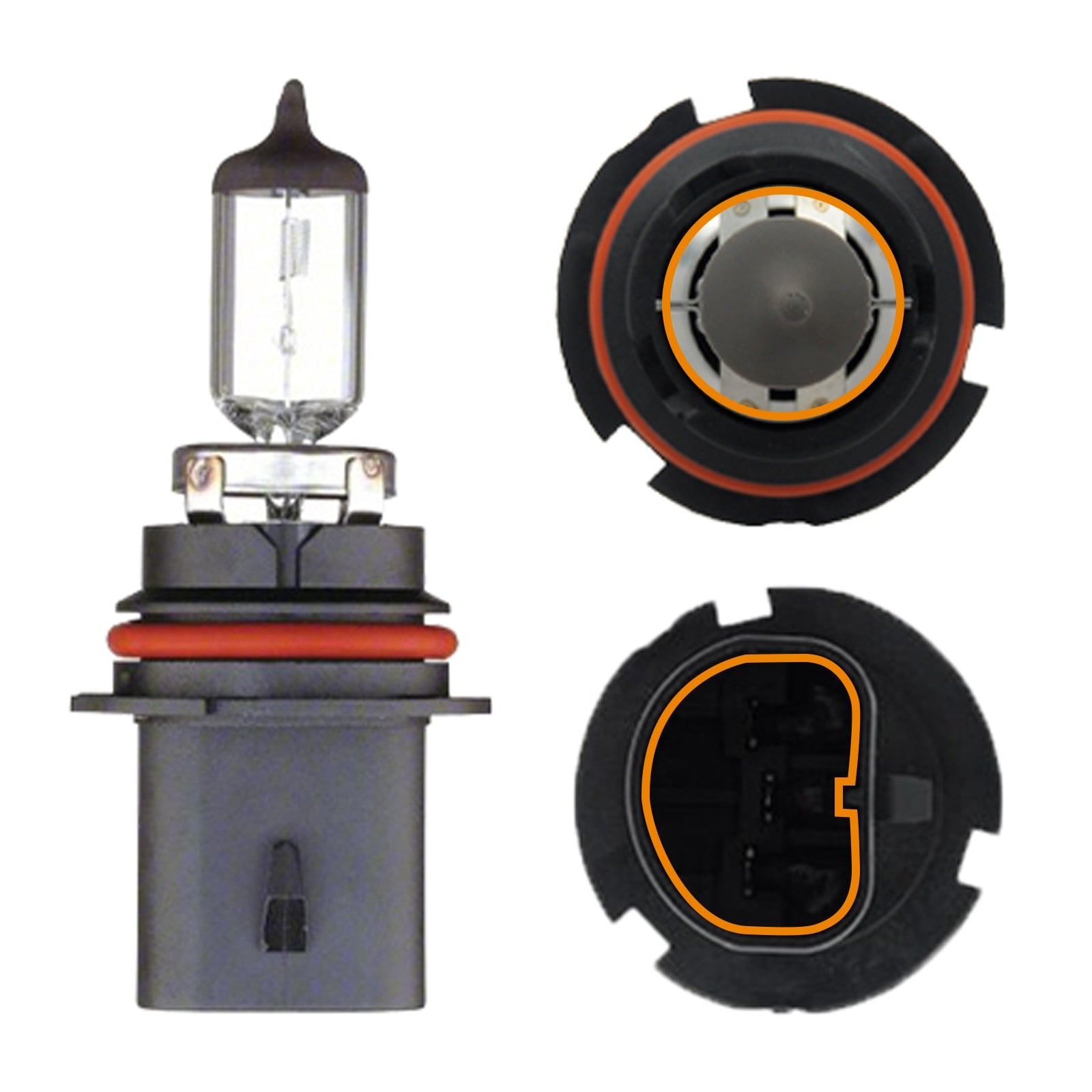
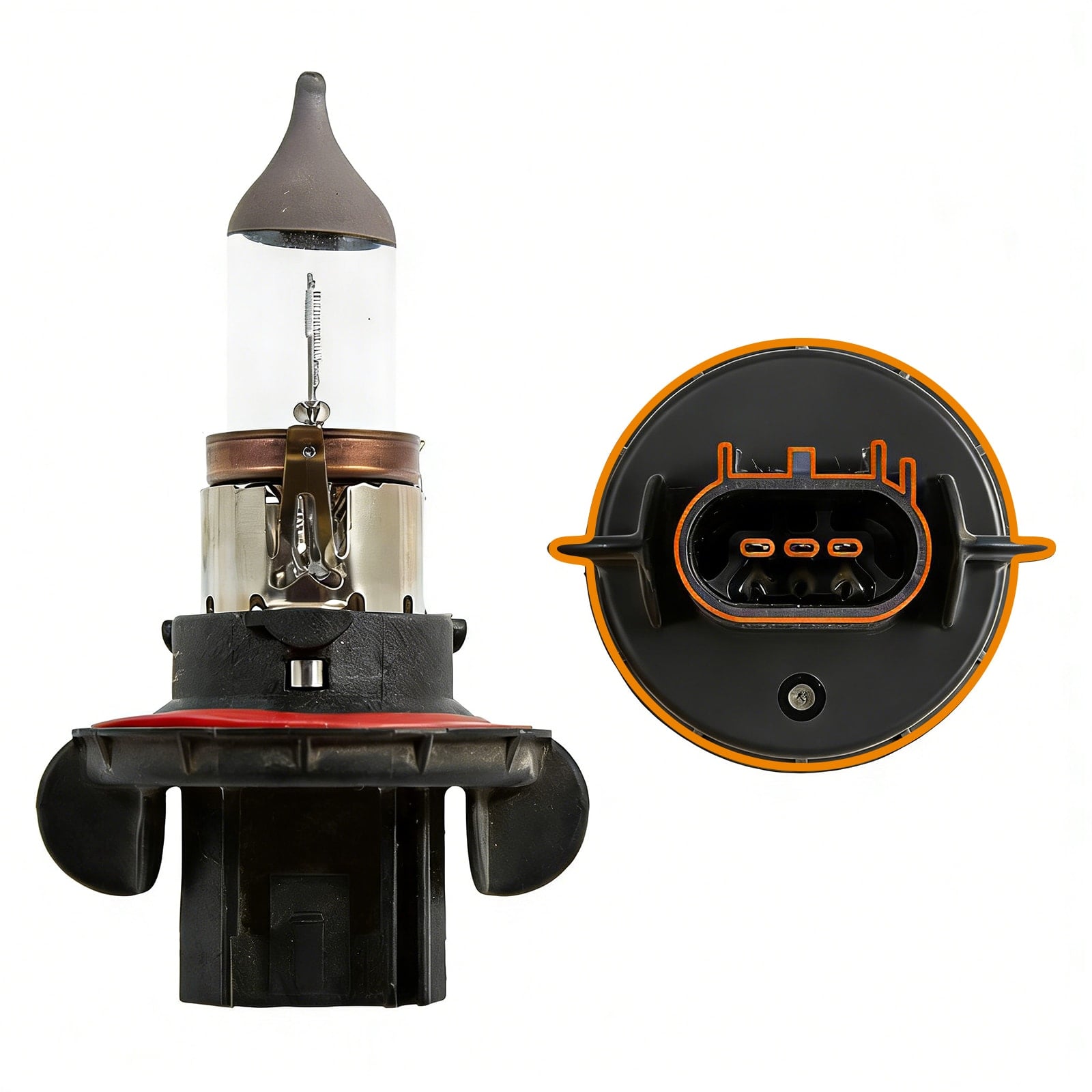
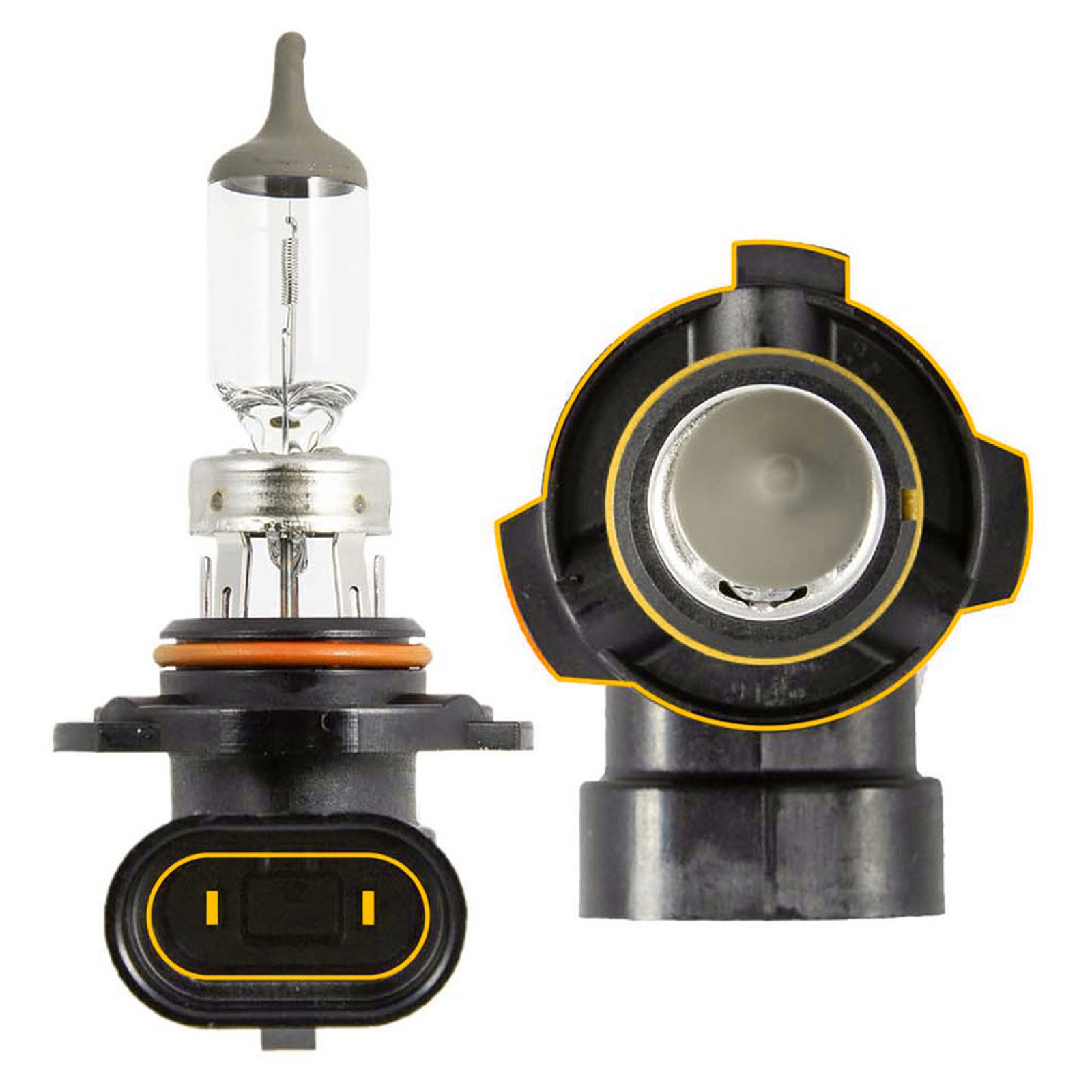
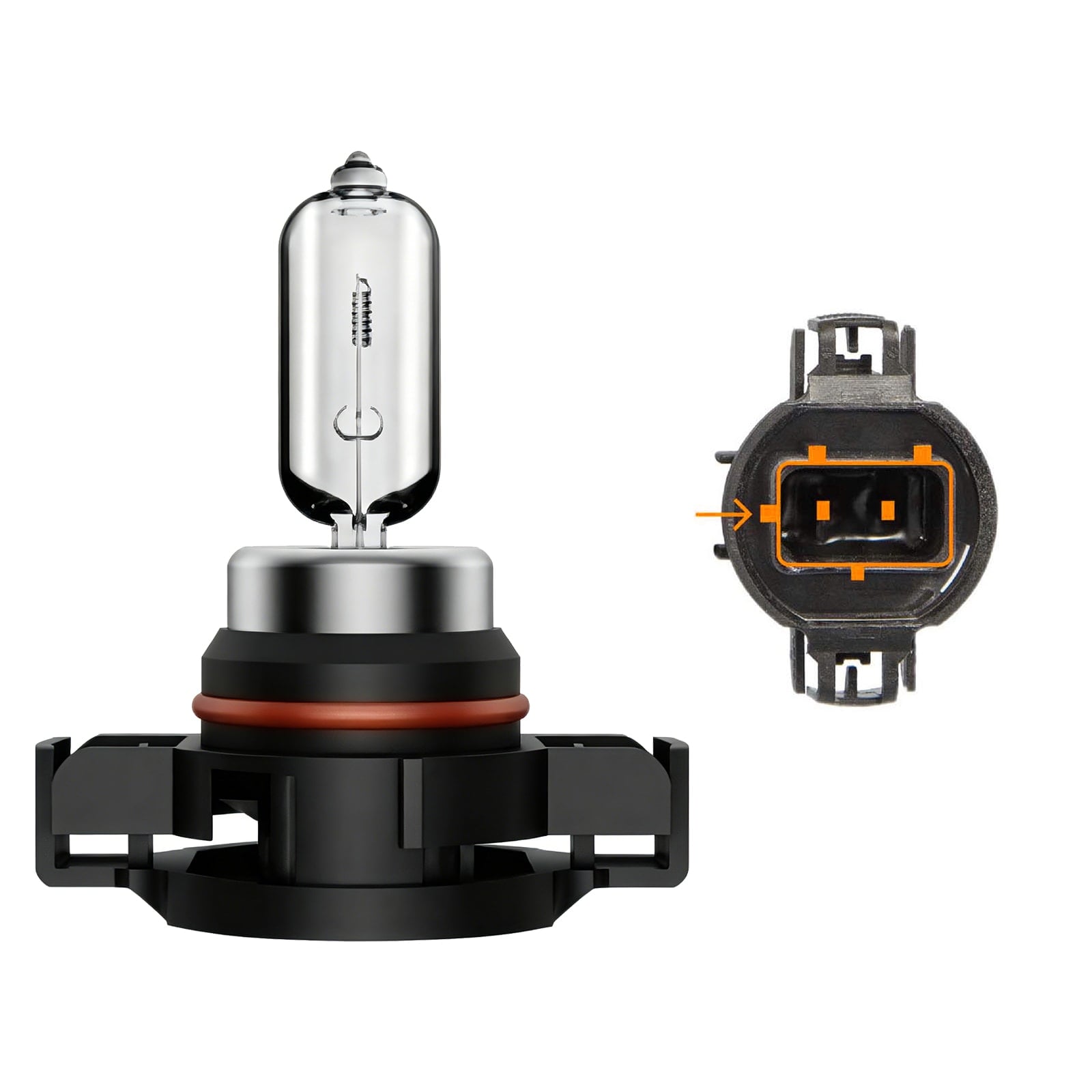
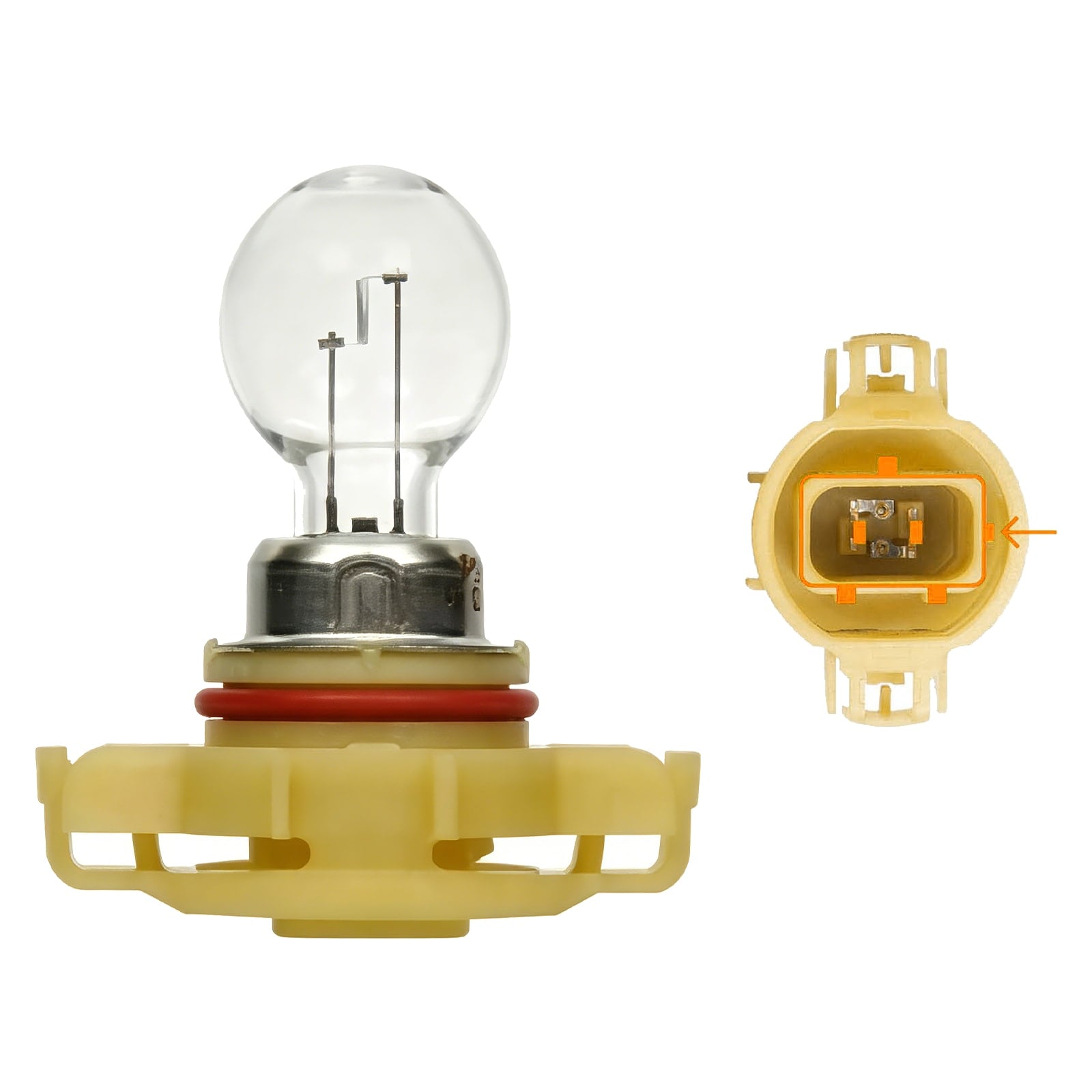
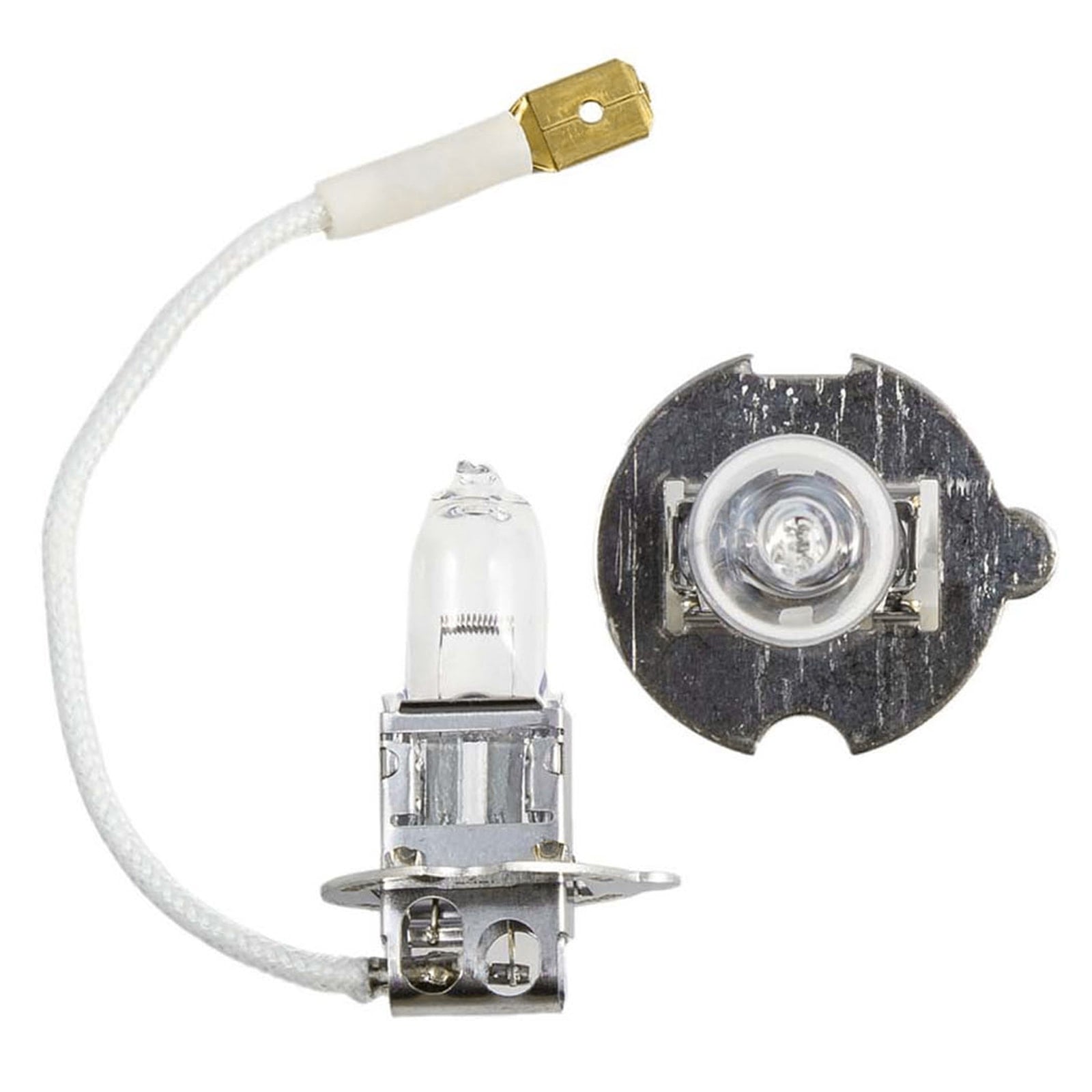
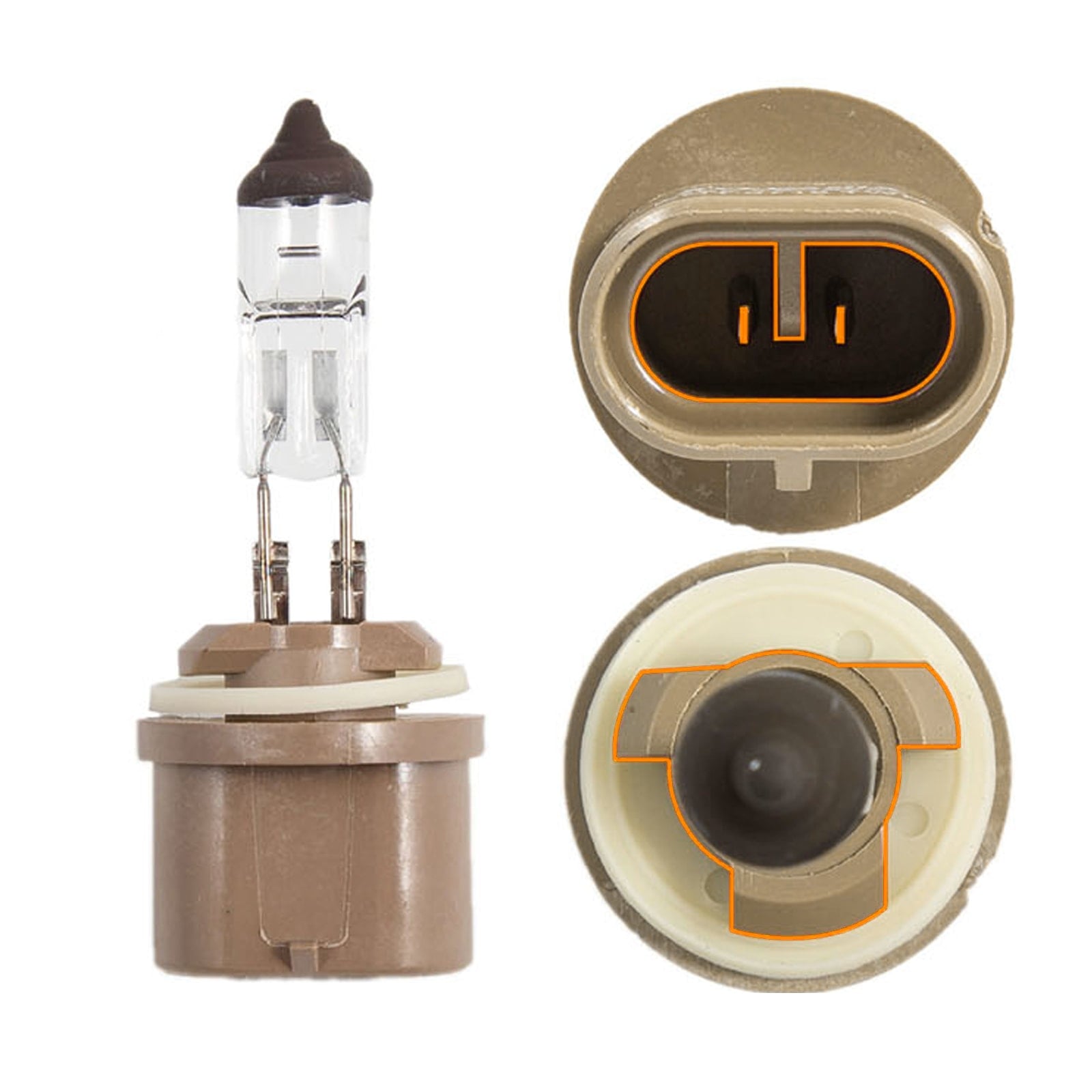
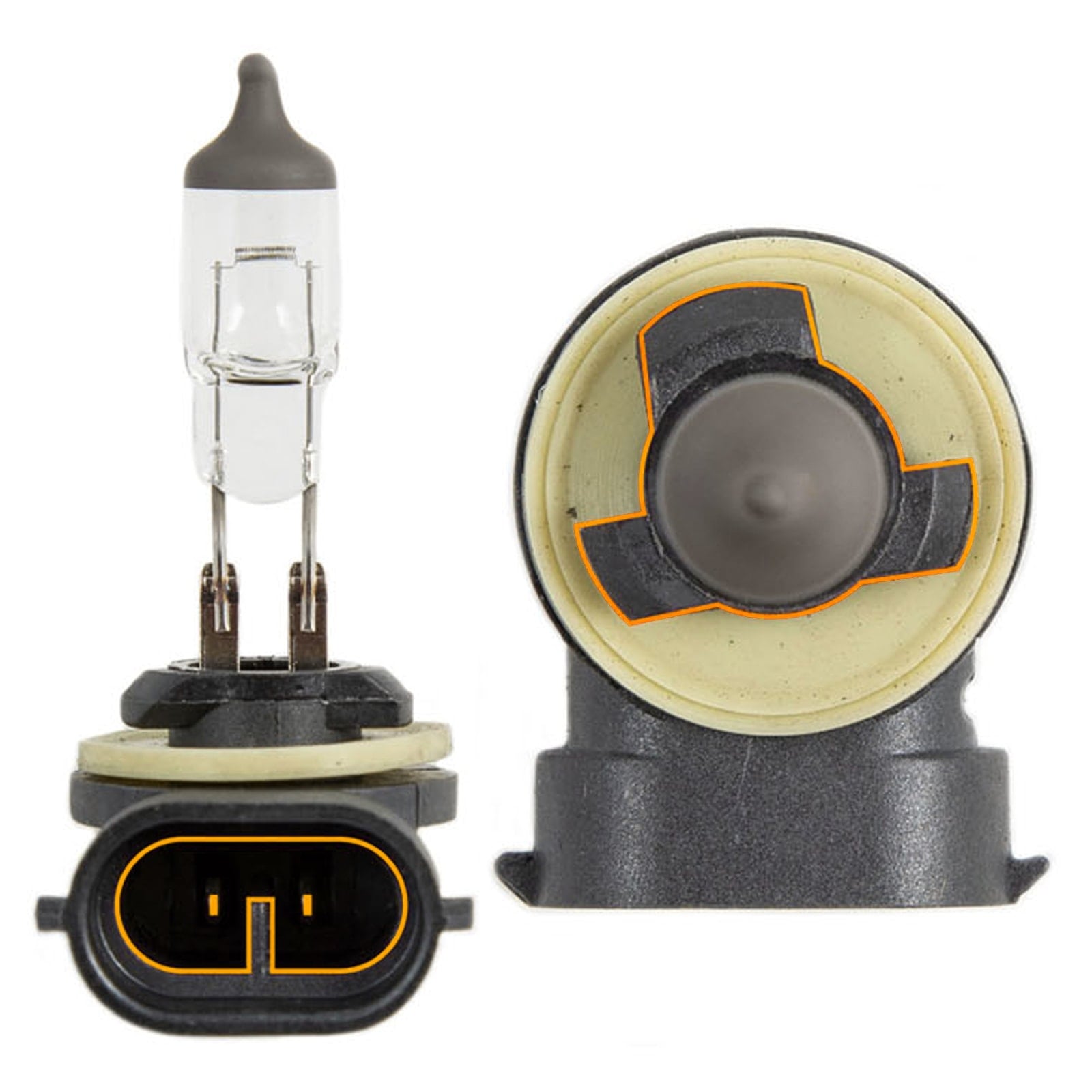
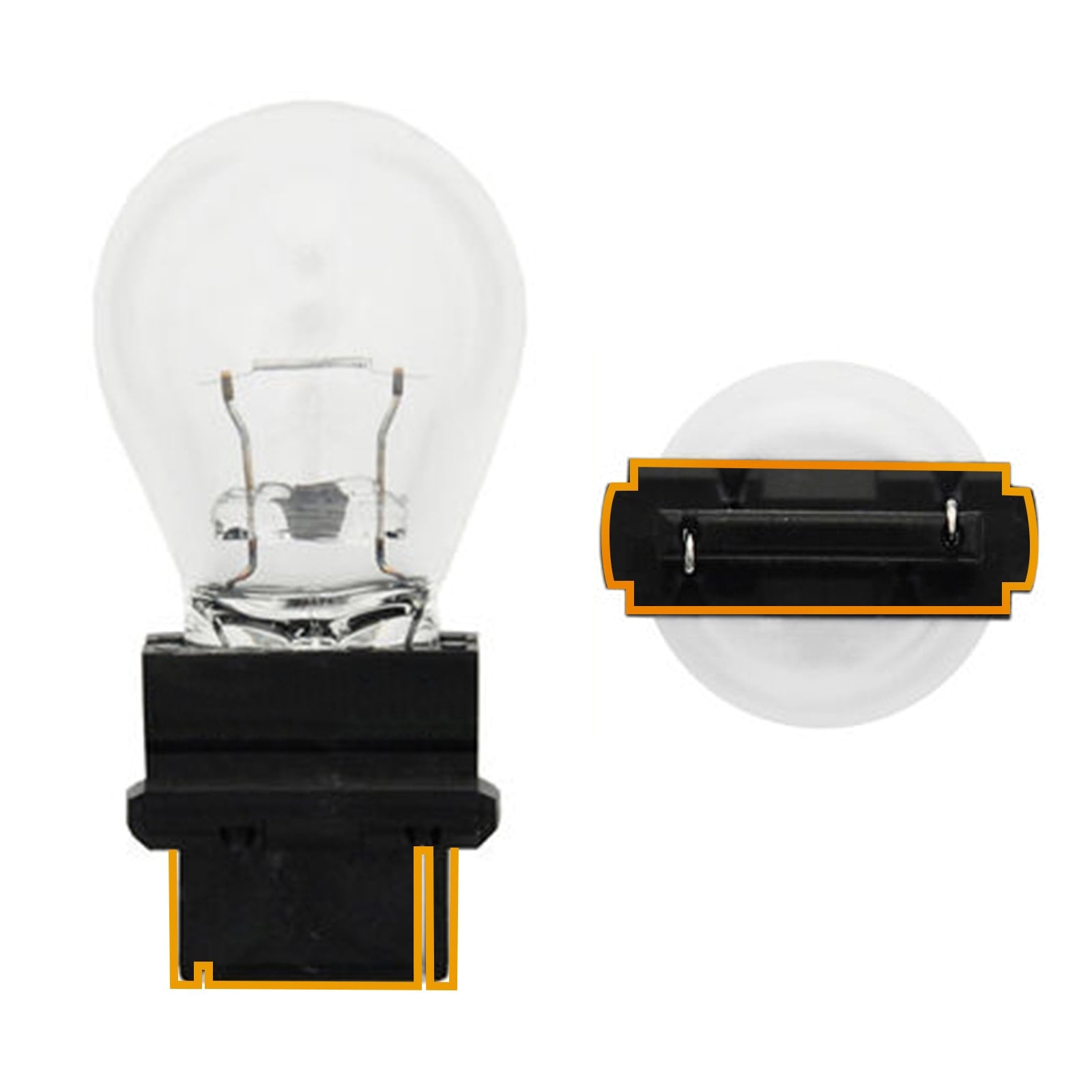
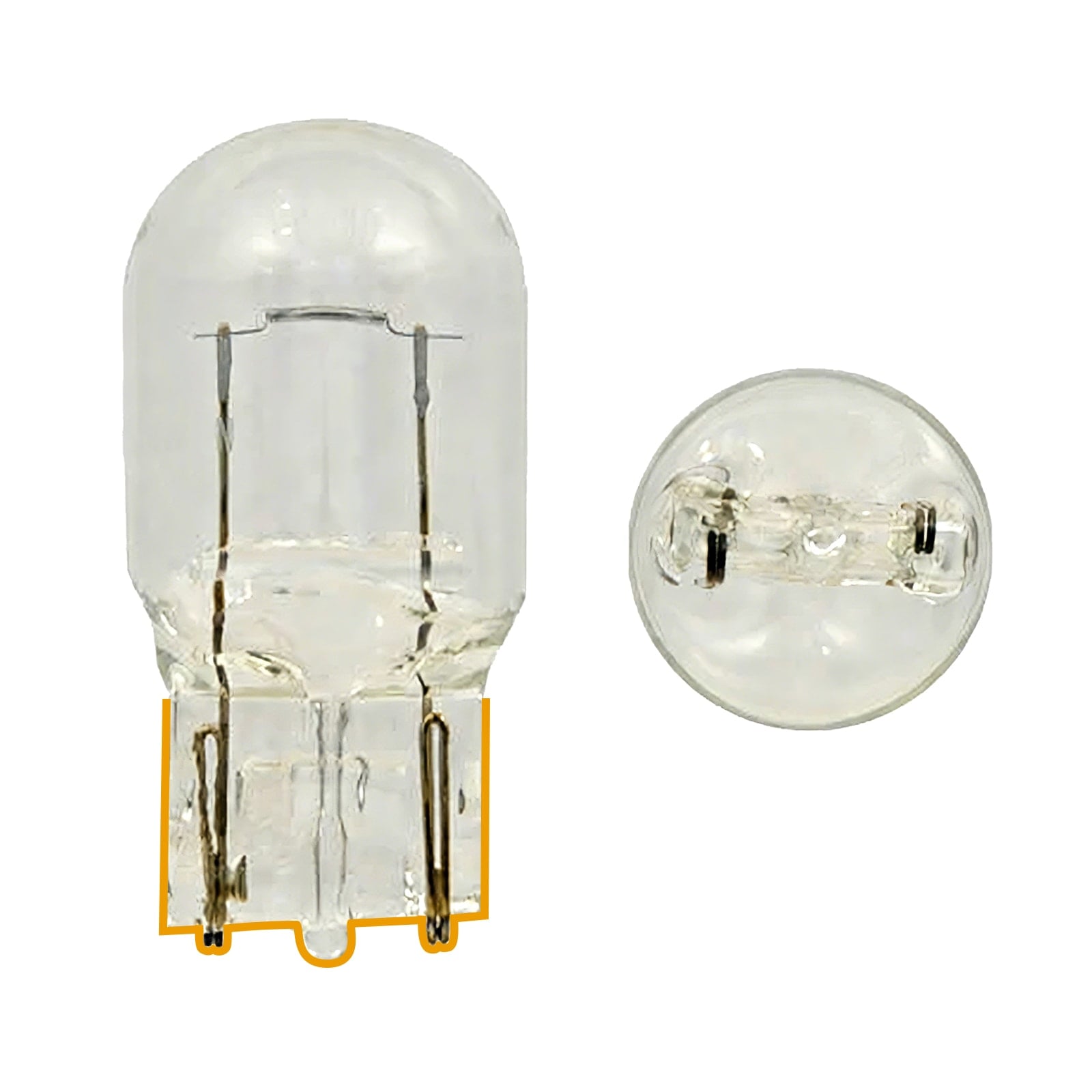
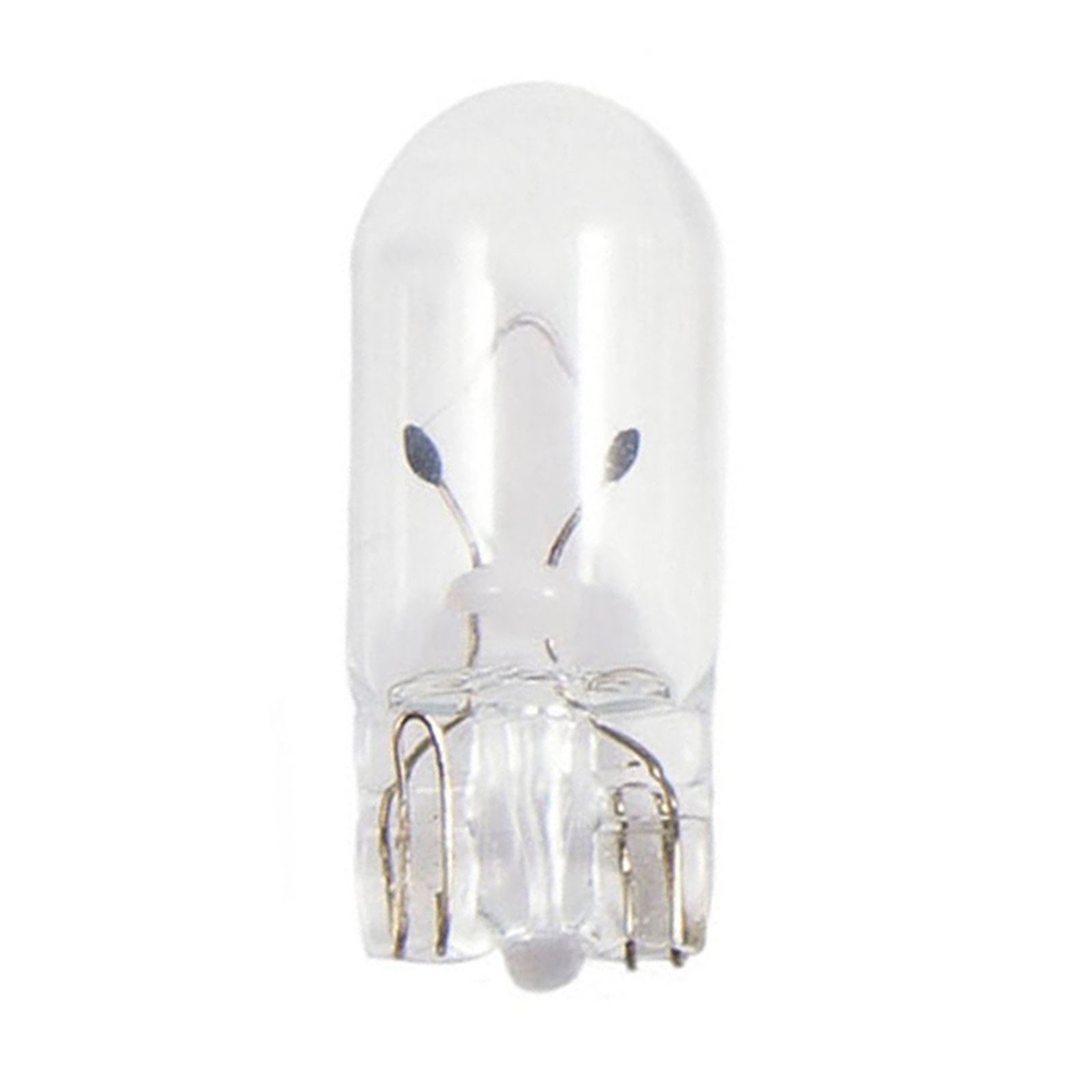
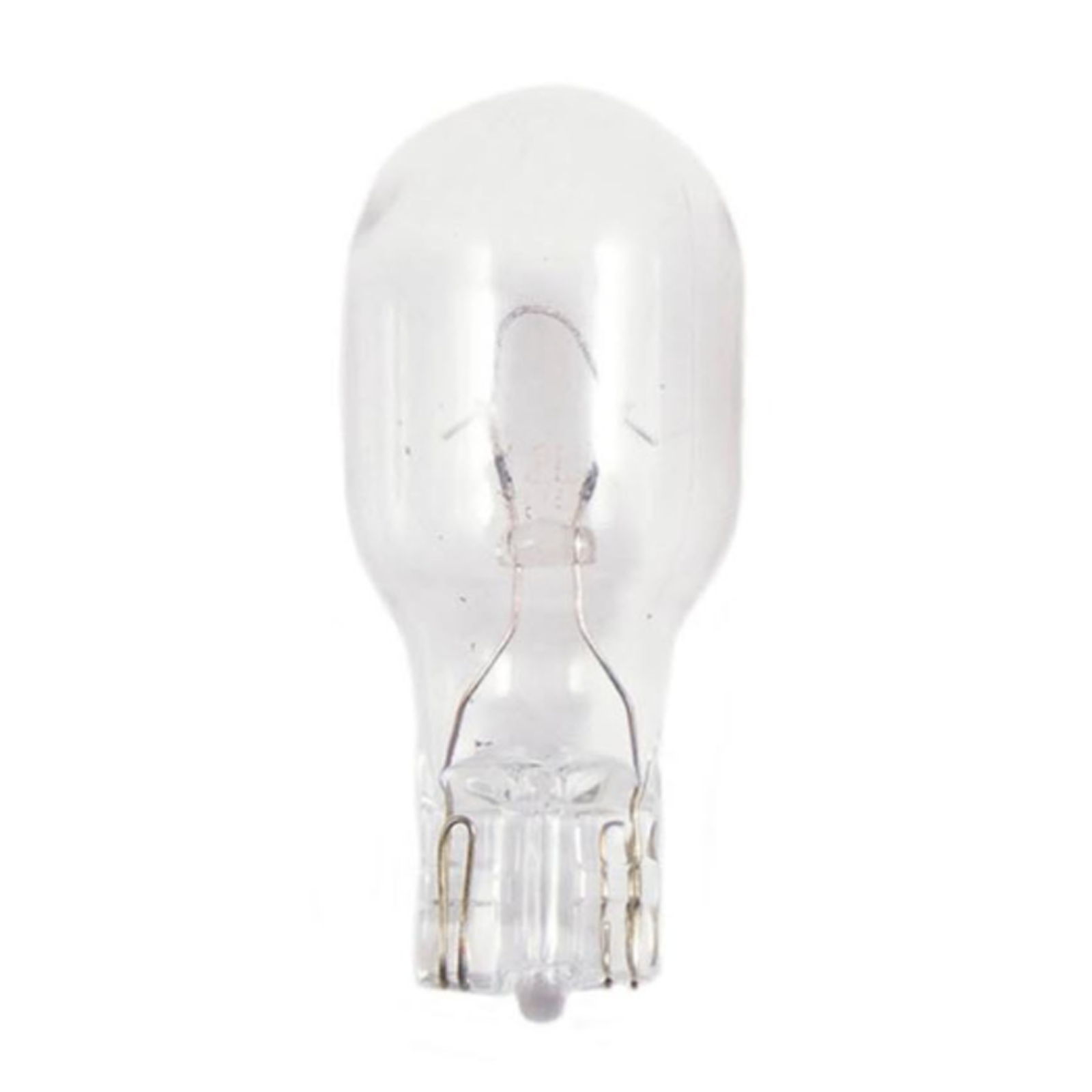
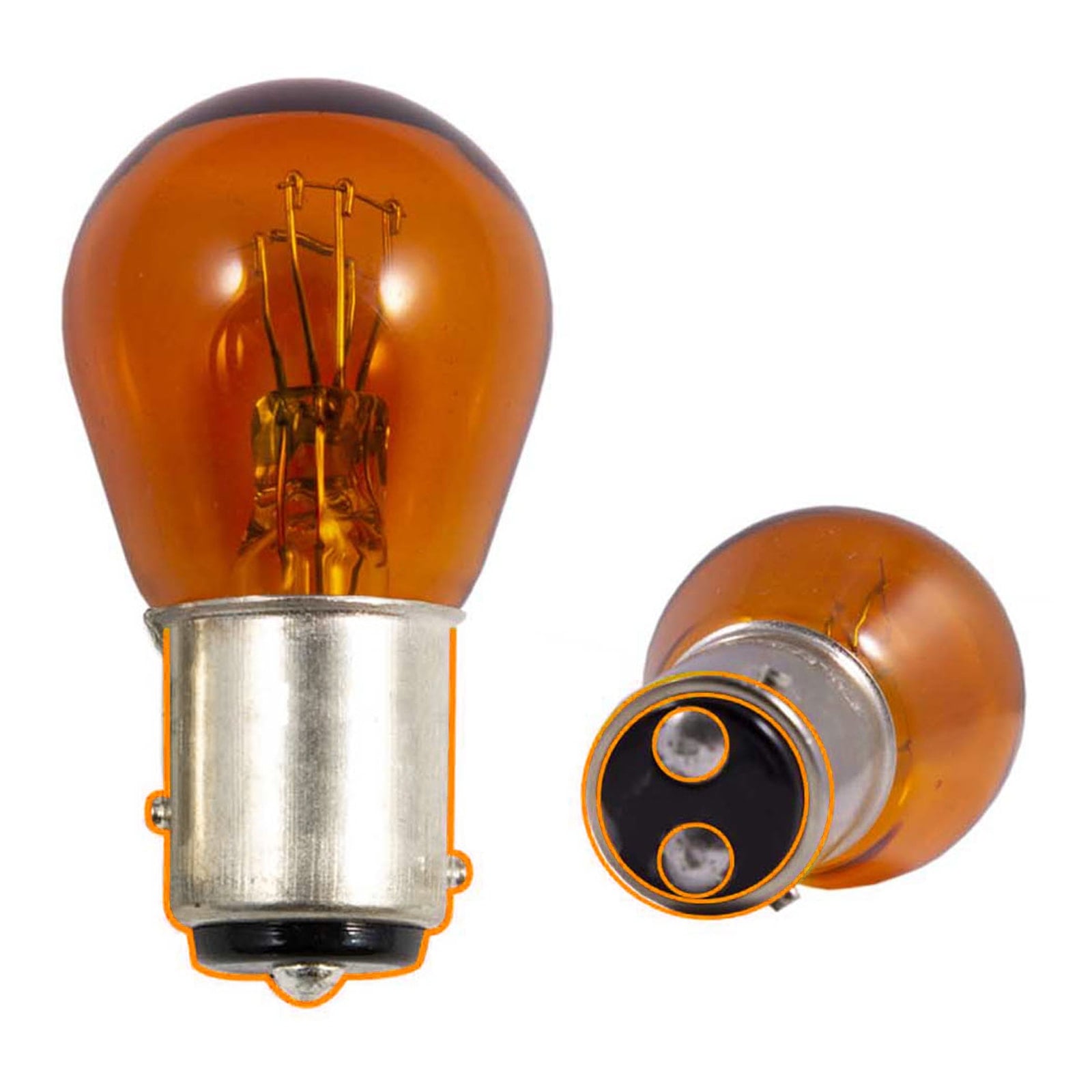
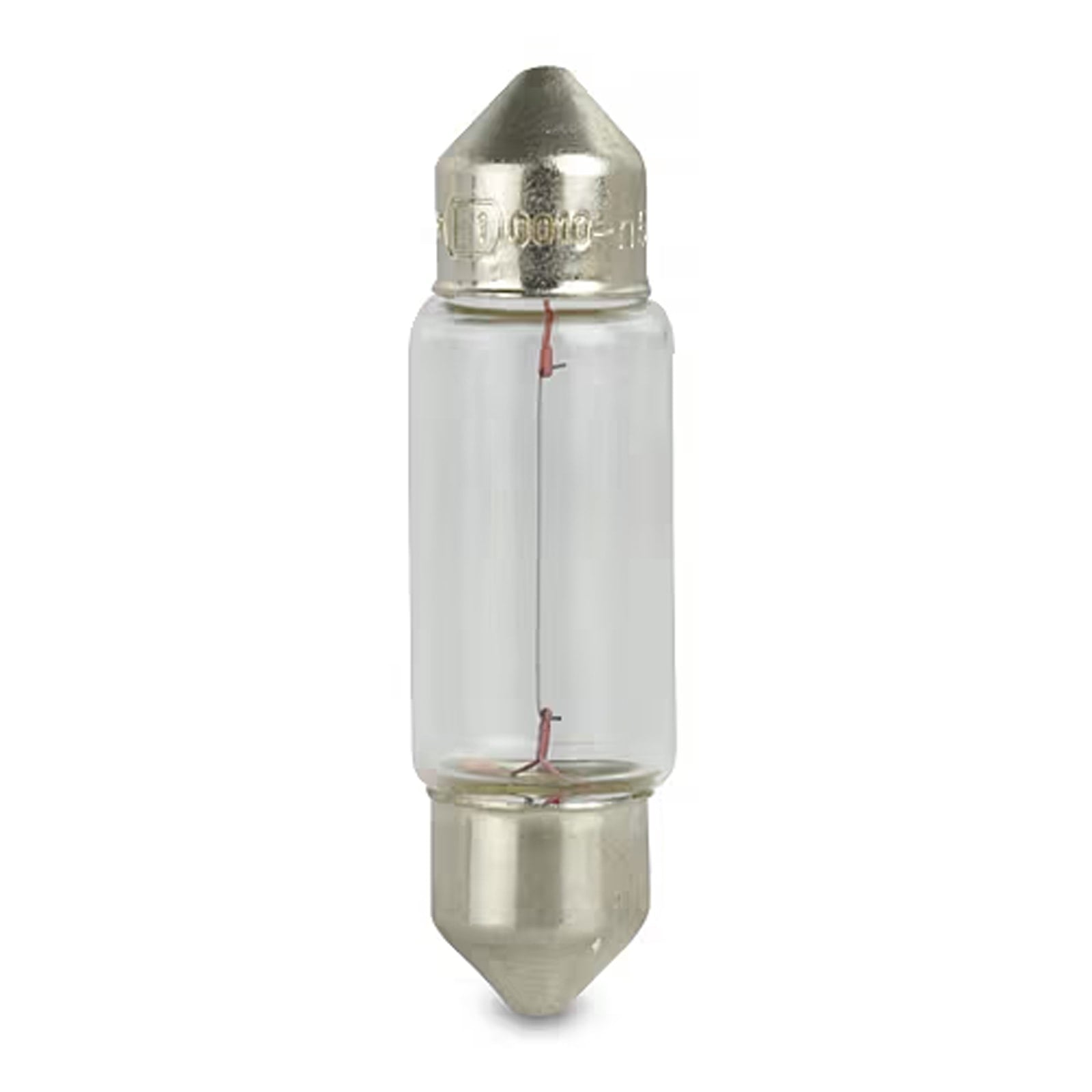
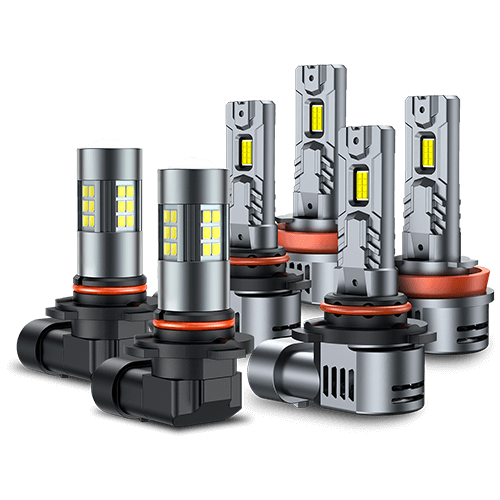






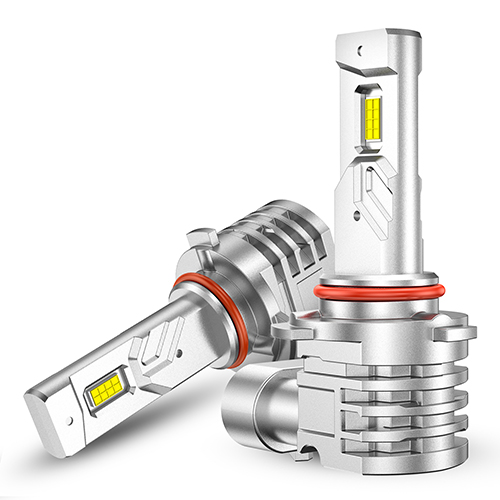
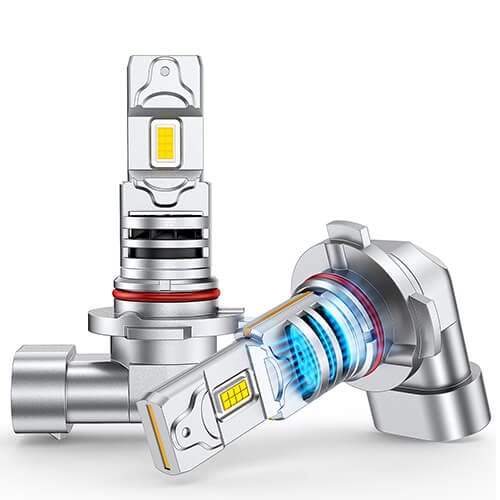



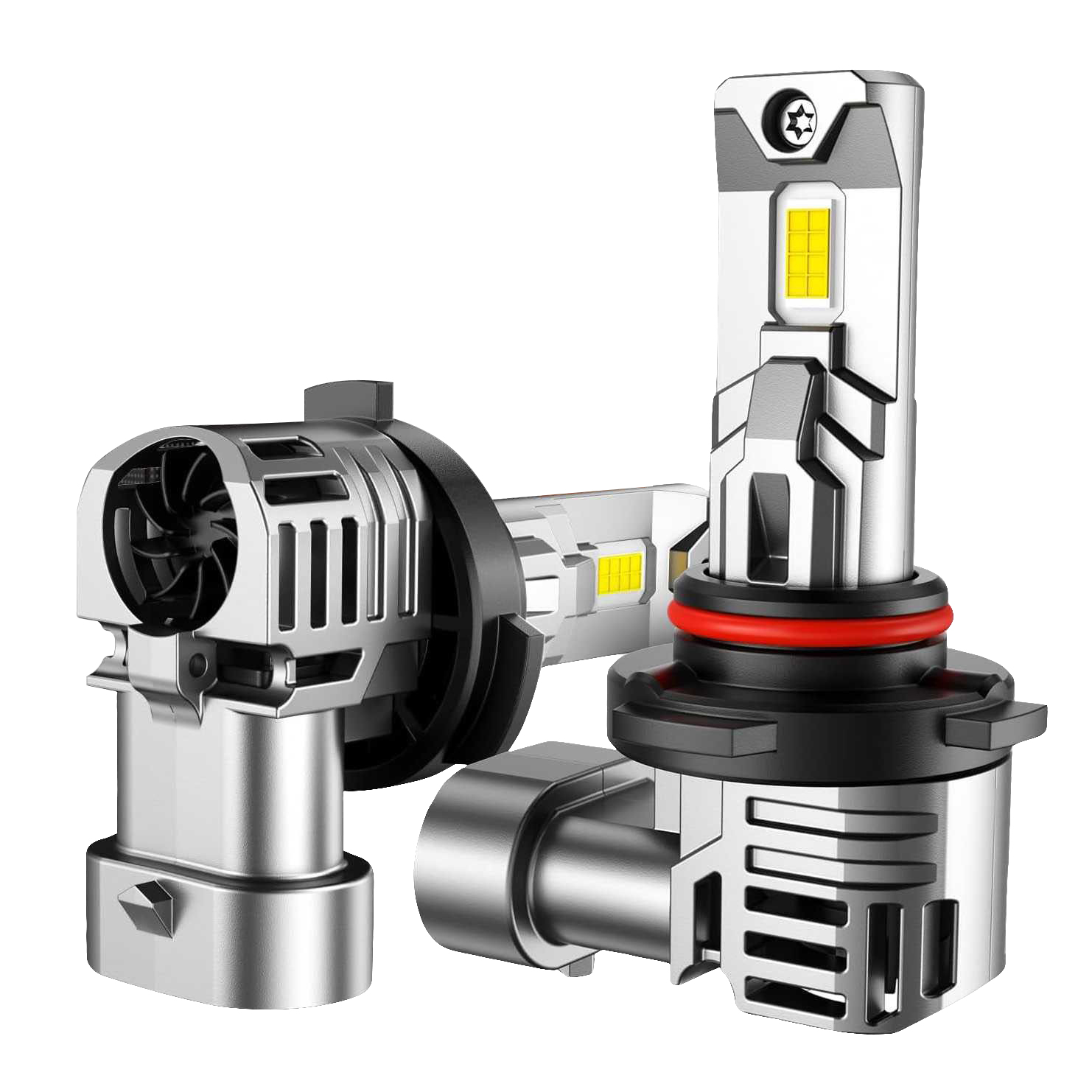


When replacing a clear factory bulb behind a red tail light lens, many drivers find that both red and white LEDs fit the same socket. However, physical fit does not mean both colors will perform equally well. When comparing red vs white tail light bulbs, a red LED is the correct choice for a tail light position because it produces the required color directly.
White LEDs may appear brighter before installation, but a red lens filters much of their non-red output. As a result, red tail light bulbs generally deliver a stronger, more saturated red signal behind both red and clear lenses. This guide explains the optical difference and the fitment details that affect the final result.
Quick Answer: Use Red LED Bulbs for Tail Lights
Match the bulb color to the required output of the light position:
| Light position | Lens color | Recommended LED color |
| Tail light | Red | Red |
| Tail light | Clear or smoked | Red |
| Combined tail/brake light | Red, clear, or smoked | Red dual-intensity |
| Reverse light | Clear | White |
| Rear turn signal | Clear or colored | Match the original red or amber output |
Tail lights must emit red light. U.S. FMVSS No. 108 specifies red output for tail lamps and white output for backup lamps. UN Regulation No. 48 follows the same basic color distinction.
Once you have confirmed the light position and original bulb number, use the SEALIGHT LED tail light bulb to find the appropriate red replacement.
Red vs White Tail Light Bulbs Behind Red and Clear Lenses
The light function determines the required output color, while the lens affects how much of that light reaches other drivers. For tail lights, use a red LED behind either a red or clear lens.
Why Did Your Factory Clear Halogen Bulb Work Fine?
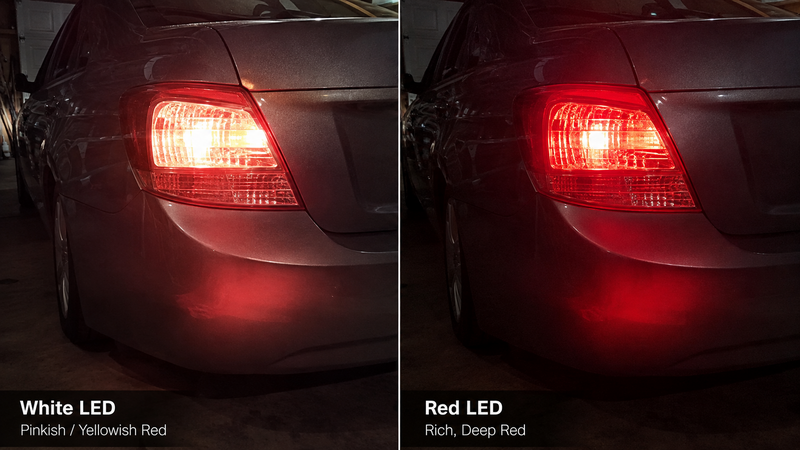
Standard incandescent/halogen bulbs produce incandescent full-spectrum light, which includes a huge amount of natural red light that easily passes through a red lens. In contrast, a white LED is built using a blue LED chip coated with yellow phosphor. Its light output contains very little red spectrum. When passed through a red lens, up to 80% of its light energy is blocked, leaving your tail light looking dim, pale, or yellowish-pink.
Red vs White LEDs Behind a Red Lens
A red lens transmits red wavelengths while filtering much of the blue, green, and yellow output from a white LED. Many white LEDs use a blue chip with a phosphor coating to create white light. Although they may appear bright outside the housing, only their red component passes efficiently through a red lens. A high bare-bulb lumen rating therefore does not guarantee stronger installed output.
A red LED produces the required wavelength directly. This reduces unnecessary filtering and usually creates a deeper, more saturated red signal.
| Factor | Red LED | White LED |
| Useful output behind a red lens | Less affected by filtering | More output is filtered |
| Final red color | Deeper and more saturated | May appear pale, pink, or orange |
| Bare-bulb appearance | May appear less bright | May appear brighter |
| Recommended application | Tail and brake lights | Reverse lights |
The completed lamp matters more than the exposed bulb. LED chip position, reflector design, and lens condition also affect brightness and coverage, so the correct color must still be paired with suitable light distribution.
What Color Bulb Should You Use Behind a Clear Lens?
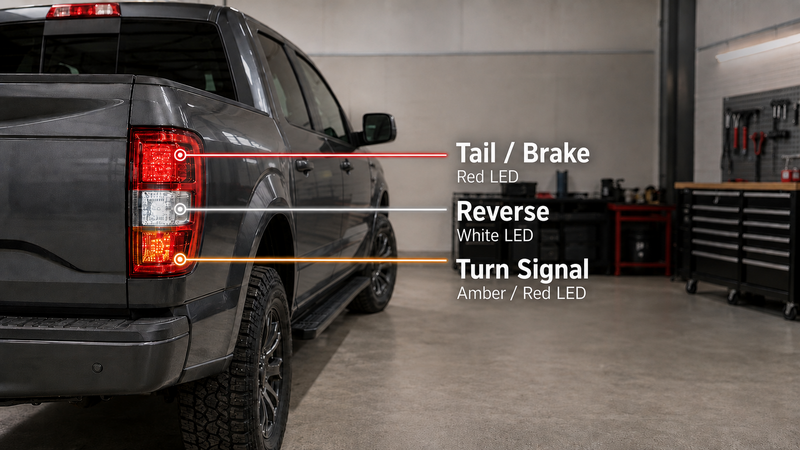
A clear lens does not change the output color. Use a red LED in a clear tail light or combined tail/brake chamber, a white LED in a reverse-light chamber, and the original red or amber color in a rear turn-signal chamber.
| Clear-lens position | Correct LED color |
| Tail light | Red |
| Combined tail/brake light | Red dual-intensity |
| Reverse light | White |
| Rear turn signal | Match the original red or amber output |
Clear and smoked rear lamps often contain several separate chambers. Switch on each light before removing the original bulb to confirm its function. Do not install an amber LED behind a red lens because the lens can weaken or alter the signal. Use amber LEDs only in compatible positions, such as those covered by the SEALIGHT LED turn signal bulb.
Where Do White LEDs Actually Belong?
White LEDs should never be used for tail, brake, or turn signal lights—even behind a clear lens. In clear housings, brake and tail lights must strictly use Red LEDs to comply with standard legal requirements and provide proper color output. Save white LEDs exclusively for Reverse Lights and License Plate Lights, where bright white illumination is legally required for visibility when backing up.
Why a Clear Factory Bulb Does Not Mean You Need a White LED
A clear factory incandescent bulb and a white LED produce light differently. An incandescent filament emits a broad spectrum in nearly every direction, while an LED uses directional chips with a different spectrum and emitting pattern. The factory reflector and lens were also designed around the filament’s location and shape.
For this reason, the clear appearance of the original bulb does not determine the correct LED color. A tail light replacement still needs red output, the correct bulb base and intensity mode, and suitable coverage within the original reflector. Use a compatible red LED, then check that the completed lamp produces an even, saturated red signal.
Red vs White Tail Light Bulbs: Installed Performance Comparison
Installed performance should be judged by color, lens coverage, and functional contrast rather than bare-bulb brightness.
| Installed result | Red LED | White LED |
| Output through a red lens | More useful red light passes through | Non-red output is filtered |
| Final color | Stronger red saturation | May look weak or washed out |
| Output through a clear tail light lens | Correct red signal | Incorrect white signal |
| Suitability for smoked tail light lenses | Correct color, but visibility still requires checking | Incorrect color for a tail light |
| Recommended tail light use | Yes | No |
View the illuminated lamp from several steps behind the vehicle. A suitable bulb should fill the lens evenly without creating a small bright center surrounded by dark areas.
If the same bulb handles both tail and brake functions, it must also produce a clear intensity change. The lower mode marks the vehicle’s rear position, while the brighter mode signals braking.
A smoked lens reduces transmitted light regardless of bulb color. Using a red LED ensures the correct color, but it does not guarantee sufficient visibility through a heavily tinted lens. The completed lamp must still meet applicable lighting requirements.
How to Choose the Right Red LED Tail Light Bulb
Match the Bulb Size and Tail Light Function
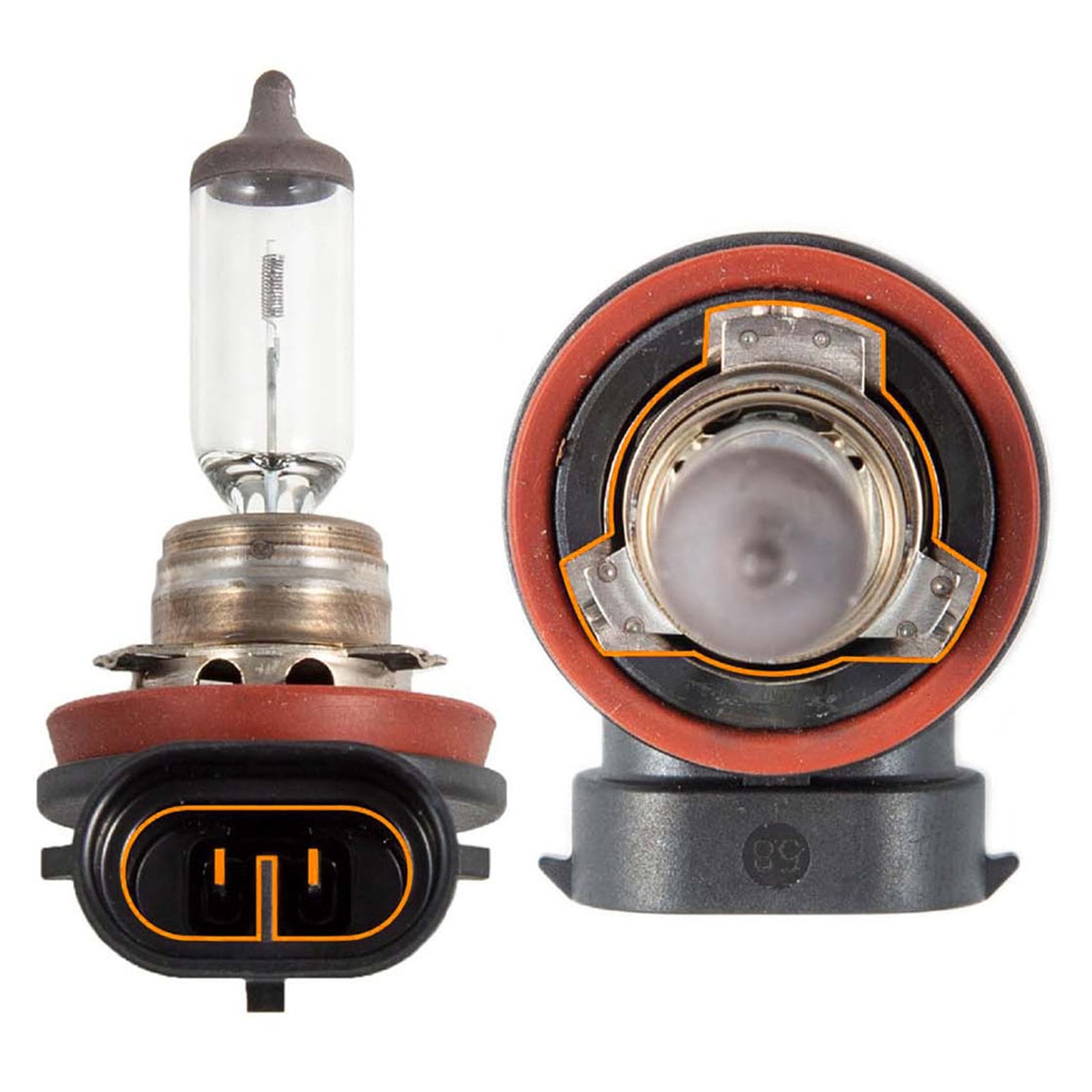
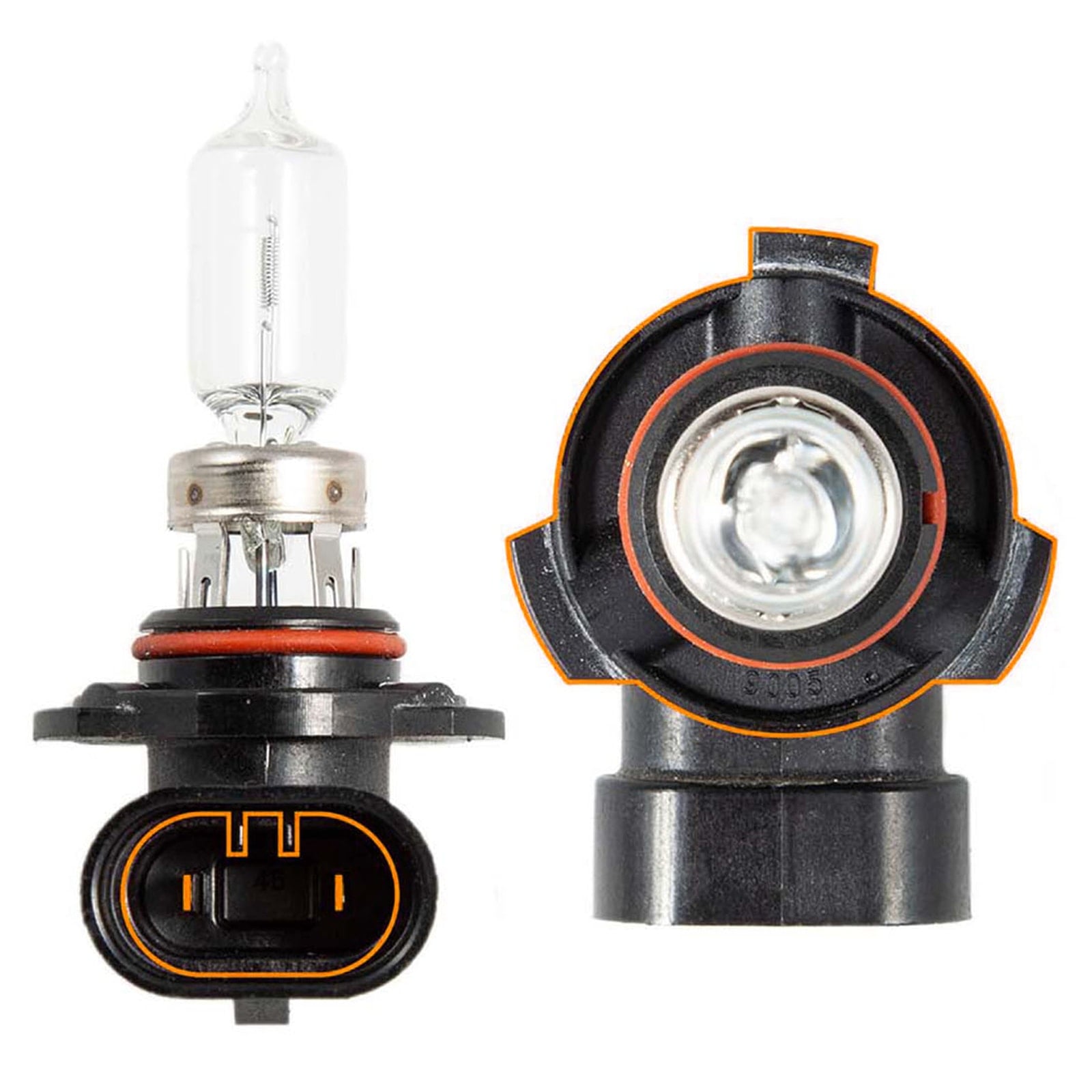
Check the vehicle year, make, model, trim, and original bulb number before ordering. Common tail light bulb families include 1156/1157, 3156/3157, and 7440/7443.
Single-intensity bulbs such as 3156 are commonly used for one lighting function. Dual-intensity bulbs such as 3157 can provide lower output for the tail light and higher output for the brake light. These uses vary by vehicle, so confirm the actual light position rather than relying on the bulb number alone.
Drivers who need this bulb family can compare SEALIGHT 3156 and 3157 LED bulbs by color, output, and vehicle fitment. Select red for a compatible tail or combined tail/brake light position.
SEALIGHT 3156/3157 Red LED Tail Light Bulbs
SEALIGHT offers three red LED options for compatible 3156/3157 applications:
| Product | Listed output | Key difference |
| SEALIGHT SLJ2 3156/3157 Tail Light | 1,800 lumens, 8W per bulb | Lower-power option for daily replacement |
| SEALIGHT SLJ3 3156/3157 Tail Light | 3,200 lumens, 30W per pair | Built-in resistor and active cooling |
| SEALIGHT SLJ4 3156/3157 Tail Light | 3,600 lumens, 36W per pair | Highest listed output among these options |

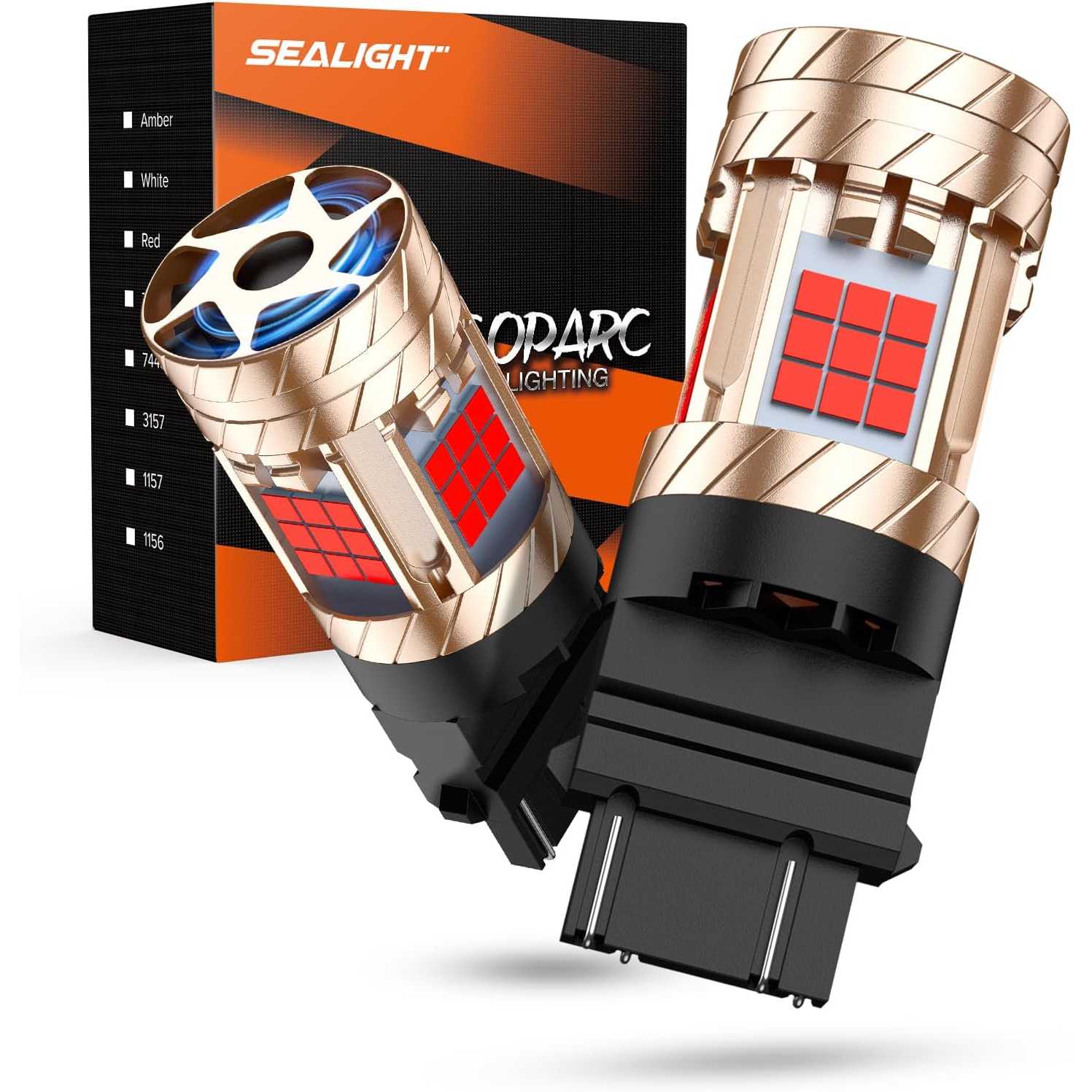
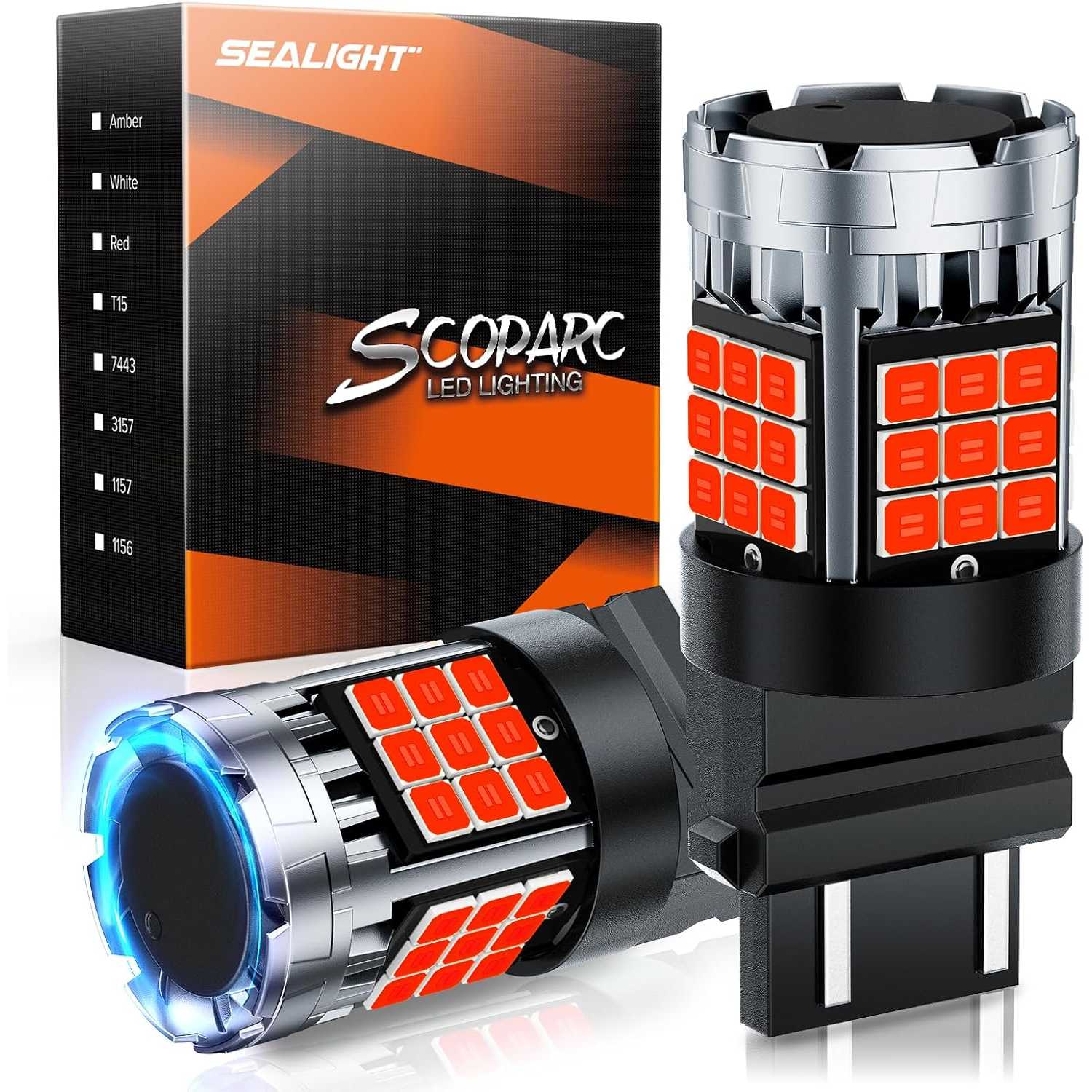
Choose the bulb by vehicle fitment and required function, not output alone. If one bulb serves as both the tail and brake light, confirm that it supports two intensity levels. After installation, tail mode should remain at lower brightness, while brake mode should become clearly brighter.
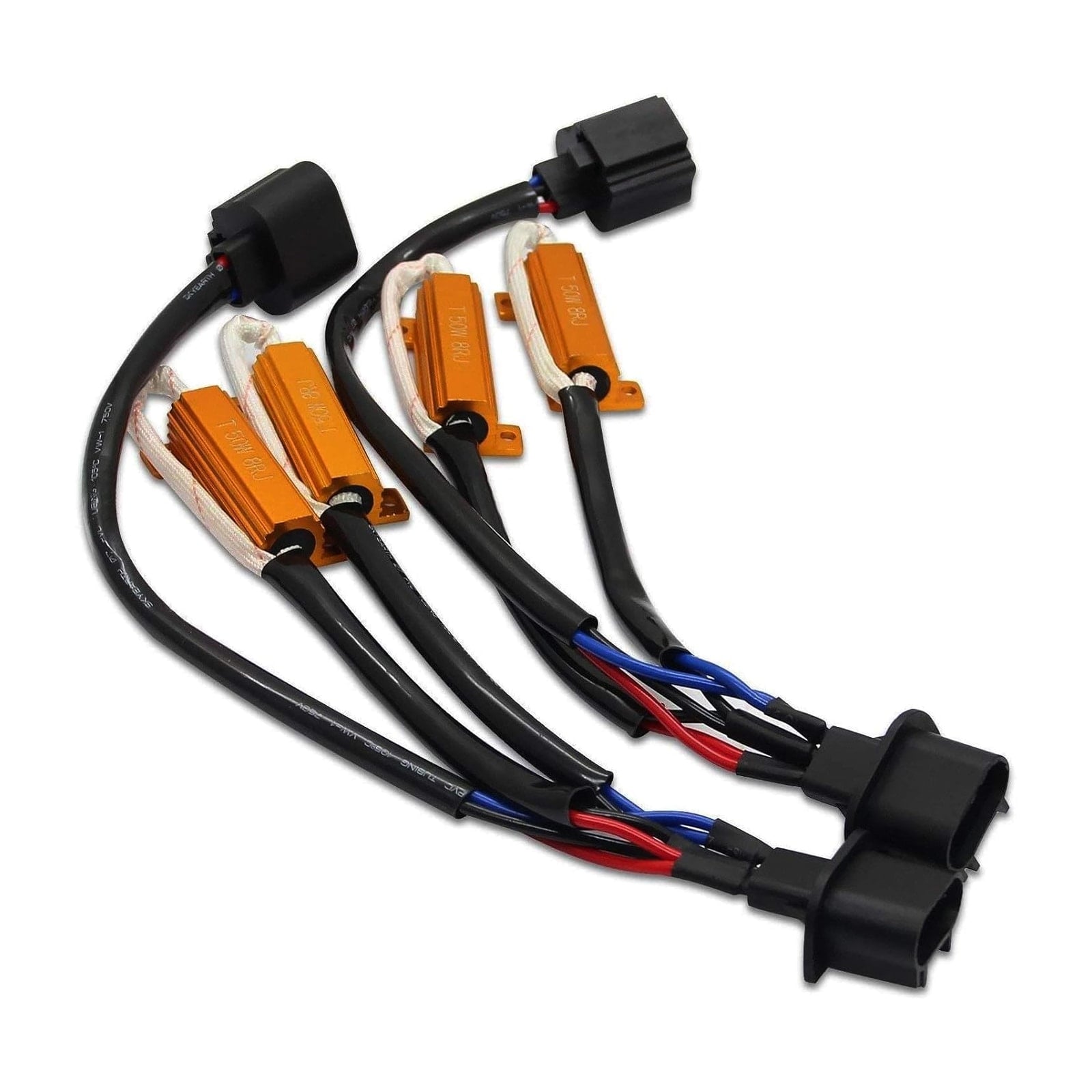
Most SEALIGHT LED tail light bulbs include a decoder in the package. If the bulb still flickers or triggers a dashboard warning after installation, contact SEALIGHT customer support to request a compatible decoder at no additional cost.
Crucial Selection Tip: Confirm Dual-Intensity Functionality
Most tail/brake lights share a single dual-filament bulb (such as 7443, 1157, or 3157).
- Running Lights (Low Intensity): Dimmer red glow when headlights are on.
- Brake Lights (High Intensity): Brighter red flash when you hit the brake pedal.
Make sure to select a Dual-Intensity Red LED bulb. Installing a single-intensity bulb (like 7440 or 1156) will either leave your brake light stuck at maximum brightness constantly or cause it not to brighten at all when braking.
FAQs of Red vs White Tail Light Bulbs
Are Tail Light Bulbs Red or White?
Tail light bulbs may look clear, red, or white before installation, but the finished tail light must emit red light. For an LED replacement, use a red bulb behind either a red or clear tail light lens.
Do Your Tail Lights Need to Be Red?
Yes. Tail lights must emit red light. The lens itself may be red, clear, or smoked, but the completed lamp must provide the required red output, brightness, and visibility.
Can You Put an Amber Bulb Behind a Red Lens?
No. A red lens filters amber light and may weaken or distort the signal. Use amber LEDs only in compatible rear turn-signal positions designed to display amber light.
Are Red LED Tail Light Bulbs Legal?
Red is the required output color, but a red bulb is not automatically legal in every vehicle or housing. The completed lamp must also provide proper brightness, visibility, and light distribution. NHTSA’s replacement-lighting guidance requires replacement lighting to preserve the original function’s required color.
Conclusion
For red vs white tail light bulbs, use a red LED in a tail light position behind a red, clear, or smoked lens. White LEDs should be reserved for compatible reverse-light positions.
Before choosing a SEALIGHT LED tail light bulb replacement, confirm the bulb size, light position, intensity mode, socket layout, and electrical compatibility. After installation, verify the final red color, even lens coverage, and clear tail-to-brake brightness change.