
 Headlight Bulbs


 Track Order
 My Vehicles
 Contact Us
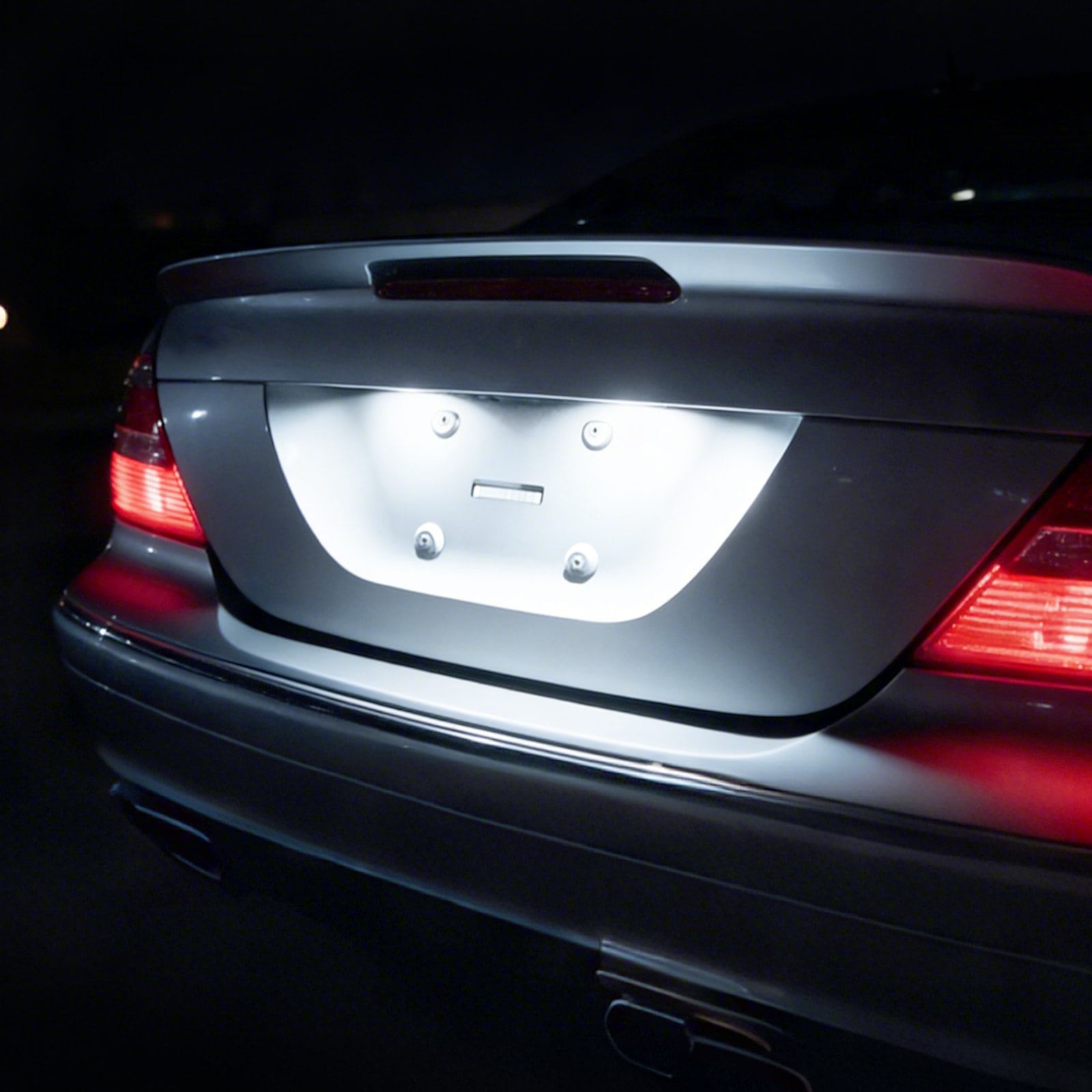
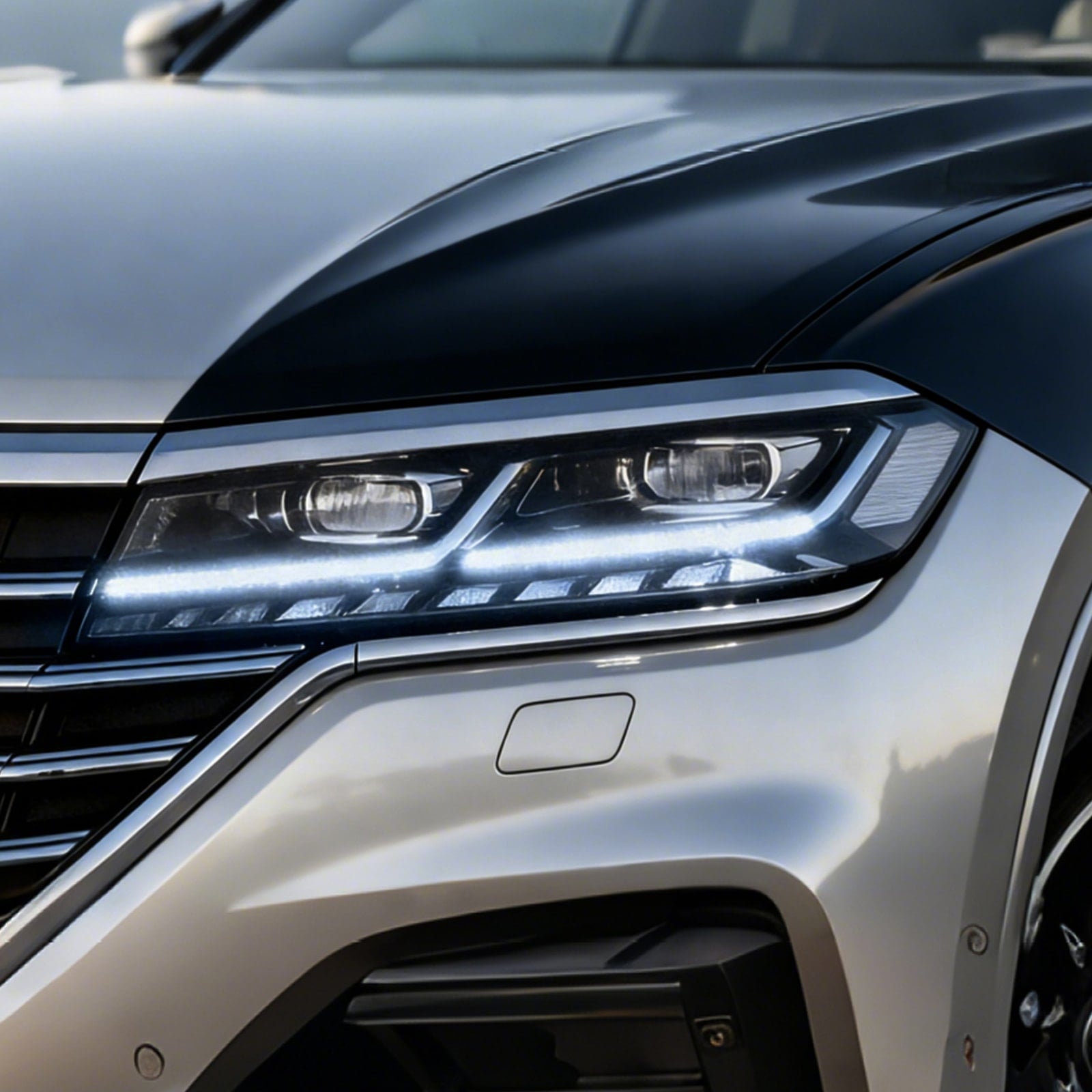
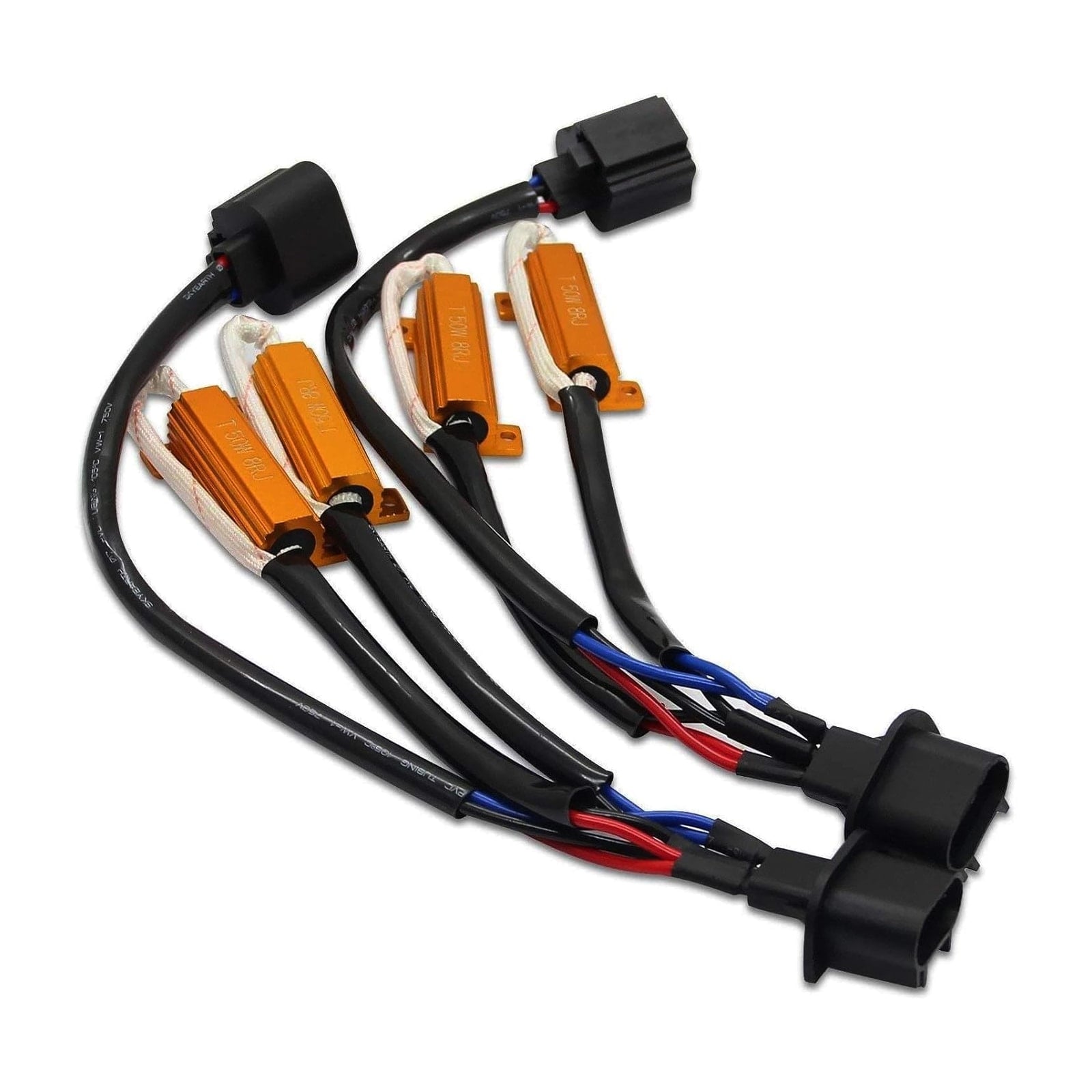
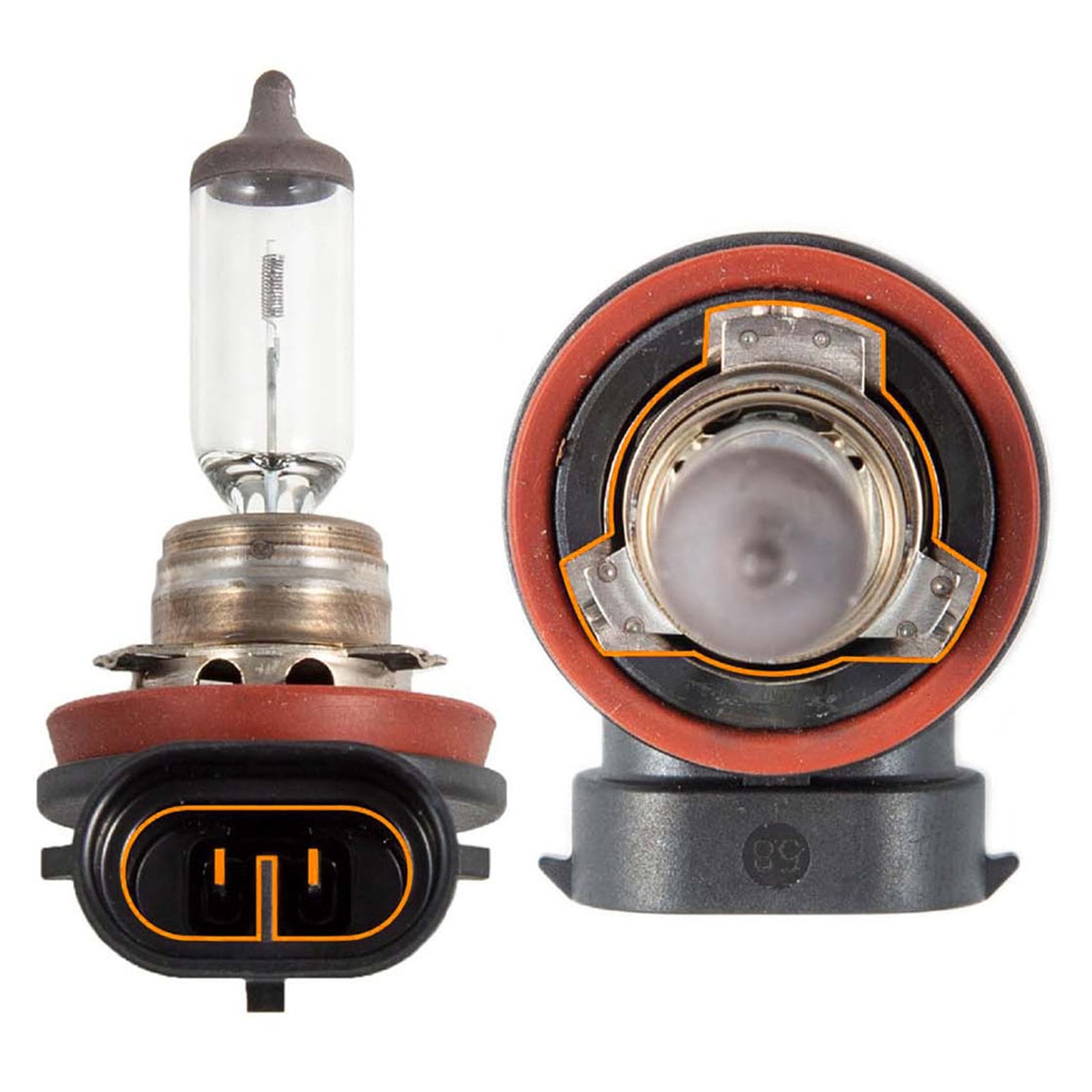
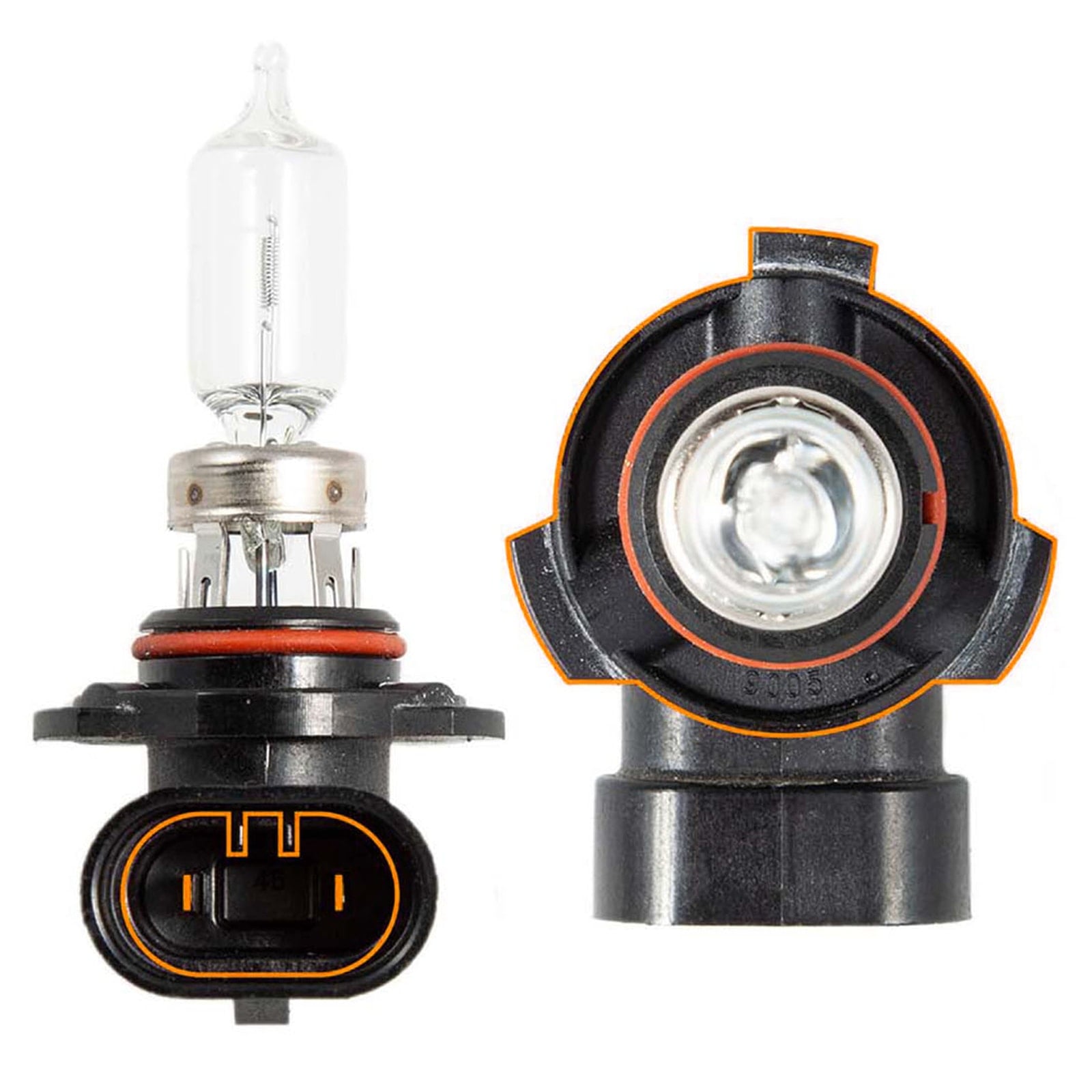
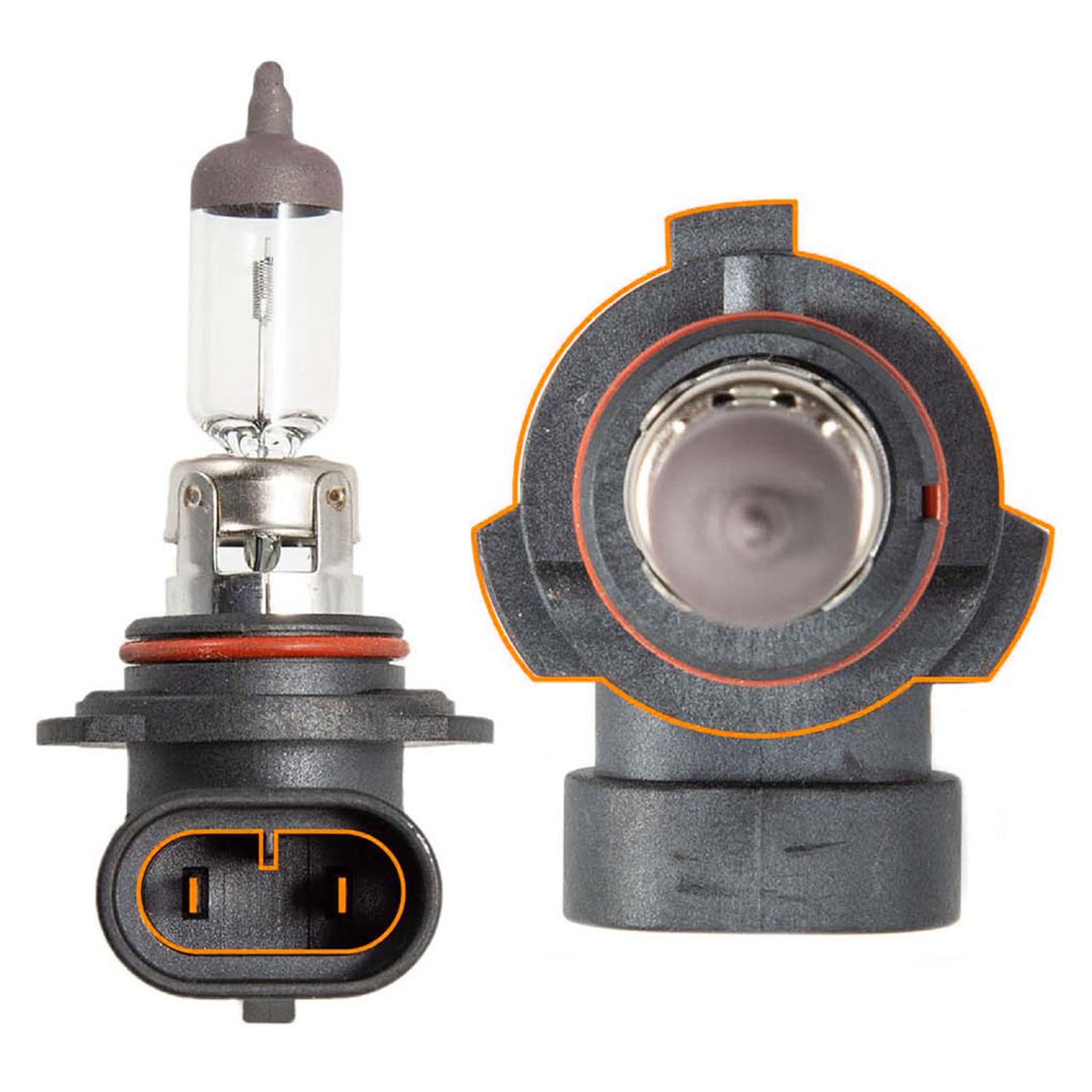
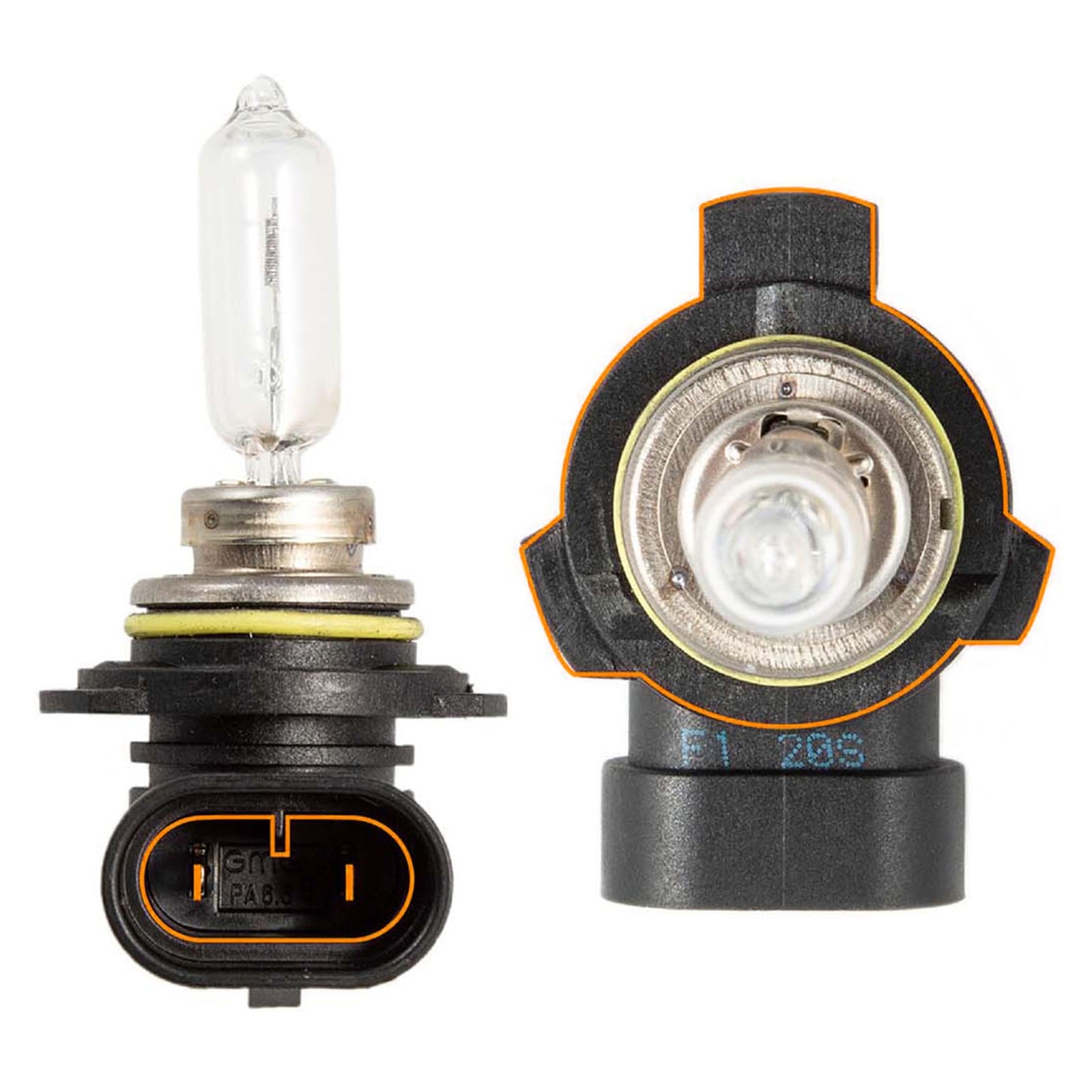

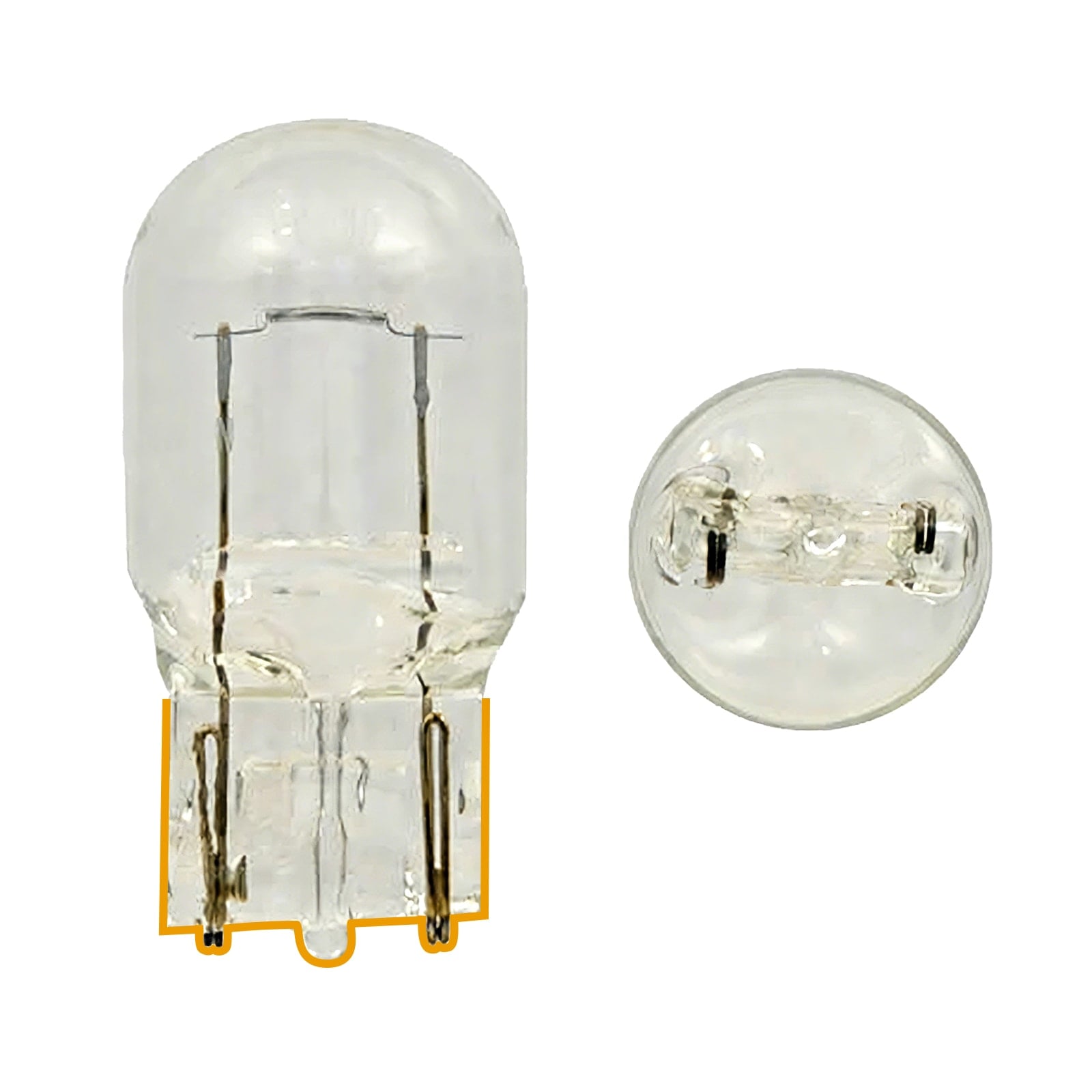
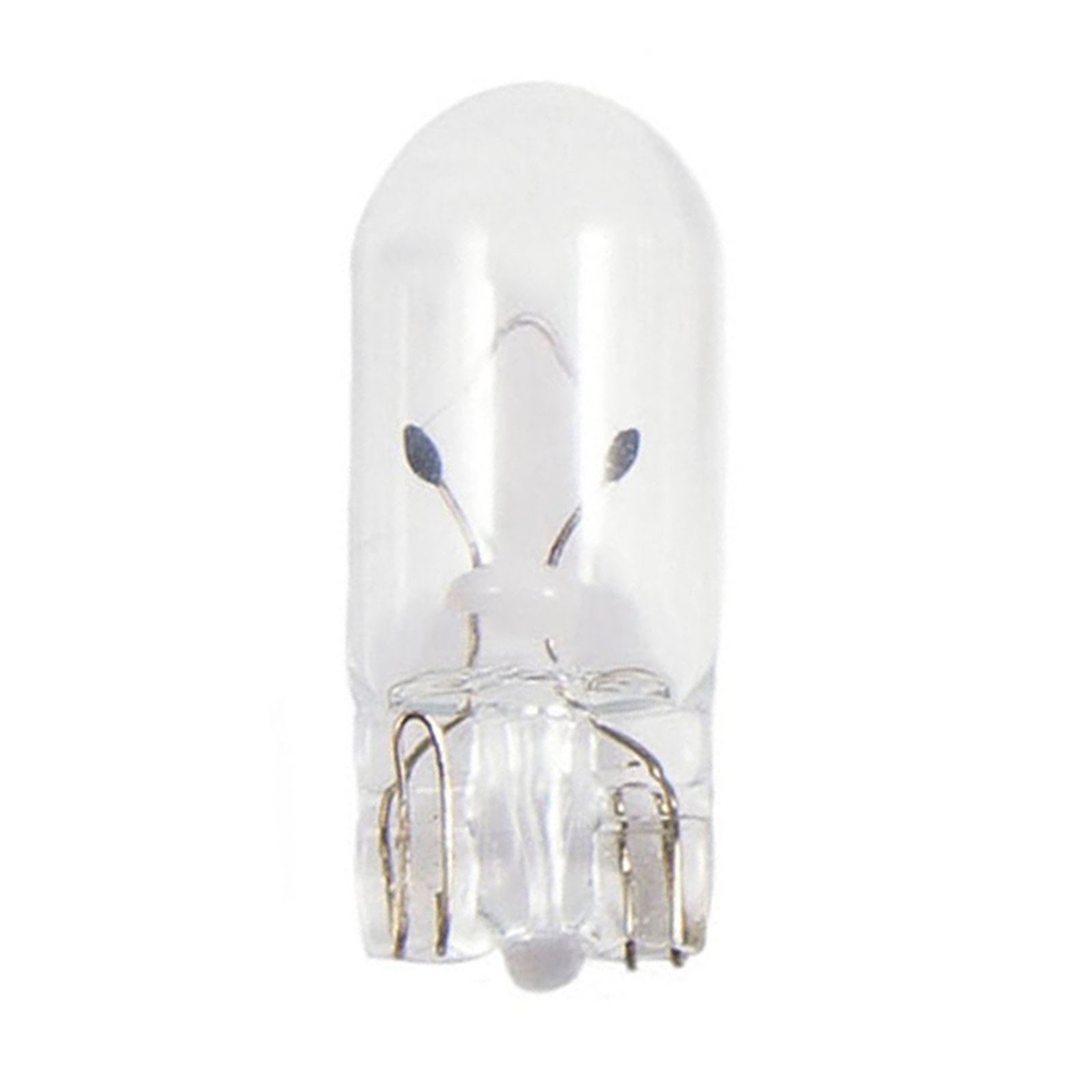
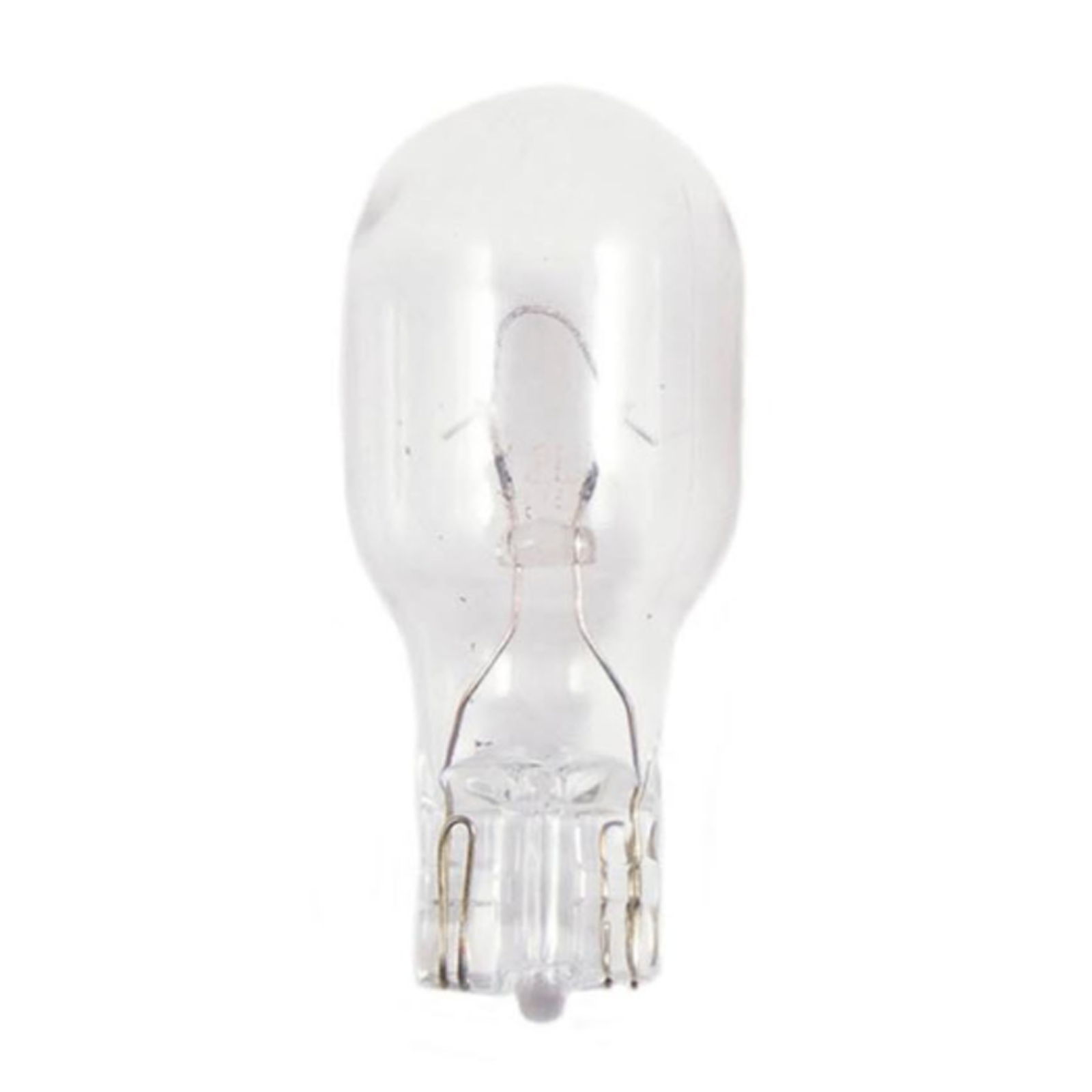
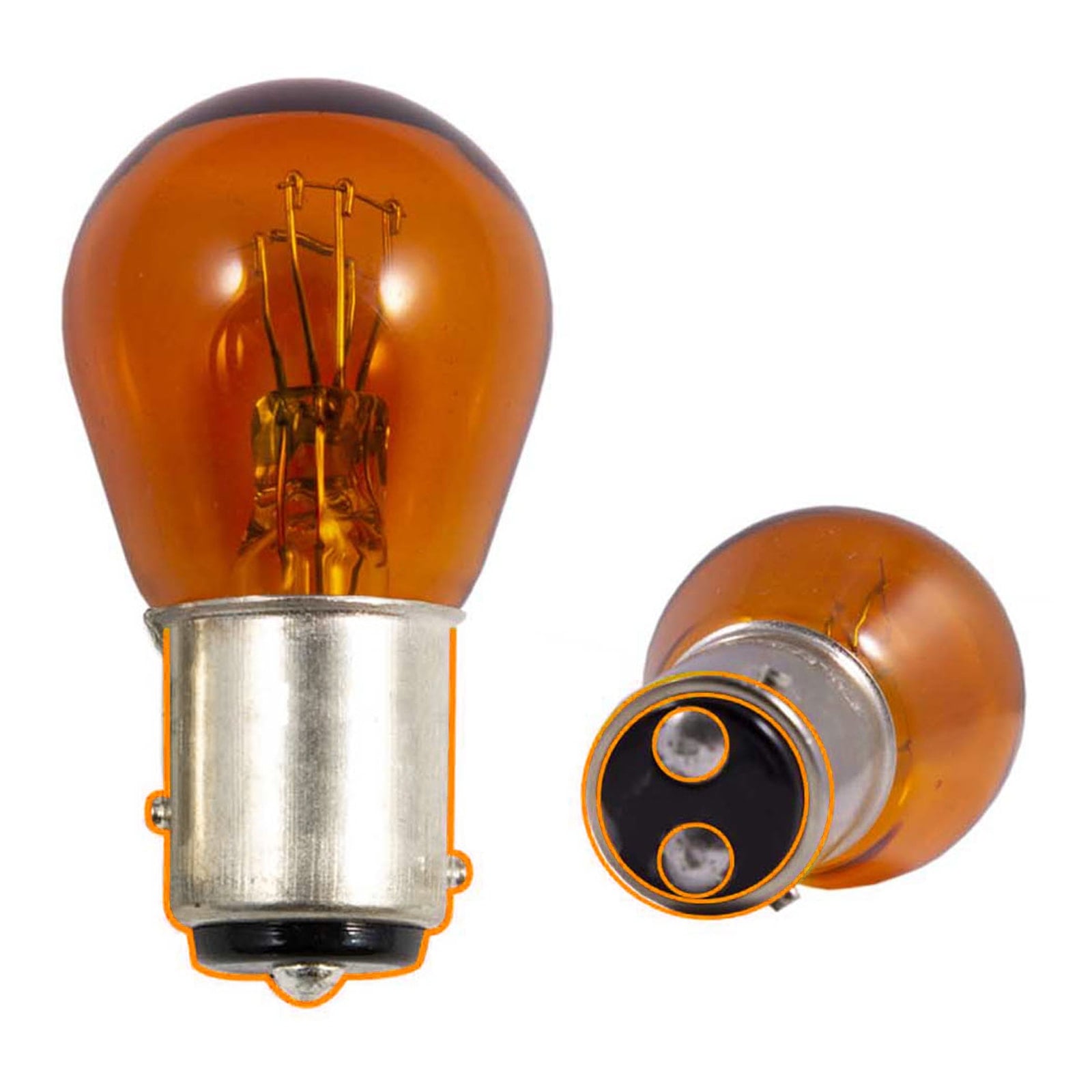











Rain is one of the most common weather risks for drivers. According to the Federal Highway Administration, 75% of weather-related vehicle crashes happen on wet pavement, and 47% happen during rainfall. Driving in the rain is dangerous because wet roads give your tires less grip, rain makes it harder to see, and standing water can lead to hydroplaning.
Rainy roads can feel even more stressful at night, on highways, or during heavy rain. This guide covers the key tips for driving in the rain, with a focus on safer control, better visibility, and smarter light use, so you can see the road clearly and help other drivers see you.
Safety Checklist Before Driving in the Rain
Before driving in the rain, take a few minutes to check the parts that affect visibility, grip, and control. The Federal Highway Administration says most weather-related crashes happen on wet pavement, so a quick check before you leave can help lower the risk.
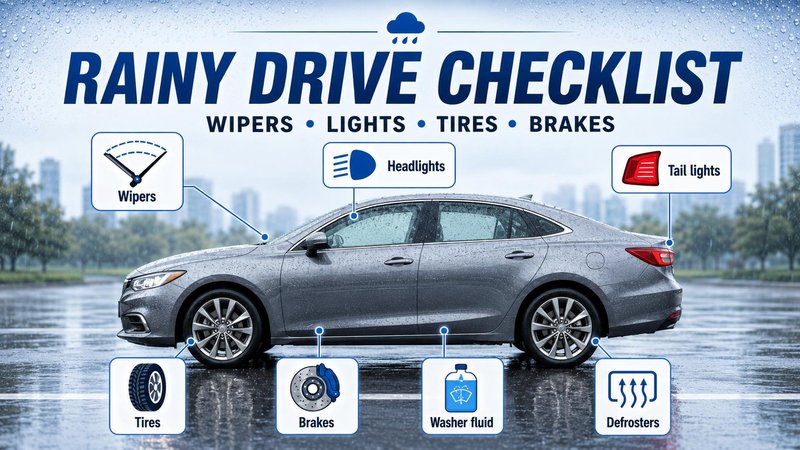
Use this simple checklist before you drive:
- Wipers: Make sure they clear the windshield without streaks.
- Defrosters: Test the front and rear defrosters so you can clear fogged glass fast.
- Washer fluid: Keep the tank full to clean off mud and road spray.
- Headlights: Check that both headlights are bright and clean.
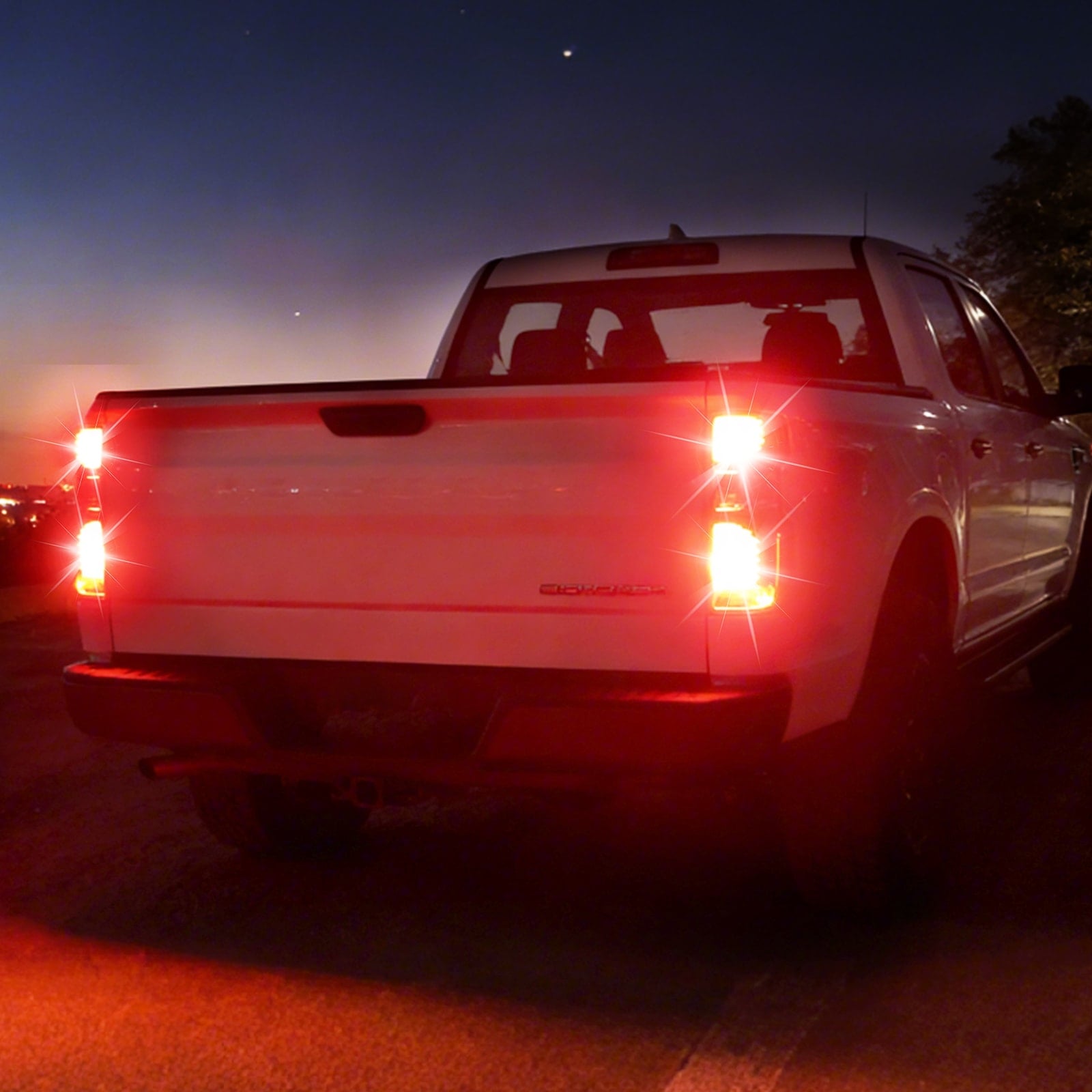
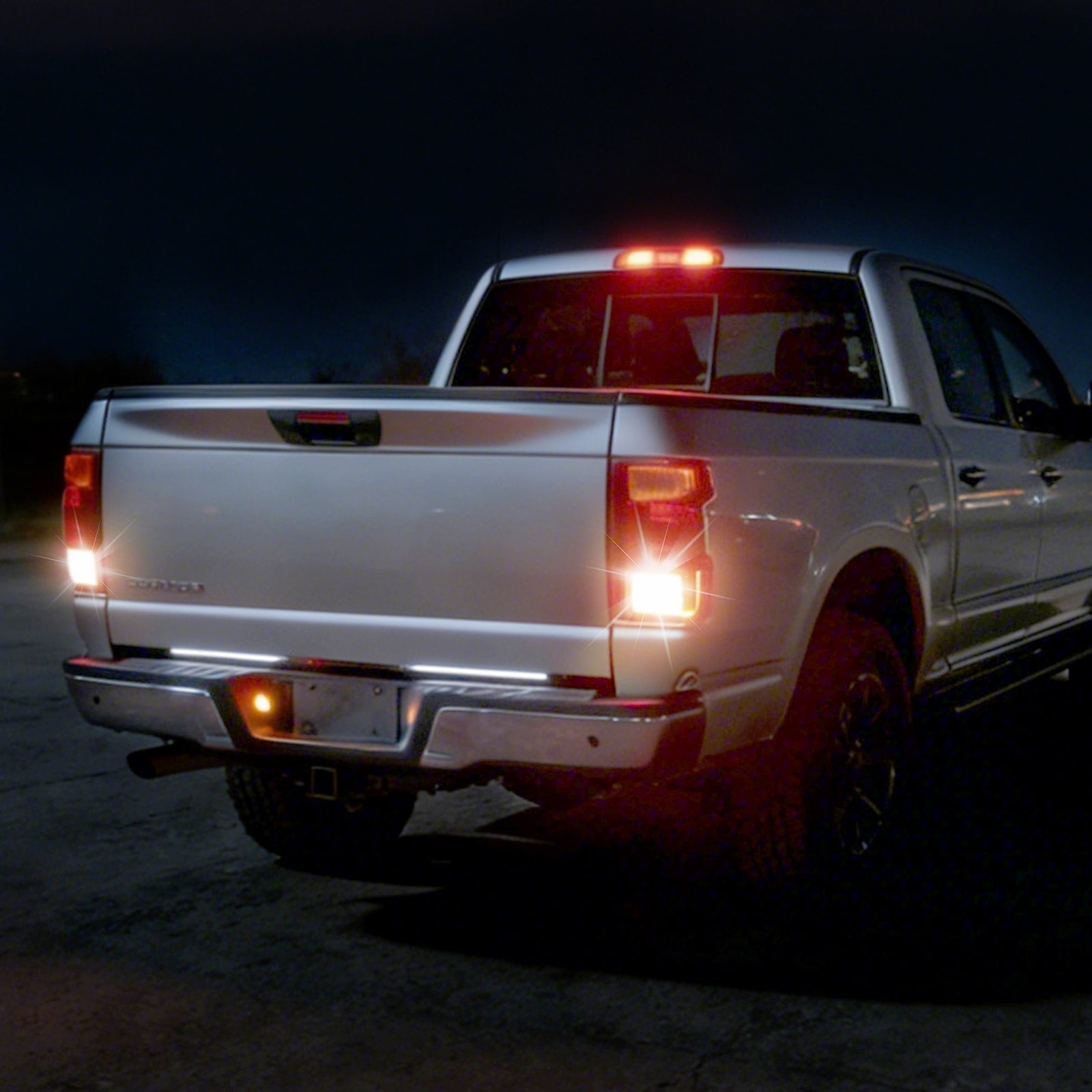
- Tail lights and brake lights: Make sure drivers behind you can see you in rain.
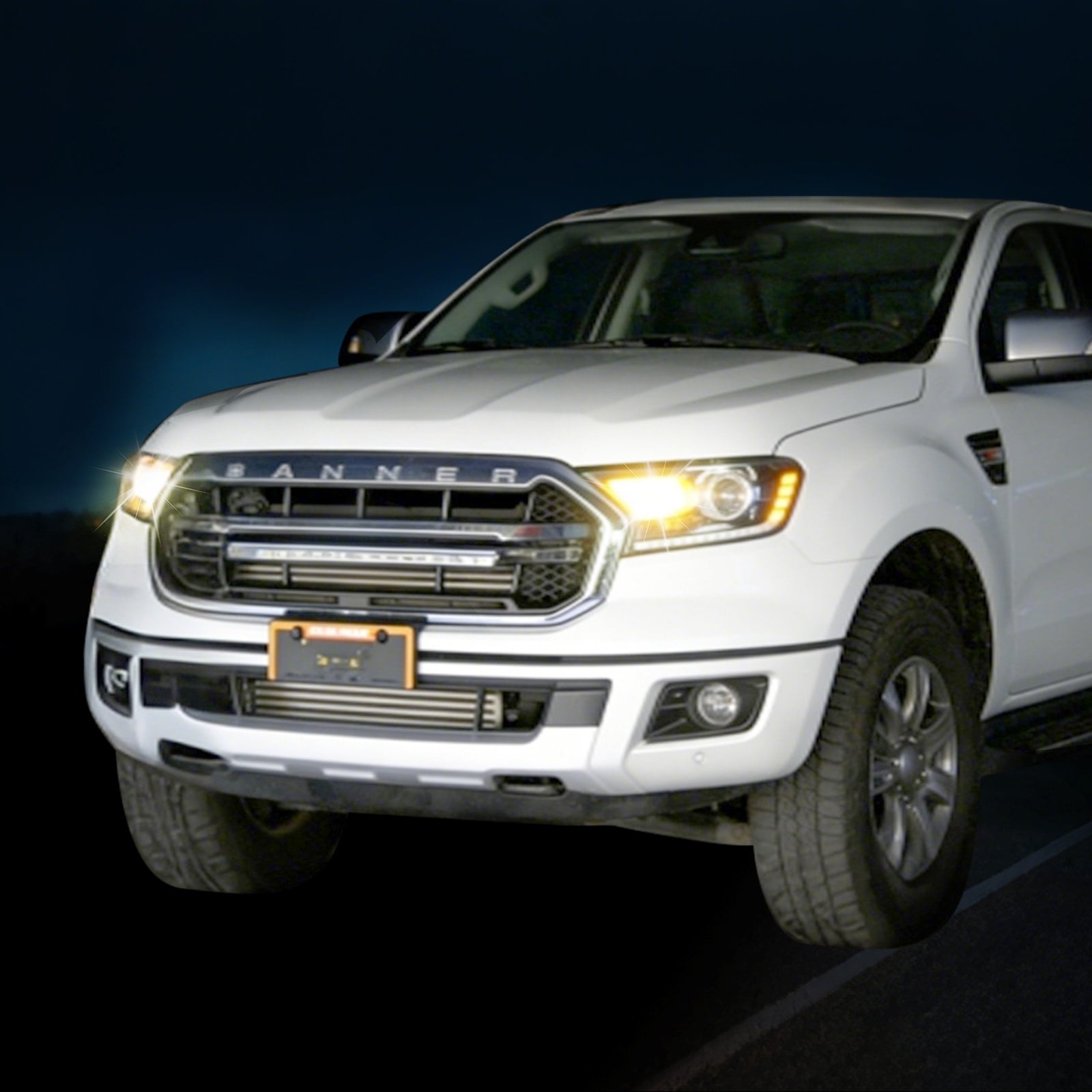
- Turn signals: Test them before you merge or change lanes.
- Tires: Check tread depth and tire pressure for better grip on wet roads. For tire pressure, follow the number on your vehicle’s tire information label or owner’s manual, as recommended by NHTSA’s tire safety guide.
- Brakes: Listen for noise and make sure the brake pedal feels normal.
- Cruise control: Turn it off before driving on wet roads.
- Route: Check for flooding, road closures, or heavy traffic before you leave.
For model-specific upgrade choices after confirming fitment, see best car lights for safer winter driving.
10 Tips for Driving in the Rain Safely
Use these driving in the rain safety tips to stay more in control on wet roads.
1. Slow Down
The best way to drive safely in the rain is to slow down. Wet roads give your tires less grip, so your car needs more time to stop.
You do not need to slam on the brakes or drive far below the flow of traffic. Just ease off the gas and give yourself more room to react. This is even more important when rain first starts, because oil and dirt on the road can make the surface extra slick.
2. Leave More Space Between Cars
In dry weather, many drivers use the 3-second rule. In the rain, give yourself more space. A 5- or 6-second gap is safer on wet roads.
Pick a sign, pole, or lane marker ahead. When the car in front passes it, start counting. If you reach the same point too soon, slow down and open the gap. More space gives you time to brake slowly. It also helps you avoid sudden moves if traffic stops fast.
3. Turn On Your Headlights
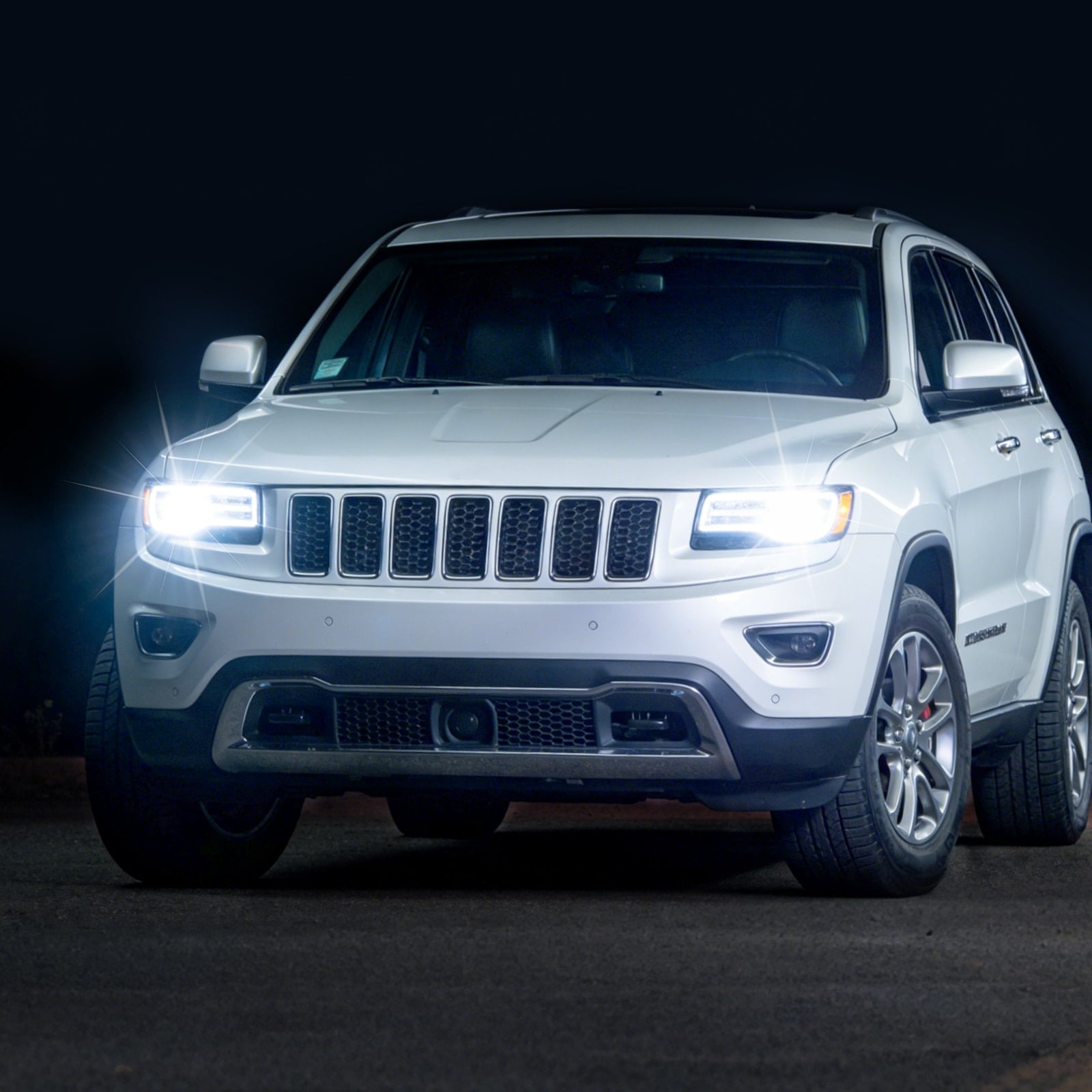
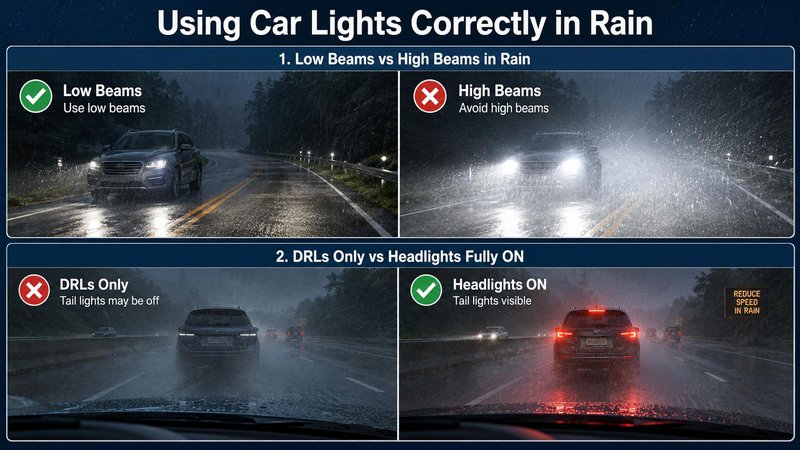
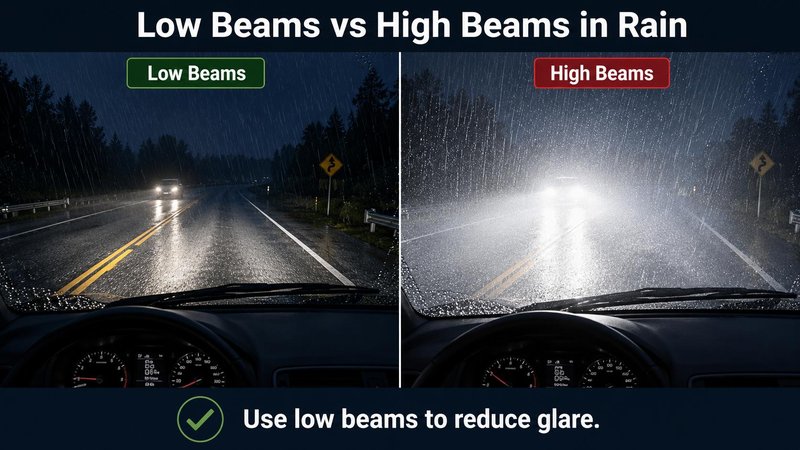
Turn on your headlights when driving in the rain, even during the day. Rain can make your car harder to see, especially in road spray, fog, or low light. Use low beams in rain. High beams can bounce off raindrops and wet roads, which may create glare and make it harder to see.
Also remember that daytime running lights may not turn on your tail lights. If your tail lights are off, drivers behind you may not see you well in heavy rain.
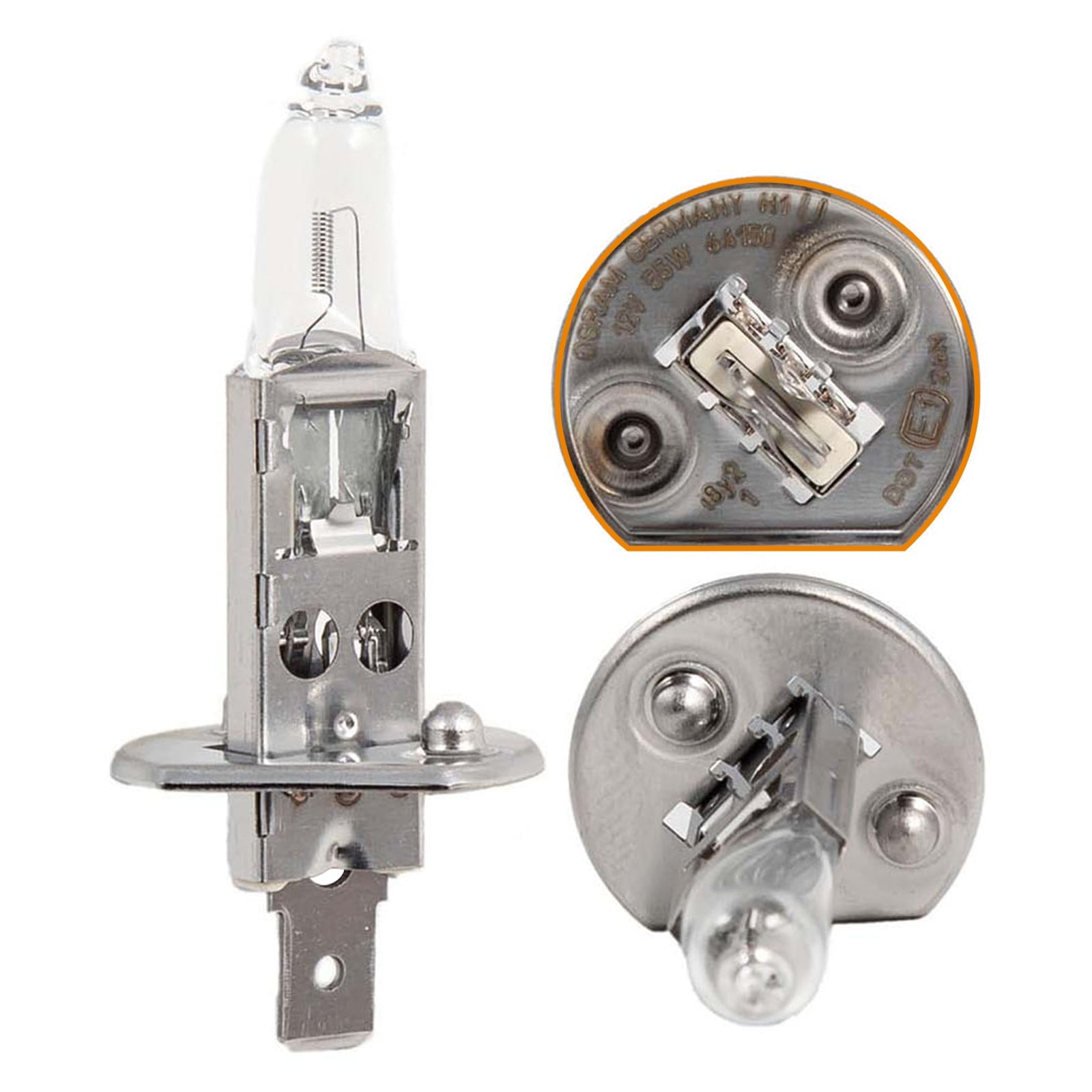
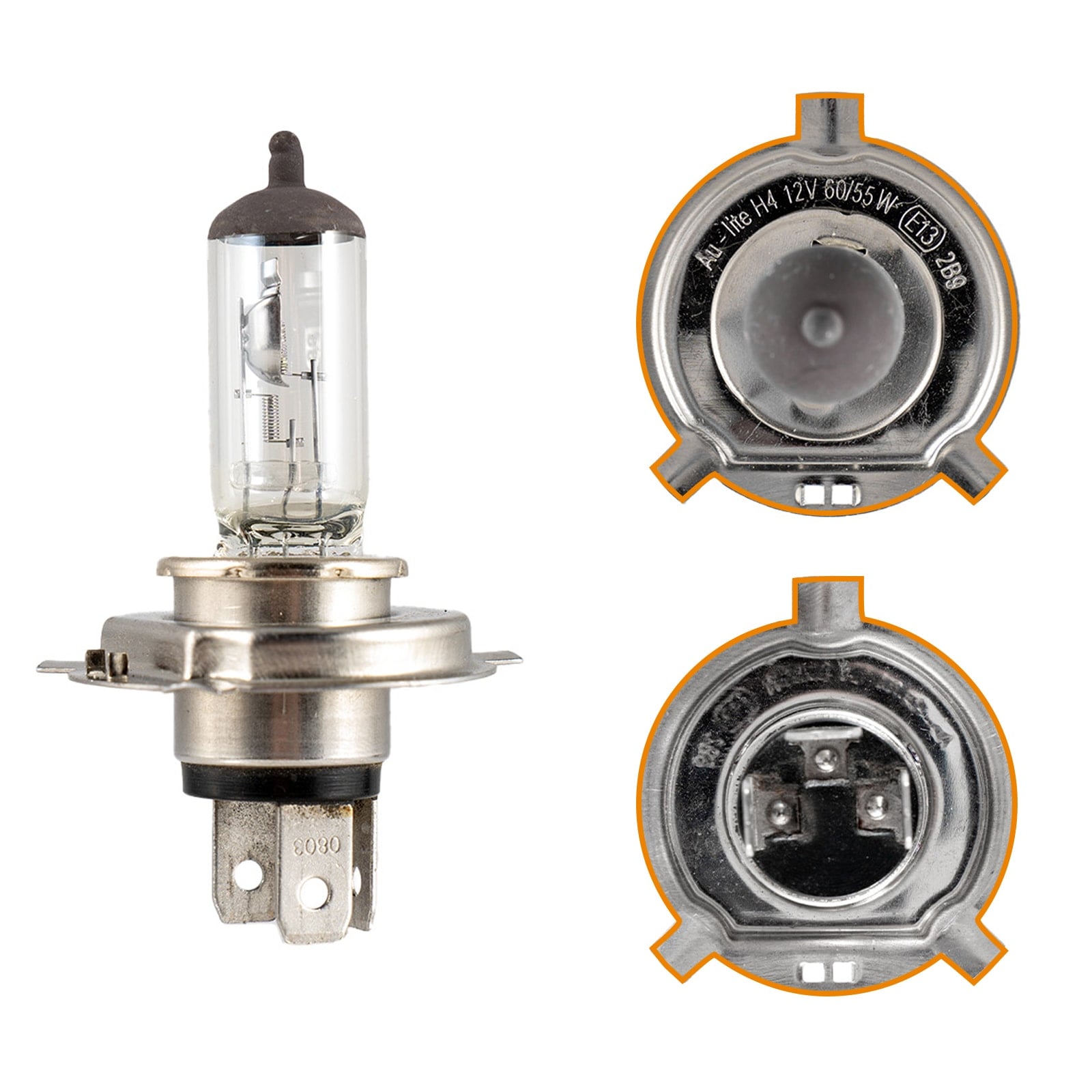
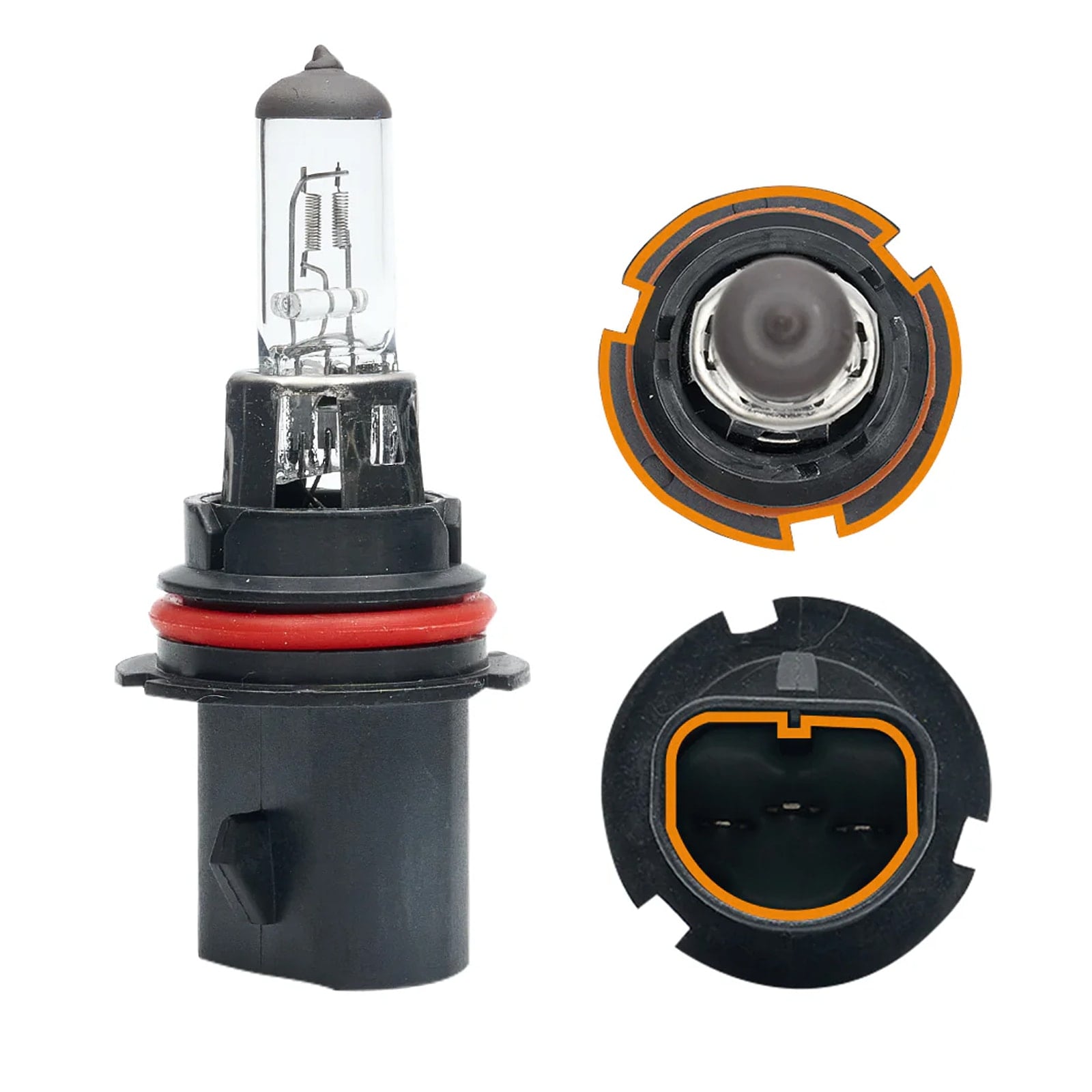
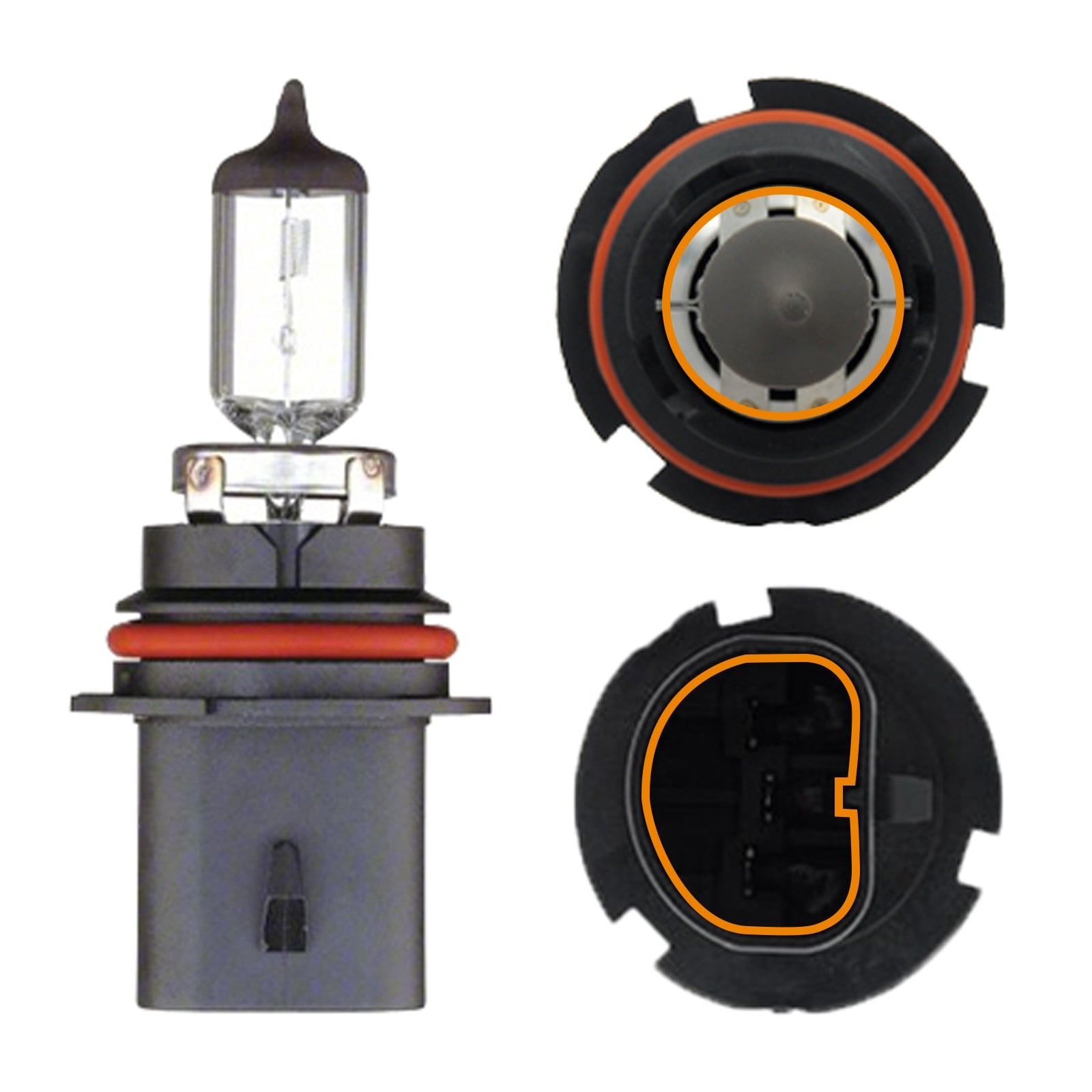
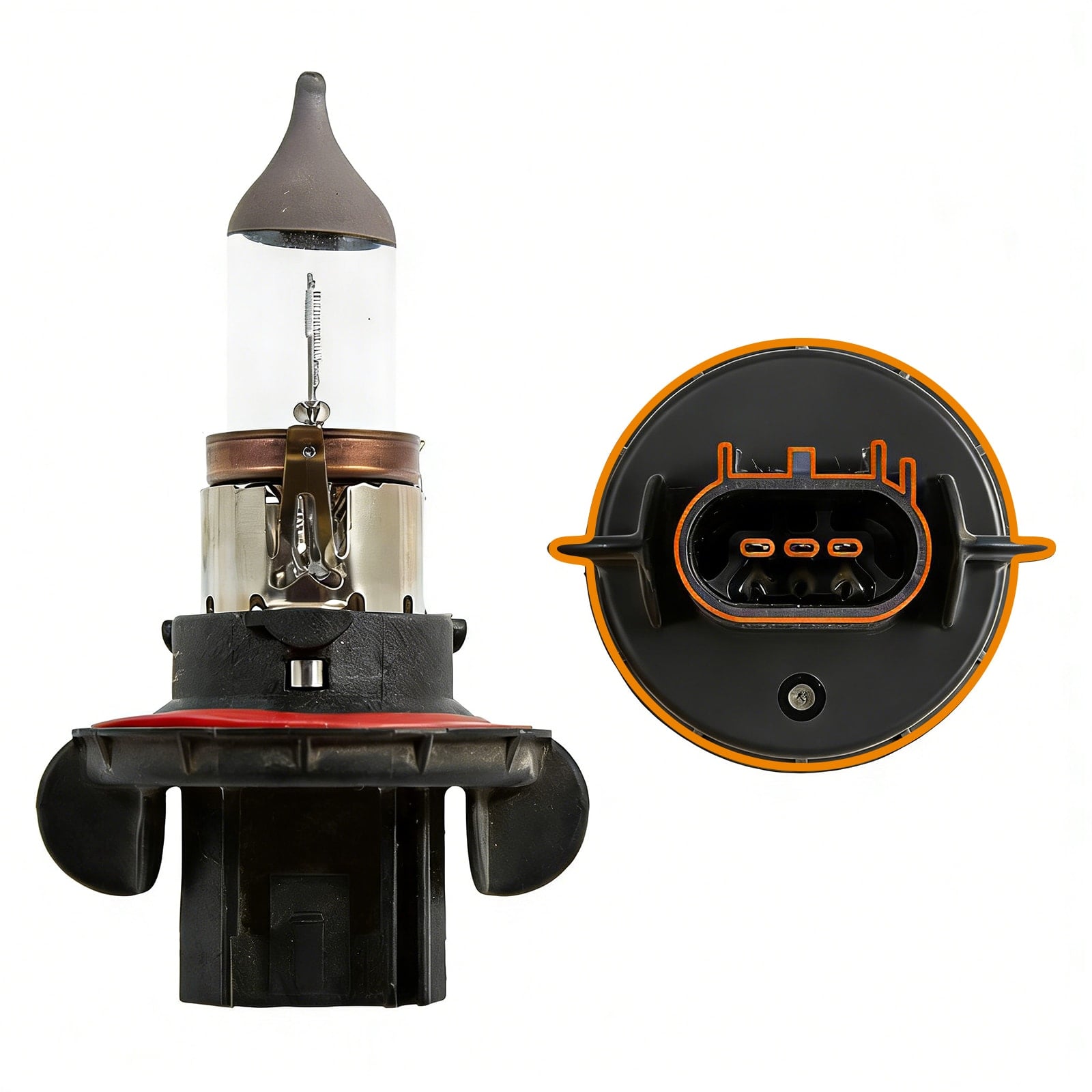
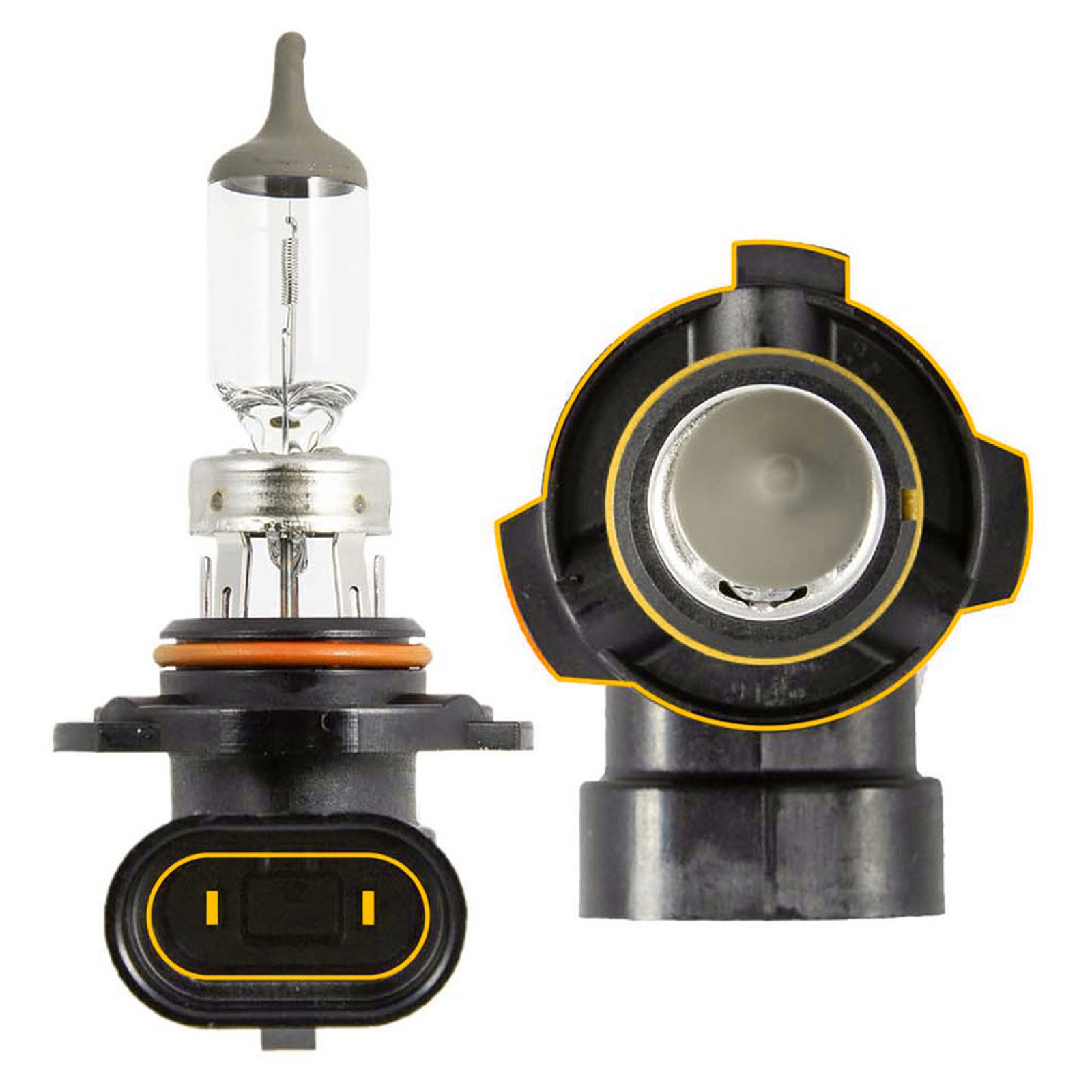
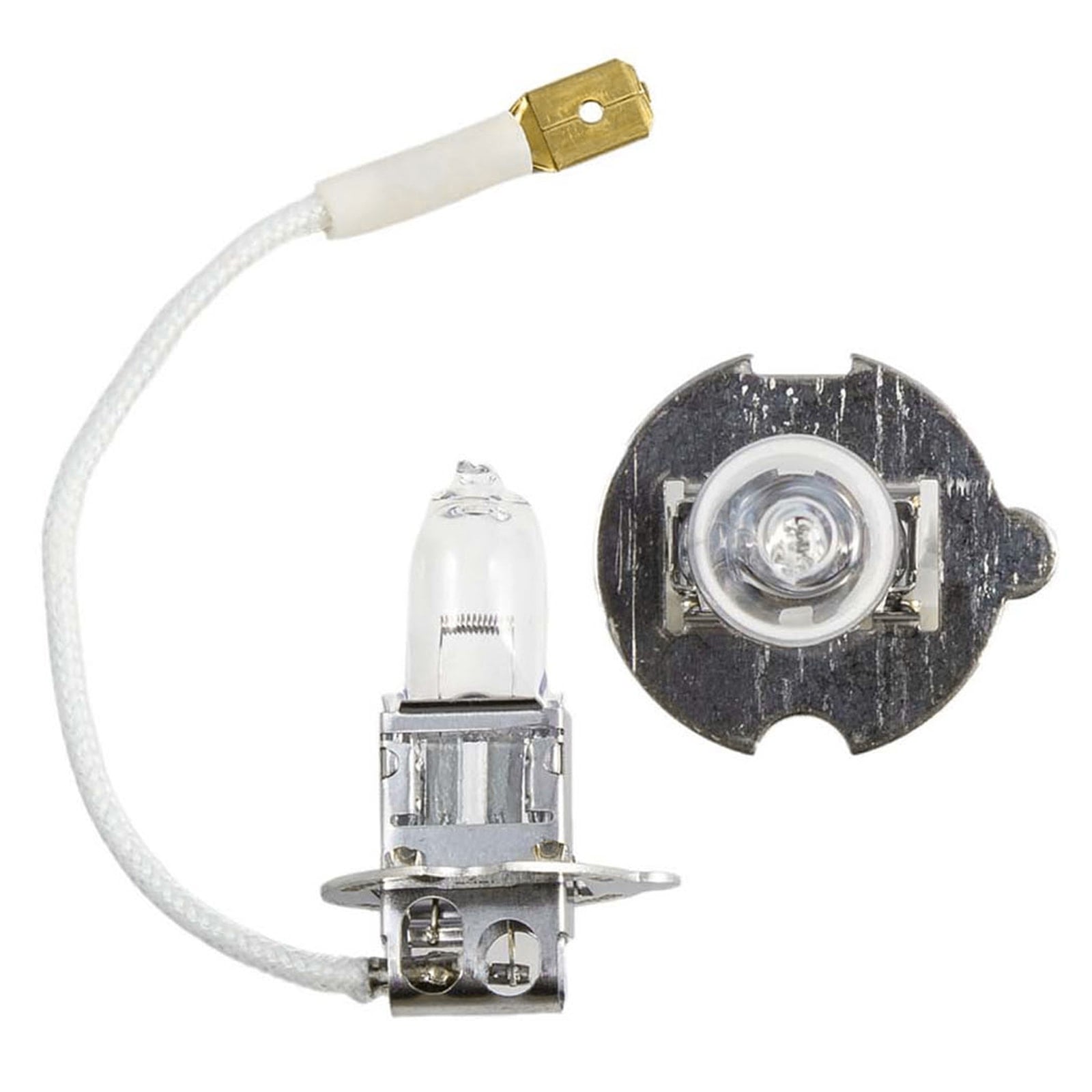
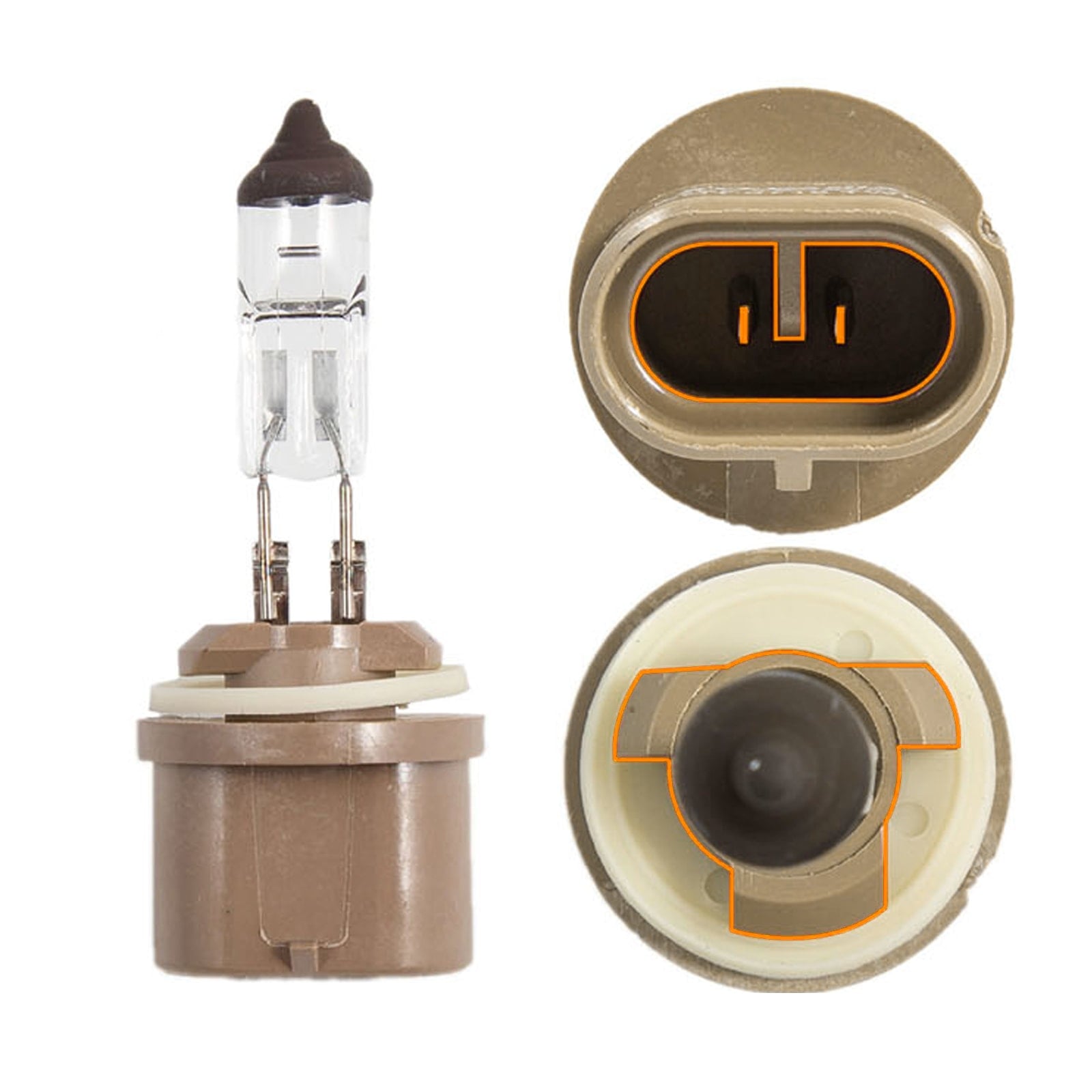
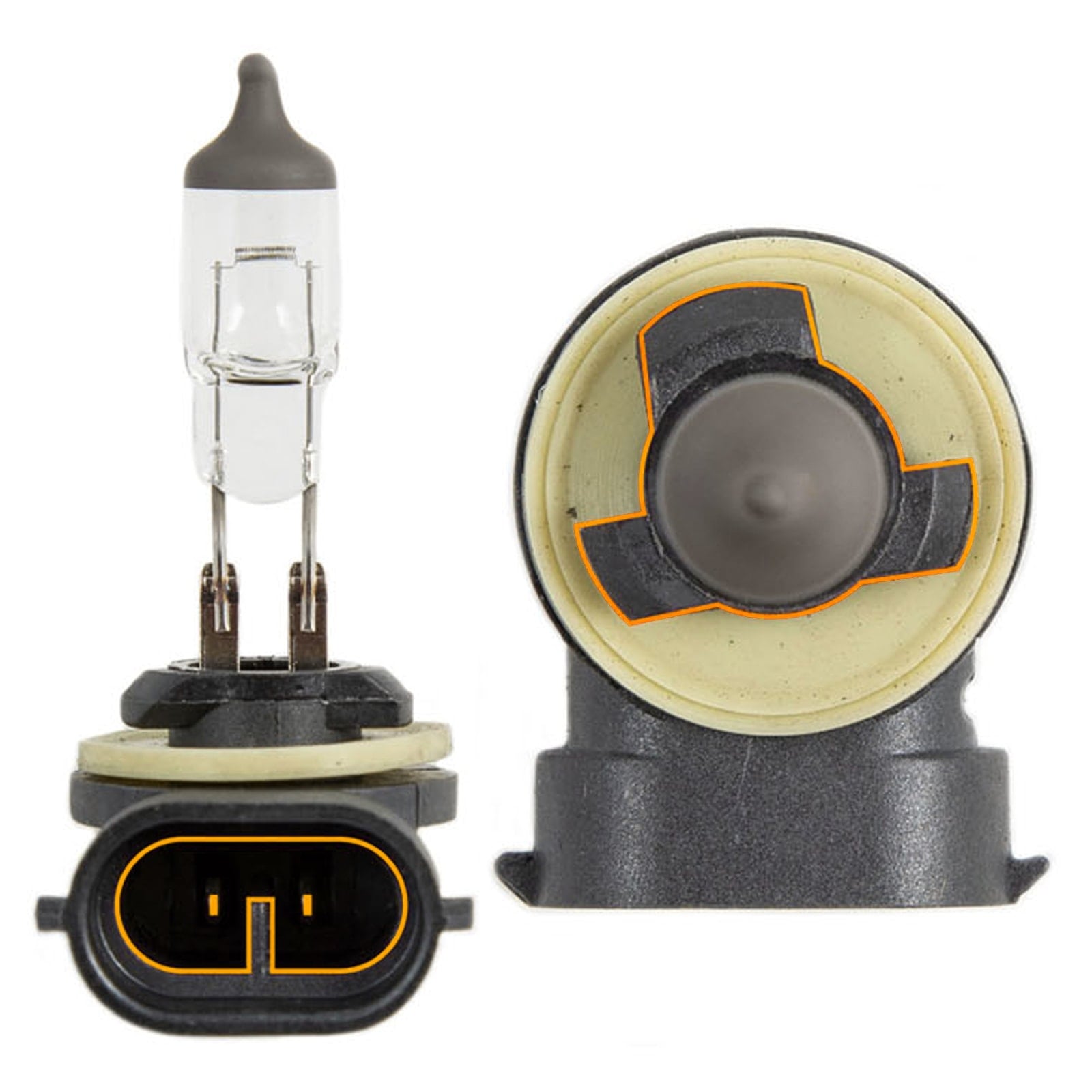
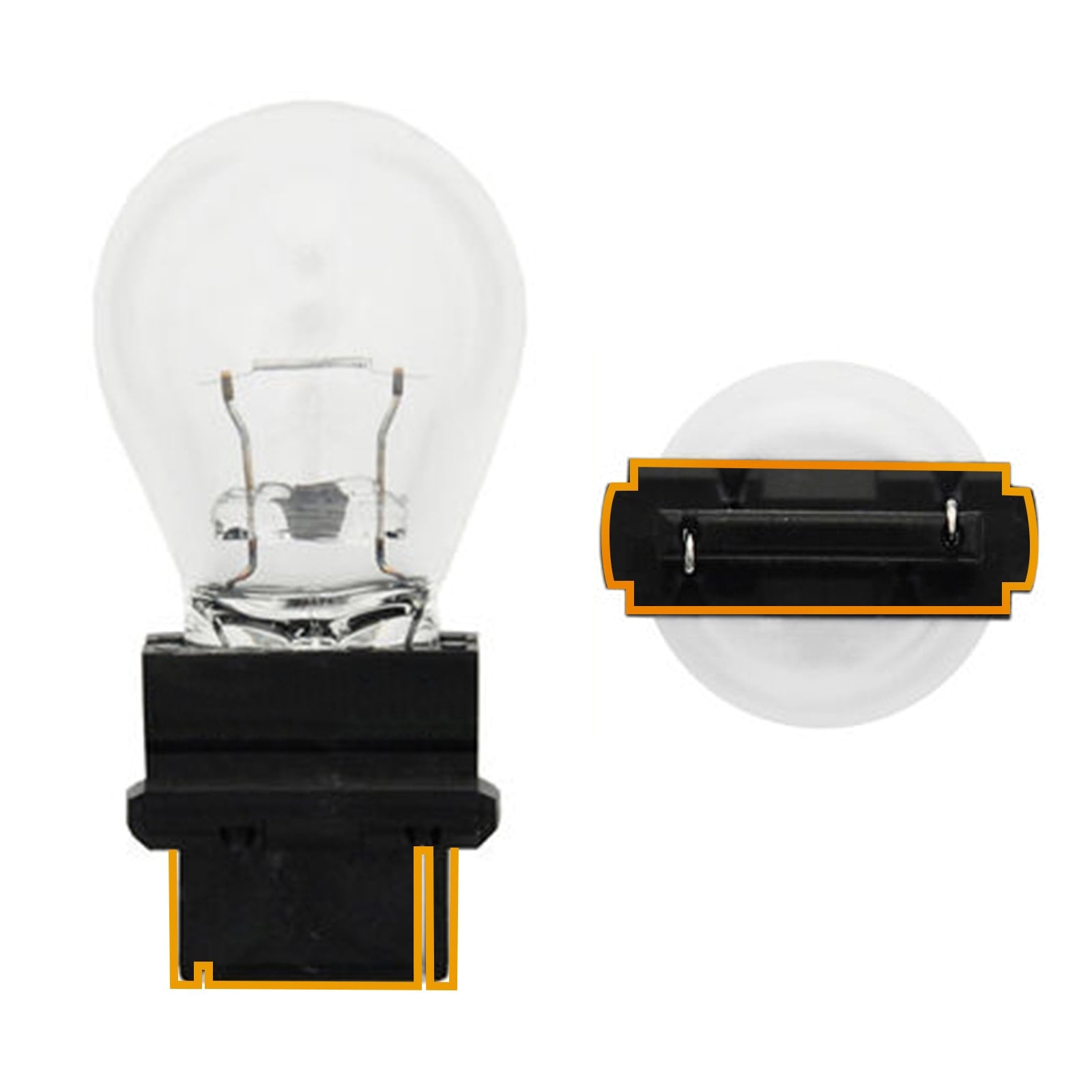
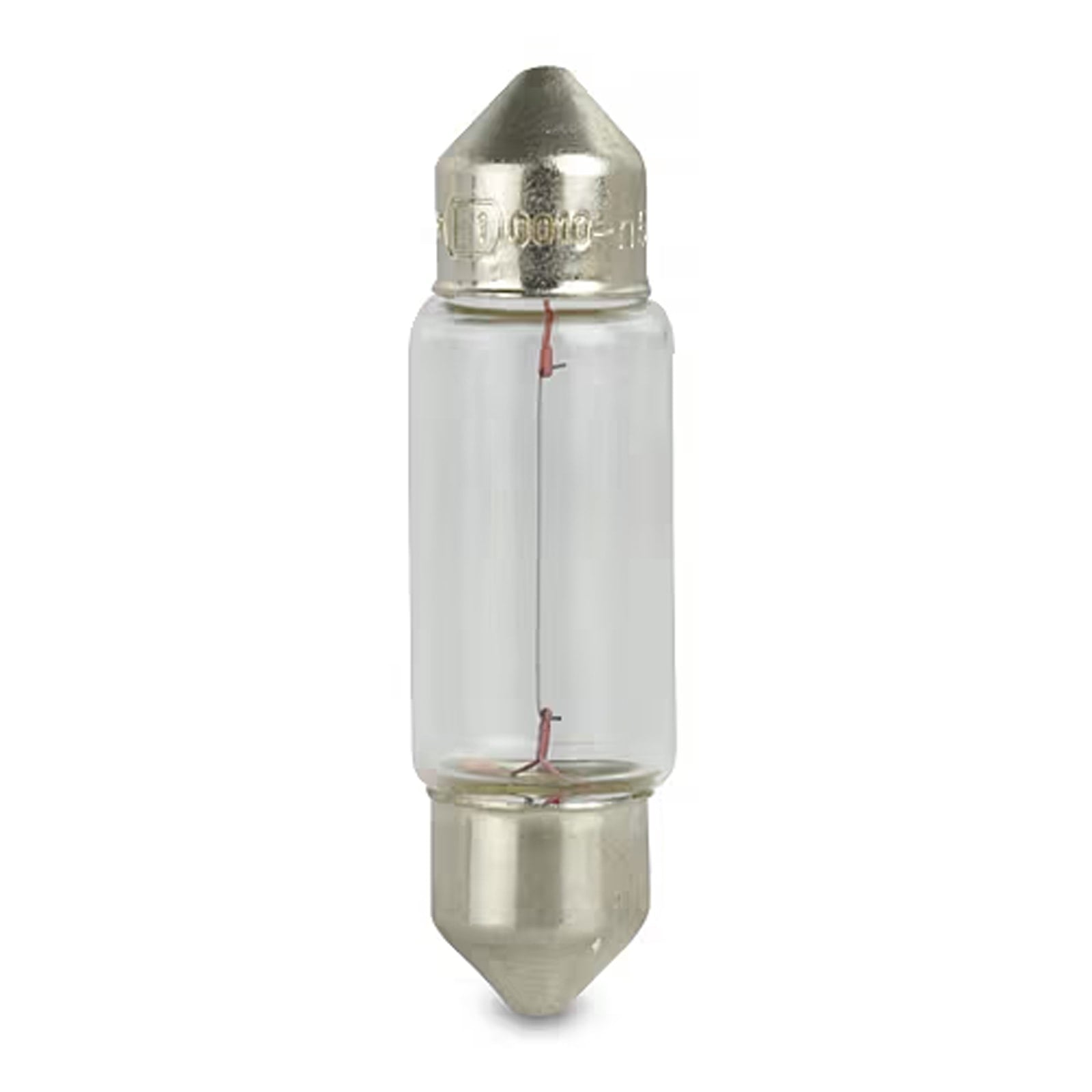
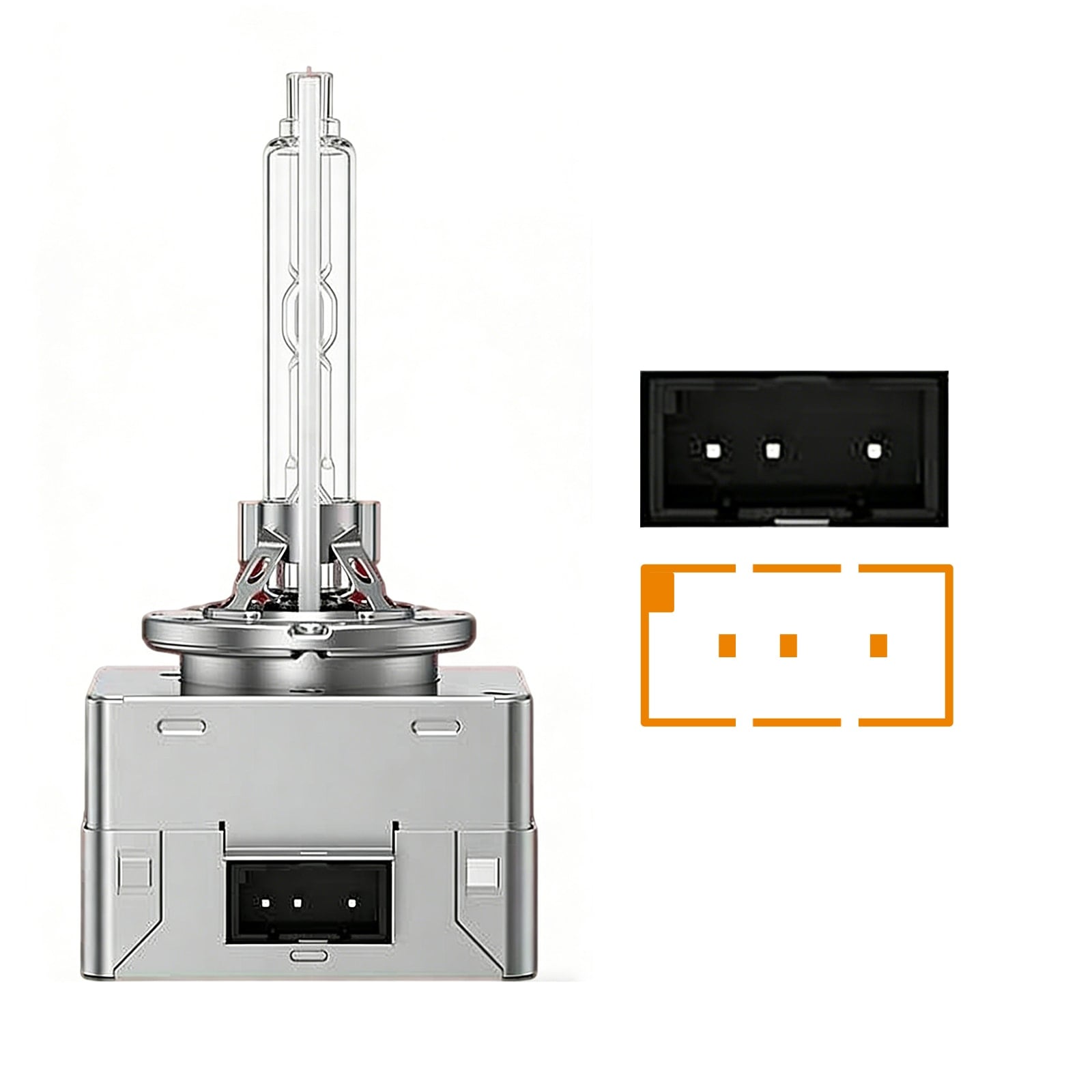
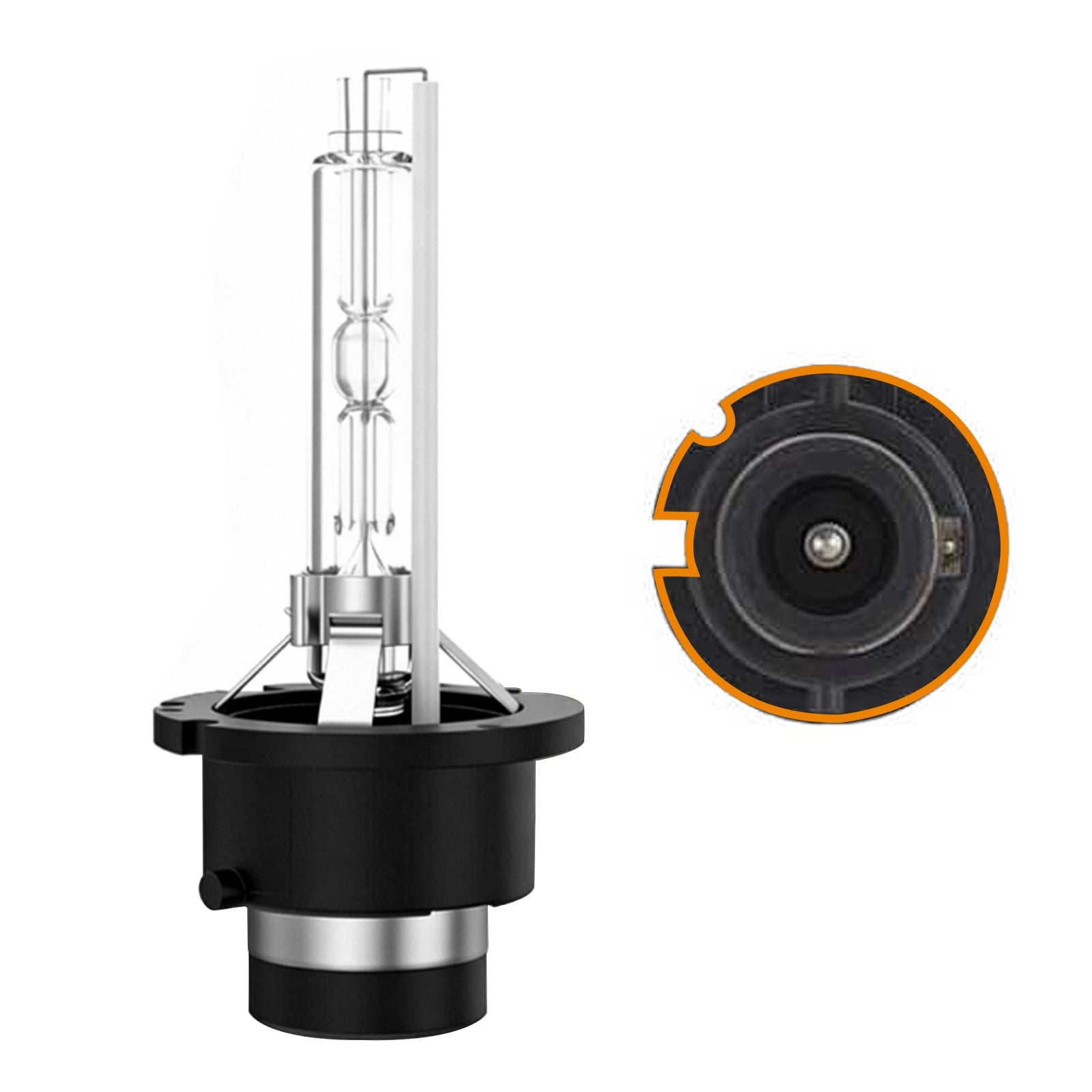
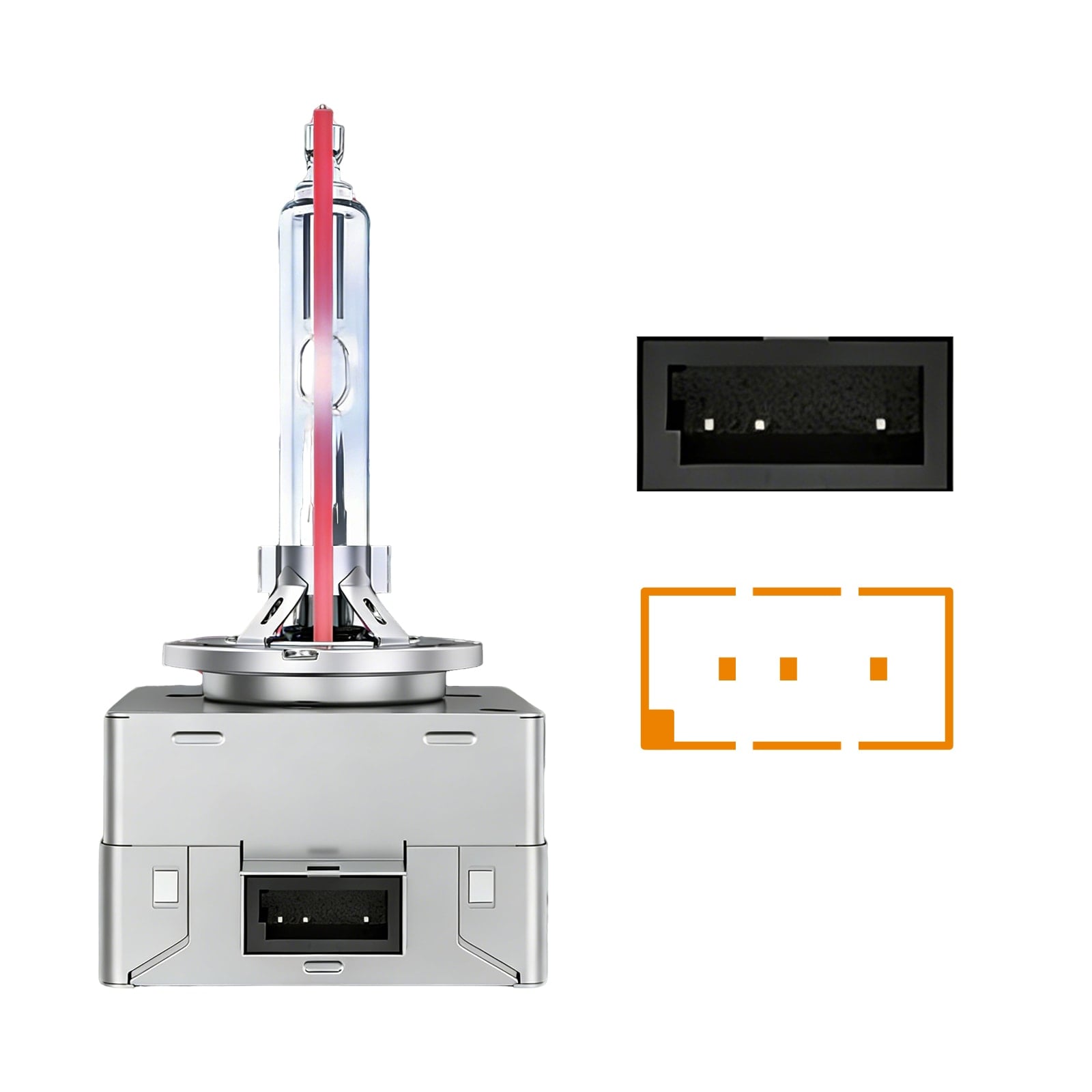
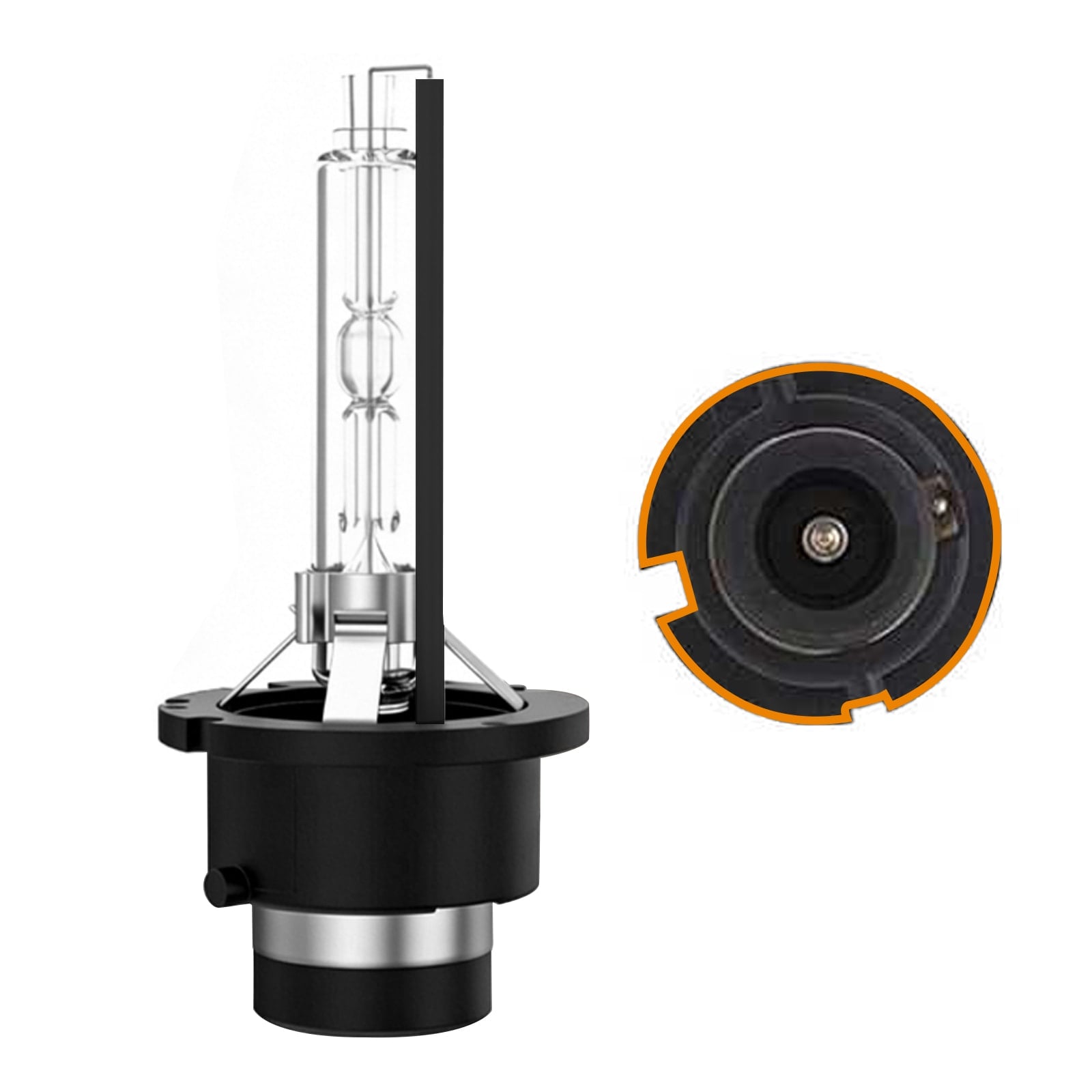
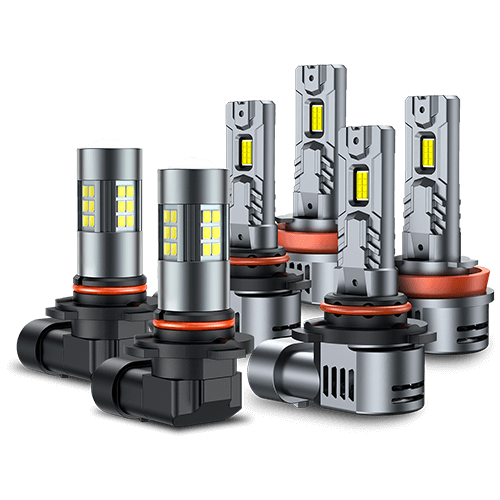
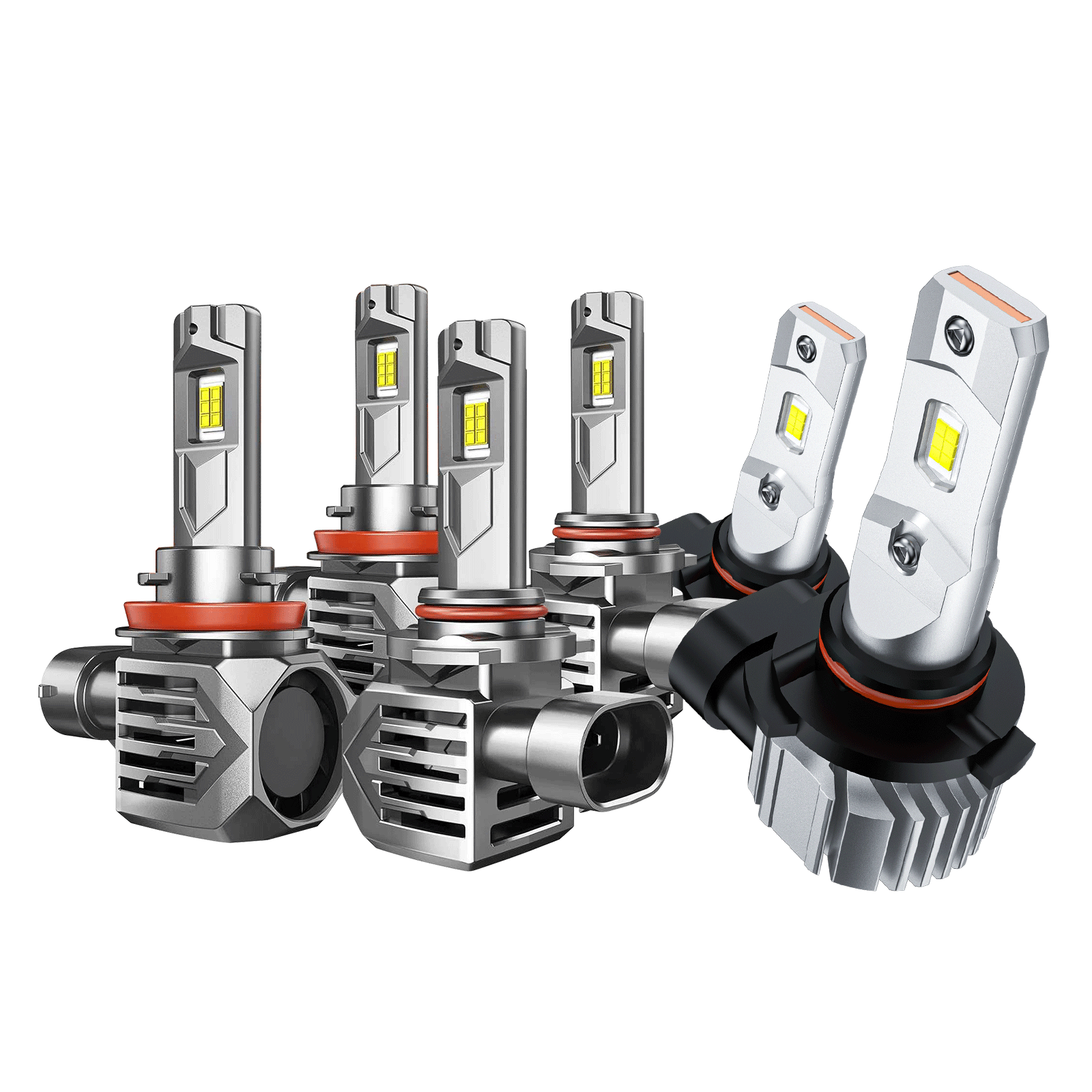
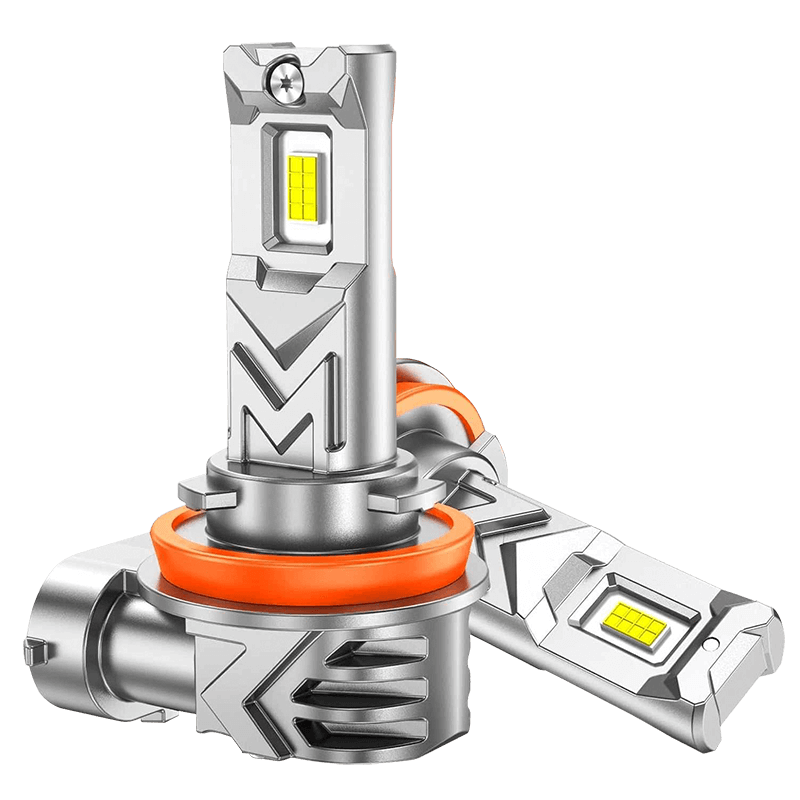
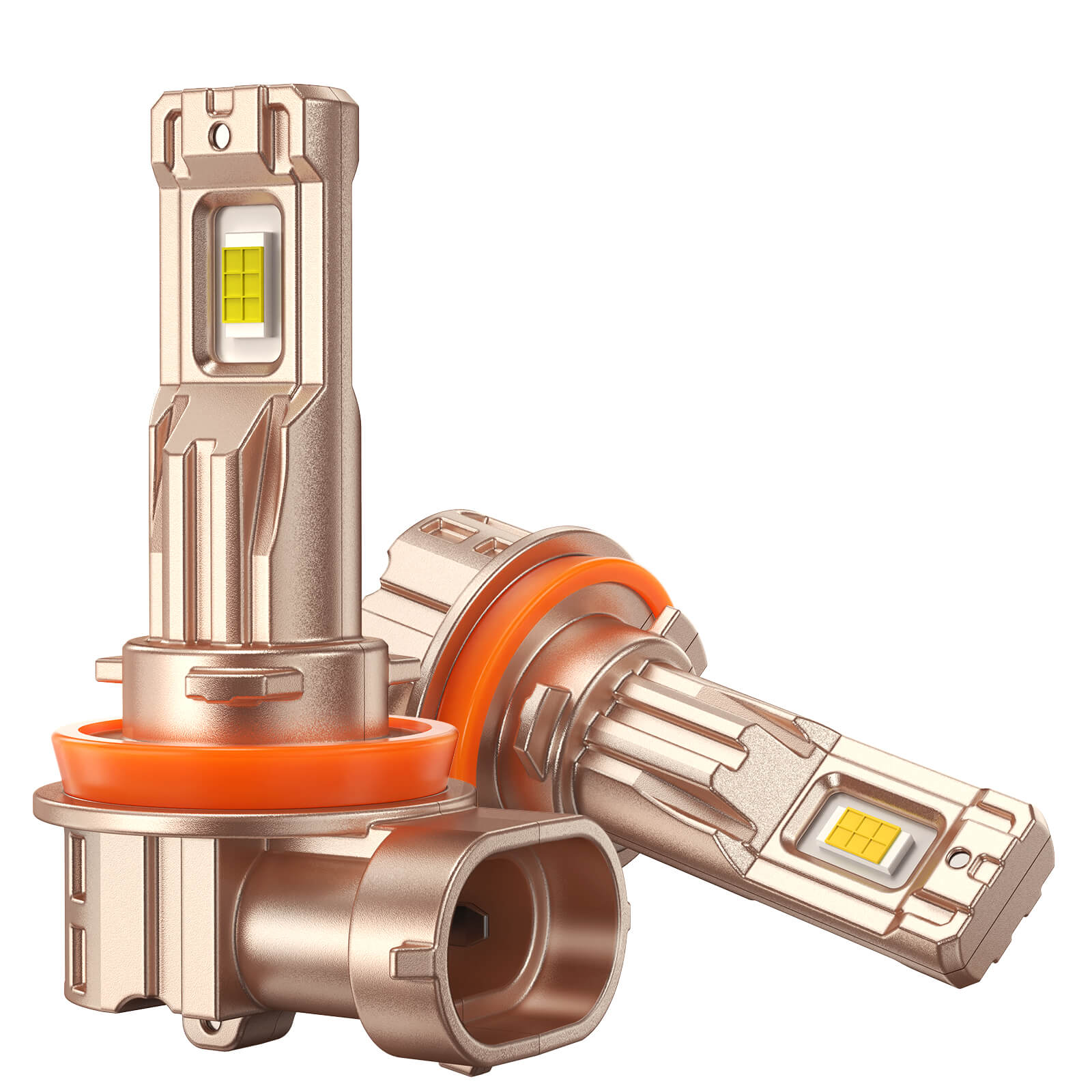
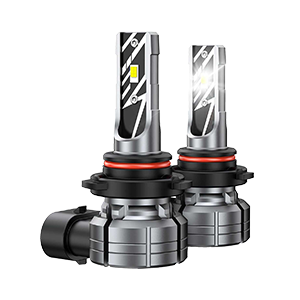
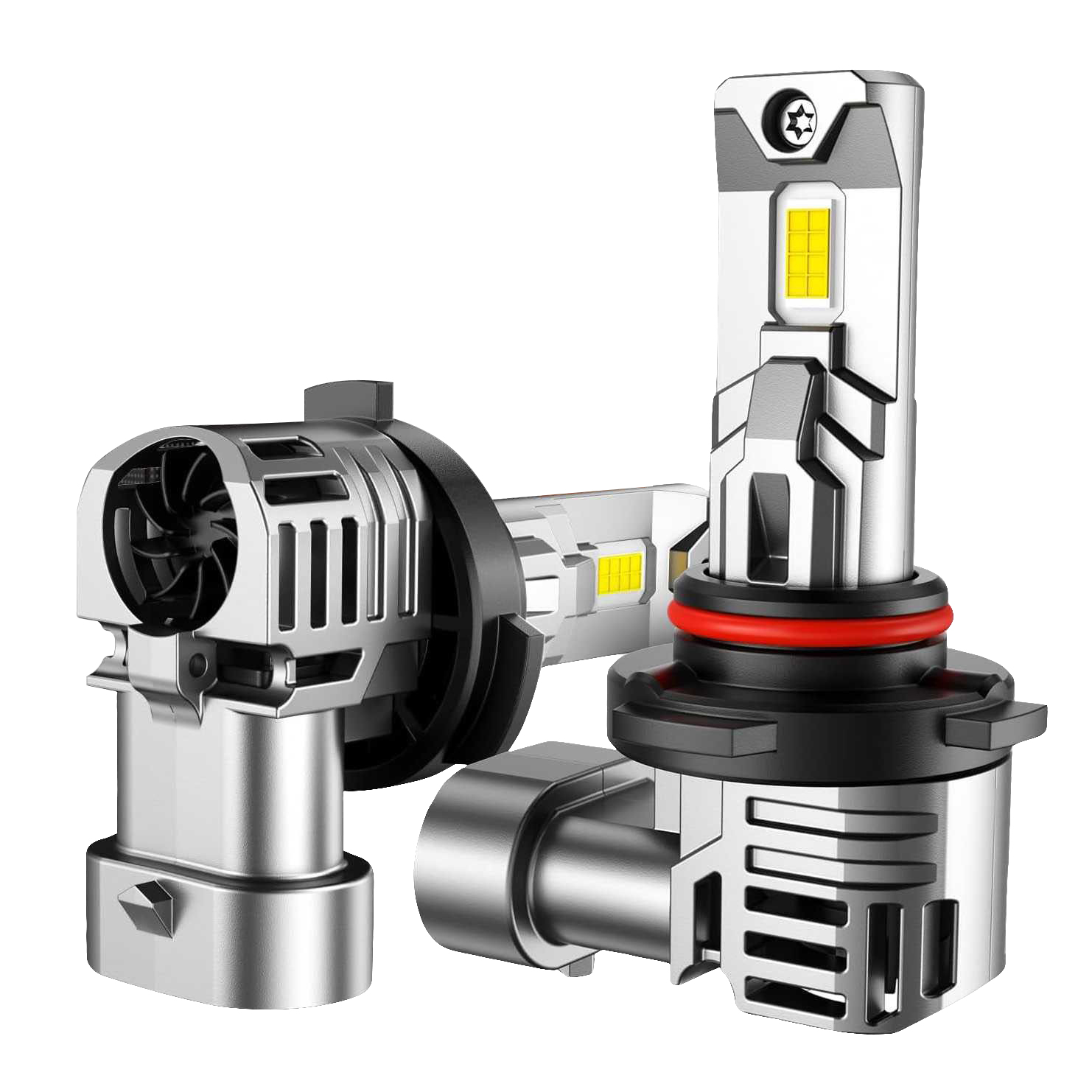
Good headlights help you see the road clearly at night. If your lights are getting weak, the bulbs may need to be replaced. New bulbs can make a big difference in brightness. Compatible LED headlights can give you a stronger and clearer light output.
4. Avoid Cruise Control
Do not use cruise control on wet roads. You need full control of your speed when driving in the rain. If your tires start to lose grip, cruise control may make it harder to react the right way. It is safer to control the gas pedal yourself, slow down early, and adjust as road conditions change.
5. Brake Earlier and More Smoothly
Rain makes stopping harder. Start slowing down sooner than you would on dry roads. Ease off the gas first. Then press the brake pedal gently. Do not wait until the last second and brake hard unless you have no other choice.
Smooth braking helps your tires keep grip. It also gives drivers behind you more time to react.
6. Steer and Accelerate Gently
Sudden moves are risky on wet roads. Quick steering, hard braking, or fast acceleration can cause your tires to lose grip. Keep your hands steady. Turn slowly. Press the gas lightly when leaving a stop or going through a curve. Safe driving in the rain is not about making big moves. It is about staying smooth and calm.
7. Watch for Standing Water
Avoid deep puddles and standing water when you can. Water can hide potholes, road damage, or debris. It can also cause hydroplaning. If you cannot avoid a shallow puddle, slow down before you reach it. Do not brake hard while driving through water. Keep the wheel straight and move through slowly.
Never drive through flooded roads. The National Weather Service’s Turn Around Don’t Drown guidance warns that floodwater can be deeper and stronger than it looks.
8. Drive in the Tracks of the Car Ahead
When it is safe, follow the tire tracks of the vehicle in front of you. Those tracks may have less water than the rest of the lane. Do not tailgate to do this. Keep a safe gap. The goal is to use the drier path, not to follow too closely. This tip can help reduce spray and lower the chance of hitting deeper water.
9. Give Large Trucks More Room
Large trucks and buses throw up heavy spray in the rain. That spray can cover your windshield and make it hard to see for a few seconds.
Stay farther back than usual. Avoid sitting next to a truck for too long. If you need to pass, do it with care and only when you can see clearly. Also give trucks more room when they stop. Big vehicles need more space on wet roads.
10. Pull Over If You Cannot See Clearly
Sometimes the safest choice is to stop driving for a while. If rain is too heavy, your wipers cannot keep up, or you cannot see lane lines and cars ahead, find a safe place to pull over.
Do not stop in a travel lane. Do not stop under a bridge unless it is clearly safe and legal. Try to exit the road, pull into a parking lot, rest area, or gas station, and wait until the rain slows down.
How to Use Lights When Driving in the Rain
Using the right lights in the rain is not about making your car as bright as possible. It is about helping you see without creating glare, while making your car easier for others to notice.
Use Low Beams in Rain
Low beams are the safest choice for most rainy drives. They point light toward the road and help other drivers see your car. Avoid high beams in rain, fog, or mist. The light can reflect off water drops and wet pavement, which may make the road harder to see.
Do Not Rely Only on Auto Lights
Your car’s Auto setting may not always turn on the full lighting system in rain. In some vehicles, daytime running lights come on, but the tail lights stay off. When rain starts, turn your headlights to the full ON position. This helps make sure both the front and rear of your car are visible.
Use Fog Lights Only in Poor Visibility
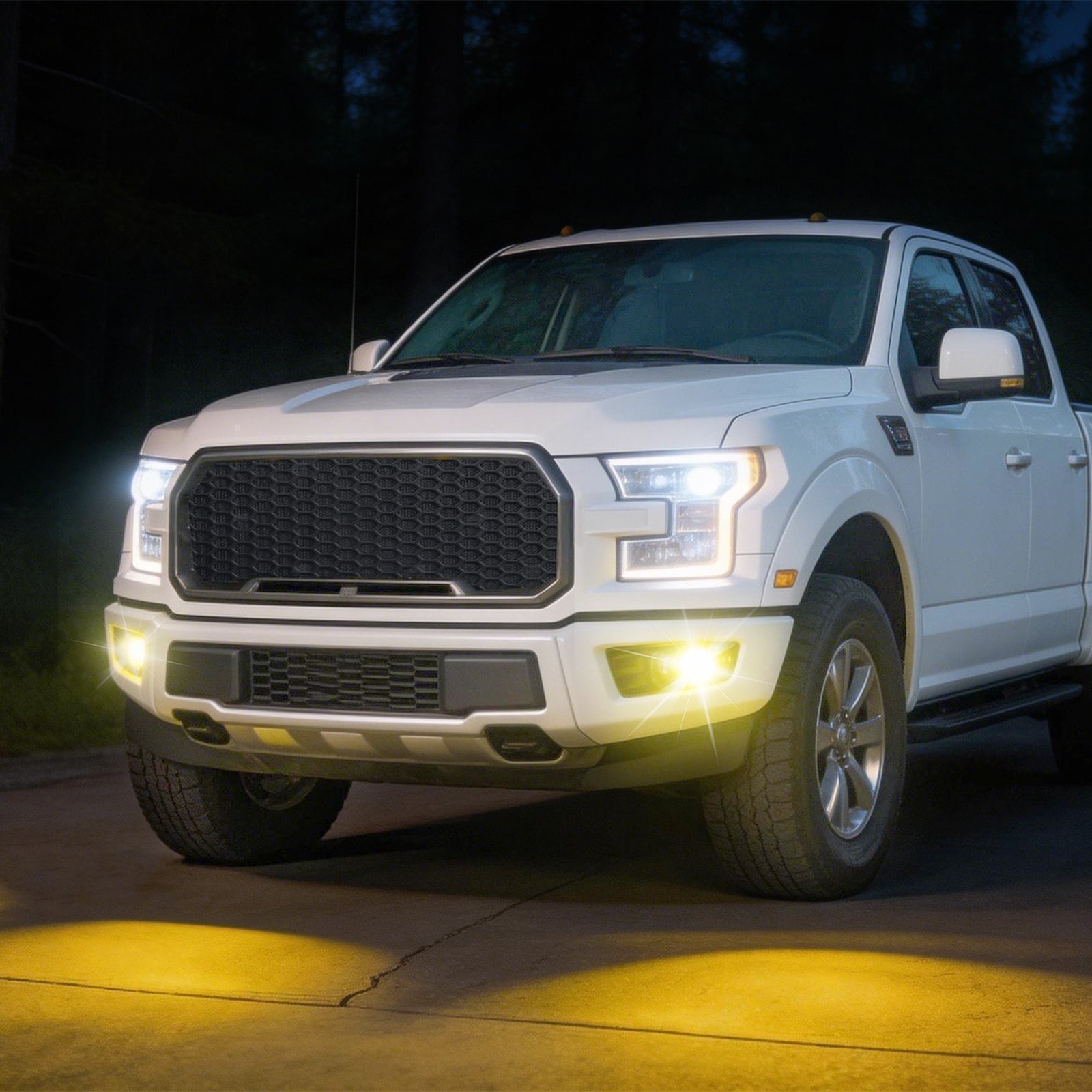
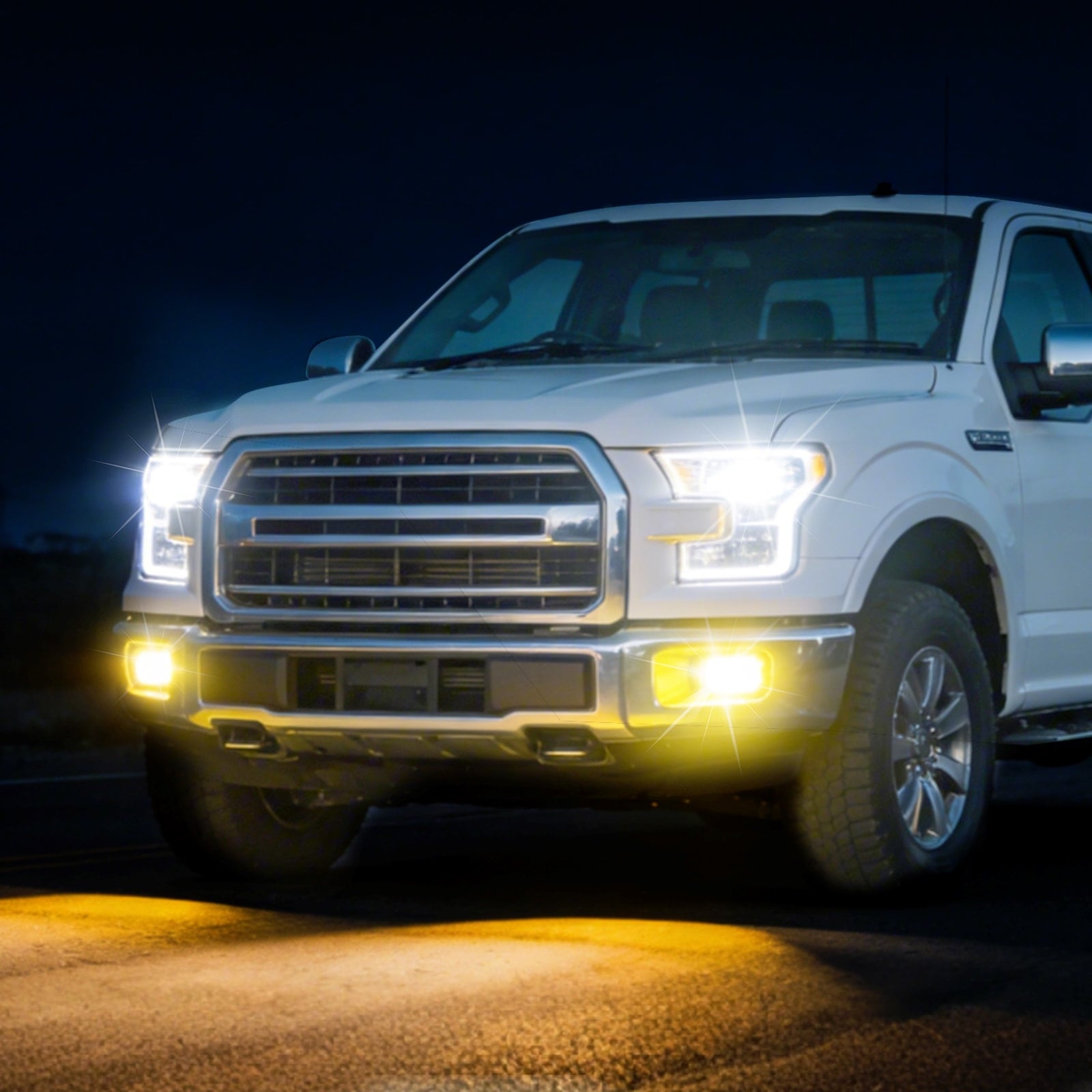
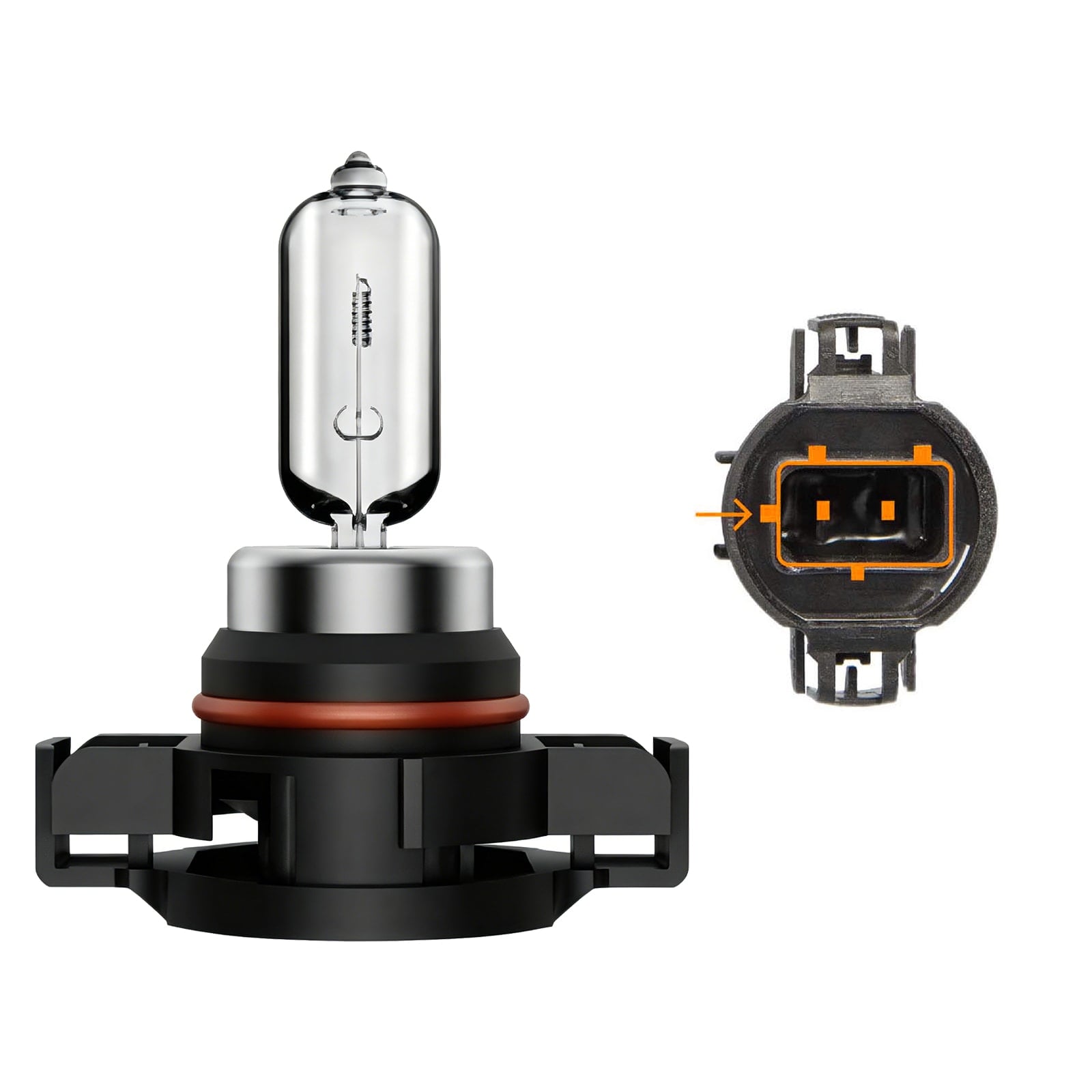
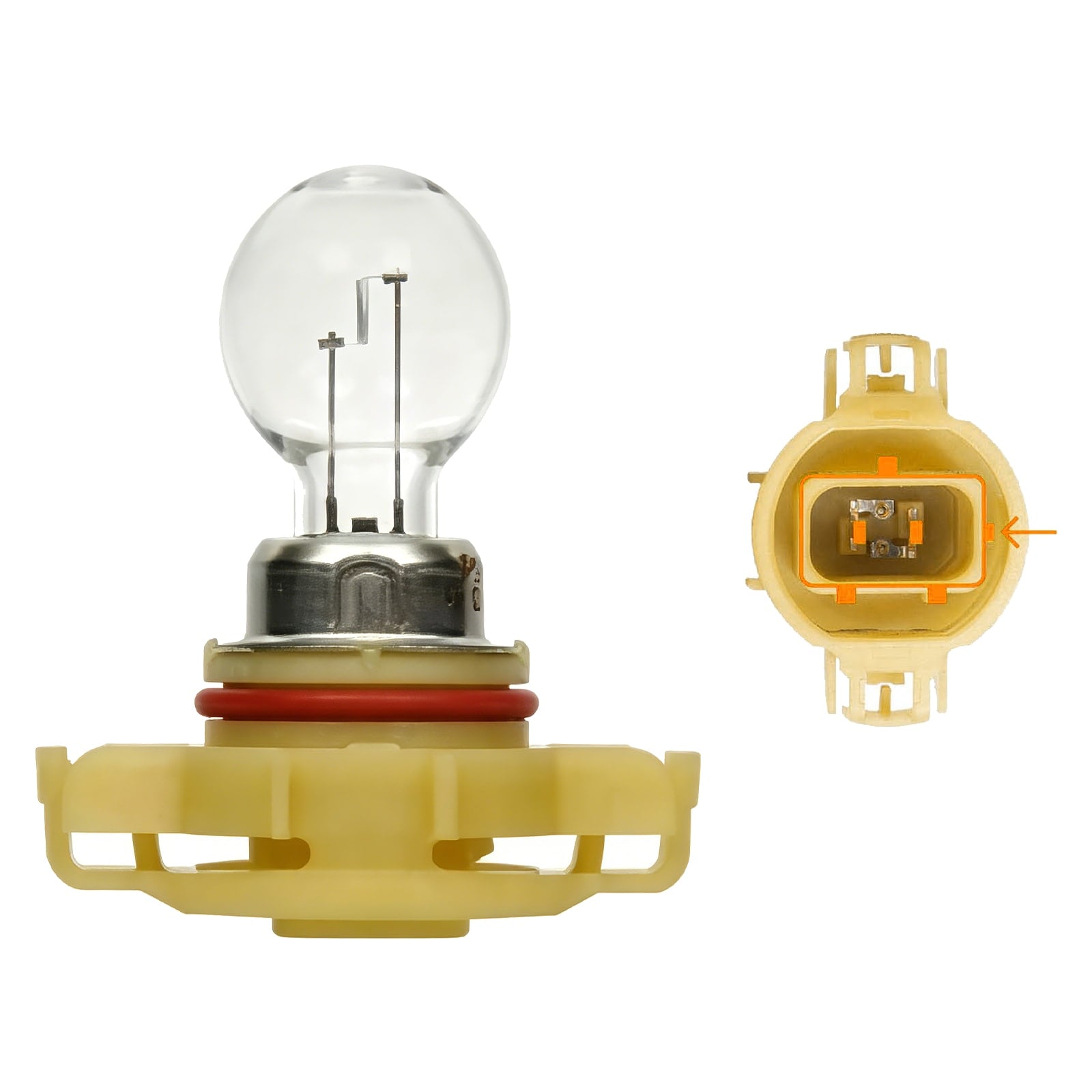
Fog lights can help when rain, fog, or mist makes it hard to see the road close to your car. They are most useful in low-visibility weather, not in every light shower. Turn them off when visibility improves. Rear fog lights can be very bright and may distract drivers behind you.
Avoid Hazard Lights While Driving
Hazard lights are for emergencies, stopped vehicles, or special danger. They should not be used for normal driving in the rain. When hazards are on, other drivers may not know if you are turning, braking, or stopped. If the rain is too heavy to drive safely, slow down and pull over in a safe place.
Upgrade Weak Lights Before Rainy Season
If your headlights, fog lights, tail lights, brake lights, or turn signals look weak, replace them before the rainy season. Better lighting can help you react sooner and help other drivers spot your car faster.
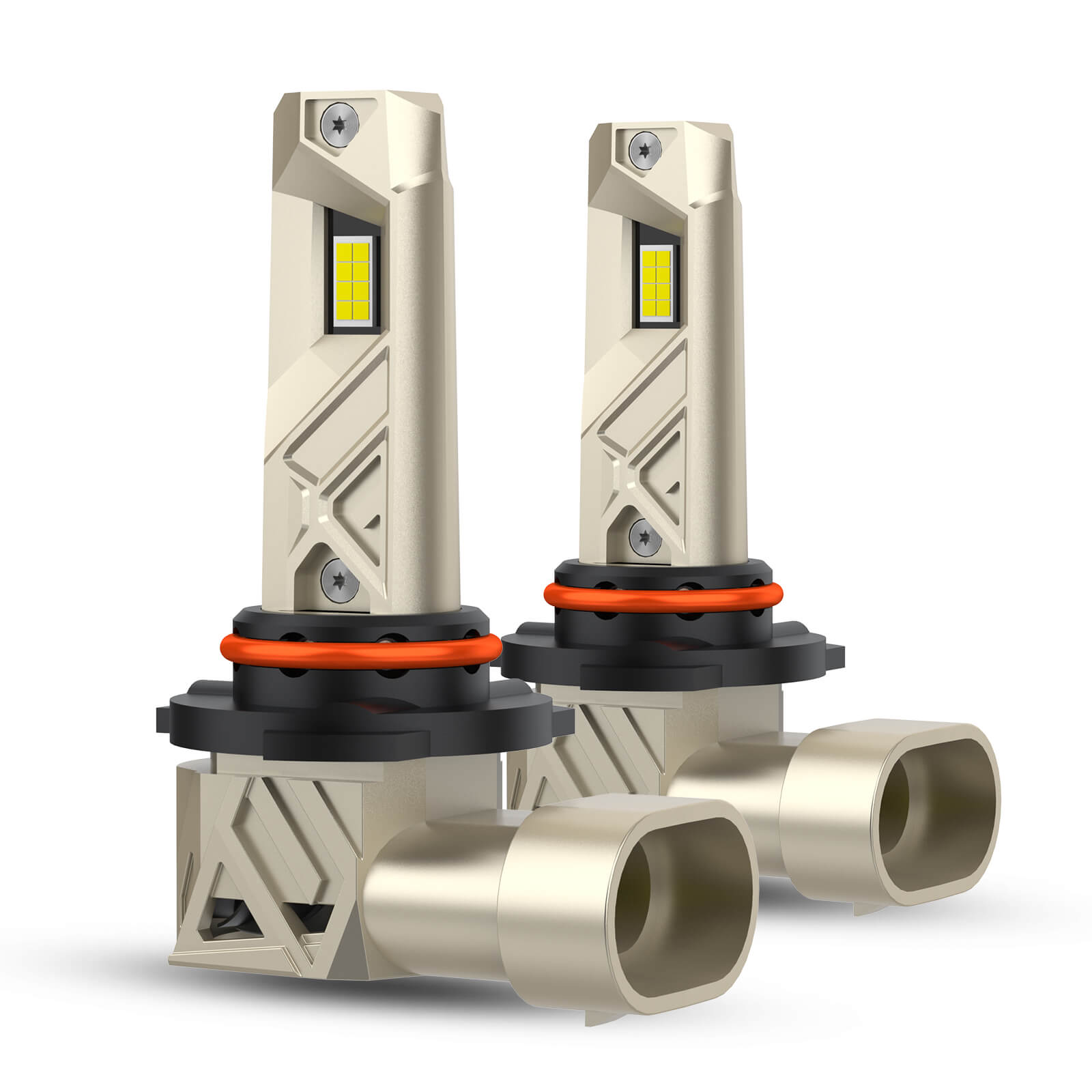
For drivers who want a brighter and clearer beam, compatible SEALIGHT LED bulbs can be a practical upgrade, as long as they fit the vehicle and follow local road rules.
How to Drive in Heavy Rain, Storms, at Night, or on Highways
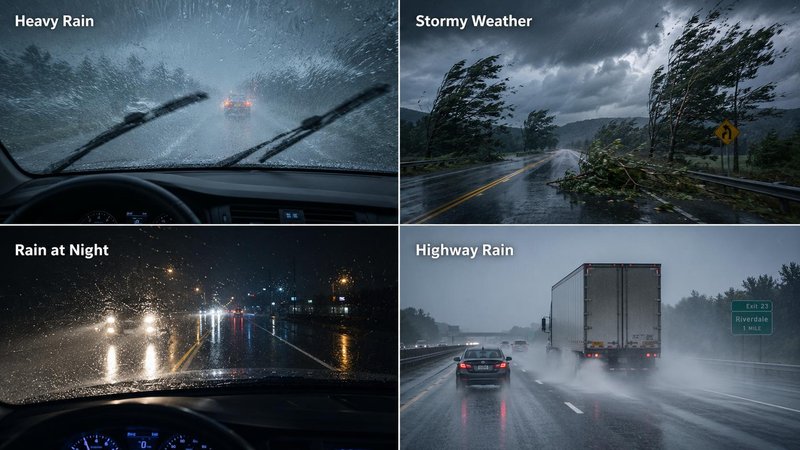
The tips above work for most rainy drives. But some conditions need extra care. Heavy rain, storms, night driving, and highways can make it harder to see the road, judge distance, and react in time. In these cases, the goal is simple: spot danger early and know when to get off the road.
Driving in Heavy Rain
Heavy rain can hide lane lines, signs, and the car ahead. If your wipers cannot keep up or you are driving by guesswork, find a safe place to stop and wait. Avoid low spots, deep water, and flooded roads.
Use low-beam headlights instead of high beams. If visibility gets very poor, front fog lights can help light the road close to your car, while rear fog lights can help drivers behind you see you sooner. Turn fog lights off when visibility improves.
Driving in Stormy Weather
Storms can bring wind, hail, lightning, falling branches, and fast-rising water. Be careful on bridges, open roads, and near large trucks, where wind can push your car sideways. Never drive through moving water.
In rain, fog, snow, or dust, bright white light can scatter and bounce back, making the road harder to read. This is where fog lights matter. For daily commuters, the SEALIGHT fog light keeps it simple: use white light for normal night roads and switch to amber light for rain, fog, snow, or dust.
Driving in Rain at Night
Rain at night is harder because wet roads reflect light. Keep your windshield clear, use the defroster when needed, and avoid staring into oncoming headlights.
Use well-aimed low beams as your main light source. If your factory halogen bulbs feel weak on dark roads, LED headlight bulbs can help you see farther ahead, but the beam pattern should stay controlled to avoid glare.
Driving on Highways in Heavy Rain
Highway driving in heavy rain is risky because speeds are higher and road spray is stronger. Stay out of large trucks’ blind spots, leave more room, and use the next safe exit if the rain gets too heavy.
Keep low beams on, check that your tail lights are visible, and use turn signals early before changing lanes. If road spray or low visibility becomes severe, front and rear fog lights can help, as long as local rules allow it.
What to Do When Hydroplaning While Driving in the Rain
Hydroplaning can happen when your tires ride on top of water instead of gripping the road. It often feels like the car is floating or sliding. If your car starts to hydroplane, do this:
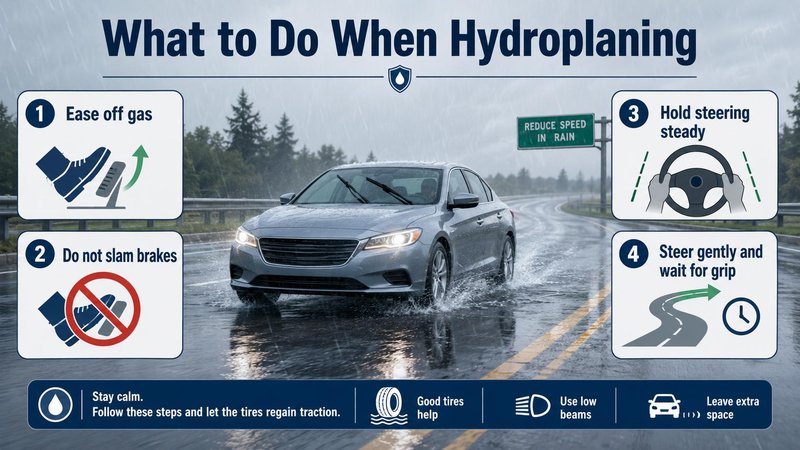
- Take your foot off the gas. Let the car slow down on its own.
- Do not slam the brakes. Hard braking can make the slide worse.
- Hold the steering wheel steady. Avoid sharp turns.
- Look where you want to go. Steer gently in that direction.
- Wait for the tires to grip again. Once control returns, slow down and leave more space.
Safety Tips When Driving in Fog, Snow, or Dust
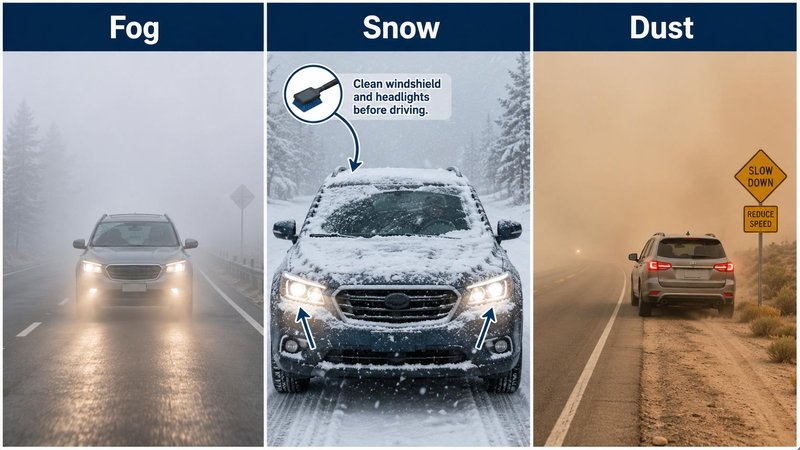
Rain is not the only weather that makes driving hard. Fog, snow, and dust can also cut visibility fast. The Federal Highway Administration notes that low visibility can come from fog, heavy rain, blowing snow, dust, and smoke, and these conditions increase crash risk.
Driving in Fog
Rely on low beams and front fog lights to light the road immediately ahead. Avoid high beams, which can worsen reflections. Rear fog lights should be used when visibility is severely reduced so other drivers can spot your car. SEALIGHT fog lights provide a stable, controlled beam that keeps light close to the road, improving visibility while minimizing glare for others.
Driving in Snow
Snow can cover your windshield, sensors, headlights, and tail lights. Before you drive, clear snow and ice from every window and light. Drive gently. Avoid hard braking, sharp turns, and quick starts. If the road is icy, give yourself much more room than you would in rain.
Driving in Dust
Dust can block your view in seconds. If visibility drops, slow down carefully and avoid sudden braking. If you need to stop, pull as far off the road as possible. Turn off your normal driving lights if you are fully off the road and stopped, and use hazard lights only if it is safe and legal. This helps other drivers understand that you are not still moving in the lane.
FAQ of Driving in the Rain
How to drive in the rain safely?
To drive in the rain safely, slow down, keep more space, and avoid sharp moves. In heavy rain or low light, use low beams and keep your rear lights on so other drivers can spot you sooner. Before the rainy season, check whether your factory bulbs still give a clear, steady beam; if not, a compatible SEALIGHT LED bulb upgrade can be part of your rain-ready setup.
Why is it dangerous to drive in the rain?
It is dangerous to drive in the rain because wet roads reduce grip, rain lowers visibility, and standing water can cause hydroplaning. The risk is higher at night, on highways, or during heavy rain.
What’s the best way to drive safely in heavy rain?
The best way to drive safely in heavy rain is to avoid driving by guesswork. If you cannot see lane lines, signs, or the car ahead, find a safe place to stop and wait.
Should I use headlights when driving in the rain?
Yes, use LED headlights when driving in the rain, even during the day. Turn them fully on instead of relying only on daytime running lights, so your tail lights turn on too.
Is the 2-second or 3-second rule enough in the rain?
No, the 2- or 3-second rule is usually not enough in rain. On wet roads, increase your following distance to at least 5 or 6 seconds so you have more time to stop.
Final Thoughts
Driving in the rain is not about pushing through bad weather. It is about giving yourself more time, more space, and a clearer view of the road. Slow down early, keep your moves smooth, and never drive through water if you cannot tell how deep it is.
Before the rainy season, check the parts that help you see and be seen, including your headlights, tail lights, brake lights, and turn signals. If your factory bulbs no longer give a clean, steady beam, compatible SEALIGHT LED bulbs can be a simple part of your rain-ready lighting check.