
 Headlight Bulbs


 Track Order
 My Vehicles
 Contact Us
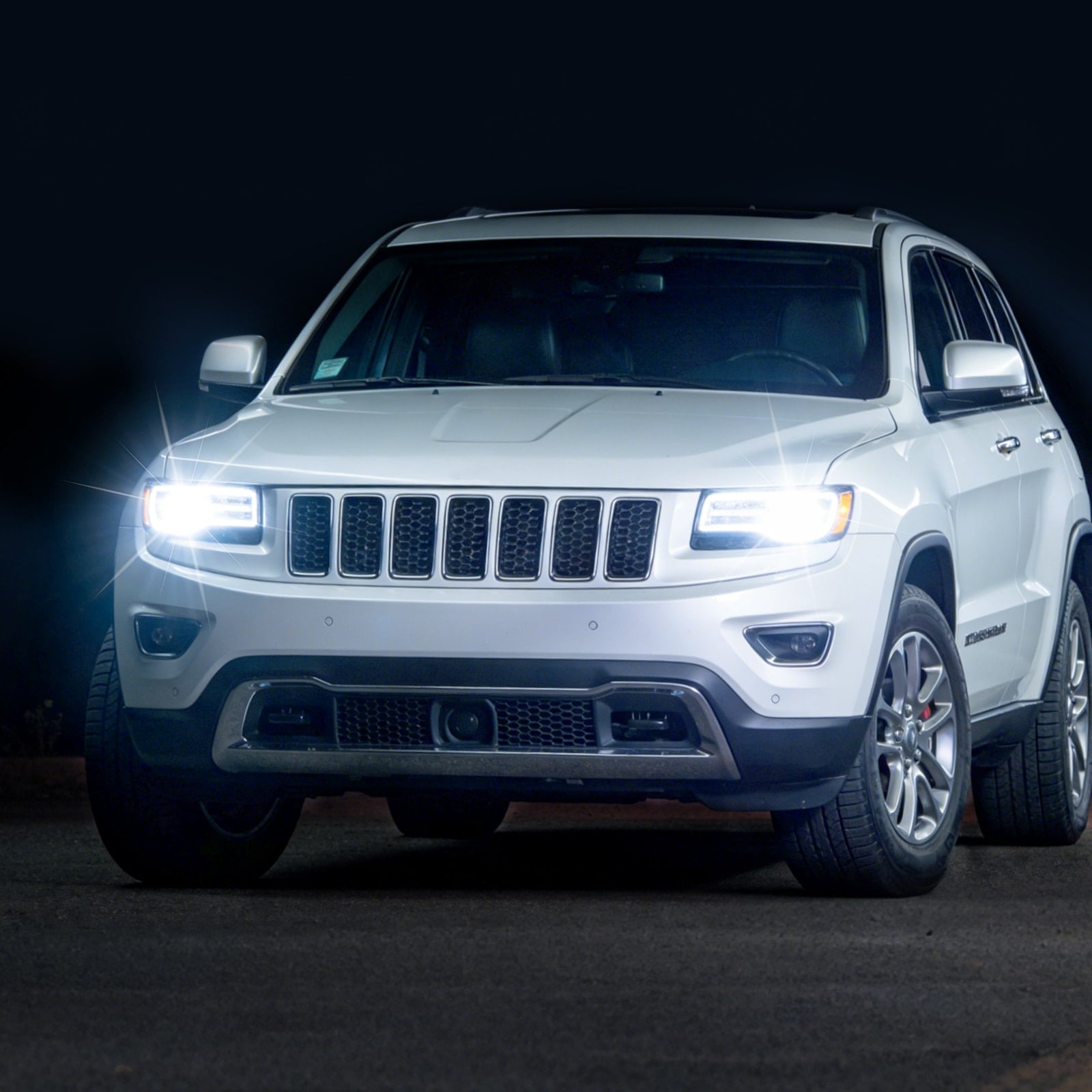
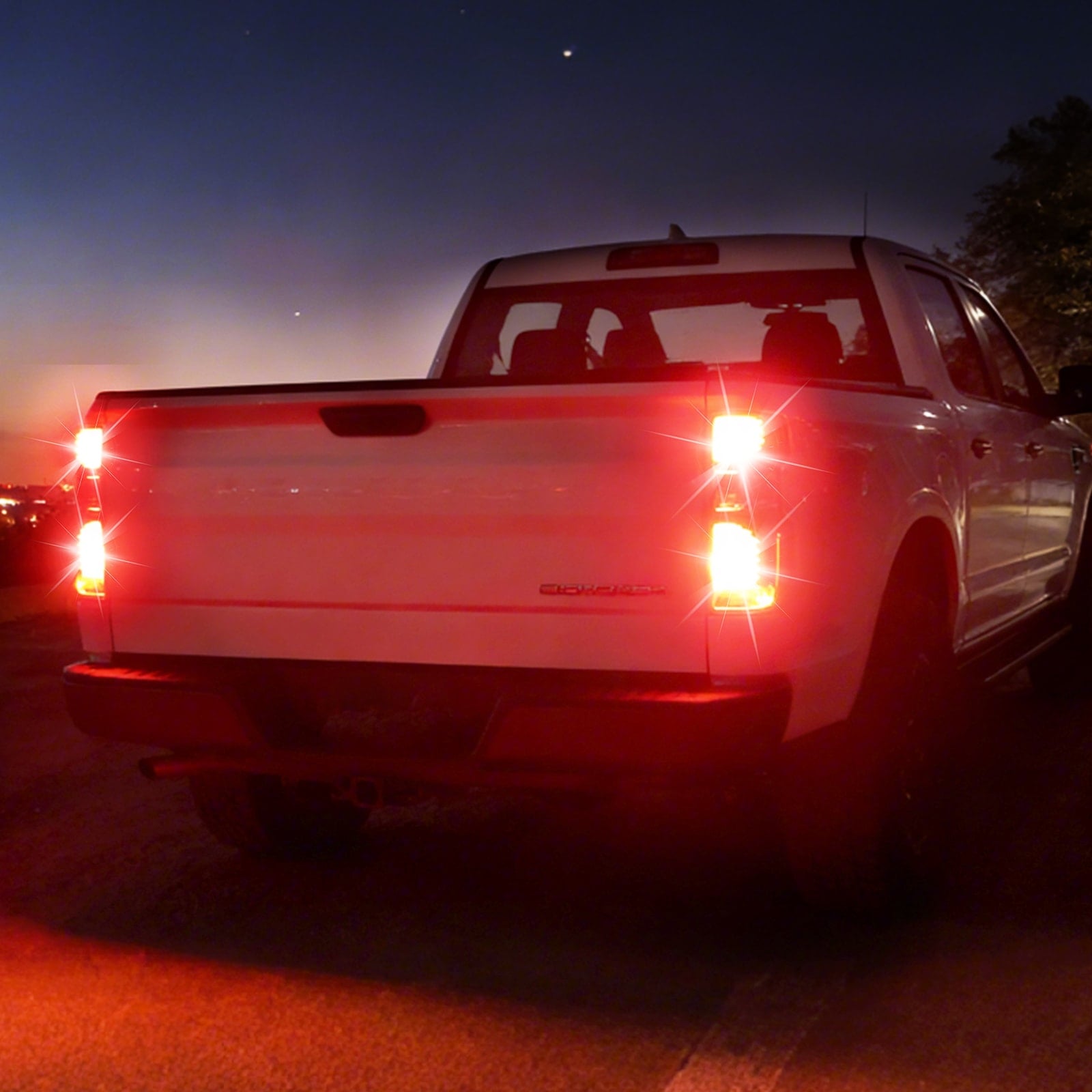
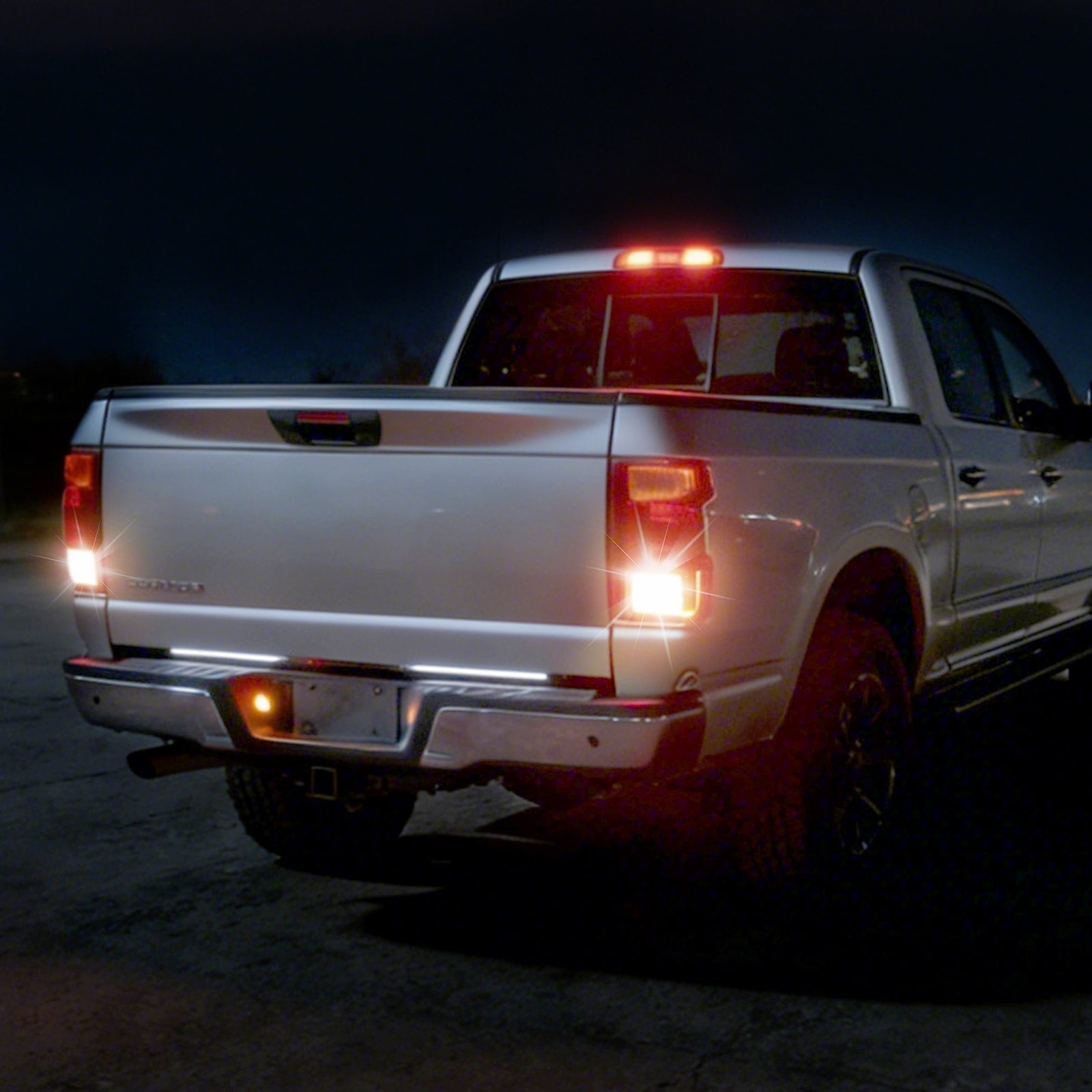
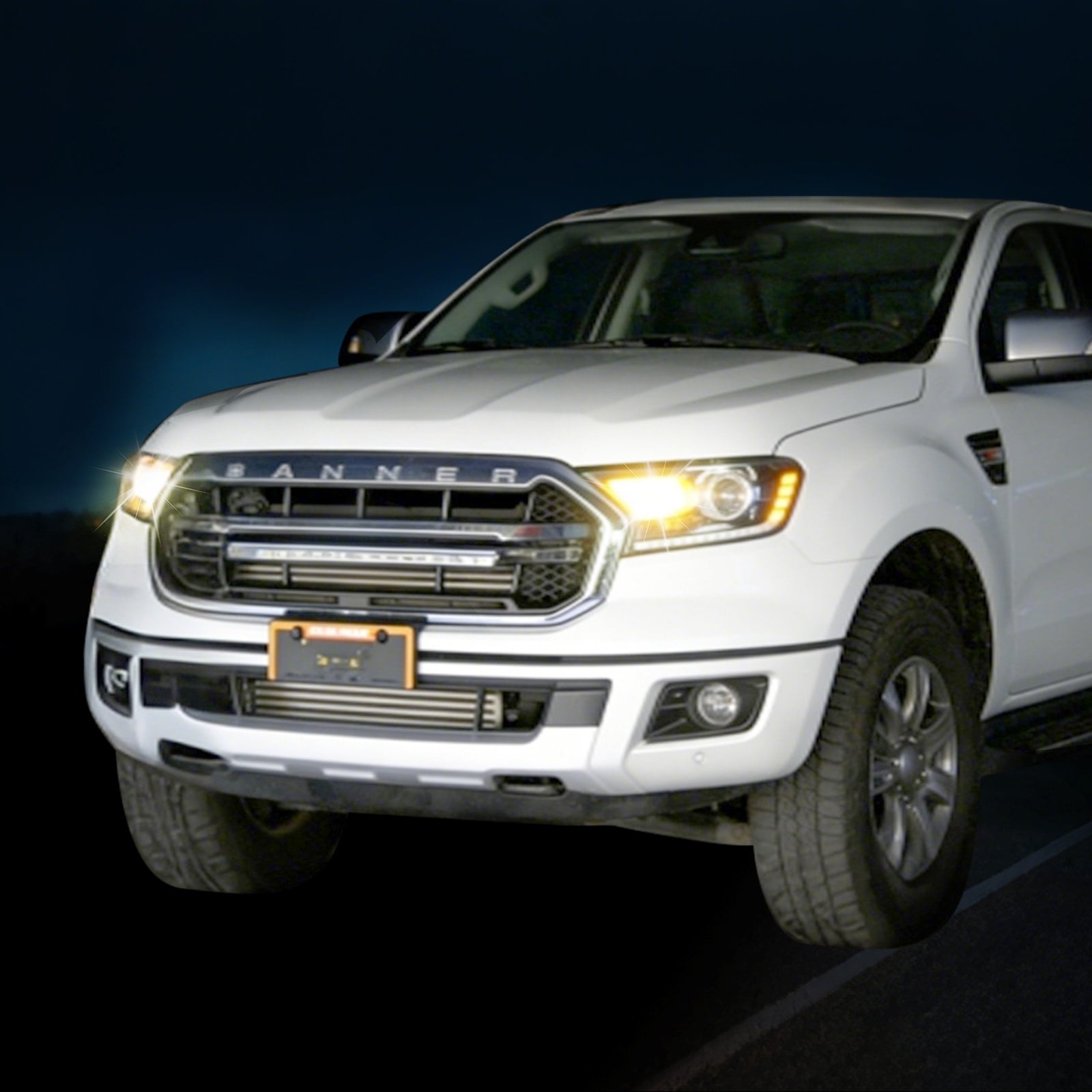
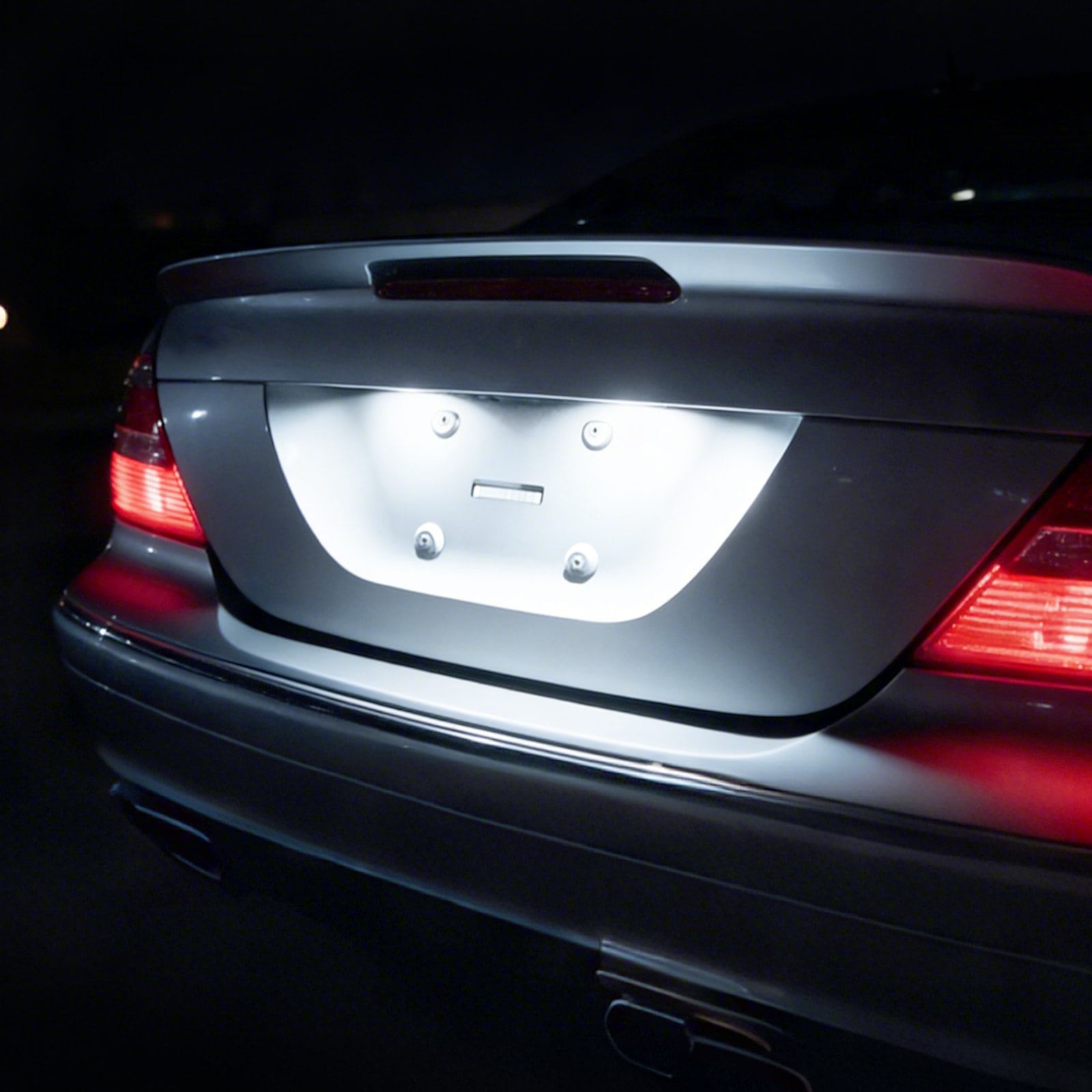
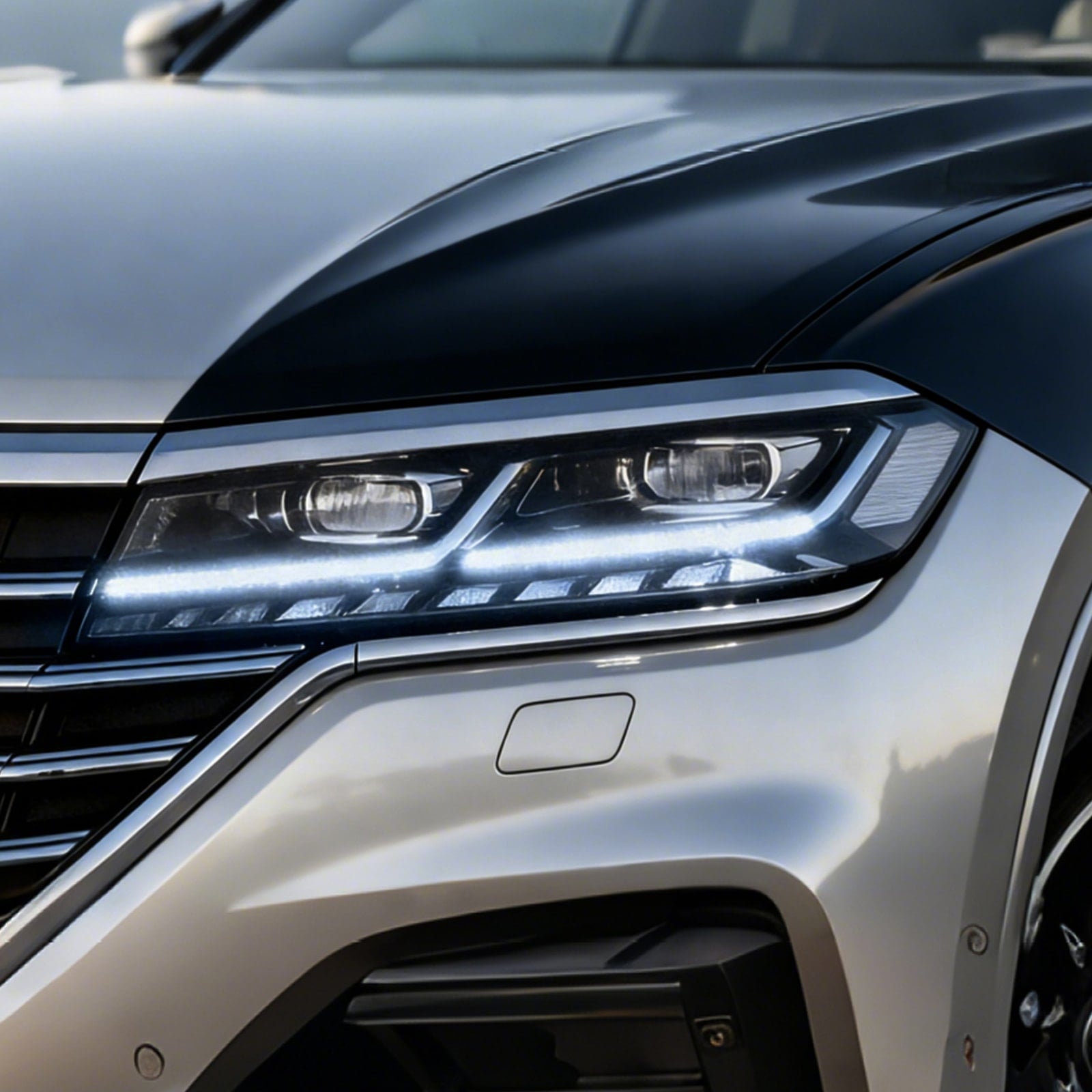
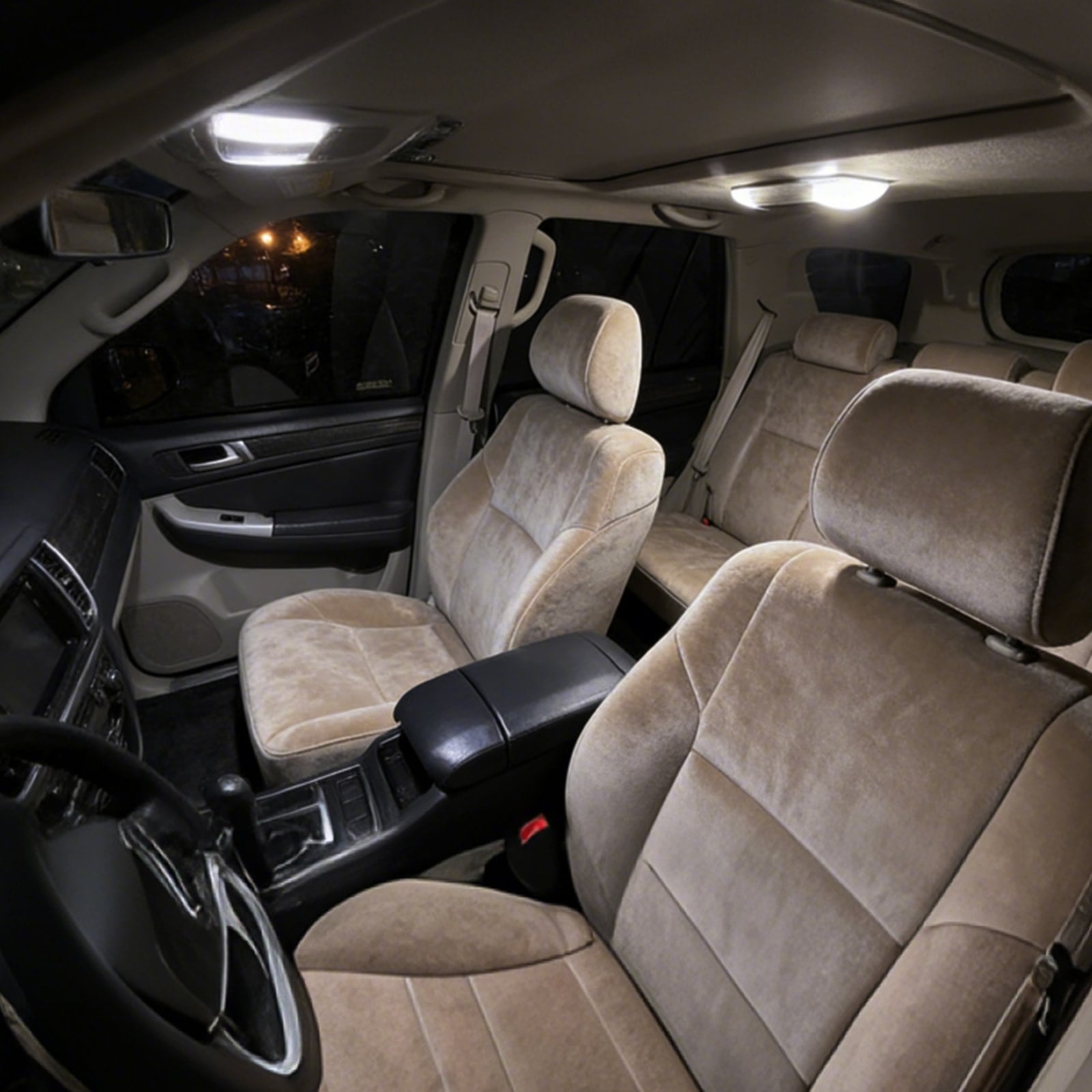
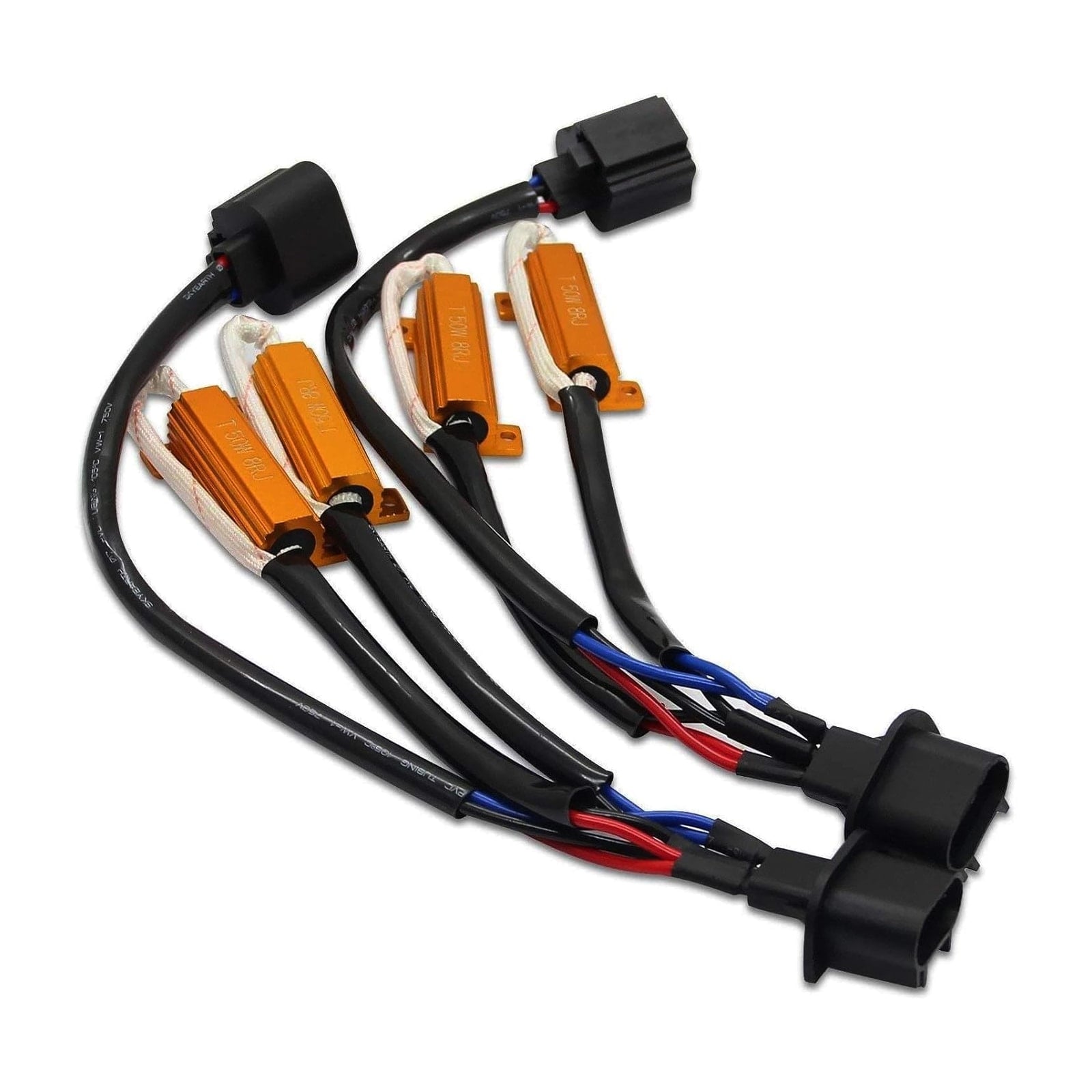
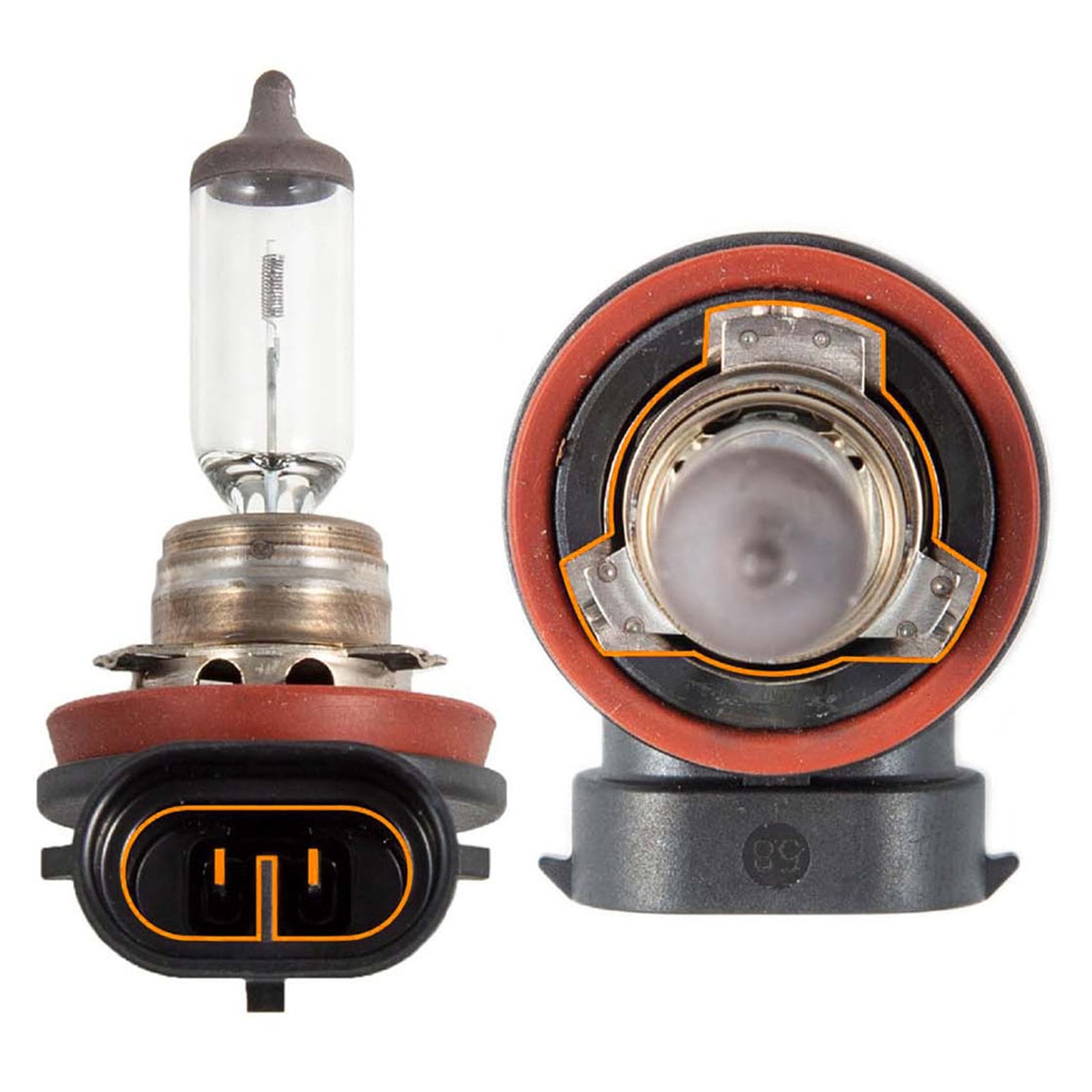

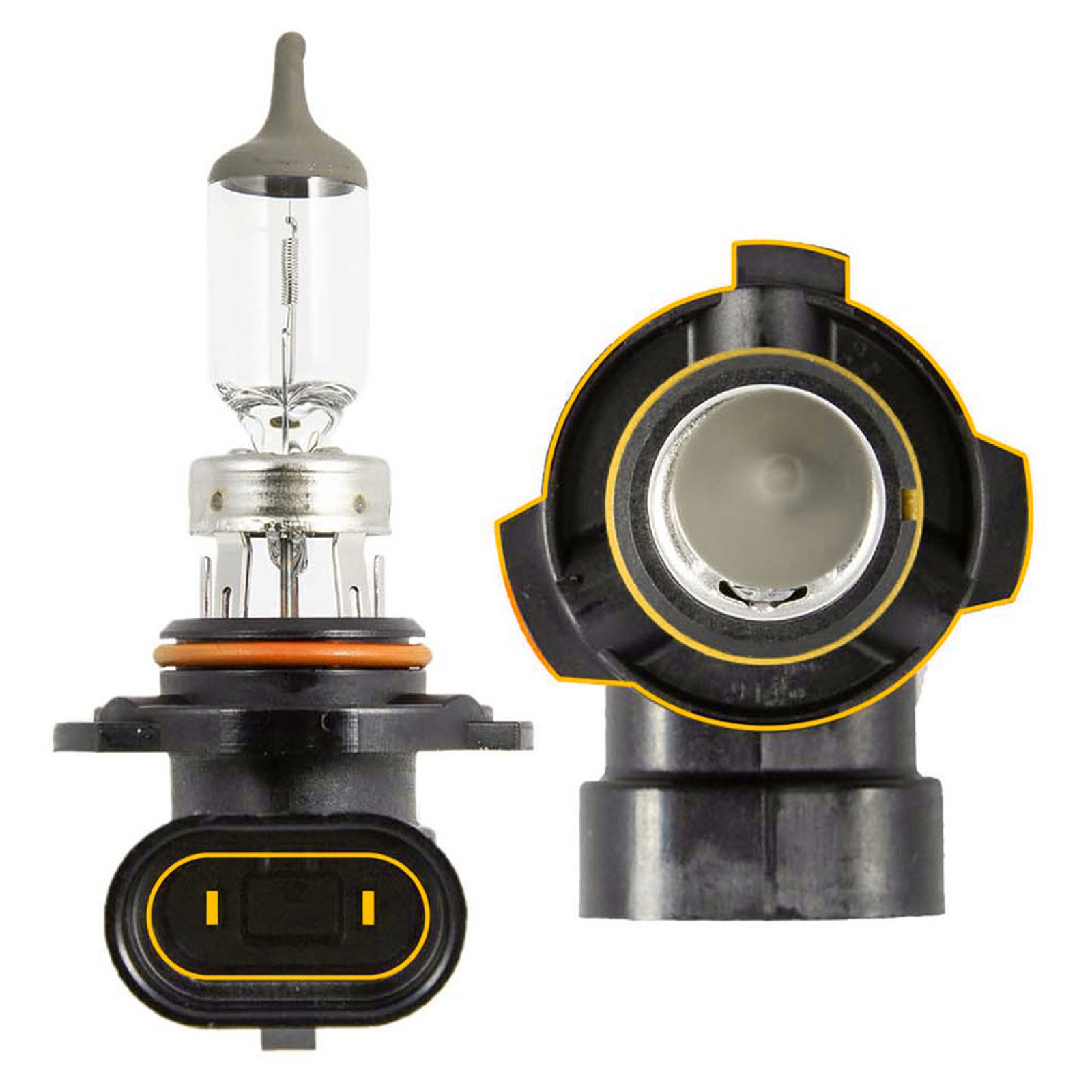
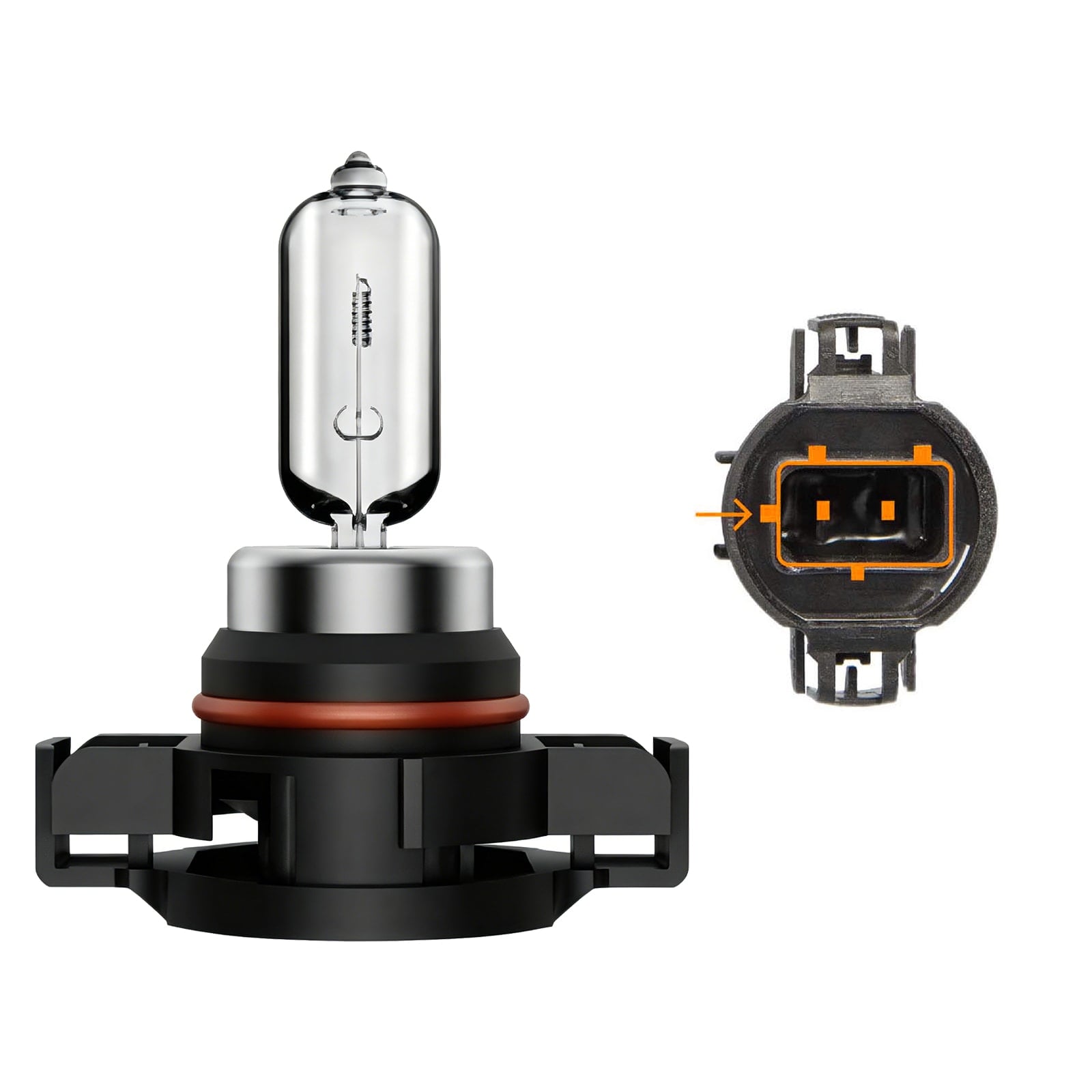
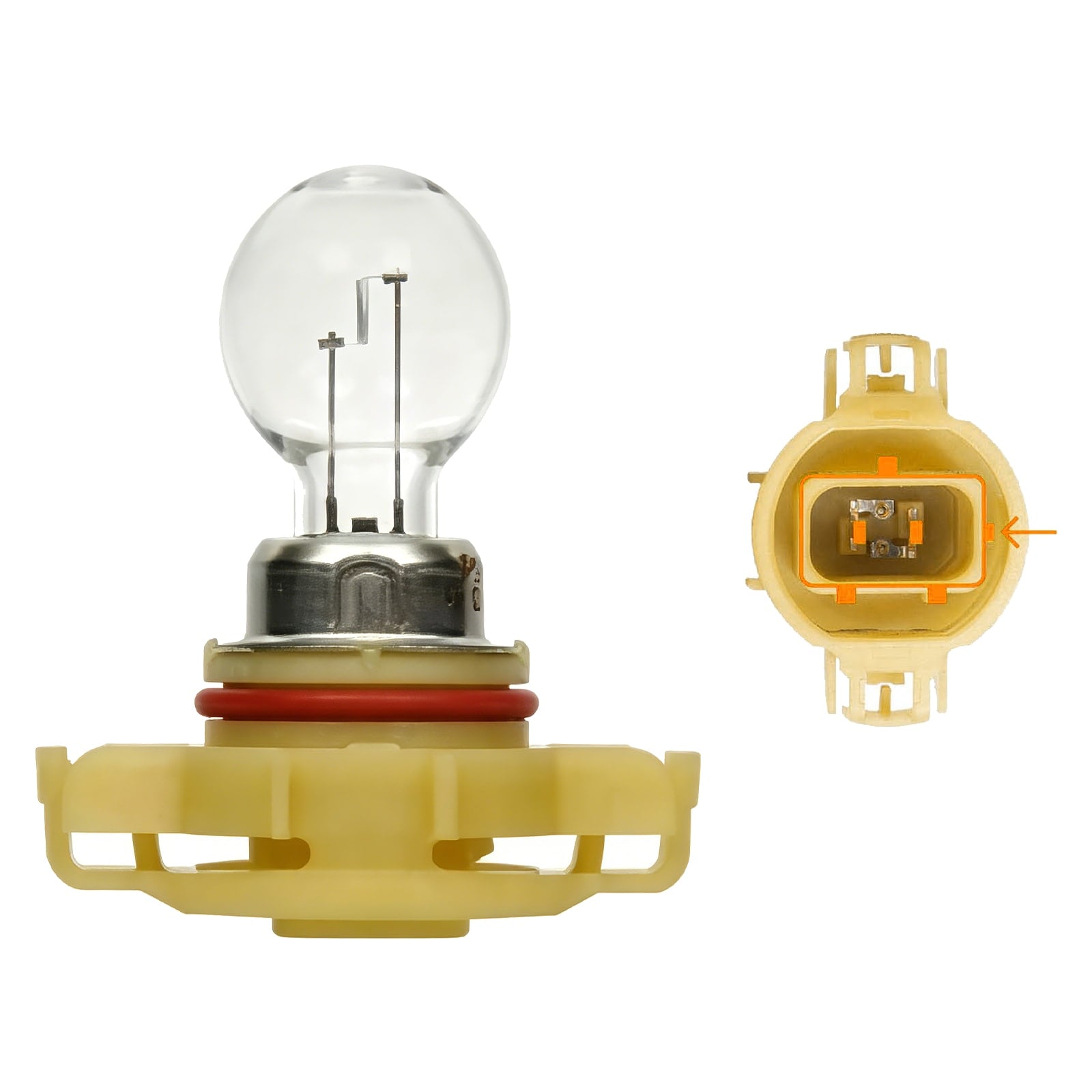
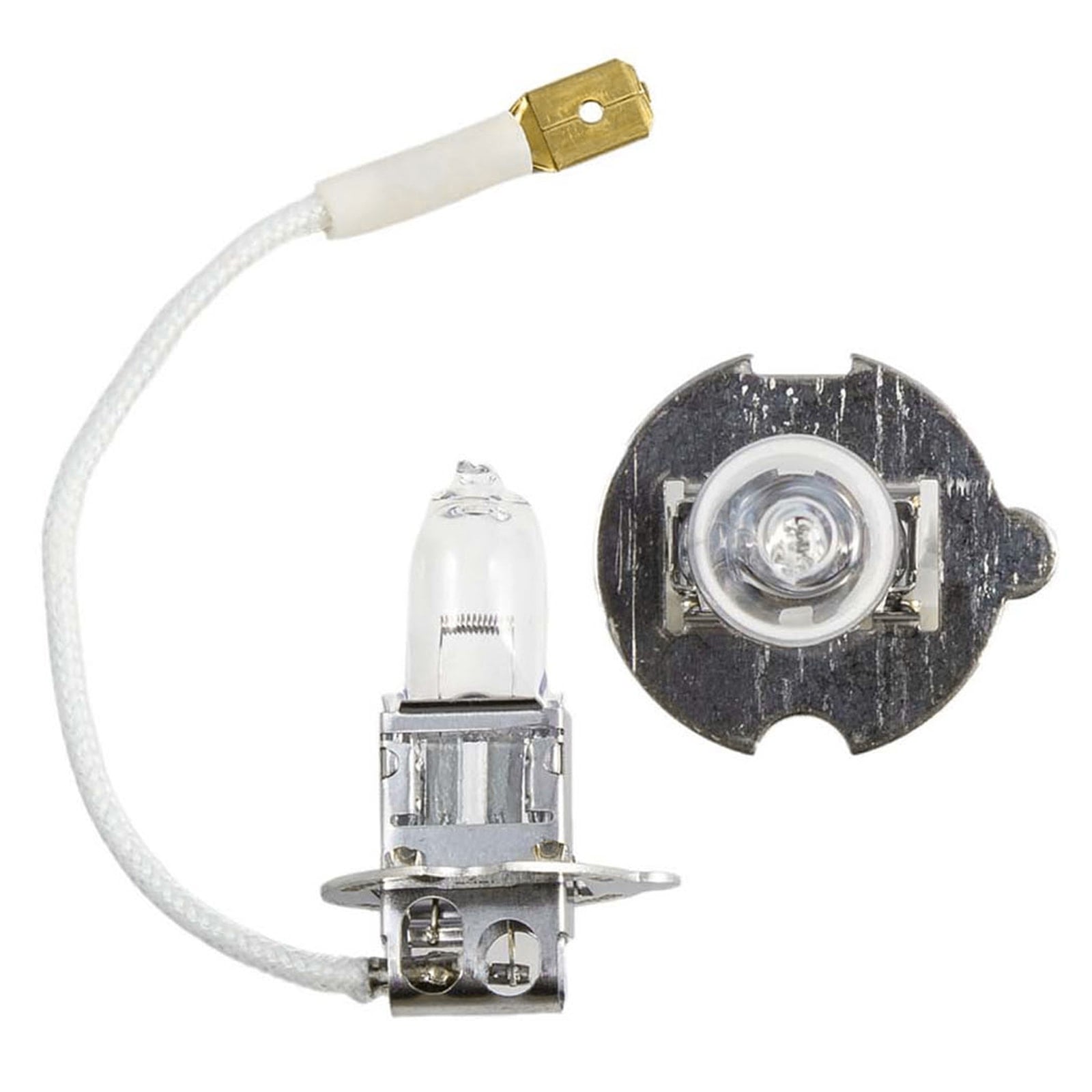
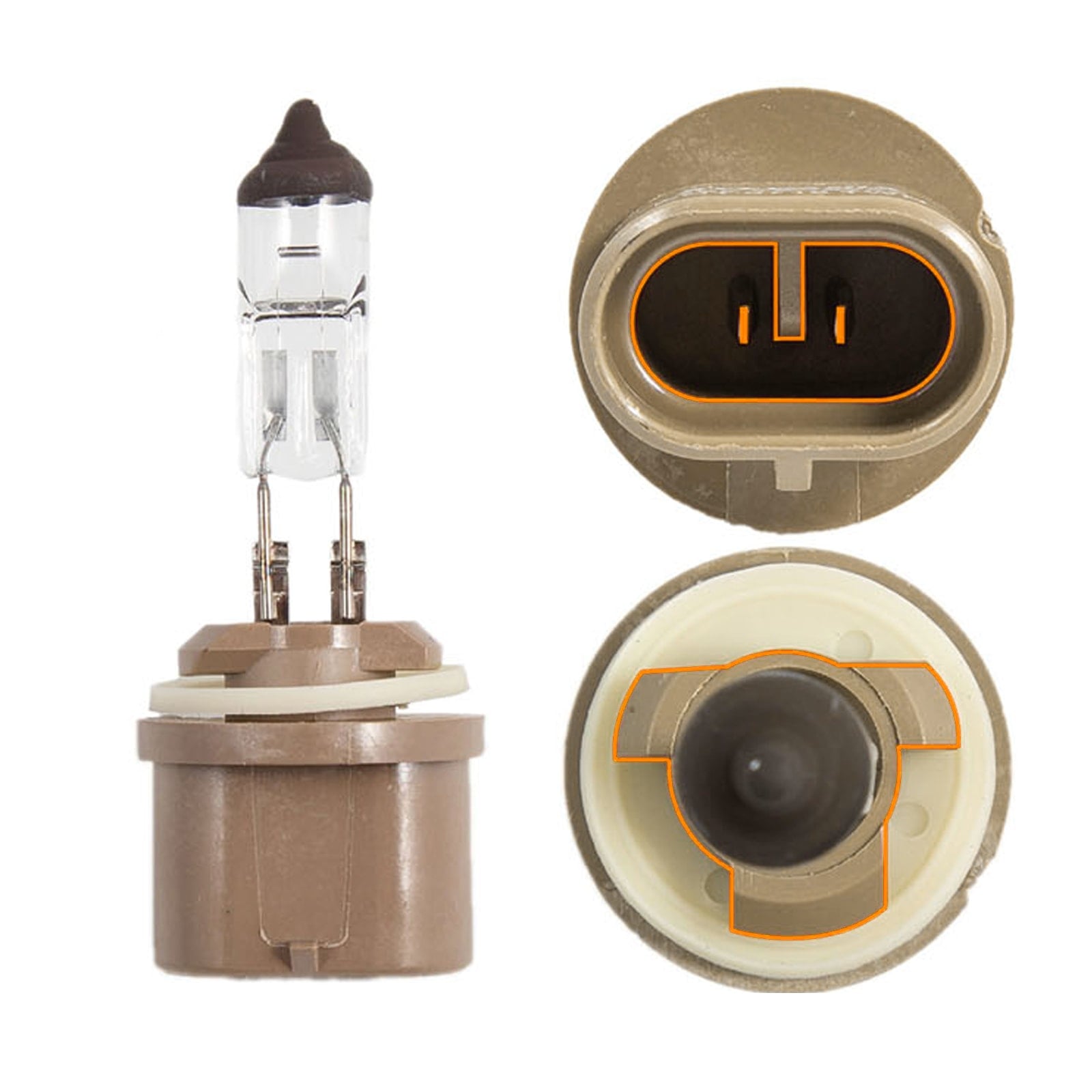
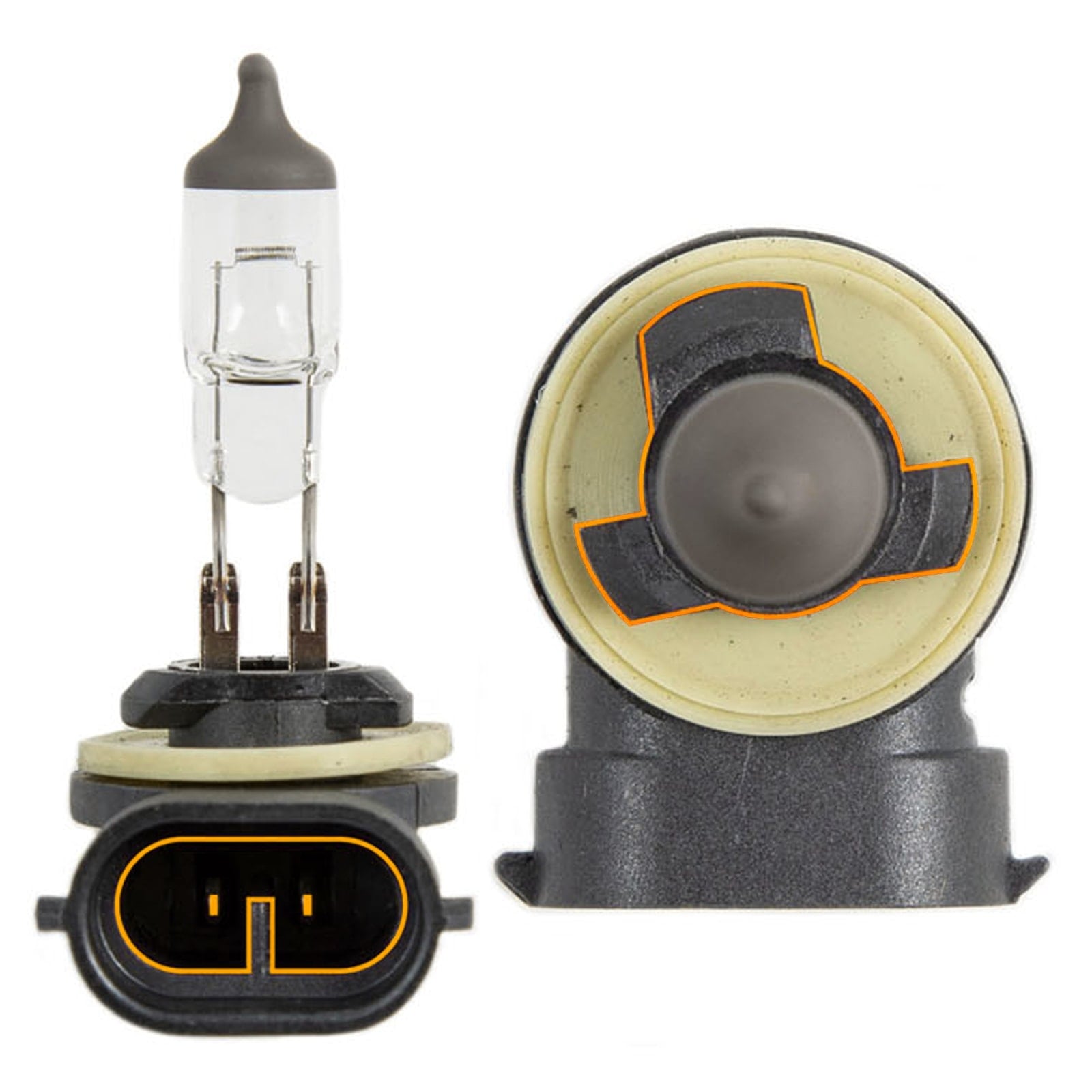
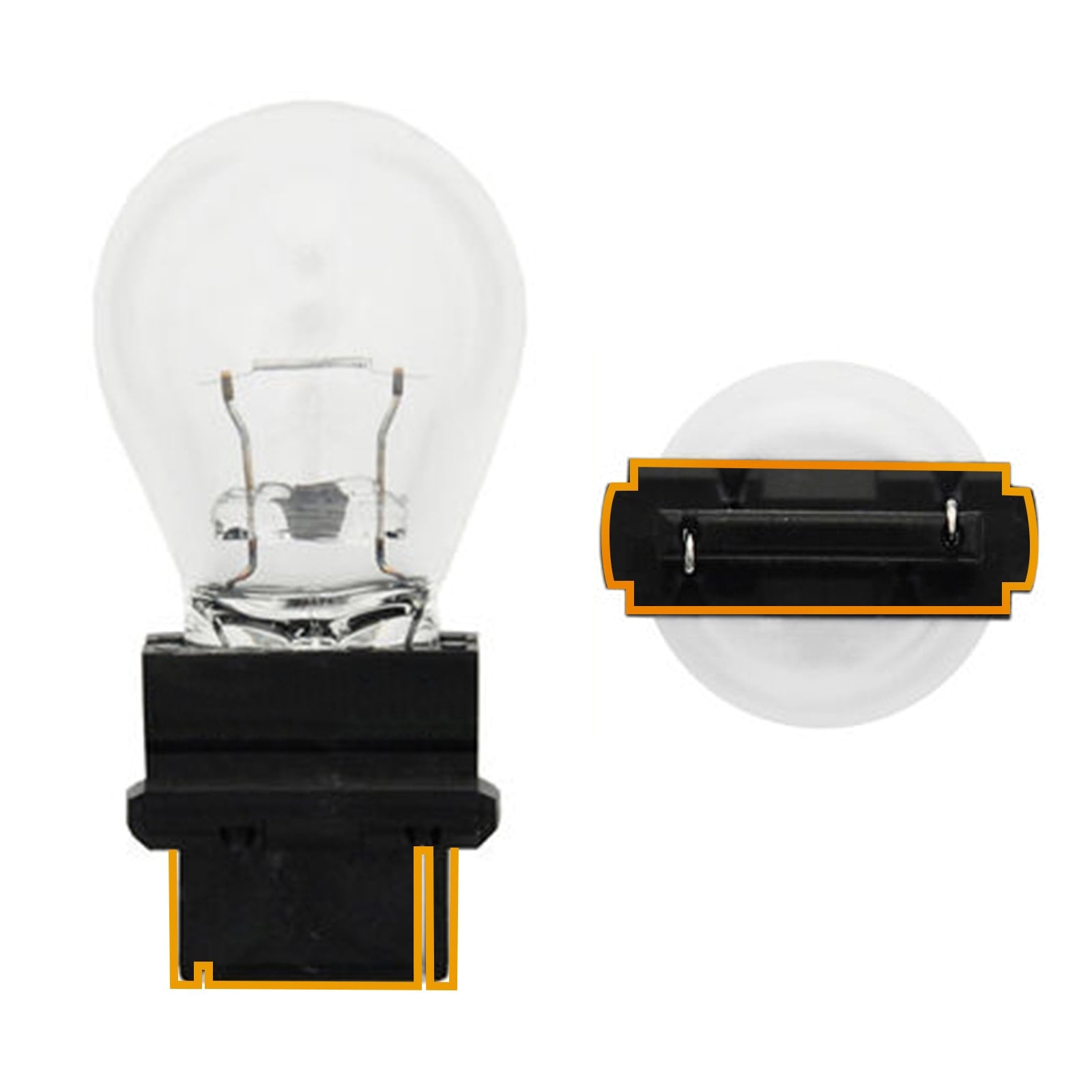
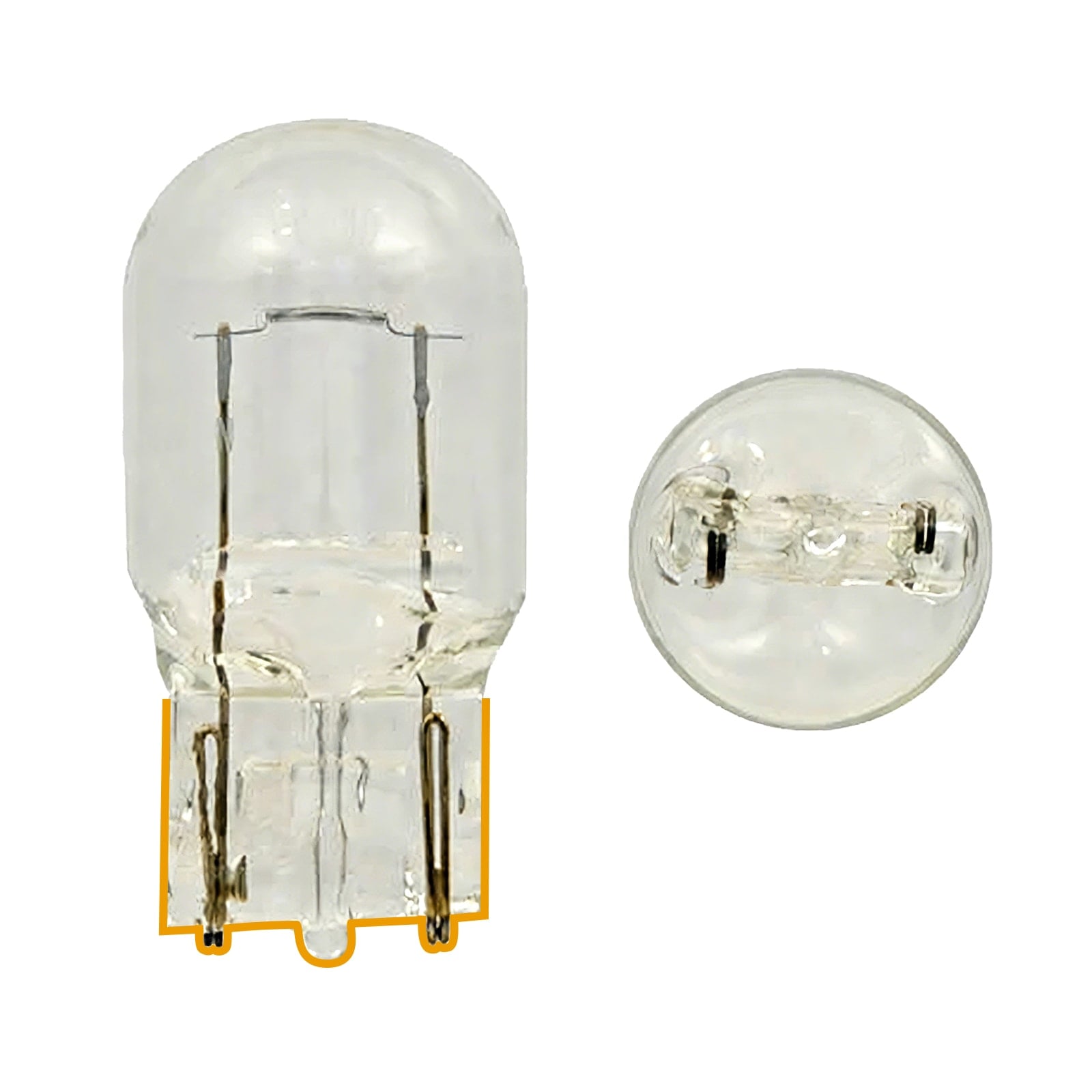











Night driving is riskier than many drivers realize. The National Safety Council notes that although only about one-quarter of driving happens at night, around half of traffic deaths occur after dark. A big reason is visibility. At night, it is harder to judge distance, see colors, and spot hazards at the edge of the road.
The right night driving safety tips can help lower that risk. This guide explains why driving at night is harder and what you can do to stay safer while nighttime driving.
Why Is Night Driving More Dangerous
Night driving is more dangerous than daytime driving because darkness reduces visibility, shortens reaction time, and makes glare, fatigue, and hidden road hazards harder to manage. The main dangers of driving at night include:
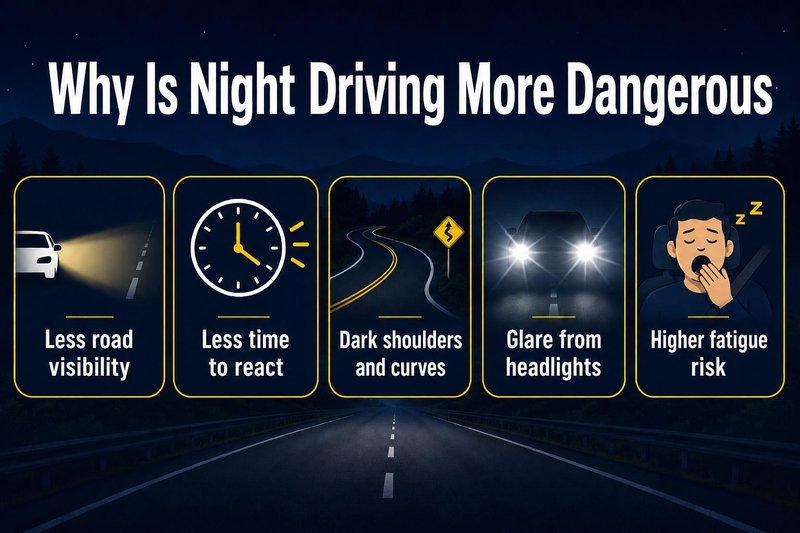
- Reduced visibility: Your headlights only show part of the road ahead. Pedestrians, cyclists, animals, potholes, and stalled vehicles can appear later than expected.
- Over-driving your headlights: When driving at night, you should be able to stop within the area your headlights can clearly show. If you drive too fast, you may not have enough time to react.
- Dark road edges and curves: Driving in the dark is not just about seeing straight ahead. Hazards often come from the shoulder, ditches, curves, or poorly lit side streets. This is also why pedestrian visibility matters. NHTSA pedestrian safety data shows that most fatal pedestrian crashes happen in dark conditions.
- Headlight glare: Oncoming high beams, poorly aimed headlights, and bright truck lights at night can make it harder to see lane markings and road hazards for a few seconds.
- Fatigue and impaired drivers: Many drivers feel more tired after dark. Late-night roads may also have a higher risk of impaired driving, especially on weekends or early mornings.
These risks do not mean you should avoid nighttime driving completely. They mean you need safer habits, better visibility, and a clear idea of what your lights can and cannot show you.
12 Night Driving Safety Tips You Should Follow
Once you know why night driving is risky, the next step is knowing what to do about it. These nighttime driving safety tips focus on the problems that matter most after dark: seeing hazards earlier, giving yourself more room to react, reducing glare, and making your car easier for others to see.
1. Slow down and drive within your headlight range
When driving at night, you should not drive faster than what your headlights can show. If you cannot stop within the area you can clearly see, you are driving too fast for the conditions. This is one of the most important rules for safe night driving. Less visibility means less time to react.
2. Increase your following distance
Leave more space between your car and the vehicle in front of you. At night, brake lights, road signs, and lane markings can be harder to judge. A longer gap gives you more time to react if the driver ahead slows down, swerves, or stops suddenly.
3. Use high beams only when it is safe
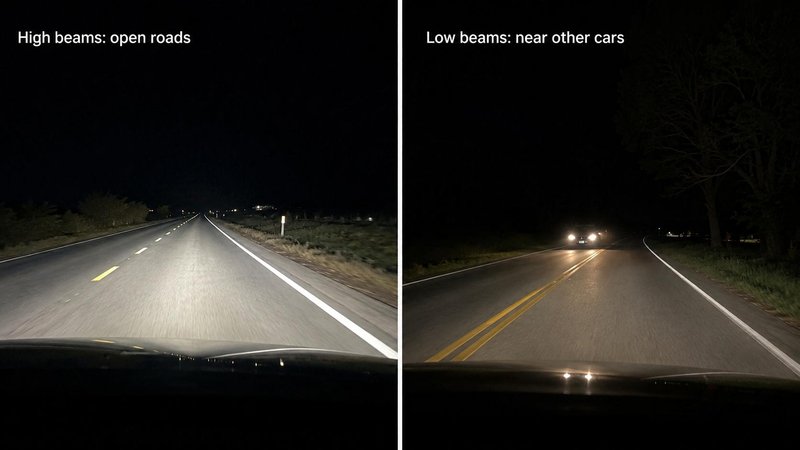
High beams can help you see farther on dark, open roads. But you cannot use them all the time. When approaching another vehicle at night, switch to low beams early enough to avoid blinding the other driver. You should also use low beams when driving behind another vehicle at night. High beams can reflect in the driver’s mirrors and make it harder for them to see.
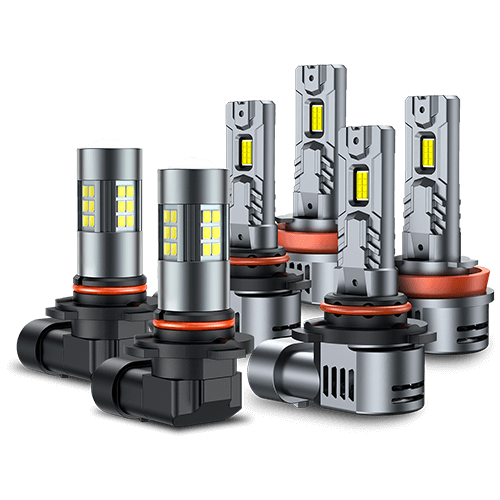
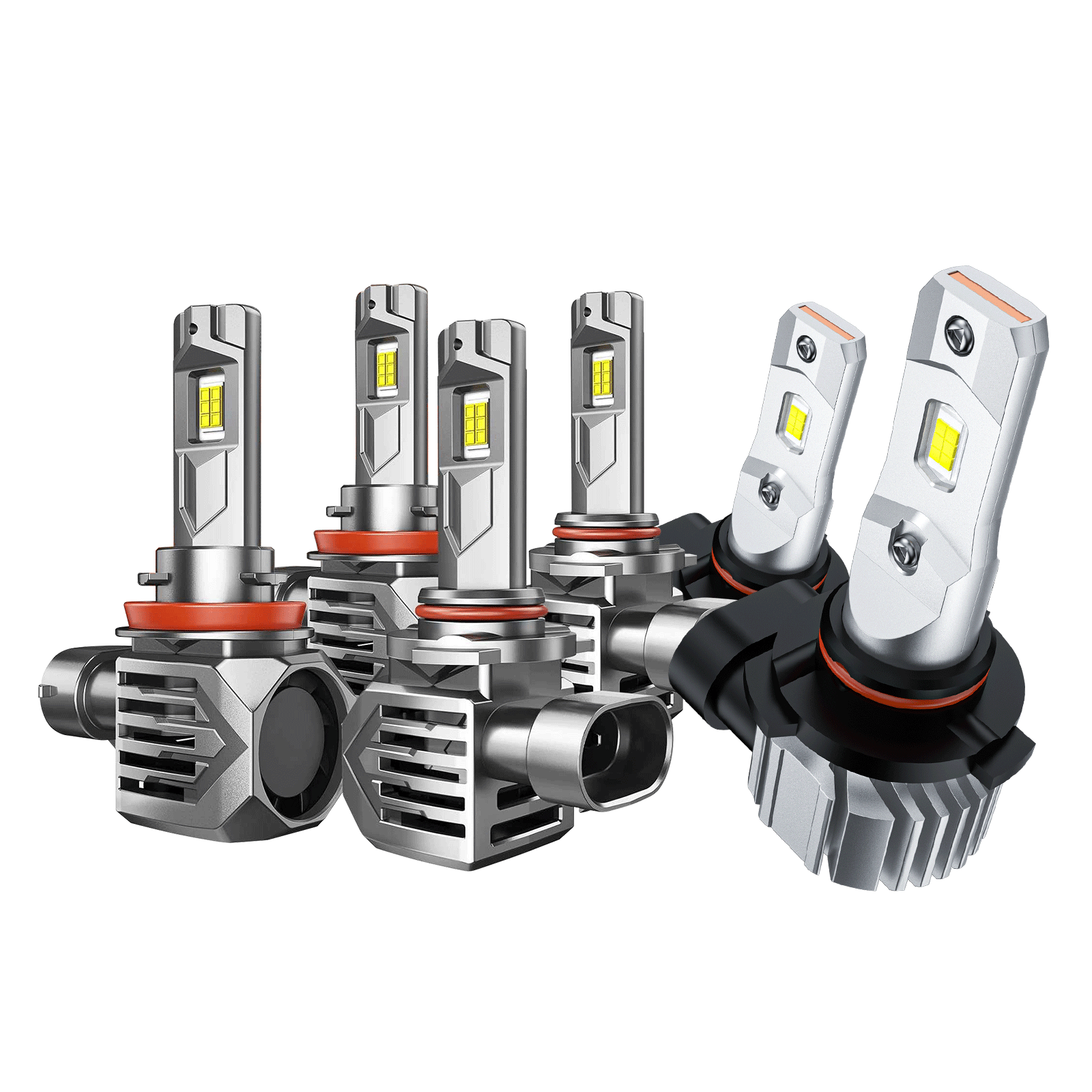
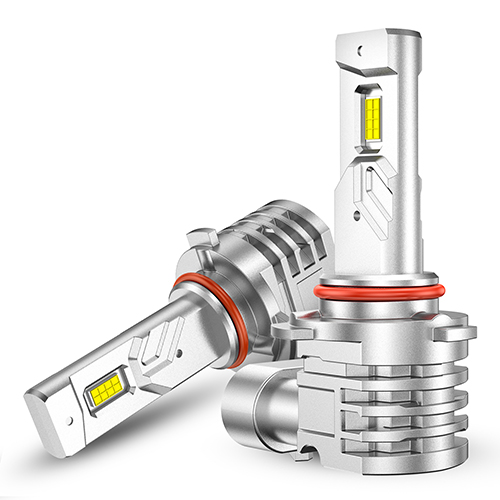
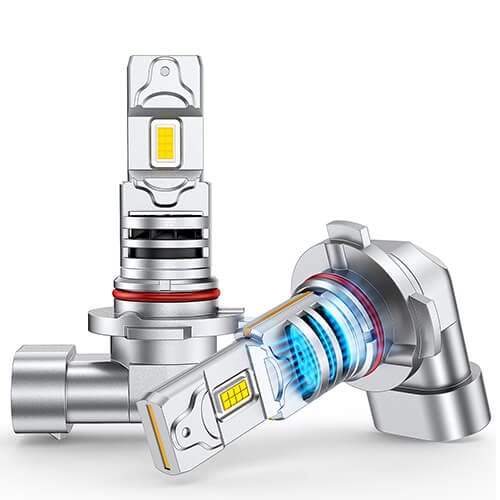
This is where low-beam control matters. On rural or winding roads, you still need usable light after switching from high beams to low beams. Most cars still use factory halogen bulbs for headlights, which can be dim over time. Upgrading to LED headlight bulbs for low beams and high beams can provide brighter, farther-reaching light, giving drivers more time to spot curves, animals, or road hazards.
4. Keep your windshield, mirrors, and windows clean
Dirt, dust, and streaks can scatter light and make glare worse. This is especially noticeable when headlights shine toward you. Clean the inside and outside of your windshield. Also check your mirrors and side windows before a long night drive.
5. Check that your headlights are clean and aimed correctly
Cloudy, yellowed, dirty, or poorly aimed headlights can reduce visibility. They can also create glare for other drivers. Your headlights should light up the road ahead without pointing too high. If other drivers often flash their lights at you, your headlights may need adjustment.
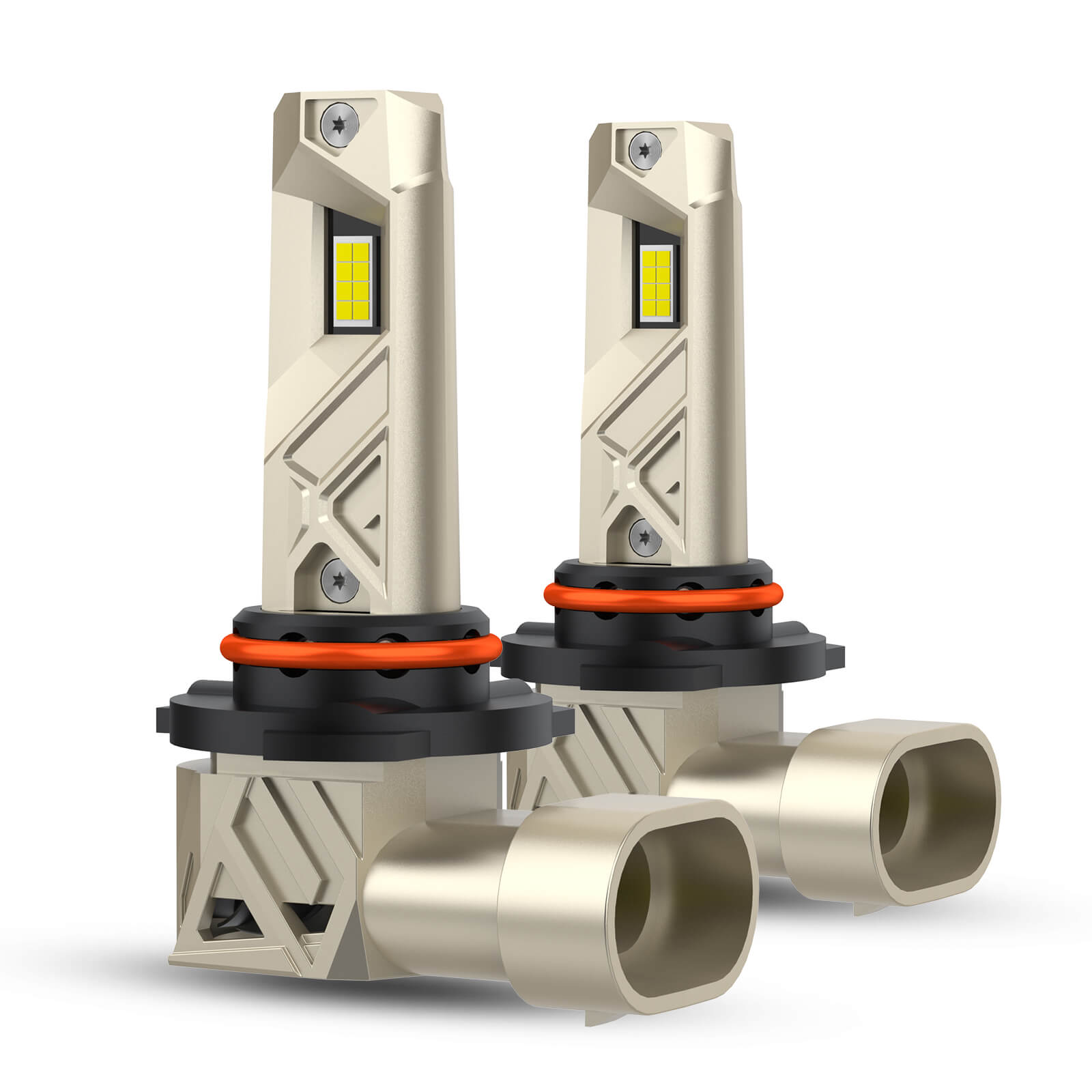
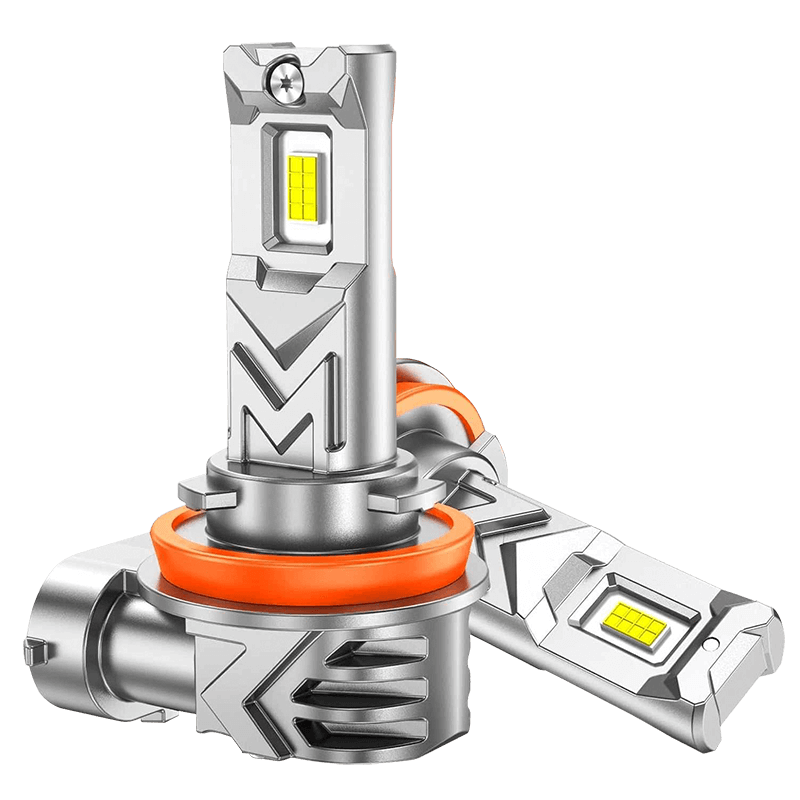
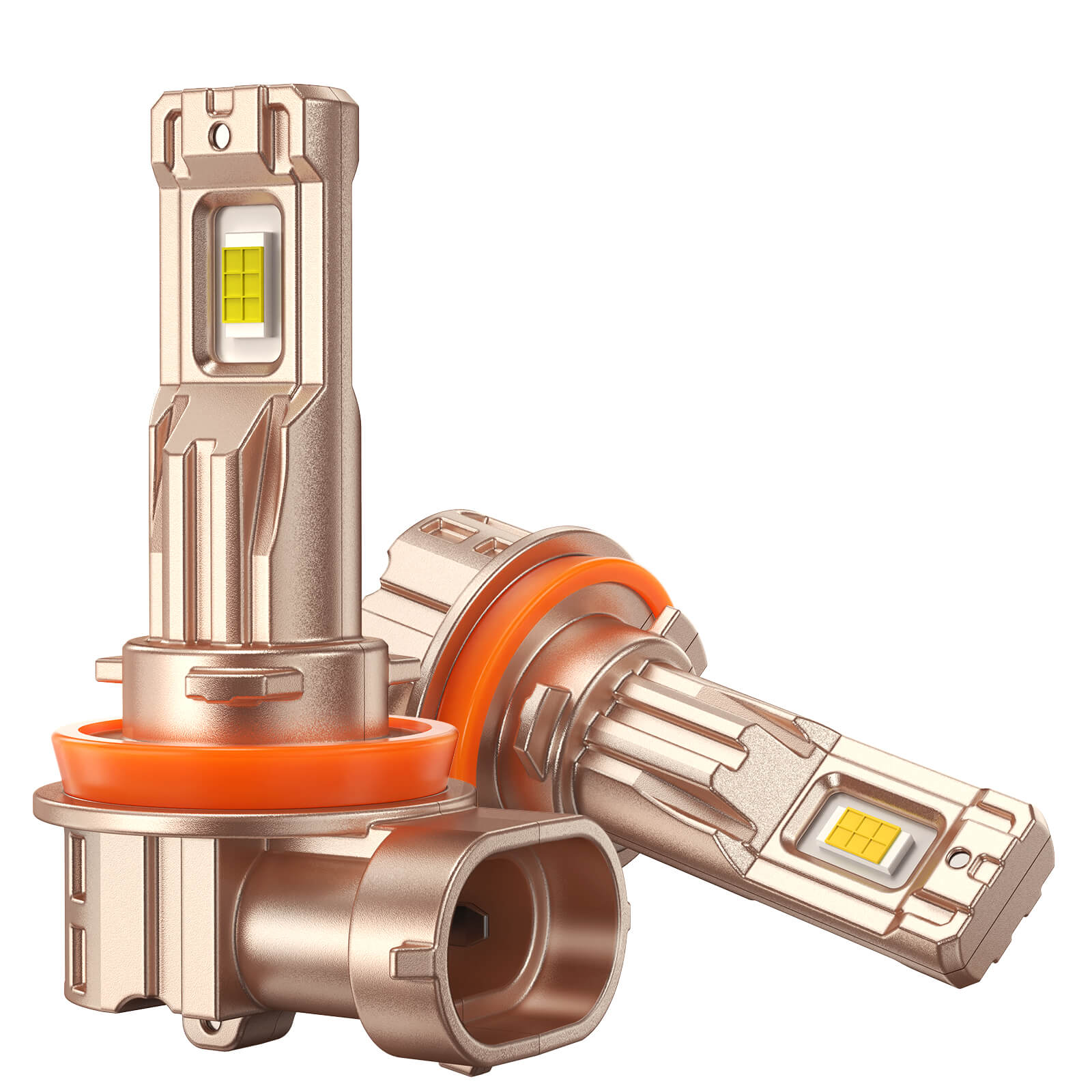
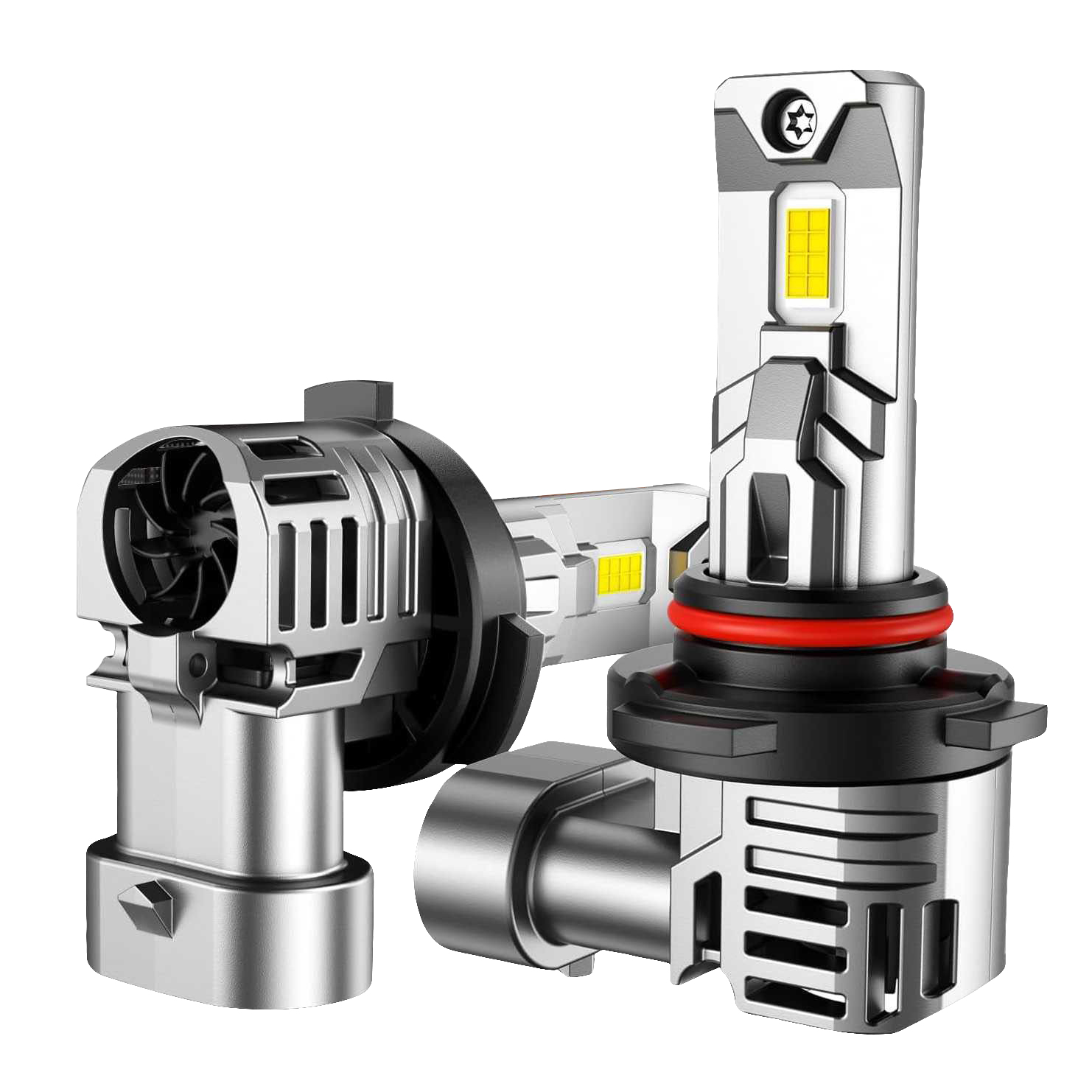
If your current headlights look bright up close but feel weak on long dark roads, they may not be giving you enough real-world usable light. This is the type of problem a better-designed LED headlight setup, such as SEALIGHT S7S, is meant to solve through more controlled light output, thermal stability, and a cleaner beam pattern.
6. Do not stare at oncoming headlights
Headlight glare is not just annoying. A recent AAA headlight glare survey found that six in ten drivers say glare is a problem after dark. Looking directly at bright headlights can affect your vision for a few seconds. Instead, keep your eyes moving and use the right edge of your lane as a guide. This is especially useful on two-lane roads, rural roads, and roads with no streetlights.
7. Dim your dashboard and interior screens
Bright dashboard lights, phone screens, and infotainment displays can make it harder for your eyes to adjust to the dark. Use night mode when possible. Keep only the brightness you need to read important information.
8. Watch the road edges, not just the center lane
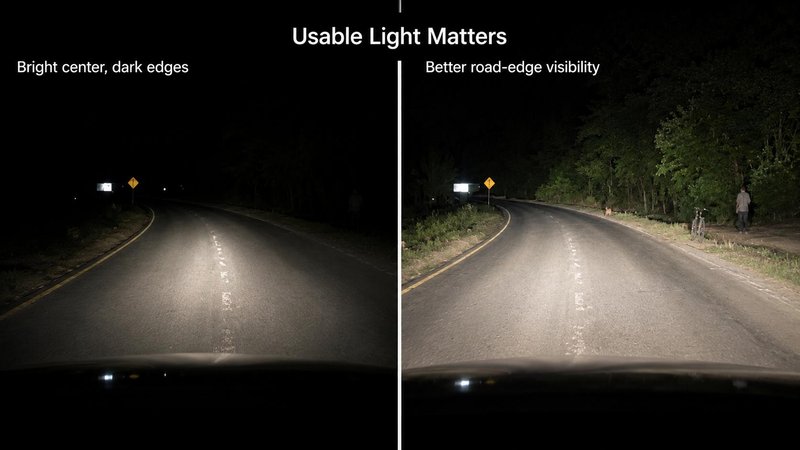
Many night driving hazards come from the side of the road. Animals, pedestrians, cyclists, and broken pavement often appear near the shoulder or around curves. Do not rely only on the bright area directly in front of your car. Scan the lane, road edges, signs, and dark areas near turns.
For safer nighttime driving, your headlights should help you see the lane, the shoulder, road signs, and curve edges. This is especially important on rural roads, mountain roads, and poorly lit streets.
9. Use fog lights only in low-visibility weather
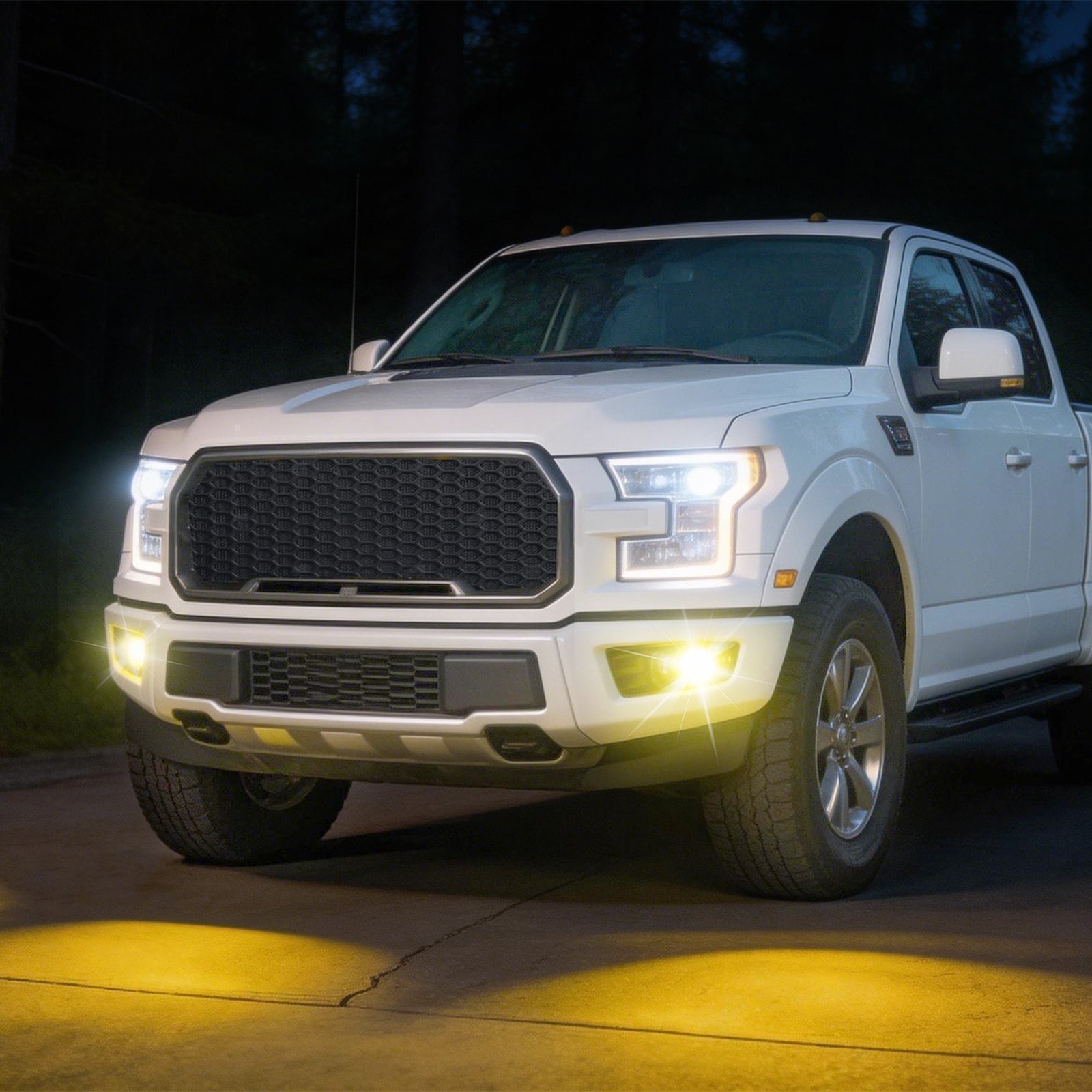
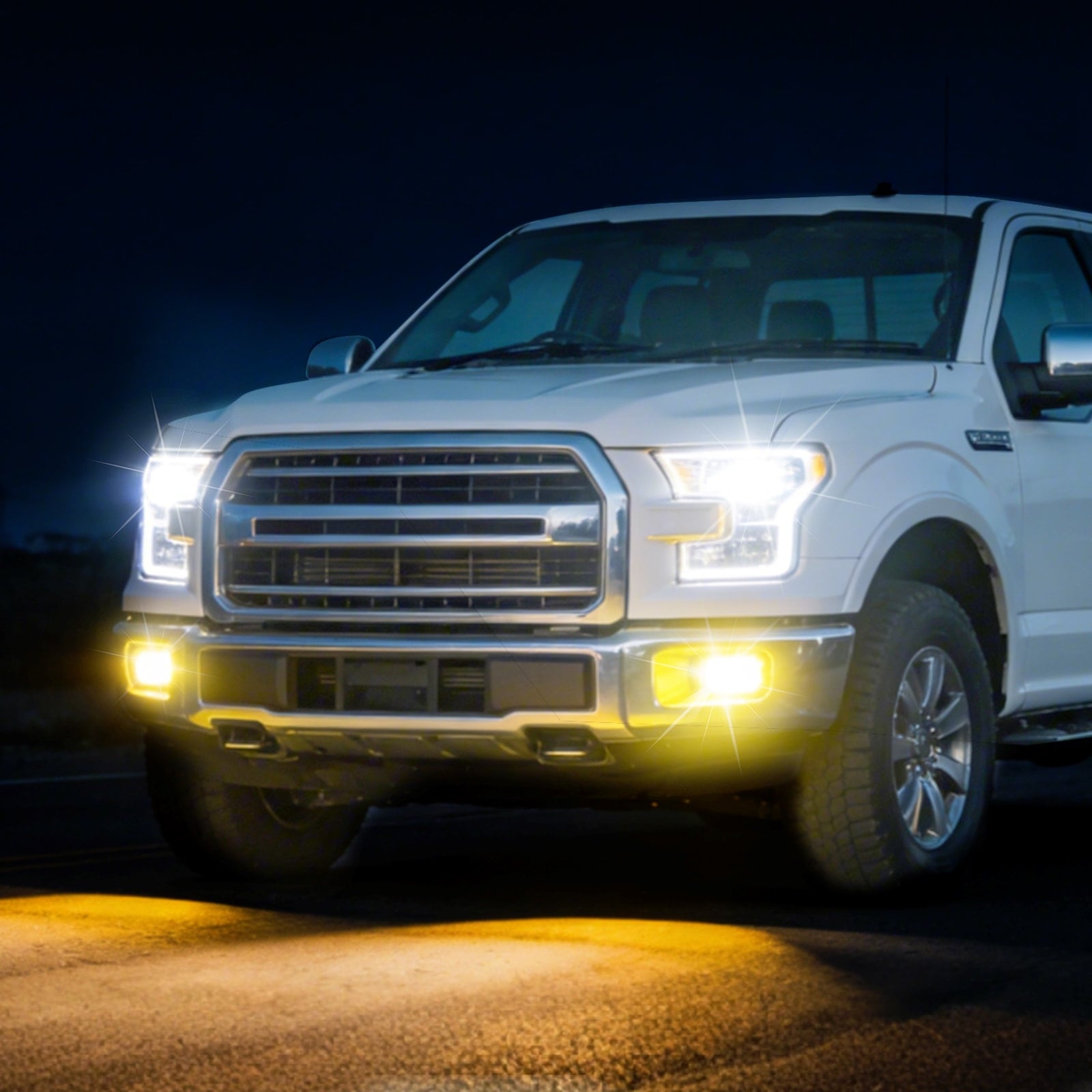
LED fog light bulbs can help in fog, heavy rain, snow, dust, or mist. They are designed to spread light low and wide near the road surface. Do not use fog lights as everyday night driving lights when the weather is clear. Extra light in the wrong place can create glare and make driving harder for other people.
10. Make sure other drivers can see you clearly
Night driving is not only about seeing the road. It is also about being seen early enough by other drivers. Check your brake lights, tail lights, turn signal lights, and hazard lights before a long night drive. These lights tell other drivers where you are and what you plan to do.
A complete night driving lighting setup should work together:
- Headlights help you see the road ahead.
- Brake and tail lights help drivers behind you spot your vehicle and warn others when you slow down.
- Turn signals show your next move before you change lanes or turn.
This matters most on dark roads, highways, bad weather, and roadside stops. If one part of your lighting system is weak or not working, other drivers may notice you too late.
11. Stay alert for wildlife and impaired drivers
Animals are more active at night, especially near rural roads, wooded areas, and open fields. Slow down when you see animal crossing signs or dark road shoulders. Also watch for erratic drivers. Late-night and early-morning roads can carry a higher risk of impaired driving.
12. Do not push through fatigue
Tired driving is dangerous. If you are yawning, drifting in your lane, blinking often, or missing exits, it is time to stop. For long drives, rest before you leave and take breaks when needed. A short stop is safer than trying to “push through” when your body is telling you to rest.
How to Improve Visibility When Driving at Night
The tips above can help you drive more safely, but visibility still matters most after dark. If the road still feels hard to read, do not assume brighter headlights are the only answer. Start by checking the basics: clean glass, clear lenses, proper beam aim, and glare control.
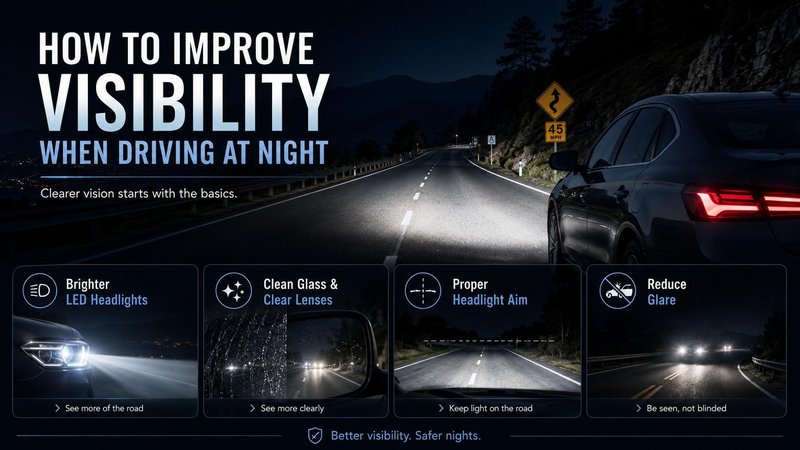
1. Upgrade Dim Halogen Headlights to Brighter LEDs
Dim halogen headlights make it hard to see road signs, lane lines, and obstacles at night, reducing reaction time. Upgrading to brighter LED headlight bulbs improves visibility, with a controlled beam that lights the road without glaring at other drivers.
Just avoid choosing bulbs by brightness alone. A good LED upgrade should also have a controlled beam pattern, stable output, and proper heat control, so the light stays on the road without causing harsh glare for other drivers. For drivers who often commute after dark, SEALIGHT LED headlight bulbs can be a practical upgrade for clearer night-road visibility.
2. Start with clean glass and clear lenses
A dirty windshield, cloudy headlight lens, or streaky wiper blade can scatter light and make glare worse. Clean the inside and outside of your windshield, wipe your mirrors, check your headlight lenses, and replace wiper blades if they leave streaks.
3. Check where your headlights are aimed
Headlights that point too low may not show enough road ahead, while lights aimed too high can blind other drivers. After replacing LED headlight bulbs or adjusting your lights, make sure the beams point toward the road and still cover the lane, shoulder, and curves.
4. Look for usable light, not just high lumens
A high lumen number does not always mean better night visibility. For real night driving, look for stable output, heat management, and a controlled beam pattern. If you are comparing upgrades, SEALIGHT S7S is one option to consider for usable road light, steadier output, and better beam control.
5. Reduce glare inside and outside the car
Dim your dashboard and infotainment screen, use the night setting on your rearview mirror, and avoid staring directly at oncoming headlights. Be careful with yellow-tinted night driving glasses, since tinted lenses can reduce the amount of light reaching your eyes.
Night Driving Safety Checklist Before You Go
Before driving at night, do a quick check so you are not dealing with visibility or safety problems on the road.
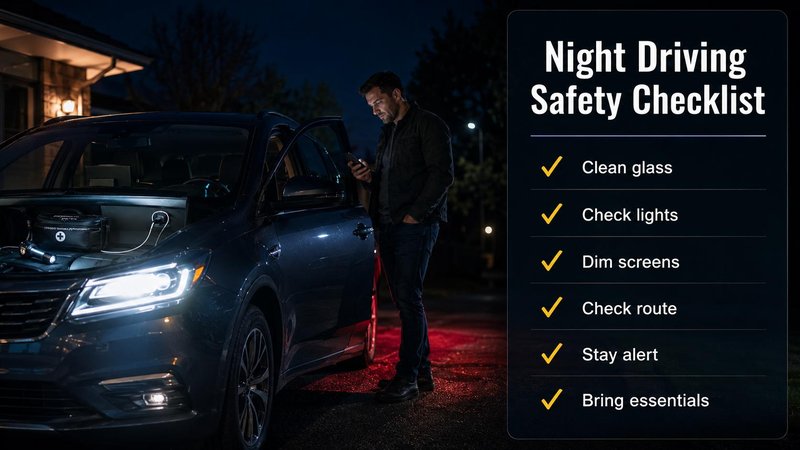
- Clean your glass: Wipe the windshield, side windows, and mirrors.
- Check your headlights: Make sure low beams and high beams work and point toward the road.
- Check rear lights: Test your brake lights, tail lights, turn signals, and hazard lights.
- Reduce glare: Dim your dashboard and screen brightness.
- Check the weather: Watch for fog, rain, snow, or strong wind.
- Plan your route: Avoid unfamiliar rural roads if visibility is poor.
- Check yourself: Do not drive if you are tired, impaired, or taking medicine that makes you drowsy.
- Prepare for stops: Keep a flashlight, phone charger, and warning triangle or reflective vest in the car.
A two-minute check before you leave can make night driving safer and less stressful.
FAQ About Driving at Night
What are 5 tips for driving at night?
Five important tips for driving at night are: slow down, increase your following distance, use high beams only when safe, avoid staring at oncoming headlights, and keep your windshield, mirrors, and vehicle lights clean.
What is the best rule for safe night driving?
The best rule is to drive only as fast as you can safely see and stop. If your headlights do not show enough of the road ahead, slow down and give yourself more space.
When approaching another vehicle at night, what should you do?
When approaching another vehicle at night, switch from high beams to low beams. This helps you avoid blinding the other driver while still keeping enough light on the road.
When driving behind another vehicle at night, what should you do?
When driving behind another vehicle at night, use low beams and leave extra following distance. High beams can reflect in the driver’s mirrors and make it harder for them to see.
What is the biggest hazard in night driving?
The biggest hazard is reduced visibility. At night, it is harder to see road edges, pedestrians, animals, cyclists, potholes, and stopped vehicles until you are closer to them.
What special techniques can you use for night driving?
Use high beams only when safe, scan the road edges, avoid staring at oncoming lights, dim your dashboard, keep your glass clean, and drive at a speed that matches what you can see.
Are brighter headlights always better for night driving?
No. Brighter headlights are not always better. A good LED headlight bulb should provide usable light, a clear beam pattern, stable brightness, and low glare for other drivers.
Is it more dangerous to drive at night or during the day?
Driving at night is usually more dangerous because visibility is lower, glare is stronger, and fatigue is more common. There may also be a higher risk of impaired drivers late at night.
Can you drive your car through a dark ride?
Driving through dark roads can be safe if you slow down, use your headlights correctly, and make sure you can stop within the area you can see. Avoid relying only on high beams, especially when another vehicle is approaching.
Final Thoughts
Driving at night is never just about turning on your headlights and going. You have less time to react, more glare to deal with, and fewer visual cues from the road. The safest approach is simple: slow down, keep more space around your vehicle, stay alert, and make sure your lights and glass are clean before you leave.
If your current headlights leave the road edges dark, fade on long drives, or create glare for other drivers, check the lens condition, beam aim, and light pattern before your next night drive. If you decide to upgrade, SEALIGHT LED bulbs are one option designed around usable road light, stable output, and glare control.