

 Headlight Bulbs


 Track Order
 My Vehicles
 Contact Us
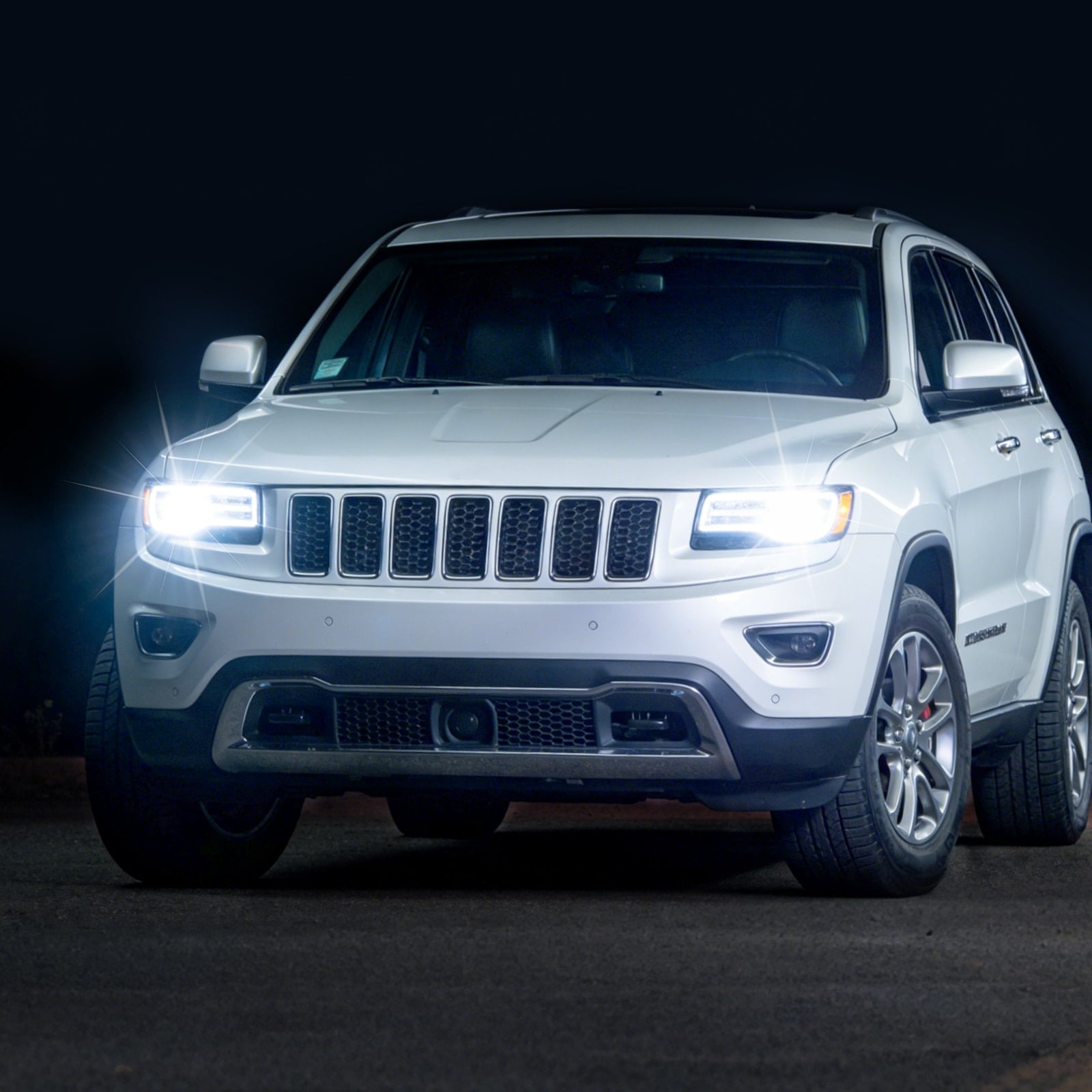
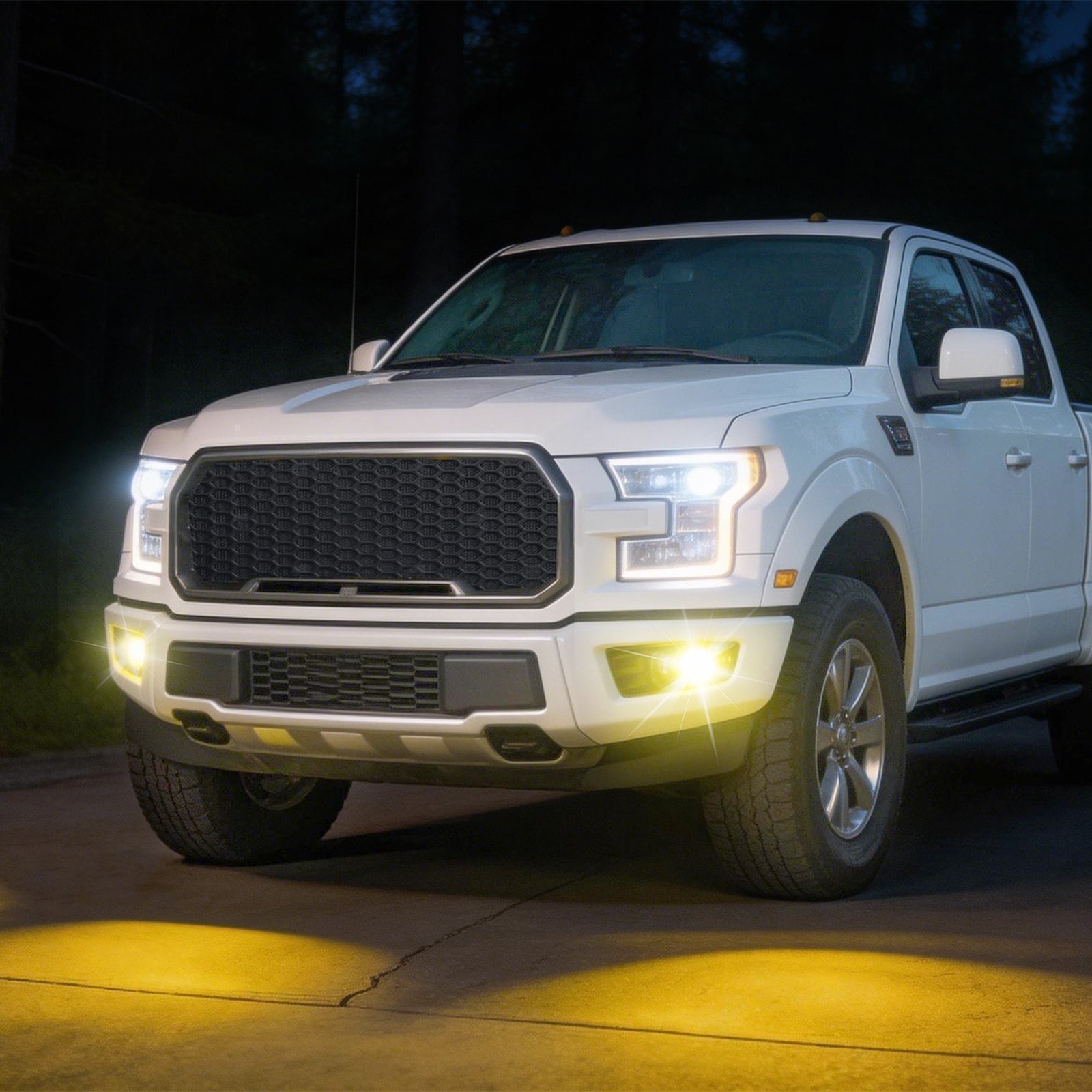


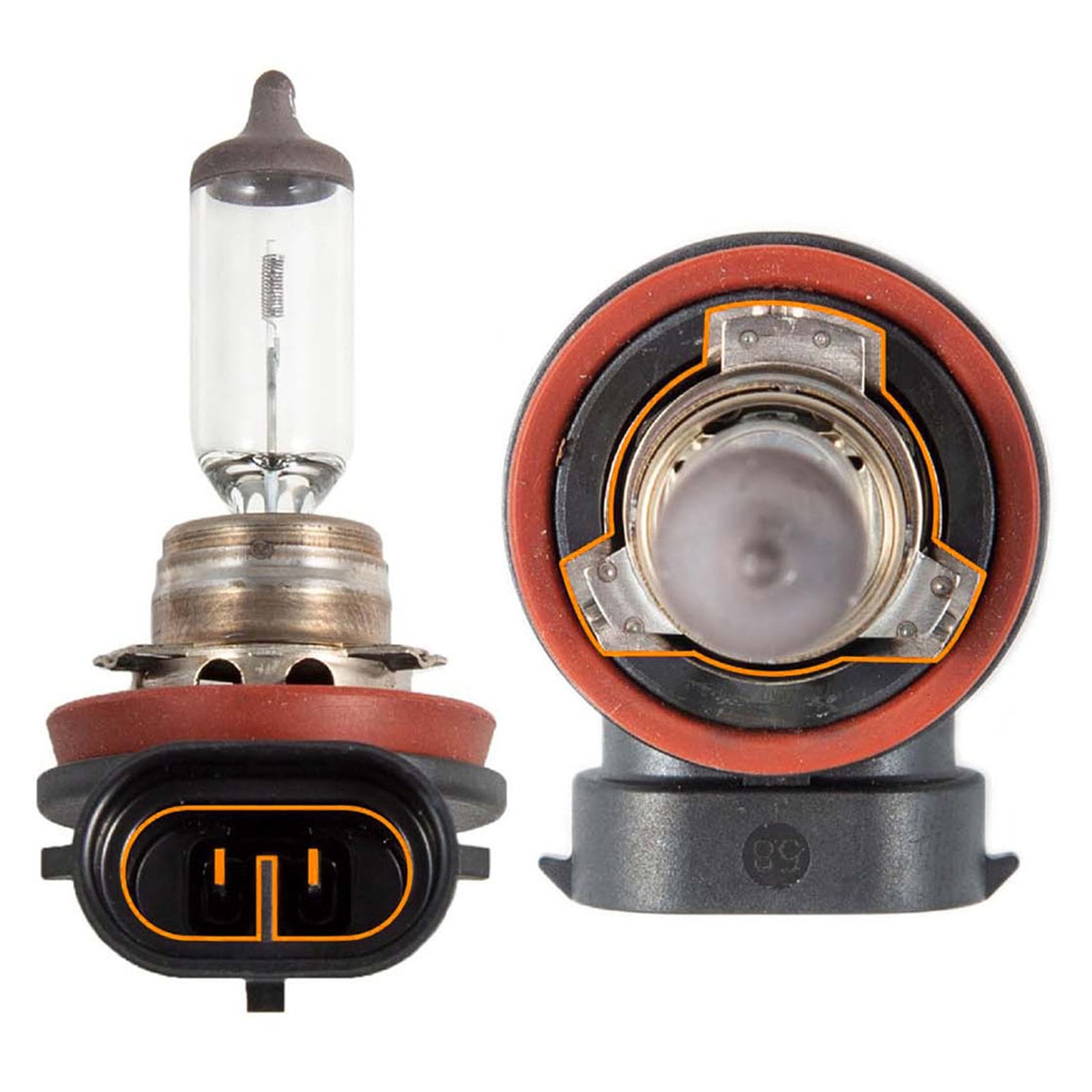
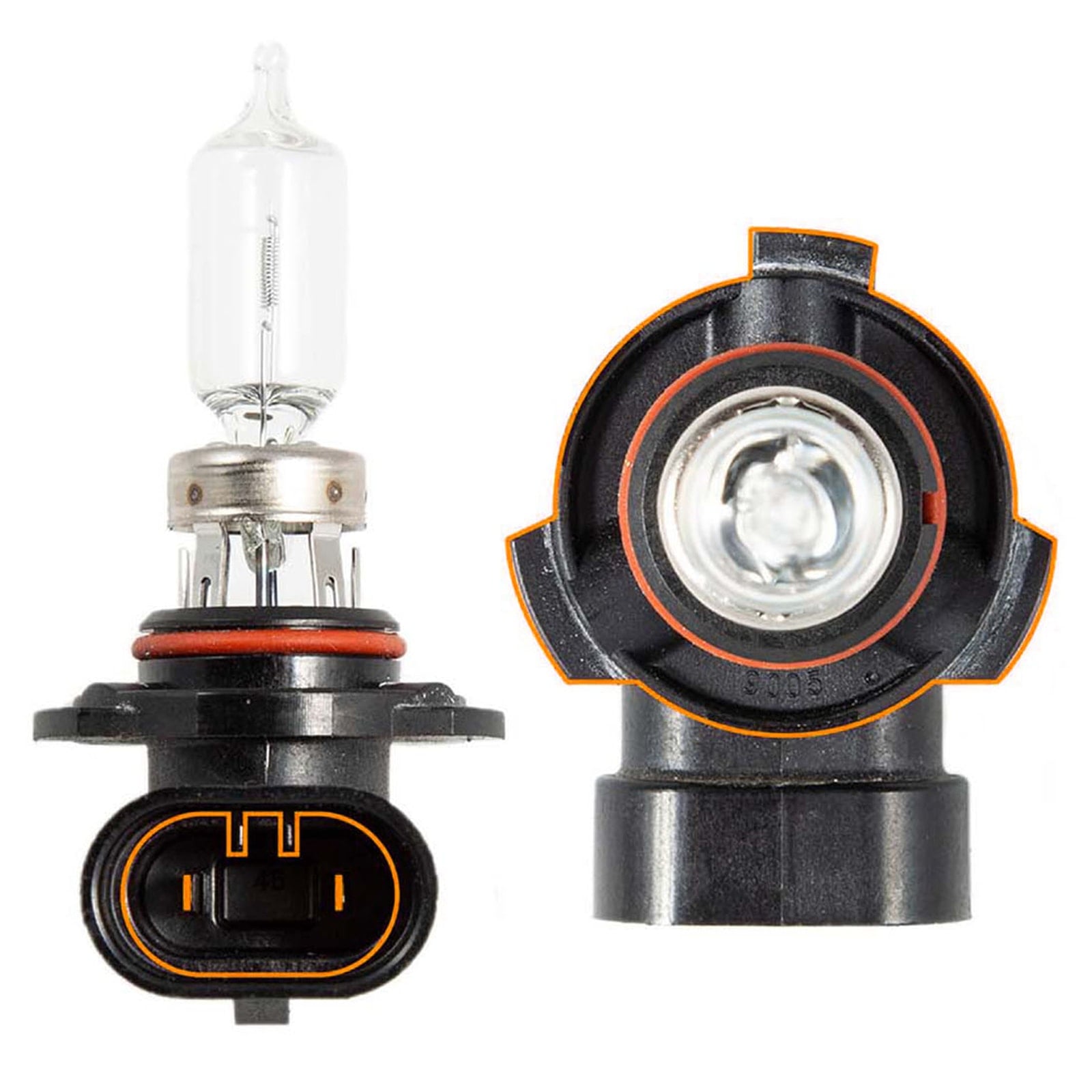
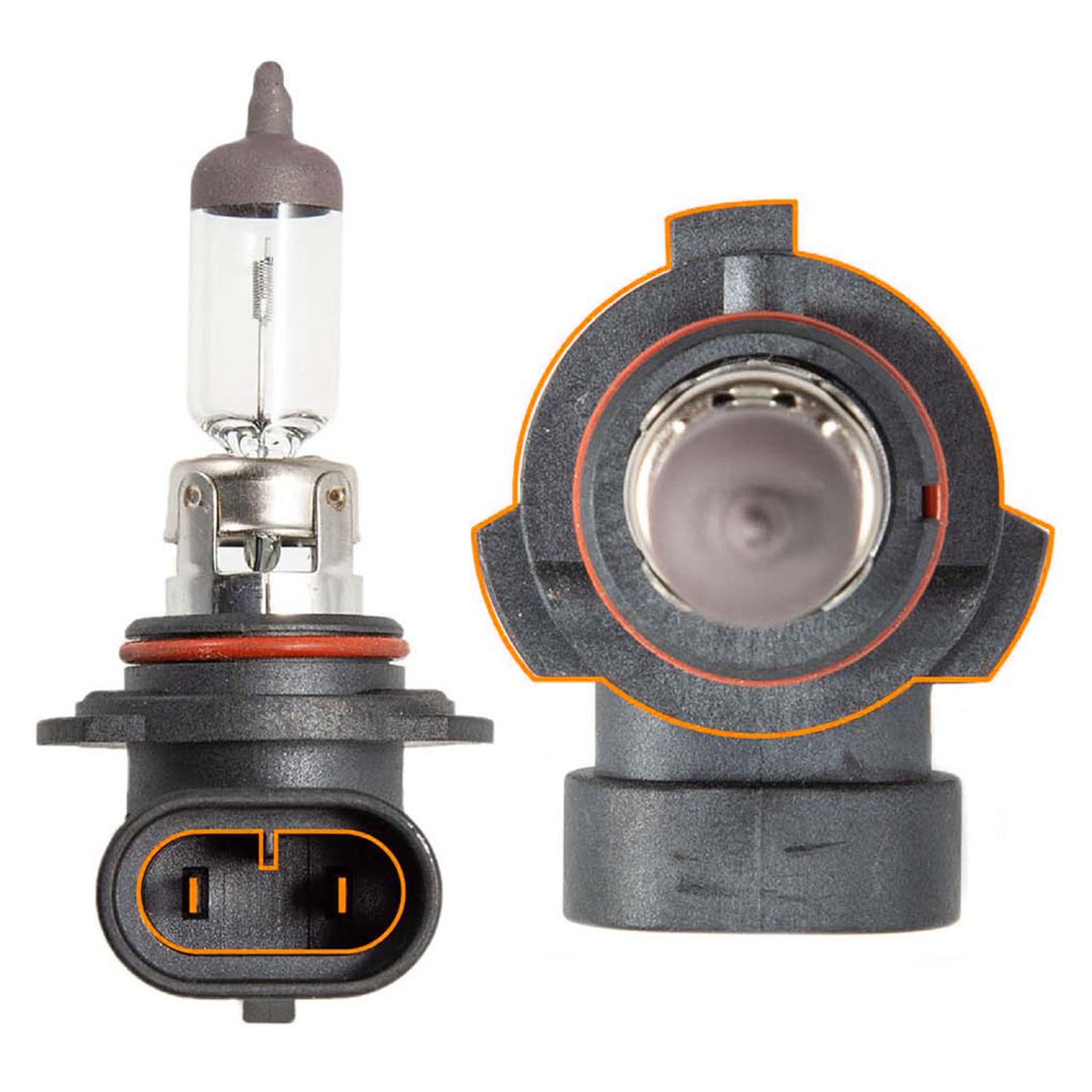
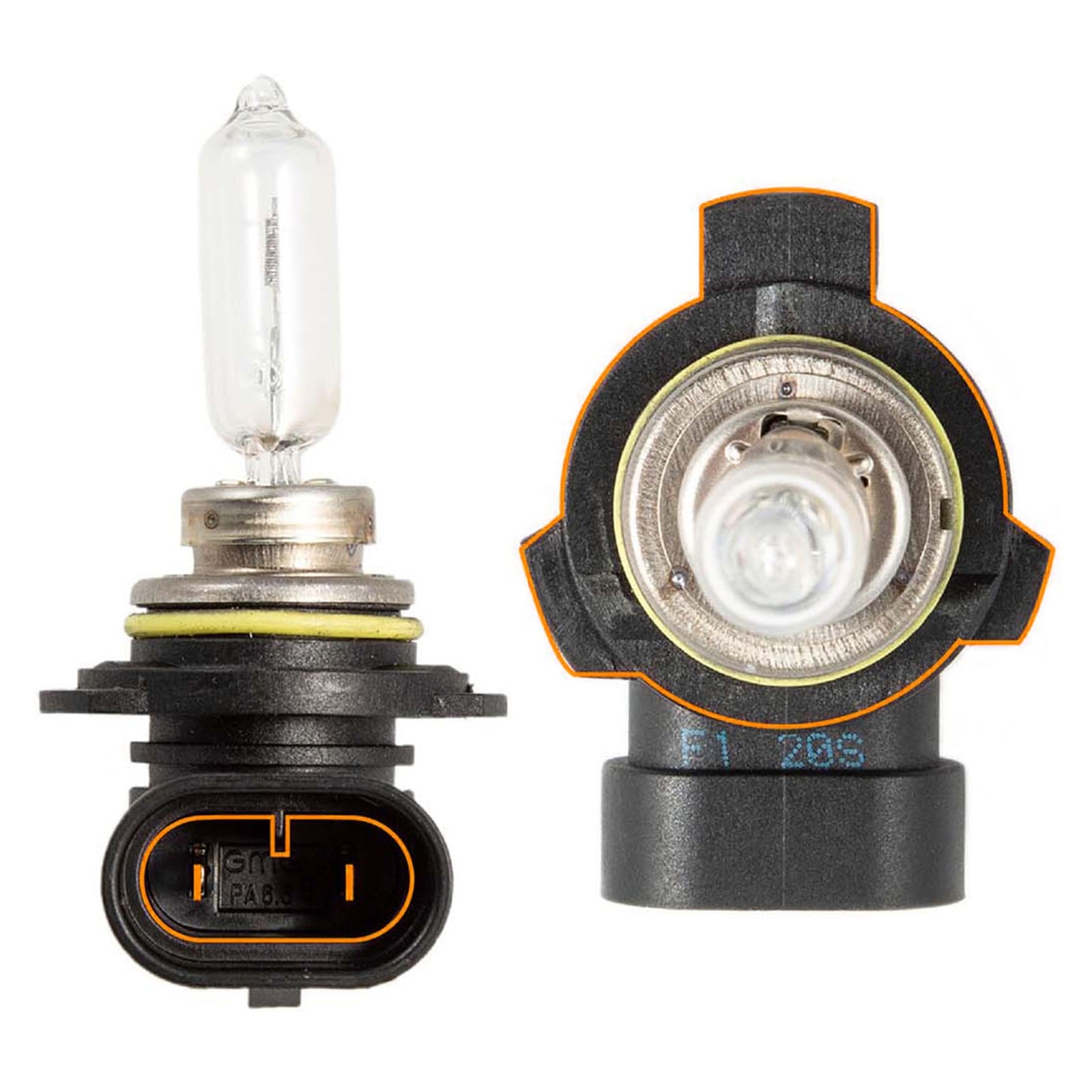
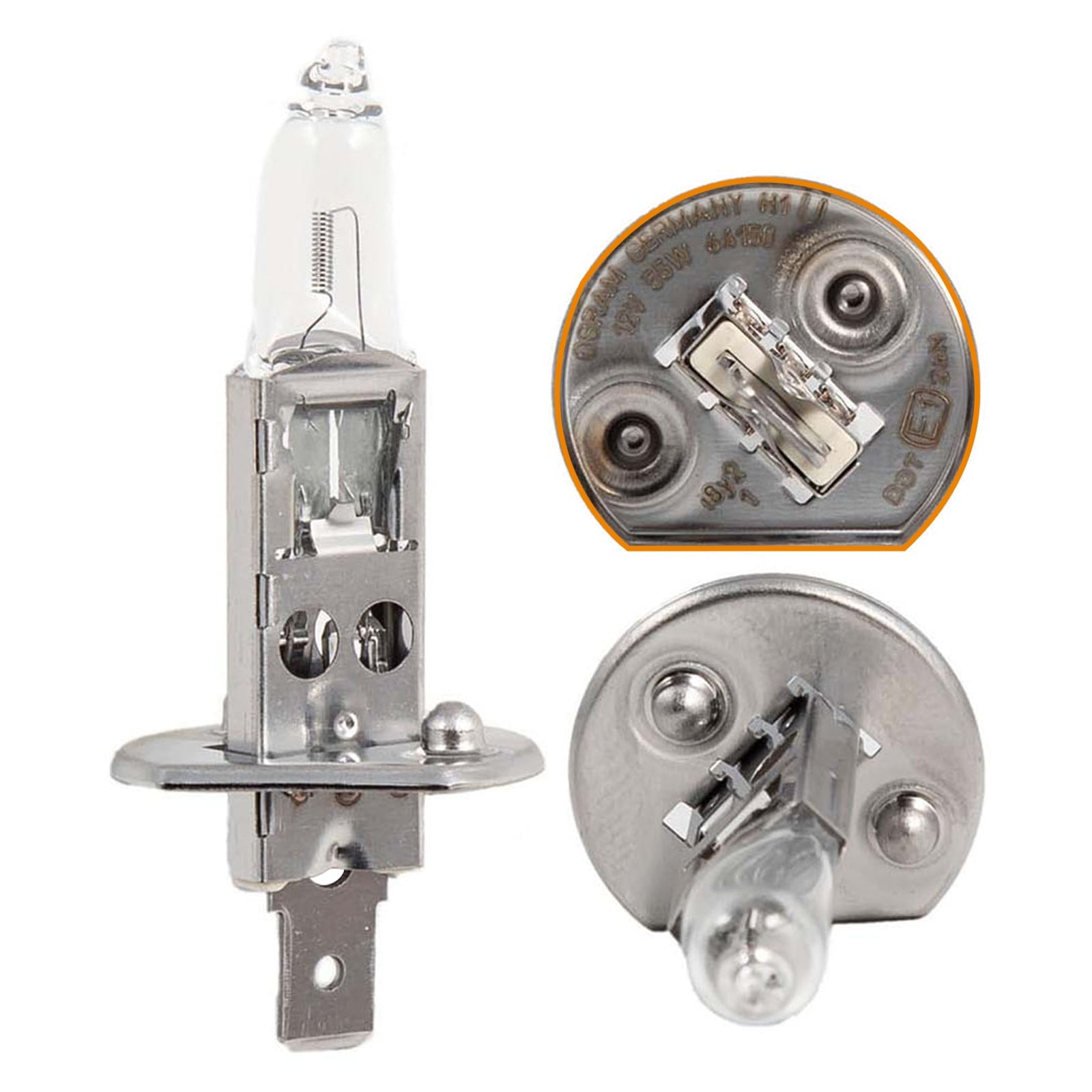

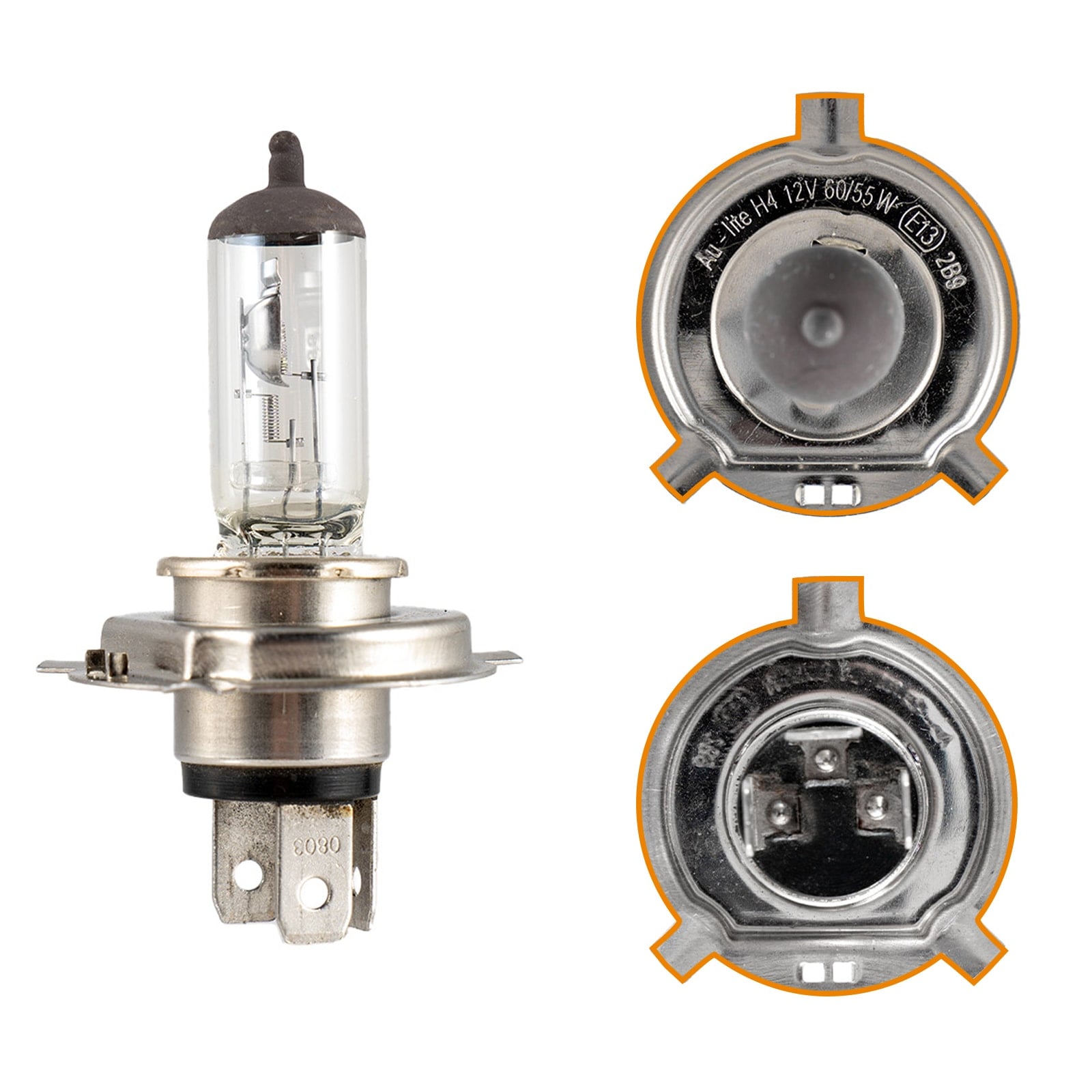
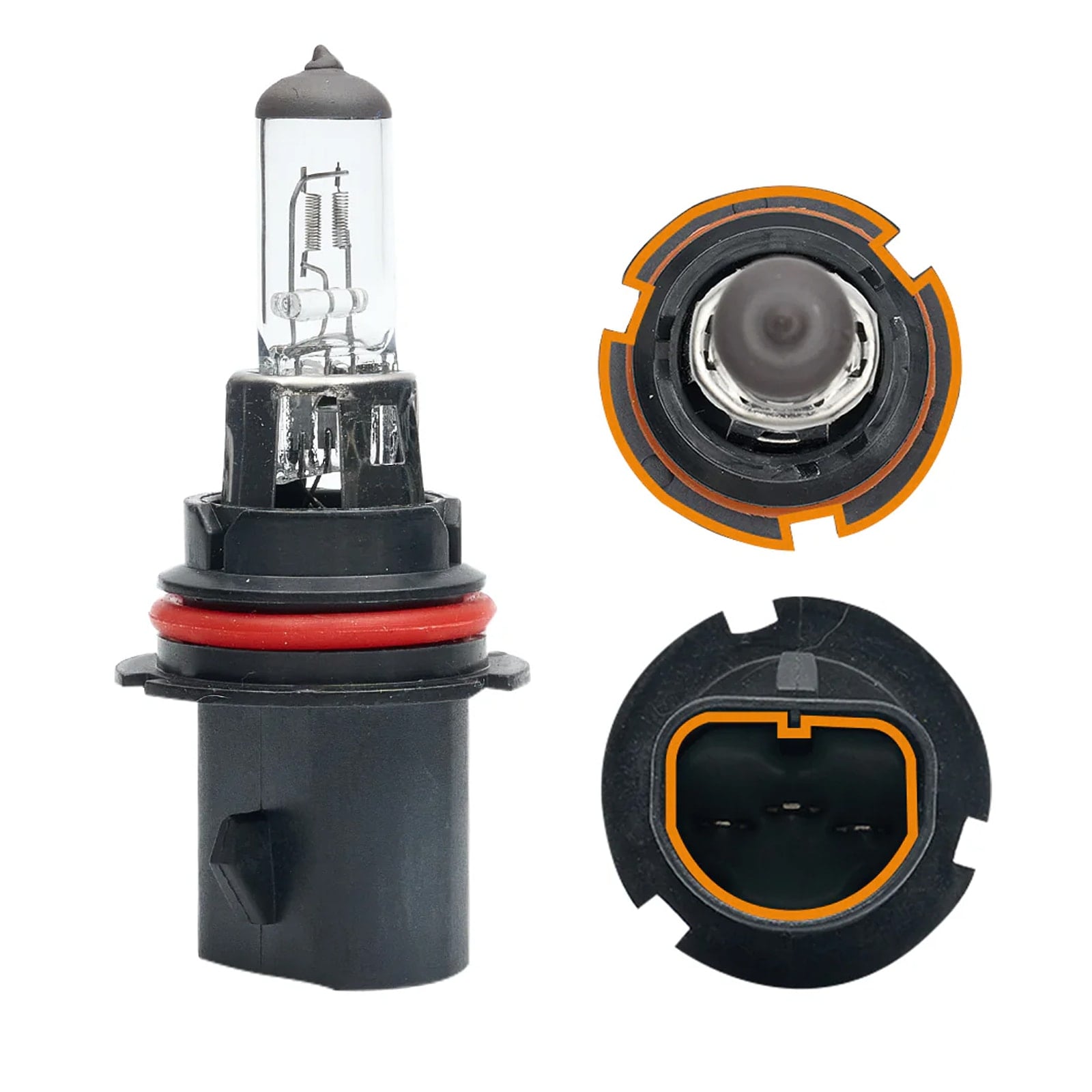
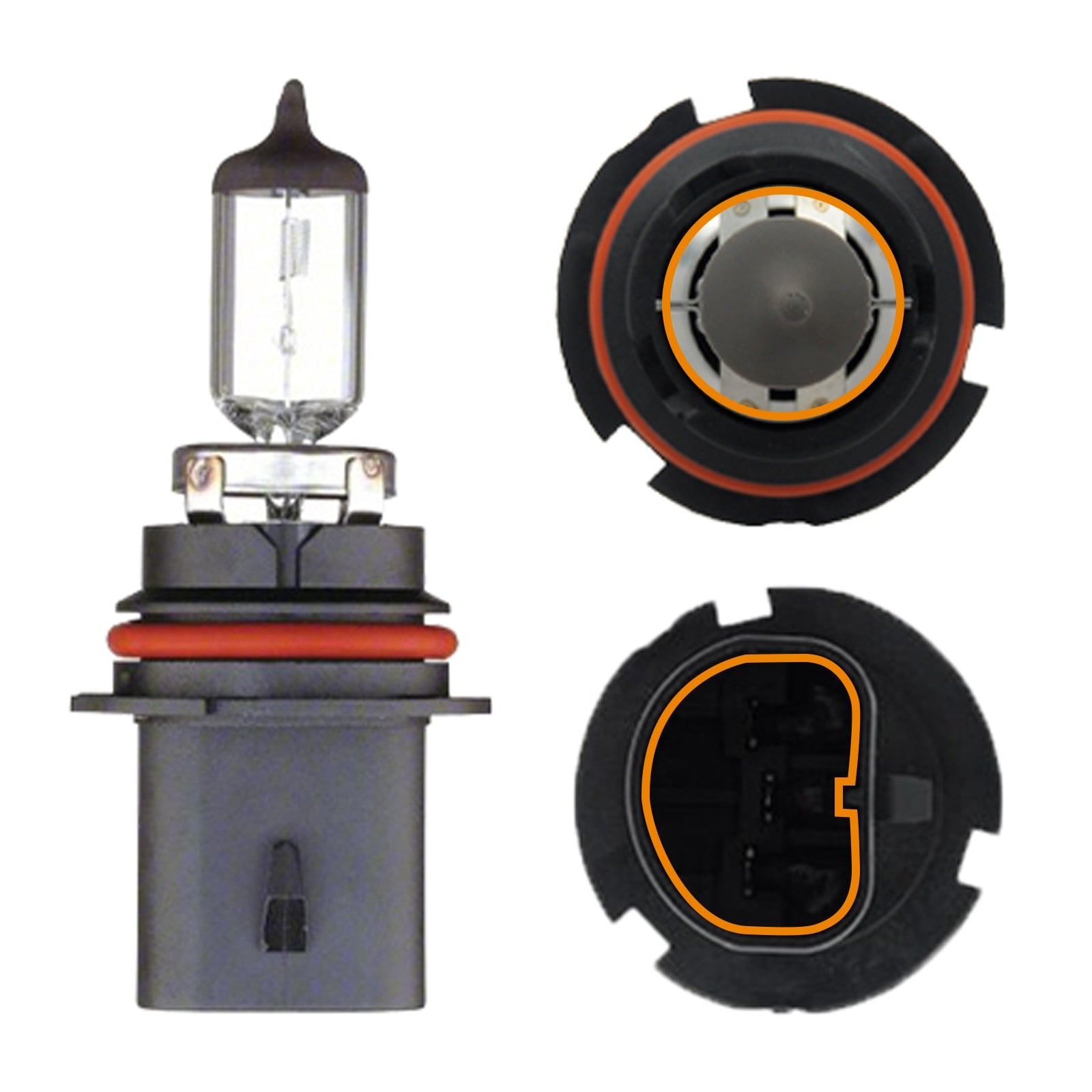
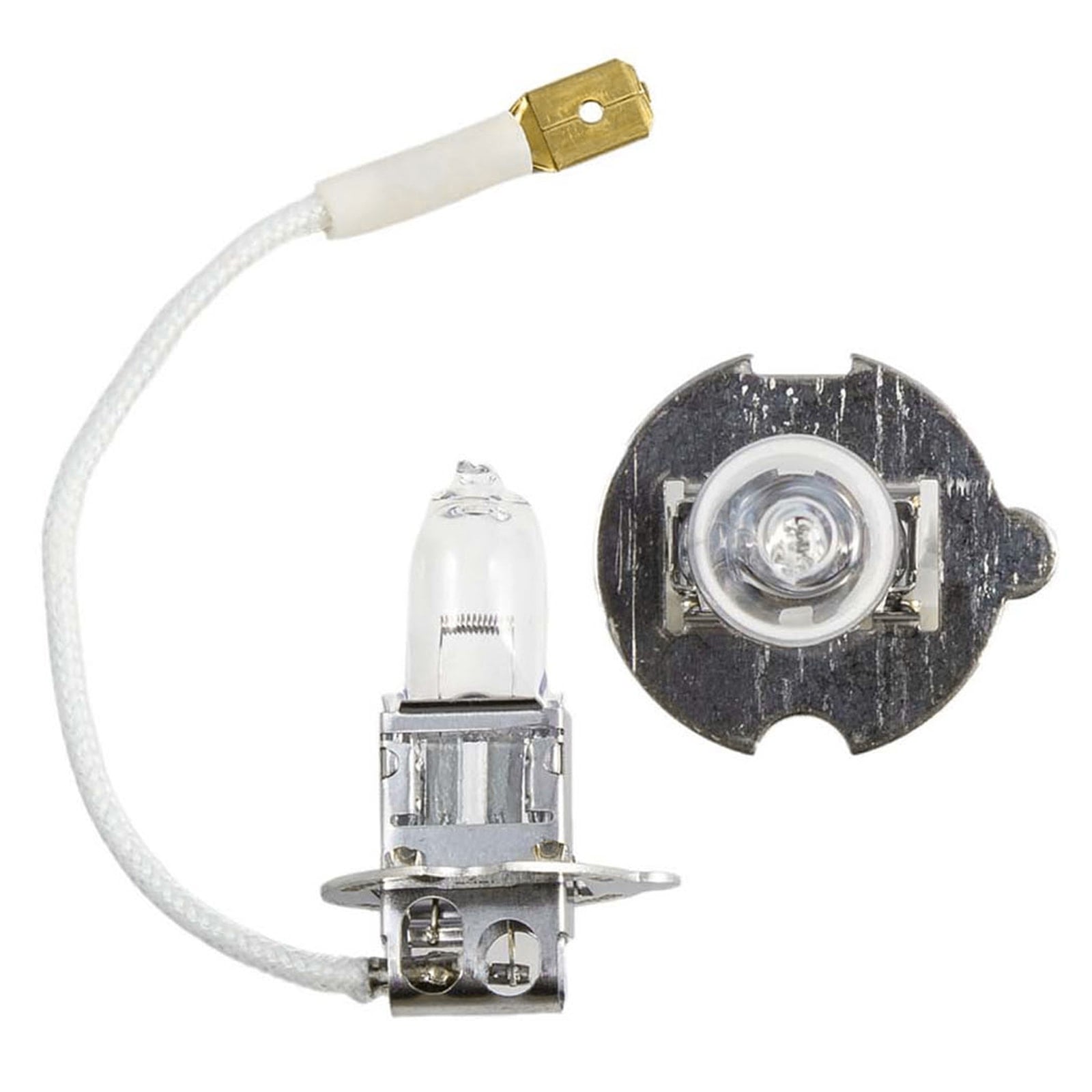
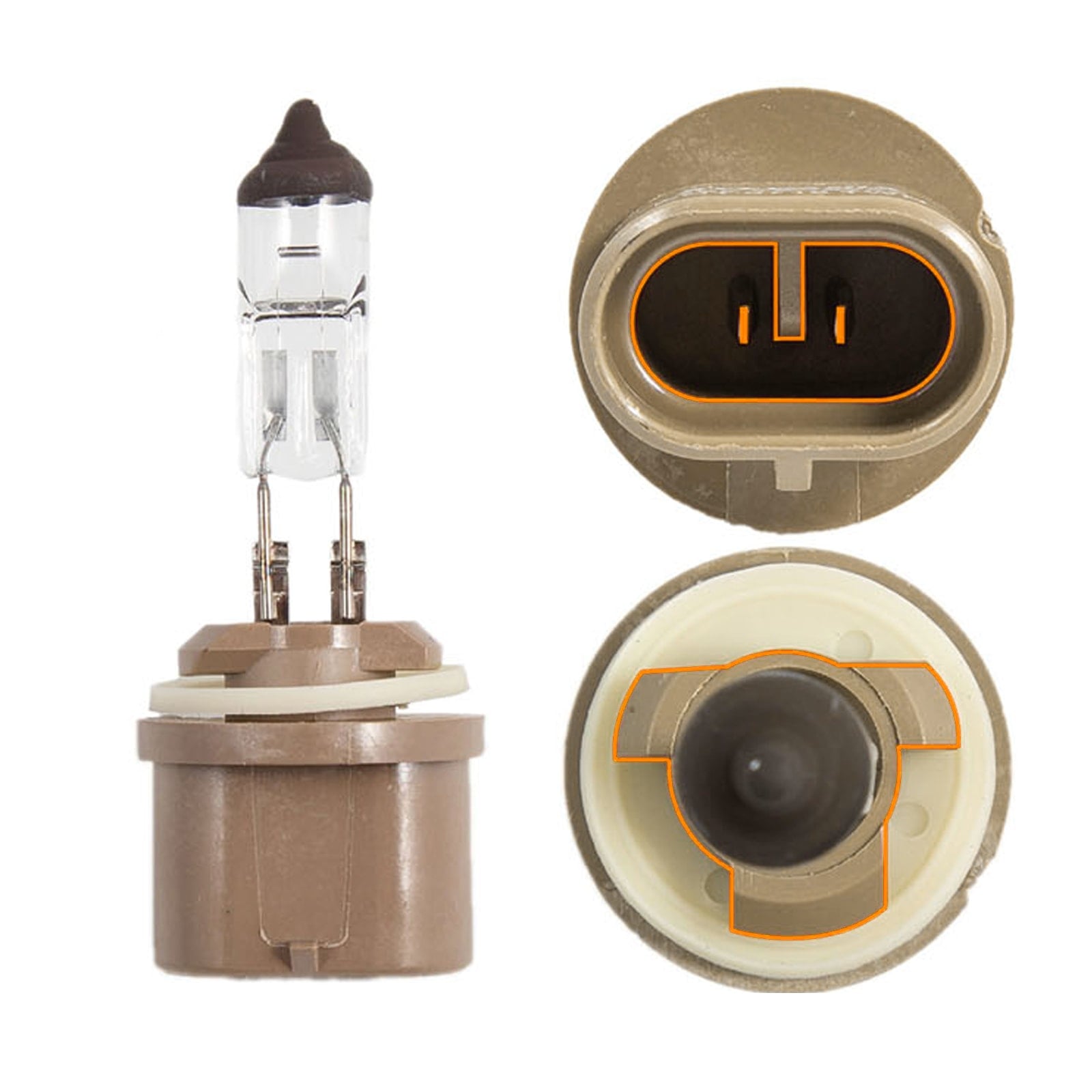
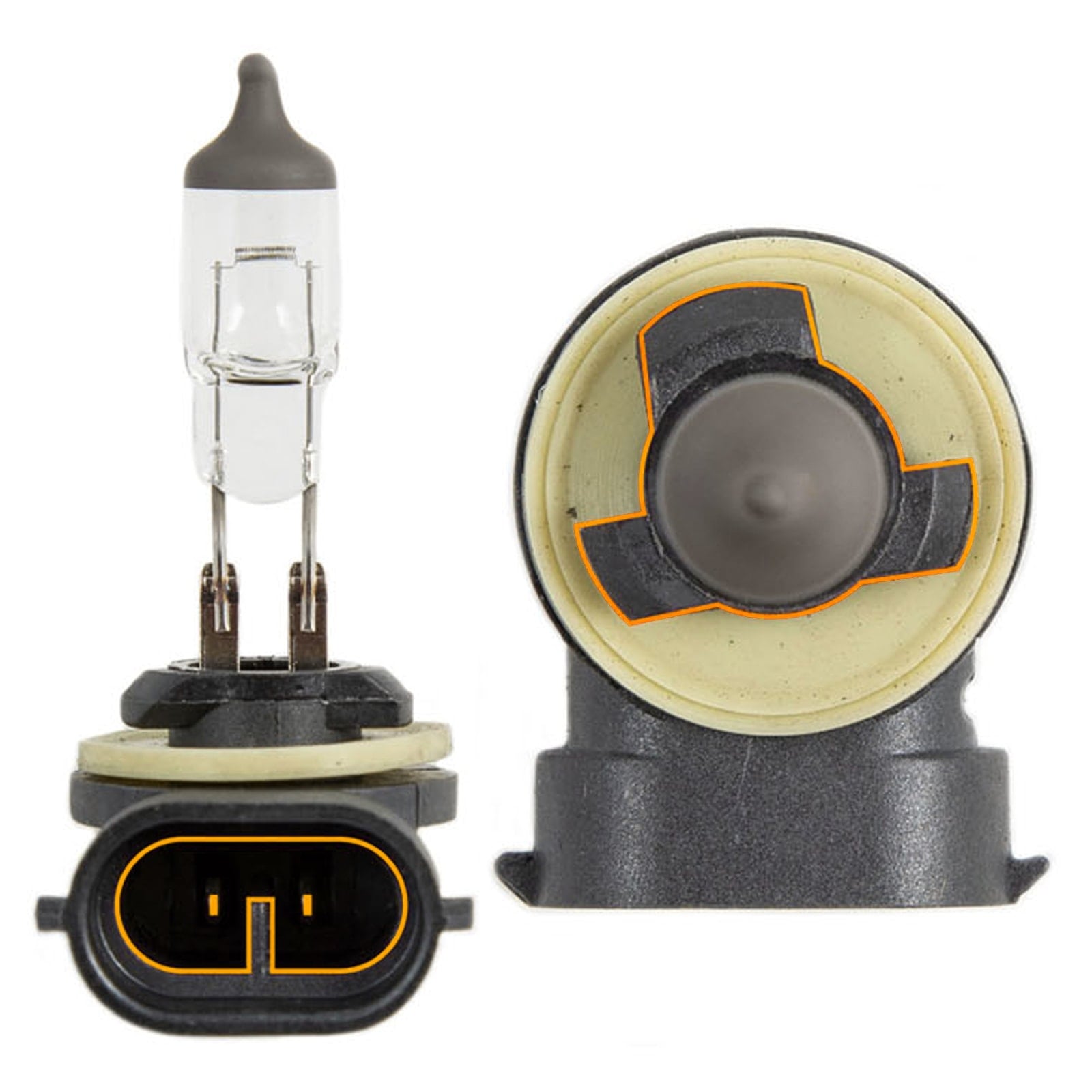
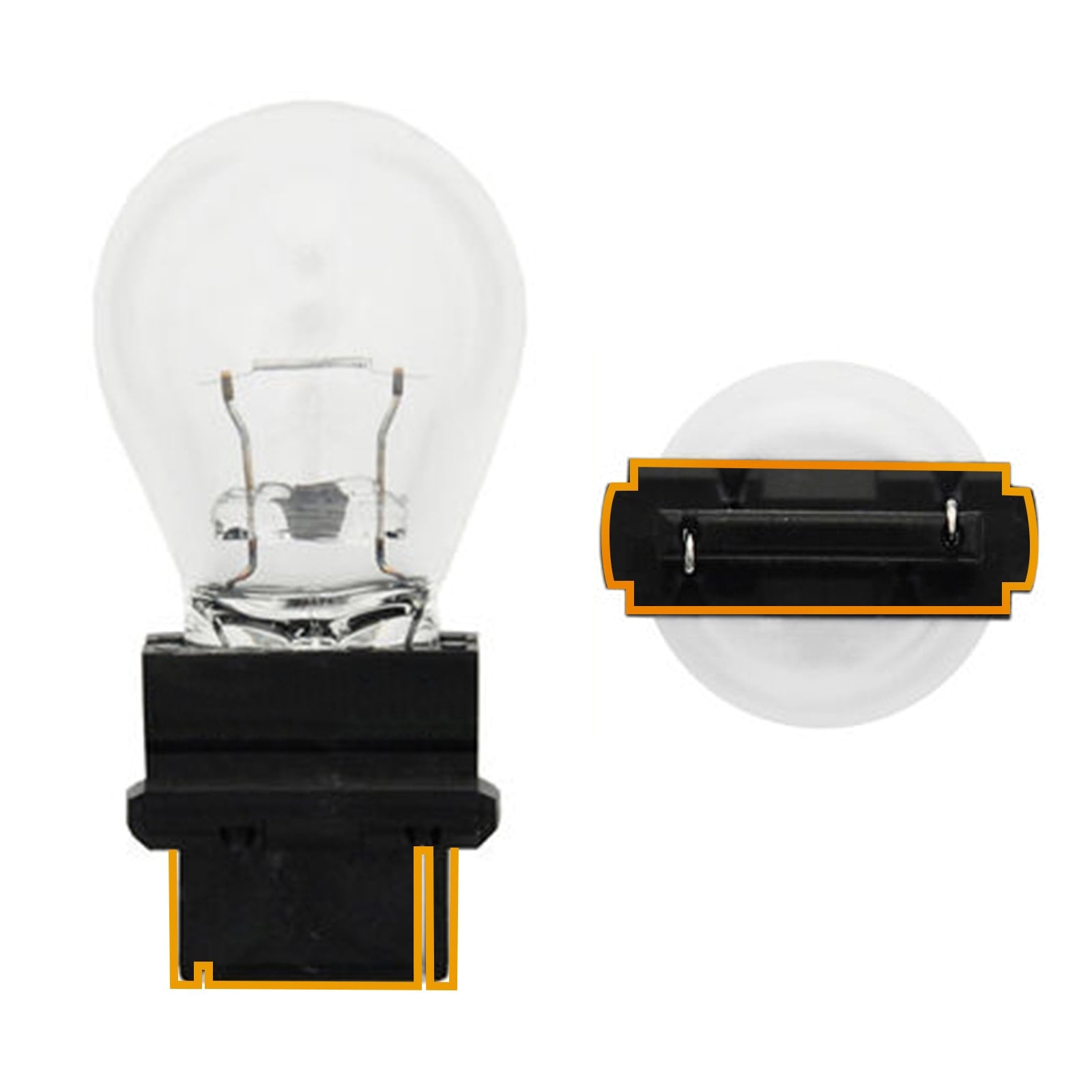
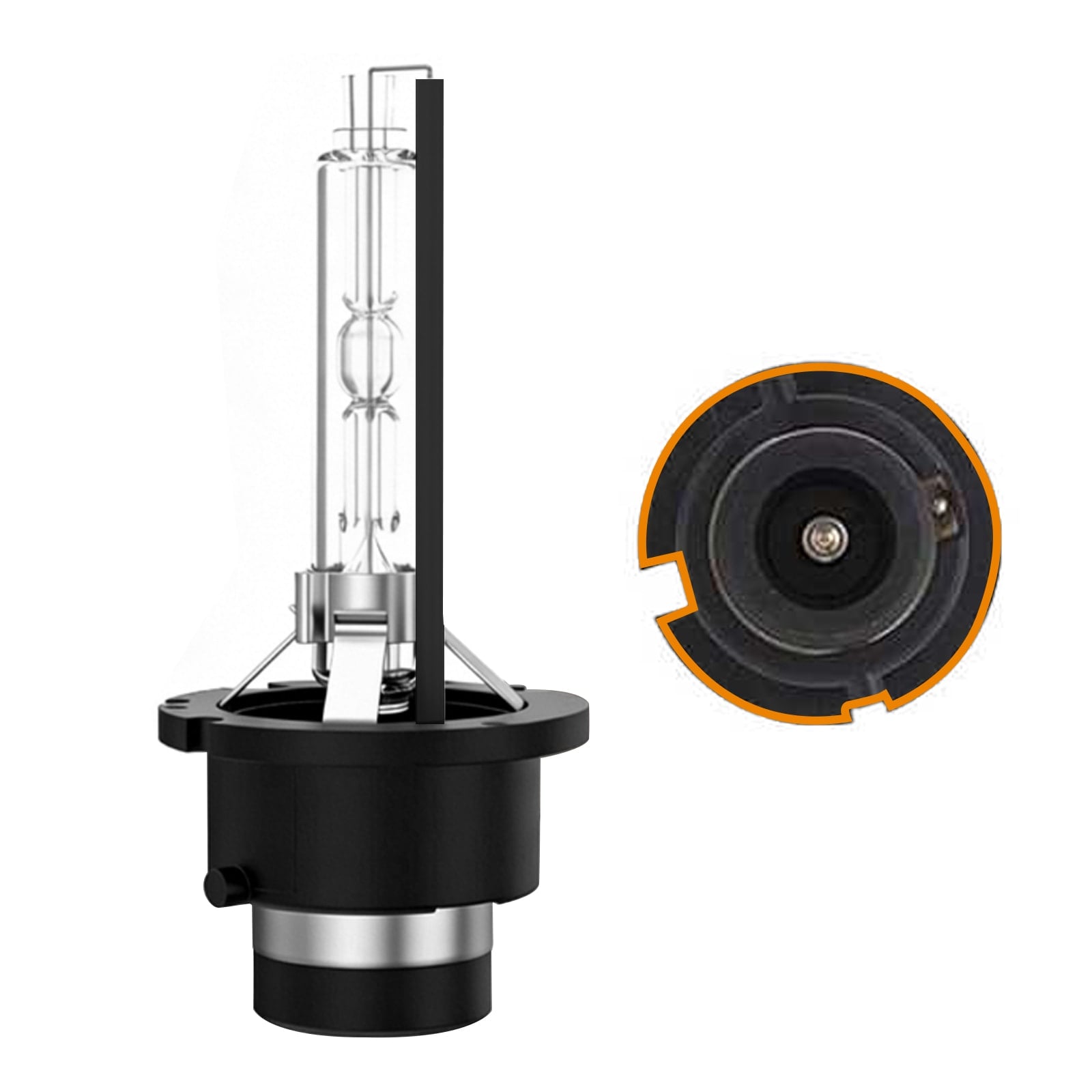
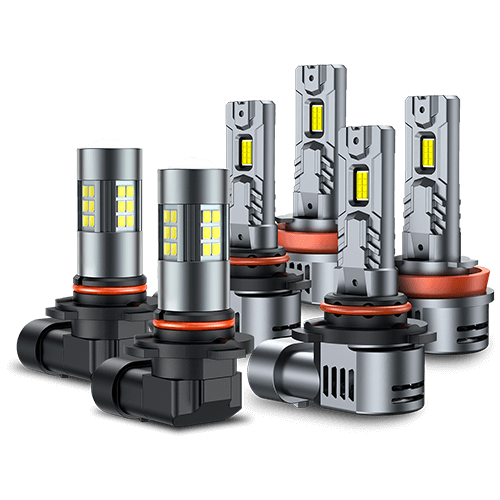


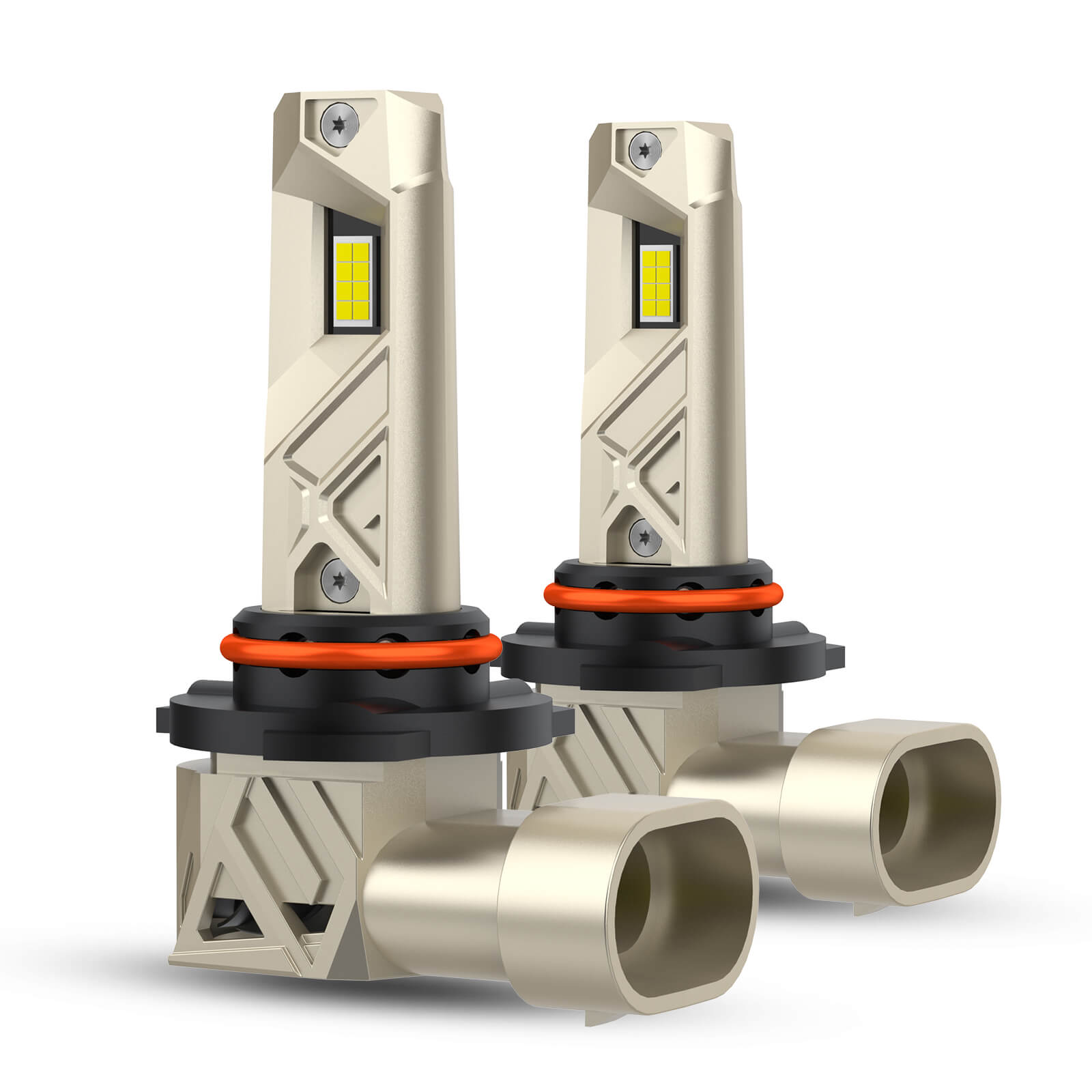


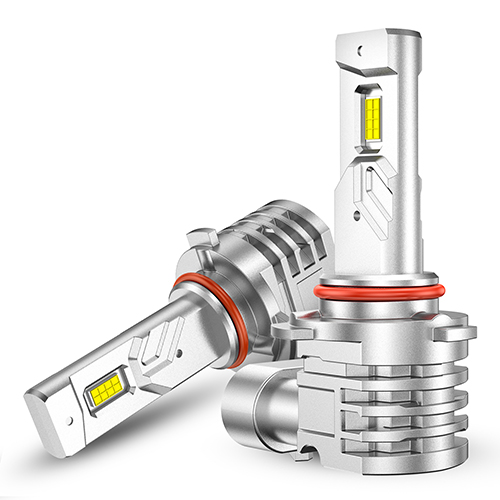
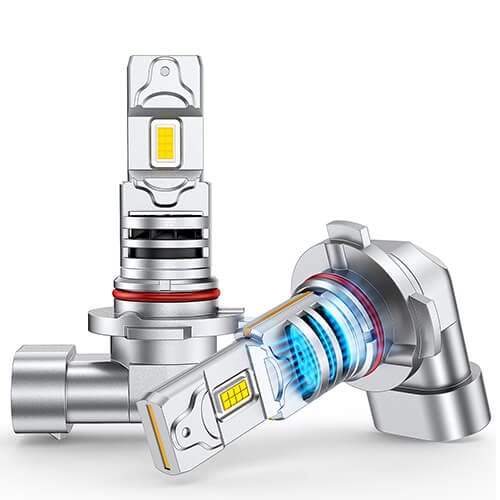

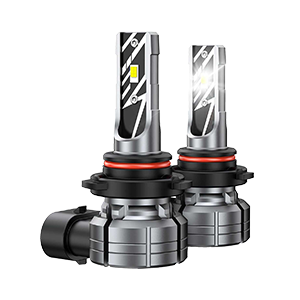


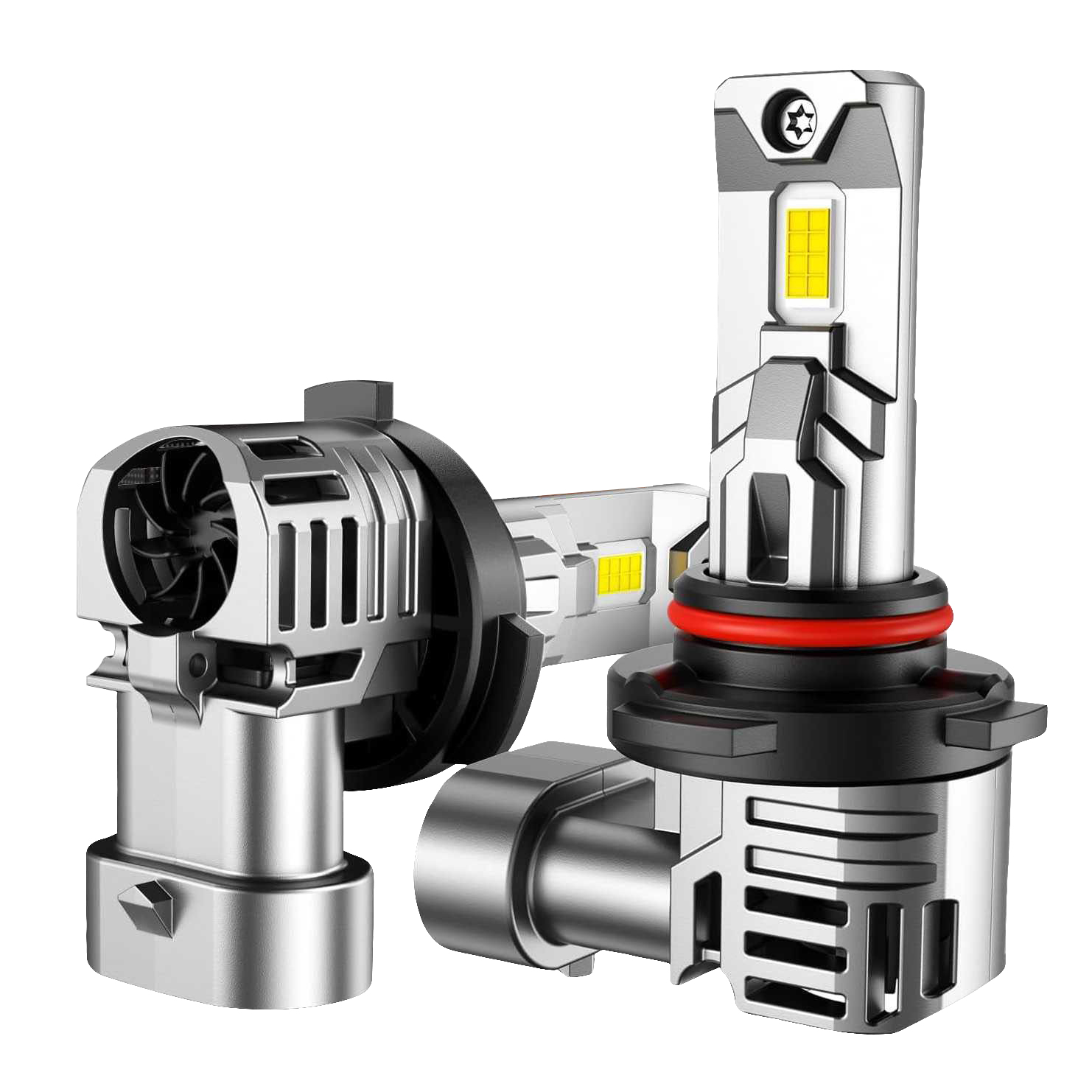


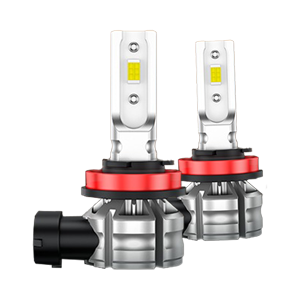


When the sun goes down, your headlights turn on to illuminate the path ahead. But not all headlights are created equal. The specific angle and intensity of your headlight beam is known as the beam pattern. For the best visibility and compliance, LED headlight beam patterns must be designed properly.
This guide provides an overview of beam patterns to help you choose LED headlight bulbs suited to your needs. With the right beam pattern, you'll be able to drive at night confidently and responsibly.
Understand the Types of Beam Patterns
Before discussing LED headlight beam patterns, let’s first understand the key automotive lighting systems that necessitate well-designed beam patterns.
Low Beams: Optimized for Safety
Vehicle headlight beam patterns are an important design feature that directly impacts driving safety and experience. Of the different beam types, low beams (also known as dipped beams) are the most crucial. Low beams project light at an angle, with one side of the beam higher than the other. The asymmetric shape ensures drivers can see the road ahead clearly while avoiding blinding oncoming traffic.
*Regulations Vary by Traffic Position
Headlight low beam regulations differ across countries based on whether they drive on the right or left. For right-hand traffic, the left side of the low beam is lower; for left-hand traffic, the right side is lower. This helps avoid blinding oncoming drivers. Some places like Japan require proper low beam shape to pass vehicle inspections.
High Beams: Maximizing Illumination
High beams, on the other hand, project light in a straight, parallel fashion to maximize illumination distance. They provide broader coverage to expand reaction time at higher speeds. However, high beams should only be used when there are no oncoming vehicles, as they can severely hamper visibility.
Focused Fog Lights
Fog lights aim a narrow, elongated beam pattern onto the road surface while avoiding oncoming drivers' line of sight. Their lower positioning prevents light from shining directly into the eyes of other motorists. The focused yet penetrating beam pattern effectively cuts through heavy fog and rain to improve visibility.
Why a 1:1 Filament Replica is Critical for Your LED Upgrade
When upgrading from traditional halogen bulbs to LEDs, the goal isn't just to get a brighter light, it’s to get a correct light. According to automotive lighting regulations like FMVSS-108, maintaining a precise beam pattern is a strict safety requirement.
But what actually dictates a correct beam pattern? It all comes down to a 1:1 design ratio between the new LED chip and the original halogen filament.
The Danger of a Misaligned Light Source
Your vehicle's original headlight assembly was engineered entirely around the exact placement of a halogen filament. The factory bulb sits perfectly at the assembly's focal point, allowing the internal reflectors or projector lenses to direct the light efficiently onto the road ahead.
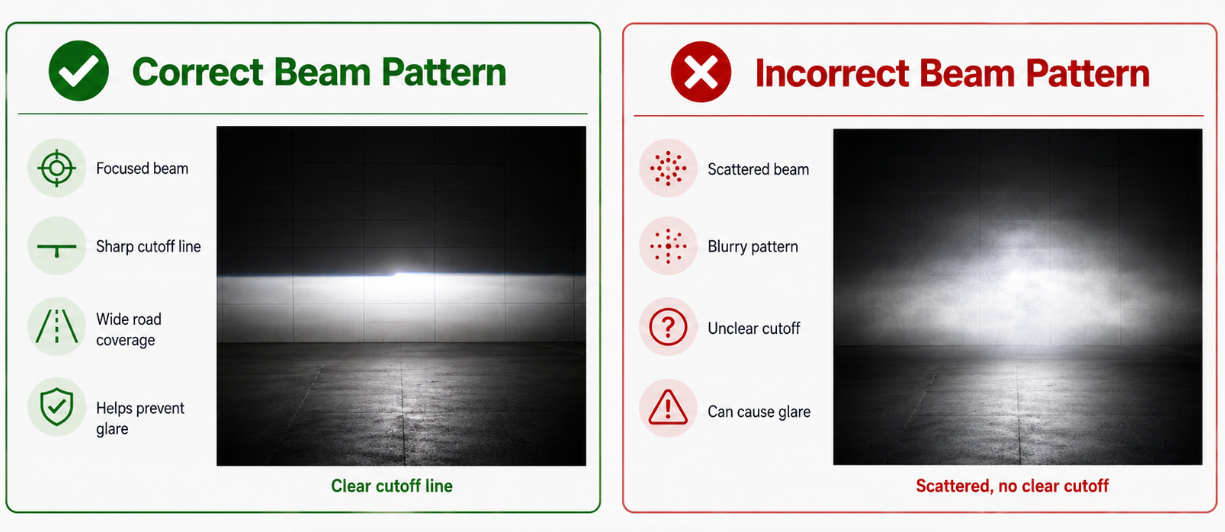
- The Correct Alignment: When a retrofitted LED bulb precisely mimics the factory filament's position, it produces a focused, clear beam with a sharp cutoff line and wide coverage, ensuring you never blind oncoming traffic.
- The Incorrect Alignment: If the LED chips are even a millimeter off-center, the light scatters. This results in a blurry, dim, and unfocused beam pattern that creates dangerous glare for other drivers and significantly increases the risk of accidents.
What Makes a Good LED Headlight Bulb Beam Pattern?
For the best visibility and safety, a headlight beam pattern should be bright, evenly distributed, and precisely focused without creating excessive glare for other drivers.
When upgrading from halogen to LED headlights, the most important factor is how accurately the LED light source replicates the size, shape, and position of the original halogen filament. Headlight housings are engineered around the exact location of the factory filament, so even small deviations can negatively affect beam focus and cutoff performance.
Key factors that influence beam pattern include:
Light Source Position
The LED chips must sit in the same optical position as the original halogen filament. If the light source is positioned too far forward or backward inside the reflector or projector housing, the focal point shifts, resulting in scattered light, reduced road illumination, and increased glare.
Light Source Width
The distance between the LED chips on opposite sides of the bulb should closely match the diameter of the original halogen filament. A narrower light source generally allows the bulb to more accurately replicate the filament geometry, producing a sharper and more controlled beam pattern.
Light Source Size and Shape
In addition to width, the overall length and shape of the illuminated area matter. The closer the LED chip arrangement matches the physical dimensions of the halogen filament, the more accurately the reflector or projector can distribute light as originally designed.
LED Chip Technology
LED chip design also affects optical performance. Compact CSP chips are commonly preferred for automotive headlights because their smaller emitting surface can more closely replicate halogen filament dimensions. Larger emitting surfaces, such as those found in some COB designs, may make it more difficult to achieve precise optical alignment in certain headlight housings.
For example, SEALIGHT S7S Series LED headlight bulbs utilize CSP 7545 chips mounted on an ultra-thin copper substrate, allowing the light source to closely mimic the original halogen filament geometry and maintain a well-focused beam pattern.
The table below summarizes the three critical dimensions that determine beam pattern quality:
| Dimension Component | What to Look For | Why It Matters |
| Light Source Width | The spacing between the dual-sided LED chips should closely match the diameter of the original halogen filament. | Proper width helps maintain a focused beam and minimizes unwanted light scatter. |
| Baseboard-to-Chip Height | The distance from the bulb's locking collar to the LED chips should match the filament location in the original bulb. | Correct positioning preserves the headlight's focal point and beam cutoff. |
| Overall Light Source Size | The illuminated area should closely replicate the length and shape of the original halogen filament. | Accurate size replication allows the reflector or projector to distribute light as intended, improving beam accuracy and reducing glare. |
In short, the best LED headlight bulbs are not simply the brightest. The most effective designs closely replicate the original halogen filament's position, width, and dimensions, allowing the headlight housing to project light exactly as it was engineered to do.

Other Factors Affecting LED Headlight Beam Patterns
The beam pattern produced by LED headlight bulbs depends not only on the bulb itself, but also on the lighting housing and vehicle factors.
The light emitted from the LED headlight bulb passes through the headlight housing, where it is reflected and directed by the reflector or projector lens before illuminating the road ahead.
The bulb only determines the light emitting point position, so different beam pattern effects will result from installation in different assemblies.
LED headlight design: Headlights come in two main designs: projector headlights that use a lens to focus the light, and reflector headlights that use a reflective bowl to scatter the light. Projector headlights have a distinct cut-off line in the beam pattern, while reflector headlights do not. Projector headlights typically provide better control of glare.
Headlight housing and lens: The material and specific optical design of the headlight housing and lens affect how the light from the bulb is reflected and directed. Different housing and lens designs will result in different beam patterns even when using the same LED headlight bulb.
Vehicle factors: A vehicle's specific headlight adjustment, leveling system, ride height, and suspension all affect beam direction and coverage. If these factors are not properly set up, the beam pattern may be uneven, too high, or too low.
Aim the LED Replacement Bulbs Properly
Choose high-performance LED replacement bulbs and you'll gain a bright, balanced beam—but only if properly aimed. How you aim newly installed LED bulbs significantly impacts their effectiveness. With careful adjustment, your advanced LED headlights will shine where needed for optimal visibility and safety.
Basic steps for headlight adjustments:
- Prepare: Park on a flat surface facing a wall or garage door.
- Measure: Determine the cutoff height of the existing headlights.
- Install: Follow manufacturer instructions to correctly install the LED bulbs.
- Recheck: Measure the cutoff height again after installation.
- Adjust: Aim the headlights slightly downward and to the right for an ideal beam pattern.
Where to Find LED Headlight Bulbs with Crisp Beam Pattern
A crisp beam pattern is just as important as brightness when upgrading your headlights. For the best visibility, look for LED bulbs that closely replicate the position of the original halogen filament and deliver focused, glare-free illumination.
SEALIGHT's Scoparc S7S provides powerful brightness with a uniform beam pattern that minimizes dark spots and glare, while its advanced cooling system helps maintain long-term performance. For drivers seeking a factory-style light distribution, the Scoparc S2 features 1:1 halogen beam pattern technology, up to 800% more brightness than halogen bulbs, and a simple 5-minute installation.
Choosing a quality LED bulb with a well-engineered beam pattern can help you see farther, drive more confidently, and improve nighttime safety.
Looking for the right bulb for your vehicle? SEALIGHT offers a comprehensive Automotive Bulb Finder tool that helps you find the correct LED headlight bulbs or other LED lights bulbs for cars by bulb size or vehicle make. With SEALIGHT, you'll find LED headlight bulbs by bulb size or vehicle make to suit any need. We ship free within 3-5 business days, backed by a 90-day return policy.










Leave a comment