
 Headlight Bulbs


 Track Order
 My Vehicles
 Contact Us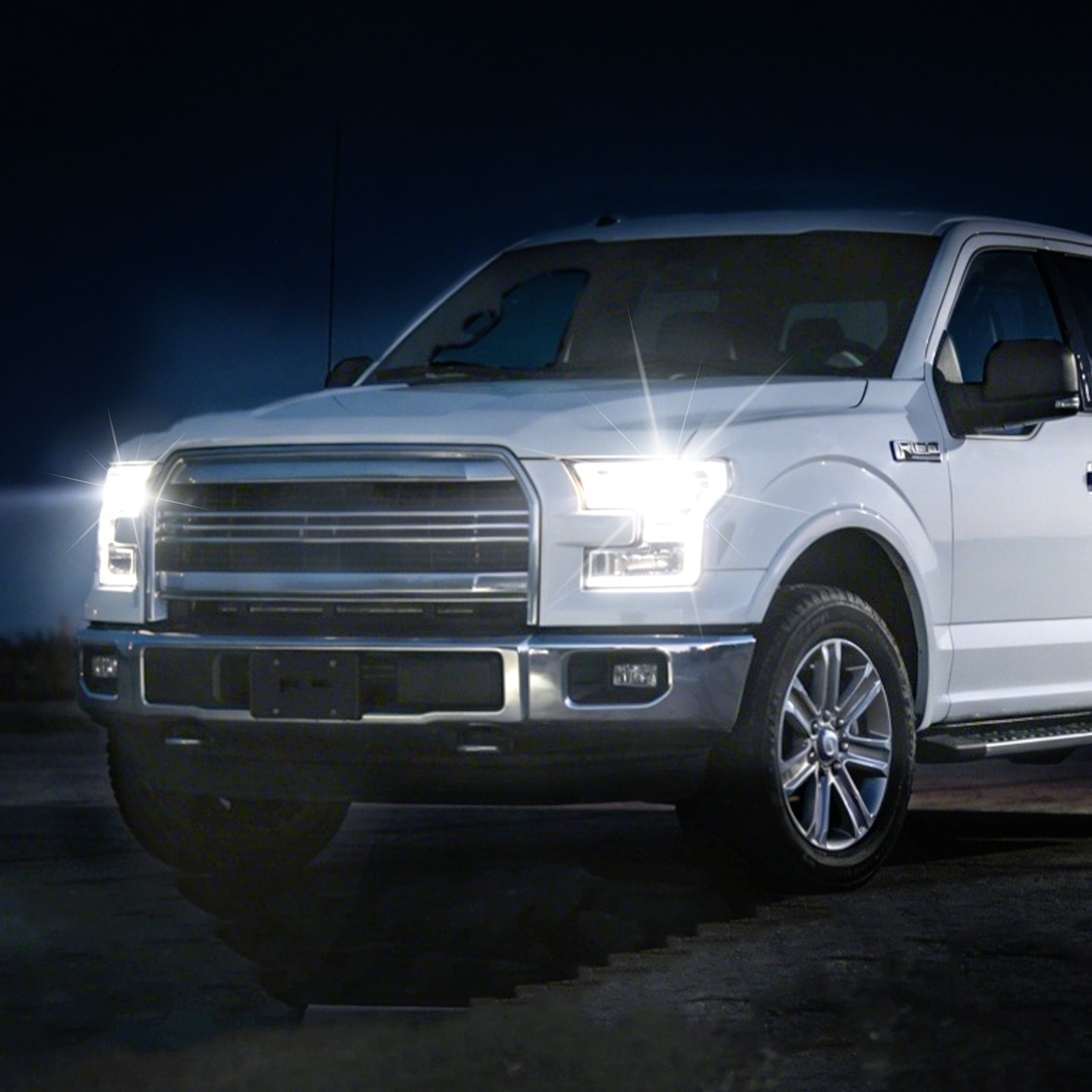

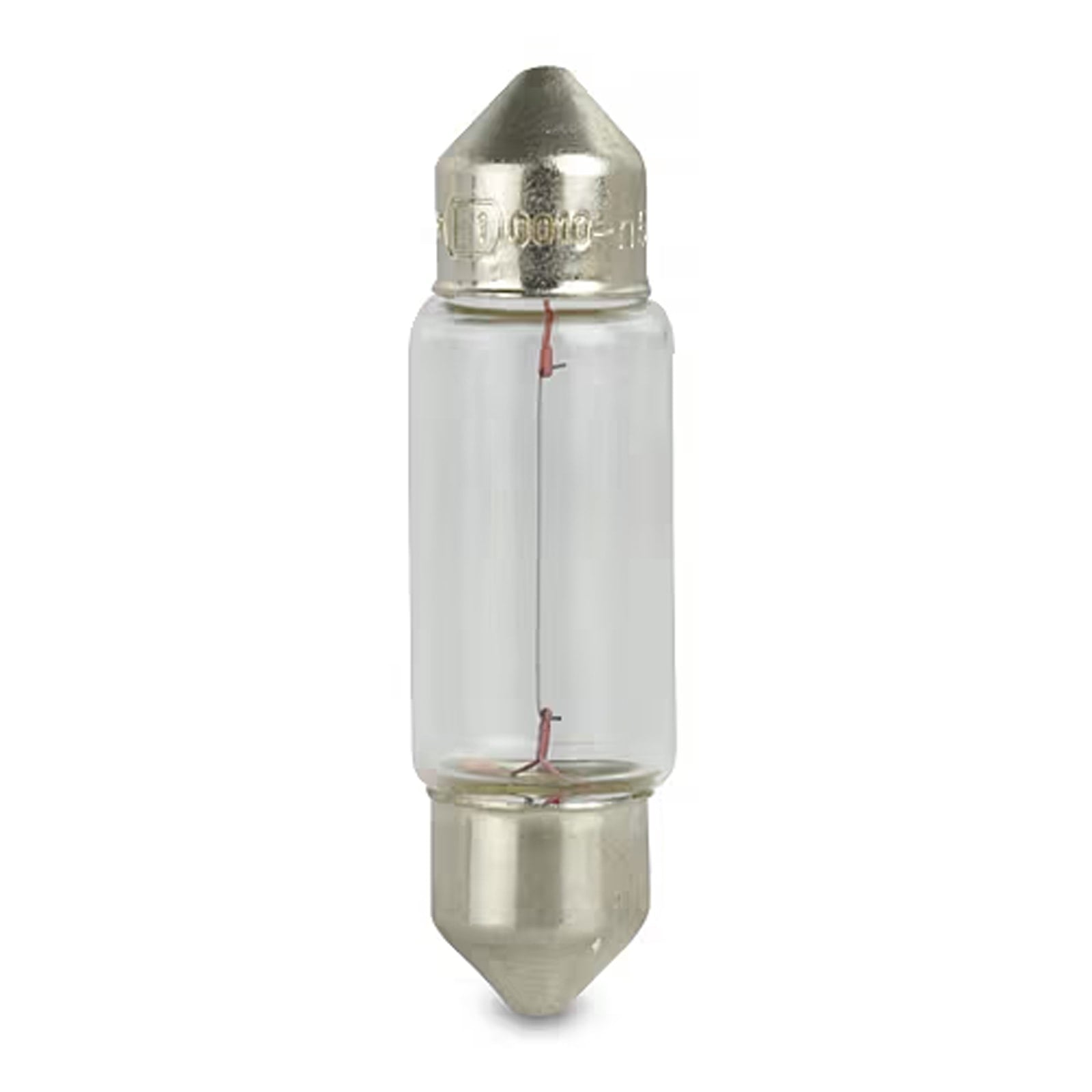
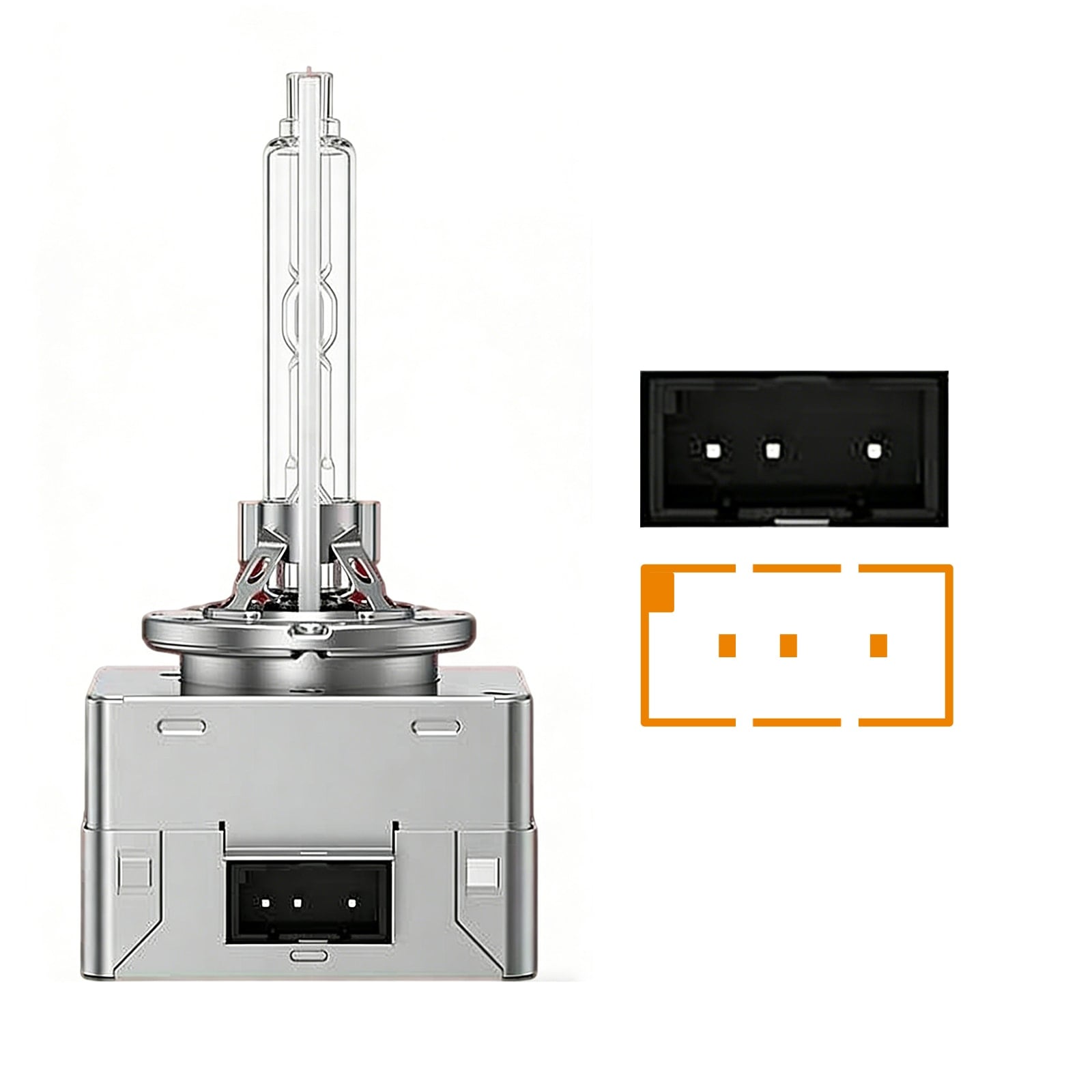
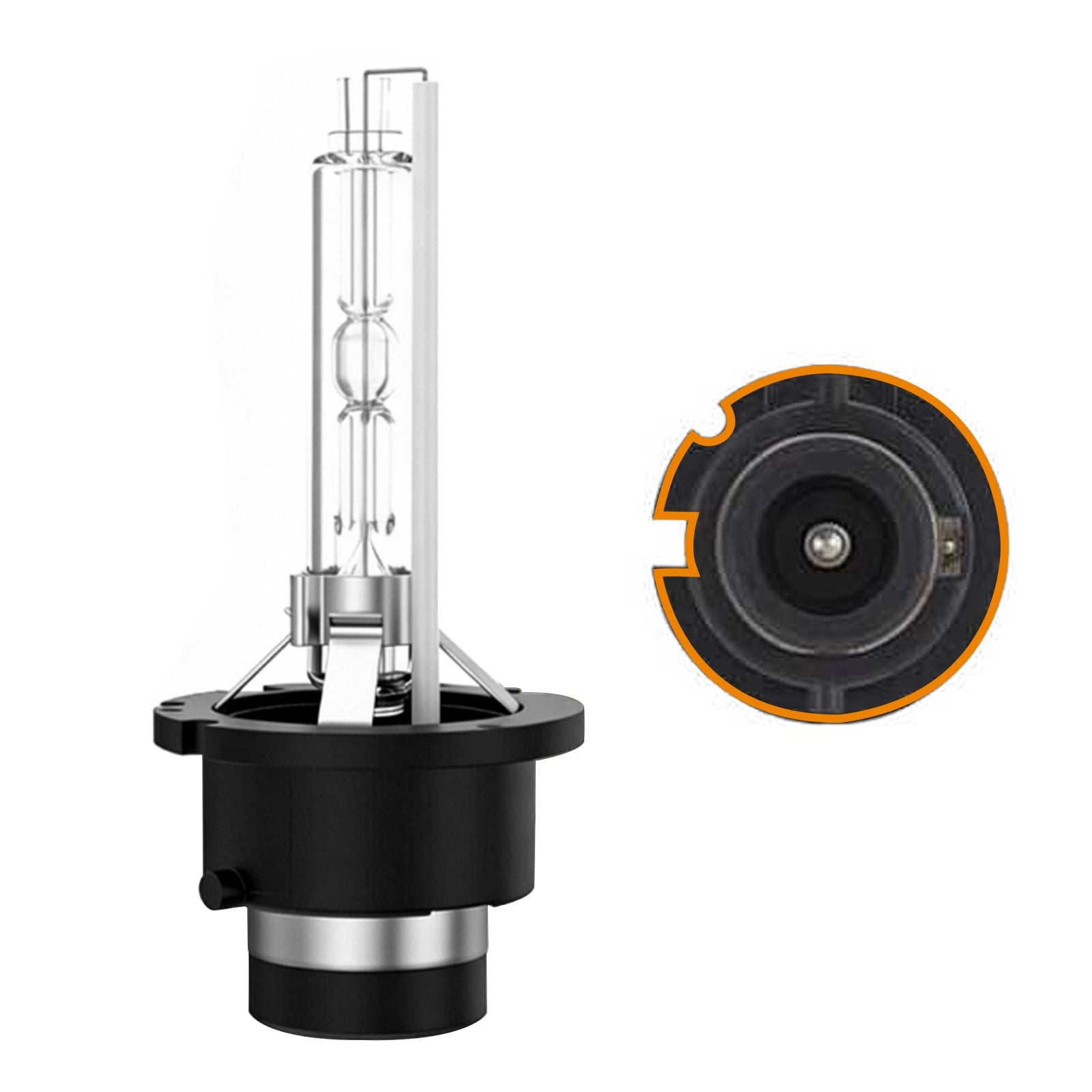
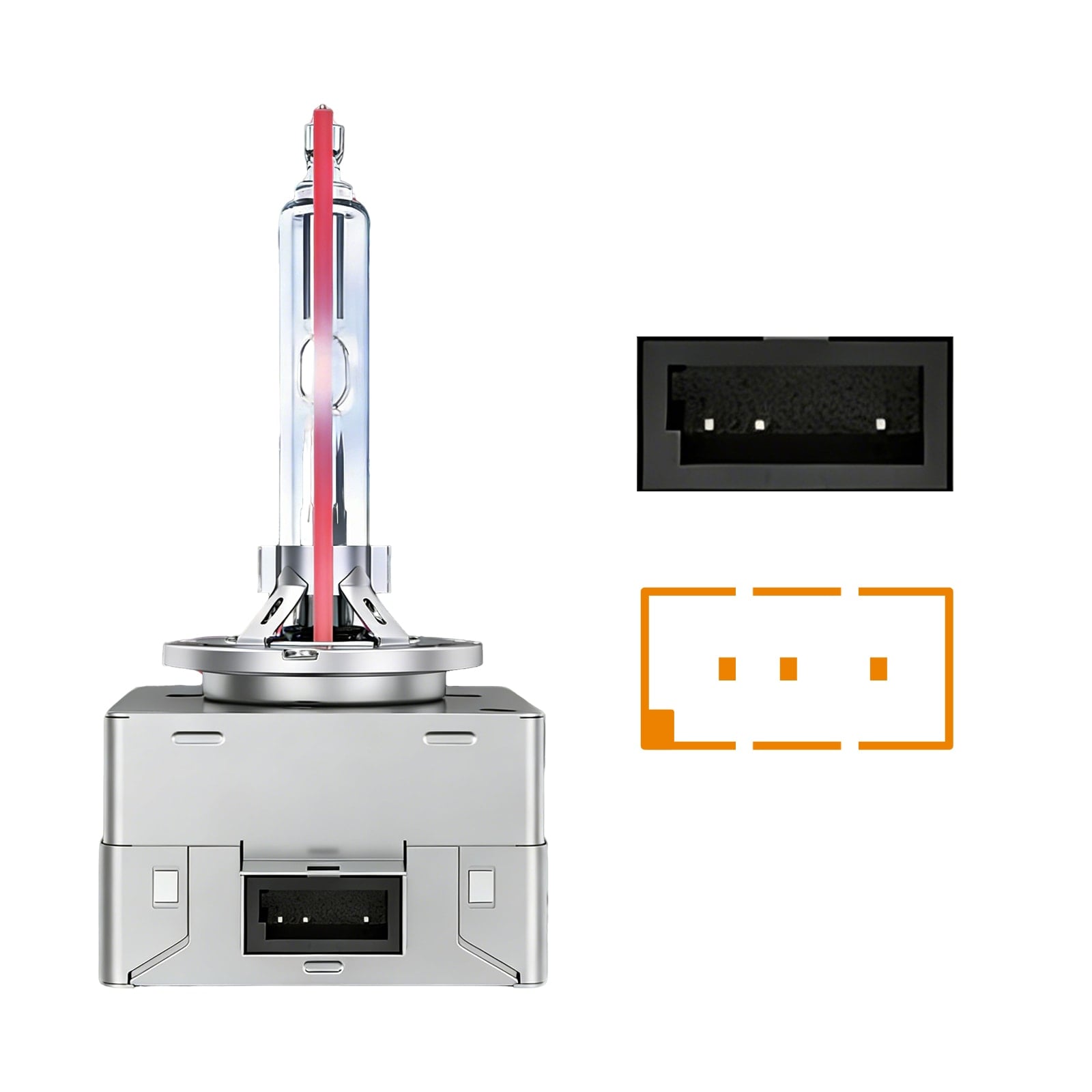











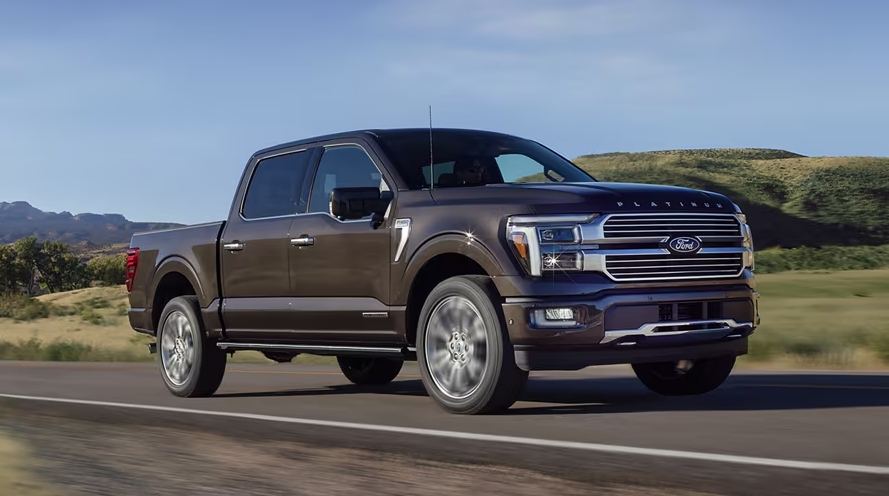
The Ford F-150 has earned its place as one of the most trusted pickup trucks on the road, praised for its power, durability, and all-around performance. While it continues to lead its class in capability, questions about Ford F-150 reliability often come up—especially among long-time owners and potential buyers. Like any popular vehicle, this truck isn’t without its flaws. Over the years, certain Ford F-150 problems have become more common. Understanding these concerns can help you prepare for maintenance and keep your truck running strong for years to come.

Are Ford F-150 Reliable Trucks?
Overall, yes — the Ford F-150 is widely regarded as a reliable truck, especially when compared to others in its class. However, its long production history means reliability can vary depending on the model year and engine type.
According to data from RepairPal, the F-150 receives a reliability rating of 3.5 out of 5. That places it right in the middle among full-size trucks.
Its average annual repair cost is around $788, which is slightly lower than the segment average.
Ford owners report about 0.3 unexpected repairs per year, which is typical for trucks and a bit better than the national average. And only 15% of reported issues of Ford F-150 are severe, compared to the 18% average for full-size trucks.
Edmunds gives the F-150 an impressive 8.2 out of 10. They praise the model for its balanced performance, wide range of trims, and strong towing capabilities. Whether you’re looking for a basic work truck or a well-equipped daily driver, there’s likely a version of the F-150 that fits your needs.
Top 6 Ford F-150 Common Problems
Despite its reputation, the F-150 isn’t without recurring mechanical problems — especially in older models. Here are some of the most commonly reported issues that owners should be aware of.
Ignition Coil Failure Caused by Worn Spark Plug Gap
One of the more frequent complaints involves ignition coil failure, often caused by an overly wide spark plug gap.
Ignition coils in the Ford F-150 are designed to convert the battery’s voltage into the high voltage needed to fire spark plugs and ignite the air-fuel mixture. However, when spark plug gaps widen due to wear, the ignition coils are forced to work harder than intended.
When this happens, you may notice the engine misfiring, running rough, or triggering the check engine light. This issue usually requires replacing the spark plugs, ignition coils, and coil boots.
Repair costs can range from several hundred dollars to over $700, depending on parts and labor.
F-150 V8 Spark Plug Blowout Problem
Some V8-equipped Ford F-150 models have a known issue where a spark plug may blow out of the cylinder head. When this happens, the threads in the spark plug hole can be stripped or damaged. Ford has acknowledged the problem and issued a technical service bulletin to address it.
If your truck is still covered under warranty, Ford typically recommends replacing the entire cylinder head. For vehicles no longer under warranty, Ford authorizes the use of a thread insert to repair the damaged area.
Be aware, if the issue causes further damage—such as requiring a cylinder head gasket replacement—the repair cost can range from $1,400 to $1,500.
Electrical System Issues
Electrical issues are a common headache for many Ford F-150 owners. A frequent complaint involves the power windows, which may stop working altogether or function only occasionally. This is often caused by a failing window regulator or motor—an inconvenience that’s especially frustrating when you're mid-drive and want some fresh air.
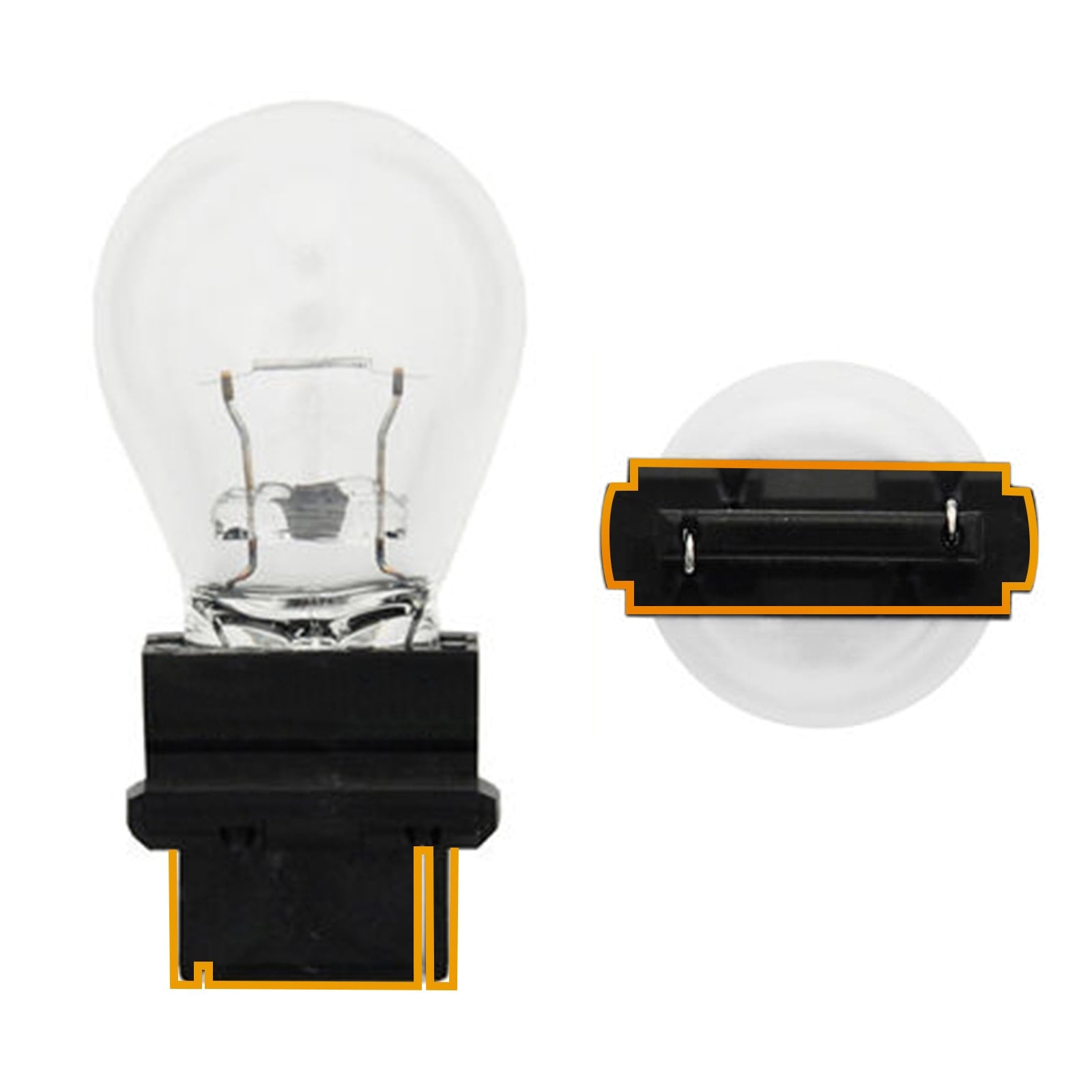
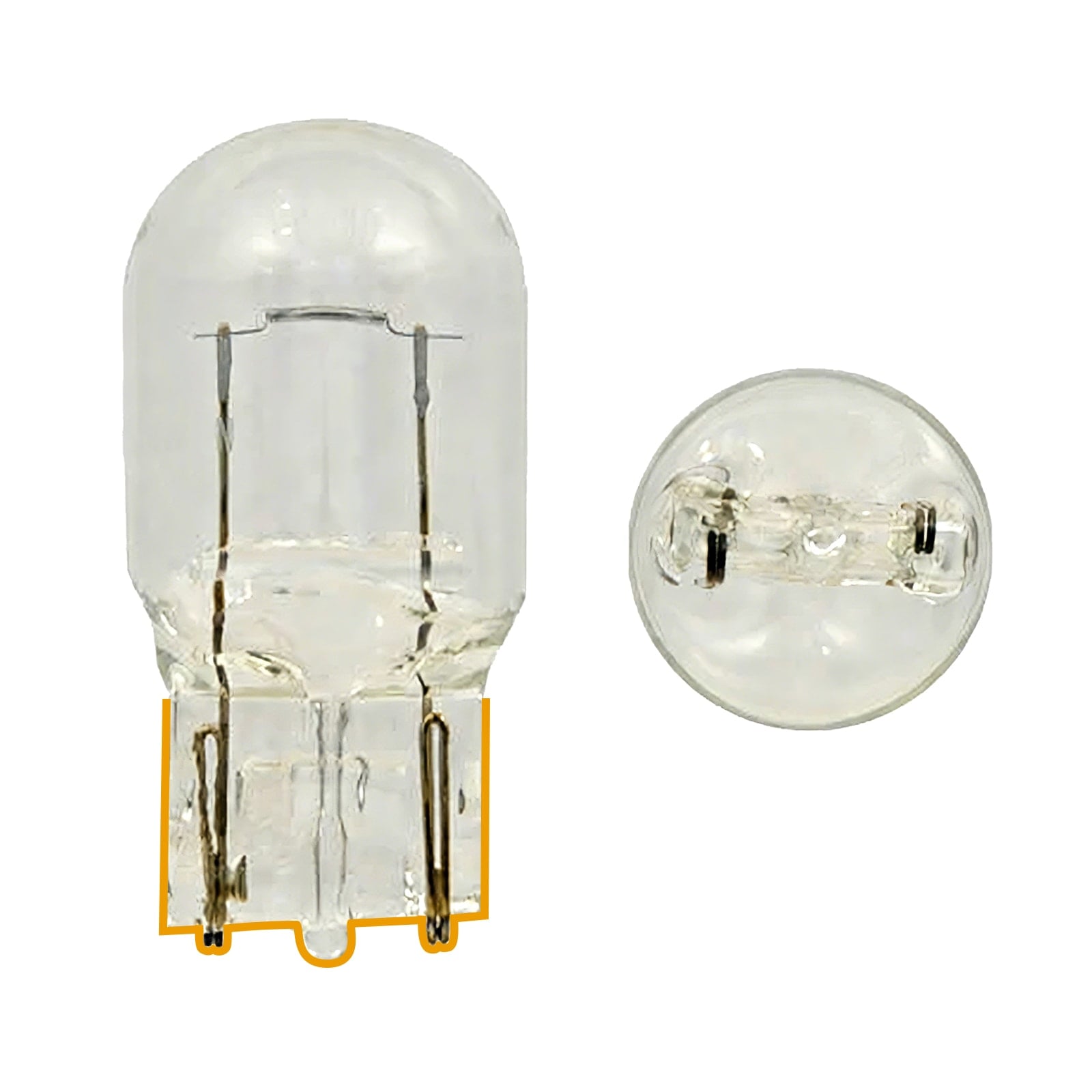
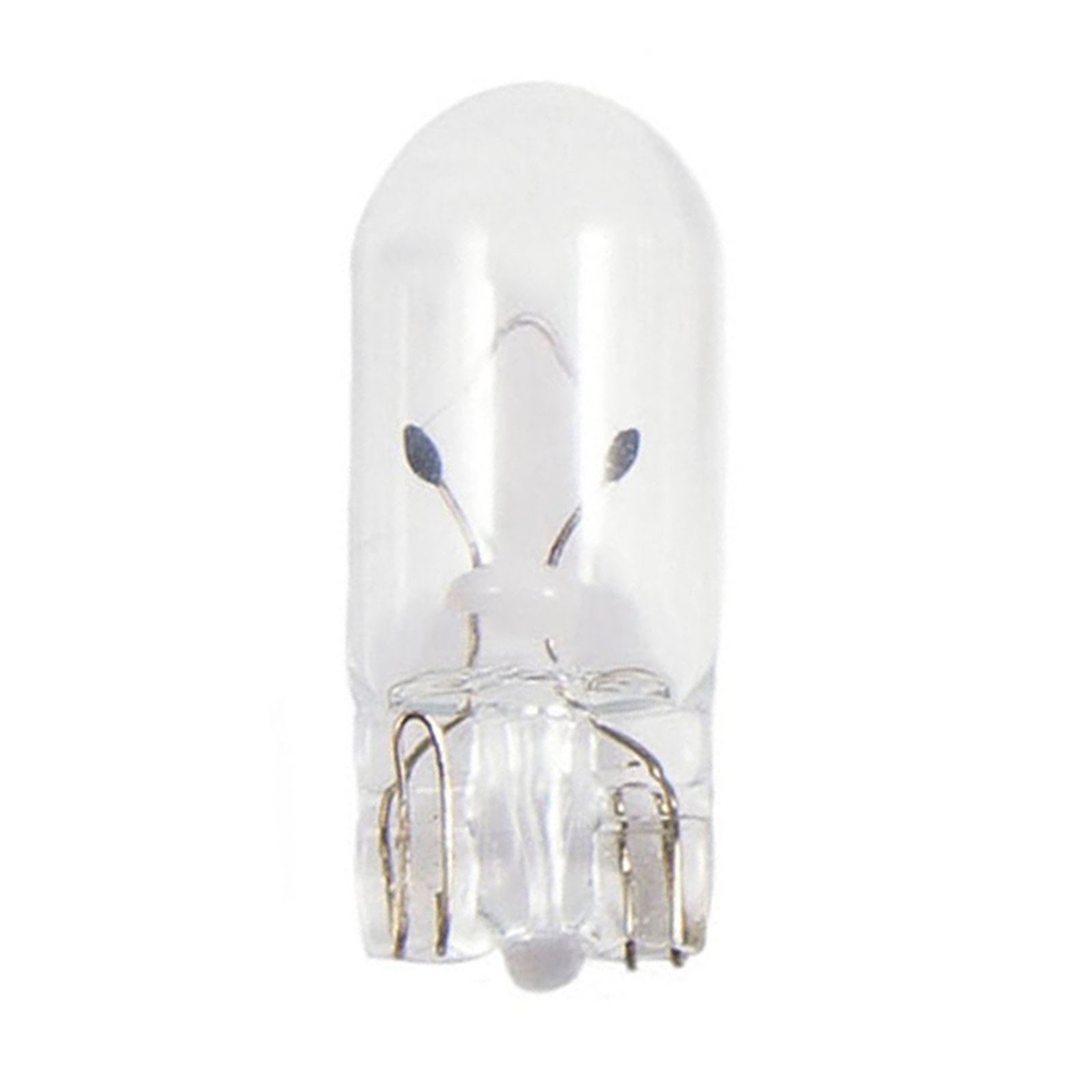
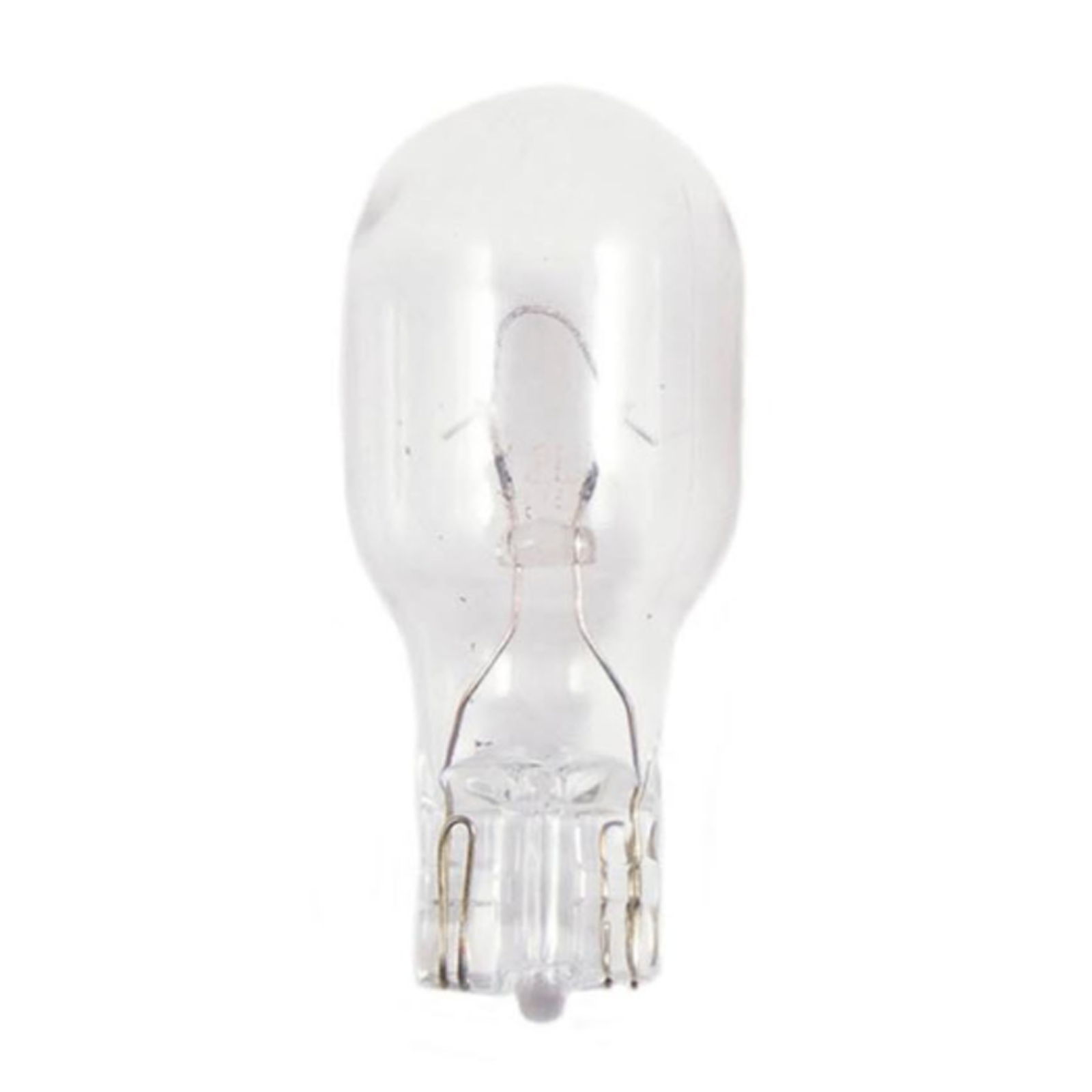
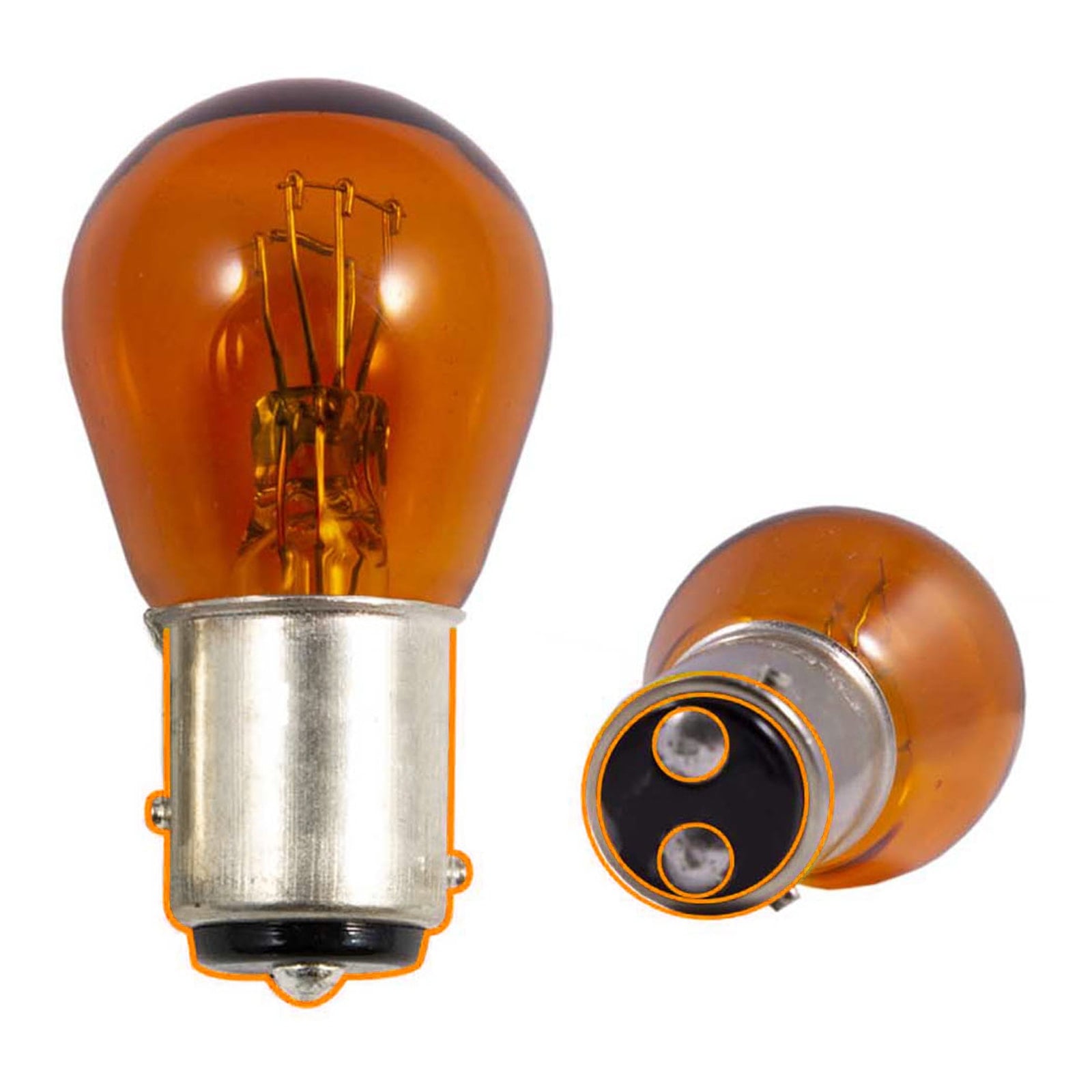
Another recurring problem lies in the truck's lighting system. Owners have reported malfunctioning headlights, brake lights, and turn signals. These issues are typically the result of faulty wiring or defective switches.
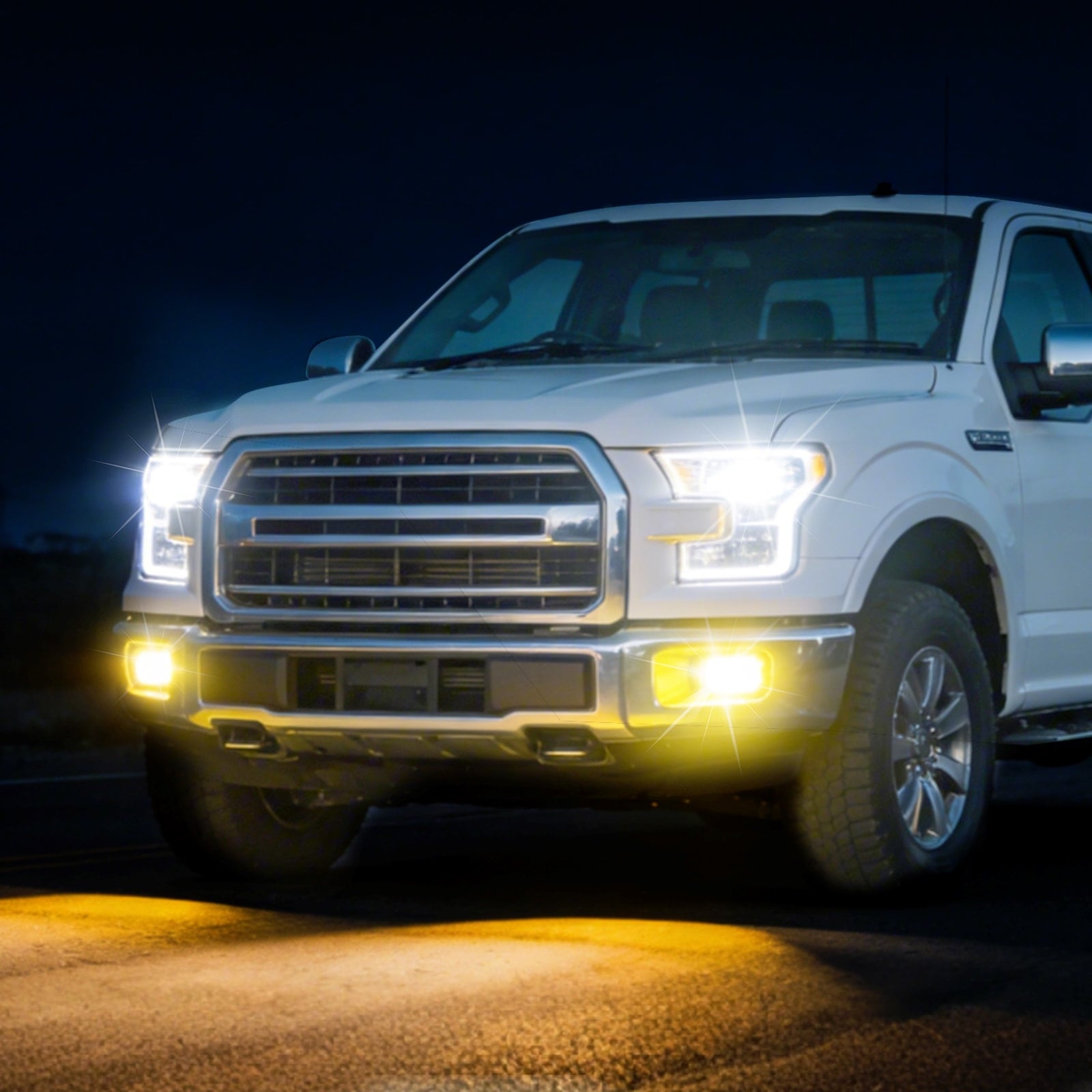
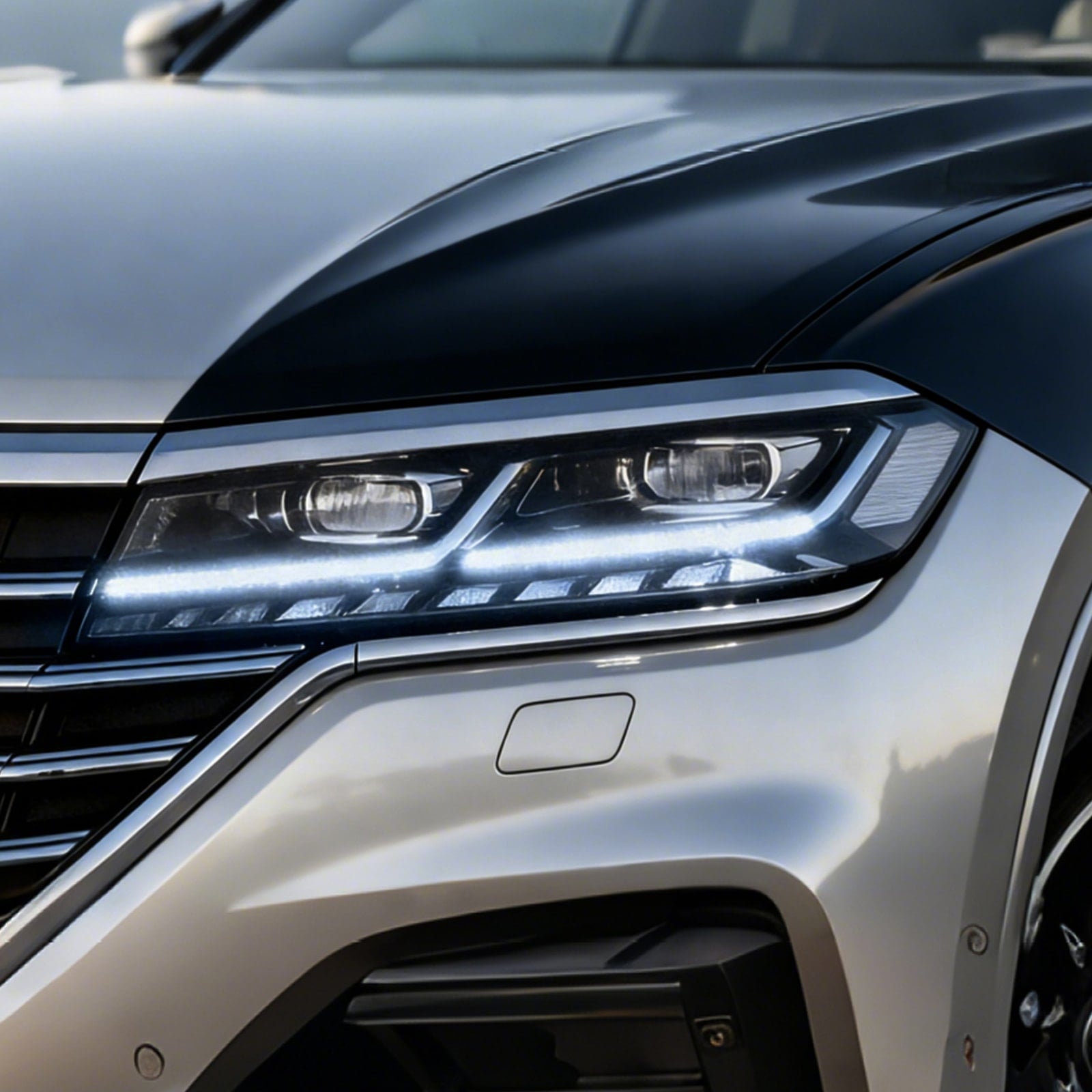
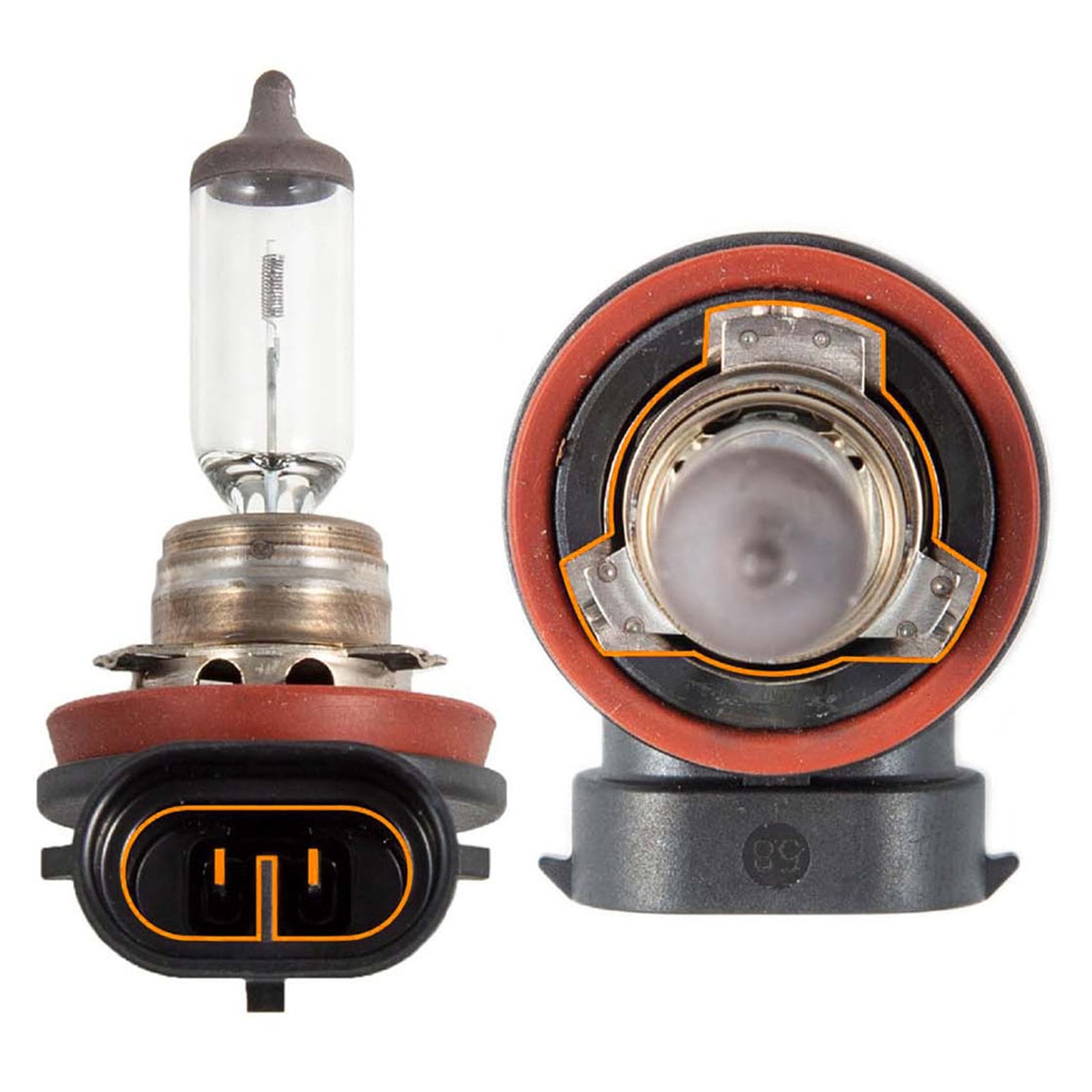
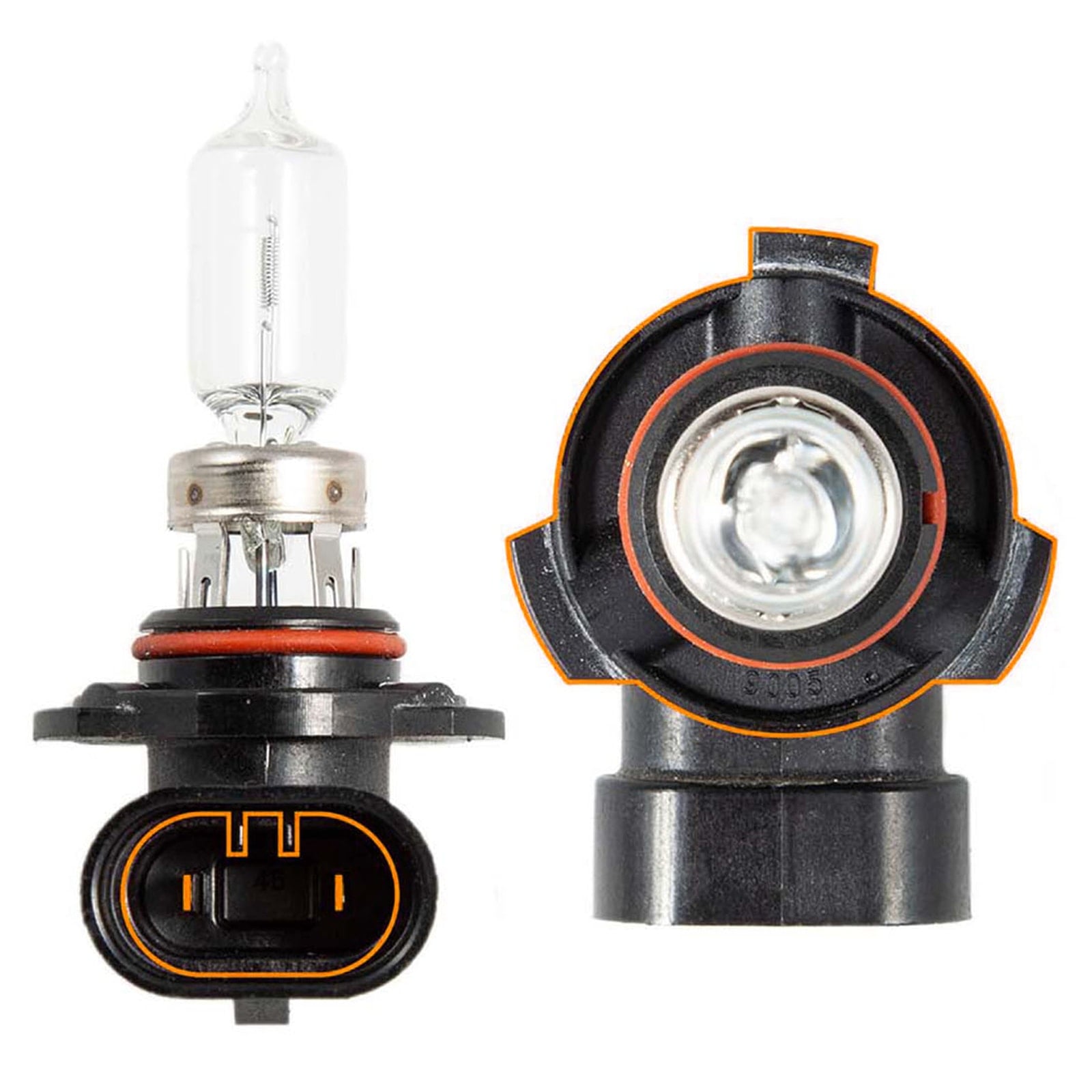
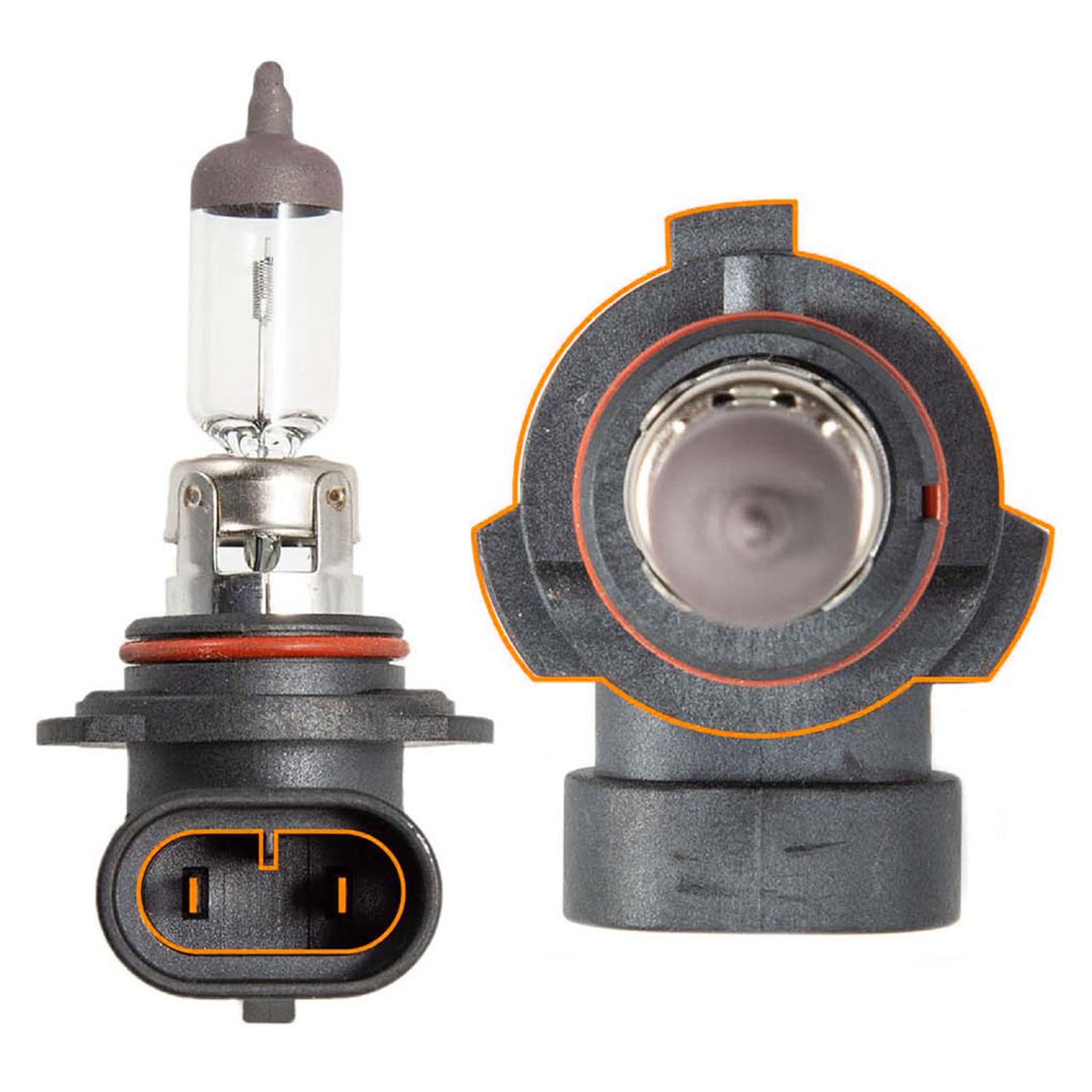
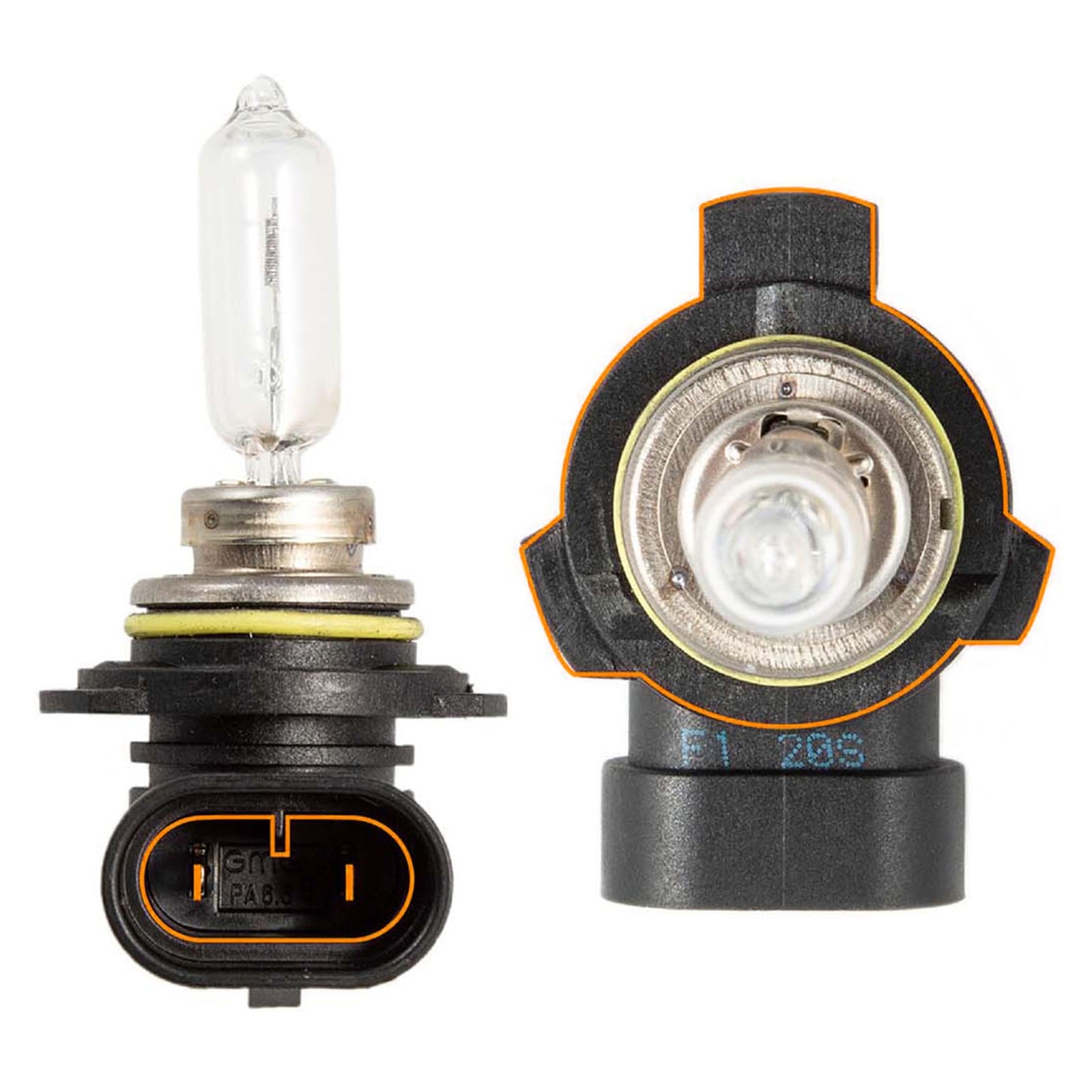
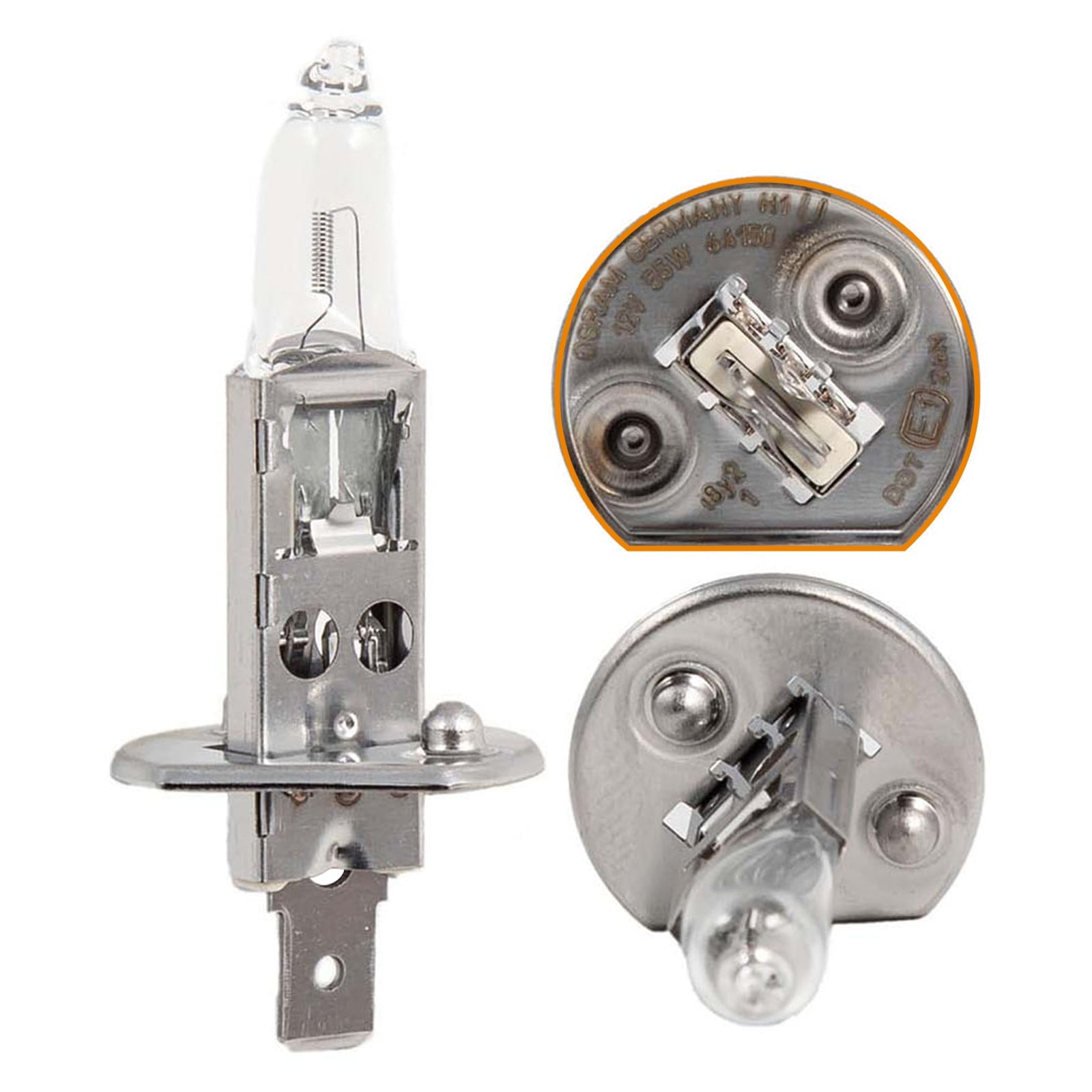
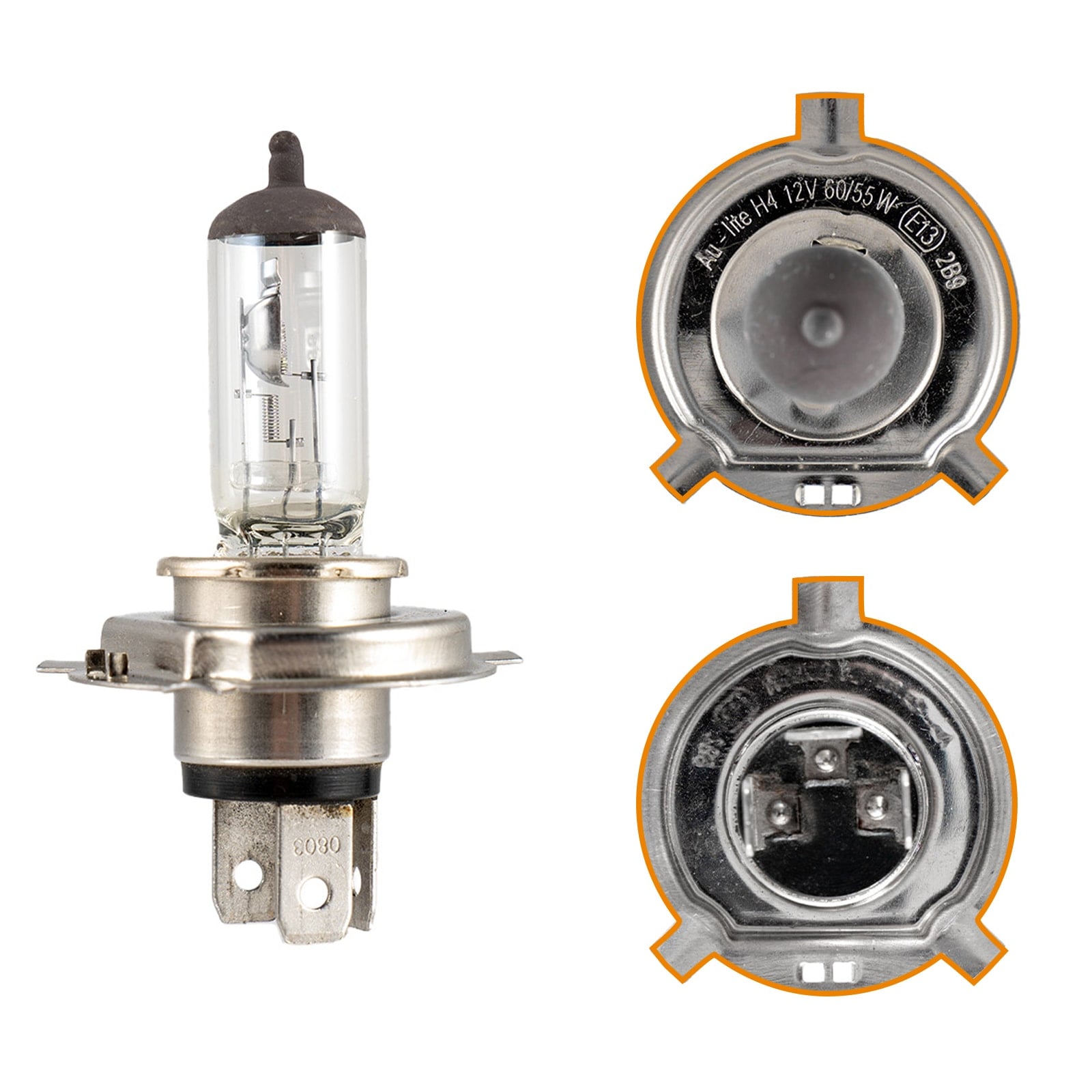
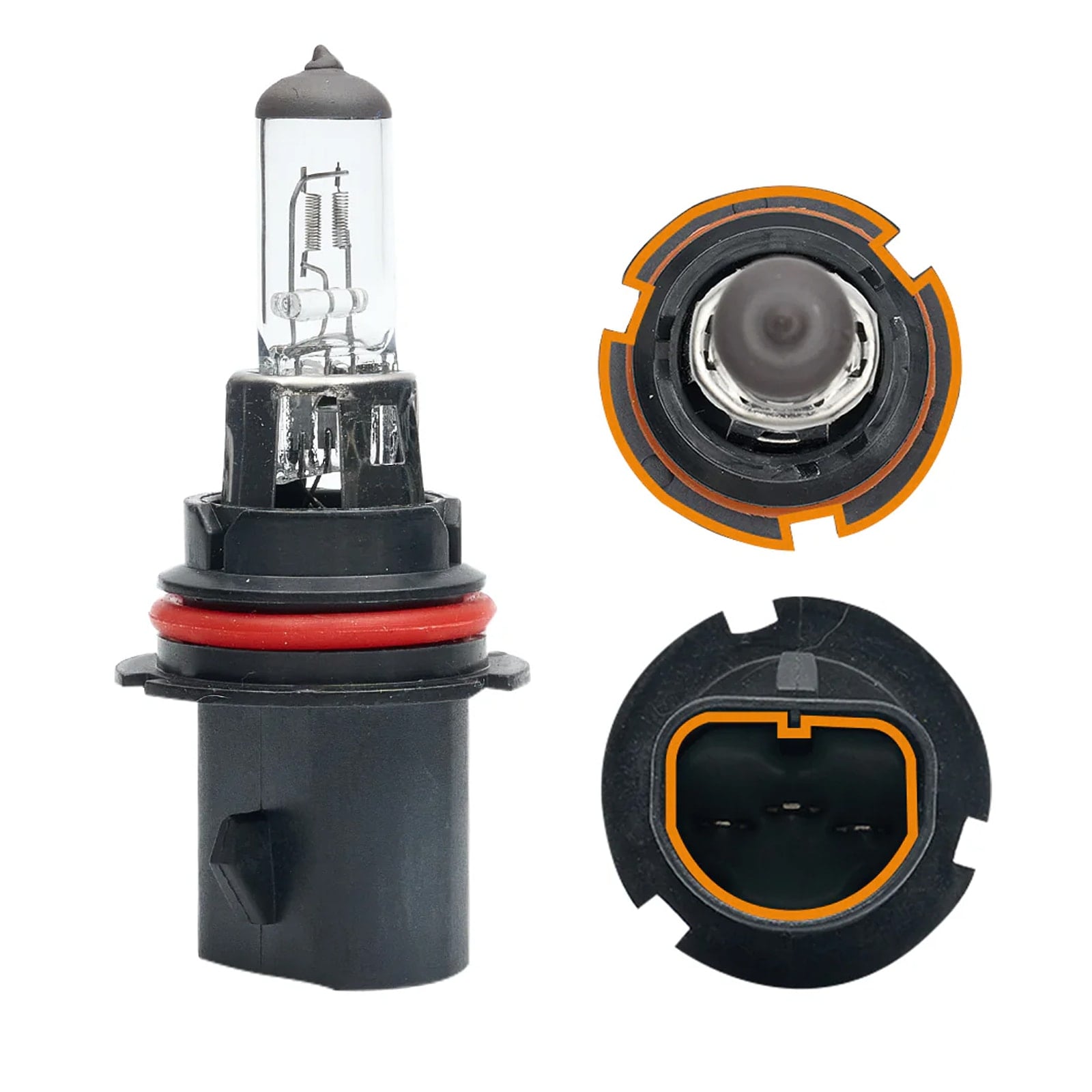
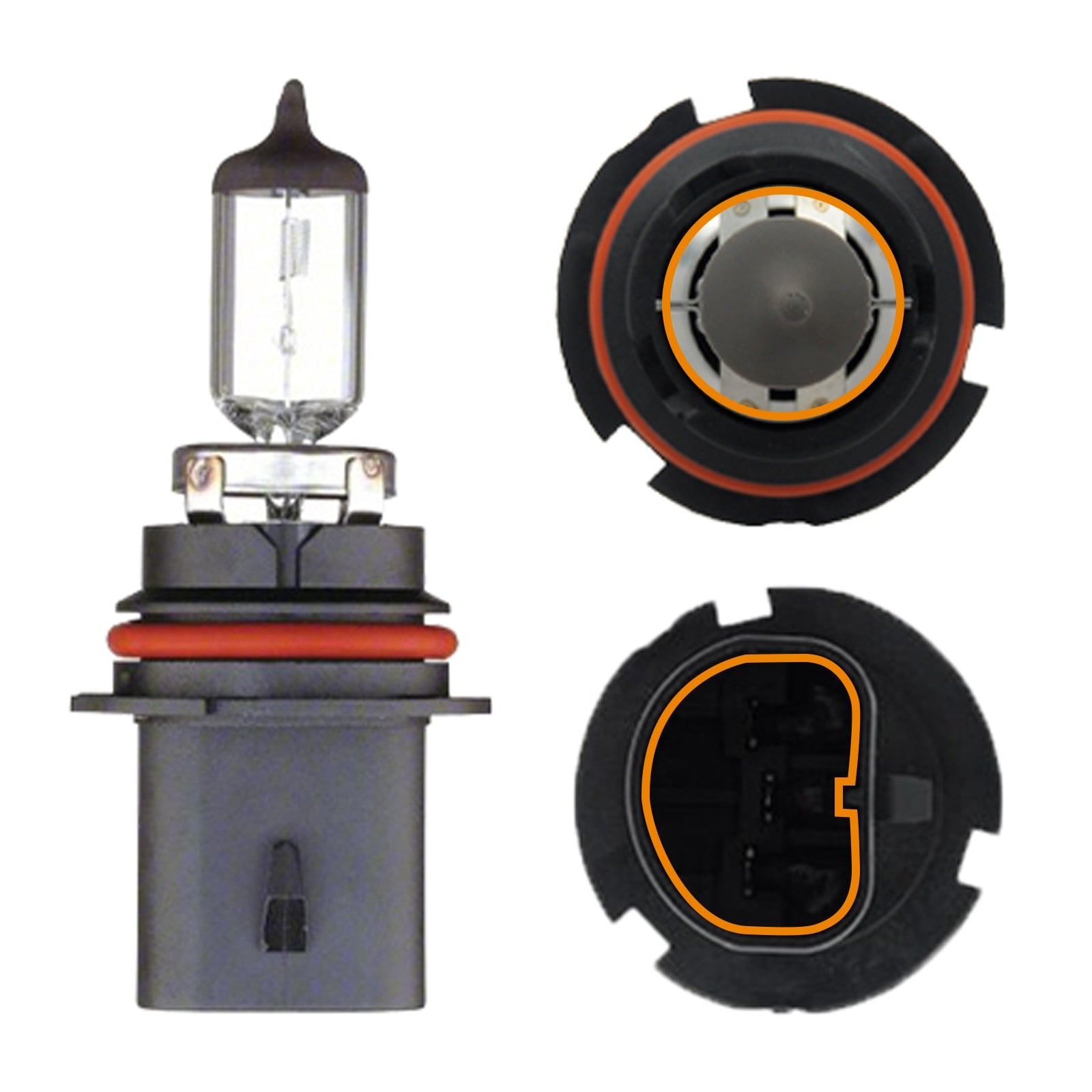
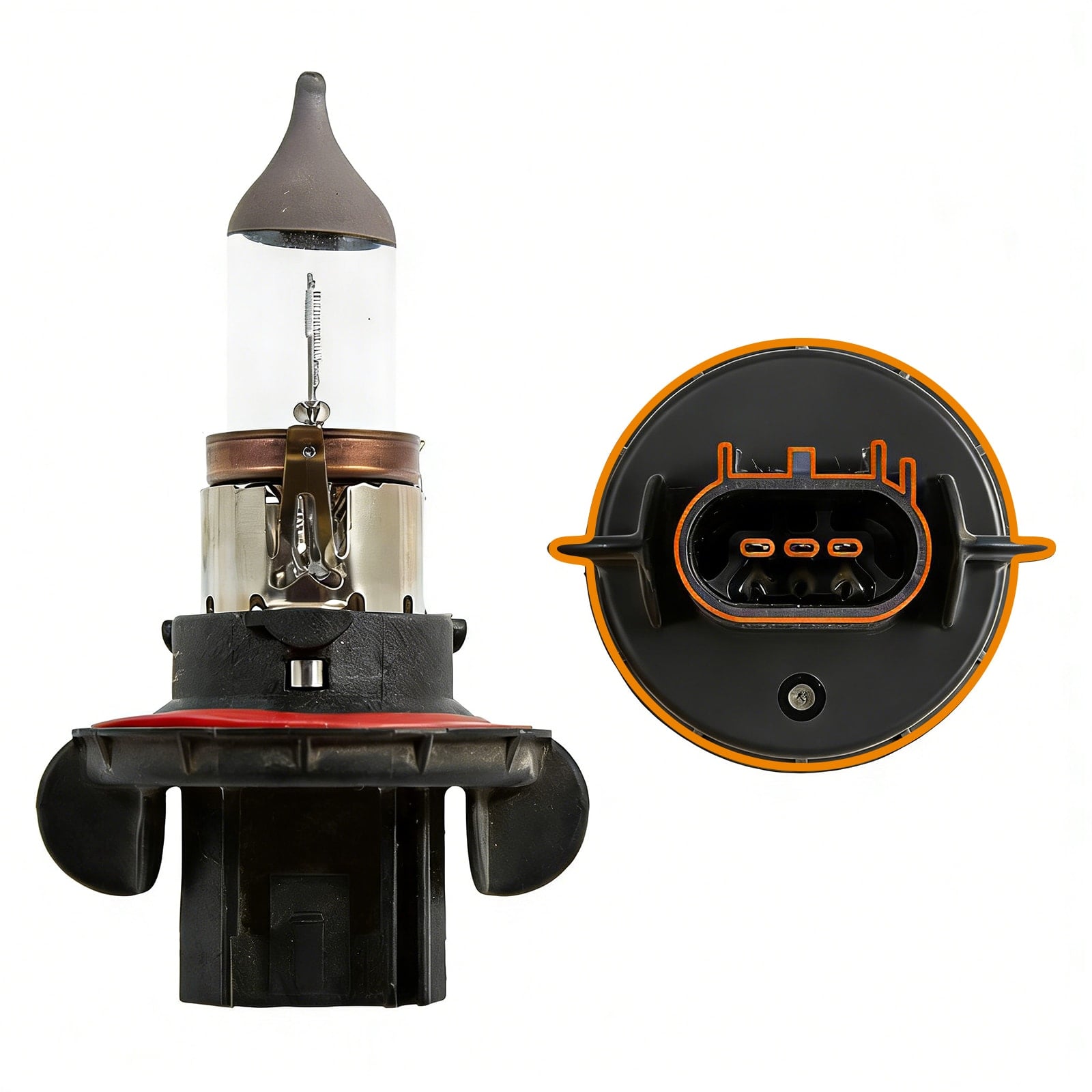
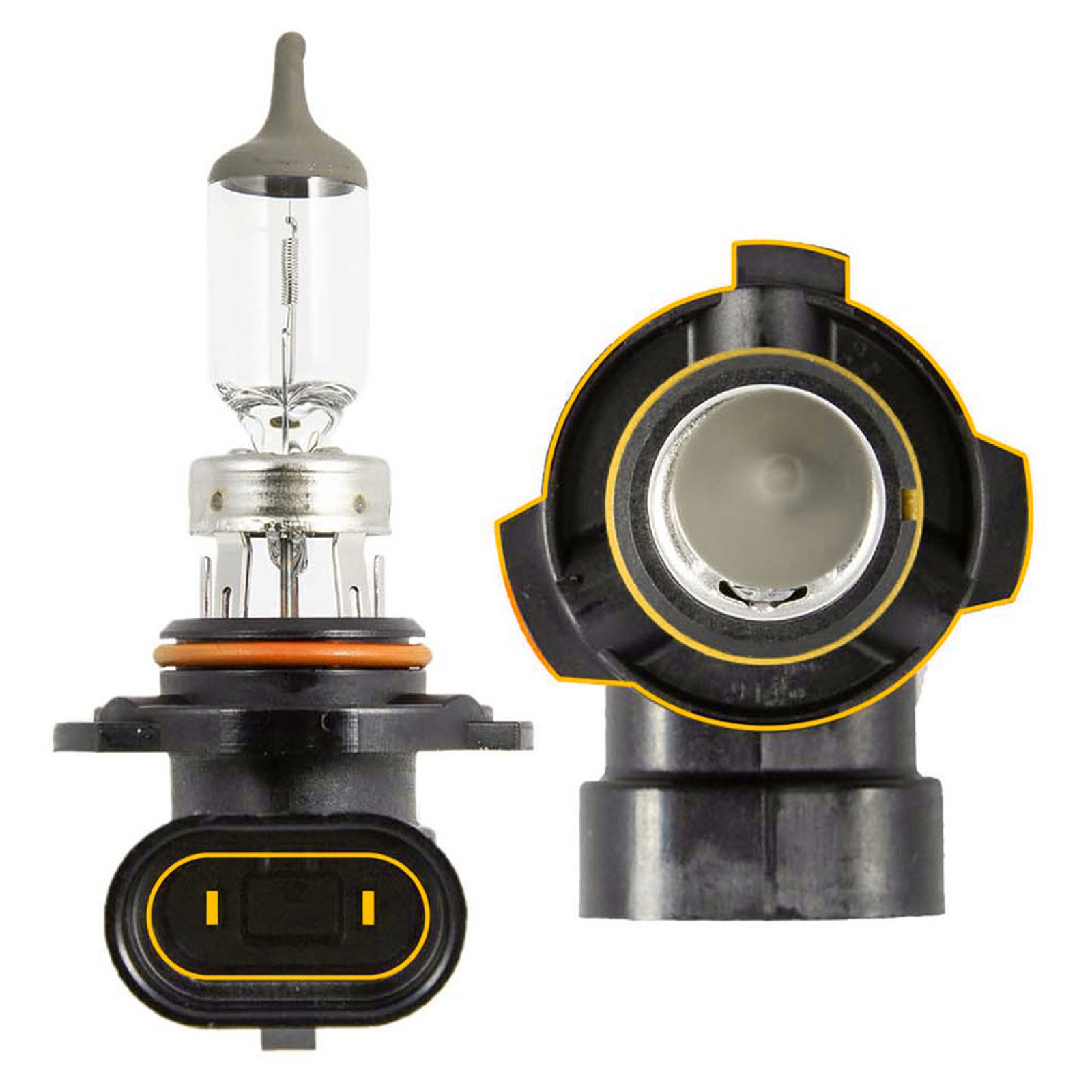
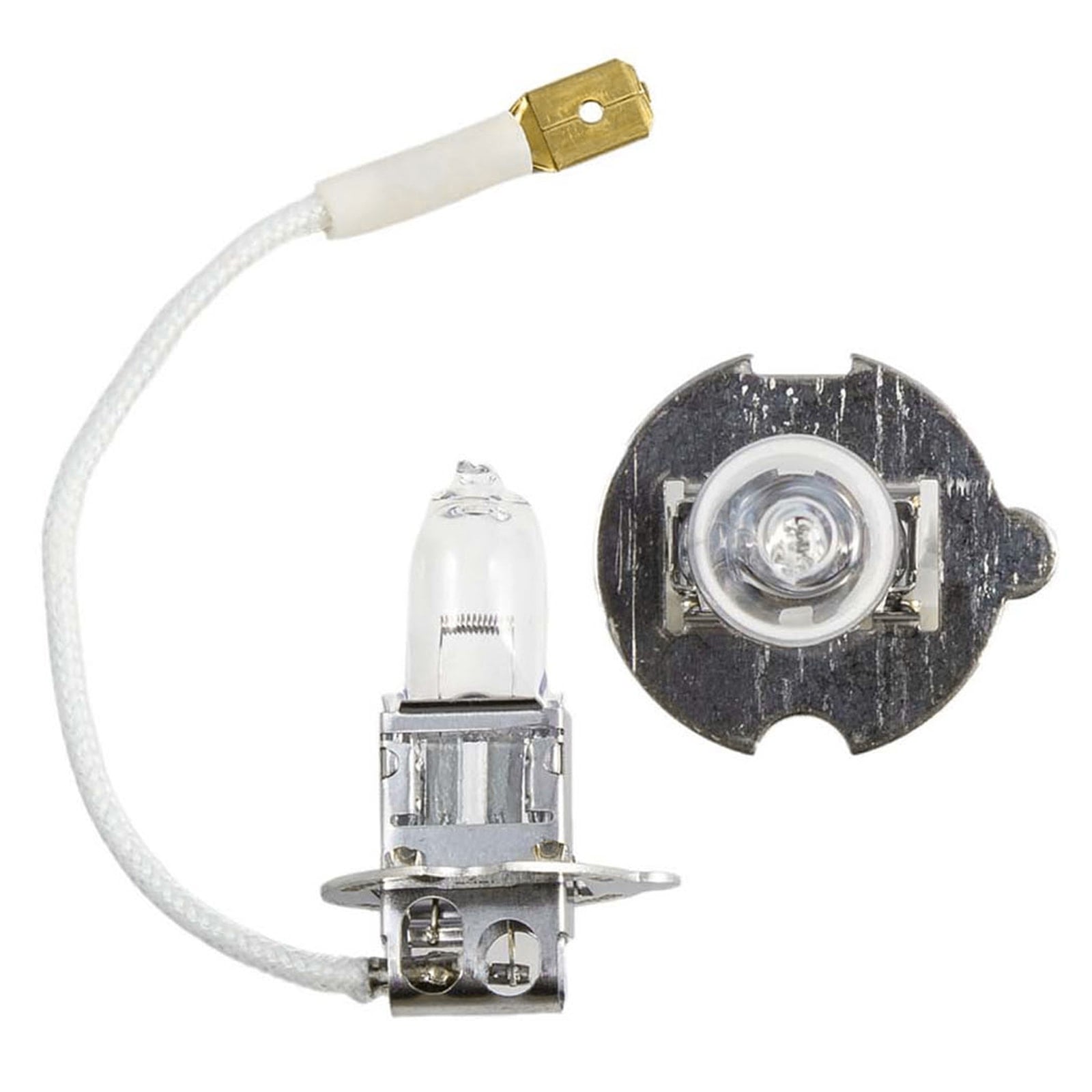
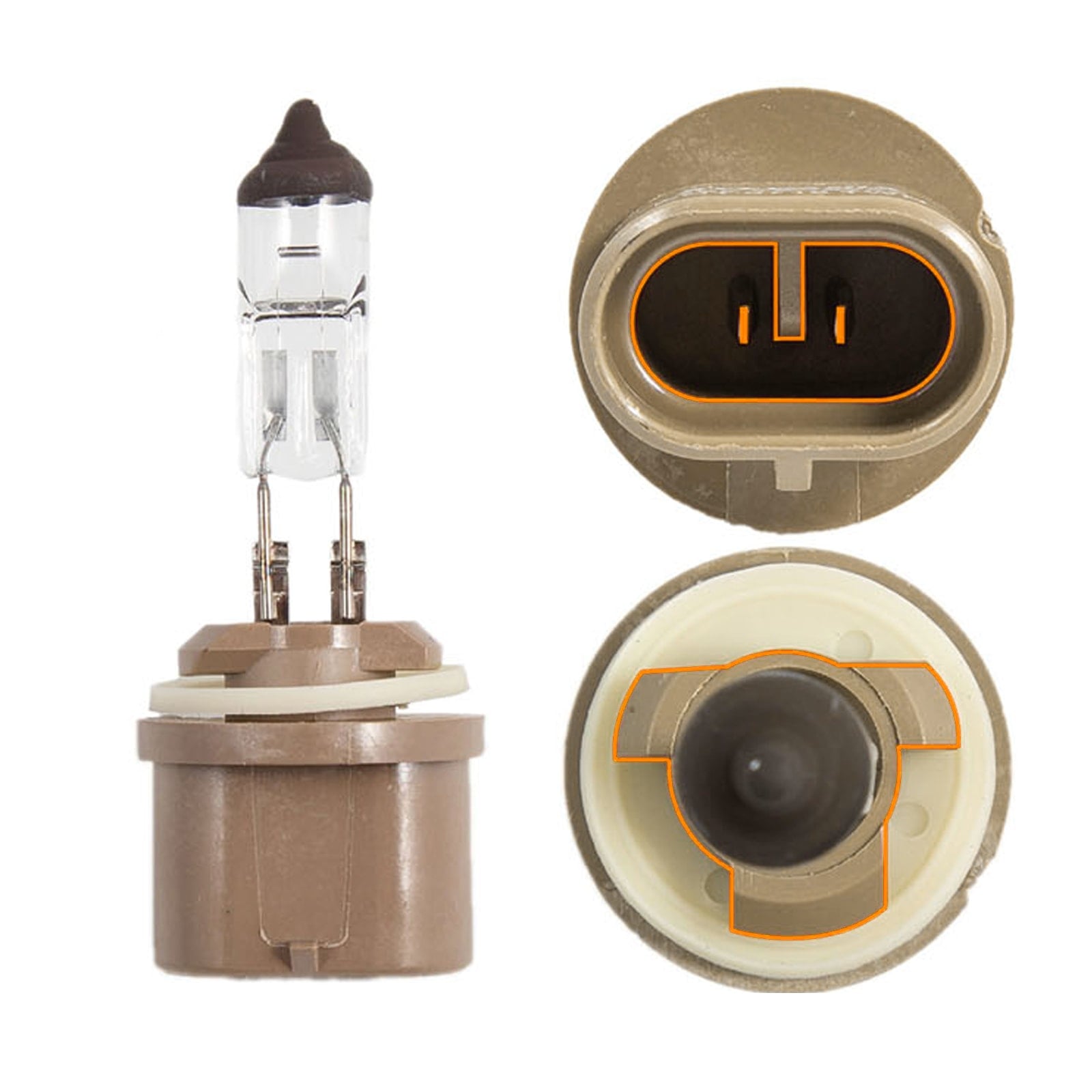
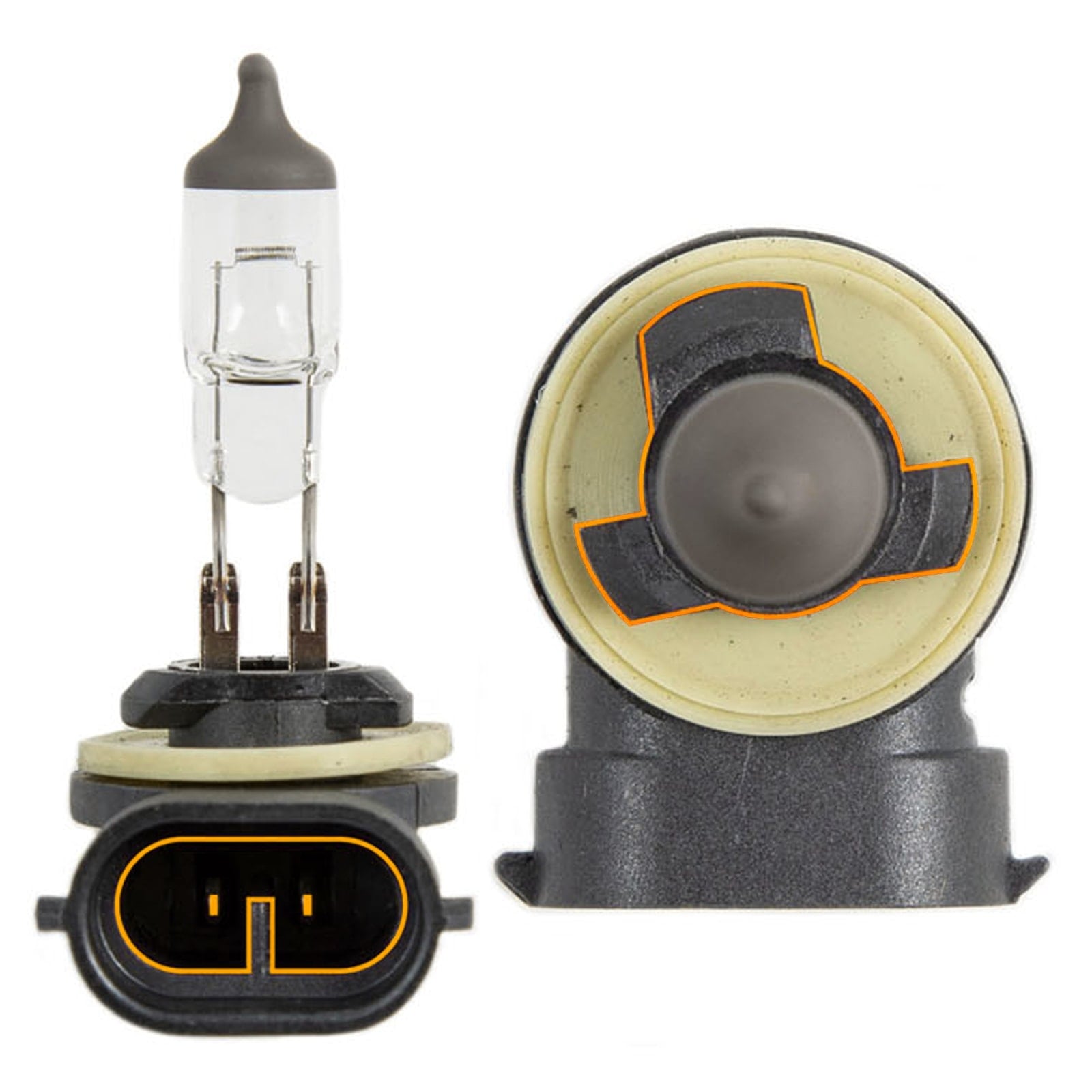
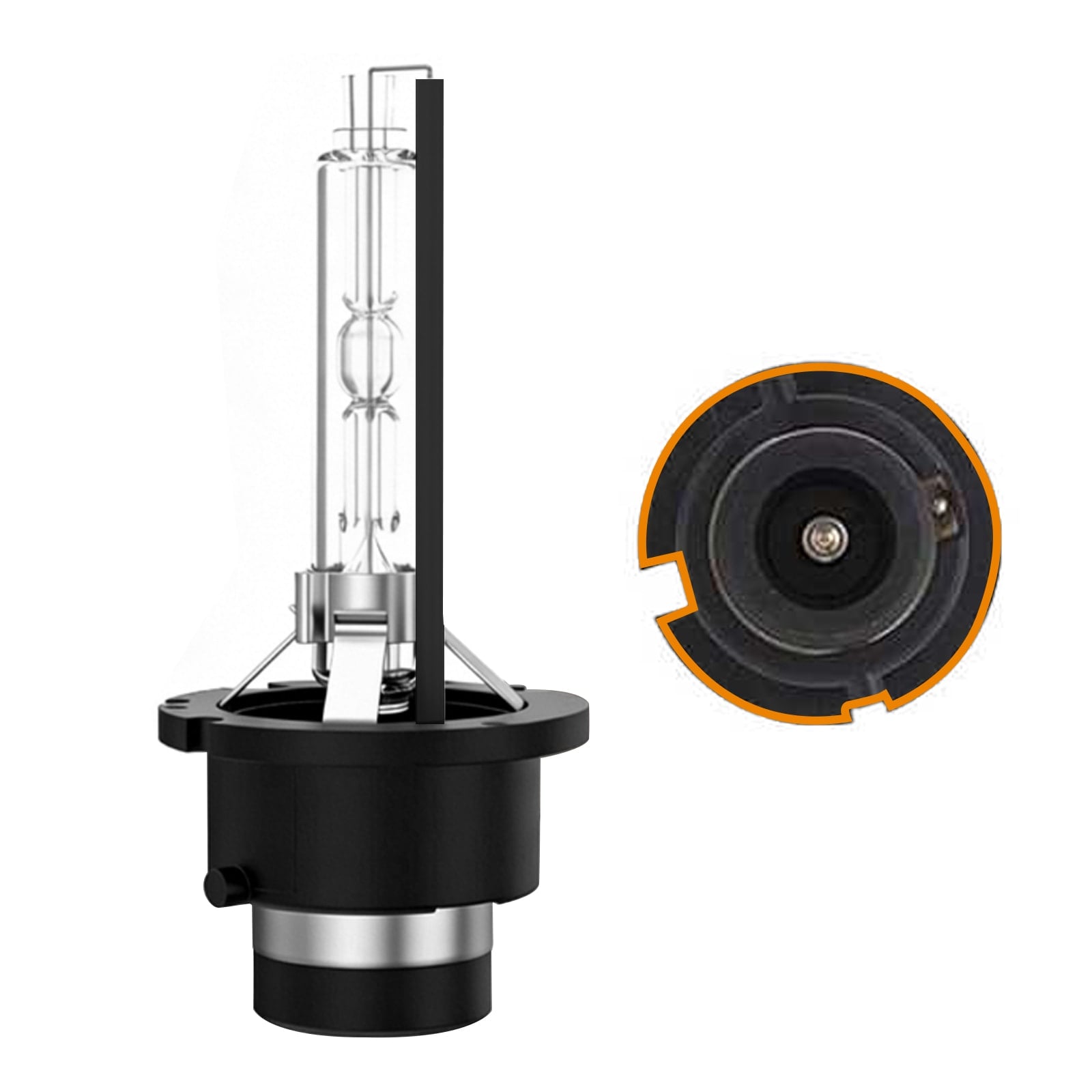
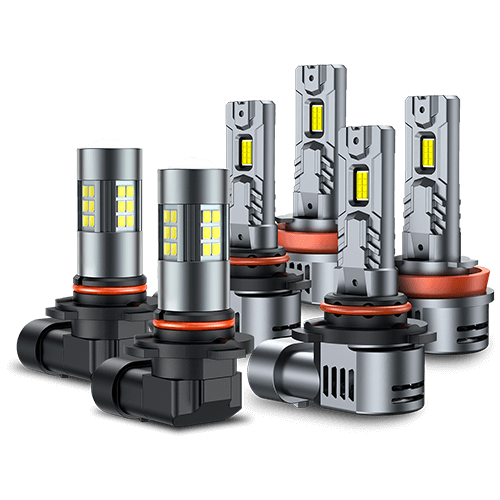
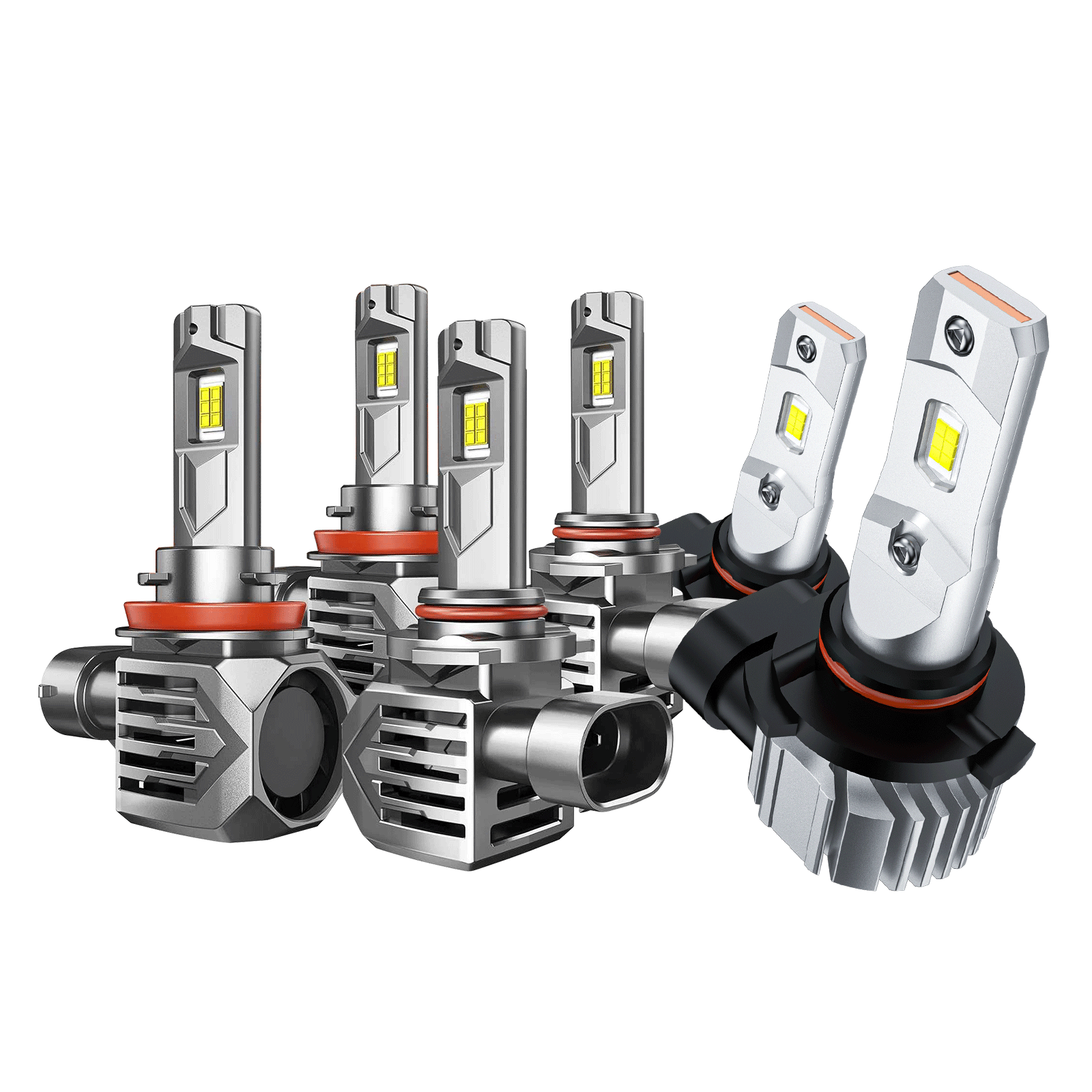
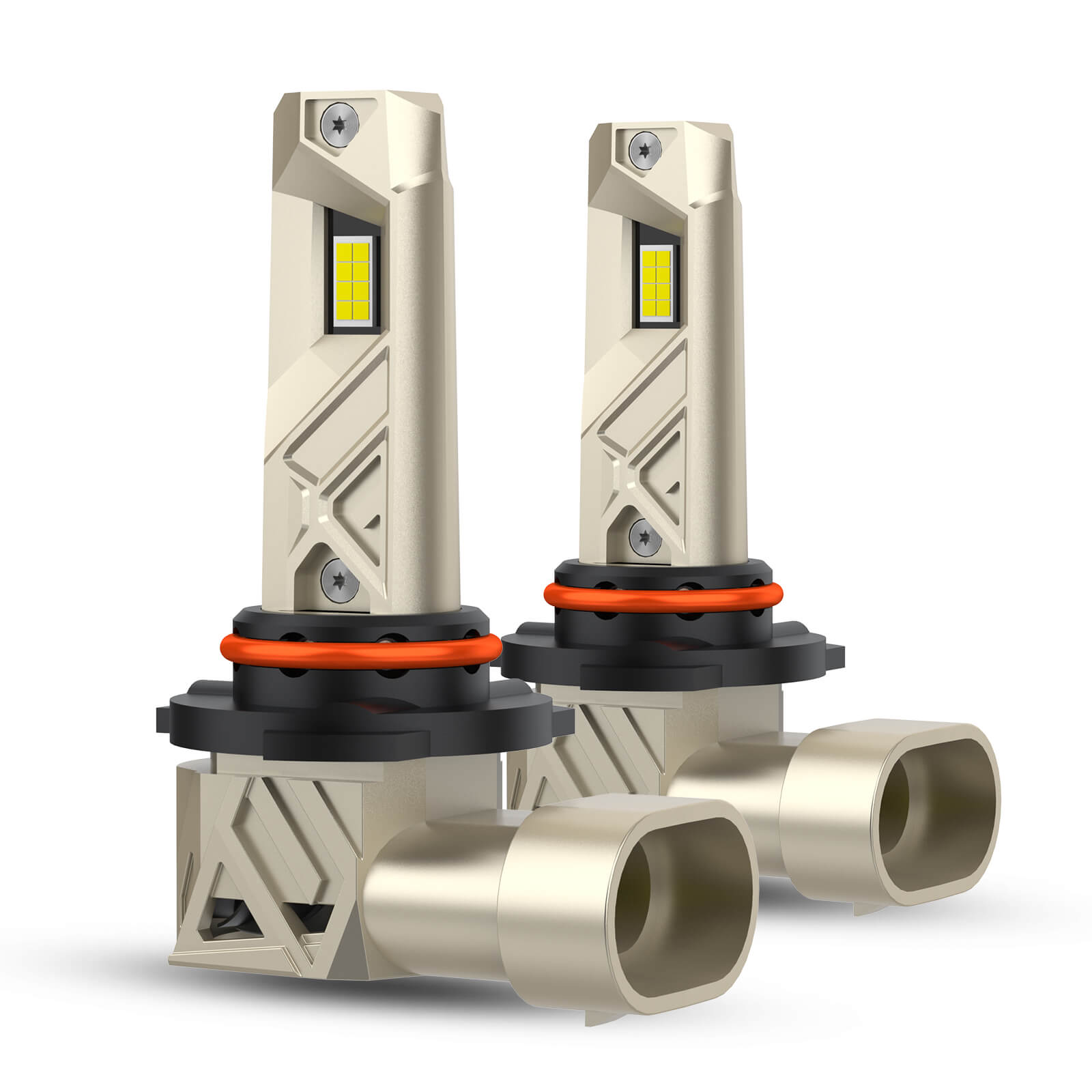
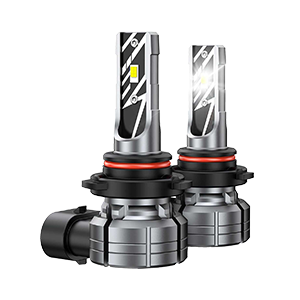
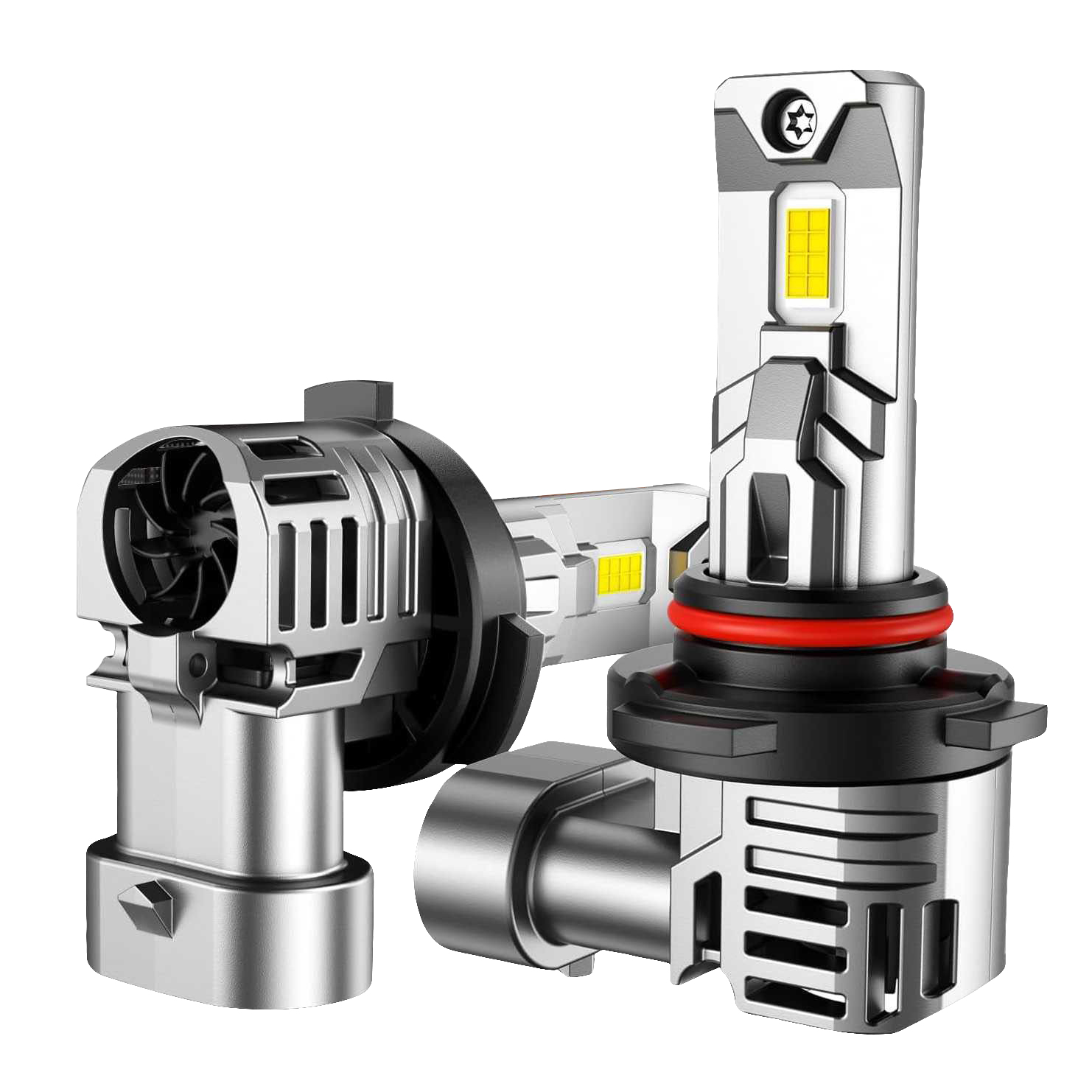
It's also worth noting that many F-150s come with halogen headlights. Over time, these bulbs can grow dim, reducing visibility. Replacing them—or better yet, upgrading to brighter, more efficient LED headlight bulbs—can significantly improve nighttime driving safety.
Engine Problems
Another most frequently reported issue involves the 3.5L EcoBoost V6 engine. Drivers often notice a distinct rattling noise during cold starts—a problem commonly referred to as the "death rattle." This sound usually points to a failing timing chain tensioner. If ignored, it can lead to extensive engine damage and high repair costs.
Another well-known issue affects the 5.4L Triton V8 engine, particularly in mid-2000s models. These engines are notorious for spark plug troubles. The plugs may either seize in the cylinder head or blow out entirely, making what should be a routine service both expensive and complicated.
In general, a truck like the F-150 should idle smoothly. If you experience rough idling, a common culprit is a faulty EGR (exhaust gas recirculation) sensor. When the sensor malfunctions, the EGR valve can stick open, disrupting the engine’s idle. Replacing both the sensor and the valve typically costs between $300 and $400.
Oil Leaks from the Head Gasket
Some F-150s, particularly older ones, suffer from oil leaks on the passenger-side head gasket, which can lead to starter contamination and engine overheating.
To fix this Ford F-150 problem, you’ll need to replace the head gasket or repair the leak.
The estimated cost of head gasket repair is $300 to $400.
Brake Pad and Rotor Wear
If your brakes start to squeal loudly or you feel a grinding sensation when stopping, it’s likely time to replace your brake pads. It's also important to have your rotors inspected during every brake pad replacement—worn rotors can reduce braking performance and cause uneven wear on new pads.
For a Ford F-150, the cost of replacing both brake pads and rotors typically ranges from $350 to $750, depending on the shop and quality of parts.
Lighting Problems Ford F-150 Owners Say They Face Most Often
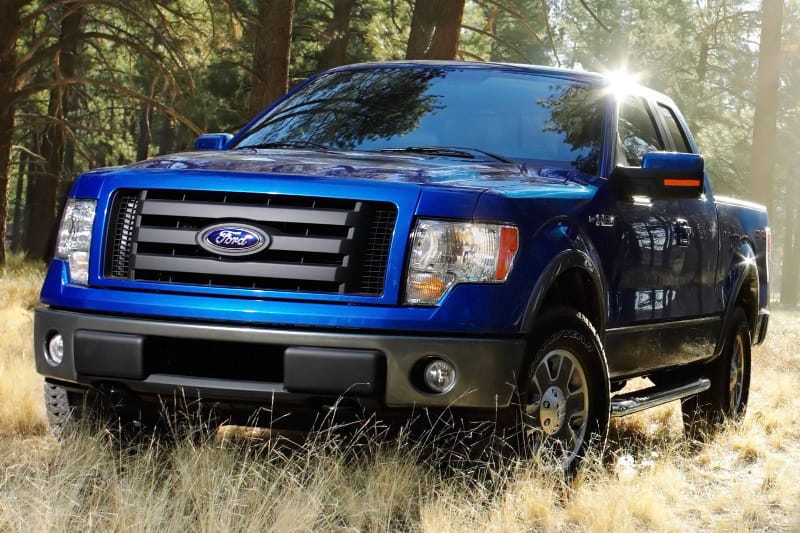
When you spend time in Ford F-150 owner forums, one topic comes up again and again: factory lighting. While these issues aren’t mechanical failures, they directly affect safety and comfort—especially at night or in bad weather.
1. Weak Halogen Headlights
The most common complaint is simple: stock halogen headlights don’t feel bright enough. Owners often mention:
- Poor visibility on dark roads
- Narrow beam spread
- Struggles in rain or fog
- Being overwhelmed by oncoming headlights
2. Short-Lived Halogen Bulbs
Halogen bulbs also tend to burn out faster than expected. Owners frequently report:
- One bulb failing much earlier than the other
- Replacements needed within a year
- Inconsistent brightness
It’s not a major failure—but it adds up over time.
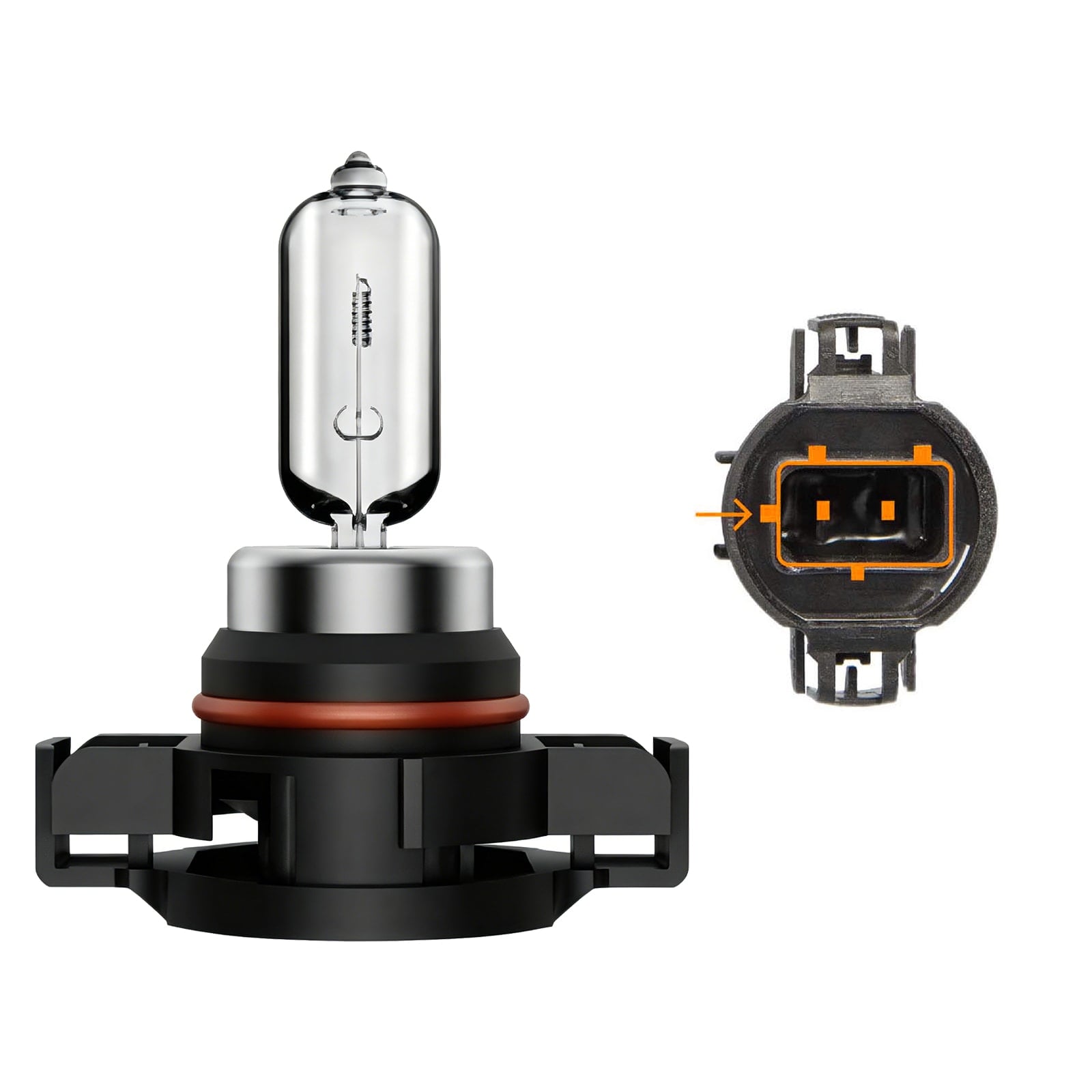
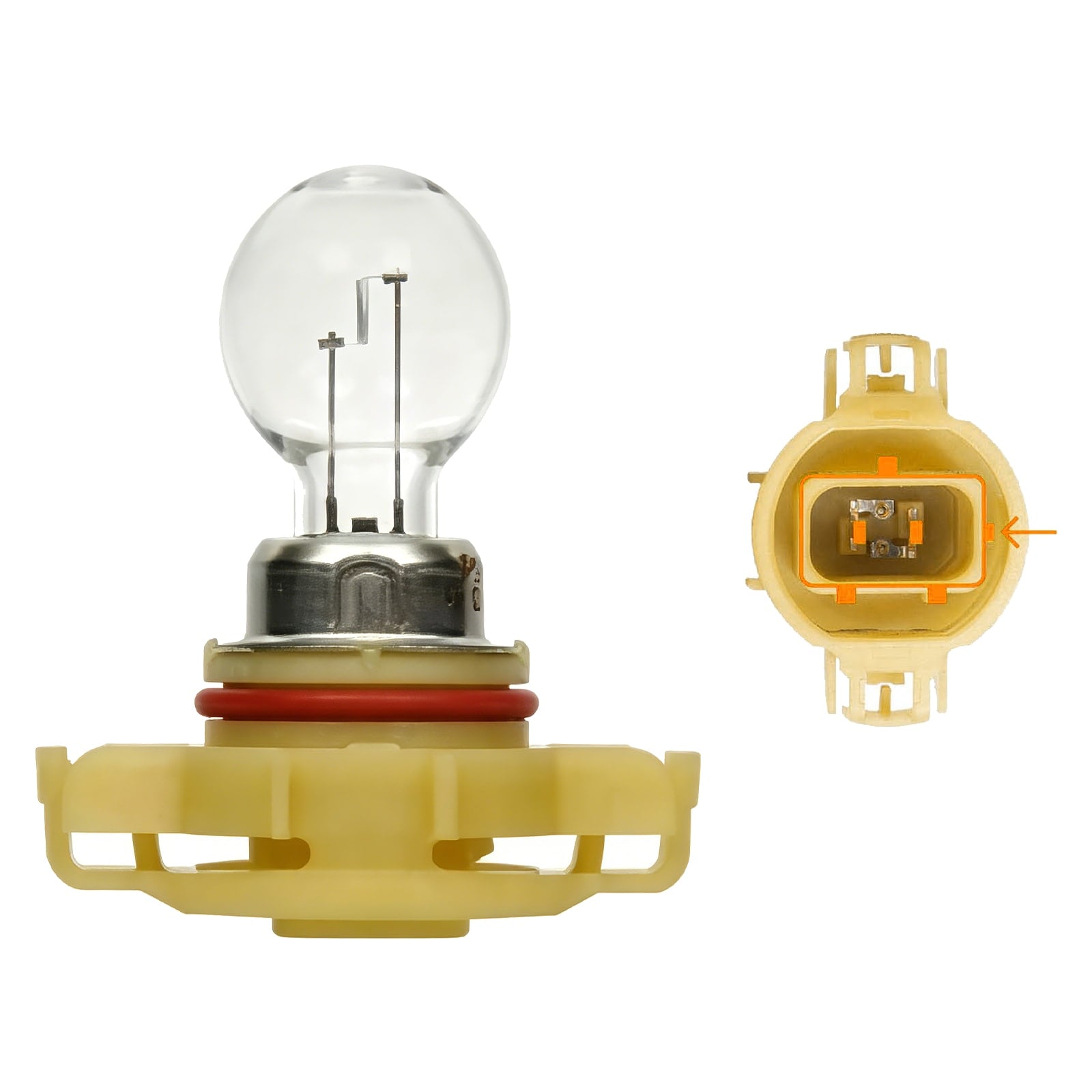
3. Fog Lights Fall Short
Factory fog lights are another disappointment for many owners. Common complaints include:
- Limited brightness
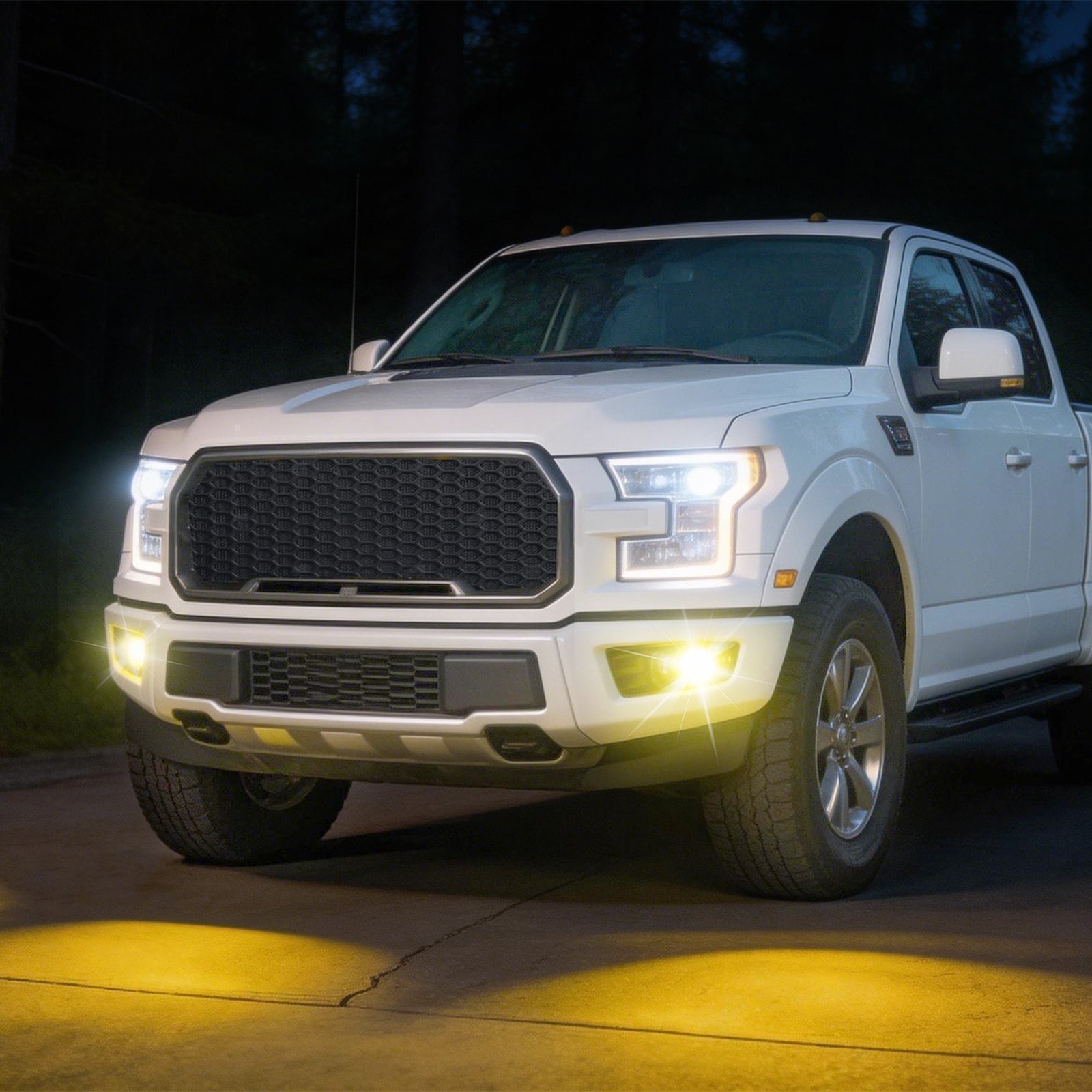
- Outdated yellow color
- Minimal real-world usefulness
For many, they feel more decorative than functional.
Why Ford F-150 Owners Upgrade Their Lighting
Most owners don’t upgrade lighting for looks—they do it for visibility and comfort. Common reasons include:
- Difficulty seeing clearly at night
- Eye strain on long drives
- Frequent rain, fog, or snow driving
- Factory lighting that doesn’t match the truck’s capability
Lighting upgrades are often one of the first changes owners make.
Common Upgrade Choices and Trade-offs
Most owners consider three main upgrade paths:
| Upgrade | Pros | Cons |
| High-Output Halogen Bulbs | Affordable, easy install | Limited improvement |
| LED Bulbs in Halogen Housings | Brighter, whiter light | Beam quality varies |
| Full LED Assemblies | Best beam control | Expensive, complex |
Because trims and wiring vary, results aren’t identical for every truck.
Key Owner Takeaway
The Ford F-150 is built to be tough and reliable, but its factory lighting often leaves room for improvement. Upgrading headlights or fog lights is a simple way to improve safety and comfort—especially if you drive at night.
If you’re buying a used F-150, swapping halogen bulbs for LED bulbs one of the smartest first upgrades you can make.
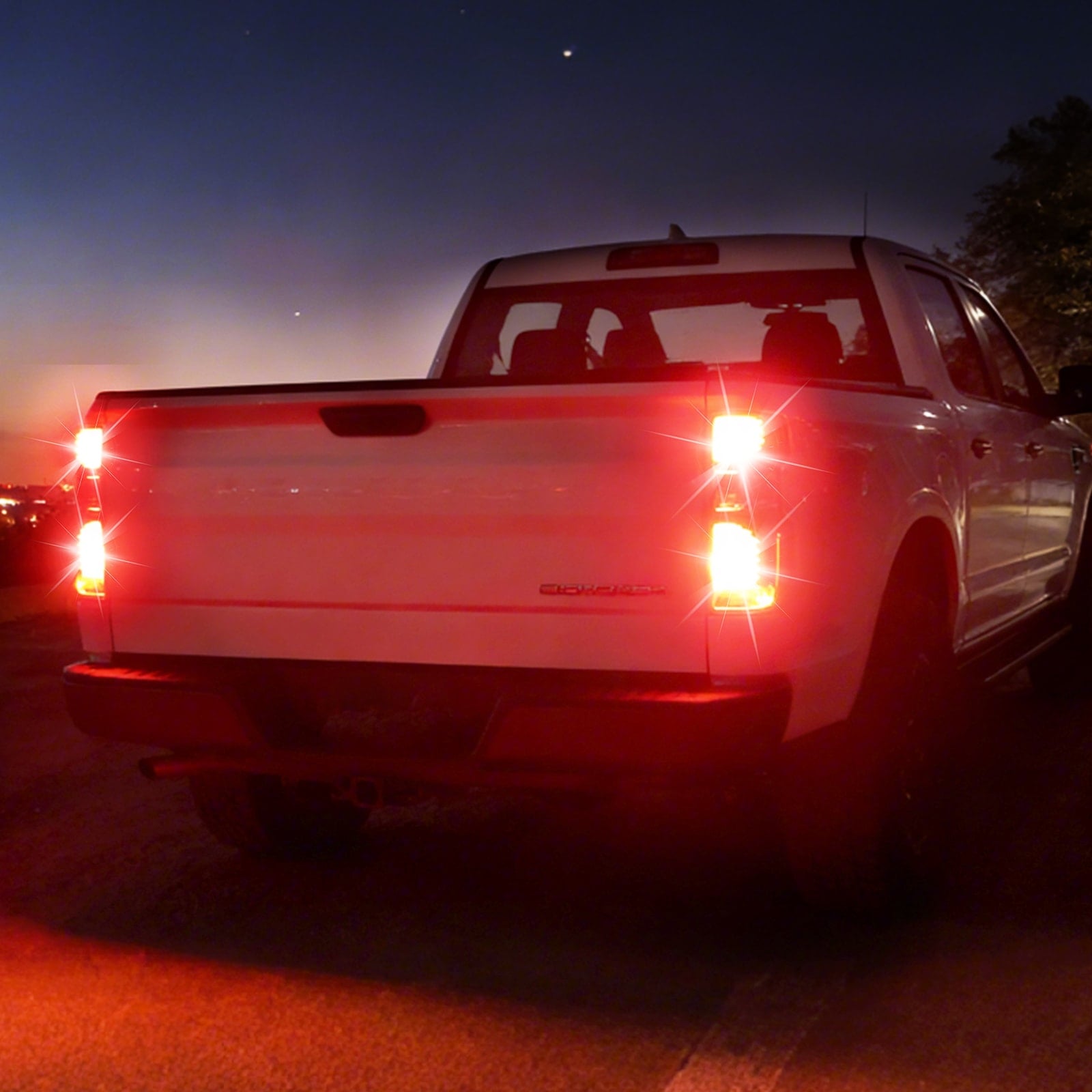
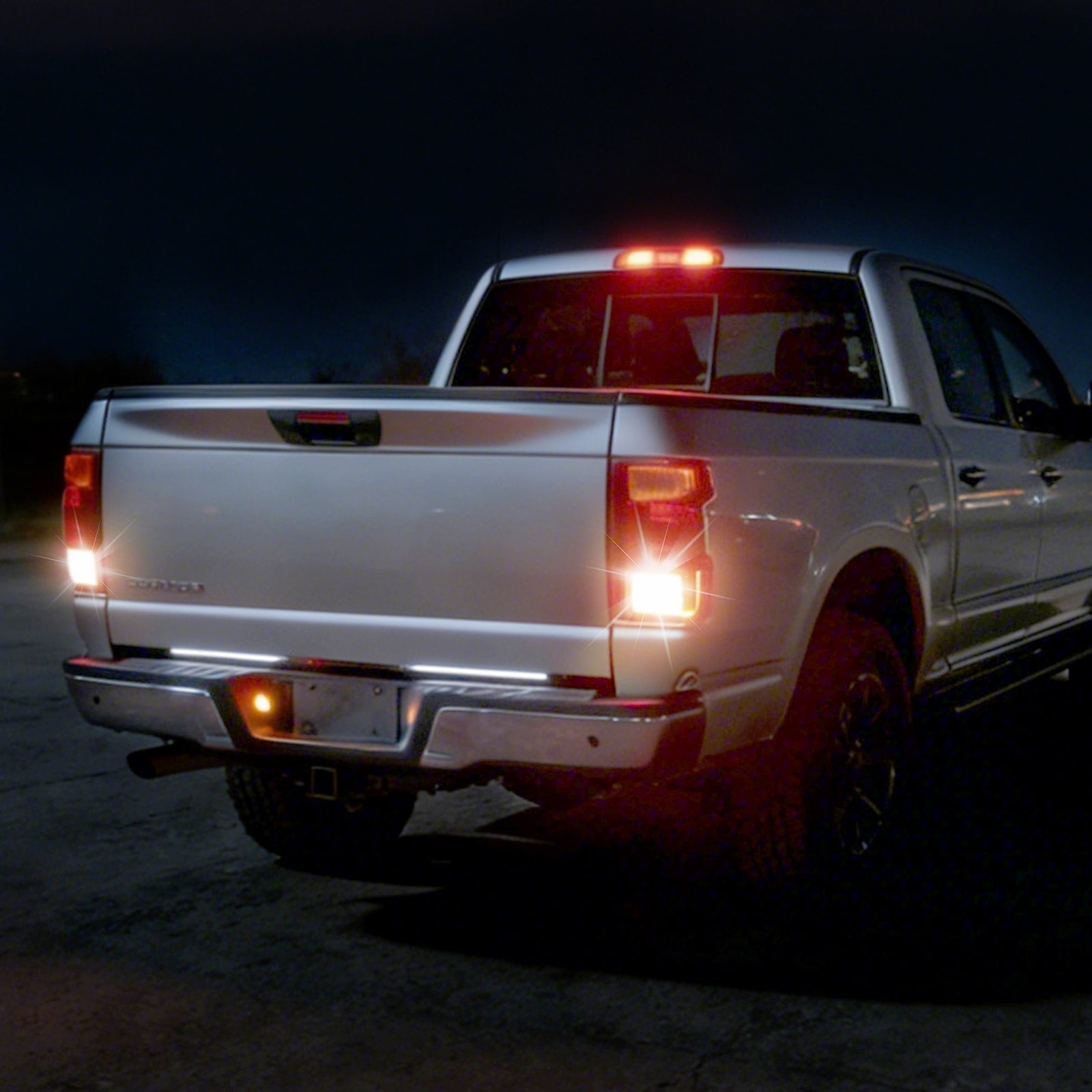
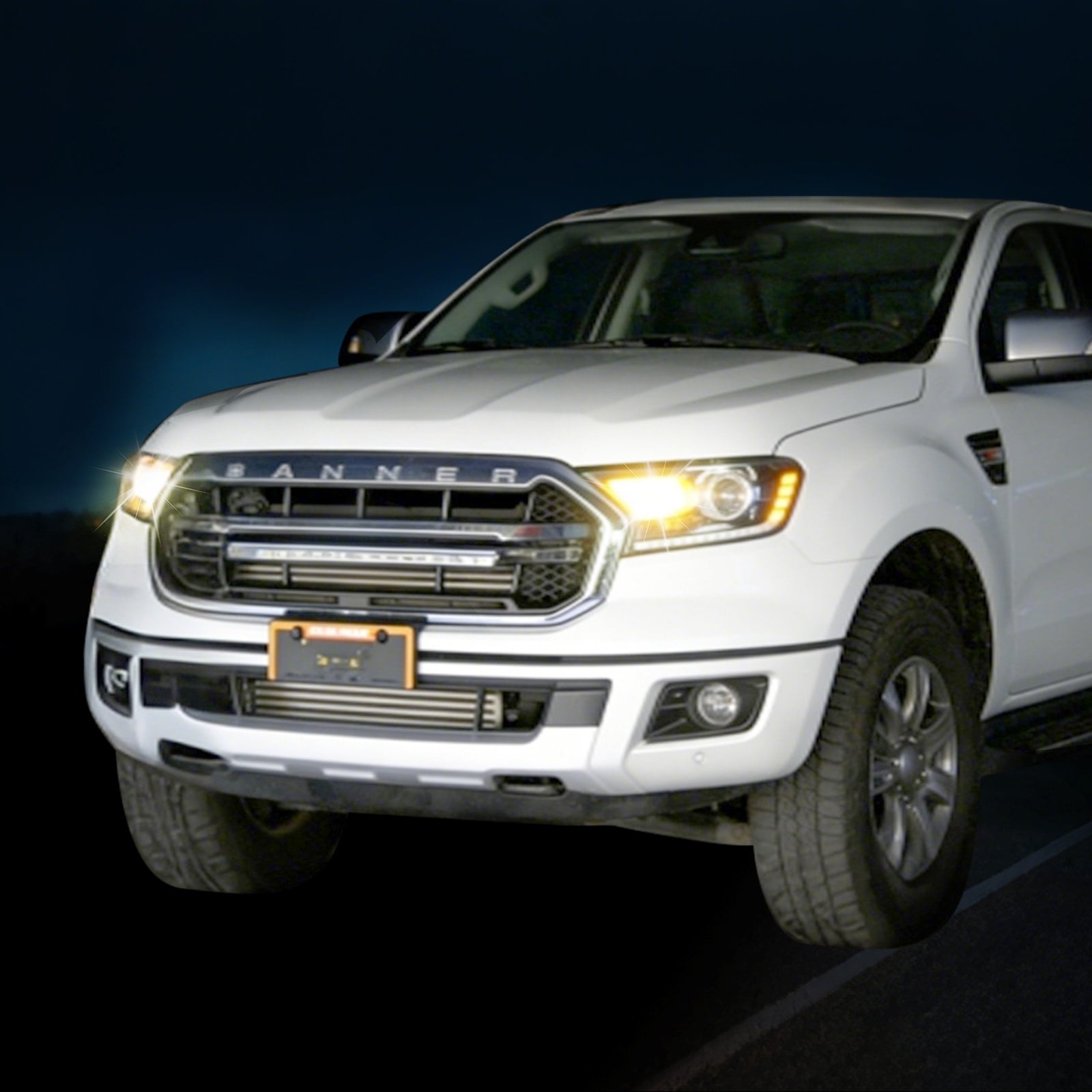
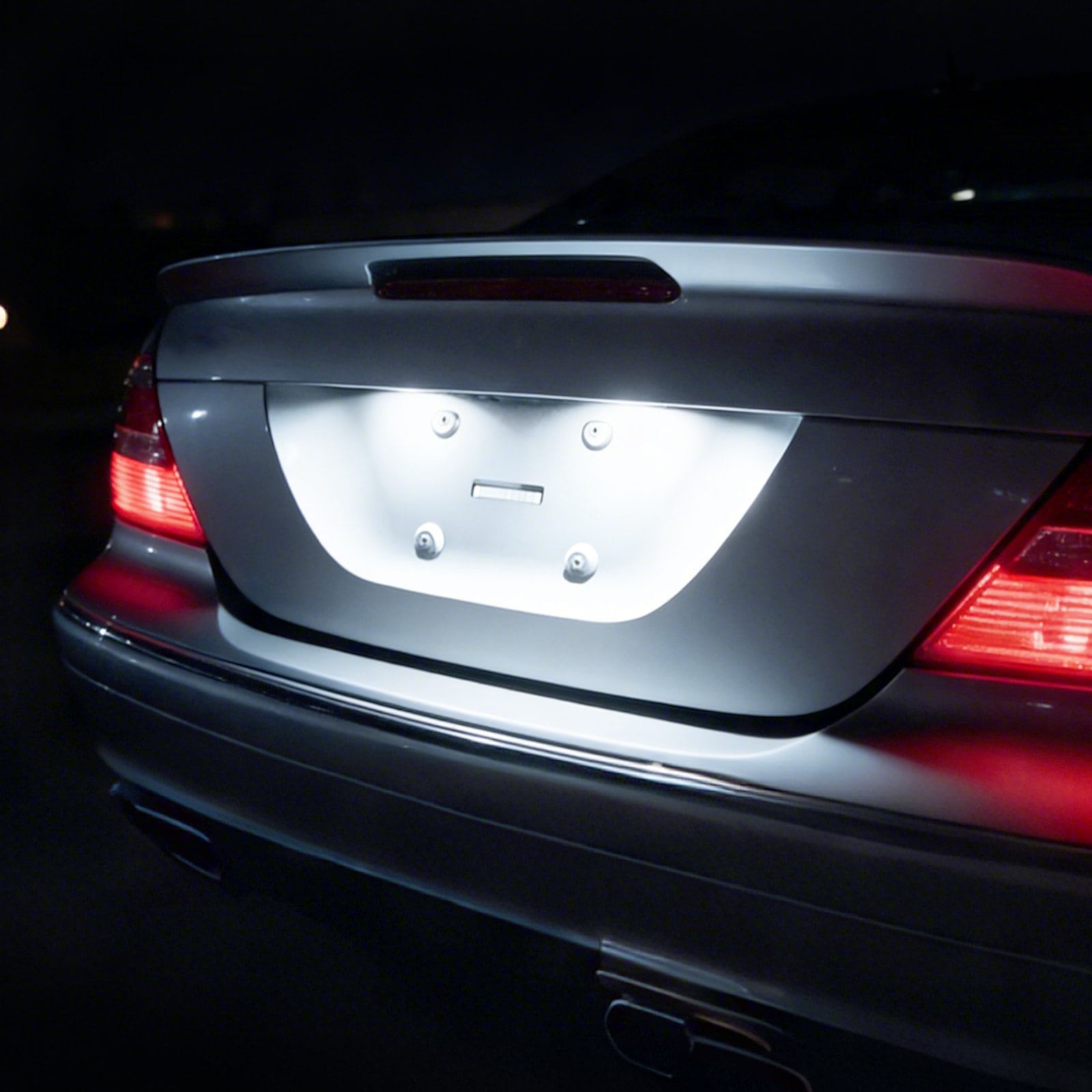
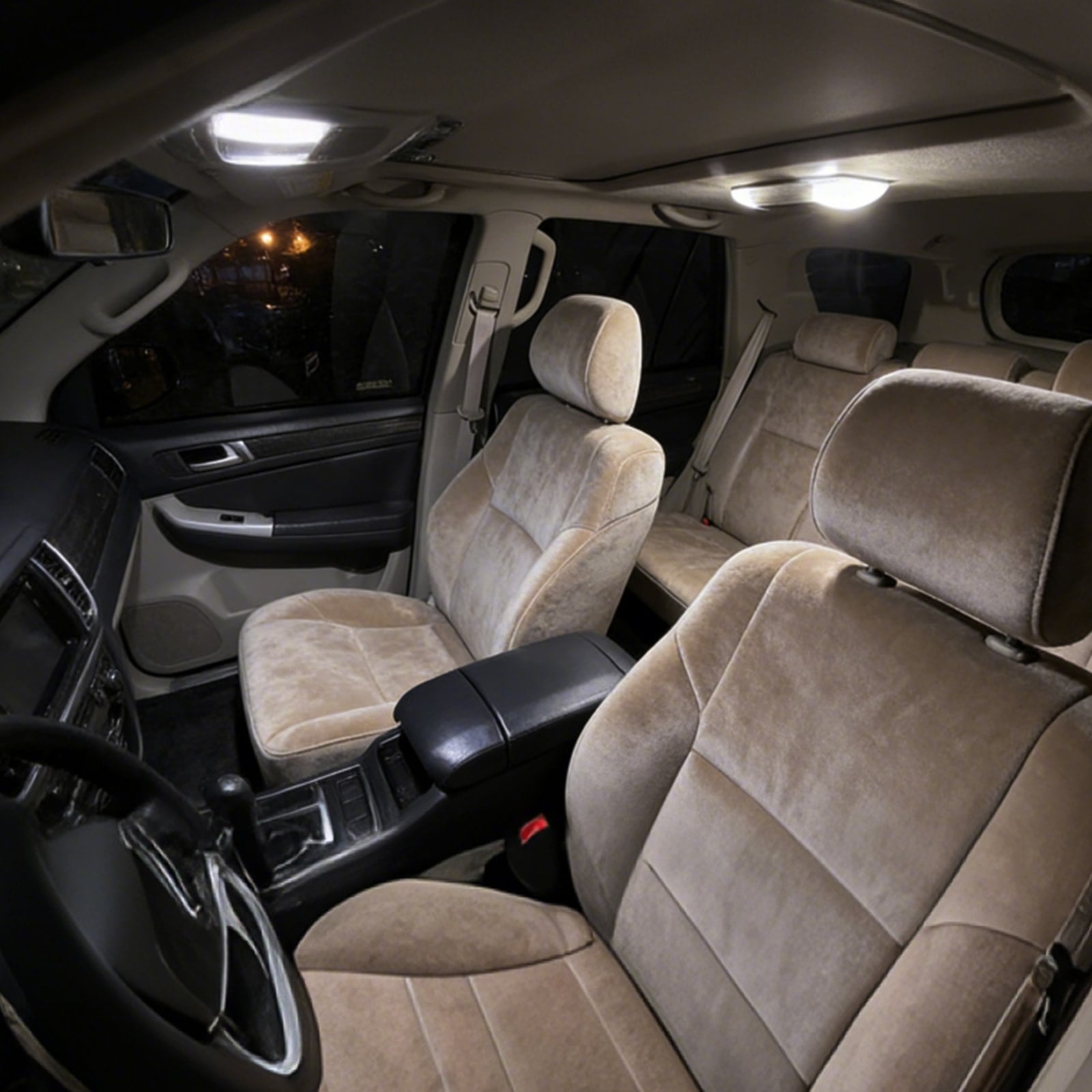
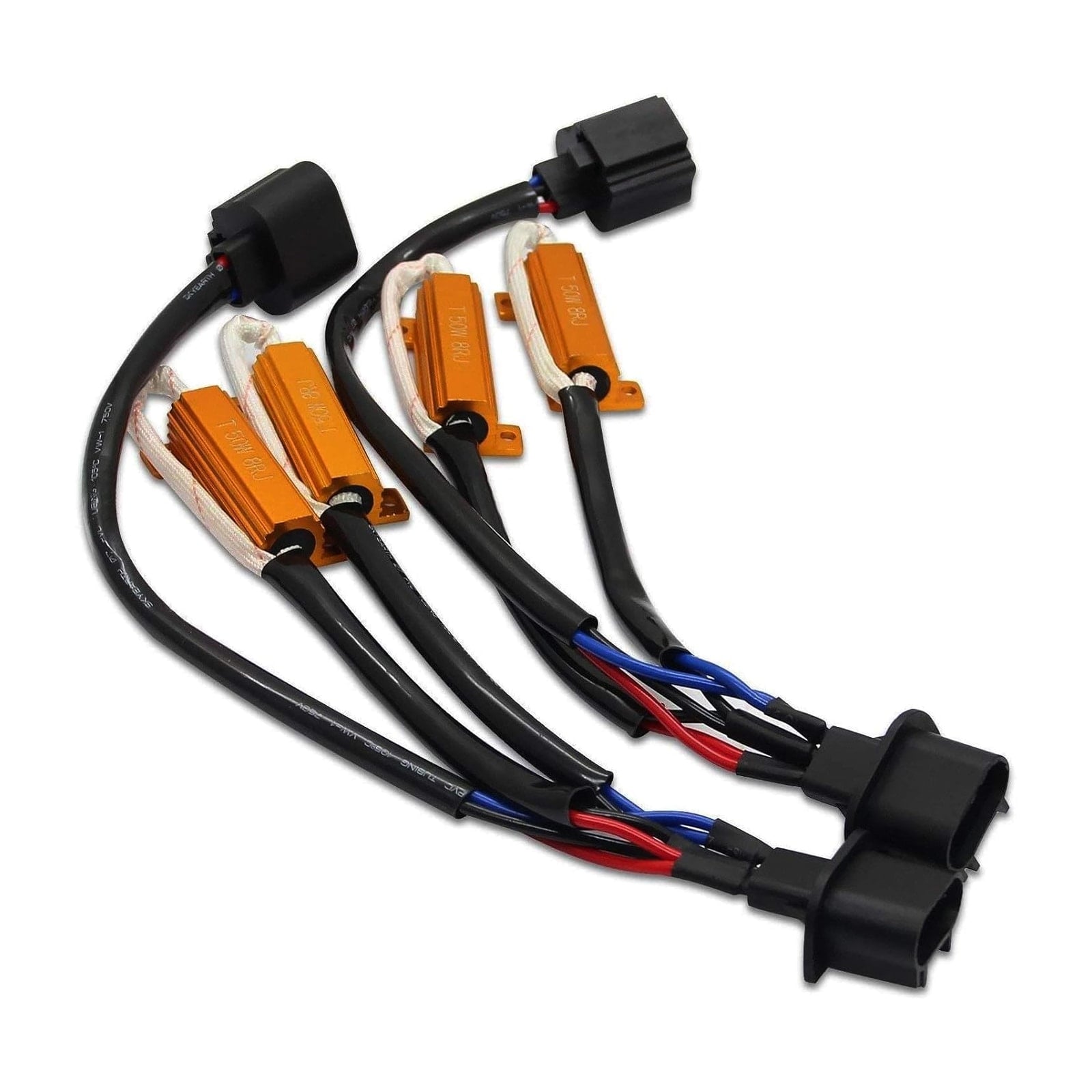
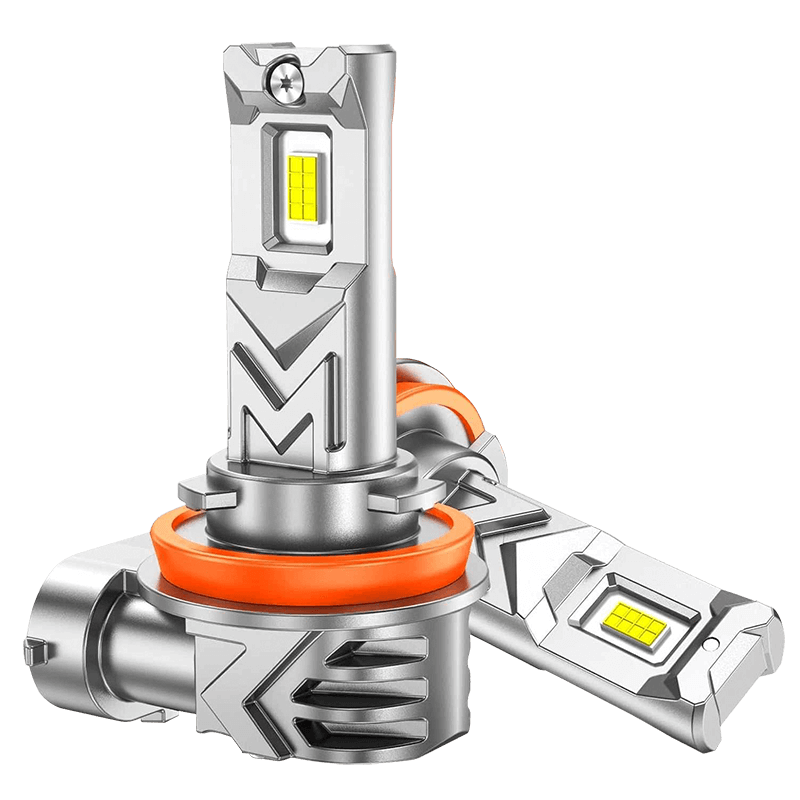
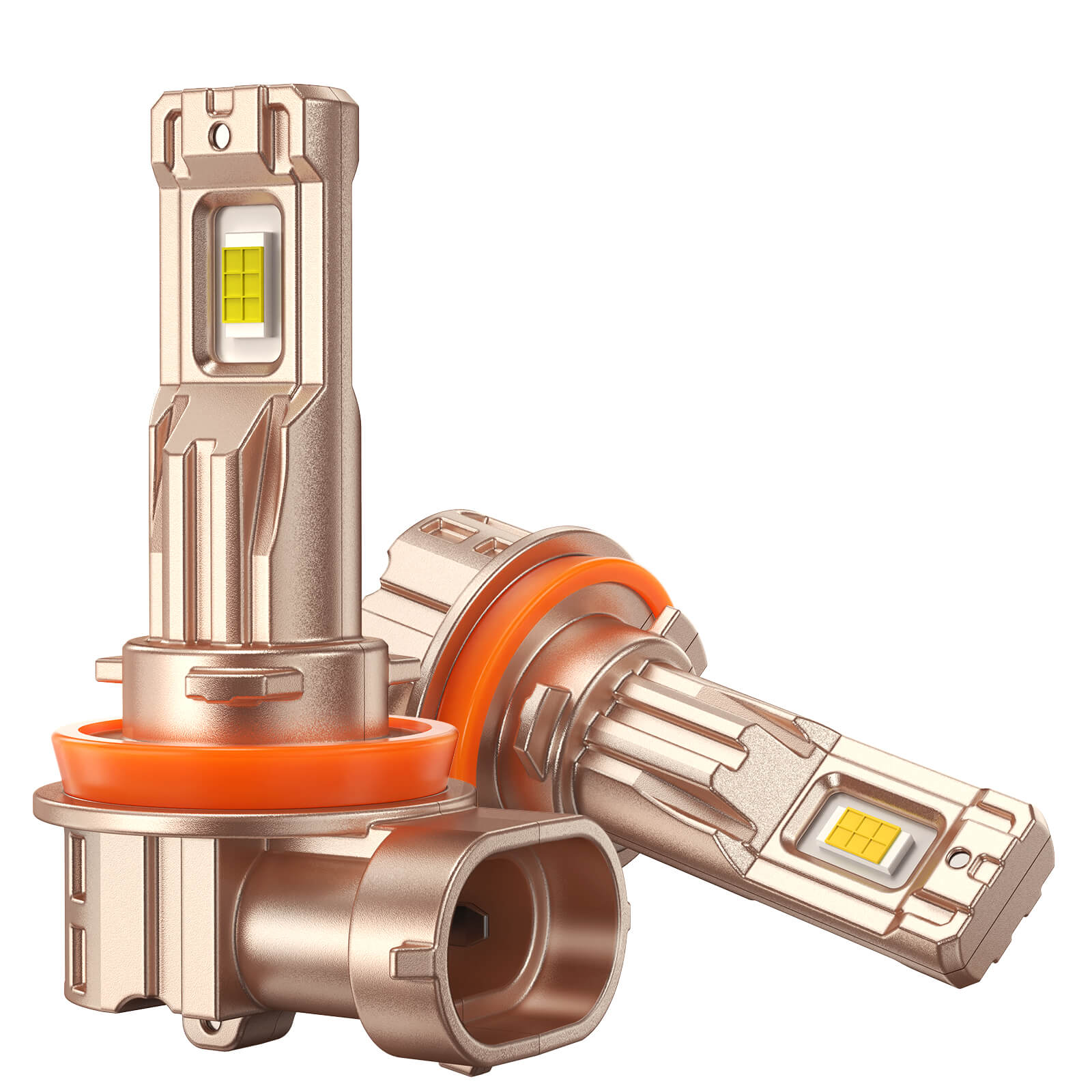
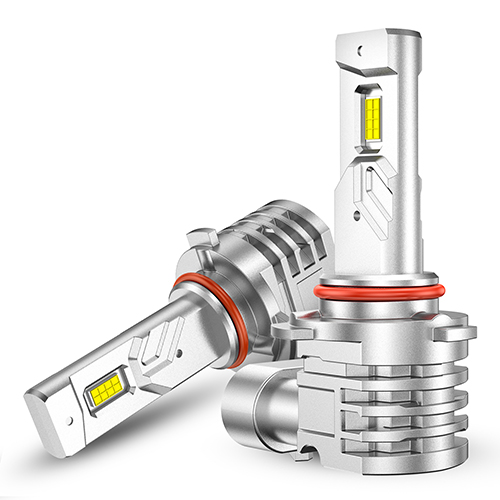
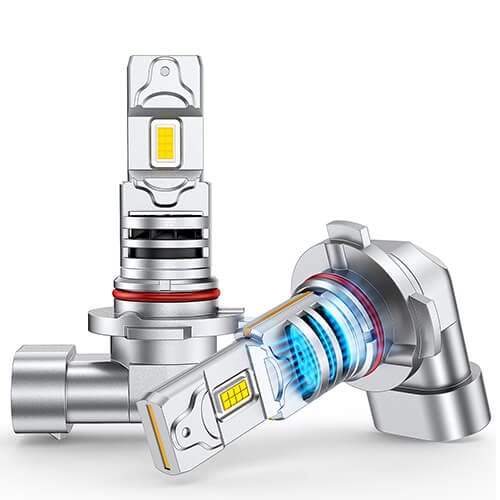
Use the Ford F-150 LED bulbs collection to compare compatible headlights, fog lights, brake and tail lights, turn signals, and reverse bulbs by model year.
Check out these popular LED bulbs collection for Ford F-150:
Ford F-150 LED Headlight Bulbs
Ford F-150 LED Fog Light Bulbs
Ford F-150 LED Brake Light Bulbs
Ford F-150 LED Backup Light Bulbs
Ford F-150 LED Turn Signal Light Bulbs
Ford F-150 Ford F-150 License Plate Lights
Best Years for Ford F-150 Models to Look Out For
If you're shopping for a used Ford F-150, certain model years stand out for their exceptional reliability, performance, and owner satisfaction. Here are some of the best years to consider:
2012 Ford F-150: The 2012 model marked the debut of the 3.5L EcoBoost V6, known for blending power and fuel efficiency. With 365 horsepower and a towing capacity of up to 11,300 pounds, it’s a solid choice for both work and daily driving. It also has a good track record for reliability.
2014 Ford F-150: As the final model of the 12th generation, the 2014 F-150 benefited from years of refinement. It offered dependable engine options, including the 5.0L V8 and EcoBoost V6. Many owners report these trucks easily surpass 250,000 miles with regular maintenance.
2017 Ford F-150: This year brought major updates, including a new 10-speed automatic transmission and SYNC 3 with Apple CarPlay and Android Auto. It also earned excellent safety ratings, making it a great pick for those who want modern tech in a proven platform.
2022 Ford F-150: For buyers looking at newer models, the 2022 F-150 delivers on tech, comfort, and capability. It features advanced safety systems, high-quality interiors, and a range of strong engines. Gas-powered versions score especially well for reliability, though hybrid models may have some battery concerns.
What’s New for the 2026 Ford F-150?
For 2026, the F-150 sees several notable changes, though many are controversial. All trims now come with an electronic locking rear differential, adding complexity and potential maintenance costs that most buyers may never need. Ford introduces the F-150 Lobo, a street-focused performance model with unique styling and 22-inch wheels, but it sticks with the same 3.5L twin-turbo V6 rather than a high-output V8. Tremor models gain factory running boards, a comfort upgrade some off-road enthusiasts feel misses the mark compared with hardware improvements like shocks or skid plates.
Across the lineup, some features that were standard in 2025 are now optional, making the trucks feel de-contented as prices rise. Interior updates are minimal, leaving long-standing issues like limited storage unaddressed. The PowerBoost hybrid continues largely unchanged, with transitions between electric and gas power still less smooth than competitors. Overall, 2026 F-150 prices are higher, but the functional and visual upgrades are modest, making it harder to justify the cost increase.
Final Thoughts
The Ford F-150 continues to earn its place as America’s top-selling truck by offering a mix of strength, flexibility, and innovation. While it’s not immune to mechanical issues — especially in certain model years — it remains a dependable choice for drivers who need a vehicle that works as hard as they do.
Understanding common problems, knowing which years offer the best value, and staying on top of maintenance can help you get the most out of your F-150. And with exciting changes in the 2025 model, Ford is showing that even an icon can keep evolving.
If you're planning to upgrade your F-150's lighting system for better safety and modern style, SEALIGHT offers a range of high-performance LED bulbs that are designed to be brighter, longer-lasting, and easy to install. It's a simple change that can make a big difference — especially when you rely on your truck day and night.