
 Headlight Bulbs


 Track Order
 My Vehicles
 Contact Us
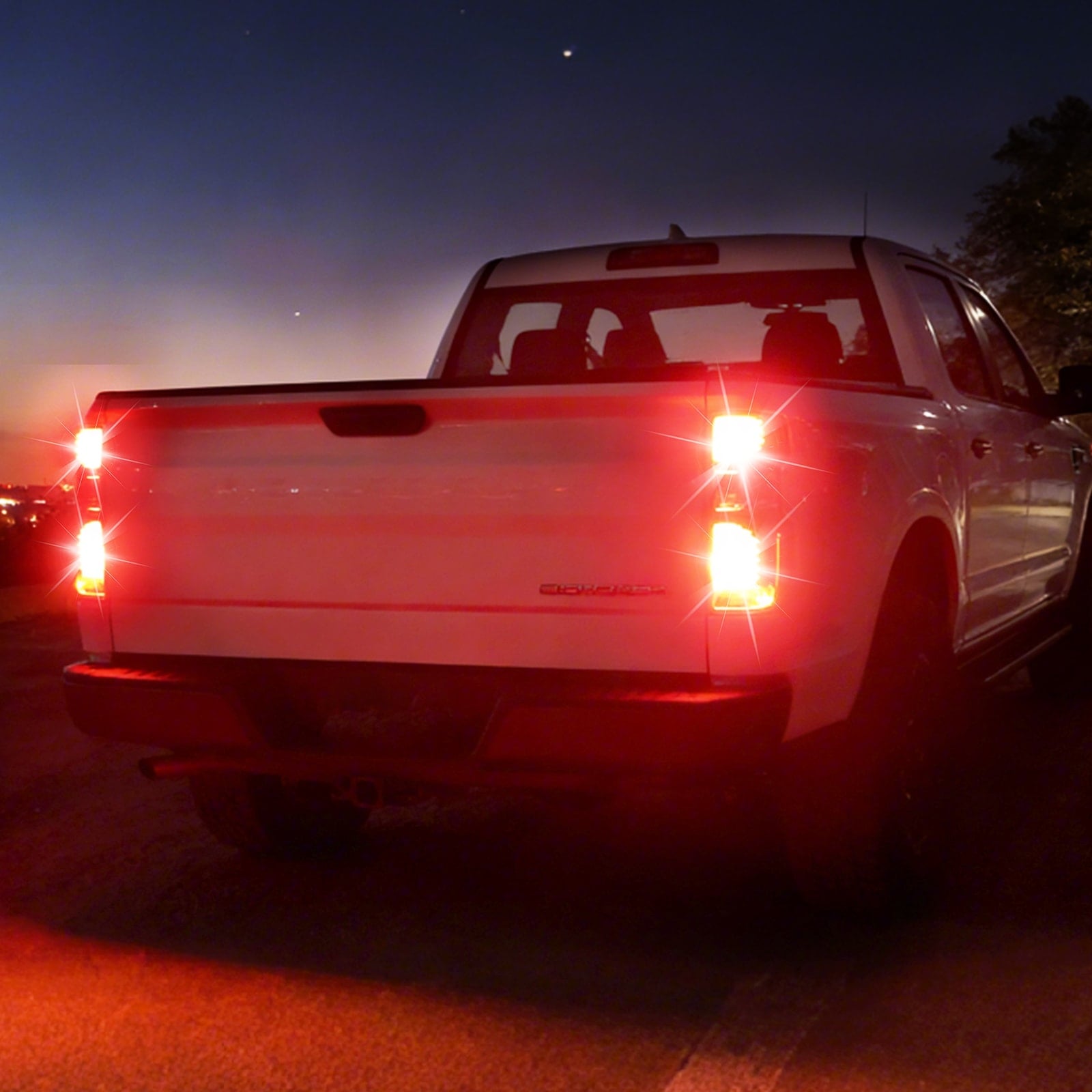
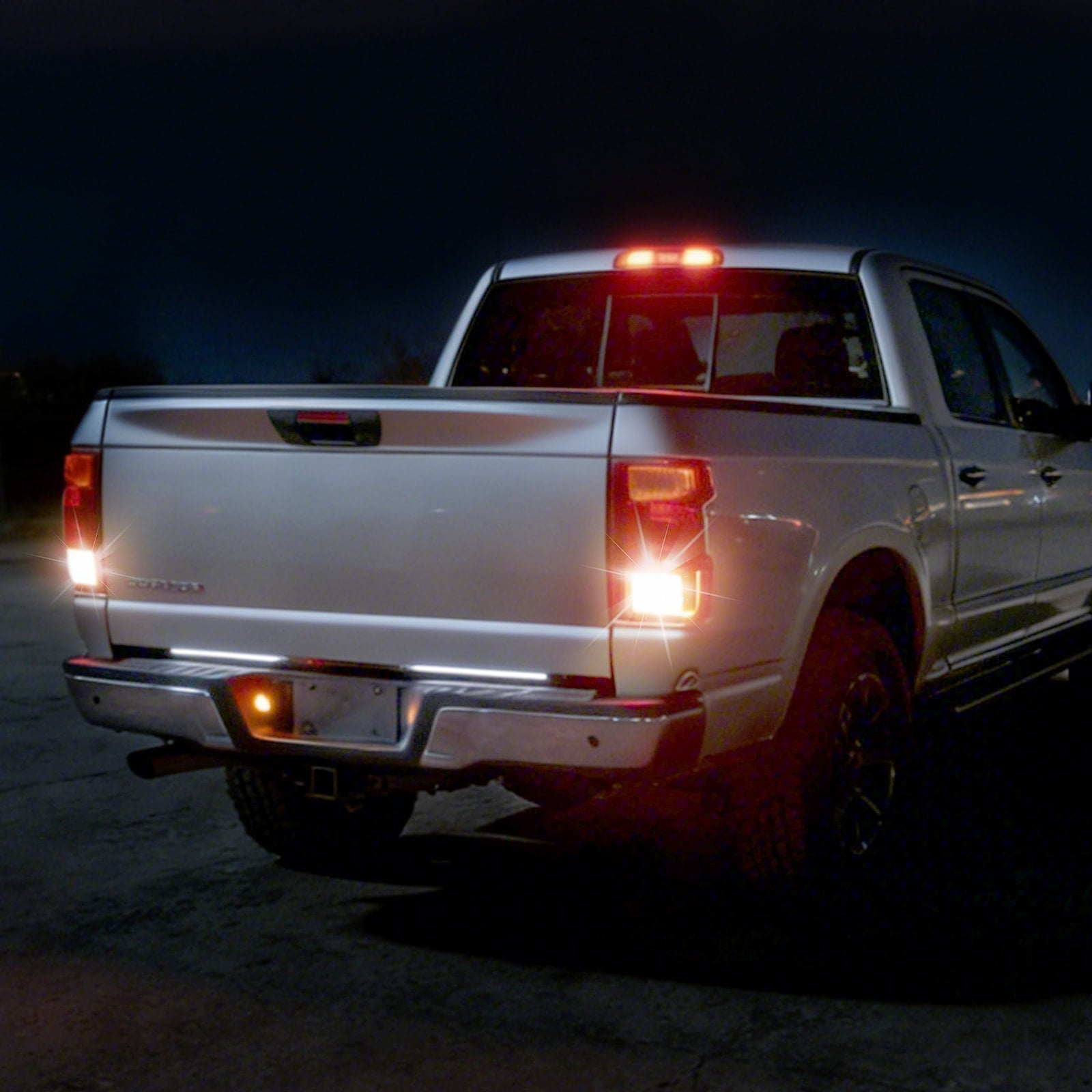
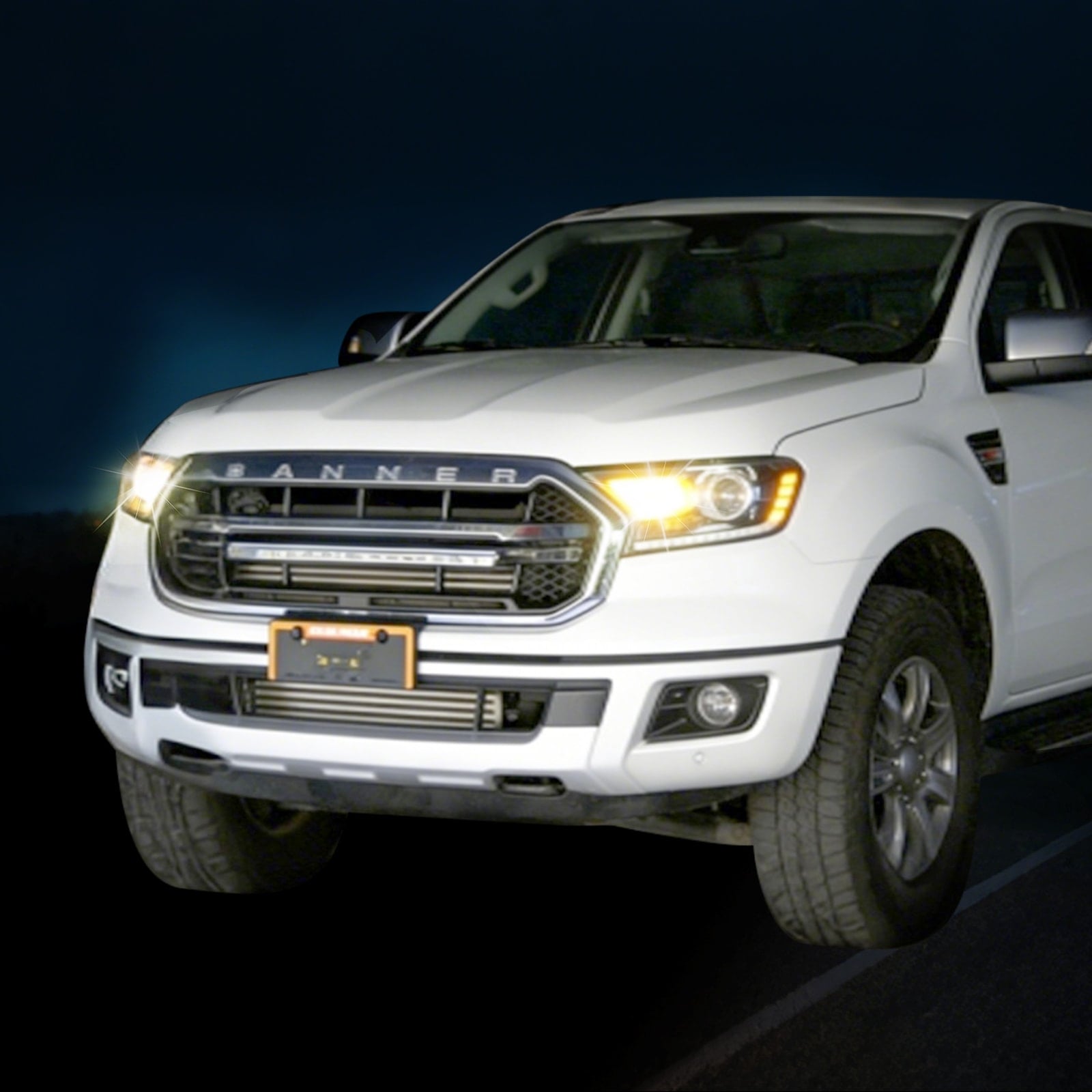
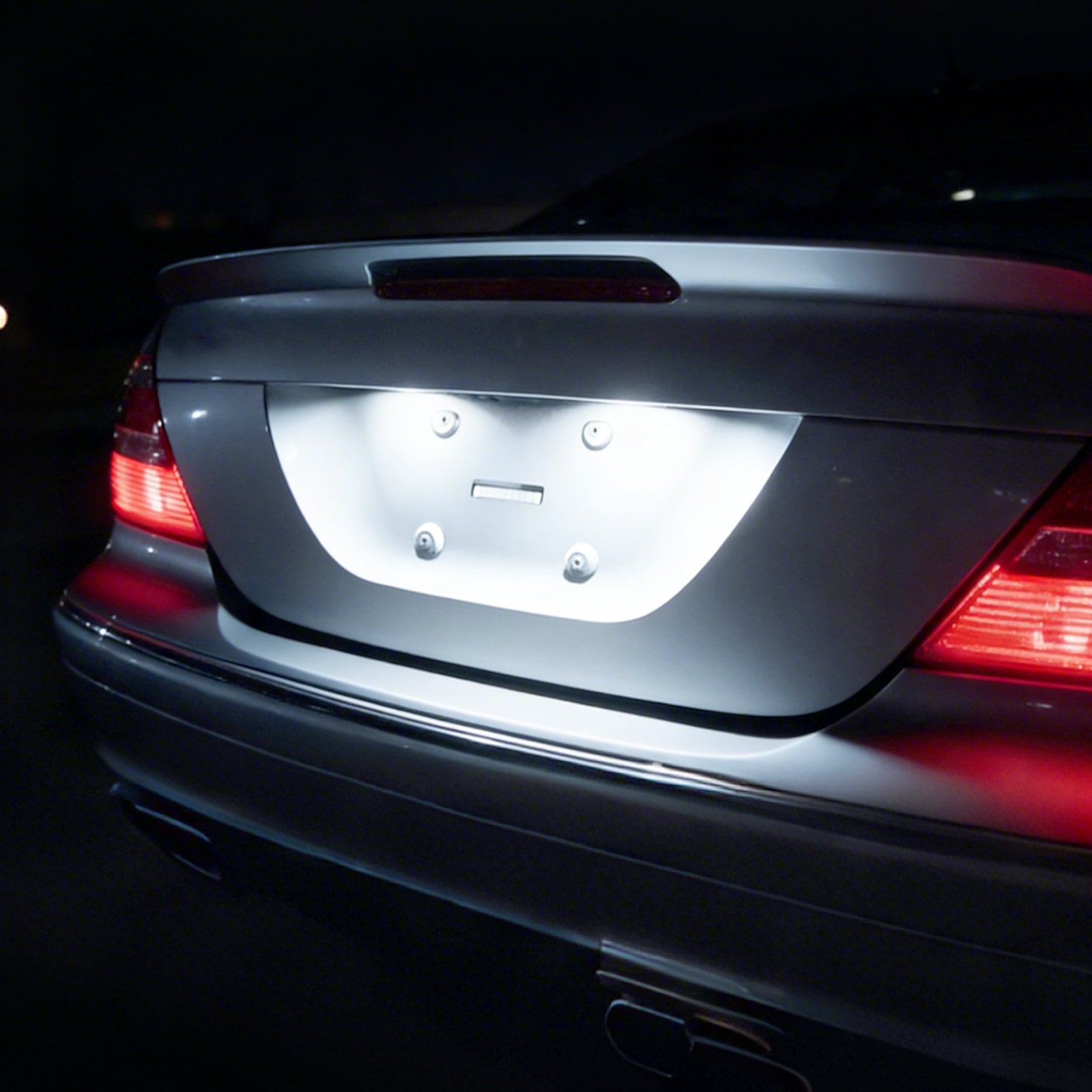
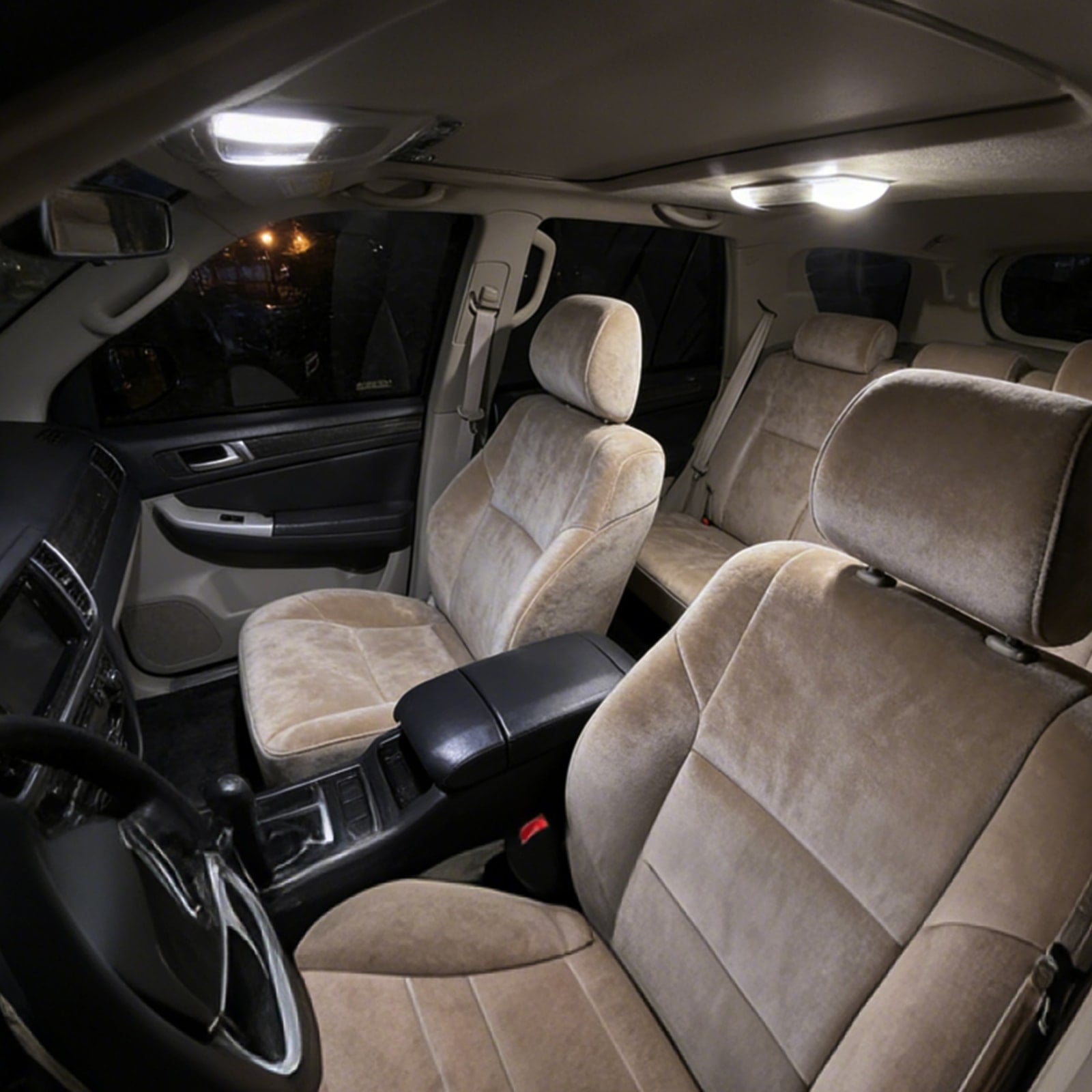
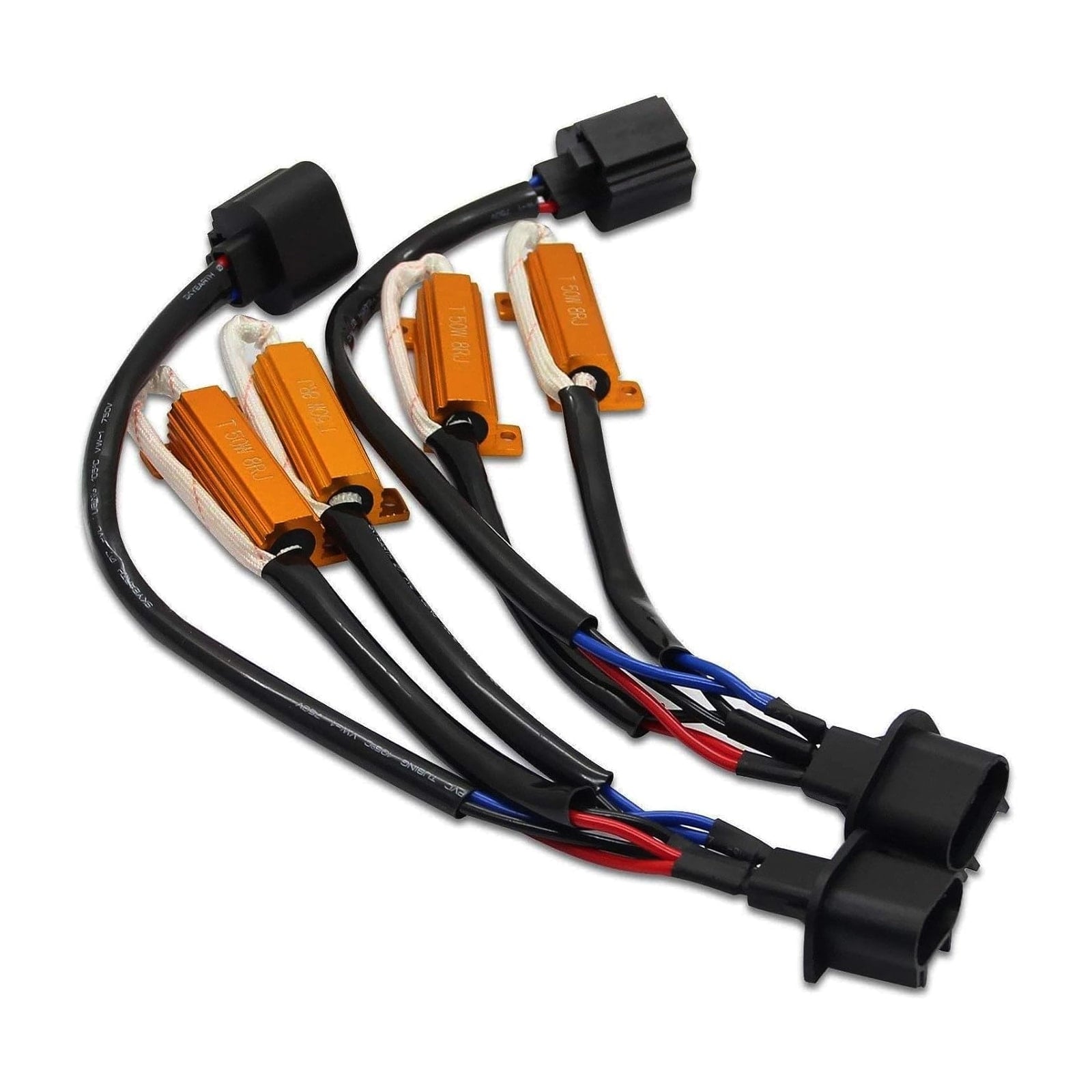
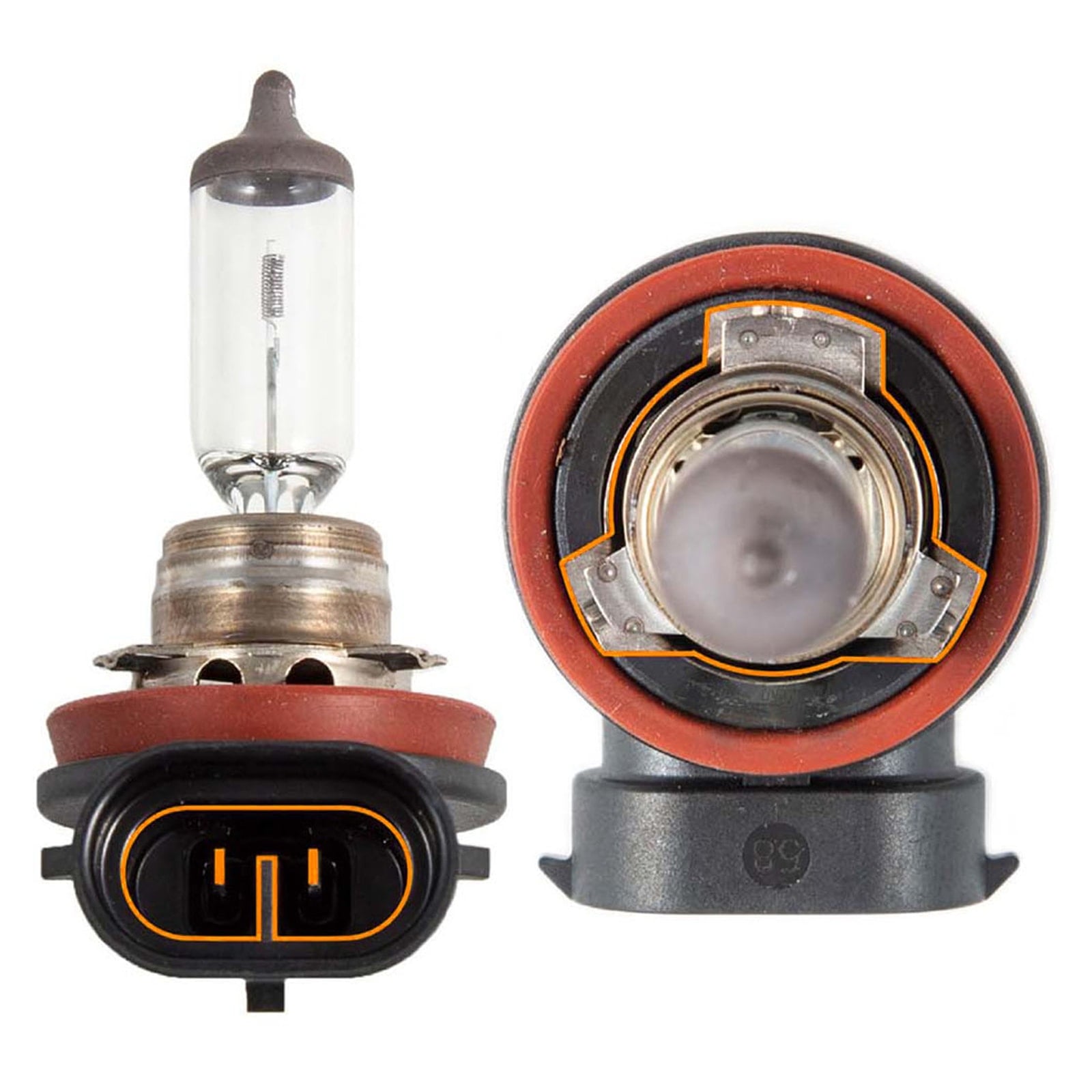
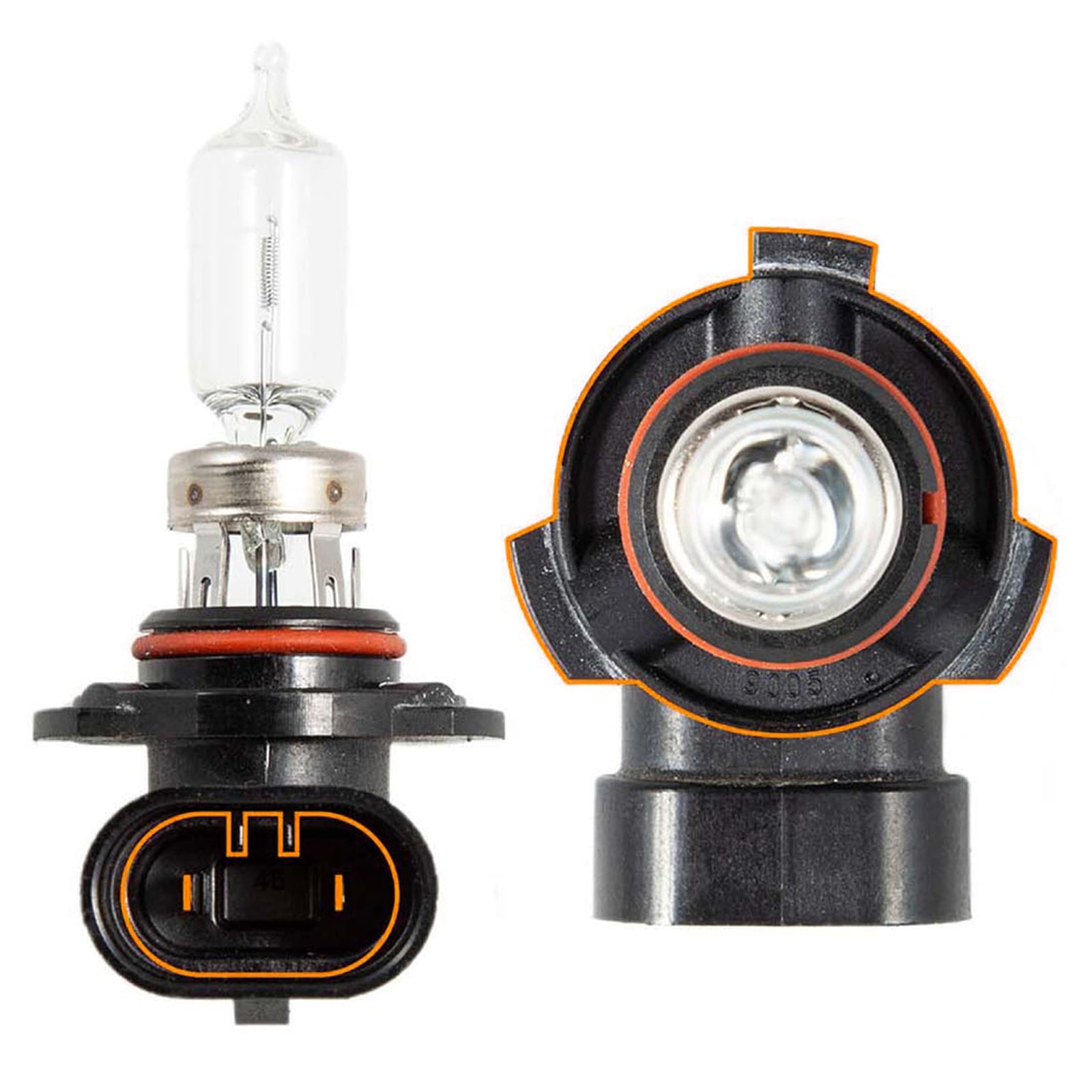
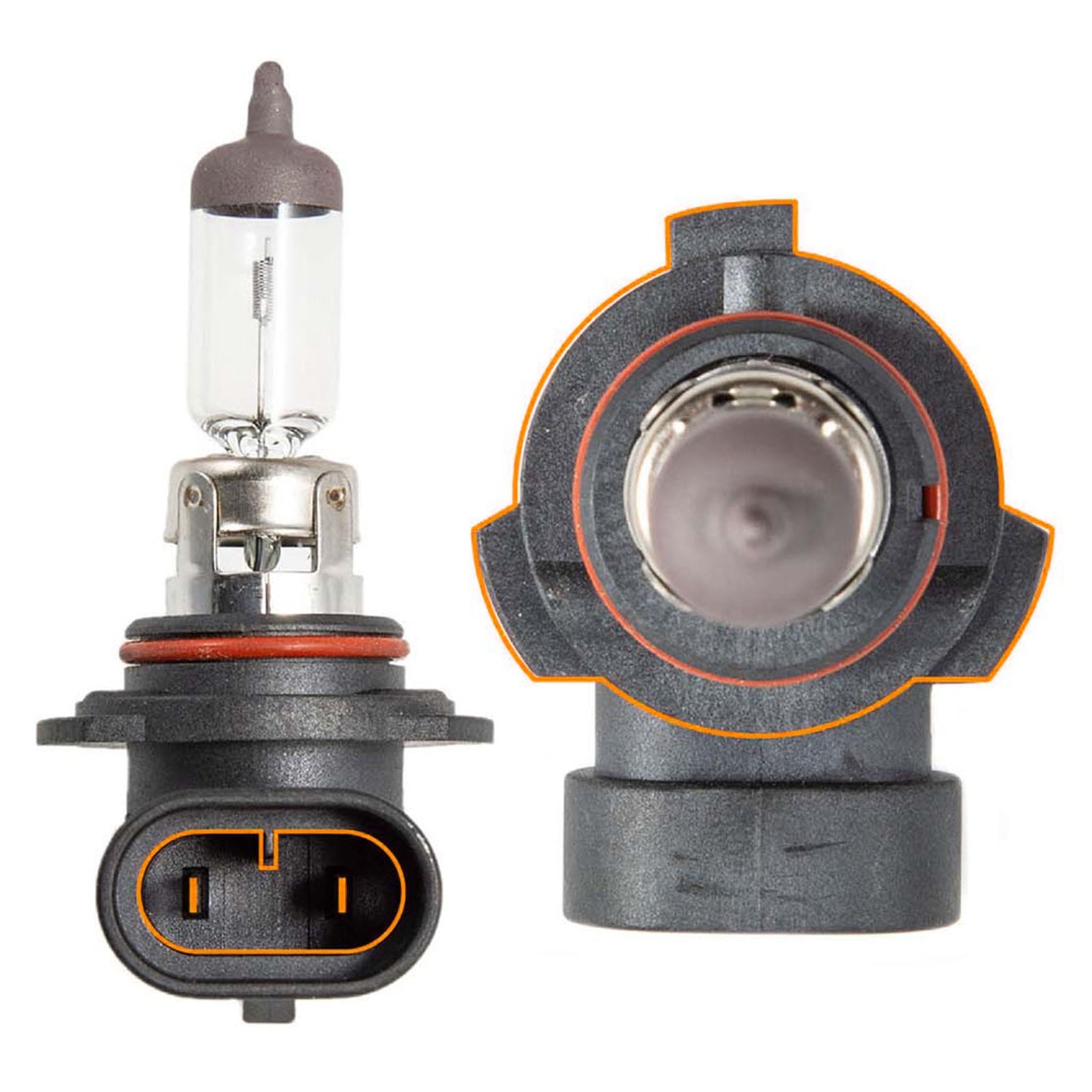
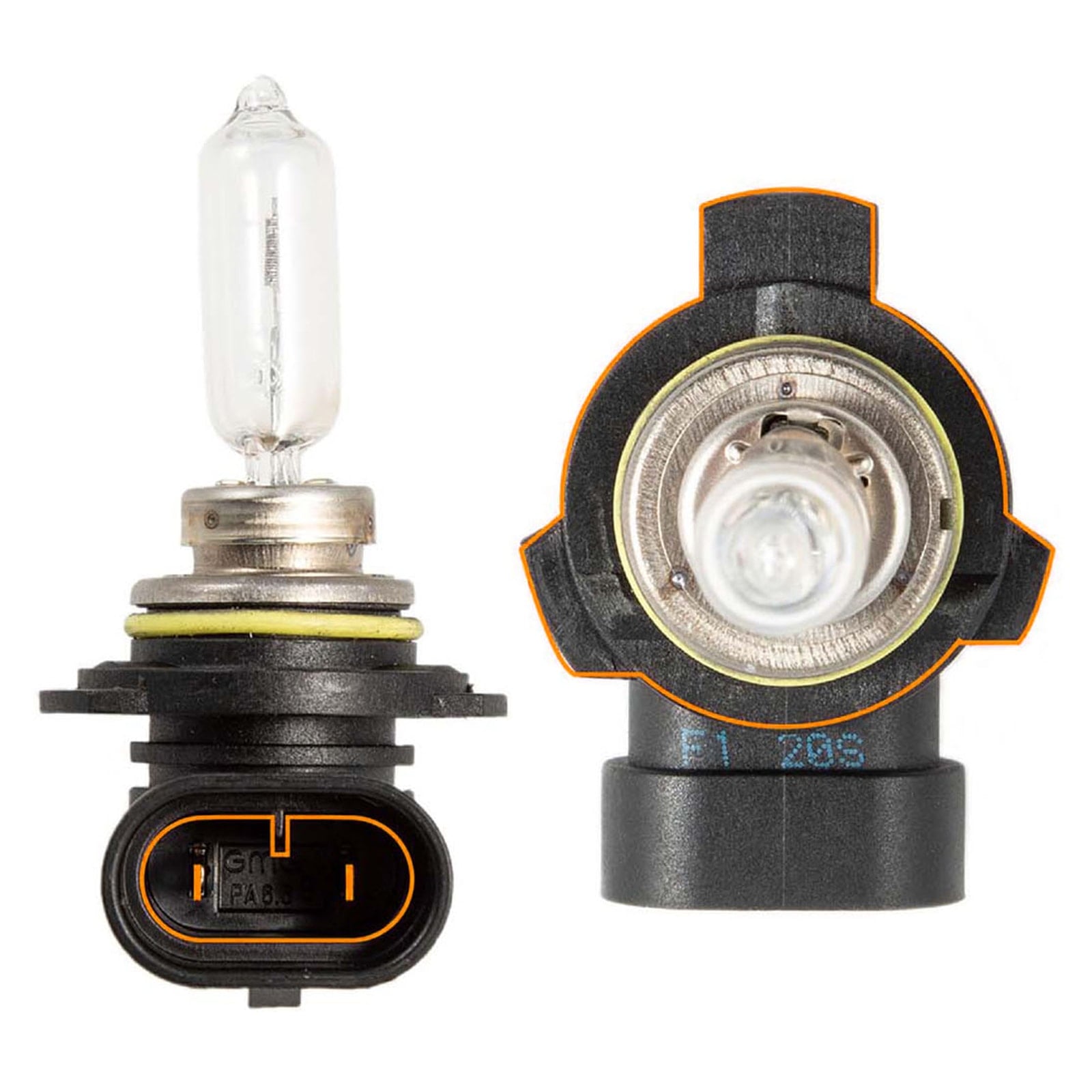

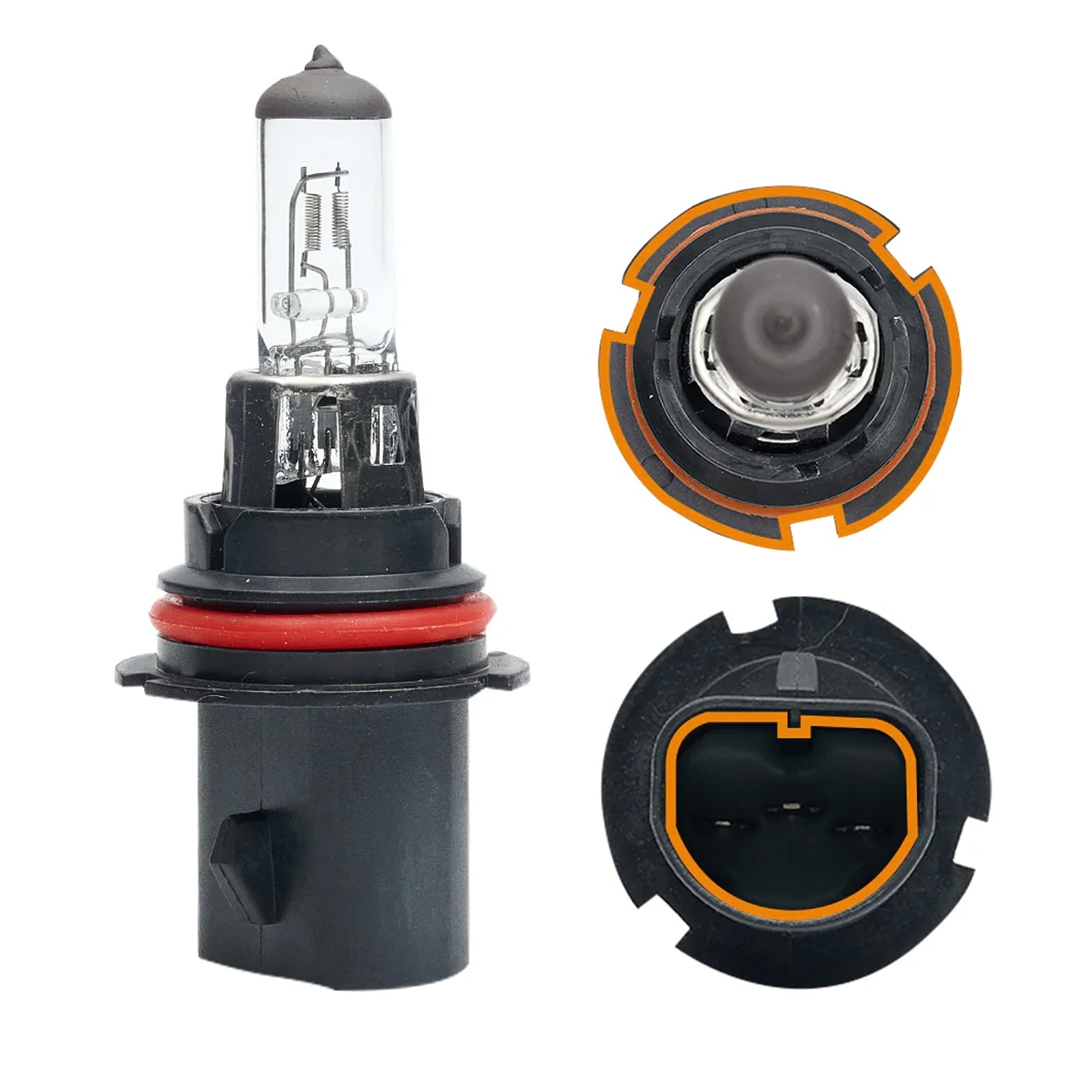
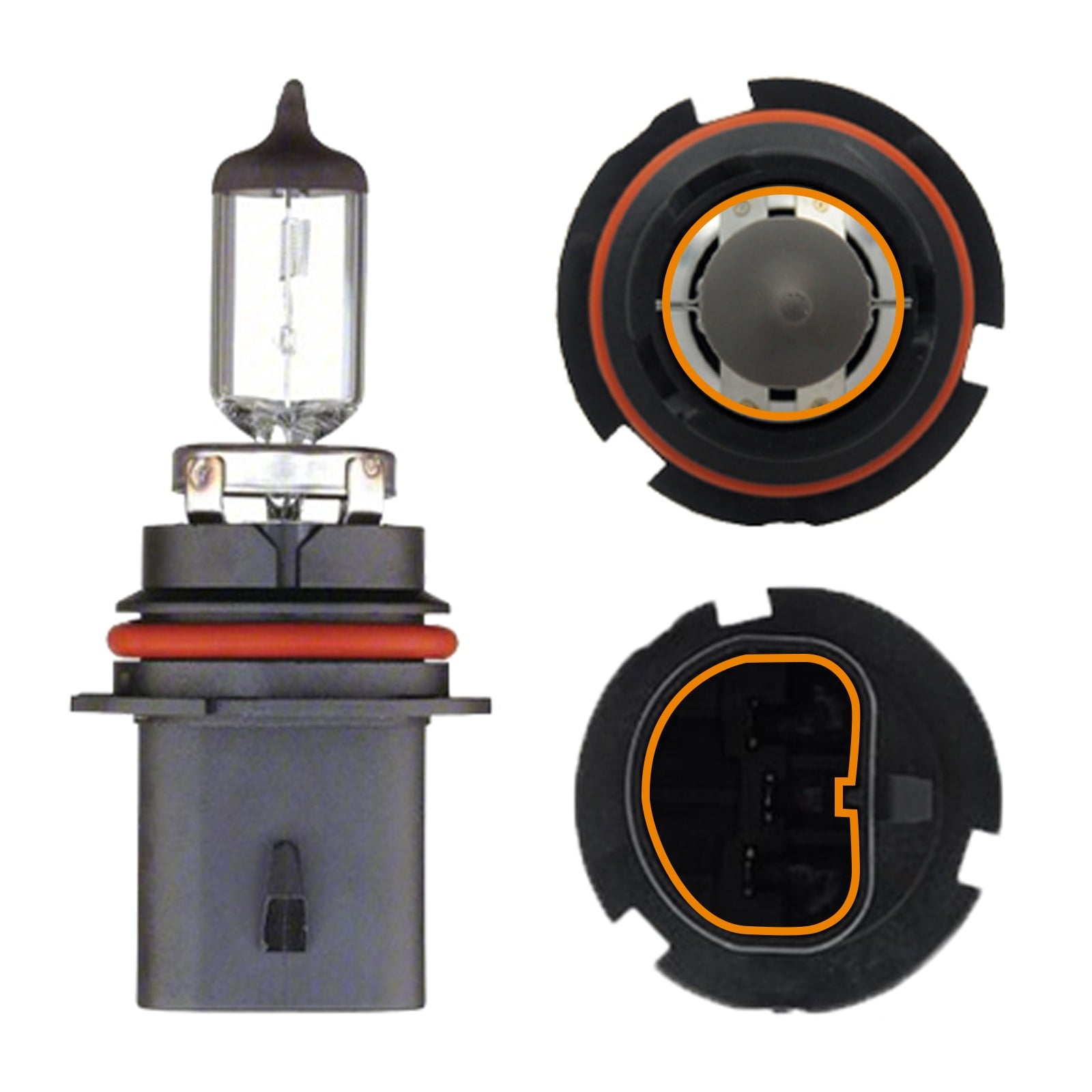
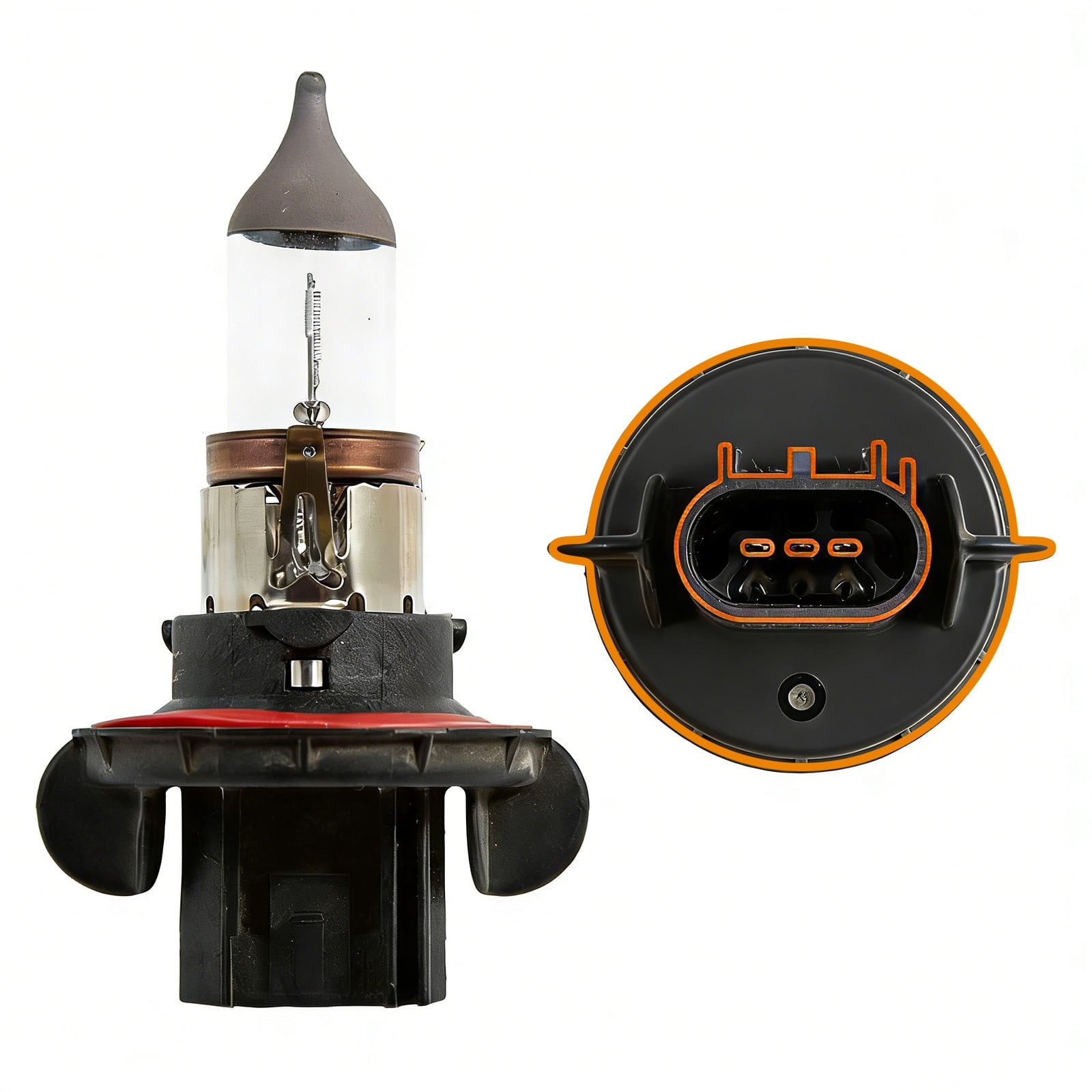
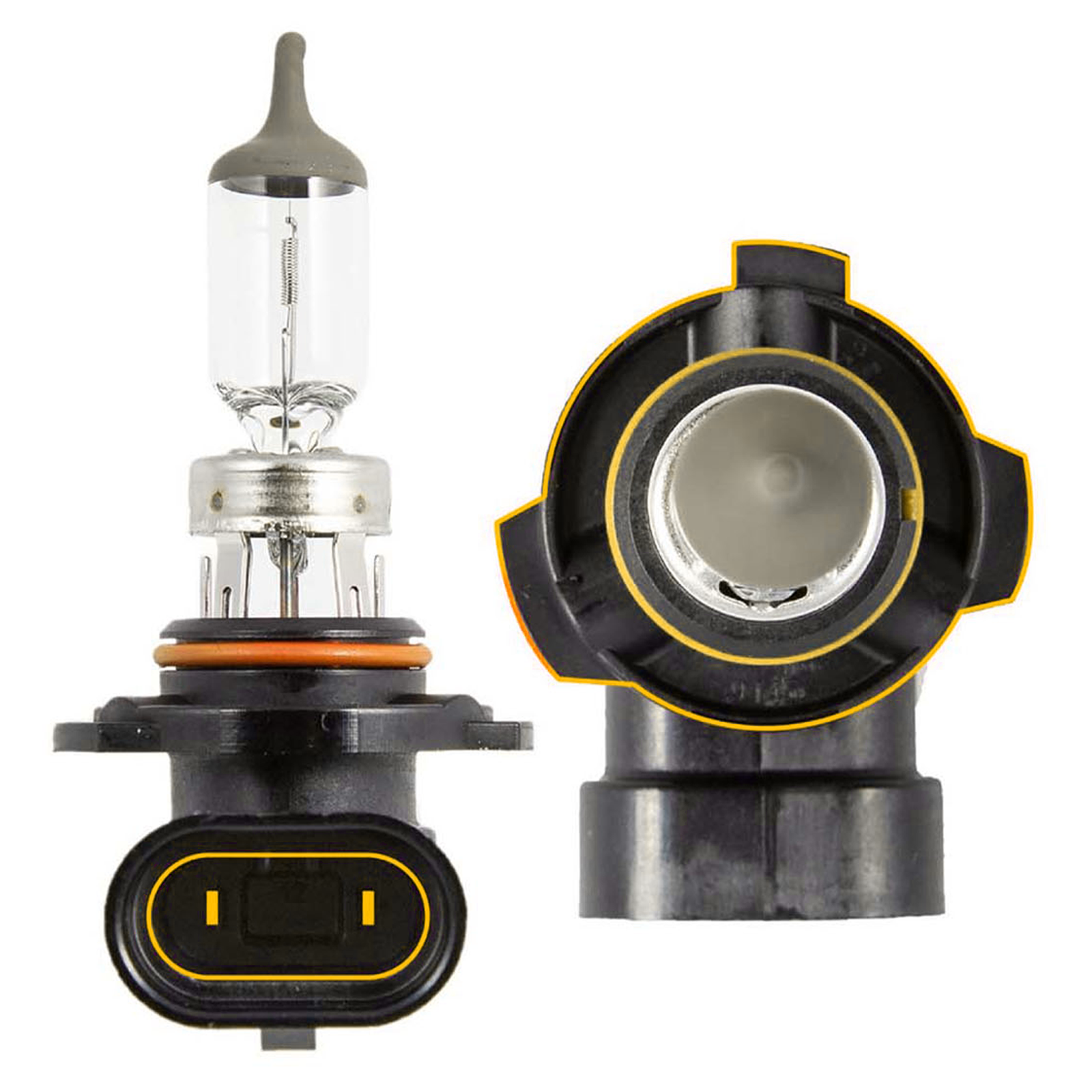
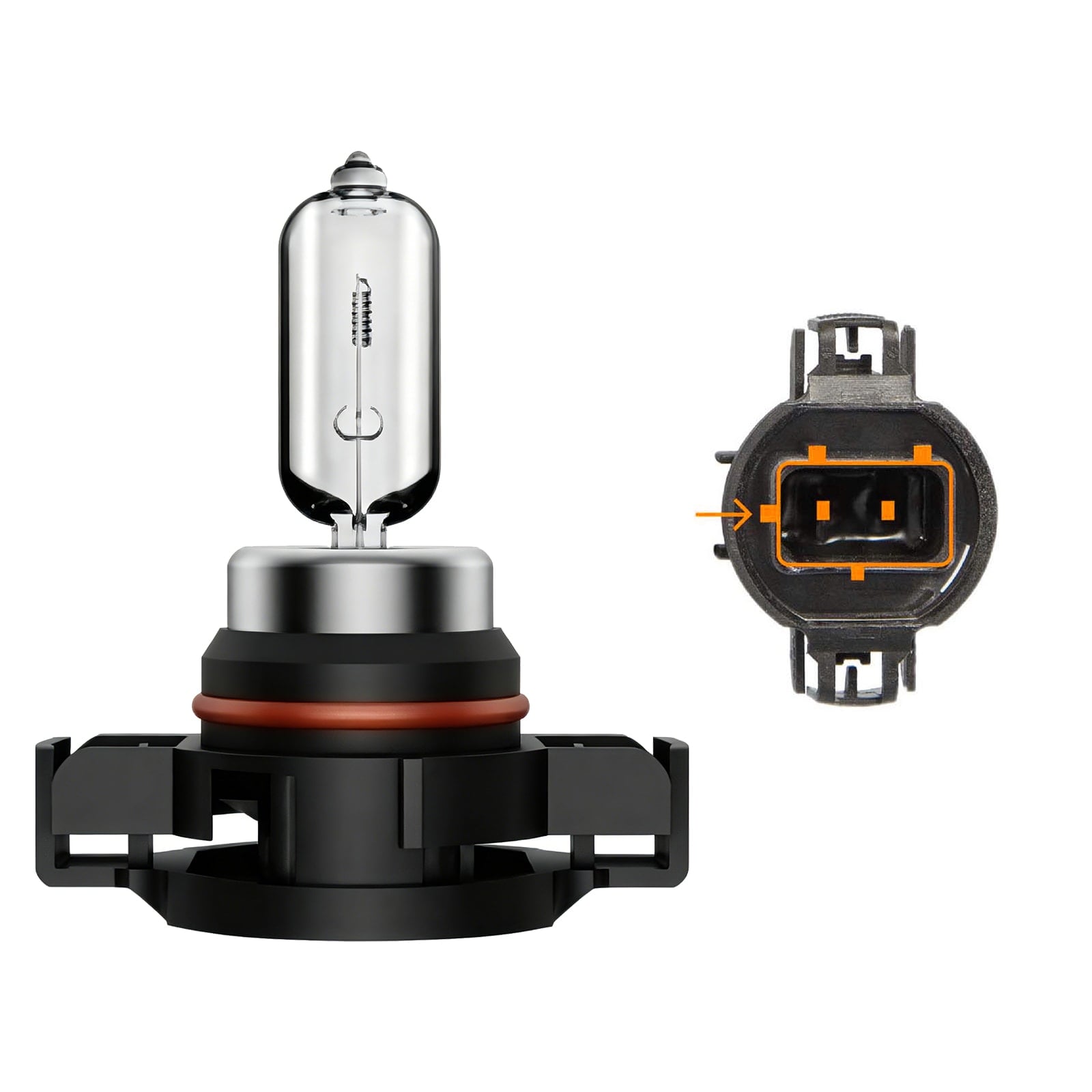
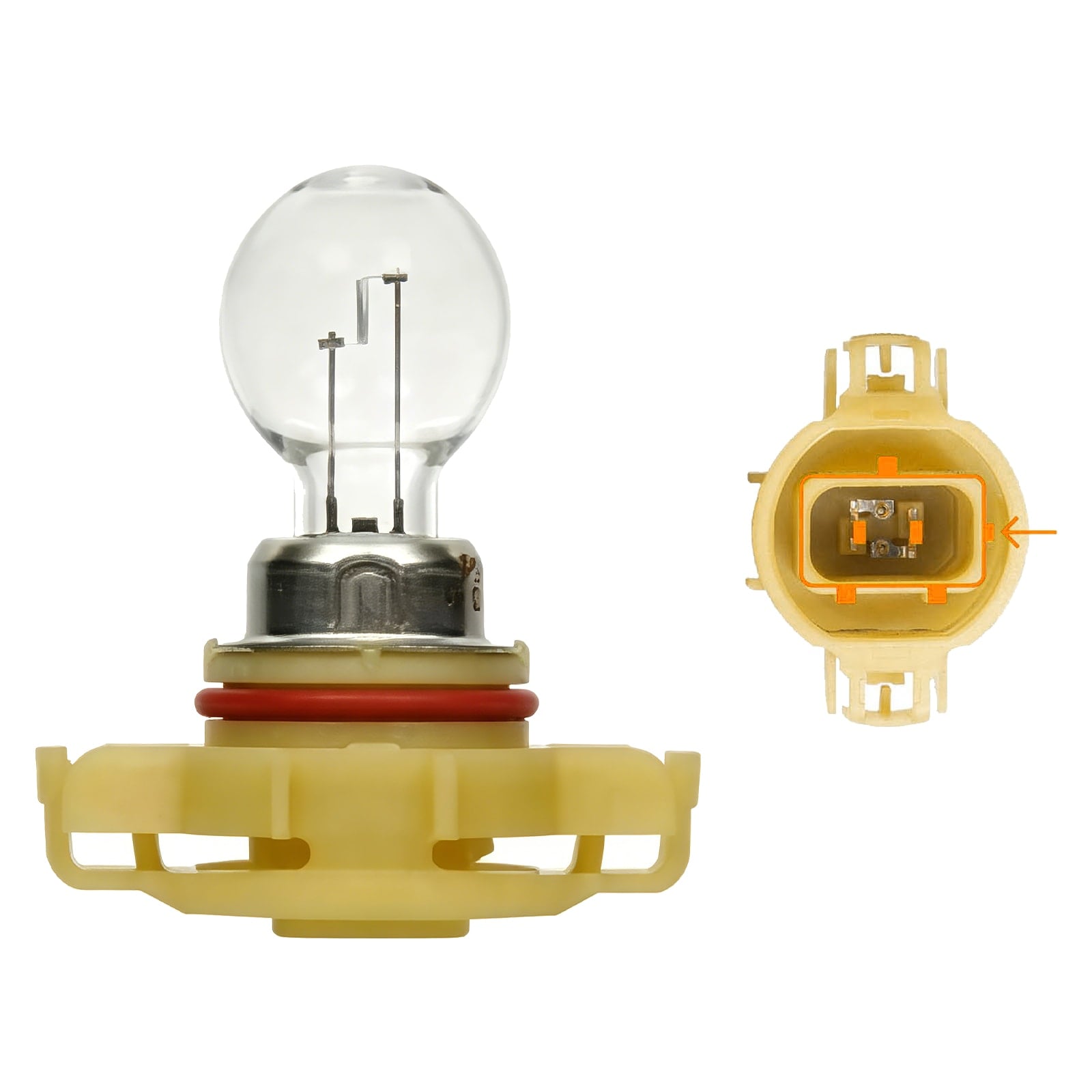
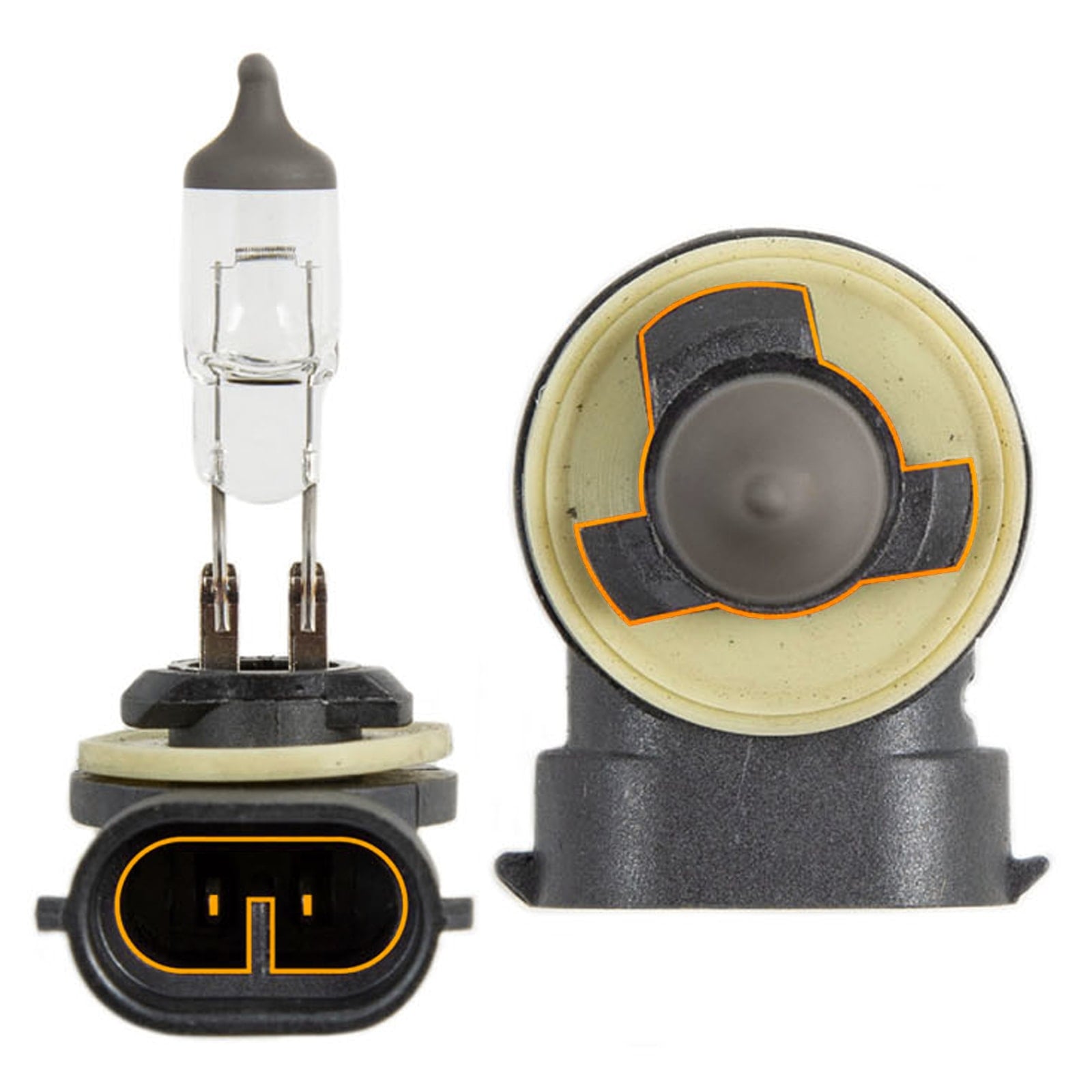
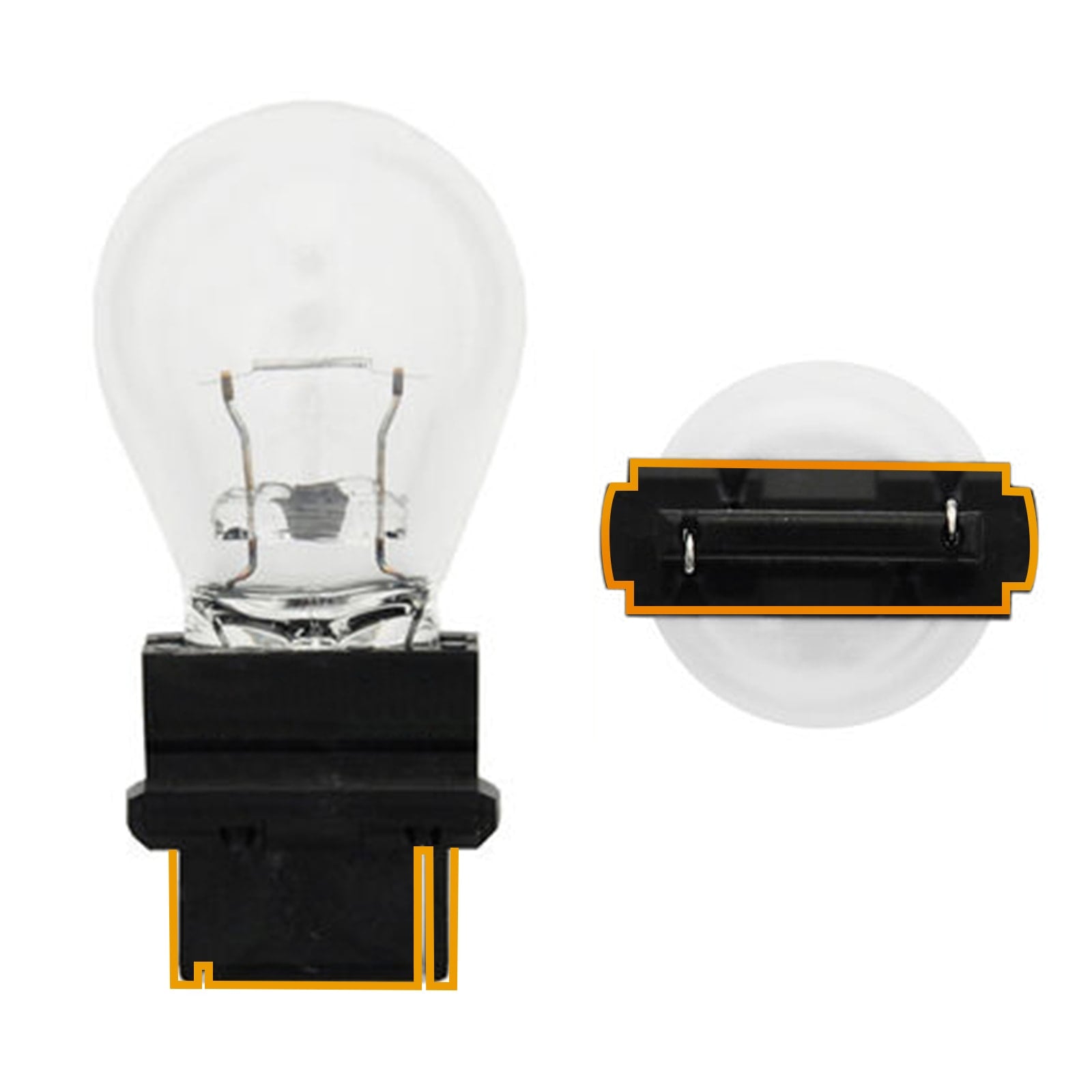
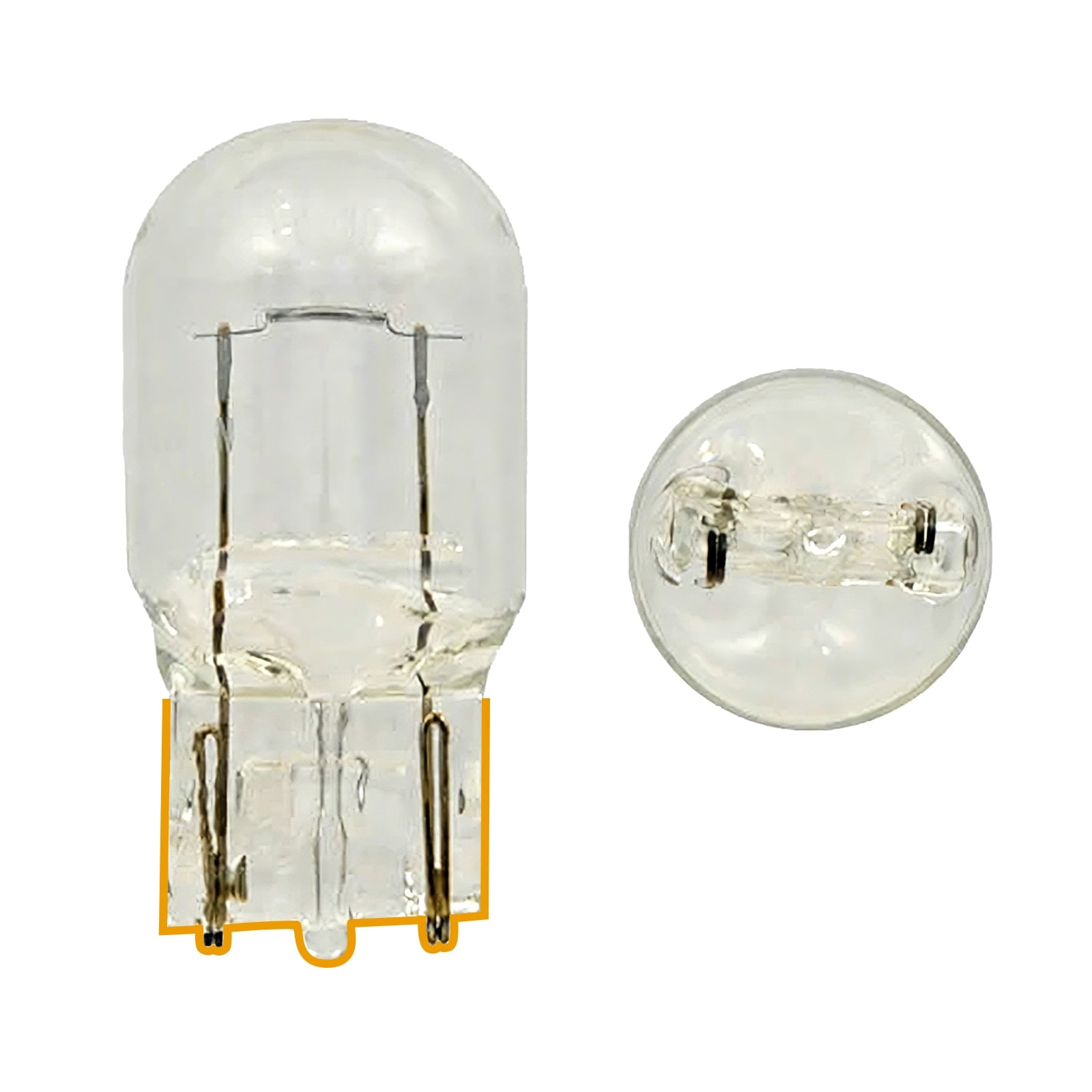
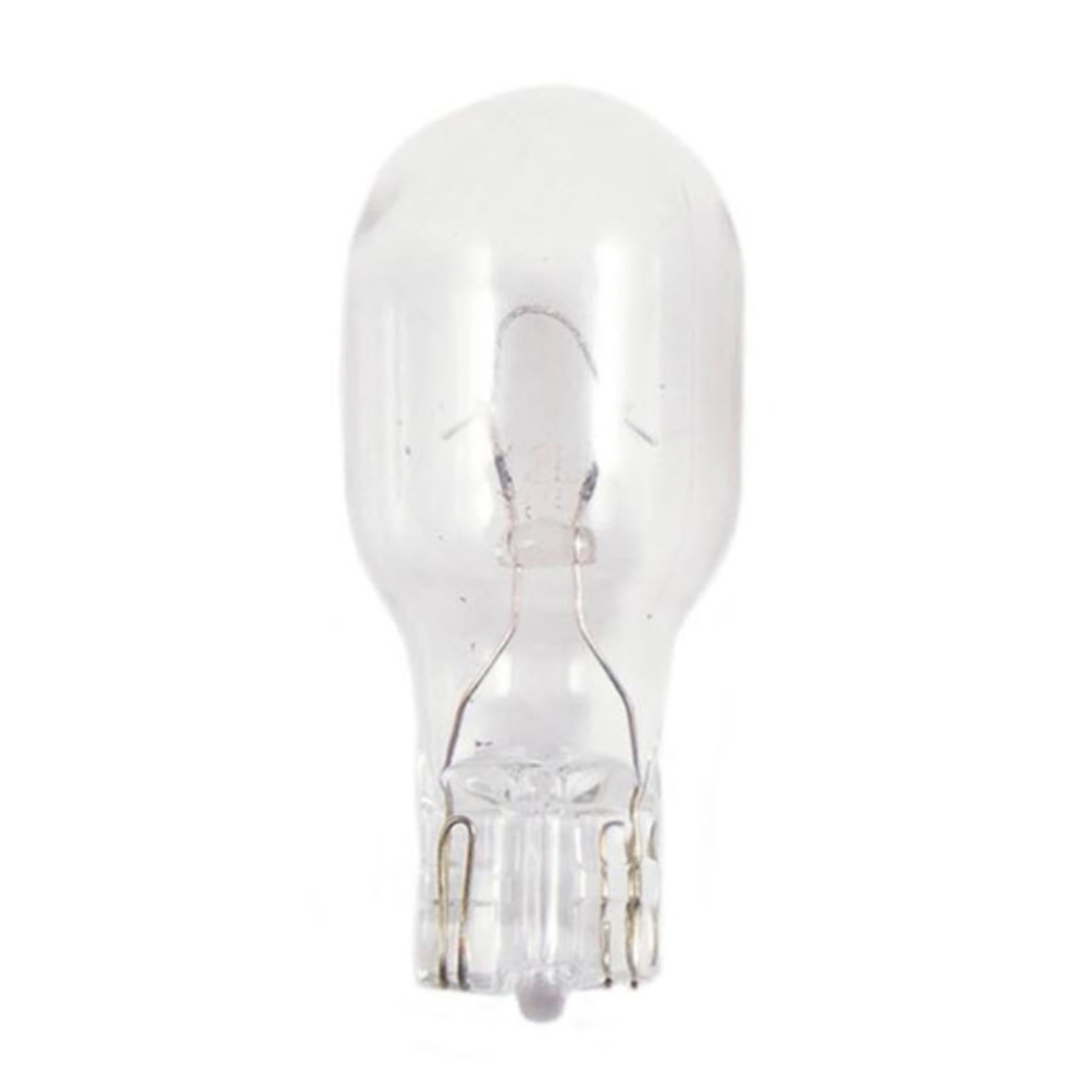
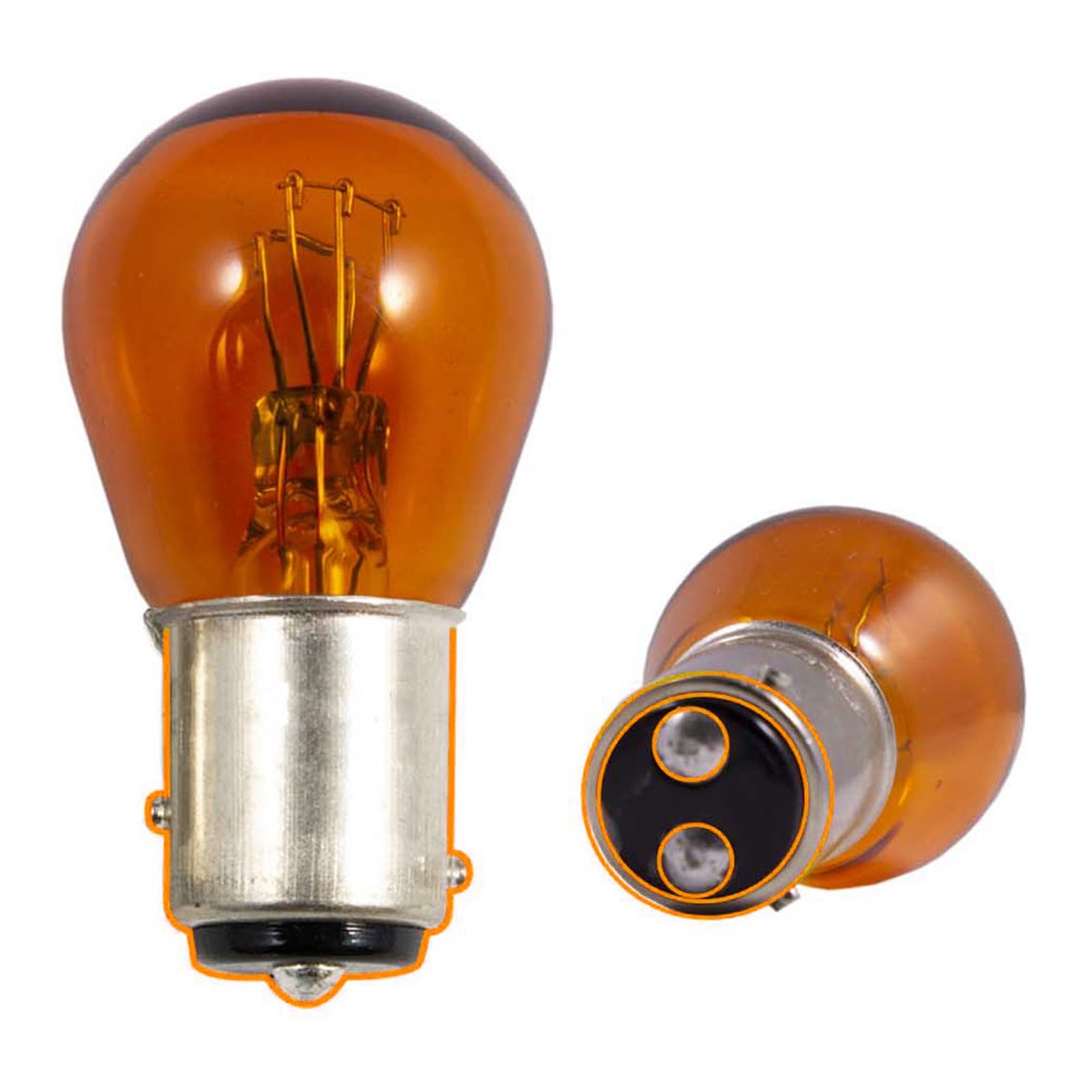
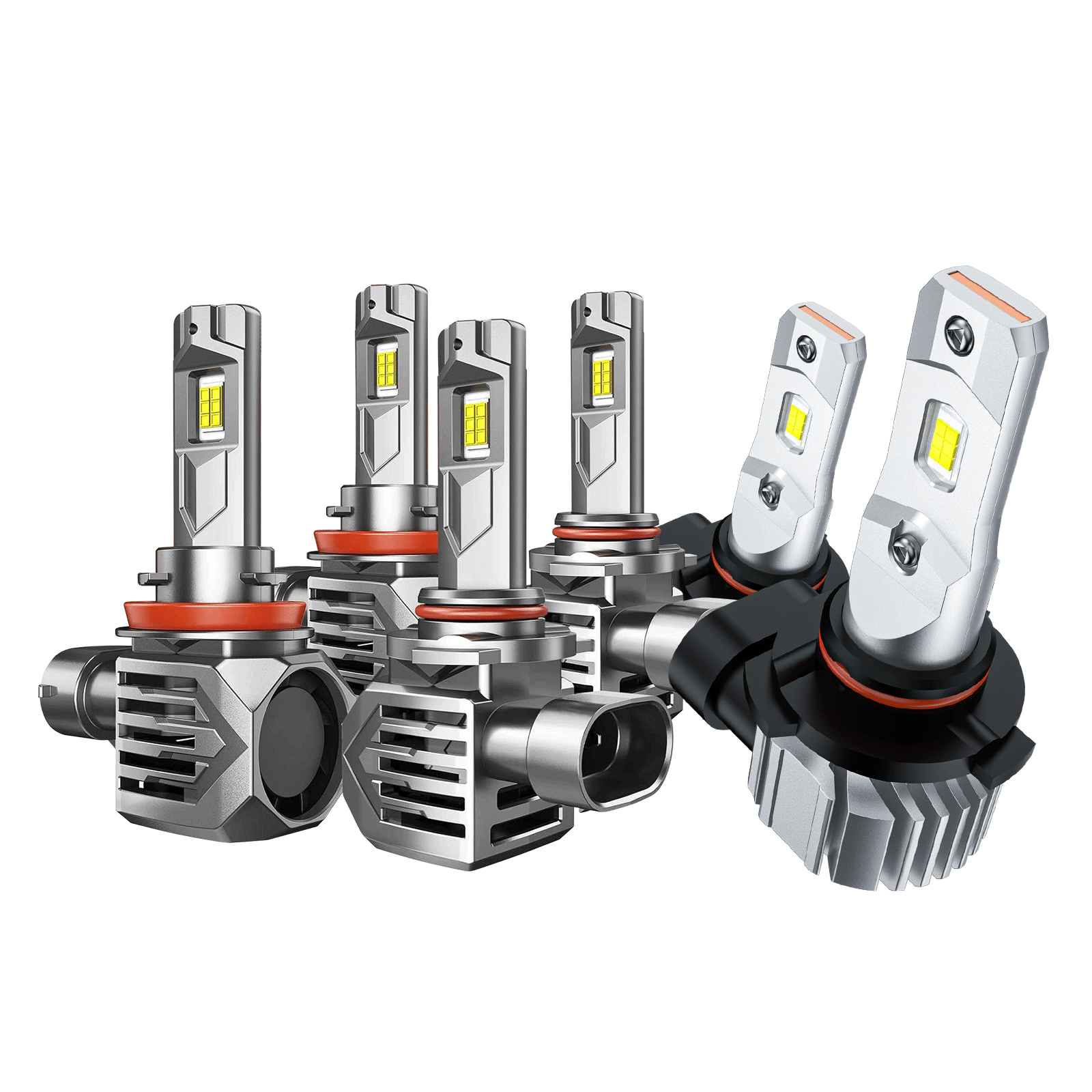
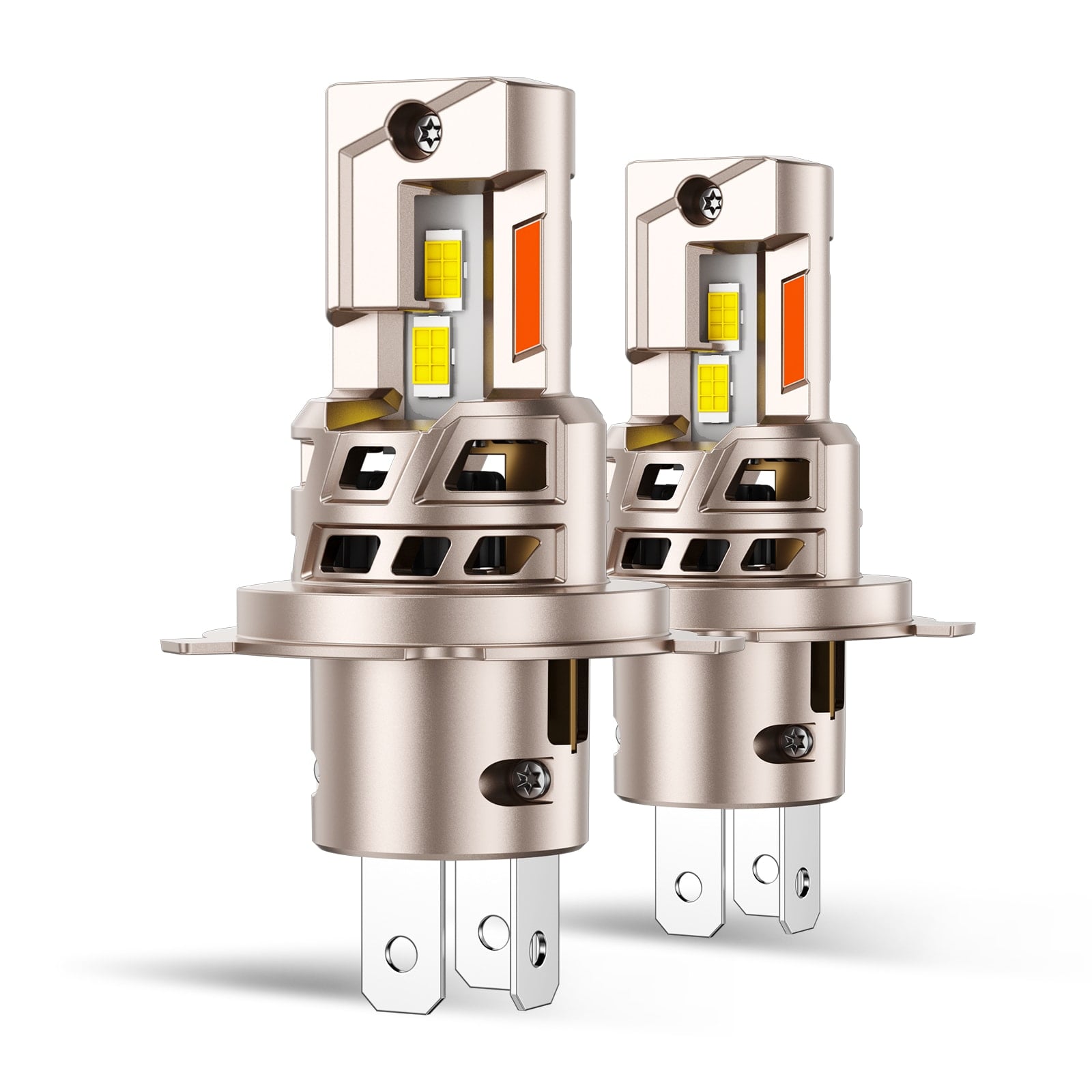


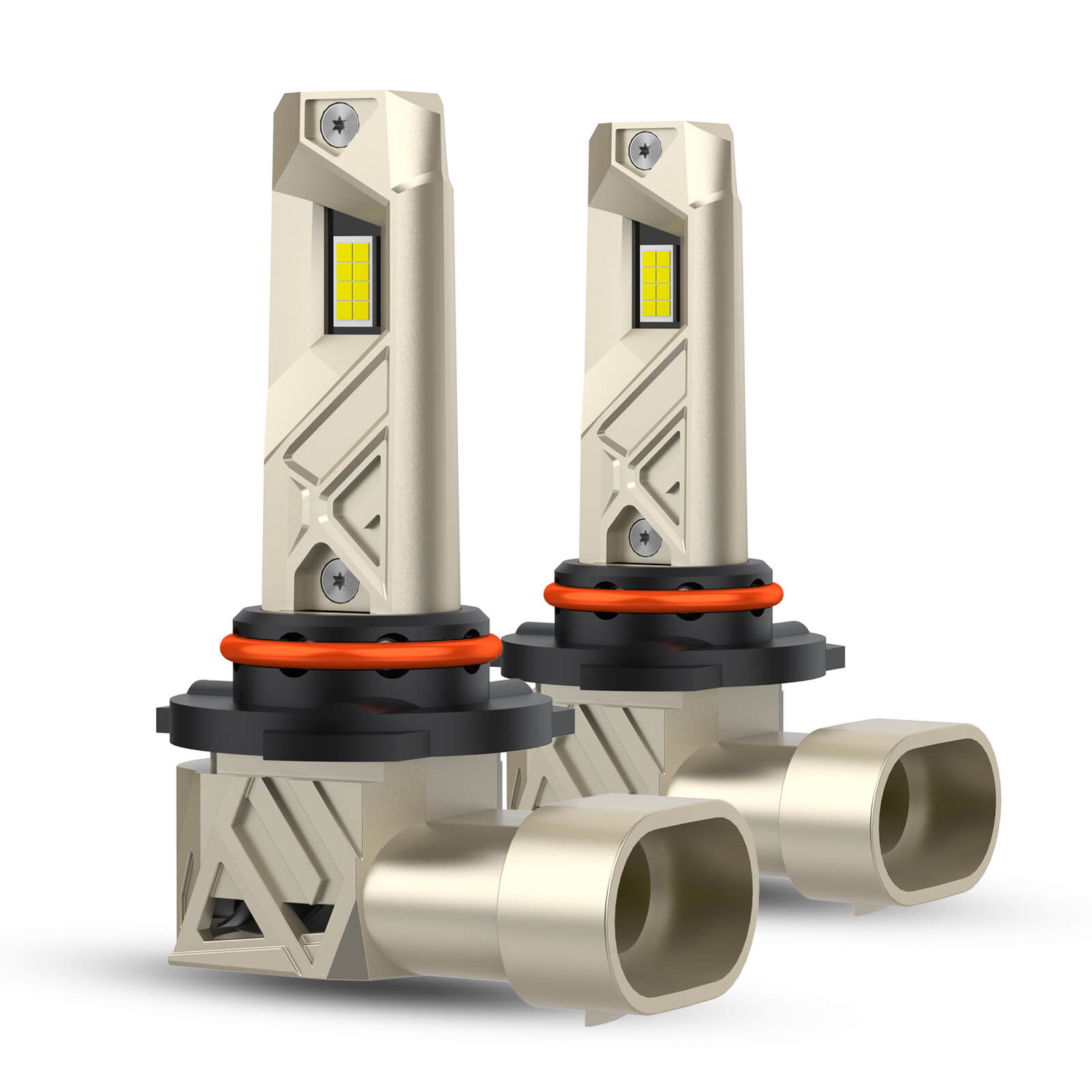


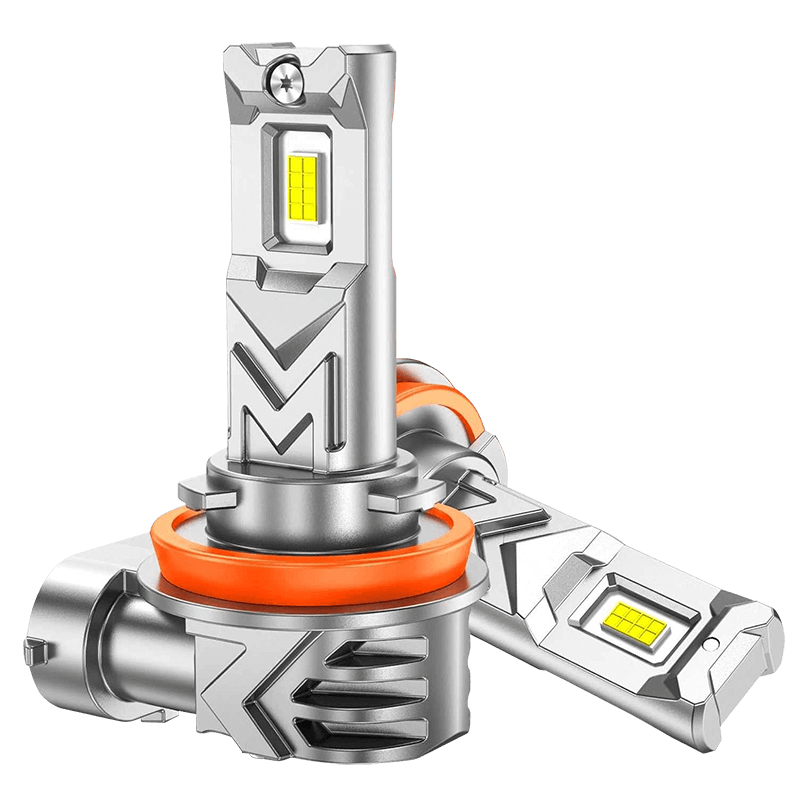
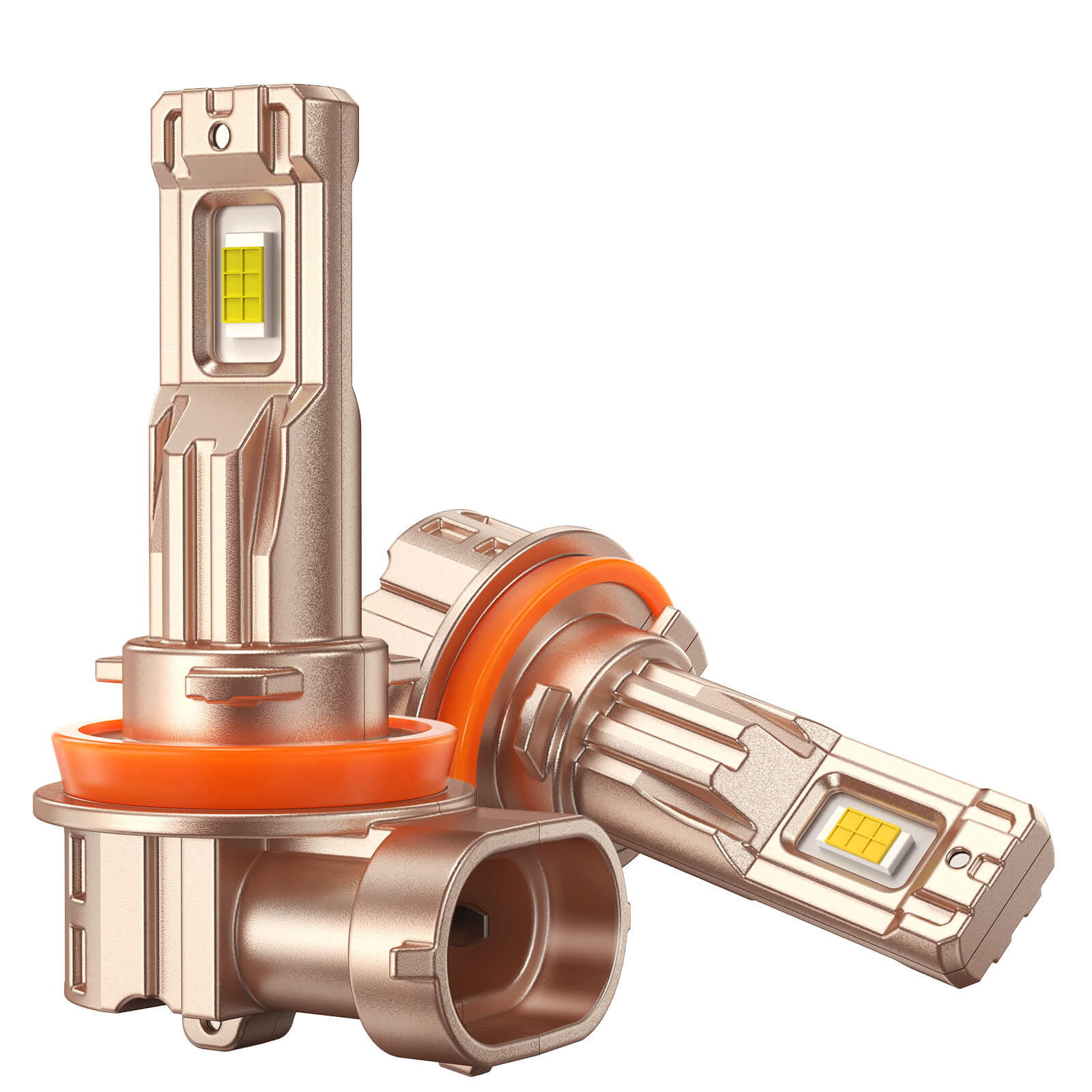


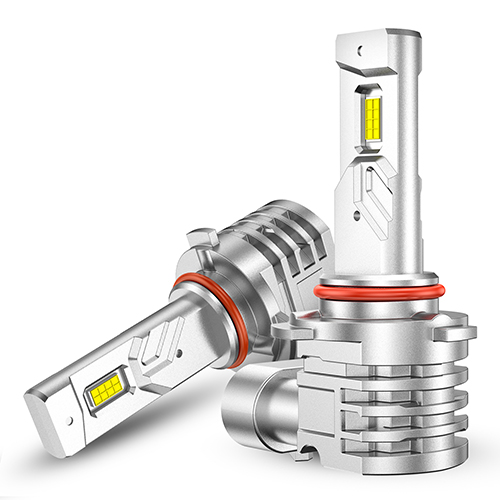
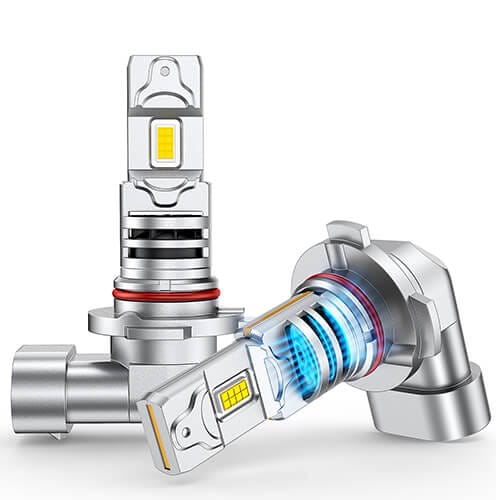





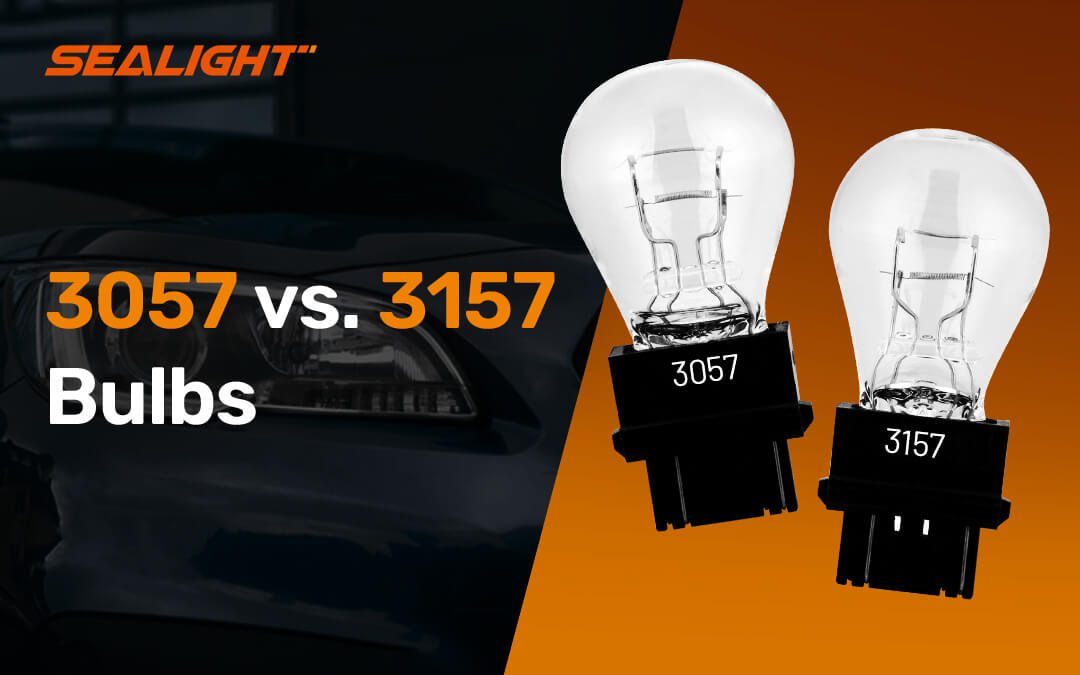
3057 and 3157 bulbs look almost identical and are commonly used in brake lights, tail lights, and turn signals. But are they interchangeable, and is one brighter than the other?
Quick Answer: Both bulbs share the same T25 wedge base and dual-filament design, so they can often fit the same standard socket. The main difference is that the 3157 produces slightly more light in its low-intensity mode, while both have nearly identical high-intensity output. For LED replacements, socket wiring and lighting function also matter.
What Are 3057 and 3157 Bulbs?
The 3057 and 3157 bulbs belong to the T25 dual-filament family and use the same W2.5×16q wedge base.
This means they share identical physical dimensions and can generally fit into the same socket. Both are designed to support two illumination levels:
- Low intensity: Used for tail lights or parking lights.
- High intensity: Used for brake lights or turn signals.
This dual-function design allows one bulb to serve two lighting purposes, such as a tail light that becomes brighter when the brakes are applied.
Shop NEW 3057 3157 bulbs here >>
3057 vs 3157 Technical Comparison
What are the real differences between 3057 and 3157 bulbs? Check the specs table below!
| Specification | 3057 Bulb | 3157 Bulb | Difference |
| Base Type | W2.5×16q (wedge) | W2.5×16q (wedge) | Identical |
| Filament Type | Dual (high/low) | Dual (high/low) | Same |
| Bright Filament Power | ≈ 26.9 W | ≈ 27 W | Nearly identical |
| Dim Filament Power | ≈ 6.7 W | ≈ 7–8 W | 3157 slightly higher |
| Brightness Output | Slightly lower | Slightly higher (on low filament) | 3157 marginally brighter |
| Common Applications | Brake, turn, reverse, DRL | Brake, turn, reverse, DRL | Same |
| Interchangeable | Yes | Yes | Fully compatible |
The main measurable difference lies in the power rating of the low-intensity filament. The 3157 draws slightly more current, resulting in marginally higher brightness when used as a parking or tail light.
For high-intensity operation (brake or turn signal), both bulbs produce nearly identical output.
If your 3057 or 3157 bulb serves as a turn signal, compare compatible LED turn signal bulbs before upgrading.
This explains why users who have tested both typically observe minimal visible difference except in low-beam running light mode.
Which Is Brighter, 3057 or 3157?
The 3157 bulb is brighter in low-intensity mode. Its low filament produces approximately 3 candela, compared with 2 candela for the 3057.
However, both bulbs deliver approximately 32 candela in high-intensity mode. This means the brightness difference is primarily in tail or parking light operation, not brake light operation.
The difference may be noticeable in some housings, but it does not make the 3157 a universally better replacement.
3057 vs 3157 Bulbs: Which One Should You Choose?
Choosing between the 3057 and 3157 bulbs often comes down to vehicle compatibility. Always verify your Original Equipment Manufacturer (OEM) number before purchasing to ensure the correct fit. You can find this information from your vehicle’s owner’s manual.
Most vehicles list the bulb type and part number for each lighting application (headlights, tail lights, turn signals) in the manual.
Should I Upgrade to LED Bulbs?
Yes. Over time, incandescent bulbs lose brightness and efficiency. Upgrading to LED bulbs offers several advantages:
Brighter illumination for tail, brake, and turn signals
Lower power consumption, reducing load on the vehicle’s electrical system
Longer lifespan, minimizing replacement frequency
Faster response time for brake lights, improving reaction time for drivers behind you
Because the 3057 and 3157 share the same base, most LED bulbs are compatible with both sizes. However, it is important to select LEDs designed for automotive use. For vehicles with bulb monitoring systems, check whether a suitable CANbus-compatible LED bulb is available for the required size and lighting position. Compatibility varies by vehicle, and additional components may still be required.
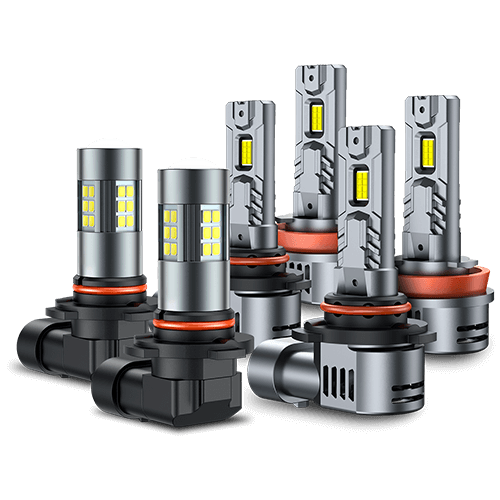
Example 3057 3157 LED Bulbs You Can Buy:


Ready to upgrade? Use this exclusive coupon to save 10% on all SEALIGHT orders!
Frequently Asked Questions About 3057 and 3157
Are 3057 and 3157 Bulbs Interchangeable?
Yes, 3057 and 3157 bulbs are interchangeable in many standard sockets because they share the same wedge base and dual-filament design. However, they have different low-intensity power ratings, and certain vehicle applications require specific bulbs or socket configurations. Check the original bulb specification before substituting one for the other.
Which Is Brighter, a 3057 or 3157 Bulb?
The 3157 is brighter in low-intensity mode, producing approximately 3 candela versus 2 candela for the 3057. Both provide approximately 32 candela in high-intensity mode, so their brake light brightness is essentially the same. These figures apply to standard incandescent bulbs, not LED replacements.
Can I Use a 3157 LED Bulb in a 3057 Socket?
Yes, if the LED bulb is specifically rated for both 3057 and 3157 applications. It must also match the vehicle's socket wiring and required lighting functions. Check standard versus CK/SRCK compatibility and make sure the LED supports dual-intensity operation if the socket serves both tail and brake lights.
What Is the Difference Between 3057, 3157, and 3156 Bulbs?
The 3057 and 3157 are dual-filament bulbs with two brightness levels, while the 3156 is typically a single-filament bulb with one brightness level. A standard 3156 should not replace a dual-function 3057 or 3157 where both lighting functions are required. Learn more in our 3156 vs 3157 bulb comparison.
Why Is My 3057 or 3157 LED Turn Signal Blinking Fast?
Fast blinking, also called hyperflash, often happens because LED bulbs draw less current than incandescent bulbs. Some vehicles interpret this as a burned-out bulb. A compatible load resistor or LED solution designed for the vehicle's turn signal system may correct the issue. Also check for loose connections or a failed bulb before adding components.
Last Words
To get the best results with your car’s lights, use the bulb type recommended in your owner’s manual and stick with trusted brands for consistent performance. If you’re thinking about switching to LEDs, make sure they’re made for 3057 or 3157 sockets and support CAN-bus systems to avoid dashboard errors. Always change both bulbs at once for even lighting.