

 Headlight Bulbs


 Track Order
 My Vehicles
 Contact Us
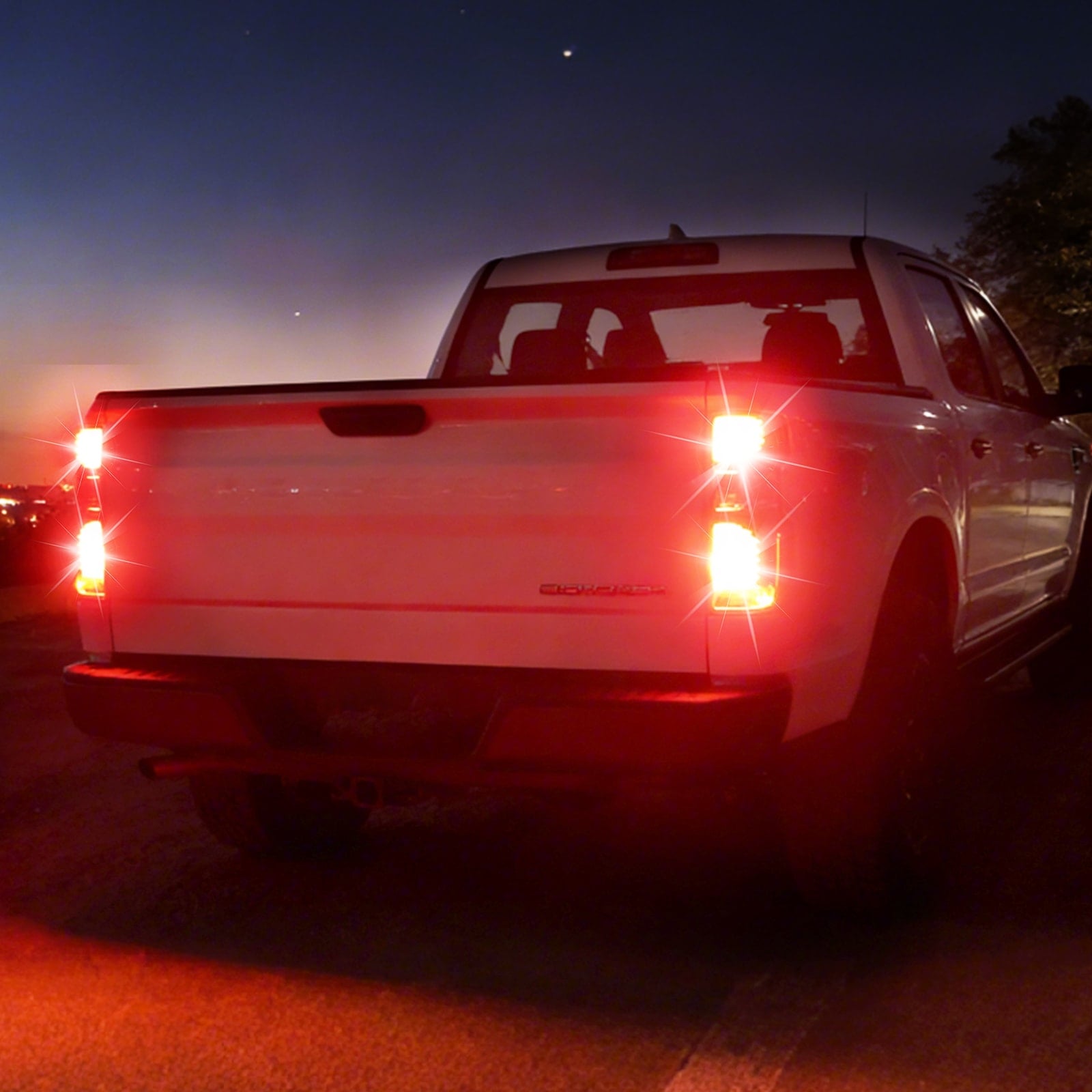
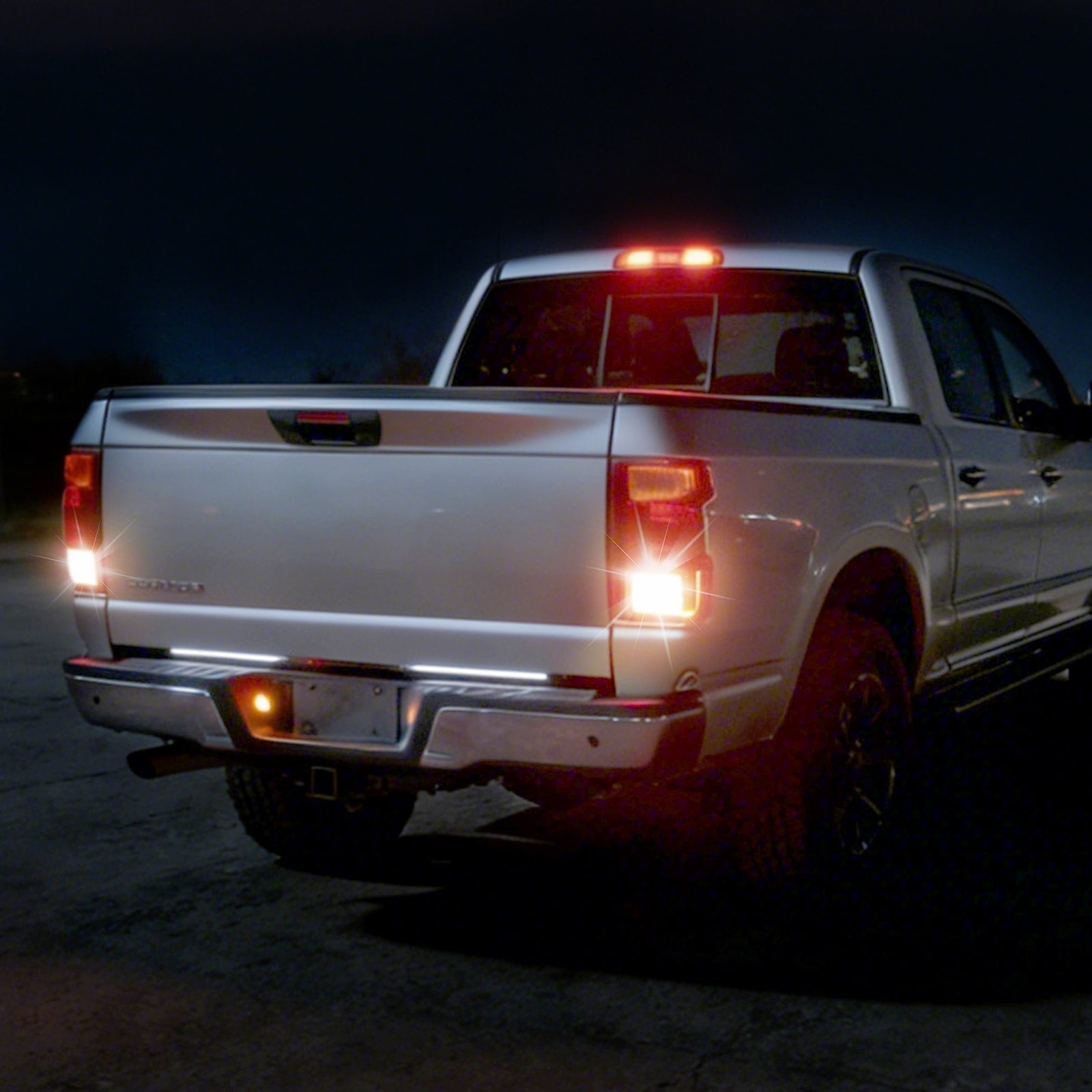
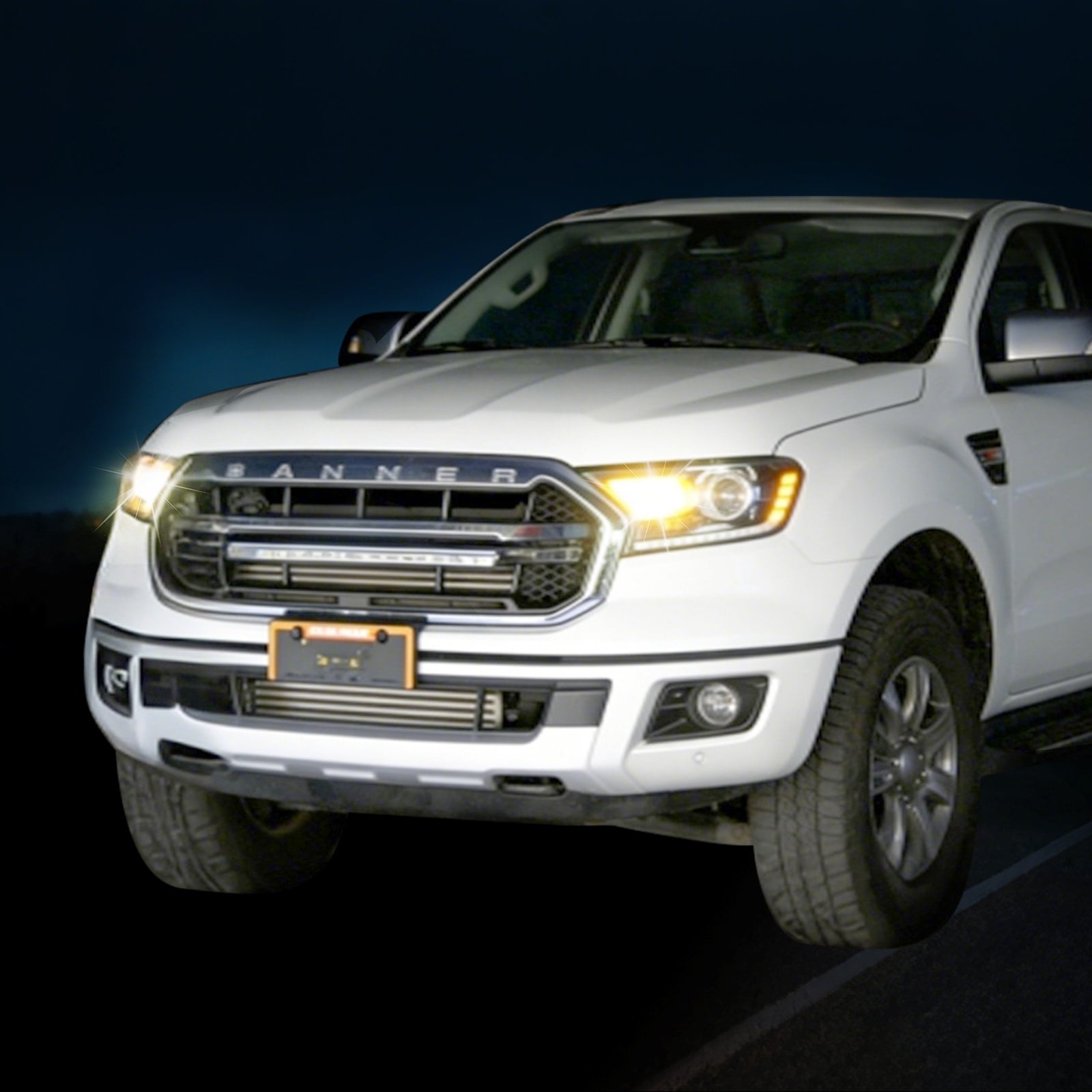
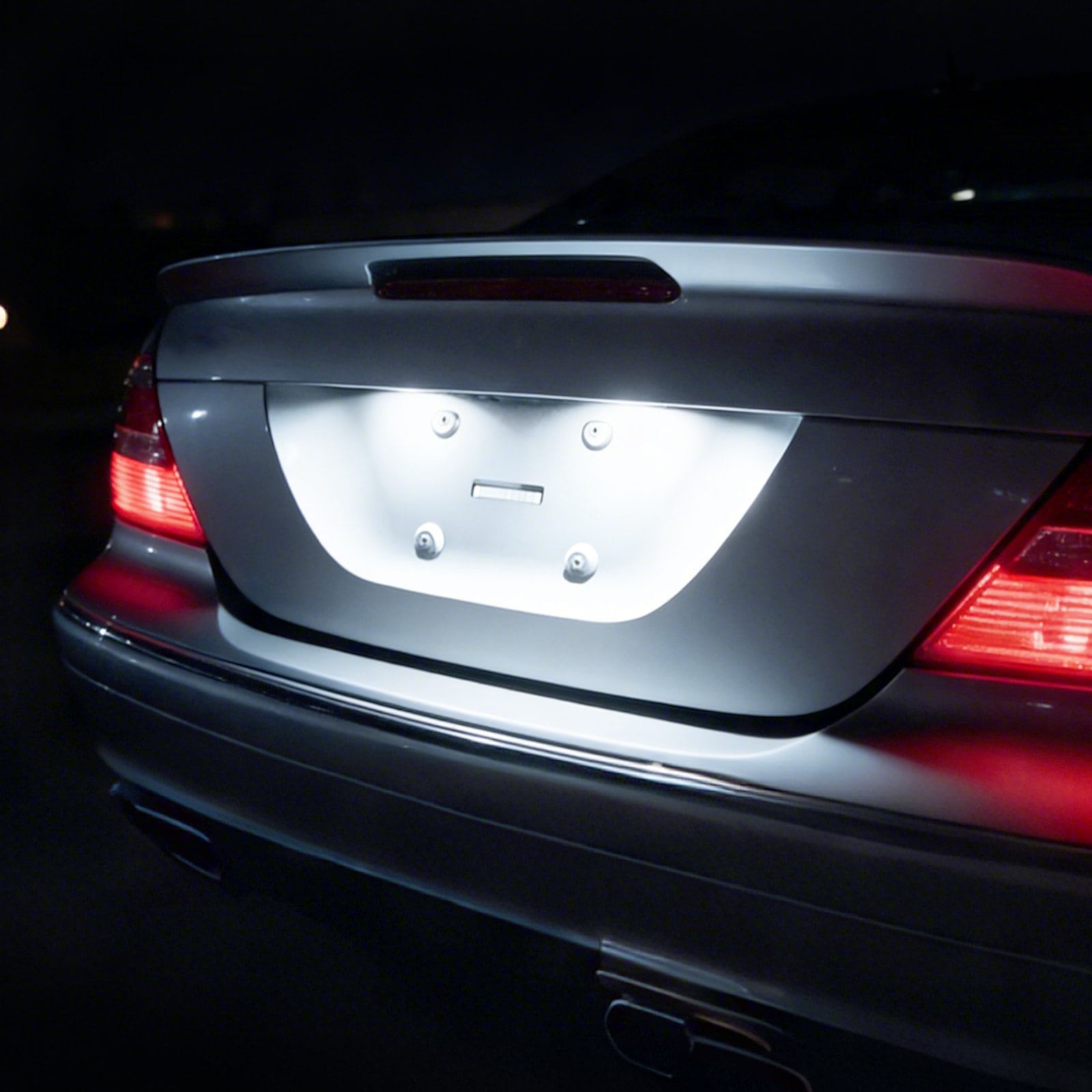












 Set Up Your Vehicle
{{currentVehicle.year}} {{currentVehicle.make}} {{currentVehicle.model}} {{currentVehicle.submodel}} {{currentVehicle.engine}} {{currentVehicle.trim}}
No Vehicle Selected
{{item.year}} {{item.make}} {{item.model}} {{item.submodel}} {{item.engine}} {{item.trim}}
LED Turn Signal Lights & Blinker Bulbs
Shop SEALIGHT Turn Signal Lights and LED turn signal bulbs for a clearer, brighter signal on the road. Find turn signal bulbs, blinker bulbs, and signal light bulb replacements by vehicle or bulb size, including 3156, 3157, 7440, 7443, T20, W21W, T10, 194, 168, W5W, T15, 921, 912, and W16W. Always confirm your year, make, model, trim, and bulb position before ordering.
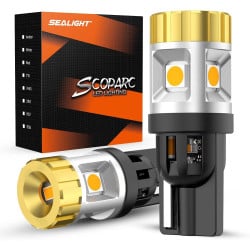

- Color: Amber Yellow
- Lumens: 1000LM/Bulb
- Wattage: 8W/Bulb
LED Turn Signal Light Buying Guide
Turn signal lights are one of the most important safety signals on your vehicle. Every turn, lane change, merge or roadside stop depends on a signal that other drivers can see clearly and quickly.
If your turn signal bulb is dim, burned out, slow to respond or flashing too fast, replacing it with a compatible LED turn signal bulb can help provide a clearer and more noticeable signal.
Whether you call them turn signal bulbs, blinker bulbs, signal light bulbs or car blinker bulbs, the correct replacement must match your vehicle, bulb position, socket, color and electrical system.
What Turn Signal Bulb Size Do I Need?
The correct turn signal bulb size depends on your vehicle year, make, model, trim and bulb position. A front turn signal bulb may not match the rear turn signal bulb, and some vehicles use different bulbs for side markers, parking lights or combined brake and turn signal positions.
Before buying, check the following:
What to Check | Why It Matters |
|---|---|
Vehicle year, make, model and trim | Confirms the bulb matches the vehicle’s lighting configuration |
Front or rear position | Front and rear turn signals may use different bulb sizes |
Original bulb number | Helps identify the correct socket and replacement size |
Single- or dual-function bulb | Some bulbs also operate as parking, brake or daytime running lights |
Required signal color | The correct color can differ between front and rear positions |
Socket condition | A loose, corroded or damaged socket can stop the signal from working |
CANBUS or resistor requirements | Some vehicles require additional load to prevent errors or Hyper Flash |
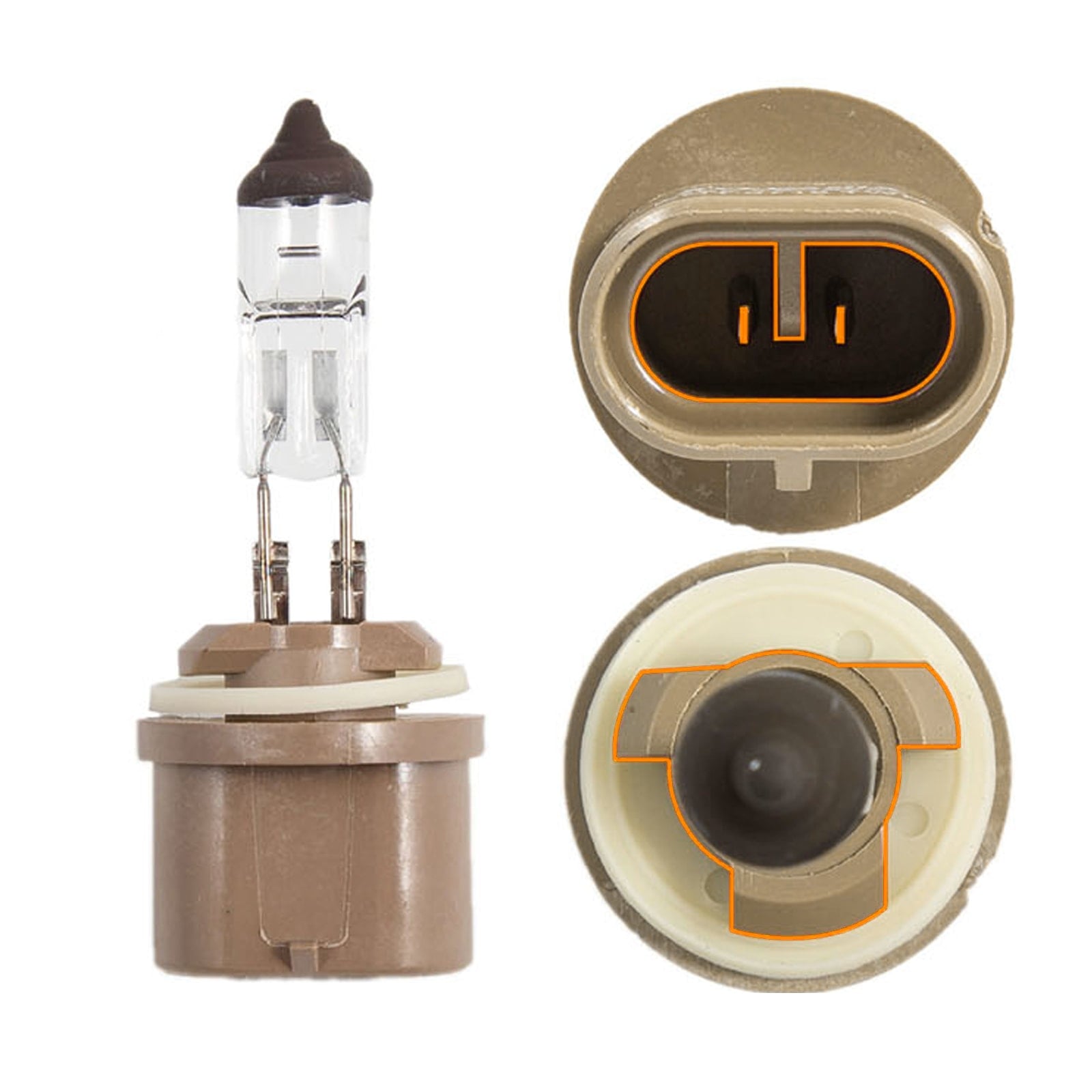
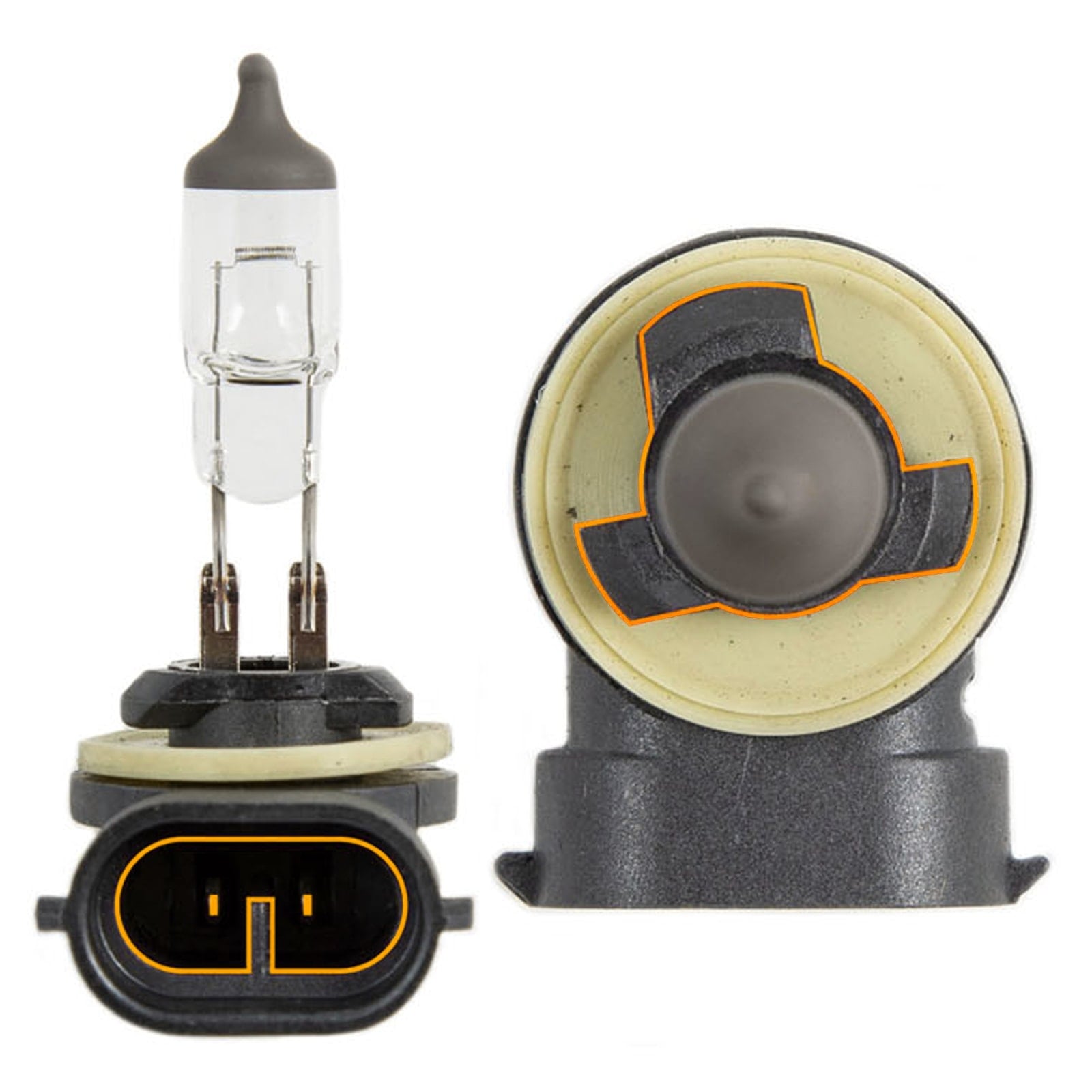
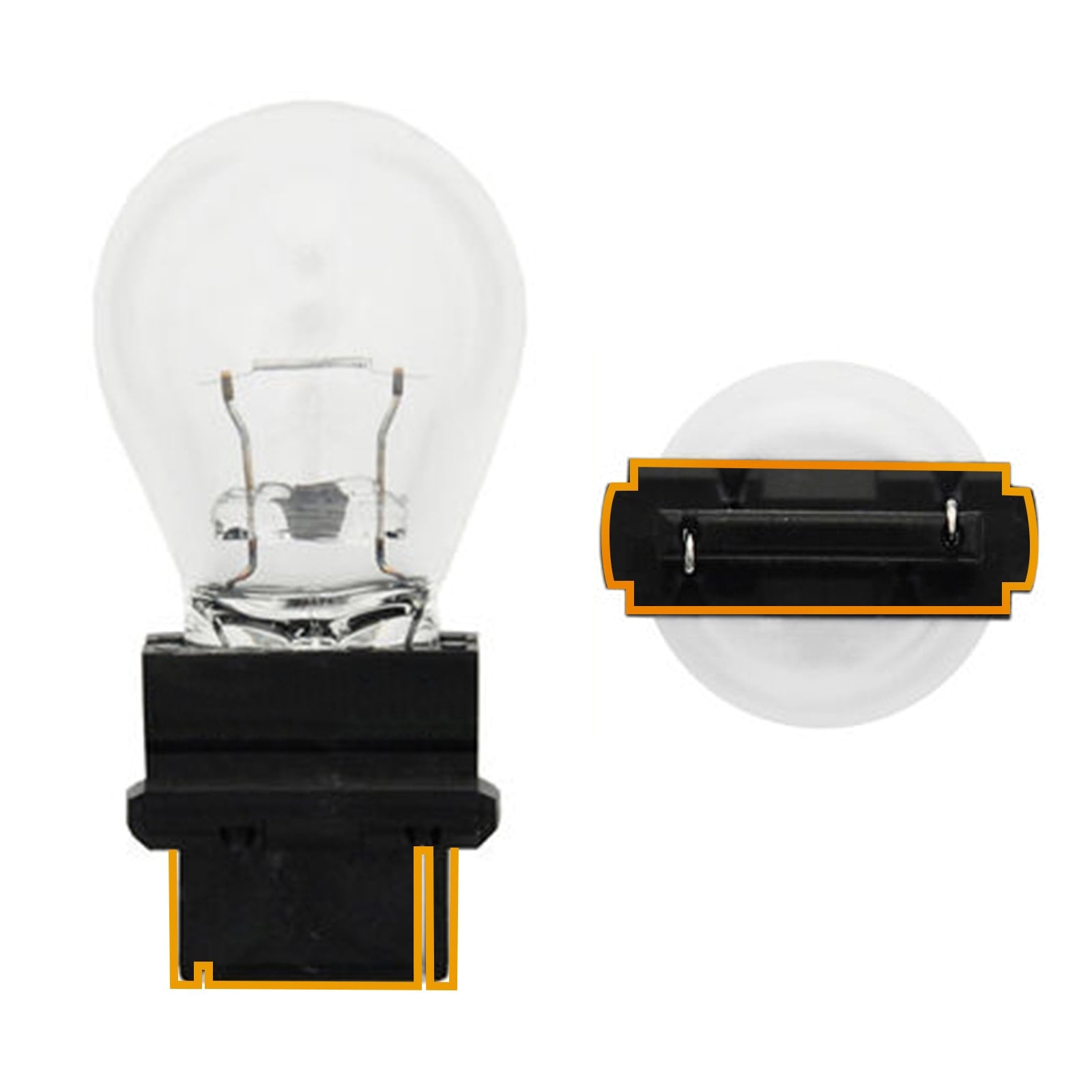
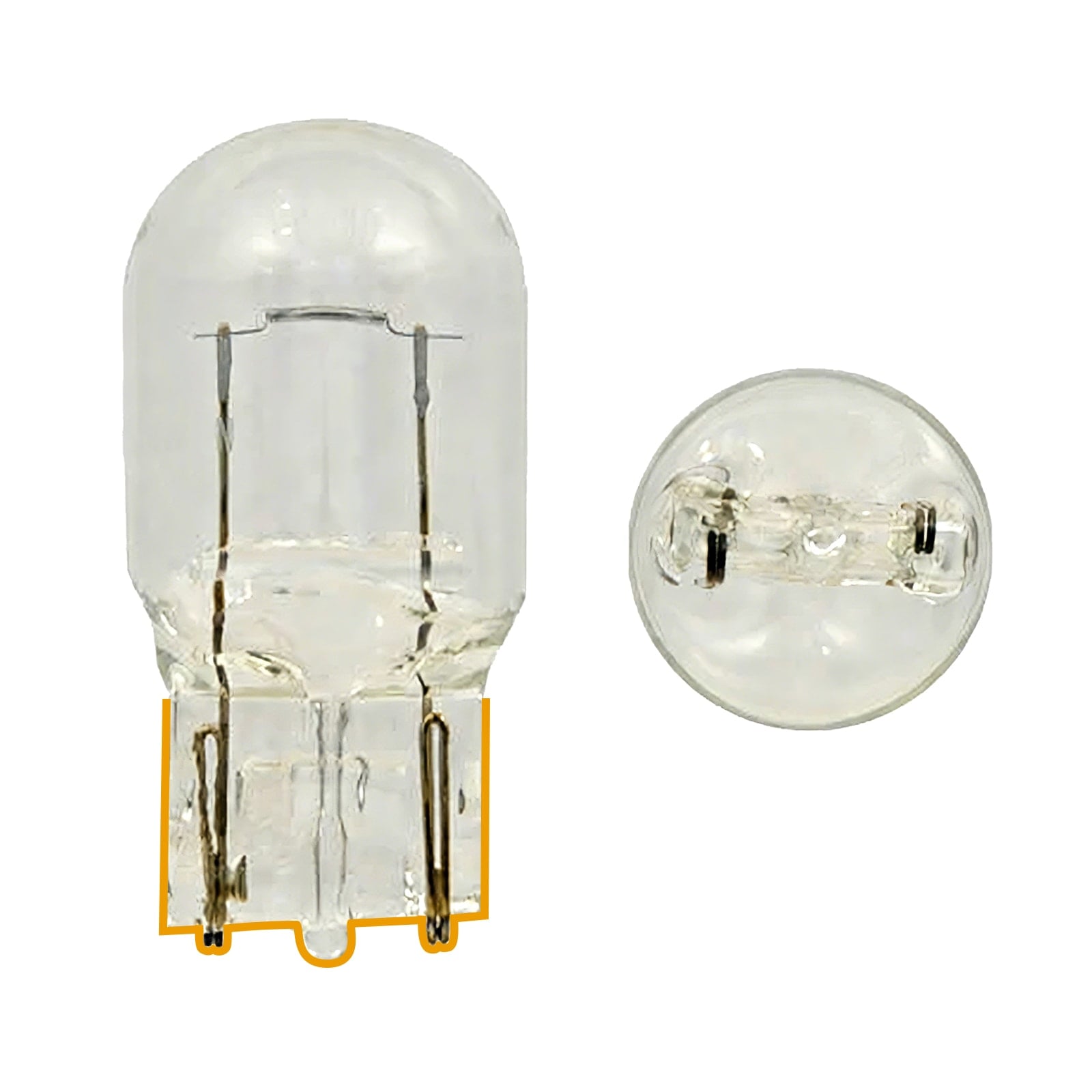
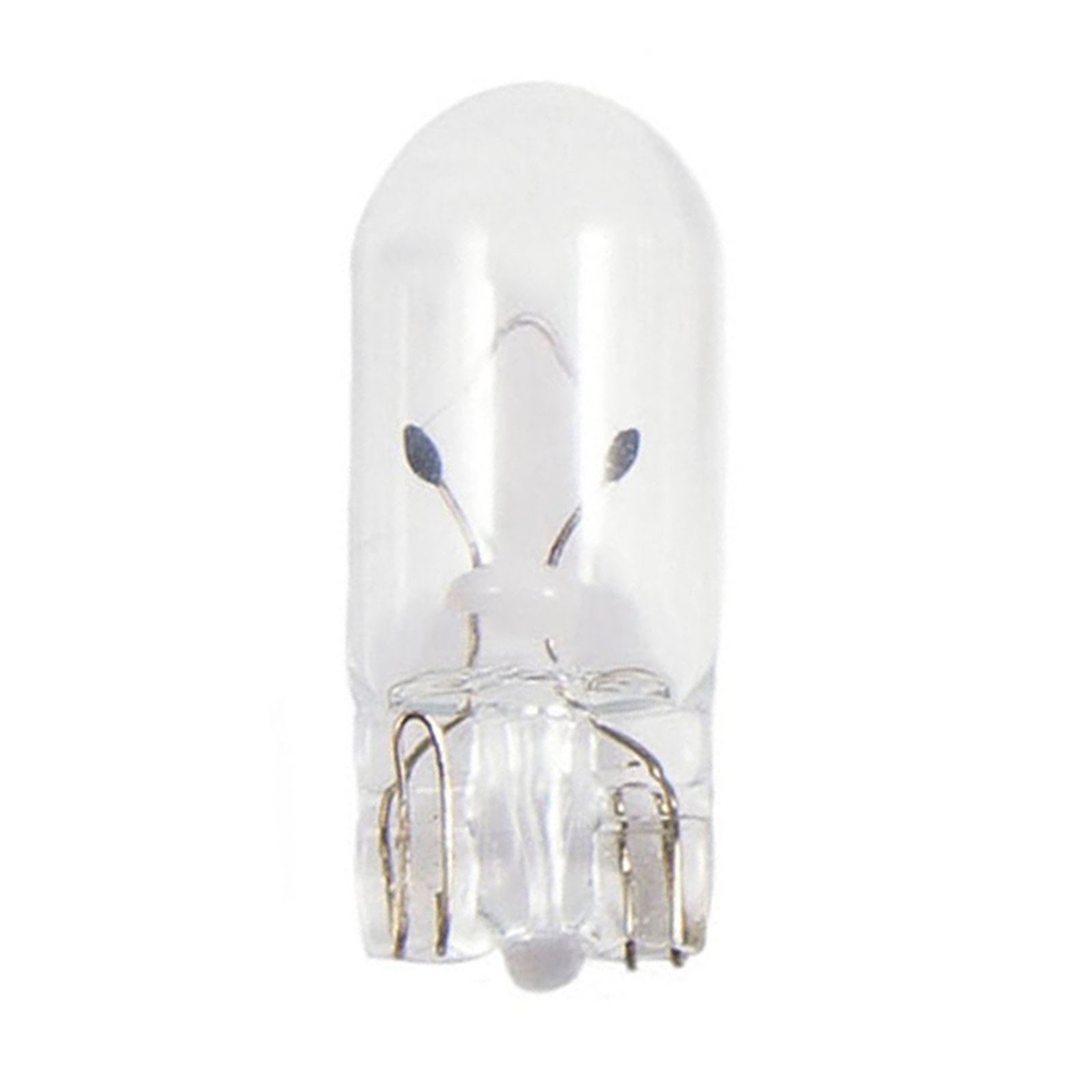
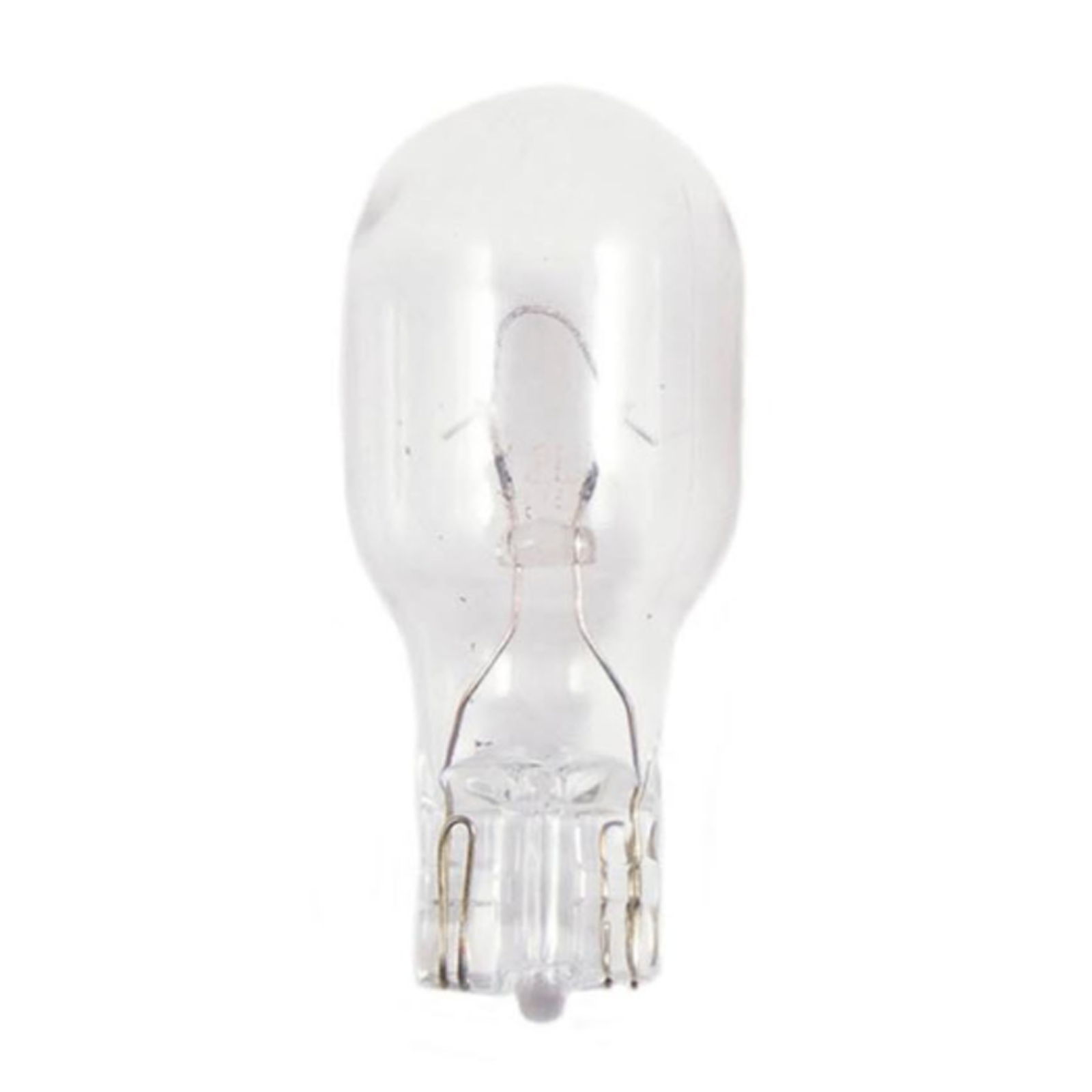
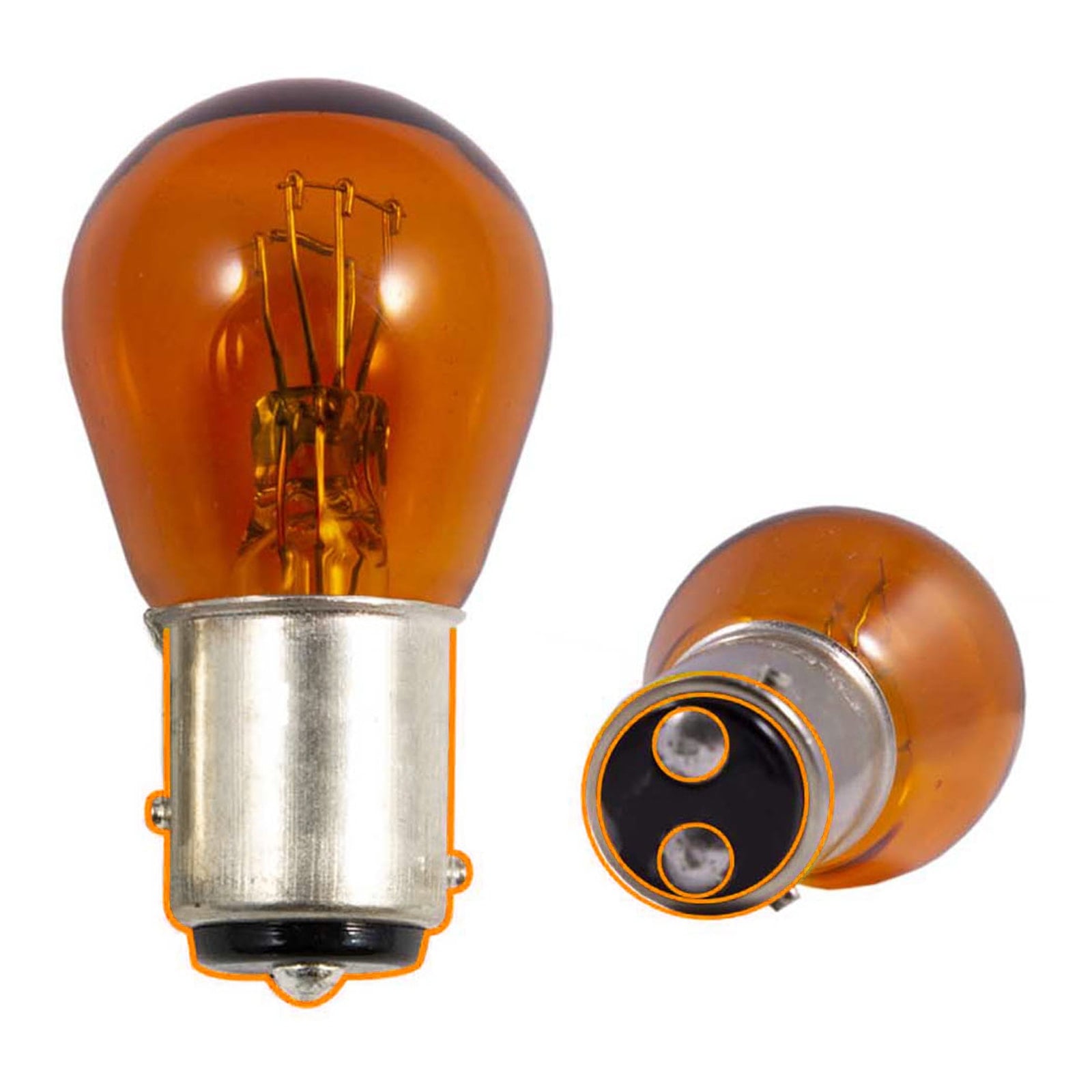
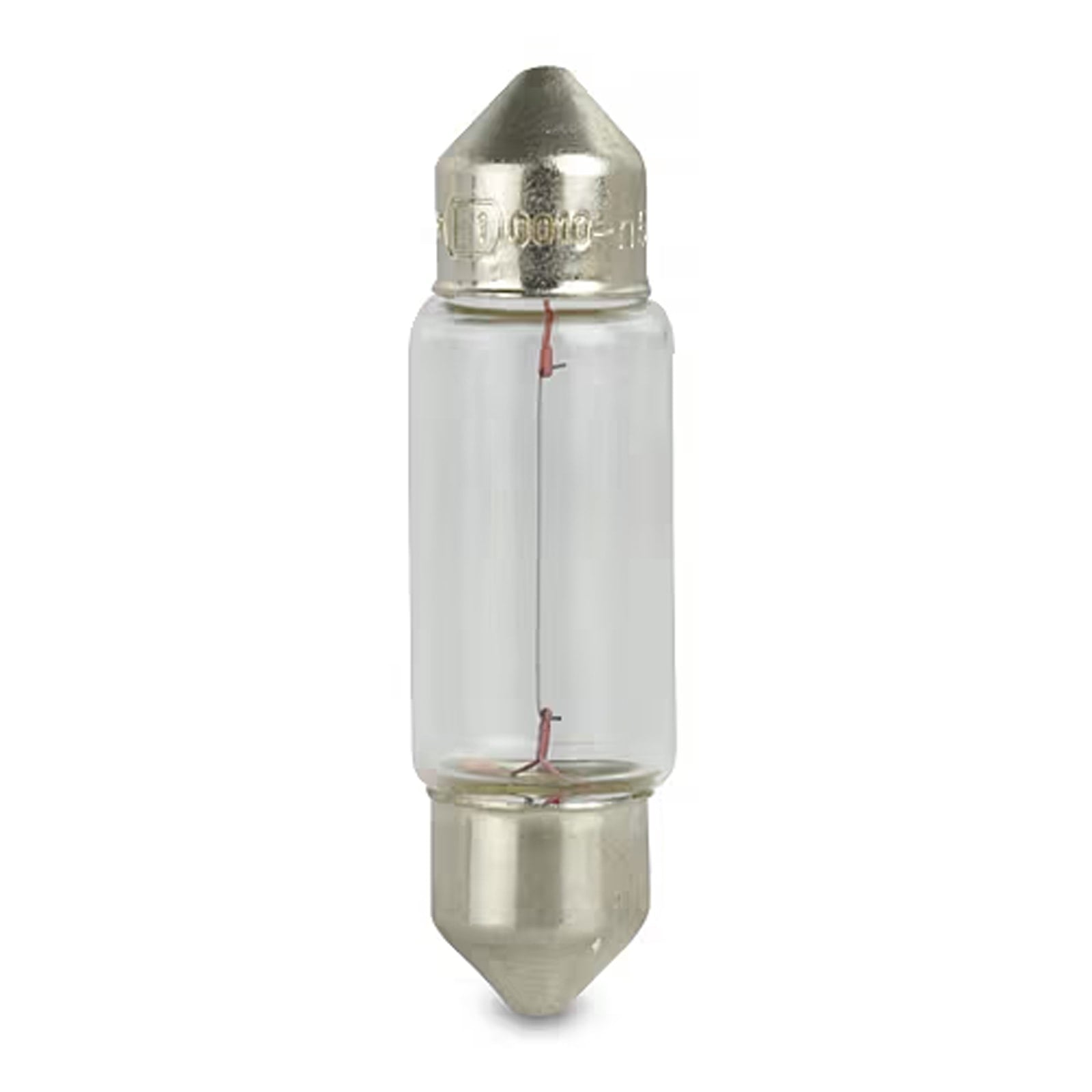
Common turn signal bulb sizes include 3156/3157, 3057, 7440/7443, T20, W21W, T10, 194, 168, W5W, T15, 921, 912, W16W, 1156 and 1157.
Because the same bulb size can serve different functions on different vehicles, always confirm the exact lighting position before ordering.
Front vs. Rear Turn Signal Bulbs
Front and rear turn signal bulbs are not always the same. They may use different bulb sizes, colors, sockets or electrical functions, even on the same vehicle.
Front turn signals commonly produce amber light. Rear signals may use amber or red, depending on the vehicle. Some rear bulbs combine the turn signal with the brake or tail light, so the replacement must support the correct number of circuits and lighting functions.
Check the front and rear positions separately instead of assuming that one bulb will fit both.
Amber, White or Switchback Turn Signal Bulbs?
The correct turn signal bulb color depends on the vehicle, lamp position and intended function.
Amber turn signal bulbs: Commonly used for dedicated front or rear turn signals.
Red turn signal bulbs: Used in certain rear turn signal and combined brake-light applications.
White bulbs: Suitable only when the vehicle lens and lighting design produce the required signal color.
Amber/white switchback bulbs: Display white light as a parking light or daytime running light, then flash amber when the turn signal is activated.
A switchback bulb requires a compatible dual-function socket and circuit. Check the product description and vehicle fitment before selecting this type. For dual-color lighting, explore our switchback LED bulbs, which display white light for the parking light or DRL and flash amber when the turn signal is activated.
When Should You Replace Turn Signal Bulbs?
A turn signal bulb replacement is needed when the signal is no longer bright, stable or reliable. Weak signal lights can make the vehicle harder to notice, especially in heavy traffic or low-light conditions.
Inspect or replace the bulb if you notice:
One turn signal light is not working
The blinker flashes faster than normal
The signal appears dim or weak
The bulb works intermittently or flickers
A dashboard bulb warning appears
The front or rear signal is difficult to see
The old bulb looks burned, dark or loose
Turn on the hazard lights and walk around the vehicle to identify the affected position. If a new bulb does not solve the problem, check the socket, fuse, wiring and flasher system. If the housing is cracked or contains moisture, the problem may not be limited to the bulb.
Are LED Turn Signal Bulbs Worth It?
LED turn signal bulbs can be a practical replacement for compatible vehicles because they illuminate quickly and can produce a clearer, more distinct signal than worn standard bulbs. They are also available in amber, red, white and switchback configurations.
The result depends on correct fitment and electrical compatibility. A suitable LED bulb should match the original socket, signal color and lighting function without creating Hyper Flash, dashboard errors or an uneven signal pattern.
Will LED Turn Signal Bulbs Cause Hyper Flash?
Some LED turn signal bulbs may cause Hyper Flash because LEDs often draw less power than halogen bulbs. The vehicle can interpret the lower electrical load as a failed bulb and make the turn signal flash faster than normal.
If an LED turn signal flashes too quickly or triggers an error, the vehicle may require:
CANBUS-ready turn signal bulbs
LED bulbs with built-in resistors
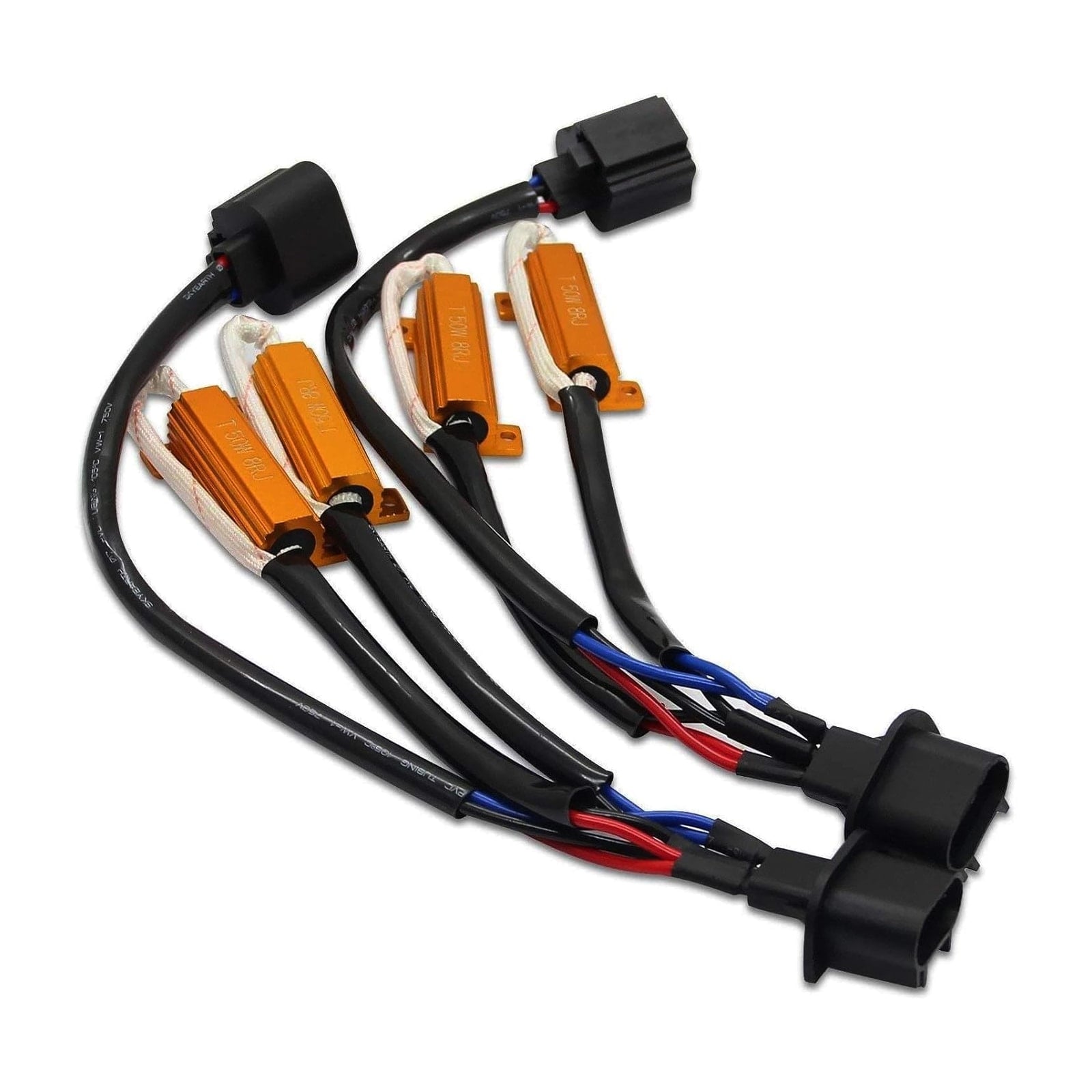
External load resistors
A compatible LED flasher relay
A socket or wiring inspection
Not every vehicle needs additional components. Check the product notes and vehicle fitment before ordering. If an external load resistor is required, install it according to its instructions because resistors can become hot during operation.
Why Choose SEALIGHT LED Turn Signal Bulbs?
SEALIGHT turn signal bulbs are designed for drivers looking for clearer signaling, faster LED response, straightforward installation and dependable daily performance. Available products cover different bulb sizes, colors and signal functions for compatible cars, trucks and SUVs.
Faster Response and Clearer Signal Visibility
LED bulbs illuminate as soon as the turn signal is activated, helping produce a crisp and distinct flashing signal. SEALIGHT offers different output levels so drivers can select a product that matches the vehicle’s original lamp design and intended use.
CANBUS Compatibility and Hyper Flash Solutions
Available options include CANBUS-ready bulbs and products with built-in resistors for selected applications. Some vehicles may still require an external CANBUS decoder or resistor, flasher relay or vehicle-specific solution.
Compatibility varies by vehicle, so a CANBUS-ready label should not be treated as a universal guarantee that every warning or flashing issue will be eliminated. If your vehicle is sensitive to LED bulb-out warnings or Hyper Flash, browse our CANbus-compatible LED bulbs and confirm the bulb size and vehicle fitment before ordering.
Multiple Bulb Sizes, Colors and Signal Functions
SEALIGHT offers commonly used sizes such as 3156/3157, 7440/7443, T10/194/168/W5W and T15/921/912/W16W. The collection includes amber and red turn signal bulbs, white multi-purpose bulbs and amber/white switchback options.
Some products can also serve as brake, tail, parking or daytime running light bulbs when the vehicle uses the same size and circuit configuration.
Fitment Support for Cars, Trucks and SUVs
SEALIGHT turn signal bulbs cover compatible applications for many cars, trucks and SUVs. Before ordering, confirm the vehicle year, make, model, trim, front or rear position, bulb size, socket type and required signal color.
Use the SEALIGHT Automotive Bulb Finder, the owner’s manual or the number printed on the original bulb to check fitment.
FAQs
Yes. “Turn signal bulb” and “blinker bulb” generally refer to the bulb that flashes when the driver signals a turn or lane change.
Front turn signals are commonly amber. Rear turn signals may be amber or red, depending on the vehicle. Use the color specified for the vehicle and check applicable local lighting regulations.
Yes. If only one side has failed, that bulb can be replaced individually. If both bulbs are the same age, replacing the pair can help maintain consistent color and output.
Not always. A resistor-equipped bulb may be needed if the vehicle develops Hyper Flash or a bulb-out warning after an LED conversion. Other vehicles work correctly with a standard compatible LED bulb.
Check the owner’s manual, the number printed on the original bulb or a vehicle bulb finder. Confirm whether the result applies to the front, rear, left, right or side-marker position.
Sometimes, but not always. Front and rear positions may use different sockets, colors, bulb sizes or lighting functions. Check each position separately.
Hyper Flash usually occurs because an LED bulb draws less electrical power than the original halogen bulb. The vehicle interprets the reduced load as a failed bulb and increases the flashing rate.
Requirements vary by location. Use the correct signal color and a bulb that produces a visible, controlled signal without excessive glare. Confirm compliance with local vehicle-lighting regulations.
A switchback turn signal bulb combines two colors or functions. A typical amber/white switchback bulb displays white light as a parking light or DRL and switches to flashing amber when the turn signal is activated.